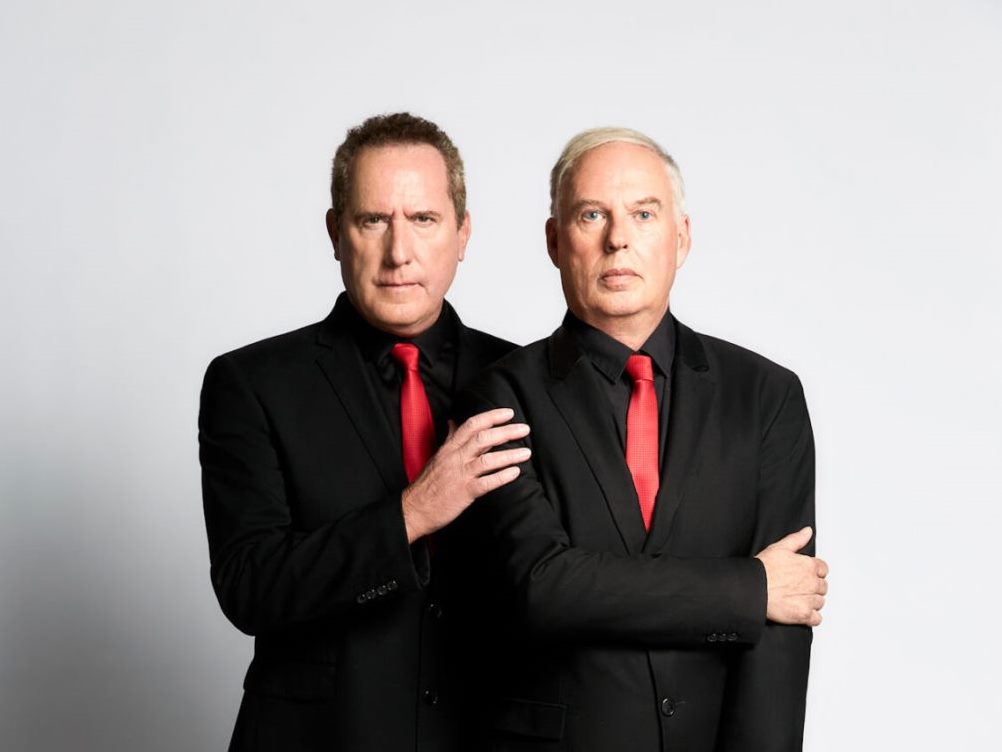
Tag: Andy McCluskey (Page 1 of 6)

KARL BARTOS Interview

Photo by Katja Ruge

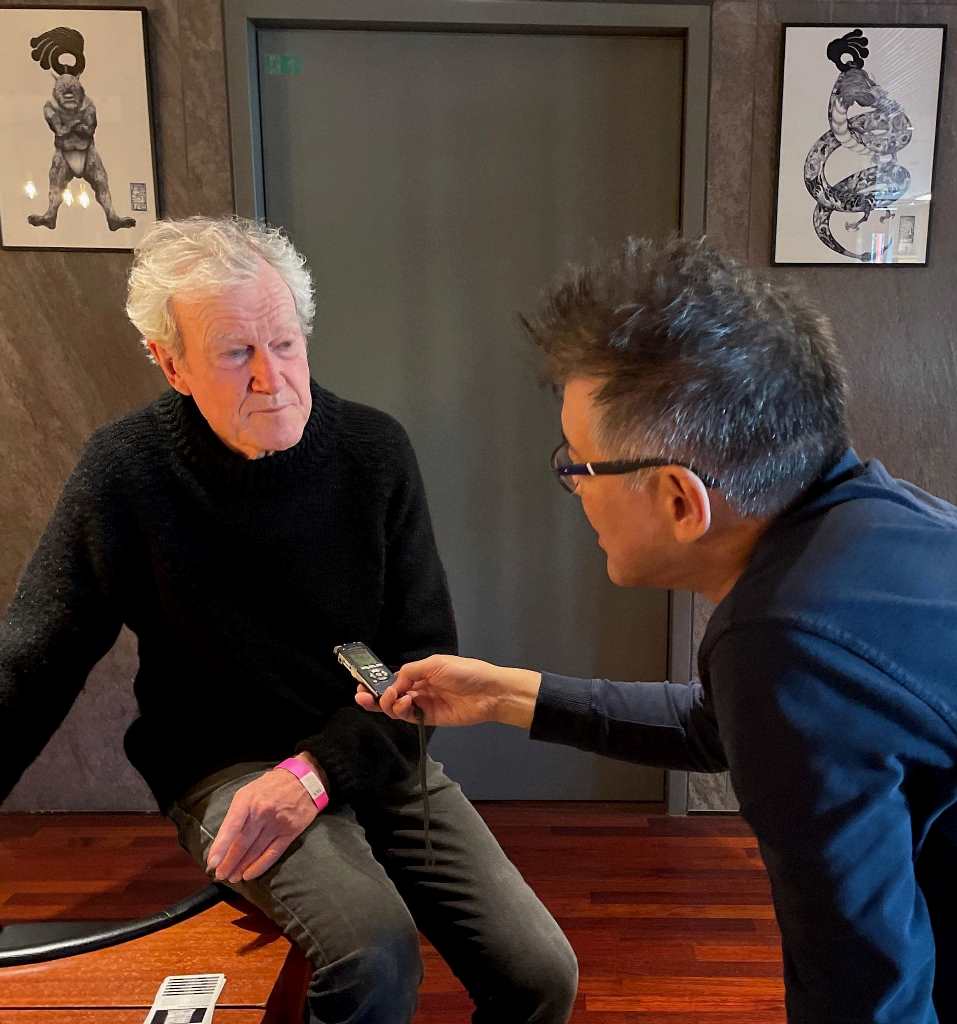
Karl Bartos needs no introduction to electronic music aficionados as a member of the classic KRAFTWERK line-up; he co-wrote acknowledged electronic classics such as ‘The Model’, ‘The Robots’, ‘Neon Lights’, ‘Computer World’, ‘Numbers’, ‘Computer Love’, ‘Tour De France’ and ‘The Telephone Call’.

Born in 1952, Karl Bartos studied at the Robert Schumann Conservatory in Düsseldorf before joining KRAFTWERK for their US tour in 1975 after the success of ‘Autobahn’; working alongside Ralf Hütter, Florian Schneider and Wolfgang Flür, he featured on the pioneering albums ‘Radio-Activity’, ‘Trans-Europe Express’, ‘The Man Machine’, ‘Computer World’ and ‘Electric Café’.

As well as playing the iconic elektronisches schlagzeug pads first widely seen in the UK on the BBC show ‘Tomorrow’s World’, Bartos also used other customised electronic instruments such as the Vibrolux electronic vibraphone and the Triggersumme percussion sequencer.

Leaving KRAFTWERK after years of work on ‘The Mix’ for which he was not credited, he formed ELEKTRIC MUSIC, releasing the album ‘Esperanto’ in 1993 which featured the original version of the brilliant ‘Kissing The Machine’ with Andy McCluskey on lead vocals that was later included in reworked form on the 2013 OMD album ‘English Electric’.

Collaborations with Bernard Sumner and Johnny Marr for the ELECTRONIC album ‘Raise The Pressure’ and a psychedelic rock-infused number ‘The Moon & The Sun’ with OMD for their more conventional ‘Universal’ long player followed in 1996; the various influences from these British sojourns led to the 1998 six string driven ‘Electric Music’ album which Bartos would describe as “guitar pop out of the computer”.

Photo by Gaby Gerster

But Bartos would return to electronics for his debut solo album proper ‘Communication’ in 2003. He acted as a guest professor in Auditory Media Design at the Berlin University of the Arts between 2004 to 2009 before formulating his second solo album ‘Off The Record’ which came out in 2013. His most recent music project has been a present day soundtrack to ‘The Cabinet of Dr Caligari’, the 1920 German Expressionist silent horror film directed by Robert Wiene.

His autobiography ‘The Sound Of The Machine – My Life in KRAFTWERK & Beyond’ was published in English in 2022 by Omnibus Press and among the interesting factoids contained within was that the inspiration for the ‘Numbers’ beat was a Cliff Richard recording called ‘Do You Want To Dance?’; almost everything about the creative process at Kling Klang from an eyewitness point of view was contained in this book.

With a remastered version of ‘The Sound Of The Machine’ recently published with a new foreword by music academic Dr Leah Kardos, Karl Bartos kindly entertained a career spanning chat with ELECTRICITYCLUB.CO.UK

You have published a remastered edition of your book ‘The Sound Of The Machine’, are there any specific differences with this new version. How was it to write, from the original German transcript through to translation into English?

After the book’s publication in Germany, I began revising the text with the English translation in mind. Many sections had been cut and I’ve now reinserted them elsewhere. Meanwhile, I had also analysed my time with KRAFTWERK and, for example, added the paragraph ‘Progress as a Shining Promise’ to Chapter 16. Digitisation was one of the decisive reasons for the end of our creative community.

When we then worked on the translation with the fantastic Katy Derbyshire, several other things came to light that I had noticed in the other language. And my magnificent editor, David Buckley, brought another expertise. It wasn’t really work for me, but rather very educational and a great pleasure. Yes, I’m happy with Omnibus Press’ remastered edition. And, of course, I love the profound foreword. Dankeschön, Leah Kardos.

You are still performing your contemporary soundtrack to ‘The Cabinet of Dr Caligari’ live, what fascinated you about this film and how did you find composing to moving images and a storyline?

The industry of killing machines was invented then. For the first time, a war was fought with modern weapons: machine guns, tanks, airplanes, flamethrowers, chemical weapons, and much more – everything that scientists had developed. The film reflected the horrors of World War I. It was a sensation at its premiere in Berlin in 1920. It was considered a new art form. Reproducible – made for the masses. The new medium of film combined the expressionist worldview with psychoanalysis and the mystical ghost world of Romanticism.

Composing functional music was an enriching experience. But I didn’t just compose music, but also integrated all the sounds of the narrative world into the music. That’s why my partner, sound director Mathias Black, and I called it narrative film music.

Your debut solo album ‘Communication’ was reissued in 2025 by Bureau B, but it sort of got lost when it was first released in 2003. How was the reception to it 22 years later on its now prescient themes?

Yes, I’ve been living with this album for a while now. I can’t say much about the reactions to the reissue yet. A friend from England wrote to me that it’s difficult to determine the order of my music releases anyway. The events of September 11th deeply shook me at the time, and I wanted to focus on the power of images.

How do you look back on the making of 2013’s ‘Off The Record’ and how it brought some of your past into the present? Are there any more “secret acoustic diary” entries that can be developed?

During my professorship at the Berlin University of the Arts, the idea for an autobiography gradually matured. My pocket diaries, scores, and audio diary were all kept close together. Yes, I often write things down. Perhaps because I want to know how I think.

‘Ohm Sweet Ohm’ remains an underrated classic, it is very emotional and human in its realisation with your “knitting needle schlagzeug” being among the key components, how did your pop mind and classical training take to this new technology and sound when in the studio for the ‘Radio-Activity’ album?

The 1970s were a decade of avant-garde music. And Düsseldorf was an artistic centre for all directions of the avant-garde. As a student, one was very involved in experimentation. Compositions for percussion generated quite a lot of buzz. Steve Reich played at the Kunsthalle in Düsseldorf in the early 1970s. That was an enlightening experience. I also studied Stockhausen’s ‘Zyklus for a Percussionist’ and, with the percussion ensemble, Carlos Chávez’s ‘Toccata for Percussion Instruments’. It was also around that period that I first heard pieces from John Cage’s ‘Imaginary Landscape series’. It was an amazing time, living and learning amidst the sounds of music.

But bear in mind: even in the 60s, THE BEATLES had one foot in the avant-garde of sound art. The recording sessions for ‘Radio-Activity’ were cool and the atmosphere was great. I remember thinking to myself that it was a good mix of pop and avant-garde. That was then.

In today’s capitalist, computerised world, however, many are more concerned with content management than with music. We once imagined this digital world and translated it into music. But yesterday’s future is now the past. Many people love this retro-futurism. That’s fine with me. Nostalgia is very potent. However, nostalgia should not degenerate into retro-perplexity. Because art, by its very nature, enters into a dialogue with the world. And as Canadian Prime Minister Mark Carney recently said in a different context in Davos: ‘Nostalgia is not a strategy.’

Before MIDI, you had the customised Vibrolux electronic vibraphone which you used on ‘The Hall Of Mirrors’, how did you find using to it compared to an acoustic one?

It was rather basic, but it could control a synthesizer, and that was the point.

You came up with the bassline of ‘Metropolis’ while the percussion was sequenced for the first time, how do you see your role as a musician changing at the time?

When I was young I‘d played in pop bands and in classical music, for example in modern ensembles and opera. From the beginning, I felt that composing came naturally to me. Since I never saw myself as a drummer in the traditional sense of pop music, I had no reservations about automating the rhythm. I somehow liked the anonymity of a formula. Similar to the bar lines in musical notation, which represent the pulse, it is the framework that holds the music together. After all, we wanted the quantification to aestheticise the logic of the machine. Essentially, I’m an artist who just happens to be a musician.

One of your new tools in the reconfigured Kling Klang for 1981 was the Triggersumme, what was that like to use and what possibilities did it open up?

It involved the automation of a beatbox with the ability to make variations ‘on the fly’. In fact, the synchronization of the analog sequencer and the Triggersumme for controlling percussive sounds was an ingenious unit. The engineer Hajo Wiechers has done an excellent job. Unfortunately, we weren’t aware of how beneficial this technique was for merging our creativity.

Isn’t it strange that after our 1981 world tour, we didn’t perform live again with our classic line-up until 1990. Progress was a shining promise, and our belief in technology clouded our vision. The digital hysteria of those years diverted our attention from people to machines, and the machines, in turn, blocked our view of what we should have been doing. Because up to that point, all our music had been created through the interplay of our creativity. And the creation was supported by a few music boxes.

Our group of artists then became a digital business model. It is really remarkable how many things we’ve experienced as a result of technological progress are now being repeated in information society worldwide. I view the invasion of artificial intelligence with great concern. I’m not afraid of technology, but of people and their intentions.

The ‘Computer World’ tour saw you playing more keyboards but do you have a favourite synthesizer of all time?

I still own two Minimoogs. Yes, this machine was truly brilliantly designed by Mr Bob Moog. I also have a digital plug-in. Most of the time, we end up with distortions in the digital hall of mirrors. But I think the Moog plug-in turned out well too.

What is your favourite drum machine or rhythm unit?

I’m afraid I can’t help you here. I believe the analog sequencer and Triggersumme of Hajo Wiechers had the ability to awaken creativity and be receptive to inspiration.

Digital synthesis and sampling entered the fray on ‘Tour De France’, how did you view these sonic developments?

Every work of art has two faces: one looks to the present, the other to eternity. I believe that we were too focused on the present during this phase. From a top-down perspective: Technology isn’t all that important for the creation of music. We know that with a few colourful building blocks, children can let their creativity run wild. But we can’t imagine life without technology either. The most important inventions for music were notation, the metronome tempered tuning and the circle of fifths, the fortepiano, and sound recording.

But there’s one more! The idea of automating music on a timeline has been around for a very long time. In the past, people used a cylinder to pluck a comb made of metal tongues of different lengths, thus producing sounds. Essentially, this very clever principle has been transferred to the computer. Anyway, what’s important is the emotion that the music contains and can communicate.

How did you come to sing the lead vocal on ‘The Telephone Call’, had you presented it as a complete song?

Yes, I came up with the lyrics and the melody, I seem to remember. That was a long time ago and isn’t so important to me anymore. I’d have to look that up in my autobiography…

Your music has been very influential and in 1992, you were asked to remix ‘Planet Rock’ which appropriated the ‘Numbers’ beat and brought things full circle… what was your reaction when you first heard it in 1982?

I forgot. I’d have to look that up in my autobiography too… meanwhile, the rhythm has been used over and over.

When you started ELEKTRIC MUSIK, you opted not to front it as such and left the lead vocals primarily to Lothar Manteuffel and guest Andy McCluskey, had your first lead vocal with ‘The Telephone Call’ not provided the confidence you needed?

That’s a good question. My main goal was to have a roof over my head. Others could be here too. That’s why I used the name of my music publishing company Electric Music for the band. By mistake it turned out as ELEKTRIC MUSIC. At the time, I wasn’t sure whether I should use my own name for the product. I have been working under my own name for a long time now, like in classical music.

When Andy showed up I gave him a little melody and a few chords, which were called ‘Loreley’ back then, and he turned it into a song ‘Kissing The Machine’. I certainly hadn’t expected lyrics about artificial intelligence in 1993. That was a blast, of course.

And I had written ‘TV’ in 1987, shortly after ‘Electric Café’ / ’Techno Pop’. At that time I was following the work of Marshall McLuhan and Neil Postman because I felt that with ‘Radio-Activity’ we had missed the point regarding the topic of media. And when I finally got the record deal for ELEKTRIC MUSIC, I was forced to write the album in no time at all. Some days I’ve been working 16 hours. The guys where mixing one track at the studio and I was at our place, the Klangwerkstatt, composing / arranging the next song. So Lothar Manteuffel of RHEINGOLD was getting the job to sing ‘TV’. Because I worked overtime to compose and produce the album.

Was the cover of ‘Baby Come Back’ for the NME ‘Ruby Trax’ collection some fun and light relief from your past?

Yes, that’s true. Andy McCluskey suggested the title for our contribution during a dinner at Wolfgang’s place. Emil was there too and Lothar. We had a wonderful time; it was one of those nights.

How true is the legend that you inspired Andy McCluskey to conceive ATOMIC KITTEN?

Oh yeah, I don’t even remember where it was… Düsseldorf, Liverpool, Dublin, Los Angeles? We were just throwing some ideas for the next OMD album into the computer. Andy was in his element, and we tried out a few things that didn’t necessarily sound like OMD. At some point during the session, I asked him if he’d ever written music for other artists. I was thinking of the golden age of songwriting in Tin Pan Alley, or its modern-day counterpart, the Brill Building. I later learned that he’d looked into it. Andy is incredibly talented, but of course, everyone knows that.

You did productions for INFORMATION SOCIETY, THE MOBILE HOMES, VIENNA and FLATZ while among your collaborations were OMD and ELECTRONIC… do you ever wish you did more as a producer? Is there anyone you would have liked to have worked with?

That was a long time ago. The collaborations with Bernard and Johnny, or Andy, were outstanding and completely different.

Today I no longer feel the urge to produce music for other artists. I produce for myself when I compose. For me, nowadays much of the production process revolves around the measurable side of the world. It has a lot to do with technical applications and physics. My mindset is far too abstract for that. I achieve the best results when I play with the elements of music like a child, without any intention or goal. Just for the sake of playing. Sometimes I manage to get into that state…

Photo by Chi Ming Lai

An interesting by-product of working with Johnny Marr and Bernard Sumner in ELECTRONIC was you returned to Germany “with a Rickenbacker strapped to your back” which took you into an unexpected direction?

The computer is an extremely powerful production tool. Unfortunately, the device itself, and the digital copy of the world, is very time-consuming. The Silicon Valley people have understood how they can shift a significant part of the work onto the customers. That happens everywhere. There’s a lot of fairy dust being sprinkled around. The business model of digital companies isn’t exactly in love with traditions. However, I’m an artist who feels at home in traditional European culture. We’ll see what the new world order will bring about in terms of art.

That’s why I’m glad I have a few old acoustic instruments in the house. No dirty tech, outdated operating systems, updates, algorithms, feedback loops, AI hallucinations and no looney tech billionaires with their feudal-sounding visions for human kind, the planet and even space.

While working on ‘Caligari’, I composed some of the music for my upcoming electronic album acoustically. As always, it’s primarily about listening, feeling, playing, and thinking. I didn’t record anything for a long time, but made handwritten notes, just like during my musical studies or at Kling Klang Studio. The golden trail, so to speak. That way my subconscious is constantly adding to what’s already there. Or it’s about reducing what’s already been achieved. When I then transfer the music to the computer’s timeline, the musical elements have already developed a life of their own. Music, after all, originates from life.

But of course, I sometimes start with a blank timeline. Ha, the void! I should really write a short piece about creativity sometime. It’s like this: inspiration doesn’t arise when you hope for it, but only during the work itself.

Which are your 5 favourite pieces of your own work?

I’m afraid I can’t answer that question. I don’t know. For me, life in music is like breathing.

Photo by Philipp Rathmer

What is next for you?

I hope that one day I will release my next electronic album. A long-cherished wish of mine, the re-recording of ‘Esperanto’ (1993) is also planned. There are so many unheard melodies and musical elements from the early 1990s and before that I would love to come to life.

Will you ever perform your KRAFTWERK co-writes and solo “pop” material live again, as it’s been a while since you’ve done that?

I don’t know yet. Igor Stravinsky once said, in essence, that music is a speculation with sound and time. The live music business is also about speculation – nothing is certain until the tickets are sold.

But my music is constantly being performed live. My former musician friend is touring the world with his show. He seems to be omnipresent. You know, I don’t regret anything. But I also don’t forget anything. And I’m really grateful and happy that people don’t stop listening to our songs. That means a lot to me. I believe our music will outlive us. And that’s not too bad, is it?


ELECTRICITYCLUB.CO.UK gives its grateful thanks to Karl Bartos

Special thanks to Sean Newsham at Bureau B and Bettina Michael

The Karl Bartos solo albums ‘Communication’, ‘Off The Record’ and ‘The Cabinet Of Dr Caligari’ are all available via Bureau B at https://www.bureau-b.com/artists/karl-bartos

‘The Sound Of The Machine’ is published as a remastered paperback edition by Ominbus Press

http://www.karlbartos.com/

https://www.facebook.com/OriginalBartos

https://www.instagram.com/karlbartosofficial/

https://www.youtube.com/@karlbartos/videos

https://open.spotify.com/artist/5tJ5CFnO4JQmLXaarEyHKt


Text and Interview by Chi Ming Lai
25th February 2026
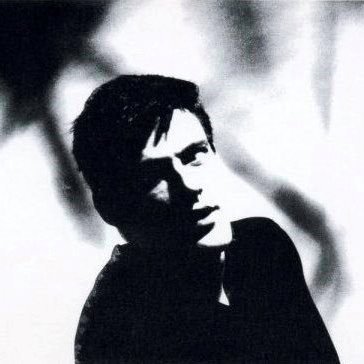
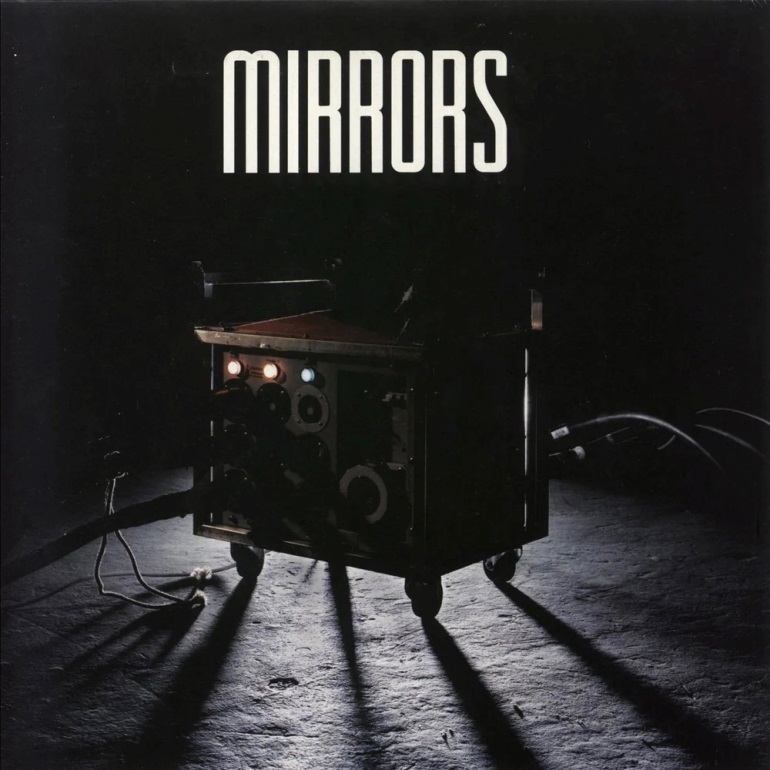
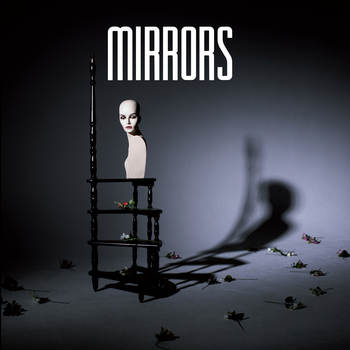
A Beginner’s Guide To MIRRORS

Photo by David Ellis

“MIRRORS formed probably in a very similar way to a lot of other bands; we were in a pub, we were being very scathing and cynical about the current crop of musical hopefuls and obviously assumed at the same time we could do it better. So before we knew it, we picked up a couple of old synthesizers and we were bashing out some tunes…”: James New

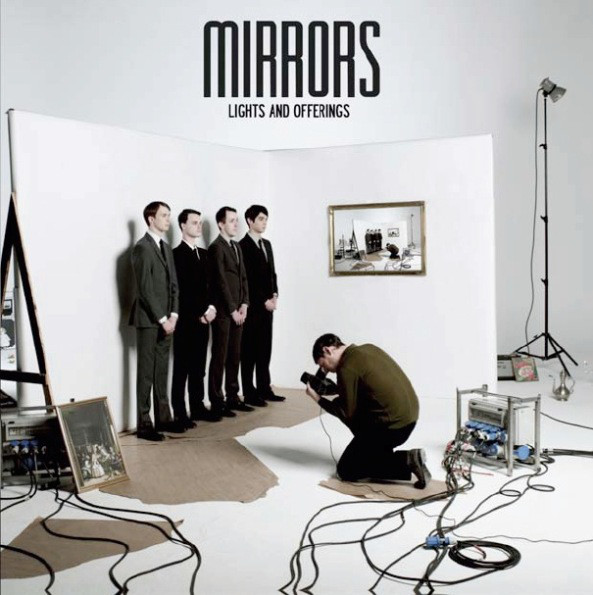
MIRRORS may have only released one full length album ‘Light & Offerings’ in early 2011 but while the lack of success may have precipitated their premature disbandment, with the qualitative lull in British synth music in the years following meant that ‘Light & Offerings’ was discovered retrospectively by electronic pop fans who had missed the band first time around.

MIRRORS released their first two self-produced singles ‘Look At Me’ and ‘Into The Heart’ in 2009. As the quartet began to perform live with cerebral projections as visual accompaniment, they fostered a suited look based around 20th Century European Modernism inspired by Gilbert & George and designated their music pop noir. Signing to Brighton’s Skint Records, after abortive recording sessions with Ed Buller and Richard X, the band opted to self-produce their debut long player and locked themselves away in a rural Sussex farmhouse for several weeks.

Despite having only one long player to their name, MIRRORS became known for their B-sides and remixes while since the band’s fragmentation in late 2011 and quiet disbandment in mid-2013 after their final gig in the Czech Republic, there have been number of new projects and collaborations. Of the classic line-up, front man James New has been the most prolific, working with Saint Raymond, Lauren Aquilina and Laura Welsh in a production / writing partnership with Josef Page alongside his own solo work and various guest appearences. Meanwhile outside of music, James Arguile entered the teaching profession while Ally Young trained to become a chef.

ELECTRICITYCLUB.CO.UK has managed to assemble a Beginner’s Guide comprising of 20 tracks from The World of MIRRORS. As per usual, rules help to control the fun and the selections have been made from standalone releases whether physical product or digital downloads (both purchasable or available initially for free); they are placed in chronological order…


MUMM-RA She’s Got You High (2007)

James New and James Arguile had their first taste of near-fame in indie-pop hopefuls MUMM-RA named after the primary villain in the animated series ‘ThunderCats’. Reaching No41 in the UK Singles Chart, ‘She’s Got You High’ later appeared in ‘(500) Days of Summer’, an episode of ‘The Inbetweeners’ and a Waitrose advert. Despite supporting THE KILLERS, the band split and New started listening to KRAFTWERK…

Available on the MUMM-RA album ‘These Things Move In Threes’ via Columbia Records

https://www.instagram.com/mummraofficial/


MIRRORS Look At Me (2009)

“Bored of tradition”, James New met Ally Young and began formulating ideas “to do something that was considered from the ground up”. Joined by James Arguile who embraced the idea of making soulful electronic pop, the first fruit of labour was ‘Look At Me’; recorded on GarageBand with sonic distortion creeping in, it was released as a one sided red vinyl single on Pure Groove with the sleeve sticker outlining the MIRRORS manifesto.

Available on the MIRRORS EP ‘Broken By Silence’ via Skint Records

https://www.theguardian.com/music/2009/mar/13/new-band-mirrors


WHITE LIES A Place To Hide – Un Autre Monde mix by MIRRORS (2009)

The WHITE LIES connection came about as James New was friends with live keyboardist Tommy Bowen; a song from the debut ‘To Lose My Life…’ which also included ‘Farewell To The Fairground’, the trio’s post-punk influenced synth rock influenced by THE TEARDROP EXPLODES was given a doom-laden machine-percussive edge. “The WHITE LIES one was our first remix actually” recalled James New in 2010, “that’s probably the one I like the least”.

Originally available a free download, currently unavailable

https://whitelies.com/


MIRRORS Into The Heart (2009)

With Josef Page joining the line-up, MIRRORS were now a synth quartet and their second single on Moshi Moshi was a much more soaring statement after the comparatively understated ‘Look At Me’. Within its detuned shimmering tones, here was an accessible Cold War centric pop number with a majestic singalong that proved Synth Britannia influences were nothing to be ashamed of.

Originally available as the single ‘Into The Heart’ via Moshi Moshi Records, re-recorded version on the album ‘Lights & Offerings’ via Skint Entertainment

https://www.facebook.com/theworldofmirrors


AU REVOIR SIMONE Tell Me – MIRRORS remix (2010)

Known for their whimsical feminine synthpop, AU REVOIR SIMONE closed their third album ‘Still Night, Still Light’ with the minimally understated ‘Tell Me’; remixed in his bedroom in half a day, James New’s brilliant version made the American female keyboard trio of Erika Forster, Annie Hart and Heather D’Angelo sound delectably suicidal; “That was the plan…”, he said in 2010, “sort of gothic disco I was going for there!”

Available on the AU REVOIR SIMONE album ‘Night Light’ via Moshi Moshi Records

http://www.aurevoirsimone.com/


MIRRORS Ways To An End (2010)

‘Ways To An End’ saw MIRRORS’ intense and artful approach to dancing was very different to the ‘hands in the air’ culture of their home base of Brighton. Synthetic chills and pulsing effects dominated this brilliantly uptempo electro number that rhythmically recalled TALKING HEADS ‘Crosseyed & Painless’ while the claustrophobic production was very post-punk while wonderfully dense and swathed in melodic drama.

Available on the MIRRORS album ‘Lights & Offerings’ via Skint Records

https://theworldofmirrors.blogspot.com/2010/12/mirrors-and-omd-tour-account.html


MIRRORS Broken By Silence (2010)

In their short career, MIRRORS left not only a great album in ‘Lights & Offerings’ but a body of wonderful B-sides too. Originally the flipside of ‘Ways To An End’, the emotive ‘Broken By Silence’ exploited the sad melancholy often associated with OMD; “It’s one of my favourite tracks of ours!” said James New and it became the title song of a special CD EP made available during MIRRORS shows opening for OMD.

Available on the MIRRORS EP ‘Broken By Silence’ via Skint Records

https://theworldofmirrors.blogspot.com/2010/12/mirrors-tour-account-part-2.html


OMD Sister Marie Says – MIRRORS Un Autre Monde Mix (2010)

With the European tour opening for OMD came an invitation to remix ‘Sister Marie Says’, the most immediate song on their comeback album ‘History Of Modern’. Much was anticipated in as the apprentice casttheir homework on the sorcerer’s spell. Using a dark abstractly percussive approach minus the song apart from bursts of choir samples and the whispered title phrase, this reconstruction polarised OMD and MIRRORS fans alike.

Originally available on the single ‘Sister Marie Says’ via Blue Noise Records, currently unavailable

http://www.omd.uk.com/


MIRRORS Falls By Another Name (2011)

“It’s a bit of a guilty pleasure…” said Ally Young of ‘Falls By Another Name’, a B-side catchy enough to have been an A-side. Not as dense as MIRRORS’ usual pop noir, the bright pulsing melodies and James New’s Dave Gahan impression made this sound like a quality outtake from DEPECHE MODE’s ‘Speak & Spell’; “…we do have a habit of writing quite big melodies and choruses” added the MIRRORS singer, “we come from a poppy sort of place”.

Available on the MIRRORS EP ‘Broken By Silence’ via Skint Records

https://theworldofmirrors.blogspot.com/2011/05/


MIRRORS Something On Your Mind (2011)

MIRRORS revealed an interesting musical diversion with this haunting take of a rootsy country number originally recorded by Karen Dalton. Written by Dino Valenti of psychedelic rockers QUICKSILVER MESSENGER SERVICE, ‘Something On Your Mind’ was a touching ballad with its tortured yearning suiting the quartet’s pop noir aspirations. Ally Young said: “It was very nice for us to be able to apply our aesthetic to someone else’s song.”

Available on the MIRRORS album ‘Lights & Offerings’ via Skint Records

https://theworldofmirrors.blogspot.com/2011/04/embedded-mirrors-european-tour-diary.html


MIRRORS Secrets – Andy McCluskey remix (2011)

Originally a 10 minute epic split into three movements, ‘Secrets’ closed MIRRORS’ debut long player, driven by an intense percussive tattoo and a shifting octave bass riff that was pure Klingklang. While pushing forward the synthetic claps and allowing in some air, Andy McCluskey stripped down the backing and shortened proceedings, making it much less claustrophobic and militaristic than the original cut.

Originally available a free download, currently unavailable

https://www.runoutgrooves.com/mirrors/


ANOTHERS BLOOD Lost Communication – MIRRORS remix (2011)

Behind the cerebral alt-rock act ANOTHERS BLOOD was producer Richard Frenneaux. His rousing ‘Lost Communication’ was given an electro-gothic austere by MIRRORS that subdued the vocal into a background of slowly throbbing bass synths. ANOTHERS BLOOD later covered NEW ORDER’s ‘Lonesome Tonight’ for Mojo Magazine in 2012 while Frenneaux released his debut solo album ‘Fluoxetine Times’ in 2020.

Available on the ANOTHERS BLOOD single ‘Lost Communication’ via Family Records

https://www.instagram.com/richfrenn/


LADY GAGA Judas – MIRRORS Une Autre Monde Mix: Nuit (2011)

In their biggest remix commission yet, MIRRORS contributed two remixes, subtitled ‘Jour’ et ‘Nuit’; the best of these was the latter night version which added the discordant backing on the verse that let  Lady Gaga get away with her bizarre intonation saying “arse”. With the very poppy chorus removed, his provided a darker resonance to the implied blasphemy while a pulsing middle eight added to the edgier synthpop adaptation.

Available on the LADY GAGA download bundle ‘Judas (Remix EP Part 1)’ via Interscope Records

https://www.ladygaga.com/


MIRRORS Blood Diamonds (2012)

Following the departure of founder member Ally Young and a parting of ways with Skint Records, MIRRORS came back with an independently distributed EP of new material. Also including previously unreleased home demos, it was snappily titled ‘This Year, Next Year, Sometime?’; the first of the demos ‘Blood Diamond’ was a marvellous percussive surprise with a tribal TALKING HEADS attack and James New’s spirited chanting!

Available on the MIRRORS EP ‘This Year, Next Year, Sometime…?’ via Bandcamp

https://mirrorsofficial.bandcamp.com/album/this-year-next-year-sometime


MIRRORS Between Four Walls (2012)

On slimming down to a trio, MIRRORS headed towards a sparser textural direction with ‘Dust’ and ‘Hourglass’ than on ‘Lights & Offerings’, but this was nevertheless rewarding with further listens. The beautifully stark drama of ‘Between Four Walls’ was full of post 3:00am drama. Asking “Do you ever wonder how you’ll ever get there when you never turn back around?”, it was high end atmospheric electronic balladry at its best.

Available on the MIRRORS single ‘Hourglass’ via Bandcamp

https://mirrorsofficial.bandcamp.com/album/hourglass


LOVELIFE Brave Face (2012)

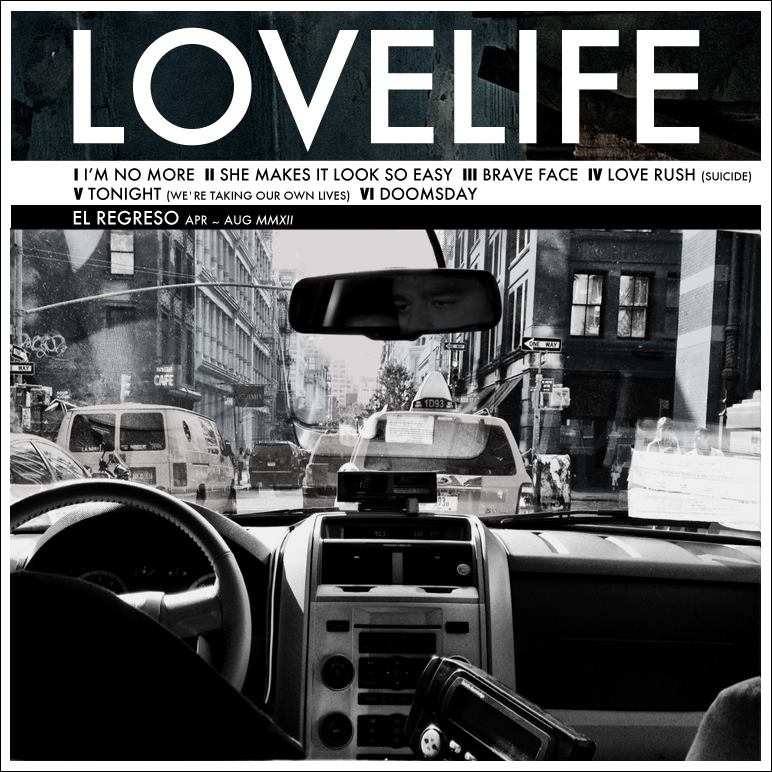
After Ally Young left MIRRORS, his first port-of-call was to produce the second album by OASIS-inspired indie band VIVA BROTHER. But when things floundered and the band split, he teamed up with their singer Lee Newell, relocated to New York and LOVELIFE was born. ‘Brave Face’ was a chilling but uplifting piece of mood music which came over like OMD fronted by HARD FI in its Cool Britannia meets Synth Britannia fusion.

Available on the LOVELIFE EP ‘El Regreso’ via Lovelife

https://www.facebook.com/LVLFinfo/


FOTONOVELA featuring JAMES NEW Our Sorrow (2013)

Not content with producing MARSHEAUX and collaborating with OMD on the ‘English Electric’ track ‘Helen Of Troy’, Greek production duo FOTONOVELA unveiled a new sophomore opus which was more song based using a number of prominent international vocalists. One of the numbers ‘Our Sorrow’ featured the majestic voice of James New. This sad string synth laden ditty was in the vein of classic OMD.

Available on the FOTONOVELA album ‘A Ton Of Love’ via Undo Records

http://www.facebook.com/undofotonovela


MARSHEAUX featuring JAMES NEW Now This Is Fun (2015)

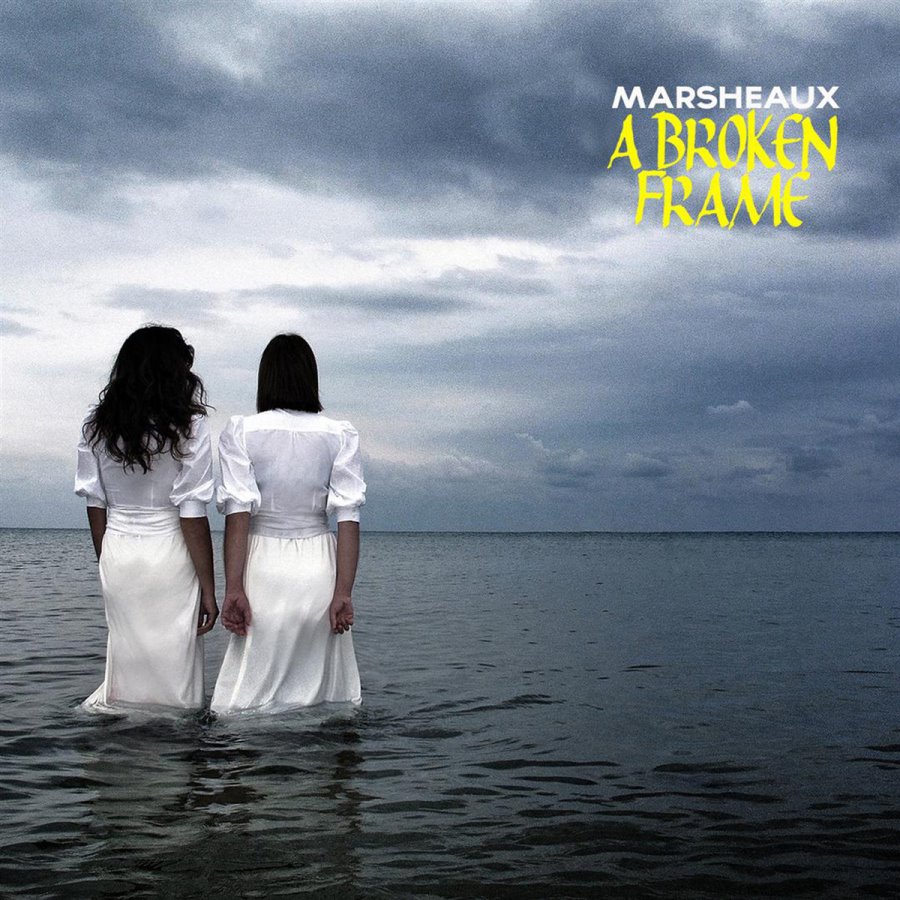
MARSHEAUX included some interesting arrangements covering DEPECHE MODE’s second album ‘A Broken Frame’. But the 2CD deluxe edition boasted a bonus track in a cover of the ‘See You’ B-side ‘Now This Is Fun’ featuring James New on lead vocals. Whereas the original version went through a series of frantic tempo changes, MARSHEAUX kept the pace constant and moody while the MIRRORS front man remained anxiously impassioned.

Available on the MARSHEAUX deluxe album ‘A Broken Frame’ via Undo Records

https://www.facebook.com/marsheaux


PURPLE HAZE featuring JAMES NEW Fall In (2017)

James New returned to his indie guitar roots to reform MUMM-RA while also working with others. The project of Sander Van Doorn, this PURPLE HAZE collaboration saw New add his forlorn vocals to the dreamy acoustic electronic hybrid of ‘Fall In’ which exhibited all the potential qualities of MIRRORS; there were bangin’ dance remixes by LYNDSCAPE and Zonderling but New issued his own solo guitar-oriented take in 2018.

Available on the PURPLE HAZE album ‘SPECTRVM’ via Doorn Records

https://www.instagram.com/jamesnewmusic/


VIRENS We’re Still Cool (2024)

Despite James New teasing that he might return to synth with acoustic covers of ‘Don’t You Want Me’ and ‘A Real Hero’, his new project VIRENS was actually an alt-folk duo. His partner Louisa Connolly-Burnham had a voice akin to Hope Sandoval of MAZZY STAR, so it was fitting that ‘We’re Still Cool’ was like THE JESUS & MARY CHAIN meeting Bowie’s ‘Heroes’; it also saw New reunite with Josef Page who co-wrote and produced the track.

Available on the VIRENS EP ‘Mutual Assured Destruction’ via Couples Therapy

https://www.instagram.com/virensmusic/


The MIRRORS Appreciation Society Facebook Group is at https://www.facebook.com/groups/404571368236796
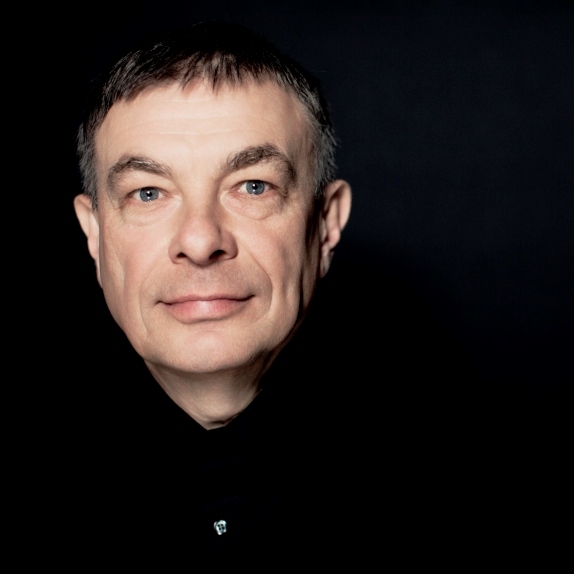

Text by Chi Ming Lai with thanks to Norman Cooke
11th October 2025

25 FAVOURITE INTERVIEWS ON ELECTRICITYCLUB.CO.UK

Established on 15th March 2010, ELECTRICITYCLUB.CO.UK celebrates 15 years online.

Aiming to feature the best in new and classic electronic pop music, during that time it has conducted over 550 interviews from fledgling independent acts and veteran cult artists to established international stars.

ELECTRICITYCLUB.CO.UK prides itself in asking interesting questions that are a bit different and seeded by knowledge of the subject. As a result, these interviews have been appreciated by those music enthusiasts who know their tape recorders from their drum machines.

As for the interviewees, the vast majority have been a joy to work with and luckily, boring or difficult interviews have been rare. However, the most disappointing situations arise when someone agrees to an interview and continues communications for several weeks but doesn’t come clean to say they are not actually interested in participating… it is the interviewing equivalent of being ghosted 😆

Photo by Rob Harris

While sending questions via email for an artist to answer in their own time is the modern way of conducting an interview and is convenient with artists who have day jobs, don’t speak English as a first language or are in a different time zone, it is not particularly interactive and lacks a conversational flow. A true interview is a two way live conversation conducted face-to-face, by phone or a conferencing platform where opinions, thoughts and recollections can be obtained through reactive questioning.

ELECTRICITYCLUB.CO.UK lists its 25 favourite interviews from over the years. Reading like a ‘Who’s Who?’ of electronic pop, all the interviews were conducted in-person or via a live call, except those with Alan Wilder, Karl Bartos and Rob Dean which were done by email.


PAUL HUMPHREYS (2010)

This Paul Humphreys interview put ELECTRICITYCLUB.CO.UK on the map. At his studio complex in London, he chatted about the past, present and future of OMD, hinting at the contents of the upcoming album ‘History Of Modern’. The interview proved popular and was later quoted by The Guardian in a feature about OMD. This was the first of five interviews, the most recent of which was for OMD’s 40th Anniversary in 2019.

https://www.electricityclub.co.uk/interview-paul-humphreys/


SARAH BLACKWOOD (2010)

ELECTRICITYCLUB.CO.UK bumped into Sarah Blackwood after a HEAVEN 17 concert in Cologne and so began a long lasting friendship. Conducted at a café in St Pancras, this interview captured an interesting interregnum with our heroine between the end of CLIENT and the start of the DUBSTAR reunion. This was to be the first of two Sarah solo chats while she would be interviewed with Chris Wilkie twice as DUBSTAR.

https://www.electricityclub.co.uk/sarah-blackwood-interview/


CLAUDIA BRÜCKEN (2010)

Conducted in London to coincide with the reissue of her debut solo album ‘Love: And A Million Other Things’, Claudia Brücken talked about her time in PROPAGANDA, ACT and ONETWO while she also talked about plans for a compilation called ‘ComBined’ collecting highlights from throughout her career. Her most recent ELECTRICITYCLUB.CO.UK interview was together with Susanne Freytag as xPROPAGANDA.

https://www.electricityclub.co.uk/claudia-brucken-interview/


ANDY McCLUSKEY (2011)

The majority of interviews are cordial affairs but this one with Andy McCluskey following the release of OMD’s comeback album ‘History Of Modern’ was a bit ‘Frost/Nixon’. ELECTRICITYCLUB.CO.UK echoed some of the fan disappointments about the record and to his credit, he was unrepentant and batted away criticisms with aplomb. A less confrontational interview followed in 2013 for ‘English Electric’.

https://www.electricityclub.co.uk/andy-mccluskey-interview/


STEPHEN MORRIS (2011)

ELECTRICITYCLUB.CO.UK were surprised when a request to interview Stephen Morris was accepted, especially as NEW ORDER had seemingly disbanded. The conversion had The Human Drum Machine at his best with stories about JOY DIVISION as well. But why was this interview taking place, why was he doing a fashion shoot for ‘Arena Homme+’? It was all subtle profile rebuilding as NEW ORDER was relaunched months later!

https://www.electricityclub.co.uk/stephen-morris-interview/


BLANCMANGE (2011)

With many discussion points covered, a thoroughly entertaining hour was spent chatting to Neil Arthur in his studio during a break from rehearsals for the first BLANCMANGE live shows since 1986 in support of a new album ‘Blanc Burn’. The artist who has been interviewed the most times by ELECTRICITYCLUB.CO.UK, he has since been featured a further nine times including with his side projects FADER and NEAR FUTURE.

https://www.electricityclub.co.uk/blancmange-interview/


MIRRORS (2011)

The intelligent aesthetics of MIRRORS made them ideal for ELECTRICITYCLUB.CO.UK’s first interview using the Vintage Synth Trumps format. Conducted in the dressing room of Cologne’s Gebaude9 prior to the first show of their headlining German tour, James New and Ally Young chatted about the synths used on their ’Lights & Offerings’ album. But tension was evident between the pair and it ultimately led to the sad end of the band.

https://www.electricityclub.co.uk/vintage-synth-trumps-with-mirrors/


ALAN WILDER (2011)

While often reluctant to talk about DEPECHE MODE, when Alan Wilder auctioned off a large collection of his studio equipment, vinyl and memorabilia, he was ready to talk about the band he left in 1995 again as well his own musical venture RECOIL. For the 25th Anniversary of the release of the ‘101’ live album and documentary film in 2014 , ELECTRICITYCLUB.CO.UK was the only platform he granted an interview to.

https://www.electricityclub.co.uk/the-alan-wilder-interview/


HOWARD JONES (2011)

One of the nicest guys in the music business, ELECTRICITYCLUB.CO.UK had the pleasure of chatting to Howard Jones about his then-upcoming tour performing his first two albums ‘Human’s Lib’ and ‘Dream Into Action’. Focussing on the period between 1983 to 85 when he became a household name and was many people’s entry point into the world of synthpop, the interview included lots of analogue and digital synth talk.

https://www.electricityclub.co.uk/howard-jones/


KARL BARTOS (2013)

A short conversation conducted remotely, Karl Bartos talked about his new album ‘Off The Record’ and recalled his collaborations with Andy McCluskey, Bernard Sumner and Johnny Marr. When he performed at Cologne’s Live Music Hall on the same night that KRAFTWERK received a Lifetime Achievement Grammyin January 2014, ELECTRICITYCLUB.CO.UK were granted an audience with the man himself.

https://www.electricityclub.co.uk/a-short-conversation-with-karl-bartos/


ALISON MOYET (2013)

The album ‘the minutes’ saw the return of Alison Moyet to electronica and this inevitably led to reminiscences about YAZOO in this delightful and sweary interview conducted face-to-face in Islington. She was frank and open about all aspects of her career, the misconception of her being a “jazz singer” and which two songs from the YAZOO portfolio she particularly hated! Can you guess without look at the transcript which ones they are?

https://www.electricityclub.co.uk/alison-moyet-interview-2/


VILE ELECTRODES (2013)

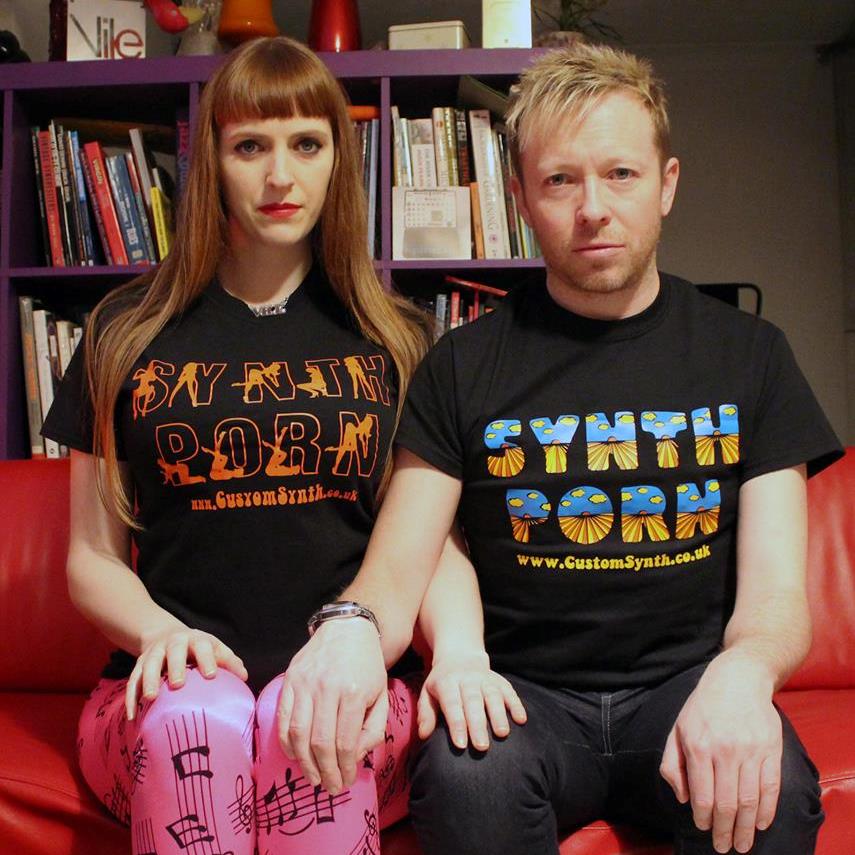
VILE ELECTRODES remain the act that ELECTRICITYCLUB.CO.UK has been proudest of featuring. Invited to support OMD on the German leg of their ‘English Electric’ tour following Andy McCluskey spotting the band while perusing ELECTRICITYCLUB.CO.UK, this informative interview was conducted in Anais Neon and Martin Swan’s synth-filled apartment and completed online to update it after the news was announced.

https://www.electricityclub.co.uk/vile-electrodes-re-emerge/


GARY NUMAN (2013)

ELECTRICITYCLUB.CO.UK were literally given a few days notice that it was to interview Gary Numan at his home in Los Angeles by phone. Coinciding with the release of the ‘Splinter (Songs From A Broken Mind)’ album which had taken 7 years to complete, he was in buoyant mood after an artistic rejuvenation. Refreshingly honest, he admitted his original plan to make all the songs on ‘Splinter’ one-dimensional was “a sh*t idea”!

https://www.electricityclub.co.uk/gary-numan-discusses-splinter/


RODNEY CROMWELL (2016)

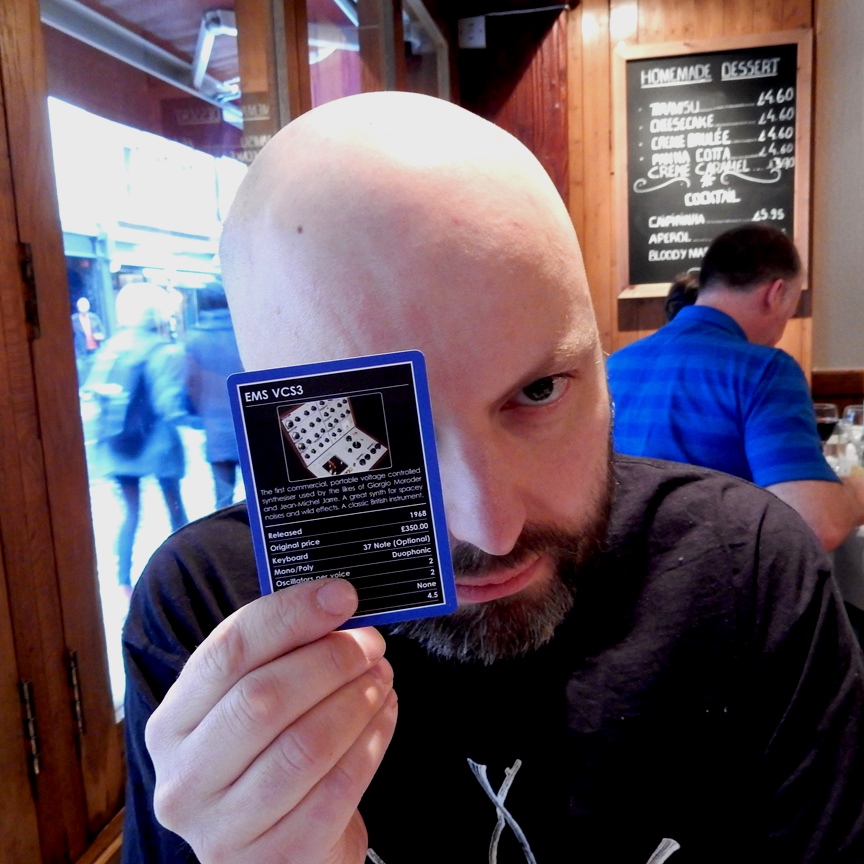
One of the fun things about the Vintage Synth Trumps series of interviews is that there is a degree of jeopardy for both interviewer and artist. Taking time to gain acclaim and recognition, the first Rodney Cromwell album ‘Age Of Anxiety’ was perfect for mainman Adam Cresswell to talk about his love of synths and DIY recording as well as the influence of NEW ORDER and SECTION 25 on his music over a fish supper in London’s Soho.

https://www.electricityclub.co.uk/vintage-synth-trumps-with-rodney-cromwell/


RICHARD BARBIERI (2017)

It was known that Richard Barbieri is often not that keen on talking about JAPAN and ELECTRICITYCLUB.CO.UK assumed all the chat over the phone would be about his new album ‘Planets + Persona’. But unprompted, he chatted about his MicroMoog which was used on a number of JAPAN albums. But the crowning glory of the interview was how he did the metallic intro of ‘Ghosts’ using his Roland System 700 Lab Series.

https://www.electricityclub.co.uk/richard-barbieri-interview/


ZEUS B HELD (2017)

While not as well-known as Giorgio Moroder or Conny Plank, producer Zeus B Held contacted ELECTRICITYCLUB.CO.UK after it did a Beginner’s Guide feature on his career portfolio. A coffee meeting was arranged at Foyles bookshop in London and morphed into a full interview which saw the talkative German reflect back on working with GINA X PERFORMANCE, FASHION and DEAD OR ALIVE as well as John Foxx and Gary Numan.

https://www.electricityclub.co.uk/zeus-b-held-interview/


ROBERT GÖRL (2017)

When in Düsseldorf… despite the confrontational aspects of DAF, their drummer and sequencer programmer Robert Görl is something of a thoughtful and spiritual soul. This face-to-face interview was conducted before a performance of his ‘Glücksritter’ live only project and took in DAF, his wonderful solo debut long player ‘Night Full Of Tension’, working with Annie Lennox and the great standalone single ‘Mit Dir’.

https://www.electricityclub.co.uk/robert-gorl-interview/


SOFT CELL (2018)

Marc Almond and Dave Ball surprised all with a reunion for ‘One Night Only’ at London’s O2 Arena that has since become an ongoing world tour. But with it came a lavish boxed set, various books and new albums. In a London pub,  ELECTRICITYCLUB.CO.UK had an in-depth chat with Dave Ball focussed on the ups and downs of SOFT CELL. This was followed up with an entertaining game of Vintage Synth Trumps in 2023.

https://www.electricityclub.co.uk/soft-cell-interview/


MARTYN WARE (2019)

ELECTRICITYCLUB.CO.UK has enjoyed seven interviews with Martyn Ware encompassing HEAVEN 17 and BEF, but this chat was about his time as a co-founder member of THE HUMAN LEAGUE to coincide with a live celebration of their first two albums ‘Reproduction’ and ‘Travelogue’. This was a fascinating insight into how THE HUMAN LEAGUE’s “vocals and synthesizers only” sound became the future of pop music.

https://www.electricityclub.co.uk/martyn-ware-the-reproduction-travelogue-interview/


ROB DEAN (2021)

Although he left JAPAN in 1980, guitarist Rob Dean gave an eye witness account to ELECTRICITYCLUB.CO.UK into the making of their third album ‘Quiet Life’ to coincide with a remastered boxset. JAPAN were in a state of transition from the growly glam funk of their first records to the mannered artful combo people remember them for today, so with him now residing in Costa Rica, this email Q&A provided some insightful commentary.

https://www.electricityclub.co.uk/rob-dean-the-quiet-life-interview/


MARK REEDER (2021)

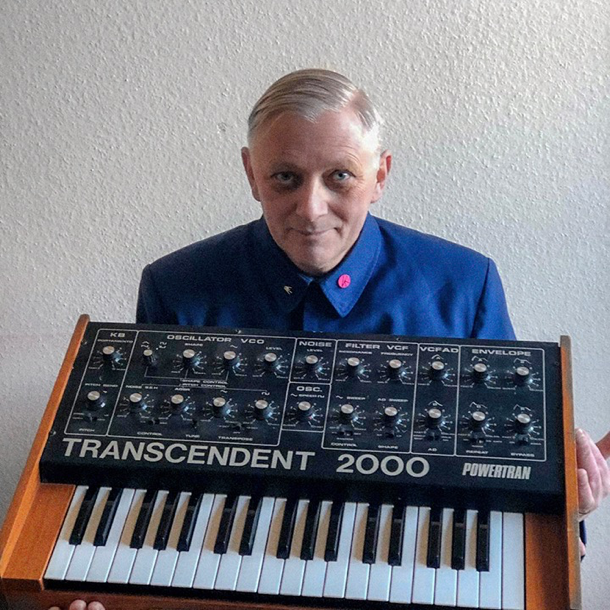
While most of ELECTRICITYCLUB.CO.UK’s interviews with Our Man In Berlin have been conducted remotely at his convenience, apart from an onstage interview at a 2016 event in Düsseldorf, this Vintage Synth Trumps chat was a rare live outing on Skype. Among the topics were his remixes for NEW ORDER and YELLO while there was also mention of the Transcendent 2000 which Bernard Sumner had built from a kit and given to him.

https://www.electricityclub.co.uk/vintage-synth-trumps-with-mark-reeder/


BILLY CURRIE (2022)

With his noted dry humour, Billy Currie was on top form for probably the best interview in the Vintage Synth Trumps series so far. With insight into the workings of ULTRAVOX and VISAGE as well solo work and his brief time in the Gary Numan live band. Of the latter, Currie went into detail about the ARP Odyssey solo on ‘On Broadway’ while also shedding light on how ‘Touch & Go’ co-written with former band mate John Foxx became ‘Mr X’.

https://www.electricityclub.co.uk/vintage-synth-trumps-with-billy-currie/


TELEX (2023)

Some say that the Belgians don’t have a sense of humour, but that was proved wrong when surviving TELEX members Michel Moers and Dan Lacksman gave a laugh a minute interview to ELECTRICITYCLUB.CO.UK in support of their self-titled boxed set released by Mute Records. The most hilarious moment was when the pair recalled their dismay when Portugal awarded them 10 points at the Eurovision Song Contest in 1980.

https://www.electricityclub.co.uk/telex-interview/


MIDGE URE (2023)

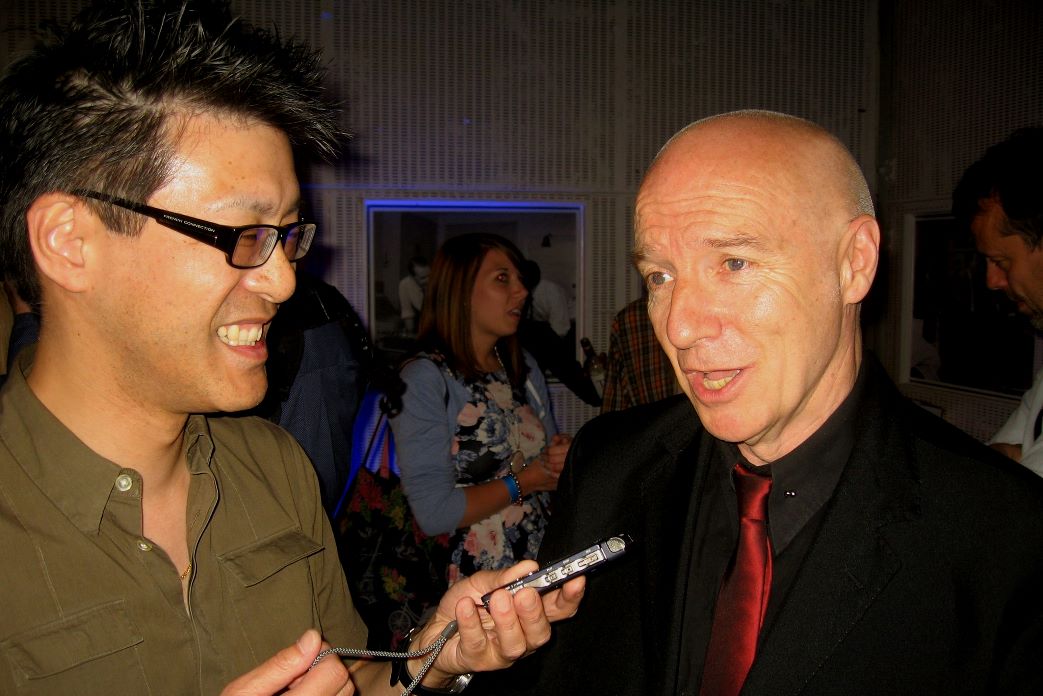
ELECTRICITYCLUB.CO.UK has had the honour of interviewing Midge Ure on a number of occasions, the first time at the world famous Abbey Road Studios. But the most recent occasion was the best where he discussed a life in music ahead of his 70th birthday and a special show at the Royal Albert Hall. This was an extensive chat which included music technology such as the PPG Wave and the Roland GR700 guitar synthesizer.

https://www.electricityclub.co.uk/midge-ure-a-life-in-music/


JOHN FOXX (2024)

With ‘Metamatic’ about to celebrate its 45th Anniversary, it was a perfect time for ELECTRICITYCLUB.CO.UK to chat to John Foxx about his close encounters with synthesizers over a game of Vintage Synth Trumps in Düsseldorf, the spiritual home of modern electronic pop. As well as talking about his seminal debut solo album, he recalled how ULTRAVOX came to utilise synths and drum machines in their music.

https://www.electricityclub.co.uk/vintage-synth-trumps-with-john-foxx/


ELECTRICITYCLUB.CO.UK’s interviews can be viewed at https://www.electricityclub.co.uk/interviews/

Interviews from the Vintage Synth Trumps series are collected at https://www.electricityclub.co.uk/v-s-t/


Text by Chi Ming Lai
15th March 2025

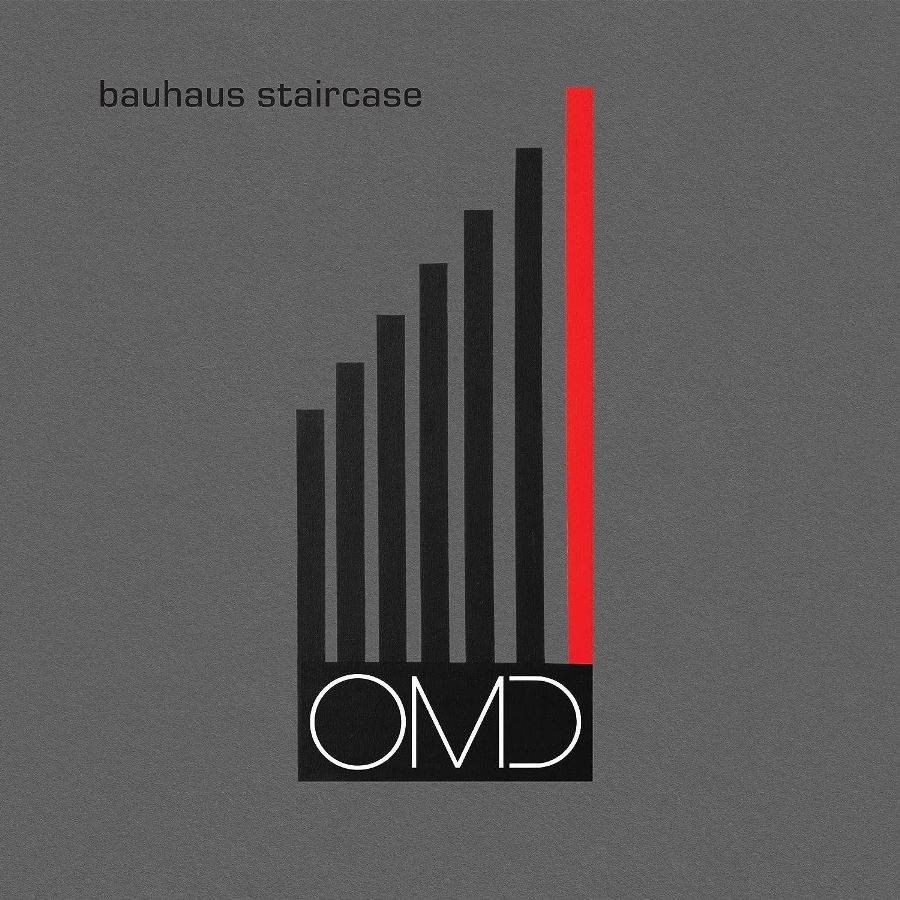
OMD Bauhaus Staircase

‘Bauhaus Staircase’ is the fourth album of original material from OMD since the original nucleus of Andy McCluskey and Paul Humphreys reunited in 2007. It is also being mooted as possibly their final album.

Driven by “the creative power of total bloody boredom”, like many albums out at the moment, ‘Bauhaus Staircase’ was a consequence of the worldwide pandemic and lockdown. Pieced together remotely, Andy McCluskey worked from his home studio in Wirral while Paul Humphreys was in France also juggling becoming a father again. A thematic concept is the key to any good OMD LP and for ‘Bauhaus Staircase’, it is the fight against the rise of extreme right wing politics and the self-destructive age of Brexit.

However, when the first three tracks from ‘Bauhaus Staircase’ emerged, things did not look promising; the title track sounded mighty but was not much of a song with the topline seemingly inspired by ‘So You Wanna Be A Boxer’ from the film ‘Bugsy Malone’. Then kissing the strict machine, ‘Slow Train’ opted for a puzzling GOLDFRAPP pastiche that went on for far too long. However ‘Veruschka’, inspired by the German supermodel whose father Count Henrich von Lehndorff-Steinort attempted to assassinate Hitler, was a melancholic ballad that recalled PET SHOP BOYS indicating that all was not lost.

But appearing in the first half of ‘Bauhaus Staircase’, ‘Anthropocene’ and ‘Look At You Now’ are much more in keeping in what one would expect quality wise from OMD, the former being what KRAFTWERK would sound like if they did spacey trance while the latter is bursting with hooks and perhaps only missing a Paul Humphreys lead vocal. Released as a single in 2019 for the ‘Souvenir’ compilation and given a very subtle remix, ‘Don’t Go’ is a magnificent stand out with beautiful melodies telling the listener terrible things in that classic OMD vein.

‘GEM’ offers a Germanic rhythmic lollop while ‘Kleptocracy’ goes for the Motorik jugular with live bass guitar in an attack on destructive capitalism and fascist narcissists like Trump, Johnson, Farage and Bolsonaro, the message being that the citizens are innocent, other than voting for these obviously despicable characters in the first place… meanwhile there appears to be a recurring shouting sample from DEPECHE MODE’s ‘Boys Say Go!’

Photo by Ed Miles

As well as new compositions from the past few years, ‘Bauhaus Staircase’ has also given OMD an opportunity to finish off various works in the vaults and one of those is ‘Aphrodite’s Favourite Child’; from a 2011 demo provided by Greek duo FOTONOVELA who had been behind ‘Helen Of Troy’ on ‘English Electric’, McCluskey plays again with ancient Hellenic imagery for a song about personal relationships while Humphreys provides a great whirring solo. On the closing run, ‘Evolution Of Species’ is computer voice generated piece that wouldn’t have gone amiss on a Jean-Michel Jarre album and questions whether humankind has actually intellectually progressed.

‘Bauhaus Staircase’ is on a par with its predecessor ‘The Punishment Of Luxury’ but does not hit the consistent highs of ‘English Electric’, OMD’s best long player since the reunion and up there with the classic first four albums. With this album, OMD will play London’s O2 Arena for the very first time in March 2024 and it will be a prestigious moment for a band who have contributed some of the best music of Synth Britannia, yet have been largely overlooked in music history when compared to their contemporaries DEPECHE MODE, SOFT CELL and THE HUMAN LEAGUE.


‘Bauhaus Staircase’ is released by 100% Records in the multiple formats

OMD play London O2 Arena on Sunday 24 March 2024 with special guest Howard Jones, for other worldwide tour dates, visit http://www.omd.uk.com/

https://www.facebook.com/omdofficial/

https://twitter.com/OfficialOMD

https://www.instagram.com/omdhq/


Text by Chi Ming Lai
28th October 2023

VILE ELECTRODES The Vanished Past


The breathtaking new video by VILE ELECTRODES for their 2016 song ‘The Vanished Past’ highlights that despite having not released an album in five years, they are still one of the best independent synth acts in the UK.

Their most recent album ‘In The Shadows Of Monuments’ was a bleak affair containing just under an hour of unnerving electronica and it closed with the potent cinematic drama of ‘The Vanished Past’.

With a mighty militaristic drum climax to end the seven minute cinematic epic, alongside the haunting forlorn vocal of Anais Neon after the fifth minute is the familiar but ghostly voice of Andy McCluskey. The avant pop approach of VILE ELECTRODES is reminiscent of early OMD and it was McCluskey’s love of ‘Deep Red’ which closed their debut long player ‘The future through a lens’ that led to the duo being invited to support the German leg of the ‘English Electric’ tour in 2013.

“Not everything is as it seems” and returning to the scene of the ‘Deep Red’ video of 2010, the fitting visual accompaniment for ‘The Vanished Past’ took advantage of a low tide calm sunrise on the picturesque South English coastline at St Leonards near Hastings.

“It really was a gorgeous morning!” said Anais Neon, “I wish we’d taken a tripod and planned some of the shots a bit more, but it was pretty spur of the moment, so we just kind of winged it, wandered and waded!”. On the spiritual and aesthetic connection with ‘Deep Red’, she added “It was the closer on our first album and has a video on the same beach at sunset, so a sunrise video for the second album closer seemed fitting!”

While VILE ELECTRODES have continued to maintain a discrete live presence, opening for Nordic acts APOPTYGMA BERZERK and LAU NAU, new material from Anais Neon and Martin Swan is still eagerly awaited and while a third album is in the works with songs such as ‘Drive’, ‘We Are A Prism’ and ‘The Kill The Cure’ already premiered in a concert setting, no release date has yet been confirmed.


‘The Vanished Past’ is from the album ‘In The Shadows Of Monuments’, available as a single CD or special double CD editions via http://vileelectrodes.bigcartel.com/

The download version of the album is available from http://vileelectrodes.bandcamp.com/album/in-the-shadows-of-monuments

http://www.vileelectrodes.com/

http://www.facebook.com/vileelectrodes

http://vileelectrodes.blogspot.com/

https://twitter.com/vileelectrodes

https://www.instagram.com/vileelectrodes/

https://open.spotify.com/album/1Bbn9XPxGx4akSPJbdQIOF


Text by Chi Ming Lai
22nd April 2021

« Older posts