Category: Interviews (Page 24 of 117)

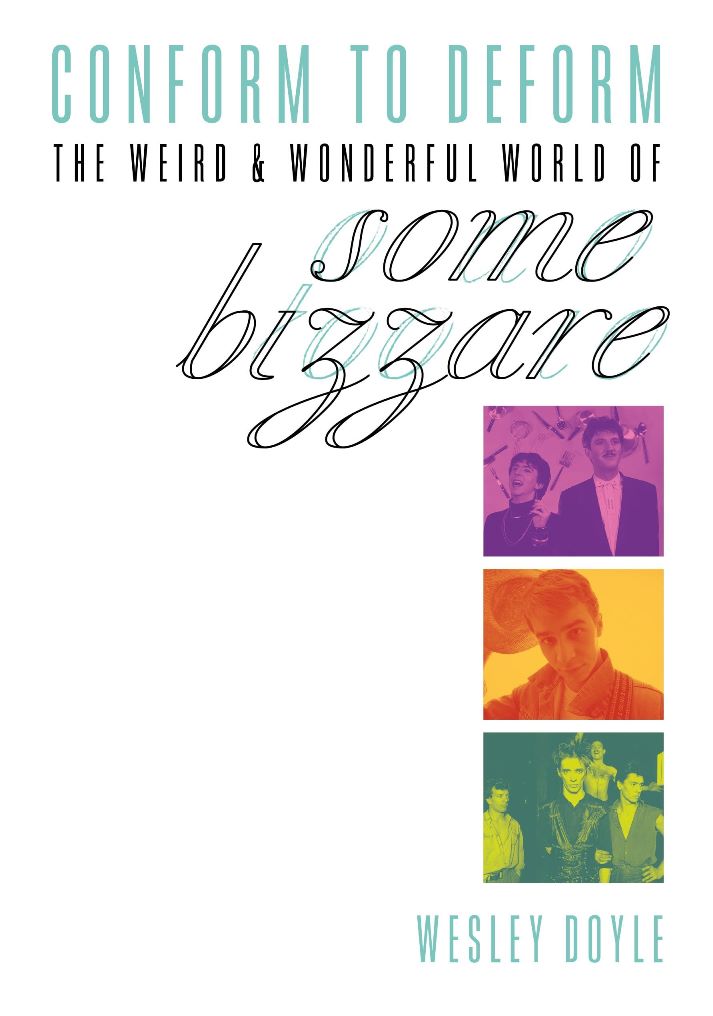
CONFORM TO DEFORM: THE WEIRD & WONDERFUL WORLD OF SOME BIZZARE Interview

“There is no musical barrier of peoples acceptance, the only musical barrier is the media. (music press, radio & television.) Remember what people cannot see or hear, they cannot think about.”: Some Bizzare ‘?’

Along with Factory and Mute, Some Bizzare was one of the focal points of independently minded music and culture. It can be credited with launching the careers of SOFT CELL and THE THE while DEPECHE MODE, BLANCMANGE, B-MOVIE, CABARET VOLTAIRE, EINSTURZENDE NEUBAUTEN, FOETUS and PSYCHIC TV have also been part of its story.

At the centre of it all was Stevo Pierce, a Dagenham lad who ran club nights playing electronic music and was bolshy enough to approach rock paper Sounds about publishing his Futurist chart.

Having helped get his charges SOFT CELL to No1 with ‘Tainted Love’ in the summer of 1981, Stevo caught an unsuspecting music industry on the hop. “I’ve got you by the boll*cks” he once declared and he could name his price as he shopped his roster to the major labels. His methods could be unconventional and there were legendary stories about teddy bears being sent to meetings with cassettes stating his demands including supplies of sweets for a year.

Stevo’s ace was often to get the major labels to underwrite recordings while still keeping ownership of them himself. And the majors loved dealing with him… for a while at least. But next to the million-selling singles, there were raids by the Vice Squad, sex dwarves, death threats, ecstasy parties and meltdowns with one notable incident when Stevo and Marc Almond trashed the offices of Phonogram Records in Spring 1983.

Wesley Doyle traces the weird and wonderful world of Some Bizzare in his new book ‘Conform To Deform’. It features new contributions from many of the major players in the story including Marc Almond, Dave Ball, Matt Johnson, Daniel Miller, Steve Hovington, Neil Arthur, JG Thirlwell aka Clint Ruin / Jim Foetus, Stephen Mallinder, Anni Hogan, Michael Gira and long suffering personal assistant Jane Rolink, as well as Stevo himself.

Documenting the rise and fall of Some Bizzare, Wesley Doyle chatted to ELECTRICITYCLUB.CO.UK about how his excellent book came together as well as answering some hypothetical questions of interest…

What inspired you to document the story of Some Bizzare?

I’ve been a fan of the label since my early teens, and it was a really important part of my growing up and development. I’d been waiting for years for somebody to write a book, because I wanted to see all those stories collected in one place, but it seemed no writer or publisher wanted to take it on. So I thought I’d do it myself. I wrote a feature for Record Collector, a kind of top 20 Some Bizzare releases, which in the back of my mind I thought I could use as part of a book pitch. Which I did, and Jawbone picked it up.

With ‘Conform To Deform’, you’ve opted for a chronological quotes narrative?

I like oral histories – everyone has their own truth, and I think juxtaposing people’s recollections in their own words is a really interesting way of finding out what actually went on. But initially I started writing the book as a third person narrative, mainly because I didn’t think some of the key players would be willing to talk. It soon became apparent most people were happy to share their recollections, so I shifted it to the oral history format.

I think it works well, and it captures the personality of the characters involved. Some of the characters were so larger-than-life and their voices so strong, and there was a lot of humour that may have been lost otherwise. Stevo’s way of communication is famously unique, and people like Marc Almond, Dave Ball, Anni Hogan and Jane Rolink are all Northerners, so they have this innate sense of humour that wouldn’t have come across if I’d had been pontificating in some kind of flowery prose. Matt Johnson as well is a very funny man, which might surprise some people.

Compared with Mute and Factory, Some Bizzare was more stable than label… see what I did there! *laughs*

That’s good, I wish I’d thought of that!

I guess it’s in the book’s title, ‘Conform To Deform’; Stevo wanted to get in bed with the major labels so that he had their clout. He worked closely with Daniel Miller at the beginning but Mute were a small operation and at the time Daniel wanted to keep it that way. Stevo always thought big – from the very beginning Some Bizzare wasn’t aiming for a minority audience. There were no little independent releases, the first album came out on Phonogram, as did the first run of singles from SOFT CELL and B-MOVIE. Stevo really wanted to hit a big audience, although I don’t think it did him any favours in the long run. As Daniel says in the book, knowing what Stevo’s taste in music was, it was only going to end in tears.

But you can’t deny the success of ‘Tainted Love’. It’s hard to make a comparison now, what with success being measured in billions of streams. In 1981 over a million people in the UK left their homes, walked into their local record shop and handed over money to own that song. And that gave Stevo carte blanche to go to the major labels with bands like THE THE, EINSTÜRZENDE NEUBAUTEN and PSYCHIC TV and they would take a punt on them.

I don’t know if you remember a quote from Marc Almond and I think it was in NME; he said that an artist can only truly be subversive if they have access to the mainstream…

I think it’s true – again, ‘Conform to Deform’. I found out about FOETUS because Marc brought him on TV when SOFT CELL covered SUICIDE’s ‘Ghost Rider’ on Channel 4’s ‘Switch’ show – which was on a teatime on a Friday! I was speaking to Karl O’Connor aka Regis and we both had the same response to that appearance, it totally changed us. So in that respect, getting music like that on mainstream television was a truly subversive act. It was all well and good when CABARET VOLTAIRE were on Rough Trade or Crépuscule and their music reached a few thousand people in trench coats, but it’s only when they were on Some Bizzare and had access to Virgin’s money that people paid real attention. If you want reach people, you’ve got to go though the most popular channels, you’re just in an echo chamber otherwise. Which is fine, but you’ll never change anything.

It’s amazing to think that a lot of the stuff that we were into around that time was being featured in a so-called teen pop magazine like Smash Hits. But talking about the serious music press, it’s interesting that Sounds, at the time known for being more of a rock and heavy metal music paper, published Stevo’s Futurist chart and employed Beverley Glick aka Betty Page to interview these new acts using synths, rather than say the NME?

I remember Sounds being the most open minded of the big four papers generally. They were always seen as the lesser of NME, Melody Maker and Record Mirror, so they really had to fight for their place at the table. Editor Alan Lewis wanted to reach as many people as possible, so you had Garry Bushell writing about the Oi! movement, Geoff Barton writing about heavy metal, Jon Savage writing about post-punk, and Beverley Glick writing about what became the New Romantics. In retrospect it was far more open minded than the other papers.
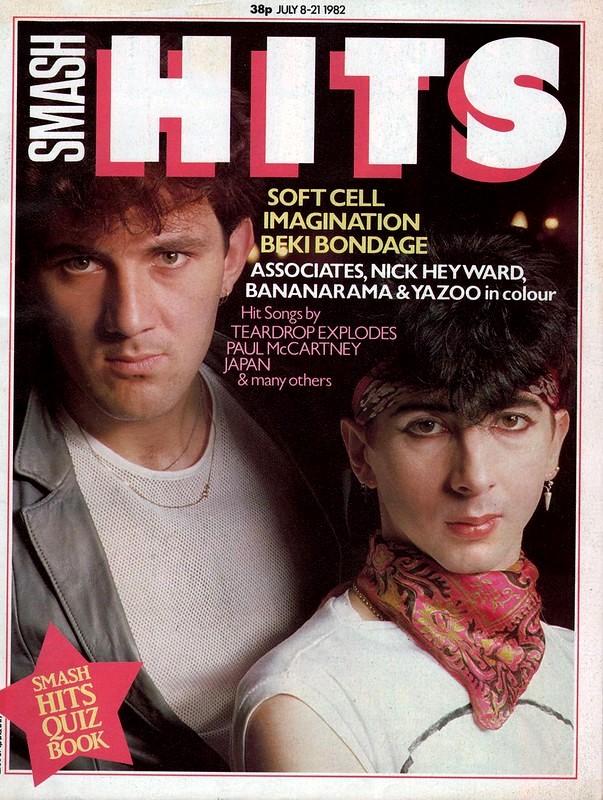
Your book discusses the Futurist / Blitz Kid divide when New Romantic was not actually a thing yet, which is something the media, fans and record labels have forgotten…

In 1981 I was 12 years old and buying Smash Hits, so New Romantics and Futurists were the same thing to me, I wasn’t aware that there was a perceived difference. But Beverley and Stevo in particular were quite clear that New Romantics DID NOT exist in 1980, it was a retrospective thing.

Rusty Egan was on the Blitz Kid side and Stevo was on the Futurist side, and what surprised me was how visible both were when it came to the press. Stevo was so embedded in Sounds, he was a big character in that paper.

Having spoken to the people that were there, no-one said anything about New Romantics, it was Futurists and Blitz Kids. Blitz Kids were ULTRAVOX, SPANDAU BALLET, DURAN DURAN and VISAGE while Futurists were slightly edgier stuff like SOFT CELL, BLANCMANGE, FAD GADGET and CLOCK DVA. And never the twain would meet!

The whole thing got put on a pedestal when the ‘Some Bizzare Album’ came out in early 1981, it’s now become iconic and prescient but how do you think it stands up today?

What I found interesting was that Stevo did ask lot of established bands to be on it, like CABARET VOLTAIRE, THROBBING GRISTLE and CLOCK DVA. He wanted it to reflect what he was playing out as a DJ rather than a showcase for new acts. But those bands didn’t want to do it, so by default it became a compilation of new artists. It’s a weird one, when you listen to the ‘Some Bizzare Album’ now, there’s a lot of very strange stuff on there. You’d be hard pushed to listen to even the BLANCMANGE or THE THE tracks and think “Ooh, they’re going places!” *laughs*

ILLUSTRATION’s ‘Tidal Flow’ is one of the most commercial things on it but they didn’t do anything else. B-MOVIE’s ‘Moles’ is pretty strong, but even SOFT CELL’s ‘The Girl With The Patent Leather Face’, although a highlight, you still wouldn’t think, “This is a multi-million selling act we have here”.

But the ‘Some Bizzare Album’ does have DEPECHE MODE on it, one of the biggest bands in the world and ‘Photographic’ is one of their best songs, and I think a lot of the album’s reputation rests with that. So it’s a real curio, if you listen to the other label compilations around the time like Virgin’s ‘Methods Of Dance’ and stuff like that, they were probably a bigger indicator of what people were actually listening to.
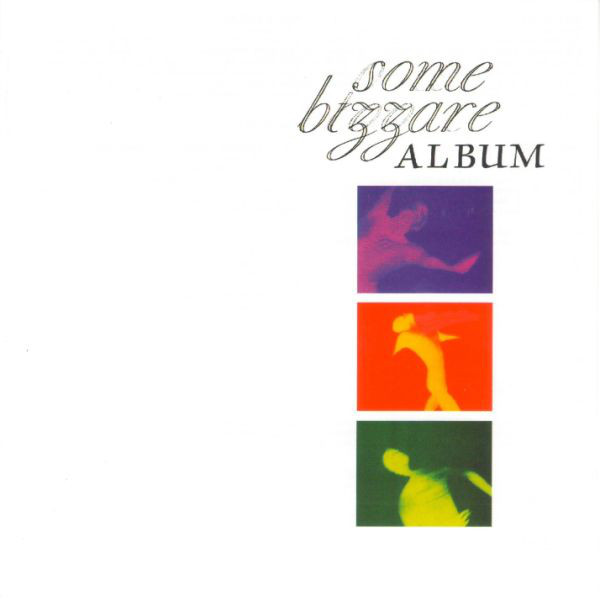
On the ‘Some Bizzare Album’, what do you think are the best tracks outside of the “BIG 5” of DEPECHE MODE, SOFT CELL, THE THE, BLANCMANGE and B-MOVIE, I nominate ILLUSTRATION and THE FAST SET?

The ILLUSTRATION one is good and THE FAST SET’s cover of ‘King Of The Rumbling Spires’ is OK, but the single ‘Junction 1’ which they put out on Axis / 4AD is a better song I think. I really like the BLAH BLAH BLAH one, I’m a big fan of Tom Waits so when I think back to my own musical development, something like ‘Central Park’ would have teed me up for stuff like that.

A purely hypothetical question, what would have happened if DEPECHE MODE had been on Some Bizzare and SOFT CELL had been on Mute?

That’s a great question. Well for a start I think Dave Gahan would have had to go into rehab sooner! *laughs*

Seriously though, I don’t think either band would’ve been as successful, either creatively or commercially. You only have to listen to the demos SOFT CELL did with Daniel to hear that the regimented, sequenced production that worked so well for DEPECHE MODE didn’t for them, the exception being ‘Memorabilia’ of course. Plus SOFT CELL wouldn’t have gone to New York and had the experiences they did, which changed not only their creative direction but so many of their label mates too.

And with his more leftfield musical tastes, Stevo would’ve grown tired of Depeche’s early poppier stuff pretty quickly. And I don’t think he would’ve been emotionally mature enough to support them through Vince leaving and encouraging them to carry on. I think they would’ve have gone the way of B-MOVIE had they signed Some Bizzare.

Although Paul Statham from B-MOVIE could be considered Some Bizzare’s silent success story with his later co-writes for Peter Murphy, Dido and Kylie, why do you think out of the “BIG 5” that the band did not break into the mainstream?

Like lot of people, the first time I heard B-MOVIE was on the Flexipop flexidisc when ‘Remembrance Day’ was paired with SOFT CELL ‘Metro MRX’. If you follow the threads, then there were the singles ‘Marilyn Dreams’ and ‘Nowhere Girl’ plus there were two EPs before that, which positioned them as a perfect post-punk band. Personally, I always thought B-MOVIE had more in common with THE TEARDROP EXPLODES, THE SOUND and ECHO & THE BUNNYMEN. And Rick Holliday’s keyboard playing was very accomplished, much more musical and didn’t really fit in with that one-fingered synth thing. B-MOVIE’s singer Steve Hovington speaks very openly in the book about how at the time B-MOVIE thought they were geniuses and felt they should have been given a lot more respect than they got. And people at Phonogram genuinely thought they had a rival to DURAN DURAN on their hands. But it soon became apparent they weren’t that kind of band.

Rick Holliday was the last to join B-MOVIE and the first to leave when he went off with Cindy Ecstasy so I think the chemistry and group mentality of the band got really altered…

With most bands the chemistry is unique, and once you start to tamper with it, you lose something. As soon as Rick left, they changed the line-up and got session players in to re-record and re-re-record those early songs. By the time they finally released an album, they really weren’t the same band and they’d kind of lost what made them great. They were signed to Sire by that point and maybe weren’t really in control. Sometimes limitations are better and working within those parameters becomes part of the end result. Other times, you can give musicians access to big studios and big money, but they just lose what was good about them. I actually think B–MOVIE are a much better band now than they were during that mid-80s period.

Which version of THE THE ‘Uncertain Smile’ is your favourite, ‘Cold Spell Ahead’, the single version produced by Mike Thorne or the ‘Soul Mining’ one?

I’m going to be pedantic and say it’s actually none of those, it’s the 10 minute 12 inch version with the flute and sax produced by Mike Thorne. Outside of his work on ‘Untitled’, that was the first thing I heard by Matt Johnson. And taken with the two B-sides – ‘Three Orange Kisses From Kazan’ and ‘Waitin’ For The Upturn’ – it’s simply some of the best music ever recorded in my opinion.

I always thought it was a shame Matt Johnson didn’t stay working with Mike Thorne…

Yeah, that was a Stevo thing…

Some Bizzare’s union with CABARET VOLTAIRE’s club-oriented era now seems obvious but at the time, it wasn’t because they were known to be uncompromising and independent on their own?

I didn’t really know anything about CABARET VOLTAIRE before their Some Bizzare period, ‘Just Fascination’ was the first thing I heard by them. As far as I was concerned, they were like a new band who had just signed to Some Bizzare. Mal (Stephen Mallinder) told me they felt they had gone as far as they could go with Rough Trade and wanted to move onto bigger budgets and bigger studios. I was astounded to find they had nothing prepared when they made ‘The Crackdown’, they went into Trident Studios for a week, having never worked with a producer before, and just made it from scratch. Flood was engineering, Dave Ball played some keyboards and Stevo shopped the end result to the major labels.

What do you think was the seed of it going wrong for Some Bizzare?

That’s a tough one… I think Stevo wasn’t able to find another SOFT CELL, a big-selling pop act which could balance out his more left-field artists. So he didn’t have a contingency when bands wanted to leave. Also, this amazing idea of getting leftfield bands to be treated as bona-fide unit shifting pop stars, soon fell apart when the amount of money that the majors were spending on the records wasn’t being reflected in the amount of money being made. It was the cold hard facts of business that bit them on the arse in the end. I agree with Jim Thirwell aka FOETUS that the A&R decisions went out of the window. Maybe if Stevo had signed YELLO, who he was after at one point, things may have been different. But he signed TEST DEPARTMENT instead… which kind of sums it up! *laughs*

Some Bizzare had a great visual identity, so what was your favourite artwork?

The childish part of me wants to say, “the w*nking devil” on the cover of the ‘Infected’ 12”. I have the design on a T-shirt which I’ve only wore out once and even then kept it covered up! *laughs*

I love Andy Dog Johnson’s stuff for THE THE; I interviewed Matt a couple of times for the book and he was super generous. The second time I went to see him, he let me look at some of his brother’s sketchbooks… the guy was astounding, the colour palettes he used were incredible. I love Val Dehnam’s stuff although I know that’s not to everyone’s taste, but the cover of ‘Torment & Toreros’ is amazing. And I love the cover to the second compilation album too.
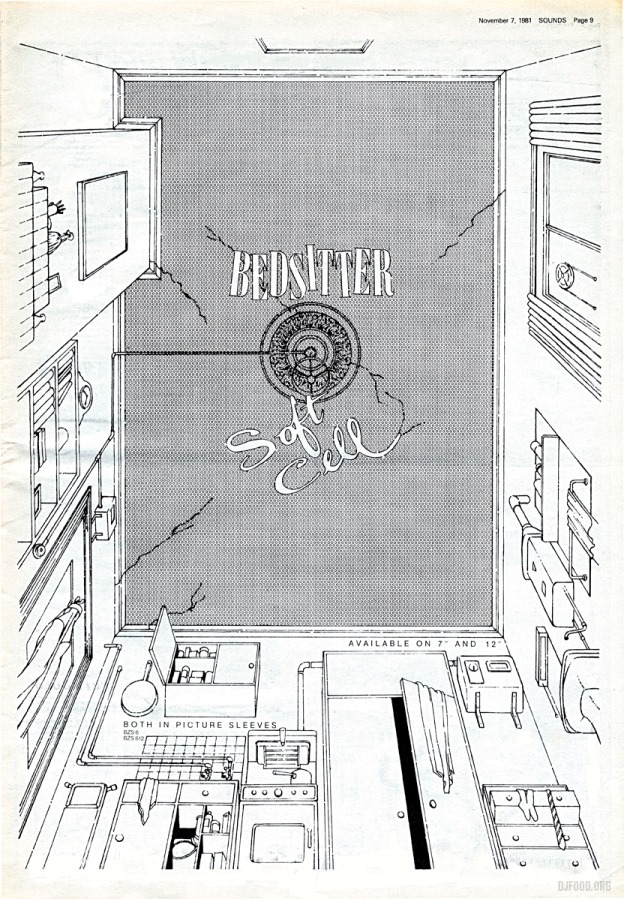
I’ve always loved SOFT CELL ‘Say Hello Wave Goodbye’ by Huw Feather…

Of Huw Feather’s work it would be ‘Torch’ for me, such an incredible, confusing, vibrant image. There was a lot of one-off bits of artwork produced for the label, and over the years I’ve tried to track down all the fan club stuff and merch flyers that were produced. There were some brilliant single-use magazine adverts, too. In particular one for ‘Bedsitter’ from Sounds – a line drawing of what a bedsit would look like looking up from a bed. It didn’t appear on anything else, it was unique piece of artwork for the music press. I had far too much visual material to include in the book so a lot of it got left out. I’m aiming to get some of it up on my Instagram feed around the time of publication so people can see it.

What is the ultimate Some Bizzare record?

I think THE THE’s ‘Infected’ project is the ultimate crystallisation of what Stevo was trying to do. It’s a challenging piece of work – both musically and lyrically – and visually very strong. And there was an accompanying film which was incredibly expensive and again very cutting edge for the time. And of course Stevo got it bankrolled by a major label who lost their shirt on it – there was no way it was going to recoup. Yet it still stands up to this day – you can watch the film now and still be impressed by its production values, and the music is still incredible. The Some Bizzare ethos runs all the way through ‘Infected’.

What about the legacy of Stevo and Some Bizzare?

Stevo would disagree, but I think there are still people doing what he tried to do. DJ Food in the book mentions James Lavelle which I thought was a good example. Also Wiley too, who uses mainstream channels when they suit him, and goes underground when they don’t. A lot of legacy artists who now own their own means of production make their albums and then shop them to whichever label that gives them the best deal. People like Damon Albarn, Paul Weller and Nick Cave who retain artistic control but use the clout of a major, that’s definitely a Stevo thing.

As far as trying to push boundaries and change people’s minds about artistic expression, I don’t know. Things like the ‘Sex Dwarf’ video would be seen as relatively tame and facile now, I don’t think it would shock anybody…

…it’s not RAMMSTEIN’s ‘Pussy’ is it? *laughs*

No, it’s not, thank god! *laughs*

I don’t really know what sort of boundaries stuff like that is pushing to be honest, it doesn’t seem to have a point. The thing about Some Bizzare and what Stevo was trying to do, whether he knew it or not, was he allowed people who would not have access to that kind of platform to be heard. For a while, you could find out about bands like EINSTÜRZENDE NEUBAUTEN or SWANS, read about what they were trying to do, and then decide for yourself if you wanted to pursue their music further.

Your website is testament that the early-to-mid 80s period was a golden age for leftfield artists moving into the mainstream, which was great for the most part. But a lot of those acts adjusted their music to make it more palatable. THE FUTURE changed to THE HUMAN LEAGUE who signed to Virgin, and then split into THE HUMAN LEAGUE MKII and HEAVEN 17, and both made concessions to ongoing commercial success, for better or worse. But Neubauten always sounded like Neubauten, and Stevo’s attitude was, “Why shouldn’t they be on Virgin too? Get the music out there, and let people make up their own minds.”


ELECTRICITYCLUB.CO.UK gives its warmest thanks to Wesley Doyle

‘Conform To Deform: The Weird & Wonderful World Of Some Bizzare’ is published by Jawbone Press on 14th February 2023 as a 392 page softback book with 16 page of photos, signed copies available from https://www.roughtrade.com/gb/product/wesley-doyle/conform-to-deform-the-weird-and-wonderful-world-of-some-bizzare

A live event celebrating the release of the book takes place on Tuesday 28th February 2023 at Rough Trade East, The Old Truman Brewery, 150 Brick Lane, London E1 6QL, tickets available from https://dice.fm/event/ygl6p-conform-to-deform-the-weird-wonderful-world-of-some-bizzare-live-28th-feb-rough-trade-east-london-tickets

http://jawbonepress.com/conform-to-deform/

https://twitter.com/WesleyDoyleUK

https://www.instagram.com/wesleydoylewrites/


Text and Interview by Chi Ming Lai
12th January 2023
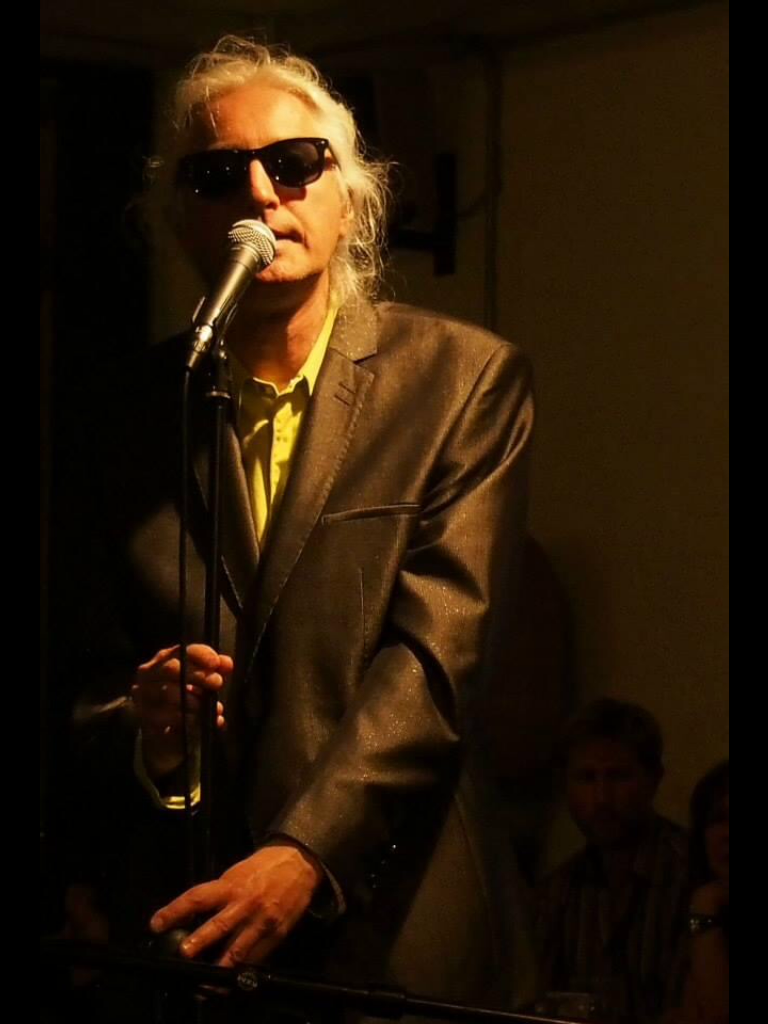
ANDREW POPPY Interview

Andrew Poppy is the post-minimal composer who was part of the first wave of ZTT artists with FRANKIE GOES TO HOLLYWOOD and PROPAGANDA.

He began in music by playing bass in a progressive rock band before Bartok, Debussy, Cage, Feldman, Riley, Glass and Reich and musique concrète pointed to further possibilities. He studied music at Kingsway’s College and Goldsmiths College, London University, graduating in 1979, while attending a summer school with John Cage himself along the way.

Having been a member of minimalist ensemble THE LOST JOCKEY, Poppy signed to ZTT, releasing his first solo record ‘The Beating of Wings’ in 1985. His second album ‘Alphabed’ brought in a Fairlight, the first Akai samplers and vocals from Annette Peacock. Poppy also provided the orchestral arrangements on ERASURE’s ‘Two Ring Circus’ and to NITZER EBB’s ‘I Give To You’ from the ‘Ebbhead’ album.

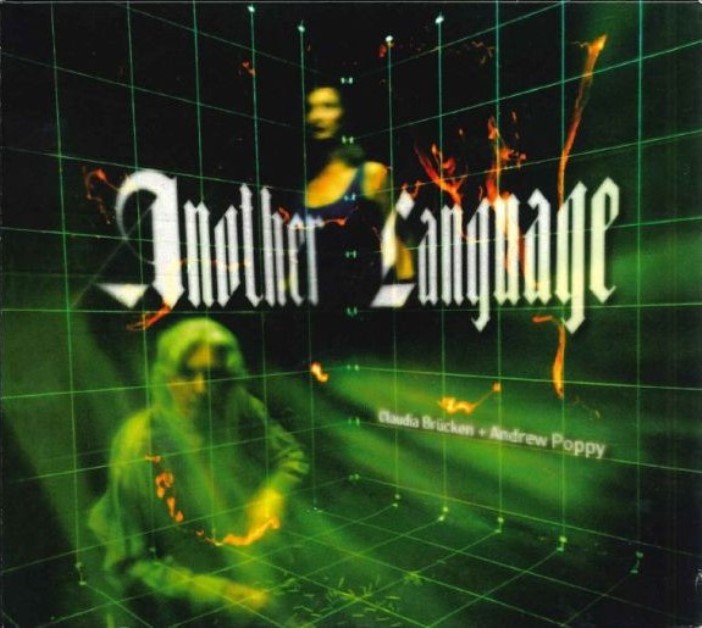
In 2005, Poppy partnered up with Claudia Brücken for ‘Another Language’, a collection of cover versions using minimal instrumentation featuring songs by solo artists such as Kate Bush, Grace Jones, Marianne Faithful, David Bowie, Elvis Costello and Elvis Presley as well bands including RADIOHEAD, ASSOCIATES and THE PIXIES. That same year, a boxed set of all Poppy’s recordings for ZTT including an unreleased album ‘Under The Son’ was issued.

Poppy’s vast portfolio has also seen scores for theatre, opera, film, contemporary dance and art installations, but his latest project sees him adopt the Mister Poppy persona for an avant-garde vocal experiment entitled ‘JELLY’. “Jelly is like time. Jelly fits any mould. It resists the sentimentality of form” he says, “Jelly is a state of putrefaction before dust. Jelly is the most vulnerable of the body’s materials. You have to crack the nut of the protective skull to reach the meat of the jelly brain. Yum, so this is the seat of understanding and awareness. Yum! ‘I see’ is also ‘I hear you’, locating and judging the proximity of that other juicy presence. Yum!”

Andrew Poppy kindly talked with ELECRICITYCLUB.CO.UK about ‘JELLY’ and a lot more…

Your new album ‘JELLY’ is in 5 parts each around 12 minutes long, has the time duration got any specific significance?

Yes, I think there is something mysterious about 12. The 12 months of the year and the day is divided into two twelve-hour halves. It’s kind of arbitrary, so why does the midnight hour have such significance? It’s when we all turn into pumpkins. Cinderella must leave the ball. Everyone gets drunk on New Year’s Eve, we sing ‘Auld Lang Syne’ and kiss strangers. I wanted to have a way of chopping up a continuous hour of music into equal parts. There are lots of possibilities, but 5 x 12 minutes seemed suggestive. It’s a practical thing, an invisible grid that maybe takes on those mysterious powers through repetition.

You have used your voice prominently on this album, is this why you have introduced the Mister Poppy persona?

I just watched the series ‘Godless’. It’s a contemporary western. One of the main characters, who is both good and bad, is called Roy Good. He goes over to the bad side for a while but gradually makes his way back to the light. Then along the way, there comes a point when he understands what’s at stake and by chance his name gets changed to Mr Ward.

His new name protects him somehow. The narrative is more complex than that, but that’s the basic outline. I’m not hiding from something like Roy Good, but the composing and performing ‘selves’ are different.

For some reason, a number of my friends call me Mister Poppy. So, it’s a christening of sorts and because this is the first time I’ve made a completely vocal album where it’s all my voice. It’s been coming for while though and is there in the three records that precede ‘JELLY’, particularly ‘Hoarse Songs’ and ‘Shiny Floor Shiny Ceiling’.

There is this minimal bass and heavy sense of foreboding looming on the first two pieces ‘Tattoo / Copy Something That You Love’ and ‘Mister Post-Man / No More Fumbling In The Dark’? What’s happening there?

I think the bass sound absorbs some of the anxiety in the language somehow. Sounds are very absorbent. The gunpowder of a firework can be exciting as it cracks and splinters, but gunshots and explosions in real life are terrifying I’m sure.

At the beginning of ‘JELLY 1: Tattoo’, the speaking voice is trying to stop the tick of the clock. But then it changes. Is the speaker – me perhaps – being tattooed by you and also, are you being tattooed by me? There’s a mutual seduction. It has an erotic edge. The voice could be talking about a tattooing pact or a conversation or some sensuous love-making thing that’s happening over a long period of time between two friends or lovers. The sung part ends with the words “a letter to the one you love”. I’m hoping that it’s hopeful.

‘JELLY 2: Mister Post-Man / No More Fumbling In The Dark’ picks up on that idea of the messages that get sent and what we expect in the mail. The love letters and the disappointments in the messages you receive.

The first part of ‘There Is A Walk We Can Make’ could be like SUICIDE if it had been attached to a drum machine and arranged in a more synth-punk rock fashion… but what was the genesis of this track and how it developed?

All the’ JELLY’ electronic tracks were made a few years before the texts. I started by making five electronic pulses at different tempos / BPM. The pulse was divided into two, like the day, with an on-beat and off-beat. Like the bass drum hi-hat in dance music or the hocket technique in Louis Andriessen’s Hocketus.

Your SUICIDE idea is great. I should do it. I really like it when an artist does two versions of a song which aren’t remixes. THE BEATLES’ two versions of ‘Revolution’ are fascinating. And there are two versions of UNDERWORLD’s ‘Ring Road’. My connection with punk drum-machine music would be UNDERWORLD, particularly ‘Second Toughest In The Infants’ and LCD SOUNDSYSTEM. But they are not as minimal as SUICIDE and perhaps the vocals aren’t as sweet.

I go through periods of scribbling poems and phrases and prose-poem type things. They just come somehow. ‘There Is A Walk We Can Make’ was written in the middle of the night. I started remembering the first trip I made with Julia (Bardsley), my partner, and it spiralled off into exploring what it means to be in a different country. The different food and ways of doing things, attitudes to sensuality, love and violence.

I’ve just released a radio edit of ‘There is a Walk We Can Make’ with a video by Julia. It’s on YouTube and Bandcamp.

The synth solo on ‘A General Choosing / Feather in The Flames’ sounds like it might be about to break into Jean-Michel Jarre’s ‘Oxygene 5’? Is that a coincidence?

It’s a good connection but it wasn’t intended. I think Jean-Michel Jarre must have been influenced by Terry Riley’s 60s album ‘A Rainbow In Curved Air’. That’s what I hear in those keyboard lines and patterns. That album and Riley’s approach to repetition, improvisation and pattern making were an inspiration for me as well when I heard it in the very early 70s. I’ve performed Riley, Glass and Reich and in doing that I learnt a different way of composing. A different way from writing songs or sonatas.

The part you mention is a transition between the ‘A General Choosing’ spoken text and the sung ‘Feather In The Flames’ lyric. It’s played on a classic 60s instrument, the Wurlitzer 200 electric piano, that I bought in the 70s. It’s processed with an overdrive pedal, live, so it sounds much more electronic, especially in a reverb.

‘On The Back Of The Seat in Front of Me’ is a poem set to a piano mantra with a classically oriented interlude, what was the idea behind it?

The idea of the poem was a response to all the photographs on the inner sleeve of my first album, ‘The Beating of Wings’. I wrote the text for a staged-version of ‘The Beating of Wings’ that was presented at the Capstone Theatre, Liverpool in 2017.

Back in 1985, I carefully chose the photographs for the album because I wanted to suggest the connections and the spaces between writing something, the performing of it, the recording of it and the audience’s role in all that. So, the text starts off talking about what a vinyl record is as a physical thing. As the title suggests, with certain caveats, ‘The Beating of Wings’ album was some kind of “take-off” moment for me.

What I like about the piano on this track is that it connects with the piano on ‘Goodbye Mr G’ on my second album ‘Alphabed’. The piano floats in and out. It’s not really a solo. It could be a minimalist piano piece or a sample of one.

Is there a particular track from ‘JELLY’ which gives you the most satisfaction?

Dave Meegan made the final mixes. We talked about the details in a lot of depth. Sometimes the doubts I had were things that really needed attention and at other times, they were just a nervous self-consciousness. It’s a life saver working with someone you trust. Without it, some doubts escalate and start to unravel what you’ve made. In some ways it’s a creative thing. Tearing it down and starting again can be good. You get another piece. Other times you realise, much later, that the original version was OK.

But once it’s done and mastered and art-worked, it is what it is. Until… scratch, scratch, scratch, those doubts… Some moments on ‘There is a Walk We Can Make’ began to itch. That is until Philip Marshall, who designed the CD, told me it was his favourite track. So, finally, I could relax.

Actually, the whole project, as a complete thing, gives me the biggest buzz. It’s one piece in 5 parts. The co-ordinating of all the elements has its up and down moments. When I was working on ‘JELLY’, I saw an exhibition of large Rauschenberg paintings called ‘Nightshades & Phantoms’. They are a collage of photographic images screen-printed onto brushed aluminium. The way the images are buried in the material somehow gave me permission. I saw some analogue with what I was doing. I’m pleased with the way ‘JELLY’ sounds and flows, especially after the brilliant mastering by Stephan Mathieu.

Is making music more straightforward for you these days compared with back in the day? What are your favourite tools?

Maybe it is more straightforward now, in that I have accepted I like to do things in different ways. I’ve been restless from the beginning.

I like to start in a different place with each new project. I use pencil and paper to notate things, sometimes from the get-go. But sometimes, once the piece has been built in the studio, notation gives me a more detached perspective on the pitches and rhythms. So, near the end of making ‘JELLY’, when all the tracks and the vocals were done, I notated the vocals and made myself a score for each piece. The score helps me to move things around and to understand how the musical space is working.

Another tool is the studio. I want to let the technology into the creative game. Back in the day, the studio was a building with an engineer and a tape op / assistant and a technical department who fix things when they break. And in some studios, like Sarm West, a kitchen and a Jamaican chef who cooks the most amazing chicken, rice and plantain! The point is, now, the studio is a piece of software that you can even use on your phone, on the train. That’s definitely more straightforward.

I like being able to get up and go straight into my studio and pick up what I was doing the day before. It’s also a bit like getting up having coffee and going to the piano and playing stuff for a couple of hours. It may be a new piece I’m working on, or it may be doing stuff by other people. The last year or so I’ve been bashing through the Philip Glass piano etudes. They have such amazing energy. Like Jerry Lee Lewis or Barrel House. They’re actually quite bawdy. So, the piano is the original creative tool for me. I doodle around on the keyboard because notation can seem too complicated and takes me away from making a sound.

How do you think you have developed as an artist since your first two ZTT albums ‘The Beating Of Wings’ and ‘Alphabed (A Mystery Dance)’?

The question goes to the heart of it somehow. ‘JELLY’ is a small break-through moment. I’m feeling more comfortable with performance. I don’t have to think about identity. It’s out of my hands anyway.

I don’t have to decide between being a composer or playing the piano or singing or making a record. I can feel they are all legitimate because it’s what I’m doing.

Going back to the question about the name Mister Poppy – it’s a bit like the Portuguese poet Fernando Pessoa, who wrote under lots of different names and personas, each with a different style and values. One is a shepherd, one is a futurist. I think everyone has different voices and versions of themselves in the same skin.

So those two albums set up a kind of oscillation. ‘The Beating of Wings’ is mostly acoustic pieces with completely notated scores for me and other musicians to play, for example, ‘32 Frames For Amplified Orchestra’.

‘Alphabed’ is a studio record. The pieces are mapped out with notation in some kind of sketch or short score, with some notated parts for the singers and instrumentalists. But the orchestration and arrangement is made in the studio, with different keyboards and a sampler, by trying out different sounds and improvising.

In 2005, you released ‘Another Language’ with Claudia Brücken which comprised of minimally structured covers, have you discussed possibly doing a second volume?

It was a great project and developed very organically. We knew each other from working at Sarm West Studios at the same time in the 80s and were both on the bill for ‘The Value of Entertainment’ show in the West End. 15 or so years later we were chatting at a party and ‘Ruby Tuesday’ came on and we started talking about how interesting it would be to do a cover. We didn’t do that one in the end!

For me ‘Another Language’ connects to the arranging things I did in the 80s: PSYCHIC TV, NITZER EBB, BLACK and THE THE. But it probably connects most with the three arrangements I made for ERASURE, because I started with just the vocal line, and rebuilt the song from the inside. Which is what I did with ‘Another Language’. The original tracks by the original artists are perfect somehow. The only thing to do is to try and reinvent the song from another point of view. I’m very pleased when people ask about a second album. It’s a vote of confidence. We see each other socially but are both busy with our own projects at the moment.

You have ‘Ark Hive of A Live’ coming out at the start of 2023, what is the concept behind this collection?

If ‘JELLY’ is picking up a thread of ‘Alphabed’, with its vocal and electronic and multitrack studio processes, then ‘Ark Hive of A Live’ is echoing ‘The Beating of Wings’, with its collection of mostly acoustic instrumental concert pieces. All the pieces on ‘Ark Hive’ are live performances recorded straight to stereo. But it’s not really an album or even a box set. There is a folded sleeve containing the four CDs and a book with 128 pages of writing and images, all contained in an archival slipcase. The book part is quite substantial, with writing by me about the pieces as well as poems, prose-poems and reflections. There are four great pieces of commentary from Paul Morley, Leah Kardos, Rose English and Nik Bärtsch.

One of the touchstones for me, when I was talking with CJ at False Walls and the designer, David Caines, was a book by Moyra Davey called ‘Les Goddesses / Hemlock Forest’. Her work is an intriguing hybrid. She is a photographer and filmmaker who writes. Her book is full of photographs accompanied by writing that seems like a memoir and then a historical biography or documentary, that tips over into a review of something. The fragments swirl around. Reading the book, you bounce between the photographs and the writing.

There are many paths through the memory portal that is an archive. The ‘Ark Hive’ images of performance and performer portraits remember and suggest the diversity of ways music happens. So that, along with the writing and the recordings, some kind of hybrid experience emerges from the words, music and images. In some ways it’s what is happening all the time. Seeing and listening and reading all feed me at the same moment.

The movement between modes is the basic concept of the project and is captured in the two images of the title, the Ark and the Hive. It became a way of thinking about the archive. It’s collection of fragments. A collage.

What are your plans with regards future projects?

More performances and releases. I just did a CD launch event at Iklectik in London where I performed material from ‘JELLY’, ‘Hoarse Songs’, ‘Shiny Floor’, ‘Shiny Ceiling’, ‘Ark Hive’ and ‘The Beating of Wings’. There’s a Tape Worm event being planned by Philip Marshall and Travis Elborough for early in the new year. I’ll be involved in that. Venue TBA. And also a launch event for the ‘Ark Hive’ probably at the end of January.


ELECRICITYCLUB.CO.UK gives its sincerest thanks to Andrew Poppy

‘JELLY’ is released by Field Radio and available as a CD and download available from https://andrewpoppy.bandcamp.com/

http://www.andrewpoppy.co.uk/

https://www.facebook.com/profile.php?id=100063715171165

https://www.instagram.com/mr_poppy/

https://open.spotify.com/artist/0hxJWtLrN9a710B9TBPjsU


Text and Interview by Chi Ming Lai
6th December 2022

LISTENING TO THE MUSIC THE MACHINES MAKE Interview


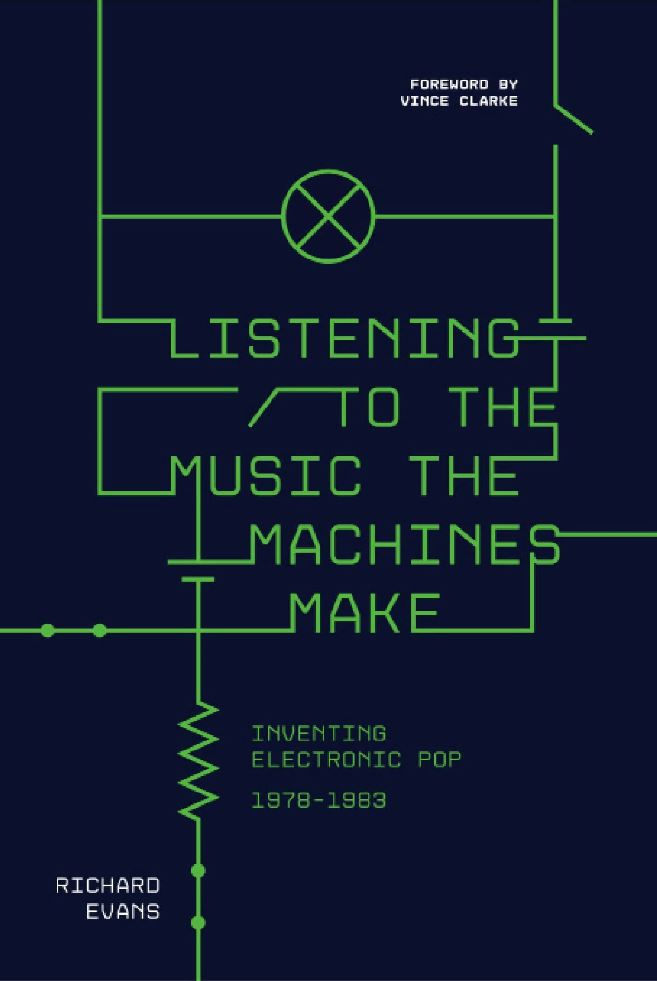
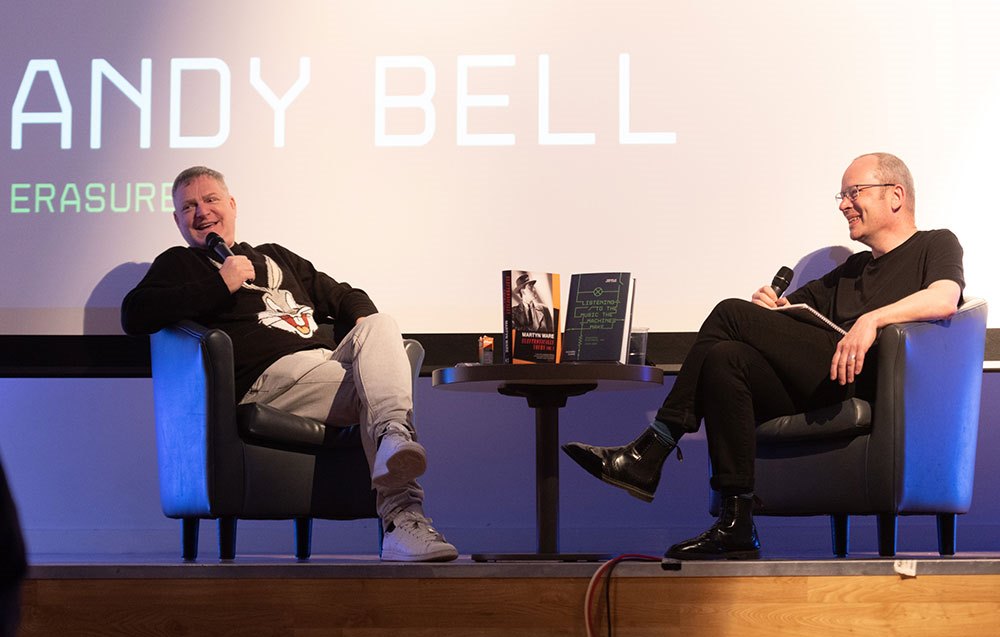
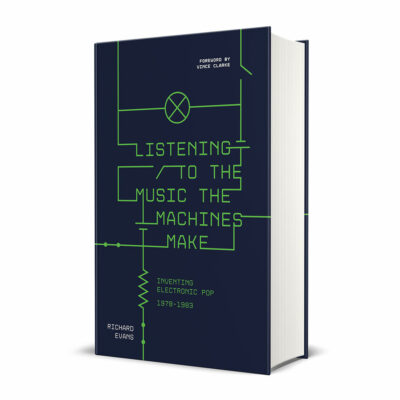
‘Listening To The Music The Machines Make’ is a new book that tells the story of the Synth Britannia generation, an unlikely melange of outsiders, pioneers and mavericks who took advantage of affordable music technology to conquer the pop charts in the UK, Europe and even America.

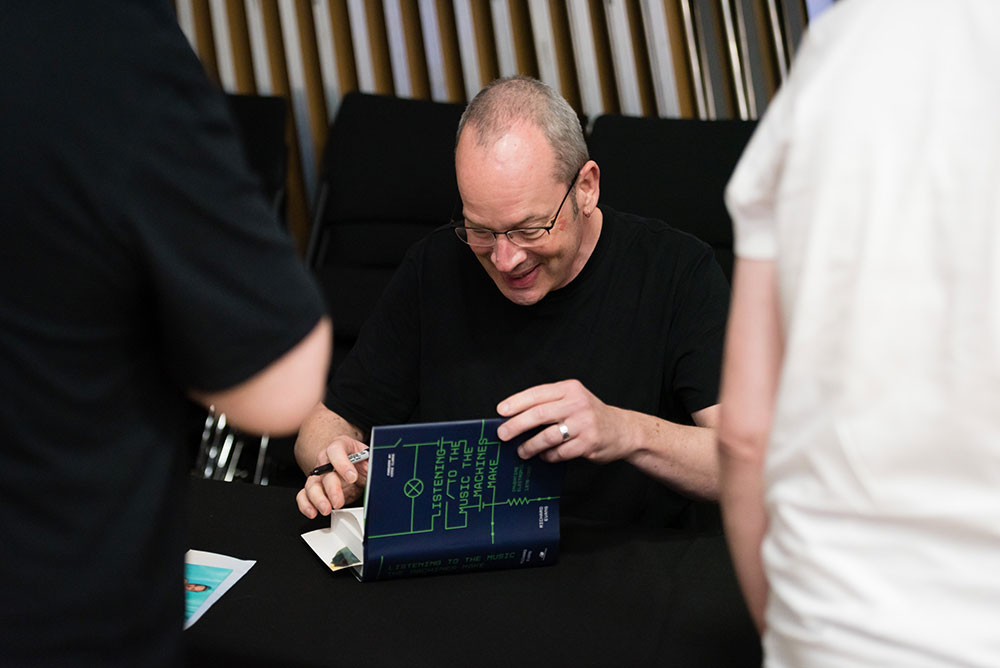
Written and assembled by Richard Evans, his high profile roles have included the establishment of the This Is Not Retro née Remember The Eighties website and working with ERASURE on their internet and social media presence.

He has conducted years of extensive research to document the synthpop revolution that began from a British standpoint in 1978 with THE NORMAL and THE HUMAN LEAGUE before TUBEWAY ARMY took this futuristic new sound to No1 with ‘Are Friends Electric?’.

Using the subtitle ‘Inventing Electronic Pop 1978 – 1983’, while the book primarily sources period archive material, additional input comes from Neil Arthur, Dave Ball, Andy Bell, Rusty Egan, John Foxx, Gareth Jones, Daniel Miller and Martyn Ware. Meanwhile, Vince Clarke contributes the foreword while a third verse lyric from the ULTRAVOX song ‘Just For A Moment’ provides the book’s fitting appellation.

A conversation between two kindred spirits, Richard Evans and ELECTRICITYCLUB.CO.UK spent an afternoon talking by the window as the light fades about electronic pop’s musical impact and enduring cultural influence, despite the massed resistance to it back in the day.

For this book, you’ve focussed on 1978 to 1983, some might say it should be 1977 to 1984?

I knew roughly what I wanted to cover and my lofty ambition for the book was to create a document of all the most important records, artists and events that created this shift in pop music. Until this specific generation of people started messing around with keyboards without any musical knowledge, adopting that punk rock attitude with this new instrument, it wasn’t until that point that I felt that this story really started.

I looked at all the records I wanted to talk about and at the beginning, there’s relatively few. But the important ones for me were THE NORMAL ‘TVOD’ / ‘Warm Leatherette’ and THE HUMAN LEAGUE ‘Being Boiled’. In fact, ‘Being Boiled’ was my key one and an early version of the book had the subtitle ‘From Being Boiled To Blue Monday’; I thought that sounded quite snappy and explained what the book covered. But then Daniel Miller said to me “You do know ‘TVOD’ / ‘Warm Leatherette’ came out before ‘Being Boiled’?” *laughs*

So the book had to be specific and start around 1978. Then at the other end, it was because of ‘Blue Monday’. By the time late 1983 comes around, the electronic pop that I have been writing about over this 5-6 year period starts to become indistinguishable from everything else in the charts. All the pop stuff, all the soul stuff, all the American stuff that was coming in, it all had the same sequencer and drum machine sounds, the same production techniques… you could almost not quite work out what was electronic and what wasn’t electronic anymore and ‘Blue Monday’ worked well as a track that was pointing forwards to everything that came next.

By starting at 1978, you are specifically highlighting the start of that British wave because before that, it’s international with bands like KRAFTWERK and SPACE as well as Giorgio Moroder and Jean-Michel Jarre…

That’s absolutely right. There is a brief section at the beginning within the context of the whole book that joins together some of the dots, things that people were taking in their early electronic experiments. Things that Vince Clarke was listening to like SPARKS, things that OMD were listening to like Brian Eno, things that THE HUMAN LEAGUE were listening to like Giorgio Moroder.

Although punk was a driving force for this, the actual punk music wasn’t that interesting to any of them because it felt like music they already knew, whereas they felt these new sounds were something that were unknown to them at that point. The tapestry of their influences  was so broad that they would bring in elements of progressive rock, Jean-Michel Jarre and even ELP, putting that in with disco, the German stuff and even the quirky little novelty records like ‘Popcorn’, to create this whole new melting pot.

I’m old enough to have lived through this era, what about you?

This was the first music that felt like it was mine. I grew up in a household where there wasn’t any music, my parents weren’t fans of pop music at all. In a way, that was really important because any music that I found was mine, it wasn’t handed down to me or curated for me. I am the oldest of my siblings so I didn’t have anyone playing stuff in their room that I could hear. Sometimes I would find stuff that was terrible because you make those mistakes.

I started senior school in 1979 so it was really at that point where I became aware of music and its possibilities. But earlier than that in 1977, I was brought up in Chelmsford in Essex and I can remember being in town on a Saturday, seeing the punks hanging around in the shopping centre and I thought they looked brilliant. It was so exciting, they were like scary but otherworldly and I thought they were amazing. When I started senior school, some of those punks were in my school, they were actually kids… in my perception, they weren’t that and were completely ‘other’! I realised I was not so distant from these things *laughs*

You’ve mentioned ‘Being Boiled’, ‘TVOD’ and ‘Warm Leatherette’, but which was your epiphanal moment were you realised you were an electronic pop fan? For me although I had bought ‘The Pleasure Principle’ by Gary Numan as my first album, it wasn’t until I heard OMD ‘Messages’ that I considered electronic music to be my thing…

I don’t know if I have an actual moment to be honest… I realised quite late that I’ve never particularly characterised myself as an electronic music fan, certainly not in the 80s. Looking back, I can see that the things I was listening to and responding to, always had a really strong electronic core. Even if they were rock things like ’Owner Of A Lonely Heart’ by YES which was produced by Trevor Horn, I was obsessed. I was listening to things like ‘The Message’ and that sort of hip-hop stuff… it wasn’t quite electronic music but it had element of precision running through it. Everything I was liking had this common electronic genesis.

One thing that your book does unashamedly focus on which I am pleased about, is that it focusses on the “pop” in electronic pop… other books about electronic music in the past have been a bit “too cool for school”

Absolutely, that’s completely true. I find it really strange because only quite recently has it been ok to be into “pop music”. Like you say, there’s a stigma towards it, that it’s not “proper music”, that you are not a proper music fan if you listen to it, but a victim of some sort of a commercial heist! *laughs*

I think that electronic pop in this period is so crucial in the development of music, and it was just time for someone to tell the story. I’d been working on the book for a few years and the whole time I thought “someone is going to do this, someone is going to do this before me!” *laughs*

With this book, you opted to reference archive material rather than talk to the stars of the period in the present day?

My idea for the book was to tell the stories of all the bands and releases of that synthpop generation who took music in a whole new direction. Because of what I do in my working life, I am very fortunate in that I have access to a lot of people who were the original protagonists in this story. So I thought I could get in touch with them and job done. I also have a shelf full of music autobiographies and I’m sure you have too! *laughs*

There are loads out there but it was while reading those that made me realise that those stories didn’t always quite marry up. There are two reasons for it; one is this period started 45 years ago, you’re not going to remember these details. Two, these stories have been told so many times that they lose their resonance and the facts just change a little bit to make everything look better or to fit with someone else’s narrative.

Ah yes, legend now accepted as truth like Wolfgang Flür saying OMD came backstage to meet KRAFTWERK in 1975 when they didn’t actually exist at the time…

It’s really easy to say in 2022 that DEPECHE MODE were always going to be a huge band, but in 1981 when there was none of the weight of that knowledge. They were a brand new thing being judged entirely on their first forays into electronic music, it’s a very different way of looking at the music and the people who made it. I realised it wasn’t going to be particularly useful to go to the original people and say “tell me that story again” because they’ve told it that many times that they probably aren’t really feeling it and it gets reshaped over the tellings.

So what I decided to do was go back to the music press of the day. I went to The British Library which is a fantastic resource, it’s one of my favourite places. I looked at all the NME, Sounds, Melody Maker, Record Mirror, Smash Hits, The Face, New Sounds New Styles from 1978 to 1983, everything I could lay my hands on that was music or popular culture related.

I went through all these things, page after page after page and every time I saw something that I attained to this story like a news item, review or interview, I took a photo of it on my phone. I ended up with thousands of photos and it was like a box of jigsaw pieces. Each of these photos was part of a story. Then the writing bit came in stringing these things all together and turning them into this story from all those different perspectives layered on top of each other. Hopefully, that would give it a rounder and more accurate picture because they were the opinions of the time and what the people who made the music were saying about it, without the weight of history that they carry today.

What this book captures and reminds people of, is the viciousness and hostility towards electronic pop from the music press during the period, which perhaps contradicts the rose-tinted view that some fans have of the time now…

It’s really quite strange to read through these original accounts of what was happening, but it’s not so strange in retrospect. At that point in time, punk had just happened and had been quite profitable for the music industry and press, the whole black and white aesthetic fitted very well with the way they presented their material.

There was also this new generation of journalists like Nick Kent and Julie Burchill who were quite vicious with this punk rock attitude which was probably quite exciting at the time. Punk was a very short-lived thing, so they found themselves having to move in different directions and I think there was a resentment that it happened from the media. I think there was a snobbishness which we’ve already touched on that this really wasn’t “proper music” because it was machines, these bands hadn’t paid their dues, they hadn’t picked up the guitar, they hadn’t done the toilet circuit playing to 3 people and a dog, being spat on and having their van stolen, all that kind of thing that supposedly makes you a worthy musician.

So none of these things had quite happened with these electronic pop bands and the music press didn’t know what to make of it. So they could choose to either embrace it as the next big thing, or they could reject it, and many rejected it roundly so…

Can I tell you some irony about Nick Kent’s then-stance? His son is PERTURBATOR, the synthwave star!! But in amongst all this journalistic antagonism, there was one bright light and that was Beverley Glick who wrote as Betty Page in Sounds, a female journalist championing the likes of DEPECHE MODE, SOFT CELL, DURAN DURAN, SPANDAU BALLET, VISAGE and JAPAN in a male-dominated profession…

She absolutely was and she was the voice that was the breath of fresh air throughout all of this. She was young and she interested in “the new”. In the same way the older journalists were looking for something to call their own, so was she; but her frame of reference was markedly different from theirs. She found it in what they were rejecting and it probably didn’t do her many favours within the profession to be this person until the tipping point happened. The success started to happen with people going “oh, all the Betty Page bands ARE the new wave, they ARE the new pop royalty…”

I hope it was a nice moment for her. In 1982 I think, she changed papers and went to the short-lived Noise magazine and then Record Mirror… hopefully, that was in recognition of her being a leading light in this particular movement.

You’re right to say she was probably among the first journalists to talk to DEPECHE MODE, certainly one of the first to talk to SPANDAU BALLET, to SOFT CELL and JAPAN… she was very vocal and very reasoned. Also reading her, I liked her… I’ve never met her or anything but I liked her style, she wrote a lot like a fan so she wasn’t out there grinding her axe in attempts to look clever, lofty and intellectual. She was reporting the way she was responding to the things she was exposed to and that felt much more interesting and real to me.

The SPANDAU BALLET versus DURAN DURAN thing has been well documented, but what about SOFT CELL versus DEPECHE MODE?  They were both on the ‘Some Bizzare Album’ but in 1981, SOFT CELL were rated higher than DEPECHE MODE, any thoughts?

The ‘Some Bizzare Album’ was incredibly prescient and also not quite, because in the increasingly chaotic and strange world of Stevo who was behind it, he was very opinionated but also very passionate. He was playing these sorts of records before anyone else, he was pre-Rusty Egan in terms of the electronic records on the decks. He was interested enough to start his Electronic Party nights at the Clarendon in Hammersmith, putting on people like FAD GADGET.

So he came up with this idea to do the ‘Some Bizzare Album’ and reached out to 12 bands; his hit rate was so great, he had DEPECHE MODE, SOFT CELL and BLANCMANGE on there, the three of them alone were enough to shape the new generation.

I think SOFT CELL had more of an edge, their image was a lot more together, they looked meaner and a little bit more credible I suppose. Because they had a more credible background and came from art school, in that journalistic way that you have to pay your dues, you have to go through a cycle of things before you’re allowed to call yourself an artist, I think SOFT CELL had more of that. They had more of a concept, they were more artistic and harder edged. DEPECHE MODE came along and were err, just quite sweet…

Yeah, well, they’d just come from Christian camp… apart from Dave! *laughs*

That’s right, their Boys’ Brigade uniforms were probably still hanging in their wardrobes when they were off to do ‘Top Of The Pops’! So they had come from a very different place, they were a little bit younger, they didn’t have that art school background, they’d met at school and messed around in bands. Vince Clarke decides he wants to put this band together who would be a bit like THE CURE, and when Vince starts to put together the bones of what becomes DEPECHE MODE, it seems he’s incapable of writing songs like THE CURE; his aesthetic and musical vibe is entirely pop so he churned out what people termed “bubblegum”.

This term “bubblegum” is in almost every review of DEPECHE MODE’s early works, especially the ‘Speak & Spell’ album. Because of that, they appealed because they were SO pop, but because they were SO pop, they weren’t in the same credibility bracket as someone like SOFT CELL.

Talking of “synthesizer image”, was that important to you as in the equipment that was used and the way it looked on ‘Top Of The Pops’, like when John Foxx appeared with four Yamaha CS80s for ‘No-One Driving’ or ULTRAVOX doing ‘The Thin Wall’ with two Minimoogs, an ARP Odyssey, an Oberheim OBX and much more or Gary Numan’s first TV performances? This was a thing for a while although there would be a backlash later on, like when OMD appeared with a double bass, sax and xylophone for ‘Souvenir’!

I think it was, but in a different way to you. I’m much less technology focussed, I don’t play music, I’ve never picked up a synthesizer, I don’t know my Korg from my Moog from my Wasp. I could never do Vintage Synth Trumps for example *laughs*

Having said that, the aesthetic was really important to me because it felt so different and new. It surprised me in the preparation for this book when looking at the line-ups for ‘Top Of The Pops’ around this period and seeing how unbelievably straight and staid and dull so many of the bands that were coming through from the 70s still were… glam rock aside, they were almost imageless…

Like RACEY and THE DOOLEYS? *laughs*

Yes! Lots of terrible clothes, bad beards and long hair, it all seemed very soft and safe! Now when the electronic bands started coming through, they came with this aesthetic with the keyboards and it looked fantastic. But they also had this new look, they were smarter, had these interesting haircuts and they looked so different. For me, the thing that was most marked about their performances was the sound itself. It was something that I’d never heard before, those noises were SO new and SO modern!

One of the best things about this era was how these weird avant pop songs could enter the charts, they were classic songs but presented in a strange way with these sounds and boundaries were pushed… as much as I embrace this period of music, I always felt when it all crossed over into the mainstream in 1981, I don’t think it was on the cards and kind of a fluke…

I don’t think it was on the cards either… I think everyone was surprised and backfooted by it, particularly the major labels who struggled to keep up with it, in exactly the same what they had struggled to keep up with punk! They came to the party too late and signed all the wrong bands and were saddled with this legacy that they had an obligation to support what was going on, and that’s the point when everything started to become much less interesting.

In terms of the avant pop, I think it was to do with perspective. I think being of the generation that we are of, I think because we were coming of age at that time, it felt we were like a new generation and new things were happening at the time, not just in music but also politically and technologically with computers. So all of these things were happening at once and suddenly the future felt possible and then this music happened at kind of the same time and it felt like the perfect soundtrack to this possible future.

So, I’m going to throw a controversial question at you, in the context of 1978-1983, which is the most important record label out of Virgin and Mute? *laughs due to pause*

… I think creatively, it’s Mute but commercially it’s Virgin.

When I get into this discussion with anyone, I always say Virgin because although they were more established and successful commercially later in this period, they did actually take chances with acts like THE HUMAN LEAGUE, JAPAN and SIMPLE MINDS…

They were both incredibly important and I wouldn’t know who to back in a fight! *laughs*

This is why I wanted to talk about this in the context of 1978-1983 because thanks to some of the business choices that Richard Branson has made over the years which have upset people, the Virgin name has been tarnished as far as their contribution to music is concerned. Meanwhile history has seen Daniel Miller come out smelling of roses. An interesting thing about Virgin in 1980 was that they were close to bankruptcy.

I have heard that and was aware that Virgin did have all sorts of money problems at that time.

One of the things that irked Branson in particular was how OMD were the biggest selling act in the Virgin group in 1980 via the Dinsdisc subsidiary. This had embarrassed him so ultimately he was keen to see Dindisc fall apart so that he could get OMD for the parent company…

Yes, this situation impacted on the bands that we are talking about, there were pressures on people to be more commercial when one of the reasons that they were attracted to Virgin in the first place was so that they could be less commercial should they choose to be.

But then, those pressures were happening within the bands themselves, THE HUMAN LEAGUE are a great example of this. They went in to be wilfully uncommercial and yet they always had that commercial edge, they stated their intent to be a combination of disco and KRAFTWERK. Although they loved being the conceptualists and the renegades with their Machiavellian feeling that they were infiltrating the music industry from the inside, they were starting to feel dissatisfied that their efforts so far hadn’t really crossed over in the way they felt that they deserved to.

So the two things in tandem, the bands wanting to make more of a mark and wanting the recognition that came with that, plus Virgin’s financial situation which meant they needed bands to step up and start making more commercial records, was actually a very powerful moment in shaping some of the most important records in Virgin’s catalogue I would say.

In this 1978-1983 period which you cover in the book, is there a favourite year and if so, why?

Good question! I don’t specifically, it hadn’t occurred to me until you asked, but I think from a writing point of view, the earlier years were the most interesting to me because in 1978, I was 10 so I wasn’t really aware of these things. Lots of these records, I didn’t really hear until later and some much later… one or two of them, and I’m not confessing which ones, I didn’t even listen to until I started writing the book.

So from my point of view as a fan of this music, then 1978 would probably be the most interesting year because it provided me new material to listen to that I hadn’t heard before.

The book talks about a lot of acts who are basically canon now and many of them are still performing in some form or another. But is there an underrated act for you from this period?

For me, I would say YELLO; they were making really challenging and innovative records, they were visually interesting, they had all the bases covered. They gave great press but for whatever reason, it took quite a long time for them to break through into the mainstream and even then, it was only because their music was used in other contexts like films. They were a band who I had underappreciated previously, but have got to know much better through the course of writing the book. They should have been much bigger than they were.

Your book cuts off at 1983 and that’s for the context reasons rather than stopping liking music. But Simon Reynolds said in ‘Synth Britannia’ that it was Howard Jones that made him feel that electronic pop was now no longer special and part into the mainstream… was there a moment when this music changed for you?

I don’t think I have a moment for that, my musical church is quite broad and I’ve never been very over-intellectual about my music tastes, it’s like “I do or I don’t”. Howard Jones came in with a different take on the form and actually, I loved Howard Jones so from my point of view, my love of electronic pop did continue. It blurs and like we talked about earlier, lots more things were interesting in different directions and also taking some of this electronic sensibility into it. They may well have been more interesting to me at the time. However, I was perfectly prepared to accept Howard Jones and the later electronic acts.


After 1984 and then into the new decade, a lot of people were trying to kill off electronic pop, especially around Britpop but was there a point later, and this might tie in with Remember The Eighties, when you thought “this stuff has value and people are liking it again”, that there might actually be a legacy?

You are kind of right that the start of Remember The Eighties came from that. The site was born of a conversation I had with an 80s artist; in my working life, I build fan bases and work for bands, I’ve done this for quite a long time. This artist came to me and said “I’m thinking of doing some new material but I don’t know if I have an audience anymore. If I do have an audience, I don’t know how to reach them”… the reason I’m saying “an 80s artist” is I felt that this particular person didn’t really have an audience anymore, and to find that audience if it was there at all, would be very time consuming for very limited return.

But I started thinking “wouldn’t it be great if there was one place that people could go, people like me who remember the 80s (*laughs*) fondly and could find out what all these people are doing today?”. The strange thing was I was never really interested in it being retro, it was always about today’s news from those bands, I thought “that’s a good idea”. I was learning to build websites at the time and it was early days in all that. I had some time so I just decided to do that, put up some stories and waited to see what happened.

It became something quite successful and partly that was because the whole 80s rediscovery hadn’t happened. Like you said, the 80s came with a bad rep at that point in time and imploded quite messily with lots of non-credible aspects emerging and dominating it. It had eaten itself almost. But the timing just happened to be right and all of a sudden, there were PR companies coming to me saying “Thank goodness you’re there!” because they had nowhere to go with these artists they were representing. So they were asking if I would like to interview then and I was like “Yeah! Great!” *laughs*

That was how the website started so yes, I guess that was the moment for me in 2001-2002. It suddenly felt like these bands had a new cache. I’d invested so much of my myself and spent so much of my money in my teens in their music, that it wasn’t such a big jump to continuing that support of them 10-15-20 years later. The investment was already done, it was more like picking up the story.

For me, it was like 1998, DURAN DURAN had the ‘Greatest’ CD out and were touring, OMD had a new singles compilation and CULTURE CLUB had reformed for shows with THE HUMAN LEAGUE and ABC supporting… but I think it took a long time for something to develop. I don’t think it was until DURAN DURAN reformed the classic line-up with the three Taylors in 2004 and then the OMD classic line-up reunion in 2007 that things got properly kick started… I think it took a while because of the age of the audience, people had mortgages and kids in primary school!

You’re right, it was like a stage of life, you need time to reconnect with the person you used to be.

Your book captures a period, I don’t know if you listen to much modern day pop, but do you think there is an electronic pop legacy today, whether direct or indirect from this 1978-1983 era? The act I’m going to highlight is THE WEEKND…

I definitely do think there is a legacy. I’m not great on contemporary electronic music, the things I hear about, I tend to hear about from ELECTRICITYCLUB.CO.UK and that’s fantastic. I use Spotify a lot and the suggestions function is quite powerful as well. From a sonic musical point of view, I can totally see these bands are referencing things that happened during the period I have written about in the book.

Everything seems to go on cycles but at the moment, in the last year or so, it feels like there’s been a return to a starkness, a certain simplicity of sound. I’m not denigrating it because I think it’s a very effective way of presenting sound. It feels there’s been a period where everything and the kitchen sink has gone into electronic music and its gradually being pared away to a point where the instruments and sounds are getting a bit of space to breathe. It feels like the same sort of sounds that I started responding to on ‘Top Of The Pops’ when we first saw DEPECHE MODE and SOFT CELL.

Although THE WEEKND isn’t strictly an electronic pop artist and more of a one man compilation album who dips in an out of styles like Ed Sheeran (whose own synthpop track ‘Overpass Graffiti’ incidentally is very good even though it rips off ‘The Boys Of Summer’), there was this song THE WEEKEND did called ‘Less Than Zero’ which is exactly what you’ve just described. We mentioned underrated bands and I would say this track sounds like NEW MUSIK…

That’s a great choice actually…

NEW MUSIK have been popping up on these Cherry Red boxed set collections and its obvious now with the passage of time that they were pretty good! They were dismissed as a novelty act back in the day because they had silly voices in the songs, but there’s a crucial connection with that track by THE WEEKND in that there’s gently strummed guitar alongside all the pretty synth stuff. NEW MUSIK’s leader Tony Mansfield went on to produce most of A-HA’s debut album ‘Hunting High & Low’… although A-HA are outside of the scope of your book, they can be seen as the bridge between your book and modern electronic pop like THE WEEKND’s ‘Blinding Lights’…

That’s true, I think A-HA are a really important band and yes, they are not in the scope of the book but if they could have been, I would have been delighted to include them because their canon is quite ambitious and wide-ranging.

Is there another book of this type to cover the later period on the cards at all?

No, I don’t have another book project at the moment. I only actually finished writing this book in July. Naively, I thought you just hand your book in and six months later they hand you a copy. But the process of going through all the edits, the photos, getting the artwork and style right, it’s been quite intense. It’s been quite a challenge to balance it with what I’m doing workwise.

Are there any ideas for a future book?

There are a couple of people who I have come to recognise that they played much bigger roles in this story and in some other stories as well than they are given credit for. But it’s going to take a bit more research in those directions to find out whether there’s a book’s worth of material.

Is an ERASURE book an ambition?

Obviously I work with ERASURE and individually or together, they are probably approached by publishers 2 or 3 times a year with offers to write or be involved in books. At this point, neither Vince nor Andy feel it’s the right time for them to be telling their story. I think they feel so much of what they have to say is already available and they don’t necessarily want to talk about the things that aren’t, because they are the personal things. So at this point, there is not a specific plan. If at any point, there is an official ERASURE book, then I hope I would be involved in some way.


ELECTRICITYCLUB.CO.UK gives its warmest thanks to Richard Evans

Special thanks to Debra Geddes at Great Northern PR

‘Listening To The Music The Machines Make’ is published by Ominbus Press, available from the usual bookshops and online retailers, except North America where the book will be on sale from 26th January 2023

https://inventingelectronicpop.com/

https://www.facebook.com/inventingelectronicpop

https://www.instagram.com/inventingelectronicpop/

https://linktr.ee/inventingelectronicpop


Text and Interview by Chi Ming Lai
3rd December 2022

ZAINE GRIFF: The HELDEN Project Interview

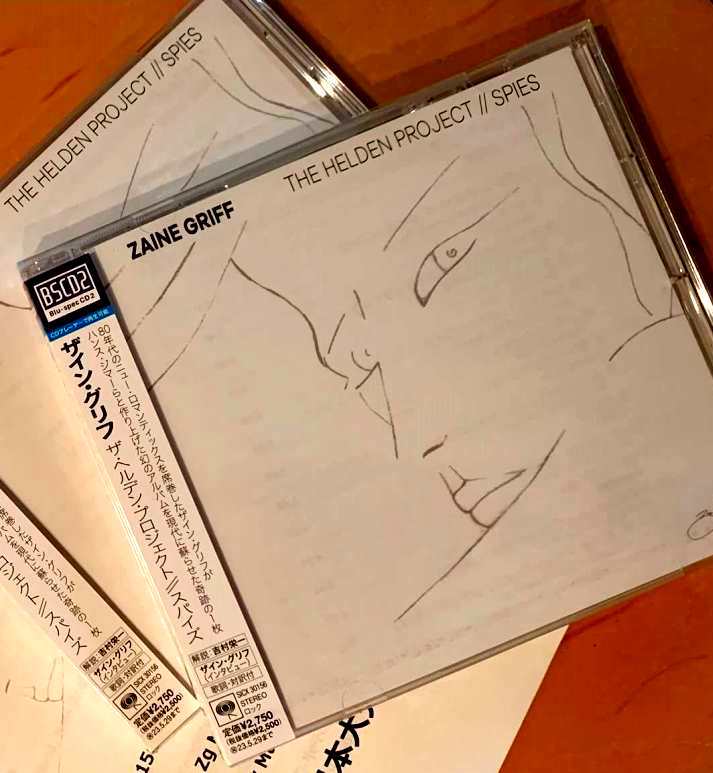
‘Spies’ is the mythical lost album by HELDEN which, despite a show to premiere the music at the London Planetarium in Spring 1983, was never released.

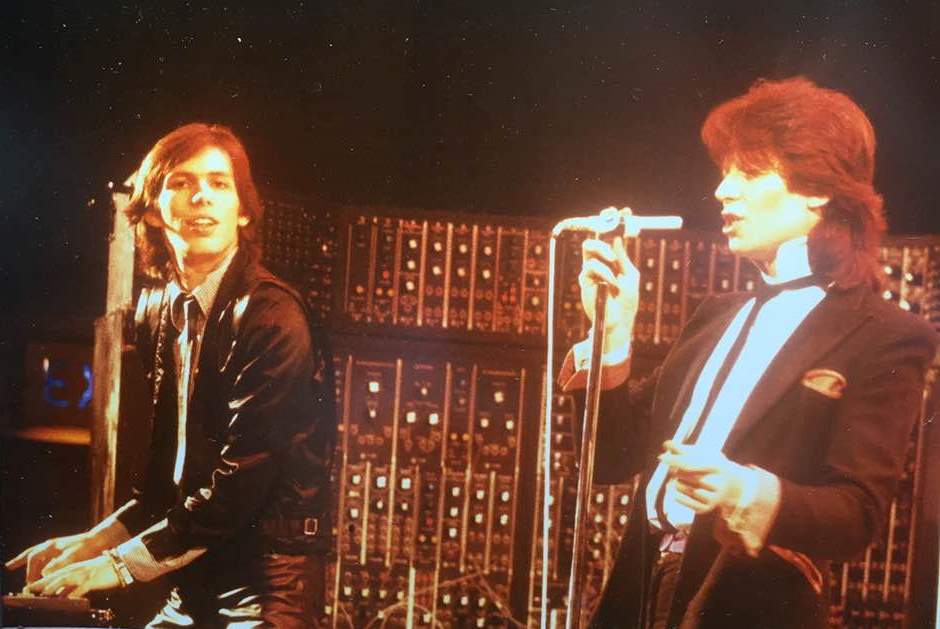
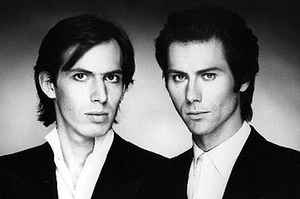
HELDEN was the side project of Warren Cann, best known as the drummer and electronic percussionist of ULTRAVOX. His partner in HELDEN was Hans Zimmer, then an up-and-coming musician who had worked with THE BUGGLES and THE DAMNED.

He had also been producing soundtracks, jingles and theme tunes with 1985’s ‘My Beautiful Laundrette’ and the 1987 BBC quiz show ‘Going For Gold’ being among the German composer’s earliest successes.

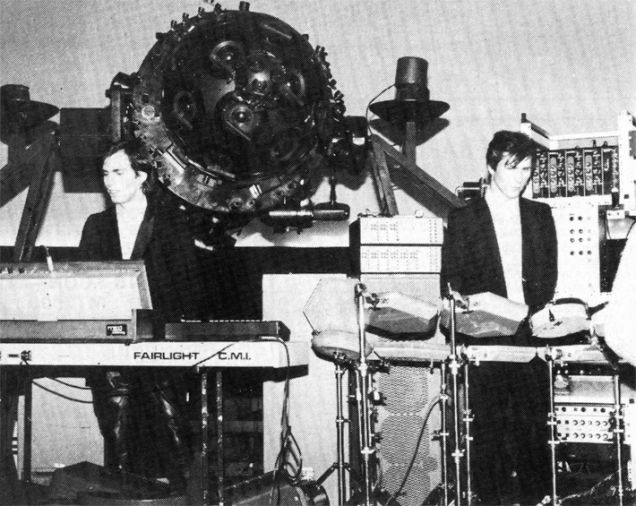
Despite acquiring Wendy Carlos’ Moog modular system that had been used on ‘Switched On Bach’ from Chris Franke of TANGERINE DREAM who was downsizing, Zimmer was an early adopter of the Fairlight and used four at the London Planetarium concert. He was also steadily gaining higher profile sessions and later contributed to the programming on ‘The Last Emperor’ which won an Oscar for its soundtrack composed by David Byrne and Ryuichi Sakamoto.

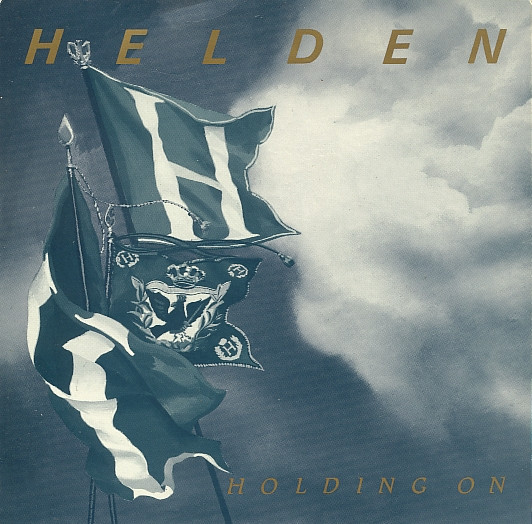
But in one of the most notable examples of short-sightedness within the British music industry and its inability to recognise rising talent, the theatrical conceptual opus that was ‘Spies’ confused record labels. It was sadly unable to secure a deal with the independent ‘Holding On’ single containing the only tracks from the project to be commercially released.

Another HELDEN track ‘Stranded’ belatedly appeared as a freebie with the ‘In The City’ fanzine in 1985 but by then, interest in ‘Spies’ had waned while Hollywood came calling; Zimmer’s score for ‘Rain Man’ starring Dustin Hoffman and Tom Cruise was nominated for an Oscar in 1989. He eventually won his first Oscar in 1994 for ‘The Lion King’.

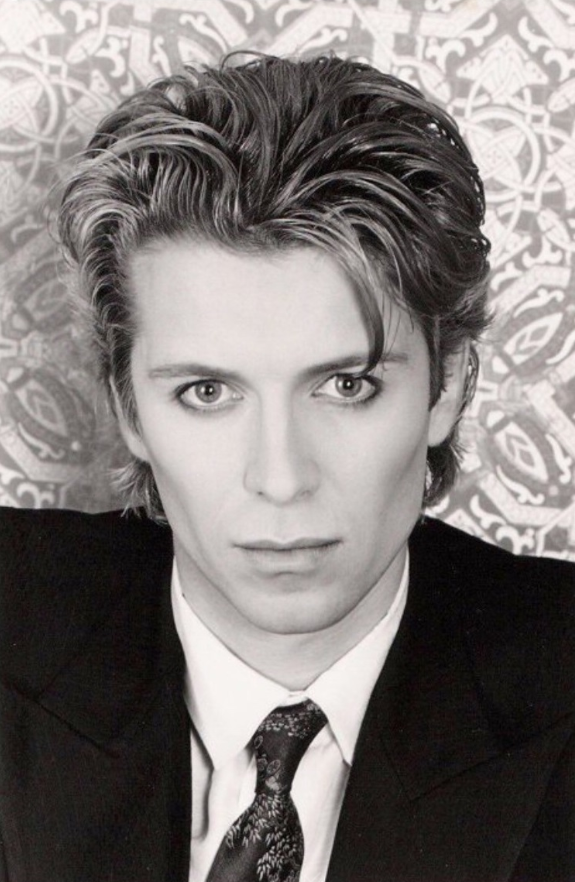
However, before any of this, Hans Zimmer had been the keyboard player and producer for Zaine Griff, a New Zealander who had his own impressive portfolio including working with David Bowie, Tony Visconti, Kate Bush, Gary Numan, Warren Cann, Midge Ure and Yukihiro Takahashi. More recently, his song ‘Ashes & Diamonds’ was covered by MGMT.

Having already worked with Hans Zimmer and Warren Cann in the production of his second solo album ‘Figvres’, Griff was the natural choice as the charismatic leading man of the HELDEN project and the vocal parts of the ‘Spies’ album.

Among the other contributors were Linda Jardim, Hugo Verker, Ronny, Eddie Maelov, Brian Gulland, Brian Robertson and Graham Preskett.

With interest in ‘Spies’ having become revitalised as a result of Zimmer’s acclaim as the world’s most in-demand soundtrack composer, Zaine Griff has been working on a new recording of ‘Spies’ over the past 7 years. It will be the first time that all the songs will have been officially released with Sony Japan doing the honours.

Griff’s ambitious undertaking was co-produced by Stephen Small who also deputises for Zimmer on keyboards while Cann’s place on drums is taken by Clive Edwards whose credits include UFO as well as Zaine Griff’s most recent album ‘Mood Swings’.

Zaine Griff kindly chatted to ELECTRICITYCLUB.CO.UK about his memories of The HELDEN Project, the original recordings and the process involved in realising ‘Spies’ for the 21st Century.

How did you come to be involved in HELDEN?

I had recorded my second album ‘Figvres’ with Hans Zimmer producing. We recorded the album at Snake Ranch Studios in Chelsea with Steve Rance engineering. Around this time, Hans invited me to do jingles, check out equipment at Syco Sytems, go to movies and, well, just hang out.

Hans was playing keyboards with me at all my gigs, most notably the 1979 Reading Festival with Warren Cann on drums. He mentioned to me that he and Warren had started a new project, would I do vocals? The HELDEN Project and ‘Spies’ used Steve Rance and Snake Ranch Studios… in fact everything seemed like a continuous flow with Linda Jardim on backing vocals and Warren of course from the ‘Figvres’ team. When I came to hear the songs, much of the ground work had been recorded.

What are your main memories of recording the original ‘Spies’ album with Hans and Warren?

Long day late nights… Hans was an artist with a blank canvas painting in sound, that is how I remember Hans. Experimentation always dramatising, always counterpoint. Warren was coming off ULTRAVOX touring, I loved his rhythmic machine-like drumming. Warren laid machine-like structures that help create Germanic moods. The equipment was never an issue and Hans was always ready to go, he was quite a workaholic even at that age. Steve Rance was extremely in tune with Hans’s direction.

Of the other things I remember, the three of us, Hans, Steve and I were having two cigarettes on the go at the same time, the ashtrays were full. The sound that was being produced was cinematic. A soundscape for a movie that hadn’t been filmed. It didn’t need to be filmed, you could see it been played out with Hugo Vereker’s lyrics and Hans’ soundscapes.

What was the album’s central theme, the title suggests it was The Cold War?

The Cold War, espionage, spies, Eva, trust, mistrust, beauty, betrayal, East meets West, out of the shadows.

How did you feel when the original ‘Spies’ album was unable to secure an official release?

My personal frustration when I realised HELDEN was not going to be released was the fact that I had spent a year of my life on that project. Hans and I did a promotional radio tour for the single ‘Holding On’. I treated ‘Spies’ as if it were my own when I sang the tracks, heart and soul went into every moment to support the project. Out of that I learnt so much.

Several attempts have been made over the years to release the album, but what was the catalyst for you to revisit the album yourself?

To re-release The HELDEN Project in its original form was complex on the business end due to percentage splits for the three writers Hans, Warren and Hugo and then there was no agreement for the contributors. Hans had by-then moved to LA in a new direction that had opened up for him, movie soundtracks.

Was it straightforward to get Hans and Warren’s blessing for the release?

I met Hans back stage at The Vector Arena only a few years ago whilst he was on his world tour and mentioned I was going to do some shows in London and wanted to do some HELDEN tracks such as ‘Holding On’ and ‘Borderline’ as well as maybe recording some HELDEN tracks. He thought that was great and gave me his blessing, Warren and Hugo both also gave their blessings. When I asked Warren if he would play drums, he sadly said he no longer played. I made the commitment that all drum parts, arrangements stayed true to his every beat.

The percussive palette is particularly authentic, had you set any particular restrictions in the sounds you used, like did they have to be “of the period” to represent what Warren would have considered?

As you can hear we copied Warren’s parts and sounds thanks to Clive Edwards, Dave Johnston and Stephen Small to decipher every element of Warren’s drumming.

Undoubtedly, this new recording maintains the pomp and circumstance of the original with Stephen Small contributing the keyboards and the two of you producing. What was the process of arranging and transcribing the parts from the original?

That is a question for Stephen Small. I approached him because of his magnificent career and his background in music arrangement and production. I came to know Stephen when he played live for me, it was then I realised that I could discuss The HELDEN Project with him.

We must remember when Hans wrote ‘Spies’, he was only 23 years of age. Stephen recreated the entire keyboard structure of a young Hans Zimmer.

Did you use hardware synths or did VSTs prove more practical in the production process?

We had use of synths from the 80s and computers from that period. We went for every sound that was 1982-83 and 84.

Was there any particular track that proved more of a challenge to reproduce than the others?

Every track was smooth sailing.

In terms of re-recording the album, how was it financed, did Sony Japan come aboard quite early on it the process?

I financed this project myself. Sony picked up on it when they were wanting to re-release Yukihiro Takahashi album ‘What Me Worry’ which had the song ‘This Strange Obsession’ which I wrote for him. It seemed obvious to me that they may be interested in The HELDEN Project.

You opted to take on the lead vocals of ‘Young & Scientific’ which were originally done by Eddie Maelov and Ronny?

Yes, I opted to sing the entire album, I had never met Eddie…

‘On The Borderline’ has been chosen to be “the single”, why did that track stand out to be the one to launch the project and get a Julian Mendelsohn remix?

‘On The Borderline’ seemed like a fun track to put out as a teaser. I asked Jullian Mendelsohn If he would like to do an extended version, he loved the idea and has done a great job with a great 80s vibe to it, a remarkable man.

‘Holding On’ was the only officially HELDEN single back in the day, how was it to revisit that?

I sang ‘Holding On’ live in London at The Water Rats in 2018, it went down really well. Hugo Vereker was in the audience… his lyrics, wow. This is why a lot of my focus to do the album was to allow people to hear this great piece of music.

‘Stranded’ was another track that went public as a freebie with the ‘In The City’ fanzine in 1985, but your new version manages to sound even more like ULTRAVOX if they did the ’Top Gun’ soundtrack…

Yes, I love ‘Stranded’.

Of the instrumentals, ‘Pyramids Of The Reich’ evokes some really surreal images?

Surreal imagery indeed. The listener can close their eyes and be transported to another time. Germanic music as daylight breaks.

‘2529’ with its mighty Schaffel beat is an immediate highlight with some great synth work, it really swings… how did that come together?

The rhythm of ‘2529’ is from the initial rhythms of Warren, yet taken into a Moroder or Jean-Michel Jarre world like a mental picture of a dance floor. It came together from the backbones of Warren and the presence of David Johnston adding percussion.

Do you have any favourite tracks from ‘Spies’ or are you just happy that it is now public after all these years? How do you hope your take on ‘Spies’ will be received?

I am just happy The HELDEN Project will be available to the general public after all these years. For me, personally it is sad that the original backing vocalist Linda Jardim(who had the most incredible voice) had passed away a few years ago. I was able to convince Linda’s companion from THE BUGGLES Debbi Doss to sing Linda’s vocal on the album, which she did beautifully. I do not have any favourites song on this album, I love them all. I think what people need to realise is the depth of creativity of Hans Zimmer. For me this is how he started, right here.

What’s next for you? You’ve been working with Chris Payne?

I am very proud to be collaborating with Chris Payne from the classic Gary Numan live band with what started as a writing team for a new VISAGE, but has turned into our own Zaine Griff / Chris Payne project. We have already completed an album together which will be released in 2023, with shows in Great Britain to support it.


ELECTRICITYCLUB.CO.UK gives its warmest thanks to Zaine Griff

Special thanks to Chris Payne

‘The HELDEN Project: Spies’ is released by Sony Japan as a Blu-spec CD on 30th November 2022, available via https://www.cdjapan.co.jp/product/SICX-30156

https://www.zainegriff.com/

https://www.facebook.com/Zainegriff.officialnews/

https://twitter.com/ZaineGriffOffic

https://www.instagram.com/zainegriff/

A 1983 archive interview with Hans Zimmer discussing HELDEN for E&MM can be read via mu:zines at http://www.muzines.co.uk/articles/hans-zimmer/6083

https://open.spotify.com/album/24RsWNXME4QiSGzCrnW7uj


Text and Interview by Chi Ming Lai
29th November 2022

Vintage Synth Trumps with SIN COS TAN

A contender for one of the best albums of 2022, ‘Living In Fear’ is SIN COS TAN’s most accessible and immediate body of work since their 2012 eponymous debut.

A prolific period between 2012 to 2015 saw the Finnish duo of Juho Paalosmaa and Jori Hulkkonen release three albums ‘Sin Cos Tan’, ‘Afterlife’ and ‘Blown Away’ in quick succession. But the creative intensity over took its toll and while the pair continued to work together on other projects, SIN COS TAN went into hiatus.

Paalosmaa returned to his other band VILLA NAH for 2016’s ‘Ultima’ album which Hulkkonen co-produced. Meanwhile Hulkkonen continued his solo career, releasing a number of solo albums, EPs and singles to continue a tradition in music making which had begun in 1995 and even hit the mainstream when as Zyntherius, he scored a 2002 Top30 UK hit with a cover of ‘Sunglasses At Night’ in collaboration with Tiga.

Inspired by the experiences of separation during the pandemic, a toe dipping exercise between Paalosmaa and Hulkkonen led to the ‘Drifted’ EP, the first SIN COS TAN material in six years. However with current world events and the bear next door looming like The Cold War had never ended, SIN COS TAN became creatively re-energised and presented their fourth album, the aptly titled ‘Living In Fear’.

Jori Hulkkonen took up ELECTRICITYCLUB.CO.UK’s invitation to chat over a game of Vintage Synth Trumps about the making of ‘Living In Fear’ and the workings of SIN COS TAN…

So the first card is a Multimoog…

The thing about Moog synthesizers is I’ve always been a bit scared of them… I never felt like I was a keyboard player and I’m still the same. My approach to making music has always been programming and sequencing stuff in the studio, I always felt Moogs were more like a keyboard player’s synth, a more traditional instrument like a violin. With the panel layouts, you could play it with one hand while controlling it with the other… it was made for live performance but I can appreciate that.

Also back in the 80s when I started out, you needed CV/gate to control the stuff and there were a few different systems. I preferred the systems that Roland were using… Moog was different from that so having the CV/gate stuff didn’t really support it. The Moog was also more expensive than Japanese equipment, they were always out of my reach. The Japanese stuff I had was very small and tight so not so great for the live environment but that wasn’t my thing anyway, especially back in the day.

I had this strange fear of anything Moog and they sound amazing and beautiful, I’ve heard them in other people’s studios and I’ve worked with Moog stuff, but I’ve never actually owned anything by Moog.

When the first self-titled SIN COS TAN album came out, social media photos had it placed in front of a Minimoog, who did that belong to?

That’s Tom Riski’s, the boss of our label Solina; he used to be in some bands in the 90s and he was a keyboard player and collector. He sold pretty much all of his stuff when he gave up being an active musician, but he still had that when the album came out. I did buy something from him *laughs*

You’ve mentioned fear, and this new SIN COS TAN album is called ‘Living In Fear’, how did you and Juho come up with the title?

This album came together rather quickly, the first session was in January this year and finished by the start of May as that was the deadline for mastering. There were some ideas and songs but at the time of recording, the Russia / Ukraine conflict started and obviously in Finland, that was a big thing. So we suddenly realised we could make that a motif for the album. It was Juho’s idea to call it ‘Living In Fear’ and that felt like it defined a lot of the songs we had there. The album even ends with a song called ‘War Time’.

There’s also a lot of commentary with the fears and pressure people have in this day and age from social media. Artists, what we are supposed to do these days is be like Instagram stars and promote our music online. But people like Juho and me aren’t into that, so it kind of scares us in a way. So that’s one level, another is the change in the world right now environmentally but another is the dawning of AI; Artificial Intelligence scares a lot of people, is it going to take away our jobs? It’s going to change a lot of things and funnily enough, we did an music video for ‘Endless’ which was AI based… a year ago, a video like that would have cost a million dollars and now AI is doing it for a few pennies.

Then of course, there are personal fears you might have and there are some quite personal songs on the album from Juho and me. Fear is a really strong motivation in people’s lives and we realise that was something that the album could reflect. It’s not a theme album as such, not like ‘Blown Away’ was. But it’s an album that does have a theme and something we wanted to focus on because it was there.

I can imagine in Finland, you have that 1200+ km land border with the Bear Next Door and on your website bio, it mentions how growing up, music was your escape from The Cold War, Chernobyl and imminent nuclear destruction… so in your head with everything going on, has it been like “NOT AGAIN!!”?

Definitely, but at the same time, it’s weird and probably not very healthy either, it feels kind of comfortable to be back in that same state of mind that you grew up in!! It’s like you grew up in not a nice place, but you get 20-30 years out of it and then you get drawn back into The Cold War state of mind. It’s where I come from and there’s nothing good about it, but somehow feels very familiar so you can handle it in a different way, compared to others. Our generation grew up with it and it’s interesting how the 90s generation grew up very optimistic and open, while the Millennials were free to travel all over Europe and suddenly it’s a big change.

I totally get where you are coming from, because where I live, it was the centre for UK missiles so was a nuclear target. As an ULTRAVOX fan, you will know ‘Dancing With Tears In My Eyes’, ‘All Stood Still’ and ‘All Fall Down’ were songs about Armageddon while there were other similarly themed songs such as ‘Enola Gay’, ‘Fireside Favourite’, ‘I Melt With You’…

Yes, for us, it been like “well, it’s back to the norm”, it’s something we became accustomed to growing up in the 70s and 80s, it’s like the baseline…

Do you anticipate if this tension goes on any longer, it will affect the artistic expression? Do you see art as channelling that angst again?

I think I’ve been channelling that through the years anyway! *laughs*

But overall, this decade has been a real downer with the pandemic and now the war, so if we are trying to look for silver linings here, I think it will be interesting for the creative community to get something out of it, the frustration, the fears and all that. For sure, it’s going to do something for music, for the arts, for anything creative. It remains to be seen, it’s not going to happen overnight.

Like now at the end of 2022, people are starting to release all the music they did during the pandemic and the lockdowns, so now we are getting the pandemic music. Yes, some people released stuff during the pandemic but now we can play gigs and people can travel, so the records are coming out.

Something we discussed during the making of the album is, has the pandemic affected how we listen to music? Suddenly you’re stuck for 2 years at home, so do you listen to a different kind of music? Is it stuff to calm you down because you’re not in the mood for party music because there’s nowhere to go as the planet was closed! So did it change how people react to music, what kind of music they want to listen to? Did they dig up some old records for comfort? That remains to be seen, I hope there’s some real studies out of all this.

The return of The Cold War is going to be a big thing for a lot of Europeans. Obviously in Finland, we follow a lot of this but even though NATO is more or less involved in the conflict at some level, in America or Asia or Africa, this is like this local thing that’s happening in Europe. Let’s hope it says that way, we don’t want World War 3! I think the effect will also be local and probably affect the Scandinavian music and arts. There will be a big impact.

Despite the surroundings it was created in, ‘Living In Fear’ has turned out to be your most accessible album and possibly your poppiest as a form of escape? Any thoughts on that?

When we realised a lot the songs deal with pretty heavy issues as the lyrics were quite dark, we wanted to juxtapose that with some light production and make it chirpy even. I guess on our level, it’s light if you don’t look deep into it. I think it was the contrast of the lyrics and the easier approach of keeping the darkness inside, so it looks shiny and nice outside. But once you open the door, you realise it’s doom and gloom, it’s in there but not in your face. Only on a couple of songs ‘Not in the Business of Forgiving’ and ‘Killing Dreams’ did we let them drown on their way as they needed to sound heavy. But otherwise on the other tracks, we tried to keep it escapist, like that escapism of the 80s, the plastic innocence to hide the doom and gloom.

I’d like to highlight ‘More Than I Can Love’ which drops in ‘What Is Love’ and ‘Enjoy The Silence’, there is this Eurodance with melancholy thing about it?

Juho had this demo and it was leaning towards early 90s, my guide if there was a song that had the right balance of uptempo dance beat and melancholy was ‘Disappointed’ by ELECTRONIC. I was aiming that kind of driving Eurodance but with this classic UK synth indie pop melancholy, that was the lead idea. We wanted to avoid sounding too much like 90s Eurodance but also we didn’t want to do the ‘Enjoy The Silence’ thing. It was like a balancing act, you don’t want to sound like you are just ripping someone off or doing an 80s rehash. You try to sound modern while staying true to the essence.

With the music we do and the influences we have, there are no secrets, people know… if you listen to our records, whether it’s SIN COS TAN, VILLA NAH or my solo stuff, it’s easy to figure out where we come from musically *laughs*

It’s really interesting that the technology at the time back in the day was moving so fast… compare the records people were making in 1980 and then 1990, how they sound and how they were made, it’s one of the biggest shifts we ever had in music in terms of production. I always felt like there wasn’t enough time for this sound to be explored enough because people were already moving onto the next thing.

Famously John Foxx said samplers ruined music and in a way I kind of agree, although I also disagree as I think samplers are great. But at the same time, the period of late 70s synthpop like the early stuff of THE HUMAN LEAGUE, it would have been interesting if that level of technology had been around for 10 years. People would have had more time to really dive into that sound and the different possibilities it offered… but it was all going so quickly and suddenly it was digital and samplers, going to the next thing.

So records started to sound dated within a year or two which was crazy. Pop music today, I think in the last 20 years, there hasn’t really been a sound in the sense of “a sound that you haven’t heard”. Modern music doesn’t date as quickly as it did in the 80s, but I still feel there are so many things that you can go into a rabbit hole of listening to with the 80s, stuff that could have been explored more.

One cool thing nowadays is something like Spotify and YouTube because you can find ALL the records that you never knew but existed but I don’t have enough time. There is so much more stuff I hear from the 80s that I would have loved to have heard back in the day. I keep finding “new” old records almost weekly that came out sometime in the 80s that I like. That’s the thing, things moved so quickly and people moved onto the next thing, so those records never really had a chance.

When it comes to what kind of sound you are looking for in a song, I think there is an endless bowl. SIN COS TAN has been put into this category of “80s synthpop” and all that, but “80s synthpop” is so much bigger than a lot of people realise and there is so much to explore. There’s so many things that could have become the next big thing but they didn’t because of trends, technology or whatever reason, the pace was just so quick.

Talking of technology, time for another card and it’s a Yamaha CS60…

I had the CS60 and the CS80 which was the big brother, it was one of the biggest and most expensive synths that you can still find, if you can find one. The CS80, in the late 90s, my friend and I were still living up north and found one in really bad condition. The guy who sold it to us said according to the serial number, it once belonged to Stevie Wonder; I don’t know if it was true… but then he didn’t charge extra and we got it super cheap. Me and my friend were both just doing dancefloor stuff and the CS80 was more of a keyboard player’s synth, even more than a Moog.

We had it for a while and realised because of its size and its weight that we couldn’t go back and forth to our studios with it. So it was stuck in one place and not used that much. Later on when I had my peak crazy synth collection period in 2006-2007 and had a really big studio, I had a CS60 there and that I did use quite a bit. I was more comfortable with my keyboard playing by then. I used it on a lot of records from that period, we used it on the first SIN COS TAN album, solo stuff and productions for Tiga. It’s another keyboard player’s synth and one time, I had Jimi Tenor come to my studio as he was doing a gig in Turku. So he was playing it and I realised it really is not about the equipment, it’s about the idea and your ability to play an instrument, those are the ingredients.

The magic that Jimi was able to get out of the CS60, it was mind-blowing but also depressing in a good way because you see people who are super-talented at an instrument… I’ve always been more of a programmer and classic producer type where I’m not great at anything, but can handle a lot of things to put it all together and make little tweaks.

When you work with people like Jimi who are super-amazing at playing or with Juho and his voice, you are happy that you know them and get to work with them. So there are keyboard players that can make those machines come alive. When choosing a synth, you have to think “what can I get out of this machine or is it wasted on me?”

I remember there was this classic ‘Top Of The Pops’ where John Foxx did ‘Underpass’ and the band had like three CS80s on stage which was crazy…

So how important then was “synth image” to you as a fan getting into this type of music, where your favourite artist uses a particular piece of equipment?

That was everything! That was kind of the whole thing, when setting up my first studio, it was like living this childhood dream being surrounded by synths. So yes, for sure, growing up in the 80s and seeing these pictures, watching the videos and reading magazines and all that, it seemed so futuristic and out of this world, especially all the drum machines and synths.

In Finland, most of the music you heard and saw was uninteresting rock and heavy metal so you would be lucky if there was a keyboard or even a piano player in a band. So this futuristic world with keyboards, flashing lights, LEDs, computers and all that, for me that was Science-Fiction. It was a really big part of the appeal that got me interested in electronic music. I did like electronic music even before I realised what it was, so it all ended up enhancing all those ideas.

Another card and it’s a Korg Poly 6…

I never had one but I’ve had a lot of Korgs; the thing with Korgs is a lot of my friends had the MS10 or MS20 but I never liked the sound. There was something about that sound that I never really took to, I appreciate it as a synth and I like that it is semi-modular.

But it’s also on a different scale than the Rolands with all the CV stuff so it didn’t work that well with them, so that was one reason. I think it was also something about the filters that I never really loved. I used a Yamaha CS15 for that sort of stuff, it was similar but duophonic and it also has audio-ins so you could use the filter and the filter was smoother than the Korg MS stuff.

Of the Korg polyphonic stuff, I hit the jackpot 20 years ago at an amazing synth store in Stockholm called Jam, the guy running it Johan was amazing and we became really good friends. I used to go there quite a bit. They are still going strong, I love them.

In Finland, we never had really good synth stores for vintage stuff. Although we are neighbours and Finland is bilingual with Swedish being our second language, the culture is so different when it comes to pop music. I was fortunate living in the north of Finland, I was close to the Swedish border so grew up with Swedish radio and TV.

In Sweden, they have an amazing scene with synthpop and electronic music, even from the 70s and 80s. There was so much stuff and variety and that’s how I discovered a lot of music. In the Swedish language, there is even a word “Syntare” for a person who listens to synth music and Italo disco. So I’ve always had really close relations to Sweden and because they had such a big culture in electronic music, there was more equipment going around. When I went there for the first time, it was like “WOW!”.

What did you buy at Jam?

I got this Korg PS3100 which is like a blown-up MS20; it had a patch bay and was semi-modular but a 48 note polyphonic analogue synth! It was again made for keyboard players but because of the semi-modularity, you could control the gates and outboard gear. So that became the staple of my sound for 15 years; I used it on so many records for the polysynth pads.

The Korg Poly 6 was one of the last of the analogue polyphonics of the 80s, I’ve had a lot of the drum machines and I had the Mono/Poly so I’ve had a lot of Korg stuff. Again, the Japanese stuff was cheaper to buy than Moog or Oberheim…

It’s interesting what you say about not getting on with the MS10 as Juho has one and used it in VILLA NAH who you co-produced…

VILLA NAH love the MS10 and they used it on the ‘Origin’ album, it was one of the key synths for their lead sounds and solos. It was fine by me; they get exactly the sound they want and it fits with their music. Me personally, it was never the kind of synth I wanted to have.

I take it that Juho might be less of a tech-head than you are, so within the dynamic of SIN COS TAN, does he stop you from going too far with that and gets you back on track with the song?

It’s a totally different hat that I’m wearing when I’m a producer for an artist. But when I’m working in SIN COS TAN with Juho, then it’s a band so it’s my project as much as it is Juho’s. However, when it comes to working for others, you forget about your mixed feelings about the MS10 and you embrace what they can do with that *laughs*

I really like the idea of having these different roles when it comes to making music, it really is a big part of the fun with a project. Even when I make stuff with Juho as SIN COS TAN, there really is this moment where I decide I’m not going to be the guy who writes music with Juho, I will be the producer and mixer and now take a different approach. I change the perspective that I have on those songs and it’s something that I learned when people have approached me to work with them. Remixing and producing other people are totally different animals but there is something similar. I like the idea where people reveal their music’s secrets to you in the studio, whether it’s a remix or a production to make it work on the dancefloor or whatever.

That’s always been super-fascinating and again, we get into the cool things and the modern age where things on like Spotify, you can listen to classic records that are re-released as boxed sets where they have demos and works-in-progress. The idea of these different stages of a journey that a song takes, that really intrigues me infinitely as a musician, producer and fan. I don’t want to necessarily buy all these records and in some cases, there is stuff that I don’t even like, but I like to be able to hear how the demo became the song.

It’s nice that people are putting all this stuff out, like a cassette demo of the just-written song, then the band comes in and there’s a version with a producer that didn’t work out, and the remixed version that works, that is so fascinating.

You’ve always struck me as being a music fan first and professional producer or musician second…

For me, being a music fan is the No1 priority, that is what I am foremost… everything else is a category under that. Being a music fan is where it all comes from and that’s still how it is.

‘Own The Night’ from the album is very film noir and for Halloween, you synchronised it to the 1922 version of ‘Nosferatu’… did you already have images in your head while making the song?

That was another demo that Juho had, but it was clear from the first draft that I had this idea of how it needed sound. If there is a song on the album that sticks out as not being within the ‘Living In Fear’ theme in the more serious sense, then it’s ‘Own The Night’. It’s slightly tongue-in-cheek especially with the video and vampire, it’s was some very subtle comic relief. We were trying to strike a balance, like in the intro where Juho is doing the deep “hmmm-hmmm-hmmmmm” voice, there’s 16 tracks of him doing this gothic choir thing and then there’s the build up with the harpsicord, it sounded super funny. But at the same time, we didn’t want to push it too much so that it didn’t sound too comedic. We didn’t want it to come across as cheeky or too light-hearted.

‘Own The Night’ reminded me of Ennio Morricone, I don’t know if that is a suitable reference?

Yes, it is overtly dramatic like a lot of the Morricone stuff with all these changes before the big chorus. It does have that classic Morricone feel to it, it was one of the toughest songs on the album to get right. From the original demo, we knew it had a lot of potential. At the same time, the execution needed to be punchy enough for the dancefloor but to keep that ethereal spooky atmospheric thing that controls the vibe, it was all about the balance.

This has made me think of PET SHOP BOYS ‘It Could Happen Here’ which used a section of that Morricone track ‘Forecast’ that had that almost comedic Bowie-esque vocal by BLIZZARD…

Well for me, I am obsessed with both PET SHOP BOYS and Ennio Morricone, so they are always in the back of my head whenever I make music, especially when I do stuff with Juho where we go for this extra flair or drama, these things do come out….

‘You Again’ is a good example…

Yes, that was like HI-NRG mixed with this Morricone-ish riff, it was upper dramatic with the verses and then there were his upbeat, uplifting chorus and dark lyrics for this contrast before the ending focussing on the violin riff building up. It’s a mixture of PET SHOP BOYS and Morricone, but one particular song that also came to my mind when making it was ‘Sounds Like A Melody’ by ALPHAVILLE which also has this outburst of energy in the outro as well.

Was ‘Tightroped’ influenced by DAFT PUNK or is that just in my head?

It’s in your head… but then again, DAFT PUNK is in our heads as well so… *laughs*

‘Tightroped’ was based on a track we started 5 years ago… although we had this break where we didn’t release anything, we had some studio sessions every now and then. But things never really clicked to make us go “WOW”, there were some good bits but it never crossed that threshold to make it continue and work towards an EP or album.

Then when we started this album, there was stuff we had never used and ‘Tightroped’ had this synth riff that I couldn’t even recall when we first did it! We didn’t remember it, it was like “Is that us? Yes, it’s us!”. The track was this downtempo John Carpenter thing, so I decided to disco it up which is something I always do when we go to a dead end with a song, like I did with ‘Trust’ which was originally downtempo. So it was time to put on a four-to-the-floor kick and not exactly do an Italo disco, but more late 70s Patrick Cowley track with live sounding drums. That opened up a lot of doors for it and then I came up with the chord change for the middle part and there was a new lyric, it kind of clicked. So it’s like retro disco that was fun to put out there.

I’ve always liked the way how you’ve never been afraid of disco, either saying it or doing it…

I do a lot of dance and club music, if you do like dance and club music, you have to love disco and even though I started my career in house and techno, you have to acknowledge there is the legacy of disco. There’s so much stuff in house music that sounds fresh and futuristic, especially when it comes to crossing into more electronic stuff like Patrick Cowley or Gino Soccio… even today, their records sound ahead of the time.

I was never a big fan of the orchestral disco, it was always the more minimal stuff where it is all about the groove and basslines with minimal changes and gradual growth as well as the more electronic end of it. Yeah, those records defined my taste in music.

Another card and it’s the Korg 800DV, otherwise known as the MaxiKorg, Dave Ball from SOFT CELL had one of these…

This would have been designed to sit on top of your organ where you would do chords on that and this would be the lead synth to do these melodies. Synths from this period, they were more aimed at this market so were slightly cheaper. That meant these types of synths were on a lot of interesting records that came out in the late 70s and early 80s. It was like a synth to add one layer or one riff or whatever.

What I love about this era was that each band had a particular sound because they could only afford one or two synths but they were explored more…

Yes, this is something I don’t think has been looked into in the documentaries… this will not sound very nice but there is too much credit being given to the people making the music, because a lot of the music was being made by equipment around at the time. The fact that people had their hands on 2 or 3 synths and they were at the mercy of these synths (not the other way round) and the records couldn’t sound like anything else than what the technology allowed at the time. So it was really about the imagination of the artists to abuse them and get the most out of them… it really was within the constraints of what the technology was at the time.

So I think the technology was what defined that music as much as the people who were making the music and it was true during that period, as it was later when techno came around. The records that people made were amazing but at the same time, if you get those certain pieces of equipment and you understand a thing or two about music and you know how things work, it’s very easy to get that sound, but that doesn’t mean you’re going to get that great record. But the sound came from the equipment…

So are we talking Korg M1 piano here? *laughs*

No, we are talking about more about drum machines like the 808 or 909, the TB303 in acid house… things are defined by certain pieces of equipment. Like you couldn’t make a proper techno record if you didn’t have an 808 or 909. You really were kind of forced to have them or a sampler that could emulate a lot of that. If you had money, you could get the right equipment but that doesn’t mean you are going to make a great records because you still need to have some great ideas. But you could make these types of records without the equipment, you need the right drum machine to get the right dynamic in a club, you just can’t unless you have a million dollar studio with an engineer to make your record.

What I’m saying is the advent of the 808 or 909 enabled people to make a record in their bedroom that sounded good in a club, that for me was the big difference. It enabled dance music to become more direct for the people that were going to clubs, then going home and doing a record in their bedroom that sounded good in a club.

Obviously today, you can do anything with a computer so that has changed. But there was a brief period of time where you really did need to have certain pieces of equipment in order to make a dance record, regardless of how talented you were or what ideas you had or how great the songs were that you wrote. You couldn’t make a good dance record without a good drum machine. We sometimes forget the engineers who put all this stuff together … there was this documentary ‘808’ for example where even I was being interviewed, people are realising how hand-in-hand the technology and the changes in pop music just went super-fast in the 80s *laughs*

The final card is the EDP Wasp…

I never had one and I know there is a new version by Behringer… what makes the Wasp sound so interesting is the filter, so it’s on my modular system. I have an emulation of the Wasp filter, and I love the sound of it. But I think this was a really interesting time in the late 70s when these small UK and European companies doing these more limited weirder synths like the Wasp with its touch sensitive keyboard and Italian companies like Crumar that sounded different. There was this weird niche where people would be wanting something but couldn’t afford the American or Japanese stuff and would go for the weirder local products which adds something. I know in Finland, people had a lot of Russian stuff…

Oh, like the Polivoks? Did you have one?

Yes, I had one and I had a Faemi which was also Russian… so having stuff that’s not in the usual synth canon was great. There was a UK company that would sell synths as DIY kits and I got this CLEF B-30, a crazy, unpredictable little synth…

The kit company I remember in the UK was Powertran who made the Transcendent 2000, Bernard Sumner, Thomas Dolby and Ian Craig Marsh all had one…

There were a few different ones along with PAiA and I had a few of those, constructed by different people and put in different boxes, all sounding totally different and unreliable… you wouldn’t have wanted to go on stage with one! But in the studio, they were amazing and would provide those happy accidents. It was great that you didn’t know quite what was going to happen… the Wasp falls in some level into that category, with these giant companies doing their thing while these small companies doing their weird synths that are more punk in a way.

What’s your favourite synth that we haven’t mentioned yet?

I don’t know if it’s true, but I have a Roland Jupiter 4 which apparently used to belong to Simon Le Bon! The guy who sold it to me didn’t ask for anything extra but he said he bought it from him. I might as well continue my blissful life thinking that it is and for that reason, it is my favourite synth, if only because I get to share this story *laughs*

Otherwise, I don’t have any favourite synths, I had so much stuff over the years, I’ve come to appreciate them all, every synth I have ever owned or still own, had a purpose. They all do their own thing and they all inspire in a different way.


ELECTRICITYCLUB.CO.UK gives its sincerest thanks to Jori Hulkkonen

‘Living In Fear’ is released by Solina Records as a limited edition vinyl LP and download

http://solinarecords.com/sincostan/

https://www.facebook.com/homeofsincostan

https://www.instagram.com/sincostan_official/

http://www.jorihulkkonen.com

https://www.facebook.com/JoriHulkkonen/

https://twitter.com/jorihulkkonen

https://www.instagram.com/jorihulkkonen/

https://open.spotify.com/artist/3maaZRO6VRwTf6oUik93ZJ

Vintage Synth Trumps is a card game by GForce packed with facts and statistics that features 52 classic synthesizers, available from
https://www.juno.co.uk/products/gforce-software-vintage-synth-trumps-2-playing/637937-01/


Text and Interview by Chi Ming Lai
Photos by Rainer Geselle
23rd November 2022

« Older posts Newer posts »