Tag: Howard Jones (Page 5 of 7)

A Beginner’s Guide To COLIN THURSTON

While Colin Thurston is perhaps not as lauded as Conny Plank, Giorgio Moroder and Trevor Horn, he undoubtedly helped shape the sound of a pioneering musical era.

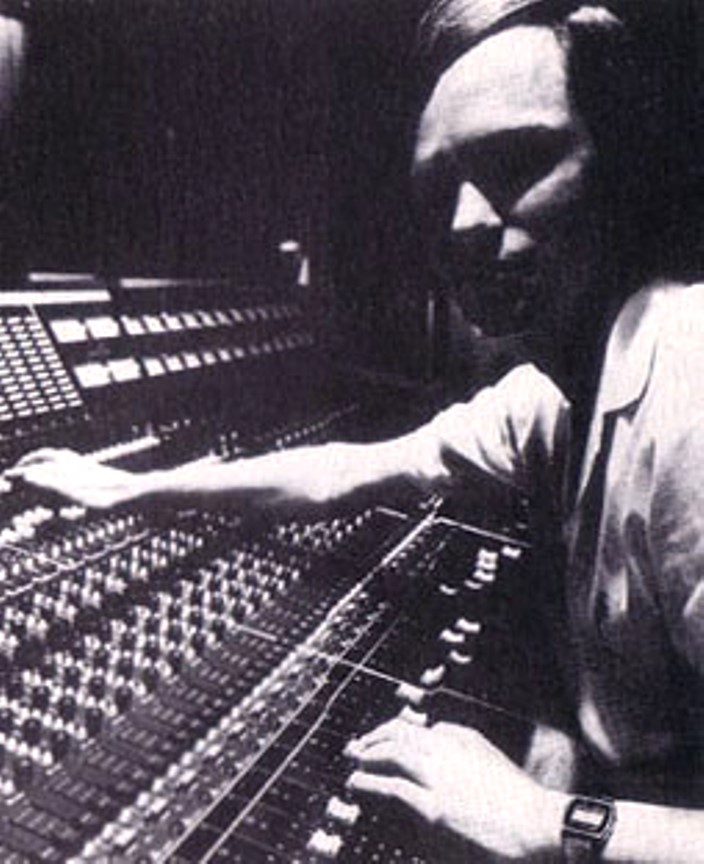
A jingle writer and jobbing musician, legend has it that he bluffed his way into audio engineering before securing a job with Tony Visconti. Working alongside the legendary producer during his sojourn at Hansa Tonstudio in the Kreuzberg district of West Berlin by the Wall, he experienced a baptism of fire. There he worked on what became two legendary albums, David Bowie’s ‘Heroes’ and Iggy Pop’s ‘Lust For Life’. He impressed enough to be recommended to Virgin Records signings MAGAZINE when they approached Tony Visconti as producer for the follow-up to their debut album ‘Real Life’.

It was this connection to Virgin Records that also led Thurston to work with THE HUMAN LEAGUE on their debut album ‘Reproduction’. Working together on classic League tracks such as ‘Empire State Human’, ‘Almost Medieval’, ‘Blind Youth’, ‘The Path Of Least Resistance’ and a stark cover of ‘You’ve Lost That Loving Feeling’, while the union was not a commercial success, Phil Oakey, Martyn Ware and Ian Craig Marsh gained valuable experience that would ultimately progress their music careers.

But it was Thurston’s work with DURAN DURAN that was to have the biggest worldwide impact. John Taylor said: “without Colin’s depth of vision, we would never have become the band we became” – under Thurston’s production guidance, DURAN DURAN grew from being a promising New Romantic band with a JAPAN fixation into becoming one of the UK’s biggest music exports to North America.

This was thanks in part to the striking videos accompanying songs such as ‘Girls On Film’, ‘Hungry Like The Wolf’ and ‘Save A Prayer’ directed by the likes of Godley & Crème and Russell Mulcahy, all gaining regular rotation on MTV, although DURAN DURAN’s willingness to undertake long periods of Stateside touring also helped their cause.

After working with DURAN DURAN, Thurston also produced albums by TALK TALK, KAJAGOOGOO, and CAMOUFLAGE, although a reunion with THE HUMAN LEAGUE in 1985 on what was intended to be ‘Crash’ came to nought when Virgin Records rejected the results of the recording sessions.

Thurston became an in-house producer for the Canadian label Brouhaha and latterly undertook only occasional production work. There had been talk of Thurston working together again with DURAN DURAN when the classic line-up of Simon Le Bon, Nick Rhodes, John Taylor, Roger Taylor and Andy Taylor reunited in 2001, although this came to nothing. Sadly after a long illness, he passed away in January 2007, aged 59.

His portfolio indeed reads like a Who’s Who? of popular music. An underrated figure in the successful application of electronic instrumentation within a studio environment, ELECTRICITYCLUB.CO.UK looks back at the career of Colin Thurston via 18 tracks presented in chronological order, with a limit of one track per album project.


IGGY POP Tonight (1977)
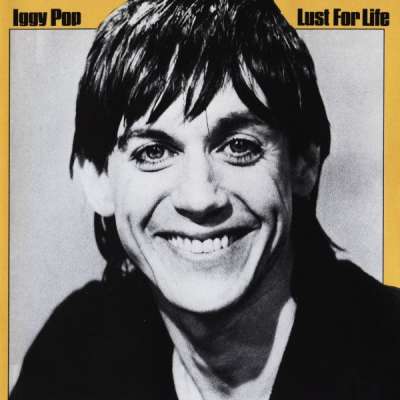
Featuring David Bowie on ARP Solina and providing his very distinct backing vocals to compliment Iggy Pop’s brooding baritone, ‘Tonight’ was a reflective number dealing with the spectre of heroin addiction. Recorded at Hansa Studios in Berlin as the follow-up to ‘The Idiot’, Thurston co-produced and engineered the parent ‘Lust For Life’ album under the collective name of Bewlay Bros with his two star performers.

Available on the IGGY POP album ‘Lust For Life’ via Virgin Records

http://iggypop.com


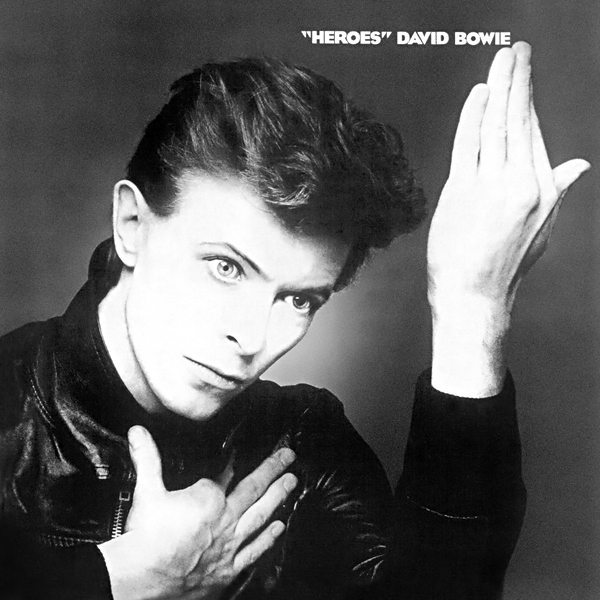
DAVID BOWIE Heroes (1977)

Engineering alongside producer Tony Visconti, Thurston found himself working with Brian Eno and Robert Fripp to help fully utilise the Frippertronics tape looping technique that provided the celestial triple guitar signature. Melting in alongside swooping EMS Synthi AKS, stabbing Chamberlain brass and swimmy ARP Solina string machine textures, coupled to a most passionate vocal performance, the train ride that was ‘Heroes’ became one of the most iconic David Bowie recordings.

Available on the DAVID BOWIE album ‘Heroes’ via EMI Records

https://www.davidbowie.com


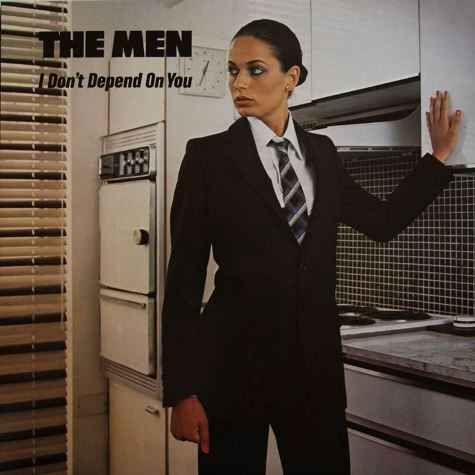
THE MEN I Don’t Depend On You (1979)

As a disco flavoured experiment helmed by Thurston, THE HUMAN LEAGUE recorded ‘I Don’t Depend On You’ under the pseudonym of THE MEN using a drummer, bassist and female backing vocalists, planting the seed for HEAVEN 17 when Martyn Ware and Ian Craig Marsh left in 1980. Released before the ‘Reproduction’ album, while the single wasn’t a hit, a certain Nick Rhodes was listening and included it in his DJ sets at The Rum Runner.

Available on THE HUMAN LEAGUE album ‘Travelogue’ via Virgin Records

https://twitter.com/martynware


MAGAZINE Rhythm Of Cruelty (1979)
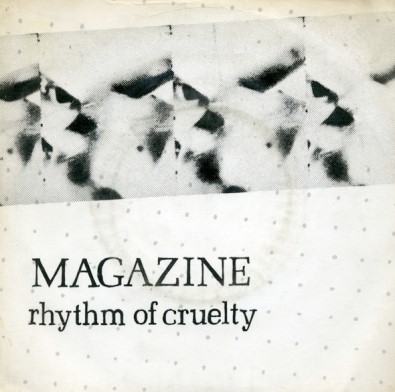
Howard Devoto and co had initially suggested Tony Visconti as producer of their second long player, but were very happy to have his engineer as a substitute. But nervous about his credentials, Thurston did not reveal this was his first full album production. ‘Rhythm Of Cruelty’ captured the art rock virtuosity of Barry Adamson on bass and John McGeoch on guitar, while allowing Dave Formula’s keyboards to shine.

Available on MAGAZINE album ‘Secondhand Daylight’ via Virgin Records

https://www.facebook.com/magazineofficial/


THE HUMAN LEAGUE Circus Of Death (1979)
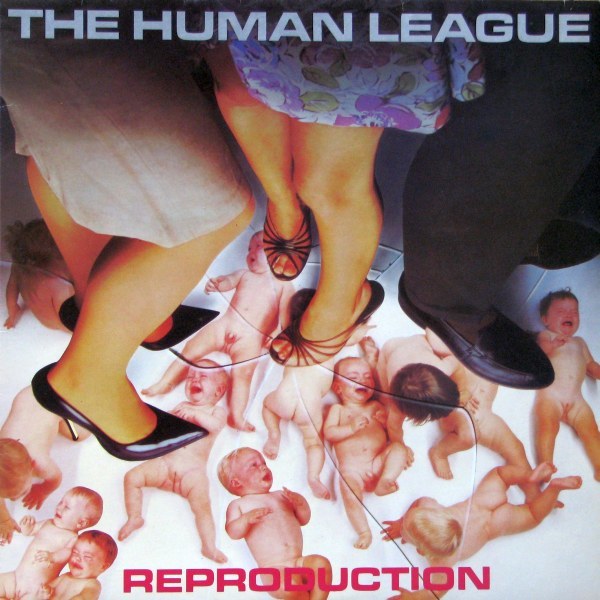
With a manifesto of “synthesizers and vocals only”, Colin Thurston was the man behind the desk for THE HUMAN LEAGUE’s eagerly awaited debut album. Eerily intro-ed with a taped announcement from Peter Lewis of London Weekend Television that Steve McGarrett from ‘Hawaii Five-O’ was about to arrive on a Hawker Siddeley Trident, the clattering synthetic dystopia and narcotic doom of ‘Circus Of Death’ was delivered with a charismatically sombre baritone by Phil Oakey.

Available on THE HUMAN LEAGUE album ‘Reproduction’ via Virgin Records

http://www.thehumanleague.co.uk


LANDSCAPE European Man (1980)
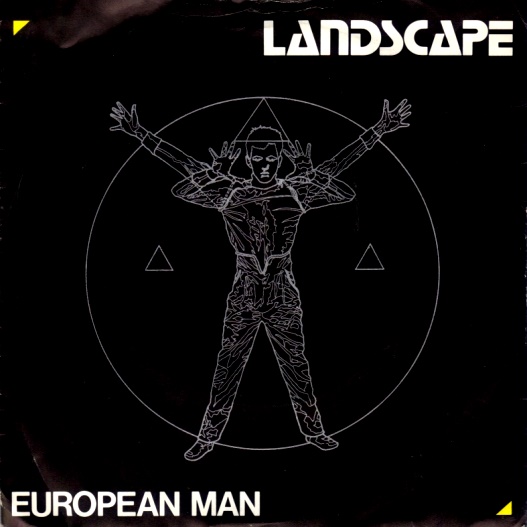
Electronic pioneer Richard James Burgess said: “I think we all embraced this new direction because of our raw excitement over the new technology…We discussed it in the band and everyone was on board so I started working on the lyrics that became ‘European Man’”. Colin Thurston was ideally the man to assist in realising this new direction and interestingly, the rear artwork of the first issue featured an early use of the term “electronic dance music” while the catalogue number was EDM1.

Available on LANDSCAPE album ‘From The Tea-rooms Of Mars To The Hell-holes Of Uranus’ via Cherry Red Records

https://twitter.com/Landscape_band


CLASSIX NOUVEAUX Never Again (1981)
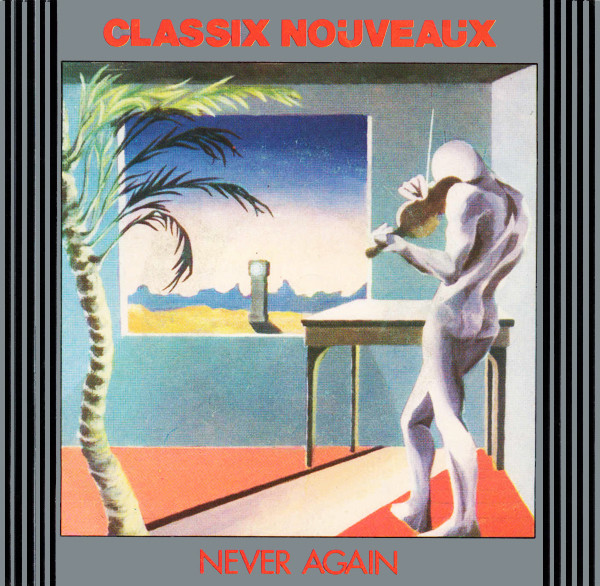
CLASSIX NOUVEAUX flirted with New Romanticism and while the eventual third album ‘La Verité’ was self-produced by Solo, the Colin Thurston steered ‘Never Again’ was the lead single. Written by bassist Mik Sweeney, it showcased Sal Solo’s passionate falsetto amongst a barrage of period Simmons drums, synths, octave bass and flanged guitars. While just missing out on being a Top 40 single, it paved the way for ‘Is It A Dream?’ to reach the No11 spot six months later.

Available on the CLASSIX NOUVEAUX album ‘La Verité’ via Cherry Red Records

https://www.salsolo.com


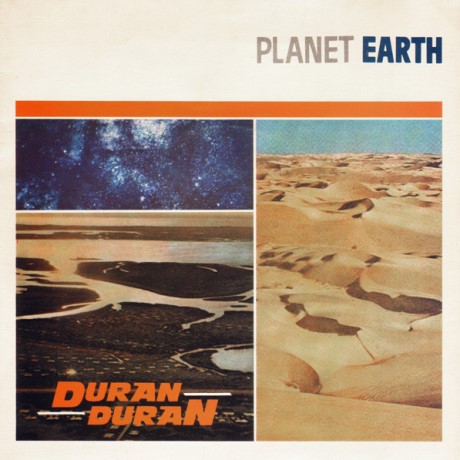
DURAN DURAN Planet Earth (1981)

After seeing DURAN DURAN open for Hazel O Connor, Colin Thurston found his perfect band, one that appealed to both his electronic and art rock sensibilities. Combining the disco sequencer drive of Giorgio Moroder, the funkier groove of CHIC and the anthemic qualities of glam rock, Messrs Le Bon, Rhodes, Taylor, Taylor and Taylor were to be the new romantics who moved beyond “looking for the TV sound” as they became one of the biggest bands on ‘Planet Earth’.

Available on the DURAN DURAN album ‘Duran Duran’ via EMI Records

http://www.duranduran.com


OUR DAUGHTER’S WEDDING Target For Life (1981)
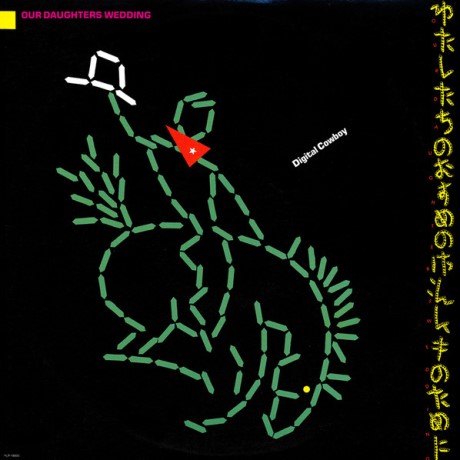
“We were proud of our musicianship, that we could play complicated parts with precision and speed” said Scott Simon of OUR DAUGHTER’S WEDDING and having supported DURAN DURAN, they summoned the services of Colin Thurston for their ‘Digital Cowboy’ EP . Eschewing machine percussion for a live drummer in Simon Phillips who played on Thurston’s session with THE MEN, ‘Target For Life’ was the frantic highlight from the five track offering.

Available on the OUR DAUGHTER’S WEDDING album ‘Nightlife – The Collection’ via EP Music

https://www.discogs.com/artist/106443-Our-Daughters-Wedding


TALK TALK Talk Talk (1982)
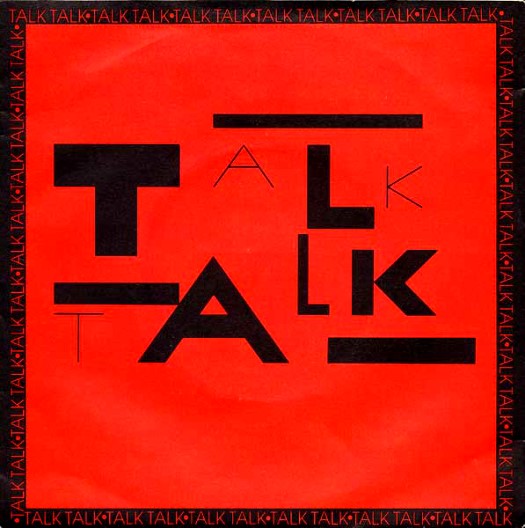
It’s bizarre to think now that when TALK TALK first appeared, they were dismissed as nothing more than DURAN DURAN copyists, thanks to their double name, patronage by EMI and production on their debut album ‘The Party’s Over’ by Colin Thurston. Utilising synths and Simmons drums, their eponymous signature song was not actually a hit first time round and following a number of disagreements, Thurston’s name was taken off the credits of the album.

Available on the TALK TALK album ‘The Party’s Over’ via EMI Records

https://www.discogs.com/artist/60480-Talk-Talk


DURAN DURAN Rio (1982)
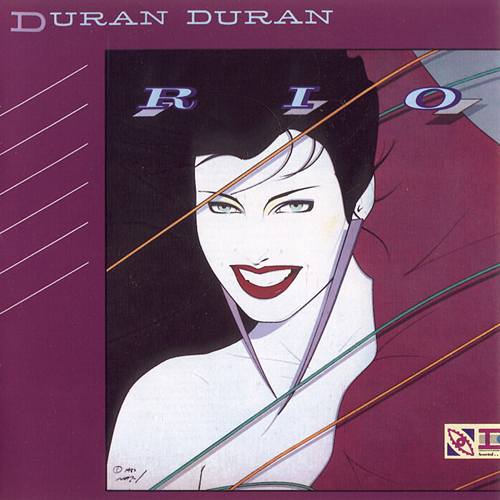
Based around a frantic arpeggio sourced from Nick Rhodes’ Roland Jupiter 4, ‘Rio’ is possibly Colin Thurston’s finest moment as a producer. From utilising a reversed slowed down tape of metal rods being dropped on a grand piano’s strings for the intro and capturing some amazing funky bass work from John Taylor, to the quintet locked in full flow with a rousing chorus and sax driven middle section, it was to become an iconic work musically and visually.

Available on the DURAN DURAN album ‘Rio’ via EMI Records

https://www.facebook.com/duranduran/


KAJAGOOGOO Too Shy (1983)
Look past the silly haircuts and what you see in ‘Too Shy’ is a very well-produced and well-written pop tune. Limahl had handed over a demo to Nick Rhodes while working as a waiter at London’s Embassy Club. Curious, he took the tape to Colin Thurston and when the band signed to EMI, they were embraced by a teenybop audience. Less happy were the other members of KAJAGOOGOO and the result as a coup d’état with Limahl ousted as lead singer.

Available on the KAJAGOOGOO album ‘White Feathers’ via EMI Records

http://limahl.com


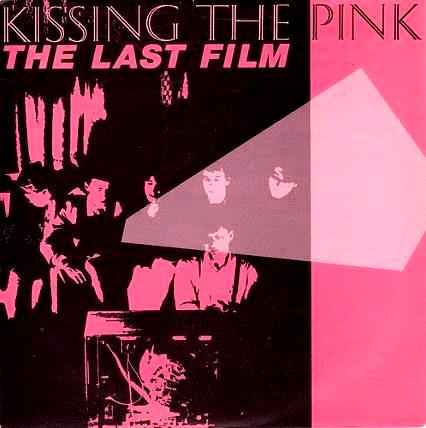
KISSING THE PINK The Last Film (1983)

A catchy militaristic tune with a profound anti-war statement, London-based combo KISSING THE PINK had wanted Brian Eno as producer, having worked with Martin Hannett on their debut single ‘Don’t Hide In The Shadow’. But their then-label Magnet Records suggested that Colin Thurston would give a more commercial sound and they were proved right when ‘The Last Film’ become a UK Top 20 single, the band’s only chart hit.

Available on the KISSING THE PINK album ‘Naked’ via Cherry Red Records

https://www.facebook.com/kissingthepink/


HOWARD JONES New Song (1983)
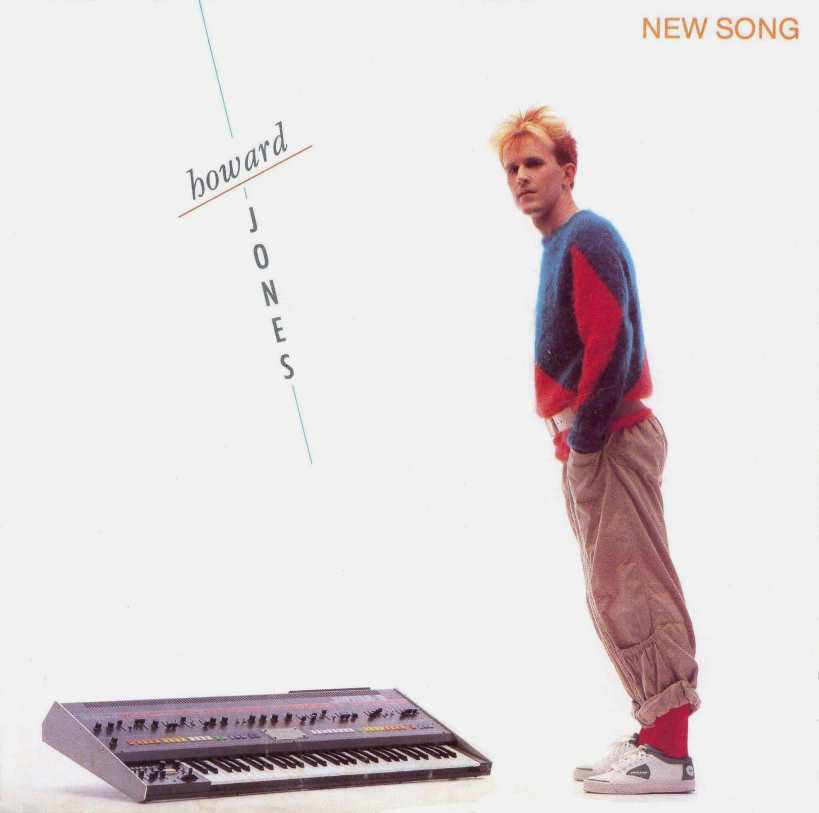
Howard Jones said of working with Thurston on his debut single ‘New Song’: “Warners wanted me in the studio as quick as possible to get something going and Colin was doing very well with DURAN DURAN and KAJAGOOGOO”. With a catchy new song that sounded like a synthpop version of Peter Gabriel’s ‘Solsbury Hill’, Jones got that first hit which his label desired although he and Thurston were not to do any further work together.

Available on the HOWARD JONES album ‘Best: 1983 – 2017’ via Cherry Red Records

http://howardjones.com


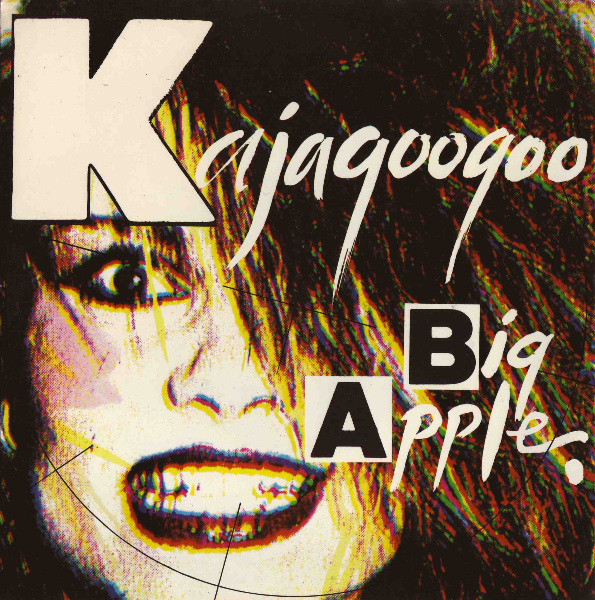
KAJAGOOGOO Big Apple (1984)

With Limahl gone and working with Giorgio Moroder, Thurston stuck by KAJAGOOGOO, now led by bassist and Chapman stick player Nick Beggs. ‘Big Apple’ was a rousing funky pop punctuated by brass section that allowed the band to show off their musical virtuosity. Interest in KAJAGOOGOO waned, although Beggs was to become a noted sessioneer, working with Gary Numan, Howard Jones, Steve Hackett and Steven Wilson.

Available on the KAJAGOOGOO album ‘Islands’ via EMI Records

http://www.kajagoogoo.com


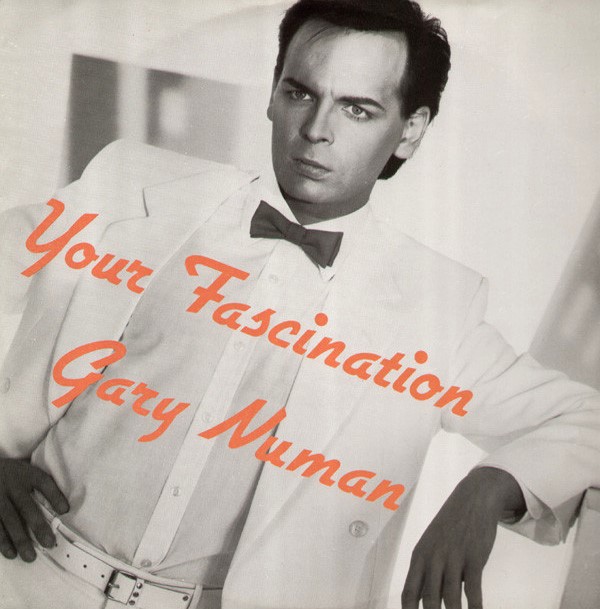
GARY NUMAN Your Fascination (1985)

Having had an unhappy experience working with Bill Nelson on ‘Warriors’, Gary Numan was open to sharing the studio with an outsider again when the name of Colin Thurston was suggested. The first fruit of labour was the excellent and uncluttered PPG dominated ‘Your Fascination’. However, there was to be no further productions with Thurston as he was in the middle of working with THE HUMAN LEAGUE on the first version of ‘Crash’, which was later scrapped.

Available on the GARY NUMAN album ‘New Dreams For Old’ via Eagle Records

https://garynuman.com


FLIP That’s What They Say About Love (1986)
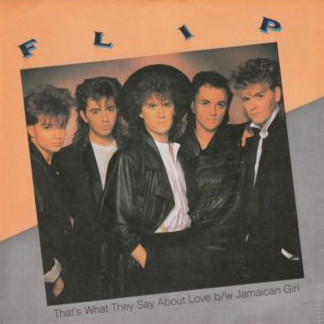
As synths became more passé with the advent of MTV and a desire for American success, Thurston found himself working with more guitar-oriented acts like IMMACULATE FOOLS, WESTWON and ATLANTIC while adding his studio sheen. One of his more successful productions in this period was with Aylesbury band FLIP whose appealing AOR friendly number ‘That’s What They Say About Love’ was a minor hit in The Netherlands.

Originally available on the FLIP album ‘Flip’ via CBS Associated Records, currently unavailable

https://www.discogs.com/artist/878940-Flip-17


CAMOUFLAGE Heaven (1991)
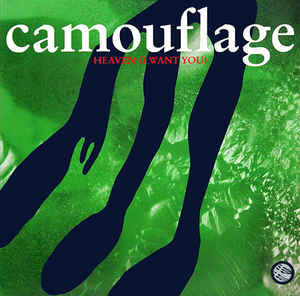
Moving away from the DEPECHE MODE influences of their first two albums ‘Voices & Images’ and ‘Methods Of Silence’, Marcus Meyn and Heiko Maile enlisted session drummer Gavin Harrison and Thurston to capture more of a live feel to their music. ’Heaven’ was certainly looser than previous CAMOUFLAGE recordings although like with DEPECHE MODE, the use of live drums ironically took some of the soul and tension out of the band’s sound.

Available on the CAMOUFLAGE album ‘The Singles’ via Polydor Records

http://www.camouflage-music.com/en/News


In Memory of Colin Thurston 1947-2007

https://www.discogs.com/artist/60619-Colin-Thurston


Text by Chi Ming Lai
6th April 2018
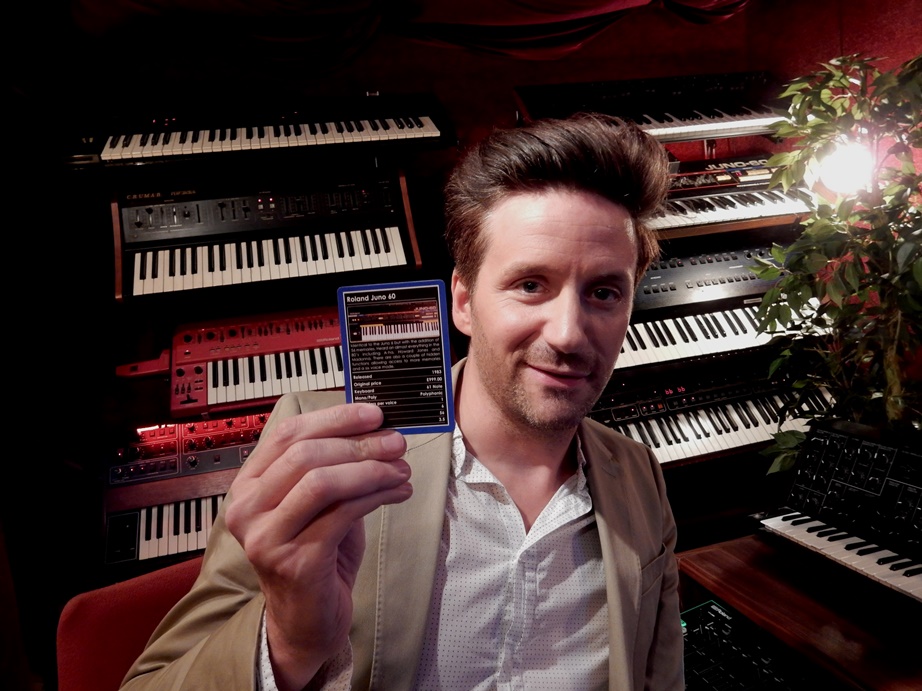
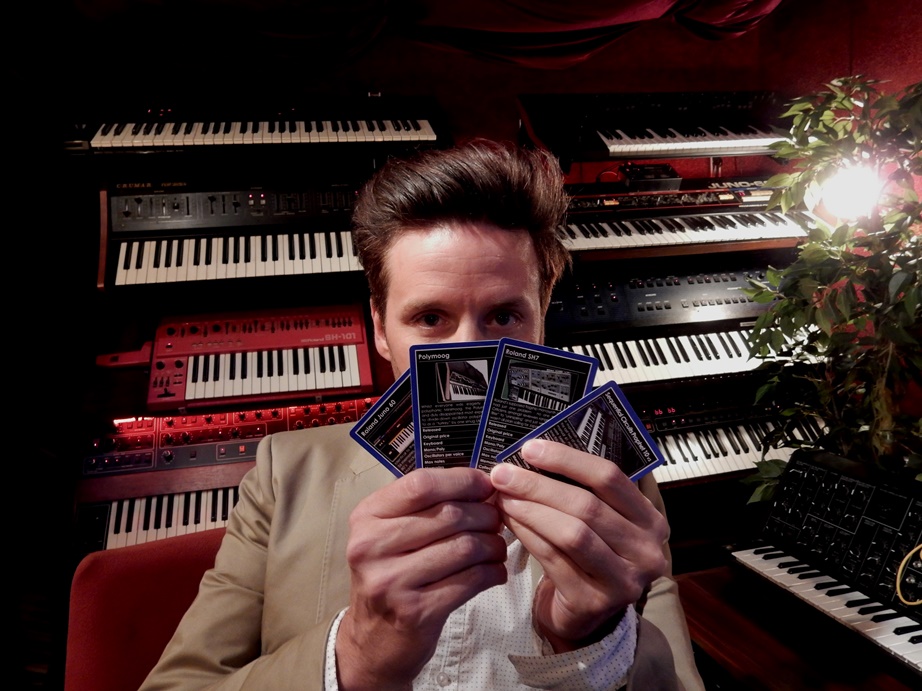
Vintage Synth Trumps with FICTION STUDIOS

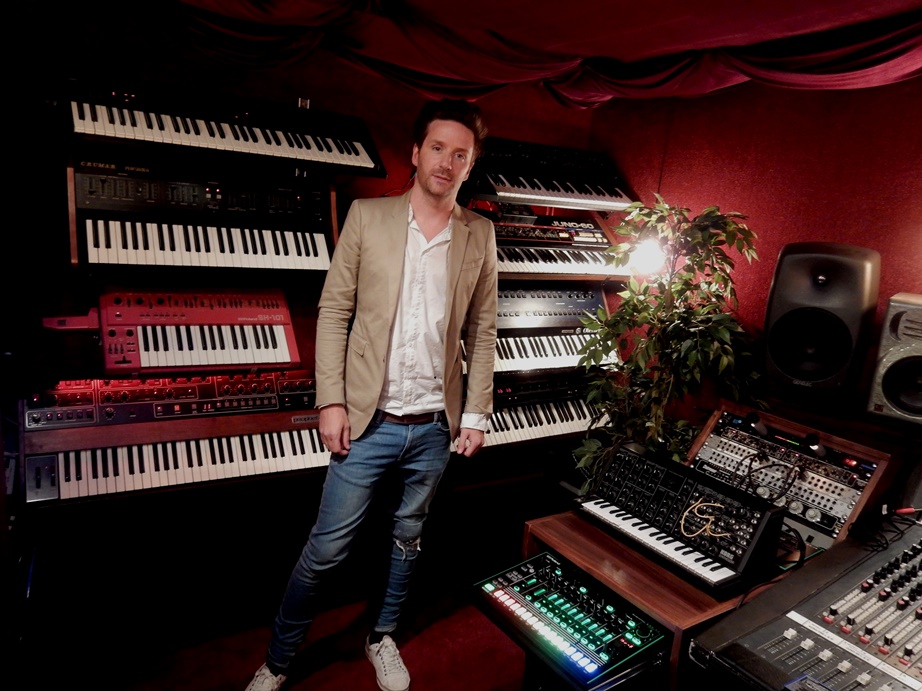
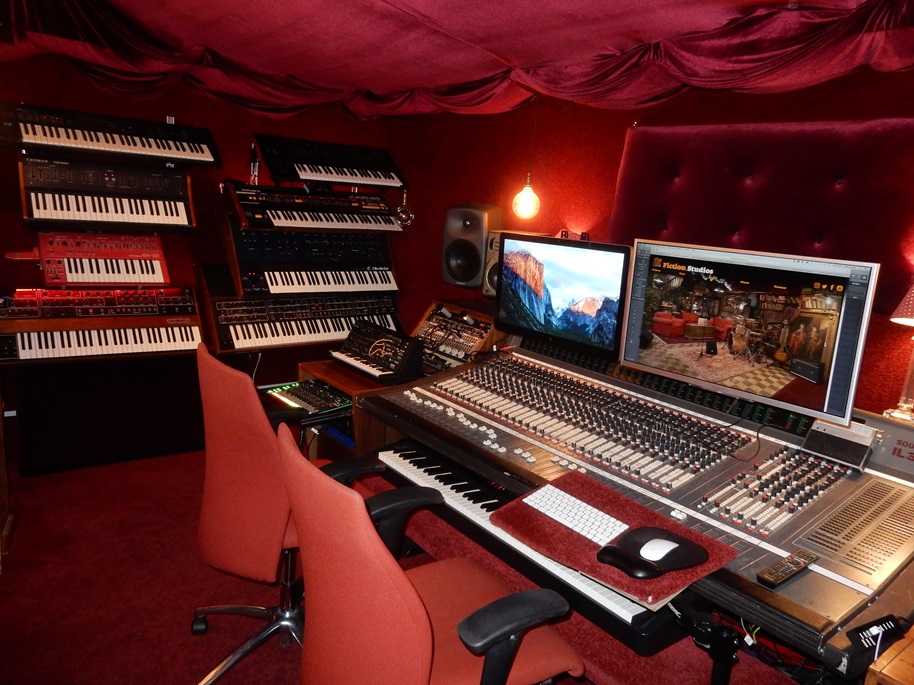
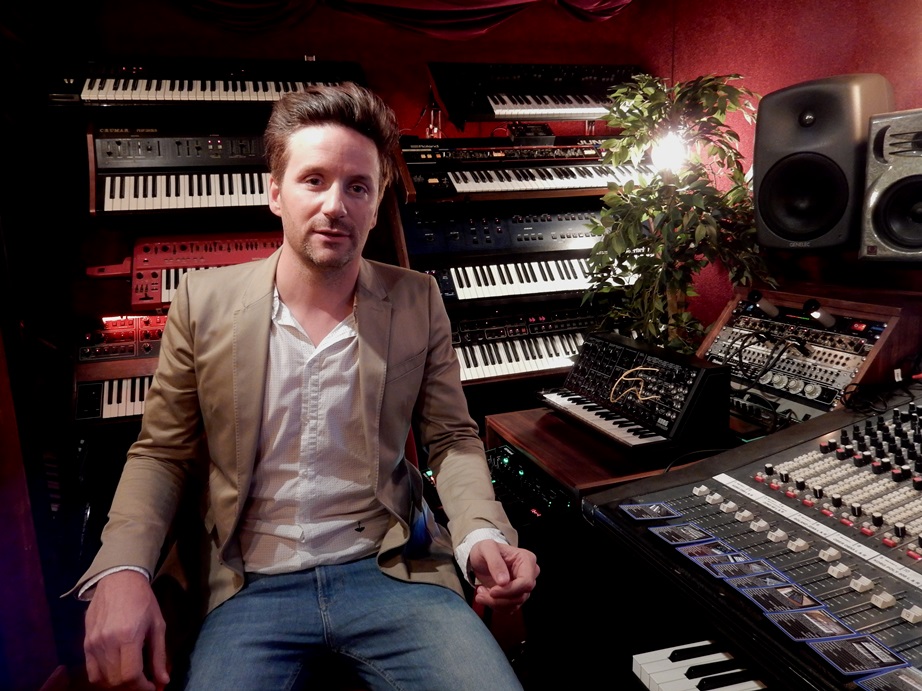
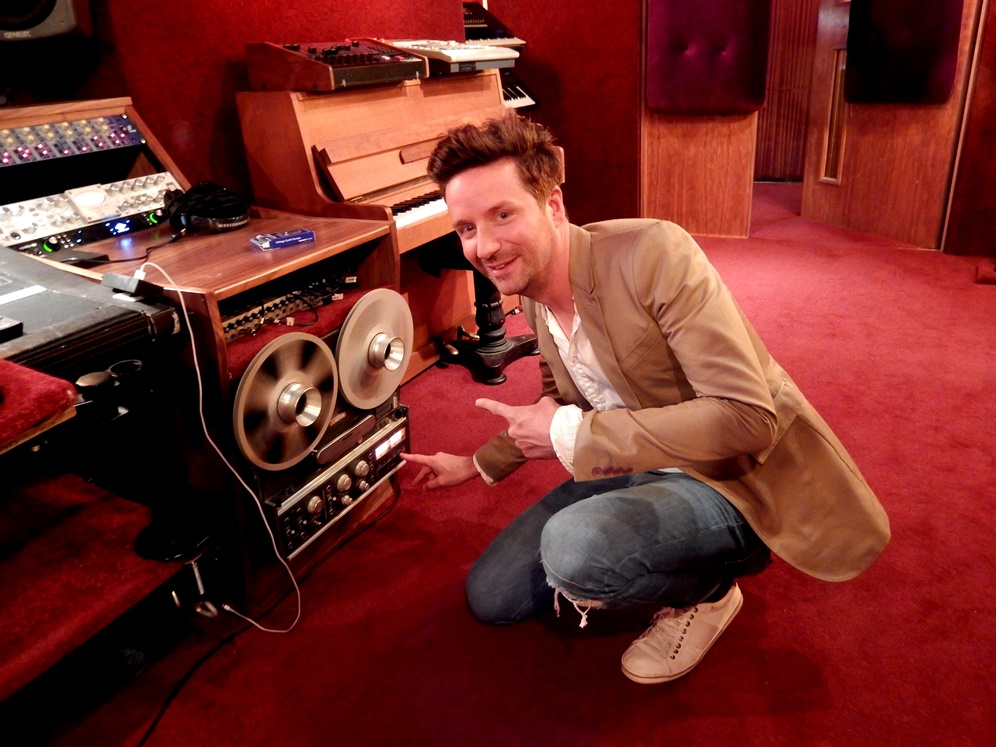
Fiction Studios is a boutique recording studio located right in the heart of London, fully equipped for recording, mixing and mastering while also available to hire for Voiceover and ADR recording.

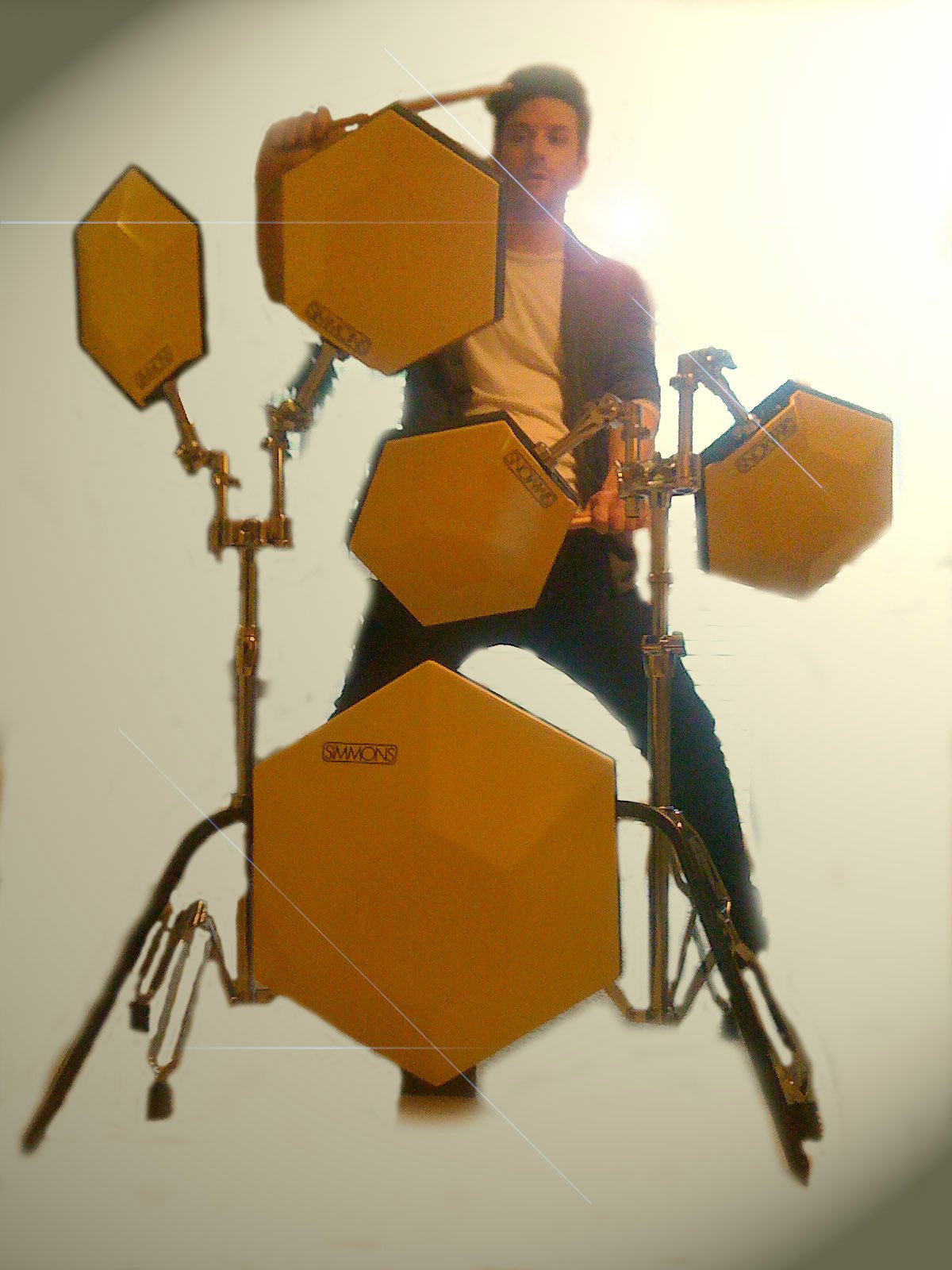
The studio was set up by brothers Dominic and Nathan Cooper in 2016; Cooper is best known for his role in the film adaptation of ‘Mamma Mia’ while Nathan was a member of THE MODERN and today performs as KID KASIO.

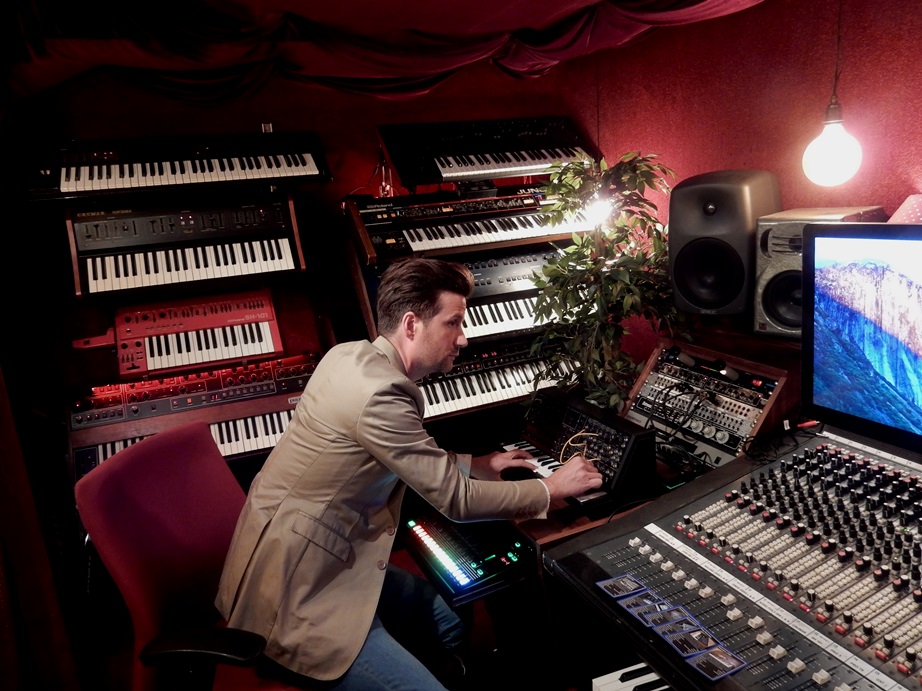
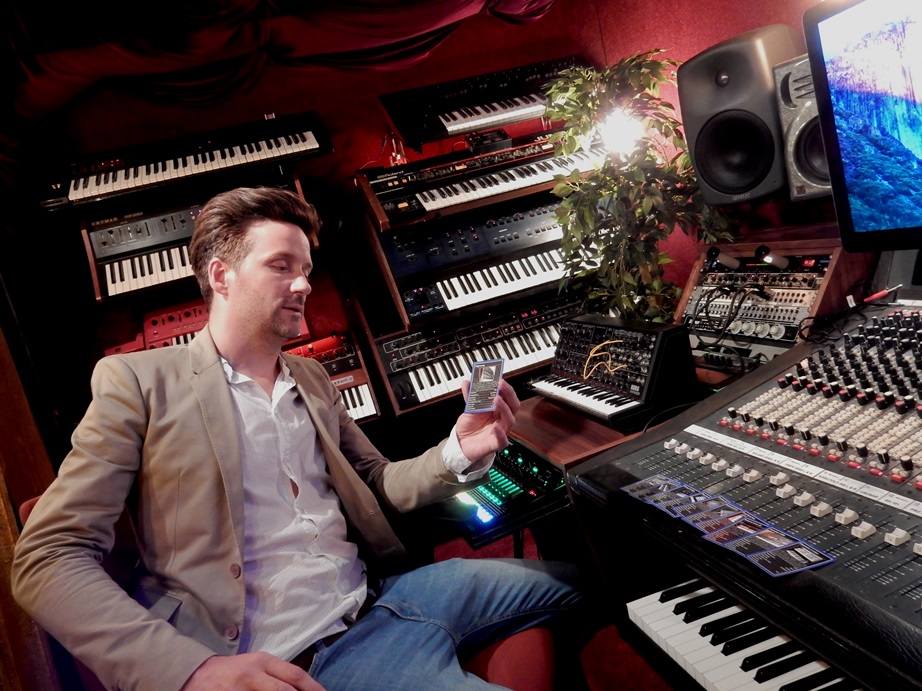
Combining Dominic’s experience in the acting field and Nathan’s background in music production, the air conditioned studio caters for bands, musicians and voiceover artists. The studio also features an array of classic analogue gear which ELECTRICITYCLUB.CO.UK decided would be a good reason to visit and challenge Nathan Cooper to a round of Vintage Synth Trumps…

First card today and it’s a Korg Mono/Poly…

I’ve got the plug-in! My friend’s got a Mono/Poly and he swears by it, we were in a band together when we were young…

…I thought you were young? 😉

Yeah! *coughs*

His name’s Gabriel Prokofiev, we both got into synths at primary school and we’ve both built up a collection over the years. I’m quite jealous of his collection, there’s a few he’s got that I haven’t and the Mono/Poly is one of them.

What was the first synth you owned?

It depends if you want the first good one or the first keyboard? My first keyboard was a Yamaha PSS-110, I found one again recently on eBay and thought I’d buy it on a whim… it’s awful! It’s got these samples of a dog bark and cat meow and what’s supposed to be a cuckoo! *laughs*

So it was more like a toy?

Yes, so I followed that up with a Casio SK1 when I was about 10-11 which had a sampling thing in it, so that you could burp into it and play ‘Happy Birthday’ out of burps! *laughs*

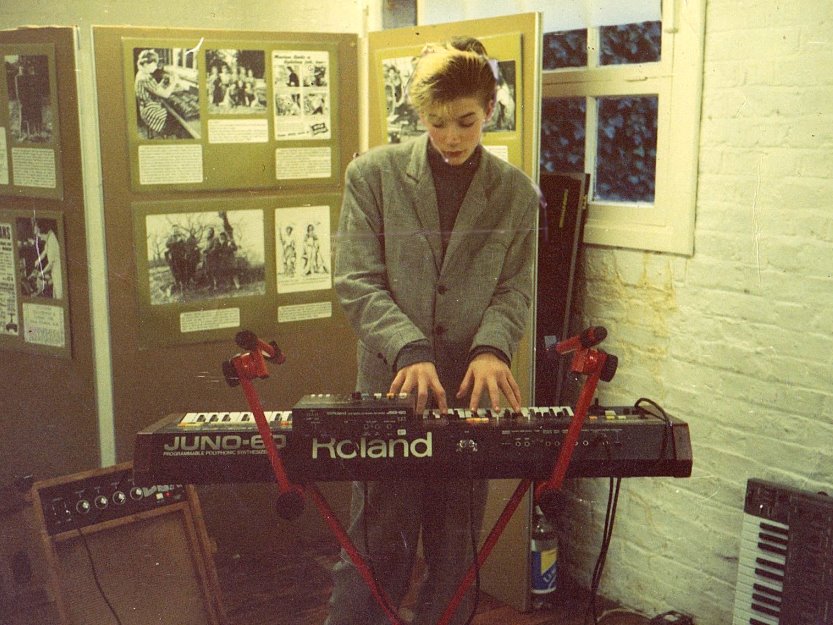
But my first proper synth was when I was 14, I begged my mum to buy me what I wanted, which was a Roland Juno 60. In those days, you went to ‘Loot’ magazine… this was at a time when they were really cheap because everyone wanted a Roland D50 or Korg M1.

I would say it’s the same one I own now, but it isn’t… sadly in the early 90s, I was recording in Ezee Studios with Toyah and MARILLION’s producer Nick Tauber. He told me to leave the synth there as we’d be back in a couple of weeks. But the session got put back and put back and we didn’t go back for nearly a year, so when I finally returned it was gone! I was heartbroken! A lot of people just stared blankly when I asked where it was, we couldn’t trace where it had gone. The one I replaced it with, I’ve had now for a fair amount of time.

The Juno 60 is a robust old thing isn’t it?

Every synth I have at Fiction Studios has at some point, needed to be completely refurbished, apart from the Juno. It never goes out of tune! The only thing that ever happened to it, was when I was touring with THE MODERN and I snapped one of the keys while I was loading it back onto the van. It was after a horrific gig at an indie venue called ‘Filthy McNasty’s’ which was where THE LIBERTINES were signed, so God knows what we were doing there! *laughs*

What I really wanted was an Oberheim or a Jupiter 8, but that was out of my range, so the Juno fitted in the budget for a birthday present. I know Howard Jones used one and it was analogue so that was it.

OK, next card!! What are the chances, it’s a Juno 60!!! *laughs*

When I set up Fiction Studios, I was lucky to be loaned some of my dream synths like the Oberheim OBXa. I also have the Prophet 5 which I saved up for ages for, but having said that, the go-to synth is still the Juno 60, it’s still used in my KID KASIO stuff more than anything else.

Maybe it’s because I know it so well and all the patches on it were programmed by me, but there’s something about the interface on it, it’s just so easy to manipulate, it does what you want it to do, to fit into the track. Having said that, you get less happy mistakes with it though. I guess because I know all the sounds on it so well, so it rarely does anything that truly surprises.

Now, here’s a monster on the next card, a Yamaha CS80!!

That’s the dream isn’t it? I’d love one! I have the Arturia softsynth version. I always think of VANGELIS, the ‘Blade Runner’ soundtrack and Stevie Wonder who used it a lot. It’s one of those synths that’s got a ‘sound’ to it with that ribbon controller.

The ribbon controller is an interesting point as the Polymoog had one too and I’m assuming that kind of controllability is very difficult to simulate using software?

Yeah, totally! It’s why I use as much hardware stuff as I can because when I’m using mod wheels, pitch bends and stuff, I’ll programme the part in MIDI and then have the part playing through the synth while tweaking it and then I’ll record the sound onto the computer, adding any kind of modulation manually. Because you’ve got that tiny bit of human touch to it, that is what people kind of connect to. Although it’s still synths, it’s got some human authenticity to it. You can use pitch bend and stuff with softsynths but you don’t get that same interaction. And I think that can make or break a sound sometimes.

I remember on one of my KID KASIO tracks ‘Full Moon Blue’, I was using a harmonica sound from a Yamaha DX7 but it wasn’t quite sounding right, and everyone said I needed to use a breath control; so you put this thing in your mouth and plug it into the back of the synth and it will change the sound as you blow. I love things being electronic and mechanical but sometimes if you add something like that, it adds that human element to it. There’s something about humans AND machines.

So why set up a studio when today, someone can grab hold of a laptop, get GarageBand and do everything there? Why does anyone out there need somewhere like Fiction Studios?

Good question… because many softsynths are now based on old analogue ones, it’s got people hankering after the authentic sound, even though softsynths do a really great job.

I think most people are aware the original sounds are better, but people can’t get their hands on them and they are expensive these days; a lot of people don’t have the room for them as well.

So in the current environment where synthpop is popular, there is a market for people coming in and wanting to play around with the old synths and run their ideas through some classic analogue flagship gear. It’s nice in that sense that people can do that. Some people often just want another pair of ears so if people want me to produce something, I can listen to what they’ve done and steer it in a certain direction.

Modern music has become very inward because of home recording…

Yes, it’s become very introspective. You can get something sounding good on GarageBand and get it up to a professional level but you always need someone else, that’s why all KID KASIO albums are mixed by Adrian Hall because I need that extra pair of ears, he can hear stuff that’s clogging up the track that I’ve been too entrenched in to notice.

So that’s why a studio with an in-house engineer or producer is great to make professional sounding tracks, or they can use the synths to produce their own stuff.

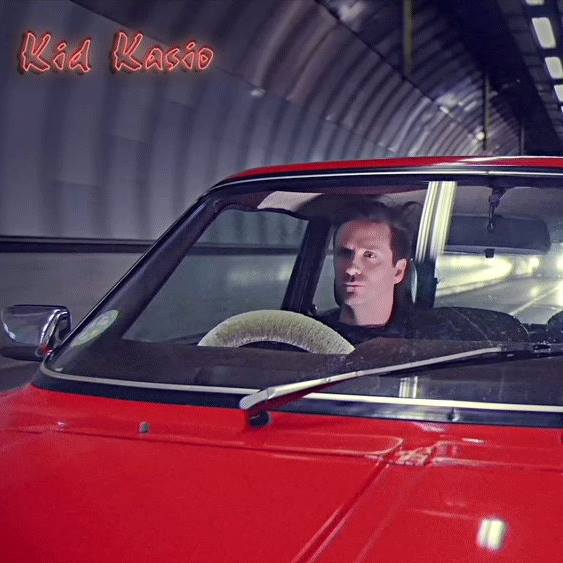
How did your most recent single ‘Drive (Some Kind Of Love)’ come about?

It was inspired by the film ‘Drive’ which came out in 2011; I’d just finished doing the ‘Tamara Drew’ soundtrack with Ben Todd and ‘Drive’ really blew us both away. We thought it would be great to write a song that could stylistically fit into the film. We performed it live and realised it went down pretty well. So that’s why I decided to release it.

When it was being mixed, I gave Adrian some reference points which were ‘The Boys Of Summer’ by Don Henley and ‘You’re The Voice’ by John Farnham. The track had this American vibe to it which a lot of my stuff doesn’t have, my sound is very Synth Britannia but for some reason, ‘Drive (Some Kind Of Love)’ just had this MISTER MISTER element to it!

I envisaged the video being filmed on an American highway in an open top car, but it ended up being done in London with me driving around in my Reliant Scimitar classic car and the video came out ok *laughs*

Looking at Fiction Studios, I’m amazed how spacious it is… what did you have in mind when you chose this location?

It is right in the heart of London, very few studios are now, normally you have to go to the East of London or the trendier parts, this is slap bang central. I was looking for a space with my brother and his accountants have got a firm on the fifth floor of this building. He mentioned to them he was looking for a location to set up a studio and they suggested their store room in the basement.

We came down to have a look and it was not what you would expect an accountancy firm’s store room to look… there were boxes of files but because this firm looked after actors, models and people in the entertainment industry, there was all this weird stuff there.

I was looking around and there were MTV and Nickelodean Awards for ONE DIRECTION!! The firm represented them! So there was a pile of their tour clothes and what was really sad was all their stuff that fans had given them was here! So there was this huge great portrait of Harry Styles staring at me that some fan had spent ages drawing! And it was down there gathering dust! *laughs*

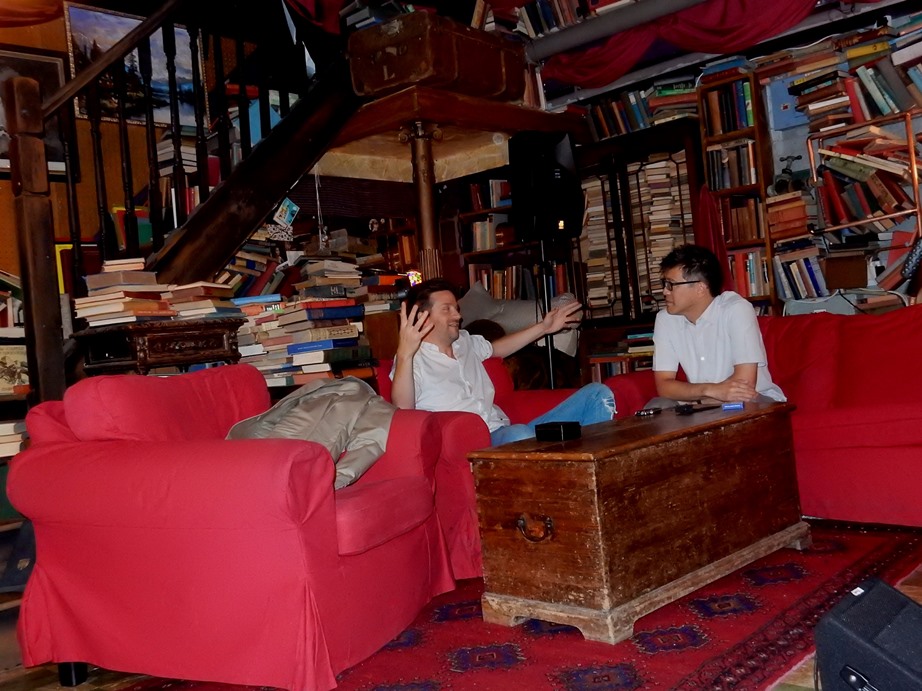
Anyway, I noticed a library area that looked something out of Hogwarts from ‘Harry Potter’ and it was set up originally as a film set but never got round to being used. They offered to move it but I said not to as I could imagine bands hanging out in this bit because it had a really nice vibe.

The brickwork and features are all fake, but the 6000 old books are real! Occasionally you’ll pick a book out and it’ll be from the 1850s. So it’s great for inspiration, and what I’ve found I’ve done recently is I’ve been tidying up, looked up at the shelves and see the spine of a book that has the title of a song I’ve just written! It’s very weird!

And there’s no curfew or restrictions on the time of day an act can use the studio?

No, people have booked Fiction Studios until very late at night and it has 24 hour concierge so you can come and go when you please.

You have your synths but you are equipped to record acoustically as well, was this important in the viability of the studio?

Yes, the drum kit has been put near the library area. I would happily just set it up as a synth studio but I was looking into this as a business, so I didn’t want to close it off and make it accessible to everyone. And it’s worked the other way, I haven’t really had enough synth acts in here! I’ve had indie bands, opera singers and everything here so it’s been really interesting *laughs*

So, time for another card, an Oberheim 2 Voice…

I haven’t got a 2 Voice but I’ve been really lucky recently to accquire an OBXa, which was one of my dream wants because I’m a big fan of Richard Barbieri from JAPAN, where they used the similar OBX and Prophet 5. There’s just a sound about the OB series; since getting one I’ve actually come to really respect Richard Barbieri’s work because it’s not as easy as turning it on and having those sounds.

You can find them when you tweak but it’s hard, and makes me realise he was a bit of a genius when it came to that stuff. How I came to acquire it is one of those funny things, I was at a party and I got chatting to a guy called Ian Merrylees who is a TV Editor.

He said “I’ve got a few synths at home”. Now nine times out of ten with these types of conversations, it turns out the synth is a Casiotone… so I asked him what they were and he said “one’s an Oberheim” and I’m like “WHAT?”

It had been in his loft for fifteen years… so I went round to his house to have a look, and not only did he have an OBXa, but he had a Prophet T8 as well! He wanted to see them used, and he very kindly loaned them to Fiction Studios, although they needed loads of servicing… I needed about four people to carry the T8 into the car, it’s a real monster! *laughs*

What other synths do you have here at Fiction Studios?

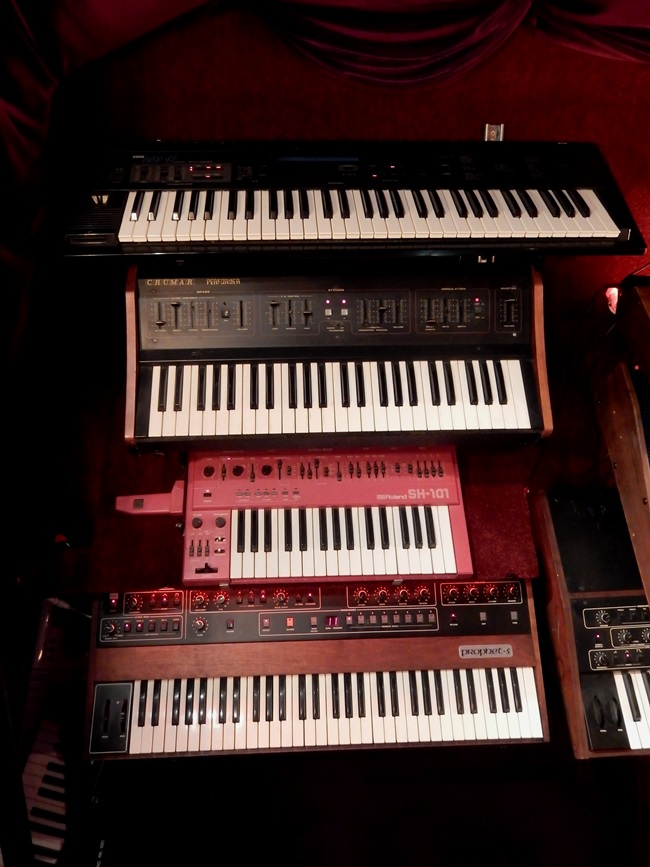
As well at the Oberheim OBXa, Prophet 5 and Prophet T8, there’s a Crumar Performer which after the Juno 60 is my most used synth, the SH101, Yamaha DX7, Korg MS2000, Korg DS8 and a Korg Poly 800 which my band mate Chi in THE MODERN found in a skip!

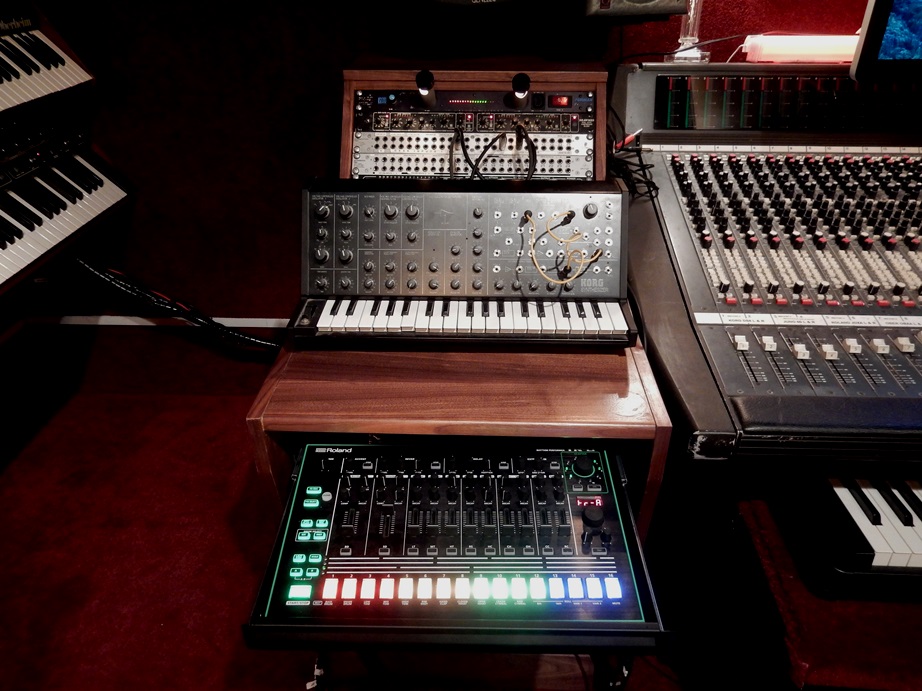
My most recent addition to the synth armoury was from when Roland came down to the studio and were impressed with the look. So the deal is they will lend us anything if they can film in here every now and then, so I have been lent a Roland JDXa which Nick Rhodes of DURAN DURAN spearheads the campaign for. It has a really nice interface, it looks amazing.

It’s great for live because unlike the old analogues where you need a torch because you can’t see the controls, this has everything lit up really nicely and there are in-built effects so everything sounds nice straight out of the box.

You have two mixing desks here?

One is for bands to use when they rehearse in the live area, it’s an old Datum series made by Hill Audio who provided the desks for Live Aid.

I was keen on having an old analogue desk, so I got this Soundtracs IL36 32 channel mixer from a friend of mine who was downsizing. That’s the thing about these desks nowadays, no-one wants them, my friend just wanted it taken away, it took five people to lift it! But I love it because it’s got a great sound to the EQs, I run all my synths through it. I have a nice Focusrite pre-amp so that it sounds like those old Neve desks, it’s got a beautiful analogue sound.

I use Logic to record but if people want to use Pro-Tools, they can. I have a nice Neumann U87 microphone and an Avalon pre-amp so you can get a good vocal chain. The monitoring uses Genelec speakers so it’s all here for people if they want it.

Another card, an ARP Odyssey…

I was this close to getting the Korg remake last year and then the studio came up. So when there was the offer of these other synths and I was getting the studio set-up, I had to spend my money on other things. I’d like to get one because ULTRAVOX used it…

…you know Billy Currie’s just sold his?

Did he? Why would you sell it?

He did sell it for £8500!

Ah! That’s why you’d sell it! *laughs*

How much is the remake by Korg?

Don’t quote me on this, but I think it’s about £700 so it’s a lot cheaper than buying an old one and it’s got MIDI.

Now I see here you have a tape recorder AND a drum machine… *laughs*

The tape recorder is all rigged up and came into use recently. Dave Ball from SOFT CELL came in with some old ¼ inch tapes of demos recorded when he and Marc Almond were at Leeds Polytechnic. He wanted to find out what was on them in case there was any other stuff that hadn’t been heard before, and there was!

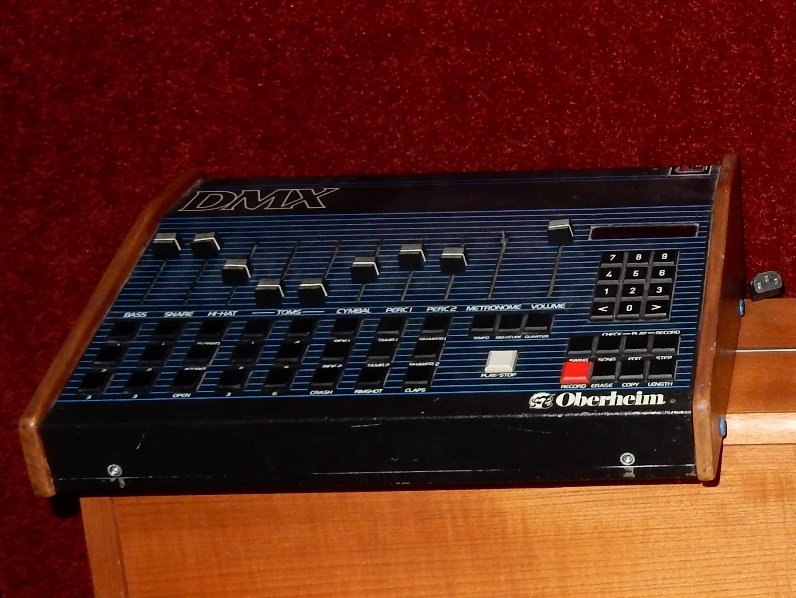
That was a great experience, he’s such a nice guy and one of my idols, so to sit there and go through this stuff first hand was amazing, This early stuff was almost punk and really out there lyrically, it was amazing how simplistic some of the synth lines were, that’s the beauty of them. The Oberheim DMX was kindly donated by a friend, I must give it back to him soon as I’ve had it for about ten years *laughs*

It’s got a brilliant kick drum, snare and clap sound which I use in almost everything I do but I tend to sample it rather than use it as a drum machine.

There are modern drum machines like the Roland TR8, but most people just use software, so is there a place for drum machines in recording today?

I think there probably is, but I still use loops quite a lot. Most people will use a programme in Logic for drum sounds called Battery where you can load up whatever vintage drum machine you want and play it on the keys of a synth, layering up the percussion framework into the computer.

I like the inspiration you can get from loops, I use a company that supplies them and you can pick one out by year. When you buy a particular year like say 1982, they send you a pack of a hundred loops played on the popular drum machines of that year in various tempos and stuff. So what I invariably do is use that as a basis and layer the sounds up with real ones from the DMX or a sample from a 12 inch single. The great thing about the DMX is that you can open it up and tune up each drum to the song via the dials inside.

When it comes to using a drum machine to programme, it’s quite fiddly and you end up recording it back into the computer anyway, so it’s a bit pointless. But it is nice to have it hands on.

Final card, it’s the Polymoog…

People say I haven’t got any Moogs in the studio but they’re one of those makes that I never got into. I want one, partly because Howard Jones had a Moog Prodigy but when I was young, I always associated Moog with the more proggy end of music and it sort of put me off *laughs*

It’s funny because Rodney Cromwell admits he’s “a Moog Snob”

I guess it’s the difference between 1977-1980 which is more the lo-fi era of electronics where he comes from musically, while my stuff fits more into the more later end of synthpop 1982-1983…

Ah, the digitally stabilised analogue period…

Yeah, exactly *laughs*

Having said that, if anyone wants to donate a Moog synth? I do have all the Moog plug-ins but it’s just been one of those things.

So what are you up to at the moment musically?

Apart from producing an array of acts here at Fiction, I’m planning the video to the final release from my KID KASIO ‘Sit & Wait’ album. It’s going to be made up of old footage of me in bands from the 90s.
Also I’m putting the final touches to an EP of cover versions I’m releasing next year. And busy writing and recording for my third KID KASIO album.


ELECTRICITYCLUB.CO.UK gives its warmest thanks to Nathan Cooper and Fiction Studios

Fiction Studios is based at 22-24 Ely Place, London EC1N 6TE United Kingdom – for further information, please phone +44(0) 207 831 8177 or visit their website at http://www.fictionstudioslondon.com/

https://www.facebook.com/fictionstudioslondon/

https://twitter.com/fiction_studios

https://www.instagram.com/fictionstudios/

Vintage Synth Trumps is a card game by GForce that features 52 classic synthesizers


Text and Interview by Chi Ming Lai
18th August 2017, updated 11th February 2021

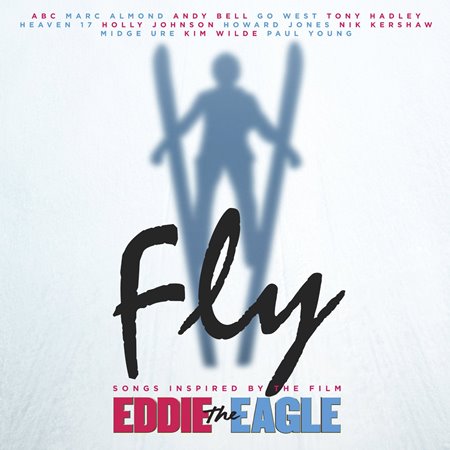
FLY – Songs Inspired By The Film Eddie The Eagle

‘Eddie The Eagle’ is a biopic by ‘X-Men: First Class’ director Matthew Vaughn about Eddie Edwards, who represented Team GB in ski-jumping at the 1988 Winter Olympics in Calgary. It was the same Olympics which inspired the Disney film ‘Cool Runnings’ about Jamaica’s first bobsleigh team entry!

Based on true events, the film stars Taron Egerton as Eddie Edwards and Hugh Jackman as Edwards’ fictional trainer. Whereas ‘Cool Runnings’ had artists performing cover versions for the soundtrack, ‘Fly – Songs Inspired by the film Eddie The Eagle’ differs in having a collection of original songs curated by Gary Barlow, each recorded by British artists who are now usually seen frequenting retrospective events such as Rewind, Here & Now and Let’s Rock.
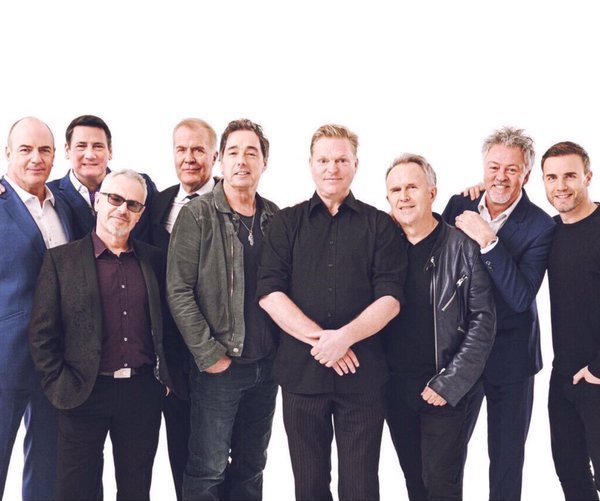
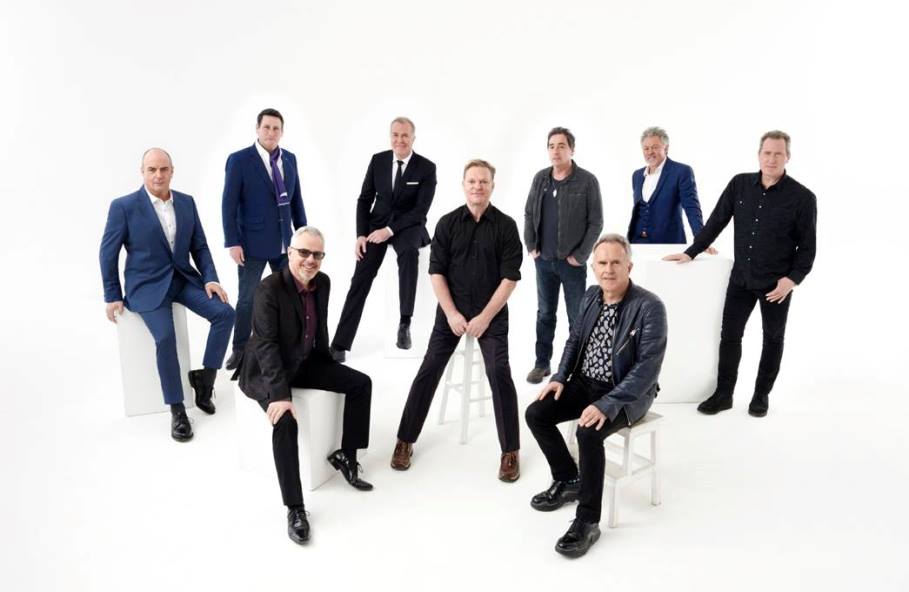
So, a concept album based around the legend of a bespectacled plasterer, featuring contributions from members of FRANKIE GOES TO HOLLYWOOD, SOFT CELL, SPANDAU BALLET, ULTRAVOX, ERASURE and OMD, in collaboration with a member of TAKE THAT? On paper, this is a terrible idea!

But Gary Barlow has long been an admirer of ULTRAVOX in particular; his 2010 interpolation of ‘Vienna’ for the track ‘Eight Letters’ on TAKE THAT’s Stuart Price produced album ‘Progress’ resulted in the rather unusual writing credit of Barlow / Donald / Orange / Owen / Williams / Ure / Cross / Cann / Currie. The TAKE THAT track ‘Love Love’ for the film ‘X-Men: First Class’ also indicated Barlow’s interest in electro forms.

The era in which ‘Eddie The Eagle’ reigned has been symbolised by both aspiration and fighting against the odds, and that comes across in the song titles. As a side note, it is interesting how with the political climate that existed during this time, this project has gathered musicians whose politics cover the whole colour spectrum, from the Jeremy Corbyn supporting Martyn Ware to the self-confessed Tory boy Tony Hadley. While some say politics should be kept separate from music, many would argue music is an artistic reflection of the incumbent environment. So what of the music?

Holly Johnson’s ‘Ascension’ is typically epic, recalling a steadily building uptempo reboot of ‘The Power Of Love’, while ‘Out Of The Sky’ sees Marc Almond tackling his most overtly electro number for many years. Having previously shared a stage with Gary Barlow and earned some extra royalties too, Midge Ure’s ‘Touching Hearts & Skies’ stands quite ably within the concept as a tune reminiscent of ULTRAVOX’s classic synth rock.

Having found success outside of OMD with the first incarnation of ATOMIC KITTEN including a No1 in ‘Whole Again’, Andy McCluskey has a proven pedigree in mainstream pop spheres. He does a good job in co-writing with Barlow on ‘Thrill Me’, which is sung by the film’s two stars. Taron Egerton won ‘The Stephen Sondheim Society Student Performer of the Year’ while at RADA and Hugh Jackman of course appeared in the musical epic ‘Les Misérables’; so their combined capabilities in the vocal department stop the song from becoming an ironic novelty. According to McCluskey, Egerton and Jackman’s vocals were recorded without his knowledge! Unsurprisingly ‘Thrill Me’ does sound like ‘Sugar Tax’ era OMD, crossed with imperial ‘Everything Changes’ phase TAKE THAT. Who’d have thunk it eh?

Nik Kershaw is another with a songwriting career outside of his own, penning ‘The One & Only’ for Chesney Hawkes back in 1991; ‘The Sky’s The Limit’ is an archetypical MTV friendly ballad that could have been made back then, with hints of A-HA and SAVAGE GARDEN. One of the songs not part of the original ‘Fly’ concept is HEAVEN 17’s ‘Pray’; previously released by Messrs Ware and Gregory in 2014, it’s a terrific hybrid of the early avant phase of THE HUMAN LEAGUE and ‘Young Americans’ era Bowie. This slice of prime electronic soul is a stand-out on the collection and proof that the Sheffield masters still have it.

But members of the HEAVEN 17 crew do contribute to the energetically synthy engine room of Kim Wilde’s ‘Without Your Love’. It’s an enjoyable homage to her earlier sound, co-written by Glenn Gregory and live H17 keyboardist Berenice Scott in collaboration with Barlow. Tony Hadley does his overblown Foghorn party piece on ‘Moment’ and Spandau fans will be more than happy with the end result, others perhaps not so.

The often under rated Howard Jones delivers the enjoyable modern schaffel stomp of ‘Eagle Will Fly Again’, while the blue-eyed soul offerings from ABC and GO WEST will satisfy their existing fans. However, Paul Young appears to have lost his voice on the vintage widescreen AOR of ‘People Like You’. Meanwhile on the autotuned ‘Fly’, Andy Bell actually starts to sound more like Tony Hadley than Alison Moyet!

Like with the music from back in the day, some of it is brilliant, some of it is likeable and some of it you’d rather not hear again. But that in an essence, is why music derived from this period still resonates today… it was about songs and melodies, not tuneless dance excursions or ultra-fast talking supposedly passing for vocals.

‘Fly – Songs Inspired By The Film Eddie The Eagle’ is an interesting curio as a “Where Are They Now?” snapshot. Whatever your tastes, there is a good reason why all of the artists featured on this album still have a career performing.


‘Fly – Songs Inspired by the film Eddie The Eagle’ is released as a CD and download by Universal Music Enterprises

http://www.foxmovies.com/movies/eddie-the-eagle

https://www.facebook.com/EddieTheEagleMovie/


Text by Chi Ming Lai
18th March 2016

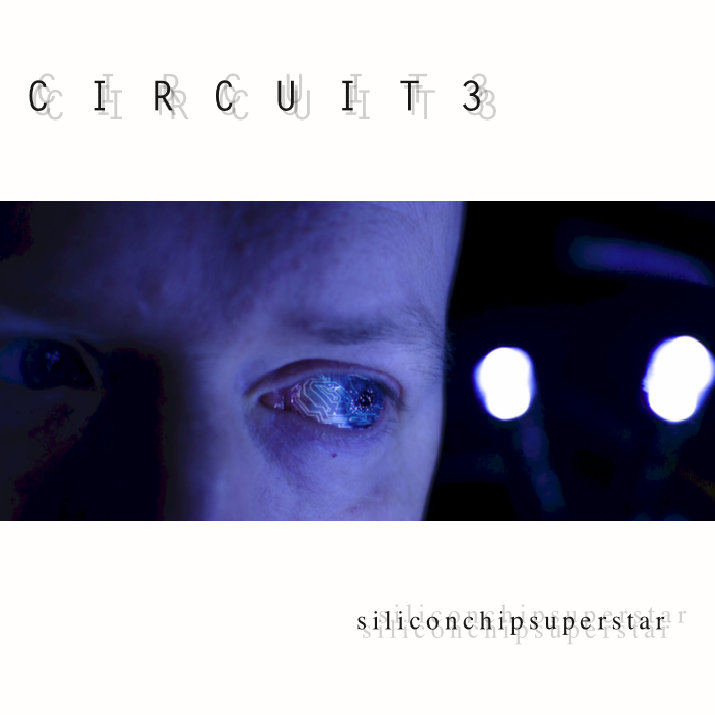
CIRCUIT3 siliconchipsuperstar

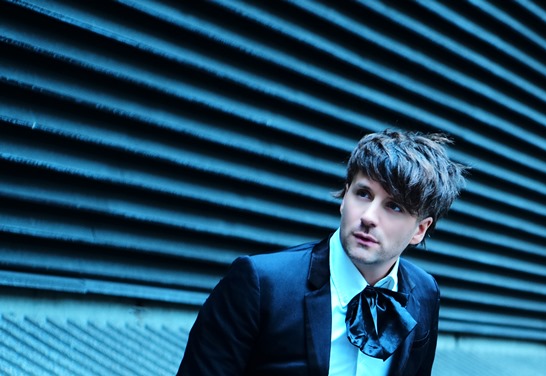
CIRCUIT3 is the synth laden project of Irish musician Peter Fitzpatrick.

The Dubliner was recently spotted confessing his love for all things electronic in the BLANCMANGE documentary ‘You Keep Me Round & Round’.

‘siliconchipsuperstar’, the debut album from CIRCUIT3 is unashamedly synthpop in that classic 1978-1982 vein. The calling card ‘New Man’ is a statement of intent, ERASURE’s ‘You Surround Me’ reimagined with the assistance of 21st Century technology alongside vintage bleeps and beats.
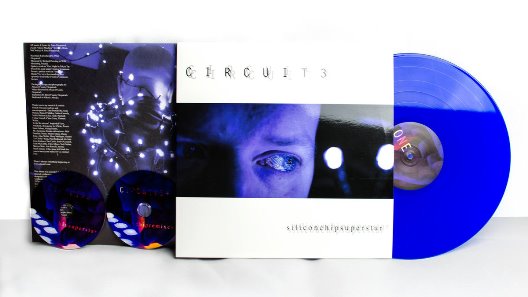
With a vintage rhythm machine as its backbone, second track ‘Ghost Machine’ interestingly features lyrics by LA based Irishman Brian McCloskey who hosts the blog ‘Like Punk Never Happened’ which features back issues of the magazine ‘Smash Hits’. Layered in string machine, its treated vocal styling does slightly hint at Midge Ure, as does the vox on ‘Those Who Were Dancing’ with it distinctive DX7 bass sounds dominating proceedings. Meanwhile, ULTRAVOX musically lingers over ‘Reverberate’, thanks to a great Odyssey solo and pads of sweeping vibrato.

‘Darkroom’ adopts some atmospheric detuned pentatonics but parradoxically, ‘One Night In Tokyo’ drives along like a more aggressive ERASURE. The beautiful ‘Blue Diary’ brings together synthetic claps and crisp bell-like counter melodies sourced from a JX8P while on the rich ballad ‘In Your Shoes’, HOWARD JONES makes his influence felt.

Ironically ‘Running Out Of Time’ goes on for far too long and makes an irritating filler but thankfully, the percussive closer ‘Hundred Hands’ is much better. With the sort of mighty Linn Drum engine room that would make Martyn Ware proud and punctuated with some rugged lead synth, there are even some hints of KRAFTWERK’s ‘Showroom Dummies’ dropped in as a musical tribute.

‘siliconchipsuperstar’ is classic styled synthpop made by someone weaned on classic synthpop. This well-produced album is undoubtedly a labour of love and while there are echoes of the past like Clarke, Foxx, Jones, Numan or Dolby, the album is full of futuristic sounds that warble off and on.

Alongside KID KASIO and SUDDEN CREATION, CIRCUIT3 is another modern day disciple of the one man and his synth template made possible back in the day with MIDI and digital sequencing. And long may that continue; after all, who wants a drummer taking up all that room in the tour van?

CIRCUIT3 ‘siliconchipsuperstar’ uses the following synthesizers: Roland Juno 106, Roland D50, Korg Poly800, Roland JX-8P, Roland JP-8000, Yamaha DX7, Arturia MiniBrute SE, Arturia Spark Vintage Drum Machine, Arturia Mini V


‘siliconchipsuperstar’ is available now as a download or CD from
https://circuit3.bandcamp.com/album/siliconchipsuperstar

http://www.circuit3.com/

https://www.facebook.com/Circuit3music

https://twitter.com/Circuit3Music

https://soundcloud.com/circuit3/


Text by Chi Ming Lai
12th December 2015, updated 1st May 2020

KID KASIO Discusses The Kodo Song


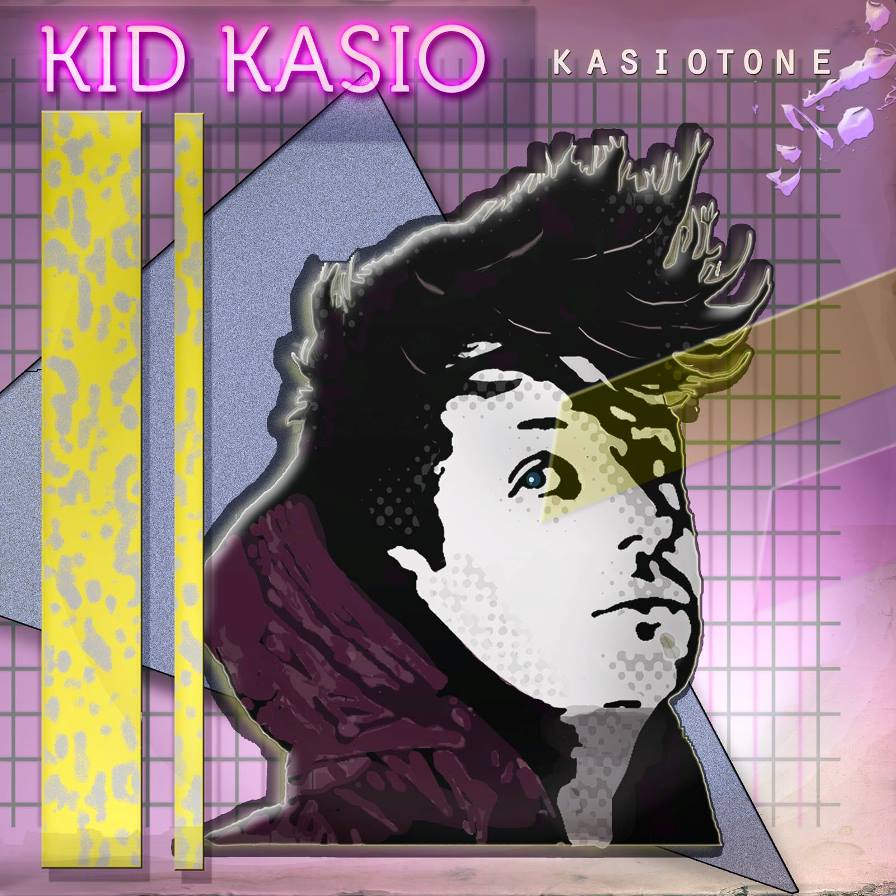
Almost four years have passed since his debut album ‘Kasiotone’, but KID KASIO has returned with his most adventurous single and video yet.

The project of Nathan Cooper, formally of THE MODERN, his unashamedly synthpoppy tunes have gained a cult following over the past few years.

Busy recently with a variety of other projects including contributing music for the film ‘Miss You Already’ which starred Drew Barrymore, Toni Colette and his brother Dominic, the follow-up album has perhaps taken longer than expected to appear.

However, KID KASIO is back with ‘The Kodo Song’ and raring to go. Nathan Cooper chatted to ELECTRICITYCLUB.CO.UK about the single’s elaborate video concept, how he still believes in synthesizers and the album format, plus much more…

Kodo song still 3

‘The Kodo Song’ is possibly the most serious KID KASIO song yet, what has brought this about?

I wrote the song with a good friend of mine, Benjamin Todd. We’d just written some music for a film and he came to me with this highlife guitar chord progression and a rhythmic idea. There was something almost PAUL SIMON ‘Graceland’ about it.

It was the chorus part, and I remember I came up with two different ideas for vocal toplines over it. I thought they were two of the best things I’d ever written. Kind of as a joke, I thought I’d record something really stupid to put in between them, a kind of red herring, so that when I unveiled all 3 ideas to Ben, he’d hear this crap idea, sandwiched between these two works of genius, and it’d give a kind of perspective and make the two good ones sound even better!

So anyway the next day, during his lunch break, I went down to the shop where he worked, and predictably I totally chickened out of playing him the crap idea. He listened to what I thought were two of the best vocal lines I’d ever written, and he just looked up and said “Hmmm, have you got anything else?”, so I said “well there is something else”

I kind of cringed as I heard it bleeding through his headphones while it was playing, because it was literally just nonsensical, garbage lyrics I’d made up on the spot, just these words that meant absolutely nothing, gibberish that I’d thrown together in two minutes. I just kept thinking “this is so embarrassing”. But of course, he took the headphones off and was like “that’s it, that’s fantastic!”

The problem I had then, was weaving some kind of context into the verses, something that would justify the gibberish chant in the chorus. The music throughout the song was quite upbeat, and I wanted to imbue some kind of air of melancholia through that. I think it was Neil Tennant who stated that if you can juxtapose those two emotions and capture that awkward knife edge between gloom and joy, and keep it precariously balanced there over 3 minutes then you have yourself a great pop song.

I often write songs about love, but I thought why not try something else? OMD managed to sculpt perfect pop songs using subjects like power stations and the atomic bomb! That’s always fascinated me, and it dawned on me that the way I could fuse the South African vibe of the music with an air of melancholy was through the story of the Anglo-Zulu war, and I was pretty sure no pop songs had ever been written about that before! So that’s how it came about.

The premise of the story is about two friends conscripted up for this war in the late 19th century, who sing this nonsense chant together on the battlefield. One of them gets killed, and it’s about how the memory of their friendship lives on through this song, that they both used to sing together. So I guess you could say the songs about friendship and the longevity of music.

There appears to be an air of HOWARD JONES in his ‘Dream Into Action’ period, is he still an influence?

Obviously I love the whole Synth Britannia thing, and the importance of KRAFTWERK and that kind of metronomic Germanic dance sound that was so important to The Blitz Kids, but I feel like I kind of got that out of my system a while ago. I’m much more interested now in that 83-86 period, where all these pop acts were experimenting with different rhythms and this whole kind of “world music” influence that infiltrated pop. It’s world music, but diluted via the limited technology of the 1980s, so you get this marvellous conflict. They were taking this truly organic music and totally recreating it with machines, with Synclaviers and Roland TR909s, which in return creates this entirely new genre which permeated the “new pop” of the 80s.

There was a whole sub-division of these bands that kind of existed in that fey, well meaning, world music / synthpop genre. I think, journalist Simon Price, encapsulated it best recently, when I heard him describe it as “White Pyjama Music”.

It sums up perfectly bands like CHINA CRISIS, RED BOX and certainly HOWARD JONES in his ‘Dream into Action’ period (although his pyjamas were orange in the video!) and even BLANCMANGE to a lesser extent. I’m continuously trying to capture the sound of that era, albeit with a 2015 slant.

A really talented producer called Adrian Hall mixed the album for me, and for each particular track he asked for a mix reference.

I remember for the ‘The Kodo Song’, I played him ‘Tantalise’ by JIMMY THE HOOVER and ‘New Beginning (Mamba Seyra)’ by BUCKS FIZZ!!! I think he may have thought I’d completely lost it.

To answer your question, yes I’m massively influenced by HOWARD JONES! I’m a solo synth artist who plays 80s influenced synthpop. I’m indebted to him.

The Kodo Song still 1

The video took two years to make, what was involved in the process?

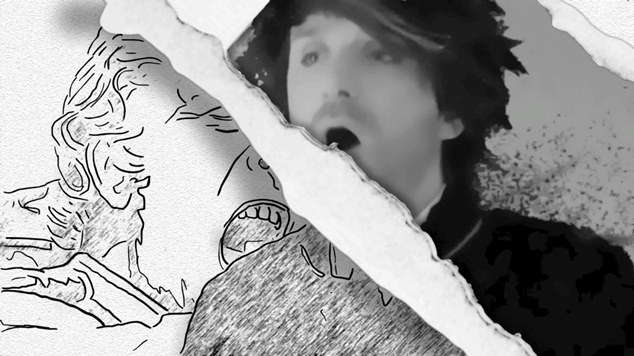
Originally when I played the song live, I was using some Keith Haring animation on the backdrop, but I realised that for the actual video, I was really keen to get across the story behind the song and Haring’s “Pop Art” style wasn’t going to be able to do that in the way I wanted.

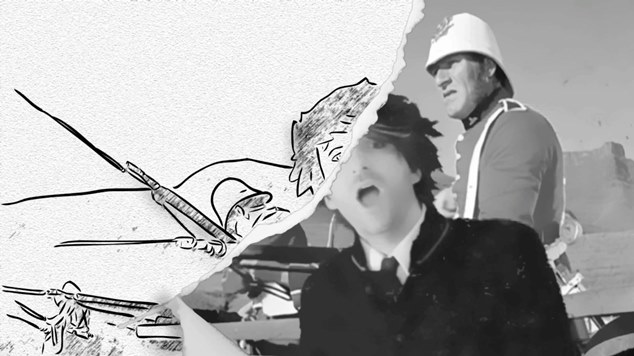
It dawned on me that getting together an army of extras and flying them over to the plains of South Africa in full military regalia might be over my budget! So a realistic style animation was the only way.

I thought about the mood of A-HA’s ‘Take On Me’ and the less well-known DIRE STRAITS video for ‘Brothers In Arms’ and thought that the black and white, rotoscope, pencil sketch mood of those videos would suit my song too. I put together a four minute film using various clips from documentary footage and from the film ‘Zulu’ and using green screen, put myself within the action (although in a very low-tech way!). Then using a program called Toon Boom Studio, I painstakingly began tracing every frame of every scene.

I think, foolishly at the start, because I had read somewhere that ‘Take On Me’ took 4 months to make, that mine would be the same. But what I didn’t realise was they had a team of people doing it. It wasn’t just Morten Harket sitting alone in his room with a pen day after day!!

I quickly realised I’d bitten off more than I could chew. I’d be waking up at 6am and animating all day until 2am the following morning. I’d watch back what I’d spent the whole day doing and my heart would drop because it would flash by in the blink of an eye. It was absolutely soul destroying! It got to the point after about 8 months where I was beginning to lose sight of the end result and felt it’d never be finished. It became this massive burden, where I couldn’t relax or do anything without this huge feeling of guilt that I should be animating.

Eventually I had to give myself a break because I felt I was going mad. It was during this brief hiatus while working on some music for the film ‘Miss You Already’ that I decided to give from my second album to Drew Barrymore and Toni Colette on the set of the film. I really didn’t expect to hear anything back, but the next day, I got this text from them saying how I absolutely had to release ‘The Kodo Song’ track immediately! They both loved it. That was the incentive I needed to push forward and get it finished. So thank them. Or blame them!

The Kodo Song still 2

Was it difficult to get permission to use the footage from ‘Zulu’?

I’ll wait until it takes off for that! I’m the same with samples. If it starts troubling the charts, then I’ll worry about that then. I remember years ago in my previous band THE MODERN, we tried to get clearance on a sample from Numan’s ‘We Take Mystery To Bed’.

It cost us so much, and took so long, and the song never even saw the light of day. I certainly hope it gets to the point where I’m in discussions with Paramount about ‘Zulu’, but I’ll wait for that to happen. Perhaps when the YouTube views get into 6 figures!

How do you feel about the end result?

It’s almost impossible after working on something for 2 years to have any perspective on it whatsoever. If you try and imagine slowing the video down to one single frame and then zooming in on that frame and meticulously drawing a Zulu warrior’s spear handle for instance, or the medal on the military uniform of a soldier and then imagine panning out on a whole battalion and having to draw everything in that scene with that detail. Buckles on belts, buttons, boots, guns, faces, a crowd of Zulu warriors carrying spears. I’ve drawn enough spears to last a lifetime!

And then once you’ve finished that scene, imagine repeating the whole process again, with only the tiniest of indistinguishable changes, and again, and again, 12 times just to make up one second of footage, which flashes past in the blink of an eye. So for some of the longer scenes that lasted maybe 8 or so seconds, I was drawing almost 100 near identical scenes.

The best analogy that I can think of is it felt like I was an ant dragging each letter one-by-one onto a blank page, page after page, until a novel was written. For me, from the perspective of the ant on the page it doesn’t look that good. In fact, you can’t really see what you’re doing. But I’ve had a nice response from it so far which is good.

‘Kasiotone’ came out at the start of 2012, how is the new KASIO KASIO longform release coming along?

I’m just finalising the artwork and it’ll be out before Christmas. I’m really embarrassed to admit it, but I had it mastered back in 2013!! It’s this video that’s held up the release!

My original intention was to release ‘The Kodo Song’ first, at the start of 2014 and then one more single after that, and then the album at the end of 2014 / start of 2015. But because the video took so long, everything got pushed back.

I’ve refreshed some of the tracks so they sound up to date, but I’m lucky in that the music I’m making isn’t like dance music, where the sounds change every few months or so. Because of the retro element to my music, it gives it a timelessness, thank god! Whether I release it in 2013 or 2016, it’s still going to sound like 1985!! *laughs*

Can we expect any new directions?

Unlike the first album there’s some collaborations, so the tracks I released with RICARDO AUTOBAHN and THE SANFERNANDO SOUND last year will be on there, as will some tracks I wrote with an old friend of mine Liam Hansell who goes by the name of KALCULUS. His production style is much more minimal. The two tracks on the album that I recorded with him have a starkness about them which I think is quite different to anything I’ve done before. We were very conscious of stripping the track back to its one or two most important hooks, as opposed to trying to cram in as many as we can which is often my way.

The result is more modern I think, in the way that a lot of current dance music will rely on one really good hook, rather than trying to tessellate 6 together all at once. That’s not to say lots of hooks can’t be good sometimes too. There’s one track on the album which sounds a bit like ‘Cupid & Psyche 85’ era SCRITTI POLITTI in terms of production, where there’s often 5 hooks all somehow going on at once. There’s also a track which started out as a cover of a DEPECHE MODE 1983 album track, which I think I will have to get some sort of clearance on, and another song, which was inspired by the film ‘Drive’.

It’s a mixed bag, albeit a bag made out of that black, grey and red striped material that all 80s duvet covers were made out of!!


The industry has changed quite a bit even in the last four years. Is there still a place for the traditional album format or have the Swedish synth duo KITE got it right by only releasing exclusively EPs?

I think music, particularly pop music, has started to develop at a much slower pace over the past ten years. If you look at the Top 40 now, it’s not a million miles away, in terms of sound, to what it was 4 or even 8 years ago. Compare that to the late 70s, early 80s, when trends and sounds were changing at a break neck speed, week-in week-out.

If you watch the re-runs of TOTP1980 that are running at the moment on BBC4, it’s hard to keep up, everything is moving so fast in terms of music and fashion.

You’d never ever be able to release the same record in 1982 as you did in 1977, apart from anything else, sonically it would sound completely out of step. Yet today, what is at no.1 now, could easily have been at no.1 in 2010. I think because of this, its not unheard of for artists to wait much longer between albums than they used to, there isn’t the incentive to stay one step ahead. The fear that the next youth movement is creeping up behind them, that will render them insignificant, that anxiety just isn’t there anymore.

So I think because of that, it has afforded artists more time. With that in mind, I think artists should be making full length albums. If people want to make EPs that’s totally up to them. But for me, I’m not a huge selling artist with an enormous fan base. I’m not ONE DIRECTION… I don’t have Simon Cowell beating my door down demanding a product. No-one really cares if I take 4 years to make an album.

So I may as well take my time and record 10 or 11 songs, rather than 4 or 5. Plus I still love the whole concept of an album. The A side, The B side, the album as a chronological story with a beginning, middle and end. I know that’s not how most people consume music anymore, but I think its still a good way of creating a product, as an artist it’s a good framework. Having said all that, I think KITE are great by the way!

How do you feel about the current electronic scene? I know we have differing opinions on YEARS & YEARS… is synthpop alive? 😉

Haha! I think in terms of broad cycles, we are definitely living through a golden age of synth, in a similar way that the 80s were. The majority of current pop music is synth driven, which is definitely something that should be celebrated. In terms of current chart acts, I love the Norwegian producer KYGO, he uses this one synth sound in all his tracks, which is kind of like ‘Popcorn’ meets Pan Pipes!!! I’ve been waiting forever for the Pan Pipe sound to come back in!!

And yes I love YEARS & YEARS, I’m a sucker for anything synth driven with a male vocal. I realised the other day, they tweeted me back in 2011 before they were famous saying they “Loved my album”… who knows maybe I influenced them! I tweeted them back but no reply yet! Maybe the four year gap was a bit much!

I’m sure a return to guitar bands is only just around the corner, but until then we should all make hay! The memories of turning up at venues in the early 90s during the grunge era and being laughed at by sound engineers when I told them I was the keyboard player is still all too painful for me! Even when I look at the Top 5 from 10 years ago, from the week my old band THE MODERN released our first single makes for shocking reading! THE ORDINARY BOYS, ARCTIC MONKEYS and FALL OUT BOY!! I know as electronic artists we should be thankful of the here and now.


What did you think of DURAN DURAN’s ‘Paper Gods’?

As literally their number one fan, I couldn’t be happier for them! Going back to the dark days of the early 90s again, I remember when the mere mention of them would inspire hoots of derision. So I’m happy that they’ve kind of taken on this mantle as the modern day elder statesmen of pop.

I’m not as keen on this album as much as the last album so far, but that might change. I’m a massive Nile Rodgers fan and I’m definitely partial to some funk slapped bass and there’s definitely some of that on this album. John Taylor is a massively underrated bass player in my opinion. And as for Nick Rhodes! I was lucky enough to meet him a few years ago and he was the nicest bloke ever, we chatted about nerdy synth stuff and he couldn’t have been more humble. I actually wanted to grab him by the collar and scream “you’re my f***ing Hero, you’re the reason I do this, I had a poster of you on my wall when I was 8!!” but thankfully I didn’t do that, I kept it together and we chatted politely about the virtues of the Crumar synthesizer.

So what next for KID KASIO?

The second album will be out before the end of the year, and then I’ll make a decision on what single to release next, depending on what peoples’ reception to certain songs are. And perhaps another video, although what I will say is it definitely won’t be anything involving animation!


ELECTRICITYCLUB.CO.UK gives its warmest thanks to Nathan Cooper

‘The Kodo Song’ is available now as a download from the usual digital outlets, along with the 2012 debut album ‘Kasiotone’

http://www.kidkasio.com/

https://www.facebook.com/kidkasio

https://twitter.com/kidkasio


Text and Interview by Chi Ming Lai
2nd November 2015

« Older posts Newer posts »