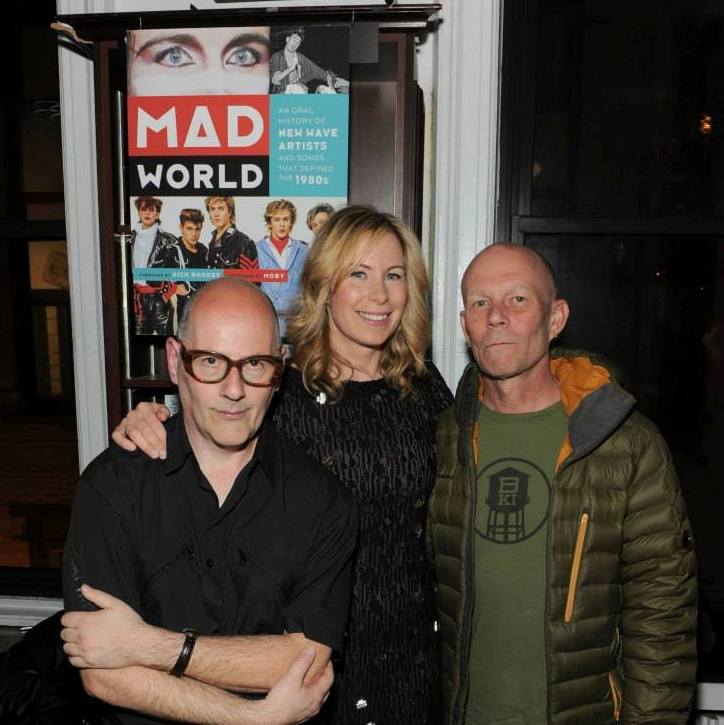
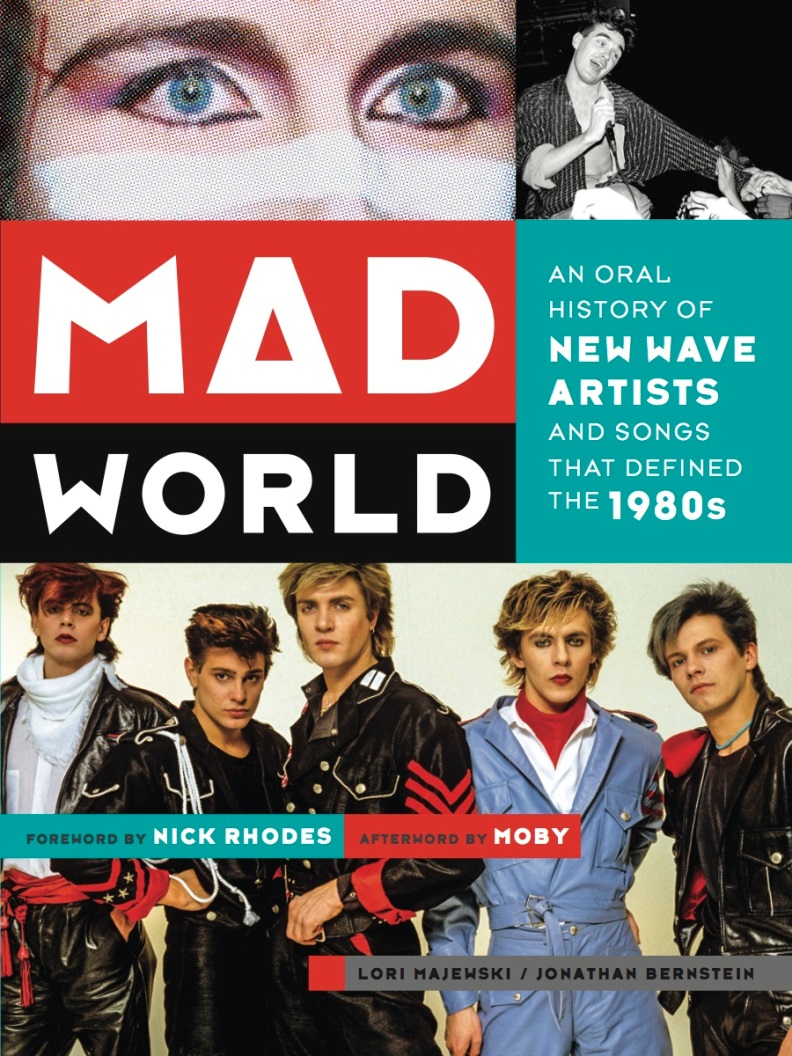
The book ‘Mad World: An Oral History of New Wave Artists and Songs That Defined the 1980s’ is to be formally made available in the UK.
In the book’s foreword by DURAN DURAN’s Nick Rhodes, the flamboyant synth player says: “It was a culture where the predilection was standing out from the crowd rather than fitting in. Artists were musically adventurous, less driven by commerce… While those in their teens and early 20s have a limited musical vocabulary, they remain the key source for change in music”. Concluding in the afterword, Moby states: “New Wave was its own world. With its own influences, its own codes, its own bailiwick(s), its own aesthetics, its own sonic landscape…”
Launched in North America to great acclaim last April, it discusses many of the artists who formed the British Invasion of the US with the advent of MTV; the Americans referred to these types of acts as New Wave.
While not definitive, ‘Mad World: An Oral History of New Wave Artists and Songs That Defined the 1980s’ delves into the spirit, the politics and the heartache behind some of the best songs ever recorded, regardless of genre. The book does bias towards a Stateside viewpoint courtesy of self-confessed Anglophile and Duranie Lori Majewski, but the content is balanced by the critical input of LA based Glaswegian Jonathan Bernstein.
The two met at Spin Magazine during the height of Grunge and found themselves to be kindred spirits as they quietly bonded over Synth Britannia and New Romantics, much to the chagrin of their scruffy, plaid shirted colleagues.
Photo by Paul Natkin
The dynamic between the “sour by nature” and “staunch supporter of the sheer oddball” Scotsman and the “obsessed past the point of sanity” American ensures that ‘Mad World’ celebrates the triumph and innovation of the era while simultaneously pulling no punches. For example, while accepting their places in the book, Bernstein lobs a few hand grenades in the direction of KAJAGOOGOO and THOMPSON TWINS! The pair’s differing viewpoints on the two phases of OMD are another enjoyable discussion point.
‘Mad World’ is ELECTRICITYCLUB.CO.UK’s kind of book… it is affectionate and respectful, but also objective and discerning; this more than makes up for previously feeble attempts by other writers to capture the era by combining acts as disparate as SIMPLE MINDS and JASON DONOVAN into a single volume!
While the Adam ‘n’ Moz laden front cover might indicate otherwise, many of the artists who impacted on the Post-Punk synthesizer boom figure prominently in ‘Mad World’. As well as OMD, DEPECHE MODE, SOFT CELL, ULTRAVOX, NEW ORDER, JOY DIVISION, YAZOO, HEAVEN 17, TEARS FOR FEARS, DURAN DURAN, A-HA, A FLOCK OF SEAGULLS, SIMPLE MINDS, there’s Gary Numan, Thomas Dolby and Howard Jones, there’s also THE NORMAL and the early HUMAN LEAGUE to represent the trailblazers from 1978 who helped define the era.
Daniel Miller describes electronic music like ‘Warm Leatherette’ as “pure punk music” as opposed to “punk rock”, due to it adopting that true punk ideal of do-it-yourself. Meanwhile, Martyn Ware waxes lyrical about the realisation of ‘Being Boiled’… the chapter was to have been about ‘Don’t You Want Me?’ but with Phil Oakey’s continued refusal to give interviews about the past has ensured its omission. At the end of the day, Oakey misses an opportunity to reflect and give his story of the era.
However, Oakey’s contemporaries don’t disappoint; as usual, Andy McCluskey gives great copy and his interview nicely sums up the rise and fall and rise and fall and rise of OMD to highlight the pressures of achieving and maintaining success. And while ‘If You Leave’ from the film ‘Pretty In Pink’ may not be the greatest song he and Paul Humphreys have ever written, it is certainly not their worst and its success in America is a handy pension pot for the duo.
The joy of this book is that even if an act is of no interest musically, the back stories are fascinating and a number have not been widely known. Like did you know that the true origin of the name SPANDAU BALLET is even more unpleasant than JOY DIVISION? Or that ‘True’ was inspired by Gary Kemp’s unrequited relationship with ALTERED IMAGES’ Clare Grogan? Or that DEXY’S MIDNIGHT RUNNERS’ Kevin Rowland is a right miserable sod, but he always has been and always will be!
Meanwhile, the entertaining KAJAGOOGOO chapter proves that like in much of today’s music scene, ego can often exceed inherent talent and actual artistic success. The diva-ish spats between Limahl and Nick Beggs in ‘Mad World’ are almost worth the purchase price alone.
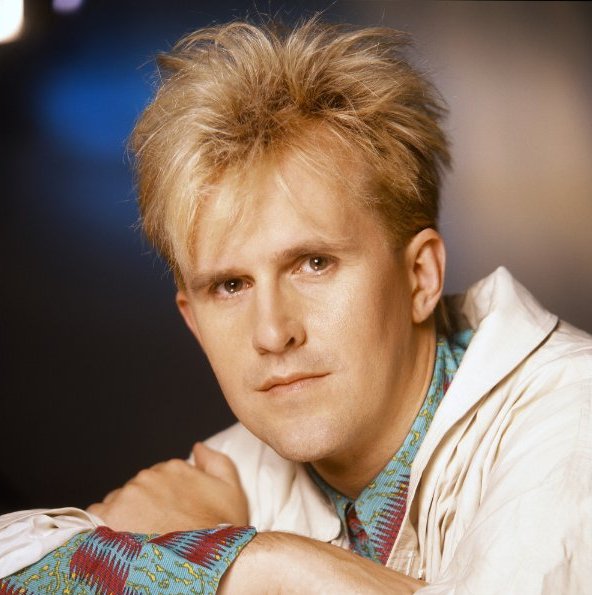
While ‘Mad World’ is full of tales of excess and hedonism, one very interesting chapter is about the clean living and philosophical Howard Jones. While quietly making his fortune in the US, the happily married vegetarian readily admitted to having a wandering eye that inspired his biggest American hit ‘No-One Is To Blame’: “It’s about being attracted to other people and admitting that. You are attracted to maybe half the people you meet, and that isn’t a bad thing. You shouldn’t blame yourself for that… but if you want to consummate that attraction to other people, then you have to be prepared to take what comes with it”.
‘Mad World: An Oral History of New Wave Artists and Songs That Defined the 1980s’ is a terrific read, but there are the odd date errors and what some might consider irritating translations of distinctly British terms for the primarily American audience.
And while the book covers most bases, one important song that is missing is VISAGE’s ‘Fade To Grey’. A complex story in itself, that probably would have made up a book on its own! But overall, these minor aberrations do not spoil what ‘Mad World’ is… the best book so far capturing that MTV era which many like to refer to as ‘The 8*s’ 😉
Following her highly informative interview earlier in the year, co-author Lori Majewski reflected on the Americanisation of New Wave and why certain UK acts came to become more highly regarded in the US than back home…
Why did it seem the only US acts that seemed to ride on that UK synth wave were BERLIN and ANIMOTION?
LA had a very big New Wave scene with MISSING PERSONS, THE GO GOS, THE MOTELS, BERLIN and ANIMOTION but what you have to remember is that it kinda got watered down by the time it got to America. As we say in the book, you had Brits trying to be Germans wanting to be robots, and then Americans who wanted to be British!
So the Americans were already two steps removed from the conception of New Wave. You look at something like BERLIN, so they’re named after the city that inspired New Wave and 6,000 miles away singing about ‘The Metro’ in Paris where they had never even been!
But I think what LA New Wave brought was glamour. First of all, there weren’t a lot of women in New Wave full stop although in the UK, you had Annie Lennox, Alison Moyet and BANANARAMA. So in LA, we had BERLIN’s Terri Nunn who was a model and tried out to be Princess Leia in ‘Star Wars’, there was THE MOTELS’ Martha Davis who was very old school Hollywood glam and THE GO GOS; plus you had MISSING PERSONS’ Dale Bozzio, who was the first woman I ever saw and thought “oh, that’s what a breast implant is”*laughs*
I think in general, Americans put their own spin on New Wave but as Jonathan likes to point out in the book several times, it wasn’t something we exported back to Britain; it was something that we kept here that Brits didn’t really go for.
What did you think about bands like TEARS FOR FEARS, SIMPLE MINDS and THE PSYCHEDLIC FURS tailoring their sound for the American market when their initial charm was sounding British in the first place?
It’s something we talk about in the TEARS FOR FEARS chapter. We forget that TEARS FOR FEARS had the biggest album of the era in ‘Songs From The Big Chair’. Curt Smith talks in the book about how they did consciously move to appeal to a wider audience but also to make a different record to ‘The Hurting’.
They were listening to more American things like Frank Zappa. So they didn’t make a conscious decision to be American, they made a conscious decision NOT to make the first record again… and as you point out, that record was very British. I don’t know if ‘Songs From The Big Chair’ is American sounding, it just not as New Wave sounding.
The Americans really loved THOMPSON TWINS and Howard Jones? What was it about them that appealed Stateside?
Howard Jones did well here but I think he would have made it no matter what decade it was because he wrote classic songs… but he happened to use synthesizers and he had the haircut! When you look at a song like ‘No-One Is To Blame’, it’s a good pop song, period!
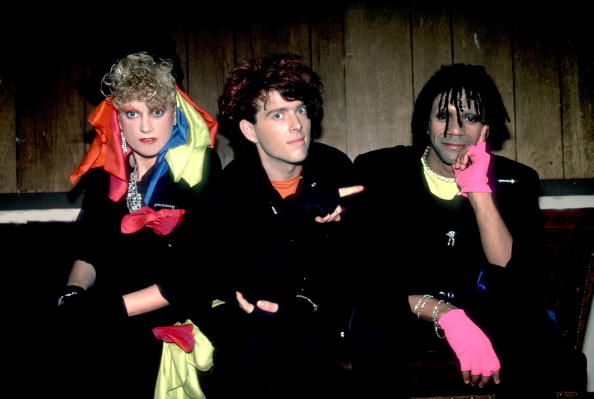
As for THOMPSON TWINS, Jonathan knew of their previous incarnation while I did not, so he was suspicious of how they were this art conglomerate that suddenly wanted to be pop stars and on the cover of Smash Hits! I have to say, they were visually arresting and those songs are built to last. You hear ‘Hold Me Now’ today and what an incredible song!
And I always remember that was the first time I thought about couples fighting because the idea that a man will placate a woman and say “you ask if I love you, well what can I say? You know that I do and if this is just one of those games that we play”, and I thought “Oh my God, that’s right… that’s what women do!”*laughs*
So I felt Tom Bailey was a pop star with a romantic side that really appealed to me, especially with the song ‘If You Were Here’ at the end of the John Hughes film ‘Sixteen Candles’, that’s one of my favourite songs from the entire era.
Why do you think acts like A FLOCK OF SEAGULLS, THOMAS DOLBY, WANG CHUNG and NAKED EYES were perhaps more popular in America than Britain?
I think this IS the advent of MTV, you guys in the UK didn’t have it and we did. ‘I Ran’ by A FLOCK OF SEAGULLS was a huge MTV hit, but it only started going up the US charts and being played on radio after people were requesting it because they saw the video on MTV. So they rode a wave that was not available in their own country.
It was the same with NAKED EYES and I love their version of ‘Always Something There To Remind Me’. MTV helped a lot of bands that were using the medium of video to get to an audience.
ELECTRICITYCLUB.CO.UK gives its warmest thanks to Lori Majewski
Meanwhile in Brooklyn at Rough Trade NYC on Saturday 14th September 2014, ‘A Mad World Conversation with Midge Ure’ takes place at 5.00pm – details can be found at the Mad World website
Without doubt, Jo Callis is one of the unsung heroes of the Synth Britannia era. The Rotherham born guitarist first found fame during the post-punk era with THE REZILLOS.
Formed in Edinburgh where Callis was studying at the local college of art, they scored a Top 20 hit ‘Top Of The Pops’ in 1978. THE REZILLOS fragmented after one album so Callis formed SHAKE and then joined BOOTS FOR DANCING before releasing a solo single ‘Woah Yeah!’ in 1981. His manager when he was in THE REZILLOS was Fast Records supremo Bob Last who also looked after THE HUMAN LEAGUE.
Following the well documented split between Phil Oakey and Adrian Wright with Martyn Ware and Ian Craig Marsh in 1980, the former pair continued as THE HUMAN LEAGUE with Ian Burden recruited as an additional musician plus Joanne Catherall and Susanne Sulley as backing vocalists.
Despite this line-up recording the band’s first Top 20 hit in ‘The Sound Of The Crowd’ under the production supervision of Martin Rushent in 1981, THE HUMAN LEAGUE felt they could benefit from the input of an experienced songwriter… enter Jo Callis! He joined just in time to record the Top 5 breakthrough single ‘Love Action (I Believe in Love)’ although he did not feature on the single’s cover photo.
His first public outing as a songwriter for THE HUMAN LEAGUE was with the psychedelic synthpop hit ‘Open Your Heart’. The parent album ‘Dare’ was released shortly after and has since being hailed as an iconic recording of the period.
Jo Callis’ three year tenure with THE HUMAN LEAGUE directly contributed to their imperial phase; classic numbers in The League’s catalogue such as ‘Seconds’, ‘Darkness’, ‘Hard Times’, ‘Mirror Man’, ‘(Keep Feeling) Fascination’, ‘The Lebanon’, ‘Life On Your Own’ and ‘Louise’ were all co-authored by him. But his most famous song with the Sheffield electronic pioneers was ‘Don’t You Want Me?’ which reached No1 in both the UK and US charts. However, after a difficult gestation for ‘Hysteria’, the follow-up album to ‘Dare’, Callis left THE HUMAN LEAGUE in 1984 to concentrate on his own songwriting.
Post-League, Callis co-wrote Feargal Sharkey’s’s ‘Loving You’ before partially returning to THE HUMAN LEAGUE in 1990, penning two songs ‘Heart Like A Wheel’ and ‘Get It Right This Time’ for the ‘Romantic?’ album. Another Callis co-write ‘Never Again’ appeared on 1995’s ‘Octopus.
More recently, Callis has been in the news in his adopted homeland as a result of ‘Don’t You Want Me?’ being adopted as a football crowd anthem by the supporters of Aberdeen FC. The song was given a boost in download sales as a result of The Dons victory in the 2014 Scottish League Cup.
With his profile at its highest since his HUMAN LEAGUE days, Callis is about to return to the live circuit with his new band FINGER HALO, playing alongside ANALOG ANGEL at Glasgow’s Classic Grand on FRIDAY 15TH AUGUST 2014. Now well and truly “back-Back-BACK”, he kindly chatted to ELECTRICITYCLUB.CO.UK about his career.
THE REZILLOS made it into the Top 20 with ‘Top Of The Pops’ in 1978 but briefly, what happened that led you into becoming a free agent in 1981?
THE REZILLOS split up (mid tour) around 1979, probably at my instigation more than anything else. From there, I formed SHAKE along with former REZILLOS rhythm section Ali Paterson and Simon Templar, and remained signed to Sire, THE REZILLOS’ former label. With the addition of Troy Tate (later of TEARDROP EXPLODES fame) on guitar, we released a four track EP followed by a single ‘Invasion Of The Gamma Men’ and gigged quite consistently.
The initial EP was pretty well received and the lead track ‘Culture Shock’ garnered a fair amount of Radio1 airplay. But with little record company support, things eventually just fizzled out. Broke, we eventually parted company with Sire.
From there, I joined local indie leftfield punk / funk outfit BOOTS FOR DANCING, whom I really enjoyed playing with. They could have been contenders, but bottled out of going for gold so to speak, so there was no future there for myself. Around the same time I had also been making in-roads into The League camp, who were in the process of re-inventing themselves after a split up scenario of their own, with a view to help them with new material.
What did you think when you were first offered THE HUMAN LEAGUE job by Bob Last and told you’d have to play a synth?
My memory of events here is that I simply got together with Adrian Wright, whom I was friendly with at the time, in order to do a bit of writing, which led on to my quite significant contributions to THE HUMAN LEAGUE’s canon of tunes. Although, with hindsight, I guess that the ‘svengali’ Bob Last would have certainly been pulling a few strings and making some subliminal suggestions behind the scenes, and certainly encouraging my association with Adrian.
Around that time I was also feeling a little jaded with the guitar, particularly as an instrument for composition, and felt that a change was in order. I wasn’t exactly sure what kind of change, but the opportunity of The League, synths and moving with the times certainly appealed.
Is it true Martyn Ware showed you how to use a synth at Monumental Pictures studio?
Yep, with the then fledgling HEAVEN 17 / BEF still sharing the same studio space as the ‘new’ League, Martyn Ware kindly spent a day running me through all the basics of subtractive synthesis, and also pointing me in the direction of the keyboard playing equivalent to Bert Weedon’s legendary guitar tome ‘Play In A Day’ (in another move encouraged by the venerable Mr. Last no doubt). I had soon purchased a second hand Roland SH09 synth, and began patching away when at home in Edinburgh.
Did you have a favourite synth?
I still have a great love for the old SH09, its big Bro’ the SH2 and its progeny the SH101. But the Roland Juno 106 is still hard to beat. I do still have (hopefully) working examples of ’em all. Although primarily a vintage Roland fan, I do have the odd bit of Korg and Yamaha kit, and of course the wonderfully proletarian Casio VL Tone… required equipment in my League days, we all had one in our make up bags!
Did you ever feel the tension between the two parties as the shifts changed at the studio?
Oh yes, but more in general. We would all hang out together in my early days with The League whilst in Sheffield writing the material that would ultimately comprise ‘Dare’ etc. It all seemed quite light hearted initially, but I was aware of quite deep rooted competition and rivalry between Philip and Martyn. But there was a mutual degree of respect all round.
I had to laugh really, having come out of a fairly similar situation myself recently and being aware that Bob Last had carefully handled THE HUMAN LEAGUE split with the benefit of knowledge gained from the chaotic split up of THE REZILLOS, Bob having managed both bands. So there were no handbags at twenty paces, unlike the biliousness of THE REZILLOS’ break up which was arguably fuelled by the divisive music press of the day – I did feel I was somewhere between a rock and a hard place on occasion though.
What was the creative dynamic between you, Phil Oakey, Adrian Wright and Ian Burden?
With Adrian, I would generally pick out the best of his formative ideas, develop them with him and add parts etc.
Phil and I would often find that we could graft together independent ideas we had, which would compliment each other… or else Phil would add lyrics and melody to one of my backing tracks which would just have a working title – ‘The Lebanon’ for example, came about in this way, even retaining the original title in the finished article.
With Ian, himself being a (very good) bass player and myself a guitarist, we could plug into amps and jam out ideas old school stylee sometimes. And when Jim Russell (originally Martin’s engineer, then later a band member), a seasoned drummer who’d played with the like of CURVED AIR and MATTHEWS SOUTHERN COMFORT was around, we’d have a power trio and just jam all day…
Joanne and Susanne contributed to the quality control, they were very down with what was happening in the clubs and what ver kids were digging at the time, so if they liked what they heard, then it was definitely worth persevering with. They were total Duranies then, and had previously been BAY CITY ROLLERS fans (a fine Edinburgh band – check out their version of ‘Rock & Roll Love Letter’). But their big love was JAPAN. Strangely, we seemed to listen to a lot of Grace Jones and JUDAS PRIEST during the writing of ‘Dare’.
What was the first song you wrote for THE HUMAN LEAGUE?
‘Open Your Heart’, if memory serves – originally started on the guitar and provisionally entitled ‘Women & Men’.
Legend has it that Phil freaked when he saw you brandishing a guitar during the recording of ‘Don’t You Want Me?’?
Ha! Axeophobia I believe it’s called, a rare condition and one most unusual in the case of a JUDAS PRIEST and SAXON fan! I remember Phil once saying: “I’d happily have you play the guitar on tour Jo, so long as the jack lead is only six inches long”. Classic! I feel he probably suffered from the much more common complaint; ‘Callisophobia’.
The main riff of ‘Don’t You Want Me?’ was appropriated from the guitar line of ABBA’s ‘Eagle’? Discuss!
Aha! The passage to which you refer to is definitely ABBA inspired and was originally the bassline to the bridge section of ‘DYWM’ – the “Don’t, Don’t You Want Me, You know I don’t belieeve it! Etc” bit. Martin Rushent picked it up and turned it round and made it into the top line of the intro passage… so it’s all his fault, ‘onest Guv!
How do you look back on the ‘Dare’ album now?
With my head tilted to the right, and squinting with one eye. ‘Dare’ was the result of a unique coming together of an unlikely bunch of switched on, eccentric, bloody minded individuals who, against all odds and with no great ‘industry’ expectation, created a truly wonderful work of electro glam pop – timeless, wonderfully sparse, most influential, and a true combined vision, very much the sum of its parts.
How were those ‘Dare’ tour dates, especially with those temperamental synths and taking the Linn Drum Computer out live?
Tours can be the absolute best and worst times of your life condensed into a relatively short period of time – so, careful what you wish for sometimes. We fortunately had a terrific tech and road crew on the ‘Dare’ tour which eased a lot of the potential pain, no MIDI or computer sync in them days. We had to have the Linn Drum reloaded (by cassette tape) half way through the set as its memory could not contain the entire show, we switched to the Roland TR808 for one song during the reboot! The synths all seemed to perform reliably and well, despite the abuse I would give mine on occasion. Made from Tiger tank and Me262 parts them Roland Jupiter 8s!
Things seemed to be going swimmingly for the follow-up album with the releases of ‘Mirror Man’ and ‘(Keep Feeling) Fascination’, but it all started falling apart around the recording of ‘Hysteria’?
That’s right, it was all taking far too long and frustration was setting in. We had to try and follow the unexpected success of ‘Dare’ and I think a fear of failure began to loom. The pressure maan!
The two versions that were released of ‘I Love You Too Much’ indicated there was some confusion in the band over direction?
That track actually had a synth playing back through a guitar Wah Wah pedal on it – which was my idea. As I recall the first version on the ‘Fascination!’ import EP was produced by Martin Rushent and the ‘Hysteria’ version was by Chris Thomas… or was it Hugh Padgham?
‘The Lebanon’ had a bit of a mixed reaction didn’t it?
I love a bit of contention, it was pretty much guitar driven, which is down to me again, but I think it sat okay in The League repertoire and Phil was actually quite enthusiastic about the style and direction it took. It went down well with the BIG COUNTRY / SIMPLE MINDS / U2 crowd of the time, almost a bit of a crossover track. The music press of the day, particularly the NME were fond of ripping the pish out of the lyrics, but in a very affectionate and ‘onside’ way. I still think it’s possibly the strongest tune on ‘Hysteria’, and one I’m very satisfied with personally.
Martin Rushent left the sessions apparently over something Susanne said… what was the straw that broke the camel’s back in your case?
I tried so hard to keep everyone together at that time, we weren’t too far away from having a follow-up album finished with Martin, I thought I’d managed to patch the ship up so to speak at one point, but things soon fell apart again.
Do you look on the ‘Hysteria’ period with much affection?
Not greatly.
When THE HUMAN LEAGUE said they wouldn’t tour ‘Hysteria’ because they couldn’t perform your songs without you, what that just an excuse on their part?
Never heard that one before… dunno really.
You sort of returned for ‘Romantic?’ in 1990… how did you come to contribute ‘Heart Like A Wheel’? and ‘Get It Right This Time’ ?
I’d always left things open ended, and had said I’d always be happy to contribute to writing at any time. I did initially offer them a song called ‘One For The Angels’ for ‘Crash’, the album after ‘Hysteria’, but they didn’t take it – perhaps not quite enough water had passed under the bridge by then, but I’d had such a good response from publishers etc.
With ‘Heart Like A Wheel’, and having been working a lot myself on various projects with Martin Rushent at Genetic Studios around that time, when The League came to thinking about the follow up to ‘Crash’ (which would become ‘Romantic?’), I thought there might be a good opportunity to try and get ‘the old team’ back together again, which I did manage to achieve for a couple of tunes at least. I was kind of middle man there, having a foot in both camps – helping The League out with a bit of writing now and then, and working on various production / writing projects with Martin.
I also co-wrote ‘Never Again’ with Phil for the ‘Octopus’ album, and will be revisiting ‘One For The Angels’ with my new band FINGER HALO!
With Martin Rushent on board, it looked like there was an attempt to recapture the magic of ‘Dare’. But why did things not really work out with that album as a whole either? Any thoughts?
As an addendum to the previous question; I had hoped to resurrect ‘The Old Brigade’, for the entire album, but I think Phil wanted to experiment with different producers, doing a couple of tracks with each. ‘Heart Like A Wheel’ did well for all concerned I think, so it often pays to not burn bridges… and ‘Never Say Never Again’.
Mention must go to Martin Rushent, now sadly departed. A true maverick, a passionate if headstrong fellow and one of the greatest cutting edge producers of all time. He always followed his gut instincts which invariably led him in the right direction. I learned so much from Martin and he was great fun to work with.
Noddy Holder describes ‘Merry Xmas Everybody’ as his pension, is it like that for you with ‘Don’t You Want Me?’?
As a huge SLADE fan, Noddy is seldom wrong, These days, I tend to view ‘Don’t You Want Me?’ more as a kind of capital investment, to trade with. In basic, cynical economic terms, ‘DYWM’ to me is something akin to what Cornflakes are to The Kellogg company.
You are still active in music, what are your upcoming plans?
What would you consider your proudest achievement?
An old acquaintance of mine who served with The Royal Marines during The Falklands campaign told me that he had The League song ‘Seconds’ running through his head all through the conflict, which helped him keep focus and get through serious life or death circumstances.
That instance in particular, and other, albeit rare, occasions when somebody has remarked that your music has had a positive impact on their lives, are moments when I realise that what we do, we happy band of wandering minstrels, really can have great value to humanity, and it’s not just about self indulgently fannying about, having more control over our lives and never having to grow up, as I might have previously thought. I speak for all performers, entertainers, composers, authors and artists. I think we oil the wheels of life in many respects.
And as the Big Man Winston Churchill once said: “If you find a job you love, you’ll never work again” – now there’s an achievement in itself! These are the things that dreams are made of (and nightmares sometimes but…)
And finally, why do you think guitar synths never really caught on?
Quite simply Chi, I think that the technology had moved so rapidly then that you could use a regular guitar, with a few ‘bolt ons’, and pretty much do anything that a dedicated synth guitar could do. Also a lot of guitar players who loved the ‘Synth Guitar’ idea didn’t really think that the instruments themselves were particularly good as guitars. That Roland G-77 looked really cool though, but they never made a left handed version, the c***s!
ELECTRICITYCLUB.CO.UK gives its warmest thanks to Jo Callis
Special thanks to Ian Ferguson
FINGER HALO featuring Jo Callis play the Classic Grand, 18 Jamaica Street, Glasgow G1 4QD on FRIDAY 15TH AUGUST 2014 alongside ANALOG ANGEL
‘Mad World: An Oral History of New Wave Artists and Songs That Defined the 1980s’ is a brand new book that covers the music of the MTV Generation.
Written by New Jersey born Duranie Lori Majewski and LA based Glaswegian Jonathan Bernstein, ‘Mad World’ includes many of the bands that formed part of the post-punk British Invasion of the US which the Americans later referred to as New Wave. Very different from the British definition of New Wave which included acts such as BLONDIE, THE PRETENDERS, X-RAY SPEX and THE POLICE, the Stateside classification threw in Synth Britannia, New Romantics, Young Soul Rebels, Goths, Antipodean funk rockers and refugees from The Bromley Contingent!
Regardless of the seemingly incongruous acts being lumped together, what New Wave in the US did was enlighten a whole group of impressionable teenagers about a musical world that artistically and stylistically had more to offer than the turgid home grown rock of bands like BOSTON, REO SPEEDWAGON, STYX, TOTO and JOURNEY.
‘Mad World: An Oral History of New Wave Artists and Songs That Defined the 1980s’ features a foreword by DURAN DURAN’s Nick Rhodes and while not definitive, ‘Mad World’ delves into the spirit, the politics and the heartache behind some of the greatest songs in popular culture, regardless of genre. With the publication of the book in North America and a UK edition scheduled for Autumn 2014, co-author Lori Majewski gave a fascinating American viewpoint on Synth Britannia and much more…
I understand that this book was partly inspired by the advent of Grunge?
Jonathan Bernstein and I met during Grunge when we both worked at Spin Magazine which in the US, used to be a real competitor to Rolling Stone, although how it’s evolved now as Rolling Stone is more of a veteran magazine while Spin is more indie. But back then, it was neck-and-neck, a bit like how NME and Melody Maker were in the UK. I was just starting out in the business and wanted to work on a music magazine.
Unfortunately for me who grew up an Anglophile and liked electronic music, by the early 90s, electronic music was no longer in vogue and even a dirty word; it was really gauche to use synthesizers! Grunge with its guitars and feedback, it was dirty compared with the pretty electronic sound that we loved in New Wave.
I kept it to myself because I was at Spin, but then I heard Jonathan talking about ‘The Lexicon Of Love’ by ABC being his favourite record… it was like I could hear angels singing because I thought “OH MY GOD! Somebody understands that time in music!” because nobody wanted to talk about it anymore. We were kinda nerdy for even liking it, we weren’t cool at Spin. So we became best friends.
So how long has ‘Mad World’ been in the making and what has the journey been like?
It wasn’t until 18 months ago when we read an article with Gary Kemp from SPANDAU BALLET. He was talking about the song ‘True’, the story behind it, all the different influences and what the lyrics meant. We called each other and thought “Wow! Imagine if we could do this kind of article with all of our favourite songs?” That’s how ‘Mad World’ really evolved.
We were going to do the stories behind the songs but as we interviewed the artists, it turned into so much more… it was about the songs, the journeys to making those seminal tracks, how those tracks changed their lives and how sometimes the success strangled artists. Take A-HA; when I interviewed Mags, he said “everyone knows ‘Take On Me’ but I’m like a dad with lots of kids, don’t just like one of my kids, you have to like all of them!”
We also had a cultural conversation with these artists because they talked about The Cold War and Thatcherism. There were some bands like DURAN DURAN who said they “wanted to be the band that you danced to when the bomb drops”. Others like TEARS FOR FEARS wanted to explore that darker side and the psychological melancholy, which is why our book is called ‘Mad World’.
We wanted to do it decades ago, but we could only have done ‘Mad World’ now when these artists were ready to tell their stories of their careers. Plus we had to wait until a time when this kind of music was back in vogue, because no-one would have bought it even five years ago.
How would describe the way you and Jonathan’s very different dynamics combined to produce ‘Mad World’?
Jonathan is 10 years older… he’s 52, I’m 43; he’s Scottish so he was raised on the critical British music press so he’s much more curmudgeonly while during New Wave, I was a wide-eyed American teen who couldn’t get enough of MTV. So I was a fan and he was a critic… but where we meet is we both LOVE this stuff! He loves it from a critical view and he was like “Gosh, it took me a long time to realise it but this stuff is good and influential!” whereas I just bathe in it; I love DURAN DURAN and DEPECHE MODE and built my entire life around that *laughs*
I’m particularly fascinated about how Americans regarded the synthesizer as an instrument and this frequent reference to it being a keyboard, as if there was some kind of denial about it being a real instrument?
From where I sit, I think the synthesizer is essential to my favourite records. The first big record that used the synthesizer I ever heard was Gary Numan’s ‘Cars’. At that time during the turn of the decade, ’79 going into ’80 here in America, I was listening to AIR SUPPLY, Olivia Newton-John and the ‘Grease’ soundtrack! My father was into Warren Zevon. The thing is, Americans really hated disco after a while so when I first heard ‘Cars’, it was unlike anything I’d ever heard. It sounded like the future, it sounded like the space age. You have to remember not everyone was that open and a lot of people I went to school with went “that’s not music”. And just the fact that it was called a synthesizer… it’s synthesized, it’s not real!
They thought it had no skill whereas the stuff we came up on like JOURNEY and FOREIGNER, they were bands that played guitars and it was real masculine stuff! So someone like Gary Numan comes along, he’s a one-man band thanks to a synthesizer and he’s wearing make-up!
You see, David Bowie was not as big in the US as he was in the UK at the time. So you put all that together and no-one here really knew Numan was pretty much born of the rib of Bowie. So people thought it was sissy stuff and uncool… and he’s wearing make-up and making synthesized sounds! So Americans were very suspicious of it.
How would you describe the impact of Gary Numan and THE HUMAN LEAGUE in the US during the first wave of UK synth artists?
In the Europe, you also had ULTRAVOX, OMD plus of course KRAFTWERK. Gary Numan was the first to really make it big and mainstream so in the US, he opened the door for all that. But when THE HUMAN LEAGUE and EURYTHMICS came on the scene with ‘Don’t You Want Me?’ and ‘Sweet Dreams (Are Made Of This)’, I just felt “WOW! THINGS ARE CHANGING!”.
The reason we cover ‘Being Boiled’ in the book is an inconvenience of the fact that Phil Oakey didn’t want to talk to us, that was really disappointing. I was thinking “Do we even have a book without ‘Don’t You Want Me?’…?”; but then talking to Martyn Ware, he chatted about his beginnings with THE HUMAN LEAGUE. I realised ‘Being Boiled’ was the boiler plate for so many of the records that came afterwards; DURAN DURAN, OMD and Vince Clarke all talk about ‘Being Boiled’. So we may not have the story you expect with ‘Don’t You Want Me?’, but we have one of the beginning stories of the entire era.
There was still a very macho rockist attitude at the time… I recall John Cougar making some quite homophobic comments about SOFT CELL in Smash Hits!
Really? It’s interesting, as a young girl I didn’t think straight or gay, I was just thinking love. Music has such an emotional impact on you anyway but especially if you are a young person. I just felt that music opened up my eyes and heart to things that I hadn’t previously been exposed to. And that’s why I fell in love with DURAN DURAN… yes, it helped that they were good looking but they dressed so well and they were so interesting.
But you compare that to the guy at school who may be the equivalent of a John Cougar in the jeans and T-shirt. That may work on some girls but that’s your average guy to me, whereas you had DURAN DURAN on these exotic beaches, wearing these fantastic clothes and having these great accents. And Boy George, I didn’t think if he was straight or gay, I just thought he was beautiful. At the time, boys looked like girls and girls looked like boys but it didn’t necessarily mean they were gay. SPANDAU BALLET dressed up and sometime wore as much make-up as LIMAHL did. But he said at that time, you just didn’t talk about… but he was not in the closet either.
I think we were so much more progressive back then we are now. During the Grammys this year, we had Macklemore standing up for gay rights. But back in the 80s, you didn’t need a straight white rapper to do that because you had gay pop stars in the charts.
OMD are an interesting conundrum as they were part of that first wave yet didn’t make it at the time, but they then made progress later when they supported THOMPSON TWINS and THE POWER STATION before ‘If You Leave’ was a hit?
OMD are a good example of where the difference between me and Jonathan is vast. Jonathan loved them right from the beginning and really understood their KRAFTWERK pedigree. Me? I happened by accident to get into OMD because I had tickets to see THE POWER STATION.
SPANDAU BALLET who were due to support had to pull out of the tour as Steve Norman had broken his leg! So I saw OMD with them instead and they played this song from a new movie called ‘Pretty In Pink’. I was thinking “who is this guy with the crazy dance moves?”, but I could see he was really into it and I loved the music.
So I went backwards from ‘If You Leave’ and discovered ‘Architecture & Morality’; I fell in love with the pair of love songs about Joan Of Arc and I was like “THIS IS JUST INCREDIBLE!”. To this day, OMD are definitely in my top three favourite bands. I saw them in concert this past summer and they were my favourite of the year. I still think record after record, they make fantastic music and I say in the book, if no other band existed in the genre of New Wave, I’d be happy to hang my hat entirely on just OMD and say they are a genre unto themselves because I think they are that spectacular a group!
Now, with OMD’s early stuff compared with the later stuff, I think it’s apples and oranges because with ‘If You Leave’, it’s from ‘Pretty In Pink’ which is my favourite of the John Hughes films. I have a soft spot for Ducky… which girl who grew up in the 80s didn’t? I grew up with freckles so I really loved the fact that Molly Ringwald was considered a really beautiful girl. Until her, there were no pretty teenage girls I could look up to, so all of that is wrapped up in ‘If You Leave’. It’s definitely a part of the whole John Hughes nostalgia thing. But when I think of early OMD, I think of ground breaking seminal electronic music.
It’s interesting you feature THE NORMAL in the book, but not KRAFTWERK. KRAFTWERK seem to have made more of a cultural impact on the US urban dance scene rather than New Wave pop?
We look at KRAFTWERK as being a parent figure to this era rather then being a part of it itself. So when I think about who inspired all of these artists, it’s KRAFTWERK, ROXY MUSIC, T-REX, CHIC and David Bowie. Then you put it through the punk blender because none of these New Wave artists would have picked up an instrument if it wasn’t for punk. Bowie, Roxy and Bolan were too much on a pedestal, you could never imagine emulating them because they were true rock stars.
But when punk and KRAFTWERK came around, two things happened; punk made you feel you could do it with just three chords while KRAFTWERK taught you that you didn’t even need a band, just one piece of equipment which was the synthesizer. So that’s why there isn’t a chapter on KRAFTWERK, but they are mentioned many times throughout the book.
The chat with Peter Hook must have been quite revealing considering his Joyless Division with NEW ORDER?
Peter Hook was one of my first interviews for the book actually and he is one of my favourites, I probably talked to him about five times. He was very generous with his time, his memories and he was very candid. Some people think he’s overly angry about the situation but as he says in the book, he gave 30 years of his life to the band and he feels really burnt by it. He said it’s a divorce and as someone who’s been through one, I wasn’t married for over 30 years but I can’t imagine what it must feel like; he calls the new version of NEW ORDER “New Odour”. I really liked talking to Peter and one of the reasons is because he is proud of his legacy and loves his own music, both as JOY DIVISION and NEW ORDER.
Now, when I talked to like Vince Clarke, it was really hard to get him to talk about his own music. But once I started asking him about his heroes, he completely opened up about people like Simon & Garfunkel and THE CURE. So he had no problem talking about that, but had a problem talking about his own music because it’s too close to him. Peter Hook is not like that, he is enjoying preserving his legacy and you can see that; he’s written two books on his career so far and has another on the way about NEW ORDER. I think he’s a great storyteller.
Did you talk to Bernard Sumner as well?
Yes, I also interviewed Bernard but he really avoided as much as possible talking about Peter Hook and the problems they had. He said NEW ORDER’s music, particularly ‘Blue Monday’ has been passed down through the family like a gold watch, meaning people who are in their 40s and 50s have passed the music down to their teenage kids who now find it cool. The JOY DIVISION and NEW ORDER chapters are two of my favourites.
My heart hurts for Peter because I’m a very sensitive person too and I can tell that this whole situation with Bernard has broken his heart. However, this is not something that happened recently, this has been a slow boil for many years. Peter said they only shared one phone call over 35 years and that was because Bernard’s car had a flat battery and he need a lift to a gig!
This first wave paved the way for prettier bands like DURAN DURAN and DEPECHE MODE plus electro-soul hybrids like HEAVEN 17, EURYTHMICS and YAZOO in the US. Was there a big difference in these acts that made them more appealing to Americans? Was it really just down to videos and MTV?
A good video is a good video, but a great video can’t rescue a crappy song! So it was much more than that… the truth of the matter is, DURAN DURAN became as big as they are in the United States because they spent many months touring here. In 1984 on their biggest tour, they spent half the year here. So America got used to these bands whereas HEAVEN 17 never set foot here.
Martyn Ware talks about HEAVEN 17 never coming to the US and thinks that hurt them. HEAVEN 17, YAZOO and a few of the others, they appeared on video and it was so new, it got them all around the world at once. So they thought “MTV in America play videos, why do they have to see us live? We don’t need to go to Australia, we’ll send them the video!”
If HEAVEN 17 had toured and put in the time, they had the songs that would have made them big here… ‘Temptation’ had a lot of potential in the US. YAZOO were sizeable here and not just with ‘Only You’. When I was in High School, everyone loved ‘Upstairs at Eric’s’ and they played ‘Situation’ to death.
What about DEPECHE MODE?
DEPECHE MODE are interesting in that they’re really two bands… in this book, we talk about the early Vince Clarke Depeche that was really, a different group to the one that came over towards the end of the decade and sold out the Rose Bowl. And when Vince Clarke left, they really didn’t know what was going to happen because he wrote all the songs and produced.
It took Martin Gore a few albums to step up; ‘People Are People’ was a slight hit here but it wasn’t until they really put the time in to breaking in America that they made it. In fact, their first huge hit here wasn’t until ‘Enjoy The Silence’ in 1990. To me, DEPECHE MODE and THE CURE are the Holy pair of New Wave graduates who then went into the alternative music scene and started playing stadiums. I believe if THE SMITHS had stuck it out, they would have been doing so too.
With DURAN DURAN and their sound particularly, were their disco and rock elements also a factor in their American appeal in that they were not a pure synthesizer group?
I think you’re right. I’m the world’s biggest Duranie and I have to say, I think the magic is that the five members made incredible music and were the best at what they did. Nick Rhodes was a great synthesizer player and a producer behind the scenes in putting these records together; Simon Le Bon has an interesting and unique voice; John Taylor is a hell of a bassist who many contemporary artists look up to; you had Roger Taylor who Mark Ronson and Nile Rodgers both talk about what a strong drummer he is; and then there’s Andy Taylor who Mark Ronson says gave “a Steve Jones element” to the band. So you have this confluence of disco and synth sound with the crazy rock guitar element, it was a unique combination. With DURAN DURAN, you had the best of all worlds. You didn’t have that in SPANDAU BALLET!
Photo by Virginia Turbett
It’s interesting you say that, I briefly spoke to John Taylor once and asked him when he realised DURAN DURAN were going to trump SPANDAU BALLET and he replied “To Cut A Long Story Short”…
…he said to me that he ran out and bought that record, listened to it and was like “alright, nothing to worry about”. A thing that come across in the book is how competitive all of these groups were. Duran were super competitive with Spandau and that gets a lot of ink.
But also, DURAN DURAN were worried about ABC and John Taylor says in the book how nervous he was when ‘The Lexicon Of Love’ came out. And ABC were looking over their shoulder at THE HUMAN LEAGUE. And Gary Numan was competing with OMD. Back then, there was a race and ABC’s Martin Fry talks a lot about that race to put out the freshest, coolest, newest sounding record. And they were all competing in it.
They were all very much trying to come up with the next sound. So it’s interesting with ‘To Cut A Long Story Short’; SPANDAU BALLET started as a New Romantic band, then they come out with this funk dancefloor hit ‘Chant No1’, AND THEN became much more of a ballads band with ‘True’.
Look at today’s music scene… no bands are blowing up the formula between records like they did then! That’s what made it so exciting and so interesting. John Taylor went rushing out to buy ‘To Cut A Long Story Short’ because he had no idea what it was going to sound like; whereas today, when Katy Perry puts out a record, you kinda know how it’s going to sound! And so many of today’s artists use the same producer so they do sound the same! *laughs*
Photo by Brian Griffin
ULTRAVOX who are in the book never made it in America despite their cinematic videos. Were they just too European and too old for the MTV Generation?
It’s funny, with ULTRAVOX, I think Americans had no idea where Vienna even was, so they couldn’t get into it! *laughs*
But for us Anglophiles who understood and liked DURAN DURAN and SPANDAU BALLET, it opened up Europe to us. The first time I ever went to England was to see a DURAN DURAN concert. Nick Rhodes said the same thing about Bowie, he had never even left the country but through Bowie, he felt he could understand what it could be like to go to Berlin or Paris. In general, only 2 out of 10 Americans even had a passport and that’s true to this day. Andrew Farriss of INXS said that people in America were getting them confused and thinking they were Austrian instead of Australian! The accents couldn’t be more different! *laughs*
But Midge Ure is one of those really important driving forces of the entire movement because not only was he in ULTRAVOX, but he was a big part of VISAGE and co-wrote ‘Do They Know It’s Christmas?’ so he had to be in this book 🙂
How do you subscribe to the thought that a number of these British acts that made it huge in America were effectively softened versions of acts that came before eg DURAN DURAN with JAPAN, and PET SHOP BOYS with SOFT CELL?
I’ve never thought of PET SHOP BOYS ever as a softened version of SOFT CELL, but I can see where you’re coming from. The first time I heard ‘West End Girls’, it blew my mind, I’d never heard anything like it before and I still haven’t. SOFT CELL’s ‘Tainted Love’ was a tremendous hit here, it’s up there with ‘Sweet Dreams’, ‘Cars’ and ‘Don’t You Want Me?’ but SOFT CELL never really followed it up here.
As far as DURAN DURAN and JAPAN went, it’s like Gary Numan and David Bowie. I didn’t know until years later about JAPAN because they weren’t big here. But I remember listening to them and thinking “Wow! I can really hear DURAN DURAN in this”.
Now Duran may have started out with that influence but let’s not forget about SPANDAU BALLET. DURAN DURAN may have blown them out of the water eventually, but they have Spandau to thank. If there wasn’t a Blitz Club, there wouldn’t have been a Rum Runner so if there wasn’t a SPANDAU BALLET, there wouldn’t have been a DURAN DURAN. But Duran kept it going and they’re the elder statesmen of the entire era.
I loved JAPAN but they were too bloody minded and David Sylvian was too arty to want to become pop stars…
DURAN DURAN never minded and wanted to embrace the mainstream. They were huge and maximised every opportunity whether it was videos or their good looks or the fact that they were good songwriters and musicians. They were a team and shared songwriting credits on every song.
SPANDAU BALLET broke in two because Gary Kemp was being sued by three members of the band for royalties.
DURAN DURAN never had to worry about that kind of thing. I’m really proud to be a Duranie because they’re survivors. Have you seen DURAN DURAN live?
Oh yes, several times. I didn’t see them until 1988 unfortunately, but I went to one of the 2004 shows at Wembley Arena and it is still one of the best concerts I’ve ever been to!
I was at every single one, I loved those Wembley shows! OH MY GOD! They blew me away!
This will make you laugh, one of the things about being a male DURAN DURAN fan, you didn’t admit it when you were younger. But you don’t have a problem with it when you’re older. So when me and my mate got to the Wembley gig, we thought “where shall we stand? Oh, let’s stand towards the left” because of course, that was where all the girls were… waiting for John Taylor! 😉
You’re right, guys did not admit to liking them when they were younger but now you go to a Duran concert and there tons of guys there… and they’re not just there to hold the wife’s handbag! *laughs*
Who’d have thought the majority of the acts that feature in ‘Mad World’ are still active as brands and live performers. So should these artists keep touring and how do you feel about them recording new material?
When we interviewed Andy McCluskey, he feels that a lot of bands from this era shouldn’t be doing new music because they have nothing new to say. He felt that when OMD made the last two albums, they had to dig deep to really challenge themselves to say it was not to make a quick buck off the audience. That’s why Tom Bailey has to this day not done an acoustic album of THOMPSON TWINS hits or a reunion tour because he feels he doesn’t have it in him… although for the first time, he’s going to be touring solo in the US with Midge Ure and Howard Jones.
But I look at a band like DURAN DURAN; Simon Le Bon said to me that they are “career musicians”, they would not know what to do with themselves if they did not have a tour to do or a studio to go into… they are driven to make new music. Some people think the record ‘Red Carpet Massacre’ with Timbaland was a mistake, but it’s one of my favourites… I’m really look up to Duran because they take chances. I always say hats off to acts like them and U2 for trying new things.
Of course, I see why Duranies were so excited about the Mark Ronson produced ‘All You Need Is Now’ album because it brought them back to ‘Rio’ and that sound. As long as bands are inspired to keep going and can, they should. INXS cannot keep going; they called it a day last year and Andrew Farriss said he has a hard time writing with someone who isn’t Michael Hutchence. Imagine working with someone for so long and suddenly they’re not there anymore?
So the bands that do continue, by and large, none of them disappoint me. I like some records better than others but even if I don’t like what they produce, I love the spirit with which they produce it.
I guess the end result of this New Wave legacy in America is that there’s great cinema like ‘Donnie Darko’, but also terrible new bands like FUTURE ISLANDS…
…I’m not a huge fan of FUTURE ISLANDS either… I was on my way to do a radio interview and I could not remember what they were called, I was thinking “Fantasy Islands? No, that’s not right!”*laughs*
The thing is, when I saw FUTURE ISLANDS on ‘The David Letterman Show’, I thought it was a comedian doing a skit on what they thought an 80s New Wave band was like…
…really? That’s so funny, I can see that! *laughs*
So how do you view the long term cultural significance of New Wave?
What I do like is that the sound continues… I like CHVRCHES, I think they’re good. On ‘American Idol’ the other evening, it was ‘80s Night’ and they had DURAN DURAN on there. Even a lot of this EDM is really a direct descendant of New Wave and electronica. Daniel Miller of Mute said that he can’t stand that term EDM aka Electronic Dance Music, but it’s what New Wave sort of was.
So it continues and it’s cool that the artists we love are finally getting recognition for really paving the way 30 years ago. I mean, there was the 90s when nobody would give OMD or Gary Numan a record deal because people thought no-one wanted to hear that music. John Taylor said he would have crawled into a hole in the ground if it wasn’t for Nick Rhodes keeping DURAN DURAN together, because they felt so shunned by popular culture.
What’s nice, whether or not you like EDM, FUTURE ISLANDS or CHVRCHES, is they’re continuing the tradition of the artists we love and allowing them to get their proper due finally. I really hope that in the next few years, DEPECHE MODE get inducted into The Rock ‘N’ Roll Hall Of Fame. It’s about time one of these bands gets properly recognised for ushering in an entire era of amazing electronic music.
Moby, who does the afterword in ‘Mad World’, said to you he’d have liked to have been in DURAN DURAN. I always wanted to be in OMD and still dress like Paul Humphreys circa 1981! Which New Wave band would you have liked to have been in?
This is a hard question… to me DURAN DURAN are so good at what they do, I can’t even imagine being a part of it. Do you know what I mean? Whereas I look at a band like BOW WOW WOW, they had a female singer Annabella Lwin and I talk a lot in the book about how she was my first girl crush. She had a Mohican and she was so freaking cool! It seems like it was a party to be part of BOW WOW WOW although you learn from the book that it was nowhere near a party and that she barely hung out with the guys! But from a distance, it looked really fun to be in BOW WOW WOW?
ELECTRICITYCLUB.CO.UK gives its warmest thanks to Lori Majewski
The concept of the single in the past has been to present an artist’s most immediate work for mass consumption and appreciation, often as a trailer for an album or compilation.
Like it or not, many acts’ best songs have been released as singles. They often reach an audience who would not normally be interested in the tribulations of a much longer journey.
Looking back throughout pop history, many pinnacles of a group’s career have been exclusively single releases; THE WALKER BROTHERS ‘The Sun Ain’t Gonna Shine Anymore’, THE BEATLES ‘Strawberry Fields Forever’, IAN DURY & THE BLOCKHEADS ‘Hit Me With Your Rhythm Stick’ and THE JAM ‘Going Underground’ are a number of examples.
Today’s culture of individual track downloading now makes virtually every song in existence a single. However, a fair number of recordings which have become standards within live sets and have become a key part of a band’s history have never been accorded a single release. Such were some bands’ standings in their heyday that many were potential hits.
So here are 25 synth friendly songs which ELECTRICITYCLUB.CO.UK felt should have been given singular status. Listing tracks not released as 45s or CD singles in the UKwith a limit of one song per artist moniker, they are arranged in chronological and then alphabetical order.
GARY NUMAN Metal (1979)
With Minimoog riffage in abundance, ‘Metal’ would have made a perfect follow-up to ‘Cars’ and in hindsight, been less of a public anti-climax than the brave, but misguided release of ‘Complex’, as great a song as it is. Full of dystopian resignation with references to “liquid engineers” and chilling vox humana courtesy of the Polymoog, ‘Metal’ was Sci-Fi musicality at its best. Even NINE INCH NAILS covered it and nearly 35 years later, it is still part of the Gary Numan live set.
“I want to be a machine” cried JOHN FOXX as far back as 1977 on the first ‘Ultravox!’ album. Starting off side two of ‘Metamatic’, the former Dennis Leigh realised his mechanised JG Ballard inspired electro theories and went up to the next level with ‘A New Kind of Man’. Is it about genetically modified humans or homo superiors? Who knows? But the chilling Elka string machine and frightening detuned synthetics made it a distinctly new kind of song in a brave new world.
Available on the JOHN FOXX album ‘Metamatic’ via Edsel Records
JAPAN found a refuge at Virgin Records who released their fourth album ‘Gentlemen Take Polaroids’. One of its best numbers was ‘Swing’ which combined David Sylvian’s muzak travelogue with Richard Barbieri’s Oriental synth textures. It was probably one of the last times JAPAN were fully as one. Guitarist Rob Dean made a full contribution before being forced out while the rhythm section of the late Mick Karn and Steve Jansen were amazingly fluid over the drum machine bossa nova.
OK, so JOY DIVISION never took singles from their albums but what if they had? This would have been a contender. Featuring an ARP Omni and an early version of the Simmons drum synthesizer, ‘Isolation’ was the most electronic track JOY DIVISION ever recorded although Hooky’s bass ensured there was a gritty punk rock edge. When NEW ORDER reformed for the first time in 1998, a drum ‘n’ bass flavoured rework of ‘Isolation’ was part of the live set.
Available on the JOY DIVISION album ‘Closer’ via WEA Records
THE HUMAN LEAGUE The Things That Dreams Are Made Of (1981)
Optimistic and aspirational, ‘The Things That Dreams Are Made Of’ is the key song from ‘Dare’ and was a metaphor for THE HUMAN LEAGUE’s then pop ambitions. Gloriously spacious and delightfully catchy, each synthesizer voicing has its place while Phil Oakey gives full justice to Adrian Wright’s shopping list of life’s pleasures to a perfect Linn Drum clap track. It certainly deserves to be played live more often… “New York – ice cream – TV – travel – good times”
Available on THE HUMAN LEAGUE album ‘Dare’ via Virgin Records
Hooky, catchy and futuristic, ‘Computer World’ with its Speak & Spell voices and infectious four note theme was an ideal KRAFTWERK single if ever there was one. However, the perky and novelty laden ‘Pocket Calculator’ was chosen to trail the parent album. It is unlikely ‘Computer World’ could have hit the top of the charts like ‘The Model’ did, but such was the song’s popularity, the native variant got released as a limited run remixed maxi-single in Germany.
Available on the KRAFTWERK album ‘Computer World’ via Mute Records
It was a tricky call between ‘She’s Leaving’ and ‘Radio Waves’, but the North-by-North West melancholy of the former won over the upfront Germany Calling salvo of the latter. A wonderful synthetic cross between JOY DIVISION and Paul McCartney, ‘She’s Leaving’ was pencilled in as the fourth single from OMD’s huge selling ‘Architecture & Morality’ but was vetoed by the band. However, when ‘She’s Leaving’ did come out as a single in the Benelux region, it flopped.
As proven by their covers of ‘Tainted Love’, ‘What?’ and later on during their 21st Century comeback ‘The Night’, SOFT CELL always had a love of the UK’s Northern Soul scene. Its influence would seep into their own compositions like ‘Secret Life’. Marc Almond’s narrative on a philanderer’s hypocrisy was an apt reflection of suburban life while Dave Ball’s solid use of keyboards provided a suitably accessible but gritty sub-Tamla soundtrack.
The perfect balance between art and pop, ‘New Religion’ was a key highlight from DURAN DURAN’s ‘Rio’ album. “A dialogue between the ego and the alter-ego”, Simon Le Bon’s conflicting schizophrenic voices added tension in the bridges before a classic Duran chorus. With an ambient intro that JAPAN would be proud of, it then moved at breakneck speed through the quintet’s other influences like Bowie, Roxy, Moroder and Chic with speed being the operative word.
Available on the DURAN DURAN album ‘Rio’ via EMI Records
A huge song with two drummers drumming as well as lashings of Jupiter 8 and a marvellous bass engine, ‘New Gold Dream’ and its parent album highlighted an ambitious streak in SIMPLE MINDS akin to their Virgin label mates THE HUMAN LEAGUE when they released ‘Dare’ the year before. Already six minutes in length, an extended mix was released as a 12 inch single in Italy while as a sample on URSURA’s ‘Open Your Mind’, ‘New Gold Dream’ became a club hit in 1993.
Available on the SIMPLE MINDS album ‘New Gold Dream’ via Virgin Records
With its heavy metronomic beat sans hi-hats, ‘The Anvil’ was Steve Strange’s tale of a night out in New York’s notorious club of the same name. But that wasn’t all, Billy Currie’s screaming ARP Odyssey and Dave Formula’s brassy synth riff completed the excursion. Rusty Egan said: “For me, ‘The Anvil’ was the lead track, ‘The Anvil’ in German (‘Der Amboss’), the 12-inch remixes, all that which I did with John Luongo was for me, the single. But the record company didn’t support that!”
Available on the VISAGE album ‘The Anvil’ via Cherry Pop
Showcasong one of the best Alison Moyet vocals, Vince Clarke’s minimal programmed backing gave her plenty of space to let rip with raw emotion on ‘Midnight’ . Back in those days, Mute Records usually only took two singles from an album so with ‘Only You’ and ‘Don’t Go’ already accorded singular status from ‘Upstairs at Eric’s’, a 45 was never likely. But it sort of belatedly became a single when it was sampled and manipulated by REX THE DOG for ‘Bubblicious’ in 2008.
Originally the B-side to ‘Waves’, ‘Game Above My Head’ signalled the more disco based direction Neil Arthur and Stephen Luscombe later trod on ‘Blind Vision’ and ‘That’s Love, That It Is’ with American producer John Luongo. Merging the busy Linn Drum patterns that characterised BLANCMANGE’s debut ‘Happy Families’ with a funkier outlook, ‘Game Above My Head’ was included on their second LP ‘Mange Tout’. Today, the song remains a constant in the live set.
Available on the BLANCMANGE album ‘Mange Tout’ via Edsel Records
HEAVEN 17’s most underrated track and referencing The Doomsday Clock, ‘Five Minutes To Midnight’ followed on from ‘Let’s All Make A Bomb’ to highlight the absurdity of Mutually Assured Destruction. Using and abusing the Fairlight CMI, the ‘Protect and Survive’ styled civil defence announcements, deathly whoops and a doomy orchestral crescendo bring a frightening finality as the song suddenly stops… “Hot as a furnace – wing to wing contact! AARGH!”
Available on the HEAVEN 17 album ‘How Men Are’ via Virgin Records
‘Equality’ exploited new MIDI technology like the Prophet T8 and Yamaha DX7, combining it with a Jupiter 8 and Pro-One; “it was one of those ones that really suited my live rig” said Howard Jones With its poignant human rights message, whether ‘Equality’ would have made a better single than ‘Pearl in the Shell’ is a moot point, but the song was released as a single in South Africa as a commentary about Apartheid.
Available on the HOWARD JONES album ‘Human’s Lib’ via Cherry Red Records
Despite their use of synthesizers, it was rare that ULTRAVOX went the whole sequencer route. They did so with this song about the impending 1997 handover of the British Colony of Hong Kong to Red China. The lyrics captured a sense of pessimism over a bouncy electro disco soundtrack influenced by ‘Blue Monday’. Slated for release as a single in the UK, ‘White China’ had a special extended mix prepared but Chrysalis Records preferred the more obvious ‘Dancing With Tears In My Eyes’.
Available on the ULTRAVOX album ‘Lament’ via EMI Records
A-HA were perceived as a teenybop group in their heyday, but their Nordic melancholic depth was apparent even on their only UK No1 ‘The Sun Always Shines On TV’. “Cut my wrist on a bad thought” is a superb piece of second language expression that no native speaker could have come up with. Morten Harket veers from a semi-spoken growl to a full voice salvo for the terrific chorus while Pål Waaktaar’s twanginess adds some edge to Magne Furuholmen’s glacial synthetic atmospheres.
Mistakenly announced as a new single on ‘The Tube’, ‘Tonight Is Forever’ is one of Neil Tennant and Chris Lowe’s best early compositions. From its blipping intro with an odd starting snare drum to the magnificently euphoric chorus, it captured the excitement of a fleeting romance on a night out in clubland. With its sombre synth brass riff and a wonderful middle eight, it was later covered by Liza Minelli in an orchestral arrangement for her PET SHOP BOYS produced album ‘Results’.
Available on the PET SHOP BOYS album ‘Please’ via EMI Records
‘Your Silent Face’ may be one of NEW ORDER’s best songs, but it was unlikely to have got radio play as a single with its “why don’t you p*ss off?” quip! Meanwhile, ‘Mr Disco’ was the club friendly Mancunians in their Italo prime, complete with holiday romance lyrics and tongue-in-cheek syndrums. Some fans were dismayed by its resemblance to PET SHOP BOYS, but Bernard Sumner went and founded ELECTRONIC, aided and abetted by Messrs Tennant and Lowe!
Available on the NEW ORDER album ‘Technique’ via WEA Records
One of DEPECHE MODE’s greatest moments, Alan Wilder said: “From memory, the drums were sampled from LED ZEPPELIN’s ‘When the Levee Breaks’ (but secondhand from a rap record)… For the end choruses, there are some string samples which I think were derived from Elgar. One of my techniques is to find sections of classical strings and transpose / stretch these, then add my own samples, in order to formulate new and unusual arrangements”.
Available on the DEPECHE MODE album ‘Violator’ via Mute Records
Undoubtedly, ‘Kissing The Machine’ is Andy McCluskey’s finest song without Paul Humphreys as an OMD band mate. It also featured one of Karl Bartos’ greatest melodies. Recorded for his first project after leaving KRAFTWERK, Karl Bartos said “He suggested we do something together and I was up for it… We picked some cassettes and finally I found the opening notes of ‘Kissing The Machine’. A month later he sent me a demo…He wrote the whole song and the lyric and the robo voice”
Available on the ELEKTRIC MUSIC album ‘Esperanto’ via SPV Records
The closing track on the ‘I Say I Say I Say’ album produced by HEAVEN 17 and BEF’s Martyn Ware, ‘Because You’re So Sweet’ was a pretty ballad representative of the maturer approach taken by Andy Bell and Vince Clarke for their seventh long player. Featuring ERASURE’s trademark sequences, there was also the self-imposed restriction of no drum machines being used, so that all the album’s percussive templates were created using synths and driven by sequencers.
There were eight singles from 1999’s ‘Play’ but for 1995’s ‘Everything Is Wrong’, Mute Records were more restrained with just five! Surprisingly, this vivid instrumental missed out on singular distribution. One of the highlights from the genre hopping MOBY long player, the looping bass sample of ‘First Cool Hive’ was like an update of ‘Empires & Dance’ era SIMPLE MINDS while female voice samples and beautiful synth strings gave it a mysterious ENIGMA-tic touch.
‘Mu-tron’ may have opened the LADYTRON debut album ‘604’ but the pulsating salvo at the start of ‘Discotraxx’ signalled the album’s intent… the return of the synthesizer as an instrument of value and integrity, not as a novelty to mock the past. From the moment Mira Aroyo deadpans in Bulgarian and Helen Marnie’s sweet but resigned voice kicks in about “the boy I know”, a new dawn is heralding for electronic pop.
Available on the LADYTRON album ‘604’ via Nettwerk Records
The surreal concept was Kate Bush does THE HUMAN LEAGUE on this buzzy percussive extravaganza, one of the more under rated songs in Alison Goldfrapp and Will Gregory’s canon. The sub-TOM TOM CLUB meets PRINCE electrofunk is aided by Charlie Jones’ treated bass runs over the zooming synth hooks and chunky riffs. Interestingly despite its immediacy or maybe because of it, ‘Lovely 2 C U’ has rarely made it into the GOLDFRAPP live set.
Available on the GOLDFRAPP album ‘Supernature’ via Mute Records
The Way It Was In The Past, A Long Long Time Ago… Virgin Records continued its 40th Anniversary celebrations with a special concert at London’s Koko featuring HEAVEN 17 and SCRITTI POLITTI, two of the label’s funkier exponents of electronic pop.
Billed as ‘Martyn Ware Presents…’, while HEAVEN 17 were the headline house band for the night, the song choices focussed on his early career including his time as a founder member of THE HUMAN LEAGUE.
Signing to Virgin Records in 1979, during this period with Ian Craig Marsh and Phil Oakey, he was involved in the making of two seminal synth works ‘Reproduction’ and ‘Travelogue’; the latter bore the legend “Contains synthesizers + vocals only” on its back sleeve in response to QUEEN’s “no synthesizers” pronouncement on their albums.
Under the A&R directorship of Simon Draper, the label had the vision and foresight to realise that THE HUMAN LEAGUE’s sound was “the future of pop music”. But the lack of commercial success at the time led to a split in 1980 with Phil Oakey who then recruited two girls Joanne Catherall and Susanne Sulley to record the massive selling ‘Dare’. Meanwhile Martyn Ware and Ian Craig Marsh formed BRITISH ELECTRIC FOUNDATION and its pop subsidiary HEAVEN 17 featuring Glenn Gregory; the highly acclaimed debut LP ‘Penthouse & Pavement’ was the end result.
Before this retrospective show began, first there was a rare live appearance by SCRITTI POLITTI, the politically aware musical collective led by Green Gartside. Their ‘Cupid & Psyche 85’ was one of Virgin’s biggest sellers in 1985. But ever the passive rebel, Green started with ‘The Sweetest Girl’ from Scritti’s debut ‘Songs To Remember’… released on Rough Trade!
After a crisp performance of that cult classic which was later covered by MADNESS, he recalled how the tune had been written in a Communist League squat just round the corner from Koko… “Happy times” he quipped! He then followed it with ‘A Day Late & A Dollar Short’ which was written on a beach in LA… ”Happy times” quipped Gartside again, the irony not lost on him!
From the “reggae / pop / post-modernism” of ‘The Word Girl’ and the rock infused ‘Umm’ to the rap influenced ‘Die Alone’ during which Green treated the audience to his Moss Def impersonation, the sound was punchy and dynamic. Of course, the dynamics came to the fore with two of Scritti’s biggest hits ‘Wood Beez’ and ‘Absolute’. Both Arif Mardin productions were faithfully reconstructed in that memorable sub-ART OF NOISE stylee for the eager Koko crowd.
Throughout, Green’s distinctive raspy timbre was in fine shape and although comparatively stage shy, his down-to-earth demeanour was warm and appealing. SCRITTI POLITTI should go out on the road more often because based on the crowd’s reaction, this performance was met with much gleeful approval and enthusiasm.
In the pre-show build-up, HEAVEN 17’s MD Martyn Ware had promised renditions of songs from his tenure with THE HUMAN LEAGUE. Although several early League staples such as ‘Being Boiled’, ‘The Black Hit Of Space’ and ‘Crow & A Baby’ have been regular fixtures in HEAVEN 17’s live set for several years now, tonight’s celebratory atmosphere was the perfect occasion to dust off a number of fine but little heard examples of electronic innovation for a concert setting.
Thus, one of THE HUMAN LEAGUE’s earliest compositions ‘Circus Of Death’ opened the set. In its ‘Reproduction’ form with its spoken introduction by LWT announcer Peter Lewis, the clattering dystopia and narcotic doom delivered charismatically by Glenn Gregory. His bass delivery wasn’t actually that far removed from Phil Oakey’s sombre baritone.
Glenn Gregory said to ELECTRICITYCLUB.CO.UK last Autumn: “It’s funny because it’s me that pushes that HUMAN LEAGUE thing and I love that early stuff… I’ve been on at Phil Oakey every time I see him saying: ‘Please Phil; you, Martyn and Ian… go and do the first two albums, just do it once’. But he won’t have it! I would have my ticket and be at the front weeks in advance…”
So as Phil Oakey doesn’t want to do it, it is for Martyn Ware to rightly highlight his pioneering contribution to Synth Britannia and for Glenn Gregory to be on the stage, rather than in the audience. And in a bizarre way tonight, HEAVEN 17’s live personnel surreally amalgamated THE HUMAN LEAGUE Mks I and II with the gorgeous Berenice Scott deputising for a still AWOL Ian Craig Marsh (whose birthday it coincidentally was) while the glamourous duo of Billie Godfrey and Rachel Mosleh played soulsista variants of Joanne and Susanne!
The beginning of the set was loaded with surprises as a stupendous ‘Marianne’ from the ‘Travelogue’ era EP ‘Holiday 80’ ripped from the speakers.
On good form with his backing vocals, Martyn Ware took centre stage himself by doing his best Iggy impression on ‘Nightclubbing’ from the same EP. Always an important part of the early HUMAN LEAGUE and HEAVEN 17 vocal set-up, Martyn proved himself to be a competent lead vocalist so Mr Gregory needs to watch out 😉
Martyn remained on the mic to duet with Glenn on their now customary rendition of another League cover favourite ‘You’ve Lost That Loving Feeling’. But of course, it was the premieres of Da League’s early standards that everyone was waiting for.
Those came with a slower, dark variation of ‘Empire State Human’ (as programmed by Vince Clarke for the ‘Naked As Advertised – Versions 08’ CD) and best of all, ‘WXJL Tonight’. A song about the mechanisation of radio stations which today is only too apparent, Glenn gave a marvellously soulful interpretation which Martyn likened to Neil Diamond. Closing with a reworked cover of Mick Ronson’s ‘Only After Dark’ and naturally, ‘Being Boiled’, the ten song set was a total triumph.
Of course, performing so many songs for the first time, there was bound to be a few missed cues from those concerned although these came more from the boys rather than the girls! But these slight fluffs added to the charm and good natured feel of the evening. To follow that initial crescendo, there was then the surefire pleasure (one) of HEAVEN 17’s greatest hits and more in the second half, including a toughened up ‘Fascist Groove Thang’ with its CHEMICAL BROTHERS vibe.
From a club friendly ‘Let’s All Make A Bomb’ to a euphoric extended ‘Temptation’, coupled with those early HUMAN LEAGUE songs, this was an unforgettable programme. Certainly as a live act, HEAVEN 17 are a far much more fun and engaging proposition than the current incarnation of THE HUMAN LEAGUE.
The sprightly quintet of Martyn, Glenn and Martyn’s Angels are the endearing antithesis of Phil, Susanne and Joanne’s dour detachment… and if you want proof, just observe how ‘Temptation’ is performed compared with ‘Don’t You Want Me?’ when the respective factions are in action. There, ELECTRICITYCLUB.CO.UK has said it! So sue us!
There have been some gripes online that HEAVEN 17 should not be performing early HUMAN LEAGUE material even though one of the original three co-composers is all present and correct. But by the same token, should PETER HOOK & THE LIGHT be performing the JOY DIVISION and NEW ORDER back catalogue or ONETWO doing OMD songs? As with HEAVEN 17, a founding protagonist is present in each so therefore, the artistic credentials are valid.
And so is the entertainment value. This is showbusiness after all. In many ways, THE HUMAN LEAGUE should actually take a lead from HEAVEN 17’s performance adventurism and take a few risks. After all, HEAVEN 17’s ‘How Live Is’ CD artwork made the proclamation: “VOTE HEAVEN 17 – TRUST US, WE’RE ENTERTAINERS”!
Looking back now, the absence of an all-star rendition of ‘Being Boiled’ during the ‘Steel City’ tour in 2008 when THE HUMAN LEAGUE and HEAVEN 17 shared the bill with ABC will forever remain a missed opportunity. Hmmm! Who might have put the block on that idea? 😉
Setlist:
Circus Of Death
Marianne
Crow & A Baby
Nightclubbing
You’ve Lost That Loving Feeling
Empire State Human
The Black Hit Of Space
WXJL Tonight
Only After Dark
Being Boiled
–
Fascist Groove Thang
Crushed By The Wheels Of Industry
Play To Win
Geisha Boys & Temple Girls
Let’s All Make A Bomb
Come Live With Me
We Live So Fast
I’m Your Money
Let Me Go
Temptation
–
Penthouse & Pavement
The ‘Live From Metropolis Studios’ DVD+CD featuring ‘The Black Hit Of Space’ and ‘Being Boiled’ as well as many of HEAVEN 17’s best known songs is available now via Demon Music Group
HEAVEN 17 play the following live dates in 2014:
Birmingham Town Hall (14th February), Southampton The Brook (15th February), London Jazz Café (20th and 21st February), Manchester Academy (15th March)
We use cookies to ensure that we give you the best experience on our website. If you continue to use this site we will assume that you are happy with it.






 ELECTRICITYCLUB.CO.UK gives its warmest thanks to Lori Majewski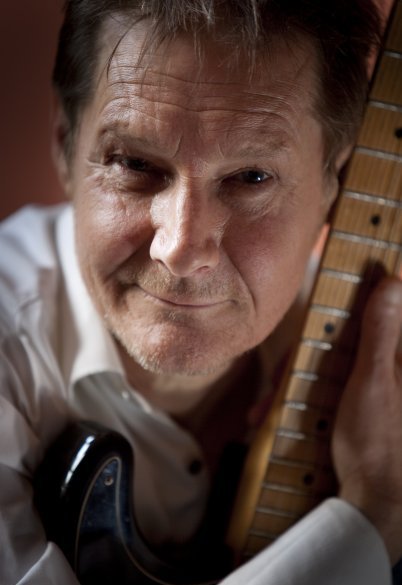
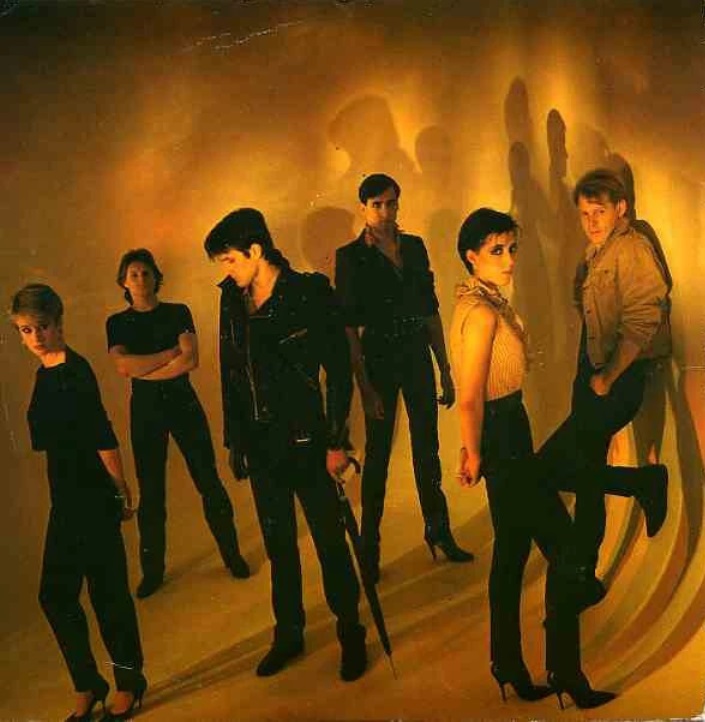
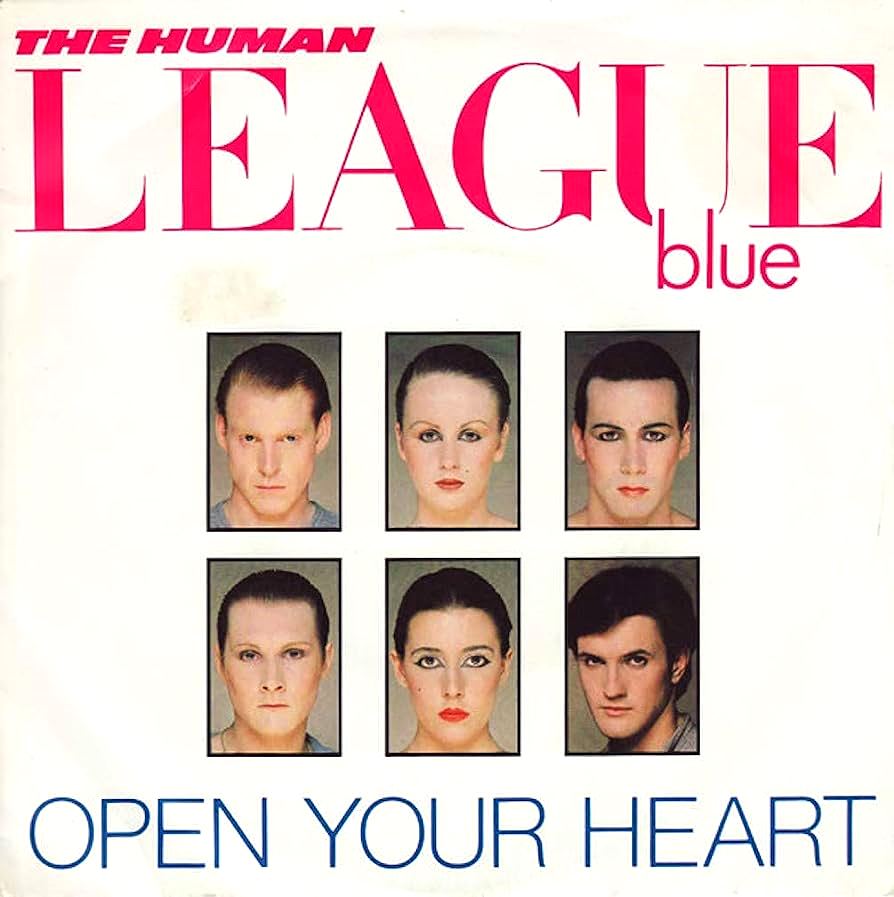
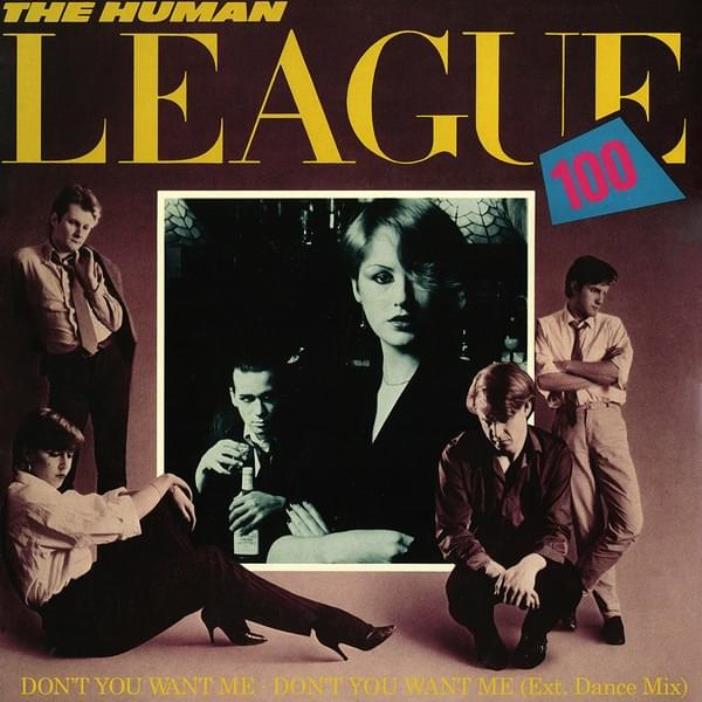
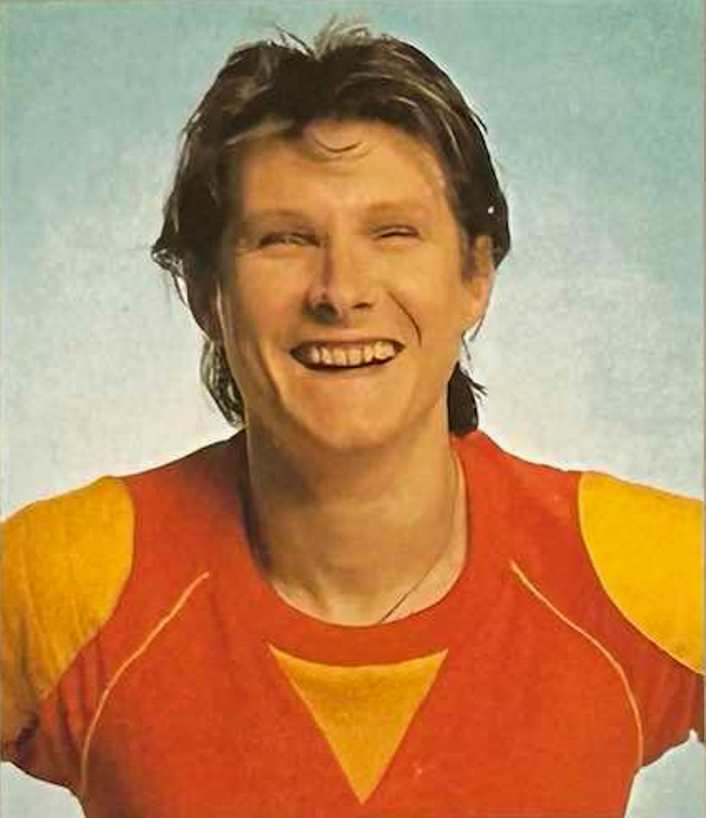
 in the book is an inconvenience of the fact that Phil Oakey didn’t want to talk to us, that was really disappointing. I was thinking “Do we even have a book without ‘Don’t You Want Me?’…?”; but then talking to Martyn Ware, he chatted about his beginnings with THE HUMAN LEAGUE. I realised ‘Being Boiled’ was the boiler plate for so many of the records that came afterwards; DURAN DURAN, OMD and Vince Clarke all talk about ‘Being Boiled’. So we may not have the story you expect with ‘Don’t You Want Me?’, but we have one of the beginning stories of the entire era.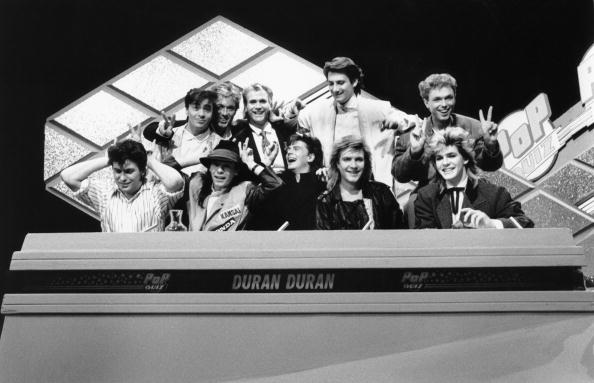
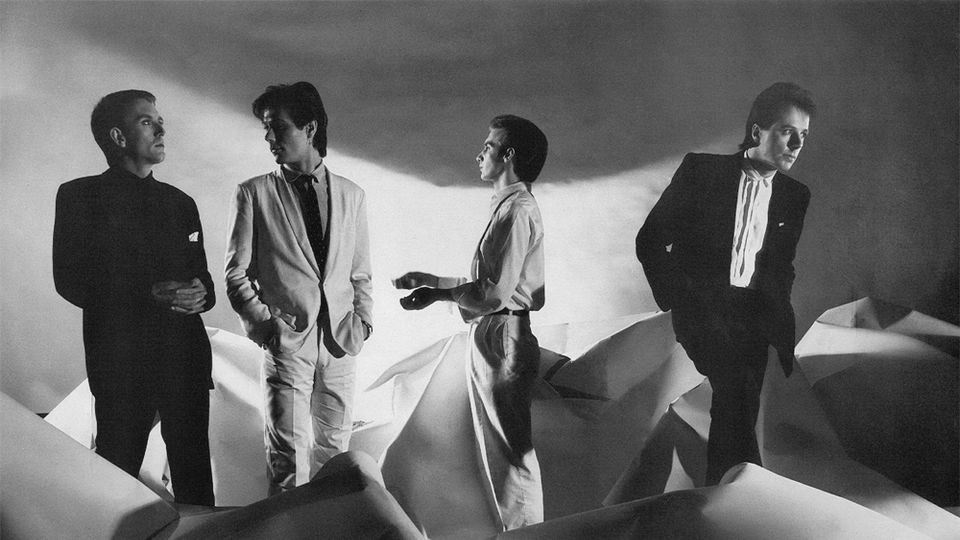
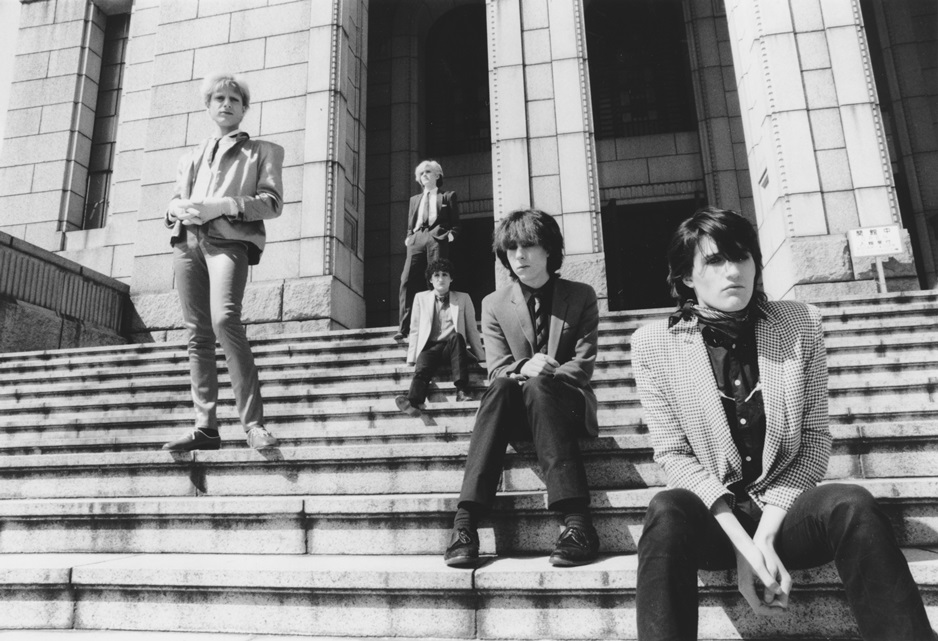
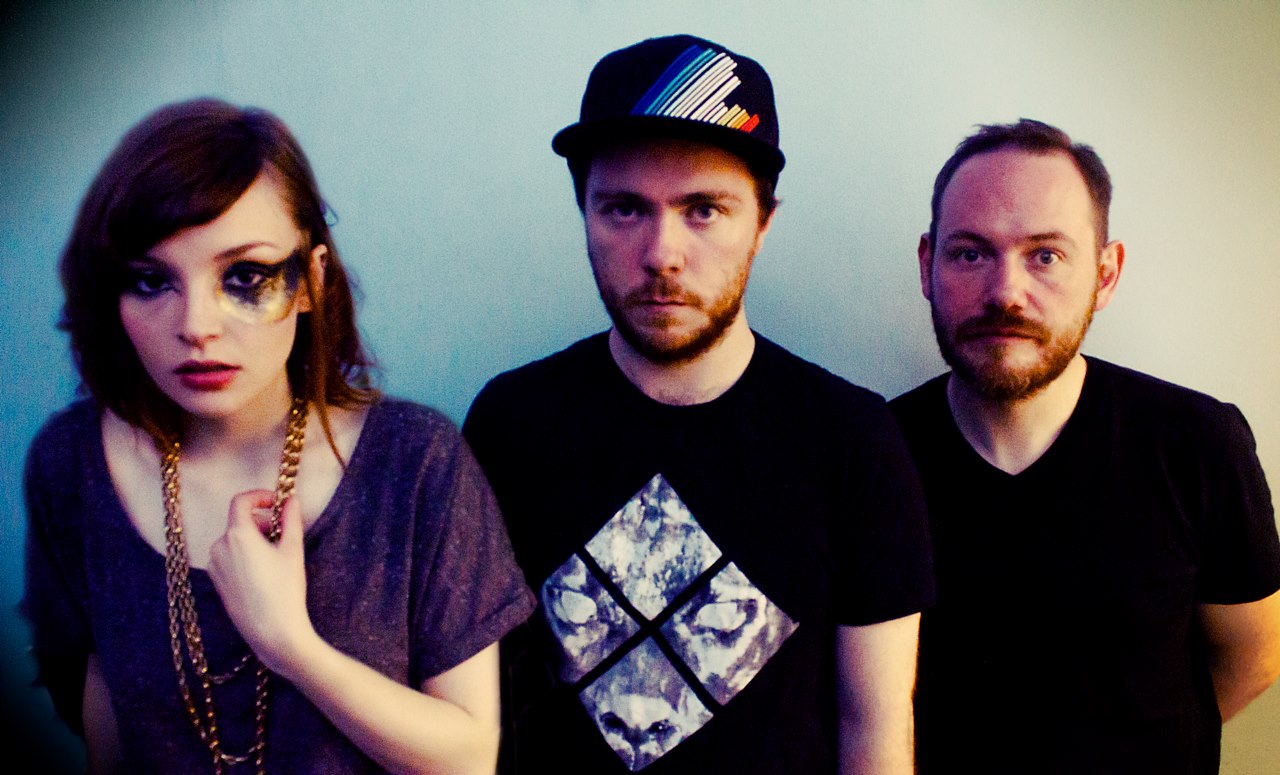
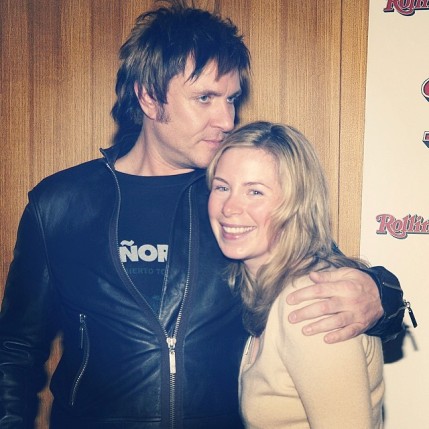
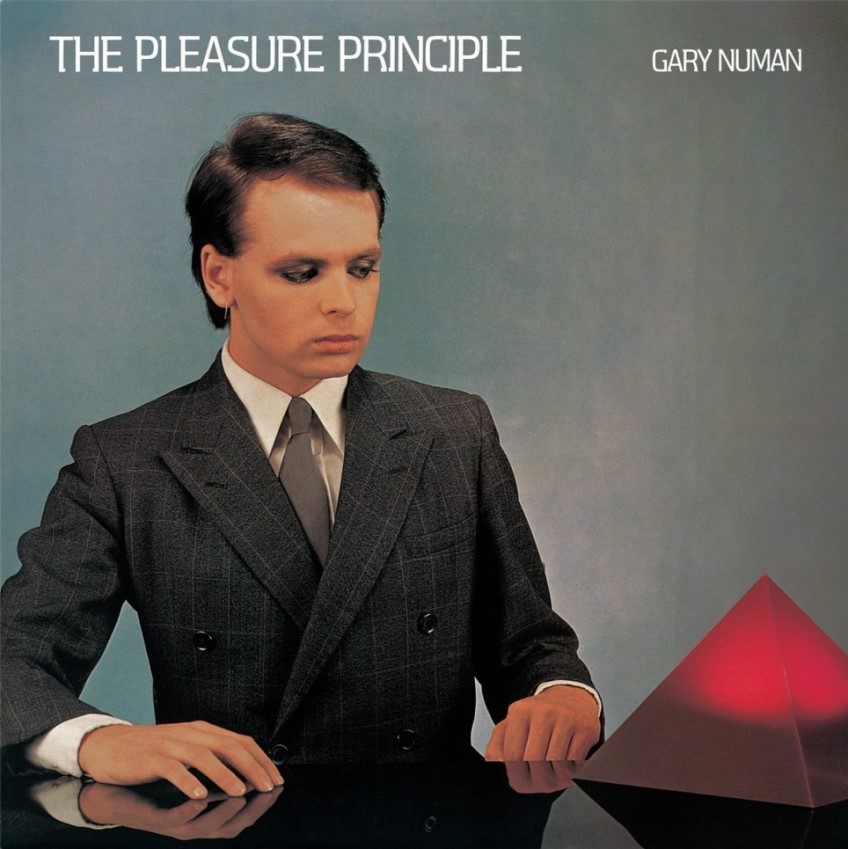
 via Beggars Banquet Records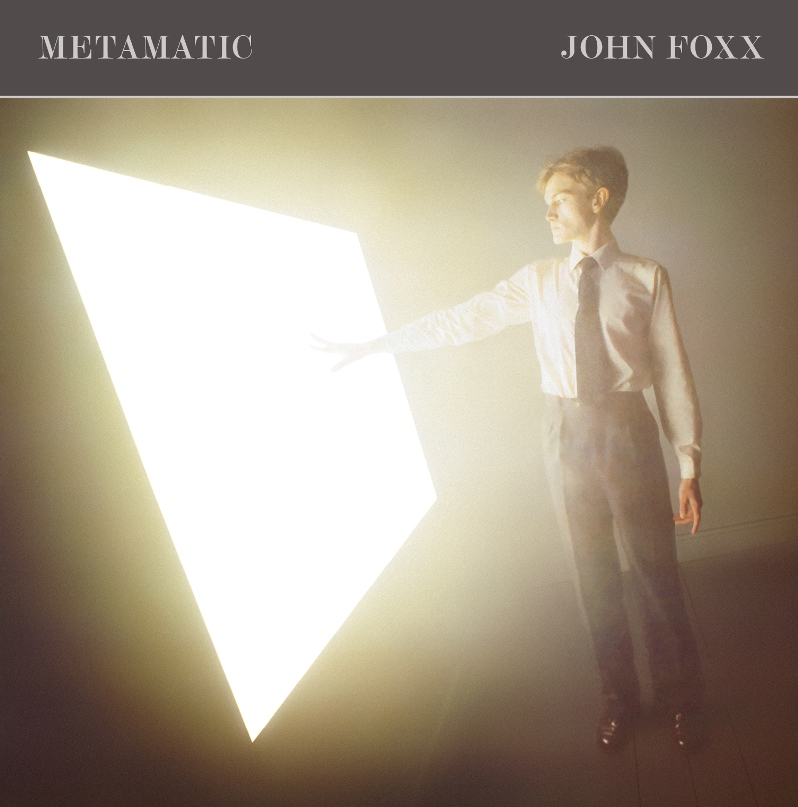
 via Edsel Records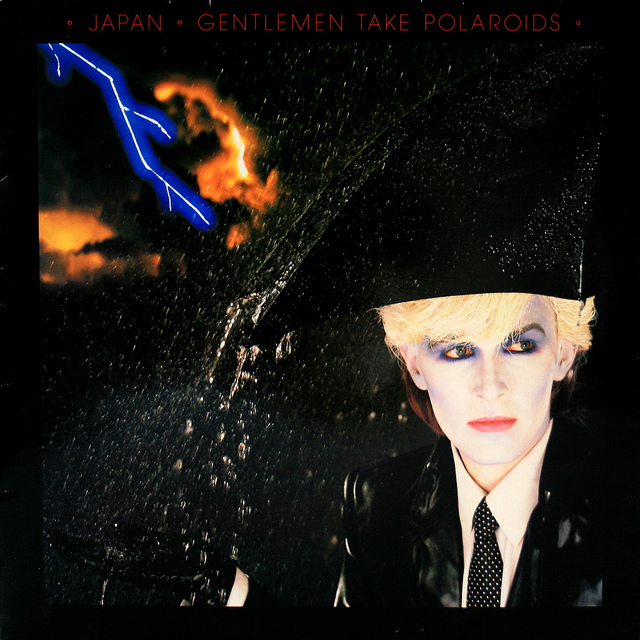
 via Virgin Records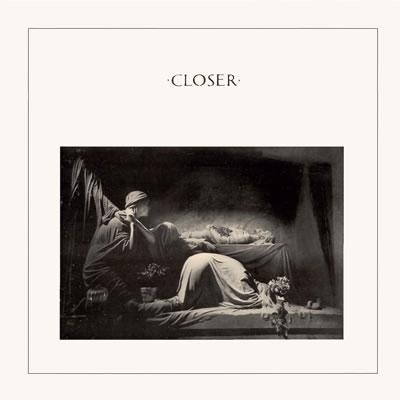
 via WEA Records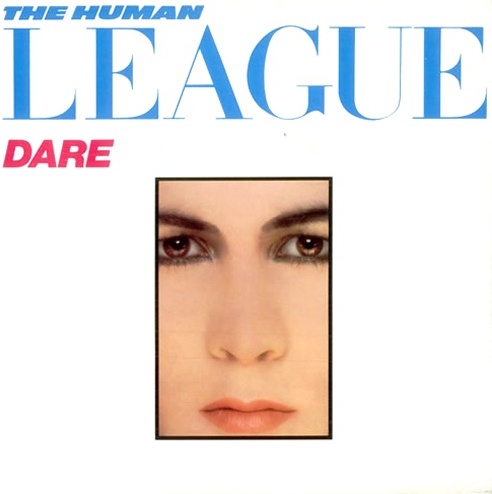
 via Virgin Records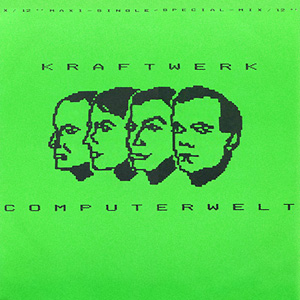
 via Mute Records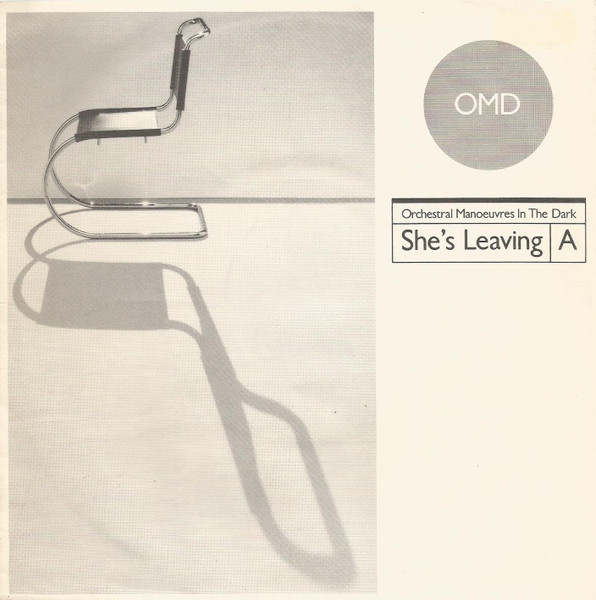
 via Virgin Records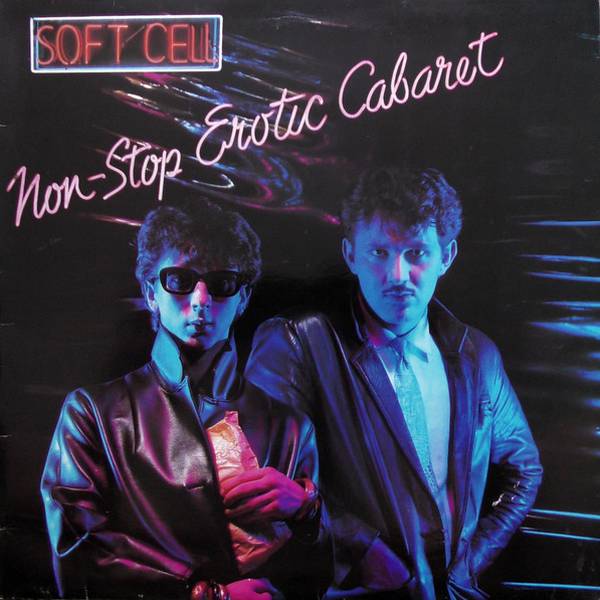
 via Universal Music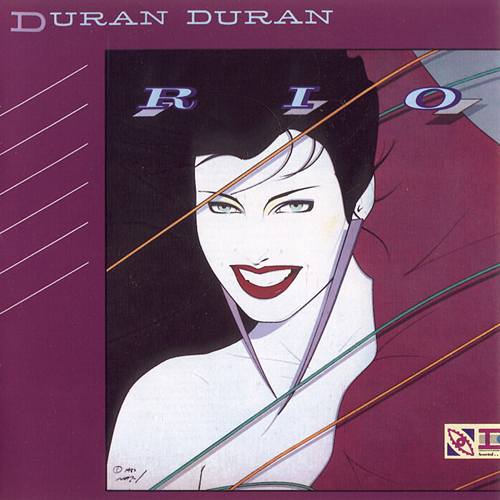
 via EMI Records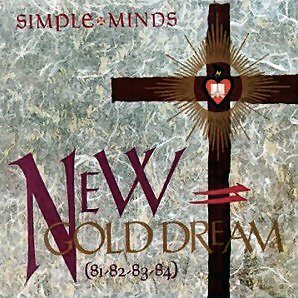
 via Virgin Records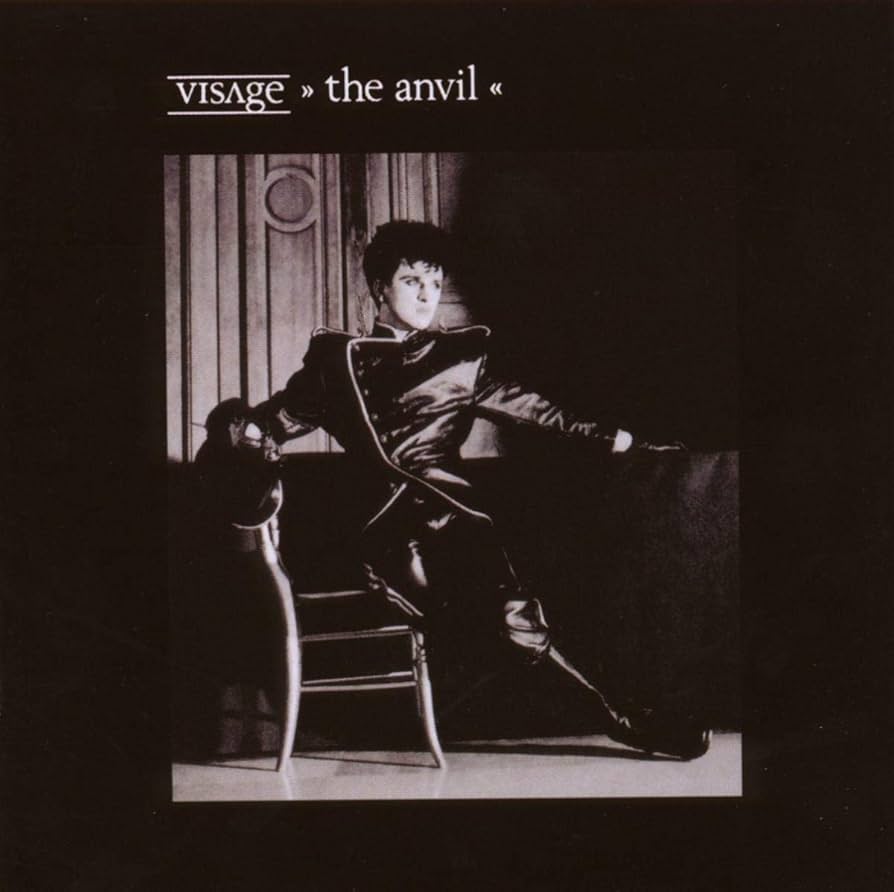
 via Cherry Pop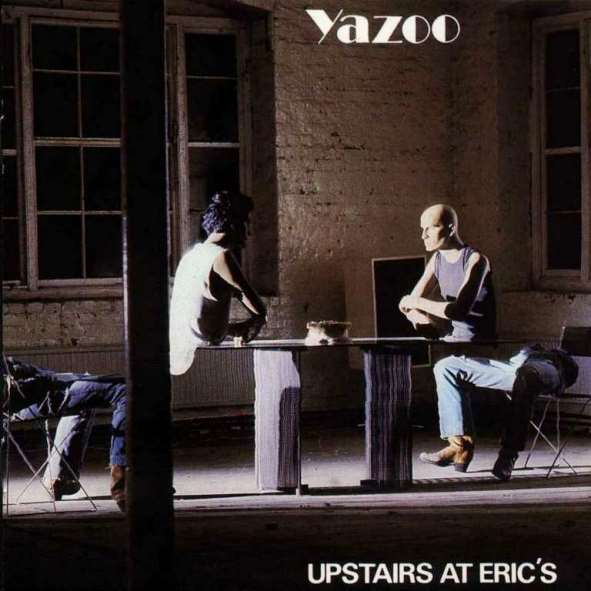
 via Mute Records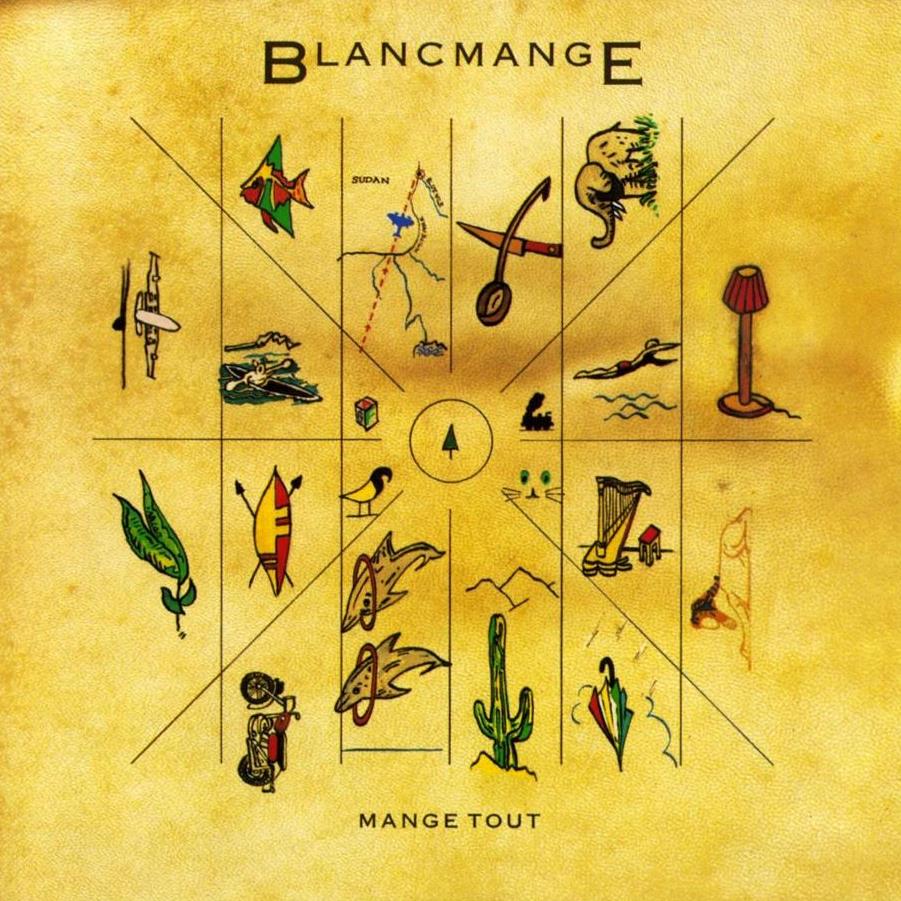
 via Edsel Records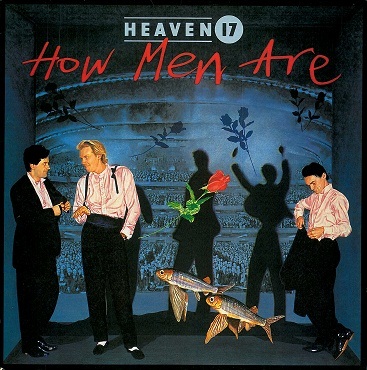
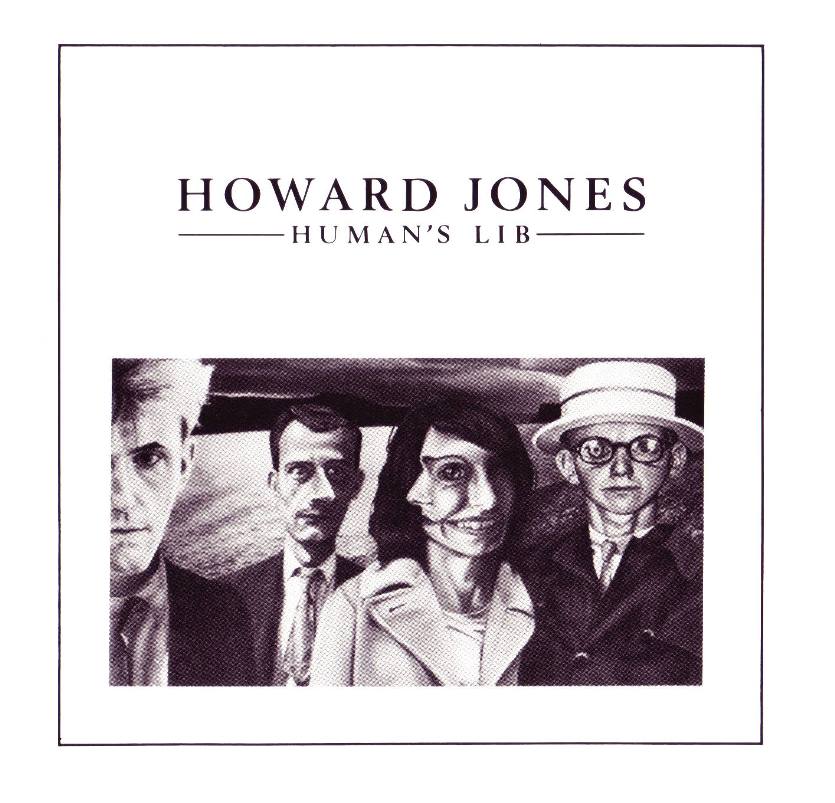
 via Cherry Red Records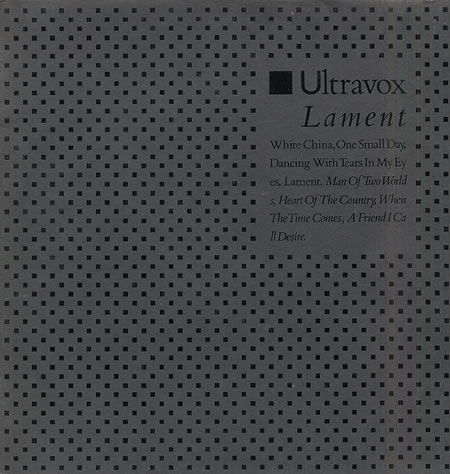
 via EMI Records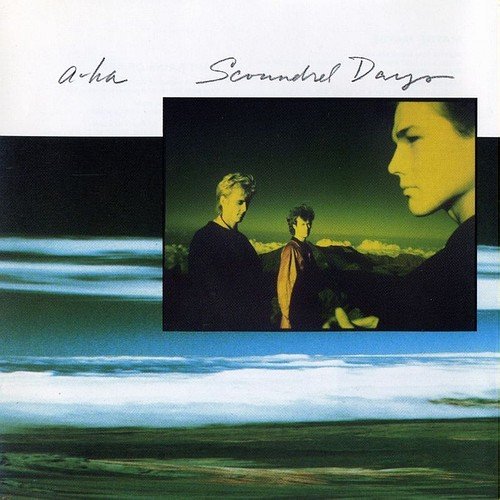
 via WEA Records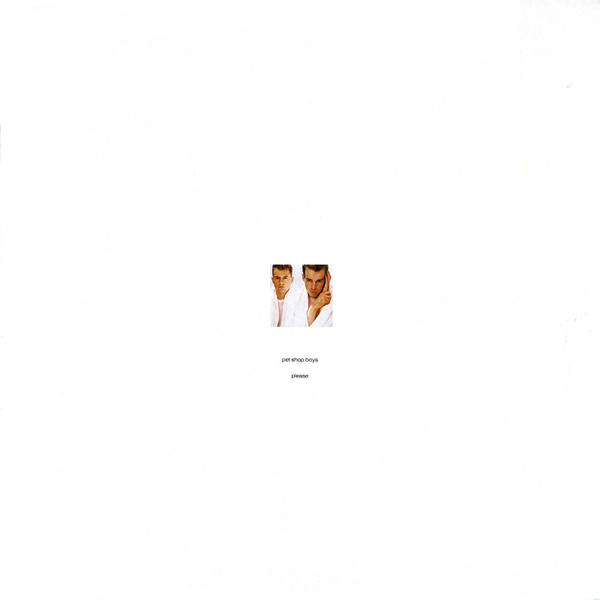
 via EMI Records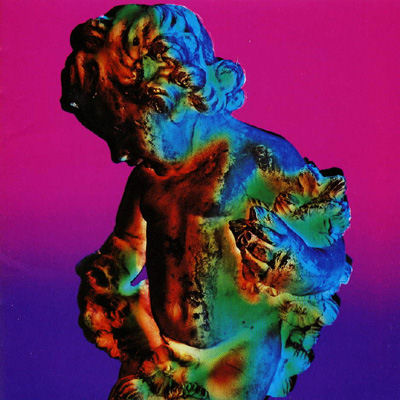
 via WEA Records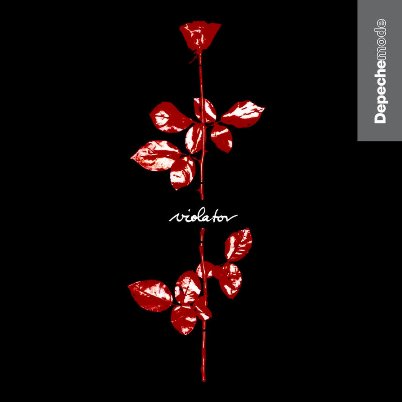
 via Mute Records
 via SPV Records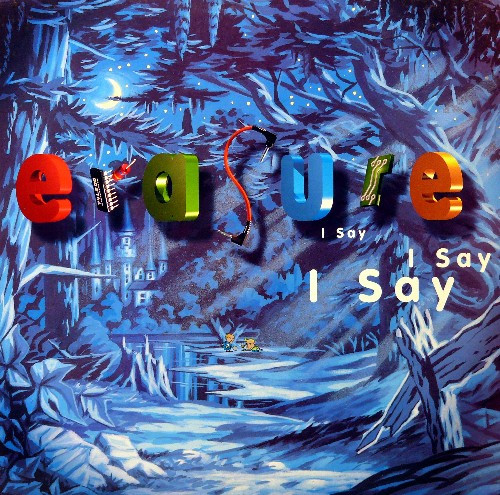
 via Mute Records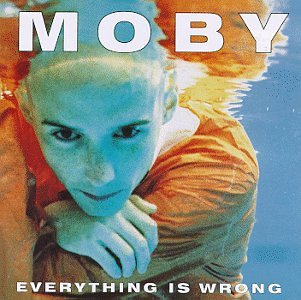
 via Mute Records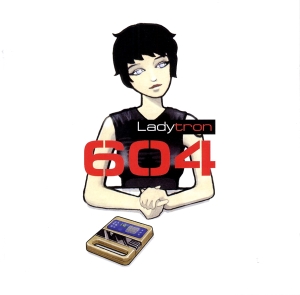
 via Nettwerk Records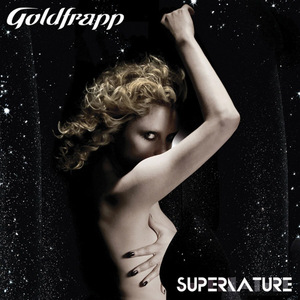
 via Mute Records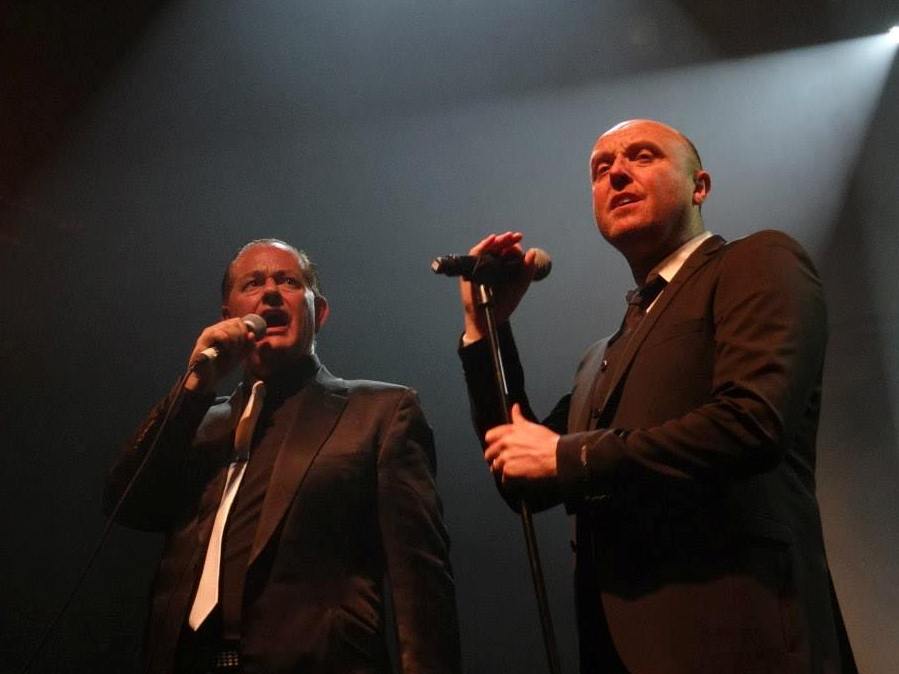
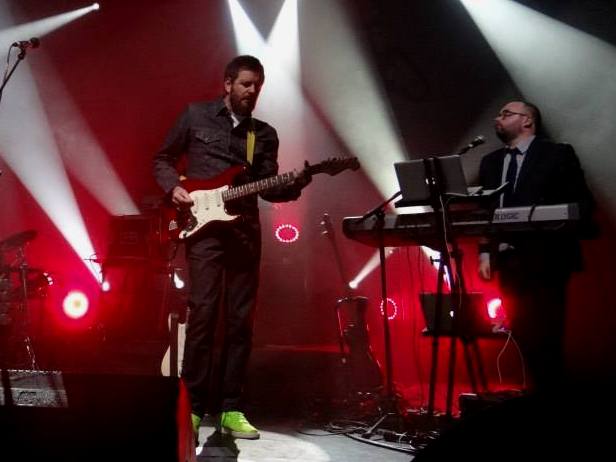
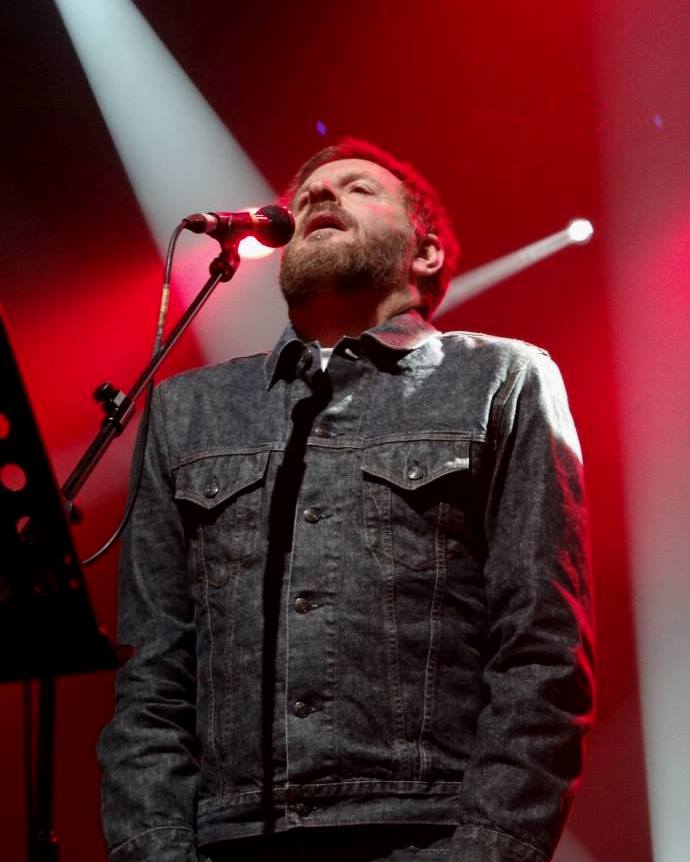
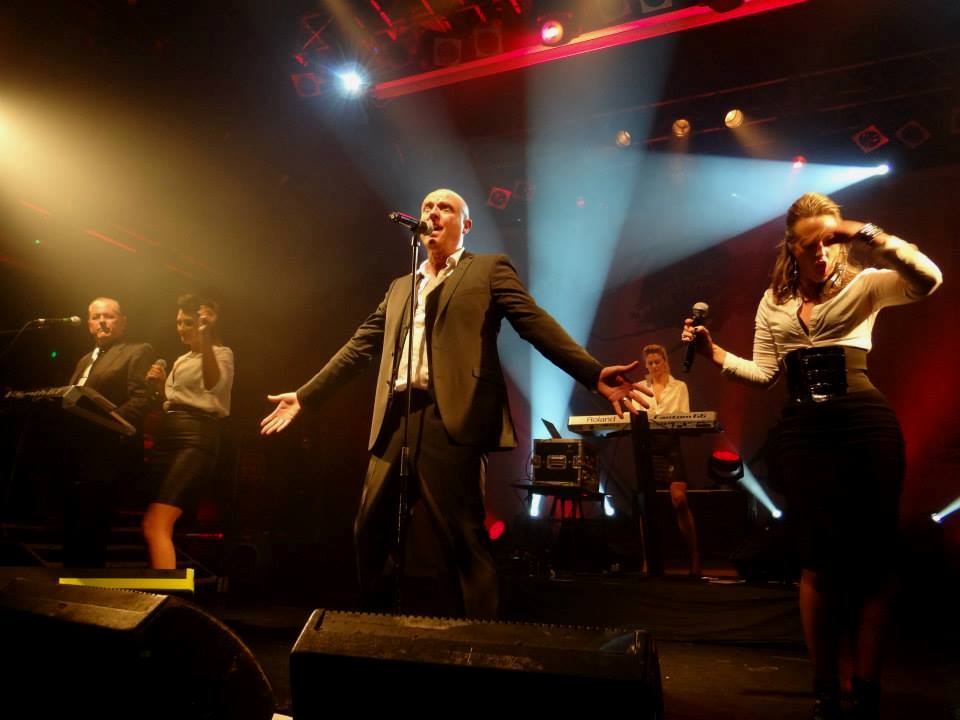
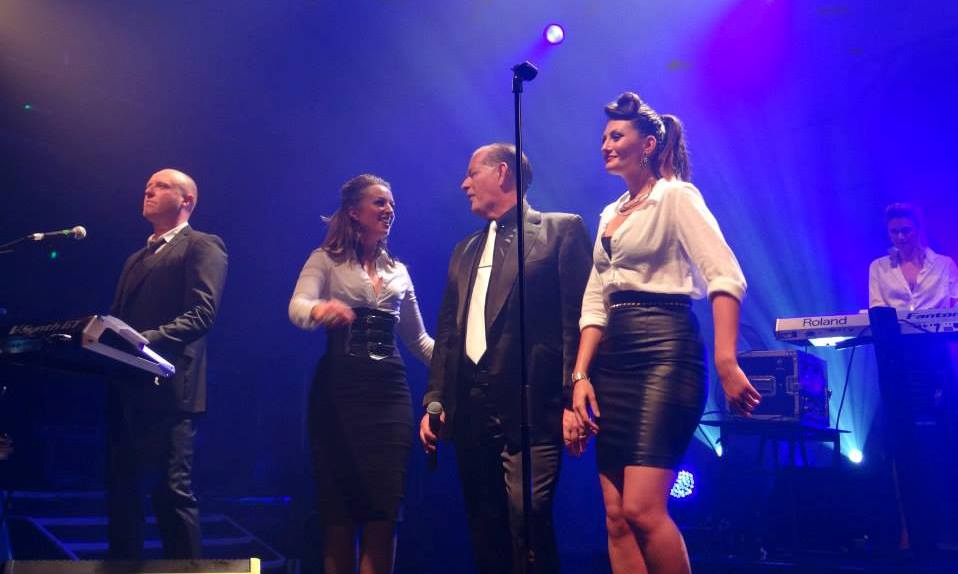
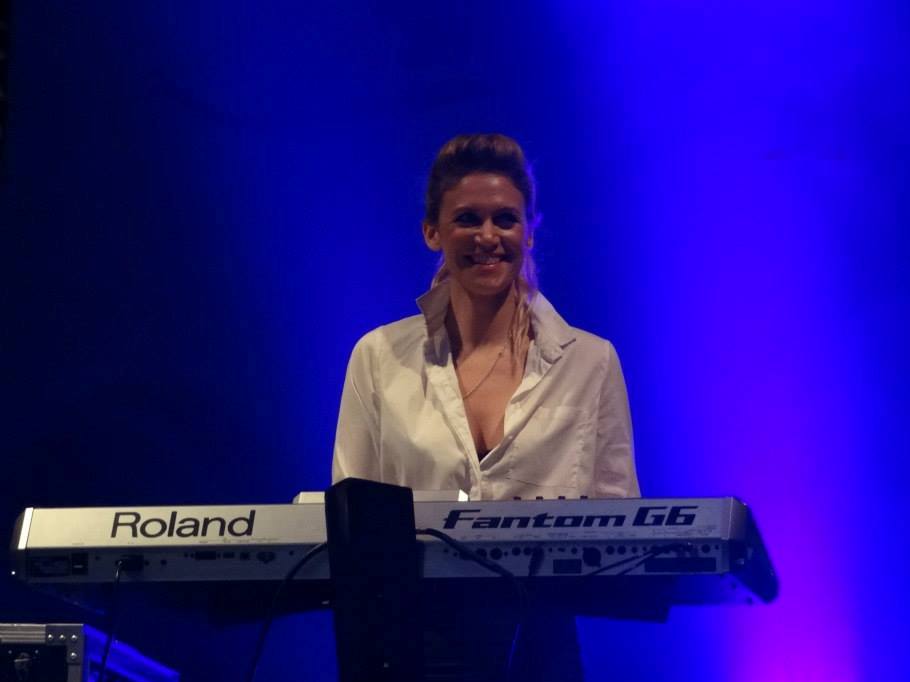

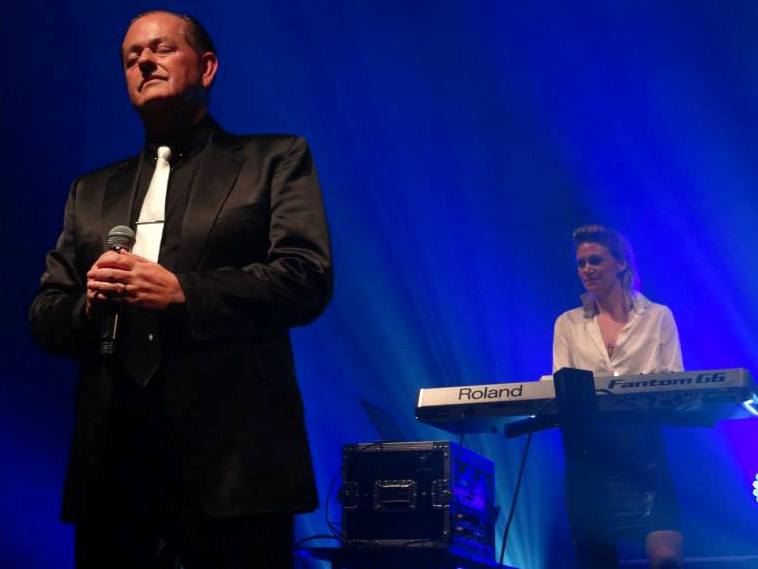
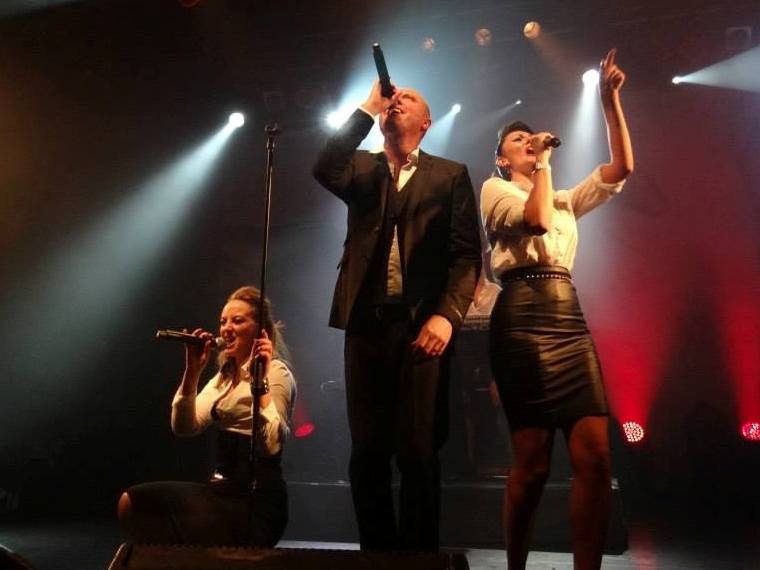
Follow Us!