“I don’t like country & western, I don’t like rock music… I don’t like rockabilly! I don’t like much really do I? But what I do like, I love passionately!!”: CHRIS LOWE
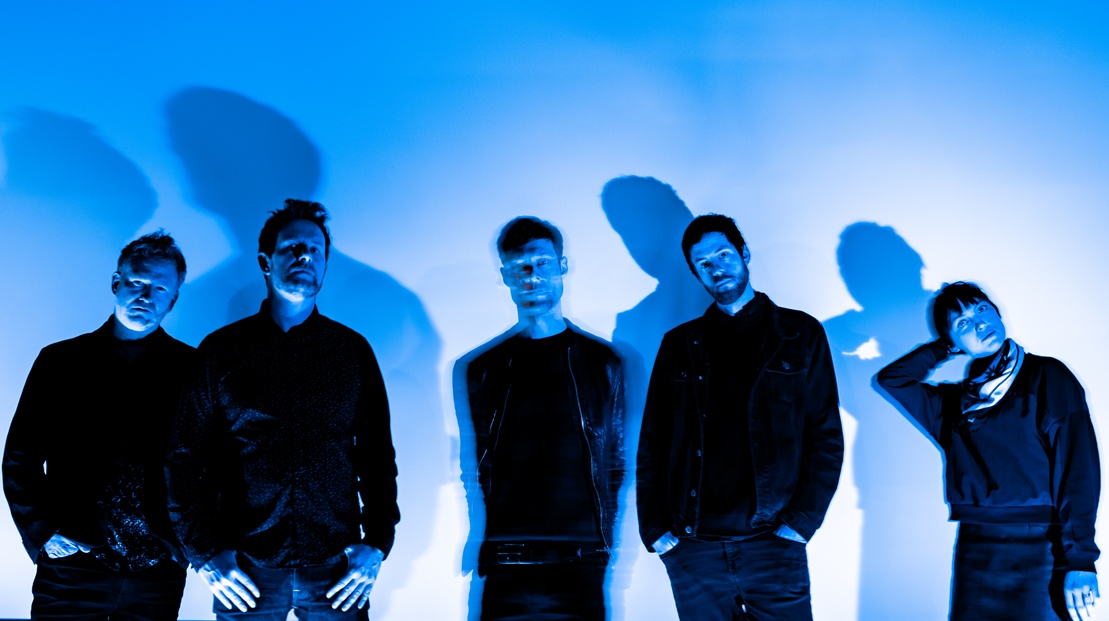
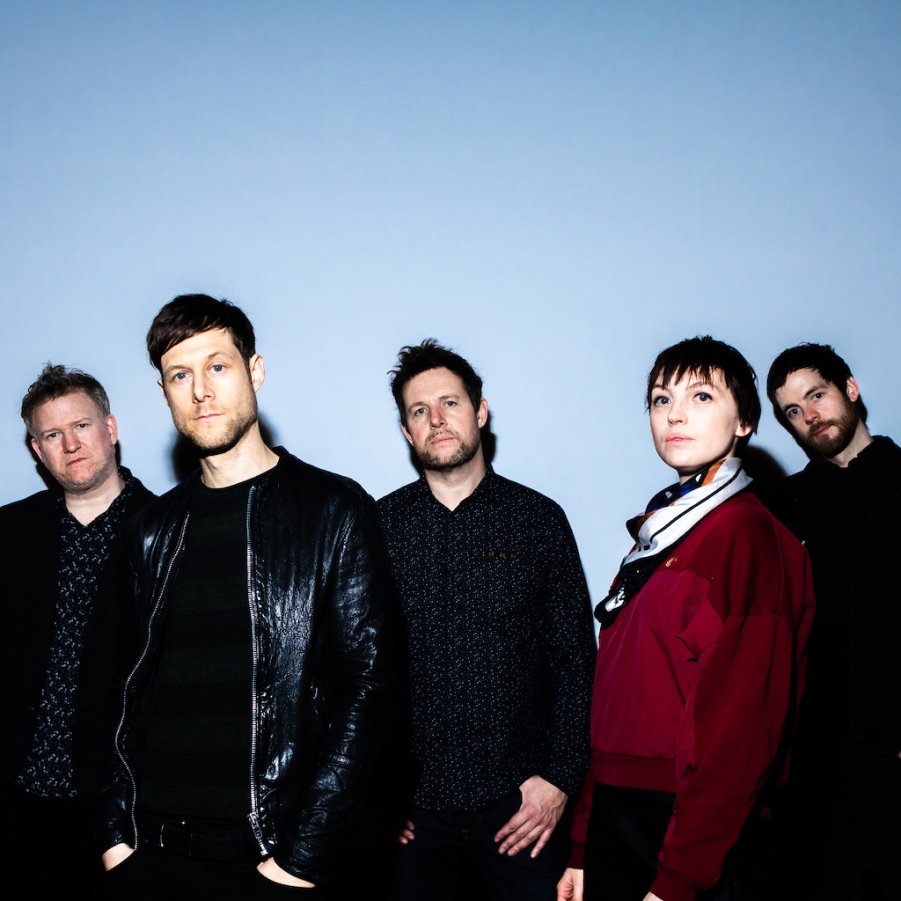
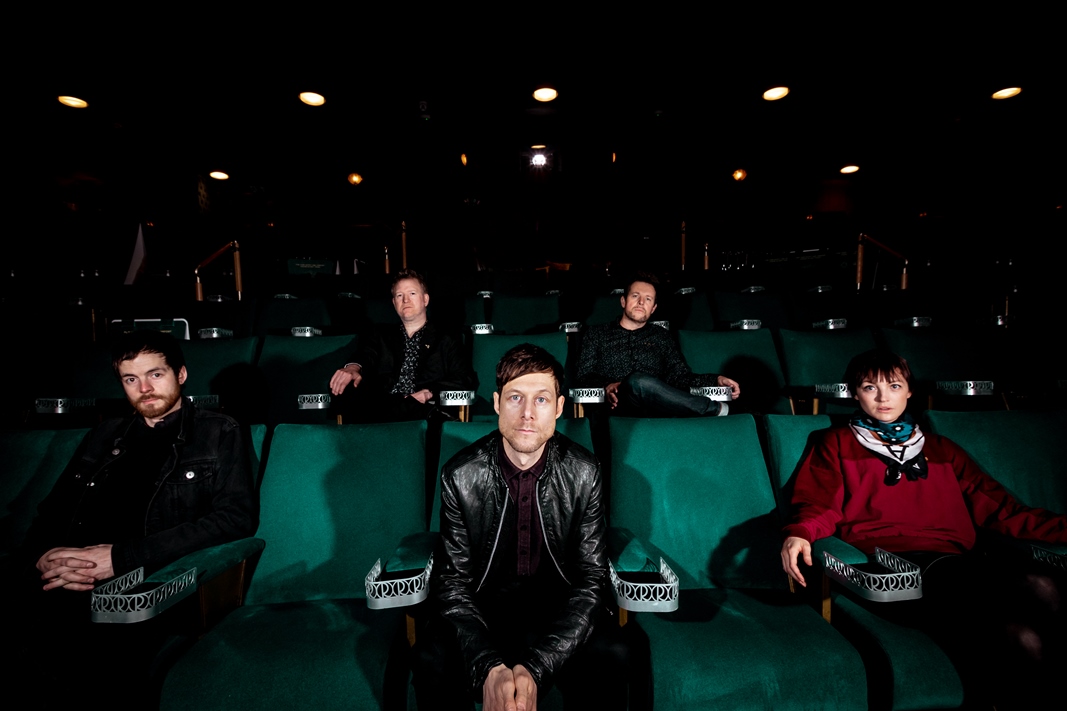
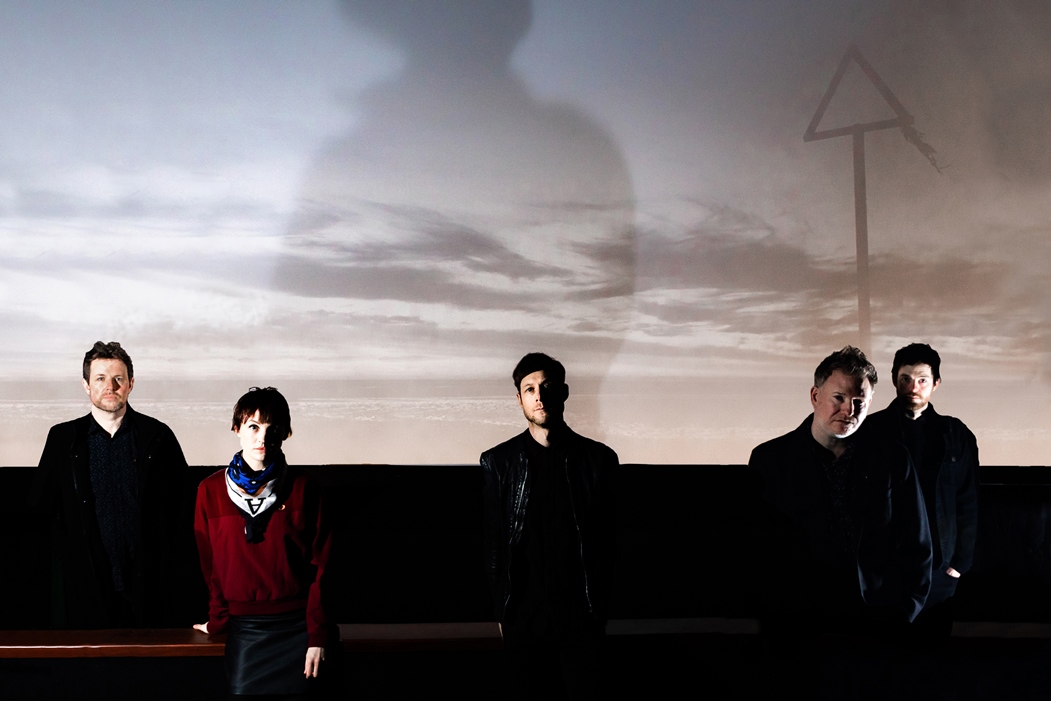
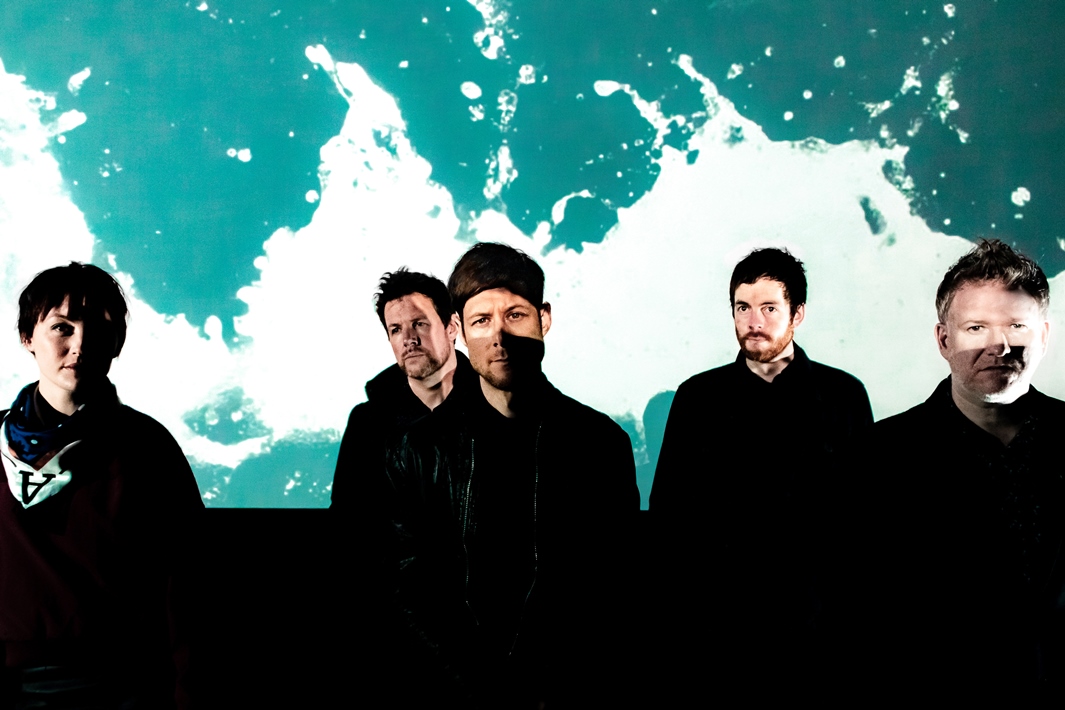
SEA FEVER are the new eclectic Manchester combo featuring second generation members of SECTION 25 and NEW ORDER, Beth Cassidy, Tom Chapman and Phil Cunningham.
Fronted by Johnny Marr band member Iwan Gronow, sticksman and BIMM Tutor Elliot Barlow completes the experienced quintet.
With their debut album ‘Folding Lines’ due out in the Autumn, SEA FEVER began their journey with the sombre indie rock of ‘Crossed Wires’. Meanwhile the ‘Folding Lines’ title song offered some orchestrated filmic drama.
However ‘De Facto’ was a delightful electro-disco feast with a rhythm rush that screamed strobelights and likely to fill indie club dancefloors while also crossing over to lovers of synth. Cut from a similar cloth if less frantic is the upcoming album cut ‘Le Coup’.
Overall, ‘Folding Lines’ is the sound of a band instinctively working together, exploring the music that inspired each band member to merge into a new whole. With the rousing new single ‘Under Duress’ breaking cover, Tom Chapman and Beth Cassidy chatted to ELECTRICITYCLUB.CO.UK about the making of the ‘Folding Lines’ album and the chemistry within…
So how does SEA FEVER differ from the other bands and projects you have been involved in?
Beth: This feels really different for me… the SEA FEVER set-up seems to flow in and out of these real intense periods of focus, working together, and then calmness.
Tom: SEA FEVER has a really good chemistry between all band members. We’re all on the same page musically and pushing forward in the same direction.
Did you set out to present a particular sound? In terms of direction, were you setting out any particular templates or did anything go?
Tom: I wanted to explore new sounds and unusual instrumentations for this album, I also experimented with sampling beats and noises to generate unusual rhythms throughout the LP, but the key thing was to deliberately push myself out of my comfort zone with the songwriting.
How would you describe the band creative dynamic?
Tom: I’ll usually come up with instrumental song demos that I will pass onto the rest of the band, it’s a collective effort and only sounds like a finished SEA FEVER song once everyone have added their musical parts. We took a road trip to France during the writing process before lockdown, the idea was to immerse ourselves into the creative process without any distractions, we packed out the studio and instruments and headed to Brittany, it was intense but very prolific, ‘Beleaguered Land’ and ‘The Finder’ came out of that trip.
Was there anything that was brought to the table that perhaps wouldn’t necessarily have been considered in another band or project?
Beth: I’m sure Tom had a vision in his mind of a set-up with two singers up front, working in tandem.
Tom: We made use of a choir on ‘Programme Your Life’ recorded at the Royal Northern School of Music in Manchester alongside a clarinet and a string quartet, I’d never tried anything like this previously on a song. A hammered dulcimer makes an appearance on ‘Folding Lines’, adding perfect tension and mood to the track. Phil experimented a lot with guitar sounds, he played his Gretsch through one of my synths on ‘Crossed Wires’.
One of the influences mentioned in the SEA FEVER playlist is Neil Young’s polarising ‘Trans’, what fascinates you about this record?
Tom: This is one of Phil’s choices, he is a big fan of Neil Young’s guitar playing and songwriting. I think he loves the fact it doesn’t sound anything like Neil Young’s previous releases, it sees him experimenting with vocoder on his vocals, it confused his fans at the time. Great album, a real hidden gem.
The new single ‘Under Duress’ has a particularly expansive sound with electronics, strings and anthemic vocal lines, had there been any particular inspirations here?
Beth: Iwan left these natural pauses throughout his vocal arrangement, so I filled them with subtle, sweeping harmonies. It seemed to balance things out really well. I was listening to Björk’s ‘Homogenic’ album at the time. It was the first track we all worked on together actually.
Tom: I am proud of that one and the way it turned out, a lot of thoughts went into it. One of the first ideas we worked on as a group, it was a good indicator of what was to come musically. It’s a beautifully crafted song with great lyrics and haunting melodies, great guitar work from Phil, and Elliot’s drumming is class, it perfectly captures the essence of a modern Mancunian Spaghetti Western soundtrack with a beat.
There are quite a few string orchestrations on the album like on ‘Built To Last’, but with everything going on, were these synthesized by necessity or were you able to assemble the real thing?
Tom: They are combined. We used a string quartet on the album to complement the orchestra sound.
There are a number of blinders on this album, the club friendly ‘De Facto’ with its electronic sequencing in particular, what was the genesis of this and how did you achieve the balance between dance and rock?
Tom: I think being part of NEW ORDER really helps for that! The writing of ‘Music Complete’ was a big learning curve for me as a songwriter and producer, I picked up a lot from the studio experiences acquired working with Tom Rowland from THE CHEMICAL BROTHERS and the rest of NEW ORDER, all this was applied on this record. I was locked in my studio for days programming the sequencing on ‘De Facto’ with one synth triggering another, it was a bit of an experiment but came out really good in the end! We didn’t want the final result to be a conventional structured song, it’s more a melodic beat and bass generator with the sole purpose of dragging you onto the dance floor!
Another track in a similar vein but less frantic is ‘Le Coup’ which sees Beth take the lead vocal and is a blend of many Mancunian influences, how did that come together?
Beth: Haha, slowly…! It was a labour of love, a marathon of edits, back and forth over email. We figured out the general vibe and main vocal melodies quite early on, but then the main structure evolved quite a bit over time.
‘The Finder’ captures a solemn Spaghetti Western feel, did influences from cinema come into play when making the record?
Tom: Majorly yes! I’ve always been a big fan of film scores from Bernard Hermann, Georges Delerue, Ennio Morricone, Ryuichi Sakamoto to name a few.
Which are your own favourites tracks from the ‘Folding Lines’ album?
Beth: ‘De Facto’ is a banger to play live, it’s fun and chaotic!
Tom: That’s a tough one ! I like them all. I think the album is very coherent from start to finish and the interplay between songs works really well.
SEA FEVER were able to film some live performances which are now acting as trailers for the album, do you see the concert setting as the best way to experience the band?
Beth: From the offset, we always set out to play our songs live, you go through the writing and production process in a new band, and you never think in a million years that you won’t physically be able to play live… it was such a weird time, and a real downer. We had all this new material that we were just sitting on for months! We’re dead excited to play our first actual gig….
Tom: Absolutely, we can’t wait to get out there and play some shows, songs take on a life of their own when played live. We keep evolving as a band in rehearsals and some of the song’s interpretations are now different, it keeps the creative juices going and makes it interesting for us as a band.
Have you been able to get out to view the ‘Use Hearing Protection’ Factory Records exhibition at the Manchester Science + Industry Museum?
Beth: Yeah, it felt like a really comprehensive exhibition, unreleased posters I’d never seen before, loads of hand written ramblings, one of the Factory envelopes on display has my first home address scrawled across it… one person’s junk is another person’s treasure!
Tom: Not yet, it’s on the “to do” list!
It’s been a tough 18 months for many, what are your hopes and fears for the future?
Beth: I hope we can all enjoy live music and other arts events together soon. That beautiful connection you have with other people when you’re experiencing something live together in that moment, it’s priceless, it’s like therapy for me. To watch and to play.
Tom: The last 18 months have been tough for many reasons, the lack of interest and support shown by the government regarding The Arts in general has added to the frustration to be honest! But on the positive side, it’s shown us that music plays a big part in people’s daily lives. Being a lockdown band or “Rockdown” as I like to call it without doing gigs has been a challenge to say the least, But musicians are resilient and where there’s a will there’s a way. My hope is that when things open up and gigs are fully allowed again, people will go mad for it!
What is next for SEA FEVER? Will this just be a one-off adventure or will there be more music?
Beth: We’re not going anywhere…. already writing new material!
Tom: One of the good things that came out of these lockdowns was the amount of time we got to spend in the studio writing and being creative, album number two is done, next is recording it. Loads more to come from us…
ELECTRICITYCLUB.CO.UK gives its sincerest thanks to SEA FEVER
Special thanks to Federica Furlotti at Kartel Music Group
‘Under Duress’ single is out now via Kartel Records, ‘Folding Lines’ is released on 22nd October 2021 – pre-order the album ‘Folding Lines’ from https://seafever.lnk.to/foldinglines
SEA FEVER will play Manchester Night & Day Cafe on 13th August 2021, the evening will also feature a DJ set by Stephen Morris and Gillian Gilbert – tickets available from https://www.gigantic.com/sea-fever-tickets
“Change – I don’t care what other people say, I know everything will be okay…”
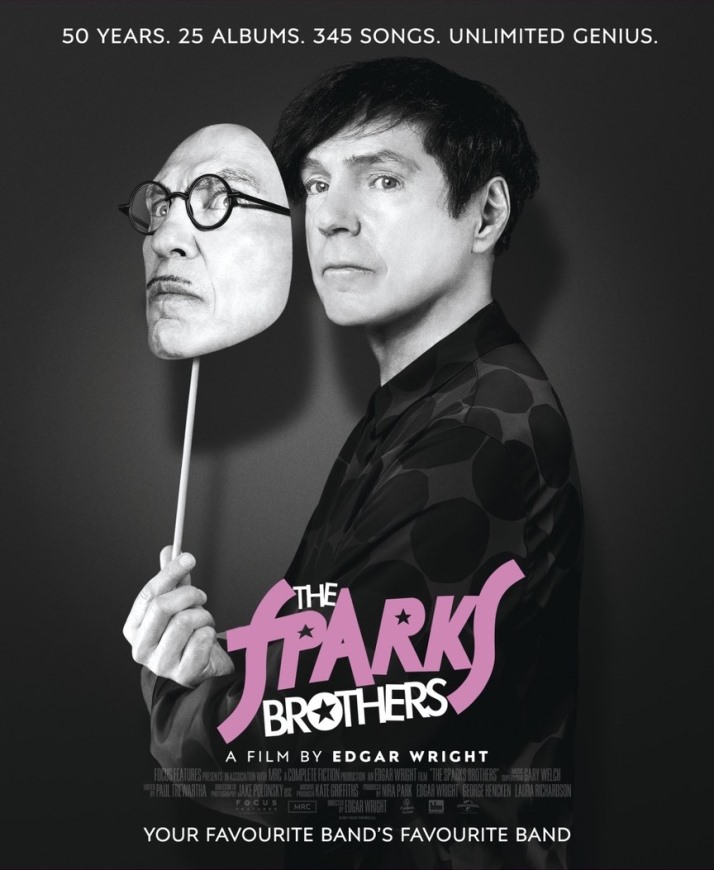
The legacy of American sibling duo SPARKS has been celebrated in ‘The SPARKS Brothers’, a new documentary film directed by Edgar Wright. As can be expected from the man behind ‘Shaun Of The Dead’, ‘Hot Fuzz’ and ‘The World’s End’, Wright’s delightful film captures the deadpan wit and sarcasm of the Mael Brothers, while illustrating their serious but artistic pursuit of fun.
Born in Los Angeles of Austro-Russian Jewish heritage, Ron and Russell Mael excelled at sports but opted for more artistic studies at UCLA while harbouring ambitions in music, driven by their love of British bands such as THE BEATLES, THE KINKS and THE WHO.
In a 50 year recording career that has taken in art rock, operatic glam, nouveau swing, electronic disco, new wave, Eurodance, orchestrated pop, theatrical indie and soundtracks, SPARKS have an array of musicians who cite them as an influence. So it is no surprise that the cast of contributors to ‘The SPARKS Brothers’ include Vince Clarke, Andy Bell, Rusty Egan, John Taylor, Nick Rhodes, Stephen Morris, Gillian Gilbert, Martyn Ware, Nick Heyward, Steve Jones, Alex Kapranos, Bernard Butler, Jack Antonoff, Thurston Moore, Björk, Flea, Beck, Jane Wiedlin, Weird Al Yankovic and many more…
Featuring the Maels themselves and previous producers Todd Rundgren, Muff Winwood, Tony Visconti and Giorgio Moroder alongside former bandmates like Christi Haydon, Ian Hampton, Earle Mankey, David Kendrick, Les Boheme, Tammy Glover and Steve Nistor, humorous animations by Joseph Wallace visualise the stories not captured in the magnificent archive footage assembled for the documentary.
SPARKS had originally been HALFNELSON whose Todd Rundgren produced debut was released on the Warners subsidiary Bearsville Records, founded by Bob Dylan’s former manager Albert Grossman. Despite containing the lyrically prophetic ‘Computer Girl’, the album had not sold well but keen to exploit the Maels image, Grossman suggested they should rename themselves ‘The SPARKS Brothers’ after the comedy siblings Marx. Ron and Russell hated the idea but compromised and changed their name to SPARKS.
The HALFNELSON album was repackaged and reissued in 1972, with ‘Wonder Girl’ lifted as a single and gaining a prestigious TV slot on ‘American Bandstand’. This led to interest from UK promoters and a Warners sponsored tour which included a residency at The Marquee in London.
But following an appearance on BBC2’s ‘Old Grey Whistle Test’ performing ‘Wonder Girl’, presenter Bob Harris was unimpressed and said SPARKS were the worst thing he had ever seen… this was the same esteemed music expert who had poured scorn on ROXY MUSIC a few months earlier and later called NEW YORK DOLLS “mock rock”!
However, this ultimately provoked even more fascination in the quirky brothers among British youth with queues around the block for their shows at The Marquee. One of the support acts was QUEEN who were undoubtedly taking notes from the side of the stage, particularly with Russell Mael’s bursts of falsetto within a traditional rock format.
The first SPARKS album proper was 1973’s ‘A Woofer in Tweeter’s Clothing’ and included ‘Girl From Germany’ with its narrative about a Jewish boy taking his new Mädchen to meet his shocked parents, perhaps reflecting the brothers’ own lives and conflicts. But the continuing indifference towards Ron’s Dadaist expressionism and Russell’s unusual vocal articulation in their homeland led to the Maels leaving America and uprooting to the UK to find fame and fortune after extracting themselves from the Bearsville deal.
Signing almost immediately to Island Records thanks to championing by Muff Winwood (brother of Steve), SPARKS recruited a new British backing band where the audition adverts required: “a really good face that isn’t covered by a beard”; one of those who did not pass the audition was Warren Cann, later to join ULTRAVOX. But eventually recruiting Dinky Diamond (drums), Adrian Fisher (guitars) and Martin Gordon (bass), the newly configured quintet recorded the now classic album ‘Kimono My House’ which included ‘Here In Heaven’ and ‘Falling In Love With Myself Again’ among its highlights.
Inspired by Ron Mael’s love of Westerns and playing out the breakdown of a relationship as a histrionic Bach-driven gunfight, ‘This Town Ain’t Big Enough For Both Of Us’ was chosen as the album’s launch single and a now iconic appearance on ‘Top Of The Pops’ in May 1974 sent the single stratospheric.
One of those enthralled was Glenn Gregory of HEAVEN 17: “Obviously ‘This Town Ain’t Big Enough For The Both Of Us’ was and still remains one of the quirkiest and best songs ever… and the 1974 Top Of The Pops appearance was truly sublime, Russell, preening and looking beautiful, his older brother Ron looking like it was his first trip outside his bedroom in several years, it was mesmerising and I loved it”.
Rob Dean, guitarist of JAPAN recalled: “I first saw SPARKS on OGWT in ’72. They were interesting, quirky and certainly different but it wasn’t until ‘This Town Ain’t Big Enough For Both Of Us’ was on TOTP that their true focus and talent shone through. Here was a song (and a band) so unique and undeniably fresh that it was just irresistible-it still is. It just exploded out of the TV”
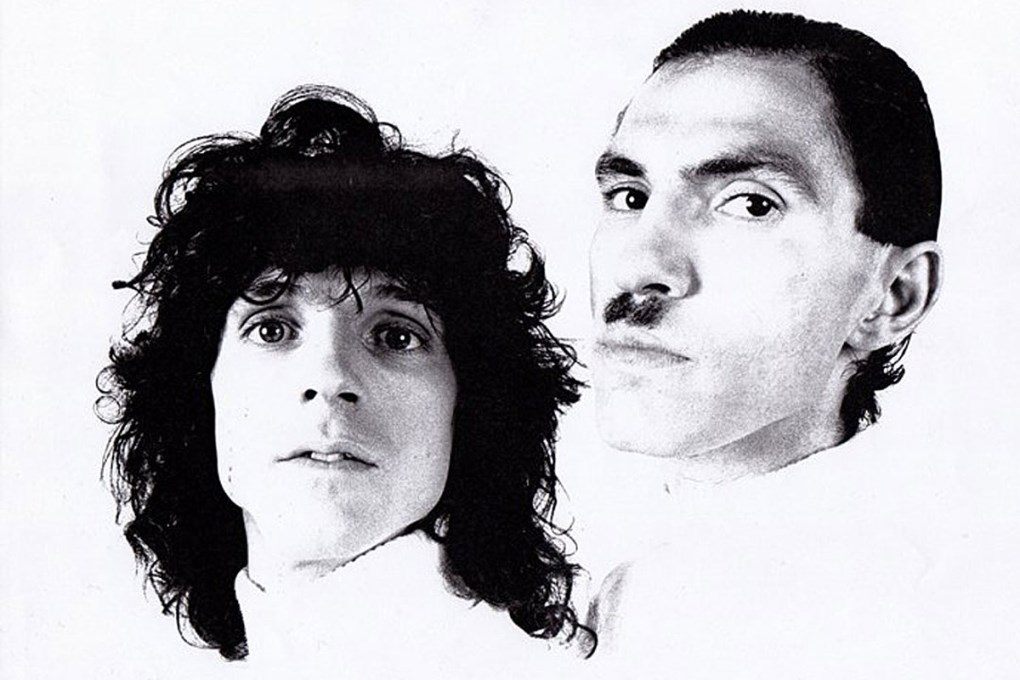
Who wasn’t frightened to death by the snarling stares of Ron Mael with his Charlie Chaplain moustache sitting motionless behind his RMI Electra-piano? But while his facial hair had been a feature for a number of years, the cutting of his naturally curly locks, now greased back, presented something a lot more sinister with possible references to The Third Reich. With the Maels being of Jewish descent, this was unlikely to have been a deliberate act of provocation; Ron Mael was to state his naivety in adopting such a look and years later would reshape his moustache accordingly.
But with stories circulating that John Lennon phoned Ringo Starr to tell him that “Marc Bolan is playing a song with Adolf Hitler!”, they surely would have been aware of the outrage that had been caused with 15 million people watching on that Thursday evening. However, with Russell’s good looks and animated stage presence, SPARKS gained themselves a screaming teenybopper audience and the appealing ‘Amateur Hour’ followed ‘This Town Ain’t Big Enough For Both Of Us’ into the UK Top10.
To maintain the upward momentum, SPARKS were quickly despatched to record the next album ‘Propaganda’, but discontent was already brewing with Adrian Fisher and Martin Gordon leaving the band. Brian May was invited to join but with QUEEN making progress having had a hit with ‘Killer Queen’, he declined and the void was filled by Trevor White and Ian Hampton from the band JOOK.
From ‘Propaganda’, ‘Something For The Girl With Everything’ and ‘BC’ provided thrilling staccato stomps, but the beautiful synth laden ballad ‘Never Turn Your Back On Mother Earth’ pointed to environmental concerns and was later covered by Mary Hopkin, Martin Gore and Billy MacKenzie.
This was all at the height of SPARKS-mania and superbly documented at what was to be the final British concert of their Island period at Croydon Fairfield Halls in September 1975. The show turned into exuberant chaos when girls rushed the stage and tackled Russell to the ground while Ron, who trying his best to maintain his stoic stance, was even accorded an embrace.
This was undoubtedly the end of an era as the Tony Visconti-produced ‘Indiscreet’ released in October 1975 proved. Those girls who had rushed the stage in Croydon were undoubtedly peeling their posters off the wall as they were treated to this bizarre collection of songs such as the strident marches of ‘Hospitality On Parade’ and ‘Get In The Swing’. Meanwhile ‘Looks Looks Looks’ with its backing by elderly jazz swing musicians and the string quartet laden ‘Under The Table With Her’ may have been the final straw.
Getting homesick, the Maels dissolved their British band to move back to the US in 1976 and delivered the AOR focussed ‘Big Beat’. Working with Rupert Holmes, he of ‘The Pina Colada Song’ and producer of Barbra Streisand, it was largely met with indifference. This period in the artistic doldrums was summed up by SPARKS’ appearance performing ‘Fill-Er-Up’ and ‘Big Boy’ in 1977’s ‘Rollercoaster’, a disaster movie starring George Segal. It was a disaster in more ways than one and the ironically titled ‘Introducing’ album did little to change fortunes.
In a creative rut and seeking a new direction, the Maels opened their ears to the burgeoning electro-disco sound as heard on Donna Summer’s ‘I Feel Love’ and were put into contact with its producer Giorgio Moroder by a journalist in Los Angeles.
The idea of fusing electronics with the neo-operatic songs of SPARKS was intriguing, so Moroder set to work with them immediately, the tremendous propulsive result being ‘The No1 Song In Heaven’. Released in March 1979, it reached No14 in the UK charts, actually a few months before TUBEWAY ARMY’s ‘Are Friends Electric?’ which is often been seen as the cultural turning point for the synthesizer.
Having worked with Moroder himself, Rob Dean recollected: “After two disappointing albums, hearing that they had recorded with Giorgio Moroder was welcome news as I was already a fan through the brilliant ‘I Feel Love’ and the ‘Midnight Express’ soundtrack. When I heard ‘The No1 Song In Heaven’, it was gratifying to hear that the band’s integrity had been left completely intact, and it was another high watermark in their career. It was a more successful collaboration both commercially and artistically than JAPAN’s own ‘Life In Tokyo’ I think.”
Featuring just six tracks, the parent album ‘No1 in Heaven’ released on Virgin Records featured an embarrassment of riches including an even bigger hit in ‘Beat The Clock’ and the cosmic ‘Tryouts For The Human Race’, while ‘Academy Award Performance’ would have made a great single.
“My favourite SPARKS track is, well actually, two songs together really, ‘My Other Voice’ segued into ‘The No1 Song In Heaven’” said Glenn Gregory, “I have a fantastic memory of a bonfire night in 1979. Martyn Ware and I had taken some magic mushrooms and walked around a fairground immersed in colour and light, embraced by voices and sounds, a wonderful experience. Then as the fireworks climaxed, we were stood by the waltzer and ‘The No1 Song In Heaven’ was blaring out through the speakers… we both saw God at the same time, we went back to Martyn’s flat and had that album on repeat for the rest of the night.”
“The ‘No.1 In Heaven’ period is my SPARKS” explained Peter Fitzpatrick of CIRCUIT3, “They’re like Doctor Who aren’t they? Everyone has their version of them. Pirate radio in Dublin played SPARKS constantly in the spring and summer of 1979. With Gary Numan appearing around the same time, it became normal to have these odd looking people on TOTP playing electronic keyboards”
It was during their TV appearances promoting singles from ‘No1 In Heaven’ that SPARKS invented the synth duo. While Russell’s flamboyant falsetto fitted in well with the electro-disco sound and inspired movement, the throbbing programmed backing meant Ron could maintain the impression he was “doing nothing” and appearing unhappy about it. As Vince Clarke put it in ‘The SPARKS Brothers’: “There’s myself, the guy from the PET SHOP BOYS, and DURAN DURAN… we’re all miserable f*ckers; it’s a look which we just stole from SPARKS!”
Virgin Records pulled out all the stops with releases pressed in different colour variations. But despite the artistic rejuvenation and chart hits for SPARKS, the ‘No1 In Heaven’ album did not sell well. The Maels had perhaps been overshadowed by the success of Gary Numan, but it was possible that the singles focussed disco audience who had crossed over felt those were enough. To add salt to the wound, SPARKS were branded as “disco traitors” by the music press which now seems bizarre in hindsight for such a pioneering work.
Undeterred, SPARKS were despatched by Virgin Records to record the follow-up ‘Terminal Jive’. Although Moroder was still nominally at the helm, it was Harold Faltermeyer who took up most of the production duties as the Italian started to lose interest, distracted by more lucrative soundtrack work such as ‘American Gigolo’ which hit paydirt with the BLONDIE collaboration ‘Call Me’.
With Ron forbidden from actually playing his own keyboard parts, the ‘Terminal Jive’ songs featured more guitar and less of the throbbing sequencer magic with ‘Rock ‘N’ Roll People In A Disco World’ reflecting the confused state of mind on a record that was lacking the Maels’ personality.
Intended to appeal more to American ears, ‘Terminal Jive’ was not actually issued in the US on its eventual release in January 1980. Paradoxically, ‘When I’m With You’ was a massive hit in France and even covered by NEW ORDER in concert. During this period, the brothers relocated there for a few years, appearing on ‘L’Académie Des Neuf’ (the French equivalent of ‘Celebrity Squares’) as “LES SPARKS” and writing with Belgian neighbours TELEX during their sojourn.
Licensed to RCA in the US via a deal brokered by Moroder and recruiting Californian combo BATES MOTEL as a backing band, SPARKS recorded their 1981 album ‘Whomp That Sucker’ with QUEEN producer Reinhold Mack in Munich as a much more rock orientated affair.
Channelling a cathartic aggression, the ‘Whomp That Sucker’ cover depicted Russell and Ron as boxers. “I went to a SPARKS album launch party at the Grosvenor Hotel on Park Lane where they had a full size boxing ring” remembered Glenn Gregory amusingly, “they came out and fought a few rounds, I stood talking to Vivian Stanshall of BONZO DOG DOO-DAH BAND… or maybe I was tripping!”
Songs from ‘Whomp That Sucker’ and their next two long players on Atlantic Records ‘Angst In My Pants’ and ‘In Outer Space’ like ‘Funny Face’, ‘I Predict’ and ‘Cool Places’ with Jane Wiedlin from THE GO GO’S were playlisted by KROQ-FM. An influential Pasedena-based radio station, it specialised in what Americans termed New Wave with acts such as DEPECHE MODE, YAZOO, NEW ORDER, OMD, THE PYSCHEDLEIC FURS, BERLIN, DURAN DURAN, PET SHOP BOYS, SIMPLE MINDS, THE CURE, ABC and A-HA on regular rotation during its imperial phase.
This support from KROQ-FM assured SPARKS of some West Coast success for a period, although 1984’s ‘Pulling Rabbits Out Of A Hat’ with DURAN DURAN producer Ian Little saw SPARKS become too immersed in new digital technology, with the album’s lead single ‘With All My Might’ sounding more like HEAVEN 17.
The Mael Brothers had another rethink and used the Fairlight to accentuate their more eccentric and provocative side again with ‘Change’ on what turned out to be a one-off single with London Records in July 1985. Returning to Europe to record with Dan Lacksman of TELEX, the middle eight featured a sonic passage that would have made Trevor Horn proud and reminded audiences of how enthralling SPARKS could be.
However, London Records were not happy with one A&R muttering “why can’t you make music that you can dance to?” – from criticism comes inspiration and this led to the next SPARKS album ‘Music That You Can Dance To’ released on MCA in September 1986, although the energetic similarities of the title song to ERASURE’s ‘Oh L’Amour’ did not go unnoticed while Russell got to impersonate Gene Pitney on ‘Rosebud’.
1988’s ‘Interior Design’ did not halt the downward trajectory although a French version of the album closer ‘Madonna’ possessed some Gallic charm and this ongoing affinity with the country saw a superb collaboration with the Parisian avant pop couple LES RITA MITSOUKO with ‘Singing In The Shower’, a track later used in the 1989 film ‘Black Rain’ starring Michael Douglas and Andy Garcia.
With ambitions in cinema, SPARKS turned their attention to an adaptation on the Japanese anime comic ‘Mai The Psychic Girl’ to be directed by Tim Burton. The lead was to have been played by Christi Haydon who had been a regular extra on ‘Star Trek: The Next Generation’. But when the film project floundered, she became an important aspect of their video and live presentations for their next album ‘Gratuitous Sax & Senseless Violins’ released in November 1994.
Now working as a duo, SPARKS’ new material was picked up by the German based Logic label, then home to trendy dance acts like COSMIC BABY and SNAP! And just when people least expected it, Russell and Ron Mael returned like a phoenix from the flames.
With a superb vintage styled sibling rivalry video directed by Sophie Muller, the brilliant ‘When Do I Get To Sing My Way’ became a smash in Germany and gave them an unexpected career renaissance with a brand new young audience. The song had everything; atmospherics, subtle rhythmical infections and an anthemic uplifting chorus. And as if to repay their debt for SPARKS paving that path for synth duos, Vince Clarke and Dave Ball of SOFT CELL (in his new guise of THE GRID with Richard Norris) provided remixes.
Meanwhile ‘(When I Kiss You) I Hear Charlie Parker Playing’ was very much in the frantic Eurodance vein of the period, sounding like PET SHOP BOYS ‘Yesterday When I Was Mad’ being covered by Freddie Mercury! Russell Mael brought his obviously more quizzical character into the cutting ‘I Thought I Told You To Wait In The Car’ with its Arabic overtones and unsettling multi-tracked chants. ‘Now That I Own The BBC’ humorously imagined the Maels returning to the fame game, but best of all was the chilling ballad ‘Hear No Evil, See No Evil, Speak No Evil’, now with the passage of time sounding like MUSE gone synthpop!
However, the Maels lost it all again with the rather pointless 1997 reworkings collection ‘Plagiarism’ featuring special guests ERASURE and FAITH NO MORE, and then capped it all with the poorly received ‘Balls’ in 2000.
After the lush synths of ‘Gratuitous Sax and Senseless Violins’, ‘Balls’ was more jagged with the title track and ‘Bullet Train’ rhythmically attempting to ape THE PRODIGY, although songs such as ‘More Than A Sex Machine’ and ‘The Calm Before The Storm’ showed SPARKS could still do catchy electronic pop when it took their fancy. But ‘Balls’ was the Maels trying to emulate others rather than being themselves.
As always, SPARKS bounced back again in 2002 with the acclaimed classical concept album ‘Lil Beethoven’, described in the original CD booklet as “Nine scintillating works of seduction and self-delusion…” – the bookends ‘The Rhythm Thief’ and ‘Suburban Homeboy’ were immediate highlights while ‘What Are All These Bands So Angry About?’ was a wry baroque observation on self-destructive egos in the music biz.
‘Hello Young Lovers’ in 2004 developed on the template further but adding conventional band augmentation with the prog pop opus ‘Dick Around’ and the orchestrated swing rock of ‘Perfume’ released as singles, although the former earned itself a BBC radio ban.
Using photos featuring Susie the baby chimpanzee on the cover, 2008’s ‘Exotic Creatures Of The Deep’ with songs like the buzzy ‘I Can’t Believe That You Would Fall For All the Cr*p In This Song’ and the playful dig ‘Lighten Up, Morrissey’ showed SPARKS still had it as far as sardonic lyricism went. To launch the new album, they undertook their ‘21×21’ adventure, performing each of their 20 previous albums in full during a London residency at Islington Academy over 20 nights, before culminating in the live premiere of ‘Exotic Creatures Of The Deep’ at Shepherds Bush Empire.
But there were signs that another jolt was needed creatively. First came the radio musical ‘The Seduction of Ingmar Bergman’ in 2009 while the Maels undertook two stripped down duo tours under the ‘Two Hands, One Mouth’ banner.
The 2015 union of FRANZ FERDINAND and SPARKS was a visceral project centred around a six piece band together in a room, unlike many modern collaborations which are distant and detached. The resultant FFS album could easily have been titled ‘Art School Musical’ with the Glasgow art rockers particularly invigorated by their spiritual godfathers. Snatching back the intellectual artistic high ground, the Mael brothers found themselves in the mainstream again for the fourth time in their multi-decade career.
From ‘FFS’, ‘Call Girl’ and ‘So Desu Ne’ revisited SPARKS’ past electronic adventures while ‘P*ss Off’ was the ultimate two fingered anthem, grabbing the vibrancy of the ‘Kimono My House’ and ‘Propaganda’ era with its joyful multi-track phrasing and vitality. Contradicting its title, ‘Collaborations Don’t Work’ combined operatic rants and country with buzzy synthpop, spacey jazz, a showtune and a classical mini-symphony! It was bonkers and brilliant with the sorcerer and the apprentice working in unison to double the magical power!
SPARKS returned as themselves in September 2017 and it was zoo time again on ‘Hippopotamus’ with the Maels are waxing lyrical about amphibious mammals, French culture, flat pack furniture, presidential widows and The Scottish Play. Featuring a whopping 15 tracks, there was the orchestrated rock eccentricity of ‘What The Hell Is It This Time?’, the frantic electronically assisted storm of ‘The Amazing Mr Repeat’ and the poperatic ‘Life With The Macbeths’. Meanwhile the fascination for all things Gallic continued with ‘Edith Piaf (Said It Better Than Me)’ and ‘When You’re a French Director’ featuring Leos Carax on guest vocals and accordion.
Heading into the fifth decade of their career and with their weird and wonderful sense of humour still intact, SPARKS showed no signs of waning in their zest for idiosyncratic adventure on 2020’s ‘A Steady Drip, Drip, Drip’. If the album had a key track, then it was the glorious ‘One For The Ages’ with its narrative about craving artistic longevity.
The baroque synth classical of ‘Stravinsky’s Only Hit’ was a light hearted reflection on serious artistes while paradoxically ‘Self-Effacing’ was an anthemic song about modesty in the ‘Kimono My House’ vein but sans Ron’s electric piano. Returning to the lyrical gist of their 1975 hit ‘Never Turn Your Back On Mother Earth’, there was the profound closing plea of ‘Please Don’t F*ck Up My World’.
Still remaining as enjoyably oddball as ever, after numerous aborted film projects, Russell and Ron Mael recently fulfilled their cinematic dream with the musical film ‘Annette’ starring Adam Driver and directed by Leos Carax.
After watching ‘The SPARKS Brothers’, Rob Dean said: “This is a well-deserved, successful and exhaustive overview of the brothers’ chequered career so far that somehow manages to still keep their enigma intact. Undoubtedly a must see for any fan such as myself, anyone else with the curiosity to explore can expect to be richly rewarded and surprised too.”
“The documentary reminded me I wish I’d been an art school boy. SPARKS let you in on the joke, never too smart for their own good and not excluding the listener” Peter Fitzpatrick thought, “Reviewers comment on the humour of course but the message it’s sending to artists is choose your own path and don’t follow convention; stick it out because what you create is all that matters. I dove back into their catalogue before the documentary came out and rediscovered how similar to XTC they are in that sheer bloody mindedness, but in a good way. Some current bands are like that for dumb reasons with notions about themselves. Artistic bloody mindedness is an admirable trait. SPARKS have it in spades.”
As far as legacy is concerned, apart from synth duos and any act with a static keyboard player, bands such as SIMPLE MINDS and ASSOCIATES mined the poise of SPARKS’ glam period for their earlier post-punk records, while the eccentric sound of SPARKS continues to be heard in modern female-fronted acts such as MARINA & THE DIAMONDS and GOLDFRAPP. But Paul McCartney choosing to impersonate Ron Mael in the ‘Coming Up’ video in 1980 was the ultimate symbol of worldwide cultural impact.
“I have some very happy memories of SPARKS” Glenn Gregory surmised, “genuinely one of the most innovative, interesting bands ever”, but as Taylor Swift producer Jack Antonoff put it succinctly in the documentary: “All modern pop music is rearranged Vince Clarke and rearranged SPARKS, that’s the truth…”
While SPARKS were not easy task masters in their pursuit of the unconventional, their unwillingness to compromise and determination to remain accessibly intelligent has to be admired in a world that has lowered itself to ignorance and complacency over the past few years.
“They’re clever but not impenetrable” concluded Peter Fitzpatrick.
With thanks to Glenn Gregory, Rob Dean and Peter Fitzpatrick for their contributions
‘The SPARKS Brothers’ is on general release in selected cinemas, more information at http://thesparksbrothers.co.uk – Blu-ray and DVD released on 22nd October 2021
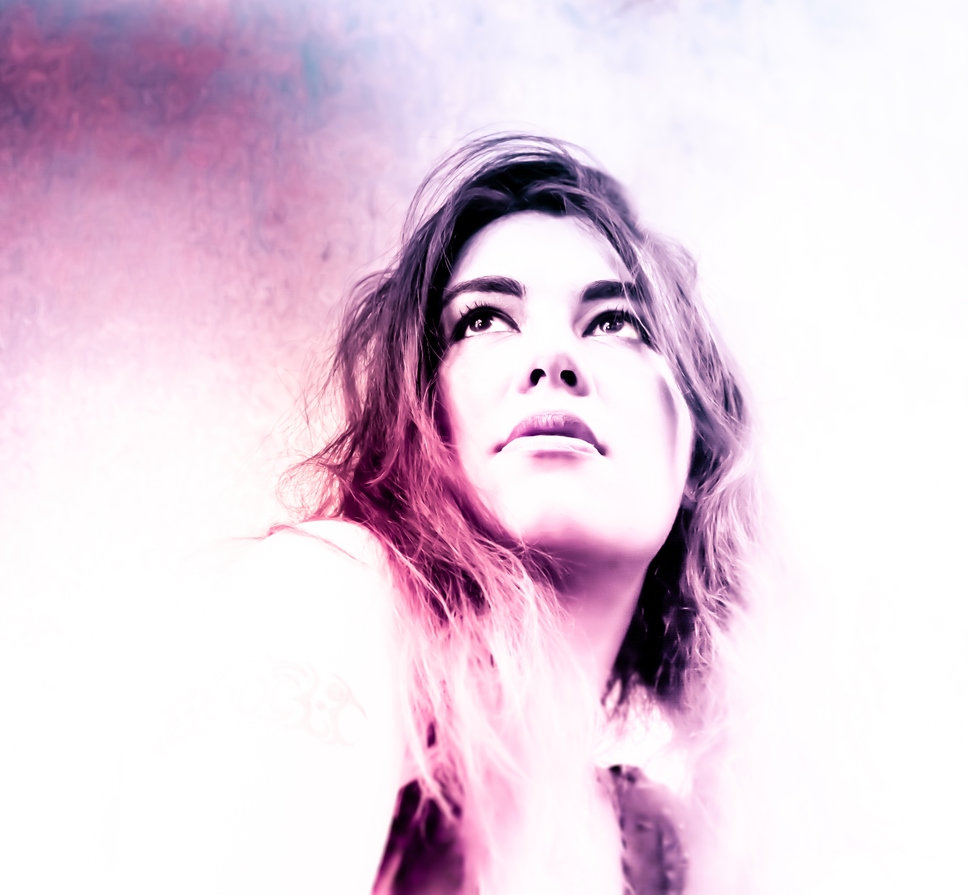
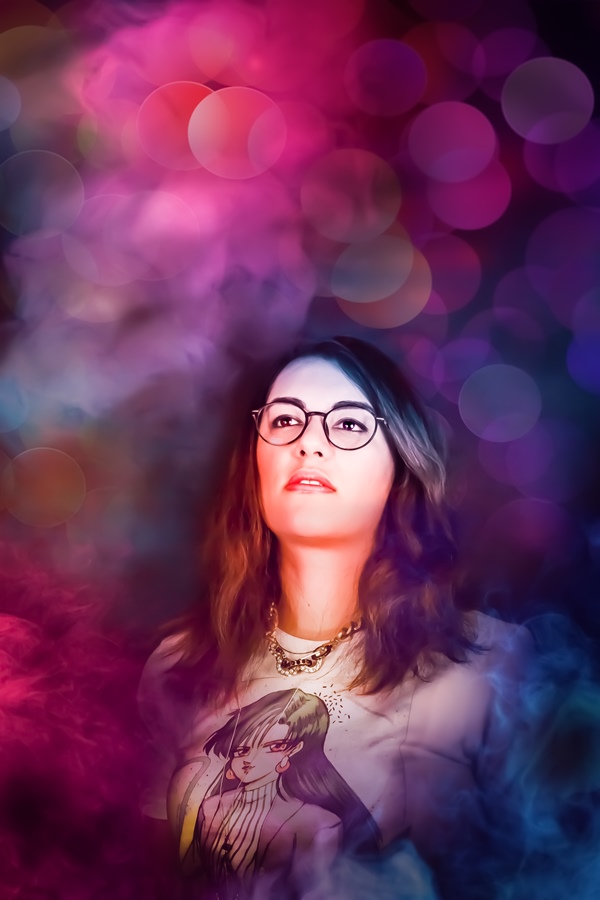
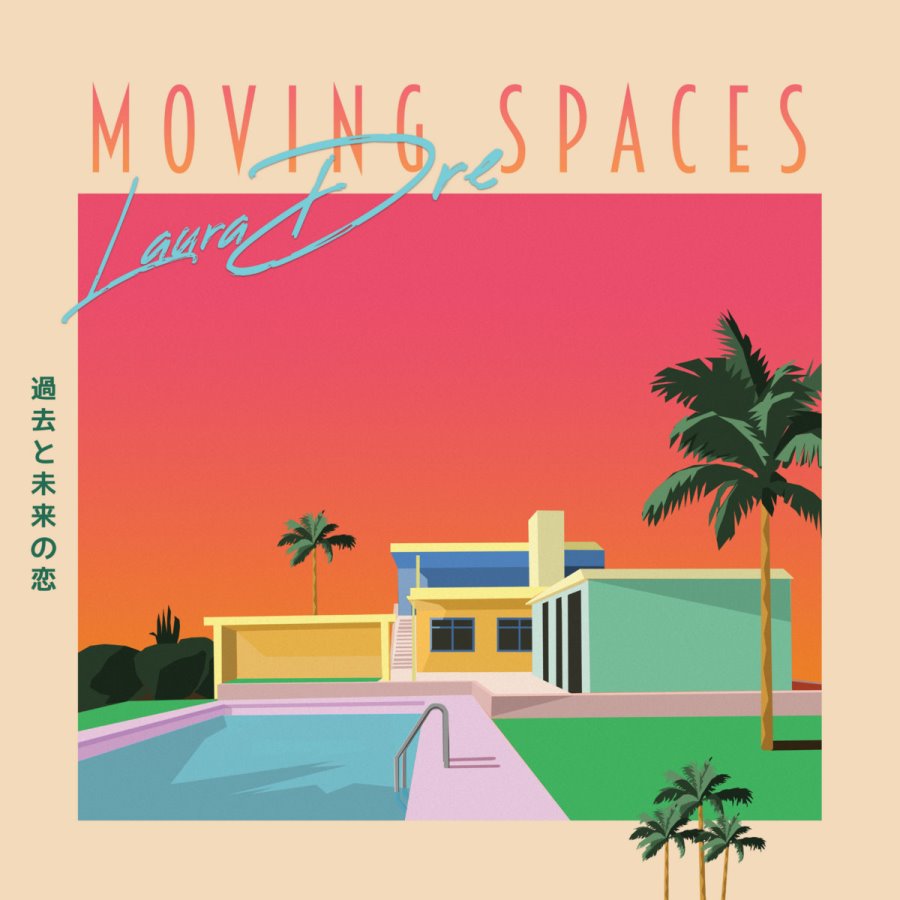
With her debut album ‘Moving Spaces’, Laura Dre has presented an impressive musical statement that positions her between the sophistication of Nina and the gothier overtures of Kat Von D.
A musician, producer, graphic designer, model builder and gamer, the German-Filipino songstress has many talents. While she may be a new name in synth, Laura Dre offers a cooler take on electronic pop, the five decades old form having recently had a mainstream boost internationally thanks to THE WEEKND with Max Martin-assisted tunes such as ‘Blinding Lights’ and ‘Save Your Tears’.
Previously the front-woman of feisty electro-rock combo VINYL BLACK STILETTOS whose second EP ‘Electrical’ was produced by PET SHOP BOYS programmer and engineer Pete Gleadall, Laura Dre has a fascination for yesterday’s tomorrow, with the rainy dystopian air of ‘Blade Runner’ lingering with a mysterious sexual tension.
Laura Dre spoke to ELECTRICITYCLUB.CO.UK about her creative ethos and how artistic independence has empowered her to be ‘Moving Spaces’…
You have been making music for a number or years, particularly with a more alternative rock edge so what inspired you to focus on synths, had there been any artists from this ilk that turned you onto this instrumentation?
My love for alternative rock, grunge, punk and metal was quite strong up until I discovered electronic artists. I think it all started with German electronic artists in 2003 that had a cross-over between synths and indie sounds in their music: STEREO TOTAL, MIA; 2004: SPILLSBURY (Electro-punk); 2006: PEACHES, FISCHERSPOONER, GOLDFRAPP, YPPAH and in 2007: NEW YOUNG PONY CLUB.
I love the bold expression and simplicity of PEACHES, the synth melodies and alluring vocals of GOLDFRAPP, the rhythmic syncopation and ambience whenever I listen to a YPPAH record, and the mesmerising synergy of instruments from NYPC. Of course, there was also a lot of 80s and 90s EDM growing up – all this has influenced me what I do today.
In your writing process, are you quite “synaesthesic” in approach with your musical imagination?
Almost. If we are purely talking about sounds itself, then I most often have already a particular synth sound in my head whilst writing my song. The good thing is, I know exactly what I’m looking for and how it’s made of (ie saw, square, sine, triangle) and then I would modulate / manipulate / shape the sound to match the sound in my head, with LFOs / envelopes and additional effect plugins. It really helps being familiar with a synthesisers functions and controls, which I learned during my time at University studying music production.
I scored 10/10 when my tutor was testing us if we recognise wavetable sounds. So that already gave me a good indication of my ability to identify sounds and reconstruct them from scratch.
You apply a strong visual aesthetic to your artwork, photos and social media, how important do you think this is as an artist?
I think this goes hand-in-hand with music and visuals are very important these days to promote the music you’re doing, to grab people’s attention and to express music on a visual level. Since we live in a world full of advertisements, it’s even harder now to cut through the social media noise to stand out, so that’s why I think it’s really important to have images accompanying the music as well as portraying the artist itself.
From my own personal opinion, I found it even more important that this is carried out through ORIGINAL images / content, something that the artist creates themselves rather than using other people’s artwork like I see it often happening on Instagram. Aren’t you bored of seeing the same image shared over and over by multiple artists?
Yes, it may look aesthetically pleasing to someone who just wants to see specific kind of images, but on the other hand it’s unoriginal and basically it’s stealing other people’s artwork, causing potential copyright infringements. I’ve seen it often happening that other people’s artwork is not even credited, which is bad practice. I also don’t see the logic in doing these things because it’s not really contributing to the artists’ music or image itself. I’m sorry to be blunt, but it comes across as ‘visual portfolio of stolen images for lazy artists’. That’s my personal opinion and it’s something that people don’t have to agree with.
Did you ever consider hiding your face like some of the acts who featured in ‘The Rise Of The Synths’? Can it ever be “just about the music” as some claim in that film?
I have no shame in saying that I’ve not watched this film, just like I never heard about synthwave until last year. No, I have no reason to hide my face, personality nor sexuality. I think hiding is a personal choice – whatever makes you feel comfortable.
Do you have any guilty pleasures in terms of inspiration, unexpected loves like Country & Western or Schlagermusik?
I’m not a fan of German Schlagermusik, but I wouldn’t mind classic Country music (ie Johnny Cash), Hillbilly stuff, Psychobilly Rock N’ Roll, and some Benny Goodman and Bobby Hutcherson here and there. I love Oldies, Jazz, Classical Music, 90s Hip Hop – I can pretty much listen to any genre as long as the music is good.
Robert Harder, who you worked with in VINYL BLACK STILETTOS, mixed the ‘Moving Spaces’ album, how would you describe your creative dynamic?
It’s easier to work with someone when you know that person and what they are like. With Robert, he always worked with the cool bands that I admired (SOHODOLLS, WHITE ROSE MOVEMENT, WHITEY etc) So I had no doubt that he would be a good fit for my sound, which he has proven with my very first VBS EP from 2011.
In terms of dynamic, we both work remotely and super quick. He puts a lot of effort into mixing my music creatively and the vocal production, like he added this wonderful dreamy outro on ‘I Wanna Be Your Only One’ which I originally did not have. I absolutely love it!
What tools were you using on the album, was there any particular hardware or software that you turned to and enjoyed using?
I don’t own much analog hardware, mainly just a good pair of speakers (Focal Twin 6 BE), a good valve microphone (Telefunken AK-47 MkII) and a UA6176 – the rest is done in the box. To me it’s never been about the gear you own, to make music with. One could have the most expensive Studio equipment, but if you’re not a good songwriter you will still make crap music, no matter how expensive your gear is.
The same principle applies for recording – you could be recording at Abbey Road Studios with the world’s best sound engineer – I will repeat this again: it doesn’t matter if everything is top range, your songs will still be cr*p if you’ve never learned how to write and compose good songs.
Were you tempted to bring out your bass guitar or were you strictly adhering to the synth aesthetic?
I’m not afraid to use any kind of instrument at all, as long as it fits the track. In my case, the bass guitar doesn’t really suit my music, so I will only use my guitar here and there, where it complements the melodies and harmonies I create. At the end of the day, I’m not here to please people by strictly adhering to a limited range of instruments or musical style or aesthetics.
I see my music as complete different entity not connected to anything, except the electronic genre (which is super broad) but with 80s infused sounds in a modern way.
So did ‘If Looks Could Kill’ begin life as one of your rockier tracks?
That was the third track I created out of the ‘Moving Spaces’ album, and initially I did a fast 4/4 beat with modulation on the synths, but due to an accident during transfer, Robert had to re-program my drums on this track and accidentally gave me back a 2/4 beat, which I totally loved because it was so 80s! Like Michael Sambello’s ‘Maniac’. I’m so glad this happened, because it just sounded better! I wouldn’t call it ‘rockier’ but in my head I visualised an image of an 80s pool party and this song playing in the background. I mainly create music to images in my head.
The ‘Moving Spaces’ title song launched you solo to the wider world, why did you pick that as the track to premiere your synth sound with?
I let Outland Recordings pick the track, I wasn’t really fussed which track went out first as I loved them all. Besides that, it’s better to let the average listener pick, because as a producer / artist, I often can’t see the forest as a whole, I can only see individual trees.
How did Outland Recordings become involved? Was the ‘Moving Spaces’ album already recorded? Was it important for you to have a label?
No, it wasn’t fully recorded. I had 8 songs at the time I started looking for a label. And yes, it was important to me to get a label because I made a deal with my Instagram crush. The deal was that she would have to go out with me on a date if I get a record deal. So 100% motivation right there! 😉
‘All Day, All Night’ has this lovely PET SHOP BOYS feel, right down to the instrumental break, are you a fan?
I’ve seen PET SHOP BOYS live on their ‘Nightlife’ tour in Bremen, it was my very first concert ever. My friend had a spare ticket, so that’s how I ended up there. I still love ‘For Your Own Good’, but I wouldn’t say I’m a big fan. They are okay. If I have to pick a 90s EDM act, I’d prefer ORBITAL, THE ORB, FAITHLESS, UNDERWORLD or THE FUTURE SOUND OF LONDON. If ‘All Day All Night’ sounds like PSB to some listeners, then that’s fine, but I had no intention of making it sound similar to them. What I had more in mind with this song was a modern version of 80s Citypop.
‘Superficial Cyberlove’ gets quite gothic and then goes all EBM, how was this track conceived?
Gothic? *laughs*
I never had this in mind when I composed it. I visualised something more 80s cyberpunk in my head, like ‘Blade Runner’ meets techno. Sci-fi and Neon Club vibes.
While unrequited love is the theme of the album, how much of the lyrical content is you playing a character and how much is autobiographical?
The lyrical content is a mixture of both. The feelings are from my real life experiences whilst the setting and vibe of the songs have different imaginative settings, for example ‘Superficial Cyberlove’: Whilst the lyrics are about having a crush on your ideal model that you shaped inside your head, this model has a set and certain type of partner in their mind, thus they’re all ‘superficial’ and you’ll never be good enough for that person.
Then, we’re also connected to our computers on a daily basis, so people cyber-stalk the one’s they like and possibly develop deeper feelings for them that are unrequited, to the point that they are letting go of them (‘I Turn Away From You’). To bring the lyrics together with the music I chose a ‘cyberpunk’ setting in this instance, that I try to convey with dark retro sounds, tempo and intensity of the song that gradually increases.
Are you actually an ‘Ice Maiden’ in real life?
Hahaha! I don’t know how other people observe me, but my ex-girlfriend was certainly an ‘ice maiden’, and so is the girl that I made a deal with.
‘I Wanna Be Your Only One’ mentions ‘Bonnie & Clyde’, but which couples, either real or fictional have most inspired you?
Catra and Adora from ‘She-Ra & The Princess of Power’ *laughs*
They are obviously fictional, but they have a very complex relationship that made the whole story of the show really good, I could watch this over and over! I’m not surprised there are many fans out there that want a Season 6 now!
You sing that ‘Loving You Is A Beautiful Sin’, but how do you see the world at the moment in its quest for equality, tolerance and being free from the threat of violence?
I think as humans in this current state of the world we have a lot of things to combat that unfortunately will not change overnight, such as Asian-hate-crime, homophobia, climate change, poverty, trans rights, domestic violence, wars, human trafficking and rape amongst many, many other things that are problematic.
It’s horrible when we think about these things and the fact that they all exist somewhere in the world. I think this is an ongoing quest that will not be resolved for the next centuries sadly. I still like to dream about a world where currency and poverty doesn’t exist, where all life forms whether alien or human are equal, which is Gene Roddenberry’s world – it’s the reason why I’m so fond of ‘Star Trek’. Who you love should not be an issue, but sadly in many countries, it still is.
Which are your own favourite songs from the album and why?
I don’t have any favourite songs, they are all my “babies” so I love them all. 🙂
Is playing live as a solo synth artist on the cards for you or is the recording of a second album first more likely?
The second album is nearly done! I will have it finished by end of September, then it will be mixed and mastered by Robert Harder again. Once that is done, I will perform live shows again, hopefully with the first stop being Tokyo, Japan.
What are your hopes and fears as the world begins to open up again?
My fear is that every damn venue will be booked up! Hahaha. I think most bands are getting ready now to start playing live shows soon, which might become a nightmare in terms of wanting to book a time slot. As for hopes, I’m hoping that Japan will open their borders soon so that we can start booking my first tour.
ELECTRICITYCLUB.CO.UK gives its warmest thanks to Laura Dre
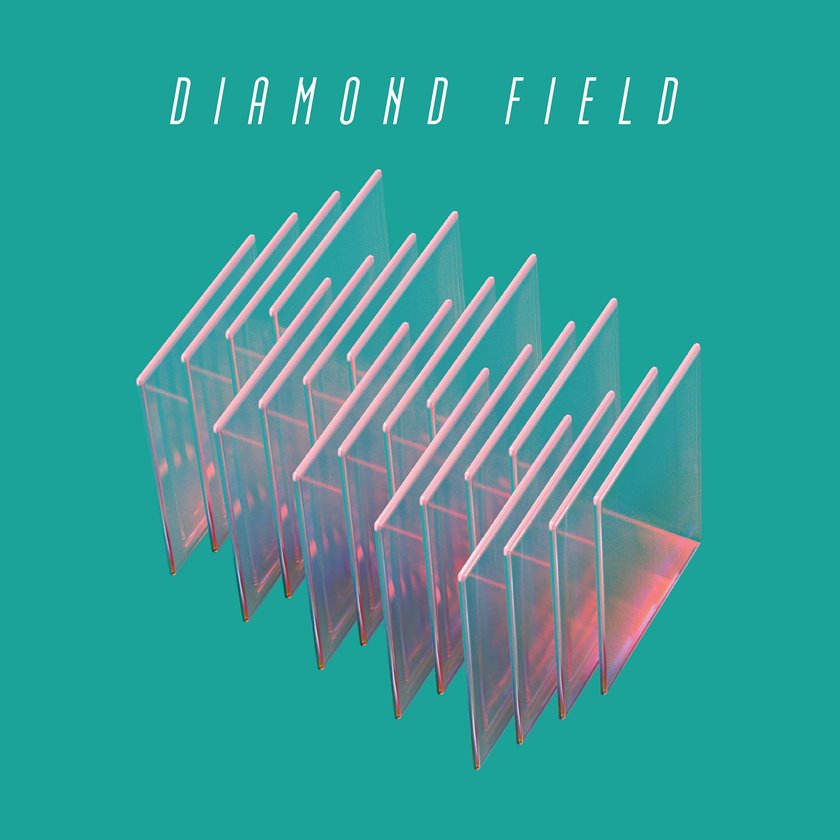
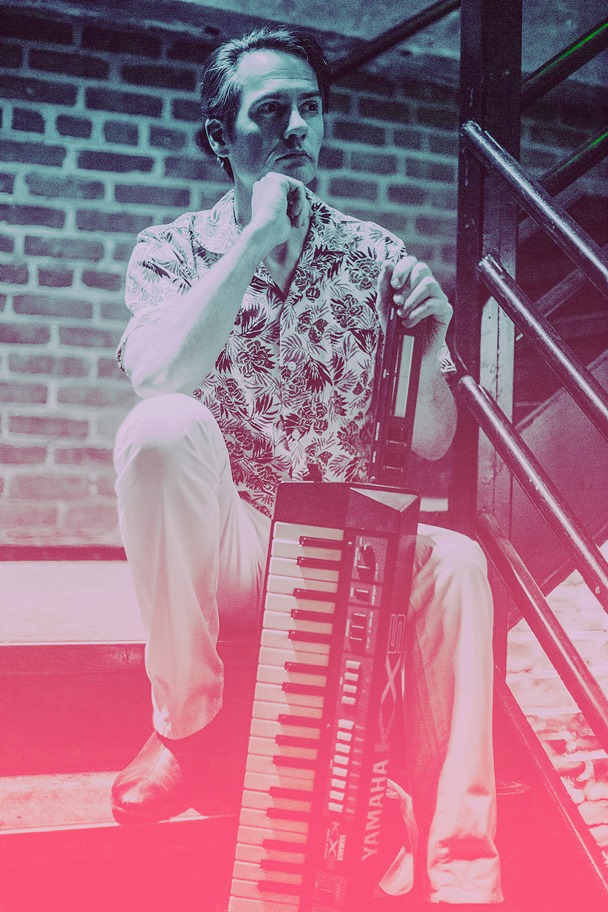
DIAMOND FIELD is the musical vehicle of Andy Diamond, the New York based Kiwi who despite associations with the North American synthwave movement, looks to studio icons such as Hugh Padgham, Peter Wolf and the sadly departed Rupert Hine as his heroes.
The songs ‘Won’t Compromise’ with BMX freestyle godfather Bob Haro and ‘Freedom Pass’ with Dana Jean Phoenix reinforced the perception of a purer synthesizer affinity. But the self-titled debut springs a surprise by mixing traditional instrumental colours with electronic production techniques.
So as can be expected from an artist whose production moniker is named after a Pat Benatar song, electric guitars, live bass and real drum feels are combined with drum machines, sequencers and synths. But the stars of the record are the songs and each of their various international guest vocalists recruited and recorded via the joys of the internet.
With stabbing keyboard themes plus a combination of solid synthbass and loose live sounding drums, ‘New Situation’ with Nina Luna taking lead vocals provides a driving opener that comes over like a more sprightly take on TEARS FOR FEARS ‘Head Over Heels’ if it had been reinterpreted for use in ‘Pretty In Pink’.
Then comes the brassy electro-funk of ‘Bring Back Love’ with Matthew J Ruys approximating Stevie Wonder and the riff laden ‘Glowing In The Dark’ featuring Kiwi songstress Miriam Clancy which sexily rouses like BERLIN before providing an effective slowed tape stop. The college radio rock of ‘In This Moment’ though crosses the darker shades of ECHO & THE BUNNYMEN and THE CURE while referencing SIMPLE MINDS ‘Chelsea Girl’, although the synth riffs along with Nik Brinkman’s mannered delivery point to fellow New Yorkers NATION OF LANGUAGE.
However, the exotic rhythmic moods and jazzy cosmic solos that shape ‘Spills Like Love’ make for a joyous turn from Cody Carpenter that is the antithesis of his work with his Horror Master father, while ‘It’s Your Time’ sung by Becca Starr of Scottish retrowavers THE VAN DAMMAGE offers a percolating rock-infused stomp with a passionate vocal.
With a backing track like NEW ORDER’s ‘Your Silent Face’ reworked by OMD, ‘A Kiss Apart’ is superb and sees a velvet performance by Belinda Bradley of New Zealand collective SELON RECLINER; akin to the other Belinda, Ms Carlisle crossed with Marcella Detroit (who co-wrote ‘Little Black Book’ with THE GO GOS front woman), a gorgeous chorus and some great synth interventions in the instrumental break recall Mute trio PEACH who contributed ‘On My Own’ to the ‘Sliding Doors’ soundtrack.
And speaking of Belinda Carlisle, Chelsea Nenni of LATE SLIP pays homage on ‘Used To Be’ which plays with that sunny rock flavour that THE GO GO’s once took to No1 with ‘Beauty & The Beat’.
With bursts of gratuitous sax and the vocal presence of Kyle Brauch, ‘Look To The Stars’ goes very New York in its mighty machine generated groove. But ‘Out Here For Love’ is the ‘Mighty Wings’ of the collection and as that did on ‘Top Gun’, it ends DIAMOND FIELD’s eponymous debut with Matthew J Ruys returning to give proceedings some blue-eyed growl in the manner of LIVING IN A BOX’s Richard Derbyshire.
This may not be the album that those who have liked DIAMOND FIELD’s previous singles will be expecting at all. It is much more of a pop offering but that isn’t a bad thing as this is the sort of optimistic album many need right now.
Although written before the worldwide pandemic, many of the lyrics deal with hope and positivity. The quality of songwriting is high, something that a lot of synthwave and modern synthpop is lacking.
Applied with engaging productions and arrangements, the music captures the spirit of the pioneering MTV era and classic Brat Pack movie soundtracks. Like a high tech K-Tel compilation album but from the baton of one conductor, this is perhaps the most cohesive multi-vocalist album since the only long player to date by KLEERUP which combined electro-soul, synthpop, Italo, kosmische and ambient. DIAMOND FIELD has successfully thrown in new wave, synthpop, funk, R ‘n’ B and AOR into one escapist pot.
People are very nostalgic right now, whether for the 70s, 80s, 90s or 00s because anything is better than what has happened in the last 18 months, but DIAMOND FIELD has shown that the present and future are going to be alright.
‘Diamond Field’ is available in vinyl and cassette editions through Sofa King Vinyl at https://sofakingvinyl.com/ as well as digitally via the usual online platforms
Gothenburg-born Tobias Bernstrup is a performance and visual artist with five officially released albums to his name, as well as numerous video installations, collaborative exhibitions, interactive works and gaming projects.
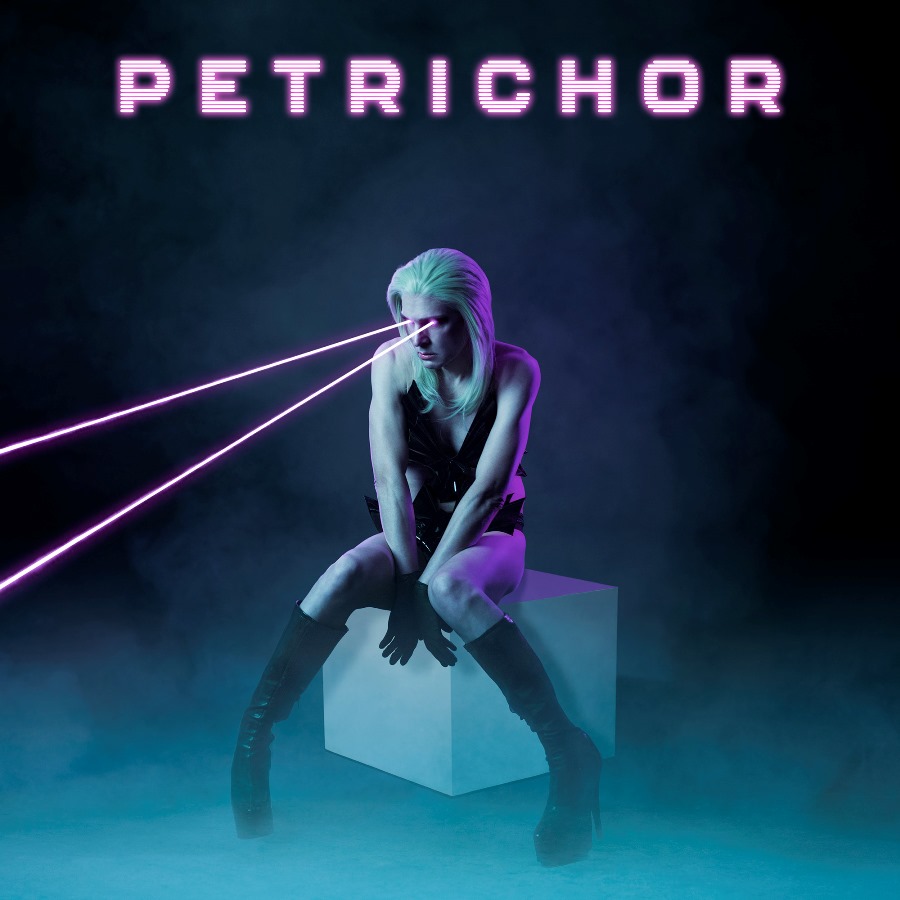
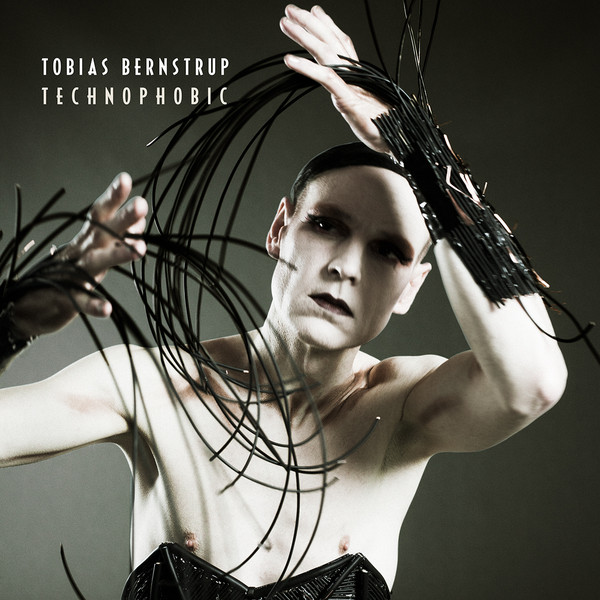
Following up 2018’s ‘Technophobic’ long player, his sixth album ‘Petrichor’ refines his Italo Noir template with intelligent political and historical observations like “a Film Noir in cold blue and pink light that you can dance to”.
With his striking stage persona, Bernstrup is an intriguing androgynous figure who speaks for the outsider, raising questions about society’s representation of identity in his gender-crossing live performances and visual presentation.
With the imminent release of ‘Petrichor’, Tobias Bernstrup spoke to ELECTRICITYCLUB.CO.UK about the making of the new album, collaborations, his artistic ethos and continuing motivations.
What was the genesis of your Italo Noir sound?
I grew up listening to Punk, Metal and Postpunk but always loved Italo Disco. When I started making electronic music after years of being a drummer, I knew that I wanted to make Italo inspired music with a darker more melancholic sound. I also wanted to create a darker image to this sound when designing performance costumes and sleeve art.
How would you describe the concept of your new album ‘Petrichor’ which means “a pleasant smell that frequently accompanies the first rain after a long period of warm, dry weather”?
The initial idea for the sleeve photo was to include raindrops or rain atmosphere. During the research, I came across reading about the Petrichor phenomenon.
I had several cinematic images in my head; the end scene of ‘Bladerunner’ or an episode of ‘Miami Vice’ when Sonny Crockett walks alone on a rainy street. I love how the rain enhances scents, colors and creates reflections.
The first single ‘Private Eye’ appears to be about the surveillance society?
The inspiration to the lyrics came from a Bitcoin Scam email that circulated. The emails say they hacked into your computer and recorded you visiting adult websites. They threaten to distribute the video to your friends and family within hours, unless you pay into their Bitcoin account.
Sweden has been at the forefront of cashless payment, but how do you feel that you can’t even buy bread or fruit without someone watching you? Does that make you ‘Technophobic’?
No, but I am aware. It is a new world order, if you don’t own a smartphone or have internet connection, you will be excluded from the society. It is so obvious when you see beggars asking for money and everyone replies I don’t have cash…
How do you look back on the ‘Technophobic’ album, the title song was particularly good?
The album had a quite coherent synthpop vibe throughout but a more cold, synthetic, metallic and modern sound than previous productions. On ‘Petrichor’, I wanted a warmer sound so I decided to mainly use old-school drum sounds like the Oberheim DMX, LinnDrum and typical 80s synthesizers.
Do you have any preferences for your electronic template, do you like hardware synths and drum machines or have you entered the world of software?
I work in between analog and digital tools. When it comes to playing and recording the physical touch of a hardware synth is superior. I often use Korg PolySix for basslines and Roland JX-8P for pads. When it comes to software instruments, mixing and plugins I always go for analog circuit emulation.
The music industry has changed a lot even since ‘Technophobic’, have you reconsidered your strategies as an artist about making albums and promotion?
I had a more open process when putting together the album. It started releasing a bunch of singles during the process to see where they landed.
That helped me writing and finalizing the remaining tracks.
In your opinion, is the album as a format still relevant in music consumption?
Yes I believe so, even though many people rather listen to single tracks and playlists. Listening to an album is like reading a book. If you have the patience to do this, it can be very rewarding. There has been a revival in making shorter albums again with 8-10 tracks. This is a good thing. it fits better with the pleasant vinyl LP format. And it’s difficult to make long albums with 14-18 and keep up the quality and interest. There are some exceptions. THE CURE’s double LP ‘Kiss Me, Kiss Me, Kiss Me’ is still such a great album without a dull moment. It has variety without being eclectic.
Looking back, aspects of 2015’s ‘Romanticism’ album explored some different directions compared to your earlier albums and more recent singles, particularly with the ballad ‘Dorian Gray’, the Latin moods of ‘Laterna Magica’ and the classic Eurodance of ‘Revolution’?
The song writing and recording process was very different during ‘Romanticism’. I worked during a focused period of 2 months in a studio with a very open and experimental mind set. At that time, it was important for my development to try something new.
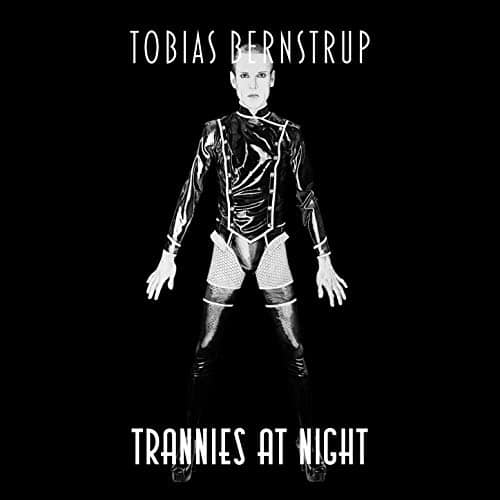
The recent compilation ‘Trannies At Night’ gathered your earlier work before 2012, how do you see your development as an artist and do you have any favourite songs or memories from that period?
In the beginning there was more simplicity, but less production. Sometimes there was a more powerful and directness to it. As I got more production skills, I have to make more effort in order to find that simplicity which makes a great song. Limiting your toolbox and arsenal of instruments is a good way of doing this.
What was the inspiration behind your most recent single ‘Only One’?
It a typical Bernstrup track, It started with that Jan Hammer-like bassline and the lead sound melody and those marimba sounds that I just love. It reminds me of Ken Laszlo’s ‘Tonight’ – one of my all-time favourite songs. Lyrics came naturally when just playing with words and vocal melody.
You sing of a “stranger on the screen”, “disposable love” and a “devil in disguise” on ‘Stranger’, it’s strange that in this modern world, some people care more about influencers online who they’ve never met rather than those near them like family and friends?
Interesting thought. Well, the lyrics could describe someone being disconnected from reality. The initial idea was to write from the perspective of someone having an addiction to online dating in a dangerous self-destructive and abusive way.
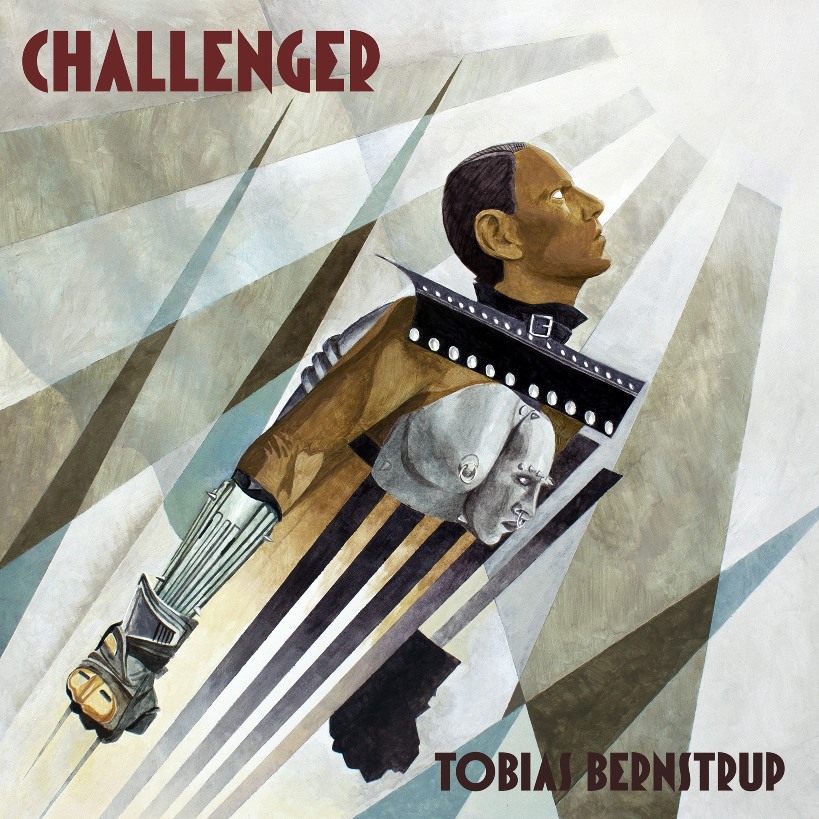
Is ‘Challenger’ referring to the 1986 space shuttle tragedy?
Yes, I remembered that day as a teenager. During the production of the new album, I watched a couple of rocket launches. Technology and space exploration has always interested me. The Challenger disaster was a very tragic one as there had been warnings from engineers about the dangers of launching posed by the low temperatures of that January morning.
There is a more instrumental template on ‘Loderunner’ rather than using full lyrics?
The original idea for this track dates back to 2002 or 2004. I wrote an instrumental track for one of my art exhibitions that was an interactive video game piece. The musical theme itself was inspired by the musical score for the 1998 video game ‘Unreal’ composed by Alexander Brandon & Michiel van den Bos. The title refers to a C64 computer game.
You have quoted J Robert Oppenheimer on ‘I Am Become’?
Yes, the words are slightly rearranged but from a TV interview were Oppenheimer recalls the reactions after watching the Trinity nuclear bomb test. The dangers and dark sides of technological inventions is a theme that I often return to. With every new invention a new catastrophe is invented.
Which songs are your own highlights from ‘Petrichor’?
‘Only One’ has the perfect Bernstrup sound and has the perfect walking tempo when listing in headphones. ‘Petrichor’ delivers a very nice atmosphere and I love that Fairlight CMI flute sound. ‘Loderunner’ has that energetic drive and mood you can find in a great video game.
It’s interesting that as a performance artist, you haven’t produced many videos recently to accompany your own songs, is there any particular reason?
At the moment music videos are not that important to me anymore. But that can change of course.
How do you balance between your art exhibits and your music?
They often go hand in hand. During the work with exhibitions I often stick to a theme that leaks into my music writing process as ideas for song lyrics or visuals.
You have collaborated in the past with SARALUNDEN and TRANS-X while APOPTYGMA BERZERK, COVENANT and ITALOCONNECTION have done remixes, are there any more interesting partnerships happening?
I wrote lyrics and did vocals for a track on the new ITALOCONNECTION LP ‘Midnight Confessions Vol1’. It’s a song called ‘Rainbow Warrior’ that brings up LGBT rights and environmental activism mentioning historical dates of events – the sinking of the Greenpeace ship Rainbow Warrior in 1985 and the Stonewall riots in 1969.
In 2017 on ‘Utopia’, you asked “where are you now?”, so what are your hopes and fears for the future?
After the Covid outbreak, we have hopefully learned that nothing should be taken for granted, that “we are so fragile”.
ELECTRICITYCLUB.CO.UK gives its sincerest thanks to Tobias Bernstrup
Special thanks to Marc Schaffer at Nadanna Records
‘Petrichor’ is released by Nadanna Records on 20th August 2021 in CD with 7 bonus tracks and 18 track digital editions, limited black or transparent magenta vinyl LP with lyric inner sleeve, A3 poster + numbered postcard available in October
We use cookies to ensure that we give you the best experience on our website. If you continue to use this site we will assume that you are happy with it.





Follow Us!