Tag: Ashra (Page 1 of 3)

The Electronic Legacy of LIVE ALBUMS

Photo by Chi Ming Lai

The general purpose of a live album is to document a concert experience. But such is the average person’s equipment used for listening to music at home, in the car or on earphones, the capabilities of quality PA systems can never be replicated.

Something of a credible rock staple, live albums are often seen as profile builders and tour adverts, symbolic of an act hitting the big time while greatest hits collections can be perceived as an indicator of a career on the wane.

However, in the synth-laden electronic world, the live album is something of a polarising beast. With a significant number of acts reliant on tapes and latterly pre-programmed backing tracks, live albums can be rendered almost pointless with parts often sounding almost identical to the original record. In many cases, overdubs and new vocals are prevalent and essential.

But even some of the best known live rock albums such as THIN LIZZY ‘Live & Dangerous’ and KISS ‘Alive!’ were heavily tinkered with in the studio during post-production. Of the former, producer Tony Visconti reckoned the album was “75% recorded in the studio” with only the drums and audience noise remaining from the original live recordings. Meanwhile of the latter, Gene Simmons later said “Most people assume it was all live. It wasn’t” with only the drums remaining from the original shows recorded. On the opposite side of the coin, Joe Jackson recorded his ‘Big World’ live album in front of invited audiences who were instructed NOT to clap.
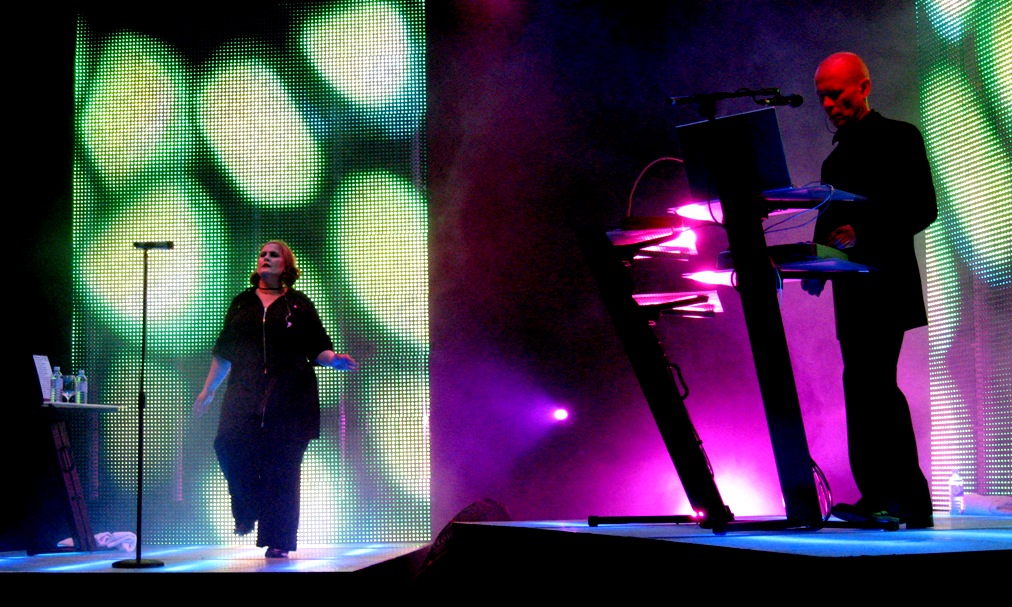
Photo by Chi Ming Lai

While the spirit of a performance is an essential ingredient on a live album, extra parts or arrangements not used in the actual shows can cause much head scratching, as can the inclusion of unrelated studio recordings. A concert is for a particular moment in time and for that reason, ELECTRICITYCLUB.CO.UK is not generally enthusiastic of live recordings but accepts they have their place and can have their moments.

Not a best of, here are 20 records listing the good, the bad and the pointless to represent The Electronic Legacy of LIVE ALBUMS. These are subject to the conditions that they are standalone physical releases in their own right, not initially part of a corresponding live DVD or Bluray package, not a bootleg or a bonus CD in a deluxe boxed set; for this latter reason, OMD’s spirited 1983 ‘Dazzle Ships’ live presentation at Hammersmith Odeon that came with the ‘Souvenir’ career anthology is not included.

The albums are presented in yearly order and then alphabetical within…


TANGERINE DREAM Encore (1977)
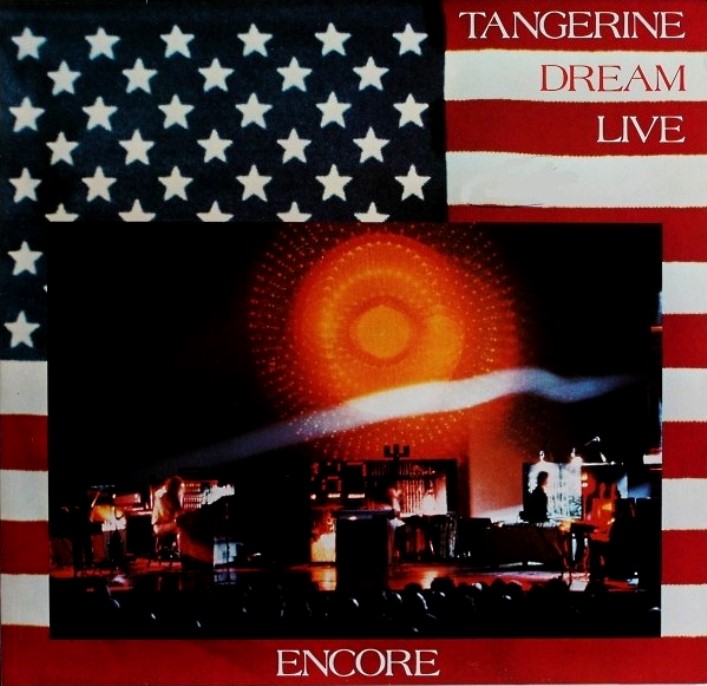
‘Encore’ is seen as the definitive TANGERINE DREAM live album by the classic line-up of Edgar Froese, Christophe Franke and Peter Baumann. But as with their previous live release ‘Ricochet’, there were questions as to what was live and what was Memorex… opener ‘Cherokee Lane’ was edited together from several performances while on the second side, suspicions were raised that ‘Coldwater Canyon’ was a studio creation.

‘Encore’ was originally released by Virgin Records

https://www.tangerinedreammusic.com/


KLAUS SCHULZE …Live… (1980)

A trailblazer for The Berlin School, Klaus Schulze saw synthesizers as a route to creative freedom and his imperial works like ‘Timewind’, ‘Moondawn’, ‘X’ and ‘Mirage’ were largely improvised live. Concerts were seen as an opportunity to spontaneously compose new works. On his first live album featuring concerts in Amsterdam, Berlin and Paris, ‘Sense’ was a half hour ball of hypnotic energy with live drums from Harald Grosskopf.

‘…Live…’ was released by Brain Records

https://www.klaus-schulze.com/


YELLOW MAGIC ORCHESTRA Public Pressure (1980)

Recorded as a six-piece, ‘Public Pressure’ captured YELLOW MAGIC ORCHESTRA walking a tightrope, utilising early synthesizer technology like syndrums, sequencers and a Moog modular out on the road. However, while fairly lively and with highlights like ‘Rydeen’ and ‘Tong Poo’, in the inevitable post-production, guitarist Kazumi Watanabe was mixed-out and replaced with more synths while most of Yukihiro Takahashi’s trademark on-off vocals were re-recorded.

‘Public Pressure’ was originally released by Alfa Records

http://www.ymo.org/


GARY NUMAN Living Ornaments 79 & 80 (1981)

A singular double LP boxed set, this live document captured highlights of Gary Numan during his imperial phase at Hammersmith Odeon during ‘The Touring Principle’ in 1979 and the 1980 ‘Teletour’. Engineered and co-mixed by Tim Summerhayes, this remains one of the best live releases of its type with ‘Living Ornaments 80’ just nudging ahead. The release coincided with Numan’s retirement from live work with three concerts at Wembley Arena… that retirement lasted just over a year!

‘Living Ornaments 79 & 80’ was originally released by Beggars Banquet

https://garynuman.com/


JEAN-MICHEL JARRE The Concerts In China (1982)

In 1981, Jean-Michel Jarre became the first Western rock musician to perform in China. The five live performances as a 4 piece ensemble included the debut of the Laser Harp. Jarre also composed new material for the occasion with highlights including the dramatic ‘Arpegiator’ and the elegiac studio closer ‘Souvenir Of China’. But one particular track stood out, a traditional rearrangement with The Peking Conservatoire Symphony Orchestra, retitled ‘Fishing Junks At Sunset’.

‘The Concerts In China’ was originally released by Polydor Records

https://www.jeanmicheljarre.com/


JAPAN Oil On Canvas (1983)

‘Oil On Canvas’ was a contractual obligation by the now-split up JAPAN. Only the drums came from the band’s run of Hammersmith Odeon shows during their final tour with other parts redone in the studio. The version of ‘Nightporter’ bore no relation to the actual arrangement performed while three unrelated ambient pieces were included instead of ‘Life In Tokyo’, ‘European Son’ and ‘Fall In Love With Me’ which were part of the live set!

‘Oil On Canvas’ was originally released by Virgin Records

https://sylvianvista.com/


ULTRAVOX Monument (1983)

Leaving listeners wanting more, ‘Monument’ originally only featured 6 tracks including the studio intro title track with the hits ‘Vienna’, ‘Reap The Wild Wind’ and ‘Hymn’. Superbly capturing ULTRAVOX on their 1982 ‘Quartet’ tour, the undoubted highlight was the elongated rendition of ‘The Voice’ with the energetic THIN LIZZY-inspired Simmons drum climax. ‘Monument’ has since been expanded into  8 track and later 9 track variants.

‘Monument’ was originally released by Chrysalis Records

https://www.ultravox.org.uk/


DURAN DURAN Arena (1984)

Released at the height of their worldwide fame, ‘Arena’ was sadly more ‘Oil On Canvas’ than either ‘Living Ornaments 79 & 80’, ‘Monument’ or ‘101’. Unlike the latter, it now symbolises the downfall of DURAN DURAN rather than the rise. The mix was muddy and not a patch on the subsequent soundtracks of the DVD releases of their Hammersmith Odeon 1982 and Wembley Arena 2004 shows. The incongruous inclusion of the single ‘The Wild Boys’ no doubt helped shift copies.

‘Arena’ was originally released by EMI Music

https://duranduran.com/


SIMPLE MINDS Live In The City Of Light (1987)

On the ‘Sparkle In The Rain’ and ‘Once Upon A Time’ tours, SIMPLE MINDS had been pompously bloating songs out for up to 10 minutes. The excesses were dialled down for this well-recorded if frustrating record. There was much post-production tinkering with ‘Someone Somewhere In Summertime’ featuring extra violin by Lisa Germano while uncredited, former bassist Derek Forbes was brought in replace John Giblin’s live take.

‘Live In The City Of Light’ was originally released by Virgin Records

https://www.simpleminds.com/


DEPECHE MODE 101 (1989)

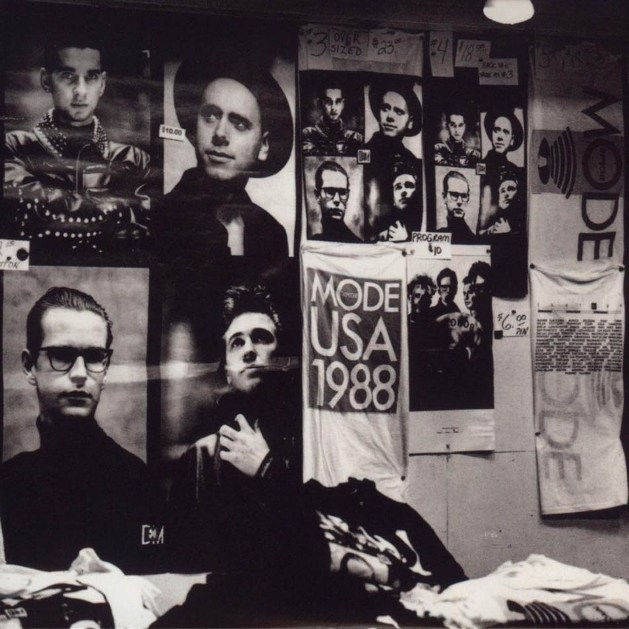
“Who have thought DEPECHE MODE plink-plonking away would play in stadiums?” bemoaned Jim Kerr of SIMPLE MINDS in 2004; but ‘101’ recorded at the Pasadena Rose Bowl in 1988 affirmed their arrival into the stadium league. The audience was mixed so loud that the band were almost drowned out while Dave Gahan bellowing “YEAH!” was a frequent occurrence. In a drumhead free zone, this was an enjoyable set capturing more comparatively innocent times.

‘101’ was originally released by Mute Records

https://www.depechemode.com/


ASHRA @shra (1998)

Recorded on location in Tokyo and Osaka, this live collection saw Manuel Göttsching, Lutz Ulbrich and Harald Grosskopf reunite the 1979-80 band incarnation of ASHRA. Containing 3 lengthy tracks and the much shorter ‘Timbuktu’ in an energetic set with hypnotic blend of progressive guitar and electronics. The highlight was the magnificent sample-free take on 1990’s ‘Twelve Samples’. A second volume was issued in 2002.

‘@shra’ was originally released by Think Progressive

https://www.manuelgoettsching.com/


HEAVEN 17 How Live Is (1999)

In their heyday, HEAVEN 17 never toured. Recorded in Glasgow when the trio came out of hiatus and opened for ERASURE in 1998, the 50 minute set was very electronic, in line with their comeback album ‘Bigger Than America’. Packed full of their best known songs and a version of ‘Being Boiled’, some new arrangements fell under the spell of THE CHEMICAL BROTHERS but they impressed enough for repeat business and continue to play live regularly today.

‘How Live Is’ was originally released by Almafame

https://www.heaven17.com/


SOFT CELL Live (2003)

Reuniting as SOFT CELL first time round in 2001, this double live album caught Marc Almond and Dave Ball in support of their 2002 comeback album ‘Cruelty Without Beauty’. Almond was particularly animated and sounded like he was having fun while Ball’s solid electronics grooved. Almond’s motorbike accident in 2004 put a stop to performing but SOFT CELL reunited again in 2018 for ‘One Night Only’ at London’s O2 Arena.

‘Live’ was originally released by Cooking Vinyl

https://www.softcell.co.uk/


KRAFTWERK Minimum-Maximum (2005)

Featuring founder members Ralf Hütter and Florian Schneider, this first official KRAFTWERK live album provided another “is it live or is it Memorex?” conundrum. Suspicions were aroused with the credits in both English and German language versions indicating that many of the tracks were recorded at the same venues! Regardless, the crisp versions on ‘Minimum-Maximum’ provided a far superior listening experience than 1991’s ‘The Mix’.

‘Minimum-Maximum’ was originally released by EMI Music

https://kraftwerk.com/


YAZOO Reconnected Live (2010)

YAZOO’s ‘Reconnected’ tour saw Alison Moyet and Vince Clarke completing unfinished business following their premature spilt in 1983. Clarke provided more analogue-tuned backing compared to the Fairlight-driven tracks of their 1982 tour while Moyet was in fine voice, to the point that you could be forgiven for thinking you were hearing the records if it wasn’t for her breaths. This was a wonderful souvenir for those who were there.

‘Reconnected Live’ was originally released by Mute Records

https://yazooinfo.com/


JOHN FOXX & THE MATHS Rhapsody (2013)

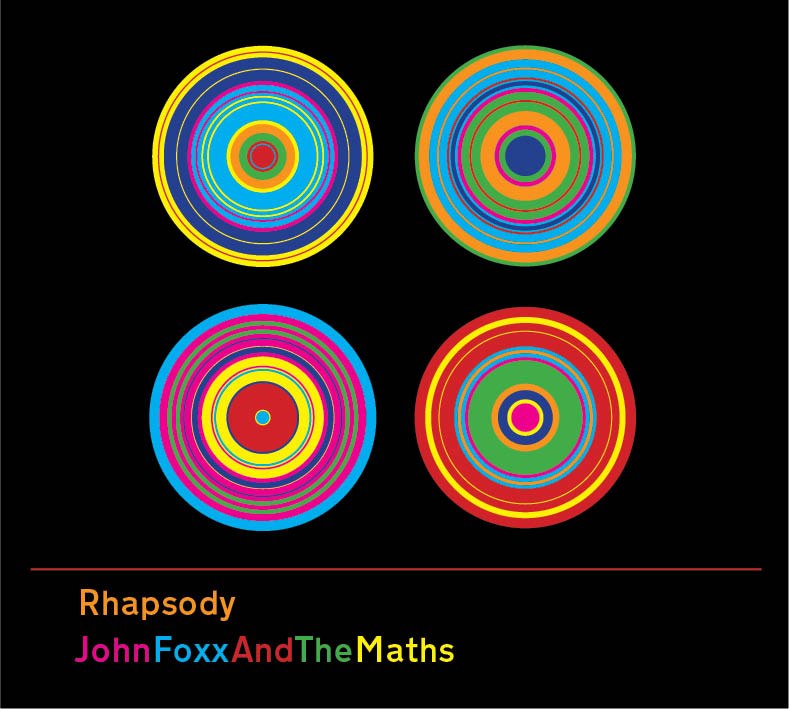
John Foxx’s 2002 live album ‘The Omnidelic Exotour’ with Louis Gordon had been recorded in rehearsals with no audience and ‘Rhapsody’ followed the same route. With a band featuring Benge with Serafina Steer and Hannah Peel, the quartet ran through highlights of the John Foxx portfolio alongside his ULTRAVOX! ballads ‘Hiroshima Mon Amour’ and ‘Just For A Moment’.

‘Rhapsody’ was originally released by Metamatic Records

http://www.metamatic.com/


HYPERBUBBLE Live In London (2015)

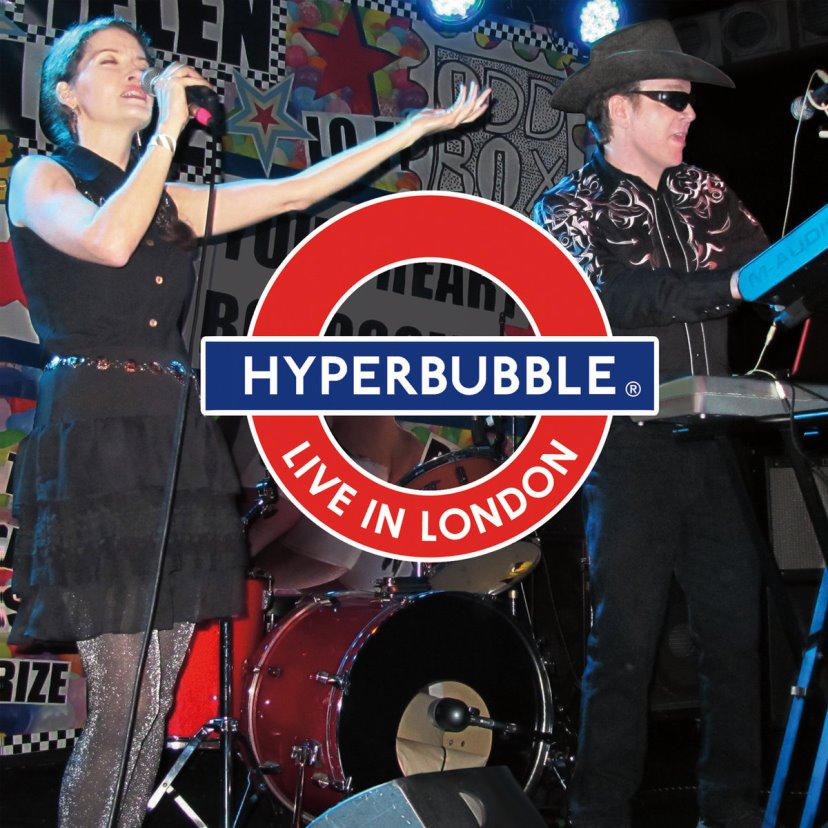
Texans HYPERBUBBLE may look like a mutant Country & Western duo but are actually synthpop’s answer to Carter & Cash. ‘Live in London’ was a high quality recording from The Lexington that captured the heart of their “part-performance art, kitsch cabaret pop”. Like a greatest hits set, it featured 45 minutes of fun uptempo numbers including ‘Candy Apple Daydreams’ and ‘Non-Biodegradable Hazardous Waste Disposal’.

‘Live In London’ was originally released by Pure Pop For Now People

https://www.hyperbubble.net/


NEW ORDER featuring LIAM GILLICK ∑(No,12k,Lg,17Mif) (2019)

Back in the day, NEW ORDER were a rather shaky live act which meant their live bootlegs provided unintended entertainment. Since relaunching in 2011 without Peter Hook, they have released 5 live albums. The most interesting was ‘∑(No,12k,Lg,17Mif)’ when NEW ORDER played Manchester’s Old Granada Studios accompanied by a 12 piece synth orchestra. Aside from the dreadful ‘Who’s Joe’ and ‘Guilt Is A Useless Song’, it was a choice selection of firm fan favourites.

‘∑(No,12k,Lg,17Mif)’ was originally released by Mute Artists

https://www.neworder.com/


KITE At The Royal Opera (2020)

Swedish duo KITE performed two theatrical shows at the Royal Swedish Opera augmented by a 16 piece orchestra and choir. Filmed for broadcast on SVT2, the performances were issued as a live double album featuring a lengthy impassioned rendition of the epic ‘Up For Life’. Never doing things by halves, KITE have since performed at the cavernous former limestone quarry Dalhalla and more incredibly, on ice at Stockholm’s Avicii Arena.

‘Kite At The Royal Opera’ was originally released by Astronaut Recordings

https://www.facebook.com/KiteHQ


HOWARD JONES Live At The O2 (2024)

Perhaps too ambitious in trying to take on the O2 Arena, OMD called on Howard Jones as opening act to help get bums on seats. The original solo synth man delivered an enjoyable 50 minute set with a band comprising right hand man Ronnie Bronnimann, the sadly missed Dan Clarke and KAJAGOOGOO bassist Nick Beggs; a cover of ‘Too Shy’ thrown in for good measure alongside ‘New Song’ and a danced-up ‘Things Can Only Get Better’.

‘Live At The O2’ was originally released by Cherry Red Records

http://howardjones.com/


Text by Chi Ming Lai
2nd December 2025

THE ELECTRONIC LEGACY OF 1977

While there had previous been synthesizer hits like ‘Son Of My Father’, ‘Popcorn’ and ‘Autobahn’, they were considered novelty records at the time and it would be fair to say that the true Year Zero in electronic pop music was 1977.

THE SEX PISTOLS and ‘God Save The Queen’ may have been on everyone’s hushed lips in the Queen’s Silver Jubilee year but the most influential song to emerge from that period and that STILL sounds like the future is ‘I Feel Love’ by Donna Summer.

The producer of ‘I Feel Love’ was a German domiciled Italian named Giorgio Moroder. A solo artist in his own right within his adopted homeland, he had already been playing with synthesizer riffs on his first hit song ‘Son Of My Father’; a facsimile cover by Chicory Tip reached No1 in the UK at the start of 1972.

In the case of ‘I Feel Love’, Moroder later harnessed the hypnotic quality of an 8-step analogue sequencer plus a triplet delay to create the pulsing Moog lines to close the Donna Summer concept album ‘I Remember Yesterday’. The preceding tracks had themes of the 40s, 50s, 60s and 70s. ‘I Feel Love’ was designed to represent the sound of the future.

Despite already clocking in at nearly six minutes, it felt like it could go on forever. Again, Moroder had the foresight to extend the track to nearly twenty minutes on a 12 inch version for discos; the extended version was born. Alas, ‘I Feel Love’ was the only electronic track on ‘I Remember Yesterday’ but Moroder would fully exploit the potential of this new technology on the next Donna Summer albums as well as his solo records.

The first British artist to present electronic pop in its modern form at the start of 1977 was David Bowie with ‘Sound & Vision’ featuring an ARP Solina lead line and noise-gated futuristic sounding drums. With this, ‘Oxygène’, ‘Magic Fly’ and ‘I Feel Love’ all hitting the Top 3 in the UK singles chart within months of each other, this was the beginning of synths designing the future.

So here are 20 albums which ELECTRICITYCLUB.CO.UK sees as contributing to the electronic legacy of 1977. While a number of these albums were not purely electronic, their inclusion of electronic based songs or suites proved to be highly influential in their experimental possibilities. They are listed in alphabetical order with a restriction of one album per artist moniker…


ASHRA New Age Of Earth

Guitarist Manuel Göttsching had been a member of ASH RA TEMPEL but looking to explore more progressive voxless territory on ‘New Age Of Earth’, he armed himself with an Eko Rhythm Computer, ARP Odyssey and his signature Farfisa Synthorchestra. An exponent of a more transient soloing style, he used the guitar for texture as much as for melody in this beautiful treasure trove of an album, as on the wonderful 20 minute ‘Nightdust’.

‘New Age Of Earth’ is still available via Virgin Records

http://www.ashra.com/


TIM BLAKE Crystal Machine

Having been the synth player of GONG on their albums ‘Flying Teapot’, ‘Angel’s Egg’ and ‘You’, Francophile Tim Blake’s first solo long player was ‘Crystal Machine’. A combination of studio and live material, with a EMS Synthi A, Minimoog and Elka Rhapsody at his disposal, it was full of eccentric sci-fi soundscapes and cosmic otherworldliness in the GONG, PINK FLOYD and HAWKWIND vein; Blake would actually join the latter in 1979.

‘Crystal Machine’ is still available via Esoteric Recordings

http://moonweed.free.fr/


DAVID BOWIE Low

“There’s New Wave, there’s Old Wave, and there’s David Bowie” said the advert for ‘Low’, recorded in Switzerland but mixed at Hansa Studios where the soldiers in the East Berlin watch towers could look into the windows of the building. It featured a whole side of instrumentals, the best two being ‘Warszawa’ and ‘Art Decade’ in collaboration with Brian Eno. Despite the artful experimentation, there was a hit single in ‘Sound & Vision’.

‘Low’ is still available via EMI Records

http://www.davidbowie.com


CLUSTER & ENO Cluster & Eno

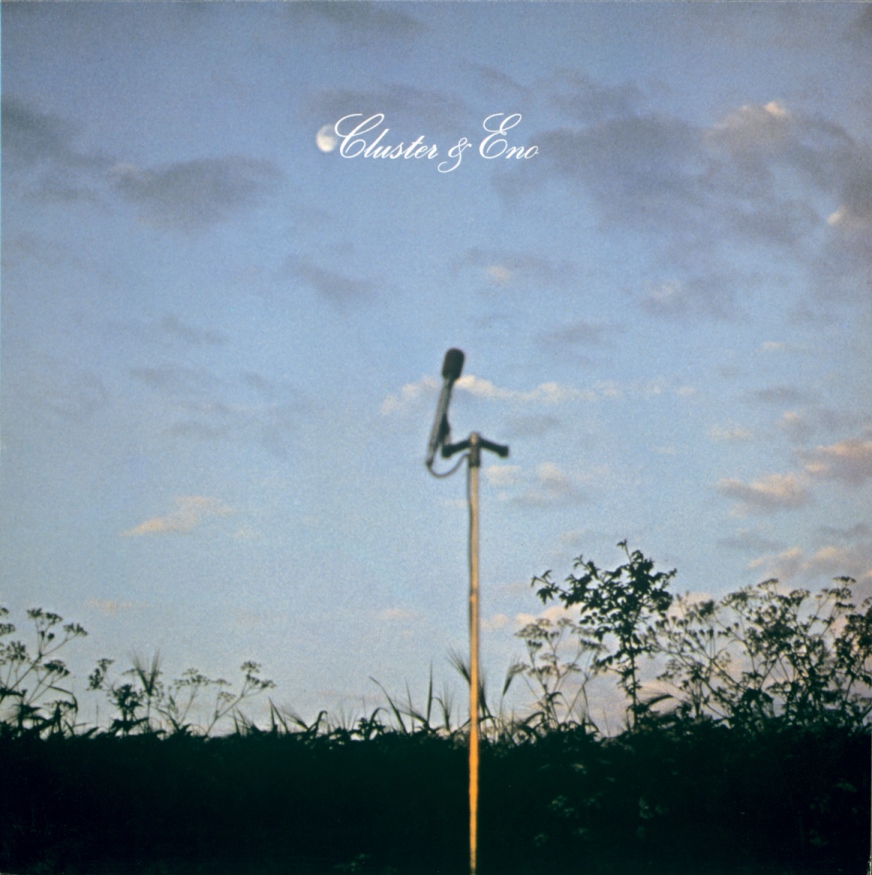
Having first worked together in 1976, Brian Eno met up with Hans-Joachim Roedelius and Dieter Moebius of CLUSTER on two fruitful recordings, the first of which was a glorious ambient instrumental affair. The front cover photo of a microphone up near the clouds summed up the approach with the album full of angelic atmospheres and gentle melodies. The closer ‘Für Luise’ was a tense cold war drama with stark piano and minimal synth.

‘Cluster & Eno’ is still available via Bureau B

https://www.roedelius.com/


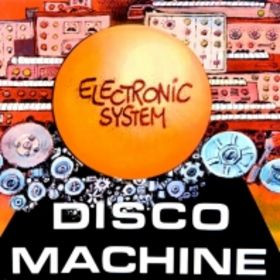
ELECTRONIC SYSTEM Disco Machine

A year before TELEX formed, Dan Lacksman released his sixth album under the ELECTRONIC SYSTEM moniker. With the sequencer driven Moog sounds of Giorgio Moroder being the main influence, ‘Flight to Tokyo’, ‘Cosmic Trip’ and ‘Flight To Venus’ was a fine segue of instrumental variations on the throbbing electronic disco theme, the latter of which was sampled in 2002 by THE CHEMICAL BROTHERS for ‘Star Guitar’.

‘Disco Machine’ is still available via The Wack Attack Barrack

https://danlacksman.com/


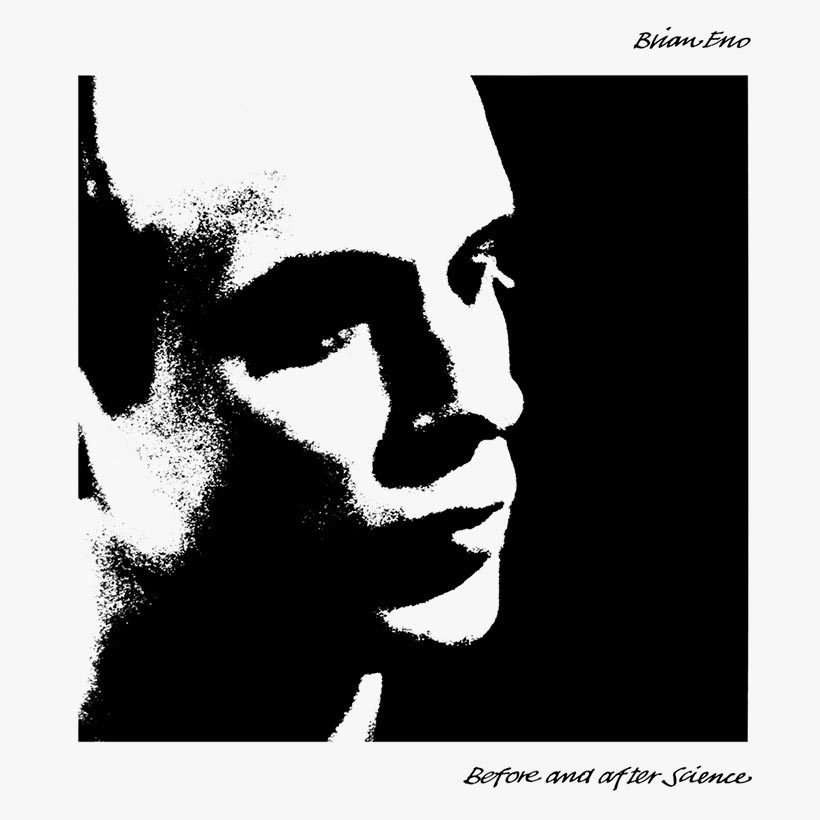
BRIAN ENO Before & After Science

As with David Bowie’s ‘Low’ and ‘Heroes’ which Eno had also worked on, ‘Before & After Science’ presented its material as pop and experimental sides. The first side included the quirky ‘Blackwater’ with its fabulous stabs of synth and the metallic romp of ‘Kings Lead Hat’. But the best tracks were on side two were the synth ballads ‘By This River’ assisted by CLUSTER and the sumptuous nautical folk of ‘Spider & I’.

‘Before & After Science’ is still available via Virgin Records

http://www.brian-eno.net/


BERNARD FEVRE Cosmos 2043

The French were on a roll with their vision for an electronic future with SPACE, DROIDS and Jean-Michel Jarre, but Bernard Favre actually composed and recorded the science fiction-themed ‘Cosmos 2043’ in 1975. While not as immediate as his fellow countrymen, this record was another sampled by THE CHEMICAL BROTHERS with ‘Earth Message’ forming the basis of 1999’s ‘Got Glint?’ for which Favre got a co-writing credit.

‘Cosmos 2043’ is still available via Anthology Records

https://www.facebook.com/blackdevildiscoclub


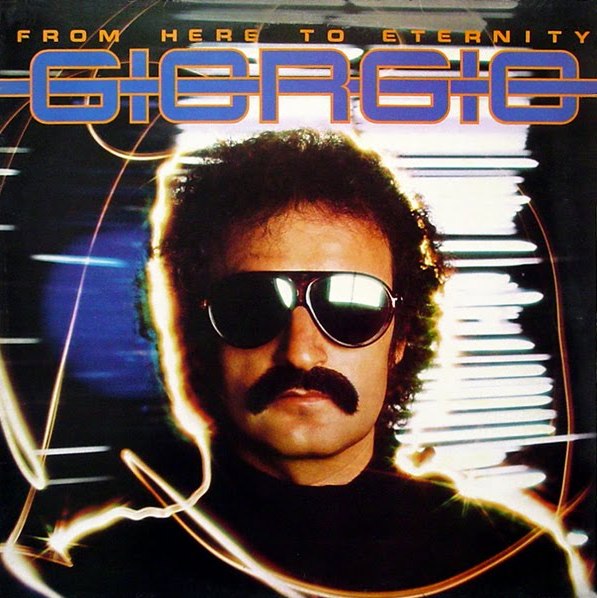
GIORGIO From Here To Eternity

On a roll from his pioneering work with Donna Summer, the sixth Giorgio Moroder solo album for centred around throbbing electronic disco. Featuring vocodered and conventional voices, the title track was effectively stretched out over one side of the album. Often mistaken for being KRAFTWERK, it actually prompted the Kling Klang quartet to move towards a more computerised sound for their 1978 album ‘The Man Machine’.

‘From Here To Eternity’ is still available via Repertoire Records

https://www.giorgiomoroder.com/


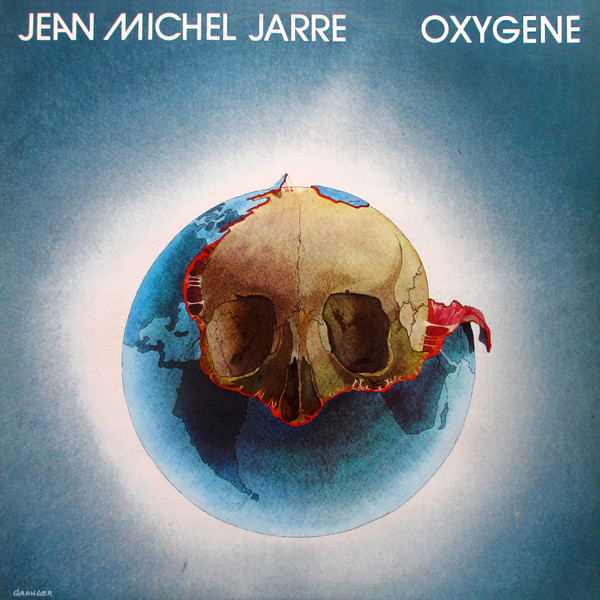
JEAN MICHEL JARRE Oxygène

Although released in France at the end of 1976, ‘Oxygène’ was not available worldwide until 1977 with ‘Oxygène IV’ becoming a huge hit single. The parent album was a glorious six part work and ‘Oxygène IV’ something of a centrepiece as a perfectly progressive spacey romp with pulsing sequences, Eminent strings, Mellotron choir and AKS waves while ‘Oxygene V’ chanelled Terry Riley’s ‘A Rainbow In Curved Air’.

‘Oxygène’ is still available via Sony Music

https://www.jeanmicheljarre.com/


KRAFTWERK Trans Europe Express

‘Trans Europe Express’ was the first KRAFTWERK album released in standalone English and German versions. Perhaps the most lyrical of all their imperial phase long players, ‘Europe Endless’ was despite its nostalgic romanticism, aspiring to a continent without borders while the punchy ‘Showroom Dummies’ responded to criticism their static live performance. Then there was the mighty title track and its ‘Metal On Metal’ interlude…

‘Trans Europe Express’ is still available via EMI Music

http://www.kraftwerk.com/


MICHAEL ROTHER Flammende Herzen

Relocating to build his own Random Studio in Forst, ‘Flammenden Herzen’ was Michael Rother’s first solo album after leaving NEU! Co-produced by Conny Plank with Jaki Liebezeit from CAN providing the percolating percussion, although Rother had utilised synthesizers to great effect before, they took a greater role in his solo work. ‘Karussell’ had a distinctly European flavour with its strong symphonic melodies.

‘Flammende Herzen’ is still available via Grönland Records

https://www.michaelrother.de/


KLAUS SCHULZE Mirage

After success of ‘Timewind’ and then ‘Moondawn’ featuring Harald Grosskopf on drums, Klaus Schulze was by now well into what many consider his imperial phase and adding PPG modules to his synth set-up, operated alone on ‘Mirage’. Subtitled “an electronic winter landscape”, the wintery 29 minute ‘Crystal Lake’ planted the seed for New Age while promotion was supported by two lavish concerts at the London Planetarium.

‘Mirage’ is still available via MIG Music GmbH

https://klaus-schulze.com/


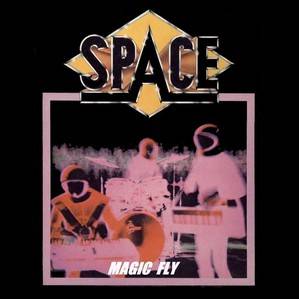
SPACE Magic Fly

SPACE was the brainchild of Didier Marouani who went under the pseudonym of Ecama and formed the collective with Roland Romanelli and Jannick Top. The space disco of the iconic ‘Magic Fly’ with its catchy melody and lush accessible futurism rode the wave of a new European electronic disco sound. But the album wasn’t just about the title hit as ‘Fasten Seatbelt, ‘Tango In Space’ and ‘Flying Nightmare’ proved.

‘Magic Fly’ is still available via Virgin France

https://marouani.space/


SUICIDE Suicide

An album of unsettling futuristic rockabilly, SUICIDE rocked the boat by Martin Rev using a Seeburg Rhythm Prince and Farfisa keyboard instead of drums and guitars while Alan Vega warbled and snarled like the ghost of a demented Elvis Presley. Highlights included ‘Ghost Rider’ and ‘Cheree’ which later soundtracked a Marc Jacobs perfume advert. The duo were to be a big influence on SOFT CELL and SIGUE SIGUE SPUTNIK.

‘Suicide’ is still available via Mute Records

https://www.facebook.com/SUICIDEBANDOFFICIAL/


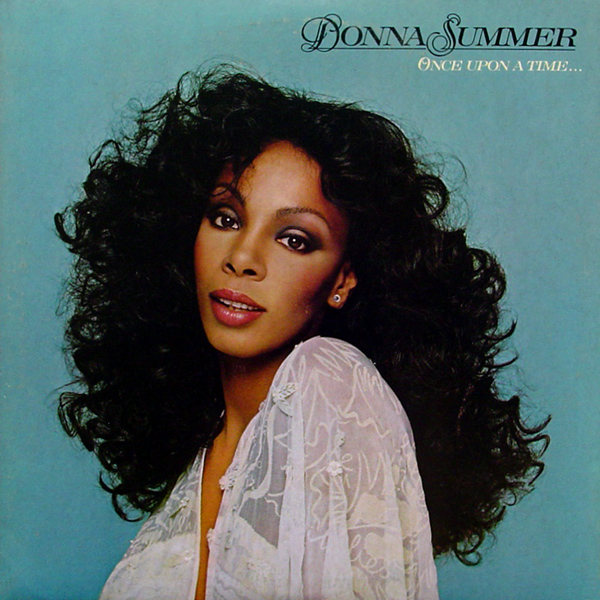
DONNA SUMMER Once Upon A Time

‘Once Upon A Time’ was an ambitious double album consisting of four distinct approaches. An all-electronic three song segued suite entitled ‘Act2’ was headed by ‘Working The Midnight Shift’ which took ‘I Feel Love’ to the next level with Summer’s wispy falsetto now in a grander setting. ‘Now I Need You’ captured a gothic eeriness while ‘Queen For A Day’ was a forerunner of ‘Our Love’ that halfway mutated back into disco pop.

‘Once Upon A Time’ is still available via Casablanca / Universal Records

https://www.facebook.com/OfficialDonnaSummer/


TANGERINE DREAM Sorcerer

The final studio album by the classic TANGERINE DREAM line-up of Edgar Froese, Chris Franke and Peter Baumann, after the long compositions of previous releases, ‘Sorcerer’ was characterised by shorter pieces in the band’s first commission for a Hollywood movie. Although this meant tracks like ‘The Mountain Road’ faded before they really got going, ‘Betrayal’ showed what could be done within time restrictions.

‘Sorcerer’ is still available via Esoteric Recordings

https://www.tangerinedreammusic.com/


TOMITA Space Fantasy

Released first in Europe as ‘Space Fantasy’ but retitled ‘Kosmos’ for international consumption in 1978, Isao Tomita acquired a Polymoog to supplement his Moog modular system. The ‘Star Wars: Main Title’ was reimagined with his signature synthetic whistle while a Strauss / Wagner medley provided a ‘Space Fantasy’. But the classic Rodrigo guitar concerto ‘Aranjuez’ was cosmically synthesized in a manner that only Tomita could.

‘Space Fantasy’ is still available as ‘Kosmos’ via RCA

http://tomita.org/


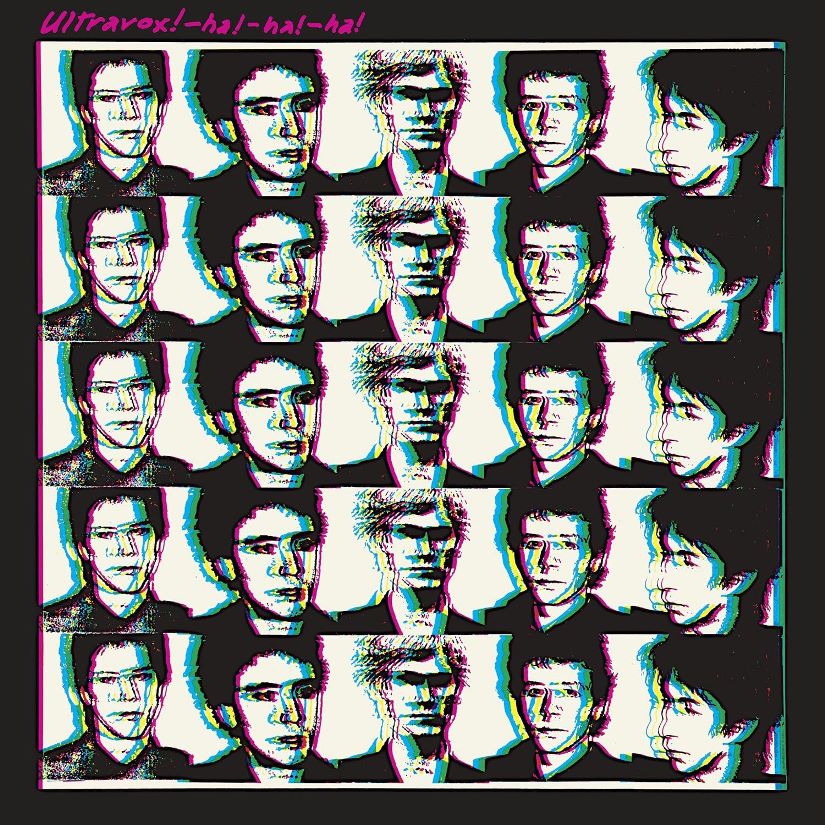
ULTRAVOX! Ha! Ha! Ha!

While primarily a fierce art rock album, ‘Ha! Ha! Ha!’ was however notable for the inclusion of two opposingly poled synth-dominated songs that pointed to the future direction of ULTRAVOX! The star of ‘The Man Who Dies Everyday’ was Billy Currie’s screaming ARP Odyssey while Warren Cann’s modified Roland TR77 rhythm machine acted as the backbone to the elegiac ‘Hiroshima Mon Amour’ which also featured an Elka Rhapsody.

‘Ha! Ha! Ha!’ is still available via Island Records

https://www.ultravox.org.uk/

http://www.metamatic.com/


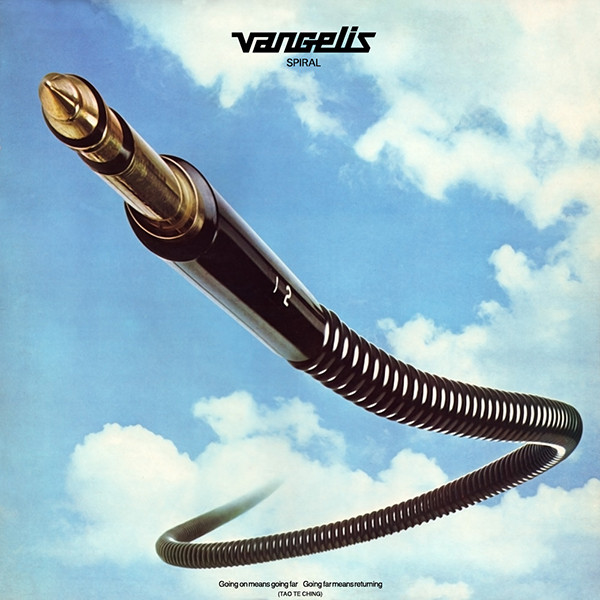
VANGELIS Spiral

The ‘Spiral’ album was best known for the beautifully emotive ‘To The Unknown Man’ where Vangelis first fully exploited the possibilities of the Yamaha CS80. He proved he could also do lively electronic pop with ‘Dervish D’ where over a spinning Roland System 100 sequencer, a slice of robotic funk grooved with a brilliantly played jazz-inflected CS80 solo using all the manual control features it had at his disposal.

‘Spiral’ is still available via Esoteric Recordings

https://www.facebook.com/VangelisOfficial/


ZANOV Moebius 256 301

The work of Pierre Salkazanov, the Frenchman had the ARP 2600 and its sequencer, along with the EMS VCS 3 and RMI Harmonic Synthesizer. Comprising of three short pieces and two much longer progressively spacey tracks ‘Plénitude’ and ‘An Zéro’, ‘Moebius 256 301’ had much more of a Berlin School template and echoes of TANGERINE DREAM in particular when compared with his French contemporaries.

‘Moebius 256 301’ is still available via Wah Wah Records

https://zanov.net/


Text by Chi Ming Lai
30th August 2025

THE ELECTRONIC LEGACY OF 1978

At the start of 1978, disco and AOR was still ruling the airwaves.

ABBA had released ‘The Movie’ which reinforced their success of previous years while the UK charts became dominated by songs from the film ‘Grease’ which helped facilitate a rock ‘n’ roll flavoured revival led by bands like SHOWADDYWADDY, DARTS and RACEY!

Punk had peaked with THE SEX PISTOLS’ Johnny Rotten and his rhetorical statement “Ever Get the Feeling You’ve Been Cheated?”. However, punk’s ethos was mutating into a form of power pop under the guise of new wave with BLONDIE, BUZZCOCKS and THE BOOMTOWN RATS. One epic opus that captured the public imagination was ‘Jeff Wayne’s Musical Version of The War of the World’; featuring synthesizer work from Ken Freeman, it complimented the album’s orchestrated rock with an alien science fiction edge.

Although first released in Autumn 1977, ‘Supernature’ by Cerrone belatedly became a Summer 1978 Top10 hit in the UK singles charts, indicating that after ‘I Feel Love’, ‘Oxygène’, ‘Magic Fly’, ‘Sound & Vision’ and ‘Trans-Europe Express’, electronic pop music had potential longevity and was not a novelty.

A new DIY art pop form was emerging as the independently produced singles ‘Warm Leatherette’ by THE NORMAL and ‘Being Boiled’ by THE HUMAN LEAGUE were released to an unsuspecting public but despite not troubling the mainstream due to their limited audience reach, they were to have a wider impact.

Meanwhile, as punk band TUBEWAY ARMY were preparing to record their debut long player, their leader Gary Numan tried a Minimoog that had been left behind from a previous studio session. It was to be an epiphanal moment as he decided that electronics would become a future part of his sound.

According to a recent Ace Records podcast hosted by Pete Paphides, his guest Bob Stanley said that Minimoog belonged to reggae legend Dennis Bovell who was working on a song he had just written called ‘Silly Games’. When it stalled at No2 sung by Janet Kay, in a bizarre coincidence, the single that was to stop it from getting to No1 in Summer 1979 was recorded in the same Gooseberry Studios in London’s Chinatown… it was ‘Are Friends Electric?’!!!

Here are 20 albums which ELECTRICITYCLUB.CO.UK sees as contributing to the electronic legacy of 1978. They are listed in alphabetical order with a restriction of one album per artist moniker…


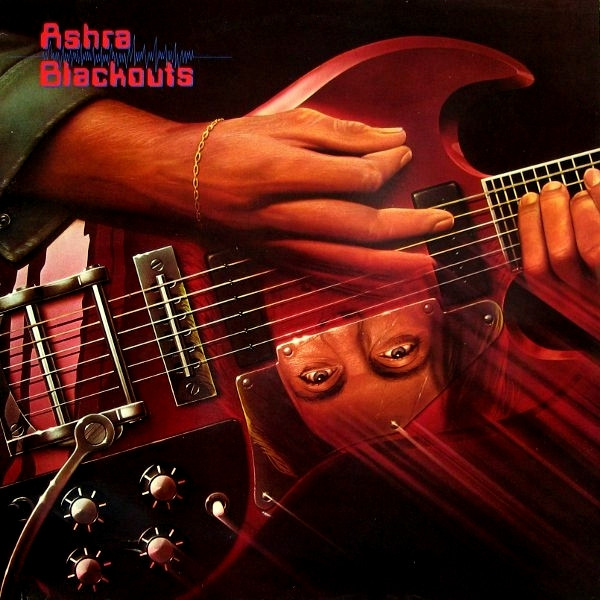
ASHRA Blackouts

Featuring “Sequencer, Keyboards and a lot of guitar” with the recommendation that “this record should be heard comfortably”, ‘Blackouts’ was Manuel Göttsching’s second album as ASHRA and while it did not quite have the total cosmic magic of its predecessor ‘New Age Of Earth’, it was a satisfying record. ‘Midnight On Mars’ set the scene while there was another wonderful 20 minute end piece in ‘Lotus Part I-IV’.

‘Blackouts’ is still available via Virgin Records

https://manuelgoettsching.com/


AUTOMAT Automat

AUTOMAT were Romano Musmarra and Claudio Gizzi who released just one album. Stating “in the beginning there was the machine – the survival and the organization of the planet depended upon the machine – the future and the past depended upon the machine – …the past? But who wanted the machine?”, the key track was the eponymous three part electronic prog disco opus that would have made Giorgio Moroder proud. Meanwhile ‘Droid’ showed the Italian duo were also fans of Vangelis.

‘Automat’ was originally released by EMI Italiana, currently unavailable

https://www.discogs.com/artist/29817-Automat


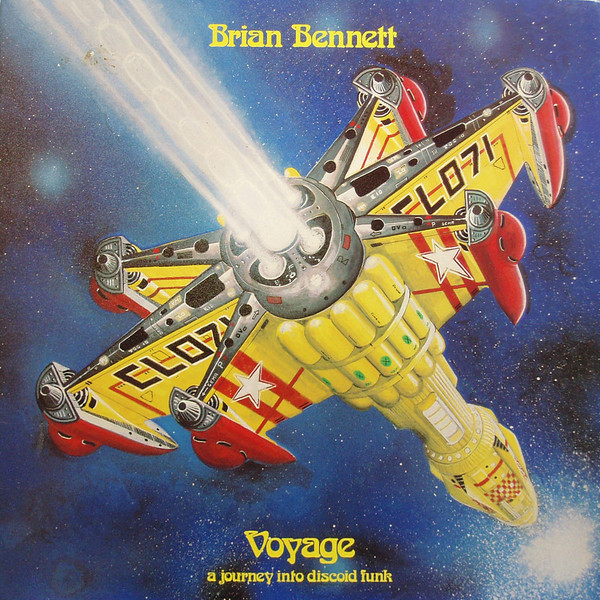
BRIAN BENNETT Voyage (A Journey Into Discoid Funk)

The drummer for THE SHADOWS since 1961, Brian Bennett worked on theme music on the side and became inspired by the emergence of electronic disco from the likes of Giorgio Moroder and Marc Cerrone. Described as “A Journey Into Discoid Funk”, ‘Voyage’ was a cosmic affair with jazz and funk influences. Highlights included ‘Pendulum Force’, ‘Ocean Glide’ and ‘Chain Reaction’ while one track ‘Solstice’ was later sampled by rappers Kanye West and Nas.

‘Voyage (A Journey Into Discoid Funk)’ is still available via Cherry Red Records

https://www.cherryred.co.uk/brian-bennett-voyage-2cd-expanded-edition


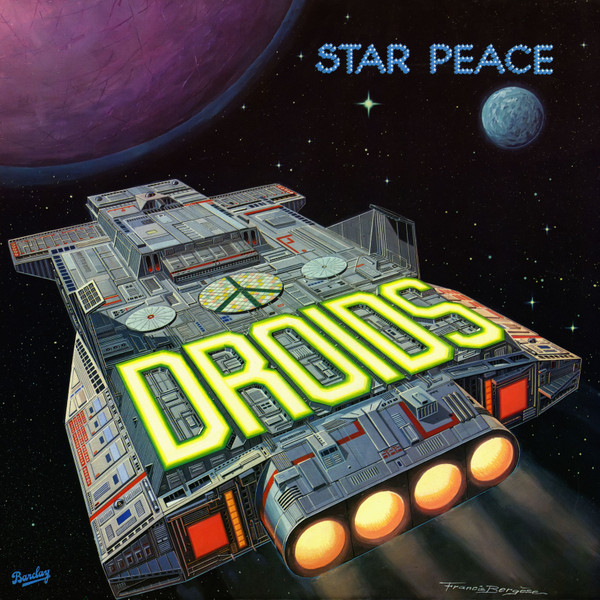
DROIDS Star Peace

Inspired by ‘Star Wars’, French space disco combo DROIDS were best known for their underground hit ‘(Do You Have) The Force’ in 1977. Included on it, their only album ‘Star Peace’ came the following year with material written and played by Yves Hayat using Moogs, ARPs and Oberheims. It was an enjoyable electronic romp with groovy tracks like ‘Be Happy’ and ‘Shanti Dance’ to take on fellow countrymen SPACE.

‘Star Peace’ is still available via Barclay

https://www.discogs.com/artist/93198-Droids


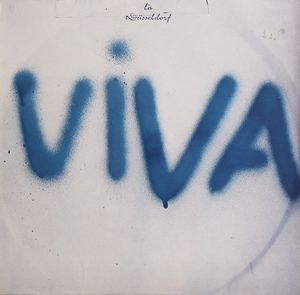
LA DÜSSELDORF Viva

Fronted by Klaus Dinger from NEU! while also featuring his brother Thomas on percussion and Hans Lampe on drums, the second long player LA DÜSSELDORF ‘Viva’ was self-produced and their most successful album. There was the magnificent 20 minute madness of ‘Cha Cha 2000’, but the album also yielded the beautifully epic ‘Rheinita’, a glorious instrumental that became the blueprint for OMD’s ‘Architecture & Morality’ album.

‘Viva’ is still available via WEA Records

https://dingerland.de/


ENO MOEBIUS ROEDELIUS After The Heat

Following aborted sessions with cult German band HARMONIA featuring Michael Rother of NEU! alongside Dieter Moebius and Hans-Joachim Roedelius of CLUSTER, Brian Eno continued collaborations with the latter pair. With a wonderful 1977 ambient collection ‘Cluster & Eno’ to their name, their second album ‘After The Heat’ added Eno’s contemplative voice to the experimentation, the best track of which was the gentle sequencer led beauty of ‘The Belldog’.

‘After The Heat’ is still available via Bureau B


https://www.roedelius.com/album/after-heat


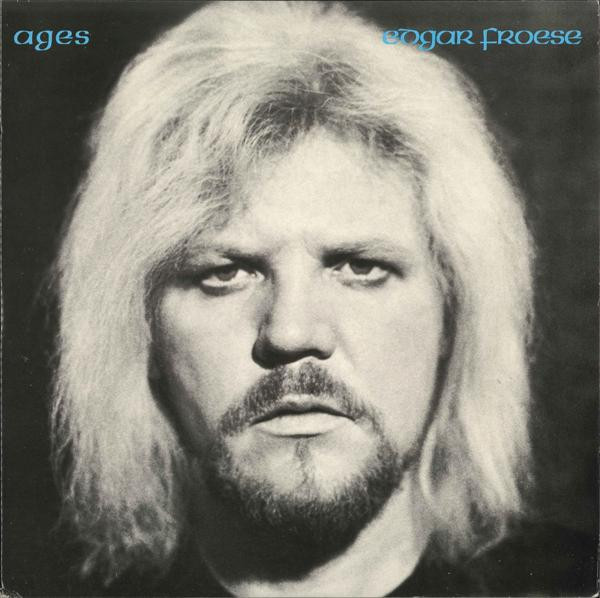
EDGAR FROESE Ages

This double album was released at the start of 1978 before TANGERINE DREAM took their vocal prog rock misstep with ‘Cyclone’. ‘Era Of The Slaves’ was a particular delight in the Berlin School vein with Edgar Froese channelling his creative energies wonderfully following the departure of Peter Baumann. Overall, ‘Ages’ was lively, as exemplified by ‘Nights of Automatic Women’ while ‘Children’s Deeper Study’ displayed a brighter tone.

‘Ages’ is still available via Virgin Records

https://www.edgarfroese.com/


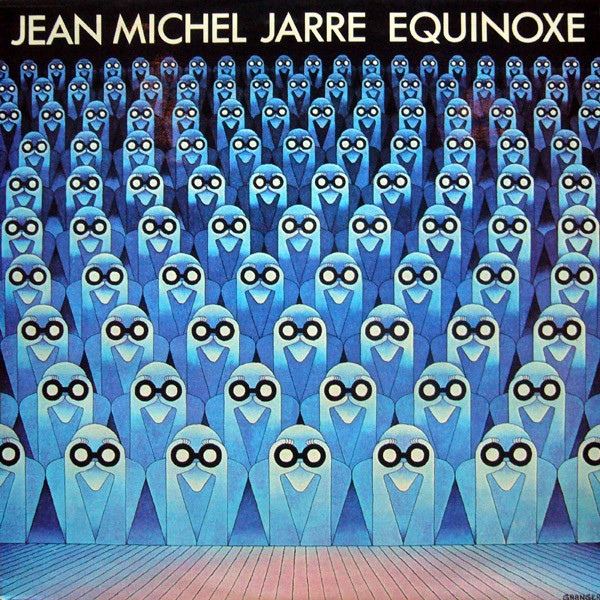
JEAN-MICHEL JARRE Equinoxe

The follow-up to the massively successful ‘Oxygène’, ‘Équinoxe’ was conceived as representing a day in a person’s life. As well expanded multitrack recording, ‘Équinoxe’ benefitted from the use of the customised Matrisequencer 250 designed by sound engineer Michel Geiss. The album’s eight parts were rich in melody, rhythm and in places neo-gothic grandeur. It confirmed Jean-Michel Jarre was not to be just a one-hit wonder.

‘Equinoxe’ is still available via Sony Music

http://jeanmicheljarre.com/


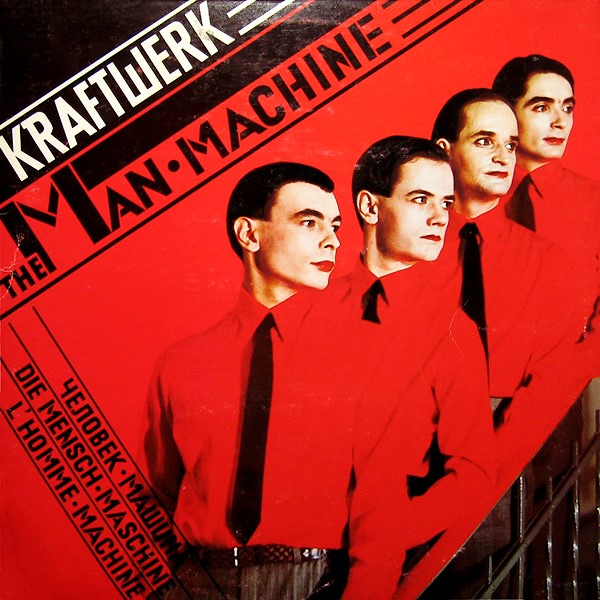
KRAFTWERK The Man Machine

By 1978, the classic KRAFTWERK line-up of Ralf Hütter, Florian Schneider, Wolfgang Flür and Karl Bartos were at the height of their powers with ‘Trans Europe Express’ becoming an unexpected favourite on the New York dancefloors. ‘The Man Machine’ contained the belated hit single ‘The Model’ while there was also the Giorgio Moroder-inspired ‘Spacelab’ and ‘Metropolis’. With ‘The Robots’, the Das Quartett reinforced they were Musikarbeiter.

‘The Man Machine’ is still available via EMI Music

http://www.kraftwerk.com/


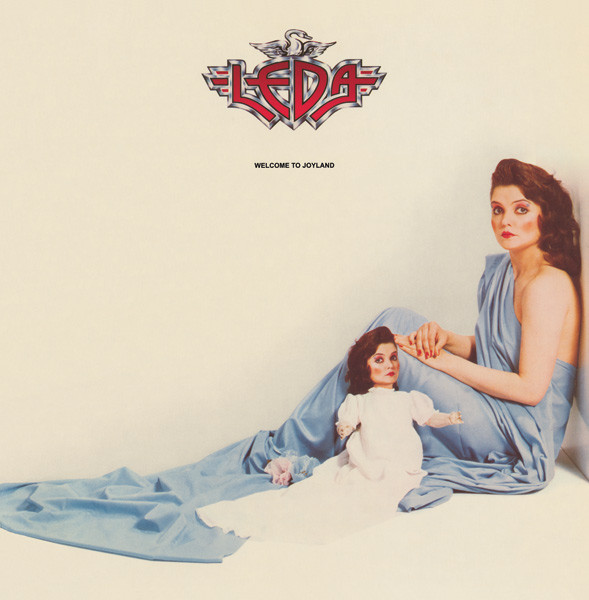
LEDA Welcome To Joyland

Having left TANGERINE DREAM and inspired by the success of ‘I Feel Love’, Peter Baumann produced Italian artist Leda on her album ‘Welcome To Joyland’. Applying his sequenced knowhow into a more song based format, highlights included the title song and the Giorgio Moroder aping ‘Future’. Something of a curio in his portfolio, it became a pointer to the pop based direction he launched in 1981 with ‘Repeat Repeat’.

‘Welcome To Joyland’ is still available via Private Records

https://www.voices-in-the-net.de/welcome_to_joyland.htm


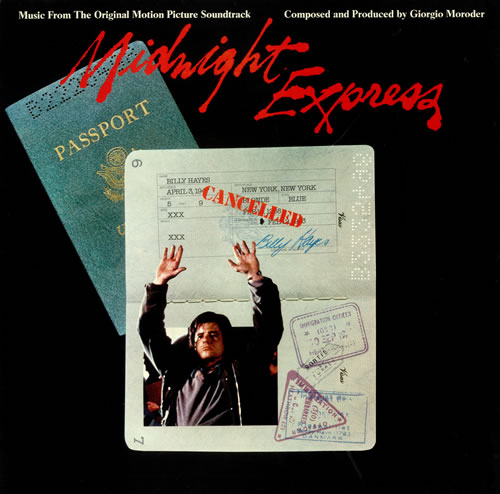
GIORGIO MORODER Midnight Express

‘Midnight Express’ was a graphic prison drama directed by Alan Parker who wanted electronic accompaniment in the style of ‘I Feel Love’ for a key scene in the film. Enter Giorgio Moroder who, assisted by Harold Faltermeyer, did just that with the mighty ‘Chase’. Meanwhile, the moody main theme and with its exotic overtones all but invented synthwave. Moroder would win his first Oscar for “Best Original Score”.

‘Midnight Express’ is still available via Casablanca Records / Universal Records

http://www.moroder.net/


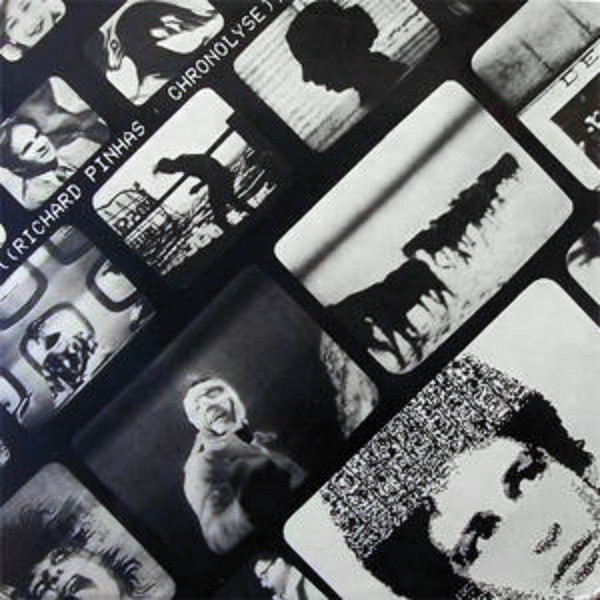
RICHARD PINHAS Chronolyse

Richard Pinhas was a member of French rock band HELDON who became fascinated by the possibilities of experimental electronics. Inspired by sci-fi writers Michel Jeury and Frank Herbert, the ‘Chronolyse’ title suite was split into seven waves of cerebral minimalism reminiscent of Terry Riley and Philip Glass. But there was a volte face in ‘Paul Atreïdes’, a noisy half hour jam with his HELDON band mates that took up an entire side.

‘Chronolyse’ is still available via Bureau B

https://www.richard-pinhas.com/chronolyse/


RIECHMANN Wunderbar

The only album by the tragic figure of Wolfgang Riechmann, ‘Wunderbar’ was an elegant and ultimately fragile collection with a fine balance of electronic technology and real instrumentation where none of the elements were overdone. The resonant melancholy of its content became even more poignant once it is learnt that he was murdered in Düsseldorf just weeks before its release by Sky Records in August 1978.

‘Wunderbar’ is still available via Bureau B

https://riechmann.bandcamp.com/album/wunderbar


MICHAEL ROTHER Sterntaler

After the success of ‘Flammenden Herzen’ set Michael Rother off on the path to becoming Germany’s answer to Mike Oldfield, his second solo album ‘Sterntaler’ saw a greater use of synths for melody lines as on the uplifting title track. ‘Orchestrion’ was more of a layered guitar symphony but the moody textures of ‘Sonnenrad’ would later become the inspiration for ULTRAVOX’s ‘Dancing With Tears In My Eyes’.

‘Sterntaler’ is still available via Grönland Records

http://www.michaelrother.de/en/


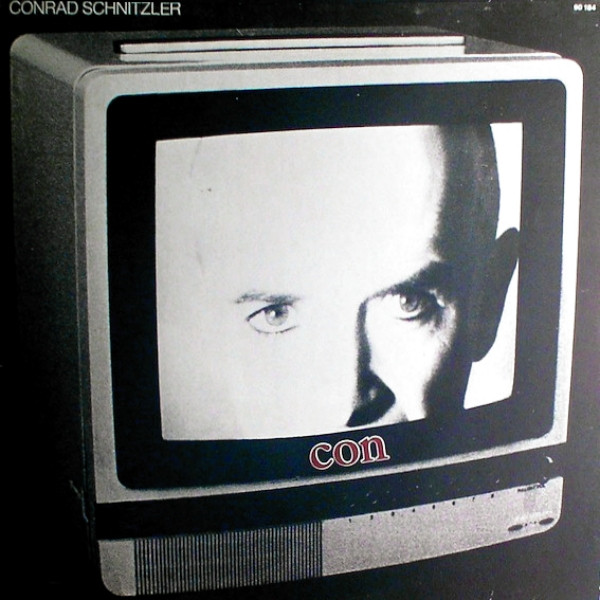
CONRAD SCHNITZLER Con

Conrad Schnitzler had been a member of TANGERINE DREAM and KLUSTER before going solo. ‘Con’ was produced by Peter Baumann. While much of the album was unsettling soundscapes like ‘Electric Garden’ and ‘Black Nail’, ‘Ballet Statique’ was his most accessible piece and up there with the best of minimally structured German electronic music. Meanwhile ‘Zug’ did as the title suggested with its locomotive rhythm collage.

‘Con’ is still available via Bureau B

https://www.fancymoon.com/con_s/


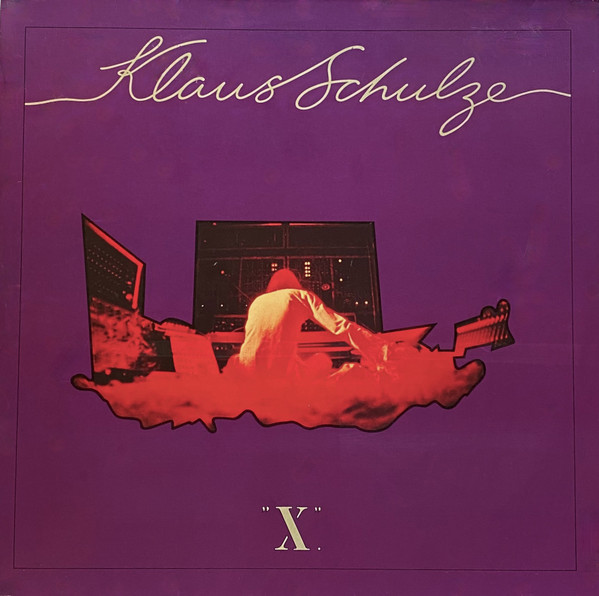
KLAUS SCHULZE X

After his 1977 masterpiece ‘Mirage’, Klaus Schulze was by now well into what many consider his imperial phase and planting the seed for New Age in the process. For the ambitious double opus ‘X’, drums by Harald Grosskopf and strings were incorporated into “Six Musical Biographies” in honour of figures such as philosopher Friedrich Nietzsche, King Ludwig II of Bavaria, composer Friedemann Bach and ‘Dune’ author Frank Herbert.

‘X’ is still available via SPV

https://klaus-schulze.com/


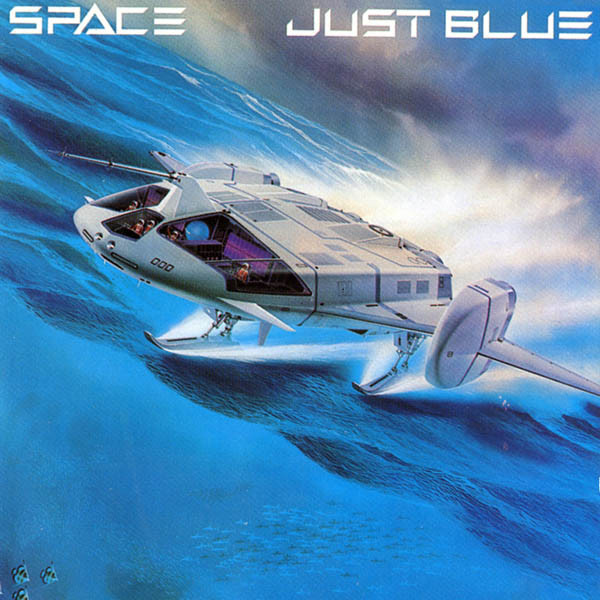
SPACE Just Blue

Having had a worldwide hit with ‘Magic Fly’, ‘Just Blue’ was the third album by France’s SPACE and the last featuring original writer Ecama, the pseudonym of Didier Marouani. With proggier inflections and more vocal phrasing, this album did not hit the highs of ‘Magic Fly’ but this was still a good record. The title song had catchy synth hooks while ‘Final Signal’ brought in fretless bass and ‘Secret Dreams’ got all new age.

‘Just Blue’ is still available via Nang

https://www.facebook.com/Didier.Marouani.et.spAce/


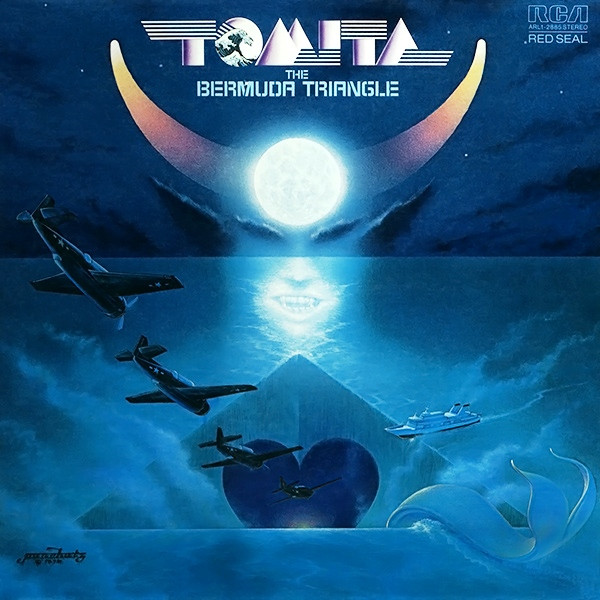
TOMITA The Bermuda Triangle

Best known for 1974’s pioneering ‘Snowflakes Are Dancing’ which reinterpreted Debussy, Isao Tomita was applying his Moog modular craft to Prokofiev and Sibelius for an ambitious concept album subtitled “A Musical Fantasy of Science Fiction”, there was even an adaptation of ‘Close Encounters Of The Third Kind’. As befitting a record about ‘The Bermuda Triangle’, it was dark and experimental in places with a fabulous palette of sound design.

‘The Bermuda Triangle’ is still available via Revive Music

https://www.isaotomita.info/


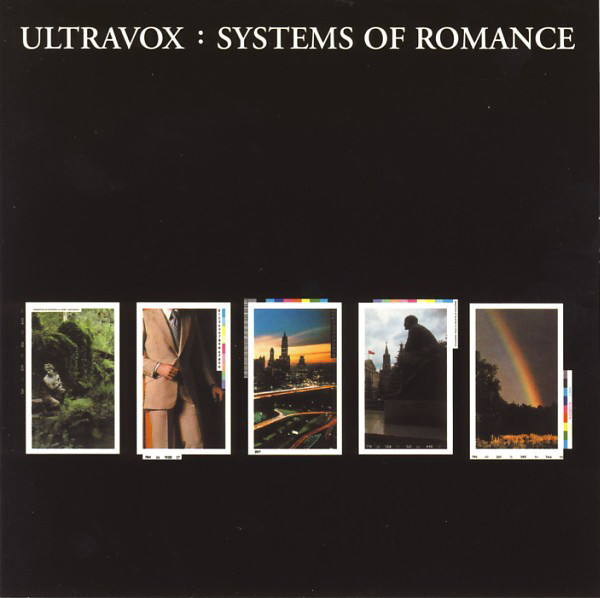
ULTRAVOX Systems Of Romance

Working with the legendary Conny Plank for their third album ‘Systems Of Romance’, ULTRAVOX became more texturally powerful thanks to the ARP Odyssey of Billy Currie, Chris Cross’ EMS Synthi AKS and new guitarist Robin Simon. Despite leader John Foxx leaving to go solo, ‘Slow Motion’, ‘Quiet Man’, ‘Dislocation’ and ‘Just For A Moment’ were a harbinger of things that were to come with a certain Gary Numan taking notes.

‘Systems Of Romance’ is still available on ‘The Island Years’ via Caroline Records

https://www.ultravox.org.uk/


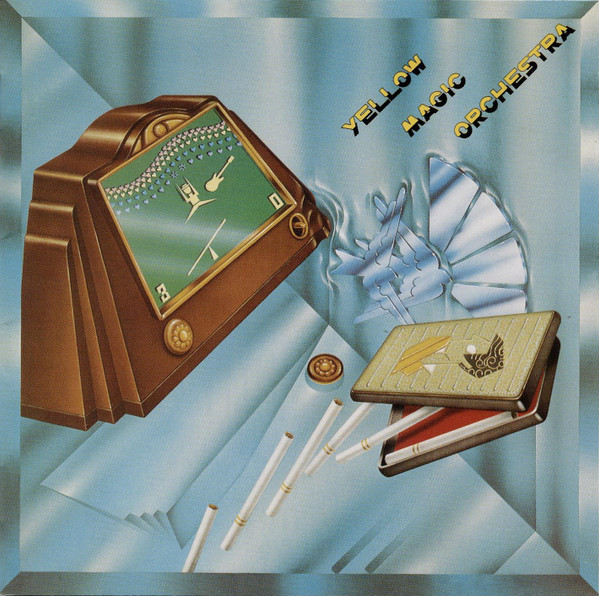
YELLOW MAGIC ORCHESTRA Yellow Magic Orchestra

YELLOW MAGIC ORCHESTRA was intended as one-off project for producer Haruomi Hosono with Yukihiro Takahashi and Ryuichi Sakamoto; all three already had solo careers. Their self-titled debut was noted for its use of the then-new Roland MC8 Micro-Composer progammed by Hideki Matsutake. The trio became standard bearers for Japanese technopop with the hit single ‘Firecracker’, also known as ‘Computer Game’.

‘Yellow Magic Orchestra’ is still available via Sony Music

http://www.ymo.org/


Text by Chi Ming Lai
3rd August 2024

THE ELECTRONIC LEGACY OF 1979

While 1979 saw a post-punk revolution with new wave and ska emerge as energetic expressions of youth with the likes of JOY DIVISION, XTC, THE SPECIALS and MADNESS, maturer acts with power pop sensibilities such as BLONDIE and THE POLICE dominated the UK charts.

But the synthesizer had become a new tool of creativity for those who weren’t interested in learning chords on a guitar and preferred to use one finger, thanks to its new found affordability with refined technology from Japan. While electronics had been present in disco, progressive rock and esoteric avant garde forms, following seminal records in 1978 such as ‘Warm Leatherette’ b/w ‘TVOD’ by THE NORMAL and ‘Being Boiled’ by THE HUMAN LEAGUE, a new DIY artpop form was developing that would eventually take on KRAFTWERK at their own game.

Among those fledgling electronic acts who released their debut singles in 1979 on independent labels were OMD with ‘Electricity’ on Factory Records and FAD GADGET with ‘Back To Nature’ on Mute Records. Meanwhile on another independent Rough Trade, CABARET VOLTAIRE achieved a wider breakthrough with ‘Nag Nag Nag’, the standalone single accompanying their first album ‘Mix-Up’.

Having experimented with synths on ‘Low’ released in 1977, David Bowie had gone to see THE HUMAN LEAGUE at The Nashville in late 1978 and hailed them as “the future of rock ‘n’ roll”. Alas it was TUBEWAY ARMY fronted by Gary Numan who beat THE HUMAN LEAGUE to the top of the UK singles charts in Summer 1979 with Are Friends Electric?’. However, just a few weeks earlier, SPARKS had taken the Giorgio Moroder produced ‘No1 Song In Heaven’ into the UK Top20. But however history is perceived, a revolution had begun that would lead to the dawn of “synthpop” in 1980.

Here are 20 albums which ELECTRICITYCLUB.CO.UK sees as contributing to the electronic legacy of 1979. They are listed in alphabetical order with a restriction of one album per artist moniker, meaning Gary Numan and Edgar Froese appear twice…


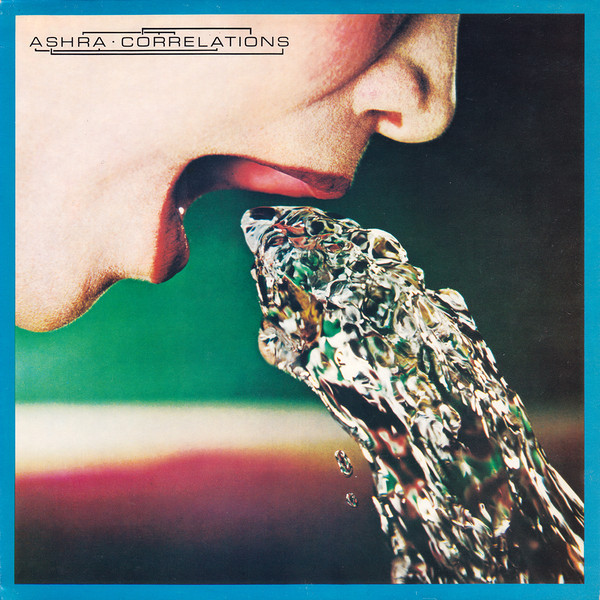
ASHRA Correlations

As ASHRA, Manuel Göttsching released what many consider to be his first ambient masterpiece ‘New Age Of Earth’. On 1978’s ‘Blackouts’, he expanded the line-up to include drumming synthesist Harald Grosskopf and guitarist Lutz Ulbrich which continued on ‘Correlations’. Despite being more rock-oriented, it featured sequenced electronics with ‘Club Cannibal’ almost entering Jean-Michel Jarre territory.

‘Correlations’ is still available via Spalax Music

https://www.electricityclub.co.uk/manuel-gottsching-1952-2022/


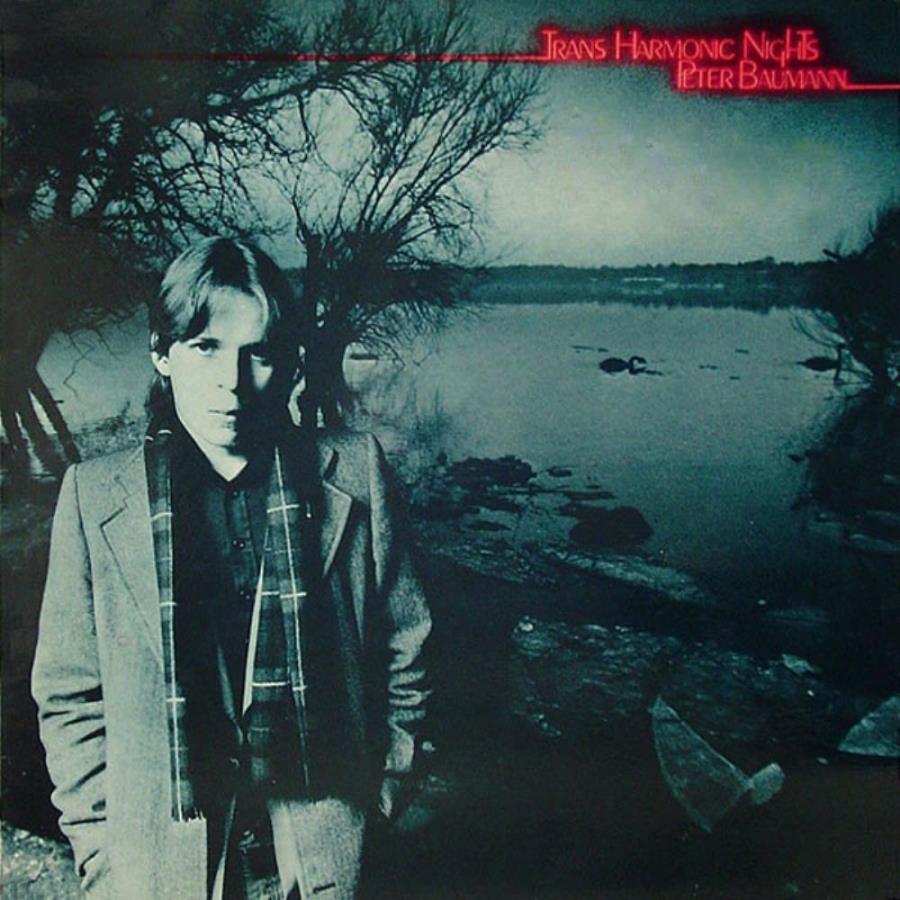
PETER BAUMANN Trans Harmonic Nights

Although he had released ‘Romance ‘76’ while still a member of TANGERINE DREAM, Peter Baumann’s first solo album after departing the band was something of an interim record before venturing into electronic pop with ‘Repeat Repeat’. Mostly shorter instrumental compositions using mysterious melodies and occasional vocoder textures, ‘Trans Harmonic Nights’ remains something of an underrated electronic gem.

‘Trans Harmonic Nights’ is still available via Cherry Red Records

https://www.cherryred.co.uk/product/trans-harmonic-nights-remastered-edition/


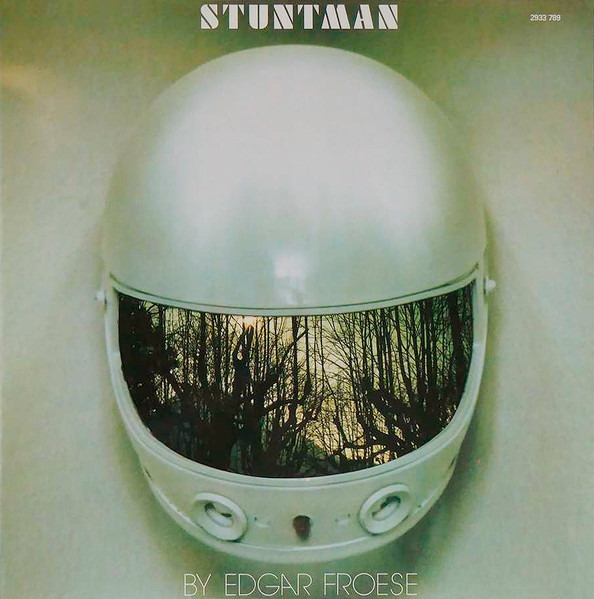
EDGAR FROESE Stuntman

With TANGERINE DREAM taking a misstep with ‘Cyclone’ and perhaps prompted by the success of Jean-Michel Jarre’s electronic symphonies, on his fifth solo album ‘Stuntman’, Edgar Froese was at his most accessible with strong synth melodies, particularly on the title track. Elsewhere, new ages resonances were starting to develop while on ‘Drunk Mozart In The Desert’, there were atmospherics coupled with a rhythmic bounce.

‘Stuntman’ is still available via Virgin Records

https://www.edgarfroese.de/


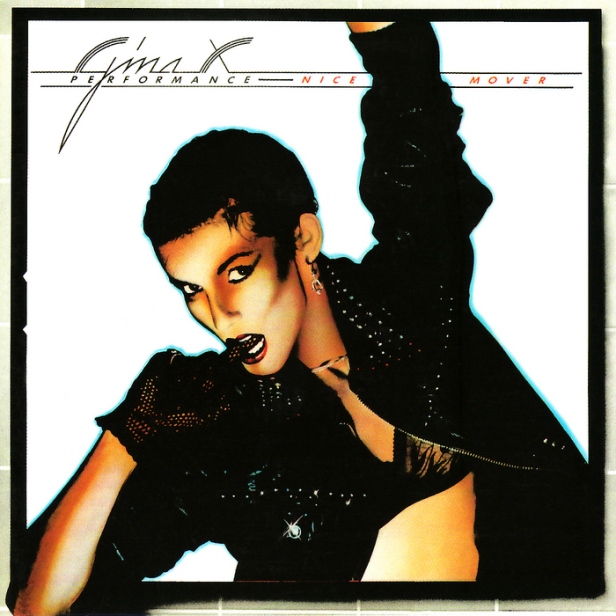
GINA X PERFORMANCE Nice Mover

Produced and co-written by Zeus B Held, the debut album by androgynous art history student Gina Kikoine featured an array of ARP and Moog synths to signal the birth of a new European Underground. Cult club favourite ‘No GDM’ was written in honour of the “great dark man” Quentin Crisp while other highlights included the detached vocoder assisted robotic soul of the title song and the feisty gender statement ‘Be A Boy’.

Available on the album ‘Nice Mover + Voyeur’ via Les Disques du Crepuscule

http://www.ltmrecordings.com/gina_x.html


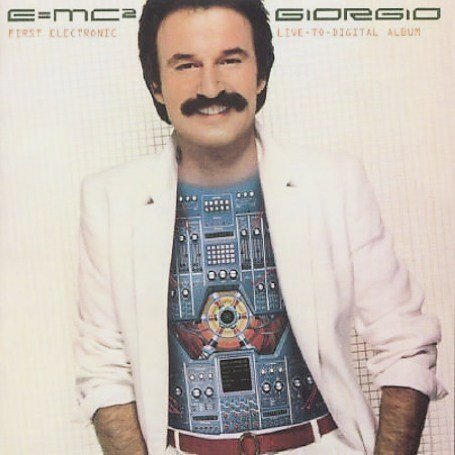
GIORGIO E=MC²

With Giorgio Moroder acquiring Roland’s new System 700 and an MC8 Micro-composer to control it, ‘E=MC2’ was touted as the first “electronic live-to-digital” album. This allowed for an uptempo funkiness previously unheard on sequencer based music to come into play. With the electronically treated vocals and euphoric energy of the marvellous ‘What A Night’, the sound of DAFT PUNK was inadvertently being invented!

‘E=MC²’ is still available via Repertoire Records

https://www.giorgiomoroder.com/


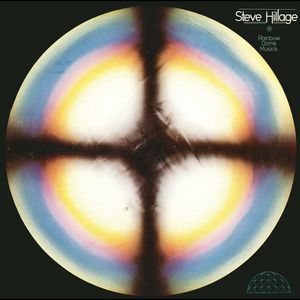
STEVE HILLAGE Rainbow Dome Musick

As a member of GONG and solo artist, Steve Hillage had a love of German experimental music and ventured into ambient with long standing partner Miquette Giraudy. Recorded for the Rainbow Dome at the ‘Festival For Mind-Body-Spirit’ at London’s Olympia, these two lengthy Moog and ARP assisted tracks each had a beautifully spacey vibe to induce total relaxation with a colourful sound spectrum.

‘Rainbow Dome Musick’ is still available via Virgin Records

http://www.stevehillage.com/


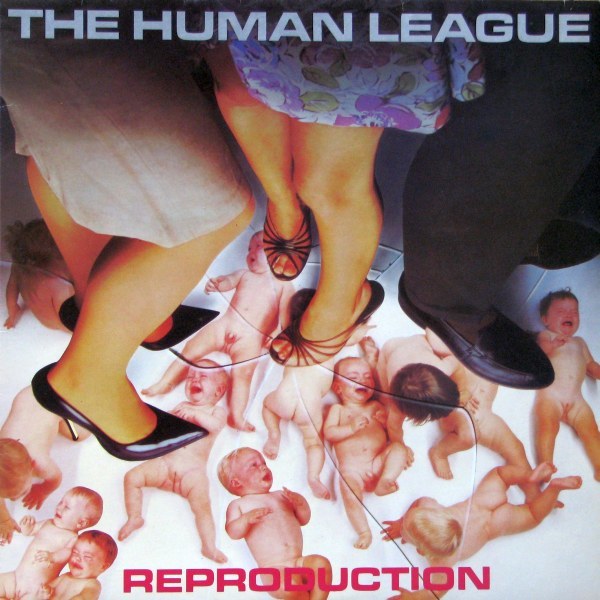
THE HUMAN LEAGUE Reproduction

With a manifesto of “synthesizers and vocals only”, the debut album by THE HUMAN LEAGUE included ‘Empire State Human’, ‘Circus Of Death’, ‘Almost Medieval’, ‘Blind Youth’ and a stark cover of ‘You’ve Lost That Loving Feeling’. Produced by Colin Thurston, while ‘Reproduction’ was not a commercial success, Philip Oakey, Ian Craig Marsh and Martyn Ware gained valuable experience that would progress their careers.

‘Reproduction’ is still available via Virgin Records

https://www.electricityclub.co.uk/martyn-ware-the-reproduction-travelogue-interview/


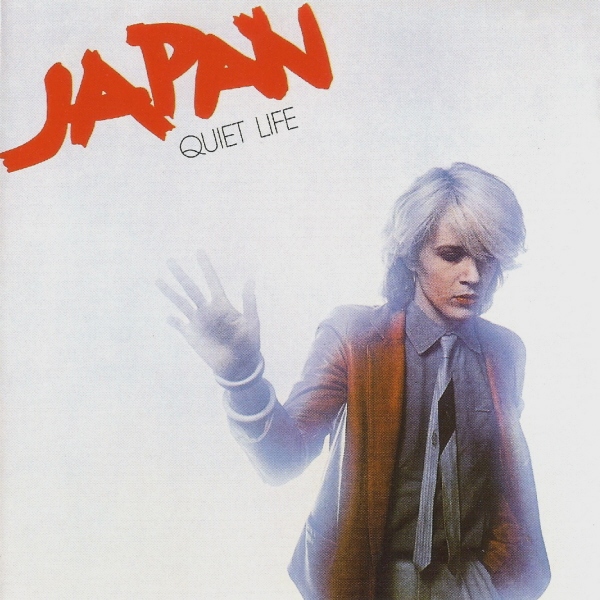
JAPAN Quiet Life

Although considered a 1980 album, the third JAPAN long player was actually released late 1979 in Japan, Canada, Holland and Germany. Featuring the sequencer-driven title song as well as the rockier ‘Halloween’ and a cover of THE VELVET UNDERGROUND’s ‘All Tomorrow’s Parties’, despite Roxy rip-off accusations, it was a major artistic step forward as a quality timeless work embracing synths, muzak and orchestrations.

‘Quiet Life’ is still available via BMG

https://www.electricityclub.co.uk/rob-dean-the-quiet-life-interview/


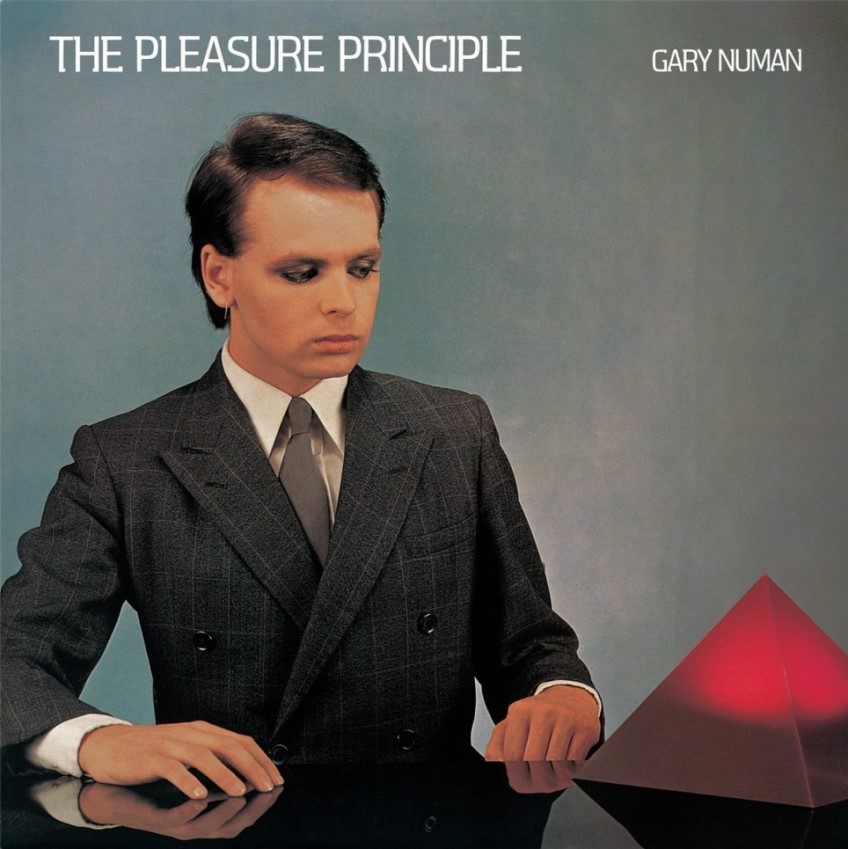
GARY NUMAN The Pleasure Principle

Devoid of guitar but using a flesh-and-blood rhythm section, Gary Numan realised his dream of producing a new form, machine rock. Synths were fed through guitar effects pedals to add a more sinister metallic tone and while there was sombre isolation communicated on all the songs, there was a catchy melodic sensibility to songs such as ‘Cars’, ‘Metal’, ‘Films’, ‘Engineers’ and ‘M.E.’ which turned Numan into the first synthesizer pop star.

‘The Pleasure Principle’ is still available via Beggars Banquet

https://garynuman.com/


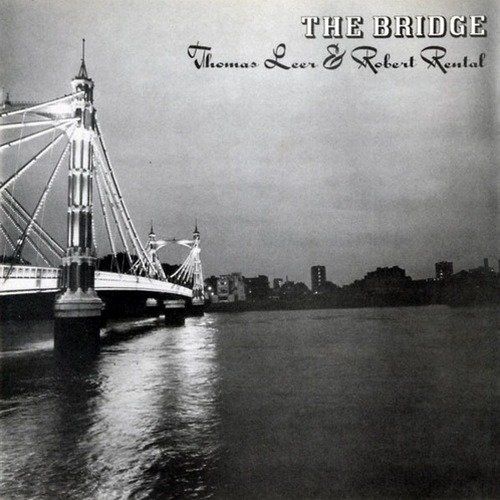
ROBERT RENTAL & THOMAS LEER The Bridge

Originally released on THROBBING GRISTLE’s Industrial Records, ‘The Bridge’ album saw Scottish duo Thomas Leer and Robert Rental trading vocal and instrumental duties using early affordable synths such as the EDP Wasp. Comprising of a side of five songs and a side with four ambient instrumentals, ‘Day Breaks, Night Heals’ and ‘Monochrome Days’ both showcased an avant pop sensibility. Robert Rental sadly passed away in 2000.

‘The Bridge’ is still available via Mute Artists

https://www.electricityclub.co.uk/story-of-thomas-leer-robert-rental/


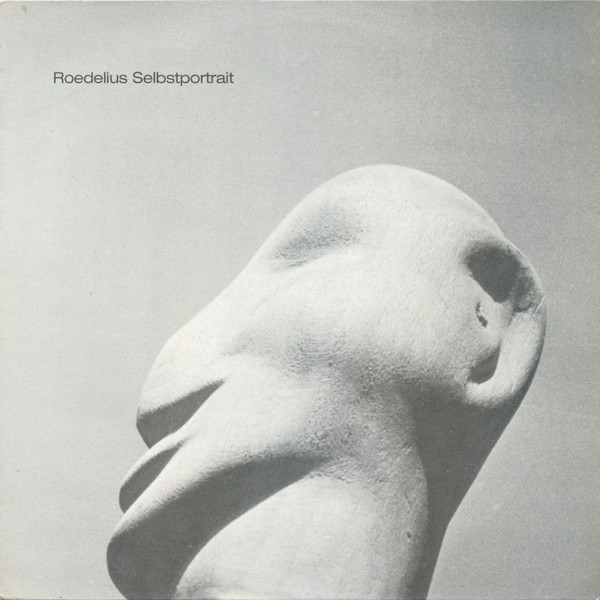
ROEDELIUS Selbstportrait

Best known as a member of CLUSTER with the late Dieter Moebius and working with Brian Eno on two albums, ‘Selbstportrait’ was Hans-Joachim Roedelius’ third solo long player. This was a “self-portrait” reflecting the gentle introspective ambience of the record. Something of a sister record to the 1977’s marvellous ‘Sowiesoso’, it was more accessible than CLUSTER’s own structurally minimal ‘Grosses Wasser’ also issued in 1979.

‘Selbstportrait’ is still available via Bureau B

https://www.roedelius.com/


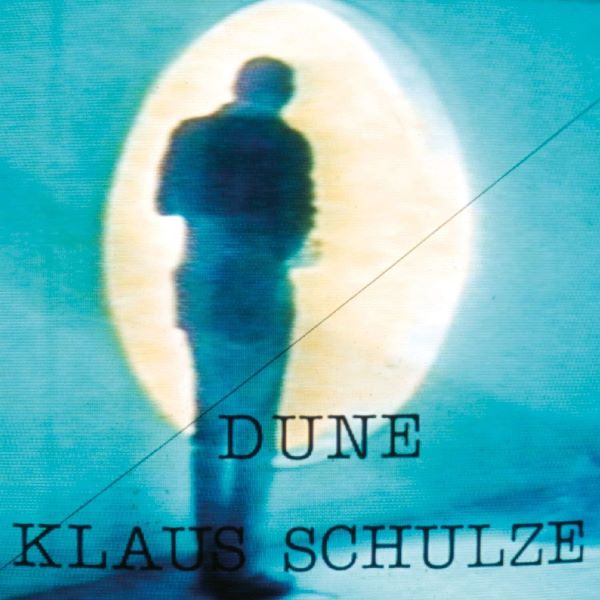
KLAUS SCHULZE Dune

After the ambitious double opus ‘X’ which also incorporated strings in a record comprising of “Six Musical Biographies” in honour of figures including philosopher Friedrich Nietzsche and ‘Dune’ author Frank Herbert, Klaus Schulze conceived an actual album called ‘Dune’. Something of a diversion, ‘Shadows of Ignorance’ featured the eccentric poetry of Arthur Brown while the experimental ambient title track made use of cello.

‘Dune’ is still available via Bureau B

https://klaus-schulze.com/


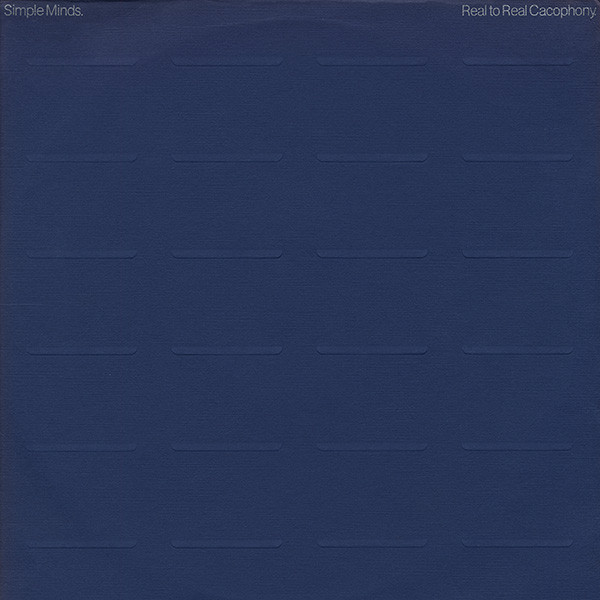
SIMPLE MINDS Real To Real Cacophony

Stronger than their debut LP ‘Life In A Day’, SIMPLE MINDS started experimenting with more electronics and a very European austere on its swift follow-up ‘Real To Real Cacophony’ with the title song presenting their take on KRAFTWERK’s ‘Radio-Activity’. Underground and pulsating through on ‘Changeling’, that breakthrough single and ‘Premonition’ really were a sign of things to come in their dark avant disco templates.

‘Real To Real Cacophony’ is still available via Virgin Records

https://www.simpleminds.com/


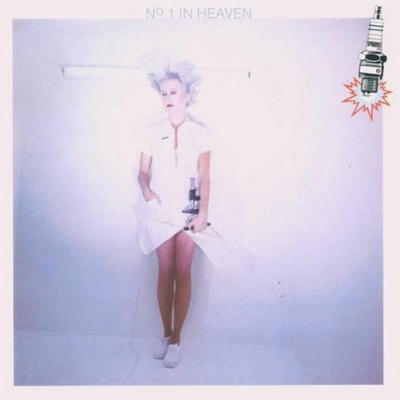
SPARKS No1 In Heaven

Following the inspirational success of ‘I Feel Love’, SPARKS were put in contact with its producer Giorgio Moroder who had aspirations to work with a band. The resultant album saw Russell Mael’s flamboyant falsetto fitting well with the pulsing electronic disco template. ‘The No1 Song In Heaven’ hit the UK Top 20 a few months before ‘Are Friends Electric?’ while the follow-up ‘Beat The Clock’ got into the Top 10.

‘No1 In Heaven’ is still available via Lil Beethoven Records

http://www.allsparks.com/


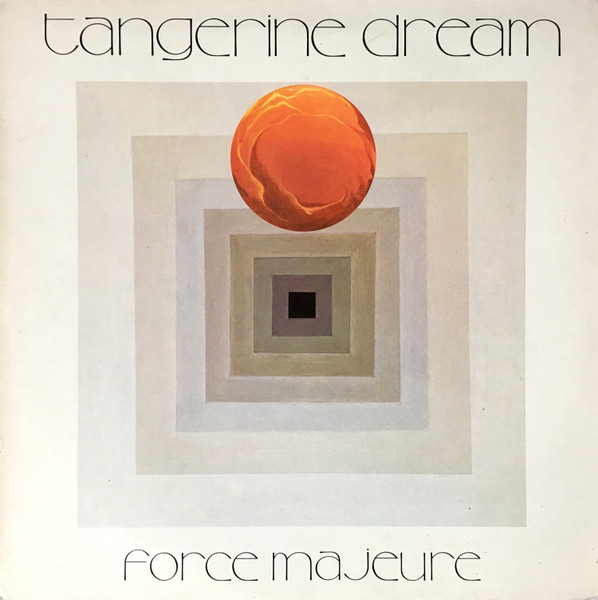
TANGERINE DREAM Force Majeure

Still feeling the void left by the departure of Pete Baumann, following the vocal experiment of ‘Cyclone’, Edgar Froese and Christopher Franke opted to retain drummer in Klaus Krüger. While there was also increased guitar and piano usage, the title song and ‘Thru Metamorphic Rocks’ utilised pulsing sequencer passages to signal the future Hollywood direction that TANGERINE DREAM would head in.

‘Force Majeure’ is still available via Virgin Records

https://www.tangerinedreammusic.com/


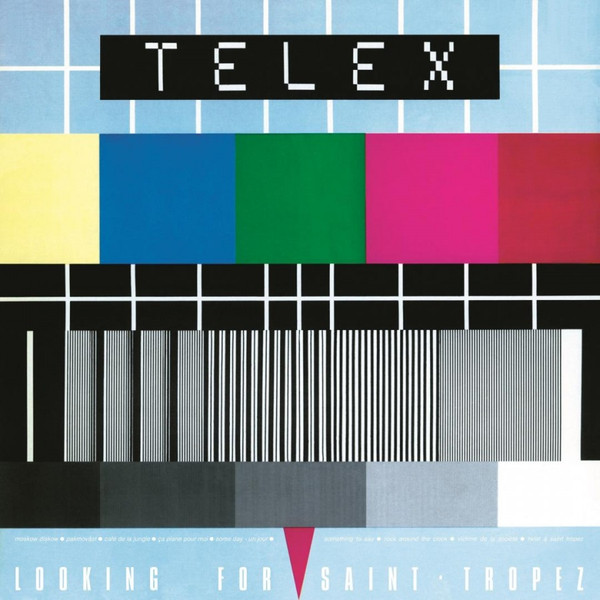
TELEX Looking For Saint Tropez

The ethos of Belgian trio TELEX was “making something really European, different from rock, without guitar”. ‘Looking For Saint Tropez’ contained ‘Moscow Diskow’ which took the Trans-Siberian Express to Moscow by adding a funkier groove. Also included were funereal robotic covers of ‘Rock Around The Clock’ which was a UK Top40 hit and Plastic Bertrand’s ‘Ça Plane Pour Moi’ as well as their deadpan debut single ‘Twist A Saint Tropez’.

‘Looking For Saint Tropez’ is still available via Mute Artists

https://www.facebook.com/ThisIsTelex


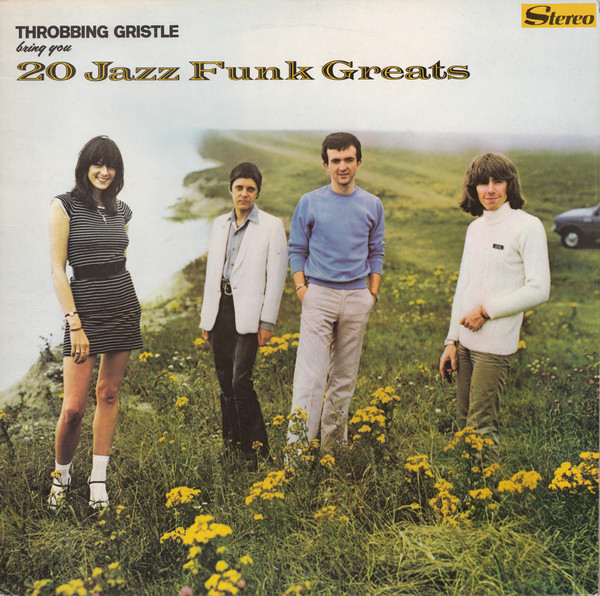
THROBBING GRISTLE 20 Jazz Funk Greats

The title and the group photo on Beachy Head were tongue-in-cheek statements but THROBBING GRISTLE were still deathly uncompromising as shown by ‘Persuasion’. However, there were glints of light with the glorious cascading instrumental ‘Walkabout’ and mutant disco lento of ‘Hot On The Heels Of Love’ as Cosey Fanni Tutti’s whispered vocals competed with synthetic whip-crack and drill noises!

‘20 Jazz Funk Greats’ is still available via Mute Artists

https://www.throbbing-gristle.com/


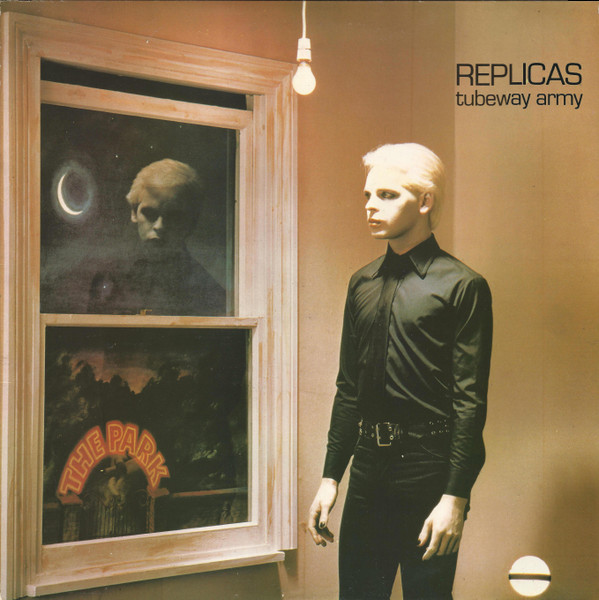
TUBEWAY ARMY Replicas

Whereas the TUBEWAY ARMY debut featured punk tunes with added synth, ‘Replicas’ would see the Philip K Dick inspired dystopian vision of Gary Numan paired with appropriate electronic sounds as the main melodic component on the now classic UK No1 ‘Are Friends Electric?’. But the earlier singles ‘Down In The Park’ and the lengthy instrumental ‘I Nearly Married A Human’ pointed to a future guitar-free follow-up.

‘Replicas’ is still available via Beggars Banquet

https://www.electricityclub.co.uk/beginners-guide-gary-numan/


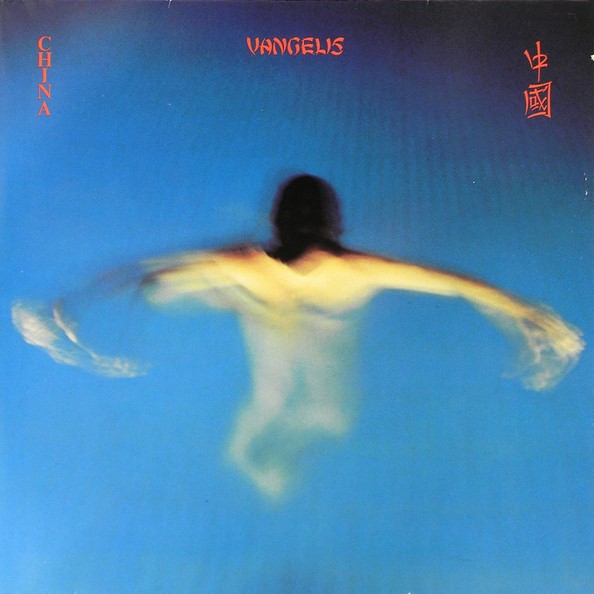
VANGELIS China

Although VANGELIS had never been to China at the time the album was recorded, he had developed a passionate fascination for its people, culture and vast landscape, noting a connection between ethnic Greek and Chinese music. Using traditional elements alongside his synthesizers, the centrepieces were the majestic ‘Chung Kuo’ and the meditative pentatonic piece ‘The Tao Of Love’. ‘China’ remains an underrated record in his canon.

‘China’ is still available via Universal Music

https://elsew.com/


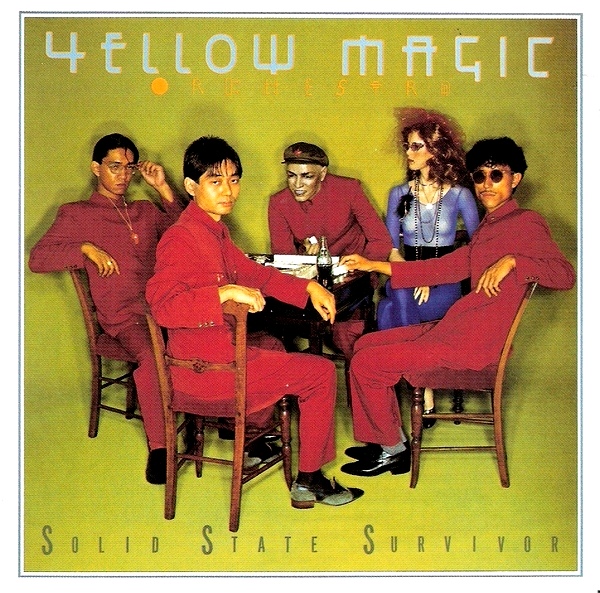
YELLOW MAGIC ORCHESTRA Solid State Survivor

The second and best YELLOW MAGIC ORCHESTRA album featured an embarrassment of riches.  It included the glorious Technopop of ‘Rydeen’, the mighty citypop of ‘Technopolis’, the moodier ‘Castalia’ and the Cossack romp of ‘Absolute Ego Dance’.  But it was the iconic ‘Behind The Mask’ originally composed for Seiko which was later covered by Greg Phillinganes, Eric Clapton and Michael Jackson.

‘Solid State Survivor’ is still available via Sony Music Direct

http://www.ymo.org/


Text by Chi Ming Lai
1st January 2024

MANUEL GÖTTSCHING 1952 – 2022

The pioneering German musician Manuel Göttsching sadly passed away peacefully on 4th December 2022 aged 70.

During a career spanning over five decades, he released over 30 albums in a variety of guises, working with the likes of Conny Plank, Harald Grosskopf, Lutz Ulbrich and the late Klaus Schulze who died earlier this year. His website simply said in tribute: “When your fingers touched the strings of a guitar, the world stood still. May it stands still and bring you back to us whenever we hear you play. The void he leaves behind we want to fill with his music and loving memories.”

Having studied classical guitar from an early age but with ambitions to be a drummer, Göttsching began his recorded career with Klaus Schulze in ASH RA TEMPEL; their self-titled album in 1971 was engineered by Conny Plank and seeded from sessions of free-form improvising. Comprising of just one track per side of vinyl, the building eerie atmospheres of ‘Traummaschine’ and the noisier rock of ‘Amboss’, the record was hailed as a Kosmiche landmark.

After Schulze departed, Göttsching continued ASH RA TEMPEL with other musicians and collaborated with psychedelic advocate and acid guru Timothy Leary on ‘Seven Up’ in 1972. But it was obvious that the Berlin-based multi-instrumentalist felt restricted by the band format, as evidenced by a solo record ‘Inventions For Electric Guitar’ which was billed as the sixth ASH RA TEMPEL album.

Signing to Virgin Records in 1977 who also had other German acts like FAUST and TANGERINE DEAM on their roster, he shortened the moniker to ASHRA and released what many consider to be his first masterpiece ‘New Age Of Earth’.

Exploring more progressive instrumental territory, Göttsching used an Eko Rhythm Computer, ARP Odyssey and his signature keyboard, a Farfisa Synthorchestra to compliment his meditative transient six string style that was for texture as much as it was for melody. The wonderful 20 minute ‘Nightdust’ and the gently percussive ‘Sunrain’ were just two of the jewels on this beautiful treasure trove of a record while ‘Ocean Of Tenderness’ captured a glorious widescreen ambience.

While Göttsching continued solo on 1978’s worthy follow-up ‘Blackouts’, he expanded the line-up of ASHRA to include drumming synthesist Harald Grosskopf and guitarist Lutz Ulbrich on the next two Virgin albums ‘Correlations’ and the more rock and vocal-led ‘Belle Alliance’. In a 2020 interview with ELECTRICITYCLUB.CO.UK, Harald Grosskopf remembered: “We never talked about commercial intentions. Our main interest was having fun and producing something original. I liked the freedom of not thinking about whom we could reach or sell to what we had made. The combination of the three of us simply made it what it was. Everybody had ideas and had the chance to put them into the album. Manuel played a very melodic guitar. In those days, maybe Carlos Santana was a bit of an influence on him.”

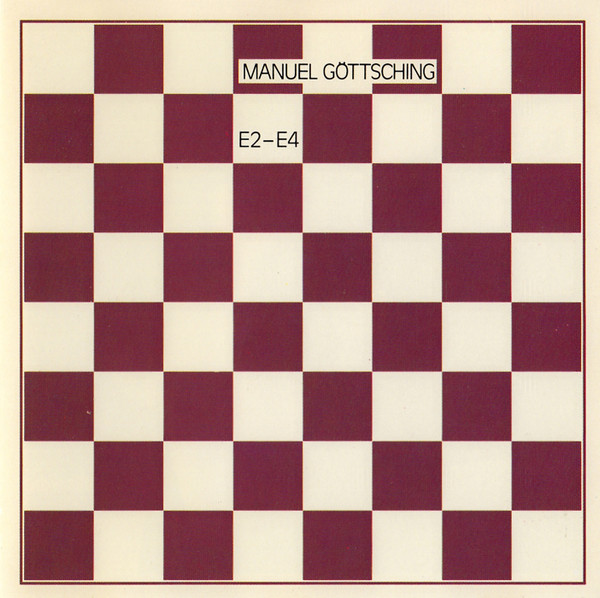
Göttsching’s next masterpiece came almost by accident; having reunited with Klaus Schulze for a concert tour and returned home, he decided to improvise an extended piece based around an understated Prophet 10 sequence as something to listen to on his recently purchased Walkman for an upcoming flight. Influenced by minimalist trailblazers Steve Reich and Philip Glass, the end result was the hour long ‘E2-E4’ which was eventually released in 1984.

Using a gentle but hypnotic backbone and an extended guitar solo in the second half, despite press criticisms on its initial release that it was inconsequential muzak, ‘E2-E4’ became an influence in the development of Balearic house and ambient techno, so much so that it was sampled for the club track ‘Sueño Latino’ in 1989 which was a favourite at New York’s Paradise Garage. Manuel Göttsching also composed music for fashion designers such as Claudia Skoda and Wolfgang Joop as well as theatre productions like ‘Dracula’ while continuing to perform live; an ASHRA band reunion in Japan with Harald Grosskopf and Lutz Ulbrich resulted in the release of two live documents in 1998.

Previously unreleased archive recordings such as the wonderful ‘Dream & Desire’ collection and the six volume series ‘The Private Tapes’ would also attract interest. 2000 saw Manuel Göttsching and Klaus Schulze return as ASH RA TEMPEL to play the Royal Festival Hall in London for Julian Cope’s Cornucopea Festival and release an album ‘Friendship’. A few years later, there were live performances of ‘E2-E4’ including one at the esteemed Berlin techno club Berghain in 2006 to celebrate the 25th Anniversary of its recording. In 2013, Göttsching returned to London to perform at Oval Space with deep house producer Henrik Schwarz.

Manuel Göttsching appeared live as recently as September 2022 performing with Hans-Joachim Roedelius of CLUSTER at the Zodiak festival in Berlin.

https://www.manuel-goettsching.com


Text by Chi Ming Lai
12th December 2022

« Older posts