“I don’t like country & western, I don’t like rock music… I don’t like rockabilly! I don’t like much really do I? But what I do like, I love passionately!!”: CHRIS LOWE
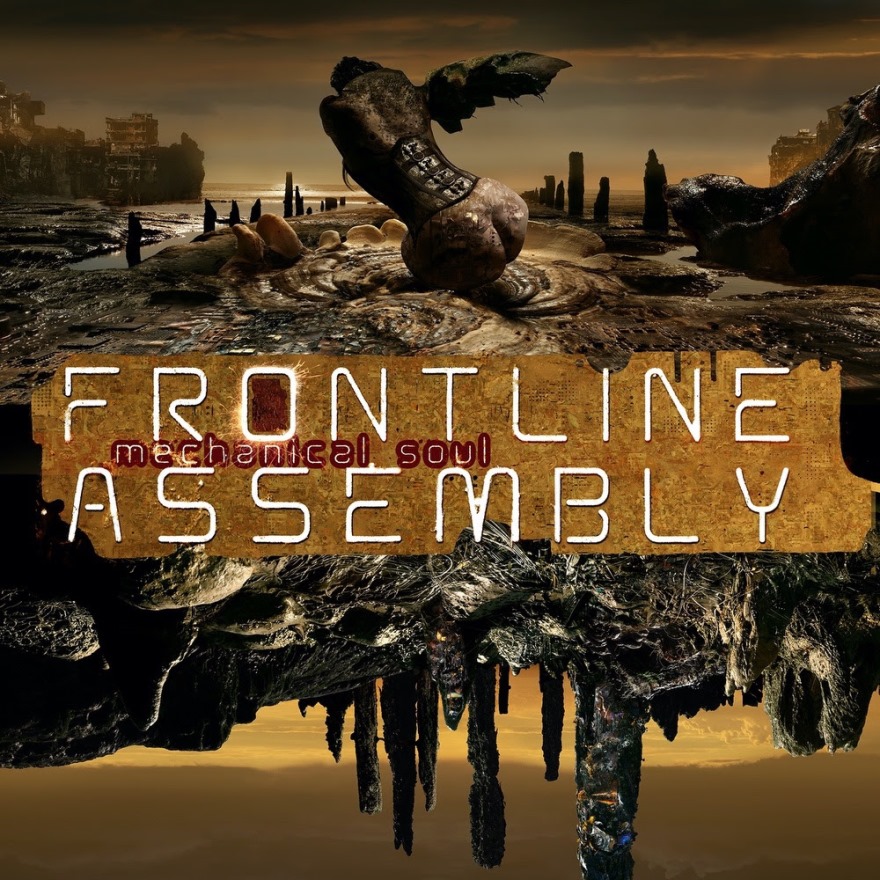
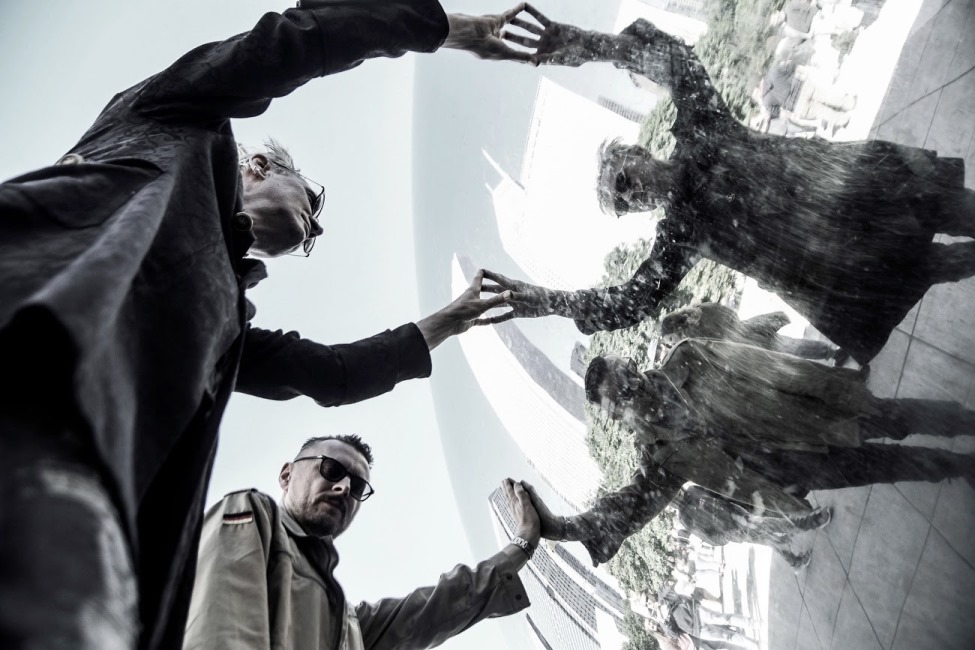
FRONT LINE ASSEMBLY are a band that continues to fly the flag for Industrial / EBM music as they release their 18th studio album ‘Mechanical Soul’.
The album features guest appearances from Jean-Luc De Meyer of electronic music veterans FRONT 242 and guitarist Dino Cazares from FEAR FACTORY. The turn of events of last year appear to have provided some excellent source material for the band, with titles such as ‘Purge’ and ‘New World’ appearing amongst the tracklist alluding to a very different future for the world that we live in.
The main discussion point re: album opener ‘Purge’ is in its similarity to the 2013 GESAFFELSTEIN track ‘Pursuit’; both feature an almost identical riff, but with the former one transposed up a couple of semitones. The musical DNA of DAF plainly runs through a track too which doesn’t especially evolve during its five minute duration, although the effects used on Bill Leeb’s vocals (including pitch shifting and Auto-Tune) help to keep the listener engaged.
‘Glass & Leather’ is far more successful and features a dramatic intro which eventually reveals a hooky distorted 303-ish sequencer riff and although this is repeated throughout the track, it provides a hypnotic soundbed allowing Leeb’s vocals to weave in and out of the piece. A 909 kick drum and open hi-hat drive ‘Glass & Leather’ to a mid-point breakdown with cut-up vocals before kicking back into the main riff again.
‘Unknown’ (which was released last year) is an album highlight and far more song-oriented with a hooky vocoder-driven chorus which musically recalls the band’s earlier sound on their ‘Tactical Neural Implant’ and ‘Caustic Grip’ albums. Also worthy of mention is the rather nifty post-apocalyptic promo video which goes with the track; featuring clips from the short Sci-Fi films ‘Sentinel’ & ‘Detroit, 2029’, they provide a perfect visual accompaniment to the song.
‘New World’ provides an early welcome change of pace, with a LFO-modulated synth riff and another vocodered Leeb vocal. Probably as close as one is going to get to a ballad from the act, the song is another highlight and showcases another side to the band with some superb monophonic synth programming throughout.
‘Stifle’ featuring guitar from Dino Cazeres has more of an early NINE INCH NAILS aesthetic and could easily have appeared on ‘Pretty Hate Machine’, whilst ‘Barbarians’ features the immediately recognisable vocals of FRONT 242’s Jean-Luc de Meyer over a slightly glitchy re-programmed ‘When the Levee Breaks’ style drum break. The latter features an undeniably epic chorus, with synth pads and a PWM bass synth part underpinning de Meyer’s “hail the barbarians” hook; again, this is another track to return to for repeated listening…
‘Komm, Stirbt Mit Mir’ (wonderfully translated as ‘Come Die With Me’) is not unlike an EBM RAMMSTEIN remix and features some intricate little synth interjections and a doomy underpinning string part which evokes the intro to FAITHLESS’s ‘Insomnia’. The album concludes with an actual remix of ‘Hatevol’ provided by BLACK ASTEROID who feature producer Brian Black.
Black is best known for being one half of MOTOR who worked with Martin Gore, Gary Numan and Douglas McCarthy on the 2012 album ‘Man Made Machine’. ‘Hatevol’ comes across as a bit of a ‘bonus track’, not surprising as it originally featured on the last FRONT LINE ASSEMBLY album ‘Wake Up the Coma’.
Although Industrial / EBM style music is not every synth-lovers musical cup of tea, there is plenty to enjoy here for those not versed in the genre. It’s very easy to pigeonhole work like this as being overtly ‘shouty’ and lacking in melody, but ‘Mechanical Soul’ is a fine example of a band that has stuck to their principals and is continuing to deliver quality product… highly recommended.
‘Mechanical Soul’ features the following instruments: Elektron Analog Rytm Mk2, Studio Electronics Omega 8, Roland Alpha Juno 2, Mutable Instruments Shruthi, Waldorf Pulse+, Noise Engineering Basimilus Iteritas, Ormsby DC7, Moog Model 15 reissue, Mutable Instruments Clouds, Waldorf Q+, Doepfer A100
Laura Dre may be a new name in synth but she is a seasoned musician and producer with years of experience playing live and working in the studio, completing a degree in Music Production at BIMM along the way.
Having fronted feisty electro-rock combo VINYL BLACK STILETTOS whose second EP ‘Electrical’ was produced by PET SHOP BOYS programmer and engineer Pete Gleadall while also making instrumental music as JADZIADX, the solo work of Laura Dre showcases a fascination for yesterday’s tomorrow.
One of her little projects outside of music has been to build a 1/8th scale model kit of a DeLorean in its ‘Back To The Future’ variant, complete with flux capacitor!
The German-Filipino songstress told ELECTRICITYCLUB.CO.UK: “I’d set my time machine to 27.06.1987 – because of the following release dates: ‘Blue Monday’ 1983, ‘Self Control’ 1984, ‘Living In A Box’ 1987 – I would love to experience the 80s club scene with my favourite songs.”
She also owns a 1987 Casio DG20 Guitar Synthesizer to go with her Universal Audio Apollo Twin interface and Behringer X Touch One controller set-up. Having signed a deal with Outland Recordings, Laura Dre opened her account with a moody nocturnal cover of ‘Strangelove’.
“I think it’s an interesting choice because there was some good musical complexity in the song, and lyrically it also aligns well with my album theme which is about ‘unrequited love’” she said as she reflected on the 1987 DEPECHE MODE song, “I rarely do covers but if I do one, I want to have something challenging and make things ‘my own’. Meaning if it’s a fast paced pop track, then I might turn it into a slower electronic version and add my own flavour to the piece, giving it my signature sound.”
Her first single proper though is the dreamy ‘Moving Spaces’, a fine showcase for her deeper contralto vocal style influenced by Shirley Manson, PJ Harvey and Alison Goldfrapp. Texturally and structurally, the glistening song takes its lead from classic electronic pop. The accompanying lyric video produced by Outland themselves uses footage from the computer game ‘Leisure Suit Larry III’.
Laura Dre added: “All my musical pieces encompass synthesizers in some shape or form, the only difference this time is the style. This year I experimented with making 80s music and without realising it, I was creating some kind synth music that my friends would classify as a ‘mix of synthpop / synthwave anthems’. They then introduced me to synthwave music which was interesting.”
But there is more to come from this most promising of European synth songstresses. Already in the can, ‘All Day, All Night’ is a discowave tune with great crossover potential; drenched in sparkle and a delicious rhythmic base, it’s one for fans of early PET SHOP BOYS.
It all bodes well for her debut album produced by Robert Harder who worked on David Byrne & Brian Eno’s acclaimed 2008 second album ‘Everything That Happens Will Happen Today’; he also produced the 2012 Neneh Cherry long player ‘The Cherry Thing’.
There are the ubiquitous ‘Blade Runner’ references, but that rainy dystopian air is also countered at regular intervals by an enigmatic allure and a mischievously wired dancefloor friendly groove.
A purveyor of neo-classical piano and synth, Robin Hatch is a composer from Toronto.
Primarily known as a classical virtuoso and a touring keyboardist for Canadian alternative rock band OUR LADY PEACE, she effectively leads a triple life. She had experimented with synths previously on 2019’s Wendy Carlos influenced ‘Hatch’ which featured improvised instrumentals using a Jupiter 8, Prophet 12 and Malekko Industries Manther. It was all very different from her debut solo album ‘Works For Solo Piano’ which also came out earlier that year and an eponymous piano only follow-up that came at the end of a prolific 12 month period.
Recorded at home during the lockdown, ‘Noise’ is unlike her three previous works as an avant synth record that incorporates vocals and drum machine. It is also presented with some rather raunchy imagery, although this amusingly offset by the wry use of a Ford Focus! By way of an ‘Introduction’, the opening track of ‘Noise’ does not deviate too far from the experimentation of ‘Hatch’ although it contains more pulsing rhythmic elements.
‘Trophy’ though brings in vocals although this is far from a conventional format of song, with Hatch expressing herself poetically over a sparse backdrop of drones, ring modulation and minimal machine percussion. Meanwhile ‘Hivemind’ is instrumental avant pop with hints of Berlin based Nordic duo ULTRAFLEX and their ‘Olympic Sweat’. The incessant synth bass, sweetened with the flute of Alia O’Brien, provides a tune with a marvellous cosmic groove.
Slightly more gothic overtones make their presence felt on ‘Heatstroke’ in the shape of baroque vocals in the manner of a deeper AUSTRA crossed with BAT FOR LASHES; the percolating drum machine pattern is reminiscent a more minimal ‘Pearl’s Dream’ and compliments the bed of bubbling electronics.
The excellent hypnotic instrumental ‘Lake Water’ swoops like a sci-fi odyssey driven using an understated rhythmic passage, while the delightfully odd ‘Planetarium’ chills hauntingly over a metronome beat. But then over eight minutes comes the mysterious sound sculpture of ‘The Mirror’ before ‘Tie A Bow’ closes proceedings.
Structured around rumbling drones, some exquisite synth tones are displayed as well as an honest weary vocal for Hatch to provide a superb introspective set piece of ‘Twin Peaks’ proportions. Despite its disconcerting title, ‘Noise’ is an intriguing esoteric adventure that showcases an inherent musicality and documents the beginning of a journey into more accessible climes.
Across eight tracks, it develops Robin Hatch’s avant garde inclinations into pop, not unlike the Ana Klimova character in the wonderful independent French film ‘Le Choc Du Futur’ that celebrates female synth musicians.
Was 1981 the most important year in synth as far becoming ubiquitous in the mainstream and hitting the top of the charts internationally?
Yes, ‘Autobahn’ and ‘Oxygène’ came before, while the Giorgio Moroder produced ‘I Feel Love’ by Donna Summer is acknowledged as being the track that changed pop music forever and still sounds like the future even in the 21st Century. French electronic disco like ‘Magic Fly’ and ‘Supernature’ also made its impact.
Meanwhile closer to home, a post-punk revolution was already permeating in the UK with the advent of affordable synthesizers from Japan being adopted by the likes of THE NORMAL, THROBBING GRISTLE, CABARET VOLTAIRE and THE HUMAN LEAGUE. But it was Gary Numan who took the sound of British synth to No1 with ‘Are Friends Electric?’ and ‘Cars’ in 1979. It signalled a change in the musical landscape as the synth was considered a worthy mode of youthful expression rather than as a novelty, using one finger instead of three chords.
Despite first albums from John Foxx and OMD, 1980 was a transitional time when the synth was still the exception rather than the rule. But things were changing and there had also been the release of the first Midge Ure-fronted ULTRAVOX album ‘Vienna’ and the eponymous debut long player by VISAGE just as The Blitz Club and the New Romantic movement were making headlines. With the acclaim for the ‘Some Bizarre Album’ in early 1981 which launched the careers of DEPECHE MODE, SOFT CELL, BLANCMANGE, THE THE and B-MOVIE, a wider electronic breakthrough was now almost inevitable.
VISAGE’s ‘Fade To Grey’ went on to be a West German No1 in Spring 1981 and this exciting period culminated in THE HUMAN LEAGUE taking ‘Don’t You Want Me?’ to the top spot in the US six months year after becoming the 1981 UK Christmas No1. It would be fair to say that after this, the purer sound of synth was never quite the same again.
For many listeners, 1981 was a formative year and had so many significant new releases that it was difficult to stretch the limited pocket money to fund album purchases. ELECTRICITYCLUB.CO.UK even took to selling bootleg C90 cassettes on the school playground, promising a value-for-money “two albums for one” deal to support this disgusting habit!
Looking back to four decades ago when there were also albums from DEVO, EURYTHMICS, FAD GADGET, LOGIC SYSTEM, SPANDAU BALLET, SPARKS and TANGERINE DREAM, here are twenty albums which ELECTRICITYCLUB.CO.UK sees as contributing to the electronic legacy of 1981. Listed in alphabetical order with the restriction of one album per artist moniker, this is the way it was in the past, a long long time ago…
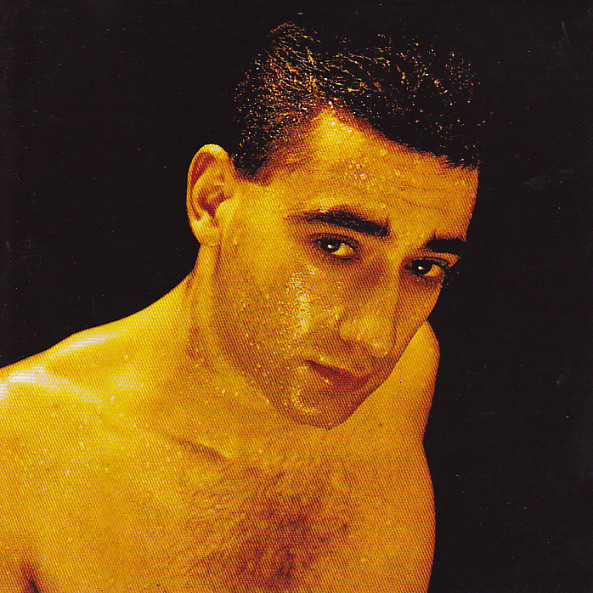
DAF Alles Ist Gut
The late Gabi Delgado and Robert Görl released an acclaimed album trilogy produced by Conny Plank. The first ‘Alles Ist Gut’ featured their fierce breakthrough track ‘Der Mussolini’ which flirted with right wing imagery in its sardonic reflections on ideology. Causing controversy and confusing observers, DAF attracted a following which Delgado hated. Despite his parents escaping from the Franco regime in Spain, he was always unapologetic about his lyrical provocation.
Having conceived the idea of a teenage synthpop group called SILICON TEENS, this dream of Daniel Miller became flesh and blood when he came across a young quartet from Basildon called DEPECHE MODE. Signing on a handshake 50/50 deal to his Mute Records, the group became a chart success. Despite great songs like ‘Puppets’ and ‘Tora! Tora! Tora!’, the group fragmented on the release of their 1981 debut album ‘Speak & Spell’.
Following the live ‘retirement’ of Gary Numan, four of his erstwhile backing band became DRAMATIS. RRussell Bell, Denis Haines, Chris Payne and Ced Sharpley had been instrumental in the success of Numan’s powerful live presentation and their only album showcased the band’s virtuoso abilities. While the use of four different lead vocalists (including Numan himself on the superb ‘Love Needs No Disguise’) confused the continuity of the album, musically, there was much to enjoy.
It would be fair to say that DURAN DURAN took the arty poise of JAPAN and toned down their androgynous outré to make it more accessible. But their enduring appeal ofis great timeless pop songs and that was apparent on the self-titled debut album which at times sounded like an electronic band with a heavy metal guitarist bolted on, especially on ‘Careless Memories’ and ‘Friends Of Mine’. But most will just remember the two hits ‘Planet Earth’ and ‘Girls on Film’.
Thawing considerably following ‘Metamatic’, John Foxx admitted he had been “reading too much JG Ballard”. Exploring beautiful Italian gardens, his new mood was reflected in his music. ‘The Garden’ featured acoustic guitar and piano as showcased in the Linn Drum driven single ‘Europe After The Rain’. With choral experiments like ‘Pater Noster’, a return to art rock on ‘Walk Away’ and the more pastoral climes of the title track, Foxx had now achieved his system of romance.
HEAVEN 17’s debut ‘Penthouse & Pavement’ was a landmark achievement, combining electronics with pop hooks and disco sounds while adding witty social and political commentary, taking in yuppie aspiration and mutually assured destruction. The first ‘Pavement’ side was a showcase of hybrid funk driven. The second ‘Penthouse’ side was like an extension of THE HUMAN LEAGUE’s ‘Travelogue’, Martyn Ware and Ian Craig Marsh’s swansong with the band.
Philip Oakey and Adrian Wright recruited Susanne Sulley, Joanne Catherall, Jo Callis and Ian Burden to record ‘Dare’ produced by Martin Rushent. Like KRAFTWERK meeting ABBA, the dreamboat collection of worldwide hits like ‘Love Action’ and ‘Don’t You Want Me?’ had a marvellous supporting cast in ‘The Things That Dreams Are Made Of’, ‘I Am The Law’, ‘Seconds’ and ‘Darkness’. Only the Linn Drum rework of ‘The Sound Of The Crowd’ blotted the album’s near perfection.
JAPAN took the influences of the Far East even further with ‘Tin Drum’. A much more minimal album, there was hardly any guitar while the synths used were restricted to an Oberheim OBX, Prophet 5 and occasionally the Roland System 700. David Sylvian’s lyrical themes flirted with Chinese Communism as Brian Eno had done on ‘Taking Tiger Mountain (By Strategy), highlighted by the pentatonic polyrhythmic single ‘Visions Of China’ and its less frantic sister song ‘Cantonese Boy’.
With his synthesized symphonies, Jean-Michel Jarre helped popularise the sound of electronic music. ‘Magnetic Fields’ was his first long player to utilise the Fairlight CMI which allowed him to absorb some musique concrete ideas such as water splashing and hydraulic train doors into his compositions. Featuring the klanky Korg Rhythm KR55, it was a much more percussive album than ‘Oxygène’ and ‘Equinoxe’ had been, complementing the metallic textures that featured.
Having scored an unexpected UK hit with the sonic beauty of ‘I Hear You Now’, Jon Anderson and Vangelis presented a second album in ‘The Friends Of Mr Cairo’. Featuring ‘State Of Independence’ which was to become a hit for Donna Summer, the album was laced with spiritual overtones over symphonic synths, cinematic piano and dialogue samples from films. However, the album is best known for ‘I’ll Find My Way Home’ which had not been included on the original tracklisting.
‘Computer World’ could be considered one of the most prophetic albums of its time. KRAFTWERK forsaw the cultural impact of internet dating on ‘Computer Love’, but the title track highlighted the more sinister implications of surveillance by “Interpol and Deutsche Bank, FBI and Scotland Yard” with the consequences of its prophecy still very relevant discussion points today. But the dynamic rhythmic template of ‘Numbers’ was to have a major impact on Urban America.
LANDSCAPE From The Tea Rooms Of Mars To The Hell-holes Of Uranus
LANDSCAPE were led by producer Richard James Burgess who co-designed the Simmons SDSV. Using a Lyricon wind-controlled synth as its lead hook, ‘Einstein A-Go-Go’ was a fabulously cartoon-like tune about nuclear weapons falling into the hands of theocratic dictators and religious extremists! Meanwhile, ‘European Man’ predated EDM by having the phrase “electronic dance music” emblazoned on its single sleeve.
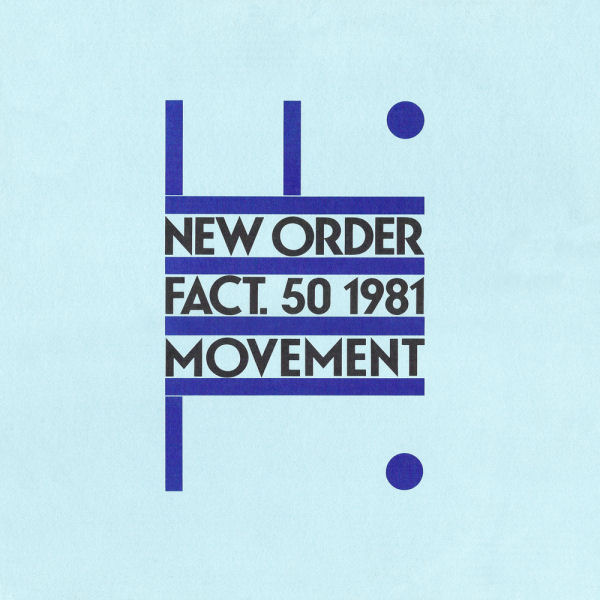
Rising from the ashes of JOY DIVISION, Peter Hook, Bernard Sumner and Stephen Morris chose the name NEW ORDER as a symbol of their fresh start and after deciding against recruiting a new vocalist, Morris’ girlfriend and later wife, Gillian Gilbert was recruited. Despite Martin Hannett still producing, recording sessions were fraught although synths were taking greater prominence while Morris used a Doctor Rhythm DR55 drum machine on ‘Truth’ and ‘Doubts Even Here’.
Following his ‘retirement’ from live performance, the last thing Numanoids expected was an understated Brian Eno homage. At nearly an hour’s playing time, ‘Dance’ outstayed its welcome with ‘Slowcar To China’ and ‘Cry The Clock Said’ stretching to 10 minutes. Much was made of JAPAN’s Mick Karn playing fretless bass although he was only on five of the eleven tracks. In ‘A Subway Called You’ and ‘Crash’, there were some great moments.
‘Dance’ is still available via Beggars Banquet Records
”I think ‘Architecture & Morality’ was a complete album, it was just so whole” said Paul Humphreys in 2010. The big booming ambience next to big blocks of Mellotron choir gave OMD their masterpiece, tinged more with LA DÜSSELDORF rather than KRAFTWERK. Featuring two spirited songs about ‘Joan Of Arc’, these were to become another pair of UK Top 5 hits with the ‘Maid of Orleans’ variant also becoming 1982’s biggest selling single in West Germany.
SIMPLE MINDS Sons & Fascination / Sister Feelings Call
This generally overlooked double opus exploited the Germanic influences of SIMPLE MINDS to the full, under the production auspices of Steve Hillage. From the singles ‘The American’ and ‘Love Song’ to the mighty instrumental ‘Theme For Great Cities’ and the unsettling dentist drill menace of ‘70 Cities As Love Brings The Fall’, with basslines articulating alongside synths and guitars almost as one, this was SIMPLE MINDS at close to their very best.
In their cover of ‘Tainted Love’, SOFT CELL provided the first true Synth Britannia crossover record. One of the best albums of 1981, ‘Non-Stop Erotic Cabaret’ captured the edginess of minimal synth arrangements while married to an actual tune. At the time, art school boys Marc Almond and Dave Ball were rated higher than DEPECHE MODE. But with the follow-up success of the Top5 singles ‘Bedsitter’ and ‘Say Hello Wave Goodbye’, the pair became reluctant popstars.
‘Sex’ was Belgian trio TELEX’s third album and a collaboration with SPARKS that saw them contribute lyrics to all nine tracks. Experiments in swing on ‘Sigmund Freud’s Party’ displayed a sophisticated vintage musicality and ‘Haven’t We Met Somewhere Before?’ was the hit single that never was. Meanwhile, like KRAFTWERK meeting YELLOW MAGIC ORCHESTRA, ‘Brainwash’ was quite obviously the blueprint for LCD SOUNDSYSTEM’s ‘Get Innocuous!’.
‘Sex’ was released by Ariola, currently unavailable
‘Rage in Eden’ began with the optimistic spark of ‘The Voice’ but it was something of a paranoia ridden affair from ULTRAVOX having been created at Conny Plank’s remote countryside studio near Cologne. There was synthetic bass power on ‘The Thin Wall’, ‘We Stand Alone’ and ‘I Remember (Death In The Afternoon)’, but there was also the tape experimentation of the title track using the chorus of ‘I Remember’ played backwards to give an eerie Arabic toned effect.
‘BGM’, the third full length album from YELLOW MAGIC ORCHESTRA was the first recording to feature the now iconic Roland TR-808 Rhythm Composer and was also made using a digital 3M 32-track machine. More experimental than their first Technopop focussed long players, the best song ‘Camouflage’ was a curious beat laden blend of Eastern pentatonics and Western metallics from which the German synth band CAMOUFLAGE took their name.
A new companion release to ‘Under Mitt Skinn’ which came out in Summer 2020, PAGE issue their third EP in six months entitled ‘Aska’.
The trailblazing Swedish duo of Eddie Bengtsson and Marina Schiptjenko have been fairly prolific of late and partying like it’s 1979. In acknowledgement of Synth Britannia, TUBEWAY ARMY and early ULTRAVOX have been very much the key influence in the recent work of PAGE, most notably with the ‘Start’ EP and the long player ‘Fakta För Alla’.
In defence of his nostalgic but affectionate ethos, Bengtsson said to Zero Magazine: “Since neither Numan nor Foxx engage in that type of electronic pop anymore, PAGE is allowed to do it instead!”
Mixed by Richard Flow of MACHINISTA who ably assists PAGE into realising themselves as a retro-futuristic post-punk electronic band, Bengtsson added “All the music is made on synths, but I try to emulate different instruments and create the illusion that ‘here is a bassist, here is a drummer and here is a keyboardist’”.
A second cousin to ‘Saint Anastase’ from the ‘Under Mitt Skinn’ EP, ’Stefansplatz’ is an enjoyably progressive instrumental opening in the vein of THE HUMAN LEAGUE when Martyn Ware and Ian Craig Marsh were at the synthesizer helm. But tackling the sensitive subject of burn out, the ‘Aska’ title song sees service resumed in the Vox ‘N’ Foxx department.
The delightful ‘En Kamera Ser’ though is quirky elektronisk pop bursting with synth hooks, echoing a more Motorik ‘Ett SOS’ and the nostalgic technological observations of KRAFTWERK where cameras were once tactile entities of their own, not a side function in a phone alongside bank accounts.
‘Hög Som Jag’ celebrates the joy of music that is classic PAGE, while ‘Bara Tryck På Play’ pays homage to TUBEWAY ARMY’s ‘Bombers’ or THE STRANGLERS’ ‘(Get A) Grip (On Yourself)’ where listeners are free to choose, depending on their thinking.
To close the main act, PAGE take out full Numanoid membership on ‘Jag Var Så Nära’ as the dark but melodic adventure mines the glory that is ‘I Die: You Die’.
Using tracks originally featuring on its predecessors, ‘Aska’ is supplemented by a poppier remix of ‘Ta det som en man’ by SOCIAL AMBITIONS and a punk cover of ‘Under Mitt Skinn’ from ATTENTAT, but the best bonus comes from DATAPOP who adopt a minimal machine approach to ‘Panik’ that turns it into ‘Home Computer’.
Twinned with ‘Under Mitt Skinn’, ‘Aska’ forms a combination album that becomes reality via a limited vinyl edition that presents these sessions as a body of work with a clear vision. “Good music should be given all the time, attention and concentration it deserves!” says Bengtsson as he remains creatively in the Moog. After all, it is all just a matter of pleasure and principle.
We use cookies to ensure that we give you the best experience on our website. If you continue to use this site we will assume that you are happy with it.





 is unlike her three previous works as an avant synth record that incorporates vocals and drum machine. It is also presented with some rather raunchy imagery, although this amusingly offset by the wry use of a Ford Focus! By way of an ‘Introduction’, the opening track of ‘Noise’ does not deviate too far from the experimentation of ‘Hatch’ although it contains more pulsing rhythmic elements.

 is still available via Grönland Records
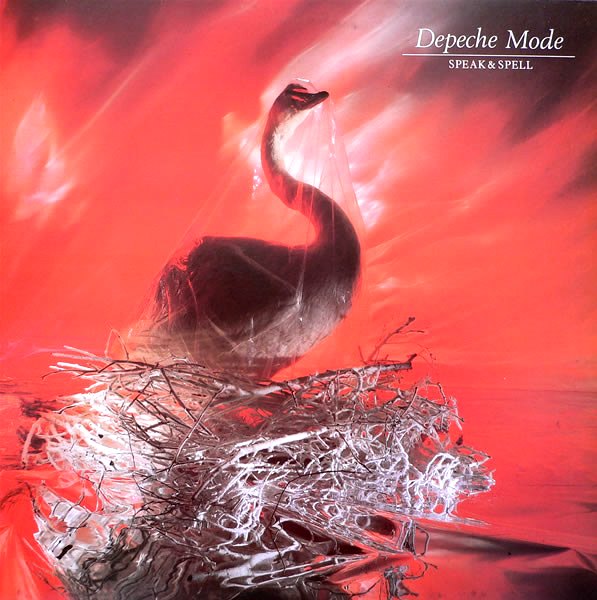
 is still available via Mute Records
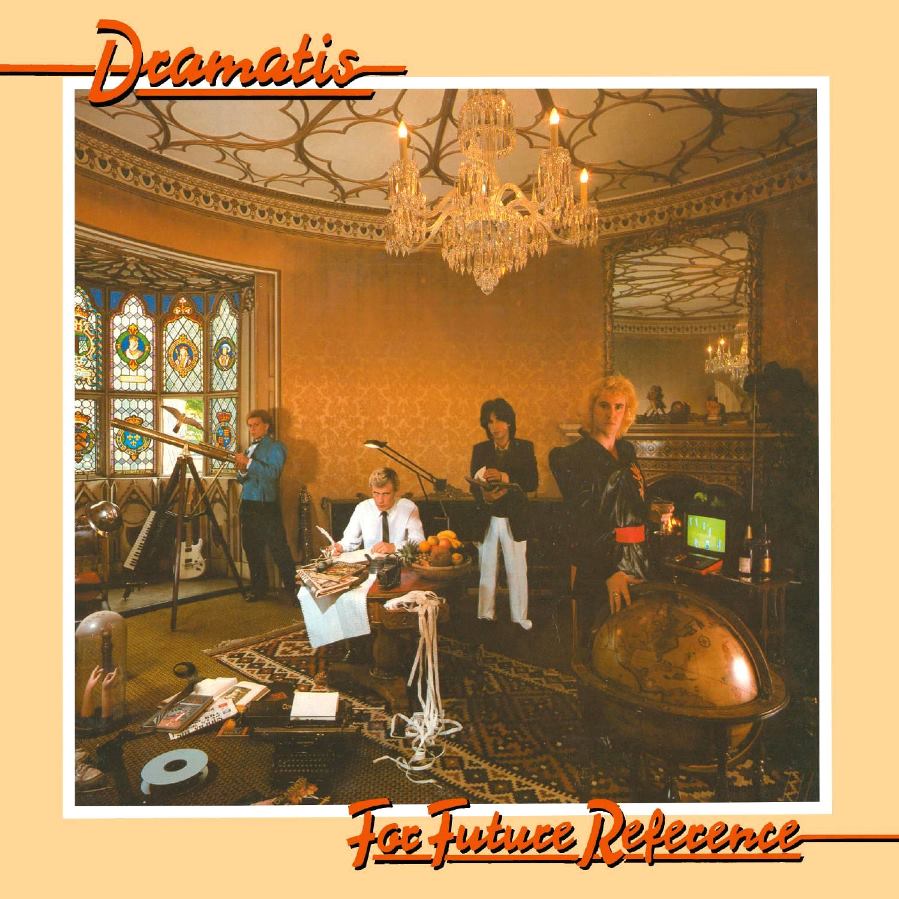
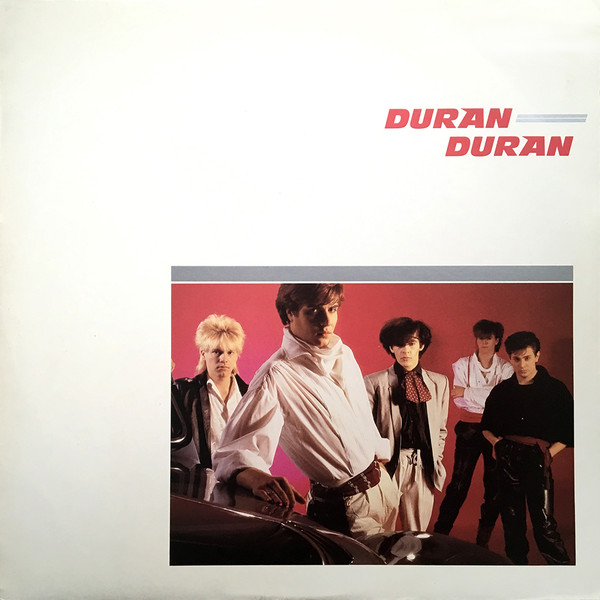
 is still available via EMI Records

 is still available via Edsel Records

 is still available via Virgin Records
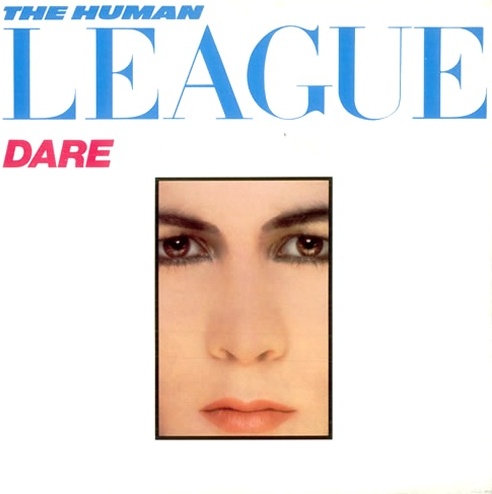
 is still available via Virgin Records

 is still available via Virgin Records
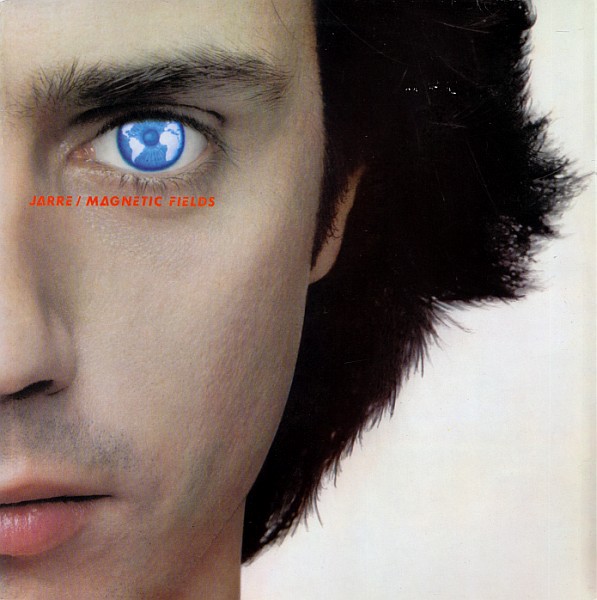
 is still available via Sony Music
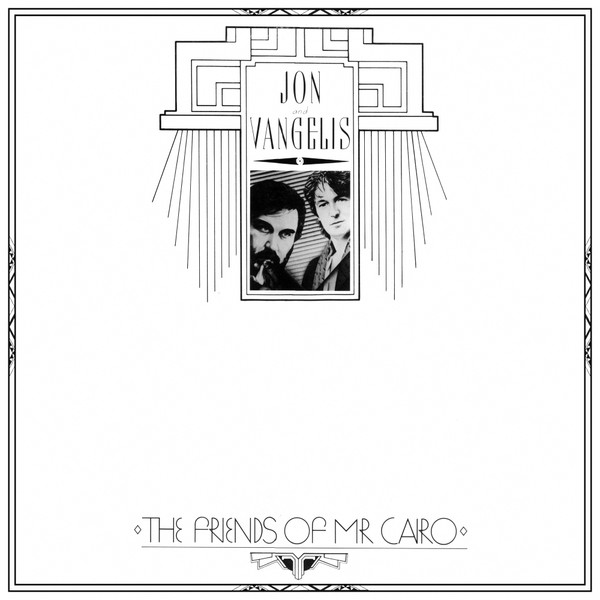
 is still available via Polydor Records
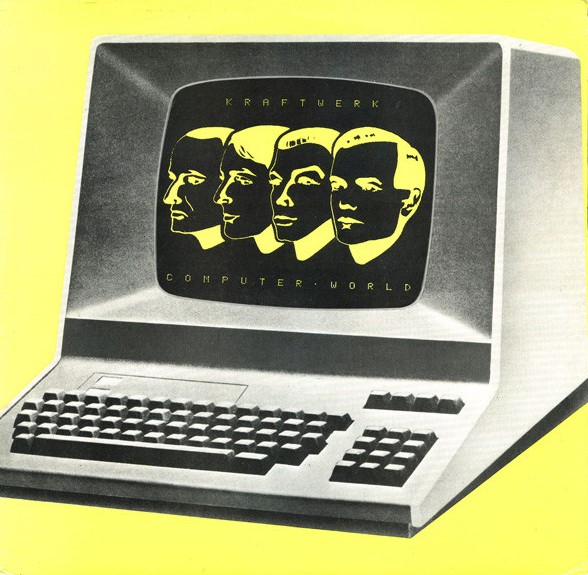
 is still available via EMI Records
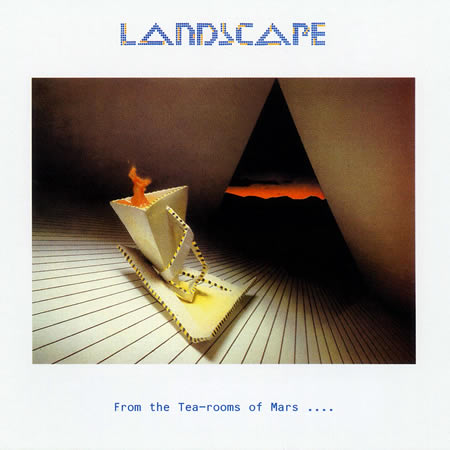
 is still available via Cherry Red Records
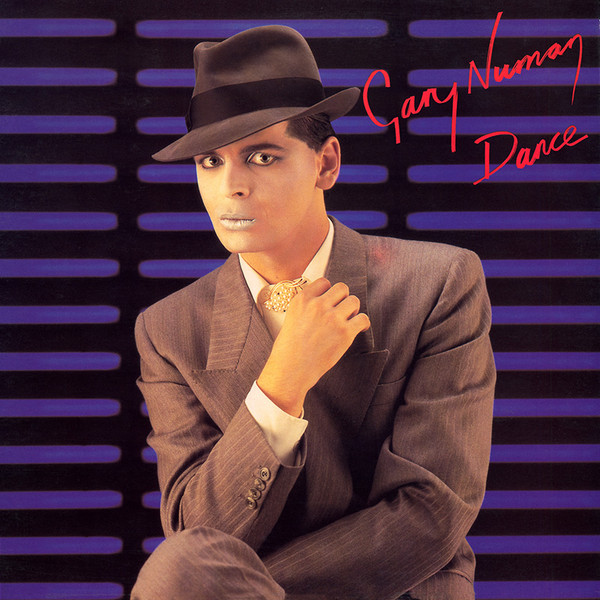
 is still available via Beggars Banquet Records
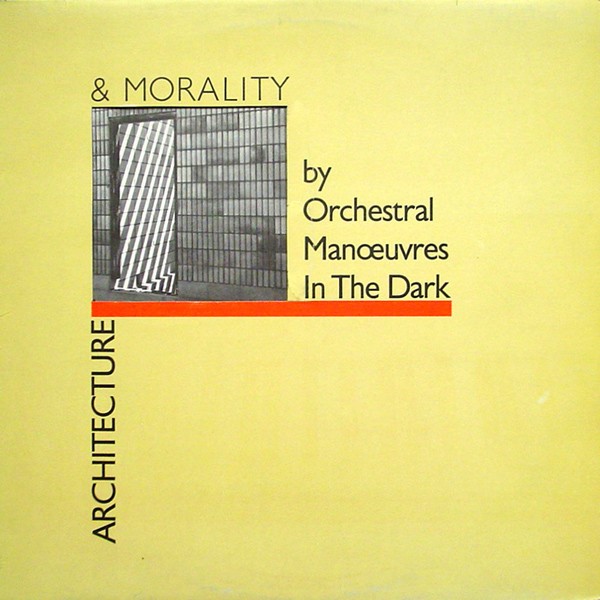
 is still available via Virgin Records
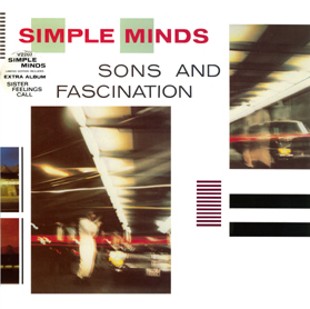
 is still available via Virgin Records
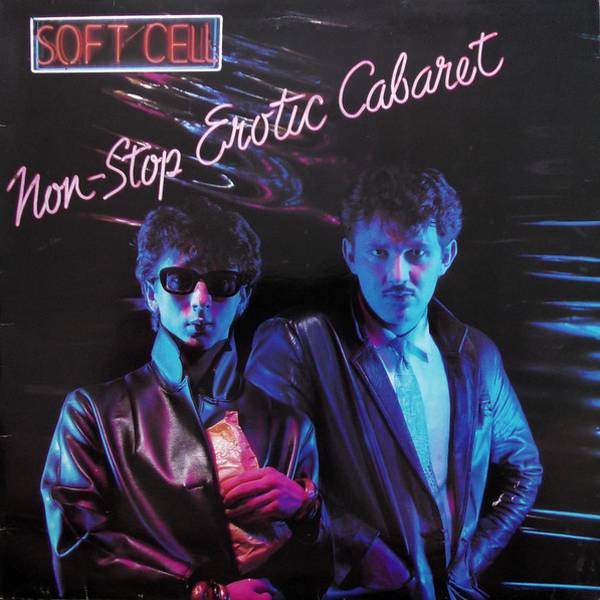
 is still available via Mercury Records
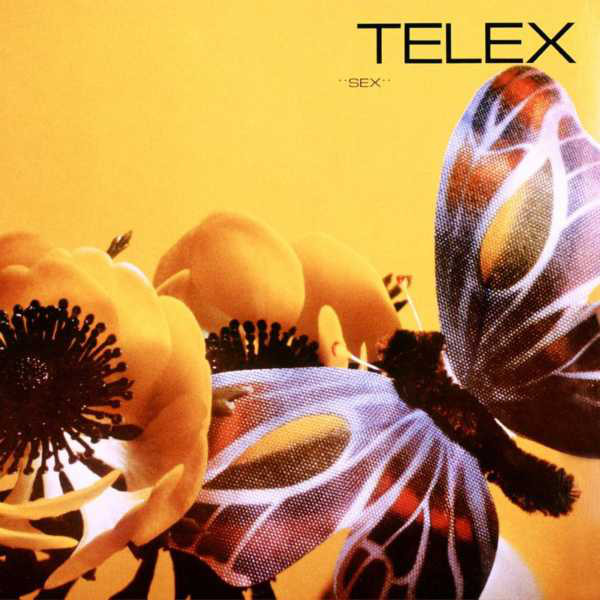
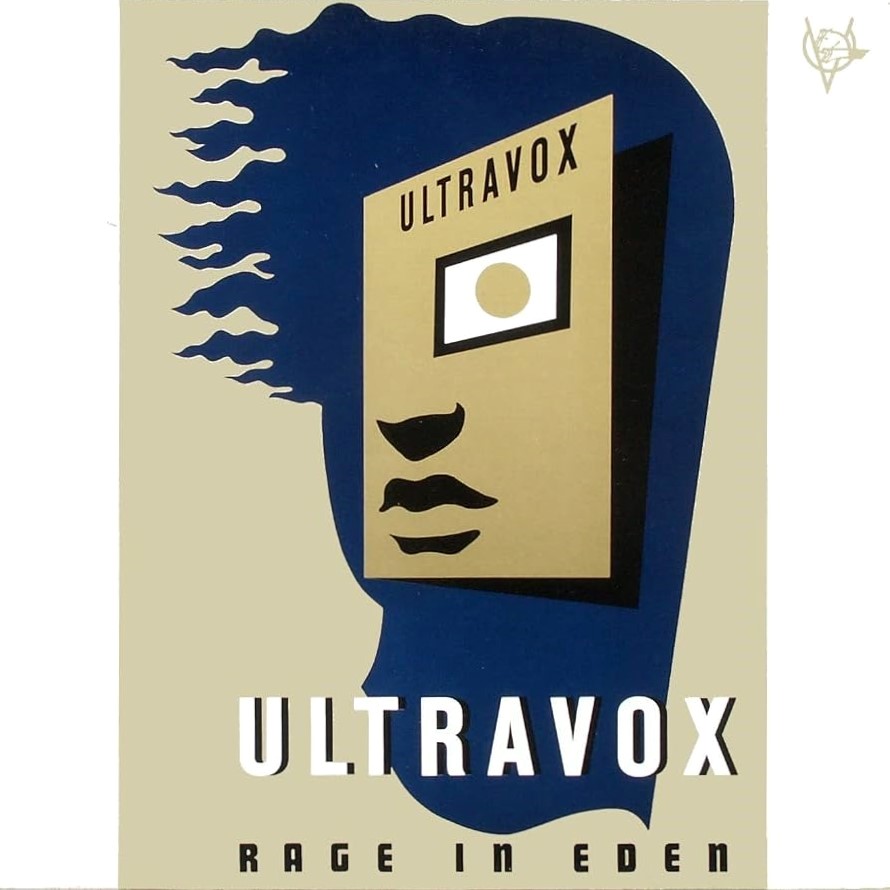
 is still available via EMI Records
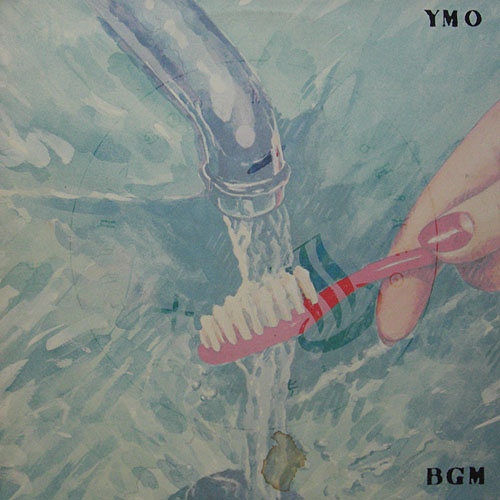
 is still available via Sony Music


Follow Us!