From Chart Toppers To Cult Classics When Music Ruled The Airwaves
In 1983, Stephen Morris from NEW ORDER said to Smash Hits: “If you believe in the charts, then you might as well believe in fairies” but occasionally, those fairies could sprinkle some magic dust.
‘Every UK Hit Single: 1980’ aims to tell “The story of 1980 – every hit, every memory, one unforgettable year in pop: 370 singles, 225 artists, 25 chart toppers!”. Putting things into wider perspective, those numbers are still small considering the amount of record releases in any given year during a time when there was no streaming, no downloading, no social media and even no CD!
Author Richard West has a lifelong fascination with popular music and realised his dream of chart entries as a member of progressive metal bands THRESHOLD and OBLIVION PROTOCOL with recognition across Europe and the UK’s specialist listings. He even published a memoir ‘Maybe A Writer: My Life in Threshold’ that traced his journey from his teenage years living by numbers following the charts to becoming a recording artist.
‘Every UK Hit Single: 1980’ is the first volume in a series documenting every Top 40 entry with the intention of covering 1981 and beyond. The format is chronological with two paragraphs on each single, one factual and one of trivia. What it does lack however is opinion, so this is more of a reference book.
Despite the popularity of Gary Numan in 1979, synth-based pop music was still fledgling as far as being a regular chart proposition was concerned. However, Japanese Technopop trio YELLOW MAGIC ORCHESTRA would score a surprise No17 hit with their 1978 electronic cover of American composer Martin Denny’s 1959 exotica instrumental ‘Firecracker’, mistitled as ‘Computer Game (Theme From The Invader)’.
Although the original could be seen as an early form of cultural appropriation using every pentatonic cliché in the book, Haroumi Hosono, Yukihiro Takahashi and Ryuichi Sakamoto took it back and gave the tune authenticity. Their treatment acted as a symbol of the Far East’s advancement in affordable technology which was crucial to the rise of the synth.
While 1980 would establish its own electronic legacy, the man born Gary Webb was already being seen as heading down the dumper with both ‘We Are Glass’ and ‘I Die: You Die’ failing to secure the top spot after ‘Are Friends Electric?’ and ‘Cars’ both hit No1 the year before.
Considered his nearest rival artistically at the time, Numan’s biggest influence John Foxx was fresh out of ULTRAVOX but the fact that his even more dystopian electro pieces like ‘Underpass’, ‘No-One Driving’ and ‘Burning Car’ were even entering the Top 40 was nothing short of amazing and indicative of the adventurous eclectic nature of 1980.
Meanwhile the newly regrouped ULTRAVOX now fronted by Midge Ure got the Top 40 entry that was not even close during their Foxx-era with ‘Sleepwalk’ but while it was a breakthrough, it wouldn’t be until the title track of the parent album ‘Vienna’ was a single in 1981 that they would become chart fixtures.
Despite the critical acclaim for the likes of THE HUMAN LEAGUE, JAPAN and SIMPLE MINDS, it was a young duo from Merseyside who would steal their thunder as far as the Top 40 was concerned; ORCHESTRAL MANOEUVRES IN THE DARK were notable for being one of the rising wave of warmer synthesizer acts but while extremely melodic and rhythmic, their lyrics on ‘Messages’ and more significantly ‘Enola Gay’ had darker overtones. Andy McCluskey and Paul Humphreys would end 1980 as the biggest selling artist in the Virgin Records group despite being signed to one of its subsidiaries Dindisc.
One often forgotten synth-driven band who actually managed three Top 40 single entries in 1980 was NEW MUSIK; led by Tony Mansfield, like a certain Trevor Horn with BUGGLES, he figured he would have more influence in the studio rather than being on ‘Top Of The Pops’. He would go on to produce a No 1 for Captain Sensible while also working with the likes of AZTEC CAMERA, NAKED EYES and A-HA. Meanwhile at the start of 1980, Vangelis debuted in the UK Top 40 with YES frontman Jon Anderson and the gorgeous ‘I Hear You Now’.
Sadly, Ian Curtis was never to have a Top 40 hit in his lifetime as ‘Love Will Tear Us Apart’ would posthumously get a No13 hit for JOY DIVISION. But surviving members Bernard Sumner, Peter Hook and Stephen Morris with new member Gillian Gilbert would have that chart fairy dust sprinkled on them several times as NEW ORDER.
Although the New Romantics were being talked about as the rising youth movement, it would be the man who sold the world and seeded the whole party in the first place that would use it for an artistic renaissance; David Bowie was taken to The Blitz by club regular and RCA label assistant Jacqueline Bucknell to cast members of the clientele including its “face” Steve Strange for the video of his new single ‘Ashes To Ashes’.
While the song reached No1 and Bowie himself would move on, others from The Blitz knew their time had come. SPANDAU BALLET would release ‘To Cut A Long Story Short’ towards the end of year to herald a fresh aspirational mindset in pop while issued a few weeks later, ‘Fade To Grey’ by the Steve Strange-fronted VISAGE wouldn’t hit big until the start of 1981 but would become the biggest selling single in West Germany of that year.
1980 though was not really about the emergence of warmer and dancier synthesizer sounds. The year was dominated by ska with the likes of THE SPECIALS, THE BEAT and MADNESS scoring at least 4 Top 40 hits each but perhaps unbelievably and reflective of every generation needing its dose of imagined nostalgia, rockabilly band MATCHBOX scored 5 Top 40 hits!
1980 is often best remembered for 3 No1s for BLONDIE, 2 No1s for THE JAM and 2 No1s for ABBA, with consistent charts runs for the likes of THE POLICE, QUEEN and ROXY MUSIC while disco provided chart toppers for Fern Kinney and Kelly Marie. Without even mentioning Peter Gabriel, Kate Bush, mods, rockers or the new wave of British heavy metal, this was a year of musical diversity and ‘Every UK Hit Single: 1980’ documents that.
1979 was a significant year where the sound of synth truly hit the mainstream.
TUBEWAY ARMY reached No1 with ‘Are Friends Electric?’ while the Giorgio Moroder produced ‘No1 Song In Heaven’ by SPARKS had actually got to No14 a few months earlier. Synths were no longer the novelty gimmick as perceived when ‘Popcorn’ and ‘Autobahn’ became hits. As synths became more affordable, they became a worthy mode of expression, especially for the younger generation seeking something new.
From Cherry Red comes an unexpected addition to their ‘Musik Music Musique’ series; subtitled ‘1979: The Roots of Synth Pop, this 3CD 60 track collection is a prequel tracing how outsider aesthetics, prog rock, post-punk and a willingness to experimental clashed with pop sensibilities to produce a sonic sandwich of accessible electronic music.
The two gamechanging UK No1s ‘Are Friends Electric?’ and ‘Cars’ are both included and even today, how Gary Numan changed the musical landscape cannot be understated although notably absent are SPARKS. It is not insignificant that both continue to fill theatres today.
The sound of synth being the next big thing would be confirmed by THE BUGGLES also hitting the UK top spot not long after ‘Cars’ while ‘Living By Numbers’ by NEW MUSIK issued as 1979 was concluding would just miss out on the Top10 in the New Year; but both their respective leaders Trevor Horn and Tony Mansfield were astute enough to recognise their longevity as unlikely popstars would be short and they would make their fortune as record producers. Incidentally, the first released version of ‘Video Killed The Radio Star’ by Bruce Woolley featuring Thomas Dolby on keyboards in a welcome inclusion and while it is good, THE BUGGLES’ sharper futuristic vision gives it the edge.
Another future producer figuring in this 1979 set is Zeus B Held with his self-referencing ‘Held It’ timestamping the transitional use of synths and vocoders in prog rock to new wave pop, something which his production for Gina X on ‘Nice Mover’ would more than wonderfully compute in its Marlene-inspired disco lento.
THE HUMAN LEAGUE are represented by the mighty ‘Blind Youth’, the best track from their debut album ‘Reproduction’ which attacked the raincoat wearing gloom merchants of England’s North West. But the pointer to the futures of original members Philip Oakey, Martyn Ware and Ian Craig Marsh comes with ‘I Don’t Depend On You’, their one-off as THE MEN which came out a few months before ‘Reproduction’; a fairly commercial slice of disco pop, it featured real guitar, bass, drums and female backing singers in a prescient experiment that after the split of the band shaped the next incarnation of Ver League and HEAVEN 17.
While acknowledged cult classics such OMD’s ‘Almost’, ‘Rock Around The Clock’ by TELEX, SILICON TEENS’ cover of ‘Memphis Tennessee’, FAD GADGET’s ‘Back To Nature’ and ‘Attack Decay’ from Thomas Leer & Robert Rental are present and correct, the joy from these boxed sets comes with the inclusion of rare tracks.
Two of the most interesting come via the ULTRAVOX axis although neither could be considered the best works from those concerned. From VISAGE comes the less familiar vocal version of ‘Frequency 7’ which was the B-side of their first single ‘Tar’ and would be turned into a far superior instrumental dance mix. John Foxx presents a curio documenting him still finding his solo feet on ‘Young Love’, a bizarre track which was actually pressed as an acetate in 1979. It was even assigned a Virgin catalogue number but was later abandoned as a possible single, superseded first by ‘A New Kind Of Man’ which itself was ultimately dropped as a singular release in favour of ‘Underpass’.
Two enjoyable tracks which perhaps would now be accused of racial insensitivity are by QUANTUM JUMP and BLACK ROD; the former’s ‘Lone Ranger’ with its unforgettable Maori vocal intro was championed by Kenny Everett who used it on his TV show while the frantic electropop of ‘Going To The Country’ by the latter with its faux Jamaican accents is revealed to be the novelty cod reggae duo TYPICALLY TROPICAL who had a No1 in 1975 with ‘Barbados’!!! Less successful in the mock accent stakes is ‘Herr Wunderbar’ by St Albans-based Tanya Hyde which plays on the electro Weimar Cabaret theme but unfortunately, she is no Amanda Lear and the song is no ‘Follow Me’… it was to be her only solo single…
There is a nice surprise in the vocoder-laden DOLLAR B-side ‘Star Control’ while from the first “live to digital” album ‘E=MC²’ by Giorgio Moroder is the robotic disco delight of the closing title track with its vocodered credits that include “tea and coffee by Lori”. The adoption of devices such an rhythm units was something of an anti-rock ‘n’ roll statement and nothing can sum up this sentiment more than ‘Making Love With My Wife’, a quirky ode to the joys of marital sex by Henry Badowski that later appeared on Virgin Records electronic music collection ‘Machines’. Another artist appearing on that same 1980 compilation was Karel Fialka and he is represented by ‘Armband’, a track co-produced by Wally Brill who did the same duties for, yes, you’ve guessed it, Henry Badowski!
There are lesser known offerings by M, YELLO and the first line-up of FASHIØN but from the US comes an interesting quartet of tracks that shows the other side of the Atlantic was not all about the horrendous AOR of BOSTON and JOURNEY; THE CARS always had synths as a rogue element of their initial new wave sound and that is encapsulated by ‘Night Spots’, but produced by their leader Ric Ocasek, SUICIDE’s ‘Dream Baby Dream’ is still glorious.
‘Strange Pursuit’ is a good example of DEVO’s move towards more electronic instrumentation, but heavily influenced by Akron’s finest and not to be confused with the late member of German duo CLUSTER, ‘Mirror Of Infinity’ by American art rock band MOEBIUS is something of an icy jewel and deserves this recusing from obscurity.
Sweden would become a major adopter of synths in pop and the start of that nation’s journey is represented by ‘Oh Susie’, the debut single by SECRET SERVICE; setting the template for Europop, it was a Top10 in West Germany, Norway and Denmark as well as reaching No1 in their own country. Lead singer Ola Håkansson would later go on to duet with Agnetha Fältskog of ABBA on her own synth-laden solo songs ‘The Way You Are’ and ‘Fly Like The Eagle’.
Before ‘Miami Vice’, Jan Hammer had his self-referencing rock combo and he provides the spacey curio ‘Forever Tonight’ voiced by Glen Burtnick while having already left prog rockers GONG in 1975, Steve Hillage was incorporating more electronics alongside his guitar as exemplified by ‘Don’t Dither Do It’. Reinforcing the connection between prog and synth, another former GONG member Tim Blake teams up with Jean Phillipe Rykiel for the mystic and frankly bizarre ‘New Jerusalem’!
Tucked away towards the end of the set but undoubtedly the most epic even in single edit form, ‘Rheinita’ by NEU! offshoot LA DÜSSELDORF went Top3 in West Germany and is basically the OMD blueprint for ‘Architecture & Morality’ album; as Andy McCluskey himself said “People always talk to us about KRAFTWERK, and obviously, they were hugely important. But there was another element from Düsseldorf that influenced us, and that was the organic side which was firstly NEU! and then LA DÜSSELDORF…”
As with the previous ‘Musik Music Musique’ sets, there are a few clangers so it would be remiss not to mention these; the main audio one in this 1979 collection is the inclusion of the 1982 single remix of JAPAN’s ‘Life In Tokyo’ with the more prominent fretless bass overdubs by Mick Karn. On the Japanese “theme”, lessons still have not been learnt from previous booklets with regards photos and LANDSCAPE are pictured in their hit futurist jumpsuit guise as opposed to the jazz rock band seen in transition on ‘Tomorrow’s World’ at the time performing ‘Japan’, the track included in this set. Incidentally, the band who influenced this track YELLOW MAGIC ORCHESTRA deserved inclusion, especially as the iconic trio were featured in a previous set and released their best album ‘Solid State Survivor’ in 1979 as well.
Meanwhile, a blond ‘Replicas’ era Gary Numan when he would have been suited and dark haired by the time of ‘Cars’ is in the booklet while the 1978 punk quartet incarnation of TUBEWAY ARMY represents the ‘Are Friends Electric?’ period which is totally wrong! And the quintet line-up of VISAGE from 1982 is pictured rather than the original 1979 septet who appeared in the now iconic Blitz Club photo taken by Sheila Rock.
Elsewhere, QUANTUM JUMP are mysteriously represented by a trio including bassist John G Perry but which does not include key members Rupert Hine and Trevor Morais who would both later go on to work with Howard Jones! At least there, one member was featured because whoever the quintet are in the photo of DALEK I, none are Alan Gill or Dave Hughes! Unlike in 1979, there is the internet now available as an initial info source and numerous real life experts around to fact check with, so this really doesn’t not take much effort to get right! If in doubt, then don’t use the photo!?!
In 1979, “Synth Pop” was yet to be a thing and with over 60 tracks, there is a mish-mash of styles with the common factor of the synth making itself heard to explore how the form was developing. For that eclectic reason alone, ‘Musik Music Musique: 1979 – The Roots of Synth Pop’ is probably the most fascinating of the four volumes to date.
Hosted by PopRambler Iain McDermott, ‘Back To NOW’ is a podcast that celebrates all things related to the variously compiled world of pop and how our favourite compilation albums shaped our lives and now fondly stand as time capsules for our own musical journeys.
Chi Ming Lai of ELECTRICITYCLUB.CO.UK was honoured to be invited back to Back To NOW after his debut appearance in 2024 about the ‘NOW ’81 Yearbook’. On this new episode, he joins Ian Wade, author of ‘1984: The Year Pop Went Queer’, to discuss the ‘NOW ’82 Yearbook’ 4CD set and its companion 3CD set of “Extras”.
The start of 1982 saw a continuation of the amazing Autumn of 1981 with the third singles from albums by SOFT CELL,OMD and JAPAN all hitting the Top5 while the synthesizer pioneers who were ahead of their time like KRAFTWERK and THE HUMAN LEAGUE saw tracks first released in 1978 become Top10 Hits with ‘The Model’ notably dropping down the charts before getting to No1. There were chart breakthroughs for SIMPLE MINDS and ASSOCIATES while YAZOO,CHINA CRISIS,BLANCMANGE,A FLOCK OF SEAGULLS and TALK TALK impressed with their debut long players.
However later in the year, there was a backlash against the synthesizer as exemplified by the Musicians Union tabling a motion to ban synthesizers from recording and live performance. Meanwhile musically, the fiddle and banjo romp of ‘Come On Eileen’ by the Celtic soul incarnation of DEXY’S MIDNIGHT RUNNERS becoming the biggest selling single of 1982 in the UK gave indicators that public may have had enough of all things electronic.
But you cannot halt progress and advances in music technology like the Linn Drum Computer and the Fairlight CMI were to become the perfect tools for producers like Trevor Horn and Tony Mansfield to continue adventures in modern recording with DOLLAR, ABC and SPANDAU BALLET as well as Captain Sensible and Mari Wilson among the beneficiaries. Meanwhile DURAN DURAN truly became the teenyboppers band of choice with their ‘Rio’ album eventually going platinum but if the year before had been 1981 B.C.C. – before CULTURE CLUB, then the end of 1982 saw the emergence of the two Georges, O’Dowd and Michael.
Of the year, the Now Music official website said: “1982 saw the first huge hits from a wealth of new artists including CULTURE CLUB, WHAM! and TEARS FOR FEARS, as well as an incredible line-up from artists who had established their chart presence in the prior 18 months and would produce some of the greatest tracks of the decade; DURAN DURAN, SPANDAU BALLET, ABC, HAIRCUT 100, SOFT CELL, THE HUMAN LEAGUE, and a newly solo Adam Ant.”
In a lively conversation, Iain McDermott, Ian Wade and Chi Ming Lai cover topics as diverse as the importance of Smash Hits in their coverage of pop, predict the possible inclusions for the upcoming NOW ‘Vault ’82’ collection and the unlikely trio of chart toppers from West Germany, thus proving that despite it being the country that seeded innovative electronic music, its cheesy home-grown Schlagermusik could also unexpectedly crossover as grandparents bought their one single of the year!
As Smash Hits Editor David Hepworth said in their end of year review, there were “no patterns” to pop in 1982.
ELECTRICITYCLUB.CO.UK gives its warmest thanks to Iain McDermott
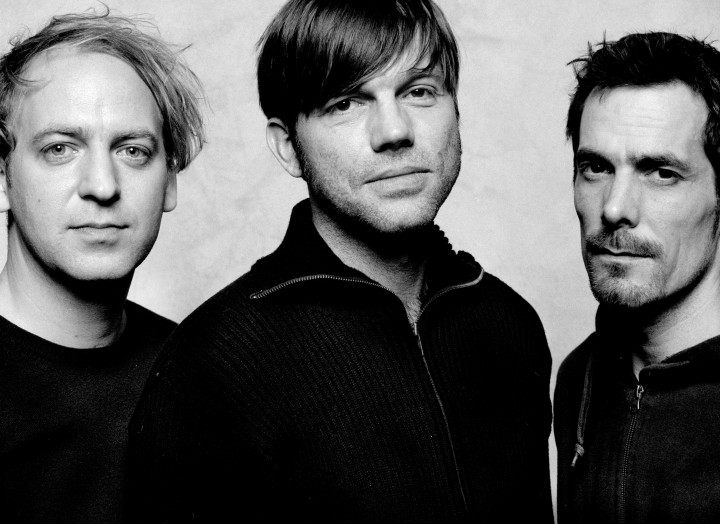
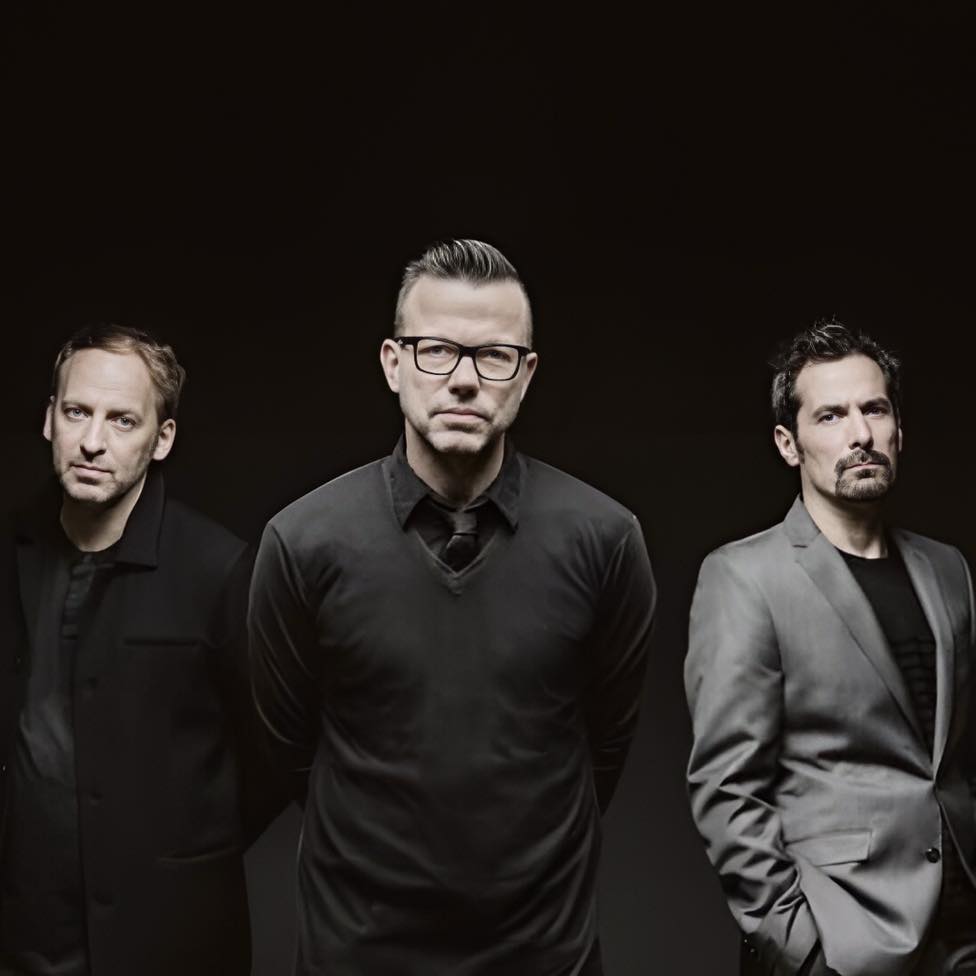
CAMOUFLAGE’s ‘Rewind To The Future & Goodbye’ tour was an opportunity for the German electronic pop veterans to look back on four decades. And while CAMOUFLAGE’s past was being celebrated, new songs such as the autobiographical tour title song and ‘Everything’ were also included.
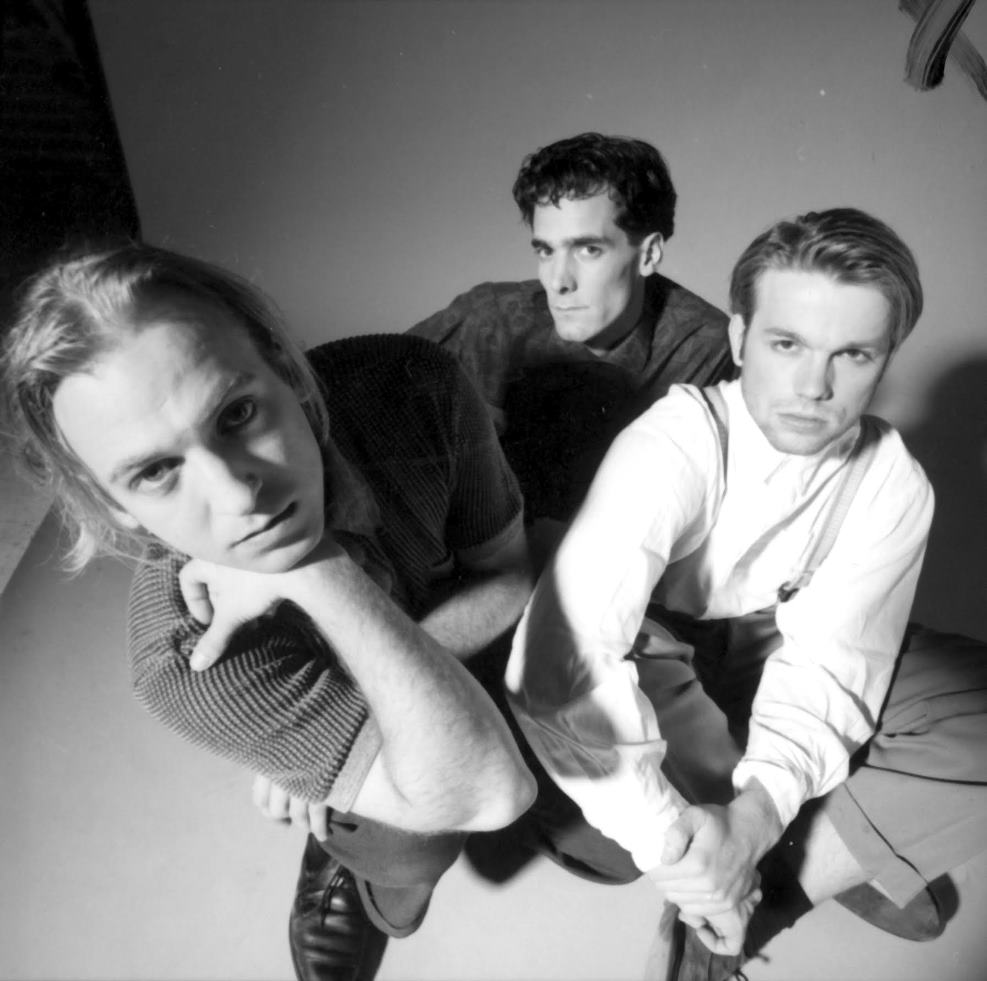
Influenced by the likes of KRAFTWERK, THE HUMAN LEAGUE, DEPECHE MODE and DAF, Oliver Kreyssig, Heiko Maile and Marcus Meyn, formed CAMOUFLAGE in Bietigheim-Bissingen and eventually settled on the name after a track on the 1981 YELLOW MAGIC ORCHESTRA album ‘BGM’. Their 1987 debut single ‘The Great Commandment‘ was certifiled Gold in Germany while it was an American hit in 1989, peaking in the Billboard Hot100 at No59 while also being a Billboard Dance Club Play No1. Another German Gold single and Top10 ‘Love Is A Shield’ followed.
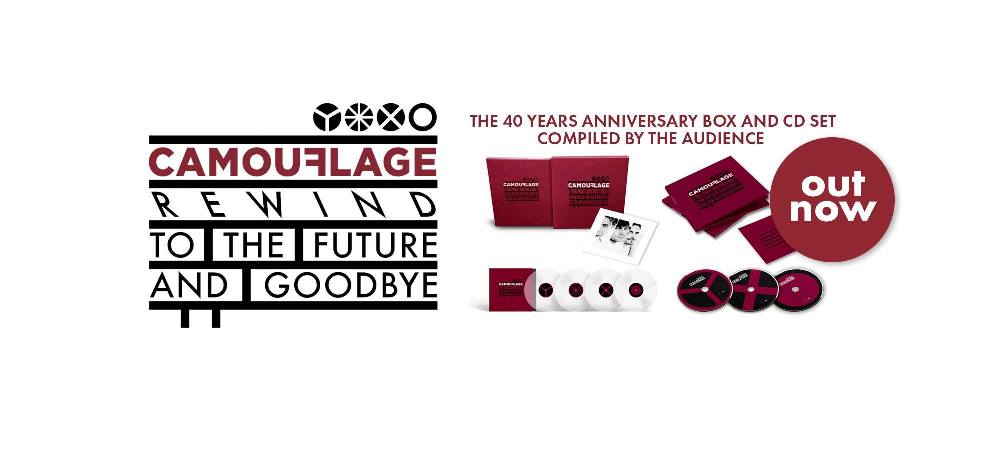
With eight albums to their name, CAMOUFLAGE have a formidable back catalogue, as exemplified by their recently released multi-disc retrospective, also called ‘Rewind To The Future & Goodbye’; the band invited their fans via social media to vote for their favorite tracks and the resultant 40 track collection includes not just singles but B-sides, fan favourites and rare recordings.
ELECTRICITYCLUB.CO.UK had the pleasure of meeting CAMOUFLAGE in Hamburg and Oberhausen during the ‘Rewind To The Future & Goodbye’ tour, so took the opportunity afterwards to catch up with Heiko Maile for a comprehensive new career spanning interview…
Photo by Klaus Mellenthin
CAMOUFLAGE have been around for 40+ years, that is a long time to be in a band but when you first formed in Bietigheim-Bissingen, was lasting so many decades ever in your thoughts? Was it something you even joked about?
Certainly not! Back then, our dream was simply to record in a professional studio and produce a 12 inch vinyl for ourselves, our friends, and our earliest fans. The original version of ‘The Great Commandment’ was created during such a session – that it would lead to such a long story for our band was, of course, unimaginable. Sure, we made jokes about it, or dreamed of winning the lottery like everyone else, but in a way, that’s what happened with CAMOUFLAGE. You need talent, a lot of hard work, and most of all, plenty of luck to be in the right place at the right time. One such moment for us was our debut single.
CAMOUFLAGE arrived just as analog synthesis was being superseded by digital synthesis and sampling, what keyboards were first being used and how was the band adapting to this technology race where new equipment was coming out all the time?
Looking back, this transitional period was the perfect environment for us. On one hand, many instruments and techniques became affordable for beginners like us, and on the other, there were constant innovations, which meant older analog devices became available at reasonable prices on the second-hand market. Of course, even these “affordable” devices were still expensive for us, but just a few years earlier, much of this technology was only accessible to established artists with big budgets.
We invested all our savings to buy our first gear and spent every school holiday working factory jobs to afford new equipment. That’s how our first setup came together: a Roland Juno-60, a JX-3P, a TB-303 Bassline, a Korg MS-20, and a Roland TR-808 drum machine.
What are your memories of performing on TV for the first time with ‘The Great Commandment’ in Summer 1987, was there feeling that something big was about to happen for you all?
Well, we were certainly curious about what would happen after our first TV appearance. From an outsider’s perspective, it might have seemed like an overnight success, but for us, it marked the end of a long period of waiting, during which we sometimes doubted the single would ever be released. The journey to that point had many steps.
It all began with the first studio recording with Axel Henninger, which largely resembled the Extended Radio Mix that was later released. The response to this recording from our label, Westside Music, was so positive that they had high hopes for its release. This led them to partner with promoters and distributors, including Karin Wirthmann, who later became our manager. She introduced us to Metronome Records, which offered exciting prospects but also slowed things down with new plans and strategies.
One idea was to wait for the right TV show to showcase our single to a large audience – this finally happened about a year after the initial recording. The waiting tested our nerves, but it was worth it. Although the show aired on a Sunday morning, the response was phenomenal. We also did a lot of radio promotion, which kept the momentum going. The reactions were fantastic and kept us incredibly busy for the next two to three years. Back then, TV had a much bigger impact than it does today.
Photo by Heike Hilgendorff
How do you look back on the making of your debut album ‘Voices & Images’? Was it just forward momentum all the way through?
It was more of an unfiltered, perhaps even naïve time. Of course, the success of the single put some pressure on us, but we had plenty of songs and ideas from the years before, so we simply selected our favorites. Scheduling studio time was trickier, though, since Oliver was still in training and Marcus was finishing his final year of high school. I had already completed my vocational training and decided – even before ‘The Great Commandment’ became a hit – to devote a year entirely to music. This allowed me to work in the studio with Axel Henninger on the tracks for the album, while the others joined us on weekends. There were a few challenging moments, but I remember this phase as an exciting and intense time of growth. We absorbed every new studio experience like sponges.
This contrasts with our second album, ‘Methods of Silence’, where we had to navigate the expectations that came with following a successful debut. Writing a strong, independent album under those circumstances was our real baptism by fire. With ‘Voices & Images’, we had a stockpile of songs…
‘Voices & Images’ is perfect in its original 10 song LP running order, do you have any favourite songs from it?
No, there isn’t one definitive favorite. Naturally, we sometimes hope that fans and listeners would shine more light on tracks beyond ‘The Great Commandment’, but after our recent tour, we were delighted to see that alongside the eternal fan favorite ‘That Smiling Face’, songs like ‘Stranger’s Thoughts’ and ‘Neighbours’ are still true crowd-pleasers!
As a film score composer today, I particularly enjoy revisiting ‘Voices & Images’. Tracks like the 3/4 time signature and flugelhorn solo on ‘I Once Had a Dream’ or the mysterious sounds of ‘Pompeii’ stand out to me as personal highlights.
Marcus once described CAMOUFLAGE songs as “melancholic and sometimes sad – but not negative”, was this one of the advantages you had over DEPRESSED MODE that set you apart?
Honestly, there was never a master plan behind it. It’s more of a snapshot of our life situations at the time. Early DEPECHE MODE also had a much more “positive” sound, and they released far more albums than we did. For example, ‘Sensor’ had significantly darker moments compared to ‘Relocated’.
What our music might have sounded like during phases where we didn’t release anything is something we’ll never know. However, I do think there’s a certain emotional foundation in our work that leans more toward hope and optimism rather than dystopia or hopelessness.
After ‘The Great Commandment’, was the pressure was on with the second album ‘Methods Of Silence’ and to achieve another hit? You did it with ‘Love Is A Shield’, was it yours or the record company’s decision to bring Peter Godwin in to help with the lyrics?
The idea to involve Peter Godwin came from our producer at the time, Dan Lacksman, but also because we wanted more confidence in our lyrics. Since our music had such an international reach, it became even more important to avoid significant errors as non-native speakers. So, the collaboration was more of a proofreading process – the lyrics were all written by us. It’s a bit unfortunate in hindsight that it sometimes seems like Peter played a larger role in the process than he actually did.
On ‘Methods Of Silence’, you covered ‘On Islands’ by NEW MUSIK, is Tony Mansfield one of the most underrated songwriters and producers ever because his influence can be clearly heard in the more synthpop work of THE WEEKND?
We’ve always been fans of NEW MUSIK and could never understand why they didn’t achieve greater success. In addition to the ‘Anywhere’ album, which had a huge impact on us, their album ‘From A To B’ was also very influential. Not only because of ‘On Islands’, but even the name of our demo tape, ‘From Ay To Bee’ (1985), was directly inspired by it. Beyond his impressive work as a producer for A-HA, THE B-52S, and CAPTAIN SENSIBLE, I was especially excited by the collaboration Tony Mansfield had with one of my other musical idols – Yukihiro Takahashi – on his album ‘Neuromantic’ in 1981.
Through our cover version, ‘On Islands’ became a part of us in a way, and many of our fans see it that way too. Personally, looking back, I find our version a bit unfortunate because we stuck so closely to the arrangement and sound of the original. At the time, we saw this as a mark of respect and homage. But we’ve since learned that a cover should ideally add a fresh perspective to the original. Still, as fans, we achieved our goal: to bring this great song to a wider audience!
Apart from ‘Kling Klang’ and ‘Kraft’, CAMOUFLAGE lyrics are almost exclusively in English, so have you ever dreamt in English?
During the height of our success, we spent a lot of time in the US and gave countless interviews in English. So yes, it did happen occasionally.
Our decision to write lyrics in English was influenced by feedback from a publisher we approached, along with many other labels, during our early days. Our demo tapes included songs with both English and German lyrics. Like most others, this publisher turned us down but offered some valuable advice: to focus on one language moving forward.
Photo by Wolfgang Wilde
In 1990, Oliver left but did this prompt CAMOUFLAGE to explore more traditional directions with violin, sax and live drums as well as more guitar?
Oliver’s departure at the end of our first live tour was a significant turning point for the band. Although we had been aware of his decision for a few months, it was still a major change, especially after spending almost every moment together over the previous three years. Tensions had built up, and in hindsight, it might have been better if we had taken a break from each other to clear our heads and regain perspective.
The tour itself was a fantastic experience, particularly because we performed with Ingo Ito (guitar), Thomas Dörr (drums), and Robin Loxley (keyboards). We increasingly enjoyed the blend of electronic and live instruments. Later, violinist and keyboardist Julian Boyd (aka Julian DeMarre) joined us, and we collaborated with him for several years.
In hindsight, do you think this was the right way to go on ‘Meanwhile’? What lessons did you take away from working with Colin Thurston as producer?
In a way, the move towards acoustic instruments was a logical extension of the evolution between our first two albums. We also became bolder about embracing “other” influences, like THE BEATLES, TALK TALK, or Daniel Lanois. With the success of our earlier albums, we had the budget to explore freely. We even had a great conversation in London with Midge Ure but ultimately decided to work with Colin Thurston. His impressive production credits drew us in, but it was his eccentric personality that convinced us he’d bring unorthodox and fresh ideas to the table.
The production started promisingly, and Colin seemed genuinely enthusiastic about our work. But over time, it became clear that he wasn’t contributing as much as we had hoped. Perhaps this was due to the illness he later battled, which we only learned about many years after his death. In the end, all these developments resulted in an album that wasn’t well-received by many of our fans. Even before the final mix, we had a sense of this and resolved to make our next album much more electronic. Looking back, we laugh at many of our decisions, but we also wonder what opportunities might have opened up if ‘Meanwhile’ had been as successful as its predecessors.
You went back to electronics and working with Dan Lacksman again on ‘Bodega Bohemia’, the album features the ‘Suspicious Love’ but closes with the fantastic epic ‘In Your Ivory Tower’, what inspired it and how did you decide to make it so long?
As we wanted the album to embrace a more electronic style, we adopted the motto “Think Electronic”. This mindset led to the creation of an instrumental track, which I initially envisioned as a sort of electronic symphony and the perfect way to close the album. When our guitarist, Ingo Ito, heard it, he suggested he could write lyrics and vocals for it. A few days later, he played us his idea, and we were immediately captivated. The lyrics were inspired by a friend who had passed away from AIDS just a few weeks earlier. I feel Marcus captured the mood beautifully during the studio recording.
Although I was initially hesitant to keep the arrangement at its full length, we ultimately felt that every section of the track was too strong to cut. One of my personal highlights is the violin melody at around 3:57 min, contributed by Julian Boyd. This track became a special collaboration and a fitting conclusion to the album.
In 1995, you released a superb cover of Moon Martin’s ‘Bad News’, how did you figure out it would work as a CAMOUFLAGE track in the context of ‘Spice Crackers’?
Thank you so much for the praise—it really means a lot. Sadly, that album never received the recognition I believe it deserved. Over the years, people have often told us that the production style was ahead of its time. While we’re not sure, it was certainly the album we wanted to make in 1995: a mix of electronic influences driven by the club music trends of the era, yet still melodic, harmonious, and full of sci-fi elements and experimentation.
We were also heavily influenced by the cultural moment—frequent cinema trips to see Quentin Tarantino’s ‘Pulp Fiction’ and a general creative buzz. At some point, Moon Martin’s ‘Bad News’ came back into our minds. It was a track we had danced to countless times in our local youth disco in the early ’80s, and it had always been on our wishlist of potential covers. It felt like the perfect fit for the eclectic style of the album, and we loved bringing it into that world.
Photo by Mathias Bothor
The classic trio reunited in 1998 and has now stayed together longer than first time round and produced more albums, how did the approach change to enable this longevity?
The turning point in our band’s history came after the commercial failure of ‘Spice Crackers’. It became clear that we couldn’t continue to dedicate 100% of our time to the band. Around the same time, we had to shut down our studio in Hamburg, and Marcus and I each became fathers within a short span. This led us to reorient our careers and take a two-year hiatus from the band. Both of us moved with our families to Stuttgart.
Eventually, the desire to make music together returned, and we saw this new reality as an opportunity to reassess many of the dynamics that had crept in during the stressful years before. Marcus suggested inviting Oli to join us for a fresh start. At the time, I had set up a new studio in Stuttgart, primarily for production work and commercial music, and we already had a demo – ‘Thief’ – to work on together. In 1998, the three of us were back in the studio, and it felt as though no time had passed.
Since then, we’ve accomplished many projects together, but the fundamental set-up has remained the same: each member has their own career and doesn’t rely on the band’s income. This removes much of the pressure, even though it limits the time we can dedicate to the band. While this approach can lead to delays in album production, it gives us the freedom to create only what we truly want, with virtually no compromises. We all deeply value this arrangement.
The full album return with ‘Sensor’ took a while to complete and it finally came out in 2003, did the delays in making the record taint your memories of it?
After ‘Thief’, we signed with Virgin Germany, who expressed interest in an album but never fully committed. Even our willingness to release ‘The Great Commandment 2.0’ as a single didn’t sway them. While we enjoyed working with the British production team TOY (Kerry Hopwood, Dave Clayton and engineer Q) and found the collaboration promising, we were more eager to focus on a new album rather than revisiting our classic track. Virgin ultimately decided against producing the album, which initially frustrated us but also motivated us to move forward independently.
We announced ‘Sensor’ as our next album, even though its production timeline and release were still unclear. After continuing to work on demos, we eventually found a new partner in Polydor, who fully supported the project. Their commitment helped us bring the album to life with great care and determination.
‘Me & You’ was a great opening salvo for your “comeback” album, how did that come together as a recording?
‘Me & You’ was written during the Virgin era and was frequently performed live at our concerts back then. As a result, there were multiple versions of the song before we finalised the studio version. Each iteration left a mark, with various details and sound snippets finding their way into the final arrangement.
When we signed with Polydor, we planned the production with three different producers for specific tracks: TOY (who had worked on ‘The Great Commandment 2.0’), Gerret Frerichs (aka Humate), and Rob Kirwan (known for engineering U2 tracks and others). While the sessions were promising, the songs ended up pulling in slightly different directions. Budget constraints also forced us to end our collaboration with Rob Kirwan.
TOY developed a strong concept for ‘Me & You’ and their session in England shaped the track significantly. However, they eventually stepped back, citing a mismatch in expectations for the production process. Fortunately, they generously shared their audio files with us, including the incredible driving synth bassline. The final production was completed with Gerret Frerichs in Hamburg, blending elements from various sessions.
Despite the challenges, the resulting album has a cohesive sound. Looking back, I’m especially proud that we overcame the logistical and creative hurdles to deliver something that felt unified and true to our vision.
There has since been two more albums ‘Relocated’ and ‘Greyscale’, how do you look back on those? Which songs still stand out for you?
For me, ‘Relocated’ will always hold a special place as it captures a period in the band’s history when, for the first time in many years, we were all living in the same city. This allowed us to spend a significant amount of time together in the studio, something we hadn’t done with such intensity since ‘Methods of Silence’. The collaboration was incredibly creative, leading to a wonderful blend of collective songwriting. A great example is ‘Dreaming’, which existed as a demo for years but only found its final chorus and arrangement during these sessions. It’s hard to single out one song because I truly like all of them, but my heart often leans toward tracks like ‘Real Thing’ or ‘How Do You Feel?’ which tend to be a bit overlooked.
With ‘Greyscale’, it’s even more difficult to pick favorites because I genuinely believe it’s one of our strongest albums in terms of songwriting. Whether it’s because we worked on it for many years or simply because we’ve grown as writers, I’m not sure. I rarely listen to our own music, but with this album, I’m often amazed by how varied, simple yet complex, and emotionally rich electronic pop music can sound. I think we can be proud of the result, which makes choosing a single song quite tough. ‘Shine’ is a really strong track; I love the cinematic grandeur of ‘Still’, the quintessential CAMOUFLAGE blend of styles in ‘Laughing’, and the powerful, emotional arrangement of ‘End of Words’. For the band as a whole, ‘Leave Your Room Behind’ is probably a highlight, as we had tried to complete it for years but always fell short. In the end, we finally managed to deliver it as it is: a simple, electronic pop song filled with emotion and atmosphere.
Your almost entirely sold-out ‘Rewind To The Future & Goodbye’ German tour has come to an end. How did it feel to be back on stage together after nine years?
The tour was a lot of fun and filled with incredible moments. Of course, Oliver’s decision to step back was a significant turning point for us, but based on the fans’ reactions, I feel we adapted well to this change in our live set. Naturally, Marcus and I would always prefer all three of us to be on stage, but at some point, you have to accept new realities and learn how to handle them. Together with our fellow musicians Jochen Schmalbach (drums) and Volker Hinkel (guitar, keyboards) – occasionally replaced by Stefan “Snöt” Fehling at certain shows – and our experienced live crew, we put together a fantastic show that did justice to our 40 year band anniversary. The response to the tour sparked new energy and excitement for future plans. Oliver is still very much part of the band, and we’re working together on new songs and everything else involved in running a band with a discography like ours.
How do you decide the live setlist, is it like three people trying to paint with the same brush or is it much easier than that?
For the recent tour, we aimed to create a shared time journey. That meant leaving out some of the usual live favorites but instead highlighting other aspects of our band’s history. Of course, the setlist was built on our classics, complemented by key milestones from our perspective and even some new tracks to signal the future. Initially, the setlist was just an idea that felt perfectly balanced to us, but you never know for sure how it will resonate in reality. After our first rehearsals, we were confident it was a great mix, but we were still eagerly awaiting the audience’s reactions!
Photo by Klaus Mellenthin
Despite the tour title, are there any plans for a new album? Does the album have a place still in the modern music marketplace?
There are definitely plans for new songs. Whether those will culminate in an album remains to be seen… we’ll see where it takes us. An album is, of course, a significant undertaking and should stand tall alongside our previously released records. That said, we always think in terms of albums, though our definition leans more towards the length of a traditional vinyl record rather than the full 74-minute package that was once the standard. At some point, we noticed that nearly all of our favorite albums have that classic format of about 2 x 24 minutes. Put simply, I’d prefer 10 really good songs over an album that feels endless.
Conceptually, we still see an album as the ideal collection of songs, even though many people today prefer individual tracks or playlists. This shift hasn’t entirely passed us by either. In the past, we loved crafting “transitions” between tracks within an album, whether with pauses or clear overlaps. Unfortunately, when songs are shuffled randomly on streaming platforms, these transitions often end up clashing. Over time, I think this will lead to fewer such transitions being designed into album tracklists.
As for the “Goodbye” in the tour title and the possibility of the band coming to an end, all I can say is that we have no plans for that yet. If that time comes, we’ll handle it the same way we’ve approached everything else over the last 41 years: on our own terms.
Photo by Walter Cymbal
What is your favourite moment in 40 years of CAMOUFLAGE?
When we played the finished version of ‘The Great Commandment’ to others in 1987, the feedback was overwhelmingly positive. We were confident in our song, but it was hard to imagine what lay ahead in the coming months. A few days before the single’s official release, we were invited to perform it on the TV show ‘Spruchreif’. The reaction to that appearance, along with the rest of our promotional efforts, was so overwhelming that a few weeks later, we debuted at No27 on the German singles chart. We received the chart news during a radio interview in Hamburg, and we were ecstatic – it felt like a daydream. As we left the radio station in the car, the sun was shining, and the radio coincidentally played ‘Wonderful Life’ by BLACK – it couldn’t have been a more fitting soundtrack for that moment.
ELECTRICITYCLUB.CO.UK gives its warmest thanks to Heiko Maile
David Bowie had famously dropped in to see THE HUMAN LEAGUE at The Nashville in late 1978 and hailed them as “the future of rock ‘n’ roll”.
But it was TUBEWAY ARMY fronted by Gary Numan who beat THE HUMAN LEAGUE to the top of the UK singles charts in Summer 1979 with Are Friends Electric?’ while just a few weeks earlier, SPARKS had been become willing conspirators with Giorgio Moroder on ‘The No1 Song In Heaven’ to effectively invent the synth duo.
Although it was the dawn of synth, 1980 was a transitional time when the synth was still the exception rather than the rule. The landscape was changing and the seed of what became the New Romantic movement had been planted.
Following the critical mauling he received for his 1979 album ‘Lodger’ but aware of his burgeoning influence in these futuristic sounds, Bowie headed down to The Blitz with RCA assistant and club regular Jacqueline Bucknell to cast extras including the late Steve Strange for the video of his new single ‘Ashes To Ashes’. It hit the top of UK charts and confirmed that once again “There’s old wave. There’s new wave. And there’s David Bowie…”
While Bowie’s was not an electronic artist in the way some of the next generation of artists had declared themselves, he couldn’t resist a sly dig at the acts that he’d inspired, using the line “same old thing in brand new drag” on the track ‘Teenage Wildlife’ from his next album ‘Scary Monsters’. And he was eventually to beat previous winner Gary Numan to the year’s ‘Best Male Singer’ accolade at the BBC endorsed British Rock & Pop Awards.
Belatedly looking back to 42 years ago before automatic stations came, here are 20 albums which ELECTRICITYCLUB.CO.UK sees as contributing to the electronic legacy of 1980. They are listed in alphabetical order with a restriction of one album per act.
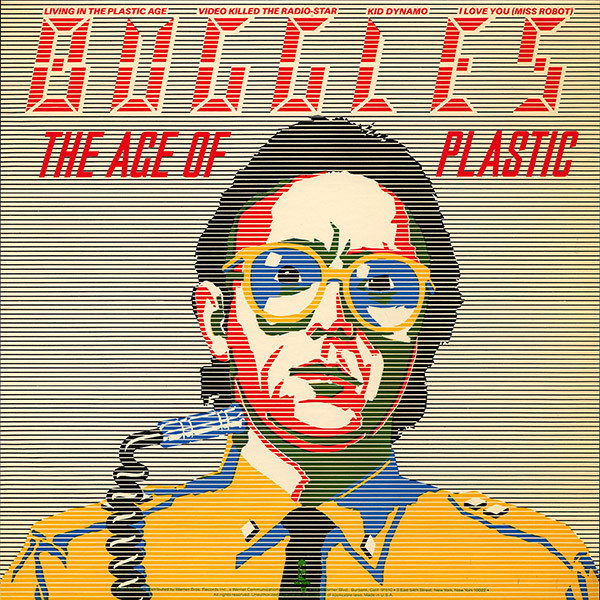
BUGGLES The Age Of Plastic
Trevor Horn and Geoff Downes met while working with Tina Charles and her producer Biddu. Together they would go on to form BUGGLES and score a No1 with ‘Video Killed The Radio Star’. From the parent album ‘The Age Of Plastic’, ‘Astroboy’ developed on the duo’s sonic adventures while ‘The Plastic Age’ and ‘Clean Clean’ provided further if minor hits. Horn would go on become a top record producer.
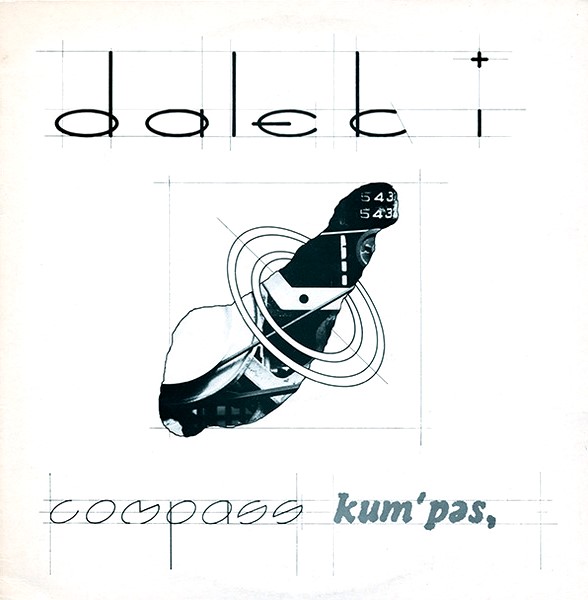
Before OMD, the electronic duo on The Wirral was DALEK I LOVE YOU. However, by the time their debut album ‘Compass Kum’pas’ was released, OMD were having hits and keyboards man Dave Hughes had left to join their live band. Although Alan Gill’s vocals could polarise opinion, ‘Destiny’ was their most immediate song with a precise percussive appeal while ‘The World’ was eccentric and retro-futuristic.
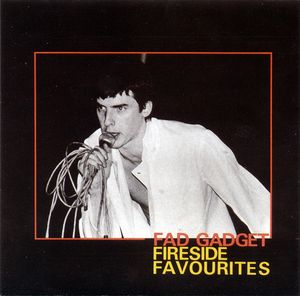
The success of the singles ‘Back To Nature’ and ‘Ricky’s Hand’ attracted a loyal fanbase, so a FAD GADGET album ‘Fireside Favourites’ was eagerly anticipated. Developing on the minimal industrialism of the singles, the superb ‘Coitus Interruptus’ was a cynical commentary on casual relationships while offering his own brand of romantic macabre in the fear of the imminent nuclear apocalypse was the neo-title song ‘Fireside Favourite’.
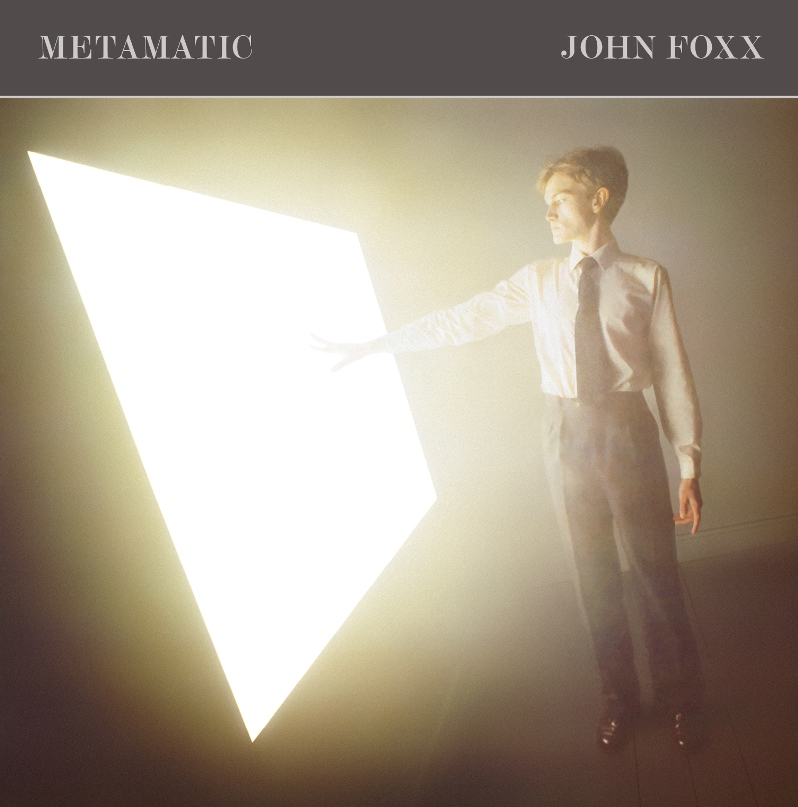
On the ULTRAVOX! debut,John Foxx announced “I want to be a machine”. On signing to Virgin Records as a solo artist, he virtually went the full hog with the seminal JG Ballard inspired ’Metamatic’. ‘Underpass’ and ‘No-One Driving’ were surprise hit singles that underlined the dystopian times while the fabulous ‘A New Kind Of Man’ and the deviant ‘He’s A Liquid’ were pure unadulterated Sci-Fi driven by the cold mechanics of a Roland Compurhythm.
‘Metamatic’ is still available via Metamatic Records
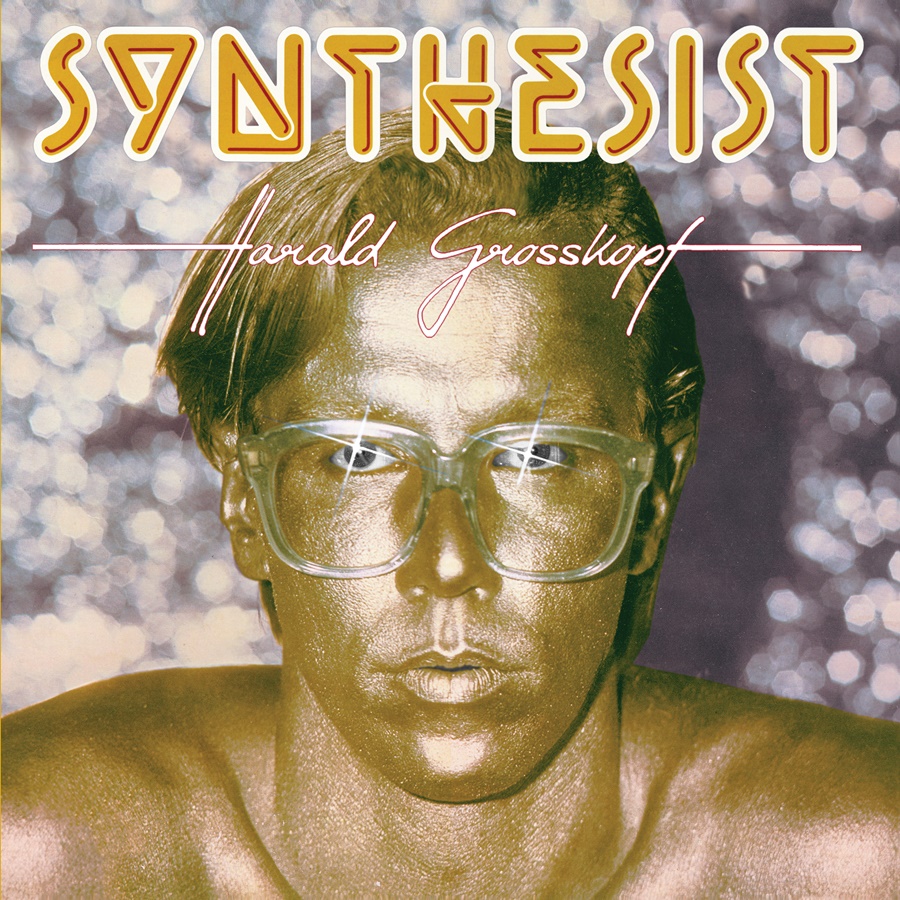
Having worked with Klaus Schulze and Manuel Göttsching, drummer turned keyboard player Harald Grosskopf took the plunge to go solo with the mind bending album ‘Synthesist’. A work comprising of eight instrumentals that blended a sonic tapestry of synthesizer soundscapes with drumming that provided colour as opposed to dominance, it musically followed in the exquisite tradition of his Berlin electronic friends.
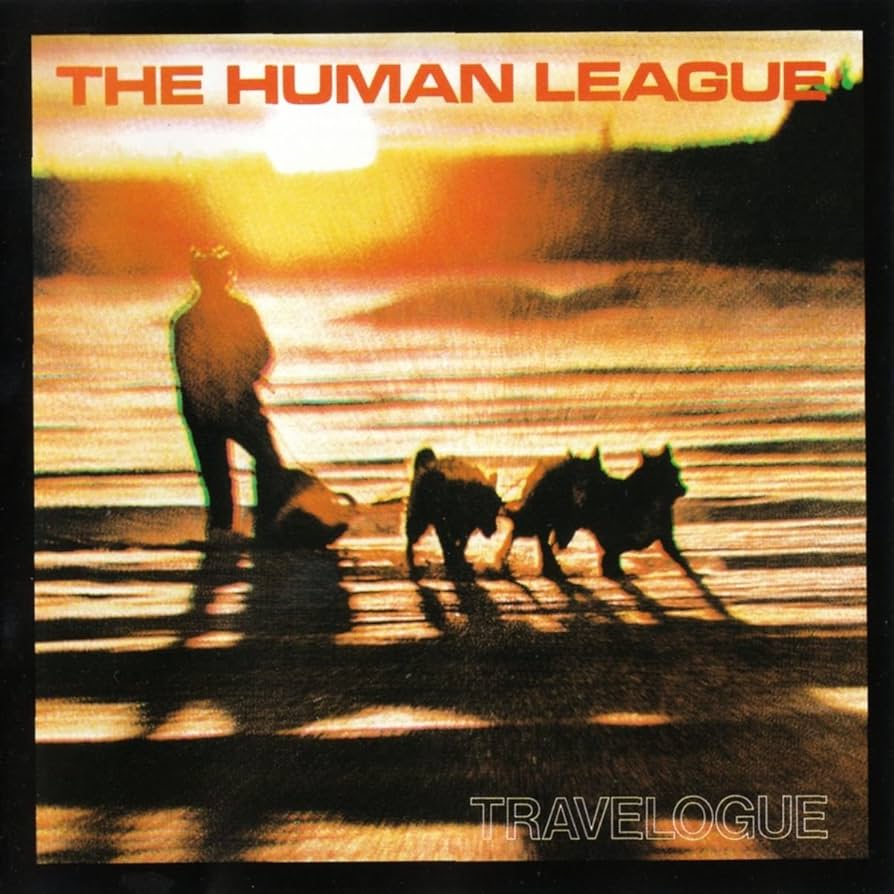
With THE HUMAN LEAGUE learning lessons from their debut ‘Reproduction’, ‘Travelogue’ had more presence by creatively utilising the harsh screeching frequencies from overdriving their studio desk. ‘The Black Hit Of Space’ had its surreal Sci-Fi lyrics while ‘Dreams Of Leaving’ was a fantastically emotive slice of prog synth. There were glorious cover versions in ‘Only After Dark’ and ‘Gordon’s Gin’. While it was a breakthrough, all was not happy…
‘Travelogue’ is still available via Virgin Records
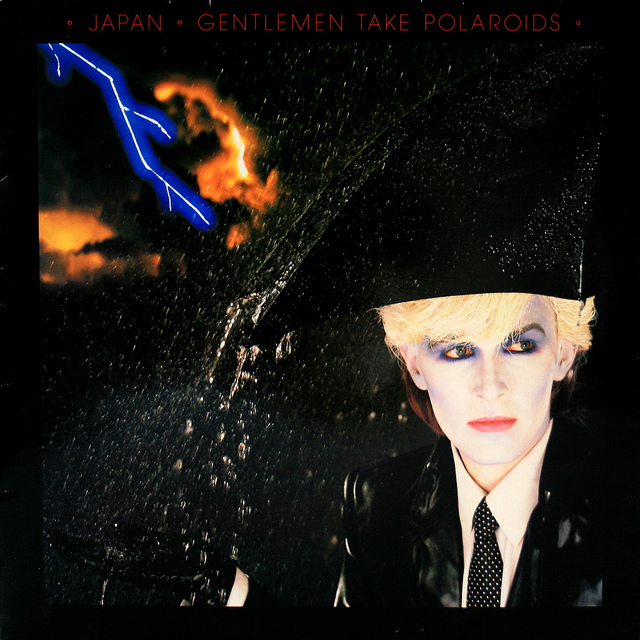
Dropped by Ariola Hansa, JAPAN found a refuge at Virgin Records. The bossa nova driven ‘Swing’ explored exotic grooves while the haunting ‘Nightporter’ was the ultimate Erik Satie tribute. An interest in Japanese technopop produced the brilliant ‘Methods Of Dance’ and saw leader David Sylvian collaborate with YELLOW MAGIC ORCHESTRA’s Ryuichi Sakamoto on ‘Taking Islands In Africa’.
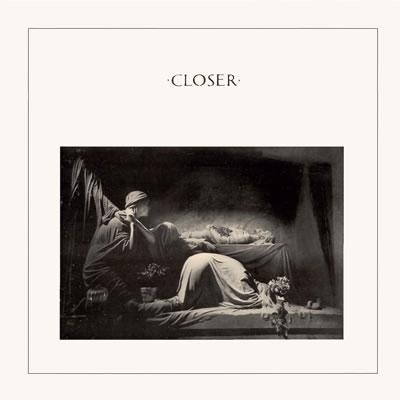
While not strictly an electronic album in full, half of ‘Closer’ was dominated by polyphonic synthesizers. Featuring an ARP Omni and an early version of Simmons drums, ‘Isolation’ was the most electronic track JOY DIVISION ever recorded. On the second side, ‘Heart & Soul’, ‘The Eternal’ and ‘Decades’ provided the solemn but beautiful Gothic backdrop producer by Martin Hannett for Ian Curtis’ elaborate musical suicide note.
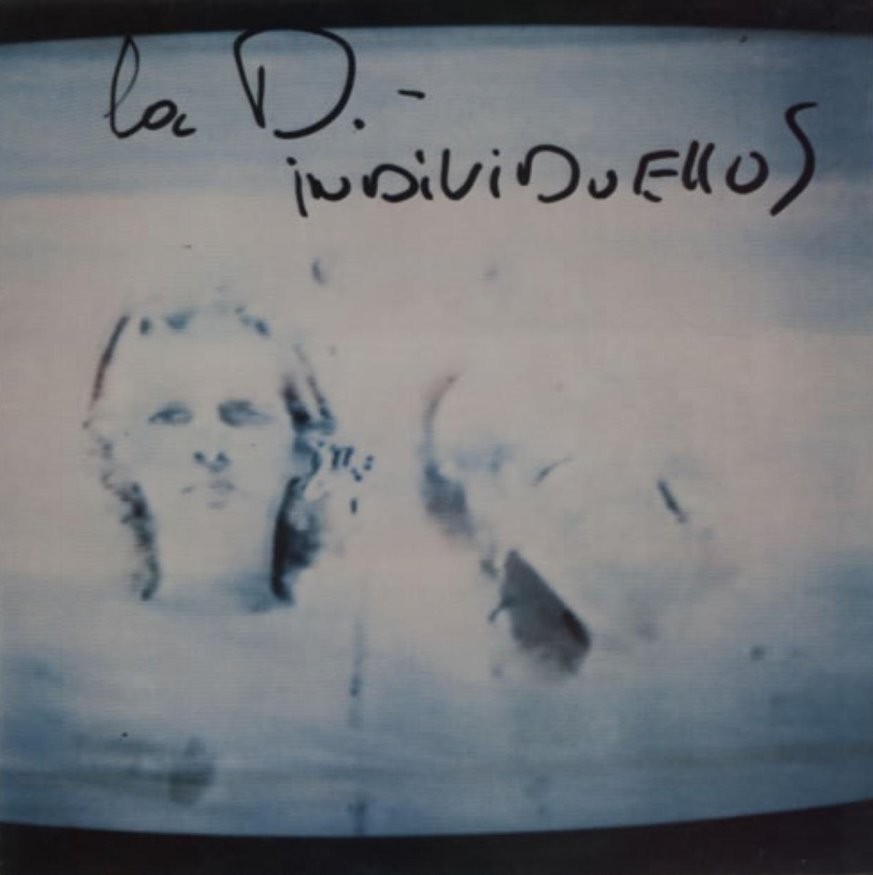
LA DÜSSELDORF were fronted by the late Klaus Dinger of NEU! There was a greater presence of electronics and the first half of ‘Individuellos’was dominated by variations on ‘Menschen’, a grand statement sounding like a blueprint for Phil Lynott’s ‘Yellow Pearl’. ‘Dampfriemen’ was a quirky slice of synth oompah with comedic chants and a kazoo section while the piano laden ‘Das Yvönnchen’ provided a beautiful closer.
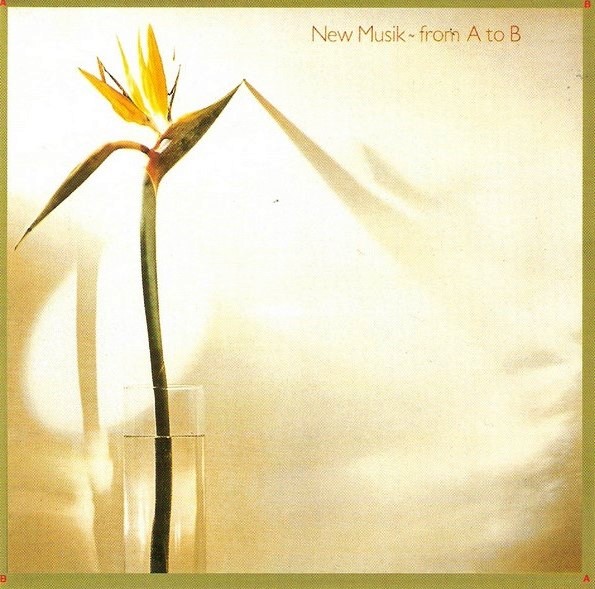
Time has shown that Tony Mansfield and NEW MUSIK with their strummed guitar alongside pretty synth melodies were underrated. Featuring the hits ‘Living By Numbers’, ‘This World Of Water’ and ‘Sanctuary’ as well as ‘On Islands’ which was later covered by CAMOUFLAGE, the band were dismissed as a novelty act due to the silly voices in their songs. Mansfield went on to produce A-HA, NAKED EYES and VICIOUS PINK.
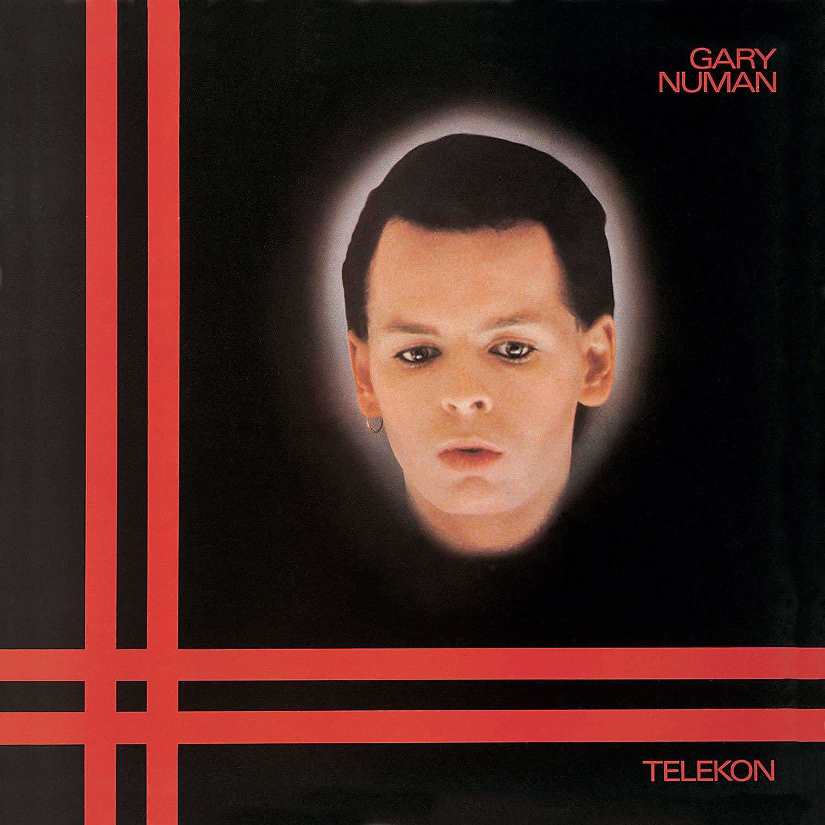
The negative side of fame got into the psyche of Gary Numan and his new songs took on a more personal downbeat nature away from the Sci-Fi dystopia of his previous work. ‘This Wreckage’ and ‘Please Push No More’ summed up the self-doubt but while ‘Remind Me To Smile’ could have been a single, ‘Telekon’ suffered from not having the hit single ‘We Are Glass’ and ‘I Die: You Die’ included on the original LP release.
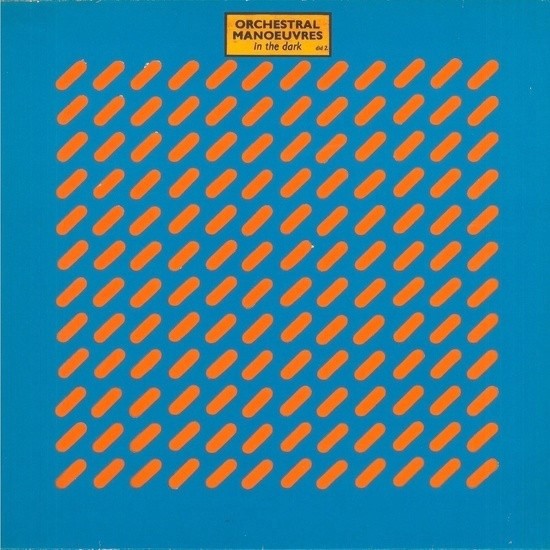
OMD released two albums in 1980 but their self-titled debut captured Andy McCluskey and Paul Humphreys using the most basic equipment, the duo not even having a polyphonic synth at the time. With energetic post-punk synth numbers such as ‘Electricity’ and ‘Bunker Soldiers’, on the other side of the coin were ‘Almost’ and ‘The Messerschmitt Twins’. An early version of ‘Messages’ pointed to a future with hit singles.
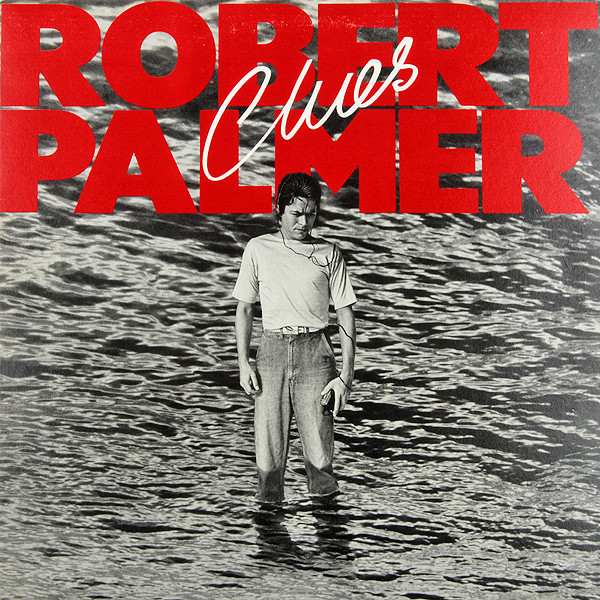
Although rooted in the blues via his previous band VINEGAR JOE, Robert Palmer took an interest in synths having become a fan of Gary Numan. That led to two collaborations including a version of ‘I Dream Of Wires’ released before Numan’s own recording and the Eastern flavoured ‘Found You Now’. The electronic centrepiece was the beautifully world weary ‘Johnny & Mary’ while ‘Looking for Clues’ added synthy art funk to the mix.
‘Clues’ is still available via Island Records / Universal Music
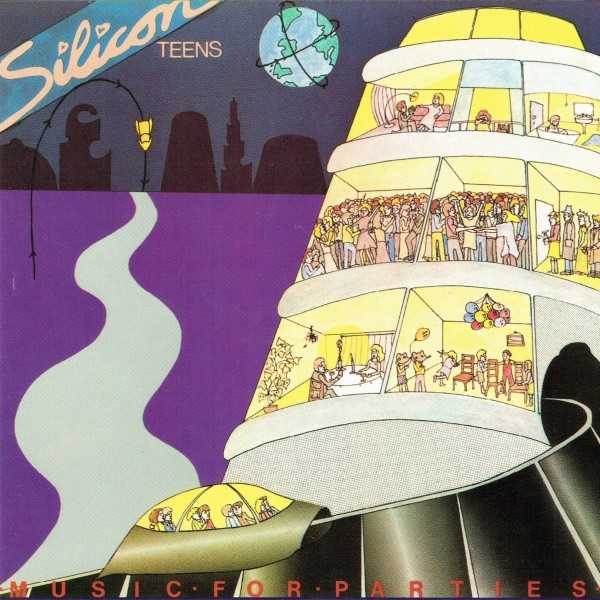
Following the acclaim for THE NORMAL, Daniel Miller undertook a new project SILICON TEENS as a fictitious synth group where rock ’n’ roll standards such as ‘Memphis Tennessee’, ‘Just Like Eddie’, ‘Let’s Dance’ and ‘Sweet Little Sixteen’ were enjoyably reinterpreted in a quirky synthpop style with Miller adding his deadpan monotone vocal. Frank Tovey aka FAD GADGET played the role of lead singer “Darryl” for videos and press.
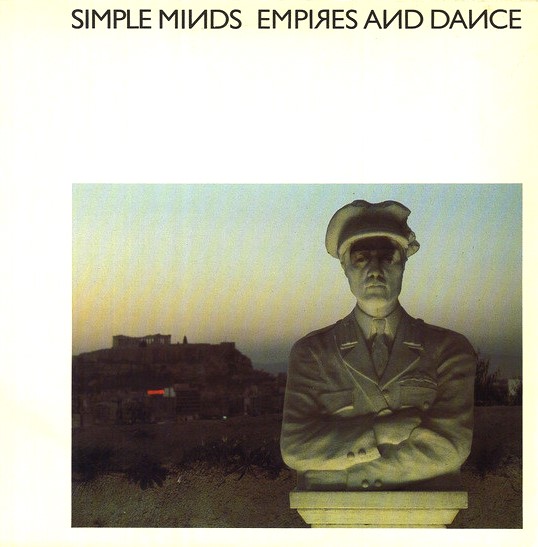
Tours opening for Gary Numan and Peter Gabriel took SIMPLE MINDS around Europe to experience Cold War tensions at closer hand. Their wired mood was captured on ‘Empires & Dance’. With its speedy Moroder-esque influence, ‘I Travel’ was a screeching futuristic frenzy and ‘Celebrate’ brought some industrial Schaffel to the party. ’30 Frames A Second’ took a trip down the autobahn but ‘Twist / Run / Repulsion’ messed with the headspace of listeners.
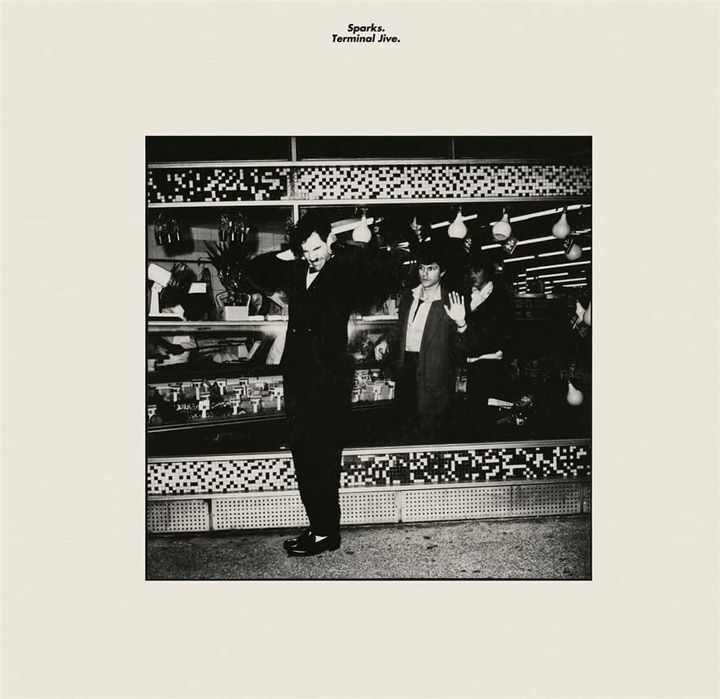
Following the Giorgio Moroder steered album ‘No1 In Heaven’, SPARKS were despatched by Virgin Records to record a swift follow-up. Although Moroder was still nominally at the helm, Harold Faltermeyer took the majority of production duties on ‘Terminal Jive’. ‘Rock ‘N’ Roll People In A Disco World’ seemed to reflect the confused direction but ‘When I’m With You’ was a massive hit single in France, leading to the Mael Brothers’ relocation.
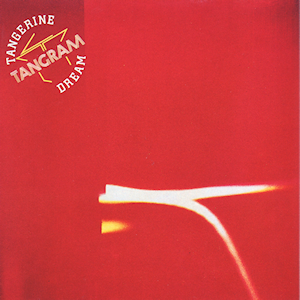
After experiments with vocals on ‘Cyclone’ and live drums on ‘Force Majeure’, with the recruitment on keyboards with Johannes Schmoelling to fill the difficult to fill void left by the departure of Peter Baumann, Edgar Froese and Christopher Franke got back on track, combining a more immediate sequencer drive with the melodic New Age resonances on the two part ‘Tangram’ set that would characterise TANGERINE DREAM’s later work.
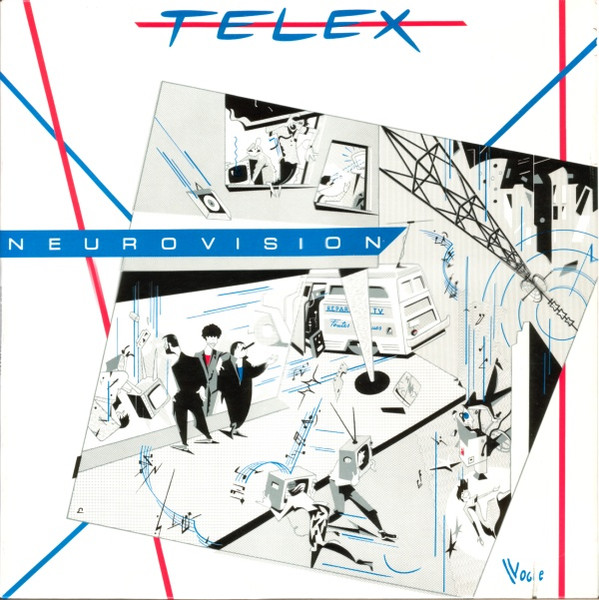
The second TELEX album ‘Neurovision’ continued with the trio’s tradition of deadpan electronic covers and a gloriously metronomic take on ‘Dance To The Music’ showcased their penchant for mischievous subversion. But this mischief came to its head with their lampooning self-composed number ‘Euro-Vision’, a bouncy electropop tune which they actually entered for 1980 Eurovision Song Contest, coming seventeenth!
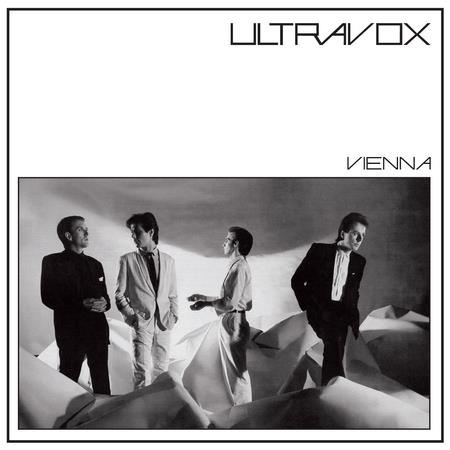
Following the first VISAGE sessions, Midge Ure was invited to join Billy Currie, Chris Cross and Warren Cann in ULTRAVOX. Providing a sonic continuity from the John Foxx-led era was producer Conny Plank while the robotic spy story ‘Mr X’ voiced by Cann provided another link. Opening with the mighty instrumental ‘Astradyne’ and closing with the synthesized heavy metal of ‘All Stood Still’, the ‘Vienna’ album was a triumph.
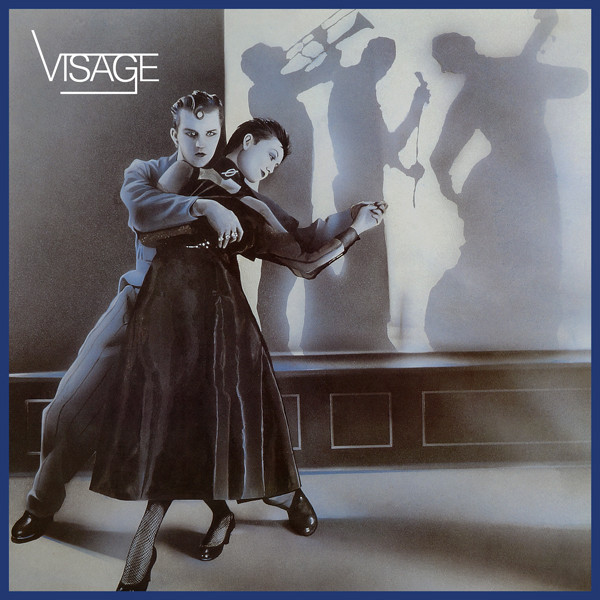
Formed as a reaction to the shortage of new electronic dance music to play at The Blitz Club, ex-RICH KIDS members Midge Ure and Rusty Egan recruited its figurehead Steve Strange to front the project under the name of VISAGE. Billy Currie, Dave Formula, John McGeoch and Barry Adamson joined later and captured a synthesized European romanticism that boasted the German No1 ‘Fade To Grey’ as well as two other hits in ‘Mind Of A Toy’ and the eponymous title track.
‘Visage’ is still available via Rubellan Remasters
We use cookies to ensure that we give you the best experience on our website. If you continue to use this site we will assume that you are happy with it.




Follow Us!