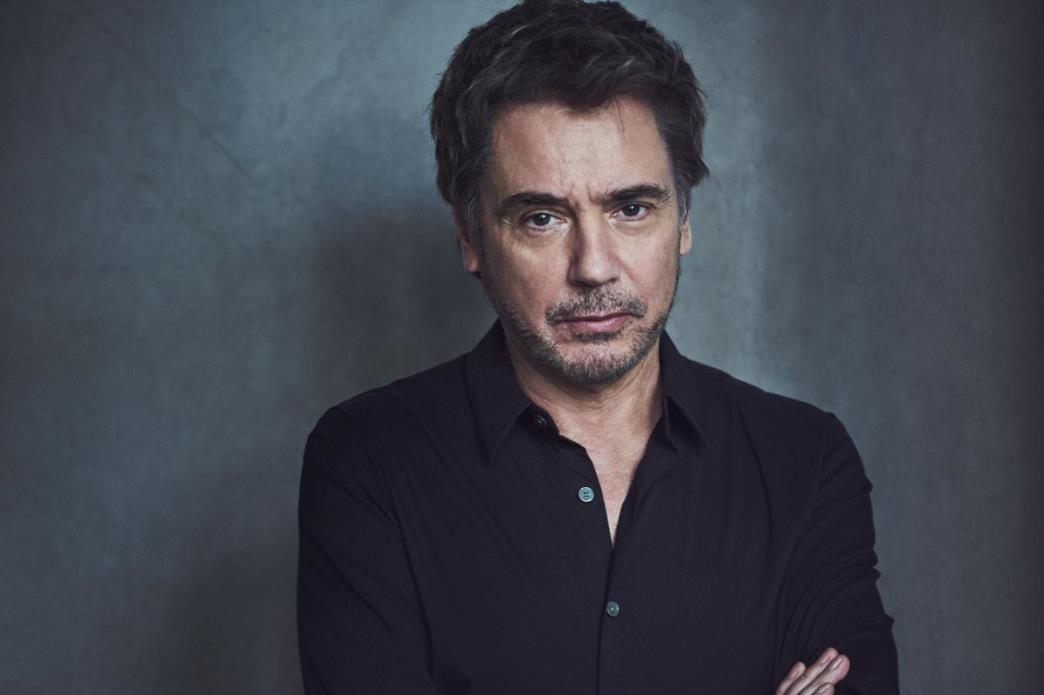
 2018 saw Jean Michel Jarre celebrate 50 years in the business and whether the world really needed another of his compilations, ‘Planet Jarre’ was probably one of the better collected representations of his work for casual admirers.
But not standing still and releasing his fourth new album in three years, ‘Equinoxe Infinity’ continued the story as the French Maestro tuned 70.
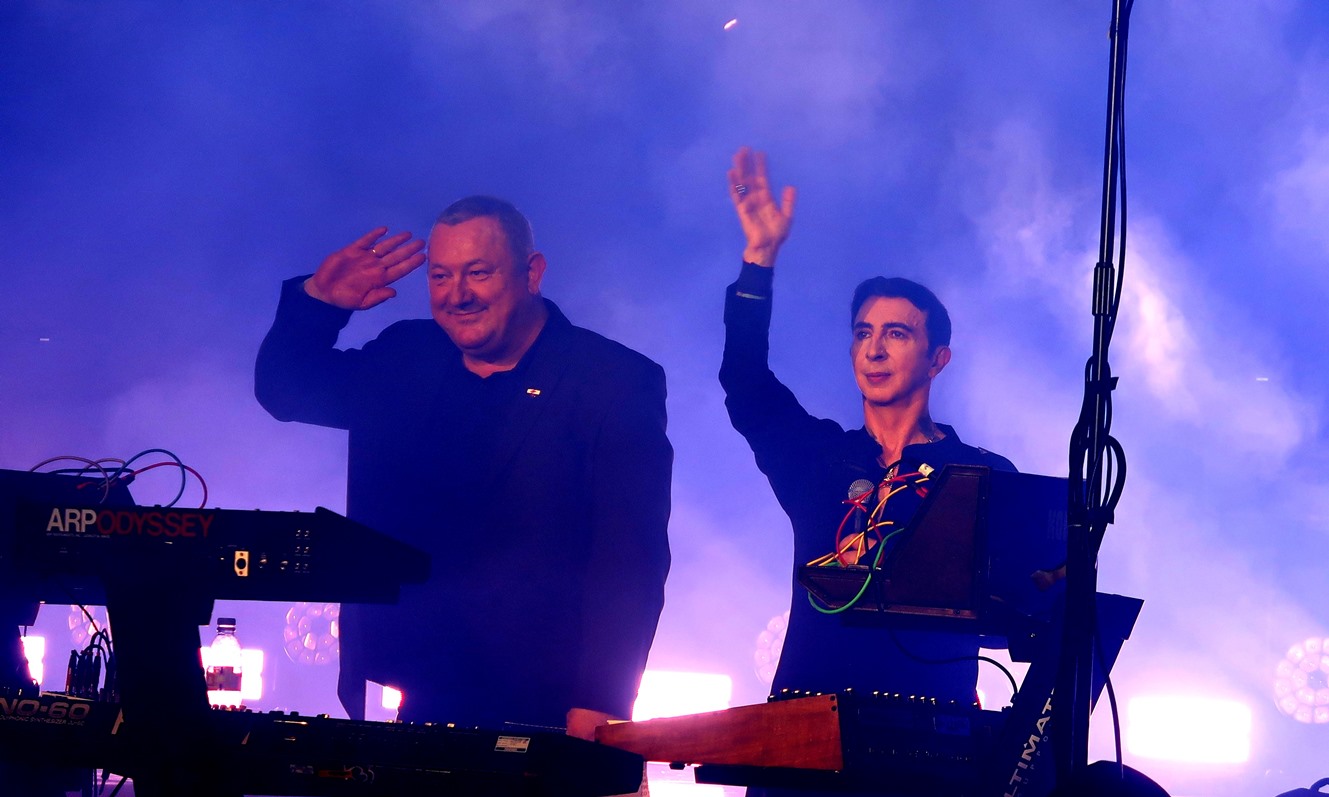
SOFT CELL made a totally unexpected return for a huge one-off farewell gig at London’s O2 Arena; and with it came a boxed set, the ‘Northern Lights’ single and other new recordings which have raised hopes for a new album.
From the same era, FIAT LUX announced plans for their debut album ‘Save Symmetry’ with an excellent lead track ‘It’s You’, while B-MOVIE came up with their most synth-propelled single yet in ‘Stalingrad’.
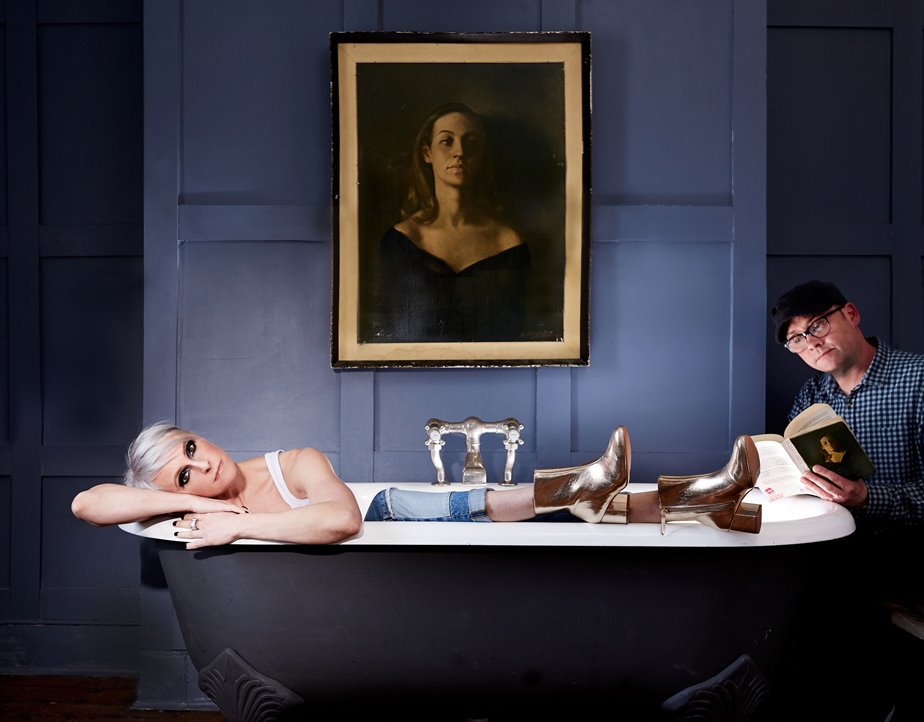
 But one act who actually did comeback with a brand new album in 2018 were DUBSTAR; now a duo of Sarah Blackwood and Chris Wilkie, as ‘One’ they reminded audiences as to why they were the acceptable face of Britpop with their bridge to Synth Britannia.
IONNALEE finally released her debut opus ‘Everyone Afraid To Be Forgotten’ and her tour which included choice cuts from IAMAMIWHOAMI, proved to be one of the best value-for-money live experiences in 2018, one that was even endorsed by Welsh songstress Charlotte Church.
CHVRCHES offered up their third album ‘Love Is Dead’ and continued their role as international flagwavers for quality synthpop, while EMIKA presented her best album yet in ‘Falling In Love With Sadness’, an exquisite electronic record with a Bohemian aura.
JOHN GRANT was on an artistic roll both solo and in partnership with WRANGLER as CREEP SHOW with two new albums. However, he was beaten by Neil Arthur who managed three albums over a 12 month period as NEAR FUTURE and BLANCMANGE including ‘Wanderlust’, possibly the latter’s best body of work in its 21st Century incarnation.
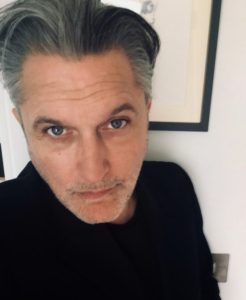 It was a busy year for Steve Jansen with a new solo ambient work ‘Corridor’, the well-received vinyl reissue of JAPAN’s two Virgin-era studio albums and his epic, more organically flavoured band project EXIT NORTH with their debut long player ‘Book Of Romance & Dust’.
Sarah Nixey went on some ‘Night Walks’ for her best solo album yet, a wonderful collection of everything she had ever been musically all wonderfully rolled into one.
Meanwhile Tracey Thorn went back to the ‘Dancefloor’ with her ‘Record’ which content wise was right up there with some of Alison Moyet’s electronica output from the last five years.
Those who liked their electronic music darker were well served with NINE INCH NAILS, IAMX, KIRLIAN CAMERA and HELIX, but after experimenting with the single only format for a few years, Daniel Graves announced he was taking the plunge again with a new AESTHETIC PERFECTION album.
The Sacred Bones stable provided some quality releases from Hilary Woods, Zola Jesus and John Carpenter. Meanwhile, providing some fierce socio-political commentary on the state of the UK was GAZELLE TWIN.
 Hungary’s BLACK NAIL CABARET offered some noirish ‘Pseudopop’ and promising Norwich youngsters LET’S EAT GRANDMA got more deeply into electronica without losing any of their angsty teenage exuberance on their second album ‘I’m All Ears’.
Less intense and more dreamy were GLASSHOUSE, the new duo fronted by former TECHNIQUE singer Xan Tyler.
Aussies CONFIDENCE MAN provided some wacky dancey glitz to the pop world and after nearly four decades in the business, Canadian trailblazers RATIONAL YOUTH finally played their first ever concert in London at ‘Non Stop Electronic Cabaret’ alongside dark wave compatriots PSYCHE and Numan-influenced Swedish poptronica exponents PAGE.
Sweden was again highly productive with Karin Park, Johan Baeckstrom and Val Solo while Norway took their own approach with FARAO, SOFT AS SNOW and ELECTRO SPECTRE setting their standard. Veteran Deutschlanders THE TWINS and PETER HEPPNER returned with new albums after notable recorded absences while next door in Belgium, METROLAND presented themselves as ‘Men In A Frame’.
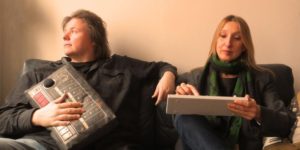 While the new HEAVEN 17 album ‘Not For Public Broadcast’ is still to be finished, Glenn Gregory teamed by with live keyboardist Berenice Scott as AFTERHERE. Their long-time friend Claudia Brücken performed as xPROPAGANDA with Susanne Freytag and partnered up with one-time TANGERINE DREAM member Jerome Froese, releasing the ‘Beginn’ album in the process.
It was a year of interesting collaborations all-round with UNDERWORLD working with Iggy Pop, U96 linking up with Wolfgang Flür for an excellent single called ‘Zukunftsmusik’ and German techno pioneer Chris Liebing recruiting Polly Scattergood and Gary Numan for his Mute released album ‘Burn Slow’.
Based in Berlin, THE KVB offered up some brooding gothic moods with ‘Only Now Forever’ while Valerie Renay of NOBLESSE OBLIGE released her first solo album ‘Your Own Shadow’.
 Highly appealing were a number of quirky Japanese influenced female artists from around the globe including COMPUTER MAGIC, MECHA MAIKO and PLASMIC. But there were also a number of acts with Far Eastern heritage like STOLEN, FIFI RONG, DISQO VOLANTE and SHOOK who continued to make a worthy impression with their recorded output in 2018.
Heavy synth rock duo NIGHT CLUB presented their ‘Scary World’ on the back of tours opening for COMBICHRIST and A PERFECT CIRCLE while also from across the pond, NYXX and SINOSA both showcased their alluring potential.
At the poppier end of the spectrum, Holger Wobker used Pledge Music to relaunch BOYTRONIC with their most recent vocal incumbent James Knights in an unexpected twist to once again prove the old adage to “never say never” as far as the music industry is concerned.
Meanwhile, Chris Payne co-wrote and co-produced the excellent ‘Walking In West Berlin’ EP with KATJA VON KASSEL while also revealing plans for an autobiography and opening for his old boss…
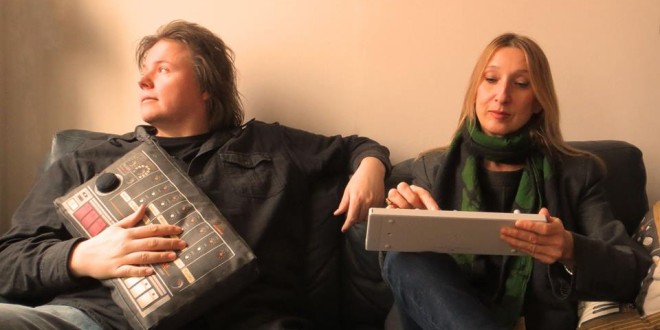
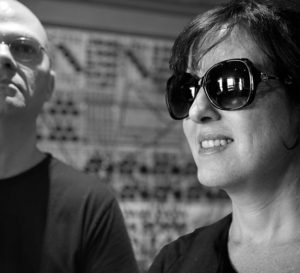 The surprise album of the year was Chris Catrer with his ‘Chemistry Lessons Volume One’ while using a not dissimilar concept with their second album ‘Hello Science’, REED & CAROLINE took their folk laden synthpop out on a US tour opening for ERASURE.
IMMERSION provided a new collection of their modern Motorik as SHRIEKBACK, FISCHERSPOONER, THE PRESETS, HEARTBREAK and QUEEN OF HEARTS all made comebacks of varying degrees with audiences still eager for their work.
Steven Jones & Logan Sky harked back to the days when Gary Numan and OMD would release two albums in one year by offering ‘Hans Und Lieselotte’ and ‘The Electric Eye’ in 2016. Those veteran acts themselves celebrated their 40th anniversaries by going orchestral, something which SIMPLE MINDS also did when they opted to re-record ‘Alive & Kicking’ for the ’80s Symphonic’ collection although Jim Kerr forgot how a third of the song went!
With SIMPLE MINDS also performing a horrible and barely recognisable ‘Promised You A Miracle’ during BBC’s ‘The Biggest Weekend’, making up for the live joke that his former band have become was one-time bassist Derek Forbes with the album ‘Broken Hearted City’ as ZANTi with Anni Hogan of MARC & THE MAMBAS fame.
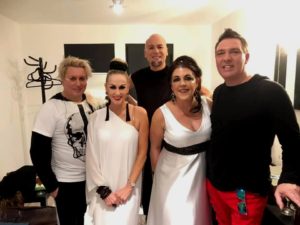 Other former members of high-profile bands were busy too with Ian Burden, formally of THE HUMAN LEAGUE returning with the Floydian ‘Hey Hey Ho Hum’ while A FLOCK OF SEAGULLS reformed briefly for an orchestral re-run of their catalogue.
With the release of their second album ‘Kinetik’, EKKOES handed over THE HUMAN LEAGUE support baton to SHELTER who came up with their best body of work yet in the more introspective shades of ‘Soar’
That darker approach manifested itself on singer Mark Bebb’s side project FORM with Keith Trigwell of SPEAK & SPELL whose debut long player ‘defiance + entropy’ also came out in 2018.
Having been championed by RÖYSKSOPP, Wales’ MAN WITHOUT COUNTRY returned with ‘Infinity Mirror’ while riding on the well-deserved momentum from opening for OMD, Ireland’s TINY MAGNETIC PETS embarked on their first headlining tour.
Representing North of the border were Ryan Vail and HANNAH PEEL, but hailing from Scotland were WITCH OF THE VALE who proved to be one of the most interesting new acts of 2018 having supported ASSEMBLAGE 23 on their most recent UK visit. There was a good showing from UK acts in 2018 with RODNEY CROMWELL, ANI GLASS, THE FRIXION and FAKE TEAK all issuing some excellent synth tinged songs for public consumption.
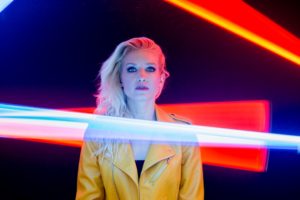 NINA’s long awaited debut album ‘Sleepwalking’ was a fine hybrid of synthpop and the currently fashionable Synthwave aesthetic; her live double billing with Canadian synthpopsters PARALLELS was one of the hottest tickets of the year.
The sub-genre was indeed making waves and there were some very enjoyable artists coming out of it like GUNSHIP, Dana Jean Phoenix and Michael Oakley.
However, the endless AOR excesses, moonlight sax breaks and highly unimaginative band monikers using numbers between 80 to 89 affixed to an archaic technology reference, illustrated by yet another neon sunset, VCR grid and Lamborghini, were becoming tiresome.
As Synthwave cynics, ELECTRICITYCLUB.CO.UK’s touch paper was being lit big time! The whole point of the synthesizer’s role during the Second British Invasion of the US was to fight against the insipid overtures of AOR like TOTO, CHICAGO and JOURNEY, NOT to make music coated with its horrid stench as THE MIDNIGHT did in 2018 with their long player ‘Kids’.
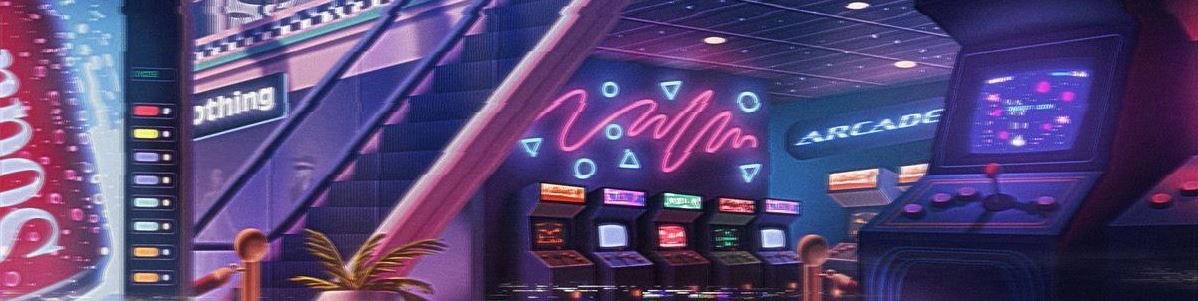
But there was naivety within some quarters too; electronic music did not begin in 2011 with ‘Drive’, an above average film with a good if slightly over rated soundtrack. However, its cultural influence has led to a plethora of meandering tracks made by gamer boys which sounded like someone had forgotten to sing on them; perhaps they should have gone back to 1978 and listened to GIORGIO MORODER’s ‘Midnight Express Theme’ to find out how this type of instrumental music should be done?
Many of the newer artists influenced by Synth Britannia that ELECTRICITYCLUB.CO.UK has featured have sometimes been accused of being stuck in the past, but a fair number of Synthwave acts were really taking the soggy biscuit with their retro-obsession.
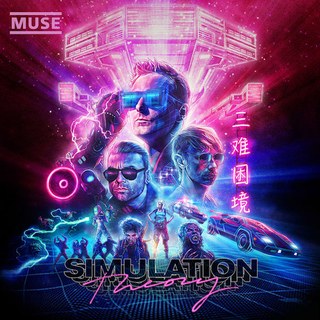
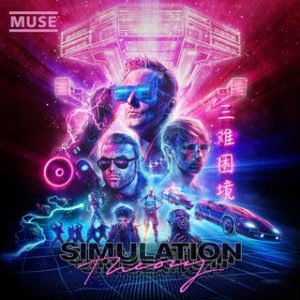 Rock band MUSE’s use of glowing artwork by Kyle Lambert of ‘Stranger Things’ fame on their eighth album ‘Simulation Theory’ sent sections of the Synthwave community into meltdown. There were cries that they had “stolen the aesthetics and concept” and how “it’s not relevant to their sound”!
But WHAM! had Peter Saville designed sleeves and never sounded like NEW ORDER or OMD, while electropop diva LA ROUX used a visual stylisation for ‘In For The Kill’ that has since been claimed by Synthwavers as their own, despite it being from 2009 when Ryan Gosling was peddling graveyard indie rock in DEAD MAN’S BONES 😉
This was one of the bigger ironies of 2018, especially as MUSE have always used synths! One of Matt Bellamy and co’s biggest musical inspirations is ULTRAVOX, indicating the trio probably have a better understanding of the fusion between the synthesizer, rock and classical music, as proven by the ‘Simulation Theory’ bookends ‘Algorithm’ and ‘The Void’, than any static laptop exponent with a Jan Hammer fixation.
It is interesting to note today how electronic music has split into so many factions, but there’s still the assumed generalisation that it is all one thing and that synthpop fans must also like Synthwave, Deep House, EDM, Industrial and those tedious beach chill-out remixes.
 Back in the day and even now, some fans of THE HUMAN LEAGUE didn’t like OMD, DEPECHE MODE fans only liked DEPECHE MODE and rock fans had a token favourite electronic band.
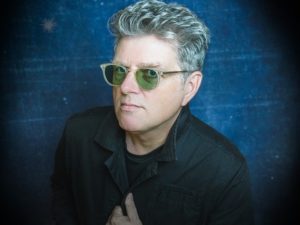
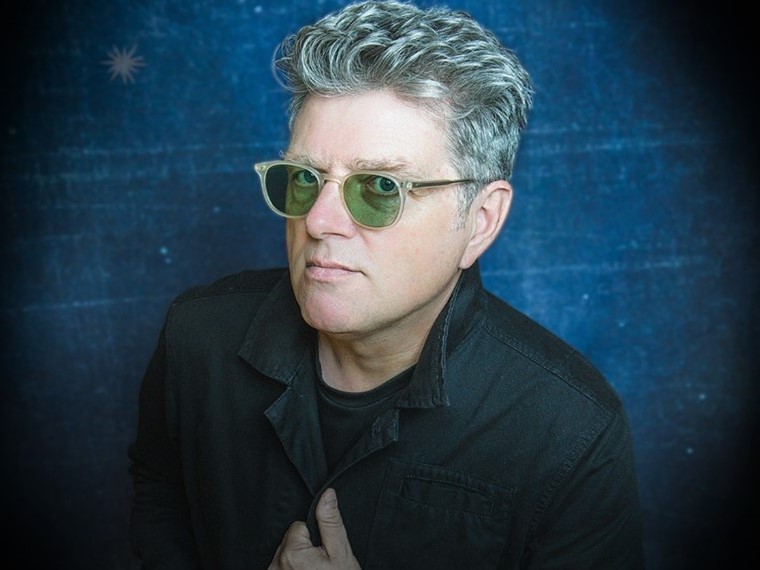
Out of all the acts from the Synth Britannia era, ELECTRICITYCLUB.CO.UK had very little time for THOMPSON TWINS despite their huge international success, but their leader Tom Bailey’s 2018 solo recorded return ‘Science Fiction’ was warmly received by many.
Just as COLDPLAY and SNOW PATROL fans don’t all embrace ELBOW, it is ok to have preferences and to say so. Not liking the music of an artist does not make you a bad person, but liking everything does not make you a better person either… in fact, it shows you probably have no discerning taste! In 2002, SOFT CELL warned of a ‘Monoculture’, and if there is no taste differentiation in art and music, it will spell the end of cultural enhancement.
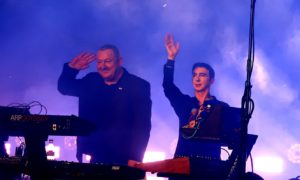 Taste is always the key, but then not everyone who loves chocolate likes Hersheys… and with that analogy, ELECTRICITYCLUB.CO.UK bids farewell to 2018 and looks forward to a 2019 that includes the return of TEARS FOR FEARS and the first full live shows from Giorgio Moroder, plus new releases by VILE ELECTRODES, KITE, VILLA NAH, I AM SNOW ANGEL and LADYTRON.
ELECTRICITYCLUB.CO.UK Contributor Listings of 2018
PAUL BODDY
Best Album: MAN WITHOUT COUNTRY Infinity Mirror
Best Song: MAN WITHOUT COUNTRY Lafayette
Best Gig: TANGERINE DREAM at London Union Chapel
Best Video: THE SOFT MOON Give Something
Most Promising New Act: VOX LOW
IAN FERGUSON
Best Album: BLANCMANGE Wanderlust
Best Song: ELECTRO SPECTRE The Way You Love
Best Gig: OMD at Glasgow Kelvingrove Park
Best Video: NYXX Voodoo
Most Promising New Act: WITCH OF THE VALE
SIMON HELM
Best Album: DUBSTAR One
Best Song: PAGE Start (Poptronica Version)
Best Gig: DIE KRUPPS + FRONT LINE ASSEMBLY at O2 Academy Islington
Best Video: FIFI RONG Horizon
Most Promising New Act: ZANTi
CHI MING LAI
Best Album: EMIKA Falling In Love With Sadness
Best Song: FIAT LUX It’s You
Best Gig: SOFT CELL at London O2 Arena
Best Video: FAKE TEAK Bears Always Party The Exact Right Amount
Most Promising New Act: WITCH OF THE VALE
MONIKA IZABELA TRIGWELL
Best Album: GUNSHIP Dark All Day
Best Song: SHELTER Karma
Best Gig: IAMX at London Electric Ballroom
Best Video: JUNO REACTOR Let’s Turn On
Most Promising New Act: MECHA MAIKO
Text by Chi Ming Lai
8th December 2018

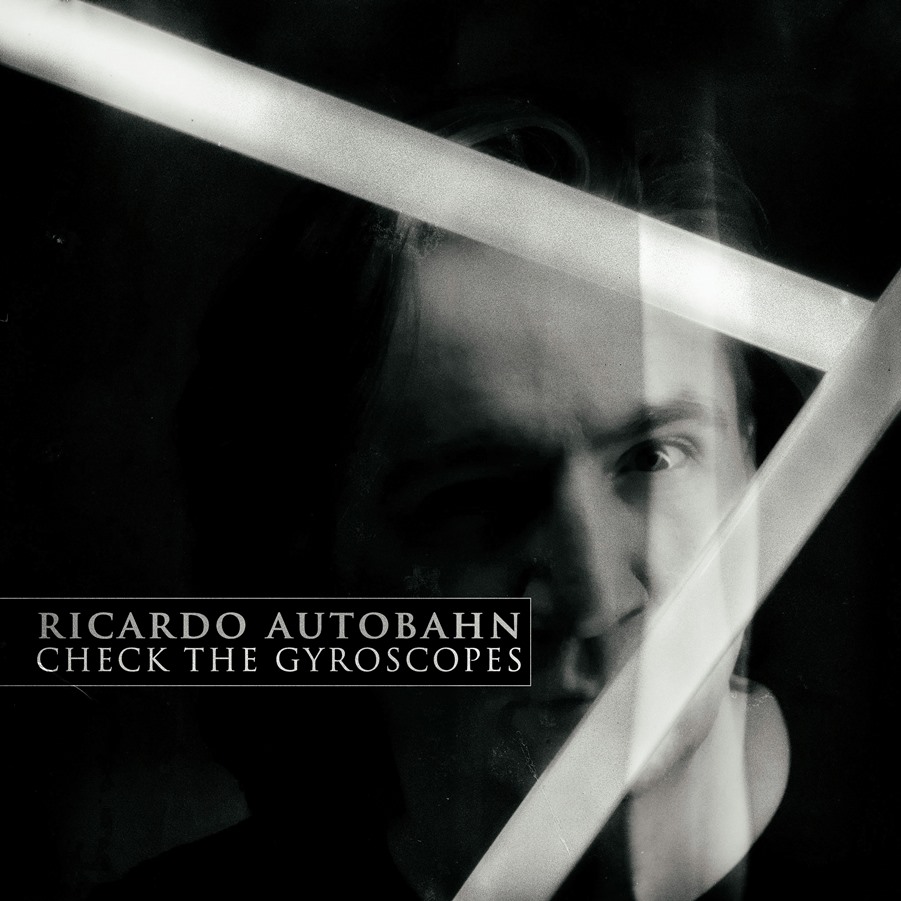

 falls into the current vogue for instrumental electronica, thanks to the popularity of Synthwave. But this is no Synthwave album, as it is far too dynamic, catchy and melodic to fall into that category.

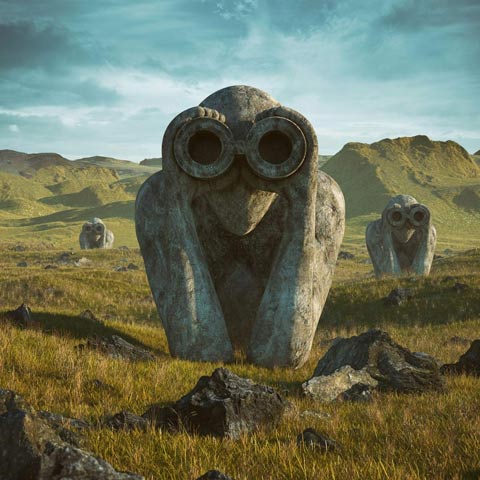
 has been issued as the conceptual sequel to its parent album. Themed around ‘The Watchers’ from the iconic artwork of
  , Jarre himself has described the album as “Equinoxe on steroids”.
 appeared at the end of 2016, it was the weakest of the trilogy, sounding slightly underwhelming and even unfinished. But with ‘Equinoxe Infinity’, the longer gestation period has allowed Jarre to be more focussed, highly appropriate with the binocular presence of ‘The Watchers’.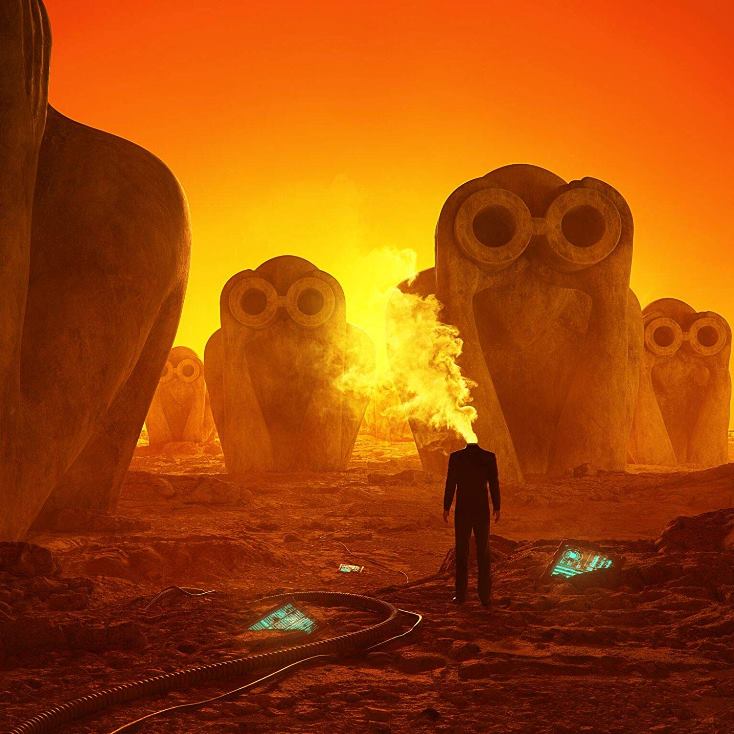
 , ‘The Watchers (Movement 1)’ shapes a brooding mood with an ivory shaped motif before leading into the glorious arpeggiator driven ‘Flying Totems (Movement 2)’, its sweeps and textures rich with melody and recalling
  than ‘Equinoxe’.
 to drift into a bubbly cascade of manipulated voices on ‘If The Wind Could Speak (Movement 5)’.
 and a Europop-styled rhythmic mood like ACE OF BASS with traces of melody derived from the bridge of ‘Equinoxe V’. But the overall result is disappointing despite Jarre’s vision of “trying to survive in a hectic VR game with no real beginning and no real end, trapped in a world of “infinity“’.
 was to Oxygène.
 which also includes the original ‘Equinoxe’ album, ‘Equinoxe Infinity’, four posters and download card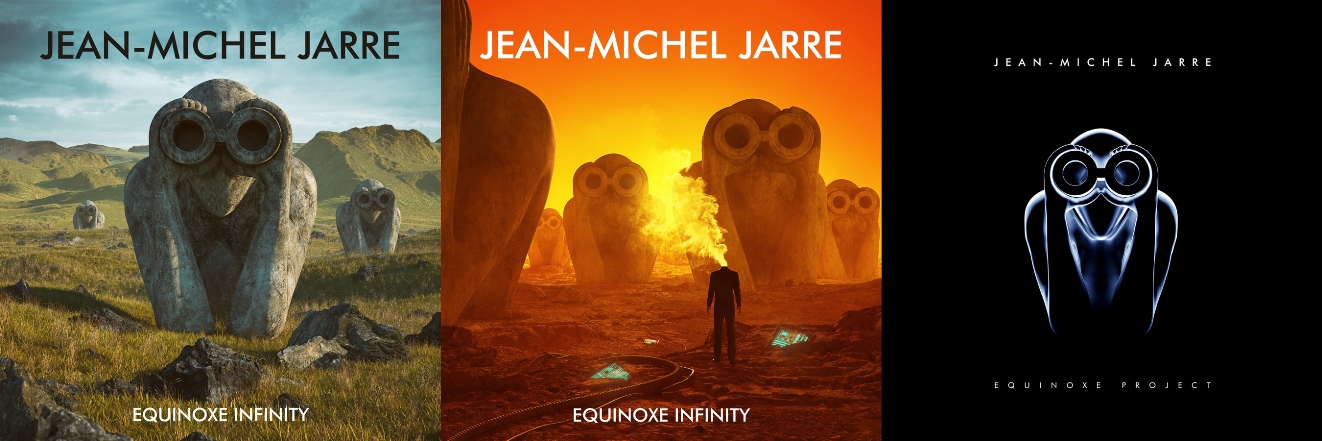
Follow Us!