Tag: Depeche Mode (Page 9 of 17)

Missing In Action: HARD CORPS


HARD CORPS were like a piece of a jigsaw that didn’t quite fit.

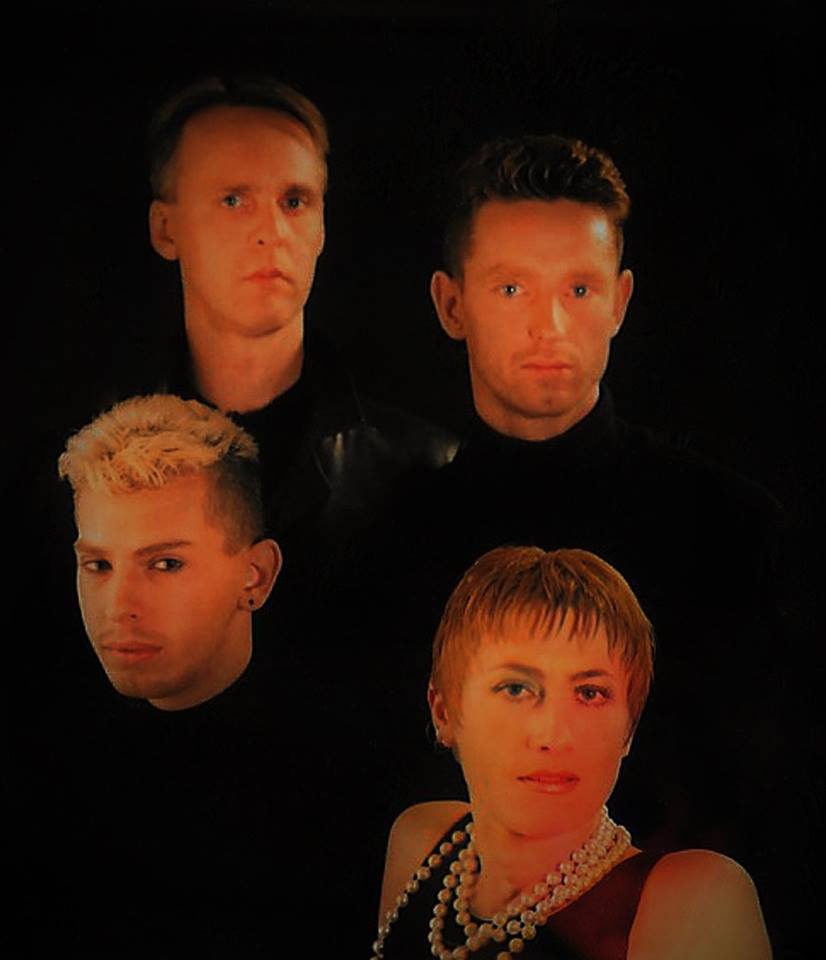
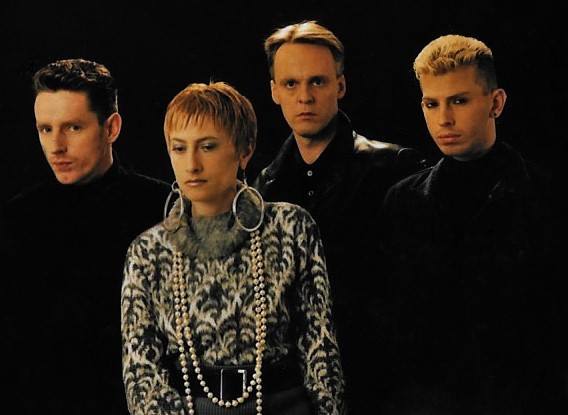
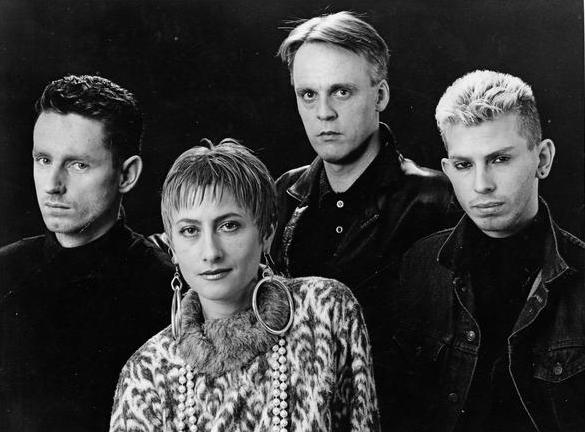
Utilising aesthetically entrancing KRAFTWERK-like electronic minimalism, produced by the legendary Martin Rushent and Daniel Miller, but restrained by a major label record contract that meant that they never fulfilled their true potential and only belatedly released one full length album ‘Metal & Flesh’ in 1990. Clive Pierce, Hugh Ashton, Rob Doran and Regine Fetet were a candle that burned exceedingly brightly, but still left a small but none the less important legacy of synthetic music which could give their German counterparts a run for their money.

Tracks such as ‘Je Suis Passée’, ‘Dirty’ and ‘Porter Bonheur’ still remain classics of their genre with the band supporting DEPECHE MODE and THE CURE before dissolving a few years after their conception.

HARD CORPS vocalist Regine Fetet cut an enigmatic, but controversial figure by infamously disrobing during their DEPECHE MODE support slots; but tragically passed away in 2003.

Clive Pierce kindly spoke about his tenure in HARD CORPS with additional contributions from band members Hugh Ashton and Rob Doran.

What were your individual musical influences?

Hugh: The first records I recall being bought on my behalf were Neil Sedaka’s ‘Happy Birthday Sweet Sixteen’ and ‘Runaway’ by Del Shannon. This latter track featured the sound of a Musitron, an early electronic keyboard with a powerful ‘unworldly’ sound jumping out of the recording which made me aware of the emotional power of ‘sound’. Other examples of this would be ‘62’s Joe Meek produced ‘Telstar’ by THE TORNADOS which was a bit ‘cheesy’ but listen to that Clavioline, another great pre-synthesizer electronic keyboard and DELIA DERBYSHIRE and the BBC RADIOPHONIC WORKSHOP’s ‘Dr Who Theme’.

Rob: Probably my first subconscious feeling that music was powerful, was in secondary school when a cool American kid with hair down to his arse joined. He introduced me to THE DOORS and I especially loved the track ‘Unknown Soldier’ which I played over and over again. I loved its political message and even then, the blending of found sources within music which I have been a fan of ever since.

Clive: After a long time coming, when it was hand-me-down time, I found myself the proud owner of a box of 45s and an old Volmar valve record player that my brother used to own. I think I was more captivated by the machinery than by the music itself at the time, but still within that box of 45s I would as a young child be spinning tracks like ‘You Really Got Me’ by THE KINKS and ‘Telstar’ by THE TORNADOS.
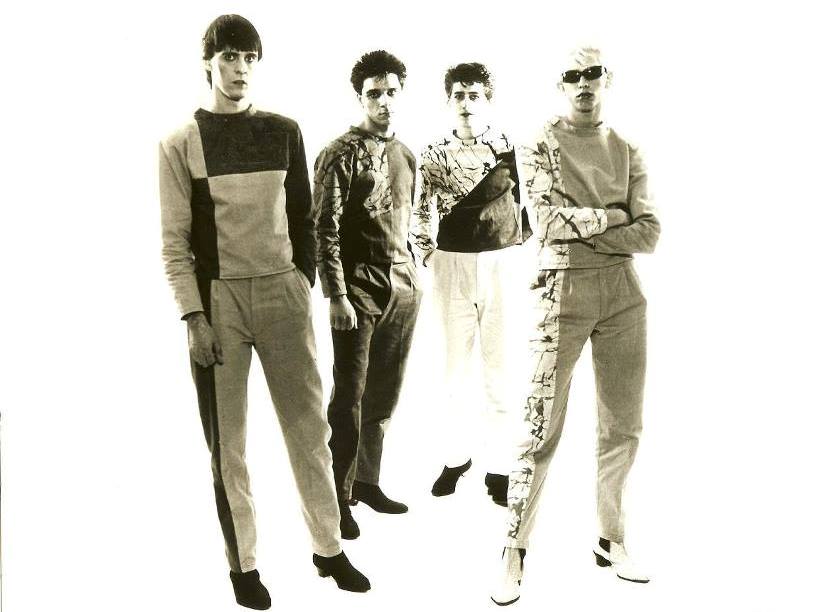

Prior to the eventual meeting with Regine, how did the band members come together and what were their individual backgrounds?

Rob: I met Hugh in the 1970s in Brixton and lived in the same large Victorian house. Eventually I ran the recording studio (which we called Mekon) which was built in the basement of the house and became a sound engineer / designer with the punk group Hugh Ashton had formed called THE SKUNKS.

Clive: One day I answered an advertisement from a band based in Brixton, South London called THE SKUNKS. They described themselves as a sort of punk group, not exactly what I envisaged myself getting involved with, but I decided to give it a go because again they mentioned that they had a record deal and a connection with Pete Townsend of THE WHO. Within minutes of starting my audition, I could visualise myself quite happily being involved with them fully.

Only just recently I became aware that they chose me because of two main reasons, all of which centred around a Roland CR78 drum machine. The first was I didn’t object or feel intimidated by the use of one. A lot of drummers saw these machines as a threat to their livelihoods and considered them as just a poor imitation. Secondly, I was actually able to keep very good time alongside one.

Hugh: Having replaced our old-style rock drummer with the metronomic Clive Pierce, we changed our name to CRAZE and started incorporating a new hybrid sound. This led to a record deal with EMI and in ’79, we released the single ‘Motions’ with an instrumental B-side ‘Spartans’ which started getting played at Steve Strange and Rusty Egan’s freshly opened New Romantic hangout at The Blitz in London’s Covent Garden.

Once you had formed as an act, what did you hope to achieve together?

Clive: Speaking personally, it was a break from all that had been before. For a start, it marked the end of looking at myself as just being a drummer within a traditional group structure and the hierarchy that came with that.

Rob: We found the machines enabled us to break out of our previous musical roles. Being only a machine-based band initially narrowed our options musically, but at the same time as we developed into electronic musicians, widened our musical palette. Perhaps we were KRAFTWERK’s rough and noisy neighbours!

Hugh: So with Rob and Clive equally happy to join in this marriage with these powerful new toys, we started to evolve the working methods that would sustain us over the coming few years. It was now ‘81 and apart from seeing KRAFTWERK (whose new masterpiece ‘Computer World’ album showed they were still leading from the front) on their long awaited tour, it did not really matter what other musicians were up to. We were quite happily lost in our own bubble.

How did you go about integrating vocals into the band?

Hugh: A guy called David Porter came in to do vocals and managed to get us a support slot to play at the Marquee Club in Soho. In preparation, he brought us copies of some of the latest gay disco tracks (Patrick Cowley, Bobby O etc) which we copied and changed a bit and then he wrote new ‘songs’ on top and we were ready!

Except how could we recreate it live? This was to become a perennial challenge in the following years and not just for us but for many early 80s electronic acts.

David had hurriedly plucked the name HARD CORPS (which was a sort of opposite of SOFT CELL who had recently gone to No1 with ‘Tainted Love’) from a shortlist of possible names I had in my notebook. Thus under the gaze of a few disgruntled and confused rock fans being subjected to a weird reimagining of gay disco… HARD CORPS was born!

At the Marquee Club, David even had an open mic ‘dispute’ on stage with the giant rocker Fish from MARILLION which we by then we were able to enjoy from the audience. Although I don’t think David ever went back on to a stage again and we were more than happy to disappear from the opprobrium and back to the womb of our studio not to re-emerge without a more compelling reason to surface again. So what next?
So what did happen next??

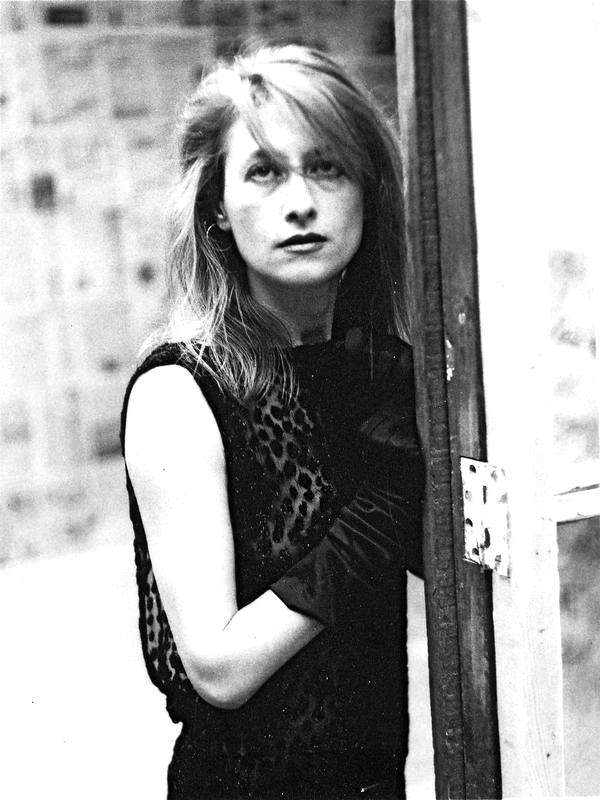
Hugh: The answer was to arrive at a party we were giving at our HQ. Someone I did not know well came up to me and basically said “there is this girl here who you really should meet, she is looking for people to work with because she wants to sing and she is … different and I think she might suit your music!” So off he goes and back he comes with Regine. Well she was just 29 but she looked pretty fine… a gaunt figure with a fine-featured almost medieval visage below a fiery red mane of hair shaved away at the sides and a dead fox (or was it a ferret) draped across her shoulders. She spoke, suggesting she would like to revisit with a cassette of her ‘work’, with a mysterious clipped French accent with almost Germanic overtones (Une Vosgienne!).

She felt hard to refuse and so without much to lose, it was agreed she would return. So she came back to the studio and we found that a song she had already written about a lovelorn petrol-station attendant worked well with a backing track we had recently recorded and ‘Dirty’ was born. Intrigued by the way it all seemed to combine, we found we could create several more tracks that combined tracks we had already prepared with lyrics Regine had already written. So with this ‘flesh’ now added to the bones, the monster HARD CORPS was now truly born.

With Regine now on board, what made you decide to go for a completely electronic aesthetic?

Rob: It was different, a challenge, new, revolutionary, the future, a break from the pompous masturbation of endless dull guitarists and hypocritical rock music. It was two fingers to bland corporate American music. It had a vitality not seen since punk, it was European and it was pioneered by the excellence of KRAFTWERK.

Hugh: So basically we had virtually no outside influences on the music we were making at that time other than late 70s GIORGIO MORODER and KRAFTWERK. Regine was also not really influenced by other writers or singers. She was just very keen to express herself creatively to balance her life…

How did the demos you were creating around this time metamorphose into actual singles?

Hugh: So around 1983, Steve McGowan offered to take our recordings around some record companies. Having got some positive feedback, he effectively became our manager and developed the strategy that led to ‘Dirty’ being pressed as a white label and then being picked up by Survival. We then got an offer to debut at a party in June ‘84, organised by Steve Strange and Rusty Egan who still had a strong presence in London’s clubland.

Steve then secured Polydor’s interest and squeezed a complicated ‘album’ deal out of them that was supposed to give us creative control over all aspects including music production, press, artwork etc which we signed hoping we would keep some control whilst accessing the resources of a ‘major’ record company… a decision we would sooner than expected come to regret.

Whilst Polydor seemed agreeable to us self-producing ‘album’ tracks, they predictably wanted to gain exposure with a single release and wanted to find a producer who could add cache and supervise recording in a ‘proper’ studio rather than our admittedly ‘semi-pro’ basement in Brixton. We were suspicious, but when they offered up Martin Rushent, we were tempted into agreeing given his achievement producing ‘Dare’ for THE HUMAN LEAGUE a few years before. So we recorded ‘Je Suis Passée’ at his Genetic Studios in Reading, Berkshire.
How was the experience of working with Rushent?

Clive: Firstly it was a “pinch yourself” moment for me. I remember quite vividly on the final mix of ‘Je Suis Passée’ sitting alongside Martin at the mixing desk with him riding the 16th delays on a fader on the eight to the bar bass sequence part and me also riding a fader on 16th delays on my middle range sequence part and just bouncing and grooving off each other as the track exited what we affectionately called the ‘crunchy middle break bit’ and thinking to myself “what the f*** is occurring here?” There I was, Little Clive From The Block playing what was effectively duelling banjos with the oddball genius bearded bloke; the one that looked totally out of place in the pictures on the back cover of one of my favourite albums of all time ‘Love and Dancing’. Nuts. Completely nuts!

Martin also monitored extremely loud recording as well as mixing. I was used to working in our Brixton studio on a couple of Auratone speakers, only switching to Tannoys in short bursts to test out the energy of a track for fear of upsetting the very nice lady who lived next door. Martin would have me pinned against the back wall from the blast from the speakers with every bass drum beat hitting me square on in the solar plexus.

Over the space of a few days, it wore me completely down to the point of suffering what I can only describe as mild shellshock. I spent an afternoon in the group restroom on the sofa staring into space and physically shaking much to the amusement of Hugh and Rob, but I felt totally f**ked. I progressively got better but had to request a lower level of playback and take regular breaks from the audio barrage from then onwards. Strange really as I had previously played the drums in various groups with stage monitors pumping sound straight at me, but this was quite different and incessant. I still wince at loud music all these years on… very weird!

Rushent’s huge impact on the production of the songs of THE HUMAN LEAGUE is well documented, what do you feel he brought to the sound of HARD CORPS?

Clive: What we hoped Martin would be able do was to refine and flesh out our sound beyond the point we were physically able to manage ourselves down in our resident basement studio in Brixton and that he did. To also help coax and winkle out the best from Regine who although one of a kind, was never a vocalist in the traditional sense of the word.

She was by nature very hit or miss at the best of times but as much as this could on the one hand be intensely frustrating for us, on the other it could incredibly rewarding when a line or word would emanate from her that was not in any textbook but just sounded right within the context of the music. It was spotting them that was the skill. Martin having worked with the technical brilliance of Shirley Bassey and at the other end of the spectrum Joanne Catherall and Susanne Sulley and their “Working as a waitress in a cocktail bar” performance, I would say was a perfect choice for us.

As you started to record and produce songs for HARD CORPS, how did your relationship with Polydor develop?

Hugh: A profound problem for us was that we had signed thinking we would self–produce an album in our own studio and now we were being cajoled by Polydor into a scenario involving ‘expensive’ names to produce our music and promos. This made the whole project subject to the typical major record company ploy of promoting a single (or two if you’re lucky!) and delaying an album until you have a ‘hit’ and then making the album or otherwise if not, they just drop you.

Given how much they had just spent on one song (combined with the advance we now owed more than £100,000), their position was understandable, but we had spent some years recording enough tracks for an album which they had heard and had originally approved.

As Martin Rushent was now in the throes of a divorce, our A&R man Malcolm Dunbar scouted around for another ‘name’ and to his credit, gained Daniel Miller’s interest. This was quite something since at that time Daniel was steering DEPECHE MODE to international status and was not in the habit of working with people outside of his Mute stable of artists.

So in short, it was an offer we could not refuse and ‘Respirer’ duly ended up being completed with Daniel producing. So now we had two of the best ‘electronic’ music producers in the UK both helping on our track, not to mention Daniel was using Flood as his engineer. A stellar cast and indeed a great honour for us… the only trouble being ‘Respirer’, whilst being a ‘strong’ track was not really, in common with most of our tracks, obvious ‘hit’ single material.
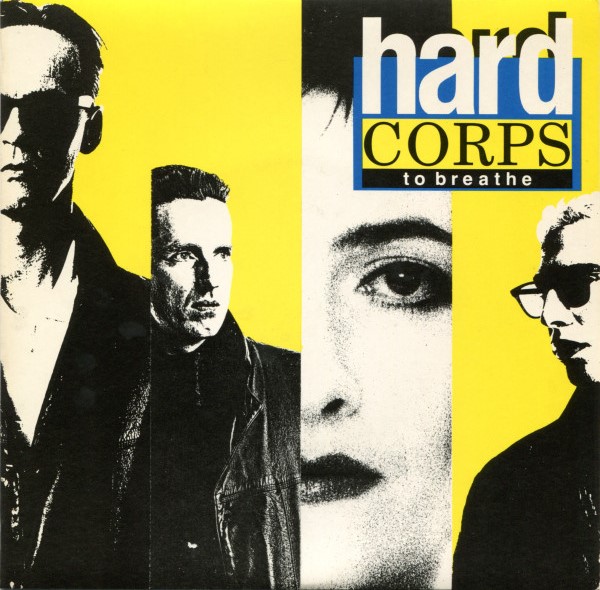

It’s hard not to compare HARD CORPS with PROPAGANDA, especially with tracks like ‘Respirer (To Breathe)’, was there any kind of rivalry or kinship?

Clive: Absolutely none whatsoever in either rivalry or kinship. I only became aware of them initially when I visited a friend of mine who was an eclectic buyer of slightly alternative music, CABARET VOLTAIRE, PSYCHEDELIC FURS, NEW ORDER, FLOCK OF SEAGULLS etc. He played ‘Dr Mabuse’ to me and I immediately thought FRANKIE GOES TO HOLLYWOOD and I was right.

Now who doesn’t like FGTH in small doses, but the formulaic sound of the ZTT production machine just becomes really tiring after a very short space of time to my ears. Not enough rough edges for my taste and far too manipulated to feel any affinity towards. I can see the comparison you make with ‘To Breathe’ though.

The band did a session for John Peel in 1984, how was that experience when at the time the BBC engineers there were more used to dealing with Indie-style guitar acts?

Clive: Yes, it was a very sterile experience for both parties. The chaps at the BBC by nature were very institutionalised and it was record it and ship it out, and we felt the same. Naively, I personally thought John Peel would be popping his head in and out the studio during the recording but he didn’t. A time constraint dictated that we have some of the instrumentation pre-recorded at our Brixton studio and we would only play certain key components live on the sessions.

There was a rather funny moment when the BBC engineer, I think it was Mike Robinson said he had heard some nasty distortion on our track ‘Dirty’. We hadn’t spotted it and so he rewound the tape and ran it past us again. “There!” he gestured pointing at the monitors. Again none of us reacted as we hadn’t heard anything untoward and looked at each other quizzically.

“One more time please Mike” we asked starting to feel a bit amateurish at not having his depth of perception in the distortion spotting department. “There, there” he said again now standing up out of his chair in order to point closer to the speaker in a bid to home in more precisely to identify it for us. Again we couldn’t react to him until it then dawned on us simultaneously that the distortion he was trying to alert us to, was in fact a sound we had generated in our studio by feeding a delay back into itself and allowing it to get to the point that it started to break up.

We had lovingly crafted the distortion he was trying to point out to us as a defect. I don’t think we had the heart to tell him he hadn’t grasped the concept of the track and why should he but on a trip to the free vend coffee machine, the three of us had a good old giggle about it!
With much of Regine’s lyrics being in French, did you come under a lot of pressure to record totally in English?

Clive: For sure, albeit after we had signed with Polydor. Regine however was no Vanessa Paradis. If you put on the Bardot and sing all cutey, then you can get away with quite a lot as you pander to the stereotypical image most ignorant Brits have of the French, but Regine did not fit that model in the slightest. Her vocals and lyrics came from the scars of her life. They could not be delivered in a contrived way. What came out was what you had to work with and unfortunately working her art in the UK was always going to be an uphill struggle whilst singing in her native language.

Prior to Polydor and the “assault” on the charts, she could have sung in Martian as far as we were concerned. The language was not important to us. It was her personality, her realism and her honesty that mattered. She was flawed but in an intoxicating way to our ears to others this was not always appreciated as much.

What was the reaction when ‘Dirty’ was released as a single in 1984?

Rob: Extraordinary! We thought we were far to leftfield for that kind of interest and were totally unprepared for that amazing response.

Clive: It was very favourable, we attained record of the week in the NME and things snowballed from then onwards.

What kind of image did the band try to cultivate?

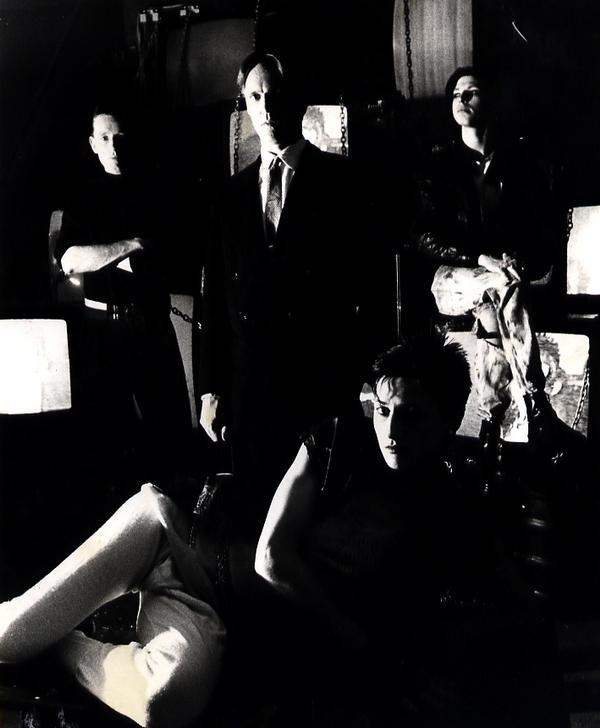
Rob: We tried to create a hard machine world with the macho men lined up along the back of the stage and the gentle flower symbolised by Regine pushing through the metaphorical concrete. As usual it became quite controversial!

Clive: The image I reflected on stage was purely a theatrical statement based on how I felt in regards my relationship to the music. I saw the musical phrases I played as having gender. Some male, others female. It felt honest and right to have both those represented in the way, I portrayed myself, a hard edge and a sensitive edge, both of which I possessed. I also think there was a degree of wanting to escape the everyday me who in reality was a rather average guy.

Hugh: I remember I had to deal with a panic at Polydor which involved being hauled in front of John Preston, the new CEO. We had performed at Islington Town Hall in London and we backline boys had decided to wear some 1950s surplus store ex-police motorcyclist’s jodhpurs as a uniform to emphasise our differences to normal casual rock band attire. They were reminiscent of those worn in Fritz Lang’s ‘Metropolis’ and seemed to us to capture in an amusing way (to us anyway), the sort of ‘retro-futurist’ vibe.

However we had not anticipated members of NITZER EBB being at the front of the audience dressed in long leather SS type overcoats. It led to a review in the music press where the reviewer was concerned that she had stumbled on some sort of ‘neo-fascist’ gathering. Preston wanted reassurance that his company had not signed something politically malodorous. I had to reassure him this was not the case and in fact the gig had been organised by Rock Against Racism which might have explained the reviewer’s sensitivity!

The band’s performance of ‘Je Suis Passée’ on ‘The Tube’ is still transfixing, can you say what happened in the lead up to this appearance and why Regine looks so stressed and distant?

Clive: Well, we missed our flight from Heathrow to Newcastle. I can’t recall exactly why, but whatever the reason, it was quite inexcusable. TV appearances when you are in your infancy as a group do not throw themselves at your feet very often. We managed to get a later flight from Heathrow to Teeside Airport a good thirty odd miles from the TV studio so had to jump into a cab and tell the driver to put his foot down to get us there. Fortunately our gear had gone up the day before and was already partly set up when we arrived to sound check.

After the sound check I (as I usually did) drifted off to have a look around ‘The Tube’ set and take as much as I could in before the show started. I really had no idea that during this time Regine had had an argument with our manager. I never knew until a long time after the show that this is why her performance looked so stressed. She was actually brooding live on TV. I just thought she was just being her normal self and took no notice of it!

The bit where Rob and yourself turn their backs on the audience, tweak the Rolands and glance at each other is probably one of the coolest things in a live electronic music performance, was that pre-rehearsed?

Clive: Yes is the simplest answer to that! It was the routine that was required to carry out that part of the track. The turning of our backs to the audience was not intended as snub to them at all. The System 100M by nature is rather plain looking viewed from behind so we opted to have the modules with their flashing LED’s facing out towards the audience for the drama. Consequently when we had to change any settings, it meant having to turn our backs to the audience.
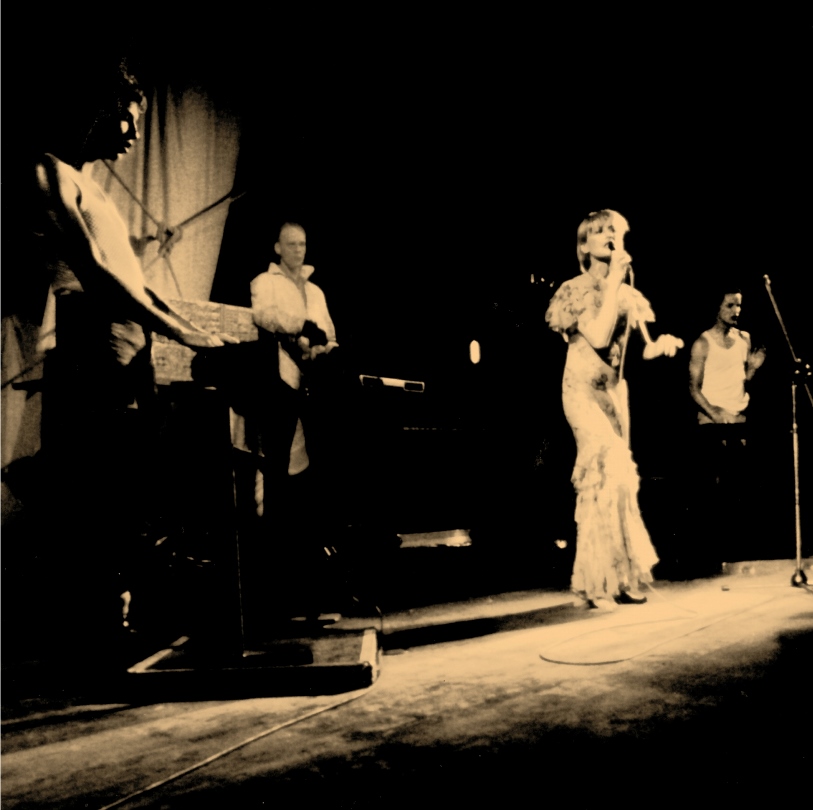

DEPECHE MODE’s Black Swarm Devotee fanbase was notoriously antagonistic towards support bands, were you aware of this prior to playing with them?

Clive: No we weren’t aware of them at all. Even if we were, it wouldn’t have bothered us in the slightest. We actually would have revelled in a bit of antagonism, but I can’t say that on the ‘Music For The Masses’ tour, we noticed any animosity from the devotee DM fans.

The worst it ever got for me on the DM tour was actually backstage at the NEC in Birmingham.

There are long periods of spare time on tour pre-concert and the chance to have a bit of a kick around with a football was a good way to while a bit of time away and stretch those legs from the tour van. Rob and I were just passing the ball around when a couple DM roadies walked by. “Wanna game lads, HARD CORPS v DM?” and I said, “Yeah alright”. So down with the jumpers for goalposts and off we went. Within a short while (which normally always happens) a few others joined in on each side including Martin Gore and we had a five a side match on our hands.

Now it was all good natured and sporting, that is until one of the DM roadies took it upon himself to tackle me so ridiculously hard that he almost broke my leg in the process. I wasn’t prepared for that level of aggression from him in what was essentially just a friendly kick around and certainly not two hours before I was due to go on stage. I thought “you complete f**king tw*t!” That tackle could have spelled out the end of my DM tour.

When he next got the ball, I made it my mission to dish out a bit of retribution and hit him twice as hard as he had hit me. He went down but immediately got up and before we knew it we had squared up to each other snarling and swearing with fists about to fly. That was until Martin Gore stepped in between us before things got completely out of hand and managed to calm it down a bit!
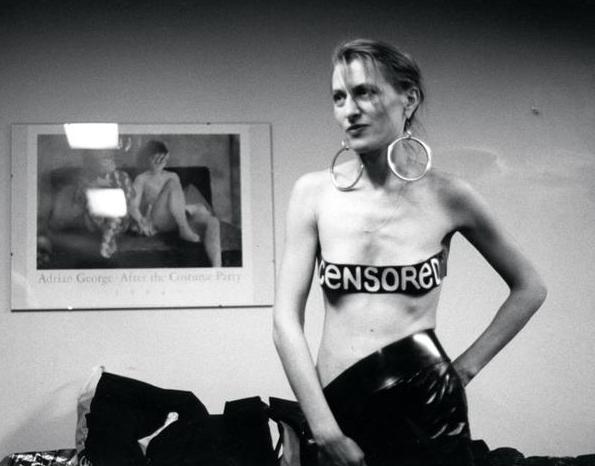

What was your opinion about Regine’s dress sense on the DM support tour, do you feel that there was something wilfully self-destructive about it or was it a natural kind of ‘punk’ aesthetic for her?

Clive: Regine was a law unto herself. If she wanted to do something, she would do it regardless of what anyone said or recommended to her. That was her strength as well as her weakness.

The DM tour came at a time where we were as a unit struggling to keep the momentum going and sort of had a fatalistic attitude going into it. Perhaps a few years prior to the DM tour, I might have questioned the sanity of how far she was taking it but on this tour, I thought if we go down we may as well go down in flames…. which is what happened in the end! Retrospectively looking back on it, I can fully understand how her antics rendered us a liability to both DM and their promoters.

I for one, even though I am far from being a prude would have been seriously pissed off if I had gone to a DM concert with my young son or daughter and saw the support group’s front woman with her private parts out parading around on stage. There are lines you do not cross and even though I ashamedly had no regard for that line back then, I regret having been party to Regine being allowed to cross it. It cost us the European leg of the tour and perhaps the American leg and signalled the end for us.

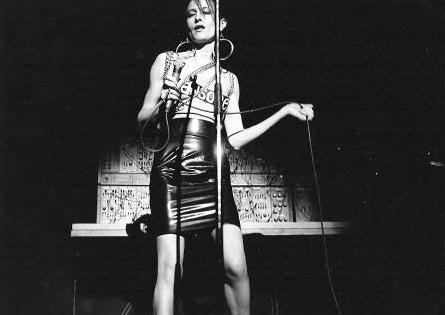
Hugh: The first concert was in Newport in Wales and the concert promoters were furious because parents, who had accompanied their young teenage children, were suddenly confronted with a French Stripper! We had recruited a private detective friend to manage us for the tour and he had to deal with the fall out. So Regine had to sign a letter for the tour promoters, promising specifically not to expose her nipples again. So she did the rest of the tour with a rubber band across her breasts inscribed with the word “censored”.

Did you ever at any point say to her, “look let’s tone things down a bit”?

Clive: Yes! When you have 15 minutes or so before going on stage and the promoter won’t allow you to go on unless Regine signed a disclaimer stating that she would not disrobe on stage. Regine refused to sign the disclaimer but eventually after us pleading to her, signs it with a scrawl and then goes on stage and disrobes anyway!

Hugh: We were not offered the European leg of the tour despite Martin Gore’s stage attire being remarkably similar to that which Regine revealed when she removed her orange raincoat!

You also supported THE CURE, do you have any memories of this experience?

Clive: We were very fortunate to be published by the same company as THE CURE were and as a result were offered the slot on ‘The Head On The Door’ tour. The chance to tap in to THE CURE’s following was not to be sniffed at and all of us having a healthy respect for them and their music was an amazing opportunity.

Little ole HARD CORPS on the same bill as THE CURE… wow the thought blew me personally away. A lot of my mates were ardent CURE fans and I just couldn’t wait to tell them the news. It was all very exciting!

In Torino, Italy we played our set to half a crowd as most of them were still in the bar areas. I don’t remember which track we were performing but we probably weren’t being very well received by the crowd as all manner of objects were being hurled at us. I got hit on the head with a couple of coins and a boiled sweet which fortuitously bounced down on to my keyboard.

Being a boiled sweet fan (who isn’t?) I unwrapped it and popped it in my mouth and gave a thumbs up in the general direction the gift horse had originated from. Hugh was less fortunate. This whole carrier bag of something was lobbed at him. What a shot. The handle managed to impale itself on one of his drumsticks stopping him in full flow. We lost a bar or so of beats as he untangled himself from his plastic nightmare and we finished the rest of our set dodging used Tampax etc!

As I left the stage, I grabbed the bag as I was curious to see what was in it. It was a whole packed lunch. Sandwiches, a packet of crisps and an apple. So if the person who threw it at Hugh ever reads this, I hope you went home hungry that night you bastard!

The band eventually split, was there a particular straw that broke the camel’s back or a series of contributory factors to this?

Clive: We fizzled out rather than split. As touched on previously, the death warrant had been signed when we became too difficult to handle anymore after the DEPECHE MODE tour. We had effectively painted ourselves into a very bleak corner. I think any comradery we had forged since the time Regine joined forces with us had evaporated and we met less and less to work on material, eventually just naturally drifting off our separate ways.

After all of the various recording sessions and singles, the album for Polydor never saw the light of day, why was that?

Rob: If we had released an album on Polydor, they would have been obliged to enter the next year of the contract so it became economically political. In other words, it would have cost them more investment than their accountants were prepared to budget for.

With your electronic aesthetic, you seemed on paper to be an ideal Mute Records band especially with the Daniel Miller link, do you think things could have turned out differently if HARD CORPS had been on a more sympathetic label?

Clive: I really believe we should have adopted the album band model and not been so wooed by the lure of a major label. We could never have been a commodity that would have sat comfortably on ‘Top Of The Pops’ churning out catchy tunes. Polydor were throwing serious money at us and had every right to demand chart contending ditties, but we just didn’t have them in us nor the personality to carry that pop star act off.

When HARD CORPS dissolved, what kind of career did you pursue afterwards?

Clive: My father was a self-employed builder among other things and I had worked alongside him off and on ever since leaving school to help pay my way. When we split, it was really game over for me. So much time was put into the project that I was left well behind my friends’ career wise. They had become civil servants, accountants, estate agents, policemen and were already well into paying mortgages off. I had virtually nothing in comparison to them.

So I just completely turned my back on music and knuckled down working with my father. We made a very good team with me supplying the strength and he the experience. I loved every moment with him. It was around this time that I became a father myself and my focus from then onwards was to provide security for my daughter.

Rob: I wrote and produced music and sound design for Film, TV and radio commercials.

Hugh: In ’92, I joined THE SUN KINGS and using the same equipment as HARD CORPS, we had an enjoyable time through the rest of the 90s doing our take on sort of ambient-techno incorporating our love of 60s psychedelia and 70s ‘German’. We released three albums ‘Hall of Heads’ on G.P.R in 1994, ‘Soul Sleeping’ on Blue Room in 1997 and ‘Before We Die’ released on Chill Out sometime after we stopped in ‘99.
Although HARD CORPS’ body of work is pretty small in comparison with many of their contemporaries, why do you think there is an enduring interest in the band’s work?

Clive: I think we were a truffle in a forest of chanterelles. Not to everyone’s taste but never the less rare and pungent in an appealing way to those who like their musical bouquet a little different.


Dedicated to the memory of Regine Fetet

ELECTRICITYCLUB.CO.UK gives its warmest thanks to HARD CORPS

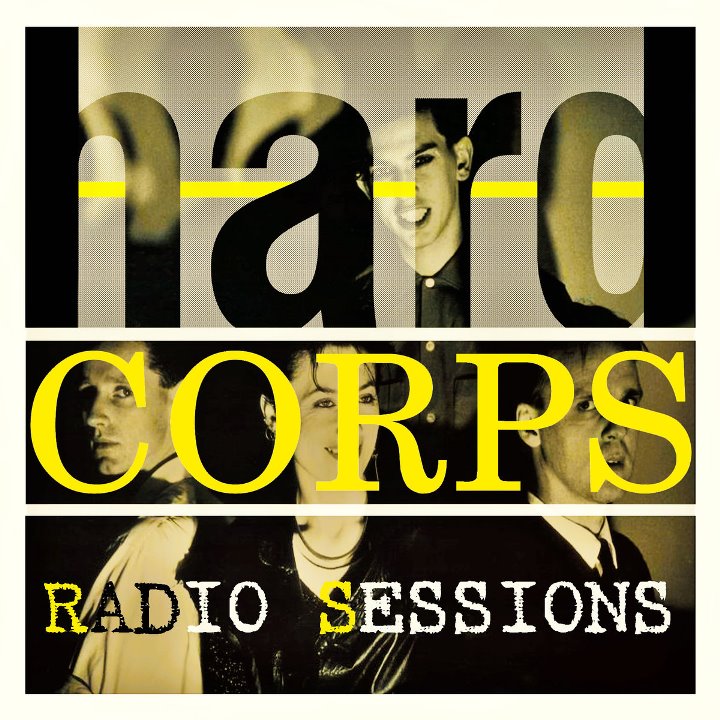
‘Radio Sessions’ is available as a download direct from https://hardcorps.bandcamp.com/releases

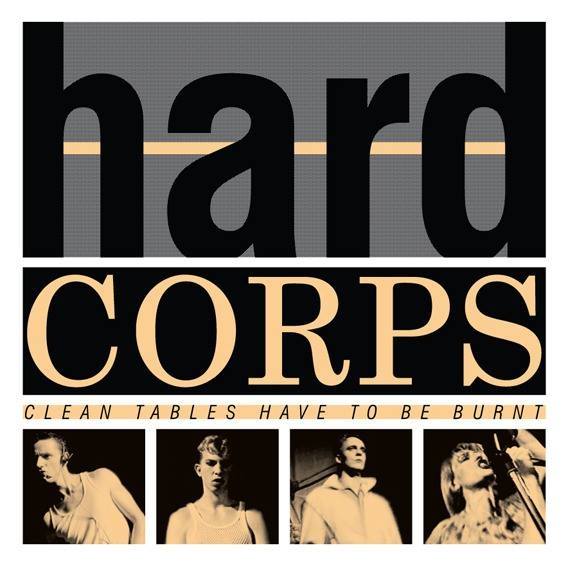
‘Clean Tables Have To Be Burnt’ is also available via Minimal Wave Records as a download album from the usual digital outlets

‘Metal & Flesh’ is available from Sub Culture Records at https://subculturerecords.bandcamp.com/album/metal-flesh-remastered

http://www.hardcorps.co.uk/

https://www.facebook.com/hard-CORPS-217860235015406/

https://soundcloud.com/medora-music


Text and Interview by Paul Boddy
27th December 2018

Introducing HOW TO LIVE

The moody debut single ‘What Waits?’ by HOW TO LIVE possesses some tribal fervour laced with intense guitar harmonics and electronic chimes of doom.

The duo comprise of Tom Pether who also has a solo project called THOMAS ANONYMOUS and Robert Görl lookalike Rich Summers. Using a hybrid of guitars, bass, electronic rhythms and synths, the former members of dark alternative rockers SUZERAIN have described their gritty musical dramas as like “Hans Zimmer in a nightclub”. One of their unique selling points is their use of the Roland Wave Drum, a 21st Century update of the flying saucer shaped Synare 3, to provide some organic rhythmic syncopation.

Embroiled in gothic film noir, ‘What Waits?’ comes from HOW TO LIVE’s forthcoming EP ‘A Good Life’ and anxiously rumbles with uncertainty. It comes with a suitably monochromatic night drive visual accompaniment which partly echoes that of ‘Between Four Walls’ by the much-missed MIRRORS.
Among HOW TO LIVE’s soon-to-be-aired portfolio is ‘Confetti’, a gloomy dramatic number with an eerie beepquence where Pether declares it is “so nice to meet you” while more guitar driven, ‘Lawns Of England’ aggressively mows away with a brooding grandeur in the vein of BAUHAUS and THE CURE.

Within the percussive mantras, there is an air of Budgie from SIOUXSIE & THE BANSHEES, so it is no big surprise to learn that Steve Lyon, whose credits include THE CREATURES, NITZER EBB, RECOIL, THE CURE and DEPECHE MODE, offers his seasoned expertise at the production helm of HOW TO LIVE.

In the pair’s own words: “At least we have something new to listen to while we wait…”


‘What Waits?’ is available from the usual digital platforms

https://www.facebook.com/howtoliveband/

https://www.instagram.com/howtolivemusic/

https://twitter.com/_howtolive

http://steve-lyon.com/


Text by Chi Ming Lai
Photo by Karla Da Silva
12th December 2018

25 SINGLE VERSIONS THAT ARE BETTER THAN THE ALBUM VERSIONS

Ever bought an album on the strength of a single, only to find that “this is not the single I am looking for”??

As long as there has been a music business, artists and producers have been forever tinkering with their work. Sometimes it is to improve an album track for single release by remixing or even re-recording it. Or it is vice-versa to create a new vision for a song or make it sound more like the material on a latterly recorded long player.

But in many cases, it’s the version that was made for mass consumption through radio play that remains superior and best loved. This list celebrates the frustration of being stuck with the wrong version and the dilemma of whether to shell out extra cash to go out and buy the proper version.

Restricted to one single per artist and presented in chronological and then alphabetical order, here are 25 Single Versions That Are Better Than The Album Versions…


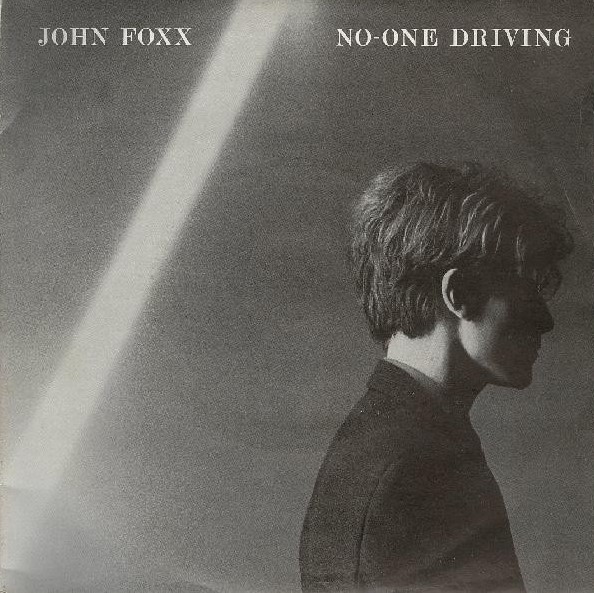
JOHN FOXX No-One Driving (1980)

While ‘Metamatic’ is an iconic long player and includes ‘Underpass’, its second single opted for a reworking of ‘No-One Driving’, rather than the more obvious ‘A New Kind Of Man’. Much busier and expansive than the comparatively tame album version, it provided John Foxx with another Top40 hit, something which had eluded him in ULTRAVOX who interestingly also produced a better single version with ‘Quiet Man’ from ‘Systems Of Romance’ while he was in the band.

Available on the JOHN FOXX boxed set ‘Metamatic’ via Edsel Records

http://www.metamatic.com/


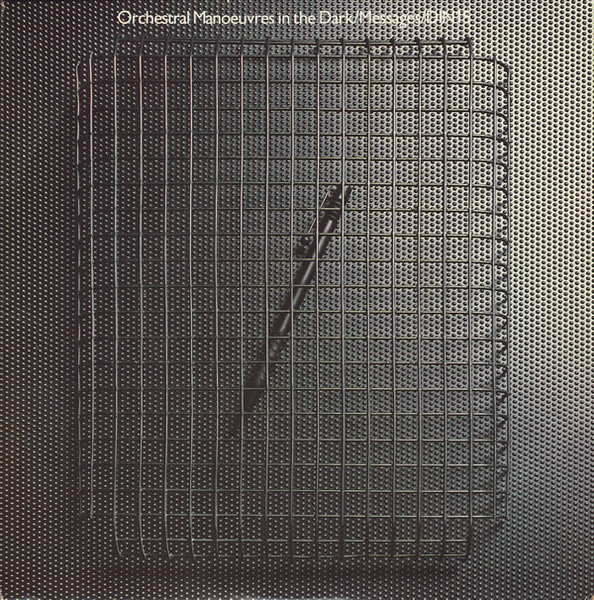
OMD Messages (1980)

On OMD’s debut self-titled album, ‘Messages’ just a song with potential as a single. Utilising a pulsing repeat function on a Korg Micro-Preset shaped by hand twisting the octave knob, it was decided to re-record ‘Messages’ for its single release. Produced by Mike Howlett, the new version included the addition of separately recorded drums for a cleaner snap alongside the basic primary chord structures and one fingered melodies to produce a magnificent UK chart hit that reached No13.

Available on the OMD album ‘Messages: Greatest Hits’ via Virgin Records

http://www.omd.uk.com/


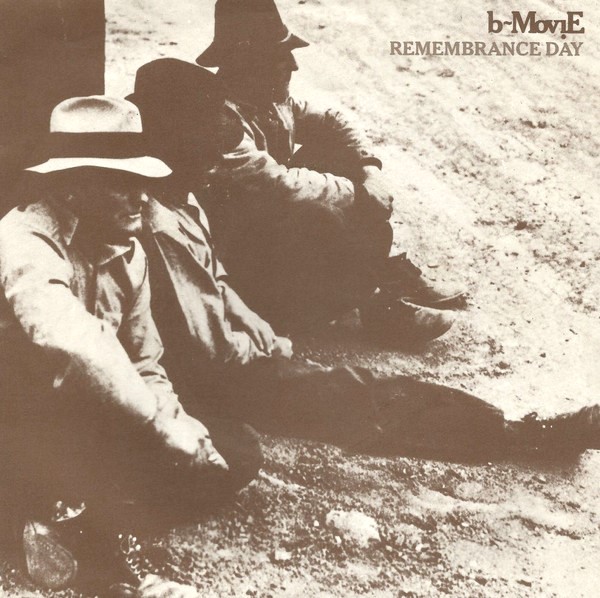
B-MOVIE Remembrance Day (1981)

Despite being alongside DEPECHE MODE, SOFT CELL, BLANCMANGE and THE THE on the now iconic ‘Some Bizarre Album’, B-MOVIE were unable to secure a Top40 chart entry with the poignant magnificence of the Mike Thorne produced ‘Remembrance Day’. The struggle for success coupled with internal tensions led to the band fragmenting by 1983. Finally releasing an album ‘Forever Running’ in 1985 on Sire Records, it featured an inferior re-recording of ‘Remembrance Day’.

Available on compilation album ‘Dawn Of Electronica’ (V/A) via Demon Music Group

http://www.b-movie.co.uk/


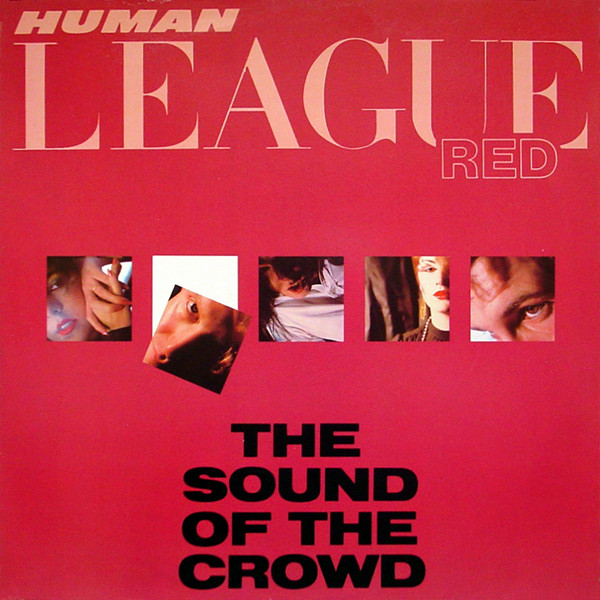
THE HUMAN LEAGUE The Sound Of The Crowd (1981)

The combination of obscure lyrics from Ian Burden like “Stroke a pocket with a print of a laughing sound” and a screaming chant gave THE HUMAN LEAGUE their breakthrough hit. Produced by the late Martin Rushent, bursts of Roland System 700 white noise were trigged from an MC8 Micro-composer for the rhythm track. But for the subsequent ‘Dare’ album, ‘The Sound Of The Crowd’ was reworked with a Linn Drum and with the chant also pushed back, it lost much of its dystopian tension.

Available on THE HUMAN LEAGUE album ‘Greatest Hits’ via Virgin Records

http://www.thehumanleague.co.uk/


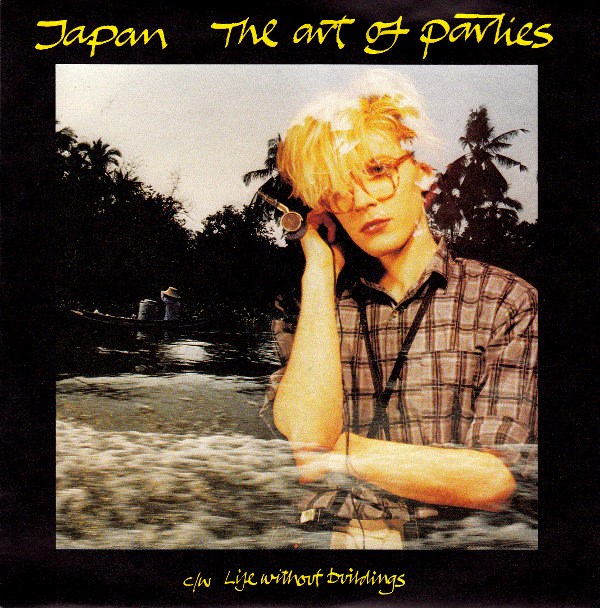
JAPAN The Art Of Parties (1981)

More muscular and dynamic, ‘The Art Of Parties’ explored a funkier template was a move away from the mannered Roxy muzak that JAPAN had been associated with. Originally produced by John Punter, when it came to the album ‘Tin Drum’, new producer Steve Nye smoothed off some of the track’s tribal weirdness and muted its brassy punch. While the end result was tighter, synthier and had more melody, the band preferred to play the original single version live…

Extended version available on JAPAN album ‘The Very Best Of’ via Virgin Records

http://www.nightporter.co.uk/


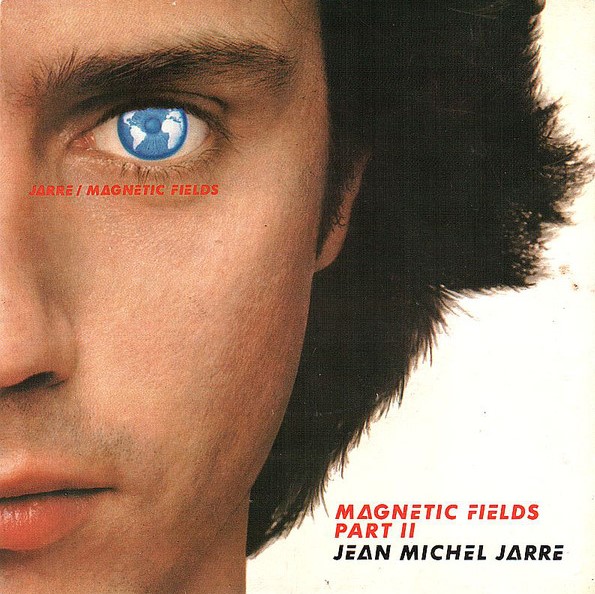
JEAN-MICHEL JARRE Magnetic Fields 2 (1981)

The first track on side 2 of Jean-Michel Jarre albums provided the trailer singles for radio and ‘Magnetic Fields’ was no different. But in a new approach, the French Maestro offered up a toughed up remix where the klanky lightweight tones of the Korg Rhythm KR55 were replaced by bangier drum samples while the synth stabs on the bridge were turned up. But as Jarre’s audience preferred albums, this superior remix got lost over the years and missed inclusion on his many compilations.

Single version not currently available

https://jeanmicheljarre.com/


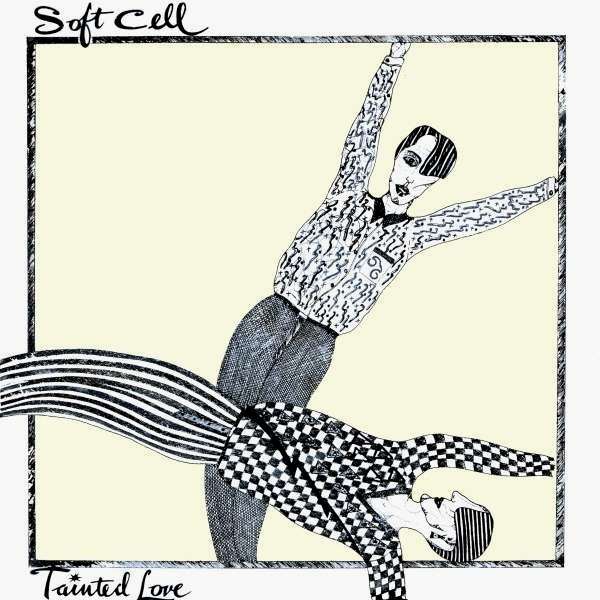
SOFT CELL Tainted Love (1981)

Everyone knows the wonderful hit single version of this Northern Soul cover with its hypnotic Roland Compurhythm running all the way through it. But for the ‘Non-Stop Erotic Cabaret’ album, ‘Tainted Love’ was shortened by 2 seconds while the second phrase became the first, thus strangely muting the emotive impact of the original single. Annoyingly, this inferior version crept onto the first SOFT CELL compilation ‘The Singles’ and the more recent ‘Keychains & Snowstorms’ collection.

Available on SOFT CELL album ‘The Very Best Of’ via Mercury Records

http://www.softcell.co.uk/


ASSOCIATES Party Fears Two (1982)

With its iconic piano line, ‘Party Fears Two’ was a magnificent song about dealing with the perils of schizophrenia. It also kick started a brief period when ASSOCIATES subverted the UK charts with an avant pop approach that fitted in with the Synth Britannia template of the times. A Top10 hit and emotive to the nth degree, the original single version is still the best and total perfection, while the longer album remix with its ambient intro and stop ending lost some of the magic.

Available on the ASSOCIATES album ‘The Very Best Of’ via BMG

https://www.facebook.com/theassociatesofficial/


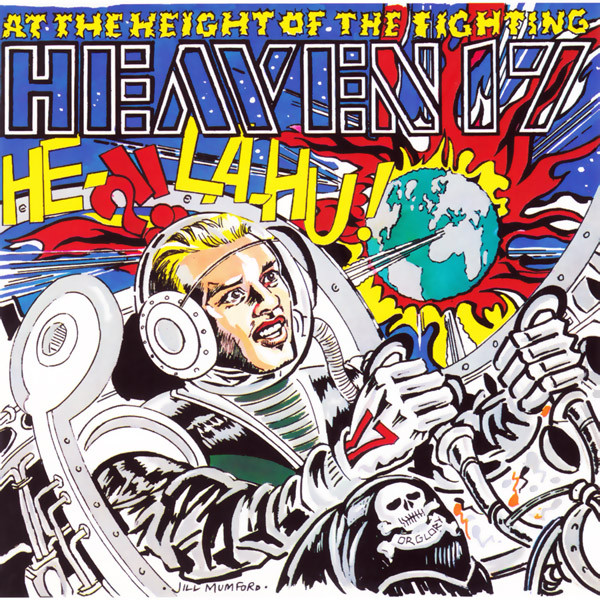
HEAVEN 17 Height Of The Fighting (1982)

The original ‘Height Of The Fighting’ from the second side of ‘Penthouse & Pavement’ was sonically an extension of ‘Travelogue’, Martyn Ware’s last album as a member of THE HUMAN LEAGUE. The more commercial single version took the funkier approach of the first side of ‘Penthouse & Pavement’, adding synthetic drums and a meatier bass synth attack. Featuring the BEGGAR & CO brass section who played with SPANDAU BALLET, it was a glorious electronic soul hybrid.

Available on HEAVEN 17 album ‘The Best Of’ via Virgin Records

https://www.heaven17.com/


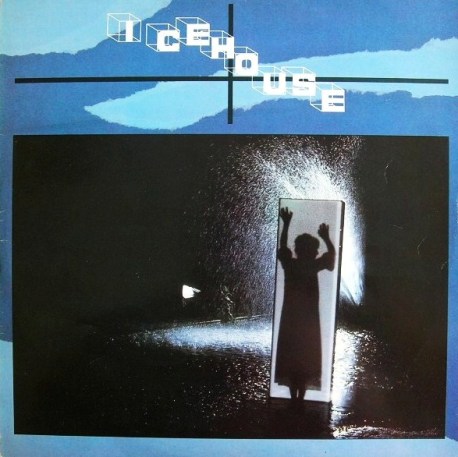
ICEHOUSE Icehouse (1982)

Led by Iva Davies, the song which got Australian combo ICEHOUSE noticed by a wider audience in the UK during their tenure opening for SIMPLE MINDS was a slight reworking of the chilling synth laden title track of their debut album from when the band were called FLOWERS. Featuring a strange offbeat and the mannerisms of Gary Numan before blitzing out for the song’s flanged guitar climax, ‘Icehouse’ was as good as anything on VISAGE’s eponymous debut.

Single version not currently available

http://www.icehouse-ivadavies.com/


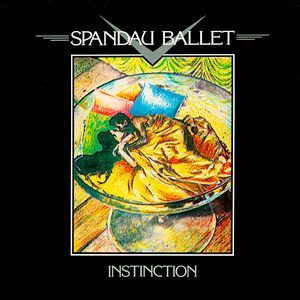
SPANDAU BALLET Instinction (1982)

Outflanked by DURAN DURAN in the New Romantic debut album stakes, SPANDAU BALLET explored Britfunk with ‘Chant No1′, but then took a strange about turn with their next album ‘Diamond’ featuring a number of ethnic art pieces. Fresh from working with ABC, Trevor Horn reworked Richard James Burgess’ understated production of ‘Instinction’. Throwing in extra synths played by Anne Dudley and extra bombastic percussion; it saved their career.

Available on the SPANDAU BALLET album ‘Gold: The Best Of’ via EMI Records

http://www.spandauballet.com/


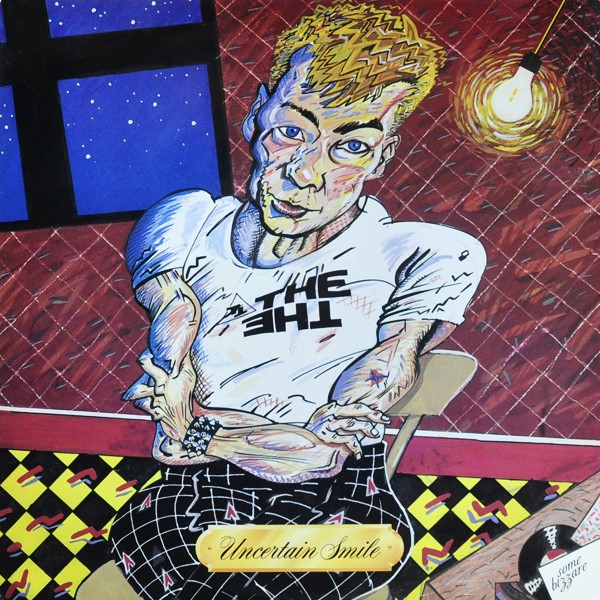
THE THE Uncertain Smile (1982)

Still Matt Johnson’s finest five minutes as THE THE, ‘Uncertain Smile’ on its single release featured a wonderfully rigid TR808 pattern, lovely layers of synths and a variety of woodwinds including flute and sax. Produced by Mike Thorne, this fuller sounding and more emotive take far outstripped the bland and overlong ‘Soul Mining’ album cut produced by Paul Hardiman which included the extended boogie-woogie piano of Jools Holland tagged onto the end…

Available on the THE THE album ’45 RPM – The Singles’ via Epic Records

https://www.thethe.com/


VISAGE Night Train (1982)

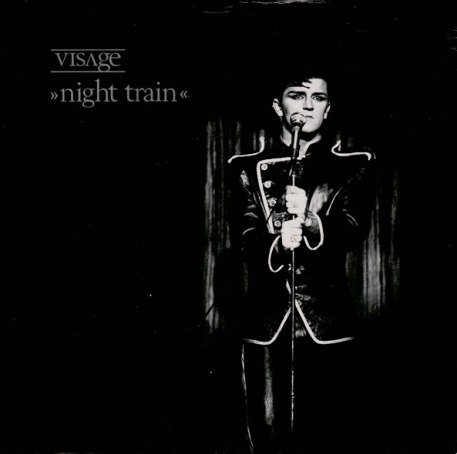
Inspired by the burgeoning New York club scene, Rusty Egan brought in John Luongo to remix ‘Night Train’ from ‘The Anvil’ album much to Midge Ure’s dismay; it lead to the diminutive Glaswegian ending his tenure with VISAGE. But Luongo’s rework was sharper and more rigid, pushing forward the female backing vocals to soulful effect in particular and replacing the clumpier snare sounds of the album version with cleaner AMS samples.

Extended version available on the compilation boxed set ’12”/80s – Volume 2′ (V/A) via Family Recordings

http://www.visage.cc/


GARY NUMAN Sister Surprise (1983)

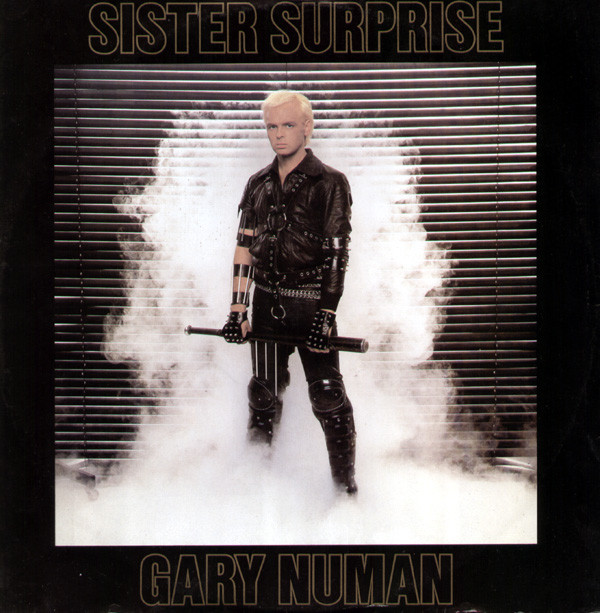
The album version of ‘Sister Surprise’ on the ‘Mad Max’ inspired ‘Warriors’ was far too long, plus something was missing. For its single release, this slice of synthetic funk rock was shortened and sharpened, while a new vocal hook was added over Numan’s now ubiquitous “woah-oh-oh” refrains which provided a much better chorus. Despite this improvement and an appearance of ‘Top Of The Pops’, it was at the time, the lowest charting Gary Numan single since the start of his imperial phase.

Available on the GARY NUMAN album ‘Premier Hits’ via Beggars Banquet

https://garynuman.com/


DURAN DURAN The Reflex (1984)

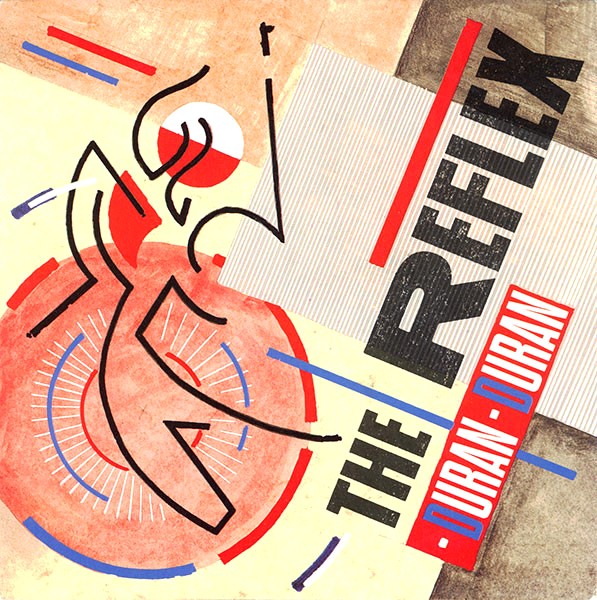
The ‘Seven & The Ragged Tiger’ album sessions had not been a happy experience for DURAN DURAN with the prolonged mixing leading to a fall out between bassist John Taylor and producer Alex Sadkin. ‘The Reflex’ had potential but this was not fully realised. Enter Nile Rodgers who gave the track a rhythmic lift and played around with the then-new innovation of sampling, using various vocals to create new hooks and phrases for a monster international hit.

Available on the DURAN DURAN album ‘Greatest’ via EMI Records

http://www.duranduran.com/


FRANKIE GOES TO HOLLYWOOD Two Tribes (1984)

Comedian Lenny Henry summed things up best in a sketch where he entered a record shop to buy a single and was then offered a plethora of versions by the assistant:”I JUST WANT THE VERSION THEY GOT RIGHT!” – ZTT’s marketing exploits with 12 inch mixes are well known, but they played around with album versions too and with the version of ‘Two Tribes’ on ‘Welcome To The Pleasure Dome’, they got it wrong and took out the piper call middle eight!

Available on the FRANKIE GOES TO HOLLYWOOD album ‘Frankie Said’ via Union Square

http://www.frankiesay.com/


BLANCMANGE The Day Before You Came (1984)

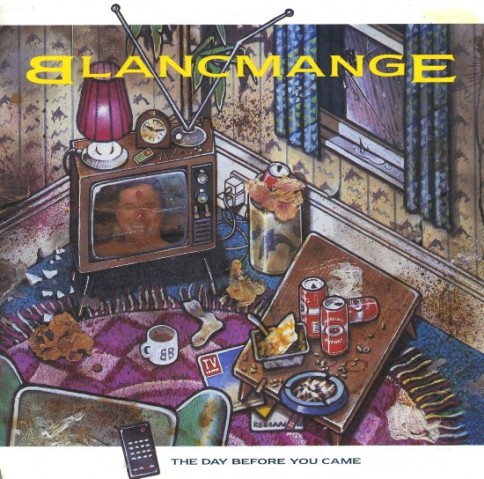
There was a time when it was not cool to like ABBA but BLANCMANGE changed all that with their version of ‘The Day Before You Came’ which many regard as the last ABBA song. Combining that noted Swedish melancholy and melodicism with an artful Nothern England quirkiness, the more compact single version produced by Peter Collins improved on the ‘Mange Tout’ album version helmed by John Luongo and made more of Neil Arthur’s deep melodramatics.

Available on the BLANCMANGE album ‘Second Helpings’ via London Records

http://www.blancmange.co.uk/


PET SHOP BOYS Suburbia (1986)

Originally produced by Stephen Hague, ‘Suburbia’ was a good if slightly underwhelming album track from ‘Please’ that got transformed into a more fully realised epic in a re-recording produced by Julian Mendelson. Complete with barking dogs, widescreen synths and thundering rhythms, the more aggressive overtones in the single version of PET SHOP BOYS‘ clever social commentary made ‘Suburbia’ a big hit, particularly in West Germany.

Available on the PET SHOP BOYS album ‘Pop Art: The Hits’ via EMI Records

http://petshopboys.co.uk/


A-HA The Living Daylights (1987)

The collective strength of A-HA has been to produce great melancholic pop in that classic Nordic tradition. Chosen to record the theme to the James Bond film ‘The Living Daylights’, the collaboration with composer John Barry was fraught with tension and mutual dislike. However, the conflicts and Barry’s characteristic string arrangement captured an essence that was missing from the later re-recorded version with Alan Tarney for the album ‘Stay On These Roads’.

Available on the A-HA album ‘Time & Again: The Ultimate’ via WEA

https://a-ha.com/


DEPECHE MODE Behind The Wheel (1988)

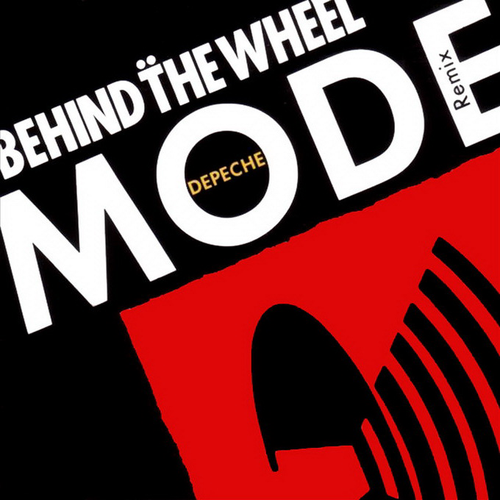
With DEPECHE MODE’s Trans-Atlantic breakthrough album ‘Music For The Masses’, the good but meandering track heading side two never realised its potential. But with PET SHOP BOYS, NEW ORDER, DURAN DURAN and Madonna remixer Shep Pettibone ‘Behind The Wheel’, a funkier bassline and syncopated rhythms were added to the much better single version, giving the song a far more accessible groove that could fill alternative club dancefloors in America.

Available on the DEPECHE MODE album ‘The Singles 86-98’ via Mute Records

http://www.depechemode.com/


NEW ORDER Spooky (1993)

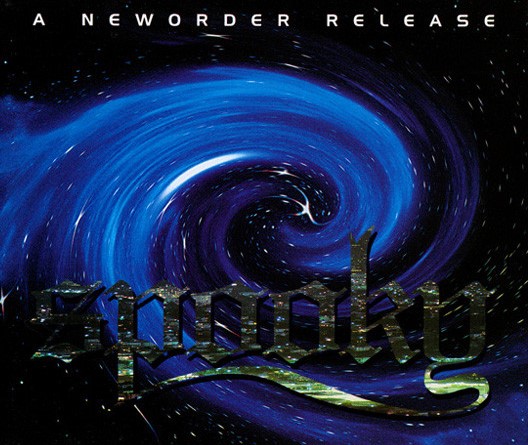
‘Republic’ produced by Stephen Hague was not the finest hour of NEW ORDER, so it was something of a surprise when the underwhelming ‘Spooky’ aws the fourth single from it. But it was remixed by FLUKE, a house dance trio who had worked with Björk. Rhythmically more spacious, this superior ‘Minimix’ allowed the best elements of the song to shine.

Available on the NEW ORDER single ‘Spooky’ via London Records

http://www.neworder.com/


SAINT ETIENNE You’re In A Bad Way (1993)

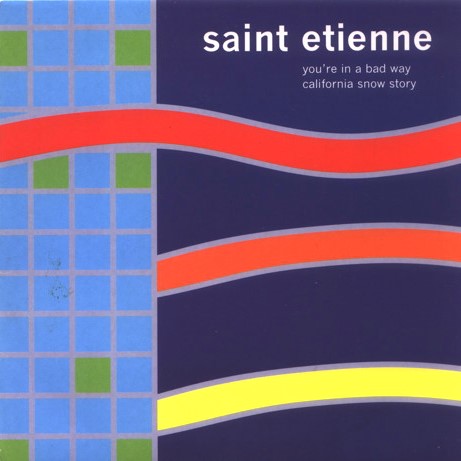
The ‘So Tough’ album version of ‘You’re In A Bad Way’ was far too understated. With a brighter punchier recording helmed by A-HA producer Alan Tarney for the single version, the acoustic guitar was pushed back while vintage synths and a lovely ‘Telstar’ motif was added for a vastly superior rendition. Sometimes more can mean more and this slice of HERMAN’S HERMITS inspired pop brilliance gave SAINT ETIENNE a well-deserved No12 hit single.

Available on the SAINT ETIENNE album ‘London Conversations’ via Heavenly Records

http://www.saintetienne.com/


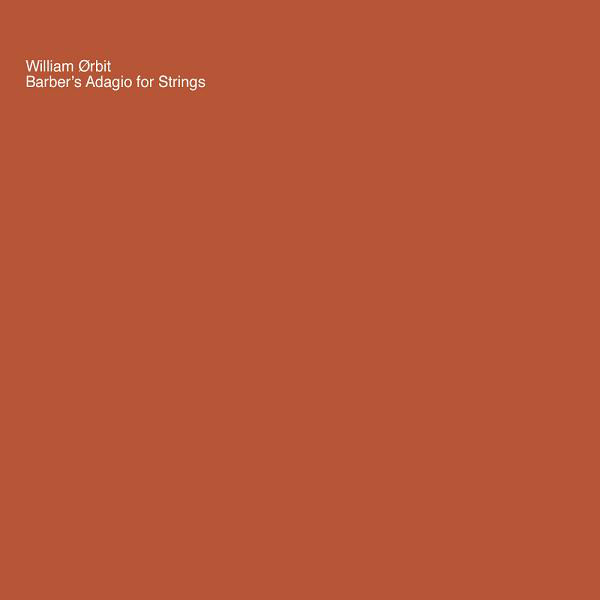
WILLIAM ORBIT Adagio For Strings (1999)

Orbit’s concept of adapting classical works was because he wanted to make a chill-out album that had some good tunes. But trance enthusiasts who loved Dutch producer Ferry Corsten’s blinding remix of Samuel Barber’s ‘Adagio For Strings’ will have been shocked if they had bought its virtually beatless parent long player. Sounding not unlike Jean-Michel Jarre set to a 4/4 dance beat, this single version actually reached No4 in the UK charts.

Available on the compilation boxed set ‘Dance Anthems Classics – The Collection’ via Rhino

https://www.williamorbit.com/


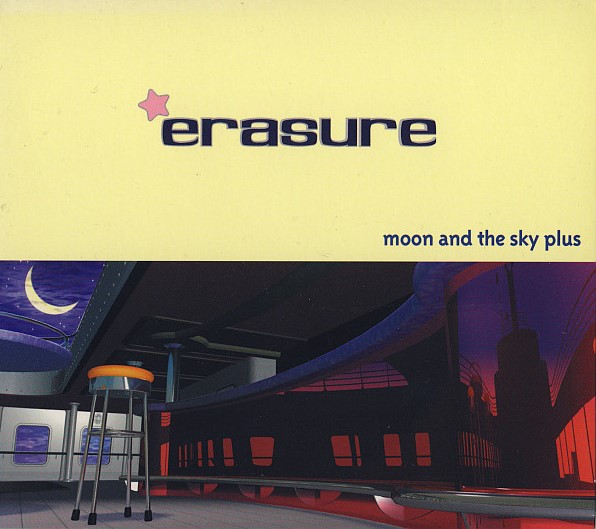
ERASURE Moon & The Sky (2001)

In a poor period for Andy and Vince, the ‘Loveboat’ album’s problem wasn’t just the emphasis on guitar driven dynamics, but it also lacked the usual ERASURE charm despite production by Flood. Even the album’s one potentially great song ‘The Moon & The Sky’ was missing an uplifting chorus, something which was only fixed with the Heaven Scent Radio Rework version by Jason Creasey that was later released as an extended play single.

Available on the ERASURE album ‘Total Pop! – The First 40 Hits’ via Mute Records

http://www.erasureinfo.com/


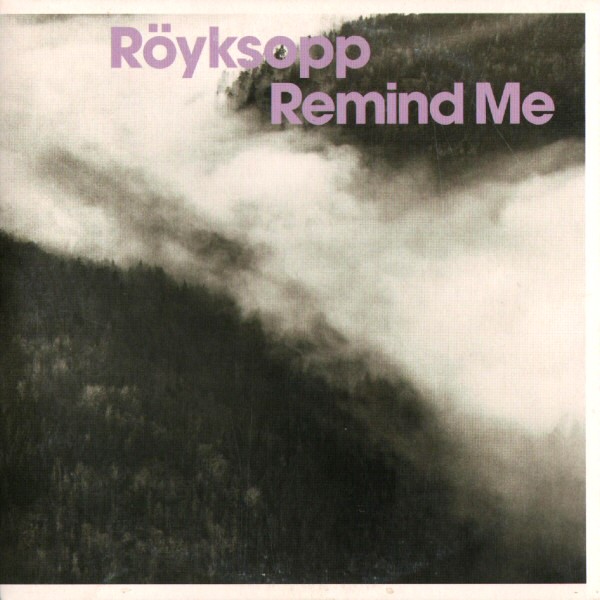
RÖYKSOPP Remind Me (2001)

With vocals by KINGS OF CONVENIENCE vocalist Erlend Øye, ‘Remind Me’ was one of the highlights of RÖYKSOPP’s excellent debut album ‘Melody AM’ which fitted in with dance music culture’s penchant for chill-out. But for single release, the track was given a more rhythmic KRAFTWERK styled feel via ‘Someone Else’s Radio Remix’ by Marisa Jade Marks. The track drew in new listeners, although they would have had a major shock to the system on hearing the album original…

Available on the RÖYKSOPP download single ‘Remind Me’ via Wall Of Sound

http://royksopp.com/


Text by Chi Ming Lai
14th November 2018

DOCUMENTARY EVIDENCE Interview

Photo by Mat Smith

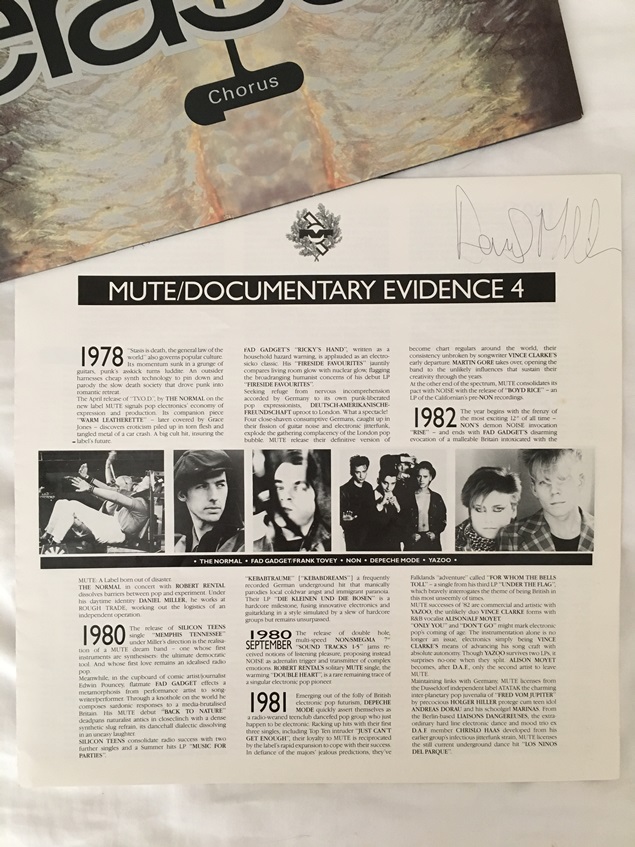
Documentary Evidence is an unofficial Mute Records website run by freelance music journalist and electronic music fan Mat Smith named after the Mute Records catalogue booklet inserts that came with their releases from 1987. It is described as featuring “Reviews of artists appearing on Mute Records and its various sub-labels”.

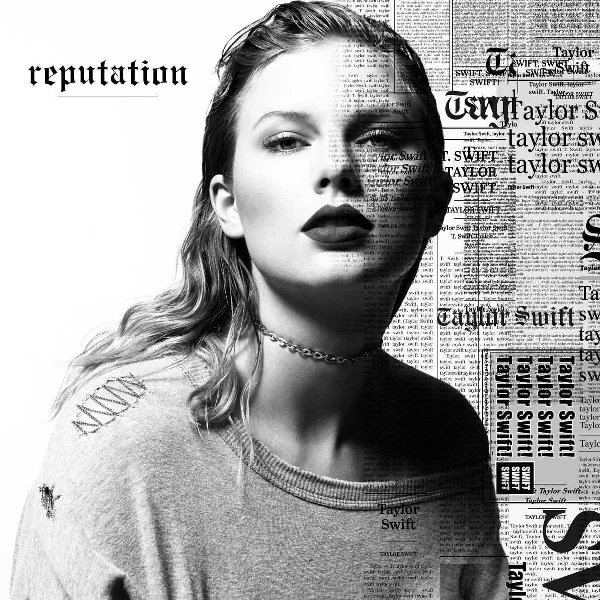
But also includes other music writing by Smith. Like many music bloggers, he compiles an end of year Top 10 albums listing and in 2017, he controversially included Taylor Swift’s ‘Reputation’ at No4 above the No6 placed ‘Spirit’ from DEPECHE MODE.

The decision provoked surprise, discussion, amusement and condemnation; how could a respected authority on the legend of Mute Records appear to betray the musical foundations they were built on? However, other commentators were not so surprised and saw it as a sign.

Mat Smith chatted to ELECTRICITYCLUB.CO.UK about why last year, he preferred Taytay over Essex Dave and presented his Documentary Evidence…

What was the motivation and ethos behind establishing the Documentary Evidence website?

I started writing a blog at university in about 1996, even though it wasn’t called a blog back then. That blog focussed on reviews of concerts I’d been to and records I’d bought that week.

I called it Red Elvis Central for reasons that at the time felt important but which now seem silly. I wrote Red Elvis Central until I left uni, at which point anything I’d written up to that point was suddenly lost forever, and I got sucked into a graduate training programme in a non-musical, very sensible career.

I started the Documentary Evidence website in 2003. I distinctly remember it was a Saturday afternoon, I’d had to go into London for work in the morning and my wife was out at her grandmother’s house when I got home. With nothing better to do, I sat myself down in front of my PC, wrote a review of ‘Text Message’ by VIC TWENTY and by the time she came back home that evening, I’d set up a rudimentary HTML website, which I decided would be a place for me to write about Mute releases for nobody’s enjoyment but my own.

When I was scratching around trying to name the site, I raked through my record collection and found my copy of ERASURE’s ‘Chorus’ 12”, which was the first 12” I’d ever bought. In the sleeve was Mute’s Documentary Evidence catalogue pamphlet, which was what got me hooked on collecting Mute releases in the first place, so it seemed like an obvious thing to name the site with.

When I first picked that catalogue up in 1991, I barely recognised any of the groups and artists listed and I barely even knew what a record label was aside from being a logo.

Documentary Evidence switched me on to this notion that there were all these things going on outside of the charts. I also naively assumed that everything released on Mute would sound like ERASURE in some way, which I still laugh at today.

I think I envisaged that writing enthusiastically for my Documentary Evidence website would allow me to perpetually remind myself of how exciting it was setting off on that voyage of musical discovery in the early 90s. The Documentary Evidence website was never intended to attract any attention from anyone else.

For most of my life I’ve wanted to record my thoughts and memories in some capacity, just for my own benefit. It felt like a logical thing to extend that into writing about the music that meant something to me and which I’d spent most of my teenage years and twenties collecting in earnest.

Back in 2003 I don’t think I really appreciated that Mute had a sort of ‘cult’ reputation and that there were other people who’d also become avid collectors of their releases. To this day I find it strange that anyone would have even found my website, let alone actually bothered to read it.

About ten years later I started writing occasional live reviews and features for Clash, and that led to working professionally.

Who are your own personal favourites from the Mute roster, both past and present?

ERASURE are the reason that the Documentary Evidence website exists, and they were the first group I really fell for, so they’ll always be my personal favourite.

My dad brought home a copy of ‘The Innocents’ that a friend from work had recorded for him, sometime in 1988. He walked in and said “Matthew, have you heard of this band, ERASURE?” I’d seen them on Saturday morning TV, had heard them in chart and really liked them, but I didn’t have enough pocket money at that time to buy any music.

I grabbed the cassette off him, rushed upstairs to my bedroom and more or less listened to it non-stop on my Walkman for months after that. I still get a huge surge of emotion every time I hear something new by ERASURE, and I can chart the most important points in my personal life by their music. They’ll always be really special to me.

Right now, I’m really excited about the SHADOWPARTY album that comes out on Mute later this month. SHADOWPARTY includes members of the current NEW ORDER and DEVO line-ups, and their debut album is brilliant, like a time machine into a classic Manchester feel-good sound.

The other artist on the label I’ve been listening to a lot lately is DANIEL BLUMBERG, whose debut solo album ‘Minus’ was released by Mute earlier this year. ‘Minus’ came up out of Dalston’s Café Oto improvisation scene, but that sense of freedom is combined with some truly moving, genuinely profound lyrics. I was fortunate enough to spend some time with Daniel recently and he’s clearly a prodigious talent and probably unmatched in terms of his artistic vision. Being able to get inside the head of a musician and into the story behind an album or piece of music is the greatest privilege of being a music journalist, and spending time with Daniel was undoubtedly one of the highlights of my career.

You’ve established and maintained a good working relationship with Vince Clarke?

I interviewed Vince and ORBITAL’s Paul Hartnoll for Electronic Sound when Vince started his own label, VeryRecords, and launched it with the album ‘2Square’ that he and Paul did together in 2016. VeryRecords is totally his own thing and he tries to do absolutely everything himself, as he’s so personally invested in the label. I really respect that. Richard Evans provides support for the technical side of running the label, but apart from that it’s a fully solo endeavour.

He could get anyone to help with any part of running a small label and just put his name to it, but he doesn’t. It’s his thing, and he’s really enjoying it. I can’t quite remember now whether I volunteered to help put the press releases together for future VeryRecords releases or if he asked me if I’d like to help – we were in bar, and beer was involved – but somehow I ended up working on the materials to support the first REED & CAROLINE album ‘Buchla & Singing’, and the two releases he’s put out since – ALKA’s ‘The Colour Of Terrible Crystal’ and ‘Hello Science’ by REED & CAROLINE.

As a lifelong ERASURE fan, to be able to call Vince my boss is probably the strangest thing that’s ever happened to me. I’m so grateful for this opportunity and for the trust he’s placed in my skills as a writer. I wish I could say the same of everyone I’ve worked for.

What level of DEPECHE MODE fan would you describe yourself as? One of The Black Swarm, plain clothes Devotee or an armchair enthusiast?

I’m definitely not in The Black Swarm, and in fact I didn’t even know what the Swarm was until my photographer friend Andy Sturmey explained it to me a few years ago. I guess I’m probably somewhere in between Devotee and armchair enthusiast if I reluctantly had to pigeonhole myself.

DEPECHE MODE are really important to me, no doubt about it, but I actively detested them when I first became aware of them, which would have been just after ‘Violator’ was released.

In my high school English classes I used to sit next to a girl called Sarah Vann whose folder was covered in photos of Depeche from that time. I just figured they were an Athena poster-friendly boyband because of that.

I also couldn’t get my head around songs like ‘Personal Jesus’ at all, mostly because I was slightly intimidated by guitar music at the time. Later, when I read the Documentary Evidence booklet that made me a Mute collector, and I read about Vince having been in DM at the beginning, I felt really conflicted – I suddenly felt duty-bound to collect their material but didn’t think I’d like their music.

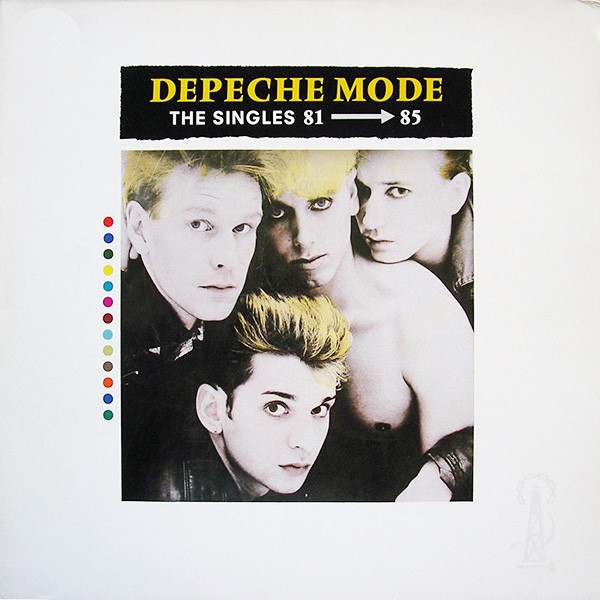
I started with a beaten-up copy of ‘The Singles 81 – 85’ borrowed from Stratford-upon-Avon’s library and tentatively went from there. I guess it was appropriate that the CD came from a library – it proves the old adage that you shouldn’t judge a book by its (Depeche-decorated) cover.

Photo by Mat Smith

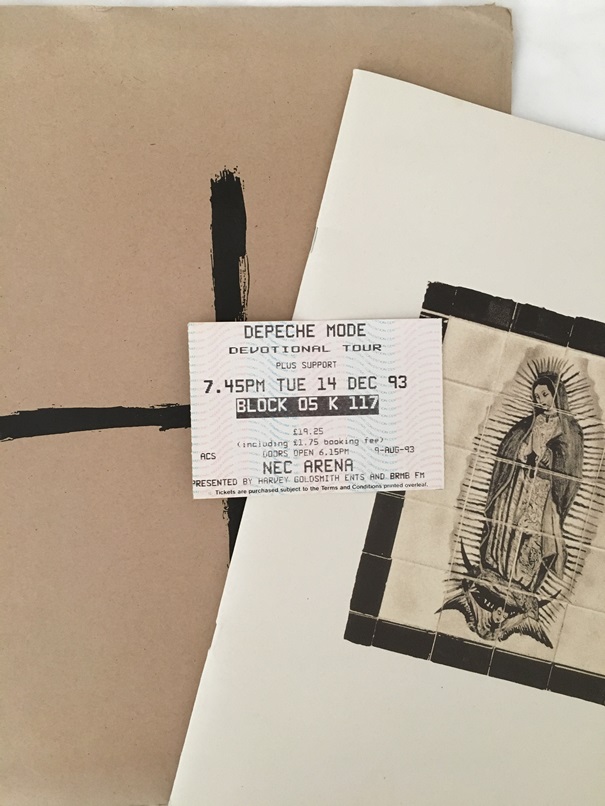
Between the ages of 15 and 16, I consumed all of their albums and was a paid-up fan by the time ‘Songs Of Faith & Devotion’ was released. The first concert I ever went to was Depeche at the NEC on 14 December 1993, and I wore a black long-sleeved ‘I Feel You’ t-shirt. I have really fond memories of that show. I still have the programme and the ticket, but I no longer have the t-shirt.

I once spent a whole afternoon sat on my parents’ sofa listening to ‘The Things You Said’ on repeat because my girlfriend had unceremoniously dumped me. Like ERASURE, their music is inextricably bound in with a lot of very vivid memories.

Much, much later I got the chance to interview Dave and Martin for Clash, Dave when he did the last SOULSAVERS LP and Martin for his instrumental album ‘MG’. Perhaps it’s the point they’re both at in their careers, but neither had massive egos, and both came across as appreciative and humble. I like it when people surprise you.


Had it been your intention to feature artists from outside of the Mute family on Documentary Evidence?

I was really pretty purist at the beginning – this was a Mute site, and it was only ever going to be about Mute.

But then again, I started out with a review of the solitary VIC TWENTY single that came out on Credible Sexy Units, a label Daniel Miller formed outside the EMI ownership of Mute for the sole purpose of releasing that one single in 2003, so I was always bending my own rules from the off.

After a while I found myself writing more about musicians that had been on the label and who had then gone off to do different things, or people who were clearly influenced by Mute, or producers who had worked with Mute, or releases by Mute artists but that were released on other labels – tangents, basically, especially with Blast First artists.

Then people started sending me their music, saying they liked my site and asking me if I’d review them. When you’re starting out, the generous act of people wanting to send you the music they’ve laboured over is a really persuasive thing, and to the best of my knowledge I never turned anyone down.

I guess it just all got very restrictive after a while, the idea of only writing about Mute when there’s so much more music out there, but to this day I honestly think of Mute as being a lot like my musical spine – it’s at the centre of everything, and I can always form a connection back to that central core, no matter what it is I’m listening to.

Photo by Mat Smith

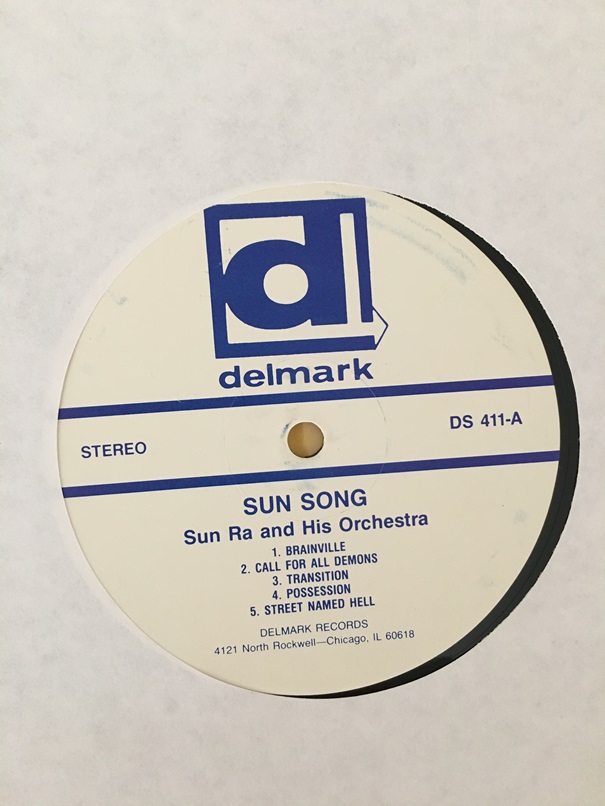
Pretty much every music I’ve gotten into can be traced back, in some way, to Mute and that original Documentary Evidence booklet. Even something like jazz, which I really love now, can be traced back to seeing the name SUN RA as a Blast First artist. It made sense to me that my entry point into jazz would come through SUN RA rather than a more conventional, obvious route.

I guess at some point I decided to start writing about some of those non-Mute things with as much passion and enthusiasm as the Mute stuff, but I wouldn’t be doing any of that if it wasn’t for Mute.

When I became a ‘proper’ music journalist, whatever that is, it would have been really restrictive just writing about Mute. I’m still normally the first in line enthusiastically pitching a Mute release when a new review section gets commissioned, but I get to cover all sorts of weird and wonderful things, most of which aren’t anything to do with Mute, and I absolutely love that.

Controversially in the Documentary Evidence Top 10 Albums of 2017, you placed DEPECHE MODE’s ‘Spirit’ at No6 but ahead of it was ‘Reputation’ by Taylor Swift at No4? Please explain… 😉

I do find it amusing that this would be regarded as remotely controversial. It’s only the second year that I’ve done an end of year countdown, and I’m not sure I’d do it again! When I was putting it all together, there were certain albums I knew had to be in there – ‘Reputation’ was always going to be high up in the rankings – but after getting five or six together, I really struggled. It was only when I looked back at what I’d written about that year that I even realised that ‘Spirit’ had been released in 2017, because it felt like it had come out ages before.

Photo by Chi Ming Lai

It wasn’t that ‘Spirit’ was in any way a forgettable album, as my review for Clash was incredibly positive. I even found myself indulging in a bit of journalistic hyperbole when I compared parts of it to Marvin Gaye’s ‘What’s Going On’, which rubbed a lot of people up the wrong way.

I maintain that it’s a good album – great even. It showed a new side to DEPECHE MODE, one that initially jarred with me, but it was one that I ultimately respected.

I haven’t listened to it once since I assembled that year-end countdown, but I rarely get a chance to listen to albums over and over after I’ve reviewed them these days anyway. You’re more or less always moving onto something else as soon as you’ve filed the review copy.

You shouldn’t view me placing ‘Reputation’ higher than ‘Spirit’ as indicating that I think Taylor Swift is better than DEPECHE MODE; it just means that ‘Reputation’ means more to me. Documentary Evidence was always intended as a personal website, where everything I wrote was essentially my own subjective view. People are free to disagree with what I write, and frequently do, especially it would seem if I’m writing about DEPECHE MODE. I was roundly slated for giving Jeremy Deller and Nick Abrahams’ ‘The Posters Came From The Walls’ the positive review that I felt it deserved, and I’ve developed a thick skin about people’s views.

Photo by Chi Ming Lai

The point with Taylor Swift is that her music means a lot to our family. We have two daughters, ages 12 and 10, and as parents we’re acutely aware of the need for girls to grow up with positive, empowering female role models. Taylor Swift is the epitome of that.

She’ll go down in history as a great pop musician and songwriter but also as the one who – by suing that radio DJ for a buck – did more to highlight the gross inequalities and power abuses in the entertainment industry than anyone else.

But she also makes great music. We listen to Taylor Swift on roadtrips all the time and her music brings us closer together as a family. It’s that simple. Debating whether ‘I Knew You Were Trouble’ is better than ‘We Are Never Ever Getting Back Together’ is a nice way to spend a drive around Cornwall, for example. It sure beats arguing.

The four of us going to see her at Wembley last month was among the best evenings out we’ve had as a family. We all wore Taylor Swift shirts, all sang every song at the top of our lungs and I’d rank it as one of best concerts I’ve ever been to, unashamedly. For me, and plenty of other people, ‘Reputation’ is a bold, multi-hued album that works as both social criticism and fucking great pop music.

What also amused me about people decrying this so-called music journalist snob putting Taylor Swift in his top ten is that not one DEPECHE MODE fan moaned about me ranking ERASURE higher than ‘Spirit’, or sticking a Ryan Adams record above it, or choosing an electronic jazz fusion LP by James Holden as the best thing I heard in 2017! And ‘Spirit’ getting into the top ten, when I conservatively wrote between 80 and 100 reviews last year, is still a pretty big deal.

But Taylor Swift surely doesn’t have any links to Mute… or does she? 😉

It’s slightly tenuous, but there is a link. Jack Antonoff from BLEACHERS, co-wrote and produced two songs on ‘1989’ and six on ‘Reputation’. Vince Clarke worked with Jack on the first BLEACHERS album, and I think the big, anthemic pop that BLEACHERS make has definitely rubbed off on some of the recent mixes that Vince has done. You can hear some of it in the last ERASURE record, ‘World Be Gone’, too.

Jack’s style is extremely distinctive, but very natural. Some people have to work hard at creating these huge, stadium-friendly, euphoric songs, but it’s like it runs in his veins or something. I knew which songs were his on ‘Reputation’ before I even looked at the credits.

So, yeah, if you squint a little and are happy that it’s an indirect connection, there is one. But I didn’t need one to justify enjoying Taylor Swift’s music – just the look on my girls’ faces when they were dancing round our lounge to ‘1989’ when they got it for Christmas 2014 was justification enough.

Photo by Mat Smith

ELECTRICITYCLUB.CO.UK saw this positioning of Taylor Swift above DEPECHE MODE by a respected Mute Records commentator as oblique symbolism for DM’s current artistic decline…

It certainly wasn’t intended that way. As I said before, I really liked ‘Spirit’, and I really liked its predecessor ‘Delta Machine’, which I awarded eight out of ten in a review I wrote for Clash. I wonder whether people have unrealistic expectations of what DEPECHE MODE should be doing today.

They’ve been going for nearly forty years and sit on top of a back catalogue containing some incredible moments, and those moments are going to be part of a personal soundtrack to significant events, whereas as we get older we don’t accumulate as many of those things.

Most artists that have been going this long are valued not for what they’re doing today but what they’ve done before, and any new material is just a catalyst for getting back out on the road and playing the hits.

The best example of this is THE ROLLING STONES – they’ve consistently released new material, but it’s generally regarded as second-rate compared to the album’s they released in their first two decades.

Anyone going to a Stones show doesn’t want a set filled with the new stuff – they pay for the hits. I know that fans have moaned about the recent Depeche festival shows not containing enough of their big songs, and I would say that’s probably fair. I don’t think they can hide behind being inexperienced with festivals, as a glance at any other band’s setlist would have provided ample evidence of the rules.

But I do think the fact that Depeche are still trying to do different things – the overt political reference points of ‘Spirit’ or the pronounced bluesiness of ‘Delta Machine’, as examples – shows that they still have a creative spark beyond just rehashing ‘World In My Eyes’ all over again. And if they did that, then people would moan at them for not making any effort. I’m not sure they can win, but it’s not like people aren’t buying their albums or eschewing their shows.

Photo by Simon Helm

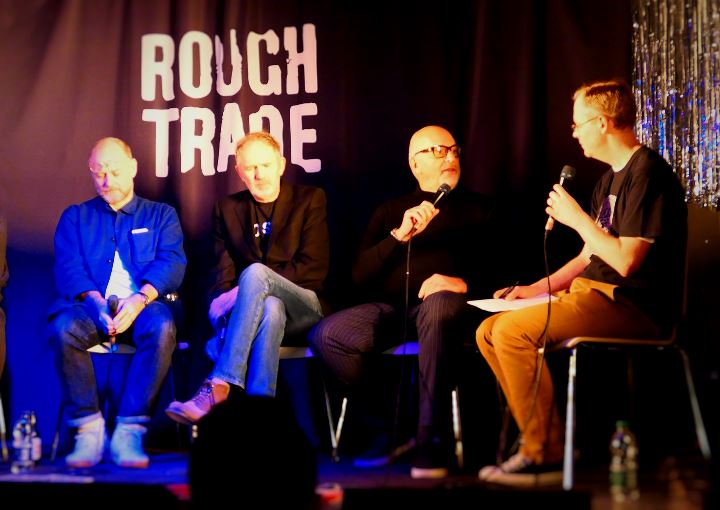
At the ‘Mute: A Visual Document’ book launch where there was a live Q&A which included Daniel Miller, it was reported that Anton Corbijn was making made his feelings known publicly about the current direction of DEPECHE MODE? What was your interpretation of what was said?

Honestly, I can’t remember. As the host of that panel discussion, I was too busy making sure I didn’t drop my microphone.

My recollection was that Daniel and Anton were both incredibly positive on Depeche and where they are right now, creatively. These guys are like the fourth and fifth members of that band, as their input into what makes them a band is really important to who they are, what they do, and how it’s presented, and I don’t think that will ever change. If anything, Anton was super positive about how much trust that Dave, Martin and Andy placed in his judgement, and how rare it is to find that these days. I didn’t get the impression that DEPECHE MODE are ignoring his counsel and doing their own thing at all.

That night, I do remember that Daniel said that they’re still a Mute band, even though they’ve left the label. I think that says a lot about how he approaches artists on the label, as well as how much he cares about them; I guess it’s like waving your kids off when they leave home – they’ll always be family. In the same way, Daniel will always be their A&R guy and creative mentor.

Daniel Miller = DM = DEPECHE MODE. That’s a complete coincidence, but it also isn’t.

ELECTRICITYCLUB.CO.UK often likes to highlight a musical connection it has noted between CHVRCHES and Taylor Swift, do you hear it as well in her songs like ‘Out Of The Woods’, ‘Gorgeous’ and even ‘Blank Space’?

It’s not something I’ve noticed especially, but it says a lot about the way we music critics approach very overtly successful music that we can only give a pop artist credibility by comparing it to something a little more underground, or something less popular.

Electronic music has been mainstream for the last forty years and it’s only natural that stuff coming out of the underground would feed into popular music. That’s just how it has always worked, all the way through musical history.

Things start outside of the public eye, in almost cultish micro-scenes, they blossom, become popular, popular acts co-opt them, a new thing comes along and it starts again. If it didn’t, this would all be pretty boring and we’d all still be listening to easy listening music. Is Taylor Swift consciously riffing off CHVRCHES’ ideas? Probably not. Does she have the budget and bankability to attract any producer she wants to work on her record? Absolutely.

Do those producers and her A&R team have their fingers on what’s cool and what’s not? For sure. To me it’s not that surprising.

As far as electronic based artists are concerned, who are the up-and-coming acts that you would rate at the moment?

Electronic music – in its broadest sense – is having one of its most fertile creative periods, from the mainstream to the most avant garde of locales. For example, there’s a German producer called VONICA whose music I’m enjoying right now. He makes this fantastically skewed, very densely-layered music that is umbilically linked to dance music, with all its attendant euphoria and drama, but this slightly off-centre quality. He’s one to watch, for sure.

Elsewhere, I find myself listening to lots and lots of fusion music. Back in the 70s, stuff that fused jazz, electronics and rock together was seen as hugely innovative but over time it became a shorthand for naffness, something that my older self thinks is massively short-sighted as I’ve begun to appreciate things like CHICK COREA’s underrated ‘Return To Forever’. The new groups tackling fusion music are just incredible. James Holden I’ve already mentioned, but there are others like Kamaal Williams and RATGRAVE that manage to create these amazingly fresh pieces of music out of seemingly incompatible reference points.

How do you think Mute had managed to maintain its position as a credible brand in the music industry after so many years?

I think it all comes down to being artist-led. When you’re artist-led you’re prepared to take more risks to allow them the space to realise their creative vision. When Daniel Miller started Mute again as an independent enterprise, I think that’s why he named it Mute Artists.

That’s a very egalitarian, equitable way of approaching running a label – it emphasises that without those artists the label wouldn’t, and couldn’t, exist. That’s not to say that Mute have always just let artists get up to what they want, because I’ve heard that Daniel is a very hands-on guy, even if he’s not in the studio with every artist on the label. However, if you start with the primacy of the artist and are focussed on allowing them to realise their vision in a supported way, you’re probably going to get the best results.

Going back to what I said about his relationship with Depeche above, he evidently cares for his artists, and I personally think that’s ultimately why he sold Mute Records to EMI – faced with seismic changes in the record industry, he deemed that was the best thing for his artists to allow them to stay creative. It wasn’t for commercial gain, but to give his artists some sort of financial stability. I think it came from a fundamentally good, well-meaning place. It wasn’t like he’d decided to disown his kids and start a new family with someone else. You might think of everything released on Mute as songs representing Daniel’s enduring faith and devotion in the artists whose music he elects to release. I can’t see that ever changing.


ELECTRICITYCLUB.CO.UK gives its sincerest thanks to Mat Smith

https://429harrowroad.wordpress.com

https://www.facebook.com/DocumentaryEvidence/

https://twitter.com/DocEvidence

https://www.instagram.com/documentaryevidence/


Text and Interview by Chi Ming Lai
17th July 2018

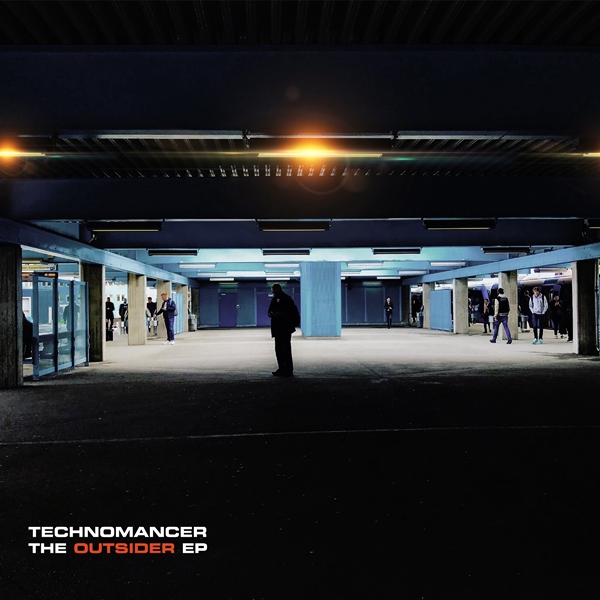
TECHNOMANCER The Outsider EP


What do ZONE TRIPPER, LABORATORY 5 and TECHNOMANCER have in common? Simple, it’s the EBM / Futurepop producer Alyxx J Digre and her supercharged world of synthpopia.

Based in Sarpsborg, Norway, the Lady Of Darkness has always been into synths and guitars, and hell bent on making it big in the music industry, she kept perfecting her producing skills until she hooked up with Per Aksel Lundgreen (ANGST POP, APOPTYGMA BERZERK, CRONOS TITAN, CHINESE DETECTIVES, SHATOO) to produce ‘Ødipus Rex 2012’.

2013 saw the first album by TECHNOMANCER, and the continuous remixes with Lundgreen, but Digre also likes to work with the legendary Stephan Groth from APOPTYGMA BERZERK. And indeed, both electro kings are featured on the newest release from the cold Norway girl; ‘The Outsider’, where we are seeing a four song tribute to the acts that TECHNOMANCER and Co consider valid.

Previously released, ‘The Outsider’ is taken from ‘A Tribute To PSYCHE’ and ‘I’ve Got A Sister In The Navy’ comes from ‘Heredity – A Tribute To RATIONAL YOUTH’. Additionally we are served newly recorded cover versions of ULTRAVOX’s ‘Sleepwalk’ and a vintage DM classic ‘Puppets’.

The opening ‘Puppets’ features the synth magician Groth of APOP who eagerly participated; “I would love to be a part of this” he said, “I know just what to add”. Groth came up with additional synths and vocals as they agreed that “Depeche Mode have been done to death, but the idea was to do a cover of them from the time they were really good, and get that old feeling back!” – and they sure did.

ANGST POP features on the RATIONAL YOUTH favourite ‘Sister In The Navy’ and with its catchy hooks, is a classic return back to the synthesizer’s heyday. ‘Sleepwalk’ retains the classic ULTRAVOX vibe with an almost robotic voice and doesn’t go far from the original, which became the first single from the ‘Vienna’ album. Softly updated to a faster version it simply works.

PSYCHE’s cult hit ‘The Outsider’ takes a second viewing with a faster paced, busier rhythm, with added guitar and gritty synth, which detract from the super dark original, keeping in with the gloomy moods all the same.

Whether you like covers or not, TECHNOMANCER did their homework here, paying homage to in their minds, the greatest synth acts during their golden age, and if the whole thing manages it with APOP stamp all over it, then all the better!


‘The Outsider EP’ is released by Subculture Records and available via the usual digital platforms or direct from https://technomancer.bandcamp.com/album/the-outsider-ep

http://www.technomancer.no

https://www.facebook.com/technomancermusic/


Text by Monika Izabela Trigwell
Cover Artwork Photography by Petra Rönnholm
Live Photo by Steven Stieng
5th July 2018

« Older posts Newer posts »