Tag: Depeche Mode (Page 8 of 17)

30 TRACKS THAT SHAPED ELECTRICITYCLUB.CO.UK

So how did ELECTRICITYCLUB.CO.UK arrive at its discerning musical ethos?

It probably all began with a very liberal and Bohemian junior school teacher named Miss Nielsen who played KRAFTWERK’s ‘Autobahn’, PINK FLOYD’s ‘Echoes’ and the soundtrack of ‘A Clockwork Orange’ to the class, with the unusual sound of all three providing an otherworldly, yet captivating listen.

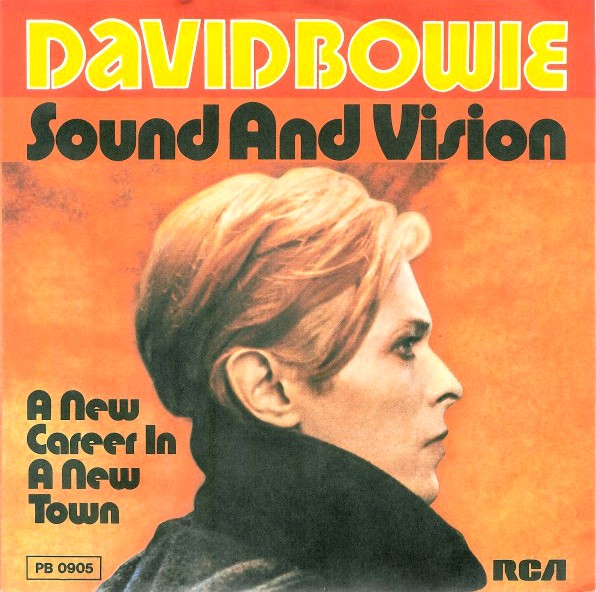
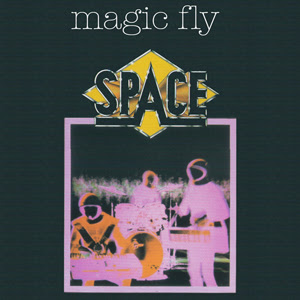
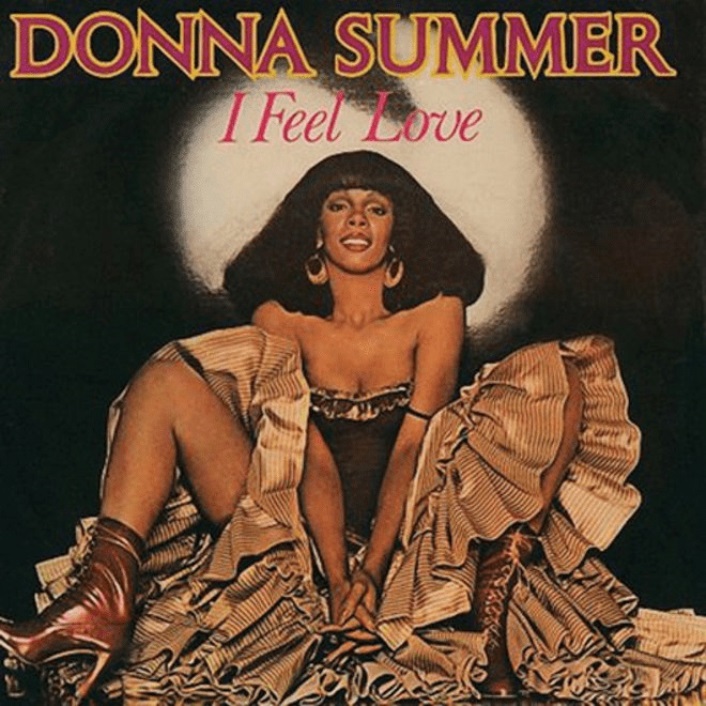
Later on, various parts of the 22 minute ‘Autobahn’ track appeared on the end credits of BBC children’s drama ‘Out Of Bounds’ and opened ‘Newsround Extra’, but 1977 was to become the true Year Zero in electronic pop. With ‘Oxygène’, ‘Sound & Vision’, ‘Magic Fly’ and ‘I Feel Love’ all hitting the UK Top 3 within months of each other, this was effectively the beginning of synths designing the future.

To celebrate the 10th birthday of the site, here is a very personal list of 30 tracks that shaped it. These are primarily songs that solidified and expanded the interest in synth or later provided hope in the face of real music snobbery and the return of the guitar in the wake of Britpop.

There will be grumbles that the likes of YELLOW MAGIC ORCHESTRA, HEAVEN 17, YAZOO, DURAN DURAN, TALK TALK, PROPAGANDA, CLIENT, RÖYKSOPP and others are not featured, and certainly if this list was a 40, they would all be included. But this list is an impulsive snapshot of ELECTRICITYCLUB.CO.UK’s own journey in music, as opposed to being a history of electronic pop or a best of.
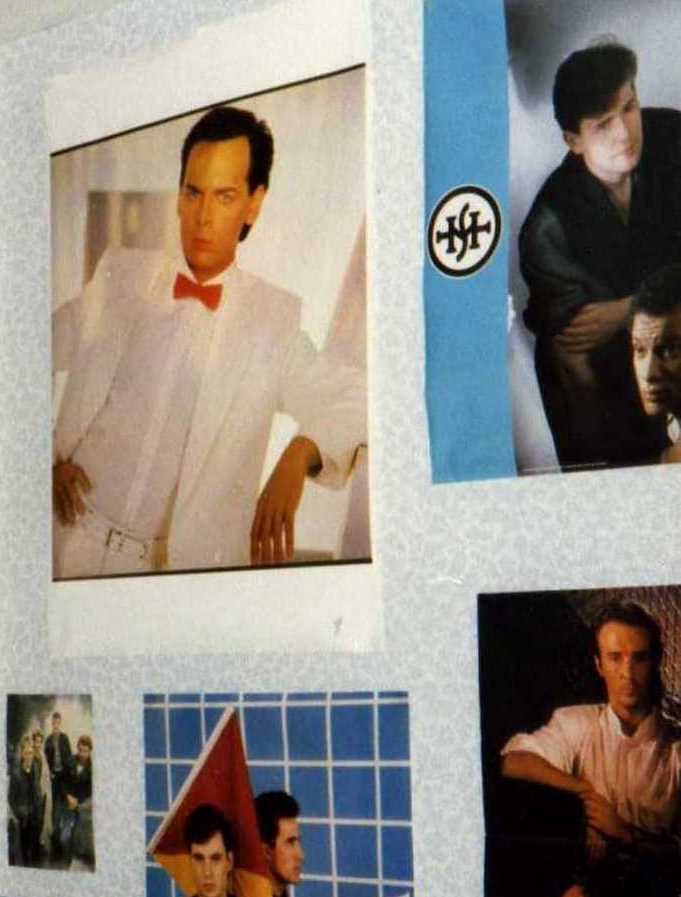
What? No industrial, acid house, techno or dubstep you ask? Well, that’s because ELECTRICITYCLUB.CO.UK disliked the majority of it. While this is not always the case, the site has generally about synthpop ie pop music using synthesizers, as can be seen from this rather esteemed electronic roll of honour 😉

This is the history that the too cool for school media, who think everything jumped from KRAFTWERK to Detroit Techno in one fell swoop, don’t like to mention…

With a restriction of one track per artist moniker and presented in yearly and then alphabetical order featuring music from before the site came into being, here is why is it how it is…


JEAN-MICHEL JARRE Oxygène (1976)
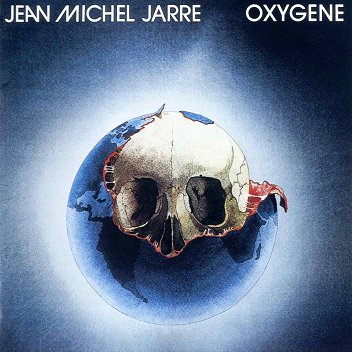
For many including Jean-Michel Jarre, ‘Popcorn’ was their first experience of a synthpop hit and he released his own version under the moniker of THE POPCORN ORCHESTRA in 1972. But while working on his first proper full length electronic album in 1976, Jarre adapted a melodic phrase from the late Gershon Kingsley’s composition as the main theme of what was to become the project’s lead single. That composition was ‘Oxygène IV’ and the rest is history.

Available on the album ‘Oxygène’ via Sony Music

https://jeanmicheljarre.com/


DAVID BOWIE Sound & Vision (1977)

Exploring a “whole new school of pretension” with his new creative muse Brian Eno, ‘Sound & Vision’ saw David Bowie capture a tense European aesthetic. Utilising an uplifting rhythm guitar hook and an ARP Solina string machine, the most distinctive feature was the pitch shifted percussion, produced by Tony Visconti feeding the snare drum though an Eventide H910 Harmonizer. The half instrumental track was a taster of the approach that was to come with the half instrumental parent album ‘Low’.

Available on the album ‘Low’ via EMI Music

https://www.davidbowie.com/


SPACE Magic Fly (1977)

SPACE was the brainchild of Didier Marouani who went under the pseudonym of Ecama and formed the collective in 1977 with Roland Romanelli and Jannick Top. Together with compatriot Jean-Michel Jarre and a certain Giorgio Moroder also in the charts, the space disco of the iconic ‘Magic Fly’ heralded the start of a new European electronic sound within the mainstream. With its catchy melody and lush accessible futurism, ‘Magic Fly’ sold millions all over the world.

Available on the album ‘Magic Fly’ via Virgin France

https://marouani.space/


DONNA SUMMER I Feel Love (1977)

Working with Donna Summer on an album called ‘I Remember Yesterday’, producer Giorgio Moroder wanted a track that represented “the sound of the future”. Employing the Moog Modular system with an 8-step analogue sequencer plus a triplet delay to create the pulsing synthesizer lines, ‘I Feel Love’ changed the course of music. Summer’s hypnotic Middle Eastern falsetto was an accident, coming as a result of the track being laid down outside of her usual vocal range.

Available on the album ‘I Feel Love: The Collection’ via Spectrum

http://donnasummer.com/


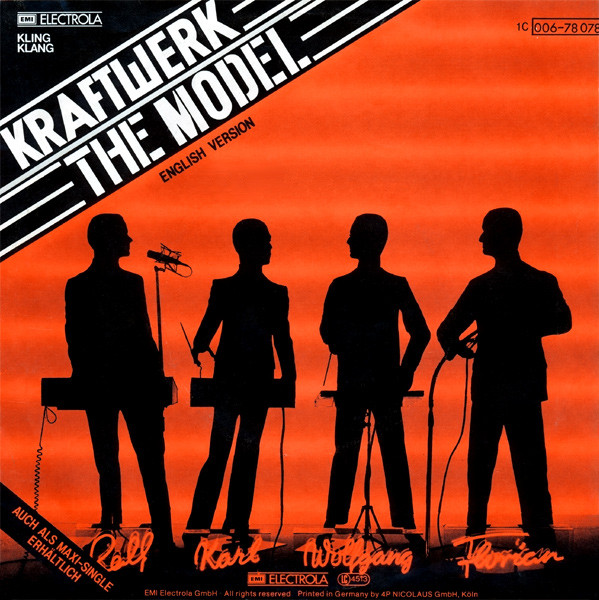
KRAFTWERK The Model (1978)

Using a Micromoog for its iconic hook, ‘The Model’ was inspired by KRAFTWERK visiting night clubs in the more vibrant city of Cologne 30km down the road from Düsseldorf where their iconic Kling Klang studio was based. There, they would observe beautiful models drinking champagne and seek their company. It was quite the antithesis of the robot image that the quartet were portraying. Sonically ahead of its time, in 1982 it became a UK No1 four years after its initial release.

Available on the album ‘The Man Machine’ via EMI Music

http://www.kraftwerk.com/


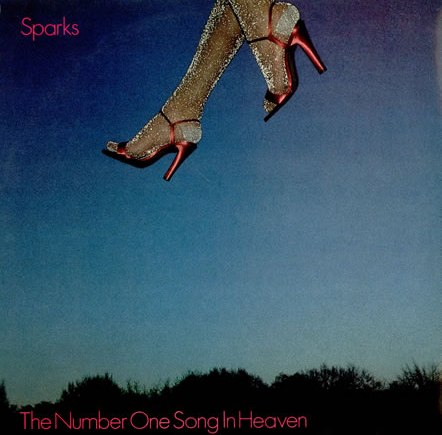
SPARKS No1 Song In Heaven (1979)

In a creative rut following their UK success in the glam-era, the Mael Brothers had found ‘I Feel Love’ inspiring. A journalist put SPARKS into contact with Giorgio Moroder who had aspirations to work with a band and set to work with them immediately. The first result was the tremendous ‘No1 Song In Heaven’ where Russell Mael’s flamboyant falsetto fitted well with the electro-disco sound, while the programmed backing meant Ron Mael could maintain his image of doing nothing.

Available on the SPARKS album ‘No1 In Heaven’ via Repertoire Records

http://allsparks.com/


TUBEWAY ARMY Are Friends Electric? (1979)
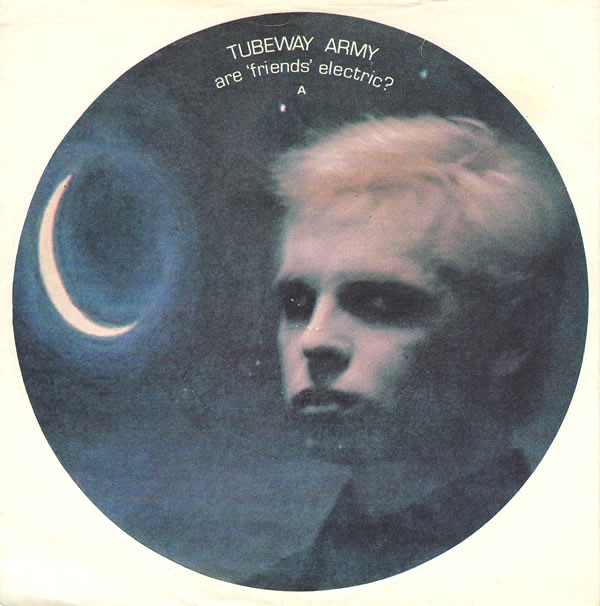
Still using the group name of TUBEWAY ARMY at the behest of Beggars Banquet, the astoundingly long ‘Are Friends Electric?’ with its diabolus in musica structure became the entry point for many into electronic music. It was Synth Britannia’s ‘Starman’ moment when it was featured on ‘Top Of The Pops’ and Old Grey Whistle Test’ during the same week. When it reached No1 in the UK, life was never the same for Gary Numan, the pale-faced front man of what turned out to be a phantom band.

Available on the album ‘Replicas’ via Beggars Banquet

http://garynuman.com/


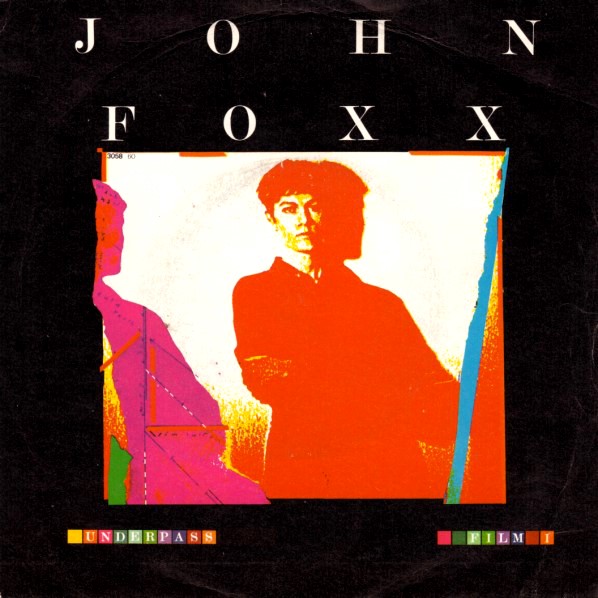
JOHN FOXX Underpass (1980)

Departing ULTRAVOX after the ‘Systems Of Romance’ album and now making music along with an ARP Odyssey, Elka Rhapsody and a Roland CR78 Compurhythm, John Foxx realised his own starker vision of electronic music. Engineered by Gareth Jones who was to later notably work with DEPECHE MODE, ‘Underpass’ channelled the dystopian writings of JG Ballard in his lyrical imagery, with Foxx adding that the English novelist was “addressing what I’d come to call ‘the unrecognised present’.”

Available on the album ‘Metamatic’ via Metamatic Records

http://metamatic.com/


THE HUMAN LEAGUE The Black Hit Of Space (1980)
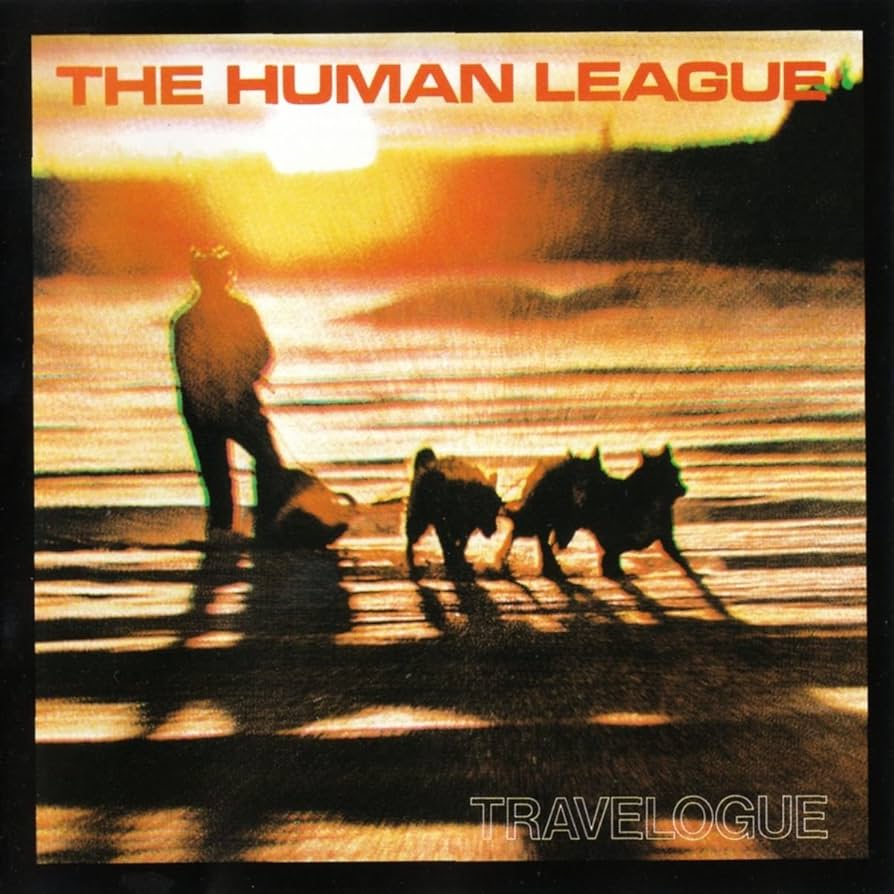
A track that “weighed more than Saturn”, ‘The Black Hit Of Space’ sounded extraordinary when it opened the second album by THE HUMAN LEAGUE. The Sci-Fi lyrics about an infinite pop hit were strangely out there while harsh screeching frequencies from overdriving the mixing desk; “We were also experimenting with guitar pedals” Martyn Ware said, “All that was a reaction to the cleanness of the previous album so we overcompensated.”

Available on the album ‘Travelogue’ via Virgin Records

http://www.thehumanleague.co.uk/


JAPAN Quiet Life (1980)
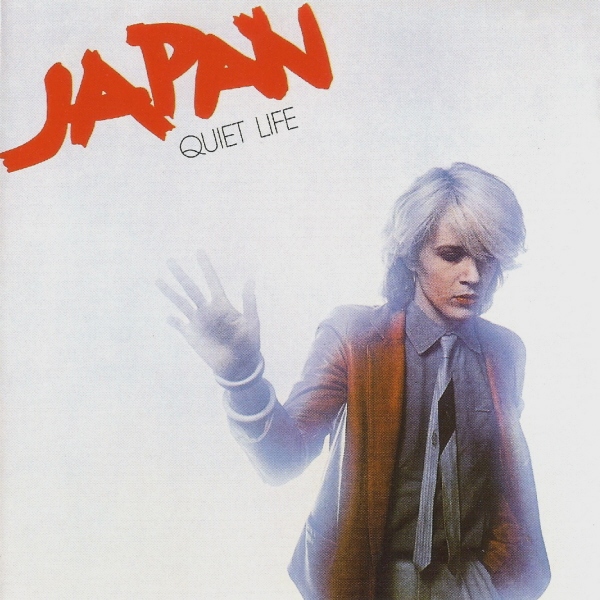
The resonant heart of ‘Quiet Life’ was a Roland System 700 driven by Richard Barbieri’s snappy eight step Oberheim Mini-sequencer. Complimented by Mick Karn’s distinctively fluid fretless bass, Rob Dean’s clean guitar lines and David Sylvian’s lyrical conclusion that the band were outsiders in the environment they were born into, it was a sure-fire hit… but not yet as Ariola Hansa release it as a single in the UK until 1981. But meanwhile, JAPAN had invented DURAN DURAN!

Available on the album ‘Quiet Life’ via Sony Music

http://www.nightporter.co.uk/


OMD Messages (1980)

Within the environment of colder electronic pioneers such as Gary Numan and John Foxx, OMD were perhaps the first of the warmer synthesizer bands. ‘Messages’ utilised a pulsing ‘Repeat’ function on a Korg Micro-Preset shaped by hand twisting the octave knob. Re-recorded from the original album version under the helm of producer Mike Howlett, he harnessed a template of basic primary chord structures and one fingered melodies, netting a No13 UK chart hit.

Available on the album ‘Souvenir: The Singles Collection 1979 – 2019’ via Virgin Records

http://www.omd.uk.com


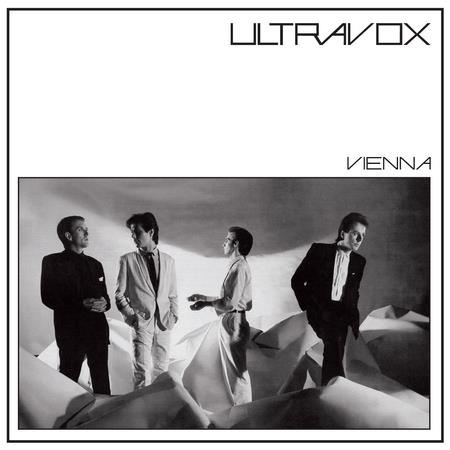
ULTRAVOX Astradyne (1980)

Of ‘Astradyne’, Billy Currie told ELECTRICITYCLUB.CO.UK: “Midge started with that strong melody, Chris’ bass was also a very strong feature. I played a piano counter melody behind. The track was so strong that we felt at ease to lengthen it with a long textural piano bit that is sort of bell-like with the metronomic bass drum beats and the violin tremolo solo… Midge came up with that final section lift taking it out of the long ARP solo. I double it! It is very celebratory at the end…”

Available on the album ‘Vienna’ via Chrysalis/EMI Records

http://www.ultravox.org.uk/


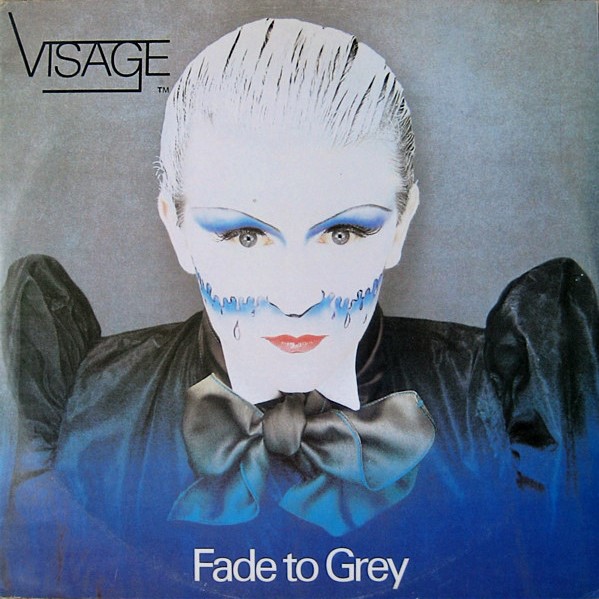
VISAGE Fade To Grey (1980)

Conceived during soundchecks under the working title of ‘Toot City’ while they were playing on Gary Numan’s first concert tour, Chris Payne, Billy Currie and Ced Sharpley had recorded the track at Genetic Studios as a souvenir keepsake. Midge Ure later came up lyrics and a melody when the track was added to the debut VISAGE album and the rest was history. Capturing the cinematic pomp of the New Romantic movement in all its glory, ‘Fade To Grey’ became a No1 hit in West Germany.

Available on the album ‘Visage’ via Polydor Records

http://www.therealvisage.com/


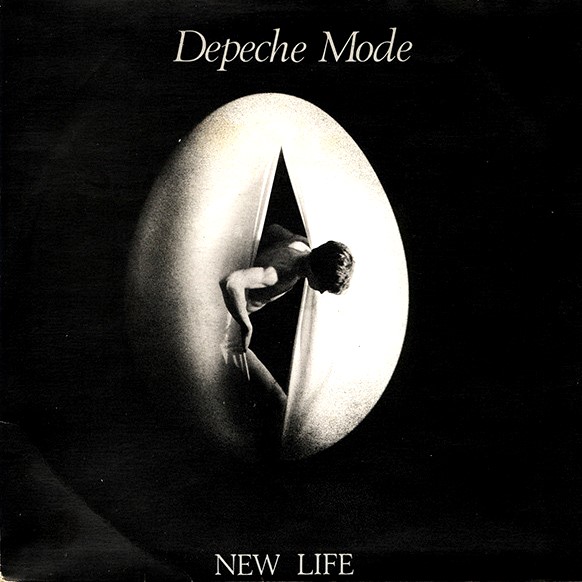
DEPECHE MODE New Life (1981)

Written by Vince Clarke and produced by Daniel Miller, DEPECHE MODE fulfilled the Mute label founder’s vision of a teenage pop group with synthesizers that he had imagined and conceived for SILICON TEENS. Despite its danceable bubblegum appeal and catchy synthesizer hooks, ‘New Life’ also featured some intricate folk vocal harmonies which made it quite distinct from the chanty nature of THE HUMAN LEAGUE’s ‘The Sound Of The Crowd’ which was also out at the same time.

Available on the album ‘Speak & Spell’ via Mute Records

http://www.depechemode.com/


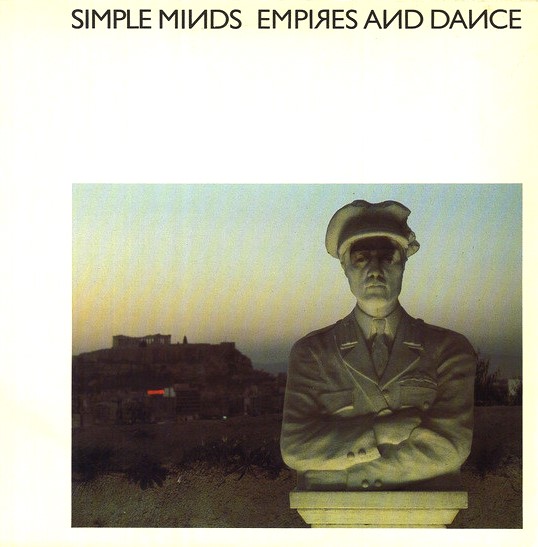
SIMPLE MINDS Theme For Great Cities (1981)
The expansive instrumental ‘Theme for Great Cities’ was initially  a freebie having initially been part of ‘Sister Feelings Call’, a seven track EP given as a gift to early purchasers of SIMPLE MINDS’ breakthrough fourth album ‘Sons & Fascination’. Starting with some haunting vox humana before a combination of CAN and TANGERINE DREAM took hold, the rhythm section covered in dub echo drove what was possibly one of the greatest synth signatures ever!

Available on the album ‘Sons & Fascination / Sister Feelings Call’ via Virgin/EMI Records

http://www.simpleminds.com


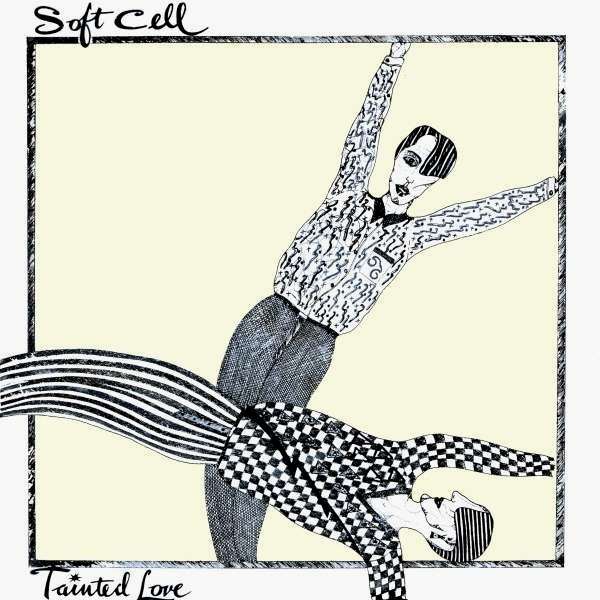
SOFT CELL Tainted Love (1981)

SOFT CELL’s cover of ‘Tainted Love’ became ubiquitous as Synth Britannia’s first true crossover record, reaching No1 in UK, Germany, Australia and Canada while also breaking the US Top 10 a year later. Written by Ed Cobb, ‘Tainted Love’ was recorded by Gloria Jones and became a Wigan Casino favourite on the Northern Soul scene. As a fan of that scene, David Ball knew the song and took it into haunting electronic torch territory, while Marc Almond added an honestly spirited vocal.

Available on the album ‘Non-Stop Erotic Cabaret’ via Mercury Records

https://www.softcell.co.uk/


ASSOCIATES Party Fears Two (1982)

With its iconic honky tonk piano line and sophisticated arrangement, ‘Party Fears Two’ was a magnificent song about dealing with the perils of schizophrenia, made all the more resonant by Billy Mackenzie’s operatic prowess. It also kick started a brief period when ASSOCIATES subverted the UK charts with an avant pop approach that fitted in with the Synth Britannia template of the times. A Top10 hit and emotive to the nth degree, the original single version is still total perfection.

Available on the album ‘The Very Best Of’ via Union Square

https://www.facebook.com/theassociatesofficial/


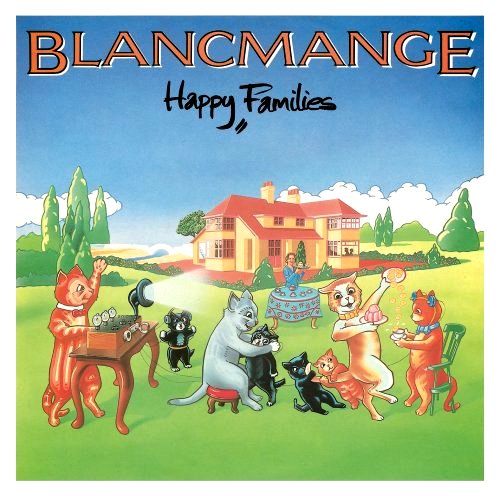
BLANCMANGE I’ve Seen The Word (1982)
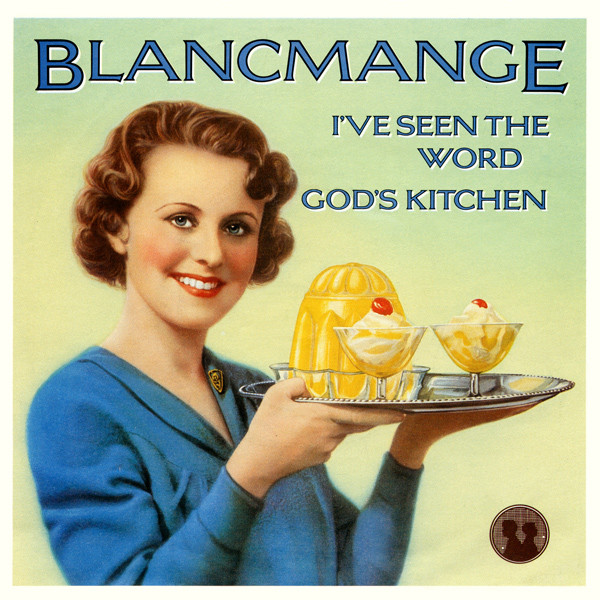
Harrow College of Art students Neil Arthur and Stephen Luscombe were unlikely pop stars, but an appearance on the ‘Some Bizzare Album’ led to a deal with London Records as well as support slots with DEPECHE MODE and JAPAN. Using a Korg MS20 synched to a Linn Drum Computer as its rhythmic backbone, the haunting melancholy of ‘I’ve Seen The Word’ fused the sombre lyricism of JOY DIVISION with the melodies and textures of OMD via a Roland Jupiter 8.

Available on the album ‘Happy Families’ via Edsel Records

http://www.blancmange.co.uk/


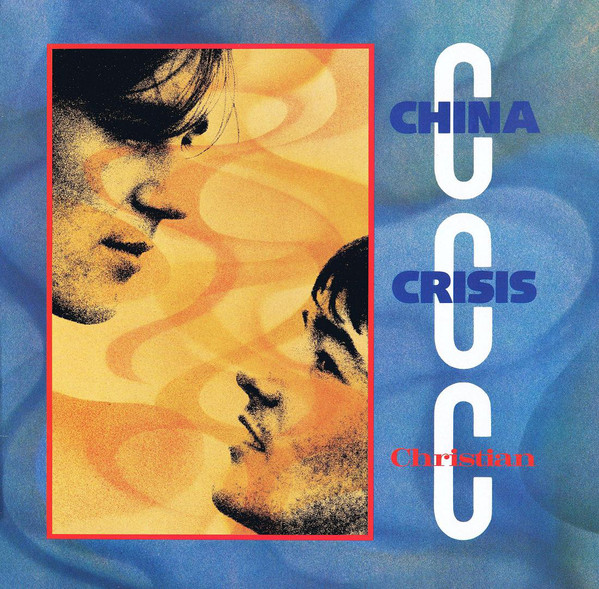
CHINA CRISIS Christian (1982)

Merseyside duo CHINA CRISIS are probably the most under rated band of their generation. The haunting ‘Christian’ was a song about the fate of soldiers in the trenches during World War One. Slow and melancholic, ‘Christian’ was as unlikely a hit single as ‘Ghosts’ by JAPAN was, but in a far more open-minded and diverse period in pop music than today, acts with a less obvious rock ‘n’ roll outlook were generally in with a chance; it reached No12 in the UK singles charts.

Available on the album ‘Difficult Shapes & Passive Rhythms, Some People Think It’s Fun To Entertain’ via Caroline International

https://www.facebook.com/chinacrisisofficial/


NEW ORDER Temptation (1982)
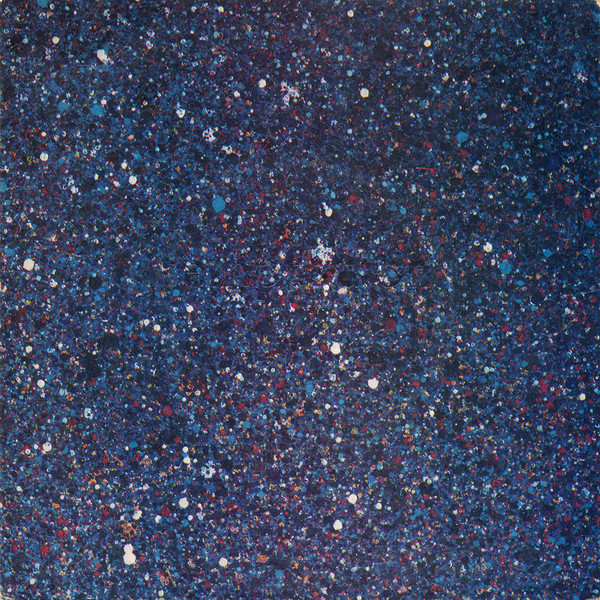
‘Temptation’ was NEW ORDER’s self-produced electronic breakthrough away from the haunting legacy of JOY DIVISION. The recording itself was marvellously flawed, with Stephen Morris’ overdriven Simmons snare panned too far to the right while band members could also be heard calling instructions and tutting. The pulsing hypnotism of the triggered ARP Quadra and the iconic “oooh-oo-ooh” vocal refrain made ‘Temptation’ rather joyous and magical.

Available on the album ‘Singles’ via WEA Records

http://www.neworder.com/


BRONSKI BEAT Smalltown Boy (1984)

When Jimmy Somerville, Steve Bronski and Larry Steinbachek made their first ever TV appearance on BBC2’s ‘ORS’, BRONSKI BEAT were nothing short of startling, thanks to their look, their minimal synth sound and Somerville’s lonely earth shattering falsetto. The trio had sought to be more outspoken and political in their position as openly gay performers. The tale of ‘Smalltown Boy’ about a gay teenager leaving his family and fleeing his hometown made an important statement.

Available on the album ‘The Age Of Consent’ via London Records

http://www.bronskibeat.co.uk/


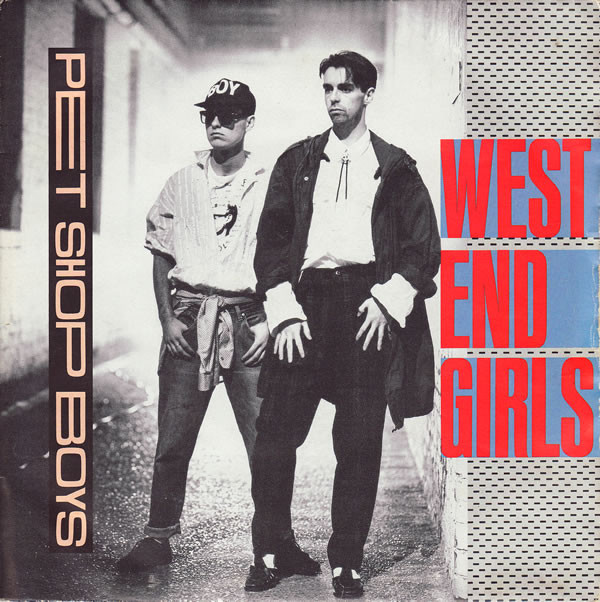
PET SHOP BOYS West End Girls (1985)

It was with the re-recorded Stephen Hague version of ‘West End Girls’ that PET SHOP BOYS hit No1 in both the UK and US in 1986. Interestingly, the character of its distinctive bass synth was achieved by Hague coercing a reluctant Chris Lowe into hand playing the riff. Meanwhile, the track fulfilled Neil Tennant’s concept of the duo sounding “like an English rap group” with a dour demeanour that was the antithesis of WHAM! It started an imperial phase for the duo.

Available on the album ‘PopArt’ via EMI Music

https://www.petshopboys.co.uk/


CAMOUFLAGE The Great Commandment (1988)
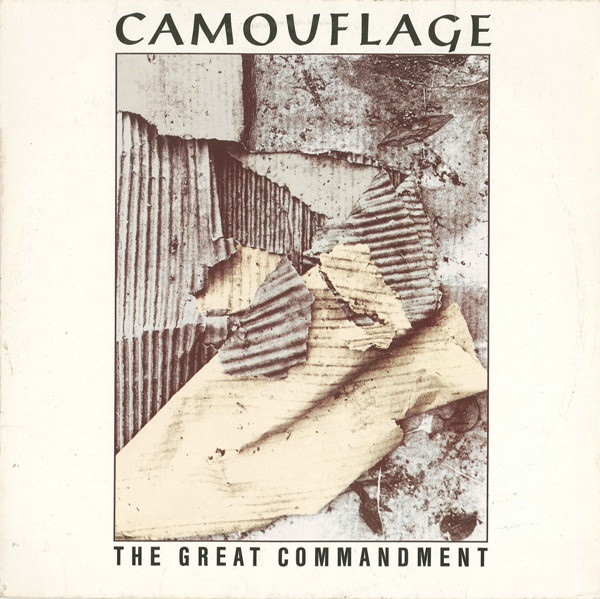
In today’s world, DEPECHE MODE influenced acts are common place but in 1988, this was highly unusual. Taking ‘Some Great Reward’ as their template, CAMOUFLAGE developed on the industrial flavoured synthpop of ‘Master & Servant’ and ‘People Are People’ which the Basildon boys had all but abandoned from ‘Black Celebration’ onwards. Probably the best single DM never recorded. while ‘The Great Commandment’ was a hit in Europe and the US, it made no impression in Britain.

Available on the CAMOUFLAGE album ‘The Singles’ via Polydor Records / Universal Music

http://www.camouflage-music.com/


ERASURE A Little Respect (1988)
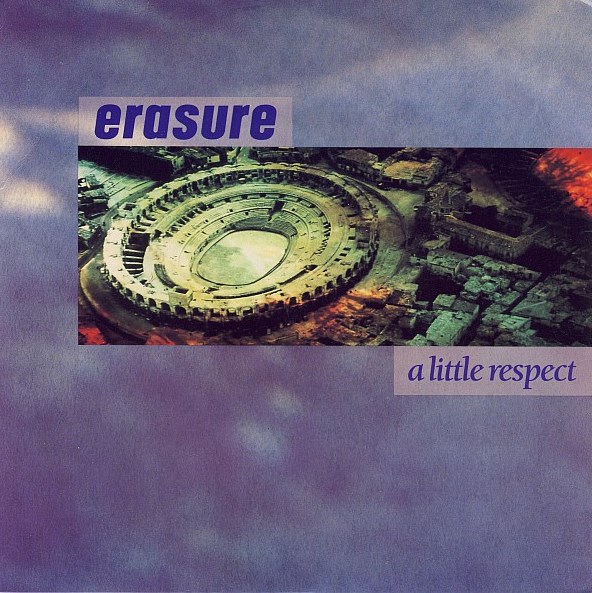
Produced by Stephen Hague, ‘A Little Respect’ was perfection from the off with its lively combination of Vince Clarke’s pulsing programming and strummed acoustic guitar. As the busy rhythmical engine kicked in, Andy Bell went from a tenor to a piercing falsetto to provide the dynamic highs and lows that are always omnipresent in all the great pop songs like ‘Dancing Queen’ and ‘Careless Whisper’. A crossover record for ERASURE, ‘A Little Respect’ was covered by WHEATUS in 2000.

Available on the album ‘Total Pop! – The First 40 Hits’ via Mute Records

http://www.erasureinfo.com/


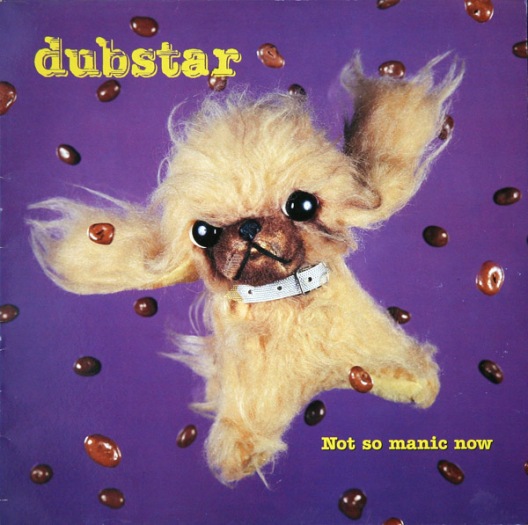
DUBSTAR Not So Manic Now (1995)

DUBSTAR straddled Britpop and Synth Britannia. ‘Not So Manic Now’ was a song by Wakefield indie band BRICK SUPPLY, but the trio made it their own with the Northern lass earthiness of Sarah Blackwood providing the chilling commentary of an attack on a helpless pensioner. Stephen Hague’s wonderful production fused electronics with guitars and cello in fine fashion, while the incessant programmed rhythms drove the song without being obtrusive to the horrifying story.

Available on the album ‘Disgraceful’ via Food Records

http://dubstarofficial.co/


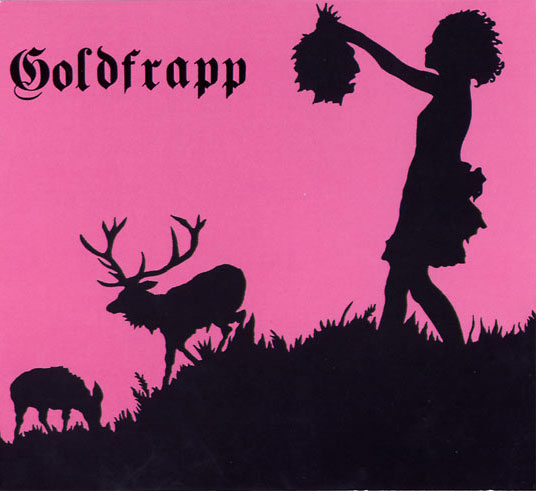
GOLDFRAPP Lovely Head (2000)

GOLDFRAPP were initially labelled as a trip-hop act. Their superb stratospheric debut ‘Felt Mountain’ had Ennio Morricone’s widescreen inflections but to accompany an ascent to the Matterhorn rather than a Sergio Leone Spaghetti Western. The opening song ‘Lovely Head’ was laced with deviant sexual tension. Will Gregory’s mad Korg MS20 treatments on Alison Goldfrapp’s operatic screaming produced some thrilling musical moments.

Available on the album ‘Felt Mountain’ via Mute Records

https://www.goldfrapp.com/


MISS KITTIN & THE HACKER You & Us (2001)
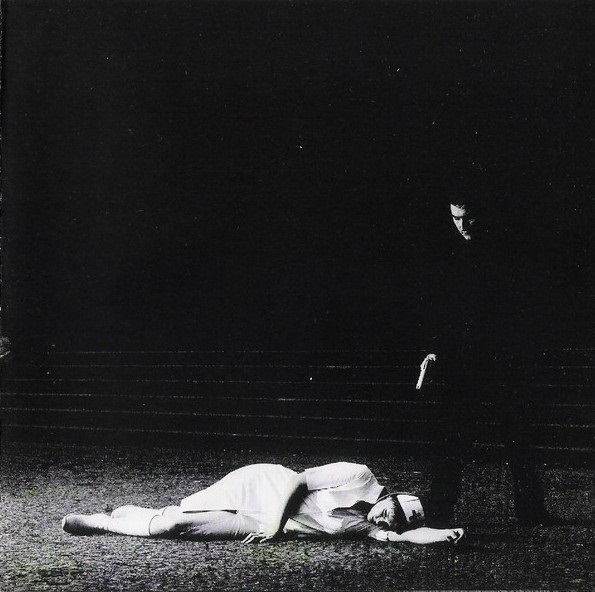
Describing the relationship between artist and fan, this was another throbbing Moroder-inspired cacophony of electronic dance from Michel Amato with a dirty clanking Korg KR55 Rhythm used to great effect. Deliciously hypnotic, the swimmy ARP synths drowned any sorrows as the pulsing euphoria took a hold. Miss Kittin didn’t sing as much as deadpan her thoughts, but her sexy Grenoble charm carried off what was a rather superb Electroclash anthem.

Available on the album ‘The First Album’ via Nobodys Bizzness

http://www.misskittin.com/


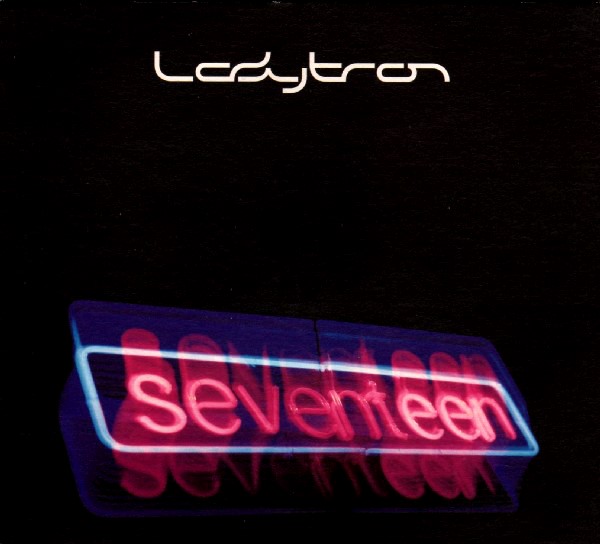
LADYTRON Seventeen (2002)

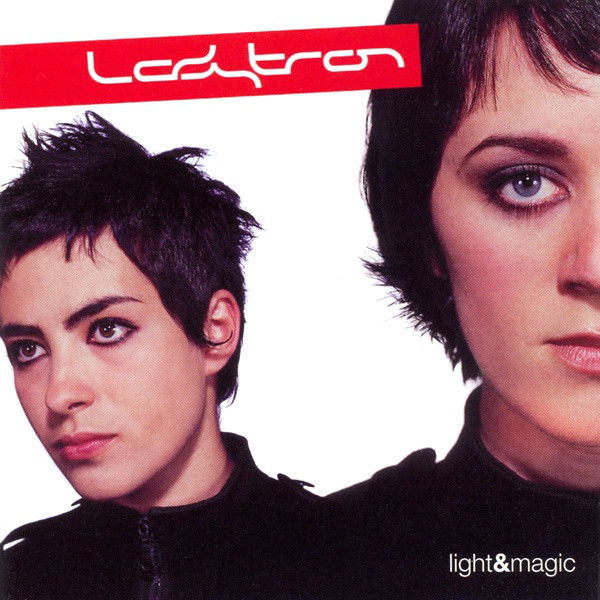
LADYTRON became one of the first bands for many years to primarily use synthesizers as their tools of expression. Their debut ‘604’ showed electro potential in their initial quest to find yesterday’s tomorrow. With octave shifts galore to satirical lyrics about the X-Factor/Next Year’s Top Model generation, ‘Seventeen’ demonstrated the tactile nature of analogue synthesis that was key to a reversal in fortunes for electronic pop in the 21st Century.

Available on the album ‘Light & Magic’ via Nettwerk

http://www.ladytron.com/


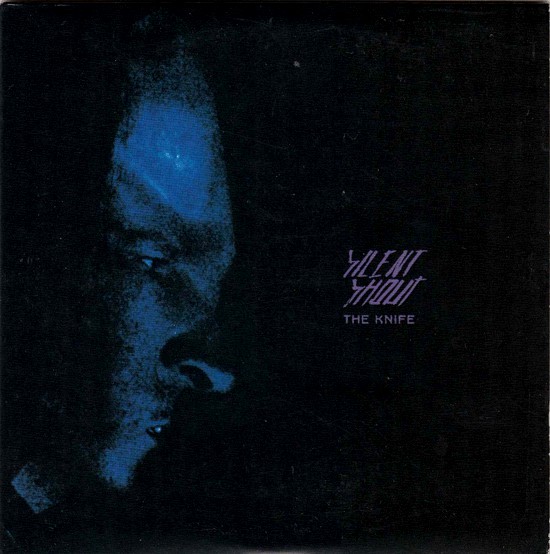
THE KNIFE Silent Shout (2006)

Probably the most influential electronic act from Sweden are THE KNIFE. Those long winter nights certainly had their effect on siblings Karin and Olof Dreijer. ‘Silent Shout’ was hypnotic understated rave with the a quota of creepy Nordic eccentricity. The sharp appregiator and ambient percussion melted with Karin Dreijer’s heavily pitch-shifted low register vocals providing a menacing counterpoint to her younger brother’s vibrant electronic lattice.

Available on the album ‘Silent Shout’ via Brille Records

https://theknife.net/


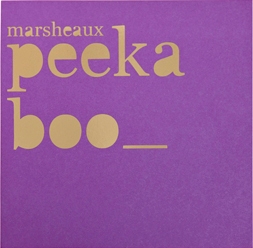
MARSHEAUX Dream Of A Disco (2007)

Is a cover or is it Memorex? This interpolation of ‘Space Age Love Song’ by A FLOCK OF SEAGULLS provided MARSHEAUX with their most immediate number yet. Borrowing the uniformed look of CLIENT but applying a pure synthpop template, Marianthi Melitsi and Sophie Sarigiannidou became notable for their marketing masterstrokes. The parent ‘Peek-A-Boo’ CD included a paper bag ghost mask. Fans wore it, took pictures and sent them to the duo… around 3,500 images were gathered!

Available on the album ‘Peek-A-Boo’ via Undo Records

https://www.marsheaux.com/


Text by Chi Ming Lai
13th March 2020

A Short Conversation with MAPS


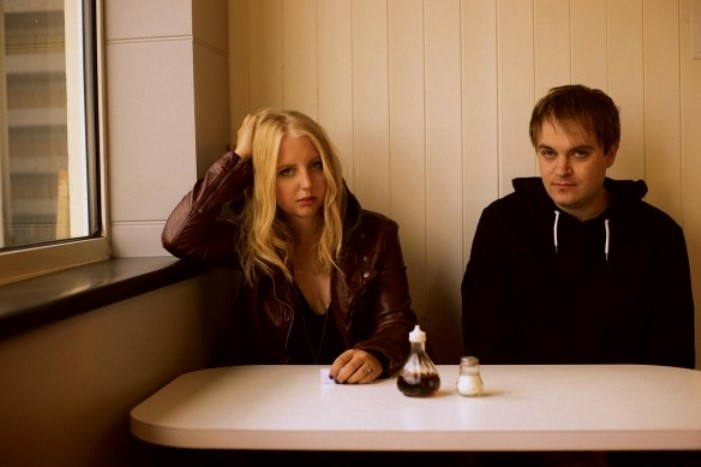
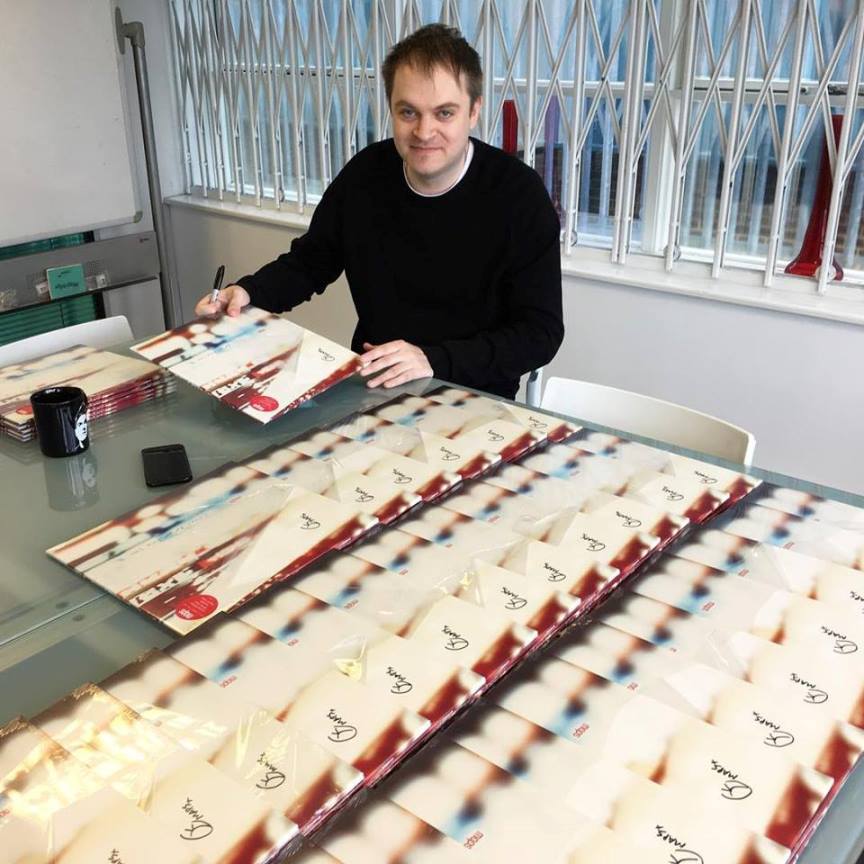
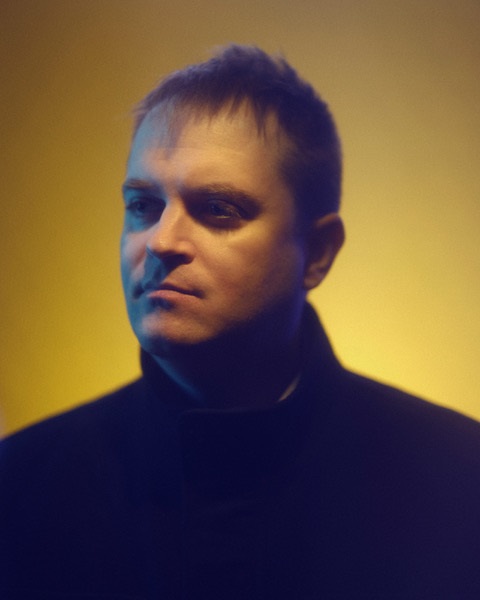
MAPS aka James Chapman releases his fourth album ‘Colours. Reflect. Time. Loss.’ through Mute in May.

Following the collaboration with Polly Scattergood as ON DEAD WAVES, ‘Colours. Reflect. Time. Loss.’ sees Chapman hooking up with the string / brass players of ECHO COLLECTIVE, who had previously worked on ERASURE’s ‘World Beyond’ album, for a far more organic-sounding work.
James Chapman kindly spoke about the new MAPS album and also his fruitful ongoing relationship with Mute…

For listeners of the last MAPS record ‘Vicissitude’, the new album is going to be a huge contrast, were you nervous to committing to making such a different sounding record?

The whole idea of this album was to try new things and I think “being bold” was one of the themes of the record, so I just went for it. I think it’s the same with every album, you tend to second guess yourself, you’re not quite sure sometimes. In the end, if I like it, I hope other people do as well! *laughs*

How important was the making of the ON DEAD WAVES album on ‘Colours. Reflect. Time. Loss.’, it’s a kind of a stepping stone between the two isn’t it?

I think it was in a lot of ways, that was obviously a collaboration. I think it took me out of my comfort zone in a way because I was so used to working on my own for so many years. Working with Polly Scattergood was a new experience and because it went so well, I guess it opened me up to the idea of working with other people. With the new album I took that a step further. It got me back into playing my guitar a lot more because I’d kind of sidelined that with some of the albums and plunged straight into electronic stuff.

What were the challenges of going from a one man band MAPS to the involvement of a multitude of live musicians on ‘Colours. Reflect. Time. Loss.’?

I still worked a lot on the songs before I got to that point, so I still managed to have a lot of control. I’m still a bit of control freak! *laughs*

I got the songs to a certain point and then I really just thought I could take it further and so that’s when I got ECHO COLLECTIVE involved. Because it was that way of doing it, there was less anxiety about involving other people, so it was another step really.


So you knew in your head what you wanted it to sound like?

The big challenge for me was doing the arrangements, I’d never really done that before. So when they all sat down and played the scores, there was a part of me that was very relieved that the notes they were playing were what I’d written!

That was great, the whole process was a big learning experience for me, I feel like I’ve progressed a bit with what I know I can do.

ELECTRICITYCLUB.CO.UK recently interviewed Mark White and Stephen Singleton from ABC and we were discussing the ‘Lexicon of Love’ album. Mark said that it was a “profoundly moving experience” hearing the strings recorded for his songs. How was the overall experience for you?

There was a sense of relief! You’re never totally sure that things are going to work out, so when things slot into place and things are going well, you get a feeling of “wow”, it’s actually worked. I can understand what they’re saying, it’s a whole different experience, a different way of doing music when the notes are on the page. It’s all there but you never quite know what the sound that comes out will be like, so it was an interesting way of working.


Did you commit wholeheartedly saying “oh right, we’re going to have strings on all of these tracks” or did you do a couple and see how it worked?

I committed a bit more because we did six tracks in the first session and originally that was what was planned. I hadn’t planned to do the whole album with arrangements. But it worked out so well that I decided to just go for it in the end, just do the whole album. So when I got home after the first session, I thought, ah, I should have done them all! There were two sessions in the end, we did six tracks in the first and four in the second one. It was never the complete plan to do them all in one go.

Is it true you blew the record company advance on involving live musicians for the projects?

Yeah it is true! *laughs*

Because I’d worked on the album on my own, there was not a lot of expense in the way I would do it and I wouldn’t involve other people until the end stage. But yes, I spent the advance on the first session and then I actually applied for PRS funding for the second session and I actually got that…

I didn’t realise they did that kind of thing?

I didn’t either! So that was amazing, because that meant I could go back and finish the album; it was just a lot of things nicely slotted into place in that process which was really nice.

At what point did you make the decision to ditch the electronic drums on the new album as ‘Vicissitude’ was 100% programmed percussion?

The idea with this album was to have more of a human sound, so the answer to that was get more humans involved in the making of it! *laughs*

All the drums were already there programmed, I asked Matt to do his thing on the tracks. There’s still a lot of programming weaved in as well, so it’s not entirely all live, there’s a lot of electronic elements that were left in. He played on all of the songs, again it just really worked for me because I think that it does add a human element when there’s live playing involved.

The promo video for ‘Just Reflecting’ (with its stop motion footage) is reminiscent of the Philip Glass soundtracked ‘Koyaanisqatsi’, was that film an influence?

It wasn’t consciously, I know the music to that rather than the film itself. The visuals worked out really well; I had a lot of visual ideas in my head and a lot of it was sweeping cityscapes and was drawn from memories from childhood. That sense of wonder when you’re seeing huge cityscapes for the first time. There were a lot of memories I was drawing on, Jonathan Irwin who did the visuals did a great job!

‘Both Sides’ has a real Krautrock motorik feel to it, are you a fan of the genre?

Yes, totally, it’s really cool that you said that! That song especially, it was a bit of a tribute to that sound. A lot of those songs are very rhythm based, the drums will just stay almost quite hypnotic…

Jaki Liebezeit, he pioneered that kind of consistent drum rhythm…

The music weaves around the drums and that was what I was going for with ‘Both Sides’.

I think you succeeded! You are very open about ‘Pet Sounds’ being an important landmark for you, are there any other albums that you hold in equally high esteem?

Oh yeah, totally, that was an obvious reference for me, ‘Pet Sounds’; but I was listening to a lot of Sixties and Seventies soundtracks as well, like Morricone. I love horror soundtracks as well like the Giallo stuff….

Like GOBLIN, the Dario Argento stuff?

Yes, I love the way the instrumentation is all played for real and sometimes things go slightly out of time. There’s a very human feel to those soundtracks.

Although ‘Colours. Reflect. Time. Loss.’ is a far more organic album than ‘Vicissitude’, there are still some electronics and sequencers on it, did you invest in any new synth tech for it?

Yes I did, I got a new crazy guitar FX pedal which I love, one of the Helix multi-FX things which is insane which I’ve used quite a bit. I used the Moog which Polly Scattergood left here…

That’s very kind of her!

I gave it back eventually! I think it was a Moog Little Phatty which I used quite a bit…..


Was there any vintage kit used on the project?

There is, some of the sequencers I don’t realise they’re vintage but they are! *laughs*

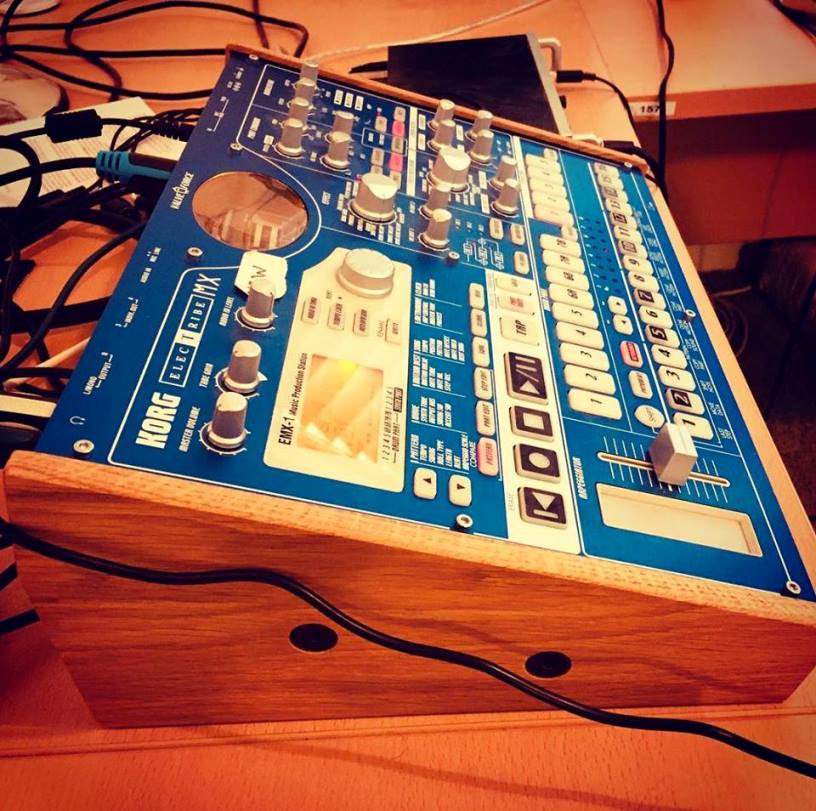
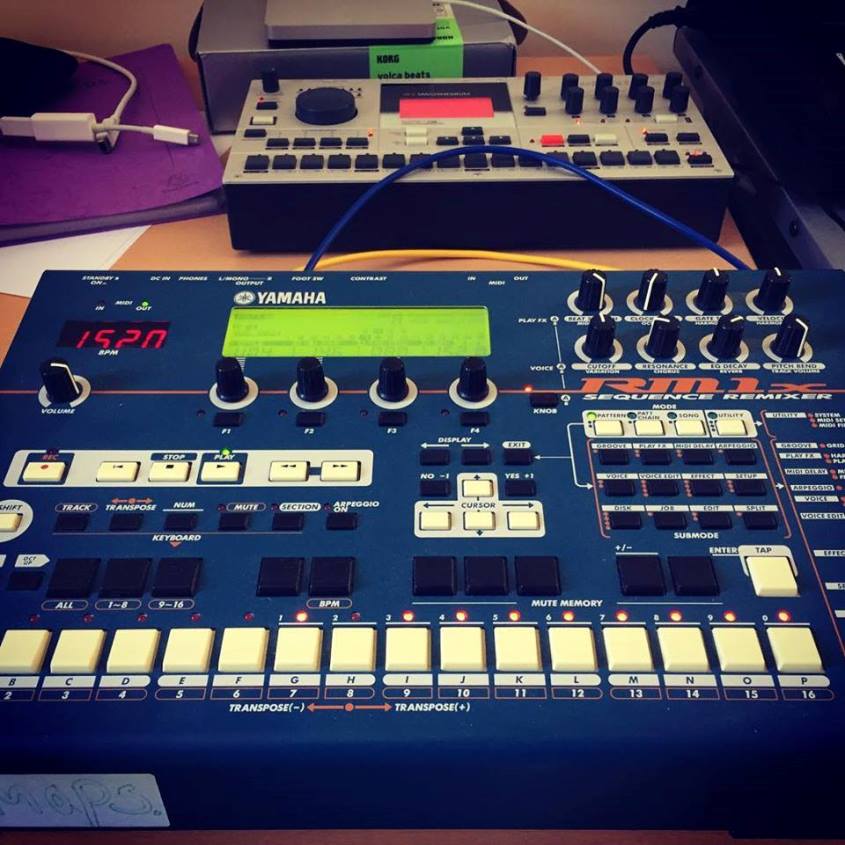
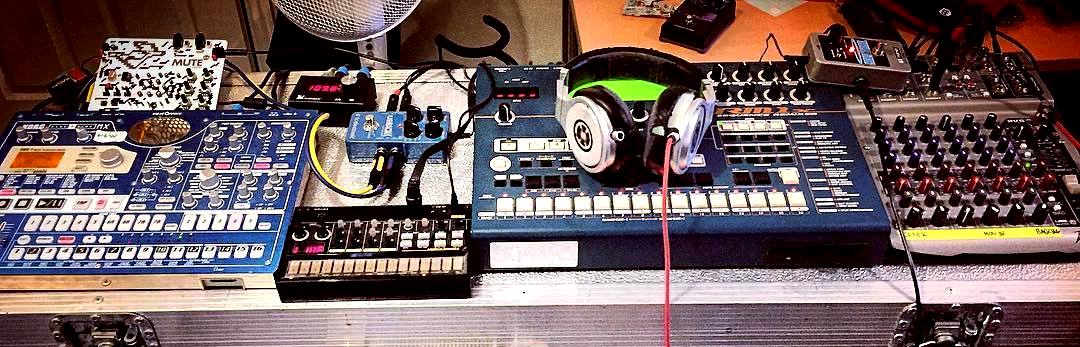
I still use my Yamaha RM1X, the Korg Electribe quite a bit and there’s a bit of Korg Volca Beats drum machine on there. Mainly just things which are around, I tend to just have a fiddle and see what happens. I’ve also got a little dulcimer which I used quite a bit which has a strange tuning. I played it on the opening to ‘You Exist In Everything’ and it sounds great drenched in reverb and stuff. So there was quite a bit of experimenting and the usual fiddling!

I was on Spotify recently and came across the MAPS remix playlist, I had no idea you’d done so many! There’s 35 on there… what do you enjoy most about remixing other artists?

I do enjoy it, firstly you are seeing “behind the curtain” a bit when you get the parts for the songs; I enjoy seeing how it was made and that it’s a different take. I think that I like the freedom of it the most, the way that you can do what you want.

You can take an outsider’s perspective, there’s less pressure in having to write because the song is there…

Yes, the recording’s done, but it’s what you add to that. But I have done a lot, I think I’ve done 64?! But they’re not all on Spotify, I’ve done fair few!

You’re signed to Mute and have remixed a lot of their roster including DEPECHE MODE, MOBY, ERASURE and GOLDFRAPP… do you have a favourite?

I’m not sure if I do, I suppose the DEPECHE MODE one was amazing, the honour of doing things like that is amazing to me and obviously like MOBY as well. There’s been a few when I’m blown away that I’ve been even asked! It’s great to have that link with Mute because you get things passed your way that would never happen.

Is there anyone on the Mute roster that you would still like to remix? NEW ORDER?

That would be amazing! When they signed to Mute I was hoping…their roster is so amazing, that anyone on Mute would be an honour…


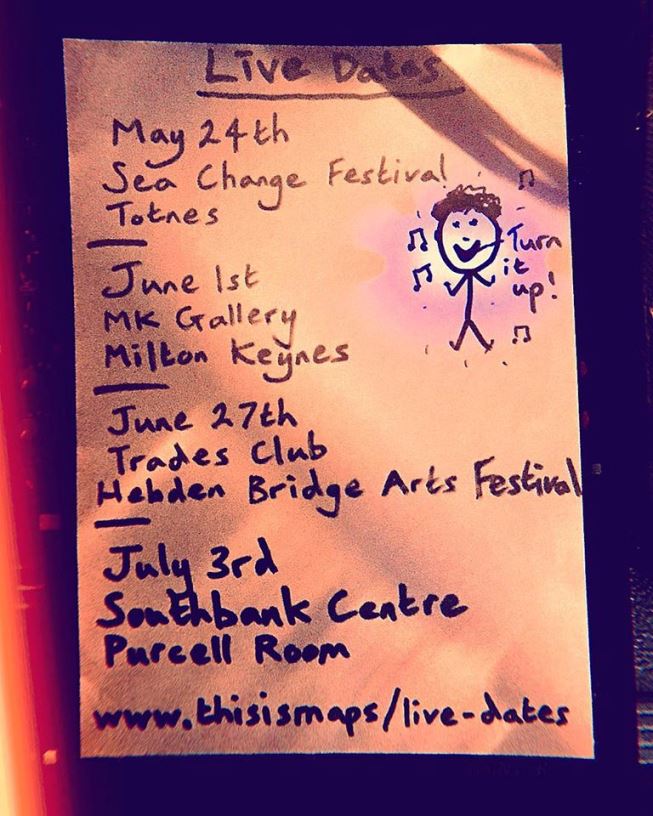
You have some live dates coming up, what can people expect from those? Have you started rehearsing for them?

It’ll be a five piece band. I was really happy because a lot of the people that played on the album are the band now. We’ve got Cecilia who does a lot of those choral type vocals on the album, she’s singing in the band and Matt is going to play drums, plus Rachel who was also on the album is going to play keys and sing.

We’ve been rehearsing quite a bit, there’ll be a mixture of the new album with songs from the previous albums as well, it’ll be a bit of a MAPS celebration!

I guess it helps having people who have played on the album doing the live work as you don’t have to teach them the parts?

Yes and also the fact they’re into it. It’s great when people are enjoying the music and are up for being involved and that’s a big part of it, it should be good man!

With the earlier material, have you had to adapt that to suit the new line-up?

A little bit, I guess there were certain songs that suit the new sound better, but then there’s ones that I wanted to play that I’ve adapted slightly. But there’s still going to be electronic stuff as well, it’ll just be in a slightly different set-up to how it was formed, I’ll still have stuff to twiddle on stage!

Will the Southbank show be different to the previous two which are advertised as ‘Colours. Reflect. Time. Loss.’ album ones?

It’ll be a longer set probably, we’ve got the run of the venue that evening and have rehearsed a lot of songs, a lot of it’ll depend how long people will want us to play! *laughs*

Have you had any thoughts about the next MAPS project or is there any possibility of another ON DEAD WAVES album?

I haven’t thought too much to be honest, when you do an album, it becomes so much a part of your life that I’m still in the middle of it at the moment.

I feel like I’d like to try something different again and push a bit further. I think I’ve learned a lot from making this album, like doing arrangements and things like that, now that I know I can do it, that’s something I’d like to explore more. So maybe that could be involved in the next part of the journey.

The music industry is a now an extremely challenging one to try and make a living in, what drives you and keeps you going?

I still enjoy doing it, which I’ve always thought is a big part of what keeps people going. It sounds a bit of a cliché, but I still feel like I’d be doing this if I wasn’t signed and stuff like that. It’s like an outlet, I still enjoy making music. But it has got more challenging because of the internet and all that stuff. I sometimes feel for new bands that are starting out, because there’s so much out there, so much choice and it’s hard to get noticed. I guess that there are pros and cons to everything.


Your relationship with Mute seems fairly secure and it must be good to have that?

Totally, I’ve been really lucky. I’ve been doing it for a fair few years now, I never take it for granted that relationship. They’ve stood by me through thick and thin, so to have a relationship with such an amazing label like that is something that means the world to me.

It’s almost like an old school approach as to how it was back in the day where labels were prepared to take the rough with the smooth.

It might take two or three albums before an artist can develop to a point where they are successful. It’s really good to hear that there’s still a label around that is still doing that which is quite encouraging.

I do think that’s the way Mute has always worked, that they sign things that they truly like. I think that’s why I love the label so much, it’s very much about the music rather than the current trends or whatever.


ELECTRICITYCLUB.CO.UK gives its warmest thanks to James Chapman

Special thanks to Sarah Pearson at Wasted Youth PR

‘Colours. Reflect. Time. Loss.’ is released on 10th May 2019 by Mute Artists in CD, white vinyl LP and digital formats

MAPS play The Purcell Room at Southbank Centre in London on Wednesday 3rd July 2019

https://thisismaps.com/

https://www.facebook.com/MapsMusic

https://twitter.com/thisismaps

https://www.instagram.com/thisismaps/

https://open.spotify.com/user/mapsmusic

http://mute.com/features/maps-colours-reflect-time-loss


Text and Interview by Paul Boddy
1st May April 2019

A Beginner’s Guide To EUROPE


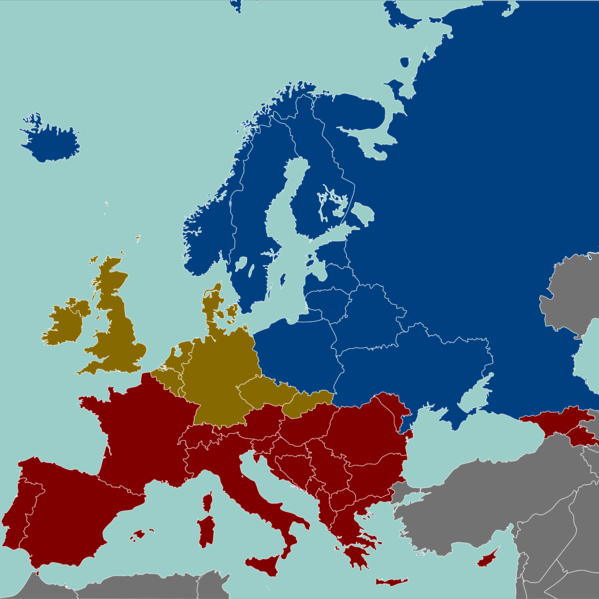
Europe is the spiritual home of electronic music, inspiring it not just artistically but forming an important bond with the continent’s classical tradition through the romance of its historical imagery.

Continental Europe is defined as being bordered by the Arctic Ocean, the Atlantic Ocean and the Mediterranean Sea. Often considered to be separated from Asia by the watershed divides of the Ural and Caucasus Mountains, the Ural River, the Caspian and Black Seas and the waterways of the Turkish Straits, it includes the part of Russia where Moscow and St Petersburg are located.

Mark Reeder was one of the first British music personalities to fully adopt Europe, making West Berlin his home in 1978 and subsequently releasing a number of themed compilation albums such as ‘European’ in 1995 and ‘Assorted (E For Europe)’ in 1999 on his MFS label. His fellow Mancunian and friend Bernard Sumner of NEW ORDER said to The European in 2016: “I feel European, I regard myself as a European… as a musician I’ve always been massively influenced by Europe and its people”.

From Paris to Vienna back to Düsseldorf City, Europe fascinated British musicians who having been open-minded enough to use synthesizers, now embraced many different mindsets, languages, cultures and cuisines, all within a comparatively accessible geographical land mass. Meanwhile, European instrument manufacturers such as PPG, Elka, Crumar, RSF, Jen and Siel found their products in the thick of the action too.

ELECTRICITYCLUB.CO.UK stands proud of its Eurocentric focus. Esteemed names like Hütter, Schneider, Flür, Bartos, Moroder, Jarre, Vangelis, Plank, Rother, Dinger and Froese have more than highlighted the important debt that is owed by electronic music to Europe.

While the UK may have scored an equalizer with Synth Britannia, it was the Europeans who took that crucial half time lead. So to disengage with the European tradition would be betraying everything that ELECTRICITYCLUB.CO.UK is all about.

Presented in yearly and then alphabetical order with a restriction of one track per artist moniker, here are our favourite 20 electronic tunes that were inspired, either directly or obliquely, by the legacy of Europe…


DAVID BOWIE Warszawa (1977)

‘Warszawa’ was named after the Polish capital city but accurately captured the Cold War tensions in Europe without the need for lyricism. At Hansa Studios where the sessions were being mixed, the watch towers in East Berlin could look into the windows of the building! Tony Visconti’s production only enhanced the collaborative drama between David Bowie’s enigmatic wailing over Brian Eno’s Minimoog and Chamberlain keys.

Available on the DAVID BOWIE album ‘Low’ via EMI Records

http://www.davidbowie.com


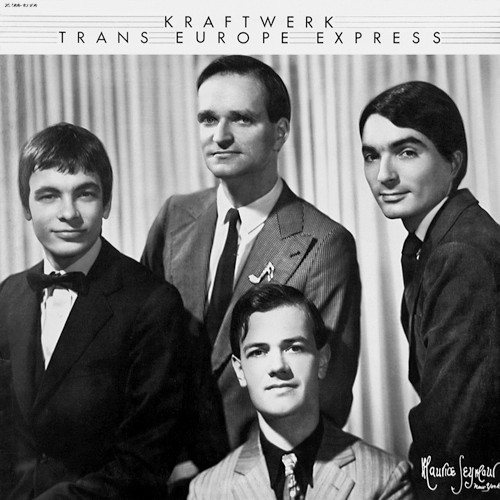
KRAFTWERK Europe Endless (1977)

With KRAFTWERK utilising a customized 32-step Synthanorma Sequenzer and a Vako Orchestron with pre-recorded symphonic string and choir sounds sourced from optical discs, if there was such a thing as a musical European travelogue, then the romantically optimistic beauty of ‘Europe Endless’ was it. It influenced the likes of NEW ORDER, OMD and BLANCMANGE who all borrowed different aspects of its aesthetics for ‘Your Silent Face’, ‘Metroland’ and ‘Feel Me’ respectively.

Available on the KRAFTWERK album ‘Trans Europe Express’ via EMI Records

http://www.kraftwerk.com/


THE DURUTTI COLUMN For Belgian Friends (1980)

‘For Belgian Friends’ was written in honour of Factory Benelux founders Michel Duval and the late Annik Honoré. Martin Hannett’s technologically processed production techniques made Vini Reilly’s dominant piano sound like textured synthetic strings, complimenting his sparing melodic guitar and the crisp percussion of Donald Johnson. This beautiful instrumental was one of Reilly’s best recordings, originally on the compilation ‘A Factory Quartet’.

Available on THE DURUTTI COLUMN album ‘LC’ via Factory Benelux Records

http://www.thedurutticolumn.com/


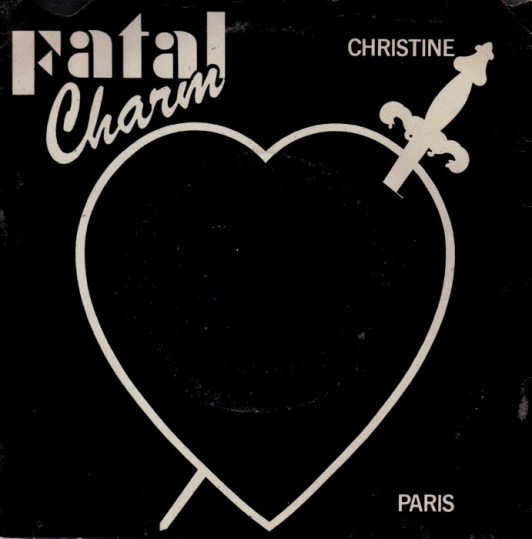
FATAL CHARM Paris (1980)

Nottingham combo FATAL CHARM supported ULTRAVOX and OMD in 1980. Their excellent first single ‘Paris’ was produced by Midge Ure and could be seen reflecting the electronically flavoured new wave template of the period. Singer Sarah Simmonds’ feisty passion gave a freshly charged sexual ambiguity to the European love story written in the days before the Channel Tunnel. Instrumentalist Paul Arnall said: “we were able to use Midge’s Yamaha synth which gave it his sound”.

Available on the FATAL CHARM album ‘Plastic’ via Fatal Charm

http://fatalcharm.co.uk/


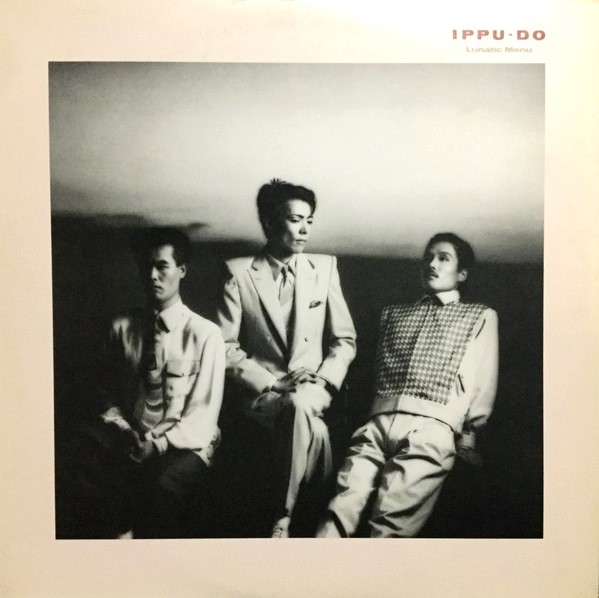
IPPU DO German Road (1981)

Did you hear the one about the Japanese band impersonating a German band and doing it rather well? Influenced by the motorik backbeat of NEU! and also heavily borrowing form its guitarist Michael Rother’s solo track ‘Karussell’, IPPU DO’s leader Masami Tsuchiya was something of a multi-cultural sponge, later joining JAPAN for their final tour in 1982. The band are best known in the UK for their startlingly original cover version of THE ZOMBIES ‘Time Of The Season’.

Remixed version available on the IPPU DO album ‘Essence: The Best Of’ via Sony Music

http://www.ne.jp/asahi/masami/london/


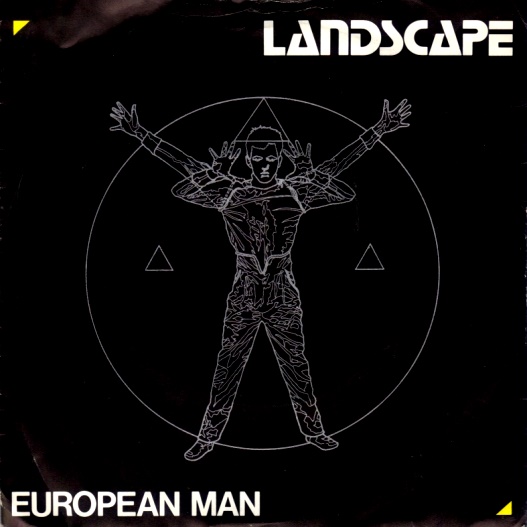
LANDSCAPE European Man (1980)

Electronic pioneer Richard James Burgess said: “I think we all embraced this new direction because of our raw excitement over the new technology… We discussed it in the band and everyone was on board so I started working on the lyrics that became ‘European Man’”. Colin Thurston was the producer assisting in realising this new direction and interestingly, the rear artwork of the first issue of the single featured a very early use of the term “electronic dance music”.

Available on LANDSCAPE album ‘From The Tea-Rooms Of Mars…’ via Cherry Red Records

https://twitter.com/Landscape_band


SIMPLE MINDS I Travel (1980)

“Europe has a language problem” sang Jim Kerr on ‘I Travel’, adding “in central Europe men are marching”. Aware of the domestic terrorist threats that were apparent in every city they were visiting on tour, SIMPLE MINDS captured a claustrophobic tension within its futuristic frenzy like a doomy disco take on Moroder. It was a favourite of DJ Rusty Egan at The Blitz Club where its shadier spectre was highly welcomed by its clientele, reflecting their own discontent closer to home.

Available on the SIMPLE MINDS album ‘Empires & Dance’ via Virgin Records

http://www.simpleminds.com


TELEX Eurovision (1980)

Having previously visited a ‘Moscow Disko’ and with tongues firmly in cheeks, TELEX entered the 1980 Eurovision Song Contest with a bouncy electropop song that had deliberately banal lyrics about the whole charade itself. Performing to a bemused audience in The Hague with the sole intention of coming last, unfortunately Finland decided otherwise! Who said the Belgians didn’t have a sense of humour?!

Available on the TELEX album ‘Ultimate Best Of’ via EMI Music Belgium

http://www.telex-music.com/


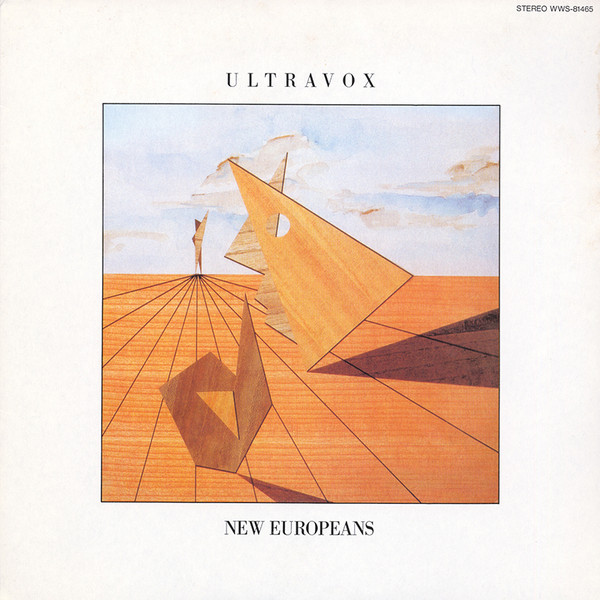
ULTRAVOX New Europeans (1980)

If there was a song that truly represents ELECTRICITYCLUB.CO.UK’s ethos, then the synth rock fusion of ‘New Europeans’ by ULTRAVOX is it! Noting that “his modern world revolves around the synthesizer’s song” in lyrics largely written by drummer Warren Cann, it all pointed to an optimistic way forward “full of future thoughts and thrills” with freedom of movement to and from the continent for “a European legacy and “a culture for today”.

Available on the ULTRAVOX album ‘Vienna’ via EMI Records

http://www.ultravox.org.uk/


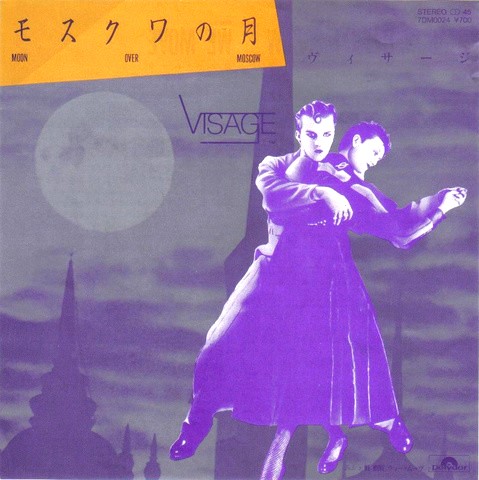
VISAGE Moon Over Moscow (1980)

While in his dual role as DJ at The Blitz Club and VISAGE’s drummer, Rusty Egan had become inspired by the melodic interplay of Japanese trio YELLOW MAGIC ORCHESTRA which had been European influenced: “I liked the album and played it along with TELEX and SPARKS. The sound was an influence on VISAGE. By the time we recorded ‘Moon Over Moscow’, that was to include Russia, Japan, Germany and France in our sound… the drummer was also using the same drum pads as me!”

Available on the VISAGE album ‘Visage’ via Alliance Import

http://rustyegan.net/


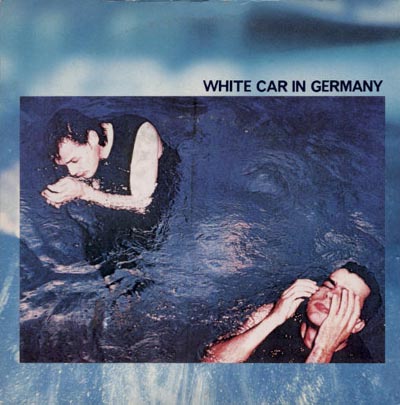
ASSOCIATES White Car In Germany (1981)

ASSOCIATES first musical signs of a fascination towards European influenced electronic music came with the funereal pulse of ‘White Car In Germany’. The swirling electronics, cold atmosphere and treated percussion were intended to sound as un-American as possible. Billy MacKenzie’s observational lyric “Aberdeen’s an old place – Düsseldorf’s a cold place – Cold as spies can be” accurately captured post-war tensions under the spectre of the bomb.

Available on the ASSOCIATES album ‘The Very Best Of’ via BMG

https://www.facebook.com/theassociatesofficial/


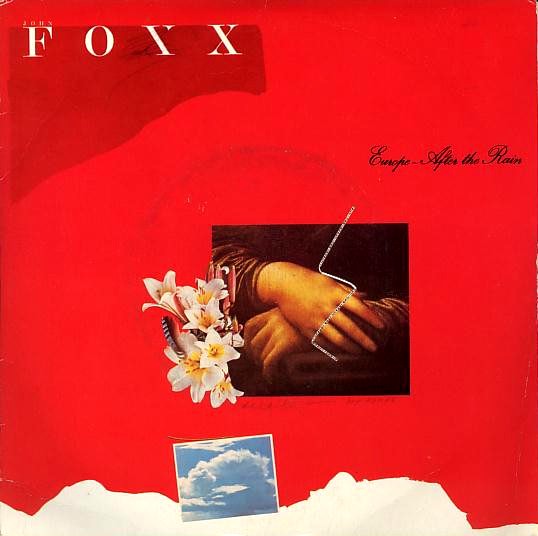
JOHN FOXX Europe After The Rain (1981)

Foxx admitted he had been “reading too much JG Ballard” and had thawed considerably following ‘Metamatic’. Now spending his spare time exploring beautiful Italian gardens and taking on a more foppish appearance, his new mood was reflected in his music. Moving to a disused factory site in Shoreditch, Foxx set up a recording complex which he named ‘The Garden’ and the first song to emerge was the Linn Drum driven ‘Europe After The Rain’. Foxx had now achieved his system of romance.

Available on the JOHN FOXX album ‘Modern Art: The Best Of’ via Music Club

http://www.metamatic.com/


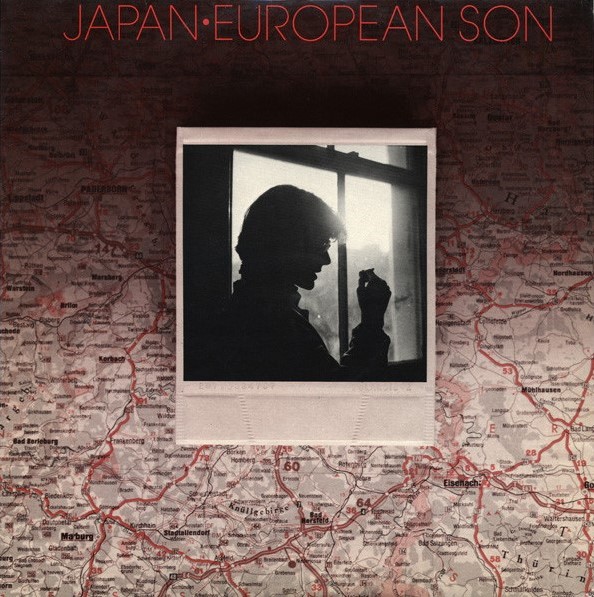
JAPAN European Son (1981)

Recorded as a JAPAN demo for the 1979 Giorgio Moroder sessions that produced ‘Life In Tokyo’, this sequencer heavy number was rejected by the Italian disco maestro. The song was finished off under the supervision of John Punter and later given a single remix by Steve Nye with redone parts by Mick Karn. ‘European Son’ showed David Sylvian’s vocals in transition from the catty aggression of earlier albums to the Ferry-ish croon most now associated with the band.

John Punter version available on JAPAN album ‘The Very Best Of’ via BMG

http://www.nightporter.co.uk/


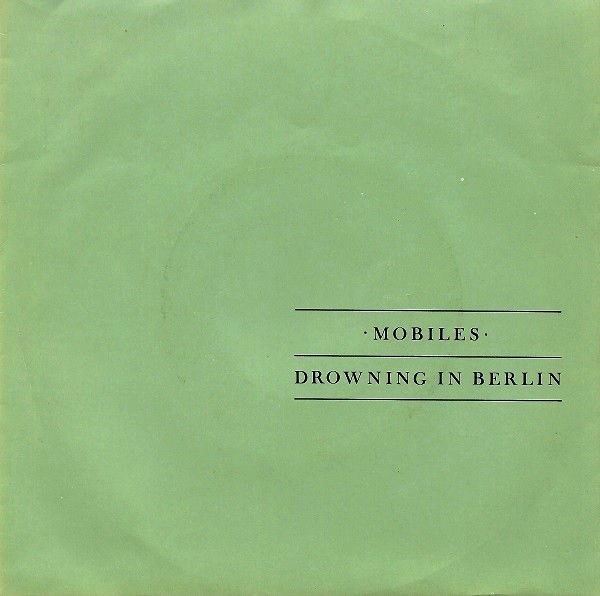
THE MOBILES Drowning In Berlin (1981)

THE MOBILES’ were from the sleepy shores of Eastbourne; while ‘Drowning In Berlin’ may have come across as a ‘Not The Nine O’Clock News’ New Romantic parody on first listen, its decaying Mittel Europa grandeur was infectious like Hazel O’Connor reinterpreting ‘Vienna’ with The Master of Ceremonies at the Kit Kat Klub. And like ‘Vienna’, ‘Drowning In Berlin’ was inspired by a holiday romance, in this case one that singer Anna Maria had while visiting the divided city.

Available on THE MOBILES album ‘Drowning In Berlin: The Best Of’ via Cherry Red Records

https://www.discogs.com/artist/98916-Mobiles


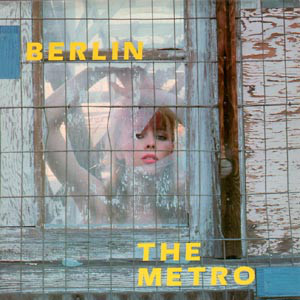
BERLIN The Metro (1982)

Inspired by ULTRAVOX and KRAFTWERK, Californian band BERLIN with their approach to synths were a far cry how they were being used Stateside in rock. In ‘The Metro’ with its frantic motorik drum machine and Teutonic pulses, songwriter John Crawford aimed to capture the tense filmic romance of Paris despite never having visited the city, a vibrant but detached feeling ably projected by Terri Nunn in a similar fashion to FATAL CHARM.

Available on the BERLIN album ‘Best Of’ via Geffen Records

http://www.berlinpage.com/


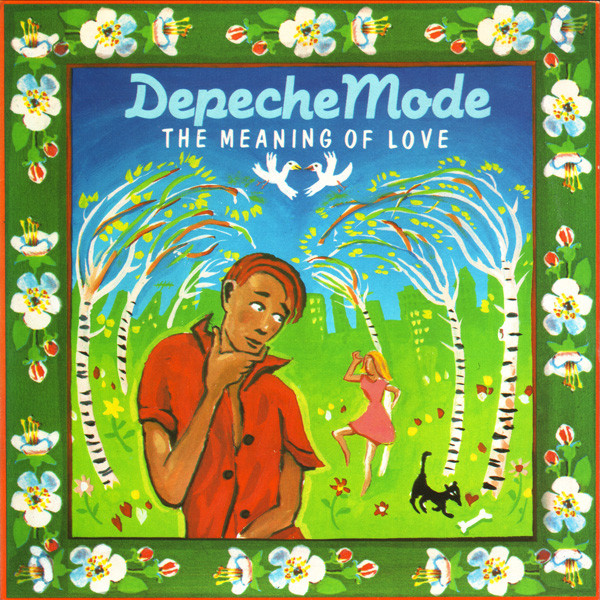
DEPECHE MODE Oberkorn (1982)

Radio Luxembourg broadcasted pop music to the UK using the most powerful privately owned transmitter in the world. But when DEPECHE MODE played the country in early 1982, they were booked to perform in a small town called Oberkorn. With a glorious ambient instrumental on the B-side of the then soon-to-be-released single ‘The Meaning Of Love’ requiring a title, Martin Gore needed no further inspiration, unconsciously capturing the air of the Grand Duchy’s countryside.

Available on the DEPECHE MODE boxed set ‘DMBX1’ via Columbia Records

http://www.depechemode.com/


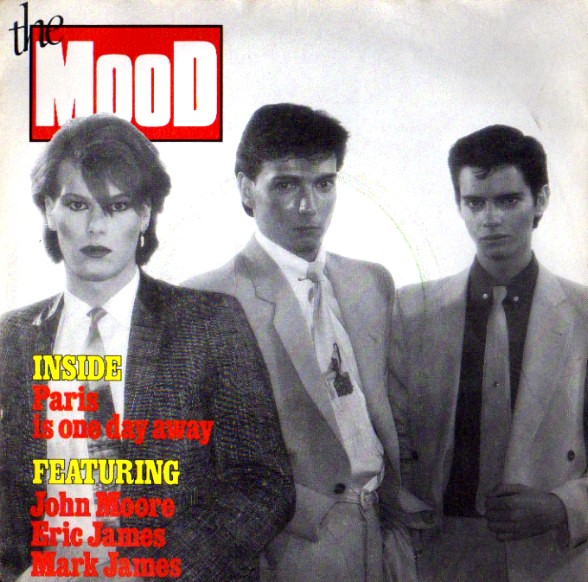
THE MOOD Paris Is One Day Away (1982)

Before the days of the Channel Tunnel, young York based New Romantic trio THE MOOD noted the how long it took by boat and train to get to the French capital. ‘Paris Is One Day Away’ was the hit that got away; reaching No. 42, it secured a slot on ‘Top Of The Pops’. However, it was the 1982 World Cup and a match heading into extra time meant that a hasty edit was made. And it was THE MOOD’s performance as the new and unknown act that ended up on the cutting room floor!

Available on THE MOOD album ‘The Singles Collection’ via Cherry Red Records

http://www.themood.info/


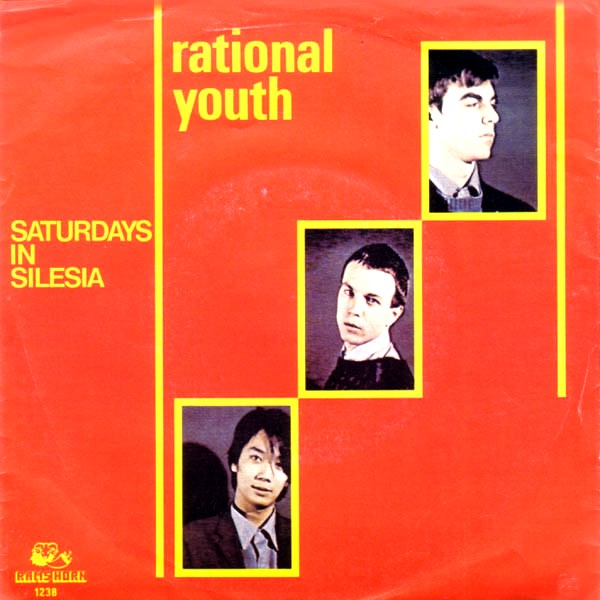
RATIONAL YOUTH Saturdays in Silesia (1982)

After ‘Dancing On The Berlin Wall’, RATIONAL YOUTH mainman Tracy Howe turned his attention towards Poland. “What was it like to be young person behind the Iron Curtain? What did they do on a Saturday night anyway?” he told ELECTRICITYCLUB.CO.UK, “Did they have clubs to go to? Probably underground ones. They’d probably break down the door. Apart from the fact that there are no ‘navy docks’ in Silesia, this record makes a jolly racket and may well be the first recorded instance of a Roland TR-808.”

Available on the RATIONAL YOUTH album ‘Cold War Night Life’ via EMI Records

https://www.facebook.com/RationalYouth/


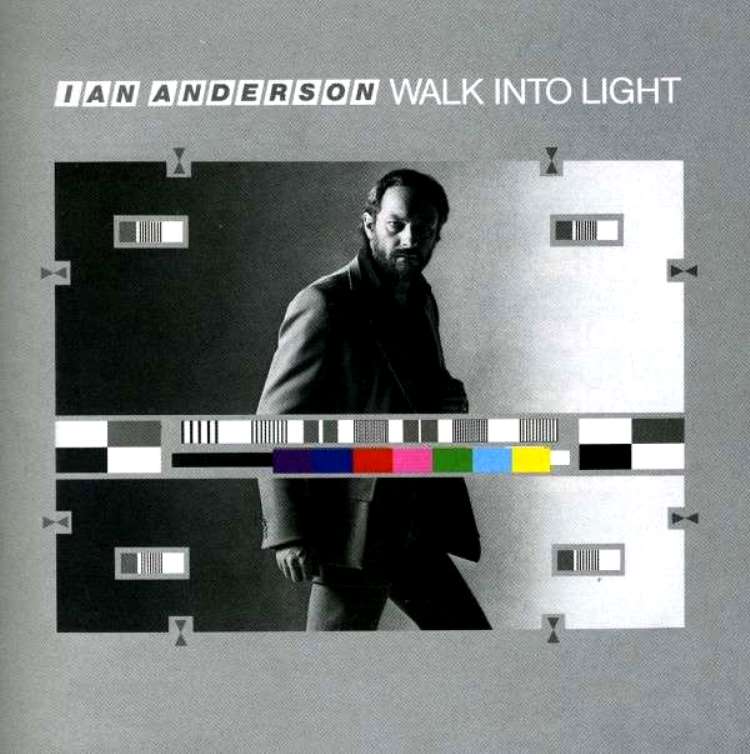
IAN ANDERSON Different Germany (1983)

Fascinated by the likes of Thomas Dolby and Gary Numan, JETHRO TULL frontman Ian Anderson went synth in 1983. Assisted by Peter John Vitesse, ‘Different Germany’ embraced both the electronic and progressive sides of Anderson’s career perfectly with a marvellous middle section featuring a bristling keyboard solo. The end result sounded not unsurprisingly like Tull fronting ULTRAVOX; of course, the circle was completed when Midge Ure covered ‘Living In The Past’ in 1985.

Available on the IAN ANDERSON album ‘Walk Into Light’ via EMI Records

http://jethrotull.com/ian-anderson-bio/


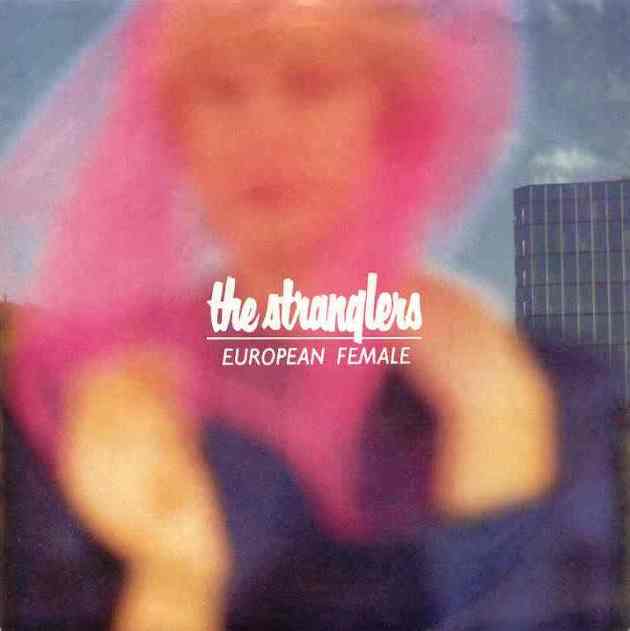
THE STRANGLERS European Female (1983)

Born to French parents, THE STRANGLERS’ bassist Jean-Jacques Burnel was a loyal European, even releasing a 1979 solo album ‘Euroman Cometh’ where “a Europe strong, united and independent is a child of the future”. Taking lead vocals for the beautiful ‘European Female’, it possessed an understated quality with subtle Spanish guitar from Hugh Cornwell alongside Dave Greenfield’s sparkling synths and Jet Black’s electronic percussion to celebrate the allure of continental mystery.

Available on THE STRANGLERS album ‘The Very Best Of’ via EMI Records

http://www.thestranglers.co.uk/


Text by Chi Ming Lai
18th April 2019

HALO The Violator Book Interview

Photo by AJ Barratt

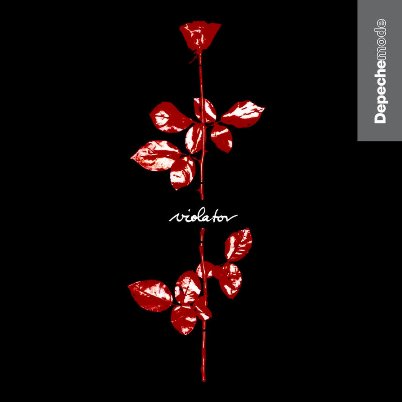
Produced by Flood and mixed in the main by François Kevorkian, DEPECHE MODE’s seventh album ‘Violator’ was the classic line-up of Dave Gahan, Martin Gore, Andy Fletcher and Alan Wilder firing on all cylinders.

The end result was four hit singles and five other songs that were more or less their equal. Although best known for ‘Enjoy The Silence’, ‘Personal Jesus’, ‘Policy Of Truth’ and ‘World In My Eyes’, the album featured some of DEPECHE MODE’s best work.

The beautiful haunting ambience of ‘Waiting For The Night’ using the ARP 2600 synth / ARP 1601 sequencer combination and the climactic electro blues of ‘Clean’ were key highlights that ended each side of the original vinyl.

Of ‘Waiting For The Night’, Alan Wilder told ELECTRICITYCLUB.CO.UK in a 2011 interview: “the main sequencer part here was produced using the ARP 2600 synth and sequencer, because it has many flaws when setting up your 16 note sequence (for example tuning and gate length) – this makes for happy accidents and almost random events. We would have fiddled around with that sequence for a while, tweaking the filters and envelopes within the ARP until we arrived at that particularly hypnotic end result. The resulting sequence shape would follow any held note on a keyboard to transpose between the song’s basic chord changes as it ran, which we would then record, and that is essentially the spine of the whole thing. All the other sounds in that song act as mere embellishment.”

The seamless second side with its instrumental interludes added tension and experimentation to proceedings while Martin Gore’s lyrics possessed an honesty that while dark and deviant, still retained a naïve innocence that many loners could relate to. The emotive if strange ‘Blue Dress’ is possibly the most under rated song in the DEPECHE MODE catalogue; the simple guilty pleasure of watching your girlfriend get ready for an evening out was a touching moment.

But the undoubted stand-out on ‘Violator’ was ‘Halo’; using drums sampled from LED ZEPPELIN’s ‘When The Levee Breaks’ but secondhand via a rap record, the distinctive bass squelch and screeching Elgar derived string samples hit home as the song built to its terrific, euphoric climax.

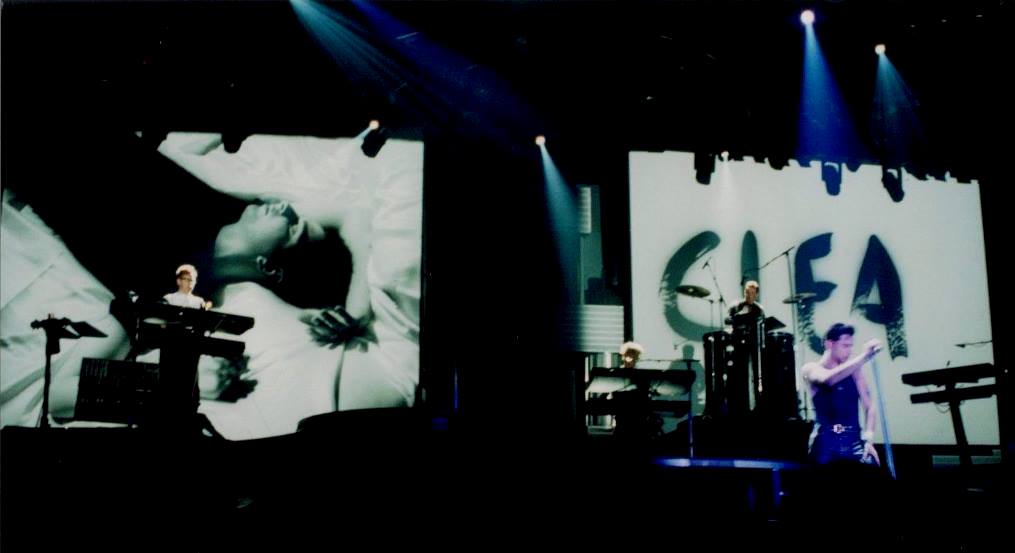
The ‘World Violation’ tour in 1990 was also DEPECHE MODE’s best ever. The status of those shows fell into legend as a result of no officially sanctioned concert footage ever being released. The memories of those present still recall in awe, Anton Corbijn’s stark but humourous projections and Dave Gahan’s increasingly confident and exaggerated swagger to suit the increasing bigger venues.

But why is ‘Violator’ so important and highly celebrated? It is still DEPECHE MODE’s most complete and accomplished body of work; people still talk about it because it is a good record. A good record is a good record, no matter what forlorn nostalgia may be lingering within the listener.

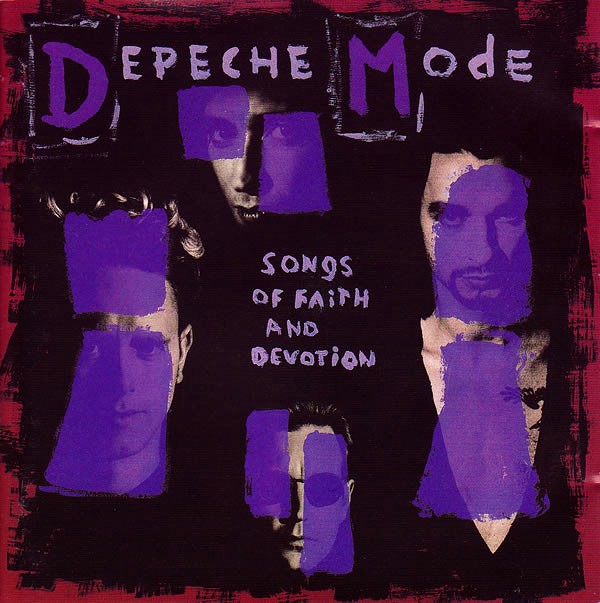
‘Violator’ is a complete body of work, unlike the patchier follow-up ‘Songs Of Faith & Devotion’ when on the subsequent ‘Devotional’ tour, Dave Gahan launched into the rock tool mode that to be frank, he has never really managed to escape from…

With DEPECHE MODE effectively no longer being an electronic band, an upcoming book ‘Halo’ documents that era while projecting a retrospective slant on its influence. Kevin May, the man behind ‘Halo’ kindly chatted about its genesis…

There have been a lot of books about DEPECHE MODE, why did you choose to do one on ‘Violator’?

The primary reason is that most of the DEPECHE MODE biographies that have been published up to now have been on their history as a whole. What I wanted to do was focus on a particular era… and I say era rather than an album. The period around ‘Violator’ which is 1989-90 is arguably the most important in their career.

The book doesn’t have contributions from the band members, so how did you think out of the box to tell the ‘Violator’ story?

I have been told that DEPECHE MODE do not interviews for biographies, so I needed to talk to people on the periphery of that era, like producers, engineers and tour personnel. So you get everything, BUT from the horse’s mouth. If I didn’t get those people who were intrinsically involved to talk to me, then it would have been just me analysing and reviewing ‘Violator’. There have been many examples of this and I wouldn’t have been able to add anything to the narrative on the album.

Some of the people I spoke to were François Kervorkian who mixed the album, Andy Franks who was involved in the tour, Neil Ferris who was the chief plugger and engineers from every studio they worked in during that period, including two from the Milan sessions; the latter were very funny and informative on some of the things that went on. There were quite a few people who wanted to talk, but not on record, out of loyalty to the band.

‘Personal Jesus’ at the time was quite a startling calling card, from the phoneline ad to the bluesier sound which had started with ‘Pleasure Little Treasure’?

Well you look at that, a lot of people say it’s an obvious track to release. But if you look at what they had done up to that point and since then, they always tried to come out with a record that challenges the pre-conceived ideas of they are. So subsequent to that, you’ve got ‘I Feel You’, prior to that you’ve got records like ‘Stripped’, ‘Blasphemous Rumours’, ‘Master & Servant’…these were tracks that made people go “OH! THIS ISN’T THE DEPECHE I KNEW!”

From a timeline perspective, it was one of the first songs they recorded in Milan. It was certainly the first track François Kervorkian remixed and he did that in Milan, whereas everything else he did for ‘Violator’ happened back in London or New York six months later. They knew that when ‘Personal Jesus’ was recorded and given to François, they knew it was going to be the single because it was so fundamentally different to anything else they’d ever done. It had that rocky influence but also the electronic sensibility that François added to it.

At the end of the day, it’s a good pop song… yes, there are probably songs like ‘Enjoy The Silence’ that were bigger hits, but for a song that was done and dusted very early on in that process, it made perfect sense to release that first.

There’s a lot of discussion about why ‘Personal Jesus’ was controversial, but they realised they had on their hands, a song that was not only really good, but it was going to cause a certain degree of controversy, not least in the US where all of a sudden, they’d been blown into the mainstream.

From what I know, they knew they were playing with fire, so they played with it.

They were on the brink of making something beyond their wildest dreams, so why not capitalise on it? At that point, they were a commercial band and ‘Personal Jesus’ was a very commercial song. The idea to do the “pick up the receiver and I’ll make you a believer” phoneline while you dial this number and it plays the song… in another world, it’s just marketing.

The music press at the time, particularly Q Magazine, seemed to focus a bit too much on the guitar elements of ‘Violator’ when as Alan Wilder quite rightly states, it is still a very electronic album; it was like the press were legitimising DEPECHE MODE because they now used more prominent guitar…

There are several points here; it was a crossroads in popular music then. They had created their own sound as a European electronic band with British sensibilities, and the up until that point, their music had been very electronic… yes there had been guitars before, but they were at a point where they were influenced by electronic dance music like house and techno so they were conscious of that. But equally, they wanted to challenge the idea of what an electronic band should be.

Should an electronic band just be three geezers stood behind keyboards with an incredibly charismatic front man doing their thing? Or should they be band that challenges that idea of what music should be. And I think Flood and Alan Wilder in particular wanted to push that idea forward, so they introduced real instruments. There was sampled guitar before but not until that point, had they made the guitar the lead riff or melody. So that was them putting a stake in the crowd and having the confidence to do it.

The production moved away from drum machines to sampled drum loops like on ‘Halo’ but synthwise, to older contraptions like the Roland System 700?

By that point, the technology and the process had become very much secondary to what they were trying to do. Yes, they were an electronic band; yes, they decided to introduce some guitars; and yes, Flood was pushing them in certain ways. But they just wanted to create music that they thought sounded good and would resonate with their own fans.

They had gone beyond agonising over the technology they were using to make the final outcome. They had a songwriter who could play a guitar lick, so why not use him and produce something that sounds good?

The way ‘Enjoy The Silence’ developed from a sparse ballad into a disco number is well documented, but François Kervorkian’s mix was rejected by Daniel Miller. Have you had a chance to hear it and informatively assess why?

From François’ point of view, he spent a lot of time mixing ‘Personal Jesus’ including the remixes and doing the album, there was his own dissatisfaction with how ‘Enjoy The Silence’ was turning out. It’s worth saying that at that point, it already was a disco track; it was the final mix that there was a disagreement.

It was deemed that François didn’t have enough time to work his magic on it, so it was given back to Daniel to do his thing with his own team of engineers like Phil Legg, resulting in the version we now all know.

The trick to any new book or review about an acclaimed body of work from the past is to uncover previously untold stories. What were the biggest revelations for you?

I don’t think there’s a huge revelation in the book. I think what I found most interesting from collecting all the stories was that the band didn’t really quite understand what was about to hit them. So their behaviour was exactly the same as it had been in the previous 8-9 years. But on the other hand, there were a lot of things in place within the machine to capitalise on it. Some elements of this machine realised this was going to fly!

A lot of people say to me that the ‘Violator’ period was a time when the band were having fun. Martin Gore has said in more recent interviews that ‘Violator’ was the last time they had fun making an album. I think that’s really reflected in the output by the vibe among the members at the time.

There was a lot of experimentation, ‘Violator’ was part of an evolution; dance music was starting to happen with the rave scene; rock, grunge and indie guitar was taking a new step forward. DEPECHE MODE were right at the centre of it, not steering it, but they were a band that wanted to try and embrace as many things as they could. And they were all still young guys! They were enjoying themselves. Of course, it didn’t continue like that after ‘Violator’.

What was the most difficult part of the book to write?

It was difficult having the patience to accept the music industry operates at much slower level than other industries I’m used to writing about!

People have very sketchy memories and that is not because they are being loyal or they’re nervous about revealing something, it’s because at the end of that day, it is something that happened 25 years ago… a quarter of a century! So when you’re asking people to recollect something that happened in a studio in Milan in 1989, you shouldn’t be surprised when they don’t remember! *laughs*

Yes, I have some wonderful soundbites from the guys in Milan about how they would all jump into a car at the end of sessions and go off to a club in the city to give the DJ a copy of the work to test out. But with something specific like how the footsteps on ‘Personal Jesus’ were recorded, if I asked what kind of flight cases they used, they’re not going to remember!

Those were great footsteps by Fletch though!

It wasn’t just Fletch, it was all of them! *laughs*

Photo by Michael Rose

Why do you think ‘Violator’ still holds a special resonance? How does it stand up against other electronic or even rock albums?

This is the crux of the book; it’s important that it’s about the recorded output, but of equal importance is the marketing, the visuals, the videos and the way the tour was produced. When you put all that together in an era, that’s when it becomes important.

It’s as important as ‘Black Celebration’, but it’s not on the same scale… and I say that because ‘Black Celebration’ was the first album which they really experimented and found their depth, which arguably Alan Wilder had found his feet in what he was able to do musically. It was also the point when they also realised how popular they were as a live act in the US.

But once they got to ‘Violator’, they were able to amplify that to the power of 10! So it’s a combination of the songs, the production, what they did on tour, the way it was packaged, the videos and the impact of the crossover songs like ‘Enjoy The Silence’.

‘Enjoy The Silence’ won ‘Best British Single’ in the 1991 Brit Awards, although by slightly manipulative phone poll means… but the point is, ‘Violator’ was their crossover album. And if crossovers are important, which arguably they are, it exposed DEPECHE MODE to a whole new audience. Everything changed for them after this album.

So, the way that the current incarnation of DEPECHE MODE play tracks from ‘Violator’ live with The Drumhead and The Noodler… discuss!

The ‘World Violation’ tour was the last time they performed as a synth band, I don’t hold up that tour in the annals of history as maybe other Devotees do. I think the ‘World Violation’ has gained its legendary status simply because people don’t have a decent visual recording of it. I think it was a terrific tour, it was the first time I ever saw them and I was blown away. But I don’t think anything will beat the ‘Devotional’ tour.

The ‘World Violation’ tour was DEPECHE MODE knowing and having the confidence to produce a record in a live setting. The ‘Devotional’ tour was them taking that confidence, with whatever means and substances they were using at the time, to the Nth degree. They realised how far they could go and I think it worked.

The interesting thing about ‘Violator’ is that as Alan has said many times before, it is still incredibly programmed. On the one hand, it’s what makes the album so good, not least because François Kervorkian made it the very precise album that it was. Now, when you take that precision out of some of the ‘Violator’ songs, as we have later seen with the live performances of ‘World In My Eyes’ and ‘Policy Of Truth’… they were really precise and what made them brilliant songs in the first place.

‘Personal Jesus’ is like the elephant in the room, as it’s basically a rock song.

So those ‘Violator’ songs were all about the precision and to suddenly change those to be live drum songs, it’s maybe going against the strengths of ‘Violator’… songs that were created electronically should perhaps be performed electronically, because that is how the fondness for these songs was obtained.


ELECTRICITYCLUB.CO.UK gives its warmest thanks to Kevin May

Special thanks to Michael Rose for the ‘Personal Jesus’ advert and ‘World Violation’ live photo

‘Halo: The Story Behind DEPECHE MODE’s Classic Album Violator’ is published on 29th September 2022 by Grosvenor House Publishing Limited

http://halotheviolatorbook.com/

https://www.facebook.com/halotheviolatorbook

https://twitter.com/HALOBook


Text and Interview by Chi Ming Lai
19th March 2019

25 ALBUM VERSIONS THAT ARE BETTER THAN THE SINGLE VERSIONS

As long as there has been a music business, artists and producers have been tinkering with their work.

While often, it’s the single version made for mass consumption through radio play that remains superior and best loved, there are occasions when the album take reigns supreme due to the freedom to work on a larger easel without commericial considerations or radio play constrictions.

Often there’s a track that is the obvious standout on the long player, but sometimes it can be of a structure that is considered too long for peak time radio where instant gratification is the key. On other occasions, the vision of the track for album consumption is reconsidered following an earlier short form release produced on a more limited budget.

So as a companion list to the earlier 25 Single Versions That Are Better Than The Album Versions listings feature and restricted to one track per artist, here are 25 Album Versions That Are Better Than The Single Versions presented in chronological and then alphabetical order…


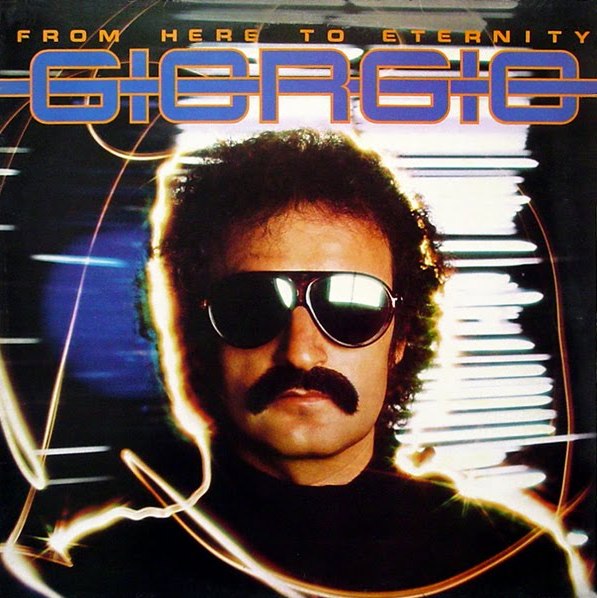
GIORGIO From Here To Eternity (1977)

Despite being a hit single, ‘From Here To Eternity’ was actually something of a disjointed disco medley, throwing in a section of the album track ‘Utopia – Me Giorgio’ halfway through. The full six minute ‘From Here To Eternity’ from the long player of the same name was a futuristic slice of electronic dance perfection, with Giorgio Moroder steadily building on his throbbing synth backbone and layers of vocoder punctuated by the steady beats of drummer Keith Forsey.

Available on the GIORGIO album ‘From Here To Eternity’ via Repertoire Records

https://www.giorgiomoroder.com/


THE HUMAN LEAGUE Being Boiled (1980)

The original Fast Product single version of ‘Being Boiled’ from 1978 had its own charm, recorded as mono demo which was subsequently released. However, having signed to Virgin Records and with a budget behind them, Messrs Marsh, Oakey and Ware took the opportunity to update their calling card with producer John Leckie for the ‘Travelogue’ album to more fully realise its funky overtones inspired by FUNKADELIC. The end result was fuller and more dynamic.

Available on THE HUMAN LEAGUE album ‘Travelogue’ via Virgin Records

http://www.thehumanleague.co.uk/


JAPAN Nightporter (1980)

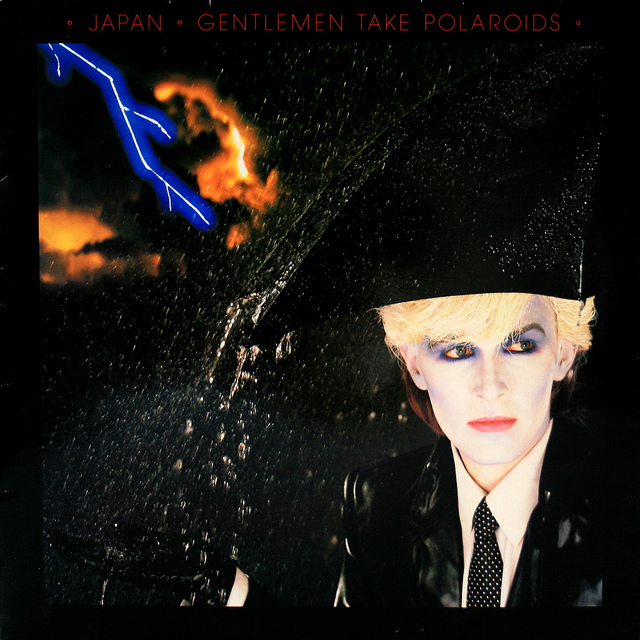
‘Ghosts’ had been an unexpected singles success for JAPAN in 1982 and Virgin Records wanted more of the same with ‘Nightporter’, despite it being already two years old and with the previously unreleased song ‘Some Kind Of Fool’ in the vaults. Trimming the solemn seven minute ivory laden Satie homage was always going to be difficult and the horrific radio edit butchered out the lengthy if vital instrumental climax of melancholic Oberheim OBX strings. Less really does mean less…

Available on the JAPAN album ‘Gentlemen Take Polaroids’ via Virgin Records

http://www.nightporter.co.uk/


SIMPLE MINDS I Travel (1980)

The album version of ‘I Travel’ was only four minutes in the first place, yet original label Arista Records felt the need to chop the track on both single edits it released and neuter its impact. SIMPLE MINDS never fully realised their potential until they signed to Virgin Records and ‘I Travel’ heralded a futuristic art rock phase where the band’s Germanic influences, coupled to synthesized disco aesthetics of Giorgio Moroder, found favour at clubs like The Blitz.

Available on the SIMPLE MINDS album ‘Empires & Dance’ via Virgin Records

https://www.simpleminds.com/


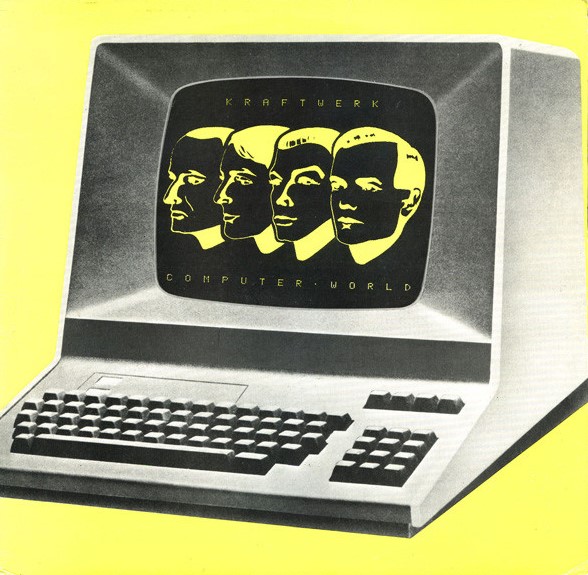
KRAFTWERK Computer Love (1981)

Whether ‘Autobahn’, ‘Radio-Activity’, ‘Showroom Dummies’, ‘Trans-Europe Express’, ‘Neon Lights’ or ‘The Robots’, the sheer average length of a KRAFTWERK track made them difficult to apply to the single format and ‘Computer Love’ was no different. A beautifully melodic piece that predicted internet dating and stretched to just under seven minutes with its glorious second half synth solo in its album version, it was like the reel of the film was missing in its edited form.

Available on the KRAFTWERK album ‘Computer World’ via EMI Records

http://www.kraftwerk.com/


BLANCMANGE Waves (1982)

A UK Top 20 single for BLANCMANGE in 1983, ‘Waves’ was remixed and given an orchestral treatment arranged by Linton Naiff, but it strangely detracted from the bare emotion of the song. Sounding like Scott Walker fronting OMD, with a more basic synthesized construction and a sombre detuned brass line allowed to breathe at the song’s conclusion, the album version sans orchestra was much better.

Available on the BLANCMANGE album ‘The Very Best Of’ via Music Club Deluxe

http://www.blancmange.co.uk/


DAF Kebab Träume (1982)

Originally recorded for a 1980 single on Mute Records in more of a band format featuring guitar and hand-played synths, ‘Kebab Träume’ was subsequently reworked by DAF in a more superior fashion under the production supervision of the legendary Conny Plank for their third and final Virgin-era long player ‘Für Immer’. Transforming into something much heavier, the memorable if controversial line “Deutschland, Deutschland, alles ist vorbei!” had more bite on this album version.

Available on the DAF album ‘Für Immer’ via Grönland Records

https://www.groenland.com/en/artist/deutsch-amerikanische-freundschaft/


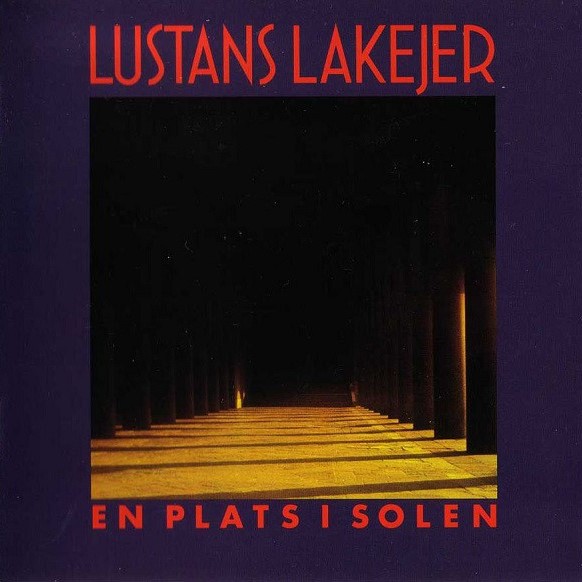
LUSTANS LAKEJER Läppar Tiger, Ögon Talar (1982)

Sweden’s LUSTANS LAKEJER came to international attention when their third long player ‘En Plats I Solen’ was produced by Richard Barbieri of JAPAN. With its synthesized atmospheres and art funk aspirations not that far off DURAN DURAN, ‘Läppar Tiger, Ögon Talar’ was one of the album’s highlights. But for the inferior single version produced by Kai Erixon, the band opted for a more laid back swing arrangement punctuated by a brass section.

Available on the LUSTANS LAKEJER album ‘En Plats I Solen’ via Universal Music

https://www.facebook.com/LustansLakejer/


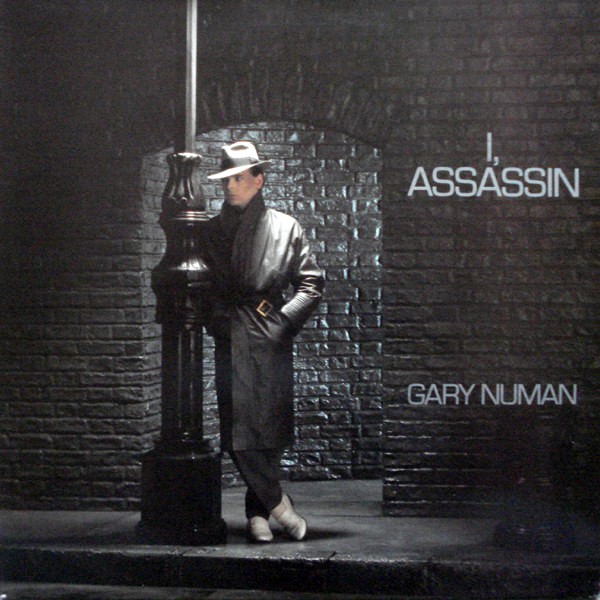
GARY NUMAN We Take Mystery (1982)

The single version of ‘We Take Mystery’ which was Gary Numan’s last UK Top 10 hit was too short and the extended 12 inch version was too long, which left the album version from ‘I, Assassin’ as the best take of the song. With its crashing Linn Drum snap and fretless bass with live percussion syncopating on top, this was a dancefloor excursion which concluded with a marvellous additional rhythm guitar breakdown from fretless bassist Pino Palladino.

Available on the GARY NUMAN album ‘I, Assassin’ via Beggars Banquet

https://garynuman.com/


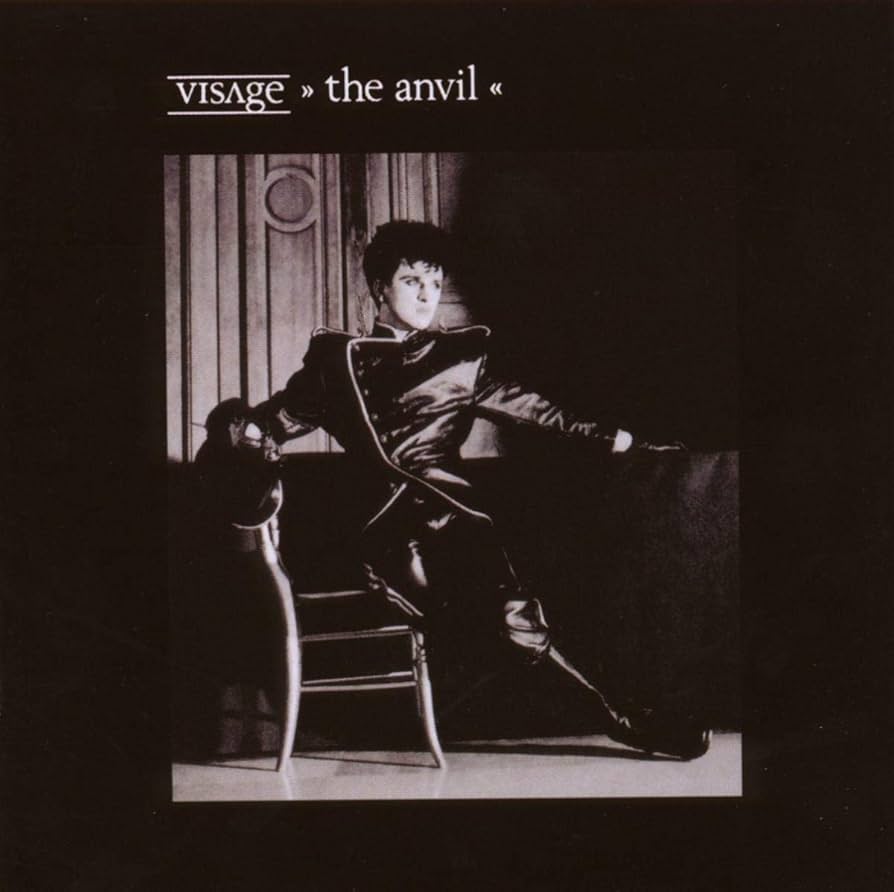
VISAGE The Anvil (1982)

Remixed by John Luongo for single release, ‘The Anvil’ ended up as a B-side but while the sound of metal-on-metal was added, it somehow had less presence than the original album version. Possessing far Teutonic tension with some superb guitar work from Midge Ure, metronomic drumming courtesy of Rusty Egan minus his hi-hats, Dave Formula’s superb screaming ARP Odyssey complimented Steve Strange’s tale of debauchery for one of the best ever VISAGE tracks.

Available on the VISAGE album ‘The Anvil’ via Cherry Pop

https://www.discogs.com/artist/3479-Visage


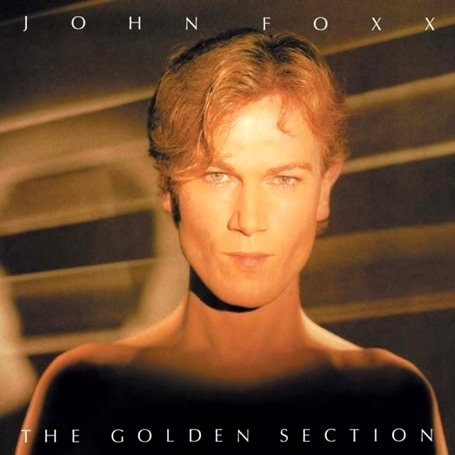
JOHN FOXX Endlessy (1983)

By 1982, John Foxx has rediscovered his love of early PINK FLOYD, THE BEATLES and psychedelia which manifested itself in ‘Endlessy’. Based around a tom heavy Linn Drum programme, deep cello samples and sitars, it was an interesting if messy experimental romp. Come his third album ‘The Golden Section’ recorded withproducer Zeus B Held, the new version was much more focussed with an accessible uptempo electronic euphoria.

Available on the JOHN FOXX album ‘The Golden Section’ via Edsel Records

http://www.metamatic.com/


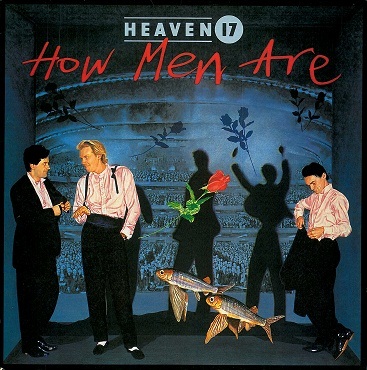
HEAVEN 17 And That’s No Lie (1984)

A sub-ten minute progressive epic was never going to work as an edited single and with ‘And That’s No Lie’, that’s exactly what happened. The original album version was HEAVEN 17’s ambitious adventure in sound and fusion that threw in everything from abstract sonic experiments, jazz piano, Fairlight samples, the gospel voices of ARFRODIZIAK and an orchestra, plus some excellent live bass and guitar work from John Wilson and Ray Russell respectively.

Available on the HEAVEN 17 album ‘How Men Are’ via Virgin Records

https://www.heaven17.com/


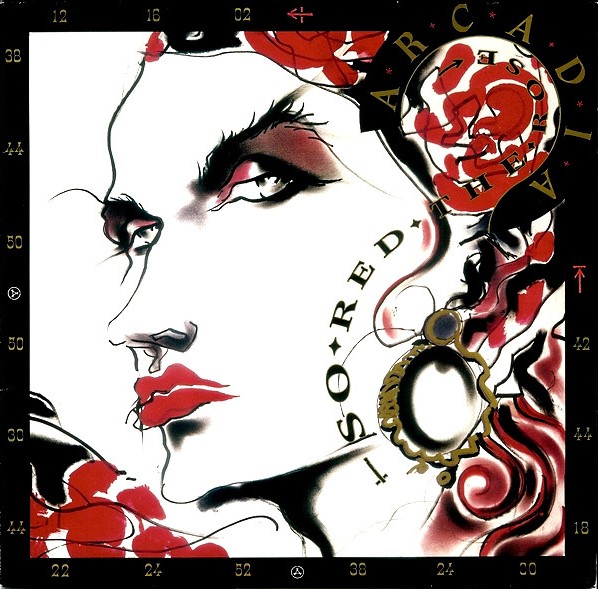
ARCADIA The Flame (1985)

ARCADIA was Simon Le Bon, Nick Rhodes and Roger Taylor’s attempt to be JAPAN during the DURAN DURAN artistic hiatus, but many of the songs from the short-lived side project were smothered in a pond of self-indulgence. One of the highlights though was ‘The Flame’, basically ‘A View To A Kill Part 2’. However for its single release, a neo-acapella intro was applied rather than the frantic percussive beginning of the album version which robbed the song of its tension and impact.

Available on the ARCADIA album ‘So Red The Rose’ via EMI Records

http://www.duranduran.com/


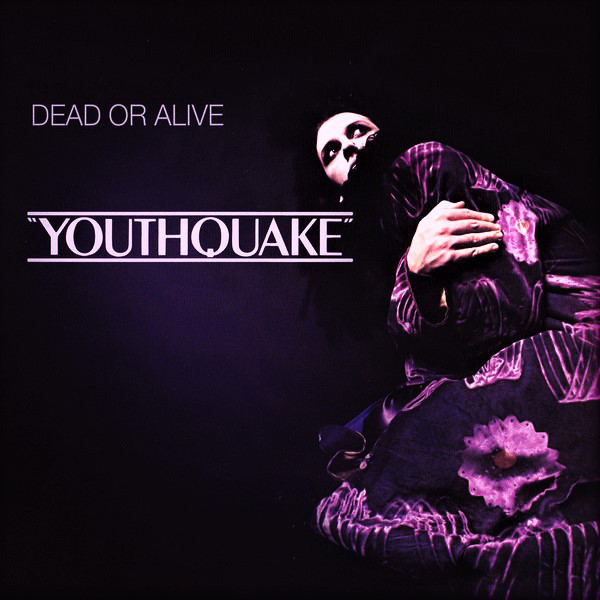
DEAD OR ALIVE My Heart Goes Bang (1985)

Having got DIVINE into the UK charts, Stock Aitken & Waterman gave the same treatment to DEAD OR ALIVE, scoring a No1 with ‘You Spin Me Round’. Parent album ‘Youthquake’ had some excellent tracks including ‘My Heart Goes Bang’ which was ripe single material. But the single remix by regular PWL associate Phil Harding was horrible, throwing in the kitchen sink with voice cut-ups and an overdriven rhythm section which drowned out any merits the song originally had.

Available on the DEAD OR ALIVE album ‘Youthquake’ via Sony Music

https://www.discogs.com/artist/46720-Dead-Or-Alive


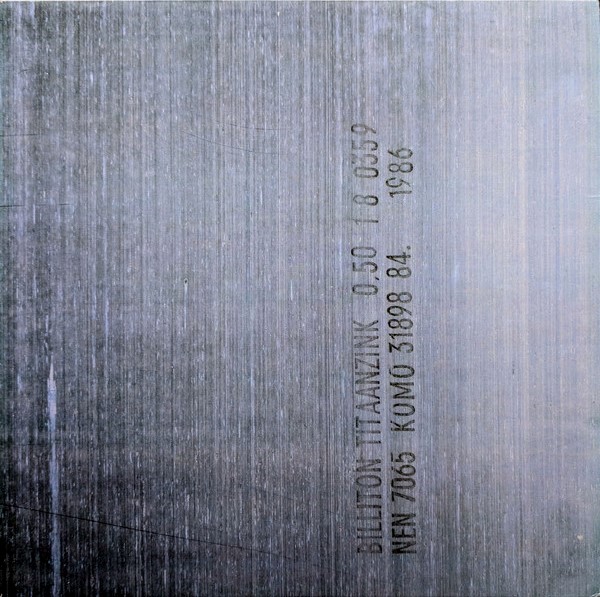
NEW ORDER Bizarre Love Triangle (1986)

‘Bizarre Love Triangle’ is one of the best loved NEW ORDER tunes. The rugged self-produced original version that appeared on the ‘Brotherhood’ album was a glorious electronic number with a slight mechanical offbeat and space for Hooky’s distinctive bass. But the version released for 45 RPM consumption was a frustrating, four-to-the-floor remix by Shep Pettibone which took all the character out of the song with a barrage of overdriven percussive samples.

Available on the NEW ORDER album ‘Brotherhood’ via Warner Music

http://www.neworder.com/


TALK TALK Living In Another World (1986)

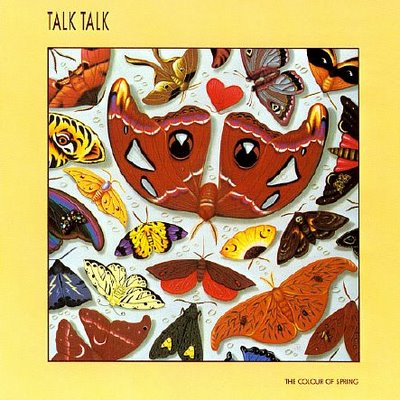
Although ‘Living In Another World’ was the best song on ‘The Colour Of Spring’, it was always going to be a tall order to but its 7 minutes in half for single consumption! A fine progressive combination of synthetic strings, piano, Hammond organ, hypnotic bass, acoustic and electric guitars, percolating percussion and harmonica, the TALK TALK sound would have been nothing however without the anguished vocals of Mark Hollis and the production skills of Tim Friese-Greene.

Available on the TALK TALK album ‘The Colour Of Spring’ via EMI Records

https://www.facebook.com/Talk-Talk-Mark-Hollis-12307963901/


CAMOUFLAGE The Great Commandment (1988)

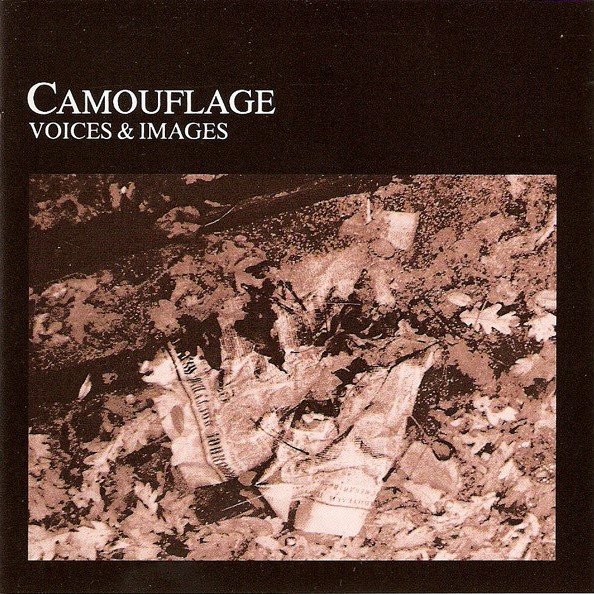
German trio CAMOUFLAGE had a hit with ‘The Great Commandment’ all over the world with only Britain remaining ambivalent to their industrial flavoured synthpop. As with many singles of the period, it clocked in at just over three minutes but sounded rushed. Come the debut album ’Voices & Images’ and ‘The Great Commandment’ was more fully realised, allowing space to prevail in the one of the best DEPECHE MODE tracks that the Basildon boys never recorded.

Available on the CAMOUFLAGE album ‘Voices & Images’ via Metronome Music

http://www.camouflage-music.com/


THE BLUE NILE Headlights On The Parade (1989)

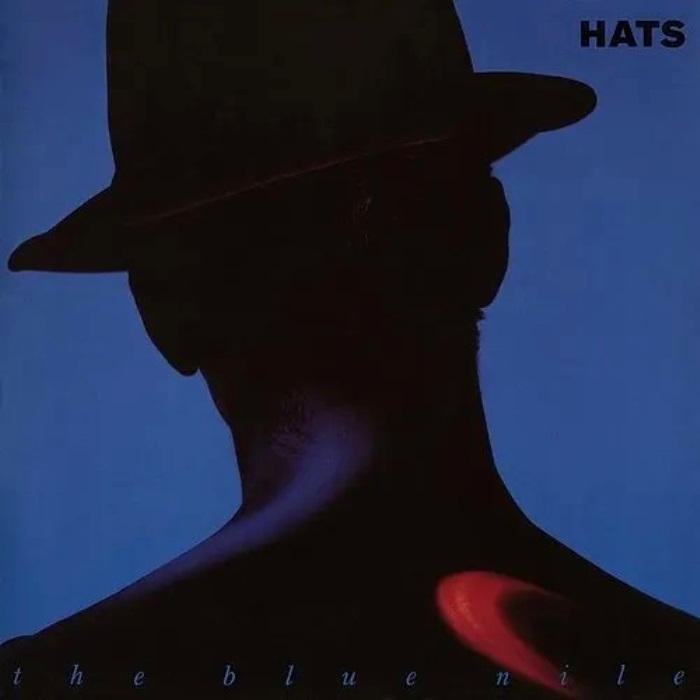
Enigmatic Glaswegian trio THE BLUE NILE were never an easy sell to the wider marketplace and the Bob Clearmountain single remix of ‘Headlights On The Parade’ was hopeless, with over a third of the emotively atmospheric number absent for the sake of radio play. The centrepiece of the brilliant ‘Hats’ album, its haunting piano, swaths of synths and a collage of modulated sequences needed a full six minutes to truly convey its solemn drive and rainy cinematic melodrama.

Available on THE BLUE NILE album ‘Hats’ via Epstein Records

http://www.thebluenile.org/


THE GRID Floatation (1990)

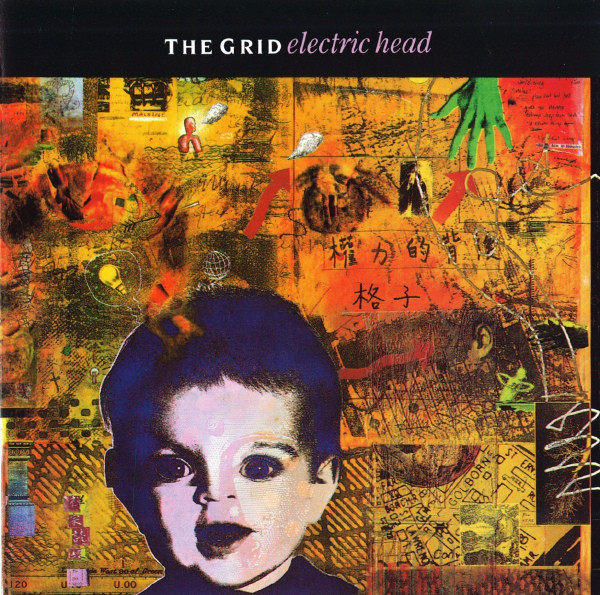
Subsonically remixed by Andrew Weatherall with a distinct chilled-out flavour and an additional vocal from Sacha Souter for single release, the brilliant album version of ‘Floatation’ had a more rigid KRAFTWERK feel echoing elements of ‘Tour De France’. Towards the home straight, Julian Stringle’s clarinet brought to mind the aesthetics of Dave Ball’s previous residency in SOFT CELL. But while those woodwind textures were present in the single, they were less effective overall.

Available on THE GRID album ‘Electric Head’ via Cherry Red Records

https://www.discogs.com/artist/5081-The-Grid


PET SHOP BOYS Being Boring (1990)

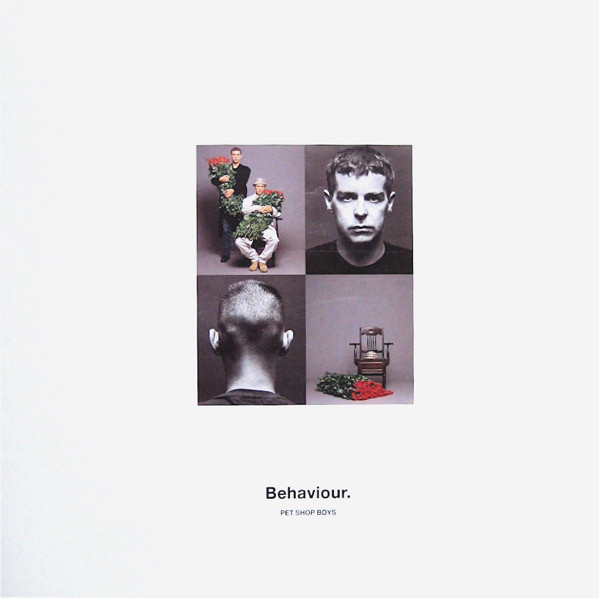
Partly inspired by a quote about the wife of F Scott Fitzgerald which stated “she refused to be bored chiefly because she wasn’t boring”, ‘Being Boring’ is one of PET SHOP BOYS’ best songs, reflecting on Neil Tennant’s youth and the loss of a friend who died of AIDS. While the single itself was almost five minutes long, the superior album version featured a fabulous intro that steadily built with a lilting synth bassline and wah-wah guitar that made the most of the song’s elegiac aura.

Available on the PET SHOP BOYS album ‘Behaviour’ via EMI Records

http://petshopboys.co.uk/


DEPECHE MODE In Your Room (1993)

A tedious rockist statement by DEPECHE MODE when reworked by Butch Vig for single release, the album version of ‘In Your Room’ was widescreen magnificence with a tense percussive drive courtesy of Alan Wilder who only played what was needed, adding a second simplistic drum passage for extra weight. Aexample of how feel is more important technique, current DM drumhead Christian Eigner managed to mess up his opportunity to shine on this during the ‘Global Spirit’ tour.

Available on the DEPECHE MODE album ‘Songs Of Faith & Devotion’ via Sony Music

http://www.depechemode.com/


LADYTRON Evil (2003)

The second LADYTRON album ‘Light & Magic’ is probably best known for its lead single ‘Seventeen’, but opening its second half was the brilliantly propulsive ‘Evil’. An obvious single, when remixed by noted dance producer Ewan Pearson, it was filled out with extra string synths and made more contemporary. The track lost its appealing spatial dynamics and grunt while the way in which the vocals of Helen Marnie were mixed more than muted her charm.

Available on the LADYTRON album ‘Light & Magic’ via Nettwerk productions

http://www.ladytron.com/


ARTHUR & MARTHA Autovia (2009)

ARTHUR & MARTHA were Adam Cresswell and Alice Hubley; their debut single ‘Autovia’ was the first release on Happy Robots Records in 2008 but when it came to recording the album ‘Navigation’, the incessant Doctor Rhythm drum machine was given a more hypnotic Motorik makeover. Meanwhile, there was an extended end section which allowed for some cosmic Theremin and synth wig-outs like STEREOLAB meeting NEU!

Available on the ARTHUR & MARTHA album ‘Navigation’ via Happy Robots Records

https://www.facebook.com/arthurandmarthaband/


MESH Adjust Your Set (2013)

From MESH’s best album ‘Automation Baby’, the wonderfully metronomic ‘Adjust Your Set’ with its personal relationship commentary in a technology dominated world was one of its many highlights. Given a more orchestrated remix by Nico Wieditz for the MaBose Radio-Edit with a much busier electronic bassline along the lines of ‘Enjoy The Silence’, while this single version had more obvious presence, it lacked the eerie cinematic Morricone-esque air of the album original.

Available on the MESH album ‘Automation Baby’ via Dependent Records

http://www.mesh.co.uk/


GOLDFRAPP Ocean (2017)

‘Ocean’ was already dramatic perfection as the best track on the seventh GOLDFRAPP album ‘Silver Eye’, but for the single version, it was felt a contribution from a former member of the Mute family was needed. While Devotees were wetting themselves over Dave Gahan appearing on a more obviously electronic sounding track again, his faux bluesy drawl was something of a mismatch next to the breathy angelic tones of Alison Goldfrapp.

Available on the GOLDFRAPP album ‘Silver Eye’ via Mute Artists

https://www.goldfrapp.com/


Text by Chi Ming Lai
2nd January 2019

« Older posts Newer posts »