Tag: Talk Talk (Page 3 of 4)

25 ALBUM VERSIONS THAT ARE BETTER THAN THE SINGLE VERSIONS

As long as there has been a music business, artists and producers have been tinkering with their work.

While often, it’s the single version made for mass consumption through radio play that remains superior and best loved, there are occasions when the album take reigns supreme due to the freedom to work on a larger easel without commericial considerations or radio play constrictions.

Often there’s a track that is the obvious standout on the long player, but sometimes it can be of a structure that is considered too long for peak time radio where instant gratification is the key. On other occasions, the vision of the track for album consumption is reconsidered following an earlier short form release produced on a more limited budget.

So as a companion list to the earlier 25 Single Versions That Are Better Than The Album Versions listings feature and restricted to one track per artist, here are 25 Album Versions That Are Better Than The Single Versions presented in chronological and then alphabetical order…


GIORGIO From Here To Eternity (1977)
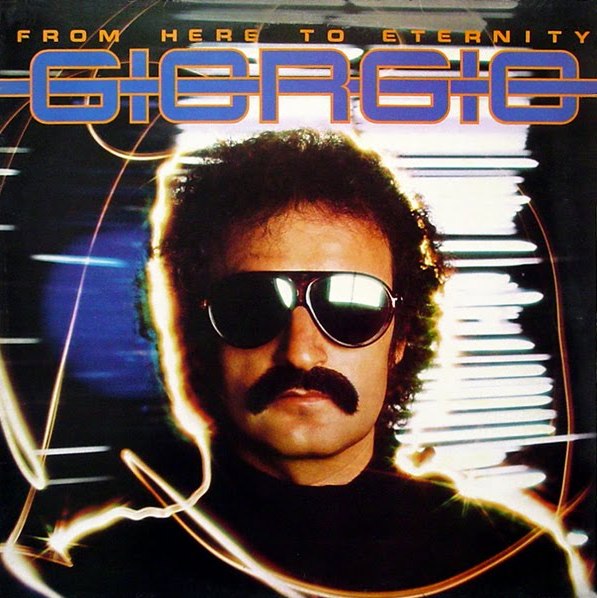
Despite being a hit single, ‘From Here To Eternity’ was actually something of a disjointed disco medley, throwing in a section of the album track ‘Utopia – Me Giorgio’ halfway through. The full six minute ‘From Here To Eternity’ from the long player of the same name was a futuristic slice of electronic dance perfection, with Giorgio Moroder steadily building on his throbbing synth backbone and layers of vocoder punctuated by the steady beats of drummer Keith Forsey.

Available on the GIORGIO album ‘From Here To Eternity’ via Repertoire Records

https://www.giorgiomoroder.com/


THE HUMAN LEAGUE Being Boiled (1980)
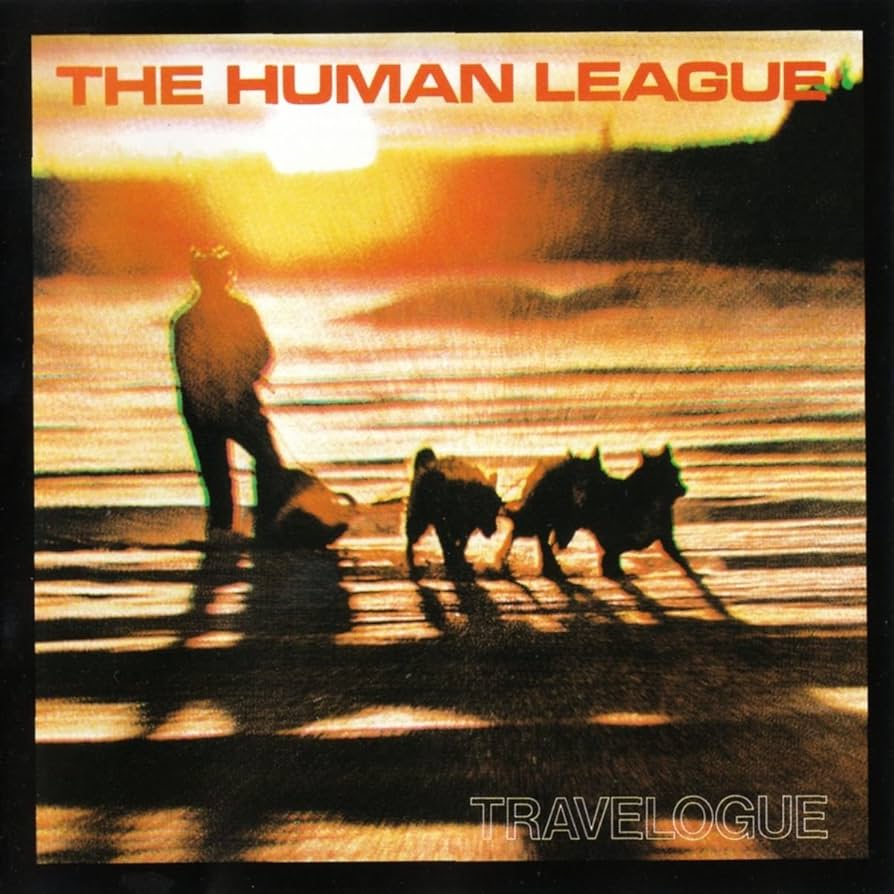
The original Fast Product single version of ‘Being Boiled’ from 1978 had its own charm, recorded as mono demo which was subsequently released. However, having signed to Virgin Records and with a budget behind them, Messrs Marsh, Oakey and Ware took the opportunity to update their calling card with producer John Leckie for the ‘Travelogue’ album to more fully realise its funky overtones inspired by FUNKADELIC. The end result was fuller and more dynamic.

Available on THE HUMAN LEAGUE album ‘Travelogue’ via Virgin Records

http://www.thehumanleague.co.uk/


JAPAN Nightporter (1980)
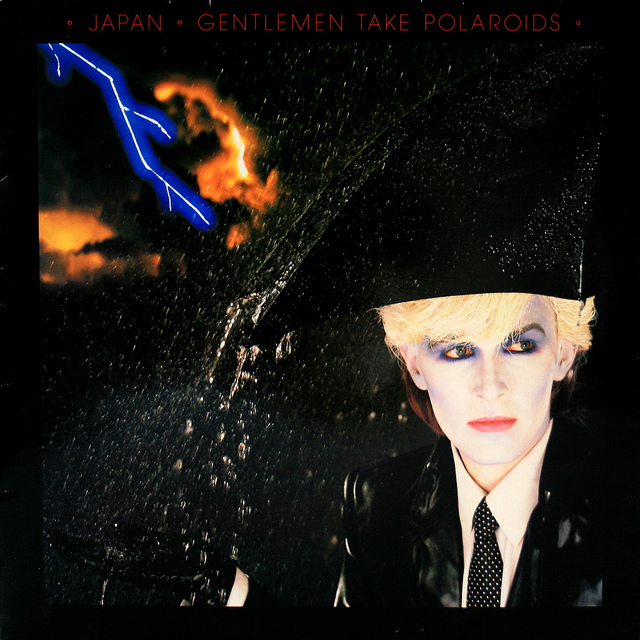
‘Ghosts’ had been an unexpected singles success for JAPAN in 1982 and Virgin Records wanted more of the same with ‘Nightporter’, despite it being already two years old and with the previously unreleased song ‘Some Kind Of Fool’ in the vaults. Trimming the solemn seven minute ivory laden Satie homage was always going to be difficult and the horrific radio edit butchered out the lengthy if vital instrumental climax of melancholic Oberheim OBX strings. Less really does mean less…

Available on the JAPAN album ‘Gentlemen Take Polaroids’ via Virgin Records

http://www.nightporter.co.uk/


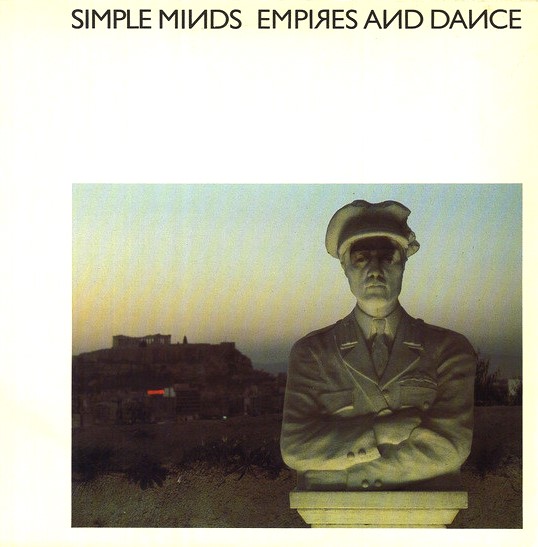
SIMPLE MINDS I Travel (1980)

The album version of ‘I Travel’ was only four minutes in the first place, yet original label Arista Records felt the need to chop the track on both single edits it released and neuter its impact. SIMPLE MINDS never fully realised their potential until they signed to Virgin Records and ‘I Travel’ heralded a futuristic art rock phase where the band’s Germanic influences, coupled to synthesized disco aesthetics of Giorgio Moroder, found favour at clubs like The Blitz.

Available on the SIMPLE MINDS album ‘Empires & Dance’ via Virgin Records

https://www.simpleminds.com/


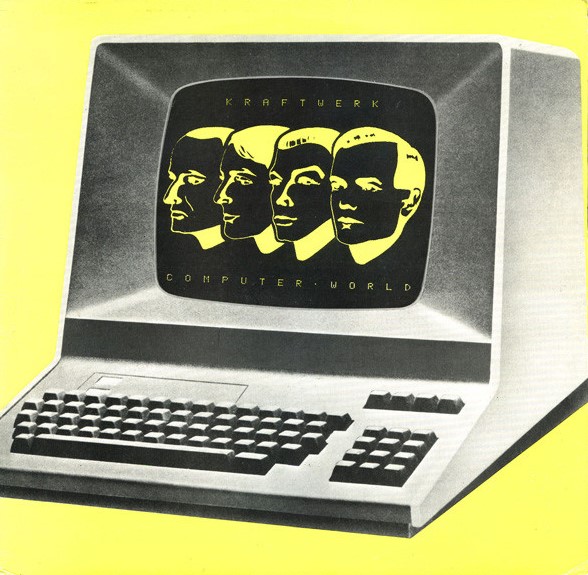
KRAFTWERK Computer Love (1981)

Whether ‘Autobahn’, ‘Radio-Activity’, ‘Showroom Dummies’, ‘Trans-Europe Express’, ‘Neon Lights’ or ‘The Robots’, the sheer average length of a KRAFTWERK track made them difficult to apply to the single format and ‘Computer Love’ was no different. A beautifully melodic piece that predicted internet dating and stretched to just under seven minutes with its glorious second half synth solo in its album version, it was like the reel of the film was missing in its edited form.

Available on the KRAFTWERK album ‘Computer World’ via EMI Records

http://www.kraftwerk.com/


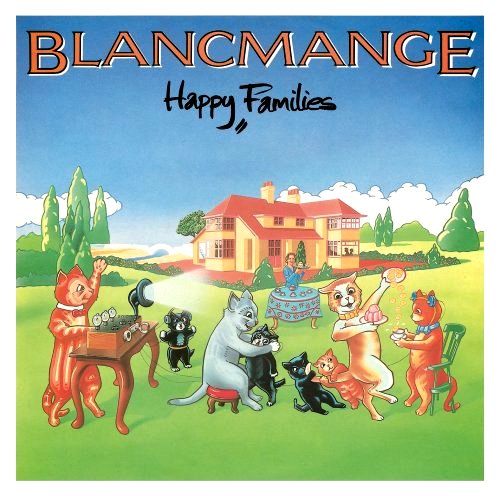
BLANCMANGE Waves (1982)

A UK Top 20 single for BLANCMANGE in 1983, ‘Waves’ was remixed and given an orchestral treatment arranged by Linton Naiff, but it strangely detracted from the bare emotion of the song. Sounding like Scott Walker fronting OMD, with a more basic synthesized construction and a sombre detuned brass line allowed to breathe at the song’s conclusion, the album version sans orchestra was much better.

Available on the BLANCMANGE album ‘The Very Best Of’ via Music Club Deluxe

http://www.blancmange.co.uk/


DAF Kebab Träume (1982)

Originally recorded for a 1980 single on Mute Records in more of a band format featuring guitar and hand-played synths, ‘Kebab Träume’ was subsequently reworked by DAF in a more superior fashion under the production supervision of the legendary Conny Plank for their third and final Virgin-era long player ‘Für Immer’. Transforming into something much heavier, the memorable if controversial line “Deutschland, Deutschland, alles ist vorbei!” had more bite on this album version.

Available on the DAF album ‘Für Immer’ via Grönland Records

https://www.groenland.com/en/artist/deutsch-amerikanische-freundschaft/


LUSTANS LAKEJER Läppar Tiger, Ögon Talar (1982)
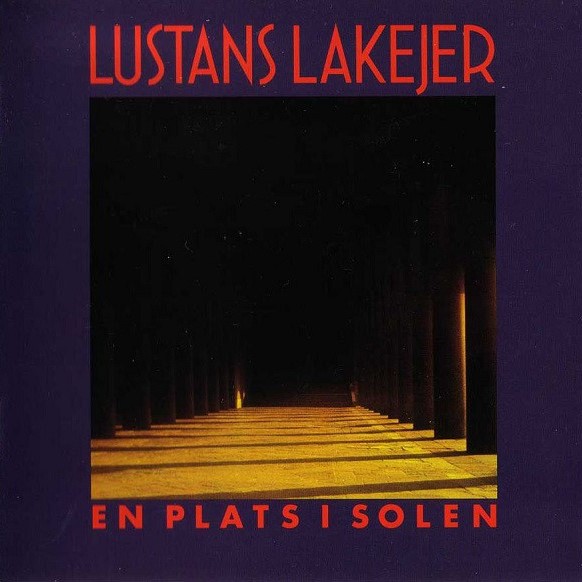
Sweden’s LUSTANS LAKEJER came to international attention when their third long player ‘En Plats I Solen’ was produced by Richard Barbieri of JAPAN. With its synthesized atmospheres and art funk aspirations not that far off DURAN DURAN, ‘Läppar Tiger, Ögon Talar’ was one of the album’s highlights. But for the inferior single version produced by Kai Erixon, the band opted for a more laid back swing arrangement punctuated by a brass section.

Available on the LUSTANS LAKEJER album ‘En Plats I Solen’ via Universal Music

https://www.facebook.com/LustansLakejer/


GARY NUMAN We Take Mystery (1982)
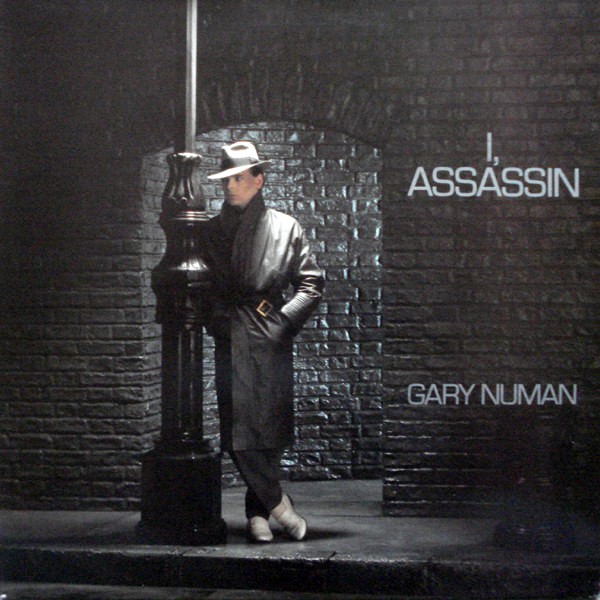
The single version of ‘We Take Mystery’ which was Gary Numan’s last UK Top 10 hit was too short and the extended 12 inch version was too long, which left the album version from ‘I, Assassin’ as the best take of the song. With its crashing Linn Drum snap and fretless bass with live percussion syncopating on top, this was a dancefloor excursion which concluded with a marvellous additional rhythm guitar breakdown from fretless bassist Pino Palladino.

Available on the GARY NUMAN album ‘I, Assassin’ via Beggars Banquet

https://garynuman.com/


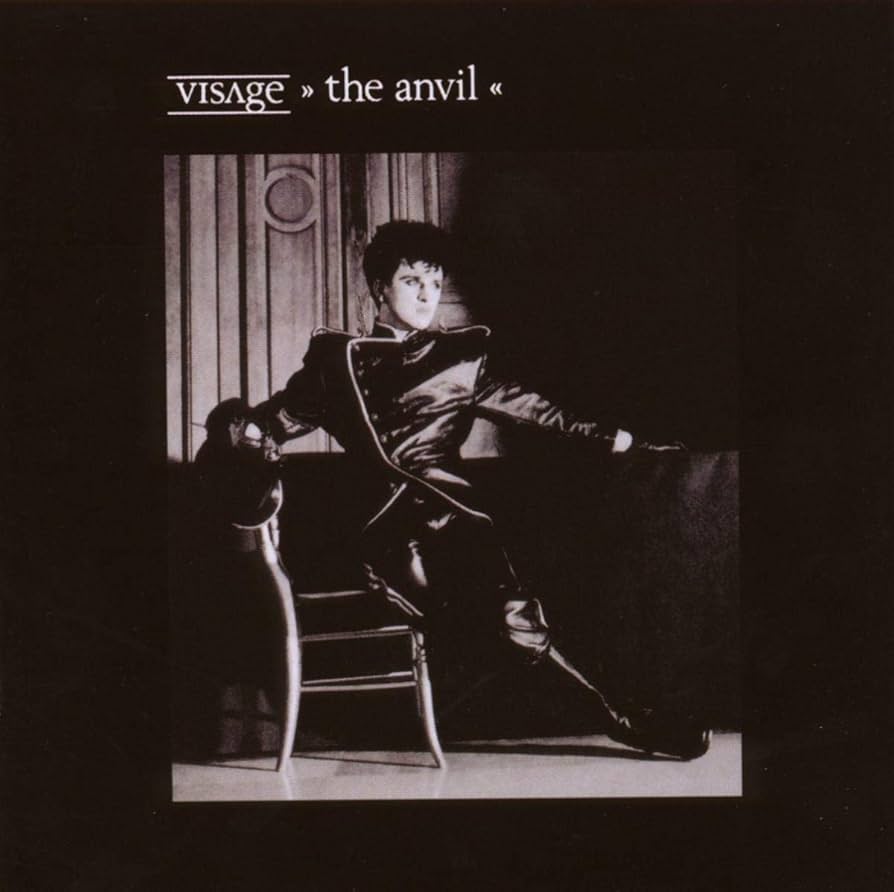
VISAGE The Anvil (1982)

Remixed by John Luongo for single release, ‘The Anvil’ ended up as a B-side but while the sound of metal-on-metal was added, it somehow had less presence than the original album version. Possessing far Teutonic tension with some superb guitar work from Midge Ure, metronomic drumming courtesy of Rusty Egan minus his hi-hats, Dave Formula’s superb screaming ARP Odyssey complimented Steve Strange’s tale of debauchery for one of the best ever VISAGE tracks.

Available on the VISAGE album ‘The Anvil’ via Cherry Pop

https://www.discogs.com/artist/3479-Visage


JOHN FOXX Endlessy (1983)
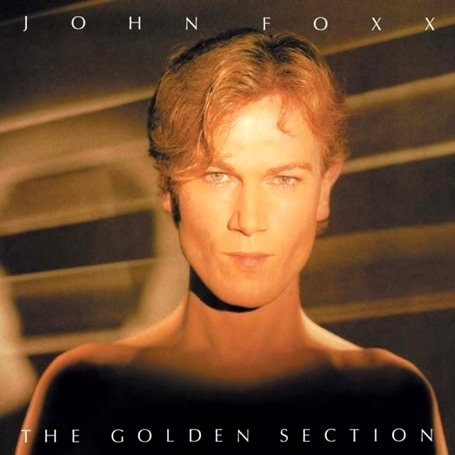
By 1982, John Foxx has rediscovered his love of early PINK FLOYD, THE BEATLES and psychedelia which manifested itself in ‘Endlessy’. Based around a tom heavy Linn Drum programme, deep cello samples and sitars, it was an interesting if messy experimental romp. Come his third album ‘The Golden Section’ recorded withproducer Zeus B Held, the new version was much more focussed with an accessible uptempo electronic euphoria.

Available on the JOHN FOXX album ‘The Golden Section’ via Edsel Records

http://www.metamatic.com/


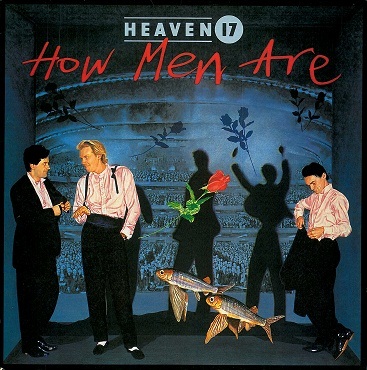
HEAVEN 17 And That’s No Lie (1984)

A sub-ten minute progressive epic was never going to work as an edited single and with ‘And That’s No Lie’, that’s exactly what happened. The original album version was HEAVEN 17’s ambitious adventure in sound and fusion that threw in everything from abstract sonic experiments, jazz piano, Fairlight samples, the gospel voices of ARFRODIZIAK and an orchestra, plus some excellent live bass and guitar work from John Wilson and Ray Russell respectively.

Available on the HEAVEN 17 album ‘How Men Are’ via Virgin Records

https://www.heaven17.com/


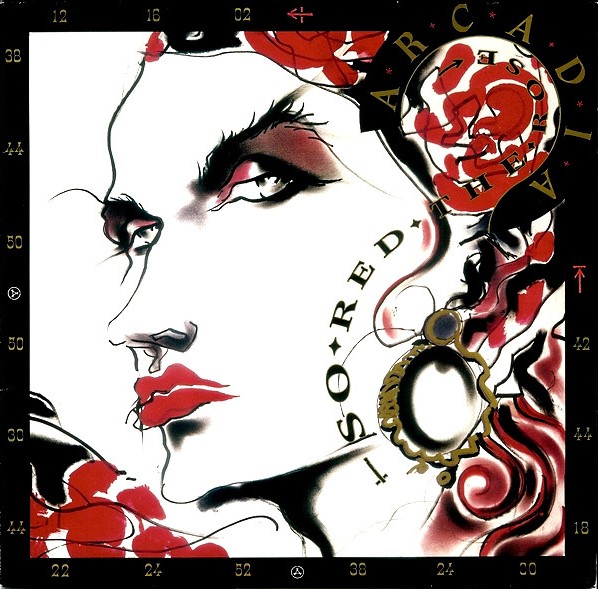
ARCADIA The Flame (1985)

ARCADIA was Simon Le Bon, Nick Rhodes and Roger Taylor’s attempt to be JAPAN during the DURAN DURAN artistic hiatus, but many of the songs from the short-lived side project were smothered in a pond of self-indulgence. One of the highlights though was ‘The Flame’, basically ‘A View To A Kill Part 2’. However for its single release, a neo-acapella intro was applied rather than the frantic percussive beginning of the album version which robbed the song of its tension and impact.

Available on the ARCADIA album ‘So Red The Rose’ via EMI Records

http://www.duranduran.com/


DEAD OR ALIVE My Heart Goes Bang (1985)
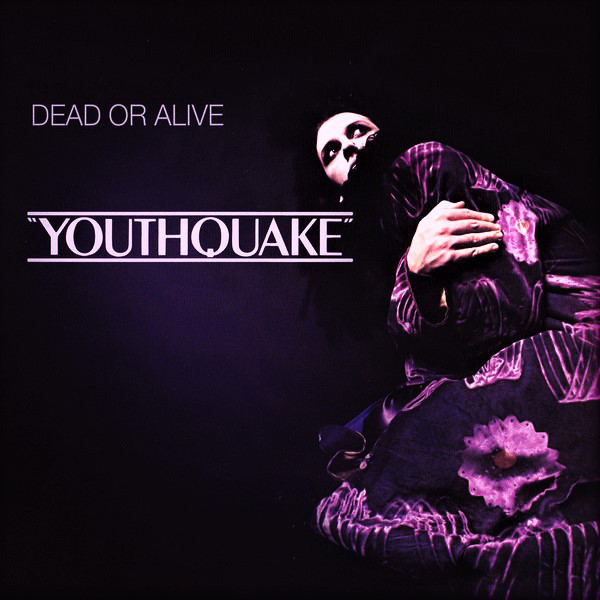
Having got DIVINE into the UK charts, Stock Aitken & Waterman gave the same treatment to DEAD OR ALIVE, scoring a No1 with ‘You Spin Me Round’. Parent album ‘Youthquake’ had some excellent tracks including ‘My Heart Goes Bang’ which was ripe single material. But the single remix by regular PWL associate Phil Harding was horrible, throwing in the kitchen sink with voice cut-ups and an overdriven rhythm section which drowned out any merits the song originally had.

Available on the DEAD OR ALIVE album ‘Youthquake’ via Sony Music

https://www.discogs.com/artist/46720-Dead-Or-Alive


NEW ORDER Bizarre Love Triangle (1986)
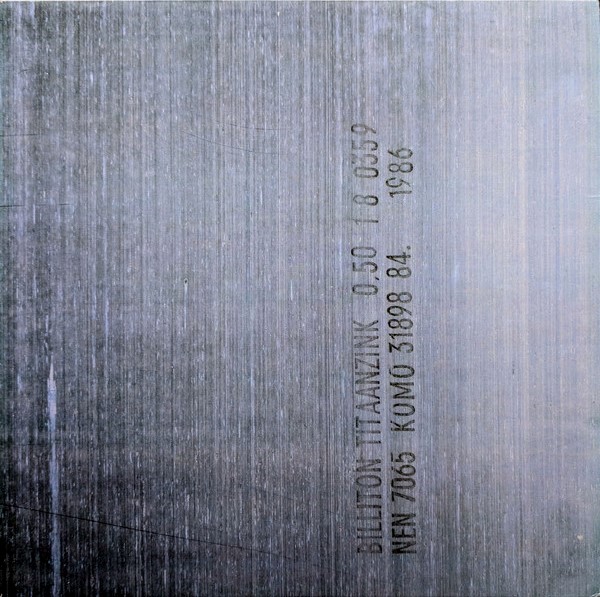
‘Bizarre Love Triangle’ is one of the best loved NEW ORDER tunes. The rugged self-produced original version that appeared on the ‘Brotherhood’ album was a glorious electronic number with a slight mechanical offbeat and space for Hooky’s distinctive bass. But the version released for 45 RPM consumption was a frustrating, four-to-the-floor remix by Shep Pettibone which took all the character out of the song with a barrage of overdriven percussive samples.

Available on the NEW ORDER album ‘Brotherhood’ via Warner Music

http://www.neworder.com/


TALK TALK Living In Another World (1986)
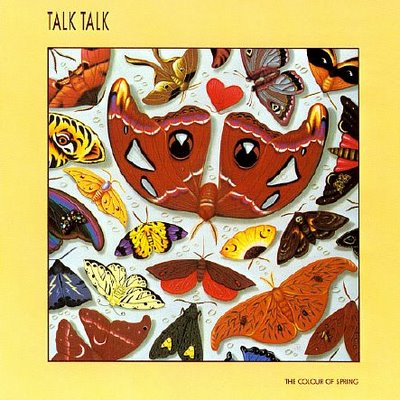
Although ‘Living In Another World’ was the best song on ‘The Colour Of Spring’, it was always going to be a tall order to but its 7 minutes in half for single consumption! A fine progressive combination of synthetic strings, piano, Hammond organ, hypnotic bass, acoustic and electric guitars, percolating percussion and harmonica, the TALK TALK sound would have been nothing however without the anguished vocals of Mark Hollis and the production skills of Tim Friese-Greene.

Available on the TALK TALK album ‘The Colour Of Spring’ via EMI Records

https://www.facebook.com/Talk-Talk-Mark-Hollis-12307963901/


CAMOUFLAGE The Great Commandment (1988)
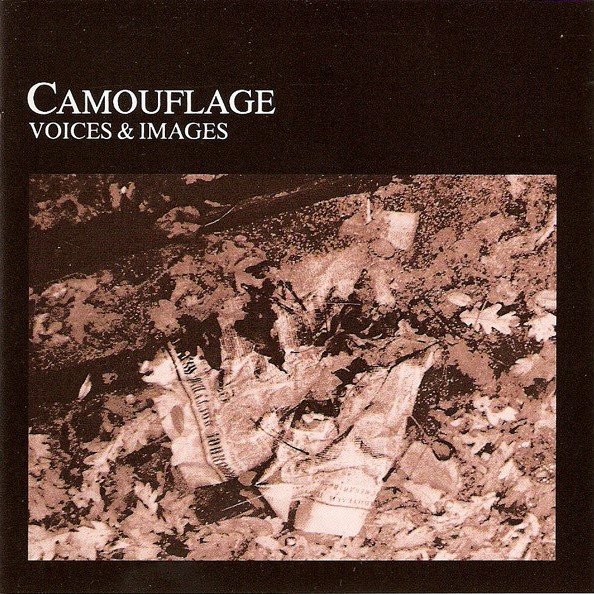
German trio CAMOUFLAGE had a hit with ‘The Great Commandment’ all over the world with only Britain remaining ambivalent to their industrial flavoured synthpop. As with many singles of the period, it clocked in at just over three minutes but sounded rushed. Come the debut album ’Voices & Images’ and ‘The Great Commandment’ was more fully realised, allowing space to prevail in the one of the best DEPECHE MODE tracks that the Basildon boys never recorded.

Available on the CAMOUFLAGE album ‘Voices & Images’ via Metronome Music

http://www.camouflage-music.com/


THE BLUE NILE Headlights On The Parade (1989)
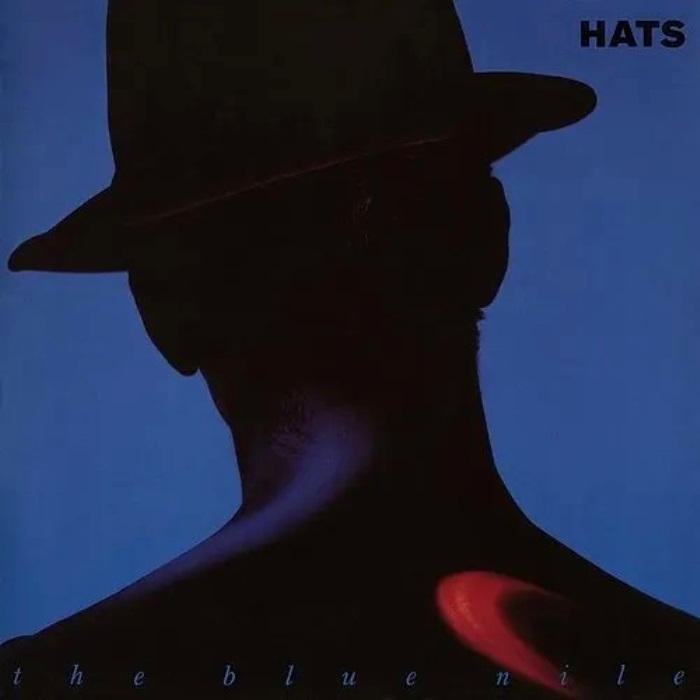
Enigmatic Glaswegian trio THE BLUE NILE were never an easy sell to the wider marketplace and the Bob Clearmountain single remix of ‘Headlights On The Parade’ was hopeless, with over a third of the emotively atmospheric number absent for the sake of radio play. The centrepiece of the brilliant ‘Hats’ album, its haunting piano, swaths of synths and a collage of modulated sequences needed a full six minutes to truly convey its solemn drive and rainy cinematic melodrama.

Available on THE BLUE NILE album ‘Hats’ via Epstein Records

http://www.thebluenile.org/


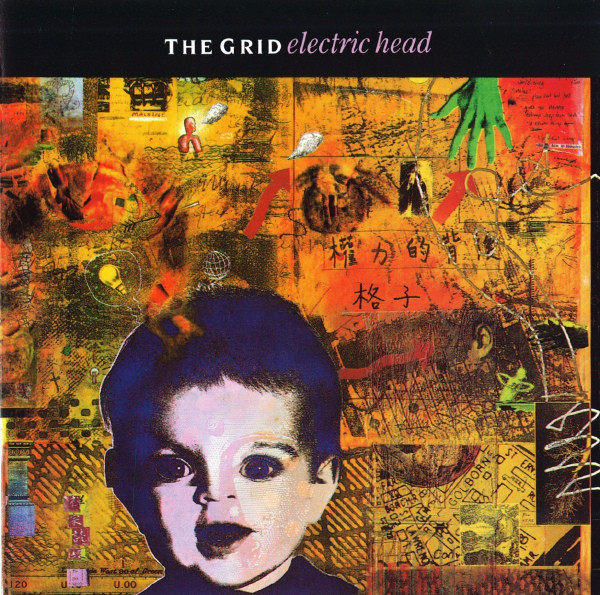
THE GRID Floatation (1990)

Subsonically remixed by Andrew Weatherall with a distinct chilled-out flavour and an additional vocal from Sacha Souter for single release, the brilliant album version of ‘Floatation’ had a more rigid KRAFTWERK feel echoing elements of ‘Tour De France’. Towards the home straight, Julian Stringle’s clarinet brought to mind the aesthetics of Dave Ball’s previous residency in SOFT CELL. But while those woodwind textures were present in the single, they were less effective overall.

Available on THE GRID album ‘Electric Head’ via Cherry Red Records

https://www.discogs.com/artist/5081-The-Grid


PET SHOP BOYS Being Boring (1990)
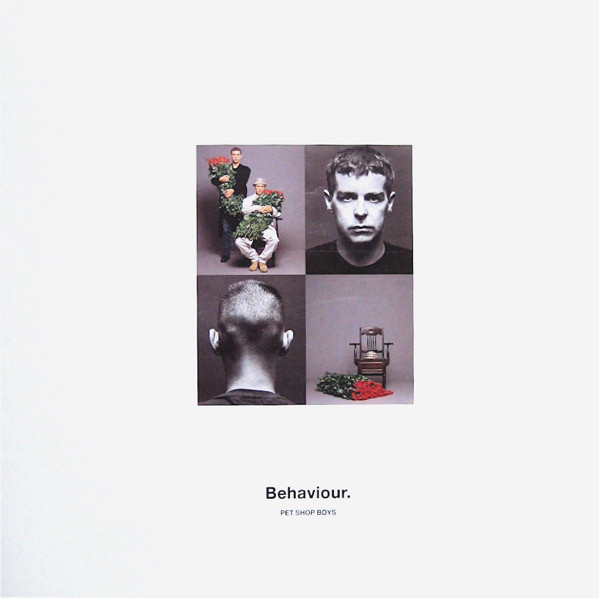
Partly inspired by a quote about the wife of F Scott Fitzgerald which stated “she refused to be bored chiefly because she wasn’t boring”, ‘Being Boring’ is one of PET SHOP BOYS’ best songs, reflecting on Neil Tennant’s youth and the loss of a friend who died of AIDS. While the single itself was almost five minutes long, the superior album version featured a fabulous intro that steadily built with a lilting synth bassline and wah-wah guitar that made the most of the song’s elegiac aura.

Available on the PET SHOP BOYS album ‘Behaviour’ via EMI Records

http://petshopboys.co.uk/


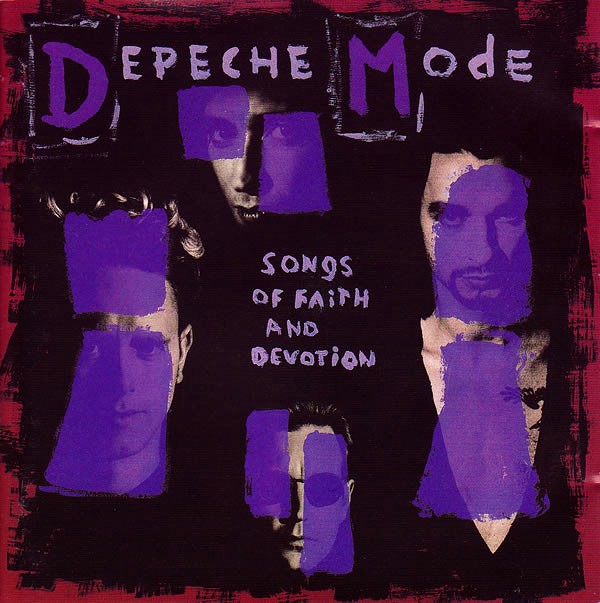
DEPECHE MODE In Your Room (1993)

A tedious rockist statement by DEPECHE MODE when reworked by Butch Vig for single release, the album version of ‘In Your Room’ was widescreen magnificence with a tense percussive drive courtesy of Alan Wilder who only played what was needed, adding a second simplistic drum passage for extra weight. Aexample of how feel is more important technique, current DM drumhead Christian Eigner managed to mess up his opportunity to shine on this during the ‘Global Spirit’ tour.

Available on the DEPECHE MODE album ‘Songs Of Faith & Devotion’ via Sony Music

http://www.depechemode.com/


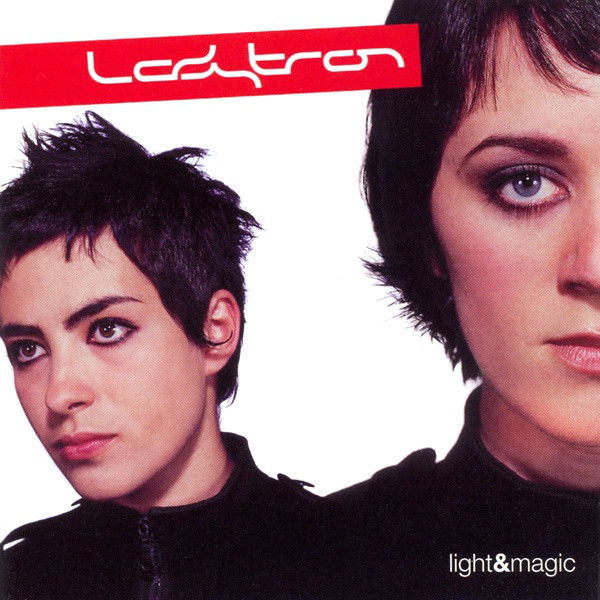
LADYTRON Evil (2003)

The second LADYTRON album ‘Light & Magic’ is probably best known for its lead single ‘Seventeen’, but opening its second half was the brilliantly propulsive ‘Evil’. An obvious single, when remixed by noted dance producer Ewan Pearson, it was filled out with extra string synths and made more contemporary. The track lost its appealing spatial dynamics and grunt while the way in which the vocals of Helen Marnie were mixed more than muted her charm.

Available on the LADYTRON album ‘Light & Magic’ via Nettwerk productions

http://www.ladytron.com/


ARTHUR & MARTHA Autovia (2009)

ARTHUR & MARTHA were Adam Cresswell and Alice Hubley; their debut single ‘Autovia’ was the first release on Happy Robots Records in 2008 but when it came to recording the album ‘Navigation’, the incessant Doctor Rhythm drum machine was given a more hypnotic Motorik makeover. Meanwhile, there was an extended end section which allowed for some cosmic Theremin and synth wig-outs like STEREOLAB meeting NEU!

Available on the ARTHUR & MARTHA album ‘Navigation’ via Happy Robots Records

https://www.facebook.com/arthurandmarthaband/


MESH Adjust Your Set (2013)

From MESH’s best album ‘Automation Baby’, the wonderfully metronomic ‘Adjust Your Set’ with its personal relationship commentary in a technology dominated world was one of its many highlights. Given a more orchestrated remix by Nico Wieditz for the MaBose Radio-Edit with a much busier electronic bassline along the lines of ‘Enjoy The Silence’, while this single version had more obvious presence, it lacked the eerie cinematic Morricone-esque air of the album original.

Available on the MESH album ‘Automation Baby’ via Dependent Records

http://www.mesh.co.uk/


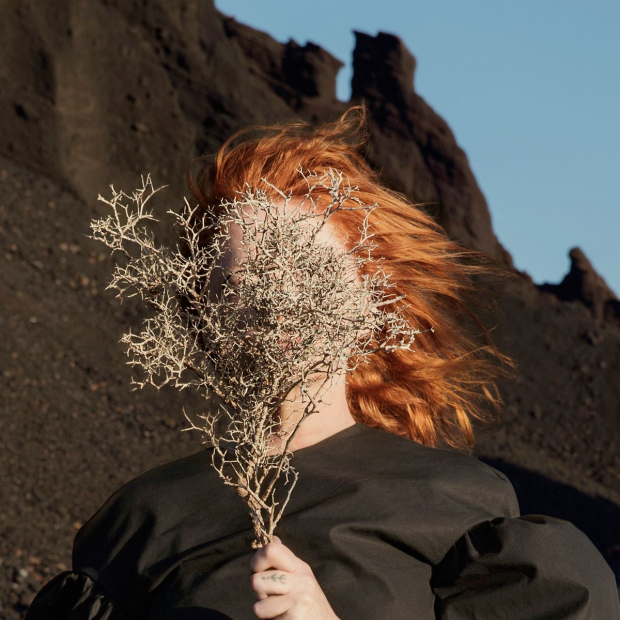
GOLDFRAPP Ocean (2017)

‘Ocean’ was already dramatic perfection as the best track on the seventh GOLDFRAPP album ‘Silver Eye’, but for the single version, it was felt a contribution from a former member of the Mute family was needed. While Devotees were wetting themselves over Dave Gahan appearing on a more obviously electronic sounding track again, his faux bluesy drawl was something of a mismatch next to the breathy angelic tones of Alison Goldfrapp.

Available on the GOLDFRAPP album ‘Silver Eye’ via Mute Artists

https://www.goldfrapp.com/


Text by Chi Ming Lai
2nd January 2019

EXIT NORTH Interview

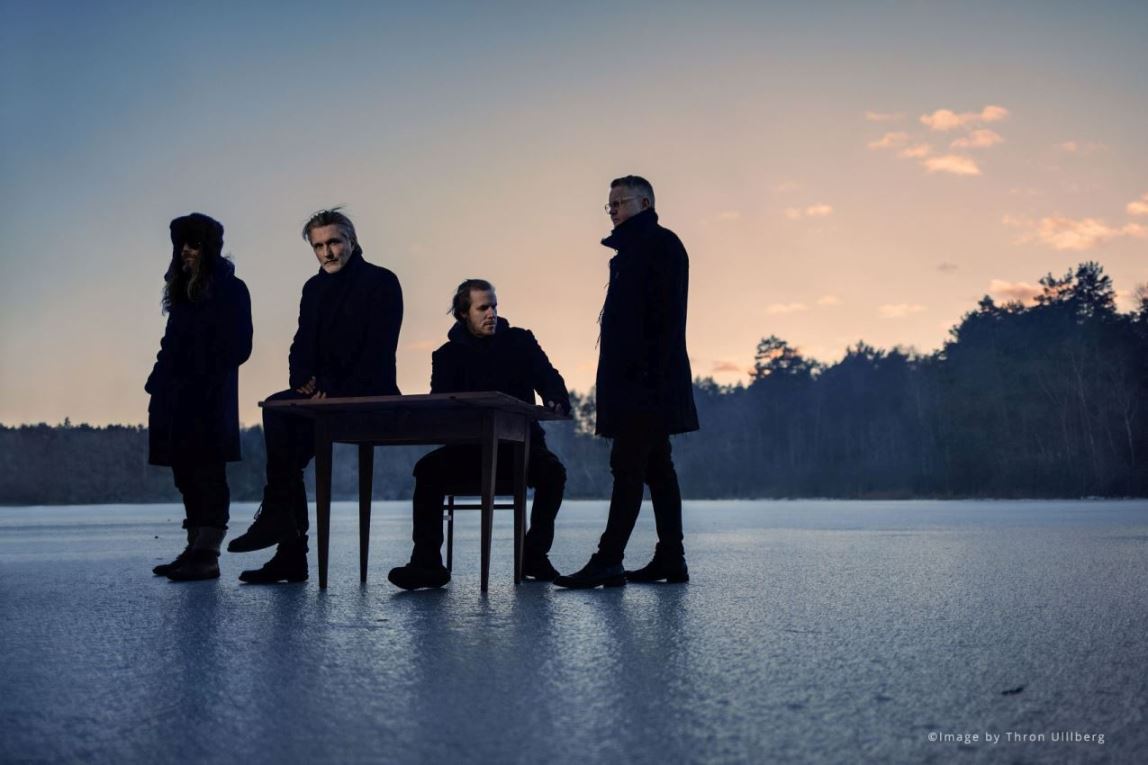
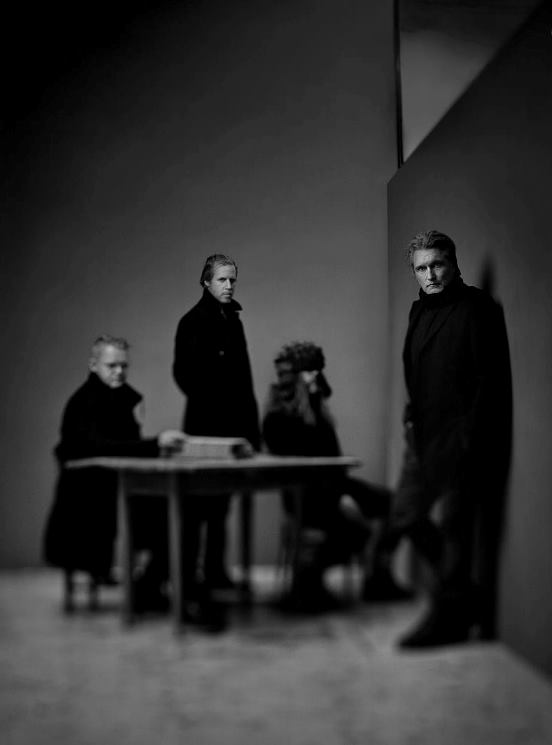
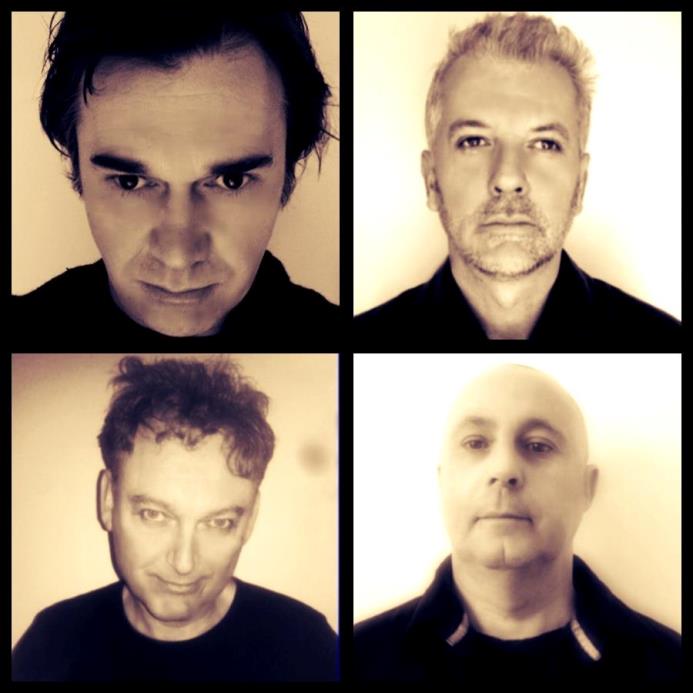
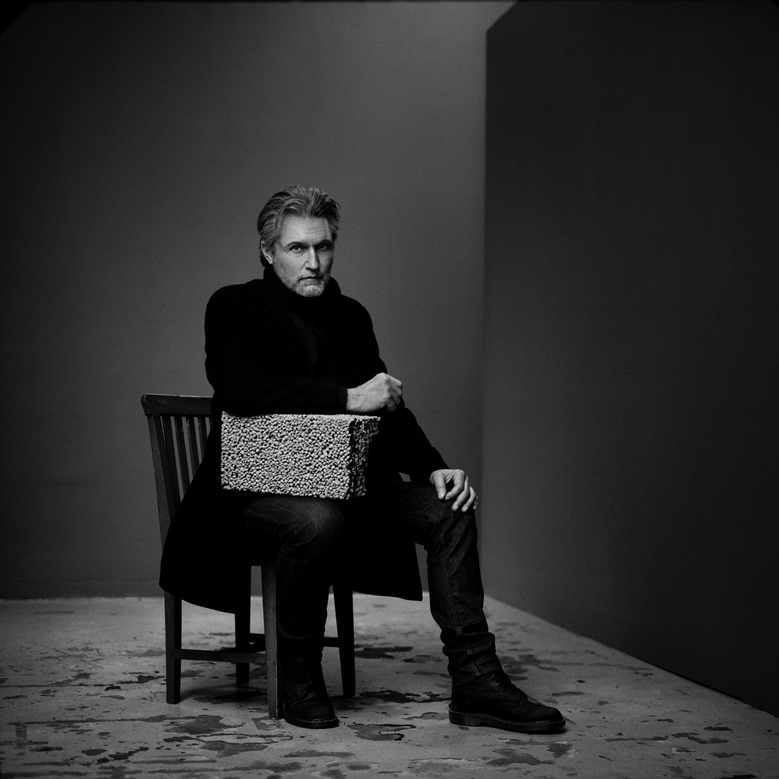
EXIT NORTH are the brooding quartet who comprise of Thomas Feiner, Steve Jansen, Ulf Jansson and Charles Storm.

Lead vocalist Feiner first worked with Jansen on his solo albums ‘Slope’ in 2007 and ‘Tender Extinction’ in 2016, but EXIT NORTH began in 2014 when the pair enlisted the talents of Ulf Jansson and Charles Storm.

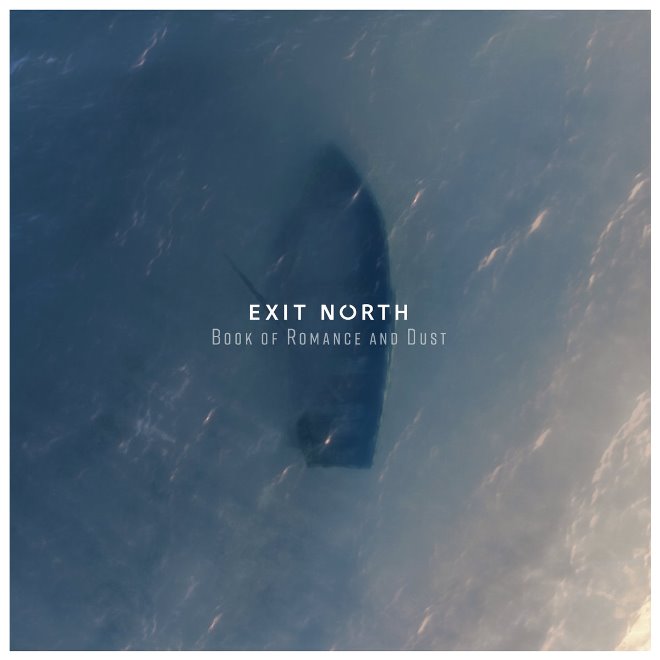
The combo are about to release their magnificent debut album ‘Book Of Romance and Dust’, a captivating collection of nine songs seeded in Gothenburg and swathed in a variety of wintery instrumental colours including piano, synthesizer, trumpet, harmonium and a string section conducted by Mikael Backegård.

‘Book of Romance and Dust’ is a quality recording that also sees Steve Jansen, who first found fame as a member of JAPAN, returning to drums and percussion following the more ambient nature of his last two releases ‘The Extinct Suite’ and ‘Corridor’. He kindly chatted about the genesis and realisation of EXIT NORTH.
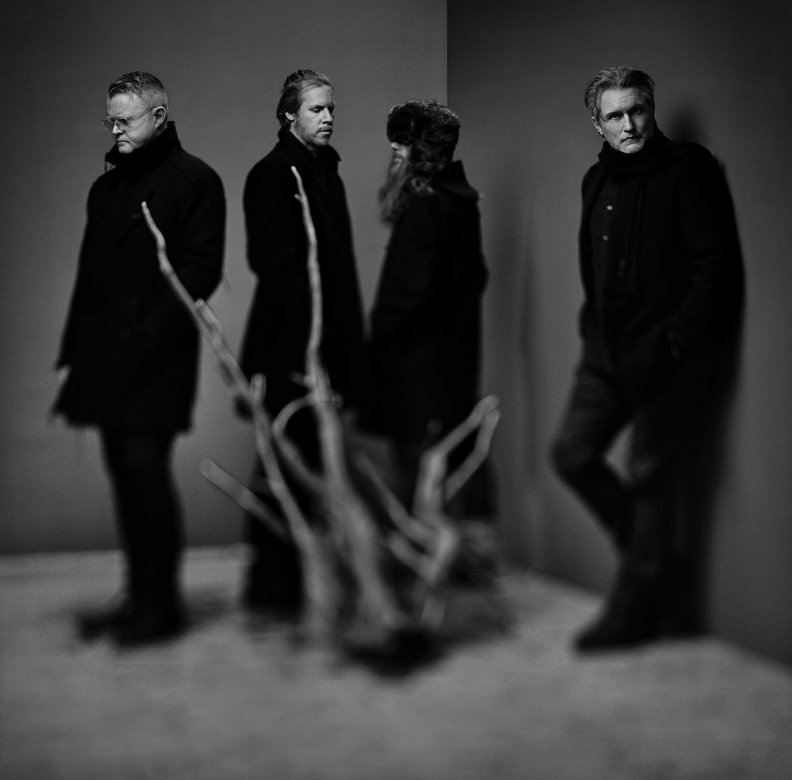
How did EXIT NORTH come together as a project?

In 2014 I asked Thomas how he felt about working on a more long term collaborative project with the hope of putting out an album together. His response was positive and since he’d begun writing with Ulf on piano, it seemed like a good idea to pull resources and make it a ‘band’ project.

Later Thomas had the idea to ask Charles to join us. Charles, a popular producer in Sweden, had already worked with Ulf for various sessions and he and Thomas had known one another since their first meeting at a show I performed in Sweden many years earlier.

‘Book Of Romance and Dust’ has had a long gestation period…

Yes, although if you condense the amount of time we actually spent on the making of the record, it would probably be around 3 months work. We each had other commitments and it wasn’t easy to move things forward at a regular pace. But the periods of stagnation were ultimately productive since we were able to re-evaluate more and take one another’s ideas onboard. It sounds the way it does because it took 4 years to complete and I wouldn’t want to change that.

In terms of the compositional dynamic, how often were you able to work together in the same room and what elements could you leave to more remote processes?

I made numerous trips to Gothenburg so that we could record together but after the piano parts were recorded, much of the initial arrangements were dealt with remotely. It’s pretty common these days to exchange audio stems and work on overdubs in the comfort (and affordability) of your own workspace. But we wanted to include a lot of real instruments and performances and because Charles has his own studio in Gothenburg which is fully equipped for live recording, we were able to make the best of both worlds.

Despite being a band project, ‘Book Of Romance and Dust’ does have this amazing forlorn quality about it…

I think it’s simply a matter of each of us being on the same wavelength musically. As is often the case with makers of ‘serious’ music, we’re not forlorn characters by any stretch of the imagination but we are sensitive to, and appreciative of, those more weighty emotions we all carry within us and if we can represent some of that stuff in music without boring everyone to tears then it’s a worthwhile exercise. I don’t think it’s something you can achieve very well when you’re still in your youth, so it makes sense to play to your strengths the older you get.

Much of the music is very cinematic, was there any particular approaches or influences that pointed it in this direction?

Much of the material derived from Ulf’s piano parts and as you can hear he is always introducing melody lines with the chords, and Thomas’ vocals follow different melodies, so as a listener you’re registering more than just the one melody line. There has to be ample space in the music to allow for this and so we managed to strip away anything superfluous and allow the music to breathe. The use of strings help to embellish these melodies and I think perhaps this combination might suggest a cinematic quality.

Thomas Feiner’s vocals have that distinct aged resonance which suits this type of material?

I think Thomas’ voice has a tremendous amount of gravitas and resonance and his delivery is better than most native English singers. I feel very fortunate to be working with someone this good.

What was it like for you to be back involved in songs and playing percussion after your more recent ambient releases?

Great. I’ve missed the experience of being in a group and sharing responsibilities whereby each member focuses on those elements that best serve the recording. There’s a tremendous level of diplomacy in the group and we all played a variety of instruments, some of which we’ve not bothered to credit as it would just look daft. And writing lyrics for songs with beautiful melodies provides a wonderful sense of job satisfaction.

Opening song ‘Bested Bones’ is quite a haunting number with some lovely strings and mysterious tones of brass?

This particular song was one that Thomas and Ulf worked on prior to the four of us teaming up. I think it demonstrates well how the two of them dance around one another melodically. All the strings on the album were added towards the end of the recording sessions and were very much the icing on the cake.

The acoustic elements on the album have a wonderfully airy touch about them, how did you set about achieving this during recording?

The sound of the record is down to Charles and his skill at recording and mixing. He worked tirelessly at making the very best of each and every process of the recording, since this project was so important to him.

‘Passenger’s Wake’ has some unexpected dynamic bursts?

Yes, it’s the most dynamic track on the album. After adding some brass type bursts to the chorus, it set the path to becoming much more aggressive and bombastic. It’s one of those tracks that found its place without any of us seeing it coming.

‘Lessons In Doubt’ has a rich timeless European feel… it would seem that this album has no real influence from across the Atlantic, had that been a conscious decision?

‘Lessons In Doubt’ had a working title of ‘The Russian’ because of the piano melodies. We all like this flavour. For such a simple sounding track it took a lot of work, but the string arrangement and percussive detail really added to that Bolshevik twist. I think it’s fair to say this isn’t an American sounding record which wasn’t a conscious decision, but to be honest I can’t recall ever making an American influenced album.

‘Spider’ appears to combine Scott Walker with latter day TALK TALK and THE BLUE NILE?

That didn’t occur to me but it’s a fair enough observation and now that you mention it, I can see what you mean.

The emotive and shimmering two parter ‘Losing’ with Anna Bylund’s angelic soprano counterpoint from   to Thomas’ hum conveys exactly what the title suggests?

The lyrics refer to looking after that which is fragile. I wouldn’t want to describe specially where the inspiration comes from but if that image is relayed then I’m pleased about it.

Who do you hope EXIT NORTH will appeal to?

Ideally anyone who can draw deeper emotions from music but I know that not everyone needs that. I certainly don’t but that’s because I spend too much of my time working on it.


ELECTRICITYCLUB.CO.UK gives its grateful thanks to Steve Jansen

‘Book Of Romance and Dust’ is released via Bandcamp as a CD and download on 1st October 2018, pre-order from https://exitnorth.bandcamp.com/releases

https://www.exitnorthmusic.com/

https://www.facebook.com/EXITNORTHMUSIC/

http://www.stevejansen.com/

https://www.facebook.com/Steve-Jansen-Official-803014983085400/

https://twitter.com/istevejansen


Text and Interview by Chi Ming Lai
Photos by Thron Ullberg
12th September 2018

A Beginner’s Guide To COLIN THURSTON

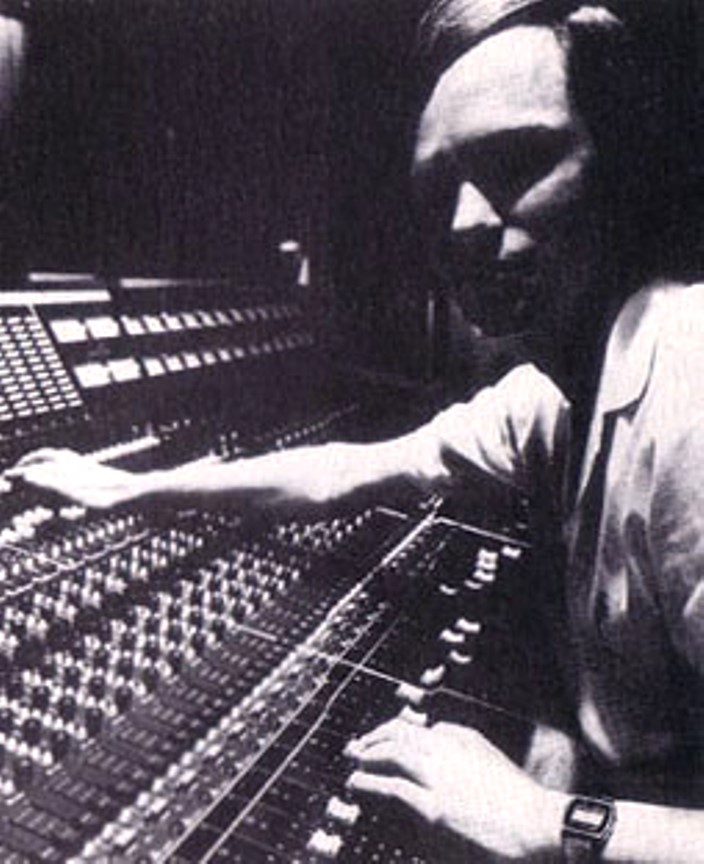
While Colin Thurston is perhaps not as lauded as Conny Plank, Giorgio Moroder and Trevor Horn, he undoubtedly helped shape the sound of a pioneering musical era.

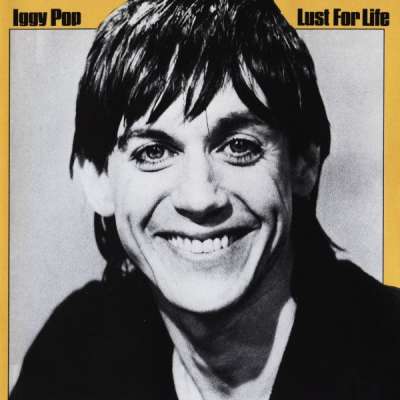
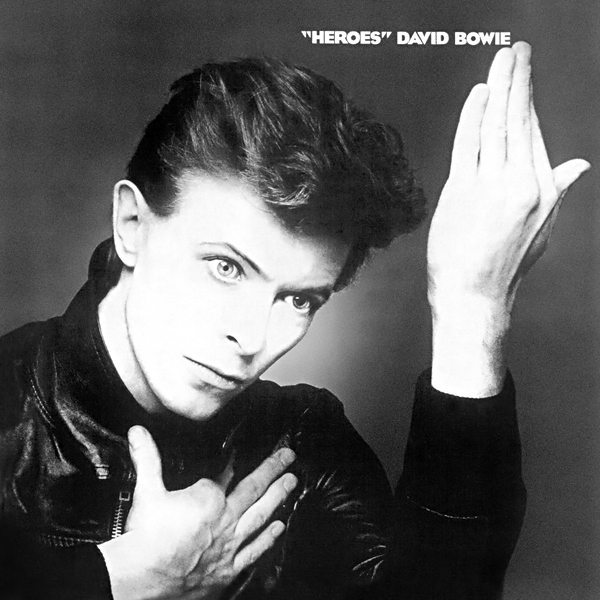
A jingle writer and jobbing musician, legend has it that he bluffed his way into audio engineering before securing a job with Tony Visconti. Working alongside the legendary producer during his sojourn at Hansa Tonstudio in the Kreuzberg district of West Berlin by the Wall, he experienced a baptism of fire. There he worked on what became two legendary albums, David Bowie’s ‘Heroes’ and Iggy Pop’s ‘Lust For Life’. He impressed enough to be recommended to Virgin Records signings MAGAZINE when they approached Tony Visconti as producer for the follow-up to their debut album ‘Real Life’.

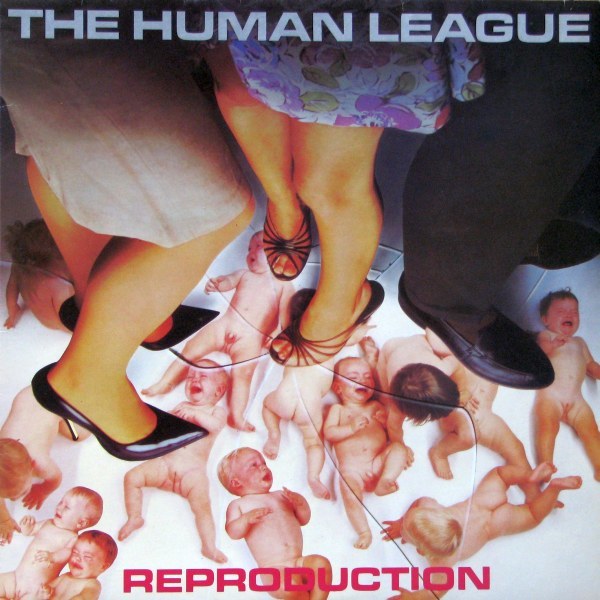
It was this connection to Virgin Records that also led Thurston to work with THE HUMAN LEAGUE on their debut album ‘Reproduction’. Working together on classic League tracks such as ‘Empire State Human’, ‘Almost Medieval’, ‘Blind Youth’, ‘The Path Of Least Resistance’ and a stark cover of ‘You’ve Lost That Loving Feeling’, while the union was not a commercial success, Phil Oakey, Martyn Ware and Ian Craig Marsh gained valuable experience that would ultimately progress their music careers.

But it was Thurston’s work with DURAN DURAN that was to have the biggest worldwide impact. John Taylor said: “without Colin’s depth of vision, we would never have become the band we became” – under Thurston’s production guidance, DURAN DURAN grew from being a promising New Romantic band with a JAPAN fixation into becoming one of the UK’s biggest music exports to North America.

This was thanks in part to the striking videos accompanying songs such as ‘Girls On Film’, ‘Hungry Like The Wolf’ and ‘Save A Prayer’ directed by the likes of Godley & Crème and Russell Mulcahy, all gaining regular rotation on MTV, although DURAN DURAN’s willingness to undertake long periods of Stateside touring also helped their cause.

After working with DURAN DURAN, Thurston also produced albums by TALK TALK, KAJAGOOGOO, and CAMOUFLAGE, although a reunion with THE HUMAN LEAGUE in 1985 on what was intended to be ‘Crash’ came to nought when Virgin Records rejected the results of the recording sessions.

Thurston became an in-house producer for the Canadian label Brouhaha and latterly undertook only occasional production work. There had been talk of Thurston working together again with DURAN DURAN when the classic line-up of Simon Le Bon, Nick Rhodes, John Taylor, Roger Taylor and Andy Taylor reunited in 2001, although this came to nothing. Sadly after a long illness, he passed away in January 2007, aged 59.

His portfolio indeed reads like a Who’s Who? of popular music. An underrated figure in the successful application of electronic instrumentation within a studio environment, ELECTRICITYCLUB.CO.UK looks back at the career of Colin Thurston via 18 tracks presented in chronological order, with a limit of one track per album project.


IGGY POP Tonight (1977)

Featuring David Bowie on ARP Solina and providing his very distinct backing vocals to compliment Iggy Pop’s brooding baritone, ‘Tonight’ was a reflective number dealing with the spectre of heroin addiction. Recorded at Hansa Studios in Berlin as the follow-up to ‘The Idiot’, Thurston co-produced and engineered the parent ‘Lust For Life’ album under the collective name of Bewlay Bros with his two star performers.

Available on the IGGY POP album ‘Lust For Life’ via Virgin Records

http://iggypop.com


DAVID BOWIE Heroes (1977)

Engineering alongside producer Tony Visconti, Thurston found himself working with Brian Eno and Robert Fripp to help fully utilise the Frippertronics tape looping technique that provided the celestial triple guitar signature. Melting in alongside swooping EMS Synthi AKS, stabbing Chamberlain brass and swimmy ARP Solina string machine textures, coupled to a most passionate vocal performance, the train ride that was ‘Heroes’ became one of the most iconic David Bowie recordings.

Available on the DAVID BOWIE album ‘Heroes’ via EMI Records

https://www.davidbowie.com


THE MEN I Don’t Depend On You (1979)

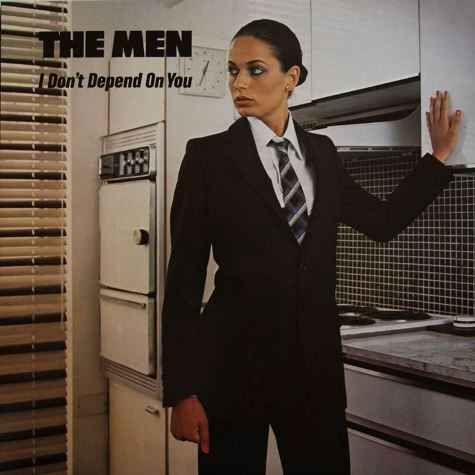
As a disco flavoured experiment helmed by Thurston, THE HUMAN LEAGUE recorded ‘I Don’t Depend On You’ under the pseudonym of THE MEN using a drummer, bassist and female backing vocalists, planting the seed for HEAVEN 17 when Martyn Ware and Ian Craig Marsh left in 1980. Released before the ‘Reproduction’ album, while the single wasn’t a hit, a certain Nick Rhodes was listening and included it in his DJ sets at The Rum Runner.

Available on THE HUMAN LEAGUE album ‘Travelogue’ via Virgin Records

https://twitter.com/martynware


MAGAZINE Rhythm Of Cruelty (1979)

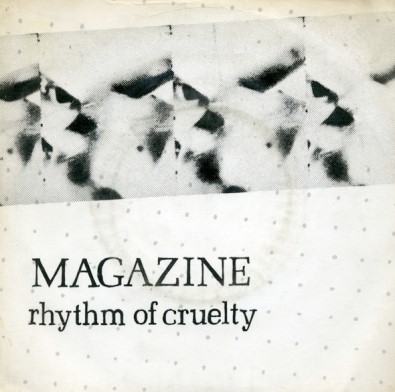
Howard Devoto and co had initially suggested Tony Visconti as producer of their second long player, but were very happy to have his engineer as a substitute. But nervous about his credentials, Thurston did not reveal this was his first full album production. ‘Rhythm Of Cruelty’ captured the art rock virtuosity of Barry Adamson on bass and John McGeoch on guitar, while allowing Dave Formula’s keyboards to shine.

Available on MAGAZINE album ‘Secondhand Daylight’ via Virgin Records

https://www.facebook.com/magazineofficial/


THE HUMAN LEAGUE Circus Of Death (1979)

With a manifesto of “synthesizers and vocals only”, Colin Thurston was the man behind the desk for THE HUMAN LEAGUE’s eagerly awaited debut album. Eerily intro-ed with a taped announcement from Peter Lewis of London Weekend Television that Steve McGarrett from ‘Hawaii Five-O’ was about to arrive on a Hawker Siddeley Trident, the clattering synthetic dystopia and narcotic doom of ‘Circus Of Death’ was delivered with a charismatically sombre baritone by Phil Oakey.

Available on THE HUMAN LEAGUE album ‘Reproduction’ via Virgin Records

http://www.thehumanleague.co.uk


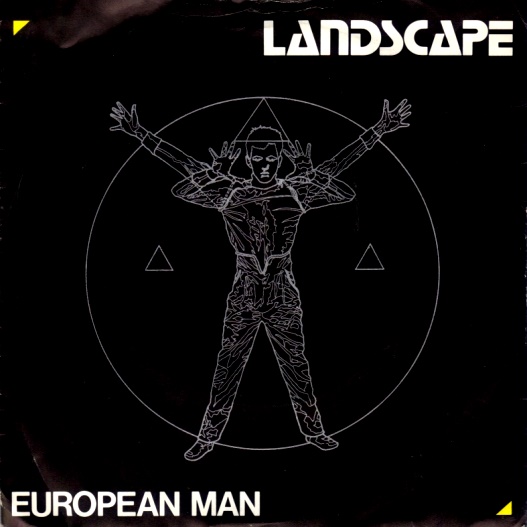
LANDSCAPE European Man (1980)

Electronic pioneer Richard James Burgess said: “I think we all embraced this new direction because of our raw excitement over the new technology…We discussed it in the band and everyone was on board so I started working on the lyrics that became ‘European Man’”. Colin Thurston was ideally the man to assist in realising this new direction and interestingly, the rear artwork of the first issue featured an early use of the term “electronic dance music” while the catalogue number was EDM1.

Available on LANDSCAPE album ‘From The Tea-rooms Of Mars To The Hell-holes Of Uranus’ via Cherry Red Records

https://twitter.com/Landscape_band


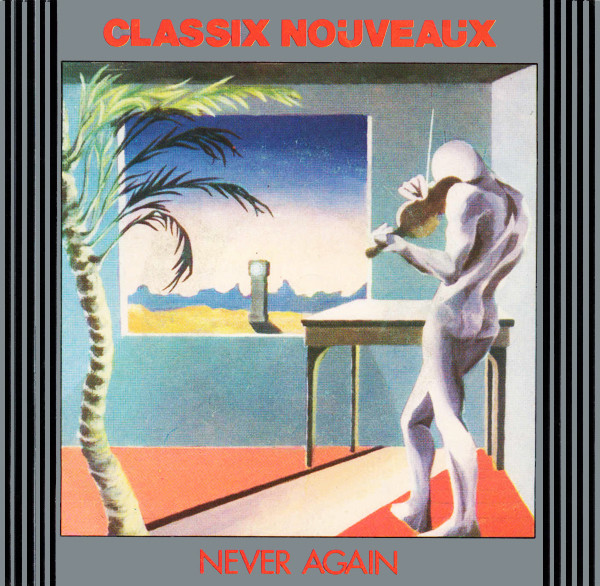
CLASSIX NOUVEAUX Never Again (1981)

CLASSIX NOUVEAUX flirted with New Romanticism and while the eventual third album ‘La Verité’ was self-produced by Solo, the Colin Thurston steered ‘Never Again’ was the lead single. Written by bassist Mik Sweeney, it showcased Sal Solo’s passionate falsetto amongst a barrage of period Simmons drums, synths, octave bass and flanged guitars. While just missing out on being a Top 40 single, it paved the way for ‘Is It A Dream?’ to reach the No11 spot six months later.

Available on the CLASSIX NOUVEAUX album ‘La Verité’ via Cherry Red Records

https://www.salsolo.com


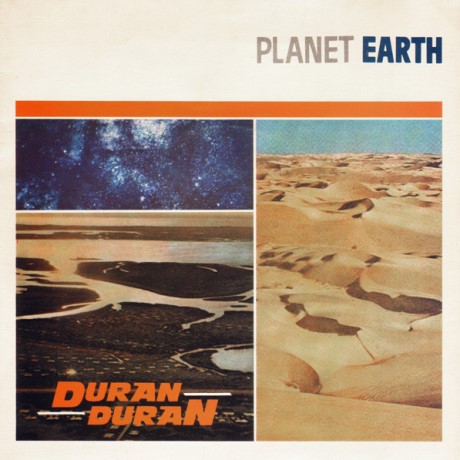
DURAN DURAN Planet Earth (1981)

After seeing DURAN DURAN open for Hazel O Connor, Colin Thurston found his perfect band, one that appealed to both his electronic and art rock sensibilities. Combining the disco sequencer drive of Giorgio Moroder, the funkier groove of CHIC and the anthemic qualities of glam rock, Messrs Le Bon, Rhodes, Taylor, Taylor and Taylor were to be the new romantics who moved beyond “looking for the TV sound” as they became one of the biggest bands on ‘Planet Earth’.

Available on the DURAN DURAN album ‘Duran Duran’ via EMI Records

http://www.duranduran.com


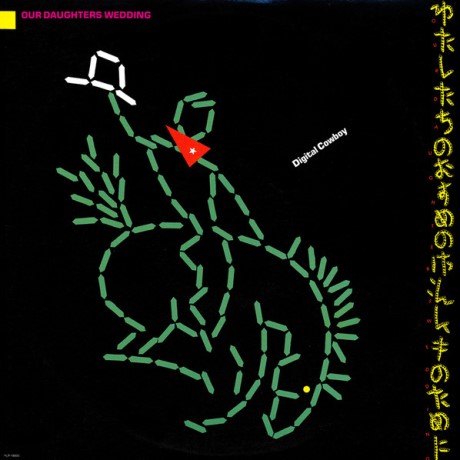
OUR DAUGHTER’S WEDDING Target For Life (1981)

“We were proud of our musicianship, that we could play complicated parts with precision and speed” said Scott Simon of OUR DAUGHTER’S WEDDING and having supported DURAN DURAN, they summoned the services of Colin Thurston for their ‘Digital Cowboy’ EP . Eschewing machine percussion for a live drummer in Simon Phillips who played on Thurston’s session with THE MEN, ‘Target For Life’ was the frantic highlight from the five track offering.

Available on the OUR DAUGHTER’S WEDDING album ‘Nightlife – The Collection’ via EP Music

https://www.discogs.com/artist/106443-Our-Daughters-Wedding


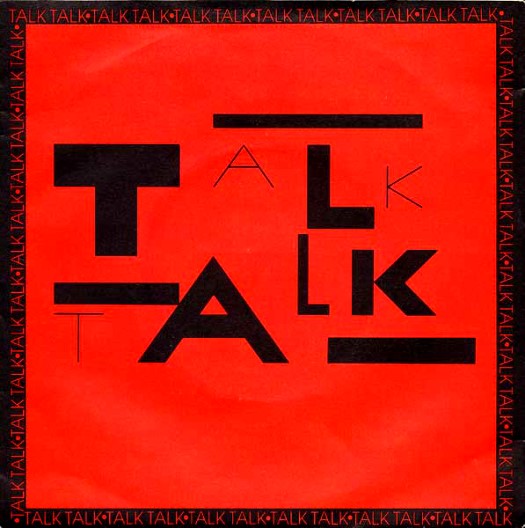
TALK TALK Talk Talk (1982)

It’s bizarre to think now that when TALK TALK first appeared, they were dismissed as nothing more than DURAN DURAN copyists, thanks to their double name, patronage by EMI and production on their debut album ‘The Party’s Over’ by Colin Thurston. Utilising synths and Simmons drums, their eponymous signature song was not actually a hit first time round and following a number of disagreements, Thurston’s name was taken off the credits of the album.

Available on the TALK TALK album ‘The Party’s Over’ via EMI Records

https://www.discogs.com/artist/60480-Talk-Talk


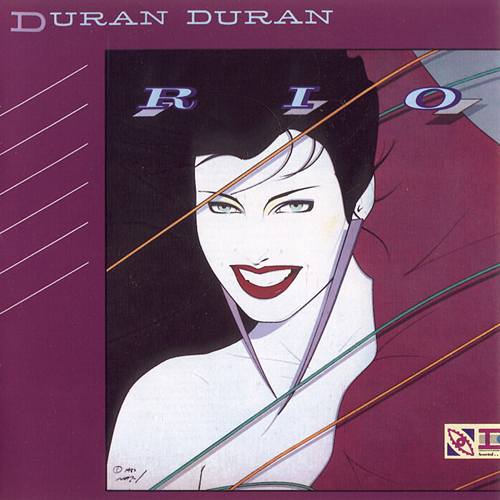
DURAN DURAN Rio (1982)

Based around a frantic arpeggio sourced from Nick Rhodes’ Roland Jupiter 4, ‘Rio’ is possibly Colin Thurston’s finest moment as a producer. From utilising a reversed slowed down tape of metal rods being dropped on a grand piano’s strings for the intro and capturing some amazing funky bass work from John Taylor, to the quintet locked in full flow with a rousing chorus and sax driven middle section, it was to become an iconic work musically and visually.

Available on the DURAN DURAN album ‘Rio’ via EMI Records

https://www.facebook.com/duranduran/


KAJAGOOGOO Too Shy (1983)

Look past the silly haircuts and what you see in ‘Too Shy’ is a very well-produced and well-written pop tune. Limahl had handed over a demo to Nick Rhodes while working as a waiter at London’s Embassy Club. Curious, he took the tape to Colin Thurston and when the band signed to EMI, they were embraced by a teenybop audience. Less happy were the other members of KAJAGOOGOO and the result as a coup d’état with Limahl ousted as lead singer.

Available on the KAJAGOOGOO album ‘White Feathers’ via EMI Records

http://limahl.com


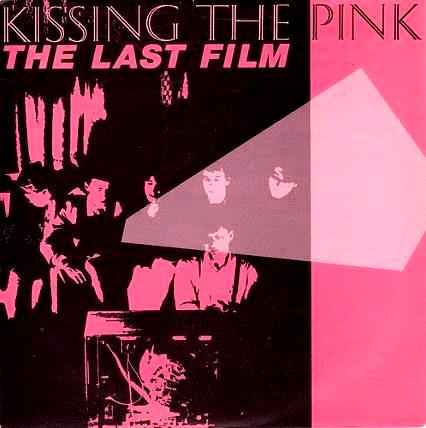
KISSING THE PINK The Last Film (1983)

A catchy militaristic tune with a profound anti-war statement, London-based combo KISSING THE PINK had wanted Brian Eno as producer, having worked with Martin Hannett on their debut single ‘Don’t Hide In The Shadow’. But their then-label Magnet Records suggested that Colin Thurston would give a more commercial sound and they were proved right when ‘The Last Film’ become a UK Top 20 single, the band’s only chart hit.

Available on the KISSING THE PINK album ‘Naked’ via Cherry Red Records

https://www.facebook.com/kissingthepink/


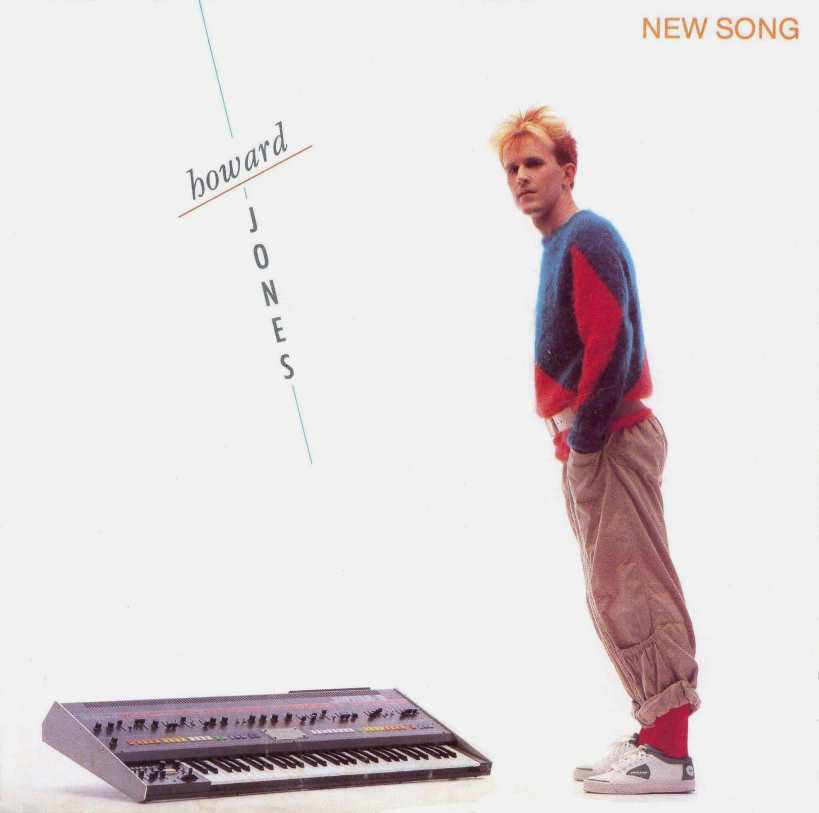
HOWARD JONES New Song (1983)

Howard Jones said of working with Thurston on his debut single ‘New Song’: “Warners wanted me in the studio as quick as possible to get something going and Colin was doing very well with DURAN DURAN and KAJAGOOGOO”. With a catchy new song that sounded like a synthpop version of Peter Gabriel’s ‘Solsbury Hill’, Jones got that first hit which his label desired although he and Thurston were not to do any further work together.

Available on the HOWARD JONES album ‘Best: 1983 – 2017’ via Cherry Red Records

http://howardjones.com


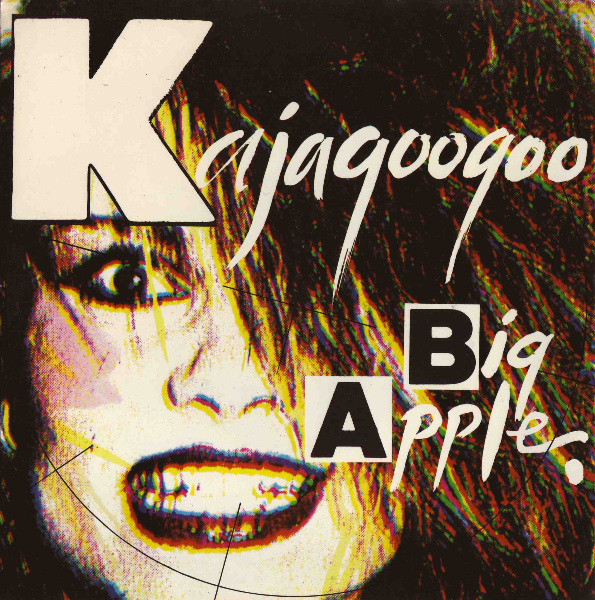
KAJAGOOGOO Big Apple (1984)

With Limahl gone and working with Giorgio Moroder, Thurston stuck by KAJAGOOGOO, now led by bassist and Chapman stick player Nick Beggs. ‘Big Apple’ was a rousing funky pop punctuated by brass section that allowed the band to show off their musical virtuosity. Interest in KAJAGOOGOO waned, although Beggs was to become a noted sessioneer, working with Gary Numan, Howard Jones, Steve Hackett and Steven Wilson.

Available on the KAJAGOOGOO album ‘Islands’ via EMI Records

http://www.kajagoogoo.com


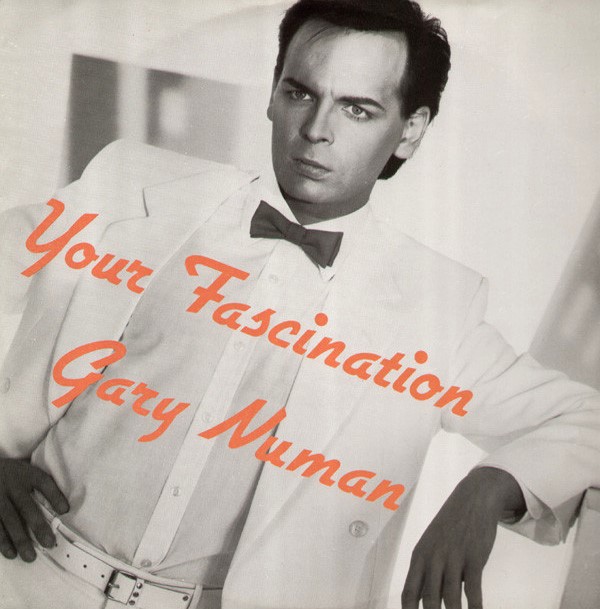
GARY NUMAN Your Fascination (1985)

Having had an unhappy experience working with Bill Nelson on ‘Warriors’, Gary Numan was open to sharing the studio with an outsider again when the name of Colin Thurston was suggested. The first fruit of labour was the excellent and uncluttered PPG dominated ‘Your Fascination’. However, there was to be no further productions with Thurston as he was in the middle of working with THE HUMAN LEAGUE on the first version of ‘Crash’, which was later scrapped.

Available on the GARY NUMAN album ‘New Dreams For Old’ via Eagle Records

https://garynuman.com


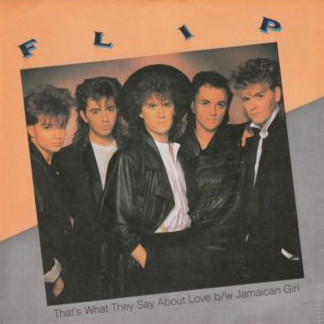
FLIP That’s What They Say About Love (1986)

As synths became more passé with the advent of MTV and a desire for American success, Thurston found himself working with more guitar-oriented acts like IMMACULATE FOOLS, WESTWON and ATLANTIC while adding his studio sheen. One of his more successful productions in this period was with Aylesbury band FLIP whose appealing AOR friendly number ‘That’s What They Say About Love’ was a minor hit in The Netherlands.

Originally available on the FLIP album ‘Flip’ via CBS Associated Records, currently unavailable

https://www.discogs.com/artist/878940-Flip-17


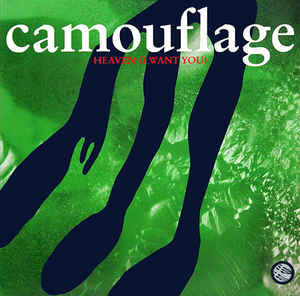
CAMOUFLAGE Heaven (1991)

Moving away from the DEPECHE MODE influences of their first two albums ‘Voices & Images’ and ‘Methods Of Silence’, Marcus Meyn and Heiko Maile enlisted session drummer Gavin Harrison and Thurston to capture more of a live feel to their music. ’Heaven’ was certainly looser than previous CAMOUFLAGE recordings although like with DEPECHE MODE, the use of live drums ironically took some of the soul and tension out of the band’s sound.

Available on the CAMOUFLAGE album ‘The Singles’ via Polydor Records

http://www.camouflage-music.com/en/News


In Memory of Colin Thurston 1947-2007

https://www.discogs.com/artist/60619-Colin-Thurston


Text by Chi Ming Lai
6th April 2018

B-MOVIE Interview

Named after an Andy Warhol painting, Mansfield’s B-MOVIE made their recorded debut with their ‘Take Three’ EP via the Lincoln-based indie label Dead Good in 1980.

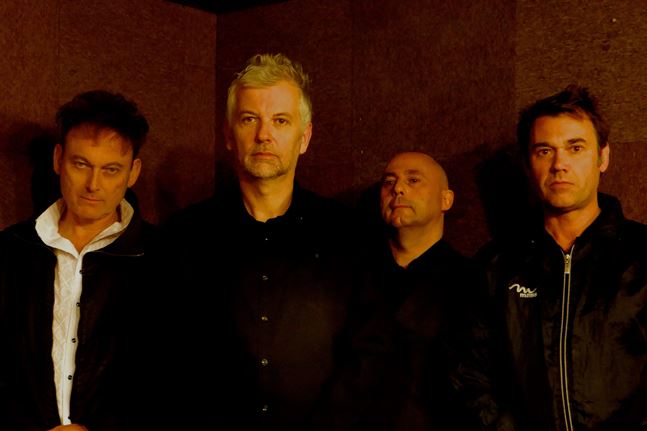
Comprising of Steve Hovington (vocals + bass), Paul Statham (guitar), Rick Holliday (keyboards), and Graham Boffey (drums), the quartet followed it up with a five track 12 inch release ‘Nowhere Girl’ which not only featured an early version of the title track that would become their signature song, but also an embryonic take on ‘Remembrance Day’.

B-MOVIE’s synth dominated new wave brought them to the attention of Stevo Pearce, founder of Some Bizzare Records. He included them in his ‘Futurist’ chart for music paper Sounds and subsequently became the band’s manager. Their song ‘Moles’, alongside contributions from then-unknown bands such as DEPECHE MODE, SOFT CELL, BLANCMANGE and THE THE, was included on the now iconic ‘Some Bizarre Album’ released in early 1981.

Along with SOFT CELL, B-MOVIE were signed to Phonogram Records but unlike Messrs Almond and Ball, the quartet were unable to secure a major chart entry, despite releasing magnificent re-recorded versions of ‘Remembrance Day’ and ‘Nowhere Girl’ as singles. The struggle for success coupled with internal tensions led to Boffey and then Holliday departing the band by the end of 1982.

After severing ties with Stevo Pearce, Hovington and Statham soldiered on with a revolving door line-up of session musicians in tow and finally released an album in 1985 on Sire Records entitled ‘Forever Running’. With the album being something of a disappointment, Hovington and Statham went their separate ways with the guitarist becoming a successful songwriter, first in partnership for several albums with BAUHAUS singer Peter Murphy and latterly, with artists as diverse as Rachel Stevens and Dido as well THE SATURDAYS and SIMPLE MINDS!

Over the years, B-MOVIE’s music has attained a reverential cult status, particularly in the US with Nebraska electro-rock combo THE FAINT notably using ‘Remembrance Day’ as the basis for their own ‘Southern Belles in London Sing’ in 2004. At around the same time, B-MOVIE reformed with their original line-up and issued a brand new album ‘The Age Of Illusion’ in 2013.

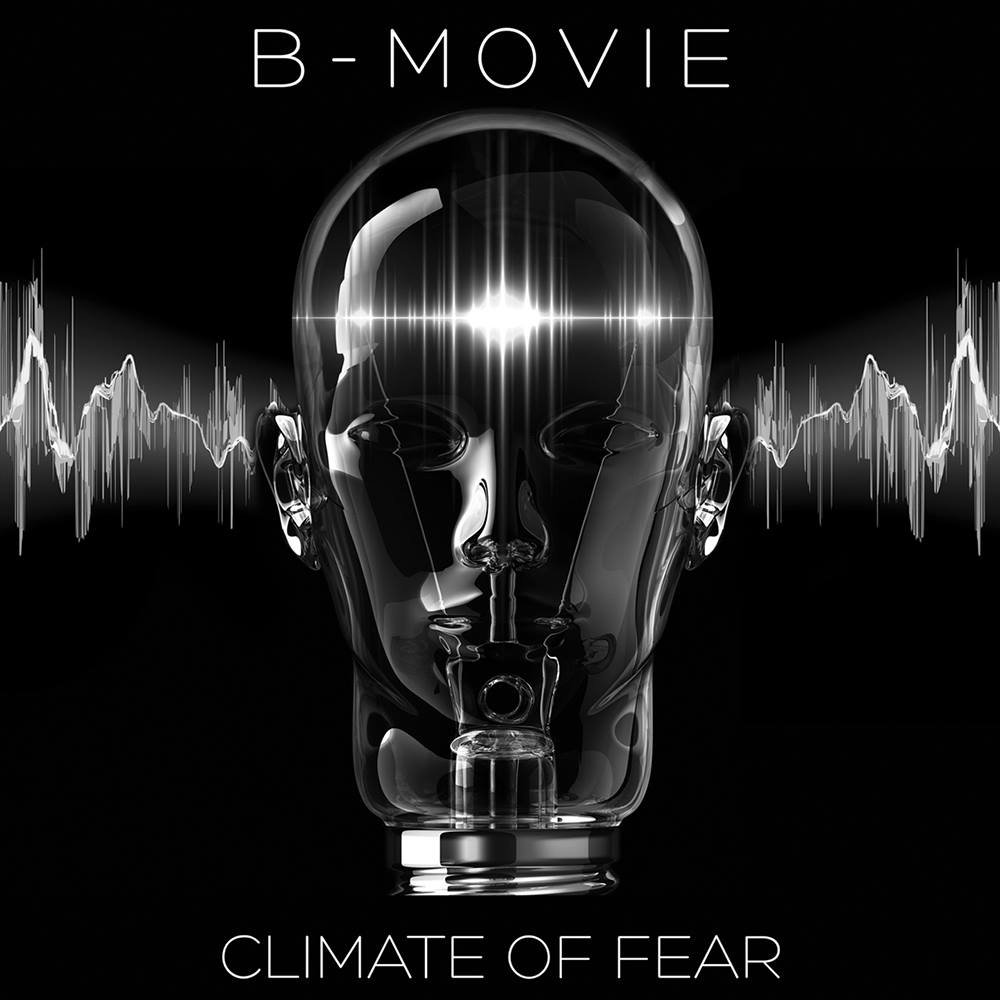
Last year, there was the release of a third long player ‘Climate Of Fear’. A concept album of sorts, one of the poignantly titled highlights ‘Another False Dawn’ was a timely reflection on the world’s political environment. With B-MOVIE playing further live shows this year, Steve Hovington, Graham Boffey and Paul Statham all kindly took time out to chat about the band’s past, present and future…

What was the impetus to reform B-MOVIE in 2004?

Paul: Friendship first, then the offer to play at the ‘Blow Up’ club night. Also the sense that the original line-up had never actually recorded an album together and on getting back together, our respective careers allowed this to happen.

Graham: Paul’s correct. We have too long a history together not to jump at the chance to play together again. Playing music becomes a way of life, sort of, so it was great to be playing again.

Steve: Ditto

You obviously found the experience positive as you’re still here?

Paul: Hahaha! It’s most definitely positive. We have known each other for so long and have an instinctive feel for what we all do best when we are playing together. Of course, we never change and when we are good, we are fucking awesome and when we are bad… well… another story!

Graham: The years roll back and we’re as juvenile as we ever were.

You’ve released two albums since your reformation, the most recent one ‘Climate Of Fear’ indicates there might be a politically themed concept?

Steve: It’s a sort of concept album (I’m a prog rocker at heart!), this human being (me) struggling to cope with the sensory overload of the info age like on the title track. The last album ‘Age of Illusion’ also had a similar theme. In fact, B-MOVIE have always been politically aware as opposed to political. The subject matter of ’Remembrance Day’, ‘All Fall Down’ and even ‘A Letter from Afar’ probably cost us a play or two on the Simon Bates radio show. The lyrics articulate an unease and anxiety about the world. I can’t ignore what’s happening in the world but do in a subtle, tongue-in-cheek way that doesn’t beat people over the head.

‘Corridors’ from ‘Climate Of Fear’ is classic B-MOVIE?

Paul: Difficult to tell as a classic is many years in the making before we can tell if it stands the test of time! Classic guitar solo though!

Steve: Yes, I think it maybe. It’s another one about the mind and trying to find peace with yourself. I think it ends quite optimistically with a sweet melody that signifies the light. And there’s that guitar solo too!

Is ‘Feeling Gothic’ inspired by anything particular?

Steve: It’s about revealing your true nature. By day you conform, by night you are whatever you want to be. There’s always been a dark, Gothic twist to our music. ‘Nowhere Girl’ has connected with people all over world who don’t conform. I sometimes think of our music as ‘outsider rock’ and come at things from that angle.

Has any of the creative motivation for ‘The Age Of Illusion’ and ‘Climate Of Fear’ albums been driven by the general dissatisfaction of the debut album ‘Forever Running’?

Paul: Personally not for me. It was so long ago and I’ve been extremely lucky to continue recording a lot of albums in between (about 20 of them). Although getting rid of the ‘producer… session man’ mentality that was on that album was indeed a blessing.

Graham: I didn’t play on ‘Forever Running’ so have no history with that. My motivation was being able to be creative together and almost complete some unfinished business.

Steve: No, not really, as Paul says it was so far in the past to have any relevance. We were motivated by a shared passion to make new music. The long hiatus meant we returned to fresh to a place where we had left off. Playing together again as the original line-up was inspiration enough. None of it was forced, it was a natural progression.

Of course, it started off promisingly with the Dead Good releases, the ‘Some Bizzare Album’ and those acclaimed Phonogram singles?

Paul: Very promising… that would be on our school reports!

Graham: Or possibly not living up to potential?

Steve: Yes, we were the band most likely to succeed according to the press! It might be a tad arrogant but perhaps we were just too good! Perhaps we weren’t throwaway enough to get played on daytime Radio 1? We got a bit fixated on having chart success and the notion of success and failure that comes with that, when perhaps we should have taken our own path, recorded that album and been ourselves more?

Your contemporaries like SIMPLE MINDS, A FLOCK OF SEAGULLS and TALK TALK were having hits in 1982, and it looked like ‘Nowhere Girl’ was going to be your breakthrough Top40 single but it was not to be, despite radio play. What do you think happened?

Paul: It sounded too good!! Seriously that song hasn’t dated… there is a dispassionate and icy feel that maybe didn’t grab the younger fans like DEPECHE MODE jigging about to ‘New Life’ and it took SIMPLE MINDS five albums to break. TALK TALK mutated into a great art project for Mark Hollis and we fell apart as we were a little juvenile in how we dealt with each other. A proper manager would have helped bat us into shape and grow up a little but we had Stevo… he loved chaos and chaos ultimately destroys!

In hindsight, did the split of the original band shortly after ultimately stall momentum, or was it something (or someone) else?

Paul: Absolutely!

Graham: I’d obviously have to agree 😉

Steve: Yes. It felt like game over. We were 21!

‘A Letter From Afar’ was a promising electronic single produced by Jellybean when you signed to Sire Records, why did you not continue this direction?

Paul: We were dropped by Sire and the need to actually begin to live a life took over. It was down to Steve and myself, living together with very little money or support and we both needed to move on and try different things.

Apart from the odd compilation licence for ‘Remembrance Day’ and the 12 inch of ‘Nowhere Girl’, the Some Bizzare era tracks have yet to be made available in the digital age. Is there a contractual issue?

Paul: Possibly due to Stevo and numerous deals, the contracts are so complex and a lot of those companies now no longer exist, so getting to the bottom of it all is a thankless task.

Steve: It’ll happen one day – but probably not in my lifetime!

Photo by Peter Ashworth

The ‘BBC Radio Sessions 1981-84’ released in 2001 on Cherry Red plugged the gap, with the majority of the songs not featuring on ‘Forever Running’. If a debut album had been completed in 1982, what songs do you think would have made the tracklist?

Paul: It would have been a brilliant album. It would have stood the test of time as have the songs we still play. Definitely ‘Remembrance Day’, ‘Nowhere Girl’, ‘Marilyn Dreams’, ‘Welcome To The Shrink’, ‘Polar Opposites’, ‘All Fall Down’, ‘Disturbed’, ‘Love Me’, ‘Escalator’, ‘The Devil In Me’!! All would have been on my 1982 choice.

Graham: ‘Scare Some Life into Me’ would be in with a shout too.

Steve: Agree with all of those. We also recorded some demos of new songs around the time of ‘Remembrance Day’ which are still in a vault somewhere. I’d love to hear them but again may have to hire Inspector Poirot to track them down.

At the time though, it was like ‘Polar Opposites’ was always the bridesmaid, never the bride?

Paul: Yep… a shortened version with great production would have put us in ‘classic’ post punk GANG OF FOUR type ‘pop’.

Steve: It would have made a great single or album opener. Still, the Peel session version is pretty perfect.

Where do you want to take B-MOVIE now?

Paul: I’m not sure what’s coming next. Steve is always writing good stuff for B-MOVIE. I did a lot co-writing on ‘Age of Illusion’ but very little on ‘Climate of Fear’. Both are very different albums so maybe it will again be led by Steve, or Rick or Graham.

Graham: I think we can continue to make great records and who knows, this time next year we could be number one in the hit parade. Is that what the kids call it these days?

Steve: Yes, I’m always writing new stuff and we’re on a bit of a roll now, so would be a shame not to keep it going. I have in mind an EP called ‘Illuminations’ but I haven’t told the rest of the band yet 🙂


ELECTRICITYCLUB.CO.UK gives its warmest thanks to B-MOVIE

‘Climate Of Fear’ is available on CD, vinyl and download via Cleopatra Records from https://b-movie.bandcamp.com/album/climate-of-fear

B-MOVIE play the ‘Like Totally 80s Festival’ with A FLOCK OF SEAGULLS, BERLIN and MEN WITHOUT HATS on Saturday 13th May 2017 at Huntington Beach in California

https://www.b-movie.org/

https://www.facebook.com/B.MovieMusic/

https://twitter.com/bmovieuk


Text and Interview by Chi Ming Lai
29th April 2017

BLUE ZOO Interview

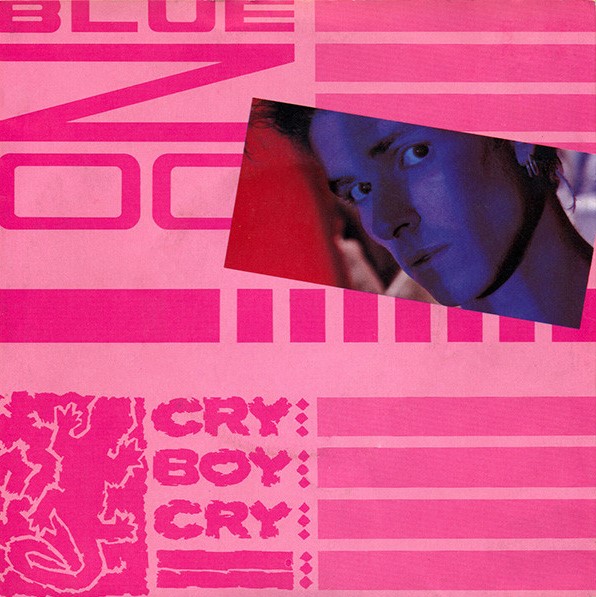
BLUE ZOO are best known for their No13 UK hit with ‘Cry Boy Cry’ in Autumn 1982.

Beginning as MODERN JAZZ, Andy Overall (vocals), Tim Parry (guitar), Mike Ansell (bass) and Micky Sparrow (drums) morphed into BLUE ZOO with a new wave sound sprinkled with the new pop of acts like ABC and ASSOCIATES plus a dash of Romo fairy dust.

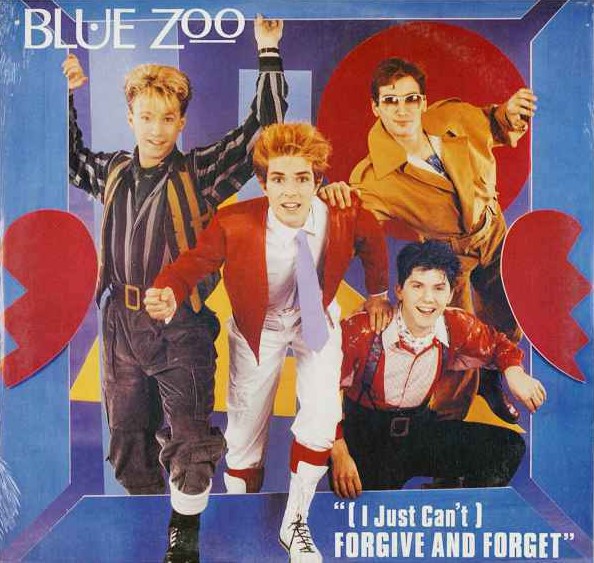
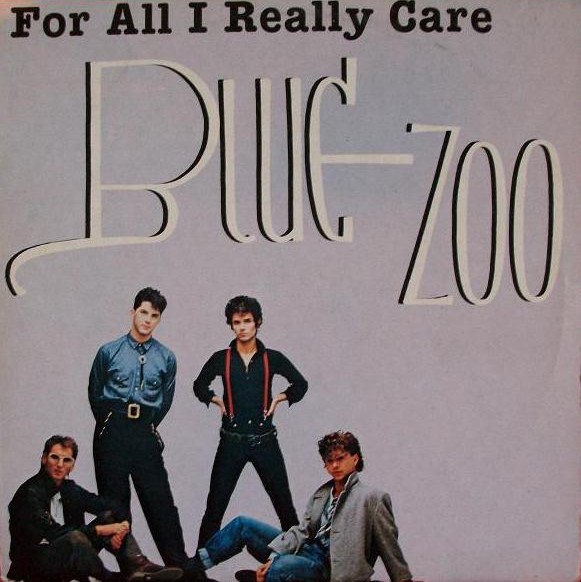
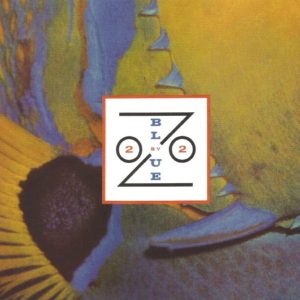
Their 1983 debut album ‘2 By 2’ released on Magnet Records also included the near hits ‘I’m Your Man’ and ‘Forgive & Forget’. It was produced by Tim Friese-Greene, later to become Mark Hollis’ writing partner in TALK TALK. But despite their potential, other than a long player entitled ‘For All I Really Care’ which mysteriously appeared in the former Yugoslavia in 1984, there was to be no official second album…
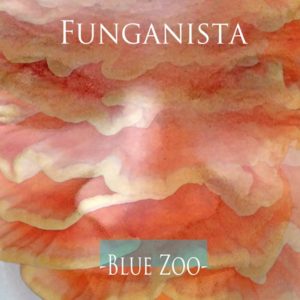
BLUE ZOO reformed in 2010 sans Tim Parry, but added two new recruits in Tom E Morrison (guitars) and Graham Noone (keyboards). With a brand new single ‘Funganista’ about to be launched and a zest to perform more live dates, Andy Overall chatted to ELECTRICITYCLUB.CO.UK about the past, present and future of BLUE ZOO…

What was the impetus to return as BLUE ZOO?

Micky and myself had a psychic mind blast and messaged each other via Facebook to say “isn’t it about time we got back together?” *laughs*

We all met up including Tim Parry at The Ship in Wardour Street, we hadn’t seen each other for goodness knows how long! We felt like the moment was right, although Tim didn’t want to join because he’s not at all interested anymore in playing music. I asked him if he would be involved musically and he replied “WHAT? You’re joking?”, this is because he’s involved in management, he joined Big Life with Jazz Summers who managed BLUE ZOO. They’d been involved in some huge acts over the years like THE VERVE, SNOW PATROL and LA ROUX!

To be perfectly honest with you, I never thought BLUE ZOO would be back in a million years, but stranger things have happened. We never fell out, we had disagreements and stuff but I have to say that I felt at times we were coming from different places. I was coming from a more punky / new wave / Bowie kind of direction while Tim Parry was at the more poppy end. But he was really into TALKING HEADS and so was I, so it worked ha ha. Possibly our differences actually help make it work for a while. But there were moments when he came up with songs that I thought “I can’t sing that!”. Most of the songs I did manage to write the lyrics for, but some unfortunately made their way in, like ‘Forgive & Forget’! *laughs*

You have ‘Funganista’, your first new single since 1984. Was recording new material an important requisite to reform the band?

No it wasn’t actually! There was this album that we completed toward the end of MODERN JAZZ and the beginning of BLUE ZOO that was shelved by Magnet Records. It was full of songs that we all loved but the label told us it wasn’t commercial enough; it included songs like the original ‘Love Moves In Strange Ways’ produced by Lawrence Diana and the seeds of ‘Cry Boy Cry’, then called ‘Turn & Face The Wall’. So when we got back together, I really wanted to play out that album. And when we did, it felt really good, a catharsis.

So ‘Funganista’, what’s it all about?

The Funganista represents the hunter/gatherer which resides in all of us, he/she is that primal spirit of the hunter/gatherer, this is the reason for the white painted face in the video and when the song is performed live, portraying the spirit. The Funganista, which has risen to the surface and shown its face in recent years via the recent wild food foraging phenomena, is currently enduring much castigation from various opposed bodies. This song conveys the broad themes of that story.

At the time of the reformation, your debut long player ‘2 by 2’ had not yet been reissued. How do you look back on the original vinyl album?

I talked to Mike, the bass player about this the other day… I never really felt we did a ‘proper’ album because that ‘first’ album never came out, which was for me a crucial piece of the BLUE ZOO story, missing. We took a few of those songs, wrote some others and came up with ‘2 By 2’.

The album is ok in bits and there’s some nice songs like ‘Something Familiar’ but as an album, I didn’t find it cohesive. But that unreleased first album was cohesive, it had a sound and flavour of what we were at the time… and we missed that. ‘2 By 2’ was missing that crucial part.

When ‘2 By 2’ did get a re-release on Cherry Red, it came with a significantly altered track listing.

That was my fault! Cherry Red wanted all these B-sides on there and I chose what I thought were the best ones. ‘Love Moves In Strange Ways’ was the biggest kick back as I always felt that the original single was better than the album version.

So were you trying to put something right?

Not really, but ‘Love Moves In Strange Ways’ was a bit of a statement, I wanted the original to be on there, although loads of people love the album version… so there was a bit of a hoo-hah about it!

The original version of ‘Love Moves In Strange Ways’ is rightly hailed as a lost classic, but the re-recorded album version was produced by Tim Friese-Greene and featured Danny Thompson on double bass. It was almost as a precursor to TALK TALK’s eventual sound… any thoughts?

Yes! I loved TALK TALK and I think they liked what Tim was doing with us and that was where TALK TALK entered the frey with Tim. I’d have loved to have taken that direction with Tim, that would have been fantastic. I listened to TALK TALK just the other day in the car and I sent him a message spontaneously about when we did the album at CBS. He used to drive me home after recording.

Could BLUE ZOO have developed into a band like TALK TALK?

I don’t think so, TALK TALK were a different sort of band, making a different sound, I remember them in their early days with the single ‘Talk Talk’ I could hear something a little special back then. There was opportunity like you said in your live review for BLUE ZOO to have been much bigger. I remember the singer from THE HUMAN LEAGUE, Phil Oakey saying that he thought BLUE ZOO were going to be massive, it was all kind of in place to be so, wasn’t it? But when people ask me why BLUE ZOO ended, I always say it was because of songs like ‘Forgive & Forget’, I always felt it was going in the wrong direction.

It’s interesting that a track such as ‘Forgive & Forget’ has now become a bonus track rather than a feature within the main album. Do you feel more detached from that song today?

I never liked it, I don’t like the words and the whole idea of the song… those words make me crawl! It was written by Tim Parry, so I was singing someone else’s words and I didn’t like the sentiment. It sounded a lot like ‘Cry Boy Cry’ as well, but without the edge! *laughs*

Did ‘Cry Boy Cry’ end up being a bit of a millstone around BLUE ZOO’s neck?

Not at all, I’m proud of the song and it was produced really well. I love the backing vocals by Stevie Lange, I don’t know how many harmonies she did, Tim Friese-Greene layered up her voice to get the effect that he got on the “CRY”. I still love singing it and I think we’ve brought a whole new life to it live, it sounds rockier now with our new guitarist Tom.

You shared the same management as JAPAN and WHAM! What was BLUE ZOO’s relationship with Simon Napier-Bell like?

My time with Simon was fleeting, I spent more time with Jazz Summers. Jazz and Simon got together over WHAM! But BLUE ZOO were doing well at the point when they came on board. Simon was a lovely guy, but I never always hit it off with Jazz! There were a few run-ins with him! *laughs*

One time, I recall doing a gig without his go-ahead. I set up a gig at The Moonlight Club in West Hampstead, it was an important live venue at that time and everyone was playing there from U2 to DEPECHE MODE. ‘Love Moves In Strange Ways’ was out and because I lived just round the corner and I knew the guys who ran it, I said we’d love to do a show and they said yes. It sold out, there were 400 people there but Jazz went bananas! He didn’t like that! In hindsight I think well, he was my manager but I just gave him something a little extra to manage….

I also remember riding down Baker Street in Simon Napier Bell’s gold Rolls Royce, with him trying to convince me to stop dying my hair every 5 minutes, to try stick with something for a while…not my style…Ha Ha Ha Ha…

How come BLUE ZOO’s second album ‘For All I Really Care’ only got released in Yugoslavia?

Well, the Yugoslavs took it upon themselves to do so! I’ve only seen the cover online, I don’t own a copy! It’s nuts! I don’t even know what’s on it! *laughs*

I don’t even know if it was official, I don’t think it is to be honest! I’ve been in contact with people who’ve talked about this album and it’s a weird mystical thing, it’s odd!

Which BLUE ZOO or MODERN JAZZ songs hold the most affection for you?

Good question… I love ‘John’s Lost’ which is a Mickey Sparrow song and ‘Could It Ever Happen’, which we still play now. ‘Love Moves In Strange Ways’ is another great song and the good thing for us is we can pull things in and out of the live set, because there’s a whole load of songs that we’d written.

From ‘2 By 2’, ‘Something Familiar’ has got something about it when we play it live, I really like that. But the other tracks like ‘Can’t Hold Me Down’ and ‘(You Can) Count On Me’, I’m not a big fan of them. But a French guy has just done a remix of ‘Forgive & Forget’ and he messaged me about it. I was thinking “oh my god” but I listened to it and IT’S FANTASTIC! I told him “You’ve made my day cos I hate that song and it’s the best version I’ve heard of it!”. He wanted me to sign him off on it but I couldn’t as I didn’t write it! *laughs*

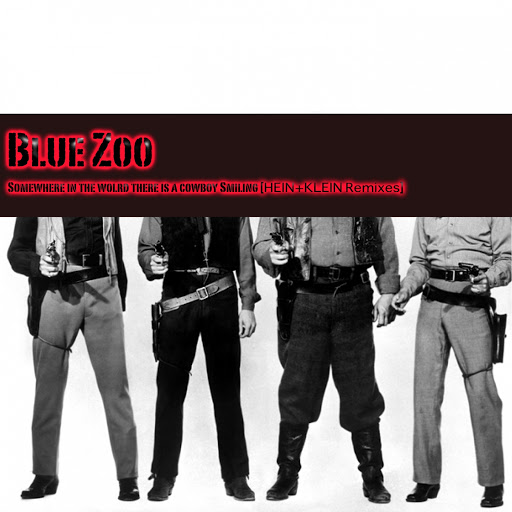
There’s also these German guys HEIN+KLEIN who did four separate remixes of ‘Somewhere In The World There Is A Cowboy Smiling’ and that was pretty cool. They had this club called ‘The Sunrise’ and they had these ‘Somewhere In The World There’s A Cowboy Smiling’ nights, we went to one after a German show we did! They said they loved the 12 inch versions of the songs we did!
We need to do a 12 version of ‘Funganista’, I think that would make a very good dance track. I did speak to Cherry Red recently about maybe doing a CD of just the 12 inchers or boosted with the BBC radio sessions, but I’m not sure they’re so keen.

People won’t be surprised that you performed a cover of ‘All The Young Dudes’ live recently. How big an influence was David Bowie on you?

He was the beginning… for me it was the early Ziggy period, it was just enthralling. The whole essence was instilled inside me and I just basically took it into new wave and punk. When I was in my first band THE RAVE, we used to play ‘Hang On To Yourself’, but also songs by THE JAM like ‘Down In The Tube Station At Midnight’.

Where artistically do you want to take BLUE ZOO today, does the lucrative nostalgia circuit interest you?

Not really, we’re more interested in rebirthing BLUE ZOO. We’ve got to the point where we’ve played out those songs we wanted to get out of our system… that said, I’d love to get them released if any of the masters still exist and are out there. It was a natural occurrence that we would start writing new songs.

What’s next for BLUE ZOO?

I want to build towards an album and BLUE ZOO to produce a complete work that is in the flow and rounded, of the essence rather than a pick ‘n’ mix. There’s lot of ideas ready to pull into shape.


ELECTRICITYCLUB.CO.UK gives its grateful thanks to Andy Overall

The reconfigured reissue of BLUE ZOO’s debut album ‘2 By 2’ released by Cherry Pop is still available digitally

https://www.facebook.com/bluezooOfficial

https://open.spotify.com/artist/7xh7pIwH1MTZtVH7i9hiKY


Text and Interview by Chi Ming Lai
2nd March 2017

« Older posts Newer posts »