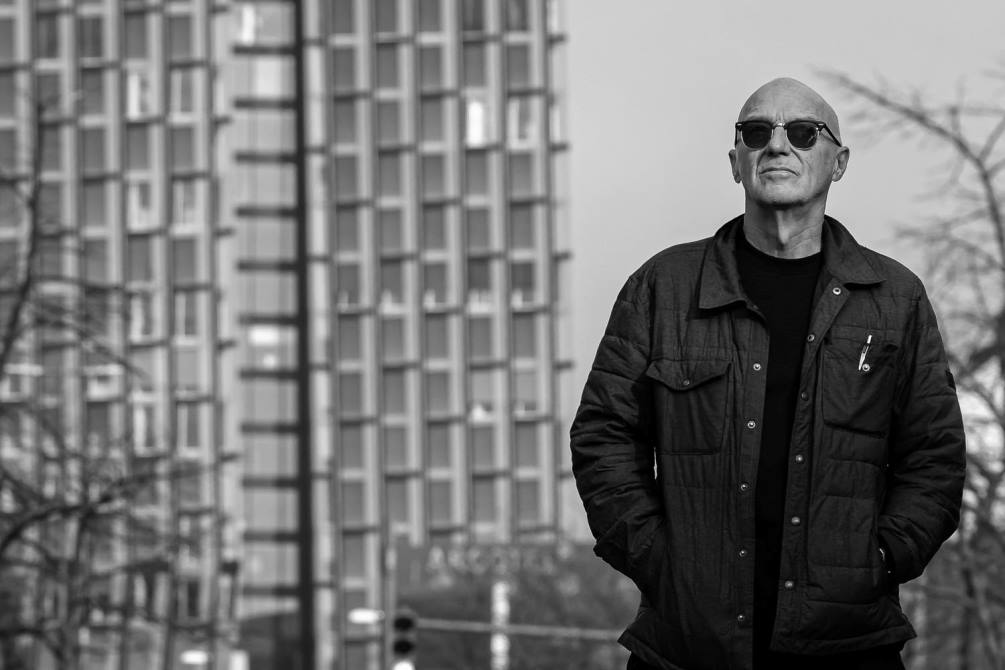
Side by side, Midge Ure is like a man from two worlds…
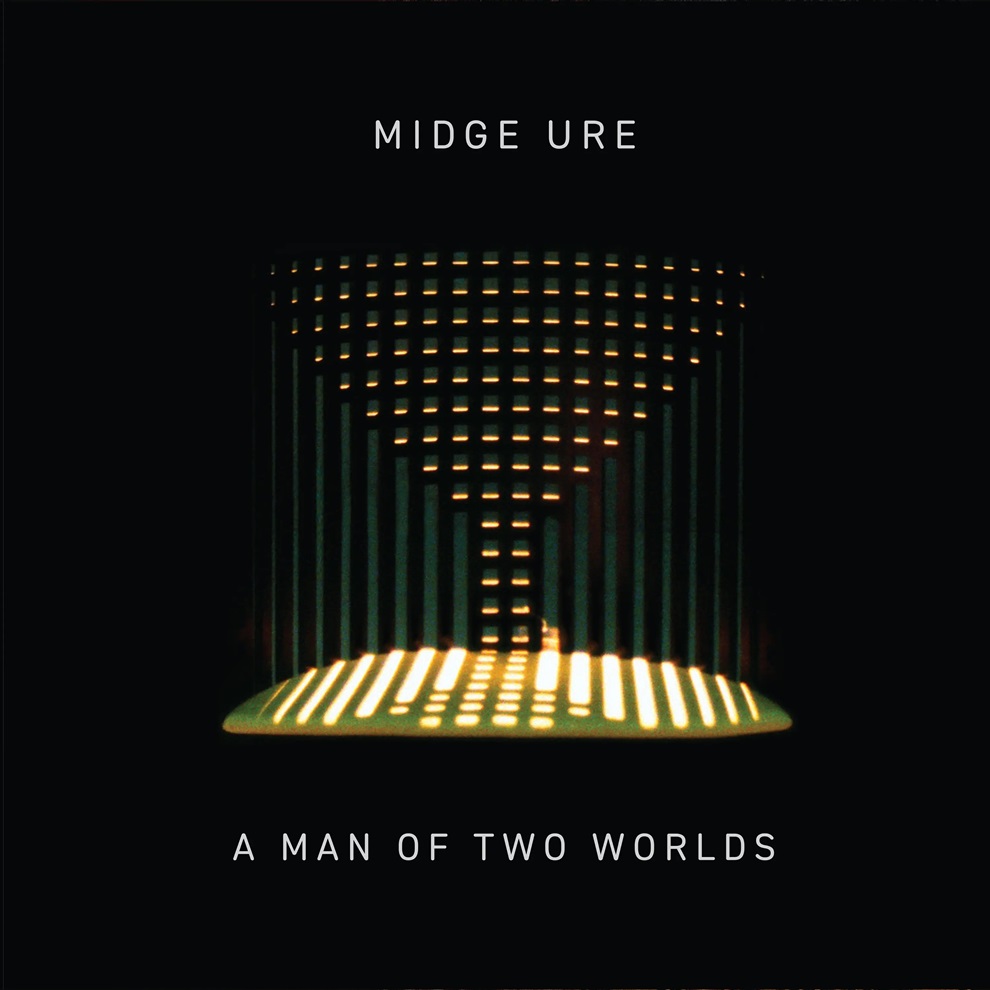
His first album of new material in 12 years, Midge Ure presents ‘A Man Of Two Worlds’ a double opus partly inspired by Ure’s own lockdown exploration of instrumental music when he was presenting ‘The Space’ on Scala Radio.
Over the decades, Ure has shown his prowess with instrumentals like ‘Astradyne’ and ‘Monument’ with ULTRAVOX, ‘The Dancer’ with VISAGE and solo with the B-sides ‘Mood Music’ and ‘Piano’, along with album tracks such as ‘Edo’, ‘Antilles’, ‘Monster’, ‘Wire & Wood’ and ‘Bridges’. One of his most widely heard instrumentals was ‘Rivets’, his collaboration with the late Chris Cross for a Levi’s TV and cinema commercial in 1983.
Ure’s first solo album ‘The Gift’ had actually originally been pitched as a split album of songs on one side and instrumentals on the other, like David Bowie’s ‘Low’. But the realisation turned out slightly differently. However, ‘A Man Of Two Worlds’ sees that concept coming to fruition comprising of two distinct halves; ‘World One: Music’ features eight instrumentals while ‘World Two: Songs’ contains eight new vocal tracks.
Despite the acoustic six string intro on ‘A Different View’, melancholic piano-based instrumentals with virtual string and vibe embellishments are what form this eight track suite. Composed with the keys triggered by a guitar synth, an instrumental that Ure first experimented with in 1984, these are slow brooding pieces that are not quite fully ambient or classical.
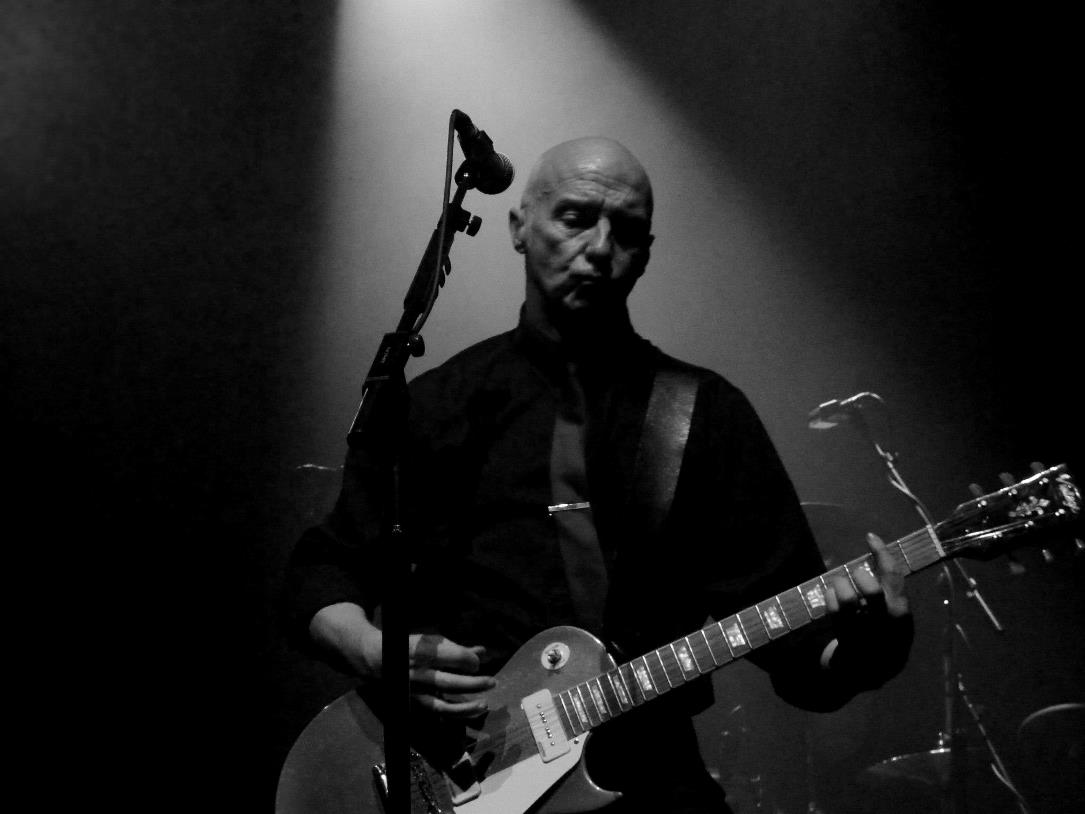
Photo by Toddevision
Haunted by the spectre of lockdown, ‘World One: Music’ is an elegiac soundtrack of remembrance. From the chamber recital of ‘The Space In-Between’ featuring Joseph O’Keefe of INDIA ELECTRIC CO on violin to the threadbare sparseness of ‘Blues & Greys’, while these works might not possess the echoing pastoral resonance of the late Harold Budd, Ure understands his sense of space and does not overload the arrangements to achieve the desired effect.
Using the melody of a lullaby that Ure used to sing to his children, the gently swung closer of ‘The Pictures You Carry With You’ gets closest to being lively. But that is not the point to this beautiful music, as exemplified by the haunting tones of ‘The Dimming Light’. While ‘World One: Music’ will not instantly be appreciated by everyone, this wordless wonder is a worthy string to the bow to the veteran Glaswegian.
Working again with Ty Unwin who produced and mixed ‘Orchestrated’, ‘World Two: Songs’ does what it says on the tin with compositions that came to Ure as the world came out of lockdown. “Where does hope go when it’s gone?” asks Ure but with a rousing chorus reminiscent of ‘You Move Me’, ‘Just Words’ reflects on the hurt and fears caused by the misguided in the loose talk of so-called opinion under the umbrella of free speech; the end result is epic. Swathed in synths and distinctly electronic in its percussive backbeat, the weary ‘World Away’ emulates the drama of Ure’s ULTRAVOX days and will delight those who have followed his career since joined Billy Currie, Warren Cann and Chris Cross.
Frustration over “stupid noise from smart devices” colours ‘Shouting To The Moon’ as it provides an electrifying highlight with sweeping synth solos and layers of guitars. But ‘Caught In The Middle’, Ure reflects on how he has become “split and divided” as “I’m only human after all” over cinematic orchestrations. The bursts of simulated fretless bass on ‘Ordinary Man (Previous Moments)’ could be seen as a musical eulogy to past collaborator Mick Karn of JAPAN, but proceedings are stripped right down to the ivories on ‘Somewhere Out There’ where Ure asks the listener to “imagine yourself in a world where they care”.
A call to action, ‘The Man Who Stole Your Soul’ is embroiled in despair despite its seemingly anthemic electronic rock backbone and crunchy guitars reminiscent of ULTRAVOX. In a time when divisive elements like to ‘Fan The Flame’, Ure takes aim at the “cruel selfish game” as he despairs at the Trumps, Farages and Putins with their axis of hate in a world that could do better and was once full of hope.
It’s been 41 years since Live Aid, 33 years since The Berlin Wall came down and 14 years since the London Olympics so Midge Ure could be forgiven for wondering “what the hell happened?” and it’s a question we could all ask ourselves. ‘A Man Of Two Worlds’ is a 72-year-old elder statesman calling for a return to a more compassionate era of decency… now THAT is the country you want back and THIS is the accompaniment for it!
‘A Man Of Two Worlds’ is released as a double vinyl LP and double CD by Chrysalis Records
Midge Ure 2026 UK tour dates include:
Bath Forum (8th May), Liverpool Philharmonic Hall (9th May), Leicester De Montfort Hall (11th May), Birmingham Symphony Hall (12th May), Oxford New Theatre (14th May), Plymouth Pavilions (15th May), Sheffield City Hall (18th May), Manchester Bridgewater Hall (19th May), Aberdeen Music Hall (20th May), Glasgow SEC Armadillo (22nd May), Edinburgh Usher Hall (24th May), London Barbican Hall (25th May), Reading Hexagon (26th May), Bournemouth Pavilion Theatre (27th May), Bradford Live (29th May), Nottingham Royal Concert Hall (30th May), Cambridge Corn Exchange (31st May), Southend Cliffs Pavillion (2nd June), Portsmouth Guildhall (3rd June), Milton Keynes Theatre (4th June), Gateshead Glasshouse (5th June)
From Chart Toppers To Cult Classics When Music Ruled The Airwaves
In 1983, Stephen Morris from NEW ORDER said to Smash Hits: “If you believe in the charts, then you might as well believe in fairies” but occasionally, those fairies could sprinkle some magic dust.
‘Every UK Hit Single: 1980’ aims to tell “The story of 1980 – every hit, every memory, one unforgettable year in pop: 370 singles, 225 artists, 25 chart toppers!”. Putting things into wider perspective, those numbers are still small considering the amount of record releases in any given year during a time when there was no streaming, no downloading, no social media and even no CD!
Author Richard West has a lifelong fascination with popular music and realised his dream of chart entries as a member of progressive metal bands THRESHOLD and OBLIVION PROTOCOL with recognition across Europe and the UK’s specialist listings. He even published a memoir ‘Maybe A Writer: My Life in Threshold’ that traced his journey from his teenage years living by numbers following the charts to becoming a recording artist.
‘Every UK Hit Single: 1980’ is the first volume in a series documenting every Top 40 entry with the intention of covering 1981 and beyond. The format is chronological with two paragraphs on each single, one factual and one of trivia. What it does lack however is opinion, so this is more of a reference book.
Despite the popularity of Gary Numan in 1979, synth-based pop music was still fledgling as far as being a regular chart proposition was concerned. However, Japanese Technopop trio YELLOW MAGIC ORCHESTRA would score a surprise No17 hit with their 1978 electronic cover of American composer Martin Denny’s 1959 exotica instrumental ‘Firecracker’, mistitled as ‘Computer Game (Theme From The Invader)’.
Although the original could be seen as an early form of cultural appropriation using every pentatonic cliché in the book, Haroumi Hosono, Yukihiro Takahashi and Ryuichi Sakamoto took it back and gave the tune authenticity. Their treatment acted as a symbol of the Far East’s advancement in affordable technology which was crucial to the rise of the synth.
While 1980 would establish its own electronic legacy, the man born Gary Webb was already being seen as heading down the dumper with both ‘We Are Glass’ and ‘I Die: You Die’ failing to secure the top spot after ‘Are Friends Electric?’ and ‘Cars’ both hit No1 the year before.
Considered his nearest rival artistically at the time, Numan’s biggest influence John Foxx was fresh out of ULTRAVOX but the fact that his even more dystopian electro pieces like ‘Underpass’, ‘No-One Driving’ and ‘Burning Car’ were even entering the Top 40 was nothing short of amazing and indicative of the adventurous eclectic nature of 1980.
Meanwhile the newly regrouped ULTRAVOX now fronted by Midge Ure got the Top 40 entry that was not even close during their Foxx-era with ‘Sleepwalk’ but while it was a breakthrough, it wouldn’t be until the title track of the parent album ‘Vienna’ was a single in 1981 that they would become chart fixtures.
Despite the critical acclaim for the likes of THE HUMAN LEAGUE, JAPAN and SIMPLE MINDS, it was a young duo from Merseyside who would steal their thunder as far as the Top 40 was concerned; ORCHESTRAL MANOEUVRES IN THE DARK were notable for being one of the rising wave of warmer synthesizer acts but while extremely melodic and rhythmic, their lyrics on ‘Messages’ and more significantly ‘Enola Gay’ had darker overtones. Andy McCluskey and Paul Humphreys would end 1980 as the biggest selling artist in the Virgin Records group despite being signed to one of its subsidiaries Dindisc.
One often forgotten synth-driven band who actually managed three Top 40 single entries in 1980 was NEW MUSIK; led by Tony Mansfield, like a certain Trevor Horn with BUGGLES, he figured he would have more influence in the studio rather than being on ‘Top Of The Pops’. He would go on to produce a No 1 for Captain Sensible while also working with the likes of AZTEC CAMERA, NAKED EYES and A-HA. Meanwhile at the start of 1980, Vangelis debuted in the UK Top 40 with YES frontman Jon Anderson and the gorgeous ‘I Hear You Now’.
Sadly, Ian Curtis was never to have a Top 40 hit in his lifetime as ‘Love Will Tear Us Apart’ would posthumously get a No13 hit for JOY DIVISION. But surviving members Bernard Sumner, Peter Hook and Stephen Morris with new member Gillian Gilbert would have that chart fairy dust sprinkled on them several times as NEW ORDER.
Although the New Romantics were being talked about as the rising youth movement, it would be the man who sold the world and seeded the whole party in the first place that would use it for an artistic renaissance; David Bowie was taken to The Blitz by club regular and RCA label assistant Jacqueline Bucknell to cast members of the clientele including its “face” Steve Strange for the video of his new single ‘Ashes To Ashes’.
While the song reached No1 and Bowie himself would move on, others from The Blitz knew their time had come. SPANDAU BALLET would release ‘To Cut A Long Story Short’ towards the end of year to herald a fresh aspirational mindset in pop while issued a few weeks later, ‘Fade To Grey’ by the Steve Strange-fronted VISAGE wouldn’t hit big until the start of 1981 but would become the biggest selling single in West Germany of that year.
1980 though was not really about the emergence of warmer and dancier synthesizer sounds. The year was dominated by ska with the likes of THE SPECIALS, THE BEAT and MADNESS scoring at least 4 Top 40 hits each but perhaps unbelievably and reflective of every generation needing its dose of imagined nostalgia, rockabilly band MATCHBOX scored 5 Top 40 hits!
1980 is often best remembered for 3 No1s for BLONDIE, 2 No1s for THE JAM and 2 No1s for ABBA, with consistent charts runs for the likes of THE POLICE, QUEEN and ROXY MUSIC while disco provided chart toppers for Fern Kinney and Kelly Marie. Without even mentioning Peter Gabriel, Kate Bush, mods, rockers or the new wave of British heavy metal, this was a year of musical diversity and ‘Every UK Hit Single: 1980’ documents that.
The general purpose of a live album is to document a concert experience. But such is the average person’s equipment used for listening to music at home, in the car or on earphones, the capabilities of quality PA systems can never be replicated.
Something of a credible rock staple, live albums are often seen as profile builders and tour adverts, symbolic of an act hitting the big time while greatest hits collections can be perceived as an indicator of a career on the wane.
However, in the synth-laden electronic world, the live album is something of a polarising beast. With a significant number of acts reliant on tapes and latterly pre-programmed backing tracks, live albums can be rendered almost pointless with parts often sounding almost identical to the original record. In many cases, overdubs and new vocals are prevalent and essential.
But even some of the best known live rock albums such as THIN LIZZY ‘Live & Dangerous’ and KISS ‘Alive!’ were heavily tinkered with in the studio during post-production. Of the former, producer Tony Visconti reckoned the album was “75% recorded in the studio” with only the drums and audience noise remaining from the original live recordings. Meanwhile of the latter, Gene Simmons later said “Most people assume it was all live. It wasn’t” with only the drums remaining from the original shows recorded. On the opposite side of the coin, Joe Jackson recorded his ‘Big World’ live album in front of invited audiences who were instructed NOT to clap.
Photo by Chi Ming Lai
While the spirit of a performance is an essential ingredient on a live album, extra parts or arrangements not used in the actual shows can cause much head scratching, as can the inclusion of unrelated studio recordings. A concert is for a particular moment in time and for that reason, ELECTRICITYCLUB.CO.UK is not generally enthusiastic of live recordings but accepts they have their place and can have their moments.
Not a best of, here are 20 records listing the good, the bad and the pointless to represent The Electronic Legacy of LIVE ALBUMS. These are subject to the conditions that they are standalone physical releases in their own right, not initially part of a corresponding live DVD or Bluray package, not a bootleg or a bonus CD in a deluxe boxed set; for this latter reason, OMD’s spirited 1983 ‘Dazzle Ships’ live presentation at Hammersmith Odeon that came with the ‘Souvenir’ career anthology is not included.
The albums are presented in yearly order and then alphabetical within…
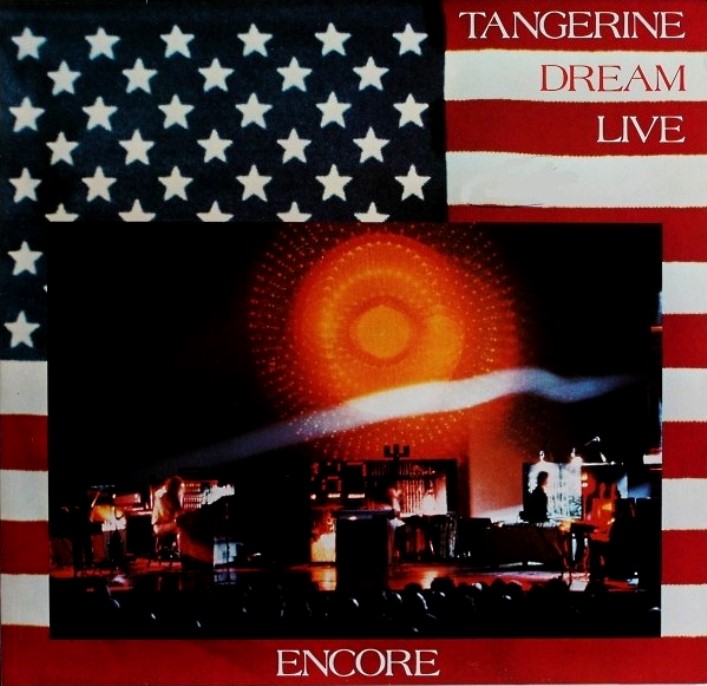
TANGERINE DREAM Encore (1977)
‘Encore’ is seen as the definitive TANGERINE DREAM live album by the classic line-up of Edgar Froese, Christophe Franke and Peter Baumann. But as with their previous live release ‘Ricochet’, there were questions as to what was live and what was Memorex… opener ‘Cherokee Lane’ was edited together from several performances while on the second side, suspicions were raised that ‘Coldwater Canyon’ was a studio creation.
‘Encore’ was originally released by Virgin Records
A trailblazer for The Berlin School, Klaus Schulze saw synthesizers as a route to creative freedom and his imperial works like ‘Timewind’, ‘Moondawn’, ‘X’ and ‘Mirage’ were largely improvised live. Concerts were seen as an opportunity to spontaneously compose new works. On his first live album featuring concerts in Amsterdam, Berlin and Paris, ‘Sense’ was a half hour ball of hypnotic energy with live drums from Harald Grosskopf.
Recorded as a six-piece, ‘Public Pressure’ captured YELLOW MAGIC ORCHESTRA walking a tightrope, utilising early synthesizer technology like syndrums, sequencers and a Moog modular out on the road. However, while fairly lively and with highlights like ‘Rydeen’ and ‘Tong Poo’, in the inevitable post-production, guitarist Kazumi Watanabe was mixed-out and replaced with more synths while most of Yukihiro Takahashi’s trademark on-off vocals were re-recorded.
A singular double LP boxed set, this live document captured highlights of Gary Numan during his imperial phase at Hammersmith Odeon during ‘The Touring Principle’ in 1979 and the 1980 ‘Teletour’. Engineered and co-mixed by Tim Summerhayes, this remains one of the best live releases of its type with ‘Living Ornaments 80’ just nudging ahead. The release coincided with Numan’s retirement from live work with three concerts at Wembley Arena… that retirement lasted just over a year!
In 1981, Jean-Michel Jarre became the first Western rock musician to perform in China. The five live performances as a 4 piece ensemble included the debut of the Laser Harp. Jarre also composed new material for the occasion with highlights including the dramatic ‘Arpegiator’ and the elegiac studio closer ‘Souvenir Of China’. But one particular track stood out, a traditional rearrangement with The Peking Conservatoire Symphony Orchestra, retitled ‘Fishing Junks At Sunset’.
‘Oil On Canvas’ was a contractual obligation by the now-split up JAPAN. Only the drums came from the band’s run of Hammersmith Odeon shows during their final tour with other parts redone in the studio. The version of ‘Nightporter’ bore no relation to the actual arrangement performed while three unrelated ambient pieces were included instead of ‘Life In Tokyo’, ‘European Son’ and ‘Fall In Love With Me’ which were part of the live set!
Leaving listeners wanting more, ‘Monument’ originally only featured 6 tracks including the studio intro title track with the hits ‘Vienna’, ‘Reap The Wild Wind’ and ‘Hymn’. Superbly capturing ULTRAVOX on their 1982 ‘Quartet’ tour, the undoubted highlight was the elongated rendition of ‘The Voice’ with the energetic THIN LIZZY-inspired Simmons drum climax. ‘Monument’ has since been expanded into 8 track and later 9 track variants.
‘Monument’ was originally released by Chrysalis Records
Released at the height of their worldwide fame, ‘Arena’ was sadly more ‘Oil On Canvas’ than either ‘Living Ornaments 79 & 80’, ‘Monument’ or ‘101’. Unlike the latter, it now symbolises the downfall of DURAN DURAN rather than the rise. The mix was muddy and not a patch on the subsequent soundtracks of the DVD releases of their Hammersmith Odeon 1982 and Wembley Arena 2004 shows. The incongruous inclusion of the single ‘The Wild Boys’ no doubt helped shift copies.
On the ‘Sparkle In The Rain’ and ‘Once Upon A Time’ tours, SIMPLE MINDS had been pompously bloating songs out for up to 10 minutes. The excesses were dialled down for this well-recorded if frustrating record. There was much post-production tinkering with ‘Someone Somewhere In Summertime’ featuring extra violin by Lisa Germano while uncredited, former bassist Derek Forbes was brought in replace John Giblin’s live take.
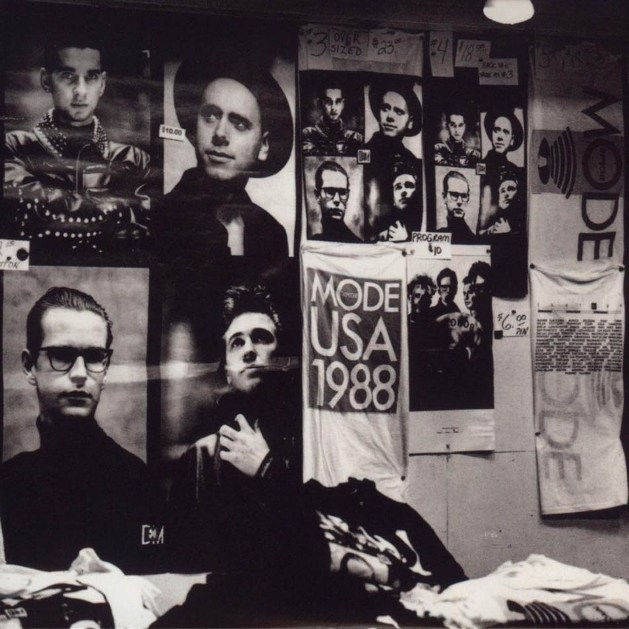
“Who have thought DEPECHE MODE plink-plonking away would play in stadiums?” bemoaned Jim Kerr of SIMPLE MINDS in 2004; but ‘101’ recorded at the Pasadena Rose Bowl in 1988 affirmed their arrival into the stadium league. The audience was mixed so loud that the band were almost drowned out while Dave Gahan bellowing “YEAH!” was a frequent occurrence. In a drumhead free zone, this was an enjoyable set capturing more comparatively innocent times.
Recorded on location in Tokyo and Osaka, this live collection saw Manuel Göttsching, Lutz Ulbrich and Harald Grosskopf reunite the 1979-80 band incarnation of ASHRA. Containing 3 lengthy tracks and the much shorter ‘Timbuktu’ in an energetic set with hypnotic blend of progressive guitar and electronics. The highlight was the magnificent sample-free take on 1990’s ‘Twelve Samples’. A second volume was issued in 2002.
‘@shra’ was originally released by Think Progressive
In their heyday, HEAVEN 17 never toured. Recorded in Glasgow when the trio came out of hiatus and opened for ERASURE in 1998, the 50 minute set was very electronic, in line with their comeback album ‘Bigger Than America’. Packed full of their best known songs and a version of ‘Being Boiled’, some new arrangements fell under the spell of THE CHEMICAL BROTHERS but they impressed enough for repeat business and continue to play live regularly today.
Reuniting as SOFT CELL first time round in 2001, this double live album caught Marc Almond and Dave Ball in support of their 2002 comeback album ‘Cruelty Without Beauty’. Almond was particularly animated and sounded like he was having fun while Ball’s solid electronics grooved. Almond’s motorbike accident in 2004 put a stop to performing but SOFT CELL reunited again in 2018 for ‘One Night Only’ at London’s O2 Arena.
Featuring founder members Ralf Hütter and Florian Schneider, this first official KRAFTWERK live album provided another “is it live or is it Memorex?” conundrum. Suspicions were aroused with the credits in both English and German language versions indicating that many of the tracks were recorded at the same venues! Regardless, the crisp versions on ‘Minimum-Maximum’ provided a far superior listening experience than 1991’s ‘The Mix’.
YAZOO’s ‘Reconnected’ tour saw Alison Moyet and Vince Clarke completing unfinished business following their premature spilt in 1983. Clarke provided more analogue-tuned backing compared to the Fairlight-driven tracks of their 1982 tour while Moyet was in fine voice, to the point that you could be forgiven for thinking you were hearing the records if it wasn’t for her breaths. This was a wonderful souvenir for those who were there.
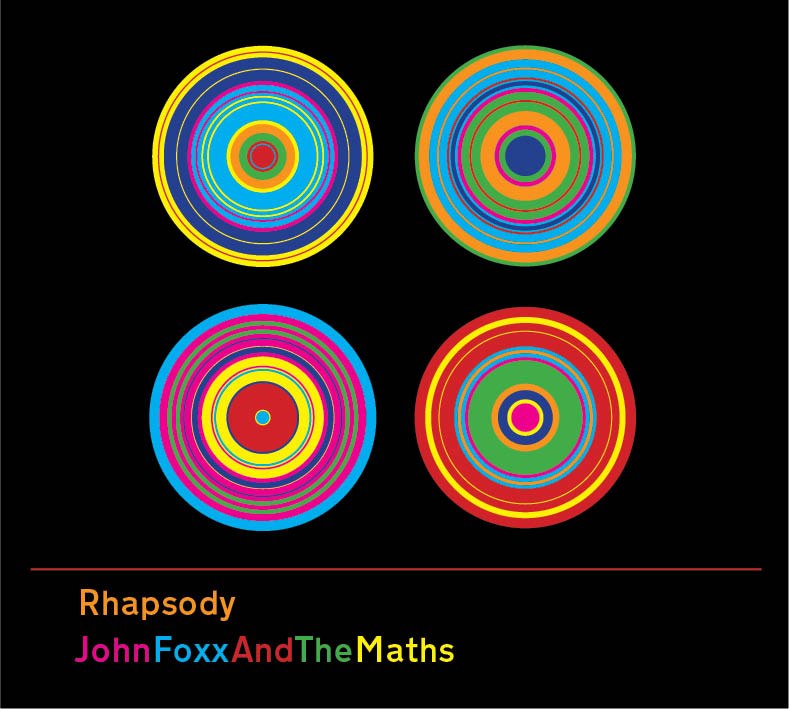
John Foxx’s 2002 live album ‘The Omnidelic Exotour’ with Louis Gordon had been recorded in rehearsals with no audience and ‘Rhapsody’ followed the same route. With a band featuring Benge with Serafina Steer and Hannah Peel, the quartet ran through highlights of the John Foxx portfolio alongside his ULTRAVOX! ballads ‘Hiroshima Mon Amour’ and ‘Just For A Moment’.
‘Rhapsody’ was originally released by Metamatic Records
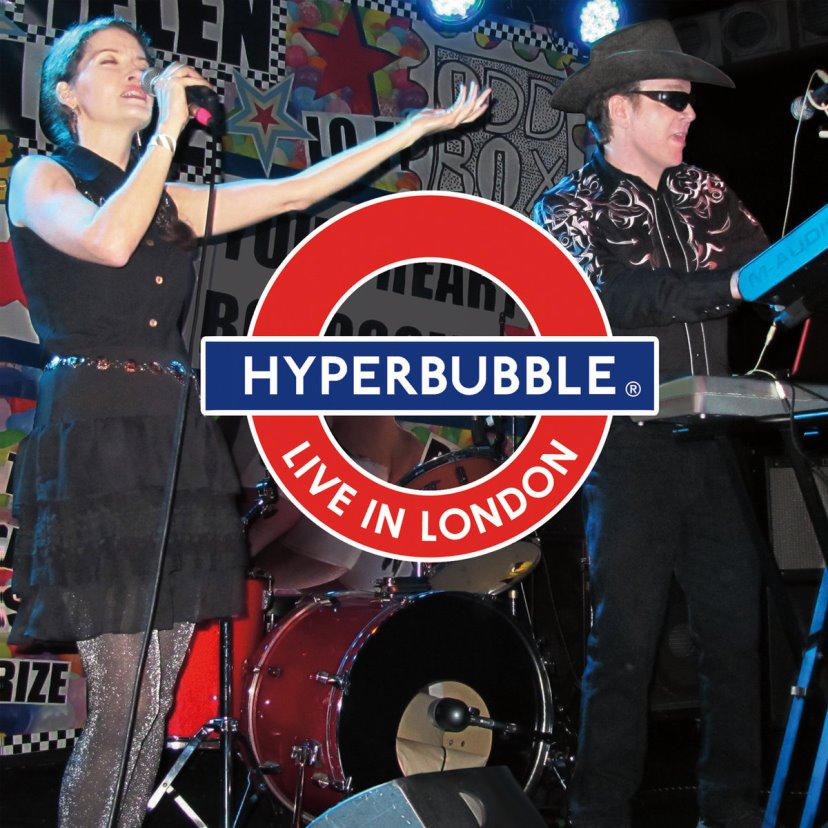
Texans HYPERBUBBLE may look like a mutant Country & Western duo but are actually synthpop’s answer to Carter & Cash. ‘Live in London’ was a high quality recording from The Lexington that captured the heart of their “part-performance art, kitsch cabaret pop”. Like a greatest hits set, it featured 45 minutes of fun uptempo numbers including ‘Candy Apple Daydreams’ and ‘Non-Biodegradable Hazardous Waste Disposal’.
‘Live In London’ was originally released by Pure Pop For Now People
NEW ORDER featuring LIAM GILLICK ∑(No,12k,Lg,17Mif) (2019)
Back in the day, NEW ORDER were a rather shaky live act which meant their live bootlegs provided unintended entertainment. Since relaunching in 2011 without Peter Hook, they have released 5 live albums. The most interesting was ‘∑(No,12k,Lg,17Mif)’ when NEW ORDER played Manchester’s Old Granada Studios accompanied by a 12 piece synth orchestra. Aside from the dreadful ‘Who’s Joe’ and ‘Guilt Is A Useless Song’, it was a choice selection of firm fan favourites.
Swedish duo KITE performed two theatrical shows at the Royal Swedish Opera augmented by a 16 piece orchestra and choir. Filmed for broadcast on SVT2, the performances were issued as a live double album featuring a lengthy impassioned rendition of the epic ‘Up For Life’. Never doing things by halves, KITE have since performed at the cavernous former limestone quarry Dalhalla and more incredibly, on ice at Stockholm’s Avicii Arena.
Perhaps too ambitious in trying to take on the O2 Arena, OMD called on Howard Jones as opening act to help get bums on seats. The original solo synth man delivered an enjoyable 50 minute set with a band comprising right hand man Ronnie Bronnimann, the sadly missed Dan Clarke and KAJAGOOGOO bassist Nick Beggs; a cover of ‘Too Shy’ thrown in for good measure alongside ‘New Song’ and a danced-up ‘Things Can Only Get Better’.
While there had previous been synthesizer hits like ‘Son Of My Father’, ‘Popcorn’ and ‘Autobahn’, they were considered novelty records at the time and it would be fair to say that the true Year Zero in electronic pop music was 1977.
THE SEX PISTOLS and ‘God Save The Queen’ may have been on everyone’s hushed lips in the Queen’s Silver Jubilee year but the most influential song to emerge from that period and that STILL sounds like the future is ‘I Feel Love’ by Donna Summer.
The producer of ‘I Feel Love’ was a German domiciled Italian named Giorgio Moroder. A solo artist in his own right within his adopted homeland, he had already been playing with synthesizer riffs on his first hit song ‘Son Of My Father’; a facsimile cover by Chicory Tip reached No1 in the UK at the start of 1972.
In the case of ‘I Feel Love’, Moroder later harnessed the hypnotic quality of an 8-step analogue sequencer plus a triplet delay to create the pulsing Moog lines to close the Donna Summer concept album ‘I Remember Yesterday’. The preceding tracks had themes of the 40s, 50s, 60s and 70s. ‘I Feel Love’ was designed to represent the sound of the future.
Despite already clocking in at nearly six minutes, it felt like it could go on forever. Again, Moroder had the foresight to extend the track to nearly twenty minutes on a 12 inch version for discos; the extended version was born. Alas, ‘I Feel Love’ was the only electronic track on ‘I Remember Yesterday’ but Moroder would fully exploit the potential of this new technology on the next Donna Summer albums as well as his solo records.
The first British artist to present electronic pop in its modern form at the start of 1977 was David Bowie with ‘Sound & Vision’ featuring an ARP Solina lead line and noise-gated futuristic sounding drums. With this, ‘Oxygène’, ‘Magic Fly’ and ‘I Feel Love’ all hitting the Top 3 in the UK singles chart within months of each other, this was the beginning of synths designing the future.
So here are 20 albums which ELECTRICITYCLUB.CO.UK sees as contributing to the electronic legacy of 1977. While a number of these albums were not purely electronic, their inclusion of electronic based songs or suites proved to be highly influential in their experimental possibilities. They are listed in alphabetical order with a restriction of one album per artist moniker…
ASHRA New Age Of Earth
Guitarist Manuel Göttsching had been a member of ASH RA TEMPEL but looking to explore more progressive voxless territory on ‘New Age Of Earth’, he armed himself with an Eko Rhythm Computer, ARP Odyssey and his signature Farfisa Synthorchestra. An exponent of a more transient soloing style, he used the guitar for texture as much as for melody in this beautiful treasure trove of an album, as on the wonderful 20 minute ‘Nightdust’.
Having been the synth player of GONG on their albums ‘Flying Teapot’, ‘Angel’s Egg’ and ‘You’, Francophile Tim Blake’s first solo long player was ‘Crystal Machine’. A combination of studio and live material, with a EMS Synthi A, Minimoog and Elka Rhapsody at his disposal, it was full of eccentric sci-fi soundscapes and cosmic otherworldliness in the GONG, PINK FLOYD and HAWKWIND vein; Blake would actually join the latter in 1979.
“There’s New Wave, there’s Old Wave, and there’s David Bowie” said the advert for ‘Low’, recorded in Switzerland but mixed at Hansa Studios where the soldiers in the East Berlin watch towers could look into the windows of the building. It featured a whole side of instrumentals, the best two being ‘Warszawa’ and ‘Art Decade’ in collaboration with Brian Eno. Despite the artful experimentation, there was a hit single in ‘Sound & Vision’.
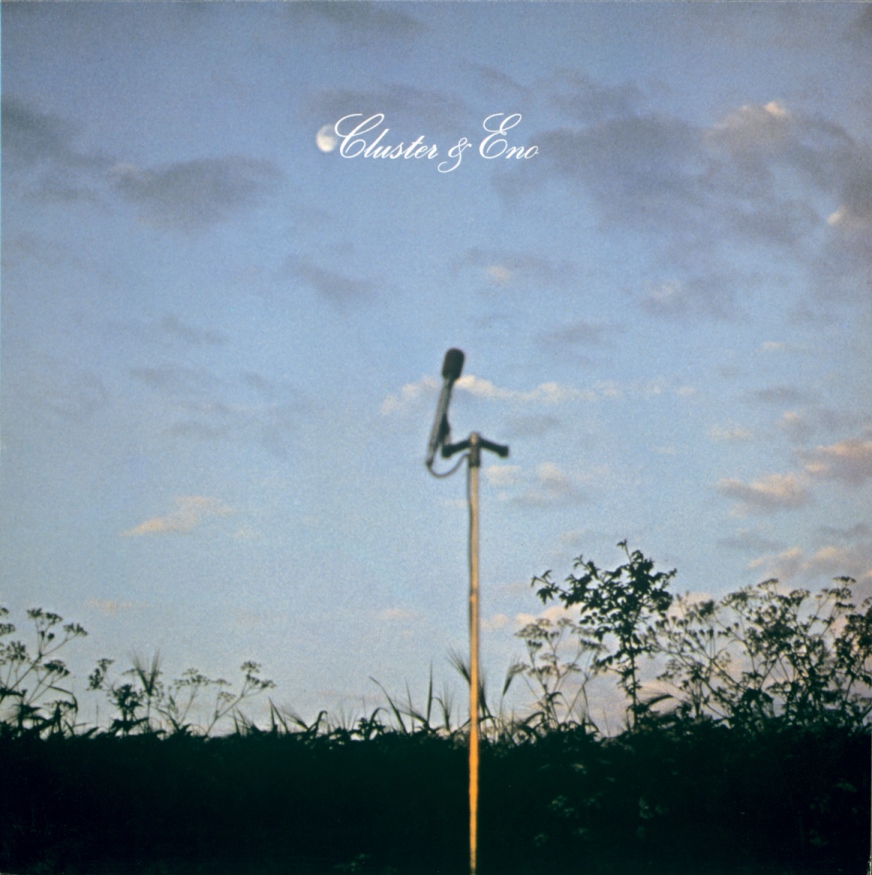
Having first worked together in 1976, Brian Eno met up with Hans-Joachim Roedelius and Dieter Moebius of CLUSTER on two fruitful recordings, the first of which was a glorious ambient instrumental affair. The front cover photo of a microphone up near the clouds summed up the approach with the album full of angelic atmospheres and gentle melodies. The closer ‘Für Luise’ was a tense cold war drama with stark piano and minimal synth.
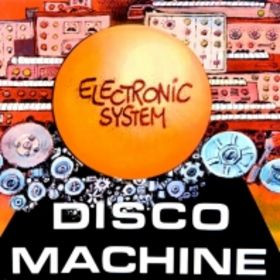
A year before TELEX formed, Dan Lacksman released his sixth album under the ELECTRONIC SYSTEM moniker. With the sequencer driven Moog sounds of Giorgio Moroder being the main influence, ‘Flight to Tokyo’, ‘Cosmic Trip’ and ‘Flight To Venus’ was a fine segue of instrumental variations on the throbbing electronic disco theme, the latter of which was sampled in 2002 by THE CHEMICAL BROTHERS for ‘Star Guitar’.
‘Disco Machine’ is still available via The Wack Attack Barrack
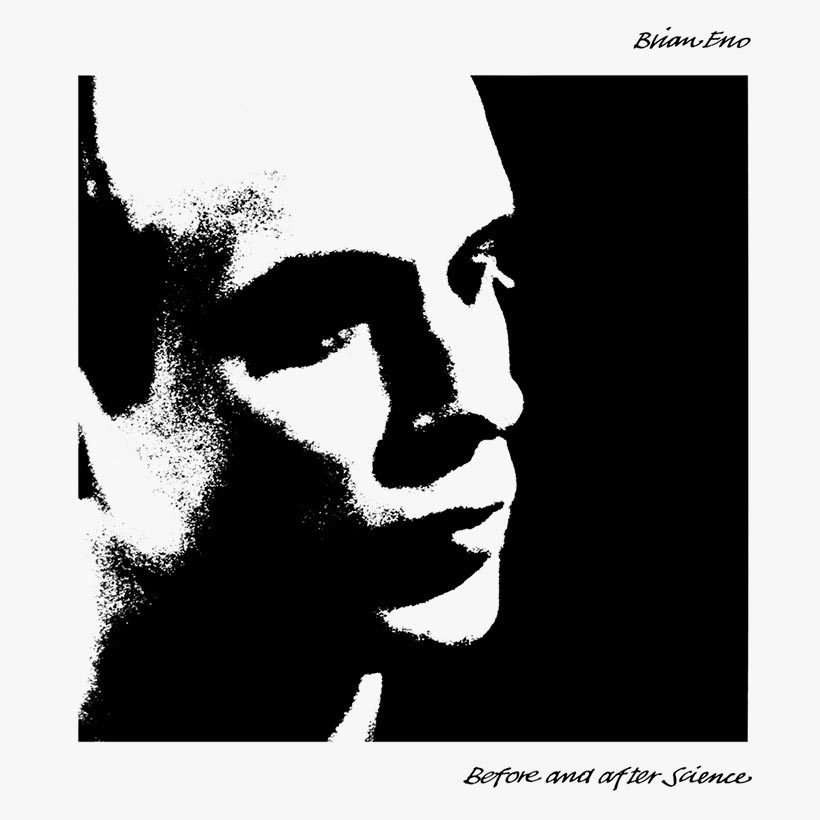
As with David Bowie’s ‘Low’ and ‘Heroes’ which Eno had also worked on, ‘Before & After Science’ presented its material as pop and experimental sides. The first side included the quirky ‘Blackwater’ with its fabulous stabs of synth and the metallic romp of ‘Kings Lead Hat’. But the best tracks were on side two were the synth ballads ‘By This River’ assisted by CLUSTER and the sumptuous nautical folk of ‘Spider & I’.
The French were on a roll with their vision for an electronic future with SPACE, DROIDS and Jean-Michel Jarre, but Bernard Favre actually composed and recorded the science fiction-themed ‘Cosmos 2043’ in 1975. While not as immediate as his fellow countrymen, this record was another sampled by THE CHEMICAL BROTHERS with ‘Earth Message’ forming the basis of 1999’s ‘Got Glint?’ for which Favre got a co-writing credit.
‘Cosmos 2043’ is still available via Anthology Records
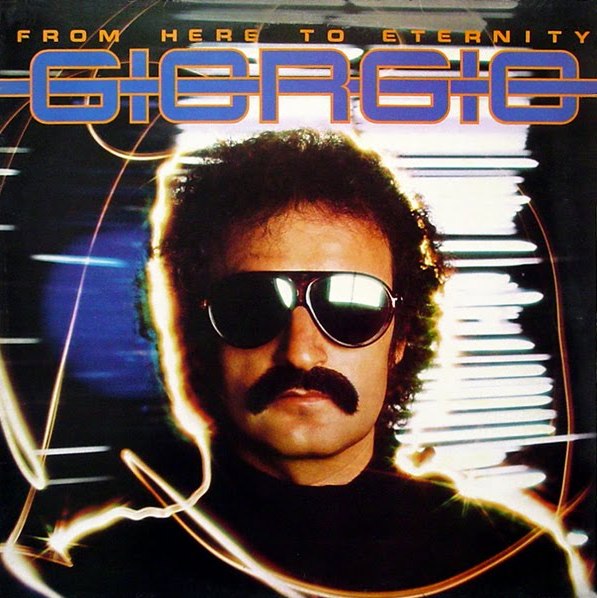
On a roll from his pioneering work with Donna Summer, the sixth Giorgio Moroder solo album for centred around throbbing electronic disco. Featuring vocodered and conventional voices, the title track was effectively stretched out over one side of the album. Often mistaken for being KRAFTWERK, it actually prompted the Kling Klang quartet to move towards a more computerised sound for their 1978 album ‘The Man Machine’.
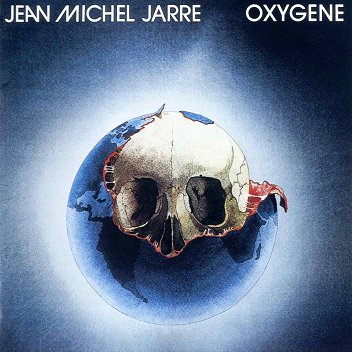
Although released in France at the end of 1976, ‘Oxygène’ was not available worldwide until 1977 with ‘Oxygène IV’ becoming a huge hit single. The parent album was a glorious six part work and ‘Oxygène IV’ something of a centrepiece as a perfectly progressive spacey romp with pulsing sequences, Eminent strings, Mellotron choir and AKS waves while ‘Oxygene V’ chanelled Terry Riley’s ‘A Rainbow In Curved Air’.
‘Trans Europe Express’ was the first KRAFTWERK album released in standalone English and German versions. Perhaps the most lyrical of all their imperial phase long players, ‘Europe Endless’ was despite its nostalgic romanticism, aspiring to a continent without borders while the punchy ‘Showroom Dummies’ responded to criticism their static live performance. Then there was the mighty title track and its ‘Metal On Metal’ interlude…
Relocating to build his own Random Studio in Forst, ‘Flammenden Herzen’ was Michael Rother’s first solo album after leaving NEU! Co-produced by Conny Plank with Jaki Liebezeit from CAN providing the percolating percussion, although Rother had utilised synthesizers to great effect before, they took a greater role in his solo work. ‘Karussell’ had a distinctly European flavour with its strong symphonic melodies.
After success of ‘Timewind’ and then ‘Moondawn’ featuring Harald Grosskopf on drums, Klaus Schulze was by now well into what many consider his imperial phase and adding PPG modules to his synth set-up, operated alone on ‘Mirage’. Subtitled “an electronic winter landscape”, the wintery 29 minute ‘Crystal Lake’ planted the seed for New Age while promotion was supported by two lavish concerts at the London Planetarium.
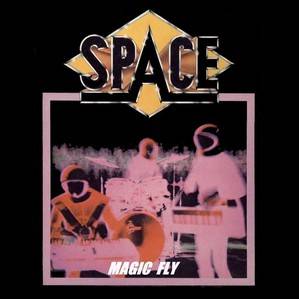
SPACE was the brainchild of Didier Marouani who went under the pseudonym of Ecama and formed the collective with Roland Romanelli and Jannick Top. The space disco of the iconic ‘Magic Fly’ with its catchy melody and lush accessible futurism rode the wave of a new European electronic disco sound. But the album wasn’t just about the title hit as ‘Fasten Seatbelt, ‘Tango In Space’ and ‘Flying Nightmare’ proved.
An album of unsettling futuristic rockabilly, SUICIDE rocked the boat by Martin Rev using a Seeburg Rhythm Prince and Farfisa keyboard instead of drums and guitars while Alan Vega warbled and snarled like the ghost of a demented Elvis Presley. Highlights included ‘Ghost Rider’ and ‘Cheree’ which later soundtracked a Marc Jacobs perfume advert. The duo were to be a big influence on SOFT CELL and SIGUE SIGUE SPUTNIK.
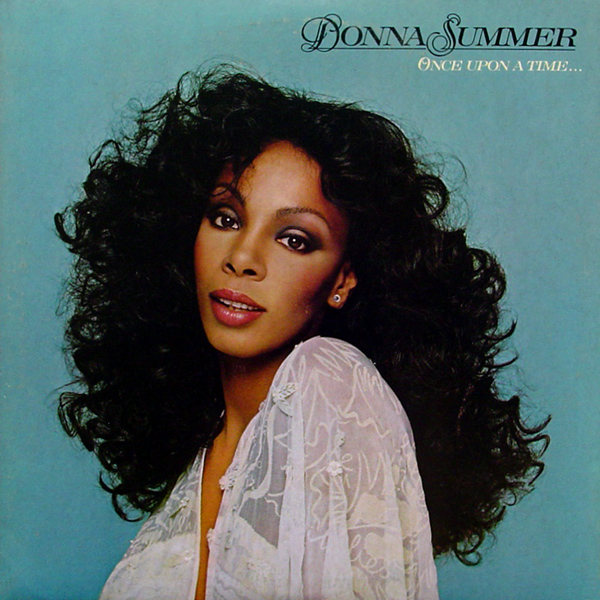
‘Once Upon A Time’ was an ambitious double album consisting of four distinct approaches. An all-electronic three song segued suite entitled ‘Act2’ was headed by ‘Working The Midnight Shift’ which took ‘I Feel Love’ to the next level with Summer’s wispy falsetto now in a grander setting. ‘Now I Need You’ captured a gothic eeriness while ‘Queen For A Day’ was a forerunner of ‘Our Love’ that halfway mutated back into disco pop.
‘Once Upon A Time’ is still available via Casablanca / Universal Records
The final studio album by the classic TANGERINE DREAM line-up of Edgar Froese, Chris Franke and Peter Baumann, after the long compositions of previous releases, ‘Sorcerer’ was characterised by shorter pieces in the band’s first commission for a Hollywood movie. Although this meant tracks like ‘The Mountain Road’ faded before they really got going, ‘Betrayal’ showed what could be done within time restrictions.
‘Sorcerer’ is still available via Esoteric Recordings
Released first in Europe as ‘Space Fantasy’ but retitled ‘Kosmos’ for international consumption in 1978, Isao Tomita acquired a Polymoog to supplement his Moog modular system. The ‘Star Wars: Main Title’ was reimagined with his signature synthetic whistle while a Strauss / Wagner medley provided a ‘Space Fantasy’. But the classic Rodrigo guitar concerto ‘Aranjuez’ was cosmically synthesized in a manner that only Tomita could.
‘Space Fantasy’ is still available as ‘Kosmos’ via RCA
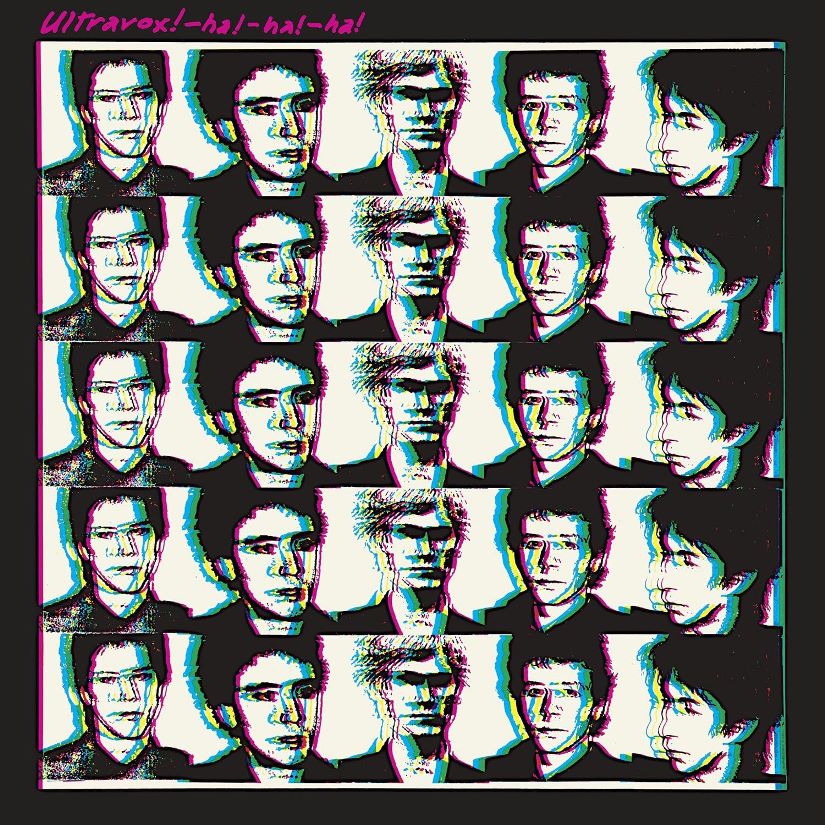
While primarily a fierce art rock album, ‘Ha! Ha! Ha!’ was however notable for the inclusion of two opposingly poled synth-dominated songs that pointed to the future direction of ULTRAVOX! The star of ‘The Man Who Dies Everyday’ was Billy Currie’s screaming ARP Odyssey while Warren Cann’s modified Roland TR77 rhythm machine acted as the backbone to the elegiac ‘Hiroshima Mon Amour’ which also featured an Elka Rhapsody.
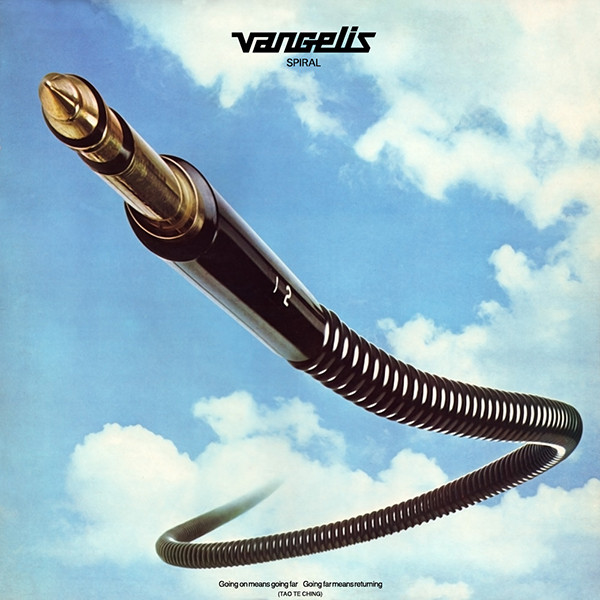
The ‘Spiral’ album was best known for the beautifully emotive ‘To The Unknown Man’ where Vangelis first fully exploited the possibilities of the Yamaha CS80. He proved he could also do lively electronic pop with ‘Dervish D’ where over a spinning Roland System 100 sequencer, a slice of robotic funk grooved with a brilliantly played jazz-inflected CS80 solo using all the manual control features it had at his disposal.
‘Spiral’ is still available via Esoteric Recordings
The work of Pierre Salkazanov, the Frenchman had the ARP 2600 and its sequencer, along with the EMS VCS 3 and RMI Harmonic Synthesizer. Comprising of three short pieces and two much longer progressively spacey tracks ‘Plénitude’ and ‘An Zéro’, ‘Moebius 256 301’ had much more of a Berlin School template and echoes of TANGERINE DREAM in particular when compared with his French contemporaries.
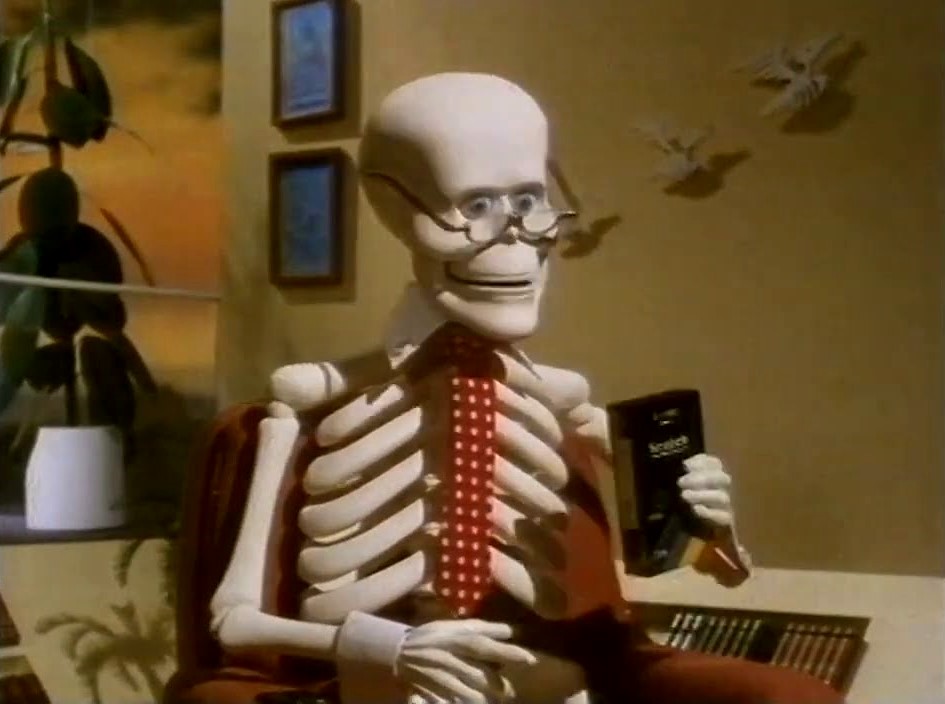
Set to the music of Buddy Holly, “Re-Record, Not Fade Away” was the iconic strapline voiced by veteran British actor Deryck Guyler as a jolly skeleton to advertise Scotch video cassettes in 1987. The premise was that these tapes were of such resilient high quality that they could be used for a lifetime and even outlive the purchaser.
But “Re-Record, Not Fade Away” could also be seen as a reference to the longevity of music through cover versions of classic songs. So what about when an artist effectively covers their own song by re-recording it?
Artists and producers are forever tinkering with their work. Sometimes it is to improve on a track or create a new vision. But also, it can be done simply to own a new copyright where the original is now in the hands of a less than co-operative custodian; the most recent high profile case of this has been Taylor Swift who has been re-recording all of her previous albums with each labelled as “Taylor’s Version”.
ELECTRICITYCLUB.CO.UK presents its own list of 25 remakes and remodels from over the years. Most are more familiar than the originals and have been widely accepted as the superior versions while others continue to divide fans.
Presented in yearly and then alphabetical order with a restriction of one track per artist moniker, this listing does not include remixes, live recordings or radio sessions. Meanwhile originals refer to the first released versions so demos do not count!
ULTRAVOX! Hiroshima Mon Amour (1977)
ULTRAVOX! first released ‘Hiroshima Mon Amour’ as a fierce and frenetic art rock piece for the B-side of ‘ROckwrok’, but it was slowed right down for the ‘Ha! Ha! Ha!’ album version. Moving into the moody ambience of CLUSTER with a modified Roland TR77 rhythm machine and Elka Rhapsody string machine chillingly taking centre stage, the colder aesthetics were counterpointed by guest saxophonist CC from GLORIA MUNDI.
Available on the ULTRAVOX! album ‘Ha! Ha! Ha!’ via Island Records
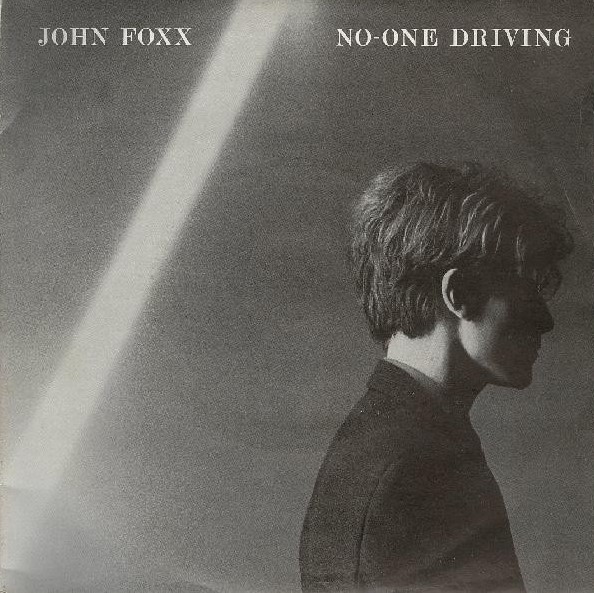
After leaving ULTRAVOX, the full length solo debut ‘Metamatic’ from John Foxx featured a highlight in ‘No-One Driving’. Despite the album also including a song called ‘Blurred Girl’, the single re-recording had much sharper focus and slightly altered lyrics, reaching No32 in the UK charts. Released along with three new tracks ‘Glimmer’, ‘This City’ and ‘Mr No’, ‘No-One Driving’ remains one of the best double single packages ever.
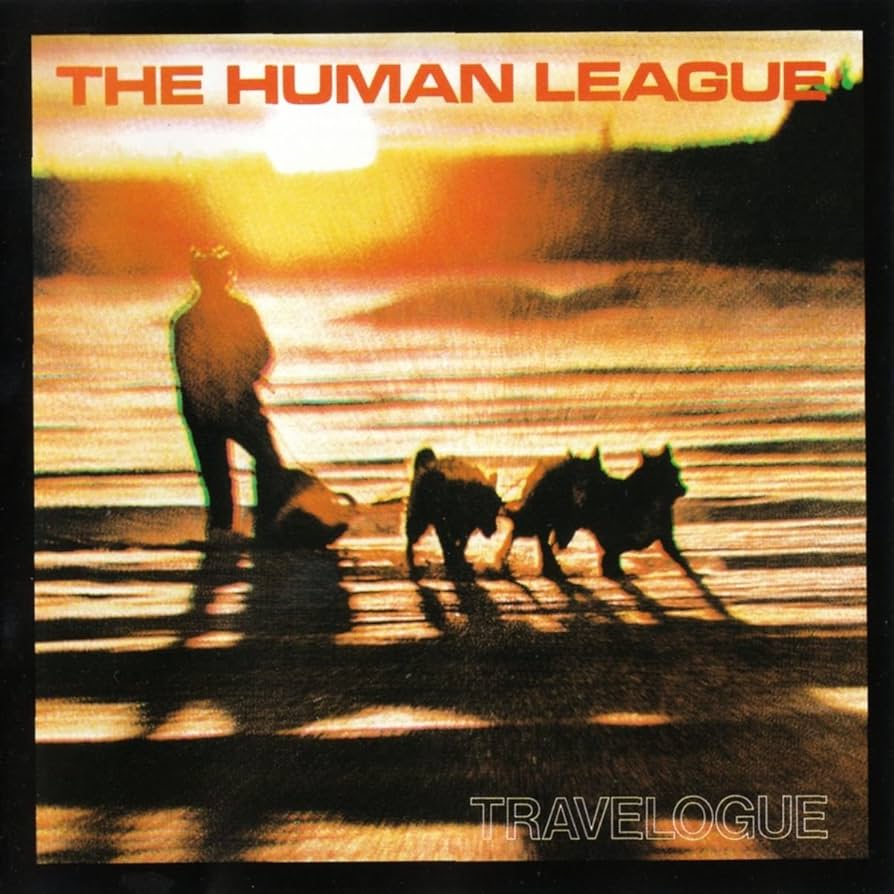
The original Fast Product single version of ‘Being Boiled’ from 1978 was recorded in mono and had its own charm. But THE HUMAN LEAGUE took the opportunity to update their calling card with producer John Leckie for the ‘Travelogue’ album to more fully realise its funky FUNKADELIC inspired overtones. Using a varispeeded synth brass section named THE BOYS OF BUDDHA, the end result was more dynamic and livelier.
Available on THE HUMAN LEAGUE album ‘Travelogue’ via Virgin Records
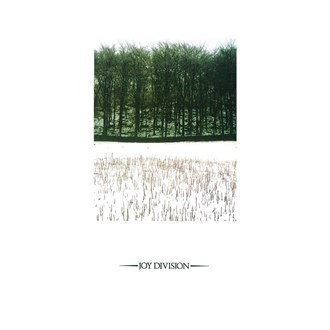
With the 1979 ‘Unknown Pleasures’ version channelling THE STOOGES, the idea behind JOY DIVISION re-recording ‘She’s Lost Control’ was to make a really loud and dynamic 12 inch disco single. The result was a big cacophony of electronic and acoustic drums as well as an aerosol! Meanwhile, synths which had not been present before were now very much heard in the second half while Ian Curtis’ vocal delivery was even more foreboding.
Available on JOY DIVISION album ‘Substance’ via Rhino Records
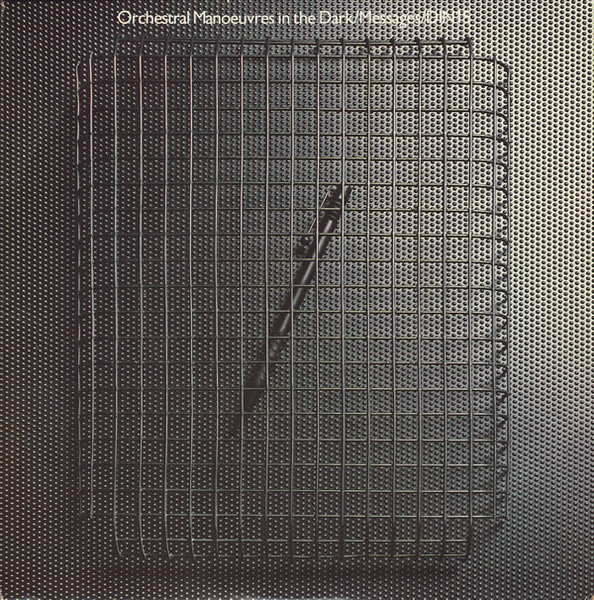
On the debut self-titled OMD album, ‘Messages’ was a song that actually featured guitar with potential as a single. Utilising a pulsing repeat function on a Korg Micro-Preset shaped by hand twisting the octave knob, it was decided to re-record ‘Messages’ for its singular release. Produced by Mike Howlett, the new version included the addition of separately recorded drums for a cleaner snap to produce a breakthrough UK chart hit.
Available on the OMD album ‘Souvenir’ via Virgin Records
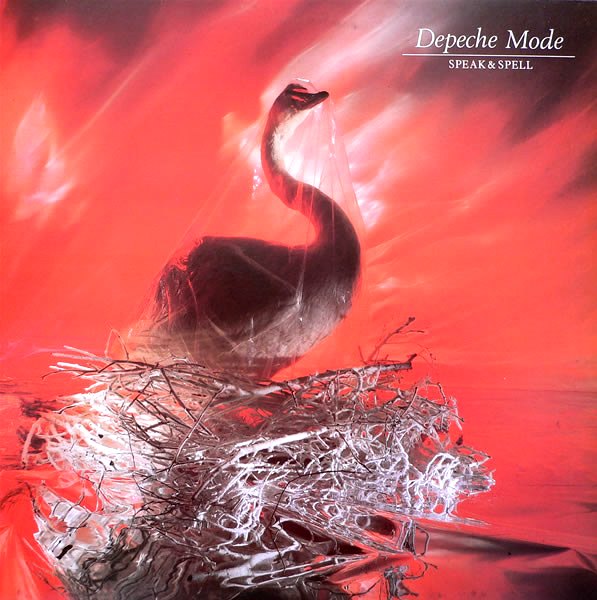
The much darker and aggressive first version of ‘Photographic’ for the ‘Some Bizzare Album’ was driven by Mute supremo Daniel Miller’s klanky Korg 55 Rhythm box. Featuring much more sophisticated sequencing and programmed percussion palettes, an understated approach was taken on the re-recorded ‘Speak & Spell’ version with snares sounds only making their presence felt a third of the way through.
Available on the DEPECHE MODE album ‘Speak & Spell’ via Universal Music
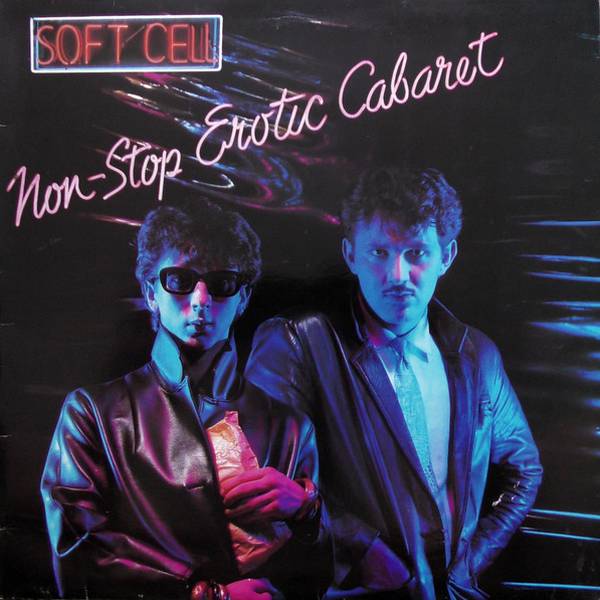
Compared with the original ‘Mutant Moments’ version of ‘Frustration’ which was akin to the unsettling demeanour of THROBBING GRISTLE, the ‘Non-Stop Erotic Cabaret’ take was like a completely different song. The lyrics were mostly written by Dave Ball about his own father while Marc Almond let his theatrical energetics go wild as sparkling Synclavier, a Roland Synthe-Bass and sleazy sax battled for audio supremacy.
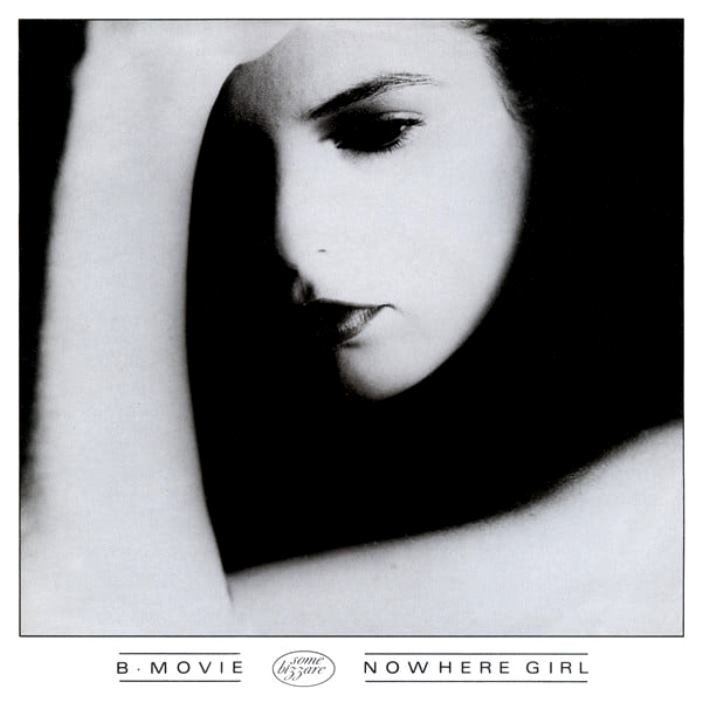
Originally recorded for a 1980 EP on Dead Good Records, ‘Nowhere Girl’ was undoubtedly the most immediate pop tune in the B-MOVIE portfolio. The quartet were under pressure to have a hit with Phonogram label mates SOFT CELL having scored a No1. Produced by Steve Brown, the new recording had tinkling ivories like ULTRAVOX in full flight alongside pulsing bass and harp-like synths. Alas, ‘Nowhere Girl’ stalled at No67!
Originally recorded for a 1980 single on Mute Records in a band format featuring guitar and hand-played synths, ‘Kebabträume’ was subsequently reworked by DAF with sequencers under the production supervision of the legendary Conny Plank. Transforming into something much heavier, the memorable if controversial line “Deutschland, Deutschland, alles ist vorbei!” had more bite on this superior version.
Available on the DAF album ‘Für Immer’ via Grönland Records
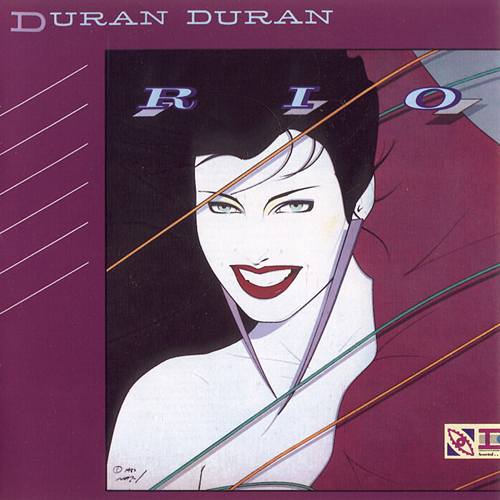
Seeing out 1981 after the success of their self-titled debut album with the release of ‘My Own Way’, the single was characterised by its fast tempo and a disco string section. However, DURAN DURAN would express dissatisfaction at the recording. So for their second album ‘Rio’, the song was re-recorded in a slightly slower electro-funk style with a harder rhythmic edge while Simon Le Bon ad-libbed about “7UP between Sixth and Broadway”
Available on the DURAN DURAN album ‘Rio’ via EMI Music
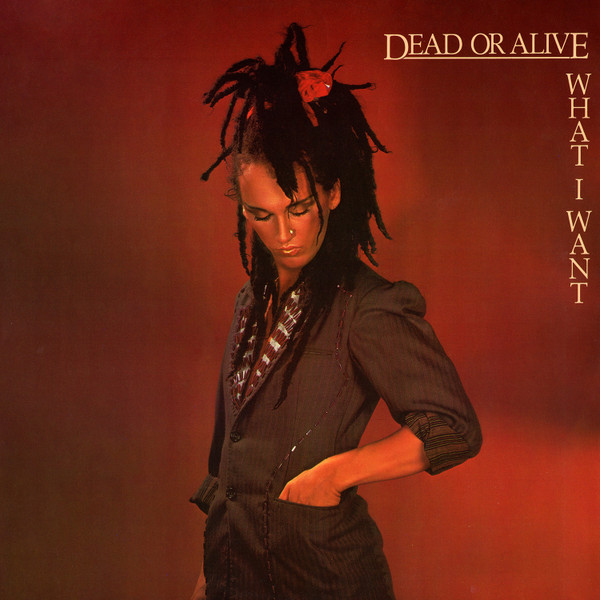
Written when Wayne Hussey, later of THE SISTERS OF MERCY and THE MISSION, was in DEAD OR ALIVE, ‘The Stranger’ first surfaced as a single on Black Eyes Records. The tighter re-recording appeared as a B-side of the ‘What I Want’ single, dialling down the more gothic and acoustic elements while making the electronics and drum machine much more prominent. Despite this, it was a million miles from the HI-NRG sound that Pete Burns would find fame and fortune with.
HEAVEN 17 were misinterpreted by Thatcher’s yuppies who thought ‘Let’s All Make A Bomb’ was about making a financial killing, when it actually referred to a different type of killing altogether. The original ‘Penthouse & Pavement’ version was all analogue electronics including its rhythm track. For the B-side of ‘Come Live With Me’, this New Version was more digital with metallic samples for a type of industrial funk.
Available on the HEAVEN 17 album ‘Endless’ via Virgin Records
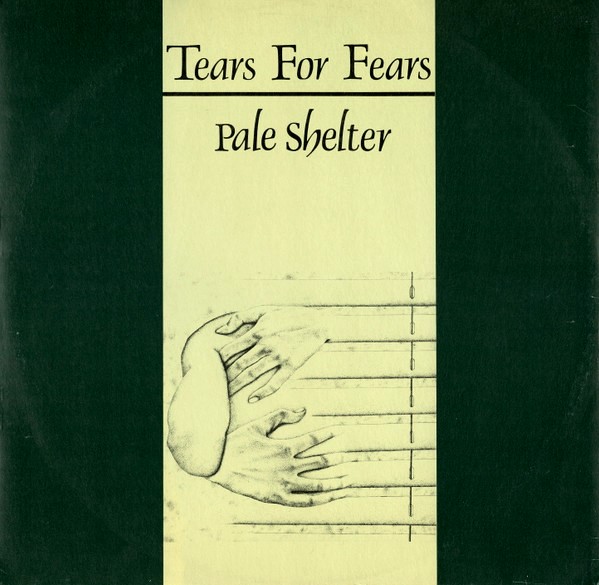
The original 1982 single version of ‘Pale Shelter’ was produced by Mike Howlett and began with an unsettling, reverse spoken vocal from Roland Orzabal. It failed to chart but with TEARS FOR FEARS flush from the success of ‘Mad World’ and ‘Change’, the parent debut album ‘The Hurting’ featured a re-recording produced by Ross Cullum and Chris Hughes with a much looser feel. Re-released as a single, it gave the duo their third UK Top5 hit.
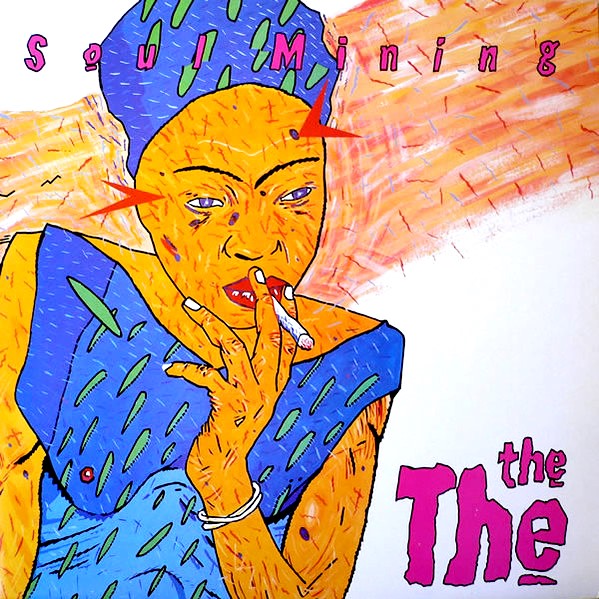
When ‘Uncertain Smile’ was released as a Mike Thorne produced single in 1982, it featured a wonderfully rigid TR808 pattern, synths and a variety of woodwinds including flute and sax. Come the ‘Soul Mining’ album produced by Paul Hardiman, the song was newly recorded with live drums and an extended boogie-woogie piano section from Jools Holland at the end. Some love it, some don’t but THE THE main man Matt Johnson is in the former camp.
Available on the THE THE album ’Soul Mining’ via Epic Records
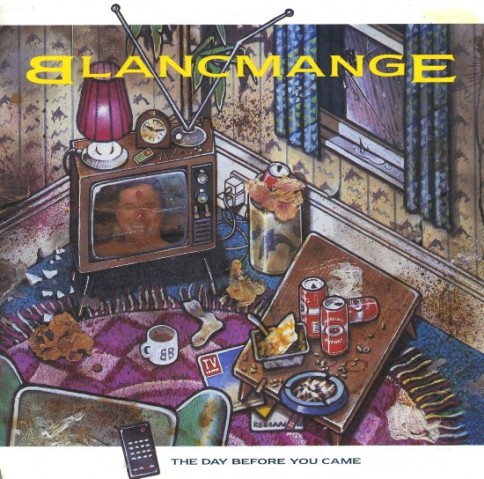
Benny Andersson said that ABBA’s ‘The Day Before You Came’ was “a really good song, but not a good recording” and by coincidence, the first attempt by BLANCMANGE produced by John Luongo for the ‘Mange Tout’ album was underwhelming. But this was put right for single release in a rhythmically tighter re-recording helmed by Peter Collins which also made more of Neil Arthur’s melodramatics and Northern English quirkiness.
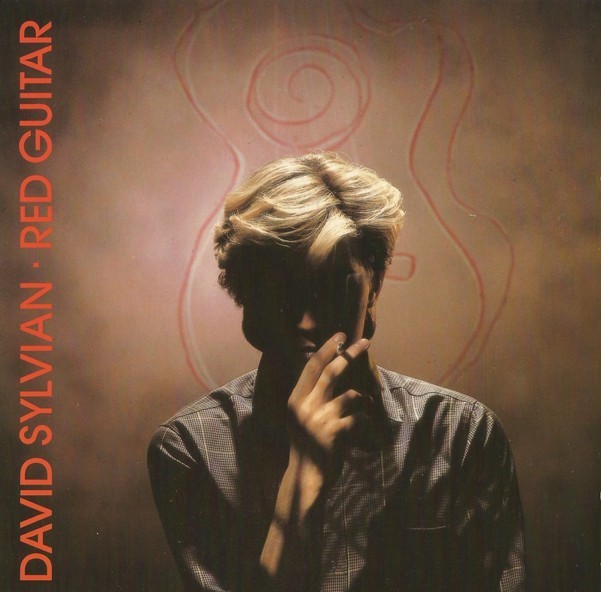
‘Forbidden Colours’ was the David Sylvian vocalled version of theme to the film ‘Merry Christmas Mr Lawrence’ which was composed by Ryuichi Sakamoto who also starred in it alongside David Bowie. But Sylvian wanted to do his own “not so grand” version for his debut album ‘Brilliant Trees’. Featuring Sakamoto on piano with Sylvian on synths and Steve Jansen on live drums , it was eventually dropped for ‘The Ink In The Well’ but ended up as the B-side to ‘Red Guitar’.
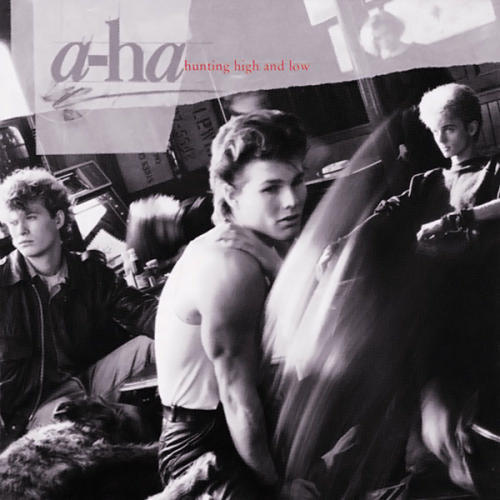
Tony Mansfield of NEW MUSIK did the original production on ‘Take On Me’ in 1984. However, A-HA were unhappy with the Fairlight-assisted results so it was remixed by their manager John Radcliff. The single failed to chart but with Warner music sensing a potential hit, a re-recording was commissioned with Alan Tarney as producer and showing off Morten Harket’s blistering vocal range. The single flopped again but on the third attempt, became the international hit they desired.
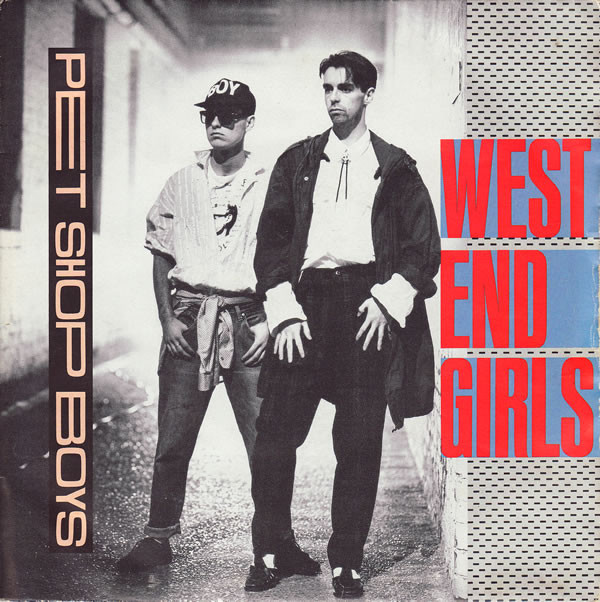
The original version of ‘West End Girls’ had been produced by New Yorker Bobby Orlando and released by Epic Records in 1984 , but while it has been a cult favourite, it was not a mainstream chart success. After signing to EMI, it was re-recorded with a lush cinematic aesthetic produced by Stephen Hague. It was stylistically at odds with pop duos like WHAM! but gave PET SHOP BOYS the first of their 4 UK No1s.
Available on the PET SHOP BOYS album ‘Smash’ via EMI Music
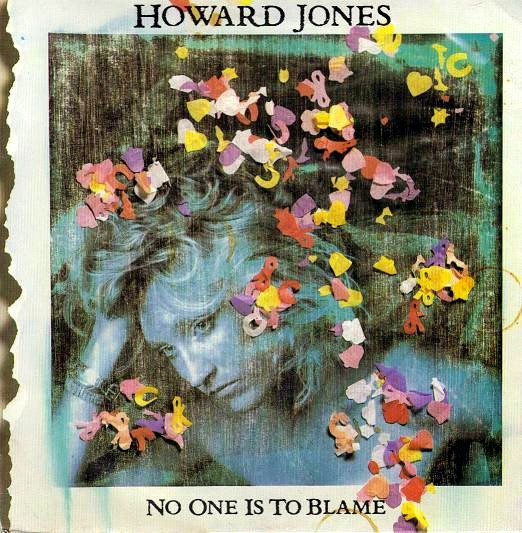
A plaintive song about the wandering eye, ‘No-One Is To Blame’ was one of the best Howard Jones ballads. A highlight in its first guise from his second album ‘Dream Into Action’, with Trans-Atlantic hit potential and Phil Collins riding high in that market, a re-recording was made with the GENESIS drummer producing alongside Hugh Padgham. Mission accomplished, the single became Jones’ biggest US hit.
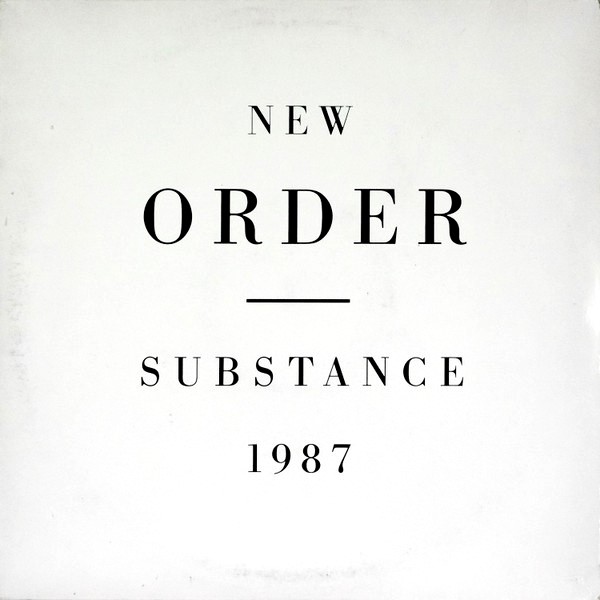
The original ‘Temptation’ was the first Top30 UK single for a rejuvenated NEW ORDER. For their ‘Substance’ compilation, the track was re-recorded in line with how the band were playing it live, with ARPs and Simmons drums now replaced by Yamahas and a harder digital snare while the vocal was perhaps more restrained. Thanks to the huge success of ‘Substance’, this is probably now the best known version of ‘Temptation’.
Available on the NEW ORDER album ‘Substance’ via Warner Music
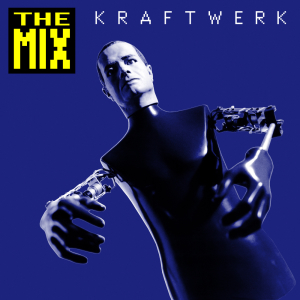
The original stark 1975 recording had ambigious references to radio activity but accepting the criticism they were getting from environmentalists, KRAFTWERK gave a pointed anti-nuclear message on this powerful 1991 re-recording. The most significant makeover was its additional unsettling machine chant of “TSCHERNOBYL – HARRISBURGH – SELLAFIELD – HIROSHIMA” highlighting recent atomic catastrophes.
Available on the KRAFTWERK album ‘The Mix’ via EMI Music
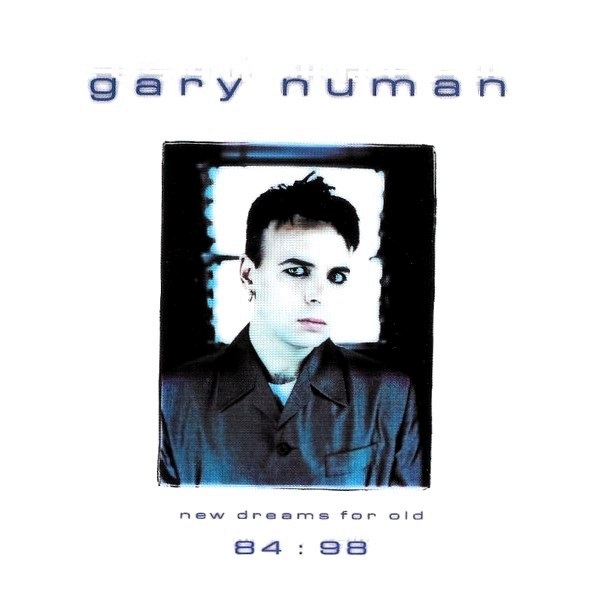
Despite not being a single, ‘Metal’ is a bonafide Gary Numan classic from 1979’s ‘The Pleasure Principle’. But in his stock on the rise again after several lean years and signing to Eagle Records, he revisited it to include as a bonus track for the single release of ‘Dominion Day’ from the ‘Exile’ album. A much more brooding grandiose reinterpretation, things were taken a step further by NINE INCH NAILS cover on ‘Things Falling Apart’ in 2000.
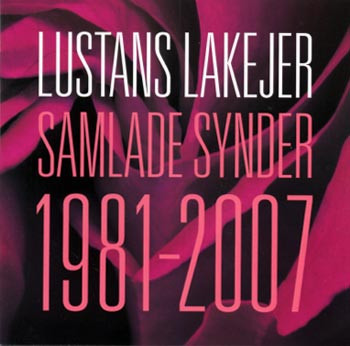
LUSTANS LAKEJER were seen as Sweden’s answer to DURAN DURAN; ‘Begärets Dunkla Mål’ was originally a moody unga moderna disco song which opened their self-titled 1981 debut album. The song was given a full Düsseldorf electronic makeover for their greatest hits collection 26 years later. Produced by Peder Livijn of SYSTEM, with a bounce reminiscent of KRAFTWERK’s ‘Das Model’, it became the catchy synthpop tune it had the potential to be.
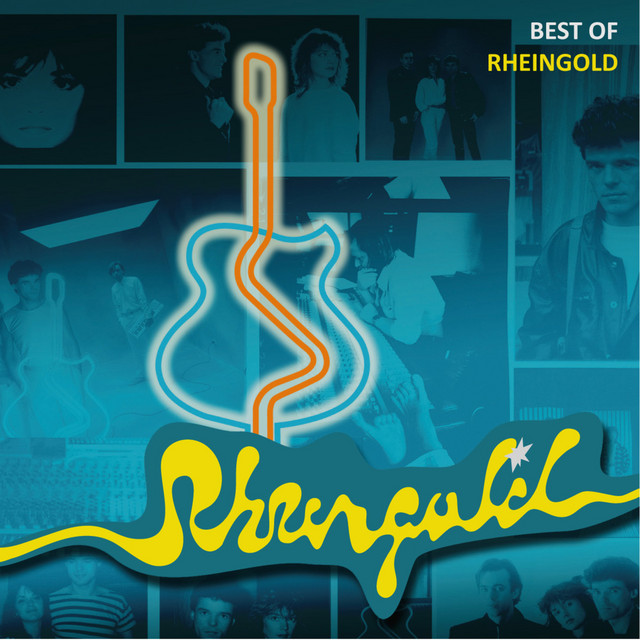
The very KRAFTWERK influenced lead single from the third RHEINGOLD album ‘Distanz’, neither ‘Computer Beat’ or its parent long player have been reissued by CBS in the digital age. Re-recorded for a self-released ‘Best Of’ along with their German hits ‘Fluss’, ‘3Klangsdimensionen’ and ‘FanFanFanatisch’, unlike the majority of the tracks in this list, the aim was to make the rework sound as much like the original as possible.
Available on the RHEINGOLD album ‘Best Of’ via 3Klang Records
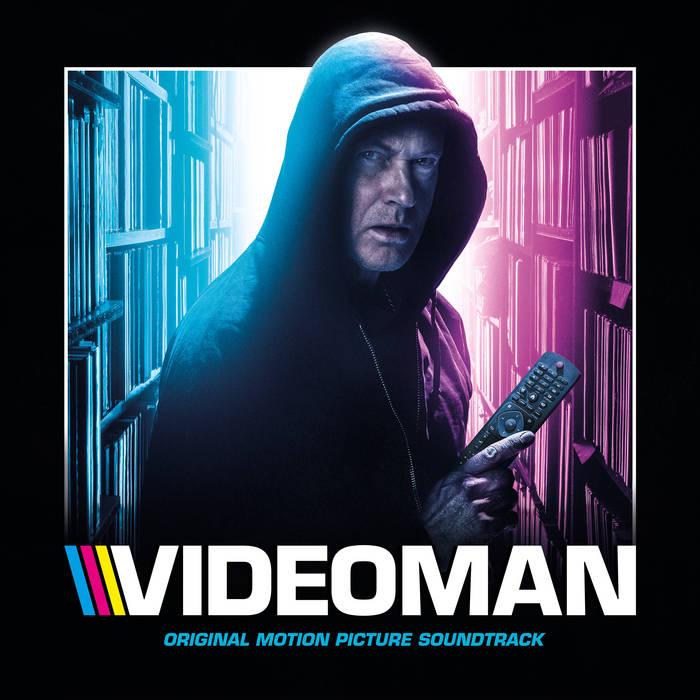
Originally recorded as a guitar-driven indie pop tune in 2008, ‘Blue Motorbike’ was the best known tune by Swedish singer-songwriter Oskar Humlebo under his MOTO BOY alias. 10 years later and reflecting his now-more laid back cinematic aesthetic, he revisited it as a pretty synthpop ballad for the Original Motion Picture Soundtrack of the Swedish thriller ‘Videoman’ which also featured notable synthwave exponents such as Robert Parker and WAVESHAPER.
Available on the Original Motion Picture Soundtrack album ‘Videoman’ (V/A) via Lakeshore Records
We use cookies to ensure that we give you the best experience on our website. If you continue to use this site we will assume that you are happy with it.

















Follow Us!