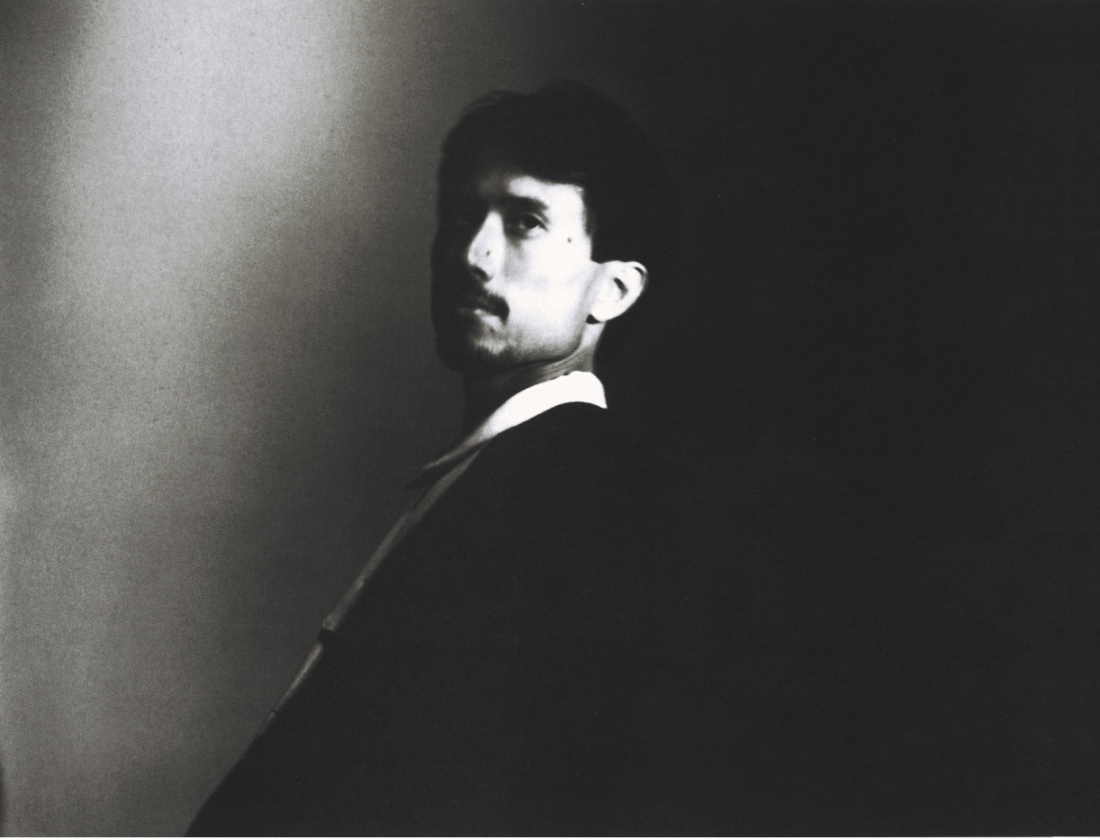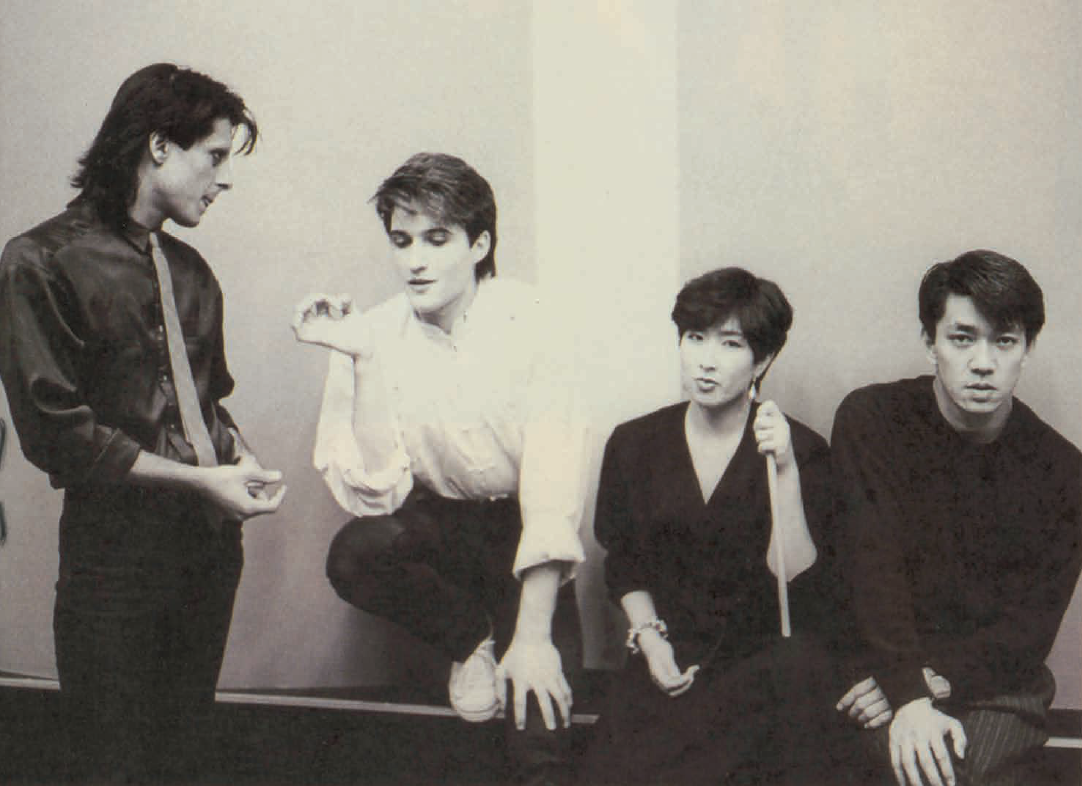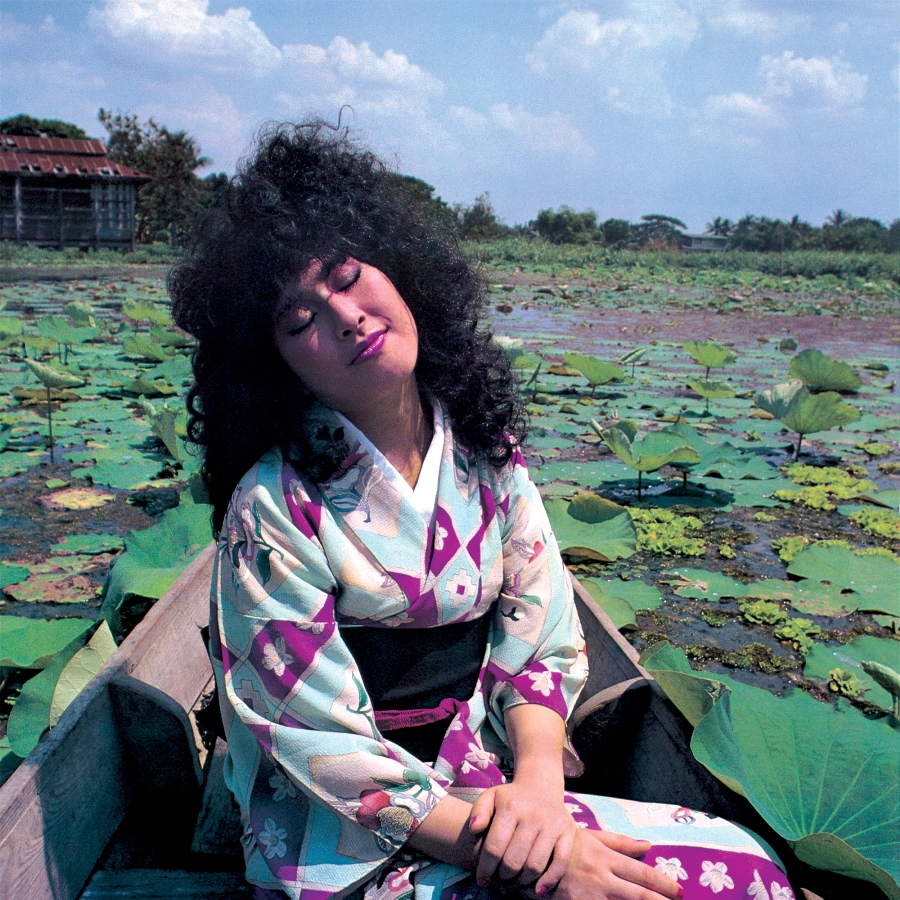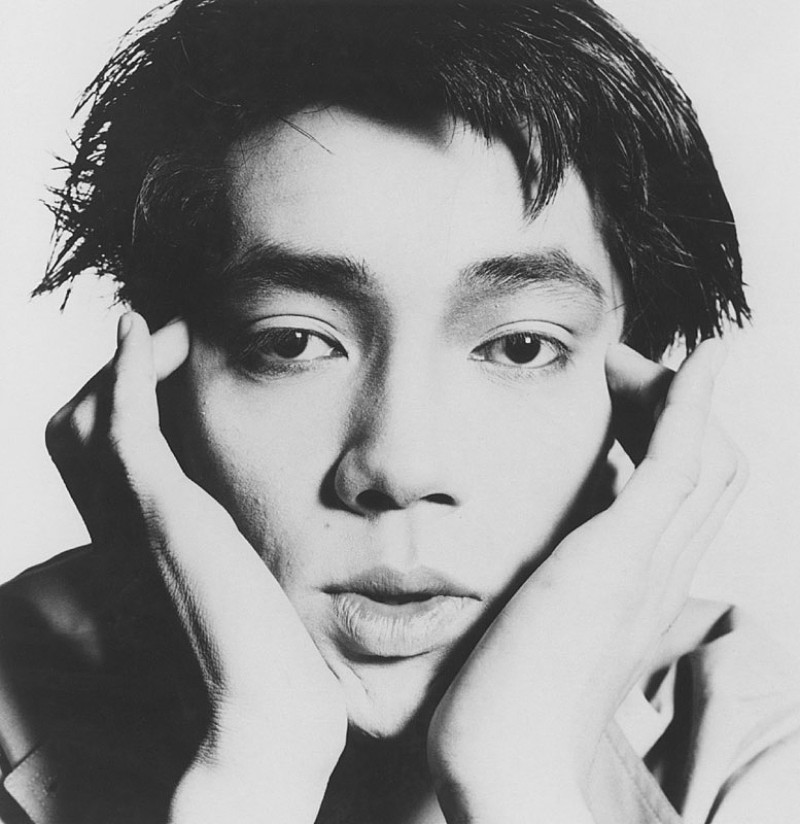
Yukihiro Takahashi, the drummer and lead vocalist of YELLOW MAGIC ORCHESTRA has sadly passed away at the age of 70.
In 2020, Takahashi had a brain tumour removed and undergone a course of treatment following surgery but he eventually succumbed to his illness.
Born in Tokyo, Takahashi first came to prominence as the drummer of THE SADISTIC MIKA BAND, a prog fusion outfit who were signed to PINK FLOYD’s Harvest label and appeared on ‘Old Grey Whistle Test’ in 1975.
He released his first solo album, the lounge-flavoured ‘Saravah!’ in 1978 which featured a cover of ‘Volare (Nel Blu Dipinto Di Blu)’. But that same year, he was invited by producer Haruomi Hosono to form a primarily instrumental disco band with Ryuichi Sakamoto which could have the potential to succeed internationally; that band was YELLOW MAGIC ORCHESTRA. While Hosono was schooled in jazz and funk, the classically trained Sakamoto bought in the influence of KRAFTWERK while Takahashi was something of an Anglophile with a love of ROXY MUSIC having toured with them as part of THE SADISTIC MIKA BAND. The end result was a very Japanese approach of merging many different styles like a Bento box in a reliable, forward thinking fashion.
Released in 1978, YELLOW MAGIC ORCHESTRA’s wonderful self-titled debut album captured a crisp exotic electronic pop sound. Its key track was ‘Firecracker’, a cover of a 1959 composition by Martin Denny which became a surprise UK Top 20 hit single in 1980 while also gaining traction in America where the band made a memorable appearance on the prestigious music show ‘Soul Train’. The rest of the album featured original material including the Takahashi-composed ‘La Femme Chinose’.
Released in 1979, the excellent second album ‘Solid State Survivor’ featured Takahashi’s masterpiece ‘Rydeen’ and saw him feature more prominently as a vocalist as YELLOW MAGIC ORCHESTRA moved away from solely instrumental compositions. While the next two albums ‘BGM’ and ‘Technodelic’ were darker and more experimental, Takahashi maintained a successful solo career in his homeland where his Ferry-ish vocal delivery naturally took centre stage.
His solo albums ‘Neuromantic’, ‘What, Me Worry?’, ‘Time & Place’ and ‘Wild & Moody’ featured notable British musicians such as Steve Jansen, Bill Nelson, Andy Mackay, Phil Manzanera, David Palmer and Tony Mansfield as well as Antiopdeans Zaine Griff and Iva Davies. Takahashi also got into production, notably working with the Franco-Japanese beauty Susan on the highly syncopated rhythmical number ‘I Only Come Out At Night’ which he also co-wrote.
YELLOW MAGIC ORCHESTRA went on to be the one of the most popular bands in South East Asia; their fifth full-length album ‘Naughty Boys’ in 1983 delivered their most commercial release to date, exemplified by the joyous lead single ‘Kimi Ni Mune Kyun’; the song was later the closing theme to the Anime series ‘Maria Holic’ sung by the cast while it was also reworked with new English lyrics and vocals by Phil Oakey for a YMO versus THE HUMAN LEAGUE EP. Takahashi was later to work on the soundtrack of another Anime series ‘Nadia: Secret of the Blue Water’.
With each member continuing their already established parallel solo careers, YELLOW MAGIC ORCHESTRA went into hiatus in 1984. Teaming up with kindred spirit Steve Jansen who shared a similar sense of humour, the pair released a superb one-off joint single ‘Stay Close’ in 1986. With Jansen doing a very able impression of his older brother David Sylvian and Takahashi providing his usual mannered vocals, it remains a true lost classic as possibly the best song that JAPAN and YELLOW MAGIC ORCHESTRA never recorded.
A short YELLOW MAGIC ORCHESTRA reunion took place in 1993 for the ‘Technodon’ album although the band had to be known as YMO for legal reasons as their original record label Alfa Records owned the name. With Takahashi always one for an easy listening cover, it finished with a Japanese language interpretation of ‘Pocketful Of Rainbows’ made famous by Elvis Presley. While he continued with his prolific solo career and other business interests including fashion and publishing, there was no further group activity until 2007 when Hosono, Sakamoto and Takahashi reunited for a Kirin Lager advertising campaign.
Takahashi continued working with Hosono in SKETCH SHOW but when Sakamoto was invited to join, for recording purposes they combined names and became HASYMO. But in 2009, the trio finally performed again as YELLOW MAGIC ORCHESTRA at the World Happiness festival in Japan. His final solo record of original material ‘Life Anew’ came in 2013 and featured James Iha of SMASHING PUMPKINS as a collaborator.
Last Autumn, two boxed sets ‘T.E.N.T Years Vinyl Box’ and ‘It’s Gonna Work Out ~ Live 82-84 ~’ were released while there was a special tribute show featuring Akiko Yano and Steve Jansen to celebrate his 50 years in music held at Tokyo’s NHK Hall, although the guest of honour was too ill to attend.
With his impeccably tight timing and a frenetic but controlled style of drumming with notable tone variation, Yukihiro Takahashi influenced the likes of David Palmer and Steve Jansen who in turn influenced top session players such as Gavin Harrison. A pioneer of electronic percussion and one of the first to use the Roland TR808 Rhythm Composer while also able to play guitar and keyboards, he challenged the perceived role of a drummer in pop music. And without YELLOW MAGIC ORCHESTRA, there would be no Citypop…
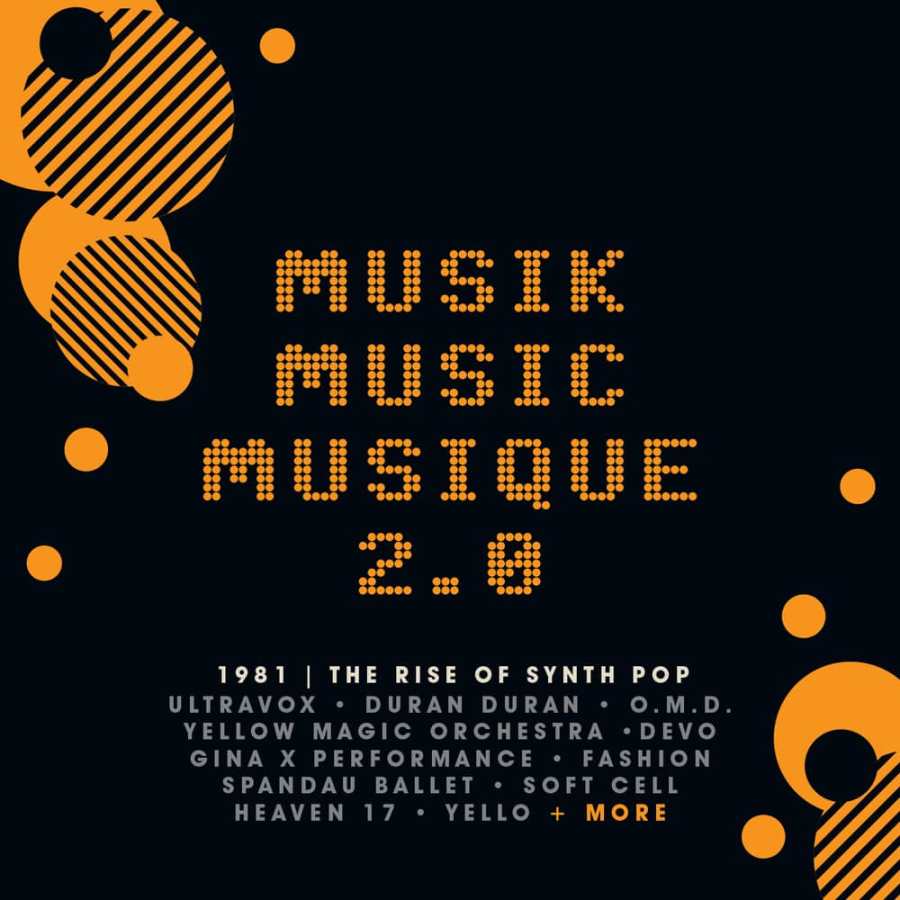
1981 is the year covered by the second instalment of Cherry Red’s ‘Musik Music Musique’ series.
1980 was something of a transition year for the synth as it knocked on the door of the mainstream charts but by 1981, it was more or less let in with welcome arms. From the same team behind the ‘Close To The Noise Floor’ compendiums and the most excellent ‘Electrical Language’ boxed set, ‘Musik Music Musique 2.0 1981 – The Rise Of Synth Pop’ presents rarities alongside hits and key album tracks from what many consider the best year in music and one that contributes the most to the legacy of electronic music in its wider acceptance and impact.
Featuring HEAVEN 17 with ‘(We Don’t Need This) Fascist Groove Thang’, OMD with ‘Souvenir’ and the eponymous single by VISAGE, these songs are iconic 1981 canon that need no further discussion. Meanwhile the longevity of magnificent album tracks such as ‘Frustration’ by SOFT CELL and ‘I Remember (Death In The Afternoon)’ by ULTRAVOX can be summed by the fact that they have featured in 21st Century live sets alongside their parent acts’ hits.
Although not quite as celebrated, ‘You Were There’ from pastoral second John Foxx long player ‘The Garden’ captures the move from stark JG Ballard imagery to something almost romantic. DEVO are represented by the LinnDrum driven ‘Through Being Cool’, the opener of the ‘New Traditionalists’ album which comes as a statement that the mainstream was their next target; the Akron quintet were one of the many acts signed by Virgin Records as the label focussed on a synth focussed takeover that ultimately shaped the sonic landscape of 1981.
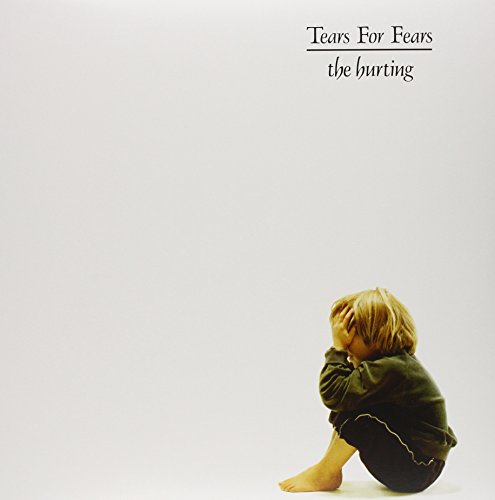
Then there’s TEARS FOR FEARS’ promising debut ‘Suffer The Children’ in its original synthier single recording and The Blitz Club favourite ‘Bostich’ from quirky Swiss pioneers YELLO. Another Blitz staple ‘No GDM’ from GINA X PERFORMANCE gets included despite being of 1978 vintage due to its first UK single release in 1981. The use of synth came in all sorts of shapes and FASHIØN presented a funkier take with ‘Move Øn’ while the track’s producer Zeus B Held took a more typically offbeat kosmische approach on his own ‘Cowboy On The Beach’.
Pivotal releases by JAPAN with the ‘The Art Of Parties’ (here in the more metallic ‘Tin Drum’ album version) and A FLOCK OF SEAGULLS ‘(It’s Not Me) Talking’ highlight those bands’ then-potential for mainstream success. But in the battle of the New Romantic boy bands, the sitar tinged DURAN DURAN B-side ‘Khanada’ easily blows away the SPANDAU BALLET album track ‘Reformation’ in an ominous sign as to who would crack it biggest worldwide.
The great lost band of this era, B-MOVIE issued the first of several versions of ‘Nowhere Girl’ in December 1980 on Dead Good Records and its inclusion showcases the song’s promise which was then more fully realised on the 1982 Some Bizzare single produced by the late Steve Brown although sadly, this was still not a hit.
The best and most synth flavoured pop hits from the period’s feisty females like Kim Wilde and Toyah are appropriate inclusions, as is Hazel O’Connor’s largely forgotten SPARKS homage ‘(Cover Plus) We’re All Grown Up’. But the less said about racist novelty records such as ‘Japanese Boy’ by Aneka, the better… the actual nation of Japan though is correctly represented by their most notable electronic exponents YELLOW MAGIC ORCHESTRA with ‘Cue’ from ‘BGM’, the first release to feature the Roland TR808 Rhythm Composer.
With these type of boxed sets, it’s the less familiar tracks that are always the most interesting. As the best looking member of TANGERINE DREAM, Peter Baumann had a crack at the single charts with the catchy Robert Palmer produced ‘Repeat, Repeat’ while former Gary Numan backing band DRAMATIS are represented by ‘Lady DJ’ although its epic A side ‘Ex Luna Scientia’ would have equally merited inclusion. But BEASTS IN CAGES who later became HARD CORPS stand out with the stark dystopia of ‘Sandcastles’.
The one that “should-have-been-a-pop-hit” is the ABBA-esque ‘I Can’t Hold On’ by Natasha England and it’s a shame that her career is remembered for a lame opportunistic cover of ‘Iko Iko’ rather than this, but the delightful ‘Twelfth House’ demonstrates again how under-rated Tony Mansfield’s NEW MUSIK were, and this with a B-side!
The rather fraught ‘Wonderlust’ by THE FALLOUT CLUB captures the late Trevor Herion in fine form on a Thomas Dolby produced number with a dramatic Spaghetti Western flavour that is lushly sculpted with electronics. Over a more sedate rhythm box mantra, ‘Love Moves In Strange Ways’ from BLUE ZOO swirls with a not entirely dissimilar mood.
Mute Records founder Daniel Miller was breaking through with his productions for DEPECHE MODE in 1981, but representation on ‘Musik Music Musique 2.0’ comes via the colder austere of ‘Science Fiction’ by Alan Burnham. ‘West End’ by Thomas Leer adds some jazzy freeform synth soloing to the vocal free backdrop, while ‘Surface Tension’ from ANALYSIS is an appealing instrumental.
The strangely accessible weirdness of Chris & Cosey’s ‘This Is Me’, MYSTERY PLANE’s ‘Something To Prove’ and the gritty ‘Brix’ from PORTION CONTROL will delight those more into the leftfield, while AK-47’s ‘Stop! Dance!’, the work of Simon Leonard (later of I START COUNTING and KOMPUTER fame) is another DIY experiment in that aesthetic vein.
Some tracks are interesting but not essential like Richard Bone’s ‘Alien Girl’ which comes over like an amusing pub singer SILICON TEENS, Johnny Warman’s appealing robopop on ‘Will You Dance With Me?’ and the synth dressed New Wave of ‘Close-Up’ by THOSE FRENCH GIRLS. For something more typically artschool, there’s the timpani laden ‘Taboos’ by THE PASSAGE and SECOND LAYER’s screechy ‘In Bits’.
More surprising is Swedish songstress Virna Lindt with her ‘Young & Hip’ which oddly combines showtune theatrics with blippy synth and ska! The set ends rather fittingly with Cherry Red’s very own EYELESS IN GAZA with the abstract atmospherics of ‘The Eyes Of Beautiful Losers’ although they too would eventually produce their own rousing synthpop statement ‘Sunbursts In’ in 1984.
Outside of the music, the booklet is a bit disappointing with the photos of OMD, TEARS FOR FEARS, HEAVEN 17, B-MOVIE and a glam-bouffanted Kim Wilde all coming from the wrong eras. And while the liner notes provide helpful information on the lesser known acts, clangers such as stating Toyah’s ‘Thunder In The Mountains’ was from the album ‘The Changeling’ when it was a standalone 45, “GONG’s Mike Hewlett” and “memorable sleeve designs by Malcolm Garrett’s Altered IMaGes” do not help those who wish to discover the origins of those accumulated gems.
But these quibbles aside, overall ‘Musik Music Musique 2.0’ is a good collection, although with fewer rare jewels compared with the first 1980 volume which perhaps points to the fact that those who had the shine to breakthrough actually did… 40 years on though, many of those hit making acts (or variations of) are still performing live in some form.
Was 1981 the most important year in synth as far becoming ubiquitous in the mainstream and hitting the top of the charts internationally? With VISAGE’s ‘Fade To Grey’ becoming a West German No1 in Spring 1981 through to SOFT CELL taking the summer topspot in the UK and culminating in THE HUMAN LEAGUE eventually taking ‘Don’t You Want Me?’ to No1 in the US, the sound of synth had done its job. Setting the scene for 1982 and 1983, further editions of ‘Musik Music Musique’ are planned.
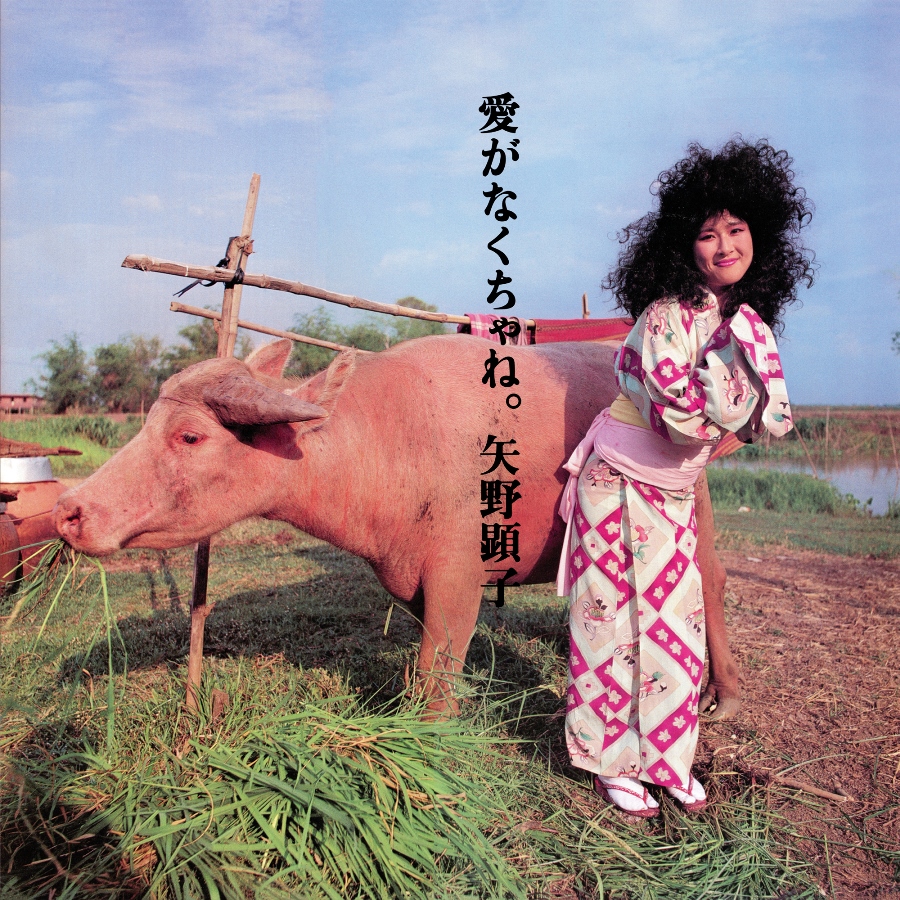
World music reissue label Wewantsounds release Akiko Yano’s 1982 solo album ‘Ai Ga Nakucha Ne’ outside of Japan for the very first time. Co-produced by Ryuichi Sakamoto, the record was notable for featuring the talents of JAPAN band members Mick Karn, Steve Jansen and David Sylvian.
Fusing rock, jazz, avant pop and Japanese folk, Akiko Yano was a successful singer/songwriter in her homeland before touring the world as a keyboardist with YELLOW MAGIC ORCHESTRA. Her high pitched vocal style inevitably drew comparisons with Kate Bush but in 1981, her husband’s connections led to a new approach.
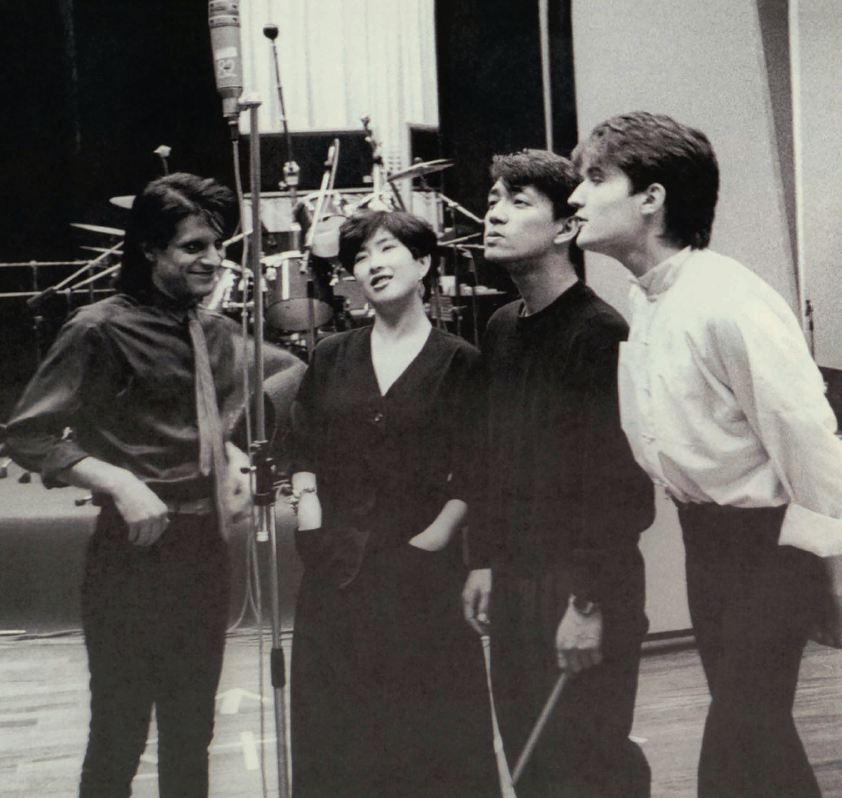
With Ryuichi Sakamoto having already collaborated with David Sylvian on ‘Taking Islands In Africa’ from JAPAN’s fourth album ‘Gentlemen Take Polaroids’, he and Yano travelled to the UK. With a strong Yen, recording facilities in London proved to be cheaper than in Tokyo and so it was at Air Studios that they teamed up with the Lewisham combo and their producer / engineer Steve Nye following the completion of ‘Tin Drum’.
Translated as “there must be love”, ‘Ai Ga Nakucha Ne’ states its case with the bilingual opening title track of the album, giving a platform for the JAPAN rhythm section both instrumentally and vocally, while not deviating from Akiko Yano’s own distinctive style. The glistening textures of Sakamoto emanating from his beloved Prophet 5 also leave no doubt as to who is producing.
Although ‘Kanashikute Yarikirenai’ adopts a West Coast demeanour, particularly when complimented by JAPAN live guitarist David Rhodes’ solo, it is all offset by Sakamoto’s haunting synth tones. Continuing on a similar highway, ‘What’s Got In Your Eyes’ has more that driving Californian feel to it and translates smoothly thanks to English lyrics provided partly by YMO collaborator Peter Barakan.
‘Oishii Seikatsu’ and ‘Michi De Battari’ come as appealing interludes, the former shaped by a marimba figure and the latter with traditionally Japanese textures although all approximated using electronics.
The best track on ‘Ai Ga Nakucha Ne’ is the vibrant and funky ‘Onnatachiyo Otokotachiyo’; it sees Steve Jansen demonstrating why highly regarded session drummers like Gavin Harrison regard him as a key influence in the art of percussive painting without overplaying. Stabs of synthetic brass from Sakamoto, Yano’s own piano work and Mick Karn’s trademark fretless slides combine to make this a superb highlight.
The speedy ‘Aisuru Hito Yo’ is more four-to-the-floor despite the tribal congas from Motoya Hamaguchi, containing the spacey overtures that these days gets referred to as Citypop and laced with the jazzy cosmic surfin’ of early YMO. But this is hardly surprising as the drums are helmed by Yukihiro Takahashi plus there is also much to enjoy with Sakamoto’s technopop work here ranging from blips and rings to pulses and sirens to sweeps and growls.
Written entirely in English by Yano, ‘Sleep On My Baby’ is a slice of quirky fusion pop with the distinctive backing vocals of Mick Karn.
But while Karn was perhaps less fluid trhough much of ‘Ai Ga Nakucha Ne’ than he had been with his bass work as part of JAPAN on account Sakamoto directing the exact notes that were required, he provides a bit more of his fretless signature sound here if a bit more sedately and less up front.
The guitar driven ‘Another Wedding Song’ is more of a funk soul art piece rather than a conventional song but Haruomi Hosono joins the party on bass guitar with Takahashi for a YMO reunion on the jazzy pop of ‘Donnatokimo Donnatokimo Donnatokimo’ which evokes the magical sunsets of the Ryukyu Islands with its rootsy Japanese variation on steel guitar from Hiroki Komazawa.
The gorgeous piano lullaby ‘Good Night’, written by the unconnected classical musician Yuji Takahashi with words by Yano and Peter Barakan, saw the Japanese songstress duet with David Sylvian and its interplay will delight any fans of the JAPAN frontman or Sakamoto’s film soundtracks. A fittingly perfect if very short closer, it was subsequently used on a domestic Seiko watches TV commercial.
A number of JAPAN and YELLOW MAGIC ORCHESTRA enthusiasts are likely to be hearing ‘Ai Ga Nakucha Ne’ for the first time as this sixth Akiko Yano solo album was only released in Japan and they will undoubtedly enjoy a number of the tracks due to their instrumental and vocal connections. While Akiko Yano’s music didn’t export in large numbers, she gained a cult following in Europe and her music broke down barriers.
Today female Japanese singers are able to perform to packed theatres in London while the synthwave fraternity has adopted within its wider family, the Citypop that was pioneered by YELLOW MAGIC ORCHESTRA when she was part of their live presentation.
Always prolific and often releasing an album per year, as recently as 2018, she worked with American synth duo REED & CAROLINE on ‘When We’re In Space’ for her collaborations collection ‘Let’s Go Together’ while she has released three more long players since. It may have taken nearly 40 years but the vast catalogue of Akiko Yano is now able to be more widely appreciated.
Was 1981 the most important year in synth as far becoming ubiquitous in the mainstream and hitting the top of the charts internationally?
Yes, ‘Autobahn’ and ‘Oxygène’ came before, while the Giorgio Moroder produced ‘I Feel Love’ by Donna Summer is acknowledged as being the track that changed pop music forever and still sounds like the future even in the 21st Century. French electronic disco like ‘Magic Fly’ and ‘Supernature’ also made its impact.
Meanwhile closer to home, a post-punk revolution was already permeating in the UK with the advent of affordable synthesizers from Japan being adopted by the likes of THE NORMAL, THROBBING GRISTLE, CABARET VOLTAIRE and THE HUMAN LEAGUE. But it was Gary Numan who took the sound of British synth to No1 with ‘Are Friends Electric?’ and ‘Cars’ in 1979. It signalled a change in the musical landscape as the synth was considered a worthy mode of youthful expression rather than as a novelty, using one finger instead of three chords.
Despite first albums from John Foxx and OMD, 1980 was a transitional time when the synth was still the exception rather than the rule. But things were changing and there had also been the release of the first Midge Ure-fronted ULTRAVOX album ‘Vienna’ and the eponymous debut long player by VISAGE just as The Blitz Club and the New Romantic movement were making headlines. With the acclaim for the ‘Some Bizarre Album’ in early 1981 which launched the careers of DEPECHE MODE, SOFT CELL, BLANCMANGE, THE THE and B-MOVIE, a wider electronic breakthrough was now almost inevitable.
VISAGE’s ‘Fade To Grey’ went on to be a West German No1 in Spring 1981 and this exciting period culminated in THE HUMAN LEAGUE taking ‘Don’t You Want Me?’ to the top spot in the US six months year after becoming the 1981 UK Christmas No1. It would be fair to say that after this, the purer sound of synth was never quite the same again.
For many listeners, 1981 was a formative year and had so many significant new releases that it was difficult to stretch the limited pocket money to fund album purchases. ELECTRICITYCLUB.CO.UK even took to selling bootleg C90 cassettes on the school playground, promising a value-for-money “two albums for one” deal to support this disgusting habit!
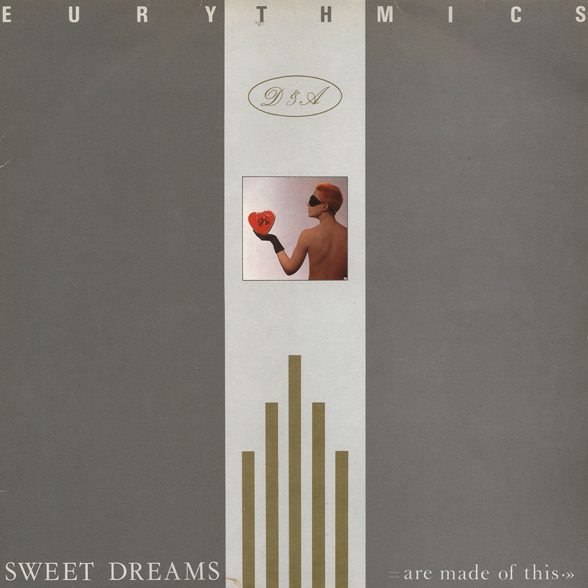
Looking back to four decades ago when there were also albums from DEVO, EURYTHMICS, FAD GADGET, LOGIC SYSTEM, SPANDAU BALLET, SPARKS and TANGERINE DREAM, here are twenty albums which ELECTRICITYCLUB.CO.UK sees as contributing to the electronic legacy of 1981. Listed in alphabetical order with the restriction of one album per artist moniker, this is the way it was in the past, a long long time ago…
DAF Alles Ist Gut
The late Gabi Delgado and Robert Görl released an acclaimed album trilogy produced by Conny Plank. The first ‘Alles Ist Gut’ featured their fierce breakthrough track ‘Der Mussolini’ which flirted with right wing imagery in its sardonic reflections on ideology. Causing controversy and confusing observers, DAF attracted a following which Delgado hated. Despite his parents escaping from the Franco regime in Spain, he was always unapologetic about his lyrical provocation.
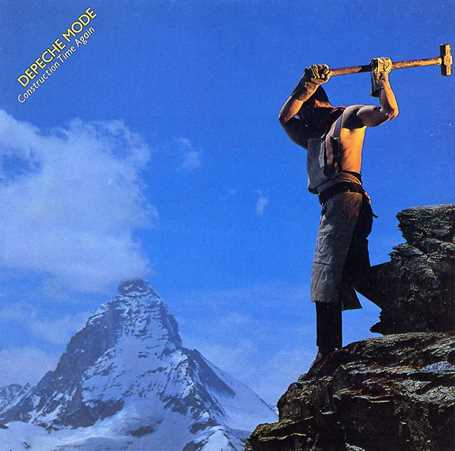
Having conceived the idea of a teenage synthpop group called SILICON TEENS, this dream of Daniel Miller became flesh and blood when he came across a young quartet from Basildon called DEPECHE MODE. Signing on a handshake 50/50 deal to his Mute Records, the group became a chart success. Despite great songs like ‘Puppets’ and ‘Tora! Tora! Tora!’, the group fragmented on the release of their 1981 debut album ‘Speak & Spell’.
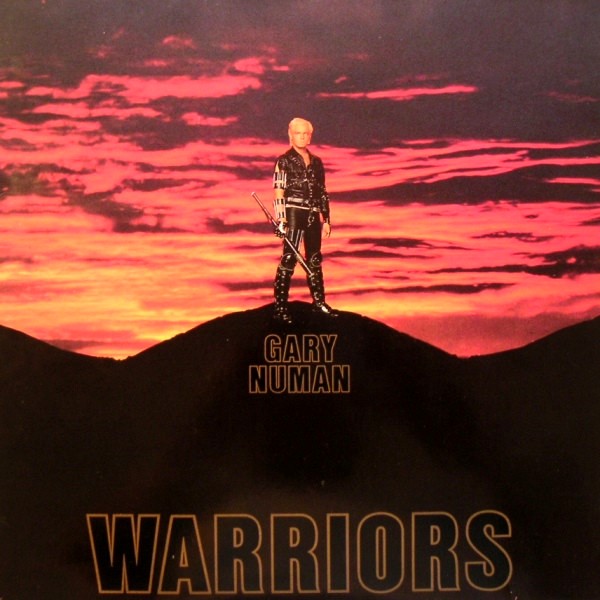
Following the live ‘retirement’ of Gary Numan, four of his erstwhile backing band became DRAMATIS. RRussell Bell, Denis Haines, Chris Payne and Ced Sharpley had been instrumental in the success of Numan’s powerful live presentation and their only album showcased the band’s virtuoso abilities. While the use of four different lead vocalists (including Numan himself on the superb ‘Love Needs No Disguise’) confused the continuity of the album, musically, there was much to enjoy.
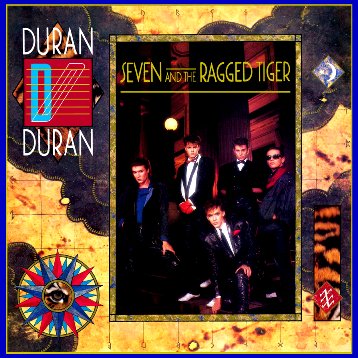
It would be fair to say that DURAN DURAN took the arty poise of JAPAN and toned down their androgynous outré to make it more accessible. But their enduring appeal ofis great timeless pop songs and that was apparent on the self-titled debut album which at times sounded like an electronic band with a heavy metal guitarist bolted on, especially on ‘Careless Memories’ and ‘Friends Of Mine’. But most will just remember the two hits ‘Planet Earth’ and ‘Girls on Film’.
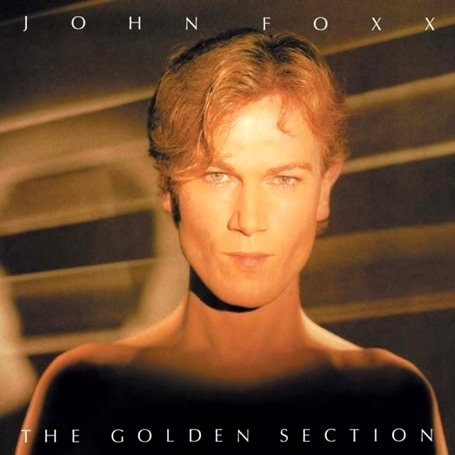
Thawing considerably following ‘Metamatic’, John Foxx admitted he had been “reading too much JG Ballard”. Exploring beautiful Italian gardens, his new mood was reflected in his music. ‘The Garden’ featured acoustic guitar and piano as showcased in the Linn Drum driven single ‘Europe After The Rain’. With choral experiments like ‘Pater Noster’, a return to art rock on ‘Walk Away’ and the more pastoral climes of the title track, Foxx had now achieved his system of romance.
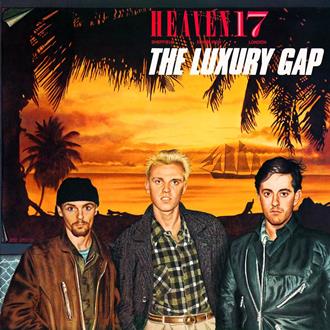
HEAVEN 17’s debut ‘Penthouse & Pavement’ was a landmark achievement, combining electronics with pop hooks and disco sounds while adding witty social and political commentary, taking in yuppie aspiration and mutually assured destruction. The first ‘Pavement’ side was a showcase of hybrid funk driven. The second ‘Penthouse’ side was like an extension of THE HUMAN LEAGUE’s ‘Travelogue’, Martyn Ware and Ian Craig Marsh’s swansong with the band.
Philip Oakey and Adrian Wright recruited Susanne Sulley, Joanne Catherall, Jo Callis and Ian Burden to record ‘Dare’ produced by Martin Rushent. Like KRAFTWERK meeting ABBA, the dreamboat collection of worldwide hits like ‘Love Action’ and ‘Don’t You Want Me?’ had a marvellous supporting cast in ‘The Things That Dreams Are Made Of’, ‘I Am The Law’, ‘Seconds’ and ‘Darkness’. Only the Linn Drum rework of ‘The Sound Of The Crowd’ blotted the album’s near perfection.
JAPAN took the influences of the Far East even further with ‘Tin Drum’. A much more minimal album, there was hardly any guitar while the synths used were restricted to an Oberheim OBX, Prophet 5 and occasionally the Roland System 700. David Sylvian’s lyrical themes flirted with Chinese Communism as Brian Eno had done on ‘Taking Tiger Mountain (By Strategy), highlighted by the pentatonic polyrhythmic single ‘Visions Of China’ and its less frantic sister song ‘Cantonese Boy’.
With his synthesized symphonies, Jean-Michel Jarre helped popularise the sound of electronic music. ‘Magnetic Fields’ was his first long player to utilise the Fairlight CMI which allowed him to absorb some musique concrete ideas such as water splashing and hydraulic train doors into his compositions. Featuring the klanky Korg Rhythm KR55, it was a much more percussive album than ‘Oxygène’ and ‘Equinoxe’ had been, complementing the metallic textures that featured.
Having scored an unexpected UK hit with the sonic beauty of ‘I Hear You Now’, Jon Anderson and Vangelis presented a second album in ‘The Friends Of Mr Cairo’. Featuring ‘State Of Independence’ which was to become a hit for Donna Summer, the album was laced with spiritual overtones over symphonic synths, cinematic piano and dialogue samples from films. However, the album is best known for ‘I’ll Find My Way Home’ which had not been included on the original tracklisting.
‘Computer World’ could be considered one of the most prophetic albums of its time. KRAFTWERK forsaw the cultural impact of internet dating on ‘Computer Love’, but the title track highlighted the more sinister implications of surveillance by “Interpol and Deutsche Bank, FBI and Scotland Yard” with the consequences of its prophecy still very relevant discussion points today. But the dynamic rhythmic template of ‘Numbers’ was to have a major impact on Urban America.
LANDSCAPE From The Tea Rooms Of Mars To The Hell-holes Of Uranus
LANDSCAPE were led by producer Richard James Burgess who co-designed the Simmons SDSV. Using a Lyricon wind-controlled synth as its lead hook, ‘Einstein A-Go-Go’ was a fabulously cartoon-like tune about nuclear weapons falling into the hands of theocratic dictators and religious extremists! Meanwhile, ‘European Man’ predated EDM by having the phrase “electronic dance music” emblazoned on its single sleeve.
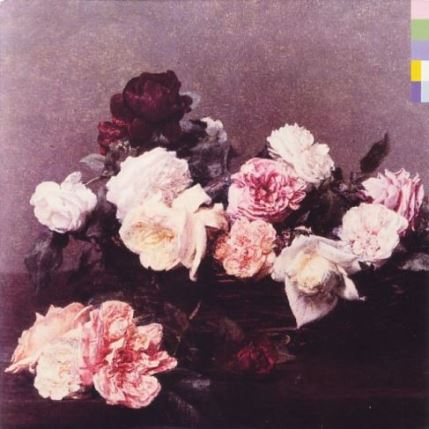
Rising from the ashes of JOY DIVISION, Peter Hook, Bernard Sumner and Stephen Morris chose the name NEW ORDER as a symbol of their fresh start and after deciding against recruiting a new vocalist, Morris’ girlfriend and later wife, Gillian Gilbert was recruited. Despite Martin Hannett still producing, recording sessions were fraught although synths were taking greater prominence while Morris used a Doctor Rhythm DR55 drum machine on ‘Truth’ and ‘Doubts Even Here’.
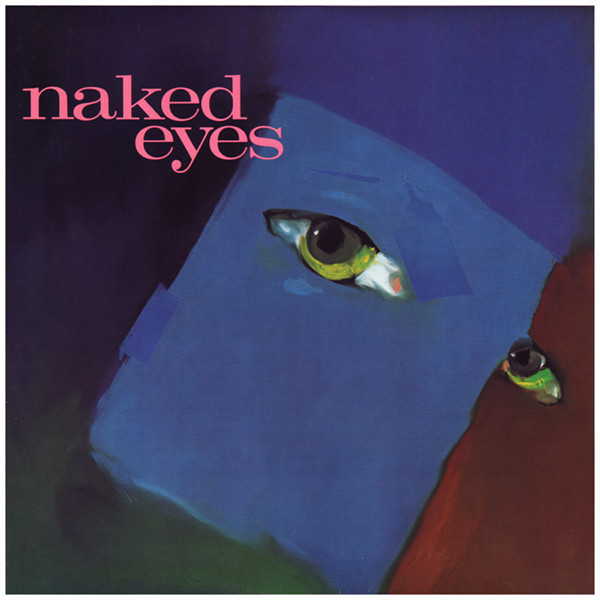
Following his ‘retirement’ from live performance, the last thing Numanoids expected was an understated Brian Eno homage. At nearly an hour’s playing time, ‘Dance’ outstayed its welcome with ‘Slowcar To China’ and ‘Cry The Clock Said’ stretching to 10 minutes. Much was made of JAPAN’s Mick Karn playing fretless bass although he was only on five of the eleven tracks. In ‘A Subway Called You’ and ‘Crash’, there were some great moments.
‘Dance’ is still available via Beggars Banquet Records
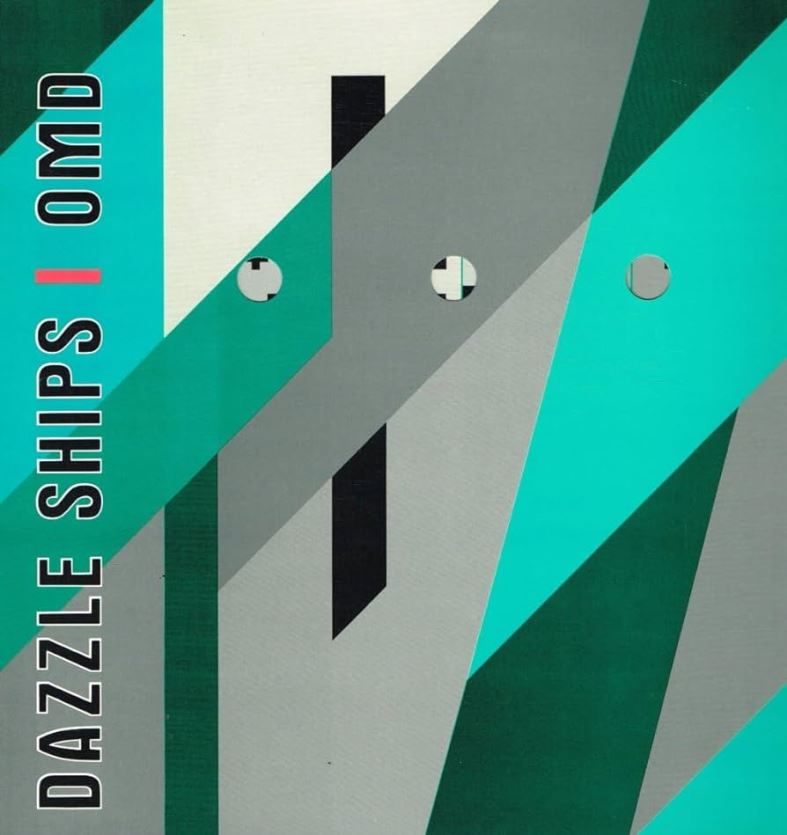
”I think ‘Architecture & Morality’ was a complete album, it was just so whole” said Paul Humphreys in 2010. The big booming ambience next to big blocks of Mellotron choir gave OMD their masterpiece, tinged more with LA DÜSSELDORF rather than KRAFTWERK. Featuring two spirited songs about ‘Joan Of Arc’, these were to become another pair of UK Top 5 hits with the ‘Maid of Orleans’ variant also becoming 1982’s biggest selling single in West Germany.
SIMPLE MINDS Sons & Fascination / Sister Feelings Call
This generally overlooked double opus exploited the Germanic influences of SIMPLE MINDS to the full, under the production auspices of Steve Hillage. From the singles ‘The American’ and ‘Love Song’ to the mighty instrumental ‘Theme For Great Cities’ and the unsettling dentist drill menace of ‘70 Cities As Love Brings The Fall’, with basslines articulating alongside synths and guitars almost as one, this was SIMPLE MINDS at close to their very best.
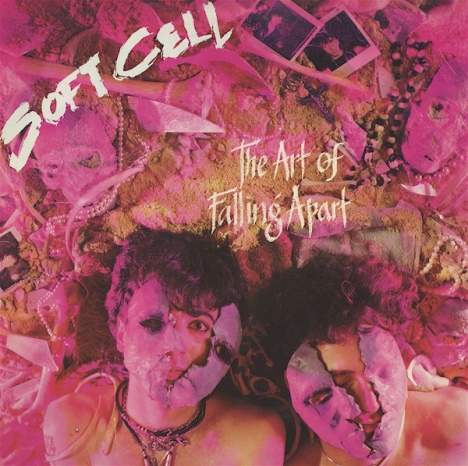
In their cover of ‘Tainted Love’, SOFT CELL provided the first true Synth Britannia crossover record. One of the best albums of 1981, ‘Non-Stop Erotic Cabaret’ captured the edginess of minimal synth arrangements while married to an actual tune. At the time, art school boys Marc Almond and Dave Ball were rated higher than DEPECHE MODE. But with the follow-up success of the Top5 singles ‘Bedsitter’ and ‘Say Hello Wave Goodbye’, the pair became reluctant popstars.
‘Sex’ was Belgian trio TELEX’s third album and a collaboration with SPARKS that saw them contribute lyrics to all nine tracks. Experiments in swing on ‘Sigmund Freud’s Party’ displayed a sophisticated vintage musicality and ‘Haven’t We Met Somewhere Before?’ was the hit single that never was. Meanwhile, like KRAFTWERK meeting YELLOW MAGIC ORCHESTRA, ‘Brainwash’ was quite obviously the blueprint for LCD SOUNDSYSTEM’s ‘Get Innocuous!’.
‘Sex’ was released by Ariola, currently unavailable
‘Rage in Eden’ began with the optimistic spark of ‘The Voice’ but it was something of a paranoia ridden affair from ULTRAVOX having been created at Conny Plank’s remote countryside studio near Cologne. There was synthetic bass power on ‘The Thin Wall’, ‘We Stand Alone’ and ‘I Remember (Death In The Afternoon)’, but there was also the tape experimentation of the title track using the chorus of ‘I Remember’ played backwards to give an eerie Arabic toned effect.
‘BGM’, the third full length album from YELLOW MAGIC ORCHESTRA was the first recording to feature the now iconic Roland TR-808 Rhythm Composer and was also made using a digital 3M 32-track machine. More experimental than their first Technopop focussed long players, the best song ‘Camouflage’ was a curious beat laden blend of Eastern pentatonics and Western metallics from which the German synth band CAMOUFLAGE took their name.
Originally released in October 1981 by Alfa Records in Japan, ‘Hidari Ude No Yume’ was a product of Ryuichi Sakamoto’s most prolific year.
This period that followed his acclaimed second solo album ‘B-2 Unit’ in September 1980 came between two YELLOW MAGIC ORCHESTRA long players ‘BGM’ and ‘Technodelic’, although it is now widely known that Sakamoto was largely absent from the ‘BGM’ sessions. YELLOW MAGIC ORCHESTRA began as a one-off electronic disco project at the behest of Alfa Records to whom Haruomi Hosono, Yukihiro Takahashi and Ryuichi Sakamoto were already signed.
So the threesome always had solo projects running in parallel with what the public considered their main band and even played on each other’s solo albums. But ‘Hidari Ude No Yume’ saw Sakamoto collaborating more freely outside of his usual trio with a wider pool of musicians from a variety of backgrounds.
Recorded in Tokyo in Summer 1981 and highlighted by a photo on the back artwork, the project was based around the threesome of Sakamoto, co-producer Robin Scott of M fame and guitarist Adrian Belew who had worked with Frank Zappa and David Bowie. Meanwhile, lyrical contributions came from Shigesato Itoi, Tetsuro Kashibuchi and Sakamoto’s then wife Akiko Yano.
Despite the more organic spontaneous approach to ‘Hidari Ude No Yume’ after the rigid technological experimentation of ‘B-2 Unit’, Sakamoto still employed the programming skills of Hideki Matsutake aka LOGIC SYSTEM who had played a similar role in YMO’s pivotal albums. Sakamoto opted to record the album digitally on the new 3M 32 track recorder that Alfa Records had installed in its studios before mixing it in analogue.
Today, a bilingual crime drama such as ‘Giri / Haji’ can get commissioned by the BBC and receive critical plaudits while Anime and Manga are effectively part of the mainstream. But in 1981, the world was very different and anything artistic emerging from South East Asia often found itself Westernised to suit European and particularly American tastes. This was all despite the US success in 1979 of YMO which was achieved by taking a very Japanese approach.
Thus when ‘Hidari Ude No Yume’ was issued as Ryuichi Sakamoto’s third solo record proper in Japan, the interest in its Western collaborators saw Epic Records taking up its option for Europe via their arrangement with Alfa Records. However, when it was released in October 1982, the album came in a significantly altered version entitled ‘Left-Handed Dream’.
Featuring three tracks reworked in English with Robin Scott on lead vocals, there was also the addition of a new song called ‘The Arrangement’ which sounded strangely like SPARKS and the dropping of two tracks, ‘Saru No Le’ and ‘Living In The Dark’. It meant to that the original parent album has largely become lost to international ears… until now! Wewantsounds, a label specialising in rare international releases particularly from Japan, reissue ‘Hidari Ude No Yume’ in its original tracklisting outside of Japan for the first time, save for a small-scale Dutch double vinyl release on Plexus in 1981.
Sakamoto’s aim was for the music to evolve organically with the musicians working in collaborative improvisation. These parts were retained or discarded by Sakamoto depending on whether they complimented his vision. One of the album’s highlights was ‘Relâché’, a joint Sakamoto / Scott / Belew effort that featured Takahashi and Hosono; the marvellous instrumental art funk was dominated by Belew’s textural guitar flights, with the track reminiscent of TALKING HEADS in their Brian Eno helmed phase.
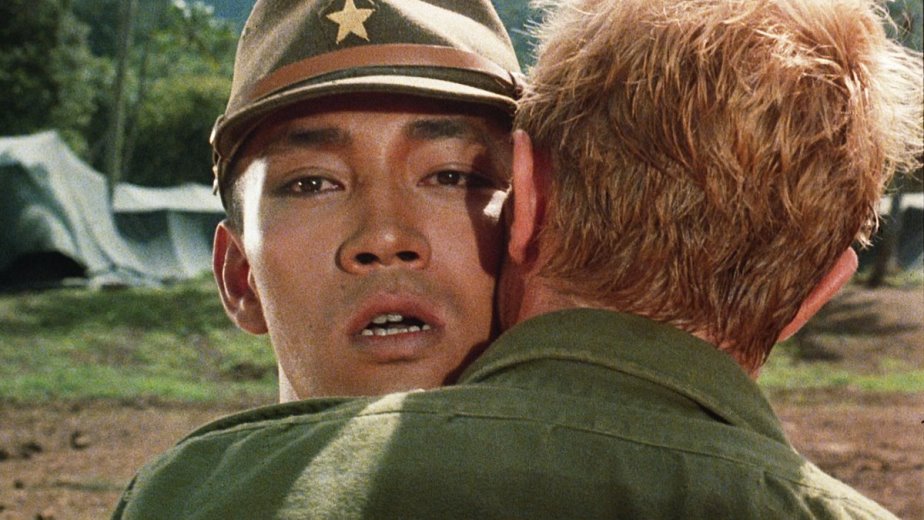
But it all began with the percussive moods of ‘Boku No Kakera’, a traditional song experiment using technology but authentically sweetened with Kaoru Sato’s flanged violin and Robin Thompson’s hichiriki. A signal to Sakamoto’s soundtrack future on ‘Merry Christmas Mr Lawrence’ and ‘The Last Emperor’, the man himself gave an understated speech, an idea he would reprise for ‘Bamboo Houses’, his 1982 single with David Sylvian.
‘Saru To Yuki To Gomi No Kodomo’ was shaped by a hypnotic pulsing passage while Sakamoto-san charmingly took on the lead vocals, as on several numbers in the set. Sparse and quirky, ‘Kacha Kucha Nee’ saw Sakamoto singing the words of his wife before an unusual tribal clatter took hold. Meanwhile, ‘The Garden Of Poppies’ was interesting in its use of a morphing Taiko drum tattoo.
As well as pop focussed material, there were illustrations of Sakamoto’s love of the musical avant garde with the abstract ‘Slat Dance’ and the closing animal noise experiment ‘Saru No Ie’, although both were too indulgent to be truly enjoyable.
Demonstrating Sakamoto’s prowess on marimba with an African feel emanating, ‘Tell ‘Em To Me’ was complimented by Belew’s impressionistic approach and six string growl that served him well playing with TALKING HEADS.
‘Living In The Dark’ saw more art funk with Hosono and Takahashi backing another Sakamoto vocal where the generous space between all the participants was particularly noticeable. With a clean and uncluttered production, ‘Living In The Dark’ also gave Sakamoto a chance to show off his classical piano virtuosity. ‘Venezia’ saw Sakamoto’s naïve vocal return backed by a chorus of friends including Masami Tsuchiya, Shoji Fujii and Akira Mitake of IPPU DO plus the song’s author Tetsuro Kashibuchi. It was a joyous moment with pretty piano and subtle synths, but such was the sum of its parts that the rhythm section almost went unnoticed as it melted into the backdrop.
Although the English variants featuring Robin Scott were released in January 1982 as a separate EP in Japan, it is said that Sakamoto was not happy with how these tracks were reworked in London without his full involvement and then ended up on what became ‘Left Handed Dream’. To be fair, Scott’s vocal versions of ‘Relâché’ as ‘Just About Enough’ and ‘Venezia’ as ‘The Left Bank’ were not bad. But perhaps those four reworks should have stayed on ‘The Arrangement’ EP from a conceptual stand point if nothing else.
This reissue of ‘Hidari Ude No Yume’ offers the purer Sakamoto vision as it was intended, a director’s cut capturing the tension between contrasts of electronic versus traditional, digital versus analogue and pop versus the avant garde.
Hearing it in 2020, ‘Hidari Ude No Yume’ is a fascinating document tracing the exact point when Ryuichi Sakamoto began to leave technopop behind to head towards more esoteric climes and become the renowned soundtrack composer that everyone knows today.
We use cookies to ensure that we give you the best experience on our website. If you continue to use this site we will assume that you are happy with it.
Follow Us!