Tag: Daniel Miller (Page 5 of 7)

DOCUMENTARY EVIDENCE Interview

Documentary Evidence is an unofficial Mute Records website run by freelance music journalist and electronic music fan Mat Smith named after the Mute Records catalogue booklet inserts that came with their releases from 1987. It is described as featuring “Reviews of artists appearing on Mute Records and its various sub-labels”.

But also includes other music writing by Smith. Like many music bloggers, he compiles an end of year Top 10 albums listing and in 2017, he controversially included Taylor Swift’s ‘Reputation’ at No4 above the No6 placed ‘Spirit’ from DEPECHE MODE. The decision provoked surprise, discussion, amusement and condemnation; how could a respected authority on the legend of Mute Records appear to betray the musical foundations they were built on? However, other commentators were not so surprised and saw it as a sign.

Mat Smith chatted to ELECTRICITYCLUB.CO.UK about why last year, he preferred Taytay over Essex Dave and presented his Documentary Evidence…
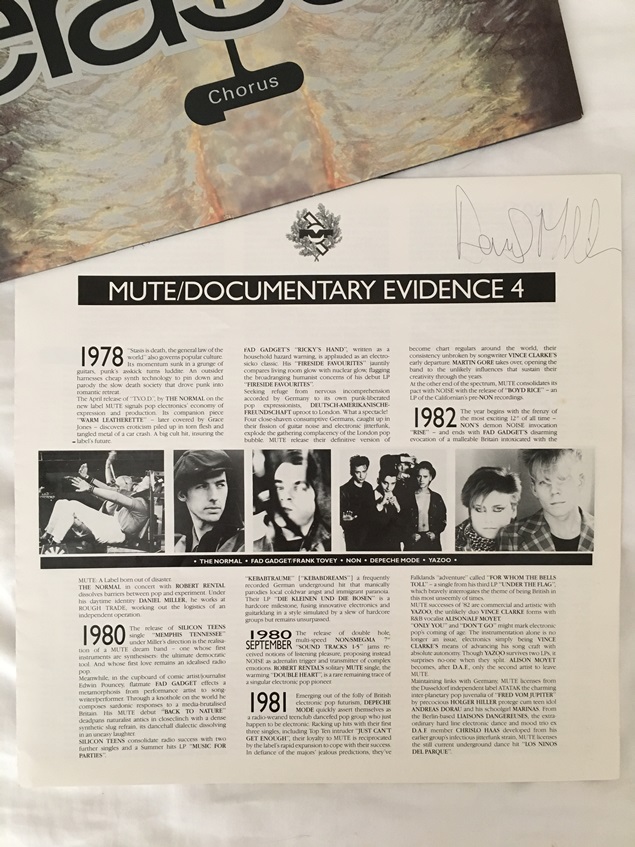
Photo by Mat Smith

What was the motivation and ethos behind establishing the Documentary Evidence website?

I started writing a blog at university in about 1996, even though it wasn’t called a blog back then. That blog focussed on reviews of concerts I’d been to and records I’d bought that week.

I called it Red Elvis Central for reasons that at the time felt important but which now seem silly. I wrote Red Elvis Central until I left uni, at which point anything I’d written up to that point was suddenly lost forever, and I got sucked into a graduate training programme in a non-musical, very sensible career.

I started the Documentary Evidence website in 2003. I distinctly remember it was a Saturday afternoon, I’d had to go into London for work in the morning and my wife was out at her grandmother’s house when I got home. With nothing better to do, I sat myself down in front of my PC, wrote a review of ‘Text Message’ by VIC TWENTY and by the time she came back home that evening, I’d set up a rudimentary HTML website, which I decided would be a place for me to write about Mute releases for nobody’s enjoyment but my own.

When I was scratching around trying to name the site, I raked through my record collection and found my copy of ERASURE’s ‘Chorus’ 12”, which was the first 12” I’d ever bought. In the sleeve was Mute’s Documentary Evidence catalogue pamphlet, which was what got me hooked on collecting Mute releases in the first place, so it seemed like an obvious thing to name the site with.

When I first picked that catalogue up in 1991, I barely recognised any of the groups and artists listed and I barely even knew what a record label was aside from being a logo. Documentary Evidence switched me on to this notion that there were all these things going on outside of the charts. I also naively assumed that everything released on Mute would sound like ERASURE in some way, which I still laugh at today.

I think I envisaged that writing enthusiastically for my Documentary Evidence website would allow me to perpetually remind myself of how exciting it was setting off on that voyage of musical discovery in the early 90s. The Documentary Evidence website was never intended to attract any attention from anyone else. For most of my life I’ve wanted to record my thoughts and memories in some capacity, just for my own benefit. It felt like a logical thing to extend that into writing about the music that meant something to me and which I’d spent most of my teenage years and twenties collecting in earnest.

Back in 2003 I don’t think I really appreciated that Mute had a sort of ‘cult’ reputation and that there were other people who’d also become avid collectors of their releases. To this day I find it strange that anyone would have even found my website, let alone actually bothered to read it. About ten years later I started writing occasional live reviews and features for Clash, and that led to working professionally.

Who are your own personal favourites from the Mute roster, both past and present?

ERASURE are the reason that the Documentary Evidence website exists, and they were the first group I really fell for, so they’ll always be my personal favourite.

My dad brought home a copy of ‘The Innocents’ that a friend from work had recorded for him, sometime in 1988. He walked in and said “Matthew, have you heard of this band, ERASURE?” I’d seen them on Saturday morning TV, had heard them in chart and really liked them, but I didn’t have enough pocket money at that time to buy any music.

I grabbed the cassette off him, rushed upstairs to my bedroom and more or less listened to it non-stop on my Walkman for months after that. I still get a huge surge of emotion every time I hear something new by ERASURE, and I can chart the most important points in my personal life by their music. They’ll always be really special to me.

Right now, I’m really excited about the SHADOWPARTY album that comes out on Mute later this month. SHADOWPARTY includes members of the current NEW ORDER and DEVO line-ups, and their debut album is brilliant, like a time machine into a classic Manchester feel-good sound.

The other artist on the label I’ve been listening to a lot lately is DANIEL BLUMBERG, whose debut solo album ‘Minus’ was released by Mute earlier this year. ‘Minus’ came up out of Dalston’s Café Oto improvisation scene, but that sense of freedom is combined with some truly moving, genuinely profound lyrics. I was fortunate enough to spend some time with Daniel recently and he’s clearly a prodigious talent and probably unmatched in terms of his artistic vision. Being able to get inside the head of a musician and into the story behind an album or piece of music is the greatest privilege of being a music journalist, and spending time with Daniel was undoubtedly one of the highlights of my career.

You’ve established and maintained a good working relationship with Vince Clarke?

I interviewed Vince and ORBITAL’s Paul Hartnoll for Electronic Sound when Vince started his own label, VeryRecords, and launched it with the album ‘2Square’ that he and Paul did together in 2016. VeryRecords is totally his own thing and he tries to do absolutely everything himself, as he’s so personally invested in the label. I really respect that. Richard Evans provides support for the technical side of running the label, but apart from that it’s a fully solo endeavour.

He could get anyone to help with any part of running a small label and just put his name to it, but he doesn’t. It’s his thing, and he’s really enjoying it. I can’t quite remember now whether I volunteered to help put the press releases together for future VeryRecords releases or if he asked me if I’d like to help – we were in bar, and beer was involved – but somehow I ended up working on the materials to support the first REED & CAROLINE album ‘Buchla & Singing’, and the two releases he’s put out since – ALKA’s ‘The Colour Of Terrible Crystal’ and ‘Hello Science’ by REED & CAROLINE.

As a lifelong ERASURE fan, to be able to call Vince my boss is probably the strangest thing that’s ever happened to me. I’m so grateful for this opportunity and for the trust he’s placed in my skills as a writer. I wish I could say the same of everyone I’ve worked for.

What level of DEPECHE MODE fan would you describe yourself as? One of The Black Swarm, plain clothes Devotee or an armchair enthusiast?

I’m definitely not in The Black Swarm, and in fact I didn’t even know what the Swarm was until my photographer friend Andy Sturmey explained it to me a few years ago. I guess I’m probably somewhere in between Devotee and armchair enthusiast if I reluctantly had to pigeonhole myself.
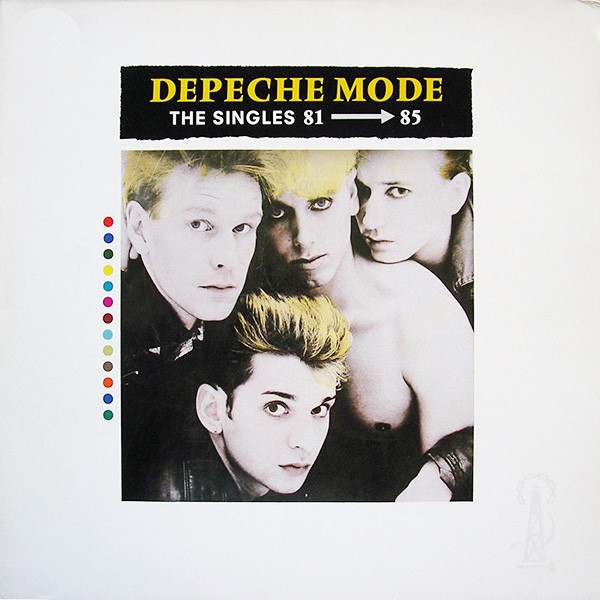
DEPECHE MODE are really important to me, no doubt about it, but I actively detested them when I first became aware of them, which would have been just after ‘Violator’ was released. In my high school English classes I used to sit next to a girl called Sarah Vann whose folder was covered in photos of Depeche from that time. I just figured they were an Athena poster-friendly boyband because of that.

I also couldn’t get my head around songs like ‘Personal Jesus’ at all, mostly because I was slightly intimidated by guitar music at the time. Later, when I read the Documentary Evidence booklet that made me a Mute collector, and I read about Vince having been in DM at the beginning, I felt really conflicted – I suddenly felt duty-bound to collect their material but didn’t think I’d like their music. I started with a beaten-up copy of ‘The Singles 81 – 85’ borrowed from Stratford-upon-Avon’s library and tentatively went from there. I guess it was appropriate that the CD came from a library – it proves the old adage that you shouldn’t judge a book by its (Depeche-decorated) cover.
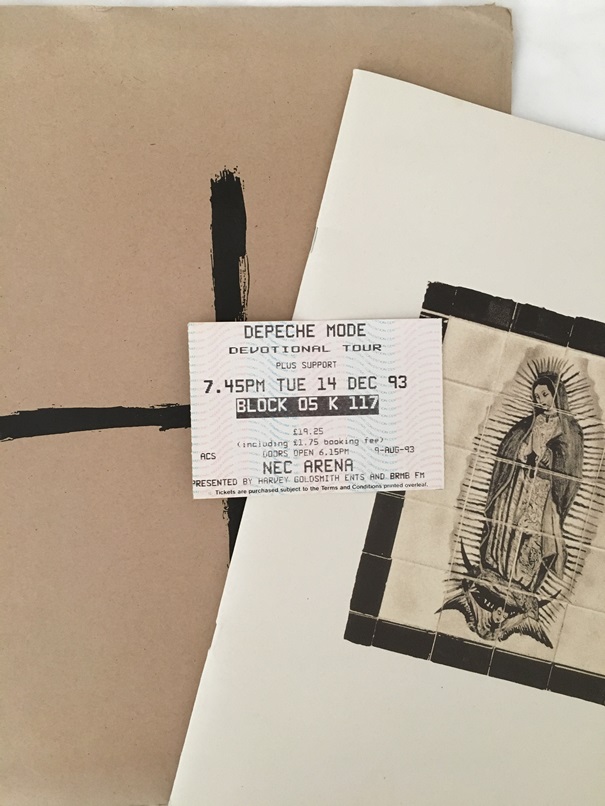
Photo by Mat Smith

Between the ages of 15 and 16, I consumed all of their albums and was a paid-up fan by the time ‘Songs Of Faith & Devotion’ was released. The first concert I ever went to was Depeche at the NEC on 14 December 1993, and I wore a black long-sleeved ‘I Feel You’ t-shirt. I have really fond memories of that show. I still have the programme and the ticket, but I no longer have the t-shirt.

I once spent a whole afternoon sat on my parents’ sofa listening to ‘The Things You Said’ on repeat because my girlfriend had unceremoniously dumped me. Like ERASURE, their music is inextricably bound in with a lot of very vivid memories.

Much, much later I got the chance to interview Dave and Martin for Clash, Dave when he did the last SOULSAVERS LP and Martin for his instrumental album ‘MG’. Perhaps it’s the point they’re both at in their careers, but neither had massive egos, and both came across as appreciative and humble. I like it when people surprise you.

Had it been your intention to feature artists from outside of the Mute family on Documentary Evidence?

I was really pretty purist at the beginning – this was a Mute site, and it was only ever going to be about Mute. But then again, I started out with a review of the solitary VIC TWENTY single that came out on Credible Sexy Units, a label Daniel Miller formed outside the EMI ownership of Mute for the sole purpose of releasing that one single in 2003, so I was always bending my own rules from the off.

After a while I found myself writing more about musicians that had been on the label and who had then gone off to do different things, or people who were clearly influenced by Mute, or producers who had worked with Mute, or releases by Mute artists but that were released on other labels – tangents, basically, especially with Blast First artists.

Then people started sending me their music, saying they liked my site and asking me if I’d review them. When you’re starting out, the generous act of people wanting to send you the music they’ve laboured over is a really persuasive thing, and to the best of my knowledge I never turned anyone down.

I guess it just all got very restrictive after a while, the idea of only writing about Mute when there’s so much more music out there, but to this day I honestly think of Mute as being a lot like my musical spine – it’s at the centre of everything, and I can always form a connection back to that central core, no matter what it is I’m listening to.
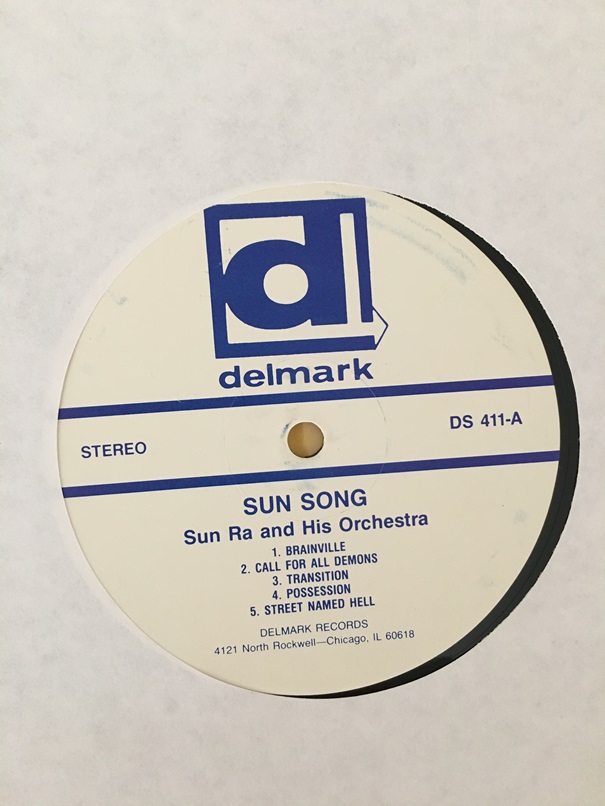
Photo by Mat Smith

Pretty much every music I’ve gotten into can be traced back, in some way, to Mute and that original Documentary Evidence booklet. Even something like jazz, which I really love now, can be traced back to seeing the name SUN RA as a Blast First artist. It made sense to me that my entry point into jazz would come through SUN RA rather than a more conventional, obvious route.

I guess at some point I decided to start writing about some of those non-Mute things with as much passion and enthusiasm as the Mute stuff, but I wouldn’t be doing any of that if it wasn’t for Mute.

When I became a ‘proper’ music journalist, whatever that is, it would have been really restrictive just writing about Mute. I’m still normally the first in line enthusiastically pitching a Mute release when a new review section gets commissioned, but I get to cover all sorts of weird and wonderful things, most of which aren’t anything to do with Mute, and I absolutely love that.

Controversially in the Documentary Evidence Top 10 Albums of 2017, you placed DEPECHE MODE’s ‘Spirit’ at No6 but ahead of it was ‘Reputation’ by Taylor Swift at No4? Please explain… 😉

I do find it amusing that this would be regarded as remotely controversial. It’s only the second year that I’ve done an end of year countdown, and I’m not sure I’d do it again! When I was putting it all together, there were certain albums I knew had to be in there – ‘Reputation’ was always going to be high up in the rankings – but after getting five or six together, I really struggled. It was only when I looked back at what I’d written about that year that I even realised that ‘Spirit’ had been released in 2017, because it felt like it had come out ages before.
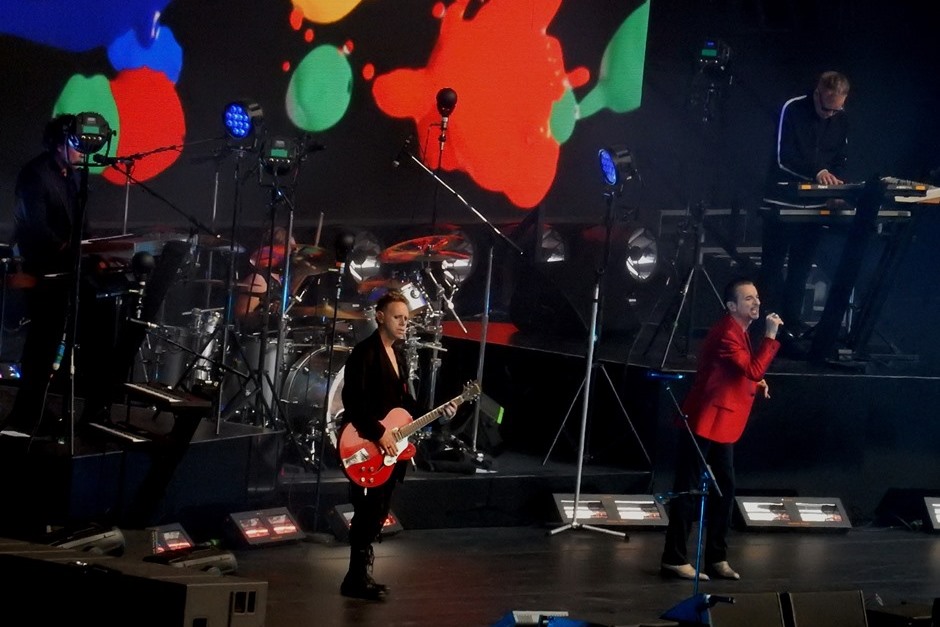
Photo by Chi Ming Lai

It wasn’t that ‘Spirit’ was in any way a forgettable album, as my review for Clash was incredibly positive. I even found myself indulging in a bit of journalistic hyperbole when I compared parts of it to Marvin Gaye’s ‘What’s Going On’, which rubbed a lot of people up the wrong way.

I maintain that it’s a good album – great even. It showed a new side to DEPECHE MODE, one that initially jarred with me, but it was one that I ultimately respected.

I haven’t listened to it once since I assembled that year-end countdown, but I rarely get a chance to listen to albums over and over after I’ve reviewed them these days anyway. You’re more or less always moving onto something else as soon as you’ve filed the review copy.

You shouldn’t view me placing ‘Reputation’ higher than ‘Spirit’ as indicating that I think Taylor Swift is better than DEPECHE MODE; it just means that ‘Reputation’ means more to me. Documentary Evidence was always intended as a personal website, where everything I wrote was essentially my own subjective view. People are free to disagree with what I write, and frequently do, especially it would seem if I’m writing about DEPECHE MODE. I was roundly slated for giving Jeremy Deller and Nick Abrahams’ ‘The Posters Came From The Walls’ the positive review that I felt it deserved, and I’ve developed a thick skin about people’s views.
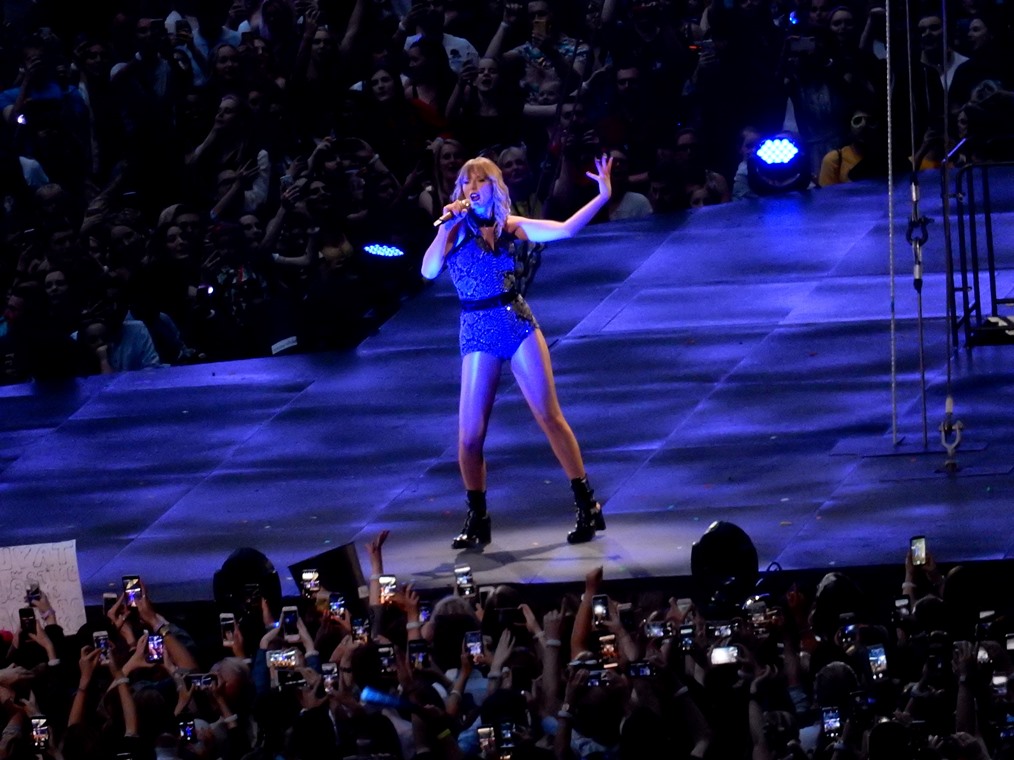
Photo by Chi Ming Lai

The point with Taylor Swift is that her music means a lot to our family. We have two daughters, ages 12 and 10, and as parents we’re acutely aware of the need for girls to grow up with positive, empowering female role models. Taylor Swift is the epitome of that.

She’ll go down in history as a great pop musician and songwriter but also as the one who – by suing that radio DJ for a buck – did more to highlight the gross inequalities and power abuses in the entertainment industry than anyone else.

But she also makes great music. We listen to Taylor Swift on roadtrips all the time and her music brings us closer together as a family. It’s that simple. Debating whether ‘I Knew You Were Trouble’ is better than ‘We Are Never Ever Getting Back Together’ is a nice way to spend a drive around Cornwall, for example. It sure beats arguing.

The four of us going to see her at Wembley last month was among the best evenings out we’ve had as a family. We all wore Taylor Swift shirts, all sang every song at the top of our lungs and I’d rank it as one of best concerts I’ve ever been to, unashamedly. For me, and plenty of other people, ‘Reputation’ is a bold, multi-hued album that works as both social criticism and fucking great pop music.

What also amused me about people decrying this so-called music journalist snob putting Taylor Swift in his top ten is that not one DEPECHE MODE fan moaned about me ranking ERASURE higher than ‘Spirit’, or sticking a Ryan Adams record above it, or choosing an electronic jazz fusion LP by James Holden as the best thing I heard in 2017! And ‘Spirit’ getting into the top ten, when I conservatively wrote between 80 and 100 reviews last year, is still a pretty big deal.

But Taylor Swift surely doesn’t have any links to Mute… or does she? 😉

It’s slightly tenuous, but there is a link. Jack Antonoff from BLEACHERS, co-wrote and produced two songs on ‘1989’ and six on ‘Reputation’. Vince Clarke worked with Jack on the first BLEACHERS album, and I think the big, anthemic pop that BLEACHERS make has definitely rubbed off on some of the recent mixes that Vince has done. You can hear some of it in the last ERASURE record, ‘World Be Gone’, too.

Jack’s style is extremely distinctive, but very natural. Some people have to work hard at creating these huge, stadium-friendly, euphoric songs, but it’s like it runs in his veins or something. I knew which songs were his on ‘Reputation’ before I even looked at the credits.

So, yeah, if you squint a little and are happy that it’s an indirect connection, there is one. But I didn’t need one to justify enjoying Taylor Swift’s music – just the look on my girls’ faces when they were dancing round our lounge to ‘1989’ when they got it for Christmas 2014 was justification enough.

Photo by Mat Smith

ELECTRICITYCLUB.CO.UK saw this positioning of Taylor Swift above DEPECHE MODE by a respected Mute Records commentator as oblique symbolism for DM’s current artistic decline…

It certainly wasn’t intended that way. As I said before, I really liked ‘Spirit’, and I really liked its predecessor ‘Delta Machine’, which I awarded eight out of ten in a review I wrote for Clash. I wonder whether people have unrealistic expectations of what DEPECHE MODE should be doing today.

They’ve been going for nearly forty years and sit on top of a back catalogue containing some incredible moments, and those moments are going to be part of a personal soundtrack to significant events, whereas as we get older we don’t accumulate as many of those things.

Most artists that have been going this long are valued not for what they’re doing today but what they’ve done before, and any new material is just a catalyst for getting back out on the road and playing the hits.

The best example of this is THE ROLLING STONES – they’ve consistently released new material, but it’s generally regarded as second-rate compared to the album’s they released in their first two decades.

Anyone going to a Stones show doesn’t want a set filled with the new stuff – they pay for the hits. I know that fans have moaned about the recent Depeche festival shows not containing enough of their big songs, and I would say that’s probably fair. I don’t think they can hide behind being inexperienced with festivals, as a glance at any other band’s setlist would have provided ample evidence of the rules.

But I do think the fact that Depeche are still trying to do different things – the overt political reference points of ‘Spirit’ or the pronounced bluesiness of ‘Delta Machine’, as examples – shows that they still have a creative spark beyond just rehashing ‘World In My Eyes’ all over again. And if they did that, then people would moan at them for not making any effort. I’m not sure they can win, but it’s not like people aren’t buying their albums or eschewing their shows.
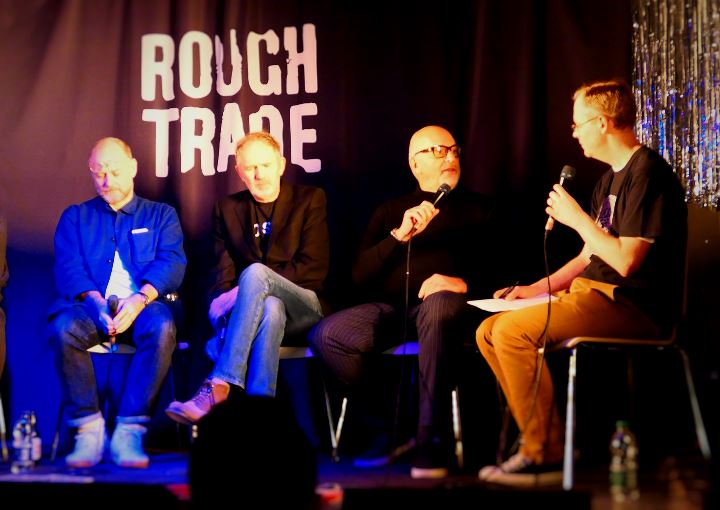
Photo by Simon Helm

At the ‘Mute: A Visual Document’ book launch where there was a live Q&A which included Daniel Miller, it was reported that Anton Corbijn was making made his feelings known publicly about the current direction of DEPECHE MODE? What was your interpretation of what was said?

Honestly, I can’t remember. As the host of that panel discussion, I was too busy making sure I didn’t drop my microphone.

My recollection was that Daniel and Anton were both incredibly positive on Depeche and where they are right now, creatively. These guys are like the fourth and fifth members of that band, as their input into what makes them a band is really important to who they are, what they do, and how it’s presented, and I don’t think that will ever change. If anything, Anton was super positive about how much trust that Dave, Martin and Andy placed in his judgement, and how rare it is to find that these days. I didn’t get the impression that DEPECHE MODE are ignoring his counsel and doing their own thing at all.

That night, I do remember that Daniel said that they’re still a Mute band, even though they’ve left the label. I think that says a lot about how he approaches artists on the label, as well as how much he cares about them; I guess it’s like waving your kids off when they leave home – they’ll always be family. In the same way, Daniel will always be their A&R guy and creative mentor.

Daniel Miller = DM = DEPECHE MODE. That’s a complete coincidence, but it also isn’t.

ELECTRICITYCLUB.CO.UK often likes to highlight a musical connection it has noted between CHVRCHES and Taylor Swift, do you hear it as well in her songs like ‘Out Of The Woods’, ‘Gorgeous’ and even ‘Blank Space’?

It’s not something I’ve noticed especially, but it says a lot about the way we music critics approach very overtly successful music that we can only give a pop artist credibility by comparing it to something a little more underground, or something less popular.

Electronic music has been mainstream for the last forty years and it’s only natural that stuff coming out of the underground would feed into popular music. That’s just how it has always worked, all the way through musical history.
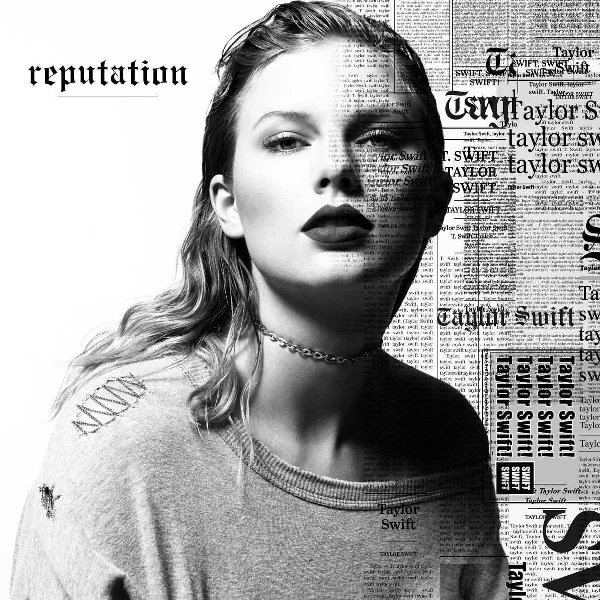
Things start outside of the public eye, in almost cultish micro-scenes, they blossom, become popular, popular acts co-opt them, a new thing comes along and it starts again. If it didn’t, this would all be pretty boring and we’d all still be listening to easy listening music. Is Taylor Swift consciously riffing off CHVRCHES’ ideas? Probably not. Does she have the budget and bankability to attract any producer she wants to work on her record? Absolutely.

Do those producers and her A&R team have their fingers on what’s cool and what’s not? For sure. To me it’s not that surprising.

As far as electronic based artists are concerned, who are the up-and-coming acts that you would rate at the moment?

Electronic music – in its broadest sense – is having one of its most fertile creative periods, from the mainstream to the most avant garde of locales. For example, there’s a German producer called VONICA whose music I’m enjoying right now. He makes this fantastically skewed, very densely-layered music that is umbilically linked to dance music, with all its attendant euphoria and drama, but this slightly off-centre quality. He’s one to watch, for sure.

Elsewhere, I find myself listening to lots and lots of fusion music. Back in the 70s, stuff that fused jazz, electronics and rock together was seen as hugely innovative but over time it became a shorthand for naffness, something that my older self thinks is massively short-sighted as I’ve begun to appreciate things like CHICK COREA’s underrated ‘Return To Forever’. The new groups tackling fusion music are just incredible. James Holden I’ve already mentioned, but there are others like Kamaal Williams and RATGRAVE that manage to create these amazingly fresh pieces of music out of seemingly incompatible reference points.

How do you think Mute had managed to maintain its position as a credible brand in the music industry after so many years?

I think it all comes down to being artist-led. When you’re artist-led you’re prepared to take more risks to allow them the space to realise their creative vision. When Daniel Miller started Mute again as an independent enterprise, I think that’s why he named it Mute Artists.

That’s a very egalitarian, equitable way of approaching running a label – it emphasises that without those artists the label wouldn’t, and couldn’t, exist. That’s not to say that Mute have always just let artists get up to what they want, because I’ve heard that Daniel is a very hands-on guy, even if he’s not in the studio with every artist on the label. However, if you start with the primacy of the artist and are focussed on allowing them to realise their vision in a supported way, you’re probably going to get the best results.

Going back to what I said about his relationship with Depeche above, he evidently cares for his artists, and I personally think that’s ultimately why he sold Mute Records to EMI – faced with seismic changes in the record industry, he deemed that was the best thing for his artists to allow them to stay creative. It wasn’t for commercial gain, but to give his artists some sort of financial stability. I think it came from a fundamentally good, well-meaning place. It wasn’t like he’d decided to disown his kids and start a new family with someone else. You might think of everything released on Mute as songs representing Daniel’s enduring faith and devotion in the artists whose music he elects to release. I can’t see that ever changing.


ELECTRICITYCLUB.CO.UK gives its sincerest thanks to Mat Smith

https://429harrowroad.wordpress.com

https://www.facebook.com/DocumentaryEvidence/

https://twitter.com/DocEvidence

https://www.instagram.com/documentaryevidence/


Text and Interview by Chi Ming Lai
17th July 2018

BOOK OF LOVE The Sire Years: 1985-1993

Philadelphia and subsequently New York City are home to BOOK OF LOVE.

The band, which created a stir with American synth music crowds, came into being in 1983 when Susan Ottaviano joined forces with Ted Ottaviano (no relation) in Philly, later recruiting Jade Lee and Lauren Roselli Johnson.

The name was adopted from a song by THE MONOTONES and soon the entire crew worked out of New York. Citing influences from anyone from Bowie, through COCTEAU TWINS, THE RAMONES, OMD to DEPECHE MODE, the quarter started writing their own material, and equipped with few demos, notably ‘Boy’, hoped for a label to take an interest.

And a label did… not just anyone but Sire Records, whose president at the time Seymour Stein loved the tubular bells and happy go lucky melody of the track. ‘Boy’ went on to become a notable dance hit, positioning itself at number 7 on the Billboard Dance Chart. Furthermore, it gave the band such success and exposure, that the group happily left their day jobs to dedicate themselves to the craft of music exclusively. And that’s how their love affair with DEPECHE MODE took off. Having met Basildon’s finest, BOOK OF LOVE were invited to support them, not only on ‘Some Great Reward’ Tour, but to return for the ‘Black Celebration’ live shows as well.

BOOK OF LOVE’s second single ‘I Touch Roses’ was an instant head turner, with the additional kudos of being remixed in its single version by none other than Daniel Miller of Mute. The innovative feel to the song opened more doors for the group and enabled them to get a go ahead from Sire to finish the album. Delicately placed bells, chimes and quirky synth worked wonders for the moody vocals of Ottaviano.

By then the eponymous ‘Book Of Love’ was also recorded, bearing more alternative influences alongside the synths. With a nursery rhyme feel, and musicality recalling JOY DIVISION, it grabbed instantly, providing a fresh substitute to what was out there at the time, and yes, the bells were there too! The album came, heralded with ‘You Make Me Feel So Good’, a typical dance oriented synth tune with a twist thanks to the vocals encapsulating a merger of Siouxsie, Kate Bush and all the BANANARAMA girls.

Self-confessed admirers of art, BOOK OF LOVE named the second single from the opus after an Italian artist Amedeo Modigliani. ‘Modigliani’ features wonderfully arpeggiated synth, delicate choirs and a plethora of noisy synth thrown in for good measure with a very PET SHOP BOYS-esque ending. A version was used in an episode of ‘Miami Vice’ and the 1987 film ‘Planes, Trains and Automobiles’.

Touring with the mighty DEPECHE MODE and didn’t leave much room for any studio work, therefore the continuum ‘Lullaby’ was recorded after the ‘Black Celebration’ Tour was completed. Mark Ellis aka Flood took the reins of production, fresh from working with ERASURE and U2. The title track introduced somewhat folky elements to its composition and featured a gentler approach to the whole enterprise. The influences from ERASURE and DEPECHE MODE are clearly palpable, without stripping off the absolute uniqueness of what BOOK OF LOVE were about.

‘Pretty Boys & Pretty Girls’ which was the first single from ‘Lullaby’ openly tacked the hot topic of AIDS. The plea to practise safe sex was a novelty in synth music, and it was warmly received, given the candied feel of the track and its easy listening qualities. As the tubular bells were essential in BOOK OF LOVE’s proposition, a snatch of Mike Oldfield’s classic composition also found itself on the production. ‘Witchcraft’ presented a notion of sampling, with the original series ‘Bewitched’ in its heart. Consisting the peculiar rapping from all the three girl members, combined with simple melody and candid vocals, it was the only single to fail to chart.

‘Candy Carol’ was the third album, released in 1991, and with the changing musical landscape and introduction of new genres, there was a need for Ottaviano and co to provide a quirky alternative. Inspired by carols and the need for a decent melody, tracks like ‘Alice Everyday’ and ‘Counting The Rosaries’ performed by Lauren Roselli or ‘Sunny Day’ with harps, bells and simple guitars added up to an uncomplicated proposition against rap, hip hop and the raise of Seattle’s grunge.

Ted Ottaviano produced the fourth BOOK OF LOVE’s album ‘Lovebubble’ himself, with the band members doubting their place in the current musical climate, and the record proved to be the quartet’s last. ‘Boy Pop’ was a big dance club hit and an ode to gay love, while ‘Sunday A.M.’ represented a beautifully sculptured melody and gentile additions. ‘Hunny Hunny’ brought the tempo up to speed with a punctuated arpeggiated synth beat a la ERASURE, American style. ‘Chatterbox (Pt 2)’ was a part of the double single with Jade Lee on vocals.

BOOK OF LOVE have previously released couple of ‘Best Of’ style compilations and now, Susan and Ted Ottaviano are back by popular demand, releasing and touring ‘The Sire Years: 1985-1993’, with all the aforementioned tracks and more, to relive and enjoy the quirkiness, simplicity and joy of their heyday.

If you weren’t a fan back then, or it slipped your radar, jump on the bandwagon now, because BOOK OF LOVE are just what the doctor ordered.


‘The Sire Years: 1985-1993’ is released as a CD by Note For Note Music on 19th January 2018
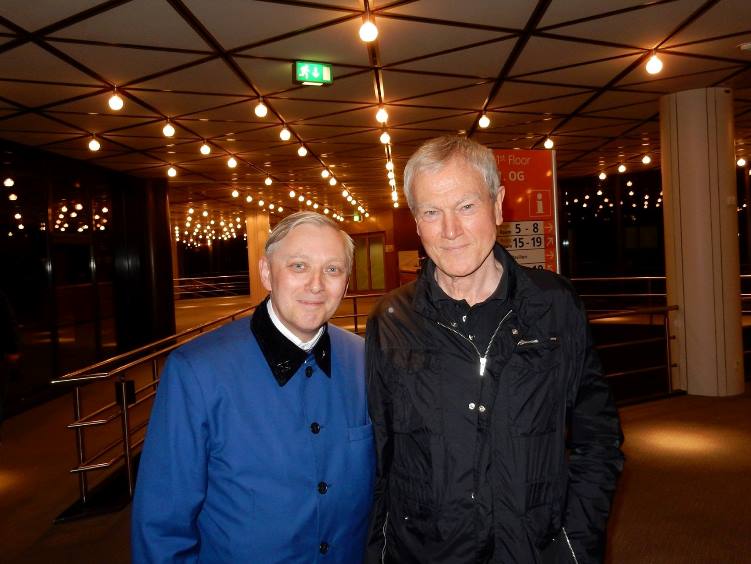
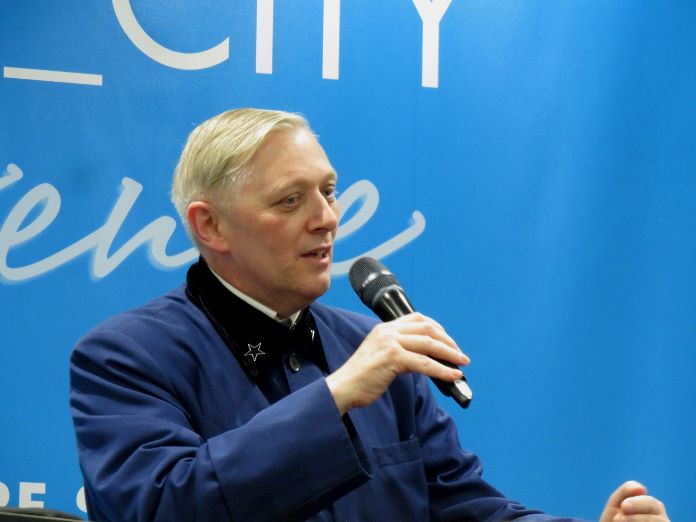
BOOK OF LOVE play Miami The Kitchen Club (13th January), Orlando The Social (14th January), Seattle The Crocodile (9th February), Dallas Granada Theater (16th February), New Orleans One Eyed Jacks (24th March), Atlanta Aisle 5 (7th April), Denver Herman’s Hideaway (21st April)

http://www.bookoflovemusic.com

https://www.facebook.com/bookoflovemusic/

https://twitter.com/bookoflovemusic

https://www.instagram.com/bookoflovemusic/


Text by Monika Izabela Trigwell
10th January 2018

ELECTRI_CITY_CONFERENCE 2016


The ELECTRI_CITY_CONFERENCE held its second event at Düsseldorf’s CCD following the success of the inaugural gathering.

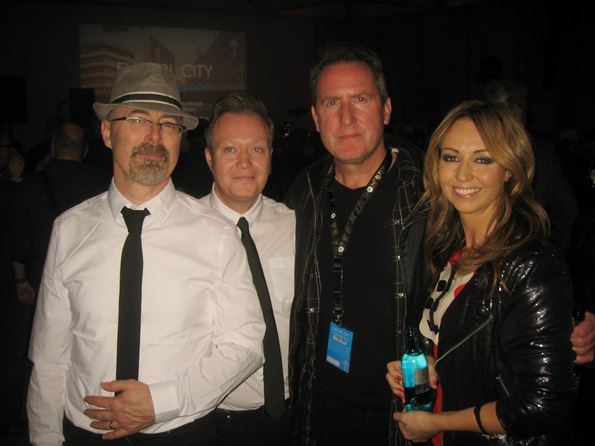
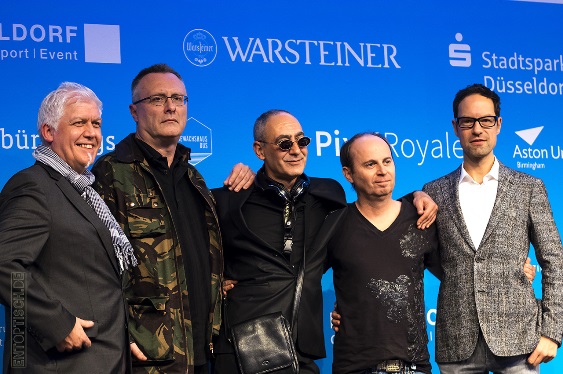
With impressive line-up that read like a ‘Who’s Who?’ of electronic music, former NEW ORDER bassist Peter Hook, OMD’s Andy McCluskey, HEAVEN 17, WRANGLER, VILE ELECTRODES, METROLAND and Michael Rotherhithe were among those who took part in 2015.

For the 2016 event, John Foxx, Steve D’Agostino, Rusty Egan, Jimi Tenor, Jori Hulkkonen, Eric Random and MARSHEAUX played live while among the speakers were Daniel Miller, Chris Liebing, Mark Reeder and Chris Payne.

The conference coincided with co-organiser Rudi Esch publishing ‘ELECTRI_CITY – The Düsseldorf School of Electronic Music’, an English language version of his acclaimed book documenting the development of the city’s innovative and inspiring music scene which spawned acts such as KRAFTWERK, DAF, RIECHMANN, NEU! and LA DÜSSELDORF. With Jochen Oberlack of Bellerophon Records acting as the weekend’s Master of Ceremonies, the first of the special international guests was Mark Reeder.

Presenting his acclaimed documentary ‘B-Movie: Lust & Sound In West-Berlin 1979-1989’, the film captured the music, art and chaos of West Berlin before the infamous wall came tumbling down.

But as Reeder explained in his charmingly fluent Mancunian lilted German to Tassilo Dicke in the Q&A afterwards, the enclosed conscription free environment allowed a creative melting pot to emerge where everything and anything seemed possible.

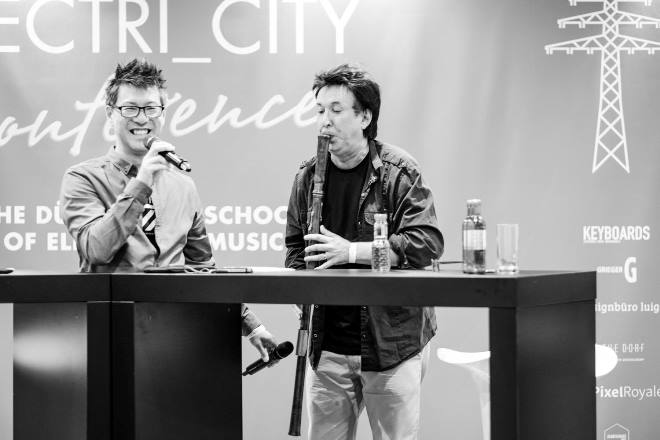
Next up was Chris Payne in an interview hosted by ELECTRICITYCLUB.CO.UK. Best known as a member of Gary Numan’s band between 1979-1990 and for co-writing VISAGE’s ‘Fade To Grey’ with Billy Currie and Midge Ure, the Cornishman began by demonstrating his bass Cornamuse, a double reed instrument from the 14th Century.

Revealing that he studied Medieval music, he even treated the audience to a quick burst of ‘Cars’ before reflecting on its limitations and therefore highlighting the expansive possibilities of synthesizers. Now domiciled in Normandy, he happily chatted about his period with Numan, recalling how he had 21 keyboards in his armoury and some of the practical jokes he played on the 1979 support act OMD.

At this time, OMD were a duo comprising of Andy McCluskey and Paul Humphreys plus a third member Winston. Despite some electronic music publications stating Winston was a drum machine, Payne confirmed that Winston was most definitely a tape recorder. And on the final night of the UK leg of ‘The Touring Principle’ at Hammersmith Odeon, Payne thought it would be amusing to put on the lock of the TEAC A344 4-track reel-to-reel to stop it from playing.

The genesis of ‘Fade To Grey’ occurred during soundchecks on ‘The Touring Principle’, but Payne recalled how the song’s cyclic structure had been composed during his time at music college.

With regards the song’s female French voice, while the eventual German No1 featured Rusty Egan’s then-girlfriend Brigitte, the idea had come from Monsieur Payne and featured on the original recording made at Martin Rushent’s Genetic Studios with a different lyric.

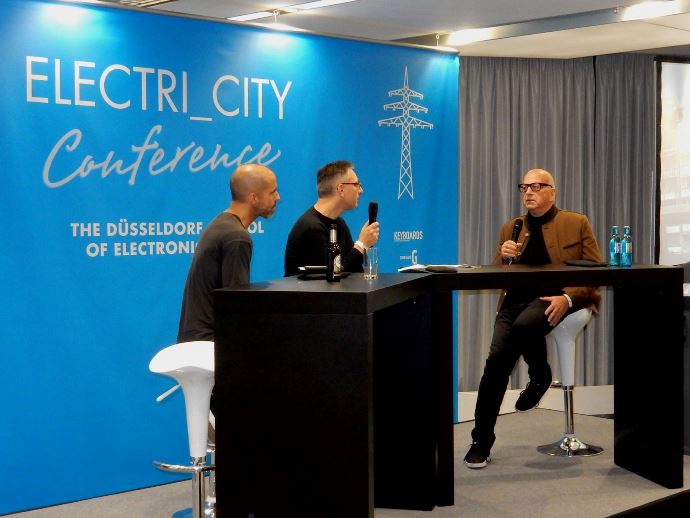
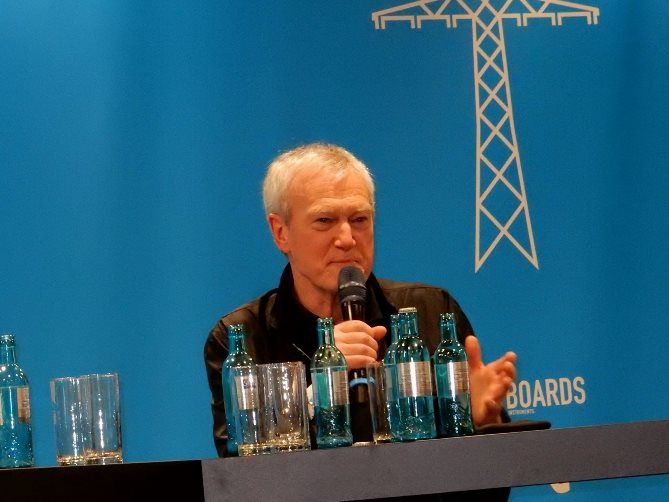
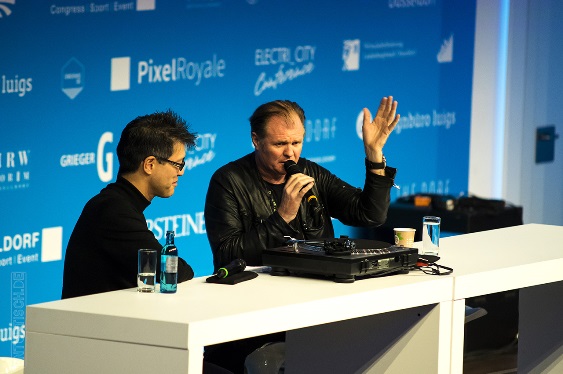
Mute Records impresario Daniel Miller and techno guru Chris Liebing followed and while Miller reflected on his love of German music which inspired his own recordings, he highlighted the musical kinship he had with Liebing and even joked that they would probably want to play exactly the same tracks during their DJ sets later that night at the Time Warp club night hosted by Salon des Amateurs.

The ELECTRI_CITY_CONFERENCE was about live music too and Manchester electronic veteran Eric Random had the honour of opening proceedings. Random recently released his new album ‘Words Made Flesh’ on Austrian record label Klanggalerie, but the one-time CABARET VOLTAIRE and Nico collaborator made his return in 2014 with ‘Man Dog’, ‎having last issued a long player using his own name in 1986.

Opening with his set with the groovy ‘Knock Yourself Out’, he captured the ethos of the weekend with his sinister but funky, voice sample laden electro. Occasionally adding vocoder and his own FAD GADGET inspired vocals as on the hard beat driven ‘Let It Go’, the Germanic environment more that suited his stark style of presentation.

MARSHEAUX’s appearance prompted dancing in the aisles and despite monitor issues, the duo delivered a fine performance. The brooding aggression of ‘Burning’ from the new album ‘Ath.Lon’ proved to be a highlight, while other newbies such as ‘Safe Tonight’ sat well next to slightly reworked fan favourites like ‘Breakthrough’, ‘Dream Of A Disco’ and ‘Come On Now’.
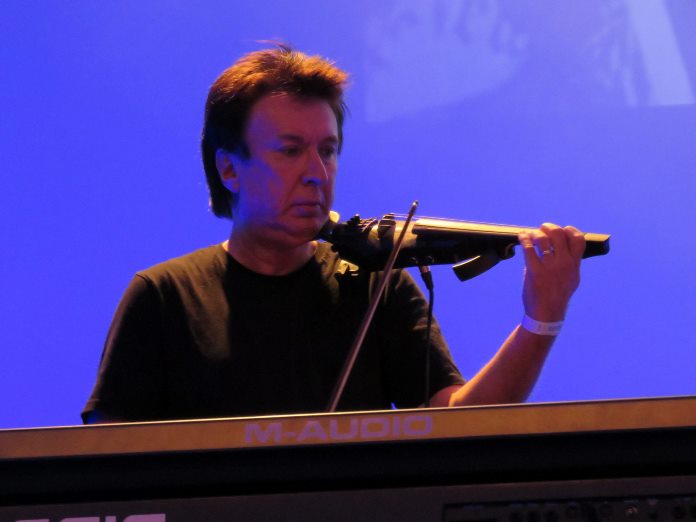
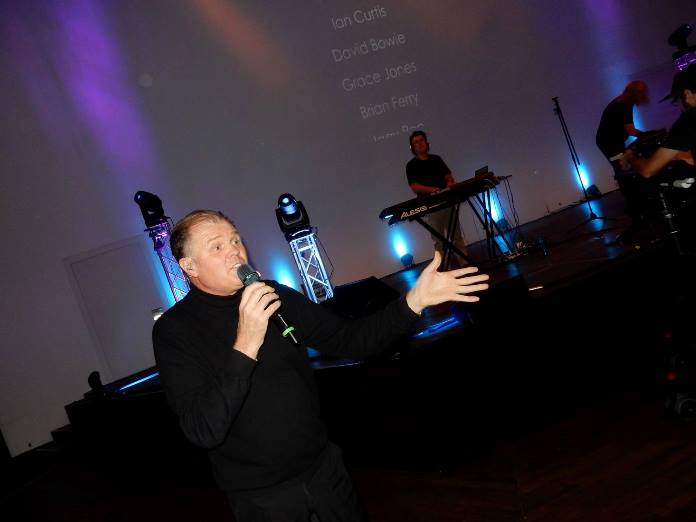
A beautiful rendition of DEPECHE MODE’s ‘The Sun & The Rainfall’ won over anyone who wasn’t already convinced, with two new converts being Claudia Schneider-Esleben, sister of KRAFTWERK co-founder Florian and John Foxx who sat absorbed throughout the entire set.

Finishing proceedings on day one was Rusty Egan with a part live-part DJ presentation of his upcoming record ‘Welcome To The Dancefloor’. Augmented by Nikonn and Chris Payne, it began with a marvellous dual overture where the latter performed instrumental piano based renditions of ‘Down In The Park’ and ‘Fade To Grey’.

He even sneaked in snatches of Numan evergreens ‘Are Friends Electric?’ and ‘Cars’ as well.

Seguing into the ‘Nu Cinematic’ ambient version of VISAGE’s German No1 featuring Payne on violin, there was then the surprise inclusion of the beautiful VISAGE instrumental ‘Whispers’; this was not entirely successful as the monitor problems continued, but it was a brave choice and more than welcome for that very reason.

The video playback section featuring the lead vocals of Andy Huntley, Midge Ure, Emily Kavanaugh and Tony Hadley, such was his enthusiasm, Egan couldn’t resist joining in on the mic. But Egan got his turn on lead when he morphed into an MC for ‘Wonderwerke’, adding a “was ist das?” snarl shaped by his inimitable London swagger.

Closing the main set with ‘Thank You’, Egan’s vocodered list of musical heroes over layers of sweeping synths even prompted him to walk into the audience to encourage their additional robotised contributions.

The following day began with artists and journalists being given an informal tour of Düsseldorf by Rudi Esch. The landmarks included Düsseldorf HBF where KRAFTWERK had their iconic monochromatic photo on Gleis 17 taken and the entrance to the former Kling Klang studios.

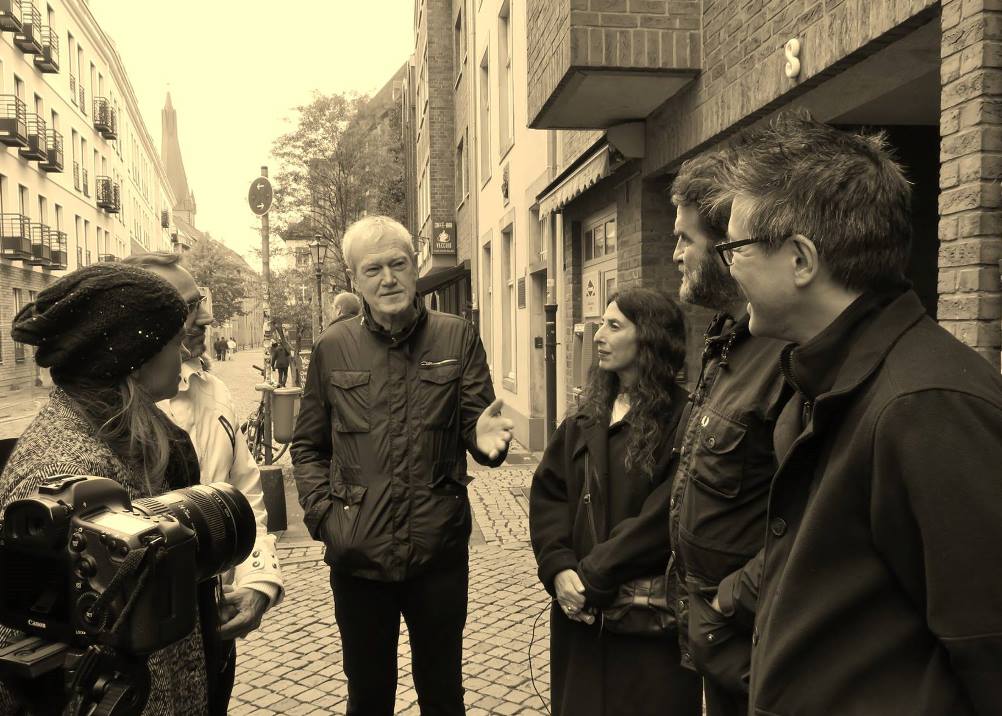
Among those present were John Foxx and MARSHEAUX, with one particularly memorable moment taking place outside Der Ratinger Hof, when Foxx held court as he chatted about working with Conny Plank on ‘Systems Of Romance’.

Appropriately, formal second day proceedings began with the showing of ‘Keine Atempause – Düsseldorf, Der Ratinger Hof und Die Neue Musik’, a film about the city’s music scene followed by a panel Q&A.

But afterwards, a familiar character from Berlin reappeared. The scheduled speaker Martyn Ware had unfortunately been taken ill, so Mark Reeder kindly stepped in with an interview in English conducted by ELECTRICITYCLUB.CO.UK; this chat differed from the day before, focussing on Reeder’s own music career and his long association with NEW ORDER.

Interviewed by German journalist Ecki Stieg, John Foxx gave a marvellously eloquent talk covering his entire career. Working with Brian Eno on the first ULTRAVOX! album, the one-time ROXY MUSIC synthesist told Foxx it was important to keep a space at the end of an album to make a new song out of nothing; that nothing of course became ‘My Sex’. Reflecting on the recording of ‘Systems Of Romance’ to applause from the attentive audience, Foxx also declared Conny Plank as the most important record producer since George Martin.

Despite the innovation of his debut solo album ‘Metamatic’, Foxx moved away from pure electronics due to criticism that his music was cold.

At the time he thought “Maybe I’ve done the wrong thing… it made me afraid of my own music in a way… I’ve never been any good at judging the quality of what I do, I like it but don’t know if it’s any good or not!” – this led to the more band oriented sound of the follow-up ‘The Garden’ which included the actual ‘Systems Of Romance’ song.

Talking about his third solo album ‘The Golden Section’, Foxx said “I wanted to combine electronics with psychedelia… I think I failed because I tried to fit too many favourite things together. It’s always a mistake, it’s like having a meal with all your favourite food, you have fish and pudding and cake and soup and it’s not good! You might love them all, but if you put them on the same plate… but it was out of enthusiasm so I can forgive my younger self for making mistakes like that!”

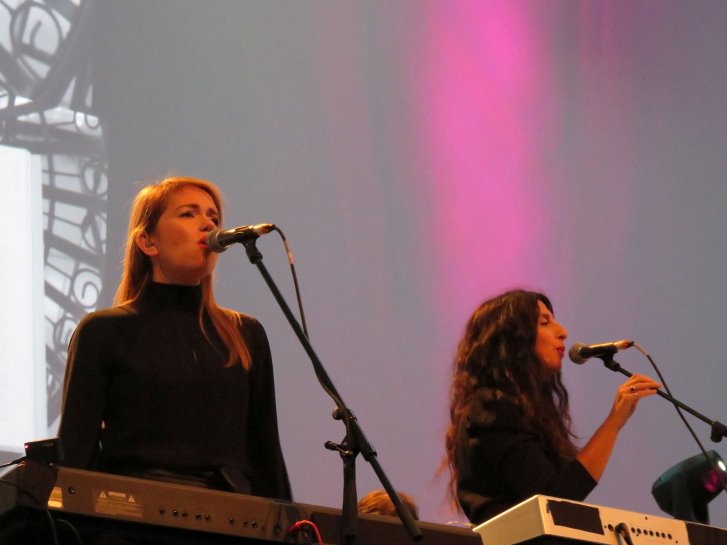
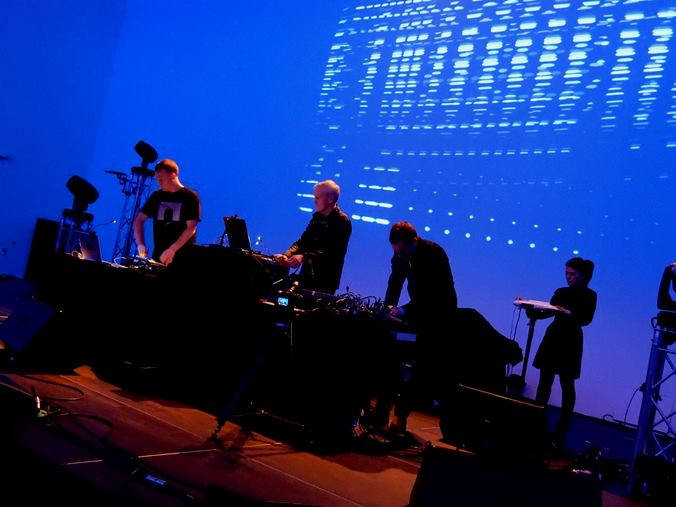
Premiered in 2014 at London’s South Bank, John Foxx and Steve D’Agostino supported by visual artist Karborn gave an assured performance of ‘Evidence Of Time Travel’, “a unique investigation of the terrors and pleasures of temporal displacement. A sinister sonic architecture of drum-machine-music and analogue synthesizers”.

Karborn’s cut-up images and filmed segments complimented the stark and stoic soundtrack. acontinually evolving audio / visual experience, the finale of ‘Empty Clothing Blows Across A Beach’ saw Katia Isakoff join the trio on a Moog Theremin. Locking into a wonderfully trippy improvisation, disturbing schizophrenic voices also reverberated around the enclosure.


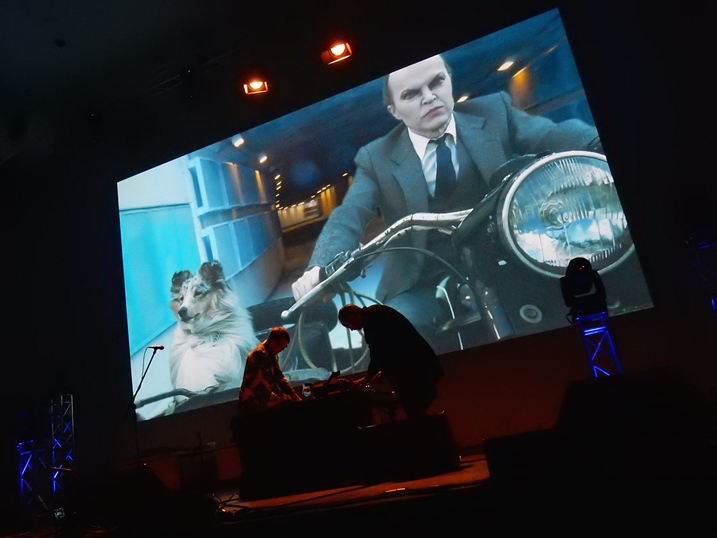
The second day concluded with a unique presentation of the silent art movie ‘Nuntius’. Featuring a live improvised soundtrack from Finnish musicians Jimi Tenor and Jori Hulkkonen, the film stars Mr Normall as its central, alien character. Seemingly manufactured in outer space, Mr Normall explores the woods, stares intensely and even rides a motorcycle sidecar combination through a tunnel in Helsinki with a Shetland sheepdog named Louis.

The film’s accompanying music ranged from blippy ambient to frantic motorik, with Tenor occasionally taking to a flute while Hulkkonen brought out his portable Trautonium, an electronic instrument with a pressure sensitive glided board and whose conceptual origins date back to 1929. The whole experience was totally mindbending and when Mr Normall appeared on stage with Tenor and Hulkkonen, things became even more surreal.

It was fabulous weekend that was a reminder of Düsseldorf’s importance as a centre for art, culture and fashion. With the rising profile of the ELECTRI_CITY_CONFERENCE, the 2017 event will be a must-attend date in next year’s diary.


ELECTRICITYCLUB.CO.UK gives its warmest thanks to Rudi Esch and Carsten Siewert

Live performances can be viewed at
http://concert.arte.tv/de/electricity-conference

www.electricity-conference.com/

www.facebook.com/Electri.city.Esch/

www.jorihulkkonen.com/

www.facebook.com/jimitenor/

www.mrnormall.net/

www.metamatic.com/

www.altersonicsound.com/

www.karborn.com/

http://rustyegan.net/

http://www.electronicmusiclibrary.com/

http://marsheaux.com/

https://twitter.com/theericrandom

http://mute.com/

www.clr.net/

www.facebook.com/markreedermusic/

https://bellerophon-records.com/

www.groenland.com/en/


Text by Chi Ming Lai
Photos by Markus Luigs, Roger Kamp, Lola Li and Chi Ming Lai
23rd October 2016

ELECTRI_CITY_CONFERENCE 2015

Dance To The Future…

Düsseldorf paid homage to its electronic music history with a three day event of lectures, discussions and live music.

The ELECTRI_CITY_CONFERENCE celebrated the work of pioneers like KRAFTWERK, DAF, RIECHMANN, NEU! and LA DÜSSELDORF, as well as reflecting the city’s worldwide influence on bands such as NEW ORDER, THE HUMAN LEAGUE, DEPECHE MODE, CABARET VOLTAIRE, VISAGE and OMD.

A year in the planning, organisers Rudi Esch and Carsten Siewert assembled an impressive line-up of artists, musicians and academics which read like a ‘Who’s Who?’ of electronic music.

It included names such as Benge, Gabi Delgado, Ralf Dörper, Rusty Egan, Harald Grosskopf, Peter Hook, Stephen Mallinder, Andy McCluskey, Daniel Miller, Mark Reeder, Michael Rother and Martyn Ware.

Also present was Dr Uwe Schütte, whose academic conference ‘Industrielle Volksmusik for the Twenty First Century – Kraftwerk & the Birth of Electronic Music in Germany’ at Aston University helped inspire the seeting up of the event.

While there have been numerous books about Germany and in particular KRAFTWERK, few have been written by people who were actually there at the time. Esch’s own book ‘Electri_City: Elektronische Musik aus Düsseldorf’ was published in 2014 and provided a much needed eyewitness account.

It fully related the Cold War tensions within Der Bundesrepublik that inspired many young Germans into pursuing adventures in art, music and cinema as a matter of self-expression and cultural identity.

The book’s success in Germany provided much of the impetus and momentum to curate this lavish gathering of kindred spirits. The first of the special guests taking part was Peter Hook who talked to Rob Keane about German influences on the UK’s post-punk scene and in particular, JOY DIVISION.

It was Ian Curtis who first introduced the others to KRAFTWERK. After the charismatic vocalist’s passing, the surviving band members became NEW ORDER and as they became more electronic, they acquired five Prophet 5s costing £2000 each.

This had only been made possible by the posthumous success of JOY DIVISION.“God bless him, Ian… without him, we wouldn’t have been able to afford these machines to make electronic music…” Hooky said, “what happened in NEW ORDER was as the technology developed, it enabled you to buy the machines that KRAFTWERK were using. I’d love to watch them do something, I really would. Because for all the coverage you get of KRAFTWERK, you never actually know HOW they did it!”

But despite KRAFTWERK being the pioneers of electronic music, Ralf and Florian had been so impressed by ‘Blue Monday’, they arranged to meet its engineer Michael Johnson at Britannia Row Studios where it was recorded. “They wanted to book into the studio we used…” remembered Hooky, “and they wanted to use our engineer, because they wanted their next record to sound like ‘Blue Monday’, which is most ironic because we spent years trying to sound like them!”

KRAFTWERK had a look round Britannia Row but unimpressed with the old fashioned, faded grandeur of the studio, they cancelled the session. “I took that as quite a compliment” quipped the Salford Bass Viking playfully.

Hooky also reminisced about how he was very impressed by fellow Mancunian Mark Reeder’s mastery of speaking German while on JOY DIVISION’s only visit to Berlin in 1980.

But when he asked how Reeder had become fluent so quickly, the then Factory Records representative in Germany answered: “you can learn any language when you’re starving!”

Mark Reeder himself formed part of panel discussion on the German impact of the Düsseldorf Schule to give his ‘Englishman in Berlin’ point of view. As the man often credited with introducing Italo disco to NEW ORDER, Reeder’s recent film ‘B-Movie – Lust & Sound In West Berlin 1979-1989’ captured the spirit of the divided city and highlighted how a similar document about Düsseldorf would now be quite timely.

The ELECTRI_CITY_CONFERENCE was not just about lectures and talks, but about live music too. Cologne’s EMOTIKON opened proceedings with some incongruous generic pop funk, so it was a welcome relief when HEAVEN 17 took to the stage at Zakk for the sold-out show.

Headlining their first ever concert in the German art capital, HEAVEN 17 gave one of their now famous electronically focussed sets which also featured material that had spawned from THE HUMAN LEAGUE Mk1 when Martyn Ware was a member.

Inviting him to join the band, Phil Oakey remembered how Ware turned up at his house with ‘Trans-Europe Express’ under his arm and told him “Look, we can do this!”. The song that best summed up the occasion was ‘I’m Your Money’, a synthetic train ride with multi-lingual business phrases that captured the essence of a European Union.

To follow a fine performance from HEAVEN 17, Daniel Miller’s aftershow DJ set reflected his influences and subsequent signings for Mute Records to conclude an excellent first day.

With a packed second day, Friday’s numerous academic and theoretical proceedings were concluded with a Krautrock discussion in German by a panel of veteran musicians that included one-time ASHRA member Harald Grosskopf, Michael Rother from NEU! and WALLENSTEIN’s Jürgen Dollase.

Whereas Germany has usually been associated with purer forms of electronic music, its kosmische outlook has influenced many rock and alternative bands too. However, Dollase’s continual ranting about the joys of LSD proved tiresome and was exemplary evidence to children as to why they shouldn’t do drugs!

The panel was later opened up to questions from the audience so ELECTRICITYCLUB.CO.UK took the opportunity to ask Michael Rother about his first three solo albums.

‘Flammende Herzen’ , ‘Sterntaler’ and ‘Katzenmusik’ were produced by the late Conny Plank and featured CAN’s Jaki Liebezeit on drums. Did he have a favourite?: “I don’t really have favourites, there are individual tracks I enjoy more, it depends on mood and circumstances. It would be unfair really to have a favourite album” Herr Rother replied, “Of course, I try to highlight Conny Plank’s contribution, he was so valuable… we wouldn’t have been able to record NEU! or the second HARMONIA album or my solo albums without Conny, so he’s all over the place in my music… thank you Conny”

Opening the second evening’s musical line-up, Dublin’s TINY MAGNETIC PETS have been championed by Rusty Egan and their appearance in Düsseldorf was their first in Europe.

The trio’s main strength was their engaging lead singer Paula Gilmer, while Sean Quinn’s synth soloing was also enjoyable. But the occasional rattle of an acoustic drum kit was a distraction and the trio sounded much better when Eugene Somers took to exclusively electronic percussion.

WRANGLER, fronted by Stephen Mallinder who had lectured earlier in the day, delivered a screeching set of dystopian vibes and cold wave mechanics, demonstrating how the Düsseldorf gene has mutated into marvellous pieces such as ‘Lava Land’. Mallinder’s drowning gargoyle vocal was particularly striking within the venue’s effective stereo panning capability.

Incidentally, the trio’s incumbent synth collector extraordinaire Benge has recently relocated his MemeTune studio to rural South West of England, in an echo of Conny Plank’s legendary countryside complex which KRAFTWERK, NEU! and LA DÜSSELDORF all recorded in.

Michael Rother delivered a career spanning set of his works including NEU! evergreens like ‘Hallogallo’, ‘Neuschnee’ and ‘Seeland’. There was also the welcome airing of material from his HARMONIA days too. Accompanied by Hans Lampe, formally of LA DÜSSELDORF, the drummer was unbelievably metronomic throughout, providing the hypnotic heartbeat to these much loved numbers. With assistance on bass and synth from a computer, the glorious symphony of ‘Karussell’ from ‘Flammende Herzen’ was a joy to behold. Watching enthusiastically in the crowd was OMD’s Andy McCluskey who remarked in passing to ELECTRICITYCLUB.CO.UK that ‘Flammende Herzen’ was the most played album on his iPod!

With another fine evening of live music over, proceedings then moved over to the famous club Dr Thompsons for the aftershow party featuring Rusty Egan.

Originally a location for a factory making floor wax, Egan’s DJ set reflected electronic music’s past and present, much to the approval of both TINY MAGNETIC PETS and METROLAND whose tunes got an airing on the dancefloor.

Day three featured SØLYST aka Thomas Klein who warmed up early attendees with an ambient percussive soundtrack that suited the time of day perfectly. Meanwhile, the Rusty Egan vs ELECTRICITYCLUB.CO.UK discussion about the influence of Düsseldorf, Berlin and Bowie on the New Romantics brought up some amusing anecdotes from his Blitz Club and VISAGE days. “KRAFTWERK was all in time!” he retorted in a fascinating and at times, hilarious chat. On DAFT PUNK, he said “The reason why DAFT PUNK wear robot helmets is cos they can’t show their faces… cos THEY STOLE EVERYTHING! But they did it brilliantly!”

The conversation even turned to THIN LIZZY’s Phil Lynott who frequented the scene and recorded the synth friendly single ‘Yellow Pearl’ co-written with Midge Ure that featured Egan on drums. Also featuring Billy Currie, Egan confirmed that it was a VISAGE song in all but name. ‘Yellow Pearl’ was heavily influenced by LA DÜSSELDORF and was to later gain iconic status as the theme music to ‘Top of the Pops’ from 1981 to 1986, showing just how far reaching the influence of German electronic music had become.

Wolfgang Flür’s now famous video messages on the world wide web have been a delight to many in electronic music circles and in his absence, a special broadcast was prepared by the former KRAFTWERK percussionist for the conference.

Following on, Andy McCluskey and Rudi Esch presented some light hearted but music fan friendly banter in what was billed as The Electri_City Show. Discussing a variety of records Esch had brought along from his own personal collection, the OMD frontman mentioned how he was a big fan of LA DÜSSELDORF: “Thinking about LA DÜSSELDORF and NEU! – the biggest loss to the scene is Klaus Dinger”. Following his death in 2008, Klaus Dinger was hailed as a legendary drummer, having popularised the Motorik beat.

But as Michael Rother once pointed out, before 2004 nobody cared about NEU! “It’s great that people are thinking about NEU! and LA DÜSSELDORF” said McCluskey, “they should be up there with KRAFTWERK”. However as documented in Esch’s ’Electri_City_Musik_Aus_Düsseldorf’ book, Dinger was known to be a difficult character and that didn’t help his reputation. “It’s the Van Gogh thing” added McCluskey, “you have to bloody die before people think you’re a genius”

Of course, OMD combined various influences to achieve their distinctive template. But what is not often realised is that it is closer to LA DÜSSELDORF than it is to KRAFTWERK, especially on ‘Architecture & Morality’: “It is great that the city of Dusseldorf has woken up to the fact that KRAFTWERK and other musicians changed the world. Whilst KRAFTWERK cement their position in the pantheon of the museums and the books, LA DÜSSELDORF and NEU! were very important. They also did something that was beautiful and different. And OMD unconsciously were combining the two, the electronic sound with the organic…”

The Techno / Industrial panel in Deutsch fittingly included DAF’s Gabi Delgado and DIE KRUPPS’ Ralf Dörper as well as Ramon Zenker, the man behind FRAGMA. It would be fair to say that neither sub-genre could have had its roots in any country other than Germany. Delgado caused some amusement when he casually lit up a cigarette in the middle of the discussion, reinforcing the rebellious and confrontational aura of DAF.

During the interlude, many went to take a look at the Monster Formant modular synthesizer, owned by local enthusiast Siegfried Brückner, which was being demonstrated in the foyer. Six years in the making and featuring a gobsmacking sixteen VCOs plus many other features too numerous to mention, it was an impressive sight that looked like one of those vintage telephone exchanges.

To begin Saturday night’s live music proceedings were Zurich based combo LEN SANDER; their languid style of trip hop has become a favourite of Rusty Egan who also lists LONDON GRAMMAR among his current favourites. They provided a cerebral build before the appearance of two of the most impressive synthesizer duos in Europe at the moment.

With the amount of equipment VILE ELECTRODES possess, they could fill Klingklang itself. Using their more streamlined European touring set-up, the Home Counties couple are now effectively adopted Germans having impressed enough during their tour of Germany supporting OMD in 2013 to land two Schallwelle Awards. Splendid new songs like ‘Pulsar Timing Array’ and ‘Stark White’ from the just released EP were evidence of their continuing progression.

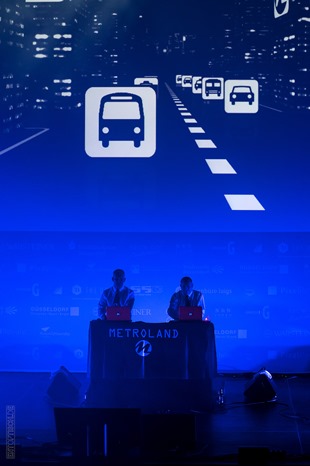
With a more minimalist set-up, METROLAND were the perfect act for the weekend to honour the artistic legacy of Düsseldorf. Their second long player ‘Triadic Ballet’ was a conceptual audio installation themed around das Staatliche Bauhaus. The perfect realisation of Walter Gropius’ theory of uniting art with technology, with a combination of crisp electronics and art school visuals, the Belgian duo gave a wonderful presentation that was appreciated by all those present including Andy McCluskey and Rusty Egan.

Closing the event, escapist trio DELTA turned out to be the most disappointing of all the bands participating, their landfill indie totally at odds with the weekend’s ethos. Meanwhile Düsseldorf duo BAR fared much better, their synth laden dreampop augmented on occasion by singer Christina Irrgang’s use of a recorder. However, these two acts highlighted the lack of a clear headliner to finish the weekend on a true high.

Overall though, the ELECTRI_CITY_CONFERENCE was fabulous weekend with representation from both sorcerers and apprentices of the Düsseldorf scene. With the English translation of the ’Electri_City_Musik_Aus_Düsseldorf’ book due in 2016, the story of what the city has contributed to the world can only spread further.

French icon Jean-Michel Jarre said recently: “Electronic music has a family, a legacy and a future…” and there was nothing more truer than over these three days by der Rhein.


ELECTRICITYCLUB.CO.UK gives its warmest thanks to Rudi Esch and Carsten Siewert

Additional thanks to Tom Steinseifer, Roger Kamp and Tapio Normall for the use of their photos

‘Electri_City: The Dusseldorf School of Electronic Music’ is due to be published in English by Omnibus Press sometime in 2016

The ‘Electri_City – Elektronische_Musik_Aus_Düsseldorf’ compilation is released by Grönland Records.
http://www.electricity-conference.com/

https://www.facebook.com/ELECTRICITY.Conference


Text by Chi Ming Lai
Photos by Chi Ming Lai except where credited
8th November 2015

A Beginner’s Guide To JOHN FRYER


Having started his career at London’s Blackwing Studios in 1980 as an assistant engineer, John Fryer had a very basic knowledge of recording technology.

Employed by Eric Radcliffe, he promptly progressed from engineering into production and became the very reason for the first two COCTEAU TWINS albums sounding as sui generis as they did.

FAD GADGET and DEPECHE MODE; freshly discovered by Daniel Miller, were two of the first acts Fryer co-engineered on a rather limited studio equipment with the pressures of time. Technology started to progress fast and Daniel Miller would often bring the newly released toys into the studio.

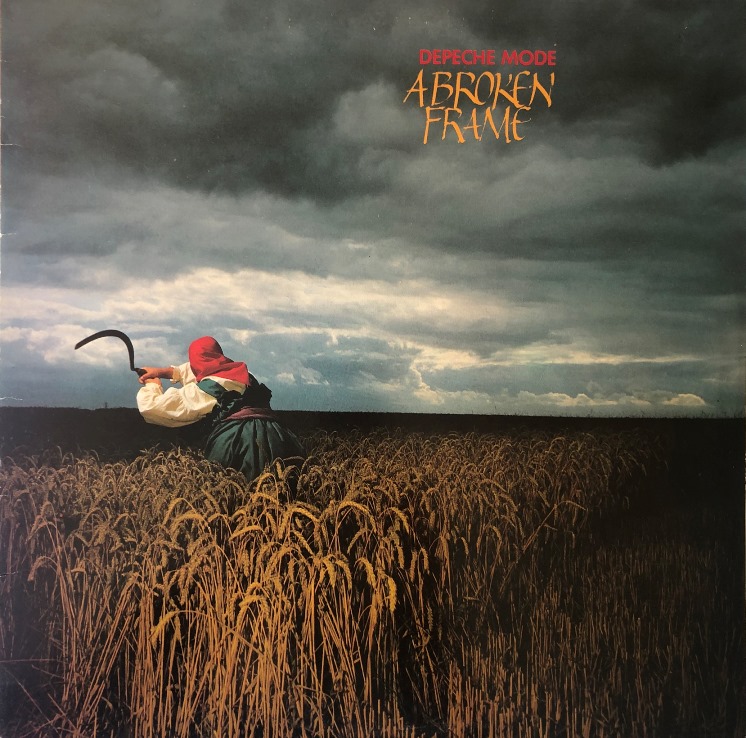
The second DM album, ‘A Broken Frame’, written by the newly appointed chief songwriter Martin Gore, used the likes of PPG Wave 2 and Roland TR808 amongst others. The freshly formed YAZOO, with Alison Moyet and ex-Depeche member Vince Clarke, decided to record simultaneously.

To avoid any friction between the acts, John continued at Blackwing, while Eric looked after YAZOO from his home. Fryer did work on ‘Only You’ for them however. Soon enough Fryer’s growing sound manipulation would lend itself to his side project THIS MORTAL COIL with 4AD kingpin Ivo Watts-Russell, named after Monty Python’s ‘Dead Parrot Sketch’. The idea behind the venture was to create music as collaborations with artists signed to or associated with 4AD.

Fryer continued his career in Blackwing, producing MODERN ENGLISH, DEAD CAN DANCE, THE WOLFGANG PRESS, CLAN OF XYMOX and notably HE SAID, whose track ‘Pump’ Fryer still reminisces with fondness.

He has described his time as “a blur”, having worked on multiple projects simultaneously and producing one artist after another. In ten years, he only had five days off sick and worked incredibly long hours, an example being a 36 hour session with Alison Moyet, followed by “the next band”. Outsiders thought Fryer was indeed the owner of the studio, having spent all his time there!

Nine years after the start of his love affair with Blackwing, Fryer decided to go freelance. Truth being, if an artist wanted to work with him, they would approach him anyway. And that was certainly the case with NINE INCH NAILS, Trent Reznor having admired what Fryer had done for HE SAID. Fryer proudly recalls the feeling after finishing the album’s production, upon re-playing it to NIN’s record company boss, who had thought the record was ruined.

For Fryer, the desired effect had been achieved. The production work rolled in and notable clients included HIS NAME IS ALIVE, PARADISE LOST, LUSH and THE GO-BETWEENS.

Having not been in a band as such before, in 2011 Fryer decided to head his own project DARKDRIVECLINIC. 2014 brought the hungry listener SILVER GHOST SHIMMER while in the recent months, Fryer has indulged in the softer, ethereal offerings of two MURICIDAE EPs accompanied by the LA based Louise Fraser. 

With such wealth of experience, Fryer surely deserves a break. Living in Oslo, the master does not rest on his laurels however; hungry to produce, in his stripped down studio, he will no doubt work with some amazing acts again.

In the meantime, let’s imagine what a John Fryer retrospective would look like, made up from a choice of his best work as an engineer, co-producer and producer. The list is not comprehensive and the tracks are not necessarily the best songs on their respective albums, but they certainly showcase Fryer’s production and engineering skills, which evolved over the years, giving him a signature sound of his own.

With a restriction of one track per album project, here are eighteen songs choices in a Beginner’s Guide to the studio legend that is John Fryer, with additional choice commentary from the man himself.


FAD GADGET The Box (1980)

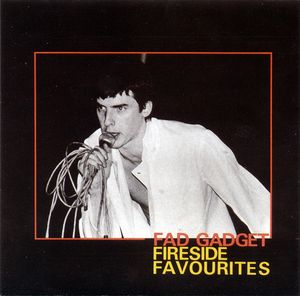
‘The Box’ was the B-side to ‘Back To Nature’, the second ever single on Daniel Miller’s Mute Records. Later appearing in re-recorded form on the magnificent ‘Fireside Favourites’ album released in 1980, interestingly enough, the vocals were recorded with Frank Tovey being uncomfortably locked up in a flight case. This was to signify the “boxed” feel of the vocals. John fondly remembers the collaboration: “Yes, Frank wanted to get a claustrophobic close sound and we just happened to have a big flight case sitting there in the live room, big enough to fit him inside. So we decided to record the vocals in the flight case to get the authentic box sound”

Available on the FAD GADGET album ‘Fireside Favourites’ via Mute Records

http://www.fadgadget.co.uk


DEPECHE MODE Tora! Tora! Tora! (1981)

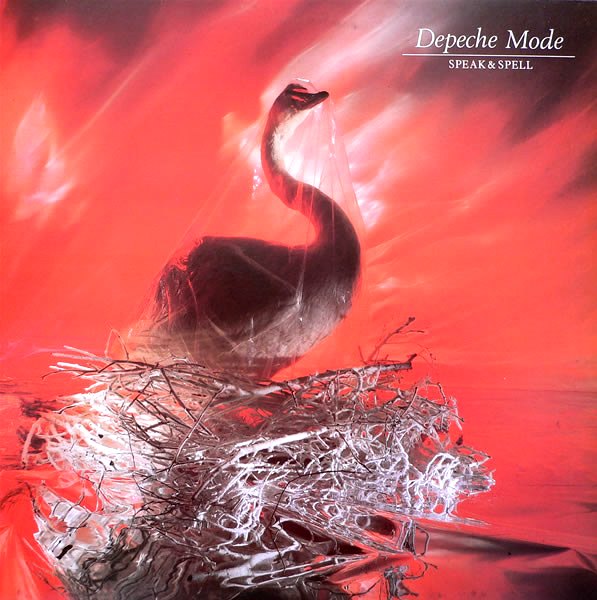
Not having the digital luxuries of the world we know today, ‘Speak And Spell’ was solely recorded on a 8 track tape machine, but Fryer made do with anything which came to hand, as long as it could make some sort of noise. ‘Tora! Tora! Tora!’ was one of two songs written by Martin Gore on the Vince Clarke dominated ‘Speak And Spell’. A clever love song about a decaying relationship, crying out for help, hidden within highly political lyrical content, it was fabulously intertwined in a steady beat to which Dave Gahan has performed some of his best early dances live.

Available on the DEPECHE MODE album ‘Speak & Spell’ via Mute Records

http://www.depechemode.com/


DEPECHE MODE Leave In Silence (1982)

‘Leave In Silence’ was DEPECHE MODE’s sixth single. Taken from ‘A Broken Frame’, it was written by Martin Gore, who suddenly got elevated into being the band’s chief songwriter, upon Vince Clarke’s departure. After the previous pop slanted singles ‘See You’ and ‘The Meaning Of Love’, it introduced the darker, more melancholic tones of what was to be in store for DEPECHE MODE – John: “Martin took to writing like a duck to water, he always had in it him, it just had to be coaxed out of him. Once Vince had left, the new DM was born”

Available on the DEPECHE MODE album ‘A Broken Frame’ via Mute Records

https://www.facebook.com/depechemode


COCTEAU TWINS From The Flagstones (1983)

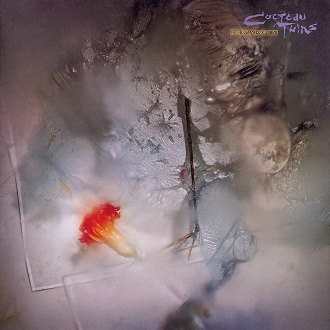
From COCTEAU TWINS’ third EP ‘Sunburst & Snowblind’, the Fryer produced ‘From The Flagstones’ was recorded by Elizabeth Fraser and Robin Guthrie as a duo, after Will Heggie left the band. There was a feeling of improvisation, including Fraser’s distinctive, yet “wordless” vocals and Guthrie’s effected guitar riffs. Those two elements intertwined and went on to become the band’s signature sound on the eventual ‘Head Over Heels’ album – John: “We recorded up in Scotland where the band felt more at home. The album wasn’t improvised, it was written and we just played around with sounds and over dubs. Why do people think Liz never sang words? She sat for hours with a dictionary writing lyrics for the album, she just has a unique way of singing and phrasing, that’s all”

Available on the COCTEAU TWINS album ‘Lullabies To Violaine – Volume 1’ via 4AD Records

http://www.cocteautwins.com/


THIS MORTAL COIL Song To The Siren (1983)

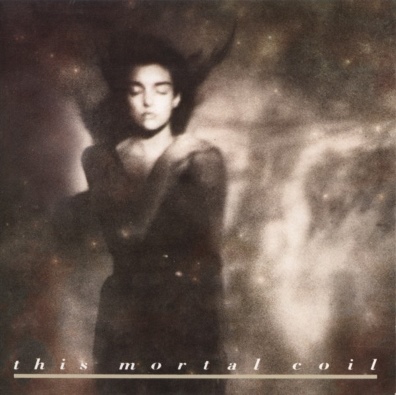
Originally released by Tim Buckley on his 1970 album ‘Starsailor’, the song has become his most famous, mainly due to the numerous cover versions, THIS MORTAL COIL’s take being one of the most prominent. The single featuring Elizabeth Fraser and Robin Guthrie was released in 1983, peaking at No66 on the UK singles charts. Due to its cult popularity, it also spent 101 weeks on the UK Indie Charts. ‘Song To The Siren’ was included on the 1984 debut album ‘It’ll End In Tears’. None other than David Lynch appreciated the version to such an extent, he featured it on his 1997 ‘Lost Highway’ film and the first two Julee Cruise albums are said to be inspired by the production – John: “‘Song To The Siren’ was originally recorded as a B-side to the tracks ’16 Day’ and ‘Gathering Dust’; that was the start of the epic journey THIS MORTAL COIL went on”

Available on the THIS MORTAL COIL album ‘It’ll End In Tears’ via 4AD Records

http://www.4ad.com/artists/thismortalcoil


M/A/R/R/S Pump Up The Volume (1987)

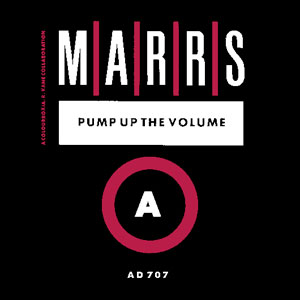
M/A/R/R/S could be considered the ‘dance’ version of THIS MORTAL COIL, with Watts-Russell suggesting a union of COLOURBOX and AR KANE, two 4AD acts who had each suggested to him independently about making records inspired by the emerging American House scene. Engineering the sessions, Fryer found himself an unwilling referee between the conflicting factions. So the two parties worked separately with the COLOURBOX led ‘Pump Up The Volume’ coming out on top in white label club trials. With Fryer utilising an Akai MPC / S900 combination for the programming plus scratch effects by DJs CJ Macintosh and Dave Dorrell, the rest became history…

Available on the compilation album ‘Pump Up The Volume’ (V/A) via Universal Music

http://www.4ad.com/artists/marrs


THIS MORTAL COIL Acid, Bitter & Sad (1987)


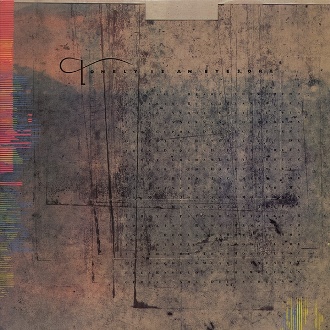
With THIS MORTAL COIL, the likes of Elizabeth Fraser, Gordon Sharp, Tanya Donelly, Heidi Berry and Lisa Gerrard were recruited amongst others, to perform either cover versions or original material. However, much of the latter comprised of enigmatic instrumentals steered by Fryer and Watts-Russell. A good example was ‘Acid, Bitter & Sad’ which featured the abstract vocals of Alison Limerick and turned up on the ‘Lonely Is An Eyesore’ compendium. The three studio albums that surfaced from the project ‘It’ll End In Tears’, ‘Filigree & Shadow’ and ‘Blood’ were all highly acclaimed. The idea continued as THE HOPE BLISTER with Louise Rutkowski on vocals for two albums before Watts-Russell retired from the music industry in 1999.

Available on the compilation album ‘Lonely Is An Eyesore’ (V/A) via 4AD Records

https://www.facebook.com/John.Fryer.Official


NINE INCH NAILS Sin (1989)

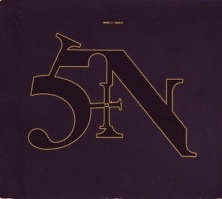
‘Sin’ was the third single from the critically acclaimed NINE INCH NAILS’ debut LP ‘Pretty Hate Machine’ which achieved triple platinum certification in 2003, having sold three million copies in the US alone. Still a live favourite, ‘Sin’ peaked at number 35 in the UK Singles Chart in 1990. The song’s sexual connotations are clearly portrayed in its video, which features the “Short” remix of the track. Fryer engineered, mixed and produced the song and fondly remembers working on the album, which went to become a huge commercial success – John: “‘PHM’ was a slow burner, it took a while for it to catch on but once it did, there was no stopping it or the band…”

Available on the NINE INCH NAILS album ‘Pretty Hate Machine’ via Island Records

http://www.nin.com/


JESUS JONES Right Here, Right Now (1990)

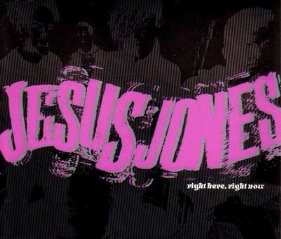
Led by Mike Edwards, JESUS JONES’ ‘Right Here, Right Now’ was released in September 1990 and peaked at No31 in the UK Charts at the height of the indie dance ‘baggy’ craze. However in the US, it went to No2 in the Billboard Hot 100. Inspired by the Russian Perestroika changes, as well as other events in Eastern Europe, the tune is still used in adverts and video games alike – John: “Mike had a unique approach to writing pop music, it was great to work with him on that album. Great poptastic record”

Available on the JESUS JONES album ‘Doubt’ via Food Records

http://jesusjones.com/


CHAPTERHOUSE Falling Down (1991)

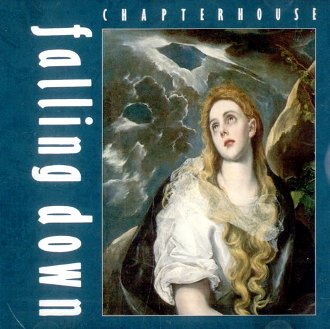
Remixed by Stephen Hague, ‘Falling Down’ appeared on the band’s EP ‘Freefall’ and Fryer-produced LP ‘Whirlpool’. The band was placed into Shoegazing genre, a name invented by NME and Melody Maker describing the performance style based on being not engaged with the audience and simply “staring downwards at their shoes”. Of course, this could have been the outcome of constantly looking downwards while using the effects pedals! John: “The NME has been great at making up labels for types of music. CHAPTERHOUSE was, and still is a live awesome band. The first thing the band did on starting the recordings, was take off their shoes…”

Available on the CHAPTERHOUSE album ‘Whirlpool’ via Cherry Red Records

https://www.facebook.com/pages/Chapterhouse/125153479348


SWALLOW Peekaboo (1992)

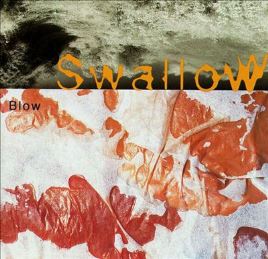
From their album ‘Blow’, it was the only record SWALLOW put out on 4AD. Sometimes described as part of the Shoegazing genre, the Camberwell based band came together in 1990. ‘Blow’ was later remixed by the band itself, breaking down the Fryer production and releasing it under the name of ‘Blowback’. Louise Trehy and Mike Mason joined forces with Rough Trade Records afterwards to release ‘Hush’ EP before disbanding – John: “I don’t really know why they were called shoegaze, they should be called more art-gaze, more of an arty CURVE”

Available on the SWALLOW album ‘Blow’ via 4AD Records

http://www.4ad.com/artists/swallow


HIM Join Me In Death (1999)

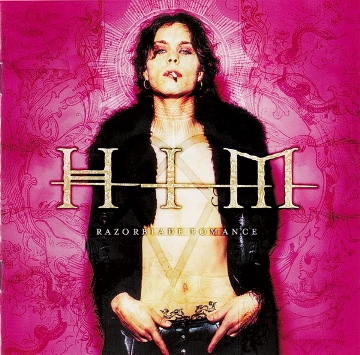
‘Join Me In Death’ was from the band’s second album out in 1999 ‘Razorblade Romance’. It was also released as ‘Join Me’ in the US, as they were not able to use the word “death” in the title. Although the song’s title provoked widespread controversy, it has become the fifteenth best-selling song in Finland and was used in the European version of the soundtrack for ‘The Thirteenth Floor’. There are four versions of the song’s video and a vague ‘Romeo & Juliet’ theme was also associated to the song – John: “Yes, they had a lot of trouble in the US with the lyrical content for this album. The Americans thought it was a lawsuit waiting to happen with all the teenage suicides and shootings at school, but it was just a romantic love album”

Available on the HIM album ‘Razorblade Romance’ via BMG Finland

http://www.heartagram.com/


DOPE STARS INC 10,000 Watts (2005)

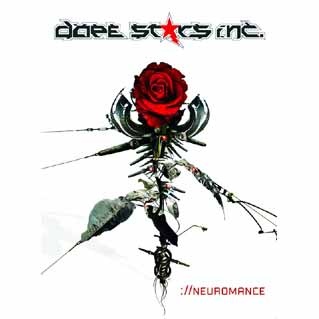
‘10,000 Watts’ was positively received by critics and audiences alike, mainly thanks to aggressive vocals by Victor Love. The parent ‘Neuromance’ album was backed up with numerous festival appearances and sold out in no time. Victor Love has always praised John Fryer’s style of production, admitting his technical knowledge had improved drastically upon working with the magic maker – John: “Pop music comes in various forms and this was another one of them. Victor knows how to write a great pop song and give it a provocative edge”

Available on the DOPE STARS INC album ‘Neuromance’ via Trisol Music Group

https://dopestarsinc.bandcamp.com/album/neuromance


RABIA SORDA Methods Of Chaos (2006)

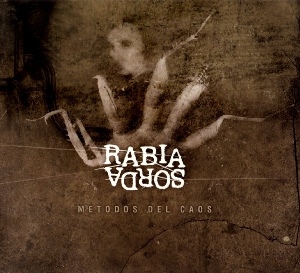
‘Methods Of Chaos’ was from the 2006 album of the same title in Spanish ‘Metodos Del Caos’. RABIA SORDA has been described as a gentler version of Erk Aicrag’s other project, Mexican Hardfloor legends HOCICO. The word “gentler” needs to be used with care, however, as to a standard listener, it is aggressive, loud and violent. RABIA SORDA’s style is characterised by a very industrial goth sound that has been hugely popular in his native Mexico and Europe – John: “I liked working with Erk and it’s a shame we aren’t working together any longer. He makes interesting kinda industrial pop music and is a very nice guy , I would love to work with him again”

Available on the RABIA SORDA album ‘Metodos Del Caos’ via Out Of Line Records

http://www.rabiasorda.com/


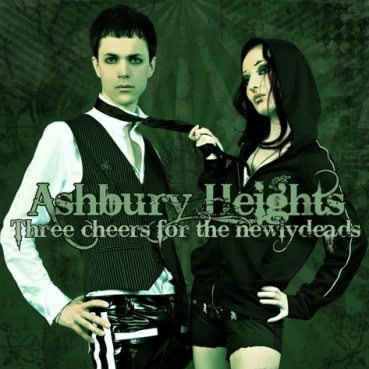
ASHBURY HEIGHTS Derrick Is A Strange Machine (2007)

From the critically acclaimed ‘Three Cheers For The Newlydeads’ in 2007, the Swedish duo has come through many changes, including disbanding and returning; this record remains one of their best however. ASHBURY HEIGHTS were hailed around 2006 as the hottest newcomers onto the electronic music scene, having played the big German and Swedish festivals. They have remixed endless amounts of artists including RABIA SORDA, AESTHETIC PERFECTION, GOD MODULE, and SPACEBUOY as well as many others – John: “ASHBURY HEIGHTS should have gone on to be one of the biggest electronic bands around with their super slick pop sound. It was a joy to work with them”

Available on the ASHBURY HEIGHTS album ‘Three Cheers For The Newlydeads’ via Out Of Line Records

http://ashburyheightsofficial.tumblr.com/


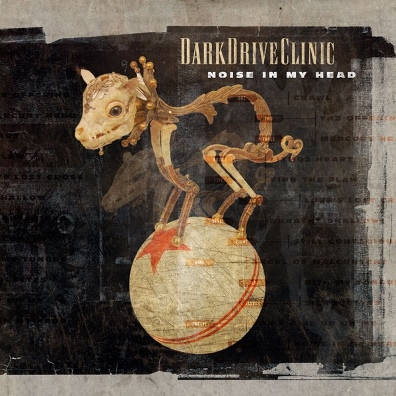
DARKDRIVECLINIC Silhouettes (2011)

‘Silhouettes’ was released a year after Fryer started collaborating with STRIPMALL ARCHITECTURE vocalist Rebecca Coseboom. Ethereal and textured, yet a catchy pop tune, it stands out on the ‘Noise In My Head’ album production. On this record, Fryer decided to be personally involved in a band member’s capacity, giving it celestial and sublime endorsement, and that certainly comes across – John: “‘Noise In My Head’ is the culmination of 25 years of work. It had been worked on over that time in-between producing other people’s records, but it was something I really wanted and needed to do for myself”

Available on the DARKDRIVECLINIC album ‘Noise In My Head’ via Metropolis Music

http://www.metropolis-records.com/artist/darkdriveclinic


SILVER GHOST SHIMMER Soft Landing (2014)

‘Soft Landing’ was released on 30th October 2014 to launch his “over the pond” collaboration with über talented LA based vocalist Pinky Turzo. This twinkling gem, which opens the album of the same title, is hints at the 1962 hit by JAY & THE AMERICANS ‘She Cried’. The songs on ‘Soft Landing’ can be easily described as a marriage of Dave Gahan’s solo projects and Alison Goldfrapp’s vocals, with the song itself being a masterpiece and a proud moment for Fryer. September 2015 will see gigs from Fryer and Turzo showcasing ‘Soft Landing’ to the hungry audiences – John: “The ‘Soft Landing’ album is more of a homage to the girl groups of the sixties. We wanted to marry that vocal sound of the girl groups to my electronic noise pop and I think we succeeded, in my opinion anyway”

Available on the SILVER GHOST SHIMMER download album ‘Soft Landing’ via Silver Ghost Shimmer

https://www.facebook.com/silverghostshimmer.official


MURICIDAE Strange (2015)

‘Strange’ comes from Fryer’s latest EP with Louise Fraser, an LA based vocalist. An exquisite continuation from the first EP entitled ‘Tales From A Silent Ocean’, the production on ‘Strange’ cunningly resembles Alan Wilder’s (did he learn from the best?) on his RECOIL gems, yet it’s even softer and powerful, which proves why John Fryer is THE PRODUCER of now. The droplets of synth perfection are skilfully intertwined with airy vocals of Fraser, sounding almost JULEE CRUISE-like – John: “MURICIDAE is a project that I’m proud of. It compares to my roots of a 4AD sound, capturing the ambient, ethereal soundscapes and bringing them up to date with my own twists and noise”

Available on the MURICIDAE download EP ‘Tears Are Stronger Than Waves’ via Muricidae Music

https://www.facebook.com/muricidaemusic/


Text by Monika Izabela Goss with grateful thanks to John Fryer
8th August 2015

« Older posts Newer posts »