Tag: Dalek I Love You (Page 1 of 2)

MUSIK MUSIC MUSIQUE 1979 | The Roots of Synth Pop

1979 was a significant year where the sound of synth truly hit the mainstream.

TUBEWAY ARMY reached No1 with ‘Are Friends Electric?’ while the Giorgio Moroder produced ‘No1 Song In Heaven’ by SPARKS had actually got to No14 a few months earlier. Synths were no longer the novelty gimmick as perceived when ‘Popcorn’ and ‘Autobahn’ became hits. As synths became more affordable, they became a worthy mode of expression, especially for the younger generation seeking something new.

From Cherry Red comes an unexpected addition to their ‘Musik Music Musique’ series; subtitled ‘1979: The Roots of Synth Pop, this 3CD 60 track collection is a prequel tracing how outsider aesthetics, prog rock, post-punk and a willingness to experimental clashed with pop sensibilities to produce a sonic sandwich of accessible electronic music.

The two gamechanging UK No1s ‘Are Friends Electric?’ and ‘Cars’ are both included and even today, how Gary Numan changed the musical landscape cannot be understated although notably absent are SPARKS. It is not insignificant that both continue to fill theatres today.

The sound of synth being the next big thing would be confirmed by THE BUGGLES also hitting the UK top spot not long after ‘Cars’ while ‘Living By Numbers’ by NEW MUSIK issued as 1979 was concluding would just miss out on the Top10 in the New Year; but both their respective leaders Trevor Horn and Tony Mansfield were astute enough to recognise their longevity as unlikely popstars would be short and they would make their fortune as record producers. Incidentally, the first released version of ‘Video Killed The Radio Star’ by Bruce Woolley featuring Thomas Dolby on keyboards in a welcome inclusion and while it is good, THE BUGGLES’ sharper futuristic vision gives it the edge.

Another future producer figuring in this 1979 set is Zeus B Held with his self-referencing ‘Held It’ timestamping the transitional use of synths and vocoders in prog rock to new wave pop, something which his production for Gina X on ‘Nice Mover’ would more than wonderfully compute in its Marlene-inspired disco lento.

THE HUMAN LEAGUE are represented by the mighty ‘Blind Youth’, the best track from their debut album ‘Reproduction’ which attacked the raincoat wearing gloom merchants of England’s North West. But the pointer to the futures of original members Philip Oakey, Martyn Ware and Ian Craig Marsh comes with ‘I Don’t Depend On You’, their one-off as THE MEN which came out a few months before ‘Reproduction’; a fairly commercial slice of disco pop, it featured real guitar, bass, drums and female backing singers in a prescient experiment that after the split of the band shaped the next incarnation of Ver League and HEAVEN 17.

While acknowledged cult classics such OMD’s ‘Almost’, ‘Rock Around The Clock’ by TELEX, SILICON TEENS’ cover of ‘Memphis Tennessee’, FAD GADGET’s ‘Back To Nature’ and ‘Attack Decay’ from Thomas Leer & Robert Rental are present and correct, the joy from these boxed sets comes with the inclusion of rare tracks.

Two of the most interesting come via the ULTRAVOX axis although neither could be considered the best works from those concerned. From VISAGE comes the less familiar vocal version of ‘Frequency 7’ which was the B-side of their first single ‘Tar’ and would be turned into a far superior instrumental dance mix. John Foxx presents a curio documenting him still finding his solo feet on ‘Young Love’, a bizarre track which was actually pressed as an acetate in 1979. It was even assigned a Virgin catalogue number but was later abandoned as a possible single, superseded first by ‘A New Kind Of Man’ which itself was ultimately dropped as a singular release in favour of ‘Underpass’.

Two enjoyable tracks which perhaps would now be accused of racial insensitivity are by QUANTUM JUMP and BLACK ROD; the former’s ‘Lone Ranger’ with its unforgettable Maori vocal intro was championed by Kenny Everett who used it on his TV show while the frantic electropop of ‘Going To The Country’ by the latter with its faux Jamaican accents is revealed to be the novelty cod reggae duo TYPICALLY TROPICAL who had a No1 in 1975 with ‘Barbados’!!! Less successful in the mock accent stakes is ‘Herr Wunderbar’ by St Albans-based Tanya Hyde which plays on the electro Weimar Cabaret theme but unfortunately, she is no Amanda Lear and the song is no ‘Follow Me’… it was to be her only solo single…

There is a nice surprise in the vocoder-laden DOLLAR B-side ‘Star Control’ while from the first “live to digital” album ‘E=MC²’ by Giorgio Moroder is the robotic disco delight of the closing title track with its vocodered credits that include “tea and coffee by Lori”. The adoption of devices such an rhythm units was something of an anti-rock ‘n’ roll statement and nothing can sum up this sentiment more than ‘Making Love With My Wife’, a quirky ode to the joys of marital sex by Henry Badowski that later appeared on Virgin Records electronic music collection ‘Machines’. Another artist appearing on that same 1980 compilation was Karel Fialka and he is represented by ‘Armband’, a track co-produced by Wally Brill who did the same duties for, yes, you’ve guessed it, Henry Badowski!

There are lesser known offerings by M, YELLO and the first line-up of FASHIØN but from the US comes an interesting quartet of tracks that shows the other side of the Atlantic was not all about the horrendous AOR of BOSTON and JOURNEY; THE CARS always had synths as a rogue element of their initial new wave sound and that is encapsulated by ‘Night Spots’, but produced by their leader Ric Ocasek, SUICIDE’s ‘Dream Baby Dream’ is still glorious.

‘Strange Pursuit’ is a good example of DEVO’s move towards more electronic instrumentation, but heavily influenced by Akron’s finest and not to be confused with the late member of German duo CLUSTER, ‘Mirror Of Infinity’ by American art rock band MOEBIUS is something of an icy jewel and deserves this recusing from obscurity.

Sweden would become a major adopter of synths in pop and the start of that nation’s journey is represented by ‘Oh Susie’, the debut single by SECRET SERVICE; setting the template for Europop, it was a Top10 in West Germany, Norway and Denmark as well as reaching No1 in their own country. Lead singer Ola Håkansson would later go on to duet with Agnetha Fältskog of ABBA on her own synth-laden solo songs ‘The Way You Are’ and ‘Fly Like The Eagle’.

Before ‘Miami Vice’, Jan Hammer had his self-referencing rock combo and he provides the spacey curio ‘Forever Tonight’ voiced by Glen Burtnick while having already left prog rockers GONG in 1975, Steve Hillage was incorporating more electronics alongside his guitar as exemplified by ‘Don’t Dither Do It’. Reinforcing the connection between prog and synth, another former GONG member Tim Blake teams up with Jean Phillipe Rykiel for the mystic and frankly bizarre ‘New Jerusalem’!

Tucked away towards the end of the set but undoubtedly the most epic even in single edit form, ‘Rheinita’ by NEU! offshoot LA DÜSSELDORF went Top3 in West Germany and is basically the OMD blueprint for ‘Architecture & Morality’ album; as Andy McCluskey himself said “People always talk to us about KRAFTWERK, and obviously, they were hugely important. But there was another element from Düsseldorf that influenced us, and that was the organic side which was firstly NEU! and then LA DÜSSELDORF…”

As with the previous ‘Musik Music Musique’ sets, there are a few clangers so it would be remiss not to mention these; the main audio one in this 1979 collection is the inclusion of the 1982 single remix of JAPAN’s ‘Life In Tokyo’ with the more prominent fretless bass overdubs by Mick Karn. On the Japanese “theme”, lessons still have not been learnt from previous booklets with regards photos and LANDSCAPE are pictured in their hit futurist jumpsuit guise as opposed to the jazz rock band seen in transition on ‘Tomorrow’s World’ at the time performing ‘Japan’, the track included in this set. Incidentally, the band who influenced this track YELLOW MAGIC ORCHESTRA deserved inclusion, especially as the iconic trio were featured in a previous set and released their best album ‘Solid State Survivor’ in 1979 as well.

Meanwhile, a blond ‘Replicas’ era Gary Numan when he would have been suited and dark haired by the time of ‘Cars’ is in the booklet while the 1978 punk quartet incarnation of TUBEWAY ARMY represents the ‘Are Friends Electric?’ period which is totally wrong! And the quintet line-up of VISAGE from 1982 is pictured rather than the original 1979 septet who appeared in the now iconic Blitz Club photo taken by Sheila Rock.

Elsewhere, QUANTUM JUMP are mysteriously represented by a trio including bassist John G Perry but which does not include key members Rupert Hine and Trevor Morais who would both later go on to work with Howard Jones! At least there, one member was featured because whoever the quintet are in the photo of DALEK I, none are Alan Gill or Dave Hughes! Unlike in 1979, there is the internet now available as an initial info source and numerous real life experts around to fact check with, so this really doesn’t not take much effort to get right! If in doubt, then don’t use the photo!?!

In 1979, “Synth Pop” was yet to be a thing and with over 60 tracks, there is a mish-mash of styles with the common factor of the synth making itself heard to explore how the form was developing. For that eclectic reason alone, ‘Musik Music Musique: 1979 – The Roots of Synth Pop’ is probably the most fascinating of the four volumes to date.


‘Musik Music Musique: 1979 – The Roots of Synth Pop’ is released as a 3CD boxed set on 16th January 2026 by Cherry Red Records

https://www.cherryred.co.uk/various-artists-musik-music-musique-1979-the-roots-of-synth-pop-3cd


Text by Chi Ming Lai
7th January 2026
THE ELECTRONIC LEGACY OF 1980

David Bowie had famously dropped in to see THE HUMAN LEAGUE at The Nashville in late 1978 and hailed them as “the future of rock ‘n’ roll”.

But it was TUBEWAY ARMY fronted by Gary Numan who beat THE HUMAN LEAGUE to the top of the UK singles charts in Summer 1979 with Are Friends Electric?’ while just a few weeks earlier, SPARKS had been become willing conspirators with Giorgio Moroder on ‘The No1 Song In Heaven’ to effectively invent the synth duo.

Although it was the dawn of synth, 1980 was a transitional time when the synth was still the exception rather than the rule. The landscape was changing and the seed of what became the New Romantic movement had been planted.

Following the critical mauling he received for his 1979 album ‘Lodger’ but aware of his burgeoning influence in these futuristic sounds, Bowie headed down to The Blitz with RCA assistant and club regular Jacqueline Bucknell to cast extras including the late Steve Strange for the video of his new single ‘Ashes To Ashes’. It hit the top of UK charts and confirmed that once again “There’s old wave. There’s new wave. And there’s David Bowie…”

While Bowie’s was not an electronic artist in the way some of the next generation of artists had declared themselves, he couldn’t resist a sly dig at the acts that he’d inspired, using the line “same old thing in brand new drag” on the track ‘Teenage Wildlife’ from his next album ‘Scary Monsters’. And he was eventually to beat previous winner Gary Numan to the year’s ‘Best Male Singer’ accolade at the BBC endorsed British Rock & Pop Awards.

Belatedly looking back to 42 years ago before automatic stations came, here are 20 albums which ELECTRICITYCLUB.CO.UK sees as contributing to the electronic legacy of 1980. They are listed in alphabetical order with a restriction of one album per act.


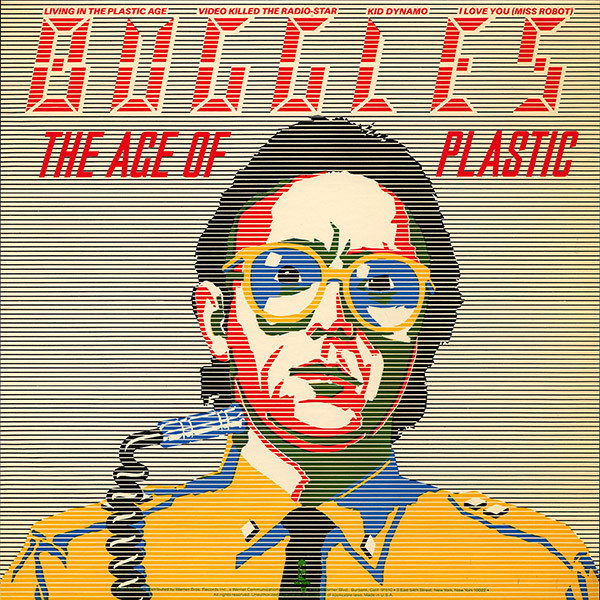
BUGGLES The Age Of Plastic

Trevor Horn and Geoff Downes met while working with Tina Charles and her producer Biddu. Together they would go on to form BUGGLES and score a No1 with ‘Video Killed The Radio Star’. From the parent album ‘The Age Of Plastic’, ‘Astroboy’ developed on the duo’s sonic adventures while ‘The Plastic Age’ and ‘Clean Clean’ provided further if minor hits. Horn would go on become a top record producer.

‘The Age Of Plastic’ is still available via Island Records / Universal Music

https://twitter.com/Trevor_Horn_


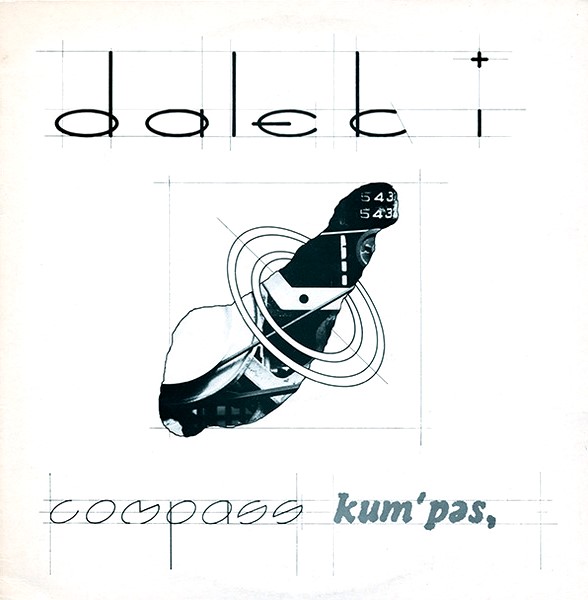
DALEK I Compass Kum’Pas

Before OMD, the electronic duo on The Wirral was DALEK I LOVE YOU. However, by the time their debut album ‘Compass Kum’pas’ was released, OMD were having hits and keyboards man Dave Hughes had left to join their live band. Although Alan Gill’s vocals could polarise opinion, ‘Destiny’ was their most immediate song with a precise percussive appeal while ‘The World’ was eccentric and retro-futuristic.

‘Compass Kum’Pas’ is still available via Mercury Records

http://www.discogs.com/artist/Dalek+I


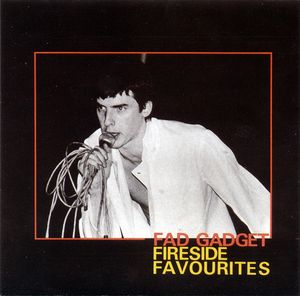
FAD GADGET Fireside Favourites

The success of the singles ‘Back To Nature’ and ‘Ricky’s Hand’ attracted a loyal fanbase, so a FAD GADGET album  ‘Fireside Favourites’ was eagerly anticipated. Developing on the minimal industrialism of the singles, the superb ‘Coitus Interruptus’ was a cynical commentary on casual relationships while offering his own brand of romantic macabre in the fear of the imminent nuclear apocalypse was the neo-title song ‘Fireside Favourite’.

‘Fireside Favourites’ is still available via Mute Records

https://mute.com/artists/fad-gadget


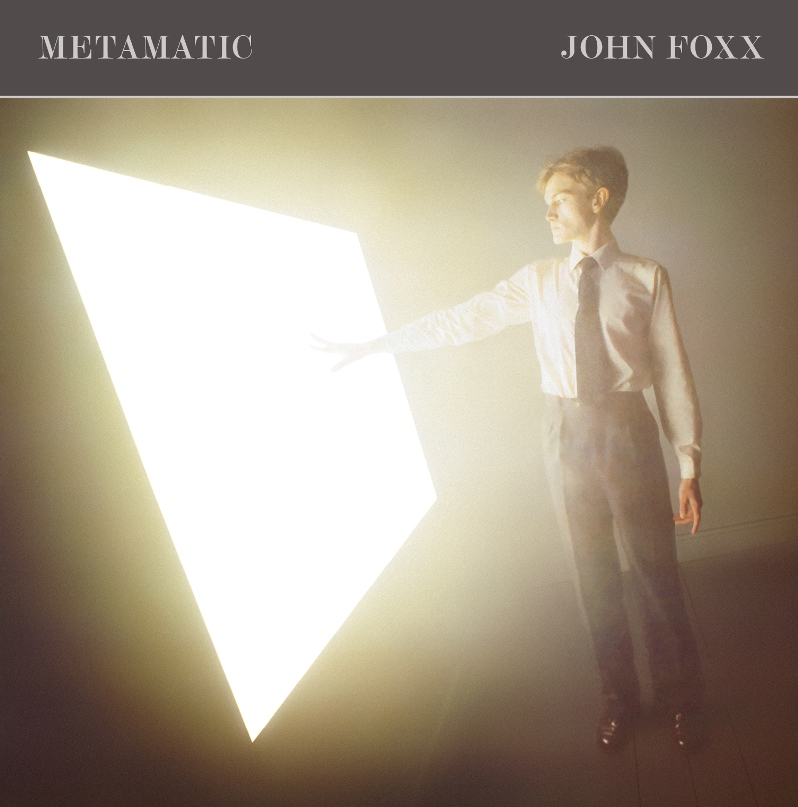
JOHN FOXX Metamatic

On the ULTRAVOX! debut,John Foxx announced “I want to be a machine”. On signing to Virgin Records as a solo artist, he virtually went the full hog with the seminal JG Ballard inspired ’Metamatic’. ‘Underpass’ and ‘No-One Driving’ were surprise hit singles that underlined the dystopian times while the fabulous ‘A New Kind Of Man’ and the deviant ‘He’s A Liquid’ were pure unadulterated Sci-Fi driven by the cold mechanics of a Roland Compurhythm.

‘Metamatic’ is still available via Metamatic Records

http://www.metamatic.com/


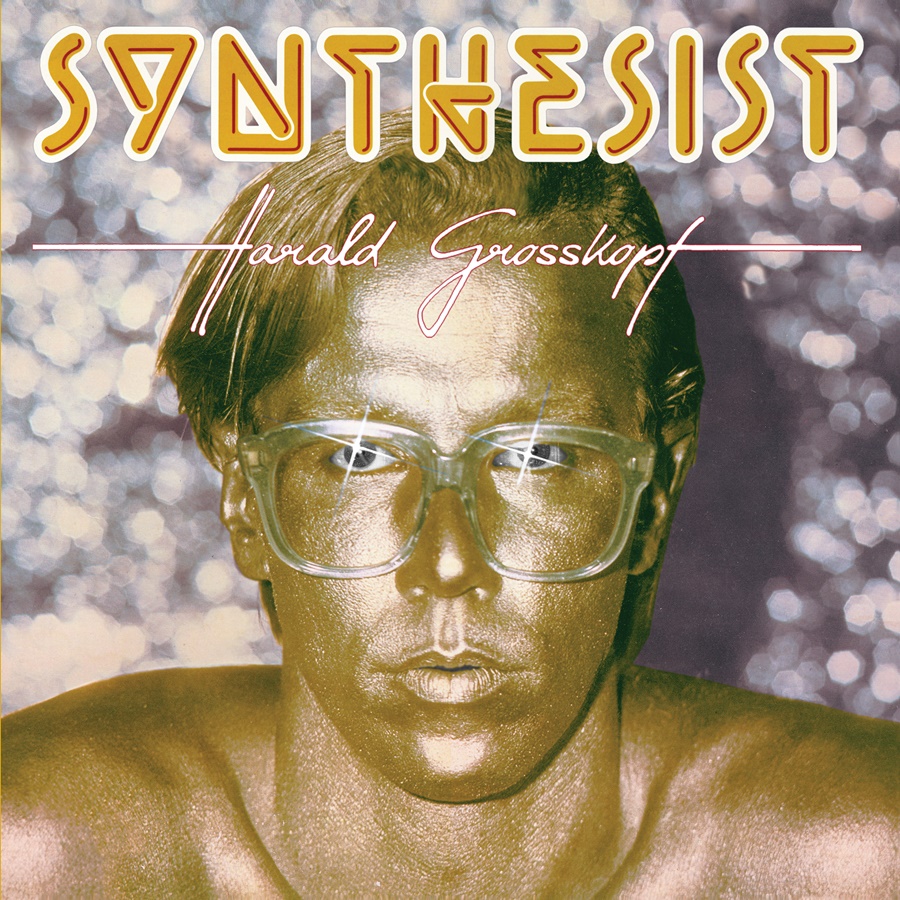
HARALD GROSSKOPF Synthesist

Having worked with Klaus Schulze and Manuel Göttsching, drummer turned keyboard player Harald Grosskopf took the plunge to go solo with the mind bending album ‘Synthesist’. A work comprising of eight instrumentals that blended a sonic tapestry of synthesizer soundscapes with drumming that provided colour as opposed to dominance, it musically followed in the exquisite tradition of his Berlin electronic friends.

‘Synthesist‘ is still available via by Bureau B

https://www.haraldgrosskopf.de/englisch/home.html


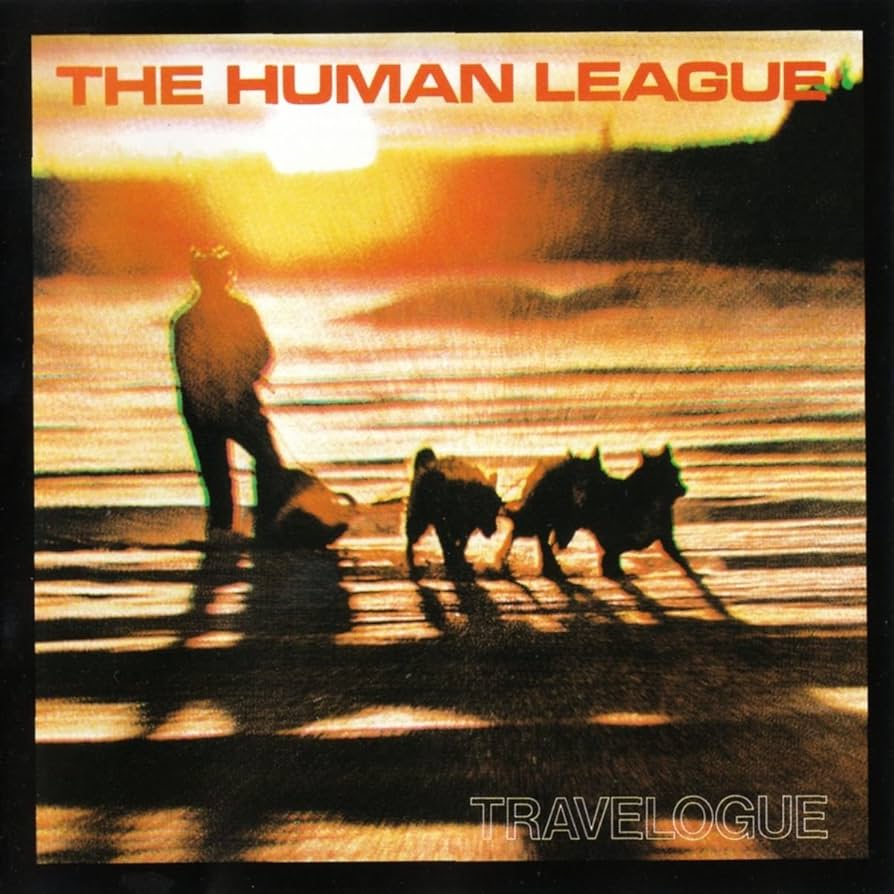
THE HUMAN LEAGUE Travelogue

With THE HUMAN LEAGUE learning lessons from their debut ‘Reproduction’, ‘Travelogue’ had more presence by creatively utilising the harsh screeching frequencies from overdriving their studio desk. ‘The Black Hit Of Space’ had its surreal Sci-Fi lyrics while ‘Dreams Of Leaving’ was a fantastically emotive slice of prog synth. There were glorious cover versions in ‘Only After Dark’ and ‘Gordon’s Gin’. While it was a breakthrough, all was not happy…

‘Travelogue’ is still available via Virgin Records

https://martynwareofficial.co.uk/


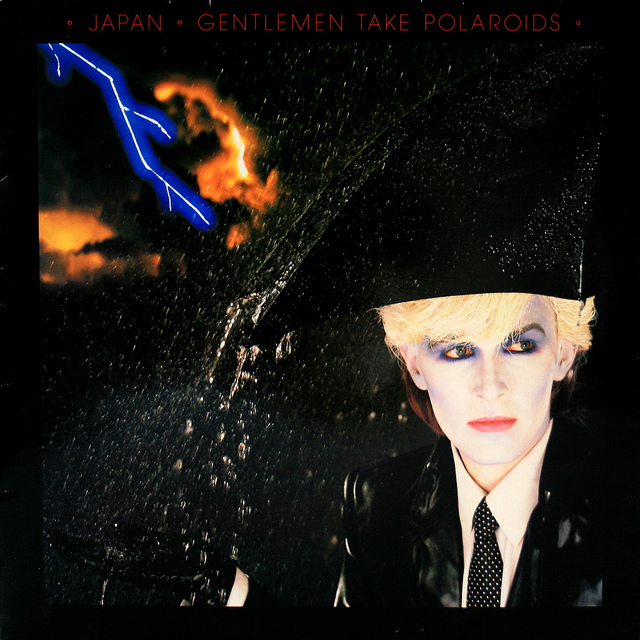
JAPAN Gentlemen Take Polaroids

Dropped by Ariola Hansa, JAPAN found a refuge at Virgin Records. The bossa nova driven ‘Swing’ explored exotic grooves while the haunting ‘Nightporter’ was the ultimate Erik Satie tribute. An interest in Japanese technopop produced the brilliant ‘Methods Of Dance’ and saw leader David Sylvian collaborate with YELLOW MAGIC ORCHESTRA’s Ryuichi Sakamoto on ‘Taking Islands In Africa’.

‘Gentlemen Take Polaroids’ is still available via Virgin Records

http://www.nightporter.co.uk/


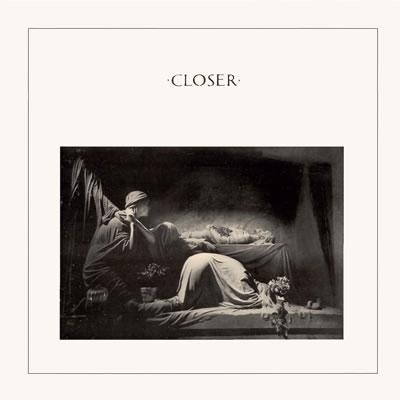
JOY DIVISION Closer

While not strictly an electronic album in full, half of ‘Closer’ was dominated by polyphonic synthesizers. Featuring an ARP Omni and an early version of Simmons drums, ‘Isolation’ was the most electronic track JOY DIVISION ever recorded. On the second side, ‘Heart & Soul’, ‘The Eternal’ and ‘Decades’ provided the solemn but beautiful Gothic backdrop producer by Martin Hannett for Ian Curtis’ elaborate musical suicide note.

‘Closer’ is still available via Rhino

http://joydivisionofficial.com/


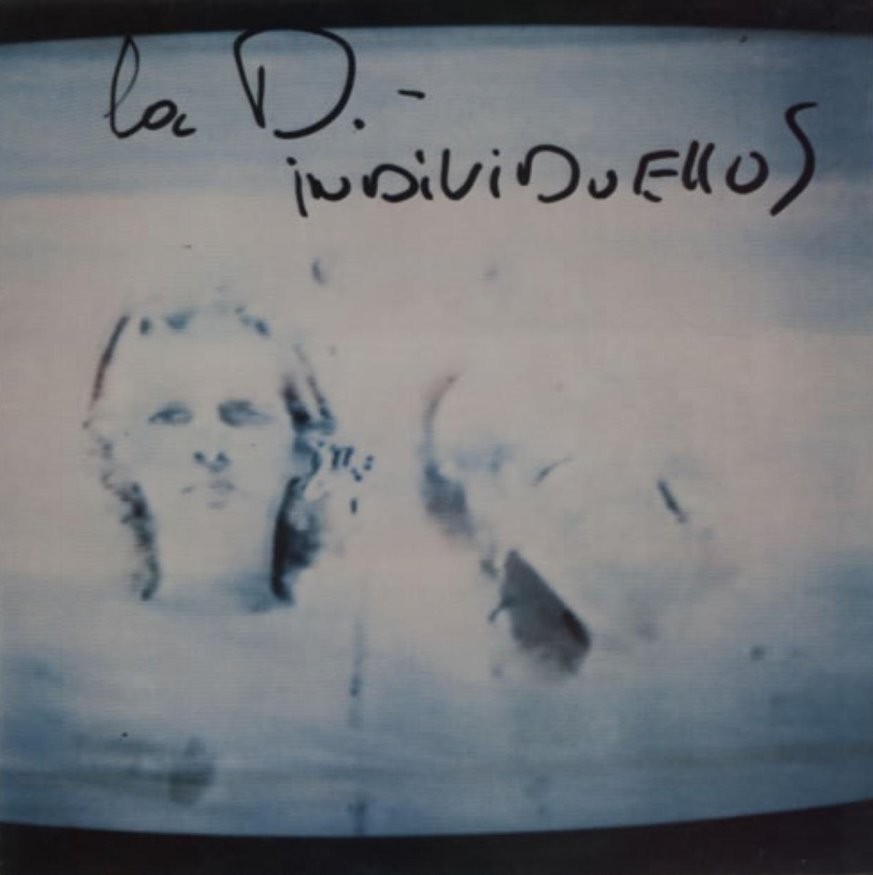
LA DÜSSELDORF Individuellos

LA DÜSSELDORF were fronted by the late Klaus Dinger of NEU! There was a greater presence of electronics and the first half of ‘Individuellos’was dominated by variations on ‘Menschen’, a grand statement sounding like a blueprint for Phil Lynott’s ‘Yellow Pearl’. ‘Dampfriemen’ was a quirky slice of synth oompah with comedic chants and a kazoo section while the piano laden ‘Das Yvönnchen’ provided a beautiful closer.

‘Individuellos’ is still available via Warner Germany

https://www.discogs.com/artist/152540-La-Düsseldorf


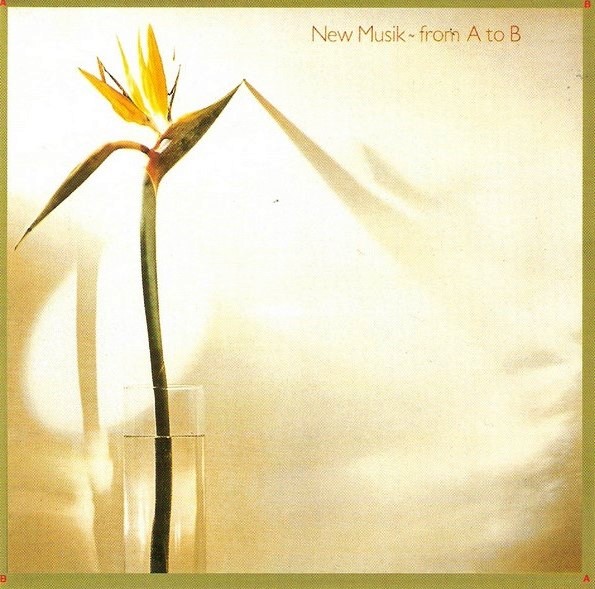
NEW MUSIK From A To B

Time has shown that Tony Mansfield and NEW MUSIK with their strummed guitar alongside pretty synth melodies were underrated. Featuring the hits ‘Living By Numbers’, ‘This World Of Water’ and ‘Sanctuary’ as well as ‘On Islands’ which was later covered by CAMOUFLAGE, the band were dismissed as a novelty act due to the silly voices in their songs. Mansfield went on to produce A-HA, NAKED EYES and VICIOUS PINK.

‘From A To B’ is still available via Lemon Records

https://www.new-musik.co.uk/


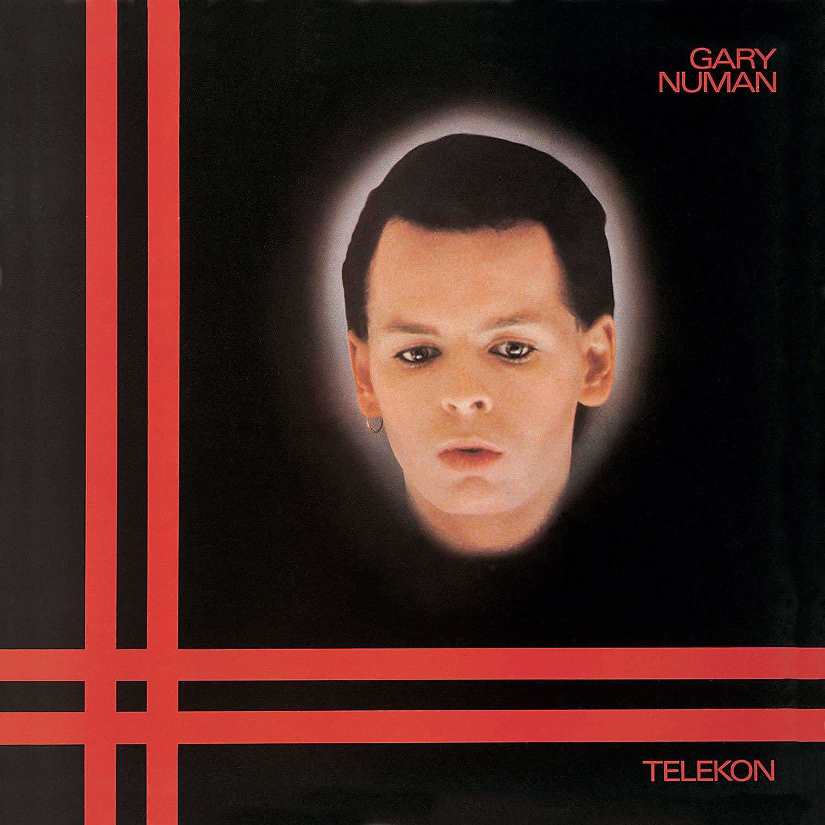
GARY NUMAN Telekon

The negative side of fame got into the psyche of Gary Numan and his new songs took on a more personal downbeat nature away from the Sci-Fi dystopia of his previous work. ‘This Wreckage’ and ‘Please Push No More’ summed up the self-doubt but while ‘Remind Me To Smile’ could have been a single, ‘Telekon’ suffered from not having the hit single ‘We Are Glass’ and ‘I Die: You Die’ included on the original LP release.

‘Telekon’ is still available via Beggars Banquet

https://garynuman.com/


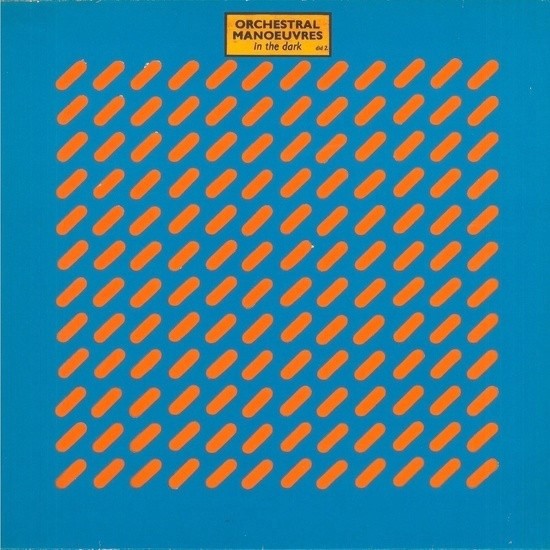
OMD Orchestral Manoeuvres In The Dark

OMD released two albums in 1980 but their self-titled debut captured Andy McCluskey and Paul Humphreys using the most basic equipment, the duo not even having a polyphonic synth at the time. With energetic post-punk synth numbers such as ‘Electricity’ and ‘Bunker Soldiers’, on the other side of the coin were ‘Almost’ and ‘The Messerschmitt Twins’. An early version of ‘Messages’ pointed to a future with hit singles.

‘Orchestral Manoeuvres In The Dark’ is still available via Virgin Records

http://www.omd.uk.com/


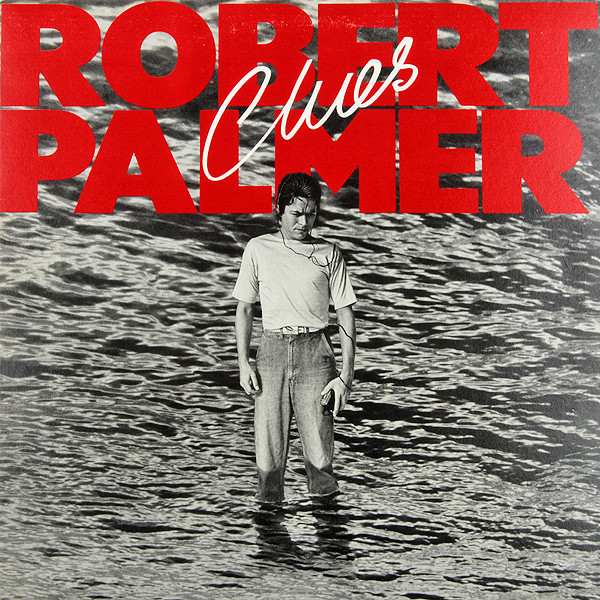
ROBERT PALMER Clues

Although rooted in the blues via his previous band VINEGAR JOE, Robert Palmer took an interest in synths having become a fan of Gary Numan. That led to two collaborations including a version of ‘I Dream Of Wires’ released before Numan’s own recording and the Eastern flavoured ‘Found You Now’. The electronic centrepiece was the beautifully world weary ‘Johnny & Mary’ while ‘Looking for Clues’ added synthy art funk to the mix.

‘Clues’ is still available via Island Records / Universal Music

http://www.robertpalmer.com/


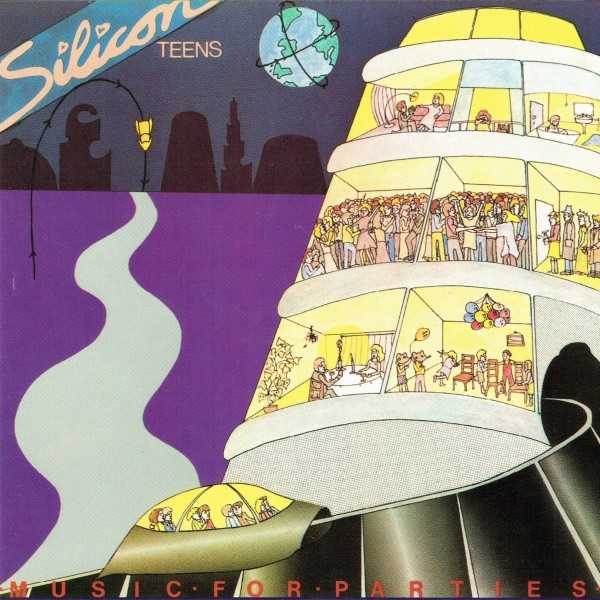
SILICON TEENS Music For Parties

Following the acclaim for THE NORMAL, Daniel Miller undertook a new project SILICON TEENS as a fictitious synth group where rock ’n’ roll standards such as ‘Memphis Tennessee’, ‘Just Like Eddie’, ‘Let’s Dance’ and ‘Sweet Little Sixteen’ were enjoyably reinterpreted in a quirky synthpop style with Miller adding his deadpan monotone vocal. Frank Tovey aka FAD GADGET played the role of lead singer “Darryl” for videos and press.

‘Music For Parties’ is still available via Mute Records

https://mute.com/artists/silicon-teens


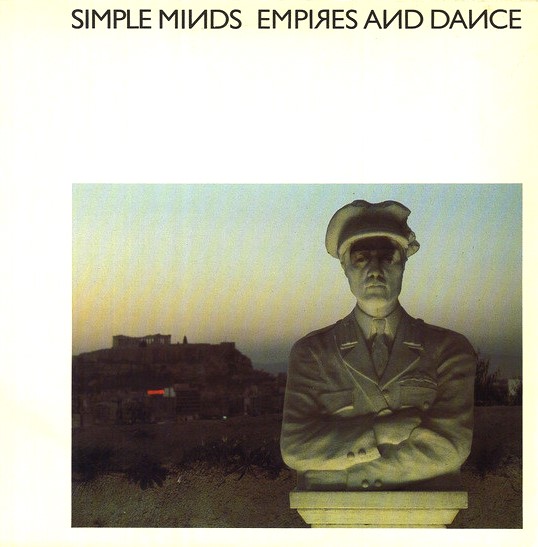
SIMPLE MINDS Empires & Dance

Tours opening for Gary Numan and Peter Gabriel took SIMPLE MINDS around Europe to experience Cold War tensions at closer hand. Their wired mood was captured on ‘Empires & Dance’. With its speedy Moroder-esque influence, ‘I Travel’ was a screeching futuristic frenzy and ‘Celebrate’ brought some industrial Schaffel to the party. ’30 Frames A Second’ took a trip down the autobahn but ‘Twist / Run / Repulsion’ messed with the headspace of listeners.

‘Empires & Dance’ is still available via Virgin Records

https://www.simpleminds.com/


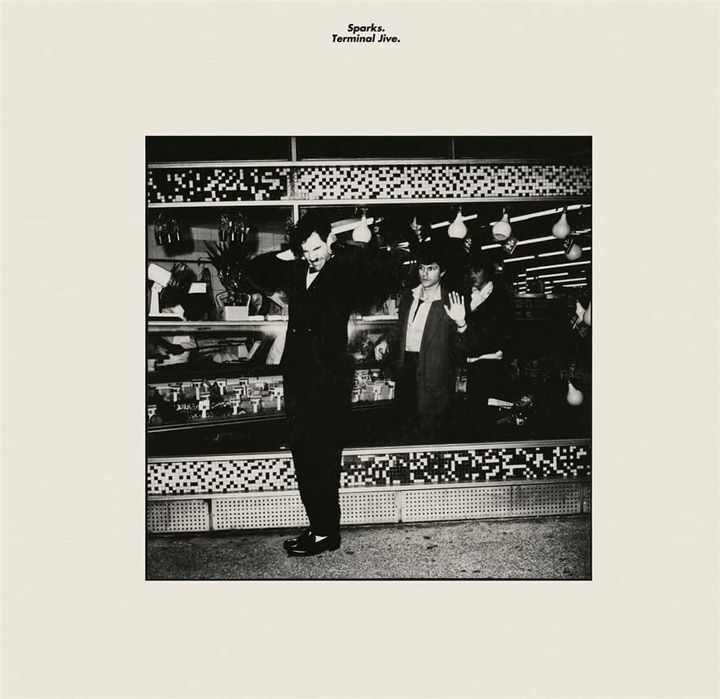
SPARKS Terminal Jive

Following the Giorgio Moroder steered album ‘No1 In Heaven’, SPARKS were despatched by Virgin Records to record a swift follow-up. Although Moroder was still nominally at the helm, Harold Faltermeyer took the majority of production duties on ‘Terminal Jive’. ‘Rock ‘N’ Roll People In A Disco World’ seemed to reflect the confused direction but ‘When I’m With You’ was a massive hit single in France, leading to the Mael Brothers’ relocation.

‘Terminal Jive’ is still available via Repertoire Records

http://allsparks.com


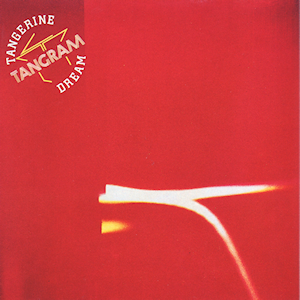
TANGERINE DREAM Tangram

After experiments with vocals on ‘Cyclone’ and live drums on ‘Force Majeure’, with the recruitment on keyboards with Johannes Schmoelling to fill the difficult to fill void left by the departure of Peter Baumann, Edgar Froese and Christopher Franke got back on track, combining a more immediate sequencer drive with the melodic New Age resonances on the two part ‘Tangram’ set that would characterise TANGERINE DREAM’s later work.

‘Tangram’ is still available via Virgin Records

https://tangerinedreammusic.com/


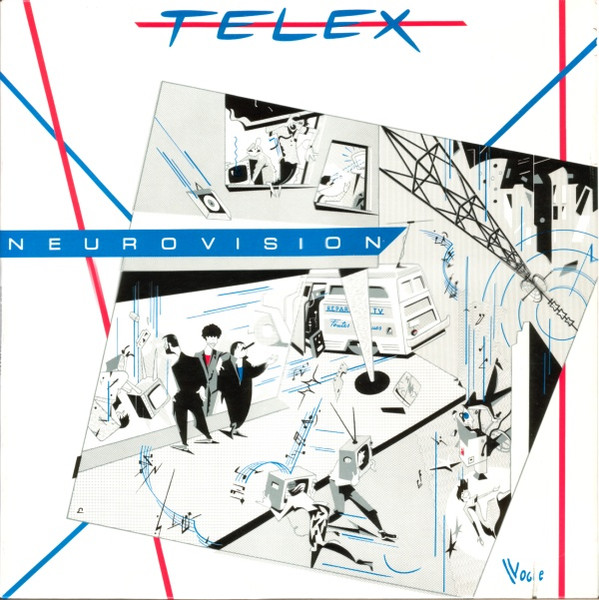
TELEX Neurovision

The second TELEX album ‘Neurovision’ continued with the trio’s tradition of deadpan electronic covers and a gloriously metronomic take on ‘Dance To The Music’ showcased their penchant for mischievous subversion. But this mischief came to its head with their lampooning self-composed number ‘Euro-Vision’, a bouncy electropop tune which they actually entered for 1980 Eurovision Song Contest, coming seventeenth!

‘Neurovision’ is still available via Mute Artists

https://mutebank.co.uk/collections/telex


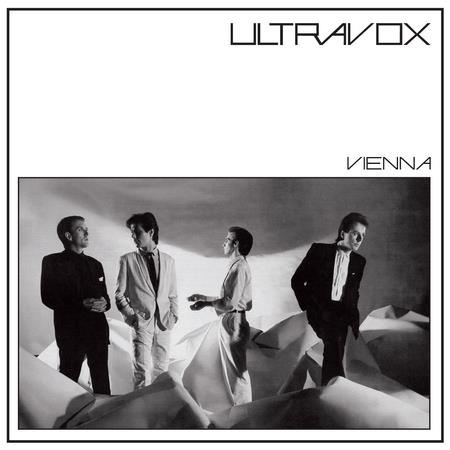
ULTRAVOX Vienna

Following the first VISAGE sessions, Midge Ure was invited to join Billy Currie, Chris Cross and Warren Cann in ULTRAVOX. Providing a sonic continuity from the John Foxx-led era was producer Conny Plank while the robotic spy story ‘Mr X’ voiced by Cann provided another link. Opening with the mighty instrumental ‘Astradyne’ and closing with the synthesized heavy metal of ‘All Stood Still’, the ‘Vienna’ album was a triumph.

‘Vienna’ is still available via Chrysalis Records

http://www.ultravox.org.uk/


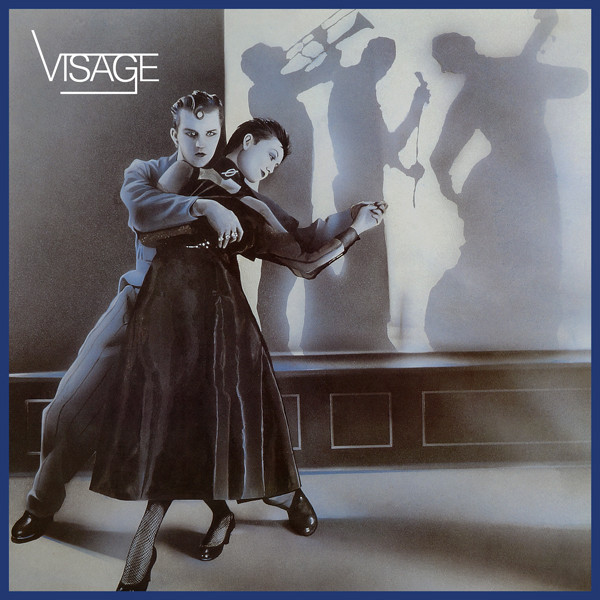
VISAGE Visage

Formed as a reaction to the shortage of new electronic dance music to play at The Blitz Club, ex-RICH KIDS members Midge Ure and Rusty Egan recruited its figurehead Steve Strange to front the project under the name of VISAGE. Billy Currie, Dave Formula, John McGeoch and Barry Adamson joined later and captured a synthesized European romanticism that boasted the German No1 ‘Fade To Grey’ as well as two other hits in ‘Mind Of A Toy’ and the eponymous title track.

‘Visage’ is still available via Rubellan Remasters

https://www.therealvisage.com/


Text by Chi Ming Lai
29th December 2023

The Electronic Legacy of VARIOUS ARTISTS

So come on, whose first album was a various artists compilation?

They were the biggest sellers for a decade and had dominated the UK album charts so much so that they were given their own!

In 1966, the Canadian budget household gadget firm K-Tel diversified into the territory of compilation albums with ‘25 Country Hits’; it was a surprise success and this comparatively new idea of collecting a number of artists onto an album based around a single theme was expanded further.

K-Tel negotiated directly with artists and labels for the rights to reproduce the original recordings, but where this was not possible, the company would contract “one or more of the original artists” to make a new recording for the compilation, under the premise that the public generally could not tell the difference between a re-recording and the original.

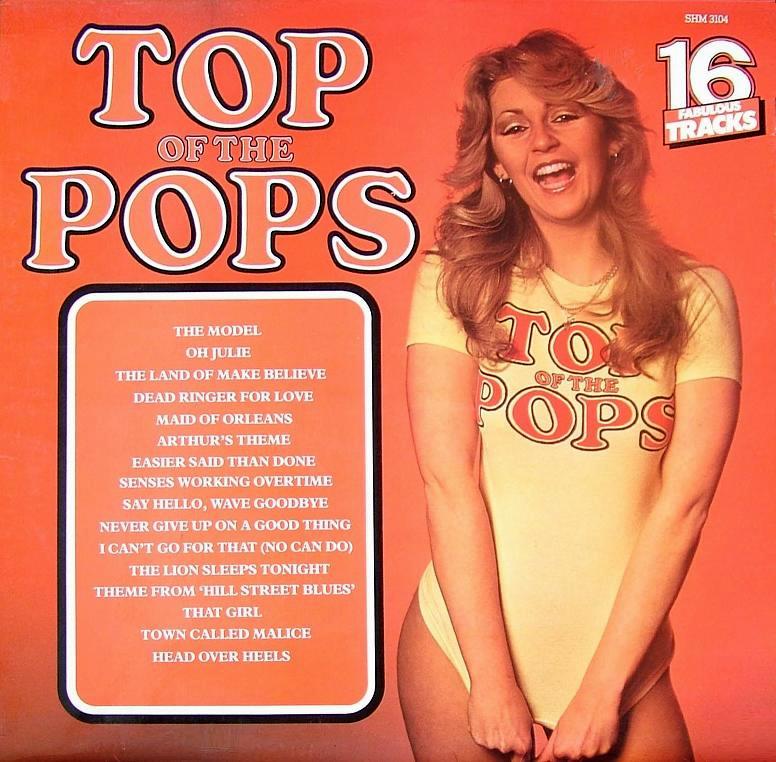
However, UK budget label Pickwick Records via their Hallmark imprint went one step further in 1968 by producing compilations of the latest hits but as rush-recorded soundalike cover versions under the title ‘Top Of The Pops’ which had nothing to do whatsoever with the BBC TV show; it was all perfectly legal thanks to an oversight by the corporation on trademark.

Purchasers unknowingly got treated to unique interpretations of ‘Autobahn’ and ‘The Model’ by anonymous session musicians who quite obviously had only learnt the song ten minutes before entering the studio. Although demand for such records had dimmed by 1981, acts such as SOFT CELL were still unable to escape with ‘Say Hello Wave Goodbye’ hilariously reduced to geezer pub rock! The singer was revealed to be one Martin Jay who a few years earlier had treated the world to his cloak and dagger take on ‘Are Friends Electric?’.

The albums from K-Tel attempted to cram as many songs as possible onto the 12 inch vinyl format. In order to accommodate this philosophy within its physical limitations, many of the tracks were faded out early or came in unusual and often clumsy edits. But even these versions were sought after by loyal fans, thus making the records they came from valued collector’s items.

The various artists compilation album changed forever in 1983 when Virgin and EMI joined forces to produce the ‘Now That’s What I Call Music’ series which at the last count had reached ‘Now 106’ and spawned numerous spin-offs and even cable TV channels. In 1984, Sony BMG and Warner Music joined in the action with the ‘Hits’ series, but such was the domination in the UK of these types of albums that in 1989, they were given their own chart and excluded from the main one!

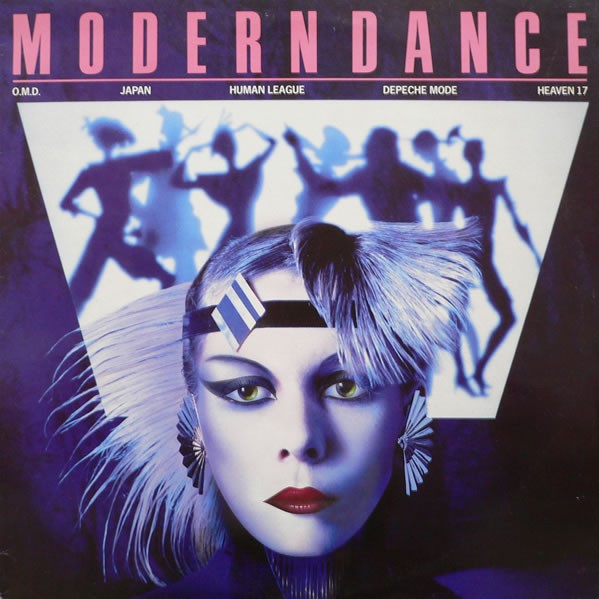
For electronic pop, ‘Machines’ released by Virgin Records in 1980 was one of the first attempts to gather music using synthesizers into one place, but the entry point for many new fans was 1981’s ‘Modern Dance’ on K-Tel. This well-thought out collection saw youngsters saving up their pocket money for their first record purchase or asking Santa to put it into their Christmas stocking, thanks to Radio1 DJ Peter Powell declaring that ‘Modern Dance’ was “The best of total danceability, the sounds of modern dance, on one LP!”.

As with greatest hits albums, what makes a great various artists compilation is a seamless listening experience where possible, or at least more killer than filler. However the continuous DJ mix was a particular irritant running through compilations for a period and rarely worked with classic material or recordings not specifically aimed at the clubland.

Staying within theme on a compilation though is VERY important and straying just slightly can spoil a whole concept, especially if it has been outlined in the title. Soul Jazz Records’ lushly packaged ‘Deutsche Elektronische Musik’ sets over two volumes contained a wide range of freeform experimental works from Germany, but occasionally forgot about the Trade Descriptions Act implications of its title. Meanwhile, ‘Reward’ by post-punk trip-poppers THE TEARDROP EXPLODES had a regular place on collections such as ‘Club For Heroes’, ‘New Romantic Classics’, ‘It’s Electric’ and ‘Our Friends Electric’ despite being brass dominated.

But the nadir came with ‘Synth Pop’, a 3CD collection by Sony Music in 2015 which totally missed the point by featuring AZTEC CAMERA and HAIRCUT 100!??! Now while the inclusion of IMAGINATION’s ‘Body Talk’ with its iconic Moog bassline could be justified, the set highlighted just how much the modern day definition of “synth pop” had become particularly blurred…

Although some listeners just want endless hits on various artists compilations, others want to be informed and introduced to some lesser-known or rare songs. However, this latter approach can meet with mixed results.

For example, Cherry Red’s ‘Close To The Noise Floor’ and the Trevor Jackson’s ‘Metal Dance’ series were historically fascinating, but not always easy collections to listen to in one sitting. With some of the music close to being unlistenable, it could be akin to studying a hefty text book… highly educational but not always entirely fun!
So ELECTRICITYCLUB.CO.UK takes a personal look at the electronic legacy of various artists via 20 notable compilation albums, each with valid reasons for their inclusion, presented in yearly and then alphabetical order within. Yes, several songs reoccur over a number of these releases, but perhaps that is more an indication of their timeless nature. These were tunes that were dismissed by the press and wider public back in the day, but are now considered classic and part of the cultural heritage.


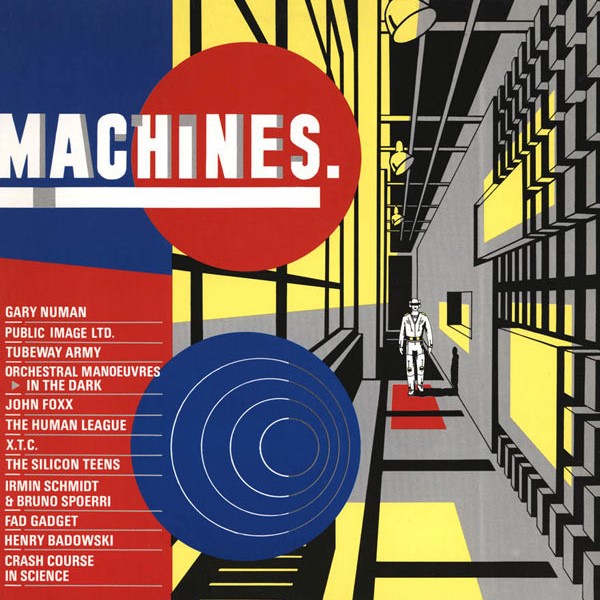
MACHINES (1980)

Having seen the future and signed THE HUMAN LEAGUE as well as OMD through their Dindisc subsidiary, Virgin Records issued a long playing showcase of acts that used synthesizers as their primary instrumentation. Among the outsiders were TUBEWAY ARMY, FAD GADGET, SILICON TEENS and DALEK I LOVE YOU. XTC’s B-side ‘The Somnambulist’ appeared to be incongruous, but was from their synth experimentation period.

‘Machines’ was released by Virgin Records

https://www.discogs.com/Various-Machines/master/59149


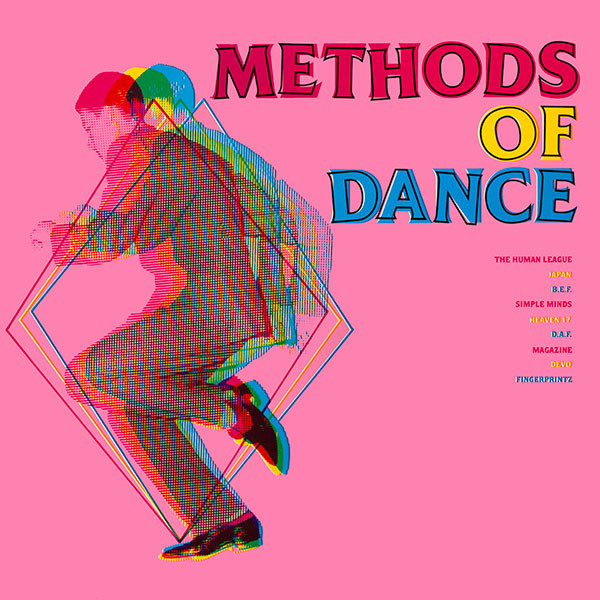
METHODS OF DANCE (1981)

This compilation been the idea of David Sylvian, hence why it was named after the JAPAN song although their contribution would be ‘The Art Of Parties’. Virgin presented their embarrassment of riches including BEF, DEVO, DAF, SIMPLE MINDS and MAGAZINE while the primary selling point was a special dub edit of THE HUMAN LEAGUE’s ‘Do Or Die’ as a trailer to ‘Love & Dancing’. The cassette had more tracks including John Foxx and the actual undanceable ‘Methods Of Dance’ song!

‘Methods Of Dance’ was released by Virgin Records

https://www.discogs.com/Various-Methods-Of-Dance/master/43926


MODERN DANCE (1981)

1981 was when the sound of electronic pop was virtually everywhere, so ‘Modern Dance’ was perfect synthchronicity. Featuring the stellar cast of OMD, THE HUMAN LEAGUE, HEAVEN 17, JAPAN, DEPECHE MODE, SIMPLE MINDS, VISAGE, LANDSCAPE, FASHION and THE CURE as well as John Foxx and Gary Numan, an indicator of how supreme this compilation was came with the fact that its most obscure track ‘A World Without Love’ by THE NEWS was rather good!

‘Modern Dance’ was released by K-Tel Records

https://www.discogs.com/Various-Modern-Dance/release/504872


SOME BIZZARE ALBUM (1981)

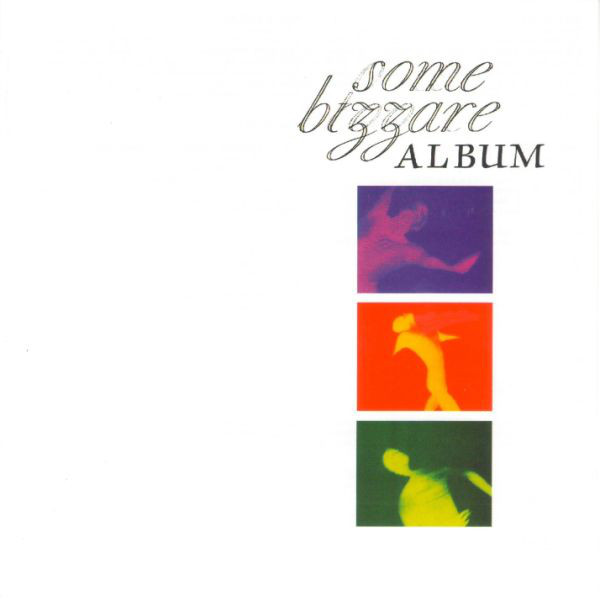
Stevo Pearce’s compendium of new Futurist acts has gone into folklore, having launched the careers of DEPECHE MODE, SOFT CELL, BLANCMANGE, THE THE and B-MOVIE. Several of acts who didn’t make it were also superb. THE FAST SET’s cover of Marc Bolan’s ‘King Of The Rumbling Spires’ was enjoyable electro-macabre while the rousing ‘Tidal Flow’ by ILLUSTRATION is one of the great lost songs of the era.

‘Some Bizzare Album’ was released by Some Bizzare

https://www.discogs.com/Various-Some-Bizzare-Album/master/2754


CLUB FOR HEROES (1992)

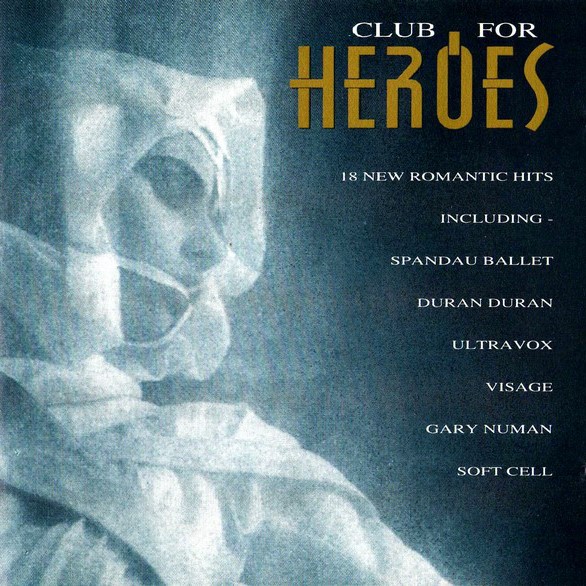
It took a few years to realise just how good the music from the New Romantic era was. This compilation was named after one of Steve Strange and Rusty Egan’s club nights. Featuring DURAN DURAN, SPANDAU BALLET, ULTRAVOX, VISAGE, SOFT CELL and JAPAN, others who also got into the party were YAZOO, ABC, TALK TALK and CLASSIX NOUVEAUX while most welcome were ICEHOUSE with their eponymous single.

‘Club For Heroes’ was released by Telstar Records

https://www.discogs.com/Various-Club-For-Heroes/master/120444


IT’S ELECTRIC (1994)

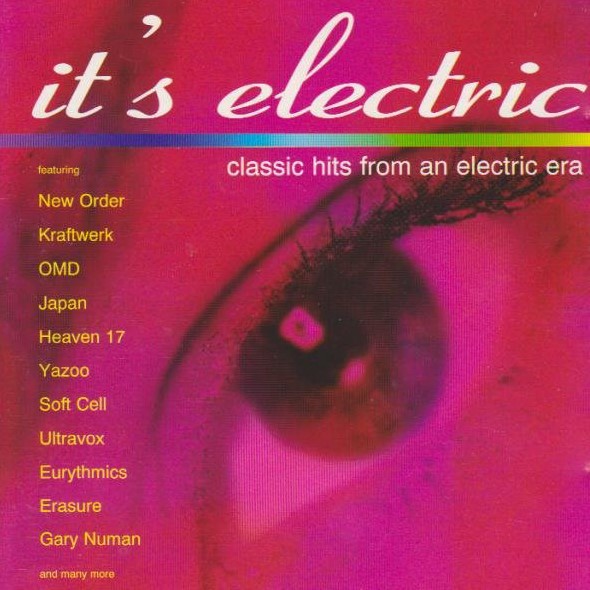
Gathering “Classic Hits From An Electric Era” including the full length ‘Blue Monday’ from NEW ORDER, ‘It’s Electric’ was largely, a more purist synth collection than ‘Club For Heroes’. Alongside the usual suspects were A FLOCK OF SEAGULLS, TEARS FOR FEARS, BRONSKI BEAT, KRAFTWERK, EURYTHMICS, BRONSKI BEAT and ERASURE. However, this collection featured the album version of ‘Tainted Love’ instead of the single, a mistake that would be repeated again and again.

‘It’s Electric’ was released by Dino Entertainment

https://www.discogs.com/Various-Its-Electric-Classic-Hits-From-An-Electric-Era/master/37974


DAWN OF ELECTRONICA (2000)

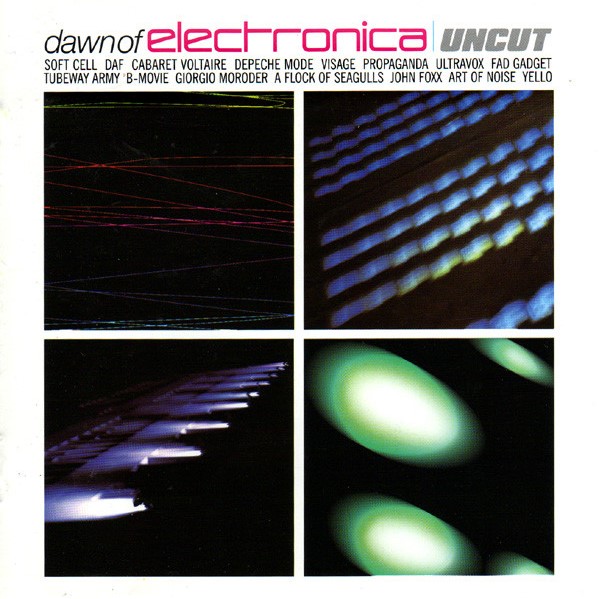
Celebrating “a music synonymous with futurism”, ‘Dawn Of Electronica’ included the album version of ‘From Here To Eternity’ by Giorgio Moroder and the Some Bizzare version of ‘Remembrance Day’ by B-MOVIE. With the likes of DAF, SUICIDE, ASSOCIATES, CABARET VOLTAIRE, PROPAGANDA, THE ART OF NOISE and YELLO alongside TUBEWAY ARMY, ULTRAVOX, JAPAN and SOFT CELL, this compilation was something a bit different to what had come before.

‘Dawn Of Electronica’ was released by Demon Music Group

https://www.discogs.com/Various-Dawn-Of-Electronica-Uncut/release/577680


ELECTRIC DREAMS (2002)

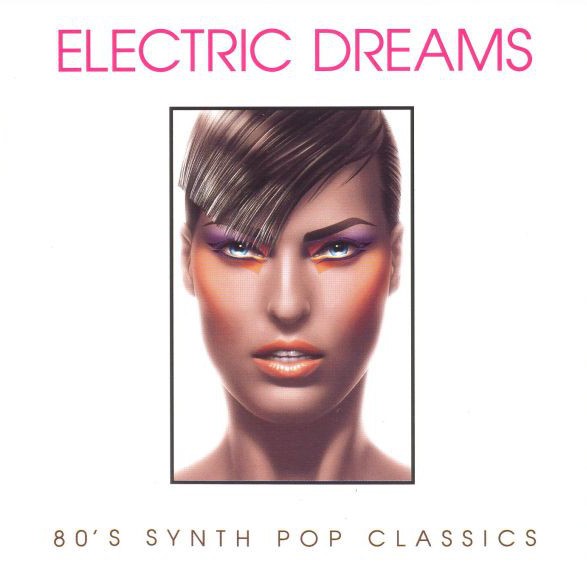
Like ‘Teenage Kicks’ for punk and new wave, there are far too many compilations named ‘Electric Dreams’. This 2CD affair from Virgin Records comprised of 38 “synth pop classics”. This was a compilation combining trailblazing analogue electro and the advent of digital sampling that actually worked. From ‘The Model’ and ‘Electricity’ to ‘Relax’ and ‘19’, with ‘We Are Glass’, ‘Yellow Pearl’, ‘Say Hello Wave Goodbye’ and ‘Absolute’ in between, this was one of the best releases of its type.

‘Electric Dreams’ was released by Virgin Records

https://www.discogs.com/Various-Electric-Dreams/release/322736


THIS IS HARDCORE (2002)

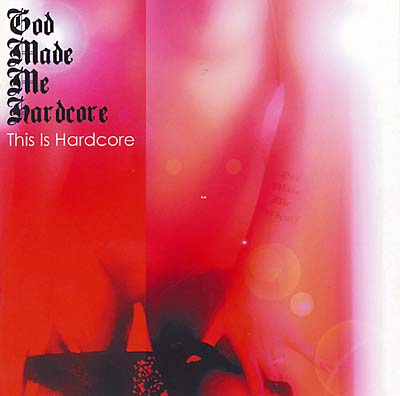
God Made Me Hardcore was a label set-up by Andy Chatterley and Richard Norris for electroclash tracks they had involvement in. ‘This Is Hardcore’ included some striking covers; THE DROYDS and MOON UNIT contributed SQUEEZE’s ‘Take Me I’m Yours’ and DEVO’s ‘Whip It’ respectively, while there was also a brilliant posh boy mash-up ‘Assault On The West End Girls’ by MUGATU. Siobhan Fahey of SHAKESPEAR’S SISTER and Irish combo RIVIERA also featured.

‘This Is Hardcore’ was released by God Made Me Hardcore

https://www.discogs.com/release/289143-Various-This-Is-Hardcore


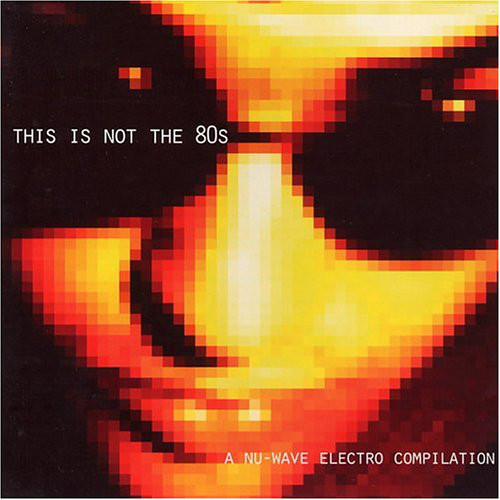
THIS IS NOT THE 80s (2002)

Subtitled “A Nu-Wave Electro Compilation”, this brought out the electro in Electroclash with gloriously klanky drum machines in abundance. The undoubted star was Miss Kittin with four tracks including the mighty scene anthem ‘You & Us’ with Michael Amato aka THE HACKER; meanwhile the man himself and Anthony Rother each had three contributions. FPU, DOPPLEREFFEKT and ADULT. were among those bringing the sound of electronic pop into the 21st Century.

‘This Is Not The 80s’ was released by Incredible / Sony Music

https://www.discogs.com/Various-This-Is-Not-The-80s-A-Nu-Wave-Electro-Compilation/master/375573


THIS IS TECH-POP (2002)

Compiled by Ministry Of Sound, ‘This Is Tech-Pop’ was a representative snapshot of the start of the 21st Century, although the “Tech-Pop or Electroclash or Synth-Core or Neu-Electro” legend highlighted dance music’s daft obsession with categorisation. The music from LADYTRON, FISCHERSPOONER, TIGA & ZYNTHERIUS, FC KAHUNA, WALDORF, SOVIET, FELIX DA HOUSECAT and GREEN VELVET was excellent but DJ mixing the tracks together clouded the listening experience.

‘This Is Tech-Pop’ was released by Ministry Of Sound

https://www.discogs.com/Various-This-Is-Tech-Pop/release/50649


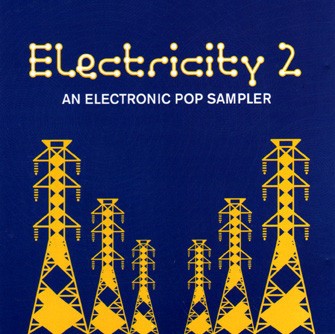
ELECTRICITY 2 An Electronic Pop Sampler (2003)

‘Electricity 2’ came at a time when the only platform for UK and Irish synth acts seemed to be Ninthwave Records in the USA. It featured HEAVEN 17’s first new song for six years in ‘Hands Up To Heaven’ as well as material by WHITE TOWN, SPRAY and EMPIRE STATE HUMAN. Highlights included ‘The Machines’ by MASQ which sounded like a bizarre Gaelic synthpop take on Gary Numan and the comical ‘Alan Cumming’ by TURD FERGUSON which sent up MISS KITTIN & THE HACKER.

‘Electricity 2’ was released by Ninthwave Records

https://www.discogs.com/Various-Electricity-2-An-Electronic-Pop-Sampler/release/730718


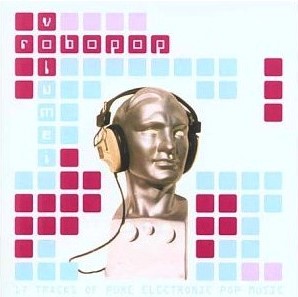
ROBOPOP Volume 1 (2003)

Compiled by Wayne Clements of Essex duo MACONDO, ‘Robopop’ was possibly the closest thing to the ‘Some Bizzare Album’ in the 21st Century. Heading the line-up were CLIENT and MY ROBOT FRIEND while Mute stalwarts KOMPUTER contributed ‘My Private Train’. The stand-outs though were machine funksters ALPINE STARS, irreverent retro-poppers BAXENDALE and VIC TWENTY featuring Piney Gir with a delicious synth cover of Lynsey de Paul’s ‘Sugar Me’.

‘Robopop Volume 1’ was released by Lucky Pierre Recordings
https://www.discogs.com/Various-Robopop-Volume-I/release/296881


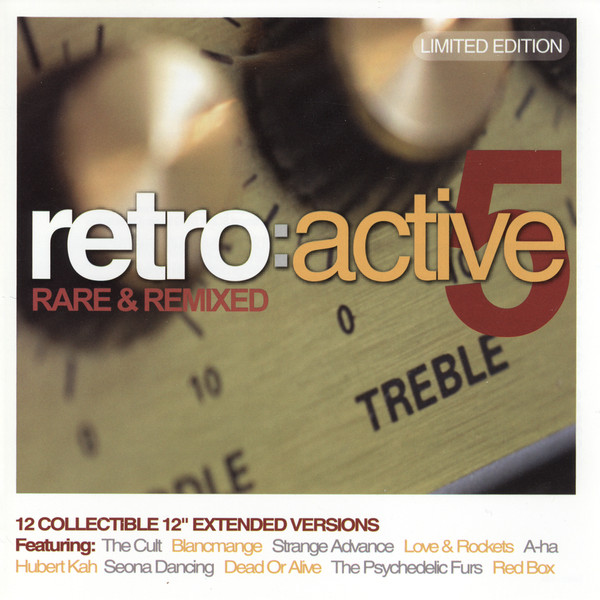
RETRO:ACTIVE 5 (2006)

Compiled by Alex Hush, now of U2 and ERASURE remixers DAYBREAKERS, ‘Retro:Active 5’ gathered 12 classic 12 inch extended versions into a listenable programme. A-HA and THE PSYCHEDLIC FURS led the way with BLANCMANGE and DEAD OR ALIVE in support, but the biggest selling points were the ultra-rare ‘Love Cascade’ from LEISURE PROCESS and ‘More To Lose’ by SEONA DANCING, the duo fronted by Ricky Gervais.

‘Retro:Active 5’ was released by Hi-Bias Records

https://www.discogs.com/Various-RetroActive5-Rare-Remixed/release/719639


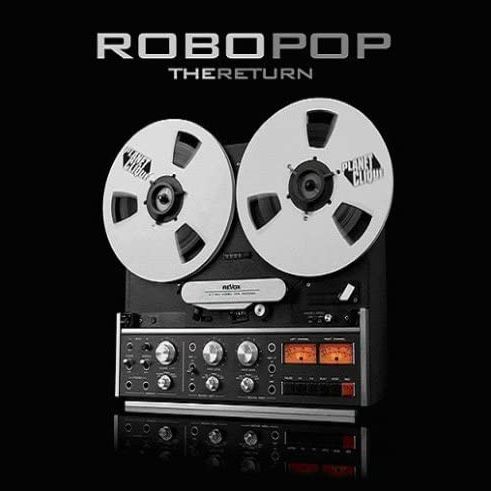
ROBOPOP The Return (2006)

For ‘Robopop The Return’, Wayne Clements was joined by production duo MANHATTAN CLIQUE. Described as “Essential Electro Pop”, it was a much higher profile release than its predecessor with GOLDFRAPP, THE KNIFE, TIGA and DRAGONETTE all on board. Also present were THE MODERN relaunching as MATINEE CLUB while HUSKI, FORMATIC, LORRAINE and SOHO DOLLS were among the worthy lesser-known inclusions.

‘Robopop – The Return’ was released by Planet Clique / Lucky Pierre
https://www.discogs.com/Various-Manhattan-Clique-Robopop-The-Return/release/1410368


CHILLTRONICA A Definition No1 (2008)

A downtempo compilation by BLANK & JONES, the most exquisite tracks featured female vocalists with Sarah Nixey just pipping the highlight honours on her cover of JAPAN’s ‘Ghosts’ with INFANTJOY over Claudia Brücken on the hosting DJ duo’s ‘Don’t Stop’. Meanwhile, ‘Ghost Trains’ by Erlend Øye was a livelier number that worked alongside chilled out tracks by THE GRID, BLISS, MARCONI UNION, SPOOKY and DEPECHE MODE.

‘Chilltronica – A Definition No1’ was released by Soundcolours

https://www.discogs.com/Blank-Jones-Chilltronica-A-Definition-No1/release/1714901


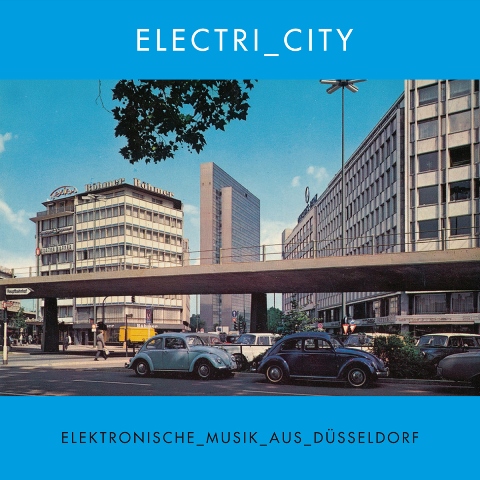
ELECTRI_CITY 1_2 Elektronische Musik Aus Düsseldorf (2016)

Tying in with the book about Düsseldorf’s music heritage, ‘ELECTRI_CITY 1_2’ gathered the more accessible elements of Deutsche Elektronische Musik, Kosmische and Neue Deutsche Welle. With RIECHMANN, DER PLAN, DIE KRUPPS, RHEINGOLD, DAF, LIAISONS DANGEREUSES, LA DÜSSELDORF, NEU! and pre-PROPAGANDA girl group TOPLINOS, this two volume collection was like a journey of discovery with the benefit of a local tour guide.

‘ELECTRI_CITY 1_2 – Elektronische Musik Aus Düsseldorf’ was released by Grönland Records

https://www.discogs.com/Various-ELECTRI_CITY-1_2/release/8919263


NEW ORDER Presents Be Music (2017)

Be Music was the moniker which NEW ORDER used to cover studio production work by all four members of the band. This boxed set gathered these varied recordings which involved them, with notable solo tracks from Marcel King, Paul Haig and Winston Tong alongside those of 52ND STREET, SECTION 25, THE BEAT CLUB, SHARK VEGAS and AD INFINITUM’s cover of ‘Telstar’ which many believed was NEW ORDER in disguise but actually only featured Peter Hook.

‘NEW ORDER Presents Be Music’ was released by Factory Benelux

https://www.factorybenelux.com/new_order_presents_be_music_fbn60.html


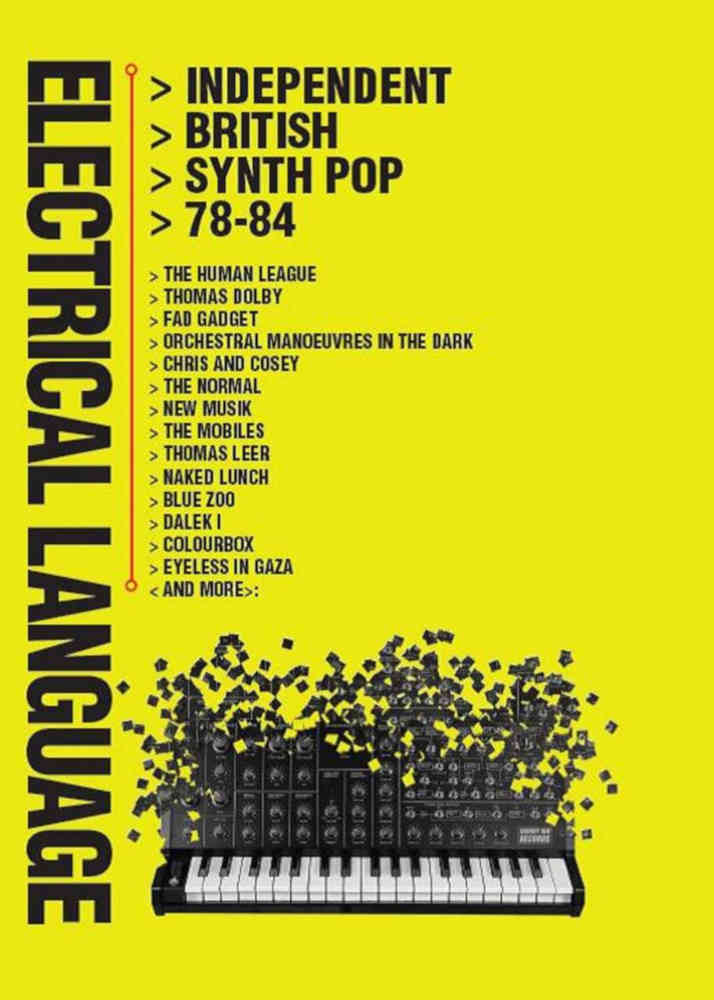
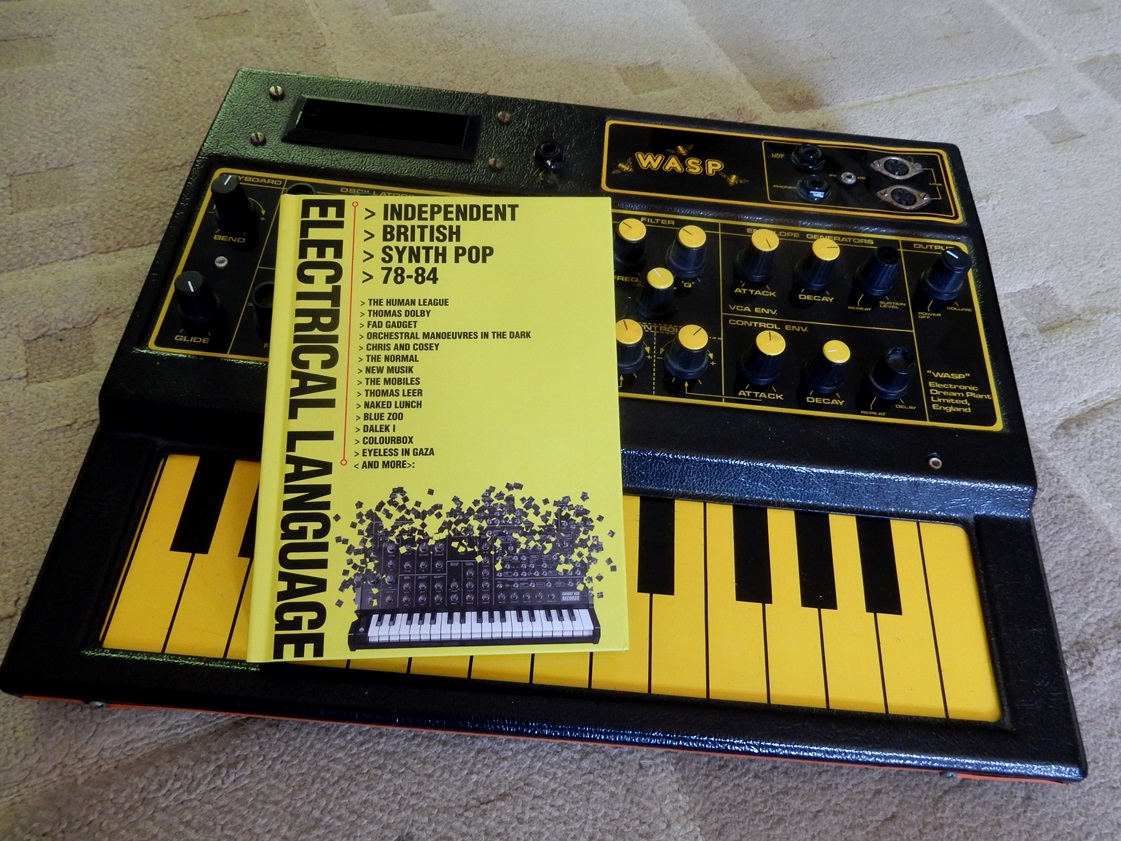
ELECTRICAL LANGUAGE Independent British Synth Pop 78-84 (2019)

The 4CD ‘Electrical Language – Independent British Synth Pop 78-84’ did as it said on the tin and with a far more accessible template, was all the better for it. With THE HUMAN LEAGUE, OMD, THE NORMAL and FAD GADGET included to draw in the more cautious consumer, purchasers were treated to a plethora of wonderful lesser known acts like FIAT LUX, BOX OF TOYS, LORI & THE CHAMELEONS, PASSION POLKA, TESTCARD F, EDDIE & SUNSHINE and JUPITER RED. Meanwhile, the best novelty item was a Schaffel driven cover of Alvin Stardust’s ‘My Coo Ca Choo’ by BEASTS IN CAGES; half of the band went on to form HARD CORPS!

‘Electrical Language – Independent British Synth Pop 78-84’ was released by Cherry Red Records

https://www.cherryred.co.uk/product/electrical-language-independent-british-synth-pop-78-84-various-artists-4cd-48pp-bookpack/


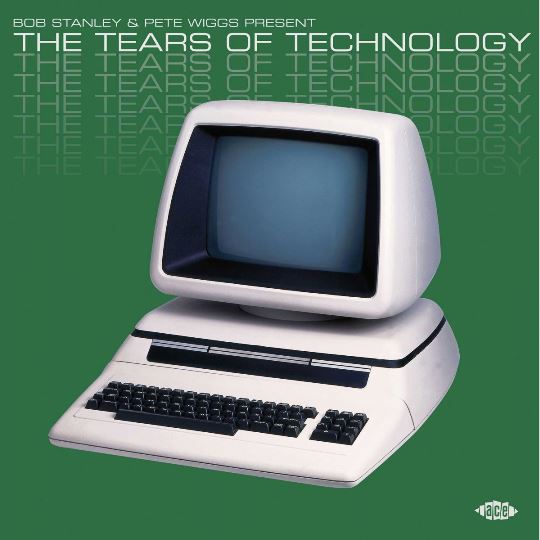
THE TEARS OF TECHNOLOGY (2020)

Compiled by Pete Wiggs and Bob Stanley of SAINT ETIENNE, ‘The Tears Of Technology’ gathered a heartfelt suite of music. OMD’s ‘Sealand’ sat alongside synthy diversions by THE TEARDROP EXPLODES and THE PALE FOUNTAINS, with the Merseyside connection extended to CARE and CHINA CRISIS. Scotland got also got a look in with Paul Haig and Thomas Leer. The rare ‘Direct Lines’ by Chris Payne’s ELECTRONIC CIRCUS found itself a place too.

‘The Tears Of Technology’ was released by Ace Records

https://acerecords.co.uk/bob-stanley-pete-wiggs-present-the-tears-of-technology-1


Text by Chi Ming Lai
2nd August 2020

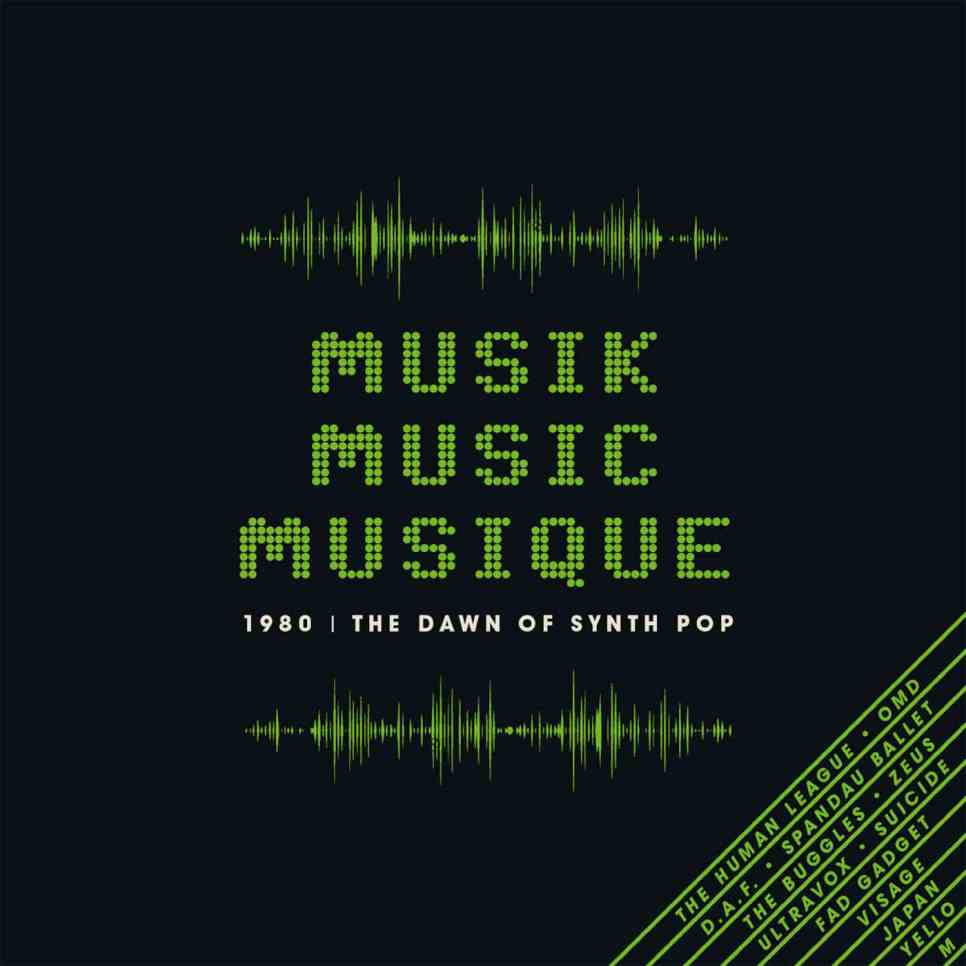
MUSIK MUSIC MUSIQUE 1980 | The Dawn Of Synth Pop

1977 is often seen as Year Zero for synthpop, thanks to hit singles by Donna Summer, Jean-Michel Jarre and SPACE.

But it was not until 1979 with TUBEWAY ARMY reaching No1 with ‘Are Friends Electric?’ that the sound of synth truly hit the mainstream.

Although ‘No1 Song In Heaven’ by SPARKS had actually been a hit a few months earlier, ‘Are Friends Electric?’ was the beginning of the synth being accepted as a worthy mode of expression, rather than as a novelty. But as synths became more affordable, they became the perfect tool of youthful expression.

From Cherry Red, makers of the excellent ’Electrical Language: Independent British Synth Pop 78-84’ 4CD boxed set, comes ‘Musik Music Musique’; subtitled ‘1980: The Dawn Of Synth Pop’, this 3CD 58 track collection explores the arrival of synth pop and the dawn of a new musical era. This was the year before the synth became the rule rather than the exception with the success of SOFT CELL and DEPECHE MODE.
The set starts appropriately with OMD and ‘Messages’, one of the first tunes showcasing the warmer side of electronics following the colder wave led by Messrs Numan and Foxx. But as if to counter this next generation of youngsters, ‘Messages’ is immediately followed by the collection’s vocoder laden title song ‘Musik Music Musique’ from Zeus B Held and the superb proto-industrial ode to loveless sex ‘Coitus Interruptus’ by the much missed FAD GADGET.

Zeus B Held was later to make his impression on popular culture remixing ALPHAVILLE and SIMPLE MINDS as well producing the likes of FASHION, DEAD OR ALIVE, SPEAR OF DESTINY and TRANSVISION VAMP, but his wider breakthrough came as part of GINA X PERFORMANCE in 1979 with The Blitz Club favourite ‘No GDM’; on this compendium, the lesser-known but just as worthy ‘Vendor’s Box’ from their second album ‘X-Traordinaire’ is deservedly provided a platform.

The best producers often earn their spurs as artists and realising their limitations, use their accumulated studio nous to subvert the mainstream via pop. ‘Astroboy’ by BUGGLES sees Trevor Horn develop his sonic architecture to prove that he had another song that wasn’t ‘Video Killed The Radio Star’. Meanwhile the welcome inclusion of NEW MUSIK’s other hit ‘This World Of Water’ allows Tony Mansfield to showcase the crafted sparkle that would later go on to adorn records by CAPTAIN SENSIBLE, VICIOUS PINK, A-HA and NAKED EYES.

It may seem strange to see SPANDAU BALLET as part of this package but when they first appeared, they were considered a synthesizer band; ‘Glow’ was a UK double A side single with ‘Musclebound’ in 1981 and while it was the last synth-led track they did, their funk soul aspirations were there for all to hear. In fact, songwriter Gary Kemp had conceived ‘Glow’ with a brass section in mind, so it is now something of a curio that could be seen as a precursor to ‘Chant No1’.

SPANDAU BALLET were produced by Richard James Burgess who co-designed the Simmons SDSV; his electro-jazz combo LANDSCAPE figure with the Colin Thurston helmed ‘European Man’ which was actually designated “electronic dance music” on its single artwork some three decades before it was appropriated and abbreviated to become EDM…

Many of the usual suspects from the period like VISAGE, JAPAN, THE HUMAN LEAGUE and OUR DAUGHTER’S WEDDING are all present and correct with familiar recordings, but interestingly (although not for the better), it’s the original version of Phil Lynott’s ‘Yellow Pearl’ without the Rusty Egan drums or the Midge Ure remix that gets the nod!

One of the main beauties of these thoughtfully curated collections is to be able to sway away from the obvious and feature a known-name with a lesser-known work; in the case of ULTRAVOX, it’s the occasionally Eno-inspired and Conny Plank produced ‘Waiting’ which was the B-side to their first Midge Ure fronted single ‘Sleepwalk’. Meanwhile, SUICIDE are represented by the excellent Ric Ocasek produced ‘Diamonds, Fur Coat, Champagne’ and YELLO with ‘Bimbo’, the oddball opener of the Swiss trailblazers’ debut long player ‘Solid Pleasure’.

SILICON TEENS get to feature with something other than ‘Memphis Tennessee’ and it’s the Daniel Miller‘s self-penned instrumental ‘Chip N Roll’ that has the honour, while the Mute Records founder gets another track in with ‘Brushing Your Hair’, a gloriously vibrant instrumental production and co-write for Alex Fergusson of ALTERNATIVE TV.

There’s additionally tracks by lesser known international acts or those bands that faded from view after effectively being one hit wonders. The entire career of M may have been overshadowed by the ubiquitous ‘Pop Muzik’ but Robin Scott did go on to release three albums and work with Ryuichi Sakamoto; the sombre ‘Official Secrets’ may not really have much of a hook but it contains some percolating bleepy sections that pre-date KRAFTWERK’s ‘Home Computer’ by one year.

‘A Circuit Like Me’ from Australian combo, THE METRONOMES actually sounds very 21st century with its detached female vocal and charming monosynths, while the gallop of ‘Drawn & Quartered’ by THE KORGIS is a worthy find. Now while ROCKETS found fame with a catchy robotic flavoured cover of ‘On The Road Again’ with the help of Zeus B Held, the silver faced Italians found that the vocoder suited their performance art poise and reapplied it for the self-penned space rocker ‘Galactica’.

Also possessing a bit of a gallop is LORI & THE CHAMELEONS’ wispy Morricone-influenced single ‘The Lonely Spy’ although with its acoustic strum, it is quite different from the understated electronic disco of their best known track ‘Touch’. Cut from a similar melodic post-punk cloth, the Martin Hannett produced ‘Sympathy’ from Pauline Murray is a reminder of how women were coming to the fore after punk in synth-assisted new wave, a fact borne out on ‘Musik Music Musique’ by the inclusion of more obscure works from Toyah, Kim Wilde and Hazel O’Connor.

‘Musik Music Musique’ is also an opportunity to become reacquainted with lost tunes of yore and ‘The Eyes Have It’ by Karel Fialka will be remembered by those who owned the 1980 Virgin Records compilation ‘Machines’, as will the octave driven ‘Destiny’ by DALEK I LOVE YOU. Some enjoyably avant pop adventures come courtesy of XYNN’s ‘Computed Man’ and SCIENCE’s ‘Tokyo’, while one of the more bizarre but successful experiments included is ‘I’m A Computer’ by THE GOO-Q.

One of the lesser known acts featuring with the eccentric ‘Money’ is MOEBIUS, not the member of German duo CLUSTER but an American art rock band with a penchant for DEVO. ‘Doctor …?’ by BLOOD DONOR is another wonderful discovery while of the more experimental art pieces included, Nini Raviolette’s ‘Suis-Je Normale’ delightfully comes over like a collaboration between Jane Birkin and Laurie Anderson.

Düsseldorf is often seen as the spiritual home of electronic music and there is worthy representation from DER PLAN and ‘Da Vorne Steht Ne Ampel’ illustrating how there were other dimensions to German electronic music other than that engineered by KRAFTWERK. But closing the set is the band named after the Electri_City itself, LA DÜSSELDORF with the light-hearted ‘Dampfriemen’; a quirky slice of synth “Oompah” with comedic chants and a kazoo section, it sums up the manic oddball nature of the former NEU! drummer Klaus Dinger.

There are many other tracks that have merit, but textures which reoccur on ‘Musik Music Musique’ to date stamp the period are the icy chill of the affordable ARP Quartet string machine and squawky sax, although not in an overblown jazz funk way.

Despite ‘Musik Music Musique’ comprising of a carefully researched tracklisting, a few errors do slip through; as well as the SPANDAU BALLET track being released in 1981 as already mentioned (although it was available on a very scarce Japanese-only promo sampler in late 1980), the version of ‘Kebabträume’ by DAF is the 1982 Conny Plank version from the Virgin album ‘Für Immer’ and not the Bob Giddens produced Mute Records five piece band recording which actually came out in 1980.

Then in the booklet, the Foxx fronted 1977 line-up of ULTRAVOX! gets illustrated as opposed to the New Romantic suited Midge Ure one, while LA DÜSSELDORF’s Hans Lampe is referred to as a “Keyboard Whizz” when he is actually a drummer and now performs with Michael Rother who was Klaus Dinger’s partner in NEU!; in fact Dinger handled keyboards himself under the pseudonym of Nikolaus Van Rhein.

Those are minor quibbles though, because this set is very good value and acts as a great music history lesson as well as offering the chance to hear some new vintage synth. While many may have heard of BERLIN BLONDES, THE PASSAGE, THE FALLOUT CLUB and EYELESS IN GAZA, only a few will have heard their music.

‘Musik Music Musique’ offers something of a low risk opportunity to make some new friends while becoming reacquainted with a few old and lost ones. Here’s to the 1981 follow-up set…


‘Musik Music Musique – 1980: The Dawn Of Synth Pop’  is released on 31st July 2020 as a 3CD boxed set by Cherry Red Records

https://www.cherryred.co.uk/product/musik-music-musique-1980-the-dawn-of-synth-pop-various-artists-3cd/


Text by Chi Ming Lai
13th July 2020

ELECTRICAL LANGUAGE Independent British Synth Pop 78-84

From Cherry Red Records, the makers of the ‘Close To The Noise Floor’ trilogy showcasing formative and experimental electronic music from the UK, Europe and North America, comes their most accessible electronic collection yet.

Subtitled ‘Independent British Synth Pop 78-84’, ‘Electrical Language’ is a lavish 4CD 80 track boxed set covering the post-punk period when all that synthesizer experimentation and noise terrorism morphed into pop.

Largely eschewing the guitar and the drum kit, this was a fresh movement which sprung from a generation haunted by the spectre of the Cold War, Mutually Assured Destruction and closer to home, the Winter of Discontent.

As exemplified by known names like THE HUMAN LEAGUE, FAD GADGET, SECTION 25 and BLUE ZOO included in the set to draw in the more cautious consumer, this was pop in a very loose manner with melodies, riffs and danceable rhythms but hardly the stuff of ABBA or THE BEE GEES!

‘Red Frame/White Light’ by OMD was a chirpy ditty about the 632 3003 phone box which the band used as their office, while Thomas Dolby’s ‘Windpower’ was a rallying call for renewable energy sources. Then there was the dystopian ‘Warm Leatherette’ by THE NORMAL based around two noisy notes and lyrically based on JG Ballard’s ‘Crash’ with its story around car collision symphorophilia.

While those acts’ stories have been rightly celebrated for putting the electronic avant pop art form into the mainstream, with any truly great compilation or collection, the joy is in finding the lesser known jewels.

Made primarily by the idealistic outsiders and independent experimenters from the lesser known side of Synth Britannia, ‘Electrical Language’ has plenty of synthetic material to rediscover or hear for the first time. Indeed, the more appealing tracks appear to fall into three categories; forgotten songs that should have been hits, oddball cover versions and largely unknown archive wonders.

Those forgotten gems include the exotic ‘Electrical Language’ title track by BE BOP DELUXE, documenting the moment Bill Nelson went electro. His production on the gloriously emotive ‘Feels Like Winter Again’ by FIAT LUX is another welcome inclusion to the set.

But the two best tracks on ‘Electrical Language’ are coincidentally spoken word; ‘Touch’ by LORI & THE CHAMELEONS about a girl’s Japanese holiday romance is as enchanting and delightful as ever, while there is also THROBBING GRISTLE refugees Chris & Cosey’s wispy celebration of Autumnal neu romance ‘October (Love Song)’, later covered in the 21st Century in pure Hellectro style by MARSHEAUX.

Merseyside has always been a centre for creativity and this included synthpop back in the day. ‘I’m Thinking Of You Now’ from BOX OF TOYS was a superb angsty reflection of young manhood that included an oboe inflected twist which was released on the Inevitable label in 1983. From that same stable, FREEZE FRAME are represented by the atmospheric pop of ‘Your Voice’

Jayne Casey was considered the face of Liverpool post-punk fronting BIG IN JAPAN and PINK MILITARY; the lo-fi electronic offshoot PINK INDUSTRY released three albums but the superb ‘Taddy Up’ with its machine backbone to contrast the ethereal combination of voice and synths lay in the vaults until 2008 and is a welcome inclusion. The ‘other’ Wirral synth duo of note were DALEK I LOVE YOU whose ‘The World’ from 1980 remains eccentric and retro-futuristic.

Scotland was in on the action too despite many local musicians preferring THE BYRDS and STEELY DAN; although both ‘Mr Nobody’ from Thomas Leer and ‘Time’ by Paul Haig were detached and electronic, they vocally expressed minor levels of Trans-Atlantic soul lilt compared with the more deadpan styles of the majority gathered on ‘Electrical Language’.

Underrated acts form a core of ‘Electrical Language’ and while THE MOBILES’ ‘Drowning In Berlin’ may have come across like a ‘Not The Nine O’Clock News’ New Romantic parody on first listen, its decaying Mittel Europa grandeur was infectious like Hazel O’Connor reinterpreting ‘Vienna’ with The Master of Ceremonies at the Kit Kat Klub in 3/4 time!

NEW MUSIK’s ‘The Planet Doesn’t Mind’ probably would have gone Top 20 if had been done by Howard Jones, although band leader Tony Mansfield had the last laugh when he later became a producer working with the likes of A-HA and NAKED EYES. The brassy arty synthpop of ‘XOYO’ from Dick Witts’ THE PASSAGE was immensely catchy with riffs galore, while POEME ELECTRONIQUE’s ‘She’s An Image’ offered stark European electro-cabaret.

Cut from a similar cloth, one-time ULTRAVOX support act Eddie & Sunshine inventively (and some would say pretentiously) presented a Living TV art concept but they also possessed a few good songs. The quirkily charming ‘There’s Someone Following Me’ deserved greater recognition back in the day and its later single version was remixed by one Hans Zimmer.

Meanwhile, the 4AD label could always be counted on more esoteric output and COLOURBOX’s ‘Tarantula’ was from that lineage, but then a few years later perhaps unexpectedly, they became the instigators of M/A/R/R/S ‘Pump Up the Volume’.

These days, modern synth artists think it is something an achievement to cover a synthpop classic, although it is rather pointless. But back in the day, as there were not really that many synthpop numbers to cover, the rock ‘n’ roll songbook was mined as a kind of post-modern statement. The synth was seen as the ultimate anti-institution instrument and the cover versions included on ‘Electrical Language’ are out-of-the-box and original, if not entirely successful.

Take TECHNO POP’s reinterpretation of ‘Paint It Black’ which comes over like Sci-Fi Arthur Brown while the brilliant ‘My Coo Ca Choo’ by BEASTS IN CAGES (which features half of HARD CORPS) is like PJ Proby with his characteristic pub singer warble fronting SILICON TEENS with a proto-GOLDFRAPP stomp.

Having contributed a T-REX cover for the ‘Some Bizzare Album’, THE FAST SET recorded another. Whereas ‘King Of The Rumbling Spires’ on the former was frantic electro-punk, ‘Children Of The Revolution’ is far more sombre and almost funereal. Least desirable of the covers though is ‘Happy Xmas (War Is Over)’ by HYBRID KIDS.

Of the obscurities worth checking out, the rousing standout is ‘Lying Next To You’ by Liverpool’s PASSION POLKA. A brilliant track akin to CHINA CRISIS ‘Working With Fire & Steel’ but with more synths and drum machine, it was recorded in 1983 but never actually saw the light of day until 2011 via a belated release on Anna Logue Records.

Delightfully odd, the VL Tone and organ infused ‘Bandwagon Tango’ from TESTCARD F is swathed with metallic rattles and possesses a suitably mechanical detachment. But with piercing pipey sounds and a hypnotic sequence, the metronomic ‘Destitution’ by cult minimal wavers CAMERA OBSCURA with its off key voice is one of the better productions of that type. Cut from a similar cloth, the perky ‘Videomatic’ by FINAL PROGRAM throws in some lovely string synths to close.

Swirlingly driven by Linn and her sisters, ‘Baby Won’t Phone’ by QUADRASCOPE comes from the Vince Clarke school of song with not only a great vocal, but also the surprise of a guitar solo in the vein of ECHO & THE BUNNYMEN!

‘The Secret Affair’ from JUPITER RED is a great ethereal midtempo synthpop song also using a Linn, while ‘Surface Tension’ from ANALYSIS is an appealing club friendly instrumental that was largely the work of the late Martin Lloyd who later was part of OPPENHEIMER ANALYSIS.

Produced by Daniel Miller, Alan Burnham’s ‘Science Fiction’ from 1981 takes a leaf out of DALEK I LOVE YOU, while tightly sequenced and bursting with white noise in the intro, ‘Feel So Young’ by LAUGH CLOWN LAUGH has bubbling potential but is spoiled by some terribly flat vocals.

One of the weirder tracks is ELECTRONIC ENSEMBLE’s filmic ‘It Happened Then’ which recalls Parisian art rockers ROCKETS; backed by a brilliant ensemble of synths, it sees the return of the cosmic voice from Sparky’s Magic Piano and remember in that story, it could play all by itself!

Of course, other tracks are available and may suit more leftfield tastes… packaged as a lavish hardback book, there are extensive sleeve notes including artist commentaries, archive photos and an introductory essay by journalist Dave Henderson who cut his teeth with ‘Noise’, a short-lived ‘Smash Hits’ rival that featured a regular ‘Electrobop’ column covering the latest developments in synth.

While worthy, the ‘Close To The Noise Floor’ trilogy could at times be very challenging, but ‘Electrical Language’ provides some accessible balance, allowing tunes and beats in. It captures an important developmental phase in music, when technology got more sophisticated, cheaper and user friendly, that can be directly connected to ‘Pump Up the Volume’. Yes, this story is the unlikely seed of the later dance revolution, like it or not! And at just less than twenty five quid, this really is an essential purchase.


‘Electrical Language’ is released as 4CD boxed set on 31st May 2019 and can be pre-ordered from https://www.cherryred.co.uk/product/electrical-language-independent-british-synth-pop-78-84-various-artists-4cd-48pp-bookpack/

https://www.facebook.com/closetothenoisefloor/


Text by Chi Ming Lai
23rd May 2019

« Older posts