Author: electricityclub (Page 142 of 440)

“I don’t like country & western, I don’t like rock music… I don’t like rockabilly! I don’t like much really do I? But what I do like, I love passionately!!”: CHRIS LOWE

“Good taste is exclusive”: NICK RHODES

JOHN FOXX The Quiet Man

Over the past four decades, John Foxx has been writing short stories about ‘The Quiet Man’.

Imagining an enigmatic parallel world, various excerpts have appeared over the years in John Foxx artefacts, fanzines and spoken word albums over the years but the text has now finally made it to print as a beautifully bound book designed by Barnbrook Studios. Dressed in European grey, The Quiet Man himself chatted about it.

The ‘Quiet Men’ first appeared in the 1978 ULTRAVOX song ‘Systems Of Romance’, so who were they? Was it a reaction to the character in ‘I Want To Be A Machine’ from ‘Ultravox!’?

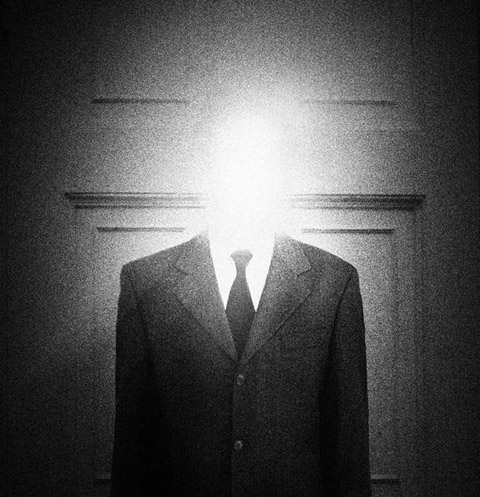
Well, there wasn’t a conscious connection to the ‘I Want To Be A Machine’ character, but I guess that was also concerned with stepping aside and looking on, in a detached way. The idea of the quiet man began after I bought an old grey suit from a charity shop in 1977. It was clearly from the 1950s and I got to imagining who it might have belonged to.

This prompted the phrase ‘the quiet men’ and the song followed. The quiet men seemed to be some mysterious people living discreetly among us, purpose unknown, but clearly some kind of great emotional tide in the background somewhere, while they remain completely unnoticed.

I’d found that wearing the suit allowed me to became anonymous, almost invisible.

This was a great relief, because I was beginning to get deranged by touring. The start of a long period of being gently bewildered. Onstage, you have no choice but to be the centre of attention.

So It was a delight to feel quietly unnoticed after being whirled away by all the mayhem of a rock band’s life on the road. I’m glad I experienced all that, but I’d begun to realise it wasn’t the sort of life I wanted.

Simply stepping away and wearing the grey suit prompted a flood of ideas and small stories. Then some further connections began to occur. A realistic painting a friend had – of Oxford Street and Centrepoint completely overgrown – that somehow fitted with the suit. (Perhaps via the Surrealists, who would always dress conservatively, while living and thinking surreally).

After that, I began to glean a whole body of writing and imagery – etchings by Piranesi, Rose Macauley’s book ‘Pleasure of Ruins’ old photographs of Angkor Wat in Cambodia, and so on. I sort of transposed it all into an overgrown London, and got the Quiet Man to explore it.

I’d also grown up in the north of England when the mills and factories were falling into ruin. Trees began to grow out of some of these buildings. As kids, we’d play in Lord Leverhulme’s abandoned gardens at Rivington and swim in the huge ponds by the overgrown factories at Birkacre.

When I arrived in London, Shoreditch was empty and beginning to fall into ruin, just like Lancashire. I was also periodically exploring the old, locked side of Highgate cemetery. All this resonated and gave me lots of ideas. I felt I’d hit a very rich seam of imagery, which meant a lot to me. And it literally became my way of writing myself out of the band.
Even as far back as ‘Metamatic’, you were talking in interviews about ‘The Quiet Man’, how much had been written by then?

The basic ‘Quiet Man’ section, which describes a deserted and overgrown London, was written in 1977, followed by ‘Cathedral Oceans’ and several shorter pieces. So the writing was well on its way by the time I was working on ‘Metamatic’.

How much of ‘The Quiet Man’ is autobiographical?

Oh, quite a bit, really. It was a way of exploring ideas about time – and all those fleeting sensations you get while wandering around any city. You know, I often ask myself – What is a city? Why do we make them? Aren’t they a bit like a living organism and aren’t we a little like blood cells circulating through the larger entity? Is anyone really conscious of exactly what we’re doing there?

Then there’s this question of time – I read J.W. Dunne’s book and began to question that, too. What is time? Why does it seem to change – move faster or slower, and how does this work with memory? How does architecture affect all that – and us? – and so on. The writing became a way of exploring some of that, after its primary purpose of providing raw material for songs.
In 1981, the illustrative art booklet ‘Church’ that came with early copies of ‘The Garden’ featured text from ‘The Quiet Man’, was that to test the water? Did it get the response you hoped for?

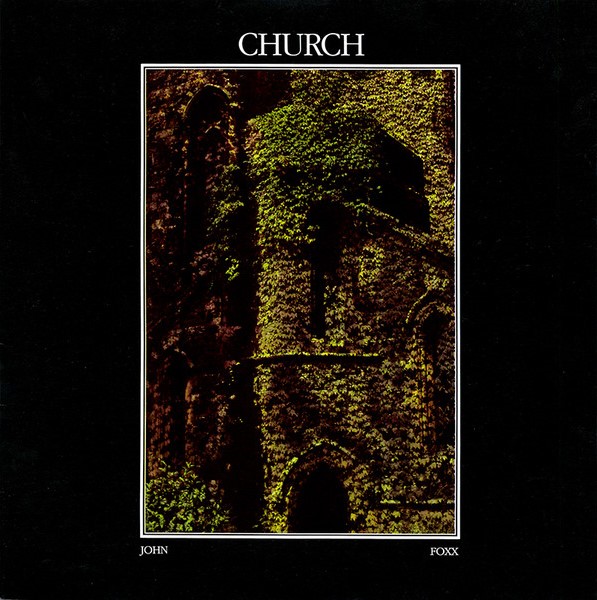
Virgin Records were happy to include a booklet in ‘The Garden’ album cover and I had the pieces written to generate the songs. So that was it. I wasn’t really looking for any sort of response. Certainly never saw myself as a literary sort of writer. Still don’t. It was initially a way of generating songs, but over the years it became a sort of world in itself. Now I look back over it and think how satisfying that an entire body of work can evolve in that way – songs, stories, images and music.

Had your hiatus from music after ‘In Mysterious Ways’ in 1985 affected your enthusiasm to finish ‘The Quiet Man’ as well?

Well, it certainly gave me more time. I was also free to wander around London, plus a few other cities, which generated lots more ideas.

A further excerpt appeared in the Extreme Voice fanzine in 1996 when you returned to music, but the book was still being finished… what was on your mind at the time?

Always uncertain about my ability as a writer, found the idea of publishing a real book a bit intimidating, so I became good at putting it off.

Then in 2009, there was a spoken word album of ‘The Quiet Man’, narrated by Justin Barton, with a piano soundtrack from yourself, how do you look back on that presentation? Does it work for you today?

Oh, yes – I really liked that. Mark Fisher and Justin Barton had just made a fascinating recording called ‘Under London’ and they sent a copy to me. I’d known Mark since he was a student and we’d been in touch for years. I found what they’d done really intriguing and asked Justin if he’d read ‘The Quiet Man’ in the same sort of way. I wanted it to seem like some half-remembered BBC radio piece from the 1950s.
So for this published edition of ‘The Quiet Man’, what was the impetus to finally get it out? Why ultimately did it take so long? In your mind, is it actually abandoned now rather than finished?

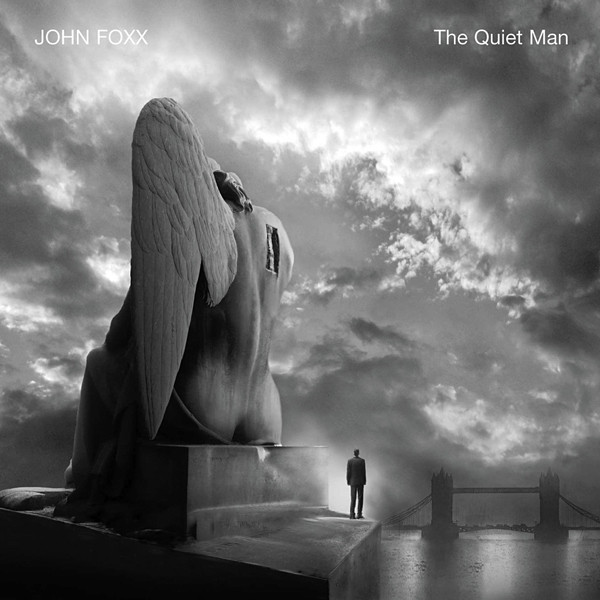
I think it’s not really the sort of thing that ever gets finished. More like a series of diary entries, or notes. Jonathan Barnbrook, Steve Malins and Rob Harris finally did the hints and prods that got me to put enough of the stuff together to make a book.

Was there much edited from the original transcript? Any difficult decisions?

A few full stops and commas, that’s all. There were plenty of pieces to choose from, and lots of others are still in the notebooks.

Do you have a favourite passage or short story from ‘The Quiet Man’?

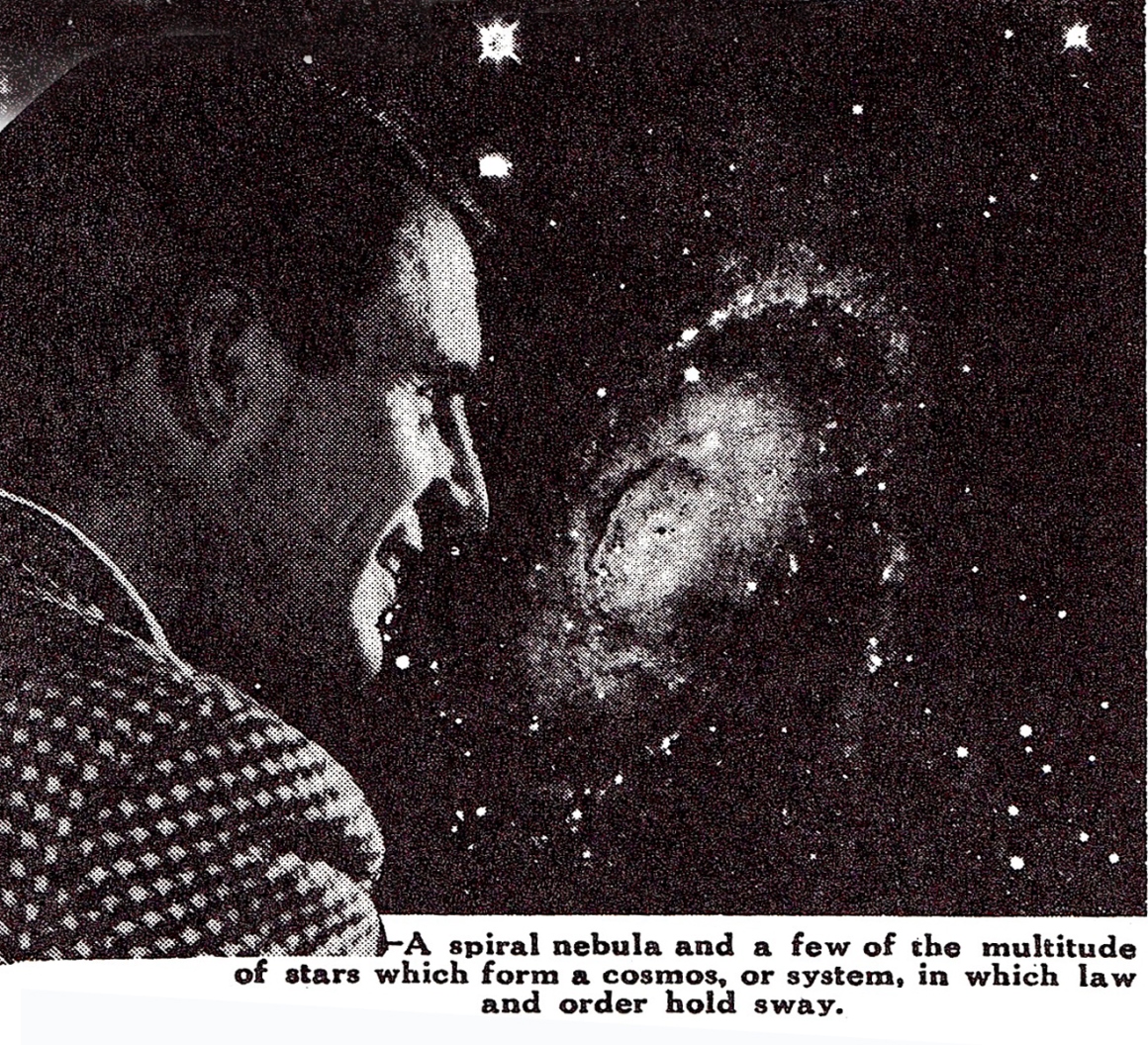
It changes. At the moment, I like ‘The Nebula’ and ‘The Notebooks’ sections. I’m still not sure I did justice to the original idea of ‘The Nebula’, it was so mysterious an idea. Sometimes you realise you got close, but wonder if you might have done better.
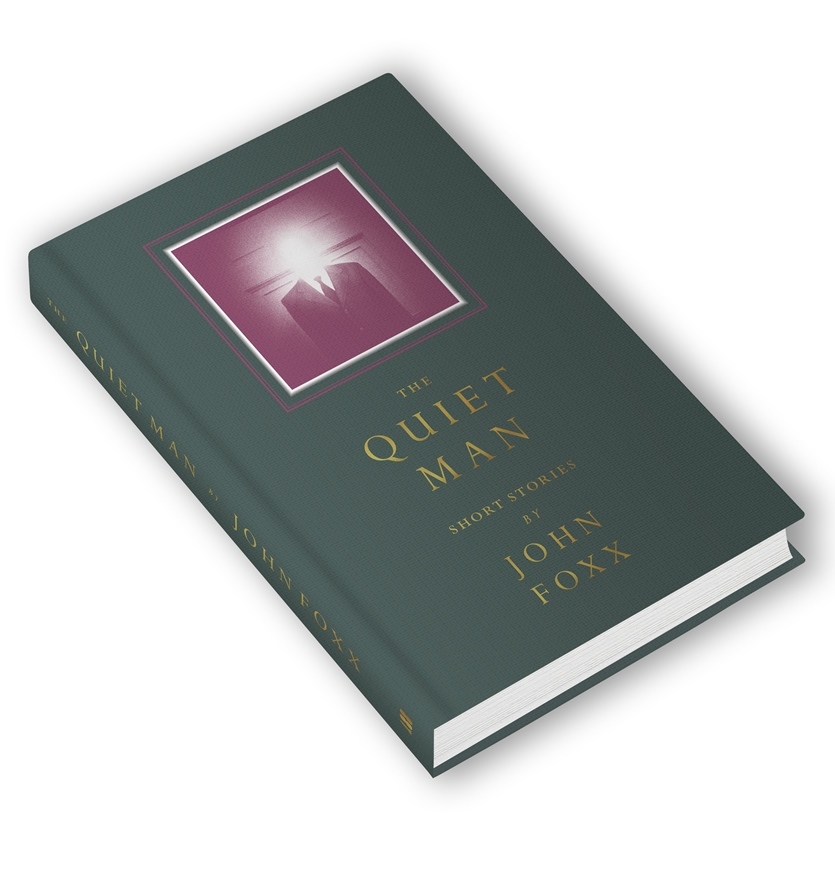
You maintain your close working relationship with Jonathan Barnbrook for the book’s cover design. Did you not fancy doing this yourself, having designed several book covers yourself over the years?

It’s difficult to be objective about your own work. You’re far too close. I’ve always liked Jonathan’s work, so had no reservations at all. In fact, I was pleased he wanted to do it.

Strangely, the colour and style of his cover was exactly like some of my favourite old notebooks, the ones I most enjoyed writing the original stories in. So instinctively and telepathically, he got it exactly right.

What would be the music from your own catalogue you would recommend to have on while reading ‘The Quiet Man’, any particular albums for particular stories?

No particular track for each story, but the music that creates a suitable background, I think, might be ‘Translucence / Drift Music’, ‘London Overgrown’, of course – and ‘Nighthawks’.


ELECTRICITYCLUB.CO.UK gives its sincerest thanks to John Foxx

Additional thanks to Steve Malins at Random PR

‘The Quiet Man’ is published as a hardback book and available only from https://johnfoxxbook.com/

http://www.metamatic.com

https://www.facebook.com/johnfoxxmetamatic

https://twitter.com/foxxmetamedia

https://www.instagram.com/johnfoxxofficial/


Text and Interview by Chi Ming Lai
5th November 2020
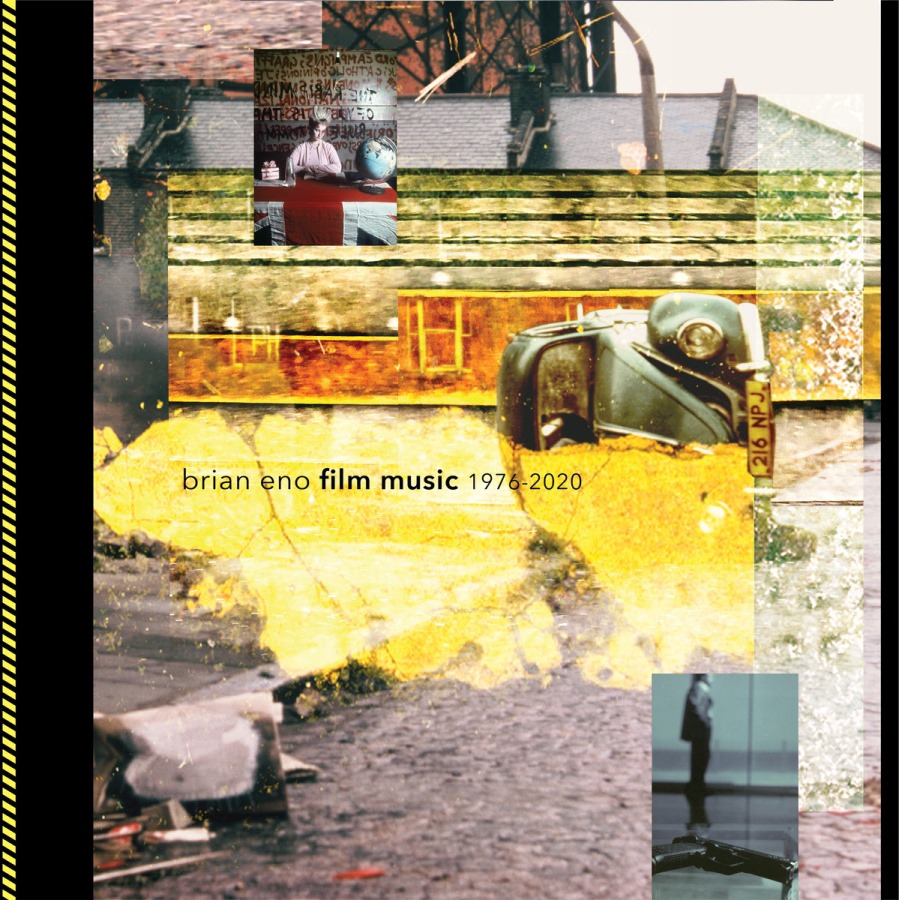
BRIAN ENO Film Music 1976 – 2020

Although Brian Eno released a 1978 studio album called ‘Music For Films’, only its final track ‘Final Sunset’ was written for an actual film as it was effectively a soundtrack show reel proposing cinematic usage.

A compilation of fragments and sketched recorded between 1975 to 1978, ‘Music For Films’ was like a cart coming before the horse, with many of its pieces later ending up in movies such as the remake of Jean-Luc Goddard’s ‘Breathless’ and John Woo’s ‘A Better Tomorrow’; ‘Film Music 1976 – 2020’ is different and could have been titled ‘Music From Films’.
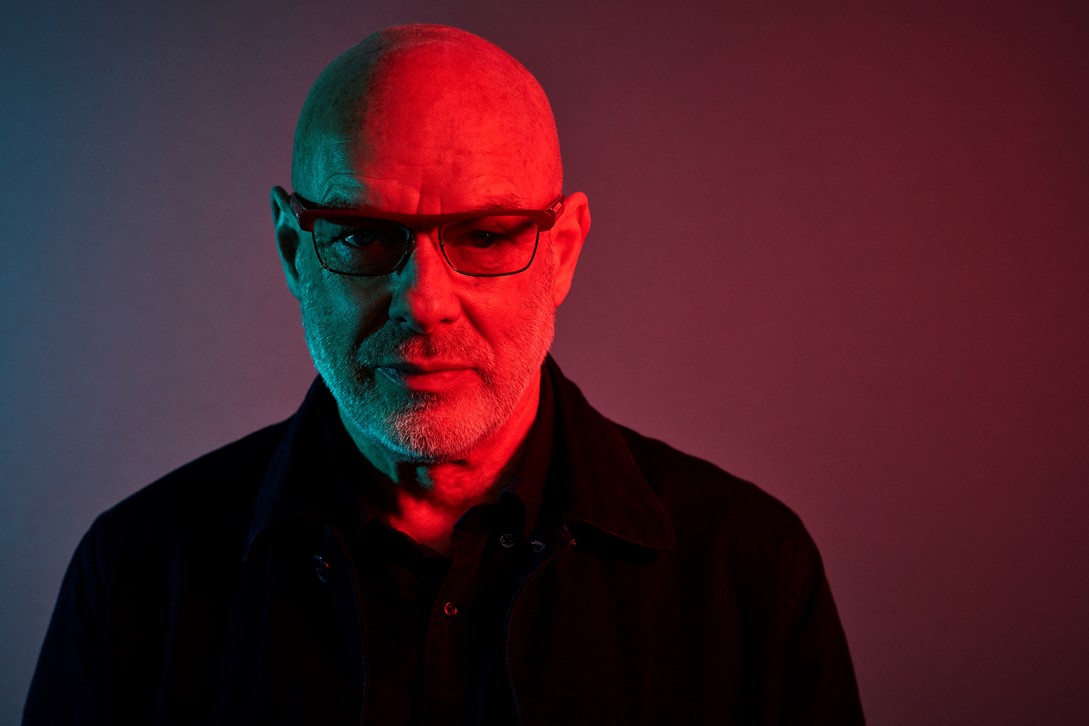
Gathering 17 tracks from the five decade career of Brian Eno, the best known two are from his 1983 album ‘Apollo: Atmospheres & Soundtracks’ which comprised of material composed for the moon landing documentary film which later became known as ‘For All Mankind’.

The hovering aural sedative of ‘Deep Blue Day’ was sweetened by countrified twang of Daniel Lanois and used in the infamous toilet scene from ‘Trainspotting’. Meanwhile, closing ‘Film Music 1976 – 2020’, ‘An Ending (Ascent)’ featured a drifting but dramatic church organ-like passage that acted as the blueprint to the intro of U2’s ‘Where The Streets Have No Name’. And talking of Bono & Co, ‘Beach Sequence’, the PASSENGERS collaboration with U2 also makes an appearance.

The electro-nautical journey of ‘Under’ will be familiar to owners of Eno’s vocal album ‘Another Day On Earth’ from 2005, although the song appeared in the 1992 Kim Basinger movie ‘Cool World’ which also featured David Bowie and Moby in the soundtrack.

From Derek Jarman’s films, there are the transient sound sculptures of ‘Dover Beach’ from ‘Jubilee’ and ‘Final Sunset’ from ‘Sebastiane’. However, ‘Prophecy Theme’ off David Lynch’s ‘Dune’ sounds like it could have come from the ‘Apollo: Atmospheres & Soundtracks’ album. All three pieces though document that 1976-1984 period when Eno all but left art rock aside to indulge in more ambient forms, apart from in a production capacity with the likes of DEVO and TALKING HEADS.

‘Ship In A Bottle’ from ‘The Lovely Bones’ is serene in its presence while ‘Decline & Fall’ from ‘O Nome da Morte’ displays some exquisite sound design. From 2020, ‘Reasonable Question’ from ‘We Are As Gods’ explores a lesser heard electro-rhythmic side to Eno. Also rhythmic but in a more understated manner is ‘Late Evening In Jersey’ from ‘Heat’, where brushing is the tool to add tension.

An almost acoustic folk ballad comes in the shape of a cover of William Bell’s ‘You Don’t Miss Your Water’ from ‘Married to the Mob’ which was directed by Jonathan Demme, but the two song inclusions do spoil the flow for listeners seeking a more environmental instrumental tracklisting. But these are offset by ‘The Sombre’ from ‘Top Boy’ which does as its title suggests and the wonderful ‘Undersea Steps’ from the 2004 George Chan movie ‘Hammerhead’ which will delight Eno’s ambient fans.

This collection is of supreme quality throughout and with the majority of ‘Film Music 1976 – 2020’ being gathered from material not on Eno’s own albums or previously unreleased tracks, it is essential for completists and acts as a fine introduction to his more esoteric work.


‘Film Music 1976 – 2020’ is released by Universal Music on 13th November 2020 in double vinyl LP, CD and digital formats

http://www.brian-eno.net/

https://www.facebook.com/brianenomusic/

https://twitter.com/BrianEnoMusic

https://www.instagram.com/brianeno/


Text by Chi Ming Lai
3rd November 2020, updated 12th November 2020

NEW SPELL Of Time (Remixed) EP

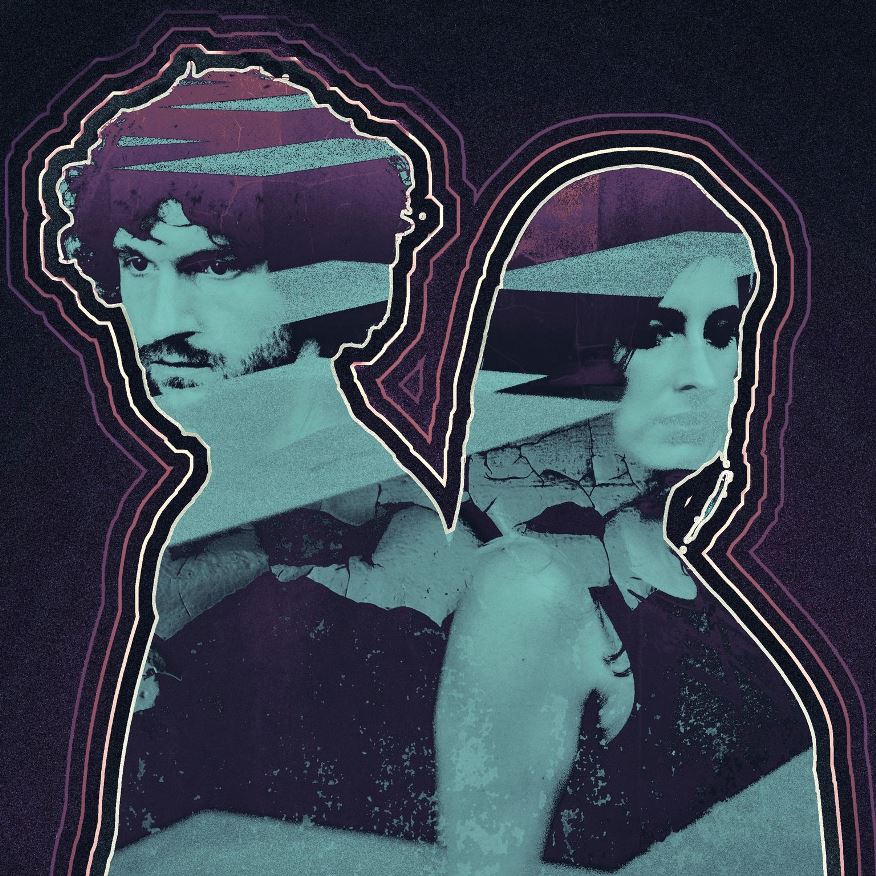
With their thoughtful dark moods influenced by the likes of MASSIVE ATTACK, LCD SOUNDSYSTEM, RADIOHEAD and PORTISHEAD, San Francisco’s NEW SPELL are an enigmatic project that began releasing music in 2011.

Spearheaded by vocalist and songwriter Leanne Kelly in collaboration with drummer Jacob Frautschi and producer Max Savage, their most significant release to date has been the ‘Of Time’ EP trilogy, an exploratory fusion of dreampop, trip-hop, goth, folk, glitch, dance, synth and indie, best exemplified by songs like ‘Future’s Wild’ and the ‘Of Time’ title song which could be mistaken for Hannah Peel.

NEW SPELL are stylistically hard to pin point. But with their newly released ‘(Remixed)’ EP, they hand over six of the tracks from the ‘Of Time’ trilogy to various collaborators for a fresh electronic spin. The best of the bunch is the VANDAL MOON remix of ‘Home’.

The two parties first worked together on ‘We Live Forever’, a moody synthwave ballad from the gothwavers’ most recent long player ‘Black Kiss’. This new version falls in a similar vein with Blake Voss from VANDAL MOON joining in with his subtle baritone, adding a glorious harmonious resonance that wasn’t on the original while still maintaining the chill of Kelly’s forlorn air.

‘Easier’ sees Akiyoshi Ehara of THE SESHEN offer a shimmering leftfield direction that remains pop but also compliments Kelly fabulous voice with a sympathetic laid-back backdrop. Meanwhile the CTRO Remix of ‘You Win’ plays with an experimental uptempo dance flavour that unfortunately loses the song part of the way through.

From pop rockers DANGERMAKER who once covered David Bowie’s ‘Ashes To Ashes’, their frontman Adam Brookes presents a phat rhythmically focussed take on ‘Like Water’. It manages to avoid death by four-to-the-floor by throwing in a few off-beats for some subtle variation and is all the more enjoyable for it as a song about connecting with others in the digital age.

With NEW SPELL having already contributed to ‘Mythic’, cybersynther SENZATIMORE returns the compliment by building up the intensity on ‘Never Change’ before letting off his drum machine-assisted attack propping up a barrage of heavy anthemic keys.

An arpeggio-laden cinematic rocker in its original form, ‘Rain’ remixed by MAITRE D is tightened into a hypnotic club friendly tune that also plays with skippy machine beats and some deep synthbass towards its rainy conclusion.

With her willingness to collaborate in a variety of spears, Leanne Kelly has already revealed her eclectic cards and this remix EP is another facet of that. Her strengths are her introspective songs and her strong voice.

So while her blend of styles and interests might confuse some, there is likely to be something for someone in the music of NEW SPELL, especially in its reflection of the present and an unpredictable future.


‘Of Time (Remixed)’ is released digitally on 30th October 2020, available direct from https://newspell.bandcamp.com/

https://www.newspellmusic.com/

https://www.facebook.com/NewSpellMusic/

https://twitter.com/newspellmusic

https://www.instagram.com/newspellmusic/

https://open.spotify.com/artist/5zMCF2GpGG7eYUxyc63SKW?si=EZQF6VWiTvaS1rF5MKOXLw


Text by Chi Ming Lai
1st November 2020, updated 5th December 2020

HYPERBUBBLE Banks Of The Ohio

Traditional murder ballads being given synth makeovers are all the rage at the moment.

Irish synth songstress FEMMEPOP presented her stark rendition of ‘Tom Dooley’ just a few weeks ago. And now, Texan Bionic Bubblepunk duo HYPERBUBBLE head north to the ‘Banks Of The Ohio’, a song that originated from the 19th Century.

It tells the story of a guilty party inviting their lover for a walk during which their marriage proposal is rejected. Once they are alone, a murder is committed although much sorrow and regret later gets expressed. Perhaps surprisingly, one of the best known versions was by Olivia Newton-John and it was actually her biggest UK hit until her imperial run of singles from the movie ‘Grease’ in 1978.

‘Banks Of The Ohio’ has also been recorded by Dolly Parton, Joan Baez, Johnny Cash and Charley Pride while there have even been reinterpretations in Swedish and Czech. Updating this urban legend, HYPERBUBBLE have produced a wonderfully haunting synth cover with an eerily Gothic Theremin solo by front woman Jess DeCuir that is perfect for Halloween.

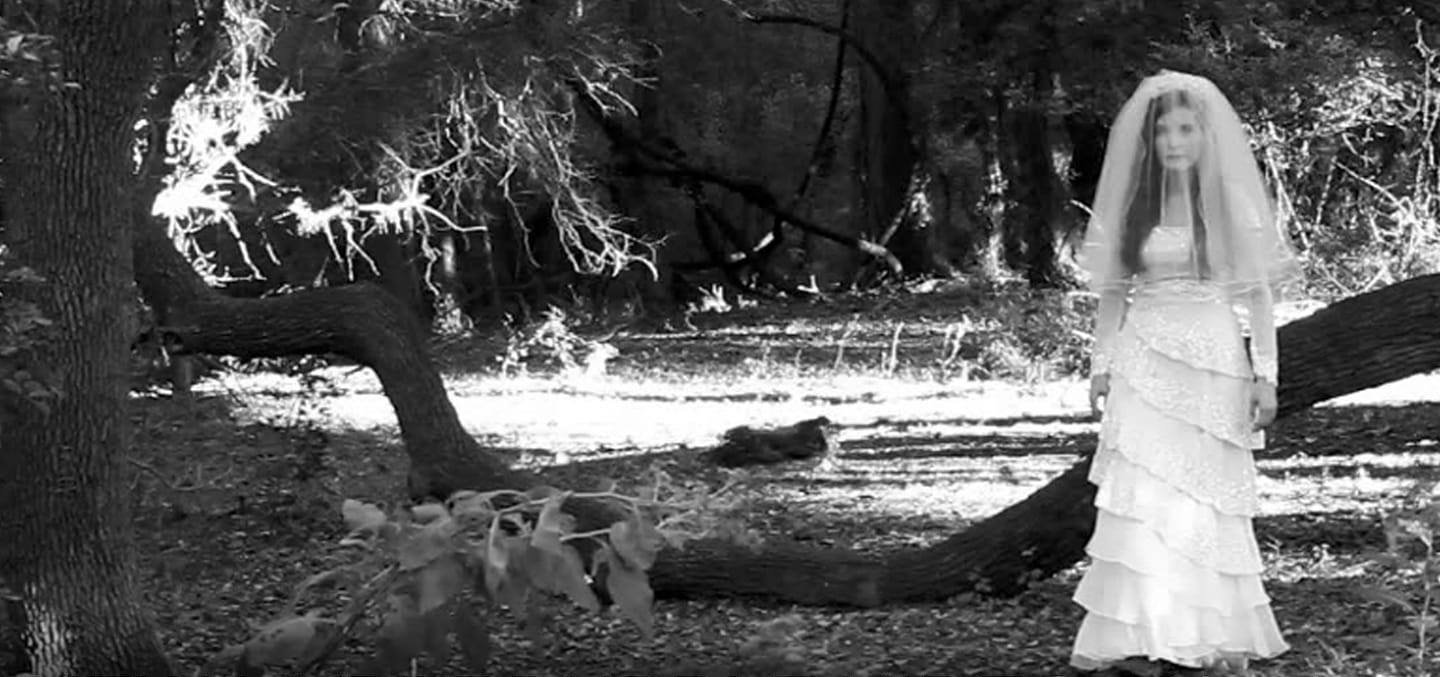
The accompanying self-directed video features zombies, graveyards and murder with our heroine playing a supernatural ghost bride while her hubby Jeff DeCuir is cast as a gravedigger. But she is searching for something! Who is in the grave??? It’s a Roland SH-01 Gaia! Is this symbolism for the death of synthpop?

Although not including ‘Banks Of The Ohio’, HYPERBUBBLE recently released an album of covers called ‘Love & Bionics’. Not content with having delivered a cosmic country covers album three years ago inspired by ‘Switched On Nashville’ called ‘Western Ware’, that put the “MOO” into Moog, Jess and Jeff DeCuir have always enjoyed adapting their style of Texan electro artpunk to a range of standards and obscurities emerging from many unexpected genres.

The most interesting electronic covers often come from outside their regular habitat, particularly from soul and country music.

The Halloween Country Goth Horror Synth of ‘Banks Of The Ohio’ is another example of HYPERBUBBLE’s fun and quirky take on music.


‘Banks Of The Ohio’ comes from the soundtrack of the forthcoming full-length HYPERBUBBLE documentary film called ‘Cowgirls & Synthesizers’

‘Love & Bionics’ is available now as a free download album from https://hyperbubble.bandcamp.com/album/love-and-bionics

http://www.hyperbubble.net/

https://www.facebook.com/hyperbubble

https://twitter.com/Hyperbubble

https://www.instagram.com/hyperbubbleofficial/


Text by Chi Ming Lai
30th October 2020

ALANAS CHOSNAU & MARK REEDER Heavy Rainfall

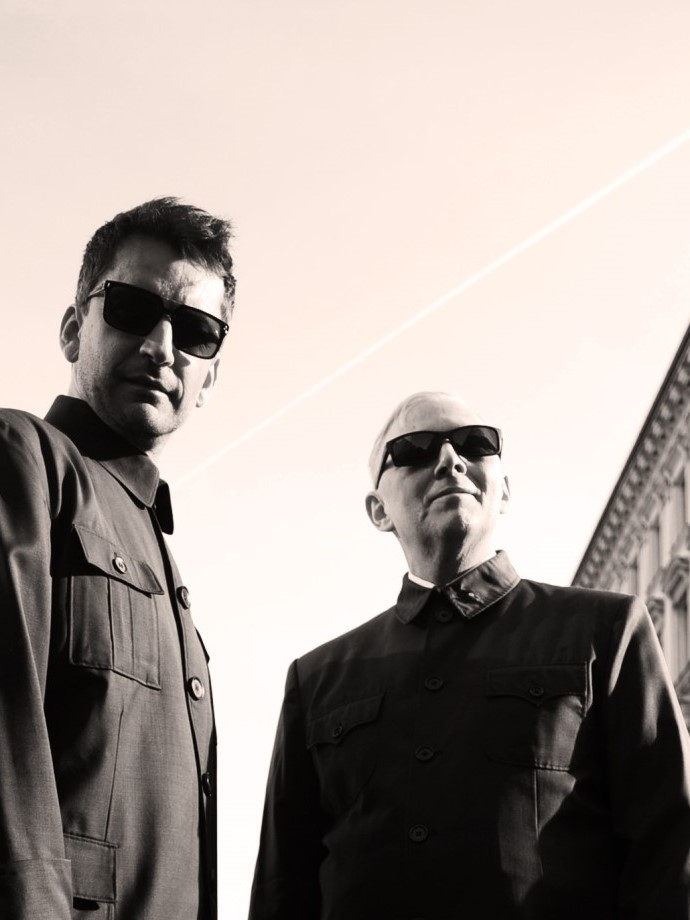
From ‘Children of Nature’, the excellent first album by Mark Reeder and Alanas Chosnau is ‘Heavy Rainfall’, a song seemingly having an environmental reference but actually reflecting on the world’s increasingly disturbing political climate.

“Just a week or so before the US presidential election, we can expect some heavy rainfall” said Mark Reeder, “So, I’m releasing the soundtrack to go with it.”

‘Heavy Rainfall’ is about hope and having strength in adversity. It is about the unfortunate re-emergence of totalitarian regimes and how they can easily creep upon you and change your life, in an instant.

Alanas Chosnau grew up in the former Soviet Union, so he knows how his life could have turned out if the Communist regime had not collapsed. He would never have been able to live his dream to be a singer. Mark Reeder has lived in the divided Berlin since 1978 and had first-hand experience with the mind-controlling East German authorities. He even discovered after the Iron Curtain finally was dismantled down that there was Stasi file on him!

One of the best songs of 2020, ‘Heavy Rainfall’ could be a grooving NEW ORDER disco number with Reeder’s rhythm guitar syncopating off an exquisite range of electronic patterns while some spacey magic flies within the exquisite soundscape. Chosnau solemnly announces the storm warning, yet his message to hang on remains positive.

The video’s imagery of hazard warning tape and destruction through consumption eerily strike home as the Lithuanian gives his impassioned delivery, but there is light at the end of the tunnel in the shape of solar panels.

Alanas Chosnau told ELECTRICITYCLUB.CO.UK that “‘Heavy Rainfall’ transmits the message of the unfortunate rise of totalitarian regimes and strengthened social and even digital control over people”. Meanwhile, Mark Reeder added “‘Heavy Rainfall’ is a song about how our thoughts are manipulated, about how our attention is diverted by trivia. It’s a warning, to be aware, but also the message is positive, that no matter how much heavy rainfall we get, we just have to wait and ride out the storm”.

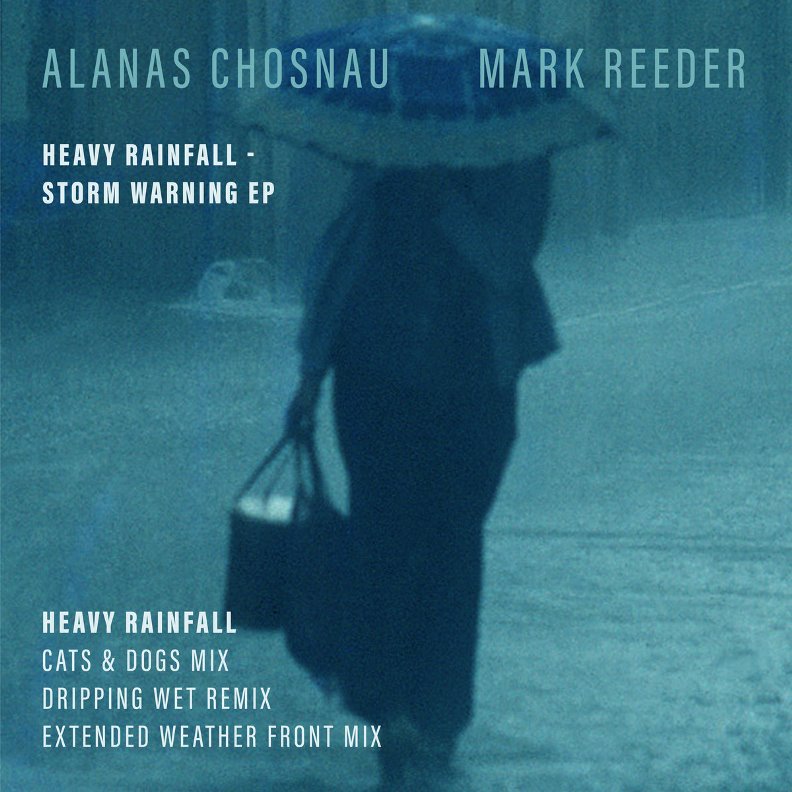
‘Heavy Rainfall’ comes from the hearts of two men who have witnessed things first hand. Released under the title of ‘Storm Warning’, the EP contains the Cats & Dogs Mix, Mark Reeder’s sub-10 minute Dripping Wet Remix and the Extended Weather Front Mix.


‘Storm Warning’ featuring three mixes of ‘Heavy Rainfall’ is released by MFS on the usual digital platforms including https://markreeder.bandcamp.com/

https://alanaschosnau.com/

https://www.facebook.com/alanaschosnau/

https://www.instagram.com/alanaschosnau/

https://www.facebook.com/markreeder.mfs/

https://twitter.com/markreedermfs

https://www.instagram.com/markreeder.mfs/

https://mfsberlin.com/


Text by Chi Ming Lai
Photo by Martyn Goodacre
28th October 2020

« Older posts Newer posts »