Tag: Kraftwerk (Page 3 of 14)

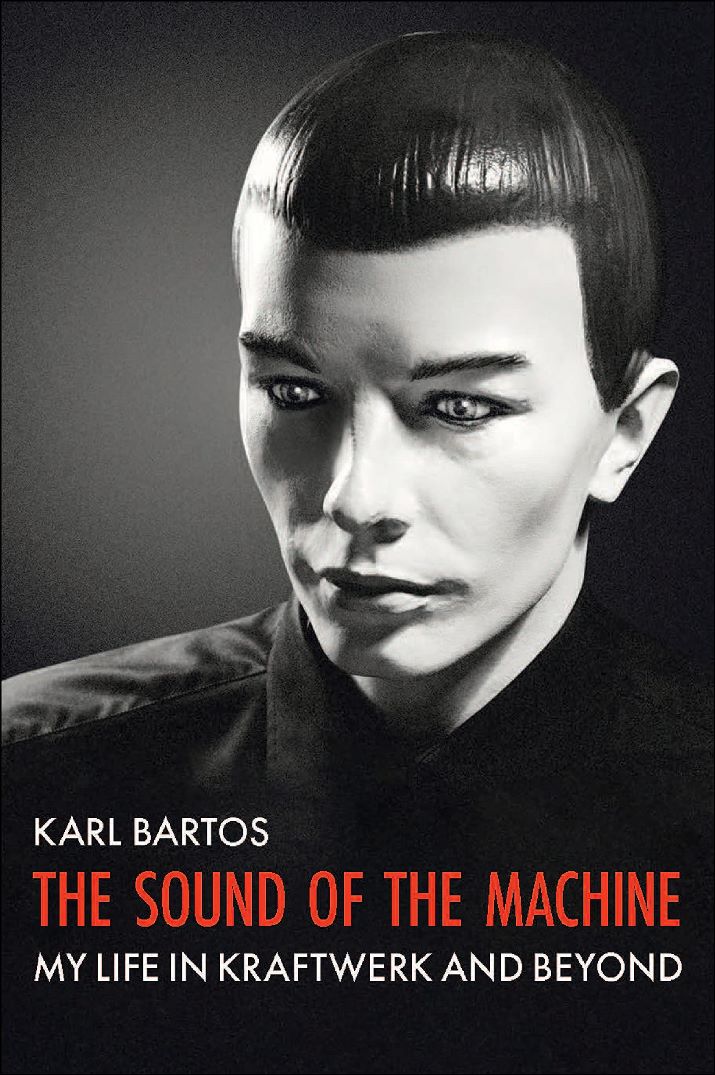
KARL BARTOS The Sound Of The Machine

Originally published in 2017, ‘Der Klang Der Maschine’ was the detailed autobiography of electronic pioneer Karl Bartos. 

Best known for his role in the classic line-up of KRAFTWERK with Ralf Hütter, Florian Schneider and Wolfgang Flür, ‘The Sound Of The Machine’ is the English translation written in collaboration with Katy Derbyshire. It includes extra material not included in the German edition, adding up to a hefty total of 634 pages.

Born in 1952, Bartos was a happy child and his optimistic disposition is a key aspect of this book. While the bitterness that was apparent in Peter Hook’s NEW ORDER book ‘Substance’ is largely absent, ‘The Sound Of The Machine’ is also not the laugh aloud read that Stephen Morris’ two memoirs or the “sex und synths und schlagzeug” romp of Wolfgang Flür’s ‘I Was A Robot’ were.

What ‘The Sound Of The Machine’ has is informative breakdowns of how iconic pieces of music were constructed, commentary on the frenetic pace of technological development and confessionals on band dynamics. It also documents a very human group of men enjoying football, champagne, dancing, cycling and even taking time out to see THE EAGLES. The book is weighty and contains discussions about music theory, philosophy and German history, so those who just want the gossip may find some sections heavy reading.

Despite having co-written many of their best known works such as ‘The Model’, ‘The Robots’, ‘Neon Lights’, ‘Spacelab’, Computer Love’, ‘Pocket Calculator’, ‘Computer World’, ‘Tour De France’ and ‘Numbers’, the KRAFTWERK brand has become so strong that Bartos’ significant role remains widely under appreciated, apart from within the electronic music cognoscenti.

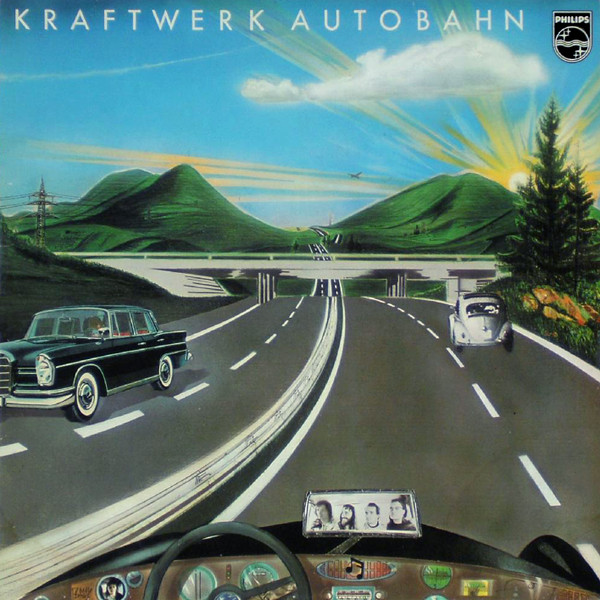
Recruited in 1974 to augment the live shows following the international success of ‘Autobahn’, Bartos was studying to be a symphony orchestra percussionist at the time and had to occasionally commute across the Atlantic to complete his exams while on tour in the US. But Bartos began his youth as a fan of British beat music, particularly THE BEATLES who were introduced to him via the album ‘A Hard Day’s Night’ by his future brother-in-law Peter Hornshaw, then a Lance-Corporal serving with the British Army based in Düsseldorf.

The experience inspired him to take up the drums. Despite securing a telecoms engineering apprenticeship, he saw his future in music. Luckily, his firm wanted to assemble a band of apprentices who could play cover versions at corporate events; Bartos signed up and he was even released from workshop duties to rehearse.

A now-iconic appearance on ‘Tomorrow’s World’ in 1975 showcased the future of music when KRAFTWERK demonstrated their customised instrumentation while dressed smartly in suits and adorning short hair. Performing ‘Autobahn’, Bartos and Flür punctuated the pioneering technologically enhanced sound with a distinct uncluttered percussive snap on their electronic drum pads.

Embracing science and rail transport, KRAFTWERK made major artistic leaps with the ‘Radio-Activity’ and ‘Trans-Europe Express’ albums. By 1978, Bartos had risen to the ranks of co-writer having pointed out to Hütter that his electronic vibraphone solo on ‘The Hall Of Mirrors’ from ‘Trans-Europe Express’ amounted to a more significant contribution than that of a hired hand. So from ‘The Man-Machine’ onwards, his input would involve all parts of the musical content including drums, bass, sequencer, chords, melody, voice and lyrics.

But KRAFTWERK’s Generalleutnant was already displaying his control freak tendencies that would eventually drive all three members of the classic line-up out; Hütter bagged 50% of the publishing for the lyrics of ‘Spacelab’ and ‘Metropolis’ despite the tracks only containing one word, thus reducing Bartos’ musical share. Meanwhile on a German TV appearance performance of ‘The Robots’, Hütter insisted on co-miming the lead vocal despite the fact that it had been provided solely by Schneider via his vocoder on the record.

1981’s ‘Computer World’ saw a new piece of equipment enter Kling Klang in the shape of the Triggersumme. Built by the makers of the Synthanorma sequencer that had been crucial to the sound of ‘Europe Endless’ and ‘The Robots’, the Triggersumme was effectively a drum machine with five rows of 16 switches controlling electronically generated beats that could be manipulated by hand while running in a precise loop.

It was with the Triggersumme that Bartos came up with the iconic rhythmic mantra of ‘Numbers’. Perhaps unexpectedly, it had been inspired by the four bar drum intro of ‘Do You Wanna Dance?’ by Cliff Richard but as it was a subconscious interpretation rather than a copy, something much funkier prevailed! However, on reflection, Bartos concludes in his book that “the advent of sampling has made us largely forget exactly this kind of process”.

‘Computer World’ was KRAFTWERK’s masterpiece that predicted the future; it was a conceptual work that looked at police surveillance, portable office technology, online dating and home entertainment. Meanwhile, as the UK was catching up with RFWK, ‘The Model’ from ‘The Man-Machine’ belatedly became a UK No1 in 1982. Later, Bartos’ own contributions were interpolated by Afrika Baambaata with Arthur Baker for ‘Planet Rock’ and more recently, COLDPLAY for ‘Talk’.

Despite the machinery, KRAFTWERK demonstrated ‘It’s More Fun To Compute’; on ‘Pocket Calculator’; Hütter, Schneider and Bartos had jammed together respectfully on hand-held devices such as the Mattel Bee Gees Rhythm Machine, Texas Instruments calculator and a Stylophone to create a lively polyphony. But this approach with a distinct sense of humanity and looking into each other’s eyes became sidetracked as KRAFTWERK purchased an Emulator and Yamaha DX7 for their next album ‘Techno Pop’.

With KRAFTWERK about to capitalise on the recognition they had been accorded by the success of synthpop throughout the world, Hütter had a near fatal cycling accident. The single ‘Tour De France’ has already been issued but the release of ‘Technopop’ was postponed and the tracks were slowly reworked using state-of-the-art digital and sampling technology before being released as the disappointing ‘Electric Café’ album in 1986.

In a sign of his own future, Bartos took the lead vocal on ‘The Telephone Call’ but Hütter refused to let him lip-sync on the video, although ironically, it was Flür who got to mime a single phrase while cast in shadow. It was to be the last time that the classic KRAFTWERK line-up were seen publicly together.

KRAFTWERK had clearly lost their way and Flür was the first to leave in 1987. Bartos soldiered on and worked with Hütter, Schneider and new recruit Fritz Hilbert on a remix album entitled ‘The Mix’. But as Bartos highlights, Schneider was now specialising in speech synthesis rather than music. Meanwhile Hütter seemed more focussed on cycling but had purchased a rather expensive Synclavier. It led to getting sidetracked by technical rather than musical possibilities to keep up with the production standards of others; “The dancefloor led the way” Bartos lamented, “We became music designers manufacturing consumer music oriented only towards ‘winning’ against other contestants”.

Frustrated by the drought of new material following ‘Electric Café’, Bartos played his last concert with the band in 1990 and handed back his keys to Kling Klang not long after. But despite having already put several years into the project, his name was missing in the credits… the finished produkt itself sounded dated by the time it hit the stores in 1991 and lacked the magic that had made KRAFTWERK great. The prolonged digitisation for Bartos meant “The songs lost their aura, their poetry, they lost precisely what can’t be captured in words…”

Wasting no time, Bartos formed ELEKTRIC MUSIC with Lothar Manteuffel from RHEINGOLD and released the album ‘Esperanto’ in 1993 which was enthusiastically welcomed by fans desperate for the void in new KRAFTWERK material to be filled. After so many years in Kling Klang, he also needed to find out what “Karl Bartos actually sounds like”. However, he was not quite yet ready to take on a front man role as Manteuffel took the lead vocals on the singles ‘Crosstalk’, ‘TV’ and ‘Lifestyle’.

Freed from the shackles of Kling Klang where Hütter had imposed a ban on work outside of KRAFTWERK, Bartos was open to collaboration and the first was with longtime KRAFTWERK fan Andy McCluskey from OMD who sang on the brilliant ‘Kissing The Machine’. Quite possibly the best song that both parties were involved at the time of its release, ‘Kissing The Machine’ was so good that it merited an updated version reconfigured by Paul Humphreys, included 20 years later on the OMD album ‘English Electric’.

With the anti-synth backlash that came with Grunge and Britpop, the guitar dominated environment of the era led to rather strange happenings with Bartos and McCluskey. In McCluskey’s case, it was forming ATOMIC KITTEN with Bartos suggesting that a girl group would be the ideal vehicle for the OMD front man’s future songs! The thought of Kerry Katona being part of Kling Klang’s lineage is quite amusing in hindsight!

Meanwhile at the instigation of Mark Reeder, Bartos went to Manchester to work with Bernard Sumner and Johnny Marr on ELECTRONIC’s ‘Raise The Pressure’ album. Eventually released in 1995, it was reported at the time that Bartos had become disillusioned with music technology; the more guitar based collaborations ‘Forbidden City’ and ‘For You’ were among the results. While ‘If You’ve Got Love’ and ‘How Long’ from the album were the more typical of the KRAFTWERK influenced tracks that fans were expecting and the B-side ‘Imitation Of Life’ later morphed into the 2013 solo track ‘Musica Ex Machina’, Bartos effectively returned to Germany with a Rickenbacker strapped to his back!

The resultant 1998 album was ‘Electric Music’, a first solo record of sorts which Bartos himself described as “guitar pop out of the computer”. Although a song originally written for KRAFTWERK entitled ‘The Young Urban Professional’ was the first single, the album was not particularly well received by fans! As Bartos himself confesses, “I was evidently too unknown as a person for anyone to take an interest in the depths of my sound biography. My guitar experiment was doomed to fail. Mea Culpa”.

Following a request for a re-recording of ‘Tour De France’ in 1998, Bartos made tentative steps to revisit the electronic past he was known for.  Dipping his toe in with the single ’15 Minutes Of Fame’ in 2000, he made a triumphant comeback with his first proper solo album ‘Communication’ issued in 2003. The opening track ‘The Camera’ was a successful updating the of ‘The Robots’ for the new Millennium while ‘Life’ lamented about his time with KRAFTWERK in a NEW ORDER styled guitar number reimagined with electronics and ‘I’m The Message’ presented Bartos “In Bild und Ton”…

But just as ‘Communication’ hit the shelves, an elephant entered the room in the shape of his former band; with Hütter and Schneider finally delivering neu Kling Klang Produkt in the shape of ‘Tour De France Soundtracks’, fans and press predictably focused their attention on KRAFTWERK.

This was a shame as ‘Communication’ was a far more vibrant and melodic work than KRAFTWERK’s offering which for an album about cycling was strangely pedestrian. Bartos’ own solo live show mixed new material with updated versions of his classic KRAFTWERK co-writes in a striking but intimate audio / visual extravaganza. Sadly though, average ticket sales for the UK tour were disappointing and the European tour was cancelled.

Bartos became a visiting Professor at the Berlin University of the Arts having founded its Master of Arts course in ‘Sound Studies – Acoustic Communication’ while digitising his musical archive of rhythmical and melodic sketches made since he was in KRAFTWERK. Within a 21st Century setting, twelve developed and recontextualised tracks became his second solo album ‘Off The Record’ in 2013.

Just as the ‘Off The Record’ tour was about to begin in Cologne on 26th January 2014, that red and black elephant re-entered the room. KRAFTWERK were to be presented with a Lifetime Achievement Award on the same night at The Grammys in Los Angeles. As German TV descended on the Live Music Hall to speak to Bartos prior to the show, all they wanted to know about was his period in Kling Klang. Bartos’ own reflections on never escaping KRAFTWERK’s shadow came in an ‘Off The Record’ song entitled ‘Without A Trace Of Emotion’. Poignantly in a vocodered voice, his robot Herr Karl wryly declares: “Every single day I am here to let you know, Whatever happens to you – I won’t let go, I won’t let go…”

In 2013, Herr Bartos said to ELECTRICITYCLUB.CO.UK: “Sometimes we all love nostalgia because it’s safe. One interesting point; the process of listening to music incorporates what we have learned before, all our lives, what we know. If you listen to a track in a club, or at home, or a concert, it doesn’t matter where, always what our brain does is we remember what we have learned about music, then we have this very second, this very moment, and our expectations about how the music will evolve in the future. Listening to music incorporates all three times.”

Karl Bartos has generally been seen as a beacon of hope for KRAFTWERK enthusiasts, what with ‘Der Katalog 1-2-3-4-5-6-7-8’ 3D shows and the like offering no new material.

What fascinated him about the possibilities of electronic music was the creation of a closed system, to be able to disregard tradition, to offer different forms of expression on the basis of unique characteristics, to be able to compose and record while alone and to bring all manners of culture into pop.

With words of wisdom towards the end of his autobiography, Bartos surmises: “A society’s history is absolutely necessary for its orientation. After all, we can only tell who we are if we know where we come from. And that’s why the past should always be present at least in our minds”.

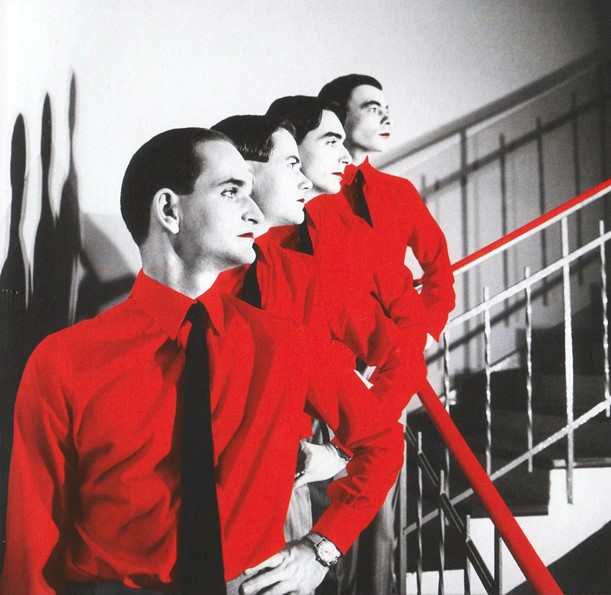
Dress code: red shirt, black tie, you’re history…


‘The Sound Of The Machine’ is published by Ominbus Press

http://www.karlbartos.com/

https://www.facebook.com/OriginalBartos

https://open.spotify.com/artist/5tJ5CFnO4JQmLXaarEyHKt


Text by Chi Ming Lai
Photo by Markus Wustmann
31st July 2022
THE ELECTRONIC LEGACY OF 1981

Was 1981 the most important year in synth as far becoming ubiquitous in the mainstream and hitting the top of the charts internationally?

Yes, ‘Autobahn’ and ‘Oxygène’ came before, while the Giorgio Moroder produced ‘I Feel Love’ by Donna Summer is acknowledged as being the track that changed pop music forever and still sounds like the future even in the 21st Century. French electronic disco like ‘Magic Fly’ and ‘Supernature’ also made its impact.

Meanwhile closer to home, a post-punk revolution was already permeating in the UK with the advent of affordable synthesizers from Japan being adopted by the likes of THE NORMAL, THROBBING GRISTLE, CABARET VOLTAIRE and THE HUMAN LEAGUE. But it was Gary Numan who took the sound of British synth to No1 with ‘Are Friends Electric?’ and ‘Cars’ in 1979. It signalled a change in the musical landscape as the synth was considered a worthy mode of youthful expression rather than as a novelty, using one finger instead of three chords.

Despite first albums from John Foxx and OMD, 1980 was a transitional time when the synth was still the exception rather than the rule. But things were changing and there had also been the release of the first Midge Ure-fronted ULTRAVOX album ‘Vienna’ and the eponymous debut long player by VISAGE just as The Blitz Club and the New Romantic movement were making headlines. With the acclaim for the ‘Some Bizarre Album’ in early 1981 which launched the careers of DEPECHE MODE, SOFT CELL, BLANCMANGE, THE THE and B-MOVIE, a wider electronic breakthrough was now almost inevitable.

VISAGE’s ‘Fade To Grey’ went on to be a West German No1 in Spring 1981 and this exciting period culminated in THE HUMAN LEAGUE taking ‘Don’t You Want Me?’ to the top spot in the US six months year after becoming the 1981 UK Christmas No1. It would be fair to say that after this, the purer sound of synth was never quite the same again.

For many listeners, 1981 was a formative year and had so many significant new releases that it was difficult to stretch the limited pocket money to fund album purchases. ELECTRICITYCLUB.CO.UK even took to selling bootleg C90 cassettes on the school playground, promising a value-for-money “two albums for one” deal to support this disgusting habit!

Looking back to four decades ago when there were also albums from DEVO, EURYTHMICS, FAD GADGET, LOGIC SYSTEM, SPANDAU BALLET, SPARKS and TANGERINE DREAM, here are twenty albums which ELECTRICITYCLUB.CO.UK sees as contributing to the electronic legacy of 1981. Listed in alphabetical order with the restriction of one album per artist moniker, this is the way it was in the past, a long long time ago…


DAF Alles Ist Gut

The late Gabi Delgado and Robert Görl released an acclaimed album trilogy produced by Conny Plank. The first ‘Alles Ist Gut’ featured their fierce breakthrough track ‘Der Mussolini’ which flirted with right wing imagery in its sardonic reflections on ideology. Causing controversy and confusing observers, DAF attracted a following which Delgado hated. Despite his parents escaping from the Franco regime in Spain, he was always unapologetic about his lyrical provocation.

‘Alles Ist Gut’ is still available via Grönland Records
http://www.robert-goerl.de/


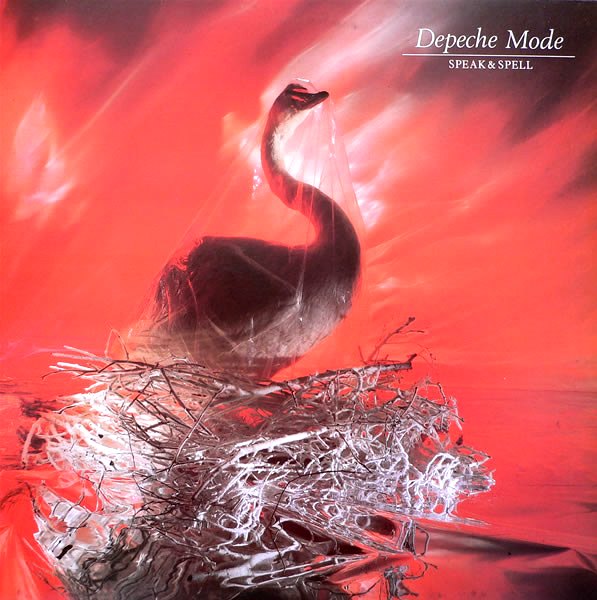
DEPECHE MODE Speak & Spell

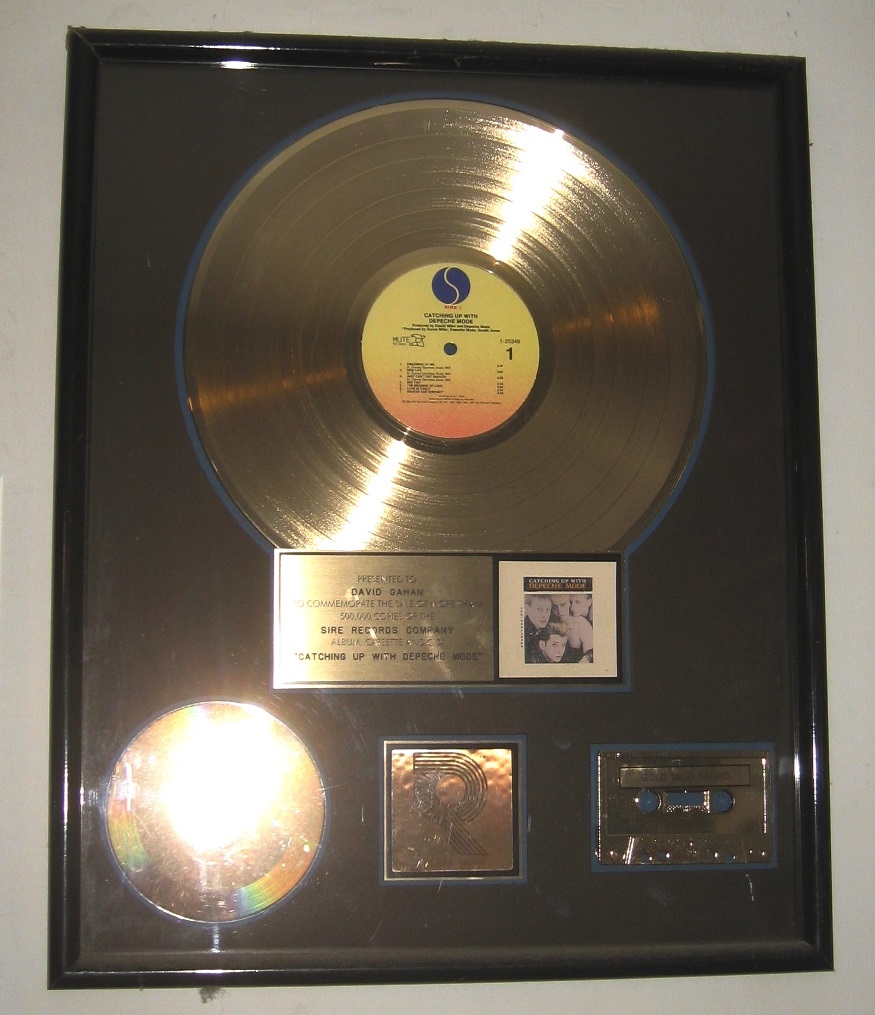
Having conceived the idea of a teenage synthpop group called SILICON TEENS, this dream of Daniel Miller became flesh and blood when he came across a young quartet from Basildon called DEPECHE MODE. Signing on a handshake 50/50 deal to his Mute Records, the group became a chart success. Despite great songs like ‘Puppets’ and ‘Tora! Tora! Tora!’, the group fragmented on the release of their 1981 debut album ‘Speak & Spell’.

‘Speak & Spell’ is still available via Mute Records

http://www.depechemode.com/


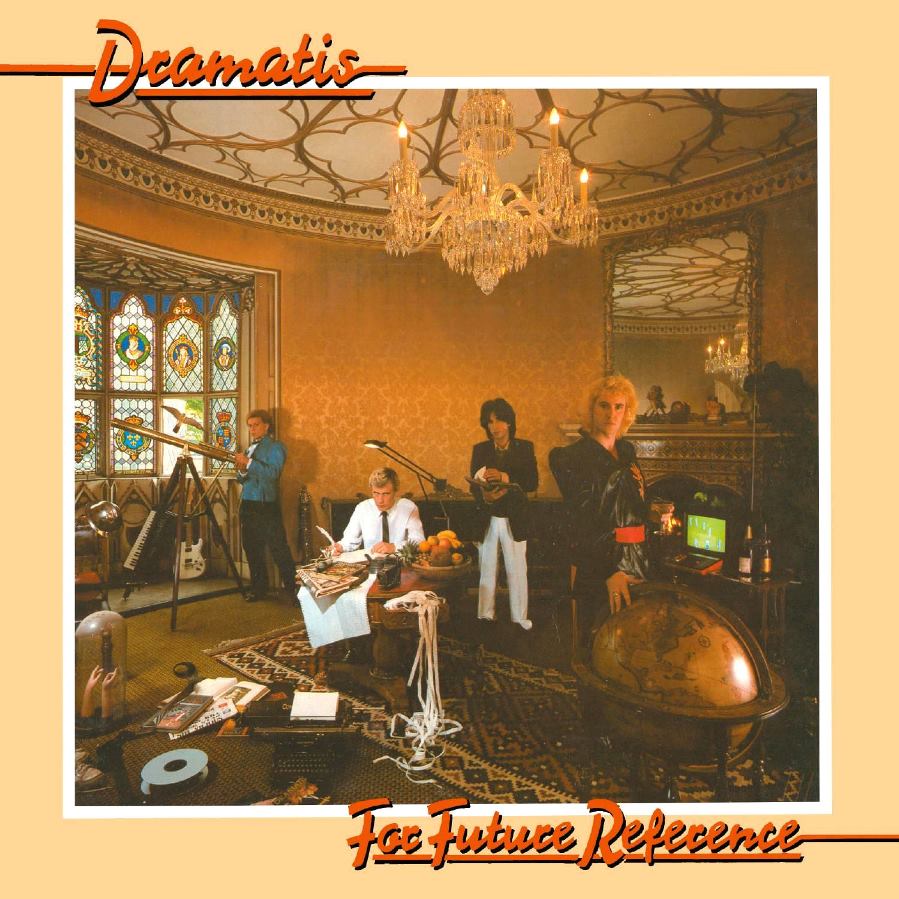
DRAMATIS For Future Reference

Following the live ‘retirement’ of Gary Numan, four of his erstwhile backing band became DRAMATIS. RRussell Bell, Denis Haines, Chris Payne and Ced Sharpley had been instrumental in the success of Numan’s powerful live presentation and their only album showcased the band’s virtuoso abilities. While the use of four different lead vocalists (including Numan himself on the superb ‘Love Needs No Disguise’) confused the continuity of the album, musically, there was much to enjoy.

‘For Future Reference’ is now available via Cherry Red Records

http://www.numanme.co.uk/numanme/Dramatis.htm


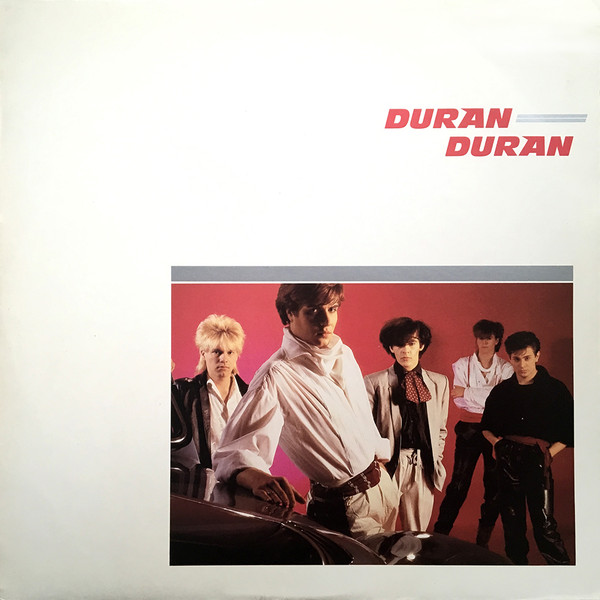
DURAN DURAN Duran Duran

It would be fair to say that DURAN DURAN took the arty poise of JAPAN and toned down their androgynous outré to make it more accessible. But their enduring appeal ofis great timeless pop songs and that was apparent on the self-titled debut album which at times sounded like an electronic band with a heavy metal guitarist bolted on, especially on ‘Careless Memories’ and ‘Friends Of Mine’. But most will just remember the two hits ‘Planet Earth’ and ‘Girls on Film’.

‘Duran Duran’ is still available via EMI Records

http://www.duranduran.com/


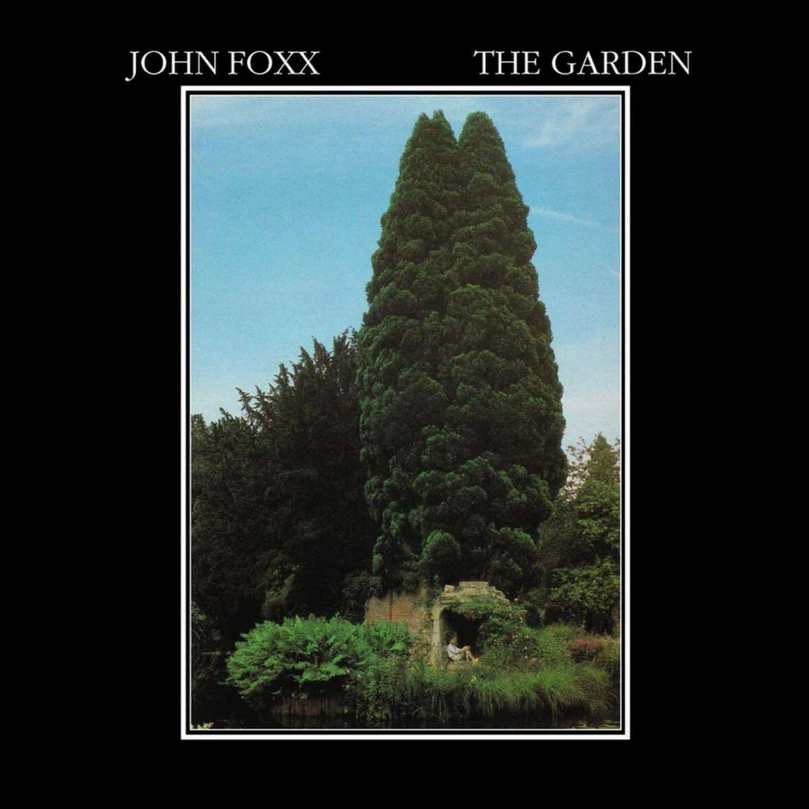
JOHN FOXX The Garden

Thawing considerably following ‘Metamatic’, John Foxx admitted he had been “reading too much JG Ballard”. Exploring beautiful Italian gardens, his new mood was reflected in his music. ‘The Garden’  featured acoustic guitar and piano as showcased in the Linn Drum driven single ‘Europe After The Rain’. With choral experiments like ‘Pater Noster’, a return to art rock on ‘Walk Away’ and the more pastoral climes of the title track, Foxx had now achieved his system of romance.

‘The Garden’ is still available via Edsel Records

http://www.metamatic.com/


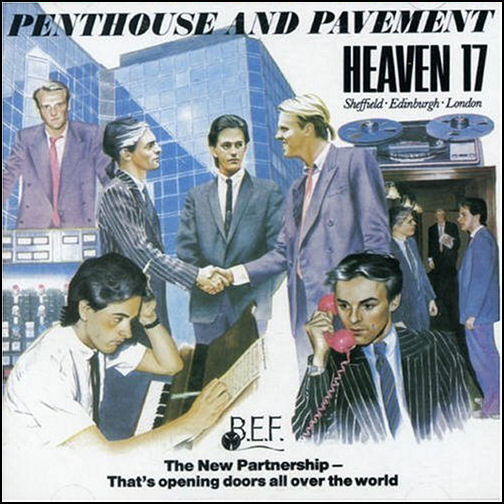
HEAVEN 17 Penthouse & Pavement

HEAVEN 17’s debut ‘Penthouse & Pavement’ was a landmark achievement, combining electronics with pop hooks and disco sounds while adding witty social and political commentary, taking in yuppie aspiration and mutually assured destruction. The first ‘Pavement’ side was a showcase of hybrid funk driven. The second ‘Penthouse’ side was like an extension of THE HUMAN LEAGUE’s ‘Travelogue’, Martyn Ware and Ian Craig Marsh’s swansong with the band.

‘Penthouse & Pavement’ is still available via Virgin Records

http://www.heaven17.com/


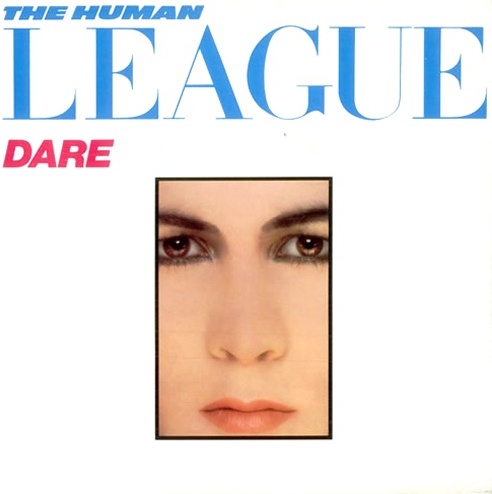
THE HUMAN LEAGUE Dare

Philip Oakey and Adrian Wright recruited Susanne Sulley, Joanne Catherall, Jo Callis and Ian Burden to record ‘Dare’ produced by Martin Rushent. Like KRAFTWERK meeting ABBA, the dreamboat collection of worldwide hits like ‘Love Action’ and ‘Don’t You Want Me?’ had a marvellous supporting cast in ‘The Things That Dreams Are Made Of’, ‘I Am The Law’, ‘Seconds’ and ‘Darkness’. Only the Linn Drum rework of ‘The Sound Of The Crowd’ blotted the album’s near perfection.

‘Dare’ is still available via Virgin Records

http://www.thehumanleague.co.uk/


JAPAN Tin Drum

JAPAN took the influences of the Far East even further with ‘Tin Drum’. A much more minimal album, there was hardly any guitar while the synths used were restricted to an Oberheim OBX, Prophet 5 and occasionally the Roland System 700. David Sylvian’s lyrical themes flirted with Chinese Communism as Brian Eno had done on ‘Taking Tiger Mountain (By Strategy), highlighted by the pentatonic polyrhythmic single ‘Visions Of China’ and its less frantic sister song ‘Cantonese Boy’.

‘Tin Drum’ is still available via Virgin Records

http://www.nightporter.co.uk/


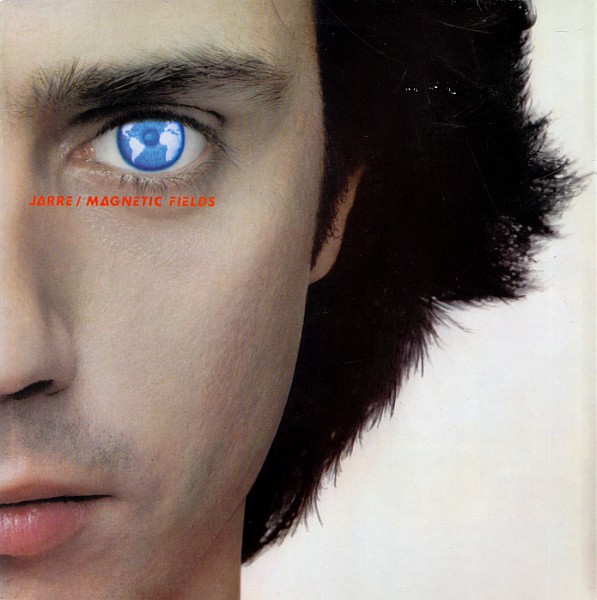
JEAN-MICHEL JARRE Magnetic Fields

With his synthesized symphonies, Jean-Michel Jarre helped popularise the sound of electronic music. ‘Magnetic Fields’ was his first long player to utilise the Fairlight CMI which allowed him to absorb some musique concrete ideas such as water splashing and hydraulic train doors into his compositions. Featuring the klanky Korg Rhythm KR55, it was a much more percussive album than ‘Oxygène’ and ‘Equinoxe’ had been, complementing the metallic textures that featured.

‘Magnetic Fields’ is still available via Sony Music

http://jeanmicheljarre.com/


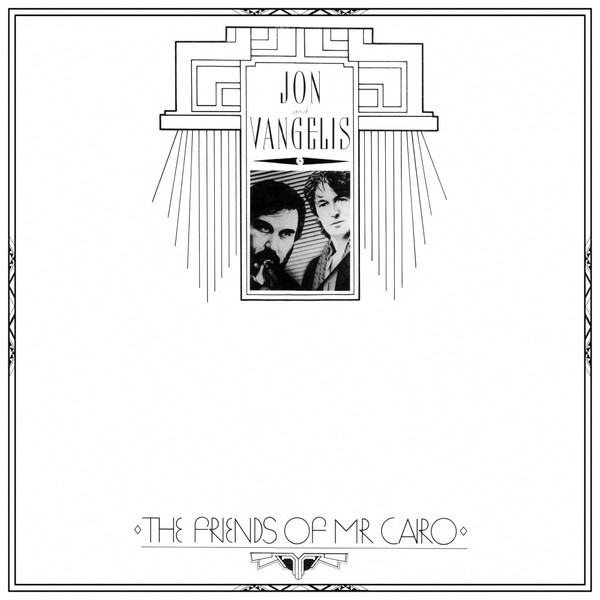
JON & VANGELIS The Friends Of Mr Cairo

Having scored an unexpected UK hit with the sonic beauty of ‘I Hear You Now’, Jon Anderson and Vangelis presented a second album in ‘The Friends Of Mr Cairo’. Featuring ‘State Of Independence’ which was to become a hit for Donna Summer, the album was laced with spiritual overtones over symphonic synths, cinematic piano and dialogue samples from films. However, the album is best known for ‘I’ll Find My Way Home’ which had not been included on the original tracklisting.

‘The Friends Of Mr Cairo’ is still available via Polydor Records

https://www.jonanderson.com/

https://www.facebook.com/VangelisOfficial/


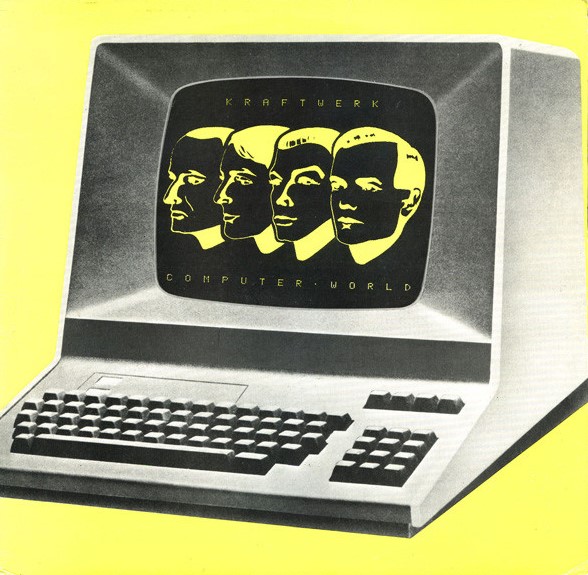
KRAFTWERK Computer World

‘Computer World’ could be considered one of the most prophetic albums of its time. KRAFTWERK forsaw the cultural impact of internet dating on ‘Computer Love’, but the title track highlighted the more sinister implications of surveillance by “Interpol and Deutsche Bank, FBI and Scotland Yard” with the consequences of its prophecy still very relevant discussion points today. But the dynamic rhythmic template of ‘Numbers’ was to have a major impact on Urban America.

‘Computer World’ is still available via EMI Records

http://www.kraftwerk.com/


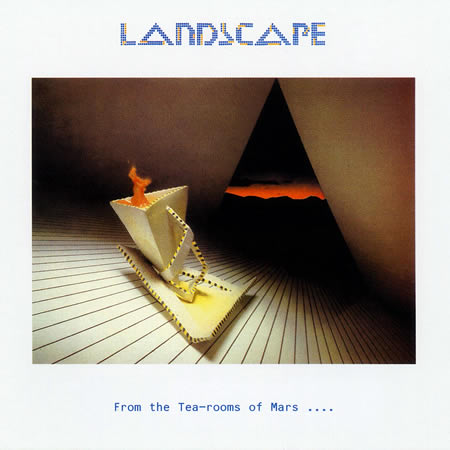
LANDSCAPE From The Tea Rooms Of Mars To The Hell-holes Of Uranus

LANDSCAPE were led by producer Richard James Burgess who co-designed the Simmons SDSV. Using a Lyricon wind-controlled synth as its lead hook, ‘Einstein A-Go-Go’ was a fabulously cartoon-like tune about nuclear weapons falling into the hands of theocratic dictators and religious extremists! Meanwhile, ‘European Man’ predated EDM by having the phrase “electronic dance music” emblazoned on its single sleeve.

‘From The Tea Rooms Of Mars To The Hell-holes Of Uranus’ is still available via Cherry Red Records
https://twitter.com/Landscape_band


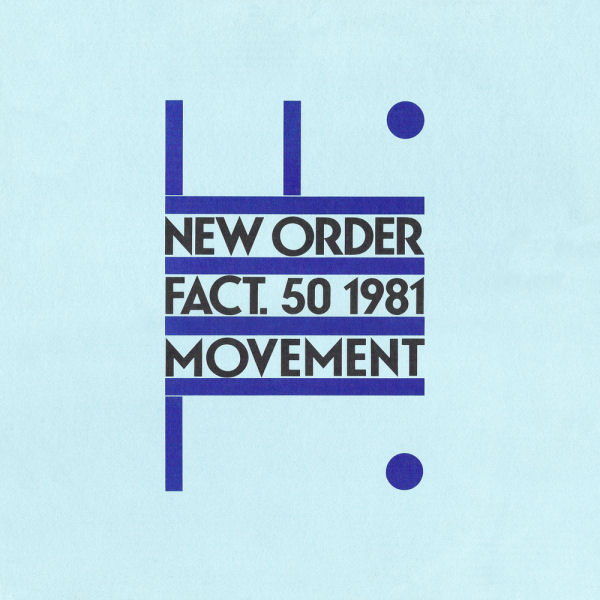
NEW ORDER Movement

Rising from the ashes of JOY DIVISION, Peter Hook, Bernard Sumner and Stephen Morris chose the name NEW ORDER as a symbol of their fresh start and after deciding against recruiting a new vocalist, Morris’ girlfriend and later wife, Gillian Gilbert was recruited. Despite Martin Hannett still producing, recording sessions were fraught although synths were taking greater prominence while Morris used a Doctor Rhythm DR55 drum machine on ‘Truth’ and ‘Doubts Even Here’.

http://www.neworder.com/


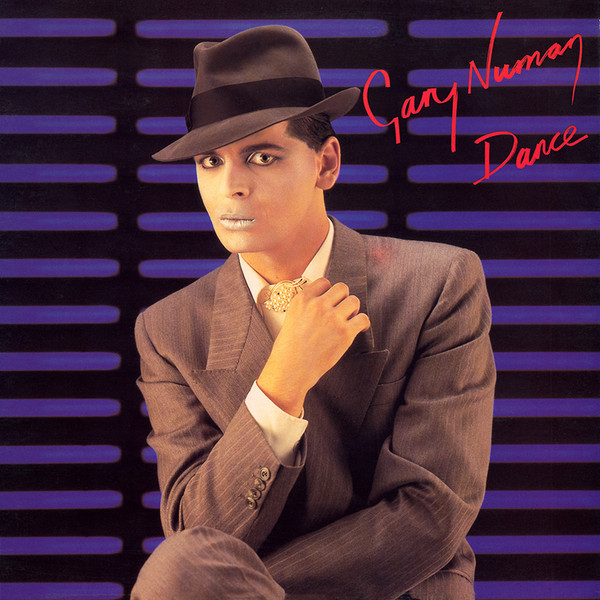
GARY NUMAN Dance

Following his ‘retirement’ from live performance, the last thing Numanoids expected was an understated Brian Eno homage. At nearly an hour’s playing time, ‘Dance’ outstayed its welcome with ‘Slowcar To China’ and ‘Cry The Clock Said’ stretching to 10 minutes. Much was made of JAPAN’s Mick Karn playing fretless bass although he was only on five of the eleven tracks. In ‘A Subway Called You’ and ‘Crash’, there were some great moments.

‘Dance’ is still available via Beggars Banquet Records
https://garynuman.com/


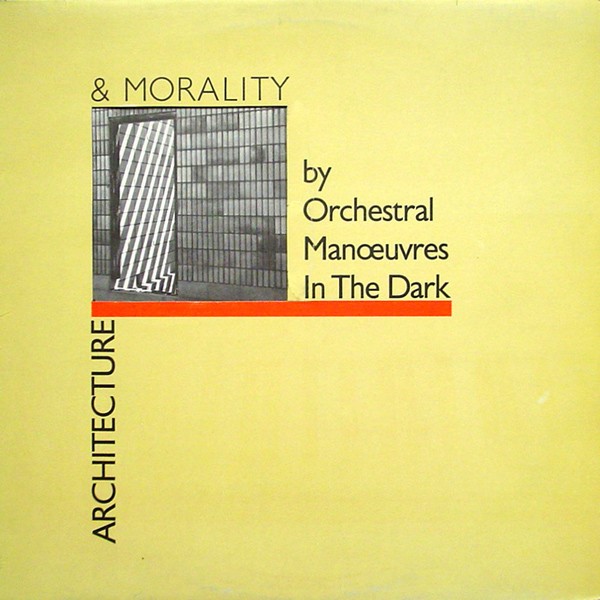
OMD Architecture & Morality

”I think ‘Architecture & Morality’ was a complete album, it was just so whole” said Paul Humphreys in 2010. The big booming ambience next to big blocks of Mellotron choir gave OMD their masterpiece, tinged more with LA DÜSSELDORF rather than KRAFTWERK. Featuring two spirited songs about ‘Joan Of Arc’, these were to become another pair of UK Top 5 hits with the ‘Maid of Orleans’ variant also becoming 1982’s biggest selling single in West Germany.

‘Architecture & Morality’ is still available via Virgin Records

http://www.omd.uk.com/


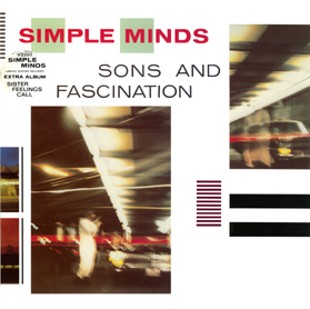
SIMPLE MINDS Sons & Fascination / Sister Feelings Call

This generally overlooked double opus exploited the Germanic influences of SIMPLE MINDS to the full, under the production auspices of Steve Hillage. From the singles ‘The American’ and ‘Love Song’ to the mighty instrumental ‘Theme For Great Cities’ and the unsettling dentist drill menace of ‘70 Cities As Love Brings The Fall’, with basslines articulating alongside synths and guitars almost as one, this was SIMPLE MINDS at close to their very best.

‘Sons & Fascination / Sister Feelings Call’ is still available via Virgin Records

https://www.simpleminds.com/


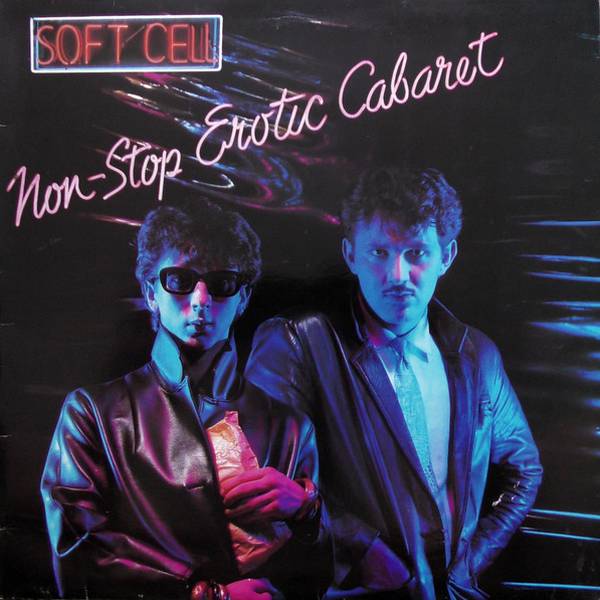
SOFT CELL Non-Stop Erotic Cabaret

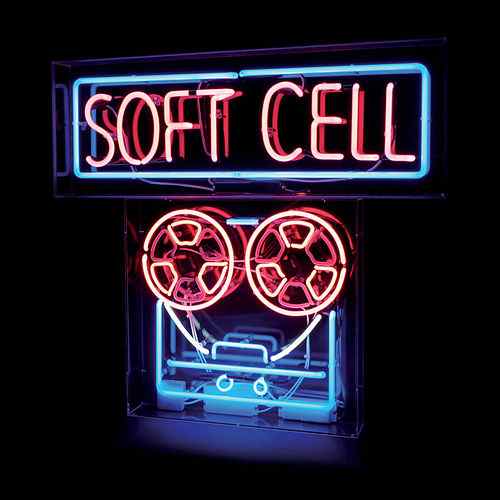
In their cover of ‘Tainted Love’, SOFT CELL provided the first true Synth Britannia crossover record. One of the best albums of 1981, ‘Non-Stop Erotic Cabaret’ captured the edginess of minimal synth arrangements while married to an actual tune. At the time, art school boys Marc Almond and Dave Ball were rated higher than DEPECHE MODE. But with the  follow-up success of the Top5 singles ‘Bedsitter’ and ‘Say Hello Wave Goodbye’, the pair became reluctant popstars.

‘Non-Stop Erotic Cabaret’ is still available via Mercury Records
https://www.softcell.co.uk/


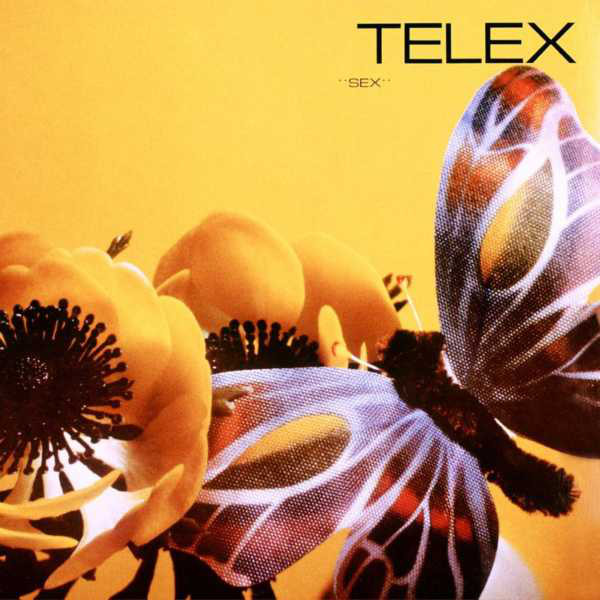
TELEX‎ Sex

‘Sex’ was Belgian trio TELEX’s third album and a collaboration with SPARKS that saw them contribute lyrics to all nine tracks. Experiments in swing on ‘Sigmund Freud’s Party’ displayed a sophisticated vintage musicality and ‘Haven’t We Met Somewhere Before?’ was the hit single that never was. Meanwhile, like KRAFTWERK meeting YELLOW MAGIC ORCHESTRA, ‘Brainwash’ was quite obviously the blueprint for LCD SOUNDSYSTEM’s ‘Get Innocuous!’.

‘Sex’ was released by Ariola, currently unavailable

https://www.facebook.com/TELEX-312492439327342


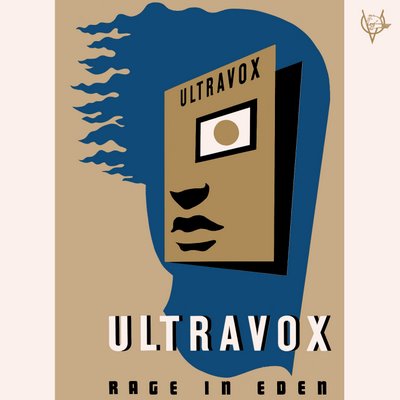
ULTRAVOX Rage In Eden

‘Rage in Eden’ began with the optimistic spark of ‘The Voice’ but it was something of a paranoia ridden affair from ULTRAVOX having been created at Conny Plank’s remote countryside studio near Cologne. There was synthetic bass power on ‘The Thin Wall’, ‘We Stand Alone’ and ‘I Remember (Death In The Afternoon)’, but there was also the tape experimentation of the title track using the chorus of ‘I Remember’ played backwards to give an eerie Arabic toned effect.

‘Rage In Eden’ is still available via EMI Records

http://www.ultravox.org.uk/


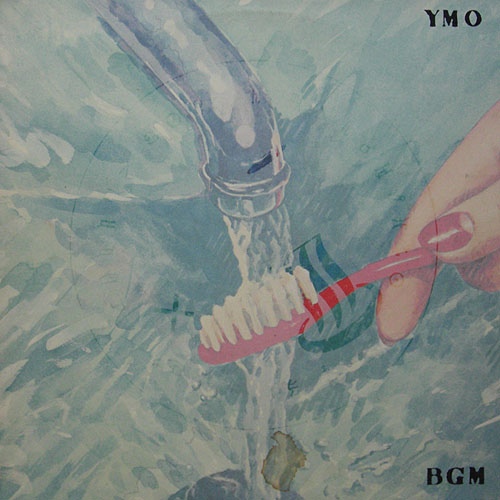
YELLOW MAGIC ORCHESTRA BGM

‘BGM’, the third full length album from YELLOW MAGIC ORCHESTRA was the first recording to feature the now iconic Roland TR-808 Rhythm Composer and was also made using a digital 3M 32-track machine. More experimental than their first Technopop focussed long players, the best song ‘Camouflage’ was a curious beat laden blend of Eastern pentatonics and Western metallics from which the German synth band CAMOUFLAGE took their name.

‘BGM’ is still available via Sony Music

http://www.ymo.org/


Text by Chi Ming Lai
9th January 2021

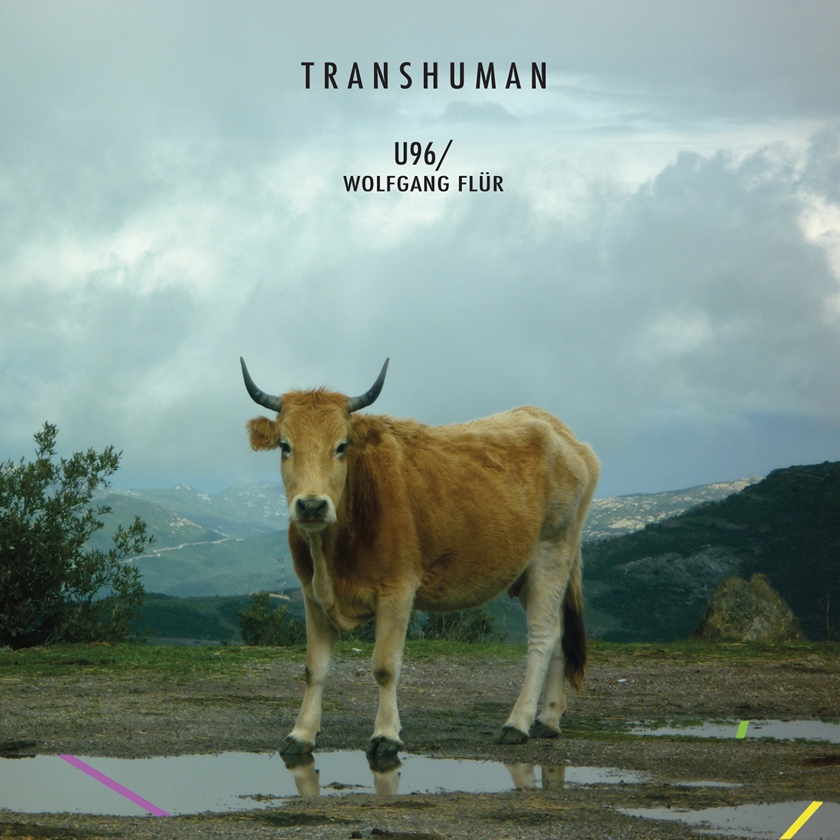
U96 & WOLFGANG FLÜR Transhuman


Former KRAFTWERK percussionist Wolfgang Flür needs no introduction.

But the German music project U96 is still best known in the UK for a 1991 techno rework of the theme to the Second World War film epic ‘Das Boot’ composed by Klaus Doldinger.

Formed by DJ Alex Christensen, U96 also included a production team named MATIZ comprising Ingo Hauss, Helmut Hoinkis, and Hayo Lewerentz. U96 were to go on to have a number of Europop oriented hits including ‘Love See No Colour’ featuring Ingo Hauss on lead vocals.

After that, the story got confusing with Alex Christensen returning as U96 in 2006 without MATIZ. Then after a stint reviving BOYTRONIC with James Knights for the ‘Jewel’ album in 2017, Ingo Hauss and Hayo Lewerentz did a 2018 ‘Reboot’ of U96 without Christensen and Hoinkis.

One track featuring on the corresponding long player was ‘Zukunftsmusik’ (translated as “future music”) featuring guest vocals by Wolfgang Flür. Stark and Teutonic with robotic vocoder aesthetics and Flür’s distinctive vocal, the union was equal to ‘Activity Of Sound’, Flür’s collaboration with iEUROPEAN from 2014.

This ultimately planted the seed for this ‘Transhuman’ collaborative double album and ‘Zukunftsmusik’ reappears in an altered ‘Radiophonique’ edit which luckily is not that drastically different from the original version.
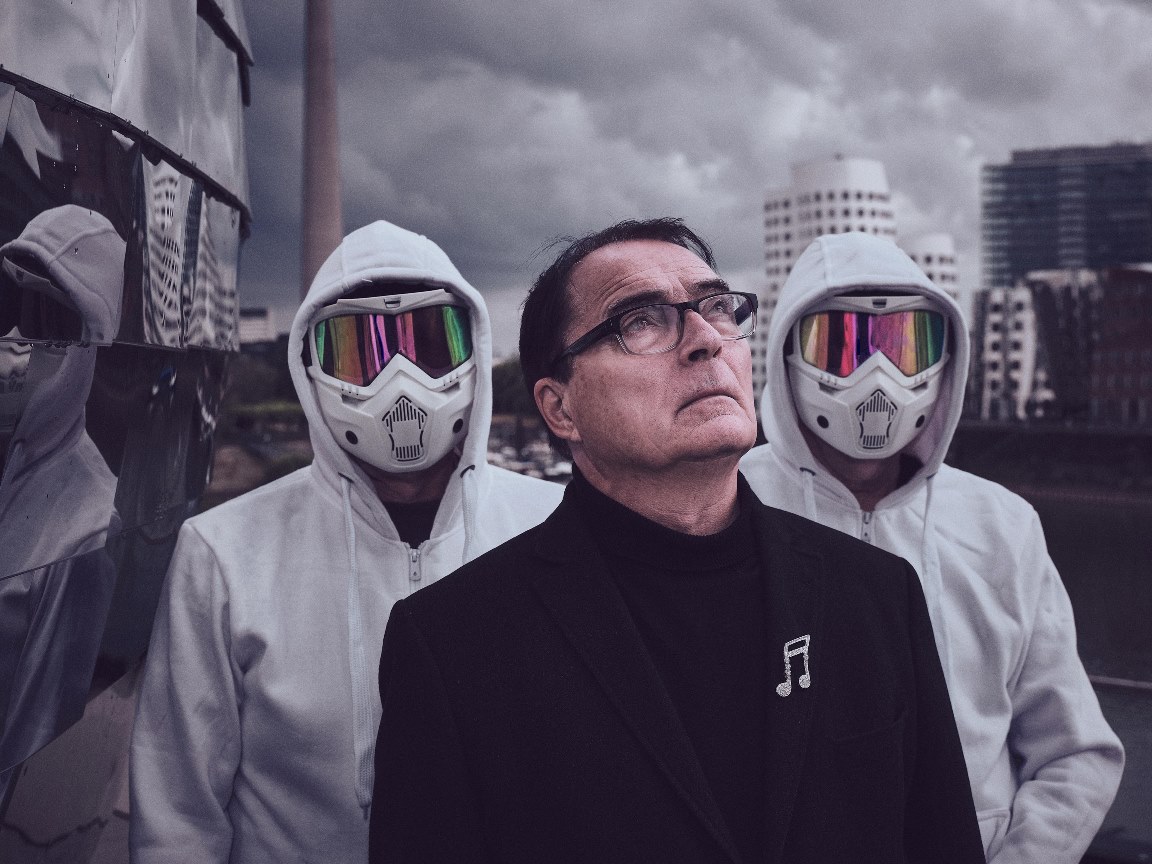
A three way musical partnership with a number of melodies created using computer algorithms, the album’s theme is the transformation of people through technology and its interference on Planet Earth. The opening title salvo ‘Transhuman’ is a marvellous slice of technopop with self-referencing namechecks, rich in klassische elektronische Musik that will forever be associated with Kling Klang.

More metronomic, ‘Hamburg – Düsseldorf’ is a trancier club excursion with the title phrase repeated using various vocal source techniques. ‘Specimen’ though is less impressive in its quest for atmospheric techno, but ‘Clone’ is more energetic and threatening although this really could be any instrumental European dance track from the last 30 years.

‘To The Limit’ recalls the Bernard Sumner / Johnny Marr side project ELECTRONIC and the hypnotic bassline from the track ‘Freefall’ and then partly morphs into some of the ‘Electronica’ adventures of Jean-Michel Jarre within the more dance DJ end of the spectrum and BOYZ NOISE’s ‘The Time Machine’ in particular.

‘Zufallswelt’ meaning “random world” takes a less frantic approach which adopts some Far Eastern flavours. Flür returns on lead vocals for ‘Planet In Fever’ and although cut from a similar cloth to ‘Zukunftsmusik’, it is perhaps not as fully realised although the overall sound design is an aural pleasure.

Speaking of which, ‘Shifted Reality’ is very pretty with the sparking ambience of its arpeggios while ‘Kreiselkompass’ is a pleasing second cousin, although again less fulfilled.

Meanwhile ‘Data Landscape’ provides a satisfying percussive tempo to the KOMPUTER pop proceedings and ‘Transhumanist’ is moodier with its sampled grunt but still melodic, glistening away within its crispy backdrop.

‘Sexersizer’ attempts to get saucy with a synthetic female voice asking the listener to “just call my number – you have the choice” over a hard throbbing house bassline, but it doesn’t really get to the point. Similarly ‘Maschinenraum’ utilises a sombre-paced sequencer engine room but the end result is more incidental.

Closing ‘Transhuman’, Ingo Hauss takes the lead vocals on ‘Let Yourself Go’ and it is the Europop U96 of old and anyone who ever danced to ‘Love See No Colour’ in a Hanover disco back in 1993 will adore this one. And if once wasn’t enough, a modern EDM remix by BEATSOLE of ‘Let Yourself Go’ complete with drops comes as an enjoyable bonus, although it sticks out like a sore thumb.

At sixteen tracks, this is a long record and when ‘Transhuman’ excels, it does it very well. But it is stylistically a mixed bag. But does this matter in these days of playlists, when a rather good eight track album can be knocked up with a running order of one’s own choosing?

This is a welcome collaboration between two generations of electronic music but in an attempt to appeal to two quite different audiences, despite the spiritual connection, listeners may find themselves needing to take sides.

Covering a wide variety of niches, KRAFTWERK and U96 fans will find their favourite moments but some careful curation and fewer tracks may have made this collection a more rounded experience.


‘Transhuman’ is released on 4th September 2020 by Radikal Records / UNLTD Recordings as a double red vinyl LP, CD and download

http://www.u96reboot.de/

https://www.facebook.com/U96reboot

https://www.facebook.com/musiksoldat


Text by Chi Ming Lai
Photos by Markus Luigs
2nd September 2020

The Electronic Legacy of GREATEST HITS

Despite his lukewarm review of NEW ORDER’s ‘Power, Corruption & Lies’ for ‘Smash Hits’, as a fan of their singles, Neil Tennant wrote: “I’m still looking forward to their ‘Greatest Hits’”.

Not appreciating a greatest hits of an artist who you admire is the ultimate in fan snobbery; that they are in a position of being able to release one is often a symbol of wider acclaim and success.

Despite what those too cool for school hipster types would have you believe, when you are 15 years old with just £4 in your hand, if you are choosing a record of an artist who you only know the singles of, you tend to opt for a compilation where possible, that is a fact.

The greatest hits compilation has its place in documenting the immediate appeal of an artist. It can often be the only release that most casual listeners need, especially if the albums were disappointing and featured all the wrong versions of their best songs as was the case with FRANKIE GOES TO HOLLYWOOD. But then, duos like PET SHOP BOYS and ERASURE were just supreme in the singular format while conversely, there are those like HEAVEN 17 and VISAGE whose best work can be found on their first two albums.

However, bands such as NEW ORDER could often be better represented by their singles rather than their albums, as many of them were standalone releases that were not included on their long players which were often quite different in musical style.

Now while something as “commercial” as releasing a greatest hits would have been anathema to NEW ORDER’s label Factory Records in 1983, flush with unexpected success and cash, Tony Wilson wanted to play their singles using the CD player that came with his brand new Jaguar car.

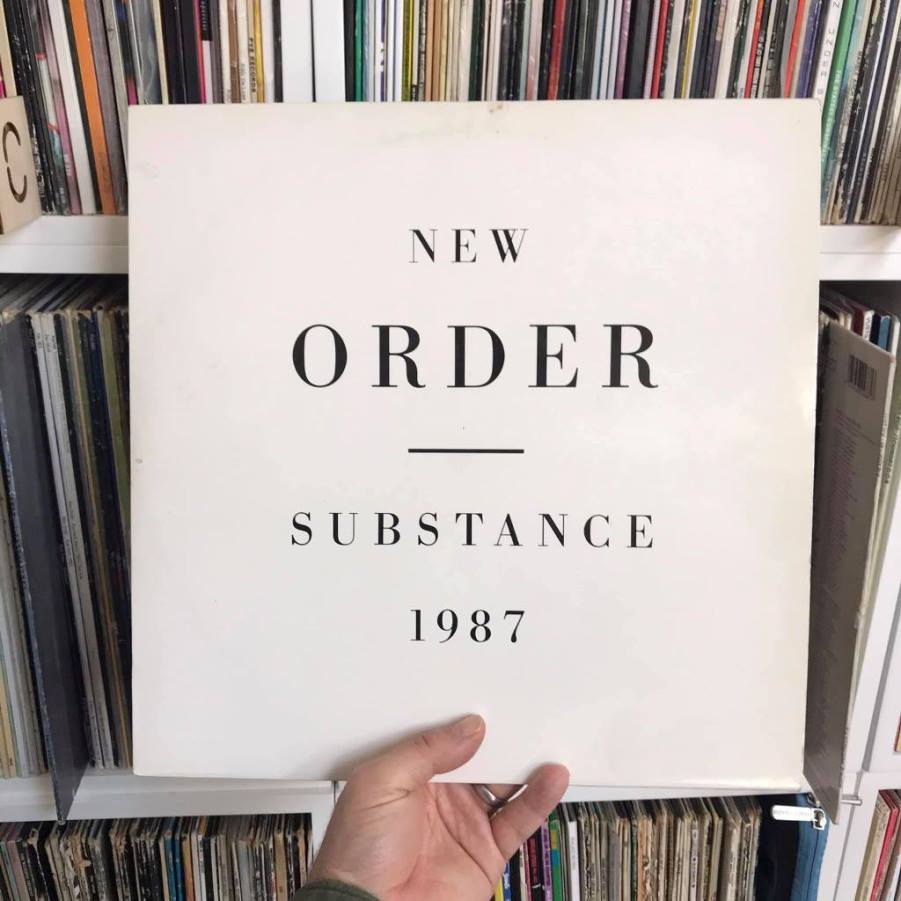
Thus, the ‘Substance’ compilation was born in 1987; issued in a variety of formats including double vinyl, cassette, DAT and CD, the latter three variants made use of the extra playing time available and included bonuses such as B-sides, tracks only previously issued in Belgium, instrumental versions and those rarely essential dub experiments. Perhaps not unsurprisingly despite its flaws with re-recordings, edits and omissions, ‘Substance’ has gone on to sell around a million copies worldwide and was many fans’ entry point into NEW ORDER.
A good compilation does the job of attracting new fans while providing something extra for long standing fans and completists where possible. New versions or up-to-the-minute remixes of established standards were the fashion for a period but thankfully, this marketing strategy is today generally considered passé and previously unreleased songs are now considered the main draw.

Ultimately, what makes a great greatest hits package is a seamless listening experience, although this is something which even the best acts don’t always get right despite the quality of their best output.

So here is a personal look at the electronic legacy of greatest hits via 20 notable artist compilation albums, each with valid reasons for their inclusion, presented in yearly and then alphabetical order within. And as one great Northern English philosopher once wrote: “some are here and some are missing…”


ULTRAVOX The Collection (1984)

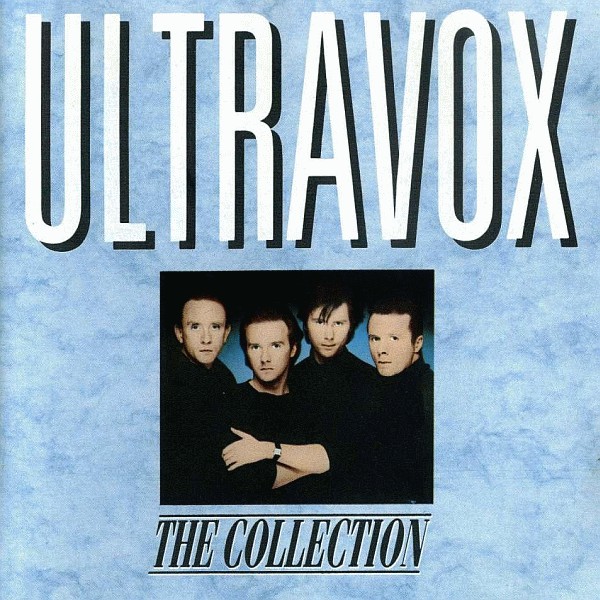
At the time of release, ‘The Collection’ was novel. Not only did it feature all thirteen Midge Ure-fronted ULTRAVOX singles to date, but a new one too in ‘Love’s Great Adventure’. Yes, 2009’s ‘The Very Best Of’ features four more tracks including the cancelled 1984 single ‘White China’, but honestly who really needs the singles from ‘U-Vox’? ‘The Collection’ was a perfect package that could be played from start to finish, from ‘Dancing With Tears in My Eyes’ to ‘Lament’ via ‘Vienna’.

‘The Collection’ was released by Chrysalis Records

http://www.ultravox.org.uk/


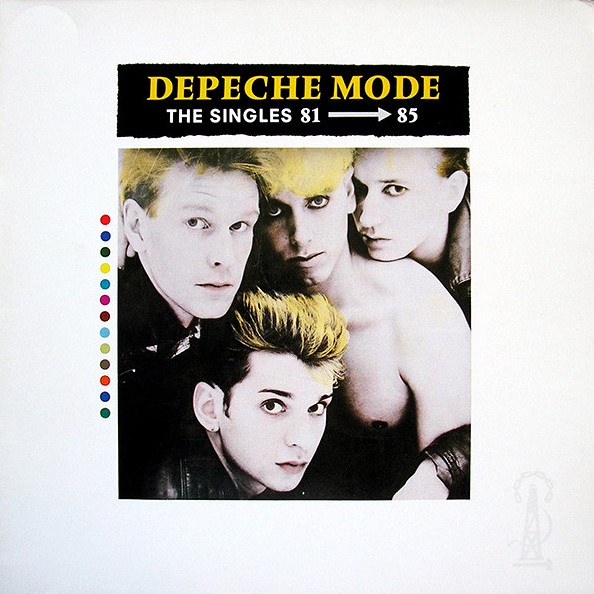
DEPECHE MODE The Singles 81-85 (1985)

The ideal DEPECHE MODE greatest hits package would be CD1 of ‘The Singles 86-98’ which ends with the ‘Violator’ 45s coupled with the innocent synthpop period on ‘The Singles 81-85’. But as that doesn’t exist, the very first DM singles compilation wins over thanks to its inclusion of candid photos from the band’s history and some amusing negative review quotes, highlighting that once upon a time, DEPECHE MODE actually had a sense of humour. Oh! Those were the days!

‘The Singles 81-85’ was released by Mute Records

http://www.depechemode.com/


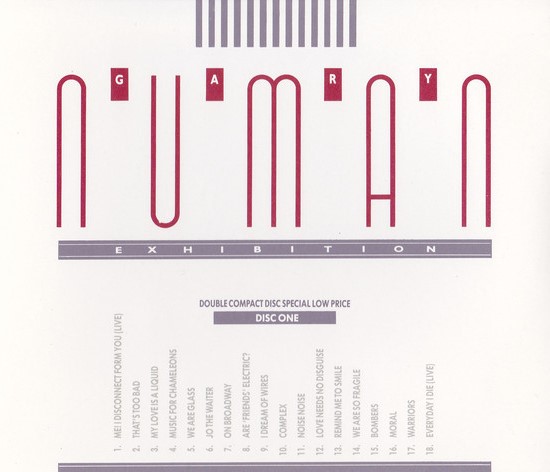
GARY NUMAN Exhibition (1987)

The first compilation ‘New Man Numan’ in 1982 sold poorly as his star turn was on the wane. But by 1987, there was renewed interest in the trailblazing exploits of Gary Numan; the ‘Exhibition’ double CD package featured not only his singles up to 1983 but choice album tracks from his imperial Beggars Banquet phase like ‘Metal’ and ‘Remind Me To Smile’ plus rarities like ‘On Broadway’ and B-sides such as ‘Do You Need The Service?’.

‘Exhibition’ was released by Beggars Banquet

http://garynuman.com/


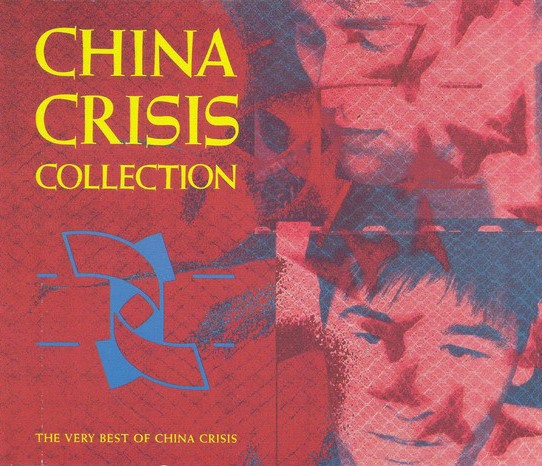
CHINA CRISIS Collection (1990)

CHINA CRISIS had their ‘Collection’ released in a wonderful limited edition double CD package with their B-sides. Gary Daly and Eddie Lundon were better than their four Top20 hits suggested, with songs like ‘African & White’ and ‘Arizona Sky’ deserving of much higher chart placings. Add in B-sides like ‘No Ordinary Lover’, ‘A Golden Handshake For Every Daughter’ and ‘Dockland’, and you have a near perfect document of their career.

‘Collection’ was released by Virgin Records

https://www.facebook.com/chinacrisisofficial


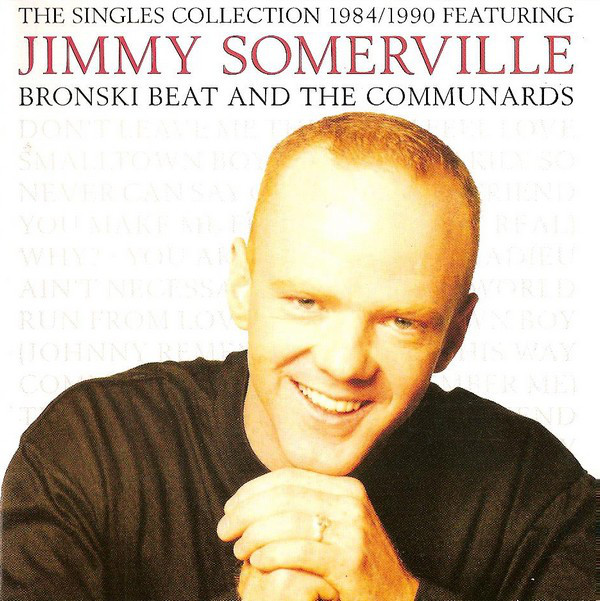
JIMMY SOMERVILLE The Singles Collection (1990)

The diminutive Glaswegian never stuck around in his bands for long but he had one of the most recognisable voices in pop. So what better than compiling his BRONSKI BEAT and THE COMMUNARDS singles alongside his solo work? From the poignant commentary on gay rights in songs like ‘Smalltown Boy’ and ‘Why?’ to the HI-NRG covers of disco standards ‘Don’t Leave Me This Way’, ‘Never Can Say Goodbye’ and ‘Mighty Real’, this was a fine collection.

‘The Singles Collection’was released by London Records

https://www.jimmysomerville.co.uk/


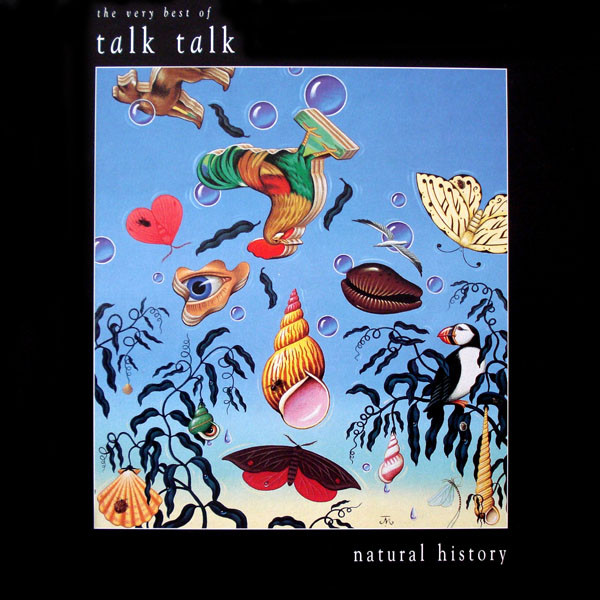
TALK TALK Natural History (1990)

After 1988’s financially disastrous ‘Spirit Of Eden’, EMI were keen to recoup their investment on the now departed TALK TALK and what better than with a compilation. While primarily based around their hit singles, ‘Natural History’ actually pulled off an accidental masterstroke by including the full-length album versions of songs like ‘Such A Shame’ and ‘Living In Another World’ which had sounded terrible as single edits. This all made for a better listening experience.

‘Natural History’ was released by EMI Records

https://spiritoftalktalk.com/


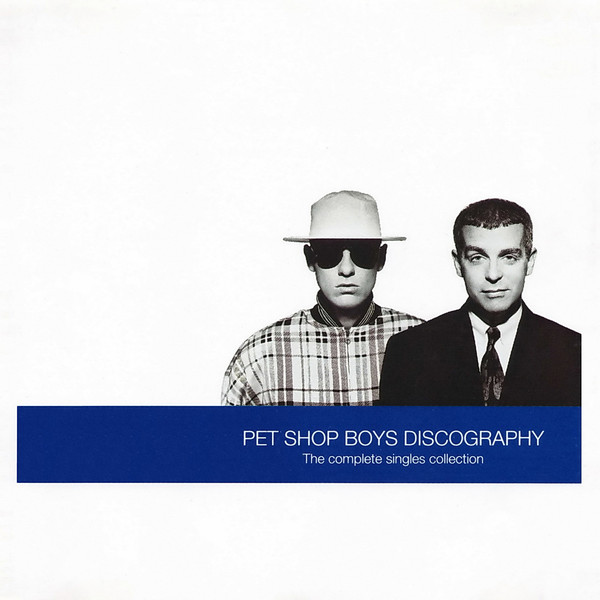
PET SHOP BOYS Discography (1991)

‘Discography’ gathered all of PET SHOP BOYS singles during what Neil Tennant has always describe as their imperial phase and could rightly be called one of the best greatest hits albums ever. Featuring four UK No1s, there were others like ‘Left To My Own Devices’, Being Boring’ and the Dusty Springfield duet ‘What Have I Done To Deserve This? that were equally as worthy. The later ‘PopArt’ might have ‘Go West’ and more, but ‘Discography’ captures the duo at their most consistent best.

‘Discography’ was released by EMI Records

https://www.petshopboys.co.uk/


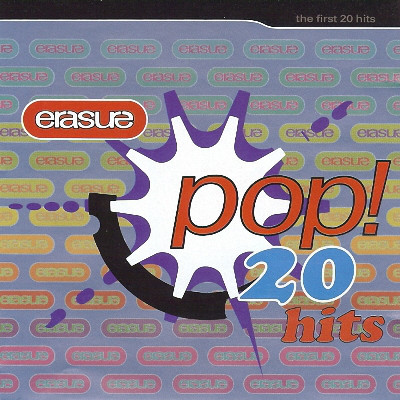
ERASURE Pop! The First 20 Hits (1992)

Coming not long after ‘Discography’, ‘Pop! The First 20 Hits’ saw ERASURE take on PET SHOP BOYS at their own game. Andy Bell and Vince Clarke may have only had three less UK No1s than Neil Tennant and Chris Lowe but that’s a bit like saying Nigel Mansell wasn’t as good as Nelson Piquet on stats alone. ERASURE have always been a better singles act than they are an album one, but while a second volume was added in 2009, this initial volume is the more essential purchase.

‘Pop! The First 20 Hits’ was released by Mute Records

https://www.erasureinfo.com/


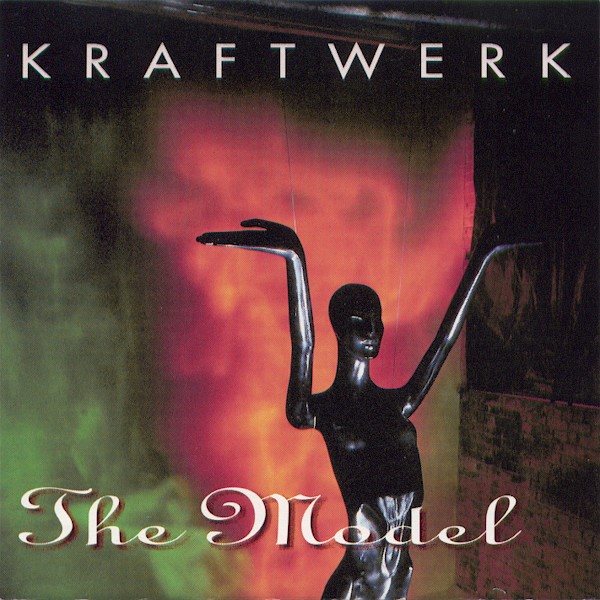
KRAFTWERK The Model (1992)

US goth industrial specialists Cleopatra Records pulled off a major coup by licencing KRAFTWERK from their then-US label Capitol Records for a compilation album. Covering the period 1975-1978, the main point of interest for Kling Klang enthusiasts was the first time on CD release of ‘Radio-Activity’, ‘Trans Europe Express’, ‘The Robots’ and ‘Neon Lights’ in their single edits! ‘The Model’ retrospective was a good introduction to KRAFTWERK for the more cautious consumer.

‘The Model’ was released by Cleopatra Records

http://www.kraftwerk.com/


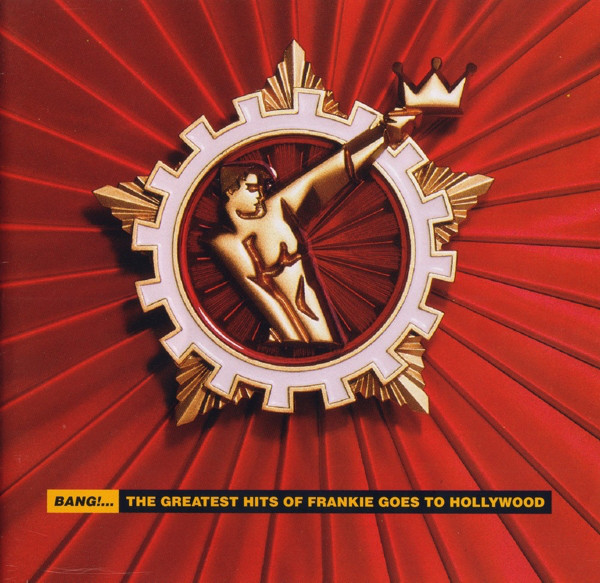
FRANKIE GOES TO HOLLYWOOD Bang!… (1993)

Liverpool’s FRANKIE GOES TO HOLLYWOOD are probably the epitome of hype over substance, but they made some magnificent ground-breaking singles. Despite releasing  only two albums, they have been documented with six greatest hits collections and a plethora of remix packages. ‘Bang!…’ was undoubtedly the best, serving the Frankie phenomenon in mostly bite size single edit portions with album highlights and perfect for the casual observer.

‘Bang!…’ was released by Warner Music

http://www.ztt.com/artists/frankie_goes_to_hollywood.html


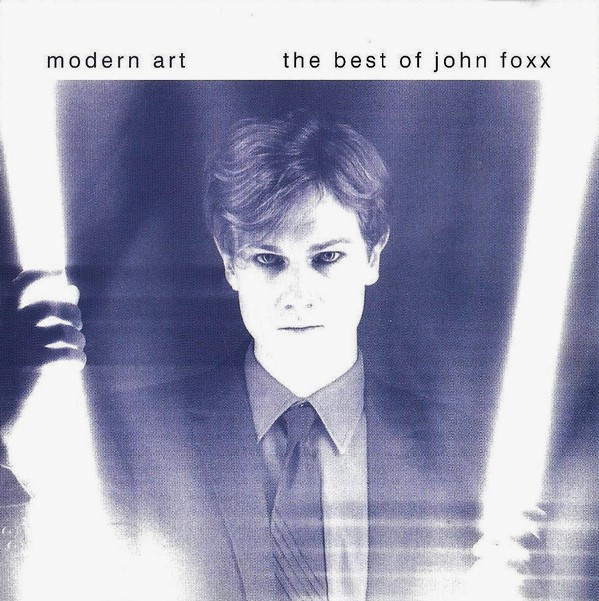
JOHN FOXX Modern Art (2001)

The first John Foxx compilation ‘Assembly’ in 1992 while welcome, suffered from being selected by the man himself, as artists are not often the best judges of their own work. Much better and more comprehensive was ‘Modern Art’ which gathered all his singles into one place in their correct versions, while also adding a remastered version of the ‘Smash Hits’ flexi-disc ‘My Face’ as a bonus for Foxx aficionados as well as new material from ‘The Pleasures Of Electricity’.

‘Modern Art’ was released by Music Club

http://www.metamatic.com/


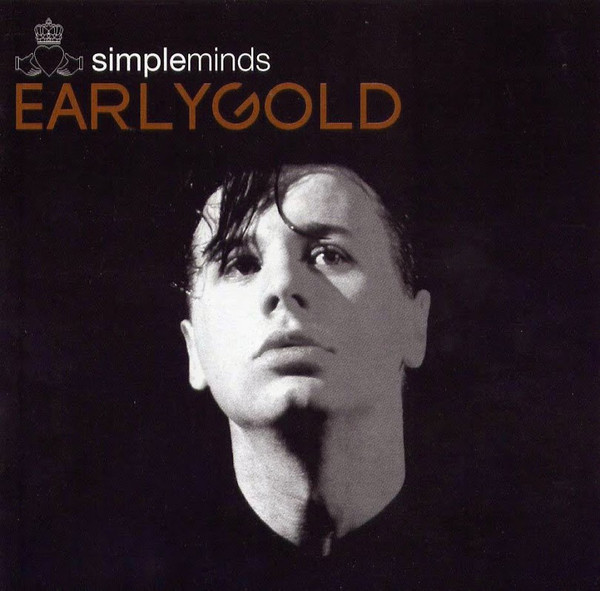
SIMPLE MINDS Early Gold (2003)

Before Jim Kerr hectored audiences to show him their hands, SIMPLE MINDS were one of the best art rock bands in the UK, swathed in Eurocentric synths and rhythms. ‘Early Gold’ satisfied those who always felt the Glaswegians lost it after ‘New Gold Dream’ by including The Blitz Club anthem ‘Changeling’, the Moroderesque ‘I Travel’ and the glory of ‘Someone Somewhere in Summertime’. However, the magnificent ‘Theme For Great Cities’ is missing but you can’t have it all…

‘Early Gold’ was released by Virgin Records

https://www.simpleminds.com/


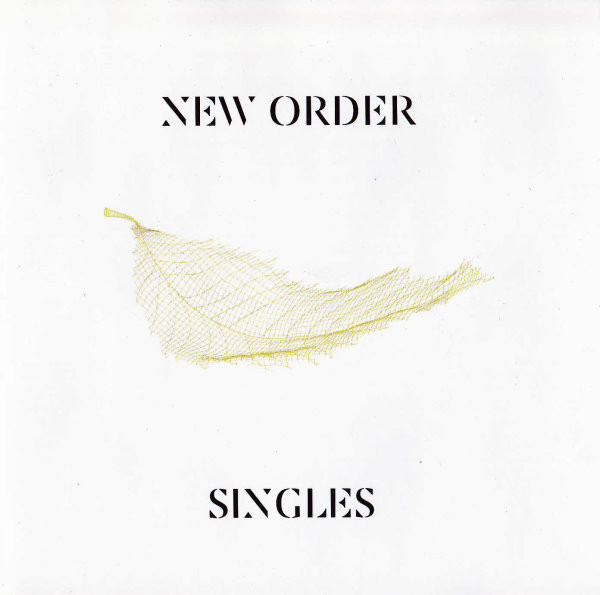
NEW ORDER Singles (2005)

With its hotch-potch of wrong mixes and ordering, the first edition of ‘Singles’ is historically incorrect. But unlike ‘Substance’, it has the correct takes of ‘Ceremony’ and ‘Temptation’. Yes, there’s the album cut of ‘Bizarre Love Triangle’ and an edited B-side version of ‘1963’, BUT as a listening experience, CD1 does a better job of capturing NEW ORDER up to the end of 1987. While the ‘Thieves Like Us’ edit is annoying, ‘Confusion’ is more tolerable in abridged form.

‘Singles’ was released by London Records

http://www.neworder.com/


JAPAN The Very Best Of (2006)

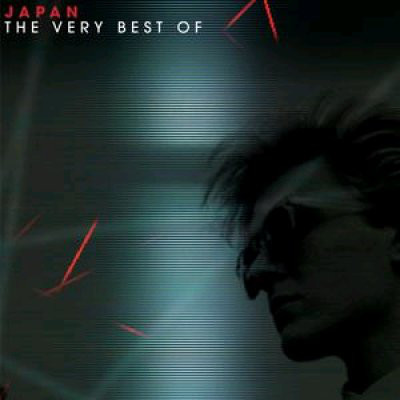
There is no ideal JAPAN compilation, but ‘The Very Best Of’ wins as it had the key Ariola Hansa period singles ‘Life In Tokyo’, ‘I Second That Emotion’ and ‘Quiet Life’ alongside the Virgin era that produced ‘Ghosts’ and ‘Nightporter’. However, the clumsy 1980 early fade of ‘Quiet Life’ was included rather than the sharper 1981 hit single edit. Also, were two versions of ‘Ghosts’ necessary when ‘Swing’ could have been dropped in? It all spoilt what potential this compendium had.

‘The Very Best Of’ was released by Virgin Records

http://www.nightporter.co.uk/


DURAN DURAN The Singles 81-85 (2009)

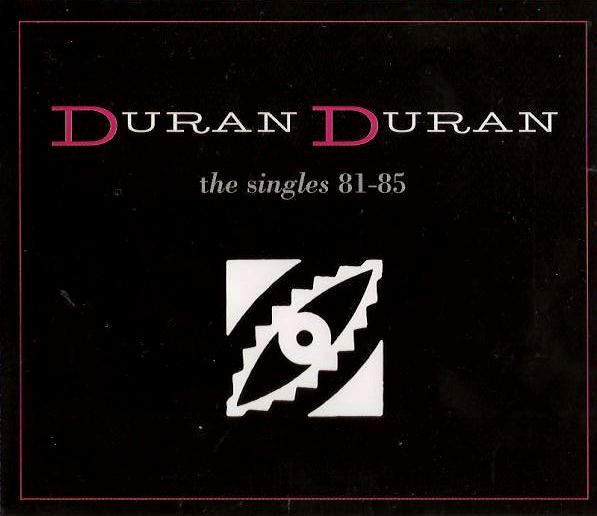
DURAN DURAN were described by The Guardian in 2015 as “an electronic band with a heavy rock guitarist bolted on” and that era of the classic Le Bon / Rhodes / Taylor / Taylor / Taylor line-up is captured in this 3CD package largely firing on all cylinders. Originally issued in 2003 as a lavish 13CD boxed set with all their singles, extended versions and B-sides from that period, ‘The Singles 81-85’ is superior to both ‘Decade’ and ‘Greatest’.

‘The Singles 81-85’ was released by EMI Records

http://www.duranduran.com/


LADYTRON Best Of 00-10 (2011)

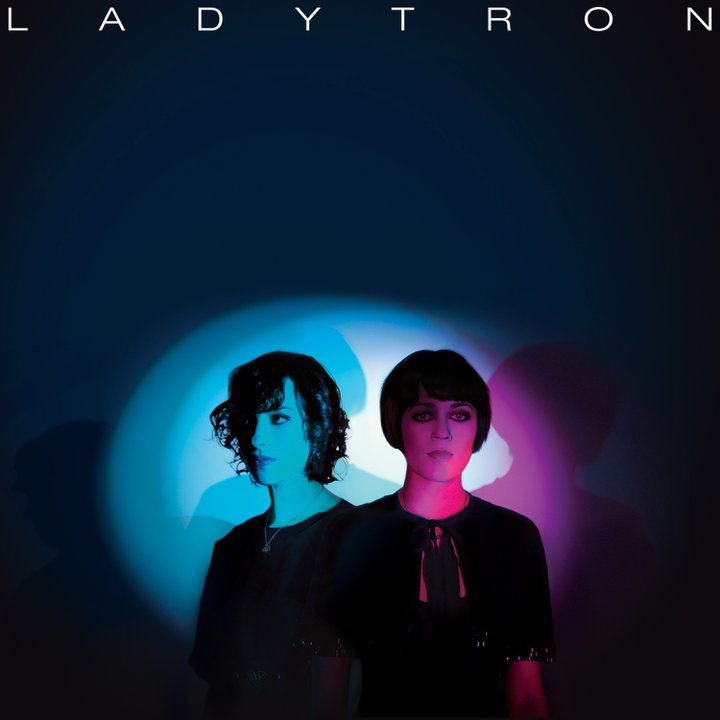
“They only want you when you’re seventeen” sang LADYTRON on their single satirising modern day audition culture and perhaps not coincidently, their ‘Best Of 00–10’ featured that number of tracks. Including their more immediate songs like ‘Discotraxx’, ‘Playgirl’, ‘Runaway’ and  ‘Destroy Everything You Touch’, extra points were awarded for the far right baiting revisionist cover of Nazi folkies DEATH IN JUNE’s ‘Little Black Angel’ in a defiant act of artistic and ideological subversion.

‘Best of 00-10’ was released by Nettwerk Records

http://www.ladytron.com/


CAMOUFLAGE The Singles (2014)

Often seen as Germany’s answer to DEPECHE MODE, CAMOUFLAGE added in elements of YELLOW MAGIC ORCHESTRA and have a marvellous back catalogue. ‘The Singles’ is a fine introduction, containing their signature song ‘The Great Commandment’ as well as ‘Stranger’s Thoughts’, ‘Love Is A Shield’, ‘Suspicious Love’, ‘Me & You’ plus a great cover of Moon Martin’s ‘Bad News’. With booklet notes by ELECTRICITYCLUB.CO.UK, what more could you want?

‘The Singles’ was released by Polydor Records

http://www.camouflage-music.com/en/News


JEAN MICHEL JARRE Essential Recollection (2015)

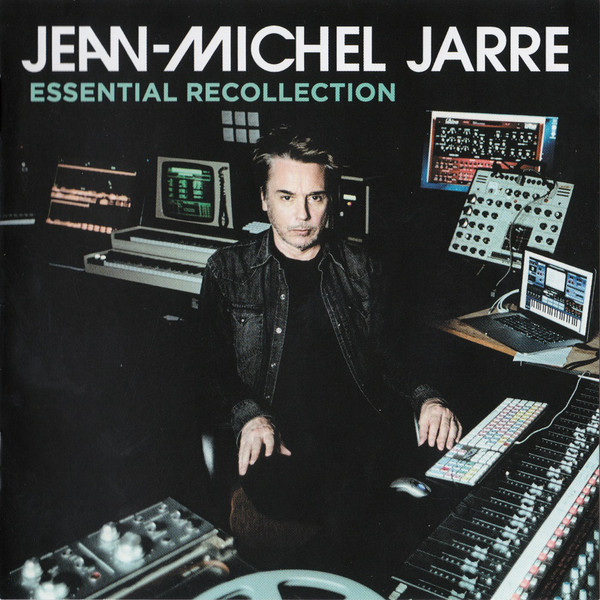
Jean-Michel Jarre has several greatest hits albums but they have all been frustrating listens. This has largely been due to his synthesizer symphonies not being suited to sub-three minute edits, a flaw heavily exposed on the ‘Images’ compilation. But ‘Essential Recollection’ collected the French Maestro’s most accessible moments with sympathetic fades that captured the essence of his electronic wizardry. However, 2000’s ‘The Bells’ was an odd inclusion.

‘Essential Recollection’ was released by Sony Music

https://jeanmicheljarre.com/


SOFT CELL Keychains & Snowstorms – The Singles (2018)

No-one expected Marc Almond and Dave Ball to reunite as SOFT CELL for a final show in 2018, but a bigger surprise was a new single ‘Northern Lights’ b/w ‘Guilty (Cos I Say You Are)’. Both tracks were included on a new singles compilation which reminded people that SOFT CELL had five UK Top5 singles in just over thirteen months between 1981 and 1982. However, a minus mark gets awarded for using the inferior album mix of ‘Tainted Love’ instead of the single version!

‘Keychains & Snowstorms – The Singles’ was released by Universal Music

https://www.softcell.co.uk/


OMD Souvenir (2019)

Like JAPAN, there is no ideal OMD compilation. The brand has had some quite different phases, so means different things to different people. ‘The Best Of’ from 1988 is still their biggest seller but ‘Souvenir’ gathers all their singles, from the exemplarly ‘Messages’, ‘Enola Gay’ and ‘Maid Of Orleans’ to the more recent ‘Dresden’ and ‘Don’t Go’. While there’s duffers like ‘Stand Above Me’ and ‘If You Want It’, it’s the ideal time to put those CD programmers and playlists to work!

‘Souvenir’ was released by Virgin Records

http://www.omd.uk.com/


Text by Chi Ming Lai
25th July 2020

Die Roboter: The Legacy of KRAFTWERK

“Meine Damen und Herren – Ladies and Gentlemen – Heute abend aus Deutschland – Die Mensch Maschine KRAFTWERK”.

Many electronic music fans know KRAFTWERK, but how many know their work in their native language? In days gone by, German editions of KRAFTWERK albums were sought after but expensive in the UK.

School exchange trips often left little pocket money spare to make a purchase after buying the obligatory gifts for family and friends. But the ‘Computerwelt’ that KRAFTWERK predicted in 1981 has led to ‘Trans Europa Express’, ‘Die Mensch-Maschine’, ‘Computerwelt’, ‘Techno Pop’ née ‘Electric Café’ and ‘The Mix’ (in Deutsch) being made available openly outside of Germany, Austria and Switzerland for the first time. With the recent passing of founder member Florian Schneider, this wider international digital release of KRAFTWERK’s albums in German is particularly poignant.

Desiring a new Germanic cultural identity ignoring Trans-Atlantic rock traditions, KRAFTWERK fused sound and technology, graphic design and performance, modernist Bauhaus aesthetics and Rhineland industrialisation to conceive a Gesamtkunstwerk or “synthesis of the arts” that was to change the course of modern music.

Of course, KRAFTWERK’s breakthrough record ‘Autobahn’ in 1974 was unique in being very German but the willingness to gain a wider acceptance, particularly in the US, led to the bilingual format of its follow-up ‘Radio-Aktivität’ in 1975.

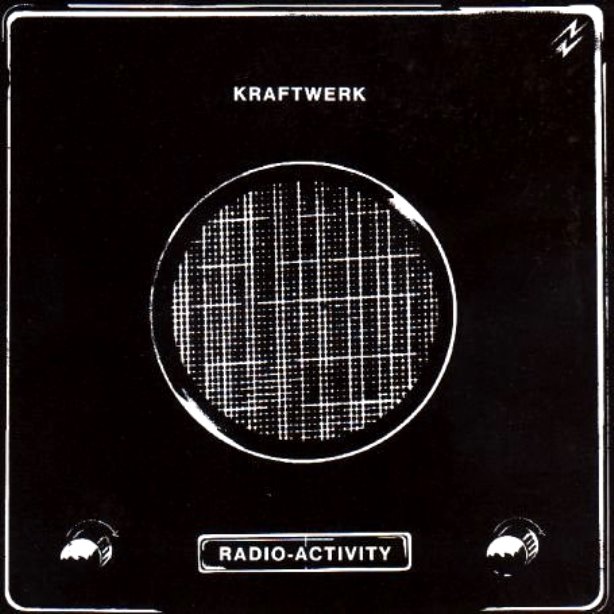
However, the ‘Radio-Aktivität’ title song was notoriously ambiguous in both English and German. The stance infuriated the increasingly strong Green political lobby in the Bundesrepublik. Meanwhile, KRAFTWERK did not help their cause by controversially having promotional photographs taken at a Dutch nuclear installation. But in 1991, KRAFTWERK stopped sitting on the fence and notably reworked the track for ‘The Mix’ to contain an explicit anti-nuclear message to “STOP RADIO-AKTIVITÄT” while also highlighting the tragedies and disasters in Chernobyl, Harrisburg, Sellafield and Hiroshima.
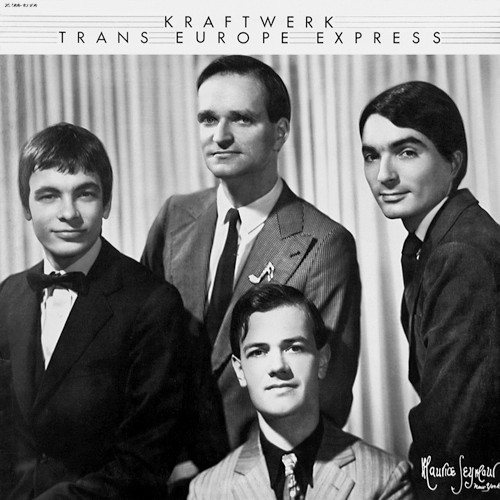
Developing from the alles Deutsch ‘Autobahn’, ‘Trans Europa Express’ was the first KRAFTWERK album that was released in distinct standalone English and German versions. Perhaps the most lyrical of all their imperial phase long players, it manifested an accessible spirit of cultural adventure In KRAFTWERK, thanks to their central European location in Düsseldorf.
Deep inside their psyche, ‘Europa Endlos’ was a forward thinking piece that, despite its nostalgic romanticism, was aspiring to a continent without borders that supported a vision of peace and unity. The syllable count on the title hook was more of a mouthful compared with the English version but the 10 minute journey was still glorious in whatever language.

Effectively a spoken word piece with a subtle footstep backbone, ‘Spiegelsaal’ worked like an original Brothers Grimm tale set to music. But with ‘Schaufensterpuppen’, the tight punchy rhythms complimented KRAFTWERK’s Teutonic lyrical sentiment in response to criticism that when performing live, they did not move and acted like showroom dummies. But of course, relishing the opportunity to turn a negative statement into their own positive, they revolted while “Wir gehen in den Club und wir fangen an zu Tanzen”.

By 1978, the classic KRAFTWERK line-up of Ralf Hütter, Florian Schneider, Wolfgang Flür and Karl Bartos were at the height of their powers with ‘Trans Europa Express’ becoming an unexpected favourite on the New York dancefloors. ‘Die Mensch-Maschine’ possessed a sense of humour which was very apparent in ‘Das Modell’, already made third person gender thanks to the German quirk of the neuter designation for girls. KRAFTWERK were enjoying their local VIP status and stalking the Mora discotheque in Düsseldorf for attractive models and hoping to impress them.

Regularly taking their orders for expensive champagne, the club’s resident eccentric waiter was invited to Kling Klang to butt in and shout “SEKT! KORREKT!”, satisfied that he was earning even more commission. ‘Neonlicht’ though remains fabulous in Englisch oder Deutsch while on the title track, “Halb Wesen und halb Ding” translated directly as “Half being and half thing”.

The Giorgio Moroder-inspired ‘Spacelab’ and ‘Metropolis’ though displayed Hütter’s minimalist interest in lyrics by preferring vocal expression using just singular words. However, ‘Die Roboter’ made use of the Russian phrase “Я твой слуга – “Я твой работник” to reinforce KRAFTWERK’s view that they were Musikarbeiter or “musical workers”.

But 1981’s ‘Computerwelt’ was the one album though that lost some of its Germanic impact by being worked into English, with simple nursery rhyme lyrics being coupled to probably KRAFTWERK’s most accessible work in their history. On the title track in particular, the darker more sinister implications of surveillance were highlighted in German. While “Interpol und Deutsche Bank, FBI und Scotland Yard” paralleled the English version, there was the addition of “Flensburg und das BKA” who are respectively Germany’s DVLA and Federal Crime Agency. The phrase “Haben unsere Daten da” highlighted how those security and financial institutions held personal data.
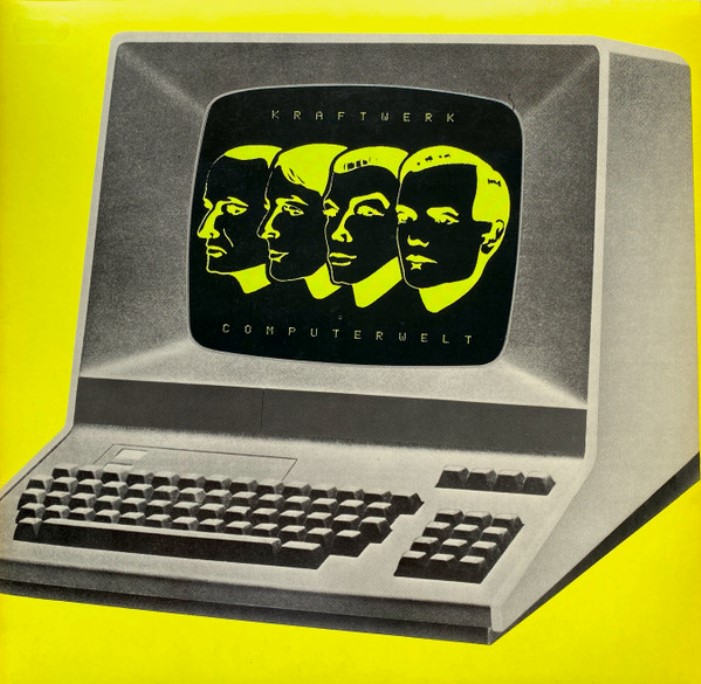
’Computerwelt’ may have been written nearly 40 years ago but the consequences of its prophecy are very relevant discussion points today. But there was more in die Kristallkugel; substituting one of the bridging “Computer World” phrases with “Denn Zeit ist Geld”, die Musikarbeiter concluded that “time is money…”; this was before “Automat und Telespiel – Leiten heute die Zukunft ein – Computer für den Kleinbetrieb – Computer für das Eigenheim” anticipated that “Arcade games and video consoles introduce the future today, with computers for small businesses and computers for the home…”

Launched using their own KRAFTWERK branded Casio VL-80 musical calculator, ‘Taschenrechner’ had its own charm but would go on to be surpassed in affection by ‘Dentaku’ and ‘Mini Calcolatore’, respectively versions in Japanese and Italian. Meanwhile, the wonderful masterpiece ‘Computer Liebe’ mirrored the English translation, although the harsher intonation made the sentiment less forlorn and sympathetic. However, ‘It’s More Fun To Compute’ remained Anglophile in its statement, while ‘Nummern’ and ‘Computerwelt 2’ were identical to the ‘English’ versions thanks to their international counting calls, although eagle-eared enthusiasts will have noted an extra “eins – zwei – drei – vier” dropped into the fade.

In the interim, there was what became a standalone single in ‘Tour De France’ released in 1983. The original was in French and was rendered rather pointless in German as all the place names mentioned as part of the race route were in France anyway! Remixed by François Kevorkian in 1984, the New York-based Frenchman was recruited to help mix their next album which ‘Tour De France’ had originally been intended to be part of.

On the much delayed ‘Techno Pop’ née ‘Electric Café’ for 1986, ‘Der Telefon Anruf’ was distinctly more impactful in German with Karl Bartos making an impressive turn in his only vocal performance for KRAFTWERK. But the assertive automated phone messages became an even more sharpened metaphor for female empowerment.
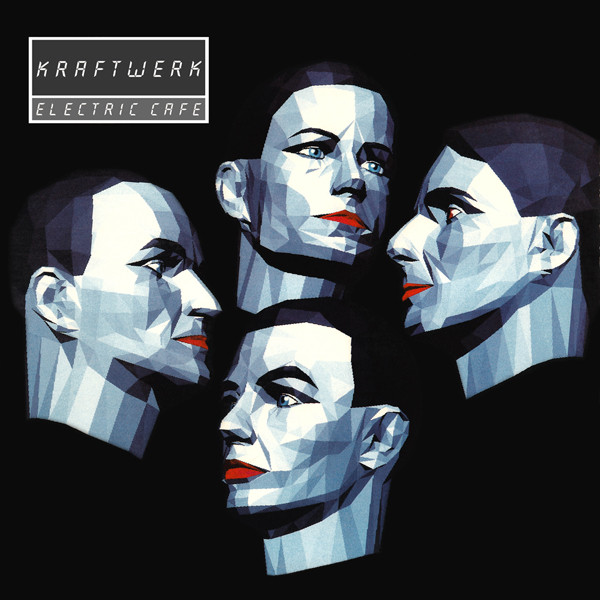
Touching on a similar theme, ‘Sex Objekt’ was an ironic response that originated from one of the band making unwanted advances on a lady in a club. Now while it is amusing to hear Herr Hütter’s disdain at being treated as an object of lust, it’s the overlong passage of KRAFTWERK hacking through various slap bass, guitar and percussive presets like an online Yamaha DX7 tutorial that is now funnier!

However, tracks like ‘Boing Boom Tschak’ and ‘Musique Non Stop’ were phonetic and multi-lingual so language was no longer a barrier as the world got smaller and smaller. But with the lack of a sufficiently intriguing theme on ‘Electric Café’ proving underwhelming, KRAFTWERK lost crucial momentum creatively.

And so it was that the classic RFWK line-up had split by the time of 1991’s ‘The Mix’, a largely disappointing digital rework collection of Die Klassik Werks that dated within a year. However, it would be fair to say by this time KRAFTWERK had transcended their nationality and were no longer just a German band, but actually the most influential act on the planet. KRAFTWERK could now present their work in any language and it no longer mattered.

Indeed, when ‘Tour De France Soundtracks’ came out in 2003, there was no German or English edition. There was just one release for all markets and the voices on it just happened to be in French; KRAFTWERK’s dream of ‘Europa Endlos’ was now reality. In 1977, KRAFTWERK sang “Das Leben ist Zeitlos” or “Life is timeless” and now after five decades since releasing their self-titled debut album, so is their music.


‘Trans Europa Express’, ‘Die Mensch-Maschine’, ‘Computerwelt’, ‘Techno Pop’ and ‘The Mix’ are released by EMI Music and available worldwide on 3rd July 2020 via the usual digital platforms

http://www.kraftwerk.com/

https://www.facebook.com/KraftwerkOfficial

https://twitter.com/kraftwerk

https://www.instagram.com/kraftwerkofficial/


Text by Chi Ming Lai
26th June 2020

« Older posts Newer posts »