“With this noise, I can try to find if it is possible to make music out of it…”
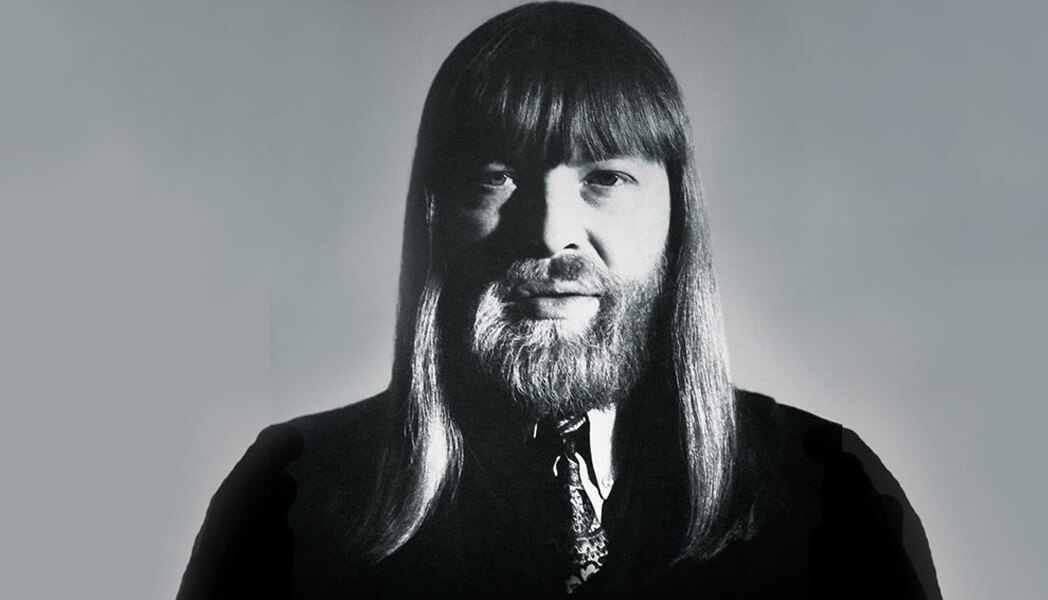
‘The Potential Of Noise’ is a touching insight into the late Conny Plank, undoubtedly one of the most innovative and important studio exponents in popular music.
Directed by his son Stephan with Reto Caduff, the film sees him embarking on a journey to rediscover his father’s impact and his importance in music history.
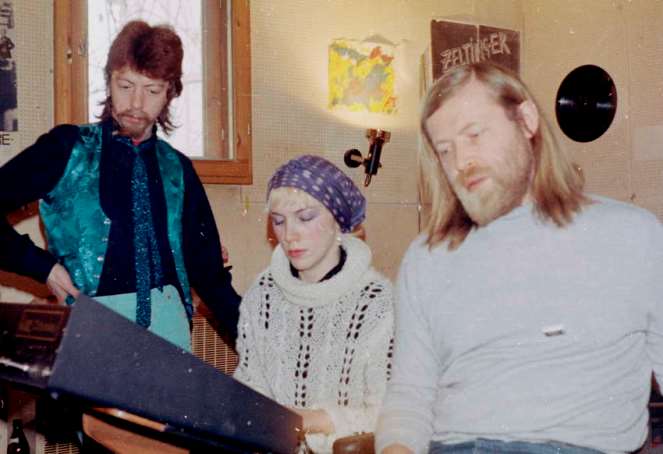
As the studio in the converted farmhouse in Wolperath, half an hour’s drive from Cologne, was also the family home, Stephan grew up around the artists who his father worked with.
John Foxx is one artist who considers Conny Plank to be the most important record producer since George Martin, having recorded ULTRAVOX’s ‘Systems Of Romance’ album with him in 1978. ELECTRICITYCLUB.CO.UK also has spoken to a number of the musicians who Conny Plank worked with and all had nothing but affectionate memories of him.
Eberhard Kranemann, a one-time member of KRAFTWERK who later recorded an album ‘Fritz Müller Rock’ with Plank said: “He was a very important man, for me in the last century he was the most important producer, engineer and mixer in the whole world, THE BEST! He was so great that he even turned down David Bowie and U2. He was very honest, he didn’t want to work with them.”
DAF drummer and instrumentalist Robert Görl who made four albums with Plank went further… “He was almost like a father to me, we lived at the studio so it was all very familiar. We had a room and slept there” he said, “we would go down in the morning and he would be making breakfast while his girlfriend Christa Fast would make cakes. It was a very homely feeling that we remember most. And this made it easier for us to feel good and create without having a heavy head.”
“To work with him was always a pleasure” said Bodo Staiger of RHEINGOLD, “he was relaxed, very competent and had the talent to listen what the artist wants. And he also brought some good ideas and inspiration. For example, the percussive synth sound on ‘Dreiklangsdimensionen’ was his idea.”
Michael Rother remembered “he was so valuable… we wouldn’t have been able to record NEU! or the second HARMONIA album or my solo albums without Conny, so he’s all over the place in my music… thank you Conny.”
With such compliments, any film featuring prominent figures such as Midge Ure, Daniel Miller and David A Stewart recounting their memories of working with Conny Plank was likely to be fascinating. But for his son Stephan who was only 13 years old when Plank passed away in December 1987, this bittersweet film has been a journey to understand more about his father while confronting his demons of being neglected.
The key to Plank’s success was undoubtedly his personality rather than his actual technique and his ability to get the best out of the people, something he felt he wouldn’t be able to do working with David Bowie or U2. Today, Plank’s custom hand-built 56 channel mixing desk is owned by David M Allen, another producer known for his warm outlook and gift for providing an environment for artists to excel.
For those who perhaps only know Plank’s work through KRAFTWERK and ULTRAVOX, the soundtrack that accompanies ‘The Potential Of Noise’ is an education, with the instrumental music of NEU! and CLUSTER & ENO being particularly effective. Among the interviewees are the late Holger Czukay, Hans-Joachim Roedelius, Michael Rother, Robert Görl, Karl Hyde, Jaz Coleman, Annette Humpe, Gianna Nannini and many more.
Daniel Miller describes Plank’s work as experimental but still musical, while Robert Görl and Annette Humpe recall how Plank was particularly good at capturing the right mood for recording with “no rules”.
Conny Plank only produced the debut EURYTHMICS album ‘In The Garden’ in 1981, but David A Stewart applied that hippy with technology philosophy to their breakthrough second album ‘Sweet Dreams (Are Made Of This)’, mixing electronics with brass in a converted church studio.
Although recorded at RAK Studios in London, Midge Ure remembers after playing the demo of ‘Vienna’, ULTRAVOX talked musically about the plans for recording while Plank thought in terms of sound; he imagined an old man at a piano in a desolate theatre who had been playing the same tune for forty years. And when Billy Currie came to record his ivory parts, that was exactly the feel which Plank had engineered for the now iconic track.
For Plank, money and tapes were things that passed through his life, but his generosity is apparent throughout this documentary, both financially and in spirit. Michael Rother talks of how Plank helped to fund the recording of the first NEU! album to ensure that the duo had as much independence as possible to create, while it is also known he had offered to finance the recording of the first Midge Ure fronted ULTRAVOX album before the band signed to Chrysalis Records.
The most emotional recollections of Conny Plank come from hip-hop duo WHODINI who consider Conny’s Studio to be the best facility that they have ever recorded in, while also glowing about the effort which Plank made towards providing a recording environment that was as comfortable as possible, something the pair never experienced again after that visit to Germany.
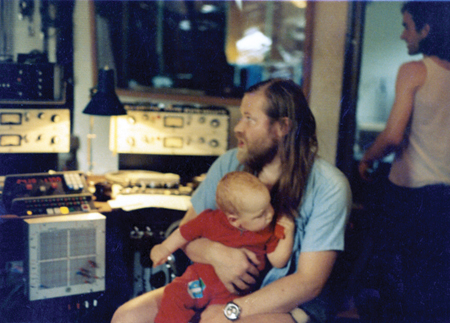
But despite the generosity to his artists, the film tells of how Plank was not exactly the perfect father to Stephan, with Holger Czukay remembering that Plank treated Stephan as Christa Fast’s son, rather than his own. It’s a point also highlighted by Annette Humpe who tellingly, actually asks Stephan on camera whether his father ever took him out into the countryside; it turned out he did… but for just one afternoon.
Resigned to the fact that few photos exist of them together, Stephan reflects that the best memento of his father now is his vast catalogue of work. Plank’s own end is sad, with him becoming too ill to mix EURYTHMICS ‘Revenge’ album following returning from a concert tour in South America with Dieter Moebius.
Despite Christa nursing him back to near health with a new diet regime, Plank’s need to work ultimately consumed him and worsened his condition, eventually leading to the cancer to which he succumbed to.
The film concludes with Stephan taking his own young family to Wolperath to see his former home, reminiscing about the bathroom where the gold and platinum discs used to hang, as well as the dining area where the family and the visiting artists used to sit.
With the final words of the documentary, Midge Ure summarises that the music Plank made was timeless and ultimately outlived him. Described by KILLING JOKE’s Jaz Coleman as “a revolutionary”, when the end credits roll of ‘The Potential Of Noise’, it’s rather appropriately to the proto-punk of ‘Hero’ by NEU!
As long as there has been a music business, artists and producers have been tinkering with their work.
While often, it’s the single version made for mass consumption through radio play that remains superior and best loved, there are occasions when the album take reigns supreme due to the freedom to work on a larger easel without commericial considerations or radio play constrictions.
Often there’s a track that is the obvious standout on the long player, but sometimes it can be of a structure that is considered too long for peak time radio where instant gratification is the key. On other occasions, the vision of the track for album consumption is reconsidered following an earlier short form release produced on a more limited budget.
So as a companion list to the earlier 25 Single Versions That Are Better Than The Album Versions listings feature and restricted to one track per artist, here are 25 Album Versions That Are Better Than The Single Versions presented in chronological and then alphabetical order…
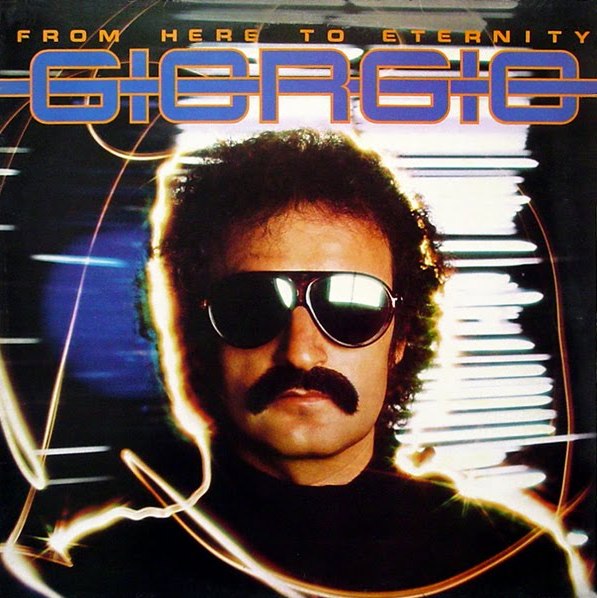
GIORGIO From Here To Eternity (1977)
Despite being a hit single, ‘From Here To Eternity’ was actually something of a disjointed disco medley, throwing in a section of the album track ‘Utopia – Me Giorgio’ halfway through. The full six minute ‘From Here To Eternity’ from the long player of the same name was a futuristic slice of electronic dance perfection, with Giorgio Moroder steadily building on his throbbing synth backbone and layers of vocoder punctuated by the steady beats of drummer Keith Forsey.
The original Fast Product single version of ‘Being Boiled’ from 1978 had its own charm, recorded as mono demo which was subsequently released. However, having signed to Virgin Records and with a budget behind them, Messrs Marsh, Oakey and Ware took the opportunity to update their calling card with producer John Leckie for the ‘Travelogue’ album to more fully realise its funky overtones inspired by FUNKADELIC. The end result was fuller and more dynamic.
Available on THE HUMAN LEAGUE album ‘Travelogue’ via Virgin Records
‘Ghosts’ had been an unexpected singles success for JAPAN in 1982 and Virgin Records wanted more of the same with ‘Nightporter’, despite it being already two years old and with the previously unreleased song ‘Some Kind Of Fool’ in the vaults. Trimming the solemn seven minute ivory laden Satie homage was always going to be difficult and the horrific radio edit butchered out the lengthy if vital instrumental climax of melancholic Oberheim OBX strings. Less really does mean less…
The album version of ‘I Travel’ was only four minutes in the first place, yet original label Arista Records felt the need to chop the track on both single edits it released and neuter its impact. SIMPLE MINDS never fully realised their potential until they signed to Virgin Records and ‘I Travel’ heralded a futuristic art rock phase where the band’s Germanic influences, coupled to synthesized disco aesthetics of Giorgio Moroder, found favour at clubs like The Blitz.
Available on the SIMPLE MINDS album ‘Empires & Dance’ via Virgin Records
Whether ‘Autobahn’, ‘Radio-Activity’, ‘Showroom Dummies’, ‘Trans-Europe Express’, ‘Neon Lights’ or ‘The Robots’, the sheer average length of a KRAFTWERK track made them difficult to apply to the single format and ‘Computer Love’ was no different. A beautifully melodic piece that predicted internet dating and stretched to just under seven minutes with its glorious second half synth solo in its album version, it was like the reel of the film was missing in its edited form.
Available on the KRAFTWERK album ‘Computer World’ via EMI Records
A UK Top 20 single for BLANCMANGE in 1983, ‘Waves’ was remixed and given an orchestral treatment arranged by Linton Naiff, but it strangely detracted from the bare emotion of the song. Sounding like Scott Walker fronting OMD, with a more basic synthesized construction and a sombre detuned brass line allowed to breathe at the song’s conclusion, the album version sans orchestra was much better. However, the original cut has yet to be reinstated on reissues of the parent long player ‘Happy Families’.
Available on the BLANCMANGE album ‘The Very Best Of’ via Music Club Deluxe
Originally recorded for a 1980 single on Mute Records in more of a band format featuring guitar and hand-played synths, ‘Kebab Träume’ was subsequently reworked by DAF in a more superior fashion under the production supervision of the legendary Conny Plank for their third and final Virgin-era long player ‘Für Immer’. Transforming into something much heavier, the memorable if controversial line “Deutschland, Deutschland, alles ist vorbei!” had more bite on this album version also issued as a single.
Available on the DAF album ‘Für Immer’ via Grönland Records
Sweden’s LUSTANS LAKEJER came to international attention when their third long player ‘En Plats I Solen’ was produced by Richard Barbieri of JAPAN. With its synthesized atmospheres and art funk aspirations not that far off DURAN DURAN, ‘Läppar Tiger, Ögon Talar’ was one of the album’s highlights. But for the later single version produced by Kai Erixon, the band opted for a more laid back swing arrangement punctuated by a brass section, which frankly was not as good as the original.
Available on the LUSTANS LAKEJER album ‘En Plats I Solen’ via Universal Music
The single version of ‘We Take Mystery’ which was Gary Numan’s last UK Top 10 hit was too short and the extended 12 inch version was too long, which left the album version from ‘I, Assassin’ as the best take of the song. With its crashing Linn Drum snap and fretless bass with live percussion syncopating on top, this was a dancefloor friendly excursion which concluded with a marvellous additional rhythm guitar breakdown from fretless bassist Pino Palladino.
Available on the GARY NUMAN album ‘I, Assassin’ via Beggars Banquet
Remixed by John Luongo for single release, ‘The Anvil’ ended up as a B-side but while the sound of metal-on-metal was added, it somehow had less presence than the original album version. Possessing far Teutonic tension with some superb guitar work from Midge Ure, metronomic drumming courtesy of Rusty Egan minus his hi-hats, Dave Formula’s superb screaming ARP Odyssey complimented Steve Strange’s tale of debauchery for one of the best ever VISAGE tracks.
Available on the VISAGE album ‘The Anvil’ via Cherry Pop
By 1982, John Foxx has rediscovered his love of early PINK FLOYD, THE BEATLES and psychedelia which manifested itself in ‘Endlessy’. Based around a tom heavy Linn Drum programme, deep cello samples and sitars, it was an interesting if messy experimental romp. Come his third album ‘The Golden Section’ recorded under the helm of producer Zeus B Held, the new version, also released as a revisionist single, was much more focussed with an accessible uptempo electronic euphoria.
A sub-ten minute progressive epic was never going to work as an edited single and with ‘And That’s No Lie’, that’s exactly what happened. The original album version was HEAVEN 17’s ambitious adventure in sound and fusion that threw in everything from abstract sonic experiments, jazz piano, Fairlight samples, the gospel voices of ARFRODIZIAK and an orchestra, plus some excellent live bass and guitar work from John Wilson and Ray Russell respectively.
Available on the HEAVEN 17 album ‘How Men Are’ via Virgin Records
ARCADIA was Simon Le Bon, Nick Rhodes and Roger Taylor’s attempt to be JAPAN during the DURAN DURAN artistic hiatus, but many of the songs from the short-lived side project were smothered in a pond of self-indulgence. One of the highlights though was ‘The Flame’, basically ‘A View To A Kill Part 2’. However for its single release, a neo-acapella intro was applied rather than the frantic percussive beginning of the album version which robbed the song of its tension and impact.
Having got DIVINE into the UK charts, Stock Aitken & Waterman gave the same treatment to DEAD OR ALIVE, scoring a No1 with ‘You Spin Me Round’. The resultant album ‘Youthquake’ had a number of excellent tracks including ‘My Heart Goes Bang’ which was ripe single material. But the single remix by regular PWL associate Phil Harding was horrible, throwing in the kitchen sink with voice cut-ups and an overdriven rhythm section which drowned out any merits the song originally had.
Available on the DEAD OR ALIVE album ‘Youthquake’ via Sony Music
Inspired by a News Of The World headline, ‘Bizarre Love Triangle’ is one of the best loved NEW ORDER tunes. The rugged self-produced original version that appeared on the ‘Brotherhood’ album was a glorious electronic number with a slight mechanical offbeat and space for Hooky’s distinctive bass. But the version released for 45 RPM consumption was a frustrating, four-to-the-floor remix by Shep Pettibone which took all the character out of the song with a barrage of overdriven percussive samples.
Available on the NEW ORDER album ‘Brotherhood’ via Warner Music
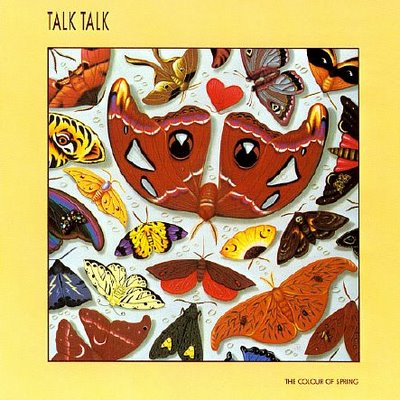
Although ‘Living In Another World’ was the best song on ‘The Colour Of Spring’, it was always going to be a tall order to successfully cut its seven minutes in half for single consumption! A fine progressive combination of synthetic strings, piano, Hammond organ, hypnotic bass, acoustic and electric guitars, percolating percussion and harmonica, the TALK TALK sound would have been nothing however without the anguished vocals of Mark Hollis and the production skills of Tim Friese-Greene.
German trio CAMOUFLAGE had a hit with ‘The Great Commandment’ all over the world including the US, with only Britain remaining ambivalent to their industrial flavoured synthpop. As with many singles of the period, it clocked in at just over three minutes but sounded rushed. Come the debut album ’Voices & Images’ and ‘The Great Commandment’ was more fully realised, allowing space to prevail in the one of the best DEPECHE MODE tracks that the Basildon boys never recorded.
Available on the CAMOUFLAGE album ‘Voices & Images’ via Metronome Music
Enigmatic Glaswegian trio THE BLUE NILE were never an easy sell to the wider marketplace and the Bob Clearmountain single remix of ‘Headlights On The Parade’ was hopeless, with over a third of the emotively atmospheric number absent for the sake of radio play. The centrepiece of the brilliant ‘Hats’ album, its haunting piano, swaths of synths and a collage of modulated sequences needed a full six minutes to truly convey its solemn drive and rainy cinematic melodrama.
Available on THE BLUE NILE album ‘Hats’ via Epstein Records
Subsonically remixed by Andrew Weatherall with a distinct chilled-out flavour and an additional vocal from Sacha Souter for single release, the brilliant album version of ‘Floatation’ had a more rigid KRAFTWERK feel echoing elements of ‘Tour De France’. And as the track drew towards the home straight, Julian Stringle’s clarinet brought to mind the aesthetics of Dave Ball’s previous residency in SOFT CELL. But while those woodwind textures were present in the single, they were less effective overall.
Available on THE GRID album ‘Electric Head’ via Cherry Red Records
Partly inspired by a quote about Zelda Fitzgerald, novelist and wife of author F Scott Fitzgerald which stated “she refused to be bored chiefly because she wasn’t boring”, ‘Being Boring’ is one of PET SHOP BOYS’ best songs, reflecting on Neil Tennant’s youth and the loss of a friend who died of AIDS. While the single itself was almost five minutes long, the superior album version featured a fabulous intro that steadily built with a lilting synth bassline and wah-wah guitar that made the most of the song’s elegiac aura.
Available on the PET SHOP BOYS album ‘Behaviour’ via EMI Records
A tedious rockist statement by DEPECHE MODE when reworked by Butch Vig for single release, the lengthy original album version of ‘In Your Room’ was widescreen magnificence with a tense percussive drive courtesy of Alan Wilder who only played what was needed, adding a second simplistic drum passage in the final half for extra weight. A fine example of how feel is more important technique, current DM drumhead Christian Eigner managed to mess up his opportunity to shine on this during the ‘Global Spirit’ tour.
The second LADYTRON album ‘Light & Magic’ is probably best known for its lead single ‘Seventeen’, but opening its second half was the brilliantly propulsive ‘Evil’. An obvious single, when remixed by noted dance producer Ewan Pearson, it was filled out with extra string synths and made more contemporary. The track lost its appealing spatial dynamics and grunt while the way in which the vocals of Helen Marnie were mixed more than muted her charm.
Available on the LADYTRON album ‘Light & Magic’ via Nettwerk productions
ARTHUR & MARTHA were Adam Cresswell and Alice Hubley; their debut single ‘Autovia’ was the first release on Happy Robots Records in 2008 but when it came to recording the album ‘Navigation’, the incessant Doctor Rhythm drum machine was given a more hypnotic Motorik makeover which ironically gave the track more drive. Meanwhile, there was an extended end section which allowed for some cosmic Theremin and synth wig-outs between the pair not unlike STEREOLAB meeting NEU!
Available on the ARTHUR & MARTHA album ‘Navigation’ via Happy Robots Records
From MESH’s best album ‘Automation Baby’, the wonderfully metronomic ‘Adjust Your Set’ with its personal relationship commentary in a technology dominated world was one of its many highlights. Given a more orchestrated remix by Nico Wieditz for the MaBose Radio-Edit with a much busier electronic bassline along the lines of ‘Enjoy The Silence’, while this single version had more obvious presence, it lacked the eerie cinematic Morricone-esque air of the album original.
‘Ocean’ was already dramatic perfection as the best track on the seventh GOLDFRAPP album ‘Silver Eye’, but for the single version, it was felt a contribution from a former member of the Mute family was needed. While Devotees were wetting themselves over Dave Gahan appearing on a more obviously electronic sounding track again, his faux bluesy drawl was something of a mismatch next to the breathy angelic tones of Alison Goldfrapp. Gahan may be from Essex but he is certainly no Alison Moyet.
Available on the GOLDFRAPP album ‘Silver Eye’ via Mute Artists
Between April and October this year, sees the vinyl reissues of eight EURYTHMICS albums ‘In The Garden’, ‘Sweet Dreams (Are Made of This)’, ‘Touch’, ‘Be Yourself Tonight’, ‘Revenge’, ‘We Too Are One’, ‘Savage’ and ‘Peace’ and gives a welcome chance to look back retrospectively over the duo’s musical output.
Although it didn’t trouble the charts, the debut 1981 album ‘In The Garden’ provided a necessary bridging point between Annie Lennox and David A Stewart’s output as New Wave act THE TOURISTS and their newly convened status as a duo.
Co-produced by the legendary Conny Plank in his Cologne studio and featuring BLONDIE drummer Clem Burke, Robert Görl from DAF, and CAN’s Holger Czukay and Jaki Liebezeit, the album swings between the guitar-driven post-punk sound of ‘English Summer’ and the more rocky ‘Belinda’ which would foreshadow some the band’s more rockist leanings latterly in their career.
Due to Plank’s top notch production and Lennox’s effortlessly beautiful vocals throughout, the album hasn’t dated too badly and if never listened to before certainly doesn’t hint at the stellar jump with their subsequent offering ‘Sweet Dreams (Are Made Of This)’.
Recorded in their newly fitted out 8 track home studio in Chalk Farm London purchased using a £5,000 bank loan, ‘Sweet Dreams (Are Made of This)’ would have come as a complete curveball if as a fan you’d latched onto the more pastoral guitar-based sound of ‘In The Garden’; almost purely electronic in conception and with the backbeat of Stewart’s Movement Drum Computer (which puts in a cameo appearance in the iconic ‘Sweet Dreams’ promo video).
Also significant for the album was the use of Dave Stewart’s EDP Wasp synth which (according to Synth Guru Paul Wiffen) was often recorded using a microphone placed over the in-built speaker in order to capture the sound of the resonating body of the synth’s case alongside its source sound.
With YAZOO’s debut ‘Upstairs at Eric’s’ opening the public’s perception to cold electronics with an accompaniment of soulful vocals, the timing of ‘Sweet Dreams’ couldn’t have been better. There are obvious echoes of Clarke and Moyet in tracks such as ‘Wrap it Up’, but the addition of Stewart’s guitar and the bigger multi-layered vocal production meant that they don’t come across as mere pastiches.
Musically one of the things that becomes apparent on ‘Sweet Dreams’ is Stewart’s knack at creating some truly wonderful synth basslines, often using a Roland SH09. From ‘I Could Give You (A Mirror)’ to the ‘The Walk’, these perfectly counterpointed Lennox’s glacial vocals and set a template for what was to follow with album number three ‘Touch’.
‘Touch’ is often overlooked when it comes to people’s go-to classic electronic albums; this could possibly be down to the huge success of the Calypso-themed ‘Right By Your Side’ which at the end of the day really wasn’t representative of the album as a whole. This is a shame, because ‘Touch’ is arguably the band’s finest hour, tracks such as the singles ‘Who’s That Girl?’ and ‘Here Comes The Rain Again’ are matched by album cuts ‘Regrets’ and ‘No Fear, No Hate, No Pain (No Broken Hearts).
‘The First Cut’ echoes YAZOO’s ‘Sweet Thing’ but brings in some live guitar and fretless/slapped bass to the party; whilst the epic 7 and a half minute closing ‘Paint A Rumour’ takes the listener on a spellbinding musical journey incorporating blippy Kraftwerkian electro pop, dub brass and BLANCMANGE-like Middle Eastern synth elements along the way. Unfortunately the band were never truly this electronic again, with the remix/mini-LP ‘Touch Dance’ eventually giving way to 1985’s ‘Be Yourself Tonight’…….
The next two albums ‘Be Yourself Tonight’ and ‘Revenge’ continued to give the band some huge chart hits; ‘There Must Be An Angel’ was the band’s only UK No1 single from the former, but tracks which had the potential to echo EURYTHMICS earlier electronic work (including the Linn Drum-driven ‘I Love You Like A Ball & Chain’) seemed to become an excuse for Stewart to wig-out with a show-off guitar solo.
Songs such as ‘Thorn in My Side’ started to showcase EURYTHMICS steady mutation (and some would say decline) into a US radio-friendly guitar act with most of their electronic elements gradually being exorcised from the bands’ production. In some ways EURYTHMICS followed a similar career trajectory to SIMPLE MINDS with stadium rock leanings starting to filter into their recorded output and before you knew it, songs appeared to be written specifically for large arenas.
With the next couple of albums there were still a few glimmers of experimentation, THE ART OF NOISE-aping, Fairlight-driven ‘Beethoven (I Love To Listen)’ from ‘Savage’ was an unexpected single choice, but stalled at number 25 in the UK charts.
The highlight of 1989’s ‘We Too Are One’ (with its striking cover photo by Jean Baptiste Mondino) was the melancholic break-up single ‘Don’t Ask Me Why’ which in many ways echoed ‘Here Comes The Rain Again’, especially with its use of pizzicato strings.
After a ten year hiatus, ‘Peace’ saw Lennox and Stewart reconvene with the understated ‘I Saved the World Today’ giving them some chart success, only narrowly missing the UK top 10. With its almost PORTISHEAD retro-style textures, it went some way in distancing the band from its more bombastic productions.
By overviewing the band’s output, the listener could cynically surmise that EURYTHMICS jumped on the Synth Britannia bandwagon; riding on YAZOO’s coat tails by adopting an electronic aesthetic and then slowly revealing themselves as the rock band that they actually were all along (underneath all of the production surface). That would however do a huge disservice to their early work, which includes some of the VERY best electronic pop tracks from that era.
Interestingly, Dave Stewart confirmed the spiritual link with YAZOO by eventually going on to work with Alison Moyet, co-writing / co-producing ‘Is This Love?’ under the pseudonym Jean Guiot (used to avoid problems with his music publishers).
The mid-period and latter albums (although in many places giving the band deserved huge commercial success) do however chart EURYTHMICS slow transformation into an entirely different musical beast altogether. For those that bemoan the way DEPECHE MODE now deliver their songs live, should take some solace in that Lennox and Stewart committed far worse musical crimes to some of their iconic synth pop hits than Gahan and co are doing now…
So in terms of influence, what is there left to say about EURYTHMICS legacy? Their nearest contemporaries now would be GOLDFRAPP and PURITY RING; acts that use that male synth / female vocal dynamic.
Completists could possibly complain that the soundtrack to the motion picture ‘1984 (For The Love Of Big Brother)’ and ‘Touch Dance’ albums should have made the set up to a round 10, but for most, ‘Sweet Dreams’ and ‘Touch’ still remain the essential albums to own, with ‘In The Garden’ being seen as more of an interesting curio in the band’s back catalogue.
EURYTHMICS’ back catalogue is reissued by Sony Music in three stages through 2018
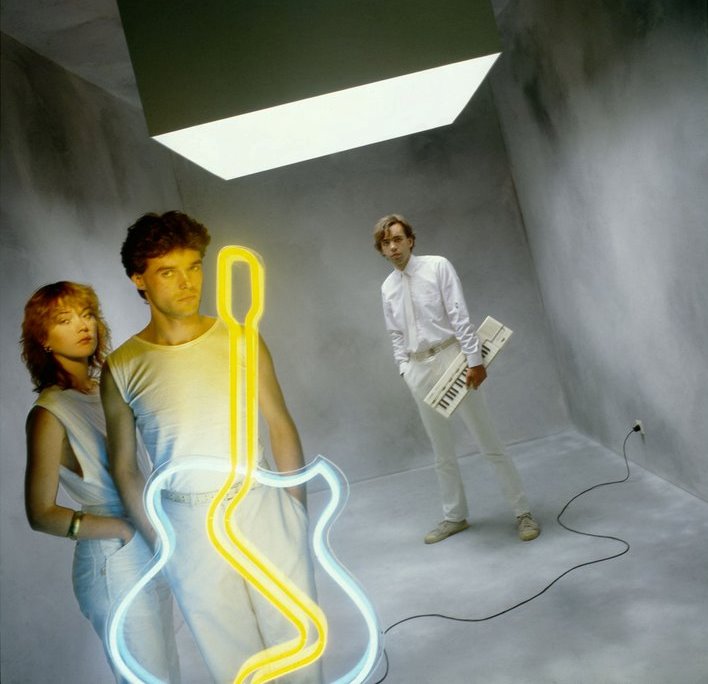
Named after the opera by Richard Wagner, Düsseldorf’s RHEINGOLD were part of Die Neue Deutsche Welle movement which also included artists such as NENA, PETER SCHILLING and ALPHAVILLE.
Between 1980 to 1984, RHEINGOLD released three albums ‘Rheingold’, ‘R.’ and ‘Distanz’, all working with the legendary Conny Plank.
Led by Bodo Staiger, the band also featured his now-wife Brigitte Staiger on backing vocals and Lothar Manteuffel on keyboards.
Singing primarily in Deutsch, they also differed from their electronically driven contemporaries by having a more melodic vocal style and a distinctive rhythm guitar template.
Staiger starred in the 1982 West German horror film ‘Der Fan’ directed by Eckhart Schmidt which warned against the dangers of fanaticism, but RHEINGOLD never performed live so have almost become a forgotten band whenever the history of German pop is discussed.
However, the inclusion of 2010 reworkings from a ‘Best Of’ album of their domestic hits ‘Fluss’ and ‘Dreiklangdimensionen’ on the splendid ‘Electri_City 1_2’ 2CD compilation, released by Grönland Records, deservedly placed their work alongside LA DÜSSELDORF, HARMONIA, RIECHMANN, DAF, NEU! and DIE KRUPPS.
RHEINGOLD are certainly one of the most under rated acts from the German New Wave, but this year’s excellent new album ‘Im Lauf Der Zeit’ was a fine return after an absence of original material for many years. Bodo Staiger kindly took time out to talk about the career of RHEINGOLD.
In 2010, you re-recorded the old hits like ‘Fluss’ and ‘Dreiklangdimension’, having also done the ‘Electric City – Düsseldorfer Schule’ 2007 covers album, so why was the time right for a brand new RHEINGOLD album?
There was a collection of about 50 songs / layouts over the last years and in 2014, I got back the lightness of playing guitars, so I felt that is the right time for a new album.
What was different about your approach to ‘Im Lauf Der Zeit’ compared to your debut and ‘R.’?
Compared to the 80s albums, I have learned a lot about studio work, technology and production.
So this time, I knew exactly what I wanted and how RHEINGOLD should sound today without changing the style.
You give thanks to Karl Bartos in the ‘Im Lauf Der Zeit’ album credits, how was he involved?
Karl is one of my best friends, we’ve known each other for a long time and I really appreciate his musical competence. Since I started to work on the selected songs, there were many telephone calls, MP3s and comments between us. Finally he wrote the lyrics for ‘Im Lauf der Zeit’ and ‘Weisses Licht’ for the new album.
The artwork also features some nostalgic photos including ones of you and Conny Plank who was involved in all the previous RHEINGOLD albums, what was he like to work with?
The photos document my musical journey – over time – starting in 1967 with a band called HARAKIRI WHOOM with a young singer called Marius Müller-Westernhagen, who today is a big rock star here in Germany and also the band SINUS with Karl Bartos, THE LILAC ANGELS and my own project RHEINGOLD.
Referring to Conny Plank, we met in 1970 and I recorded – with Marius and Karl – my first tracks with Conny that year were at the Rhenus Studio near Cologne. To work with him was always a pleasure, he was relaxed, very competent and had the talent to listen what the artist wants. And he also brought some good ideas and inspiration. For example, the percussive synth sound on ‘Dreiklangsdimensionen’ was his idea.
Like classic RHEINGOLD, there are several great instrumentals on this new record. Was the opening track ‘Kraut’ intended as a kind of statement?
Yes, of course.
‘Sternstaub’ is very electronic compared with other RHEINGOLD tracks, what inspired this?
When I digitalized our old 24 track tapes in 2010 and I found this song on a tape of the first album from 1980. I think because of the limitation of time on the vinyls, we didn’t use it. So I kept the original recording and mixed it 2016 in for the 1st time. But I forgot what inspired me 🙂
The wonderful ‘Paradieshafen’ sounds like OMD meets Michael Rother?
I take it as a compliment.
‘Theme ‘84’ recalls LA DÜSSELDORF, is it true you gave Klaus Dinger guitar lessons? What he a compliant student?
That’s correct, musically regards to Klaus. I don’t remember the guitar lessons, but I played a lot of sessions with Klaus at his studio Im Grund here in Düsseldorf… maybe I showed him some chords or licks and tricks.
Of the songs on ‘Im Lauf Der Zeit’, which ones have become your favourites and why?
I can’t answer this question.
You disliked working with drummers and preferred drum machines, were there any particular reasons for this?
Since I got the Roland CR-78 drum machine in 1979, I liked the sound, the groove and tightness of this unit. But we also worked with a drummer – on ‘Fanfanfanatisch’ and ‘Das Steht Dir Gut’ from the second album ‘R.’
RHEINGOLD did not perform as a live band; do you ever regret this?
No, RHEINGOLD was always a one man band. I never thought about performing live.
How do you feel about the renewed interest in RHEINGOLD?
Well, we enjoy it. But let’s see the result end of the year.
What were your career highlights with RHEINGOLD?
The first years – ’81 to ’84 were our good times, TV shows and films and sales.
What is next for you, either as RHEINGOLD or with your other musical interests?
First of all, we’re trying to promote the new album and keep our Rheinklang studio going.
ELECTRICITYCLUB.CO.UK gives its grateful thanks to Bodo Staiger
‘Im Lauf Der Zeit’ is released in CD and digital formats by Lucky Bob Records / Soulfood
DEUTSCH AMERIKANISCHE FREUNDSCHAFT or DAF are the influential pioneers of electronic body music.
Forming at Die Ratinger Hof in Düsseldorf, DAF’s punky ethos became fully realised thanks to the availability of newly affordable synthesizer technology from Japan. Attaching the powerful sound to heavy rhythms and Teutonic expression, the energetic aggression of the music reflected their militaristic aesthetic, as exemplified by songs like ‘Der Mussolini’ and’ Kebabträume’.
Between 1981-1982, the nucleus of Gabi Delgado on vocals and Robert Görl on drums and electronics released an acclaimed trilogy comprising of ‘Alles Ist Gut’, ‘Gold Und Liebe’ and ‘Für Immer’ which were produced by the legendary Conny Plank and originally came out on Virgin Records.
That trilogy along with what was the first album ever released on Mute Records ‘Die Kleinen Und Die Bösen’ (which Plank also worked on) form the bulk of ‘Das Ist DAF’; a celebratory boxed set released by Grönland Records, the set also features a bonus disc of respectful remixes while the lavish vinyl edition exclusively contains the treat of a brand new DAF single entitled ‘Die Sprache Der Liebe’.
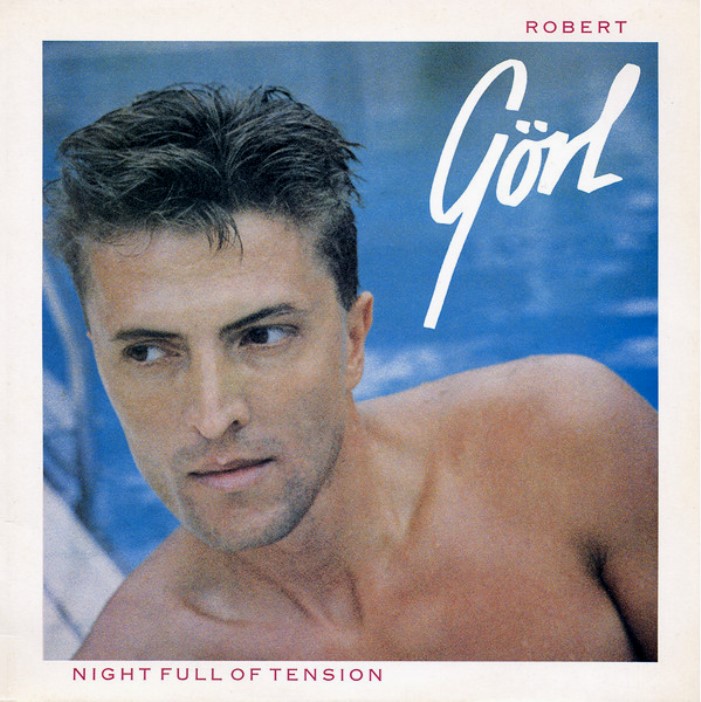
While DAF fell under a haze of “sex, drugs and sequencer” after 1982, Görl began a solo career with the cult favourite ‘Mit Dir’ in 1983. This was followed by ‘Night Full Of Tension’, an album which saw Görl embracing synthpop and the English language. It featured vocal contributions from Annie Lennox of EURYTHMICS.
Fast forward to the present day, Görl and Delgado-Lopez have more than occasionally reunited for DAF shows, while the DAF drummer has been showcasing his ‘Glücksritter’ live only project to audiences around Europe, most recently at the 2017 ELECTRI_CITY CONFERENCE in Düsseldorf.
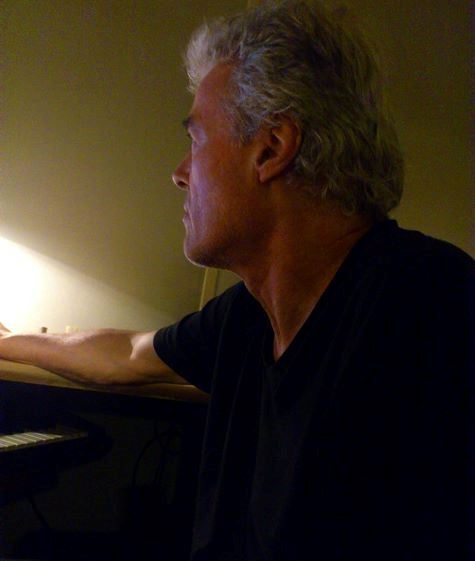
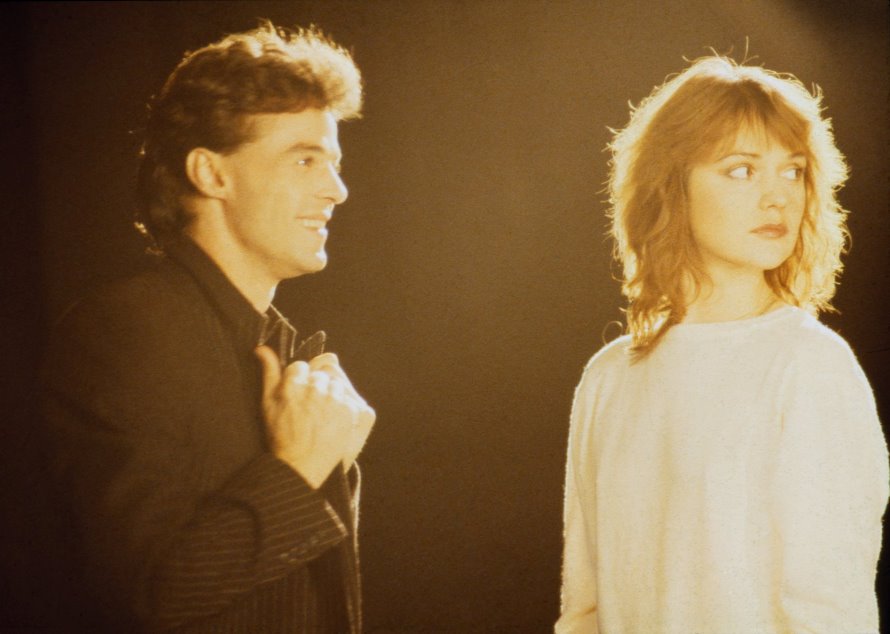
With the success of the ‘Das Ist DAF’ boxed set and the accompanying authorised biography of the same title due to break cover, Robert Görl kindly chatted about DAF’s past, present and future while also reminiscing about the beginnings of his solo career and working with Conny Plank.
Are you pleased with the ‘Das Ist DAF’ boxed set and what it has achieved?
Yes, I’m happy, we put in just the core albums and I thought the different remixes were a great idea plus of course, there is a very special new DAF single in the box.
It’s taken a long time to get new DAF material together, what was the idea behind ‘Die Sprache Der Liebe’?
The working process how we did it was completely old school, like in our old days. I have to say when me and Gabi come together, we don’t do so many new records, we have lots of different projects and sometimes we do DAF. The last DAF album was already 15 years ago! But sometimes we meet and talk about maybe doing something new and this time, it worked because we had Grönland and they said they would be very happy if we did at least a single.
For me and Gabi, the two songs we did was kind of a test, I did the sequences, made all of the music and then the drumming before Gabi did the lyrics and singing. It’s in the same style like in the old days. It’s not like what many bands do… Gabi lives in Spain and me in Berlin, but I don’t send audio files for him to progress further before sending it back to me or for a third person to mix it… I don’t like this style of working when people don’t even see each other to do a record. This for me is very boring.
So me and Gabi had to meet and come together, I played him my sequences. He sees everything like my drumming and I see Gabi while he puts down his first lines and makes them better while I’m in the studio.
Gabi says you still love your vintage synthesizers?
Yes, I still love them. For example, this single is a Korg MS20 and the Korg sequencer, as is the B-side ‘Ich Bin Nicht Da’
Did you and Gabi choose the remixers?
Grönland suggested these guys like WESTBAM and BOYZ NOISE, we were happy with them and agreed. Apparently when they approached Giorgio Moroder, he said “Greetings to the DAF guys, tell them I really want to do it” – this was fantastic.
There is this new authorised book ‘Das Ist DAF’? Is it a tale of “sex, drugs and sequencer”?
The most interesting part of the book is it tells the hard truth. We were interviewed many times for the book and it is not about a band where everything worked fine, where it’s a nice and successful polished career. No, in this book, the reader will see how at many points, Gabi and me had discomfort and there were times when it was not so nice.
We never had fist fights but we did split and said “you go your way and I go mine”. We talk very honestly about what happened and when it was sh*t *laughs*
So was your first solo album ‘Night Full Of Tension’ a result of one of these splits?
Yes, we’d worked for 5 years together as DAF and we were burned out. This was the first split and very heavy, we could not even see each other anymore because we were together day and night for those 5 years. I wanted to do something else.
How did it feel on that album to not be drumming as well as writing and singing in English?
Around this time, I was getting more into pop. When we split DAF at this highpoint, when you look at our style and how we behaved with these three successful DAF albums, we were like pop stars, more or less. We had lots of money and good clothes, I could just book a flight to New York and go… we had everything that we wanted. I wanted to make a pop album and at this time, I was invited to London and New York a lot.
People suggested to me if I wanted to really make it worldwide, I should do an English album. In the 80s, the kingdom of pop music was still London so for me, it was normal and not a big compromise.
What was it like working with Annie Lennox?
She was involved in helping me with lyrics, I went to Montpellier for 2 weeks to write the basic ideas and then I showed her them in London.
She would make suggestions so we worked together on the lyrics, that’s why she was also on the album.
You released a great standalone single ‘Mit Dir’ before ‘Night Full Of Tension’. Have you heard DJ HELL and STEREO MCs cover version of it as ‘With You’?
I think they did a good well-produced version; ‘Mit Dir’ is my favourite solo song…
…DJ HELL also did a remix with you of ‘Liebe Auf Den Ersten Blick’ for ‘Das Ist DAF’?
Yes, I liked it… I had a few arguments about how he did it, but in the end it was a good product.
There was also the Prada commercial using the ‘Headed For The Sun’ version by MURK.FM?
That was a good one…
The ‘Das Ist DAF’ boxed set highlights your productive relationship with Conny Plank on those classic albums? What sort of person was he?
Conny was like home, he made it comfortable for all the bands he produced. What I really liked about him was he gave you comfort. Even at lunchtime, we met many times in the kitchen and he would just give Gabi and me his studio. He said “Take my studio, it’s yours”. He gave us time and wouldn’t look at the watch saying “we must do this and this and that now”, he was not like this.
Was he like your favourite uncle?
He was almost like a father to me, we lived at the studio so it was all very familiar. We had a room and slept there, we would go down in the morning and he would be making breakfast, while his girlfriend Christa Fast would make cakes. It was the very homely feeling that we remember most. And this made it easier for us to feel good and create without having a heavy head.
Other studios can give you headaches because of the deadlines, it was the opposite at Conny’s Studio. He would come down in the afternoon, listen and say “hey, this sounds good, let’s record it”… it was warm and comfortable with no pressure. He was a fan of our music and he was a gentleman. He always found the moment when we were hot… this was very good.
ELECTRICITYCLUB.CO.UK gives its warmest thanks to Robert Görl
We use cookies to ensure that we give you the best experience on our website. If you continue to use this site we will assume that you are happy with it.Ok


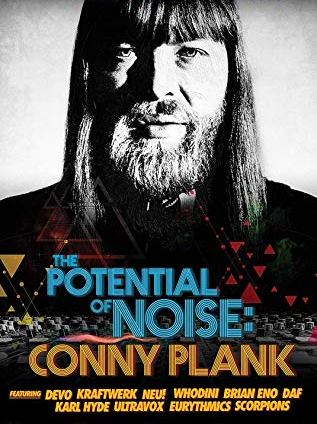 ‘The Potential Of Noise’ is released on DVD by Cleopatra Entertainment
 via Repertoire Records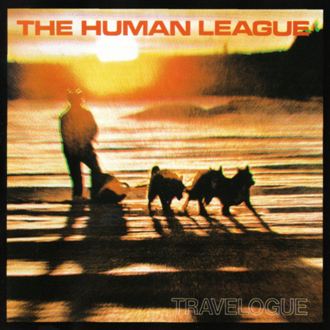
 via Virgin Records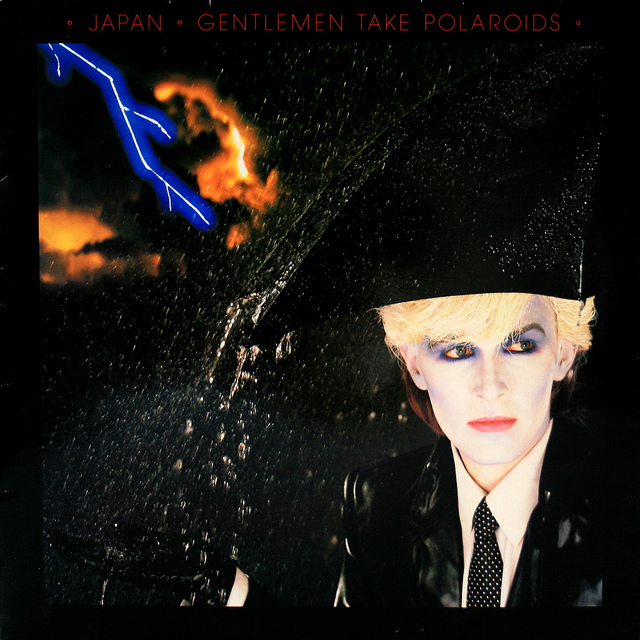
 via Virgin Records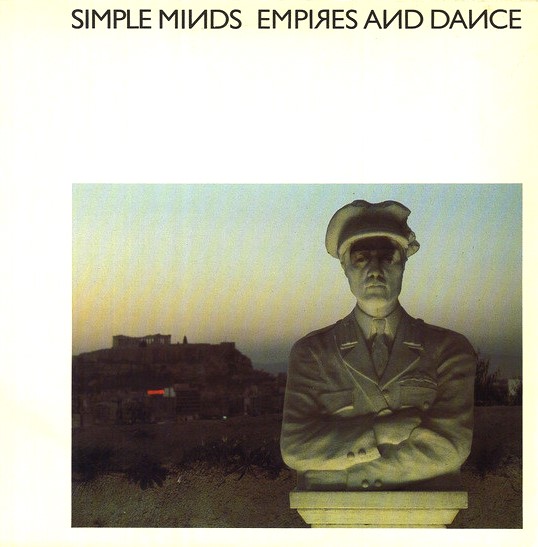
 via Virgin Records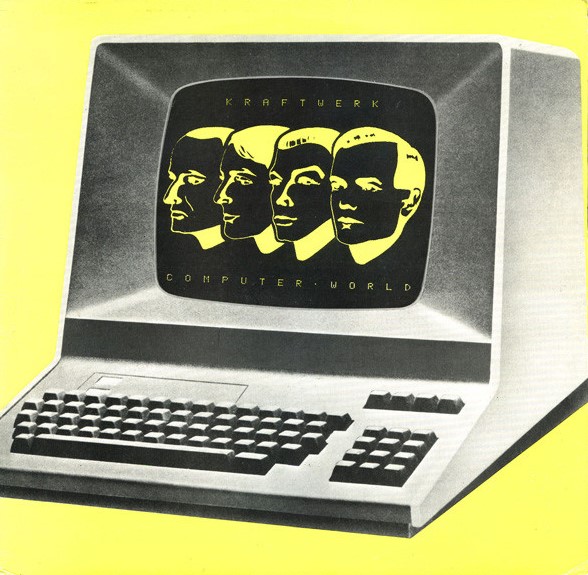
 via EMI Records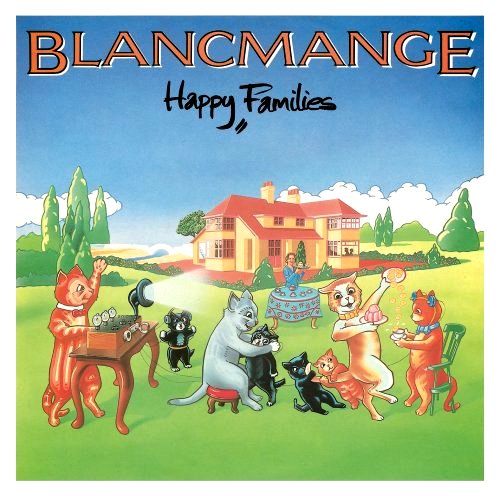
 via Music Club Deluxe
 via Grönland Records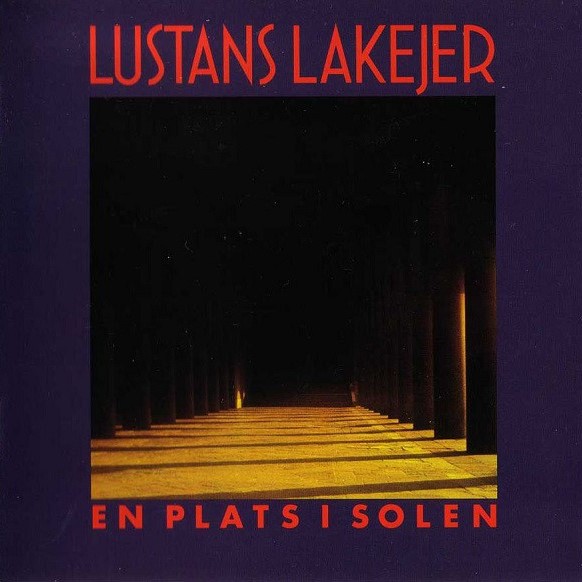
 via Universal Music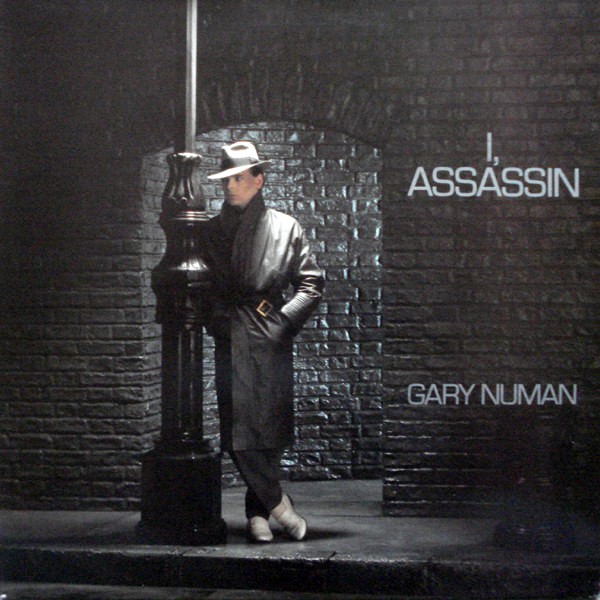
 via Beggars Banquet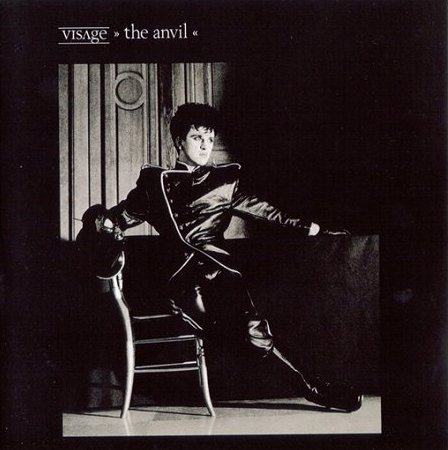
 via Cherry Pop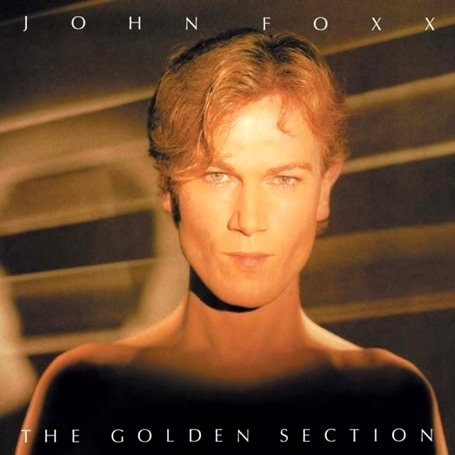
 via Edsel Records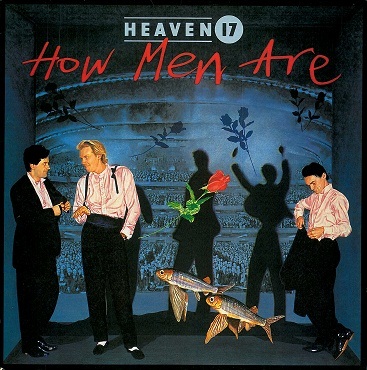
 via Virgin Records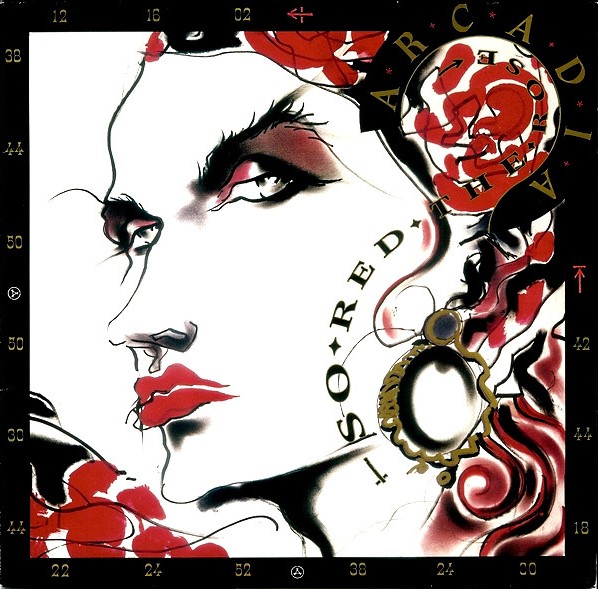
 via EMI Records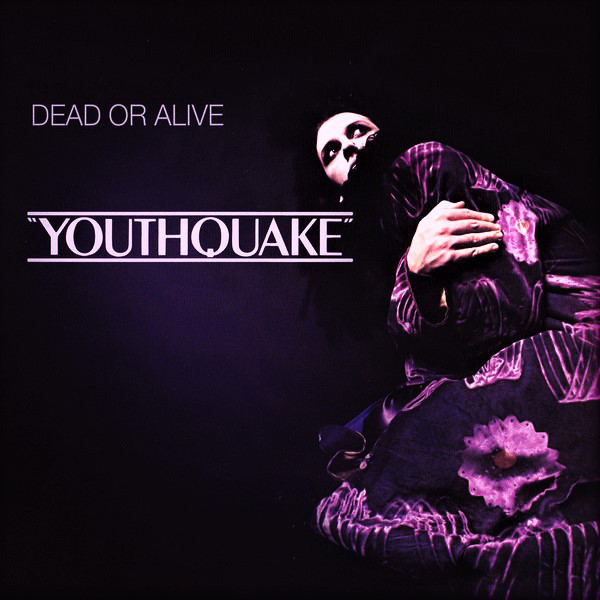
 via Sony Music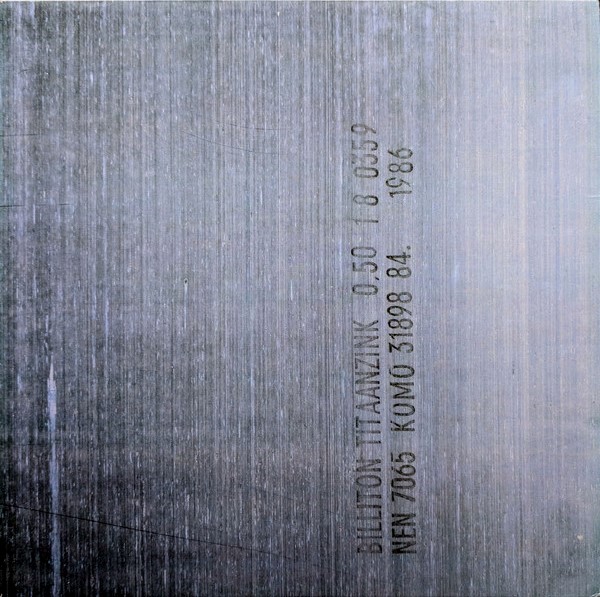
 via EMI Records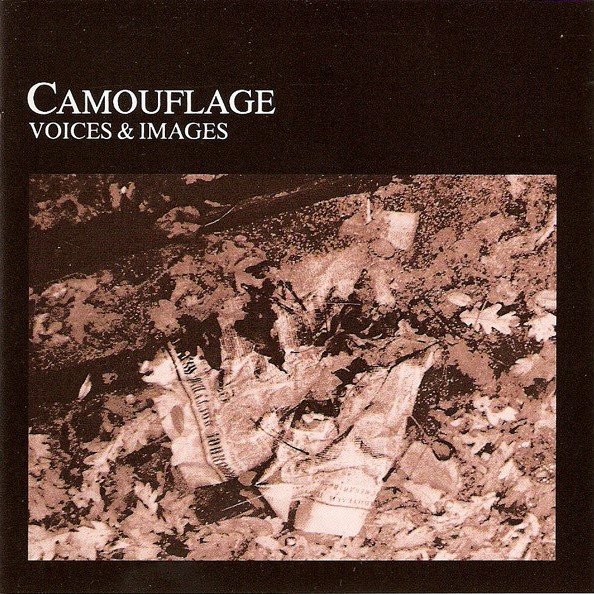
 via Metronome Music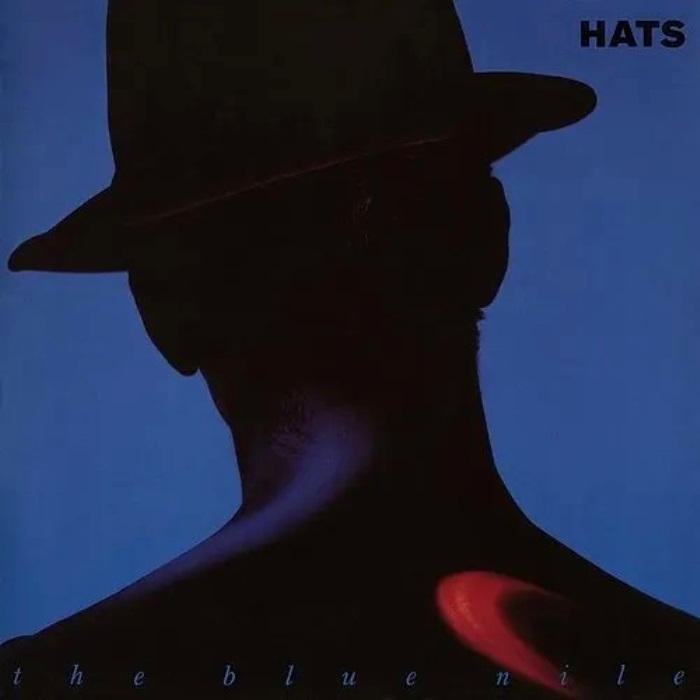
 via Epstein Records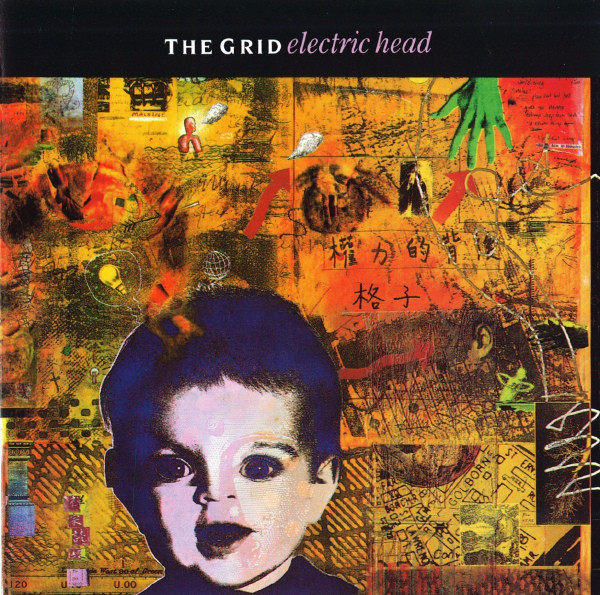
 via Cherry Red Records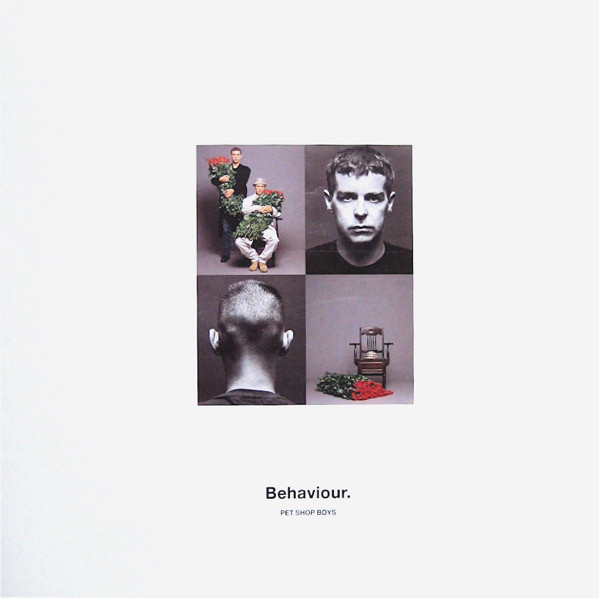
 via EMI Records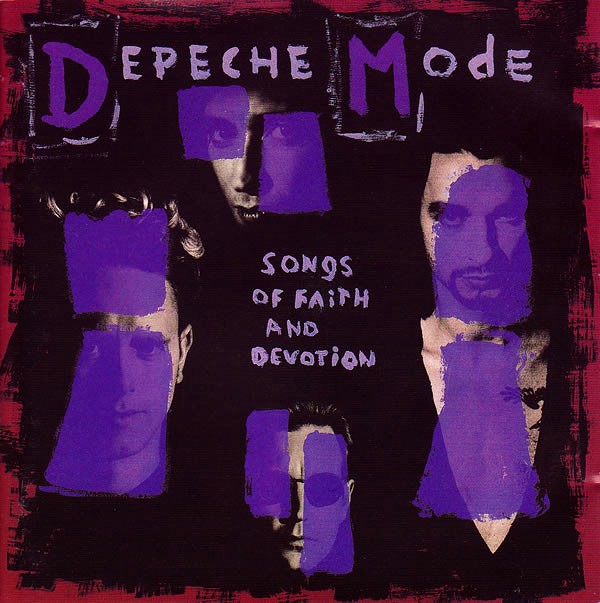
 via Sony Music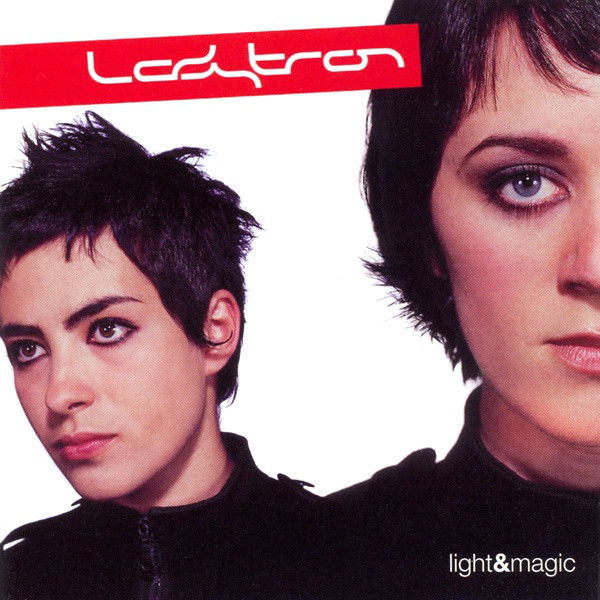
 via Nettwerk productions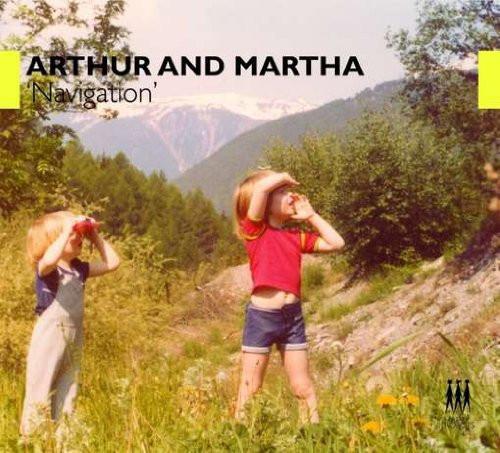
 via Happy Robots Records
 via Dependent Records
 via Mute Artists
 provided a necessary bridging point between Annie Lennox and David A Stewart’s output as New Wave act THE TOURISTS and their newly convened status as a duo.
 .
. is arguably the band’s finest hour, tracks such as the singles ‘Who’s That Girl?’ and ‘Here Comes The Rain Again’ are matched by album cuts ‘Regrets’ and ‘No Fear, No Hate, No Pain (No Broken Hearts).
 and
and  continued to give the band some huge chart hits; ‘There Must Be An Angel’ was the band’s only UK No1 single from the former, but tracks which had the potential to echo EURYTHMICS earlier electronic work (including the Linn Drum-driven ‘I Love You Like A Ball & Chain’) seemed to become an excuse for Stewart to wig-out with a show-off guitar solo.
 was an unexpected single choice, but stalled at number 25 in the UK charts.
 (with its striking cover photo by Jean Baptiste Mondino) was the melancholic break-up single ‘Don’t Ask Me Why’ which in many ways echoed ‘Here Comes The Rain Again’, especially with its use of pizzicato strings.
 saw Lennox and Stewart reconvene with the understated ‘I Saved the World Today’ giving them some chart success, only narrowly missing the UK top 10. With its almost PORTISHEAD retro-style textures, it went some way in distancing the band from its more bombastic productions.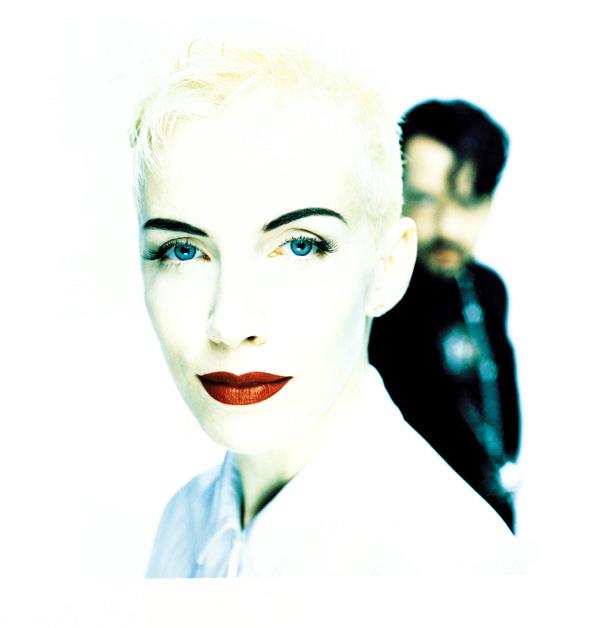
 ,
,  and ‘Distanz’, all working with the legendary Conny Plank.
 album of their domestic hits ‘Fluss’ and ‘Dreiklangdimensionen’ on the splendid
  2CD compilation, released by Grönland Records, deservedly placed their work alongside LA DÜSSELDORF, HARMONIA, RIECHMANN, DAF, NEU! and DIE KRUPPS.
 was a fine return after an absence of original material for many years. Bodo Staiger kindly took time out to talk about the career of RHEINGOLD.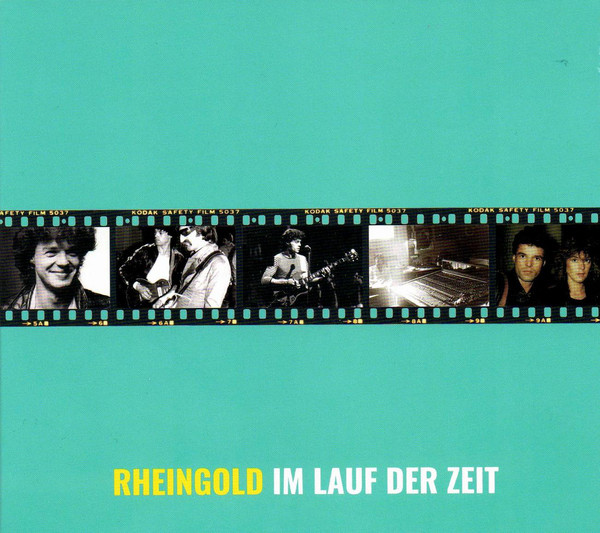

 ; a celebratory boxed set released by Grönland Records, the set also features a bonus disc of respectful remixes while the lavish vinyl edition exclusively contains the treat of a brand new DAF single entitled ‘Die Sprache Der Liebe’.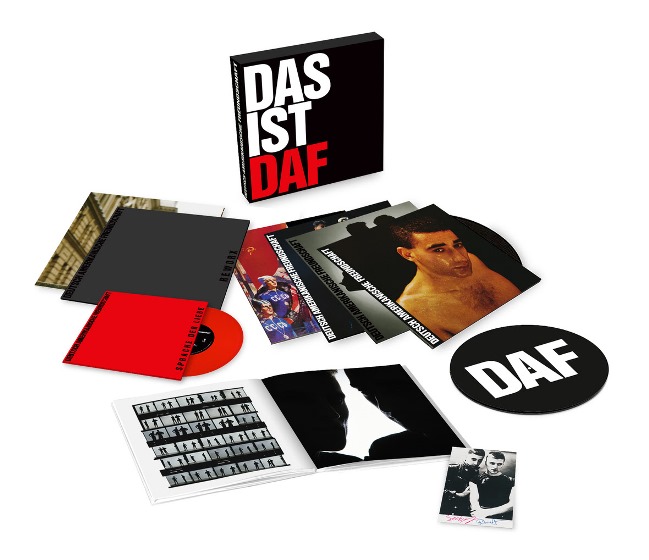
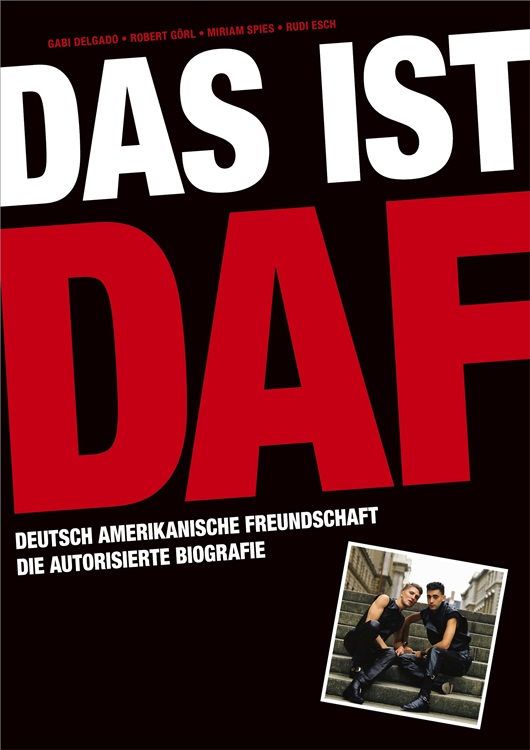
 by Gabi Delgado, Robert Görl, Miriam Spies and Rudi Esch is published by Schwarzkopf & Schwarzkopf
Follow Us!