Tag: Depeche Mode (Page 15 of 17)

25 SYNTH INSTRUMENTALS OF THE CLASSIC ERA

1972’s ‘Popcorn’ could arguably be seen as Europe’s first electronic pop hit.

Made famous by HOT BUTTER, they were actually a combo of session players led by Stan Free who had been a member of FIRST MOOG QUARTET with ‘Popcorn’ composer Gershon Kingsley. It was largely considered a novelty record but it inspired many cover versions throughout the world including France where it was a No1.

There, one came courtesy of a young musician named Jean-Michel Jarre who recorded ‘Popcorn’ under the moniker of THE POPCORN ORCHESTRA. While working on his first proper full length electronic album in 1976, Jarre adapted a melodic phrase from ‘Popcorn’ as the main theme of what was to become the project’s lead single. That composition was ‘Oxygène IV’ and the rest is history.

After ‘Oxygène IV’ became a Top 5 hit in the Autumn of 1977, the synth instrumental became a popular medium, even spawning budget covers albums such as ‘Synthesizer Hits’ and ‘Synthesizer Gold’.

But coinciding with accessibility of affordable synthesizers, instrumentals were seen by some as a cop out for a B-side or album filler. A bridge between pop and experimentation, these tracks were actually an artform of their own and many would become cult favourites among enthusiasts who understood that music did not necessarily need words to convey an emotive atmosphere or make people dance.

However today, it does appear to be a dying art with some musicians not understanding that formless noodling, club racketfests or tracks in which the vocalist appears to have forgotten to sing don’t quite cut it. So here are twenty five other instrumentals from the classic era when the synth went mainstream and discerning listeners looked forward to an imaginative wordless wonder.

This chronological by year, then alphabetical list however has a restriction of one track per artist and features no tracks that use a repeated vocal phrase as a topline, thus excluding most recordings by KRAFTWERK! And if you’re wondering where GIORGIO MORODER is, his work was covered recently in his own Beginner’s Guide to him…


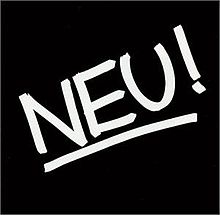
NEU! Isi (1975)

By 1975, NEU! had broken into two artistic factions with Michael Rother and Klaus Dinger unable to agree a direction for their new album. So they divided its space with the manic Dinger piloting his rambling proto-punk of side two and the more sedate and thoughtful Rother directing the less jarring first side. ‘Isi’ was a wonderful synthesizer and piano instrumental that was still driven by a motorik beat but less dominantly Apache.

Available on the album ‘Neu! 75’ via Gronland Records

http://www.neu2010.com/


KRAFTWERK Franz Schubert (1977)

Effectively the closing track on KRAFTWERK’s iconic ‘Trans Europe Express’ album, this neo-classical piece was eerily emotive with its combination of Vako Orchestron string ensemble over some gentle Synthanorma Sequenzer pulsing. The haunting elegance of ‘Franz Schubert’ was like Ralf Hütter had been possessed by the ghost of the great German composer, reflecting the art of his melodic and harmonic intuition.

Available on the album ‘Trans Europe Express’ on EMI Records

http://www.kraftwerk.com/


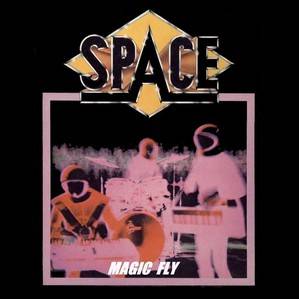
SPACE Magic Fly (1977)

SPACE was the brainchild of Didier Marouani who went under the pseudonym Ecama and formed the collective with Roland Romanelli, and Jannick Top. With compatriot Jean-Michel Jarre and a certain Giorgio Moroder also in the charts, the space disco of the iconic ‘Magic Fly’ heralded the start of a new European electronic sound within the mainstream. With its catchy melody and lush, accessible futurism, ‘Magic Fly’ sold millions all over the world.

Available on the album ‘Magic Fly’ via Virgin France

http://fr.space.tm.fr/


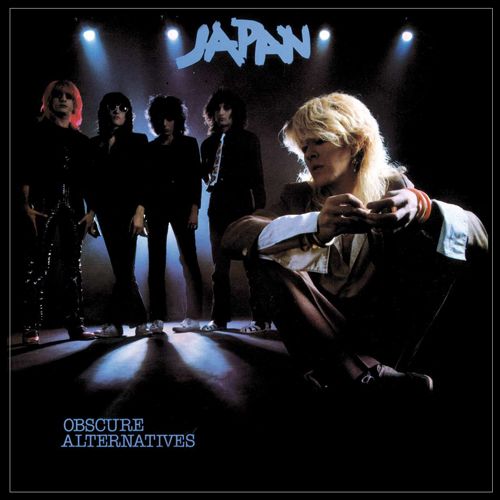
JAPAN The Tenant (1978)

Inspired by the grim Roman Polanski film, ‘The Tenant’ signalled the Lewisham combo’s move away from funk rock into artier climes. A merging of the second side of David Bowie’s ‘Low’ with classical composer Erik Satie, it saw Richard Barbieri play more with synthesizer and piano textures to create atmosphere while Mick Karn dressed the piece with his fretless bass rather than driving it. Karn’s burst of self-taught sax at the conclusion is also quite unsettling.
Available on the album ‘Obscure Alternatives’ via Sony BMG Records

http://www.nightporter.co.uk/


GARY NUMAN Airlane (1979)

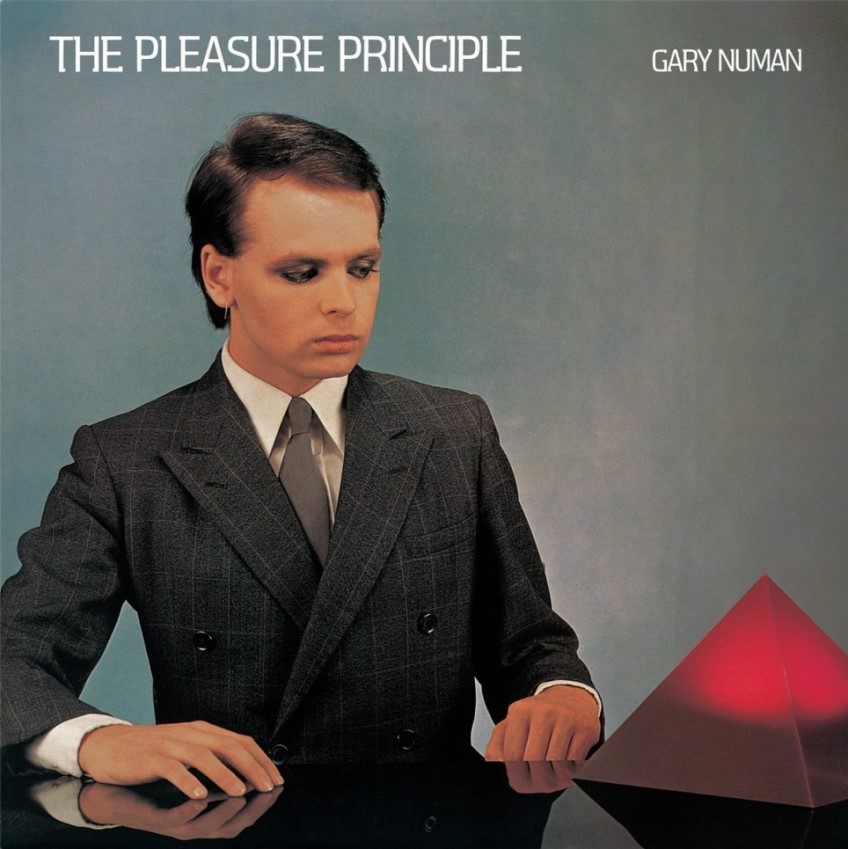
For anyone who first became a fan of electronic pop during the Synth Britannia era, ‘Airlane’ was a key moment. As the opening track of ‘The Pleasure Principle’ and its subsequent concert tour, it was the calling card that literally announced “GARY NUMAN IS IN THE BUILDING”! Yes, Numan had done instrumentals before, but with its sparkling Polymoog riffs, ‘Airlane’ provoked excitement and anticipation.

Available on the album ‘The Pleasure Principle’ via Beggars Banquet

http://www.numan.co.uk/


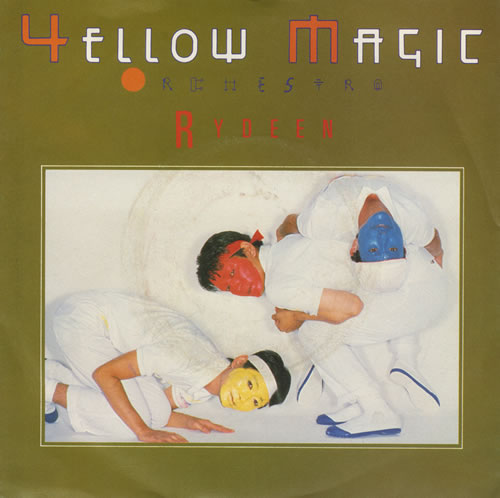
YELLOW MAGIC ORCHESTRA Rydeen (1979)

With their eponymous debut under their belt, YELLOW MAGIC ORCHESTRA fully found their technopop sound on ‘Solid State Survivor’. Written by drummer Yukihiro Takahashi, ‘Rydeen’ was a percussively colourful pentatonic tune filled with optimism and flair. This was the trio at their best as the later ‘Technodelic’ was a quite doomy, while their swansong ‘Naughty Boys’ was overtly mainstream.

Available on the album ‘Solid State Survivor’ via Sony Music

http://www.ymo.org/


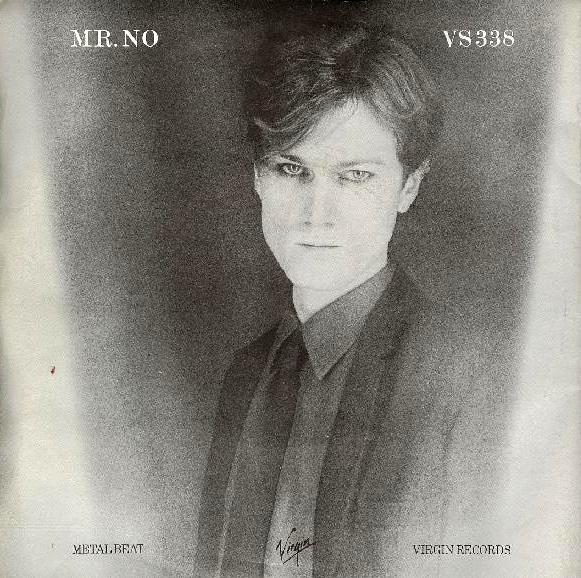
JOHN FOXX Mr No (1980)

Armed with an ARP Odyssey, Elka string machine and Roland Compurhythm, John Foxx’s ‘Mr No’ was like a futuristic Bond theme or a signature tune for some space gangster. The mechanical giro was menacingly snake-like while the swirling chill invaded the speakers to prompt some almost funky robot dancing. The ‘Metamatic’ era track originally surfaced on the ‘No-One Driving’ double single pack with aother instrumental, the more sedate ‘Gilmmer’.

Available on the album ‘Metamatic’ via Edsel Records

http://www.metamatic.com/


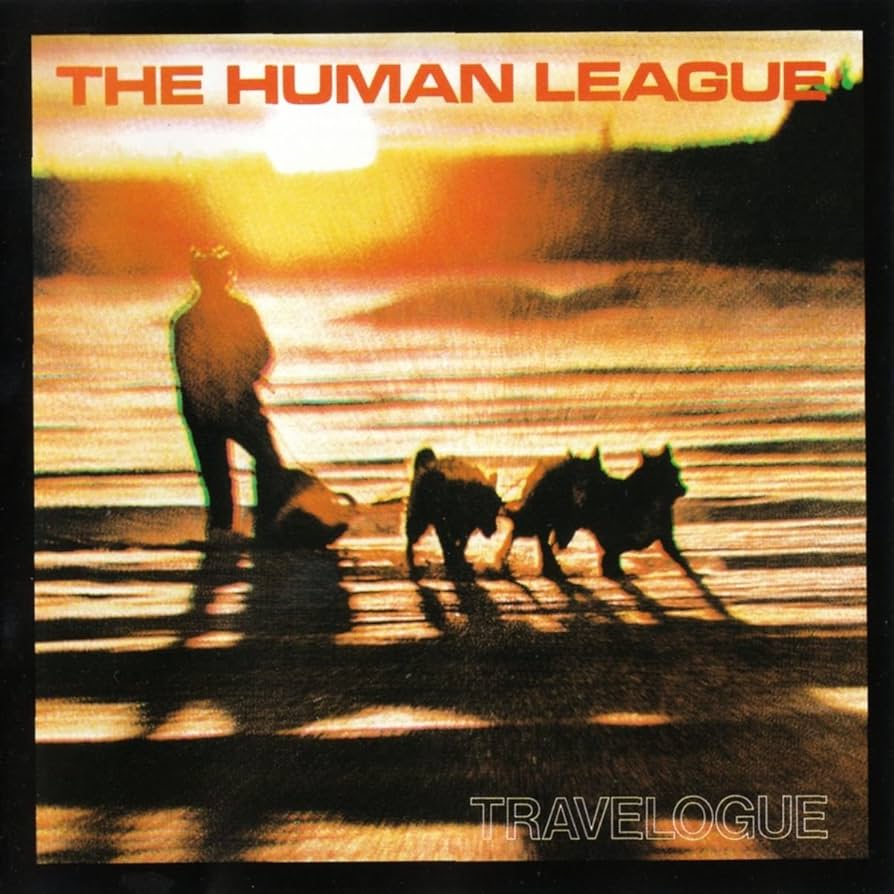
THE HUMAN LEAGUE Gordon’s Gin (1980)

Written by Jeff Wayne for a cinema advert, THE HUMAN LEAGUE’s cover of ‘Gordon’s Gin’ kicks in like an commercial for Moloko Plus being sold at the Korova Milk Bar. Glorious and euphoric with futuristic sounds that weighed more than Saturn, Martyn Ware and Ian Craig Marsh left the band shortly after to form a project named after an imaginary group from a scene in ‘A Clockwork Orange’ discussed by anti-hero Alex with a couple of devotchkas at the disc-bootick!

Available on the album ‘Travelogue’ via Virgin/EMI Records

http://martynwareblog.blogspot.co.uk/


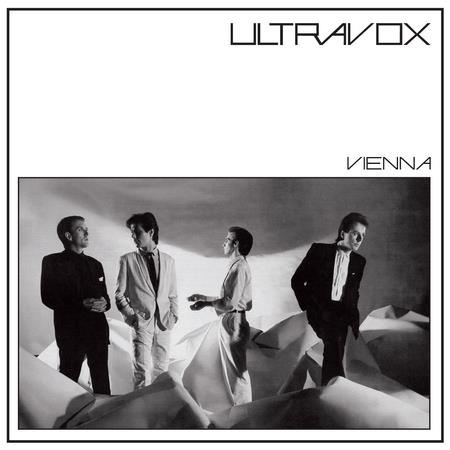
ULTRAVOX Astradyne (1980)

Of ‘Astradyne’, Billy Currie said: “Midge started with that strong melody, Chris’ bass was also a very strong feature. I played a piano counter melody behind. The track was so strong that we felt at ease to lengthen it with a long textural piano bit that is sort of bell-like with the metronomic bass drum beats and the violin tremolo solo… Midge came up with that final section lift taking it out of the long ARP solo. I double it! It is a very good strong keyboard part. It is very celebratory at the end…”

Available on the album ‘Vienna’ via Chrysalis/EMI Records

http://www.ultravox.org.uk/


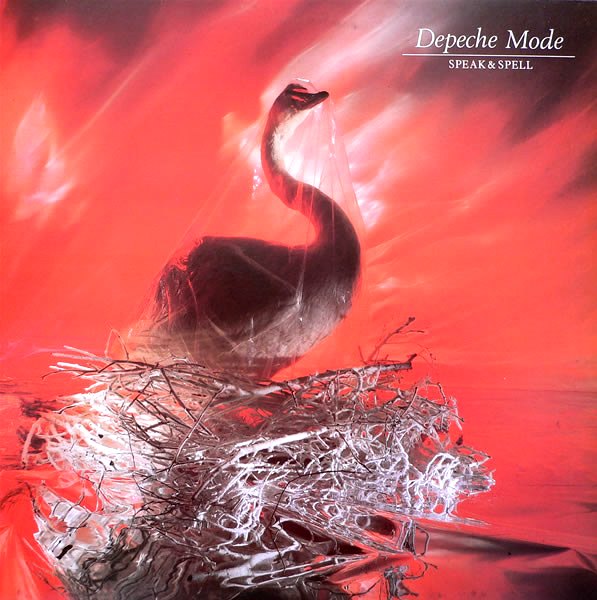
DEPECHE MODE Big Muff (1981)

One of two Martin Gore compositions on the Vince Clarke dominated DEPECHE MODE debut ‘Speak & Spell’, ‘Big Muff’ was a fabulous highlight on the album’s more superior second side. Highly danceable and enjoyably riff laden, this futuristic romp was named after an effects pedal made by Electro-Harmonix who later branched into portable synths. It allowed many a synth obsessed teenager to declare “I like big muff” without embarrassment!

Available on the album ‘Speak & Spell’ via Mute Records

http://www.depechemode.com/


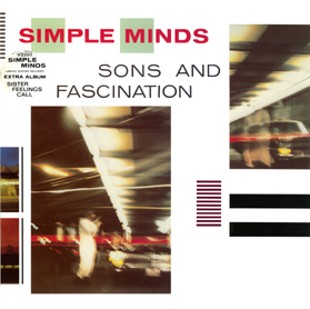
SIMPLE MINDS Theme For Great Cities (1981)

Even with the advent of the free download era, ‘Theme for Great Cities’ is one of the greatest freebies of all time having initially been part of ‘Sister Feelings Call’, a 7-track EP given gratis to early purchasers of SIMPLE MINDS’ fourth album ‘Sons & Fascination’. Starting with some haunting vox humana before a combination of CAN and TANGERINE DREAM takes hold, the rhythm section covered in dub echo drives what is possibly one of the greatest instrumental signatures ever!

Available on the album ‘Sons & Fascination/Sister Feelings Call’ via Virgin/EMI Records

http://www.simpleminds.com


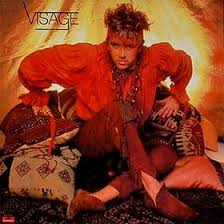
VISAGE Frequency 7 – Dance Mix (1981)

Not actually written as an instrumental, the original was the B-side of VISAGE’s first single ‘Tar’ and much faster paced, featuring Steve Strange rambling about not very much. For its dance mix, ‘Frequency 7’ was slowed down and Strange’s vocal removed. The result was a masterclass in Barry Adamson’s bass counterpointing with Billy Currie’s ARP Odyssey bursts of screaming aggression and Rusty Egan’s metronomic electronic beats for a creepy robotic aesthetic.

Available on the album ‘The Anvil’ via Cherry Red

http://www.visage.cc/


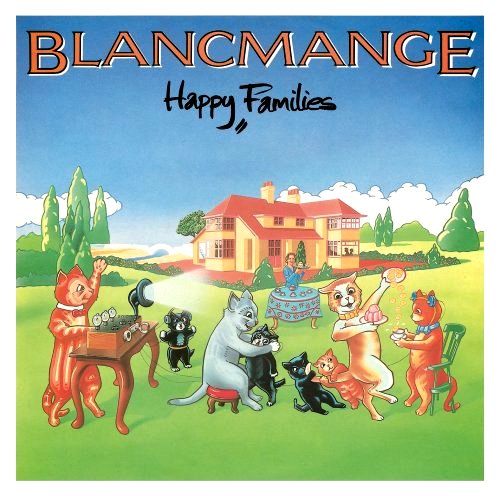
BLANCMANGE Sad Day (1982)

There are two versions of this cult classic; a mutant countrified ambient piece based around the bassline of Brian Eno’s ‘The Fat Lady Of Limbourg’ from the ‘Some Bizzare Album’ and the lively Mike Oldfield inspired album version from ‘Happy Families’. Each has its merits but the percussively jaunty re-recording just wins over with its synthesized wallows, chiming guitars and crashing Simmons drums.

Available on the album ‘Happy Families’ via Edsel Records

http://www.blancmange.co.uk/


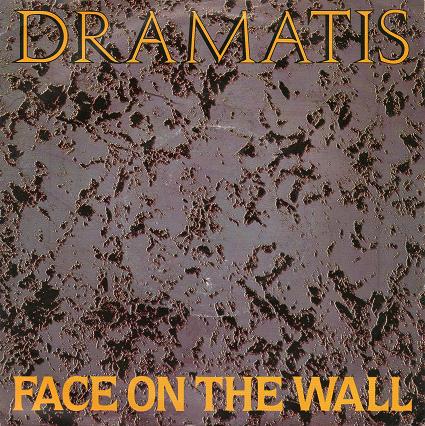
DRAMATIS Pomp & Stompandstamp (1982)

The hypnotic B-side to ‘Face on The Wall’ showcased the fusion of the classical, rock and prog elements that were the core talents of Chris Payne, RRussell Bell and CedSharpley who had been the mainstay of the first GARY NUMAN backing band. Not a cover of Edward Elgar’s near-namesake composition ‘Pomp & Circumstance’ , DRAMATIS‘ rousing number would however make a perfect closer for the Last Night Of The Proms in the 22nd Century!

Available on the album ‘For Future Reference’ via Cherry Red Records

http://www.numanme.co.uk/numanme/Dramatis.htm


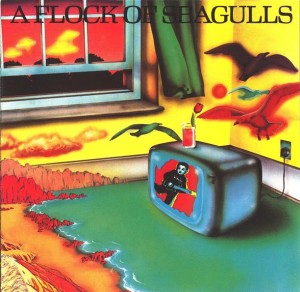
A FLOCK OF SEAGULLS DNA (1982)

Technically, ‘DNA’ is not a really synth instrumental with the hook line being far too guitar oriented. However, it had a key role breaking down barriers for music with a more futuristic bent in synthobic America and snatched a 1983 Grammy Award for Best Rock Instrumental Performance. And for that, ‘DNA’ deserves kudos! A FLOCK OF SEAGULLS‘ cultural impact can be measured by leader Mike Score’s iconic hair style being lampooned in ‘The Wedding Singer’ and ‘Friends’.

Available on the album ‘A Flock Of Seagulls’ via Cherry Pop

https://www.facebook.com/MikeScoreOfficial/


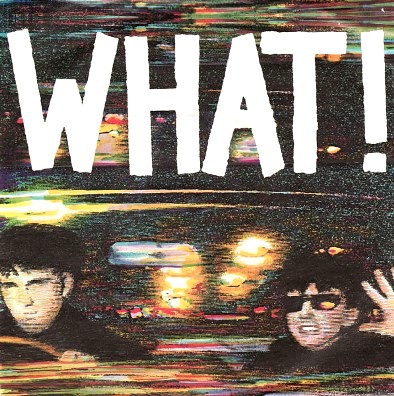
SOFT CELL ….So (1982)

A solo Dave Ball composition that was on the B-side of ‘What?’, the tall, pensive synthesist created an electronic disco number while Marc Almond was off doing the first MARC & THE MAMBAS’ album that would have done GIORGIO MORODER proud. Reminiscent of the Italian producer’s ‘Chase’, ‘….So’ featured wonderful percolating synths over a fabulously danceable groove and a solid metronomic beat that required no additional vocal histrionics or energetics.

Available on the album ‘Non-Stop Erotic Cabaret’ via Mercury Records

http://www.marcalmond.co.uk/


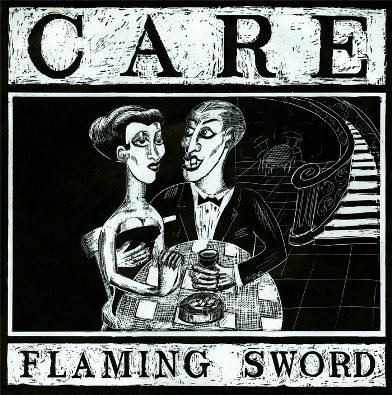
CARE On A White Cloud (1983)

CARE was a short lived project comprising of soon-to-be main man of THE LIGHTNING SEEDS Ian Broudie and THE WILD SWANS’ vocalist Paul Simpson. Combining acoustic strums with synthesizer melodies, CARE had promise but imploded due to musical differences. ‘On A White Cloud’ was an epic instrumental with thundering percussion, castenets, ringing guitar and heavenly synthetic layers that appeared the 12 inch B-side of the duo’s best 45 ‘Flaming Sword’.

Originally released on the 12 inch single ‘Flaming Sword’ via Arista Records, currently unavailable

http://stevomusicman.wordpress.com/2011/11/10/care/


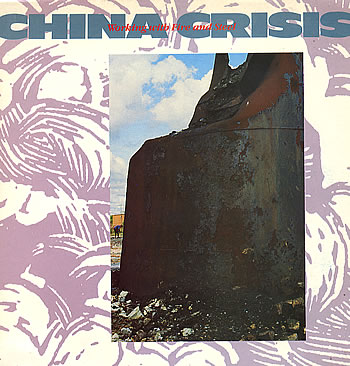
CHINA CRISIS Dockland (1983)

CHINA CRISIS recorded a variety of instrumental sketches and the results were often superb. But as the duo of Gary Daly and Eddie Lundon only had a couple of hits, most of this material was little heard having been tucked away on B-sides. ‘Dockland’ is a prime example having been the flip of the flop single ‘Working With Fire & Steel’. The sublime nautical transience inspired by Liverpool’s once vibrant docks lying wasted in a period of high unemployment was captivating.

Available on the album ‘Collection: The Very Best of China Crisis’ 2CD edition via Virgin Records

https://www.facebook.com/pages/China-Crisis/295592467251068


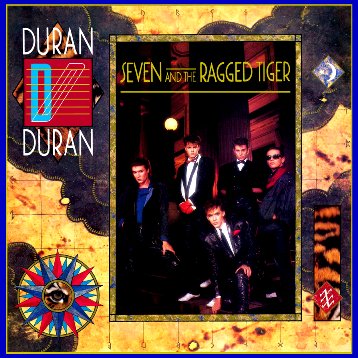
DURAN DURAN Tiger Tiger (1983)

‘Tiger Tiger’ is the best JAPAN instrumental that Sylvian and Co never recorded plus some would consider any DURAN DURAN track without a Simon Le Bon vocal to be a bonus. That aside, John Taylor and Nick Rhodes had more artier aspirations so indulged on this musical tribute to the William Blake poem. Taylor does a superb Mick Karn impersonation on fretless bass while Rhodes adds a great synth melody to proceedings.

Available on the album ‘Seven & The Ragged Tiger’ via EMI Records

http://www.duranduran.com/


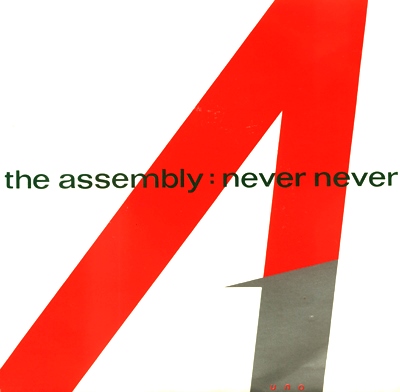
THE ASSEMBLY Stop/Start (1984)

Strangely enough, Vince Clarke is not really known for his instrumentals. Co-composed with  Eric Radcliffe, ‘Stop/Start’ was effectively Clarke’s first instrumental as DEPECHE MODE’s ‘Any Second Now’ had a ‘(Voices)’ variant while YAZOO’s ‘Chinese Detectives’ was only played live. A Casiotone infused ditty with Linn drums and a cute melody, ‘Stop/Start’ was the B-side to THE ASSEMBLY’s only single ‘Never Never’.

Available on the boxed set ‘Mute: Audio Documents’ via Mute Records

http://www.vinceclarkemusic.com/


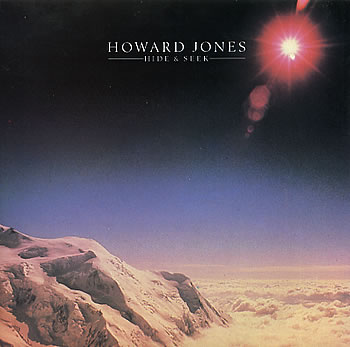
HOWARD JONES Tao Te Ching (1984)

Throwing off his mental chains, Mr Jones took inspiration from his own Buddhist spirituality and the overtures of Vangelis’ 1979 album ‘China’ for this rather beautiful piece which used to open his early shows. Using pentatonic melodies and sweeping chords on ‘Tao Te Ching’ in the style of Tomita and Kitaro, it’s a shame that this aspect of Jones’ quite obvious musical capabilities has never really been explored.

Available on the album ‘The Very Best Of Howard Jones’ via Warner Music

http://www.howardjones.com/


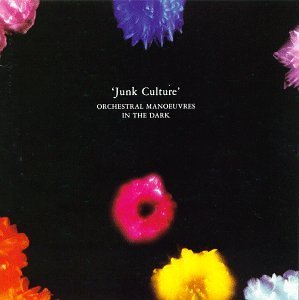
OMD Junk Culture (1984)

Inspired by a ‘Blade Runner’ sample, ‘Junk Culture’ was a reggae-ish number set to a bizarre time signature and signalled OMD’s move away from Germanic electronica. Still experimenting, only this time with more World Music forms thanks to the advent of sampling technology, the detuned Tijuana brass, deep dub bass and schizo voice snippets recalled the work of Jah Wobble, Holger Czukay and Jaki Liebezeit.

Available on the album ‘Junk Culture’ via Virgin Records

http://www.omd.uk.com


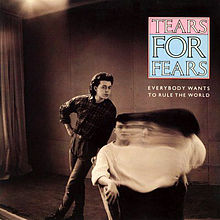
TEARS FOR FEARS Pharaohs (1985)

‘The Marauders’ and ‘Empire Building’ showed TEARS FOR FEARS were adept at instrumentals and their best was ‘Pharaohs’, the B-side of ‘Everybody Wants To Rule The World’. Launched with a crunchy 6/8 heartbeat, the sedate piano motif and drifting synths gave a distinctly nautical feel, enhanced by sound bites from the BBC shipping forecast. But out of nowhere, the middle eight Emulator voice theme from the A-side introduces its partnering chordial guitar solo!

Available on the album ‘Songs From The Big Chair’ 2CD deluxe edition

http://tearsforfears.com/


NEW ORDER Best & Marsh (1989)

This theme was composed in 1988 for the eight part Granada TV series hosted by Factory Records’ supremo Tony Wilson and featured two of Manchester’s most iconic club footballers, George Best and Rodney Marsh. With a great string synth melody, Hooky bass, clubby beats and Italo piano stabs, this prompted the FA to commision NEW ORDER to write ‘World In Motion’ for the 1990 World Cup, while the series allowed ‘Best & Marsh’ to embark on a popular speaking tour.

Available on the album ‘Technique’ 2CD Deluxe edition via London Records

http://www.neworder.com/


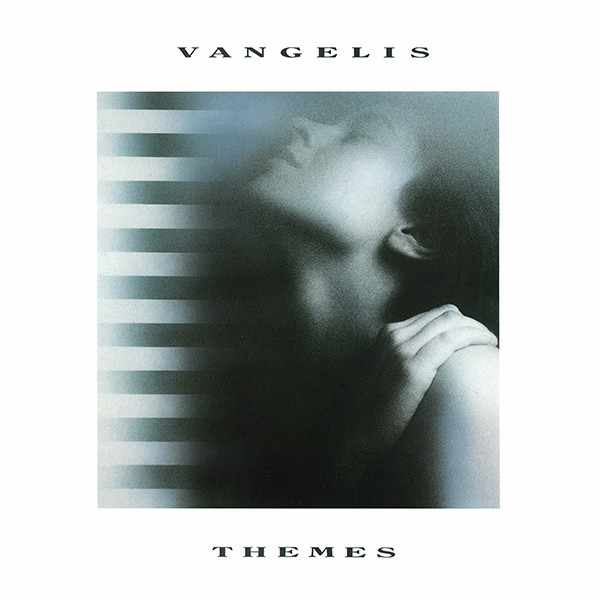
VANGELIS End Titles From Blade Runner (1989)

Dramatic, tense and melodic, Vangelis’ closing theme to the acclaimed 1982 Ridley Scott directed Sci-Fi movie ‘Blade Runner’ succeeded in orchestrating a score using just synths and samples to maintain the futuristic unsettlement of the story. However, the glorious track was not actually released until 1989 on the ‘Themes’ compilation, while an actual soundtrack album didn’t actually see the light of day until 1994.

Available on the album ‘Blade Runner’ via Warner Music

http://www.vangelisworld.com/


Text by Chi Ming Lai
13th August 2013

DEPECHE MODE Live at London O2 Arena


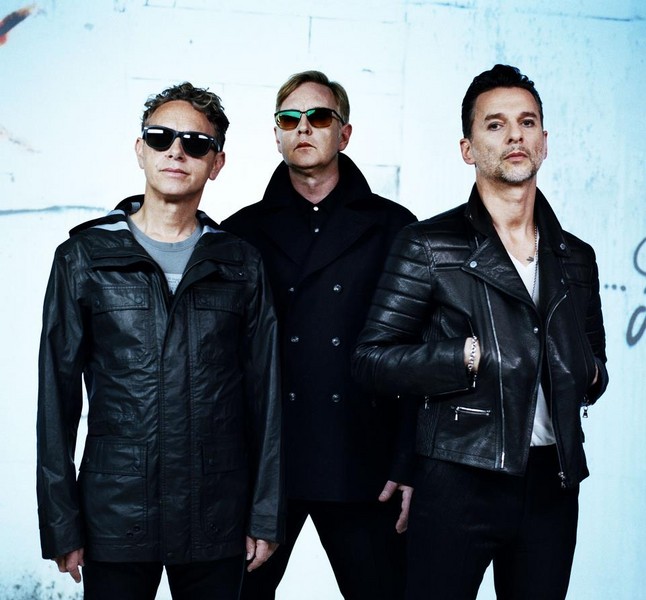
DEPECHE MODE are indisputably the world’s biggest synth band. The figures speak for themselves: 100 million records sold to date, and on their last tour they performed to 2.7 million people worldwide.

The ‘Delta Machine’ tour, which kicked off in May, is even more ambitious in scale with further dates still being added through into 2014.

Sustaining them throughout their 32 year career has been their enormous legion of fans who remain as fiercely loyal and devoted as ever. When a two night residency at London’s O2 Arena was announced, both dates sold out in a flash.

It is not unusual for fans to attend several shows and to travel across countries and continents to see the band. There are some Devotees attending up to 16 shows on this tour! The band appear to have rewarded this loyalty, changing no fewer than five songs on the setlist for the second night at the O2 with ‘World In My Eyes’, ‘Behind The Wheel’ and ‘Only When I Lose Myself’ among those getting an airing.

When the first night finally arrived and The Black Swarm started to pour out of the tube station towards the iconic O2 arena, excitement was at fever pitch. Fans stopped to have their picture taken against a giant billboard of the band, and the cafes and bars all over the venue were blasting out DM classics to greet the arriving masses.


The show itself began in low key style, with the first two tracks, ‘Welcome To My World’ and ‘Angel’, mirroring those of the new album. It was a slow build, a teaser for the great things to come.

Sure enough, when the distinctive opening bars of ‘Black Celebration’ rang out and the massive lighting rig began to descend toward the stage, it was a truly spine-tingling moment that felt like love’s first kiss. The setlist overall struck a good balance between perennial classics and new material.

Anthems such as ‘Enjoy the Silence’ and ‘Personal Jesus’ were there of course, much to the delight of the 20,000 strong crowd. Of the ‘Delta Machine’ tracks, the new single ‘Soothe My Soul’ stood out with its gritty blues-driven riff sounding immense in the live setting. ‘Should Be Higher’ also impressed, showcasing Dave Gahan’s remarkable vocal range and culminating in an impromptu crowd singalong.

However, ‘Secret To The End’ fared less well, placed incongruously towards the end of the set amongst crowd-pleasing hits and duly prompted an en masse comfort break amongst sections of the audience! Two of the biggest surprises in the set came from reworked versions of old songs. ‘A Pain That I’m Used To’ was given a new lease of life thanks to the Jacques Lu Cont Remix, which transformed it into a full-on stadium stomper. Later on ‘Halo’ was performed in the stripped-down, haunting style of the GOLDFRAPP Remix, and was given additional pathos with its stark monochromatic backing projections.

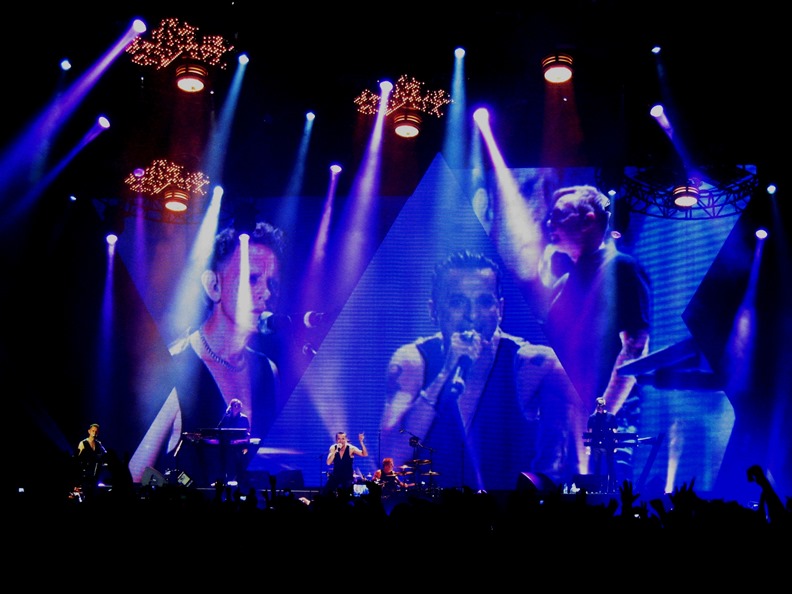
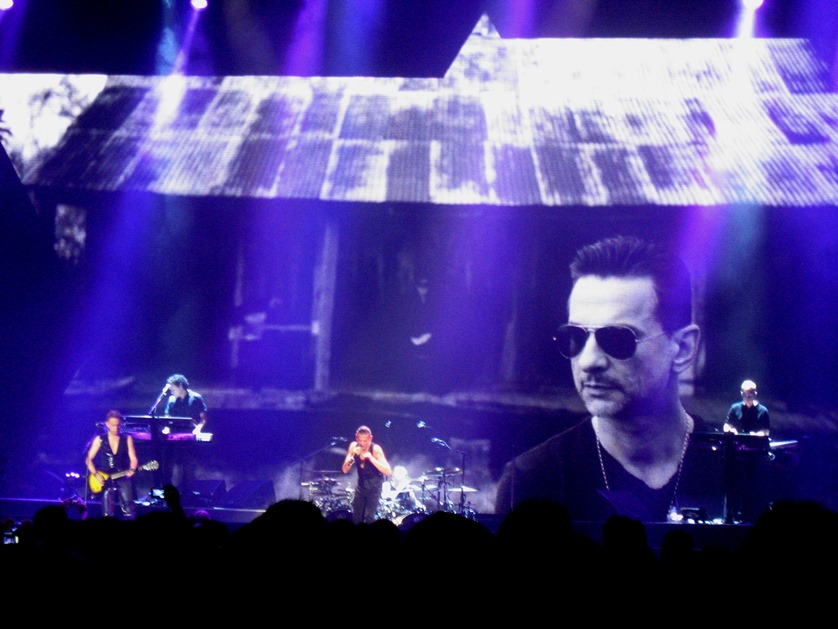
Visually this was a stunning show, with the ‘Delta Machine’ triangles providing a consistent theme throughout, and video projections complemented by a vast motorised lighting rig.

Anton Corbjin’s visuals were typically quirky, but for the most part highly effective. ‘Should Be Higher’ was given a backdrop of Chinese lanterns and fire breathers, bathing the stage area in a warm glow of embers.

‘Enjoy The Silence’ featured female contortionists forming human triangles – a striking image but not one for the squeamish! Most impressive of all was ‘I Feel You’, which featured silhouettes of a frenetic dancing girl framed by coloured triangles… think iPod advert and you wouldn’t be far wrong. It was brilliantly executed and compelling to watch.

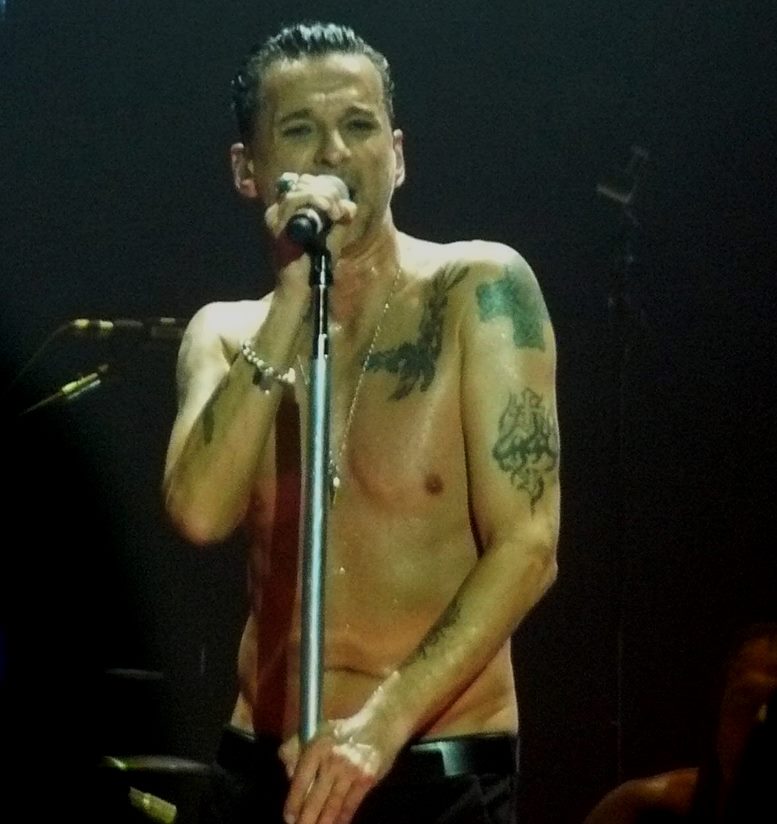
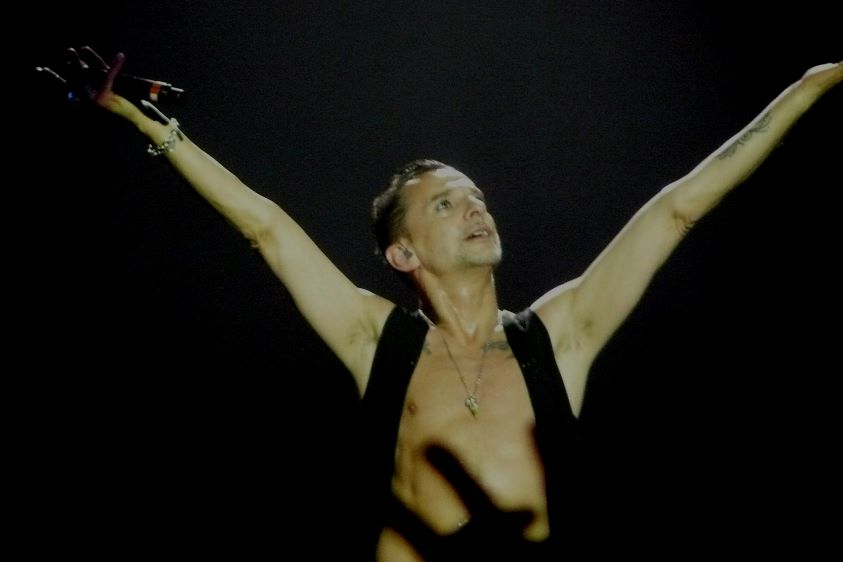
The band themselves were on fine form and appeared relaxed and at times playful. Dave Gahan is in remarkably good shape for his years, and was as energetic on stage as he’s ever been, spinning round wildly with his mic stand, shimmying, pirouetting and totally commanding the attention of the audience throughout. Interestingly, in a 2012 poll conducted by XFM, Gahan came third in a poll for the World’s Greatest Frontman behind Freddie Mercury and (bafflingly) Liam Gallagher. However, on tonight’s evidence the crown must surely be his!

That said, Fletch is unlikely to take the crown the world’s greatest synth player. On the closing finale of ‘Just Can’t Get Enough’ he was let loose on his instrument, with a slightly off tempo bass synth line that delighted and entertained all present.

As for Martin Gore, the enigmatic genius behind the band, his solo slots are revered by the fans, and tonight their devotion was rewarded with a spine-tingling rendition of ‘Higher Love’, followed by ‘When The Body Speaks’ from ‘Exciter’ and, as an encore, the beautifully poignant ‘Home’, which culminated in the now customary mass singalong.

The two hour set climaxed with a roof raising rendition of ‘Never Let Me Down Again’, and whilst the waving cornfield has become somewhat inevitable, it is still an uplifting sight to see 40,000 arms all swaying in unison.

Such is the power of DEPECHE MODE, although their post-millennium output has not always hit the heights of their glory years, as a live act they remain in a league of their own. The ‘Delta Machine’ is unstoppable.


‘Delta Machine’ is released by Columbia/Sony Records

DEPECHE MODE return to the UK at the end of 2013 and start of 2014. Dates include: Belfast Odyssey Arena (7th November), Glasgow Hydro (11th November), Leeds First Direct Arena (13th November), Manchester Arena (15th November), London O2 Arena (19th November), Birmingham LG Arena (27th January)

http://www.depechemode.com

http://www.facebook.com/depechemode


Text by Steve Gray
Photos by Meesh Davis and Chi Ming Lai
31st May 2013

DEPECHE MODE Soothe My Soul

DEPECHE MODE have unveiled the video for ‘Soothe My Soul’, the second single to be taken from ‘Delta Machine’.

One of the standout tracks from the album, ‘Soothe My Soul’. The song bears the hallmarks of vintage DM, featuring a strong vocal performance from Messrs Gahan and Gore, set to a catchy blues riff not dissimilar to that of world conquering 1989 hit ‘Personal Jesus’. Indeed, the similarity between the tracks has already led to a spate of mash-ups appearing online.

Lyrically the song deals with one of Martin Gore’s favourite subjects; “there’s only one way to soothe my soul” he asserts, and the video should leave little doubt as to what he is referring to! Be warned if you are viewing at work, there is some risqué content featuring a naked model and a snake. Directed by Warren Fu, whose previous video credits include THE KILLERS and DAFT PUNK, it is an undeniably stylish affair, shot entirely in monochrome with a distinctive square frame.

Meanwhile, new album ‘Delta Machine’ has been generally welcomed by critics. Whilst all agree that it is an improvement on 2009’s lacklustre outing ‘Sounds Of The Universe’, some are hailing the album as a complete return to form for the trio.

Certainly this new single will delight fans who like their Mode dark, sexy and a little subversive. With ‘Soothe My Soul’, DEPECHE MODE might just have rediscovered their mojo!


‘Soothe My Soul’ is from the album ‘Delta Machine’ released by Columbia/Sony Records in an assortment of formats including CD, deluxe 2CD and double vinyl

DEPECHE MODE play London’s O2 Arena on 28th and 29th May 2013

http://www.depechemode.com

http://www.facebook.com/depechemode


Text by Steve Gray
3rd April 2013

MICHAL MATEJCIK Interview

The release of DEPECHE MODE’s ‘Delta Machine’ this week has been welcomed by Devotees around the world. Cited by many as a return to form, Mode fans are in a happy place right now.

One fan who is especially happy is noted Slovakian harpist Michal Matejcik who was invited by none other than Martin Gore to play at the weekend’s album launch party in Vienna which DEPECHE MODE also attended and performed at.

He came to prominence within the DM Community following a solo European tour performing DEPECHE MODE songs such as ‘Pimpf‘, ‘Enjoy The Silence‘ and ‘A Question Of Time‘ rearranged for the harp. His performances drew acclaim and praise, culminating in a special broadcast of one show on Bratislava‘s Radio FM last December.

He once described playing harp as being like a union between music and painting for him. As well as playing in large orchestras and smaller ensembles, Michal also teaches piano and harp. Last year he toured with George Michael and the multi-national popoperatic vocal quartet IL DIVO.

Michal kindly spoke to ELECTRICITYCLUB.CO.UK about the motivations for his moving, classical reinterpretations of Basildon’s finest and opening for his favourite band…

How did you first discover DEPECHE MODE?

It was sometime in the late 80s when I got hold of some tapes from a school mate of mine. I grew up in ex-Czechoslovakia in the times when the music from The West was under strict censorship. The sources for this music were only the smuggled tapes in very bad quality with not even whole songs and recordings from Western radio stations. After hearing those synth sounds, it was love at the first sight.

So were you at any time interested in taking up the synthesizer in your own musical career rather than the harp?

I have been playing piano since my childhood and as a child I wanted to have some synthesizers and make music like DM. Only when I was 18 did I start playing harp and at that time, DM were already using more guitars and drums than synthesizers. So I didn’t think about the change in the end.

How did you get inspired to arrange DM songs for the harp?

I arranged DM songs for the piano and guitar first so when I begun to play the harp I tried only ‘Enjoy The Silence‘ because it’s very melodic. I thought it was impossible to arrange other songs. A few years later , a very good friend of mine – Martin Vladar (who you might be familiar with from his collaboration on Alan Wilder’s ‘Collected‘ film) organised a DEPECHE MODE party and asked me if I could play some songs on harp at the party, because that would be something brand new, not what fans have seen and heard before. I thought it was a very good idea – bringing DM songs to fans but in a completely different way. So I started to arrange more tracks.

Of course in your day job, you have been integrating classical into pop music and recently toured with GEORGE MICHAEL. What was that experience like for you?

It was the best experience in my life. The touring is very exciting and playing in sold-out big arenas with a popstar like GEORGE MICHAEL was always my dream. This tour with GM was very important for me and it was nice to play song ‘I Remember You’ alone with him on stage, only the two of us. I was lucky to experience everything backstage and see all crew in action, see whole process of building the stage and meet interesting people like Kerry Hopwood who is also programmer on the DM tour.

As a classically trained musician, you are in a better position than most to assess the music. So what is it about the quality of DM’s work that makes them so appealing in a theoretical sense?

In theory, musically speaking, it is combination of all the harmonies, sound colours, rhythm ideas, instrumental riffs, tones range, overall development and timing in the track, the minor/major key of the song and also Dave and Martin’s voices. All these factors make the songs interesting. I think Alan used to mix them all very well with his meticulous sense for soundscapes and I guess something’s got lost from their songs after his departure. Anyway, this question would be very good topic for a dissertation at the Royal Academy Of Music. 🙂

‘It Doesn’t Matter Two’ is a case in point as that appears to have been influenced by modern composer Philip Glass?

Oh really? Thank you, my students like to play Glass, so for the next lesson, their homework will be ‘It Doesn’t Matter Two’ 🙂

Well, I don’t think I have the right to say it was influenced. If the influence for this song was by Philip Glass, I know that Alan at that time was listening to his music. We could as well say that ‘Speak & Spell’ was influenced by Mozart, because the album is very simple, easy, funny – just like Mozart’s music.

What is your favourite DM song to play live on the harp?

‘It Doesn’t Matter Two’ works well and I like to play ‘Clean‘ also. This last track from ‘Violator‘ is very emotional and atmospheric with a heavy melody and I am glad that I could arrange it for such an instrument like harp. Actually I have adapted the acoustic version DM played during PTA studio sessions.

Always when I come to play the DM covers on harp I ask this question: “Will the audience accept my arrangements?”. DM fans are not really that kind of people who visit classical music concerts and don’t have the experiences to listen to one classical instrument for one hour. So for some tracks, I use programmed drums or Dave’s vocals and try to make it more interesting for the audience.

Has there been a DM song you’ve wanted to do but that just doesn’t work on the harp?

Oh yeah, plenty of them of course. There are many reasons why DM songs wouldn’t work on harp. Firstly, there are emotional lyrics people relate to and when I arrange DM songs for harp in the instrumental form, the lyrics are lost and they just don’t work that well. I can work with melodies only and if there is a good strong one, then it’s good for harp. But the most problematic tracks to adapt for harp are ‘Songs Of Faith & Devotion‘ songs. Every song has a fantastic development, graduating layering of sounds with every verse and every chorus plus there are really big atmospheres in the songs. That’s why it’s difficult to play them only on one instrument.

*

How was it performing at the Vienna album launch party with DEPECHE MODE present?

It was really an honour to open for DEPECHE MODE as I am a big longtime fan. Everything came all of a sudden and clicked easily. I received an email with an offer to support DM in Vienna and then the things just happened. And I don’t remember in DM’s history that a support act would actually play their own songs!

The crowd’s reaction was fantastic and they enjoyed the harp covers because people were singing to what I was playing and even waved their hands in ‘Never Let Me Down Again‘. Martin and Peter Gordeno came to watch my performance from the backstage and they laughed when the fans were singing to harp. I am really glad I got such opportunity and my dream came true.

What are your own favourite DEPECHE MODE memories?

Many of my favourite life memories come with DM’s music really. There are many tracks that remind me particular event or era, or there’s a track that evokes some mood or emotional state I was in.


ELECTRICITYCLUB.CO.UK gives its grateful thanks to Michal Matejcik

Michal Matejcik gives a performance in Bratislava on 6th April 2013 the Nu Spirit Club as part of an official release party for new DEPECHE MODE album

Also on 22th April 2013, he gives another performance in Slovakia for another release party for ‘Delta Machine‘ in the city of Banska Bystrica at Klub 77. And on 30th May 2013, there will be a performance at Babylon in Berlin as a part of a book presentation. This has been written by Dennis Burmeister and Sasha Scherbelberg who have one of the biggest DM collections in the world. This book, entitled ‘Monument’, details their collection

http://www.michalmatejcik.com/

http://www.facebook.com/Michal.Matejcik.Harpist

https://www.youtube.com/user/TheMusicforharp


Text and Inteview by Chi Ming Lai
26th March 2013

DEPECHE MODE Delta Machine

After the mediocrity of ‘Sounds Of The Universe’ – arguably saved only by the single ‘Wrong’ – speculation must have abounded that DEPECHE MODE had delivered their swansong.

With Martin Gore’s quasi-spiritist songs of ‘Peace’ and praise, Dave Gahan’s throw-away contributions like ‘Miles Away’ and the other one. ‘Sounds Of The Universe’ was built sonically around Gore’s newfound obsession with synth collecting but felt like a band reaching the end of their creative rope.

Was this the same band who had recorded ‘Violator’ and ‘Songs Of Faith & Devotion’? It certainly wasn’t the band who recorded ‘Black Celebrationn’. It was a synth collector’s summit attended by accountants. The Mode had lost their mojo.

Fans of the band bought the album, attended the tour, moaned about the woeful Dave songs, the limp Martin songs, and waited for the corn wave that signified the real DEPECHE MODE when they were still writing real hooks and having hits. Then, some of us were even hoping that the band would take the hint and quit before it all got so very much worse for them, to stop us going through the motions of gnashing our sorry teeth to more albums, tours and poems of lost faith and devotion. Because DEPECHE MODE fans do that kind of thing; like a henpecked partner in a relationship, they wail, cry, regret, threaten to leave – and always come back for more.

So, when DEPECHE MODE announced ‘Delta Machine’ was in the works, there was that usual mixed optimism and gloom. Information slowly leaking out made the mixture sound at first familiarly depressing with yet another Ben Hillier production but then quite exciting with the addition of Christoffer Berg from THE KNIFE’s production team, and the name Flood on the mixing desk. Short of the holy fingers of Alan Wilder, Flood’s presence is the next best rabbit’s foot for a DEPECHE MODE album. Flood-related albums – ‘Violator’ and ‘Songs Of Faith & Devotion’ – have been at the peak of the band’s success and remain their most popular albums for many. There’s talk of bluesiness and more analogue synthesisers, the band’s best album since ‘Violator’… and we wait. Have Berg and Flood stoked the fire of creativity? Or is it another step down the hill on the way to the retirement home?

Relax, dear fans – your anxious, shame-filled years are over. DEPECHE MODE have found their long missing cojones – arguably lost down the couch in Spain whilst recording ‘SOFAD’ – and have come back with not a perfect record, but a bloody big improvement on the last one. ‘Delta Machine’ clocks in at 13 tracks and a respectable 60 minutes (without the 4 bonus tracks available in the 2CD deluxe edition).

As on ‘Sounds Of The Universe’, there are 3 Gahan compositions, (penned with all round electro-groove guru Kurt Uenala aka KAP10KURT): ‘Secret To The End’, ‘Broken’ and ‘Should Be Higher’ – and Gore shoulders the other ten.

And, like ‘Playing The Angel’ but certainly unlike ‘Sounds Of The Universe’, the album’s strongest tracks fall between the pair of them. The songwriting shows more often than not, a welcome freshness and vitality where ‘Sounds Of The Universe’ was flailing and failing. Shockingly, this time, the weakest three may well sit at the foot of Gore’s writing desk.

Sonically – the band were totally correct when they mentioned the album’s blues influence. But we don’t have SOULSAVERS 2 here: and nor do we have VCMG 2 at the other end of the spectrum. ‘Delta Machine’ is as the name suggests, a crafty mélange of the two styles. In fact, those expecting raw blues have been and will be quite surprised by just how electronic it is: some say perhaps too much so on tracks like ‘My Little Universe’ which has possibly caused the most division of any track on the record amongst listeners; here, the Mode channel the spirit of Thom Yorke, making a sparse, complex, restrained stand-out track which has surprised and confounded many. But it’s a standout and shows some exciting new ground which the band are claiming with conviction.

In contrast, ‘SOFAD’ lost track ‘Slow’ brings the coke-and-sweat back-room sleaze to the party, with loping guitars and a dark ‘Twin Peaks’ vibe. This too, works: and allows Gore to get the guitar out both on album and on stage: although it could be transformed from sleazy stripbar to “time for a comfort break” plodder on stage. Gahan’s time tonsillating for SOULSAVERS seems to have brought his expressiveness back from the barrel of a disused gun, and he seems to have lost some of that nasal screech which made parts of ‘SOTU’ so difficult to bear. Gore only lends his vibrato to one album track – ‘The Child Inside’, one of the album’s weaker tracks and one bonus track ‘Always’ – a stranger, more interesting track which could have been substituted in if it weren’t obligatory for each album to have one slow, untreated Gore ballad.

‘Delta Machine’ contains some unabashed uptempo – even slightly cheesy – pop numbers. ‘Soft Touch/Raw Nerve’ is the most obvious track on the album, closely followed by ‘Soothe My Soul’, but both manage somehow to be enjoyable and seem like ‘Personal Jesus’ replacements in the spirit of ‘John The Revelator’ and even ‘I Feel Loved’. Ridiculously catchy and energetic, these tracks will find their way into your head with their hooks until you’re yearning for an ear sorbet to cleanse your brain out. And just in time comes ‘Should Be Higher’: the older, more sophisticated and far more attractive cousin of ‘In Chains’. Astonishingly, this is a Gahan/Kurt composition and could just be a contender for best track on the album. With exciting, unsettling melodies and a touch of nastiness, it’s vintage Mode. It’s the kind of song which forces a spontaneous “at last!” from the mouth of the long suffering faithful.

“At last!” might well summarise ‘Delta Machine’, generally, but it is not a perfect album. It has a couple of very sore Achilles heels. First, is the uncanny sensation one occasionally (actually frequently) experiences when Gore’s choruses are particularly channeling the ghost of Lennon and the live soul of McCartney.

In ‘Heaven’, ‘Welcome To My World’ alone and also a little in closer ‘Goodbye’ there are classic pop choruses which owe everything to The Fab Four. It will make these songs more commercially viable, but some have fed greedily on the minor chords and abstruse structures of the ‘Black Celebration’ era, and to them, this is perhaps one step too far. And there are weak, maudlin moments – like ‘Alone’ and ‘The Child Inside’ – Gore hasn’t completely managed the self-editorship that could have made ‘Delta Machine’ one of DEPECHE MODE’s best albums.

But there’s no doubting that it is their best for at close to a decade, probably more consistent than ‘Playing The Angel’, certainly showing stronger songwriting than most of ‘Exciter’ and let us not even speak of the dark ages of ‘Sounds Of The Universe’ Welcome home boys!


‘Delta Machine’ is released by Columbia/Sony Records on 25th March 2013 in an assortment of formats including CD, 2CD deluxe, download and double vinyl

DEPECHE MODE tour the world throughout 2013. Please visit http://www.depechemode.com for news and information

http://www.facebook.com/depechemode


Text by Nix Lowrey
23rd March 2013

« Older posts Newer posts »