David Bowie had famously dropped in to see THE HUMAN LEAGUE at The Nashville in late 1978 and hailed them as “the future of rock ‘n’ roll”.
But it was TUBEWAY ARMY fronted by Gary Numan who beat THE HUMAN LEAGUE to the top of the UK singles charts in Summer 1979 with Are Friends Electric?’ while just a few weeks earlier, SPARKS had been become willing conspirators with Giorgio Moroder on ‘The No1 Song In Heaven’ to effectively invent the synth duo.
Although it was the dawn of synth, 1980 was a transitional time when the synth was still the exception rather than the rule. The landscape was changing and the seed of what became the New Romantic movement had been planted.
Following the critical mauling he received for his 1979 album ‘Lodger’ but aware of his burgeoning influence in these futuristic sounds, Bowie headed down to The Blitz with RCA assistant and club regular Jacqueline Bucknell to cast extras including the late Steve Strange for the video of his new single ‘Ashes To Ashes’. It hit the top of UK charts and confirmed that once again “There’s old wave. There’s new wave. And there’s David Bowie…”
While Bowie’s was not an electronic artist in the way some of the next generation of artists had declared themselves, he couldn’t resist a sly dig at the acts that he’d inspired, using the line “same old thing in brand new drag” on the track ‘Teenage Wildlife’ from his next album ‘Scary Monsters’. And he was eventually to beat previous winner Gary Numan to the year’s ‘Best Male Singer’ accolade at the BBC endorsed British Rock & Pop Awards.
Belatedly looking back to 42 years ago before automatic stations came, here are 20 albums which ELECTRICITYCLUB.CO.UK sees as contributing to the electronic legacy of 1980. They are listed in alphabetical order with a restriction of one album per act.
BUGGLES The Age Of Plastic
Trevor Horn and Geoff Downes met while working with Tina Charles and her producer Biddu. Together they would go on to form BUGGLES and score a No1 with ‘Video Killed The Radio Star’. From the parent album ‘The Age Of Plastic’, ‘Astroboy’ developed on the duo’s sonic adventures while ‘The Plastic Age’ and ‘Clean Clean’ provided further if minor hits. Horn would go on become a top record producer.
Before OMD, the electronic duo on The Wirral was DALEK I LOVE YOU. However, by the time their debut album ‘Compass Kum’pas’ was released, OMD were having hits and keyboards man Dave Hughes had left to join their live band. Although Alan Gill’s vocals could polarise opinion, ‘Destiny’ was their most immediate song with a precise percussive appeal while ‘The World’ was eccentric and retro-futuristic.
The success of the singles ‘Back To Nature’ and ‘Ricky’s Hand’ attracted a loyal fanbase, so a FAD GADGET album ‘Fireside Favourites’ was eagerly anticipated. Developing on the minimal industrialism of the singles, the superb ‘Coitus Interruptus’ was a cynical commentary on casual relationships while offering his own brand of romantic macabre in the fear of the imminent nuclear apocalypse was the neo-title song ‘Fireside Favourite’.
On the ULTRAVOX! debut,John Foxx announced “I want to be a machine”. On signing to Virgin Records as a solo artist, he virtually went the full hog with the seminal JG Ballard inspired ’Metamatic’. ‘Underpass’ and ‘No-One Driving’ were surprise hit singles that underlined the dystopian times while the fabulous ‘A New Kind Of Man’ and the deviant ‘He’s A Liquid’ were pure unadulterated Sci-Fi driven by the cold mechanics of a Roland Compurhythm.
‘Metamatic’ is still available via Metamatic Records
Having worked with Klaus Schulze and Manuel Göttsching, drummer turned keyboard player Harald Grosskopf took the plunge to go solo with the mind bending album ‘Synthesist’. A work comprising of eight instrumentals that blended a sonic tapestry of synthesizer soundscapes with drumming that provided colour as opposed to dominance, it musically followed in the exquisite tradition of his Berlin electronic friends.
With THE HUMAN LEAGUE learning lessons from their debut ‘Reproduction’, ‘Travelogue’ had more presence by creatively utilising the harsh screeching frequencies from overdriving their studio desk. ‘The Black Hit Of Space’ had its surreal Sci-Fi lyrics while ‘Dreams Of Leaving’ was a fantastically emotive slice of prog synth. There were glorious cover versions in ‘Only After Dark’ and ‘Gordon’s Gin’. While it was a breakthrough, all was not happy…
‘Travelogue’ is still available via Virgin Records
Dropped by Ariola Hansa, JAPAN found a refuge at Virgin Records. The bossa nova driven ‘Swing’ explored exotic grooves while the haunting ‘Nightporter’ was the ultimate Erik Satie tribute. An interest in Japanese technopop produced the brilliant ‘Methods Of Dance’ and saw leader David Sylvian collaborate with YELLOW MAGIC ORCHESTRA’s Ryuichi Sakamoto on ‘Taking Islands In Africa’.
While not strictly an electronic album in full, half of ‘Closer’ was dominated by polyphonic synthesizers. Featuring an ARP Omni and an early version of Simmons drums, ‘Isolation’ was the most electronic track JOY DIVISION ever recorded. On the second side, ‘Heart & Soul’, ‘The Eternal’ and ‘Decades’ provided the solemn but beautiful Gothic backdrop producer by Martin Hannett for Ian Curtis’ elaborate musical suicide note.
LA DÜSSELDORF were fronted by the late Klaus Dinger of NEU! There was a greater presence of electronics and the first half of ‘Individuellos’was dominated by variations on ‘Menschen’, a grand statement sounding like a blueprint for Phil Lynott’s ‘Yellow Pearl’. ‘Dampfriemen’ was a quirky slice of synth oompah with comedic chants and a kazoo section while the piano laden ‘Das Yvönnchen’ provided a beautiful closer.
Time has shown that Tony Mansfield and NEW MUSIK with their strummed guitar alongside pretty synth melodies were underrated. Featuring the hits ‘Living By Numbers’, ‘This World Of Water’ and ‘Sanctuary’ as well as ‘On Islands’ which was later covered by CAMOUFLAGE, the band were dismissed as a novelty act due to the silly voices in their songs. Mansfield went on to produce A-HA, NAKED EYES and VICIOUS PINK.
The negative side of fame got into the psyche of Gary Numan and his new songs took on a more personal downbeat nature away from the Sci-Fi dystopia of his previous work. ‘This Wreckage’ and ‘Please Push No More’ summed up the self-doubt but while ‘Remind Me To Smile’ could have been a single, ‘Telekon’ suffered from not having the hit single ‘We Are Glass’ and ‘I Die: You Die’ included on the original LP release.
OMD released two albums in 1980 but their self-titled debut captured Andy McCluskey and Paul Humphreys using the most basic equipment, the duo not even having a polyphonic synth at the time. With energetic post-punk synth numbers such as ‘Electricity’ and ‘Bunker Soldiers’, on the other side of the coin were ‘Almost’ and ‘The Messerschmitt Twins’. An early version of ‘Messages’ pointed to a future with hit singles.
Although rooted in the blues via his previous band VINEGAR JOE, Robert Palmer took an interest in synths having become a fan of Gary Numan. That led to two collaborations including a version of ‘I Dream Of Wires’ released before Numan’s own recording and the Eastern flavoured ‘Found You Now’. The electronic centrepiece was the beautifully world weary ‘Johnny & Mary’ while ‘Looking for Clues’ added synthy art funk to the mix.
‘Clues’ is still available via Island Records / Universal Music
Following the acclaim for THE NORMAL, Daniel Miller undertook a new project SILICON TEENS as a fictitious synth group where rock ’n’ roll standards such as ‘Memphis Tennessee’, ‘Just Like Eddie’, ‘Let’s Dance’ and ‘Sweet Little Sixteen’ were enjoyably reinterpreted in a quirky synthpop style with Miller adding his deadpan monotone vocal. Frank Tovey aka FAD GADGET played the role of lead singer “Darryl” for videos and press.
Tours opening for Gary Numan and Peter Gabriel took SIMPLE MINDS around Europe to experience Cold War tensions at closer hand. Their wired mood was captured on ‘Empires & Dance’. With its speedy Moroder-esque influence, ‘I Travel’ was a screeching futuristic frenzy and ‘Celebrate’ brought some industrial Schaffel to the party. ’30 Frames A Second’ took a trip down the autobahn but ‘Twist / Run / Repulsion’ messed with the headspace of listeners.
Following the Giorgio Moroder steered album ‘No1 In Heaven’, SPARKS were despatched by Virgin Records to record a swift follow-up. Although Moroder was still nominally at the helm, Harold Faltermeyer took the majority of production duties on ‘Terminal Jive’. ‘Rock ‘N’ Roll People In A Disco World’ seemed to reflect the confused direction but ‘When I’m With You’ was a massive hit single in France, leading to the Mael Brothers’ relocation.
After experiments with vocals on ‘Cyclone’ and live drums on ‘Force Majeure’, with the recruitment on keyboards with Johannes Schmoelling to fill the difficult to fill void left by the departure of Peter Baumann, Edgar Froese and Christopher Franke got back on track, combining a more immediate sequencer drive with the melodic New Age resonances on the two part ‘Tangram’ set that would characterise TANGERINE DREAM’s later work.
The second TELEX album ‘Neurovision’ continued with the trio’s tradition of deadpan electronic covers and a gloriously metronomic take on ‘Dance To The Music’ showcased their penchant for mischievous subversion. But this mischief came to its head with their lampooning self-composed number ‘Euro-Vision’, a bouncy electropop tune which they actually entered for 1980 Eurovision Song Contest, coming seventeenth!
Following the first VISAGE sessions, Midge Ure was invited to join Billy Currie, Chris Cross and Warren Cann in ULTRAVOX. Providing a sonic continuity from the John Foxx-led era was producer Conny Plank while the robotic spy story ‘Mr X’ voiced by Cann provided another link. Opening with the mighty instrumental ‘Astradyne’ and closing with the synthesized heavy metal of ‘All Stood Still’, the ‘Vienna’ album was a triumph.
Formed as a reaction to the shortage of new electronic dance music to play at The Blitz Club, ex-RICH KIDS members Midge Ure and Rusty Egan recruited its figurehead Steve Strange to front the project under the name of VISAGE. Billy Currie, Dave Formula, John McGeoch and Barry Adamson joined later and captured a synthesized European romanticism that boasted the German No1 ‘Fade To Grey’ as well as two other hits in ‘Mind Of A Toy’ and the eponymous title track.
‘Visage’ is still available via Rubellan Remasters
Midge Ure celebrates his 70th birthday and a life in music this Autumn with a special concert at The Royal Albert Hall on Wednesday 4 October 2023.
The start of his career included a spell as a teen idol in SLIK, embracing punk in its offshoot PVC2 and a doomed attempt to cross THE SEX PISTOLS and BAY CITY ROLLERS in the power pop of RICH KIDS with Glen Matlock, Steve New and Rusty Egan. But the demise of the latter coincided with the wider emergence of electronic music such as KRAFTWERK, LA DÜSSELDORF and YELLOW MAGIC ORCHESTRA which inspired Ure to buy his first synthesizer, a Yamaha CS50.
Licking his wounds, Ure went on to help pioneer the sound of the New Romantics in VISAGE with a collective project inspired by an idea from Rusty Egan and fronted by Steve Strange, the face of The Blitz Club. Another involved in VISAGE was Billy Currie and at his invitation, Ure joined him, Chris Cross and Warren Cann in the classic line-up of ULTRAVOX in 1979; the quartet had an impressive run of hit singles and albums with their unique brand of symphonic electronic rock which has since been borrowed and taken into the stadiums of the world by MUSE.
With a successful solo career that has included several No1s around the world, the lad from Cambuslang near Glasgow can also add his central role in BAND AID as well as collaborations like ‘Yellow Pearl’ with Phil Lynott, ‘After A Fashion’ with Mick Karn and ‘Dark Dark Night’ with Moby to his name.
This is all without mentioning a number of adverts including original music for ‘Levi’s’ in their iconic ‘Rivets’ campaign and the title song from his 1996 album ‘Breathe’ soundtracking a memorable Swatch campaign in Europe; more recently ‘Fade To Grey’ which Ure co-wrote with Billy Currie and Chris Payne has featured in reels for fashion houses Chanel and Dior. Meanwhile, there have been a number of key TV synchronisations, one of the most notable being the use of ‘Vienna’ during the final episode of the unsettling 2017 Netflix series ’13 Reasons Why’.
Midge Ure spoke to ELECTRICITYCLUB.CO.UK about his recent live tours, his back catalogue, music technology, collaborating with a former member of KRAFTWERK, his upcoming 70th birthday concert and his future plans…
You are fresh off the back off the ‘Voice & Visions’ tour and had the ‘1980’ tour before the pandemic, has the success of these tours surprised you?
Yes! I won’t lie! I really wasn’t sure how things would pan out. The thing about the music business is it’s like riding a rollercoaster. Sometimes it takes you to the heady heights of fame, the other times it takes you to almost obscurity.
I just consider myself a working musician, it’s all to do with perception. There are people out there who given the opportunity of finding that you’re playing somewhere, will come and see you because they bought the records or followed you for “X” amount of years. But they get side-tracked with family or whatever; then they’re off the radar and don’t know what you’re doing because they don’t go to venues, they’re not on social media, they don’t look at posters, they don’t buy music papers (if there is such a thing anymore), all of that stuff!
So it was a new young agent who came along and said “you’re missing out on a lot of people here” and he was brilliant at marketing. When we did the ‘1980’ tour, I was stunned at the amount of people who said “Wow! Are you still touring?”… WELL YEAH! CONSTANTLY! But I could be playing down the road from you and you wouldn’t know! *laughs*
It’s just how it works so it’s been a lot of that. The ‘1980’ tour was great and I had trepidations about the ‘Voices & Visions’ tour not being able to stand up next to it… but I think it’s superceded it, I think it got better so yeah, I’m very pleased that was the case 😀
Your audience generally doesn’t appear to like standing up and dancing much?
You have to understand the demographic you know, there’s a lot of the audience who do want to stand up but a lot of the theatres and venues that you play don’t want people standing up for whatever reason! I mean, they’re hardly the age group that’s going to start trashing the joint!
But a lot of venues, when you do see people standing up to have a little dance or try to get into the aisle or come down the front, you’re not allowed to do it. Also, there is an element of the audience who can’t, they want to sit down… I’m sure they’d love to be able to get up and do whatever but it doesn’t work that way, a lot of venues just won’t let them do it and physically they can’t.
In an ideal world, you’d have a venue that has a seated upstairs and a standing downstairs, that would appeal to everybody but it’s just one of those things, we can’t control that. So usually at the end of the set, I’m sure you’ve seen it, in the last couple of songs, I say “Right! Stand up, it’s too late to throw you out so get up!” and they do.
Yes, the ones they do always seem to get up for are ‘Dancing With Tears In My Eyes’ and ‘All Stood Still’, two songs about nuclear Armageddon which does have a sort of amusing irony about it… *laughs*
That IS an amusing irony about it, I hadn’t thought about that! *laughs*
But it’s probably more to do with the fact that we’re doing slow atmospheric tunes… normally when you build a set, you would finish with the last 5 or 6 songs all up there like ‘Hymn’, ‘Dancing…’ and ‘If I Was’. You stack it full of things so that people don’t get a chance to sit down, that’s how you would do it. But in true ULTRAVOX form, we ended up finishing with ‘Visions In Blue’ and coming back on to try and build it all back up again, making it difficult for ourselves! *laughs*
Your pal Glenn Gregory once said to me that HEAVEN 17 has three distinct audience types, the loyal fanbase, those who only like the first two albums and those who only like the hits, have you worked out your audience demographics?
Not really, I suppose the majority of the audience will be people who bought the ‘Vienna’ album and all of that stuff in the first place, so they’re kind of revisiting their youth. They’ve probably never gone away as such as music lovers, but there’s maybe an element of the whole retro thing about it, everyone would like to be 18 again and relive the folly of what they were up to and re-wear the clothes and still have the hair they used to have, all of that stuff!
But there’s also people, a much smaller element, who have just discovered you though a sync on movies or Netflix series or video games or whatever, they’ve discovered you through an entirely different route and in a retrospective way, they hear a track they find interesting and then look you up to find a world of music they didn’t know existed and they work backwards. That’s great that it happens so there’s them and people coming back reliving their retrogressive thing. It’s a bit of a mixed audience, but I can’t categorise them all lie that. I’ve got solo fans who won’t necessarily like ULTRAVOX and vice versa.
Were there any particular of those ULTRAVOX and VISAGE songs which you played on those two tours that have you rekindled a love for?
Yeah, I absolutely loved doing ‘Rage In Eden’ which is a lovely one to do. I love that little textural section we did in the middle of the ‘Voice & Visions’ show where is all kind of calmed down and got moody and all simplistic. I love doing that stuff as much as strapping on a guitar and making all the noise. I don’t get the opportunity to do that often, to delve back in and pull things out.
In the same way on previous tours, we rediscovered ‘I Remember (Death In The Afternoon)’, we rediscovered ‘Lament’, you kind of forget about them. You categorise them in your brain and go “that was then, I’ll do other things now” and then you play it out of the blue and it just comes back again, the reason that you liked it and the feeling you got from playing it all comes flooding back… it’s not gone away, I’ve pushed it away, put it in a cupboard and locked it. But now I’ve opened up the cupboard again, it’s the exact same thing! It’s fantastic there are many songs that still lend themselves to live performance.
One non-single track that found a place on both tours is ‘Astradyne’ which is still mighty after all these years; I was saying to Vicky Harrison of POLYCHROME at the Cambridge gig about how the synthwave scene seems to think the soundtrack of ‘Drive’ and other synthwave instrumentals are The Bee’s Knees, but I always throw ‘Astradyne’ at them! *laughs*
Yeah, it seems to work, it works on many levels for me having just sung on stage for an hour and a half, it gives me a 6 minute respite, a chance to catch my breath and let the vocal chords rest a bit. By the time I’ve done ‘Astradyne’ which was the first track in the encore, I’ll be screaming my head off doing ‘Dancing’ and ‘All Stood Still’ on top of having just done the main show. So in that respect, it’s good for me, it paces me and it gets me ready for the last couple of songs.
As a piece of music, ‘Astradyne’ still works, it’s incredibly simplistic and it takes me right back to what it was like in that rehearsal room with ULTRAVOX and we started throwing our ideas round for the ‘Vienna’ album. I remember distinctly prior to the album coming out in America when I was there to do some promo and when they thought we were going to be huge there, they had me in a limousine with a couple of record company bods. We were driving to Long Island to do WLIR which was one of the New Wave radio stations that would play us and the record company bods wanted listen to the album. So I put this cassette on and you could see their faces drop a minute in when realised there weren’t any vocals! They asked “Is this is the first track?”, I replied “Yup! This is the opening track” and they were telling me “you can’t use that!” *laughs*
It worked for us and it brings back good memories.
Was ‘Himmelblau’ by Wolfgang Riechmann an influence on ‘Astradyne’ at all?
I’m not sure, but Riechmann was one of the artists that Rusty Egan used to play at Billy’s and The Blitz Club. It was probably more CAN, NEU! and eventually LA DÜSSELDORF, all that kind of melodic German stuff. The idea for the melody, I did that and I have no idea where it came from, it’s probably subliminal, there’s probably snippets of styles and elements that I’d heard in the club. It’s not a melody as such because I’m not a keyboard player, it was something that just came up with my natural sense of melody. Of course, Billy was doing that lovely piano thing underneath it all and it made it all move, it was great. I love doing it.
‘Fade To Grey’ continues to have a life of its own and has been used recently in those stylish Gris Dior and Coco Chanel Crush adverts… have you seen them and how well do you think they’ve used the music?
I think they’re re-recordings aren’t they? Or is one of them an original?
They both sound original, especially the Coco Chanel Crush one…
It’s a very dodgy area, I know some adverts use the original recording but since Rusty and Steve Strange tried to get together in 2011 to do a VISAGE Part 2, they opened up a nest of worms and certain people were allowed access to the songs! There are some very good copies out there that sound very much like the original that Steve sang, so it’s very difficult to tell what the original one is! These programmers just do an amazing job and copy it note-for-note, then the original recording doesn’t have to be paid for or whatever. So there’s a way round the whole sync thing and the cost of putting originals on commercials and films!
A lot of artists do it and re-record their own songs note-for-note and try to make it sound like the original so that when they’re asked for example, a ‘Vienna’ or whatever, you’ve already done a brand new ‘Vienna’ that sounds exactly like the old one and then you get all the money… but I couldn’t think of anything worse, I’d rather go to the dentist and have my teeth pulled out than go back and try and recreate something that you’ve done! *laughs*
Talking of VISAGE, ‘The Anvil’ album is in my opinion, one of your most underrated bodies of work and it didn’t get included as part of the ‘Voice & Visions’ tour?
It didn’t and that’s simply because if you start cherry picking and looking at the stuff AND things people would expect to hear, you’d be on stage for 3 hours, it would have been crazy!
Yes, there was something quite grown-up about that record I think. The first VISAGE album was done in a very sporadic way, it was grabbing moments of studio time, and it was rare there was more than two people from VISAGE in the country at the same time! It was spread out like over a year or so, a pocket of time here and a pocket of time there. So it was a very broken up project.
When it came to doing ‘The Anvil’, it was more succinct, you could get together and go write, get a studio in London. The first VISAGE album was done in Martin Rushent’s studio before he had even built it, in his hut at the bottom of his garden; the facilities weren’t great but we still managed to pull it off.
So there’s something more coherent about that second album and it had moved on from just the electronics, there was Gary Barnacle and his sax on ‘Night Train’. Is it overlooked? I don’t know, a few people cite that as one of their favourite albums, maybe because it was a bit more “human”, more “soulful” than the first, and maybe because a bit more time was spent on it, rather than scattering seeds to the four winds you know…
You are celebrating your 70th birthday at the Royal Albert Hall, will this be an all-encompassing career show or will it mostly centre around the BAND ELECTRONICA format which you have had since 2017? Are you planning any special guests, is there anything that you can talk about?
Anything I can talk about? That I know about of course! *laughs*
No, not that I know of! When I did the Albert Hall in 1991 under my own steam, I had a gospel choir, guests like Paddy Moloney from THE CHIEFTAINS, all these people coming on and I’ve kind of done that. The speculation online is just rife, like “ULTRAVOX are back!”, “there’s going to be a choir”, “there’s going to be an orchestra” and “the full ‘Orchestrated’ album is going to be performed”… AAARGH! I’m not sure!
It’s like when you have a new record coming out and you’ve just started it, you’re doing interviews about it and people ask “what’s it called?”… well, I’ve got no idea, it will be called something when I’ve finished the album *laughs*
So I’ll know what will be in the show when I’ve formulated those ideas, because it’s still very fresh… when you get the Albert Hall, you have to tell people it’s going to happen and then figure out how you’re going to fill it and what the content is going to be. But I’m already formulating a few little things, but I don’t want to throw the kitchen sink at it because that can just detract from what it is. It’s a celebratory thing, I will cherry pick songs in various formats that I think were important during those 70 years I’ve been breathing oxygen. I still haven’t figured out how I’m going to do it, but the basis of it will be the BAND ELECTRONICA basis because we’re up and running, we’re hot just now and we have to consolidate what we have already to be sensible about it.
Have you ever thought about doing ‘Rivets’ live, perhaps as an intro into another song like how you did with ‘Yellow Pearl’ in your various show?
I haven’t! BUT IT’S NOT A BAD IDEA!
But then again, you’d have to figure out where you would do something like that. Doing that in front of your own audience is fine, but doing that in the ‘Let’s Rock’ and ‘Rewind’ Festival things, people are still scratching their heads as to why I’m playing the ‘Top Of The Pops’ theme because the majority there, they’re not your audience! *laughs*
My audience, there’s a very good chance they will know that ‘Rivets’ was a piece of music that I did with Chris Cross… it’s certainly food for thought, I’ve never played it live so it would be interesting! *laughs*
Of course, what became ‘Love’s Great Adventure’ was intended as music for a Levi’s advert? What happened there?
The ‘Rivets’ thing was very last minute, I got a phone call from one of the guys at Chrysalis saying he was on this board and he saw this big budget Levi’s commercial that was filmed by one of the Scott brothers, it had gone right up to the line. It was shown at this big premiere in Stockholm and someone at Levi’s said they didn’t like the music! This person said he needed something that was rousing and atmospheric like ULTRAVOX. So this Chrysalis guy said he knew me and I got the call a few days later. I saw the clip in the afternoon and wrote the ‘Rivets’ piece of music that night. I recorded my parts in the studio but then did the mix with the ad agency and the Levi’s people which was a pain in the backside because all they did was talk through it and I was getting fed up. I was telling them “This is your piece of music, do you want it good or do you want it bad? If you want it good, don’t talk, get out and leave me alone! Let me do the music”.
They had no time to sit and think about it, so they put it on and they loved it. It got a fantastic response so 6 months later, they come back to me and said “we’re doing a follow up called ‘Threads’”, because it was all about the rivets before, but now it was threads! So this ad had been filmed in Mexico, there’s this guy fishing for marlin, there’s all these marlins jumping out of the water, it’s a man in the sea against beast type of thing and he’s fighting and then he cuts the line and the line disappears through the water and you zoom in on the line and you see it’s a Levi’s thread to show you how strong it is!
I thought great but this time, they said they wanted it more rhythmic and for me not to do anything melodic, they wanted this pounding thing. So I went off, got my little sampler and banged a garage door again like I did on ‘The Chieftain’, I hit everything and made this very Burundi style rhythmic metallic sounding beast of a thing! I thought it was fantastic and that they’d love it. 3 weeks later, they said “there’s not much tune!”… but they asked for something with no melody or tune! “Oh but we need a melody, we need something that people can sing…” 🤦♂️
So OK, I watched the film again and I saw the marlin jumping up and I came up with this triumphant ‘633 Squadron’ type thing with this stomp. I took it to them and told them “this really works well”… 3 weeks later, I get the phone call, “Umm, can you put more bass on it?” and I was like “do you mean bass guitar or bass drum or bass synth or overall bottom end, more body?”. Then this is the straw that broke the camel’s back, they said “we want it to sound like the feel of Formica!”. At that point, I asked them to give me the music back, I gave them back their money and that was that.
I think they got Jeremy Healey of HAYSI FANTAYZEE to do some music, I took the track back and Billy Currie put various bits on it, I wrote some lyrics, a topline and turned it into ‘Love’s Great Adventure’. Their advert failed miserably, it goes topped and a month later, they had to put on ‘Rivets’ again as they had all these bookings in the cinemas around the world for this ‘Threads’ advert! It was an interesting thing but it wasn’t my planet!
You’re known for guitars and also for synths, so you combined the two when you got a Roland GR700 guitar synthesizer in 1984 and demonstrated it on ‘Old Grey Whistle Test’, how did you find using it and why do you think they never really took off in the way say wind synthesizers did?
They probably did, they’re much better now than they were back then, they didn’t track very well. A keyboard, unless you actually press a key down, you don’t get a note from it. If you touch the strings on a guitar synth, it triggers the synthesizer! So just by scratching the strings (which is all part of the sound of normal guitar playing), there’s a sound. So you have to play a guitar synth with kid gloves, you had to be really careful how you played things!
We used it on stage with ULTRAVOX, I can’t remember what we used it on but it was on a couple of things, it was just so volatile and not user friendly. You would have to use it in the studio and it wouldn’t do things that a guitar would do, you can dub strings on a guitar or a violin, but you couldn’t really dub stings on a guitar synth because the synth sound would still come out whether you were holding the strings down or not. So it was a very different way of playing.
They are much better than they were, I’ve got a synth controller guitar here in the studio and it seems to work incredibly well. But technology then hadn’t yet caught up with the idea, so it went the way of many things…
Did you have a favourite keyboard-based synthesizer?
I liked the PPG Wave because it was a hybrid of analogue front end with rotary controls and digital internal. So it was one of those synths that you think you know what kind of sound you are looking for, but on the way to that sound, you create something better or more interesting, this leftfield that’s gone off on a tangent.
A major part of the end of ULTRAVOX and the beginning of the solo stuff, a lot of sounds that are very definable that weren’t presets, that were my sounds, are from that. It was a good instrument to do that with. But you end of getting rid of all the hardware and you end up with software instruments and you’re back to square one *laughs*
Your most recent new track in 2021 was ‘Das Beat’ which you co-wrote with Wolfgang Flür who was in KRAFTWERK, does collaborating with other electronic trailblazers interest you at all?
I wouldn’t have done this had Wolfgang not asked, he came to see me in Germany doing the ‘1980’ tour and we met backstage. He said he was doing an album and he’d love me to be part of it. I thought “great” but it was a matter of what, when and how. The next day on the bus, this thing kept going around my head, ‘Das Boot’ the Wolfgang Petersen movie and then I was thinking ‘Das Beat’ because Wolfgang is the maestro, he’s the electronic rhythm guy, he was the guy we all listened to, the master of “Das Beat”… it tied in so well but he wasn’t too keen on the title until I found out it doesn’t mean anything in German! *laughs*
Wolfgang said it should be “Der Beat” as the correct way of saying it but of course, me not speaking German, I thought ‘Bas Beat’, you are the guy, THE BEAT! He wasn’t keen and I think he wanted to try his hand at his own lyrics. I said that there was no reason why we can’t do 2 versions, so he did his own thing on his eventual ‘Magazine 1’ album although he kept the chorus that I’d written with my vocal and I had my own BAND ELECTRONICA single.
But it was great fun delving back into the influences that sparked me off down that particular route, the sounds and the style and writing something in the vein of a very catchy pop version of KRAFTWERK. When I heard him half speak / half singing his lyrics and stuff, I thought “My God, it’s so good, it sounds brilliant!”
I never plan collaborations, they come about just because you meet somebody that you like and they like you, they like what you do and you like what they do. Low and behold, you end up doing something, otherwise, it’s a bit like hard work… you mean you want me to go and write something? *laughs*
What’s next, is a ‘Lament’ + ‘The Gift’ tour a possibility in the future?
Everything is possible in the future, I said many times prior to this ‘Voice & Visions’ tour about how difficult it was fiscally, because we’d agreed costs and fees back in 2019 and the cost of doing it in 2023 was horrendous. I kept saying this was unsustainable, you cannot keep doing this and do this at a loss. The days of record company advances and people buying large amounts of your records are well and truly over. So you have to try and make it work, fiscally as well as musically.
I think the bottom line is we scraped through by the skin of our teeth on this one without having to raise ticket prices… I’m not saying it’s always going to be like that, but you have to figure it all out. You have to think “X” amount of people will want to see you, it costs “X” amount to do the show, “X” amount to pay the crew, the buses, the trucks, the lights etc. And people expect high quality performance, they want to see the great light show, they want to have the atmosphere there. I’m loathed to say we have to stick a fiver on the price of a ticket to make that happen! The end result was great, the response we got from the tour was fantastic.
Being able to do the Albert Hall is phenomenal and I expect next year, there will be plans… we haven’t got anything in place right now for something, but whether I carry on with the two albums retrospective thing or not, I really don’t know. There may be some time out there for some solo stuff, do some of the solo stuff that doesn’t get an airing very often! *laughs*
You recently sold your back catalogue, what will this give you as an artist, is it financial security for yourself and your family?
Well, my family more than anything… I’m a fairly basic character these days, I think I learned humility with the demise of ULTRAVOX and the beginning of BAND AID. I don’t need a lot, I’m fairly satisfied with what I have. But the music industry is such a complex thing, my kids aren’t part of the music industry, they would never understand where money comes from or where you would go to get it that’s your royalties. It’s so complicated because labels sell on to other labels. You find releases that you didn’t even know were coming out but you are still on the royalties for it and you have to find these things.
It took years to try and sort it out and tie it all up with one big ribbon. A lot of artists are doing the same thing. I mean, if I’m not around, nobody is going to know where this is and it always goes into a big black hole and disappears. So it was the sensible thing to do to get your ducks in a row before you sing your final note…
What has been your artistic career highlight? How do you look back on getting a solo No1 in ‘If I Was’, something which was cruelly denied to ULTRAVOX?
There are loads and it’s not usually the big things, the No1s or whatever! I suppose it’s the collaborations, the buzz you STILL get from meeting someone you respect and admire, and THEY know who you are! You can’t buy that! That’s just crazy, there’s still that kid walking around Cambuslang in awe of everybody else and then you find you are stomping the same stage as them.
Those moments were great, playing guitar with Eric Clapton one-on-one, the duet with Kate Bush or being on stage with Peter Gabriel, whatever it happens to be. They’re the moments that success brings you, not owning the fleet of cars or a boat or whatever, those things are transient.
But the other stuff is real and that’s just amazing! So if you could tie all those up in a documentary, I’d sit and watch it! *laughs*
ELECTRICITYCLUB.CO.UK gives its warmest thanks to Midge Ure
With the success of his ‘1980’ tour celebrating ULTRAVOX’s ‘Vienna’ album and his work as a member of VISAGE, Scottish music veteran Midge Ure finally got his long awaited ‘Voice & Visions’ adventure on the road.
Delayed in the wake of the worldwide pandemic, the second leg of the tour which had originally been arranged as the first part has been playing to appreciative crowds at packed theatres throughout the UK. Midge Ure will be 70 this coming October but he has shown no sign of wavering with his voice remaining intact, save a few very high notes which are discreetly worked around. Meanwhile, he continues to play guitar and keyboards with an enthusiasm that is obvious for all to see.
The concept of the ‘Voice & Visions’ tour was to air material from ULTRAVOX’s second and third Ure-era long players ‘Rage In Eden’ and ‘Quartet’; the former was the product of three months spent in the isolated countryside studio of German legend Conny Plank near Cologne, while the latter was a comparatively brighter affair with THE BEATLES producer George Martin at the helm which included a mixing sojourn in sunny Monserrat. These two very different approaches netted six Top 20 single in the UK. “This is the logical and emotional follow up to the 1980 tour” Ure said.
After a number of years performing acoustically and solo, Midge Ure introduced his Band Electronica concept in 2017 to perform full-fat renditions of the key milestones of his glorious musical career, some for the first time since the classic ULTRAVOX line-up reunion with Chris Cross, Warren Cann and Billy Currie that thrilled fans between 2009 to 2013. The format also provided another opportunity to hear some of best electronic pop of the Synth Britannia era in a live context.
With the live band comprising of long standing drummer Russell Field and the talented multi-instrument duo of Cole Stacey on bass, keyboards + guitar and Joseph O’Keefe on keyboards + violin, it was this trio who opened proceedings with a selection of songs that the two youngsters have recorded as INDIA ELECTRIC CO.
Presenting a modern take on traditionally-derived music forms, songs such as ‘Only Waiting’ and ‘Heimat’ showcased Stacey’s earnest vocal style and O’Keefe’s emotive violin playing with Field providing a variety of acoustic percussive colours. An enjoyable cover of Bruce Springsteen ‘I’m On Fire’ sprung a surprise with Stacey using mini-keys and Field taking to penny whistle while O’Keefe displayed another string to his bow with some six string dexterity.
The elegant ‘Parachutes’ had touches of folk and Americana while at the other end of the scale, ‘Lost in Translation’ saw synths and electronic arpeggios brought into the spritely equation. To close the INDIA ELECTRIC CO support set, ‘Statues’ brought mandolin loops, funk, jazz, classical and synth into an unusual but engaging hybrid of styles.
With an impressive 20 minute turnover time, Stacey, O’Keefe and Field returned to the stage to set the scene for Midge Ure’s arrival. Taking full advantage of their presence, the ULTRAVOX Mk2 front man launched into impassioned rendition of ‘Dear God’; the song he premiered at Wembley Stadium for the Nelson Mandela 70th Birthday Tribute concert in 1988, its call for peace and unity was particularly poignant in relation to current world events.
Maintaining momentum, the rousing ‘If I Was’ was a reminder of his 1985 solo UK No1 single while the evergreen ‘Fade to Grey’ was another of his No1s, albeit in West Germany where the VISAGE song became the Bundesrepublik’s biggest selling single of 1981.
Ure’s solo career actually began in 1982 with a cover of Tom Rush’s ‘No Regrets’; originally an acoustic number by its author, it was a comeback hit for THE WALKER BROTHERS in 1976. While just simply a great song, his cover of a cover still possesses an icy resonance to compliment the bittersweet lyrics.
However, the audience at Cambridge Corn Exchange were there to hear ULTRAVOX songs and Ure duly delivered. There were the hits ‘The Voice’, ‘The Thin Wall’ and ‘Reap the Wild Wind’ but there was also ‘We Came to Dance’ which had not included in any of the 21st Century ULTRAVOX reunion shows. But many were there for the album highlights from ‘Rage In Eden’ and ‘Quartet’; ‘We Stand Alone’ was enhanced by Joseph O’Keefe’s chilling synth stabs while ‘I Remember (Death in the Afternoon)’ saw a THIN LIZZY style of twin guitar interplay between Ure and Stacey.
‘Your Name (Has Slipped My Mind Again)’ recalled the claustrophobic intensity of the ‘Rage In Eden’ album while on the atmospheric title song, Cole Stacey impressively nailed the Middle Eastern toned “noonretfa eht ni htaed… rebmemer i ho” phonetics of its haunting chorus. From the ‘Quartet’ album, the synth rock of ‘Mine For Life’ made its return since that particular tour which was preserved on the ‘Monument’ live artefacts.
Meanwhile the more frenetic ‘Serenade’ was another welcome inclusion as a song that had never been performed live until this ‘Voice & Visions’ tour. Finishing the main part of the set with ‘Hymn’ and ‘Visions in Blue’, the end of show crescendo may have been better served if the order of those two songs had been the other way around.
For the four song encore, there was the unexpected inclusion of the mighty electro-prog instrumental ‘Astradyne’ and of course ‘Vienna’ with duel ivories from O’Keefe and Stacey to provide a continuous piano passage that, due to physical practicalities, would have to be interrupted during ULTRAVOX renditions of “The Greatest No2 of All Time” as voted by BBC Radio2 listeners.
Concluding the evening with ‘Dancing With Tears in My Eyes’ and ‘All Stood Still’, this pair of cheerful ditties about Mutually Assured Destruction reflected the Cold War paranoia during which they were created in; as with ‘Dear God’ at the beginning of the set, that angst has scarily returned to today’s uncertain world. Critics used to consider ULTRAVOX pretentious and pompous but they offered intelligent and thoughtful real life observations and concerns.
A triumph all around, the ‘Voice & Visions’ show was complimented by a straightforward but very effective light show and crystal clear sound. This revisiting of Midge Ure’s back catalogue has got potential to run even further and ELECTRICITYCLUB.CO.UK has its fingers crossed for a ‘Lament’ to ‘The Gift’ 1984-1985 based tour in the not too distant future 😉
And for those waiting for the DEPECHE MODE dig, to the idiotic Devotee who said that Martin Gore was a better guitarist than Midge Ure… err, no! 🤣
With thanks to Cole Stacey
ULTRAVOX ‘Rage In Eden’ + ‘Quartet’ are available via Chrysalis Records as deluxe boxed sets
Midge Ure 2023 festival appearances include:
Middlesbrough Let’s Rock the North East (10 June), Let’s Rock Leeds (17 June), Let’s Rock Scotland (24 June), Let’s Rock Exeter (1 July), Let’s Rock Shrewsbury (15 July), Forever Young 2023 (16 July), Rewind Scotland (23 July), Wickham Festival 2023 (6 August), Chepstow Castle (18 August), Let’s Rock Norwich (19 August), Oostende W-Festival 2023 (25 August)
INDIA ELECTRIC CO will be touring later in 2023, dates include:
Deepdale Festival (24 September), Manchester Band On The Wall (17 October), Glasgow Glad Cafe CIC (18 October), Cambridge Junction 2 (24 October), London Kings Place (25 October), Aylesbury Waterside Theatre (26 October), Totnes Barrel House (27 October), Lyme Regis Marine Theatre (28 October)
‘Listening To The Music The Machines Make’ is a new book that tells the story of the Synth Britannia generation, an unlikely melange of outsiders, pioneers and mavericks who took advantage of affordable music technology to conquer the pop charts in the UK, Europe and even America.
Written and assembled by Richard Evans, his high profile roles have included the establishment of the This Is Not Retro née Remember The Eighties website and working with ERASURE on their internet and social media presence.
He has conducted years of extensive research to document the synthpop revolution that began from a British standpoint in 1978 with THE NORMAL and THE HUMAN LEAGUE before TUBEWAY ARMY took this futuristic new sound to No1 with ‘Are Friends Electric?’.
Using the subtitle ‘Inventing Electronic Pop 1978 – 1983’, while the book primarily sources period archive material, additional input comes from Neil Arthur, Dave Ball, Andy Bell, Rusty Egan, John Foxx, Gareth Jones, Daniel Miller and Martyn Ware. Meanwhile, Vince Clarke contributes the foreword while a third verse lyric from the ULTRAVOX song ‘Just For A Moment’ provides the book’s fitting appellation.
A conversation between two kindred spirits, Richard Evans and ELECTRICITYCLUB.CO.UK spent an afternoon talking by the window as the light fades about electronic pop’s musical impact and enduring cultural influence, despite the massed resistance to it back in the day.
For this book, you’ve focussed on 1978 to 1983, some might say it should be 1977 to 1984?
I knew roughly what I wanted to cover and my lofty ambition for the book was to create a document of all the most important records, artists and events that created this shift in pop music. Until this specific generation of people started messing around with keyboards without any musical knowledge, adopting that punk rock attitude with this new instrument, it wasn’t until that point that I felt that this story really started.
I looked at all the records I wanted to talk about and at the beginning, there’s relatively few. But the important ones for me were THE NORMAL ‘TVOD’ / ‘Warm Leatherette’ and THE HUMAN LEAGUE ‘Being Boiled’. In fact, ‘Being Boiled’ was my key one and an early version of the book had the subtitle ‘From Being Boiled To Blue Monday’; I thought that sounded quite snappy and explained what the book covered. But then Daniel Miller said to me “You do know ‘TVOD’ / ‘Warm Leatherette’ came out before ‘Being Boiled’?”*laughs*
So the book had to be specific and start around 1978. Then at the other end, it was because of ‘Blue Monday’. By the time late 1983 comes around, the electronic pop that I have been writing about over this 5-6 year period starts to become indistinguishable from everything else in the charts. All the pop stuff, all the soul stuff, all the American stuff that was coming in, it all had the same sequencer and drum machine sounds, the same production techniques… you could almost not quite work out what was electronic and what wasn’t electronic anymore and ‘Blue Monday’ worked well as a track that was pointing forwards to everything that came next.
By starting at 1978, you are specifically highlighting the start of that British wave because before that, it’s international with bands like KRAFTWERK and SPACE as well as Giorgio Moroder and Jean-Michel Jarre…
That’s absolutely right. There is a brief section at the beginning within the context of the whole book that joins together some of the dots, things that people were taking in their early electronic experiments. Things that Vince Clarke was listening to like SPARKS, things that OMD were listening to like Brian Eno, things that THE HUMAN LEAGUE were listening to like Giorgio Moroder.
Although punk was a driving force for this, the actual punk music wasn’t that interesting to any of them because it felt like music they already knew, whereas they felt these new sounds were something that were unknown to them at that point. The tapestry of their influences was so broad that they would bring in elements of progressive rock, Jean-Michel Jarre and even ELP, putting that in with disco, the German stuff and even the quirky little novelty records like ‘Popcorn’, to create this whole new melting pot.
I’m old enough to have lived through this era, what about you?
This was the first music that felt like it was mine. I grew up in a household where there wasn’t any music, my parents weren’t fans of pop music at all. In a way, that was really important because any music that I found was mine, it wasn’t handed down to me or curated for me. I am the oldest of my siblings so I didn’t have anyone playing stuff in their room that I could hear. Sometimes I would find stuff that was terrible because you make those mistakes.
I started senior school in 1979 so it was really at that point where I became aware of music and its possibilities. But earlier than that in 1977, I was brought up in Chelmsford in Essex and I can remember being in town on a Saturday, seeing the punks hanging around in the shopping centre and I thought they looked brilliant. It was so exciting, they were like scary but otherworldly and I thought they were amazing. When I started senior school, some of those punks were in my school, they were actually kids… in my perception, they weren’t that and were completely ‘other’! I realised I was not so distant from these things *laughs*
You’ve mentioned ‘Being Boiled’, ‘TVOD’ and ‘Warm Leatherette’, but which was your epiphanal moment were you realised you were an electronic pop fan? For me although I had bought ‘The Pleasure Principle’ by Gary Numan as my first album, it wasn’t until I heard OMD ‘Messages’ that I considered electronic music to be my thing…
I don’t know if I have an actual moment to be honest… I realised quite late that I’ve never particularly characterised myself as an electronic music fan, certainly not in the 80s. Looking back, I can see that the things I was listening to and responding to, always had a really strong electronic core. Even if they were rock things like ’Owner Of A Lonely Heart’ by YES which was produced by Trevor Horn, I was obsessed. I was listening to things like ‘The Message’ and that sort of hip-hop stuff… it wasn’t quite electronic music but it had element of precision running through it. Everything I was liking had this common electronic genesis.
One thing that your book does unashamedly focus on which I am pleased about, is that it focusses on the “pop” in electronic pop… other books about electronic music in the past have been a bit “too cool for school”…
Absolutely, that’s completely true. I find it really strange because only quite recently has it been ok to be into “pop music”. Like you say, there’s a stigma towards it, that it’s not “proper music”, that you are not a proper music fan if you listen to it, but a victim of some sort of a commercial heist! *laughs*
I think that electronic pop in this period is so crucial in the development of music, and it was just time for someone to tell the story. I’d been working on the book for a few years and the whole time I thought “someone is going to do this, someone is going to do this before me!” *laughs*
With this book, you opted to reference archive material rather than talk to the stars of the period in the present day?
My idea for the book was to tell the stories of all the bands and releases of that synthpop generation who took music in a whole new direction. Because of what I do in my working life, I am very fortunate in that I have access to a lot of people who were the original protagonists in this story. So I thought I could get in touch with them and job done. I also have a shelf full of music autobiographies and I’m sure you have too! *laughs*
There are loads out there but it was while reading those that made me realise that those stories didn’t always quite marry up. There are two reasons for it; one is this period started 45 years ago, you’re not going to remember these details. Two, these stories have been told so many times that they lose their resonance and the facts just change a little bit to make everything look better or to fit with someone else’s narrative.
Ah yes, legend now accepted as truth like Wolfgang Flür saying OMD came backstage to meet KRAFTWERK in 1975 when they didn’t actually exist at the time…
It’s really easy to say in 2022 that DEPECHE MODE were always going to be a huge band, but in 1981 when there was none of the weight of that knowledge. They were a brand new thing being judged entirely on their first forays into electronic music, it’s a very different way of looking at the music and the people who made it. I realised it wasn’t going to be particularly useful to go to the original people and say “tell me that story again” because they’ve told it that many times that they probably aren’t really feeling it and it gets reshaped over the tellings.
So what I decided to do was go back to the music press of the day. I went to The British Library which is a fantastic resource, it’s one of my favourite places. I looked at all the NME, Sounds, Melody Maker, Record Mirror, Smash Hits, The Face, New Sounds New Styles from 1978 to 1983, everything I could lay my hands on that was music or popular culture related.
I went through all these things, page after page after page and every time I saw something that I attained to this story like a news item, review or interview, I took a photo of it on my phone. I ended up with thousands of photos and it was like a box of jigsaw pieces. Each of these photos was part of a story. Then the writing bit came in stringing these things all together and turning them into this story from all those different perspectives layered on top of each other. Hopefully, that would give it a rounder and more accurate picture because they were the opinions of the time and what the people who made the music were saying about it, without the weight of history that they carry today.
What this book captures and reminds people of, is the viciousness and hostility towards electronic pop from the music press during the period, which perhaps contradicts the rose-tinted view that some fans have of the time now…
It’s really quite strange to read through these original accounts of what was happening, but it’s not so strange in retrospect. At that point in time, punk had just happened and had been quite profitable for the music industry and press, the whole black and white aesthetic fitted very well with the way they presented their material.
There was also this new generation of journalists like Nick Kent and Julie Burchill who were quite vicious with this punk rock attitude which was probably quite exciting at the time. Punk was a very short-lived thing, so they found themselves having to move in different directions and I think there was a resentment that it happened from the media. I think there was a snobbishness which we’ve already touched on that this really wasn’t “proper music” because it was machines, these bands hadn’t paid their dues, they hadn’t picked up the guitar, they hadn’t done the toilet circuit playing to 3 people and a dog, being spat on and having their van stolen, all that kind of thing that supposedly makes you a worthy musician.
So none of these things had quite happened with these electronic pop bands and the music press didn’t know what to make of it. So they could choose to either embrace it as the next big thing, or they could reject it, and many rejected it roundly so…
Can I tell you some irony about Nick Kent’s then-stance? His son is PERTURBATOR, the synthwave star!! But in amongst all this journalistic antagonism, there was one bright light and that was Beverley Glick who wrote as Betty Page in Sounds, a female journalist championing the likes of DEPECHE MODE, SOFT CELL, DURAN DURAN, SPANDAU BALLET, VISAGE and JAPAN in a male-dominated profession…
She absolutely was and she was the voice that was the breath of fresh air throughout all of this. She was young and she interested in “the new”. In the same way the older journalists were looking for something to call their own, so was she; but her frame of reference was markedly different from theirs. She found it in what they were rejecting and it probably didn’t do her many favours within the profession to be this person until the tipping point happened. The success started to happen with people going “oh, all the Betty Page bands ARE the new wave, they ARE the new pop royalty…”
I hope it was a nice moment for her. In 1982 I think, she changed papers and went to the short-lived Noise magazine and then Record Mirror… hopefully, that was in recognition of her being a leading light in this particular movement.
You’re right to say she was probably among the first journalists to talk to DEPECHE MODE, certainly one of the first to talk to SPANDAU BALLET, to SOFT CELL and JAPAN… she was very vocal and very reasoned. Also reading her, I liked her… I’ve never met her or anything but I liked her style, she wrote a lot like a fan so she wasn’t out there grinding her axe in attempts to look clever, lofty and intellectual. She was reporting the way she was responding to the things she was exposed to and that felt much more interesting and real to me.
The SPANDAU BALLET versus DURAN DURAN thing has been well documented, but what about SOFT CELL versus DEPECHE MODE? They were both on the ‘Some Bizzare Album’ but in 1981, SOFT CELL were rated higher than DEPECHE MODE, any thoughts?
The ‘Some Bizzare Album’ was incredibly prescient and also not quite, because in the increasingly chaotic and strange world of Stevo who was behind it, he was very opinionated but also very passionate. He was playing these sorts of records before anyone else, he was pre-Rusty Egan in terms of the electronic records on the decks. He was interested enough to start his Electronic Party nights at the Clarendon in Hammersmith, putting on people like FAD GADGET.
So he came up with this idea to do the ‘Some Bizzare Album’ and reached out to 12 bands; his hit rate was so great, he had DEPECHE MODE, SOFT CELL and BLANCMANGE on there, the three of them alone were enough to shape the new generation.
I think SOFT CELL had more of an edge, their image was a lot more together, they looked meaner and a little bit more credible I suppose. Because they had a more credible background and came from art school, in that journalistic way that you have to pay your dues, you have to go through a cycle of things before you’re allowed to call yourself an artist, I think SOFT CELL had more of that. They had more of a concept, they were more artistic and harder edged. DEPECHE MODE came along and were err, just quite sweet…
Yeah, well, they’d just come from Christian camp… apart from Dave! *laughs*
That’s right, their Boys’ Brigade uniforms were probably still hanging in their wardrobes when they were off to do ‘Top Of The Pops’! So they had come from a very different place, they were a little bit younger, they didn’t have that art school background, they’d met at school and messed around in bands. Vince Clarke decides he wants to put this band together who would be a bit like THE CURE, and when Vince starts to put together the bones of what becomes DEPECHE MODE, it seems he’s incapable of writing songs like THE CURE; his aesthetic and musical vibe is entirely pop so he churned out what people termed “bubblegum”.
This term “bubblegum” is in almost every review of DEPECHE MODE’s early works, especially the ‘Speak & Spell’ album. Because of that, they appealed because they were SO pop, but because they were SO pop, they weren’t in the same credibility bracket as someone like SOFT CELL.
Talking of “synthesizer image”, was that important to you as in the equipment that was used and the way it looked on ‘Top Of The Pops’, like when John Foxx appeared with four Yamaha CS80s for ‘No-One Driving’ or ULTRAVOX doing ‘The Thin Wall’ with two Minimoogs, an ARP Odyssey, an Oberheim OBX and much more or Gary Numan’s first TV performances? This was a thing for a while although there would be a backlash later on, like when OMD appeared with a double bass, sax and xylophone for ‘Souvenir’!
I think it was, but in a different way to you. I’m much less technology focussed, I don’t play music, I’ve never picked up a synthesizer, I don’t know my Korg from my Moog from my Wasp. I could never do Vintage Synth Trumps for example *laughs*
Having said that, the aesthetic was really important to me because it felt so different and new. It surprised me in the preparation for this book when looking at the line-ups for ‘Top Of The Pops’ around this period and seeing how unbelievably straight and staid and dull so many of the bands that were coming through from the 70s still were… glam rock aside, they were almost imageless…
Like RACEY and THE DOOLEYS? *laughs*
Yes! Lots of terrible clothes, bad beards and long hair, it all seemed very soft and safe! Now when the electronic bands started coming through, they came with this aesthetic with the keyboards and it looked fantastic. But they also had this new look, they were smarter, had these interesting haircuts and they looked so different. For me, the thing that was most marked about their performances was the sound itself. It was something that I’d never heard before, those noises were SO new and SO modern!
One of the best things about this era was how these weird avant pop songs could enter the charts, they were classic songs but presented in a strange way with these sounds and boundaries were pushed… as much as I embrace this period of music, I always felt when it all crossed over into the mainstream in 1981, I don’t think it was on the cards and kind of a fluke…
I don’t think it was on the cards either… I think everyone was surprised and backfooted by it, particularly the major labels who struggled to keep up with it, in exactly the same what they had struggled to keep up with punk! They came to the party too late and signed all the wrong bands and were saddled with this legacy that they had an obligation to support what was going on, and that’s the point when everything started to become much less interesting.
In terms of the avant pop, I think it was to do with perspective. I think being of the generation that we are of, I think because we were coming of age at that time, it felt we were like a new generation and new things were happening at the time, not just in music but also politically and technologically with computers. So all of these things were happening at once and suddenly the future felt possible and then this music happened at kind of the same time and it felt like the perfect soundtrack to this possible future.
So, I’m going to throw a controversial question at you, in the context of 1978-1983, which is the most important record label out of Virgin and Mute? *laughs due to pause*
… I think creatively, it’s Mute but commercially it’s Virgin.
When I get into this discussion with anyone, I always say Virgin because although they were more established and successful commercially later in this period, they did actually take chances with acts like THE HUMAN LEAGUE, JAPAN and SIMPLE MINDS…
They were both incredibly important and I wouldn’t know who to back in a fight! *laughs*
This is why I wanted to talk about this in the context of 1978-1983 because thanks to some of the business choices that Richard Branson has made over the years which have upset people, the Virgin name has been tarnished as far as their contribution to music is concerned. Meanwhile history has seen Daniel Miller come out smelling of roses. An interesting thing about Virgin in 1980 was that they were close to bankruptcy.
I have heard that and was aware that Virgin did have all sorts of money problems at that time.
One of the things that irked Branson in particular was how OMD were the biggest selling act in the Virgin group in 1980 via the Dinsdisc subsidiary. This had embarrassed him so ultimately he was keen to see Dindisc fall apart so that he could get OMD for the parent company…
Yes, this situation impacted on the bands that we are talking about, there were pressures on people to be more commercial when one of the reasons that they were attracted to Virgin in the first place was so that they could be less commercial should they choose to be.
But then, those pressures were happening within the bands themselves, THE HUMAN LEAGUE are a great example of this. They went in to be wilfully uncommercial and yet they always had that commercial edge, they stated their intent to be a combination of disco and KRAFTWERK. Although they loved being the conceptualists and the renegades with their Machiavellian feeling that they were infiltrating the music industry from the inside, they were starting to feel dissatisfied that their efforts so far hadn’t really crossed over in the way they felt that they deserved to.
So the two things in tandem, the bands wanting to make more of a mark and wanting the recognition that came with that, plus Virgin’s financial situation which meant they needed bands to step up and start making more commercial records, was actually a very powerful moment in shaping some of the most important records in Virgin’s catalogue I would say.
In this 1978-1983 period which you cover in the book, is there a favourite year and if so, why?
Good question! I don’t specifically, it hadn’t occurred to me until you asked, but I think from a writing point of view, the earlier years were the most interesting to me because in 1978, I was 10 so I wasn’t really aware of these things. Lots of these records, I didn’t really hear until later and some much later… one or two of them, and I’m not confessing which ones, I didn’t even listen to until I started writing the book.
So from my point of view as a fan of this music, then 1978 would probably be the most interesting year because it provided me new material to listen to that I hadn’t heard before.
The book talks about a lot of acts who are basically canon now and many of them are still performing in some form or another. But is there an underrated act for you from this period?
For me, I would say YELLO; they were making really challenging and innovative records, they were visually interesting, they had all the bases covered. They gave great press but for whatever reason, it took quite a long time for them to break through into the mainstream and even then, it was only because their music was used in other contexts like films. They were a band who I had underappreciated previously, but have got to know much better through the course of writing the book. They should have been much bigger than they were.
Your book cuts off at 1983 and that’s for the context reasons rather than stopping liking music. But Simon Reynolds said in ‘Synth Britannia’ that it was Howard Jones that made him feel that electronic pop was now no longer special and part into the mainstream… was there a moment when this music changed for you?
I don’t think I have a moment for that, my musical church is quite broad and I’ve never been very over-intellectual about my music tastes, it’s like “I do or I don’t”.Howard Jones came in with a different take on the form and actually, I loved Howard Jones so from my point of view, my love of electronic pop did continue. It blurs and like we talked about earlier, lots more things were interesting in different directions and also taking some of this electronic sensibility into it. They may well have been more interesting to me at the time. However, I was perfectly prepared to accept Howard Jones and the later electronic acts.
After 1984 and then into the new decade, a lot of people were trying to kill off electronic pop, especially around Britpop but was there a point later, and this might tie in with Remember The Eighties, when you thought “this stuff has value and people are liking it again”, that there might actually be a legacy?
You are kind of right that the start of Remember The Eighties came from that. The site was born of a conversation I had with an 80s artist; in my working life, I build fan bases and work for bands, I’ve done this for quite a long time. This artist came to me and said “I’m thinking of doing some new material but I don’t know if I have an audience anymore. If I do have an audience, I don’t know how to reach them”… the reason I’m saying “an 80s artist” is I felt that this particular person didn’t really have an audience anymore, and to find that audience if it was there at all, would be very time consuming for very limited return.
But I started thinking “wouldn’t it be great if there was one place that people could go, people like me who remember the 80s (*laughs*) fondly and could find out what all these people are doing today?”. The strange thing was I was never really interested in it being retro, it was always about today’s news from those bands, I thought “that’s a good idea”. I was learning to build websites at the time and it was early days in all that. I had some time so I just decided to do that, put up some stories and waited to see what happened.
It became something quite successful and partly that was because the whole 80s rediscovery hadn’t happened. Like you said, the 80s came with a bad rep at that point in time and imploded quite messily with lots of non-credible aspects emerging and dominating it. It had eaten itself almost. But the timing just happened to be right and all of a sudden, there were PR companies coming to me saying “Thank goodness you’re there!” because they had nowhere to go with these artists they were representing. So they were asking if I would like to interview then and I was like “Yeah! Great!” *laughs*
That was how the website started so yes, I guess that was the moment for me in 2001-2002. It suddenly felt like these bands had a new cache. I’d invested so much of my myself and spent so much of my money in my teens in their music, that it wasn’t such a big jump to continuing that support of them 10-15-20 years later. The investment was already done, it was more like picking up the story.
For me, it was like 1998, DURAN DURAN had the ‘Greatest’ CD out and were touring, OMD had a new singles compilation and CULTURE CLUB had reformed for shows with THE HUMAN LEAGUE and ABC supporting… but I think it took a long time for something to develop. I don’t think it was until DURAN DURAN reformed the classic line-up with the three Taylors in 2004 and then the OMD classic line-up reunion in 2007 that things got properly kick started… I think it took a while because of the age of the audience, people had mortgages and kids in primary school!
You’re right, it was like a stage of life, you need time to reconnect with the person you used to be.
Your book captures a period, I don’t know if you listen to much modern day pop, but do you think there is an electronic pop legacy today, whether direct or indirect from this 1978-1983 era? The act I’m going to highlight is THE WEEKND…
I definitely do think there is a legacy. I’m not great on contemporary electronic music, the things I hear about, I tend to hear about from ELECTRICITYCLUB.CO.UK and that’s fantastic. I use Spotify a lot and the suggestions function is quite powerful as well. From a sonic musical point of view, I can totally see these bands are referencing things that happened during the period I have written about in the book.
Everything seems to go on cycles but at the moment, in the last year or so, it feels like there’s been a return to a starkness, a certain simplicity of sound. I’m not denigrating it because I think it’s a very effective way of presenting sound. It feels there’s been a period where everything and the kitchen sink has gone into electronic music and its gradually being pared away to a point where the instruments and sounds are getting a bit of space to breathe. It feels like the same sort of sounds that I started responding to on ‘Top Of The Pops’ when we first saw DEPECHE MODE and SOFT CELL.
Although THE WEEKND isn’t strictly an electronic pop artist and more of a one man compilation album who dips in an out of styles like Ed Sheeran (whose own synthpop track ‘Overpass Graffiti’ incidentally is very good even though it rips off ‘The Boys Of Summer’), there was this song THE WEEKEND did called ‘Less Than Zero’ which is exactly what you’ve just described. We mentioned underrated bands and I would say this track sounds like NEW MUSIK…
That’s a great choice actually…
NEW MUSIK have been popping up on these Cherry Red boxed set collections and its obvious now with the passage of time that they were pretty good! They were dismissed as a novelty act back in the day because they had silly voices in the songs, but there’s a crucial connection with that track by THE WEEKND in that there’s gently strummed guitar alongside all the pretty synth stuff. NEW MUSIK’s leader Tony Mansfield went on to produce most of A-HA’s debut album ‘Hunting High & Low’… although A-HA are outside of the scope of your book, they can be seen as the bridge between your book and modern electronic pop like THE WEEKND’s ‘Blinding Lights’…
That’s true, I think A-HA are a really important band and yes, they are not in the scope of the book but if they could have been, I would have been delighted to include them because their canon is quite ambitious and wide-ranging.
Is there another book of this type to cover the later period on the cards at all?
No, I don’t have another book project at the moment. I only actually finished writing this book in July. Naively, I thought you just hand your book in and six months later they hand you a copy. But the process of going through all the edits, the photos, getting the artwork and style right, it’s been quite intense. It’s been quite a challenge to balance it with what I’m doing workwise.
Are there any ideas for a future book?
There are a couple of people who I have come to recognise that they played much bigger roles in this story and in some other stories as well than they are given credit for. But it’s going to take a bit more research in those directions to find out whether there’s a book’s worth of material.
Is an ERASURE book an ambition?
Obviously I work with ERASURE and individually or together, they are probably approached by publishers 2 or 3 times a year with offers to write or be involved in books. At this point, neither Vince nor Andy feel it’s the right time for them to be telling their story. I think they feel so much of what they have to say is already available and they don’t necessarily want to talk about the things that aren’t, because they are the personal things. So at this point, there is not a specific plan. If at any point, there is an official ERASURE book, then I hope I would be involved in some way.
ELECTRICITYCLUB.CO.UK gives its warmest thanks to Richard Evans
Special thanks to Debra Geddes at Great Northern PR
‘Listening To The Music The Machines Make’ is published by Ominbus Press, available from the usual bookshops and online retailers, except North America where the book will be on sale from 26th January 2023
The phenomenon of the New Romantics can be said to have begun in Autumn 1978 with the foundation of a “Bowie Night” by Steve Strange and Rusty Egan at Billy’s nightclub in London’s Soho.
The youth movement that emerged aimed to find something new and colourful to escape the oncoming drabness in The Winter Of Discontent. Like Edwardian dandies meeting the Weimar Cabaret with extras from ‘Barbarella’ in between, they did a strange swaying arms dance, so as to not mess up their theatrical bouffanted hair. But after a disagreement with the owners of Billy’s, the pair moved their venture to The Blitz Club in Holborn.
Despite names such as Futurists, The Blitz Kids and The Movement With No Name, it was the term “New Romantics” coined by producer Richard James Burgess that became the widely used press description for this flamboyant group of outsiders. It was to eventually stick on anything from synthpop, art rock and peacock punk to Latin grooves, jazz funk and cod reggae provided the artist wore make-up, zoot suits, frilly blouses, smocks, headbands or kilts. Parallel club scenes developed at The Rum Runner in Birmingham, Crocs in Rayleigh near Southend and The Warehouse in Leeds from which DURAN DURAN, DEPECHE MODE and SOFT CELL respectively emerged.
To celebrate this era in popular culture, Cherry Red Records release an eclectic boxed set entitled ‘Music For New Romantics’. But while it contains some fantastic music, the tracklisting is a confused affair, having been originally conceived around comings and goings of The Blitz Club. It was here that Steve Strange acted as doorman and fashion policeman, while Rusty Egan was its resident DJ providing the soundtrack for a scene which became the catalyst for several bands including SPANDAU BALLET, CULTURE CLUB and VISAGE as well as assorted fashion designers, visual artists and writers.
Everything was centred around fashion-obsessed and some would say self-obsessed individuals; while the story about turning away Mick Jagger is well documented, one of the ironies of Steve Strange’s gatekeeping antics was that he refused entry to Chris Payne, then a member of Gary Numan’s band in 1979; Strange was to have his biggest hit with a song that Payne co-wrote entitled ‘Fade To Grey’ while another refused entry that evening was Ced Sharpley who played the drums on it!
Contrary to legend, the playlists of the various New Romantic establishments did not comprise exclusively of electronic music as those types of tracks were comparatively scarce at the time. So international synthworks from the likes of KRAFTWERK, YELLOW MAGIC ORCHESTRA, SPARKS, SPACE and TELEX sat alongside soundtracks, punk, disco and relatable glam rock tunes by David Bowie, Brian Eno and Bryan Ferry.
Rusty Egan declined to be involved in the collection after initial discussions led to conceptual differences. In the absence of The Blitz Club’s resident DJ who is now planning his own curated collection, one of the regulars Chris Sullivan, who himself ran a similar but less electronically focussed night at Le Kilt in Soho, steps in to provide commentary while the set was put together by the team behind Cherry Red’s ‘Musik Music Musique’ synthpop series and ‘Electrical Language’ boxed set.
‘Music For New Romantics’ comes with three loosely themed discs with CD1 focussing on glam, art rock and early electronic disco while CD2 covers Synth Britannia and new wave. CD3 though is a hotch-potch of soul, funk and electro with SISTER SLEDGE and LIPPS INC being rather incongruous inclusions; with their hit songs being readily available on any ‘Night Fever’ type compilation, there were many more suitable alternatives that could have been considered.
But it is CD2 that most will revel in and the tracklist has no fault as a listening experience. Standards such as the eponymous song by VISAGE, SIMPLE MINDS ‘Changeling’, OMD’s ‘Electricity’, ‘Moskow Diskow’ from TELEX, THE NORMAL’s ‘Warm Leatherette’, JAPAN’s Giorgio Moroder produced ‘Life In Tokyo’, ‘Bostich’ by YELLO, ‘Being Boiled’ from THE HUMAN LEAGUE and THROBBING GRISTLE’s ‘Hot On The Heels Of Love’ are present and correct. But it was SPANDAU BALLET’s ‘To Cut A Long Story Short’ and LANDSCAPE’s ‘Einstein A-Go-Go’ that were to confirm that the New Romantics were able to hit the charts in their own right after Steve Strange’s cameo in Bowie’s ‘Ashes To Ashes’ video.
CD1 features scene heroes such as Iggy Pop, Lou Reed and Mick Ronson, but heroines come in the avant cabaret glamour of Nina Hagen with ‘TV-Glotzer’ and Grace Jones’ reinterpretation of Édith Piaf’s ‘La Vie En Rose’. The most welcome track on this disc though is RAH BAND’s ‘The Crunch’ which all but invented the sexy electro-Schaffel of GOLDFRAPP, while one obscure jewel is ‘The Ultimate Warlord’ by THE WARLORD. And when today’s synthwave fanboys go on and on ad nauseam about how influential the ‘Drive’ soundtrack is, then just throw ‘Chase’ by Giorgio Moroder from ‘Midnight Express’ at them!
Despite being a mess of styles, the highlights of CD3 are Marianne Faithfull’s terrorism commentary ‘Broken English’ and Gina X with the Quentin Crisp tribute ‘No GDM’ which both fit into the avant cabaret category. Although ‘M Factor’, the B-side of M’s ‘Pop Muzik’ was regularly played at The Blitz Club, ‘Everything’s Gone Green’ by NEW ORDER sticks out like a sore thumb… Peter Hook would likely scoff at being considered a New Romantic!
The move towards funk in the New Pop of late 1981 is reflected in ABC with ‘Tears Are Not Enough’ (full marks for using the CORRECT Steve Brown produced single version), HEAVEN 17’s ‘We Don’t Need This Fascist Groove Thang’ (in a rare radio version with the lyric “fascist god” changed to “cowboy god”) and TOM TOM CLUB’s ‘Genius Of Love’. But those who consider New Romantics to be discerning studious types into synth and new wave will find the likes of Coati Mundi and Don Armando extremely alienating; after all, it was THE HUMAN LEAGUE’s Phil Oakey who said to Smash Hits around this time “I hate all trends like all this Ze Stuff”!
When the New Romantic magazine ‘New Sounds, New Styles’ launched as a monthly publication in Summer 1981 after a promising launch edition, its content was confused with one angry punter later exclaiming via letter: “You’re meant to be a Futurist mag so leave all this Latin and jazz funk sh*t out of it!” – with the embarrassing novelty party act MODERN ROMANCE also being lumped in with the New Romantics, it was obvious the rot had now set in. Tellingly within a year, ‘New Sounds, New Styles’ folded…
From 1982, ‘Club Country’ by ASSOCIATES which notably highlighted the observations of Billy MacKenzie on what he saw as the posey vapid nature of The Blitz Club is a fitting inclusion. Meanwhile as the ‘Music For New Romantics’ essay writer, Chris Sullivan gets to include his own style over substance combo BLUE RONDO À LA TURK with ‘Klactoveesedstein’, a single that came in with a blank at No50 that same year!
Of course, Sullivan went on to establish Le Beat Route and The Wag Club because he loved salsa and was less than enthused about synthpop, highlighting that despite the New Romantics seeming to be a united voice of expression, like any movement, it had its factions. Not featuring in the set, it was another scene regular Marilyn who said on the recent ‘Blitzed’ Sky Arts documentary that “I hated the music, all that electronic crap” while Steve Strange imposed a ban on Gary Numan being played at The Blitz Club, thus prompting Mr Webb’s lines “These New Romantics are oh so boring” in the 1981’s ‘Moral’ and “I like romantics but I don’t like Steven” in 1982’s ‘War Songs’.
A range of key New Romantic godfathers are missing from Bowie to Eno although MOTT THE HOOPLE’s hit take on ‘All The Young Dudes’ makes up for the former while ROXY MUSIC’s ‘Do The Stand’ effectively covers off the latter. KRAFTWERK, YELLOW MAGIC ORCHESTRA and SPARKS are also absent and of the lesser known cult figures, Wolfgang Riechmann undoubtedly deserved inclusion, while New Romantic staples such as ‘Hiroshima Mon Amour’, ‘RERB’ and ‘Magic Fly’ are more preferable to the likes of ‘Funky Town’ or ‘Ai No Corrida’.
Although only a single disc, 2006’s ‘Only After Dark’ compiled by Nick Rhodes and John Taylor of DURAN DURAN based around the music played at The Rum Runner, managed to feature Bowie and Eno as well as YELLOW MAGIC ORCHESTRA and KRAFTWERK so did more with less. While ‘Music For New Romantics’ is flawed and will cause some head scratching, this set is a reminder of those more innocent aspirational times and a scene that DID actually play its part in changing the world.
The Blitz Club’s tenure was short and after vacating it, Steve Strange and Rusty Egan started Club For Heroes and then in 1982 came The Camden Palace; it was the UK’s first modern superclub; music and clubbing were never the same again, and it was not for the better. However, the New Romantics had made their mark.
An elitist movement that was exclusive at its core despite the protestations of some, one amusing modern day legacy of the New Romantics and the Blitz generation in particular is how some try to ride on the scene’s trenchcoat tails, despite the fact that even if they had been old enough to visit licenced premises back in 1980, they almost certainly would have not been allowed in, thanks to the door policy of the man born Stephen John Harrington.
Taylor Swift did a song in 2014 called ‘New Romantics’ and when you google “New Romantics” these days, it’s what often springs up at the top of the searches… but that’s another story 😉
‘Music For New Romantics’ is released by Cherry Red as a 3CD Clamshell Box Set on 25th November 2022
We use cookies to ensure that we give you the best experience on our website. If you continue to use this site we will assume that you are happy with it.Ok

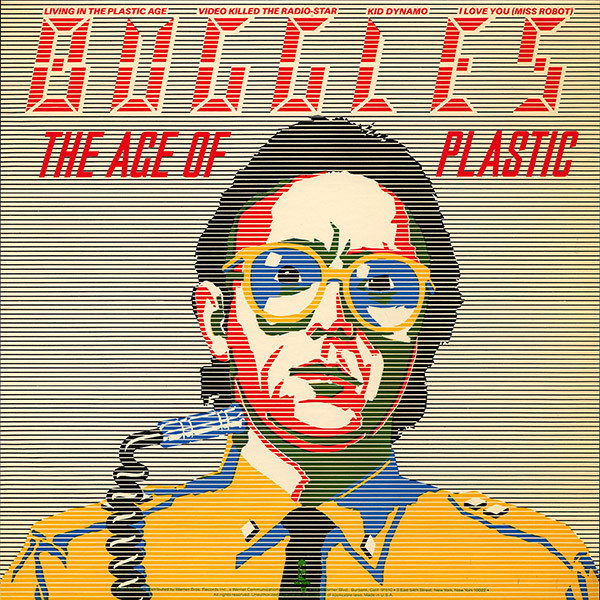 Trevor Horn and Geoff Downes met while working with Tina Charles and her producer Biddu. Together they would go on to form BUGGLES and score a No1 with ‘Video Killed The Radio Star’. From the parent album ‘The Age Of Plastic’, ‘Astroboy’ developed on the duo’s sonic adventures while ‘The Plastic Age’ and ‘Clean Clean’ provided further if minor hits. Horn would go on become a top record producer.
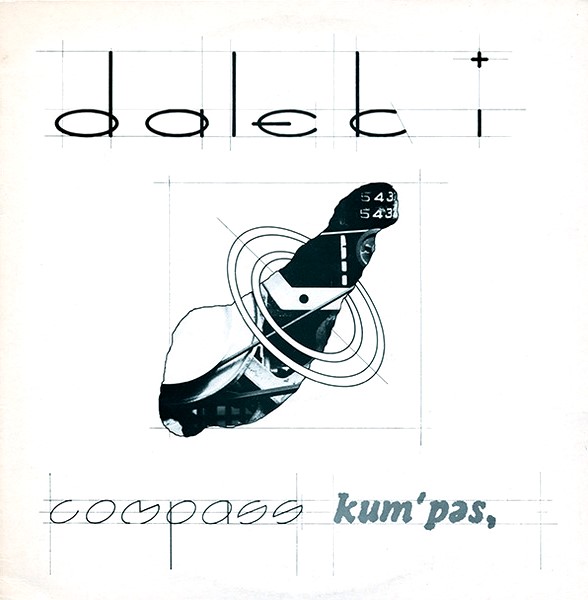 Before OMD, the electronic duo on The Wirral was DALEK I LOVE YOU. However, by the time their debut album ‘Compass Kum’pas’ was released, OMD were having hits and keyboards man Dave Hughes had left to join their live band. Although Alan Gill’s vocals could polarise opinion, ‘Destiny’ was their most immediate song with a precise percussive appeal while ‘The World’ was eccentric and retro-futuristic.
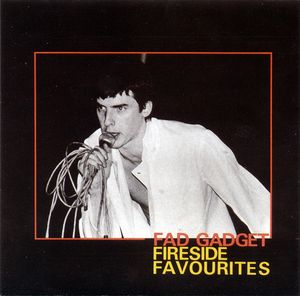 The success of the singles ‘Back To Nature’ and ‘Ricky’s Hand’ attracted a loyal fanbase, so a FAD GADGET album ‘Fireside Favourites’ was eagerly anticipated. Developing on the minimal industrialism of the singles, the superb ‘Coitus Interruptus’ was a cynical commentary on casual relationships while offering his own brand of romantic macabre in the fear of the imminent nuclear apocalypse was the neo-title song ‘Fireside Favourite’.
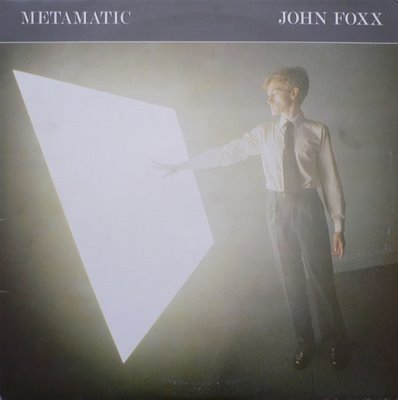 On the ULTRAVOX! debut,John Foxx announced “I want to be a machine”. On signing to Virgin Records as a solo artist, he virtually went the full hog with the seminal JG Ballard inspired ’Metamatic’. ‘Underpass’ and ‘No-One Driving’ were surprise hit singles that underlined the dystopian times while the fabulous ‘A New Kind Of Man’ and the deviant ‘He’s A Liquid’ were pure unadulterated Sci-Fi driven by the cold mechanics of a Roland Compurhythm.
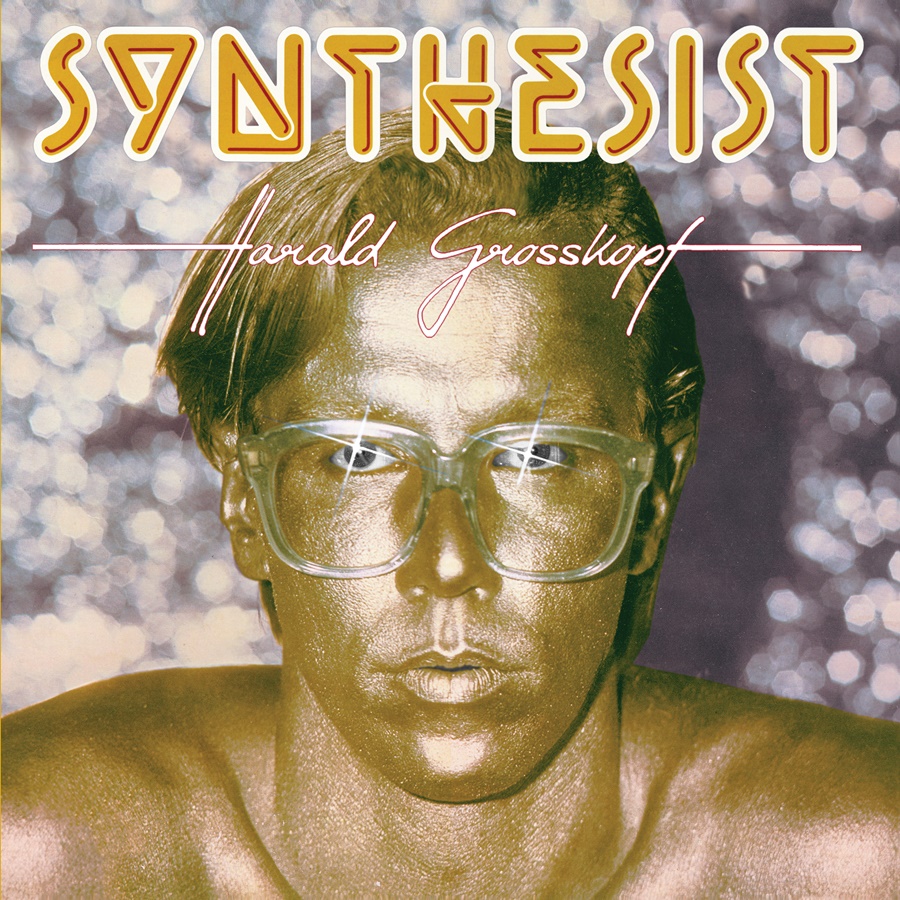 Having worked with Klaus Schulze and Manuel Göttsching, drummer turned keyboard player Harald Grosskopf took the plunge to go solo with the mind bending album ‘Synthesist’. A work comprising of eight instrumentals that blended a sonic tapestry of synthesizer soundscapes with drumming that provided colour as opposed to dominance, it musically followed in the exquisite tradition of his Berlin electronic friends.
 With THE HUMAN LEAGUE learning lessons from their debut ‘Reproduction’, ‘Travelogue’ had more presence by creatively utilising the harsh screeching frequencies from overdriving their studio desk. ‘The Black Hit Of Space’ had its surreal Sci-Fi lyrics while ‘Dreams Of Leaving’ was a fantastically emotive slice of prog synth. There were glorious cover versions in ‘Only After Dark’ and ‘Gordon’s Gin’. While it was a breakthrough, all was not happy…
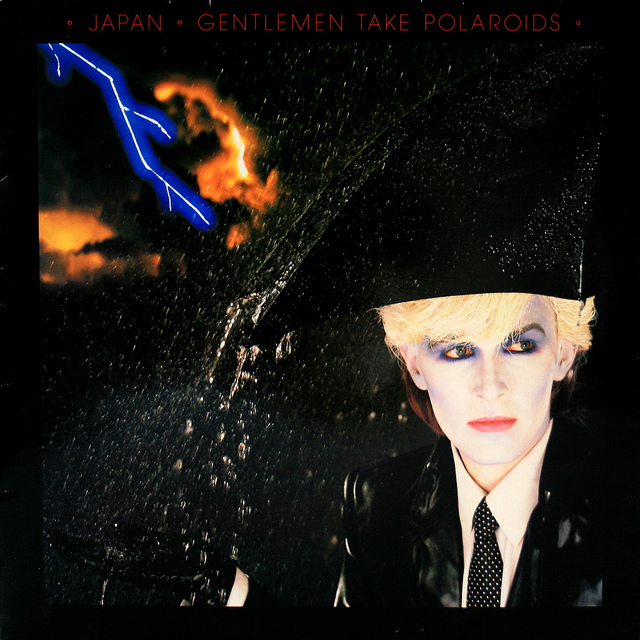 Dropped by Ariola Hansa, JAPAN found a refuge at Virgin Records. The bossa nova driven ‘Swing’ explored exotic grooves while the haunting ‘Nightporter’ was the ultimate Erik Satie tribute. An interest in Japanese technopop produced the brilliant ‘Methods Of Dance’ and saw leader David Sylvian collaborate with YELLOW MAGIC ORCHESTRA’s Ryuichi Sakamoto on ‘Taking Islands In Africa’.
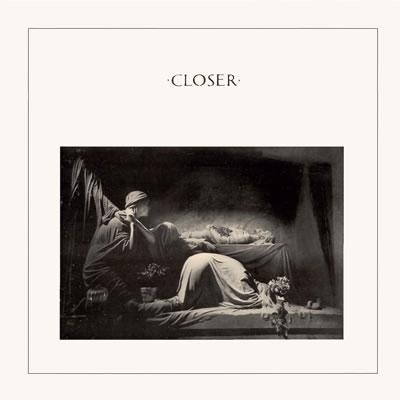 While not strictly an electronic album in full, half of ‘Closer’ was dominated by polyphonic synthesizers. Featuring an ARP Omni and an early version of Simmons drums, ‘Isolation’ was the most electronic track JOY DIVISION ever recorded. On the second side, ‘Heart & Soul’, ‘The Eternal’ and ‘Decades’ provided the solemn but beautiful Gothic backdrop producer by Martin Hannett for Ian Curtis’ elaborate musical suicide note.
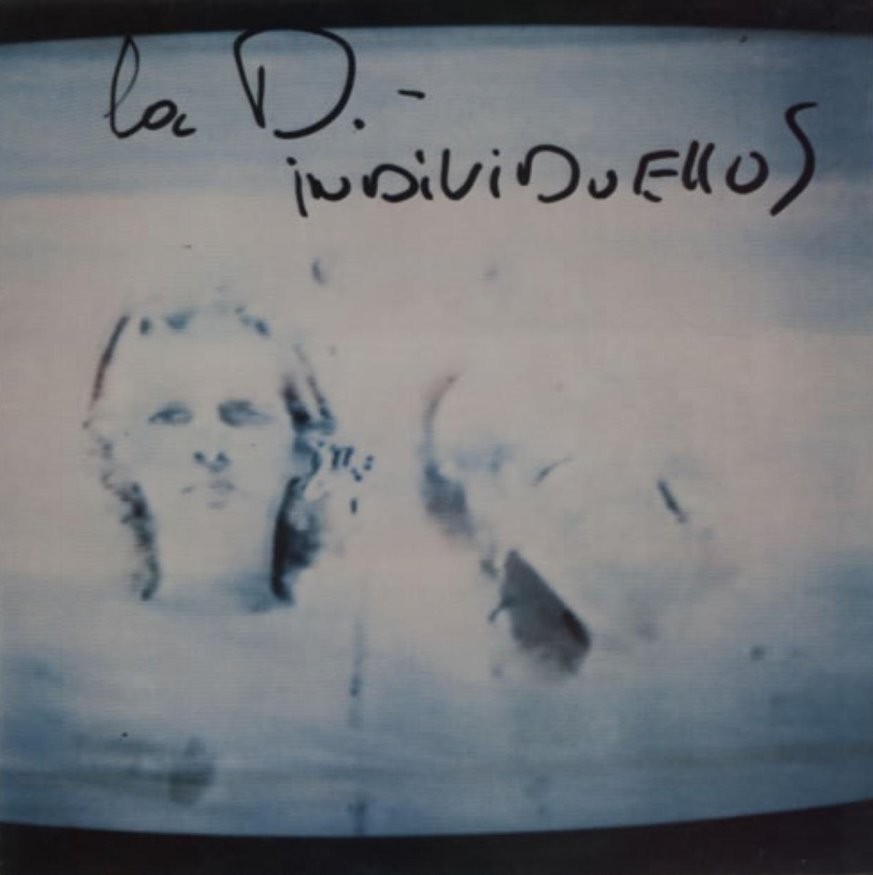 LA DÜSSELDORF were fronted by the late Klaus Dinger of NEU! There was a greater presence of electronics and the first half of ‘Individuellos’was dominated by variations on ‘Menschen’, a grand statement sounding like a blueprint for Phil Lynott’s ‘Yellow Pearl’. ‘Dampfriemen’ was a quirky slice of synth oompah with comedic chants and a kazoo section while the piano laden ‘Das Yvönnchen’ provided a beautiful closer.
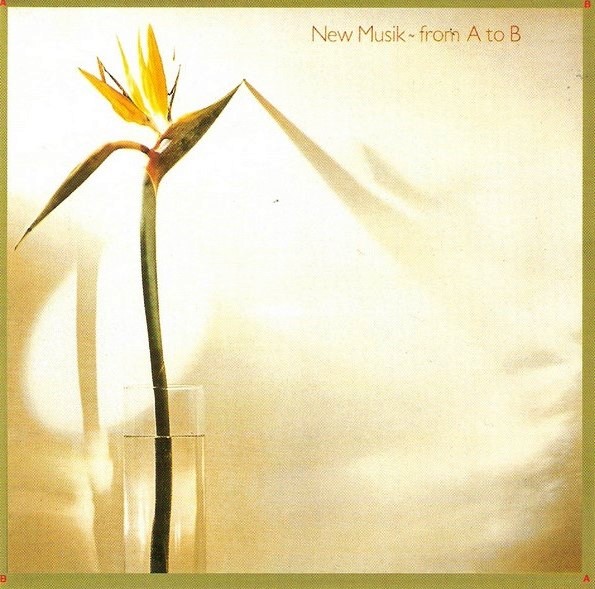 Time has shown that Tony Mansfield and NEW MUSIK with their strummed guitar alongside pretty synth melodies were underrated. Featuring the hits ‘Living By Numbers’, ‘This World Of Water’ and ‘Sanctuary’ as well as ‘On Islands’ which was later covered by CAMOUFLAGE, the band were dismissed as a novelty act due to the silly voices in their songs. Mansfield went on to produce A-HA, NAKED EYES and VICIOUS PINK.
 The negative side of fame got into the psyche of Gary Numan and his new songs took on a more personal downbeat nature away from the Sci-Fi dystopia of his previous work. ‘This Wreckage’ and ‘Please Push No More’ summed up the self-doubt but while ‘Remind Me To Smile’ could have been a single, ‘Telekon’ suffered from not having the hit single ‘We Are Glass’ and ‘I Die: You Die’ included on the original LP release.
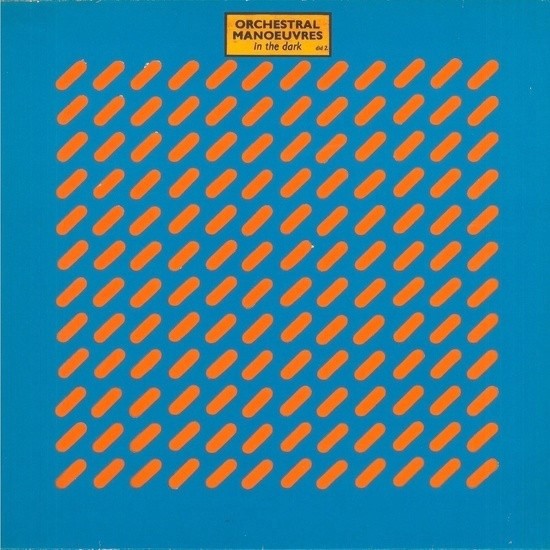 OMD released two albums in 1980 but their self-titled debut captured Andy McCluskey and Paul Humphreys using the most basic equipment, the duo not even having a polyphonic synth at the time. With energetic post-punk synth numbers such as ‘Electricity’ and ‘Bunker Soldiers’, on the other side of the coin were ‘Almost’ and ‘The Messerschmitt Twins’. An early version of ‘Messages’ pointed to a future with hit singles.
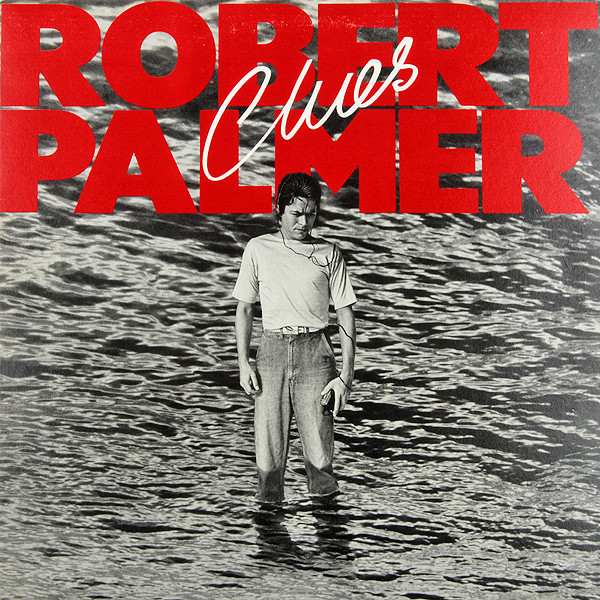 Although rooted in the blues via his previous band VINEGAR JOE, Robert Palmer took an interest in synths having become a fan of Gary Numan. That led to two collaborations including a version of ‘I Dream Of Wires’ released before Numan’s own recording and the Eastern flavoured ‘Found You Now’. The electronic centrepiece was the beautifully world weary ‘Johnny & Mary’ while ‘Looking for Clues’ added synthy art funk to the mix.
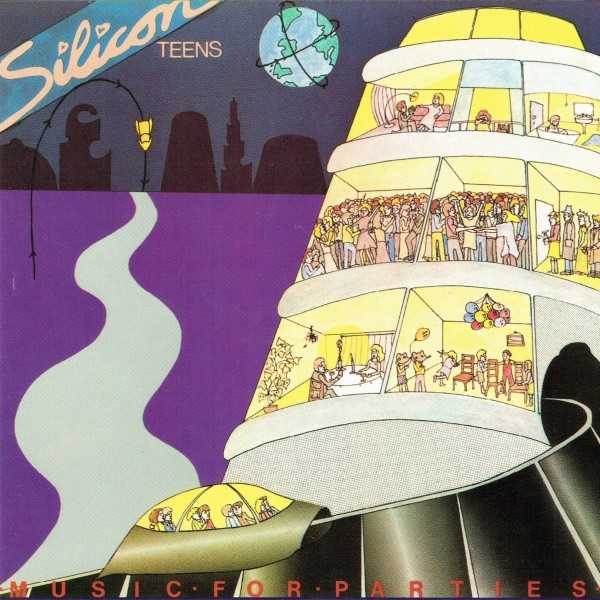 Following the acclaim for THE NORMAL, Daniel Miller undertook a new project SILICON TEENS as a fictitious synth group where rock ’n’ roll standards such as ‘Memphis Tennessee’, ‘Just Like Eddie’, ‘Let’s Dance’ and ‘Sweet Little Sixteen’ were enjoyably reinterpreted in a quirky synthpop style with Miller adding his deadpan monotone vocal. Frank Tovey aka FAD GADGET played the role of lead singer “Darryl” for videos and press.
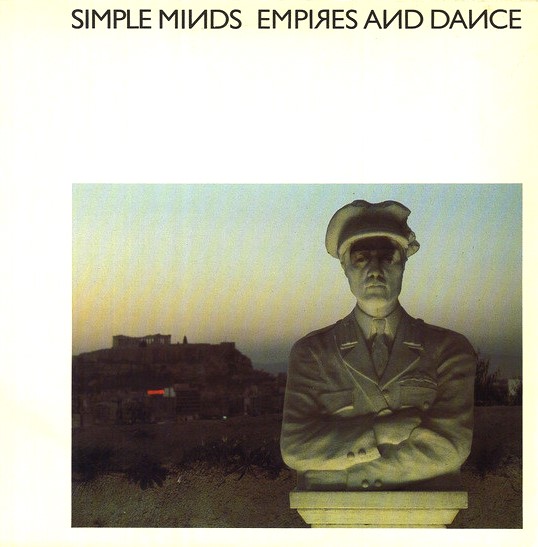 Tours opening for Gary Numan and Peter Gabriel took SIMPLE MINDS around Europe to experience Cold War tensions at closer hand. Their wired mood was captured on ‘Empires & Dance’. With its speedy Moroder-esque influence, ‘I Travel’ was a screeching futuristic frenzy and ‘Celebrate’ brought some industrial Schaffel to the party. ’30 Frames A Second’ took a trip down the autobahn but ‘Twist / Run / Repulsion’ messed with the headspace of listeners.
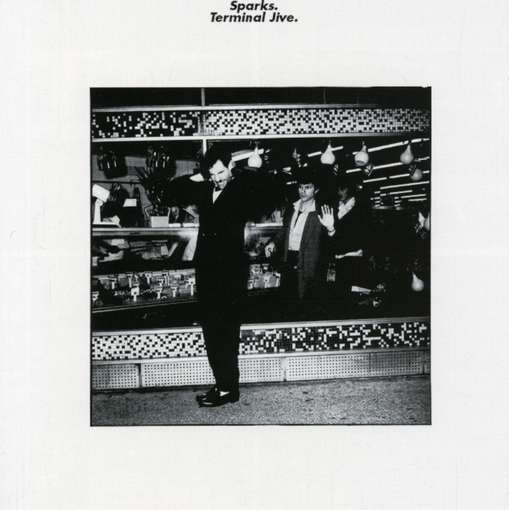 Following the Giorgio Moroder steered album ‘No1 In Heaven’, SPARKS were despatched by Virgin Records to record a swift follow-up. Although Moroder was still nominally at the helm, Harold Faltermeyer took the majority of production duties on ‘Terminal Jive’. ‘Rock ‘N’ Roll People In A Disco World’ seemed to reflect the confused direction but ‘When I’m With You’ was a massive hit single in France, leading to the Mael Brothers’ relocation.
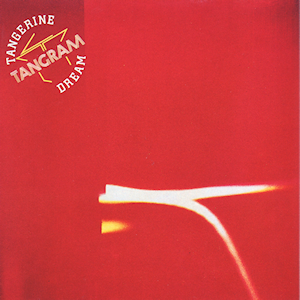 After experiments with vocals on ‘Cyclone’ and live drums on ‘Force Majeure’, with the recruitment on keyboards with Johannes Schmoelling to fill the difficult to fill void left by the departure of Peter Baumann, Edgar Froese and Christopher Franke got back on track, combining a more immediate sequencer drive with the melodic New Age resonances on the two part ‘Tangram’ set that would characterise TANGERINE DREAM’s later work.
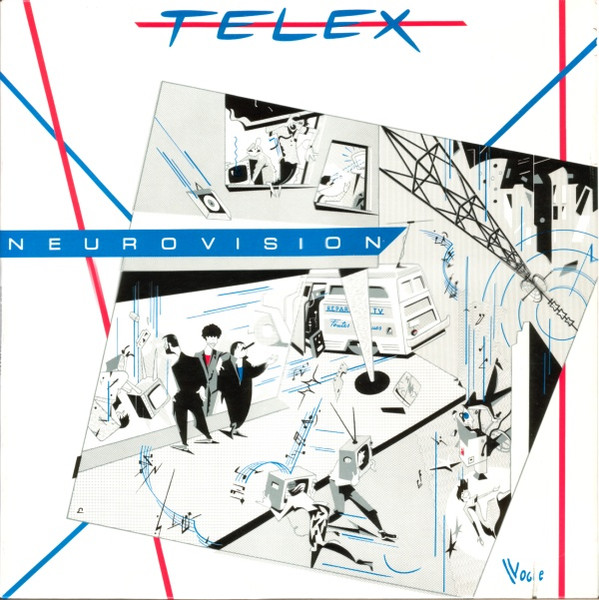 The second TELEX album ‘Neurovision’ continued with the trio’s tradition of deadpan electronic covers and a gloriously metronomic take on ‘Dance To The Music’ showcased their penchant for mischievous subversion. But this mischief came to its head with their lampooning self-composed number ‘Euro-Vision’, a bouncy electropop tune which they actually entered for 1980 Eurovision Song Contest, coming seventeenth!
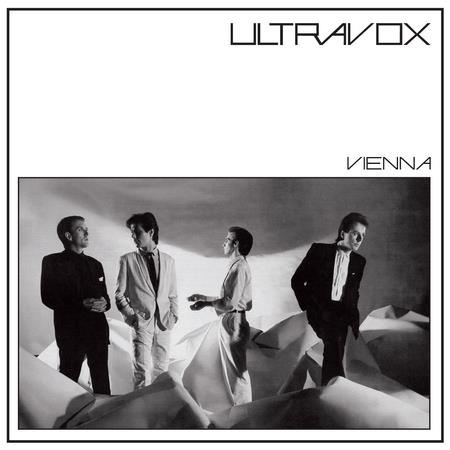 Following the first VISAGE sessions, Midge Ure was invited to join Billy Currie, Chris Cross and Warren Cann in ULTRAVOX. Providing a sonic continuity from the John Foxx-led era was producer Conny Plank while the robotic spy story ‘Mr X’ voiced by Cann provided another link. Opening with the mighty instrumental ‘Astradyne’ and closing with the synthesized heavy metal of ‘All Stood Still’, the ‘Vienna’ album was a triumph.
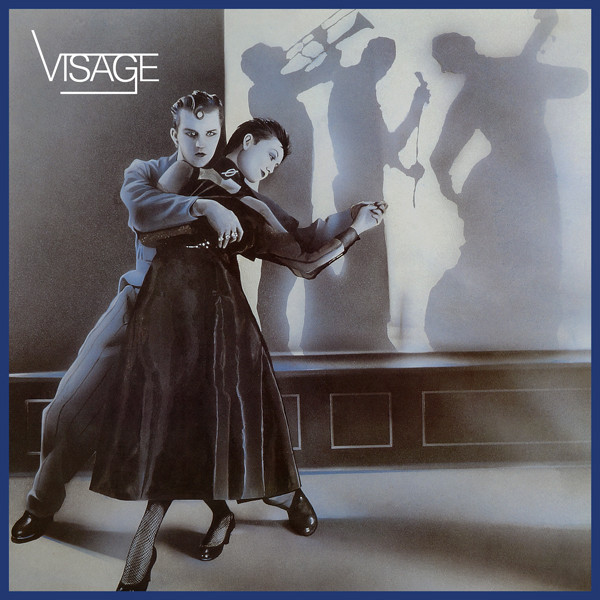 Formed as a reaction to the shortage of new electronic dance music to play at The Blitz Club, ex-RICH KIDS members Midge Ure and Rusty Egan recruited its figurehead Steve Strange to front the project under the name of VISAGE. Billy Currie, Dave Formula, John McGeoch and Barry Adamson joined later and captured a synthesized European romanticism that boasted the German No1 ‘Fade To Grey’ as well as two other hits in ‘Mind Of A Toy’ and the eponymous title track.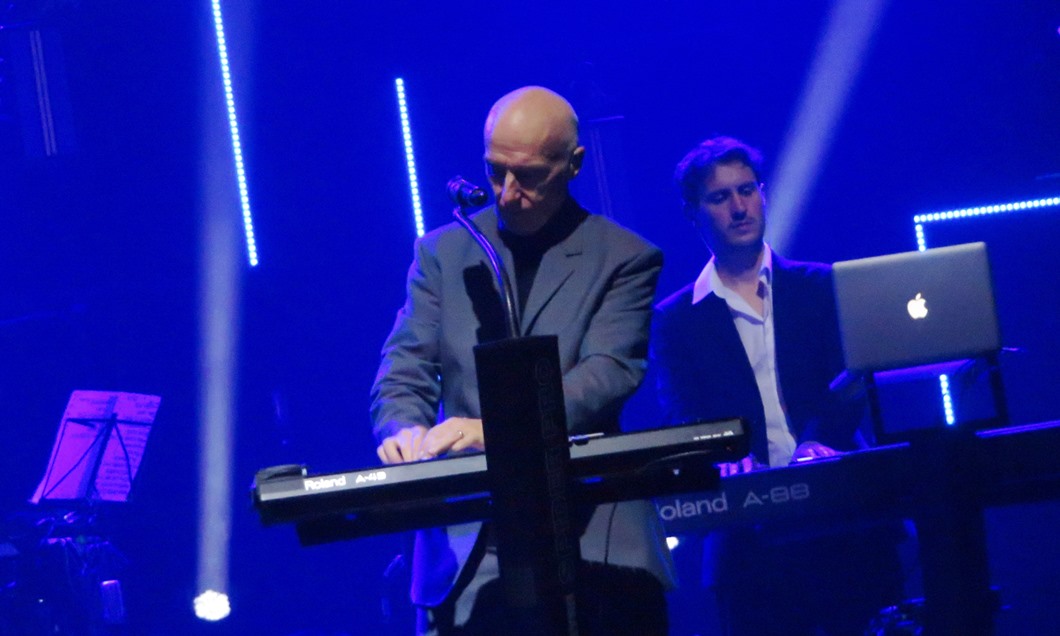
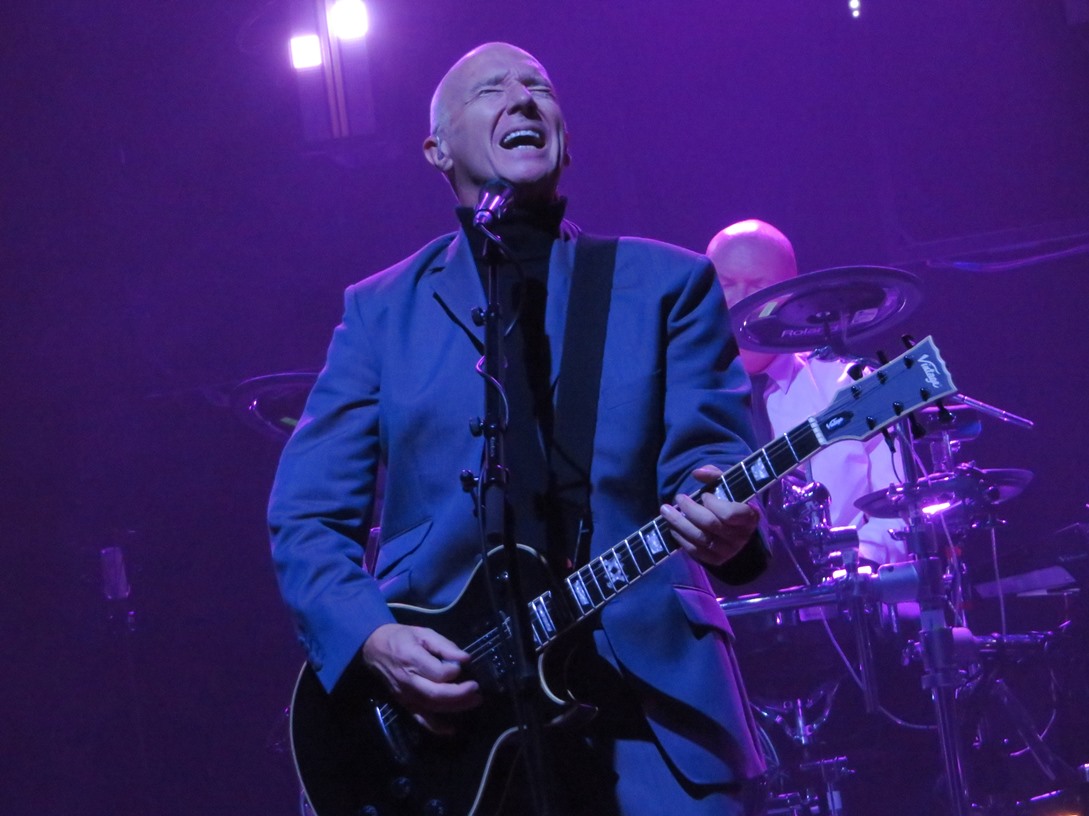
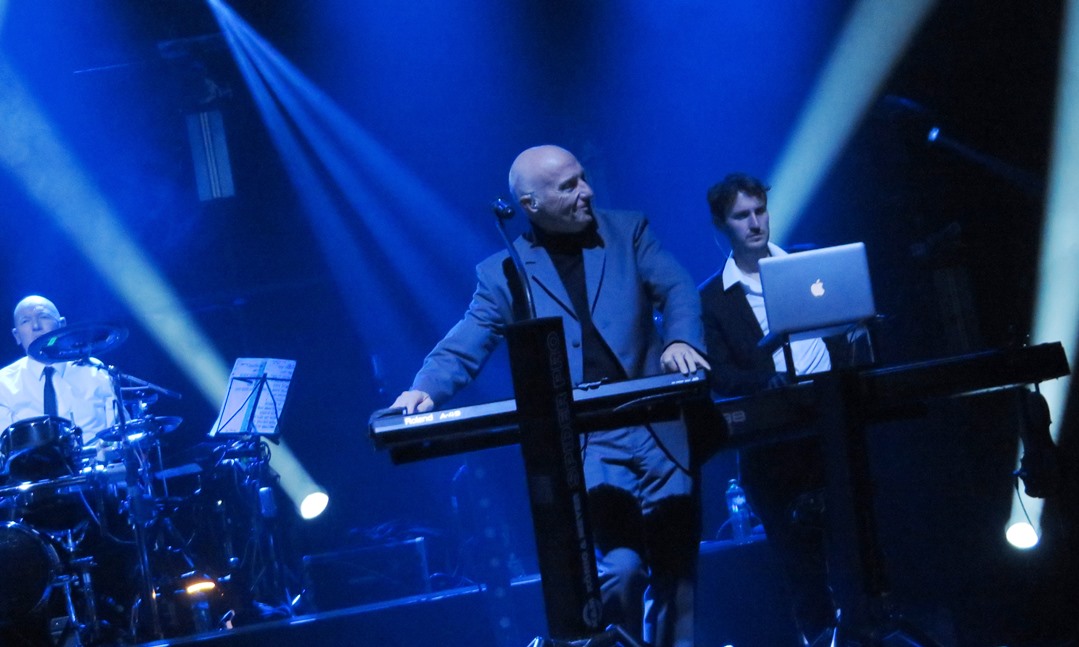
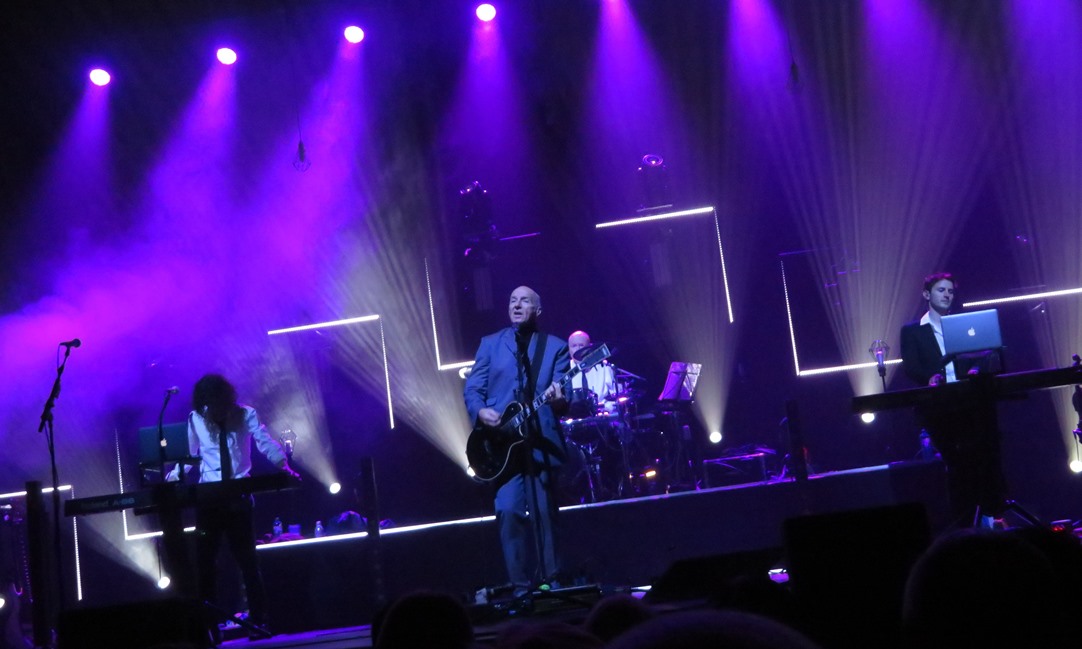
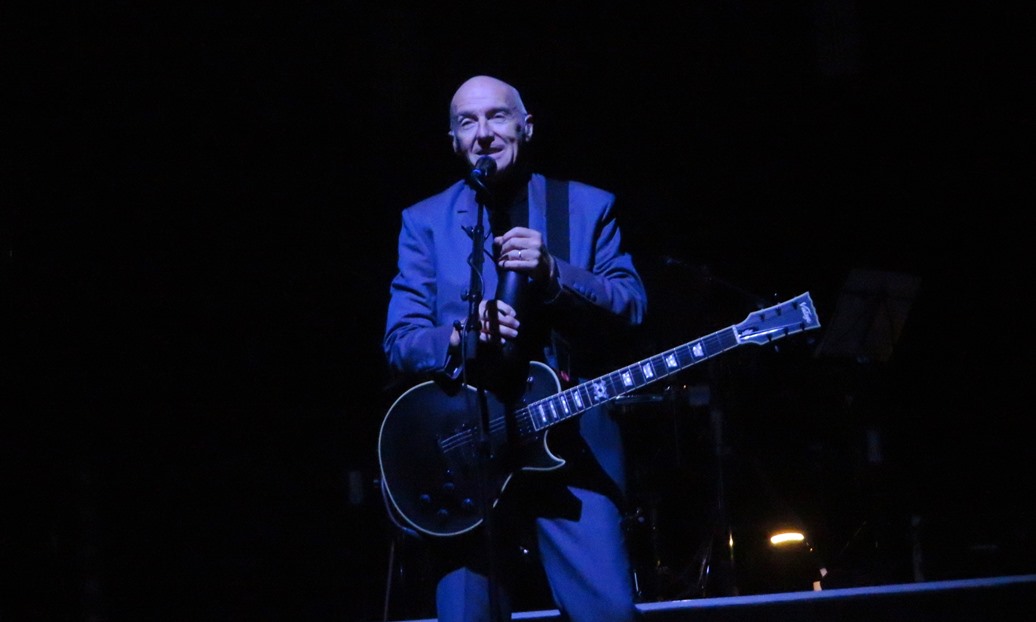
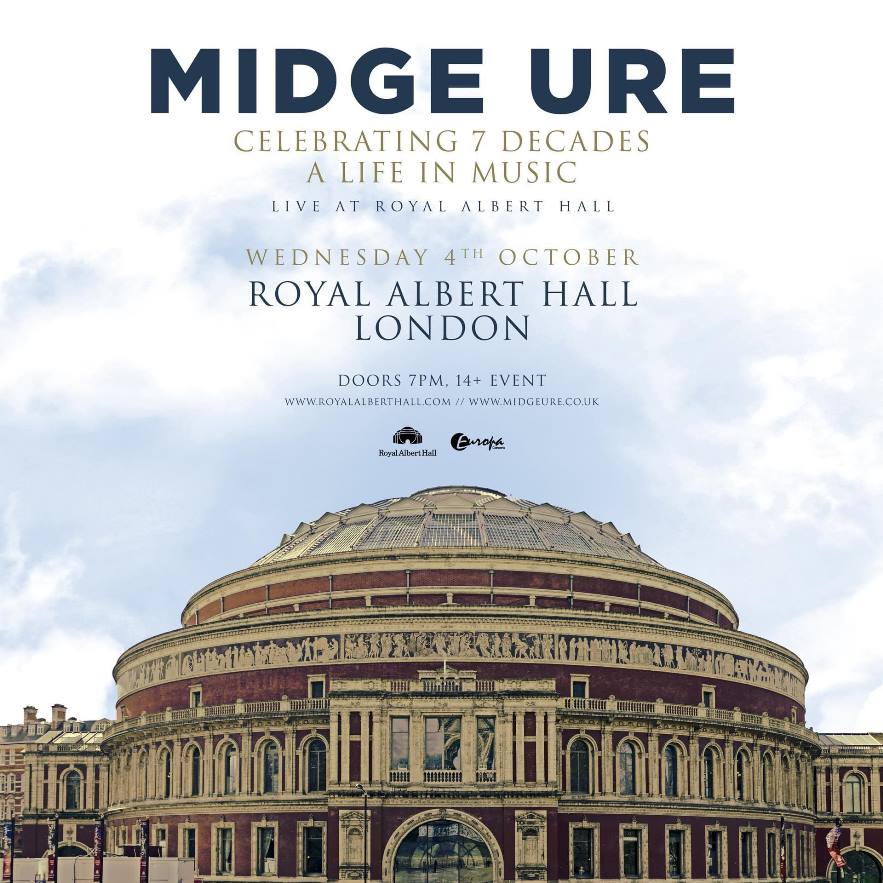
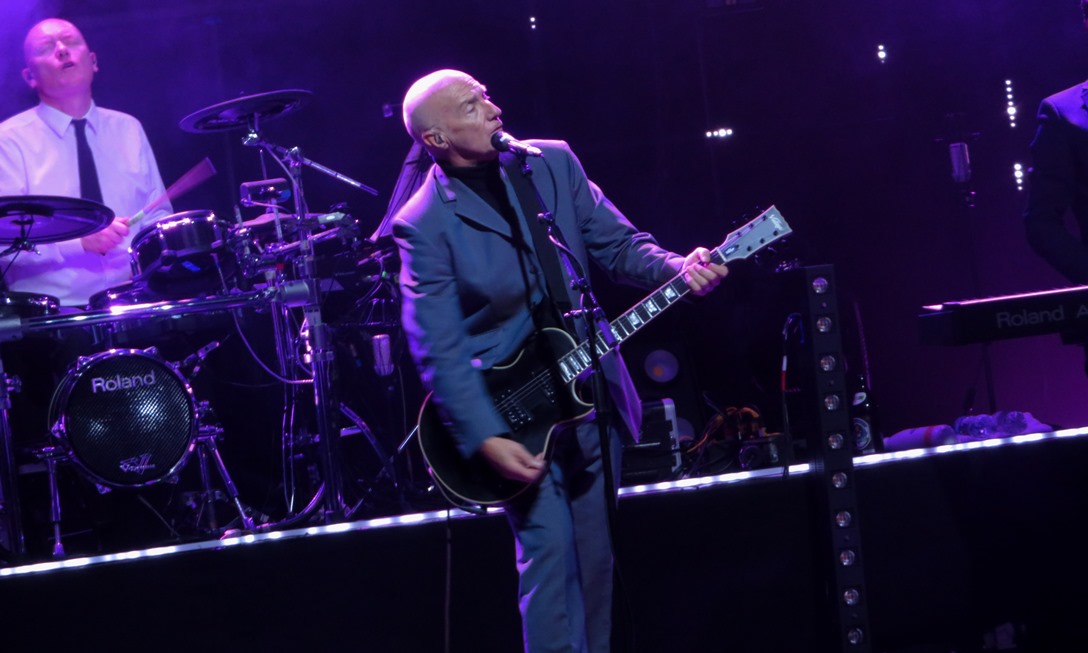
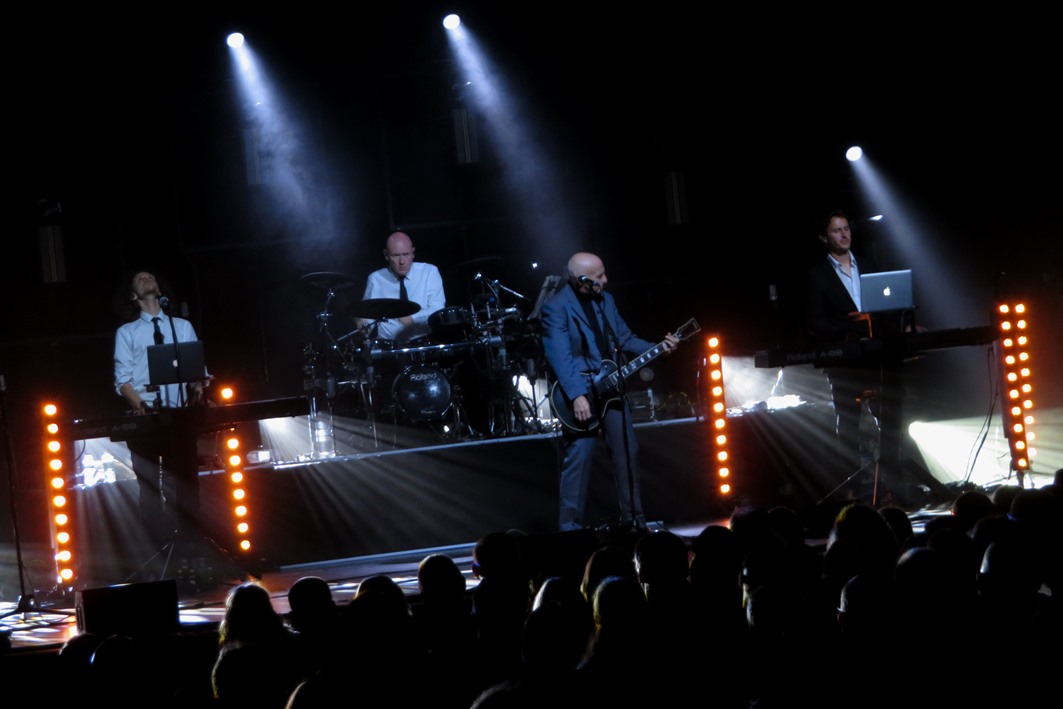
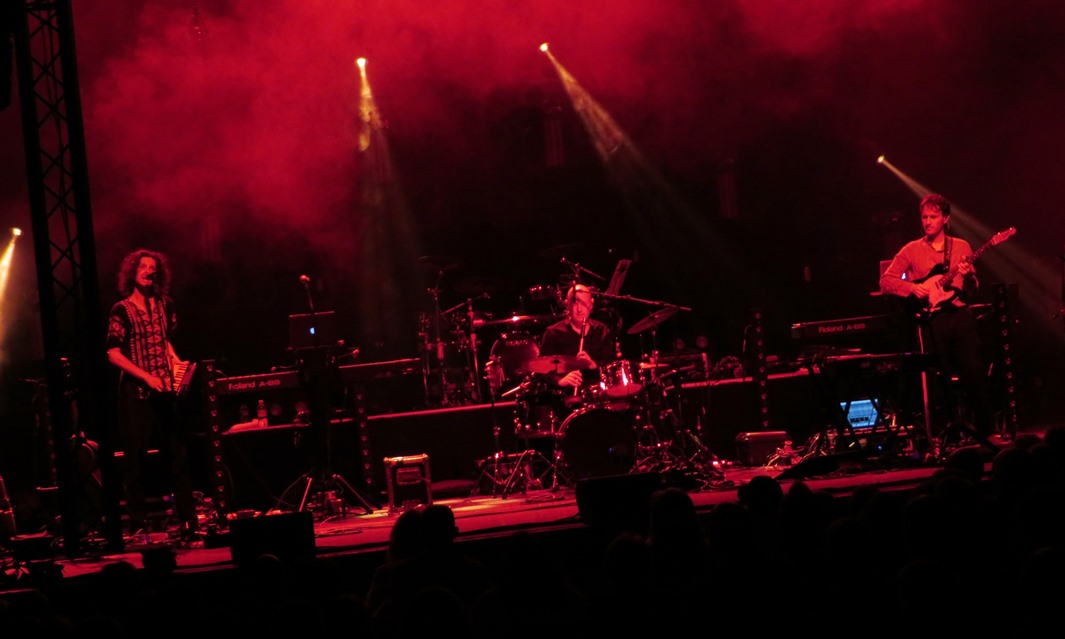
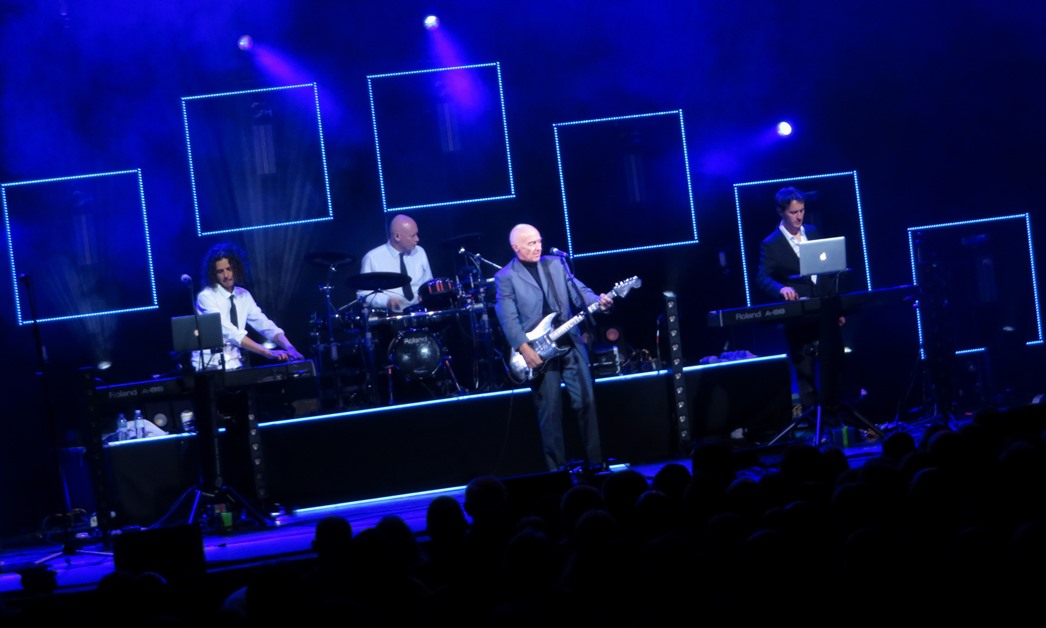
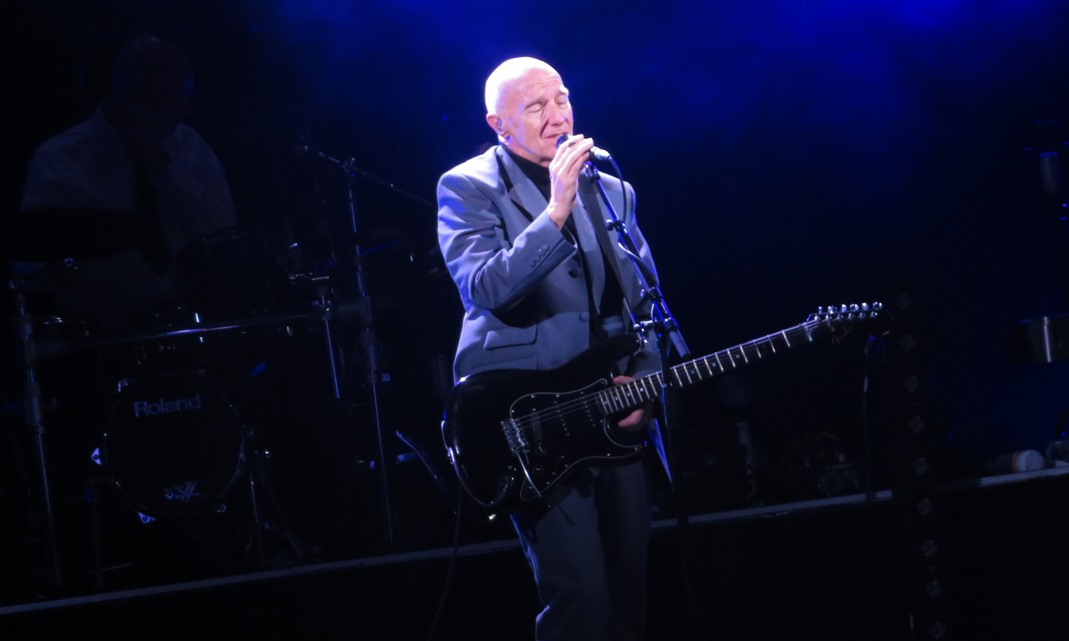
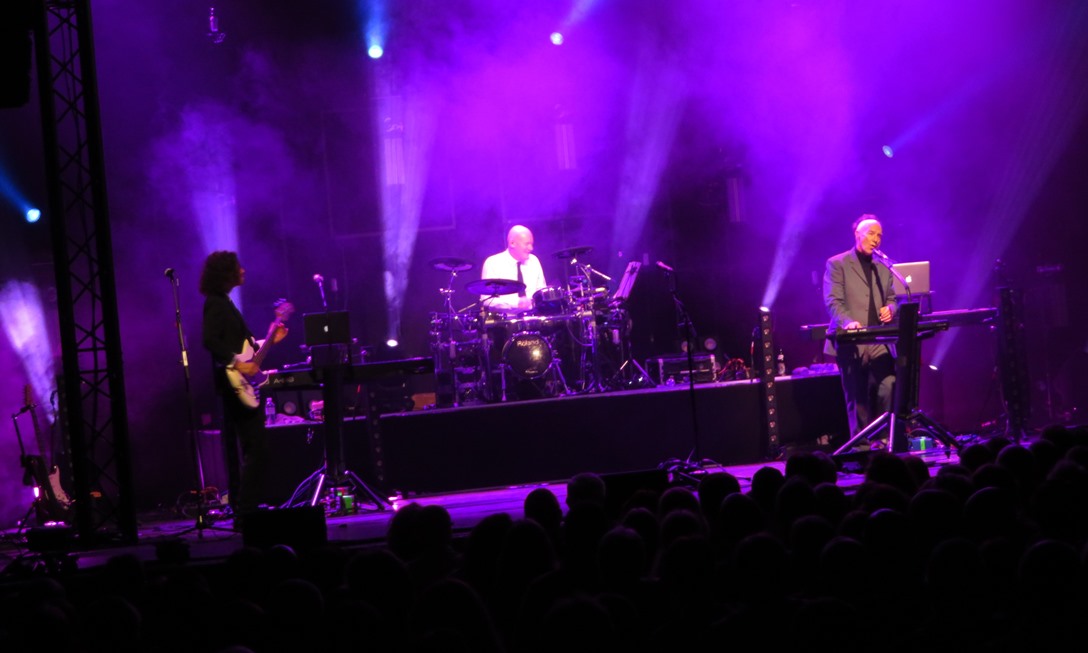
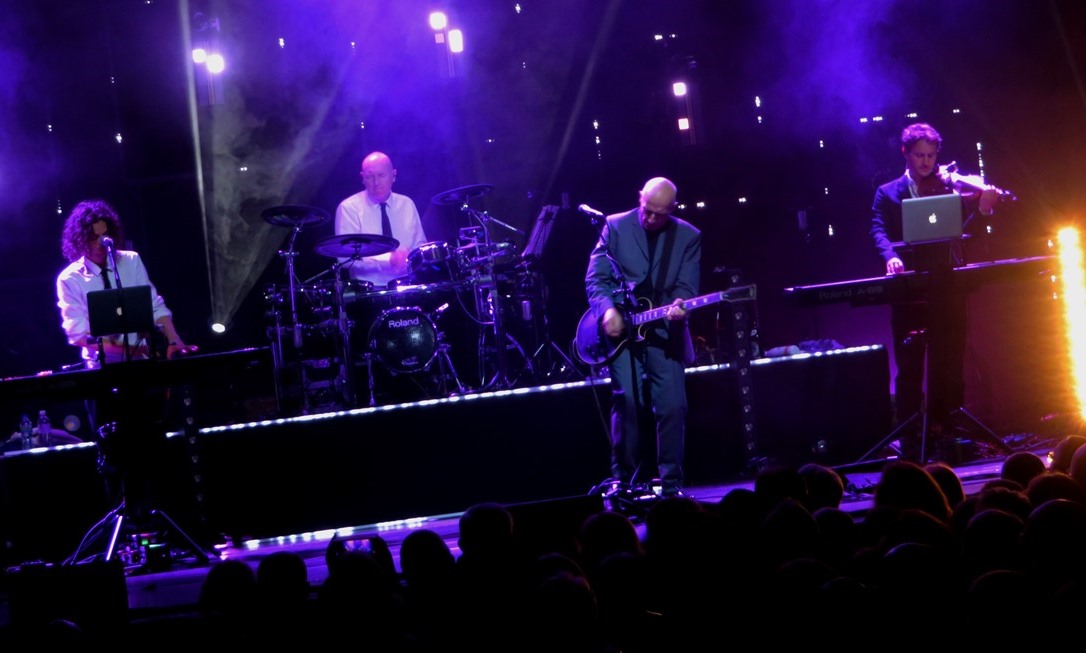
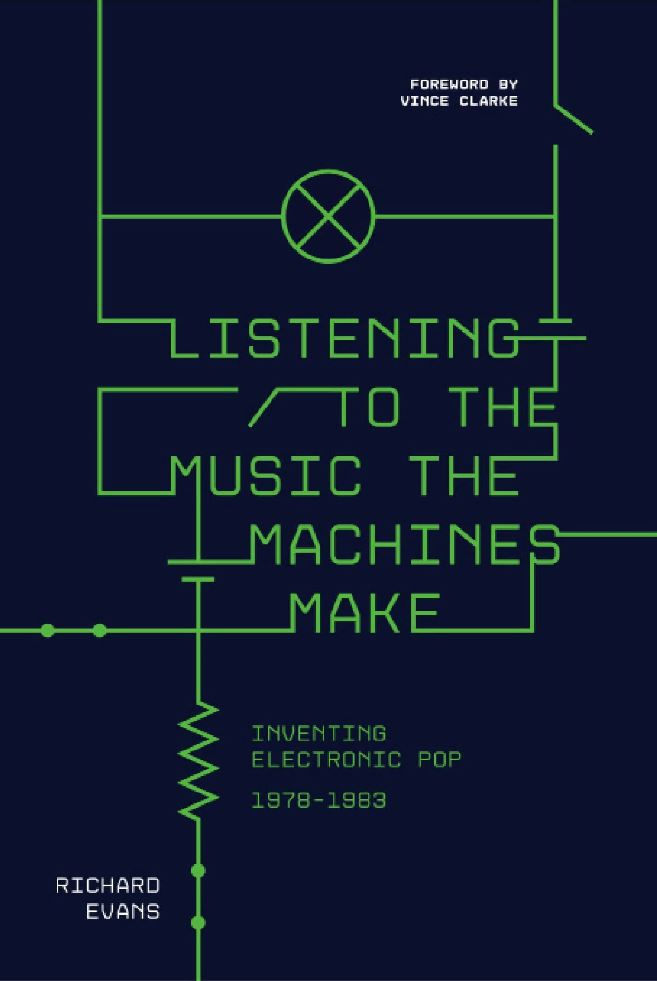
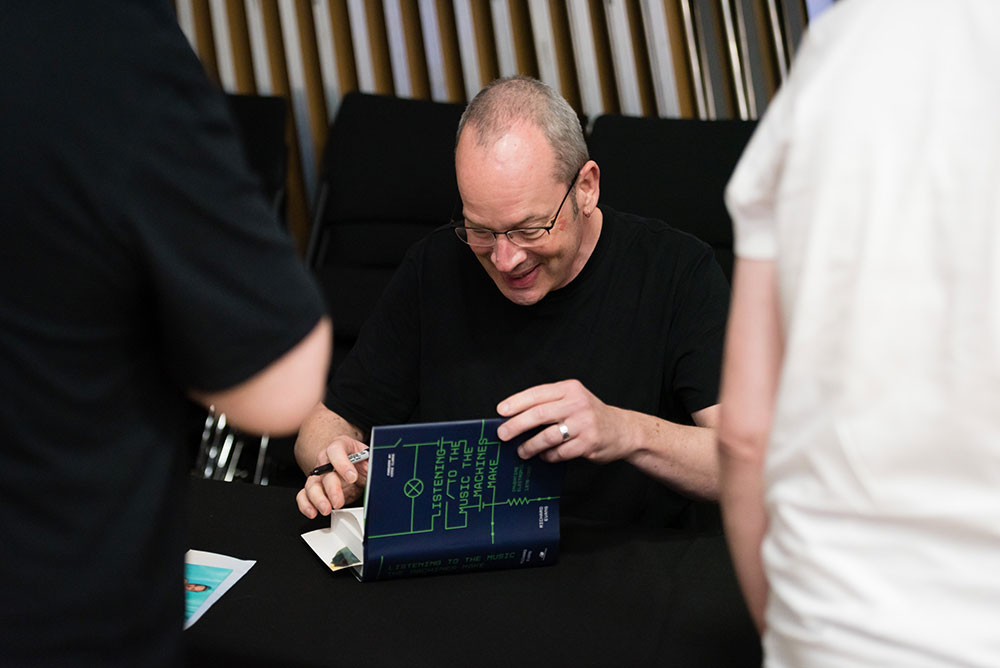
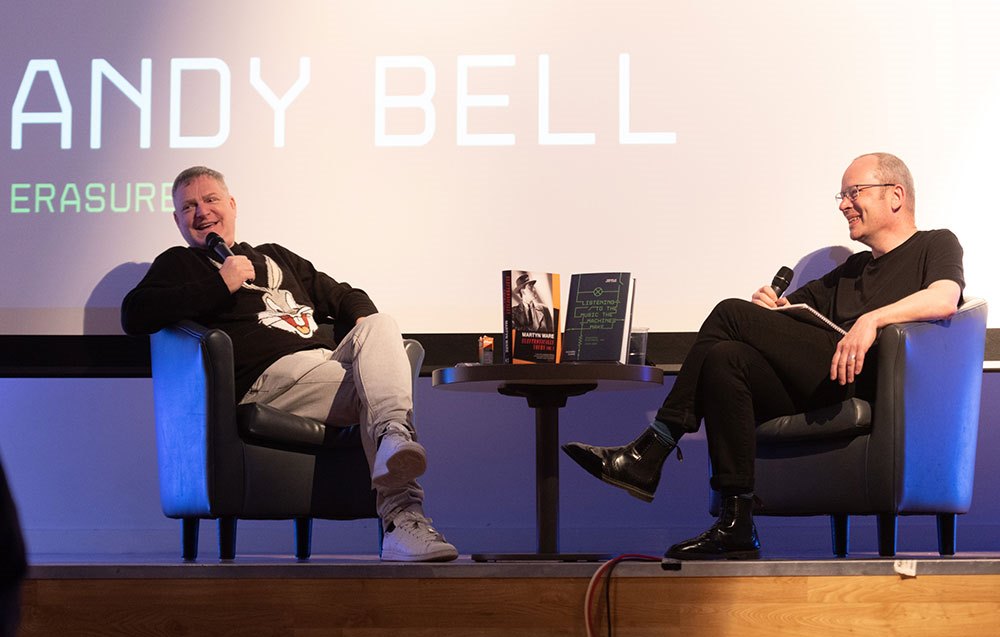
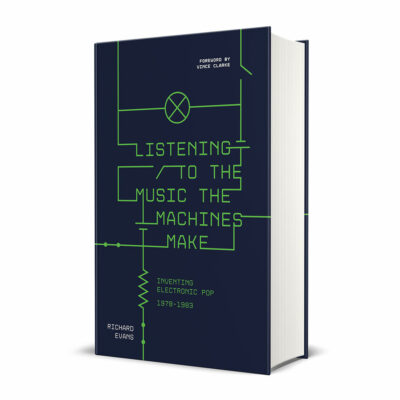
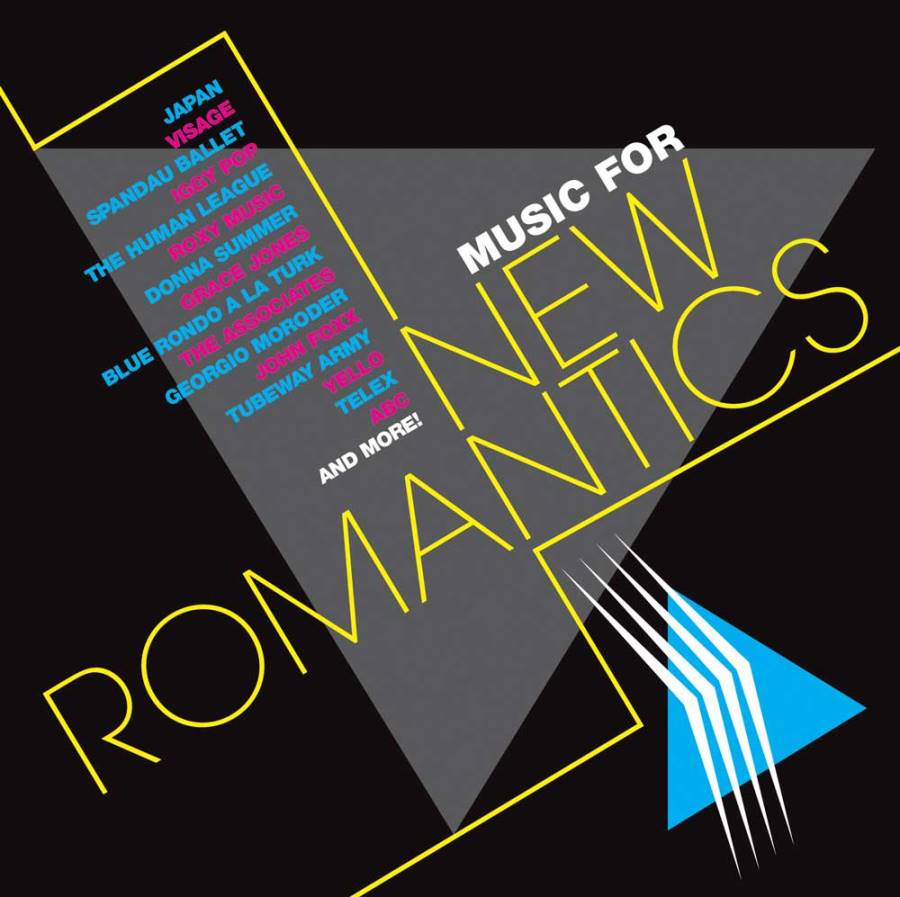
Follow Us!