Tag: OMD (Page 12 of 24)

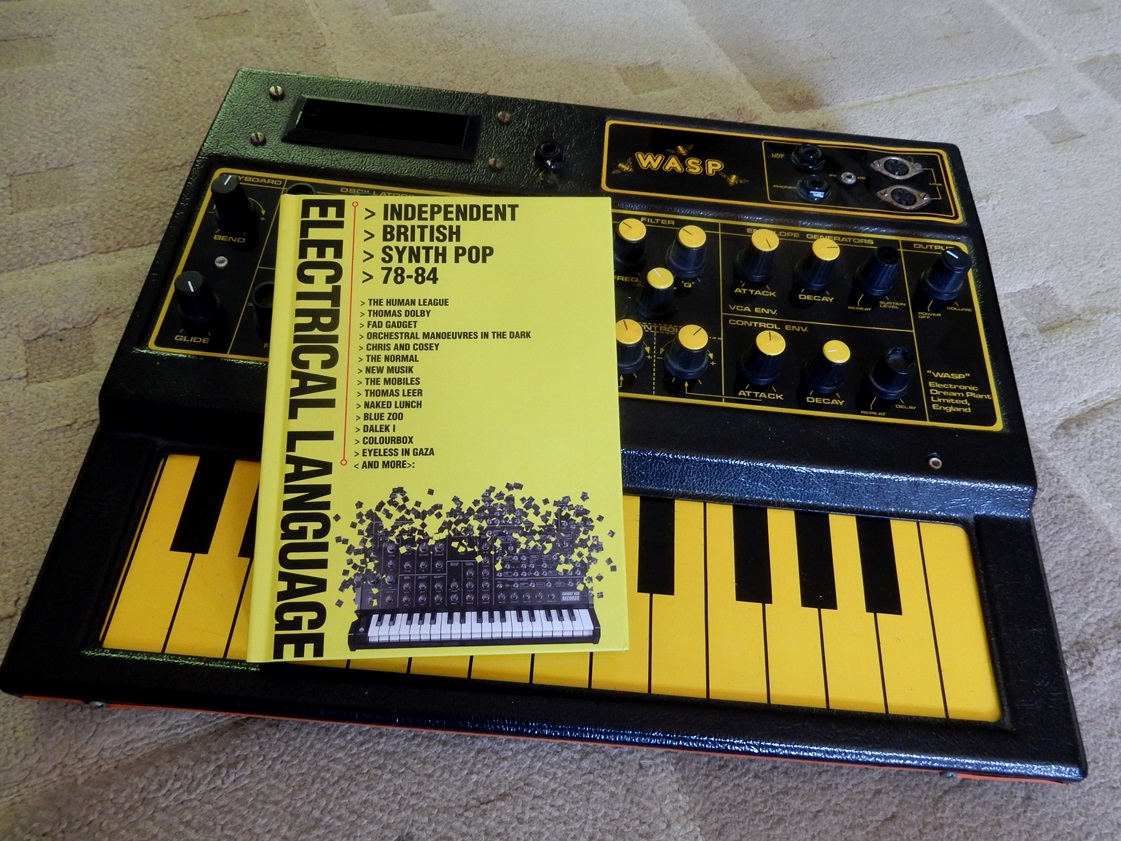
ELECTRICAL LANGUAGE Independent British Synth Pop 78-84

From Cherry Red Records, the makers of the ‘Close To The Noise Floor’ trilogy showcasing formative and experimental electronic music from the UK, Europe and North America, comes their most accessible electronic collection yet.

Subtitled ‘Independent British Synth Pop 78-84’, ‘Electrical Language’ is a lavish 4CD 80 track boxed set covering the post-punk period when all that synthesizer experimentation and noise terrorism morphed into pop.

Largely eschewing the guitar and the drum kit, this was a fresh movement which sprung from a generation haunted by the spectre of the Cold War, Mutually Assured Destruction and closer to home, the Winter of Discontent.

As exemplified by known names like THE HUMAN LEAGUE, FAD GADGET, SECTION 25 and BLUE ZOO included in the set to draw in the more cautious consumer, this was pop in a very loose manner with melodies, riffs and danceable rhythms but hardly the stuff of ABBA or THE BEE GEES!

‘Red Frame/White Light’ by OMD was a chirpy ditty about the 632 3003 phone box which the band used as their office, while Thomas Dolby’s ‘Windpower’ was a rallying call for renewable energy sources. Then there was the dystopian ‘Warm Leatherette’ by THE NORMAL based around two noisy notes and lyrically based on JG Ballard’s ‘Crash’ with its story around car collision symphorophilia.

While those acts’ stories have been rightly celebrated for putting the electronic avant pop art form into the mainstream, with any truly great compilation or collection, the joy is in finding the lesser known jewels.

Made primarily by the idealistic outsiders and independent experimenters from the lesser known side of Synth Britannia, ‘Electrical Language’ has plenty of synthetic material to rediscover or hear for the first time. Indeed, the more appealing tracks appear to fall into three categories; forgotten songs that should have been hits, oddball cover versions and largely unknown archive wonders.

Those forgotten gems include the exotic ‘Electrical Language’ title track by BE BOP DELUXE, documenting the moment Bill Nelson went electro. His production on the gloriously emotive ‘Feels Like Winter Again’ by FIAT LUX is another welcome inclusion to the set.

But the two best tracks on ‘Electrical Language’ are coincidentally spoken word; ‘Touch’ by LORI & THE CHAMELEONS about a girl’s Japanese holiday romance is as enchanting and delightful as ever, while there is also THROBBING GRISTLE refugees Chris & Cosey’s wispy celebration of Autumnal neu romance ‘October (Love Song)’, later covered in the 21st Century in pure Hellectro style by MARSHEAUX.

Merseyside has always been a centre for creativity and this included synthpop back in the day. ‘I’m Thinking Of You Now’ from BOX OF TOYS was a superb angsty reflection of young manhood that included an oboe inflected twist which was released on the Inevitable label in 1983. From that same stable, FREEZE FRAME are represented by the atmospheric pop of ‘Your Voice’

Jayne Casey was considered the face of Liverpool post-punk fronting BIG IN JAPAN and PINK MILITARY; the lo-fi electronic offshoot PINK INDUSTRY released three albums but the superb ‘Taddy Up’ with its machine backbone to contrast the ethereal combination of voice and synths lay in the vaults until 2008 and is a welcome inclusion. The ‘other’ Wirral synth duo of note were DALEK I LOVE YOU whose ‘The World’ from 1980 remains eccentric and retro-futuristic.

Scotland was in on the action too despite many local musicians preferring THE BYRDS and STEELY DAN; although both ‘Mr Nobody’ from Thomas Leer and ‘Time’ by Paul Haig were detached and electronic, they vocally expressed minor levels of Trans-Atlantic soul lilt compared with the more deadpan styles of the majority gathered on ‘Electrical Language’.

Underrated acts form a core of ‘Electrical Language’ and while THE MOBILES’ ‘Drowning In Berlin’ may have come across like a ‘Not The Nine O’Clock News’ New Romantic parody on first listen, its decaying Mittel Europa grandeur was infectious like Hazel O’Connor reinterpreting ‘Vienna’ with The Master of Ceremonies at the Kit Kat Klub in 3/4 time!

NEW MUSIK’s ‘The Planet Doesn’t Mind’ probably would have gone Top 20 if had been done by Howard Jones, although band leader Tony Mansfield had the last laugh when he later became a producer working with the likes of A-HA and NAKED EYES. The brassy arty synthpop of ‘XOYO’ from Dick Witts’ THE PASSAGE was immensely catchy with riffs galore, while POEME ELECTRONIQUE’s ‘She’s An Image’ offered stark European electro-cabaret.

Cut from a similar cloth, one-time ULTRAVOX support act Eddie & Sunshine inventively (and some would say pretentiously) presented a Living TV art concept but they also possessed a few good songs. The quirkily charming ‘There’s Someone Following Me’ deserved greater recognition back in the day and its later single version was remixed by one Hans Zimmer.

Meanwhile, the 4AD label could always be counted on more esoteric output and COLOURBOX’s ‘Tarantula’ was from that lineage, but then a few years later perhaps unexpectedly, they became the instigators of M/A/R/R/S ‘Pump Up the Volume’.

These days, modern synth artists think it is something an achievement to cover a synthpop classic, although it is rather pointless. But back in the day, as there were not really that many synthpop numbers to cover, the rock ‘n’ roll songbook was mined as a kind of post-modern statement. The synth was seen as the ultimate anti-institution instrument and the cover versions included on ‘Electrical Language’ are out-of-the-box and original, if not entirely successful.

Take TECHNO POP’s reinterpretation of ‘Paint It Black’ which comes over like Sci-Fi Arthur Brown while the brilliant ‘My Coo Ca Choo’ by BEASTS IN CAGES (which features half of HARD CORPS) is like PJ Proby with his characteristic pub singer warble fronting SILICON TEENS with a proto-GOLDFRAPP stomp.

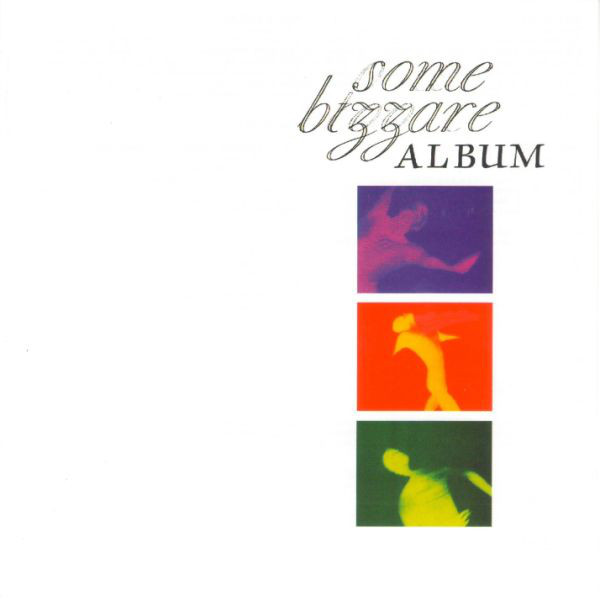
Having contributed a T-REX cover for the ‘Some Bizzare Album’, THE FAST SET recorded another. Whereas ‘King Of The Rumbling Spires’ on the former was frantic electro-punk, ‘Children Of The Revolution’ is far more sombre and almost funereal. Least desirable of the covers though is ‘Happy Xmas (War Is Over)’ by HYBRID KIDS.

Of the obscurities worth checking out, the rousing standout is ‘Lying Next To You’ by Liverpool’s PASSION POLKA. A brilliant track akin to CHINA CRISIS ‘Working With Fire & Steel’ but with more synths and drum machine, it was recorded in 1983 but never actually saw the light of day until 2011 via a belated release on Anna Logue Records.

Delightfully odd, the VL Tone and organ infused ‘Bandwagon Tango’ from TESTCARD F is swathed with metallic rattles and possesses a suitably mechanical detachment. But with piercing pipey sounds and a hypnotic sequence, the metronomic ‘Destitution’ by cult minimal wavers CAMERA OBSCURA with its off key voice is one of the better productions of that type. Cut from a similar cloth, the perky ‘Videomatic’ by FINAL PROGRAM throws in some lovely string synths to close.

Swirlingly driven by Linn and her sisters, ‘Baby Won’t Phone’ by QUADRASCOPE comes from the Vince Clarke school of song with not only a great vocal, but also the surprise of a guitar solo in the vein of ECHO & THE BUNNYMEN!

‘The Secret Affair’ from JUPITER RED is a great ethereal midtempo synthpop song also using a Linn, while ‘Surface Tension’ from ANALYSIS is an appealing club friendly instrumental that was largely the work of the late Martin Lloyd who later was part of OPPENHEIMER ANALYSIS.

Produced by Daniel Miller, Alan Burnham’s ‘Science Fiction’ from 1981 takes a leaf out of DALEK I LOVE YOU, while tightly sequenced and bursting with white noise in the intro, ‘Feel So Young’ by LAUGH CLOWN LAUGH has bubbling potential but is spoiled by some terribly flat vocals.

One of the weirder tracks is ELECTRONIC ENSEMBLE’s filmic ‘It Happened Then’ which recalls Parisian art rockers ROCKETS; backed by a brilliant ensemble of synths, it sees the return of the cosmic voice from Sparky’s Magic Piano and remember in that story, it could play all by itself!

Of course, other tracks are available and may suit more leftfield tastes… packaged as a lavish hardback book, there are extensive sleeve notes including artist commentaries, archive photos and an introductory essay by journalist Dave Henderson who cut his teeth with ‘Noise’, a short-lived ‘Smash Hits’ rival that featured a regular ‘Electrobop’ column covering the latest developments in synth.

While worthy, the ‘Close To The Noise Floor’ trilogy could at times be very challenging, but ‘Electrical Language’ provides some accessible balance, allowing tunes and beats in. It captures an important developmental phase in music, when technology got more sophisticated, cheaper and user friendly, that can be directly connected to ‘Pump Up the Volume’. Yes, this story is the unlikely seed of the later dance revolution, like it or not! And at just less than twenty five quid, this really is an essential purchase.


‘Electrical Language’ is released as 4CD boxed set on 31st May 2019 and can be pre-ordered from https://www.cherryred.co.uk/product/electrical-language-independent-british-synth-pop-78-84-various-artists-4cd-48pp-bookpack/

https://www.facebook.com/closetothenoisefloor/


Text by Chi Ming Lai
23rd May 2019

TINY MAGNETIC PETS The Politburo Disko EP

An interim collection of tracks before TINY MAGNETIC PETS’ third album ‘The Point Of Collapse’ is released, ‘The Politburo Disko’ EP follows on the Dublin trio’s previous Cold War themed offerings ‘The NATO Alphabet’ and ‘Stalingrad’ released in 2016 and 2014 respectively.

A wealth of quality material emerged from those standalone statements of interregnum, notably ‘Everybody Knows’, ‘Klangfarben’, ‘We Shine’ and ‘On An Inter-City Train’. Following on as part of a now extended play trilogy, ‘The Politburo Disco’ EP is no different.

‘Enigma Code Variations 1 & 2’ is an instrumental that provides an eerie artful collage of arpeggios to start before ‘Blitzed’, a surprising tune with  an uptempo thrust. Despite the rock edge, it still maintains Paula Gilmer’s alluring sophisticated poise alongside Sean Quinn’s rawer dual vocal, with some punchy metallic energy and subtle pentatonic phrasing.

Perhaps more in line with what might be expected from TINY MAGNETIC PETS, the musically Numan-esque ‘Non-Aligned’ is a marvellous moodier cousin of ‘Control Me’ with polyrhythmic live fills from Eugene Somers during several unexpected time signature variations which verge on prog. Meanwhile a lonely electric piano shapes ‘A Strange Kind Of Loneliness’ around some ambient synth with airs of Brian Eno which allow Gilmer to take centre stage.

With a primitive rhythm box leading into ‘The Politburo Disko’ title track featuring a cacophony of buzzing keys, sonar bleeps and Russian dialogue, quite what Leonid Brezhnev would have made of it is another matter. But anyone who loved the sort of oddball electronic instrumentals that used to make their way onto B-sides during the ‘Synth Britannia’ era will love this.

While tracks from ‘The Politburo Disko’ will not be on ‘The Point Of Collapse’ which is currently being mixed by OMD soundman Chicky Reeves, it nicely fills the gap before fabulous songs like ‘Falling Apart In Slow Motion’ and ‘Sexy Choc’ finally get unleashed to the wider public.


‘The Politburo Disko’ EP is released on 21st January 2019 and can be pre-ordered from Bandcamp at https://tinymagneticpets.bandcamp.com/album/the-politburo-disko-ep

TINY MAGNETIC PETS 2019 live dates include:

Glasgow Audio (24th May), Liverpool Sound (25th May), London The Islington (26th May) – tickets available via https://www.happyrobots.co.uk/tickets

https://www.tinymagneticpets.com/

https://www.facebook.com/tinymagneticpets/

https://twitter.com/TinyMagneticPet

https://www.instagram.com/tinymagneticpets/


Text by Chi Ming Lai
17th January 2019, updated 9th April 2019

25 SINGLE VERSIONS THAT ARE BETTER THAN THE ALBUM VERSIONS

Ever bought an album on the strength of a single, only to find that “this is not the single I am looking for”??

As long as there has been a music business, artists and producers have been forever tinkering with their work. Sometimes it is to improve an album track for single release by remixing or even re-recording it. Or it is vice-versa to create a new vision for a song or make it sound more like the material on a latterly recorded long player.

But in many cases, it’s the version that was made for mass consumption through radio play that remains superior and best loved. This list celebrates the frustration of being stuck with the wrong version and the dilemma of whether to shell out extra cash to go out and buy the proper version.

Restricted to one single per artist and presented in chronological and then alphabetical order, here are 25 Single Versions That Are Better Than The Album Versions…


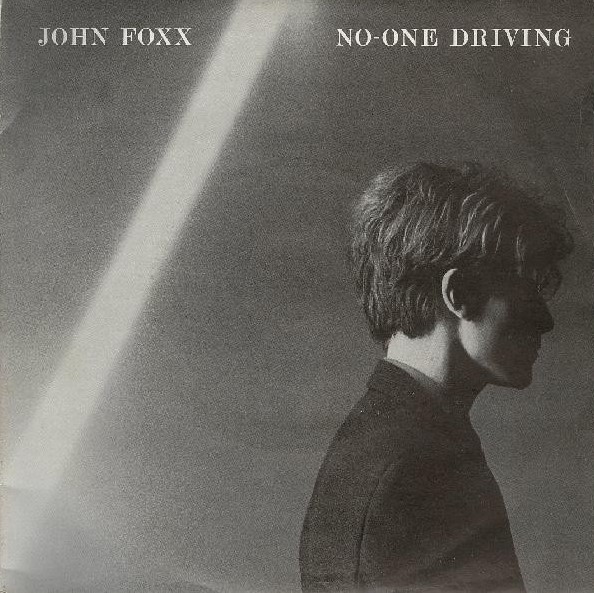
JOHN FOXX No-One Driving (1980)

While ‘Metamatic’ is an iconic long player and includes ‘Underpass’, its second single opted for a reworking of ‘No-One Driving’, rather than the more obvious ‘A New Kind Of Man’. Much busier and expansive than the comparatively tame album version, it provided John Foxx with another Top40 hit, something which had eluded him in ULTRAVOX who interestingly also produced a better single version with ‘Quiet Man’ from ‘Systems Of Romance’ while he was in the band.

Available on the JOHN FOXX boxed set ‘Metamatic’ via Edsel Records

http://www.metamatic.com/


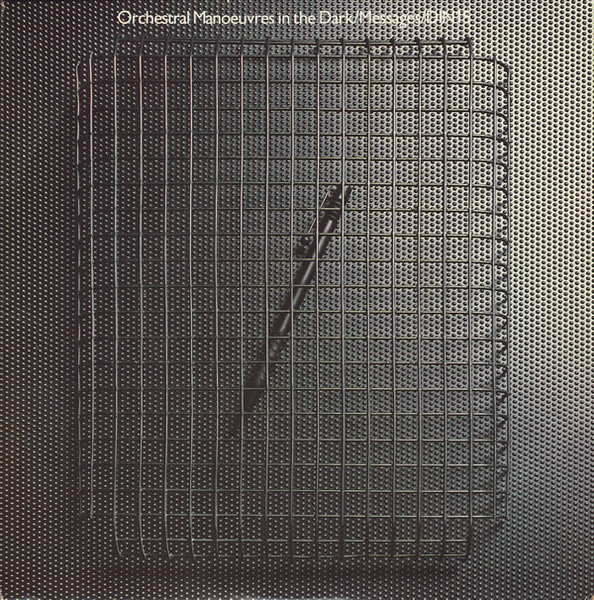
OMD Messages (1980)

On OMD’s debut self-titled album, ‘Messages’ just a song with potential as a single. Utilising a pulsing repeat function on a Korg Micro-Preset shaped by hand twisting the octave knob, it was decided to re-record ‘Messages’ for its single release. Produced by Mike Howlett, the new version included the addition of separately recorded drums for a cleaner snap alongside the basic primary chord structures and one fingered melodies to produce a magnificent UK chart hit that reached No13.

Available on the OMD album ‘Messages: Greatest Hits’ via Virgin Records

http://www.omd.uk.com/


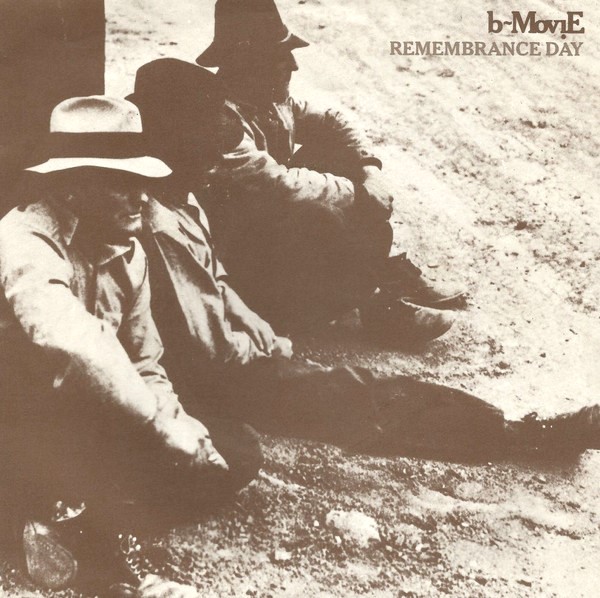
B-MOVIE Remembrance Day (1981)

Despite being alongside DEPECHE MODE, SOFT CELL, BLANCMANGE and THE THE on the now iconic ‘Some Bizarre Album’, B-MOVIE were unable to secure a Top40 chart entry with the poignant magnificence of the Mike Thorne produced ‘Remembrance Day’. The struggle for success coupled with internal tensions led to the band fragmenting by 1983. Finally releasing an album ‘Forever Running’ in 1985 on Sire Records, it featured an inferior re-recording of ‘Remembrance Day’.

Available on compilation album ‘Dawn Of Electronica’ (V/A) via Demon Music Group

http://www.b-movie.co.uk/


THE HUMAN LEAGUE The Sound Of The Crowd (1981)

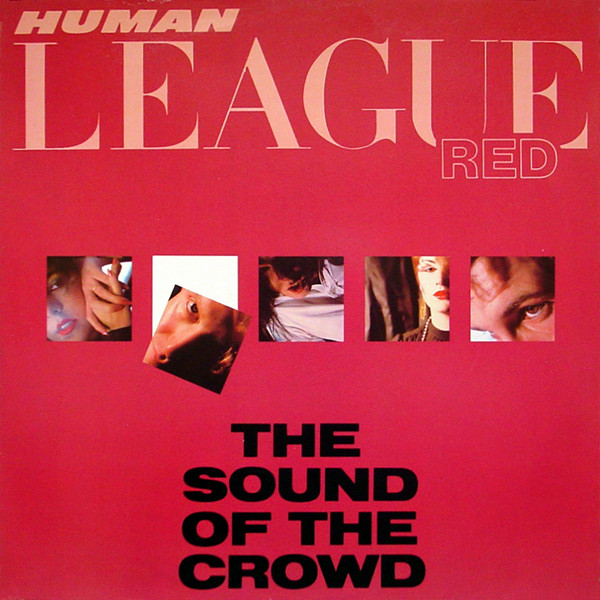
The combination of obscure lyrics from Ian Burden like “Stroke a pocket with a print of a laughing sound” and a screaming chant gave THE HUMAN LEAGUE their breakthrough hit. Produced by the late Martin Rushent, bursts of Roland System 700 white noise were trigged from an MC8 Micro-composer for the rhythm track. But for the subsequent ‘Dare’ album, ‘The Sound Of The Crowd’ was reworked with a Linn Drum and with the chant also pushed back, it lost much of its dystopian tension.

Available on THE HUMAN LEAGUE album ‘Greatest Hits’ via Virgin Records

http://www.thehumanleague.co.uk/


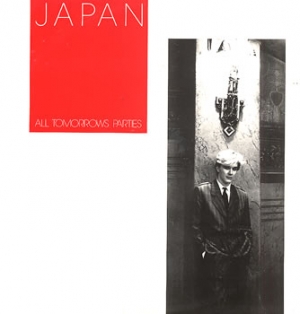
JAPAN The Art Of Parties (1981)

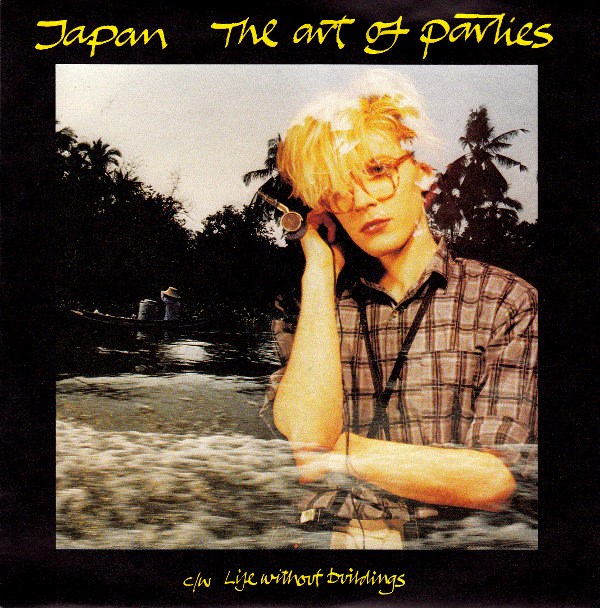
More muscular and dynamic, ‘The Art Of Parties’ explored a funkier template was a move away from the mannered Roxy muzak that JAPAN had been associated with. Originally produced by John Punter, when it came to the album ‘Tin Drum’, new producer Steve Nye smoothed off some of the track’s tribal weirdness and muted its brassy punch. While the end result was tighter, synthier and had more melody, the band preferred to play the original single version live…

Extended version available on JAPAN album ‘The Very Best Of’ via Virgin Records

http://www.nightporter.co.uk/


JEAN-MICHEL JARRE Magnetic Fields 2 (1981)

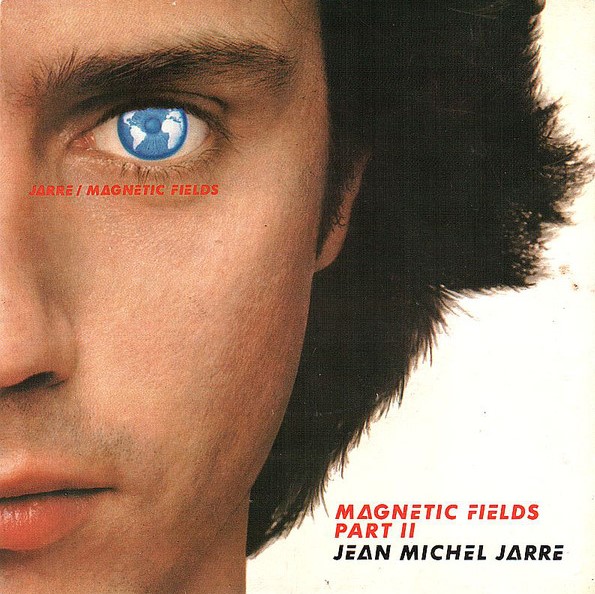
The first track on side 2 of Jean-Michel Jarre albums provided the trailer singles for radio and ‘Magnetic Fields’ was no different. But in a new approach, the French Maestro offered up a toughed up remix where the klanky lightweight tones of the Korg Rhythm KR55 were replaced by bangier drum samples while the synth stabs on the bridge were turned up. But as Jarre’s audience preferred albums, this superior remix got lost over the years and missed inclusion on his many compilations.

Single version not currently available

https://jeanmicheljarre.com/


SOFT CELL Tainted Love (1981)

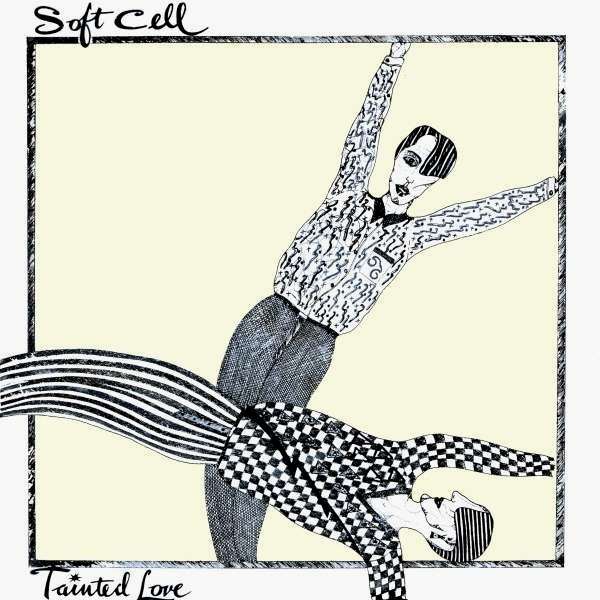
Everyone knows the wonderful hit single version of this Northern Soul cover with its hypnotic Roland Compurhythm running all the way through it. But for the ‘Non-Stop Erotic Cabaret’ album, ‘Tainted Love’ was shortened by 2 seconds while the second phrase became the first, thus strangely muting the emotive impact of the original single. Annoyingly, this inferior version crept onto the first SOFT CELL compilation ‘The Singles’ and the more recent ‘Keychains & Snowstorms’ collection.

Available on SOFT CELL album ‘The Very Best Of’ via Mercury Records

http://www.softcell.co.uk/


ASSOCIATES Party Fears Two (1982)

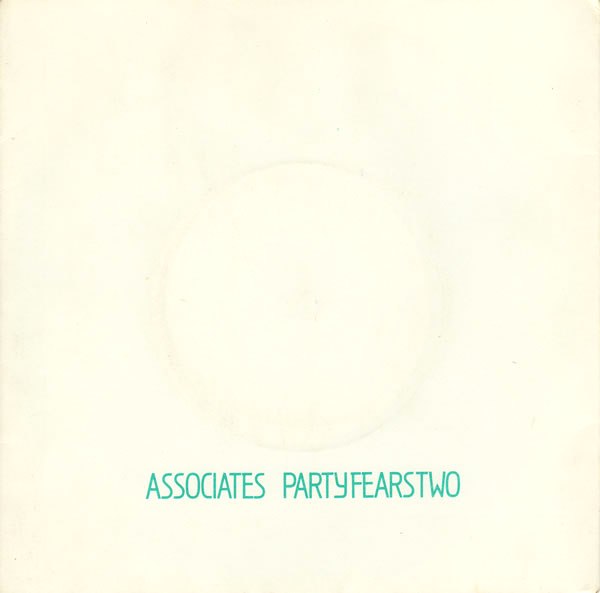
With its iconic piano line, ‘Party Fears Two’ was a magnificent song about dealing with the perils of schizophrenia. It also kick started a brief period when ASSOCIATES subverted the UK charts with an avant pop approach that fitted in with the Synth Britannia template of the times. A Top10 hit and emotive to the nth degree, the original single version is still the best and total perfection, while the longer album remix with its ambient intro and stop ending lost some of the magic.

Available on the ASSOCIATES album ‘The Very Best Of’ via BMG

https://www.facebook.com/theassociatesofficial/


HEAVEN 17 Height Of The Fighting (1982)

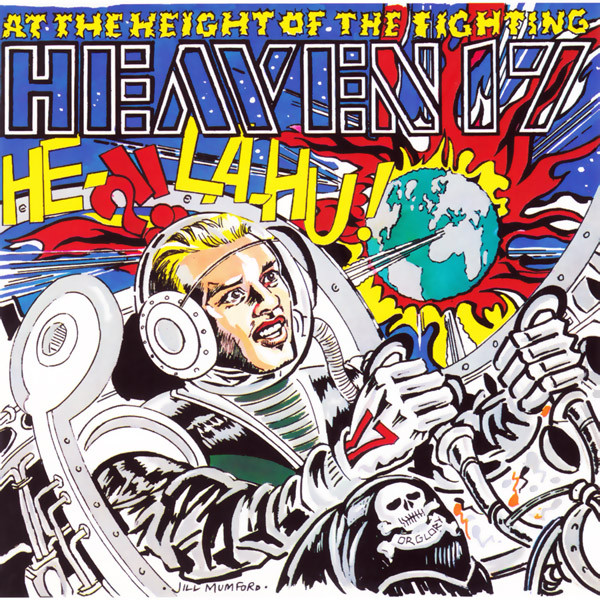
The original ‘Height Of The Fighting’ from the second side of ‘Penthouse & Pavement’ was sonically an extension of ‘Travelogue’, Martyn Ware’s last album as a member of THE HUMAN LEAGUE. The more commercial single version took the funkier approach of the first side of ‘Penthouse & Pavement’, adding synthetic drums and a meatier bass synth attack. Featuring the BEGGAR & CO brass section who played with SPANDAU BALLET, it was a glorious electronic soul hybrid.

Available on HEAVEN 17 album ‘The Best Of’ via Virgin Records

https://www.heaven17.com/


ICEHOUSE Icehouse (1982)

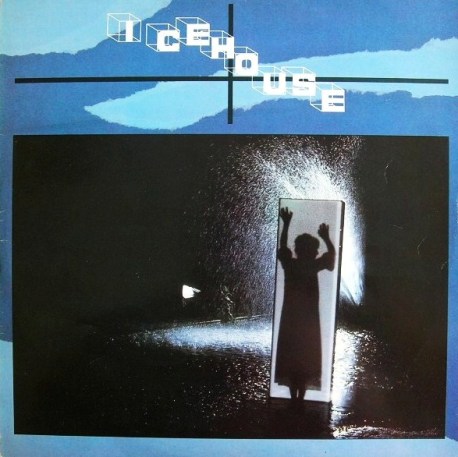
Led by Iva Davies, the song which got Australian combo ICEHOUSE noticed by a wider audience in the UK during their tenure opening for SIMPLE MINDS was a slight reworking of the chilling synth laden title track of their debut album from when the band were called FLOWERS. Featuring a strange offbeat and the mannerisms of Gary Numan before blitzing out for the song’s flanged guitar climax, ‘Icehouse’ was as good as anything on VISAGE’s eponymous debut.

Single version not currently available

http://www.icehouse-ivadavies.com/


SPANDAU BALLET Instinction (1982)

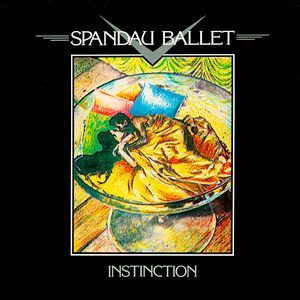
Outflanked by DURAN DURAN in the New Romantic debut album stakes, SPANDAU BALLET explored Britfunk with ‘Chant No1′, but then took a strange about turn with their next album ‘Diamond’ featuring a number of ethnic art pieces. Fresh from working with ABC, Trevor Horn reworked Richard James Burgess’ understated production of ‘Instinction’. Throwing in extra synths played by Anne Dudley and extra bombastic percussion; it saved their career.

Available on the SPANDAU BALLET album ‘Gold: The Best Of’ via EMI Records

http://www.spandauballet.com/


THE THE Uncertain Smile (1982)

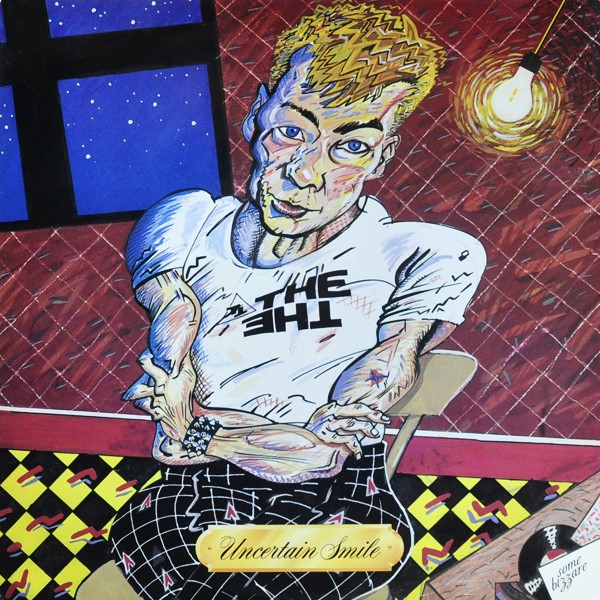
Still Matt Johnson’s finest five minutes as THE THE, ‘Uncertain Smile’ on its single release featured a wonderfully rigid TR808 pattern, lovely layers of synths and a variety of woodwinds including flute and sax. Produced by Mike Thorne, this fuller sounding and more emotive take far outstripped the bland and overlong ‘Soul Mining’ album cut produced by Paul Hardiman which included the extended boogie-woogie piano of Jools Holland tagged onto the end…

Available on the THE THE album ’45 RPM – The Singles’ via Epic Records

https://www.thethe.com/


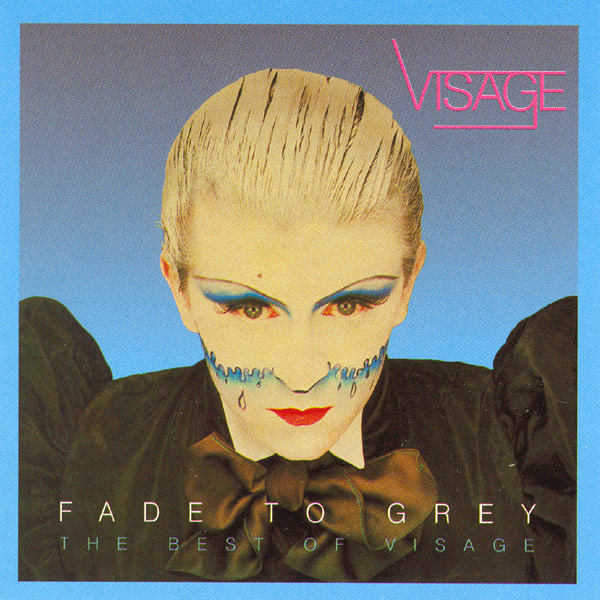
VISAGE Night Train (1982)

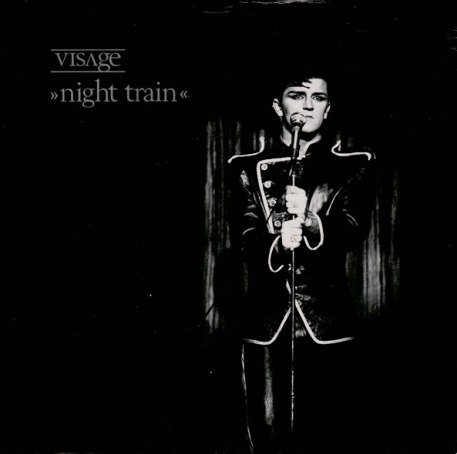
Inspired by the burgeoning New York club scene, Rusty Egan brought in John Luongo to remix ‘Night Train’ from ‘The Anvil’ album much to Midge Ure’s dismay; it lead to the diminutive Glaswegian ending his tenure with VISAGE. But Luongo’s rework was sharper and more rigid, pushing forward the female backing vocals to soulful effect in particular and replacing the clumpier snare sounds of the album version with cleaner AMS samples.

Extended version available on the compilation boxed set ’12”/80s – Volume 2′ (V/A) via Family Recordings

http://www.visage.cc/


GARY NUMAN Sister Surprise (1983)

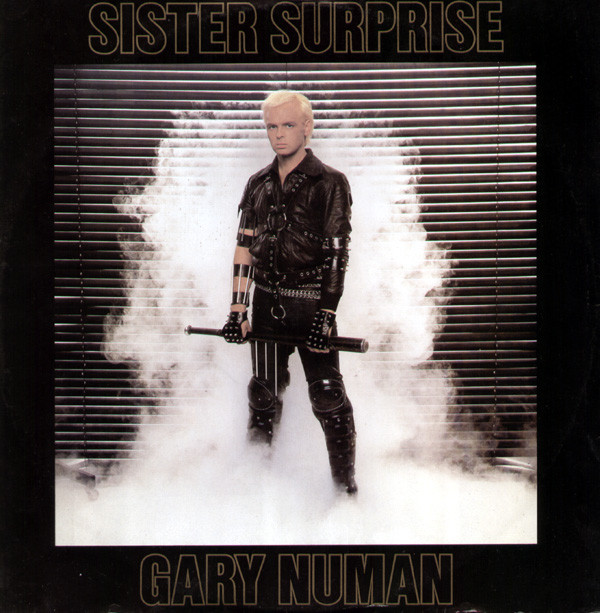
The album version of ‘Sister Surprise’ on the ‘Mad Max’ inspired ‘Warriors’ was far too long, plus something was missing. For its single release, this slice of synthetic funk rock was shortened and sharpened, while a new vocal hook was added over Numan’s now ubiquitous “woah-oh-oh” refrains which provided a much better chorus. Despite this improvement and an appearance of ‘Top Of The Pops’, it was at the time, the lowest charting Gary Numan single since the start of his imperial phase.

Available on the GARY NUMAN album ‘Premier Hits’ via Beggars Banquet

https://garynuman.com/


DURAN DURAN The Reflex (1984)

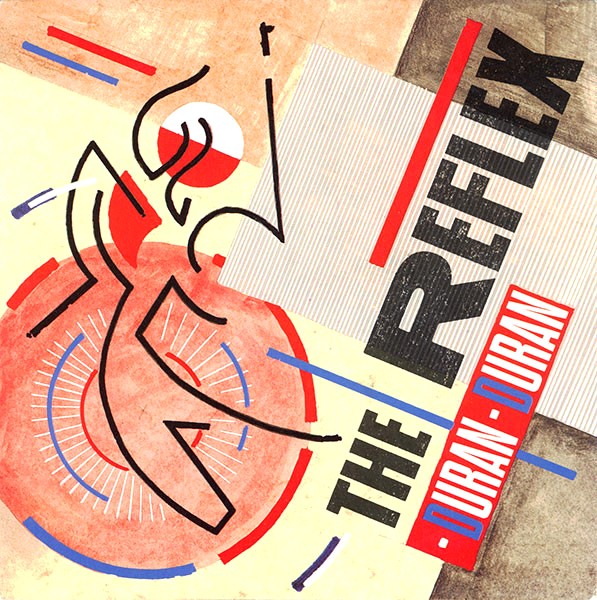
The ‘Seven & The Ragged Tiger’ album sessions had not been a happy experience for DURAN DURAN with the prolonged mixing leading to a fall out between bassist John Taylor and producer Alex Sadkin. ‘The Reflex’ had potential but this was not fully realised. Enter Nile Rodgers who gave the track a rhythmic lift and played around with the then-new innovation of sampling, using various vocals to create new hooks and phrases for a monster international hit.

Available on the DURAN DURAN album ‘Greatest’ via EMI Records

http://www.duranduran.com/


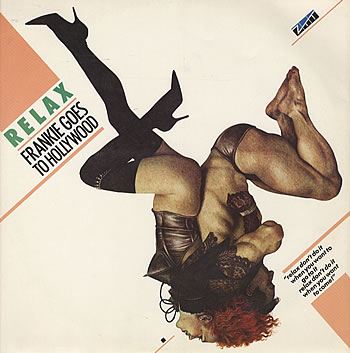
FRANKIE GOES TO HOLLYWOOD Two Tribes (1984)

Comedian Lenny Henry summed things up best in a sketch where he entered a record shop to buy a single and was then offered a plethora of versions by the assistant:”I JUST WANT THE VERSION THEY GOT RIGHT!” – ZTT’s marketing exploits with 12 inch mixes are well known, but they played around with album versions too and with the version of ‘Two Tribes’ on ‘Welcome To The Pleasure Dome’, they got it wrong and took out the piper call middle eight!

Available on the FRANKIE GOES TO HOLLYWOOD album ‘Frankie Said’ via Union Square

http://www.frankiesay.com/


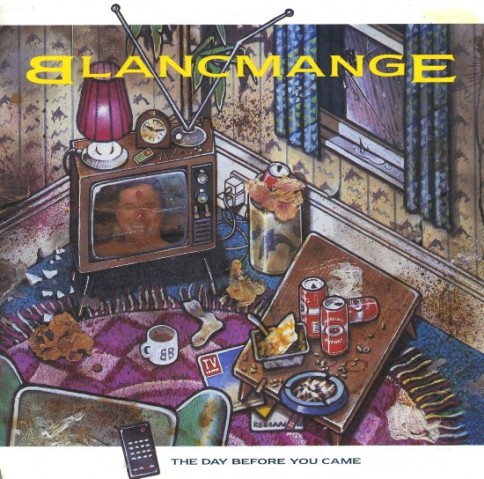
BLANCMANGE The Day Before You Came (1984)

There was a time when it was not cool to like ABBA but BLANCMANGE changed all that with their version of ‘The Day Before You Came’ which many regard as the last ABBA song. Combining that noted Swedish melancholy and melodicism with an artful Nothern England quirkiness, the more compact single version produced by Peter Collins improved on the ‘Mange Tout’ album version helmed by John Luongo and made more of Neil Arthur’s deep melodramatics.

Available on the BLANCMANGE album ‘Second Helpings’ via London Records

http://www.blancmange.co.uk/


PET SHOP BOYS Suburbia (1986)

Originally produced by Stephen Hague, ‘Suburbia’ was a good if slightly underwhelming album track from ‘Please’ that got transformed into a more fully realised epic in a re-recording produced by Julian Mendelson. Complete with barking dogs, widescreen synths and thundering rhythms, the more aggressive overtones in the single version of PET SHOP BOYS‘ clever social commentary made ‘Suburbia’ a big hit, particularly in West Germany.

Available on the PET SHOP BOYS album ‘Pop Art: The Hits’ via EMI Records

http://petshopboys.co.uk/


A-HA The Living Daylights (1987)

The collective strength of A-HA has been to produce great melancholic pop in that classic Nordic tradition. Chosen to record the theme to the James Bond film ‘The Living Daylights’, the collaboration with composer John Barry was fraught with tension and mutual dislike. However, the conflicts and Barry’s characteristic string arrangement captured an essence that was missing from the later re-recorded version with Alan Tarney for the album ‘Stay On These Roads’.

Available on the A-HA album ‘Time & Again: The Ultimate’ via WEA

https://a-ha.com/


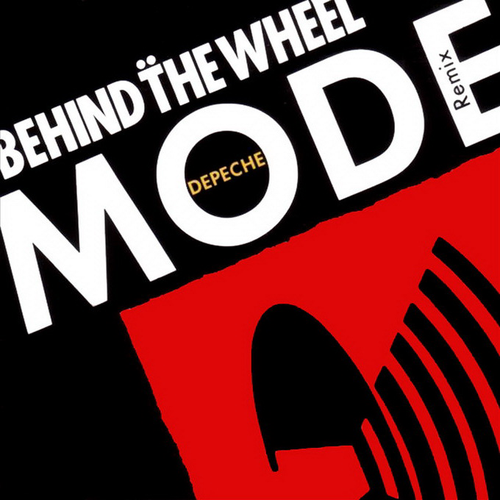
DEPECHE MODE Behind The Wheel (1988)

With DEPECHE MODE’s Trans-Atlantic breakthrough album ‘Music For The Masses’, the good but meandering track heading side two never realised its potential. But with PET SHOP BOYS, NEW ORDER, DURAN DURAN and Madonna remixer Shep Pettibone ‘Behind The Wheel’, a funkier bassline and syncopated rhythms were added to the much better single version, giving the song a far more accessible groove that could fill alternative club dancefloors in America.

Available on the DEPECHE MODE album ‘The Singles 86-98’ via Mute Records

http://www.depechemode.com/


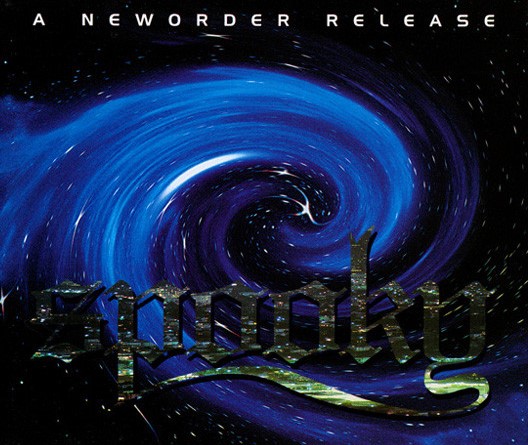
NEW ORDER Spooky (1993)

‘Republic’ produced by Stephen Hague was not the finest hour of NEW ORDER, so it was something of a surprise when the underwhelming ‘Spooky’ aws the fourth single from it. But it was remixed by FLUKE, a house dance trio who had worked with Björk. Rhythmically more spacious, this superior ‘Minimix’ allowed the best elements of the song to shine.

Available on the NEW ORDER single ‘Spooky’ via London Records

http://www.neworder.com/


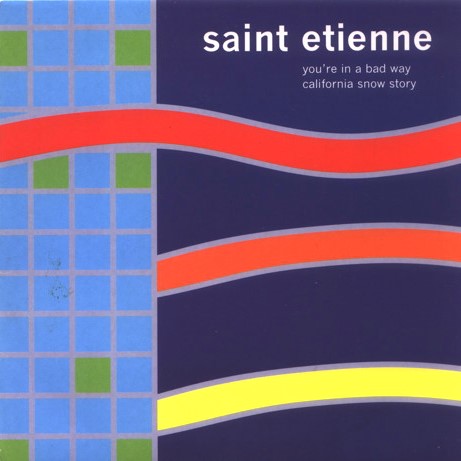
SAINT ETIENNE You’re In A Bad Way (1993)

The ‘So Tough’ album version of ‘You’re In A Bad Way’ was far too understated. With a brighter punchier recording helmed by A-HA producer Alan Tarney for the single version, the acoustic guitar was pushed back while vintage synths and a lovely ‘Telstar’ motif was added for a vastly superior rendition. Sometimes more can mean more and this slice of HERMAN’S HERMITS inspired pop brilliance gave SAINT ETIENNE a well-deserved No12 hit single.

Available on the SAINT ETIENNE album ‘London Conversations’ via Heavenly Records

http://www.saintetienne.com/


WILLIAM ORBIT Adagio For Strings (1999)

Orbit’s concept of adapting classical works was because he wanted to make a chill-out album that had some good tunes. But trance enthusiasts who loved Dutch producer Ferry Corsten’s blinding remix of Samuel Barber’s ‘Adagio For Strings’ will have been shocked if they had bought its virtually beatless parent long player. Sounding not unlike Jean-Michel Jarre set to a 4/4 dance beat, this single version actually reached No4 in the UK charts.

Available on the compilation boxed set ‘Dance Anthems Classics – The Collection’ via Rhino

https://www.williamorbit.com/


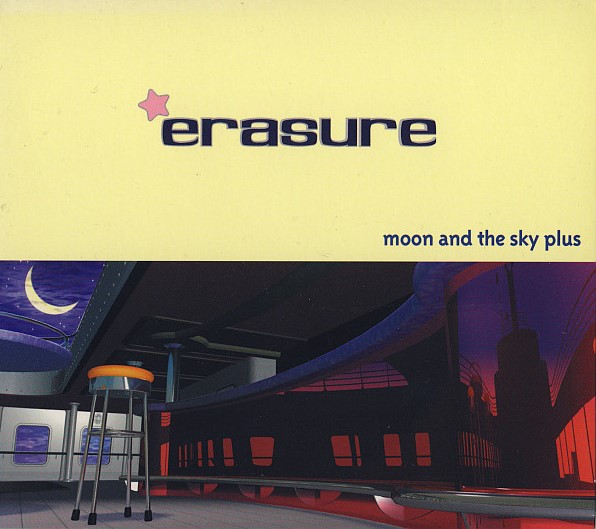
ERASURE Moon & The Sky (2001)

In a poor period for Andy and Vince, the ‘Loveboat’ album’s problem wasn’t just the emphasis on guitar driven dynamics, but it also lacked the usual ERASURE charm despite production by Flood. Even the album’s one potentially great song ‘The Moon & The Sky’ was missing an uplifting chorus, something which was only fixed with the Heaven Scent Radio Rework version by Jason Creasey that was later released as an extended play single.

Available on the ERASURE album ‘Total Pop! – The First 40 Hits’ via Mute Records

http://www.erasureinfo.com/


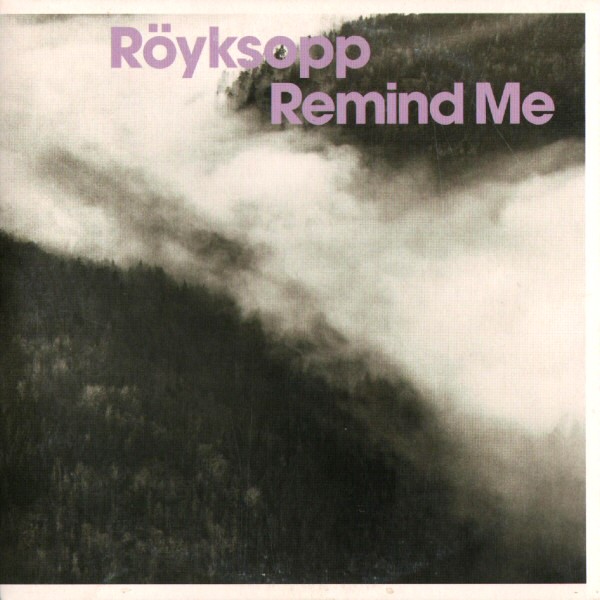
RÖYKSOPP Remind Me (2001)

With vocals by KINGS OF CONVENIENCE vocalist Erlend Øye, ‘Remind Me’ was one of the highlights of RÖYKSOPP’s excellent debut album ‘Melody AM’ which fitted in with dance music culture’s penchant for chill-out. But for single release, the track was given a more rhythmic KRAFTWERK styled feel via ‘Someone Else’s Radio Remix’ by Marisa Jade Marks. The track drew in new listeners, although they would have had a major shock to the system on hearing the album original…

Available on the RÖYKSOPP download single ‘Remind Me’ via Wall Of Sound

http://royksopp.com/


Text by Chi Ming Lai
14th November 2018

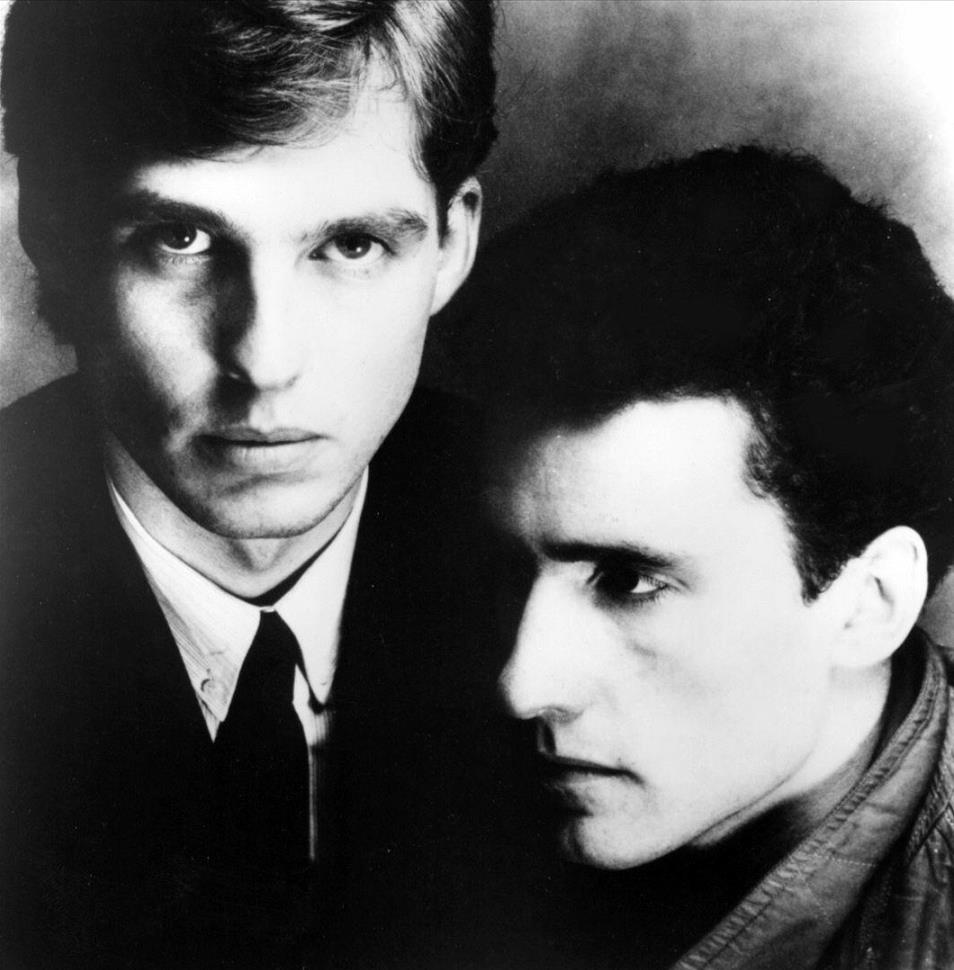
2nd Thought: The Legacy of OMD

Photo by Eric Watson

It all began with a KRAFTWERK-influenced ditty warning about environmental catastrophe, one that has become poignant again in the 21st Century…

“I became friends with Wolfgang Flür and Karl Bartos in the 90s, and was invited to Wolfgang’s flat for dinner” said Andy McCluskey at the Electri_City_Conference in 2015, “on the wall was a gold record for ‘Radio-Activity’ which was a hit single in France. I was telling them that ‘Radio-Activity’ was the song that most influenced OMD and told them ‘Electricity’ was just an English punk version of ‘Radio-Activity’. They replied ‘Yes, we know!’… it was that obvious!”

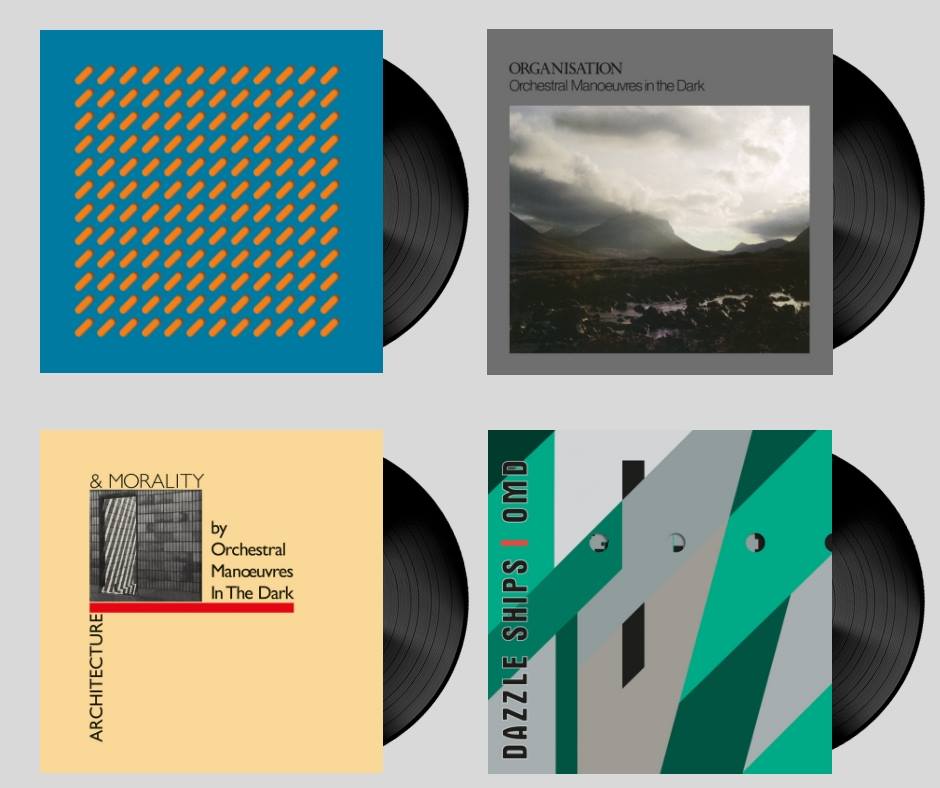
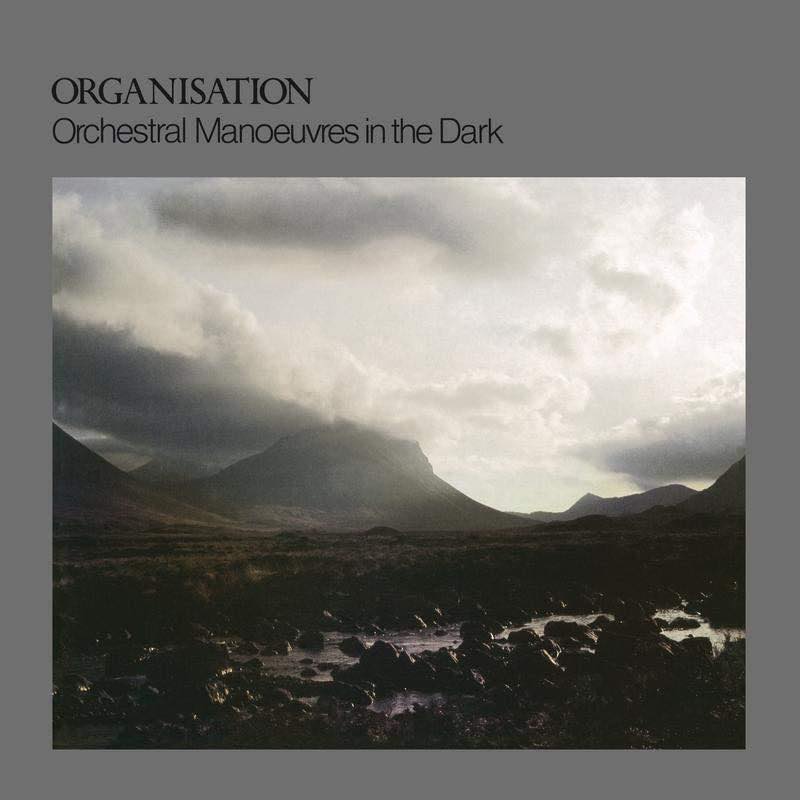
In an accolade already accorded to JAPAN, SIMPLE MINDS, ABBA and THE POLICE, OMD’s first four landmark long players ‘Orchestral Manoeuvres In The Dark’, ‘Organisation’, ‘Architecture & Morality’ and ‘Dazzle Ships’ are being reissued as Half Speed Abbey Road vinyl remasters. Packaged in reproductions of their original Peter Saville designed sleeves complete with die-cuts where appropriate, these releases from Universal Music reaffirm OMD’s often forgotten role as premier electronic pop pioneers.

Originally released in February 1980 on the Factory Records inspired Virgin subsidiary Dindisc Records, ‘Orchestral Manoeuvres In The Dark’ was a promising debut album from Andy McCluskey and Paul Humphreys, two lads from The Wirral who had finally been able realise their passion for electronic music following the purchase of a Korg M500 Micro-Preset synthesizer paid for in instalments via a mail order catalogue.

Featuring their third released version of ‘Electricity’, the album also included their chanty commentary on the mechanics of war entitled ‘Bunker Soldiers’. Away from these energetic post-punk synth numbers, on the other side of the coin were ‘Almost’ and ‘The Messerschmitt Twins’, two emotive synth ballads that were equal to KRAFTWERK’s ‘Neon Lights’. However, their naivety was exposed by the inclusion of the quirky instrumental ‘Dancing’ which OMD even dared to play live during their BBC TV debut on ‘Old Grey Whistle Test’!

Even early on in their career, OMD’s concerns about the music industry machine were looming in ‘Julia’s Song’ and ‘Pretending To See The Future’; the latter was outstripped a few months later by a John Peel session version which formed the basis of the full live band rendition when McCluskey and Humphreys retired Winston, their TEAC A3340S tape recorder which had accompanied them on their breakthrough tour opening for Gary Numan in Autumn 1979.

OMD’s debut now comes over like a time capsule; ‘Red Frame / White Light’, a lightweight synthpop tune celebrating the 632 3003 phone box that acted as the band’s office captured an era before mobiles and the internet, while in honour of good old fashioned love letter writing, ‘Messages’ was at this point just a song with potential as a single.

Indeed, it was only when ‘Messages’ was re-recorded, produced by Mike Howlett with Malcolm Holmes adding drums, that led to a No13 hit in June 1980 and ultimately the ‘Organisation’ album which came out in October 1980. More gothic in nature, the album began misleadingly with the melodic Motorik lattice that was ‘Enola Gay’.

With its iconic Roland CR78 Compurhythm pattern and wordplay referring to the horrific bombing of Hiroshima by the Boeing B29 Superfortress flown by Colonel Paul Tibbets named after his mother, ‘Enola Gay’ was a clever observational statement about the first ever operational use of nuclear weapons. Massively popular in France and Italy, it also reached No8 in the UK singles chart.

But alongside ‘Enola Gay’ on this much more mature long player, there was also the hypnotic beauty of the often under rated ‘2nd Thought’ and ‘Statues’, the brooding Ian Curtis tribute which was built around an Elgam Symphony organ’s auto-accompaniment. With the purchase of a Sequential Circuits Prophet 5, Humphreys began exploring. Often using brassy tones set slightly out of tune for some haunting overtones, it made its presence felt on tracks like ‘The Misunderstanding’ and ‘Stanlow’.

As with the debut, there were a few missteps like the JOY DIVISION aping cover of ‘The More I See You’ which was different if nothing else, while the SPARKS inspired ‘Motion & Heart’ would be improved as a reworked ‘Amazon Version’ for an abandoned follow-up 45 to ‘Enola Gay’.

With two albums released in nine months, their first Top 10 hit and the biggest record sales of 1980 in the Virgin Records group, a triumphant concert at Hammersmith Odeon that December which concluded with an unexpected massed stage invasion, ended a brilliant year for OMD. But McCluskey and Humphreys could not have foreseen that 1981 would see them get even bigger.

Although Mike Howlett worked on the ethereal tape choir centred ‘Souvenir’, which was co-written by live keyboardist Martin Cooper and became OMD’s first Top 3 in September 1981, scheduling issues meant Humphreys and McCluskey self-produced what would become ‘Architecture & Morality’ with engineer Richard Manwaring, released in November 1981.

Featuring two spirited songs about ‘Joan Of Arc’, these were to become another pair of UK Top 5 hits with the ‘Maid of Orleans’ variant also becoming 1982’s biggest selling single in West Germany when Der Bundesrepublik was the biggest Western music market after the USA and Japan.

The big booming ambience of the ‘Architecture & Morality’ album next to big blocks of Mellotron choir gave OMD their masterpiece, tinged more with the spectre of LA DÜSSELDORF rather than KRAFTWERK. “People always talk to us about KRAFTWERK, and obviously, they were hugely important” said McCluskey, “But there was another element from Düsseldorf that influenced us, and that was the organic side which was firstly NEU! and then LA DÜSSELDORF and Michael Rother’s solo records.”

The Eno-esque percussive six string thrash of ‘The New Stone Age’, the bouncy but moody ‘Georgia’ and the guitar assisted choral beauty of ‘The Beginning & The End’ demonstrated OMD’s musical ambition. Meanwhile, the ringing theme of PINK FLOYD’s ‘Time’ was borrowed for the instrumental title track and the epic overtures of the almost wordless ‘Sealand’ also confirmed Humphreys’ affinity with progressive rock.

Malcolm Holmes was in his element on ‘Architecture & Morality’, thumping stark percussive colours while syncopating off various rhythm machines. “The majority of the drum programming would always be done by Andy or Paul” he said, “My part would be to lay down on that… My favourite period of OMD musically was ‘Architecture & Morality’ because of my involvement and how creative I was being at the time, using the kit differently.”

”I think ‘Architecture & Morality’ was a complete album, it was just so whole” said Paul Humphreys in 2010, “The sound of it was unique, every song… it wasn’t a ‘bitty’ album. A few of our albums are ‘bitty’ but that was where we finally found a sound that was OMD. I think the first two albums were leading to ‘Architecture & Morality’. We were refining our sound and then we found it.”

Meanwhile in ‘She’s Leaving’, there was a big fourth hit single in-waiting from the album characterised by its sweet melodies, forlorn vocals and crunchy electronic percussion; “We got hold of some Pearl syndrums and we were all messing around in the control room with little white noises and stuff like that” Holmes remembered. But thanks to McCluskey’s belligerence in vetoing its UK single release, that hit never happened, something he would later regret as Top 5 hit singles were to become less automatic a year later as OMD hit something of an existential crisis. One thing successful bands should never do is stray off their vision.

But OMD listened to criticisms that their cryptic songs about inanimate objects and deceased historical figures had no relevance in fighting political injustices; of course this view was coming from journalists on a mission, who were rather hypocritically living off expense accounts and sipping cocktails in fancy hotels!

With their label Dindisc also folding, OMD were absorbed into the main Virgin Records group. A little bit lost, McCluskey and Humphreys returned to the experimental bedroom ethos of their pre-fame VCL XI days and “got angry” with Emulators and a Sony short wave radio; the disillusionment led to the ambitious if flawed ‘Dazzle Ships’ released in March 1983.

A fractured statement on the state of the world with a conceptual approach not dissimilar to KRAFTWERK’s ‘Radio-Activity’, it was characterised by short abstract pieces which over time have mostly proved to have worked. Ironically, one that didn’t work was ‘Time Zones’, a snapshot of the world through telecommunications which outstayed its welcome by at least half a minute.

Although ‘ABC Auto-Industry’ was an amusing novelty piece that needed some accompanying performance art for it to really make sense, the sample heavy ‘Dazzle Ships (Parts II, III & VII)’ captured the tension of an underwater battle while ‘Radio Prague’ symbolised the spectre of The Cold War, a theme that would be explored within a Germanic pop context, crossing NEU! with KRAFTWERK on the magnificent ‘Radio Waves’.

Utilising a similar manic pace, ‘Genetic Engineering’ possessed a fistful of energy and a typewriter in a combination that was first heard on ENO’s ‘China My China’, while ‘Telegraph’ was a far more vicious if metaphoric attack on TV evangelism and religious cults than ‘Blasphemous Rumours’ by DEPECHE MODE ever was…

Salvaged from earlier B-sides, ‘The Romance Of The Telescope’ and ‘Of All The Things We Made’ highlighted the shortfall in material but their inclusion was justified by their serene quality, but they were significantly not the best tracks on ‘Dazzle Ships’. Echoing the bassline movements of JOY DIVISION’s ‘Atmosphere’ and laced with mournful Emulator strings, the solemn but beautiful ‘Silent Running’ offered a perfect metaphor for misguided neutrality.

Most harrowing though was the news report about “a young girl from Nicaragua whose hands had been cut off at the wrists by the former Somoza guards…” that began the waltz-driven ‘International’ with McCluskey’s anger about economic corruption, political hypocrisy and torture in captivity still sadly relevant today.

Although savaged by critics on its initial release and ultimately resetting the course of OMD, this nautical adventure has now been reassessed by many as a lost work of genius. It’s not quite that, but it is certainly a much better album than it was originally perceived to be. Their Dindisc Records boss Carol Wilson said that McCluskey and Humphreys “didn’t know whether they wanted to be JOY DIVISION or ABBA!”, summing up their awkward but ultimately rewarding musical ethos.

However, after the commercial failure of ‘Dazzle Ships’, OMD headed to the Caribbean and then Hollywood which brought them American singular success with ‘If You Leave’ before imploding after a US tour opening for DEPECHE MODE in 1988.

And while McCluskey maintained sporadic success with the OMD brand following 1991 hits with ‘Sailing On The Seven Seas’ and ‘Pandora’s Box’ from the ‘Sugar Tax’ album, it would take a reunion with Humphreys and 2013’s ‘English Electric’ to deliver a body of work that was equal to this wonderful quartet of albums.

With regards OMD’s continuing appeal today, Mal Holmes said “The reason why we’re here is because the first three albums were f***ing great”, although he could be forgiven for not being a total fan of ‘Dazzle Ships’ having only played on three of its tracks! Despite artists as varied as Vince Clarke, Steve Hillage, Moby, Darren Hayes and James Murphy all publically expressing their admiration for OMD over the years and synth riffs from these four classic albums being appropriated by acts as diverse as INXS, LEFTFIELD, LADYTRON and MARINA & THE DIAMONDS, some commentators have complained they could not be taken as seriously as say DEPECHE MODE, because they were not dark enough.

The death of over 100,000 people by nuclear attack and the brutal execution of a teenage girl can hardly be considered lightweight; now there are not many artists that can claim to have had worldwide hit singles about those very topics!

OMD’s ultimate legacy was to successfully combine warm catchy synth melodies and infectious technologically framed rhythms with harsh subject matter in a manner that worked on many levels. Beyond any standard pop convention, this was something that was and still is quite unique.


‘Orchestral Manoeuvres In The Dark’, ‘Organisation’, ‘Architecture & Morality’ and ‘Dazzle Ships’ are released as Half Speed Abbey Road vinyl remasters by Universal Music on 2nd November 2018

http://www.omd.uk.com/

https://www.facebook.com/omdofficial/

https://twitter.com/OfficialOMD

https://www.instagram.com/omdhq/


Text by Chi Ming Lai
17th September 2018

25 CLASSIC SYNTH COVERS

“The medium of reinterpretation” as HEAVEN 17 and BEF’s Martyn Ware once put it, is an important creative opportunity that can widen a musical audience and expand the aural palette.

Although not really considered a covers record as such, ‘Switched-On Bach’ by Wendy Carlos in 1968 saw classical compositions by Johann Sebastian Bach performed using a Moog synthesizer. It played a key role in bringing the sound of synthesizers to a wider audience. On the bach of that, Gil Trythall released his “Country Moog” albums ‘Switched On Nashville’ and ‘Nashville Gold’ which included otherworldy takes on standards such as ‘Gentle On My Mind’, ‘Folsom Prison Blues’, ‘King Of The Road’, ‘Wichita Lineman’, ‘Tennessee Waltz’, ‘Ode To Billie Joe’ and ‘Yakety Sax’, best known as the Benny Hill theme tune but retitled ‘Yakety Moog’!

Following the acclaim that was accorded to THE NORMAL, in 1979 Daniel Miller decided to start a new project where rock ’n’ roll standards such as ‘Memphis Tennessee’, ‘Sweet Little Sixteen’, ‘Just Like Eddie’, ‘Do-Wah-Diddy-Diddy’ and ‘Let’s Dance’ were reinterpreted in a lighter electronic pop style. The vehicle he used was SILICON TEENS, a fictitious group where Frank Tovey aka FAD GADGET and several young actors appeared in videos and did press interviews to promote one of the first synthpop covers albums ‘Music For Parties’.

But in 1981, SOFT CELL’s cover of ‘Tainted Love’ became ubiquitous as Synth Britannia’s first true crossover record. It reached No1 in UK, Germany, Australia and Canada while also breaking the US Top 10 a year later. A disgruntled rival musician had told Marc Almond only a few months before that “You couldn’t make a decent dance record if you tried”, but make one he did!

Written by Ed Cobb, ‘Tainted Love’ was recorded by Gloria Jones and became a Wigan Casino favourite on the Northern Soul scene. As a fan of that scene, David Ball knew the song and took it into haunting electronic torch territory. Segued with a Motown cover ‘Where Did Our Love Go?’ on an extended version, it became one of Sire Records biggest selling 12 inch singles in America. It was to be a double edged sword though as the coupling of two covers made SOFT CELL minimal money despite the record selling millions.

Thus successful cover versions generally only make the original songwriter any dough. Although often perceived as a sign of creative desperation, a fair number of cover versions are genuinely recorded as a labour of love.

So what of the other great synth reworkings? The covers in this listing are predominantly conventional songs reworked in a synthpop manner. And in several cases, the reworks have been so distinct and definitive that it is often forgotten they are actually covers! Restricted to one song per artist moniker, they are presented in chronological order.


VISAGE In Year 2525 (1978 – released 1983)

Zager & Evans’ pessimistic ditty ‘In The Year 2525’ was perfectly resigned aural dystopia for the first VISAGE demo steered by Midge Ure in 1978. Steve Strange’s deadpan fronted the sombre tone perfectly but Ure’s vocal backing and counterpoints added musicality. But when Ure presented the demo to his then-employers at EMI Records, it was rejected! Remixed by John Hudson, it was finally unleashed for public consumption in 1983.

Available on the VISAGE album ‘The Face’ via Universal Records

http://www.visage.cc


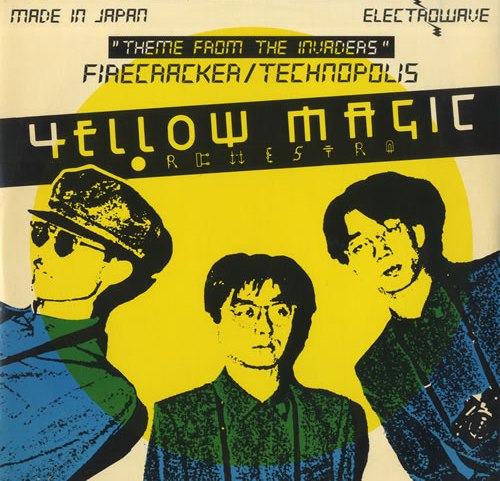
YELLOW MAGIC ORCHESTRA Firecracker (1978)

One of first Japanese bands to have a Top 20 hit single in the UK was YELLOW MAGIC ORCHESTRA in 1980. ‘Firecracker’ was a cover of a 1959 composition by Martin Denny, but actually released as ‘Computer Game (Theme From The Invader)’. Recorded in 1978, the parent self-titled album was noted for its use of the then brand new Roland MC8 Micro-Composer to control the synthesizers. The result was a clean, exotic pop sound.

Available on the YELLOW MAGIC ORCHESTRA album ‘Yellow Magic Orchestra’ via Sony Music

http://www.ymo.org


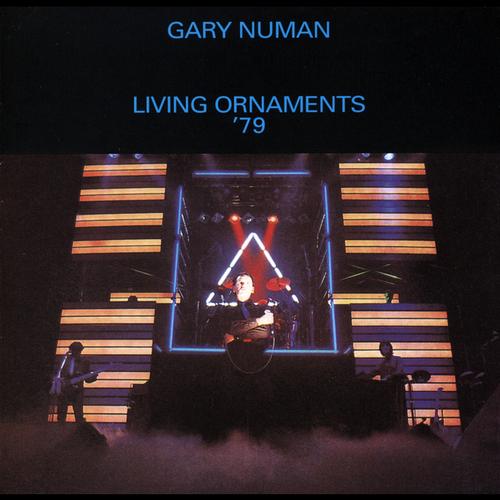
GARY NUMAN On Broadway (1979 – released 1980)

Written by Jerry Leiber, Mike Stoller, Barry Mann, and Cynthia Weil, a quartet who between them have written some of the greatest songs in pop history, the original by THE DRIFTERS was a favourite in the Webb household. So Gary Numan did a live machine music rendition on 1979’s ‘The Touring Principle’. However, the star on this magnificent reinterpretation of ‘On Broadway’ is Billy Currie of ULTRAVOX with his screaming ARP Odyssey solo.

Available on the GARY NUMAN album ‘The Pleasure Principle’ via Beggars Banquet Records

https://garynuman.com


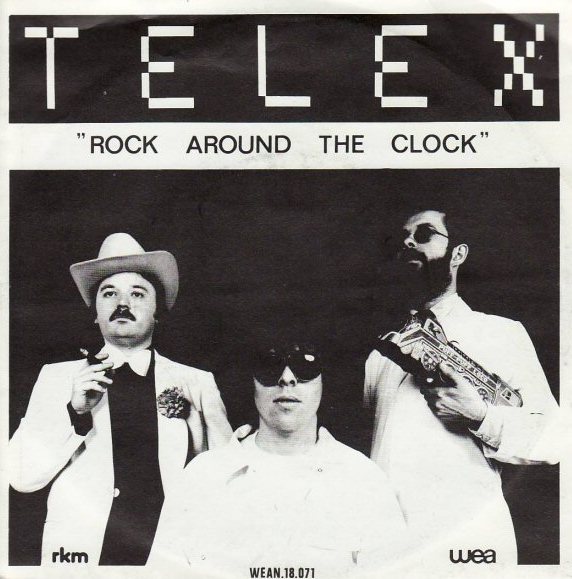
TELEX Rock Around The Clock (1979)

On paper it shouldn’t have worked; a funereal take of the song that heralded the birth of Rock ‘N’ Roll smothered in robotic vocoder. And it caused much head scratching when it became a UK Top 40 hit, although one person listening was Daniel Miller who borrowed the concept for SILICON TEENS. Belgian trio TELEX always had a sense of subversive irony about them. This mischief came to its head with their lampooning number ‘Eurovision’.

Available on the TELEX album ‘Ultimate Best of’ via EMI Belgium

http://www.telex-music.com


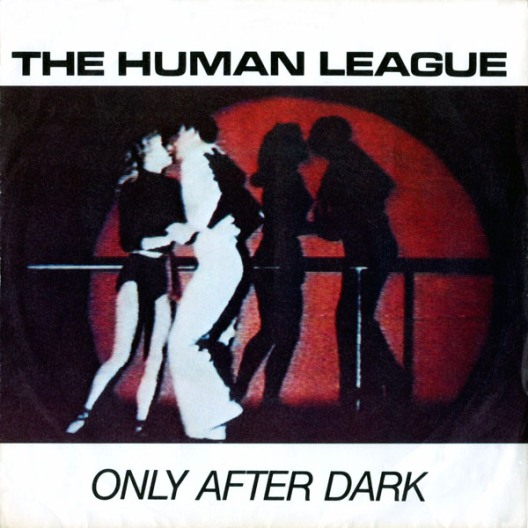
THE HUMAN LEAGUE Only After Dark (1980)

An all synth rework of Head Spider Mick Ronson’s guitar dominated cult favourite, the metronomic tension was enhanced on THE HUMAN LEAGUE version by the metallic sequence of a Roland System 100 while monophonic synth lines complimented the futuristic atmosphere. Oakey impressively bellowed away while Martyn Ware provided sprightly vocal support. ‘Only After Dark’ was due to be a single but was cancelled.

Available on THE HUMAN LEAGUE album ‘Travelogue’ via Virgin Records

http://www.thehumanleague.co.uk


JAPAN All Tomorrow’s Parties (1980)

Said to be Andy Warhol’s favourite Lou Reed composition, this interpretation of THE VELVET UNDERGROUND voiced by Nico was turned from a Teutonic funeral march into a looser, synth assisted beat ballad in the vein of ROXY MUSIC. Demo-ed under the supervision of manager Simon Napier-Bell in 1979 but remixed later by John Punter, ‘All Tomorrow’s Parties’ was to herald the sophisticated muzak direction that JAPAN were to become ultimately associated with.

Available on the JAPAN album ‘Quiet Life’ via BMG Records

http://www.nightporter.co.uk


OMD The More I See You (1980)

This cover of ‘The More I See You’ had actually began musically as a new OMD composition until Andy McCluskey started improvising and using the words of this vintage tune written in 1945 by Harry Warren and Mack Gordon. It was subsequently a hit for Chris Montez in 1966, although OMD’s version was a far darker proposition, with the spectre of JOY DIVISION vocalist Ian Curtis looming over the bright synthesizer melodies and deep drones.

Available on the OMD album ‘Organisation’ via EMI Records

http://www.omd.uk.com


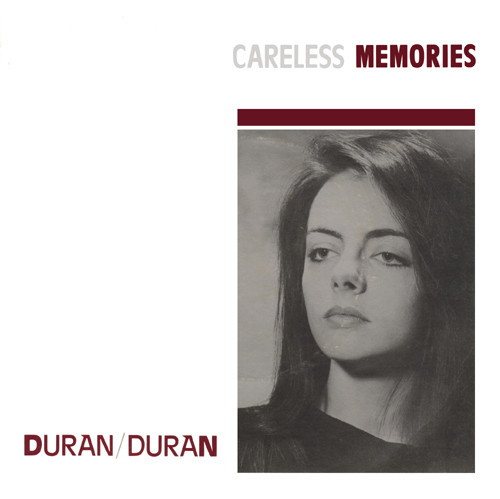
DURAN DURAN Fame (1981)

Before they became Birmingham’s most famous boat crew, DURAN DURAN recorded this speeded up version of David Bowie’s art funk co-write with John Lennon and Carlos Alomar for the 12 inch B-side of their flop single ‘Careless Memories’. As well as having a more frantic pace and layers of Nick Rhodes’ Crumar Performer string machine, Andy Taylor even aped Robert Fripp to add a screaming guitar solo that was not in the original.

Available on the DURAN DURAN album ‘The Essential Collection’ via EMI Records

http://www.duranduran.com


THE FAST SET King Of the Rumbling Spires (1981)

A speedy manic darkwave rendition of an early Marc Bolan song, this was the one of the best tracks on the ‘Some Bizzare Album’ after DEPECHE MODE, SOFT CELL, B-MOVIE, BLANCMANGE and ILLUSTRATION. The screeching synths and aggressive unorthodox vocals are over in just a couple of minutes. THE FAST SET disappeared after one single ‘Junction One’ which featured ‘Children Of The Revolution’ on the flip.

Available on the ‘Some Bizzare Album’ (V/A) via Some Bizzare Limited

http://www.last.fm/music/The+Fast+Set


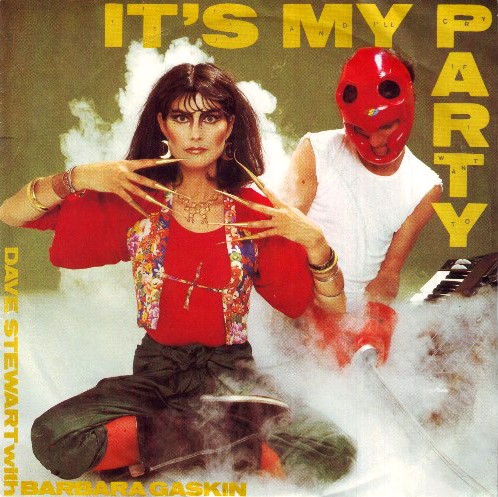
DAVE STEWART & BARBARA GASKIN It’s My Party (1981)

Keyboardist Dave Stewart, once of prog rockers HATFIELD & THE NORTH recruited friend and backing vocalist Barbara Gaskin to sing on the second of his electronic pop covers, the first being ‘What Becomes Of The Broken Hearted’ with Colin Blunstone. Their inventively oddball synth version of ‘It’s My Party’ made famous by Lesley Gore was a triumph and a worldwide hit which reached No1 in the UK and Germany.

Available on the DAVE STEWART & BARBARA GASKIN album ‘The Singles’ via Broken Records

http://www.davebarb.com


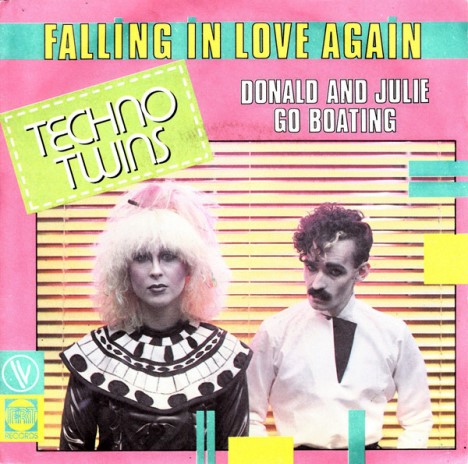
TECHNO TWINS Falling In Love Again (1981)

TECHNO TWINS were wife and husband duo Bev Sage and Steve Fairnie; they indulged in their own brand of Technostalgia’. This abstract theatrical cover of the 1930 German song composed by Friedrich Hollaender as ‘Ich Bin Von Kopf Bis Fuß Auf Liebe Eingestellt’ and made famous by Marlene Dietrich reached No70 in the UK singles chart! The album ‘Technostalgic’ contained a ‘Swing Together’ medley of ‘I Wanna Be Loved By You’ and ‘In The Mood’.

Available on the TECHNO TWINS album ‘Technostalgic’ via Satril

https://www.discogs.com/artist/153114-Techno-Twins


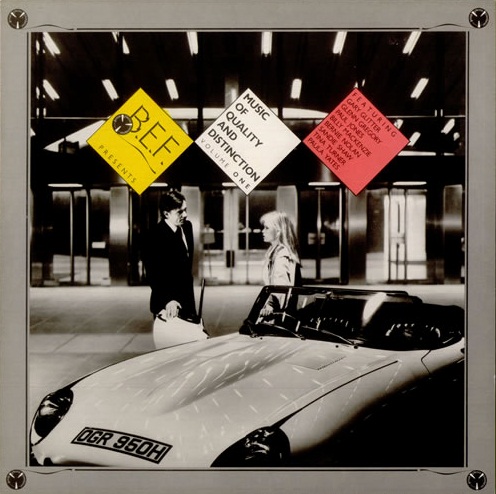
BEF featuring GLENN GREGORY Wichita Lineman (1982)

‘Wichita Lineman’ was one of Jimmy Webb’s great narrative songs like ‘By The Time I Get To Phoenix’ and ‘Galveston’ which were made famous by Glen Campbell. Although included for the ambitious ‘Music Of Quality & Distinction Vol1’ project, BEF’s recording was originally recorded by the other Glenn as his HEAVEN 17 audition piece. The chilling electronic arrangement takes on an even darker turn as a magnificent cacophony of sound invades the climax.

Available on the BEF album ‘1981-2011’ via Virgin Records

http://www.heaven17.com


NEW ORDER Turn The Heater On (1982 – released 1986)

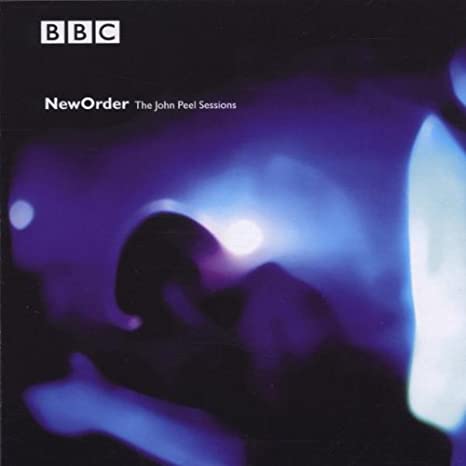
‘Turn The Heater On’ by reggae artist Keith Hudson’s  was a favourite of Ian Curtis and recorded by NEW ORDER for their second John Peel session as a tribute to the late vocalist of JOY DIVISION. Bernard Sumner’s melodica gave a claustrophobic dub laden vibe alongside the white noise rimshot of Stephen Morris, while Peter Hook actually played bass as opposed to his trademark higher register six string and Gillian Gillian’s ARP string machine added some appropriately frozen textures.

Available on the NEW ORDER album ‘The John Peel Sessions’ via Strange Fruit Records

http://www.neworder.com


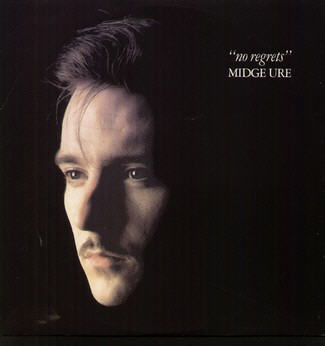
MIDGE URE No Regrets (1982)

A cover of a cover, ‘No Regrets’ was written by Tom Rush and a comeback hit for THE WALKER BROTHERS in 1976. During an ULTRAVOX break, Midge Ure created this synth heavy rework. But that wasn’t all that was heavy… out of nowhere came a blistering guitar solo that would have made Gary Moore proud and a doubled Linn and Simmons pounding for the overdriven climax. Possessing high and lows in a way that previous versions never had, he made ‘No Regrets’ his own.

Available on the MIDGE URE album ‘No Regrets’ via EMI Gold

http://www.midgeure.com


FRANKIE GOES TO HOLLYWOOD Ferry Cross The Mersey (1983)

FRANKIE GOES TO HOLLYWOOD were very good at covers as Born To Run’ and ‘War’ proved. With a superbly honest vocal from Holly Johnson,  the Trevor Horn produced reworking of this paean to Liverpool’s famous river crossing, written by Gerry Marsden for the 1965 film of the same name, climaxed with some joyous cascading synth lines and a frantic Linn Drum programme that couldn’t have been originally imagined by its composer.

Available on the FRANKIE GOES TO HOLLYWOOD album ‘Frankie Said’ via Union Square / Salvo

http://www.frankiesay.com


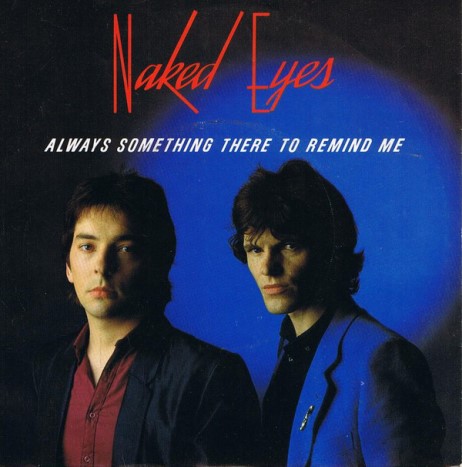
NAKED EYES Always Something There To Remind Me (1983)

NAKED EYES comprisong of Pete Byrne and Rob Fisher had been in NEON with Roland Orzabal and Curt Smith. They had a huge US hit with a synthpop cover of this Bacharach and David classic produced by Tony Mansfield which was put together in the studio from memory. Rob Fisher later met Simon Climie and formed CLIMIE FISHER but he sadly passed away in 1999; Pete Byrne still continues to tour as NAKED EYES.

Available on the NAKED EYES album ‘Burning Bridges’ via Cherry Pop

http://www.nakedeyesmusic.com


BLANCMANGE The Day Before You Came (1984)

There once was a time when it was not cool to like ABBA and covering their songs was certainly not on many artists’ agenda. But BLANCMANGE changed all that with their version of what many regard as the last ABBA song. Combining that noted Swedish melancholy and melodicism with the artful quirkiness of Synth Britannia, ‘The Day Before You Came’ fitted well with Neil Arthur’s deep melodramatics.

Available on the BLANCMANGE album ‘Mange Tout’ via Edsel Records

http://www.blancmange.co.uk


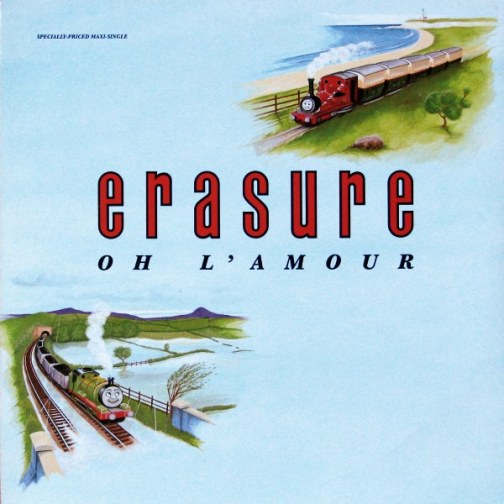
ERASURE Gimme! Gimme! Gimme! (1985)

They did the ‘ABBA-esque’ EP and the mid-career crisis ‘Other People’s Songs’ album but ERASURE’s best cover was right at the beginning with this Hi-NRG romp in the big shadow of DIVINE. Turning ‘Gimme! Gimme! Gimme!’ into the ultimate anthem, the progressively faster ending made for an appropriately thrilling climax. Following not long after BLANCMANGE’s cover of ‘The Day Before You Came’, the seeds of an ABBA revival were now well and truly planted.

Remix version available on the ERASURE deluxe album ‘Wonderland’ via Mute Records

http://www.erasureinfo.com


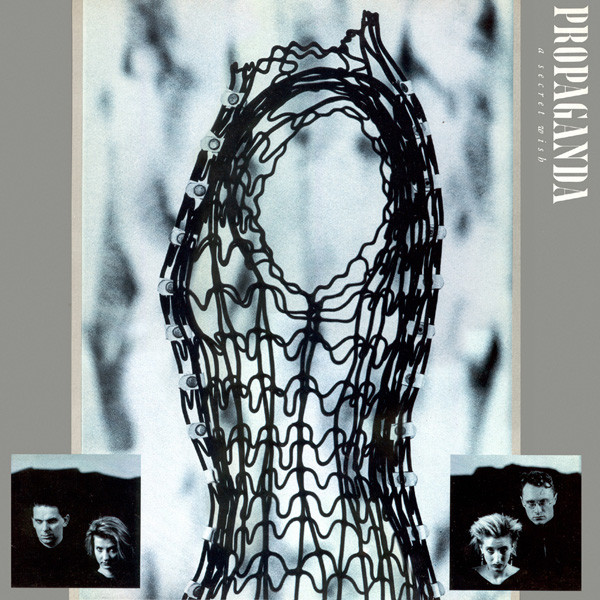
PROPAGANDA Sorry For Laughing (1985)

Written by Paul Haig and Malcolm Ross, ‘Sorry For Laughing’ was the key song on from the only JOSEF K album ‘The Only Fun In Town’. A favourite of ZTT arch strategist Paul Morley, as per the label’s early policy, he persuaded PROPAGANDA to the rework the frenetic guitar track into a more moodily percussive electronic one. However, Ralf Dörper later said: “I very much would have preferred to have a THROBBING GRISTLE cover version…”

Available on the PROPAGANDA album ‘A Secret Wish’ via Union Square

https://www.facebook.com/propagandamabuse/


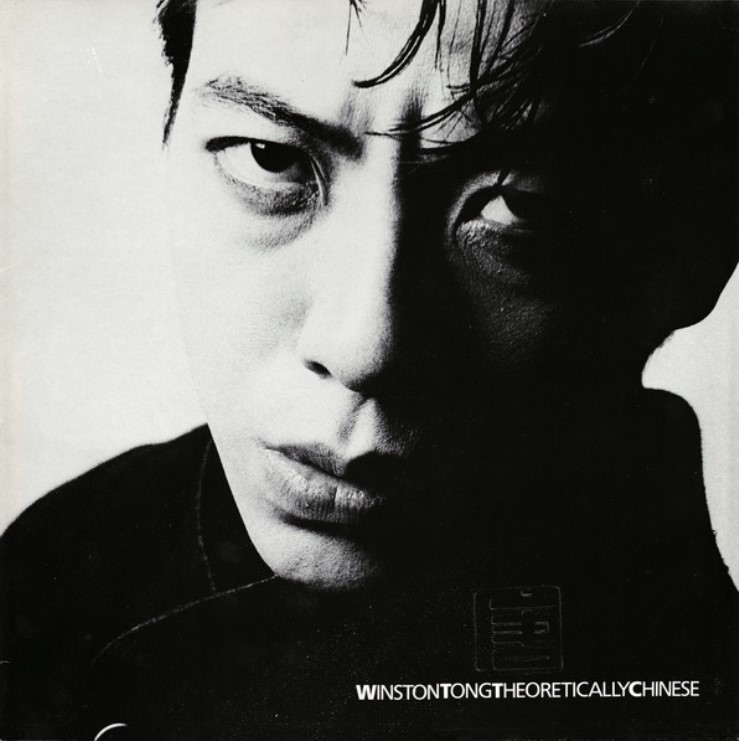
WINSTON TONG Broken English (1985)

Having written and sung lead vocals on ‘In A Manner Of Speaking’ with TUXEDOMOON which was later covered by a certain Martin L Gore, Winston Tong embarked on a solo electronic pop adventure with Alan Rankine of ASSOCIATES fame at the production helm. The subsequent album entitled ‘Theoretically Chinese’ dealt with the theme of cultural identity and an excellent pulsating cover of Marianne Faithfull’s ‘Broken English’ slotted into the overall concept perfectly.

Available on the WINSTON TONG album ‘Theoretically Chinese’ via LTM Records

http://www.ltmrecordings.com/winston_tong.html


DEPECHE MODE Route 66 (1988)

Written by Bobby Troup and covered by Nat King Cole and The Rolling Stones, this signalled the start of DEPECHE MODE’s fixation with a more blues based sound. While largely guitar driven, the rhythmical structure was driven by drum machine and sequences while the instrumental break of’Behind The Wheel’ made a guest appearance during the middle eight. It was performed during the ‘World Violation’ tour in 1990, but with Dave Gahan on lead vocals instead of Martin Gore.

Available on the DEPECHE MODE single ‘Behind the Wheel’ via Mute Records

http://www.depechemode.com


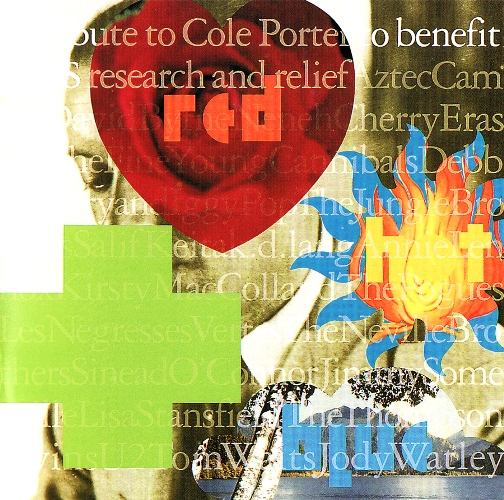
JIMMY SOMMERVILLE From This Moment On (1990)

Often having his biggest hits with covers, you could be forgiven for thinking Jimmy Sommerville was a falsetto karaoke machine. But for the most part, his reinterpretations were good. One of his lesser known covers was ’From This Moment On’, a throbbing contribution to the charity album ‘Red Hot & Blue’ of Cole Porter standards. With a snatch of ‘I Feel Love’ thrown in for good measure, this was one of the best on the collection.

Available on the album ‘Red Hot & Blue’ (V/A) via Chrysalis Records

http://www.jimmysomerville.co.uk


PET SHOP BOYS Go West (1993)

Performed at The Hacienda in 1991, ‘Go West’ had been due to be released in Christmas 1992, but PET SHOP BOYS bottled it when it was pointed out a VILLAGE PEOPLE cover would look like the duo were aping ERASURE’s ‘Abba-esque’.  ‘Go West’ was based on Pachebel’s ‘Canon’ and its elegiac quality was particularly poignant with AIDS still very much in the news. Meanwhile the ‘Oklahoma’ male choir styled key change gave the song a lift that was never apparent in the original.

Available on the PET SHOP BOYS album ‘Pop Art’ via EMI Records

http://www.petshopboys.co.uk


CAMOUFLAGE Bad News (1995)

Written by Moon Martin, an American rock artist who also wrote ‘Bad Case Of Loving You (Doctor, Doctor)’ which was covered by Robert Palmer, ‘Bad News’ with its metronomic core had been popular in German new wave clubs, which was how CAMOUFLAGE came to hear it. Given a pacey Eurodance treatment that was very much of its time, it also mixed in twangy ‘Pulp Fiction’ surf guitar elements alongside the trancey electronics for an unusual but successful hybrid of styles.

Available on the CAMOUFLAGE album ‘The Singles’ via Polydor Records

http://www.camouflage-music.com/en/News


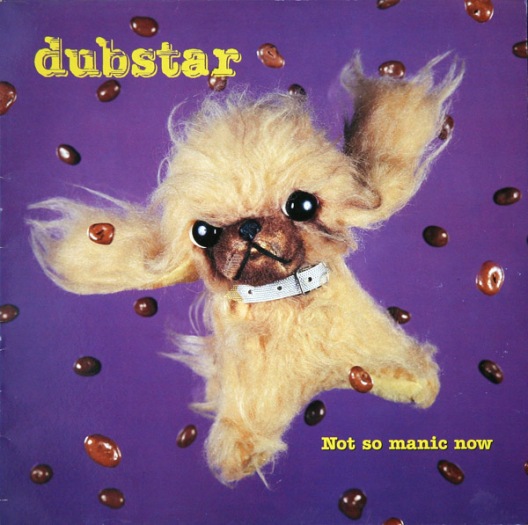
DUBSTAR Not So Manic Now (1995)

A song by Wakefield indie band BRICK SUPPLY released in 1994, DUBSTAR made ‘Not So Manic Now’ their own with the Northern lass earthiness of Sarah Blackwood providing the chilling commentary of an attack on a helpless pensioner. the wonderful Stephen Hague production fused electronics with guitars and cello in fine fashion, while the incessant programmed rhythms drove the song along without being obtrusive to the horrifying story.

Available on the DUBSTAR album ‘Disgraceful’ via Food Records

http://dubstarofficial.co/


ELECTRICITYCLUB.CO.UK’s ‘A Fistful Of Electronic Covers’ featuring reinterpretations through the ages can be listened to on Spotify at https://open.spotify.com/playlist/12XFwF5iuLj3Jl7Tj2GTpE


Text by Chi Ming Lai with thanks to Ian Ferguson
21st December 2017

« Older posts Newer posts »