
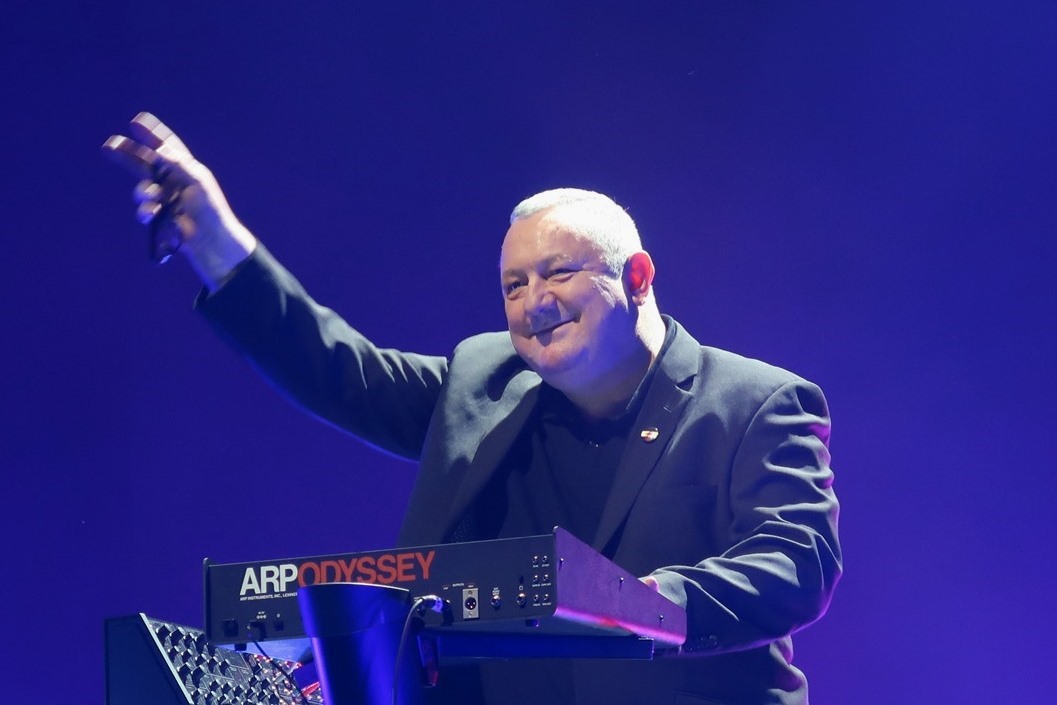
Photo by Roger Kamp
The late Dave Ball began his adventure in music with a Fender Telecaster guitar, twin stylus Stylophone and second hand Akai reel-to-reel tape recorder but when he purchased a MiniKorg 800DV duophonic synthesizer, he never looked back.
Enrolling on a Fine Art degree at Leeds Polytechnic, on his first day he asked for directions from a second year student wearing a leopard skin printed shirt and gold lame jeans; that student was Marc Almond and the pair were to make history as SOFT CELL…
Managed by Stevo Pearce who had included them on his ‘Some Bizzare Album’ released at the start of 1981, he secured a deal for SOFT CELL with Phonogram Records; one of the first recordings for the label was ‘Memorabilia’ which was produced by Daniel Miller and would go on to become a cult club favourite. The rise of SOFT CELL to have the second biggest UK selling single of 1981 with a cover of the Northern Soul favourite ‘Tainted Love’ is more than well documented and led to an imperial phase with ‘Bedsitter’, ‘Say Hello Wave Goodbye’, ‘Torch’ and ‘What’ all becoming UK Top4 singles in little more than 12 months.
The debut SOFT CELL album ‘Non-Stop Erotic Cabaret’ produced by Mike Thorne was a triumph, but while it was the state-of-the-art NED Synclavier that dominated the aural template with the Roland TR808 providing the rhythmic backbone, it was Ball’s much more basic Roland Synthe-Bass SB100 which provided the record with a very distinct sound.
But Ball and Almond were art school boys and expressed their discomfort with being pop stars and tabloid fodder. Inevitably, the next two albums ‘The Art Of Falling Apart’ and ‘This Last Night In Sodom’ captured that implosion while Ball recorded a solo album ‘In Strict Tempo’ in between. Although SOFT CELL disbanded in 1984 with Almond going solo and Ball eventually finding solace in the burgeoning house scene, side projects had been part of SOFT CELL’s agenda from the start.

Photo by Roger Kamp
After various productions, guest appearances and aborted projects, Ball formed THE GRID with Richard Norris in 1988. While he also collaborated with Genesis P-Orridge for the ‘DECODER’ soundtrack, there was a reunion with Almond on his 1991 album ‘Tenement Symphony’ to co-write three of the album’s best songs ‘Meet Me In My Dream’, ‘I’ve Never Seen Your Face’ and ‘My Hand Over My Heart’, planting seeds for an eventual first reunion.
THE GRID became in-demand remixers and collaborators with remixes for PET SHOP BOYS, ERASURE and SPARKS as well as productions for Vic Reeves, Kylie Minogue and Billie Ray Martin. Further remixes would be commissioned for David Bowie, David Sylvian & Robert Fripp, Brian Eno, Neil Arthur, Boy George and Sophie B Hawkins while THE GRID themselves would have their day in the UK Top3 with ‘Swamp Thing’ in 1994.
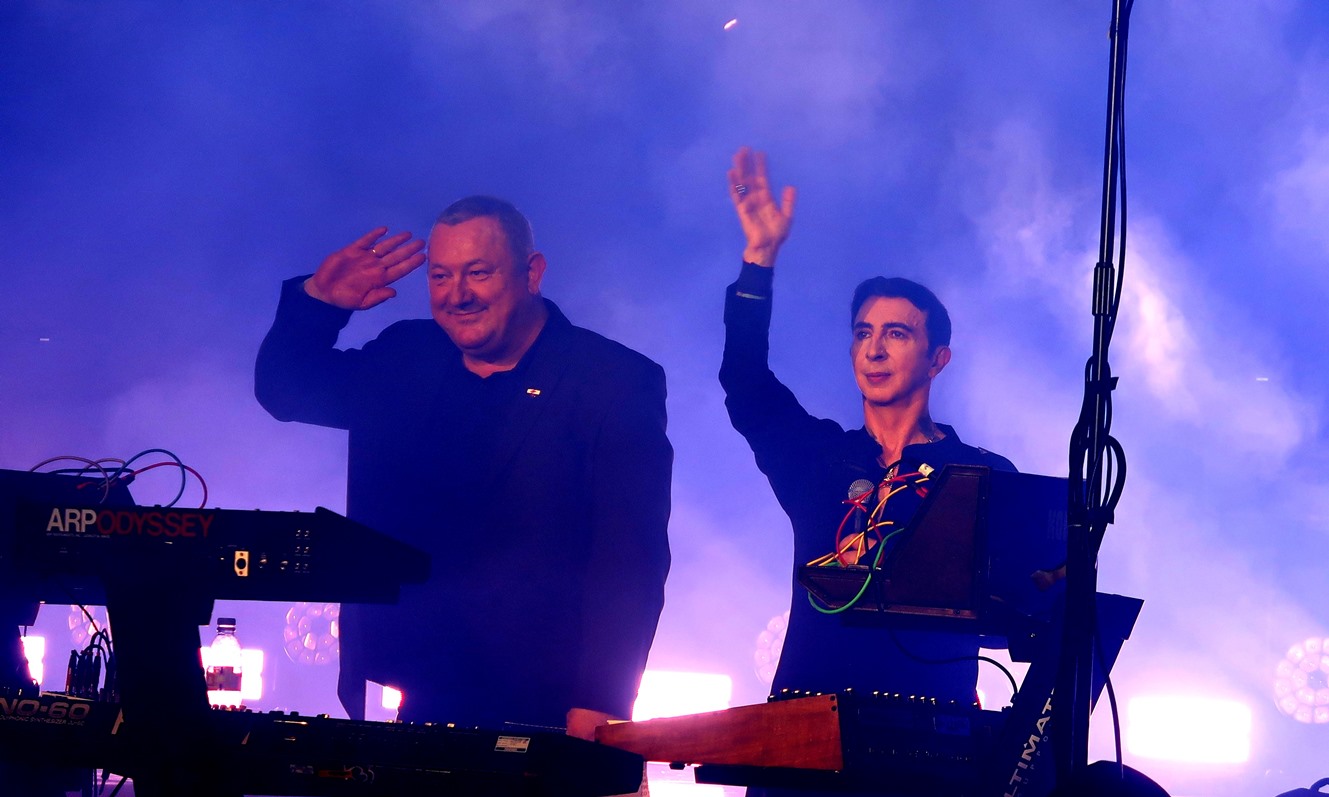
Photo by Roger Kamp
SOFT CELL officially got back together for 2002’s ‘Cruelty Without Beauty’ album but despite successfully playing festivals in Europe, an American tour did not go so well. There had been plans to do more shows and another record, but Almond had a motorcycle accident in 2004 which left him with very serious injuries.
The pair lost touch and didn’t speak for about 15 years… but the legacy of SOFT CELL kept looming and a reunion could not be resisted; a show at London’s O2 Arena took place in 2018 and if that announcement was not enough of a surprise, then a new single ‘Northern Lights’ with the B-side ‘Guilty (Cos I Say You Are’ was the cherry on top. The A-side saw Almond and Ball reminisce about their days at the Wigan Casino and recaptured the essence of their unique brand of electronic pop.
While the O2 show was billed as being “One Night, One Final Time”, the chemistry between Ball and Almond was rekindled, leading to further shows and an album ‘*Happiness Not Included’ as well as a bonus collection of outtakes and covers ‘*Happiness Now Completed’.
But Ball’s health began to take its toll and he was unable to perform at SOFT CELL shows from 2022 until he returned in Summer 2023 for a show at Hampton Court Palace, performing in a motorised wheelchair; he had joked to ELECTRICITYCLUB.CO.UK: “Once I’m on stage and I’m locked in, so long as I don’t start wheeling backwards, I’ll be fine!”
With the final SOFT CELL album ‘Danceteria’ recorded before his death in October 2025 and set to be released via Republic of Music on 25th September 2026, the legacy of Dave Ball continues with a reissue of ‘In Strict Tempo’ also on the cards.
ELECTRICITYCLUB.CO.UK looks back at 25 of his works with a restriction of one track per “album project”; there are some omissions but the aim of this Beginner’s Guide is to not make the article too SOFT CELL heavy and show the artistic breadth of the Electronic Boy that was Dave Ball.
SOFT CELL Frustration (1980)
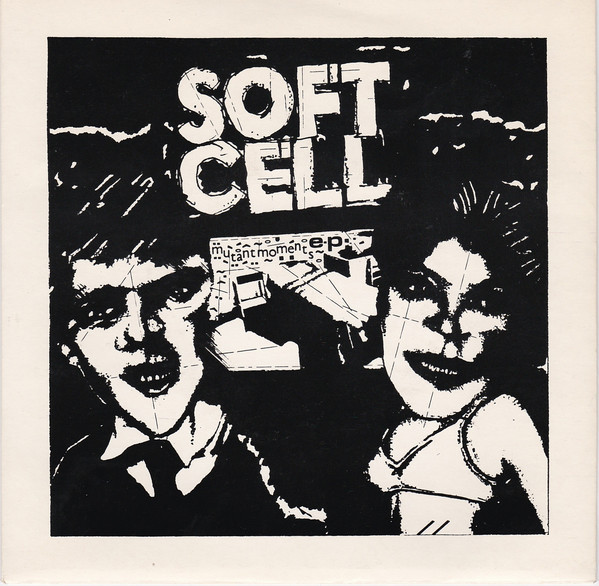 Dave Ball borrowed money from his mother to fund the first SOFT CELL EP ‘Mutant Moments’. Although it was to become a ‘Non Stop Erotic Cabaret’ highlight, the original version of ‘Frustration’ was recorded on 2 track and akin to the unsettling demeanour of THROBBING GRISTLE. The lyrics were mostly written by Ball about his own father and at the end, he took a creepy vocal turn to announce “I’M AN ORDINARY BLOKE”!
Available on the SOFT CELL boxed set ‘Keychains & Snowstorms’ via Universal Music
SOFT CELL Say Hello Wave Goodbye (1981)
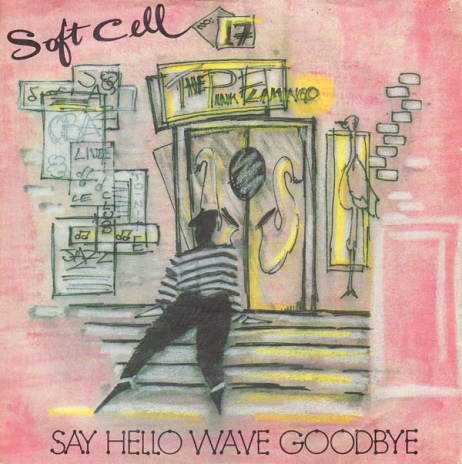 SOFT CELL’s fine debut album was finished and mixed in the more liberal setting of New York. It captured the edginess of minimal synth arrangements while married to an actual tune, as opposed to the monotone dirges of their more unorthodox contemporaries. With a magnificent arrangement by Ball that allowed Almond to indulge in his Scott Walker aspirations, ‘Say Hello, Wave Goodbye’ is possibly SOFT CELL’s crowning achievement.
Available on the SOFT CELL album ‘Non-Stop Erotic Cabaret’ via Phonogram Records
https://www.facebook.com/softcell
VICIOUS PINK PHENOMENA My Private Tokyo (1982)
 Josephine Warden and Brian Moss as VICIOUS PINK PHENOMENA were backing singers for SOFT CELL and featured prominently on ‘Non Stop Erotic Cabaret’. Ball produced their metronomic debut single ‘My Private Tokyo’ which played with many of the Far Eastern lyrical clichés of the time. The duo would shorten their name and go on to release their best single ‘Cccan’t You See’ produced by Tony Mansfield of NEW MUZIK in 1984.
Available on the VICIOUS PINK album ‘West View’ via Minimal Wave
https://www.instagram.com/vicious.pink.music/
SOFT CELL Baby Doll (1983)
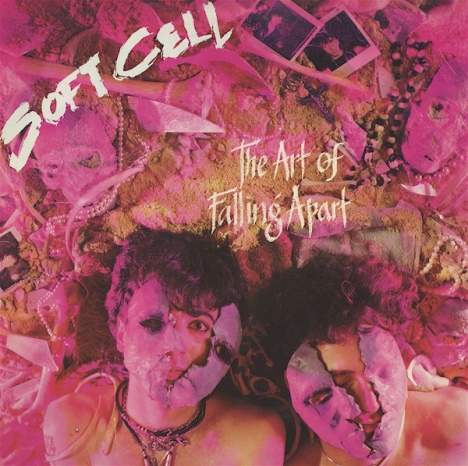 A favourite SOFT CELL track of Dave Ball, ‘Baby Doll’ was a grim observation in the life of a stripper. With gothic choir samples and foreboding rhythms, the grittier art school aesthetic was coming into play after a period of pop stardom that did not suit Ball and particularly Almond. There was no option but for the duo to hit self-destruct as they fought with producer Mike Thorne who was now being viewed as a controller and spy for Phonogram.
Available on the SOFT CELL album ‘The Art Of Falling Apart’ via Mercury Records
https://www.instagram.com/softcellhq/
CABARET VOLTAIRE Crackdown (1983)
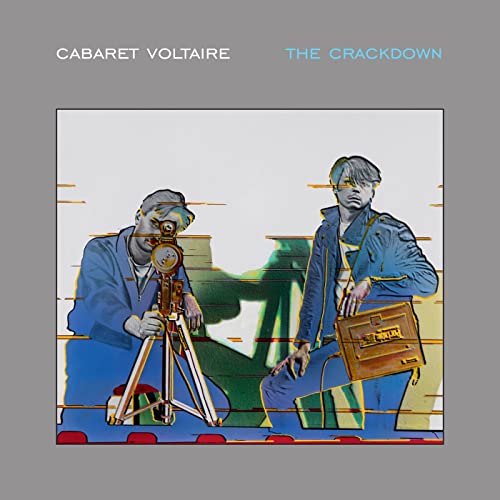 With keyboards and rhythm assistance by Dave Ball, this signature CABARET VOLTAIRE track came from ‘The Crackdown’, Stephen Mallinder and Richard H Kirk’s first full-length album since the departure of Chris Watson. Issued through Some Bizzare and Virgin, it was produced by the duo and Flood where the Cabs’ earlier experimental sound was applied to accessible electronic club templates, combining funk with menace.
Available on the CABARET VOLTAIRE album ‘The Crackdown’ via Mute Artists
https://www.facebook.com/CabaretVoltaireOfficial
DAVE BALL featuring GAVIN FRIDAY Strict Tempo (1983)
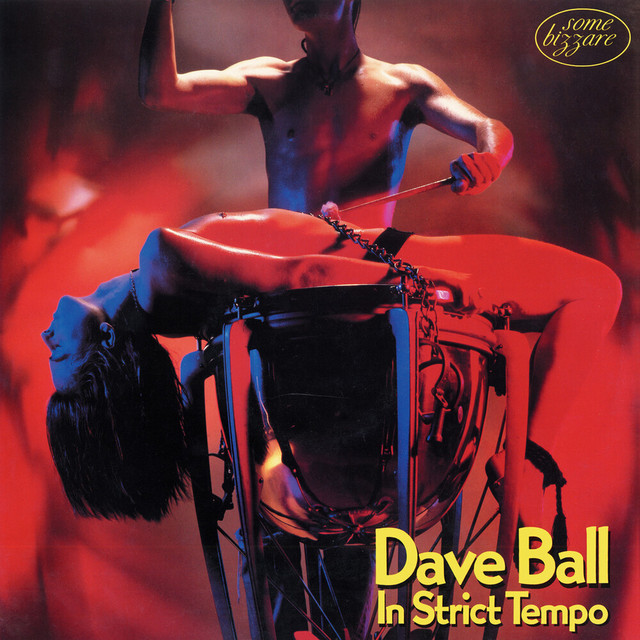 Described by the man himself as “ill-conceived”, Dave Ball’s only solo album ‘In Strict Tempo’ featured Genesis P Orridge of THROBBING GRISTLE as well as his own while Gary Barnacle played sax and Virginia Astley played flute. But the album’s snarling percussive standout was the “title song” featuring Gavin Friday from VIRGIN PRUNES. Ball would go on to produce the final VIRGIN PRUNES album ‘The Moon Looked Down & Laughed’.
Originally on the DAVE BALL album ‘In Strict Tempo’ via Some Bizzare, currently unavailable
https://www.facebook.com/daveballofficial
SOFT CELL Mr Self Destruct (1984)
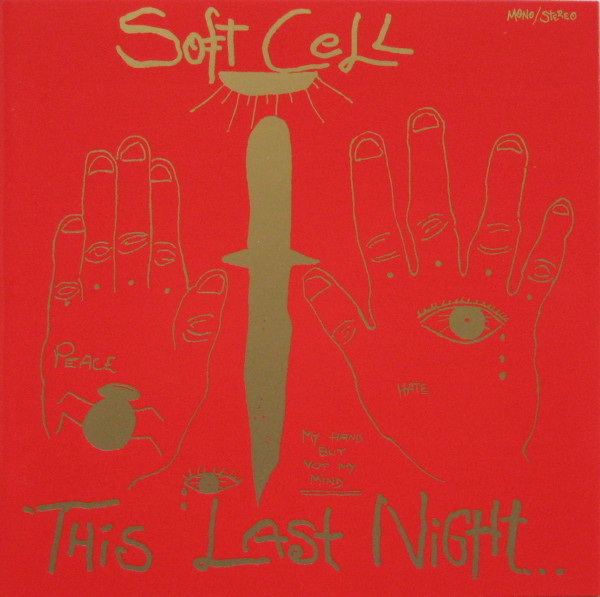 If ‘The Art Of Falling Apart’ was SOFT CELL’s difficult second long player, ‘This Last Night In Sodom’ was an even more challenging proposition. Despite having bought a PPG Wave 2.2, Ball applied a lot more Hammond B3 organ to add a more raucous rock edge to the SOFT CELL sound, particularly on the Jack Hammer cover ‘Down In The Subway’ and the self-explanatory ‘Mr Self Destruct’ which highlighted Marc Almond’s state of mind at the time.
Available on the SOFT CELL album ‘This Last Night In Sodom’ via Phonogram Records
OTHER PEOPLE Have A Nice Day (1984)
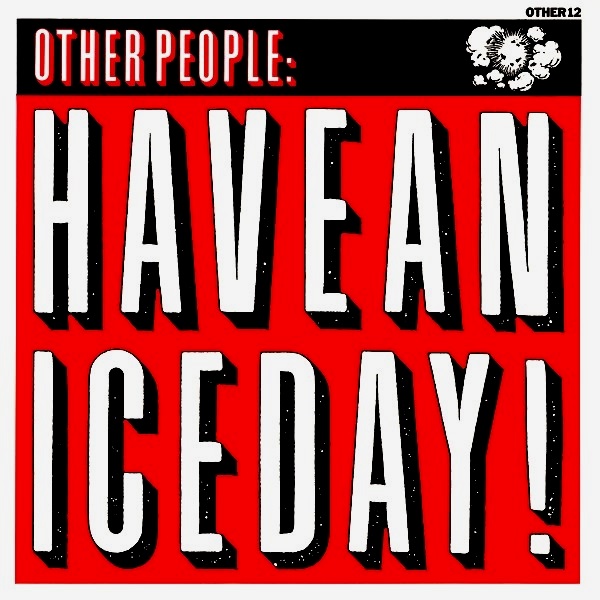 ‘Have A Nice Day’ was a curio in the industrial pop vein that saw Dave Ball work with his then-wife Gini on vocals repeating the title. The metallic electronic backdrop was offset by Andy Astle on guitar as the bassline chugged and claustrophobic voice samples lingered. Released on Arcadia Records who also issued the PSYCHIC TV cassette ‘Mouth Of The Night’ in 1985, this single was to be a one-off for OTHER PEOPLE.
Originally released as the single OTHER PEOPLE ‘Have A Nice Day’ via Arcadia Records, currently unavailable
https://www.discogs.com/artist/65297-Other-People
PSYCHIC TV Money For E… – DAVE BALL Remix (1990)
 Subtitled the “Ravemaster Mixes”, ‘Beyond Thee Infinite Beat’ was a remix companion piece to the PSYCHIC TV album ‘Towards Thee Infinite Beat’ which saw Genesis P-Orridge explicitly explore the squelchy minimalism of acid house with “A Supply Of Two Tablets Of Acid” post-THROBBING GRISTLE. Dave Ball’s incessant remix of ‘Money For E…’ made the bassline beefier while adding icier synth lines for full spacey effect.
Available on the PSYCHIC TV album ‘Origin Of The Species’ via Invisible Records
https://www.genesisporridge.com/
THE GRID Floatation (1990)
 “I was pleased when it was recognised as an Ibiza chill out classic” said Dave Ball said to ELECTICITYCLUB.CO.UK of ‘Floatation’ in 2016. The idea was for a slower record to play on a beach in the open air like the closing theme of a film. Taking cues from John Barry, while the original album mix sounded KRAFTWERK, the more familiar Andrew Weatherall remix took out the rigidity and added vocals from Sasha for some simmering relaxation.
Available on THE GRID album ‘Electric Head’ via Cherry Red
https://www.facebook.com/thegriduk
MARC ALMOND Meet Me In My Dream (1991)
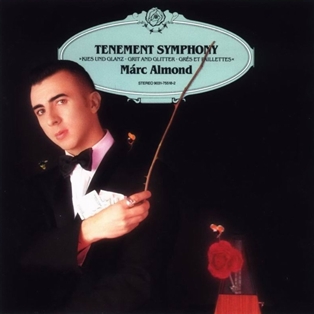 While Marc Almond’s ‘Tenement Symphony’ album is best remembered for Trevor Horn produced covers ‘Jacky’ and ‘The Days Of Pearly Spencer’, it also hosted his first creative reunion with Dave Ball. Both co-writing with Richard Norris, ‘Meet Me In My Dream’ was a classic SOFT CELL song in all but name, complete with soprano sax solo, it was a reminder of the undeniable magic that Ball and Almond together possessed.
Available on the MARC ALMOND album ‘Tenement Symphony’ via WEA Records
PET SHOP BOYS DJ Culturemix (1991)
 ‘DJ Culture’ was a MASSIVE ATTACK influenced single by PET SHOP BOYS in a statement as a statement on the first Gulf War reflecting on how US George HW Bush’s speeches utilised Winston Churchill’s wartime rhetoric in a manner similar to DJs sampling. . For a separately released remix by THE GRID, Ball and Norris added more Latin style percussion to the BROTHERS IN RHYTHM produced track while keeping the song itself intact.
Originally released on the PET SHOP BOYS single ‘DJ Culturemix’ via Parlophone, currently unavailable
VIC REEVES Abide With Me (1992)
 Comedian Vic Reeves had a No1 single with a cover of ‘Dizzy’ with THE WONDER STUFF while the parent album ‘I Will Cure You’ also included a synthy version of DEEP PURPLE’s ‘Black Night’ produced by Philip Oakey. To close it, Dave Ball and Richard Norris were brought in produce a raved-up version of the FA Cup Final hymn and funeral standard ‘Abide With Me’. The joke was lost on the church who tried to get the BBC to ban it.
Available on the VIC REEVES album ‘I Will Cure You’ via Island Records
https://www.discogs.com/artist/164485-Vic-Reeves
ERASURE Am I Right? – THE GRID remix (1992)
 The third single from the ERASURE album ‘Chorus’ saw a separate remix of ‘Am I Right?’ by THE GRID that highlighted Dave Ball and Richard Norris’ status as in-demand remixers. As with PET SHOP BOYS ‘DJ Culturemix’, the song remained intact while the Vince Clarke’s understated analogue backing was made much beatier and widescreen as more prominent bass sequences and synth pads were included.
Available on the deluxe ERASURE album ‘Always’ via Mute Records/BMG
THE GRID Swamp Thing (1994)
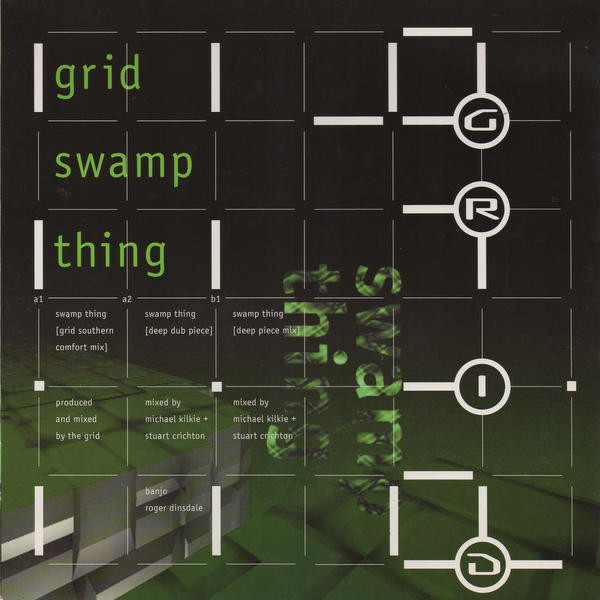 THE GRID’s biggest UK hit ‘Swamp Thing’ mixed banjo and old samples for a thumping slice of cowpunk techno. The five stringed instrument was played by Roger Dinsdale who Ball had spotted performing at an Irish pub in Marylebone. He laid down his own riffs over a bassline and drumbeat. Equal parts joyous and annoying, the novelty caught on in Europe with ‘Cotton Eye Joe’ by Swedish act REDNEX following not long after.
Available on THE GRID album ‘Evolver’ via Deconstruction
https://www.instagram.com/thegrid789/
BILLIE RAY MARTIN In Your Loving Arms (1994)
 THE GRID’s first production to get in the UK Top 10 and into the US Billboard 100 in the US, the energetic ‘Your Loving Arms’ was written by German dance diva Billie Ray Martin with British DJ David Harrow after her band ELECTRIBE 101 split. The blissfully dramatic number was a slow burner and did not find major mainstream success until 1995; “I guess it was the song that made all the difference for me and does to this day” Billie Ray Martin said, “I am grateful.”
Available on the BILLIE RAY MARTIN album ‘Deadline For My Memories’ via Warner Music
https://www.billieraymartin.com/
SPARKS When Do I Get To Sing My Way – THE GRID Instrumental Radio Edit (1994)
 Like a phoenix from the flames, SPARKS returned for yet another run of mainstream success with ‘When Do I Get To Sing My Way’ hitting the No7 spot in the German singles chart. The single came in a plethora of remixes including one by Vince Clarke. But the best was THE GRID’s instrumental radio edit which pushed the symphonic synth lines to the fore. A vocal version came out to head a 1995 UK reissue but that didn’t work as well.
Originally released on the SPARKS single ‘When Do I Get To Sing My Way’ via Logic Records, vocal version available on the expanded edition album ‘Gratuitous Sex & Senseless Violins’
KYLIE MINOGUE Breathe (1997)
 THE GRID had gone into hiatus and Ball found a new studio partner in Ingo Vauk. While Kylie Minogue had been going through her “indie” phase working with Nick Cave and MANIC STREET PREACHERS, she found room to work with Ball and Vaux on three tracks for her ‘Impossible Princess’ album. The electronica-based ‘Breathe’ was the best known, coming in a slightly pacier radio edit over the more slow-mo album version.
Available on the KYLIE MINOGUE album ‘Step Back In Time’ via BMG
SOFT CELL Le Grand Guignol (2002)
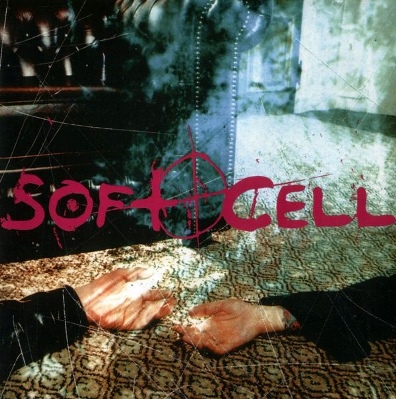 “Would you like to taste a little pain?” asked Marc Almond on ‘Le Grand Guignol’, one of the highlights from SOFT CELL’s comeback album ‘Cruelty Without Beauty’. Using a form of graphic sensationalist horror originating from a noted theatre in Paris as a cynical life metaphor, the bass throb and saxy timpanic drama that saw Ball growl alongside a cynical vocal from Almond and eerie voice samples en Français.
Available on the SOFT CELL album ‘Cruelty Without Beauty’ via Cooking Vinyl
https://www.discogs.com/artist/12196-Soft-Cell
NITEWRECKAGE Solarcoaster (2011)
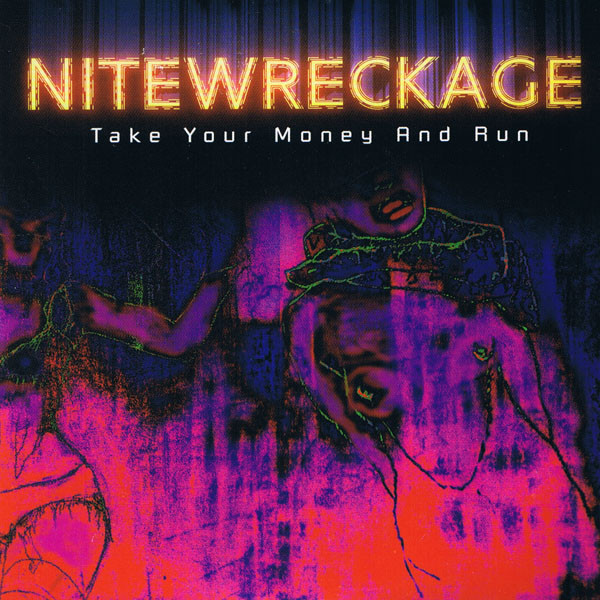 Comprising of Celine Hispiche on vocals, programmer Rick Mulhall, drummer Terry Neale and Ball, NITEWRECKAGE was one of the last projects that the late producer Martin Rushent worked on; “Martin was a lovely man and a total genius in the studio” said Ball in 2016. Capturing a blend of leftfield synth and gothic rock, ‘Solarcoaster’ was firmly rooted in SOFT CELL with Hispiche providing a detached Eurocentric twist.
Originally on the NITEWRECKAGE album ‘Take Your Money & Run’ via Alaska Sounds, available as the single ‘Solarcoaster’
https://www.discogs.com/artist/2445615-Nitewreckage
DAVE BALL & JON SAVAGE Dead Neon (2016)
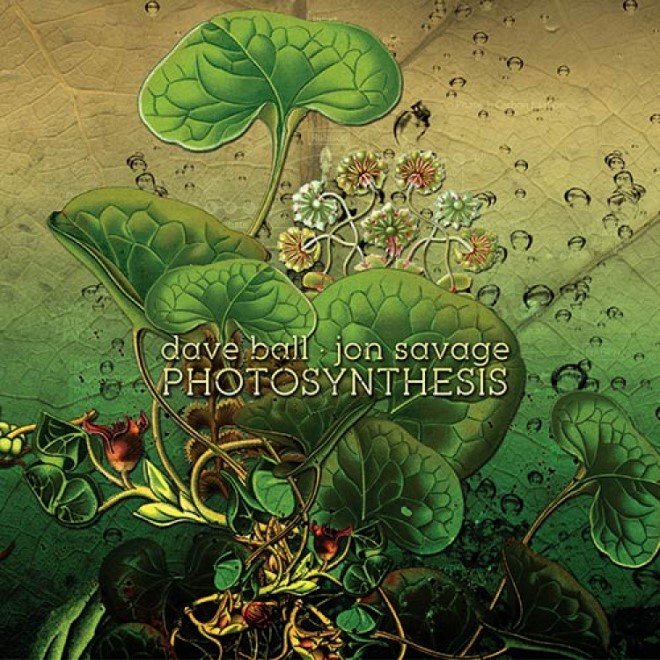 Dave Ball and Jon Savage (not the journalist!) bonded over Minimoogs, Prophets 5s and a Roland Fantom X6 to compose dark ambient pieces for a one hour work inspired by organisms using sunlight to synthesise nutrients from CO2 and water, juxtaposed with the spectre of global warming and war. The haunting ‘Dead Neon’ embraced harp and oboe textures alongside deep drones to exude an avant classical tone.
Available on the DAVE BALL & JON SAVAGE album ‘Photosynthesis’ via Cold Spring
https://coldspring.co.uk/csr217cd
DAVE BALL Nighthawks (2020)
 Originally a Dave Ball instrumental issued as a single that came with the boxed set of his autobiography ‘Electronic Boy’, the tense industrialised pulse of ‘Nighthawks’ recalled the sweaty alternative club overtures of one-time Some Bizzare stable mates CABARET VOLTAIRE. Listeners were treated to the deep growly voice of Mr Ball himself repeating the words “Electronic Boy” and “Nighthawks in a lonely city, Nighthawks in a lonely place”.
Originally released on the DAVE BALL album ‘1979 – 2019’ via Big Frock, SOFT CELL version available on the album ‘*Happiness Not Included’ via BMG
https://www.instagram.com/daveballelectro
THE GRID / FRIPP Leviathan (2021)
 Noted for his guitar Frippertronics with Brian Eno, David Bowie and David Sylvian, Robert Fripp played on THE GRID’s 1992 album ‘456’. Norris and Ball rediscovered unreleased tapes from these sessions and were inspired to add new electronic backing and effects to create an album ‘Leviathan’ named after the mythological sea creature referenced in The Bible. The title track was a glorious nautical ambient work to savour.
Available on THE GRID / FRIPP album ‘Leviathan’ via Discipline Global Mobile / Panegyric
SOFT CELL & PET SHOP BOYS Purple Zone (2022)
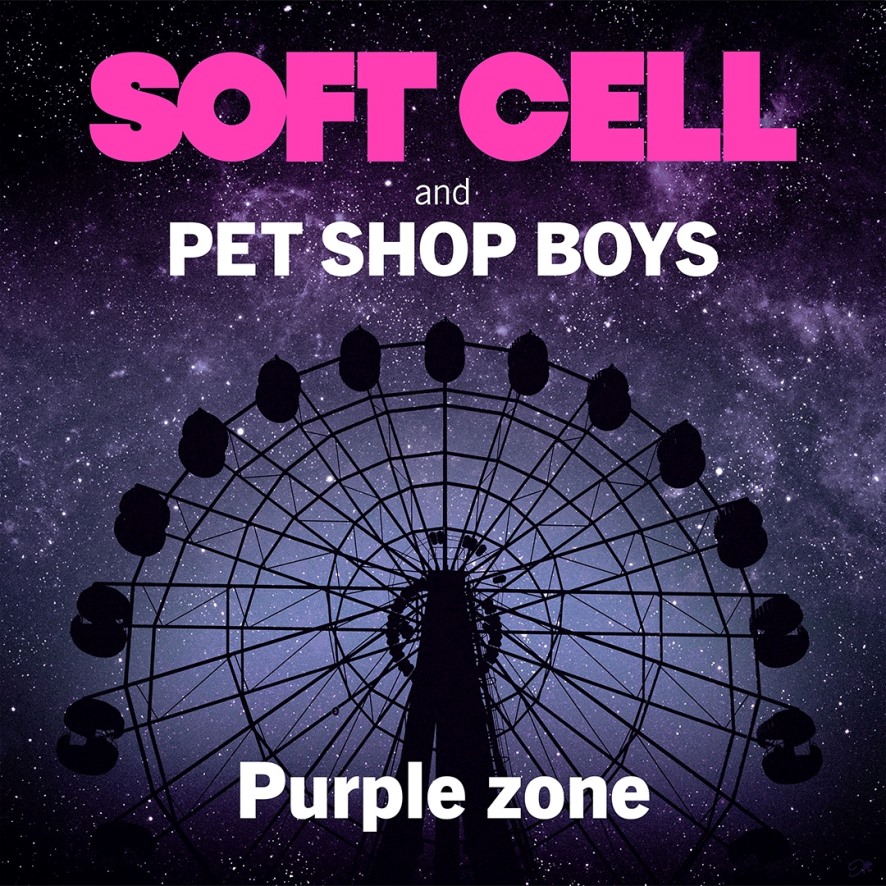 In a union of “The Blackpool Electro Mafia” comprising Dave Ball and Chris Lowe who attended the same school while never meeting, as well as featuring the voices of both Almond and Tennant, ‘Purple Zone’ was turned into rousing uplifting Europop number with very anthemic reminiscences of PET SHOP BOYS. But without the groundwork laid by SOFT CELL, PET SHOP BOYS may not have had an open door to walk through.
Available on the SOFT CELL & PET SHOP BOYS single ‘Purple Zone’ via BMG
https://www.facebook.com/petshopboys
GAVIN FRIDAY Ecce Homo (2024)
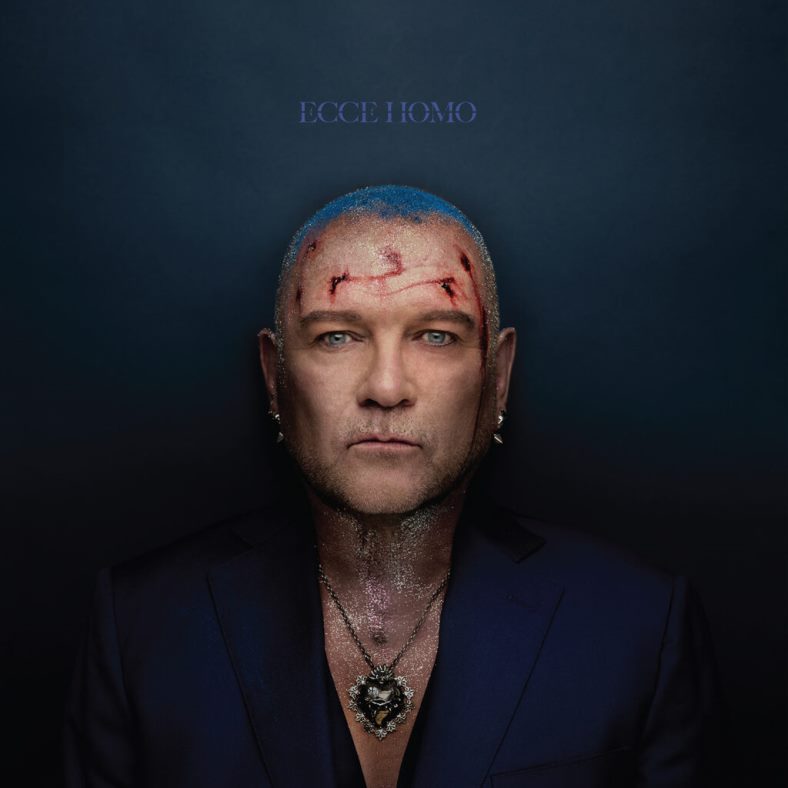 With a long gestation period, the ‘Ecce Homo’ album began in earnest in 2016 after a collaboration between Gavin Friday and Ball on a version of SUICIDE’s ‘Ghost Rider’ which SOFT CELL had also covered. Combining elements of synth with post-punk, the title song itself was a wonderfully deathly slice of disco gothique that sounded like Ian McCulloch meeting SOFT CELL at Berghain given an extra chill by an opera soprano sample!
Available on the GAVIN FRIDAY album ‘Ecce Homo’ via BMG
In memory of Dave Ball 1959 – 2025
‘Electronic Boy: My Life In and Out of Soft Cell: The Autobiography of Dave Ball’ is published by Omnibus Press in hardback
ELECTRICITYCLUB.CO.UK has compiled a Spotify playlist ‘The Secret Life Of Dave Ball’ at https://open.spotify.com/playlist/3HO813W9cf5K8mjuLgLxrv
Text by Chi Ming Lai
9th June 2026


 is released as a CD and download by Recordiau Neb, available direct from
Follow Us!