Tag: Visage (Page 6 of 12)

A Beginner’s Guide To EUROPE


Europe is the spiritual home of electronic music, inspiring it not just artistically but forming an important bond with the continent’s classical tradition through the romance of its historical imagery.

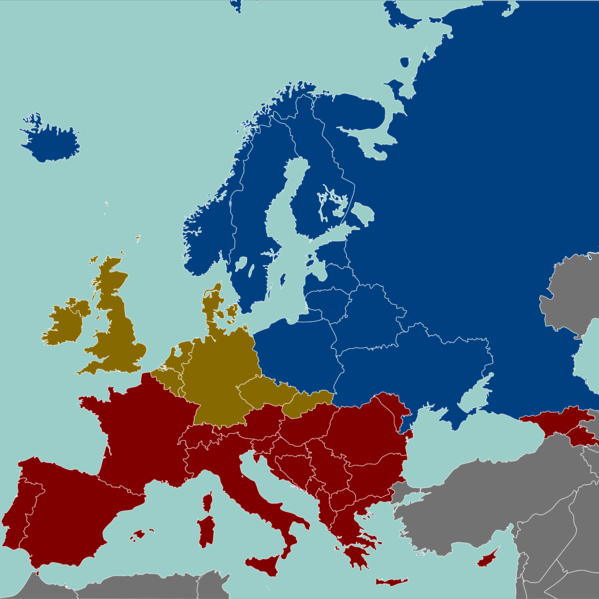
Continental Europe is defined as being bordered by the Arctic Ocean, the Atlantic Ocean and the Mediterranean Sea. Often considered to be separated from Asia by the watershed divides of the Ural and Caucasus Mountains, the Ural River, the Caspian and Black Seas and the waterways of the Turkish Straits, it includes the part of Russia where Moscow and St Petersburg are located.

Mark Reeder was one of the first British music personalities to fully adopt Europe, making West Berlin his home in 1978 and subsequently releasing a number of themed compilation albums such as ‘European’ in 1995 and ‘Assorted (E For Europe)’ in 1999 on his MFS label. His fellow Mancunian and friend Bernard Sumner of NEW ORDER said to The European in 2016: “I feel European, I regard myself as a European… as a musician I’ve always been massively influenced by Europe and its people”.

From Paris to Vienna back to Düsseldorf City, Europe fascinated British musicians who having been open-minded enough to use synthesizers, now embraced many different mindsets, languages, cultures and cuisines, all within a comparatively accessible geographical land mass. Meanwhile, European instrument manufacturers such as PPG, Elka, Crumar, RSF, Jen and Siel found their products in the thick of the action too.

ELECTRICITYCLUB.CO.UK stands proud of its Eurocentric focus. Esteemed names like Hütter, Schneider, Flür, Bartos, Moroder, Jarre, Vangelis, Plank, Rother, Dinger and Froese have more than highlighted the important debt that is owed by electronic music to Europe.

While the UK may have scored an equalizer with Synth Britannia, it was the Europeans who took that crucial half time lead. So to disengage with the European tradition would be betraying everything that ELECTRICITYCLUB.CO.UK is all about.

Presented in yearly and then alphabetical order with a restriction of one track per artist moniker, here are our favourite 20 electronic tunes that were inspired, either directly or obliquely, by the legacy of Europe…


DAVID BOWIE Warszawa (1977)

‘Warszawa’ was named after the Polish capital city but accurately captured the Cold War tensions in Europe without the need for lyricism. At Hansa Studios where the sessions were being mixed, the watch towers in East Berlin could look into the windows of the building! Tony Visconti’s production only enhanced the collaborative drama between David Bowie’s enigmatic wailing over Brian Eno’s Minimoog and Chamberlain keys.

Available on the DAVID BOWIE album ‘Low’ via EMI Records

http://www.davidbowie.com


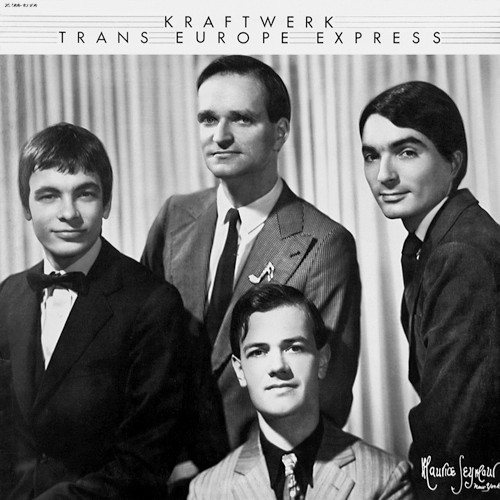
KRAFTWERK Europe Endless (1977)

With KRAFTWERK utilising a customized 32-step Synthanorma Sequenzer and a Vako Orchestron with pre-recorded symphonic string and choir sounds sourced from optical discs, if there was such a thing as a musical European travelogue, then the romantically optimistic beauty of ‘Europe Endless’ was it. It influenced the likes of NEW ORDER, OMD and BLANCMANGE who all borrowed different aspects of its aesthetics for ‘Your Silent Face’, ‘Metroland’ and ‘Feel Me’ respectively.

Available on the KRAFTWERK album ‘Trans Europe Express’ via EMI Records

http://www.kraftwerk.com/


THE DURUTTI COLUMN For Belgian Friends (1980)
‘For Belgian Friends’ was written in honour of Factory Benelux founders Michel Duval and the late Annik Honoré. Martin Hannett’s technologically processed production techniques made Vini Reilly’s dominant piano sound like textured synthetic strings, complimenting his sparing melodic guitar and the crisp percussion of Donald Johnson. This beautiful instrumental was one of Reilly’s best recordings, originally on the compilation ‘A Factory Quartet’.

Available on THE DURUTTI COLUMN album ‘LC’ via Factory Benelux Records

http://www.thedurutticolumn.com/


FATAL CHARM Paris (1980)
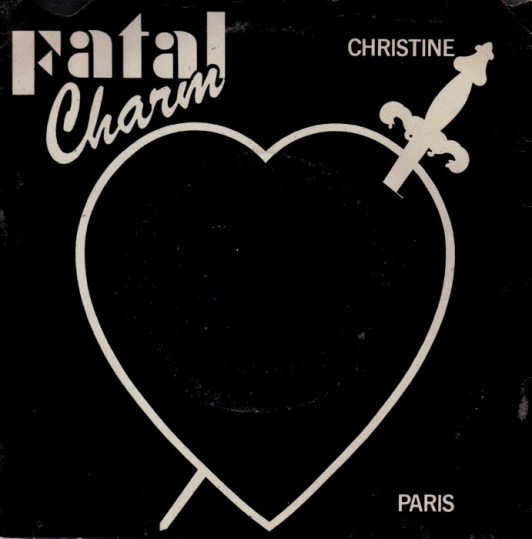
Nottingham combo FATAL CHARM supported ULTRAVOX and OMD in 1980. Their excellent first single ‘Paris’ was produced by Midge Ure and could be seen reflecting the electronically flavoured new wave template of the period. Singer Sarah Simmonds’ feisty passion gave a freshly charged sexual ambiguity to the European love story written in the days before the Channel Tunnel. Instrumentalist Paul Arnall said: “we were able to use Midge’s Yamaha synth which gave it his sound”.

Available on the FATAL CHARM album ‘Plastic’ via Fatal Charm

http://fatalcharm.co.uk/


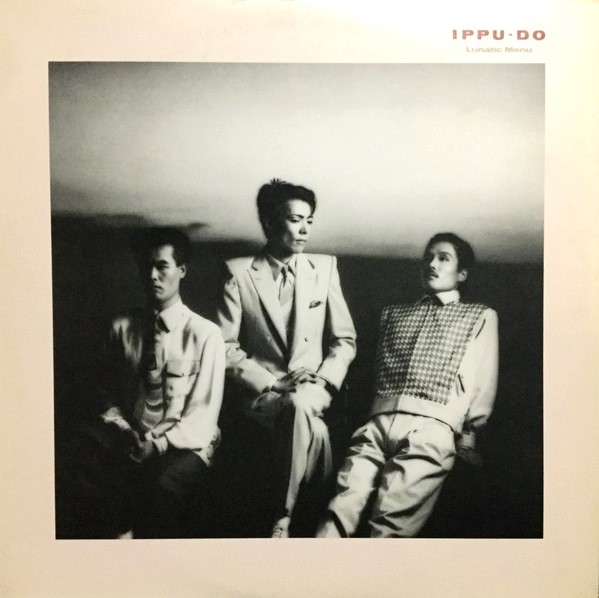
IPPU DO German Road (1981)

Did you hear the one about the Japanese band impersonating a German band and doing it rather well? Influenced by the motorik backbeat of NEU! and also heavily borrowing form its guitarist Michael Rother’s solo track ‘Karussell’, IPPU DO’s leader Masami Tsuchiya was something of a multi-cultural sponge, later joining JAPAN for their final tour in 1982. The band are best known in the UK for their startlingly original cover version of THE ZOMBIES ‘Time Of The Season’.

Remixed version available on the IPPU DO album ‘Essence: The Best Of’ via Sony Music

http://www.ne.jp/asahi/masami/london/


LANDSCAPE European Man (1980)
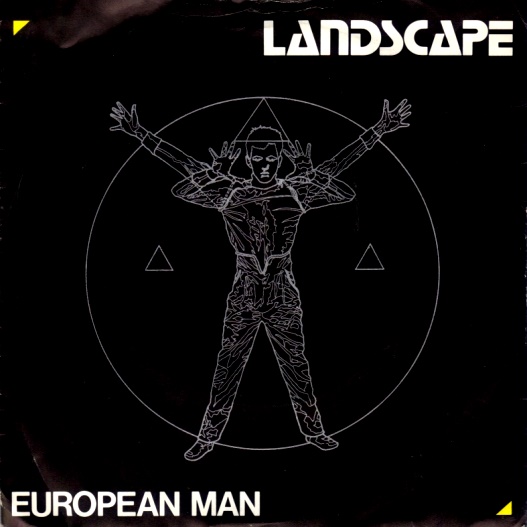
Electronic pioneer Richard James Burgess said: “I think we all embraced this new direction because of our raw excitement over the new technology… We discussed it in the band and everyone was on board so I started working on the lyrics that became ‘European Man’”. Colin Thurston was the producer assisting in realising this new direction and interestingly, the rear artwork of the first issue of the single featured a very early use of the term “electronic dance music”.

Available on LANDSCAPE album ‘From The Tea-Rooms Of Mars…’ via Cherry Red Records

https://twitter.com/Landscape_band


SIMPLE MINDS I Travel (1980)
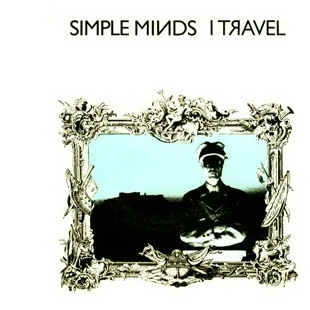
“Europe has a language problem” sang Jim Kerr on ‘I Travel’, adding “in central Europe men are marching”. Aware of the domestic terrorist threats that were apparent in every city they were visiting on tour, SIMPLE MINDS captured a claustrophobic tension within its futuristic frenzy like a doomy disco take on Moroder. It was a favourite of DJ Rusty Egan at The Blitz Club where its shadier spectre was highly welcomed by its clientele, reflecting their own discontent closer to home.

Available on the SIMPLE MINDS album ‘Empires & Dance’ via Virgin Records

http://www.simpleminds.com


TELEX Eurovision (1980)

Having previously visited a ‘Moscow Disko’ and with tongues firmly in cheeks, TELEX entered the 1980 Eurovision Song Contest with a bouncy electropop song that had deliberately banal lyrics about the whole charade itself. Performing to a bemused audience in The Hague with the sole intention of coming last, unfortunately Finland decided otherwise! Who said the Belgians didn’t have a sense of humour?!

Available on the TELEX album ‘Ultimate Best Of’ via EMI Music Belgium

http://www.telex-music.com/


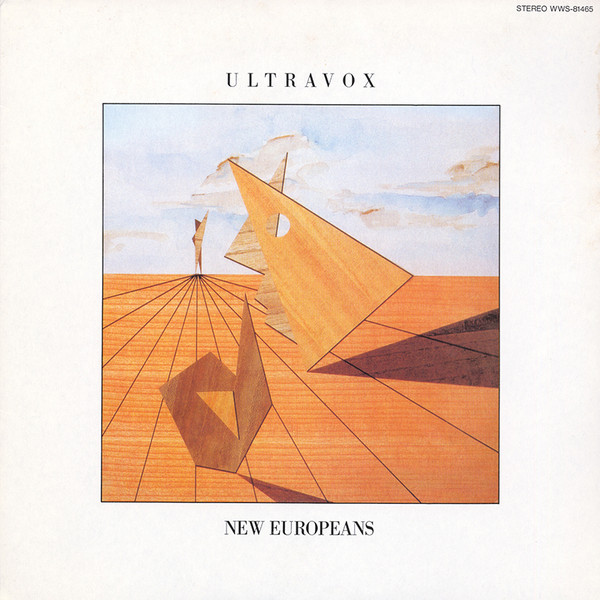
ULTRAVOX New Europeans (1980)

If there was a song that truly represents ELECTRICITYCLUB.CO.UK’s ethos, then the synth rock fusion of ‘New Europeans’ by ULTRAVOX is it! Noting that “his modern world revolves around the synthesizer’s song” in lyrics largely written by drummer Warren Cann, it all pointed to an optimistic way forward “full of future thoughts and thrills” with freedom of movement to and from the continent for “a European legacy and “a culture for today”.

Available on the ULTRAVOX album ‘Vienna’ via EMI Records

http://www.ultravox.org.uk/


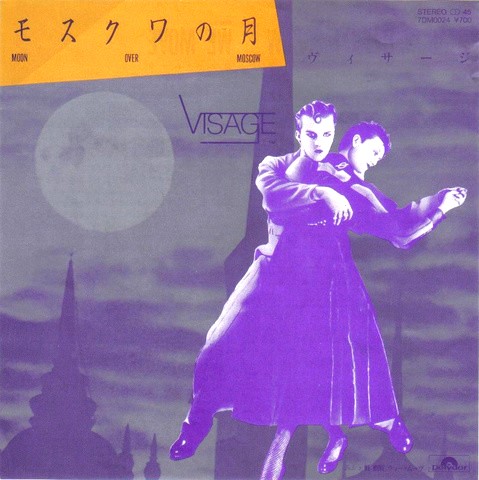
VISAGE Moon Over Moscow (1980)

While in his dual role as DJ at The Blitz Club and VISAGE’s drummer, Rusty Egan had become inspired by the melodic interplay of Japanese trio YELLOW MAGIC ORCHESTRA which had been European influenced: “I liked the album and played it along with TELEX and SPARKS. The sound was an influence on VISAGE. By the time we recorded ‘Moon Over Moscow’, that was to include Russia, Japan, Germany and France in our sound… the drummer was also using the same drum pads as me!”

Available on the VISAGE album ‘Visage’ via Alliance Import

http://rustyegan.net/


ASSOCIATES White Car In Germany (1981)
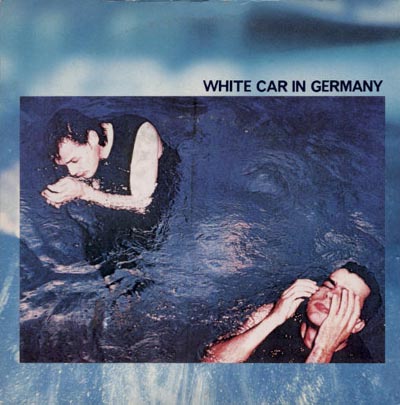
ASSOCIATES first musical signs of a fascination towards European influenced electronic music came with the funereal pulse of ‘White Car In Germany’. The swirling electronics, cold atmosphere and treated percussion were intended to sound as un-American as possible. Billy MacKenzie’s observational lyric “Aberdeen’s an old place – Düsseldorf’s a cold place – Cold as spies can be” accurately captured post-war tensions under the spectre of the bomb.

Available on the ASSOCIATES album ‘The Very Best Of’ via BMG

https://www.facebook.com/theassociatesofficial/


JOHN FOXX Europe After The Rain (1981)
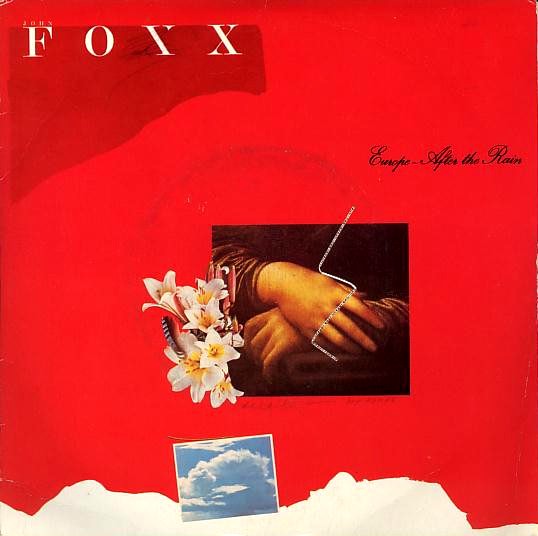
Foxx admitted he had been “reading too much JG Ballard” and had thawed considerably following ‘Metamatic’. Now spending his spare time exploring beautiful Italian gardens and taking on a more foppish appearance, his new mood was reflected in his music. Moving to a disused factory site in Shoreditch, Foxx set up a recording complex which he named ‘The Garden’ and the first song to emerge was the Linn Drum driven ‘Europe After The Rain’. Foxx had now achieved his system of romance.

Available on the JOHN FOXX album ‘Modern Art: The Best Of’ via Music Club

http://www.metamatic.com/


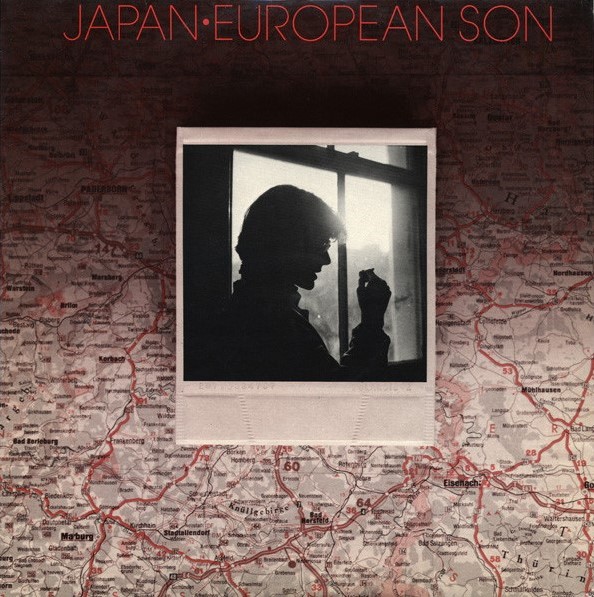
JAPAN European Son (1981)

Recorded as a JAPAN demo for the 1979 Giorgio Moroder sessions that produced ‘Life In Tokyo’, this sequencer heavy number was rejected by the Italian disco maestro. The song was finished off under the supervision of John Punter and later given a single remix by Steve Nye with redone parts by Mick Karn. ‘European Son’ showed David Sylvian’s vocals in transition from the catty aggression of earlier albums to the Ferry-ish croon most now associated with the band.

John Punter version available on JAPAN album ‘The Very Best Of’ via BMG

http://www.nightporter.co.uk/


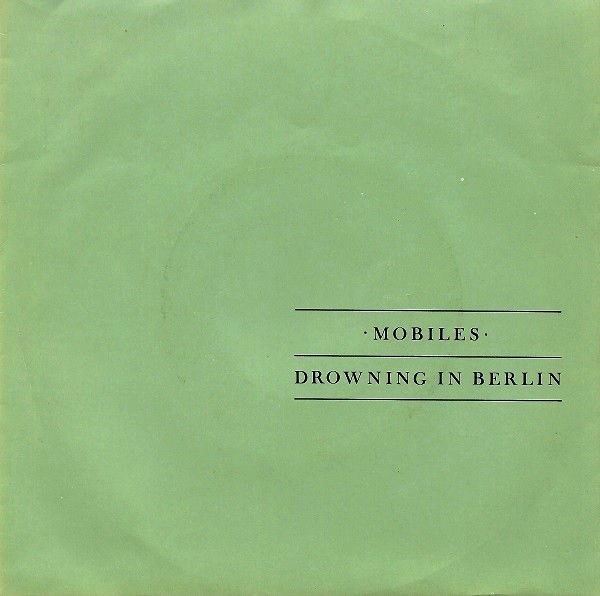
THE MOBILES Drowning In Berlin (1981)

THE MOBILES’ were from the sleepy shores of Eastbourne; while ‘Drowning In Berlin’ may have come across as a ‘Not The Nine O’Clock News’ New Romantic parody on first listen, its decaying Mittel Europa grandeur was infectious like Hazel O’Connor reinterpreting ‘Vienna’ with The Master of Ceremonies at the Kit Kat Klub. And like ‘Vienna’, ‘Drowning In Berlin’ was inspired by a holiday romance, in this case one that singer Anna Maria had while visiting the divided city.

Available on THE MOBILES album ‘Drowning In Berlin: The Best Of’ via Cherry Red Records

https://www.discogs.com/artist/98916-Mobiles


BERLIN The Metro (1982)
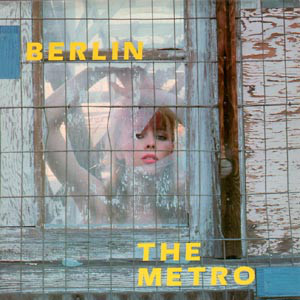
Inspired by ULTRAVOX and KRAFTWERK, Californian band BERLIN with their approach to synths were a far cry how they were being used Stateside in rock. In ‘The Metro’ with its frantic motorik drum machine and Teutonic pulses, songwriter John Crawford aimed to capture the tense filmic romance of Paris despite never having visited the city, a vibrant but detached feeling ably projected by Terri Nunn in a similar fashion to FATAL CHARM.

Available on the BERLIN album ‘Best Of’ via Geffen Records

http://www.berlinpage.com/


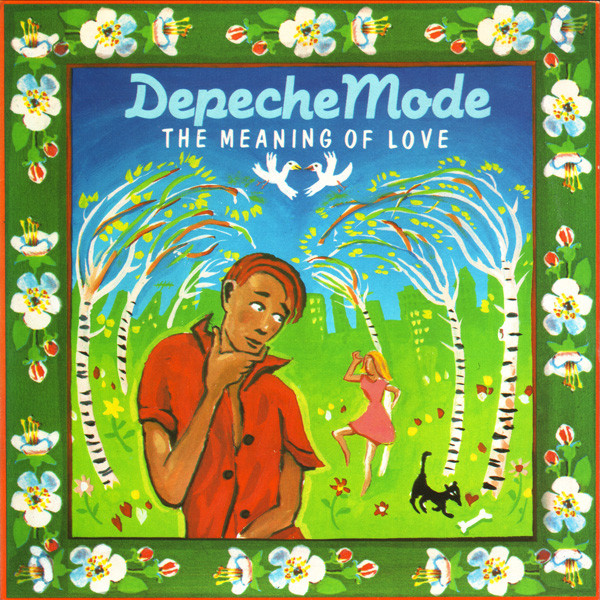
DEPECHE MODE Oberkorn (1982)

Radio Luxembourg broadcasted pop music to the UK using the most powerful privately owned transmitter in the world. But when DEPECHE MODE played the country in early 1982, they were booked to perform in a small town called Oberkorn. With a glorious ambient instrumental on the B-side of the then soon-to-be-released single ‘The Meaning Of Love’ requiring a title, Martin Gore needed no further inspiration, unconsciously capturing the air of the Grand Duchy’s countryside.

Available on the DEPECHE MODE boxed set ‘DMBX1’ via Columbia Records

http://www.depechemode.com/


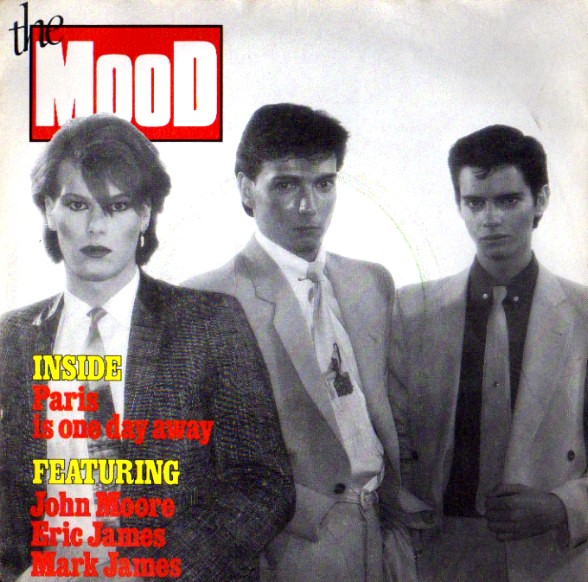
THE MOOD Paris Is One Day Away (1982)

Before the days of the Channel Tunnel, young York based New Romantic trio THE MOOD noted the how long it took by boat and train to get to the French capital. ‘Paris Is One Day Away’ was the hit that got away; reaching No. 42, it secured a slot on ‘Top Of The Pops’. However, it was the 1982 World Cup and a match heading into extra time meant that a hasty edit was made. And it was THE MOOD’s performance as the new and unknown act that ended up on the cutting room floor!

Available on THE MOOD album ‘The Singles Collection’ via Cherry Red Records

http://www.themood.info/


RATIONAL YOUTH Saturdays in Silesia (1982)
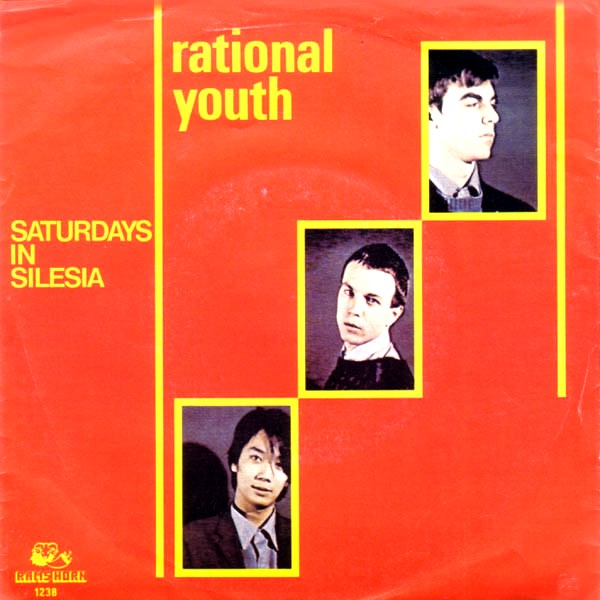
After ‘Dancing On The Berlin Wall’, RATIONAL YOUTH mainman Tracy Howe turned his attention towards Poland. “What was it like to be young person behind the Iron Curtain? What did they do on a Saturday night anyway?” he told ELECTRICITYCLUB.CO.UK, “Did they have clubs to go to? Probably underground ones. They’d probably break down the door. Apart from the fact that there are no ‘navy docks’ in Silesia, this record makes a jolly racket and may well be the first recorded instance of a Roland TR-808.”

Available on the RATIONAL YOUTH album ‘Cold War Night Life’ via EMI Records

https://www.facebook.com/RationalYouth/


IAN ANDERSON Different Germany (1983)
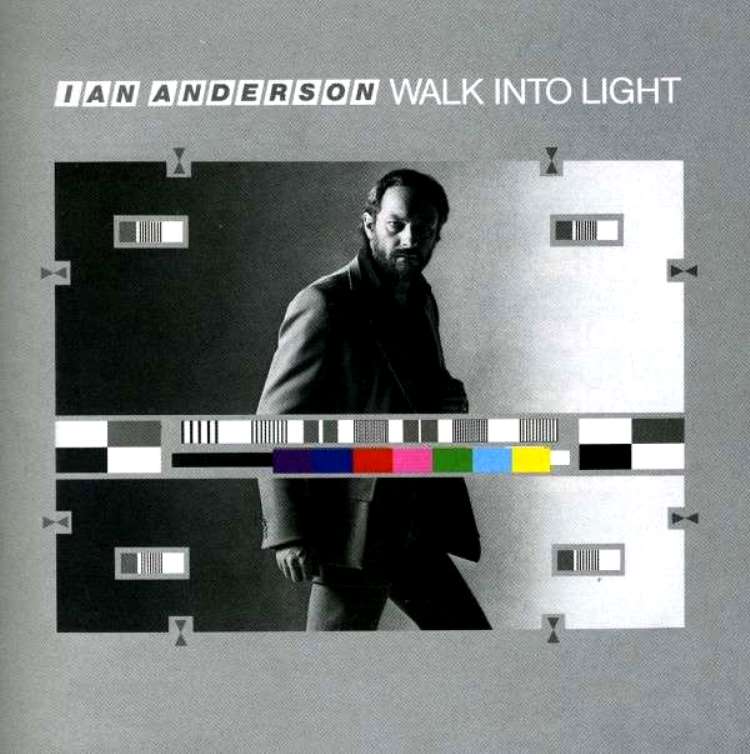
Fascinated by the likes of Thomas Dolby and Gary Numan, JETHRO TULL frontman Ian Anderson went synth in 1983. Assisted by Peter John Vitesse, ‘Different Germany’ embraced both the electronic and progressive sides of Anderson’s career perfectly with a marvellous middle section featuring a bristling keyboard solo. The end result sounded not unsurprisingly like Tull fronting ULTRAVOX; of course, the circle was completed when Midge Ure covered ‘Living In The Past’ in 1985.

Available on the IAN ANDERSON album ‘Walk Into Light’ via EMI Records

http://jethrotull.com/ian-anderson-bio/


THE STRANGLERS European Female (1983)
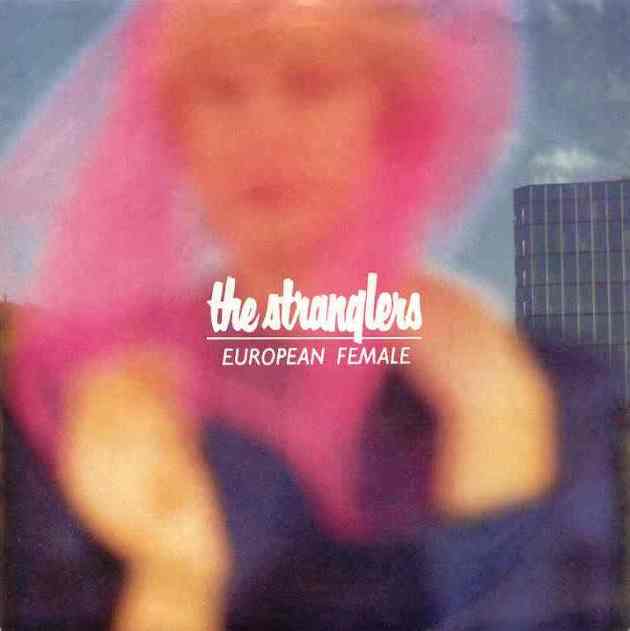
Born to French parents, THE STRANGLERS’ bassist Jean-Jacques Burnel was a loyal European, even releasing a 1979 solo album ‘Euroman Cometh’ where “a Europe strong, united and independent is a child of the future”. Taking lead vocals for the beautiful ‘European Female’, it possessed an understated quality with subtle Spanish guitar from Hugh Cornwell alongside Dave Greenfield’s sparkling synths and Jet Black’s electronic percussion to celebrate the allure of continental mystery.

Available on THE STRANGLERS album ‘The Very Best Of’ via EMI Records

http://www.thestranglers.co.uk/


Text by Chi Ming Lai
18th April 2019
CHRIS PAYNE Interview

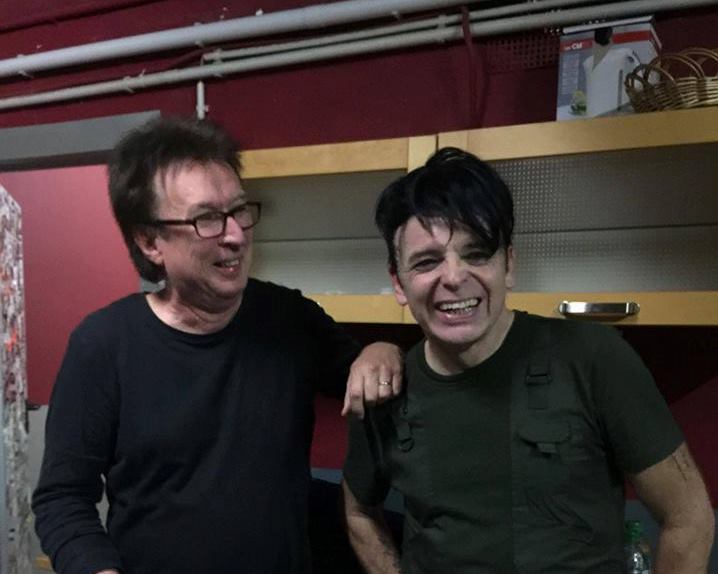
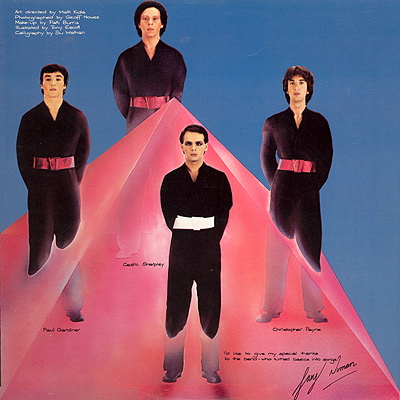
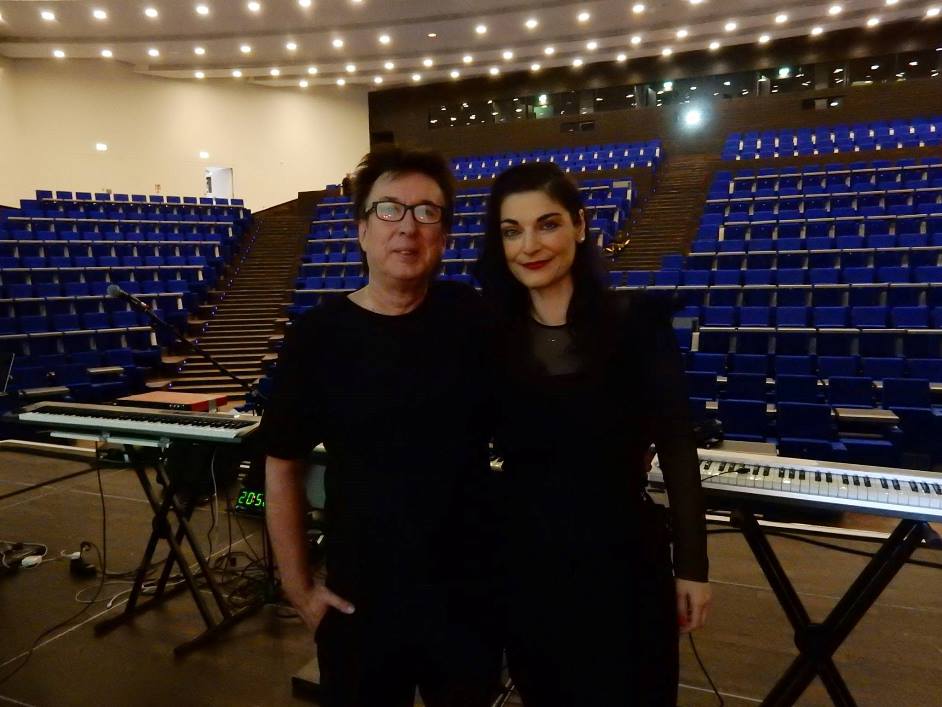
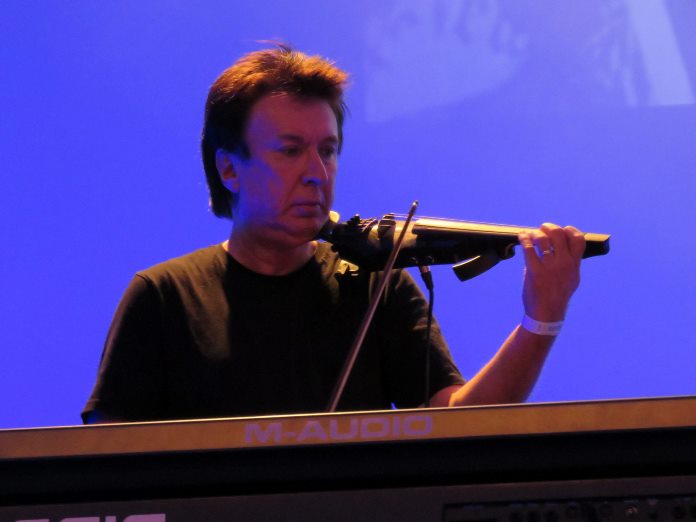
Chris Payne is perhaps best known as a sideman to Gary Numan and co-writing ‘Fade To Grey’ with Billy Currie and Midge Ure for VISAGE.

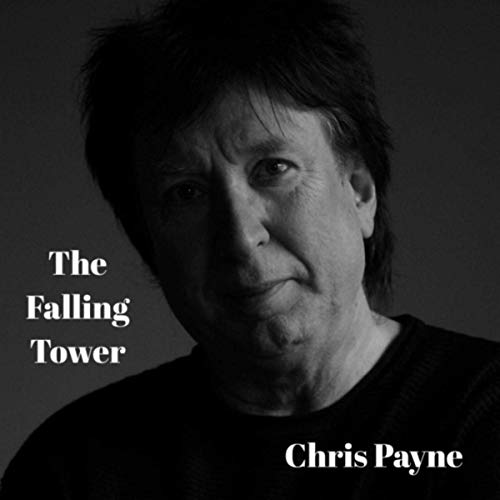
But more recently, Payne released his second solo work ‘The Falling Tower’, an ambitious concept album with neo-classical stylings about “a social and political armageddon”, an all too possible prospect in the current work climate, with the twist of being sung in Latin, Esperanto AND English!
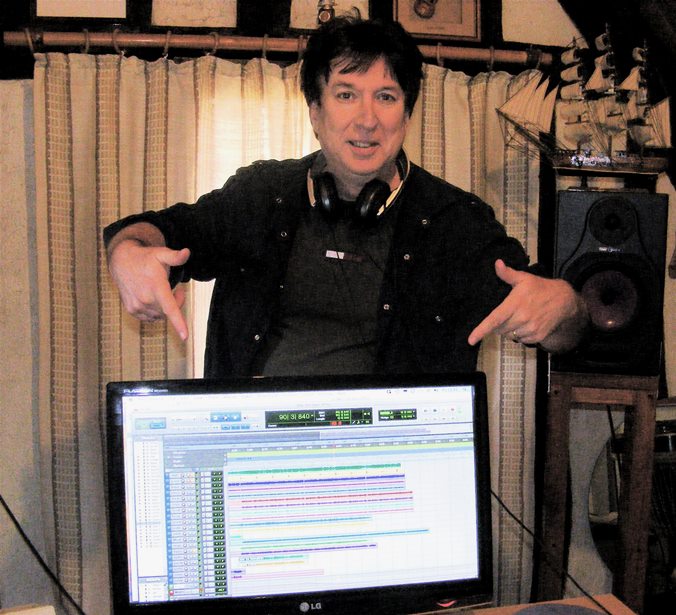
The Rouen-based Cornishman took time out to chat about ‘The Falling Tower’ and the various projects he is currently involved in…

‘The Falling Tower’ is your second solo album, but a significant part of it formed an ELECTRONIC CIRCUS album with the same title which came out in 2018?

Yes it is a rather unique situation whereby I released the album under the ELECTRONIC CIRCUS banner when it was clearly not ready. It was a bit of a disparate mix of songs as I was trying to fit the quirky synthpop songs such as ‘Roundabout’ and ‘Space Invaders’ with the more serious compositions like ‘In Red Fields Of Flanders’ and ‘Nocturne for Piano & Synths’. I decided to take a bit of an unprecedented step of redoing the album and dropping the synth pop stuff.


Do you still believe in the album as a concept and artform in this age of streaming and skipping?

Fundamentally yes. It’s true that with digital downloads and streaming etc, you don’t get the benefit of the classic album cover which is not only something that adds artistic merit to the music but also allows the listener to get information about who played on it, the lyrics etc.

Of course you can put all of that information and more on your website or social media page but it isn’t quite the same as having it directly associated with the disc, be it CD or vinyl.

Certainly ‘The Falling Tower’ has a strong message of “Look after the planet or nothing else matters”. In other words as a species that is part of this planet it’s about time to stop ego and thinking xenophobically about nations and politics and redress the damage we are doing. I know it’s a theme that is preached to us all the time, and believe you me I’m the last person to want to be preached to, but if we don’t take a different course soon the risks are colossal for the planets existence.

Whilst ‘Space Invaders’ didn’t fit in at all, ‘Direct Lines’ with its nuclear catastrophe storyline and ‘Roundabout’ with its midlife crisis metaphors weren’t that far off the “political collapse of the world” narrative you were aiming at with ‘The Falling Tower’?

I see your point, but they were still very upbeat. As I’ve mentioned before if you’re going to make an album about the collapse of the political and social global civilisation as we know it, you don’t want an album of “jigs and reels”


On ‘The Great Gates’, you perform your first lead vocal since ‘Turn’ with DRAMATIS on ‘For Future Reference’, what brought that on? How different were the two recording sessions which were 37 years apart!

Well I was never a singer and it’s still something that bothers me to be honest.

I’ve been told on numerous occasions by my wife Dominique that singing isn’t all about technique, it’s about emotion and although it took me a long time to appreciate this, she was right.

I have never felt comfortable about my own voice. It was always put down whilst I was at music college and as a result I really didn’t care that much. The DRAMATIS song ‘Turn’ was composed by me and I only recorded my own voice for either Denis Haines or RRussell Bell who were the principle vocalists on the album. But after I recorded it, everyone thought it fitted the track so we kept it.

For the recording of ‘The Great Gates’, Dominique had always told me that my voice had a more unique quality about it in a lower register, and I had had a couple of voice training sessions with a vocal trainer called Cecile Helene who used very imaginative vocal techniques to bring out the best in her pupils. She believes we all have the natural ability to sing, but the way we are structured as kids and taught in schools often condemns us to insecurity and a sense of non self-belief which inevitably blocks progression.

So this gave a certain confidence to sing the song which coincidentally happened to fall in a very nice key for my voice. The thing is, I’m not that interested in the continuing development of my singing career! So it’ll probably be a one off but it’s nice to get the feeling back of not being a vocal moron.

Speaking of DRAMATIS, what happened to the mooted reissue of ‘For Future Reference’ with those later non-album singles like ‘Face On The Wall’ and ‘The Shame’ as extras, which was trailed by the free download of a remastered ‘Ex Luna Scientia’?

Do you know what, I honestly don’t know. RRussell tracked down the owner of ‘For Future Reference’ which had been sold on so many times from our initial management team, who were a bunch of music business conmen! But RRussell bought the copyrights to the album back. As for the titles you mentioned, I’ve no idea if they were included or not. I’ll have to ask RRussell about that! Maybe they’re all for sale on eBay!!

‘Ex Luna Scientia’ was partly sung in Latin, as is ‘The Trapeze’ from The Falling Tower’ while the title track is in Esperanto, what inspired you to do that with those two tracks?

Well I know it sounds a bit musical elitist and trust me, I have no time for that nonsense! But Latin is a great language to sing in and I’m used to using it on my big orchestral choral works I’ve done in London and Prague over the years. It worked very well on ‘The Trapeze’ but when it came to ‘The Falling Tower’, I thought of Esperanto as it was created as a universal language to benefit mankind.

Now interestingly it didn’t work as a created language back in the 19th century and I’m sure that’s because a language isn’t a formal constructed thing from the outset, but a living growing and evolving form of communication that just happens on a gradual basis between us humans. Having said all of that, my wife and I looked at the language, realised it had similarities to Latin and went from there. We discovered that it’s a beautiful language to sing in and I’ve used it on the TULM project I’m working on with my daughter Marikay.


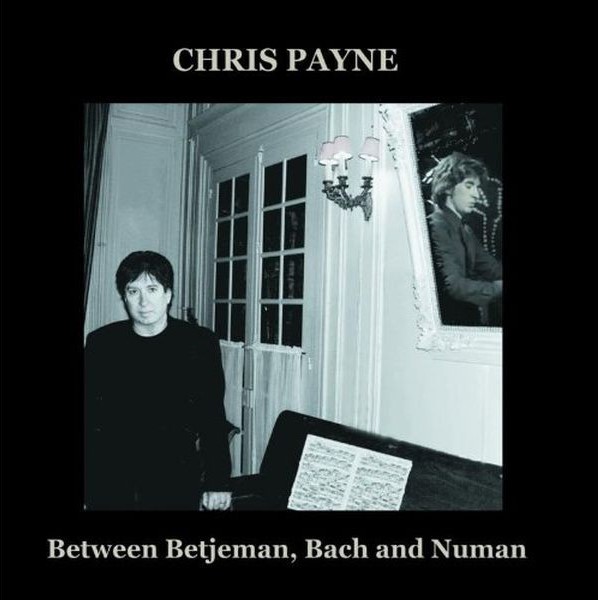
Will you do a song in Cornish next? Didn’t you work with Gwenno once upon a time on ‘Ysolt Y’nn Gweinten’, a version of which ended up on your ‘Between Betjeman, Bach & Numan’ solo debut ?

Well that’s another interesting thing about language. Take Cornish for example. It has been what I call a sleeping language for the last couple of hundred years and has recently, I guess post war, become a spoken and scholarly language once more with a lot of revivalist interest.

It worked beautifully on the CELTIC LEGEND ‘Tristan & Isolde’ project.

Through a chance connection to Tim Saunders (Gwenno’s father and Cornish language expert), I got to work with Gwen. I remember her coming to Nigel Bates’ studio in Sussex and when she sang the instrumental I’d written with Tim’s lyrics and I thought “Wow! what an amazing sound!”, so emotive and full of expression.

Of course I had no idea what was being said, but Tim had given me a translation of it so I could follow the idea. Gwenno is also fluent in Welsh and I remember hearing her on the phone to her mother in Welsh and followed by a conversation with her father in Cornish.

Both languages are from the Brythonic Celtic branch, but to me have a difference in sonority. I really find this incredible and it values a language no matter how few people speak it. It would be a tragedy to lose the likes of Cornish, Welsh, Irish, Scottish, Breton and any so called minority languages as they have so much to offer in music and literature.

I’ve lost touch with Gwenno over the last five years or so, but I know she is a huge exponent of the Cornish language and is incorporating it into her own music, which in my opinion is both brave and brilliant.

‘Nocturne for Piano & Synths’ and ‘Electro Vivaldio’ have given you the opportunity to realise some of your classical synth fusion ideas?

Yes the ‘Nocturne…’ was an experiment whereby I tried to get the same emotion of a string orchestral arrangement to back the piano with synths. At first I tried to emulate the strings with a far too complex arrangement and so stripped it down to a simple very analogue sound using the classic Elka strings. I also added some synth voices and there you go, it worked. I’m very happy with it as it’s a piece very much inspired by a great pianist Ludovico Einaudi, although the difference is he uses the real strings on his recordings plus he’s a bit good and puts me in my place.

The ‘Vivaldi’ was a way for me to express an idea which is simply this. Would the likes of Mozart, Bach, Beethoven etc have empathised with the synth and possibly changed their way of composing had it been around. I personally think yes. The ‘Vivaldi’ was just a sort of compositional metaphor to emphasise this idea.

This version of ‘The Falling Tower’ appears to be getting traction, do you think that’s because you’re actually using your own name and the exposure from The Skaparis Orchestral tour with Gary Numan?

I definitely think it helps. Having done the tour at the end of last year, it exposed me to a number of Gary’s fans again who probably thought I had retired or died! And just using my name rather than going under the ELECTRONIC CIRCUS banner probably helped as well as few would have connected EC to me.

How was that Gary Numan tour incidentally for you?

Well you can imagine that it was totally amazing. Great venues including the Royal Albert Hall, being back on tour again and having my wife with me to share the experience.

Travelling on the tour bus with Gary and his band (plus crew of course) who incidentally are a brilliant bunch, and as I’ve said before outstanding musicians all of them.

Also the massive buzz of performing my own songs and instrumentals and Gemma (Gary’s wife) who is so kind and welcoming and unbelievably funny and straight away making us feel part of the family. My only regret was it lasted for ten days. I could have done a hundred!

You are writing an autobiography on your Numan days, how is that coming along?

I have been sketching it out and it is quite daunting as I want to make it a historic book about my observations and perspective on events, but at the same time entertaining.

What has caught the imagination is my close involvement with Gary and the band members during this period from 1979 until 1990 (when I officially left) and it’s interesting writing it now from a very retrospective angle. If I had written this at the time, I don’t think it would be good. It would probably have been a bit like a diary and that’s the last thing I want it to be.


What’s perhaps not widely known is that on ‘The Pleasure Principle’, you and Gary shared the keyboard parts because from ‘Telekon’ onwards, he tended to handle the majority himself?

The difference between the two recordings was immense. ‘The Pleasure Principle’ was all of us playing together and to lay down the basis of the track and then doing overdubs.

‘Telekon’ was much more fragmented with us coming and going and sometimes hanging around all day and doing no recording at all.

I played some keyboards on it and viola, but Denis Haines had joined the band and added keyboard parts. Gary did a lot of overdubs himself on various synths and then you had RRussell adding guitar, Paul on bass and Cedric on drums. But my memory of it was that it was put together in a rather random way compared to ‘The Pleasure Principle’. It was still a brilliant album mind you and I’m well proud to have been involved.

Everyone naturally talks about tracks like ‘Complex’ when referencing your contribution, but I’d like to mention ‘M.E.’ and ‘Tracks’, what can you remember about doing those?

‘Tracks’ sadly I have no memory at all. Did I play on it? But on ‘M.E.’, I was given full license to come up with the parts under Gary’s guidance. I’d play them and he’d make the decision as to if he liked what I had done or not. This is a pattern that followed through into future recordings with Gary.

You’ve been working with German songstress Katja von Kassel and you did a new version of ‘Fade To Grey’ with her for ELECTRONIC CIRCUS. Now that version of the album has been taken out of circulation, will it reappear on perhaps your next EP with her or something?

No I doubt it. I think Katja’s better off with releasing original material to establish her own identity rather than relying on covers.

‘Fade To Grey’ is something of an evergreen, there was people like Kelly Osbourne and Kylie Minogue with their respective songs like ‘One Word’ and ‘Like A Drug’ significantly borrowing from it, are you getting any royalties from those? 😉

We all got royalties from the Kelly Osbourne record. Linda Perry the producer and writer, you know the one from 4 NON BLONDES fame, producer of Pink, Christina Aguilera etc etc realised her error and relinquished her entire rights to the song. I still have her lovely letter written to me apologising for her mistake. To be honest it could happen to anyone and for her to have been so honest and forthcoming with a solution was admirable. I think she’s a really decent person and she has my total admiration.

Minogue on the other hand is a different story. She would have known full well it was a rip off, but the massive weight of her management and herself didn’t act as decently as Linda Perry as they employed the UK’s ‘top musicologist’ so they got away with it and we ended up with nothing. But hey that’s the music business! Nobody said it was fair!


While we’re on the subject of VISAGE, you contributed five songs to Rusty Egan’s ‘Welcome To The Dancefloor’ album which were sung by Midge Ure and Tony Hadley among others, anymore stuff on the way from you with that project? 

Oh definitely. He’s a fascinating character who is passionate, driven, committed 100% to the electronic music cause.

He’s extremely loud (you can hear him over an AC/DC concert!) and as I describe him affectionately to others due to his direct no nonsense approach, ‘a social grenade’ but he’s a forceful character and he gets things done. During the album ‘Welcome To The Dancefloor’, he managed to get so many good people on board.

How do you look back on it?

It took a long time and in fact five years from inauguration to finish and I was there from the start to the finish, in fact I was the only one. Many had dropped off not believing it would happen but there’s something about him that I share, and that is a driven passion to get the job done and get your music out there.

I contributed five songs to his album and the most interesting one was ‘Glorious’ with Midge Ure. I had written the basic track and had this idea about the chorus relating to the national anthem but as a love song, a sort of “You make me Glorious sometimes victorious” type of thing. Well, Rusty loved the initial idea and worked on it but it didn’t have that big anthem sound I had imagined.

It rested there for a year or so and then suddenly out of the blue Midge had got hold of it and although he kept the chord structure I had written, had revised it from verse to chorus and turned it into the song I always imagined it to be. I was stunned when I first heard it and all credit to Mr Ure, he had turned around a good song into an amazing song.

TULM is a new project with your daughter Marikay which has an eerie Medieval folk feel about it?

The TULM concept is a new project that I’m creating with my daughter Marikay. She has a passion for auditioning huge amounts of music from all over the world on the internet and has a unique ear and is also passionate about creating a project that involves not just the process of music but film, still photography, clothes design, jewellery etc. She has already connected a lot of artists in the Rouen region on this and they all are very committed to the project.

As for my role? Well that’s also different and interesting for me. I will listen to her basic story ideas which are normally based on dark fairy tales and create the music as we are going. In some cases such as the song ‘Flower Crown’, there is no standard structure. We are just going through a story told in music and lyrics and that’s it. It feels a bit like composing film music but without the film!

One thing that does show a certain generation gap is when I’m writing using a simple bed of strings and thinking to myself “Wow that sounds good”, she’ll me bring down to earth with a comment like. “Dad, that’s so 80s! No one uses that old fashioned sound now”. So I change it to something different and that’s how it works. The complete antithesis to how I normally work but an interesting learning curve. Plus as you said there are elements of folk. It’s actually a hard project to define to anyone.


You’ve been working with TINY MAGNETIC PETS on their new album ‘The Point Of Collapse’?

Yes, I was asked to contribute some piano and violin on a couple of their songs. I didn’t hesitate as they’re such an amazing band and more importantly such lovely people. It’s always a pleasure to meet up with them and I really hope they get to achieve the success they deserve with this album.

Have you had a chance to reflect on your career and how your synthy past has become a part of your creative life again in the last decade?

Well as you know I left synths when I left Gary back in 1990 as I went back to classical and folk instruments. I worked on a lot of orchestral projects for production film and media music, plus the use of the folk instruments in CELTIC LEGEND. But having said that , I was still using synths but as a background atmospheric thing rather than full on upfront.

Actually by 2010, I had got into a bit of a rut with music and this changed when Rusty contacted me and I had to get back into synths again. My entire way of looking at them has changed since then. They are an integral part of music creation and what I’ve always admired about the synth is the accessibility of the instrument to all. Think of it as a tool able to be used by non-musicians to create music.

For most instruments, it takes years to get proficient enough to be able to write with them, but the synth opens up this new world of creativity to non-musicians almost immediately which I’m convinced is a great thing. I have certainly reconnected with them and use them all the time. My poor old crumhorns, ocarinas, bamboo flutes, Bombards etc are just lying around in the corner of my studio. But I’ll find a project soon to incorporate them back into my musical life I’m sure.


What’s next for you, under whatever guise?

Simply to carry on writing in whatever form and creating music.

I have an interesting project with an old music college friend called Michael Stewart who was mentored by Sir John Tavener, and this involves setting up our own neo-classical label. I would really like this to work but it’s going to take time and a lot of commitment.

We have a project in mind to start off, with an amazing pianist from Japan called Ahuri playing one of the rare Tavener piano compositions called ‘Palintropos’. And of course I have to finish the long awaited book ‘My Numan Days’, check out my Facebook page and www.chrispaynemusic.com for updates.


ELECTRICITYCLUB.CO.UK gives its sincerest thanks to Chris Payne

‘The Falling Tower’ is released by Gaia International Music, available as a digital album via the usual platforms

http://chrispaynemusic.com/

https://www.facebook.com/chrispaynecomposer/

https://twitter.com/clanvis

https://www.instagram.com/chris.payne.music/


Text and Interview by Chi Ming Lai
6th March 2019

25 ALBUM VERSIONS THAT ARE BETTER THAN THE SINGLE VERSIONS

As long as there has been a music business, artists and producers have been tinkering with their work.

While often, it’s the single version made for mass consumption through radio play that remains superior and best loved, there are occasions when the album take reigns supreme due to the freedom to work on a larger easel without commericial considerations or radio play constrictions.

Often there’s a track that is the obvious standout on the long player, but sometimes it can be of a structure that is considered too long for peak time radio where instant gratification is the key. On other occasions, the vision of the track for album consumption is reconsidered following an earlier short form release produced on a more limited budget.

So as a companion list to the earlier 25 Single Versions That Are Better Than The Album Versions listings feature and restricted to one track per artist, here are 25 Album Versions That Are Better Than The Single Versions presented in chronological and then alphabetical order…


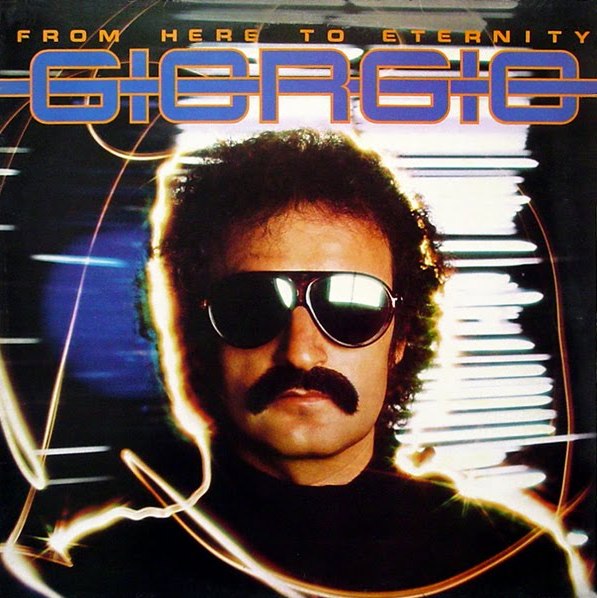
GIORGIO From Here To Eternity (1977)

Despite being a hit single, ‘From Here To Eternity’ was actually something of a disjointed disco medley, throwing in a section of the album track ‘Utopia – Me Giorgio’ halfway through. The full six minute ‘From Here To Eternity’ from the long player of the same name was a futuristic slice of electronic dance perfection, with Giorgio Moroder steadily building on his throbbing synth backbone and layers of vocoder punctuated by the steady beats of drummer Keith Forsey.

Available on the GIORGIO album ‘From Here To Eternity’ via Repertoire Records

https://www.giorgiomoroder.com/


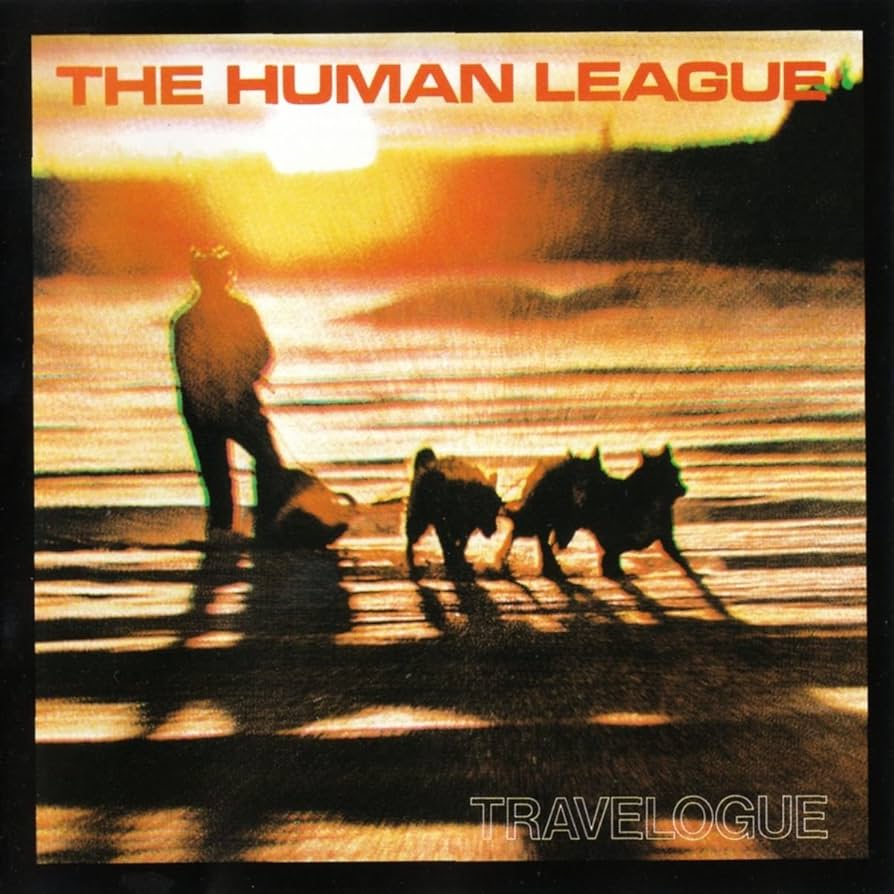
THE HUMAN LEAGUE Being Boiled (1980)

The original Fast Product single version of ‘Being Boiled’ from 1978 had its own charm, recorded as mono demo which was subsequently released. However, having signed to Virgin Records and with a budget behind them, Messrs Marsh, Oakey and Ware took the opportunity to update their calling card with producer John Leckie for the ‘Travelogue’ album to more fully realise its funky overtones inspired by FUNKADELIC. The end result was fuller and more dynamic.

Available on THE HUMAN LEAGUE album ‘Travelogue’ via Virgin Records

http://www.thehumanleague.co.uk/


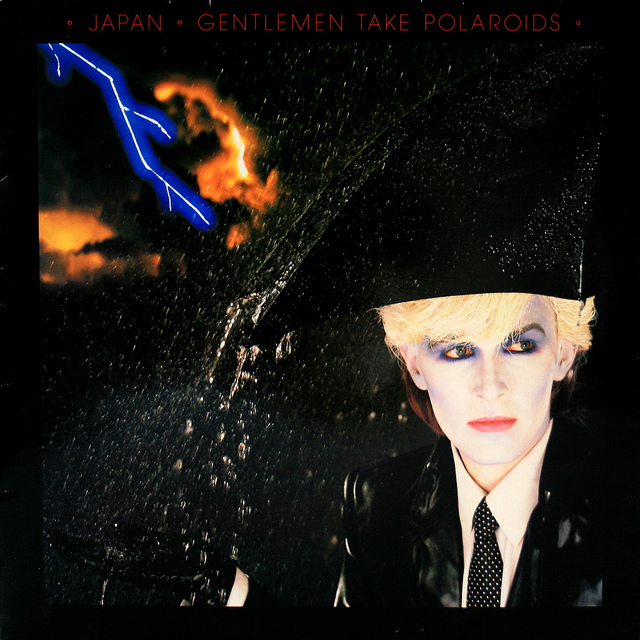
JAPAN Nightporter (1980)

‘Ghosts’ had been an unexpected singles success for JAPAN in 1982 and Virgin Records wanted more of the same with ‘Nightporter’, despite it being already two years old and with the previously unreleased song ‘Some Kind Of Fool’ in the vaults. Trimming the solemn seven minute ivory laden Satie homage was always going to be difficult and the horrific radio edit butchered out the lengthy if vital instrumental climax of melancholic Oberheim OBX strings. Less really does mean less…

Available on the JAPAN album ‘Gentlemen Take Polaroids’ via Virgin Records

http://www.nightporter.co.uk/


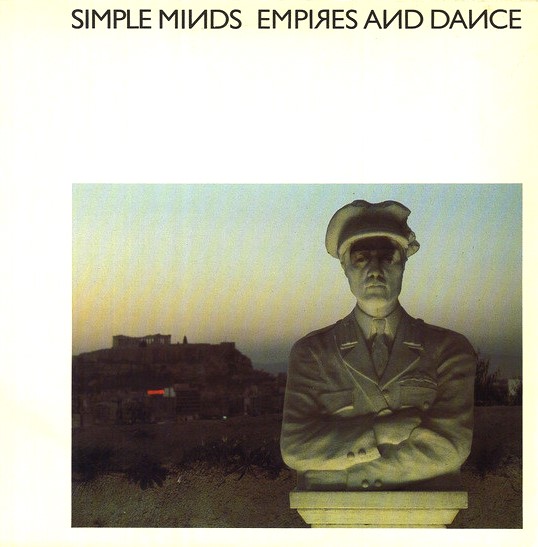
SIMPLE MINDS I Travel (1980)

The album version of ‘I Travel’ was only four minutes in the first place, yet original label Arista Records felt the need to chop the track on both single edits it released and neuter its impact. SIMPLE MINDS never fully realised their potential until they signed to Virgin Records and ‘I Travel’ heralded a futuristic art rock phase where the band’s Germanic influences, coupled to synthesized disco aesthetics of Giorgio Moroder, found favour at clubs like The Blitz.

Available on the SIMPLE MINDS album ‘Empires & Dance’ via Virgin Records

https://www.simpleminds.com/


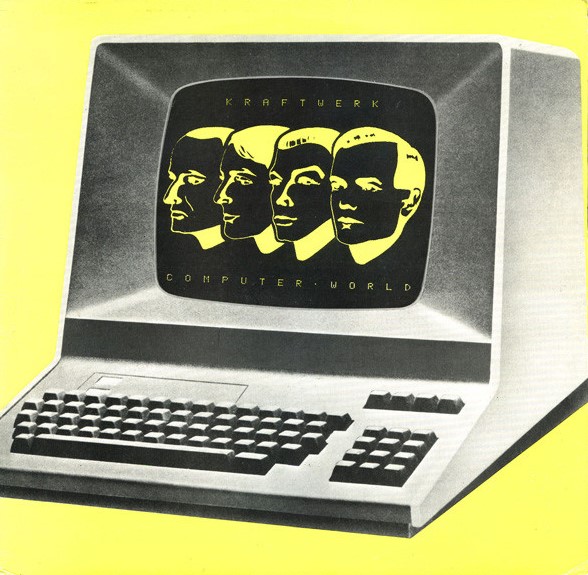
KRAFTWERK Computer Love (1981)

Whether ‘Autobahn’, ‘Radio-Activity’, ‘Showroom Dummies’, ‘Trans-Europe Express’, ‘Neon Lights’ or ‘The Robots’, the sheer average length of a KRAFTWERK track made them difficult to apply to the single format and ‘Computer Love’ was no different. A beautifully melodic piece that predicted internet dating and stretched to just under seven minutes with its glorious second half synth solo in its album version, it was like the reel of the film was missing in its edited form.

Available on the KRAFTWERK album ‘Computer World’ via EMI Records

http://www.kraftwerk.com/


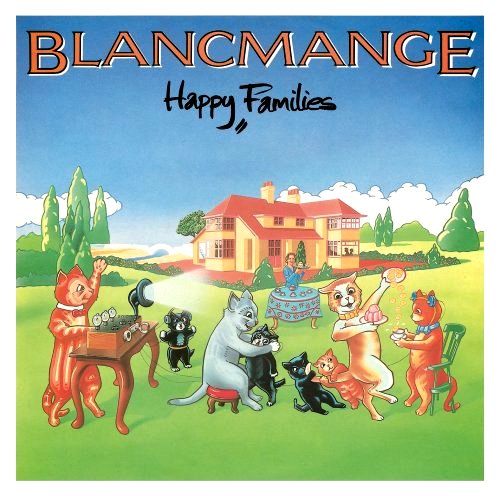
BLANCMANGE Waves (1982)

A UK Top 20 single for BLANCMANGE in 1983, ‘Waves’ was remixed and given an orchestral treatment arranged by Linton Naiff, but it strangely detracted from the bare emotion of the song. Sounding like Scott Walker fronting OMD, with a more basic synthesized construction and a sombre detuned brass line allowed to breathe at the song’s conclusion, the album version sans orchestra was much better.

Available on the BLANCMANGE album ‘The Very Best Of’ via Music Club Deluxe

http://www.blancmange.co.uk/


DAF Kebab Träume (1982)

Originally recorded for a 1980 single on Mute Records in more of a band format featuring guitar and hand-played synths, ‘Kebab Träume’ was subsequently reworked by DAF in a more superior fashion under the production supervision of the legendary Conny Plank for their third and final Virgin-era long player ‘Für Immer’. Transforming into something much heavier, the memorable if controversial line “Deutschland, Deutschland, alles ist vorbei!” had more bite on this album version.

Available on the DAF album ‘Für Immer’ via Grönland Records

https://www.groenland.com/en/artist/deutsch-amerikanische-freundschaft/


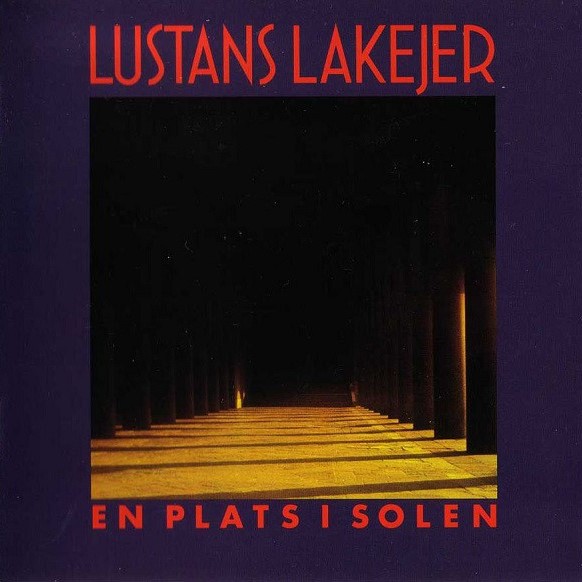
LUSTANS LAKEJER Läppar Tiger, Ögon Talar (1982)

Sweden’s LUSTANS LAKEJER came to international attention when their third long player ‘En Plats I Solen’ was produced by Richard Barbieri of JAPAN. With its synthesized atmospheres and art funk aspirations not that far off DURAN DURAN, ‘Läppar Tiger, Ögon Talar’ was one of the album’s highlights. But for the inferior single version produced by Kai Erixon, the band opted for a more laid back swing arrangement punctuated by a brass section.

Available on the LUSTANS LAKEJER album ‘En Plats I Solen’ via Universal Music

https://www.facebook.com/LustansLakejer/


GARY NUMAN We Take Mystery (1982)

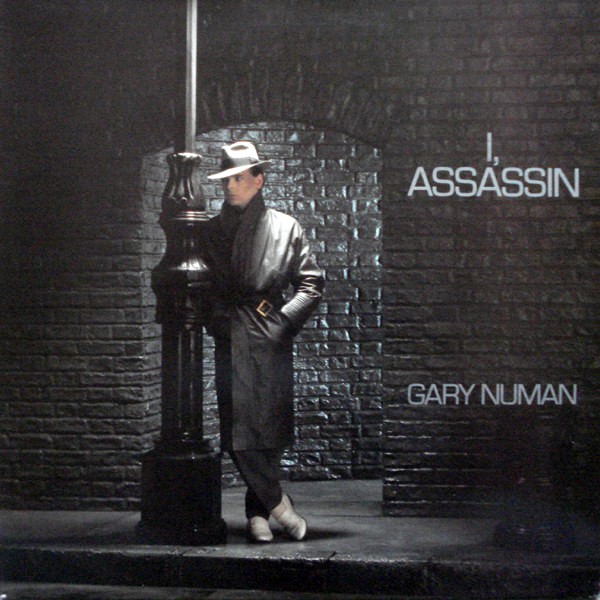
The single version of ‘We Take Mystery’ which was Gary Numan’s last UK Top 10 hit was too short and the extended 12 inch version was too long, which left the album version from ‘I, Assassin’ as the best take of the song. With its crashing Linn Drum snap and fretless bass with live percussion syncopating on top, this was a dancefloor excursion which concluded with a marvellous additional rhythm guitar breakdown from fretless bassist Pino Palladino.

Available on the GARY NUMAN album ‘I, Assassin’ via Beggars Banquet

https://garynuman.com/


VISAGE The Anvil (1982)

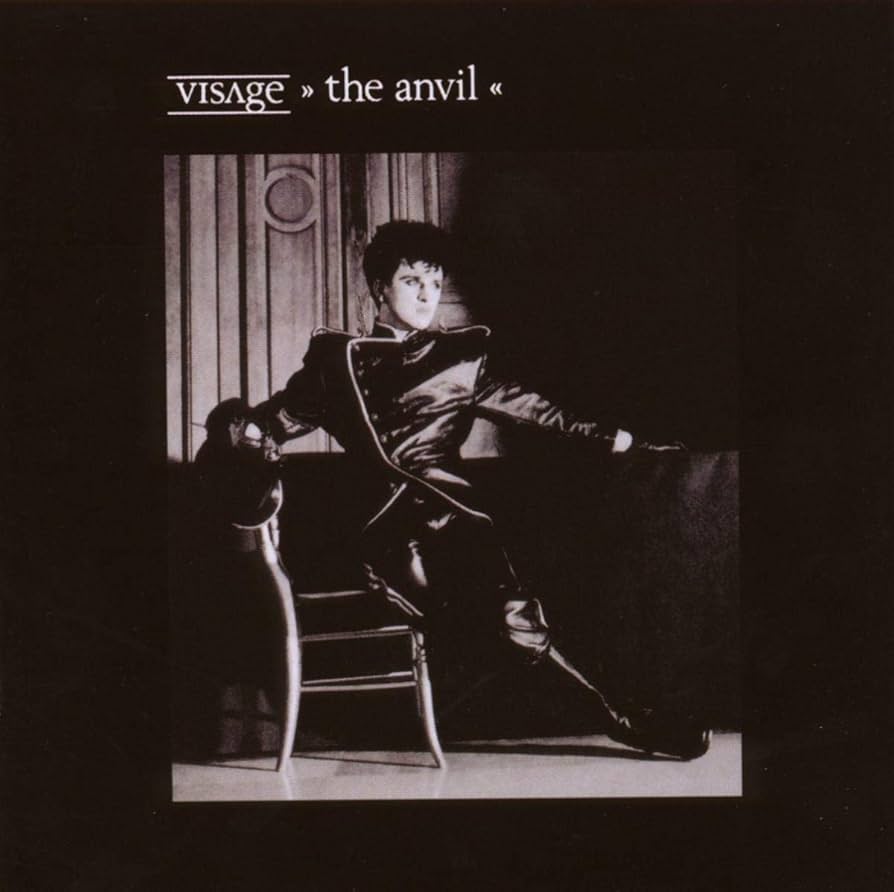
Remixed by John Luongo for single release, ‘The Anvil’ ended up as a B-side but while the sound of metal-on-metal was added, it somehow had less presence than the original album version. Possessing far Teutonic tension with some superb guitar work from Midge Ure, metronomic drumming courtesy of Rusty Egan minus his hi-hats, Dave Formula’s superb screaming ARP Odyssey complimented Steve Strange’s tale of debauchery for one of the best ever VISAGE tracks.

Available on the VISAGE album ‘The Anvil’ via Cherry Pop

https://www.discogs.com/artist/3479-Visage


JOHN FOXX Endlessy (1983)

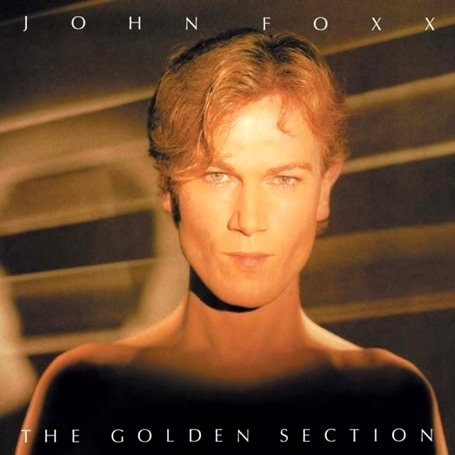
By 1982, John Foxx has rediscovered his love of early PINK FLOYD, THE BEATLES and psychedelia which manifested itself in ‘Endlessy’. Based around a tom heavy Linn Drum programme, deep cello samples and sitars, it was an interesting if messy experimental romp. Come his third album ‘The Golden Section’ recorded withproducer Zeus B Held, the new version was much more focussed with an accessible uptempo electronic euphoria.

Available on the JOHN FOXX album ‘The Golden Section’ via Edsel Records

http://www.metamatic.com/


HEAVEN 17 And That’s No Lie (1984)

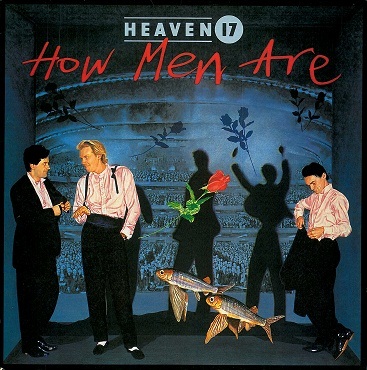
A sub-ten minute progressive epic was never going to work as an edited single and with ‘And That’s No Lie’, that’s exactly what happened. The original album version was HEAVEN 17’s ambitious adventure in sound and fusion that threw in everything from abstract sonic experiments, jazz piano, Fairlight samples, the gospel voices of ARFRODIZIAK and an orchestra, plus some excellent live bass and guitar work from John Wilson and Ray Russell respectively.

Available on the HEAVEN 17 album ‘How Men Are’ via Virgin Records

https://www.heaven17.com/


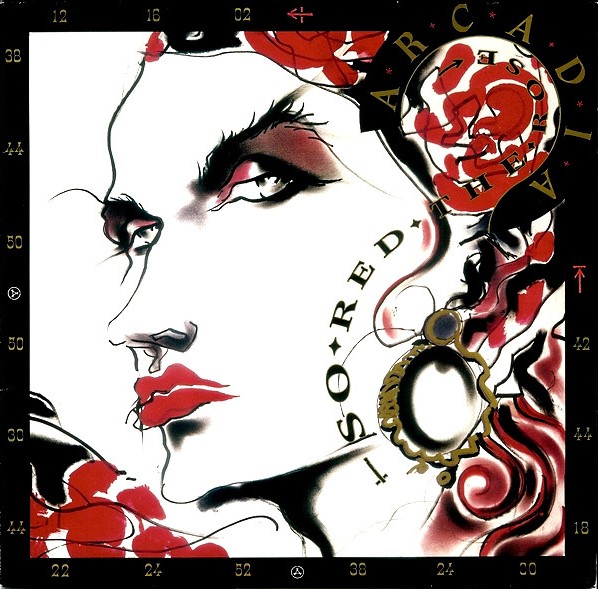
ARCADIA The Flame (1985)

ARCADIA was Simon Le Bon, Nick Rhodes and Roger Taylor’s attempt to be JAPAN during the DURAN DURAN artistic hiatus, but many of the songs from the short-lived side project were smothered in a pond of self-indulgence. One of the highlights though was ‘The Flame’, basically ‘A View To A Kill Part 2’. However for its single release, a neo-acapella intro was applied rather than the frantic percussive beginning of the album version which robbed the song of its tension and impact.

Available on the ARCADIA album ‘So Red The Rose’ via EMI Records

http://www.duranduran.com/


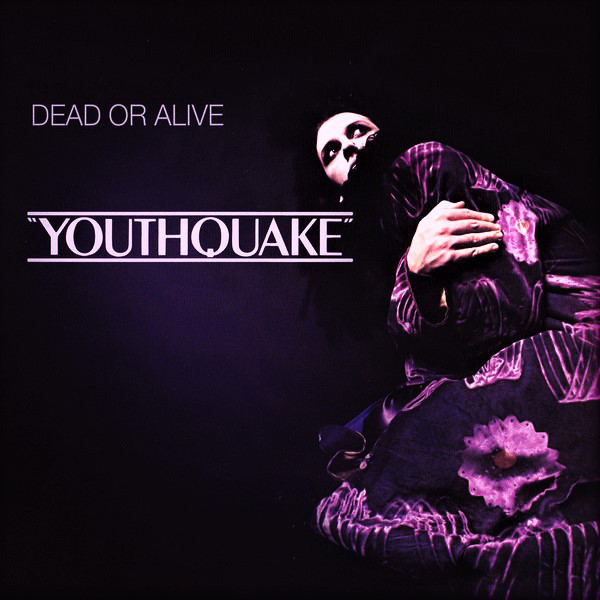
DEAD OR ALIVE My Heart Goes Bang (1985)

Having got DIVINE into the UK charts, Stock Aitken & Waterman gave the same treatment to DEAD OR ALIVE, scoring a No1 with ‘You Spin Me Round’. Parent album ‘Youthquake’ had some excellent tracks including ‘My Heart Goes Bang’ which was ripe single material. But the single remix by regular PWL associate Phil Harding was horrible, throwing in the kitchen sink with voice cut-ups and an overdriven rhythm section which drowned out any merits the song originally had.

Available on the DEAD OR ALIVE album ‘Youthquake’ via Sony Music

https://www.discogs.com/artist/46720-Dead-Or-Alive


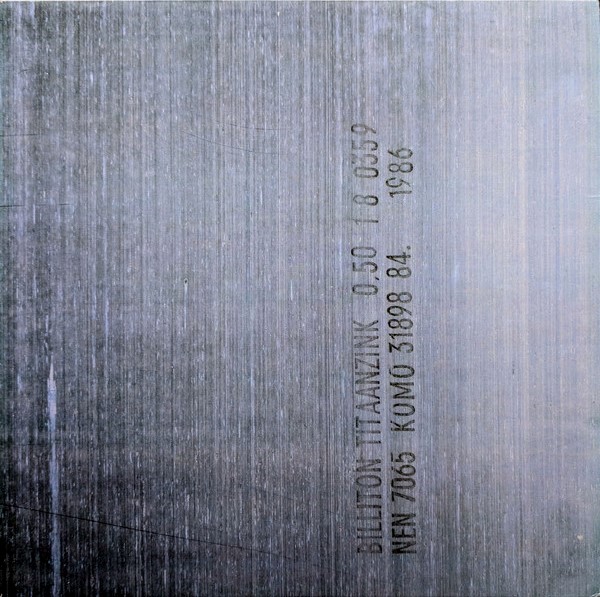
NEW ORDER Bizarre Love Triangle (1986)

‘Bizarre Love Triangle’ is one of the best loved NEW ORDER tunes. The rugged self-produced original version that appeared on the ‘Brotherhood’ album was a glorious electronic number with a slight mechanical offbeat and space for Hooky’s distinctive bass. But the version released for 45 RPM consumption was a frustrating, four-to-the-floor remix by Shep Pettibone which took all the character out of the song with a barrage of overdriven percussive samples.

Available on the NEW ORDER album ‘Brotherhood’ via Warner Music

http://www.neworder.com/


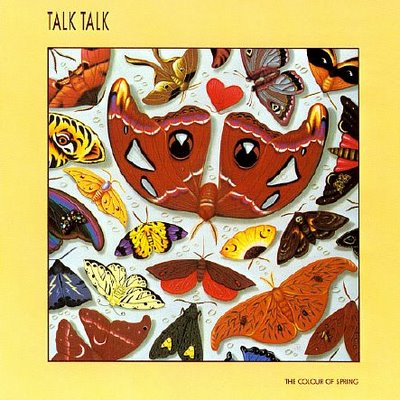
TALK TALK Living In Another World (1986)

Although ‘Living In Another World’ was the best song on ‘The Colour Of Spring’, it was always going to be a tall order to but its 7 minutes in half for single consumption! A fine progressive combination of synthetic strings, piano, Hammond organ, hypnotic bass, acoustic and electric guitars, percolating percussion and harmonica, the TALK TALK sound would have been nothing however without the anguished vocals of Mark Hollis and the production skills of Tim Friese-Greene.

Available on the TALK TALK album ‘The Colour Of Spring’ via EMI Records

https://www.facebook.com/Talk-Talk-Mark-Hollis-12307963901/


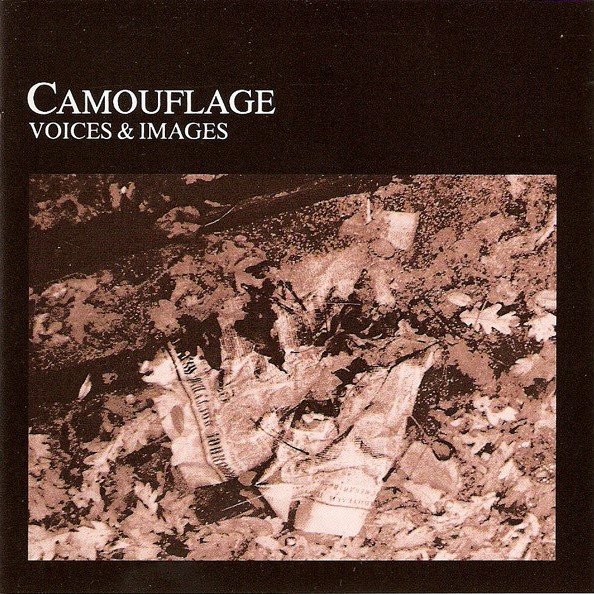
CAMOUFLAGE The Great Commandment (1988)

German trio CAMOUFLAGE had a hit with ‘The Great Commandment’ all over the world with only Britain remaining ambivalent to their industrial flavoured synthpop. As with many singles of the period, it clocked in at just over three minutes but sounded rushed. Come the debut album ’Voices & Images’ and ‘The Great Commandment’ was more fully realised, allowing space to prevail in the one of the best DEPECHE MODE tracks that the Basildon boys never recorded.

Available on the CAMOUFLAGE album ‘Voices & Images’ via Metronome Music

http://www.camouflage-music.com/


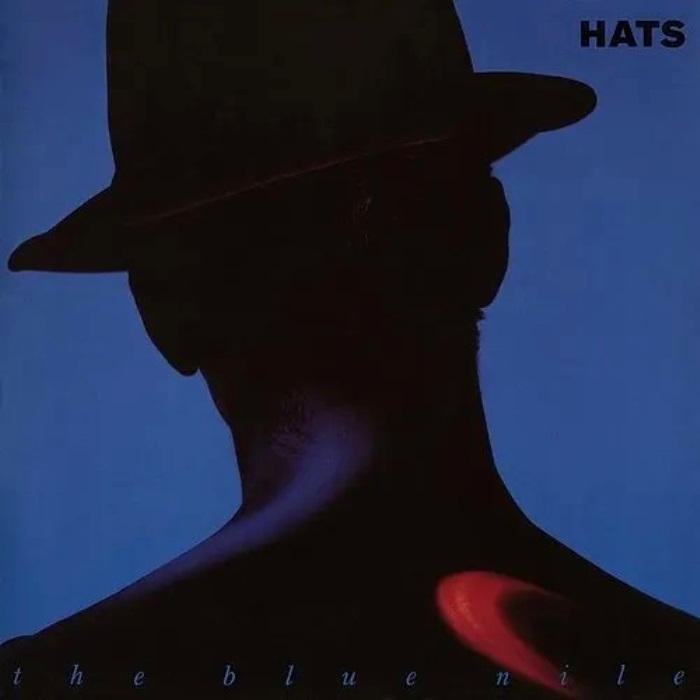
THE BLUE NILE Headlights On The Parade (1989)

Enigmatic Glaswegian trio THE BLUE NILE were never an easy sell to the wider marketplace and the Bob Clearmountain single remix of ‘Headlights On The Parade’ was hopeless, with over a third of the emotively atmospheric number absent for the sake of radio play. The centrepiece of the brilliant ‘Hats’ album, its haunting piano, swaths of synths and a collage of modulated sequences needed a full six minutes to truly convey its solemn drive and rainy cinematic melodrama.

Available on THE BLUE NILE album ‘Hats’ via Epstein Records

http://www.thebluenile.org/


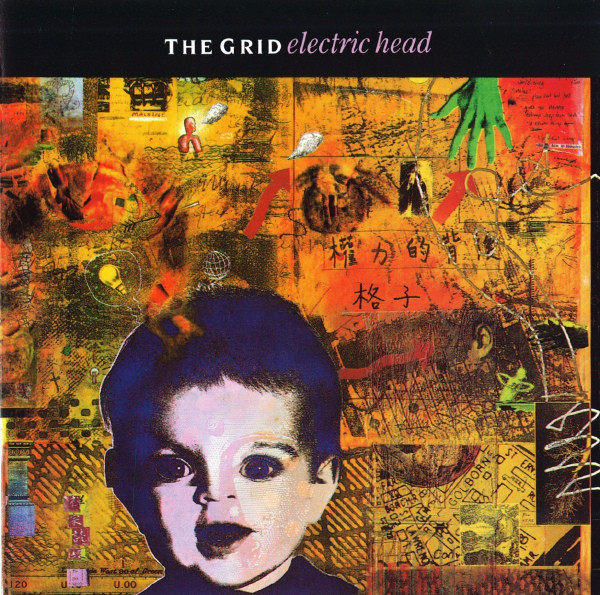
THE GRID Floatation (1990)

Subsonically remixed by Andrew Weatherall with a distinct chilled-out flavour and an additional vocal from Sacha Souter for single release, the brilliant album version of ‘Floatation’ had a more rigid KRAFTWERK feel echoing elements of ‘Tour De France’. Towards the home straight, Julian Stringle’s clarinet brought to mind the aesthetics of Dave Ball’s previous residency in SOFT CELL. But while those woodwind textures were present in the single, they were less effective overall.

Available on THE GRID album ‘Electric Head’ via Cherry Red Records

https://www.discogs.com/artist/5081-The-Grid


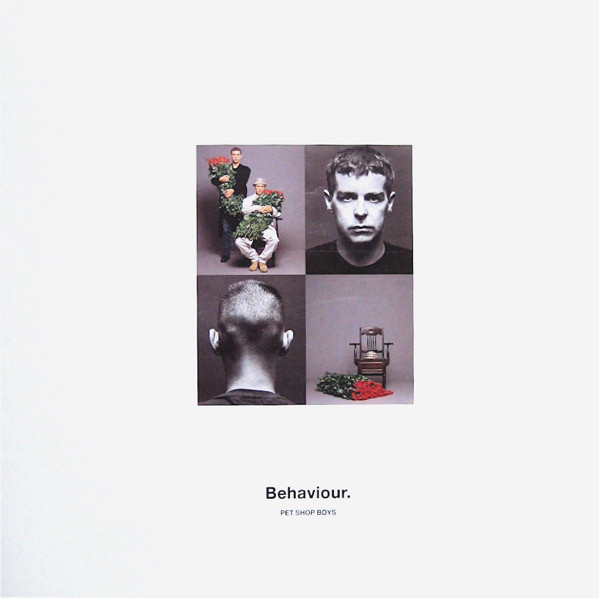
PET SHOP BOYS Being Boring (1990)

Partly inspired by a quote about the wife of F Scott Fitzgerald which stated “she refused to be bored chiefly because she wasn’t boring”, ‘Being Boring’ is one of PET SHOP BOYS’ best songs, reflecting on Neil Tennant’s youth and the loss of a friend who died of AIDS. While the single itself was almost five minutes long, the superior album version featured a fabulous intro that steadily built with a lilting synth bassline and wah-wah guitar that made the most of the song’s elegiac aura.

Available on the PET SHOP BOYS album ‘Behaviour’ via EMI Records

http://petshopboys.co.uk/


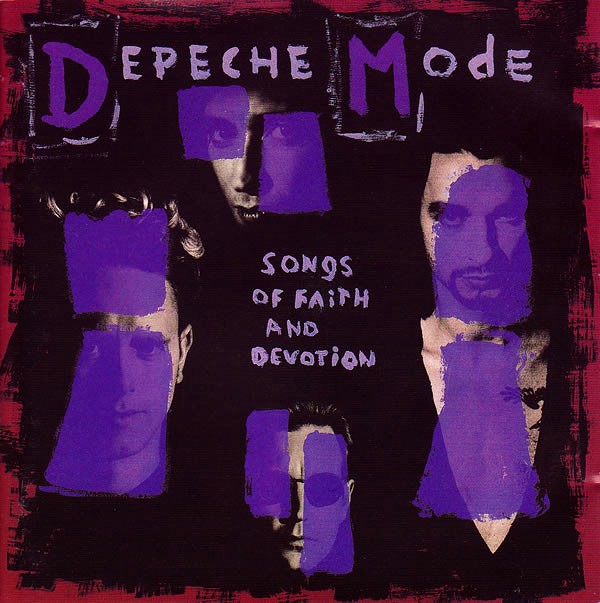
DEPECHE MODE In Your Room (1993)

A tedious rockist statement by DEPECHE MODE when reworked by Butch Vig for single release, the album version of ‘In Your Room’ was widescreen magnificence with a tense percussive drive courtesy of Alan Wilder who only played what was needed, adding a second simplistic drum passage for extra weight. Aexample of how feel is more important technique, current DM drumhead Christian Eigner managed to mess up his opportunity to shine on this during the ‘Global Spirit’ tour.

Available on the DEPECHE MODE album ‘Songs Of Faith & Devotion’ via Sony Music

http://www.depechemode.com/


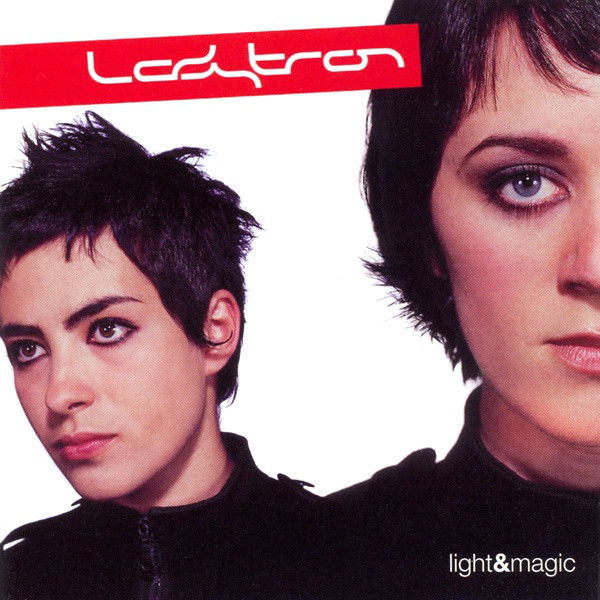
LADYTRON Evil (2003)

The second LADYTRON album ‘Light & Magic’ is probably best known for its lead single ‘Seventeen’, but opening its second half was the brilliantly propulsive ‘Evil’. An obvious single, when remixed by noted dance producer Ewan Pearson, it was filled out with extra string synths and made more contemporary. The track lost its appealing spatial dynamics and grunt while the way in which the vocals of Helen Marnie were mixed more than muted her charm.

Available on the LADYTRON album ‘Light & Magic’ via Nettwerk productions

http://www.ladytron.com/


ARTHUR & MARTHA Autovia (2009)

ARTHUR & MARTHA were Adam Cresswell and Alice Hubley; their debut single ‘Autovia’ was the first release on Happy Robots Records in 2008 but when it came to recording the album ‘Navigation’, the incessant Doctor Rhythm drum machine was given a more hypnotic Motorik makeover. Meanwhile, there was an extended end section which allowed for some cosmic Theremin and synth wig-outs like STEREOLAB meeting NEU!

Available on the ARTHUR & MARTHA album ‘Navigation’ via Happy Robots Records

https://www.facebook.com/arthurandmarthaband/


MESH Adjust Your Set (2013)

From MESH’s best album ‘Automation Baby’, the wonderfully metronomic ‘Adjust Your Set’ with its personal relationship commentary in a technology dominated world was one of its many highlights. Given a more orchestrated remix by Nico Wieditz for the MaBose Radio-Edit with a much busier electronic bassline along the lines of ‘Enjoy The Silence’, while this single version had more obvious presence, it lacked the eerie cinematic Morricone-esque air of the album original.

Available on the MESH album ‘Automation Baby’ via Dependent Records

http://www.mesh.co.uk/


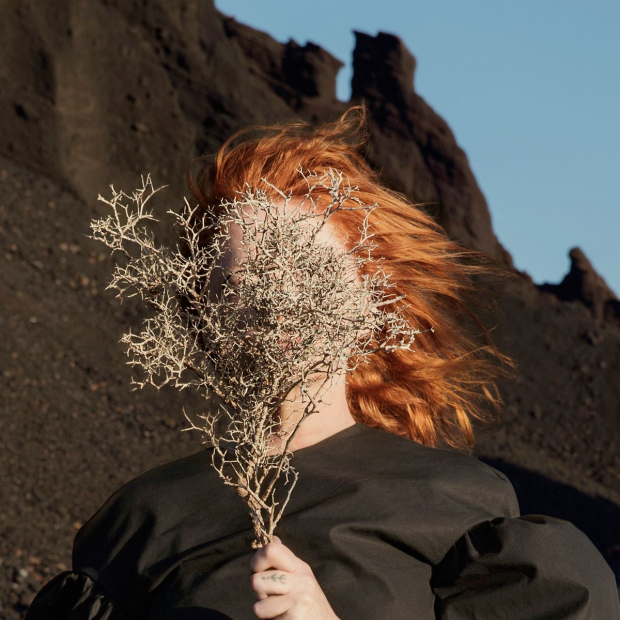
GOLDFRAPP Ocean (2017)

‘Ocean’ was already dramatic perfection as the best track on the seventh GOLDFRAPP album ‘Silver Eye’, but for the single version, it was felt a contribution from a former member of the Mute family was needed. While Devotees were wetting themselves over Dave Gahan appearing on a more obviously electronic sounding track again, his faux bluesy drawl was something of a mismatch next to the breathy angelic tones of Alison Goldfrapp.

Available on the GOLDFRAPP album ‘Silver Eye’ via Mute Artists

https://www.goldfrapp.com/


Text by Chi Ming Lai
2nd January 2019

PETER ASHWORTH Mavericks

A graduate of the London College Of Printing, photographer Peter Ashworth created some of the most iconic images from New Romantic and beyond.

His photographs adorned albums covers such as the debut long player by VISAGE, SOFT CELL ‘Non-Stop Erotic Cabaret’, ASSOCIATES ‘Sulk’, EURYTHMICS ‘In The Garden’, DEAD OR ALIVE ‘Sophisticated Boom-Boom’, ADAM & THE ANTS ‘Kings Of The Wild Frontier’ and many more.

Meanwhile, his memorable portraits have included artists as varied as FRANKIE GOES TO HOLLYWOOD, ERASURE, ULTRAVOX, THE THE, THE CLASH, THE CULT, THE ART OF NOISE, SWING OUT SISTER, PUBLIC IMAGE LIMITED, THE LIGHTNING SEEDS and SPACE while his photos of BLANCMANGE, EVERYTHING BUT THE GIRL and THE CULT appeared in ‘Smash Hits’.

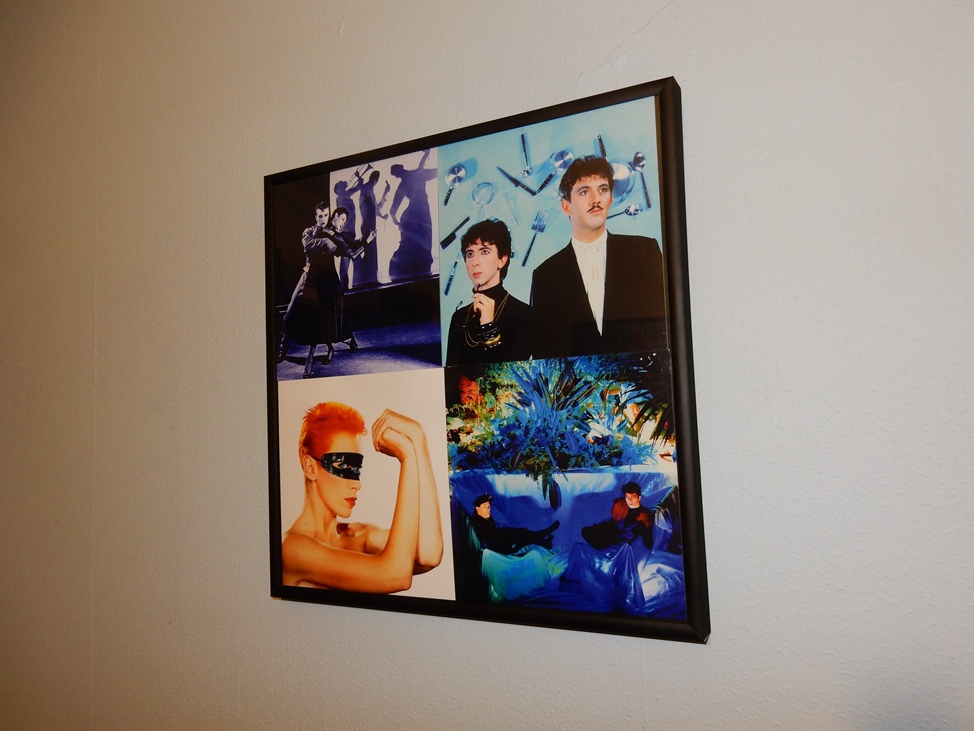
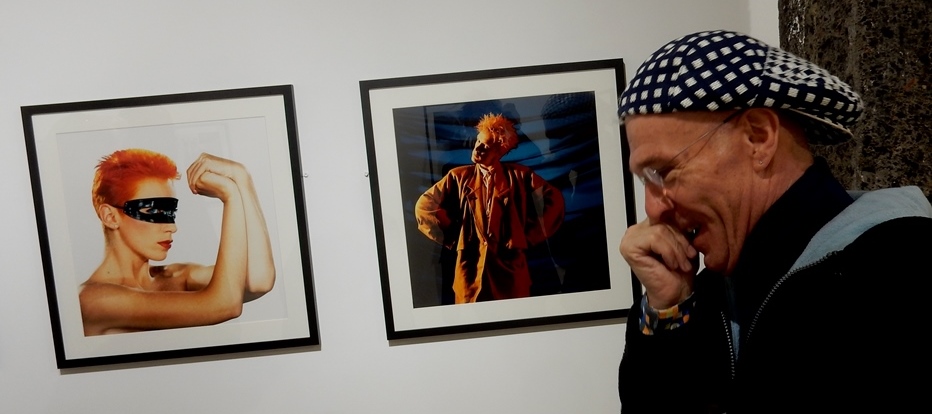
But it was his image of Annie Lennox in a mask and an ironic strong arm pose for ‘The Face’ that was to become his best remembered shot; the visually powerful statement was then used on the cover of ‘Touch’, the third album by EURYTHMICS.

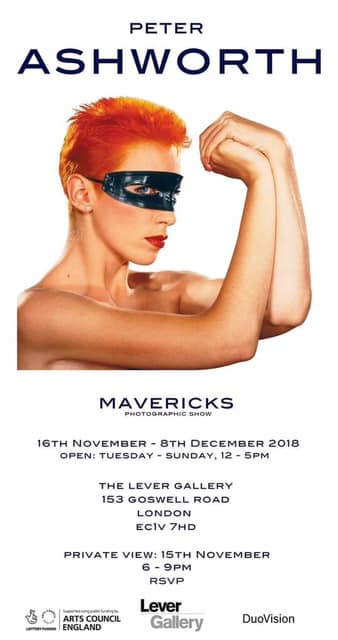
At a time when image was critical to how an act and their music were perceived, record covers were the first port of call for any potential fan. Thus Ashworth’s eye was ideal as he worked mostly with large square format Hassalblad cameras, so there was never that dilemma of what might be cropped out in a landscape format shot. Having already debuted the ‘Mavericks’ exhibition in Liverpool, the London variant was specifically adapted for the Lever Gallery in Islington. In Ashworth’s own words: “the prints have deep colours, strong graphics, and are beautifully printed”.

Ashworth loved to create extravagant sets for his backgrounds like The Jungle Of Desire for various formats of FRANKIE GOES TO HOLLYWOOD’s ‘Welcome To The Pleasure Dome’ or the kaleidoscopic horticultural menagerie for ASSOCIATES to inhabit on the cover image of ‘Sulk’. What Ashworth helped to reinforce was the element of artifice in music of this period, which ultimately allowed the listener to embark on a truly escapist adventure.

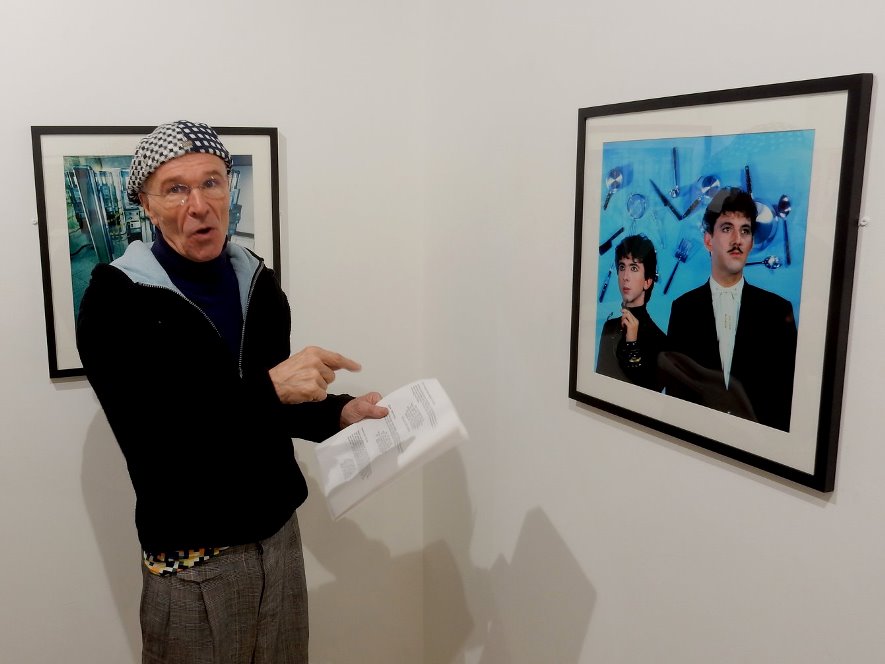
So it was a total honour and privilege for ELECTRICITYCLUB.CO.UK to have Peter Ashworth personally guide around his wonderful ‘Mavericks’ exhibition and to hear the stories behind his iconic photographs.

Many are now time capsules of fashion and popular culture like his dressing room photo of TRANSVISION VAMP which adorned their ‘Velveteen’ long player, capturing a time before mobile photos when bands would pass the hours away before showtime reading books about THE VELVET UNDERGROUND and sex movies!

Interestingly, Ashworth confessed to rarely listening to the artists he was photographing so that he could focus on the best visual presentation possible.

Meanwhile, he also admitted he wasn’t really a fan of anybody except perhaps the late German producer Conny Plank and that his favourite type of music was deep house.

Though his cool portrait of Bryan Ferry dragging on a Marlboro has been popular with many casual observers, Ashworth’s own favourites are actually of two lesser known New Romantic personalities Ronny and Peter Godwin.

The former was a French protégée of Rusty Egan who cut a striking figure androgynously suited in Anthony Price, while the latter released two singles ‘Torch Song For The Heroine’ and ‘Images of Heaven’ which featured members of ULTRAVOX. Although never having a hit in his own right, Godwin hit paydirt when David Bowie covered ‘Criminal World’ by his previous band METRO on the ten million selling ‘Let’s Dance’ album.

A regular visitor to The Blitz Club, Ashworth was a natural choice for the eponymous debut VISAGE album cover image in 1980. Shot in the actual club itself, he had titled the photo ‘The Swing’ thanks to the dancing pose captured of Steve Strange and model Vivienne Tribbeck in front of three silhouetted jazz musicians, one of whom was the soon-to-be famous milliner Stephen Jones. The eventual artwork was actually hand tinted by Iain Gilles, so it was fabulous to see the original photo which to be honest looks better!

One of the acts most closely associated with Peter Ashworth has been SOFT CELL and he took many photographs of Marc Almond and Dave Ball during their career, as well as being an occasional drummer in Almond’s MARC & THE MAMBAS venture. The ‘Bedsitter’ image highlighted Ashworth’s use of props which in this case were a number of kitchen utensils. But the duo’s tense facial expressions can be explained by the fact that the props kept falling off the wall behind them!

‘Mavericks’ is a must see exhibition for anyone remotely interested in pop music and its visual presentation. There is also the opportunity to purchase a quality greeting card set of six iconic Peter Ashworth images which because they measure 6″ x 6″, four can fit perfectly into one of those album artwork frames available in HMV or Fopp… so guess what ELECTRICITYCLUB.CO.UK did???


ELECTRICITYCLUB.CO.UK gives its sincerest thank to Peter Ashworth

‘Mavericks’, a photographic show by Peter Ashworth runs at the Lever Gallery, 153 -157 Goswell Road, London EC1V 7HD until 20th December 2018 – entry is free and open Tuesday to Sunday or by appointment

http://www.ashworth-photos.com/

https://www.facebook.com/peter.ashworth.photography

https://twitter.com/peterashworth

https://www.instagram.com/p_ashworth/

https://levergallery.com/

https://www.facebook.com/levergallery/

https://twitter.com/levergallery

https://www.instagram.com/levergallery/


Text and Photos by Chi Ming Lai
20th November 2018, updated 11th December 2018

25 SINGLE VERSIONS THAT ARE BETTER THAN THE ALBUM VERSIONS

Ever bought an album on the strength of a single, only to find that “this is not the single I am looking for”??

As long as there has been a music business, artists and producers have been forever tinkering with their work. Sometimes it is to improve an album track for single release by remixing or even re-recording it. Or it is vice-versa to create a new vision for a song or make it sound more like the material on a latterly recorded long player.

But in many cases, it’s the version that was made for mass consumption through radio play that remains superior and best loved. This list celebrates the frustration of being stuck with the wrong version and the dilemma of whether to shell out extra cash to go out and buy the proper version.

Restricted to one single per artist and presented in chronological and then alphabetical order, here are 25 Single Versions That Are Better Than The Album Versions…


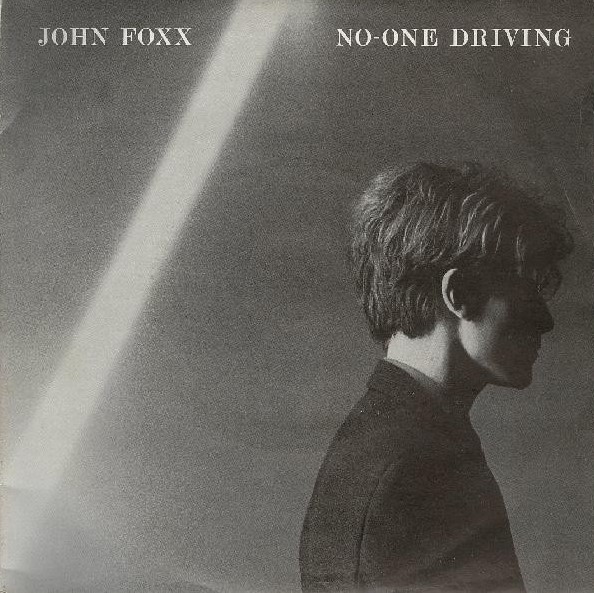
JOHN FOXX No-One Driving (1980)

While ‘Metamatic’ is an iconic long player and includes ‘Underpass’, its second single opted for a reworking of ‘No-One Driving’, rather than the more obvious ‘A New Kind Of Man’. Much busier and expansive than the comparatively tame album version, it provided John Foxx with another Top40 hit, something which had eluded him in ULTRAVOX who interestingly also produced a better single version with ‘Quiet Man’ from ‘Systems Of Romance’ while he was in the band.

Available on the JOHN FOXX boxed set ‘Metamatic’ via Edsel Records

http://www.metamatic.com/


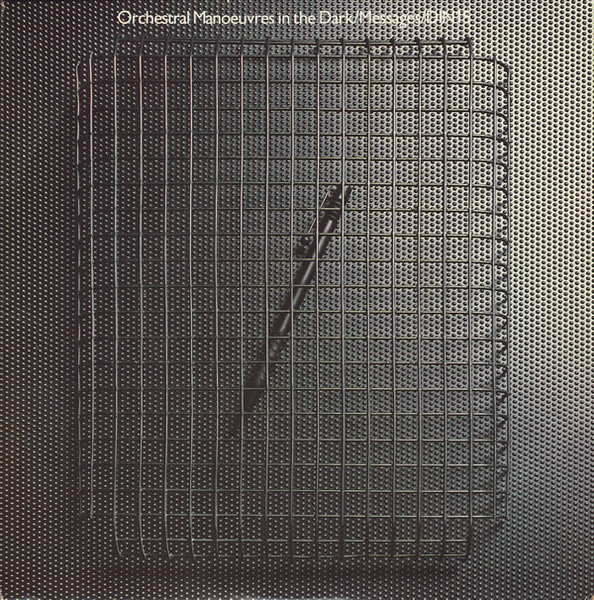
OMD Messages (1980)

On OMD’s debut self-titled album, ‘Messages’ just a song with potential as a single. Utilising a pulsing repeat function on a Korg Micro-Preset shaped by hand twisting the octave knob, it was decided to re-record ‘Messages’ for its single release. Produced by Mike Howlett, the new version included the addition of separately recorded drums for a cleaner snap alongside the basic primary chord structures and one fingered melodies to produce a magnificent UK chart hit that reached No13.

Available on the OMD album ‘Messages: Greatest Hits’ via Virgin Records

http://www.omd.uk.com/


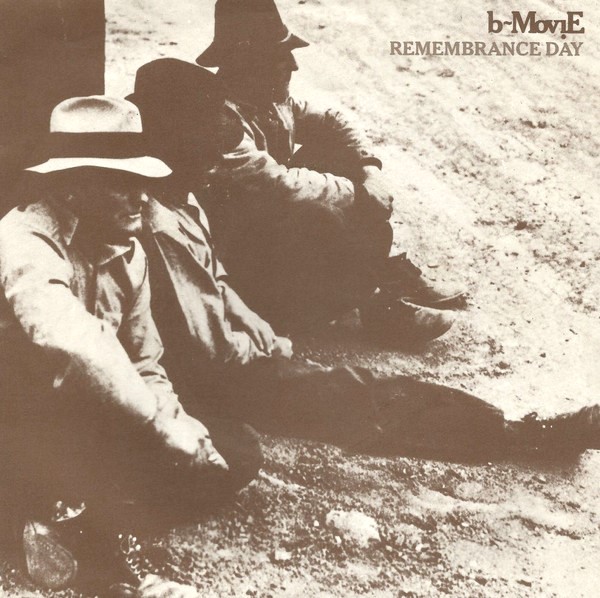
B-MOVIE Remembrance Day (1981)

Despite being alongside DEPECHE MODE, SOFT CELL, BLANCMANGE and THE THE on the now iconic ‘Some Bizarre Album’, B-MOVIE were unable to secure a Top40 chart entry with the poignant magnificence of the Mike Thorne produced ‘Remembrance Day’. The struggle for success coupled with internal tensions led to the band fragmenting by 1983. Finally releasing an album ‘Forever Running’ in 1985 on Sire Records, it featured an inferior re-recording of ‘Remembrance Day’.

Available on compilation album ‘Dawn Of Electronica’ (V/A) via Demon Music Group

http://www.b-movie.co.uk/


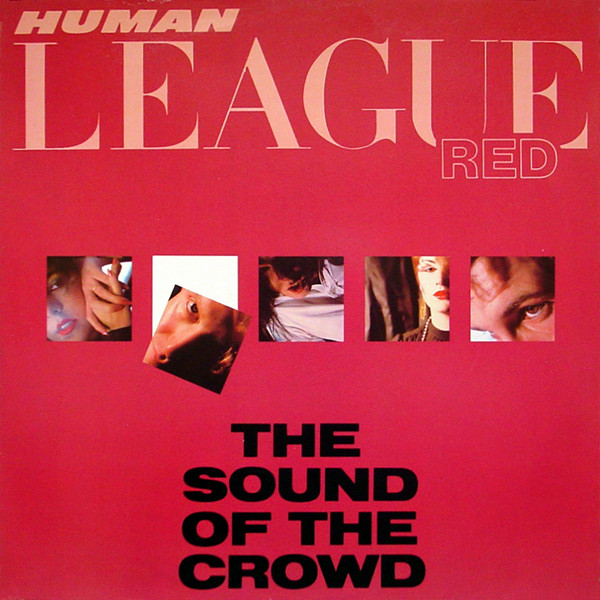
THE HUMAN LEAGUE The Sound Of The Crowd (1981)

The combination of obscure lyrics from Ian Burden like “Stroke a pocket with a print of a laughing sound” and a screaming chant gave THE HUMAN LEAGUE their breakthrough hit. Produced by the late Martin Rushent, bursts of Roland System 700 white noise were trigged from an MC8 Micro-composer for the rhythm track. But for the subsequent ‘Dare’ album, ‘The Sound Of The Crowd’ was reworked with a Linn Drum and with the chant also pushed back, it lost much of its dystopian tension.

Available on THE HUMAN LEAGUE album ‘Greatest Hits’ via Virgin Records

http://www.thehumanleague.co.uk/


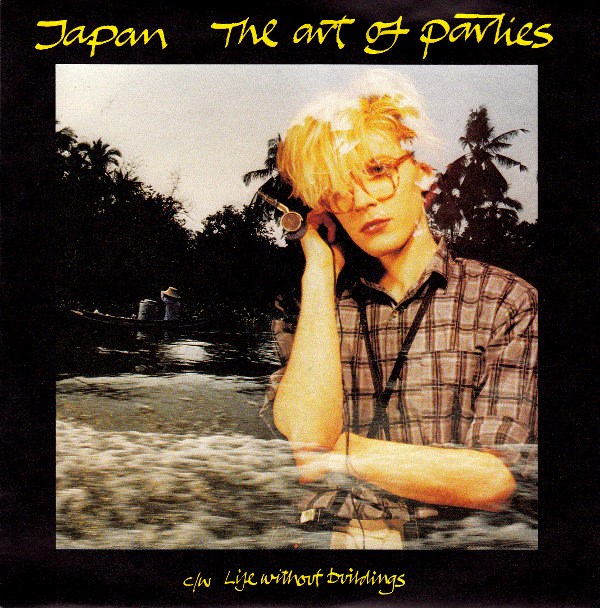
JAPAN The Art Of Parties (1981)

More muscular and dynamic, ‘The Art Of Parties’ explored a funkier template was a move away from the mannered Roxy muzak that JAPAN had been associated with. Originally produced by John Punter, when it came to the album ‘Tin Drum’, new producer Steve Nye smoothed off some of the track’s tribal weirdness and muted its brassy punch. While the end result was tighter, synthier and had more melody, the band preferred to play the original single version live…

Extended version available on JAPAN album ‘The Very Best Of’ via Virgin Records

http://www.nightporter.co.uk/


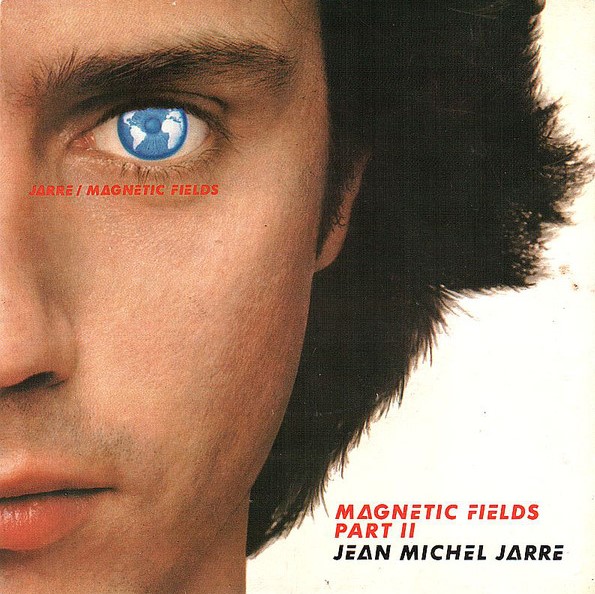
JEAN-MICHEL JARRE Magnetic Fields 2 (1981)

The first track on side 2 of Jean-Michel Jarre albums provided the trailer singles for radio and ‘Magnetic Fields’ was no different. But in a new approach, the French Maestro offered up a toughed up remix where the klanky lightweight tones of the Korg Rhythm KR55 were replaced by bangier drum samples while the synth stabs on the bridge were turned up. But as Jarre’s audience preferred albums, this superior remix got lost over the years and missed inclusion on his many compilations.

Single version not currently available

https://jeanmicheljarre.com/


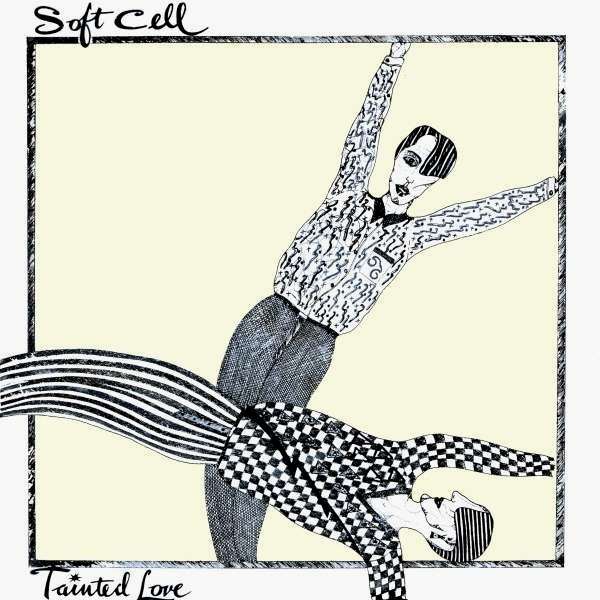
SOFT CELL Tainted Love (1981)

Everyone knows the wonderful hit single version of this Northern Soul cover with its hypnotic Roland Compurhythm running all the way through it. But for the ‘Non-Stop Erotic Cabaret’ album, ‘Tainted Love’ was shortened by 2 seconds while the second phrase became the first, thus strangely muting the emotive impact of the original single. Annoyingly, this inferior version crept onto the first SOFT CELL compilation ‘The Singles’ and the more recent ‘Keychains & Snowstorms’ collection.

Available on SOFT CELL album ‘The Very Best Of’ via Mercury Records

http://www.softcell.co.uk/


ASSOCIATES Party Fears Two (1982)

With its iconic piano line, ‘Party Fears Two’ was a magnificent song about dealing with the perils of schizophrenia. It also kick started a brief period when ASSOCIATES subverted the UK charts with an avant pop approach that fitted in with the Synth Britannia template of the times. A Top10 hit and emotive to the nth degree, the original single version is still the best and total perfection, while the longer album remix with its ambient intro and stop ending lost some of the magic.

Available on the ASSOCIATES album ‘The Very Best Of’ via BMG

https://www.facebook.com/theassociatesofficial/


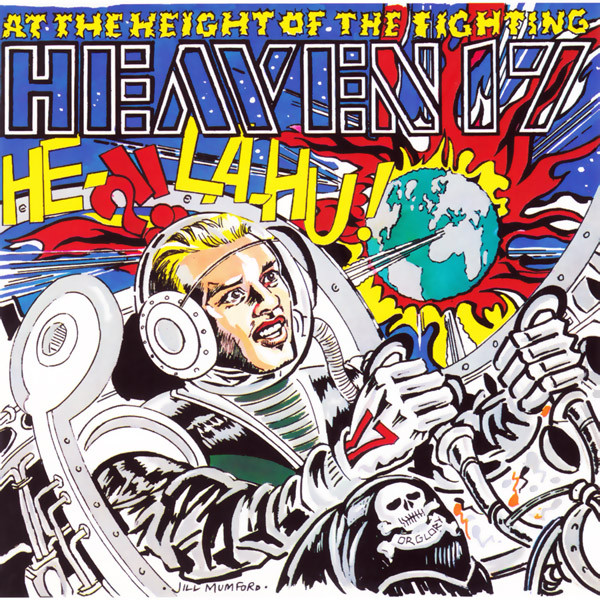
HEAVEN 17 Height Of The Fighting (1982)

The original ‘Height Of The Fighting’ from the second side of ‘Penthouse & Pavement’ was sonically an extension of ‘Travelogue’, Martyn Ware’s last album as a member of THE HUMAN LEAGUE. The more commercial single version took the funkier approach of the first side of ‘Penthouse & Pavement’, adding synthetic drums and a meatier bass synth attack. Featuring the BEGGAR & CO brass section who played with SPANDAU BALLET, it was a glorious electronic soul hybrid.

Available on HEAVEN 17 album ‘The Best Of’ via Virgin Records

https://www.heaven17.com/


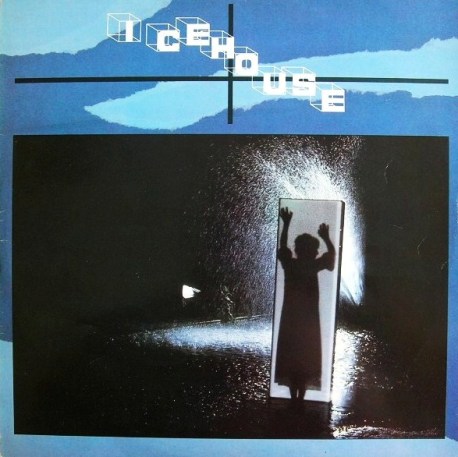
ICEHOUSE Icehouse (1982)

Led by Iva Davies, the song which got Australian combo ICEHOUSE noticed by a wider audience in the UK during their tenure opening for SIMPLE MINDS was a slight reworking of the chilling synth laden title track of their debut album from when the band were called FLOWERS. Featuring a strange offbeat and the mannerisms of Gary Numan before blitzing out for the song’s flanged guitar climax, ‘Icehouse’ was as good as anything on VISAGE’s eponymous debut.

Single version not currently available

http://www.icehouse-ivadavies.com/


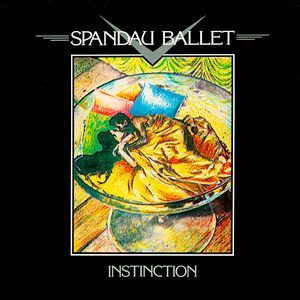
SPANDAU BALLET Instinction (1982)

Outflanked by DURAN DURAN in the New Romantic debut album stakes, SPANDAU BALLET explored Britfunk with ‘Chant No1′, but then took a strange about turn with their next album ‘Diamond’ featuring a number of ethnic art pieces. Fresh from working with ABC, Trevor Horn reworked Richard James Burgess’ understated production of ‘Instinction’. Throwing in extra synths played by Anne Dudley and extra bombastic percussion; it saved their career.

Available on the SPANDAU BALLET album ‘Gold: The Best Of’ via EMI Records

http://www.spandauballet.com/


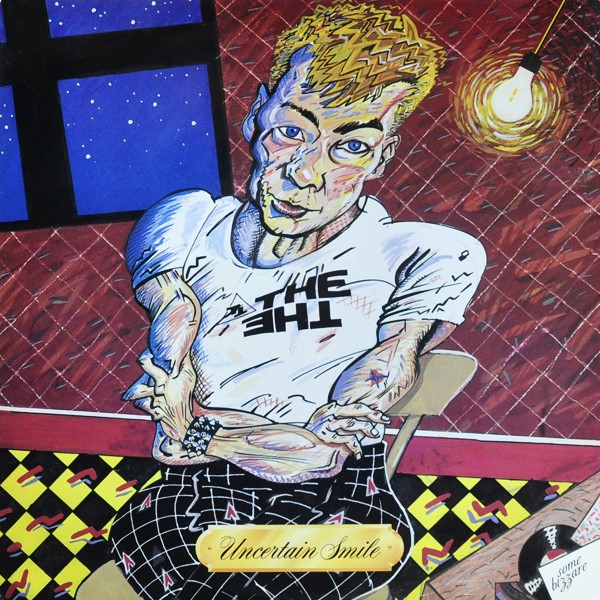
THE THE Uncertain Smile (1982)

Still Matt Johnson’s finest five minutes as THE THE, ‘Uncertain Smile’ on its single release featured a wonderfully rigid TR808 pattern, lovely layers of synths and a variety of woodwinds including flute and sax. Produced by Mike Thorne, this fuller sounding and more emotive take far outstripped the bland and overlong ‘Soul Mining’ album cut produced by Paul Hardiman which included the extended boogie-woogie piano of Jools Holland tagged onto the end…

Available on the THE THE album ’45 RPM – The Singles’ via Epic Records

https://www.thethe.com/


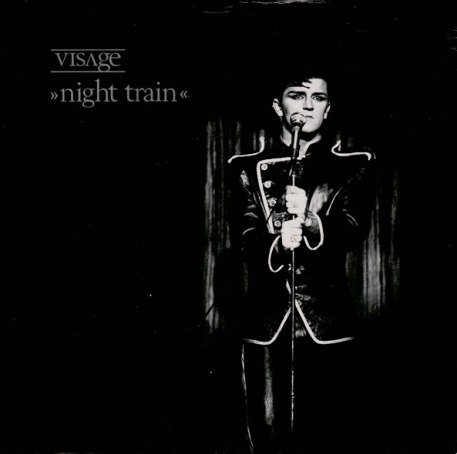
VISAGE Night Train (1982)

Inspired by the burgeoning New York club scene, Rusty Egan brought in John Luongo to remix ‘Night Train’ from ‘The Anvil’ album much to Midge Ure’s dismay; it lead to the diminutive Glaswegian ending his tenure with VISAGE. But Luongo’s rework was sharper and more rigid, pushing forward the female backing vocals to soulful effect in particular and replacing the clumpier snare sounds of the album version with cleaner AMS samples.

Extended version available on the compilation boxed set ’12”/80s – Volume 2′ (V/A) via Family Recordings

http://www.visage.cc/


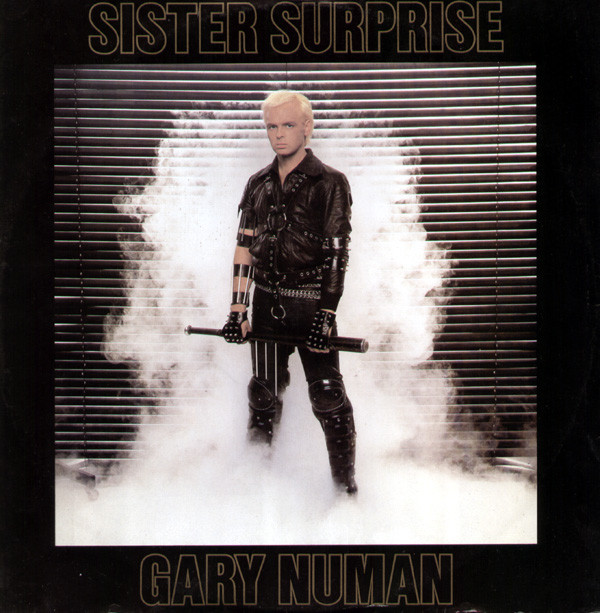
GARY NUMAN Sister Surprise (1983)

The album version of ‘Sister Surprise’ on the ‘Mad Max’ inspired ‘Warriors’ was far too long, plus something was missing. For its single release, this slice of synthetic funk rock was shortened and sharpened, while a new vocal hook was added over Numan’s now ubiquitous “woah-oh-oh” refrains which provided a much better chorus. Despite this improvement and an appearance of ‘Top Of The Pops’, it was at the time, the lowest charting Gary Numan single since the start of his imperial phase.

Available on the GARY NUMAN album ‘Premier Hits’ via Beggars Banquet

https://garynuman.com/


DURAN DURAN The Reflex (1984)

The ‘Seven & The Ragged Tiger’ album sessions had not been a happy experience for DURAN DURAN with the prolonged mixing leading to a fall out between bassist John Taylor and producer Alex Sadkin. ‘The Reflex’ had potential but this was not fully realised. Enter Nile Rodgers who gave the track a rhythmic lift and played around with the then-new innovation of sampling, using various vocals to create new hooks and phrases for a monster international hit.

Available on the DURAN DURAN album ‘Greatest’ via EMI Records

http://www.duranduran.com/


FRANKIE GOES TO HOLLYWOOD Two Tribes (1984)

Comedian Lenny Henry summed things up best in a sketch where he entered a record shop to buy a single and was then offered a plethora of versions by the assistant:”I JUST WANT THE VERSION THEY GOT RIGHT!” – ZTT’s marketing exploits with 12 inch mixes are well known, but they played around with album versions too and with the version of ‘Two Tribes’ on ‘Welcome To The Pleasure Dome’, they got it wrong and took out the piper call middle eight!

Available on the FRANKIE GOES TO HOLLYWOOD album ‘Frankie Said’ via Union Square

http://www.frankiesay.com/


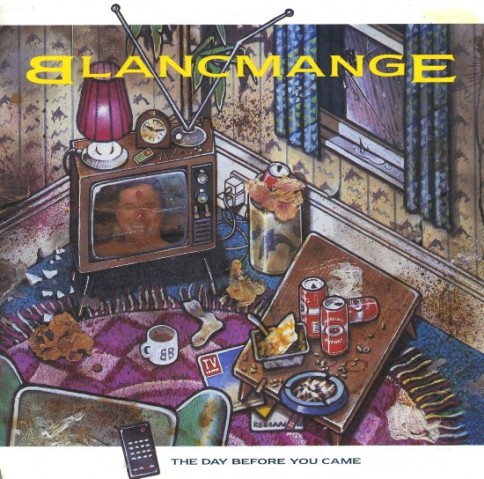
BLANCMANGE The Day Before You Came (1984)

There was a time when it was not cool to like ABBA but BLANCMANGE changed all that with their version of ‘The Day Before You Came’ which many regard as the last ABBA song. Combining that noted Swedish melancholy and melodicism with an artful Nothern England quirkiness, the more compact single version produced by Peter Collins improved on the ‘Mange Tout’ album version helmed by John Luongo and made more of Neil Arthur’s deep melodramatics.

Available on the BLANCMANGE album ‘Second Helpings’ via London Records

http://www.blancmange.co.uk/


PET SHOP BOYS Suburbia (1986)

Originally produced by Stephen Hague, ‘Suburbia’ was a good if slightly underwhelming album track from ‘Please’ that got transformed into a more fully realised epic in a re-recording produced by Julian Mendelson. Complete with barking dogs, widescreen synths and thundering rhythms, the more aggressive overtones in the single version of PET SHOP BOYS‘ clever social commentary made ‘Suburbia’ a big hit, particularly in West Germany.

Available on the PET SHOP BOYS album ‘Pop Art: The Hits’ via EMI Records

http://petshopboys.co.uk/


A-HA The Living Daylights (1987)

The collective strength of A-HA has been to produce great melancholic pop in that classic Nordic tradition. Chosen to record the theme to the James Bond film ‘The Living Daylights’, the collaboration with composer John Barry was fraught with tension and mutual dislike. However, the conflicts and Barry’s characteristic string arrangement captured an essence that was missing from the later re-recorded version with Alan Tarney for the album ‘Stay On These Roads’.

Available on the A-HA album ‘Time & Again: The Ultimate’ via WEA

https://a-ha.com/


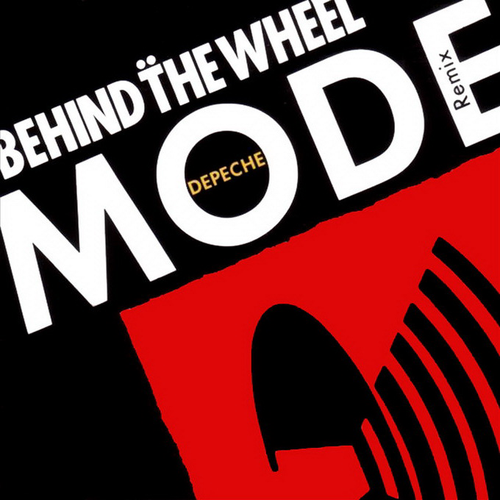
DEPECHE MODE Behind The Wheel (1988)

With DEPECHE MODE’s Trans-Atlantic breakthrough album ‘Music For The Masses’, the good but meandering track heading side two never realised its potential. But with PET SHOP BOYS, NEW ORDER, DURAN DURAN and Madonna remixer Shep Pettibone ‘Behind The Wheel’, a funkier bassline and syncopated rhythms were added to the much better single version, giving the song a far more accessible groove that could fill alternative club dancefloors in America.

Available on the DEPECHE MODE album ‘The Singles 86-98’ via Mute Records

http://www.depechemode.com/


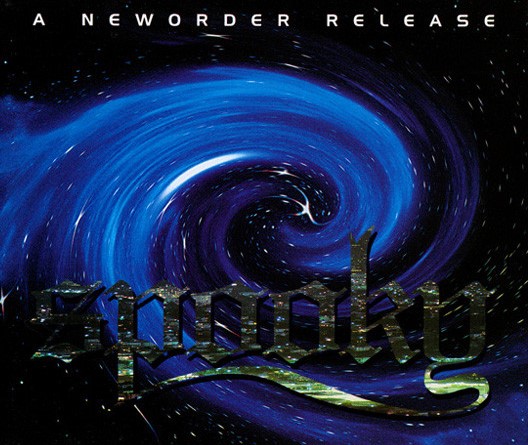
NEW ORDER Spooky (1993)

‘Republic’ produced by Stephen Hague was not the finest hour of NEW ORDER, so it was something of a surprise when the underwhelming ‘Spooky’ aws the fourth single from it. But it was remixed by FLUKE, a house dance trio who had worked with Björk. Rhythmically more spacious, this superior ‘Minimix’ allowed the best elements of the song to shine.

Available on the NEW ORDER single ‘Spooky’ via London Records

http://www.neworder.com/


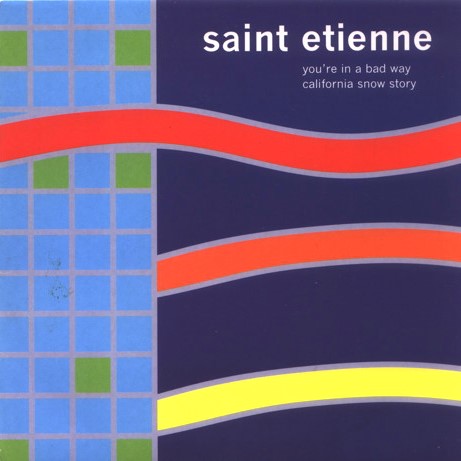
SAINT ETIENNE You’re In A Bad Way (1993)

The ‘So Tough’ album version of ‘You’re In A Bad Way’ was far too understated. With a brighter punchier recording helmed by A-HA producer Alan Tarney for the single version, the acoustic guitar was pushed back while vintage synths and a lovely ‘Telstar’ motif was added for a vastly superior rendition. Sometimes more can mean more and this slice of HERMAN’S HERMITS inspired pop brilliance gave SAINT ETIENNE a well-deserved No12 hit single.

Available on the SAINT ETIENNE album ‘London Conversations’ via Heavenly Records

http://www.saintetienne.com/


WILLIAM ORBIT Adagio For Strings (1999)

Orbit’s concept of adapting classical works was because he wanted to make a chill-out album that had some good tunes. But trance enthusiasts who loved Dutch producer Ferry Corsten’s blinding remix of Samuel Barber’s ‘Adagio For Strings’ will have been shocked if they had bought its virtually beatless parent long player. Sounding not unlike Jean-Michel Jarre set to a 4/4 dance beat, this single version actually reached No4 in the UK charts.

Available on the compilation boxed set ‘Dance Anthems Classics – The Collection’ via Rhino

https://www.williamorbit.com/


ERASURE Moon & The Sky (2001)

In a poor period for Andy and Vince, the ‘Loveboat’ album’s problem wasn’t just the emphasis on guitar driven dynamics, but it also lacked the usual ERASURE charm despite production by Flood. Even the album’s one potentially great song ‘The Moon & The Sky’ was missing an uplifting chorus, something which was only fixed with the Heaven Scent Radio Rework version by Jason Creasey that was later released as an extended play single.

Available on the ERASURE album ‘Total Pop! – The First 40 Hits’ via Mute Records

http://www.erasureinfo.com/


RÖYKSOPP Remind Me (2001)

With vocals by KINGS OF CONVENIENCE vocalist Erlend Øye, ‘Remind Me’ was one of the highlights of RÖYKSOPP’s excellent debut album ‘Melody AM’ which fitted in with dance music culture’s penchant for chill-out. But for single release, the track was given a more rhythmic KRAFTWERK styled feel via ‘Someone Else’s Radio Remix’ by Marisa Jade Marks. The track drew in new listeners, although they would have had a major shock to the system on hearing the album original…

Available on the RÖYKSOPP download single ‘Remind Me’ via Wall Of Sound

http://royksopp.com/


Text by Chi Ming Lai
14th November 2018

« Older posts Newer posts »