Tag: John Foxx (Page 7 of 19)

25 ALBUM VERSIONS THAT ARE BETTER THAN THE SINGLE VERSIONS

As long as there has been a music business, artists and producers have been tinkering with their work.

While often, it’s the single version made for mass consumption through radio play that remains superior and best loved, there are occasions when the album take reigns supreme due to the freedom to work on a larger easel without commericial considerations or radio play constrictions.

Often there’s a track that is the obvious standout on the long player, but sometimes it can be of a structure that is considered too long for peak time radio where instant gratification is the key. On other occasions, the vision of the track for album consumption is reconsidered following an earlier short form release produced on a more limited budget.

So as a companion list to the earlier 25 Single Versions That Are Better Than The Album Versions listings feature and restricted to one track per artist, here are 25 Album Versions That Are Better Than The Single Versions presented in chronological and then alphabetical order…


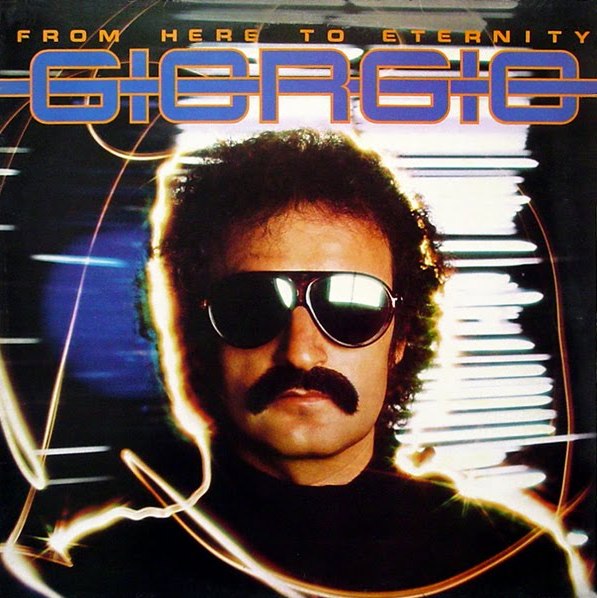
GIORGIO From Here To Eternity (1977)

Despite being a hit single, ‘From Here To Eternity’ was actually something of a disjointed disco medley, throwing in a section of the album track ‘Utopia – Me Giorgio’ halfway through. The full six minute ‘From Here To Eternity’ from the long player of the same name was a futuristic slice of electronic dance perfection, with Giorgio Moroder steadily building on his throbbing synth backbone and layers of vocoder punctuated by the steady beats of drummer Keith Forsey.

Available on the GIORGIO album ‘From Here To Eternity’ via Repertoire Records

https://www.giorgiomoroder.com/


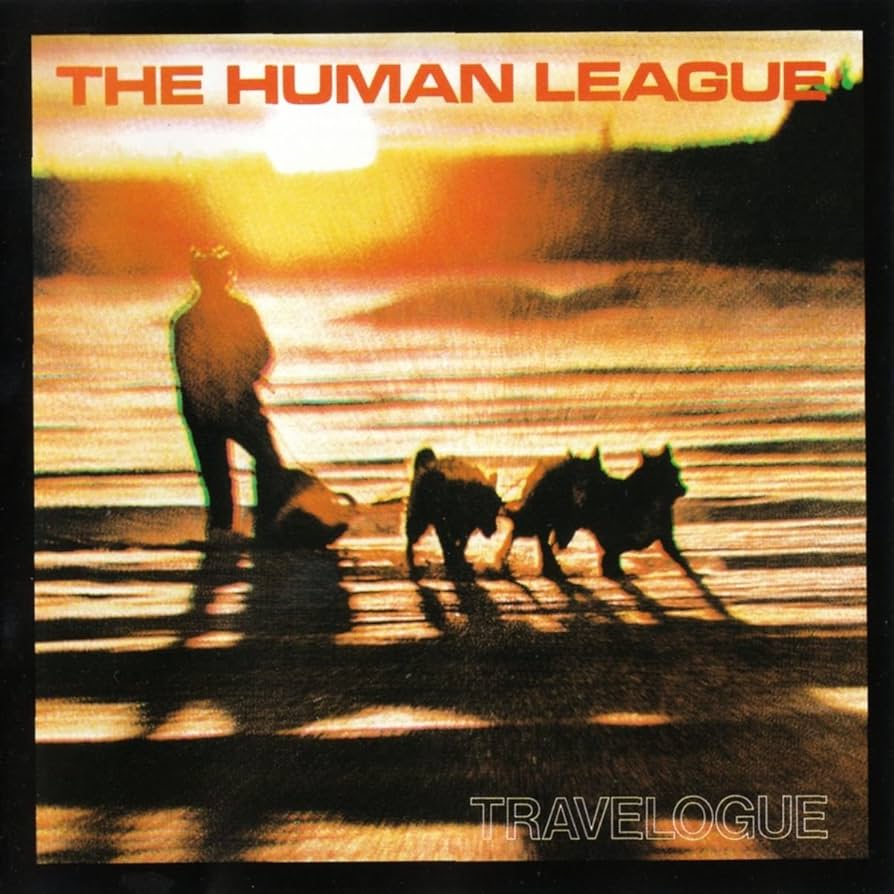
THE HUMAN LEAGUE Being Boiled (1980)

The original Fast Product single version of ‘Being Boiled’ from 1978 had its own charm, recorded as mono demo which was subsequently released. However, having signed to Virgin Records and with a budget behind them, Messrs Marsh, Oakey and Ware took the opportunity to update their calling card with producer John Leckie for the ‘Travelogue’ album to more fully realise its funky overtones inspired by FUNKADELIC. The end result was fuller and more dynamic.

Available on THE HUMAN LEAGUE album ‘Travelogue’ via Virgin Records

http://www.thehumanleague.co.uk/


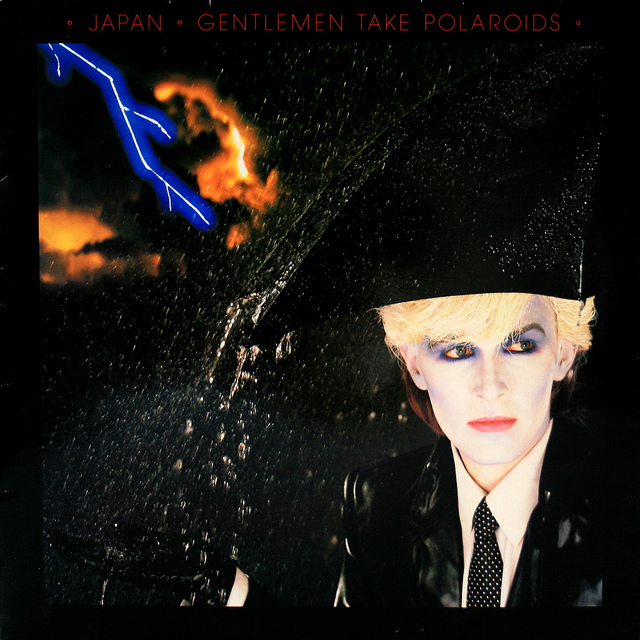
JAPAN Nightporter (1980)

‘Ghosts’ had been an unexpected singles success for JAPAN in 1982 and Virgin Records wanted more of the same with ‘Nightporter’, despite it being already two years old and with the previously unreleased song ‘Some Kind Of Fool’ in the vaults. Trimming the solemn seven minute ivory laden Satie homage was always going to be difficult and the horrific radio edit butchered out the lengthy if vital instrumental climax of melancholic Oberheim OBX strings. Less really does mean less…

Available on the JAPAN album ‘Gentlemen Take Polaroids’ via Virgin Records

http://www.nightporter.co.uk/


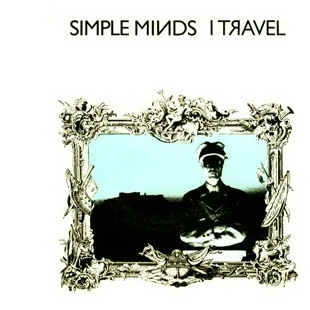
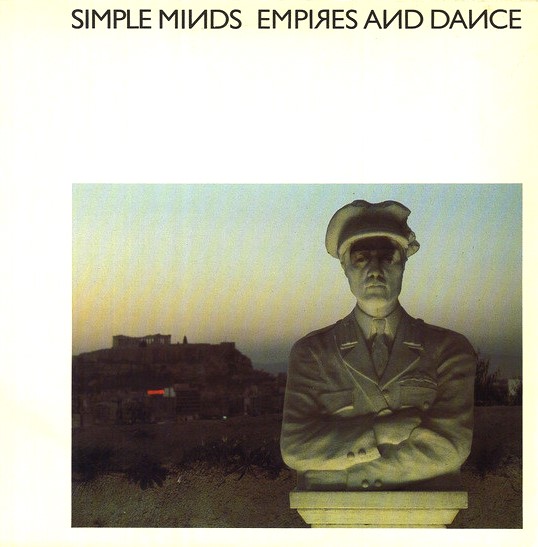
SIMPLE MINDS I Travel (1980)

The album version of ‘I Travel’ was only four minutes in the first place, yet original label Arista Records felt the need to chop the track on both single edits it released and neuter its impact. SIMPLE MINDS never fully realised their potential until they signed to Virgin Records and ‘I Travel’ heralded a futuristic art rock phase where the band’s Germanic influences, coupled to synthesized disco aesthetics of Giorgio Moroder, found favour at clubs like The Blitz.

Available on the SIMPLE MINDS album ‘Empires & Dance’ via Virgin Records

https://www.simpleminds.com/


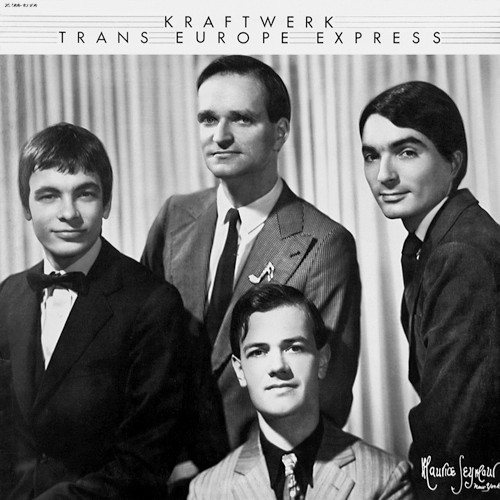
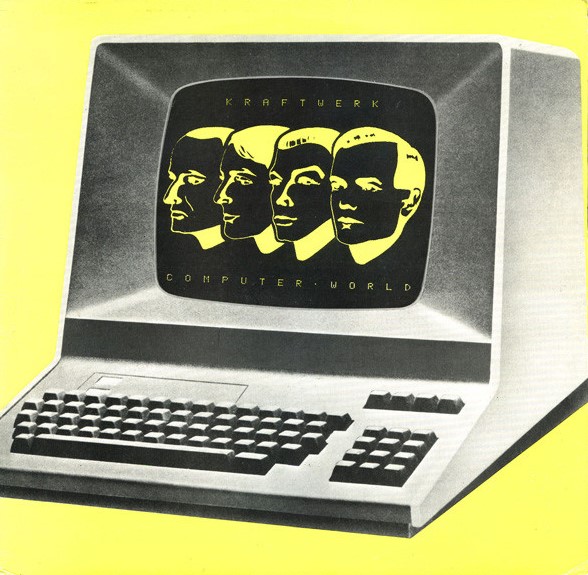
KRAFTWERK Computer Love (1981)

Whether ‘Autobahn’, ‘Radio-Activity’, ‘Showroom Dummies’, ‘Trans-Europe Express’, ‘Neon Lights’ or ‘The Robots’, the sheer average length of a KRAFTWERK track made them difficult to apply to the single format and ‘Computer Love’ was no different. A beautifully melodic piece that predicted internet dating and stretched to just under seven minutes with its glorious second half synth solo in its album version, it was like the reel of the film was missing in its edited form.

Available on the KRAFTWERK album ‘Computer World’ via EMI Records

http://www.kraftwerk.com/


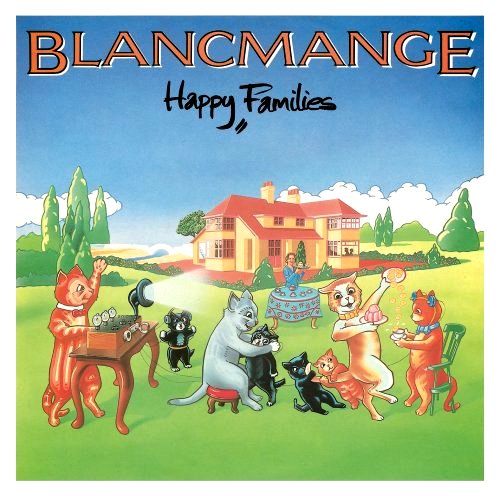
BLANCMANGE Waves (1982)

A UK Top 20 single for BLANCMANGE in 1983, ‘Waves’ was remixed and given an orchestral treatment arranged by Linton Naiff, but it strangely detracted from the bare emotion of the song. Sounding like Scott Walker fronting OMD, with a more basic synthesized construction and a sombre detuned brass line allowed to breathe at the song’s conclusion, the album version sans orchestra was much better.

Available on the BLANCMANGE album ‘The Very Best Of’ via Music Club Deluxe

http://www.blancmange.co.uk/


DAF Kebab Träume (1982)

Originally recorded for a 1980 single on Mute Records in more of a band format featuring guitar and hand-played synths, ‘Kebab Träume’ was subsequently reworked by DAF in a more superior fashion under the production supervision of the legendary Conny Plank for their third and final Virgin-era long player ‘Für Immer’. Transforming into something much heavier, the memorable if controversial line “Deutschland, Deutschland, alles ist vorbei!” had more bite on this album version.

Available on the DAF album ‘Für Immer’ via Grönland Records

https://www.groenland.com/en/artist/deutsch-amerikanische-freundschaft/


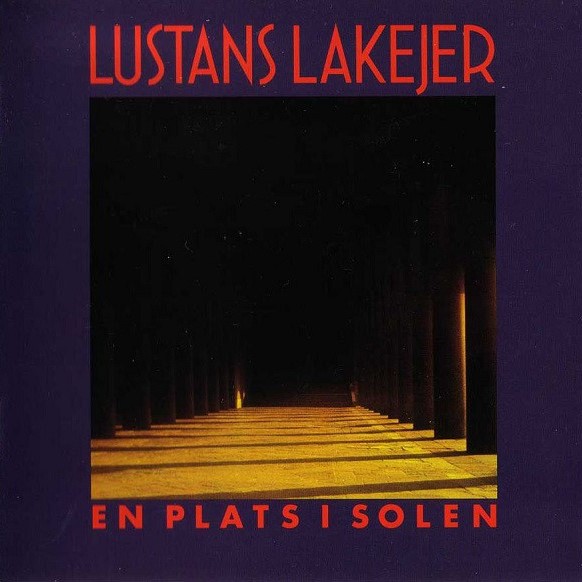
LUSTANS LAKEJER Läppar Tiger, Ögon Talar (1982)

Sweden’s LUSTANS LAKEJER came to international attention when their third long player ‘En Plats I Solen’ was produced by Richard Barbieri of JAPAN. With its synthesized atmospheres and art funk aspirations not that far off DURAN DURAN, ‘Läppar Tiger, Ögon Talar’ was one of the album’s highlights. But for the inferior single version produced by Kai Erixon, the band opted for a more laid back swing arrangement punctuated by a brass section.

Available on the LUSTANS LAKEJER album ‘En Plats I Solen’ via Universal Music

https://www.facebook.com/LustansLakejer/


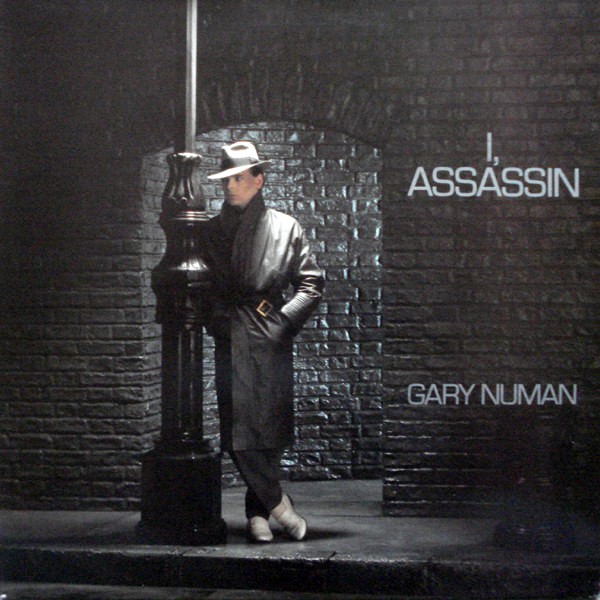
GARY NUMAN We Take Mystery (1982)

The single version of ‘We Take Mystery’ which was Gary Numan’s last UK Top 10 hit was too short and the extended 12 inch version was too long, which left the album version from ‘I, Assassin’ as the best take of the song. With its crashing Linn Drum snap and fretless bass with live percussion syncopating on top, this was a dancefloor excursion which concluded with a marvellous additional rhythm guitar breakdown from fretless bassist Pino Palladino.

Available on the GARY NUMAN album ‘I, Assassin’ via Beggars Banquet

https://garynuman.com/


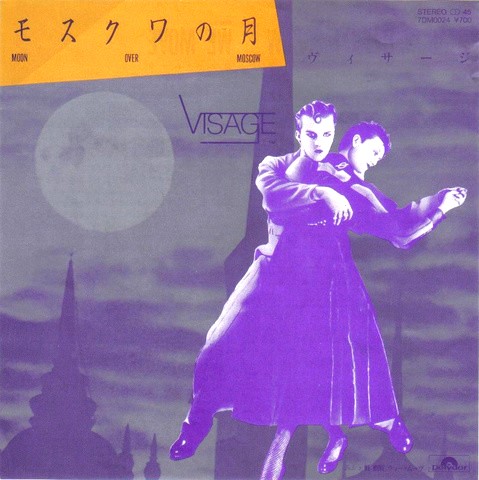
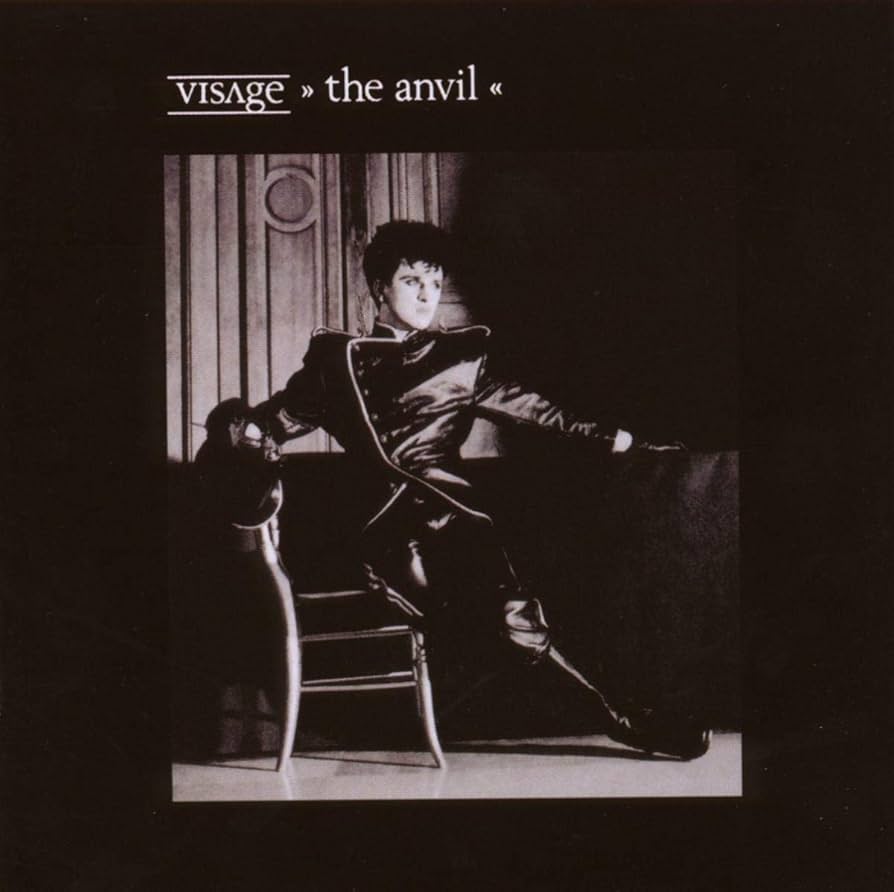
VISAGE The Anvil (1982)

Remixed by John Luongo for single release, ‘The Anvil’ ended up as a B-side but while the sound of metal-on-metal was added, it somehow had less presence than the original album version. Possessing far Teutonic tension with some superb guitar work from Midge Ure, metronomic drumming courtesy of Rusty Egan minus his hi-hats, Dave Formula’s superb screaming ARP Odyssey complimented Steve Strange’s tale of debauchery for one of the best ever VISAGE tracks.

Available on the VISAGE album ‘The Anvil’ via Cherry Pop

https://www.discogs.com/artist/3479-Visage


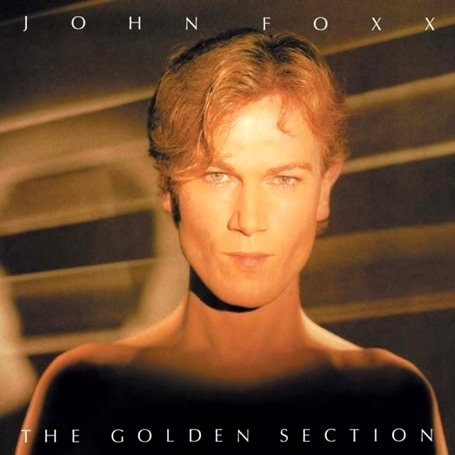
JOHN FOXX Endlessy (1983)

By 1982, John Foxx has rediscovered his love of early PINK FLOYD, THE BEATLES and psychedelia which manifested itself in ‘Endlessy’. Based around a tom heavy Linn Drum programme, deep cello samples and sitars, it was an interesting if messy experimental romp. Come his third album ‘The Golden Section’ recorded withproducer Zeus B Held, the new version was much more focussed with an accessible uptempo electronic euphoria.

Available on the JOHN FOXX album ‘The Golden Section’ via Edsel Records

http://www.metamatic.com/


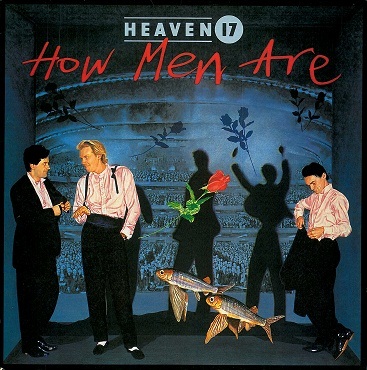
HEAVEN 17 And That’s No Lie (1984)

A sub-ten minute progressive epic was never going to work as an edited single and with ‘And That’s No Lie’, that’s exactly what happened. The original album version was HEAVEN 17’s ambitious adventure in sound and fusion that threw in everything from abstract sonic experiments, jazz piano, Fairlight samples, the gospel voices of ARFRODIZIAK and an orchestra, plus some excellent live bass and guitar work from John Wilson and Ray Russell respectively.

Available on the HEAVEN 17 album ‘How Men Are’ via Virgin Records

https://www.heaven17.com/


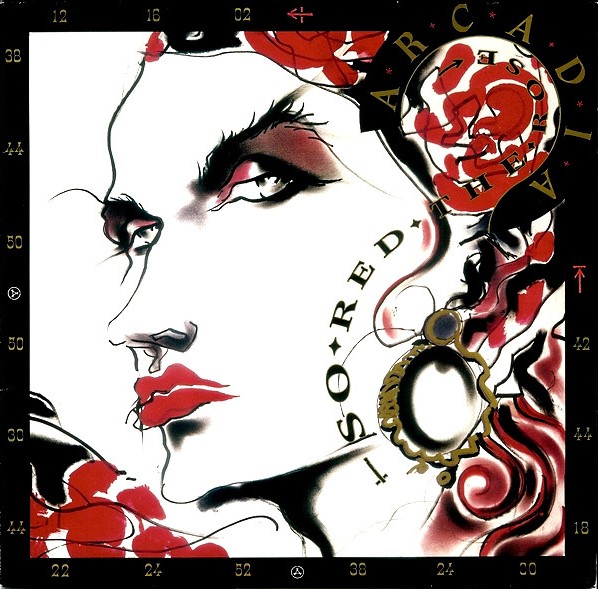
ARCADIA The Flame (1985)

ARCADIA was Simon Le Bon, Nick Rhodes and Roger Taylor’s attempt to be JAPAN during the DURAN DURAN artistic hiatus, but many of the songs from the short-lived side project were smothered in a pond of self-indulgence. One of the highlights though was ‘The Flame’, basically ‘A View To A Kill Part 2’. However for its single release, a neo-acapella intro was applied rather than the frantic percussive beginning of the album version which robbed the song of its tension and impact.

Available on the ARCADIA album ‘So Red The Rose’ via EMI Records

http://www.duranduran.com/


DEAD OR ALIVE My Heart Goes Bang (1985)

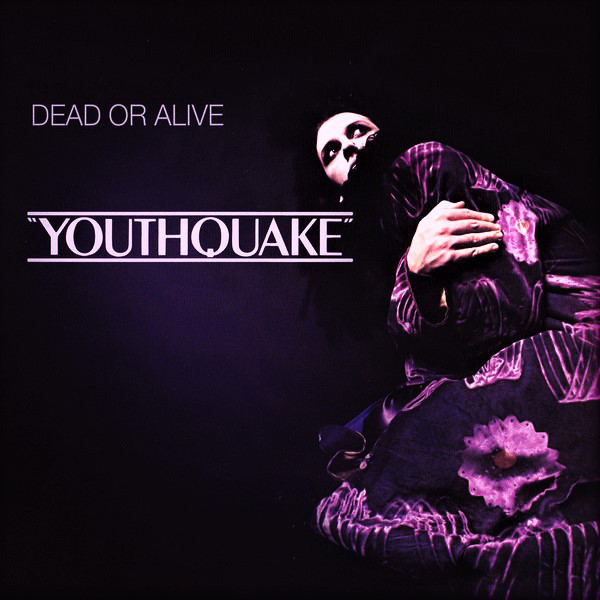
Having got DIVINE into the UK charts, Stock Aitken & Waterman gave the same treatment to DEAD OR ALIVE, scoring a No1 with ‘You Spin Me Round’. Parent album ‘Youthquake’ had some excellent tracks including ‘My Heart Goes Bang’ which was ripe single material. But the single remix by regular PWL associate Phil Harding was horrible, throwing in the kitchen sink with voice cut-ups and an overdriven rhythm section which drowned out any merits the song originally had.

Available on the DEAD OR ALIVE album ‘Youthquake’ via Sony Music

https://www.discogs.com/artist/46720-Dead-Or-Alive


NEW ORDER Bizarre Love Triangle (1986)

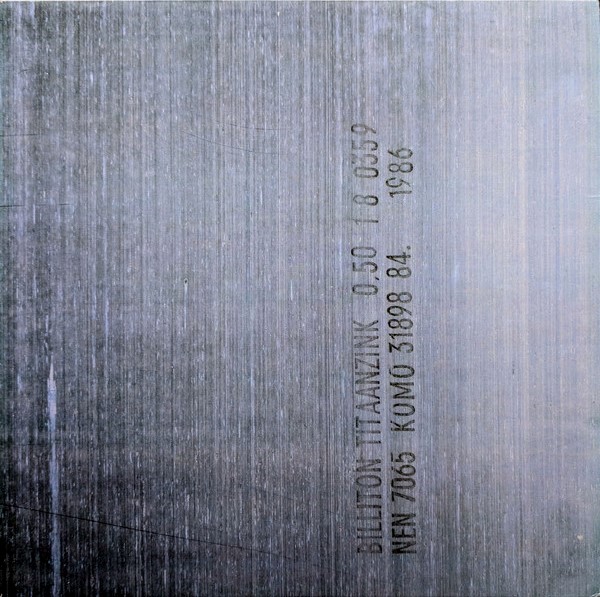
‘Bizarre Love Triangle’ is one of the best loved NEW ORDER tunes. The rugged self-produced original version that appeared on the ‘Brotherhood’ album was a glorious electronic number with a slight mechanical offbeat and space for Hooky’s distinctive bass. But the version released for 45 RPM consumption was a frustrating, four-to-the-floor remix by Shep Pettibone which took all the character out of the song with a barrage of overdriven percussive samples.

Available on the NEW ORDER album ‘Brotherhood’ via Warner Music

http://www.neworder.com/


TALK TALK Living In Another World (1986)

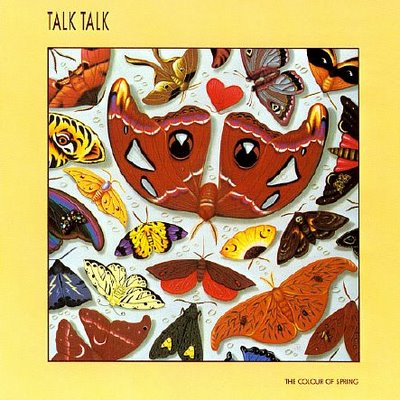
Although ‘Living In Another World’ was the best song on ‘The Colour Of Spring’, it was always going to be a tall order to but its 7 minutes in half for single consumption! A fine progressive combination of synthetic strings, piano, Hammond organ, hypnotic bass, acoustic and electric guitars, percolating percussion and harmonica, the TALK TALK sound would have been nothing however without the anguished vocals of Mark Hollis and the production skills of Tim Friese-Greene.

Available on the TALK TALK album ‘The Colour Of Spring’ via EMI Records

https://www.facebook.com/Talk-Talk-Mark-Hollis-12307963901/


CAMOUFLAGE The Great Commandment (1988)

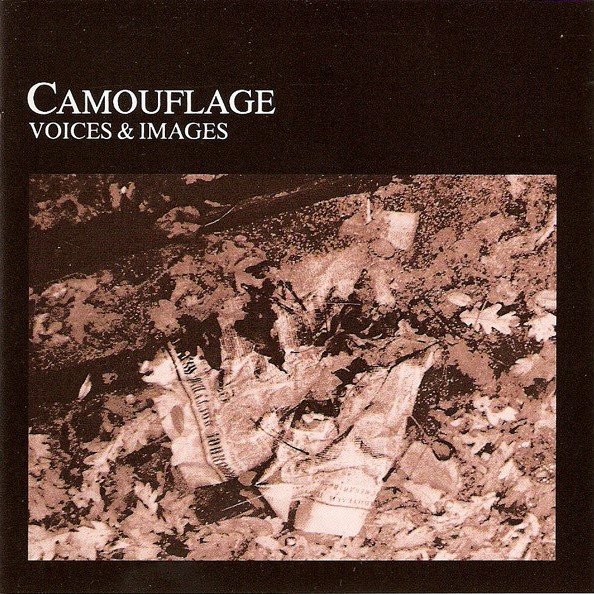
German trio CAMOUFLAGE had a hit with ‘The Great Commandment’ all over the world with only Britain remaining ambivalent to their industrial flavoured synthpop. As with many singles of the period, it clocked in at just over three minutes but sounded rushed. Come the debut album ’Voices & Images’ and ‘The Great Commandment’ was more fully realised, allowing space to prevail in the one of the best DEPECHE MODE tracks that the Basildon boys never recorded.

Available on the CAMOUFLAGE album ‘Voices & Images’ via Metronome Music

http://www.camouflage-music.com/


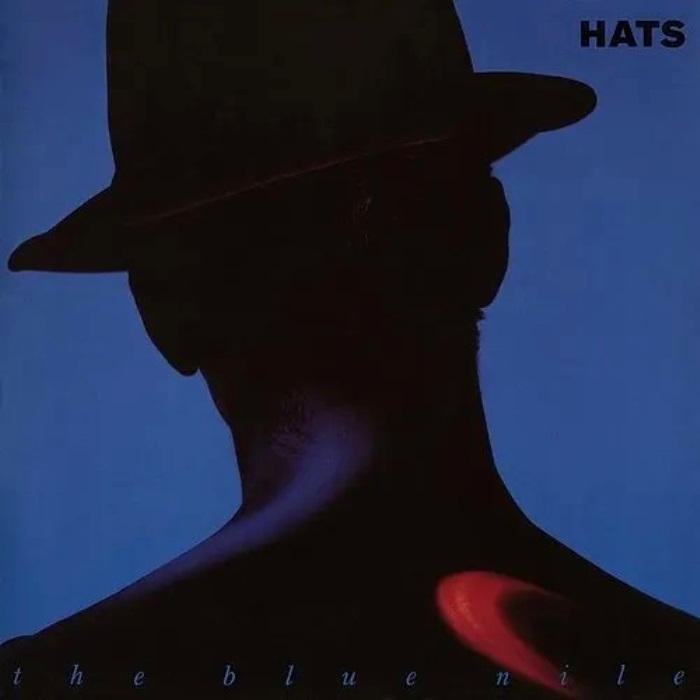
THE BLUE NILE Headlights On The Parade (1989)

Enigmatic Glaswegian trio THE BLUE NILE were never an easy sell to the wider marketplace and the Bob Clearmountain single remix of ‘Headlights On The Parade’ was hopeless, with over a third of the emotively atmospheric number absent for the sake of radio play. The centrepiece of the brilliant ‘Hats’ album, its haunting piano, swaths of synths and a collage of modulated sequences needed a full six minutes to truly convey its solemn drive and rainy cinematic melodrama.

Available on THE BLUE NILE album ‘Hats’ via Epstein Records

http://www.thebluenile.org/


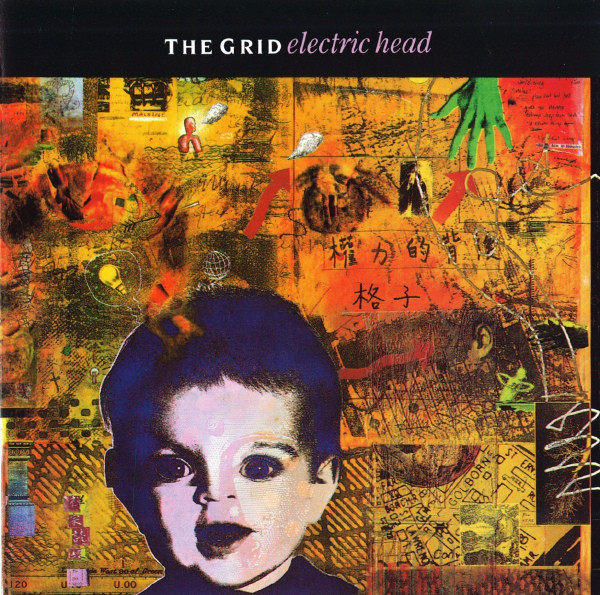
THE GRID Floatation (1990)

Subsonically remixed by Andrew Weatherall with a distinct chilled-out flavour and an additional vocal from Sacha Souter for single release, the brilliant album version of ‘Floatation’ had a more rigid KRAFTWERK feel echoing elements of ‘Tour De France’. Towards the home straight, Julian Stringle’s clarinet brought to mind the aesthetics of Dave Ball’s previous residency in SOFT CELL. But while those woodwind textures were present in the single, they were less effective overall.

Available on THE GRID album ‘Electric Head’ via Cherry Red Records

https://www.discogs.com/artist/5081-The-Grid


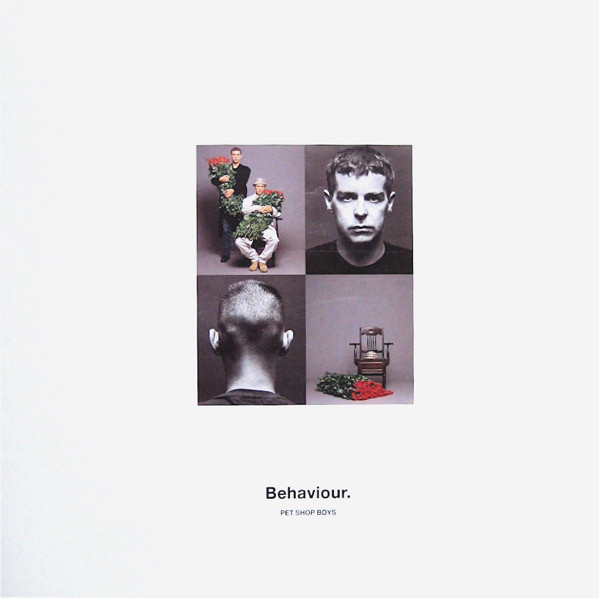
PET SHOP BOYS Being Boring (1990)

Partly inspired by a quote about the wife of F Scott Fitzgerald which stated “she refused to be bored chiefly because she wasn’t boring”, ‘Being Boring’ is one of PET SHOP BOYS’ best songs, reflecting on Neil Tennant’s youth and the loss of a friend who died of AIDS. While the single itself was almost five minutes long, the superior album version featured a fabulous intro that steadily built with a lilting synth bassline and wah-wah guitar that made the most of the song’s elegiac aura.

Available on the PET SHOP BOYS album ‘Behaviour’ via EMI Records

http://petshopboys.co.uk/


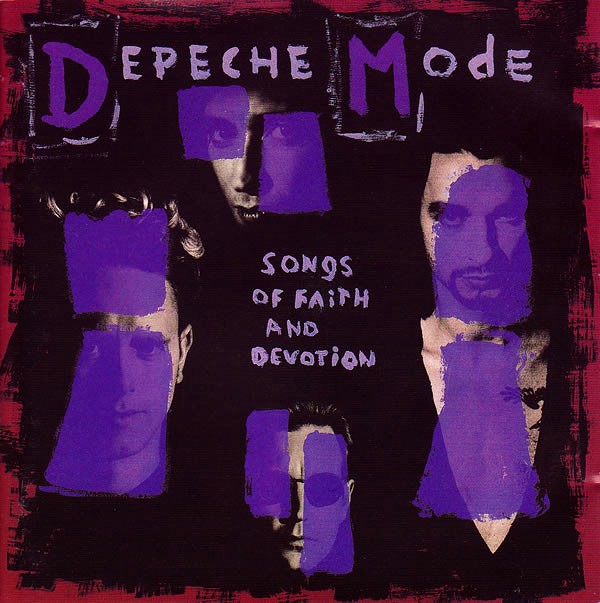
DEPECHE MODE In Your Room (1993)

A tedious rockist statement by DEPECHE MODE when reworked by Butch Vig for single release, the album version of ‘In Your Room’ was widescreen magnificence with a tense percussive drive courtesy of Alan Wilder who only played what was needed, adding a second simplistic drum passage for extra weight. Aexample of how feel is more important technique, current DM drumhead Christian Eigner managed to mess up his opportunity to shine on this during the ‘Global Spirit’ tour.

Available on the DEPECHE MODE album ‘Songs Of Faith & Devotion’ via Sony Music

http://www.depechemode.com/


LADYTRON Evil (2003)

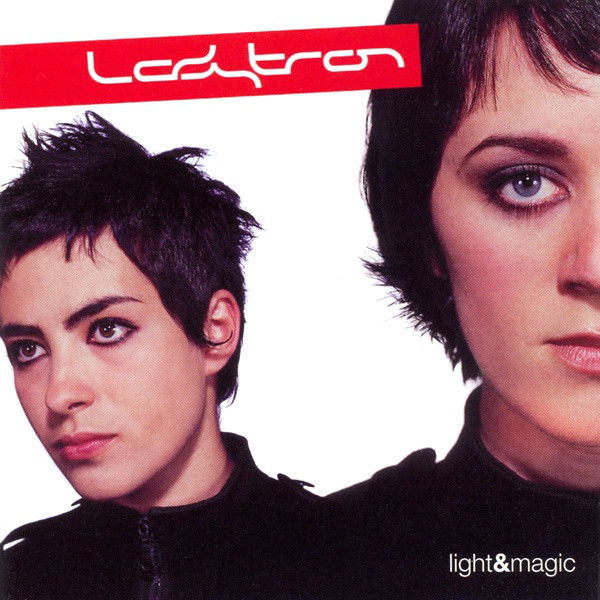
The second LADYTRON album ‘Light & Magic’ is probably best known for its lead single ‘Seventeen’, but opening its second half was the brilliantly propulsive ‘Evil’. An obvious single, when remixed by noted dance producer Ewan Pearson, it was filled out with extra string synths and made more contemporary. The track lost its appealing spatial dynamics and grunt while the way in which the vocals of Helen Marnie were mixed more than muted her charm.

Available on the LADYTRON album ‘Light & Magic’ via Nettwerk productions

http://www.ladytron.com/


ARTHUR & MARTHA Autovia (2009)

ARTHUR & MARTHA were Adam Cresswell and Alice Hubley; their debut single ‘Autovia’ was the first release on Happy Robots Records in 2008 but when it came to recording the album ‘Navigation’, the incessant Doctor Rhythm drum machine was given a more hypnotic Motorik makeover. Meanwhile, there was an extended end section which allowed for some cosmic Theremin and synth wig-outs like STEREOLAB meeting NEU!

Available on the ARTHUR & MARTHA album ‘Navigation’ via Happy Robots Records

https://www.facebook.com/arthurandmarthaband/


MESH Adjust Your Set (2013)

From MESH’s best album ‘Automation Baby’, the wonderfully metronomic ‘Adjust Your Set’ with its personal relationship commentary in a technology dominated world was one of its many highlights. Given a more orchestrated remix by Nico Wieditz for the MaBose Radio-Edit with a much busier electronic bassline along the lines of ‘Enjoy The Silence’, while this single version had more obvious presence, it lacked the eerie cinematic Morricone-esque air of the album original.

Available on the MESH album ‘Automation Baby’ via Dependent Records

http://www.mesh.co.uk/


GOLDFRAPP Ocean (2017)

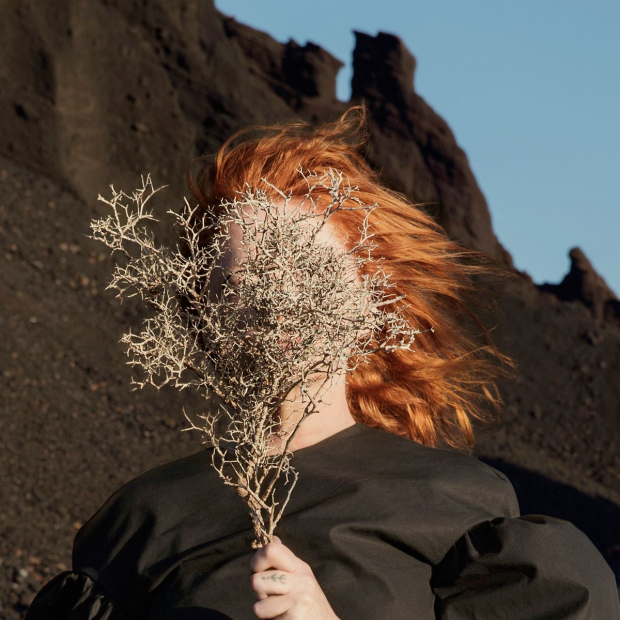
‘Ocean’ was already dramatic perfection as the best track on the seventh GOLDFRAPP album ‘Silver Eye’, but for the single version, it was felt a contribution from a former member of the Mute family was needed. While Devotees were wetting themselves over Dave Gahan appearing on a more obviously electronic sounding track again, his faux bluesy drawl was something of a mismatch next to the breathy angelic tones of Alison Goldfrapp.

Available on the GOLDFRAPP album ‘Silver Eye’ via Mute Artists

https://www.goldfrapp.com/


Text by Chi Ming Lai
2nd January 2019

25 SINGLE VERSIONS THAT ARE BETTER THAN THE ALBUM VERSIONS

Ever bought an album on the strength of a single, only to find that “this is not the single I am looking for”??

As long as there has been a music business, artists and producers have been forever tinkering with their work. Sometimes it is to improve an album track for single release by remixing or even re-recording it. Or it is vice-versa to create a new vision for a song or make it sound more like the material on a latterly recorded long player.

But in many cases, it’s the version that was made for mass consumption through radio play that remains superior and best loved. This list celebrates the frustration of being stuck with the wrong version and the dilemma of whether to shell out extra cash to go out and buy the proper version.

Restricted to one single per artist and presented in chronological and then alphabetical order, here are 25 Single Versions That Are Better Than The Album Versions…


JOHN FOXX No-One Driving (1980)

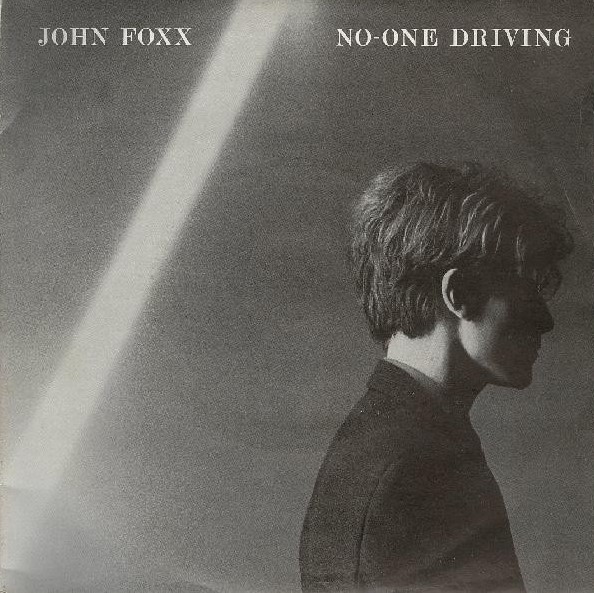
While ‘Metamatic’ is an iconic long player and includes ‘Underpass’, its second single opted for a reworking of ‘No-One Driving’, rather than the more obvious ‘A New Kind Of Man’. Much busier and expansive than the comparatively tame album version, it provided John Foxx with another Top40 hit, something which had eluded him in ULTRAVOX who interestingly also produced a better single version with ‘Quiet Man’ from ‘Systems Of Romance’ while he was in the band.

Available on the JOHN FOXX boxed set ‘Metamatic’ via Edsel Records

http://www.metamatic.com/


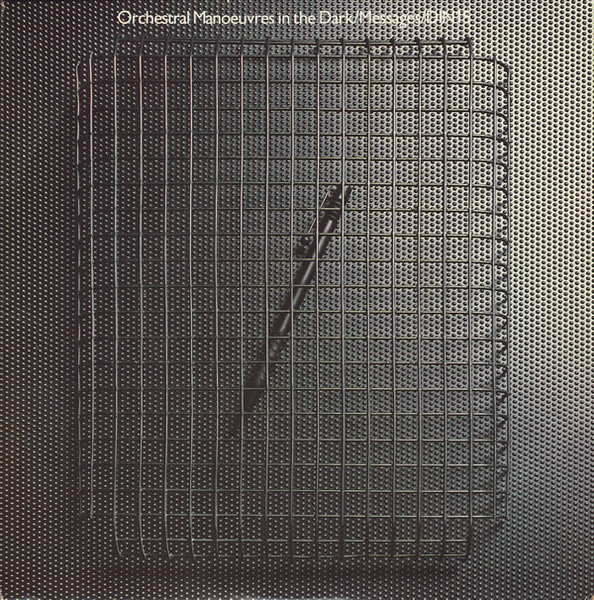
OMD Messages (1980)

On OMD’s debut self-titled album, ‘Messages’ just a song with potential as a single. Utilising a pulsing repeat function on a Korg Micro-Preset shaped by hand twisting the octave knob, it was decided to re-record ‘Messages’ for its single release. Produced by Mike Howlett, the new version included the addition of separately recorded drums for a cleaner snap alongside the basic primary chord structures and one fingered melodies to produce a magnificent UK chart hit that reached No13.

Available on the OMD album ‘Messages: Greatest Hits’ via Virgin Records

http://www.omd.uk.com/


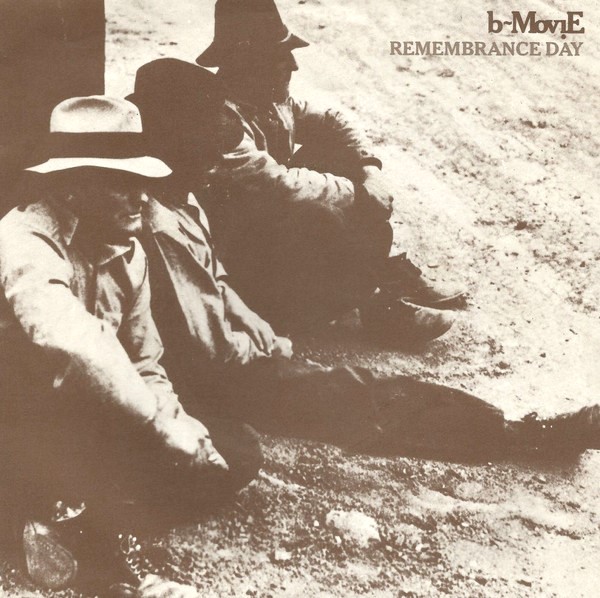
B-MOVIE Remembrance Day (1981)

Despite being alongside DEPECHE MODE, SOFT CELL, BLANCMANGE and THE THE on the now iconic ‘Some Bizarre Album’, B-MOVIE were unable to secure a Top40 chart entry with the poignant magnificence of the Mike Thorne produced ‘Remembrance Day’. The struggle for success coupled with internal tensions led to the band fragmenting by 1983. Finally releasing an album ‘Forever Running’ in 1985 on Sire Records, it featured an inferior re-recording of ‘Remembrance Day’.

Available on compilation album ‘Dawn Of Electronica’ (V/A) via Demon Music Group

http://www.b-movie.co.uk/


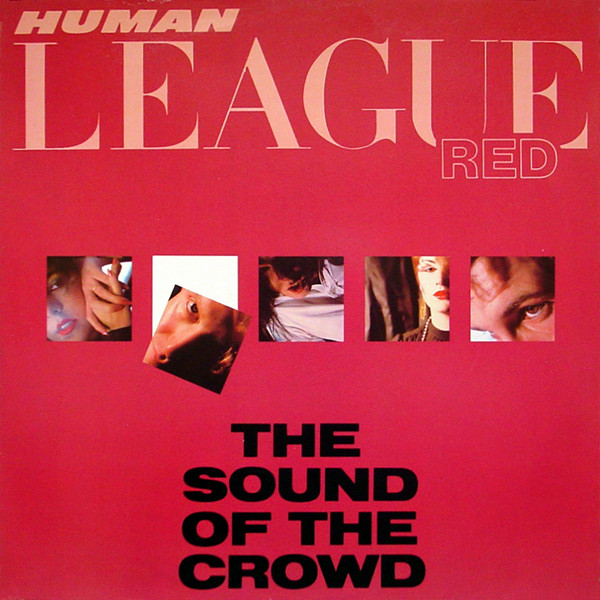
THE HUMAN LEAGUE The Sound Of The Crowd (1981)

The combination of obscure lyrics from Ian Burden like “Stroke a pocket with a print of a laughing sound” and a screaming chant gave THE HUMAN LEAGUE their breakthrough hit. Produced by the late Martin Rushent, bursts of Roland System 700 white noise were trigged from an MC8 Micro-composer for the rhythm track. But for the subsequent ‘Dare’ album, ‘The Sound Of The Crowd’ was reworked with a Linn Drum and with the chant also pushed back, it lost much of its dystopian tension.

Available on THE HUMAN LEAGUE album ‘Greatest Hits’ via Virgin Records

http://www.thehumanleague.co.uk/


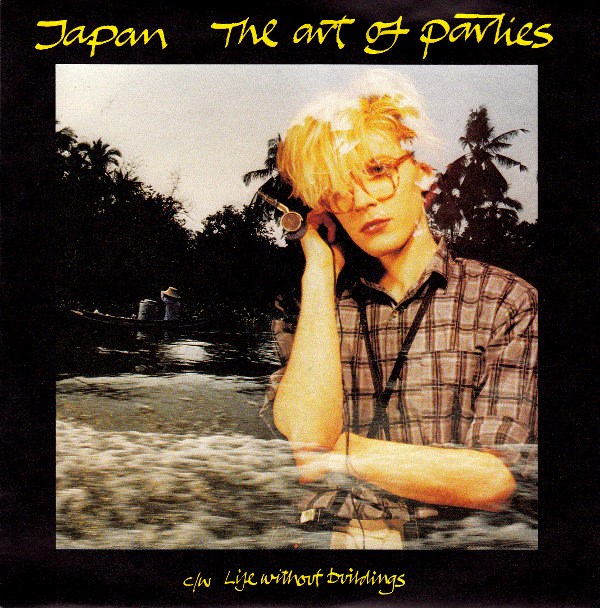
JAPAN The Art Of Parties (1981)

More muscular and dynamic, ‘The Art Of Parties’ explored a funkier template was a move away from the mannered Roxy muzak that JAPAN had been associated with. Originally produced by John Punter, when it came to the album ‘Tin Drum’, new producer Steve Nye smoothed off some of the track’s tribal weirdness and muted its brassy punch. While the end result was tighter, synthier and had more melody, the band preferred to play the original single version live…

Extended version available on JAPAN album ‘The Very Best Of’ via Virgin Records

http://www.nightporter.co.uk/


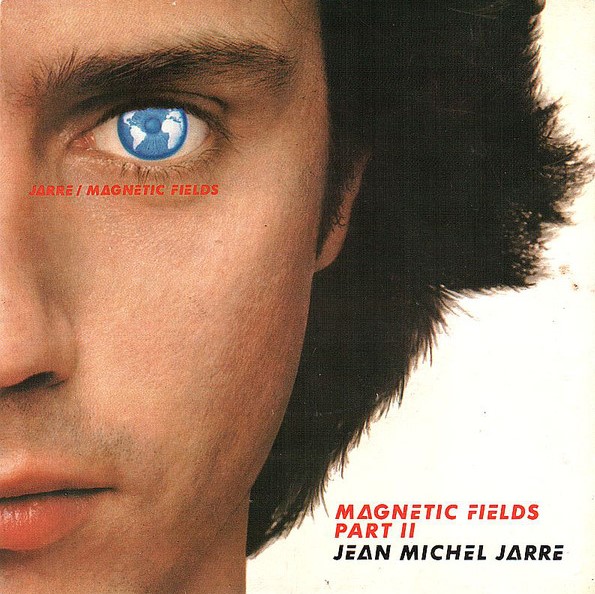
JEAN-MICHEL JARRE Magnetic Fields 2 (1981)

The first track on side 2 of Jean-Michel Jarre albums provided the trailer singles for radio and ‘Magnetic Fields’ was no different. But in a new approach, the French Maestro offered up a toughed up remix where the klanky lightweight tones of the Korg Rhythm KR55 were replaced by bangier drum samples while the synth stabs on the bridge were turned up. But as Jarre’s audience preferred albums, this superior remix got lost over the years and missed inclusion on his many compilations.

Single version not currently available

https://jeanmicheljarre.com/


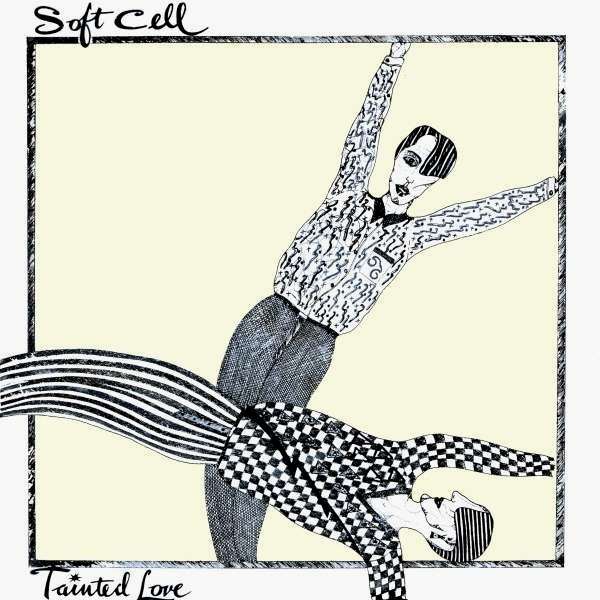
SOFT CELL Tainted Love (1981)

Everyone knows the wonderful hit single version of this Northern Soul cover with its hypnotic Roland Compurhythm running all the way through it. But for the ‘Non-Stop Erotic Cabaret’ album, ‘Tainted Love’ was shortened by 2 seconds while the second phrase became the first, thus strangely muting the emotive impact of the original single. Annoyingly, this inferior version crept onto the first SOFT CELL compilation ‘The Singles’ and the more recent ‘Keychains & Snowstorms’ collection.

Available on SOFT CELL album ‘The Very Best Of’ via Mercury Records

http://www.softcell.co.uk/


ASSOCIATES Party Fears Two (1982)

With its iconic piano line, ‘Party Fears Two’ was a magnificent song about dealing with the perils of schizophrenia. It also kick started a brief period when ASSOCIATES subverted the UK charts with an avant pop approach that fitted in with the Synth Britannia template of the times. A Top10 hit and emotive to the nth degree, the original single version is still the best and total perfection, while the longer album remix with its ambient intro and stop ending lost some of the magic.

Available on the ASSOCIATES album ‘The Very Best Of’ via BMG

https://www.facebook.com/theassociatesofficial/


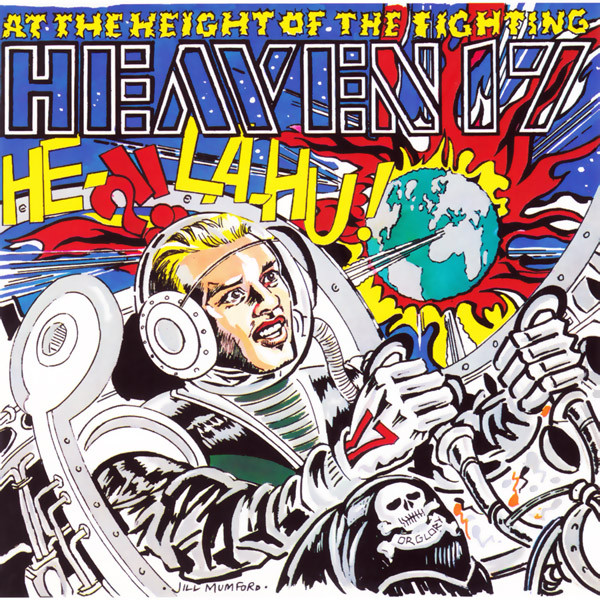
HEAVEN 17 Height Of The Fighting (1982)

The original ‘Height Of The Fighting’ from the second side of ‘Penthouse & Pavement’ was sonically an extension of ‘Travelogue’, Martyn Ware’s last album as a member of THE HUMAN LEAGUE. The more commercial single version took the funkier approach of the first side of ‘Penthouse & Pavement’, adding synthetic drums and a meatier bass synth attack. Featuring the BEGGAR & CO brass section who played with SPANDAU BALLET, it was a glorious electronic soul hybrid.

Available on HEAVEN 17 album ‘The Best Of’ via Virgin Records

https://www.heaven17.com/


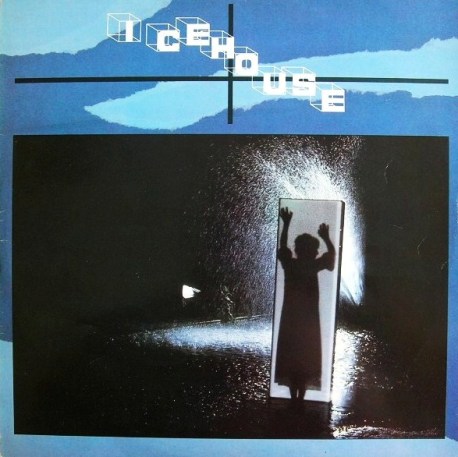
ICEHOUSE Icehouse (1982)

Led by Iva Davies, the song which got Australian combo ICEHOUSE noticed by a wider audience in the UK during their tenure opening for SIMPLE MINDS was a slight reworking of the chilling synth laden title track of their debut album from when the band were called FLOWERS. Featuring a strange offbeat and the mannerisms of Gary Numan before blitzing out for the song’s flanged guitar climax, ‘Icehouse’ was as good as anything on VISAGE’s eponymous debut.

Single version not currently available

http://www.icehouse-ivadavies.com/


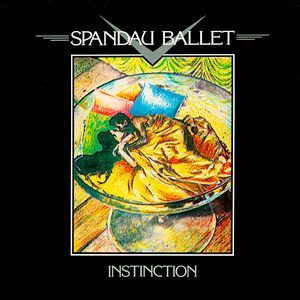
SPANDAU BALLET Instinction (1982)

Outflanked by DURAN DURAN in the New Romantic debut album stakes, SPANDAU BALLET explored Britfunk with ‘Chant No1′, but then took a strange about turn with their next album ‘Diamond’ featuring a number of ethnic art pieces. Fresh from working with ABC, Trevor Horn reworked Richard James Burgess’ understated production of ‘Instinction’. Throwing in extra synths played by Anne Dudley and extra bombastic percussion; it saved their career.

Available on the SPANDAU BALLET album ‘Gold: The Best Of’ via EMI Records

http://www.spandauballet.com/


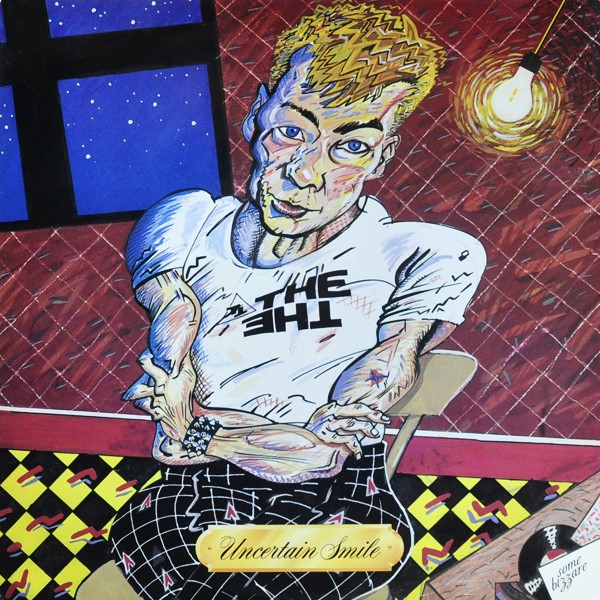
THE THE Uncertain Smile (1982)

Still Matt Johnson’s finest five minutes as THE THE, ‘Uncertain Smile’ on its single release featured a wonderfully rigid TR808 pattern, lovely layers of synths and a variety of woodwinds including flute and sax. Produced by Mike Thorne, this fuller sounding and more emotive take far outstripped the bland and overlong ‘Soul Mining’ album cut produced by Paul Hardiman which included the extended boogie-woogie piano of Jools Holland tagged onto the end…

Available on the THE THE album ’45 RPM – The Singles’ via Epic Records

https://www.thethe.com/


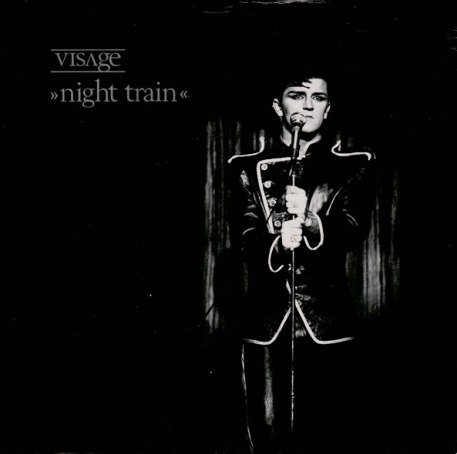
VISAGE Night Train (1982)

Inspired by the burgeoning New York club scene, Rusty Egan brought in John Luongo to remix ‘Night Train’ from ‘The Anvil’ album much to Midge Ure’s dismay; it lead to the diminutive Glaswegian ending his tenure with VISAGE. But Luongo’s rework was sharper and more rigid, pushing forward the female backing vocals to soulful effect in particular and replacing the clumpier snare sounds of the album version with cleaner AMS samples.

Extended version available on the compilation boxed set ’12”/80s – Volume 2′ (V/A) via Family Recordings

http://www.visage.cc/


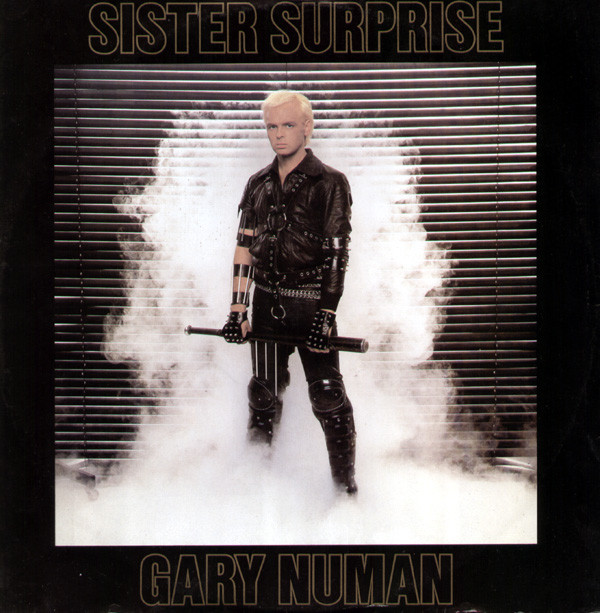
GARY NUMAN Sister Surprise (1983)

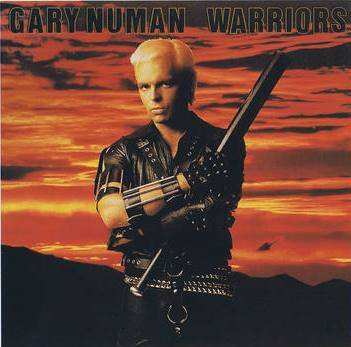
The album version of ‘Sister Surprise’ on the ‘Mad Max’ inspired ‘Warriors’ was far too long, plus something was missing. For its single release, this slice of synthetic funk rock was shortened and sharpened, while a new vocal hook was added over Numan’s now ubiquitous “woah-oh-oh” refrains which provided a much better chorus. Despite this improvement and an appearance of ‘Top Of The Pops’, it was at the time, the lowest charting Gary Numan single since the start of his imperial phase.

Available on the GARY NUMAN album ‘Premier Hits’ via Beggars Banquet

https://garynuman.com/


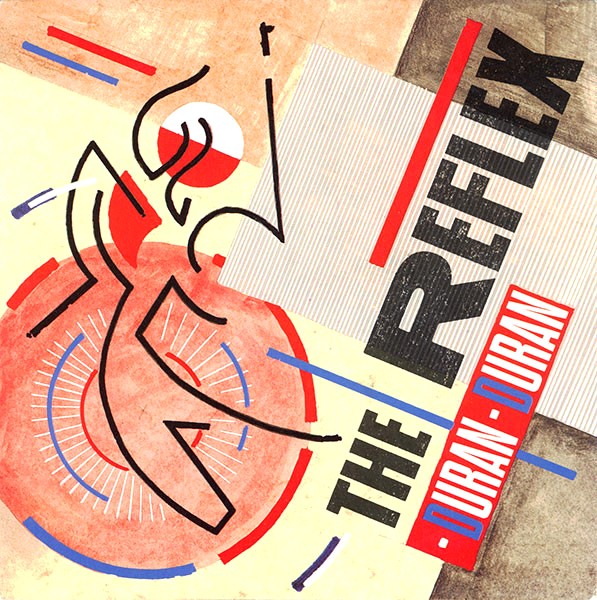
DURAN DURAN The Reflex (1984)

The ‘Seven & The Ragged Tiger’ album sessions had not been a happy experience for DURAN DURAN with the prolonged mixing leading to a fall out between bassist John Taylor and producer Alex Sadkin. ‘The Reflex’ had potential but this was not fully realised. Enter Nile Rodgers who gave the track a rhythmic lift and played around with the then-new innovation of sampling, using various vocals to create new hooks and phrases for a monster international hit.

Available on the DURAN DURAN album ‘Greatest’ via EMI Records

http://www.duranduran.com/


FRANKIE GOES TO HOLLYWOOD Two Tribes (1984)

Comedian Lenny Henry summed things up best in a sketch where he entered a record shop to buy a single and was then offered a plethora of versions by the assistant:”I JUST WANT THE VERSION THEY GOT RIGHT!” – ZTT’s marketing exploits with 12 inch mixes are well known, but they played around with album versions too and with the version of ‘Two Tribes’ on ‘Welcome To The Pleasure Dome’, they got it wrong and took out the piper call middle eight!

Available on the FRANKIE GOES TO HOLLYWOOD album ‘Frankie Said’ via Union Square

http://www.frankiesay.com/


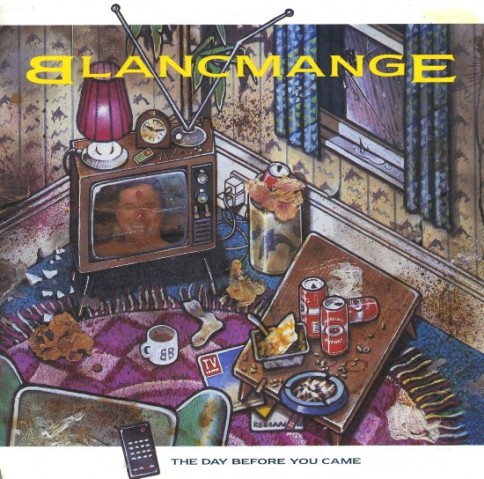
BLANCMANGE The Day Before You Came (1984)

There was a time when it was not cool to like ABBA but BLANCMANGE changed all that with their version of ‘The Day Before You Came’ which many regard as the last ABBA song. Combining that noted Swedish melancholy and melodicism with an artful Nothern England quirkiness, the more compact single version produced by Peter Collins improved on the ‘Mange Tout’ album version helmed by John Luongo and made more of Neil Arthur’s deep melodramatics.

Available on the BLANCMANGE album ‘Second Helpings’ via London Records

http://www.blancmange.co.uk/


PET SHOP BOYS Suburbia (1986)

Originally produced by Stephen Hague, ‘Suburbia’ was a good if slightly underwhelming album track from ‘Please’ that got transformed into a more fully realised epic in a re-recording produced by Julian Mendelson. Complete with barking dogs, widescreen synths and thundering rhythms, the more aggressive overtones in the single version of PET SHOP BOYS‘ clever social commentary made ‘Suburbia’ a big hit, particularly in West Germany.

Available on the PET SHOP BOYS album ‘Pop Art: The Hits’ via EMI Records

http://petshopboys.co.uk/


A-HA The Living Daylights (1987)

The collective strength of A-HA has been to produce great melancholic pop in that classic Nordic tradition. Chosen to record the theme to the James Bond film ‘The Living Daylights’, the collaboration with composer John Barry was fraught with tension and mutual dislike. However, the conflicts and Barry’s characteristic string arrangement captured an essence that was missing from the later re-recorded version with Alan Tarney for the album ‘Stay On These Roads’.

Available on the A-HA album ‘Time & Again: The Ultimate’ via WEA

https://a-ha.com/


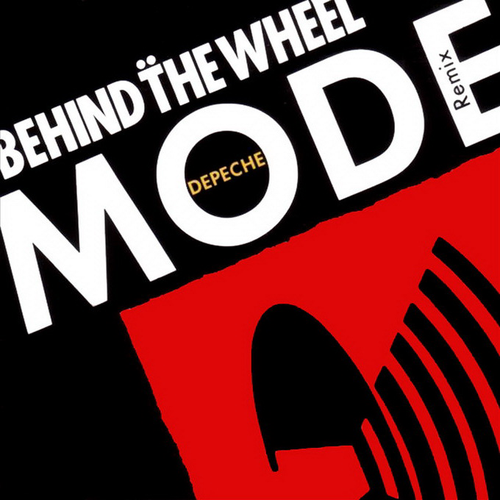
DEPECHE MODE Behind The Wheel (1988)

With DEPECHE MODE’s Trans-Atlantic breakthrough album ‘Music For The Masses’, the good but meandering track heading side two never realised its potential. But with PET SHOP BOYS, NEW ORDER, DURAN DURAN and Madonna remixer Shep Pettibone ‘Behind The Wheel’, a funkier bassline and syncopated rhythms were added to the much better single version, giving the song a far more accessible groove that could fill alternative club dancefloors in America.

Available on the DEPECHE MODE album ‘The Singles 86-98’ via Mute Records

http://www.depechemode.com/


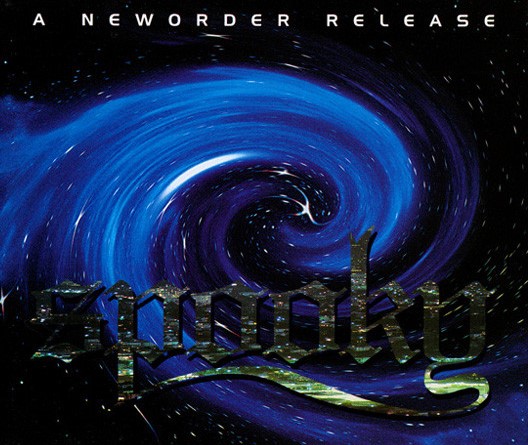
NEW ORDER Spooky (1993)

‘Republic’ produced by Stephen Hague was not the finest hour of NEW ORDER, so it was something of a surprise when the underwhelming ‘Spooky’ aws the fourth single from it. But it was remixed by FLUKE, a house dance trio who had worked with Björk. Rhythmically more spacious, this superior ‘Minimix’ allowed the best elements of the song to shine.

Available on the NEW ORDER single ‘Spooky’ via London Records

http://www.neworder.com/


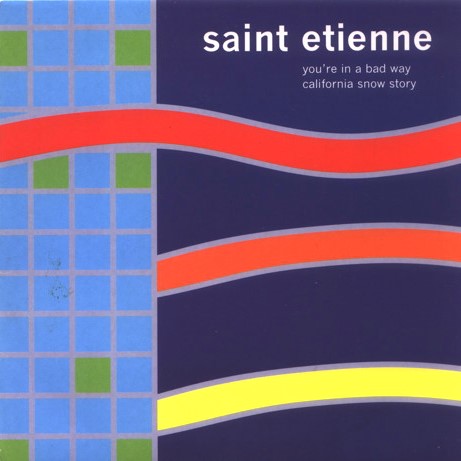
SAINT ETIENNE You’re In A Bad Way (1993)

The ‘So Tough’ album version of ‘You’re In A Bad Way’ was far too understated. With a brighter punchier recording helmed by A-HA producer Alan Tarney for the single version, the acoustic guitar was pushed back while vintage synths and a lovely ‘Telstar’ motif was added for a vastly superior rendition. Sometimes more can mean more and this slice of HERMAN’S HERMITS inspired pop brilliance gave SAINT ETIENNE a well-deserved No12 hit single.

Available on the SAINT ETIENNE album ‘London Conversations’ via Heavenly Records

http://www.saintetienne.com/


WILLIAM ORBIT Adagio For Strings (1999)

Orbit’s concept of adapting classical works was because he wanted to make a chill-out album that had some good tunes. But trance enthusiasts who loved Dutch producer Ferry Corsten’s blinding remix of Samuel Barber’s ‘Adagio For Strings’ will have been shocked if they had bought its virtually beatless parent long player. Sounding not unlike Jean-Michel Jarre set to a 4/4 dance beat, this single version actually reached No4 in the UK charts.

Available on the compilation boxed set ‘Dance Anthems Classics – The Collection’ via Rhino

https://www.williamorbit.com/


ERASURE Moon & The Sky (2001)

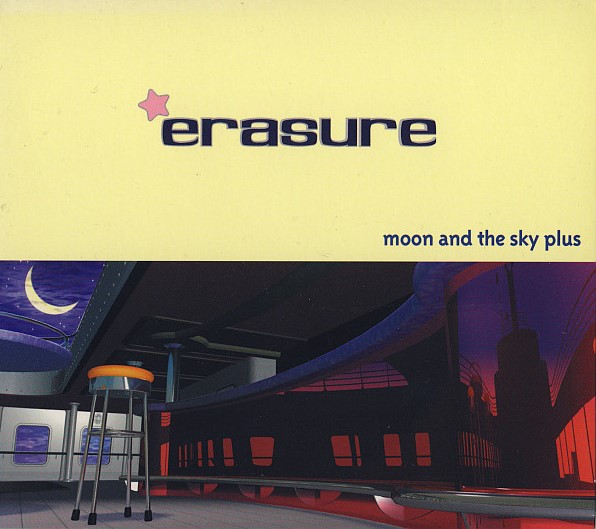
In a poor period for Andy and Vince, the ‘Loveboat’ album’s problem wasn’t just the emphasis on guitar driven dynamics, but it also lacked the usual ERASURE charm despite production by Flood. Even the album’s one potentially great song ‘The Moon & The Sky’ was missing an uplifting chorus, something which was only fixed with the Heaven Scent Radio Rework version by Jason Creasey that was later released as an extended play single.

Available on the ERASURE album ‘Total Pop! – The First 40 Hits’ via Mute Records

http://www.erasureinfo.com/


RÖYKSOPP Remind Me (2001)

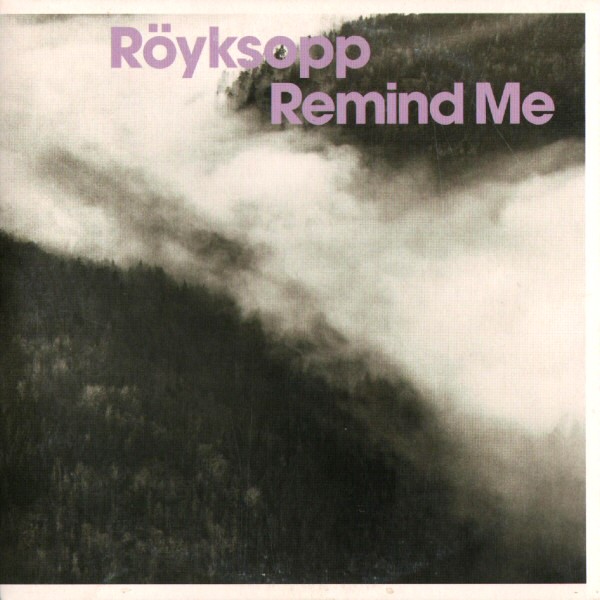
With vocals by KINGS OF CONVENIENCE vocalist Erlend Øye, ‘Remind Me’ was one of the highlights of RÖYKSOPP’s excellent debut album ‘Melody AM’ which fitted in with dance music culture’s penchant for chill-out. But for single release, the track was given a more rhythmic KRAFTWERK styled feel via ‘Someone Else’s Radio Remix’ by Marisa Jade Marks. The track drew in new listeners, although they would have had a major shock to the system on hearing the album original…

Available on the RÖYKSOPP download single ‘Remind Me’ via Wall Of Sound

http://royksopp.com/


Text by Chi Ming Lai
14th November 2018

JOHN FOXX: The Metamatic Interview

Photo by CP Gabrin

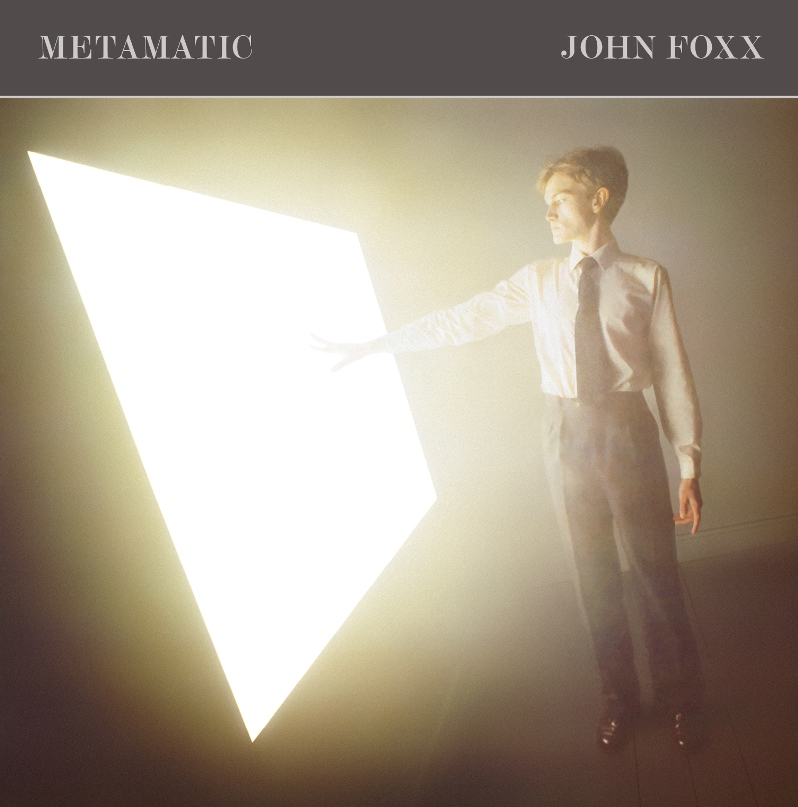
May 2018 sees a new edition release of John Foxx’s seminal 1980 album ‘Metamatic’.

Although arguably there can be very few electronic music fans who don’t possess a copy, this new version includes a third disc of unreleased instrumentals and prototype demo versions that will appeal to completists and fans alike. The 3CD package also includes some previously unseen photos and drawings by John with 49 tracks in total.

ELECTRICITYCLUB.CO.UK were fortunate to get an advanced preview of the new additions and there are some real gems in there. From the alternative mix of the TANGERINE DREAM-like ‘Glimmer’ through to the appearance of a prominent acoustic piano in ‘Fragmentary City’, also worthy of a mention is the droning ‘Critical Mass’ which feels like it would make a superb instrumental prelude to ‘Underpass’.

Also present are early demos of some of the best known tracks on ‘Metamatic’ including ‘Touch & Go’ and two versions of ‘No One’s Driving’; one sequencer driven, the other more piano chord-oriented. Other pieces including unreleased track ‘Miss Machinery’ which has such a beautifully honed mix suggesting that it must have been in strong consideration to be included on the final album.

John Foxx kindly talked about the gestation of the album and the transition from ULTRAVOX Mk1 to solo artist.

What impact did the studio location and surroundings at Pathway in London have on the sound and content of ‘Metamatic’?

Great location for me – a cycle ride away, so I could wobble home at night. I was living in Finsbury Park at the time. It was all very urban North London and I liked that too.

Photo by CP Gabrin

How important was the influence of JG Ballard on your work at this point?

Well, he was the first writer who seemed to be addressing what I’d come to call ‘the unrecognised present’. It takes us all a little time to realise exactly how we’re living, since circumstances are changing so quickly and in that gap, some it gets out of hand. For instance, I felt cars were out of hand at that (and this!) point.

Without noticing, we found we were all living on diminishing islands, surrounded by an ocean of cars, dominating the environment completely, enabling new crimes and new situations, forcing new ways of living and changing everything – even architecture and the shape of cities, as harried city councils threw up welcoming worlds of concrete to accommodate them.

We had to try to live with all that. Ballard had understood and mapped this process and how it can all come tumbling down. He could see how fragile things really are, I guess from his childhood, when his world was torn apart by the Japanese invasion. He wasn’t the only one though, there were others, some writers such as Burroughs and Philip K Dick and several film makers – Tarkovsky, that ‘Chien Andalou’ film by Dali and Bunuel, Alain Resnais’ ‘Last Year in Marienbad’- and so on.

Songs such as ‘He’s A Liquid’ and ‘Touch & Go’ had debuted live as ULTRAVOX! numbers… how did the shift towards you playing synthesizers and programming drum machines yourself evolve?

I wrote those at home using a drum machine, then we developed them with the band, but I didn’t really feel they’d reached their potential until they were synth and drum machine only. I had a certain sound in my head that I wanted to get to – that more minimal electronic / primitive / dub sound. It simply needed tape, synth, drum machine, voice – and nothing else.

So basically, it was an ARP Odyssey, Elka String Machine, a Compurhythm and go!?

Exactly. Everything fell into place then.

On ULTRAVOX’s 1979 US tour, you debuted ‘Touch & Go’ and ‘He’s A Liquid’ with the band. What are your feelings or emotions when you listen back to these prototype versions now?

Oh, I like them – and I also really enjoyed working with the band, but that naked electronic thing was feeling urgent – I just had to get that working.

Speaking of prototypes – I think the band was responsible for a couple of generations worth of prototypes – there were really so many basic seeds sewn by us by that point.

I remember being really torn in ‘77-‘78, because there were two great directions we’d evolved- first the modern rock thing which is a line that extends from ‘Systems Of Romance’ and is still running – it goes on through SIMPLE MINDS / JOY DIVISION / U2 / BLUR / ELASTICA / FRANZ FERDINAND / RADIOHEAD / HORRORS and so on. Inventive Britrock. We defined that very early on, and we were the first to do it, with songs like ‘Slow Motion’ and ‘I Can’t Stay Long’ etc, we’d mapped it some years before – even that branch of OASIS and STONE ROSES, with our nod to THE BEATLES Psychedelic thing on ‘When You Walk Through Me’ from ‘Systems’ in 1978.

Then there was the minimal studio electronic thing that was really just beginning – but we’d done that a good two years before with ‘My Sex’, then ‘Hiroshima Mon Amour’ and Dislocation’ and ‘Just For A Moment’ etc. We’d recorded ‘My Sex’ in summer 1976. I really felt things branched dramatically at the point of ‘Systems’, not just for us, but for the entire future of Brit music, and I think we’d mapped both directions as inevitables, some years before.

How did you feel when the main riff for ‘Touch & Go’ ended up on ULTRAVOX’s ‘Mr. X’? Was there any kind of legal challenge with this?

Oh, impossible to untangle who did what after you’ve been in the studio together. Everyone has their own perspective and they’re all different. Bit of a road accident really. It would’ve been declared a mistrial. All witnesses concussed.

‘A New Kind of Man’ was originally slated to be the first single off of the album? What inspired the song?

It was a continuation of the ‘Quiet Man’ theme – I’d begun to write the stories, and in one he steps out of and into a film screen. That image also provided the ‘Metamatic’ cover image.

What was the background to deciding to issue ‘My Face’ as a yellow flexi-disc with ‘Smash Hits’; it does appear to be quite a strange combination when looking back in hindsight, but perhaps indicates how open the interpretation of pop music could be in 1980?

They asked if I had a track they could use and I’d just recorded it. Having a track on that magazine was a good thing and I could choose whatever I liked. You’re right – it was an example of how things had opened up after Punk and just at Gary Numan’s jump into the charts. He was the point the floodgates opened for the entire Brit electronic movement. Everyone has a lot to thank him for.

Is it true that you were influenced by dub reggae on the album?

Absolutely, it all goes back a very long way…

As with most good things, it all began in Chorley. There was a great West Indian couple I’d known since I was about eight years old – Mr Huey and his wife May. They’d come over from Jamaica in the late 1950s and been lodgers with a Polish friend of mine, Richard Woczeck. Huey and May then got a terraced house at the top of Corporation Street, were my Gran and uncles lived, so I saw them often. They’d occasionally invite me and my mate Arthur Sweeney to a Blues party in their yard – we’d be around mid-teens at that point and young mods, so right into all that – Curried Goat, beer and Prince Buster. Great!

After that, I listened to things developing in Manchester, when I was an art student there, at the Ponda Rosa, a three storey Café – food on the ground floor, then some secret gambling and shenanigans upstairs. They had a home-built sound system, one of the first I’d seen. Great bass and the music was changing, too.

Then, when I came to London and formed the band, I found Chris Cross was from Tottenham, not far from Broadwater Farm, and he was a decent dub bass player too. At the other end of town, the Ladbroke Grove scene was also in full swing – big custom sound systems on the street. Island Records was West Indies central, so Billy Currie and I used to go into Island studios Basing Street to listen to Lee Perry and Bob Marley sessions. Well foggy in there!

Then, when I started work at Pathway studios in 1979, a tiny eight-track place in North London, Gareth Jones and I heard lots of dub sessions. A crew of guys would book two hours studio time and bang out half a dozen dub tracks for 12″ singles, which were a new thing then. I was fascinated by that mixing technique of stripping everything right back to give one sound all the power.

So when we mixed ‘Metamatic’, we did a lot of that. In fact I chose the studio partly because it had a home-built desk that was especially good for punching sounds in and out and throwing effects on the sound live in the mix. That technique became part of our repertoire. The drums and synth on ‘Underpass’ are done like that, for instance, and the bass is consciously Dub-style. It’s a Dub rhythm track with Euro electro toplines and voice.

Photo by CP Gabrin

Although ‘Metamatic’ is an electronic album, there’s quite a bit of bass guitar by Jake Durant. Was it quite tricky get the synth bass to work the way you wanted with the ARP Odyssey back then?

Well, it wasn’t always easy to get the right depth of bass from the Odyssey. It’s a demon for unusual and complex noises – the best there is at tearing down walls and taking the skin off your back. A Minimoog was best for bass. Richer. I used that too, on ’He’s a Liquid’, for instance, but I preferred the precision and vitality of the ARP. Much quicker, more vicious and more intuitive for me.

Do you subscribe to the Philip Oakey viewpoint that synthesizers are more ‘punk’ than guitars?

Bang on Phil – you only need the one finger! No chords. As soon as synths became affordable, I knew there’d be a permanent revolution. Inevitable.

Listening back to the album now, what strikes most is how stark and minimalist it sounds, what kind of reception did you get from Virgin when you submitted it?

Oh, I think they simply stepped back and put the record out. It was certainly weird, minimal, cold, harsh and surreal for that period – all that BROTHERHOOD OF MAN stuff in the charts. At that time though, everyone at Virgin was in close cahoots and out for a bit of fun. It was a great time. Simon Draper, the real power and judgement there, was totally supportive. A marvellous visionary character. He created Virgin really.

The extra songs which feature as part of this package and the ‘Metamatic Plus’ edition all seem strong enough to have made it onto the original album, was it a difficult process deciding which tracks would make the final cut first time around?

There was no shortage of material. I was just listening to the demos and ideas from cassettes recently. Tons of stuff. Lots of unfinished song starts. It drives me nuts. I’m going to destroy it all, just for peace of mind.

Photo by CP Gabrin

The ‘Metamatic’ follow-up ‘The Garden’ saw quite a significant change in sound for you, especially with the re-integration of more live instrumentation, why did you move away from the colder electronic aesthetic with that release?

I remember wanting to reclaim some of the territory I’d defined with ‘Systems’ – the other side of things, as I mentioned earlier, also I loved working with Robin Simon’s great guitar playing. Power and ideas. He’s the most inventive guitarist – or musician – I’ve ever worked with. Doesn’t do cliches. Forget everyone else, no other player comes close to him, in my opinion.

With ‘My Face’, ‘Burning Car’, ‘20th Century’, ‘Cinemascope’, ‘Young Love’, ‘To Be With You’ and the amount of unreleased material in this new boxed set indicates that a follow-up in the style of ‘Metamatic’ was on the cards; how do you think you might have evolved this sound if you hadn’t had thawed out on ‘The Garden’?

I remember not wanting to repeat myself . In retrospect, though, maybe I should have carried on with the CR78 and ARP and made another record, it would have been interesting – but I was impatient as always and had another set of songs and lots of ideas left over from ‘Systems’.

There was the immediate influential aftermath of ‘Metamatic’; it is said Daniel Miller hired Gareth Jones to engineer DEPECHE MODE as a result of his work with you, while TUXEDOMOON were also fans and worked with him too…

Oh yes, Dan came to the studio with Depeche and I eventually managed to persuade Gareth to work with them. At first he thought Depeche were a bit light, but we’d both really liked ‘Warm Leatherette’, so he trusted Daniel and I think that’s what swung it. They all had a great instant rapport when they finally worked together. Still do.

Tuxedo were a fierce, inventive band we both liked, so Gareth was straight in there, no problem. I liked them all and their work. They were an interesting lot. I remember encountering a certain member wandering about on Shoreditch High Street in the rain in winter, no shoes on, totally oblivious, clearly hallucinating. I especially liked Blaine L Reininger’s playing – he’s a truly exceptional instinctual musician. It was good to hear him again on that ‘Blue Velvet Revisited’ album we all did recently.

Remixes of classic synth tracks rarely turn out well, an exception is Mark Reeder’s ‘Sinister Subway’ mix of ‘Underpass’, what are your feelings on this interpretation?

I think it’s superb! A big surprise, how well it turned out. He translated it for today.

I like Mark Reeder a lot. He’s one of those people you instantly feel you might have known all your life – you know, like someone you might have been at school with. His instincts and tastes are perfectly in line. He’s Mr German Electronic – Manc Branch. And his Berlin movie is brilliant…

There have already been several reissues of ‘Metamatic’, what’s the most special aspect for you about this new package for you?

The notebooks and synth patches etc, and all the experimental sounds from the master eight-track tapes. They do show another aspect of the work Gareth and I were doing then. I also liked the way Steve D’Agostino picked up on all that, some years ago, with that soundtrack for Alex Proyas’ short film.

You’ve stepped out of the live arena for a few years, are there any plans to do live dates to support this release?

No plans at the moment, but things are always brewing, so we’ll see!


ELECTRICITYCLUB.CO.UK gives its grateful thanks to John Foxx

With thanks to Steve Malins at Random PR

‘Metamatic’ is released as 3CD boxed set by Metamatic Records

http://www.metamatic.com

https://www.facebook.com/johnfoxxmetamatic

https://twitter.com/foxxmetamedia


Text and Interview by Paul Boddy and Chi Ming Lai
2nd May 2018

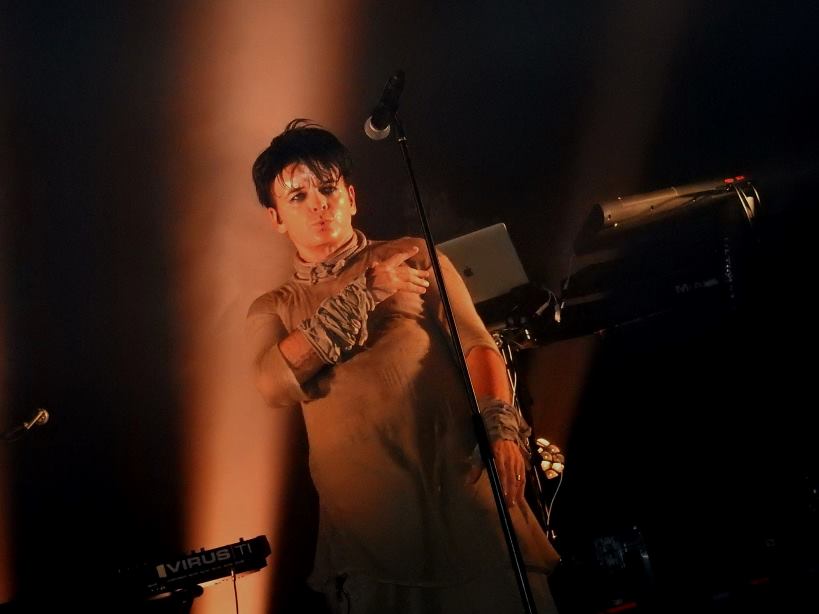
A Beginner’s Guide To GARY NUMAN

Photo by Chi Ming Lai

It cannot be denied that it was Gary Numan who became the world’s first synthesizer pop star.

Born Gary Anthony James Webb, he joined Paul Gardiner in THE LASERS at the height of punk although the band soon morphed into TUBEWAY ARMY. Then as now, Webb was shy, so crucially it was Gardiner who handed over a demo tape to Beggars Banquet on learning of the record store chain’s intention to start a label.

Beggars Banquet saw some potential and signed TUBEWAY ARMY to take on GENERATION X with speedy pop punk tunes like ‘That’s Too Bad’ and ‘Bombers’. Webb changed his surname to Valerian and then to Numan after seeing a directory listing for a firm named Neumann in Yellow Pages. But he was starting to tire of punk and began to see electronics as the way to realise his concept of machine rock, having become inspired by the likes of ULTRAVOX, THE HUMAN LEAGUE and THE NORMAL.

Numan’s debut album as TUBEWAY ARMY was not an immediate commercial success, but it was championed by John Peel while his unusual detached vocal style was beginning to attract media attention. In late 1978, he provided the voice to ‘Don’t Be A Dummy’, a song in a TV advertisement for Lee Cooper jeans.

Still using the band name of TUBEWAY ARMY at the behest of Beggars Banquet, the astoundingly long ‘Are Friends Electric?’ with its diabolus in musica structure reached No1 in the UK singles chart in 1979 and became many an electronic music fan’s entry point into the genre. A few months later under his solo moniker, ‘Cars’ followed ‘Are Friends Electric?’ to the top spot and became a huge international hit, even making sinewaves in the more conservative territory of North America where it reached the Top 10. As a result, he won the Best Male Singer category at the 1979 British Rock and Pop Awards, the-then equivalent of the BRITS.

But despite scoring three UK No1 albums in less than two years and having a loyal legion of fans who were dubbed Numanoids, not everyone could accept the synthesizer or the man behind it. This was all beginning to take a toll on the man who had realised most of his musical dreams by the time he was 23 years old. So Numan retired from touring with three spectacular farewell shows at Wembley Arena in April 1981.

Having got his flying licence in 1980, Numan had other ambitions so later in 1981, he followed his dream of flying around the world. His first attempt ended in arrest in India for espionage after an emergency landing, but the second attempt was more successful and completed on Christmas Eve 1981.

Numan subsequently returned to touring in the summer of 1982 with a low-key jaunt in North America before a full blown UK tour in 1983. Since then, he has played live regularly while the rollercoaster ride of highs and lows and highs during his 40 year recording career have been well documented; the recent documentary ‘Android In La La Land’ revealed many of the fears and insecurities that had lingered throughout his career.

Now firmly established as a highly influential music figure with a significant number of artistic contribution awards to his name, his songs have been covered by artists as diverse as Robert Palmer, NINE INCH NAILS, FOO FIGHTERS, Beck, Marilyn Manson and Afrika Bambaataa. Meanwhile SNOOP DOGG, SUGABABES, ARMAND VAN HELDEN and BASEMENT JAXX are among those who sampled Numan’s work.

Not a best of listing, this 22 track Beginner’s Guide chronicles the varied musical adventures of Gary Numan through his own work and collaborations, with a restriction of one track per album project.


TUBEWAY ARMY Listen To The Sirens (1978)

Despatched by Beggars Banquet to record his debut album at Spaceward Studios in Cambridge, Numan discovered a Minimoog left behind from a previous session and had that legendary Eureka moment when he tried it. He now turned his punk songs into electronic ones, although essentially ‘Tubeway Army’ was still very much a new wave record; “Mr Webb, there is no way out” was a line from album opener ‘Listen To The Sirens’ that would forever haunt him!

Available on the TUBEWAY ARMY album ‘Tubeway Army’ via Beggars Banquet


TUBEWAY ARMY Down In The Park (1979)

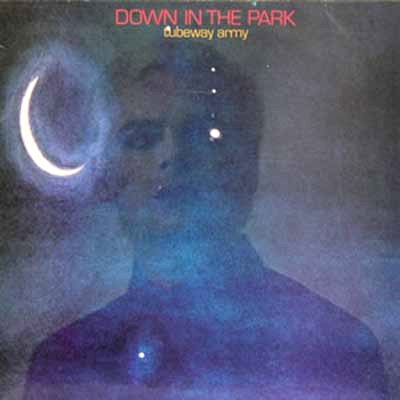
Whereas the TUBEWAY ARMY debut featured punk tunes with synthesizer added almost as an afterthought, ‘Replicas’ would be where Numan would see his Philip K Dick inspired vision become reality with electronic songs to soundtrack his dystopian Sci-Fi stories featuring android characters. Originally written on a second hand upright piano, ‘Down In The Park’ was the first of these songs and while it was not a hit, it was to pave the way for the success of ‘Are Friends Electric?’

Available on the TUBEWAY ARMY album ‘Replicas’ via Beggars Banquet


GARY NUMAN M.E. (1979)

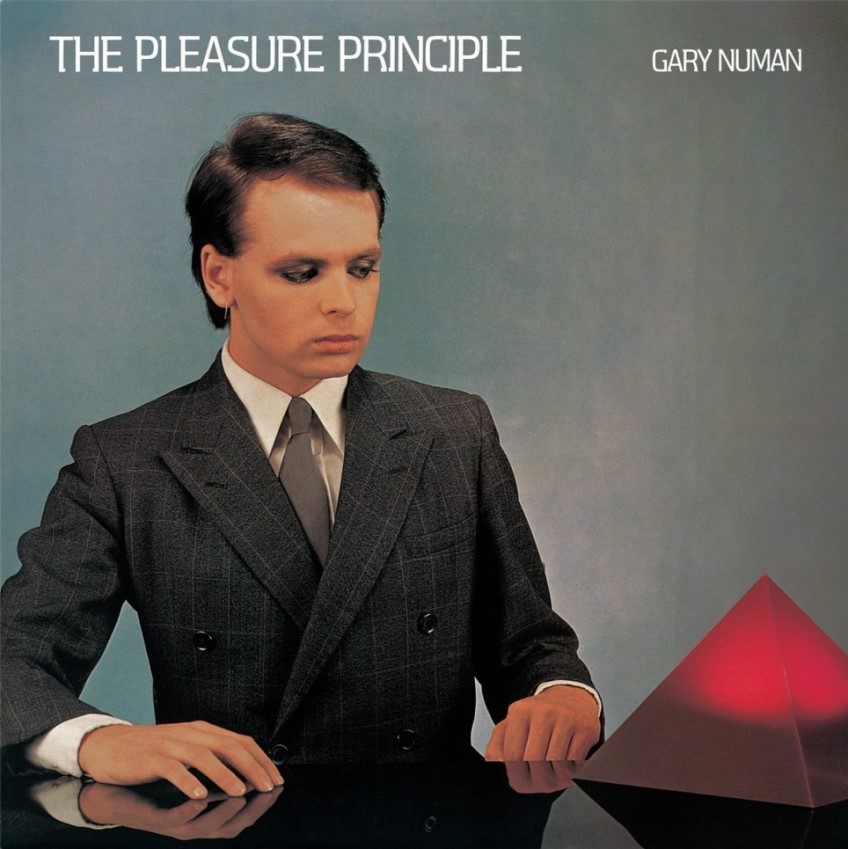
With the success of ‘Are Friends Electric?’, Numan was able to drop the TUBEWAY ARMY moniker and for his next offering, he opted to make an album using no guitars. What this meant was that the power had to be arrived in a more inventive fashion, so synths were fed through guitar effects pedals to add a more sinister metallic tone. ‘M.E’, a story about the last computer on earth where humanity no longer exists, was where this aural desolation was at its most effective.

Available on the GARY NUMAN album ‘The Pleasure Principle’ via Beggars Banquet


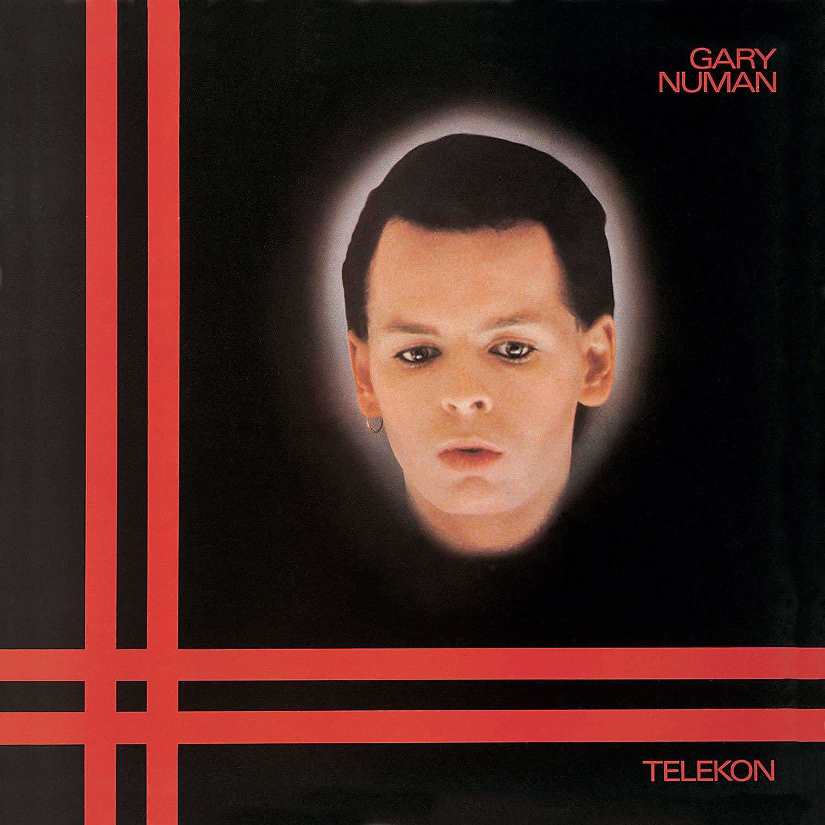
GARY NUMAN Telekon (1980)

By 1980, the negative side of fame was beginning to linger into Numan’s occasionally paranoid psyche, and while his songs were never the most cheery, his new material was starting to take on a more personal downbeat nature away from the Sci-Fi nature of the previous work. Held down by a snaky Compurhythm backbeat and squealing synth, the title track of the resultant ‘Telekon’ album captured that neuroticism with a detached hum and some sinister horror flick piano.

Available on the GARY NUMAN album ‘Telekon’


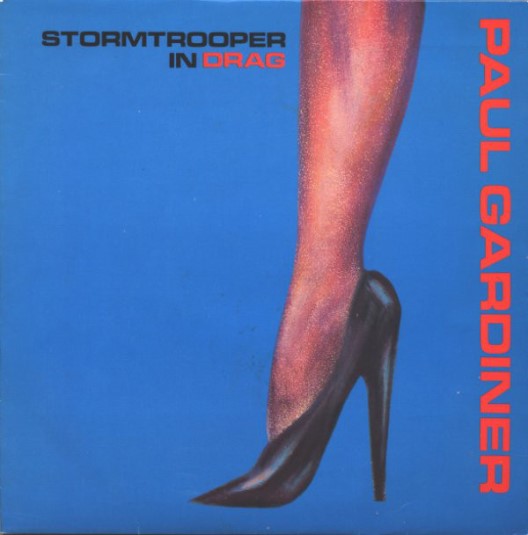
PAUL GARDINER Stormtrooper In Drag (1981)

With Numan’s retirement from live performance, bassist Paul Gardiner opted not to join DRAMATIS with the other band members. Sadly, he went into a downward spiral as a heroin addict. An attempt to give his friend since the TUBEWAY ARMY days something to focus on musically came with this collaboration between the pair, which Numan provided the lead vocal for. Gardiner sadly died in 1984 due to drug related complications; Numan later wrote ‘A Child With The Ghost’ as a tribute.

Available on the GARY NUMAN album ‘Dance’ via Beggars Banquet


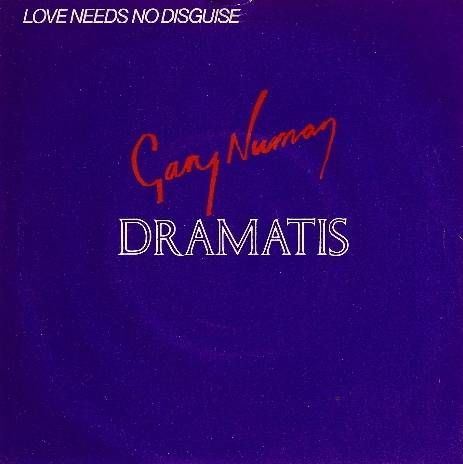
GARY NUMAN & DRAMATIS Love Needs No Disguise (1981)

Live band members RRussell Bell, Chris Payne, Ced Sharpley and Denis Haines formed DRAMATIS and signed to Rocket Records to release their only album ‘For Future Reference’. On a visit to see his old band mates, Numan was played a hypnotically percussive song they had recording about their days out on the road. He loved it so much, that he asked if he could do the lead vocal. Some pretty guitar and viola were the final touches to a track that was barer than most Numan fans were used to.

Available on the GARY NUMAN album ‘Premier Hits’ via Beggars Banquet


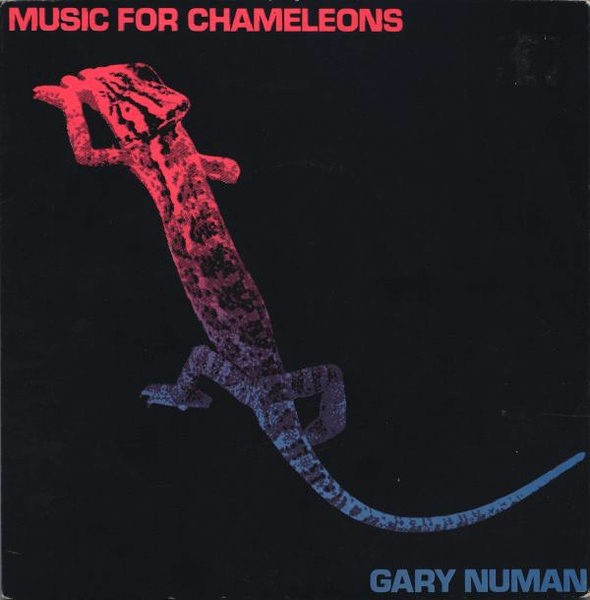
GARY NUMAN Noise Noise (1982)

After the downtempo nature of ‘Dance’, Numan got more energetic again with ‘Music For Chameleons’ and the subsequent ‘I Assassin’ album. On the B-side was what was considered at the time, a strange collaboration with DOLLAR or more specifically, Thereza Bazar on a track that saw Numan’s first use of sung female vocals on one of his recording. Heavy and electronic, he was back on form and the song would be a mainstay of live sets for several years to come.

Available on the GARY NUMAN album ‘I Assassin’ via Beggars Banquet


GARY NUMAN My Car Slides 1 (1983)

By 1983, Numan was making a full live comeback after retiring in 1981. To add another dimension to what was to become the ‘Warriors’ album, Bill Nelson was signed up as producer but the two quickly fell out in the studio. One track that the pair completed was ‘My Car Slides 1’, a beautiful ballad featuring Nelson’s distinctive E-bowed guitar. Alas, it was not included in Numan’s revision of the ‘Warriors’ concept while modest sales saw the end of his relationship with Beggars Banquet.

Available on the GARY NUMAN album ‘Warriors’ via Beggars Banquet


GARY NUMAN I Still Remember (1985)

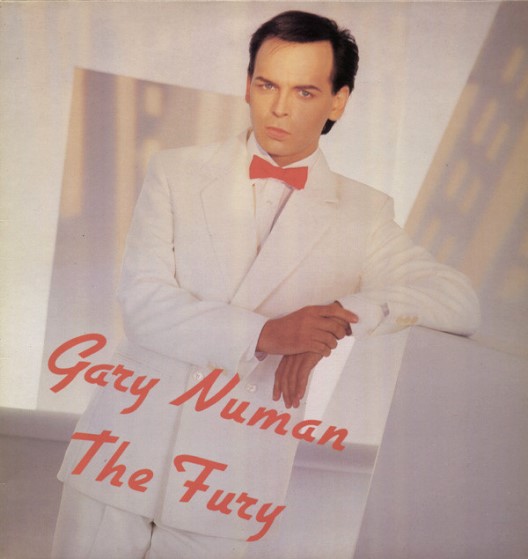
Co-produced with PPG operators The Wave Team, ‘The Fury’ was Numan’s best album since ‘Telekon’. Although very much with the times and in line with acts like FRANKIE GOES TO HOLLYWOOD and DEAD OR ALIVE, the hard but bright digital sound complimented Numan’s downbeat lyrical outlook. One particular highlight was the haunting closing track ‘I Still Remember’, effectively a vocal reimagining of the 1979 instrumental ‘Random’ and featuring ‘Blade Runner’ saxophonist Dick Morrissey.

Available on the GARY NUMAN album ‘The Fury’ via Eagle Records


RADIO HEART featuring GARY NUMAN Radio Heart (1987)

In an unexpected collaboration, Numan teamed up with Hugh Nicholson, a former member of Scottish soft rockers MARMALADE for his RADIO HEART project. The eponymous song was catchy and got airplay, enough for Numan to attain a UK Top 40 singles chart placing despite, like ‘Change Your Mind’ with Bill Sharpe of SHAKATAK, not having written the song . Two other RADIO HEART singles ‘London Times’ and ‘All Across The Nation’ were issued but failed to make any further impact.

Available on the NICHOLSON / NUMAN album ‘1987-1994’ via The Record Label


SHARPE & NUMAN Voices (1987)

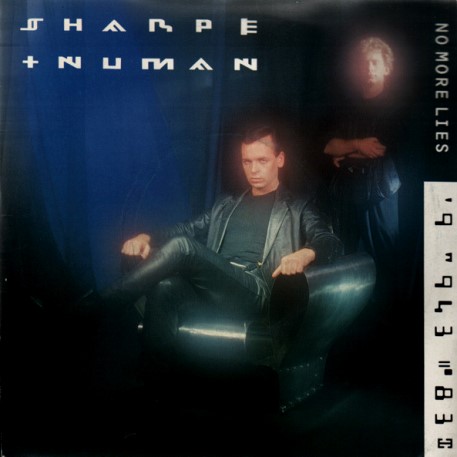
When the excellent ‘Change Your Mind’ was released as a single in 1985, it gained extensive radio play and reached No17 in UK and gave Numan a brief commercial renaissance. A SHARPE & NUMAN album was recorded and ‘Voices’, which had originally been the B-side to ‘No More Lies’ stood up as one of the best songs from what has now been considered to be his wilderness years. Indeed, Polydor in Germany had considered it so good, they released it as a single in its own right complete with a 12 inch mix!

Available on the SHARPE & NUMAN album ‘Automatic’ via Cherry Pop


NUMAN & DADADANG Like A Refugee (1994)

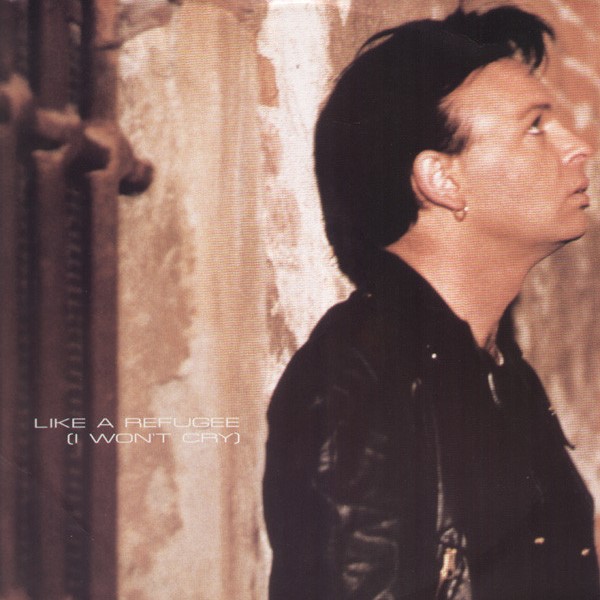
Despite the funk rock excursions of the ‘Metal Rhythm’, ‘Outland’ and ‘Machine & Soul’ albums, the biggest curio in the Numan catalogue has to be ‘Like A Refugee’. Composed again by Hugh Nicholson, it was a rousing number featuring strummed acoustic guitars and Uillean pipes in collaboration with DADADANG, a robotic Italian marching band! “An Intergalactic Close Meeting”, it was melodic number if nothing else and would have actually made a good Eurovision entry.

Available on the NICHOLSON / NUMAN album ‘1987-1994’ via The Record Label


GARY NUMAN A Question Of Faith (1994)

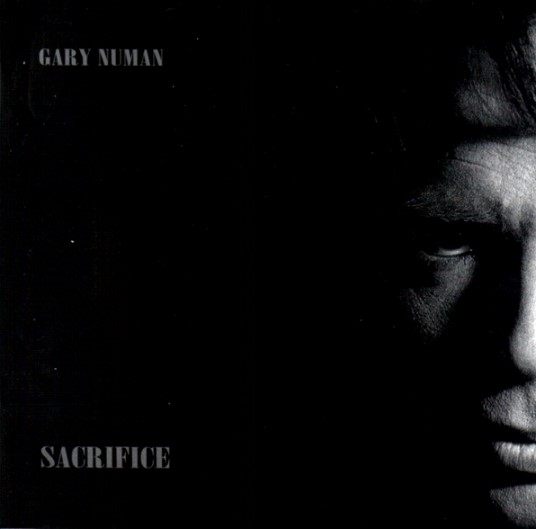
The ‘Machine & Soul’ album in 1992 had all but killed Numan’s career, but then he met Gemma O’Neill, the lady who would become his wife; she made him understand that he needed to become more of a Numan fan to understand what Numanoids saw in him. The final album to be released on his Numa label which he started in 1984 and using DEPECHE MODE’s ‘Songs Of Faith & Devotion’ as its template, ‘Sacrifice’ was his most Numan record since his heyday and ‘A Question Of Faith’ was its dark calling card.

Available on the GARY NUMAN album ‘Sacrifice’ via Eagle Records


DUBSTAR Redirected Mail (2000)

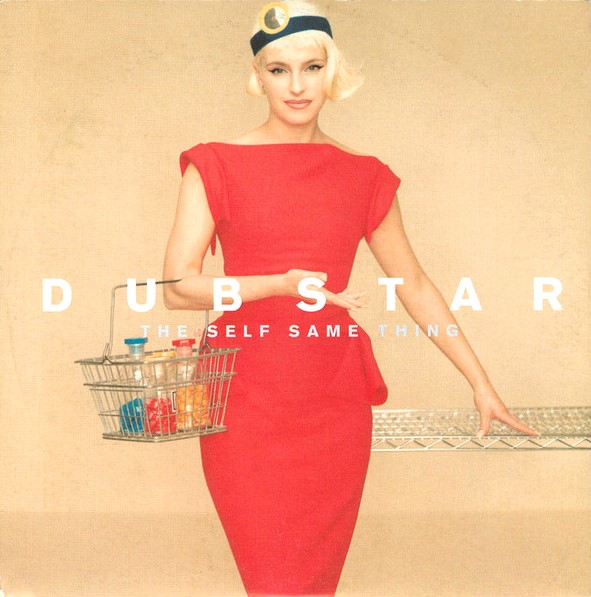
Following recording a sexily deadpan cover of the masturbation anthem ‘Every Day I Die’ for the ‘Random’ tribute album, DUBSTAR actually collaborated with the man himself on one of the B-sides to ‘The Self Same Thing’ EP. Of this almost Beatle-esque number, vocalist Sarah Blackwood said: “I was in Manchester when we recorded ‘Redirected Mail’ but Steve and Chris actually went down to Gary’s and sat and had ham and chips with him. They had a right laugh and had a really good time”.

Available on the DUBSTAR EP ‘The Self Same Thing’ via Food Records


GARY NUMAN Prayer For The Unborn – Andy Gray Mix (2001)

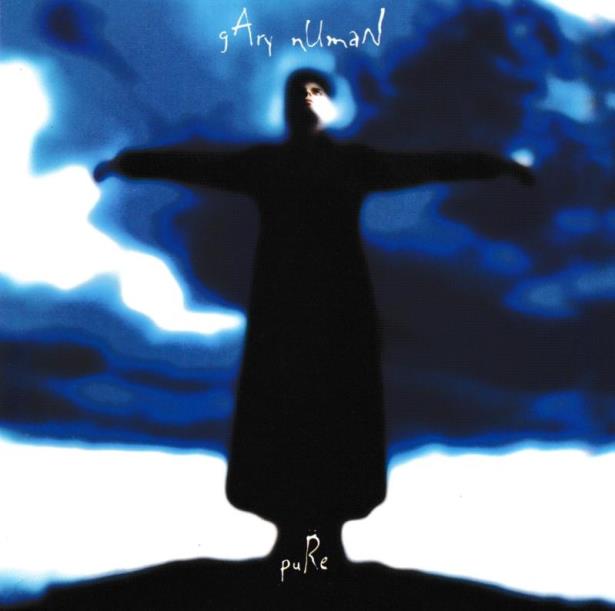
By 2000’s ‘Pure’, Numan had fallen under the spell of NINE INCH NAILS and embraced an intense rock gothique with industrial metal guitar on songs like ‘Rip’ and ‘Listen To My Voice’ that won him a new audience, but there were more delicate moments too. Inspired by his own personal tragedy, the heartfelt blippy cacophony of ‘A Prayer For The Unborn’ remixed by Andy Gray was a triumph that bridged the gap between his classic synth and current rock styles.

Available on the GARY NUMAN album ‘Exposure: The Best of’ via Artful Records


AFRIKA BAMBAATAA Featuring GARY NUMAN & MC CHATTERBOX Metal (2004)

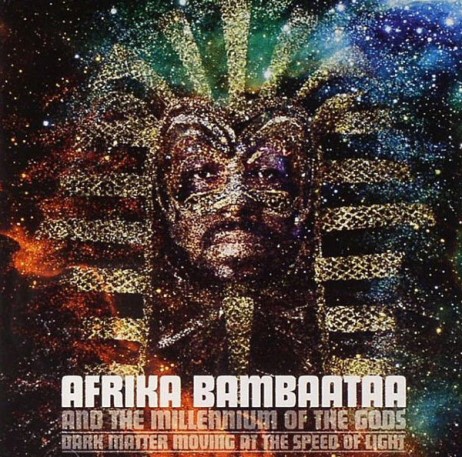
Aside from KRAFTWERK, one of the other key influences on AFRIKA BAMBAATAA & THE SOUL SONIC FORCE was Gary Numan with the drum breaks of the late Cedric Sharpley, who played on ‘The Pleasure Principle’, particularly appealing to the youth of Urban America. So it was no big surprise that the rap and hip-hop pioneer covered ‘Metal’, a key track from the album and even persuaded Numan himself to duet on his meaty electro reworking.

Available on the AFRIKA BAMBAATAA album ‘Dark Matter Moving At The Speed Of Light’ via Tommy Boy Records


GARY NUMAN The Fall (2011)

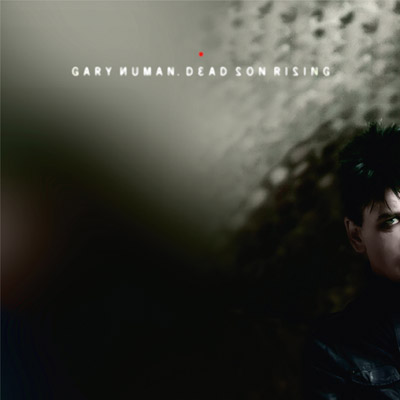
2006’s ‘Jagged’ had a one-dimensional sound that proved underwhelming and stalled Numan’s momentum after the positive reception for ‘Pure’. But he returned with ‘Dead Son Rising’ which started life as a set of discarded demos from previous projects, but quickly took on a life of its own. Wearing his NINE INCH NAILS influences proudly on his sleeve, the industrial beats and blistering chorus of ‘The Fall’ combined for the beginning of a creative recovery.

Available on the GARY NUMAN album ‘Dead Son Rising’ via Mortal Records


GARY NUMAN My Last Day (2013)

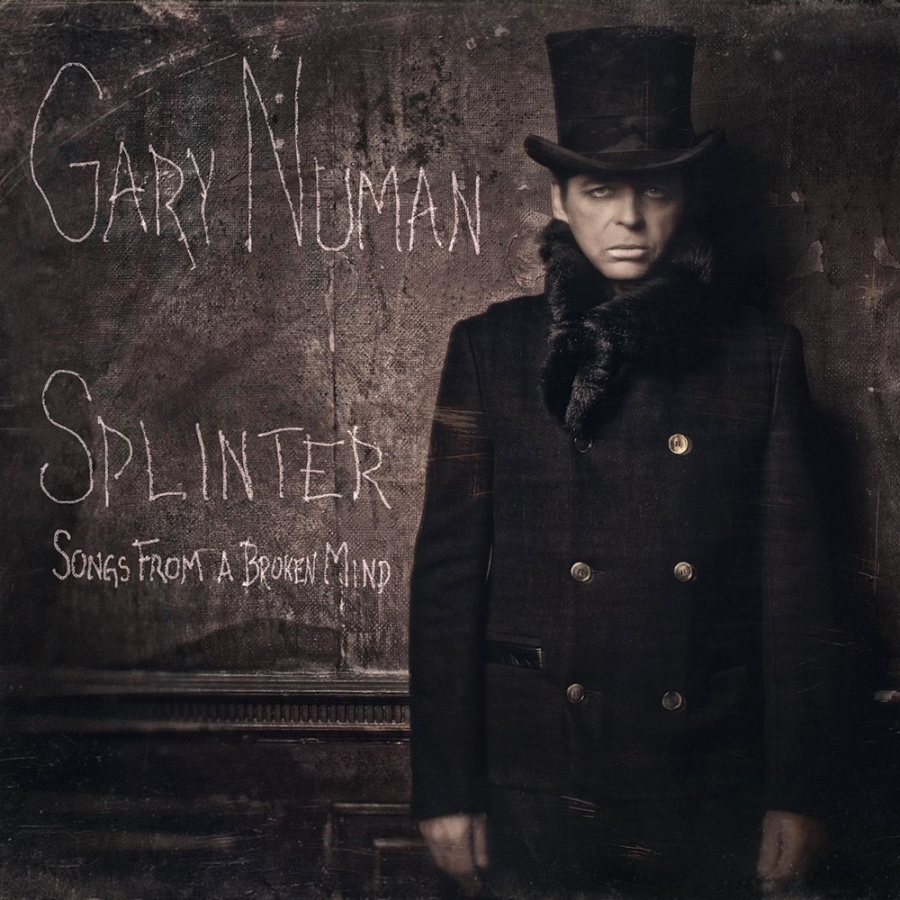
The ‘Splinter’ album took a long time to realise but when it was finally released, it won Numan some of the best reviews of his career. While there was still a heavy rock element, two of the album’s slower numbers ‘Lost’ and ‘My Last Day’ proved to be album highlights. Beautifully dramatic, ‘My Last Day’ pictured blood red skies with the vox humana synths providing a most chilling musical mantra to soundtrack the apocalypse before a chilling close with some lonely casading piano.

Available on the GARY NUMAN album ‘Splinter (Songs From A Broken Mind)’ via Mortal Records / Cooking Vinyl


JOHN FOXX & THE MATHS featuring GARY NUMAN Talk (2016)

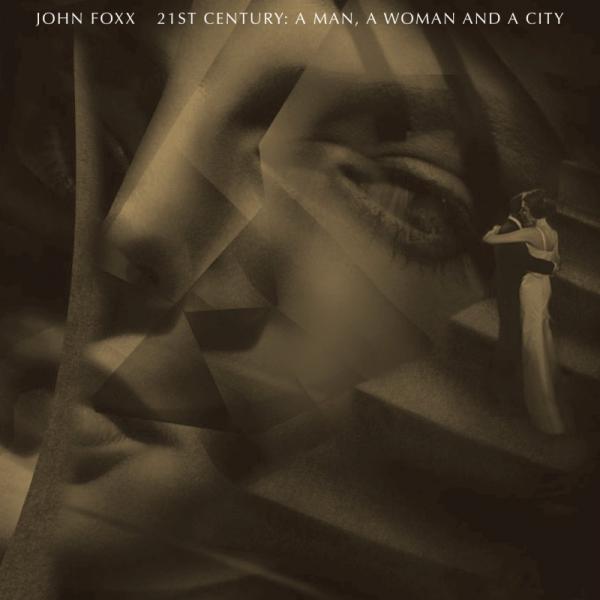
‘Talk’ has been used by John Foxx to explore different approaches from a singular idea with other kindred spirits. Retitled ‘Talk (Are You Listening To Me?)’, Numan’s take naturally screamed alienation and fully exploited his haunting classic synth overtures. “John Foxx has been a hero of mine for my entire adult life” said Numan, “It was a real honour to finally have the chance to contribute to one of his tracks… it was every bit as creative, unusual, demanding, and rewarding, as I always expected it to be”.

Available on the JOHN FOXX album ’21st Century: A Man, A Woman And A City’ via Metamatic Records


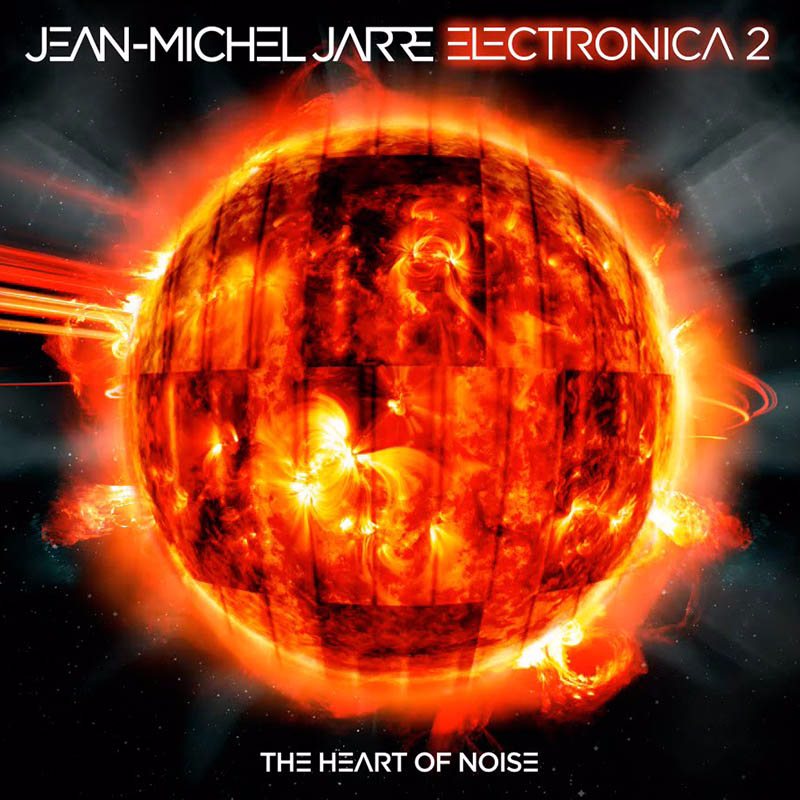
JEAN-MICHEL JARRE & GARY NUMAN Here For You (2016)

For his ambitious ‘Electronica’ project, Jean-Michel Jarre sought out collaborators and worked with them in person as opposed to remotely online. The unlikely friendship that developed between Jarre and Numan resulted in ‘Here For You’. Possibly the darkest thing that the French maestro had ever recorded, he described it as “Oscar Wilde Techno”. Significant in its absence of the crunching guitars that characterise much of Numan’s later work, the track wonderfully combined the best of both artists.

Available on the JEAN-MICHEL JARRE album ‘Electronica 2: The Heart Of Noise’ via Columbia / Sony Music


TITÁN Featuring GARY NUMAN Dark Rain (2016)

In collaboration with Mexican electro rockers TITÁN, the resultant ‘Dark Rain’ was a brilliant slice of electronically assisted Gothic disco. Propelled by a superb syncopated bassline and thunderous drums while layered with classic vox humana lines, interestingly the guitars only appeared about two thirds of the way through before a magnificent burst of foreboding synth into the final chorus! Numan himself was in great form, “waking like wings upon your shoulder”.

Available on the TITÁN album ‘Dama’ via ATP Recordings


GARY NUMAN And It All Began With You (2017)

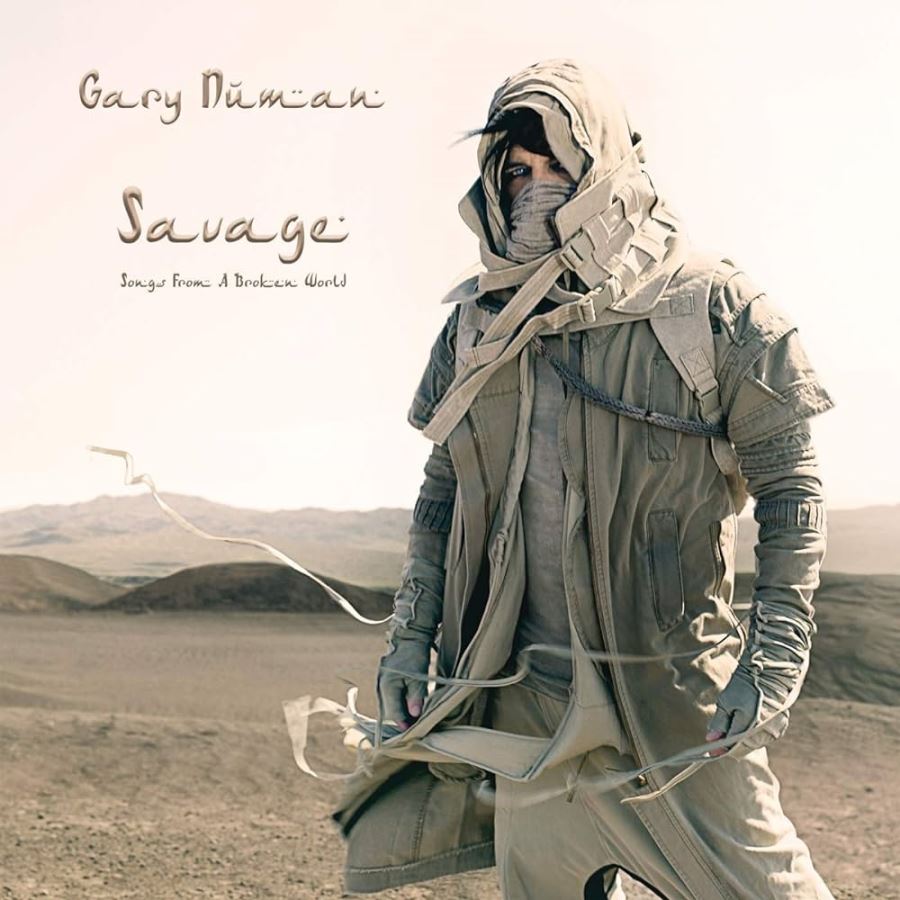
With a lot less goth metal guitar and much more prominent use of synths, ‘Savage’ successfully outstripped ‘Splinter’. And it was the haunting ‘And It All Began With You’ that stopped all in its tracks, with an exposed and soulful vocal. Borrowing Chris Isaak’s ‘Wicked Game’ for its chorus, the subtle orchestrations and a gentle shuffling beat coupled to a steadily discordant electric piano riff to close, it beautifully brought out the best in classic Numan while maintaining forward momentum.

Available on the GARY NUMAN album ‘Savage (Songs from a Broken World)’ via BMG


For further information on GARY NUMAN, please visit his social media platforms

http://www.garynuman.co.uk/

https://www.facebook.com/GaryNumanOfficial/

https://twitter.com/numanofficial

https://www.instagram.com/garynuman/


Text by Chi Ming Lai
11th November 2017

MR NORMALL Interview


The Amazing Adventures Of Mr Normall have gained a loyal cult following within the post-punk and electronic music world.

With a handshake, big smile, good guy profile, the Finnish music fan’s charming photographs with members of SPARKS, JAPAN, ULTRAVOX, BLANCMANGE, HEAVEN 17, DEPECHE MODE, VISAGE and MARSHEAUX among many, have endeared visitors to his website chronicling his travels.

After appearances in a number of promo videos including Kim Wilde and BEF’s cover of ‘Every Time I See You I Go Wild’ , Mr Normall was more recently cast as the star of the silent art movie ‘Nuntius’.

The film with its live soundtrack by Jimi Tenor and Jori Hulkkonen has played to audiences around the world, with Mr Normall occasionally joining the musicians with on stage cameos at selected performances.

ELECTRICITYCLUB.CO.UK had the pleasure of catching up with Mr Normall for another chat about his continuing amazing adventures…


Since ELECTRICITYCLUB.CO.UK last spoke to you in Spring 2011, your fame spread far and wide in some unexpected places. Richard Barbieri wanted his photo taken with you, what was the story here?

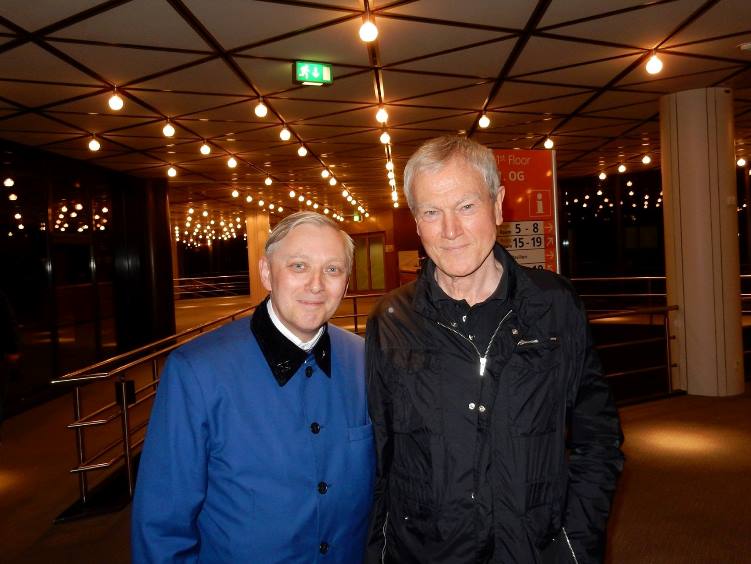
Oh yes… that was a surprise and very positive one. We had been friends on Facebook for some time, but I had no idea that he knew who I was or that he had paid any attention to me. Then last December – all of a sudden – he tags me and comments “it’s my ambition to have a photo with you”.

Of course it was humour, but I was very pleased nevertheless. JAPAN is my No 1 favourite band and to be sort of acknowledged by one of them was very cool. Mr Barbieri had his wish come true three months later in Birmingham where I went to see him play live. Richard Barbieri is a first-class artist and a very nice person.

You were also recognised by someone in 2014?

I did speak with Jonathan Ross at the SPARKS aftershow at the Union Chapel in December 2013 but he didn’t recognise me, I would have been really surprised if he did. The subject of our chat was ULTRAVOX. He prefers the John Foxx version of the band.

Do you think this recognition all escalated after Jori Hulkkonen asked you to appear in the ‘Take Me To Your Leader’ video for PROCESSORY?

In Finland, a few people did comment about the music video when meeting me but I don’t remember it happening anywhere else. However, I’m certain that ‘Take Me To Your Leader’ video made Mr Normall better known, even if I haven’t got much feedback about it.

The music video was done and released in spring 2011. I was really hoping to see it on TV back then, but it was just about that time when music videos disappeared from TV altogether.

The idea on me appearing on Jori Hulkkonen’s music video started actually almost a year before at the night when ULTRAVOX was playing live in Jori’s home town of Turku. After the gig was over, I and several other people – including Warren Cann – went to the unofficial ULTRAVOX after party at the club called Dynamo. There I told Jori, that if he’s interested to feature me on a music video in the future, I’m game. Few months later Jori contacted me about the subject and the result was ‘Take Me To Your Leader’ music video.

I must tell you this… after the ULTRAVOX gig in Turku when we arrived at the Dynamo club, I had a really good “Steve Strange moment”: The gig venue was quite far from city centre, so we took a big taxi to get the posse to the club. When we got to the Dynamo, I was walking in first and Warren Cann right behind me.

The DJ was playing ‘Fade To Grey’ by VISAGE and at that moment I felt just like that bit on the VISAGE music video tape where Steve Strange arrives a club in Paris and ‘Fade To Grey’ is playing in the background. That was THE way to enter to the club.


Of course after this, Jori and his musical partner Jimi Tenor asked you to appear in their film ‘Nuntius’, this had an interesting concept?

Jori Hulkkonen and Jimi Tenor had talked about making a film, but I suppose they didn’t have clear idea what it should be about. In July 2013 I met both of them at the Turku Modern festival and said that I would like to be in their film if they were interested.

The big idea was to make a silent film that would be shown only with live soundtrack by Tenor and Hulkkonen themselves. The film and its music would never be released in any format or be ever available online. Live performances only.

First days of filming ‘Nuntius’ were in May 2014. We started the car journey from Central Finland where I live and drove next to the Russian border in South-East Finland. The destination was an amazing place called Parikkalan Patsaspuisto (Parikkala sculpture park). We stopped to film where ever the scenery looked right. As far as I know, there wasn’t any actual plot ready when we started.

The only rough plot in the beginning was that “I’m being sent from one place to another to get something from there” and the genre is going to be Sci-Fi, perhaps something à la Tarkovsky.

What was filming like for you?

Those first two days of filming in May 2014 were the most fun and memorable for me. Maybe because it was a new situation and the realisation that this is really happening. Also the car journey itself with Jimi, Jori and Marjaana was fun.

There was three more filming days in 2014 and they were mainly done in an art studio in Helsinki. The studio is very high inside and it has a round platform which moves up and down, and also rotates. The studio was made in 1950s and it was made for the sculptor Kalervo Kallio, who was a son of Finland’s President Kyösti Kallio. The studio is the setting for the “other place” where Mr Normall is being sent somewhere else to get something. I would have never spent time at this special place if it wasn’t for ‘Nuntius’.

In May 2015, there were two days of filming in Helsinki for the second version of ‘Nuntius’. Those shoots were done at several locations. The latest shoots were just recently in July 2017 when we filmed around Estonia over three days.

It was much like the first shoots three years earlier because also this time we drove around the country and stopped where scenery was suitable to be filmed. There are strange ex-military places in Estonia that have been deserted after the Russian Army left them when Estonia got independent. Those were exciting days and I definitely wouldn’t had ever visited those places without ongoing ‘Nuntius’ production.

I don’t know yet what will become of all the new shots; will it be the third version of ‘Nuntius’ with a lot of new stuff or will they became a whole new entity à la ‘Nuntius – Part 2’ or something like that?


You made a new friend named Louis while riding a motorcycle?

Louis the dog was only one year old, but he was already a real pro. There was one shot with Louis which could have ended badly… I was driving a sidecar motorcycle in a tunnel in Helsinki and Louis was sitting in the sidecar. It was a public road and there was other traffic too. The shot had to be done several times and if Louis had jumped out of the sidecar, he might have been hit by a car.

He had a collar and a leash was around my arm, but I’m not sure what would have happened if Louis wanted to jump out of very loud old motorcycle. Luckily he was very cool all the time and it seemed like he knew what we were doing.

I saw Louis again last year and he wouldn’t stop barking at me. I’m not sure what he meant by that.

‘Nuntius’ has taken you around the world with you making cameos while Jori and Jimi are performing. Which locations or events have you found most interesting? Any funny stories?

I have attended several ‘Nuntius’ shows in Finland and also few abroad. Berlin was special because that day was also Jimi Tenor’s 50th birthday, so that evening at the Lido was also his birthday party.

The Sonar Festival 2015 in Barcelona: ‘Nuntius’ was on Saturday afternoon and DURAN DURAN played at the festival the same night. There was my big chance to meet them but it didn’t happen. Barcelona in June is hot even late in the evening and I was wearing a heavy 3-piece suit. Not the best possible choice when everyone else had T-shirt and shorts.

The most important ‘Nuntius’ performance for me has been the one in Düsseldorf in October 2016 where it was a part of the ELECTRI_CITY_CONFERENCE. ‘Nuntius’ was the last item of the two day conference – or rather a festival of electronic music – and right before it, the stage was occupied by John Foxx and co for their ‘Evidence Of Time Travel’ performance.

What made this particular ‘Nuntius’ showing so special was that there was several of my favourite artists in the audience, as well as friends whom I have seen at gigs before. Jori summed it up very well: “The audience wasn’t big but it was a good quality audience”.

I have been watching John Foxx on my TV screen hundreds of times and now he was watching me on the big screen. Surreal.

One more special memory… my first – and so far only – visit to Berlin was in March 2015. After arriving to the city and finding my hotel, I went out to have my first ever walk in Berlin. Kreuzberg was only few minutes away so I went that way. Soon I saw some gig posters on a wall – not THE wall – and among them was the special ‘Nuntius’ poster made for the evening’s show. My first time in this big city and when I step out of my hotel there’s a poster featuring a photo of me. It was a unique and strange moment for a visitor from the Finnish countryside.

You’ve made a number of other appearances in videos and photoshoots, are there anymore in the offing?

We are likely to do more shots for ‘Nuntius’ later this year but that’s all. It would be nice to feature in a music video again, especially by an artist that I like. It would be great to experience that again.

Peter Hook had an amusingly and typically Mancunian response when you introduced yourself to him in Düsseldorf?

What was it that he said? I think his kind reply was “there’s nothing normal about you” when I introduced myself. I disagree, of course 😉

Tony Visconti has just about seen it all, so what was your encounter with him like?

I did meet him briefly a few times when HOLY HOLY played live in London and Sheffield during September 2014. I was also at the ICA to listen to Tony Visconti and Woody Woodmansey talk about making the album ‘The Man Who Sold The World’. Both of them were very friendly and didn’t mind signing a few Bowie CD sleeves for me. Getting records signed is a good excuse to approach an artist and it gives you a moment to have a brief chat.

MIRRORS were your favourite new synth act but sadly they are no more. Is there anyone you’ve listened to who you would you rate today?

I suppose you mean new or relatively new acts? Hannah Peel makes good music with often unusual and interesting arrangements. One new band that I like is TINY MAGNETIC PETS. I’ve been listening to their new album on Spotify quite a lot.


Your portfolio has grown over the last few years, but is there anyone left you would still like to meet and be photographed with?

I have met quite a few artists but there are still many of my “official favourites” that I haven’t met yet. With some it’s already too late, but for those still in this dimension I would say David Sylvian and DURAN DURAN are the most important not-yet-met-artists.

Then there’s several others like one ex-member of KRAFTWERK whom everyone else seems to have met but not me. I’m not done yet with these ‘Close Encounters Of The Third Kind’.


ELECTRICITYCLUB.CO.UK gives its warmest thanks to Mr Normall

http://www.mrnormall.net/

https://twitter.com/MrNormall


Text and Interview by Chi Ming Lai
Photos courtesy of Mr Normall
3rd October 2017

« Older posts Newer posts »