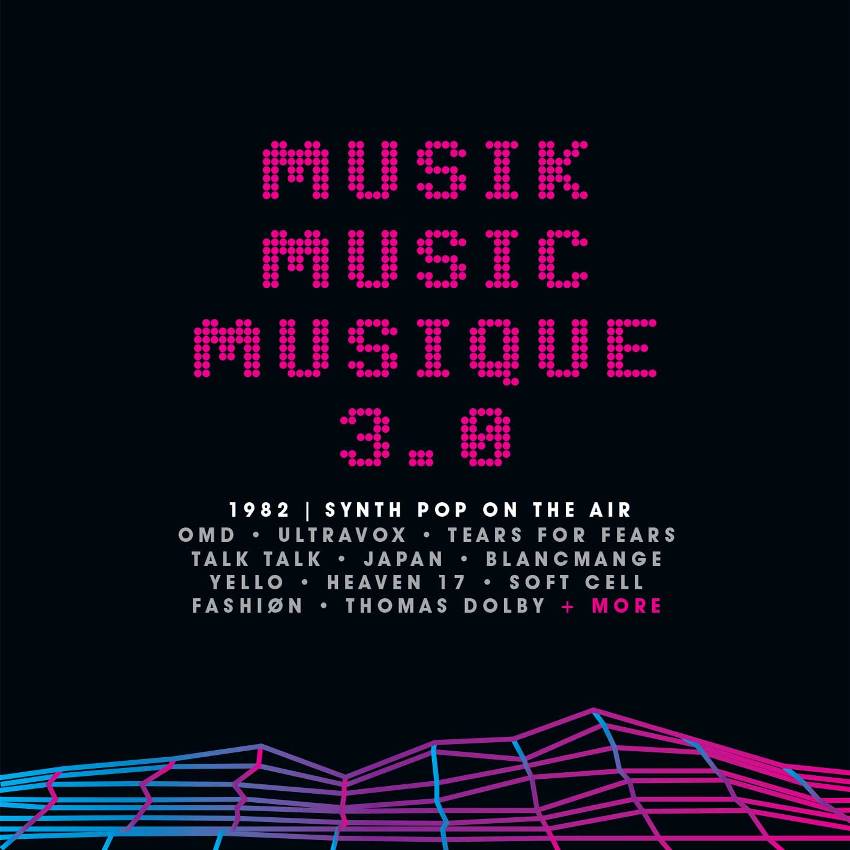
Cherry Red’s ‘Musik Music Musique’ series now reaches its third volume and 1982 when there was “Synth Pop On The Air”.
From the team behind the ’Close To The Noise Floor’ compendiums, the excellent ‘Electrical Language’ set but also the rather confused ‘Music For New Romantics’ box, this 3CD collection documents the year after SOFT CELL hit No1 with ‘Tainted Love’ in the summer of 1981 while THE HUMAN LEAGUE did likewise with ‘Don’t You Want Me?’ to bag that year’s Christmas topspot. 1982 began with KRAFTWERK belatedly reaching a No1 too with ‘The Model’, a track from 1978’s ‘The Man Machine’.
It was as if the world had caught up with the sound of the synth. The period was also notable for affordable silicon chip based polysynths such as the Roland Juno 6 and Korg Poly 6 entering the market. In tandem with the improvement in quality of cassette-based 4-track Portastudios, electronic music became more accessible with basic home studios now a hive of musical creativity.
While the big hitters such as SOFT CELL, OMD, BLANCMANGE, THE HUMAN LEAGUE and ULTRAVOX are represented by album tracks and B-sides alongside breakthrough singles by NEW ORDER, FASHIØN and HEAVEN 17, the curiosity value of ‘Musik Music Musique 3.0’ is boosted by a greater proportion of lesser known tracks and acts compared with the first two compendiums.
Often dismissed as an MOR act thanks to the Giorgio Moroder produced ‘Take My Breath Away’, BERLIN are provided a platform for the provocative and more classically Moroder-esque ‘Sex (I’m A….)’. Meanwhile with a not dissimilar throbbing template, DEAD OR ALIVE’s ‘What I Want’ in previously unreleased demo form captures the band in transition from proto-goth to HI-NRG disco and sounding like both simultaneously.
Wonderful lost synthpop jewels include the melodramatic ‘Juliet’ from PASSION POLKA and the bouncy SPANDAU BALLET inspired instrumental ‘Profile Dance’ by SERGEANT FROG, an early alias of PWL mixmaster Phil Harding. Echoing the slightly overblown vocal styles of the period, ‘Future Shock’ by COMMUNICATION falls under the spell of ASSOCIATES while both ‘Climb Down’ from THIRTEEN AT MIDNIGHT and ‘Instant Feeling’ by AERIAL FX are percussively anxious.
The two best rare highlights both come with links to Glasgow; fronted by David Rudden, ENDGAMES played with a brand polished synthpop funk of which ‘First Last For Everything’ is a good example. Meanwhile, LEISURE PROCESS were the duo comprising of Ross Middleton and Gary Barnacle whose small portfolio of singles were all produced by Martin Rushent; although the vocals were virtually unintelligible over the clattering Linn Drum, pulsing synths, squawky guitar and sax, ‘Love Cascade’ remains a cool dancefloor friendly number reflecting the decadent spirit of the times.
The underrated COLOURBOX are represented by the 1982 single version of ‘Breakdown’ while DRINKING ELECTRICITY’s ‘Good Times’ explores a synth art funk hybrid that threatens to turn into ‘The Locomotion’. An actual cover version, JULIE & THE JEMS take on ‘1-2-3’ is a reflection of how commercial pop had become synthed up, especially when it is learnt that front woman Julie Harris was part of the line-up of TIGHT FIT that got to No1 later in 1982 with ‘The Lion Sleeps Tonight’; incidentally that rework was produced by Tim Friese-Greene who later became Mark Hollis’s writing partner in TALK TALK who themselves are represented on ‘Musik Music Musique 3.0’ by their slightly underwhelming debut single ‘Mirror Man’.
There is a surprise in that Arthur Brown of ‘Fire’ fame with his synth experiment ‘Conversations’ and it is suitably crazy and enjoyable in the manner of early FALCO. The late Austrian himself is represented by ‘Maschine Brennt’ while German neighbours DIE KRUPPS’ ‘Goldfinger’ is a welcome inclusion that exposes their more DAF-like origins.
Adding a less confrontational continental tone, ‘Par Hasard’ by MIKADO is a slice of delightful electro-lounge, while Belgium’s TELEX bring swing into the mix with ‘Sigmund Freud’s Party’ and Switzerland’s YELLO exude their quirky playfulness on ‘Heavy Whispers’, albeit with a darker disposition.
It is interesting to look back at the lesser remembered Kim Wilde single ‘Child Come Away’ and Toyah’s 1982 re-recording of ‘Ieya’ which were both synth dominated but failed to crack the Top 40 despite the sound being ubiquitous on the airwaves. There was the beginning of a notable synth backlash after the triumph of 1981 and DEXY’S MIDNIGHT RUNNERS fiddly ‘Come On Eileen’ becoming the best-selling UK single of 1982 was a surefire sign. And that was without the Musicians Union motion to ban synths from recording and live performance.
Cult acts of the period FAD GADGET, THE PASSAGE, FIAT LUX, SECTION 25 and POEME ELECTRONIQUE along with the two Thomases, Dolby and Lang don’t miss out on the party, but notably absent are bands who had been part of earlier sets such as NEW MUSIK and VISAGE whose 1982 albums have worthy material to mine.
Closing with OMEGA THEATRE and the quite bizarre but entertaining ‘Robots, Machines & Silicon Dreams’, its classic pop theatrics are not entirely surprising as its creator John Carter co-wrote the 1970 Eurovision runner-up ‘Knock, Knock Who’s There?’ for Mary Hopkin, ‘Let’s Go to San Francisco’ for THE FLOWER POT MEN and ‘Beach Baby’ for THE FIRST CLASS.
However, as before, there are minor quibbles; while the correct 1982 versions of NEW ORDER’s ‘Temptation’, TEARS FOR FEARS ‘Pale Shelter’ and Paul Haig’s ‘Justice’ feature, ‘European Son’ by JAPAN comes in the earlier John Punter B-side version rather the snappier 1982 Steve Nye single remix. And then having mentioned in the booklet that OMD’s ‘She’s Leaving’ was released as a slightly remixed 1982 single in Benelux territories, the compilation goes with the familiar 1981 ‘Architecture & Morality’ album cut. Meanwhile the inclusion of ‘Sex Dwarf’ from 1981’s ‘Non Stop Erotic Cabaret’ is a head scratcher when the 1982 SOFT CELL B-sides ‘Insecure Me’, ‘….So’ or ‘It’s A Mug’s Game’ would have been more interesting.
Lessons have still not been learnt from previous booklets with photos of OMD from 1984 and DEAD OR ALIVE from 1985 appearing. Again, the booklet notes are a mixed bag; why bother to bang on about the John Foxx-era of ULTRAVOX with the limited word count when by 1982, the Midge Ure-led version were an established hit machine? Also, why does the story of JOY DIVISION need to be repeated ad nauseam in the context of NEW ORDER?
Meanwhile, DRAMATIS (who are represented by their best single ‘The Shame’) returned to being Gary Numan’s live backing band in 1983, not 1982! Then with the biggest gaff in the TEARS FOR FEARS section, Curt Smith played bass NOT guitar and vice versa for Roland Jaime Orzabal de la Quintana to give his full name!
So full marks for the amount of lesser known material gathered on ‘Musik Music Musique 3.0’, but please get the accompanying booklet sorted out for ‘Musik Music Musique 4.0’ as there have been enough opportunities now to get that side of the operation right. Roll on 1983…
In addition to albums, several standalone singles were to be key to 1983 for those with a preference for the synthesized form.
NEW ORDER’s ‘Blue Monday’ and KRAFTWERK’s ‘Tour De France’ became iconic works while the David Sylvian and Ryuichi Sakamoto collaboration ‘Forbidden Colours’ not only bravely tackled a topic during a period when gay pop stars and media personalities still felt unable to openly come out, but also reinforced the value of a movie tie-in.
Sampling was no longer the preserve of wealthy musicians and their Fairlights as the cheaper but still expensive Emulator became more widely available. Meanwhile the Roland Jupiter-6, Prophet 600, the Roland TR-909 and Roland MSQ-700 became the first instruments available with MIDI. Digital synthesis became affordable via the astonishingly affordable Yamaha DX7, although it proved to be a nightmare to programme. As a result, the music world fell into a preset trap overnight with the sound of simulated slap bass, flute and harmonica appearing on almost every pop record for the next few years…
But synthesizers and electronic sounds ceased being a desired texture as the huge success of David Bowie with his ‘Let’s Dance’ album meant every band would soon add a brass section to their line-up. SPANDAU BALLET, who perhaps may have triggered pop’s brass aspirations back in 1981 with ‘Chant No1’, went all smaltzy with ‘True’ and this coincided with the rise of pseudo-soul pop such as WHAM! and CULTURE CLUB. Meanwhile, in alternative circles, bands like THE SMITHS were spearheading the backlash with their frontman Morrissey declaring “there was nothing more repellent than the synthesizer…”
However, the old guard from Synth Britannia soldiered on and continued to experiment while acts who perhaps were not electronically-minded at their heart could see the benefits of embracing the developing technology, such as having more streamlined line-ups and dispensing with drummers.
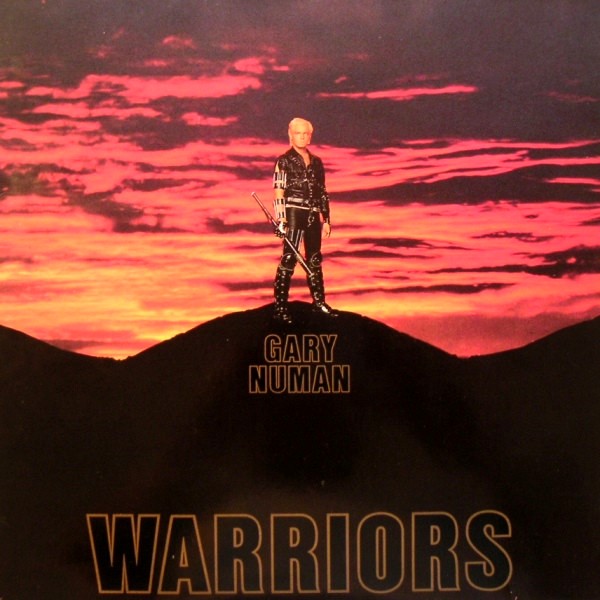
However, a sign of the confusing artistic mindsets of the period came with Gary Numan’s ‘Warriors’ album and its dreadful artwork with our hero looking like Mad Max after a visit to the hair salon, but annoyed that his mulleted mane had been dyed the wrong colour. Things had looked promising for his return to the UK live stage after retiring in 1981, but he fell out with producer Bill Nelson during the recording sessions.
With the embracement of jazz funk influences and sax solos appearing whether they were really needed or not, the result was a well-played if confused record that was the beginning of a creative confidence crisis that would afflict Numan for at least another decade.
So here are 20 albums selected by ELECTRICITYCLUB.CO.UK as contributing to the electronic legacy of 1983. Listed in alphabetical order, there is a restriction of one album per artist moniker where beyond this place, the rains are falling hard…
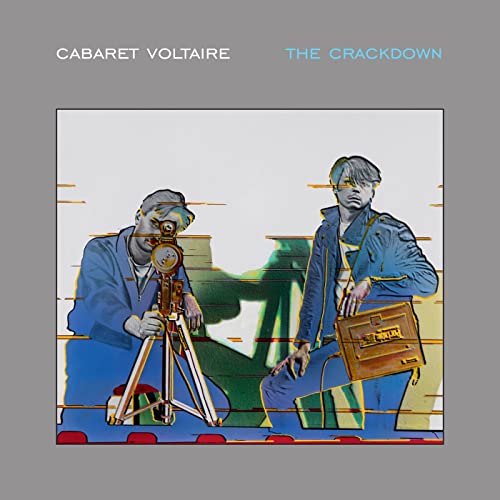
CABARET VOLTAIRE The Crackdown
Richard H Kirk and Stephen Mallinder became seduced by the sequenced adventures of NEW ORDER and electronic dance music emerging from New York. Signing to Some Bizzare and licensed to Virgin Records, ‘The Crackdown’ was produced by Flood and featured contributions from Dave Ball of SOFT CELL on the title song and ‘Animation’. Meanwhile the stark single ‘Just Fascination’ helped the album become CABARET VOLTAIRE’s highest ever UK chart entry at No31.
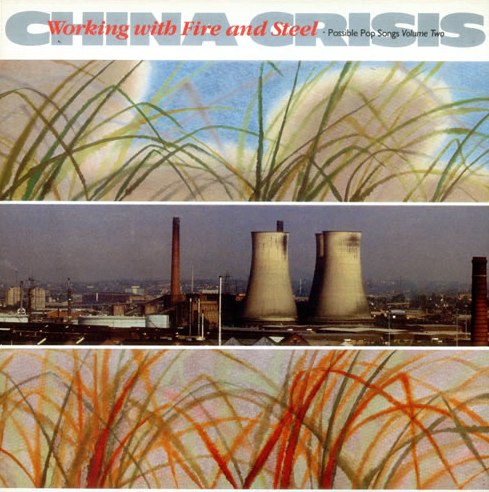
CHINA CRISIS Working With Fire & Steel – Possible Pop Songs Volume 2
Produced by Mike Howlett, ‘Working With Fire & Steel’ allowed CHINA CRISIS to deliver a more cohesive album following the four producers who steered their debut ‘Difficult Shapes & Passive Rhythms’! Best known for the brilliant ‘Wishful Thinking’, the album is much more with melancholic synth melodies and woodwind counterpoints, from feistier numbers such as ‘Animals In Jungles’ to more atmospheric set pieces like ‘Here Comes A Raincloud’ and ‘The Soul Awakening’.
‘Working With Fire & Steel – Possible Pop Songs Volume 2’ is still available via Caroline International
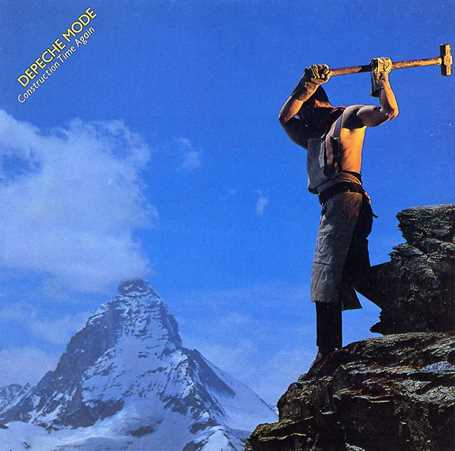
The first album featuring Alan Wilder as a full member as well as Gareth Jones as Tonmeister, ‘Construction Time Again’ saw DEPECHE MODE experimenting with found object sampling. Mixed at Hansa Studios in West Berlin, it was a socially conscious record featuring Cold War paranoia on ‘Two Minute Warning’, environmental concerns on ’The Landscape Is Changing’ and the now ironic anti-capitalist statements ‘More Than A Party’, ‘Pipeline’ and ‘Everything Counts’!
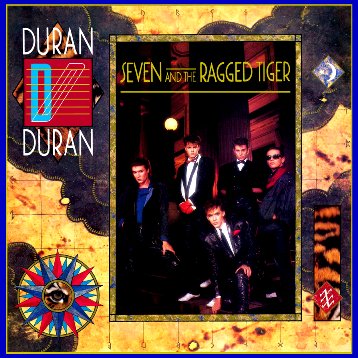
DURAN DURAN may have yielded a 1984 No1 single in a Nile Rodgers remix of ‘The Reflex’ but overall, ‘Seven & The Ragged Tiger’ was an over produced disappointment. Recorded in France and Australia, tensions between the band and producer Ian Little led to the ubiquitous Alex Sadkin to be brought in. Despite this, highlights included the punchy ‘Shadows On Your Side’, the JAPAN inspired instrumental ‘Tiger Tiger’ and the forgotten single ‘New Moon On Monday’.
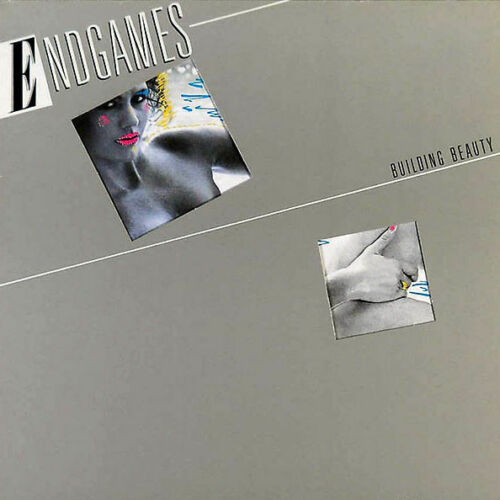
The success of ABC and HEAVEN 17 heralded a new age of technologically enhanced blue-eyed soul. One band with aspirations in that field were Glasgow’s ENDGAMES. ‘Universe Won’t Mind’, ‘Desire’ and ‘Waiting For Another Chance’ were among the standouts. Meanwhile ‘Love Cares’ was like a funky CHINA CRISIS walking into the recording sessions of ‘The Lexicon Of Love’ and by coincidence, singer David Rudden had a passing resemblance to Gary Daly!
‘Building Beauty’ was originally released on Virgin Records, currently unavailable
Recorded as a soundtrack to a documentary about the Apollo moon missions, Brian Eno wanted to convey the feelings of space travel and weightlessness as a reaction to the uptempo, manner of space travel presented by news reels of the day with their fast cuts and speeded up images. Although based around a Yamaha DX7, it was instrumentally varied featuring Daniel Lanois’ countrified guitar on its best known track ‘Deep Blue Day’, as well as ‘Silver Morning’ and ‘Weightless’.
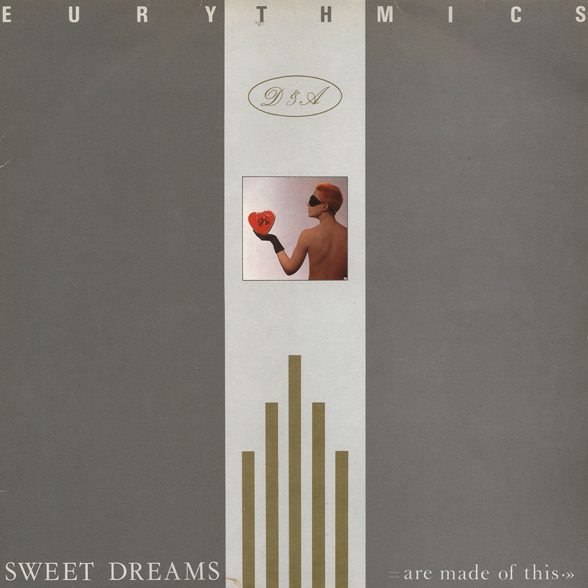
The first of two EURYTHMICS albums in 1983, after their German-inspired debut ‘In The Garden’, Annie Lennox and David A Stewart explored the synthesizer and acquired a Movement Drum Computer. Recorded in their newly equipped 8 track home studio, ‘Love Is A Stranger’ was the breakthrough. Despite its hopeless nihilism, the title song went global but there were other notable songs such as ‘I Could Give You (A Mirror)’, ‘I’ve Got An Angel’ and the brilliant forgotten single ‘The Walk’.
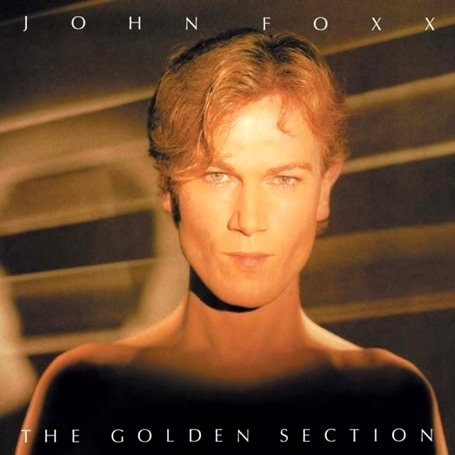
John Foxx had envisioned ‘The Golden Section’ as “a roots check” with a psychedelic electronic rock flavour. This came to a head on a revised ‘Endlessy’ which captured an accessible uptempo euphoria. With folk laden overtones, ‘Ghosts On Water’ was a highlight along with the powerful opener ‘My Wild Love’. But away from these influences, ‘Twilight’s Last Gleaming’ was a glorious haunting closer. Foxx later remarked the album was a mistake as he tried to “fit too many favourite things together”.
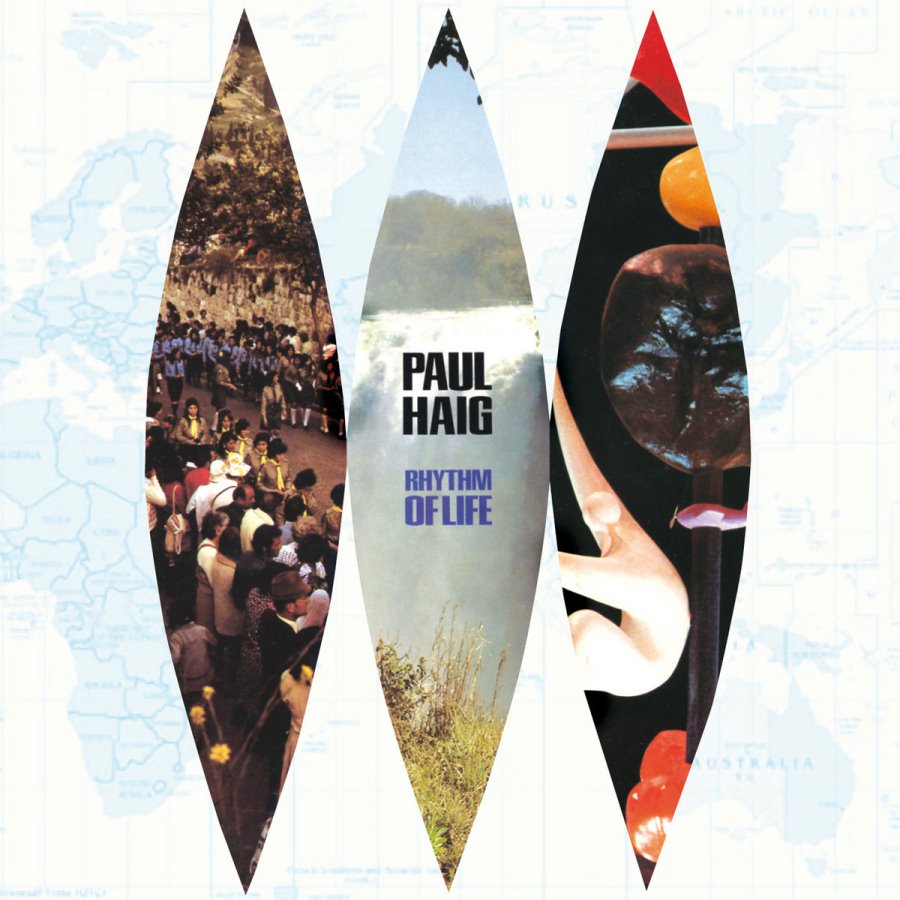
Produced by Alex Sadkin, ‘Rhythm Of Life’ was the one and only attempt by Paul Haig to crack the pop mainstream away from the frantic guitar driven angst of his previous band JOSEF K. Highly percussive and lifted by some sub-ASSOCIATES rhythm guitar and big layered synth riffs, ‘Never Give Up (Party Party)’ showed great promise while ‘Heaven Sent’ was a superb reimagination of SIMPLE MINDS’ ‘I Travel’ for the New York dancefloor. A lack of hits failed to ignite wider interest in the album.
‘Rhythm Of Life’ is still available via Les Disques Du Crépuscule
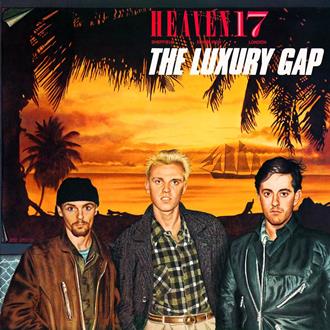
After the success of ‘Penthouse & Pavement’, the second album ‘The Luxury Gap’ was HEAVEN 17 aiming to be incredibly popular. With a Roland MC4 Micro-composer and Linn Drum driving their System 100s and Jupiter 4, there were Top 5 hits in ‘Temptation’ and ‘Come Live With Me’. Still experimenting, ‘Lady Ice & Mr Hex’ was a surreal marriage of synthesizers with jazz while with the use of a Roland TB303 Bassline prominently on ‘Let Me Go’ pre-dated acid house.
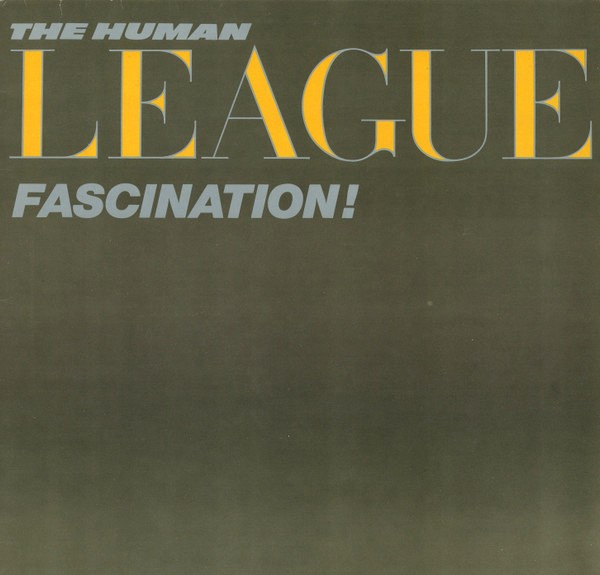
Trying to follow-up ‘Dare’ proved to be a fractious experience with producer Martin Rushent leaving the sessions after creative conflicts with various members of THE HUMAN LEAGUE. The few completed tracks were issued on a North American mini-album. While included were the ‘Love Action’ B-side ‘Hard Times’, the catchy title single and the electro-Tamla of ‘Mirror Man’, they were topped by ‘You Remind Me Of Gold’ and Rushent’s mix of ‘I Love You too Much’.
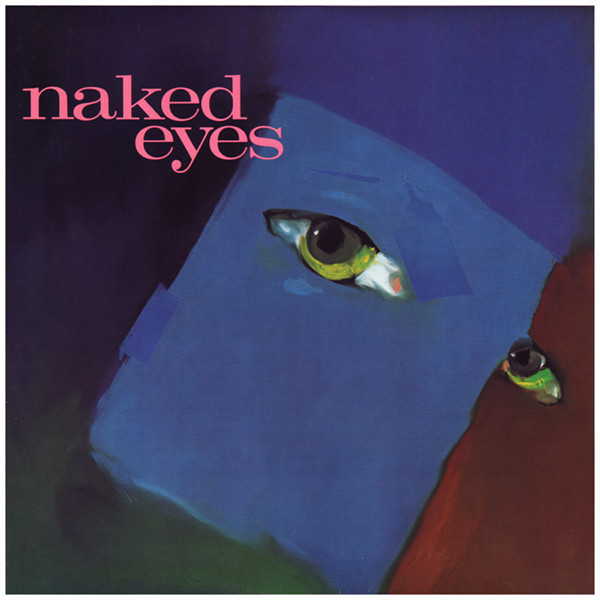
Pete Byrne and Rob Fisher were NAKED EYES and while their Simmons heavy Bacharach & David cover of ‘Always Something There To Remind Me’ didn’t trouble the UK Top 40, it reached No8 in the US. Produced by Tony Mansfield of NEW MUSIK, the eponymous debut album used a Fairlight, Synclavier 2, PPG Wave 2.2, Emulator, OBX-a and Prophet 5. Not another Bacharach & David cover, a further US hit came with ‘Promises Promises’.
‘Burning Bridges’ is still available as ‘Naked Eyes’ via Chrysalis Records
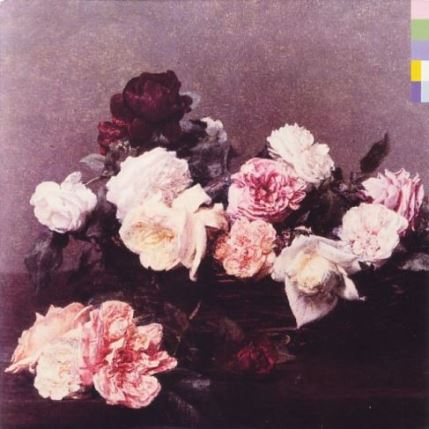
Using sequencer-like effects on interim singles ‘Everything’s Gone Green’ and ‘Temptation’ had set NEW ORDER on a new path and while there were still guitar driven songs such as ‘Age Of Consent’ and ‘Leave Me Alone’, hybrids such as ‘The Village’ and ‘Ultraviolence’ utilised a pulsing electronic backbone. ‘Your Silent Face’, dubbed the “KRAFTWERK one”, was the ultimate romantic homage to Kling Klang but strangely, the track that seeded it all ‘586’ lost its menace in its album incarnation.
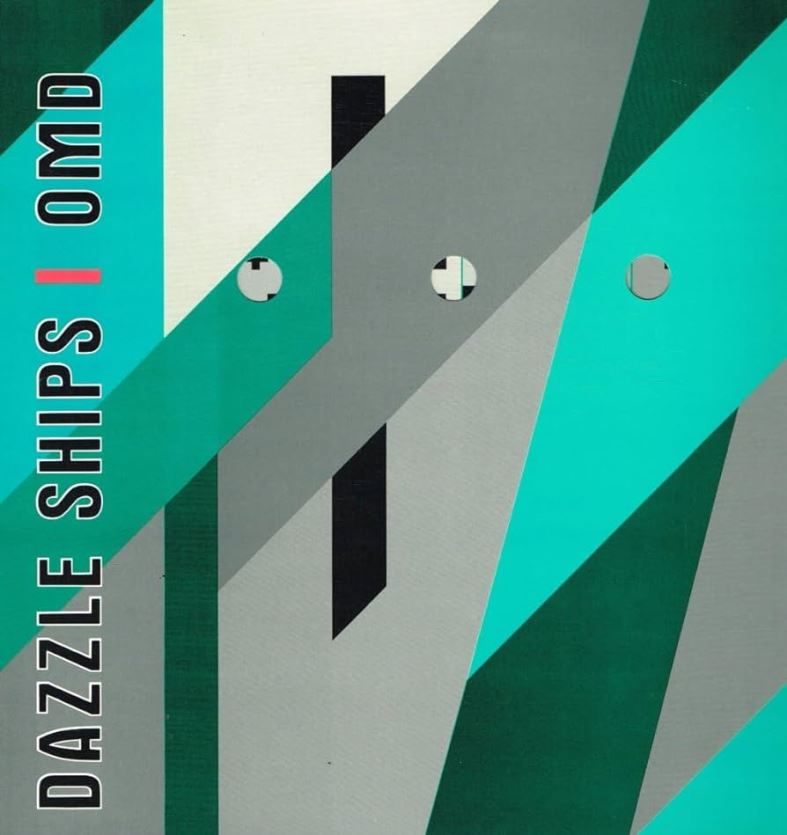
A brave sonic exploration of Cold War tensions and economic corruption, ‘Dazzle Ships’ was not what Virgin Records expected from OMD after three Top5 hits. Of its two singles, the jangly ‘Genetic Engineering’ was only a minor hit while the scathing attack on TV evangelism ‘Telegraph’ failed to get into the Top40. Although it featured some of the band’s best songs like ‘The Romance Of The Telescope’, ‘International’ and ‘Radio Waves’, ‘Dazzle Ships’ sold poorly on release but it has since been re-evaluated.
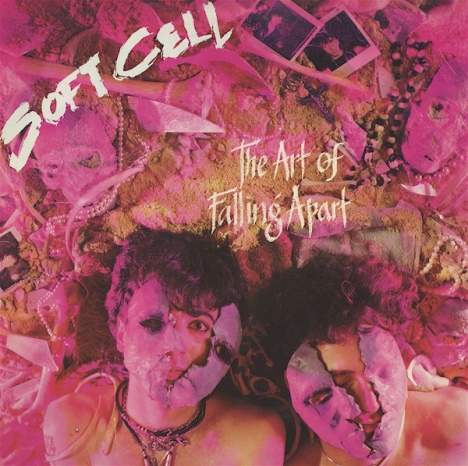
Pop stardom did not suit SOFT CELL so there was no option but for Marc Almond and Dave Ball to self-destruct. The imploding disposition of ‘The Art Of Falling Apart’ title song couldn’t have soundtracked a mental breakdown any better. Despite the sinister romp of ‘Baby Doll’ and the explicit ode to promiscuity ‘Numbers’, ‘Forever The Same’ and ‘Loving You Hating Me’ could have been a singles, while ‘Where The Heart Is’ and ‘Kitchen Sink Drama’ featured highly relatable domestic narratives.
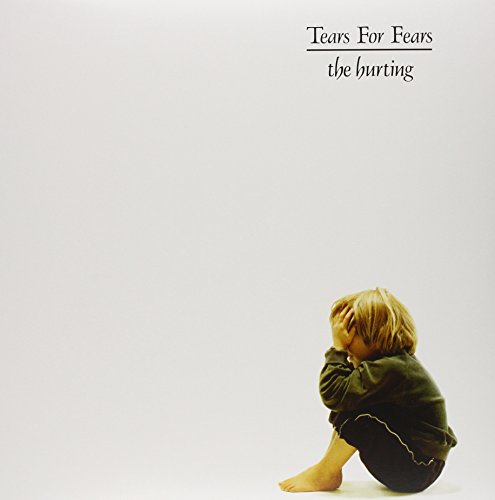
With a magnificent combination of synth, preset rhythms and conventional instruments, ‘Mad World’ had set the scene for TEARS FOR FEARS’ debut album ‘The Hurting’. But it disappointed some, as it not only had all four singles to date been included but also two B-sides. But the majority had been reworked while the fraught tensions of the title song and ‘Memories Fade’ found favour amongst the new material. The re-recorded ‘Pale Shelter’ became a hit on second time of asking too.
‘The Hurting’ is still available via Mercury Records
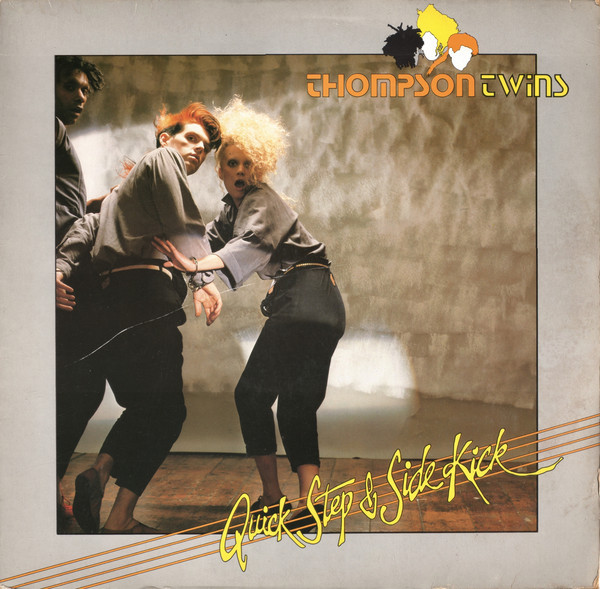
Now down to a trio, the Alex Sadkin produced ‘Quick Step & Side Kick’ was the third THOMPSON TWINS album. Although ‘Love On Your Side’ was to be the breakthrough hit with the catchy but potentially annoying ‘We Are Detective’ following, the exotic funky non-hit ‘Lies’ deserved greater recognition while ‘Judy Do’ gloriously borrowed from Lou Reed’s ‘Satellite Of Love’. This was without the Grace Jones cameo on the bonkers ‘Watching’ and the rousing ‘If You Were There’.
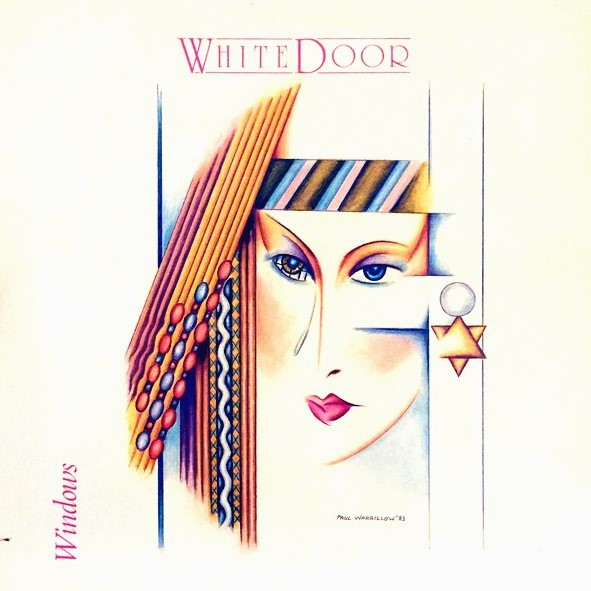
WHITE DOOR formed from the ashes of prog rock combo GRACE. Led by the sensitive vocal presence of Mac Austin, he backed by the Davies brothers Harry and John on synths. Produced by a young Andy Richards, ‘Windows’ saw its title song get BBC Radio1 airplay. The beautiful choir boy synthpop of ‘Jerusalem’ was later covered by Swedish synthesist Johan Baeckström, along with another album track ‘School Days’. Baeckström wolud join the trio for their 2020 comeback.
‘Windows’ is still available as a CD from Cherry Red Records
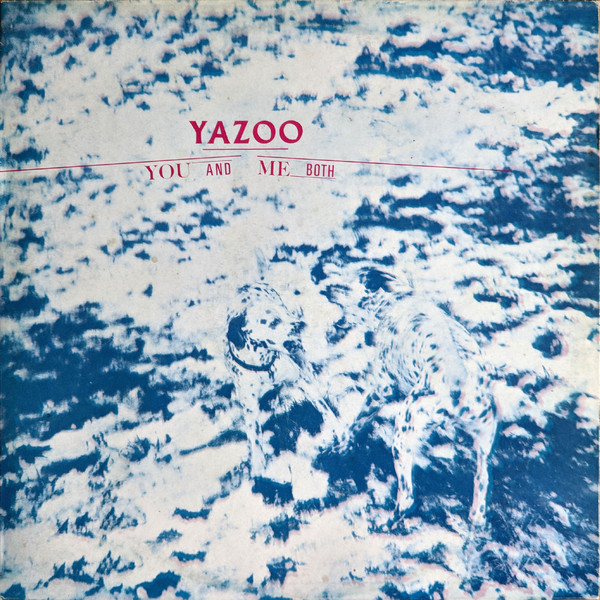
Despite the success of ‘Upstairs At Eric’s’, all was not well in the YAZOO camp so by the time of ‘You & Me Both’, Vince Clarke and Alison Moyet were working in the studio separately. ‘Ode To Boy’ was rescued from B-side obscurity while ‘Nobody’s Diary’ was the mighty swansong single. The album contained Moyet’s poignant anti-war statement ‘Mr Blue’ but in the Vince Clarke voiced ‘Happy People’, he came up with his most polarising composition since ‘What’s Your Name?’.
As a reaction to the over-seriousness of their previous two albums, YELLOW MAGIC ORCHESTRA lightened up considerably for ‘Naughty Boys’. The most commercial record of their career, this was highlighted by the joyous lead single ‘Kimi Ni Mune Kyun’. But while ‘Opened My Eyes’ could have been any Western synthpop act, ‘Lotus Love’ revealed some unexpected psychedelic overtones and ‘Kai-Koh’ showed that the trio had not lost their ear for exotic timbres.
“There is no musical barrier of peoples acceptance, the only musical barrier is the media. (music press, radio & television.) Remember what people cannot see or hear, they cannot think about.”: Some Bizzare ‘?’
Along with Factory and Mute, Some Bizzare was one of the focal points of independently minded music and culture. It can be credited with launching the careers of SOFT CELL and THE THE while DEPECHE MODE, BLANCMANGE, B-MOVIE, CABARET VOLTAIRE, EINSTURZENDE NEUBAUTEN, FOETUS and PSYCHIC TV have also been part of its story.
At the centre of it all was Stevo Pierce, a Dagenham lad who ran club nights playing electronic music and was bolshy enough to approach rock paper Sounds about publishing his Futurist chart.
Having helped get his charges SOFT CELL to No1 with ‘Tainted Love’ in the summer of 1981, Stevo caught an unsuspecting music industry on the hop. “I’ve got you by the boll*cks” he once declared and he could name his price as he shopped his roster to the major labels. His methods could be unconventional and there were legendary stories about teddy bears being sent to meetings with cassettes stating his demands including supplies of sweets for a year.
Stevo’s ace was often to get the major labels to underwrite recordings while still keeping ownership of them himself. And the majors loved dealing with him… for a while at least. But next to the million-selling singles, there were raids by the Vice Squad, sex dwarves, death threats, ecstasy parties and meltdowns with one notable incident when Stevo and Marc Almond trashed the offices of Phonogram Records in Spring 1983.
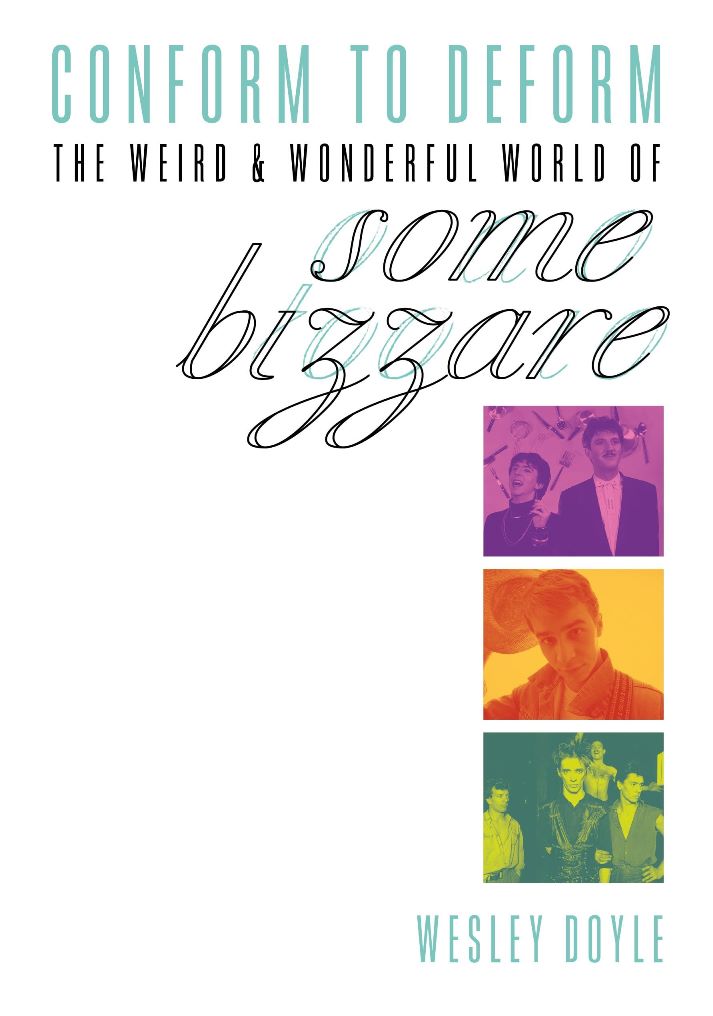
Wesley Doyle traces the weird and wonderful world of Some Bizzare in his new book ‘Conform To Deform’. It features new contributions from many of the major players in the story including Marc Almond, Dave Ball, Matt Johnson, Daniel Miller, Steve Hovington, Neil Arthur, JG Thirlwell aka Clint Ruin / Jim Foetus, Stephen Mallinder, Anni Hogan, Michael Gira and long suffering personal assistant Jane Rolink, as well as Stevo himself.
Documenting the rise and fall of Some Bizzare, Wesley Doyle chatted to ELECTRICITYCLUB.CO.UK about how his excellent book came together as well as answering some hypothetical questions of interest…
What inspired you to document the story of Some Bizzare?
I’ve been a fan of the label since my early teens, and it was a really important part of my growing up and development. I’d been waiting for years for somebody to write a book, because I wanted to see all those stories collected in one place, but it seemed no writer or publisher wanted to take it on. So I thought I’d do it myself. I wrote a feature for Record Collector, a kind of top 20 Some Bizzare releases, which in the back of my mind I thought I could use as part of a book pitch. Which I did, and Jawbone picked it up.
With ‘Conform To Deform’, you’ve opted for a chronological quotes narrative?
I like oral histories – everyone has their own truth, and I think juxtaposing people’s recollections in their own words is a really interesting way of finding out what actually went on. But initially I started writing the book as a third person narrative, mainly because I didn’t think some of the key players would be willing to talk. It soon became apparent most people were happy to share their recollections, so I shifted it to the oral history format.
I think it works well, and it captures the personality of the characters involved. Some of the characters were so larger-than-life and their voices so strong, and there was a lot of humour that may have been lost otherwise. Stevo’s way of communication is famously unique, and people like Marc Almond, Dave Ball, Anni Hogan and Jane Rolink are all Northerners, so they have this innate sense of humour that wouldn’t have come across if I’d had been pontificating in some kind of flowery prose. Matt Johnson as well is a very funny man, which might surprise some people.
Compared with Mute and Factory, Some Bizzare was more stable than label… see what I did there! *laughs*
That’s good, I wish I’d thought of that!
I guess it’s in the book’s title, ‘Conform To Deform’; Stevo wanted to get in bed with the major labels so that he had their clout. He worked closely with Daniel Miller at the beginning but Mute were a small operation and at the time Daniel wanted to keep it that way. Stevo always thought big – from the very beginning Some Bizzare wasn’t aiming for a minority audience. There were no little independent releases, the first album came out on Phonogram, as did the first run of singles from SOFT CELL and B-MOVIE. Stevo really wanted to hit a big audience, although I don’t think it did him any favours in the long run. As Daniel says in the book, knowing what Stevo’s taste in music was, it was only going to end in tears.
But you can’t deny the success of ‘Tainted Love’. It’s hard to make a comparison now, what with success being measured in billions of streams. In 1981 over a million people in the UK left their homes, walked into their local record shop and handed over money to own that song. And that gave Stevo carte blanche to go to the major labels with bands like THE THE, EINSTÜRZENDE NEUBAUTEN and PSYCHIC TV and they would take a punt on them.
I don’t know if you remember a quote from Marc Almond and I think it was in NME; he said that an artist can only truly be subversive if they have access to the mainstream…
I think it’s true – again, ‘Conform to Deform’. I found out about FOETUS because Marc brought him on TV when SOFT CELL covered SUICIDE’s ‘Ghost Rider’ on Channel 4’s ‘Switch’ show – which was on a teatime on a Friday! I was speaking to Karl O’Connor aka Regis and we both had the same response to that appearance, it totally changed us. So in that respect, getting music like that on mainstream television was a truly subversive act. It was all well and good when CABARET VOLTAIRE were on Rough Trade or Crépuscule and their music reached a few thousand people in trench coats, but it’s only when they were on Some Bizzare and had access to Virgin’s money that people paid real attention. If you want reach people, you’ve got to go though the most popular channels, you’re just in an echo chamber otherwise. Which is fine, but you’ll never change anything.
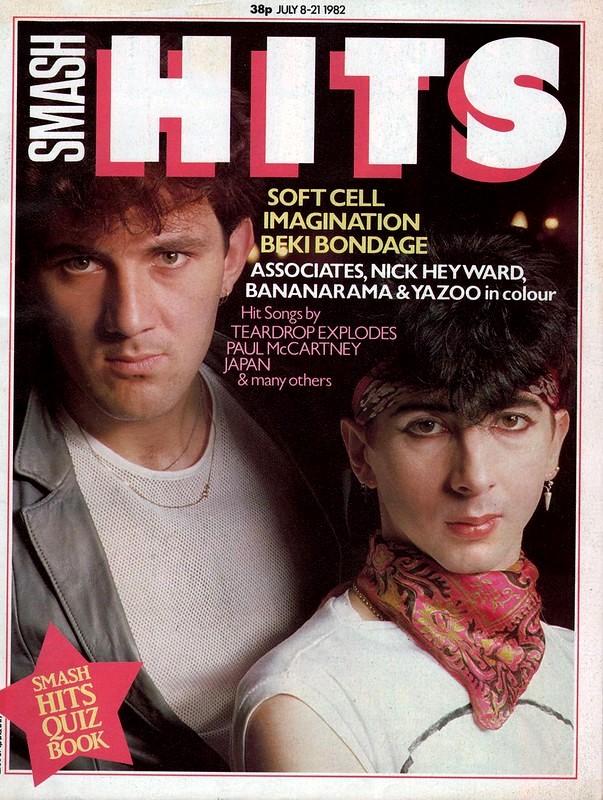
It’s amazing to think that a lot of the stuff that we were into around that time was being featured in a so-called teen pop magazine like Smash Hits. But talking about the serious music press, it’s interesting that Sounds, at the time known for being more of a rock and heavy metal music paper, published Stevo’s Futurist chart and employed Beverley Glick aka Betty Page to interview these new acts using synths, rather than say the NME?
I remember Sounds being the most open minded of the big four papers generally. They were always seen as the lesser of NME, Melody Maker and Record Mirror, so they really had to fight for their place at the table. Editor Alan Lewis wanted to reach as many people as possible, so you had Garry Bushell writing about the Oi! movement, Geoff Barton writing about heavy metal, Jon Savage writing about post-punk, and Beverley Glick writing about what became the New Romantics. In retrospect it was far more open minded than the other papers.
Your book discusses the Futurist / Blitz Kid divide when New Romantic was not actually a thing yet, which is something the media, fans and record labels have forgotten…
In 1981 I was 12 years old and buying Smash Hits, so New Romantics and Futurists were the same thing to me, I wasn’t aware that there was a perceived difference. But Beverley and Stevo in particular were quite clear that New Romantics DID NOT exist in 1980, it was a retrospective thing.
Rusty Egan was on the Blitz Kid side and Stevo was on the Futurist side, and what surprised me was how visible both were when it came to the press. Stevo was so embedded in Sounds, he was a big character in that paper.
Having spoken to the people that were there, no-one said anything about New Romantics, it was Futurists and Blitz Kids. Blitz Kids were ULTRAVOX, SPANDAU BALLET, DURAN DURAN and VISAGE while Futurists were slightly edgier stuff like SOFT CELL, BLANCMANGE, FAD GADGET and CLOCK DVA. And never the twain would meet!
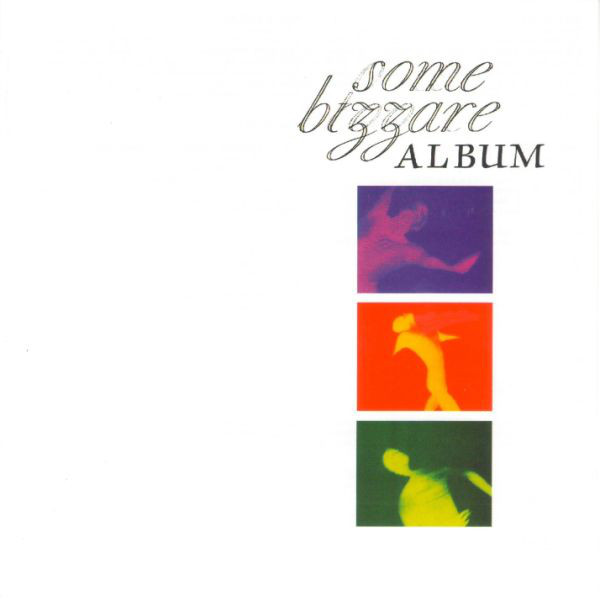
The whole thing got put on a pedestal when the ‘Some Bizzare Album’ came out in early 1981, it’s now become iconic and prescient but how do you think it stands up today?
What I found interesting was that Stevo did ask lot of established bands to be on it, like CABARET VOLTAIRE, THROBBING GRISTLE and CLOCK DVA. He wanted it to reflect what he was playing out as a DJ rather than a showcase for new acts. But those bands didn’t want to do it, so by default it became a compilation of new artists. It’s a weird one, when you listen to the ‘Some Bizzare Album’ now, there’s a lot of very strange stuff on there. You’d be hard pushed to listen to even the BLANCMANGE or THE THE tracks and think “Ooh, they’re going places!” *laughs*
ILLUSTRATION’s ‘Tidal Flow’ is one of the most commercial things on it but they didn’t do anything else. B-MOVIE’s ‘Moles’ is pretty strong, but even SOFT CELL’s ‘The Girl With The Patent Leather Face’, although a highlight, you still wouldn’t think, “This is a multi-million selling act we have here”.
But the ‘Some Bizzare Album’ does have DEPECHE MODE on it, one of the biggest bands in the world and ‘Photographic’ is one of their best songs, and I think a lot of the album’s reputation rests with that. So it’s a real curio, if you listen to the other label compilations around the time like Virgin’s ‘Methods Of Dance’ and stuff like that, they were probably a bigger indicator of what people were actually listening to.
On the ‘Some Bizzare Album’, what do you think are the best tracks outside of the “BIG 5” of DEPECHE MODE, SOFT CELL, THE THE, BLANCMANGE and B-MOVIE, I nominate ILLUSTRATION and THE FAST SET?
The ILLUSTRATION one is good and THE FAST SET’s cover of ‘King Of The Rumbling Spires’ is OK, but the single ‘Junction 1’ which they put out on Axis / 4AD is a better song I think. I really like the BLAH BLAH BLAH one, I’m a big fan of Tom Waits so when I think back to my own musical development, something like ‘Central Park’ would have teed me up for stuff like that.
A purely hypothetical question, what would have happened if DEPECHE MODE had been on Some Bizzare and SOFT CELL had been on Mute?
That’s a great question. Well for a start I think Dave Gahan would have had to go into rehab sooner! *laughs*
Seriously though, I don’t think either band would’ve been as successful, either creatively or commercially. You only have to listen to the demos SOFT CELL did with Daniel to hear that the regimented, sequenced production that worked so well for DEPECHE MODE didn’t for them, the exception being ‘Memorabilia’ of course. Plus SOFT CELL wouldn’t have gone to New York and had the experiences they did, which changed not only their creative direction but so many of their label mates too.
And with his more leftfield musical tastes, Stevo would’ve grown tired of Depeche’s early poppier stuff pretty quickly. And I don’t think he would’ve been emotionally mature enough to support them through Vince leaving and encouraging them to carry on. I think they would’ve have gone the way of B-MOVIE had they signed Some Bizzare.
Although Paul Statham from B-MOVIE could be considered Some Bizzare’s silent success story with his later co-writes for Peter Murphy, Dido and Kylie, why do you think out of the “BIG 5” that the band did not break into the mainstream?
Like lot of people, the first time I heard B-MOVIE was on the Flexipop flexidisc when ‘Remembrance Day’ was paired with SOFT CELL ‘Metro MRX’. If you follow the threads, then there were the singles ‘Marilyn Dreams’ and ‘Nowhere Girl’ plus there were two EPs before that, which positioned them as a perfect post-punk band. Personally, I always thought B-MOVIE had more in common with THE TEARDROP EXPLODES, THE SOUND and ECHO & THE BUNNYMEN. And Rick Holliday’s keyboard playing was very accomplished, much more musical and didn’t really fit in with that one-fingered synth thing. B-MOVIE’s singer Steve Hovington speaks very openly in the book about how at the time B-MOVIE thought they were geniuses and felt they should have been given a lot more respect than they got. And people at Phonogram genuinely thought they had a rival to DURAN DURAN on their hands. But it soon became apparent they weren’t that kind of band.
Rick Holliday was the last to join B-MOVIE and the first to leave when he went off with Cindy Ecstasy so I think the chemistry and group mentality of the band got really altered…
With most bands the chemistry is unique, and once you start to tamper with it, you lose something. As soon as Rick left, they changed the line-up and got session players in to re-record and re-re-record those early songs. By the time they finally released an album, they really weren’t the same band and they’d kind of lost what made them great. They were signed to Sire by that point and maybe weren’t really in control. Sometimes limitations are better and working within those parameters becomes part of the end result. Other times, you can give musicians access to big studios and big money, but they just lose what was good about them. I actually think B–MOVIE are a much better band now than they were during that mid-80s period.
Which version of THE THE ‘Uncertain Smile’ is your favourite, ‘Cold Spell Ahead’, the single version produced by Mike Thorne or the ‘Soul Mining’ one?
I’m going to be pedantic and say it’s actually none of those, it’s the 10 minute 12 inch version with the flute and sax produced by Mike Thorne. Outside of his work on ‘Untitled’, that was the first thing I heard by Matt Johnson. And taken with the two B-sides – ‘Three Orange Kisses From Kazan’ and ‘Waitin’ For The Upturn’ – it’s simply some of the best music ever recorded in my opinion.
I always thought it was a shame Matt Johnson didn’t stay working with Mike Thorne…
Yeah, that was a Stevo thing…
Some Bizzare’s union with CABARET VOLTAIRE’s club-oriented era now seems obvious but at the time, it wasn’t because they were known to be uncompromising and independent on their own?
I didn’t really know anything about CABARET VOLTAIRE before their Some Bizzare period, ‘Just Fascination’ was the first thing I heard by them. As far as I was concerned, they were like a new band who had just signed to Some Bizzare. Mal (Stephen Mallinder) told me they felt they had gone as far as they could go with Rough Trade and wanted to move onto bigger budgets and bigger studios. I was astounded to find they had nothing prepared when they made ‘The Crackdown’, they went into Trident Studios for a week, having never worked with a producer before, and just made it from scratch. Flood was engineering, Dave Ball played some keyboards and Stevo shopped the end result to the major labels.
What do you think was the seed of it going wrong for Some Bizzare?
That’s a tough one… I think Stevo wasn’t able to find another SOFT CELL, a big-selling pop act which could balance out his more left-field artists. So he didn’t have a contingency when bands wanted to leave. Also, this amazing idea of getting leftfield bands to be treated as bona-fide unit shifting pop stars, soon fell apart when the amount of money that the majors were spending on the records wasn’t being reflected in the amount of money being made. It was the cold hard facts of business that bit them on the arse in the end. I agree with Jim Thirwell aka FOETUS that the A&R decisions went out of the window. Maybe if Stevo had signed YELLO, who he was after at one point, things may have been different. But he signed TEST DEPARTMENT instead… which kind of sums it up! *laughs*
Some Bizzare had a great visual identity, so what was your favourite artwork?
The childish part of me wants to say, “the w*nking devil” on the cover of the ‘Infected’ 12”. I have the design on a T-shirt which I’ve only wore out once and even then kept it covered up! *laughs*
I love Andy Dog Johnson’s stuff for THE THE; I interviewed Matt a couple of times for the book and he was super generous. The second time I went to see him, he let me look at some of his brother’s sketchbooks… the guy was astounding, the colour palettes he used were incredible. I love Val Dehnam’s stuff although I know that’s not to everyone’s taste, but the cover of ‘Torment & Toreros’ is amazing. And I love the cover to the second compilation album too.
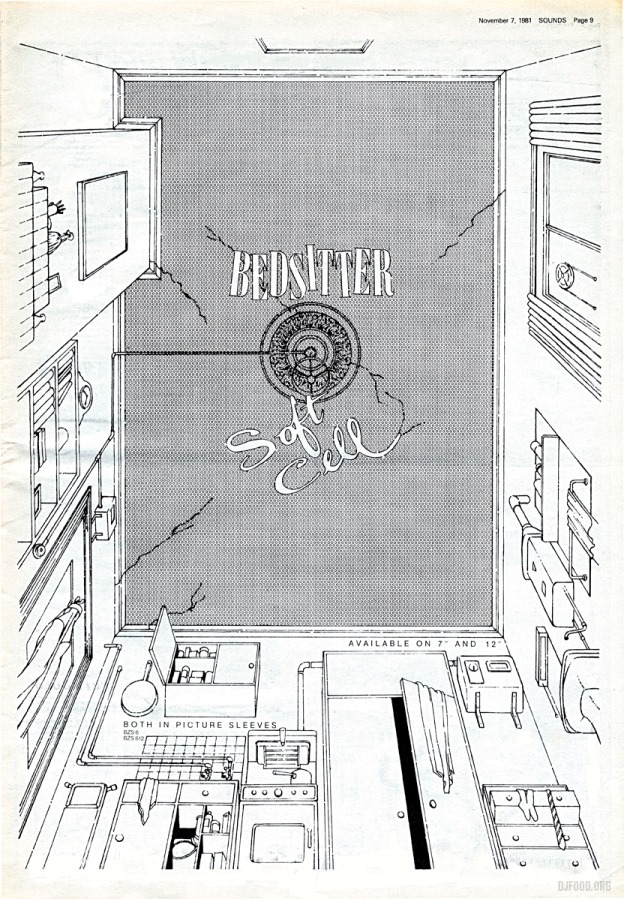
Of Huw Feather’s work it would be ‘Torch’ for me, such an incredible, confusing, vibrant image. There was a lot of one-off bits of artwork produced for the label, and over the years I’ve tried to track down all the fan club stuff and merch flyers that were produced. There were some brilliant single-use magazine adverts, too. In particular one for ‘Bedsitter’ from Sounds – a line drawing of what a bedsit would look like looking up from a bed. It didn’t appear on anything else, it was unique piece of artwork for the music press. I had far too much visual material to include in the book so a lot of it got left out. I’m aiming to get some of it up on my Instagram feed around the time of publication so people can see it.
What is the ultimate Some Bizzare record?
I think THE THE’s ‘Infected’ project is the ultimate crystallisation of what Stevo was trying to do. It’s a challenging piece of work – both musically and lyrically – and visually very strong. And there was an accompanying film which was incredibly expensive and again very cutting edge for the time. And of course Stevo got it bankrolled by a major label who lost their shirt on it – there was no way it was going to recoup. Yet it still stands up to this day – you can watch the film now and still be impressed by its production values, and the music is still incredible. The Some Bizzare ethos runs all the way through ‘Infected’.
What about the legacy of Stevo and Some Bizzare?
Stevo would disagree, but I think there are still people doing what he tried to do. DJ Food in the book mentions James Lavelle which I thought was a good example. Also Wiley too, who uses mainstream channels when they suit him, and goes underground when they don’t. A lot of legacy artists who now own their own means of production make their albums and then shop them to whichever label that gives them the best deal. People like Damon Albarn, Paul Weller and Nick Cave who retain artistic control but use the clout of a major, that’s definitely a Stevo thing.
As far as trying to push boundaries and change people’s minds about artistic expression, I don’t know. Things like the ‘Sex Dwarf’ video would be seen as relatively tame and facile now, I don’t think it would shock anybody…
…it’s not RAMMSTEIN’s ‘Pussy’ is it? *laughs*
No, it’s not, thank god! *laughs*
I don’t really know what sort of boundaries stuff like that is pushing to be honest, it doesn’t seem to have a point. The thing about Some Bizzare and what Stevo was trying to do, whether he knew it or not, was he allowed people who would not have access to that kind of platform to be heard. For a while, you could find out about bands like EINSTÜRZENDE NEUBAUTEN or SWANS, read about what they were trying to do, and then decide for yourself if you wanted to pursue their music further.
Your website is testament that the early-to-mid 80s period was a golden age for leftfield artists moving into the mainstream, which was great for the most part. But a lot of those acts adjusted their music to make it more palatable. THE FUTURE changed to THE HUMAN LEAGUE who signed to Virgin, and then split into THE HUMAN LEAGUE MKII and HEAVEN 17, and both made concessions to ongoing commercial success, for better or worse. But Neubauten always sounded like Neubauten, and Stevo’s attitude was, “Why shouldn’t they be on Virgin too? Get the music out there, and let people make up their own minds.”
ELECTRICITYCLUB.CO.UK gives its warmest thanks to Wesley Doyle
It was hoped to be a year of positive electricity but with the oddball burst of negative waves, 2022 was summed up by the title of its best album.
The product of Finnish duo SIN COS TAN, ‘Living In Fear’ captured the anxieties of living with The Bear Next Door in a post-pandemic world. With billionaires taking over social media with the intent of allowing the extreme right wing an increased voice, it was as if the lessons of Trump and Bolsonaro had not been learned.
‘The Wolves Are Returning’ warned xPROPAGANDA on a track from their excellent album ‘The Heart Is Strange’, the message coming from two Germans whose grandparents’ generation “did nothing” and had made the mistake of opening up the door to the Nazis was extremely poignant.
It was as if The Cold War had never ended; the poetry of one who has escaped ethnic genocide and been separated from next of kin as a refugee has substance. So for Alanas Chosnau on his second album with Mark Reeder, this was ‘Life Everywhere’ and provided a deeper statement on life during wartime. Meanwhile China’s STOLEN presented their ‘Eroded Creation’ and explained ‘Why We Follow’.
Battles both worldwide and personal were being reflected in music everywhere with ‘War’ by I SPEAK MACHINE being another example. Things did not get much cheerier with Rodney Cromwell whose long-awaited second long player ‘Memory Box’ provided commentary on a sadly post-truth world, the so-called “alternative facts” as Donald Trump’s extremely dim advisor Kellyanne Conway liked to put it.
Meanwhile, MECHA MAIKO maintained it was still ‘NOT OK’, I AM SNOW ANGEL felt it was now a ‘Lost World’ and Swedish duo SALLY SHAPIRO made their comeback by reflecting on ‘Sad Cities’.
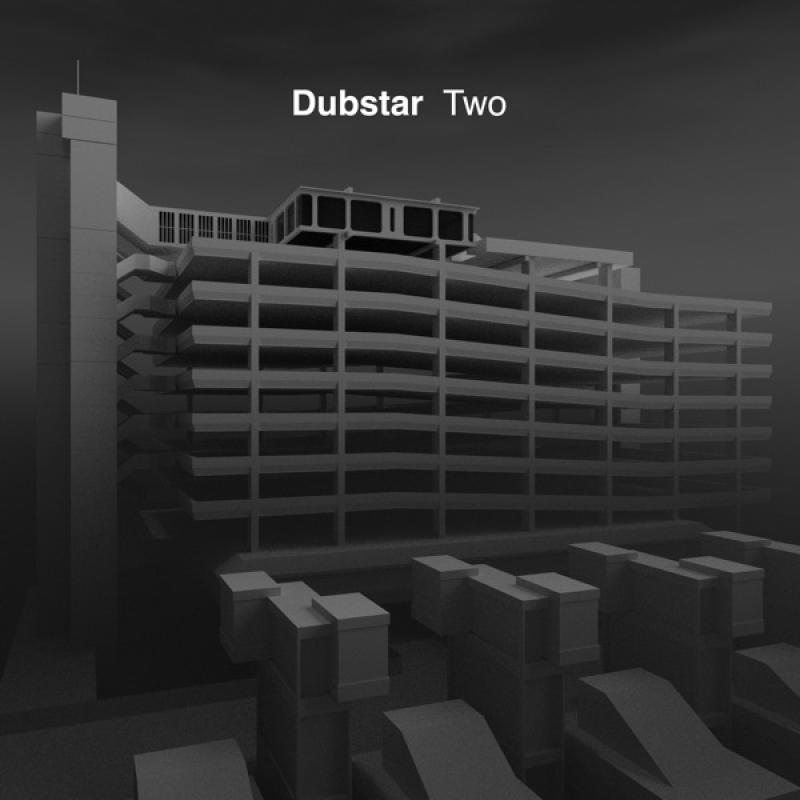
As sardonic as ever, DUBSTAR presented their second collection of kitchen sink dramas since they reconfigured as a duo with ‘Two’ and reunited with producer Stephen Hague for their most acclaimed record since their 1995 debut ‘Disgraceful’.
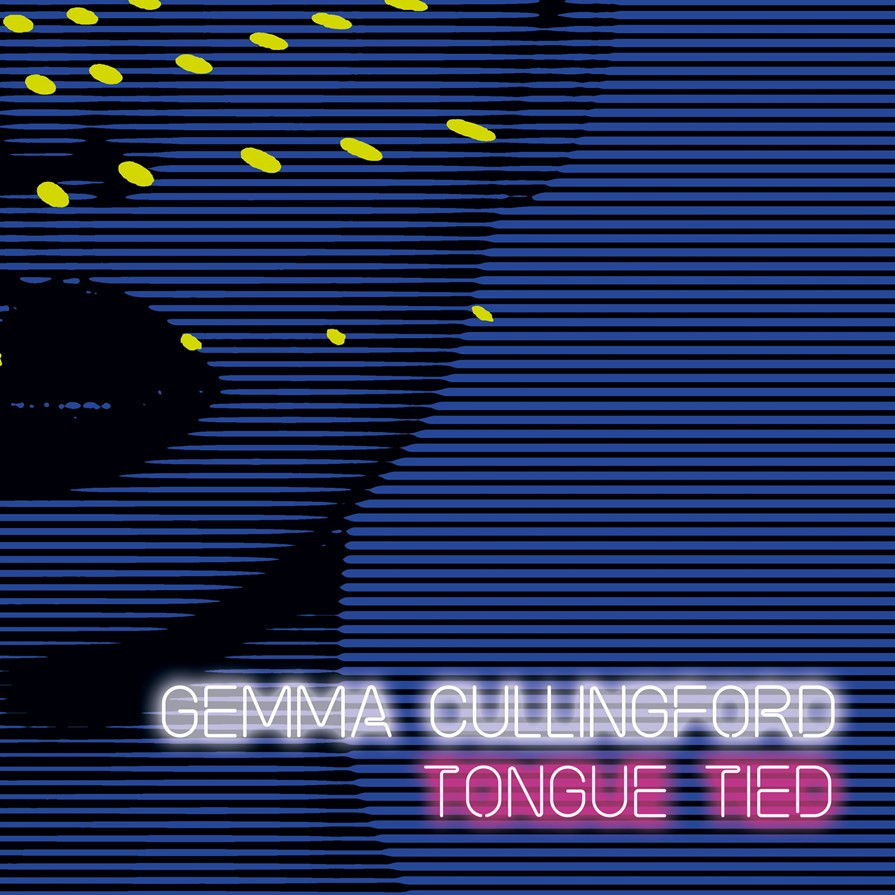
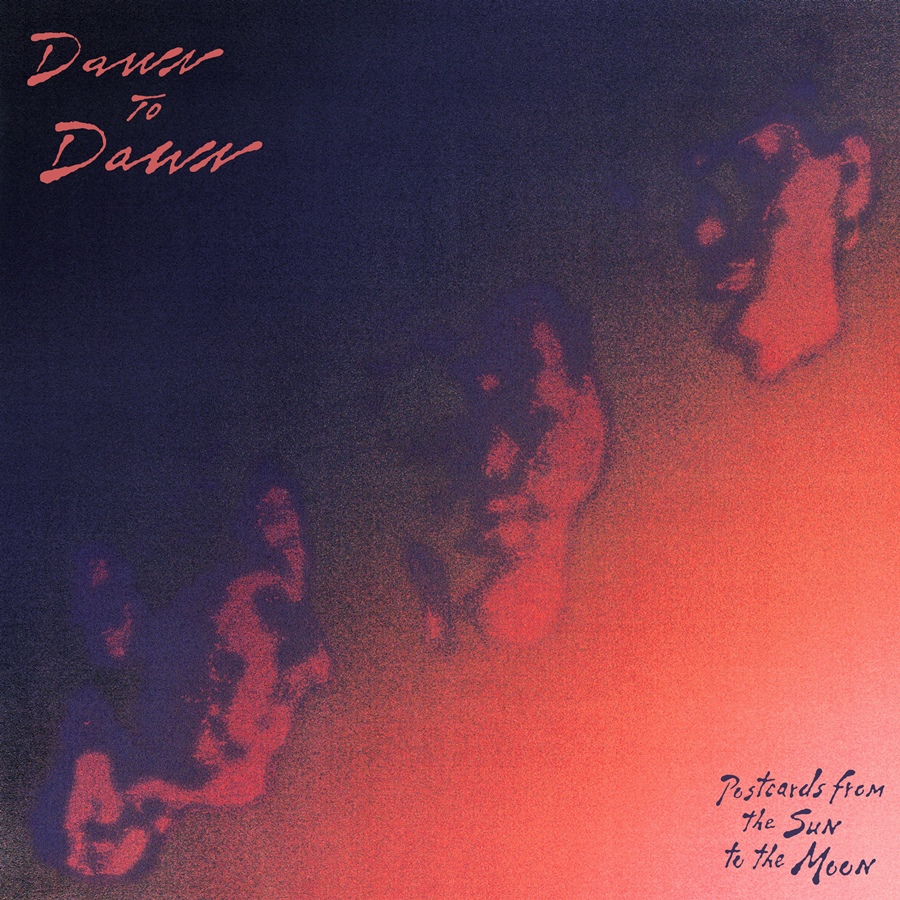
On a more optimistic note, Italians Do It Better brought their cinematic world to London with headline shows by DESIRE and MOTHERMARY who each had new long form releases to air, while shyness was nice for the most promising breakthrough act of the year Gemma Cullingford who got all ‘Tongue Tied’ on her second long player. Meanwhile DAWN TO DAWN, ULTRAFLEX and H/P offered electronically escapist solutions to the year,
But KID MOXIE was happy to ‘Shine’ with the best video of 2022 while CZARINA got mystical with ‘Arcana’, Karin Park looked back at her ‘Private Collection’ and Patricia Wolf explored ambience on ‘See-Through’. Other female talent that shone brightly in 2022 included Norway’s SEA CHANGE, Sweden’s Hanna Rua, Alina Valentina from The Netherlands, Mexican Valentina Moretti and Anglo-French avant songstress Julia-Sophie but sister / brother duos MINIMAL SCHLAGER and SPRAY proved siblings could continue to work well together in synth.
40 years after the release of their debut album ‘Happy Families’, BLANCMANGE returned home to London Records for a ‘Private View’ while mainman Neil Arthur was keeping himself busy with FADER too. Having being shelved for 30 years, the second ELECTRIBE 101 album ‘Electribal Soul’ finally saw the light of day. And some 39 years after it was first conceived, the lost Warren Cann and Hans Zimmer opus ‘Spies’ was released in a new 21st Century recording by the HELDEN Project’s lead vocalist Zaine Griff.
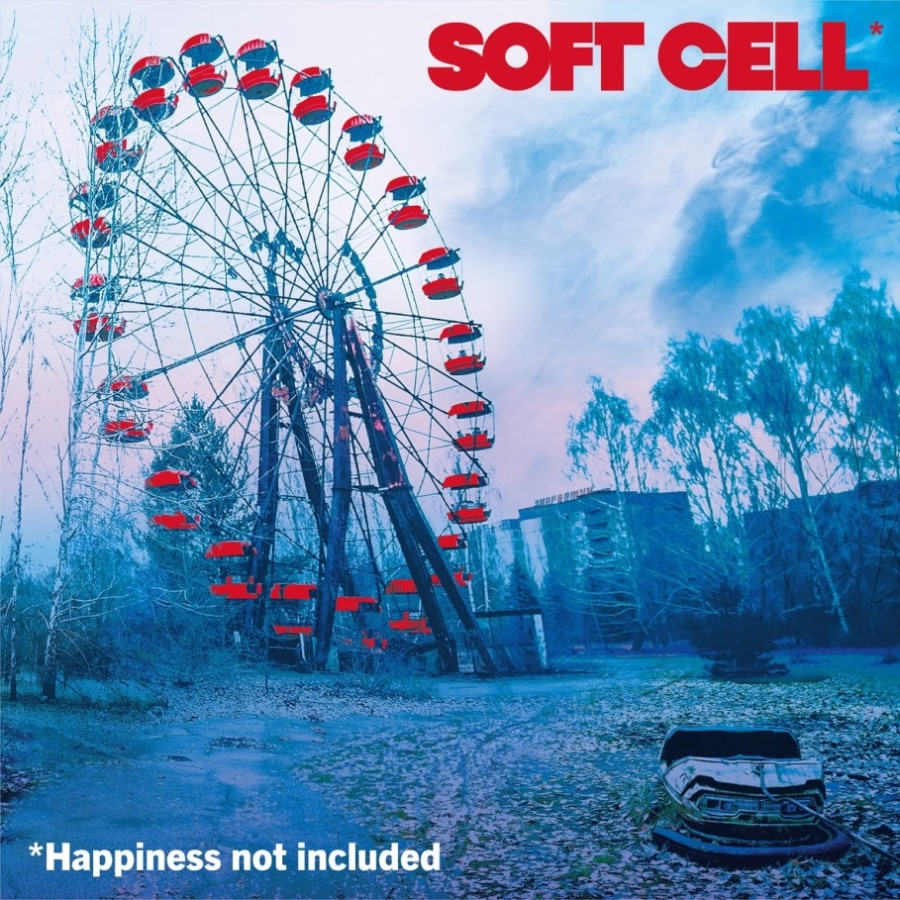
Although PET SHOP BOYS celebrated their career with the magnificent ‘Dreamworld’ tour for the best live event of 2022 and joined SOFT CELL in the ‘Purple Zone’, Marc Almond and David Ball presented the disclaimer ‘*Happiness Not Included’ before announcing that they would be performing at a run of outdoor events in 2023 despite having stated their 2018 O2 extravaganza would be their last.
Also having declared a final album in 2014, RÖYKSOPP returned with the triple volumed ‘Profound Mysteries’ that featured Susanne Sundfør and Alison Goldfrapp.
Veterans Howard Jones, William Orbit, Jean-Michel Jarre and Wolfgang Flür as well as long-standing Nordic combos LUSTANS LAKEJER and A-HA released new albums but while the quality across the releases was mixed, fans were loyal and happy. After various trials and tribulations, TEARS FOR FEARS returned with ‘The Tipping Point’ and erased memories of the lacklustre 2004 comeback ‘Everybody Loves A Happy Ending’, but the duo were unable to capitalise when the majority of the UK concert tour of stately homes was cancelled due to an unfortunate accident that befell Curt Smith.
Creating a dehumanised technologically dependent Sci-Fi world, DIE KRUPPS opted for more machine than metal under their EBM pseudonym DIE ROBO SAPIENS. With NASA making its first steps back to the moon with the Artemis project, fittingly Italian producer EUGENE spent ‘Seven Years In Space’ and Ireland’s CIRCUIT3 looked back at space travel’s past on ‘Technology For The Youth’. Back on earth, THE WEEKND was still being accused of stealing from synthwave while coming up with the song of the year in ‘Less Than Zero’. In the meantime, having infuriated audiences by saying “f*ck that ‘synthwave’ stuff as u name it” in 2018, KAVINSKY was ‘Reborn’ with a second album that had much less of the wave and expanded into broader electronically generated templates with the occasional funkier overtones.
Celebrating ‘40 Years Of Hits’ on a sell-out arena tour and issuing a new album ‘Direction Of The Heart’ which featured a guest appearance by Russell Mael of SPARKS on the single ‘Traffic’ with the obligatory ‘Acoustic Mix’, as the excellent book ‘Themes For Great Cities’ by Graeme Thomson highlighted, the best years of SIMPLE MINDS are now well behind them. They are a poor facsimile of the great band they once were and as a special Summer concert in Edinburgh in honour of ‘New Gold Dream’ proved, Jim Kerr and Co can’t even play their best album properly.
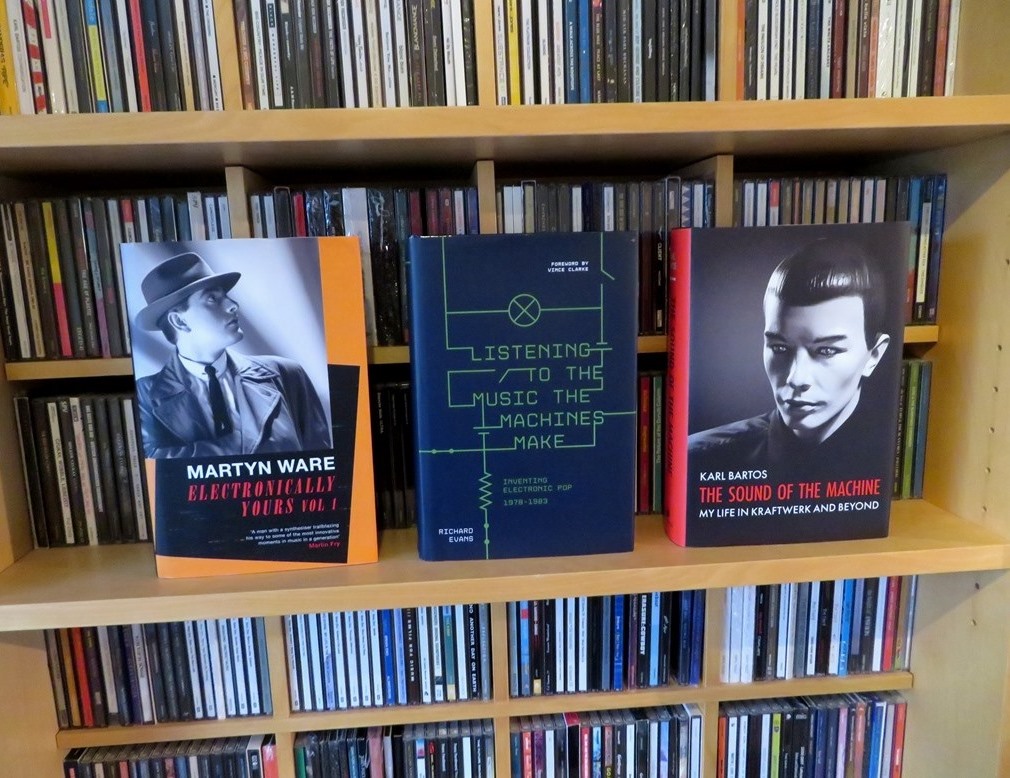
Music-related books continued to be popular with Martyn Ware and Karl Bartos respectively writing their memoirs ‘Electronically Yours Vol1’ and ‘The Sound Of The Machine’. In a wider historical context, that crucial 1978-1983 period where electronic pop was more or less invented got documented in the encyclopaedic ‘Listening To The Music The Machines Make’ by Richard Evans.
2022 saw several prominent figures depart for the jukebox in the sky; Vangelis, Manuel Göttsching, Angelo Badalamenti, Julee Cruise, Dave Smith, Herb Deutsch, Terry Hall, Robert Marlow and Andy Fletcher will be sadly missed but ELECTRICITYCLUB.CO.UK was particularly devasted by the passing of German electronic legend Klaus Schulze only 4 days after he gave a rare interview to the site.
Meanwhile Dave Gahan and Martin Gore announced yet another tour of underwhelming arena shows plonked into stadiums for an as-yet-unfinished album that at least had a title ‘Memento Mori’. Ticketscalper took advantage with so-called dynamic pricing (or legalised touting) as hapless Devotees were fleeced thousands of dollars in North America… all this just to see a continually ungrateful frontman (who didn’t even sing is own words on a DEPECHE MODE song until 2005) gesture with a microphone in the air on a catwalk rather than actually singing on it and to possibly hear a pre-1985 song performed that will inevitably ruined by The Drumhead and The Noodler!
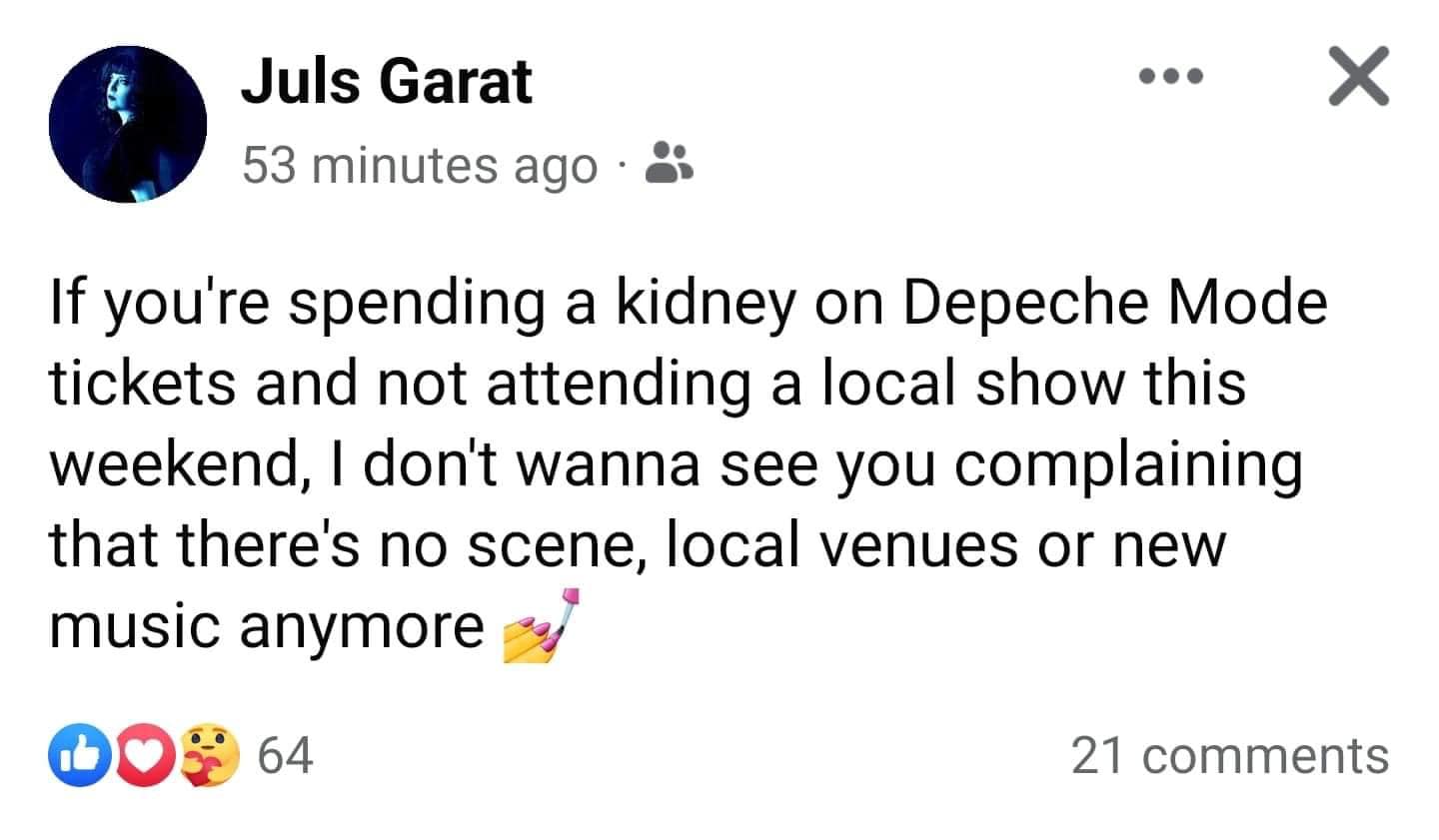
As Juls Garat of Massachusetts goth band PILGRIMS OF YEARNING observed via social media: “If you’re spending a kidney on DEPECHE MODE tickets and not attending a local show this weekend, I don’t wanna see you complaining that there’s no scene, local venues or new music anymore”. With the lack of curiosity amongst audiences who were content with nostalgia and the like, it was a difficult year for independent acts.
There is no easy answer and as the old saying goes, you can take a horse to water but you can’t force it to drink. But one promoter that did hit on an innovative idea was Duskwaves who came up with afternoon synth gigs. Hosted at various locations in the South East of England with the aim of drumming up daytime weekend business at venues, events started at 2.00pm and ended by 6.00pm to allow for an easy journey home or possibly dinner afterwards. Artists such as YOUNG EMPRESS,INFRA VIOLET,STRIKE EAGLE and AUW joined in the family friendly fun and while the concept was unusual, with classic synth audiences not getting any younger, it has potential.
While the worldwide situation remains uncomfortable and unsettling, for The Cold War generation, it all seemed strangely familiar. As Jori Hulkkonen of SIN COS TAN said in an interview with ELECTRICITYCLUB.CO.UK recently: “It feels kind of comfortable to be back in that same state of mind that you grew up in!! It’s like you grew up in not a nice place, but you get 20-30 years out of it and then you get drawn back into The Cold War state of mind. It’s where I come from and there’s nothing good about it, but somehow feels very familiar so you can handle it in a different way”.
The Cold War inspired songs such as ‘Enola Gay’, ‘Fireside Favourite’, ‘All Stood Still’, ‘Let’s All Make A Bomb’, ‘I Melt With You’, ‘Dancing With Tears In My Eyes’ and ‘Five Minutes To Midnight’ which encapsulated the nuclear paranoia of the times. So if the current tensions go on any longer, how will artistic expression be affected and driven?
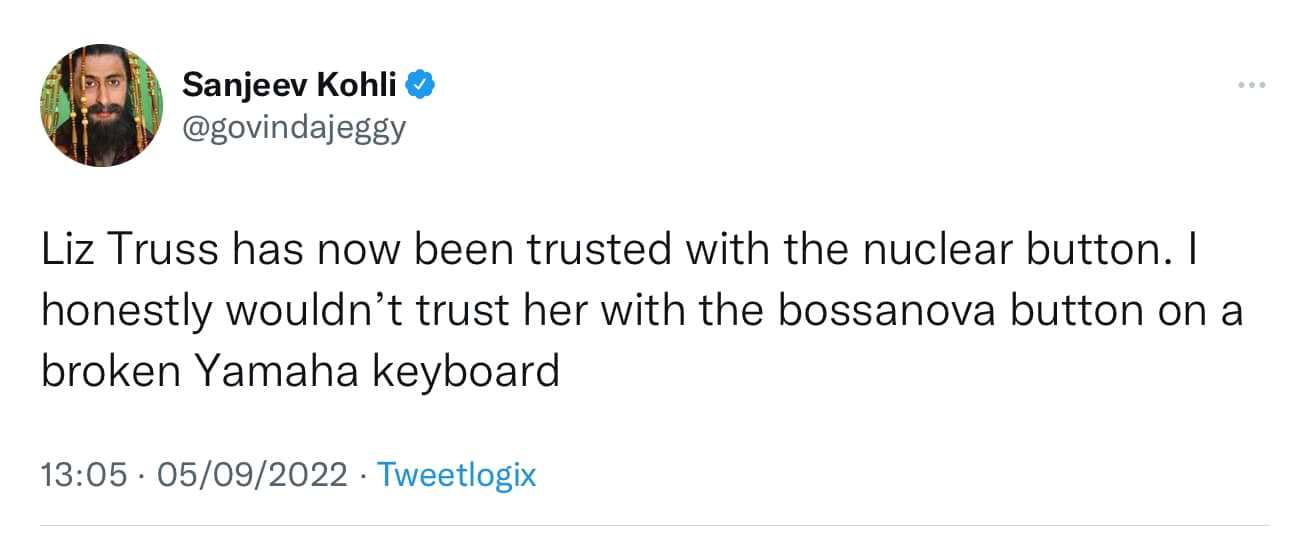
But as Synthesizer Patel actor Sanjeev Kohli wittily remarked of the UK’s 41 day Prime Minister aka Mad Lizzie following her successful leadership bid: “Liz Truss has now been trusted with the nuclear button. I honestly wouldn’t trust her with the bossanova button on a broken Yamaha keyboard”.
In a year which saw the bizarre scenario of a black vicar worshipping Enoch Powell on the repulsive gammon TV channel GB News and the truth about Tory PPE scandals becoming clearer, Richy Sunak, Ugly Patel, Cruella Braverman and Krazi Kwarteng continued to be the ultimate race traitors in their Westminster tribute band A FLOCK OF SIEG HEILS. Failing to look in the mirror, their role as collaborators was all as part of a wider self-serving mission to help keep the whites Reich and line the pockets of their already loaded banker mates instead of paying nurses a fair wage. Nurses are for life and not just for Covid. So what did happen to that £350 million promised for the NHS by that pompous lying posh boy Boris Johnson if Brexit happened? As Tim Burgess of THE CHARLATANS summed it all up rather succinctly on Twitter: “Worth remembering that the real enemy travels by private jet, not by dinghy” ✊😉
During lockdown, electronic music displayed its emotional empathy with isolation and solitary working.
But as during The Cold War in its breakthrough years, it read the room again with the onset of worldwide and domestic conflicts, both armed and political.
There were times in 2022 that were as if The Cold War had never ended and in amongst the turmoil, artists reflected their anxieties on top of those already existing.
Jori Hulkkonen of SIN COS TAN said: “Overall, this decade has been a real downer with the pandemic and now the war, so if we are trying to look for silver linings here, I think it will be interesting for the creative community to get something out of it, the frustration, the fears and all that.”
As further pandemic songs were released as well, what emerged were songs of varying moods and while there was fresh optimising in the air, there were calls to arms and resignation looming too. Overall, 2022 saw many great individual tracks issued and mention must be made of NNHMN, NATION OF LANGUAGE, O+HER, DIE ROBO SAPIENS, DESIRE and MOTHERMARY who were among those shortlisted for this year’s listing.
As ever on ELECTRICITYCLUB.CO.UK, rules help control the fun… so restricted to tracks available on the usual online retail platforms with a restriction of one song per artist moniker, here are the 30 SONGS OF 2022 in alphabetical order by artist…
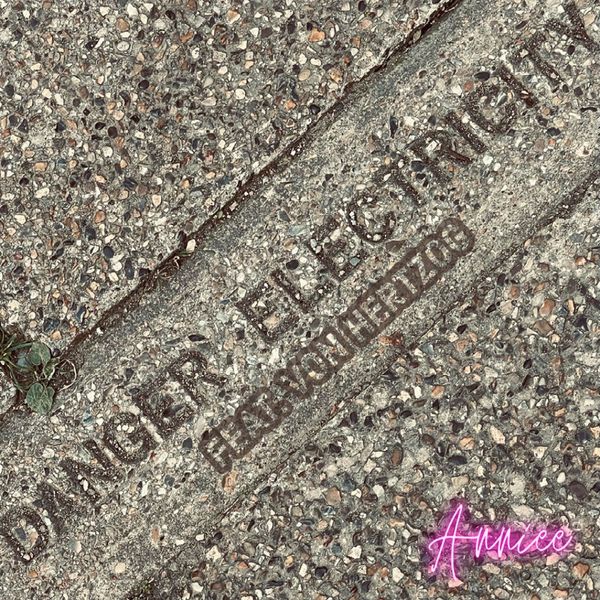
ANNIEE featuring VON HERTZOG Danger Electricity
Bubbling with a dynamic thrust, the angelic voice of Anniee evoked the excitement of a night clubbing while Von Hertzog provided the hypnotic backing and beautiful soundscape. “I was jogging in London and came across the words in the sidewalk ‘danger electricity’” she said, “I had always wanted to create a dance track – something that reflected my love for EDM, what I felt when I first heard it as a teenager, visiting clubs in Mallorca. Also the feeling I still get now taking the train to NYC and the energy of the city”.
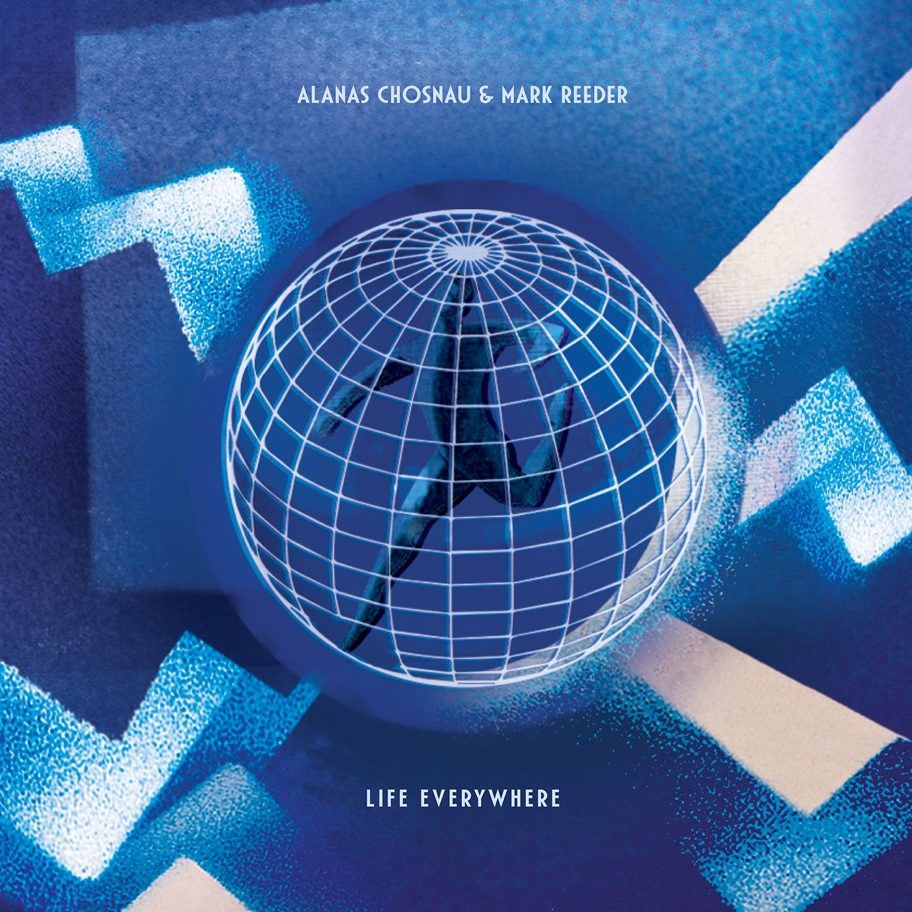
For Alanas Chosnau and Mark Reeder, the ongoing world tensions were a symbol of ‘Life Everywhere’. Like a Harry Palmer film given an electro soundtrack and hidden behind the facade of love songs, their second album together poignantly made a statement on life during wartime. With a speedy conga mantra and a dominant digital clap, ‘All You Need Is Love’ entered funky electronic disco territory with roots in Reeder’s SHARK VEGAS days to emulate the propulsive air of NEW ORDER.
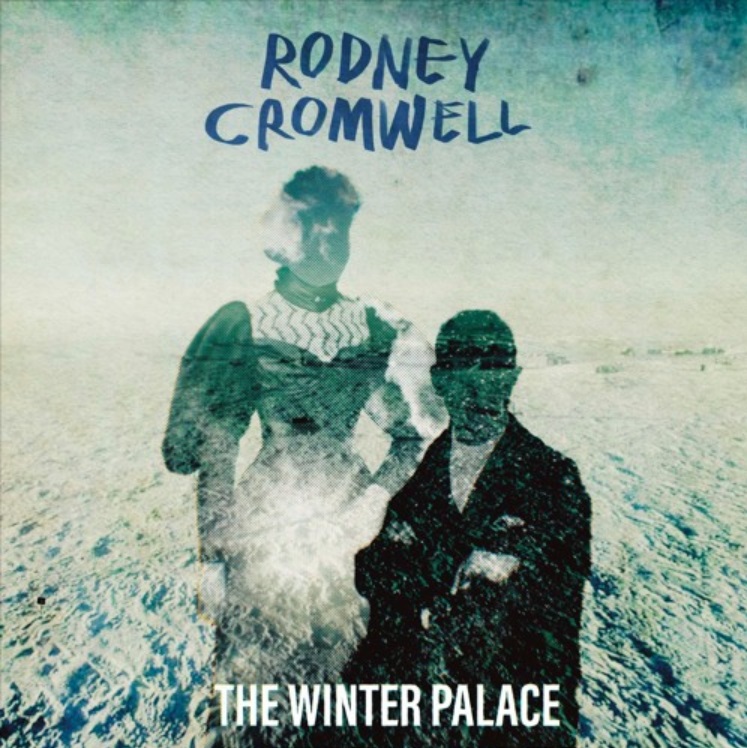
Intended as a soundtrack to a sadly post truth world, Rodney Cromwell returned with his second album ‘Memory Box’. Despite questioning selective memories, album closer ‘The Winter Palace’ was all about wanting to forget a former beau because “I dream of you regardless, whether I am asleep or awake”. With hints of classic NEW ORDER and OMD, the wonderfully icy number embraced motorik mechanisation within a hypnotic electronic backdrop and providing a glorious synth solo for a hopeful uplift to savour.
Available on the album ‘Memory Box’ via Happy Robots Records
BOY HARSHER made a short horror movie ‘The Runner’ and a soundtrack to go with it which stood up in its own right. Although comprising of their usual dark and danceable electronic pop, it proved to be their most diverse collection yet featuring several special guests. Sung in Spanish and English, ‘Machina’ featuring Ms. BOAN aka Mariana Saldaña was aimed at the dancefloor, recalling the Latino electronic disco of Bobby Orlando, particularly PET SHOP BOYS ‘A Man Could Get Arrested’.
Available on the album ‘The Runner’ via Nude Club / City Slang
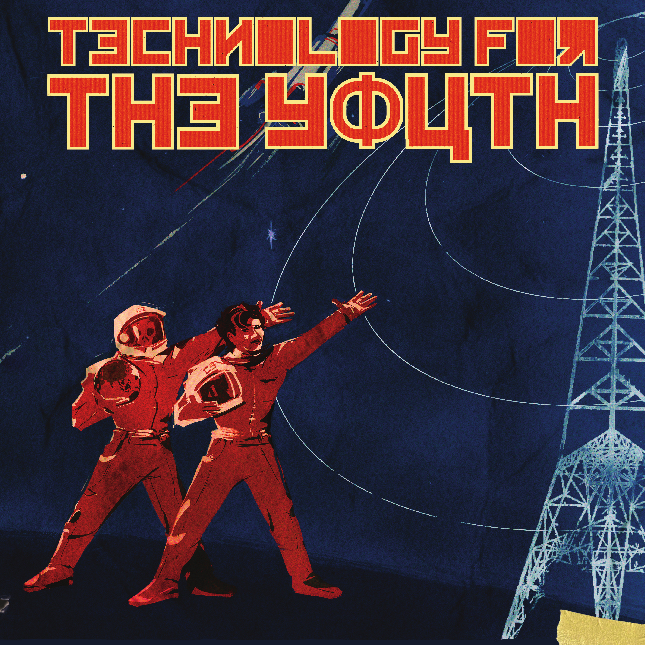
For his third CIRCUIT3 album ‘Technology For The Youth’, Peter Fitzpatrick presented a retro-futuristic narrative on the world before the space shuttle. Valentina Tereshkova whose 1963 adventure in Vostok 6 made her the first woman in space was celebrated with ‘Valentina Fly’, the minimal structure and string machines of the wonderful piece evoking OMD. “She’s not a celebrated as Yuri Gagarin” said the Dubliner, but “in some respects, what she achieved was much greater.”
If Yoko Ono’s ‘Walking On Thin Ice’ had been reconfigured as a Balearic friendly electronic disco number, then it would have come out like ‘Tongue Tied’, the title track of the second album by Gemma Cullingford. With a nonchalant but sensual vocal style reminiscent of Sarah Nixey, ‘Tongue Tied’ exuded a positive if nervous energy in a purer metronomic adoption of electronics. “My boyfriend provided the lyrics knowing that I often get tongue tied and mince my words so he knew they’d mean something to me” she helpfully added. Shyness is nice…
Available on the album ‘Tongue Tied’ via Elmo Recordings
Canadian danceable dreampop trio DAWN TO DAWN celebrated the joy of music in times of adversity with ‘Stereo’. Driven by a Roland TR909, the song touched on the acceptance of confinement where “I wait for no one to ask ‘when do we go?’”. Embracing the notion that “you’re here – on the stereo”, in its romantic reflection of good times, a breezy infectious allure was captured while maintaining an understated synthesized danceability and a promise of better things to come.
Since Sarah Blackwood and Chris Wilkie reconfigured DUBSTAR as a duo, there was always the impression that the comeback album ‘One’ was a warm-up. Opening album ‘Two’ was ‘Token’, possibly their most overt synthpop statement yet. Co-produced by Stephen Hague, it pointed to his work with PET SHOP BOYS and ERASURE. A song full of resilience, its narrative about leaving behind abusive relationships and minor gestures was a topic that many could relate to.
Since releasing her first sassy pop album ‘The Art & The Evil’ in 2007, Emma Nylen has got progressively darker and harder while still retaining an enigmatic presence. While most of her ‘Recon’ album headed in an EBM direction influenced by NITZER EBB and FRONT 242, synthpop with a syncopated backbone was the sound on the ‘Black Celebration’ inflected mission that was ‘The Battle’, a timely commentary on world and deomestic events. With an absorbing metallic chill, it was the highlight of her fifth long player proper.
Available on the album ‘Recon’ via Icons Creating Real Art
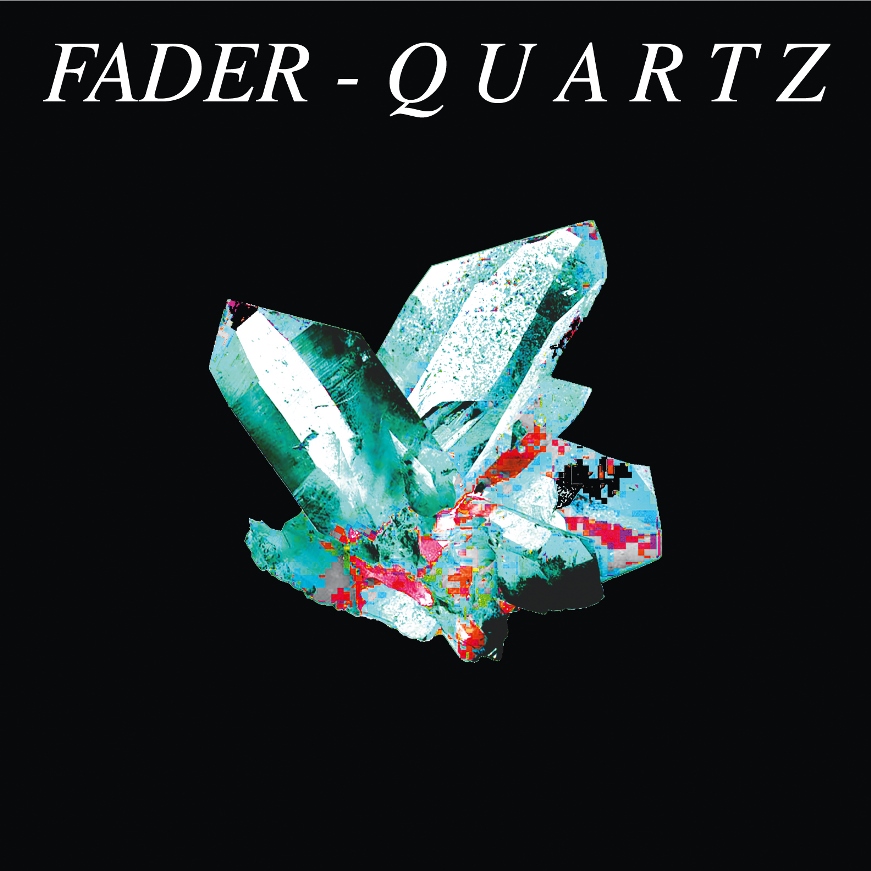
As with previous FADER works, Benge worked alone on the instrumentation at his Memetune Studios complex in Cornwall while Neil Arthur did his lyrics and vocals at his home studio. Their third album together ‘Quartz’ was an understated artistic statement inspired by incidental atmospheric music used in vintage TV shows. Minimalistic structures provided a reflective and elegiac backdrop. The icy waltz ‘Serpentine’ opened the album with its sparse keys like Gary Numan meeting Brian Eno and reminiscent of the former’s ‘Dance’ album from 1981.
Available on the album ‘Quartz’ via Blanc Check Records
A reinterpretation of THE CARS’ mournful classic from 1984 which had already been a hit in its own right before becoming associated with Live Aid, this chilling version of ‘Drive’ by THE GOLDEN FILTER simply captured the zeitgeist in amongst the turmoil of world events… the work of Penelope Trappes and Stephen Hindman who released their first album ‘Volupsa’ in 2010, the duo defied people not to well up on hearing the words “Who’s gonna tell you when it’s too late? Who’s gonna tell you things aren’t so great?”.
Available on the single ‘Drive’ via The Golden Filter
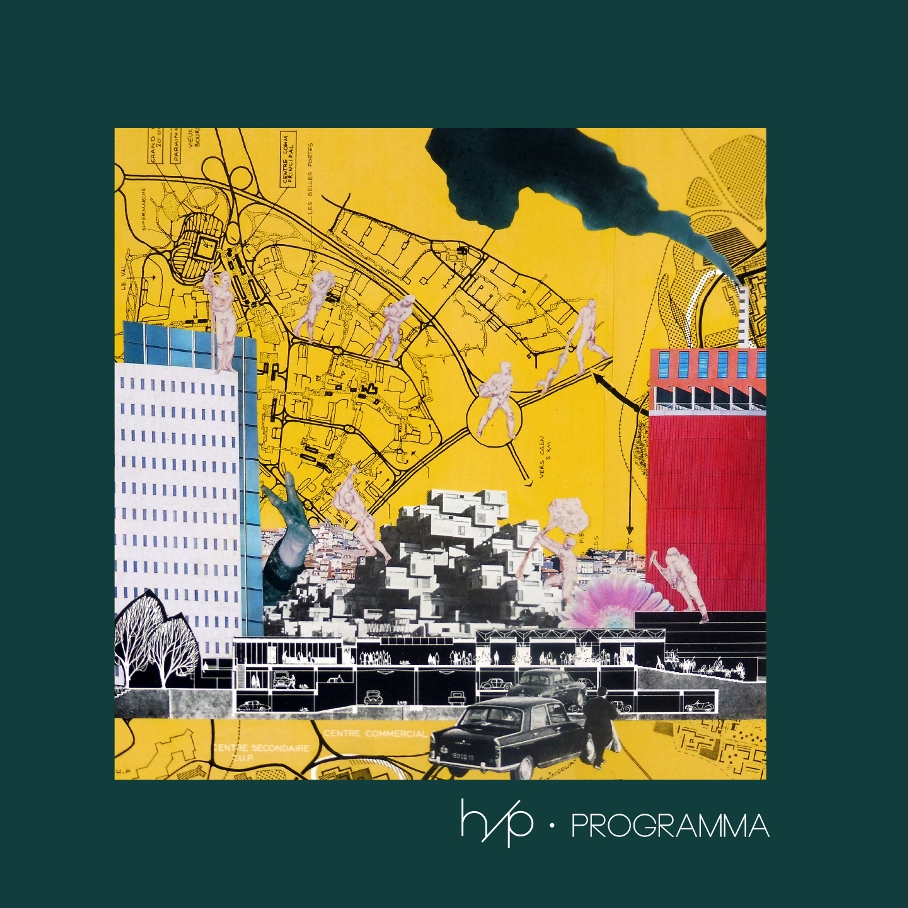
Based in Limoges, H/P were formally known as HAPPINESS PROJECT, issuing their first album ‘Remove Or Disable’ in 2008. For their H/P debut ‘Programma’, the trio not only shortened their moniker but also adopted a minimal synth approach. Acknowledging the debt of influence to cult French act MARTIN DUPONT, their bassist Alain Seghir guested on the glorious album closer ‘Vicinities’. Applying a complex spiral of delicate blips, it was enclosed is an emotional centre that recalls OMD for possibly the album’s stand-out song.
Available on the album ‘Programma’ via BOREDOMproduct
Adopting the dishevelled persona of a satanic Libertas, ‘War’ by I SPEAK MACHINE was another album that captured the zeitgeist, although the lyrics were much more personal to Tara Busch. Short and sweet with hints of Gary Numan’s ‘Metal’, the screeching title song opener set the scene and the album’s intentions with a rumbling backdrop. “It definitely has ‘Metal’ in there as an influence” she said, “It came about from me messing with my Casio SK1 and then running that through a Moogerfooger ClusterFlux to make it all bendy and provide actual notes from the feedback.”
Veteran singer Karen Hunter was a live band member on Gary Numan’s ‘Berserker’ and ‘The Fury’ tours and recorded a wonderful cover of the ballad ‘Don’t Call My Name’ in support of The Ced Sharpley Drumming Bursary. The original was the closing track on the 1988 album ‘Metal Rhythm’ and the haunting song is given a serene feminine twist. As well as being produced by music veteran Steve Hunter who played with Peter Gabriel and Lou Reed, Numan associates Chris Payne and Andy Coughlan also contributed.
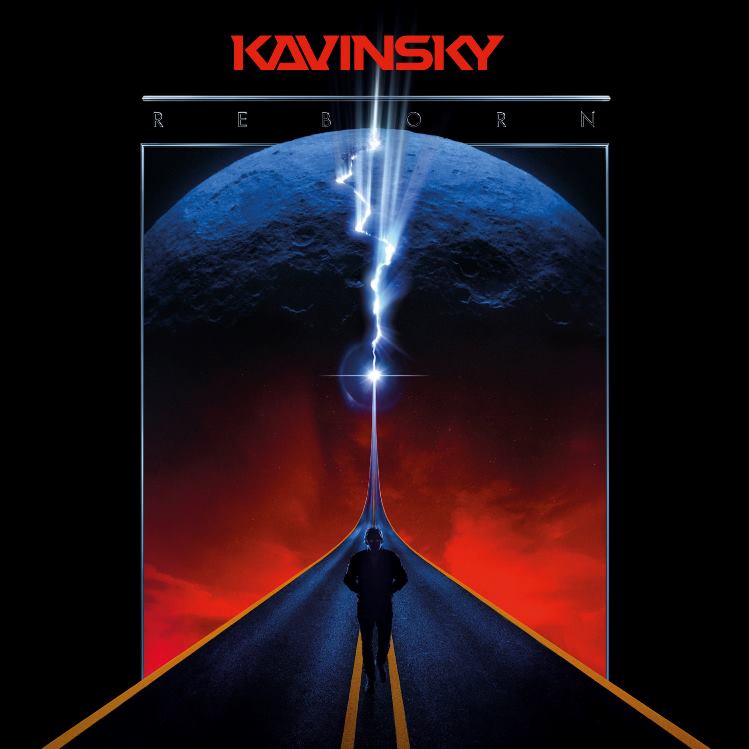
Vincent Belorgey aka Kavinsky made his name with ‘Night Call’ featuring vocals by Lovefoxxx of CSS. But after the track was featured in the cult movie ‘Drive’ in 2011, the Frenchman found it was becoming something of an albatross around his neck. He upset people when he said “f*ck that ‘synthwave’ stuff as u name it”. Seeming taking an age to record his follow-up to the ‘OutRun’ album, he made a statement to be ‘Reborn’. Channelling his inner Moroder circa ‘Midnight Express, ‘Outsider’ was a magnificent instrumental laced with orchestrated drama and tension.
Available on the album ‘Reborn’ via Record Makers / Protovision
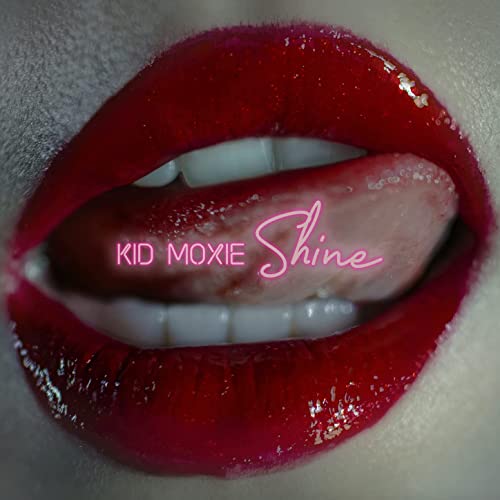
Compared with the previous works of KID MOXIE, there were darker and harder aesthetics at play on ‘Shine’ in collaboration with German EBM producer FADERHEAD. Taking both musical and lyrical inspiration from DEPECHE MODE’s ‘Never Let Me Down Again’, front woman Elena Charbila assertively declared “I’m taking the lead in the back seat”. “We definitely channelled some DM vibes” she remembered, “it was even a running joke while we were in studio recording it with FADERHEAD”.
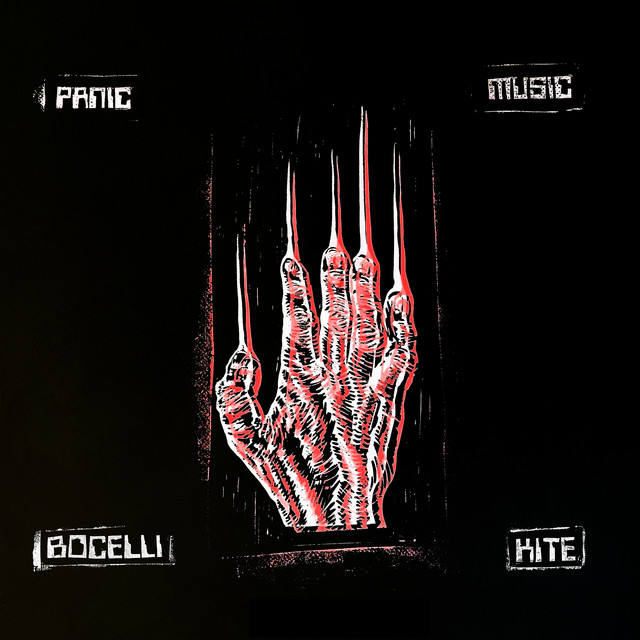
As the wait for the ‘VII’ EP continues, “Sweden’s best kept pop-secret” returned with an interim single. ‘Panic Music’ exuded a fierce anxiety with front man Nicklas Stenemo presenting his characteristic screaming delivery. Over an epic neo-gothic backdrop now associated with KITE, Christian Berg continued his fascination for electronic drones and swoops while there was also the surprise of a guitar solo in the middle eight. The stress and strain of the past two years and a very uncertain future was effectively captured in song.
Available on the digital single ‘Panic Music’ via Astronaut Recordings
From Vancouver in British Columbia, ACTORS keyboardist Shannon Hemmett continued with her more synth focussed solo project LEATHERS. Not completely divorced from the main band family, frontman Jason Corbett acts as producer and collaborator, just as Daniel Hunt did with Helen Marnie on her solo work during the LADYTRON hiatus. ‘Runaway’ was gorgeous dreamy synthpop to elope to, “About breaking free and letting go, it provides a pop of color against the mundane routine of everyday life”.
Available on the digital single ‘Runaway’ via Artoffact Records
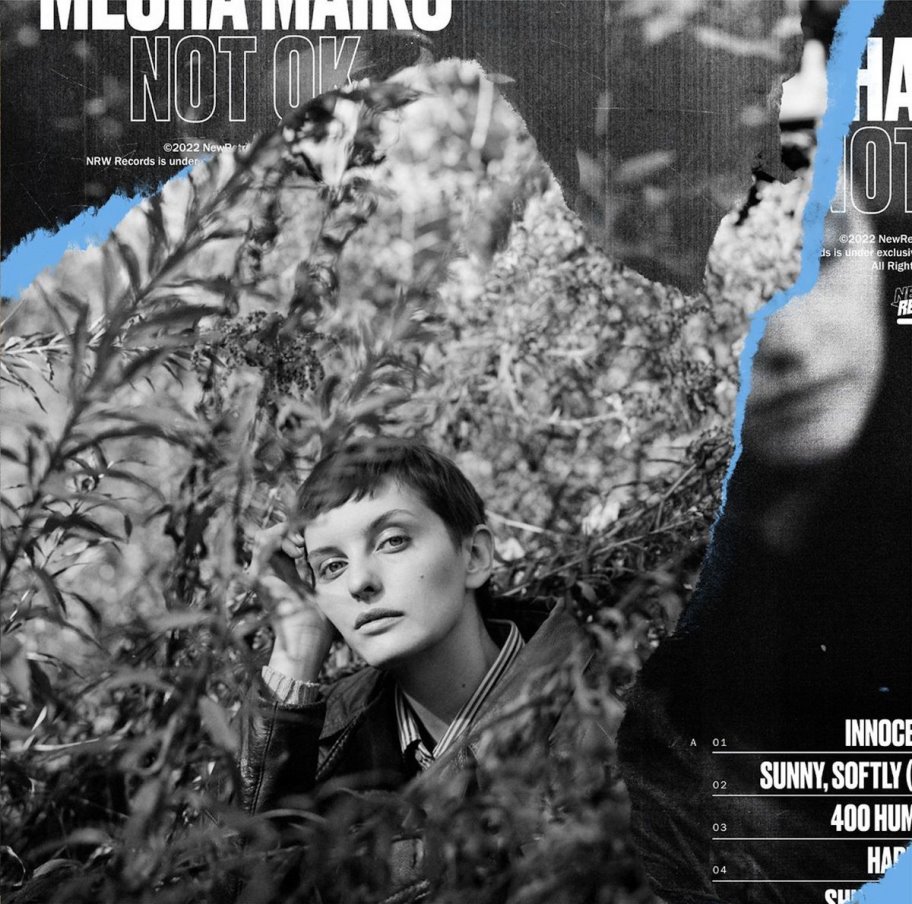
Hayley Stewart returned as MECHA MAIKO with ‘NOT OK’ to highlight the various social-political flashpoints that emerged during the pandemic. But focussing on warmer moments and feeling the force of some mighty electro, ‘Sunny, Softly (I Feel Love)’ threw in the iconic throb from the Giorgio Moroder produced Donna Summer hit for a glorious beat driven statement enhanced by an angelic delivery. “There’s a weightlessness to her song that I wanted to have play through the listener’s mind at the same time that they were listening to mine” she said.
Available on the album ‘NOT OK’ via New Retro Wave
Sister and brother duo MINIMAL SCHLAGER began in 2020 as a consequence of the pandemic. Based between London and Berlin, Alicia Macanás and Francisco Parisi began to develop a brand of synth heavy dreampop. While bubbling with glistening synths, ‘Submission’ was a more of a new wave number with subtle guitar and a rhythmic bounce that set it apart from the other songs on their first album ‘Love, Sex & Dreams’ with an exhilarating chorus is that declares “For a second, I know I can win!”
Fronted by enigmatic Sharon Shy, having released some fabulously ethereal singles in the shape of ‘Verónica Pass’, ‘Placelessness’, ‘Saturnining’ and ‘Crimeless’ in the past 18 months, New York-based darklings R. MISSING presented the sinister beauty of ‘New Present City’. In their embracement of the fragility of life with gently propelled soundscapes swathed in icy melancholia, this slice of electronic pop noir fittingly filled a gap left by the now disbanded CHROMATICS.
When RÖYKSOPP released their most recent long playing opus ‘The Inevitable End’ in 2014, it was said to be their final album and made a fine farewell. But after various singles, archive releases and soundtrack commissions, they returned with the ‘Profound Mysteries’ trilogy. Featuring Alison Goldfrapp, the delicious ‘Impossible’ was a mighty avant disco excursion that was both seductive and functional. With the uplifting high soprano middle eight drifting into an intergalactic twist, it could be rightly considered one of the songs of 2022.
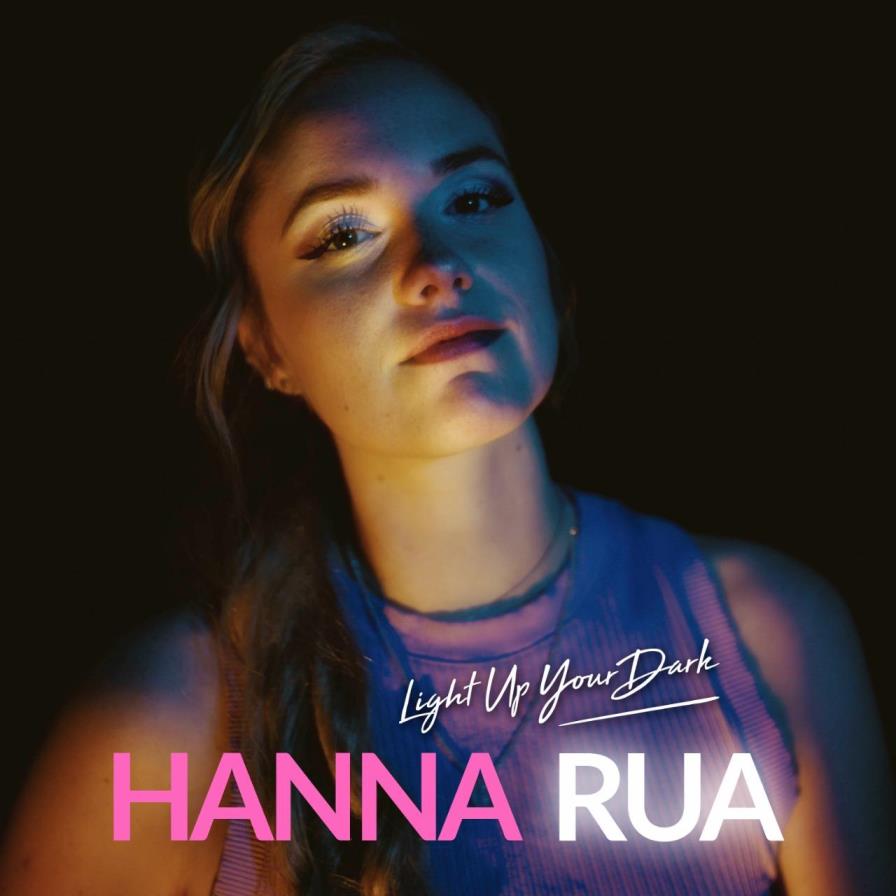
Swedish songstress Hanna Rua has a dreamy electronic pop sensibility with the emphasis on the pop, but her debut EP ‘Light Up Your Dark’ also demonstrated her scope and capability using darker aesthetics. With a wonderfully gritty austere, the title song played with gothier influences while remaining melodic, coming over like a Nordic NINA in her more recent work. A battle against the demons, the brooding presence recalled unga moderna veterans LUSTANS LAKEJER and their 1999 single ‘Cynisk’.
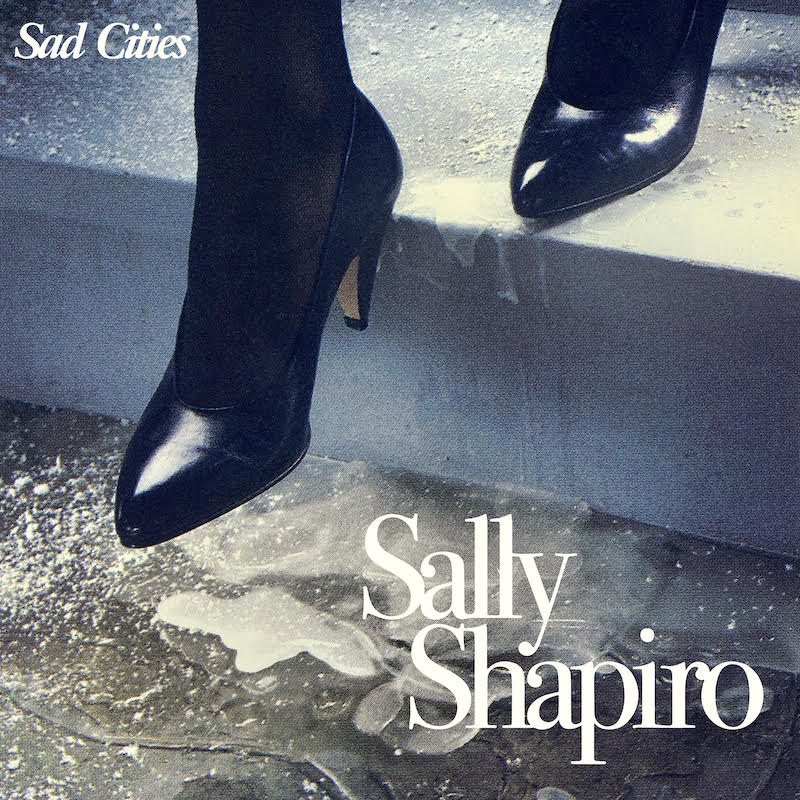
Although they announced a retirement of sorts in 2016, Swedish duo SALLY SHAPIRO joined the Italian Do It Better family in 2021 to make an unexpected return. ‘Fading Away’ was an epic dance tune to close the ‘Sad Cities’ comeback album. Perhaps unexpectedly originating from an ambient improvisation session, this atmospheric template was merged with a relentless disco synthwave hybrid, utilising a glorious plethora of trancey electronics and thumping rhythms across its seven minutes.
Available on the album ‘Sad Cities’ via Italians Do It Better
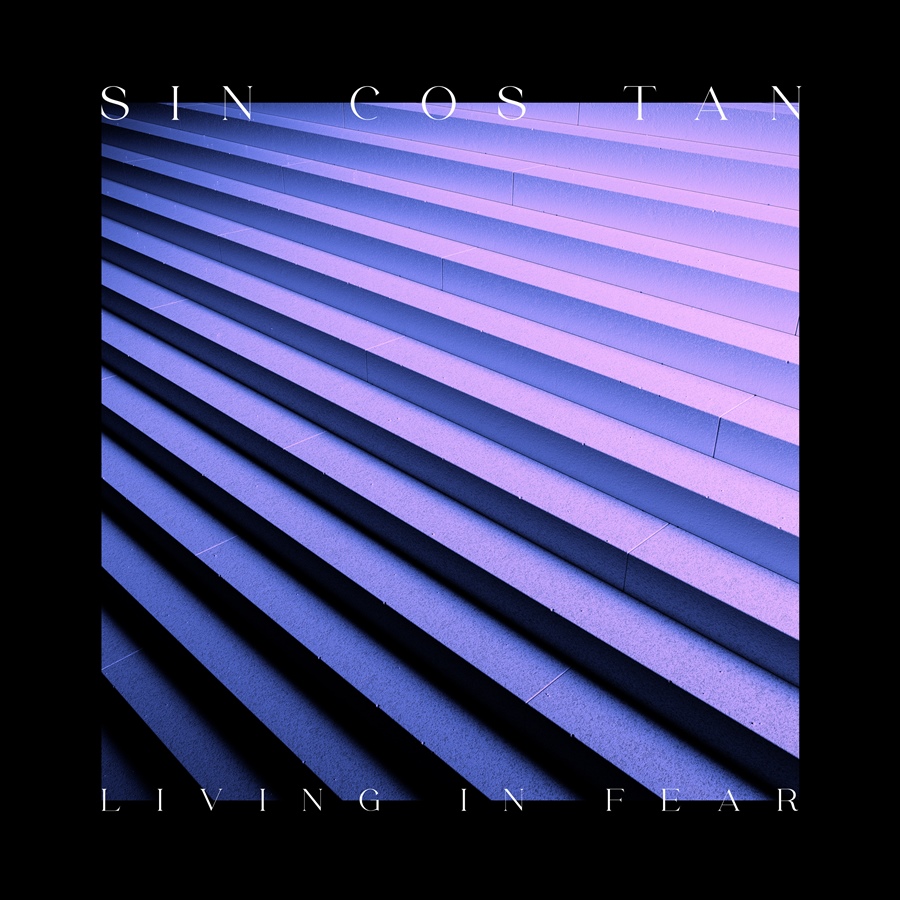
With the bear next door, the title of SIN COS TAN’s fourth album ‘Living In Fear’ resonated with anyone resident in Finland or anywhere in the civilised world; “Do you fear the dark, love, war, or yourself? Whatever the answer, you can be certain: Fear is a powerful thing.” The windswept electro-motorik of ‘Endless’ used the melodic synthy highs of OMD to counter the melancholic expression and drone laden backdrop, acting as a burst of escapist optimism despite surrounding tensions.
Originally a Dave Ball instrumental issued as a single that came with the boxed set of his autobiography ‘Electronic Boy’, the tense industrialised pulse of ‘Nighthawks’ recalled the sweaty alternative club overtures of one-time Some Bizzare stable mates CABARET VOLTAIRE. Featuring a deranged expletive laden rap from American drag performance artist Christeene, SOFT CELL fans were even treated to the deep growly voice of Mr Ball himself repeating the title alongside Marc Almond while ‘Staying Alive’ backing vocals provided another counterpoint.
Documenting a period of personal struggle, the new UNIFY SEPARATE album ‘Music Since Tomorrow’ attempted ‘Closure’ and this epic album opener set the scene with a building atmospheric trance tune that simply mesmerised, especially when front man Andrew Montgomery hit his trademark falsetto. Instrumentalist Leo Josefsson cited influences such as MODERAT, FLOATING POINTS, NITZER EBB, UNDERWORLD and FRONT 242 for the sound while there was also inspiration from the movie ’28 Days Later’.
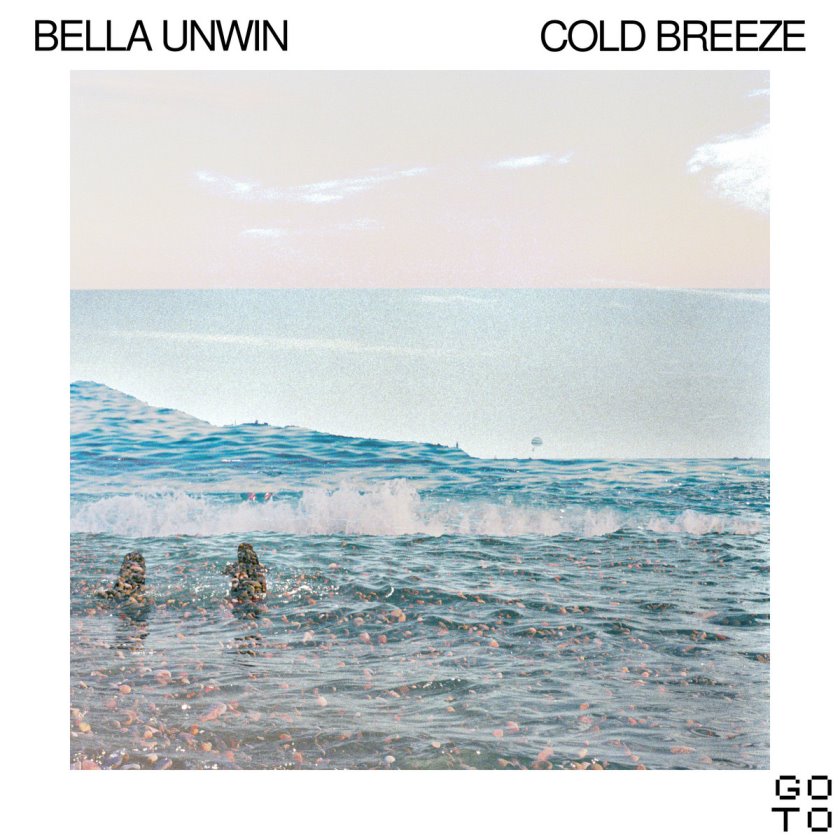
Bella Unwin has been releasing music since 2018 but this year saw an artistic leap. With shades of Alison Goldfrapp, Hannah Peel and the often forgotten Stella Grundy, the positively feline and angelic ‘Cold Breeze’ was the London-based Aussie’s best song yet. With subtle rhythmic lattices and chattering synthesizer goodness, the additional production and mix by Finlay Shakespeare boosted the punchy and immediate machine funk that was laced with wispy and alluringly coy vocals.
Available on the single ‘Cold Breeze’ via GOTO Records
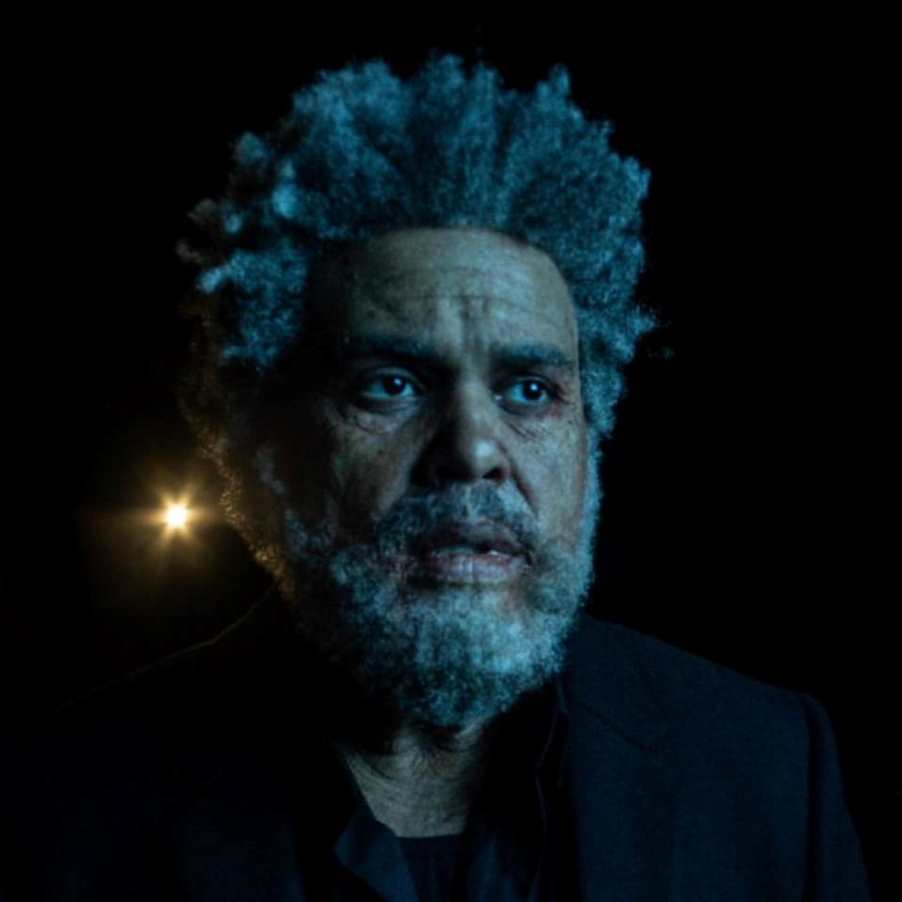
After ‘Blinding Lights’ and ‘Save Your Tears’, THE WEEKND again reminded the mainstream of the emotive beauty that can come from classic synthpop with ‘Less Than Zero’. ‘Less Than Zero’ itself sounded not unlike Michael Jackson produced by Tony Mansfield. The cross of catchy hooks, glorious counter-melodies and acoustic strums were reminiscent of Mansfield’s own combo NEW MUSIK who had UK hits with ‘Living By Numbers’, ‘This World Of Water’ and ‘Sanctuary’ in 1980; Tony Mansfield himself later went on to produce most of A-HA’s debut album ‘Hunting High & Low’.
Available on the album ‘Dawn FM’ via by XO / Republic Records
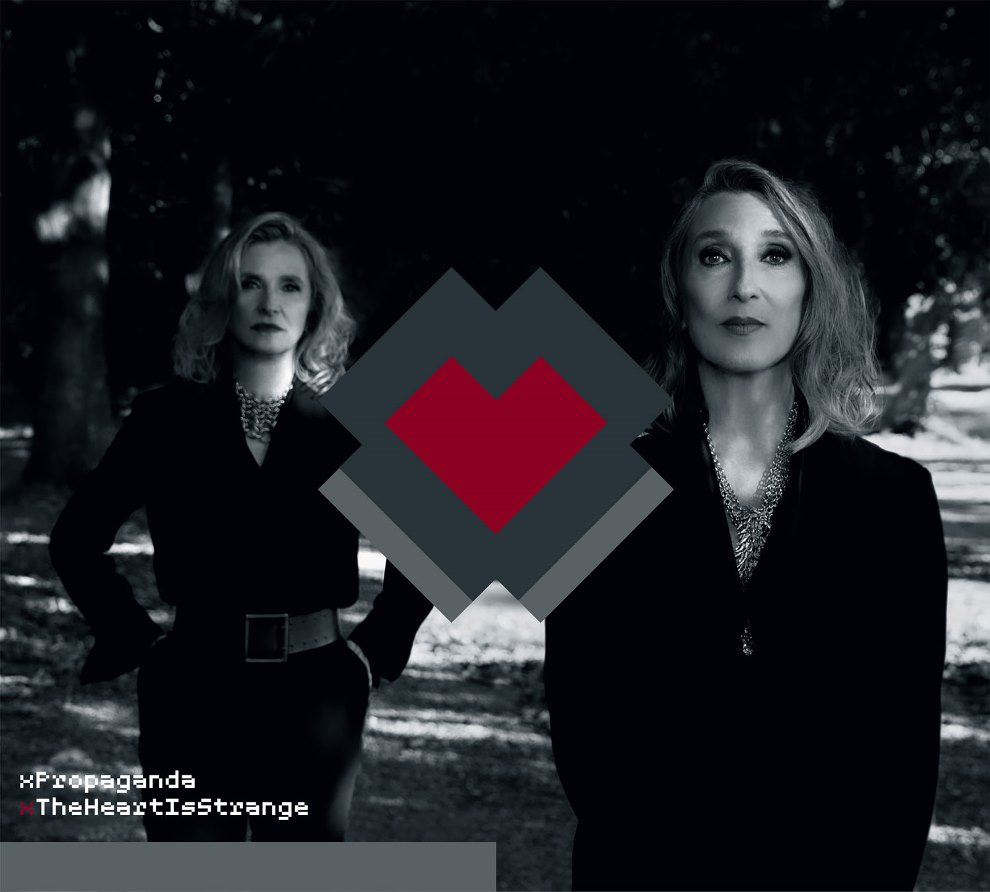
One of the best numbers on the Stephen J Lipson produced ‘The Heart Is Strange’, a stark warning on rise again of the far right was highlighted on ‘The Wolves Are Returning’. Despite its bounce and sonic interventions, the message coming from two Germans whose grandparents’ generation had made the mistake of opening up the door to the Nazis and “did nothing” was poignant. Claudia Brücken and Susanne Freytag provided a worthy follow-up to ‘A Secret Wish’ as xPROPAGANDA.
We use cookies to ensure that we give you the best experience on our website. If you continue to use this site we will assume that you are happy with it.





Follow Us!