Tag: Telex (Page 1 of 4)

MUSIK MUSIC MUSIQUE 1979 | The Roots of Synth Pop

1979 was a significant year where the sound of synth truly hit the mainstream.

TUBEWAY ARMY reached No1 with ‘Are Friends Electric?’ while the Giorgio Moroder produced ‘No1 Song In Heaven’ by SPARKS had actually got to No14 a few months earlier. Synths were no longer the novelty gimmick as perceived when ‘Popcorn’ and ‘Autobahn’ became hits. As synths became more affordable, they became a worthy mode of expression, especially for the younger generation seeking something new.

From Cherry Red comes an unexpected addition to their ‘Musik Music Musique’ series; subtitled ‘1979: The Roots of Synth Pop, this 3CD 60 track collection is a prequel tracing how outsider aesthetics, prog rock, post-punk and a willingness to experimental clashed with pop sensibilities to produce a sonic sandwich of accessible electronic music.

The two gamechanging UK No1s ‘Are Friends Electric?’ and ‘Cars’ are both included and even today, how Gary Numan changed the musical landscape cannot be understated although notably absent are SPARKS. It is not insignificant that both continue to fill theatres today.

The sound of synth being the next big thing would be confirmed by THE BUGGLES also hitting the UK top spot not long after ‘Cars’ while ‘Living By Numbers’ by NEW MUSIK issued as 1979 was concluding would just miss out on the Top10 in the New Year; but both their respective leaders Trevor Horn and Tony Mansfield were astute enough to recognise their longevity as unlikely popstars would be short and they would make their fortune as record producers. Incidentally, the first released version of ‘Video Killed The Radio Star’ by Bruce Woolley featuring Thomas Dolby on keyboards in a welcome inclusion and while it is good, THE BUGGLES’ sharper futuristic vision gives it the edge.

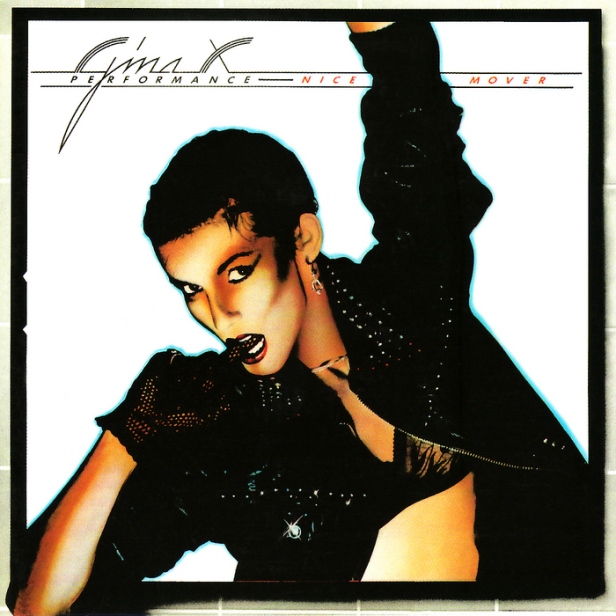
Another future producer figuring in this 1979 set is Zeus B Held with his self-referencing ‘Held It’ timestamping the transitional use of synths and vocoders in prog rock to new wave pop, something which his production for Gina X on ‘Nice Mover’ would more than wonderfully compute in its Marlene-inspired disco lento.

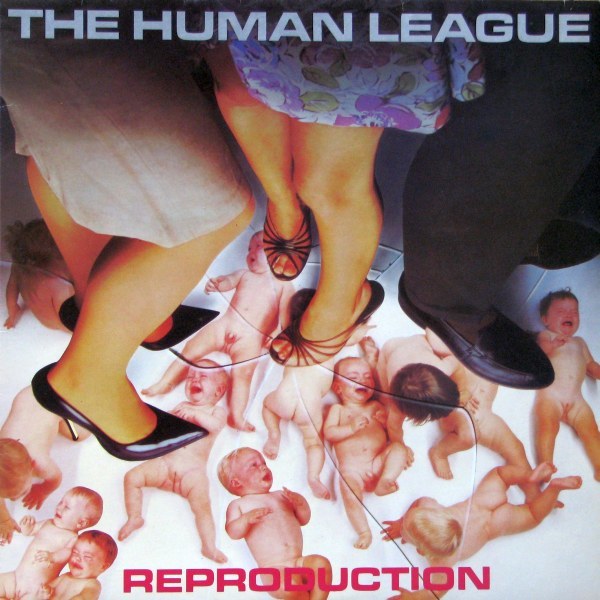
THE HUMAN LEAGUE are represented by the mighty ‘Blind Youth’, the best track from their debut album ‘Reproduction’ which attacked the raincoat wearing gloom merchants of England’s North West. But the pointer to the futures of original members Philip Oakey, Martyn Ware and Ian Craig Marsh comes with ‘I Don’t Depend On You’, their one-off as THE MEN which came out a few months before ‘Reproduction’; a fairly commercial slice of disco pop, it featured real guitar, bass, drums and female backing singers in a prescient experiment that after the split of the band shaped the next incarnation of Ver League and HEAVEN 17.

While acknowledged cult classics such OMD’s ‘Almost’, ‘Rock Around The Clock’ by TELEX, SILICON TEENS’ cover of ‘Memphis Tennessee’, FAD GADGET’s ‘Back To Nature’ and ‘Attack Decay’ from Thomas Leer & Robert Rental are present and correct, the joy from these boxed sets comes with the inclusion of rare tracks.

Two of the most interesting come via the ULTRAVOX axis although neither could be considered the best works from those concerned. From VISAGE comes the less familiar vocal version of ‘Frequency 7’ which was the B-side of their first single ‘Tar’ and would be turned into a far superior instrumental dance mix. John Foxx presents a curio documenting him still finding his solo feet on ‘Young Love’, a bizarre track which was actually pressed as an acetate in 1979. It was even assigned a Virgin catalogue number but was later abandoned as a possible single, superseded first by ‘A New Kind Of Man’ which itself was ultimately dropped as a singular release in favour of ‘Underpass’.

Two enjoyable tracks which perhaps would now be accused of racial insensitivity are by QUANTUM JUMP and BLACK ROD; the former’s ‘Lone Ranger’ with its unforgettable Maori vocal intro was championed by Kenny Everett who used it on his TV show while the frantic electropop of ‘Going To The Country’ by the latter with its faux Jamaican accents is revealed to be the novelty cod reggae duo TYPICALLY TROPICAL who had a No1 in 1975 with ‘Barbados’!!! Less successful in the mock accent stakes is ‘Herr Wunderbar’ by St Albans-based Tanya Hyde which plays on the electro Weimar Cabaret theme but unfortunately, she is no Amanda Lear and the song is no ‘Follow Me’… it was to be her only solo single…

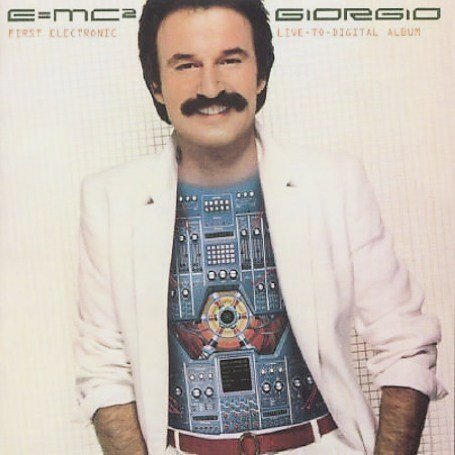
There is a nice surprise in the vocoder-laden DOLLAR B-side ‘Star Control’ while from the first “live to digital” album ‘E=MC²’ by Giorgio Moroder is the robotic disco delight of the closing title track with its vocodered credits that include “tea and coffee by Lori”. The adoption of devices such an rhythm units was something of an anti-rock ‘n’ roll statement and nothing can sum up this sentiment more than ‘Making Love With My Wife’, a quirky ode to the joys of marital sex by Henry Badowski that later appeared on Virgin Records electronic music collection ‘Machines’. Another artist appearing on that same 1980 compilation was Karel Fialka and he is represented by ‘Armband’, a track co-produced by Wally Brill who did the same duties for, yes, you’ve guessed it, Henry Badowski!

There are lesser known offerings by M, YELLO and the first line-up of FASHIØN but from the US comes an interesting quartet of tracks that shows the other side of the Atlantic was not all about the horrendous AOR of BOSTON and JOURNEY; THE CARS always had synths as a rogue element of their initial new wave sound and that is encapsulated by ‘Night Spots’, but produced by their leader Ric Ocasek, SUICIDE’s ‘Dream Baby Dream’ is still glorious.

‘Strange Pursuit’ is a good example of DEVO’s move towards more electronic instrumentation, but heavily influenced by Akron’s finest and not to be confused with the late member of German duo CLUSTER, ‘Mirror Of Infinity’ by American art rock band MOEBIUS is something of an icy jewel and deserves this recusing from obscurity.

Sweden would become a major adopter of synths in pop and the start of that nation’s journey is represented by ‘Oh Susie’, the debut single by SECRET SERVICE; setting the template for Europop, it was a Top10 in West Germany, Norway and Denmark as well as reaching No1 in their own country. Lead singer Ola Håkansson would later go on to duet with Agnetha Fältskog of ABBA on her own synth-laden solo songs ‘The Way You Are’ and ‘Fly Like The Eagle’.

Before ‘Miami Vice’, Jan Hammer had his self-referencing rock combo and he provides the spacey curio ‘Forever Tonight’ voiced by Glen Burtnick while having already left prog rockers GONG in 1975, Steve Hillage was incorporating more electronics alongside his guitar as exemplified by ‘Don’t Dither Do It’. Reinforcing the connection between prog and synth, another former GONG member Tim Blake teams up with Jean Phillipe Rykiel for the mystic and frankly bizarre ‘New Jerusalem’!

Tucked away towards the end of the set but undoubtedly the most epic even in single edit form, ‘Rheinita’ by NEU! offshoot LA DÜSSELDORF went Top3 in West Germany and is basically the OMD blueprint for ‘Architecture & Morality’ album; as Andy McCluskey himself said “People always talk to us about KRAFTWERK, and obviously, they were hugely important. But there was another element from Düsseldorf that influenced us, and that was the organic side which was firstly NEU! and then LA DÜSSELDORF…”

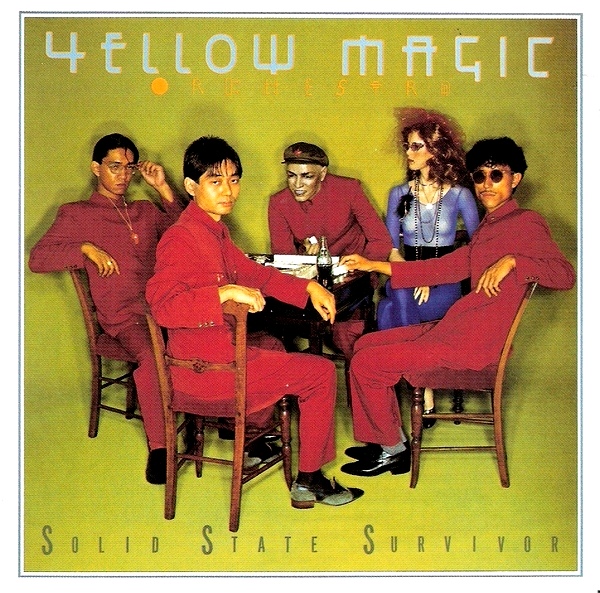
As with the previous ‘Musik Music Musique’ sets, there are a few clangers so it would be remiss not to mention these; the main audio one in this 1979 collection is the inclusion of the 1982 single remix of JAPAN’s ‘Life In Tokyo’ with the more prominent fretless bass overdubs by Mick Karn. On the Japanese “theme”, lessons still have not been learnt from previous booklets with regards photos and LANDSCAPE are pictured in their hit futurist jumpsuit guise as opposed to the jazz rock band seen in transition on ‘Tomorrow’s World’ at the time performing ‘Japan’, the track included in this set. Incidentally, the band who influenced this track YELLOW MAGIC ORCHESTRA deserved inclusion, especially as the iconic trio were featured in a previous set and released their best album ‘Solid State Survivor’ in 1979 as well.

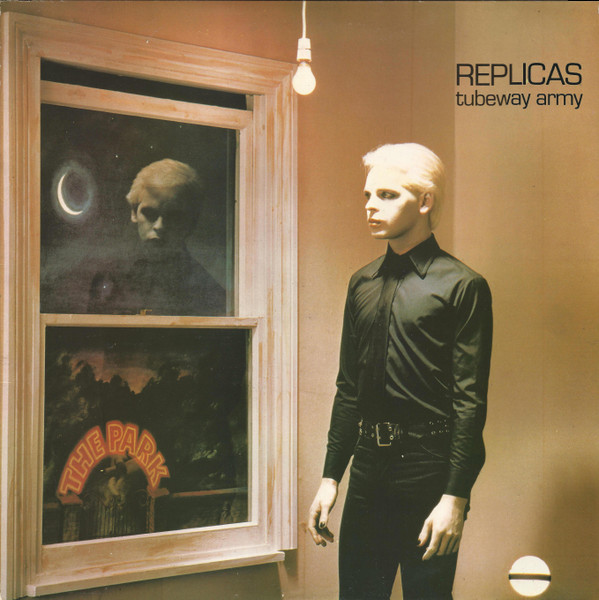
Meanwhile, a blond ‘Replicas’ era Gary Numan when he would have been suited and dark haired by the time of ‘Cars’ is in the booklet while the 1978 punk quartet incarnation of TUBEWAY ARMY represents the ‘Are Friends Electric?’ period which is totally wrong! And the quintet line-up of VISAGE from 1982 is pictured rather than the original 1979 septet who appeared in the now iconic Blitz Club photo taken by Sheila Rock.

Elsewhere, QUANTUM JUMP are mysteriously represented by a trio including bassist John G Perry but which does not include key members Rupert Hine and Trevor Morais who would both later go on to work with Howard Jones! At least there, one member was featured because whoever the quintet are in the photo of DALEK I, none are Alan Gill or Dave Hughes! Unlike in 1979, there is the internet now available as an initial info source and numerous real life experts around to fact check with, so this really doesn’t not take much effort to get right! If in doubt, then don’t use the photo!?!

In 1979, “Synth Pop” was yet to be a thing and with over 60 tracks, there is a mish-mash of styles with the common factor of the synth making itself heard to explore how the form was developing. For that eclectic reason alone, ‘Musik Music Musique: 1979 – The Roots of Synth Pop’ is probably the most fascinating of the four volumes to date.


‘Musik Music Musique: 1979 – The Roots of Synth Pop’ is released as a 3CD boxed set on 16th January 2026 by Cherry Red Records

https://www.cherryred.co.uk/various-artists-musik-music-musique-1979-the-roots-of-synth-pop-3cd


Text by Chi Ming Lai
7th January 2026
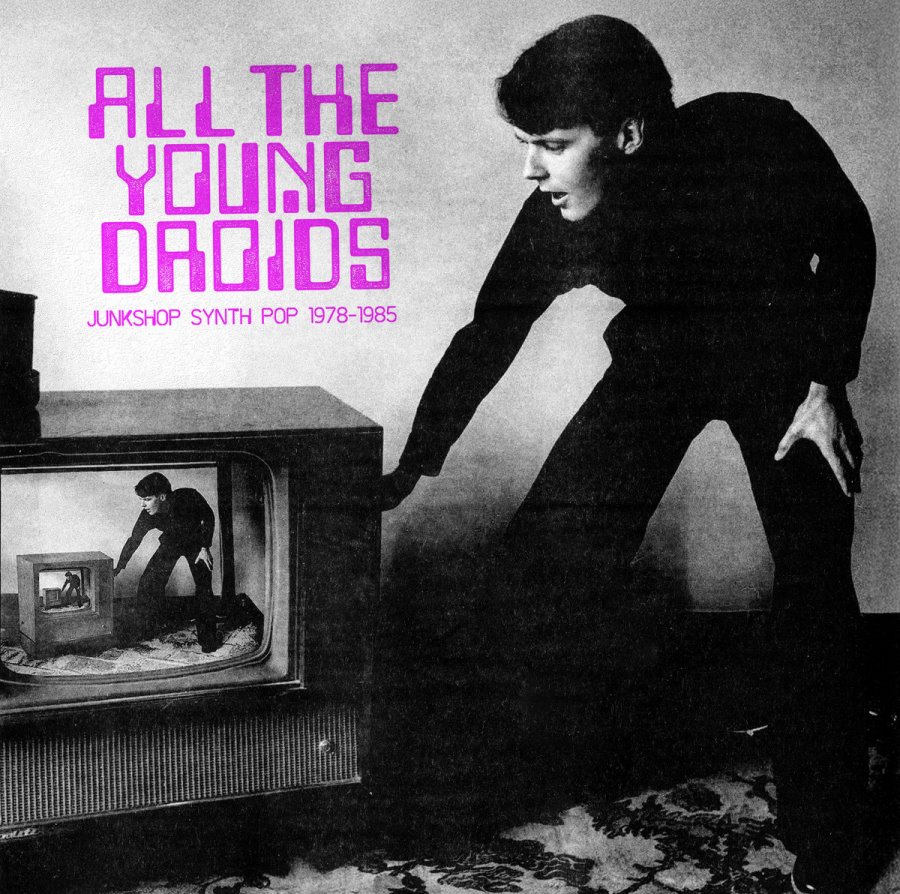
ALL THE YOUNG DROIDS: Junkshop Synth Pop 1978-1985

‘All The Young Droids: Junkshop Synth Pop 1978-1985’ is a new compilation that gathers obscure electronic pop from an era when both major and independent record labels were looking for the next Gary Numan.

With the man born Gary Webb taking this new waveform to the top of the UK singles chart in 1979 not just once but twice, the adoption of affordable synths became an entry point to those seeking fame and fortune. While OMD, DEPECHE MODE and THE HUMAN LEAGUE became chart fixtures, many others would not.

Compiled by Philip King whose day job is as a picture researcher at Uncut magazine, according to NME journalist Nick Kent back in the day, this was a period of “blokes with dodgy haircuts hunched over keyboard-operated machines stuffed with wires and do-it-yourself tone oscillators making sounds like a brood of geese passing gas in a wind tunnel”. But with the eventual backlash against synths and the rise of digital technology that could emulate real instrumentation, the inevitable end came “not with a blood-curdling bang but with a cheap, synthesized, emasculating whimper.”

As the recent well-received reissue of Life Is A Grand’ by Henry Badowski and the release of 1981 demo recordings of B-MOVIE as the ‘Hidden Treasures’ album have proved, there is present day enthusiasm from synth music fans for little known or previously unreleased tracks from the past. This more than highlights the state of modern synth which continues to deceive, with the quality of VSTs and their array of classic sounds masking a wider deficiency in basic songwriting.

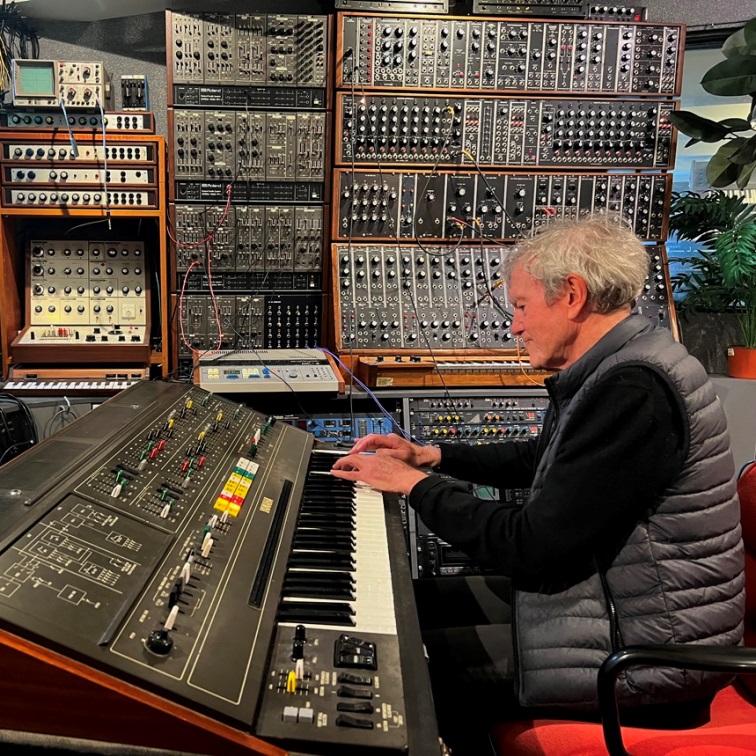
Opening proceedings on ‘All The Young Droids’ are Belgian duo DESIGN with ‘Premonition’ from 1983. Mixed by Dan Lacksman of TELEX using a Yamaha CS-15, Roland Juno-6, Roland TR-808 and no sequencers, there is an appealing Walloon detachment with Gallic girly refrains while the sound quality cannot be faulted.

From the Socialist Republic of South Yorkshire, VISION had Paul Statham from B-MOVIE temporarily join in 1982 at the invitation of vocalist Russell Bonnell in time to appear on ‘Lucifer’s Friend’; while its morose vocal delivery was very much de rigueur of the times, it is rich in bright keyboard melodics. A bouncy machine pop number from 1981, Selwin Image’s ‘The Unknown’ is not short of catchy hooks either but limited to self-release at the time on cassette, it was destined never to be widely heard.

A collaboration between Peta Lily and Michael Process, ‘I Am A Time Bomb’ is a delightfully odd feminist synth pop tune that does sound like one of Pamela Stephenson’s pop skits on ‘Not The Nine O’Clock News’, so it’s shame there is no wide eyed big haired visual accompaniment to this. Meanwhile, if Spizz did ‘Where’s Captain Kirk?’ as a synth track, then Kiwi Alasdair Riddell’s ‘Do You Read Me?’ is what it might have sounded like; its rousing Moog Sonic Six solo is rather magnificent.

Released in 1978, ‘The Ultimate Warlord’ was a favourite on the dancefloor of at The Blitz and it shines with a spiritual quality despite the spacey vocal detachment. This was the time when Daniel Miller launched THE NORMAL and produced by him, ‘Science Fiction’ by Alan Burnham is one of the better known recordings thanks to its recurring inclusion on a number of cult synth compilations; as no-one has ever tracked Mr Burnham, was he actually the Mute Records supremo all along?

Written and produced by Andreas Dorau while he was still at school and featuring various class mates on vocals, the original German language ‘Fred Vom Jupiter’ is a cult jewel of the era that got a UK release on Mute Records in 1982; it however loses in something in its English translation but remains delightful just the same.

With rousing crossover potential, John Howard’s ‘I Tune Into You’ was a 1980 major label release on CBS produced by Nicky Graham who later was the studio brains behind BROS. Meanwhile in another Goss twins connection, management interest came from Tom Watkins who also steered PET SHOP BOYS during their imperial phase but the partnership was not to be.

The eccentric Richard Bone was another cult figure of the era and written to test his then-new TEAC 4-track Portastudio, ‘Alien Girl’ from 1982 was one of several excellent singles made by the Anglophile New Yorker and bizarrely, a No1 in the Hong Kong dance music charts.

One person who was to have mainstream UK hit with ‘Hey Matthew’ in 1987 was Karel Fialka who had appeared on Virgin’s 1980 ‘Machines’ compilation with ‘The Eyes Have It’. From the year before, the self-released ‘Armband (The Mystery Song)’ remains a good example of garage synth based around a MicroMoog. Someone who had already tasted fame was THE GLITTER BAND bassist John Springate who in 1985 issued a slice of mad dystopian prog synth in ‘My Life’; comprising of three very different sections crammed into 4 and a half minutes, in places it sounds like DRAMATIS who were the original Numan band!

Playing to the robotic clichés of Futurism often associated with synth, THE MICROBES’ excellent ‘Computer’ is all staccato semi-spoken vocals to emulate John Foxx while THE GOO-Q’s messy ‘I’m A Computer’ utilises a vocoder that has been mixed far too loud! From 1982, ‘Famous Names’ by INCANDESCENT LUMINAIRE actually could have been autobiographical as DEPECHE MODE attended one of their gigs in their hometown of Stoke but while a good effort, it lacks the proficiency and clarity of the Basildon boys.

Using the Roland TB-303 Bass Line and TR-06 Drumatix combination, 1984’s ‘No Motion’ by DISCO VOLANTE is rhythmically tight but as with much of today’s electronic pop, it lacked a solid tune. However, it is a fascinating technical time piece before the 303 was used and abused in acid house. Dee Jay Bert and Eagle’s ‘I Am Your Master’ though is something of a novelty and what a Dutch Vincent Price impersonator doing a drone soundtrack for a Dracula movie would sound like.
And proving that those who work in the music press are just frustrated musicians, DREAM UNIT is revealed to be Graham ‘Mick’ Meikleham, now Production Editor at Uncut Magazine; while ‘Drop In The Ocean’ has some absorbing synth lines, he probably made the right career choice.

Other tracks such as Ian North’s ‘We’re Not Lonely’, the lo-fi synth instrumental ‘It’s Not What You Are But How’ by SOLE SISTER or the eponymous arty tone poem ‘Gerry & The Holograms’ are less immediate, but no less appealing if one prefers less melody. But the point of this collection is that the majority of these acts were writing and producing pop songs with wider ambitions, even if was to just become big fishes in their own esoteric ponds.

If you liked Cherry Red’s ‘Electrical Language – Independent British Synth Pop 78-84’ boxed set, Bob Stanley & Pete Wiggs’ ‘The Tears Of Technology’ or ASPRA’s ‘Play For Tomorrow Vol.1’ but wished there were fewer established acts, then ‘All The Young Droids: Junkshop Synth Pop 1978 -1985’ is for you. Painting a picture of beautiful failure, someone’s junk can easily be another’s treasure and there are plenty included here.


‘All The Young Droids: Junkshop Synth Pop 1978 -1985’ is released 11th July 2025 on as a transparent pink or black double vinyl LP and double CD by Night School / School Daze Records, available from https://night-school.bandcamp.com/album/all-the-young-droids-junkshop-synth-pop-1978-1985

https://nightschoolrecords.com


Text by Chi Ming Lai
7th July 2025

25 FAVOURITE INTERVIEWS ON ELECTRICITYCLUB.CO.UK

Established on 15th March 2010, ELECTRICITYCLUB.CO.UK celebrates 15 years online.

Aiming to feature the best in new and classic electronic pop music, during that time it has conducted over 550 interviews from fledgling independent acts and veteran cult artists to established international stars.

ELECTRICITYCLUB.CO.UK prides itself in asking interesting questions that are a bit different and seeded by knowledge of the subject. As a result, these interviews have been appreciated by those music enthusiasts who know their tape recorders from their drum machines.

As for the interviewees, the vast majority have been a joy to work with and luckily, boring or difficult interviews have been rare. However, the most disappointing situations arise when someone agrees to an interview and continues communications for several weeks but doesn’t come clean to say they are not actually interested in participating… it is the interviewing equivalent of being ghosted 😆

Photo by Rob Harris

While sending questions via email for an artist to answer in their own time is the modern way of conducting an interview and is convenient with artists who have day jobs, don’t speak English as a first language or are in a different time zone, it is not particularly interactive and lacks a conversational flow. A true interview is a two way live conversation conducted face-to-face, by phone or a conferencing platform where opinions, thoughts and recollections can be obtained through reactive questioning.

ELECTRICITYCLUB.CO.UK lists its 25 favourite interviews from over the years. Reading like a ‘Who’s Who?’ of electronic pop, all the interviews were conducted in-person or via a live call, except those with Alan Wilder, Karl Bartos and Rob Dean which were done by email.


PAUL HUMPHREYS (2010)

This Paul Humphreys interview put ELECTRICITYCLUB.CO.UK on the map. At his studio complex in London, he chatted about the past, present and future of OMD, hinting at the contents of the upcoming album ‘History Of Modern’. The interview proved popular and was later quoted by The Guardian in a feature about OMD. This was the first of five interviews, the most recent of which was for OMD’s 40th Anniversary in 2019.

https://www.electricityclub.co.uk/interview-paul-humphreys/


SARAH BLACKWOOD (2010)

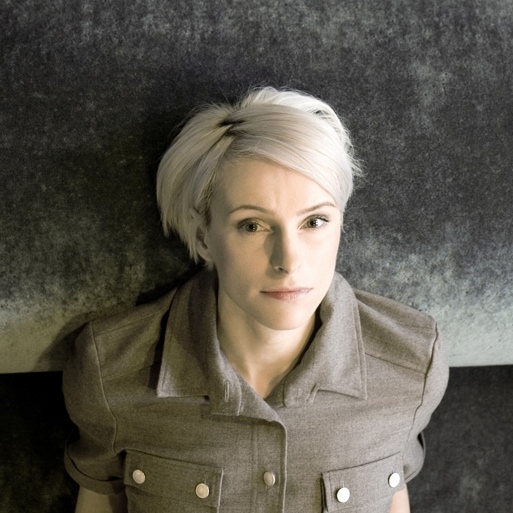
ELECTRICITYCLUB.CO.UK bumped into Sarah Blackwood after a HEAVEN 17 concert in Cologne and so began a long lasting friendship. Conducted at a café in St Pancras, this interview captured an interesting interregnum with our heroine between the end of CLIENT and the start of the DUBSTAR reunion. This was to be the first of two Sarah solo chats while she would be interviewed with Chris Wilkie twice as DUBSTAR.

https://www.electricityclub.co.uk/sarah-blackwood-interview/


CLAUDIA BRÜCKEN (2010)

Conducted in London to coincide with the reissue of her debut solo album ‘Love: And A Million Other Things’, Claudia Brücken talked about her time in PROPAGANDA, ACT and ONETWO while she also talked about plans for a compilation called ‘ComBined’ collecting highlights from throughout her career. Her most recent ELECTRICITYCLUB.CO.UK interview was together with Susanne Freytag as xPROPAGANDA.

https://www.electricityclub.co.uk/claudia-brucken-interview/


ANDY McCLUSKEY (2011)

The majority of interviews are cordial affairs but this one with Andy McCluskey following the release of OMD’s comeback album ‘History Of Modern’ was a bit ‘Frost/Nixon’. ELECTRICITYCLUB.CO.UK echoed some of the fan disappointments about the record and to his credit, he was unrepentant and batted away criticisms with aplomb. A less confrontational interview followed in 2013 for ‘English Electric’.

https://www.electricityclub.co.uk/andy-mccluskey-interview/


STEPHEN MORRIS (2011)

ELECTRICITYCLUB.CO.UK were surprised when a request to interview Stephen Morris was accepted, especially as NEW ORDER had seemingly disbanded. The conversion had The Human Drum Machine at his best with stories about JOY DIVISION as well. But why was this interview taking place, why was he doing a fashion shoot for ‘Arena Homme+’? It was all subtle profile rebuilding as NEW ORDER was relaunched months later!

https://www.electricityclub.co.uk/stephen-morris-interview/


BLANCMANGE (2011)

With many discussion points covered, a thoroughly entertaining hour was spent chatting to Neil Arthur in his studio during a break from rehearsals for the first BLANCMANGE live shows since 1986 in support of a new album ‘Blanc Burn’. The artist who has been interviewed the most times by ELECTRICITYCLUB.CO.UK, he has since been featured a further nine times including with his side projects FADER and NEAR FUTURE.

https://www.electricityclub.co.uk/blancmange-interview/


MIRRORS (2011)

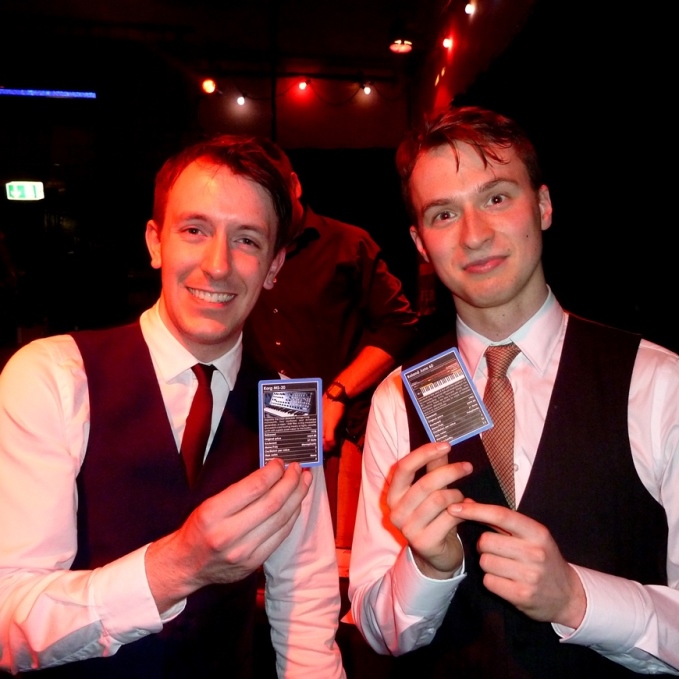
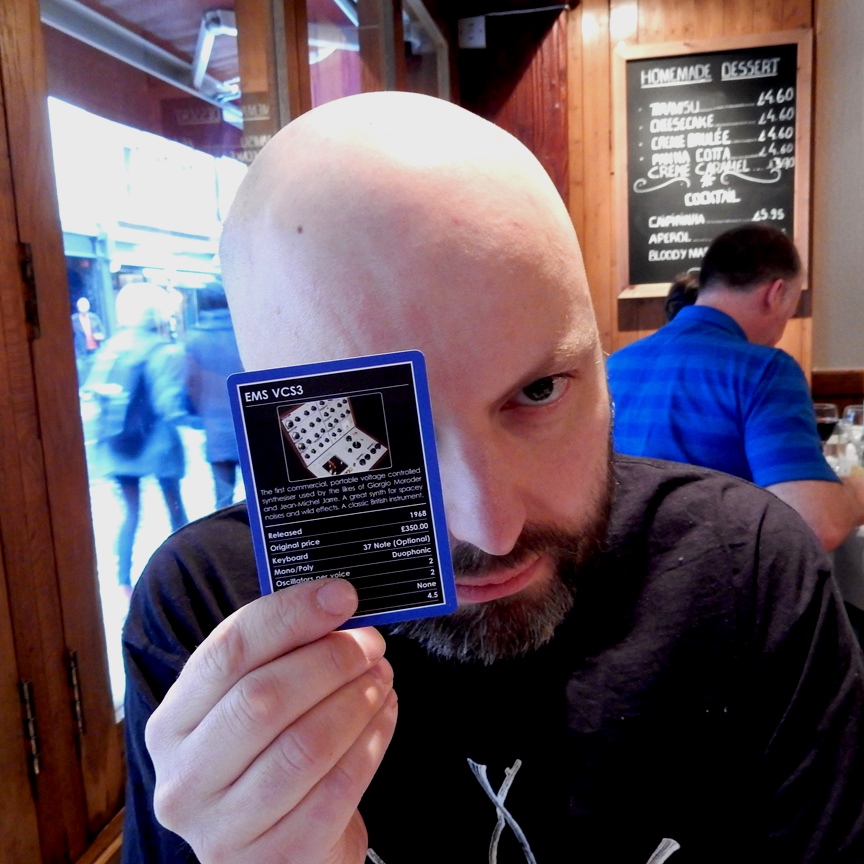
The intelligent aesthetics of MIRRORS made them ideal for ELECTRICITYCLUB.CO.UK’s first interview using the Vintage Synth Trumps format. Conducted in the dressing room of Cologne’s Gebaude9 prior to the first show of their headlining German tour, James New and Ally Young chatted about the synths used on their ’Lights & Offerings’ album. But tension was evident between the pair and it ultimately led to the sad end of the band.

https://www.electricityclub.co.uk/vintage-synth-trumps-with-mirrors/


ALAN WILDER (2011)

While often reluctant to talk about DEPECHE MODE, when Alan Wilder auctioned off a large collection of his studio equipment, vinyl and memorabilia, he was ready to talk about the band he left in 1995 again as well his own musical venture RECOIL. For the 25th Anniversary of the release of the ‘101’ live album and documentary film in 2014 , ELECTRICITYCLUB.CO.UK was the only platform he granted an interview to.

https://www.electricityclub.co.uk/the-alan-wilder-interview/


HOWARD JONES (2011)

One of the nicest guys in the music business, ELECTRICITYCLUB.CO.UK had the pleasure of chatting to Howard Jones about his then-upcoming tour performing his first two albums ‘Human’s Lib’ and ‘Dream Into Action’. Focussing on the period between 1983 to 85 when he became a household name and was many people’s entry point into the world of synthpop, the interview included lots of analogue and digital synth talk.

https://www.electricityclub.co.uk/howard-jones/


KARL BARTOS (2013)

A short conversation conducted remotely, Karl Bartos talked about his new album ‘Off The Record’ and recalled his collaborations with Andy McCluskey, Bernard Sumner and Johnny Marr. When he performed at Cologne’s Live Music Hall on the same night that KRAFTWERK received a Lifetime Achievement Grammyin January 2014, ELECTRICITYCLUB.CO.UK were granted an audience with the man himself.

https://www.electricityclub.co.uk/a-short-conversation-with-karl-bartos/


ALISON MOYET (2013)

The album ‘the minutes’ saw the return of Alison Moyet to electronica and this inevitably led to reminiscences about YAZOO in this delightful and sweary interview conducted face-to-face in Islington. She was frank and open about all aspects of her career, the misconception of her being a “jazz singer” and which two songs from the YAZOO portfolio she particularly hated! Can you guess without look at the transcript which ones they are?

https://www.electricityclub.co.uk/alison-moyet-interview-2/


VILE ELECTRODES (2013)

VILE ELECTRODES remain the act that ELECTRICITYCLUB.CO.UK has been proudest of featuring. Invited to support OMD on the German leg of their ‘English Electric’ tour following Andy McCluskey spotting the band while perusing ELECTRICITYCLUB.CO.UK, this informative interview was conducted in Anais Neon and Martin Swan’s synth-filled apartment and completed online to update it after the news was announced.

https://www.electricityclub.co.uk/vile-electrodes-re-emerge/


GARY NUMAN (2013)

ELECTRICITYCLUB.CO.UK were literally given a few days notice that it was to interview Gary Numan at his home in Los Angeles by phone. Coinciding with the release of the ‘Splinter (Songs From A Broken Mind)’ album which had taken 7 years to complete, he was in buoyant mood after an artistic rejuvenation. Refreshingly honest, he admitted his original plan to make all the songs on ‘Splinter’ one-dimensional was “a sh*t idea”!

https://www.electricityclub.co.uk/gary-numan-discusses-splinter/


RODNEY CROMWELL (2016)

One of the fun things about the Vintage Synth Trumps series of interviews is that there is a degree of jeopardy for both interviewer and artist. Taking time to gain acclaim and recognition, the first Rodney Cromwell album ‘Age Of Anxiety’ was perfect for mainman Adam Cresswell to talk about his love of synths and DIY recording as well as the influence of NEW ORDER and SECTION 25 on his music over a fish supper in London’s Soho.

https://www.electricityclub.co.uk/vintage-synth-trumps-with-rodney-cromwell/


RICHARD BARBIERI (2017)

It was known that Richard Barbieri is often not that keen on talking about JAPAN and ELECTRICITYCLUB.CO.UK assumed all the chat over the phone would be about his new album ‘Planets + Persona’. But unprompted, he chatted about his MicroMoog which was used on a number of JAPAN albums. But the crowning glory of the interview was how he did the metallic intro of ‘Ghosts’ using his Roland System 700 Lab Series.

https://www.electricityclub.co.uk/richard-barbieri-interview/


ZEUS B HELD (2017)

While not as well-known as Giorgio Moroder or Conny Plank, producer Zeus B Held contacted ELECTRICITYCLUB.CO.UK after it did a Beginner’s Guide feature on his career portfolio. A coffee meeting was arranged at Foyles bookshop in London and morphed into a full interview which saw the talkative German reflect back on working with GINA X PERFORMANCE, FASHION and DEAD OR ALIVE as well as John Foxx and Gary Numan.

https://www.electricityclub.co.uk/zeus-b-held-interview/


ROBERT GÖRL (2017)

When in Düsseldorf… despite the confrontational aspects of DAF, their drummer and sequencer programmer Robert Görl is something of a thoughtful and spiritual soul. This face-to-face interview was conducted before a performance of his ‘Glücksritter’ live only project and took in DAF, his wonderful solo debut long player ‘Night Full Of Tension’, working with Annie Lennox and the great standalone single ‘Mit Dir’.

https://www.electricityclub.co.uk/robert-gorl-interview/


SOFT CELL (2018)

Marc Almond and Dave Ball surprised all with a reunion for ‘One Night Only’ at London’s O2 Arena that has since become an ongoing world tour. But with it came a lavish boxed set, various books and new albums. In a London pub,  ELECTRICITYCLUB.CO.UK had an in-depth chat with Dave Ball focussed on the ups and downs of SOFT CELL. This was followed up with an entertaining game of Vintage Synth Trumps in 2023.

https://www.electricityclub.co.uk/soft-cell-interview/


MARTYN WARE (2019)

ELECTRICITYCLUB.CO.UK has enjoyed seven interviews with Martyn Ware encompassing HEAVEN 17 and BEF, but this chat was about his time as a co-founder member of THE HUMAN LEAGUE to coincide with a live celebration of their first two albums ‘Reproduction’ and ‘Travelogue’. This was a fascinating insight into how THE HUMAN LEAGUE’s “vocals and synthesizers only” sound became the future of pop music.

https://www.electricityclub.co.uk/martyn-ware-the-reproduction-travelogue-interview/


ROB DEAN (2021)

Although he left JAPAN in 1980, guitarist Rob Dean gave an eye witness account to ELECTRICITYCLUB.CO.UK into the making of their third album ‘Quiet Life’ to coincide with a remastered boxset. JAPAN were in a state of transition from the growly glam funk of their first records to the mannered artful combo people remember them for today, so with him now residing in Costa Rica, this email Q&A provided some insightful commentary.

https://www.electricityclub.co.uk/rob-dean-the-quiet-life-interview/


MARK REEDER (2021)

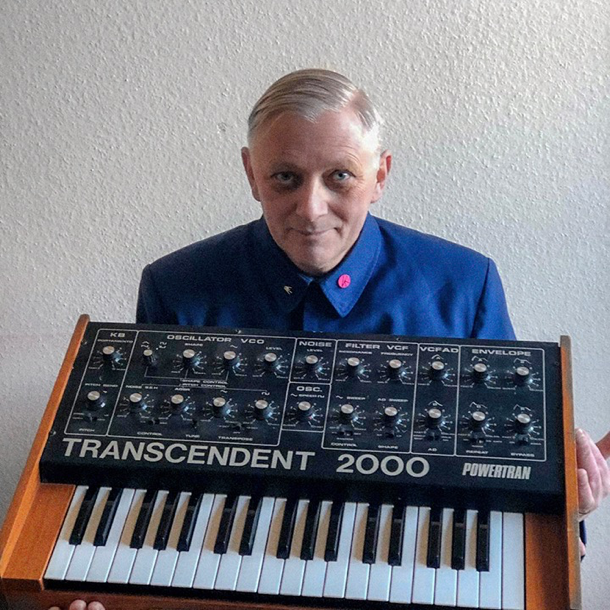
While most of ELECTRICITYCLUB.CO.UK’s interviews with Our Man In Berlin have been conducted remotely at his convenience, apart from an onstage interview at a 2016 event in Düsseldorf, this Vintage Synth Trumps chat was a rare live outing on Skype. Among the topics were his remixes for NEW ORDER and YELLO while there was also mention of the Transcendent 2000 which Bernard Sumner had built from a kit and given to him.

https://www.electricityclub.co.uk/vintage-synth-trumps-with-mark-reeder/


BILLY CURRIE (2022)

With his noted dry humour, Billy Currie was on top form for probably the best interview in the Vintage Synth Trumps series so far. With insight into the workings of ULTRAVOX and VISAGE as well solo work and his brief time in the Gary Numan live band. Of the latter, Currie went into detail about the ARP Odyssey solo on ‘On Broadway’ while also shedding light on how ‘Touch & Go’ co-written with former band mate John Foxx became ‘Mr X’.

https://www.electricityclub.co.uk/vintage-synth-trumps-with-billy-currie/


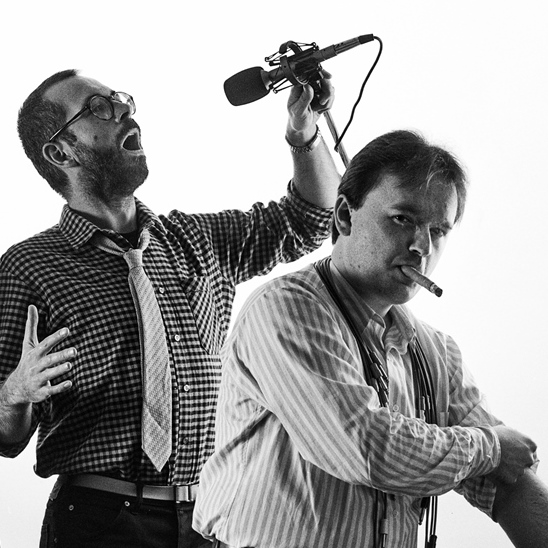
TELEX (2023)

Some say that the Belgians don’t have a sense of humour, but that was proved wrong when surviving TELEX members Michel Moers and Dan Lacksman gave a laugh a minute interview to ELECTRICITYCLUB.CO.UK in support of their self-titled boxed set released by Mute Records. The most hilarious moment was when the pair recalled their dismay when Portugal awarded them 10 points at the Eurovision Song Contest in 1980.

https://www.electricityclub.co.uk/telex-interview/


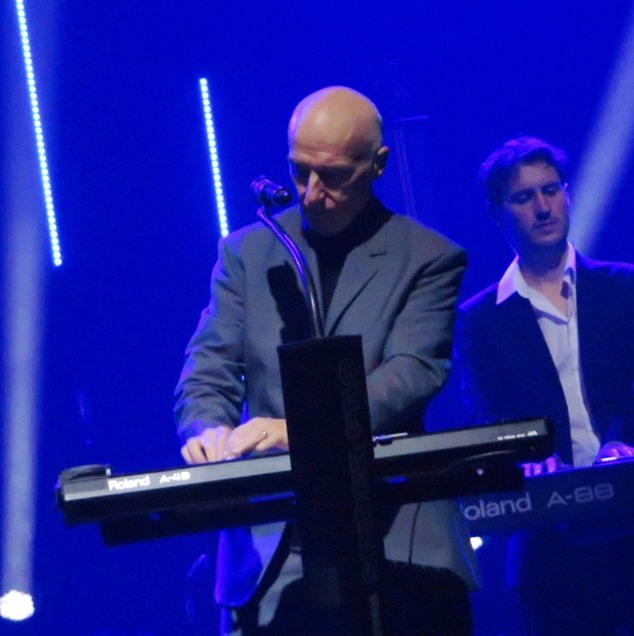
MIDGE URE (2023)

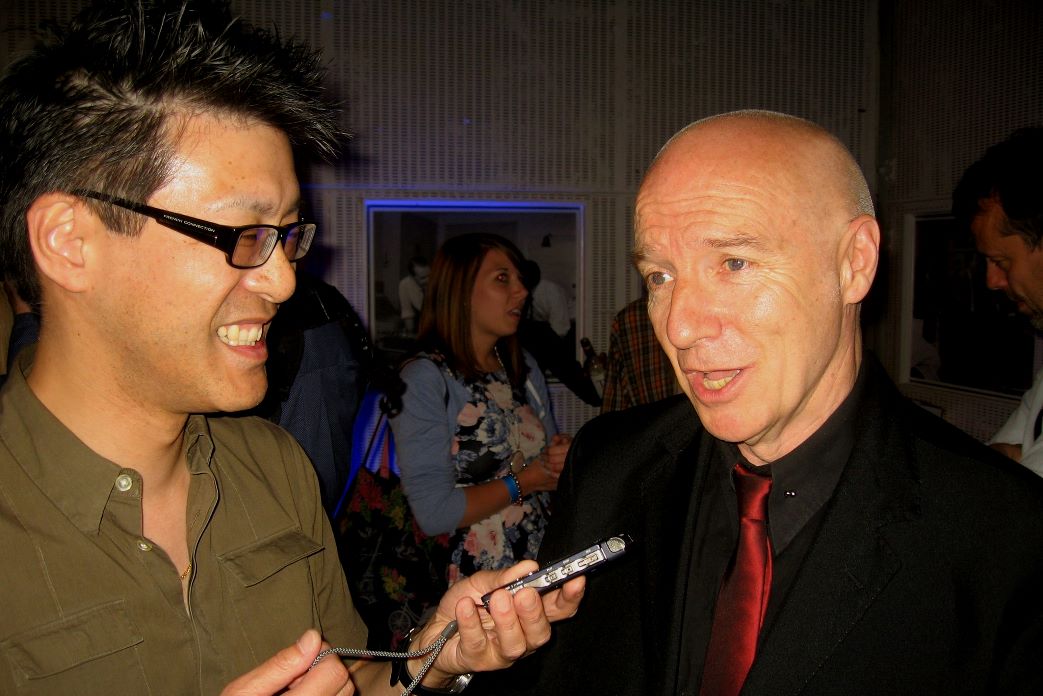
ELECTRICITYCLUB.CO.UK has had the honour of interviewing Midge Ure on a number of occasions, the first time at the world famous Abbey Road Studios. But the most recent occasion was the best where he discussed a life in music ahead of his 70th birthday and a special show at the Royal Albert Hall. This was an extensive chat which included music technology such as the PPG Wave and the Roland GR700 guitar synthesizer.

https://www.electricityclub.co.uk/midge-ure-a-life-in-music/


JOHN FOXX (2024)

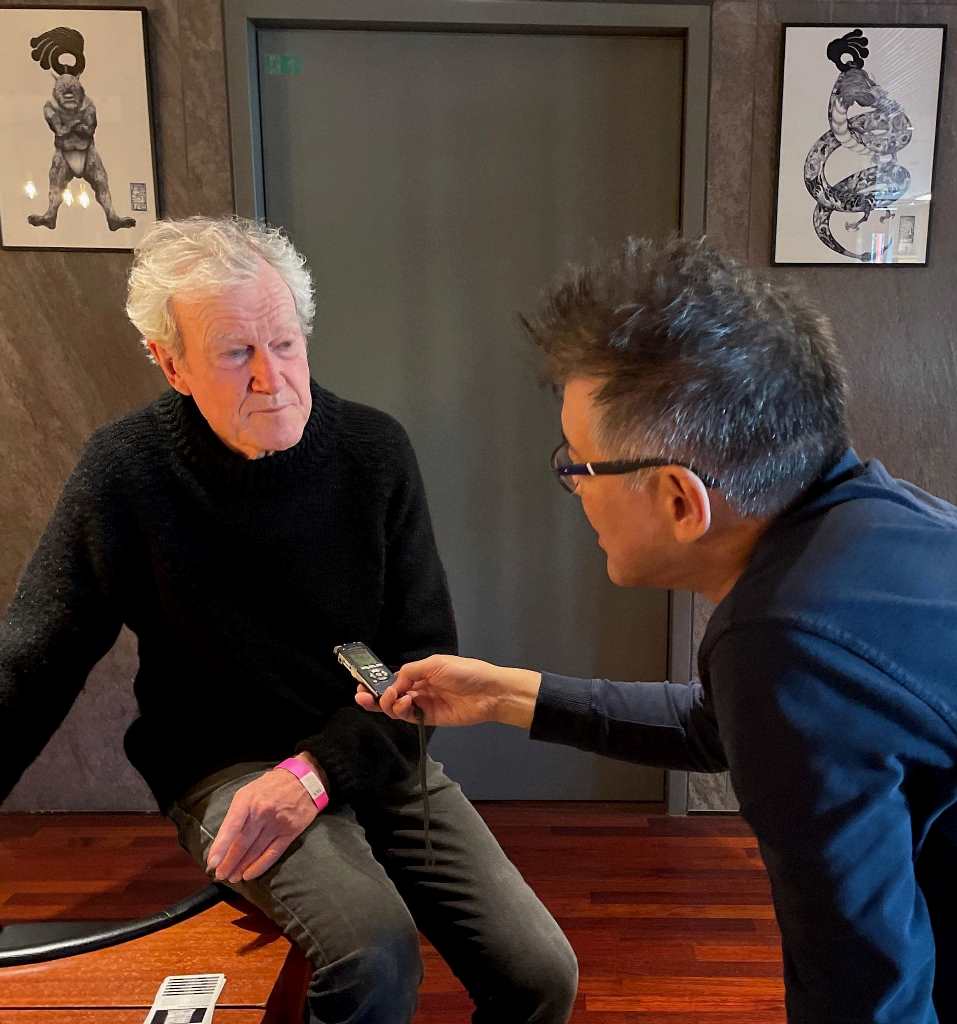
With ‘Metamatic’ about to celebrate its 45th Anniversary, it was a perfect time for ELECTRICITYCLUB.CO.UK to chat to John Foxx about his close encounters with synthesizers over a game of Vintage Synth Trumps in Düsseldorf, the spiritual home of modern electronic pop. As well as talking about his seminal debut solo album, he recalled how ULTRAVOX came to utilise synths and drum machines in their music.

https://www.electricityclub.co.uk/vintage-synth-trumps-with-john-foxx/


ELECTRICITYCLUB.CO.UK’s interviews can be viewed at https://www.electricityclub.co.uk/interviews/

Interviews from the Vintage Synth Trumps series are collected at https://www.electricityclub.co.uk/v-s-t/


Text by Chi Ming Lai
15th March 2025

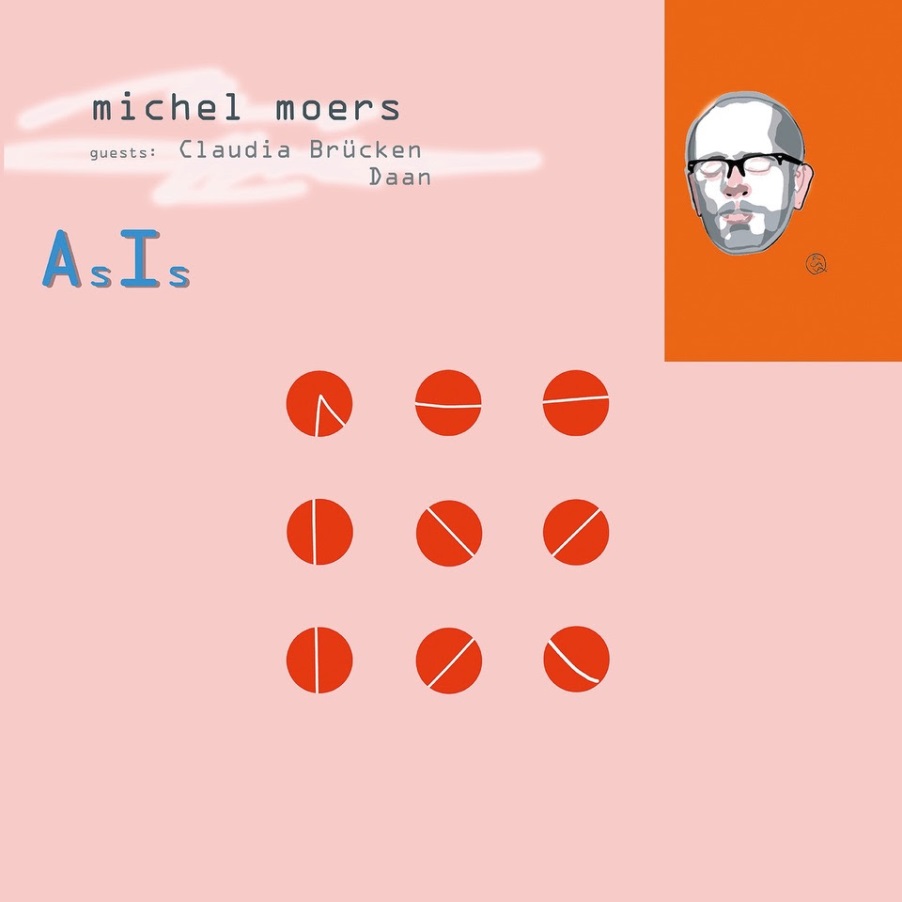
MICHEL MOERS As Is

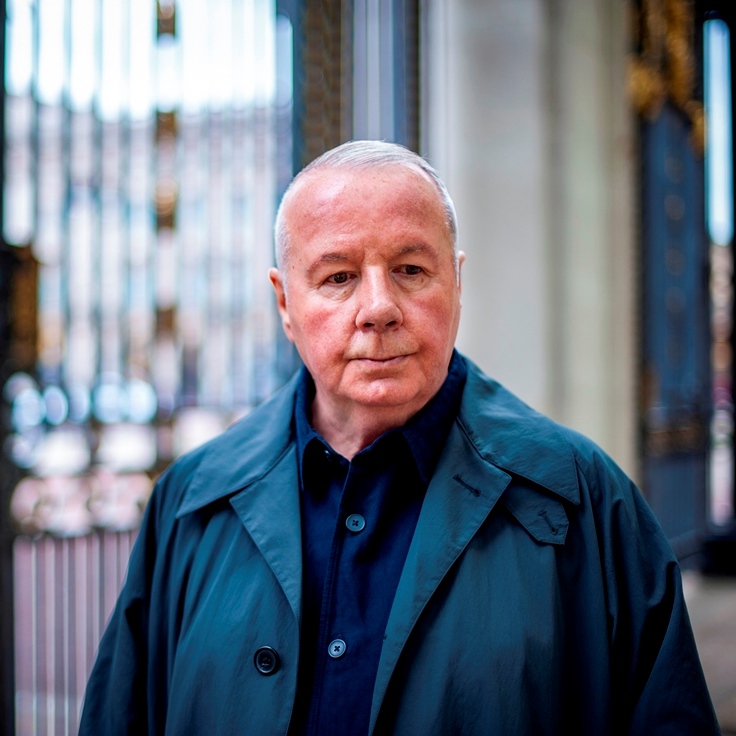
Best known as the front man of Belgian electronic trailblazers TELEX, Michel Moers releases what is only his second solo studio album ‘As Is’.

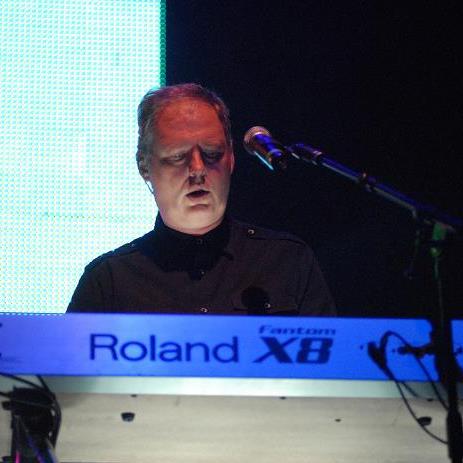
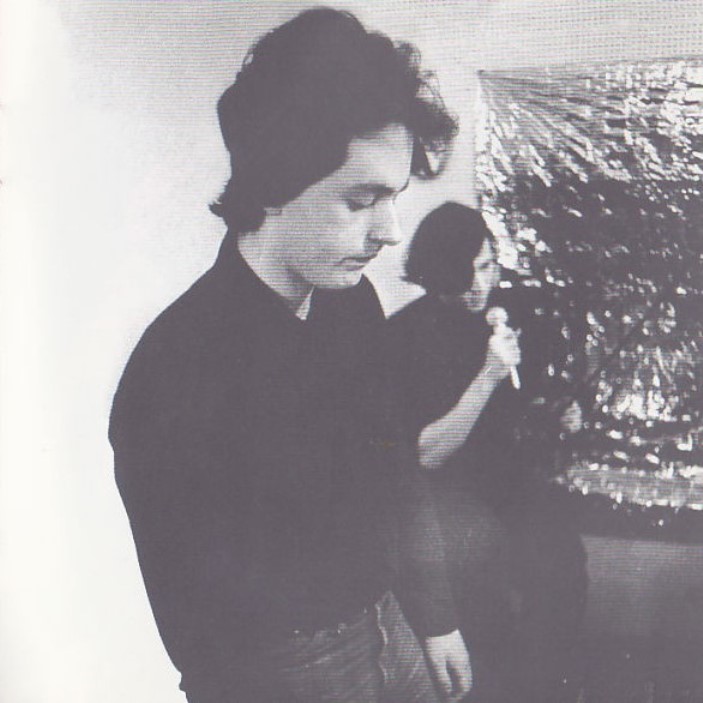
Together with Dan Lacksman and Marc Moulin, TELEX were the ultimate passively subversive pop group, whether it was by performing a funereal robotic cover of ‘Rock Around The Clock’ on Top Of The Pops while Moers was reading a newspaper or entering the 1980 Eurovision Song Contest to send up the whole charade with the sole intention of coming last!

When TELEX went into hiatus after their 1988 album ‘Looney Tunes’, the dryly humorous Moers released his solo debut ‘Fishing Le Kiss’ in 1991. Although the trio reunited, with the sad passing 2008, TELEX were formally retired.

After 33 years, Michel Moers has admittedly that working on music alone has been a challenge in the absence of his late bandmate and while continuing jobs in photography and architecture, he made music on Sundays like a painter. Recorded primarily using Logic, the songs have been developed over several years and although Moers continues with his distinctive cynical surrealism, one change in approach has been a more direct lyrical expression.

Like with TELEX, ‘As Is’ is multi-lingual while the mood is reflective. Representative of this is ‘Les Gens Sont Affligeants’, a rework of a song that actually appeared on Moers’ debut. Translated as “People Are Disappointing” because let’s face it, they are, with deep chanson resonances offset by arpeggios, it is sad that individualistic entitlement is still very relevant today.

The single ‘Microwaves’ features Claudia Brücken on lead vocals for a more straightforward slice electronic pop with solid bass and icy synth lines that come over like PROPAGANDA meeting TELEX. With dead pan and treated vocals in unison, ‘Potentially (Love-Hate)’ is like a spacey commuter train ride that makes an ideal backdrop for the frustrations expressed; the psychedelic overtones provide an interesting twist while the closing synth work is fantastic.

Declaring “we are only human, curious by nature”, ‘New Friend’ is solemn yet strangely heartfelt while ‘Beau-Triste’ offers sci-fi Charles Aznavour. Upping the pace with splashes of subtle percussive noise, ‘Keske Tu Veux?’ sees sparkly pulsating electronics come into play to contrast the low vocal nonchalance and what’s this? Kerranging rock guitar? In an almost resigned state wondering where the child in himself has gone, ‘Back To Then’ featuring the additional voice of fellow Belgian DAAN continues with the guitars although in a more understated manner alongside the electronics.

The absorbing ‘Pixels’ brings in an appealing synthetic cacophony over a steady metronomic beat but the throbbing ‘R.E.M.I.X’ is a fabulous slice of arty machine dance music where Moers laments aspects of his past, wishing he could “remix my life” just as Karl Bartos did on ‘Without A Trace Of Emotion’ in 2013. To close and translated as “You fall asleep”, ‘Tu T’endors’ is bare to the bone, an airy atmospheric lullaby embroiled in a drifting melancholy before a closing chime of guitar.

While delightfully astute and thoughtful, attentive effort is required from the listener but this makes ‘As If’ all the more satisfying in these days of disengaged music consumption. With this album, you can become invested and involved. Describing where the album belongs in the modern world, Moers himself says “it would be on the living room table”.


‘As Is’ is released by Freaksville Records on 19 April 2024 as a transparent vinyl LP and digital download via https://michelmoers.bandcamp.com/album/as-is

https://twitter.com/michelmoers

https://www.instagram.com/michelmoers/


Text by Chi Ming Lai
18th April 2024

THE ELECTRONIC LEGACY OF 1979

While 1979 saw a post-punk revolution with new wave and ska emerge as energetic expressions of youth with the likes of JOY DIVISION, XTC, THE SPECIALS and MADNESS, maturer acts with power pop sensibilities such as BLONDIE and THE POLICE dominated the UK charts.

But the synthesizer had become a new tool of creativity for those who weren’t interested in learning chords on a guitar and preferred to use one finger, thanks to its new found affordability with refined technology from Japan. While electronics had been present in disco, progressive rock and esoteric avant garde forms, following seminal records in 1978 such as ‘Warm Leatherette’ b/w ‘TVOD’ by THE NORMAL and ‘Being Boiled’ by THE HUMAN LEAGUE, a new DIY artpop form was developing that would eventually take on KRAFTWERK at their own game.

Among those fledgling electronic acts who released their debut singles in 1979 on independent labels were OMD with ‘Electricity’ on Factory Records and FAD GADGET with ‘Back To Nature’ on Mute Records. Meanwhile on another independent Rough Trade, CABARET VOLTAIRE achieved a wider breakthrough with ‘Nag Nag Nag’, the standalone single accompanying their first album ‘Mix-Up’.

Having experimented with synths on ‘Low’ released in 1977, David Bowie had gone to see THE HUMAN LEAGUE at The Nashville in late 1978 and hailed them as “the future of rock ‘n’ roll”. Alas it was TUBEWAY ARMY fronted by Gary Numan who beat THE HUMAN LEAGUE to the top of the UK singles charts in Summer 1979 with Are Friends Electric?’. However, just a few weeks earlier, SPARKS had taken the Giorgio Moroder produced ‘No1 Song In Heaven’ into the UK Top20. But however history is perceived, a revolution had begun that would lead to the dawn of “synthpop” in 1980.

Here are 20 albums which ELECTRICITYCLUB.CO.UK sees as contributing to the electronic legacy of 1979. They are listed in alphabetical order with a restriction of one album per artist moniker, meaning Gary Numan and Edgar Froese appear twice…


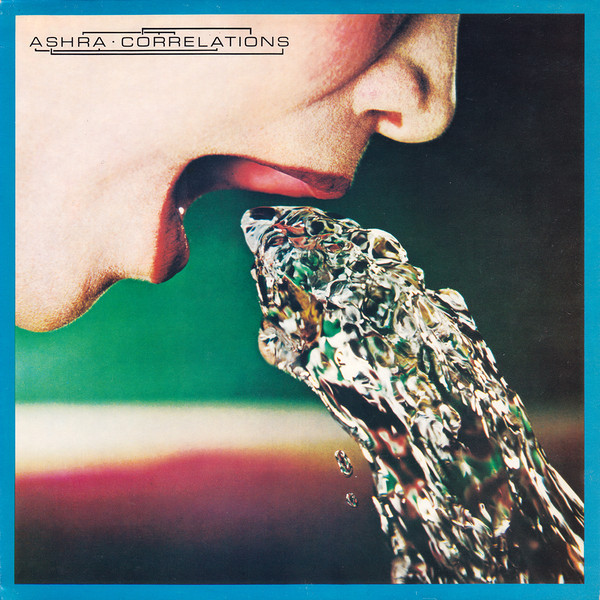
ASHRA Correlations

As ASHRA, Manuel Göttsching released what many consider to be his first ambient masterpiece ‘New Age Of Earth’. On 1978’s ‘Blackouts’, he expanded the line-up to include drumming synthesist Harald Grosskopf and guitarist Lutz Ulbrich which continued on ‘Correlations’. Despite being more rock-oriented, it featured sequenced electronics with ‘Club Cannibal’ almost entering Jean-Michel Jarre territory.

‘Correlations’ is still available via Spalax Music

https://www.electricityclub.co.uk/manuel-gottsching-1952-2022/


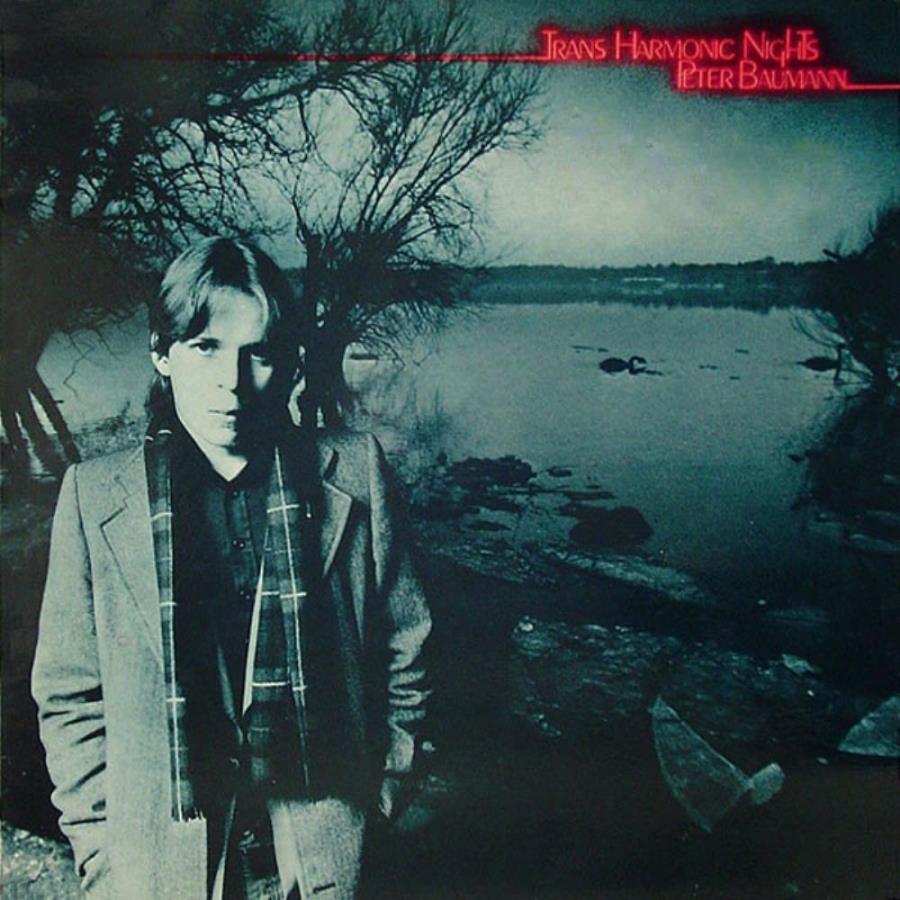
PETER BAUMANN Trans Harmonic Nights

Although he had released ‘Romance ‘76’ while still a member of TANGERINE DREAM, Peter Baumann’s first solo album after departing the band was something of an interim record before venturing into electronic pop with ‘Repeat Repeat’. Mostly shorter instrumental compositions using mysterious melodies and occasional vocoder textures, ‘Trans Harmonic Nights’ remains something of an underrated electronic gem.

‘Trans Harmonic Nights’ is still available via Cherry Red Records

https://www.cherryred.co.uk/product/trans-harmonic-nights-remastered-edition/


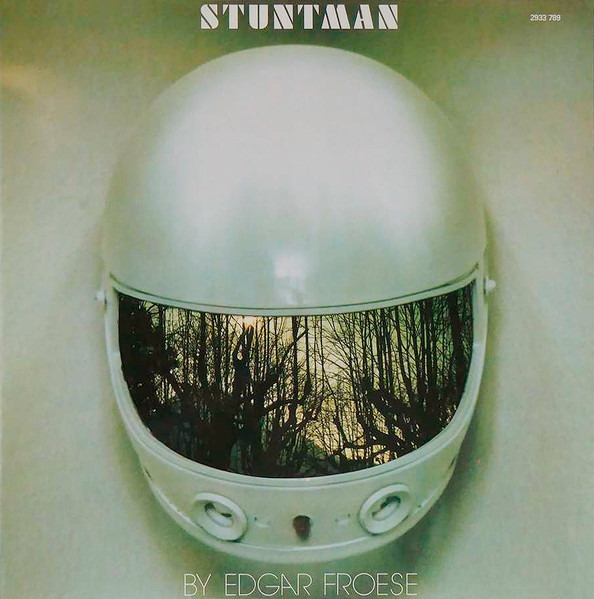
EDGAR FROESE Stuntman

With TANGERINE DREAM taking a misstep with ‘Cyclone’ and perhaps prompted by the success of Jean-Michel Jarre’s electronic symphonies, on his fifth solo album ‘Stuntman’, Edgar Froese was at his most accessible with strong synth melodies, particularly on the title track. Elsewhere, new ages resonances were starting to develop while on ‘Drunk Mozart In The Desert’, there were atmospherics coupled with a rhythmic bounce.

‘Stuntman’ is still available via Virgin Records

https://www.edgarfroese.de/


GINA X PERFORMANCE Nice Mover

Produced and co-written by Zeus B Held, the debut album by androgynous art history student Gina Kikoine featured an array of ARP and Moog synths to signal the birth of a new European Underground. Cult club favourite ‘No GDM’ was written in honour of the “great dark man” Quentin Crisp while other highlights included the detached vocoder assisted robotic soul of the title song and the feisty gender statement ‘Be A Boy’.

Available on the album ‘Nice Mover + Voyeur’ via Les Disques du Crepuscule

http://www.ltmrecordings.com/gina_x.html


GIORGIO E=MC²

With Giorgio Moroder acquiring Roland’s new System 700 and an MC8 Micro-composer to control it, ‘E=MC2’ was touted as the first “electronic live-to-digital” album. This allowed for an uptempo funkiness previously unheard on sequencer based music to come into play. With the electronically treated vocals and euphoric energy of the marvellous ‘What A Night’, the sound of DAFT PUNK was inadvertently being invented!

‘E=MC²’ is still available via Repertoire Records

https://www.giorgiomoroder.com/


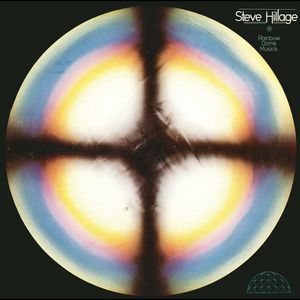
STEVE HILLAGE Rainbow Dome Musick

As a member of GONG and solo artist, Steve Hillage had a love of German experimental music and ventured into ambient with long standing partner Miquette Giraudy. Recorded for the Rainbow Dome at the ‘Festival For Mind-Body-Spirit’ at London’s Olympia, these two lengthy Moog and ARP assisted tracks each had a beautifully spacey vibe to induce total relaxation with a colourful sound spectrum.

‘Rainbow Dome Musick’ is still available via Virgin Records

http://www.stevehillage.com/


THE HUMAN LEAGUE Reproduction

With a manifesto of “synthesizers and vocals only”, the debut album by THE HUMAN LEAGUE included ‘Empire State Human’, ‘Circus Of Death’, ‘Almost Medieval’, ‘Blind Youth’ and a stark cover of ‘You’ve Lost That Loving Feeling’. Produced by Colin Thurston, while ‘Reproduction’ was not a commercial success, Philip Oakey, Ian Craig Marsh and Martyn Ware gained valuable experience that would progress their careers.

‘Reproduction’ is still available via Virgin Records

https://www.electricityclub.co.uk/martyn-ware-the-reproduction-travelogue-interview/


JAPAN Quiet Life

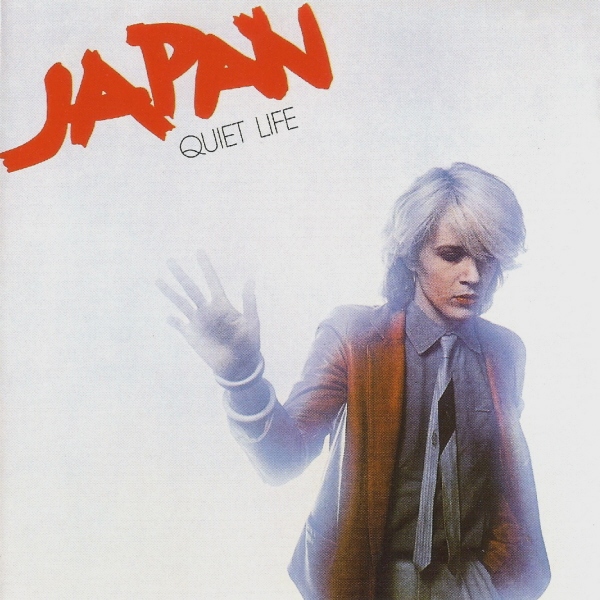
Although considered a 1980 album, the third JAPAN long player was actually released late 1979 in Japan, Canada, Holland and Germany. Featuring the sequencer-driven title song as well as the rockier ‘Halloween’ and a cover of THE VELVET UNDERGROUND’s ‘All Tomorrow’s Parties’, despite Roxy rip-off accusations, it was a major artistic step forward as a quality timeless work embracing synths, muzak and orchestrations.

‘Quiet Life’ is still available via BMG

https://www.electricityclub.co.uk/rob-dean-the-quiet-life-interview/


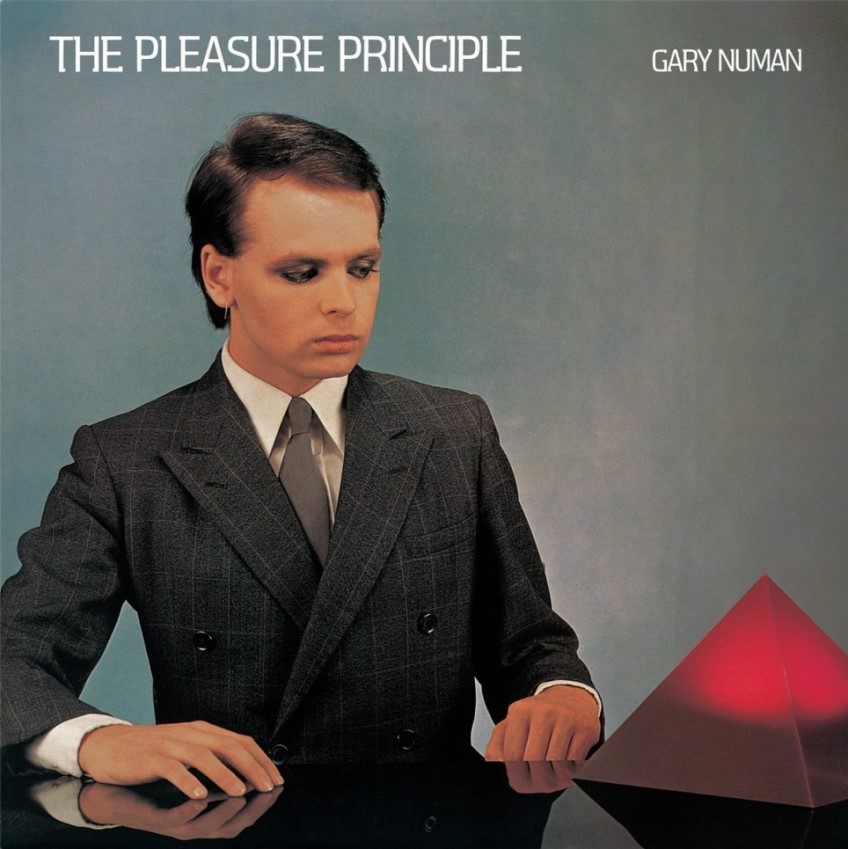
GARY NUMAN The Pleasure Principle

Devoid of guitar but using a flesh-and-blood rhythm section, Gary Numan realised his dream of producing a new form, machine rock. Synths were fed through guitar effects pedals to add a more sinister metallic tone and while there was sombre isolation communicated on all the songs, there was a catchy melodic sensibility to songs such as ‘Cars’, ‘Metal’, ‘Films’, ‘Engineers’ and ‘M.E.’ which turned Numan into the first synthesizer pop star.

‘The Pleasure Principle’ is still available via Beggars Banquet

https://garynuman.com/


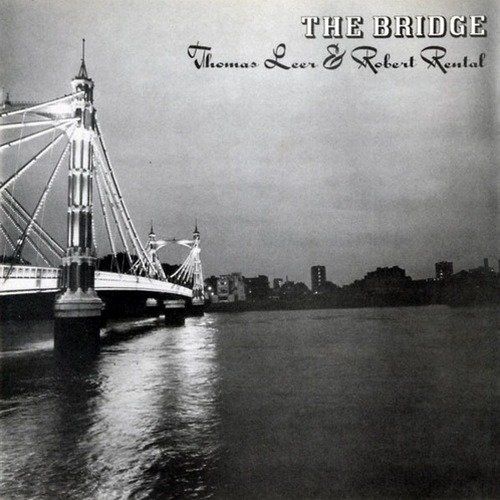
ROBERT RENTAL & THOMAS LEER The Bridge

Originally released on THROBBING GRISTLE’s Industrial Records, ‘The Bridge’ album saw Scottish duo Thomas Leer and Robert Rental trading vocal and instrumental duties using early affordable synths such as the EDP Wasp. Comprising of a side of five songs and a side with four ambient instrumentals, ‘Day Breaks, Night Heals’ and ‘Monochrome Days’ both showcased an avant pop sensibility. Robert Rental sadly passed away in 2000.

‘The Bridge’ is still available via Mute Artists

https://www.electricityclub.co.uk/story-of-thomas-leer-robert-rental/


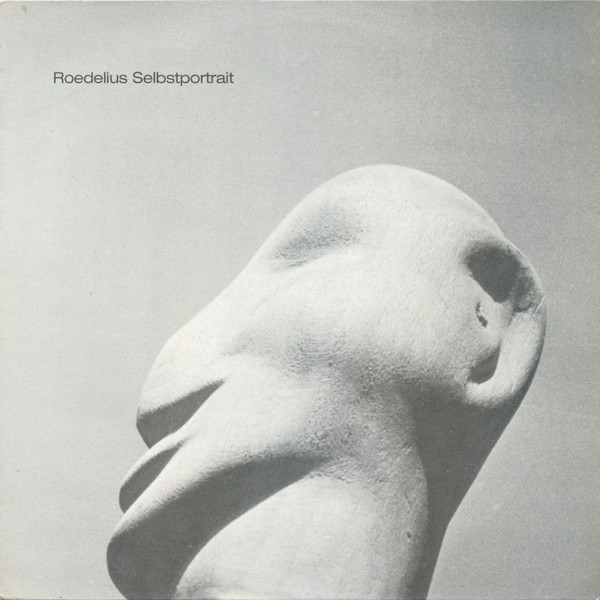
ROEDELIUS Selbstportrait

Best known as a member of CLUSTER with the late Dieter Moebius and working with Brian Eno on two albums, ‘Selbstportrait’ was Hans-Joachim Roedelius’ third solo long player. This was a “self-portrait” reflecting the gentle introspective ambience of the record. Something of a sister record to the 1977’s marvellous ‘Sowiesoso’, it was more accessible than CLUSTER’s own structurally minimal ‘Grosses Wasser’ also issued in 1979.

‘Selbstportrait’ is still available via Bureau B

https://www.roedelius.com/


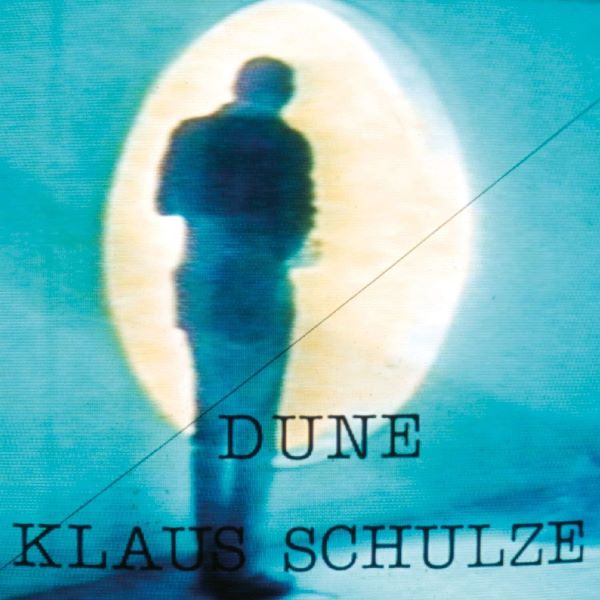
KLAUS SCHULZE Dune

After the ambitious double opus ‘X’ which also incorporated strings in a record comprising of “Six Musical Biographies” in honour of figures including philosopher Friedrich Nietzsche and ‘Dune’ author Frank Herbert, Klaus Schulze conceived an actual album called ‘Dune’. Something of a diversion, ‘Shadows of Ignorance’ featured the eccentric poetry of Arthur Brown while the experimental ambient title track made use of cello.

‘Dune’ is still available via Bureau B

https://klaus-schulze.com/


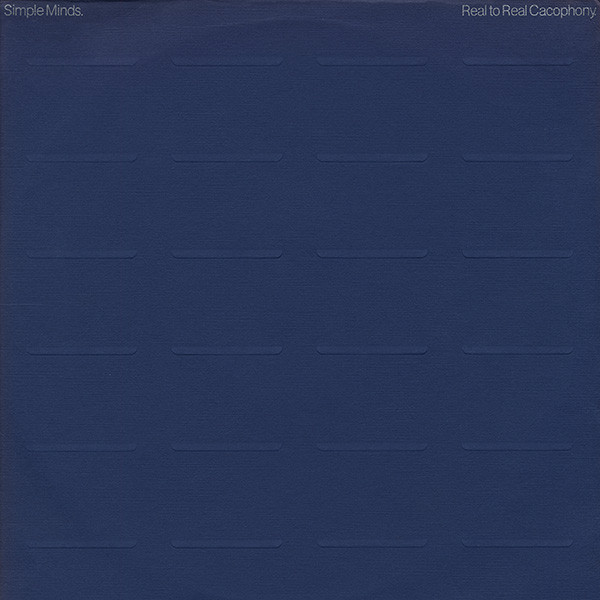
SIMPLE MINDS Real To Real Cacophony

Stronger than their debut LP ‘Life In A Day’, SIMPLE MINDS started experimenting with more electronics and a very European austere on its swift follow-up ‘Real To Real Cacophony’ with the title song presenting their take on KRAFTWERK’s ‘Radio-Activity’. Underground and pulsating through on ‘Changeling’, that breakthrough single and ‘Premonition’ really were a sign of things to come in their dark avant disco templates.

‘Real To Real Cacophony’ is still available via Virgin Records

https://www.simpleminds.com/


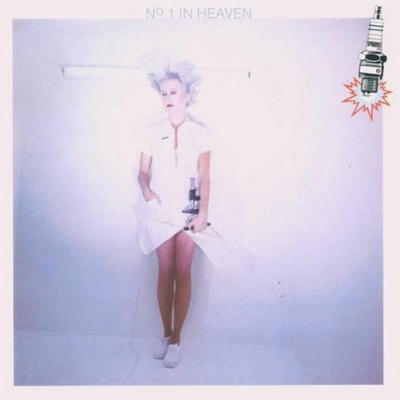
SPARKS No1 In Heaven

Following the inspirational success of ‘I Feel Love’, SPARKS were put in contact with its producer Giorgio Moroder who had aspirations to work with a band. The resultant album saw Russell Mael’s flamboyant falsetto fitting well with the pulsing electronic disco template. ‘The No1 Song In Heaven’ hit the UK Top 20 a few months before ‘Are Friends Electric?’ while the follow-up ‘Beat The Clock’ got into the Top 10.

‘No1 In Heaven’ is still available via Lil Beethoven Records

http://www.allsparks.com/


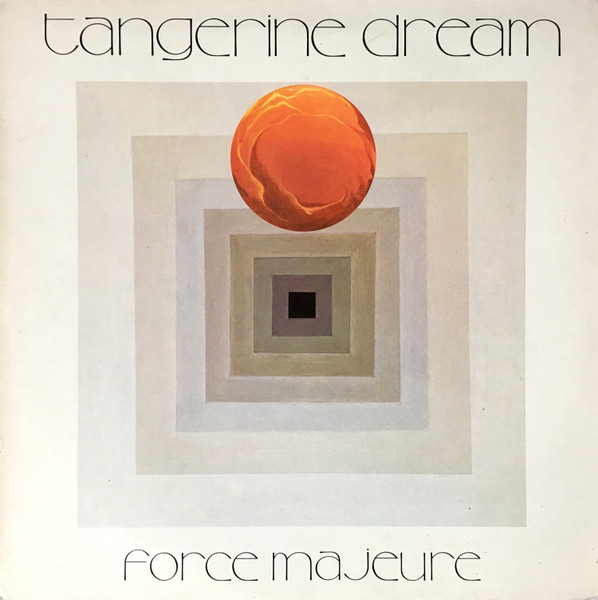
TANGERINE DREAM Force Majeure

Still feeling the void left by the departure of Pete Baumann, following the vocal experiment of ‘Cyclone’, Edgar Froese and Christopher Franke opted to retain drummer in Klaus Krüger. While there was also increased guitar and piano usage, the title song and ‘Thru Metamorphic Rocks’ utilised pulsing sequencer passages to signal the future Hollywood direction that TANGERINE DREAM would head in.

‘Force Majeure’ is still available via Virgin Records

https://www.tangerinedreammusic.com/


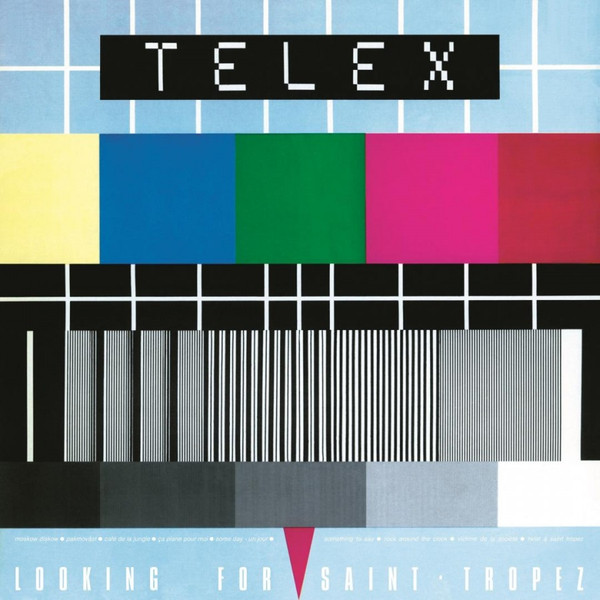
TELEX Looking For Saint Tropez

The ethos of Belgian trio TELEX was “making something really European, different from rock, without guitar”. ‘Looking For Saint Tropez’ contained ‘Moscow Diskow’ which took the Trans-Siberian Express to Moscow by adding a funkier groove. Also included were funereal robotic covers of ‘Rock Around The Clock’ which was a UK Top40 hit and Plastic Bertrand’s ‘Ça Plane Pour Moi’ as well as their deadpan debut single ‘Twist A Saint Tropez’.

‘Looking For Saint Tropez’ is still available via Mute Artists

https://www.facebook.com/ThisIsTelex


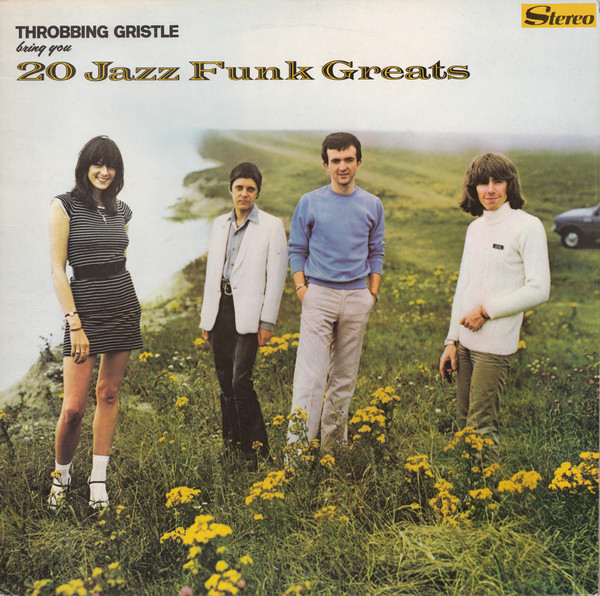
THROBBING GRISTLE 20 Jazz Funk Greats

The title and the group photo on Beachy Head were tongue-in-cheek statements but THROBBING GRISTLE were still deathly uncompromising as shown by ‘Persuasion’. However, there were glints of light with the glorious cascading instrumental ‘Walkabout’ and mutant disco lento of ‘Hot On The Heels Of Love’ as Cosey Fanni Tutti’s whispered vocals competed with synthetic whip-crack and drill noises!

‘20 Jazz Funk Greats’ is still available via Mute Artists

https://www.throbbing-gristle.com/


TUBEWAY ARMY Replicas

Whereas the TUBEWAY ARMY debut featured punk tunes with added synth, ‘Replicas’ would see the Philip K Dick inspired dystopian vision of Gary Numan paired with appropriate electronic sounds as the main melodic component on the now classic UK No1 ‘Are Friends Electric?’. But the earlier singles ‘Down In The Park’ and the lengthy instrumental ‘I Nearly Married A Human’ pointed to a future guitar-free follow-up.

‘Replicas’ is still available via Beggars Banquet

https://www.electricityclub.co.uk/beginners-guide-gary-numan/


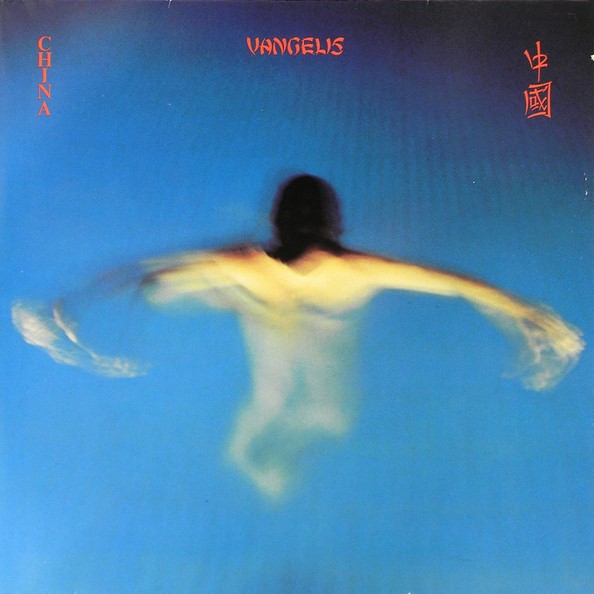
VANGELIS China

Although VANGELIS had never been to China at the time the album was recorded, he had developed a passionate fascination for its people, culture and vast landscape, noting a connection between ethnic Greek and Chinese music. Using traditional elements alongside his synthesizers, the centrepieces were the majestic ‘Chung Kuo’ and the meditative pentatonic piece ‘The Tao Of Love’. ‘China’ remains an underrated record in his canon.

‘China’ is still available via Universal Music

https://elsew.com/


YELLOW MAGIC ORCHESTRA Solid State Survivor

The second and best YELLOW MAGIC ORCHESTRA album featured an embarrassment of riches.  It included the glorious Technopop of ‘Rydeen’, the mighty citypop of ‘Technopolis’, the moodier ‘Castalia’ and the Cossack romp of ‘Absolute Ego Dance’.  But it was the iconic ‘Behind The Mask’ originally composed for Seiko which was later covered by Greg Phillinganes, Eric Clapton and Michael Jackson.

‘Solid State Survivor’ is still available via Sony Music Direct

http://www.ymo.org/


Text by Chi Ming Lai
1st January 2024

« Older posts