Tag: Trevor Horn (Page 2 of 4)

25 FAVOURITE MUSIC BOOKS

Factory Records impresario and Granada TV presenter Tony Wilson once said: “When forced to pick between truth and legend, print the legend.”

Books about the trials and tribulations of the music industry come in all shapes, sizes and angles. The approach can be tricky… should they be personal accounts, encyclopaedic histories, stories based on real life but with some spin, or just snapshots of an era?

In recent years, autobiographies and memoirs have become very popular as money for old rope in the absence of physical music sales. These can range from being informative and hilarious to extremely bitter, with others coming over very dull in an attempt not to upset anybody. Meanwhile others feature so many falsehoods that they may as well be placed in the ‘Fiction’ section.

One less appealing format that has been gaining increasing prevalence is the fan memory compendium; this could be seen as a lazy and cheaper way of producing a publication as followers compete to be seen as the biggest fan. Meanwhile others, notably members of lower league bands, try to make out they were massive fans in the first place with recollections that are actually veiled attempts to promote their own music.

When writing a music book, it helps to actually read and research a few beforehand. In addition, when deciding whether a point is worthy of inclusion, the viewpoint of the reader must always be taken into consideration as they hypothetically ponder “so what?”. 

The 21st Century ubiquity of social media has proved that not everyone can string a coherent sentence together.  But where that may seem a barrier, a ghost writer can be the subject’s best friend and a number of the books listed here have taken that route.

Not a best of list, here are 25 music books that have become the personal favourites of ELECTRICITYCLUB.CO.UK listed in yearly and then alphabetical order by title.


DEPECHE MODE: BLACK CELEBRATION Steve Malins (1999)
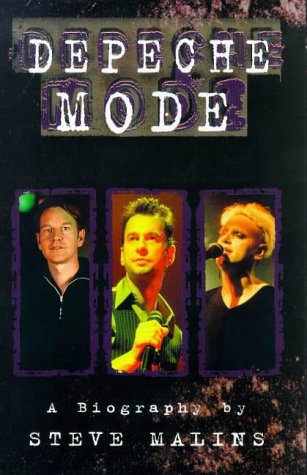
Steve Malins’ biography features interviews with Alan Wilder, Daniel Miller and Flood. Offering assessment on the unusual band dynamic, one story that highlights things were going south is the debauched cricket match between DEPECHE MODE and OMD during the 1988 US tour. The continually underappreciated Wilder declares how he proudly bowled out Andy McCluskey whom he intensely disliked. Meanwhile Dave Gahan hovered up a line of coke before going into bat and was inevitably out for a golden duck!

‘Black Celebration’ was originally published by Andre Deutsch Ltd with 2001, 2005 + 2013 updated editions

https://www.depechemode.com/


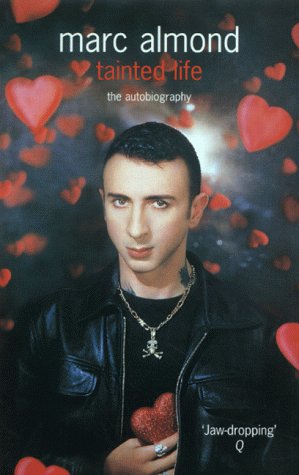
TAINTED LIFE Marc Almond (1999)

This is a frank but humorous autobiography by the SOFT CELL frontman about living life with art school aspirations but suddenly thrust into becoming a pop star and having false tabloid stories written about him in a homophobic world. Attempting to rebuild a career having signed to Warners in 1991, in a reality check, he is told by MD Rob Dickens that the world does not need another Marc Almond album and suggests recording a Trevor Horn produced cover of Jacques Brel’s ‘Jacky’ as made famous by Scott Walker…

‘Tainted Life’ was originally published by Pan Books

http://www.marcalmond.co.uk/


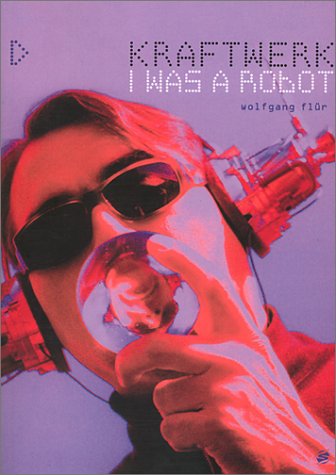
I WAS A ROBOT Wolfgang Flür (2000)

‘I Was A Robot’ was the controversial autobiographical exposé of the KRAFTWERK machine combined with Wolfgang Flür’s partying exploits. However, as his account of OMD coming backstage to meet the band after the Liverpool Empire gig in 1975 has since proved to be false while his musical contribution to KRAFTWERK recordings has been shown to have been minimal, although entertaining, parts of this book should be taken with a pinch of salt.

‘I Was A Robot’ was originally published by Omnibus Press with 2003 + 2017 revised editions

https://www.facebook.com/WolfgangFlur1


THE ENCYCLOPAEDIA OF CLASSIC 80s POP Jonathan Blythe (2002)
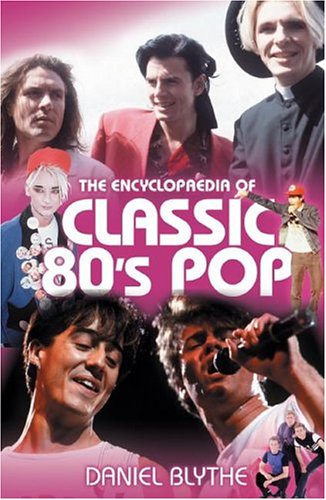
Written in the irreverent vein of classic Neil Tennant-era Smash Hits, the best quote in this amusing book is about DURAN DURAN: “You will have surely have wondered why the girl you fancied seemed far more interested in a slightly porky bloke with bleached-blond hair and a foppish name. The compilation ‘Decade’ contains the 80s hits, but if you want a more comprehensive overview, go for the other one ‘Greatest’. You can usually find them both in the ‘CDs for £5.99’ section, to be honest”

‘The Encyclopaedia Of Classic 80s Pop’ was originally published by Allison & Busby

https://www.goodreads.com/en/book/show/1172733.The_Encyclopaedia_Of_Classic_80s_Pop


24 HOUR PARTY PEOPLE Tony Wilson (2002)
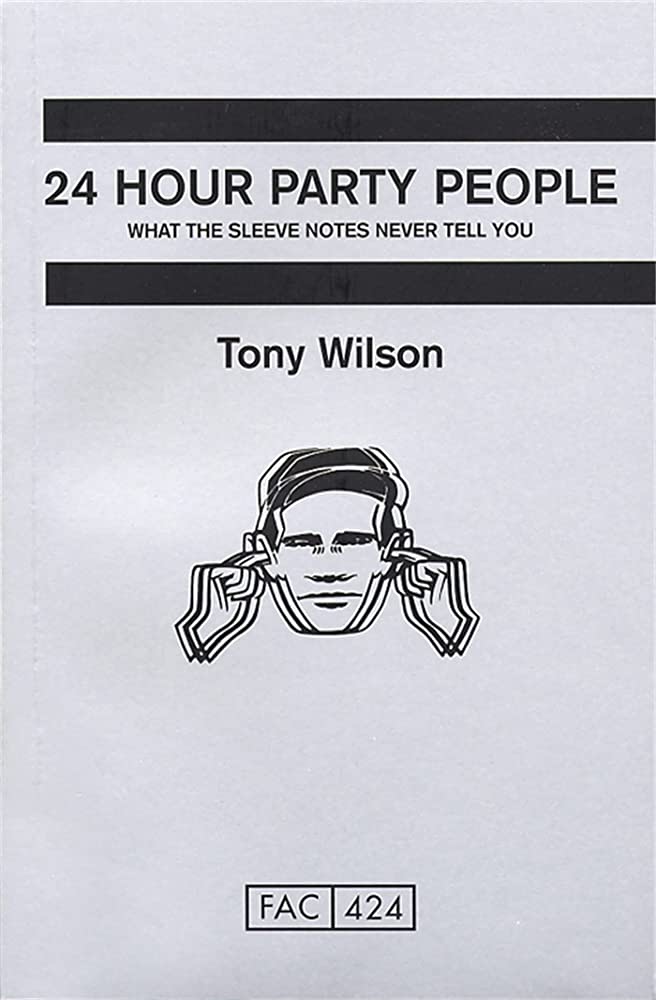
Given the Factory Records catalogue number FAC 424 and subtitled “What The Sleeve Notes Never Tell You”, this account of the Manchester independent label is centred around Wilson’s noted ego where the narrative reads as enjoyable spin rather than factual stories about the label, its bands and The Haçienda. His alleged legendary quote that ”The musicians own everything. The company owns nothing. All our bands have the freedom to f**k off” was to prove to be his downfall…

’24 Hour Party People’ was originally published by Macmillan

https://factoryrecords.org/


NEW ROMANTICS: THE LOOK Dave Rimmer (2003)
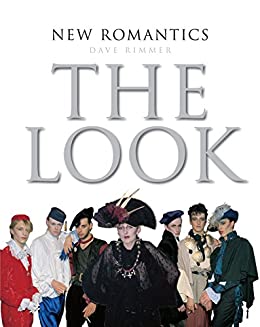
Smash Hits writer and author of ‘Like Punk Never Happened…’ Dave Rimmer takes a look at the flamboyant New Romantics via The Blitz Club playlists and profiles of SPANDAU BALLET, VISAGE, DURAN DURAN, SOFT CELL, DEPECHE MODE, KRAFTWERK and DAF. The Myth of Berlin and Futurism are also discussed and there are plenty of glossy photos that encapsulate its spirit.

‘The Look’ was originally published by Omnibus Press

https://www.rocksbackpages.com/Library/Writer/dave-rimmer/


IF I WAS Midge Ure (2004)
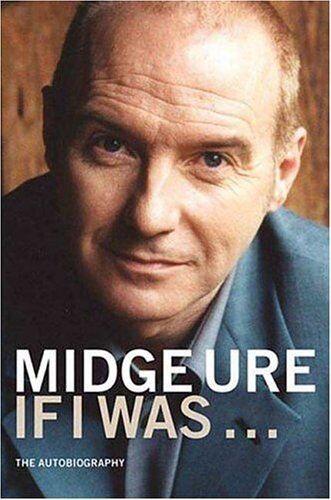
With dry humour, this is a sincere and honest account by Midge Ure of his career which included being a teen pop idol with SLIK who had their own Look-In magazine comic strip. As well as accounts of his success with ULTRAVOX and VISAGE and as a solo artist, there is also his darker descent into alcoholism in the wake of low sales. Our hero is candid about the occasionally tense dynamics with his colleagues, while an insight into VISAGE’s original contract with Polydor makes very interesting reading.

‘If I Was’ was originally published by Virgin Books with 2011 revised edition

http://www.midgeure.co.uk/


PET SHOP BOYS, CATALOGUE Philip Hoare & Chris Heath (2006)
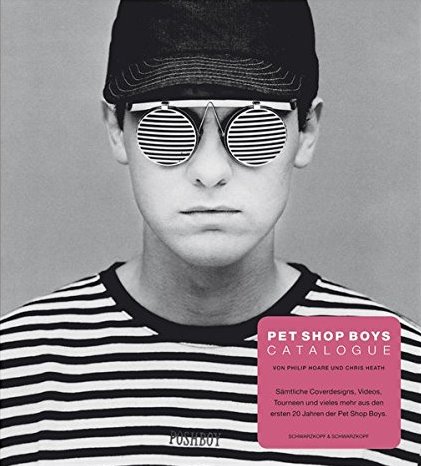
This is a superbly presented visual retrospective of PET SHOP BOYS up to ‘Battleship Potemkin’ featuring artwork, video stills, stage sets and other artefacts accompanied by insightful commentary. There is also a chronology included as well as an interview with Neil Tennant and Chris Lowe who again steals the show with the quip “We still are grumpy, actually”!

‘Catalogue’ was originally published by Thames and Hudson Ltd

https://www.petshopboys.co.uk/


BRIAN ENO: ON SOME FARAWAY BEACH David Sheppard (2008)
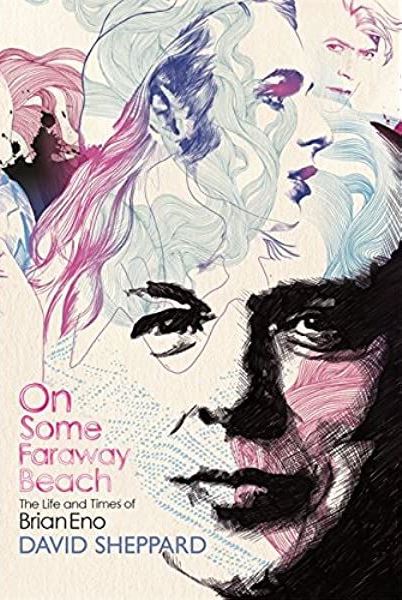
Credited with taking David Bowie into “a whole new school of pretension” with The Berlin Trilogy, this authorised biography on Brian Eno traces his career beginning as a self-confessed non-musician with ROXY MUSIC twisting knobs on a VCS3 to producing U2. In between, he makes synthesizers go bong, popularises ambient music, develops Oblique Strategies with artist Peter Schmidt and gets his head around programming the Yamaha DX7. But the biggest revelation in the book? “Eno was shagging more women than Ferry”!

‘On Some Faraway Beach’ was originally published by Orion

http://www.enoweb.co.uk/


SPARKS: No1 SONG IN HEAVEN Dave Thompson (2009)
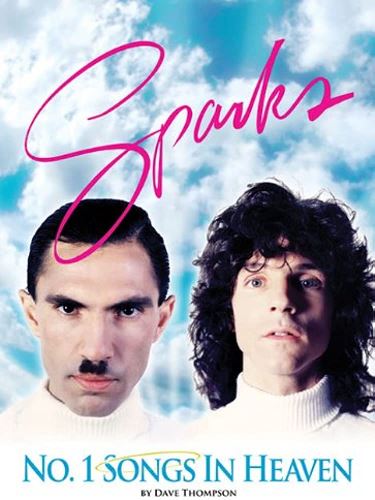
An enjoyable unauthorised biography of SPARKS, Ron and Russell Mael’s endearingly witty contributions to this book come from the author’s interviews with the brothers conducted between 1985-2009. There are also press cuttings, an expansive discography and a collector’s guide alongside quotes from former backing band members. But while the stories of the various albums are detailed, those wanting gossip on personal lives will be disappointed.

‘No1 Song In Heaven’ was originally published by Cherry Red Books

http://allsparks.com/


GARY NUMAN: BACK STAGE Stephen Roper (2012)
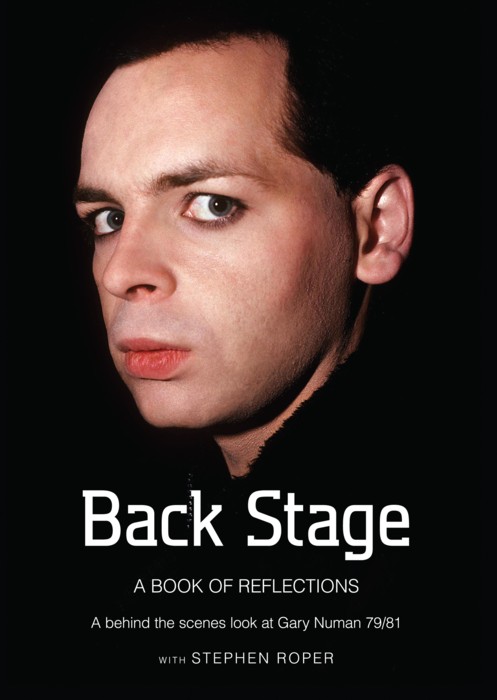
‘A Book Of Reflections’, long time Numanoid Stephen Roper gives a comprehensive account of the imperial years of Gary Numan from 1979 to 1981 via a series of interviews and memories from band members Chris Payne, RRussell Bell and the late Cedric Sharpley as well as the man himself. OMD’s Andy McCluskey, SIMPLE MINDS’ Jim Kerr and Nash The Slash give the viewpoint of the support acts while there are also additional observations from John Foxx, Richard Jobson and Jerry Casale.

‘Back Stage’ was originally published independently with revised 2017 eBook edition available from https://back-stage.dpdcart.com/cart/view#/

https://www.youtube.com/channel/UC-rRuX6k___Y4ZkTHwQg–Q


IN THE PLEASURE GROOVE: LOVE, DEATH & DURAN DURAN John Taylor (2012)

This autobiography traces the story of how a nervous bespectacled Brummie lad called Nigel became an international sex symbol as John Taylor, bassist of DURAN DURAN; “Now, I had only to wink in a girl’s direction in a hotel lobby, backstage or at a record company party, and have company until the morning” he recalls. As outrageous and debauched as some of these anecdotes of sex and drugs and rock ‘n’ roll are, it would have been very difficult for anyone thrust into this position aged 21 to have acted any differently.

‘In The Pleasure Groove’ was originally published by Sphere

http://www.duranduran.com/


MAD WORLD Lori Majeski & Jonathan Bernstein (2014)
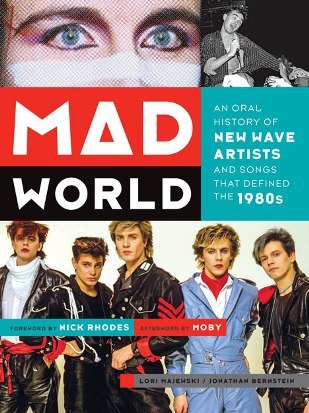
‘Mad World’ delves into the spirit, the politics and the heartache behind some of the greatest songs in popular culture with an American MTV viewpoint courtesy of enthusiastic Duranie Lori Majewski, balanced by the critique of Glaswegian Jonathan Bernstein. The contrasting dynamic ensures a celebration of the era while simultaneously pulling no punches with Bernstein lobbing hand grenades in the direction of KAJAGOOGOO and THOMPSON TWINS!

‘Mad World’ was originally published by Abrams Image

https://www.facebook.com/madworldthebook


JAPAN: A FOREIGN PLACE Anthony Reynolds (2015)

With the co-operation of Richard Barbieri, Steve Jansen and Rob Dean, this book is the first of its kind about the influential enigma that was JAPAN. With detailed accounts by band members and controversial manager Simon Napier-Bell among others, notably absent is David Sylvian who appears via archive interviews while the late Mick Karn is quoted from his own autobiography ‘Japan & Self Existence’.

‘A Foreign Place’ was originally published by Burning Shed

http://nightporter.co.uk/


ELECTRI_CITY: THE DÜSSELDORF SCHOOL OF ELECTRONIC MUSIC Rudi Esch (2016)
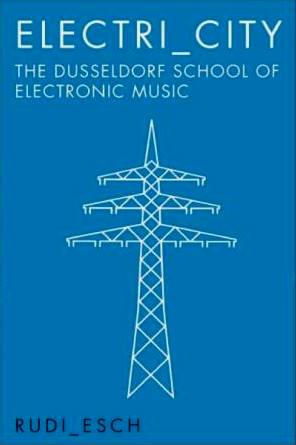
First published in German in 2015, this history gives a fascinating insider’s account of The Düsseldorf School and its cultural significance via interview quotes. Contributors on the home side include Wolfgang Flür, Robert Görl, Gabi Delgado, Hans Lampe, Ralf Dörper and Susanne Freytag, while the Brits they influenced feature Andy McCluskey, Martyn Ware, Dave Ball and Daniel Miller among their number. As Robert Görl says: “Wir wollten lieber mit Maschinen arbeiten… We always preferred working with machines”.

‘Electri_City’ was originally published by Omnibus Press

https://www.facebook.com/Electri.city.Esch


LET’S MAKE LOTS OF MONEY Tom Watkins with Matthew Lindsay (2016)

Subtitled “Secrets of a Rich, Fat, Gay, Lucky Bastard”, this is the autobiography of the late Tom Watkins, the Svengali who managed PET SHOP BOYS, BROS and EAST 17. “A big man with a loud voice” said Neil Tennant, but he had a bolshy ability to extract favourable deals including a rumoured 20% commission on gross income while always asking “What would Edna in Huddersfield think?”. Later becoming disillusioned with the pop industry, he describes ‘The X Factor’ as being like “a Nuremberg Rally on pink drugs”

‘Let’s Make Lots Of Money’ was originally published by Virgin Books

https://www.electricityclub.co.uk/tom-watkins-lets-make-lots-of-money/


SUBSTANCE: INSIDE NEW ORDER Peter Hook (2016)
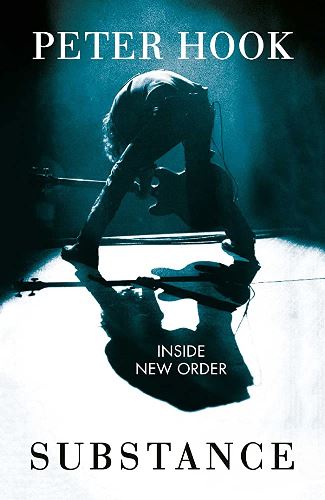
An informative in-depth look inside NEW ORDER, this huge memoir running to over 750 pages by Peter Hook was informative but not unsurprisingly tinged with bitterness and anger. But if you want to know where the band played on 9 April 1985, it’s here! There are track-by-track rundowns of each NEW ORDER album (apart from ’Republic’) and if you’ve always wanted to find out which sequencer was used on ‘True Faith’ or what Hooky’s Top16 bass cab messages are, then look no further!

‘Substance’ was originally published by Simon & Schuster

https://www.facebook.com/peterhookandthelight/


RECORD PLAY PAUSE + FAST FORWARD: Stephen Morris (2019 + 2020)
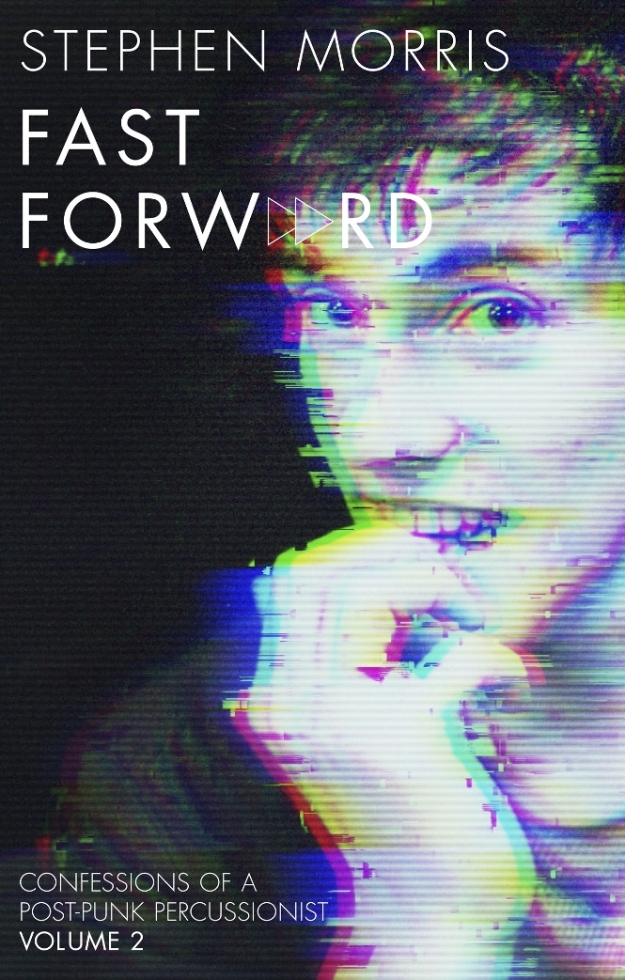
Effectively a lengthy book divided into two parts, Volume I of Stephen Morris’ memoir demonstrated his abilities as an engaging storyteller blessed with an entertaining dry wit, able to convey his growing up in an amusing and relatable manner. In the NEW ORDER dominated Volume II, readers cannot help but laugh out loud when our hero discovers that the 10 mile shooting range of his newly acquired ex-British Army Abbot FV433 self-propelled gun will make Bernard Sumner’s house in Alderley Edge an easy target!

‘Record Play Pause Rewind’ + ‘Fast Forward’ were originally published by Constable

https://twitter.com/stephenpdmorris


ELECTRONIC BOY: MY LIFE IN & OUT OF SOFT CELL Dave Ball (2020)
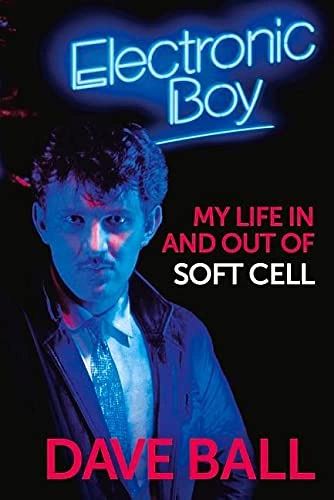
The quiet half of SOFT CELL, Dave Ball attended the same Blackpool school as Chris Lowe from PET SHOP BOYS but they never met. There was obviously something in the sea and the accounts of the Northern Soul scene point towards how that influence, along with the affordability of synthesizers, was to seed a long and successful music career which later included THE GRID. The Electronic Boy is honest about his various demons, but there is also humour and an equipment list appendix plus plenty of technical talk.

‘Electronic Boy’ was originally published by Omnibus Press

https://www.facebook.com/daveballofficial


ADVENTURES IN MODERN RECORDING Trevor Horn (2022)
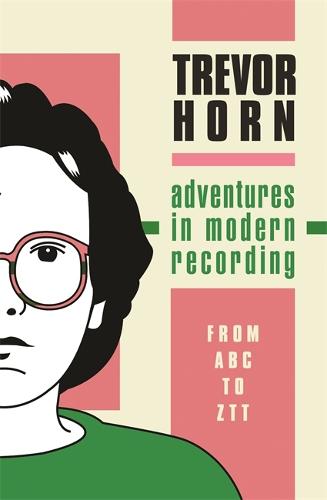
Chaptered around 23 significant pieces of music in the life of Trevor Horn, the producer provides an insight into the making of his greatest moments. Music industry politics are discussed, notably with his ZTT signings FRANKIE GOES HOLLYWOOD, PROPAGANDA and THE ART OF NOISE. Among the revelations are getting bassist Mark Lickley fired from ABC but in all, this is a fun read with lots of name dropping… so imagine sitting in a van with Grace Jones and Jackie Chan that has no seat belts!

‘Adventures In Modern Recording’ was originally published by Nine Eight

https://www.facebook.com/trevorhornofficial


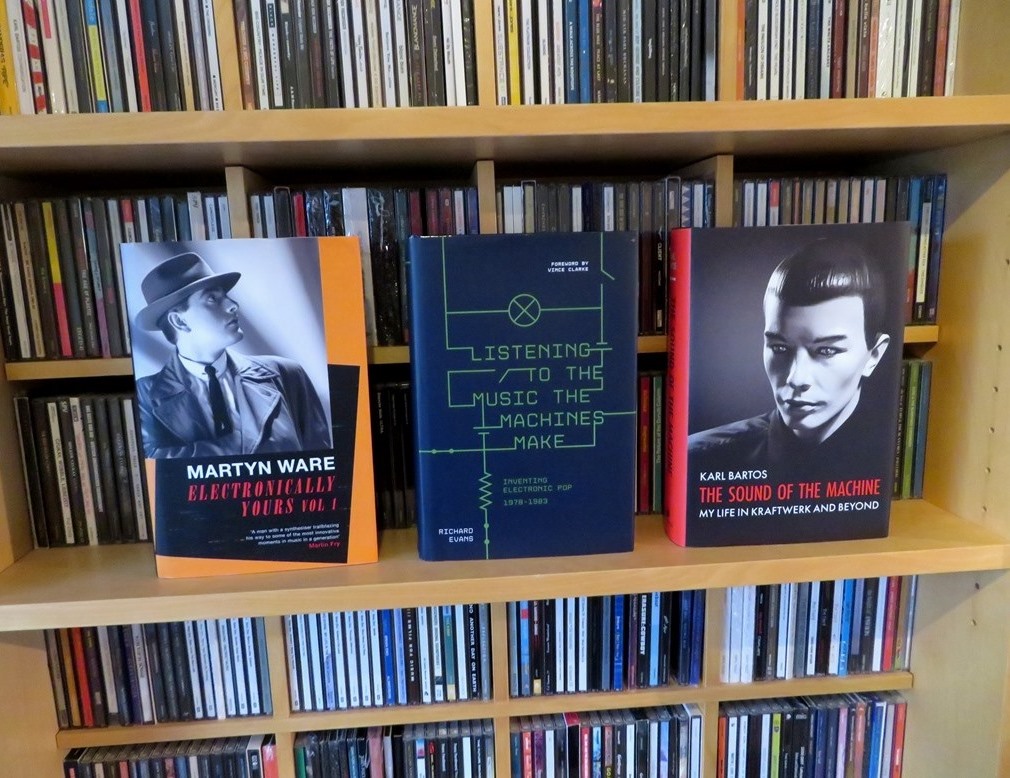
ELECTRONICALLY YOURS Vol1 Martyn Ware (2022)
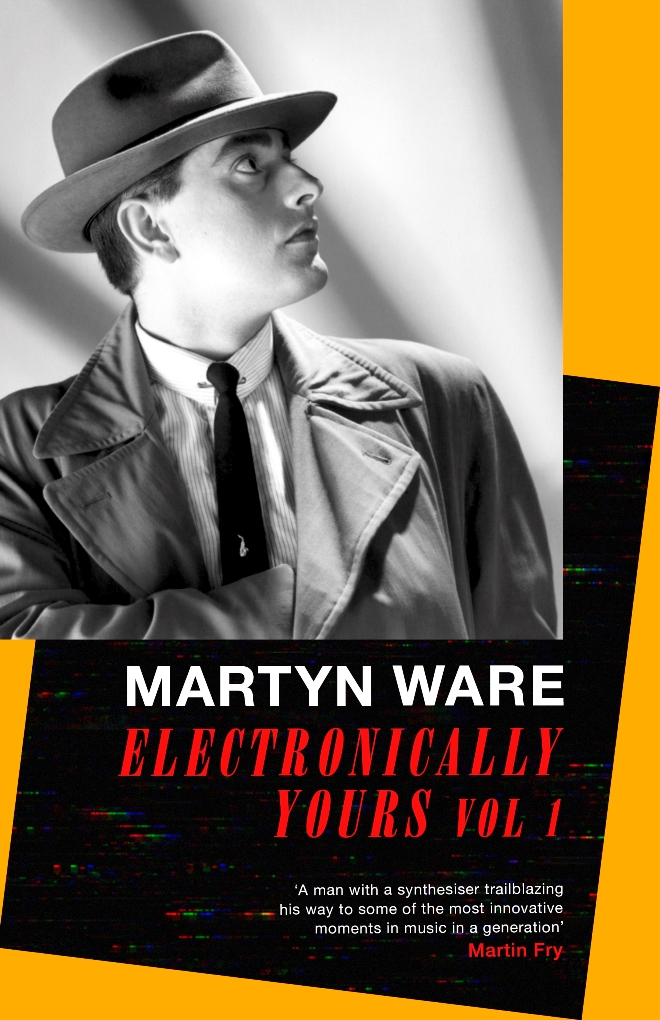
An autobiography that covers up to the end of 1992, a quarter of the book is brilliantly devoted to a track-by-track analysis of every released recording that Martyn Ware was involved in by THE HUMAN LEAGUE, HEAVEN 17 and BEF. Politics looms within ‘Electronically Yours Vol1’ but without this socially conscientious drive , there would be no ‘Penthouse & Pavement’ or ‘The Luxury Gap’. With the recent passing of Tina Turner, Ware’s accounts of working with her now have added poignancy.

‘Electronically Yours Vol1’ was originally published by Constable

https://martynwareofficial.co.uk/


LISTENING TO THE MUSIC THE MACHINES MAKE Richard Evans (2022)
Focussing on “inventing electronic pop”, ‘Listening To The Music The Machines Make’ tells the story of the Synth Britannia generation by referencing archive material rather than via new interviews with the protagonists of the period. The end result is a more accurate picture of how synthesized forms were derided by a hostile music press back in the day, contrasting the rose tinted view projected by some cultural observers and fans today. But over 40 years on, this music has won the fight with many of the acts still performing today.

‘Listening To The Music The Machines Make’ was originally published by Omnibus Press

https://inventingelectronicpop.com/


THE SOUND OF THE MACHINE: MY LIFE IN KRAFTWERK & BEYOND Karl Bartos (2022)
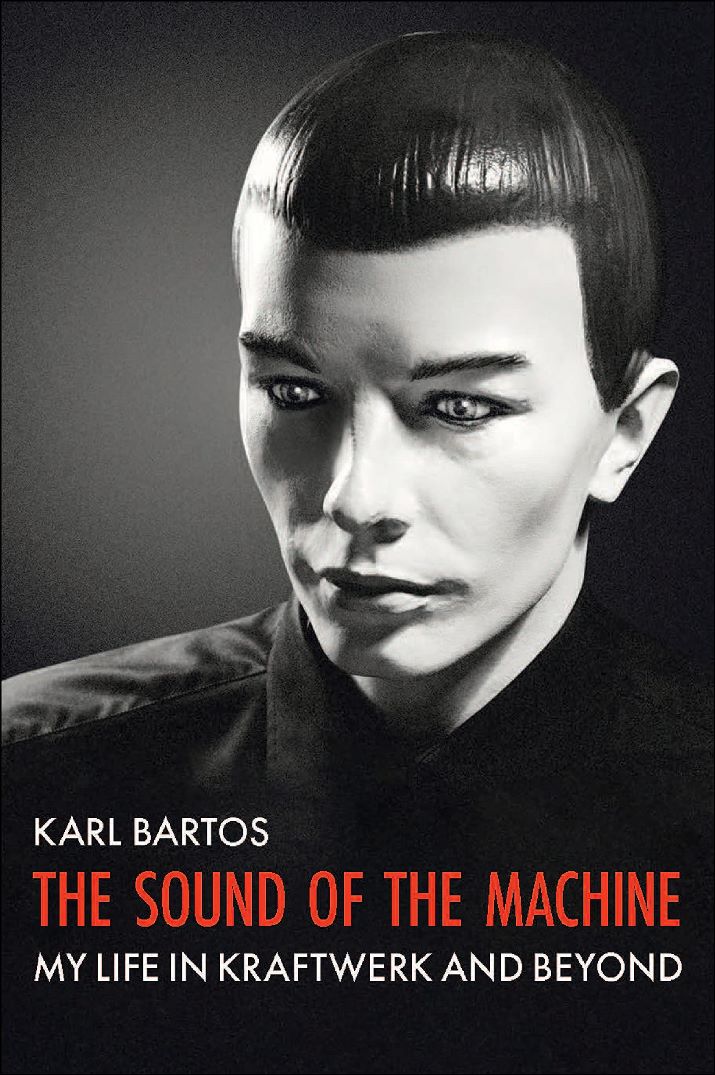
A detailed autobiography of Karl Bartos about his time in KRAFTWERK and more, his optimistic disposition is a key aspect of this story. But although rising to the ranks of co-writer for ‘The Man Machine’ album, some members were more equal than others as Ralf Hütter bagged himself 50% of the publishing for the lyrics of ‘Spacelab’ and ‘Metropolis’ despite those tracks containing one word, thus reducing Bartos’ musical share! Bitterness is largely absent from this book, but it is no “sex, synths und schlagzeug” romp either.

‘The Sound Of The Machine’ was originally published by Omnibus Press

http://www.karlbartos.com/


THEMES FOR GREAT CITIES: A NEW HISTORY OF SIMPLE MINDS Graeme Thompson (2022)
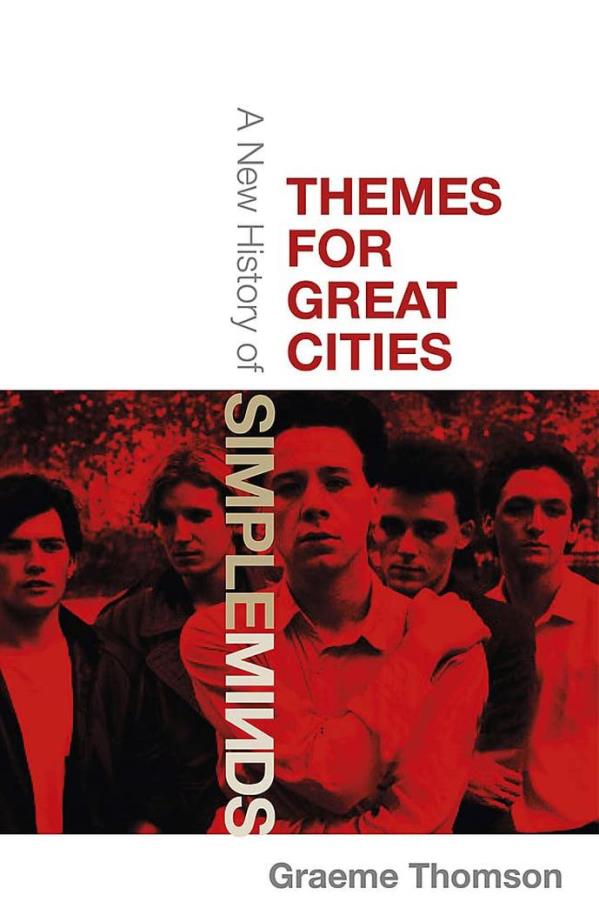
Featuring new interviews with original members Jim Kerr, Charlie Burchill, Mick MacNeil and Derek Forbes, this biography focuses on the SIMPLE MINDS era of 1979-1985 when they were at their imperial and imaginative best. So where did it all go wrong? The book reveals what ELECTRICITYCLUB.CO.UK has thought since buying the album in 1984 and that Jim Kerr himself now confirms… the second half of ‘Sparkle In The Rain’ is not particularly good! So who agrees? “LET ME SEE YOUR HANDS!”

‘Themes For Great Cities’ was originally published by Constable

https://www.simpleminds.com/


CONFORM TO DEFORM: THE WEIRD & WONDERFUL WORLD OF SOME BIZZARE Wesley Doyle (2023)
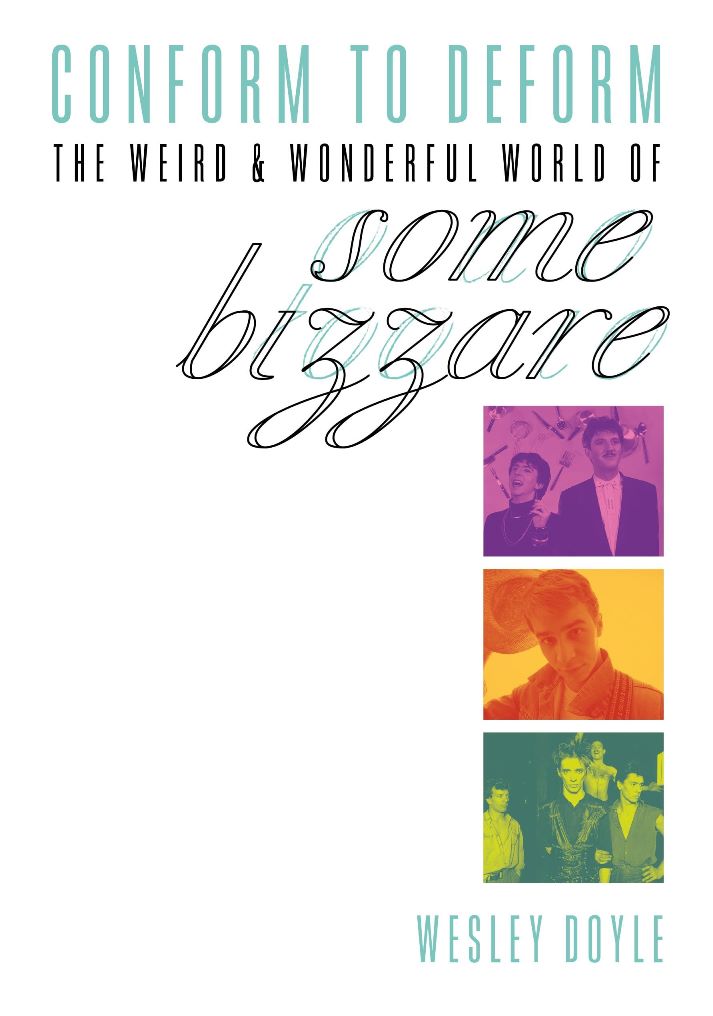
The story of Some Bizzare was always going to be a grand undertaking but Wesley Doyle managed to assemble Marc Almond, Dave Ball, Matt Johnson, Daniel Miller, Steve Hovington, Neil Arthur, JG Thirlwell, Stephen Mallinder, Anni Hogan, Stevo Pearce and his long suffering personal assistant Jane Rolink to document the rise and fall of the label that got into bed with the majors. Opting for a chronological quotes narrative, the book captures the personality of the characters involved and the tensions between them.

’Conform To Deform’ was originally published by Jawbone Press

https://twitter.com/WesleyDoyleUK


Text by Chi Ming Lai
13th June 2023
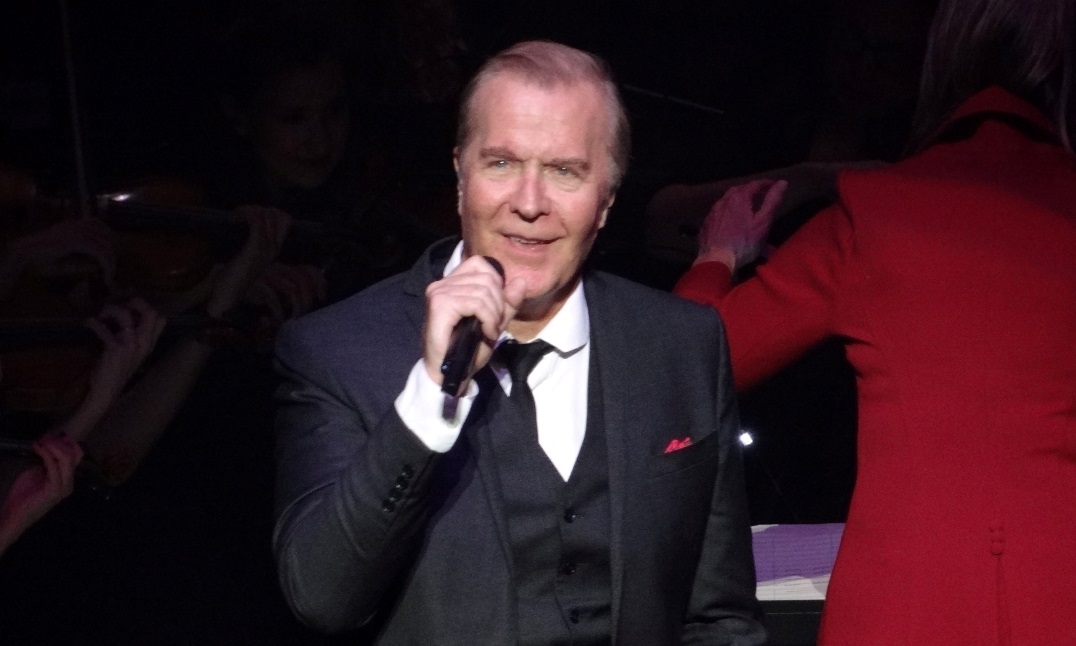
ABC Interview

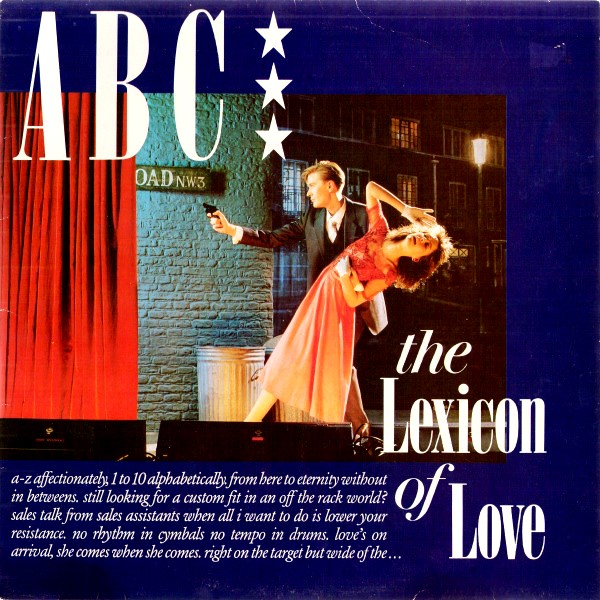
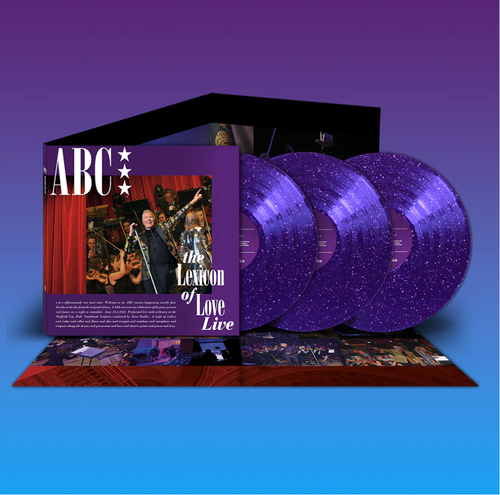
A No1 album in 1982, ‘The Lexicon of Love’ was ABC’s debut album which many have said defined a decade.

Produced by Trevor Horn, it was a widescreen mix of soul, funk, disco, new wave and electronic pop that spawned the hit singles ‘Poison Arrow’, ‘The Look Of Love’ and ‘All Of My Heart’. Featuring the classic ABC line-up pf Martin Fry, Mark White, Stephen Singleton and David Palmer, among the studio team were keyboardist and arranger Anne Dudley, engineer Gary Langan and Fairlight programmer JJ Jeczalik who would go on to become THE ART OF NOISE.

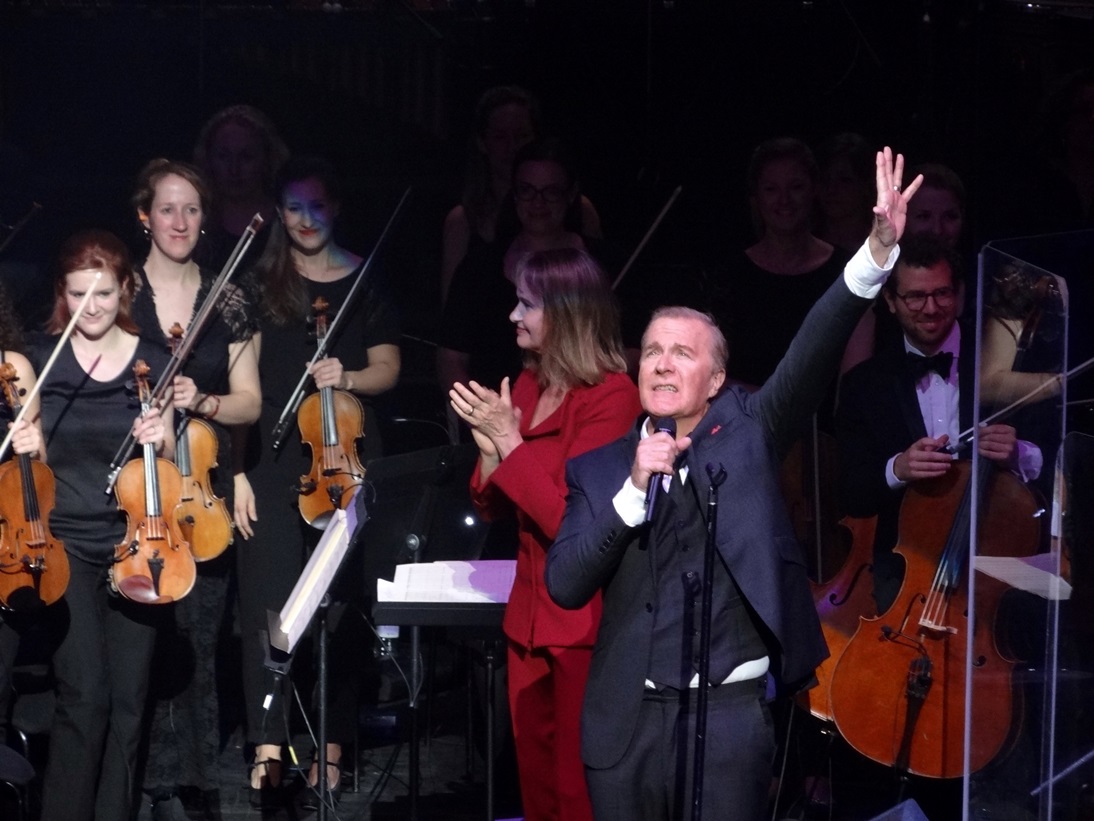
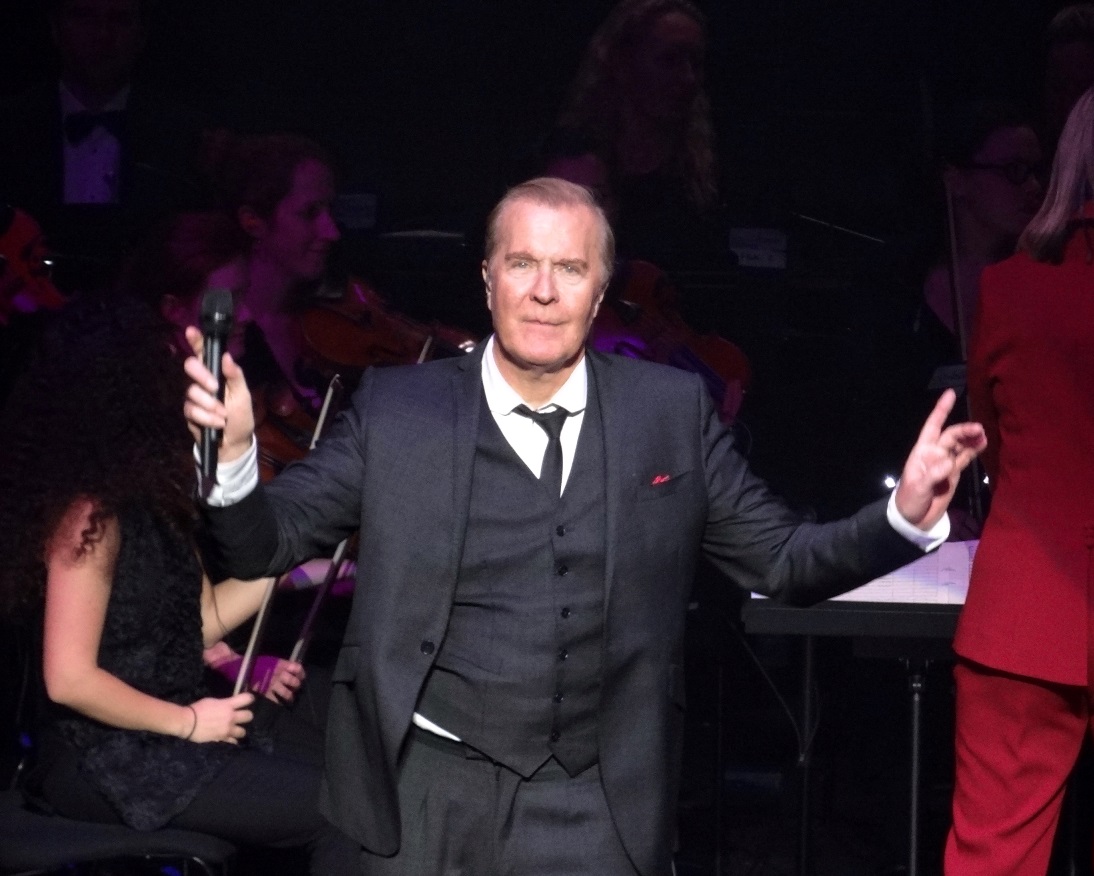
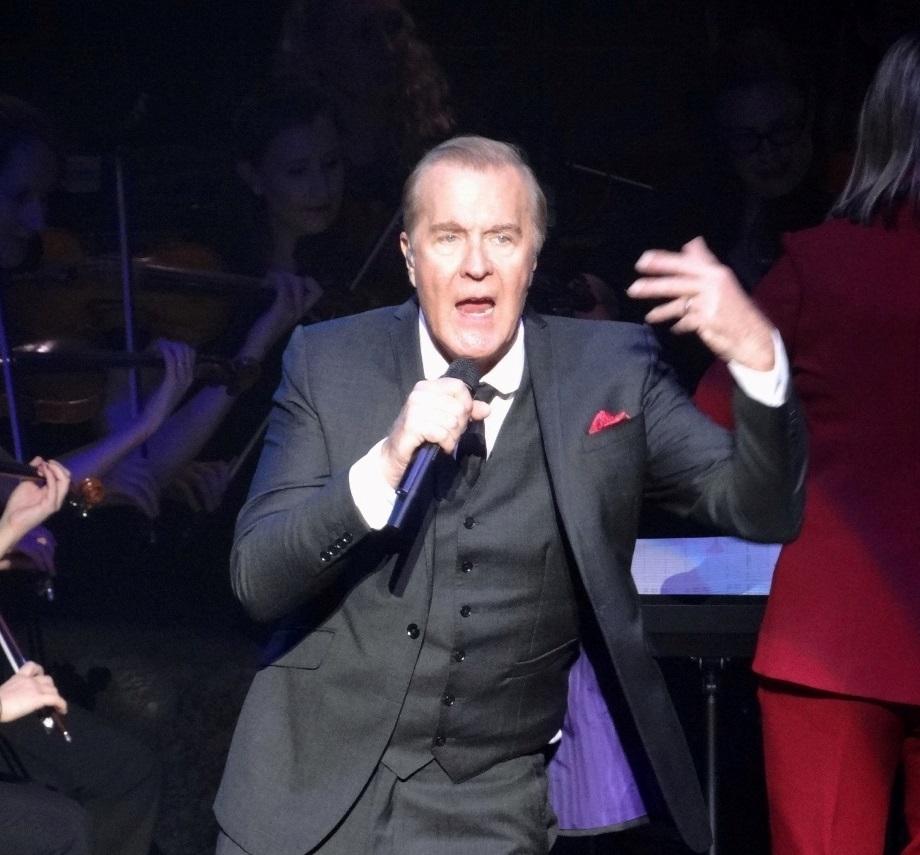
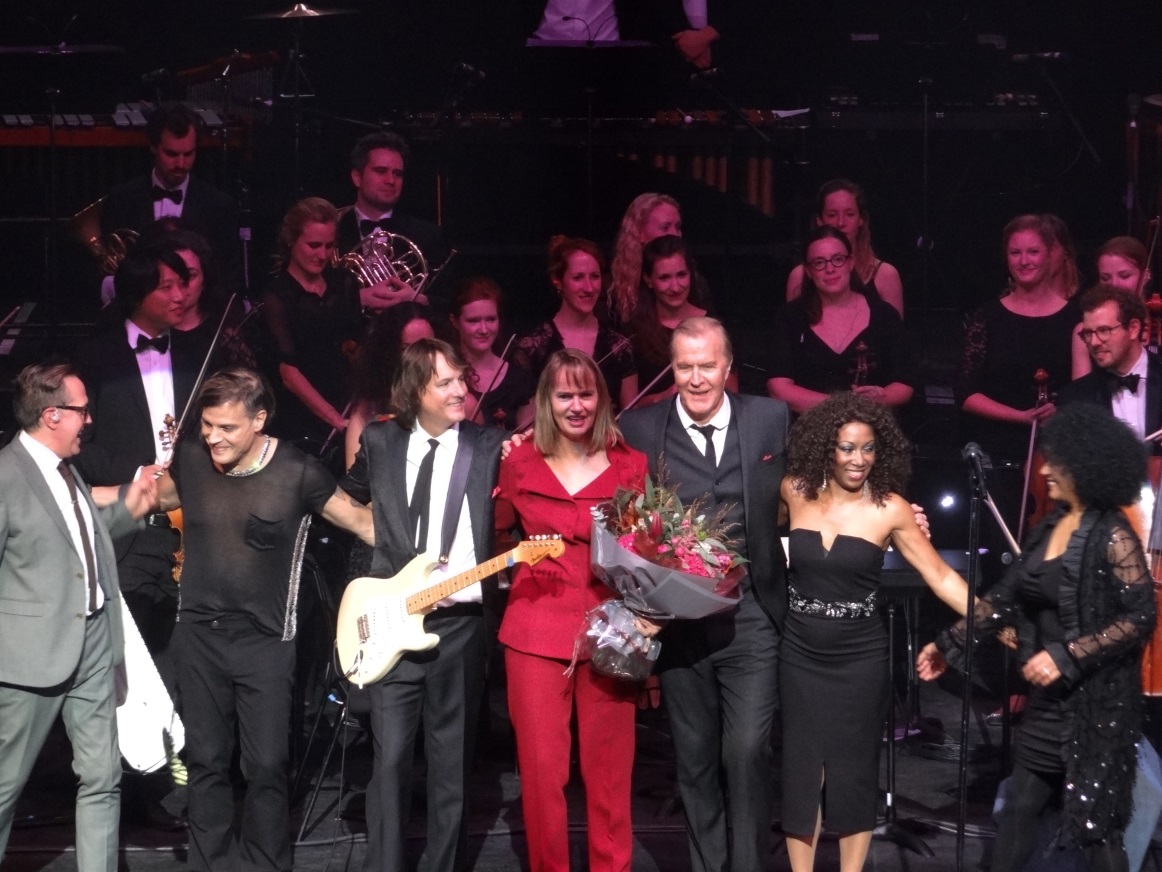
Remaining founder member and ABC frontman Martin Fry toured ‘The Lexicon of Love’ in 2022 with a full symphonic orchestra conducted by Anne Dudley to celebrate the 40th anniversary of its release. The home town gig at Sheffield City Hall was recorded for the imminent release of ‘The Lexicon of Love Live’.

Martin Fry spoke to ELECTRICITYCLUB.CO.UK via Zoom from Barbados about the making of ‘The Lexicon Of Love’, the various changes in direction of ABC, the good times, the bad times and living in the here and now…

Did you think you’d still be performing ‘The Lexicon Of Love’ 40 years after it was released?

I never thought I’d be performing 15 minutes later! Andy Warhol said 15 minutes was a long time in fame, I dunno… four decades on! *laughs*

Originally all those years ago, The Lexicon Of Love’ came out and on it was ‘Poison Arrow’, ‘The Look Of Love’ and ‘All Of My Heart’; we did have a good run for our money, it was on the charts for pretty much a year and we continued to have pop hits throughout the 80s but there’s a spell where it all goes quiet isn’t there? I’ve realised subsequently that’s what happens to Mick Jagger and Elton John… anybody that’s going to have a long career, there’s a downtime.

I remember in the Britpop days thinking “ABC in the shiny tuxedos? NO!”, there’s THE PRODIGY, there’s SUEDE, there’s OASIS, we were from a different era. But in 1998, I was asked to do a tour with CULTURE CLUB and THE HUMAN LEAGUE, so ABC took to the road and we played in sold out arenas! We realised there was a public thirst and hunger for the 80s pop again. So I’ve never really looked back.

About 10 years ago, we started playing shows with the full orchestra and Anne Dudley conducting, those shows really went well. it’s nice to play with a band, it’s nice to play track dates but it’s great to play with the orchestra. That generated a whole new career, people would come to the shows and that’s why we recorded the live album from Sheffield, it was a gig we about 12 months ago now to celebrate that fact. So it has been a long and winding road.

Fame’s a fleeting thing anyway, there are many different types of fame and I kind of like it the way it is now, it’s a great honour and a great privilege to stand on stage under the spotlight to sing those songs.

You did the ‘Steel City’ tour in 2008 with THE HUMAN LEAGUE and HEAVEN 17 as part of a package, but was there a moment when you realised ABC could headline again?

Yeah, I liked playing on those festivals but in 2001, I did this thing in Germany called ‘Night Of The Proms’ and it was with a big orchestra and choir. They had Chris De Burgh and Meat Loaf and you all live in a hotel, it was one of the first things I did where I was part of the scenery, just a small part of the show, it was like joining the circus, and it felt good. So from that, I learnt that when it came to the orchestra, ABC could be the headline act and play for 2 hours. We played the hits, had an intermission and played ‘The Lexicon Of Love’ so it all grew out of that.

Did you take a look at Trevor Horn’s memoir and in particular about the making of ‘Poison Arrow’ and ‘The Look Of Love’ in particular?

I’ve not read Trevor’s book, I saw him about 12 months ago when we played a cruise ship in Florida. It was great to go for dinner with him. We worked together long time ago but I’ve run into him a lot through the years. I should read his book, but in a way I’m a little bit scared to because we had a great time making ‘The Lexicon Of Love’ and I would like the memory to remain like that.

What I found interesting about Trevor’s account of making ‘The Lexicon Of Love’ was how he used his tracing method…

Yes, making the record was 50% us, 50% Trevor. We didn’t want to make a record where you made 28 takes and picked the 28th take and put it out. No, we loved KRAFTWERKVICE VERSA was the band we were in before ABC with three synthesizers and because we were grew up in Sheffield, it was in the outré of THE HUMAN LEAGUE and CABARET VOLTAIRE, we’d have a little 2 track machine and overdubbed different parts. So when it came to working with Trevor, we said “how come these dance records we are listening to like Quincy Jones productions on Michael Jackson solo stuff and Grace Jones with Sly and Robbie, how do they sound so good?”, the timing was very different to raw sound of a lot of English records at the time.

So the tracing method he refers to, our drummer at the time David Palmer who plays with Rod Stewart, he was really good at programming drum machines and this would make the kick drum and snare very precise. Trevor would add a programmed bass and then we would play along to this. So it was like tracing really and it gave a very modern sound to ‘Poison Arrow’ and ‘The Look Of Love’. We were into the electronic side of things and it was a lot of fun.

What are your favourite memories?

After we had a couple of hit records, the label said we were allowed to have some strings on our record. So we went to Abbey Road and that was an incredible day standing in the room, feeling the orchestra play ‘All Of My Heart’. Another time was we went to Dean Street Studio which Tony Visconti owned and David Bowie walked in and hung out for a couple of hours. He sat in on the sessions, making suggestions at the back, having a cup of tea. At the time, we were blown away by that, we loved Bowie. So I think he put a bit of his magic dust on those sessions.

One of the things Trevor Horn mentions in his book is that Bowie had an idea to put the end of ‘The Look Of Love’?

Yeah, as I remember it, we were adamant that we didn’t want a guitar solo, so there was an eight bar section, then third chorus, an eight bar space and then there’s another chorus ramping it up to the end of ‘The Look Of Love’… so Bowie was interested in the idea of leaving messages on an answering machine for somebody that is never going to reply, he thought that would be a great pathos and a funny thing to put on. We did try an answering machine but in the end, I just did that mad freeform mumble that “maybe one day you’ll find true love” which was inspired by Iggy Pop and the song ‘Turn Blue’ which was on the album ‘Lust For Life’ which Bowie produced. Iggy would always speak to himself like James Brown, I love it when singers just start rambling on their own records, Lou Reed does it as well.

Were you channelling your inner Tom Jones on ‘The Look Of Love’?

That’s nice of you to say that, we played a show with Tom Jones once on a racetrack in Ireland, it was fantastic. Well, Tom Jones always attacked everything… years later, a guy named David Arnold made this James Bond Themes covers album and asked me to sing ‘Thunderball’ which was originally sung by Tom Jones. It’s a real tough song to sing, Tom just slayed it so maybe there’s some truth in that. But I like always liked the way that at the end of a Tom Jones song, you want to sit down, there’s an energy there, it peaks and you want to take breath.

How did you feel when Trevor Horn recycled a section of ‘Date Stamp’ for FRANKIE GOES TO HOLLYWOOD’s ‘Relax’?

It’s funny, every time I play ‘Date Stamp’, I always think of ‘Relax’, the bassline! A good bassline is a good bassline! ‘Date Stamp’ was made in May 1982. I’ve got to admit, I loved the Frankies… when we were doing our second album ‘Beauty Stab’, we ran into Paul Rutherford, Holly, Ped, Nash and Mark O’Toole and they sang on it… they were sitting in Sarm West waiting for Trevor to finish ‘Relax’ I suppose looking back on it! *laughs*

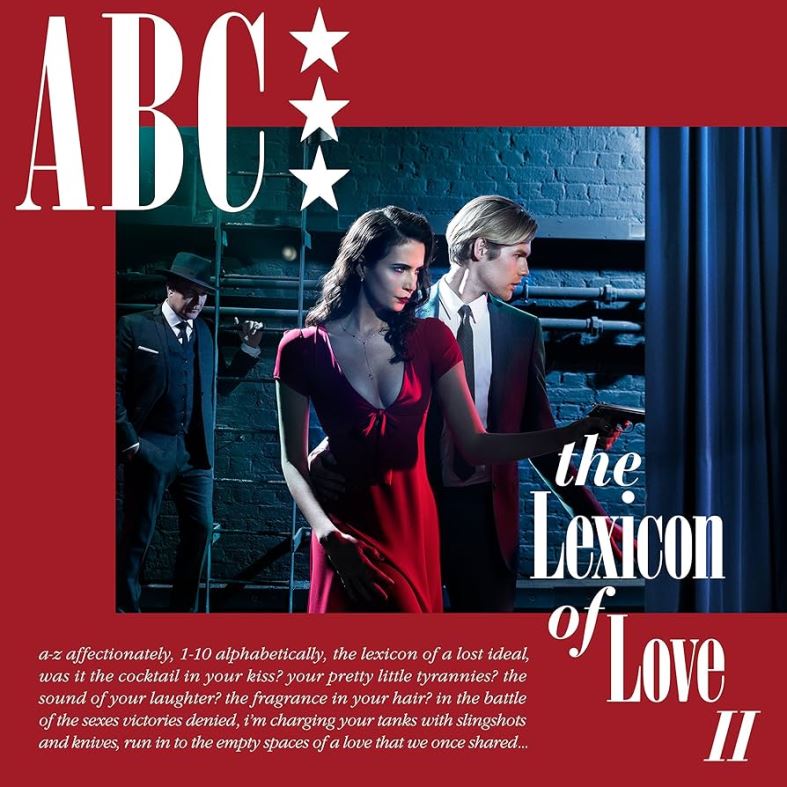
‘Beauty Stab’ was considered a disappointment in 1983 when everyone wanted ‘The Lexicon Of Love II’ but you delivered that finally in 2016, did that feel like exorcising a ghost at all?

Yes, absolutely Chi… we had the sophomore jinx, with the ‘Beauty Stab’, we wanted to strip it all back and be raw and authentic. It was successful and ok but not as successful as our first record. We changed the style of the band each time and with ‘How To Be A Zillionaire’, we wanted to be really electronic. But for years, people would go “I love ‘Poison Arrow’, can you go back to that?”

So playing with the orchestra live really brought it how to me. So with ‘The Lexicon Of Love II’, we decided to make it a very big orchestral album like ‘Viva Love’ and ‘Flames Of Desire’ over-the-top vibe to provide something that looked familiar whilst brand new, but it looks like it should have come out as the sister album to ‘The Lexicon of Love’. It was good way of getting it done and people liked it, I was very relieved.

I tell you what inspired me, Neil Young did a follow-up to ‘Harvest’ and was impressed by how Bowie used on ‘The Next Day’, the old ‘Heroes’ sleeve where he’s recycled his own stuff. So I started to think “Why can’t I do that?”; I mean, when you go to Netflix and there’s a series you like, you’re happy to watch 12 episodes or 6 seasons of something. People are used to things being more elongated now. So that’s while I felt comfortable doing ‘The Lexicon Of Love II’.

Was ‘Singer Not The Song’ from ‘The Lexicon Of Love II’ autobiographical?

Yeah, I want Harry Styles to cover that one! I think he’d do a great job! The lyrics of ‘Singer Not The Song’ are about a lot of things, but people ask me what I do for a living and I’m always a bit embarrassed to say I’m a singer, they kind of think you’re in a choir or something *laughs*

So I thought, the drummer’s got a drumstick, the bass player is over there, what do I do? I’ve usually got a Sharpie and I’m wandering around daydreaming, there’s some humour in that song.

The song ‘How To Be A Millionaire’ was a hit in the US but failed to get in the UK Top40, do you feel it deserved greater recognition at home or had the music scene moved on considerably back home by 1984?

Yeah, the funny thing was after ‘Beauty Stab’, it was all REM and THE SMITHS but by then, we were gone and listening to ‘Let The Music Play’ by Shannon and hearing great dancefloor tunes like ‘encore’ Cheryl Lynn; we approached Jimmy Jam and Terry Lewis to make this electronic hybrid dance record. We self-produced it in the end and were able to reinvent ourselves as a cartoon group, it was ABC’s most successful record in America.

We go obsessed with doing the long 12 inch mixes and we got to No1 on the Billboard Dance Charts with it and Top 20 in the US charts. ‘Be Near Me’ was a big tune off that album but in England, no… it was popular in the clubs but it didn’t really take off. I think that’s a product of our success, people wanted to see the gold suit and ‘The Lexicon Of Love’!

Of course, you made a great song with the pioneer of New York electro Arthur Baker called ‘Mythical Girl’, what are your recollections of that one-off collaboration with his Backbeat Disciples. That’s like the lost ABC track…

It is in a way… I loved NEW ORDER and the work Arthur Baker did with them as well as Afrika Bambaataa, he looks like a pirate! He showed up in Manchester and we ran into him. He owned a place called ‘The Elbow Room’ in London Westbourne Grove and we’d hang out with Arthur. One day he said he was making a record so me, Mark White and Dave Clayton, we got together one weekend to make that track ‘Mythical Girl’. Then Arthur took it away and it kind of had a cast of thousands and showed up again on his ‘Merge’ album. It was only about 6 hours work but it was so nice to work with him.

You’ve got gigs coming up at Forever Young with BLANCMANGE and CHINA CRISIS as well as Rewind with THE ART OF NOISE, but an interesting one is the Silverstone Festival which is a race meeting featuring vintage F1 cars from the classic ABC era, were you ever into motor racing back then and did you have a favourite driver or team?

No, I’ve never been a major F1 fan. At Silverstone, it’s great though because you show up, go into the centre, you soundcheck and then the cars start tuning up and go around you so you can’t leave… we’re doing the Friday night. It’s insane the number of people that come for the cars, out of which, some of them are music fans… and some of the drivers have got bands of course. It’s always the way, a lot of tennis players want to play guitar! And a lot of musicians want to be tennis players *laughs*

Was tennis your thing or was it another sport?

Football I suppose but I knew from an early age I was never going to make it as a professional player but that would have been fun!

What is next for you?

It’s feels nice to put out the live album from Sheffield as it showcases where ABC are at now. I’m going to Pasadena to play a Festival with Siouxsie and Billy Idol, it’s quite a big one and we’ll be playing some other shows. But it will be nice to make a new record.

We probably will play an orchestra tour in the early part of next year, it will be great to go back out on the road with Anne Dudley again. Other than that, just enjoying life.

Is a book on the horizon ?

Yes, I was talking to a guy called Andrew Harrison about it, we were perhaps going to make a high-end book. It would be nice to trace the story of ABC and my life through the lyrics amongst other things. It’s nice to entertain on different levels when you write a book isn’t it? And I don’t know for how much long I can remember those early 80s! *laughs*


ELECTRICITYCLUB.CO.UK gives its sincerest thanks to Martin Fry

Special thanks to Sacha Taylor-Cox at Hush PR

‘The Lexicon Of Love Live’ is released on 19th May 2023 by Live Here Now Recordings as a 2CD, sparkly purple vinyl 3LP + 3CD collector’s edition book, pre-order from https://liveherenow.co.uk/pages/abc

https://www.abcmartinfry.com/

https://www.facebook.com/ABClexicon

https://twitter.com/ABCFRY

https://www.instagram.com/abcmartinfry/


Text and Interview by Chi Ming Lai
Photos by Richard Price
17th May 2023

ASPRA Presents: Play For Tomorrow Vol1

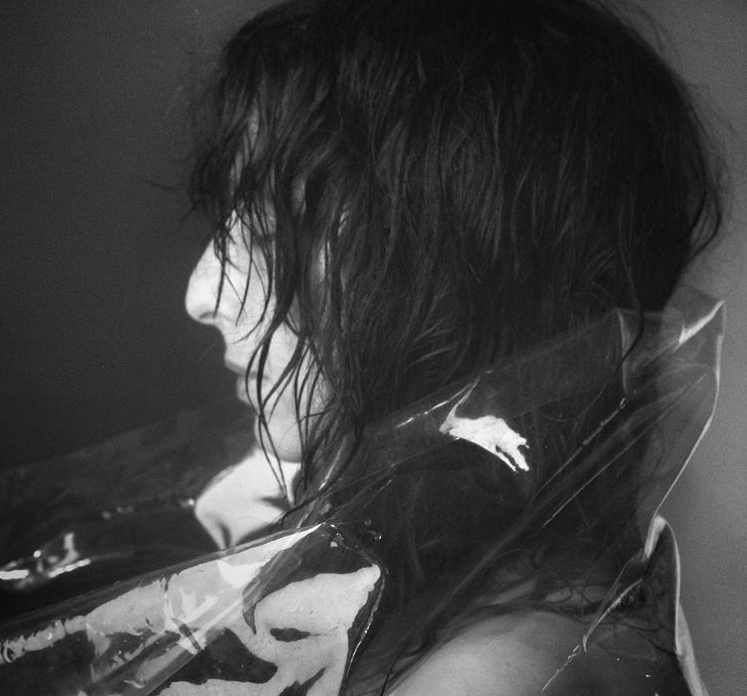
Best known as one half of the Greek synthpop duo MARSHEAUX, Sophia Sarigiannidou launched her solo project ASPRA in 2022

Her first single was ‘Velvet’, an electronic rework of the 4AD cult shoegaze duo THE BIG PINK while on the flip was another cover in ‘Anoint’, a song originally by John Peel favourites THE FIELD MICE. While these choices were unexpected, it did point to Sarigiannidou’s own leftfield tastes. There was also two fabulous collaborations with veteran electronic composer Lena Platonos, prosed unexpectedly en Français.

“I started going to the neighborhood record store and asking them to write me tapes. I bought the ‘Machines’ compilation LP. The disc starts with ‘Messages’ by OMD. What a shock that was… within 3 minutes so many different tunes alternated, one better than the other.” she said, “Through this record, I discovered Fad Gadget, Gary Numan and John Foxx! That afternoon the living room of the house in Thessaloniki was transformed into a window into a future era! It was written everywhere that ‘the synthesizer is the sound of the future’. Mine certainly was!”

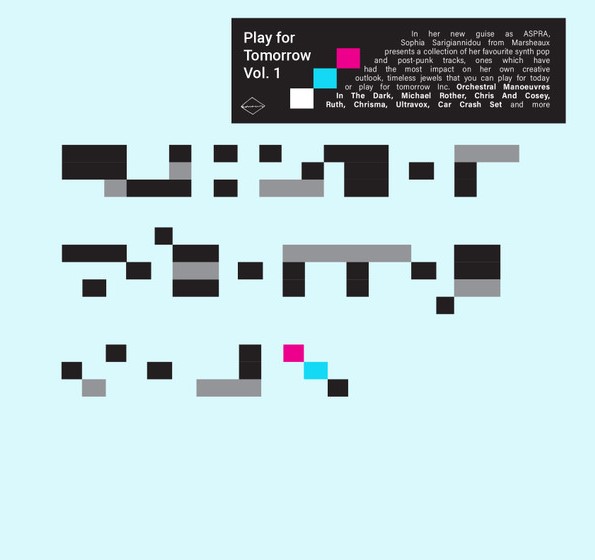
Compiling a collection of rare and less obvious post-punk and synth tracks in the spirit of ‘Machines’ from 1977-1985, ‘ASPRA presents: Play For Tomorrow Vol.1’ sees Sarigiannidou offer a snapshot into her creative outlook with songs that four decades on have shown themselves to be “timeless jewels that you can play for today or play for tomorrow…”

While OMD are among the better known acts in the selection with the wistful ‘Of All The Things We’ve Made’ along with ULTRAVOX’s superb ‘Just For A Moment’, the others are more obscure but no less essential. Complimenting these two choices, ‘Karussell’ by Michael Rother of NEU! highlights the German musician’s influence on the aural aesthetics of both.

With wispy vocals and joyfully handled keys, Chris & Cosey’s wonderful ‘October (Love Song)’ was the antithesis of their parent group THROBBING GRISTLE and covered by MARSHEAUX in Greek for their debut album ‘E-Bay Queen’ in 2004. Another highlight is the TB303 driven cinematic synthpop of ‘Mystery & Confusion’ by TUXEDOMOON leader Blaine L Reininger which exudes a Eurocentric spirit as per its title and deserves wider recognition.

But the collection begins with the spacey avant folk of ‘UFO Report No.1’ by THE GADGETS, a track recorded in 1979 and featuring a very young pre-THE THE Matt Johnson. Despite its dour vocal delivery, 1982’s ‘Love Disgrace’ from Italian duo AMIN PECK is immensely catchy with its pulses, chops and glorious synth lines. Meanwhile New Zealand’s CAR CRASH SET earn their place with ‘Fall From Grace’ where deep sombre vocals contrast with a sparkling but gritty mechanical roll over 8 minutes.

Mute Records founder Daniel Miller finds two of his productions included; the dystopian minimal synth of ‘Music To Save The World By’ was the B-side from a one-off single on Cherry Red Records by the little known Alan Burnham while planting the seed of KOMPUTER, ‘Still Smiling’ by I START COUNTING has an innocent charm with those distinctive metallic tinges circa 1985. From that same year, French trio RUTH are eccentric but stylish on their debut single ‘Polaroïd/Roman/Photo’ crossing the detached with the playful while another curveball is thrown when the muted brass kicks in.

Α new wave duo with hints of THE VELVET UNDERGROUND but with a heated Italian vibe rather than the Götterdämmerung of Nico, CHRISMA’s ‘Black Silk Stocking’ was a 1978 single was produced and co-written by Vangelis’ brother, Nikko Papathanasiou. THE BUGGLES maybe best known for ‘Video Killed The Radio Star’ but the duo of Trevor Horn and Geoff Downes actually made a second album ‘Adventures In Modern Recording’ in 1981; from it, ‘On TV’ is enjoyably oddball while employing exotic Eastern flavours not unlike LANDSCAPE.

Last but not least THE ELECTRONIC CIRCUS’ spirited anti-war anthem ‘Direct Lines’ is sadly still relevant 42 years after its release. In what turned out to be a one-off project led by Gary Numan keyboardist Chris Payne, the resigned hopelessness is captured by the vocals of Penny Heathcote, frontwoman of Brighton band CORVETTES who themselves only issued one single.

‘Play For Tomorrow Vol.1’ is a superb compilation that will appeal to long standing music fans who love discovering music from the imperial pioneering phase of electronic pop that may have fallen under the radar back in the day.

Sophia Sarigiannidou has done a fantastic curation job and it will be interesting to see how these influences might permeate into the soundscapes of the eventual debut ASPRA album.


‘Play For Tomorrow Vol.1’ is released as a CD, available from https://deejaydead.de/en/aspra-presents-play-for-tomorrow-vol-1-limited-cd-digipack-2022 and https://www.poponaut.de/various-artists-play-tomorrow-limited-edition-p-22006.html

https://www.instagram.com/thisisaspra/


Text by Chi Ming Lai
27th February 2023

Hit Music: The Legacy of PET SHOP BOYS

Photo by Eric Watson

“Someone sneers at all you love… this is how I learnt to hate rock-and-roll!”

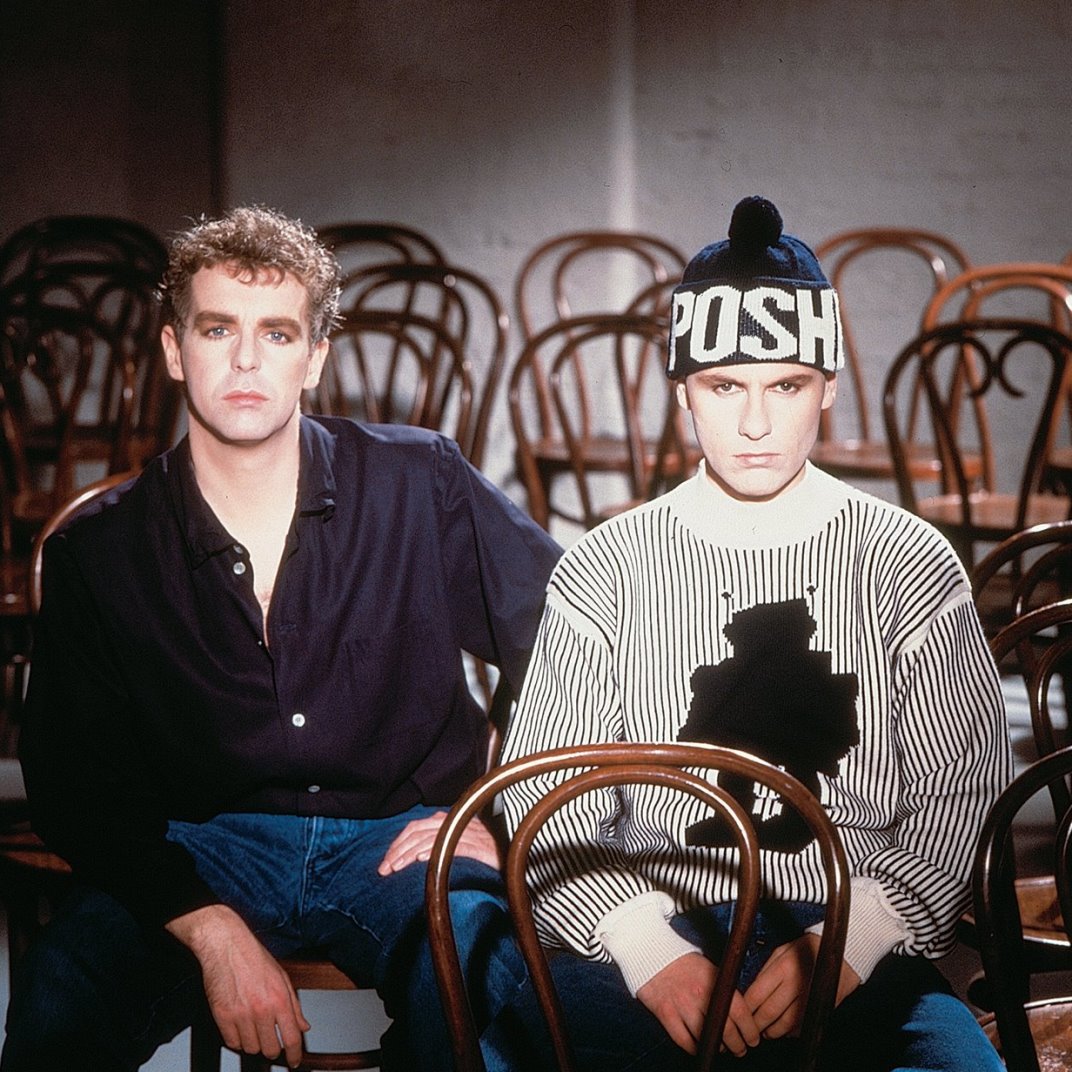
Neil Tennant and Chris Lowe first met in an electronics shop on London’s Kings Road in August 1981; a shared love of dance music led them to form PET SHOP BOYS, named after friends who worked in an Ealing pet retailer while also sounding like an English rap group. Bridging the gap between Synth Britannia and acid house via HI-NRG and Italo disco, PET SHOP BOYS first found international success with ‘West End Girls’, a UK and US No1 single in 1986.

At the time of their meeting, the trombone playing Lowe had been studying to become an architect at Liverpool University while Tennant was deputy editor of ‘Smash Hits’. Known for his witty if sometimes cutting reviews as well as coining entertaining phrases such as “imperial phase”, “down the dumper”, “like punk never happened”, “pur-LEASE!”, “pass the sickbag, Alice”, “uncle disgusting” and “back, back, BACK!!!!!”, Tennant’s observations on the music business were more often right than wrong.

Tired of writing about things he could probably do better, Tennant became music’s ultimate poacher-turned-gamekeeper. The North London Polytechnic history graduate utilised his experiences as a journalist to plot PET SHOP BOYS’ ethos, a dialectic of “east / west. Posh / rough. Irony / sincerity. Pop / anti-pop”. Taking inspiration from SPARKS and SOFT CELL, that dialectic also became the image.

With a voice that sounded like a cross between Al Stewart and Marc Almond, Tennant was the talkative one while the moody Lowe stood behind him, scowling like Ron Mael and seemingly doing nothing apart from occasionally staring at a TV screen. Interestingly, while it was often assumed that the North Shields-born Tennant was the posh one, it was actually Lowe who was educated at the selective Arnold School in Blackpool which had also been attended by Dave Ball; its direct-grant status meant it was just shy of being a public school with fee payers and boarders while a small number of local children were selected via the 11+ grammar school system.

It was while at ‘Smash Hits’, when he was despatched to New York to interview THE POLICE, that Tennant knocked on the door of Bobby Orlando, producer of electronic disco records by DIVINE, THE FLIRTS and BOYTRONIC as well an artist in his own right. This led to the original recording of ‘West End Girls’ released in April 1984 by Epic Records in the UK and while it wasn’t a huge commercial success, it was an American club favourite while being a minor hit in Belgium and France.

‘West End Girls’ proved to be the perfect show reel and a deal was signed with EMI via Parlophone Records after their bullish manager Tom Watkins brought them to the attention of Dave Ambrose, a founder member of FLEETWOOD MAC who had become a renowned A&R man, notably signing SEX PISTOLS, DURAN DURAN and TALK TALK.

Tennant departed ‘Smash Hits’ and at his leaving party, his colleagues presented him with a mocked-up front cover which read: “HOW I LEFT BRITAIN’S BRIGHTEST MAGAZINE TO FORM MY TRAGIC POP GROUP, WENT DOWN THE DUMPER AND ASKED FOR MY JOB BACK” – little did they know that Tennant would grace their front cover within 9 months!

Tennant and Lowe presented themselves with an enigmatic Northern English contrariness that was the antithesis of WHAM! and more Gilbert & George. Tom Watkins was dismayed by his charges’ first ‘Top Of The Pops’ appearance with the re-recorded version of ‘West End Girls’ in late 1985, recalling “They don’t do anything. How are people going to go for this?” – but go for it they did and in large numbers! It started an imperial phase for PET SHOP BOYS when it reached No1.

But following the success of ‘West End Girls’ which later netted a BRIT award for ‘British Single of the Year’, Tennant’s own journalistic words came to haunt him as the dumper beckoned when the wonderful follow-up ‘Love Comes Quickly’ only reached No19 in the UK singles chart. But the B-side indicated PET SHOP BOYS were going to be around for a while and not just a flash in the pan; ‘That’s My Impression’ was menacing as opposed to melancholic, combining SOFT CELL with DIVINE, establishing their reputation for quality non-album bonuses.

The debut album ‘Please’ primarily produced by Stephen Hague was impressive although not perfect and hit the UK Top3. Songs such as ‘Tonight Is Forever’ and ‘Later Tonight’ highlighted the range and quality of the Tennant / Lowe songwriting partnership from elegiac if euphoric dance anthems to melancholic but hopeful ballads, often sung from a character rather than a personal viewpoint.

Meanwhile on ‘Opportunities (Let’s Make Lots Of Money)’, PET SHOP BOYS showcased irony and humour. Like with HEAVEN 17 before them, the joke passed over the heads of the yuppies who had adopted the song as a mission statement but failed to realise it was sending up their own greed, delusion and lack of ethics.

PET SHOP BOYS ended 1986 with another Top10 hit single in ‘Suburbia’, a good if slightly underwhelming album track from ‘Please’ that got transformed into a more fully realised epic in a re-recording produced by Sarm West graduate Julian Mendelson. It underlined Tennant’s clever social commentary as working class communities became marginalised under the Conservative government led by Margaret Thatcher.

Fully embracing the creative experimentation and development allowed for by more under-the-radar B-sides, ‘Suburbia’ featured not one but two non-album extras. ‘Jack The Lad’ exuded the influence of Erik Satie and Ennio Morricone, but ‘Paninaro’ was an absorbing dance number that displayed an affinity with Italy and one of its fashionable youth movements.

Additionally, ‘Paninaro’ summed up PET SHOP BOYS’ attitude with a middle eight breakdown that featured a nonchalant Chris Lowe on the US talk show ‘Entertainment Tonight’ declaring “I don’t like country & western, I don’t like rock music… I don’t like rockabilly! I don’t like much really do I? But what I do like, I love passionately!!” – PET SHOP BOYS’ B-sides and bonus tracks would later be collected on ‘Alternative’ and ‘Format’, two double compilation sets that were equally as valid as their best albums.

To open their 1987 account, PET SHOP BOYS issued their most striking single yet in the mighty gothic disco of ‘It’s A Sin’; reflecting on Tennant’s catholic school education, the backdrop threw in the kitchen sink with Fairlight orchestral hits, Apollo 10 launch messages and an extraordinary chord change from Cm to E♭ m7 into the middle eight. A happy accident with the bassline and drums restarting provided the cavalry charge towards the lightning climax for a second No1.

But PET SHOP BOYS weren’t done yet; the follow-up ‘What Have I Done To Deserve This?’ sounded like three songs morphed into one, because that was what it actually was. Lowe and Tennant did their respective pop art sections while Allie Willis who co-wrote ‘Boogie Wonderland’ came up with the rather blissful chorus. The song went into another sphere once Dusty Springfield was brought out of semi-retirement to add her voice and ad-libs. The smoothness of Stephen Hague’s production provided the perfect backing.

The success of ‘What Have I Done To Deserve This?’ showed PET SHOP BOYS willingness to collaborate and there would be productions on new solo Dusty hits with ‘Nothing Has Been Proved’ and ‘In Private’. Tennant and Lowe’s later involvement in ELECTRONIC with Bernard Sumner and Johnny Marr illustrated that work outside of the nest was not out of bounds either.

The second album ‘Actually’ opened with a new more percussive version of ‘One More Chance’, a song dating back to the Bobby Orlando sessions while ‘Shopping’ dealt with Thatcherism’s obsession with privatising publically owned utilities, hence the line “We’re buying and selling your history!”. Continuing Tennant’s social commentary on the undermining of the working class, ‘Kings Cross’ presented the railway station as a metaphor for morally questionable capitalism, although the line “Dead and wounded on either side, you know it’s only a matter of time” chillingly resonated later in the year when an underground fire claimed the lives of 31 people.

A solemn song written about a friend who had been diagnosed with AIDS, the mournfully brilliant ‘It Couldn’t Happen Here’ adapted the Ennio Morricone composition ‘Forecast’ from the 1983 Jean-Paul Belmondo movie ‘Le Marginal’. ‘Blue Velvet’ composer Angelo Badalamenti provided an orchestral arrangement but due to scheduling issues in completing the recording before the album’s deadline, the instrumentation was eventually created on a Fairlight CMI out of necessity.

With its provocative title, ‘Rent’ presented a narrative on the kept woman and reached the UK Top10. But two successive No1s were added to PET SHOP BOYS portfolio in the frenetic cowbell dominated cover of ‘Always On My Mind’ which upset music purists when it denied a Christmas chart topper for THE POGUES and a remixed syndrum heavy version of ‘Heart’ which Tennant and Lowe had written with Madonna in mind. On a roll, PET SHOP BOYS deservedly won the 1988 BRIT Award for ‘Best British Group’.

Despite their seemingly unstoppable success and forward momentum, PET SHOP BOYS took a slight misstep with the release of their art film ‘It Couldn’t Happen Here’ directed by Jack Bond; an exercise in seaside surrealism and featuring Joss Ackland, Barbara Windsor, Neil Dickson and Gareth Hunt, the bizarre scenes set to the music of Tennant and Lowe baffled audiences. It would be decades before it would be reissued in DVD formats.

Cracks were also beginning to show in their relationship with Tom Watkins whose view was that the next single ‘Domino Dancing’ with its AIDS narrative and sexually ambiguous promo video would stall momentum in the US. While the brass laden Latin tinged song did not hit the commercial heights of previous singles, it remained a favourite among fans. PET SHOP BOYS parted ways with Watkins when Tennant and Lowe opted not to renew his contract.

The third album ‘Introspective’ in 1988 featured a different approach with six extended length songs in the same manner as their 1986 remix collection ‘Disco’. At the time of its release, four of the six tracks had already been available including ‘I’m Not Scared’ which had been written and produced for Patsy Kensit’s EIGHTH WONDER. But of the two previously unheard numbers, the most striking was ‘Left To My Own Devices’.

Taking in acid house influences, ‘Left To My Own Devices’ was co-produced by Trevor Horn who coined the phrase “Che Guevara and Debussy to a disco beat” as a way of conceptualising what PET SHOP BOYS were all about. Incorporating a dramatic string arrangement by Richard Niles and the opera stylings of soprano Sally Bradshaw, it had been intended to programme the synthesizers and record the orchestra in one day… six months later the track was finished!

Despite their initial refusal to play gigs, PET SHOP BOYS embarked on their first tour in the summer of 1989, opening in Hong Kong. Although the show featured striking visuals directed by Derek Jarman, choreography by Geron ‘Casper’ Canidate and tightly sequenced electronic backing rather using a conventional live band, Tennant and Lowe felt they could take theatrical anti-rock live presentations further.

Decamping to Munich to work with Harold Faltermeyer, a former Giorgio Moroder apprentice who had his own soundtrack hits with ‘Axel F’ and ‘Top Gun Anthem’, their fourth album ‘Behaviour’ in 1990 presented a more reflective demeanour, despite the throbbing lead single ‘So Hard’ about an unfaithful couple catching each other out.

With the fall of The Iron Curtain in Eastern Europe, the beautiful soulful groove of ‘My October Symphony’ looked at the viewpoint of a Soviet composer questioning whether to opt for revolution or revelation in their upcoming work. Meanwhile, inspired musically by Bobby Brown but inspired lyrically by BROS, ‘How Can You Expect to Be Taken Seriously’ took a dig at the pomposity and arrogance of pop stars in their mission for validitation.

Inspired by a quotation on a Zelda Fitzgerald party invitation, ‘Being Boring’ remains one of PET SHOP BOYS most complete songs ever, reflecting on the aspirations of youth, the inevitable passage of time and the mourning of dear departed friends. Although it wasn’t a huge hit as a single, Chris Lowe later remarked “It just shows that chart positions aren’t the be all and end all”.

Rumoured to have been written as a James Bond theme, ‘This Must Be The Place I’ve Waited Years To Leave’ expressed Tennant’s dislike of school while written in 1982, the impassioned orchestrated closer ‘Jealousy’ recalled a friend of Tennant who had been unhappy about his developing friendship with Chris Lowe.

With 1991’s ‘Performance’ world tour, PET SHOP BOYS took theatrical to the next level and changed the whole concept of concert presentation by effectively removing from the stage, that one consistent element in the history of rock ‘n’ roll… the live musician! Chris Lowe kept his keyboard playing to a minimum, preferring to be part of the dance troupe and even busted his own disco moves while in a pair of boxers shorts during ‘We All Feel Better In The Dark’.

In support of the tour and continuing their penchant for eyebrow raising cover versions, PET SHOP BOYS’ HI-NRG reinvention of ‘Where The Streets Have No Name’ was a cheeky send-up of U2 in an attack on rock pomposity. The cause was aided by an amusing segway into ‘Can’t Take My Eyes Off Of You’, a Frankie Valli song made famous by Andy Williams but also covered by acts as diverse as BOYS TOWN GANG and MUSE.

Originally to be named after the ‘Actually’ track ‘Hit Music’ until artwork concepts showed that the typography could be misread as “PET SHOP BOYS Shit Music”, the duo’s career to date was documented on 1991’s ‘Discography’. Gathering all of their singles in their correct versions, the faultless collection earned the right to be called one of the best greatest hits records ever.

Preferring to “dance to disco” because they “don’t like rock”, 1993’s ‘Very’ was the antithesis of the downbeat demeanour of ‘Behaviour’ as their most up pop statement to date, something that had been signalled on the defiantly optimistic ‘Was It Worth It?’, the closing track from ‘Discography’.

With ‘Very’ came a range of looks projecting a post-modern artifice detached from the real world. Tired of their classic naturalistic personas, the geometric digitised imagery was also a reaction to the unkempt authenticity of baggy and grunge that was rife at the time. A cyberspatial computer-generated video accompanying ‘Liberation’ shown in IMAX theatres took things to another out-of-this-world dimension.

In this freer mood, Tennant also sang of being naked in ‘I Wouldn’t Normally Do This Kind Of Thing’ and ‘Dreaming Of The Queen’, but weightier social commentary loomed on ‘The Theatre’ which discussed the plight of the homeless as a legacy of massed council house sales under Thatcherism.

Then there was the speedy techno madness of ‘Yesterday When I Was Mad’ with its collection of tour anecdotes and back-handed aftershow comments such as “You have a certain quality, which really is unique – expressionless, such irony, although your voice is weak – it doesn’t really matter ‘cos the music is so loud – of course it’s all on tape, but no one will find out!”

Included as its closer, the utopian ‘Go West’ had been due to be released in Christmas 1992 as a single, but PET SHOP BOYS bottled it when it was pointed out a VILLAGE PEOPLE cover would look like the duo were aping ERASURE’s ‘Abba-esque’.

‘Go West’ was based on Pachebel’s ‘Canon’ and its elegiac quality was particularly poignant with AIDS still very much in the news at the time. The ‘South Pacific’ male choir styled key change and a middle eight added by Tennant gave the song a resonance that was never apparent in the original. Only Will Smith as ‘The Fresh Prince Of Bel-Air’ prevented them from netting a fifth No1.

It would be fair to say that ‘Very’ is often seen as the end of PET SHOP BOYS’ imperial phase. While 1996’s ‘Bilingual’ presented an interesting diversion on ‘Se A Vida É (That’s The Way Life Is)’ and ‘Single’ with the women’s drumming ensemble SHEBOOM providing the propulsion, ‘A Red Letter Day’ was a not entirely successful attempt to recreate ‘Go West’ while two tracks with the Brooklyn-born club DJ Danny Tenaglia fell short of expectations.

Already getting signs that ‘Bilingual’ was not selling as well as previous albums, Tennant and Lowe wrote the B-side ‘The Calm Before The Storm’ in anticipation of their first week chart position as “round the bend” was “a rocky lane”; ‘Bilingual’ entered at No4 which was a comparative disappointment after ‘Very’ had gone straight into the top spot.

1999’s ‘Nightlife’ featured collaborations with Rollo from FAITHLESS, noted orchestrator Craig Armstrong and Kylie Minogue on the duet ‘In Denial’ but it included their least convincing single to date in the David Morales produced ‘New York City Boy’ which continued the VILLAGE PEOPLE obsession and was by now was wearing thin.

With pun totally intended, 2001’s ‘Release’ was marred by the input of THE SMITHS’ famed guitarist Johnny Marr as PET SHOP BOYS attempted a collection of strummed understated songs such as the camp OASIS of ‘I Get Along’. Although ‘The Night I Fell In Love’ with an amusing story about EMINEM having a gay fling with a fan and the uptempo ‘The Samurai In Autumn’ were listenable highlights, the album’s mostly plodding six-string led numbers were devoid of the mastery that made PET SHOP BOYS great; Tennant and Lowe were wearing someone else’s clothes and they didn’t fit.

On paper, the 2006 Trevor Horn helmed ‘Fundamental’ should have ensured that PET SHOP BOYS were “back-back-BACK!” with a vengeance but other than the political satire ‘I’m With Stupid’ and the opening electro brilliance of ‘Psychological’, overall the album was below par with the Diane Warren-composed ‘Numb’ being a particular low point.

A renaissance did not come to fruition until 2009 with the XENOMANIA produced long player ‘Yes’ being a return to form of sorts as a spiritual follow-up to ‘Very’. ‘All Over The World’ lifted from Tchaikovsky’s ‘Nutcracker Suite’ for some stately pomp and circumstance while ‘Pandemonium’ was a rousing interpretation of the ‘Dr Who Theme’. ‘More Than A Dream’ presented a big pop chorus that was very now and Xen, but the highlights were again the more melancholy moments.

‘The Way It Used To Be’ offered continental wistfulness à la ‘Voyage Voyage’ with its simple rhythmic pulse, but the best moment came with the ‘Yes Etc’ bonus track ‘This Used To Be The Future’, a dream trioet featuring Tennant, Lowe and Phil Oakey of THE HUMAN LEAGUE grunting in his distinctive disappointed tone that things didn’t quite turn out how Raymond Baxter predicted on ‘Tomorrow’s World’!

The rejuvenated profile netted PET SHOP BOYS an ‘Outstanding Contribution to Music Award’ at the BRIT Awards, although they snatched defeat from the jaws of victory with their least satisfying album to date in ‘Elysium’. While the amusing irony of ‘Your Early Stuff’ and ‘Ego Music’ provoked a laugh, there was laughter for perhaps the wrong reasons on ‘Hold On’ which sounded like it was written for Disney! However, with LOVE UNLIMITED ORCHESTRA styled backing and bouncy Latin percussion, ‘Requiem in Denim & Leopardskin’ was the album’s standout and showed PET SHOP BOYS still had the ability to knock out a good tune.

With an appearance at the 2012 London Olympics Closing Ceremony alongside Ray Davies to affirm that PET SHOP BOYS were now a quintessentially English part of popular culture as much as THE KINKS, the elder statesmen of danceable synthpop had a rethink and presented their Stuart Price trilogy. After an album about being old, it was time again for PET SHOP BOYS electronically. With echoes of ‘Introspective’ and the ‘Very’ bonus album ‘Relentless’, ‘Electric’ was in Tennant’s words “pretty banging” with some lengthier song constituents. ‘Axis’ took a risk by being virtually instrumental while ‘Bolshy’ exhibited the dog’s Balearics.

Best of all was ‘Fluorescent’, a powerful dancefloor makeover of VISAGE’s ‘Fade To Grey’ attacked by synth sirens like a Martian invasion. There were songs too as ‘Thursday’ captured the vibrant excitement of the new Friday aided by Fulham rapper Example while the exhilarating club friendly ‘Vocal’ noted “I like the singer, he’s lonely and strange – every track has a vocal… and that makes a change”.

A natural progression of ‘Electric’, 2016’s ‘Super’ album was more song-based and despite their age, PET SHOP BOYS still wanted to be ‘The Pop Kids’ and ‘Twenty-something’ ones at that. However, ‘The Dictator Decides’ returned to the subject of world politics with an amusing surreal narrative of a tyrannical politician bored of his outright power and seeking a normal life.

2020 saw PET SHOP BOYS enter Hansa Studios in Berlin to record their fourteenth album ‘Hotspot’ for the final volume of the Stuart Price trilogy. The immediately appealing ‘Dreamland’ featuring YEARS & YEARS crossed generations and still plugged into the classic PSB sound while ‘Monkey Business’ got the glitterball funk while encompassing the sparkle of TOM TOM CLUB. Best of all, the astute intelligence of Neil Tennant and Chris Lowe saw Medieval folk mythology referenced for ‘Will-O-The-Wisp’, a fabulous electro-disco tune with catchy hooks and a dry monologue.

Having carried on the mantle of SOFT CELL to prove that there indeed was mileage in the concept that Marc Almond and Dave Ball had pioneered, 2022 saw it all came full circle for Neil Tenant and Chris Lowe in the ‘Purple Zone’; Tennant had said to ‘Smash Hits’ in 1986: “I see the PET SHOP BOYS as one of the last surviving synth duos like SOFT CELL”.

PET SHOP BOYS’ collaborations and remixes are another story entirely but they have been very much part of the duo’s remit, including artists as diverse as Liza Minelli, Boy George, David Bowie, Tina Turner, Yoko Ono, Pete Burns, Robbie Williams, Lady Gaga and Jean-Michel Jarre over the years. Their versatility has also seen projects such as running their own Spaghetti Records which boasted a hit single ‘Love is Everywhere’ for their protégé David Cicero to composing scores for the silent film ‘Battleship Potemkin’, ‘The Most Incredible Thing’ ballet and most notably, a West End musical entitled ‘Closer To Heaven’.

PET SHOP BOYS set themselves apart and never bothered themselves with fitting in or belonging. They persisted with synthesizers when everyone else thought they were passé, they embraced the divas of the past when the industry told them they were mad to do so and said they were “pop” while the establishment considered it a dirty word.

But PET SHOP BOYS have jumped on bandwagons too; “When we started off we really did think we were going to create our own world that might reference other things” said Neil Tennant to The Guardian’s Alexis Petridis in 2020 while also joking that “the acoustic guitar should be banned, actually”. As a result, their back catalogue has featured diversions into rock, indie, folk, theatre, drum ‘n’ bass, jazz and breakbeat with varying degrees of success although thankfully, PET SHOP BOYS have avoided the dreaded dubstep!

As the most successful British synthpop duo of all time, from ‘Please’ to ‘Hotspot’, Messrs Tennant and Lowe have maintained their position as exemplary English songsmiths; as MY ROBOT FRIEND once articulated by way of a musical tribute, “I feel you touch me and it’s 1984, I know what you will say before you start in my heart, we’re the PET SHOP BOYS…”


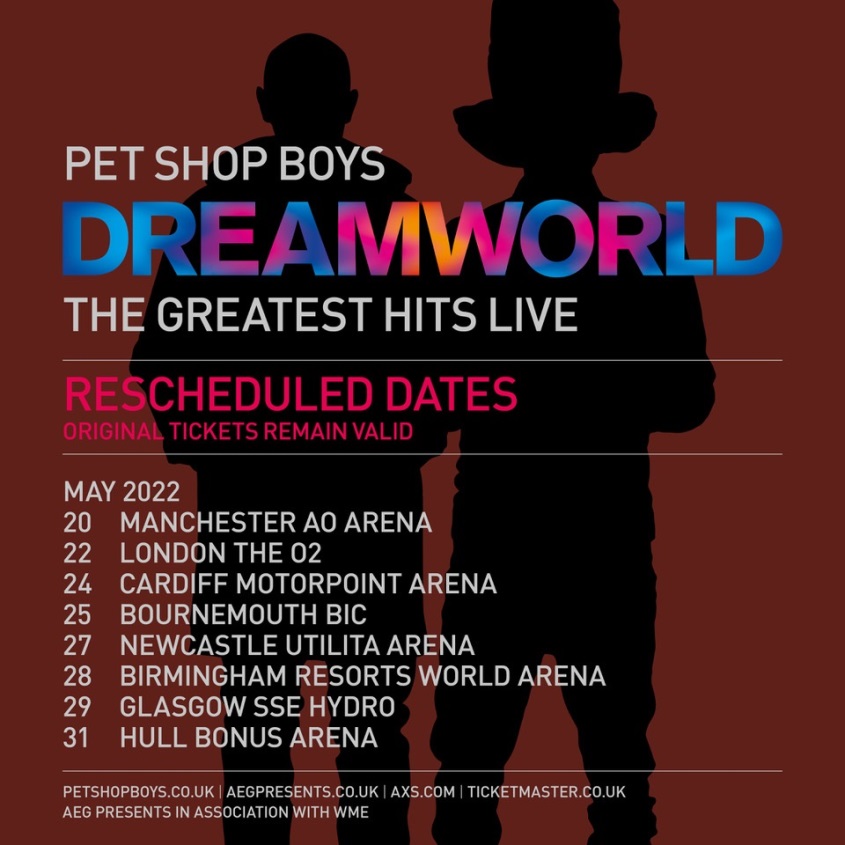
PET SHOP BOYS 2022 ‘Dreamworld – The Greatest Hits Live’ UK tour includes:

Manchester Arena (20th May), London O2 Arena (22nd May), Cardiff Motorpoint Arena (24th May), Bournemouth BIC Arena (25th May), Newcastle Utilita Arena (27th May), Birmingham Resorts World Arena (28th May), Glasgow SSE Hydro (29th May), Hull Bonus Arena (31st May)

http://www.petshopboys.co.uk/

https://www.facebook.com/petshopboys/

https://twitter.com/petshopboys

https://www.instagram.com/petshopboys/


Text by Chi Ming Lai
Photo by Eric Watson
16th April 2022

MUSIK MUSIC MUSIQUE 1980 | The Dawn Of Synth Pop

1977 is often seen as Year Zero for synthpop, thanks to hit singles by Donna Summer, Jean-Michel Jarre and SPACE.

But it was not until 1979 with TUBEWAY ARMY reaching No1 with ‘Are Friends Electric?’ that the sound of synth truly hit the mainstream.

Although ‘No1 Song In Heaven’ by SPARKS had actually been a hit a few months earlier, ‘Are Friends Electric?’ was the beginning of the synth being accepted as a worthy mode of expression, rather than as a novelty. But as synths became more affordable, they became the perfect tool of youthful expression.

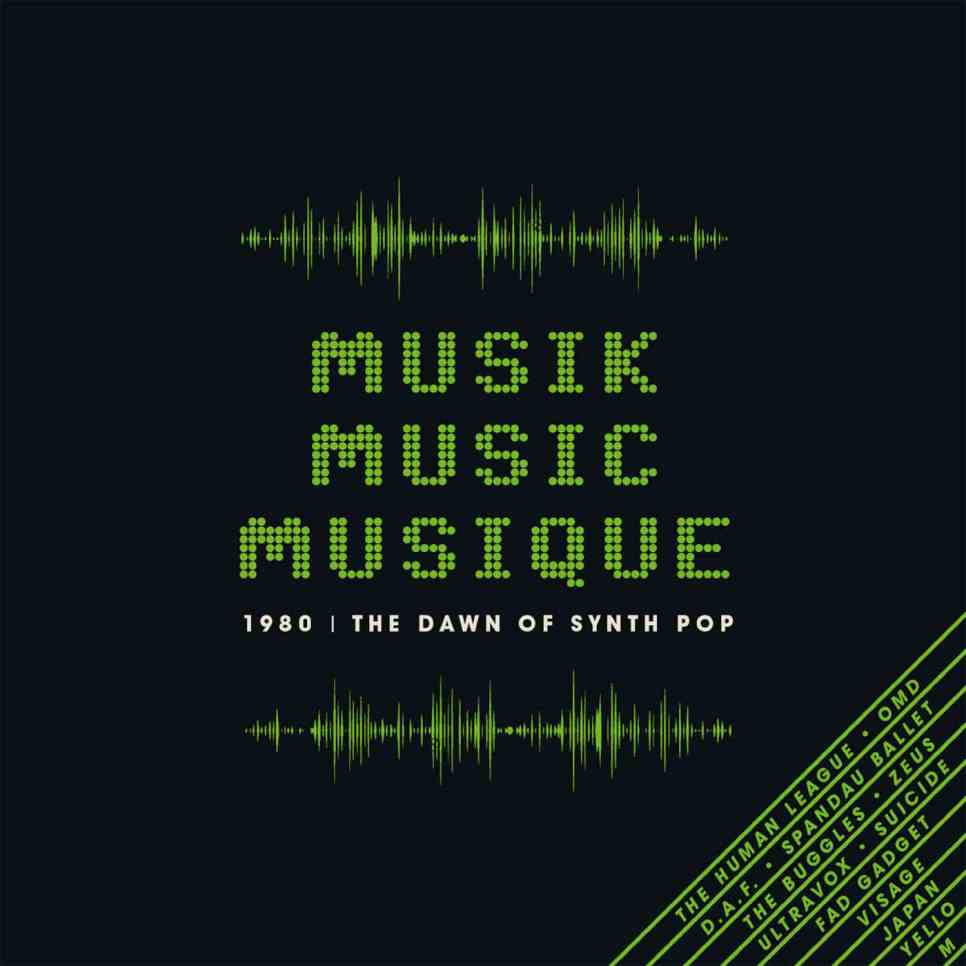
From Cherry Red, makers of the excellent ’Electrical Language: Independent British Synth Pop 78-84’ 4CD boxed set, comes ‘Musik Music Musique’; subtitled ‘1980: The Dawn Of Synth Pop’, this 3CD 58 track collection explores the arrival of synth pop and the dawn of a new musical era. This was the year before the synth became the rule rather than the exception with the success of SOFT CELL and DEPECHE MODE.

The set starts appropriately with OMD and ‘Messages’, one of the first tunes showcasing the warmer side of electronics following the colder wave led by Messrs Numan and Foxx. But as if to counter this next generation of youngsters, ‘Messages’ is immediately followed by the collection’s vocoder laden title song ‘Musik Music Musique’ from Zeus B Held and the superb proto-industrial ode to loveless sex ‘Coitus Interruptus’ by the much missed FAD GADGET.

Zeus B Held was later to make his impression on popular culture remixing ALPHAVILLE and SIMPLE MINDS as well producing the likes of FASHION, DEAD OR ALIVE, SPEAR OF DESTINY and TRANSVISION VAMP, but his wider breakthrough came as part of GINA X PERFORMANCE in 1979 with The Blitz Club favourite ‘No GDM’; on this compendium, the lesser-known but just as worthy ‘Vendor’s Box’ from their second album ‘X-Traordinaire’ is deservedly provided a platform.

The best producers often earn their spurs as artists and realising their limitations, use their accumulated studio nous to subvert the mainstream via pop. ‘Astroboy’ by BUGGLES sees Trevor Horn develop his sonic architecture to prove that he had another song that wasn’t ‘Video Killed The Radio Star’. Meanwhile the welcome inclusion of NEW MUSIK’s other hit ‘This World Of Water’ allows Tony Mansfield to showcase the crafted sparkle that would later go on to adorn records by CAPTAIN SENSIBLE, VICIOUS PINK, A-HA and NAKED EYES.

It may seem strange to see SPANDAU BALLET as part of this package but when they first appeared, they were considered a synthesizer band; ‘Glow’ was a UK double A side single with ‘Musclebound’ in 1981 and while it was the last synth-led track they did, their funk soul aspirations were there for all to hear. In fact, songwriter Gary Kemp had conceived ‘Glow’ with a brass section in mind, so it is now something of a curio that could be seen as a precursor to ‘Chant No1’.

SPANDAU BALLET were produced by Richard James Burgess who co-designed the Simmons SDSV; his electro-jazz combo LANDSCAPE figure with the Colin Thurston helmed ‘European Man’ which was actually designated “electronic dance music” on its single artwork some three decades before it was appropriated and abbreviated to become EDM…

Many of the usual suspects from the period like VISAGE, JAPAN, THE HUMAN LEAGUE and OUR DAUGHTER’S WEDDING are all present and correct with familiar recordings, but interestingly (although not for the better), it’s the original version of Phil Lynott’s ‘Yellow Pearl’ without the Rusty Egan drums or the Midge Ure remix that gets the nod!

One of the main beauties of these thoughtfully curated collections is to be able to sway away from the obvious and feature a known-name with a lesser-known work; in the case of ULTRAVOX, it’s the occasionally Eno-inspired and Conny Plank produced ‘Waiting’ which was the B-side to their first Midge Ure fronted single ‘Sleepwalk’. Meanwhile, SUICIDE are represented by the excellent Ric Ocasek produced ‘Diamonds, Fur Coat, Champagne’ and YELLO with ‘Bimbo’, the oddball opener of the Swiss trailblazers’ debut long player ‘Solid Pleasure’.

SILICON TEENS get to feature with something other than ‘Memphis Tennessee’ and it’s the Daniel Miller‘s self-penned instrumental ‘Chip N Roll’ that has the honour, while the Mute Records founder gets another track in with ‘Brushing Your Hair’, a gloriously vibrant instrumental production and co-write for Alex Fergusson of ALTERNATIVE TV.

There’s additionally tracks by lesser known international acts or those bands that faded from view after effectively being one hit wonders. The entire career of M may have been overshadowed by the ubiquitous ‘Pop Muzik’ but Robin Scott did go on to release three albums and work with Ryuichi Sakamoto; the sombre ‘Official Secrets’ may not really have much of a hook but it contains some percolating bleepy sections that pre-date KRAFTWERK’s ‘Home Computer’ by one year.

‘A Circuit Like Me’ from Australian combo, THE METRONOMES actually sounds very 21st century with its detached female vocal and charming monosynths, while the gallop of ‘Drawn & Quartered’ by THE KORGIS is a worthy find. Now while ROCKETS found fame with a catchy robotic flavoured cover of ‘On The Road Again’ with the help of Zeus B Held, the silver faced Italians found that the vocoder suited their performance art poise and reapplied it for the self-penned space rocker ‘Galactica’.

Also possessing a bit of a gallop is LORI & THE CHAMELEONS’ wispy Morricone-influenced single ‘The Lonely Spy’ although with its acoustic strum, it is quite different from the understated electronic disco of their best known track ‘Touch’. Cut from a similar melodic post-punk cloth, the Martin Hannett produced ‘Sympathy’ from Pauline Murray is a reminder of how women were coming to the fore after punk in synth-assisted new wave, a fact borne out on ‘Musik Music Musique’ by the inclusion of more obscure works from Toyah, Kim Wilde and Hazel O’Connor.

‘Musik Music Musique’ is also an opportunity to become reacquainted with lost tunes of yore and ‘The Eyes Have It’ by Karel Fialka will be remembered by those who owned the 1980 Virgin Records compilation ‘Machines’, as will the octave driven ‘Destiny’ by DALEK I LOVE YOU. Some enjoyably avant pop adventures come courtesy of XYNN’s ‘Computed Man’ and SCIENCE’s ‘Tokyo’, while one of the more bizarre but successful experiments included is ‘I’m A Computer’ by THE GOO-Q.

One of the lesser known acts featuring with the eccentric ‘Money’ is MOEBIUS, not the member of German duo CLUSTER but an American art rock band with a penchant for DEVO. ‘Doctor …?’ by BLOOD DONOR is another wonderful discovery while of the more experimental art pieces included, Nini Raviolette’s ‘Suis-Je Normale’ delightfully comes over like a collaboration between Jane Birkin and Laurie Anderson.

Düsseldorf is often seen as the spiritual home of electronic music and there is worthy representation from DER PLAN and ‘Da Vorne Steht Ne Ampel’ illustrating how there were other dimensions to German electronic music other than that engineered by KRAFTWERK. But closing the set is the band named after the Electri_City itself, LA DÜSSELDORF with the light-hearted ‘Dampfriemen’; a quirky slice of synth “Oompah” with comedic chants and a kazoo section, it sums up the manic oddball nature of the former NEU! drummer Klaus Dinger.

There are many other tracks that have merit, but textures which reoccur on ‘Musik Music Musique’ to date stamp the period are the icy chill of the affordable ARP Quartet string machine and squawky sax, although not in an overblown jazz funk way.

Despite ‘Musik Music Musique’ comprising of a carefully researched tracklisting, a few errors do slip through; as well as the SPANDAU BALLET track being released in 1981 as already mentioned (although it was available on a very scarce Japanese-only promo sampler in late 1980), the version of ‘Kebabträume’ by DAF is the 1982 Conny Plank version from the Virgin album ‘Für Immer’ and not the Bob Giddens produced Mute Records five piece band recording which actually came out in 1980.

Then in the booklet, the Foxx fronted 1977 line-up of ULTRAVOX! gets illustrated as opposed to the New Romantic suited Midge Ure one, while LA DÜSSELDORF’s Hans Lampe is referred to as a “Keyboard Whizz” when he is actually a drummer and now performs with Michael Rother who was Klaus Dinger’s partner in NEU!; in fact Dinger handled keyboards himself under the pseudonym of Nikolaus Van Rhein.

Those are minor quibbles though, because this set is very good value and acts as a great music history lesson as well as offering the chance to hear some new vintage synth. While many may have heard of BERLIN BLONDES, THE PASSAGE, THE FALLOUT CLUB and EYELESS IN GAZA, only a few will have heard their music.

‘Musik Music Musique’ offers something of a low risk opportunity to make some new friends while becoming reacquainted with a few old and lost ones. Here’s to the 1981 follow-up set…


‘Musik Music Musique – 1980: The Dawn Of Synth Pop’  is released on 31st July 2020 as a 3CD boxed set by Cherry Red Records

https://www.cherryred.co.uk/product/musik-music-musique-1980-the-dawn-of-synth-pop-various-artists-3cd/


Text by Chi Ming Lai
13th July 2020

« Older posts Newer posts »