Hosted by PopRambler Iain McDermott, ‘Back To NOW’ is a podcast that celebrates all things related to the variously compiled world of pop and how our favourite compilation albums shaped our lives and now fondly stand as time capsules for our own musical journeys.
Chi Ming Lai of ELECTRICITYCLUB.CO.UK was honoured to be invited back to Back To NOW after his debut appearance in 2024 about the ‘NOW ’81 Yearbook’. On this new episode, he joins Ian Wade, author of ‘1984: The Year Pop Went Queer’, to discuss the ‘NOW ’82 Yearbook’ 4CD set and its companion 3CD set of “Extras”.
The start of 1982 saw a continuation of the amazing Autumn of 1981 with the third singles from albums by SOFT CELL,OMD and JAPAN all hitting the Top5 while the synthesizer pioneers who were ahead of their time like KRAFTWERK and THE HUMAN LEAGUE saw tracks first released in 1978 become Top10 Hits with ‘The Model’ notably dropping down the charts before getting to No1. There were chart breakthroughs for SIMPLE MINDS and ASSOCIATES while YAZOO,CHINA CRISIS,BLANCMANGE,A FLOCK OF SEAGULLS and TALK TALK impressed with their debut long players.
However later in the year, there was a backlash against the synthesizer as exemplified by the Musicians Union tabling a motion to ban synthesizers from recording and live performance. Meanwhile musically, the fiddle and banjo romp of ‘Come On Eileen’ by the Celtic soul incarnation of DEXY’S MIDNIGHT RUNNERS becoming the biggest selling single of 1982 in the UK gave indicators that public may have had enough of all things electronic.
But you cannot halt progress and advances in music technology like the Linn Drum Computer and the Fairlight CMI were to become the perfect tools for producers like Trevor Horn and Tony Mansfield to continue adventures in modern recording with DOLLAR, ABC and SPANDAU BALLET as well as Captain Sensible and Mari Wilson among the beneficiaries. Meanwhile DURAN DURAN truly became the teenyboppers band of choice with their ‘Rio’ album eventually going platinum but if the year before had been 1981 B.C.C. – before CULTURE CLUB, then the end of 1982 saw the emergence of the two Georges, O’Dowd and Michael.
Of the year, the Now Music official website said: “1982 saw the first huge hits from a wealth of new artists including CULTURE CLUB, WHAM! and TEARS FOR FEARS, as well as an incredible line-up from artists who had established their chart presence in the prior 18 months and would produce some of the greatest tracks of the decade; DURAN DURAN, SPANDAU BALLET, ABC, HAIRCUT 100, SOFT CELL, THE HUMAN LEAGUE, and a newly solo Adam Ant.”
In a lively conversation, Iain McDermott, Ian Wade and Chi Ming Lai cover topics as diverse as the importance of Smash Hits in their coverage of pop, predict the possible inclusions for the upcoming NOW ‘Vault ’82’ collection and the unlikely trio of chart toppers from West Germany, thus proving that despite it being the country that seeded innovative electronic music, its cheesy home-grown Schlagermusik could also unexpectedly crossover as grandparents bought their one single of the year!
As Smash Hits Editor David Hepworth said in their end of year review, there were “no patterns” to pop in 1982.
ELECTRICITYCLUB.CO.UK gives its warmest thanks to Iain McDermott
Electronic pop music laid slightly wounded in 1985.
It was a year of transition as DEPECHE MODE did not release a new album, but consolidated with a handy compilation ‘The Singles 81-85’ although its very weak new track ‘It’s Called A Heart’ was thankfully not a sign of things to come.
Meanwhile after the critical acclaim with their debut single, the Bobby Orlando produced version of ‘West End Girls’ in 1984, PET SHOP BOYS were struggling to gain traction despite signing a deal with EMI with their first single for the label ‘Opportunities (Let’s Make Lots Of Money)’ which stalled on its first release at No116; but a re-recorded version of ‘West End Girls’ produced by Stephen Hague issued towards the end of 1985 would change fortunes in time for the start of 1986.
One of the key singles of 1985 was ‘Slave To The Rhythm’ by Grace Jones; wonderful, sun-kissed funky pop in its radio version, producer Trevor Horn took the multiple remix approach he had piloted with FRANKIE GOES TO HOLLYWOOD to its zenith with the parent album. Having worked endlessy to come up with the perfect version and therefore different approaches, rather than actually do a collection of songs, why not do an album that was effectively multiple remixes and interpretations of one song?
The rise of FM synthesis, sampling and computer controlled systems during 1984, sidechained to the success of more guitar driven acts such as U2 and THE PSYCHEDELIC FURS in America, meant that traditional instruments and realistic presets were now the new badge of honour as music made with the inventive electronic sounds prevalent during Synth Britannia faced a backlash. EURYTHMICS moved away from synths to a more conventional band sound while THE SMITHS would continue to be held up by the music press as purer flagbearers of “real music” with Morrissey having already declared “there was nothing more repellent than the synthesizer…”
An early indicator of where things were heading came when ‘Don’t You (Forget About Me)’ was released by SIMPLE MINDS in February 1985 in the US as the theme to a new teen angst movie ‘The Breakfast Club’. Written by Steve Schiff with Keith Forsey who already had co-writes for ‘Flashdance’ and ‘Never Ending Story’ to his name, Radio1’s Richard Skinner called the song “bland” but highly FM radio friendly, it was an American No1 before the start of the Summer and was one of centrepieces of the US leg of Live Aid at JFK Stadium in Philadelphia. The event coincided with an explosion in corporate rock and “DDD” music made for the up-and-coming CD format by the likes of DIRE STRAITS.
This more rock-infused but technically polished new wave sound would be key to TEARS FOR FEARS’ huge success across the Atlantic with their second album ‘Songs From The Big Chair’. It saw bands like VITAMIN Z adopting that style and they even went as far as hiring Ross Cullum who co-produced TEARS FOR FEARS debut to helm their first album ‘Rites Of Passage’; despite a UK tour opening for Midge Ure, although sales were not forthcoming, singer Geoff Barradale would later use his experience to great effect when he managed ARCTIC MONEYS and took them to stardom.
The most disappointing record of 1985 was ‘Crush’ by OMD; while producer Stephen Hague made their sound more palatable for Trans-Atlantic consumption with more guitars, piano and acoustic drums as exemplified by the uninspiring single ‘So In Love’, the inner sleeve credit of “electronic keyboards” instead of individual synths as on ‘Dazzle Ships’ and ‘Junk Culture or “synthesizers” as on previous albums was a pointer to the blanding out of this once great band for a wider audience in the US.
Despite synths being less desirable in terms of Trans-Atlantic marketability in the move away from cooler European artistry, ELECTRICITYCLUB.CO.UK has been able to assemble a list of 20 albums seen as being part of the admittedly weaker electronic legacy of 1985. Listed in alphabetical order, there is a restriction of one album per artist moniker.
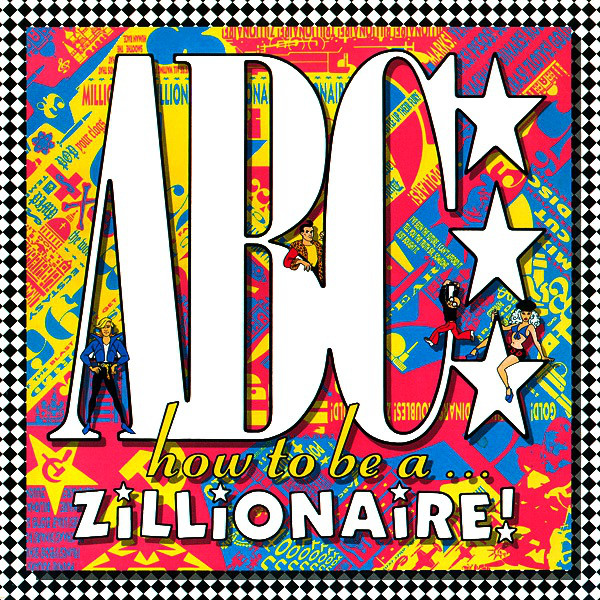
ABC How To Be A Zillionaire!
After the rockisms of ‘Beauty Stab’, the third ABC album sprung a major surprise in its New York electro flavoured lead single ‘How To Be A Millionaire’. “We saw it happening in Times Square, there were B-Boys doing that whole thing to KRAFTWERK which was just amazing. The minute the Emulator II came out, we bought one. No need to pay a Fairlight programmer £750 a day!” said Mark White; ‘Fear Of The World’ would later be sampled for the ELECTRONIC B-side ‘Lean To The Inside’.
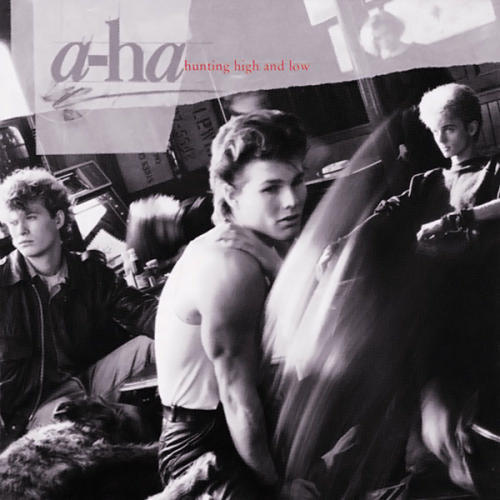
Despite being labelled a teenybop group, from the beginning A-HA were always so much more than just the catchy pop of ‘Take On Me’. Containing another three hit singles, there was the wistful ‘Hunting High & Low’ title song while ‘The Sun Always Shines On TV’ revealed a lyrical darkness as the combination of synths and edgy guitar put them in the same league as ULTRAVOX and ASSOCIATES. But ‘Living A Boy’s Adventure Tale’ was the track that outlined A-HA had longevity.
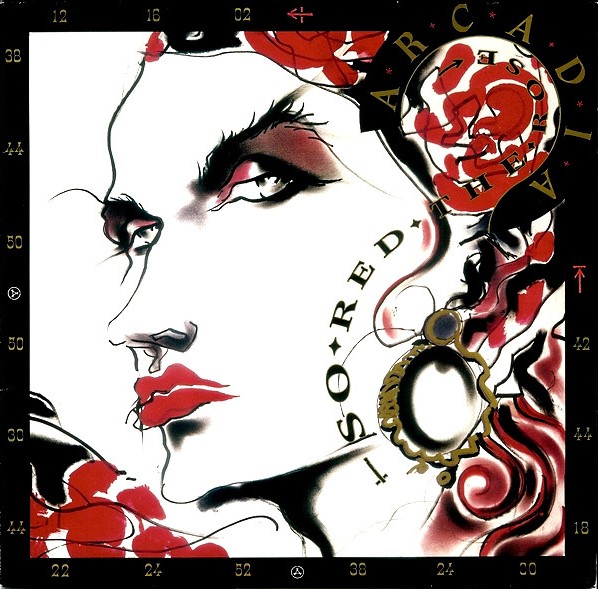
In response to THE POWER STATION, ARCADIA was Simon Le Bon, Nick Rhodes and Roger Taylor’s attempt to be JAPAN, smothered in an esoteric pond of lush arty indulgence. ‘Election Day’ featuring Grace Jones could have been a DURAN DURAN song, as could ‘The Flame’ which bore a resemblance to ‘A View To A Kill’. But ‘Goodbye Is Forever’ was art funk that pointed to where DURAN DURAN would head with ‘Notorious’.
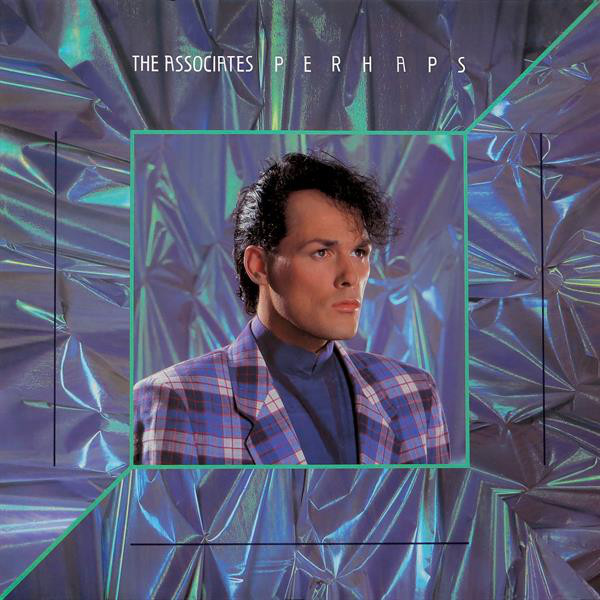
With the departure of Alan Rankine after ‘Sulk’, Billy Mackenzie recruited Martyn Ware and Martin Rushent on its follow-up ‘Perhaps’. Although more glossy in sound, the Rushent produced ‘Waiting For The Love Boat’ could have easily come off ‘Sulk’ while ‘Those First Impressions’ produced by Ware narrowly failed to crack the UK Top40. But the epic string laden drama of ‘Breakfast’ helmed by Rushent was possibly Mackenzie’s greatest single moment.
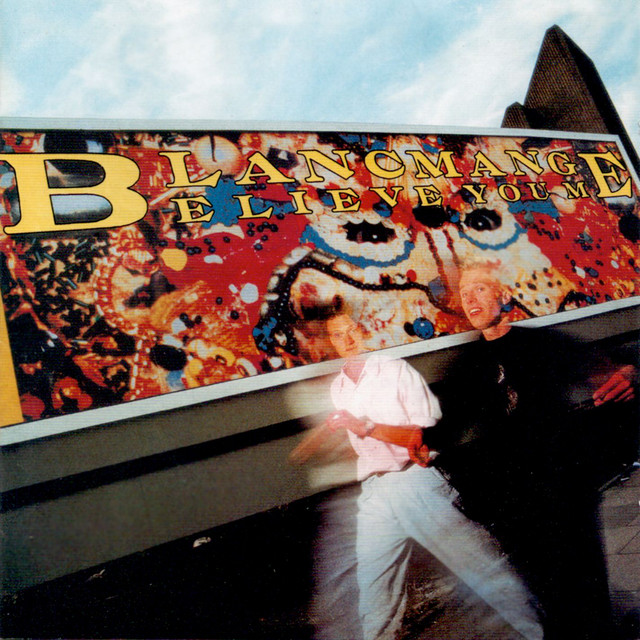
Despite good crossover songs such as ‘Why Don’t They Leave Things Alone?’ and ‘Lorraine’s My Nurse’, with synthpop now no longer in-vogue, there was a lukewarm reception for the third BLANCMANGE album ‘Believe You Me’. With a proclamation from Neil Arthur that “I feel like I’m losin’ my mind” in the electro-funk of ‘22339’, it led to him and Luscombe calling it a day in order to protect their friendship after a show at the Royal Albert Hall.
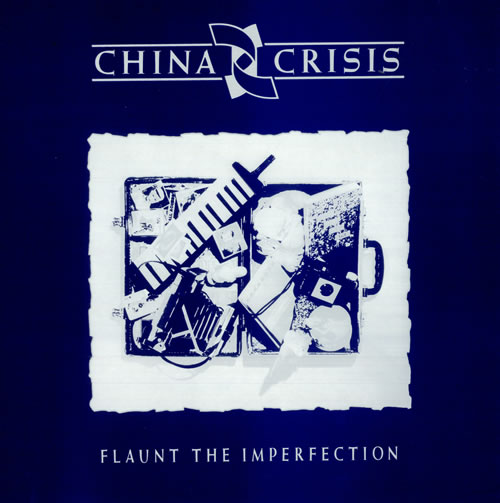
Produced by Walter Becker of STEELY DAN, the influence of his band on ‘Flaunt The Imperfection’ resulted in much more of a live soulful feel with the contribution of accomplished session musicians while Gary Daly and Eddie Lundon focussed on the songwriting. Classic CHINA CRISIS songs like ‘Black Man Ray’ and ‘King In A Catholic Style’ secured two UK Top20 hits from a single album for the first time.
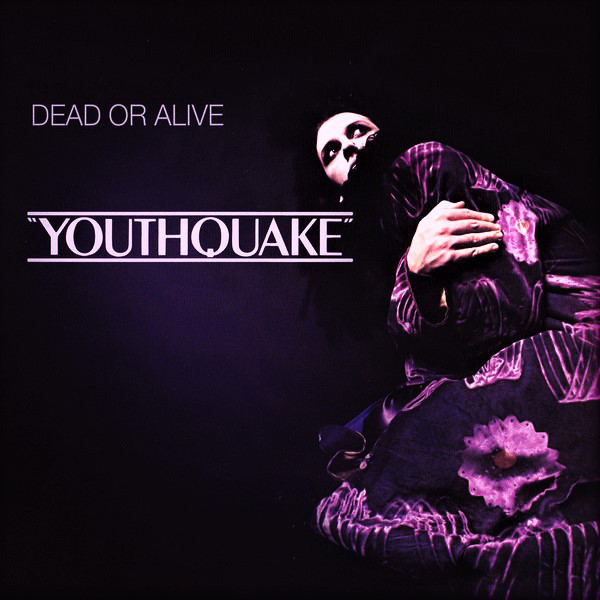
DEAD OR ALIVE looked like they’d missed the boat when their rivals FRANKIE GOES TO HOLLYWOOD reached No1 with ‘Relax’. Having heard ‘You Think You’re A Man’ by Divine, Burns recruited the song’s production team of Stock, Aitken & Waterman to work on ‘You Spin Me Round (Like A Record)’ which hit the top of the UK singles chart. The eventual ‘Youthquake’ album was a mixed bag, but included another hit ‘In Too Deep’ and the gothic funk epic ‘It’s Been A Long Time’.
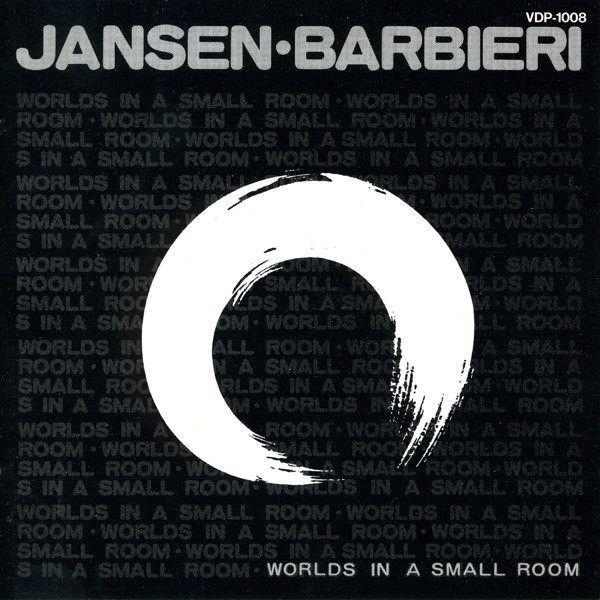
After JAPAN, drummer Steve Jansen and keyboardist Richard Barbieri formed a new creative partnership. ‘Worlds In A Small Room’ was an instrumental suite commissioned by JVC to accompany a documentary about the Space Shuttle Challenger. ‘Breaking The Silence’ was a beautiful opening piece with elements recalling Ryuichi Sakamoto while the more structured ‘Moving Circles’ had a Jansen vocal added for the Japanese release’s bonus song ‘Move In Circles’.
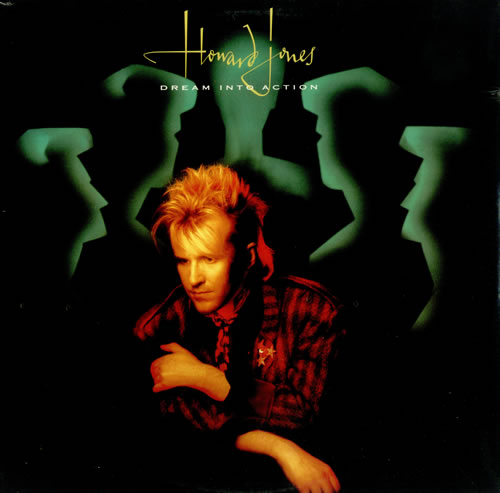
Thanks to the success of his debut album ‘Human’s Lib’, the follow-up ‘Dream Into Action’ was written by Howard Jones on the road by necessity; “I was writing in dressing rooms on an Akai 12 track recorder…” he said, “we were experimenting a lot so it’s a much more complex record”. There were hopeful anthems in ‘Things Can Only Get Better’ and ‘Life In One Day’ while the plaintive ‘No One Is To Blame’ would become a huge Trans-Atlantic hit in a new version produced by Phil Collins.
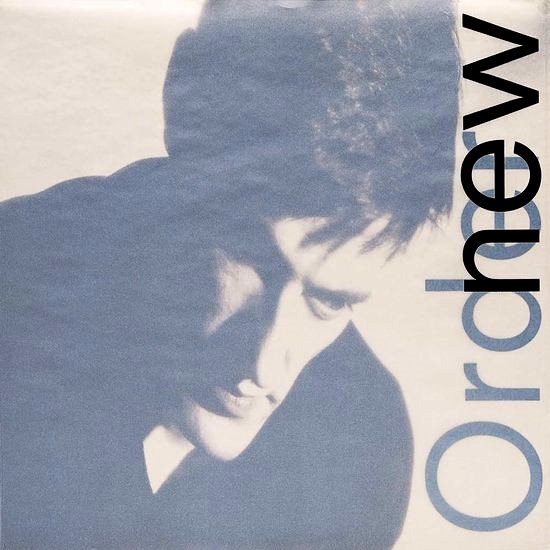
‘Low-life’ saw for the first time, a single ‘The Perfect Kiss’ taken from a NEW ORDER album as a compromise following a new US deal with Qwest Records. ‘Low-life’ featured several other highlights and opened with the Country ‘n’ North Western ghost story ‘Love Vigilantes’. The mighty ‘Sunrise’ was another number in the tit-for-that exchange with THE CURE which was clearly influenced by ‘A Forest’ while the brilliant ‘This Time Of Night’ exuded a throbbing post-punk growl.
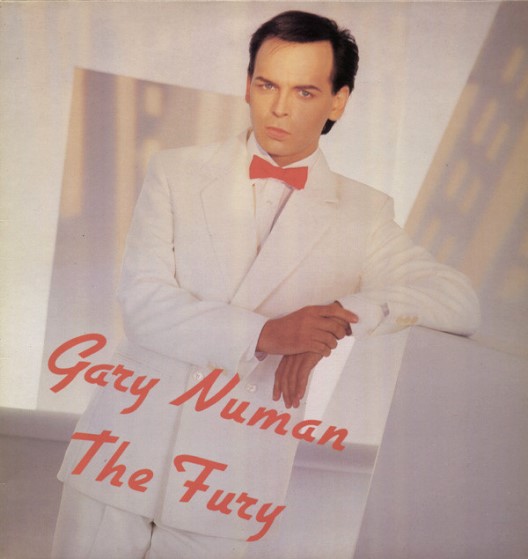
Co-produced with PPG operators The Wave Team, ‘The Fury’ was the best Gary Numan album since ‘Telekon’. Although very much with the times and in line with acts like FRANKIE GOES TO HOLLYWOOD and DEAD OR ALIVE, the hard but bright digital sound complimented Numan’s downbeat lyricism. Among the highlights were ‘Call Out The Dogs’, ‘Tricks’ and ‘Miracles’ while the haunting closing track ‘I Still Remember’ was a vocal reimagining of the 1979 instrumental ‘Random’.
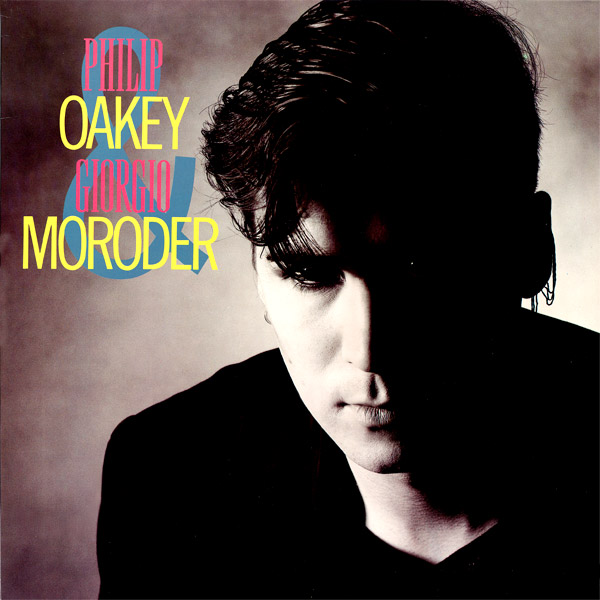
PHILIP OAKEY & GIORGIO MORODER Philip Oakey & Giorgio Moroder
After the worldwide success of ‘Together In Electric Dreams’ and the lukewarm response to THE HUMAN LEAGUE’s ‘Hysteria’ in 1984, Virgin Records swiftly despatched Philip Oakey to record an album with Giorgio Moroder. ‘Now’ was Oakey’s heartfelt commentary on economic corruption while the thumping side one segue of ‘Why Must The Show Go On?’, ‘Good-Bye Bad Times’ and ‘Take A Chance’ was a thrilling train ride.
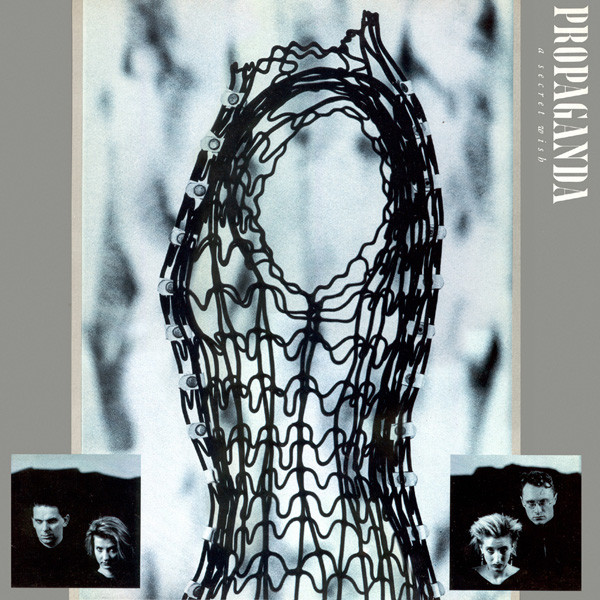
Düsseldorf’s PROPAGANDA were dubbed “ABBA in Hell”! The magnificent film noir of ‘Dr Mabuse’ was their opening salvo produced by Trevor Horn. The producer’s helm was handed over to engineer Stephen J Lipson for the album ‘A Secret Wish’. ‘Duel’ exuded an accessible ice maiden cool while the Teutonic ‘P.Machinery’ was full of state of the art technical tricks. With the lengthy and poetic ‘Dream Within A Dream’, the listener was taken on a massive sonic adventure.
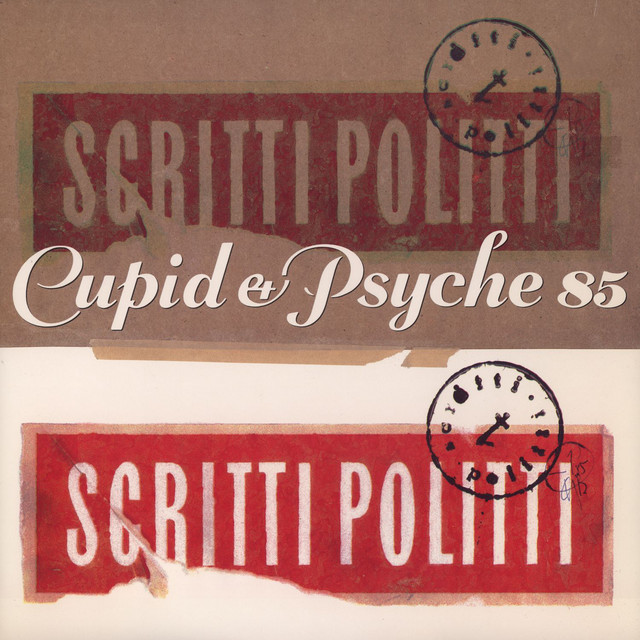
The first major label SCRITTI POLITTI LP ‘Cupid & Psyche 85’ contained the 1984 Arif Mardin produced hits ‘Wood Beez (Pray Like Aretha Franklin)’ and ‘Absolute’, the latter also seeing input from Gary Langan and JJ Jeczalik of THE ART OF NOISE. Green Gartside embraced of mainstream dance pop and state-of-the-art studio production with new song writing partner David Gamson. Meanwhile self-produced reggae inflected ‘The Word Girl returned to sound of earlier Scritti.
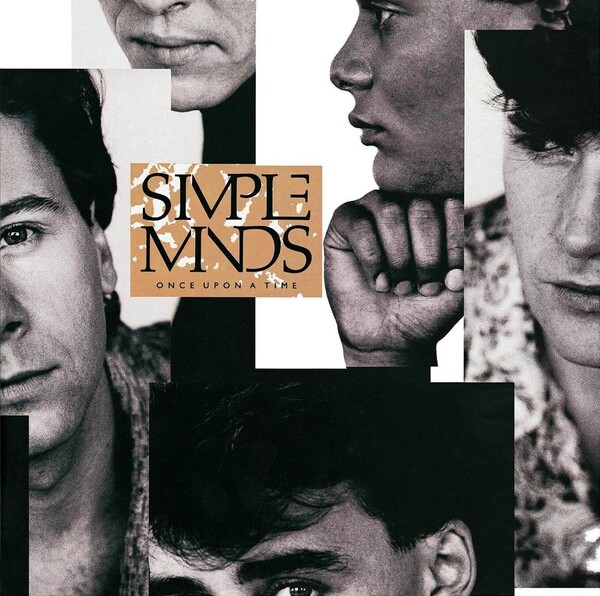
After the harder new rock sound of ‘Sparkle In The Rain’ produced by Steve Lillywhite, SIMPLE MINDS brought the synths back in, albeit with a Trans-Atlantic sheen helmed by American production heavyweights Jimmy Iovine and Bob Clearmountain. Despite the modern FM rock bombast which even included a rhythm n blues flavour on ‘Sanctify Yourself’, ‘Alive & Kicking’ saw Mick McNeil’s Gaelic accordion virtuosity applied to electronic keyboards for a huge hit in the US and Europe.
“Spreading out” rather than splitting, Yukihiro Takahashi still had his YELLOW MAGIC ORCHESTRA band mates Haruomi Hosono and Ryuichi Sakamoto playing on seventh solo album ‘Once A Fool,…’; as could be expected from Japan’s answer to Bryan Ferry, this was a sophisticated production with strong percussive backdrops. ‘Providence (Subarashiki Gensou)’ was a particularly uplifting highlight while there was also a cover of Todd Rundgren’s ‘I Saw The Light’.
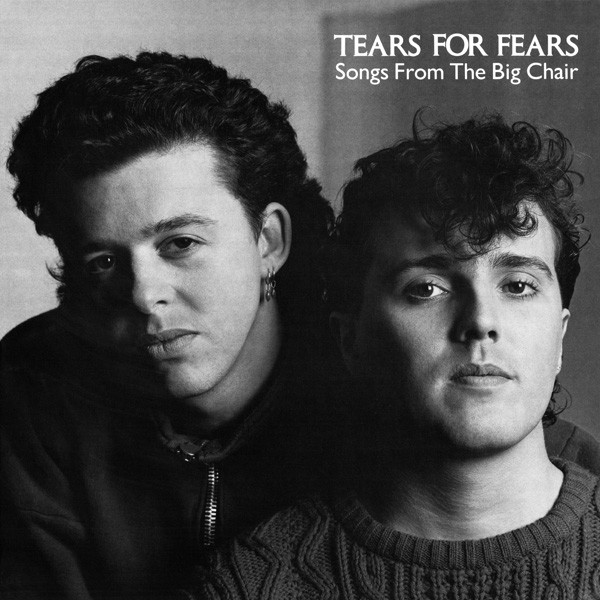
DespiteTEARS FOR FEARS adopting more guitar compared to its predecessor ‘The Hurting’, the more band oriented ‘Songs From The Big Chair’ were still characterised by electronics and rhythm programming in its backbone. Cold War angst provided the tension to ‘Shout’ and the big American driving hit ‘Everybody Wants To Rule The World’ while ‘Head Over Heels’ with its blistering synth solo was another Stateside hit, later in the 2001 psychological thriller ‘Donnie Darko’.
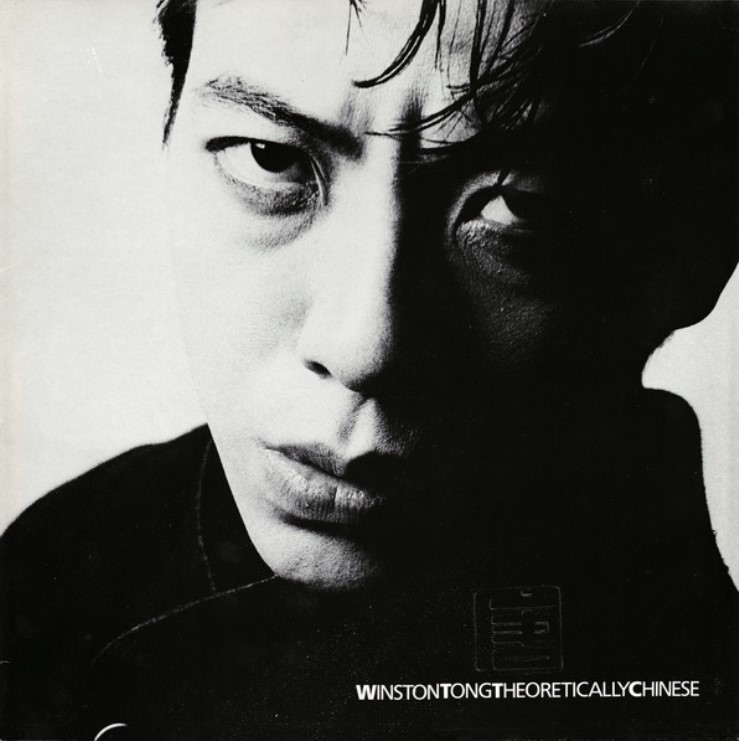
Produced by Alan Rankine, ‘Theoretically Chinese’ was as much of an electronic pop departure for Winston Tong from TUXEDMOON as Robert Görl’s ‘Night Full Of Tension’ was from DAF. The era’s inherent Cold War tensions also loomed large on the fine pulsing opener ‘Big Brother’ as well as an excellent uptempo cover of Marianne Faithfull’s ‘Broken English’ while ‘Reports From The Heart’ provided an elegant sweeping ballad.
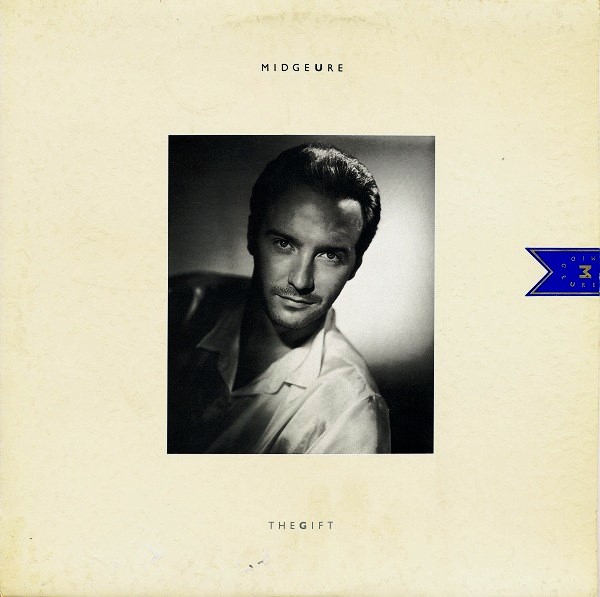
Midge Ure finally took the solo album plunge with ‘The Gift’. Songs like ‘When The Wind Blows’, ‘That Certain Smile’ and the title track sounded like ULTRAVOX enough to potentially worry his bandmates. But ULTRAVOX would never have covered JETHRO TULL’s ‘Living In The Past’ or recorded the lovey-dovey UK No1 single ‘If I Was’ which was rescued from the unreleased vaults of MESSENGERS whose instrumentalist Danny Mitchell was Ure’s main collaborator on this great adventure.
‘The Gift’ is still available via Chrysalis Records
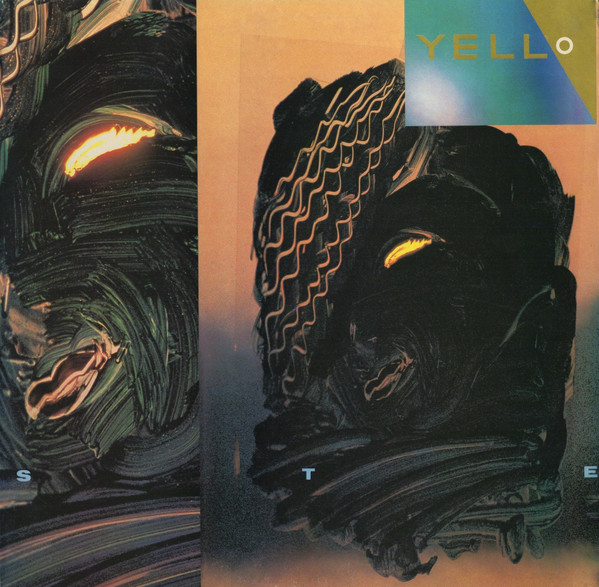
‘Stella’ was the first album YELLO made without founder member Carlos Perón; Boris Blank and Dieter Meier headed towards a more cinematic style of experimental pop, making greater use of the Fairlight and digital synths. It included the delightful ‘Vicious Games’ featuring vocals by Rush Winters but the album’s biggest track was ‘Oh Yeah’ which ended up in ‘Ferris Bueller’s Day Off’, ‘The Secret of My Success’ and ‘The Simpsons’.
Unlike “New Romantic”, “New Pop” was a term that never truly stuck… it was coined by Paul Morley, then a polarising writer for NME. It was used to describe forward thinking music that, while rooted in post-punk, was accessible and looked to overthrow rockist conventions by unashamedly blending a variety of styles.
The acts who found themselves considered as part of this movement included THE CURE, SIMPLE MINDS, OMD, JAPAN, CHINA CRISIS, THE HUMAN LEAGUE, SOFT CELL, HEAVEN 17, EURYTHMICS, TEARS FOR FEARS, A FLOCK OF SEAGULLS, FUN BOY THREE, SCRITTI POLITTI, THE STYLE COUNCIL, ALTERED IMAGES, DEXY’S MIDNIGHT RUNNERS, MONSOON, THE TEARDROP EXPLODES, ABC, HAIRCUT 100, THE PALE FOUNTAINS, EYELESS IN GAZA, BLUE RONDO A LA TURK, RIP RIG & PANIC, JOBOXERS, THE HIGSONS and even THE STRANGLERS.
This was a broad church that many would not have granted a common association but that was the point. Even in what appeared to be traditional band formats, new technology meant synths emulated brass sections or funk basslines while drum machines took the place of conventional sticksmen and it could all be recorded in a DIY fashion with portastudios and the like.
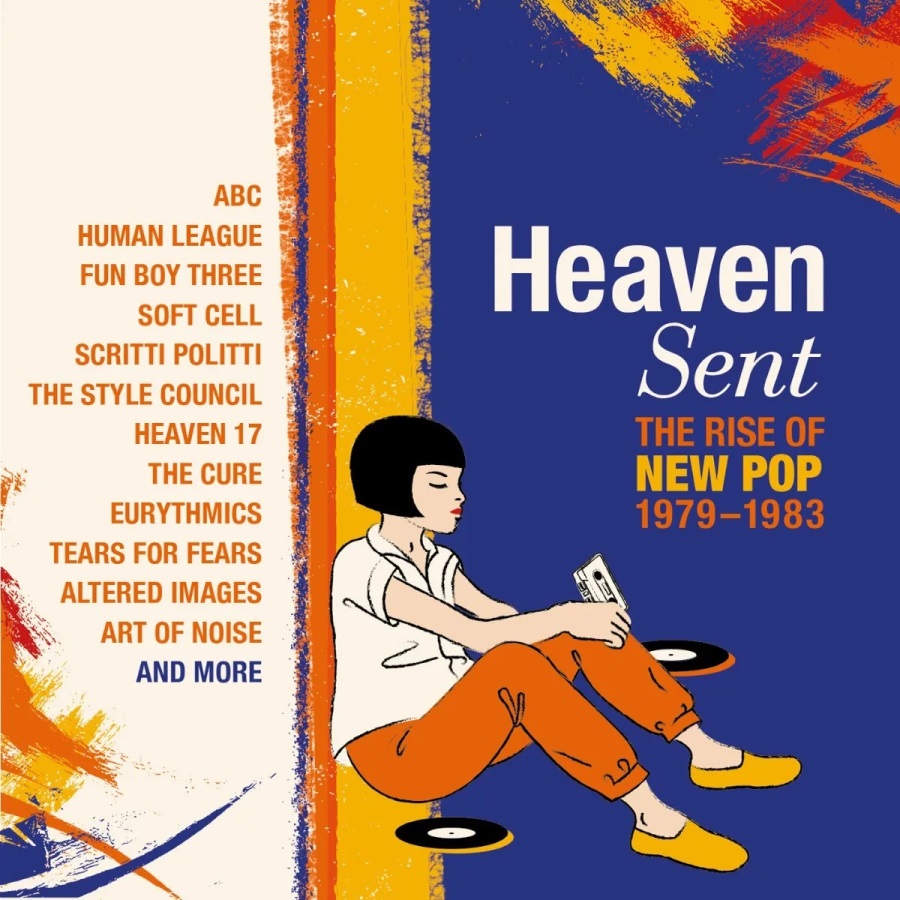
New Pop was about the aspirations of those disenchanted with the Winter of Discontent and then the Conservative government under Margaret Thatcher to pick up musical instruments without any formal training. The intention was to be heard, whether in the clubs, on the radio or in the charts. The ever dependable Cherry Red present ‘Heaven Sent – The Rise Of New Pop 1979-1983’, a 4CD collection compiled by the team who curated the ‘Musik Music Musique’ sets.
Of the artists that ELECTRICITYCLUB.CO.UK would appreciate, there are fine choices that are off the beaten track away from obvious hits; THE HUMAN LEAGUE are represented by the excellent ‘Boys & Girls’ which was the first single after the departure of Martyn Ware and Ian Craig Marsh while the latter pair’s HEAVEN 17 contribute the locomotive snap of ‘I’m Your Money’. OMD have ‘Red Frame / White Light’, the lightweight ditty about the 632 3003 phonebox which served as their office in their formative years.
But synthpop was taken to the next level with the gritty social commentary of ‘Bedsitter’ proving that SOFT CELL were more than a one hit wonders and could chart with self-written material. A sign of how angst ridden youngsters were expressing their existential and political concerns to music came with fine debut offerings respectively from TEARS FOR FEARS and CHINA CRISIS but while ‘Suffer The Children’ and ‘African & White’ were not Top40 hits, they were hints of their mainstream success to come.
A year before they subverted the singles chart with ‘Party Fears Two’, ASSOCIATES were peddling the more challenging ‘Q Quarters’ while on THE CURE lightened up with ‘Let’s Go To Bed’ in the first of their fantasy singles trilogy that would later include ‘The Walk’ and ‘The Love Cats’. And prior to DEAD OR ALIVE becoming a HI-NRG disco act, they were a brooding goth band with ‘The Stranger’ in its original Black Eyes Records incarnation as wonderful evidence of that.
Maturer acts who made an impression during this period like M, THE BUGGLES and NEW MUSIK are all present and correct with their biggest hits while one song that deserved to be a hit was the bizarre but brilliant techno-swing of ‘An Englishman In New York’ from 10CC refugees Kevin Godley and Lol Creme.
Capturing two acts in transition, fresh after departing THE TOURISTS, EURYTHMICS get served by their first German influenced single ‘Never Gonna Cry Again’ while the 7 inch single edit of ‘The Art Of Parties’ by JAPAN and its brass-fuelled exploration of more rhythmic territory makes a rare digital appearance.
The epitome of New Pop has often been seen to be ABC with ‘Poison Arrow’ and with the band plus assorted session musicians tracing the pre-programmed guide track helmed by Trevor Horn with live instrumentation, modern production was born where funk, soul and orchestrations could sit alongside the mechanised synthpop that had achieved a wider breakthrough in 1981.
With New Pop, funk was often a constituent and FAD GADGET’s ‘Make Room’ brought that in spades alongside the synth, while COLOURBOX had a cross of electronics, funk and reggae in ‘Shotgun’, although both were perhaps too idiosyncratic to crossover to wider audiences.
There’s also the inclusion of the first Thomas Dolby single ‘Urges’ co-produced by XTC’s Andy Partridge and the boxed set’s title song ‘Heaven Sent’, Paul Haig’s excellent take on SIMPLE MINDS ‘I Travel’ polished for the New York dancefloor by producer Alex Sadkin; to have the former JOSEF K frontman and his song originally written for the band in this position is fitting as Paul Morley had designated Paul Haig“the enigmatic fourth man” in a quartet of New Pop saviours which also included Billy Mackenzie, Jim Kerr and Martin Fry.
The delight in these boxed sets is to rediscover music that has been largely forgotten over time and one is ‘Dance Sucker’, an electro-funk stomper by SET THE TONE; a combo featuring one-time SIMPLE MINDS drummer Kenny Hyslop, it was he who taped the track ‘Too Through’ by BAD GIRLS off Kiss FM in New York that inspired the band to write ‘Promised You A Miracle’; SIMPLE MINDS themselves feature with the underrated ‘Sweat In Bullet’ from 1981.
One nice surprise is THE UNDERTONES’ synth flavoured ‘Beautiful Friend’ where they appear to have actually got THE HUMAN LEAGUE in to advise them while Pauline Murray with THE INVISIBLE GIRLS are delightfully rousing with the Martin Hannett produced ‘Dream Sequence 1’. Another fine inclusion is Edinburgh’s TV21 and their Mike Howlett produced single ‘All Join Hands’ with its combination of sequencers and strings.
By 1983, THE STRANGLERS had shed their more aggressive tendencies with the pretty ‘European Female’ but harking back to those days, Hazel O’Connor’s cover of their ‘Hanging Around’ begins as an enigmatic Casiobeat cover with the ‘Breaking Glass’ star trying to be Grace Jones before morphing into a more routine reinterpretation with synth and sax. And speaking of Grace Jones, her reggae cover of JOY DIVISION’s ‘She’s Lost Control’ has to be heard to be believed.
One hit wonders from THE FLYING LIZARDS, DEPARTMENT S and THE PASSIONS add to the fun but some of the inclusions have not aged well. ‘The House That Jack Built’ by Paul Weller protégée Tracie Young is frankly dreadful while the embarrassing ‘John Wayne Is Big Leggy’ by HAYSI FANTAYZEE only gets a free pass because Kate Garner and Jeremy Healy comically subverted Top Of The Pops by performing this song about anal sex with unambiguous actions to boot!
Not everything on ‘Heaven Sent – The Rise Of New Pop 1979-1983’ will satisfy the majority of listeners but what cannot be denied about most of the inclusions is that they are largely inventive and exciting. It is a period to savour because what then comes after is the bland sophisti-pop and cod soul meanderings of SADE, SIMPLY RED, GO WEST, SWING OUT SISTER, HUE & CRY, CURIOSITY KILLED THE CAT, WET WET WET and LIVING IN A BOX with their far more musically conservative (with a small ‘c’) disposition.
The phenomenon of the New Romantics can be said to have begun in Autumn 1978 with the foundation of a “Bowie Night” by Steve Strange and Rusty Egan at Billy’s nightclub in London’s Soho.
The youth movement that emerged aimed to find something new and colourful to escape the oncoming drabness in The Winter Of Discontent. Like Edwardian dandies meeting the Weimar Cabaret with extras from ‘Barbarella’ in between, they did a strange swaying arms dance, so as to not mess up their theatrical bouffanted hair. But after a disagreement with the owners of Billy’s, the pair moved their venture to The Blitz Club in Holborn.
Despite names such as Futurists, The Blitz Kids and The Movement With No Name, it was the term “New Romantics” coined by producer Richard James Burgess that became the widely used press description for this flamboyant group of outsiders. It was to eventually stick on anything from synthpop, art rock and peacock punk to Latin grooves, jazz funk and cod reggae provided the artist wore make-up, zoot suits, frilly blouses, smocks, headbands or kilts. Parallel club scenes developed at The Rum Runner in Birmingham, Crocs in Rayleigh near Southend and The Warehouse in Leeds from which DURAN DURAN, DEPECHE MODE and SOFT CELL respectively emerged.
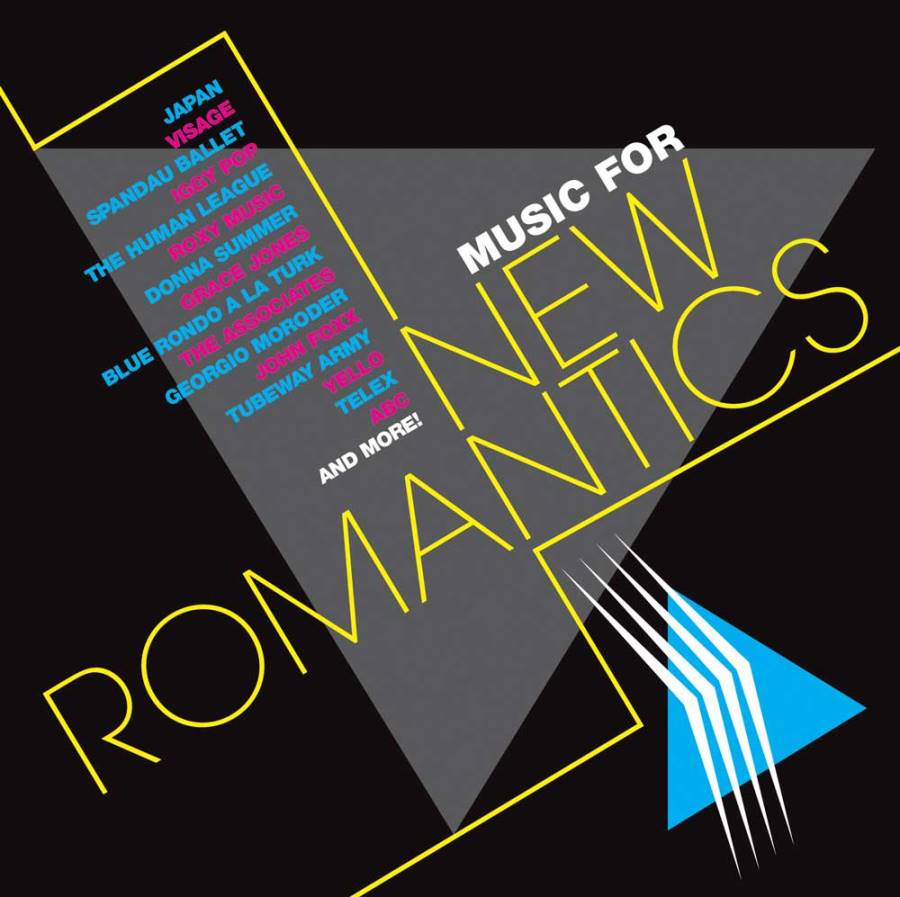
To celebrate this era in popular culture, Cherry Red Records release an eclectic boxed set entitled ‘Music For New Romantics’. But while it contains some fantastic music, the tracklisting is a confused affair, having been originally conceived around comings and goings of The Blitz Club. It was here that Steve Strange acted as doorman and fashion policeman, while Rusty Egan was its resident DJ providing the soundtrack for a scene which became the catalyst for several bands including SPANDAU BALLET, CULTURE CLUB and VISAGE as well as assorted fashion designers, visual artists and writers.
Everything was centred around fashion-obsessed and some would say self-obsessed individuals; while the story about turning away Mick Jagger is well documented, one of the ironies of Steve Strange’s gatekeeping antics was that he refused entry to Chris Payne, then a member of Gary Numan’s band in 1979; Strange was to have his biggest hit with a song that Payne co-wrote entitled ‘Fade To Grey’ while another refused entry that evening was Ced Sharpley who played the drums on it!
Contrary to legend, the playlists of the various New Romantic establishments did not comprise exclusively of electronic music as those types of tracks were comparatively scarce at the time. So international synthworks from the likes of KRAFTWERK, YELLOW MAGIC ORCHESTRA, SPARKS, SPACE and TELEX sat alongside soundtracks, punk, disco and relatable glam rock tunes by David Bowie, Brian Eno and Bryan Ferry.
Rusty Egan declined to be involved in the collection after initial discussions led to conceptual differences. In the absence of The Blitz Club’s resident DJ who is now planning his own curated collection, one of the regulars Chris Sullivan, who himself ran a similar but less electronically focussed night at Le Kilt in Soho, steps in to provide commentary while the set was put together by the team behind Cherry Red’s ‘Musik Music Musique’ synthpop series and ‘Electrical Language’ boxed set.
‘Music For New Romantics’ comes with three loosely themed discs with CD1 focussing on glam, art rock and early electronic disco while CD2 covers Synth Britannia and new wave. CD3 though is a hotch-potch of soul, funk and electro with SISTER SLEDGE and LIPPS INC being rather incongruous inclusions; with their hit songs being readily available on any ‘Night Fever’ type compilation, there were many more suitable alternatives that could have been considered.
But it is CD2 that most will revel in and the tracklist has no fault as a listening experience. Standards such as the eponymous song by VISAGE, SIMPLE MINDS ‘Changeling’, OMD’s ‘Electricity’, ‘Moskow Diskow’ from TELEX, THE NORMAL’s ‘Warm Leatherette’, JAPAN’s Giorgio Moroder produced ‘Life In Tokyo’, ‘Bostich’ by YELLO, ‘Being Boiled’ from THE HUMAN LEAGUE and THROBBING GRISTLE’s ‘Hot On The Heels Of Love’ are present and correct. But it was SPANDAU BALLET’s ‘To Cut A Long Story Short’ and LANDSCAPE’s ‘Einstein A-Go-Go’ that were to confirm that the New Romantics were able to hit the charts in their own right after Steve Strange’s cameo in Bowie’s ‘Ashes To Ashes’ video.
CD1 features scene heroes such as Iggy Pop, Lou Reed and Mick Ronson, but heroines come in the avant cabaret glamour of Nina Hagen with ‘TV-Glotzer’ and Grace Jones’ reinterpretation of Édith Piaf’s ‘La Vie En Rose’. The most welcome track on this disc though is RAH BAND’s ‘The Crunch’ which all but invented the sexy electro-Schaffel of GOLDFRAPP, while one obscure jewel is ‘The Ultimate Warlord’ by THE WARLORD. And when today’s synthwave fanboys go on and on ad nauseam about how influential the ‘Drive’ soundtrack is, then just throw ‘Chase’ by Giorgio Moroder from ‘Midnight Express’ at them!
Despite being a mess of styles, the highlights of CD3 are Marianne Faithfull’s terrorism commentary ‘Broken English’ and Gina X with the Quentin Crisp tribute ‘No GDM’ which both fit into the avant cabaret category. Although ‘M Factor’, the B-side of M’s ‘Pop Muzik’ was regularly played at The Blitz Club, ‘Everything’s Gone Green’ by NEW ORDER sticks out like a sore thumb… Peter Hook would likely scoff at being considered a New Romantic!
The move towards funk in the New Pop of late 1981 is reflected in ABC with ‘Tears Are Not Enough’ (full marks for using the CORRECT Steve Brown produced single version), HEAVEN 17’s ‘We Don’t Need This Fascist Groove Thang’ (in a rare radio version with the lyric “fascist god” changed to “cowboy god”) and TOM TOM CLUB’s ‘Genius Of Love’. But those who consider New Romantics to be discerning studious types into synth and new wave will find the likes of Coati Mundi and Don Armando extremely alienating; after all, it was THE HUMAN LEAGUE’s Phil Oakey who said to Smash Hits around this time “I hate all trends like all this Ze Stuff”!
When the New Romantic magazine ‘New Sounds, New Styles’ launched as a monthly publication in Summer 1981 after a promising launch edition, its content was confused with one angry punter later exclaiming via letter: “You’re meant to be a Futurist mag so leave all this Latin and jazz funk sh*t out of it!” – with the embarrassing novelty party act MODERN ROMANCE also being lumped in with the New Romantics, it was obvious the rot had now set in. Tellingly within a year, ‘New Sounds, New Styles’ folded…
From 1982, ‘Club Country’ by ASSOCIATES which notably highlighted the observations of Billy MacKenzie on what he saw as the posey vapid nature of The Blitz Club is a fitting inclusion. Meanwhile as the ‘Music For New Romantics’ essay writer, Chris Sullivan gets to include his own style over substance combo BLUE RONDO À LA TURK with ‘Klactoveesedstein’, a single that came in with a blank at No50 that same year!
Of course, Sullivan went on to establish Le Beat Route and The Wag Club because he loved salsa and was less than enthused about synthpop, highlighting that despite the New Romantics seeming to be a united voice of expression, like any movement, it had its factions. Not featuring in the set, it was another scene regular Marilyn who said on the recent ‘Blitzed’ Sky Arts documentary that “I hated the music, all that electronic crap” while Steve Strange imposed a ban on Gary Numan being played at The Blitz Club, thus prompting Mr Webb’s lines “These New Romantics are oh so boring” in the 1981’s ‘Moral’ and “I like romantics but I don’t like Steven” in 1982’s ‘War Songs’.
A range of key New Romantic godfathers are missing from Bowie to Eno although MOTT THE HOOPLE’s hit take on ‘All The Young Dudes’ makes up for the former while ROXY MUSIC’s ‘Do The Stand’ effectively covers off the latter. KRAFTWERK, YELLOW MAGIC ORCHESTRA and SPARKS are also absent and of the lesser known cult figures, Wolfgang Riechmann undoubtedly deserved inclusion, while New Romantic staples such as ‘Hiroshima Mon Amour’, ‘RERB’ and ‘Magic Fly’ are more preferable to the likes of ‘Funky Town’ or ‘Ai No Corrida’.
Although only a single disc, 2006’s ‘Only After Dark’ compiled by Nick Rhodes and John Taylor of DURAN DURAN based around the music played at The Rum Runner, managed to feature Bowie and Eno as well as YELLOW MAGIC ORCHESTRA and KRAFTWERK so did more with less. While ‘Music For New Romantics’ is flawed and will cause some head scratching, this set is a reminder of those more innocent aspirational times and a scene that DID actually play its part in changing the world.
The Blitz Club’s tenure was short and after vacating it, Steve Strange and Rusty Egan started Club For Heroes and then in 1982 came The Camden Palace; it was the UK’s first modern superclub; music and clubbing were never the same again, and it was not for the better. However, the New Romantics had made their mark.
An elitist movement that was exclusive at its core despite the protestations of some, one amusing modern day legacy of the New Romantics and the Blitz generation in particular is how some try to ride on the scene’s trenchcoat tails, despite the fact that even if they had been old enough to visit licenced premises back in 1980, they almost certainly would have not been allowed in, thanks to the door policy of the man born Stephen John Harrington.
Taylor Swift did a song in 2014 called ‘New Romantics’ and when you google “New Romantics” these days, it’s what often springs up at the top of the searches… but that’s another story 😉
‘Music For New Romantics’ is released by Cherry Red as a 3CD Clamshell Box Set on 25th November 2022
Blessed with a majestic operatic voice akin to Mario Lanza on amphetamines, the late Billy MacKenzie first found fame as one half of ASSOCIATES with Alan Rankine.
Following the success of their 1982 album ‘Sulk’ featuring the hit singles ‘Party Fears Two’ and ‘Club Country’, ASSOCIATES imploded just before a UK concert tour was about to begin with Alan Rankine departing. Billy MacKenzie continued with the ASSOCIATES name and worked with YELLO before taking the solo plunge with ‘Outernational’; sadly it was to be his only solo long playing release during his lifetime.
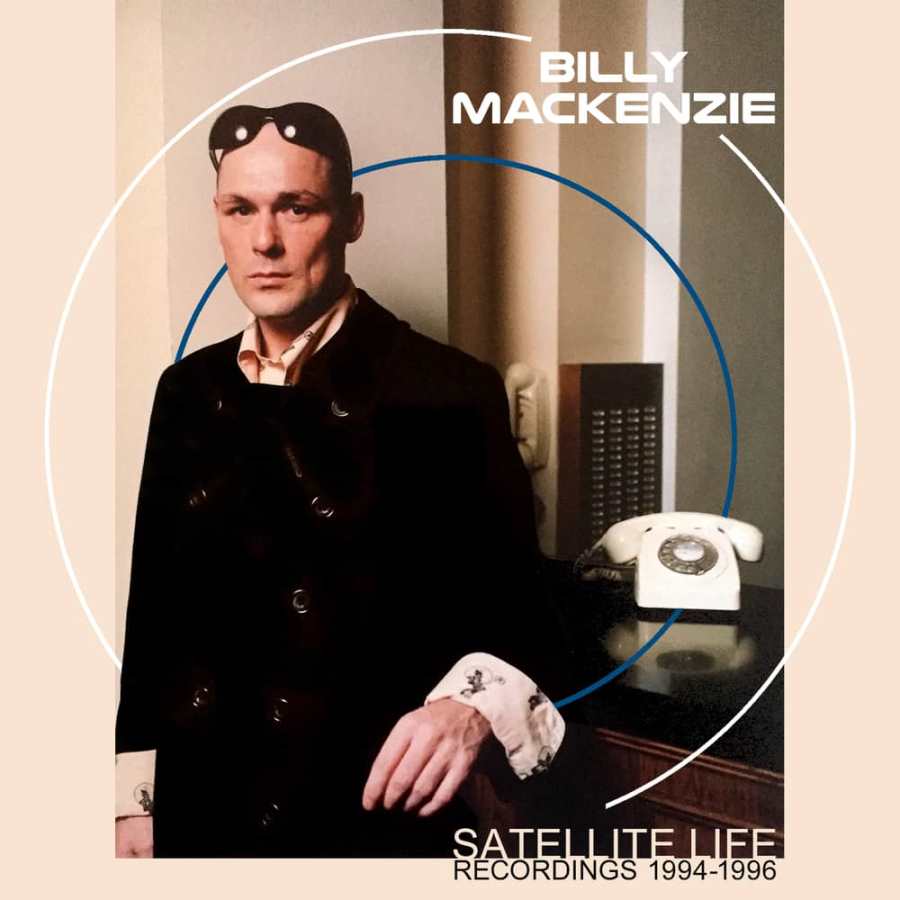
25 years after his passing, ‘Satellite Life Recordings 1994-1996’ compiles the majority of his final recordings, highlighting his collaborations with musician Steve Aungle in particular. The pair has met in 1979 when Aungle declined MacKenzie’s invitation to join ASSOCIATES in favour of playing in a local cabaret band!
After 1985’s ‘Perhaps’ album which saw MacKenzie bring Martin Rushent and Martyn Ware into the production fold, Aungle collaborated on the song ‘Set Me Up’ which was pencilled in for the next album ‘The Glamour Chase’, only for ASSOCIATES’ label WEA to shelve the record.
Working more as a writer’s assistant rather than co-writer, a full composing partnership between the pair did not occur until 1994 when MacKenzie entered one of the most prolific phases of his career. As Aungle remembered: “Stylistically, we were all over the place. Piano ballads one minute, electronica the next, then we’d switch to 70s glam rock or 60s soul. A marketing nightmare for any record label to deal with…”
A number of the recordings appeared on the posthumous albums ‘Beyond The Sun’ (1997), ‘Eurocentric’ (2001), ‘Transmission Impossible’ (2004) and ‘Auchtermatic’ (2004). But Aungle felt his work with MacKenzie had not been presented or sequenced satisfactorily, hence his involvement in this newly curated 3CD compilation.
On ‘Satellite Life Recordings 1994-1996’, the music has been compiled into three themes ‘Winter Academy’, ‘Consenting Holograms’ and ‘Liberty Lounge’ with around a third of the material previously unreleased. With some of the tracks being demos, understandably the sound quality varies considerably.
Primarily comprising of stripped down material based either around piano or guitar, ‘Winter Academy’ provides a fitting backdrop for MacKenzie to excel as a charismatic interpreter. MacKenzie’s covers of ‘Wild In The Wind’ (made famous by Johnny Mathis and David Bowie) and SPARKS ‘Never Turn Your Back On Mother Earth’ are outstanding. But the chilling drama of the self-composed ‘The Soul That Sighs’ encapsulates everything that is loved about Billy MacKenzie.
The haunting orchestrated reading of Randy Newman’s ‘Baltimore’ produced by Dennis Wheatley will be familiar to those who enjoyed the wonderful deep tech house JiiHoo bootleg by Jori Hulkkonen from 2011 which sampled the vocals, while ‘Sing That Song Again’, the ‘Winter Academy’ song and ‘Return To Love’ prove that the MacKenzie / Aungle partnership were more than adept at composing timeless torch songs.
The electronic dance approach of the ‘Consenting Holograms’ set is very much of its time and has not aged particularly well with the frantic ASSOCIATES gone techno material such as ‘3 Gypsies In A Restaurant’ and ‘Diamanda’ getting lost amongst all the energetic rhythmic rattle.
Originally from the posthumous ‘Eurocentric’ album, ‘Hornophobic’ experiments with drum ‘n’ bass and not surprisingly, sounds likes it could have come from David Bowie’s ‘Earthling’ album while the previously unreleased ‘Eurocentric’ title track moderates the percussive pace for something more palatable.
‘Liberty Lounge’ presents a mostly band-oriented sound. Among the standouts are the Pascal Gabriel produced ‘Give Me Time’ which was written with Paul Haig and the Cold War trip hop of ‘At The Edge Of The World’ which saw COCTEAU TWINS Simon Raymonde at the production helm; both were part of ‘Beyond The Sun’. The set ends fittingly with Aungle’s piano and violin instrumental ‘Von Hamburg’ which poignantly represents MacKenzie’s absence…
As an eclectic document of the final creative years of Billy MacKenzie, ‘Satellite Life Recordings 1994-1996’ does the job very well and his dedicated followers will be more than happy with the wealth of unreleased material presented in the highest quality possible.
We use cookies to ensure that we give you the best experience on our website. If you continue to use this site we will assume that you are happy with it.



Follow Us!