Tag: Brian Eno (Page 1 of 10)

THE ELECTRONIC LEGACY OF 1977

While there had previous been synthesizer hits like ‘Son Of My Father’, ‘Popcorn’ and ‘Autobahn’, they were considered novelty records at the time and it would be fair to say that the true Year Zero in electronic pop music was 1977.

THE SEX PISTOLS and ‘God Save The Queen’ may have been on everyone’s hushed lips in the Queen’s Silver Jubilee year but the most influential song to emerge from that period and that STILL sounds like the future is ‘I Feel Love’ by Donna Summer.

The producer of ‘I Feel Love’ was a German domiciled Italian named Giorgio Moroder. A solo artist in his own right within his adopted homeland, he had already been playing with synthesizer riffs on his first hit song ‘Son Of My Father’; a facsimile cover by Chicory Tip reached No1 in the UK at the start of 1972.

In the case of ‘I Feel Love’, Moroder later harnessed the hypnotic quality of an 8-step analogue sequencer plus a triplet delay to create the pulsing Moog lines to close the Donna Summer concept album ‘I Remember Yesterday’. The preceding tracks had themes of the 40s, 50s, 60s and 70s. ‘I Feel Love’ was designed to represent the sound of the future.

Despite already clocking in at nearly six minutes, it felt like it could go on forever. Again, Moroder had the foresight to extend the track to nearly twenty minutes on a 12 inch version for discos; the extended version was born. Alas, ‘I Feel Love’ was the only electronic track on ‘I Remember Yesterday’ but Moroder would fully exploit the potential of this new technology on the next Donna Summer albums as well as his solo records.

The first British artist to present electronic pop in its modern form at the start of 1977 was David Bowie with ‘Sound & Vision’ featuring an ARP Solina lead line and noise-gated futuristic sounding drums. With this, ‘Oxygène’, ‘Magic Fly’ and ‘I Feel Love’ all hitting the Top 3 in the UK singles chart within months of each other, this was the beginning of synths designing the future.

So here are 20 albums which ELECTRICITYCLUB.CO.UK sees as contributing to the electronic legacy of 1977. While a number of these albums were not purely electronic, their inclusion of electronic based songs or suites proved to be highly influential in their experimental possibilities. They are listed in alphabetical order with a restriction of one album per artist moniker…


ASHRA New Age Of Earth

Guitarist Manuel Göttsching had been a member of ASH RA TEMPEL but looking to explore more progressive voxless territory on ‘New Age Of Earth’, he armed himself with an Eko Rhythm Computer, ARP Odyssey and his signature Farfisa Synthorchestra. An exponent of a more transient soloing style, he used the guitar for texture as much as for melody in this beautiful treasure trove of an album, as on the wonderful 20 minute ‘Nightdust’.

‘New Age Of Earth’ is still available via Virgin Records

http://www.ashra.com/


TIM BLAKE Crystal Machine

Having been the synth player of GONG on their albums ‘Flying Teapot’, ‘Angel’s Egg’ and ‘You’, Francophile Tim Blake’s first solo long player was ‘Crystal Machine’. A combination of studio and live material, with a EMS Synthi A, Minimoog and Elka Rhapsody at his disposal, it was full of eccentric sci-fi soundscapes and cosmic otherworldliness in the GONG, PINK FLOYD and HAWKWIND vein; Blake would actually join the latter in 1979.

‘Crystal Machine’ is still available via Esoteric Recordings

http://moonweed.free.fr/


DAVID BOWIE Low

“There’s New Wave, there’s Old Wave, and there’s David Bowie” said the advert for ‘Low’, recorded in Switzerland but mixed at Hansa Studios where the soldiers in the East Berlin watch towers could look into the windows of the building. It featured a whole side of instrumentals, the best two being ‘Warszawa’ and ‘Art Decade’ in collaboration with Brian Eno. Despite the artful experimentation, there was a hit single in ‘Sound & Vision’.

‘Low’ is still available via EMI Records

http://www.davidbowie.com


CLUSTER & ENO Cluster & Eno

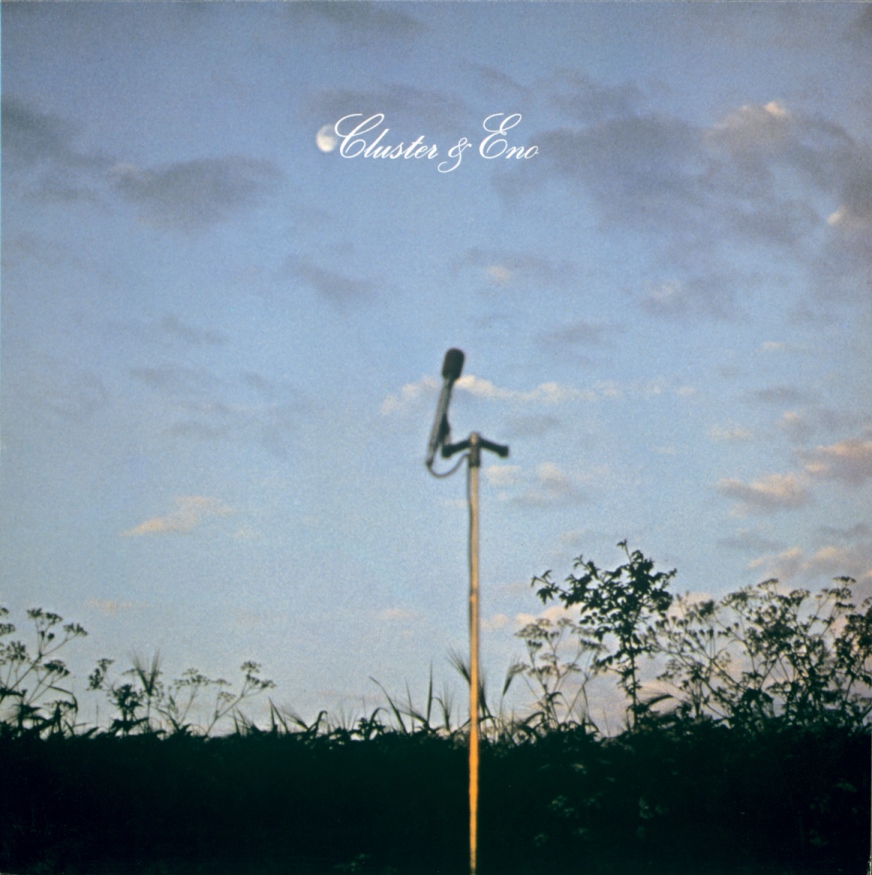
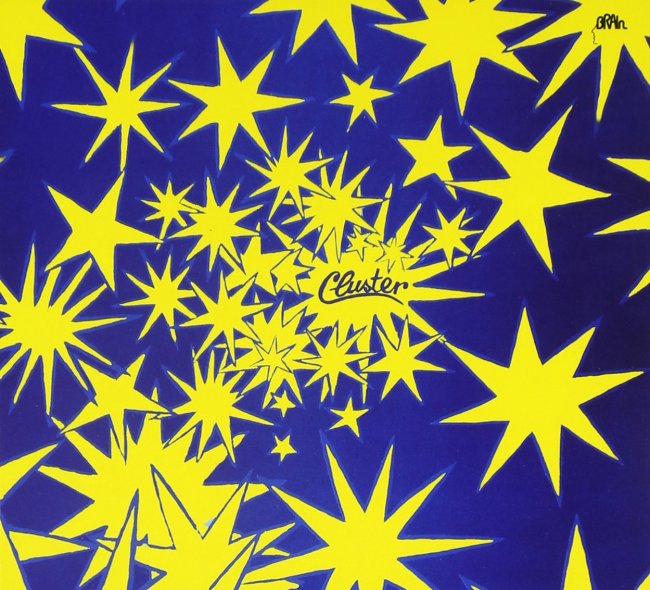
Having first worked together in 1976, Brian Eno met up with Hans-Joachim Roedelius and Dieter Moebius of CLUSTER on two fruitful recordings, the first of which was a glorious ambient instrumental affair. The front cover photo of a microphone up near the clouds summed up the approach with the album full of angelic atmospheres and gentle melodies. The closer ‘Für Luise’ was a tense cold war drama with stark piano and minimal synth.

‘Cluster & Eno’ is still available via Bureau B

https://www.roedelius.com/


ELECTRONIC SYSTEM Disco Machine

A year before TELEX formed, Dan Lacksman released his sixth album under the ELECTRONIC SYSTEM moniker. With the sequencer driven Moog sounds of Giorgio Moroder being the main influence, ‘Flight to Tokyo’, ‘Cosmic Trip’ and ‘Flight To Venus’ was a fine segue of instrumental variations on the throbbing electronic disco theme, the latter of which was sampled in 2002 by THE CHEMICAL BROTHERS for ‘Star Guitar’.

‘Disco Machine’ is still available via The Wack Attack Barrack

https://danlacksman.com/


BRIAN ENO Before & After Science

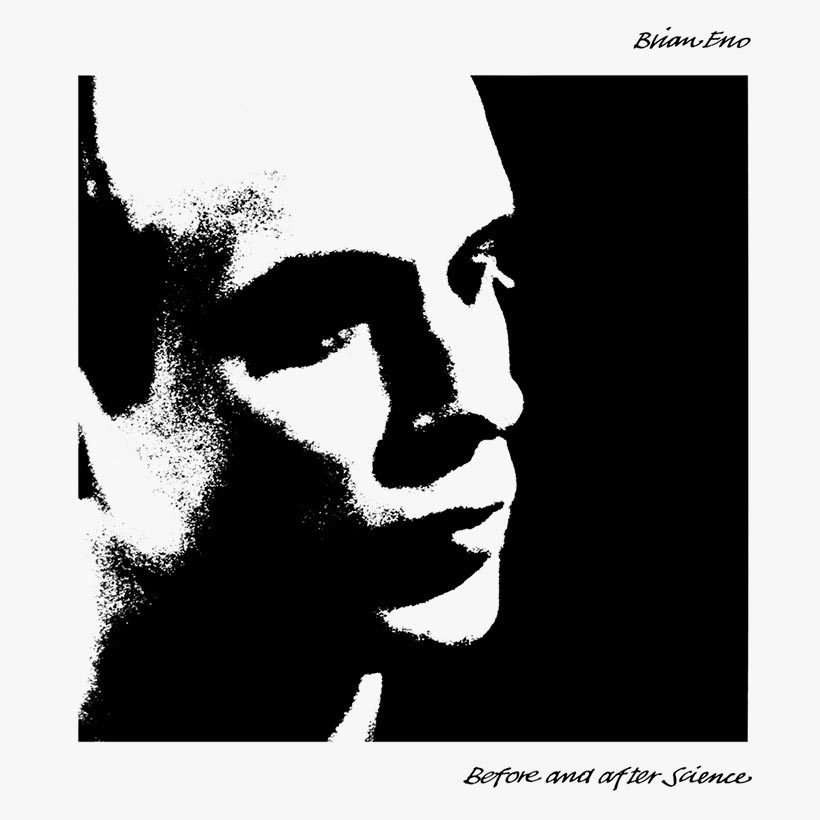
As with David Bowie’s ‘Low’ and ‘Heroes’ which Eno had also worked on, ‘Before & After Science’ presented its material as pop and experimental sides. The first side included the quirky ‘Blackwater’ with its fabulous stabs of synth and the metallic romp of ‘Kings Lead Hat’. But the best tracks were on side two were the synth ballads ‘By This River’ assisted by CLUSTER and the sumptuous nautical folk of ‘Spider & I’.

‘Before & After Science’ is still available via Virgin Records

http://www.brian-eno.net/


BERNARD FEVRE Cosmos 2043

The French were on a roll with their vision for an electronic future with SPACE, DROIDS and Jean-Michel Jarre, but Bernard Favre actually composed and recorded the science fiction-themed ‘Cosmos 2043’ in 1975. While not as immediate as his fellow countrymen, this record was another sampled by THE CHEMICAL BROTHERS with ‘Earth Message’ forming the basis of 1999’s ‘Got Glint?’ for which Favre got a co-writing credit.

‘Cosmos 2043’ is still available via Anthology Records

https://www.facebook.com/blackdevildiscoclub


GIORGIO From Here To Eternity
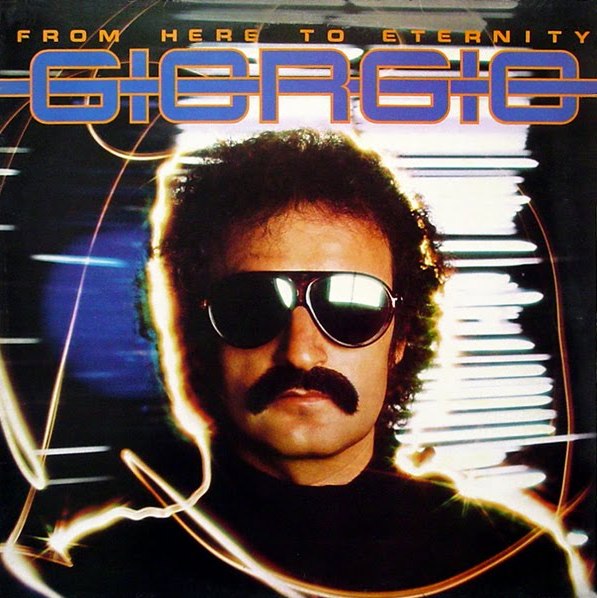
On a roll from his pioneering work with Donna Summer, the sixth Giorgio Moroder solo album for centred around throbbing electronic disco. Featuring vocodered and conventional voices, the title track was effectively stretched out over one side of the album. Often mistaken for being KRAFTWERK, it actually prompted the Kling Klang quartet to move towards a more computerised sound for their 1978 album ‘The Man Machine’.

‘From Here To Eternity’ is still available via Repertoire Records

https://www.giorgiomoroder.com/


JEAN MICHEL JARRE Oxygène
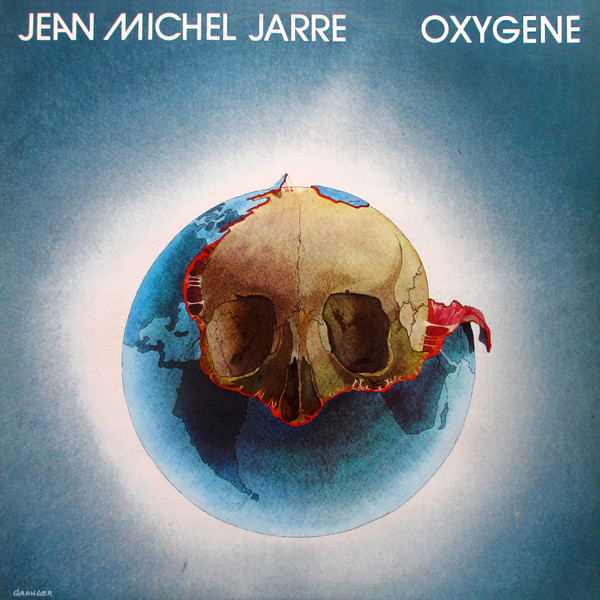
Although released in France at the end of 1976, ‘Oxygène’ was not available worldwide until 1977 with ‘Oxygène IV’ becoming a huge hit single. The parent album was a glorious six part work and ‘Oxygène IV’ something of a centrepiece as a perfectly progressive spacey romp with pulsing sequences, Eminent strings, Mellotron choir and AKS waves while ‘Oxygene V’ chanelled Terry Riley’s ‘A Rainbow In Curved Air’.

‘Oxygène’ is still available via Sony Music

https://www.jeanmicheljarre.com/


KRAFTWERK Trans Europe Express

‘Trans Europe Express’ was the first KRAFTWERK album released in standalone English and German versions. Perhaps the most lyrical of all their imperial phase long players, ‘Europe Endless’ was despite its nostalgic romanticism, aspiring to a continent without borders while the punchy ‘Showroom Dummies’ responded to criticism their static live performance. Then there was the mighty title track and its ‘Metal On Metal’ interlude…

‘Trans Europe Express’ is still available via EMI Music

http://www.kraftwerk.com/


MICHAEL ROTHER Flammende Herzen

Relocating to build his own Random Studio in Forst, ‘Flammenden Herzen’ was Michael Rother’s first solo album after leaving NEU! Co-produced by Conny Plank with Jaki Liebezeit from CAN providing the percolating percussion, although Rother had utilised synthesizers to great effect before, they took a greater role in his solo work. ‘Karussell’ had a distinctly European flavour with its strong symphonic melodies.

‘Flammende Herzen’ is still available via Grönland Records

https://www.michaelrother.de/


KLAUS SCHULZE Mirage

After success of ‘Timewind’ and then ‘Moondawn’ featuring Harald Grosskopf on drums, Klaus Schulze was by now well into what many consider his imperial phase and adding PPG modules to his synth set-up, operated alone on ‘Mirage’. Subtitled “an electronic winter landscape”, the wintery 29 minute ‘Crystal Lake’ planted the seed for New Age while promotion was supported by two lavish concerts at the London Planetarium.

‘Mirage’ is still available via MIG Music GmbH

https://klaus-schulze.com/


SPACE Magic Fly

SPACE was the brainchild of Didier Marouani who went under the pseudonym of Ecama and formed the collective with Roland Romanelli and Jannick Top. The space disco of the iconic ‘Magic Fly’ with its catchy melody and lush accessible futurism rode the wave of a new European electronic disco sound. But the album wasn’t just about the title hit as ‘Fasten Seatbelt, ‘Tango In Space’ and ‘Flying Nightmare’ proved.

‘Magic Fly’ is still available via Virgin France

https://marouani.space/


SUICIDE Suicide

An album of unsettling futuristic rockabilly, SUICIDE rocked the boat by Martin Rev using a Seeburg Rhythm Prince and Farfisa keyboard instead of drums and guitars while Alan Vega warbled and snarled like the ghost of a demented Elvis Presley. Highlights included ‘Ghost Rider’ and ‘Cheree’ which later soundtracked a Marc Jacobs perfume advert. The duo were to be a big influence on SOFT CELL and SIGUE SIGUE SPUTNIK.

‘Suicide’ is still available via Mute Records

https://www.facebook.com/SUICIDEBANDOFFICIAL/


DONNA SUMMER Once Upon A Time

‘Once Upon A Time’ was an ambitious double album consisting of four distinct approaches. An all-electronic three song segued suite entitled ‘Act2’ was headed by ‘Working The Midnight Shift’ which took ‘I Feel Love’ to the next level with Summer’s wispy falsetto now in a grander setting. ‘Now I Need You’ captured a gothic eeriness while ‘Queen For A Day’ was a forerunner of ‘Our Love’ that halfway mutated back into disco pop.

‘Once Upon A Time’ is still available via Casablanca / Universal Records

https://www.facebook.com/OfficialDonnaSummer/


TANGERINE DREAM Sorcerer

The final studio album by the classic TANGERINE DREAM line-up of Edgar Froese, Chris Franke and Peter Baumann, after the long compositions of previous releases, ‘Sorcerer’ was characterised by shorter pieces in the band’s first commission for a Hollywood movie. Although this meant tracks like ‘The Mountain Road’ faded before they really got going, ‘Betrayal’ showed what could be done within time restrictions.

‘Sorcerer’ is still available via Esoteric Recordings

https://www.tangerinedreammusic.com/


TOMITA Space Fantasy

Released first in Europe as ‘Space Fantasy’ but retitled ‘Kosmos’ for international consumption in 1978, Isao Tomita acquired a Polymoog to supplement his Moog modular system. The ‘Star Wars: Main Title’ was reimagined with his signature synthetic whistle while a Strauss / Wagner medley provided a ‘Space Fantasy’. But the classic Rodrigo guitar concerto ‘Aranjuez’ was cosmically synthesized in a manner that only Tomita could.

‘Space Fantasy’ is still available as ‘Kosmos’ via RCA

http://tomita.org/


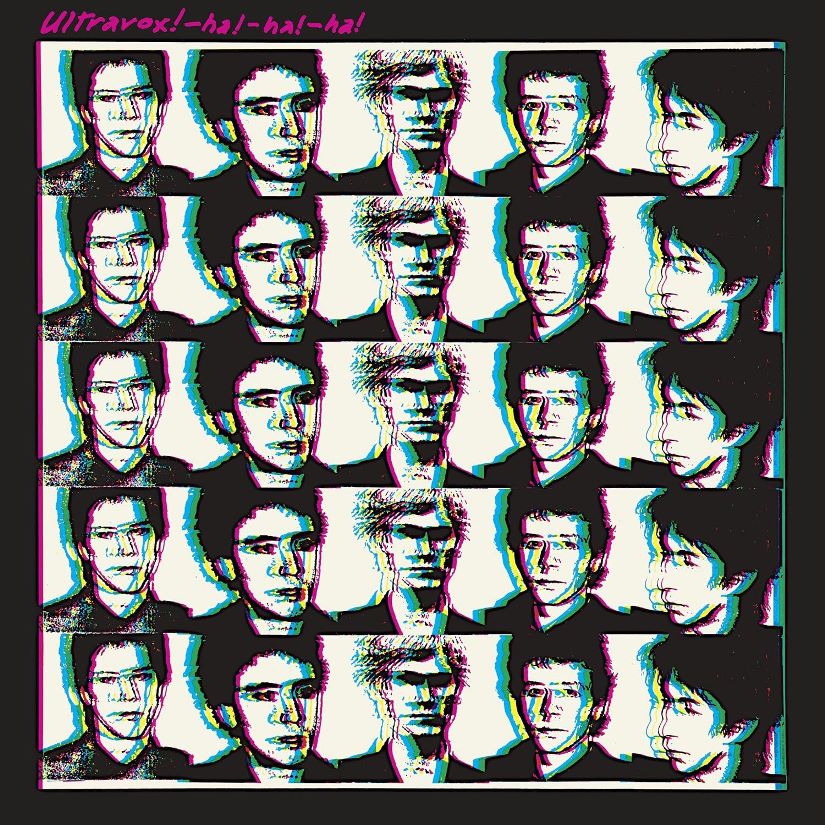
ULTRAVOX! Ha! Ha! Ha!

While primarily a fierce art rock album, ‘Ha! Ha! Ha!’ was however notable for the inclusion of two opposingly poled synth-dominated songs that pointed to the future direction of ULTRAVOX! The star of ‘The Man Who Dies Everyday’ was Billy Currie’s screaming ARP Odyssey while Warren Cann’s modified Roland TR77 rhythm machine acted as the backbone to the elegiac ‘Hiroshima Mon Amour’ which also featured an Elka Rhapsody.

‘Ha! Ha! Ha!’ is still available via Island Records

https://www.ultravox.org.uk/

http://www.metamatic.com/


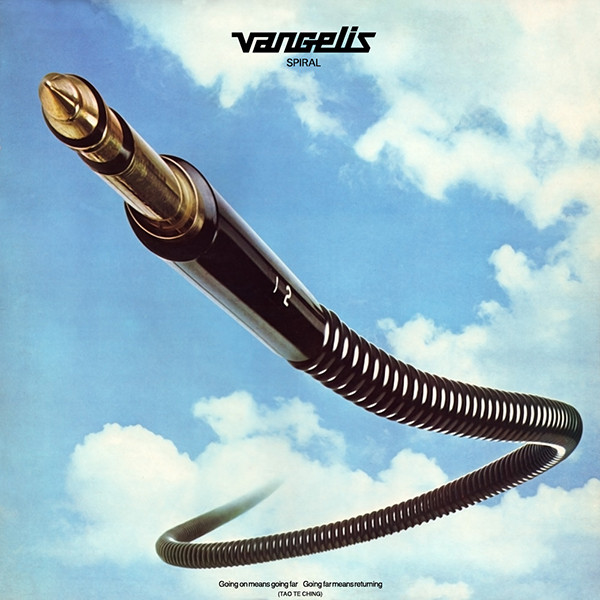
VANGELIS Spiral

The ‘Spiral’ album was best known for the beautifully emotive ‘To The Unknown Man’ where Vangelis first fully exploited the possibilities of the Yamaha CS80. He proved he could also do lively electronic pop with ‘Dervish D’ where over a spinning Roland System 100 sequencer, a slice of robotic funk grooved with a brilliantly played jazz-inflected CS80 solo using all the manual control features it had at his disposal.

‘Spiral’ is still available via Esoteric Recordings

https://www.facebook.com/VangelisOfficial/


ZANOV Moebius 256 301

The work of Pierre Salkazanov, the Frenchman had the ARP 2600 and its sequencer, along with the EMS VCS 3 and RMI Harmonic Synthesizer. Comprising of three short pieces and two much longer progressively spacey tracks ‘Plénitude’ and ‘An Zéro’, ‘Moebius 256 301’ had much more of a Berlin School template and echoes of TANGERINE DREAM in particular when compared with his French contemporaries.

‘Moebius 256 301’ is still available via Wah Wah Records

https://zanov.net/


Text by Chi Ming Lai
30th August 2025
A Beginner’s Guide To ROEDELIUS

On 26 October 2024, the legendary German experimental music pioneer Hans-Joachim Roedelius turned 90. To celebrate, there were special solo shows in Austria and Germany.

An extremely prolific artist since his first release ‘Klopfzeichen’ in 1969 as a member of KLUSTER with Dieter Moebius and Conrad Schnitzler, he now has over 40 solo albums to his name. Meanwhile he has also been involved numerous other projects in collaboration with the likes of Brian Eno, Michael Rother, Conny Plank, Mani Neumeier, Peter Baumann, Holger Czukay, Tim Story, Blixa Bargeld, Lloyd Cole, Christoph H Müller and Thorsten Quaeschning.

Born in Berlin, during the Second World War, Roedelius and his family were evacuated to East Prussia which in the aftermath of Soviet liberation became part of East Germany during The Cold War. After being conscripted into the DDR Volksarmee, desertion led to a prison sentence but Roedelius would later successfully escape across the border into West Berlin in 1961.

In 1968, Roedelius and Conrad Schnitzler established the Zodiak Free Arts Lab with Klaus Schulze and Manuel Göttsching among those who passed through. The fledgling TANGERINE DREAM would make frequent live appearances there, playing improvised sets for several hours at a time. This was a fruitful period in German music with acts such as KRAFTWERK, CAN, AMON DÜÜL II and FAUST all emerging from various arts scenes and communes reacting against the dominance of America in popular culture.

Making lengthy improvised drone music using primitive electronic instruments and found devices such as coffee percolators, KLUSTER were clearly influenced by the experimental overtures of Karlheinz Stockhausen. After Schnitzler bowed out of KLUSTER to pursue a solo career, Roedelius and Moebius swapped the “K” for a “C” and continued as CLUSTER; they would make music together in various guises until 2009.

Label mates at Brain Records, when Michael Rother of NEU! asked to meet Roedelius and Moebius at their Forst studio in 1974 with a view to collaborating, the effect on all parties involved was to prove seminal. HARMONIA combined Rother’s chugging motorik rhythms, Roedelius’ melodies, and Moebius’ atonal weirdness into an amalgam of harmony and ammonia… finding a home to produce their best music yet, CLUSTER would join Rother at a new label Sky Records which had been established by Günter Körber after leaving his executive post with Brain, the label that he co-founded.

Through his solo work and particularly his romantic ‘Selbstportrait’ series of albums, Roedelius’ music has often been seen as seeding new age through its pastoral introspective nature. However, in collaboration, anything can and has happened. These days, his focus has been on the piano.

To sum up the portfolio of Hans-Joachim Roedelius in just 20 tracks is almost impossible but ELECTRICITYCLUB.CO.UK will try for those only partially familiar with his music using this Beginner’s Guide with a restriction of one track per album. The man himself is unlikely to approve though because as he once said: “To get the complete picture of my music and art, people should listen and look to everything I did.”


CLUSTER Georgel (1972)

While Roedelius and Moebius originally continued with the dark droning style of their work with Schnitzler, the second album saw their work edited in smaller bite-sized dramas with actual titles. While still avant garde, it was signalling a change in approach. It saw Conny Plank working for the second time with CLUSTER with proceedings now less industrial. The ominous organ lines of ‘Georgel’ warbled as a sinister tension prevailed.

Available on the CLUSTER album ‘II’ via Cherry Red Records

https://www.roedelius.com/artist/cluster


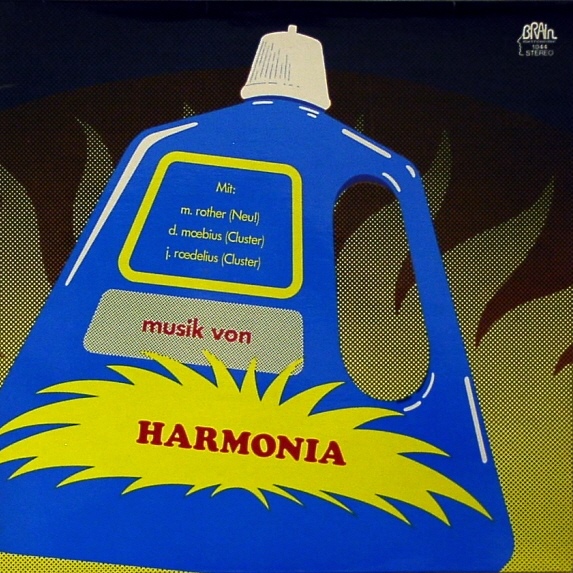
HARMONIA Watussi (1974)

Roedelius and Moebius’ jams with Michael Rother became HARMONIA. Based around simplistic rhythm unit patterns, the restrictions allowed them to experiment on tracks such as ‘Watussi’. Effectively a condensed extract, this began as a solo Roedelius composition and the shortened edit was more of a pointer to the sound of the next CLUSTER album rather than NEU! or anything that would come later in Rother’s solo career.

Available on the HARMONIA album ‘Musik Von Harmonia’ via Grönland Records

https://www.groenland.com/pages/artist/harmonia


CLUSTER Fotschi Tong (1974)

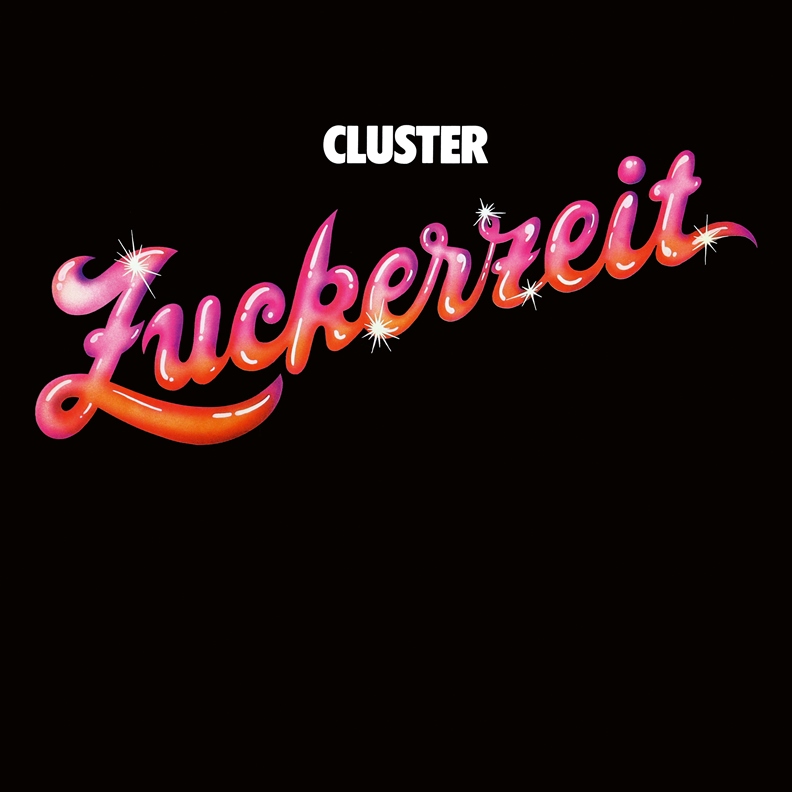
Co-produced by Michael Rother and recorded in the same time frame as the two HARMONIA albums, although ‘Zuckerzeit’ was the third long payer by CLUSTER, it comprised of a solo EP each from Roedelius and Moebius. A highlight of the record was the Roedelius track ‘Fotschi Tong’ which featured immensely melodic keyboard lines and the hypnotic percussive chatter of an Elka Drummer One rhythm unit to give fresher sound.

Available on the CLUSTER album ‘Zuckerzeit’ via Bureau B

https://www.bureau-b.com/cluster.php


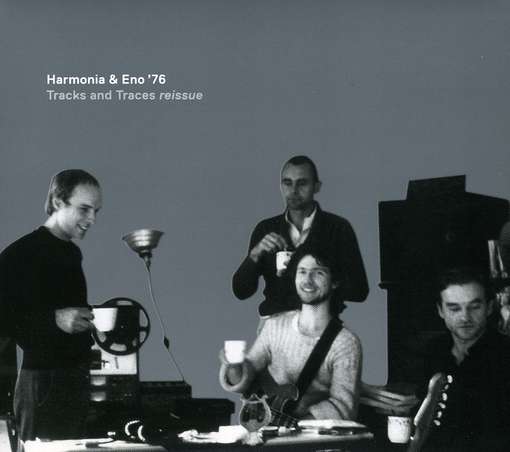
HARMONIA & ENO ‘76 By The Riverside (recorded 1976 – released 1997)

HARMONIA played several gigs in 1974 including one in the presence of Brian Eno. He suggested collaborating with the trio but this not happen until 2 years later. With a steadfast pulsing electronic ambience accompanied by field recordings, the ominous tones of ‘By The Riverside’ provided a lengthy standout from the sessions. However, these recordings remained unreleased until 1997.

Available on the HARMONIA & ENO ‘76 album ‘Tracks & Traces’ via Grönland Records

https://www.michaelrother.de/


CLUSTER Es War Einmal (1976)

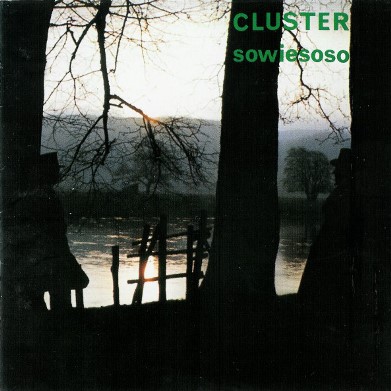
After HARMONIA ran its course and Rother began his lucrative solo career, Roedelius and Moebius returned to CLUSTER. Their fourth album ‘Sowiesoso’ was the duo’s first fully realised exploration into the soothing world of ambient electronics. Recorded in just 2 days with Conny Plank at the helm, ‘Es War Einmal’ was wonderfully pastoral with gentle melodic phrasing from piano and synths and no rhythm machine interventions.

Available on the CLUSTER album ‘Sowiesoso’ via Bureau B

https://clusterofficial.bandcamp.com/


CLUSTER & ENO Für Luise (1977)

Brian Eno returned to work with Roedelius and Moebius on two fruitful recordings. On the first, the front cover photo of a microphone up near the clouds summed up the approach with the album full of angelic atmospheres and gentle melodies. ‘Für Luise’ was a tense cold war drama with stark piano and minimal synth but again no rhythmic centre. This first official release with Eno brought CLUSTER to a much wider audience.

Available on the CLUSTER & ENO album ‘Cluster & Eno’ via Bureau B

https://www.instagram.com/hansjoachimroedelius/


BRIAN ENO By This River (1977)

Originating from his sessions with Moebius and Roedelius in Forst, Brian Eno produced this beautiful piano and synth ballad with Conny Plank engineering for inclusion on his fourth pop solo album ‘Before & After Science’. While the warmth extracted from the Yamaha CS80 used by Eno was one of the key stand-out elements of ‘By This River’, the backbone from Roedelius’ sweet ivories provided a special lullaby quality.

Available on the BRIAN ENO album ‘Before & After Science’ via Virgin Records

https://www.brian-eno.net/


ENO MOEBIUS ROEDELIUS The Belldog (1978)

Following ‘Cluster & Eno’, the second album from Eno, Moebius and Roedelius was issued under all their surnames and added Eno’s contemplative voice to the experimentation. While there was a mix of piano-oriented ambient pieces and avant pop songs like the unsettling ‘Broken Head’, the best number was the gentle sequencer-led beauty of ‘The Belldog’ where “Most of the day, we were at the machinery…”

Available on the ENO MOEBIUS ROEDELIUS album ‘After The Heat’ via Bureau B

https://www.facebook.com/BrianEno


CLUSTER Breitengrad 20 (1979)

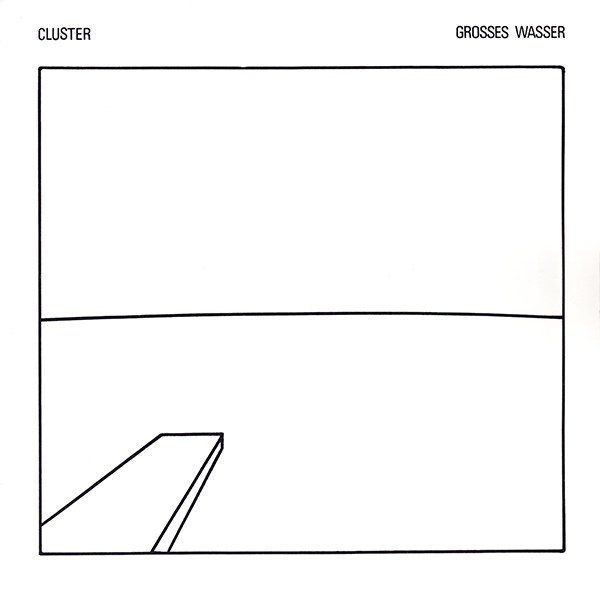
‘Grosses Wasser’ marked the return of CLUSTER working as a duo. Their producer this time was TANGERINE DREAM refugee Peter Baumann who was producing other acts likes Leda and in an interim phase before going pop with ‘Repeat Repeat’. Hinting at a form of avant jazz, ‘Breitengrad 20’ breezed like a morning walk as Roedelius’ clean piano lines sparred off the pulses from Baumann’s customised Project Elektronik modular.

Available on the CLUSTER album ‘Grosses Wasser’ via Bureau B

https://www.facebook.com/Roedelius


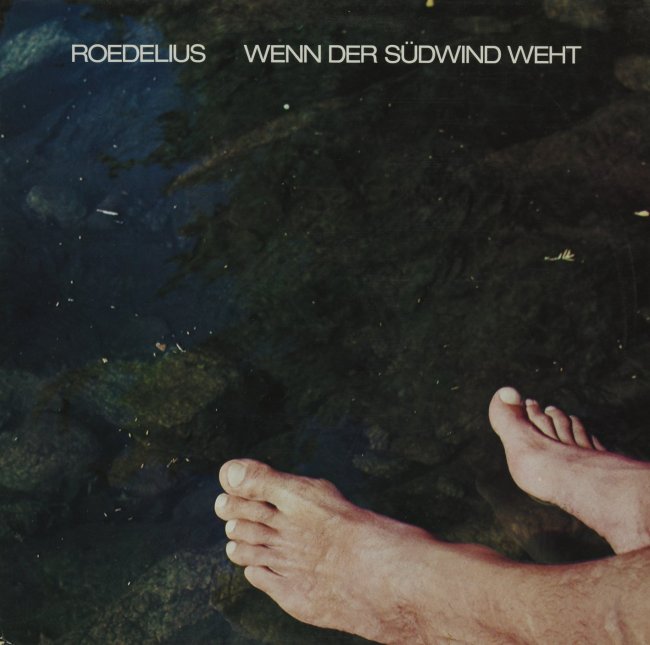
ROEDELIUS Wenn Der Südwind Weht (1981)

Roedelius was already progressing with his solo career which had begun in 1978 in parallel to CLUSTER. From his seventh solo album of the same name, ‘Wenn Der Südwind Weht’ was a simply beautiful instrumental that translated from German meaning “When the south wind blows”; the piece was dominated by a glorious lead synth melody while gently rhythmical keyboard lines remained static in their hypnotic repetition. Everything blended for a soothing textural ambience.

Available on the ROEDELIUS album ‘Wenn Der Südwind Weht’ via Bureau B

https://www.bureau-b.com/roedelius.php


MOEBIUS + ROEDELIUS Emmental (1991)

Having put CLUSTER on hiatus for 8 years, Roedelius and Moebius cautiously reunited under their own names for ‘Apropos Cluster’. With a more understated ambience in the shorter compositions, taking a back seat was the rhythmical element. ‘Emmental’ saw a melodic fretless bass figure alongside spacious piano and synths. It became a signature track at their live shows and was often performed by Roedelius during his solo performances.

Available on the MOEBIUS + ROEDELIUS album ‘Apropos Cluster’ via Bureau B

https://www.bureau-b.com/moebius.php


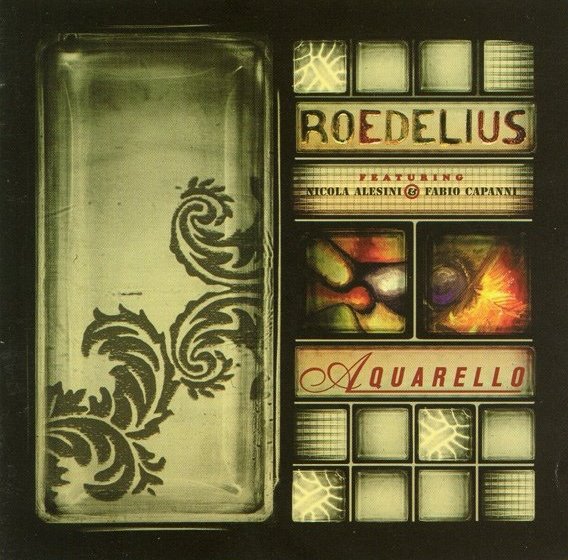
AQUARELLO Deep Blue (1998)

AQUARELLO was a group comprising of the now-Austria based Roedelius and two Italian musicians, multi-instrumentalist Fabio Capanni and saxophonist Nicola Alesini. One of two new studio recordings on the otherwise self-titled live album, ‘Deep Blue’ was an adventurous cinematic piece co-written with Capanni that carried a marvellous European arthouse quality. It mutated into several distinct mini-suites despite clocking in an under 4 minutes.

Available on the AQUARELLO album ‘Aquarello’ via All Saints Records

https://www.instagram.com/capanni.music/


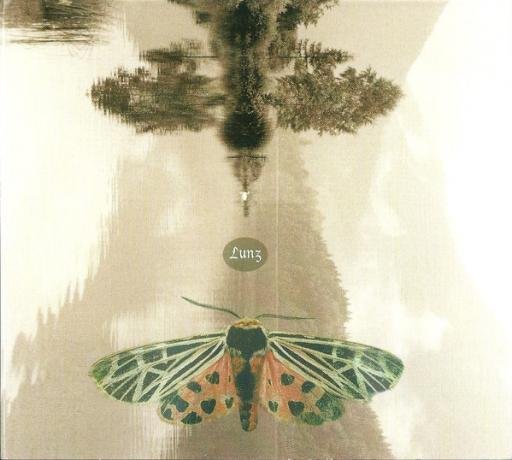
HANS-JOACHIM ROEDELIUS & TIM STORY Lunz (2002)

Having already collaborated on the epic 56 minute soundscape ‘The Persistence Of Memory’, Roedelius had come together with Grammy-nominated American composer Tim Story to keep his muse alive. ‘Lunz’ featured largely shorter piano-based pieces reminiscent of Harold Budd, described as “Romantic and surreal – light and dark – an album of opposites attracts you like a moth to a flame”, this was the best in modern classical music.

Available on the HANS-JOACHIM ROEDELIUS & TIM STORY album ‘Lunz’ via Grönland Records

https://timstory.com/


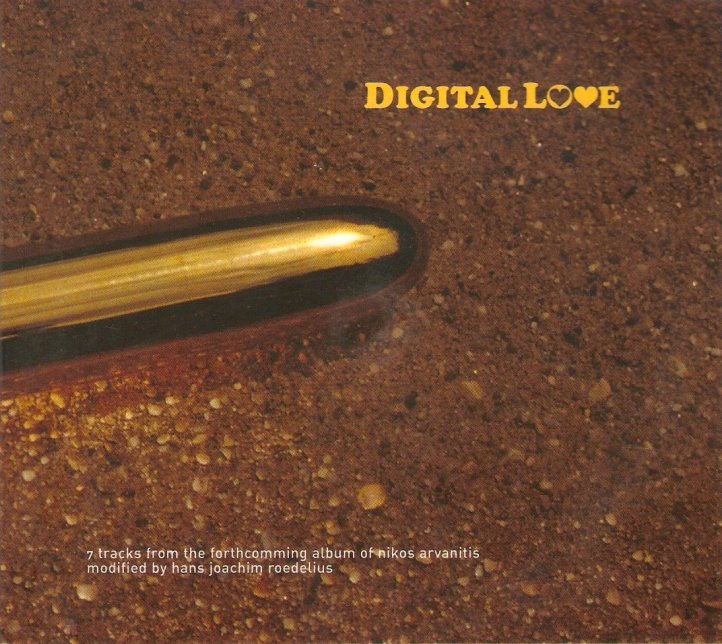
ARVANITIS & ROEDELIUS Digital Love (2002)

The biggest outlier in the Roedelius portfolio, he accepted an invitation to work with Greek producer Nikos Arvanitis on an electronic dance album. The superb title song was shaped by feisty house rhythms and deadpan vocals from Alexander Lovrek. But with an array of spikey and sparkling electronics, it highlighted Roedelius’ willingness to immerse himself into new music forms as he was approaching 70.

Available on the ARVANITIS & ROEDELIUS album ‘Digital Love’ via Plag Dich Nicht

http://www.nikosarvanitis.info/


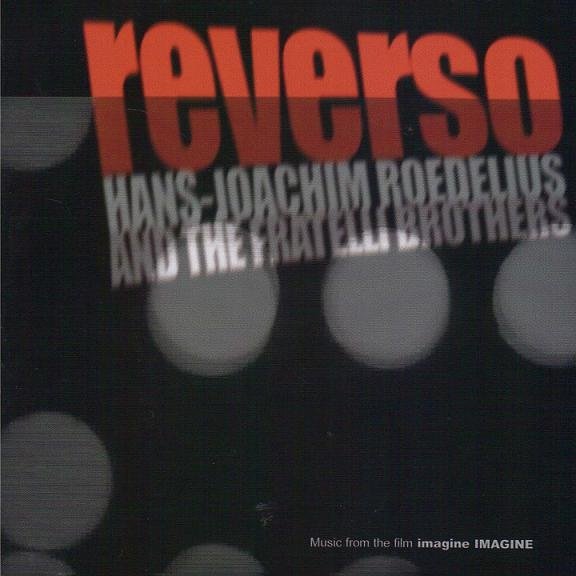
HANS-JOACHIM ROEDELIUS & THE FRATELLI BROTHERS Imogen (2011)

Roedelius’ musical instincts made him an ideal film soundtrack composer, but this did not happen until 2002 for Frederick Baker’s BBC TV documentary ‘Imagine IMAGINE’ about John Lennon’s iconic hit single. Working with THE FRATELLI BROTHERS, the tracks were re-recorded in 2011 for the album ‘Reverso’. With elegant synthetic strings and unusually in the music of Roedelius, a percussive loop, ‘Imogen’ offered a serene impressionistic quality even without the visuals.

Available on the HANS-JOACHIM ROEDELIUS & THE FRATELLI BROTHERS album ‘Reverso’ via Musea

https://www.noh1.com/


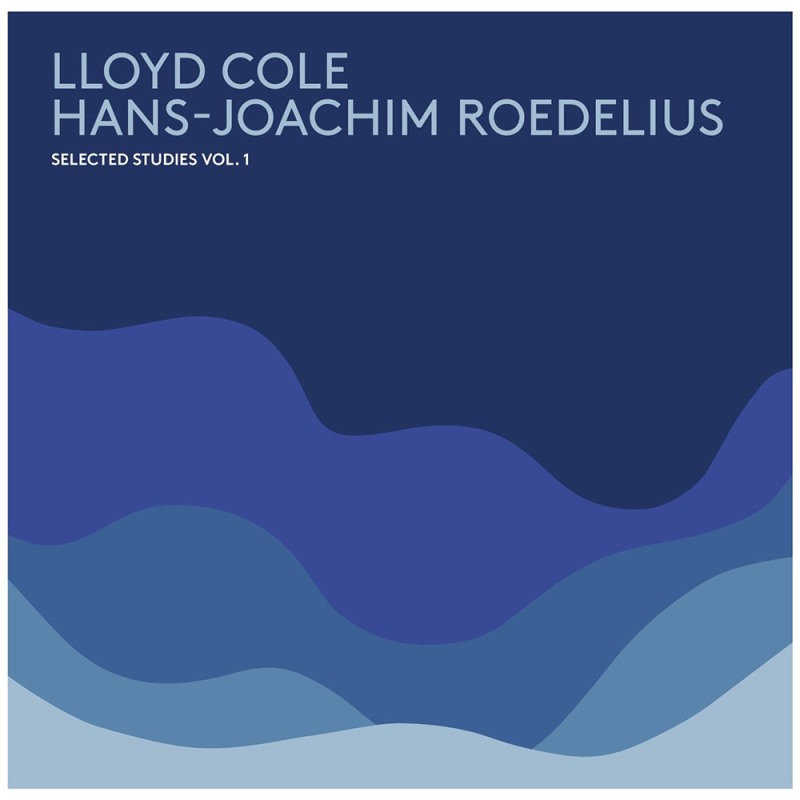
LLOYD COLE / HANS-JOACHIM ROEDELIUS Selbstportrait-Reich (2013)

Lloyd Cole was a fan of CLUSTER and his first electronic instrumental album ‘Plastic Wood’ recalled ‘Sowiesoso’. A mutual friend passed it over to Roedelius who was impressed and set about doing his own remix. Cole was flattered so the two discussed working together on a project. Cole created a number of minimal electronic sketches for Roedelius to develop in isolation. The glistening ‘Selbstportrait-Reich’ was a thoughtful union of the sorcerer and the apprentice.

Available on the LLOYD COLE / HANS-JOACHIM ROEDELIUS album ‘Selected Studies, Vol1’ via Bureau B

https://www.lloydcole.com/


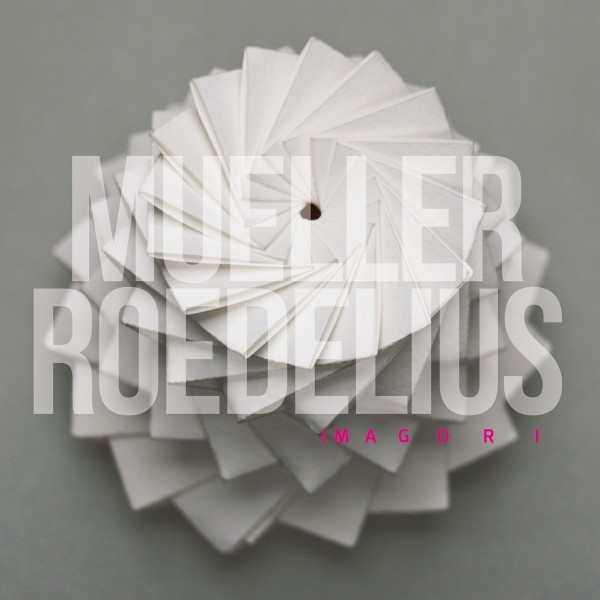
MUELLER ROEDELIUS 808 Fantasy (2015)

While perhaps not as much of a shock as ‘Digital Love’ was with Nikos Arvanitis, Roedelius’ collaboration with Swiss-German musician Christoph H Müller of the neotango band GOTAN PROJECT still sprung a surprise. ‘808 Fantasy’ did as it said on the tin with a curious contrast of jazzy piano and floating electronics glitched up around rigid drum machine beats. It closed the CD version of their first album together.

Available on the MUELLER ROEDELIUS album ‘Imagori’ via Grönland Records

https://www.instagram.com/christoph.h.muller/


QLUSTER Beste Freunde (2016)

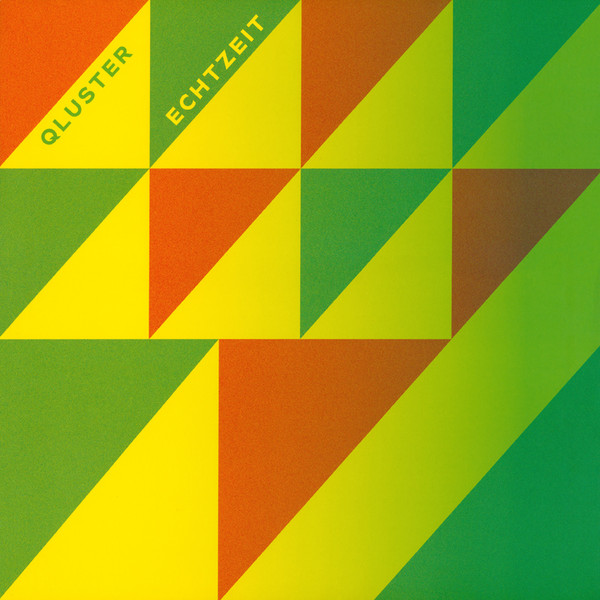
With CLUSTER splitting up, Roedelius changed the letters again and started QLUSTER with Onnen Bock before Armin Metz joined in 2013. The contemplative ‘Echtzeit’ album came after the sad passing of Dieter Moebius in 2015. With much of the recording taking place in a church, ‘Beste Freunde’ was self-explanatory, a musical eulogy from Roedelius where his piano took centre stage, sweetened by electronics and treatments.

Available on the QLUSTER album ‘Echtzeit’ via Bureau B

https://www.bureau-b.com/qluster.php


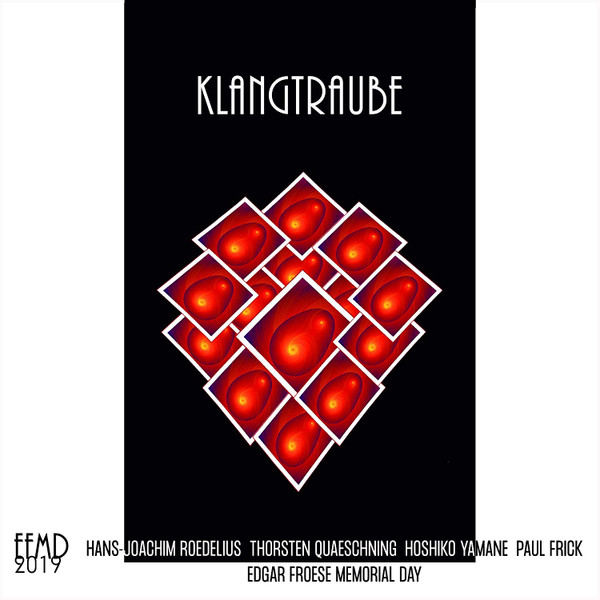
HANS-JOACHIM ROEDELIUS, THORSTEN QUAESCHNING, HOSHIKO YAMANE, PAUL FRICK Klangtraube Part 9 (2020)

Roedelius was invited to perform at the 2019 Edgar Froese Memorial Day concert in Berlin by Froese’s widow Bianca Acquaye. Joining him were present day TANGERINE DREAM leader Thorsten Quaeschning along with violinist Hoshiko Yamane and new recruit Paul Frick. The closing ninth piece saw Roedelius on piano accompanied by the trio for a fitting tribute to his late friend from since the Zodiak Free Arts Lab days.

Available on the HANS-JOACHIM ROEDELIUS, THORSTEN QUAESCHNING, HOSHIKO YAMANE, PAUL FRICK album ‘Klangtraube’ via Eastgate

https://www.tangerinedreammusic.com/


ROEDELIUS & ARNOLD KASAR Lifeline (2023)

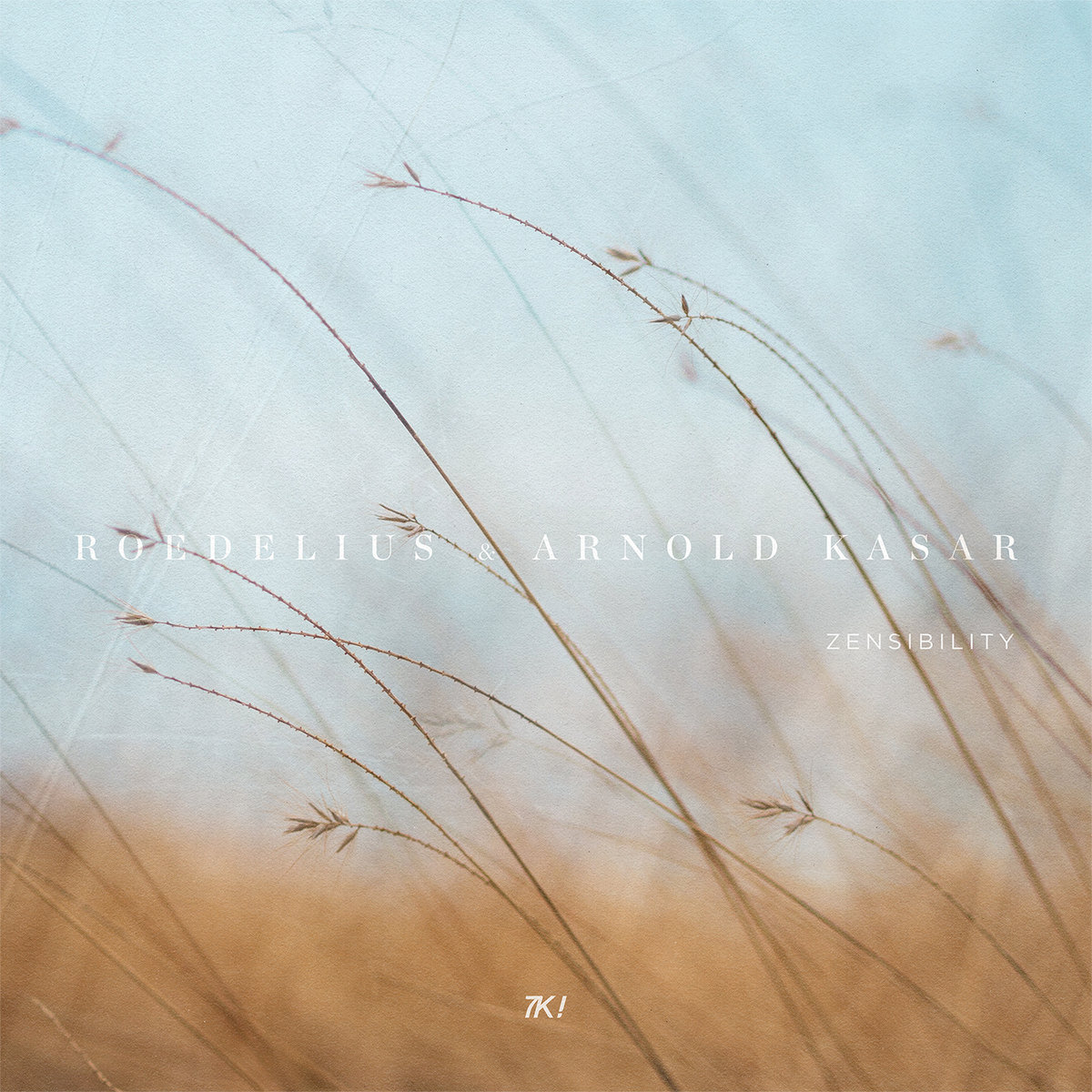
Roedelius continues to compose and release music; one of his more recent works came with Berlin based musician and sound engineer Arnold Kasar. Their second album ‘Zensibility’ comprised of call-and-response pieces where Roedelius played piano while Kasar worked in the electronics. As with the vibey charm of ‘Lifeline’, the album’s end result exuded an airy meditative calm while any treatments and soundscapes were ultimately fitting and respectful.

Available on the ROEDELIUS & ARNOLD KASAR album ‘Zensibility’ via 7K!

http://kasarmusic.de/


‘90’ featuring unreleased music recorded between 1968 -1980 is out now as a 4LP boxed set via Grönland Records from https://www.groenland.com/

‘Kollektion 02: Roedelius Compiled By Lloyd Cole’ is available via Bureau B

For more information on the music and life of Hans-Joachim Roedelius, please visit https://www.roedelius.com/

An ELECTRICITYCLUB.CO.UK playlist ‘The Roles Of ROEDELIUS’ highlighting these and other works can be heard on Spotify at https://open.spotify.com/playlist/18OiPxpBrQRjBDzVcL8rc1


Text by Chi Ming Lai
4th January 2024

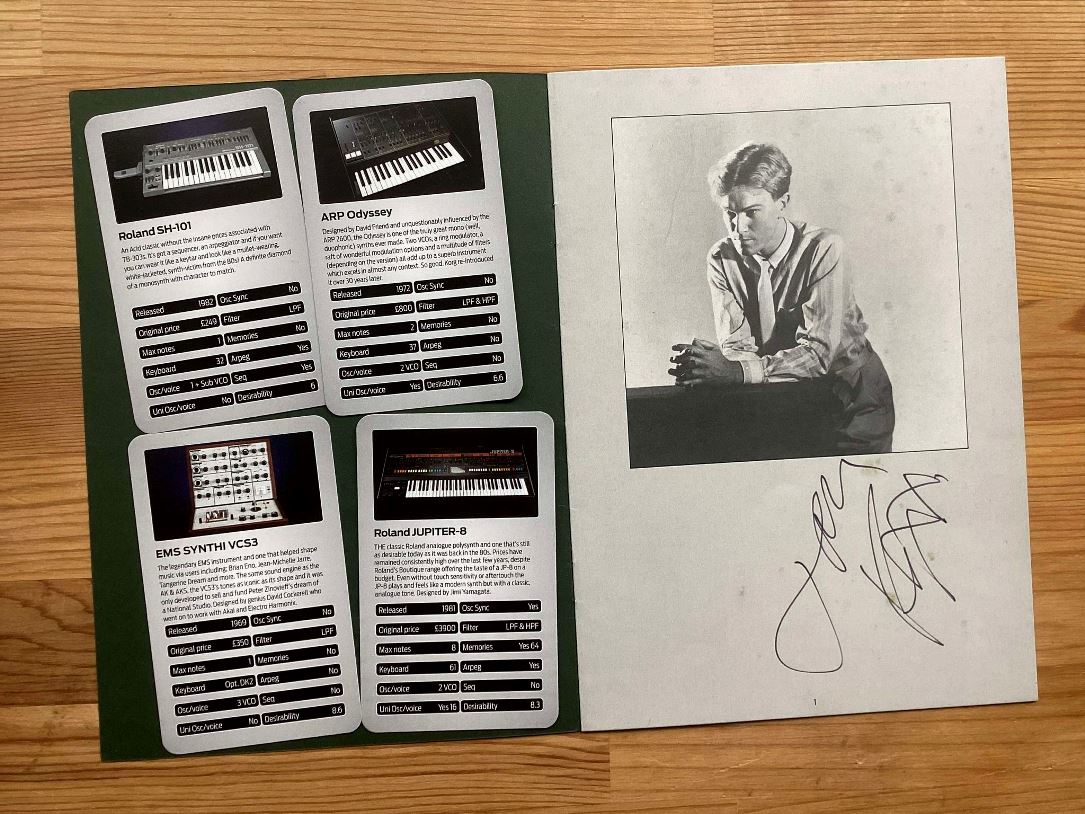
Vintage Synth Trumps with JOHN FOXX

Photo by Benge

While Gary Numan is often seen as the synthesizer’s first major pop star, his biggest influence was the first incarnation of ULTRAVOX! lead by John Foxx.

Following that self-titled 1977 debut with tracks co-produced by Brian Eno like ‘My Sex’, ULTRAVOX! gradually increased their use of synthesizers as part of a sound that stood out at the height of punk. The leadlines and soloing on ‘The Man Who Dies Every Day’ from their second album ‘Ha! Ha! Ha!’ demonstrated how powerful and fierce synths could be.

After the third album ‘Systems Of Romance’ in 1978 produced by Conny Plank which spawned standout moment such as ‘Slow Motion’, ‘Quiet Men’ and ‘Just For A Moment’, the technology had become so affordable and straightforward to use that Foxx saw he could realise his future musical vision without a band. Using just synths and drum machines with occasional bass guitar, the end result was the seminal 1980 debut solo album ‘Metamatic’ engineered by Gareth Jones. “It was minimal, primitive technopunk” said Foxx, “Car crash music tailored by Burtons”

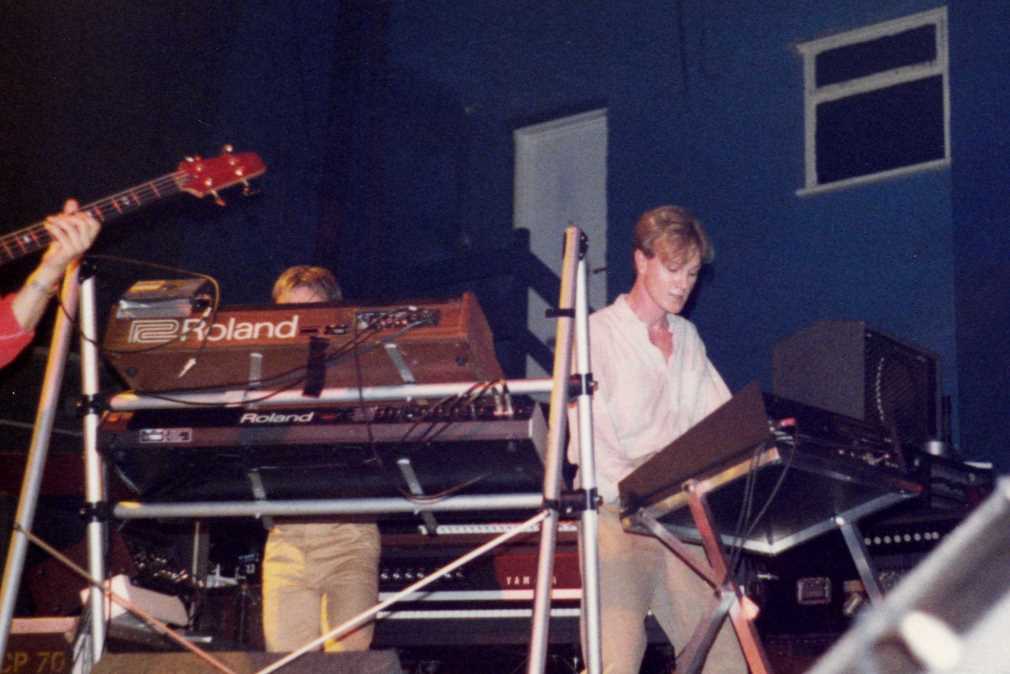
For a short period with singles like ‘Underpass’, ‘No-One Driving’ and ‘Burning Car’, John Foxx became an unlikely pop star in his grey suit with Top40 hits, appearances on ‘Top Of The Pops’ with a band all equipped with Yamaha battleship keyboards and a previously unreleased track from the ‘Metamatic’ sessions ‘My Face’ given away free on a flexidisc attached to the front cover of ‘Smash Hits’ magazine.

Despite what appeared to be a long hiatus between 1986 to 1990 which can now be seen as nothing by today’s standards, John Foxx has been extremely prolific in his solo work and collaborations with the likes of Tim Simenon, Louis Gordon, Jori Hulkkonen, Jim Jupp, Robin Guthrie, Theo Travis, Steve D’Agostino, Steve Jansen, the late Harold Budd and his main partner-in-crime during the 21st Century Ben ‘Benge’ Edwards aka THE MATHS.

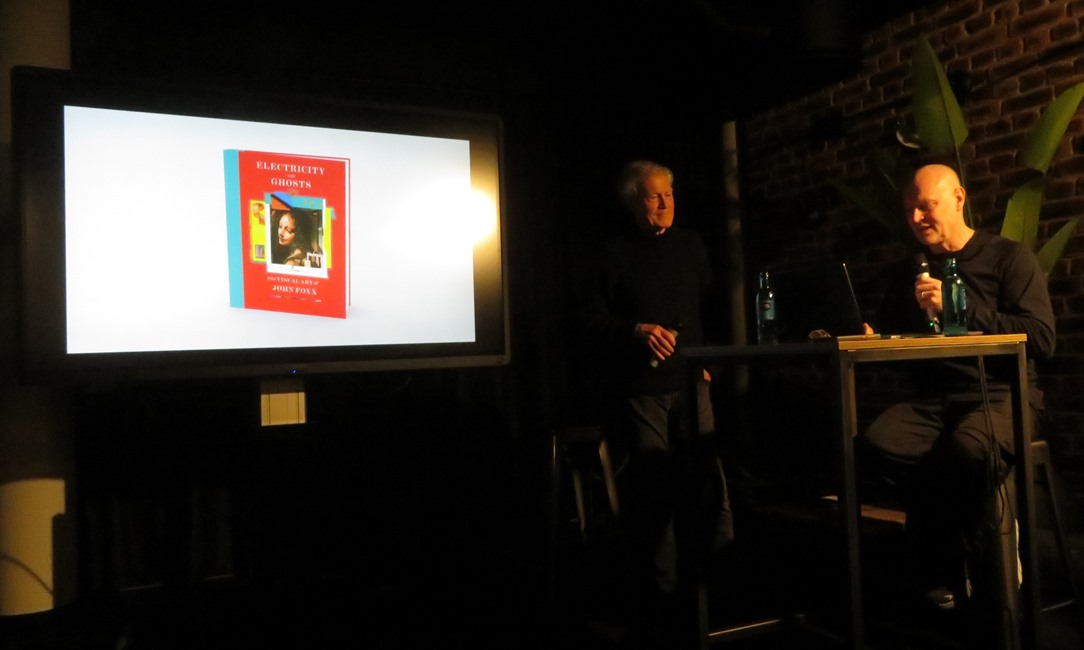
John Foxx is not just known for his music but he is also an esteemed visual artist. He recently published a 224 page book ‘Electricity & Ghosts’ collecting reproductions of the varied artistic media he has worked in, including drawing, photography, painting, graphic art, sculpture and collage. Created in collaboration with Grammy award winning graphic designer Jonathan Barnbrook, it includes a unique first-person narrative of his early college artworks and the creation of ULTRAVOX! which was initially conceived as an art project.

With ‘Metamatic’ soon to celebrate its 45th Anniversary, this was the perfect time for ELECTRICITYCLUB.CO.UK to chat to John Foxx about his close encounters with synthesizers through the years over a game of Vintage Synth Trumps in Düsseldorf, the spiritual home of modern electronic pop.

Photo by Chi Ming Lai

OK John, the first card is a Sequential Circuits Pro-One… had you ever used much equipment from them before?

Not personally no, but Duncan Bridgeman who played on ‘The Garden’ album did. There were some very fine sounds he came out with.

On ‘The Garden’, there was a lot more of a band sound like on ‘Dancing Like A Gun’ and ‘Walk Away’, so were they shaped by jamming together?

I’d bring the song in and play it, then Duncan and Jo Dworniak who is a great bass player,  together with Robin Simon from ULTRAVOX! So we’d get together and go through the song a couple of times and then record it.

Duncan Bridgeman and Jo Dworniak were from this Britfunk band I-LEVEL, so how did you come across them?

It was in the studio, I’d heard them recording and thought “these guys are good” so I had a chat with them and it turned out they knew about my music and particularly liked the song ‘Metal Beat’ because it wasn’t regular time, it wasn’t “funky” but it had a broken up rhythm and they enjoyed that. So we got together to try out a few songs and it worked really well.

Next card and it’s a Korg 770…

I liked Korg stuff, a lot of people used it. I had some Korg keyboards although I preferred Roland. THE HUMAN LEAGUE had quite a bit of Korg and profited greatly from it. I remember having a conversation with Martyn Ware about the early synths they got, his first one was a Korg I understand…

The affordability of Korg made things more accessible so could you see a wave of creativity coming with these cheaper synths?

Yes! Because much earlier, the first people I knew who got a synthesizer were GLORIA MUNDI from which Eddie and Sunshine came. Sunshine bought a synthesizer and she put that through an amplifier, it was a knockout sound, so I thought “I’ve got to get one of those!”. It was that which started my interest in actually buying one. This was before ULTRAVOX! had recorded anything.

Did the rest of ULTRAVOX! need much persuading at the time to get into synths and technology?

Not really, Chris Cross particularly was great at getting hold of synths, Billy Currie did it slightly later because we needed to spend more money and we didn’t have any. I remember suggesting to Warren Cann about getting involved is using a drum machine and when he got to grips with it, he really enjoyed it, this was when we were recording ‘Hiroshima Mon Amour’. I asked him to switch in rhythms live which he did really well as I played guitar and sang it. That was the beginning of it.

You mentioned Eddie and Sunshine earlier and they did your first ‘Top Of The Pops’ appearance with you… this was visually significant because they all had big Yamaha CS80s. Although they weren’t actually on ‘Underpass’, did you have to hire those in?

No, I couldn’t afford to! The BBC kindly did it for us, they didn’t actually ask us, they planted these things there because they looked good. I use one now because Benge has one, I don’t know how much he paid for it, something like £5 I think but it’s worth a fortune now because it’s one of the most complex synths ever made!

Next is a Roland SH101, did you ever own one?

I have used a 101 but triggered with a rhythm to make bass parts. It was very useful for that but I never used it for anything else… I sold it after I used it which was foolish! I did that quite often!

They’re worth quite a bit now!

I know! Everything I sold is worth quite a bit now! *laughs*

Obviously working with Benge, he has massive synth armoury but when you owned The Garden studio, did you have a stash of synths for artists who hired it used?

They usually brought their own stuff although I did have quite a collection by that time. I particularly loved the Jupiter 8 and I didn’t want anybody to touch it! But when Matt Johnson of THE THE came in, he surreptitiously took it out of the store room and started using it. He had a really great time with it apparently but I didn’t mind, it’s what happens in studios! *laughs*

Ah, the next card is a Korg Poly 6, I seem to recall when you started working with Benge that you quite liked the Korg Mono/Poly?

Yes, although it’s not that I favour one synth over another, some are appropriate for what you are doing. Benge is usually the one who says “let’s try this one” and I’ll try a few synths out and one will sound right. There’s no particular favouritism going on, far from it, you just want the right sound.

You have the 45th anniversary of ‘Metamatic’ coming out and there’s a new vinyl remaster??

Yes, we’re trying to digitise the old tapes but we might have re-digitise it because digitisation changes in quality over the years, so it’s better now than it has been.

A lot of the stuff that was in the ‘Metamatic’ vaults is out now but is there anymore left?

Well, there are lots of bits because Gareth Jones and I used to put things down at the end of tapes to see if we got a good sound, you could never get the same sound back again. So we put things down like drum machine and processing though flangers and phasers and all that, sounds on the ARP or whatever sounded interesting to remind ourselves what we were doing because quite often when you’re making sounds, you don’t get to the sound you want but halfway there, something interesting happens so you want to keep it, but you still need to go on get to the sound you want. So there are lots of moments like that which we recorded.

Another card and it’s the EMS VCS3… as a youngster, did that fascinate you seeing it being used on the telly?

Oh yeah, Brian Eno had one when we were in the studio with him and Chris Cross enjoyed playing with that, I think he used it on ‘My Sex’ for one of the parts. So he later bought the compact AKS suitcase version, that was the first synth we got so that’s the memory of that one. Eno used it extensively on all his records like ‘Another Green World’, it was a great record, I thought it was like a new kind of jazz, it was non-conventional jazz, it was kind of freeform music. There were pieces on that record like ‘Sky Saw’ which even now sounds tremendous. And ‘Becalmed’ is a lovely track so it was the beginning of Eno finding his feet properly in the studio, moving away from rock ‘n’ roll into something else.

Now ‘Another Green World’ was notable for being half vocal – half instrumental and paved the way for similarly structured albums like David Bowie’s ‘Low’, is that something you would ever consider in your future works?

No, I don’t like mixing the two. I think they should be separate because I don’t think albums should be like a variety show. I think they should set a mood or a world that you go into, and I don’t want any disturbance in that.

That’s an interesting answer…ok, final card and it’s an EDP Wasp…

Ah yeah, Wasps, great fun! I used to borrow one because lots of people had them. I knew where to borrow things from. You can get some beautiful sounds from them.

Photo by Chi Ming Lai

You have this book ‘Electricity & Ghosts’ out compiling your graphic designs, what was the idea behind this?

Like all these things, when I pop my clogs, it’ll all get shuffled into the dustbin if I don’t do anything with it! And it’s as simple as that really!

Your visual art uses a lot of collage like the artwork for the ULTRAVOX! singles ’Slow Motion’ and ‘Quiet Men’. Leading up to your third solo album ‘The Golden Section’, the preceding singles ‘Endlessy’ and ‘Your Dress’ had collage art but for the album cover, you opted for a striking portrait photo taken by the late Brian Griffin, what was your thinking behind that?

It was just me trying to look my best, I was trying to look good! *laughs*

Was the photo intended for the cover or was it you had the photo taken for some other purpose and you liked it?

No, I wanted it to be like that and I already had the name ‘The Golden Section’. I thought “what can I do visually for that?” and then I realised I could do it with Brian Griffin because he used tungsten lighting in his photography and I’d used a lot of it, so it gave you that very rich “golden” effect. I felt it would be right so I had a word with Brian and he said yes.

Photo by Chi Ming Lai

Finally, your favourite synth of all time and why?

Oh, the ARP Odyssey… it’s the best noise making little brute you can ever come across. I still haven’t exhausted it, I’ve been using it for 50 years now and it still surprises me.


ELECTRICITYCLUB.CO.UK gives its warmest thanks to John Foxx

Special thanks to Steve Malins at Random Management

‘Metamatic’ is released as a 45th anniversary a grey vinyl edition on 17 January 2025, pre-orders through the Official Store will include a limited edition signed print of the album artwork at https://johnfoxx.tmstor.es/product/152300

‘Electricity & Ghosts’ is published as a hardback book available from https://eu.rocket88books.com/products/electricity-and-ghosts-classic-edition

Vintage Synth Trumps is a card game by GForce that features 52 classic synthesizers, available from https://www.juno.co.uk/products/gforce-software-vintage-synth-trumps-2-playing/637937-01/

http://www.metamatic.com

https://www.facebook.com/johnfoxxmetamatic

https://twitter.com/foxxmetamedia

https://www.instagram.com/johnfoxxofficial/


Text and Interview by Chi Ming Lai
4th November 2024

THE ELECTRONIC LEGACY OF 1978

At the start of 1978, disco and AOR was still ruling the airwaves.

ABBA had released ‘The Movie’ which reinforced their success of previous years while the UK charts became dominated by songs from the film ‘Grease’ which helped facilitate a rock ‘n’ roll flavoured revival led by bands like SHOWADDYWADDY, DARTS and RACEY!

Punk had peaked with THE SEX PISTOLS’ Johnny Rotten and his rhetorical statement “Ever Get the Feeling You’ve Been Cheated?”. However, punk’s ethos was mutating into a form of power pop under the guise of new wave with BLONDIE, BUZZCOCKS and THE BOOMTOWN RATS. One epic opus that captured the public imagination was ‘Jeff Wayne’s Musical Version of The War of the World’; featuring synthesizer work from Ken Freeman, it complimented the album’s orchestrated rock with an alien science fiction edge.

Although first released in Autumn 1977, ‘Supernature’ by Cerrone belatedly became a Summer 1978 Top10 hit in the UK singles charts, indicating that after ‘I Feel Love’, ‘Oxygène’, ‘Magic Fly’, ‘Sound & Vision’ and ‘Trans-Europe Express’, electronic pop music had potential longevity and was not a novelty.

A new DIY art pop form was emerging as the independently produced singles ‘Warm Leatherette’ by THE NORMAL and ‘Being Boiled’ by THE HUMAN LEAGUE were released to an unsuspecting public but despite not troubling the mainstream due to their limited audience reach, they were to have a wider impact.

Meanwhile, as punk band TUBEWAY ARMY were preparing to record their debut long player, their leader Gary Numan tried a Minimoog that had been left behind from a previous studio session. It was to be an epiphanal moment as he decided that electronics would become a future part of his sound.

According to a recent Ace Records podcast hosted by Pete Paphides, his guest Bob Stanley said that Minimoog belonged to reggae legend Dennis Bovell who was working on a song he had just written called ‘Silly Games’. When it stalled at No2 sung by Janet Kay, in a bizarre coincidence, the single that was to stop it from getting to No1 in Summer 1979 was recorded in the same Gooseberry Studios in London’s Chinatown… it was ‘Are Friends Electric?’!!!

Here are 20 albums which ELECTRICITYCLUB.CO.UK sees as contributing to the electronic legacy of 1978. They are listed in alphabetical order with a restriction of one album per artist moniker…


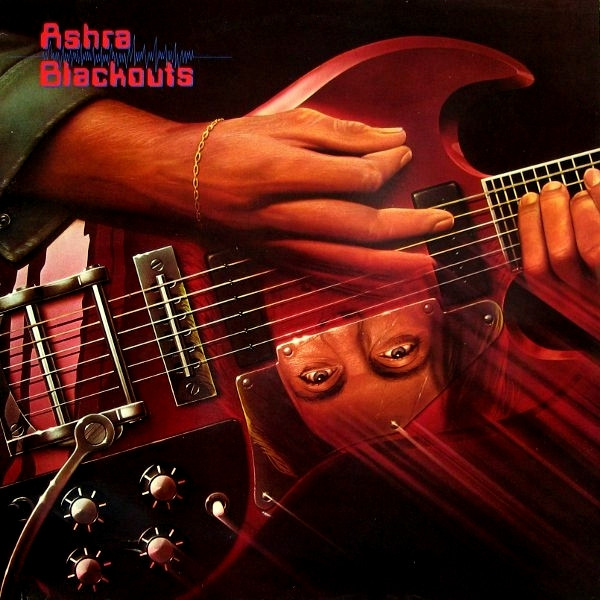
ASHRA Blackouts

Featuring “Sequencer, Keyboards and a lot of guitar” with the recommendation that “this record should be heard comfortably”, ‘Blackouts’ was Manuel Göttsching’s second album as ASHRA and while it did not quite have the total cosmic magic of its predecessor ‘New Age Of Earth’, it was a satisfying record. ‘Midnight On Mars’ set the scene while there was another wonderful 20 minute end piece in ‘Lotus Part I-IV’.

‘Blackouts’ is still available via Virgin Records

https://manuelgoettsching.com/


AUTOMAT Automat

AUTOMAT were Romano Musmarra and Claudio Gizzi who released just one album. Stating “in the beginning there was the machine – the survival and the organization of the planet depended upon the machine – the future and the past depended upon the machine – …the past? But who wanted the machine?”, the key track was the eponymous three part electronic prog disco opus that would have made Giorgio Moroder proud. Meanwhile ‘Droid’ showed the Italian duo were also fans of Vangelis.

‘Automat’ was originally released by EMI Italiana, currently unavailable

https://www.discogs.com/artist/29817-Automat


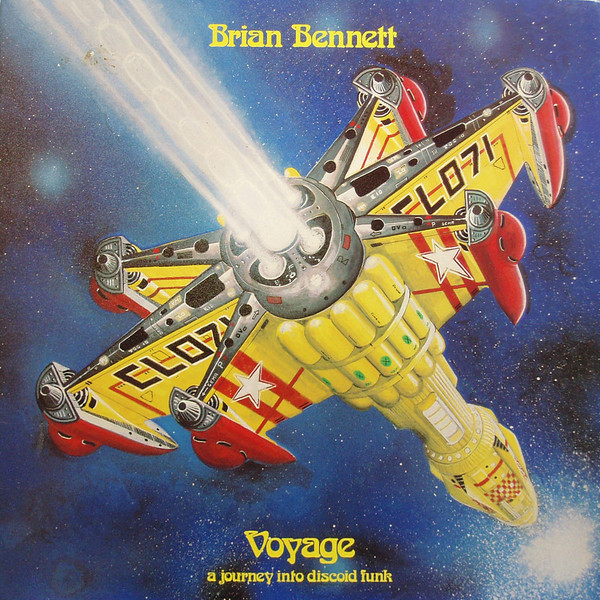
BRIAN BENNETT Voyage (A Journey Into Discoid Funk)

The drummer for THE SHADOWS since 1961, Brian Bennett worked on theme music on the side and became inspired by the emergence of electronic disco from the likes of Giorgio Moroder and Marc Cerrone. Described as “A Journey Into Discoid Funk”, ‘Voyage’ was a cosmic affair with jazz and funk influences. Highlights included ‘Pendulum Force’, ‘Ocean Glide’ and ‘Chain Reaction’ while one track ‘Solstice’ was later sampled by rappers Kanye West and Nas.

‘Voyage (A Journey Into Discoid Funk)’ is still available via Cherry Red Records

https://www.cherryred.co.uk/brian-bennett-voyage-2cd-expanded-edition


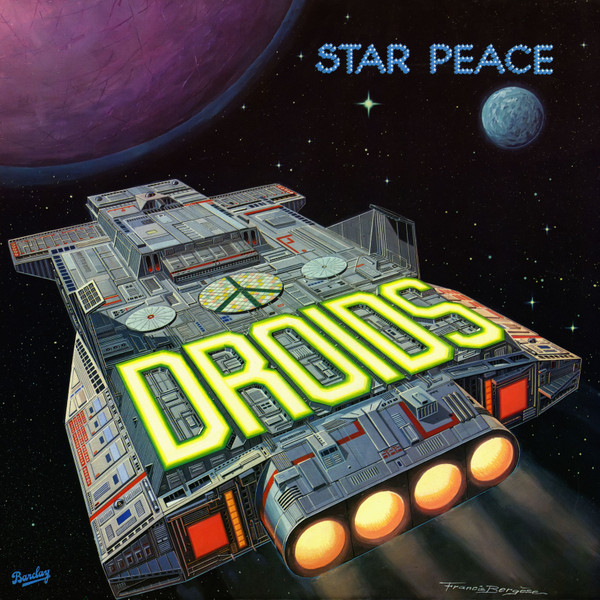
DROIDS Star Peace

Inspired by ‘Star Wars’, French space disco combo DROIDS were best known for their underground hit ‘(Do You Have) The Force’ in 1977. Included on it, their only album ‘Star Peace’ came the following year with material written and played by Yves Hayat using Moogs, ARPs and Oberheims. It was an enjoyable electronic romp with groovy tracks like ‘Be Happy’ and ‘Shanti Dance’ to take on fellow countrymen SPACE.

‘Star Peace’ is still available via Barclay

https://www.discogs.com/artist/93198-Droids


LA DÜSSELDORF Viva

Fronted by Klaus Dinger from NEU! while also featuring his brother Thomas on percussion and Hans Lampe on drums, the second long player LA DÜSSELDORF ‘Viva’ was self-produced and their most successful album. There was the magnificent 20 minute madness of ‘Cha Cha 2000’, but the album also yielded the beautifully epic ‘Rheinita’, a glorious instrumental that became the blueprint for OMD’s ‘Architecture & Morality’ album.

‘Viva’ is still available via WEA Records

https://dingerland.de/


ENO MOEBIUS ROEDELIUS After The Heat

Following aborted sessions with cult German band HARMONIA featuring Michael Rother of NEU! alongside Dieter Moebius and Hans-Joachim Roedelius of CLUSTER, Brian Eno continued collaborations with the latter pair. With a wonderful 1977 ambient collection ‘Cluster & Eno’ to their name, their second album ‘After The Heat’ added Eno’s contemplative voice to the experimentation, the best track of which was the gentle sequencer led beauty of ‘The Belldog’.

‘After The Heat’ is still available via Bureau B


https://www.roedelius.com/album/after-heat


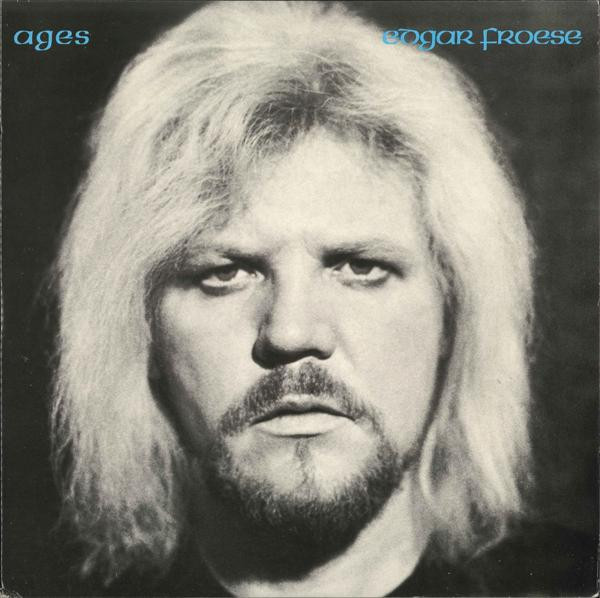
EDGAR FROESE Ages

This double album was released at the start of 1978 before TANGERINE DREAM took their vocal prog rock misstep with ‘Cyclone’. ‘Era Of The Slaves’ was a particular delight in the Berlin School vein with Edgar Froese channelling his creative energies wonderfully following the departure of Peter Baumann. Overall, ‘Ages’ was lively, as exemplified by ‘Nights of Automatic Women’ while ‘Children’s Deeper Study’ displayed a brighter tone.

‘Ages’ is still available via Virgin Records

https://www.edgarfroese.com/


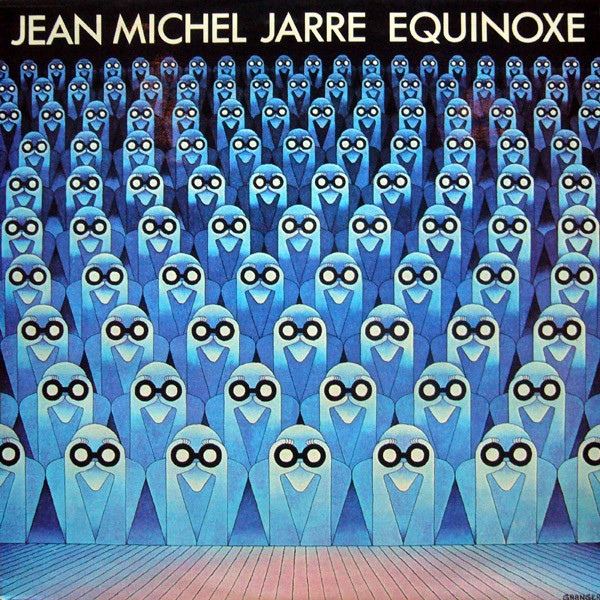
JEAN-MICHEL JARRE Equinoxe

The follow-up to the massively successful ‘Oxygène’, ‘Équinoxe’ was conceived as representing a day in a person’s life. As well expanded multitrack recording, ‘Équinoxe’ benefitted from the use of the customised Matrisequencer 250 designed by sound engineer Michel Geiss. The album’s eight parts were rich in melody, rhythm and in places neo-gothic grandeur. It confirmed Jean-Michel Jarre was not to be just a one-hit wonder.

‘Equinoxe’ is still available via Sony Music

http://jeanmicheljarre.com/


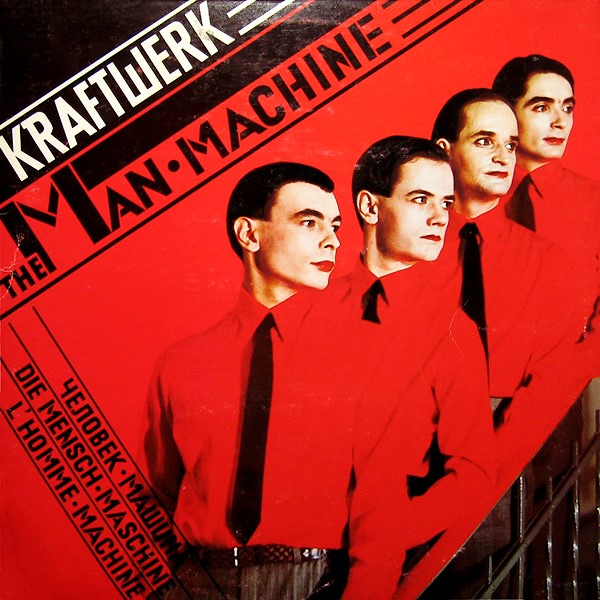
KRAFTWERK The Man Machine

By 1978, the classic KRAFTWERK line-up of Ralf Hütter, Florian Schneider, Wolfgang Flür and Karl Bartos were at the height of their powers with ‘Trans Europe Express’ becoming an unexpected favourite on the New York dancefloors. ‘The Man Machine’ contained the belated hit single ‘The Model’ while there was also the Giorgio Moroder-inspired ‘Spacelab’ and ‘Metropolis’. With ‘The Robots’, the Das Quartett reinforced they were Musikarbeiter.

‘The Man Machine’ is still available via EMI Music

http://www.kraftwerk.com/


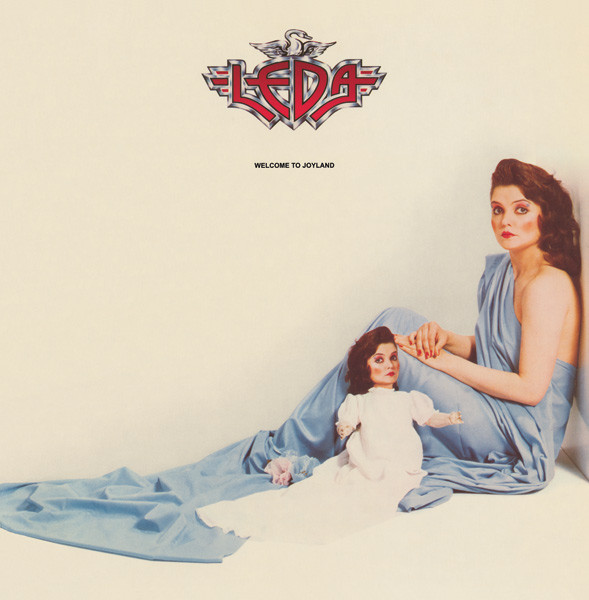
LEDA Welcome To Joyland

Having left TANGERINE DREAM and inspired by the success of ‘I Feel Love’, Peter Baumann produced Italian artist Leda on her album ‘Welcome To Joyland’. Applying his sequenced knowhow into a more song based format, highlights included the title song and the Giorgio Moroder aping ‘Future’. Something of a curio in his portfolio, it became a pointer to the pop based direction he launched in 1981 with ‘Repeat Repeat’.

‘Welcome To Joyland’ is still available via Private Records

https://www.voices-in-the-net.de/welcome_to_joyland.htm


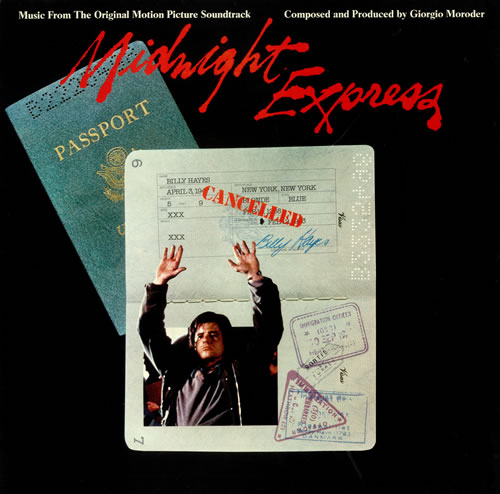
GIORGIO MORODER Midnight Express

‘Midnight Express’ was a graphic prison drama directed by Alan Parker who wanted electronic accompaniment in the style of ‘I Feel Love’ for a key scene in the film. Enter Giorgio Moroder who, assisted by Harold Faltermeyer, did just that with the mighty ‘Chase’. Meanwhile, the moody main theme and with its exotic overtones all but invented synthwave. Moroder would win his first Oscar for “Best Original Score”.

‘Midnight Express’ is still available via Casablanca Records / Universal Records

http://www.moroder.net/


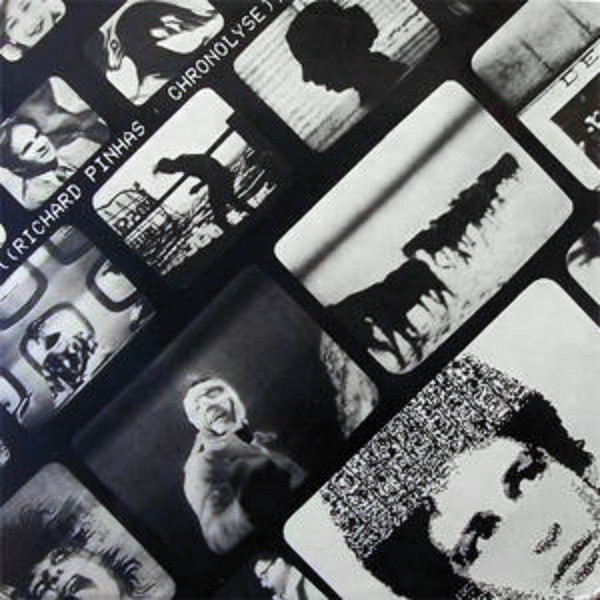
RICHARD PINHAS Chronolyse

Richard Pinhas was a member of French rock band HELDON who became fascinated by the possibilities of experimental electronics. Inspired by sci-fi writers Michel Jeury and Frank Herbert, the ‘Chronolyse’ title suite was split into seven waves of cerebral minimalism reminiscent of Terry Riley and Philip Glass. But there was a volte face in ‘Paul Atreïdes’, a noisy half hour jam with his HELDON band mates that took up an entire side.

‘Chronolyse’ is still available via Bureau B

https://www.richard-pinhas.com/chronolyse/


RIECHMANN Wunderbar

The only album by the tragic figure of Wolfgang Riechmann, ‘Wunderbar’ was an elegant and ultimately fragile collection with a fine balance of electronic technology and real instrumentation where none of the elements were overdone. The resonant melancholy of its content became even more poignant once it is learnt that he was murdered in Düsseldorf just weeks before its release by Sky Records in August 1978.

‘Wunderbar’ is still available via Bureau B

https://riechmann.bandcamp.com/album/wunderbar


MICHAEL ROTHER Sterntaler

After the success of ‘Flammenden Herzen’ set Michael Rother off on the path to becoming Germany’s answer to Mike Oldfield, his second solo album ‘Sterntaler’ saw a greater use of synths for melody lines as on the uplifting title track. ‘Orchestrion’ was more of a layered guitar symphony but the moody textures of ‘Sonnenrad’ would later become the inspiration for ULTRAVOX’s ‘Dancing With Tears In My Eyes’.

‘Sterntaler’ is still available via Grönland Records

http://www.michaelrother.de/en/


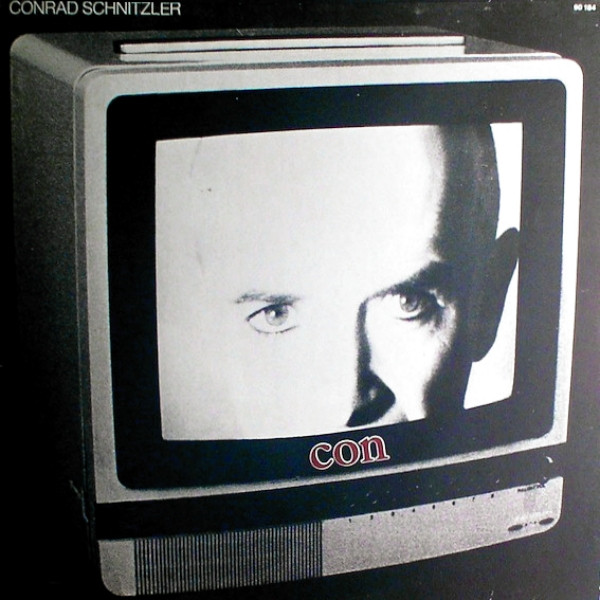
CONRAD SCHNITZLER Con

Conrad Schnitzler had been a member of TANGERINE DREAM and KLUSTER before going solo. ‘Con’ was produced by Peter Baumann. While much of the album was unsettling soundscapes like ‘Electric Garden’ and ‘Black Nail’, ‘Ballet Statique’ was his most accessible piece and up there with the best of minimally structured German electronic music. Meanwhile ‘Zug’ did as the title suggested with its locomotive rhythm collage.

‘Con’ is still available via Bureau B

https://www.fancymoon.com/con_s/


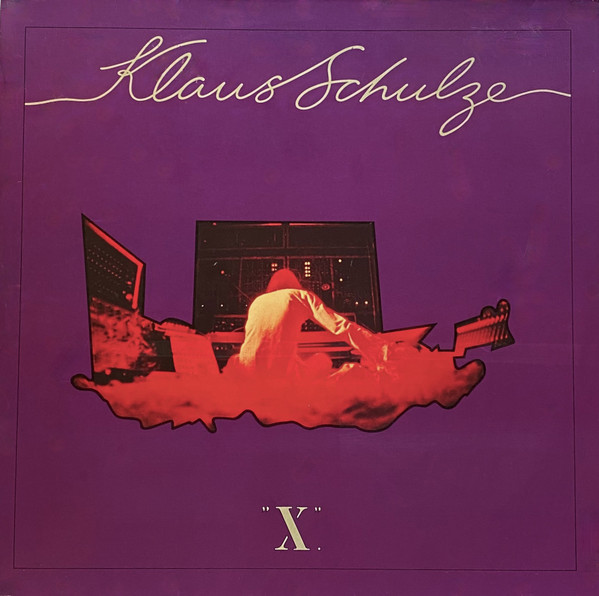
KLAUS SCHULZE X

After his 1977 masterpiece ‘Mirage’, Klaus Schulze was by now well into what many consider his imperial phase and planting the seed for New Age in the process. For the ambitious double opus ‘X’, drums by Harald Grosskopf and strings were incorporated into “Six Musical Biographies” in honour of figures such as philosopher Friedrich Nietzsche, King Ludwig II of Bavaria, composer Friedemann Bach and ‘Dune’ author Frank Herbert.

‘X’ is still available via SPV

https://klaus-schulze.com/


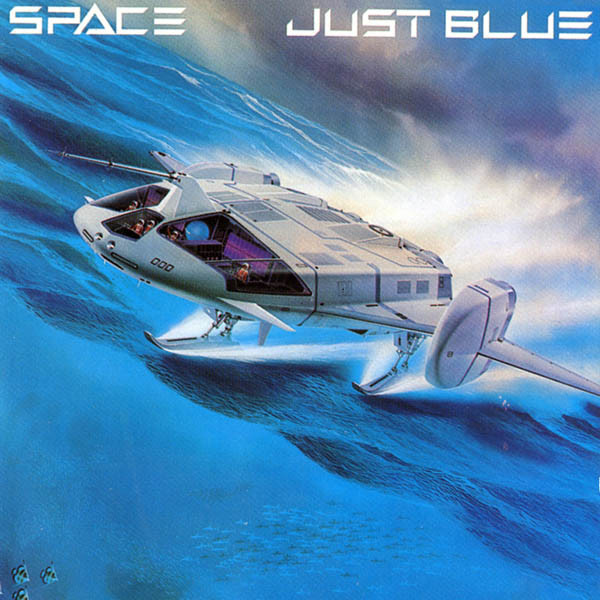
SPACE Just Blue

Having had a worldwide hit with ‘Magic Fly’, ‘Just Blue’ was the third album by France’s SPACE and the last featuring original writer Ecama, the pseudonym of Didier Marouani. With proggier inflections and more vocal phrasing, this album did not hit the highs of ‘Magic Fly’ but this was still a good record. The title song had catchy synth hooks while ‘Final Signal’ brought in fretless bass and ‘Secret Dreams’ got all new age.

‘Just Blue’ is still available via Nang

https://www.facebook.com/Didier.Marouani.et.spAce/


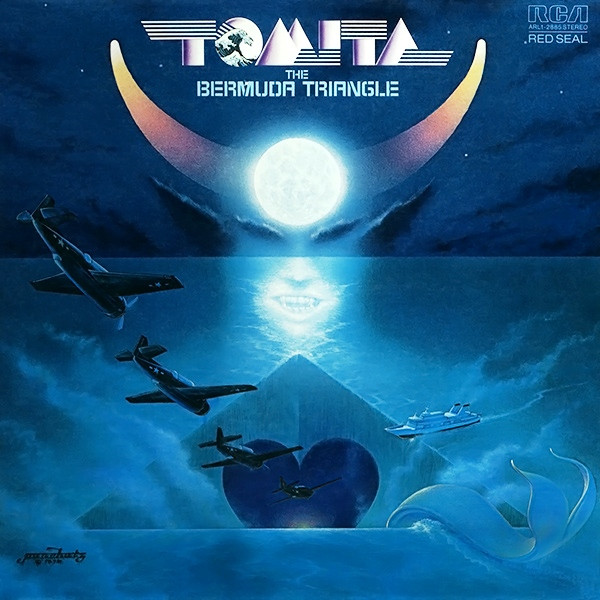
TOMITA The Bermuda Triangle

Best known for 1974’s pioneering ‘Snowflakes Are Dancing’ which reinterpreted Debussy, Isao Tomita was applying his Moog modular craft to Prokofiev and Sibelius for an ambitious concept album subtitled “A Musical Fantasy of Science Fiction”, there was even an adaptation of ‘Close Encounters Of The Third Kind’. As befitting a record about ‘The Bermuda Triangle’, it was dark and experimental in places with a fabulous palette of sound design.

‘The Bermuda Triangle’ is still available via Revive Music

https://www.isaotomita.info/


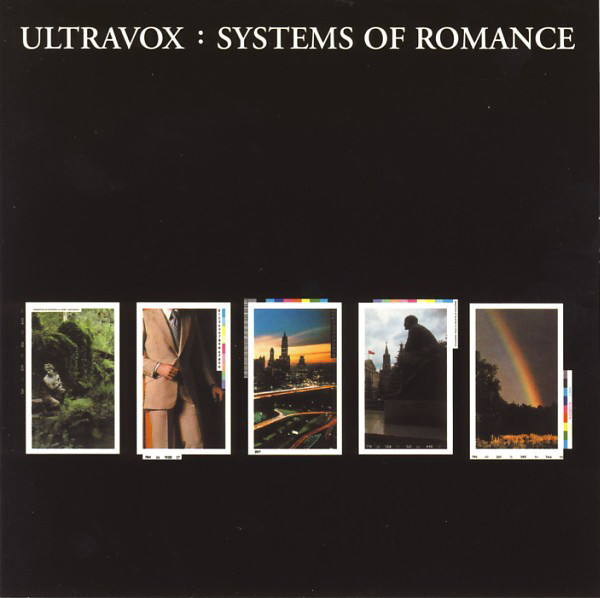
ULTRAVOX Systems Of Romance

Working with the legendary Conny Plank for their third album ‘Systems Of Romance’, ULTRAVOX became more texturally powerful thanks to the ARP Odyssey of Billy Currie, Chris Cross’ EMS Synthi AKS and new guitarist Robin Simon. Despite leader John Foxx leaving to go solo, ‘Slow Motion’, ‘Quiet Man’, ‘Dislocation’ and ‘Just For A Moment’ were a harbinger of things that were to come with a certain Gary Numan taking notes.

‘Systems Of Romance’ is still available on ‘The Island Years’ via Caroline Records

https://www.ultravox.org.uk/


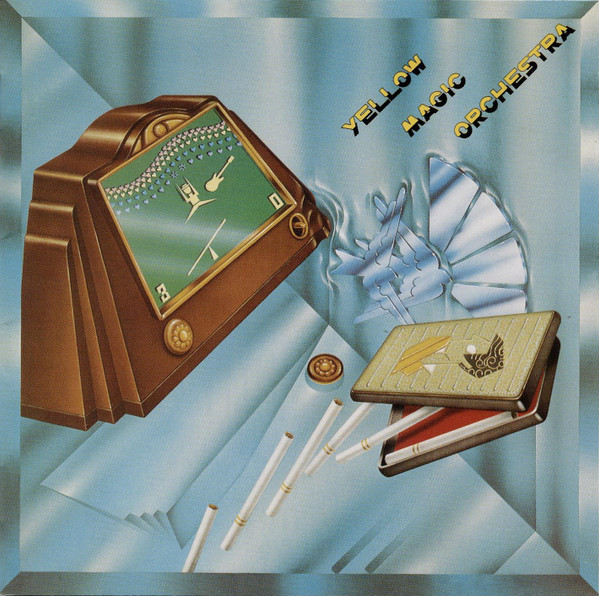
YELLOW MAGIC ORCHESTRA Yellow Magic Orchestra

YELLOW MAGIC ORCHESTRA was intended as one-off project for producer Haruomi Hosono with Yukihiro Takahashi and Ryuichi Sakamoto; all three already had solo careers. Their self-titled debut was noted for its use of the then-new Roland MC8 Micro-Composer progammed by Hideki Matsutake. The trio became standard bearers for Japanese technopop with the hit single ‘Firecracker’, also known as ‘Computer Game’.

‘Yellow Magic Orchestra’ is still available via Sony Music

http://www.ymo.org/


Text by Chi Ming Lai
3rd August 2024

25 FAVOURITE MUSIC BOOKS

Factory Records impresario and Granada TV presenter Tony Wilson once said: “When forced to pick between truth and legend, print the legend.”

Books about the trials and tribulations of the music industry come in all shapes, sizes and angles. The approach can be tricky… should they be personal accounts, encyclopaedic histories, stories based on real life but with some spin, or just snapshots of an era?

In recent years, autobiographies and memoirs have become very popular as money for old rope in the absence of physical music sales. These can range from being informative and hilarious to extremely bitter, with others coming over very dull in an attempt not to upset anybody. Meanwhile others feature so many falsehoods that they may as well be placed in the ‘Fiction’ section.

One less appealing format that has been gaining increasing prevalence is the fan memory compendium; this could be seen as a lazy and cheaper way of producing a publication as followers compete to be seen as the biggest fan. Meanwhile others, notably members of lower league bands, try to make out they were massive fans in the first place with recollections that are actually veiled attempts to promote their own music.

When writing a music book, it helps to actually read and research a few beforehand. In addition, when deciding whether a point is worthy of inclusion, the viewpoint of the reader must always be taken into consideration as they hypothetically ponder “so what?”. 

The 21st Century ubiquity of social media has proved that not everyone can string a coherent sentence together.  But where that may seem a barrier, a ghost writer can be the subject’s best friend and a number of the books listed here have taken that route.

Not a best of list, here are 25 music books that have become the personal favourites of ELECTRICITYCLUB.CO.UK listed in yearly and then alphabetical order by title.


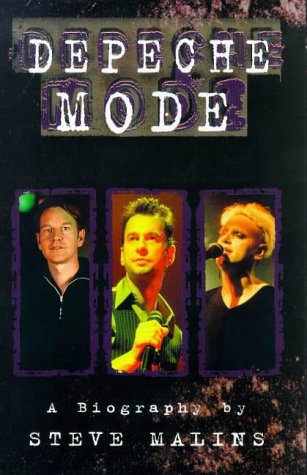
DEPECHE MODE: BLACK CELEBRATION Steve Malins (1999)

Steve Malins’ biography features interviews with Alan Wilder, Daniel Miller and Flood. Offering assessment on the unusual band dynamic, one story that highlights things were going south is the debauched cricket match between DEPECHE MODE and OMD during the 1988 US tour. The continually underappreciated Wilder declares how he proudly bowled out Andy McCluskey whom he intensely disliked. Meanwhile Dave Gahan hovered up a line of coke before going into bat and was inevitably out for a golden duck!

‘Black Celebration’ was originally published by Andre Deutsch Ltd with 2001, 2005 + 2013 updated editions

https://www.depechemode.com/


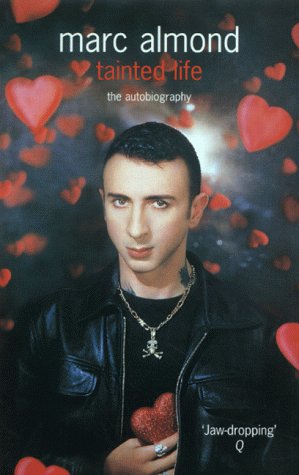
TAINTED LIFE Marc Almond (1999)

This is a frank but humorous autobiography by the SOFT CELL frontman about living life with art school aspirations but suddenly thrust into becoming a pop star and having false tabloid stories written about him in a homophobic world. Attempting to rebuild a career having signed to Warners in 1991, in a reality check, he is told by MD Rob Dickens that the world does not need another Marc Almond album and suggests recording a Trevor Horn produced cover of Jacques Brel’s ‘Jacky’ as made famous by Scott Walker…

‘Tainted Life’ was originally published by Pan Books

http://www.marcalmond.co.uk/


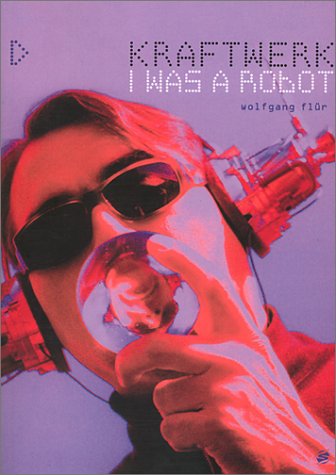
I WAS A ROBOT Wolfgang Flür (2000)

‘I Was A Robot’ was the controversial autobiographical exposé of the KRAFTWERK machine combined with Wolfgang Flür’s partying exploits. However, as his account of OMD coming backstage to meet the band after the Liverpool Empire gig in 1975 has since proved to be false while his musical contribution to KRAFTWERK recordings has been shown to have been minimal, although entertaining, parts of this book should be taken with a pinch of salt.

‘I Was A Robot’ was originally published by Omnibus Press with 2003 + 2017 revised editions

https://www.facebook.com/WolfgangFlur1


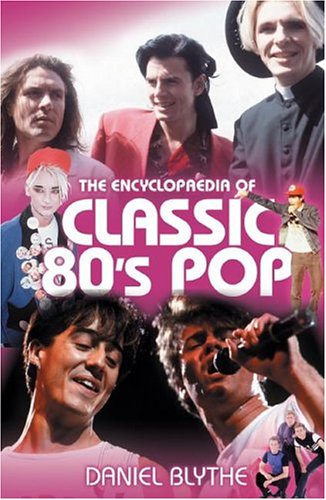
THE ENCYCLOPAEDIA OF CLASSIC 80s POP Jonathan Blythe (2002)

Written in the irreverent vein of classic Neil Tennant-era Smash Hits, the best quote in this amusing book is about DURAN DURAN: “You will have surely have wondered why the girl you fancied seemed far more interested in a slightly porky bloke with bleached-blond hair and a foppish name. The compilation ‘Decade’ contains the 80s hits, but if you want a more comprehensive overview, go for the other one ‘Greatest’. You can usually find them both in the ‘CDs for £5.99’ section, to be honest”

‘The Encyclopaedia Of Classic 80s Pop’ was originally published by Allison & Busby

https://www.goodreads.com/en/book/show/1172733.The_Encyclopaedia_Of_Classic_80s_Pop


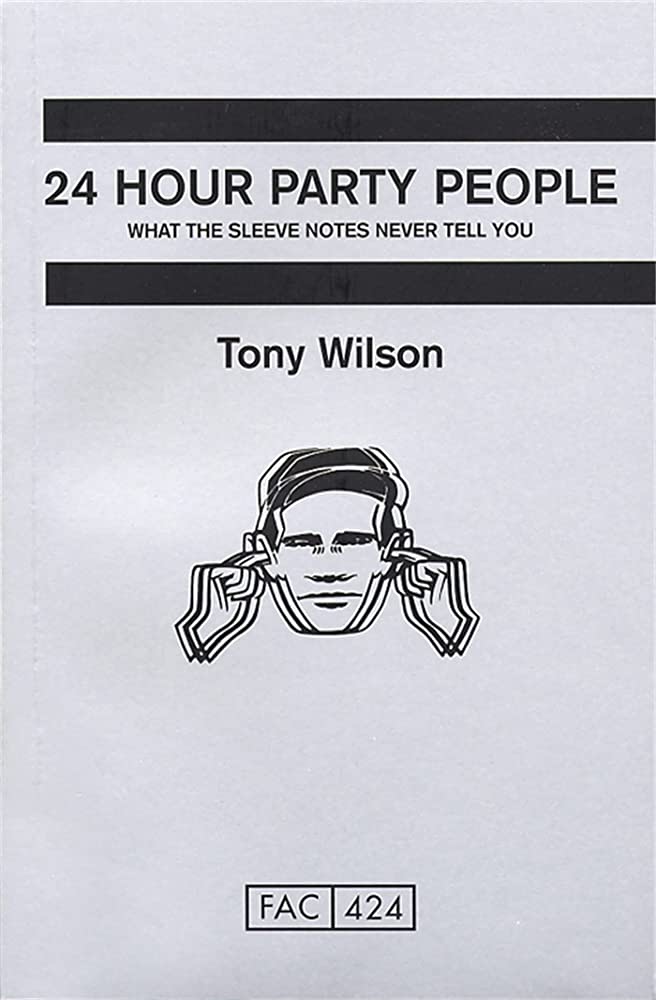
24 HOUR PARTY PEOPLE Tony Wilson (2002)

Given the Factory Records catalogue number FAC 424 and subtitled “What The Sleeve Notes Never Tell You”, this account of the Manchester independent label is centred around Wilson’s noted ego where the narrative reads as enjoyable spin rather than factual stories about the label, its bands and The Haçienda. His alleged legendary quote that ”The musicians own everything. The company owns nothing. All our bands have the freedom to f**k off” was to prove to be his downfall…

’24 Hour Party People’ was originally published by Macmillan

https://factoryrecords.org/


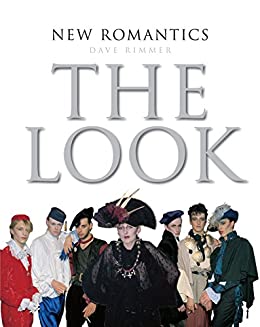
NEW ROMANTICS: THE LOOK Dave Rimmer (2003)

Smash Hits writer and author of ‘Like Punk Never Happened…’ Dave Rimmer takes a look at the flamboyant New Romantics via The Blitz Club playlists and profiles of SPANDAU BALLET, VISAGE, DURAN DURAN, SOFT CELL, DEPECHE MODE, KRAFTWERK and DAF. The Myth of Berlin and Futurism are also discussed and there are plenty of glossy photos that encapsulate its spirit.

‘The Look’ was originally published by Omnibus Press

https://www.rocksbackpages.com/Library/Writer/dave-rimmer/


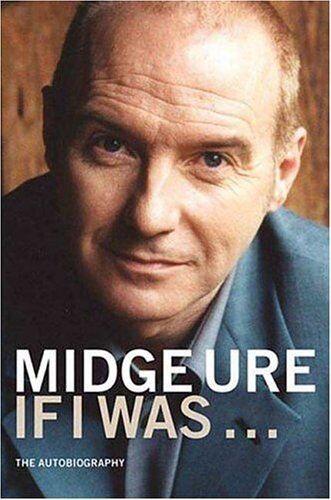
IF I WAS Midge Ure (2004)

With dry humour, this is a sincere and honest account by Midge Ure of his career which included being a teen pop idol with SLIK who had their own Look-In magazine comic strip. As well as accounts of his success with ULTRAVOX and VISAGE and as a solo artist, there is also his darker descent into alcoholism in the wake of low sales. Our hero is candid about the occasionally tense dynamics with his colleagues, while an insight into VISAGE’s original contract with Polydor makes very interesting reading.

‘If I Was’ was originally published by Virgin Books with 2011 revised edition

http://www.midgeure.co.uk/


PET SHOP BOYS, CATALOGUE Philip Hoare & Chris Heath (2006)

This is a superbly presented visual retrospective of PET SHOP BOYS up to ‘Battleship Potemkin’ featuring artwork, video stills, stage sets and other artefacts accompanied by insightful commentary. There is also a chronology included as well as an interview with Neil Tennant and Chris Lowe who again steals the show with the quip “We still are grumpy, actually”!

‘Catalogue’ was originally published by Thames and Hudson Ltd

https://www.petshopboys.co.uk/


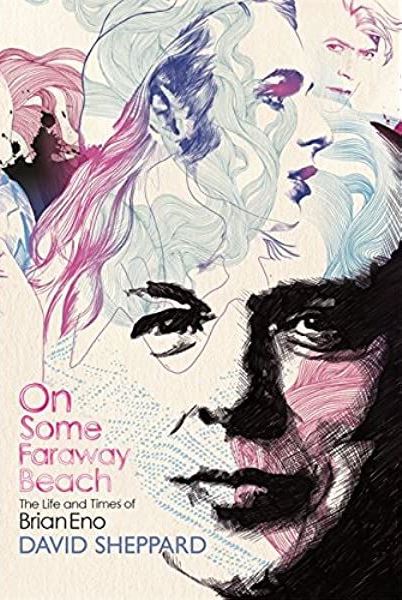
BRIAN ENO: ON SOME FARAWAY BEACH David Sheppard (2008)

Credited with taking David Bowie into “a whole new school of pretension” with The Berlin Trilogy, this authorised biography on Brian Eno traces his career beginning as a self-confessed non-musician with ROXY MUSIC twisting knobs on a VCS3 to producing U2. In between, he makes synthesizers go bong, popularises ambient music, develops Oblique Strategies with artist Peter Schmidt and gets his head around programming the Yamaha DX7. But the biggest revelation in the book? “Eno was shagging more women than Ferry”!

‘On Some Faraway Beach’ was originally published by Orion

http://www.enoweb.co.uk/


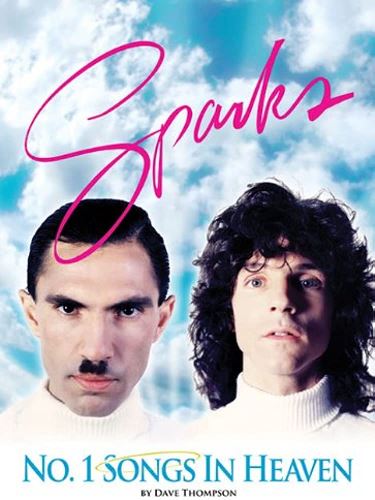
SPARKS: No1 SONG IN HEAVEN Dave Thompson (2009)

An enjoyable unauthorised biography of SPARKS, Ron and Russell Mael’s endearingly witty contributions to this book come from the author’s interviews with the brothers conducted between 1985-2009. There are also press cuttings, an expansive discography and a collector’s guide alongside quotes from former backing band members. But while the stories of the various albums are detailed, those wanting gossip on personal lives will be disappointed.

‘No1 Song In Heaven’ was originally published by Cherry Red Books

http://allsparks.com/


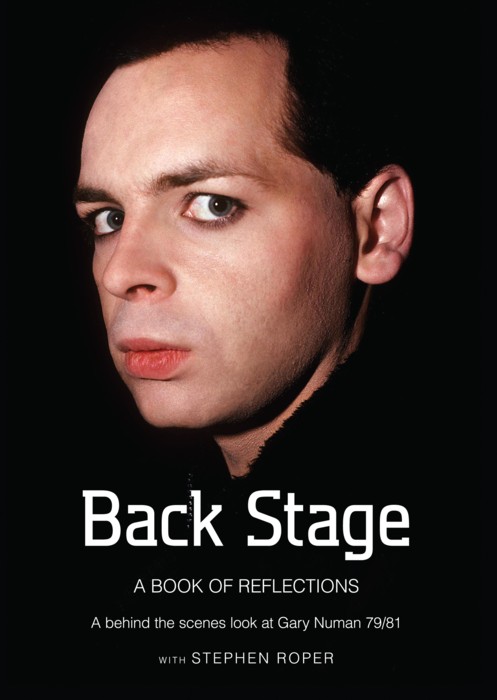
GARY NUMAN: BACK STAGE Stephen Roper (2012)

‘A Book Of Reflections’, long time Numanoid Stephen Roper gives a comprehensive account of the imperial years of Gary Numan from 1979 to 1981 via a series of interviews and memories from band members Chris Payne, RRussell Bell and the late Cedric Sharpley as well as the man himself. OMD’s Andy McCluskey, SIMPLE MINDS’ Jim Kerr and Nash The Slash give the viewpoint of the support acts while there are also additional observations from John Foxx, Richard Jobson and Jerry Casale.

‘Back Stage’ was originally published independently with revised 2017 eBook edition available from https://back-stage.dpdcart.com/cart/view#/

https://www.youtube.com/channel/UC-rRuX6k___Y4ZkTHwQg–Q


IN THE PLEASURE GROOVE: LOVE, DEATH & DURAN DURAN John Taylor (2012)

This autobiography traces the story of how a nervous bespectacled Brummie lad called Nigel became an international sex symbol as John Taylor, bassist of DURAN DURAN; “Now, I had only to wink in a girl’s direction in a hotel lobby, backstage or at a record company party, and have company until the morning” he recalls. As outrageous and debauched as some of these anecdotes of sex and drugs and rock ‘n’ roll are, it would have been very difficult for anyone thrust into this position aged 21 to have acted any differently.

‘In The Pleasure Groove’ was originally published by Sphere

http://www.duranduran.com/


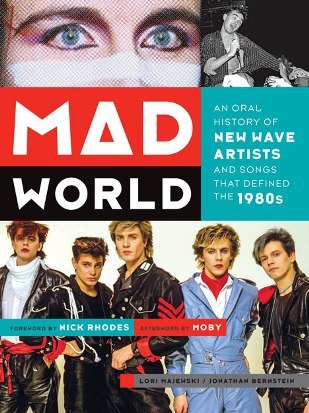
MAD WORLD Lori Majeski & Jonathan Bernstein (2014)

‘Mad World’ delves into the spirit, the politics and the heartache behind some of the greatest songs in popular culture with an American MTV viewpoint courtesy of enthusiastic Duranie Lori Majewski, balanced by the critique of Glaswegian Jonathan Bernstein. The contrasting dynamic ensures a celebration of the era while simultaneously pulling no punches with Bernstein lobbing hand grenades in the direction of KAJAGOOGOO and THOMPSON TWINS!

‘Mad World’ was originally published by Abrams Image

https://www.facebook.com/madworldthebook


JAPAN: A FOREIGN PLACE Anthony Reynolds (2015)

With the co-operation of Richard Barbieri, Steve Jansen and Rob Dean, this book is the first of its kind about the influential enigma that was JAPAN. With detailed accounts by band members and controversial manager Simon Napier-Bell among others, notably absent is David Sylvian who appears via archive interviews while the late Mick Karn is quoted from his own autobiography ‘Japan & Self Existence’.

‘A Foreign Place’ was originally published by Burning Shed

http://nightporter.co.uk/


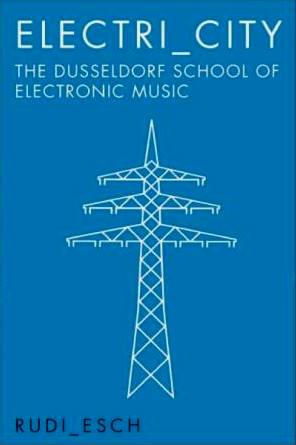
ELECTRI_CITY: THE DÜSSELDORF SCHOOL OF ELECTRONIC MUSIC Rudi Esch (2016)

First published in German in 2015, this history gives a fascinating insider’s account of The Düsseldorf School and its cultural significance via interview quotes. Contributors on the home side include Wolfgang Flür, Robert Görl, Gabi Delgado, Hans Lampe, Ralf Dörper and Susanne Freytag, while the Brits they influenced feature Andy McCluskey, Martyn Ware, Dave Ball and Daniel Miller among their number. As Robert Görl says: “Wir wollten lieber mit Maschinen arbeiten… We always preferred working with machines”.

‘Electri_City’ was originally published by Omnibus Press

https://www.facebook.com/Electri.city.Esch


LET’S MAKE LOTS OF MONEY Tom Watkins with Matthew Lindsay (2016)

Subtitled “Secrets of a Rich, Fat, Gay, Lucky Bastard”, this is the autobiography of the late Tom Watkins, the Svengali who managed PET SHOP BOYS, BROS and EAST 17. “A big man with a loud voice” said Neil Tennant, but he had a bolshy ability to extract favourable deals including a rumoured 20% commission on gross income while always asking “What would Edna in Huddersfield think?”. Later becoming disillusioned with the pop industry, he describes ‘The X Factor’ as being like “a Nuremberg Rally on pink drugs”

‘Let’s Make Lots Of Money’ was originally published by Virgin Books

https://www.electricityclub.co.uk/tom-watkins-lets-make-lots-of-money/


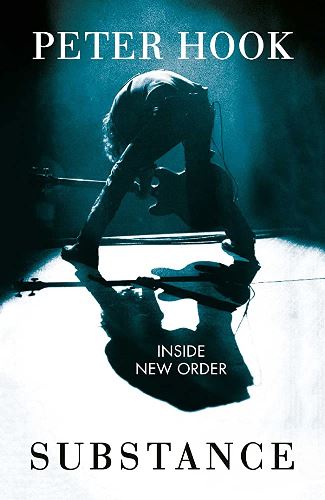
SUBSTANCE: INSIDE NEW ORDER Peter Hook (2016)

An informative in-depth look inside NEW ORDER, this huge memoir running to over 750 pages by Peter Hook was informative but not unsurprisingly tinged with bitterness and anger. But if you want to know where the band played on 9 April 1985, it’s here! There are track-by-track rundowns of each NEW ORDER album (apart from ’Republic’) and if you’ve always wanted to find out which sequencer was used on ‘True Faith’ or what Hooky’s Top16 bass cab messages are, then look no further!

‘Substance’ was originally published by Simon & Schuster

https://www.facebook.com/peterhookandthelight/


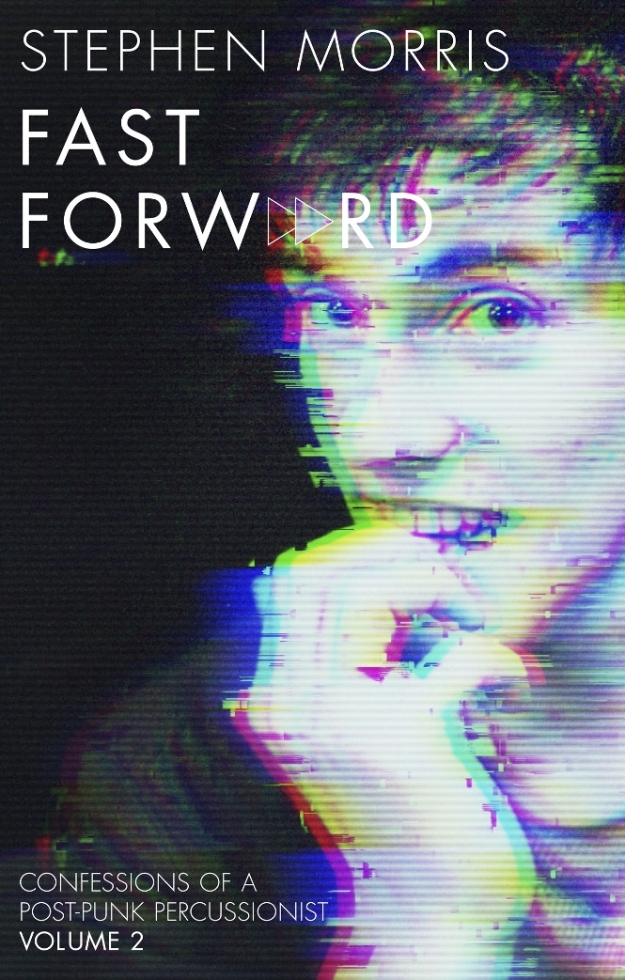
RECORD PLAY PAUSE + FAST FORWARD: Stephen Morris (2019 + 2020)

Effectively a lengthy book divided into two parts, Volume I of Stephen Morris’ memoir demonstrated his abilities as an engaging storyteller blessed with an entertaining dry wit, able to convey his growing up in an amusing and relatable manner. In the NEW ORDER dominated Volume II, readers cannot help but laugh out loud when our hero discovers that the 10 mile shooting range of his newly acquired ex-British Army Abbot FV433 self-propelled gun will make Bernard Sumner’s house in Alderley Edge an easy target!

‘Record Play Pause Rewind’ + ‘Fast Forward’ were originally published by Constable

https://twitter.com/stephenpdmorris


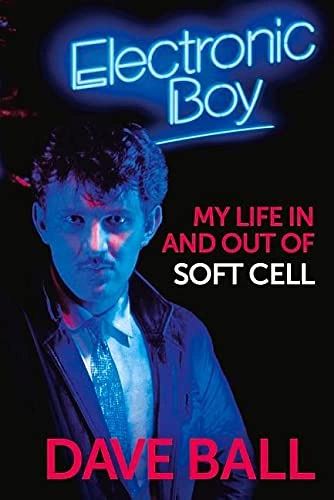
ELECTRONIC BOY: MY LIFE IN & OUT OF SOFT CELL Dave Ball (2020)

The quiet half of SOFT CELL, Dave Ball attended the same Blackpool school as Chris Lowe from PET SHOP BOYS but they never met. There was obviously something in the sea and the accounts of the Northern Soul scene point towards how that influence, along with the affordability of synthesizers, was to seed a long and successful music career which later included THE GRID. The Electronic Boy is honest about his various demons, but there is also humour and an equipment list appendix plus plenty of technical talk.

‘Electronic Boy’ was originally published by Omnibus Press

https://www.facebook.com/daveballofficial


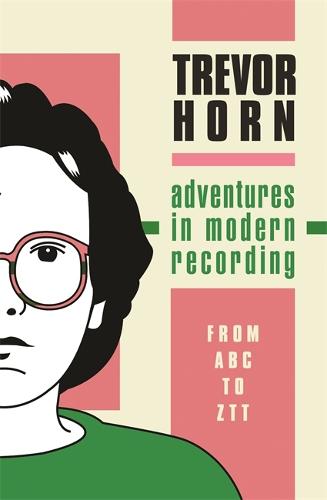
ADVENTURES IN MODERN RECORDING Trevor Horn (2022)

Chaptered around 23 significant pieces of music in the life of Trevor Horn, the producer provides an insight into the making of his greatest moments. Music industry politics are discussed, notably with his ZTT signings FRANKIE GOES HOLLYWOOD, PROPAGANDA and THE ART OF NOISE. Among the revelations are getting bassist Mark Lickley fired from ABC but in all, this is a fun read with lots of name dropping… so imagine sitting in a van with Grace Jones and Jackie Chan that has no seat belts!

‘Adventures In Modern Recording’ was originally published by Nine Eight

https://www.facebook.com/trevorhornofficial


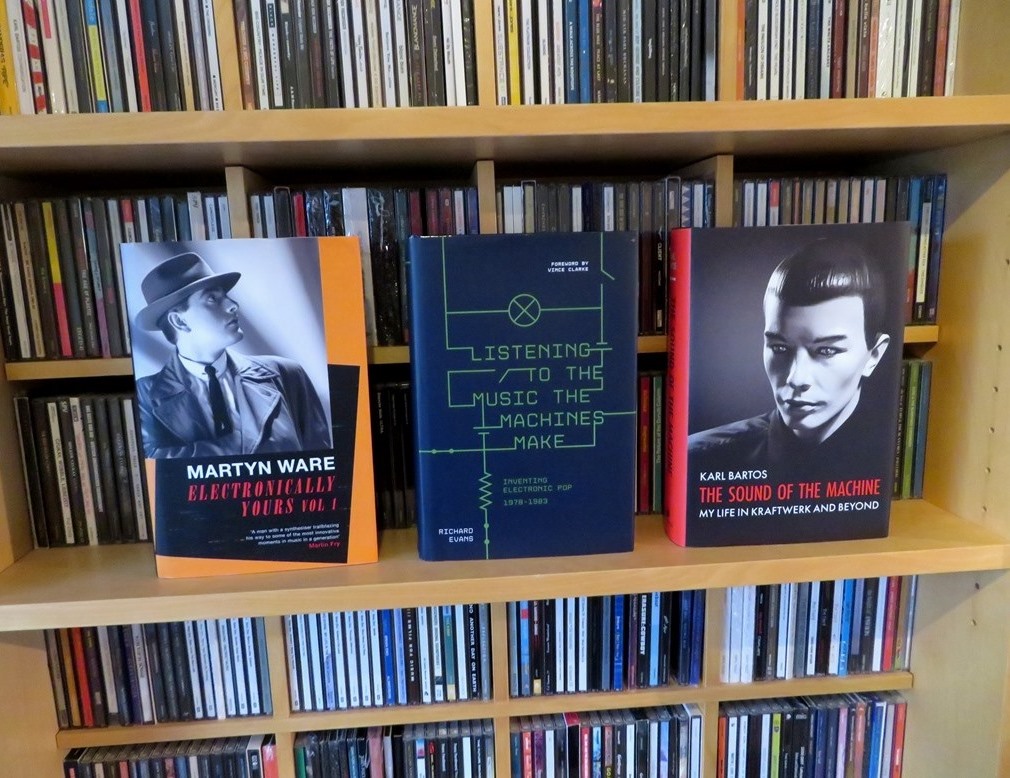
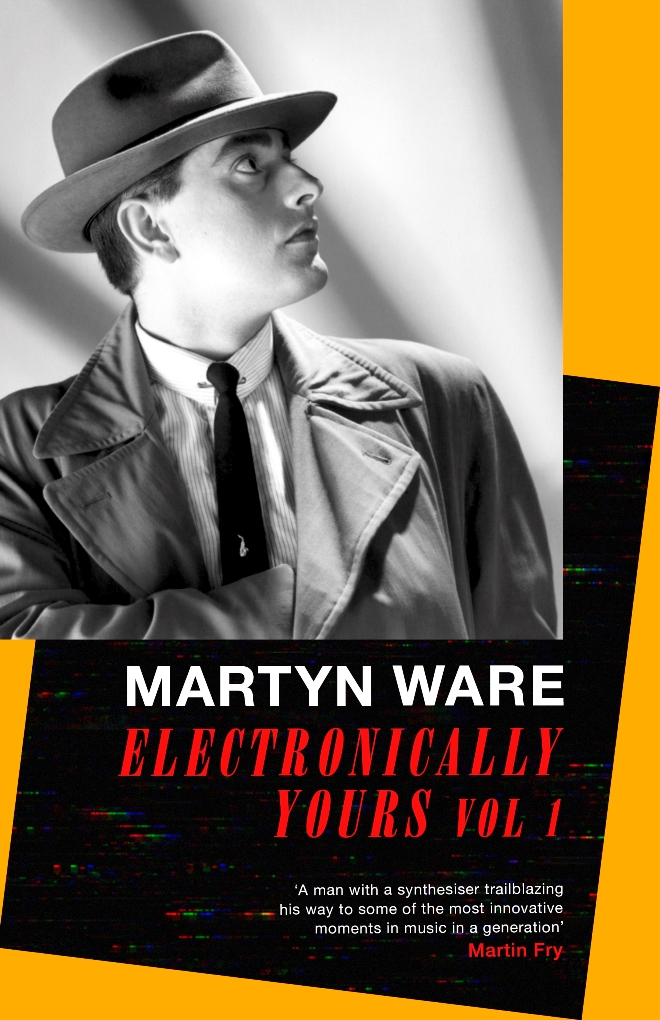
ELECTRONICALLY YOURS Vol1 Martyn Ware (2022)

An autobiography that covers up to the end of 1992, a quarter of the book is brilliantly devoted to a track-by-track analysis of every released recording that Martyn Ware was involved in by THE HUMAN LEAGUE, HEAVEN 17 and BEF. Politics looms within ‘Electronically Yours Vol1’ but without this socially conscientious drive , there would be no ‘Penthouse & Pavement’ or ‘The Luxury Gap’. With the recent passing of Tina Turner, Ware’s accounts of working with her now have added poignancy.

‘Electronically Yours Vol1’ was originally published by Constable

https://martynwareofficial.co.uk/


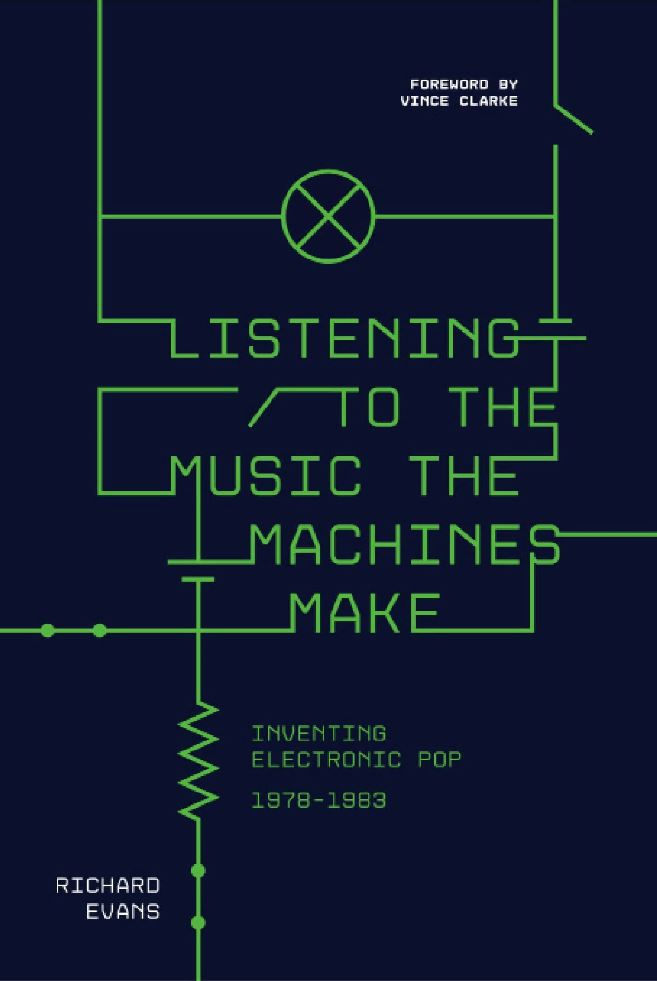
LISTENING TO THE MUSIC THE MACHINES MAKE Richard Evans (2022)

Focussing on “inventing electronic pop”, ‘Listening To The Music The Machines Make’ tells the story of the Synth Britannia generation by referencing archive material rather than via new interviews with the protagonists of the period. The end result is a more accurate picture of how synthesized forms were derided by a hostile music press back in the day, contrasting the rose tinted view projected by some cultural observers and fans today. But over 40 years on, this music has won the fight with many of the acts still performing today.

‘Listening To The Music The Machines Make’ was originally published by Omnibus Press

https://inventingelectronicpop.com/


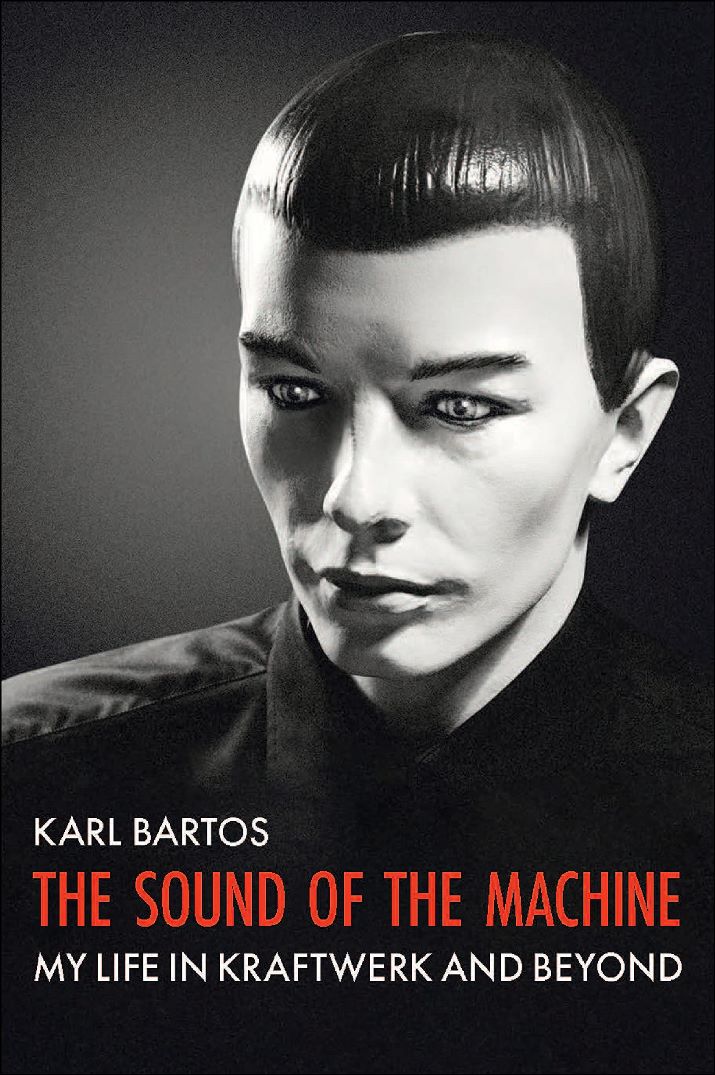
THE SOUND OF THE MACHINE: MY LIFE IN KRAFTWERK & BEYOND Karl Bartos (2022)

A detailed autobiography of Karl Bartos about his time in KRAFTWERK and more, his optimistic disposition is a key aspect of this story. But although rising to the ranks of co-writer for ‘The Man Machine’ album, some members were more equal than others as Ralf Hütter bagged himself 50% of the publishing for the lyrics of ‘Spacelab’ and ‘Metropolis’ despite those tracks containing one word, thus reducing Bartos’ musical share! Bitterness is largely absent from this book, but it is no “sex, synths und schlagzeug” romp either.

‘The Sound Of The Machine’ was originally published by Omnibus Press

http://www.karlbartos.com/


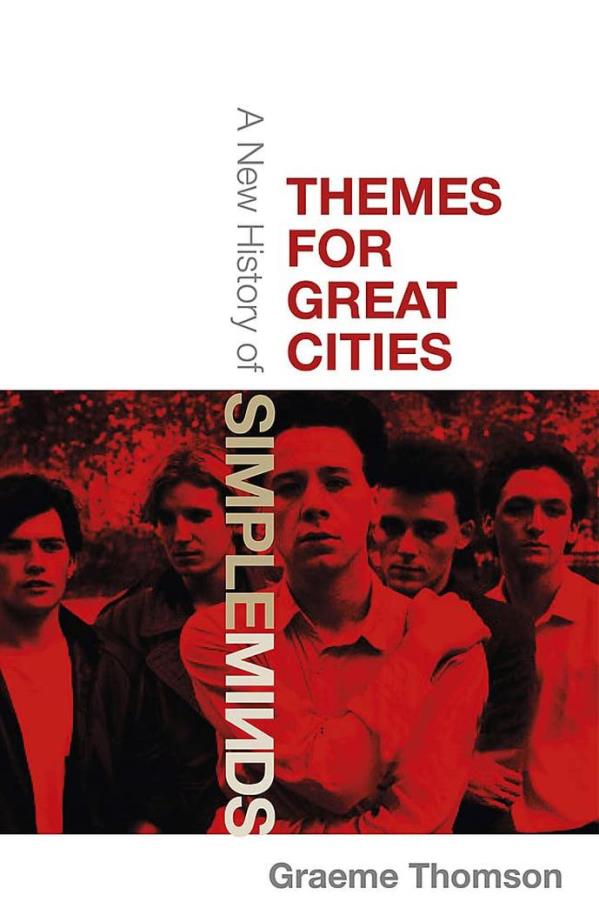
THEMES FOR GREAT CITIES: A NEW HISTORY OF SIMPLE MINDS Graeme Thompson (2022)

Featuring new interviews with original members Jim Kerr, Charlie Burchill, Mick MacNeil and Derek Forbes, this biography focuses on the SIMPLE MINDS era of 1979-1985 when they were at their imperial and imaginative best. So where did it all go wrong? The book reveals what ELECTRICITYCLUB.CO.UK has thought since buying the album in 1984 and that Jim Kerr himself now confirms… the second half of ‘Sparkle In The Rain’ is not particularly good! So who agrees? “LET ME SEE YOUR HANDS!”

‘Themes For Great Cities’ was originally published by Constable

https://www.simpleminds.com/


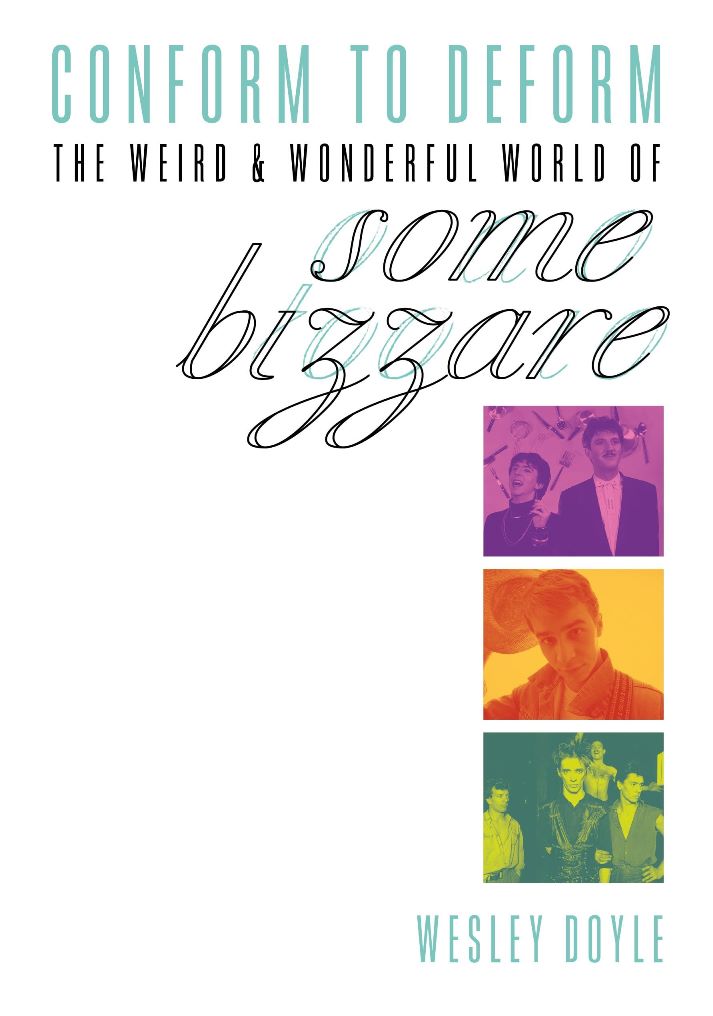
CONFORM TO DEFORM: THE WEIRD & WONDERFUL WORLD OF SOME BIZZARE Wesley Doyle (2023)

The story of Some Bizzare was always going to be a grand undertaking but Wesley Doyle managed to assemble Marc Almond, Dave Ball, Matt Johnson, Daniel Miller, Steve Hovington, Neil Arthur, JG Thirlwell, Stephen Mallinder, Anni Hogan, Stevo Pearce and his long suffering personal assistant Jane Rolink to document the rise and fall of the label that got into bed with the majors. Opting for a chronological quotes narrative, the book captures the personality of the characters involved and the tensions between them.

’Conform To Deform’ was originally published by Jawbone Press

https://twitter.com/WesleyDoyleUK


Text by Chi Ming Lai
13th June 2023

« Older posts