

ELECTRICITYCLUB.CO.UK didn’t exist until March 2010 but one of the reasons for it coming into being was that synths had returned to the pop mainstream in 2009 with a vengeance.
Not only were there new acts dabbling with old school electronics getting into the charts, but the classic innovators were finally being recognised with the BBC documentary ‘Synth Britannia’ for their wider contribution to popular culture while PET SHOP BOYS were given an Outstanding Contribution To Music award at the BRITS.
‘Synth Britannia’ focussed on that exciting period between 1977-82 and deservedly elevated the synthesizer into being a cultural entity its own right, rather than being tagged as some kind of embarrassment which was how synthpop had been mockingly portrayed by TV shows in the past.
On ‘Synth Britannia’, in response to misconceptions on how the music was made, Andy McCluskey of OMD recalled: “The number of people who thought that the equipment wrote the song for you; ‘well anybody could do it with the same equipment that you’ve got’… F**K OFF! Believe me, if there was a button on a synth or drum machine that said ‘hit single’, I would have pressed it as often as anyone else would have… but there isn’t!”
Synth in 2009 was consolidated by female acts that had made initial impressions in 2008 like LADY GAGA, LITTLE BOOTS and LA ROUX while CLIENT and MARSHEAUX came back with new albums. To join the dots between the different generations of synth, Gary Numan took part in a BBC 6Music special at the end of the year with LITTLE BOOTS.
But the wider public remained a little confused about the newer electro stuff with lazy labels like “80s” or “retro” when attempting to describe anyone who preferred using a Korg over a Rickenbacker! Sexism and misogyny was still rife and reaction to these artists from those claiming to be synth music enthusiasts was not entirely positive. In a time before social media had taken its hold on society, several internet music forums started to look like that horrific right-wing comic The Daily Mail!
Wasn’t one of the original motivations for using the synthesizer to break down barriers and challenge convention? Some obviously forgotten level of the bile and disdain that greeted THE HUMAN LEAGUE, SOFT CELL and DEPECHE MODE when they first found fame… despite this, the boys were coming out to play again as HURTS, MIRRORS, DELPHIC and VILLA NAH premiered their modern day synthetically-assisted wares.
At this time, aspiring acts were uploading videos to YouTube as a launch pad and this was how ‘Wonderful Life’ by Manchester duo HURTS came to wider attention. Formed from the ashes of the horrendously attired DAGGERS, Theo Hutchcraft and Adam Anderson brought suits and a smarter sophistication to their pop sound which recalled the productions of Trevor Horn and his work with PROPAGANDA in particular. The traction would lead to a deal with Sony Music via RCA’s Major Label imprint for their music to be formally released in 2010.
Even established indie rock bands were getting in on the act and New York trio YEAH YEAH YEAHS utilised throbbing electronics alongside their usual guitars on ‘Zero’ to exude a fuzzy new wave aggressiveness for the dancefloor while Karen O’s soaring vocal lifted proceedings to a glorious crescendo.
Elsewhere, with a whole generation now never actually paid for entertainment due to MySpace, YouTube and illegal filesharing platforms like Napster and Bearshare, music retailer Zavvi collapsed not long after Woolworths did at the end of 2008. HMV were able to consolidate as a result and demanded exclusive editions to be sold through their stores. iTunes was reigning supreme but Spotify opened public registration for the free service tier in the UK, although its impact was not instant as its initial portfolio was limited. Meanwhile, there was a continuing surge in interest for live gigs of established acts although ticket prices became vastly inflated to account for the loss in music sales.
2009 was a very busy year of album releases and gigs. PET SHOP BOYS and DEPECHE MODE delivered deluxe packages with bonus discs containing superior material to their slightly disappointing parent albums but remained in demand for their concerts. A-HA got back to synthetically driven melodies and recorded their best album since their heyday before deciding to split up for good (or so it seemed) while the classic line-up of ULTRAVOX returned with a well-received reunion tour. As an interim project before their comeback album ‘History Of Modern’ in 2010, OMD went the art installation route with ‘The Energy Suite’ and a reconfigured KRAFTWERK performed alongside the Team GB at The Velodrome during the Manchester Arts Festival.
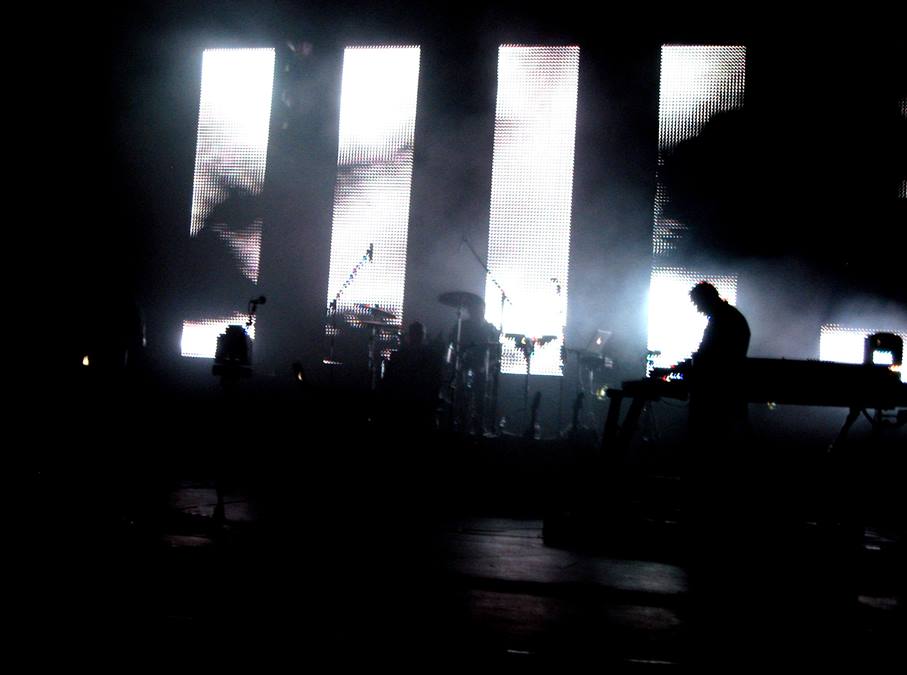
But this was a period where NEW ORDER, BLANCMANGE and VISAGE had yet to return while OMD and ULTRAVOX were still to release new music following their live reunions. Also at this point, HEAVEN 17 and CHINA CRISIS had not fully evolved into becoming regulars on the domestic live circuit.
From officially available purchased or free downloads with a restriction of one track per artist moniker and presented in alphabetical order, ELECTRICITYCLUB.CO.UK retrospectively selects its 30 SONGS OF 2009, a year of undoubted quality and transition…
A-HA Nothing Is Keeping You Here – Steve Osbourne UK radio edit
 “Stunning return to form” is a horrifically overused phrase often applied to bands like REM, but on what was originally billed their swansong album, A-HA actually achieved that with ‘The Foot Of The Mountain’. Going back to their synthesized roots, this toughened up electro ballad had all the usual Nordic hallmarks of the haunting sadness and emotive melodicism that made Morten, Paul and Mags such favourites in their commercial heyday.
Available on the A-HA single ‘Nothing Is Keeping You Here’ via WEA
ANNIE Songs Remind Me Of You
 Norwegian songstress Annie had an ordeal with her ‘Don’t Stop’ album subject to a 12 month dispute with her former label Island Records. When it emerged, ‘Songs Remind Me Of You’ was a fantastic number on it filled with high octane electronic dance flavours. “How does it feel…to hear your songs on the radio?” she asked as an exquisite devenir a gris shift took its place amongst the spiky synthesized mix provided by Richard X.
Available on the ANNIE album ‘Don’t Stop’ via Totally / Smalltown Supersound
https://www.annieofficial.com/
ANTHONIO Annie
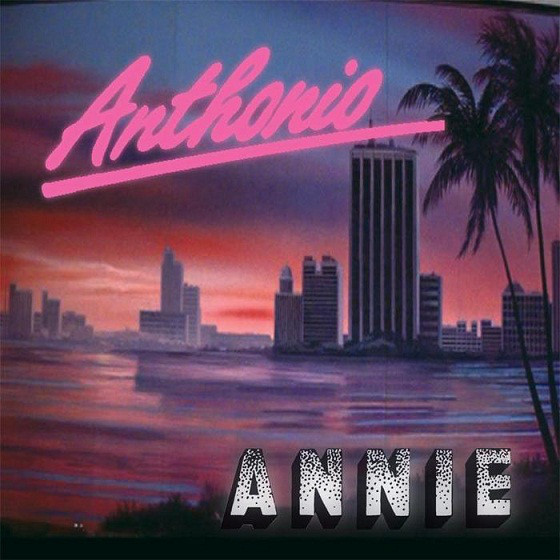 Conceived as a jokey publicity stunt for the Italo disco flavoured Annie single ‘Anthonio’, Richard X and Hannah Robinson used its backing track to create a brilliant tongue-in-cheek response to her tale of broken holiday romance. Sebastian Muravchik, the charismatic vocalist of modern Italo exponents HEARTBREAK amiably played the role of the disimpassioned Latin lover; he continues to make music as SNS SENSATION.
Available on the ANTHONIO single ‘Annie’ via Pleasure Masters
https://www.facebook.com/wearesns
ARTHUR & MARTHA Autovia
 ARTHUR & MARTHA were Adam Cresswell and Alice Hubley; their debut single ‘Autovia’ was the first release on Happy Robots Records in 2008. But when it came to recording the album ‘Navigation’, the incessant Dr Rhythm drum machine was given a more hypnotic Motorik makeover while there was an extended end section with some cosmic wig-outs like STEREOLAB meeting NEU!
Available on the ARTHUR & MARTHA album ‘Navigation’ via Happy Robots Records
https://www.facebook.com/arthurandmarthaband/
AU REVOIR SIMONE Another Likely Story
 Brooklyn trio AU REVOIR SIMONE formed in a mission to “to celebrate the keyboard” and stated that their main influences were Casio, Roland, Korg, Alesis, Rhythm Ace, Univox, Yamaha, Nord and Suzuki. ‘Another Likely Story’ encapsulated wistful melancholy in abundance. This was without mentioning the gorgeous string machine sounds, ringing counter-melodies, chattering rhythm units and angelic vocal harmonies.
Available on the AU REVOIR SIMONE album ‘Still Night, Still Light’ via Moshi Moshi Records
http://www.aurevoirsimone.com/
BAT FOR LASHES Pearl’s Dream
 The outsider musical vehicle of Natasha Khan, while the first single ‘Daniel’ from the second BAT FOR LASHES album ‘Two Suns’ may have marked her out as a kind of Gothic FLEETWOOD MAC, on the eerie ‘Pearl’s Dream’, she indulged in some Linn Drum programming accompanied by icy synth washes and an ULTRAVOX styled electronic bassline. BAT FOR LASHES would cover DEPECHE MODE’s ‘Strangelove’ in 2011.
Available on the BAT FOR LASHES album ‘Two Suns’ via Warner Music
CHEW LIPS Salt Air
 With their lo-fi “8-bit Casiotone drone-disco”, CHEW LIPS quickly attracted the attention of hip tastemakers like BBC 6Music’s Steve Lamacq. With a melancholic edge amongst all the blips and blops, the impressive debut single ‘Salt Air’ showcased an accessible promise with pulsing sequencers and drum machines chugging away augmented by some octave shifting bass and occasional guitar like a female-fronted NEW ORDER.
Available on the CHEW LIPS single ‘Salt Air’ via Kitsuné Music
https://www.facebook.com/CHEWLiPS
CLIENT Make Me Believe In You
 In an approach that more than suited their fourth album’s “brazenly bossy” title of ‘Command’, Client B and Client A covered Curtis Mayfield’s soultastic and groove laden ‘Make Me Believe In You’. Co-produced by Martin Glover aka Youth, the KILLING JOKE bassist added a more rhythmic energy. Proceedings were danced up while an icy edge coming from his frenetic guitar work took its place alongside the hypnotic pulse.
Available on the CLIENT album ‘Command’ via Out Of Line Music
https://www.facebook.com/ClientMusic/
DELPHIC Counterpoint
 Manchester band DELPHIC had a multi-instrumental set-up featuring a mix of synths, sequencers guitars, bass and electronic percussion accompanied by a funky live drummer in a manner that was like A CERTAIN RATIO gone right! Co-produced by Ewan Pearson, ‘Counterpoint’ crossed ORBITAL and NEW ORDER with James Cook’s vocals possessing a vulnerable tonal quality amongst all the vibrant tension.
Available on the DELPHIC single ‘Counterpoint’ via R&S Records
https://www.facebook.com/delphicmusic
DEPECHE MODE Oh Well
 ‘Oh Well’ was the first Martin Gore / Dave Gahan song collaboration and although their parts were written separately, it showed that DEPECHE MODE benefitted from creative tension. Sounding like ‘Supernature’ with a DAF fetish, this was a rare thing, a DM dancefloor number. It captured an energy that was seriously lacking on the lamely disappointing ‘Songs Of The Universe’ main feature.
Available on the boxed set ‘Sounds Of The Universe’ via Mute Records
EDITORS Papillon
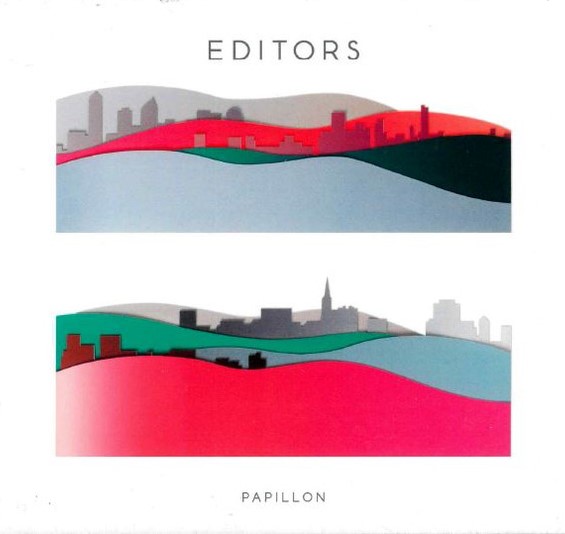 EDITORS first became known for sombre JOY DIVISION aping guitar-driven indie hits like ‘Munich’ and ‘All Sparks’. With Flood at the production controls and Brad Fieldel’s theme for ‘The Terminator’ as an influence for their third album ‘In This Light & On This Evening’, the Birmingham band ventured into synths with the rhythmic and ominous ‘Papillon’, sounding like a cross between BLANCMANGE and NEW ORDER.
Available on the EDITORS album ‘In This Light & On This Evening’ via Kitchenware
https://www.editors-official.com/
EMMON Secrets & Lies
 Having impressed with her first proper solo synth-based album ‘The Art & The Evil’ as EMMON away from her indie pop girl band PARIS, Emma Nylén’s sophomore offering ‘Closet Wanderings’ was a natural progression with more darker songs and instrumentals utilsing danceable energetics. ‘Secrets & Lies’ was a thrusting opening number that showed that Sweden had electronic pop acts following on from THE KNIFE.
Available on the EMMON album ‘Closet Wanderings’ via Wonderland Records
https://www.facebook.com/emmonsweden/
IAMX Think Of England
 Following his wider breakthrough with the appropriated named second IAMX album ‘The Alternative ‘, Chris Corner was hitting his stride post-SNEAKER PIMPS. Developing on his accessible electro-gothic grandeur, ‘Think Of England’ added some frantic rhythmic fervour tension with words of contradiction and confusion about his home country. Having relocated to Berlin, the ‘Kingdom of Welcome Addiction’ was his ode to the city.
Available on IAMX album ‘Kingdom Of Welcome Addiction’ via Unfall Productions
KITE Looking For Us
 After their 2008 self-titled EP, the alternative rock-rooted KITE were finding their feet in the world of synths with their second EP. Coming over like ERASURE meeting Vangelis, ‘Looking For Us’ also had Nicklas Stenemo’s vocals giving a growly passionate edge to contrast to Christian Berg’s synthpop backing. The ‘II’ EP would get a Swedish national record chart high of No58 but the best was yet to come from the Swedish duo.
Available on the KITE EP ‘II’ via Dais Records
https://www.facebook.com/KiteHQ
LADY GAGA Dance In The Dark
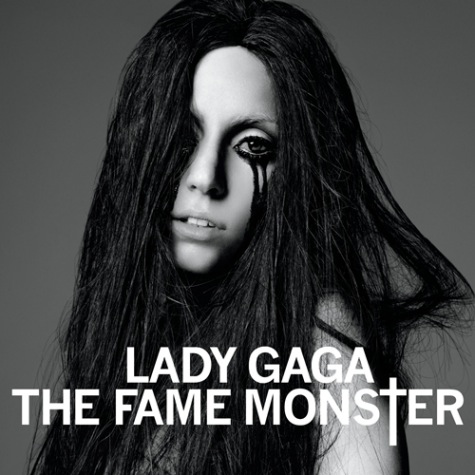 There had been rumours that LADY GAGA would cover DEPECHE MODE’s ‘People Are People’ but while that didn’t happen, ‘Dance In The Dark’ saw Stefani Joanne Angelina Germanotta borrowing sonic elements of DEPECHE MODE and NEW ORDER. Highlighting the dangers of cosmetic surgery, this captured a new wave electronic pop feel that featured strong hints of ‘Strangelove’ and ‘True Faith’.
Available on the LADY GAGA album ‘The Fame Monster’ via Interscope Records
https://www.ladygaga.com/us-en/
LA ROUX Tigerlily
 Comprising of Elly Jackson and silent partner Ben Langmaid, although it featured the UK No1 single ‘Bulletrproof’, the standout from the debut album by LA ROUX was the fierce ‘Tigerlily’. The crisp electro bossa-nova with its thudding synth toms was sweetened with a steel drum flavour to sound like a pop version of THE KNIFE. The middle eight featured ‘Thriller’ inspired monologue by Jackson’s actor father Kit only added to the tension.
Available on the LA ROUX album ‘La Roux’ via Polydor Records
https://www.facebook.com/laroux
LITTLE BOOTS featuring PHILIP OAKEY Symmetry
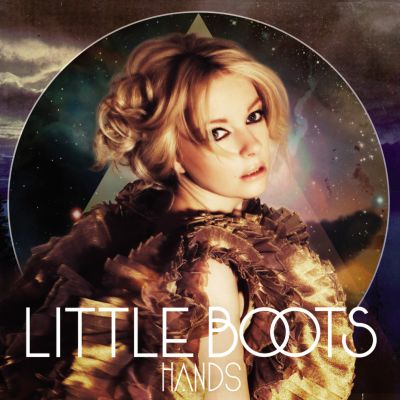 LITTLE BOOTS had been named BBC Sound Of 2009 and her debut album ‘Hands’ was highly anticipated. At the time ‘Symmetry’ was unveiled as a duet with Phil Oakey, THE HUMAN LEAGUE had not released any new material since 2001. With a fabulous chorus and Victoria Hesketh doing her best Susanne Sulley impression, the end result was magic. “Tell me your dreams and I’ll tell you all my fears” he dryly asserted, but this is Phil talking…
Available on the LITTLE BOOTS album ‘Hands’ via 679 Recordings
http://www.littlebootsmusic.co.uk
http://www.thehumanleague.co.uk
MARSHEAUX Radial Emotion
 Having shown great promise with their previous albums ‘The E-Bay Queen’ and ‘Peek-A-Boo’, Greek duo MARSHEAUX raised their game and delivered their best album in ‘Lumineux Noir’. With a battle of squelchy synths taking place amongst the game jingles and syndrums, ‘Radial Emotion’ was the collection’s most immediate track with its thumping syncopated electro rhythms, noisy oscillations and rousing vocals.
Available on the MARSHEAUX album ‘Lumineux Noir’ via Undo Records
https://www.facebook.com/marsheaux
MESH Only Better
 Mark Hockings and Richard Silverthorn found themselves slimmed down to a duo after the departure of Neil Taylor which provoked an understandable existential crisis with MESH close to calling it a day. This led to some darker thematic undertones on the next album ‘A Perfect Solution’. The delicate balance between bitterness and sweetness was exemplified by ‘Only Better’, a gritty offering that possessed a veiled hint of optimism.
Available on the MESH album ‘A Perfect Solution’ via Dependent Records
MIRRORS Look At Me
 “Bored of tradition”, James New met Ally Young and began formulating ideas “to do something that was considered from the ground up”. Joined by James Arguile who embraced the idea of making soulful electronic pop, the first fruit of labour was ‘Look At Me’; recorded on GarageBand with sonic distortion creeping in, it was released as a one sided red vinyl single on Pure Groove with the sleeve sticker outlining the MIRRORS manifesto.
Available on the MIRRORS EP ‘Broken By Silence’ via Skint Records
https://www.facebook.com/groups/404571368236796
MISS KITTIN & THE HACKER Ray Ban
 Having trailblazed electroclash with tracks like ‘You & Us’, ‘Life On MTV’ and ‘Frank Sinatra’, Caroline Hervé and Michel Amato renewed their creative partnership on the imaginatively titled album ‘Two’ which included a cover of ‘Suspicious Minds’. But the highlight was the deep brooding ‘Ray Ban’ which captured an air of Gallic menace that more than suited Hervé’s persona as the nonchalant Miss Kittin.
Available on the MISS KITTIN & THE HACKER album ‘Two’ via Nobody’s Bizzness
https://www.instagram.com/misskittinofficial/
https://www.instagram.com/the_hacker_amato/
ROÍSÍN MURPHY Cry Baby
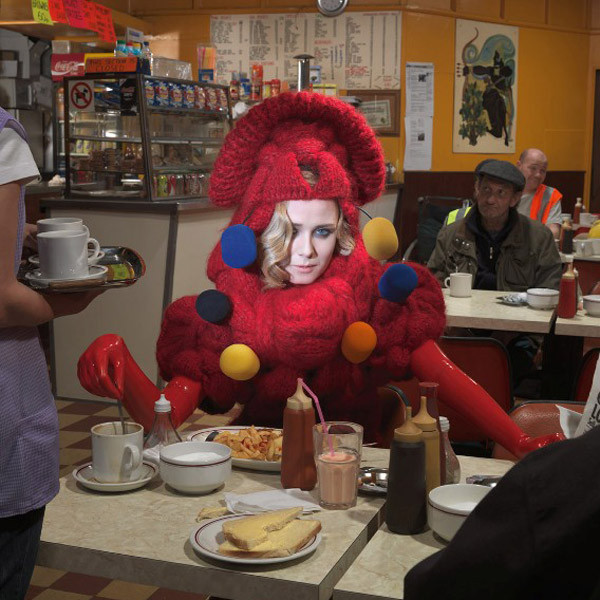 A superb collection of soulful 21st century electronic disco, ‘Overpowered’ was the second solo album from Roísín Murphy who found fame with MOLOKO and struck big with the international club smash ‘Sing It Back’. The Richard X helmed ‘Parallel Lives’ penetrated with some steady and deep sub-bass, providing a nice bonus to an album where Murphy had gloriously sounded not unlike Lisa Stansfield fronting PET SHOP BOYS.
Available on the ROÍSÍN MURPHY album ‘Overpowered’ via EMI Records
https://www.roisinmurphyofficial.com
KATY PERRY Hot ‘N’ Cold – Marsheaux radio mix
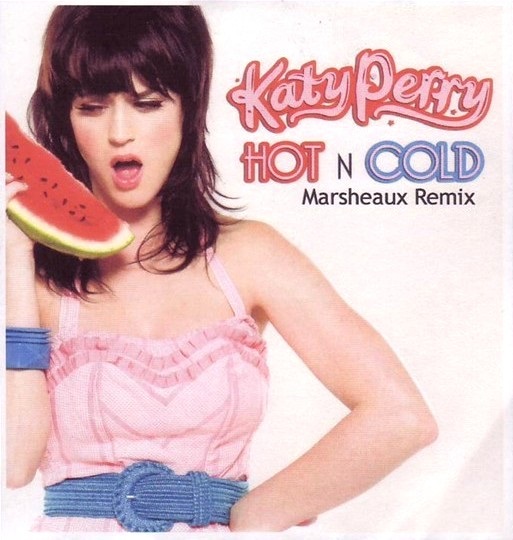 Katy Perry kissed a girl and liked it, but behind all the shock tactics were some quality songs written by Cathy Dennis and in the case of ‘Hot ‘N’ Cold’, Swedish megapop producer Max Martin. Taking its cue from the PET SHOP BOYS remix of THE KILLERS’ ‘Read My Mind’, this superb reworking by MARSHEAUX was truly banging! When presented to Katy Perry’s management, they were none too pleased but the lady herself loved it and sanctioned its release.
Available on the KATY PERRY single ‘Hot ‘N’ Cold’ via EMI Minos
PET SHOP BOYS featuring PHILIP OAKEY This Used To Be The Future
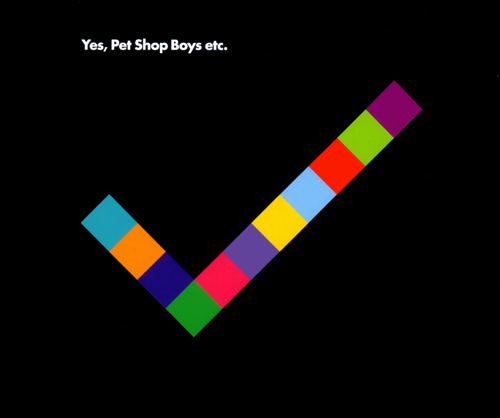 ‘This Used To Be The Future’ was a dream trioet that featured both PET SHOP BOYS and Philip Oakey of THE HUMAN LEAGUE, recorded as a bonus song for ‘Yes etc’. With Lowe actually singing albeit autotuned, as opposed to just speaking, this celebration of yesterday’s tomorrow saw Oakey deadpan that his utopian dream didn’t quite turn out as predicted on ‘Tomorrow’s World’!
Available on the PET SHOP BOYS album ‘Yes / Further Listening 2008-2010’ via Parlophone Records
https://www.petshopboys.co.uk/
RÖYKSOPP featuring ROBYN The Girl & The Robot
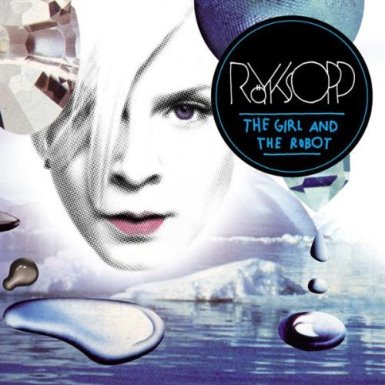 The centrepiece of RÖYKSOPP’s third album ‘The Girl & The Robot’ was perhaps the culmination of Robyn’s steady rise as a truly independent female artist. Despite having gained success in 1997 with the R’n’B tinged ‘Show Me Love’, her superiors at BMG reacted negatively to her new electropop aspirations inspired by THE KNIFE. Frustrated, she bought herself out of her contract and set up her own Konichiwa Records, giving her the freedom to work with whoever she wanted.
Available on the RÖYKSOPP album ‘Junior’ via Wall Of Sound / PIAS
SALLY SHAPIRO Looking At The Stars
 The Swedish duo of Johan Agebjörn and the anonymous singer taking the pseudonym of SALLY SHAPIRO had an unexpected cult success with their debut album ‘Disco Romance’ in 2006. ‘Looking At The Stars’ was a delightful nocturnal highlight from the second long player with a shuffled arpeggiated bass and lyrics by Roger Gunnarsson about his late grandmother. FM ATTACK later provided a remix.
Available on the SALLY SHAPIRO album ‘My Guilty Pleasure’ via Paper Bag Records
https://www.facebook.com/shapirosally
POLLY SCATTERGOOD Other Too Endless – Vince Clarke Remix (2009)
 Polly Scattergood was managed by former Mute plugger Neil Ferris and her self-titled debut came out on Mute in 2009. An intense organic collection of ethereal songs, Scattergood was a promising talent unafraid to express emotion and vulnerability. From it, ‘Other Too Endless’ was bolstered by a superb Vince Clarke remix and highlighted the compatibility of her sound within a synthesized pop environment.
Available on the POLLY SCATTERGOOD single ‘Other Too Endless’ via Mute Records
http://www.pollyscattergood.com/
EMILIE SIMON Dreamland
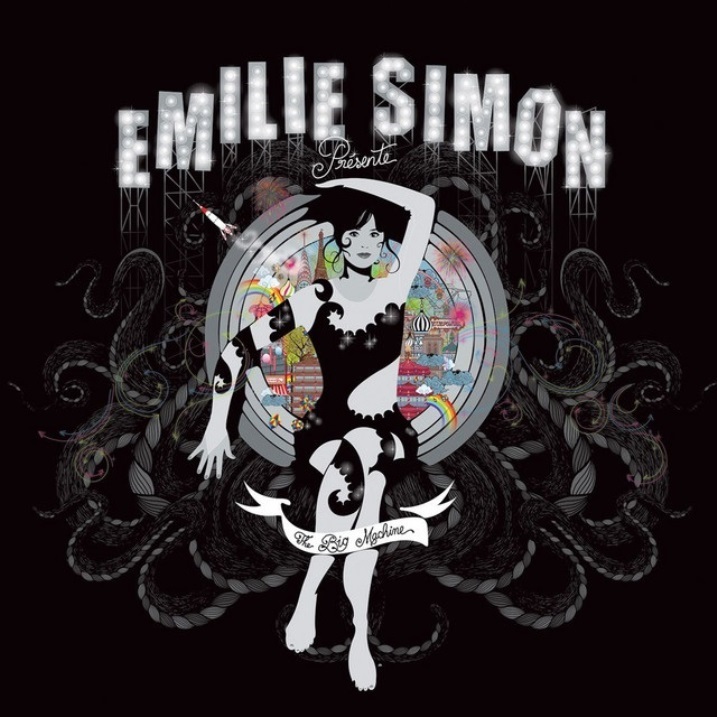 Writing, producing and playing the majority of her material, France’s Emilie Simon had actually studied at the Sorbonne and a star in her own country. In her attempt to break the international market, her third album proper ‘The Big Machine’ was her first entirely sung in English. ‘Dreamland’ was a delightful slice of Gallic electro-chanson weirdness that managed to combine elements of Kate Bush, Alison Goldfrapp and Björk.
Available on the EMILIE SIMON album ‘The Big Machine’ via Barclay
https://www.facebook.com/emiliesimonofficial/
THE SOUND OF ARROWS Into The Clouds
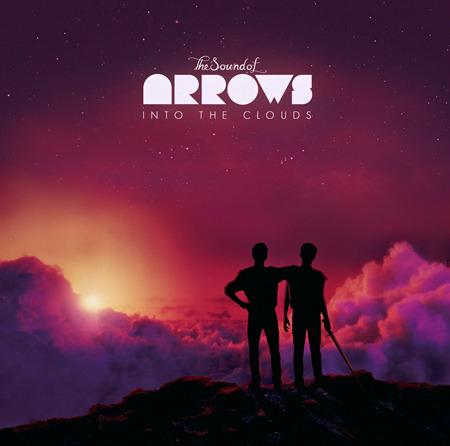 Thanks to their self-made CGI assisted visual imagery, THE SOUND OF ARROWS were once described as resembling “Disney meets Brokeback Mountain”! Based in Stockholm, Oskar Gullstrand and Stefan Storm issued the dreamy widescreen synthpop of ‘Into The Clouds’. Swathed in that beautiful Nordic melancholy, the duo evoked a shimmering otherworld; it was the No1 in Popjustice’s 2009’s list of best pop singles.
Available on THE SOUND OF ARROWS single ‘Into The Clouds’ via Labrador Records
https://www.facebook.com/thesoundofarrows/
VILLA NAH Envelope
 VILLA NAH launched themselves as a recording act with the ‘VN’ EP featuring 3 fantastic songs in ‘Ways To Be’, ‘Daylight’ and the crystalline ‘Envelope’. Juho Paalosmaa and Tomi Hyyppä took their name from the East Helsinki suburbs where they lived and teaming up with Jori Hulkkonen as co-producer, the songs were a taste of the debut album ‘Origin’ which impressed enough that the duo would open for OMD in 2010.
Available on the VILLA NAH album ‘Origin’ via Keys Of Life
https://www.facebook.com/villanah
Text by Chi Ming Lai
18th February 2026


Follow Us!