Paul Simon once sang that there were ’50 Ways To Leave Your Lover’ but for Zeus B Held and Claudia Brücken, there are ‘4 Ways To The Blitz’.
Originally making his name as the keyboard player of psychedelic rock band BIRTH CONTROL between 1973 – 1978, Zeus B Held is the producer, remixer and collaborator who can count GINA X PERFORMANCE, FASHION, DEAD OR ALIVE, ALPHAVILLE, DIE KRUPPS, SIMPLE MINDS, TRANSVISION VAMP, DREAM CONTROL and GURU GURU as well as John Foxx and Gary Numan among his credits.
Meanwhile Claudia Brücken undoubted queen of electronic avant-pop as the lead singer of PROPAGANDA, ACT, ONETWO and xPROPAGANDA as well as an acclaimed solo career and collaborations with Andrew Poppy and Jerome Froese to her name.
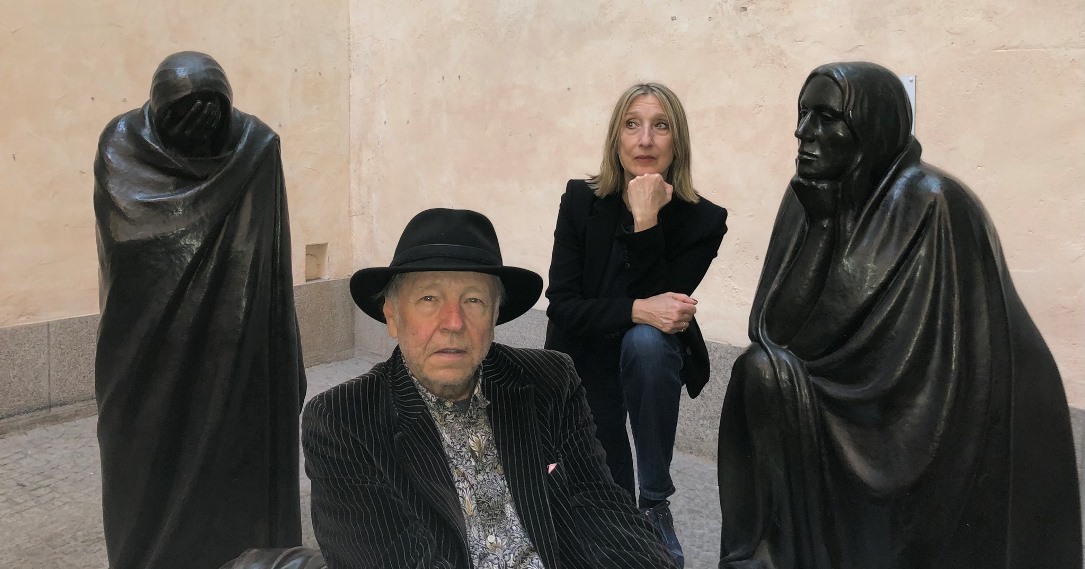
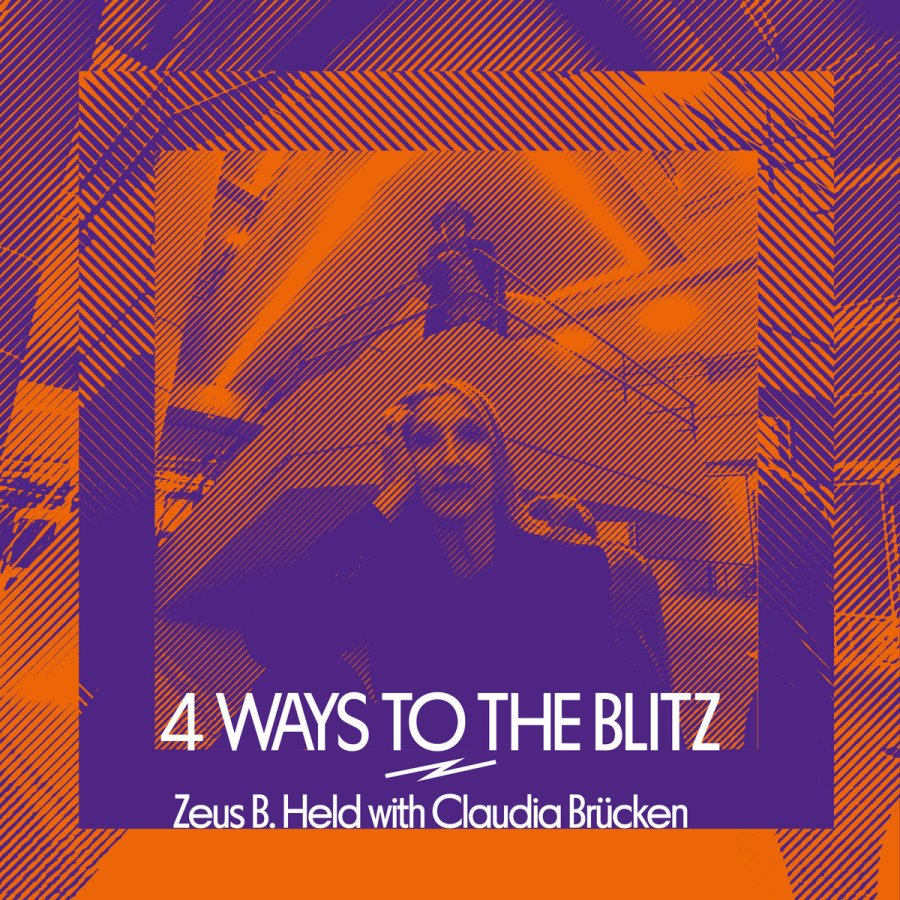
While the two Germans had not met until 2025, they came together to present an unofficial ode to The Blitz Club to coincide with an exhibition running at London’s Design Museum. ‘4 Ways To The Blitz’ offers 4 takes on the song ‘Dream Of The Blitz’. Recorded in London, Freiburg and Milano, Zeus B Held found he was bursting with ideas as to how this tune could sound, so created 4 different versions for a standalone release on his own newly inaugurated label Cisum Suez.
Zeus B Held and Claudia Brücken spoke to ELECTRICITYCLUB.CO.UK about their own ‘Dream Of The Blitz’…
You had not met before making ‘Dream Of The Blitz’, but how did you become aware of the other musically for the first time?
Claudia: I heard the Gina X tracks, cool production and melodies. I especially like the ‘No GDM’ track. It’s amazing that I only found out now that this track was inspired by and dedicated to Quentin Crisp and ‘The Naked Civil Servant’ – when I was in ACT, Thomas Leer and I did a song called ‘Snobbery & Decay’ which came out as a single and we released a 12″ which we named ‘(The Naked Civil) Snobbery & Decay’, it featured Quentin Crisp on the cover artwork.
Zeus: In 1984, I worked with JJ Jeczalik on the fourth Gina X album ‘Yinglish’ – at the same time he worked with Trevor Horn on PROPAGANDA’s first album – that’s when I heard the first time of the band – I remember, for me Claudia was the voice and the face of the project.
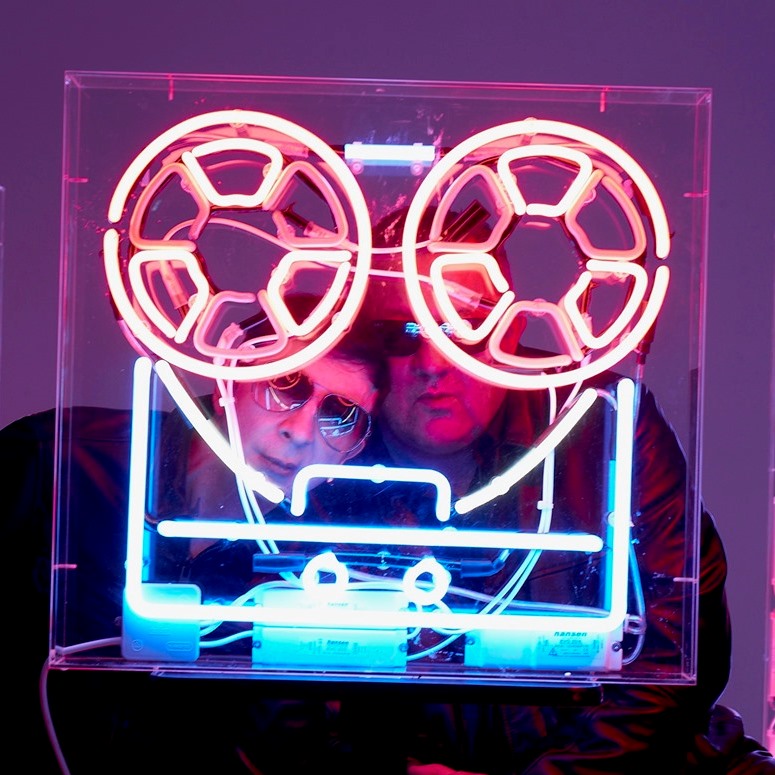
Photo by Steve Schroyder
What track is your favourite involving the other?
Zeus: I remember very vividly ‘Dr Mabuse’ and its song / melody, voices und production – and I love Claudia’s voice on ‘Duel’. I listened to it earlier on , it’s a damn Ohrwurm…
Claudia: It’s gotta be ‘No GDM’.
As Germans, how did you become you aware of The Blitz Club, did it remind you of scenes that you were involved in closer to home?
Claudia: Growing up in Düsseldorf, I spent a lot of time in the Ratinger Hof – which in a way was a parallel to The Haçienda in Manchester.
Zeus: Towards the end of the 70s, I got a bit bored with rock music and the typical clichés – so the GINA X PERFORMANCE started as a pure studio project – looking for new expression in sound and melodic approach – I heard the 1st time of The Blitz when EMI Cologne told me that tracks from the ‘Nice Mover’ album were played at this club. That’s when I also heard the name Rusty Egan for the first time.
What particularly influenced ‘Dream Of The Blitz’ musically and lyrically in the compositional process?
Zeus: Claudia and I spent some time of mutual brainstorming via phone – a lot of lyrical and melodic ideas ended up in the bin…
Claudia: Once we started working together in Zeus’ Freiburg studio, the breakthrough came with a mutual musical picture – and melody lines fitting to the words.
How did you filter all the ideas for the various different versions for this release? How would you describe them?
Claudia: When Zeus was doing a few dub mixes, we phoned and he said “pity we didn’t do a recording of you just reading the lyrics “ – well, so I went to work and became the story teller – I overdubbed my voice at my home studio – that became the Poetic Mix.
Zeus: Those were mainly different rhythmic and dynamic approaches – including half-time sections and more experimental outbursts. We also enjoyed changes in the harmonic content in various sections.
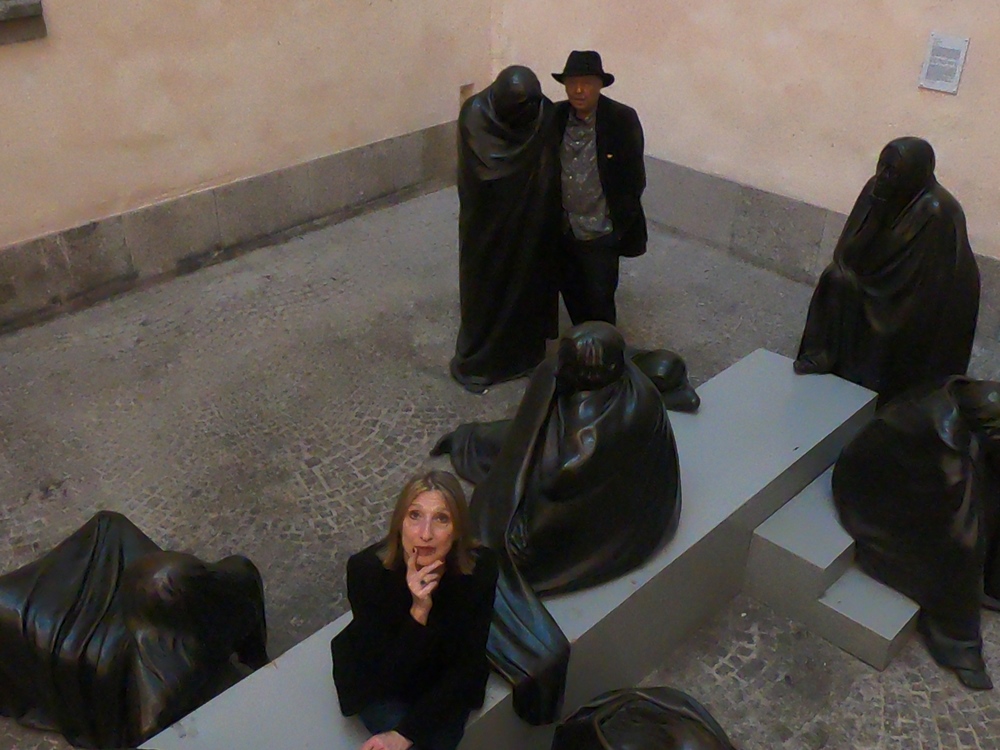
Photo by Steve Schroyder
The DREAM CONTROL Mix sees you reunite with Steve Schroyder? What was the concept for this version?
Zeus: Steve paid us a visit in the studio when we were in the middle of chasing a result – guess, he was the first person to hear a sketch of the song. And he also had the pleasure (and pressure) to do a spontaneous photo session of Claudia and me –
Claudia: With the DREAM CONTROL Mix of ‘Dream Of The Blitz’, we tried to give the song a somehow urgent and sequencer based dance flavour. My initial reaction when I heard it was “…it sounds a bit like DEAD OR ALIVE” – in a good way…
Do you each have a favourite version of ‘Dream Of The Blitz’?
Zeus: I love the Poetic Mix – where Claudia recites the words, tells the story and then launches into the singing…
Claudia: I like all of them….!
Will the two of you do any more music together?
Zeus + Claudia: We hope so, we are under no pressure and we’re both looking for the same thing: magic music transporting us and the listeners into new places.
ELECTRICITYCLUB.CO.UK gives its sincerest thanks to Zeus B Held and Claudia Brücken
1979 was a significant year where the sound of synth truly hit the mainstream.
TUBEWAY ARMY reached No1 with ‘Are Friends Electric?’ while the Giorgio Moroder produced ‘No1 Song In Heaven’ by SPARKS had actually got to No14 a few months earlier. Synths were no longer the novelty gimmick as perceived when ‘Popcorn’ and ‘Autobahn’ became hits. As synths became more affordable, they became a worthy mode of expression, especially for the younger generation seeking something new.
From Cherry Red comes an unexpected addition to their ‘Musik Music Musique’ series; subtitled ‘1979: The Roots of Synth Pop, this 3CD 60 track collection is a prequel tracing how outsider aesthetics, prog rock, post-punk and a willingness to experimental clashed with pop sensibilities to produce a sonic sandwich of accessible electronic music.
The two gamechanging UK No1s ‘Are Friends Electric?’ and ‘Cars’ are both included and even today, how Gary Numan changed the musical landscape cannot be understated although notably absent are SPARKS. It is not insignificant that both continue to fill theatres today.
The sound of synth being the next big thing would be confirmed by THE BUGGLES also hitting the UK top spot not long after ‘Cars’ while ‘Living By Numbers’ by NEW MUSIK issued as 1979 was concluding would just miss out on the Top10 in the New Year; but both their respective leaders Trevor Horn and Tony Mansfield were astute enough to recognise their longevity as unlikely popstars would be short and they would make their fortune as record producers. Incidentally, the first released version of ‘Video Killed The Radio Star’ by Bruce Woolley featuring Thomas Dolby on keyboards in a welcome inclusion and while it is good, THE BUGGLES’ sharper futuristic vision gives it the edge.
Another future producer figuring in this 1979 set is Zeus B Held with his self-referencing ‘Held It’ timestamping the transitional use of synths and vocoders in prog rock to new wave pop, something which his production for Gina X on ‘Nice Mover’ would more than wonderfully compute in its Marlene-inspired disco lento.
THE HUMAN LEAGUE are represented by the mighty ‘Blind Youth’, the best track from their debut album ‘Reproduction’ which attacked the raincoat wearing gloom merchants of England’s North West. But the pointer to the futures of original members Philip Oakey, Martyn Ware and Ian Craig Marsh comes with ‘I Don’t Depend On You’, their one-off as THE MEN which came out a few months before ‘Reproduction’; a fairly commercial slice of disco pop, it featured real guitar, bass, drums and female backing singers in a prescient experiment that after the split of the band shaped the next incarnation of Ver League and HEAVEN 17.
While acknowledged cult classics such OMD’s ‘Almost’, ‘Rock Around The Clock’ by TELEX, SILICON TEENS’ cover of ‘Memphis Tennessee’, FAD GADGET’s ‘Back To Nature’ and ‘Attack Decay’ from Thomas Leer & Robert Rental are present and correct, the joy from these boxed sets comes with the inclusion of rare tracks.
Two of the most interesting come via the ULTRAVOX axis although neither could be considered the best works from those concerned. From VISAGE comes the less familiar vocal version of ‘Frequency 7’ which was the B-side of their first single ‘Tar’ and would be turned into a far superior instrumental dance mix. John Foxx presents a curio documenting him still finding his solo feet on ‘Young Love’, a bizarre track which was actually pressed as an acetate in 1979. It was even assigned a Virgin catalogue number but was later abandoned as a possible single, superseded first by ‘A New Kind Of Man’ which itself was ultimately dropped as a singular release in favour of ‘Underpass’.
Two enjoyable tracks which perhaps would now be accused of racial insensitivity are by QUANTUM JUMP and BLACK ROD; the former’s ‘Lone Ranger’ with its unforgettable Maori vocal intro was championed by Kenny Everett who used it on his TV show while the frantic electropop of ‘Going To The Country’ by the latter with its faux Jamaican accents is revealed to be the novelty cod reggae duo TYPICALLY TROPICAL who had a No1 in 1975 with ‘Barbados’!!! Less successful in the mock accent stakes is ‘Herr Wunderbar’ by St Albans-based Tanya Hyde which plays on the electro Weimar Cabaret theme but unfortunately, she is no Amanda Lear and the song is no ‘Follow Me’… it was to be her only solo single…
There is a nice surprise in the vocoder-laden DOLLAR B-side ‘Star Control’ while from the first “live to digital” album ‘E=MC²’ by Giorgio Moroder is the robotic disco delight of the closing title track with its vocodered credits that include “tea and coffee by Lori”. The adoption of devices such an rhythm units was something of an anti-rock ‘n’ roll statement and nothing can sum up this sentiment more than ‘Making Love With My Wife’, a quirky ode to the joys of marital sex by Henry Badowski that later appeared on Virgin Records electronic music collection ‘Machines’. Another artist appearing on that same 1980 compilation was Karel Fialka and he is represented by ‘Armband’, a track co-produced by Wally Brill who did the same duties for, yes, you’ve guessed it, Henry Badowski!
There are lesser known offerings by M, YELLO and the first line-up of FASHIØN but from the US comes an interesting quartet of tracks that shows the other side of the Atlantic was not all about the horrendous AOR of BOSTON and JOURNEY; THE CARS always had synths as a rogue element of their initial new wave sound and that is encapsulated by ‘Night Spots’, but produced by their leader Ric Ocasek, SUICIDE’s ‘Dream Baby Dream’ is still glorious.
‘Strange Pursuit’ is a good example of DEVO’s move towards more electronic instrumentation, but heavily influenced by Akron’s finest and not to be confused with the late member of German duo CLUSTER, ‘Mirror Of Infinity’ by American art rock band MOEBIUS is something of an icy jewel and deserves this recusing from obscurity.
Sweden would become a major adopter of synths in pop and the start of that nation’s journey is represented by ‘Oh Susie’, the debut single by SECRET SERVICE; setting the template for Europop, it was a Top10 in West Germany, Norway and Denmark as well as reaching No1 in their own country. Lead singer Ola Håkansson would later go on to duet with Agnetha Fältskog of ABBA on her own synth-laden solo songs ‘The Way You Are’ and ‘Fly Like The Eagle’.
Before ‘Miami Vice’, Jan Hammer had his self-referencing rock combo and he provides the spacey curio ‘Forever Tonight’ voiced by Glen Burtnick while having already left prog rockers GONG in 1975, Steve Hillage was incorporating more electronics alongside his guitar as exemplified by ‘Don’t Dither Do It’. Reinforcing the connection between prog and synth, another former GONG member Tim Blake teams up with Jean Phillipe Rykiel for the mystic and frankly bizarre ‘New Jerusalem’!
Tucked away towards the end of the set but undoubtedly the most epic even in single edit form, ‘Rheinita’ by NEU! offshoot LA DÜSSELDORF went Top3 in West Germany and is basically the OMD blueprint for ‘Architecture & Morality’ album; as Andy McCluskey himself said “People always talk to us about KRAFTWERK, and obviously, they were hugely important. But there was another element from Düsseldorf that influenced us, and that was the organic side which was firstly NEU! and then LA DÜSSELDORF…”
As with the previous ‘Musik Music Musique’ sets, there are a few clangers so it would be remiss not to mention these; the main audio one in this 1979 collection is the inclusion of the 1982 single remix of JAPAN’s ‘Life In Tokyo’ with the more prominent fretless bass overdubs by Mick Karn. On the Japanese “theme”, lessons still have not been learnt from previous booklets with regards photos and LANDSCAPE are pictured in their hit futurist jumpsuit guise as opposed to the jazz rock band seen in transition on ‘Tomorrow’s World’ at the time performing ‘Japan’, the track included in this set. Incidentally, the band who influenced this track YELLOW MAGIC ORCHESTRA deserved inclusion, especially as the iconic trio were featured in a previous set and released their best album ‘Solid State Survivor’ in 1979 as well.
Meanwhile, a blond ‘Replicas’ era Gary Numan when he would have been suited and dark haired by the time of ‘Cars’ is in the booklet while the 1978 punk quartet incarnation of TUBEWAY ARMY represents the ‘Are Friends Electric?’ period which is totally wrong! And the quintet line-up of VISAGE from 1982 is pictured rather than the original 1979 septet who appeared in the now iconic Blitz Club photo taken by Sheila Rock.
Elsewhere, QUANTUM JUMP are mysteriously represented by a trio including bassist John G Perry but which does not include key members Rupert Hine and Trevor Morais who would both later go on to work with Howard Jones! At least there, one member was featured because whoever the quintet are in the photo of DALEK I, none are Alan Gill or Dave Hughes! Unlike in 1979, there is the internet now available as an initial info source and numerous real life experts around to fact check with, so this really doesn’t not take much effort to get right! If in doubt, then don’t use the photo!?!
In 1979, “Synth Pop” was yet to be a thing and with over 60 tracks, there is a mish-mash of styles with the common factor of the synth making itself heard to explore how the form was developing. For that eclectic reason alone, ‘Musik Music Musique: 1979 – The Roots of Synth Pop’ is probably the most fascinating of the four volumes to date.
Established on 15th March 2010, ELECTRICITYCLUB.CO.UK celebrates 15 years online.
Aiming to feature the best in new and classic electronic pop music, during that time it has conducted over 550 interviews from fledgling independent acts and veteran cult artists to established international stars.
ELECTRICITYCLUB.CO.UK prides itself in asking interesting questions that are a bit different and seeded by knowledge of the subject. As a result, these interviews have been appreciated by those music enthusiasts who know their tape recorders from their drum machines.
As for the interviewees, the vast majority have been a joy to work with and luckily, boring or difficult interviews have been rare. However, the most disappointing situations arise when someone agrees to an interview and continues communications for several weeks but doesn’t come clean to say they are not actually interested in participating… it is the interviewing equivalent of being ghosted 😆
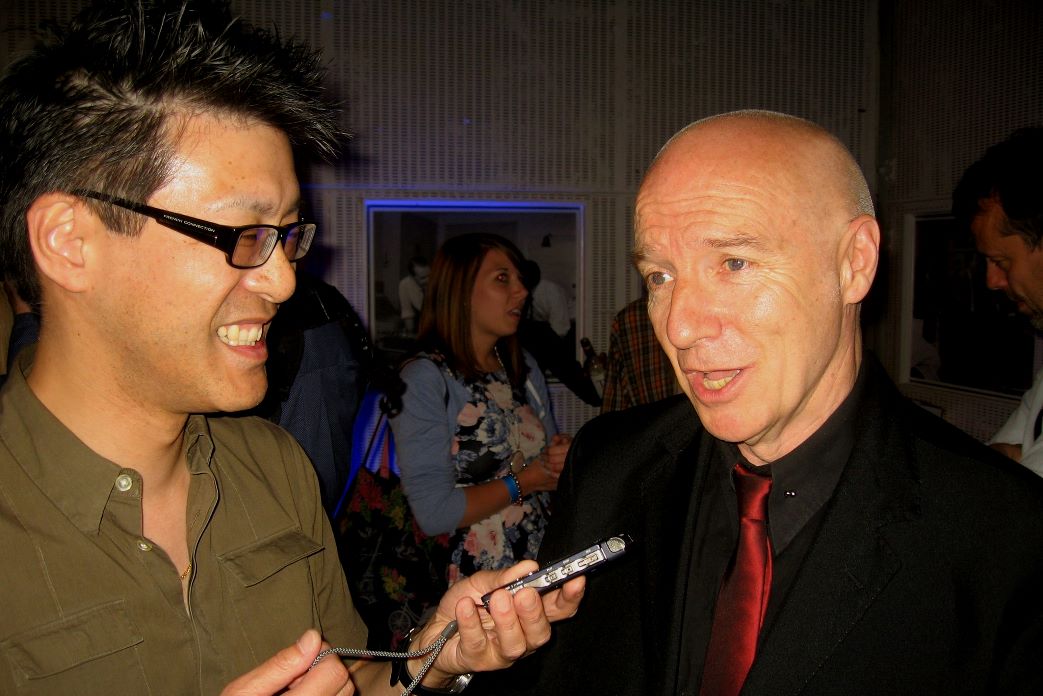
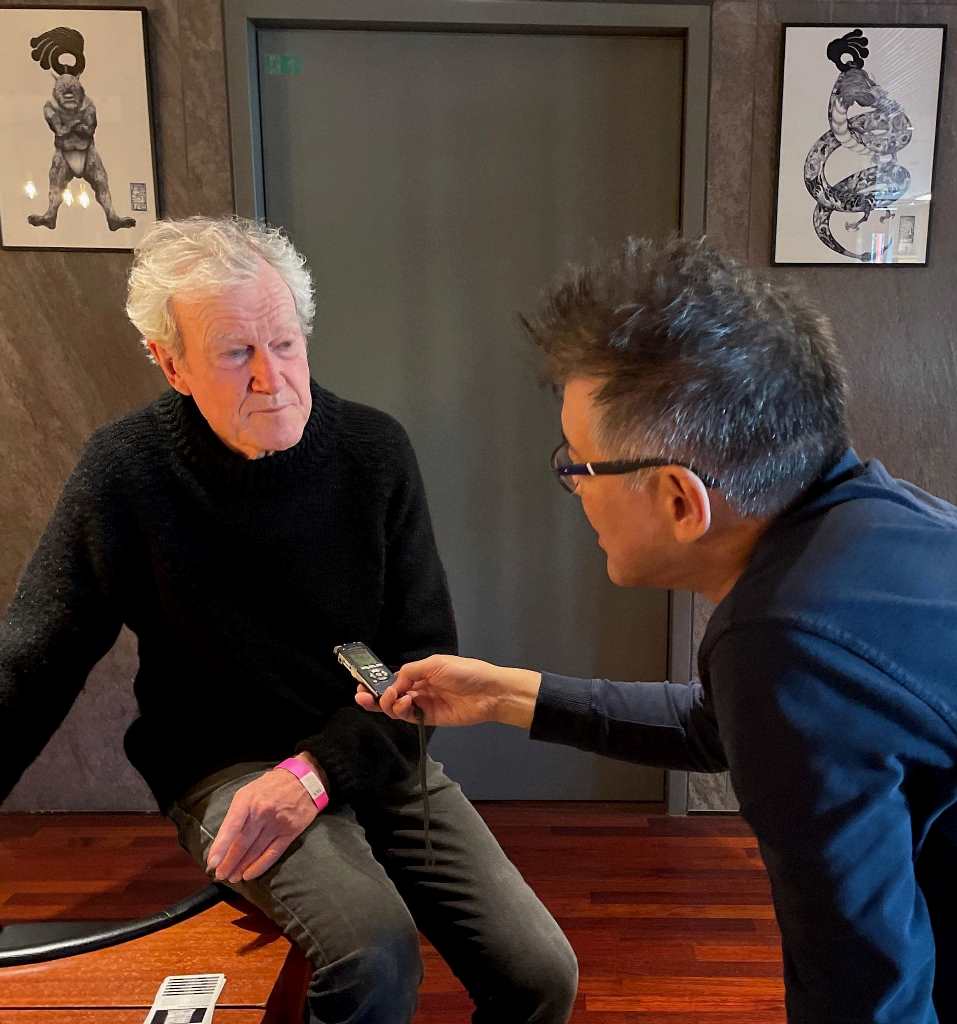
Photo by Rob Harris
While sending questions via email for an artist to answer in their own time is the modern way of conducting an interview and is convenient with artists who have day jobs, don’t speak English as a first language or are in a different time zone, it is not particularly interactive and lacks a conversational flow. A true interview is a two way live conversation conducted face-to-face, by phone or a conferencing platform where opinions, thoughts and recollections can be obtained through reactive questioning.
ELECTRICITYCLUB.CO.UK lists its 25 favourite interviews from over the years. Reading like a ‘Who’s Who?’ of electronic pop, all the interviews were conducted in-person or via a live call, except those with Alan Wilder, Karl Bartos and Rob Dean which were done by email.
PAUL HUMPHREYS (2010)
This Paul Humphreys interview put ELECTRICITYCLUB.CO.UK on the map. At his studio complex in London, he chatted about the past, present and future of OMD, hinting at the contents of the upcoming album ‘History Of Modern’. The interview proved popular and was later quoted by The Guardian in a feature about OMD. This was the first of five interviews, the most recent of which was for OMD’s 40th Anniversary in 2019.
ELECTRICITYCLUB.CO.UK bumped into Sarah Blackwood after a HEAVEN 17 concert in Cologne and so began a long lasting friendship. Conducted at a café in St Pancras, this interview captured an interesting interregnum with our heroine between the end of CLIENT and the start of the DUBSTAR reunion. This was to be the first of two Sarah solo chats while she would be interviewed with Chris Wilkie twice as DUBSTAR.
Conducted in London to coincide with the reissue of her debut solo album ‘Love: And A Million Other Things’, Claudia Brücken talked about her time in PROPAGANDA, ACT and ONETWO while she also talked about plans for a compilation called ‘ComBined’ collecting highlights from throughout her career. Her most recent ELECTRICITYCLUB.CO.UK interview was together with Susanne Freytag as xPROPAGANDA.
The majority of interviews are cordial affairs but this one with Andy McCluskey following the release of OMD’s comeback album ‘History Of Modern’ was a bit ‘Frost/Nixon’. ELECTRICITYCLUB.CO.UK echoed some of the fan disappointments about the record and to his credit, he was unrepentant and batted away criticisms with aplomb. A less confrontational interview followed in 2013 for ‘English Electric’.
ELECTRICITYCLUB.CO.UK were surprised when a request to interview Stephen Morris was accepted, especially as NEW ORDER had seemingly disbanded. The conversion had The Human Drum Machine at his best with stories about JOY DIVISION as well. But why was this interview taking place, why was he doing a fashion shoot for ‘Arena Homme+’? It was all subtle profile rebuilding as NEW ORDER was relaunched months later!
With many discussion points covered, a thoroughly entertaining hour was spent chatting to Neil Arthur in his studio during a break from rehearsals for the first BLANCMANGE live shows since 1986 in support of a new album ‘Blanc Burn’. The artist who has been interviewed the most times by ELECTRICITYCLUB.CO.UK, he has since been featured a further nine times including with his side projects FADER and NEAR FUTURE.
The intelligent aesthetics of MIRRORS made them ideal for ELECTRICITYCLUB.CO.UK’s first interview using the Vintage Synth Trumps format. Conducted in the dressing room of Cologne’s Gebaude9 prior to the first show of their headlining German tour, James New and Ally Young chatted about the synths used on their ’Lights & Offerings’ album. But tension was evident between the pair and it ultimately led to the sad end of the band.
While often reluctant to talk about DEPECHE MODE, when Alan Wilder auctioned off a large collection of his studio equipment, vinyl and memorabilia, he was ready to talk about the band he left in 1995 again as well his own musical venture RECOIL. For the 25th Anniversary of the release of the ‘101’ live album and documentary film in 2014 , ELECTRICITYCLUB.CO.UK was the only platform he granted an interview to.
One of the nicest guys in the music business, ELECTRICITYCLUB.CO.UK had the pleasure of chatting to Howard Jones about his then-upcoming tour performing his first two albums ‘Human’s Lib’ and ‘Dream Into Action’. Focussing on the period between 1983 to 85 when he became a household name and was many people’s entry point into the world of synthpop, the interview included lots of analogue and digital synth talk.
A short conversation conducted remotely, Karl Bartos talked about his new album ‘Off The Record’ and recalled his collaborations with Andy McCluskey, Bernard Sumner and Johnny Marr. When he performed at Cologne’s Live Music Hall on the same night that KRAFTWERK received a Lifetime Achievement Grammyin January 2014, ELECTRICITYCLUB.CO.UK were granted an audience with the man himself.
The album ‘the minutes’ saw the return of Alison Moyet to electronica and this inevitably led to reminiscences about YAZOO in this delightful and sweary interview conducted face-to-face in Islington. She was frank and open about all aspects of her career, the misconception of her being a “jazz singer” and which two songs from the YAZOO portfolio she particularly hated! Can you guess without look at the transcript which ones they are?
VILE ELECTRODES remain the act that ELECTRICITYCLUB.CO.UK has been proudest of featuring. Invited to support OMD on the German leg of their ‘English Electric’ tour following Andy McCluskey spotting the band while perusing ELECTRICITYCLUB.CO.UK, this informative interview was conducted in Anais Neon and Martin Swan’s synth-filled apartment and completed online to update it after the news was announced.
ELECTRICITYCLUB.CO.UK were literally given a few days notice that it was to interview Gary Numan at his home in Los Angeles by phone. Coinciding with the release of the ‘Splinter (Songs From A Broken Mind)’ album which had taken 7 years to complete, he was in buoyant mood after an artistic rejuvenation. Refreshingly honest, he admitted his original plan to make all the songs on ‘Splinter’ one-dimensional was “a sh*t idea”!
One of the fun things about the Vintage Synth Trumps series of interviews is that there is a degree of jeopardy for both interviewer and artist. Taking time to gain acclaim and recognition, the first Rodney Cromwell album ‘Age Of Anxiety’ was perfect for mainman Adam Cresswell to talk about his love of synths and DIY recording as well as the influence of NEW ORDER and SECTION 25 on his music over a fish supper in London’s Soho.
It was known that Richard Barbieri is often not that keen on talking about JAPAN and ELECTRICITYCLUB.CO.UK assumed all the chat over the phone would be about his new album ‘Planets + Persona’. But unprompted, he chatted about his MicroMoog which was used on a number of JAPAN albums. But the crowning glory of the interview was how he did the metallic intro of ‘Ghosts’ using his Roland System 700 Lab Series.
While not as well-known as Giorgio Moroder or Conny Plank, producer Zeus B Held contacted ELECTRICITYCLUB.CO.UK after it did a Beginner’s Guide feature on his career portfolio. A coffee meeting was arranged at Foyles bookshop in London and morphed into a full interview which saw the talkative German reflect back on working with GINA X PERFORMANCE, FASHION and DEAD OR ALIVE as well as John Foxx and Gary Numan.
When in Düsseldorf… despite the confrontational aspects of DAF, their drummer and sequencer programmer Robert Görl is something of a thoughtful and spiritual soul. This face-to-face interview was conducted before a performance of his ‘Glücksritter’ live only project and took in DAF, his wonderful solo debut long player ‘Night Full Of Tension’, working with Annie Lennox and the great standalone single ‘Mit Dir’.
Marc Almond and Dave Ball surprised all with a reunion for ‘One Night Only’ at London’s O2 Arena that has since become an ongoing world tour. But with it came a lavish boxed set, various books and new albums. In a London pub, ELECTRICITYCLUB.CO.UK had an in-depth chat with Dave Ball focussed on the ups and downs of SOFT CELL. This was followed up with an entertaining game of Vintage Synth Trumps in 2023.
ELECTRICITYCLUB.CO.UK has enjoyed seven interviews with Martyn Ware encompassing HEAVEN 17 and BEF, but this chat was about his time as a co-founder member of THE HUMAN LEAGUE to coincide with a live celebration of their first two albums ‘Reproduction’ and ‘Travelogue’. This was a fascinating insight into how THE HUMAN LEAGUE’s “vocals and synthesizers only” sound became the future of pop music.
Although he left JAPAN in 1980, guitarist Rob Dean gave an eye witness account to ELECTRICITYCLUB.CO.UK into the making of their third album ‘Quiet Life’ to coincide with a remastered boxset. JAPAN were in a state of transition from the growly glam funk of their first records to the mannered artful combo people remember them for today, so with him now residing in Costa Rica, this email Q&A provided some insightful commentary.
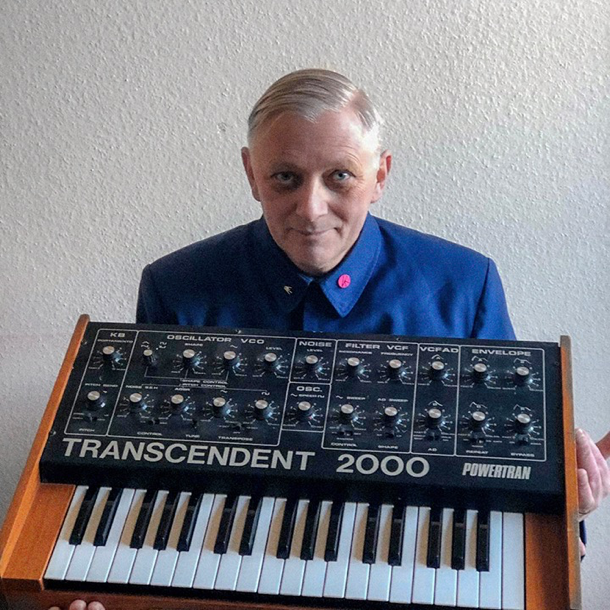
While most of ELECTRICITYCLUB.CO.UK’s interviews with Our Man In Berlin have been conducted remotely at his convenience, apart from an onstage interview at a 2016 event in Düsseldorf, this Vintage Synth Trumps chat was a rare live outing on Skype. Among the topics were his remixes for NEW ORDER and YELLO while there was also mention of the Transcendent 2000 which Bernard Sumner had built from a kit and given to him.
With his noted dry humour, Billy Currie was on top form for probably the best interview in the Vintage Synth Trumps series so far. With insight into the workings of ULTRAVOX and VISAGE as well solo work and his brief time in the Gary Numan live band. Of the latter, Currie went into detail about the ARP Odyssey solo on ‘On Broadway’ while also shedding light on how ‘Touch & Go’ co-written with former band mate John Foxx became ‘Mr X’.
Some say that the Belgians don’t have a sense of humour, but that was proved wrong when surviving TELEX members Michel Moers and Dan Lacksman gave a laugh a minute interview to ELECTRICITYCLUB.CO.UK in support of their self-titled boxed set released by Mute Records. The most hilarious moment was when the pair recalled their dismay when Portugal awarded them 10 points at the Eurovision Song Contest in 1980.
ELECTRICITYCLUB.CO.UK has had the honour of interviewing Midge Ure on a number of occasions, the first time at the world famous Abbey Road Studios. But the most recent occasion was the best where he discussed a life in music ahead of his 70th birthday and a special show at the Royal Albert Hall. This was an extensive chat which included music technology such as the PPG Wave and the Roland GR700 guitar synthesizer.
With ‘Metamatic’ about to celebrate its 45th Anniversary, it was a perfect time for ELECTRICITYCLUB.CO.UK to chat to John Foxx about his close encounters with synthesizers over a game of Vintage Synth Trumps in Düsseldorf, the spiritual home of modern electronic pop. As well as talking about his seminal debut solo album, he recalled how ULTRAVOX came to utilise synths and drum machines in their music.
While 1979 saw a post-punk revolution with new wave and ska emerge as energetic expressions of youth with the likes of JOY DIVISION, XTC, THE SPECIALS and MADNESS, maturer acts with power pop sensibilities such as BLONDIE and THE POLICE dominated the UK charts.
But the synthesizer had become a new tool of creativity for those who weren’t interested in learning chords on a guitar and preferred to use one finger, thanks to its new found affordability with refined technology from Japan. While electronics had been present in disco, progressive rock and esoteric avant garde forms, following seminal records in 1978 such as ‘Warm Leatherette’ b/w ‘TVOD’ by THE NORMAL and ‘Being Boiled’ by THE HUMAN LEAGUE, a new DIY artpop form was developing that would eventually take on KRAFTWERK at their own game.
Among those fledgling electronic acts who released their debut singles in 1979 on independent labels were OMD with ‘Electricity’ on Factory Records and FAD GADGET with ‘Back To Nature’ on Mute Records. Meanwhile on another independent Rough Trade, CABARET VOLTAIRE achieved a wider breakthrough with ‘Nag Nag Nag’, the standalone single accompanying their first album ‘Mix-Up’.
Having experimented with synths on ‘Low’ released in 1977, David Bowie had gone to see THE HUMAN LEAGUE at The Nashville in late 1978 and hailed them as “the future of rock ‘n’ roll”. Alas it was TUBEWAY ARMY fronted by Gary Numan who beat THE HUMAN LEAGUE to the top of the UK singles charts in Summer 1979 with Are Friends Electric?’. However, just a few weeks earlier, SPARKS had taken the Giorgio Moroder produced ‘No1 Song In Heaven’ into the UK Top20. But however history is perceived, a revolution had begun that would lead to the dawn of “synthpop” in 1980.
Here are 20 albums which ELECTRICITYCLUB.CO.UK sees as contributing to the electronic legacy of 1979. They are listed in alphabetical order with a restriction of one album per artist moniker, meaning Gary Numan and Edgar Froese appear twice…
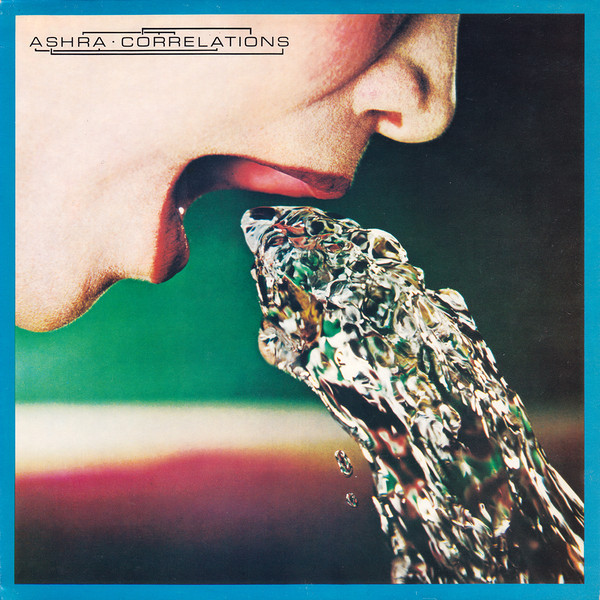
ASHRA Correlations
As ASHRA, Manuel Göttsching released what many consider to be his first ambient masterpiece ‘New Age Of Earth’. On 1978’s ‘Blackouts’, he expanded the line-up to include drumming synthesist Harald Grosskopf and guitarist Lutz Ulbrich which continued on ‘Correlations’. Despite being more rock-oriented, it featured sequenced electronics with ‘Club Cannibal’ almost entering Jean-Michel Jarre territory.
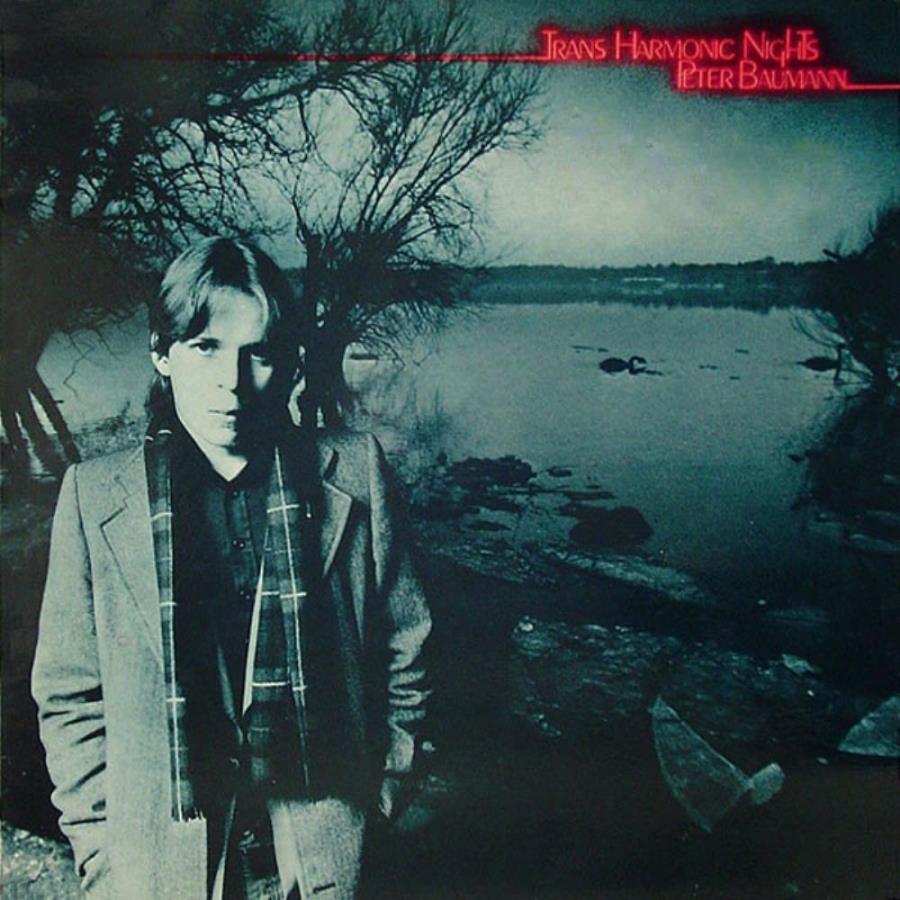
Although he had released ‘Romance ‘76’ while still a member of TANGERINE DREAM, Peter Baumann’s first solo album after departing the band was something of an interim record before venturing into electronic pop with ‘Repeat Repeat’. Mostly shorter instrumental compositions using mysterious melodies and occasional vocoder textures, ‘Trans Harmonic Nights’ remains something of an underrated electronic gem.
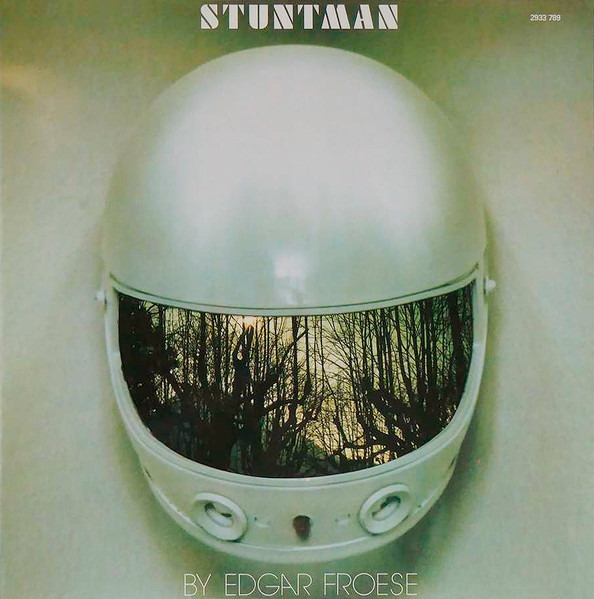
With TANGERINE DREAM taking a misstep with ‘Cyclone’ and perhaps prompted by the success of Jean-Michel Jarre’s electronic symphonies, on his fifth solo album ‘Stuntman’, Edgar Froese was at his most accessible with strong synth melodies, particularly on the title track. Elsewhere, new ages resonances were starting to develop while on ‘Drunk Mozart In The Desert’, there were atmospherics coupled with a rhythmic bounce.
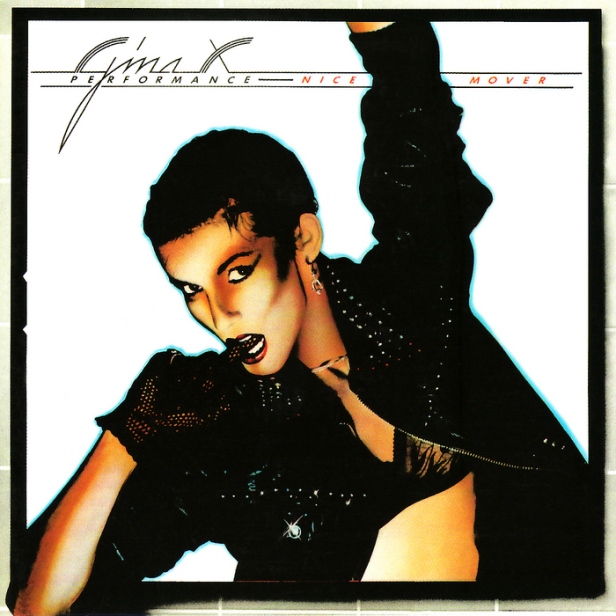
Produced and co-written by Zeus B Held, the debut album by androgynous art history student Gina Kikoine featured an array of ARP and Moog synths to signal the birth of a new European Underground. Cult club favourite ‘No GDM’ was written in honour of the “great dark man” Quentin Crisp while other highlights included the detached vocoder assisted robotic soul of the title song and the feisty gender statement ‘Be A Boy’.
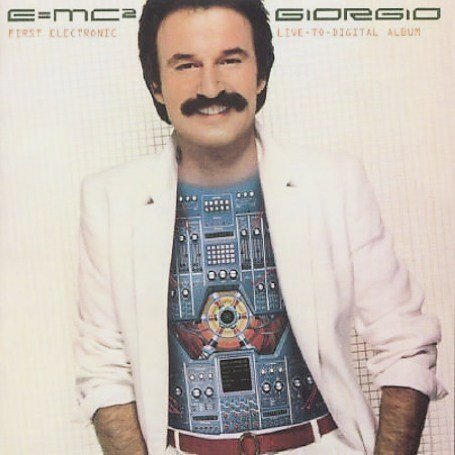
With Giorgio Moroder acquiring Roland’s new System 700 and an MC8 Micro-composer to control it, ‘E=MC2’ was touted as the first “electronic live-to-digital” album. This allowed for an uptempo funkiness previously unheard on sequencer based music to come into play. With the electronically treated vocals and euphoric energy of the marvellous ‘What A Night’, the sound of DAFT PUNK was inadvertently being invented!
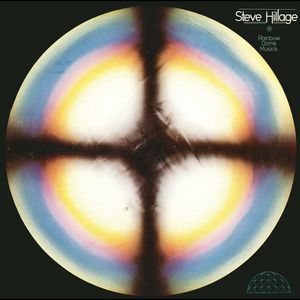
As a member of GONG and solo artist, Steve Hillage had a love of German experimental music and ventured into ambient with long standing partner Miquette Giraudy. Recorded for the Rainbow Dome at the ‘Festival For Mind-Body-Spirit’ at London’s Olympia, these two lengthy Moog and ARP assisted tracks each had a beautifully spacey vibe to induce total relaxation with a colourful sound spectrum.
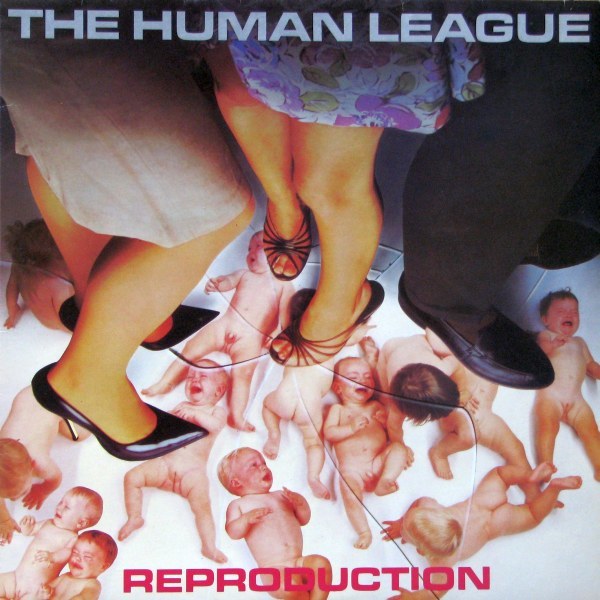
With a manifesto of “synthesizers and vocals only”, the debut album by THE HUMAN LEAGUE included ‘Empire State Human’, ‘Circus Of Death’, ‘Almost Medieval’, ‘Blind Youth’ and a stark cover of ‘You’ve Lost That Loving Feeling’. Produced by Colin Thurston, while ‘Reproduction’ was not a commercial success, Philip Oakey, Ian Craig Marsh and Martyn Ware gained valuable experience that would progress their careers.
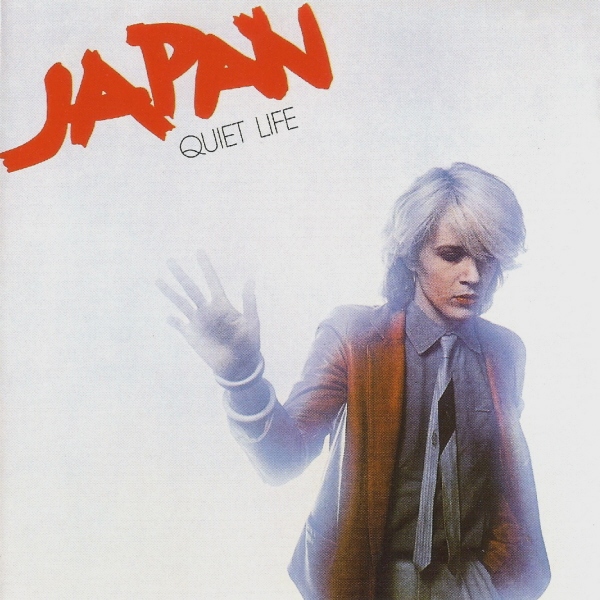
Although considered a 1980 album, the third JAPAN long player was actually released late 1979 in Japan, Canada, Holland and Germany. Featuring the sequencer-driven title song as well as the rockier ‘Halloween’ and a cover of THE VELVET UNDERGROUND’s ‘All Tomorrow’s Parties’, despite Roxy rip-off accusations, it was a major artistic step forward as a quality timeless work embracing synths, muzak and orchestrations.
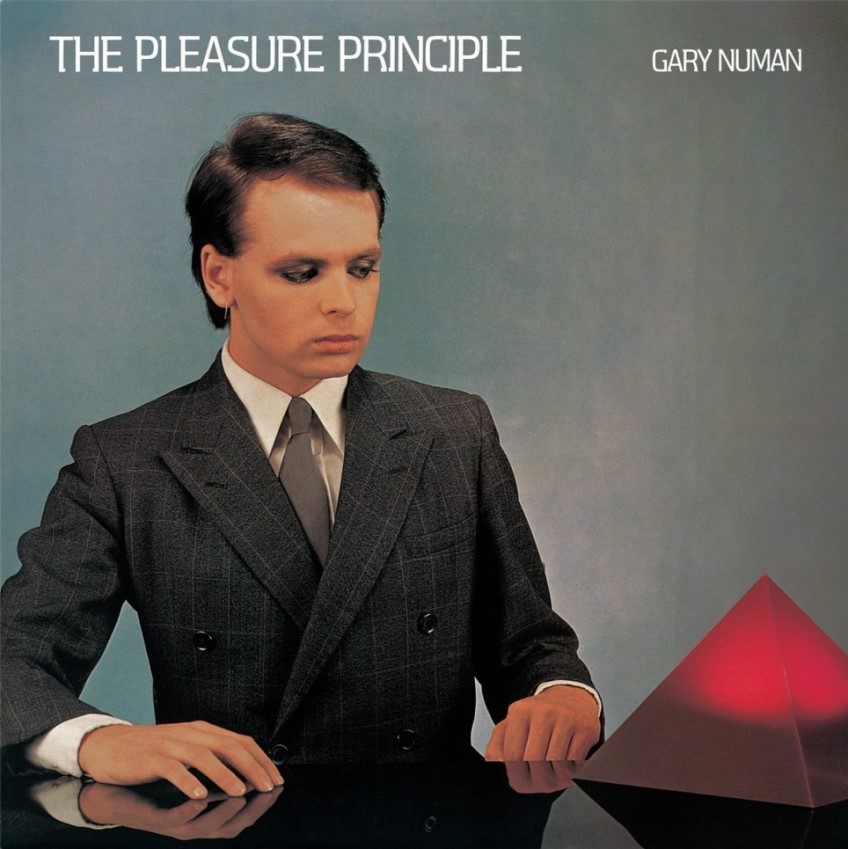
Devoid of guitar but using a flesh-and-blood rhythm section, Gary Numan realised his dream of producing a new form, machine rock. Synths were fed through guitar effects pedals to add a more sinister metallic tone and while there was sombre isolation communicated on all the songs, there was a catchy melodic sensibility to songs such as ‘Cars’, ‘Metal’, ‘Films’, ‘Engineers’ and ‘M.E.’ which turned Numan into the first synthesizer pop star.
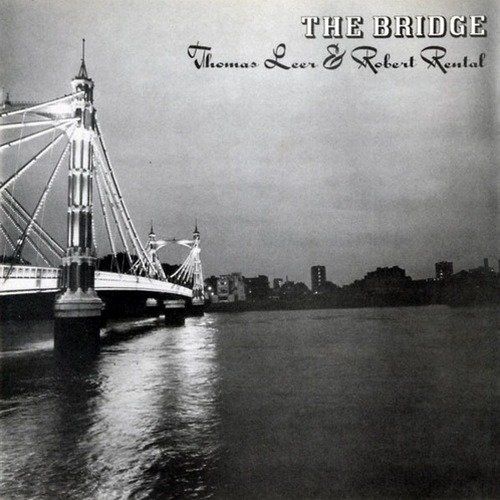
Originally released on THROBBING GRISTLE’s Industrial Records, ‘The Bridge’ album saw Scottish duo Thomas Leer and Robert Rental trading vocal and instrumental duties using early affordable synths such as the EDP Wasp. Comprising of a side of five songs and a side with four ambient instrumentals, ‘Day Breaks, Night Heals’ and ‘Monochrome Days’ both showcased an avant pop sensibility. Robert Rental sadly passed away in 2000.
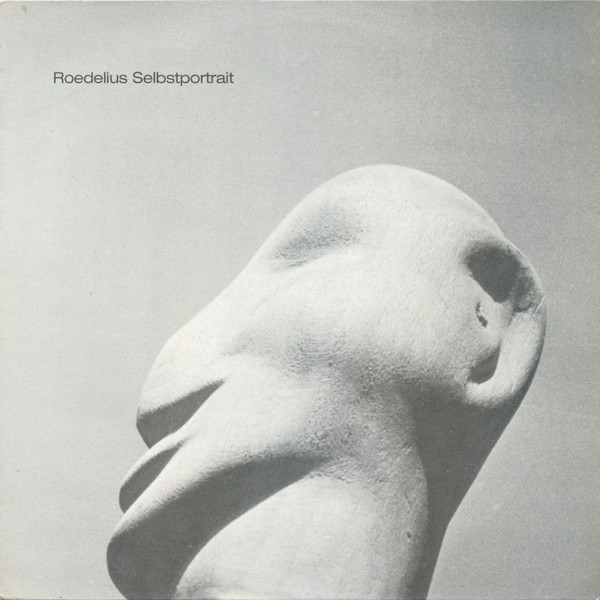
Best known as a member of CLUSTER with the late Dieter Moebius and working with Brian Eno on two albums, ‘Selbstportrait’ was Hans-Joachim Roedelius’ third solo long player. This was a “self-portrait” reflecting the gentle introspective ambience of the record. Something of a sister record to the 1977’s marvellous ‘Sowiesoso’, it was more accessible than CLUSTER’s own structurally minimal ‘Grosses Wasser’ also issued in 1979.
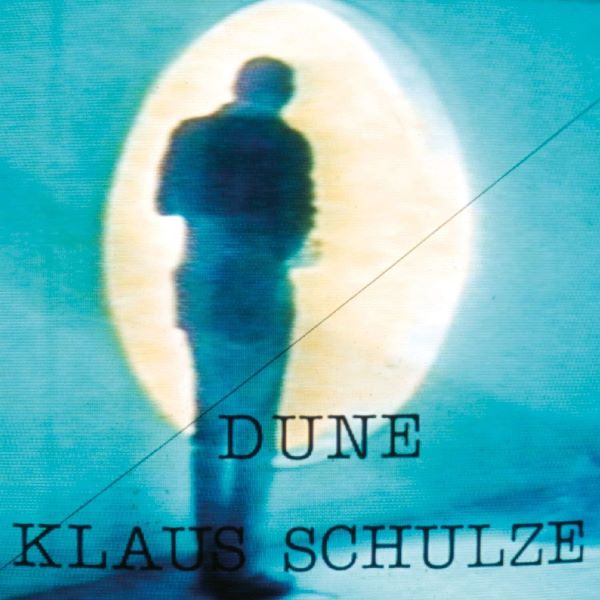
After the ambitious double opus ‘X’ which also incorporated strings in a record comprising of “Six Musical Biographies” in honour of figures including philosopher Friedrich Nietzsche and ‘Dune’ author Frank Herbert, Klaus Schulze conceived an actual album called ‘Dune’. Something of a diversion, ‘Shadows of Ignorance’ featured the eccentric poetry of Arthur Brown while the experimental ambient title track made use of cello.
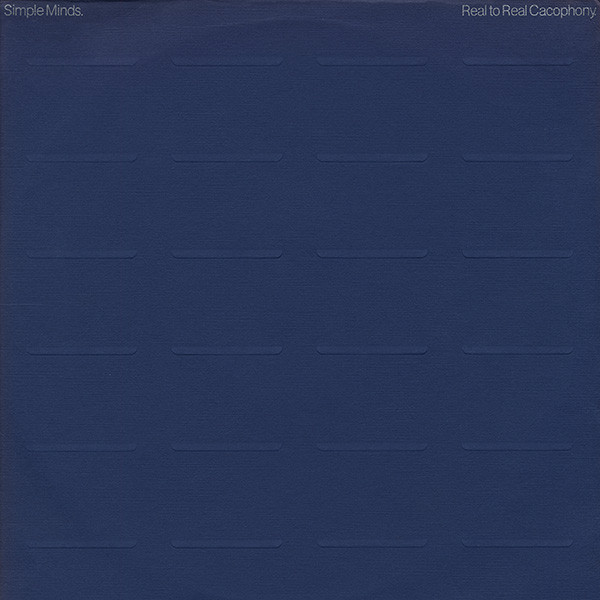
Stronger than their debut LP ‘Life In A Day’, SIMPLE MINDS started experimenting with more electronics and a very European austere on its swift follow-up ‘Real To Real Cacophony’ with the title song presenting their take on KRAFTWERK’s ‘Radio-Activity’. Underground and pulsating through on ‘Changeling’, that breakthrough single and ‘Premonition’ really were a sign of things to come in their dark avant disco templates.
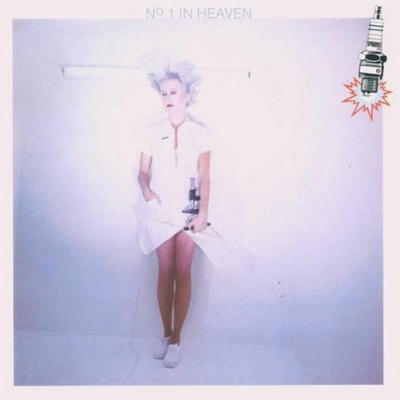
Following the inspirational success of ‘I Feel Love’, SPARKS were put in contact with its producer Giorgio Moroder who had aspirations to work with a band. The resultant album saw Russell Mael’s flamboyant falsetto fitting well with the pulsing electronic disco template. ‘The No1 Song In Heaven’ hit the UK Top 20 a few months before ‘Are Friends Electric?’ while the follow-up ‘Beat The Clock’ got into the Top 10.
‘No1 In Heaven’ is still available via Lil Beethoven Records
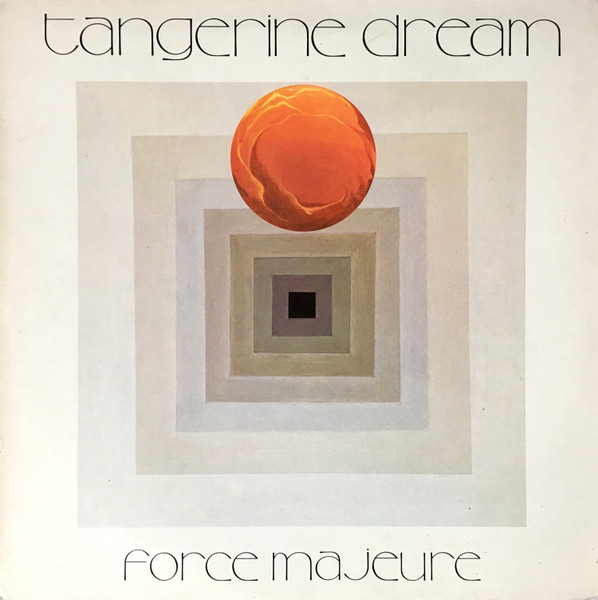
Still feeling the void left by the departure of Pete Baumann, following the vocal experiment of ‘Cyclone’, Edgar Froese and Christopher Franke opted to retain drummer in Klaus Krüger. While there was also increased guitar and piano usage, the title song and ‘Thru Metamorphic Rocks’ utilised pulsing sequencer passages to signal the future Hollywood direction that TANGERINE DREAM would head in.
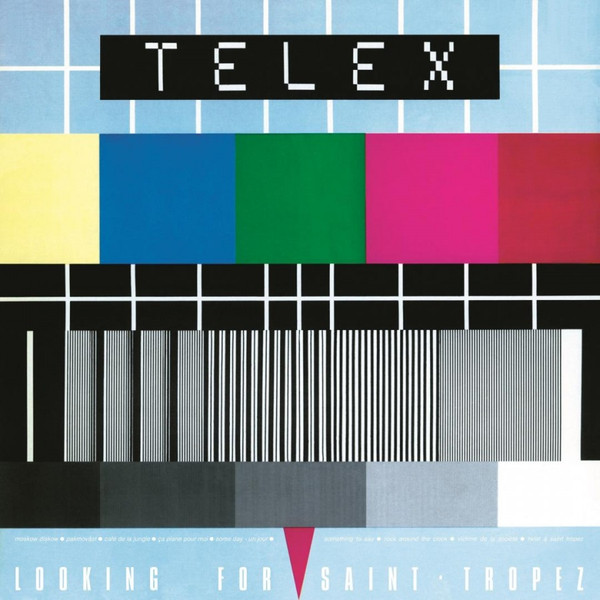
The ethos of Belgian trio TELEX was “making something really European, different from rock, without guitar”. ‘Looking For Saint Tropez’ contained ‘Moscow Diskow’ which took the Trans-Siberian Express to Moscow by adding a funkier groove. Also included were funereal robotic covers of ‘Rock Around The Clock’ which was a UK Top40 hit and Plastic Bertrand’s ‘Ça Plane Pour Moi’ as well as their deadpan debut single ‘Twist A Saint Tropez’.
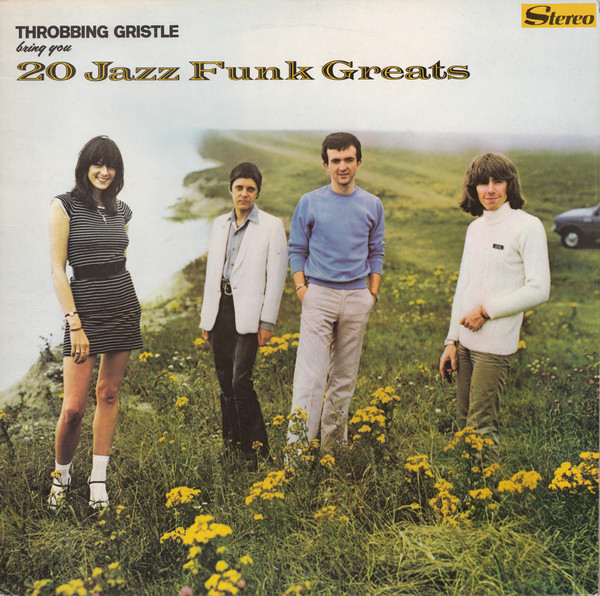
The title and the group photo on Beachy Head were tongue-in-cheek statements but THROBBING GRISTLE were still deathly uncompromising as shown by ‘Persuasion’. However, there were glints of light with the glorious cascading instrumental ‘Walkabout’ and mutant disco lento of ‘Hot On The Heels Of Love’ as Cosey Fanni Tutti’s whispered vocals competed with synthetic whip-crack and drill noises!
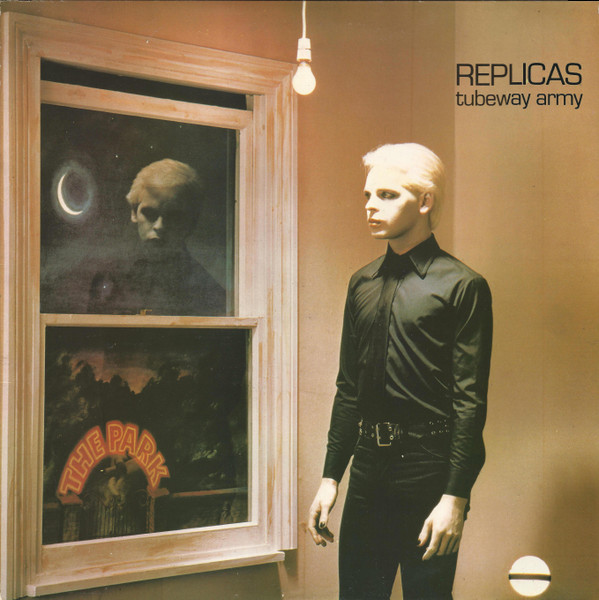
Whereas the TUBEWAY ARMY debut featured punk tunes with added synth, ‘Replicas’ would see the Philip K Dick inspired dystopian vision of Gary Numan paired with appropriate electronic sounds as the main melodic component on the now classic UK No1 ‘Are Friends Electric?’. But the earlier singles ‘Down In The Park’ and the lengthy instrumental ‘I Nearly Married A Human’ pointed to a future guitar-free follow-up.
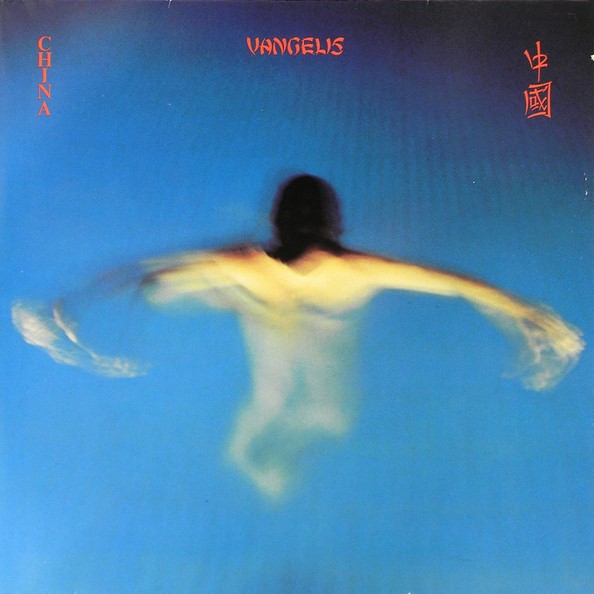
Although VANGELIS had never been to China at the time the album was recorded, he had developed a passionate fascination for its people, culture and vast landscape, noting a connection between ethnic Greek and Chinese music. Using traditional elements alongside his synthesizers, the centrepieces were the majestic ‘Chung Kuo’ and the meditative pentatonic piece ‘The Tao Of Love’. ‘China’ remains an underrated record in his canon.
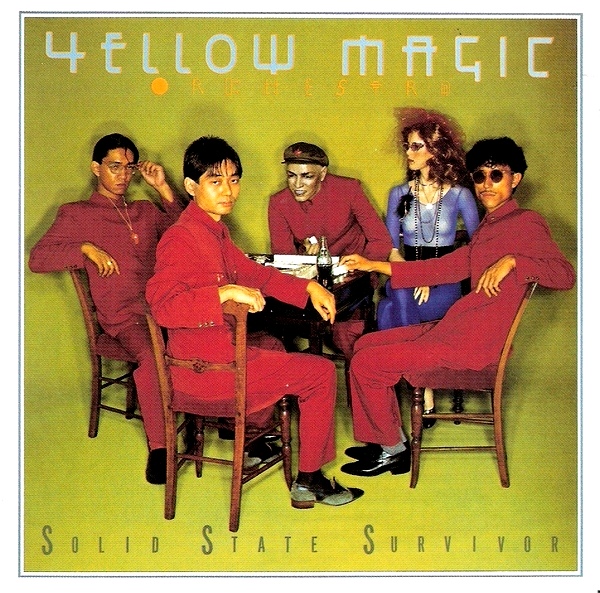
The second and best YELLOW MAGIC ORCHESTRA album featured an embarrassment of riches. It included the glorious Technopop of ‘Rydeen’, the mighty citypop of ‘Technopolis’, the moodier ‘Castalia’ and the Cossack romp of ‘Absolute Ego Dance’. But it was the iconic ‘Behind The Mask’ originally composed for Seiko which was later covered by Greg Phillinganes, Eric Clapton and Michael Jackson.
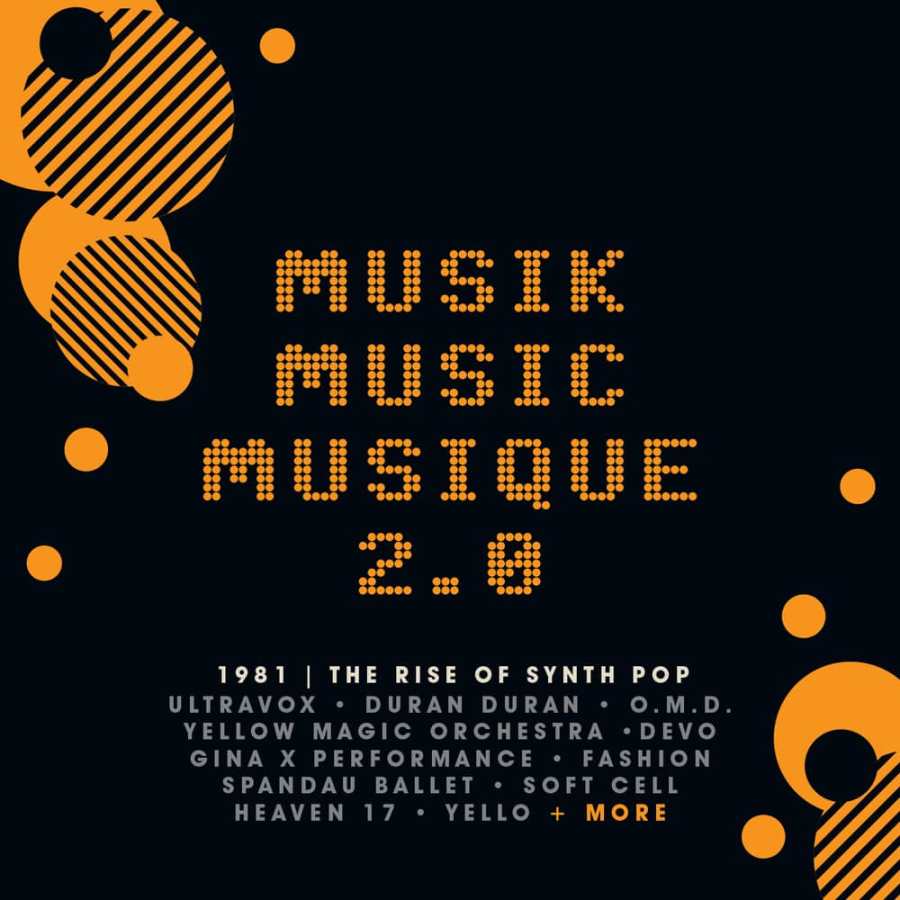
1981 is the year covered by the second instalment of Cherry Red’s ‘Musik Music Musique’ series.
1980 was something of a transition year for the synth as it knocked on the door of the mainstream charts but by 1981, it was more or less let in with welcome arms. From the same team behind the ‘Close To The Noise Floor’ compendiums and the most excellent ‘Electrical Language’ boxed set, ‘Musik Music Musique 2.0 1981 – The Rise Of Synth Pop’ presents rarities alongside hits and key album tracks from what many consider the best year in music and one that contributes the most to the legacy of electronic music in its wider acceptance and impact.
Featuring HEAVEN 17 with ‘(We Don’t Need This) Fascist Groove Thang’, OMD with ‘Souvenir’ and the eponymous single by VISAGE, these songs are iconic 1981 canon that need no further discussion. Meanwhile the longevity of magnificent album tracks such as ‘Frustration’ by SOFT CELL and ‘I Remember (Death In The Afternoon)’ by ULTRAVOX can be summed by the fact that they have featured in 21st Century live sets alongside their parent acts’ hits.
Although not quite as celebrated, ‘You Were There’ from pastoral second John Foxx long player ‘The Garden’ captures the move from stark JG Ballard imagery to something almost romantic. DEVO are represented by the LinnDrum driven ‘Through Being Cool’, the opener of the ‘New Traditionalists’ album which comes as a statement that the mainstream was their next target; the Akron quintet were one of the many acts signed by Virgin Records as the label focussed on a synth focussed takeover that ultimately shaped the sonic landscape of 1981.
Then there’s TEARS FOR FEARS’ promising debut ‘Suffer The Children’ in its original synthier single recording and The Blitz Club favourite ‘Bostich’ from quirky Swiss pioneers YELLO. Another Blitz staple ‘No GDM’ from GINA X PERFORMANCE gets included despite being of 1978 vintage due to its first UK single release in 1981. The use of synth came in all sorts of shapes and FASHIØN presented a funkier take with ‘Move Øn’ while the track’s producer Zeus B Held took a more typically offbeat kosmische approach on his own ‘Cowboy On The Beach’.
Pivotal releases by JAPAN with the ‘The Art Of Parties’ (here in the more metallic ‘Tin Drum’ album version) and A FLOCK OF SEAGULLS ‘(It’s Not Me) Talking’ highlight those bands’ then-potential for mainstream success. But in the battle of the New Romantic boy bands, the sitar tinged DURAN DURAN B-side ‘Khanada’ easily blows away the SPANDAU BALLET album track ‘Reformation’ in an ominous sign as to who would crack it biggest worldwide.
The great lost band of this era, B-MOVIE issued the first of several versions of ‘Nowhere Girl’ in December 1980 on Dead Good Records and its inclusion showcases the song’s promise which was then more fully realised on the 1982 Some Bizzare single produced by the late Steve Brown although sadly, this was still not a hit.
The best and most synth flavoured pop hits from the period’s feisty females like Kim Wilde and Toyah are appropriate inclusions, as is Hazel O’Connor’s largely forgotten SPARKS homage ‘(Cover Plus) We’re All Grown Up’. But the less said about racist novelty records such as ‘Japanese Boy’ by Aneka, the better… the actual nation of Japan though is correctly represented by their most notable electronic exponents YELLOW MAGIC ORCHESTRA with ‘Cue’ from ‘BGM’, the first release to feature the Roland TR808 Rhythm Composer.
With these type of boxed sets, it’s the less familiar tracks that are always the most interesting. As the best looking member of TANGERINE DREAM, Peter Baumann had a crack at the single charts with the catchy Robert Palmer produced ‘Repeat, Repeat’ while former Gary Numan backing band DRAMATIS are represented by ‘Lady DJ’ although its epic A side ‘Ex Luna Scientia’ would have equally merited inclusion. But BEASTS IN CAGES who later became HARD CORPS stand out with the stark dystopia of ‘Sandcastles’.
The one that “should-have-been-a-pop-hit” is the ABBA-esque ‘I Can’t Hold On’ by Natasha England and it’s a shame that her career is remembered for a lame opportunistic cover of ‘Iko Iko’ rather than this, but the delightful ‘Twelfth House’ demonstrates again how under-rated Tony Mansfield’s NEW MUSIK were, and this with a B-side!
The rather fraught ‘Wonderlust’ by THE FALLOUT CLUB captures the late Trevor Herion in fine form on a Thomas Dolby produced number with a dramatic Spaghetti Western flavour that is lushly sculpted with electronics. Over a more sedate rhythm box mantra, ‘Love Moves In Strange Ways’ from BLUE ZOO swirls with a not entirely dissimilar mood.
Mute Records founder Daniel Miller was breaking through with his productions for DEPECHE MODE in 1981, but representation on ‘Musik Music Musique 2.0’ comes via the colder austere of ‘Science Fiction’ by Alan Burnham. ‘West End’ by Thomas Leer adds some jazzy freeform synth soloing to the vocal free backdrop, while ‘Surface Tension’ from ANALYSIS is an appealing instrumental.
The strangely accessible weirdness of Chris & Cosey’s ‘This Is Me’, MYSTERY PLANE’s ‘Something To Prove’ and the gritty ‘Brix’ from PORTION CONTROL will delight those more into the leftfield, while AK-47’s ‘Stop! Dance!’, the work of Simon Leonard (later of I START COUNTING and KOMPUTER fame) is another DIY experiment in that aesthetic vein.
Some tracks are interesting but not essential like Richard Bone’s ‘Alien Girl’ which comes over like an amusing pub singer SILICON TEENS, Johnny Warman’s appealing robopop on ‘Will You Dance With Me?’ and the synth dressed New Wave of ‘Close-Up’ by THOSE FRENCH GIRLS. For something more typically artschool, there’s the timpani laden ‘Taboos’ by THE PASSAGE and SECOND LAYER’s screechy ‘In Bits’.
More surprising is Swedish songstress Virna Lindt with her ‘Young & Hip’ which oddly combines showtune theatrics with blippy synth and ska! The set ends rather fittingly with Cherry Red’s very own EYELESS IN GAZA with the abstract atmospherics of ‘The Eyes Of Beautiful Losers’ although they too would eventually produce their own rousing synthpop statement ‘Sunbursts In’ in 1984.
Outside of the music, the booklet is a bit disappointing with the photos of OMD, TEARS FOR FEARS, HEAVEN 17, B-MOVIE and a glam-bouffanted Kim Wilde all coming from the wrong eras. And while the liner notes provide helpful information on the lesser known acts, clangers such as stating Toyah’s ‘Thunder In The Mountains’ was from the album ‘The Changeling’ when it was a standalone 45, “GONG’s Mike Hewlett” and “memorable sleeve designs by Malcolm Garrett’s Altered IMaGes” do not help those who wish to discover the origins of those accumulated gems.
But these quibbles aside, overall ‘Musik Music Musique 2.0’ is a good collection, although with fewer rare jewels compared with the first 1980 volume which perhaps points to the fact that those who had the shine to breakthrough actually did… 40 years on though, many of those hit making acts (or variations of) are still performing live in some form.
Was 1981 the most important year in synth as far becoming ubiquitous in the mainstream and hitting the top of the charts internationally? With VISAGE’s ‘Fade To Grey’ becoming a West German No1 in Spring 1981 through to SOFT CELL taking the summer topspot in the UK and culminating in THE HUMAN LEAGUE eventually taking ‘Don’t You Want Me?’ to No1 in the US, the sound of synth had done its job. Setting the scene for 1982 and 1983, further editions of ‘Musik Music Musique’ are planned.
We use cookies to ensure that we give you the best experience on our website. If you continue to use this site we will assume that you are happy with it.





Follow Us!