Tag: Midge Ure (Page 3 of 10)

Vintage Synth Trumps with BILLY CURRIE

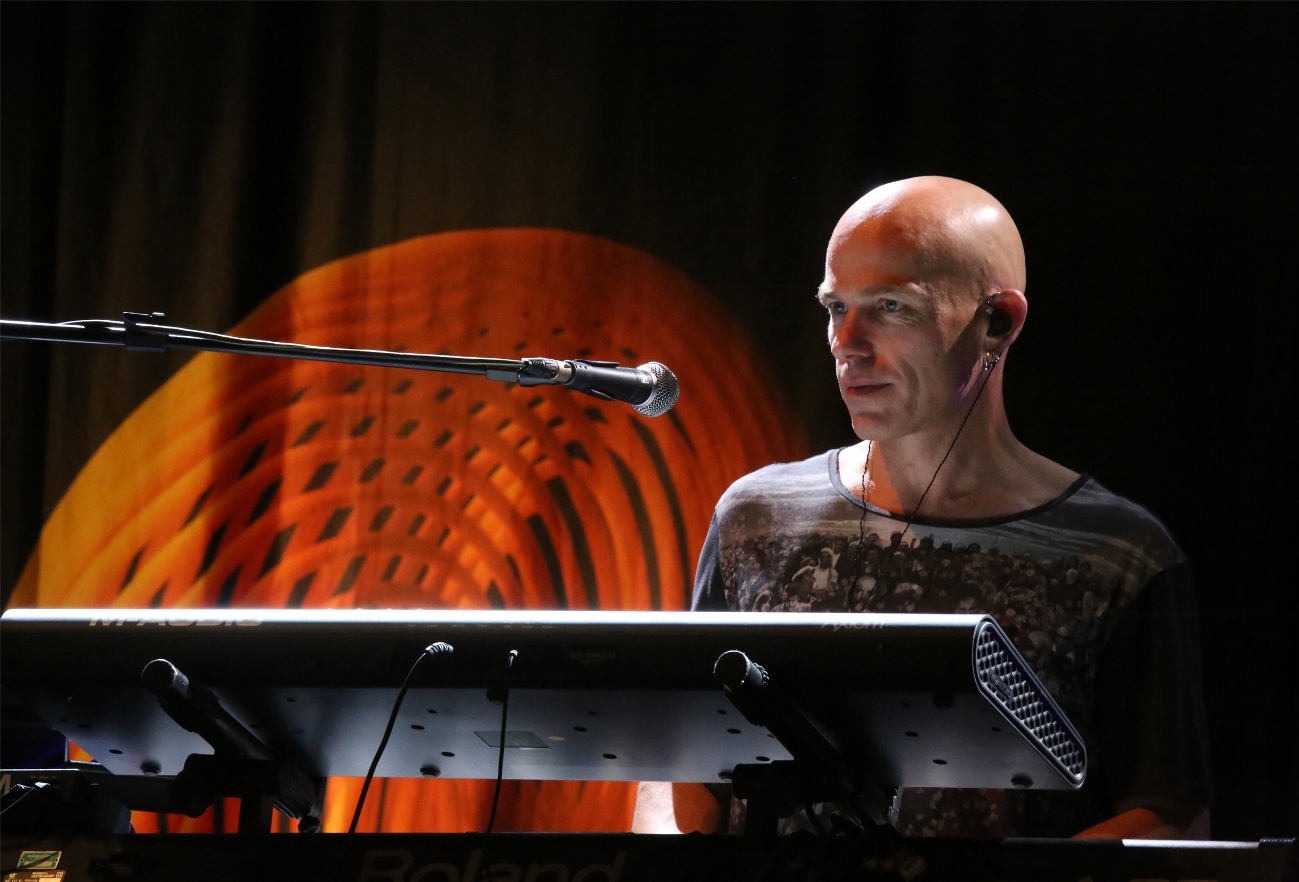
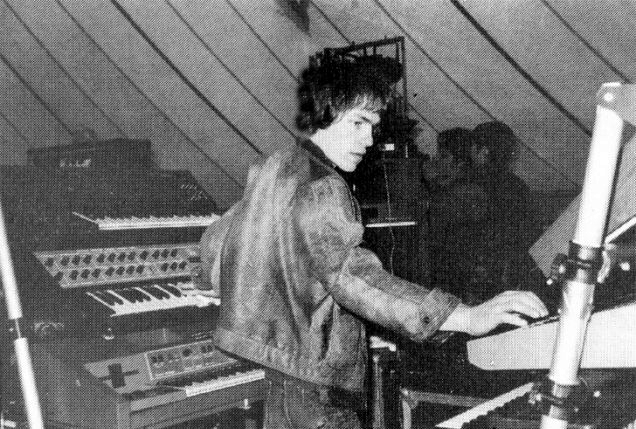
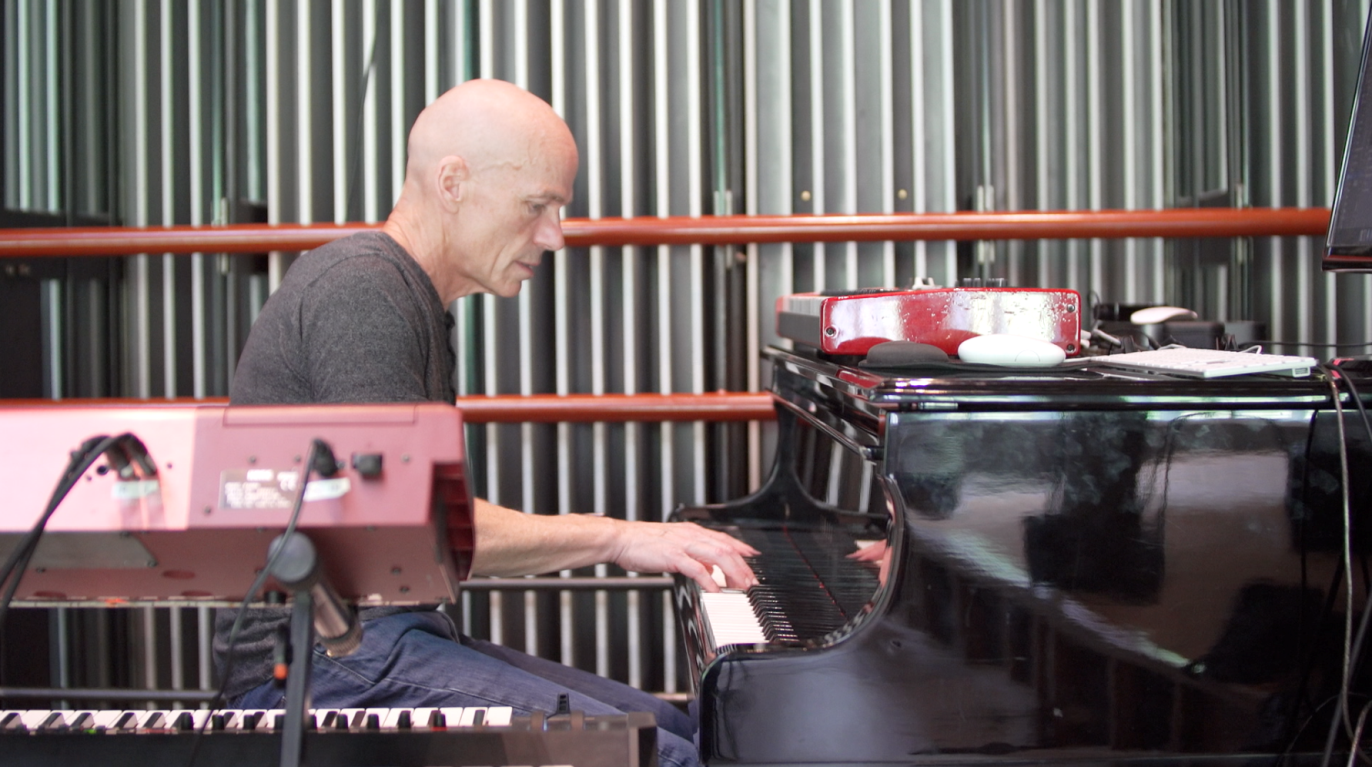
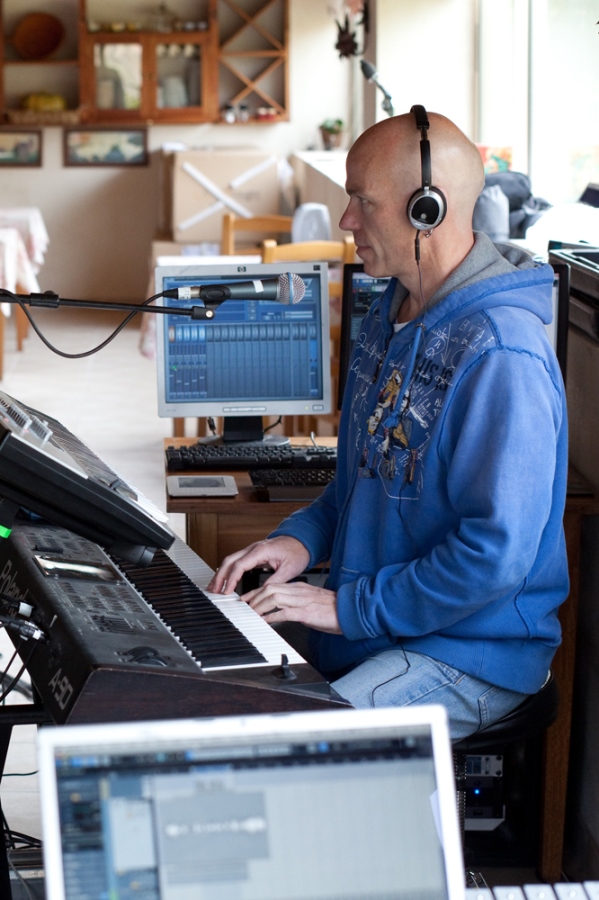
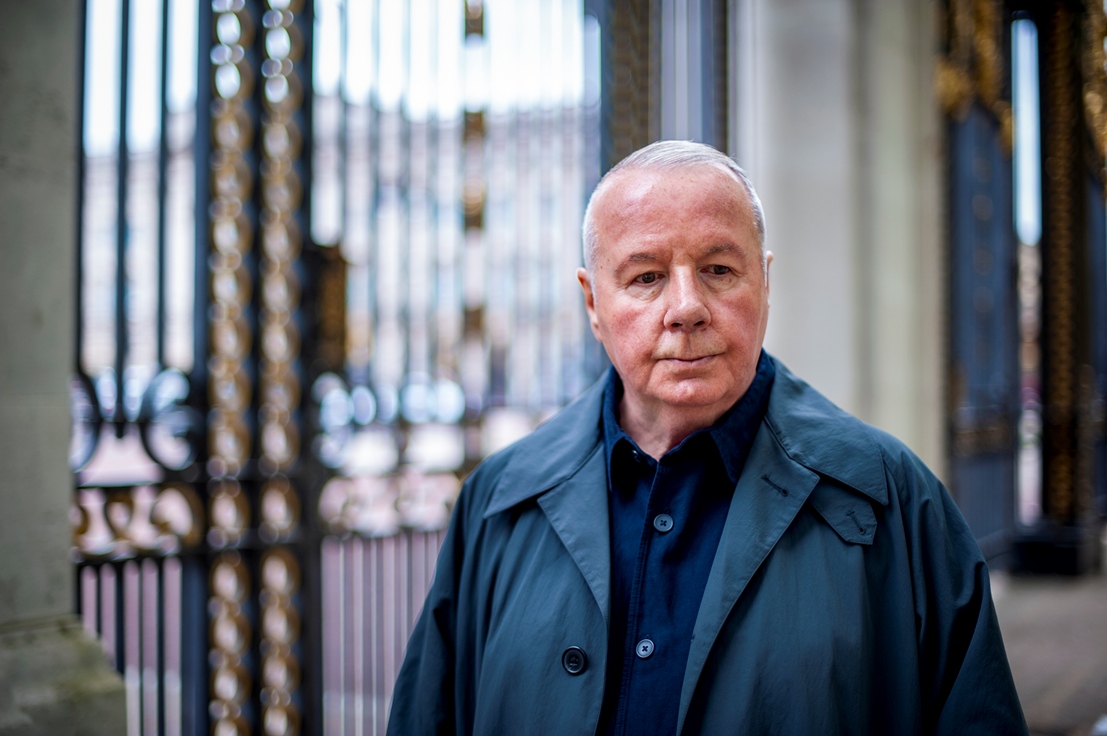
ULTRAVOX founder member Billy Currie is the classically trained maestro who declined a place at London’s Royal Academy of Music in order to follow a dream of becoming a rock musician.

He was also in TUBEWAY ARMY when Gary Numan made his first TV appearances on ‘Old Grey Whistle Test’ and ‘Top Of The Pops’ in 1979, as well as being part of ‘The Touring Principle’ concert extravaganza.

Although ULTRAVOX have released 11 studio albums since 1977 with John Foxx, Midge Ure, Tony Fenelle and Sam Blue as front men, the instrumental constant on synthesizers, piano, violin and viola throughout has been Billy Currie.

Although his most high profile period was in the Midge Ure fronted incarnation of ULTRAVOX, this might not have happened had Currie and Ure not met while working together on VISAGE; together with Dave Formula, John McGeoch and Barry Adamson from MAGAZINE, the project had been instigated by Rusty Egan to produce synthesized dance music fronted by Steve Strange to play at The Blitz Club where he was the resident DJ. Along with Numan keyboardist Chris Payne, Currie and Ure co-wrote VISAGE’s biggest hit ‘Fade To Grey’.
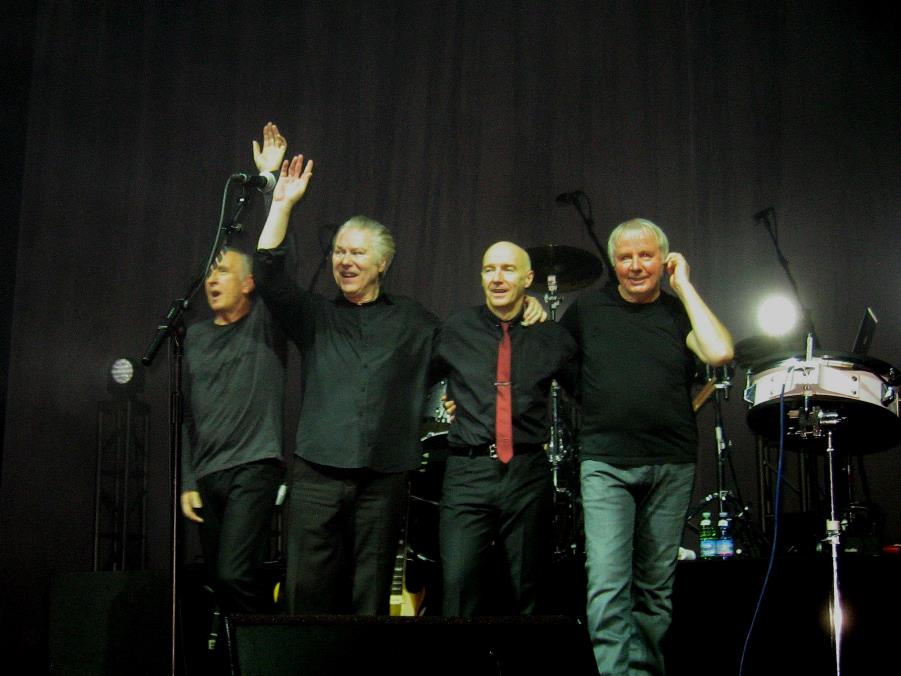
The classic hit line-up of ULTRAVOX featuring Billy Currie, Midge Ure, Chris Cross and Warren Cann reunited in 2009 and released a new album ‘Brilliant’ in 2012 before winding down after a tour with SIMPLE MINDS in 2013.

Since then, Currie has been busy with his solo work, the most recent of which was 2020’s piano-based long player ‘The Brushwork Oblast’; it was released as part of a new deal with Burning Shed who will also reissue all of Currie’s solo back catalogue on CD.

Billy Currie kindly chatted to ELECTRICITYCLUB.CO.UK over a game of Vintage Synth Trumps and chatted about his life and brilliant career in music.

These Vintage Synth Trumps cards we are using are made by GForce and you’ve worked with them haven’t you?

Back in 2003, GForce asked me to do some programme signature tunes for the ImpOSCar, since then I’ve had a relationship with them where they give me synths. Recently they asked me to look at the beta of stuff like the Oddity3. Dave Spears of GForce introduced me to Dina Pearlman of The ARP Foundation, she is doing an online “Synthposium” on 5th November and talked me into being involved, I’m one of people on the panel with Dave *laughs*

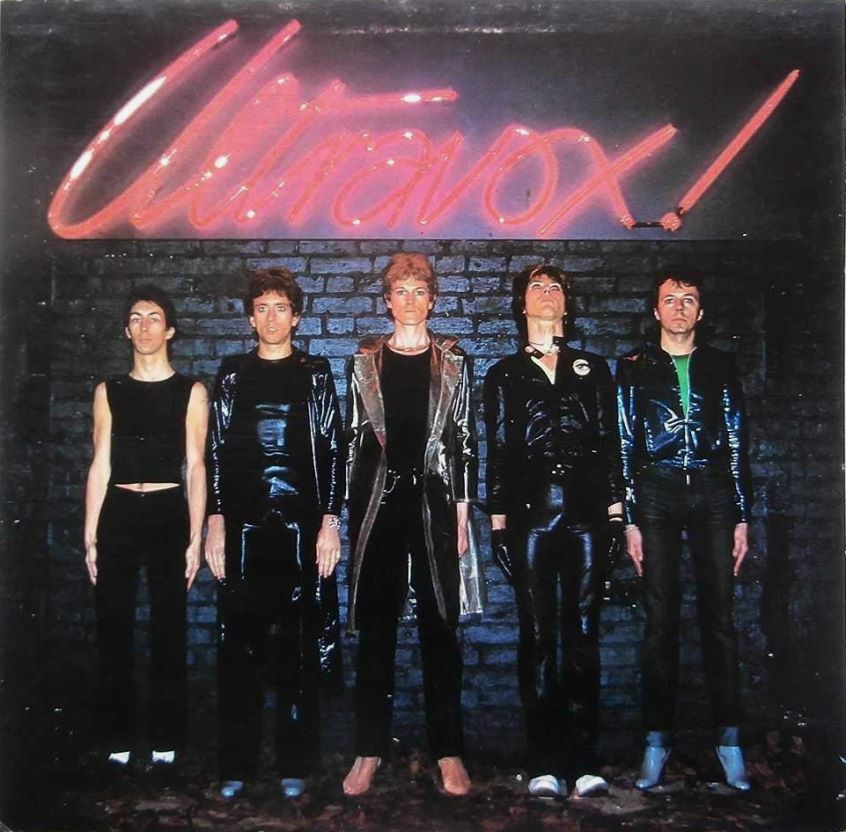
This is like Brian Eno’s Oblique Strategies but with synths, when you were working with him on the first ULTRAVOX! album, did you use the cards during the creative process?

We talked about the idea but I don’t think we did… but then again, a few things happened in the studio while I wasn’t there! It’s a very distant memory that they might have *laughs*

I do remember us talking about how we should “change the atmosphere” if we got stuck, like “do this” or play football in the park, just to change things because we’ve all got a little bit blocked. Music is a thing that changes if you want to get spiritual or spacey about it, you can’t control it and all of a sudden, your frame of mind changes.

How did you find working with Eno?

It was great, I remember the first meeting in one of these slightly hippy-ish rooms that was clean but rough-matted. We’d finally signed our record deal after me doing a bum job in a warehouse for 3 years and rehearsing 4 nights a week and on Sundays… the other guys were cleaning toilets! *laughs*

Anyway, Eno walked in… I was a massive fan of ‘Here Come The Warm Jets’ and I was aware of his Obscure label, that was like “wow”, we were connected to something really special. Because we were label mates at Island and Island looked after Obscure, I could take these albums home for free. I was really taken aback by him and it was nice to sit on the floor and talk. It was a good vibe and I remember in the studio, him having his Minimoog in one corner so we were thinking DI a little bit… that was quite new to me because we were very much “a band” and I realised “oh, you can just plug a keyboard into the desk”.

It was friendly but I was knocked sideways a bit by working with him. There was a piece that me and John Foxx wrote together called ‘Slip Away’, I wrote a piece of music that he liked and then he connected it with a song that he’d written. So it went into my music with a minimalist feel to it before my mesmerising grand piano which was very classical. I was very proud of it and we laid it down like we had in rehearsals. It was like I was finding my sound because it was greys into black, that was the feeling, a bit like ‘Rage In Eden’, put a bit of reverb in it and the beautiful sound made you tingle.

So what’s the story about what happened in your absence?

While I was out of the studio, mischievous Brian Eno and Steve Lillywhite changed it and upset the applecart. Eno got his Minimoog out and on the minimalist syncopated spacey bit, he detuned that, like he’d got his destroy mode in. And when it came into my keyboards which are still in there, he did this beautiful colourful Minimoog sound that copied my top piano line and let the echo go into the next bit. So he was breaking the rules, it must have seemed a bit stiff to him what I did, so I felt he was trying to mess it up a little bit. Even at the end, there’s that “woo-woo-woo” echo coming through from that initial bit.

I wasn’t against any of it, I was finding my feet at the time so it blew my mind, but then I felt it was very colourful and I just accepted it. I mean we were going forward and we had Brian Eno producing us! But the idea of a producer was a little bit “hang on a minute” at first, I like to be in control, we were all like that, John was too but he had opened up himself to be produced which in a way, you’re kind of manipulated in some ways.

You’ve got to remember Brian Eno didn’t do that much on this debut album. But he was a lovely man and came in with this lovely food and these fantastic girlfriends, usually Swedish and that was very nice *laughs*
Were these sessions with Brian Eno the first time you were formally introduced to synthesizers?

When I was 19, I was in a band that didn’t get anywhere. I’d been coming towards keyboards in that band but they only had a Hammond organ which wasn’t my kind of thing. Our tech guy Vince had a flat in Willesden and one of the band’s that would come round to him to get their gear fixed was HAWKWIND, that was fun watching them! They brought in this oscillator box with two little joysticks on. Vince let me have a play so I sat there with headphones lifting the sound up and down, it was very basic but it had a big effect on me.

I had a go on a Mellotron in 1971, I was working with a singer songwriter called Jeff Starrs. Our manager Mark Plumber who worked for Melody Maker knew Kit Lambert who managed THE STRAWBS and we did a support gig with them. They invited me to their studio to get a demonstration of the Mellotron, Blue Weaver did it for me, a very lovely guy. This was so I could play it on Mark’s wife’s song. I produced the song and played Mellotron on it. This was in Pye Studios near Edgware Road and very state of the art at the time. Mark’s wife did not get a release with her songs. It was a fascinating experience for me though. The string sound was so unforgiving. It felt like I was sticking sellotape on the track, no touch sensitivity. It was powerful though and certainly lifted the track. It is a pity it wasn’t mine and Jeff’s music I was working on.

So the real first time was Brian Eno’s Minimoog with his funny little paintings to describe the sounds. He knew he’d blown my mind and he showed me some things that were fascinating. For the end of the album, John Foxx had the idea of ‘My Sex’… I didn’t do the synthesizer on that, I did the piano but I was watching Eno and loved the way he did the simple harmony and from that, I could see how powerful synthesizers were and that stayed with me. I like complication as well but I do love simplicity. And when Eno did another melody, exactly the same but using a major third above, I was like “F*CKING HELL”! I used to love doing that with sustained guitar like in ‘Lonely Hunter’ working with Steve Lillywhite, you would feel it in your heart. This was similar but in a different way because the sustain was on the Minimoog and you would put another harmony on the sustain, and that would be very powerful.

You got onto string machines as well?

On our demos for our first album, like ‘Dangerous Rhythm’, I was hiring things like the Elka string machine. I did try other string machines like the ARP Solina and I was like “UGH! DON’T WANT!”, the vibrato wasn’t right with my idea of strings and don’t forget, we were spending our own money then. But when I got the Elka Rhapsody, I was blown away so that’s why it’s used on ‘Dangerous Rhythm’. So that was the beginning of these melodies cutting through, I always had a problem with keyboards not cutting through in a loud band as ULTRAVOX! was at the time with the punk and new wave period.

This is interesting because what you say Eno did seems to contradict what he says about himself being a non-musician…

It was musical, but quite simple. I think Eno was pulled along a bit with us… going from major to minor, it’s not something I would have done because it was a bit bluesy, but I loved it. But yes, it was quite classical but there was dissonance inside ‘My Sex’ because he also did a another synthesizer counter-melody which goes right through it and you get this great clash which is a B Natural against a B Flat, so he was enjoying that was well. He would have seen that I was a classical musician but he knew I was in the middle of trying to create my own thing, so probably held back from completely destroying it *laughs*
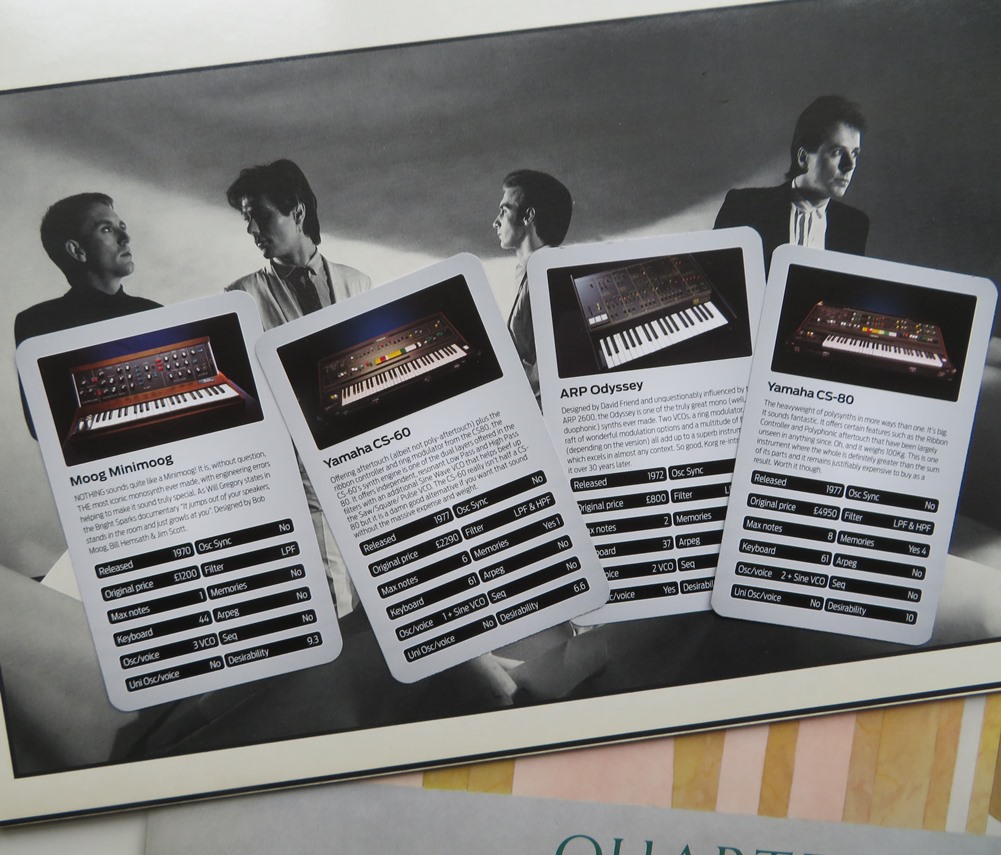

So the first card is an ARP Solus, of course you are one of the main exponents of the ARP Odyssey… how did you come across it?

I was thinking about all of this, especially with the thing I’m doing with Dina Pearlman, it was a bit of luck really. I’d had a go on Eno’s Minimoog and Chris Cross hadn’t bought his one yet, that was later before ‘Systems Of Romance’. I didn’t like the look of the Minimoog with the board in front of you because I was such an egoist, I didn’t want anything covering my body *laughs*

When I was playing live, I was very aware of the physical thing, I was imagining playing it stood up and what it would look like. Someone on the grapevine suggested the Odyssey and said it was really pokey which is what I wanted. I was suffering from not having a proper piano, I didn’t like the Wurlitzer or the Fender Rhodes because they were too jazzy. So I ended up with an RMI which sounded like a piano but had this horrible sustain constantly and kept getting lost in the mix, so I wanted something that would cut through.

None of this was cheap though?

Island were throwing some money at ULTRAVOX! so we got the Odyssey and an electric Fender violin, it was just the luck of the draw and we got a good deal. But it was quite expensive, so some of the sh*t we got from the punk people was probably deserved. At first, I thought I’d made a big mistake… there was this book and these silly cutover pages to put over it to show you where to position the sliders. I tried the strings setting of course and that was laughable and then woodwinds but eventually, I told myself to stop being so cynical. I was a classical musician but I’d kicked a lot of that stuff to touch! I didn’t want to play something that sounded like a clarinet or flute!

I wanted to express myself, I’d been able to do it on the violin but it didn’t really work in a rock band because of the lack of development in the amplification of it. The Fender violin did cut through but the pick-up used to feedback and we got complaints! While practicing at home, I had this woodwind sound on the Odyssey but I may have made a mistake and it had this vibrato on it. So I had to check where it was coming from, I looked to the left where the portamento was and it was the LFO. I went “I like that” and it got wider and wider and wider. But the mathematic process of it of being exact started to appeal to me… so if you pushed it forward and it would go up, then down, push it a bit further and it would go wider. So it was doing this “wow-wow-wow-wow” thing which I thought was really good.

I was trying to work out why this machine was expressive, this was amazing and something else! I had vibrato on the violin and viola, it’s what I liked so I was drawn to this. I’d learnt violin and viola from the age of 11 and looking back, what I did with the ARP was the same, I needed something for my soul to express myself. I just loved how expressive it was.

I was also learning about the voltage control oscillator and voltage control frequency in the middle; I knew if you brought them down, you got this thing where the sound would come in from the top and then down through like ridiculous, it would blow your ears apart!
That would have been mad!

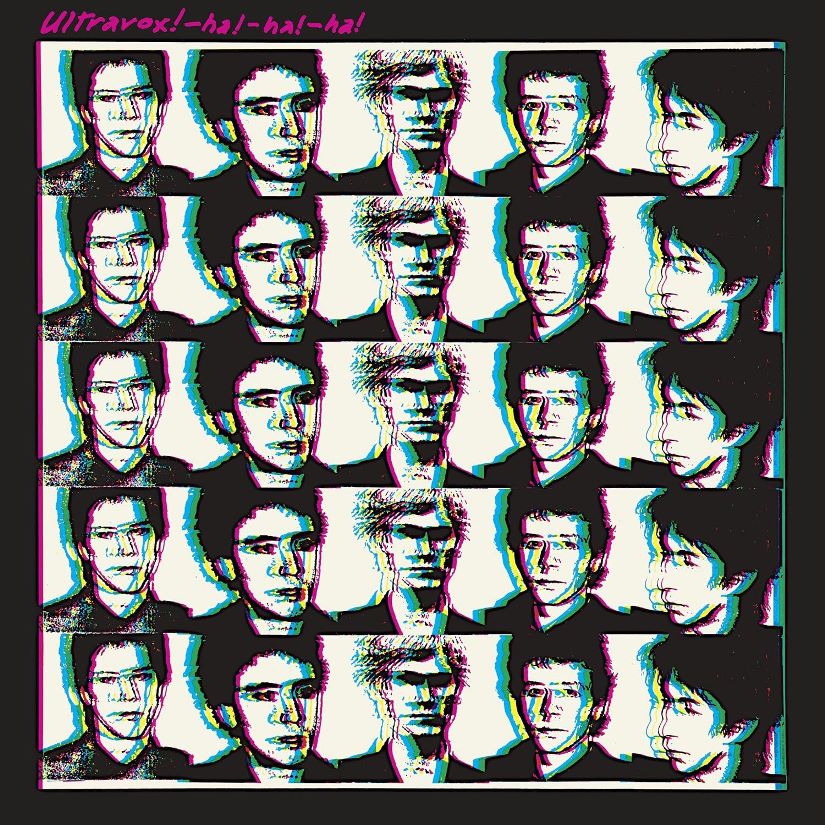
I used to do that on stage in the ‘Ha! Ha! Ha!’ period and you could see people wince! I would have other wacky things like in the middle section of ‘Artificial Life’, just playing completely ad-hoc, weird aggressive stuff that was reminiscent of ROXY MUSIC. It was a case of playing live and working through the process.

That would later change because I would bring these two sliders in the middle close together to be a softer sound, not so harsh. I found a way to with two fingers to slide between the two sliders with my right hand… it didn’t have touch sensitivity but doing this, I would make something like the verse of ‘Vienna’ sound, like it was touch sensitive by bringing the amplification up a bit and you could turn your other finger to bring the frequency up. It would go “woah-oooh” with a bit of filter on it!

After ‘Ha! Ha! Ha!’ and ‘Systems Or Romance’, I learnt certain things that I really liked for that Billy Currie sound that I got to working with Gary Numan in 1979, then VISAGE and the solo on ‘Sleepwalk’. But that was finding a sound that would cut through. You’ve got to remember that the late 70s was very volatile, if you did a gig, it was very over-the-top, very loud and very crazy as the punters were very vocal and mad. It was nice to know you were being heard! I think I fell for the rock and roll thing a little bit, trying to be as loud as possible! *laughs*

Are you a frustrated guitarist in a way?

Not really, but I did play the guitar but I’ve never really had that desire. It was the first thing I learnt with my cousin David coming over. I was always fascinated by the guitar, it was why I wanted to be in a band in the first place, listening to things like SPIRIT ‘Mechanical World’, what blew my mind was the effects on the guitar, all that phasing and flanging.

During the pre-ULTRAVOX band TIGER LILY, in the Kings Cross rehearsal room someone left an acoustic guitar. I picked it up and played it doing this spacey finger picking and John Foxx was giving me that look of “oh, he’s a clever sod!” *laughs*

When Robin Simon joined ULTRAVOX, we messed about with pedals, I was always excited by the guitar with Midge as well, and I always loved the sound he used to get.

The next card is a Korg Mono/Poly…

That’s a bit contradictory! I don’t know that one…

Have you used much Korg stuff?

I’ve used the Korg M1 in 1987-89, I didn’t use it that much. It felt a bit like with the Roland D-50, it was sold on the first two preset sounds but when you tried to get into it, I found it rather unfriendly, the sounds were very clunky. I did use it when I was doing the HUMANIA album but I found it a bit limiting because you were more like a computer programmer doing all the increments, it was the start of all that kind of stuff. I should have been used to it but I never was, you had this on the PPG which came out in 1982. All this increments stuff to change the sound? I was used to knobs and sliders.

When I was working with Tony Fenelle for the ULTRAVOX ‘Revelation’ album, when I went on the road, I bought this big Korg 01/W Pro X with a nice weighted keyboard action and 88 chunky keys. That ended up being the MIDI master keyboard in my studio. I used it on three tracks I wrote in 1995, ‘Sisters & Brothers’, ‘Leap’ and ‘Quiet Words’ which are on ‘The Keys & The Fiddle’ album, those weird piano sounds. But I replaced it with the Yamaha CP300 in 2009.

Korg has had an interesting part in my life, but not that creative somehow, I wasn’t getting enough crazy creativity from them.

You mentioned the PPG, what interested you in acquiring the Wave 2.2?

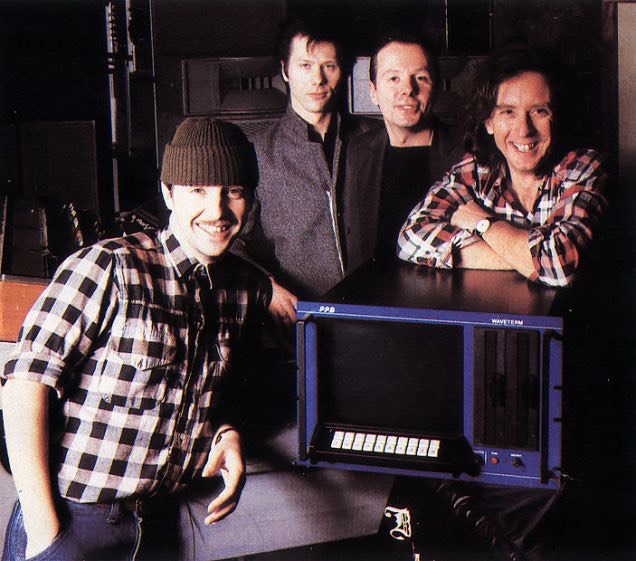
Good question, that was just looking for new stuff and we would have got it just before the ‘Quartet’ album, we bought a Waveterm with it as well… God! It cost a fortune and could feed a country!! *laughs*
What was the PPG system like to use?

I loved it and it was still eccentric so it was exciting, we used it on the ‘Lament’ album as well. I can zoom in straight to a track called ‘When The Scream Subsides’.

There’s a bit in the chorus, that’s a PPG and I’m quite proud of that but if you solo it, the thing is falling to bits, there’s all sorts of stuff going on but what comes through is this creamy bright sound. You could go mad trying to work it, you would play it in the studio and you’d like that sound.

So it was all PPG in the solo of ‘When The Scream Subsides’, that was the height of the ‘Quartet’ album for me, that crisp metally sound… I remember doing that and the late Geoff Emerick who engineering went “Nice one!” *laughs*

The 40th anniversary of ‘Quartet’ has just happened, how do you look back on the album?

Yeah, it was excellent, I enjoyed doing it, it was great working with George Martin and Geoff Emerick, such great people and John Jacobs who often never gets mentioned, me and him used to stay in Air Studios until 4am.

Then there was tour that came with it featuring the huge ‘Monument’ stage set and that massive keyboard set-up…

It was a bit crazy! *laughs*

It was really good, I was trying to get natural distortion of out the ARP Odyssey and that’s why I took to the OSCar when it appeared because it had that overdrive like natural distortion. Chris Huggett came up with it, he’s sadly no longer with us…

Is it true Chris Huggett designed the OSCar with you in mind?

Yeah! He came to show it to us while we were making ‘Lament’, “Sound 1” and what a big ego trip I was on, was based on my ARP solo sound with that slight overdrive to it. On the ‘Quartet’ tour, it was very over-the-top, I got two Martin bins with three-way crossover as my own PA. My hearing is ok but I had to lean in on the right when I was playing the ARP because that ear is not as good as the left. There were people complaining because it was so directional that they could hear only me! *laughs*

Did you actually use everything on stage?

It was a ridiculous set-up then but the biggest keyboard set-up I got was on the ‘Lament’ tour…. there was my usual but on my left, I had a Yamaha GS-1, CS-80 and the PPG but then when I turned around to the back, there was a Prophet T8 and a Yamaha DX7 on top of that… I never actually played it, it was just something to look at! *laughs*

When Chris Huggett came in to show us the OSCar, three of us bought it and they got used. Midge learnt how to use the sequencer for ‘Love’s Great Adventure’ and Chris would do some basslines with it, but we were quite critical as it wasn’t as heavy as the Minimoog. When we were doing the ‘U-Vox’ album, our famous end of (*big laugh*), he came down with his salesman Paul Wiffen and they showed us this thing that was like the Emulator, but the company all went a bit tits-up when they overdid it and went bankrupt so it didn’t happen.

Going back to the 1979 Gary Numan tour, Chris Payne mentioned that although you had tons of keyboards, several were spares?

In ULTRAVOX, there weren’t many spares but I did have a spare ARP; however if the GS-1 went down, we were absolutely knackered and we didn’t have a spare CS-80. But I remember with Gary, he made sure that there was a spare Minimoog.
On ‘The Touring Principle’, you did what many have cited as your best ever solo on a cover of ‘On Broadway’…

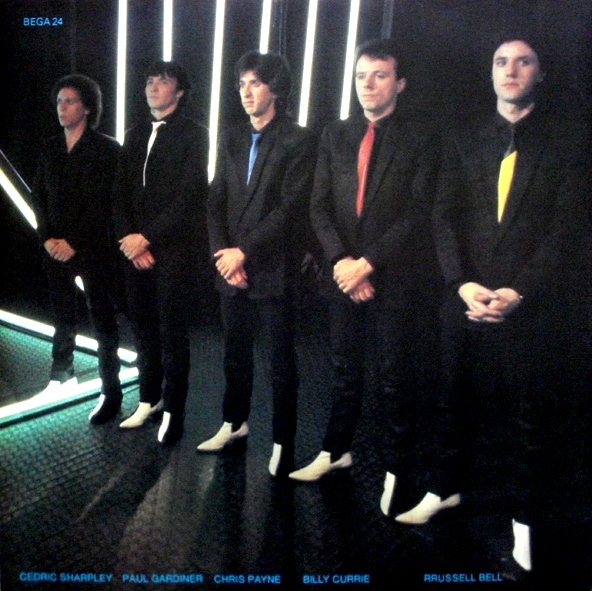
Yes, it was good, it was an opening… when Gary said we were doing ‘On Broadway’, I thought it was quite wacky and sounded pretty wild, I sort of just fell into it. We started writing, a combination of me, Chris Payne and Gary, I was holding down chords on the Yamaha SS-30 string machine as he was singing. There was an arrangement vibe going on and it just came about. I was always up for a solo so I might have just got ahead and done it, I was at that point then.

It was showing a bit of ‘Systems Of Romance’, like the solo on ‘Slow Motion’ but I wasn’t being let loose there. Here, I wasn’t so entrenched so I probably initiated it myself. Chris related to the arrangement so when Gary stopped singing, I would have gone onto the ARP and him onto the Polymoog with that ‘Cars’ vox humana sound.

I said “Right, that ends in F sharp major, when I start the solo on the A, we change to minor” and Gary was like “YUP!” because it was like ULTRAVOX. But Chris’ big chords were pulled back so that you could hear me, especially because he is also classically trained and a better keyboard player than me, he went much further at college on piano, I only went to Grade 4 *laughs*

I haven’t heard it in ages but I was still learning about the ARP Odyssey then… at the side of it, there was this octave thing that dropped it two bloody octaves so you had to get used to that. If you didn’t want to drop down, you’ve got to play on a different place on the keyboard, otherwise, you get lost. If you wanted to drop two octaves, then you stayed where you were.

It is a magnificent bit of playing… 

I can remember building the solo and it went round quite a while, it was such a buzz live because that was the first time I’d ever got to that level of theatres. I stayed down with that whirring, that was the unison thing between the two oscillators, you played on one of them while they were in unison and you’d turn the octave switch back to normal and go up two octaves. I added a bit of portamento as well which worked and was bang on, that was lucky. But I’d learnt to do portamento, so it came right up to the note at the beginning of the bar.

But cutting to the chase, I used a bit of that solo in the middle of the solo in ‘Astradyne’. I thought “I really like playing that” so that’s why that bit of ‘On Broadway’ ended up in there, but you wouldn’t really know, It was just great fun, I loved it. I was always this kind of person who wanted to be pushed out right to the front, which is why I was never happy being the viola player, even as a lead in an orchestra, it was never enough for me. I can play in the middle of a group and look at what’s going on arrangements, but I always have to have a moment right out front. John Foxx realised that because you’ve got to be careful when you have a personality like that in a group who can p*ss people off! *laughs*

I was lucky when the next line-up came together because working with Midge, he knew what kind of person I was because we’d worked together in VISAGE, so I had to be let loose. It was the same with Midge, he was the kind of guy who could stay a bit back which was really good, and he’d accompany me nicely on the keyboards and guitar, those nice Strat guitar chords. And of course, he had his time at the front with his guitar.
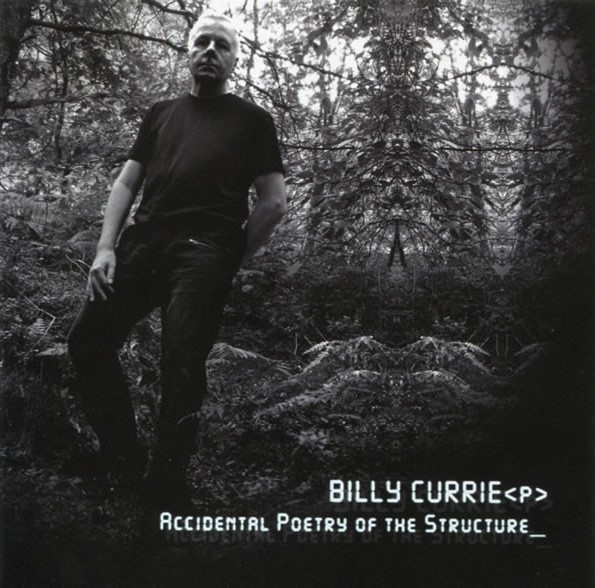
You used a bit of the end of ‘On Broadway’ on a solo track called ‘Matsang River’ from ‘Accidental Poetry Of The Structure’ which has just been reissued on Burning Shed, are you signed to them or are they licencing your material?

It’s a label run by musicians for musicians founded by Tim Bowness, so they know how het up we all get when we see a contract put in front of us, heart attack material and fights for months! So they don’t do that at all, it’s a gentlemen’s agreement. I like it and that’s that, we split everything equally, 50/50. So far it’s been working really good and I just like the people.

That ‘Matsang River’ thing, I was going to call that ‘Off Broadway’ but I thought that would be too obvious. I called it ‘Matsang River’ because I was interested in the Tibet problem with China.

When I finished that ‘On Broadway’ solo, I got into a Rick Wakeman position of playing the ARP and leaning across to the right and playing something on the Yamaha SS-30 string machine at the same time… I used to like doubling melodies and even on our first ‘Old Grey Whistle Test’ playing ‘Hiroshima Mon Amour’, I was doing that, playing two keyboards. I did a bit of playful ad-lib before it ended so I thought why not just use that.

So with this solo album reissue series, are you going in reverse chronological order? Like when is your first solo record ‘Transportation’ likely to come out again?

About 2052! *laughs*

We are going backwards but I am looking forward to reissuing ‘Transportation’. I will be doing ‘Still Movement’ next week when I’ve done my VAT!
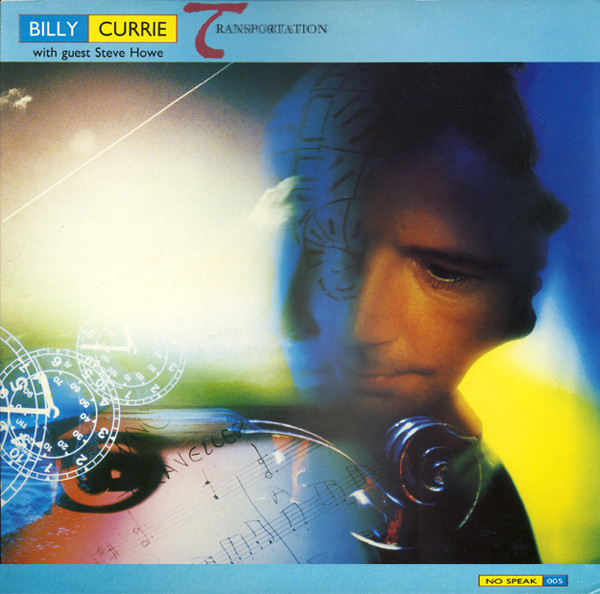
‘Airlift’, the opening track on ‘Transportation’ is like “Yes, I’m free! This is me and this is what I can do”, was it an emotional release after the ‘U-Vox’ debacle?

It’s nice to hear Chi that you’re picking up on that, I know it’s a bit obvious but it was a long time ago. So yes, that’s what it was and it’s got some nice PPG on it, that has a nice roughness about it. The piano is a Technics PX-1…

Didn’t you use that on the ‘U-Vox’ tour? *laughs*

Yeah! You remember that! Did it not sound so good? *laughs*

I didn’t think the Technics was as good as your Yamaha piano…

… that’s because it didn’t have that natural string expansion… yes, it was a bit trite sounding, I hung onto it but got rid of it when those nice little boxes that you could MIDI to your keyboard came out, I used one of the ‘Unearthed’ album.

With ‘Airlift’, there’s a whole raft of keyboards. The solo at the beginning was a jazzy brass thing like a soprano sax, that was played with the first Akai 8-bit sampler, not even 16 bit! It was great to do that album, MIDI was a big thing there, I had the Prophet 2000, ULTRAVOX’s old Waveterm, an Oberheim, I’d be linking 3 or 4 sounds together, it what you did at that time.

I did start a solo album in early 1983 which I had to abandon when we took the ‘Quartet’ tour to America, it later made up what became ‘The Keys & The Fiddle’…

The next card is an EMS VCS3…

EMS, yes Chris Cross had one around the time of ‘Systems Of Romance’; it was the Synthi AKS with the blue touchpad keyboard and he used it for basslines before he had the Minimoog. It was troublesome to keep it in tune, so that was 10 out of 10 for tenacity for doing that. I particularly remember it when we went over to America when he was let loose with that, he never knew quite what was going to be coming out of it, a bit like an Eno gig.

There was a track called ‘Radio Beach’ which we played but never recorded, Chris loved chaos more so than me, I would be playing this sound on the ARP to this glam beat, the Americans seemed to love it. At the end, Chris would set his AKS free so there were all these crazy sounds. There was also ‘He’s A Liquid’ and ‘Touch & Go’ which John Foxx later recorded.

So ‘Touch & Go’ and ‘Mr X’, were they basically the same song that went into two directions?

Yes, we rehearsed at a studio in Kingsway and recorded ‘He’s A Liquid’ and ‘Touch & Go’ playing them live. I knew that John was going to record them both which annoyed me a bit because that’s how things were. But I knew he was not the type of person who would get into litigation, so if he was going to record ‘He’s A Liquid’ which I did write a bit of, especially that descending bit in the middle, then I thought I’d have the melody from ‘Touch & Go’ which I didn’t write much of. I knew he wouldn’t do anything about it because me and John got on, he understood me and I understood him. It was lucky but we just didn’t want to go down that route. It was also good how he let the ULTRAVOX name carry on, not mentioning other people who wouldn’t let it carry on! *deep laugh*

How involved did you get with the recent ‘Rage In Eden’ boxed set and the Steve Wilson remixes?

I fully got involved with Dermot James at Chrysalis, they are doing a great job and he is very thorough. He wanted me to go up to Steven Wilson’s studio to go over a few things, like ‘The Ascent’, Dermot had done his homework and knew I’d written it. I must admit, I was a bit nervous about it because I’m not always that good at getting right involved in something from years ago.

You’ve got this thing where it’s almost like opening up ghosts. But there’s another side to me which is adventurous. Steven Wilson lives near me and is a nice guy, he has a lovely studio. I sat and watched what was going on there as it was going through Logic. I saw what he was doing with ‘The Ascent’ and he kept my original piano which I was pleased about. I thought it was interesting the way he accented the theme and I knew from the music he does that he would be quite interested in certain things like that and ‘Stranger Within’ where Chris and Warren came up with something that was just odd in 10/4 time.

I know he’s into weird time signatures with his band PORCUPINE TREE so with ‘I Never Wanted To Begin’, I’m sure he really related to that because there’s a mad bit where I stubbornly carry on playing in 7/4 time with the violin until it meets up again on the first of the bar. Amazingly, Chris Cross played along with me musically on that one and did the ringing using a Roland sequencer. Steven Wilson will have got off on that and he did a good job, he’s not afraid of working with a violin.
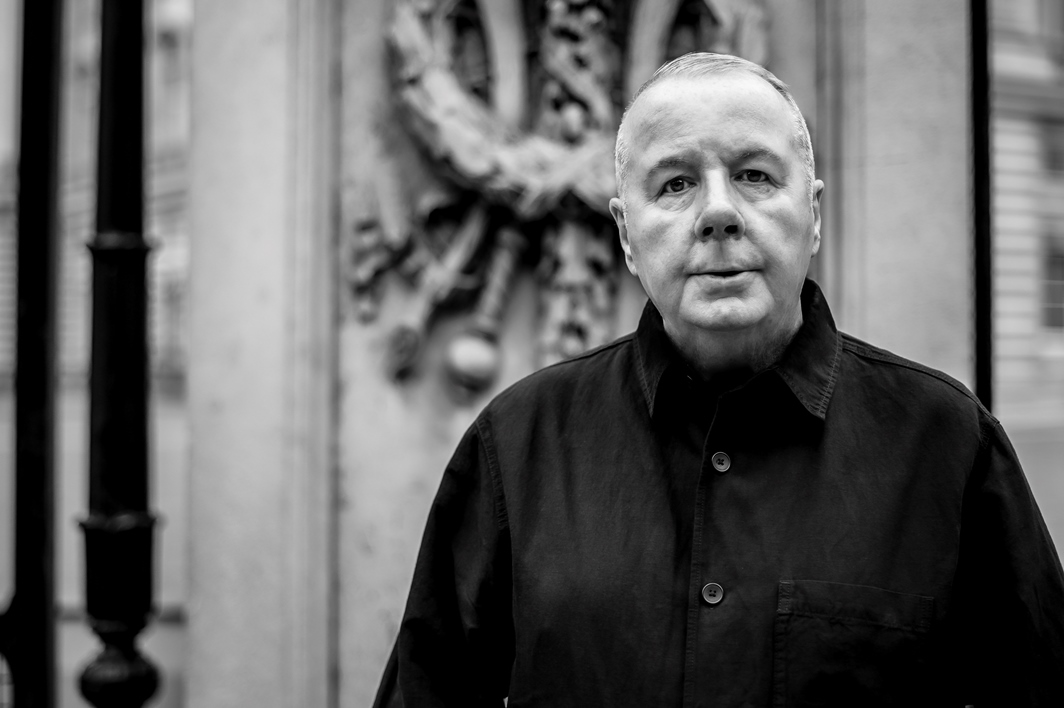

Where did you see Steven Wilson’s approach as being different?

He put some space and air in places that never should be there like ‘The Thin Wall’ because it’s all very tight and controlled on our version with Conny Plank. I let go as well because it’s the second one, I was a little bit concerned when he did ‘Vienna’ but once you get through the first one, it’s OK.

We did have a bit of a mix-up because there was a version of ‘I Remember (Death In The Afternoon)’ he wanted to call work-in-progess. It was not but I came round to it as it was a rough mix that Conny had knocked up on 2 tracks that had this middle section that I wrote and I wanted to hear the keyboard parts. I backed off because I understand it’s interesting for ULTRAVOX fans to hear it now as a work-in-progress. I remember thinking “f**king hell, it’s driving me nuts!” because it sounded wrong… when you make an album and keep hearing something that’s wrong, it has an effect on you, I’m very sensitive. You’re pushing through to accomplish your art, to get it past the winning post. That was the only thing I got bothered about but it is what it says, a work-in-progess.

Staying on ‘Rage In Eden’, what was it like working with the late Conny Plank because ULTRAVOX did 4 albums with him?

Yeah, it was good working with Conny Plank… a lot of people forget he did the ‘U-Vox’ album, he actually came over to London and he stayed at my house in Notting Hill. The guys from KILLING JOKE came round while we were working, he was at the desk with a big joint! *laughs*

My last memory of him was saying goodbye to him in Montserrat, I drove him to the airport after the ‘U-Vox’ mixing. But it just didn’t seem right because our relationship was very strained, George Martin turned up and I think Conny was a bit under-the-cosh. He wasn’t happy, he didn’t like the SSL desk and he actually recorded some compression on the vocals of ‘All Fall Down’ which was a terrible thing to do. Conny never did that so he obviously wasn’t in the right place, we tried to remix that track. Then he went off to do that tour of South America with Dieter Moebius where he was playing Flugelhorn, he had been practising at my house and I loved it.

I actually love wind stuff, in my first band, I was playing with a sax player who also played viola. I actually got some nice sax sounds on the ARP which was instigated by Conny. Of course, they’re not real sax sounds, I wouldn’t do something so naff but the bite of it fitted in with the music like ‘Someone Else’s Clothes’ and ‘Some Of Them’ on ‘Systems Of Romance’, doing it in duophonic which had a natural distortion and was very interesting…

There’s a bit in the middle of ‘Astradyne’ where the phrasing is quite saxy

Yeah, we were doing all these things with synthesizers, you’d make it up as you go along. Instruments exist but the synthesizer doesn’t really, it will do what it bloody well likes! *laughs*

Conny would be wide open to stuff like that, he knew exactly how to place it in the mix. I mean I wouldn’t really know but he was right tuned in there, just like when we did ‘Dislocation’. All I did was get the little box and plug it in with a sequencer and we used a clock CV from ‘Just For A Moment’; the bass drum had carried on and on and on with nothing else on so that pushed my basslines along, Eventually when the drum clocked it along, it did that powerful unsettling phrase, you can hear some really ad-hoc stuff in there where I’m making the notes by moving the slider. It’s Conny, he just got hold of it and made the echoes when John did the vocal. I remember blowing Gary Numan’s mind when I took a white label to play it at this Bowie night we were at…
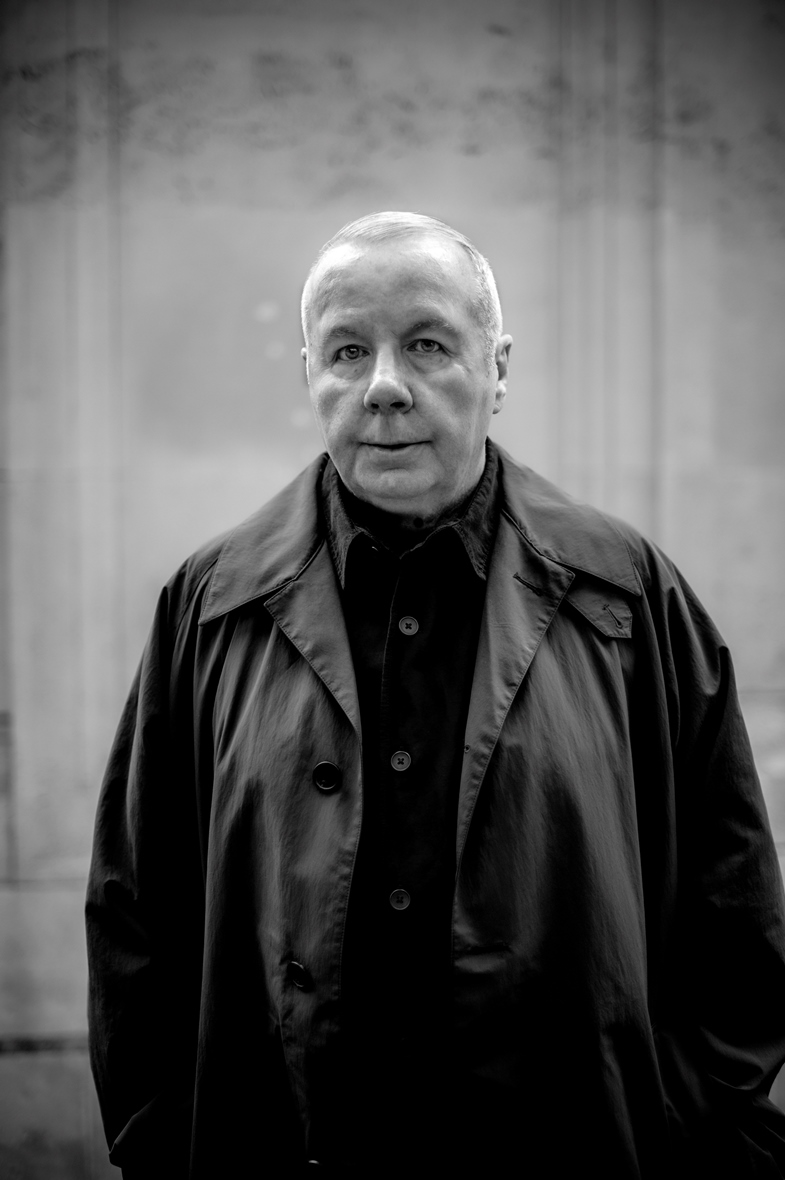

How would you describe your relationship with Conny?

My relationship with Conny was very much in the fact he knew what we were doing and he was right in there, making it happen. He was psychic in a way because he was one step ahead of us when we were coming up with stuff, thinking of how it was going to work out and laying it in with everything else.

I couldn’t cope too much with stuff like talking boll*cks in the kitchen, I wasn’t very good at that and I just wanted to get on with the music… he knew me like that, but I was definitely someone you could trust. We didn’t particularly do anything sociable together even when he was staying over at my house, it was kept to business. But I don’t think he liked any other studio apart from his own near Cologne.

His head wasn’t good over in Montserrat and I think it might have been the first signs of him not being very well. He was a lovely guy, I don’t think I ever had any rows with him… but he might have made a few noises to get me to shut up sometimes if it looked like one might brew up, to remind us that we were at his place.

Time for another card and it’s the Roland Jupiter 8… now I know you were an Oberheim man, so out of those polysynths, why did you opt for an OBX rather than say, any of the Jupiters or the Sequential Prophet 5?

I liked the Prophet 5, Dave Formula had one and we used it on the ULTRAVOX B-side ‘Paths & Angles’… after that, I don’t know why I didn’t use it more. The Roland, I messed about with it but I never went down there. I liked the Oberheim, I got the sounds that I used on ‘Rage In Eden’ quite quickly, there was just some character about it which I found really eerie and quite pokey.

I remember when Chrysalis sent us the 24 track masters, it was quite mind-blowing to hear Midge’s isolated vocals on ‘Vienna’ 40 years later, that was quite interesting. But there’s things like on ‘Accent On Youth’ where the Oberheim slides up into the verse, it was so f*cking loud but Conny knew how to fit it in, now that’s good mixing! I was lucky to find that sound from the Oberheim which comes into the instrumental on ‘Accent On Youth’ and then ‘The Ascent’ which sounds like an Eastern European choir, that deep “doo-doo, doo-doo-dooh”… when I listened to it, I was like “F*CK OFF! THAT’S JUST AMAZING”, I just love it and yet when you listen to it, it’s almost a bit tacky but because you can hear the sharpness of it, it sounds like male voices. I also like the solo sound that I got for the end of ‘We Stand Alone’. It had good character but it took me a while to get into it.

I later got the Matrix 12 as well, but it didn’t fit with my head, it was all the dials and everything. I sometimes used a programmer Mel Wesson on the ‘Transportation’ album. I also used the Oberheim on the ‘U-Vox’ tour to bring some crunch into it as I was using a stack of DX7s in the TX816 modules.
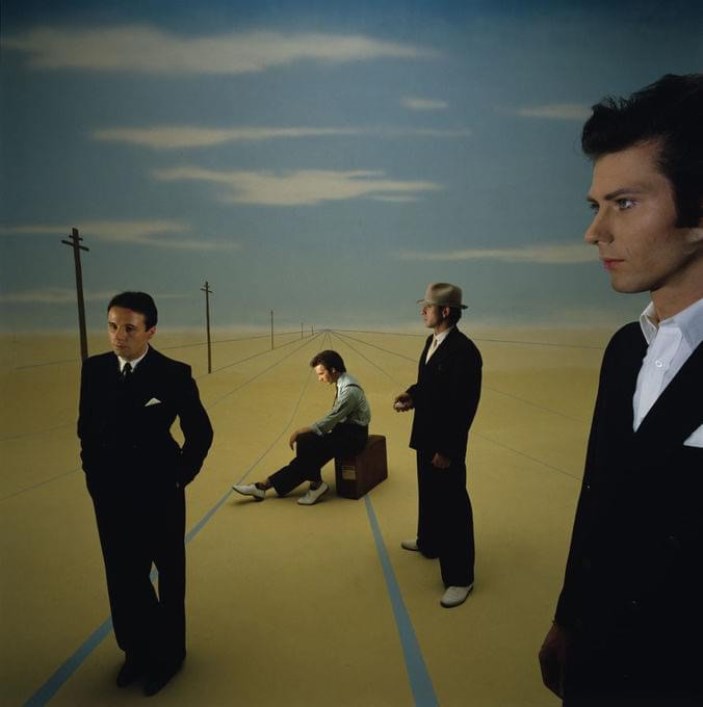
Photo by Brian Griffin

Talking of male voices, how did reversing the tape of Midge from ‘I Remember (Death In The Afternoon)’ for that really eerie chorus of the ‘Rage In Eden’ title track come about?

That was excellent, it was Midge on a roll there. This was how confident we’d got by then, this was our moment, I thought “I haven’t got anything to do on this!” and the rest of the band just looked at me like “f*cking hell”. Midge came up with most of it but of course Warren and Chris were getting their stuff together. I think Midge just suggested the idea to Conny or maybe Conny suggested using a tape backwards.

It just fitted with the feel of the song, especially alongside Midge doing his Strat anthemic kind of thing, he had a way of hitting it so that he didn’t hit it too hard, it was a style he came up with, it’s not heavy.

Another card, it’s the Korg MS-20, DAF used one of these connected to a Korg Analog Sequencer on the classic stuff they did with Conny Plank like ‘Kebabträume’…

There was a lot of stuff coming out then so you’d do your own little thing because it was expensive, we only really started throwing our money around in 1981. Things were developing each month for things like that and you’d do it all different ways. HEAVEN 17 would do it a different way, talking to Martyn Ware, they’d have their own bag of tricks and keep it to themselves.

I had an ARP sequencer which I used on VISAGE ‘Blocks On Blocks’, it’s a great sound when you put it in octaves.

Talking of VISAGE, the 40th anniversary of ‘The Anvil’ happened in the Spring and some of your most underrated work is on that, I love ‘Again We Love’ and the instrumental ‘Whispers’…

‘Again We Love’ has got that middle section I did, I listened to it a few years ago, it’s got the ARP in there, after the “again we love” bit, there’s that Minimoog doing the thudding in there, it was like “yeah, we love that!”; we were also using my Roland drum machine on that album which had been doctored by our tech guy Pete Wood, I sold it to Rusty Egan.

We’d just done the ‘Rage In Eden’ album so my memories of doing ‘The Anvil’ aren’t that good because I was tired and I knew Midge was tired as well, so there were efforts to avoid friction on that album because we were so knackered. We’d had a holiday so I’m not complaining but to take on another album was really quite something! *laughs*

I have fantastic memories of ‘Whispers’, I had a lot to do with that one… we were wrapping up the album and I wrote it right near the end. I enjoyed working with John Hudson, he’d sussed out this CS-80, that melody was really nice, it was the heart pouring out…

‘Whispers’ is a track of yours that no-one talks about but it is brilliant…

Oh, thank you very much.

What about the ARP Odyssey solo on ‘The Anvil’ title track?

Oh, that’s not me, that’s Dave Formula… he had an ARP Odyssey but our sounds were very different, that’s very Dave. It was great working with him, he was so off the wall because he’s from a jazz background.

So when I wrote ‘The Damned Don’t Cry’, our faces were against to wall to come up with another ‘Fade To Grey’. So Dave did this off-the wall middle section, he was an exceptional keyboard player. He was big on the CS-80 and Prophet 5, he did the middle section of ‘Blocks On Blocks’ as well.

We gelled very well. One of the points we loosened up was when we did the backing track of ‘Night Train’. I came up with the chorus, I loved soul music when I was 15-16 and I’d heard Midge come up with some funk and soul on ‘The Horseman’… I was in the studio and I was like “what the f*ck’s he doing now?”, I thought he’d lost the plot as we were so tired… but then I was thinking “I like this”.

So was ’Night Train’ almost jammed?

Once I did that brassy chorus of ’Night Train’, before I knew it, everyone was getting round me like Barry Adamson on bass and Rusty… it’s great to play drums with Rusty, it’s very different to playing with Warren, can you imagine the atmosphere in the place? *laughs*

Often in a studio, you are just messing around, trying to get a sequencer to bloody work, so when ‘Night Train’ was coming together, I’ve just got this memory of being in a different band, the way we just slowed down a bit, went into the chorus and sped it up. There was no code, it was real time. If you listen to ‘Night Train’, it speeds up and slows down. When you’re working with a great bass player like Barry, you just know because he’s nodding and pulling silly faces, it was just so much fun to work with him, such a lunatic *laughs*

Then John McGeoch came up with a sax part and it was great to have that on, but ‘Night Train’ went into a bit more normal VISAGE in the middle eight which was Midge’s contribution, it pulled it back into being more European.

I get the impression that on ‘The Anvil’, there was more of a willingness to experiment with funkier ideas that weren’t possible to incorporate in ULTRAVOX?

Yeah, you wouldn’t do it in ULTRAVOX, but there was some frustrations creeping in a little bit. I came up with ‘I Remember (Death In The Afternoon)’ and while we were rehearsing, I wanted something with a bit of a swing to it, a bit like Steve Miller ‘Abracadabra’ because I like dance music, and Warren was like “are you having a laugh?”. It had such a hooky melody, I felt it could swing to make it more dancey but that didn’t come off and I was happy with what we ended up with. Two-thirds into ‘Rage In Eden’, you do then realise it was the right direction. But I had to be careful, Midge was on my page a little bit, we didn’t want to do anything too naff, thinking we could do soul and funk.

Another story and I’m digressing a bit here, but I remember when we went on the road, Tony Thompson from CHIC and John Taylor from DURAN DURAN came over to check me out about getting involved with this project that would have Robert Palmer singing called THE POWER STATION. I was given a time and a rehearsal place to come to, but I was in the middle of the ‘Lament’ tour and I didn’t turn up! *laughs*

Of course, the song you had with ‘Dancing…’ in the title, you couldn’t actually dance to it! *laughs*

If you analyse it now, dance to that? You’d need a pair of clogs and some sticks holding you up! *laughs*

I used to want some more dancey stuff but it went tits up in VISAGE because of that! Midge eventually left because Rusty got in this American producer John Luongo to remix ‘Night Train’. I liked it but Midge cut himself off and walked out, that caused a few ructions because I didn’t.

VISAGE was a bit of a knock-up, sometimes I forgot that because I loved it so much. But let’s face it, if you gonna get involved in it after an album from ULTRAVOX like ‘Rage In Eden’, you’re not going to just mess about are you? Otherwise you wouldn’t do it. I may have got a bit more involved than I intended to but I liked the move towards a more soulful thing.

One thing about ‘Dancing With Tears In My Eyes’ was it got me checking out Michael Rother ‘Sonnnenrad’ which inspired it…

I know this sounds a bit arrogant, but ‘Dancing With Tears In My Eyes’ wasn’t very hard to do for me, it was quite easy. In 1983, we were searching for a new direction and the atmosphere in ULTRAVOX wasn’t very good at all. So we were trying all these different things and I was taking a bit of a step back from writing which was unusual for me. I saw what experimental stuff was coming out and I wasn’t into the band much, I was hanging on by the coat tails really. So I thought I would go right ahead and do something which I knew the fans would love, because they would recognise it as vintage ULTRAVOX, almost going backwards and going against the grain.

At home, I had a Boyd mini-grand piano art-deco thing, that sounds a bit fancy but it was the 80s… Conny had given me this album he produced, ‘Sterntaler’ by Michael Rother. That melody on the opening track ‘Sonnnenrad’, it was very relaxing and pleasing, it was just nice … no hassle and I came up with this other thing that was doing fourths resolving to a minor which was very Michael Rother, but then the scale came right up perfectly in thirds. Then you start doing things that are quite German. I’d got used to doing this from all the touring I’d done.

So I appeared in rehearsal with this thing and Midge was like “thank f*ck you’re doing something”… I’d got the arse because I wasn’t happy with things, what had happened in VISAGE was dragged into ULTRAVOX so he was very much “bring it on!”; before I knew it, he’d got a nice feel with the guitar and quickly got the verse and it was like “Sh*t, here we go! It’s a hit!”

The way Midge went into that verse, he did a great vocal… I walked into Mayfair Studios when he was singing that and I thought “F*cking hell! He’s thrown the kitchen sink at that! Well done my son!”; I mean, after all the aggro and bad atmosphere, you’ve got to get releases and he must have doubled it about 36 times!

Final question and I’m interested because I am descended from Hong Kong immigrants, but is ‘White China’ on ‘Lament’ about the 1997 handover of Hong Kong to Communist Red China?

Yes, I think it was; I was a bit naïve and didn’t discuss it with Midge then because it really wasn’t a good time, and I thought if he was going to delve into politics, it wasn’t a good time to discuss that either. It was unfortunate but sometimes when bands work so intensely together, it doesn’t seem appropriate to ask questions, we’d always worked on this assumption that we’d get our own meanings for ourselves out of the lyrics. In the 80s line-up, it was never “it means this”; my interpretation of ‘White China’ was about Hong Kong being taken over by the British to sell illicit opium… when countries change like that, it does make you think, how does it end? It’s not good now how China is trying to make Hong Kong like the mainland, it’s a difficult situation.

What about ‘White China’ musically, it sounds like you were listening a lot to ‘Blue Monday’ by NEW ORDER!! *laughs*

Yes, it did a little bit, that was a new drum machine we’d got, the Sequential Drumtraks. Midge got that dancey triplet thing going on but ‘Lament’ was such a strange album, I don’t want to make a big deal out of it but it wasn’t a pleasant experience…


…in retrospect, the ‘Lament’ album sounds three-quarters finished…

Yes, I think it was, really we weren’t getting on too well. We might have done some more tracks if we had been! But I did like that rhythm on ‘White China’, it’s funny to think about it now because when it was being played through Warren’s monitors, that verse and the hi-hat, it sounded great. I remember Warren’s mad crew guy, he was an absolute lunatic jumping around to it! *laughs*


ELECTRICITYCLUB.CO.UK gives its sincerest thanks to Billy Currie

ULTRAVOX ‘Rage In Eden’ has been reissued as 40th Anniversary 5CD + DVD audio deluxe boxed set by Chrysalis Records, available from https://ultravox.tmstor.es/

A selection of solo works by Billy Currie is available on CD via Burning Shed at https://burningshed.com/store/billy-currie_store

‘2022: A 50 Year ARP Odyssey Synthposium’ takes place on Saturday 5th November 2022, details at https://alanrpearlmanfoundation.org/fall-synthposium-2022-a-50-year-arp-odyssey/

https://www.billycurrie.com/

https://www.facebook.com/profile.php?id=100057882589562

https://open.spotify.com/artist/14sHnYweMuHQ3UH4f5UmOa

Vintage Synth Trumps 2 is a card game by GForce Software that features 52 classic synthesizers and available from
https://www.juno.co.uk/products/gforce-software-vintage-synth-trumps-2-playing/637937-01/


Text and interview by Chi Ming Lai
14th October 2022

INDIA ELECTRIC CO. Interview

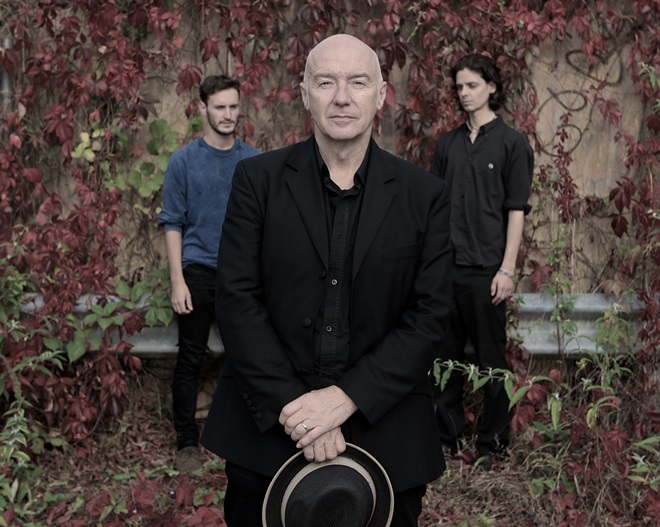
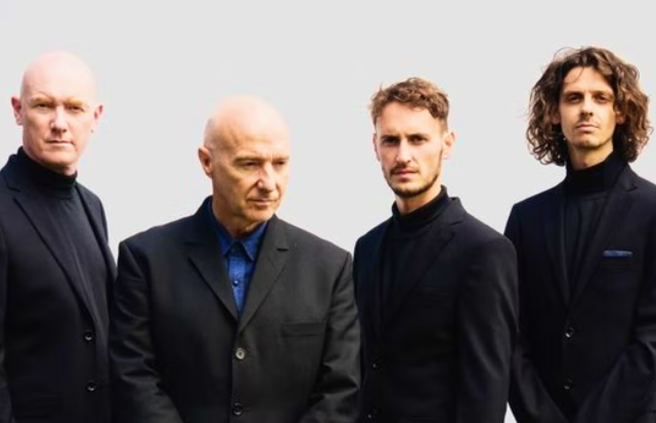
Cole Stacey and Joseph O’Keefe of INDIA ELECTRIC CO. will be familiar to fans of Midge Ure as members of his backing band.

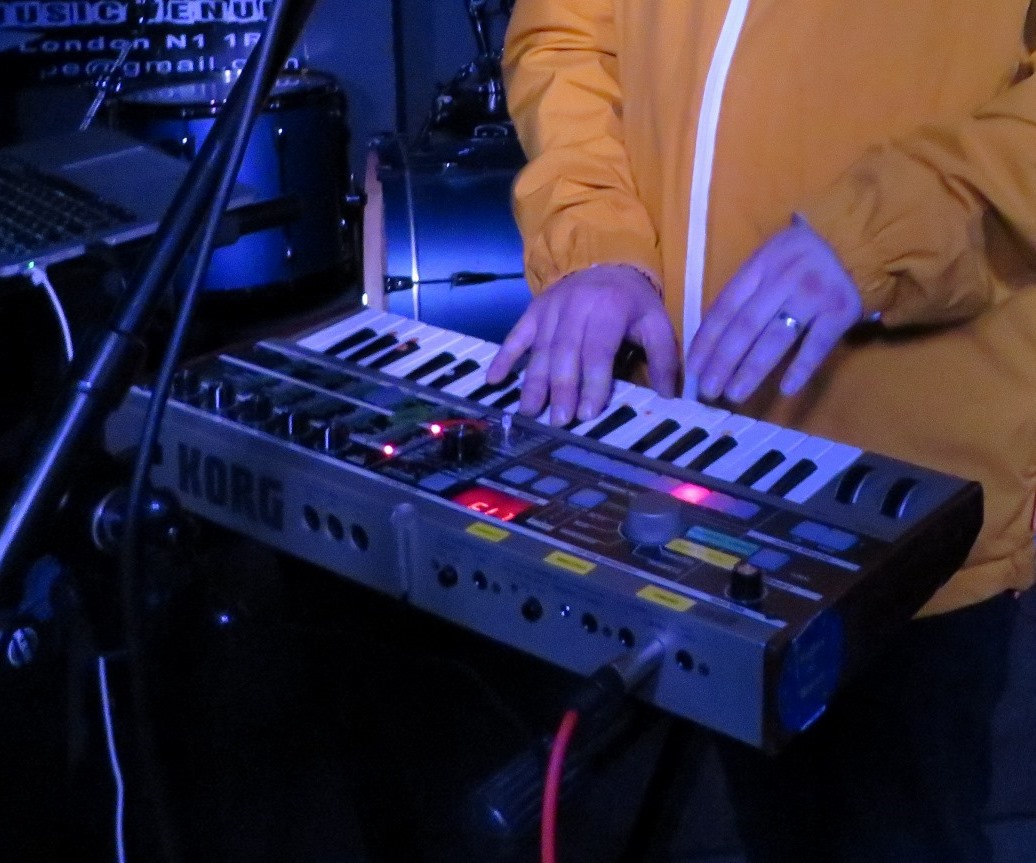
The South West English duo released their debut album ‘The Girl I Left Behind Me’ in 2015 and while their music has traditional folk-derived roots, they have since added keyboards and synths to augment their sound after Midge Ure launched his BAND ELECTRONICA live format to revisit his VISAGE and ULTRAVOX work.

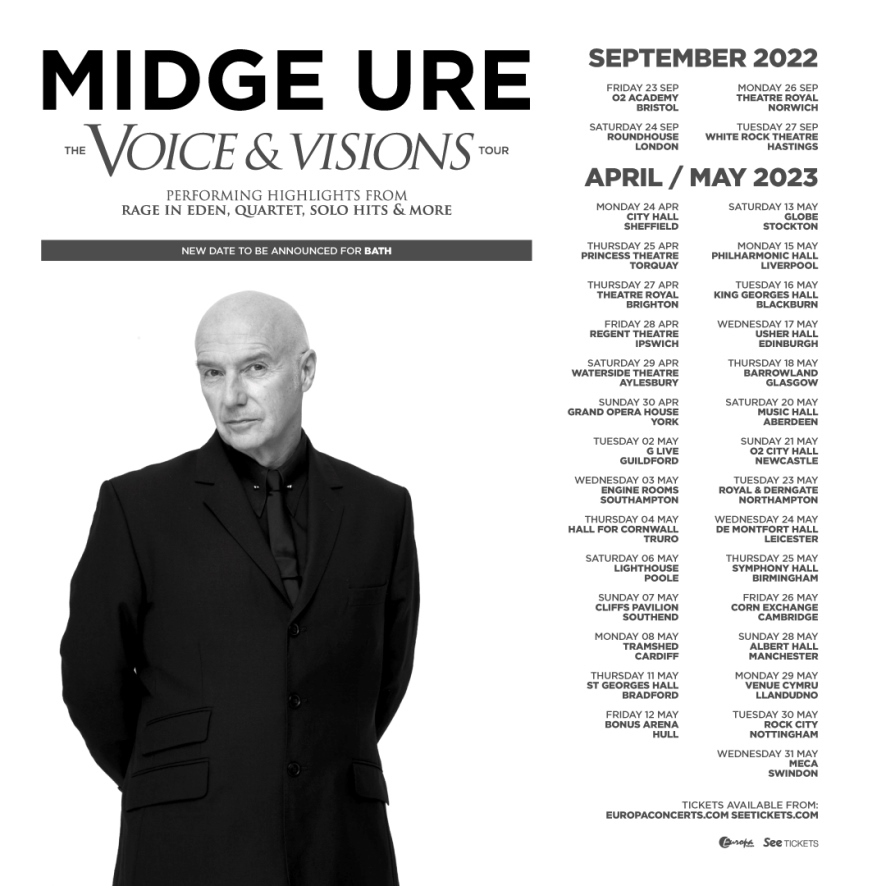
Together with Midge Ure’s drummer Russell Field, INDIA ELECTRIC CO. will be undertaking their first headline UK Tour in three years, while preparing their third album for release to coincide with with Midge Ure’s ‘Voice & Visions’ tour which will see Stacey and O’Keefe not only back the diminutive Glaswegian again but also be his opening act.

During a break from rehearsals, INDIA ELECTRIC CO. spoke to ELECTRICITYCLUB.CO.UK about becoming part of the Midge Ure axis and how the experience has permeated into their own music.

Anyone who has ever seen the two of you backing Midge Ure in the last 7 or so years will be aware that you are very versatile musicians. How did you come to his attention?

Back in 2014, Midge was kind enough to let us do the support on a couple of intimate acoustic solo shows, so we packed the Ford Fiesta and drove from Devon to Motherwell in one day. The dressing room was so close to the stage and we were making such a noise that Midge heard our set and a plan to work together was hatched.

INDIA ELECTRIC CO. played with Midge on the ‘Breathe Again’ tour in 2015. That album is largely traditional in instrumentation. But the ‘Something From Everything’ tour in 2016 used a similar format but featured fresh takes on more electronic derived material such as ‘The Damned Don’t Cry’, ‘ I Remember (Death In The Afternoon)’, ‘Fade To Grey’, ‘Dancing With Tears In My Eyes’ and ‘If I Was’. What was the dynamic between the three of you in terms of arrangements?

The whole concept was built around stripping the songs back to their fundamentals and letting one or two of the main melodies work around the brilliant vocal lines of what are iconic tunes. As we didn’t have drums, the rhythms and energy came from guitars and mandolins balanced by the violin and piano. Working out the arrangements and picking out individual synth lines that could be replicated on violin and mandolin was an incredible way as songwriters ourselves to get to the nuts and bolts of why certain songs were so successful. Ultimately the songs took on a different life and maybe connected with people in a different way, certainly songs like ‘Live Forever’ and ‘I Remember (Death In The Afternoon)’ felt like new incarnations and were huge fun to play everywhere we went.

Reworking a song in an acoustic manner is not always straightforward is it?

It maybe allows you to see if a song is still accessible to people without textures, layers and counter melodies, the great thing about those acoustic tours with Midge is they allowed audiences to hear his extraordinary vocals really close up and our role was accompanying that and trying to let the song speak for itself. Fortunately rehearsals were at Midge’s house and coffee and cake was on hand to keep us going strong as we tried to figure out accordion melodies and how to make the mandolin sound less twangy!

Were there any songs that didn’t work as well in this ‘Something From Everything’ set?

You’d have to ask the audiences that but no matter whether it was in Melbourne or Minehead people seemed to connect with the songs in this format. Songs that on the face of it like ‘Fade to Grey’ that maybe might not work in this format seemed to shine as guitar, violin and mandolin.

Midge Ure then presented BAND ELECTRONICA in 2017 and you were handed synthesizers, how did you find the transition? Were you like ducks to water?

Possibly more squirrels to water. It did feel like a voyage of discovery but hearing how those ULTRAVOX records were made and subsequently played live without computers was incredible. Getting the opportunity to work with Russell on drums and have bass was huge fun but ultimately we knew a lot of the songs albeit in a different format, so it felt like a natural transition…whether Midge would say the same is a different question!

Does the extra technology aspect reduce or accentuate anxiety in a live context?

Copper & Blossom Photography

Hahaha, the first time INDIA ELECTRIC CO. used a laptop and interface on stage at Glastonbury, our 10 minute soundcheck was spent turning the computer on and off because we lost sound so it’s certainly a different level of anxiety compared to tuning a mandolin!

With BAND ELECTRONICA sometimes there’s 6 different keyboard splits for one song and so requires a different level of focus perhaps. Fortunately Midge has a great team with him who are on hand should one of us be having a technological meltdown!

The ‘1980’ tour in 2019-2020 featuring VISAGE material and the whole ULTRAVOX ‘Vienna’ album proved this be one of Midge Ure’s most popular tours in recent years, why do you think these songs have stood the test of time over four decades? Is there something in the structure or melodies that you have observed from playing the songs over many nights?

The concept of playing a whole seminal album live as if you’re listening it to on the record player is brilliant and when you add in the fantastic lighting that Rick Forman did on the ‘1980’ tour, it felt like it allowed people to be transported back to when they first heard the ‘Vienna’ album. It was such a unique sound from a unique band and moving seamlessly from ‘Private Lives’ to ‘Astradyne’ to ‘Vienna’ within an album demonstrated so many skills ULTRAVOX had. Having Rusty Egan and a Blitz Club narrative within each show gave a feeling of nostalgia mixed with the songs sounding fresh and alive in 2019.

This experience has now permeated into your own material and your upcoming third album features more electronics. Is it like a new adventure for you, in what situations might you use synthesizers now that perhaps you wouldn’t done before?

Midge lent us his Moog Minatuaur four years ago and we used it on a traditional folk track and no-one seemed to notice or mind so we haven’t looked back since! We’ve always tried to fuse traditional instruments and contemporary production techniques and this feels like the logical progression. In the pandemic we got hold of a DFAM which will feature heavily on the album and days have been lost to creating sounds and beats.

What is your new album called and how would you describe it? Are there any particular songs that are likely to appeal to electronica enthusiasts?

It is being recorded this very minute and it’s tough to suggest song names as the bit that comes last normally around the time the artwork needs doing! The last track on our last album ‘Tempest II’ hinted at what was to come by using an 808 and bass synth modules. We are using bolder rhythms, taking more risks and having huge fun with the synths. So this is an album we hope will connect with more people outside a folk world and launching it in time for the Midge shows feels like it gives us the best to judge whether we’ve got that right. We want to write and record songs that are as accessible to the most amount of people and after three years of writing, we’re really looking forward to sharing them.

Do you have any defined roles when composing for INDIA ELECTRIC CO?

Since we were 19, sitting in bedrooms in Devon with a piano and guitar, we’ve always tried to write together and bring our different skills together. Always having diverse references for writing and then production helps a huge amount and in many ways the enforced break from touring has given us the space and time to get back to a more organic way of writing. The influences of beats from the DFAM has given us a new platform for writing which hopefully shines through on the album.

Hannah Peel who played with John Foxx has successfully used traditional and electronic textures together, what are the future possibilities for INDIA ELECTRIC CO?

If we’re half as successful as Hannah Peel then we’ll have done well, her late night Radio 3 programme is always full of gems that we go back to time and time again. Already by adding drums to our live set, it’s expanded our horizons and with the bass elements of synths creating a bigger sound live is a big focus. Right now we are concentrating on this third album, getting ready to tour and trying to work out which coffee shops to drag Russell to when we’re on the road.

Was this headline tour initially to keep you both stage sharp after the postponement of Midge’s ‘Voice & Visions’ tour? What can people who are thinking about coming along expect?

It felt right to play a headline set in as many towns and cities that we were in with Midge and keep momentum going, we’ve had three years off so we’re ready to play as many shows as possible!

By April we’re hoping people will be keen to get out and see live music again and rather than go back to 2019, we wanted to give people more of a show and move forward so we’ve asked Russell Field to join us for the whole tour on drums. We’re going to play old songs with new arrangements and new songs that have only been heard by us and the neighbours so it’s really exciting. We’ve always tried to play in the most diverse range of spaces on our own tours, from museums to chapels and laundrettes to campfires so that each night is different. People have been incredibly supportive that we’ve had to just add an extra night so hopefully we’ve found the right balance for the shows.

When the ‘Voice & Visions’ tour finally gets going, you will also be the opening act as well. How will you maintain the energy and enthusiasm to play two sets each night?

We’ve had two years off so we’re more energised than ever! We can’t wait to finally get going with the tour and enthusiasm is just a natural part of the experience, there would be no point in doing it if you didn’t get huge enjoyment from playing every night. To have the energy from audiences again will be incredible. We might have to have a quick costume change between sets but apart from that it’ll run like clockwork!

Will there be anything you will do differently when playing to people who come to Midge Ure’s more electronic based shows compared to your own audience.

For the support shows with Midge, we’ll be playing half an hour and as loyal and amazing as his fans are, we are aware that playing 30 mins of traditional folk tunes on mandolin and accordion would be foolish. We’ll have our full set up with drums for these shows and will combine our new album and the songs we think work best with a song they might be more familiar with to try and find some common ground. We had huge fun re-working ‘Wicked Game’ by Chris Isaak in the lockdown and many of Midge’s fans were very kind and positive in their response to how we recorded our version.

How were rehearsals for the ‘Voice & Visions’ tour coming along? Do you have any favourite songs from Midge Ure’s portfolio that you particularly enjoy playing?

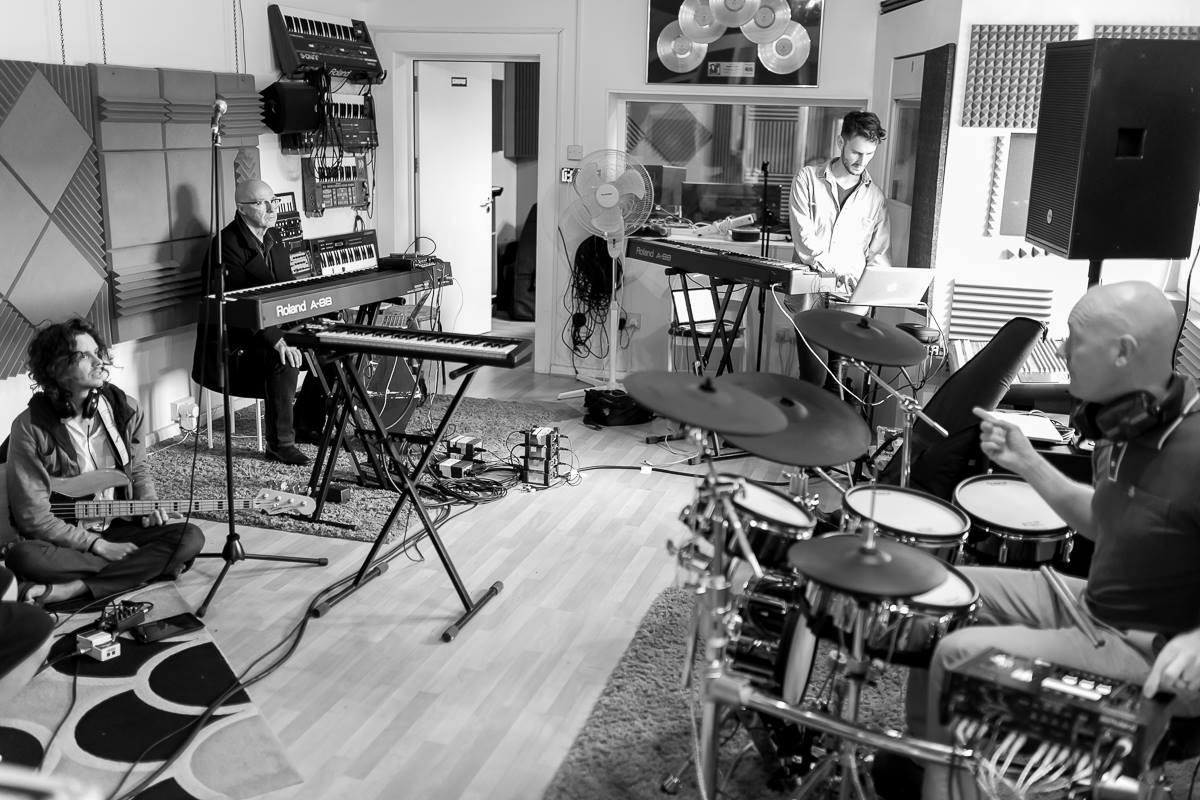
The band have done days of pre-rehearsal prep by sorting out all the parts and who’s playing which part and with what sound. As always Midge has prepared meticulously and knows exactly what sound for each instrument. It’s huge fun sitting down together and talking through how the songs should work and we are about to go for a week’s long rehearsals so by September we’ll be raring to go. ‘Serenade’ is currently a bit of an IEC favourite although that may be giving too much away already! From the previous years ‘Astradyne’ and ‘Private Lives’ were always so much fun playing live.

What are your hopes and fears as you prepare to go out on the road after quite some time?

It’s a hugely exciting time preparing for the year ahead and for getting back out and sharing new songs and sounds with audiences. For us, having the opportunity to tour our headline shows with Russell is something we can’t wait to do and learning what new songs connect with people in a live format. We can’t wait for April!


ELECTRICITYCLUB.CO.UK gives its sincerest thanks to INDIA ELECTRIC CO.

Special thanks to Richard Duncan at Shoelay Music

INDIA ELECTRIC CO. UK Tour 1st Leg:

Aldershot West End Centre (6th April), Fareham Ashcroft Arts Centre (7th April), London Kings Place (8th April), Bournemouth Folk Club  (9th April), Newcastle The Cluny (13th April), Edinburgh Voodoo Rooms (14th April), Glasgow Glad Cafe (15th April), Manchester Bury Met (16th April), Oswestry Hermon Chapel Arts Centre (20th April), Clonter Opera Theatre (21st April), Otley Courthouse (22nd April), Sheffield Greystones (23rd April), Liverpool Royal Philharmonic (24th April), Cambridge The Junction (25th April), Burton-on-Trent Brewhouse Arts Centre (26th April), Lyme Regis Marine Theatre (28th April), South Petherton The David Hall (30th April)

https://indiaelectricco.com/

https://www.facebook.com/indiaelectricco

https://twitter.com/indiaelectricco

https://www.instagram.com/indiaelectricco/

https://indiaelectricco.bandcamp.com/music

INDIA ELECTRIC CO. will be touring with Midge Ure through 2022-2023, visit http://www.midgeure.co.uk/ for further information


Text and Interview by Chi Ming Lai
18th March 2022
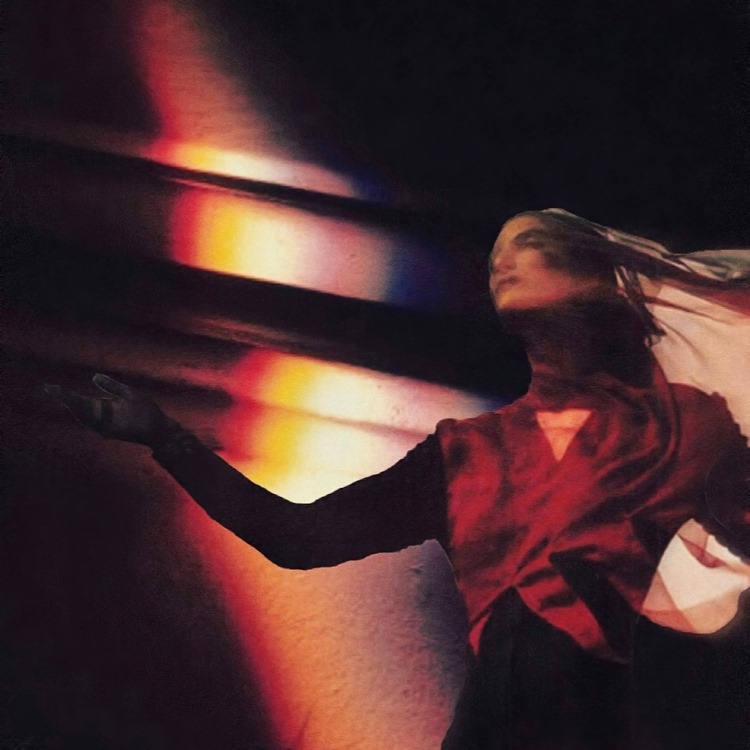
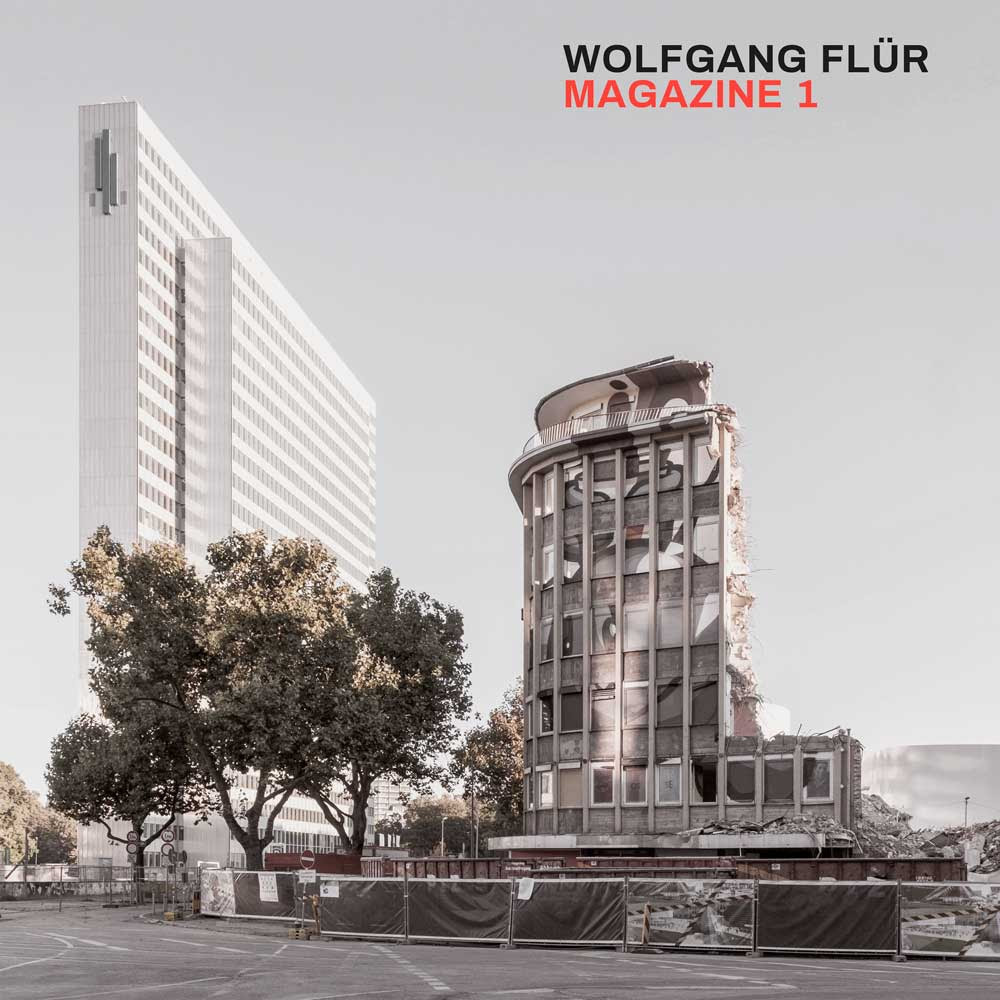
WOLFGANG FLÜR Magazine 1

Wolfgang Flür is best known as one of the two electronic percussionists in the classic line-up of KRAFTWERK that gave the world ‘Radio-Activity, ‘Trans-Europe Express’, ‘The Man Machine’ and ‘Computer World’.

But despite what has been close to a five decade recording career,  Wolfgang Flür releases what is only his second full-length collection under his own name. Flür’s first album on departing Kling Klang was ‘Time Pie’ issued in 1997 under the moniker of YAMO, but ‘Magazine 1’ follows up 2015’s ‘Eloquence’ which collected a range of solo tracks and collaborations recorded since 2002.

‘Magazine 1’ also does this to a lesser extent by featuring ‘Zukunftsmusik’ with U96 which first appeared on the dance combo’s 2018 ‘Reboot’ collection and reappeared in edited form on the collaborative album ‘Transhuman’ in 2020. This is an excellent track but here it is again in its third long playing incarnation. This Teutonic “future music” with Flür’s distinctive vocal remains equal to ‘Activity Of Sound’, his 2014 collaboration with Ireland’s iEUROPEAN.

However, things are not all up to the standard of ‘Zukunftsmusik’; using an array of robotic voice treatments, the opening ‘Magazine’ song featuring Ramón Amezcua is frankly a mess as it moves between its metronomic and shuffling beat sections. Again with U96 and Flür rapping, ‘Best Buy’ distorts its robotics in a KRAFTWERK vein and promises Kling Klang aesthetics, but things are more ‘Tour De France Soundtracks’ than even the best material on ‘Electric Café’ with the middle eight speech dialogue being particularly irritating as the track morphs into another mess.

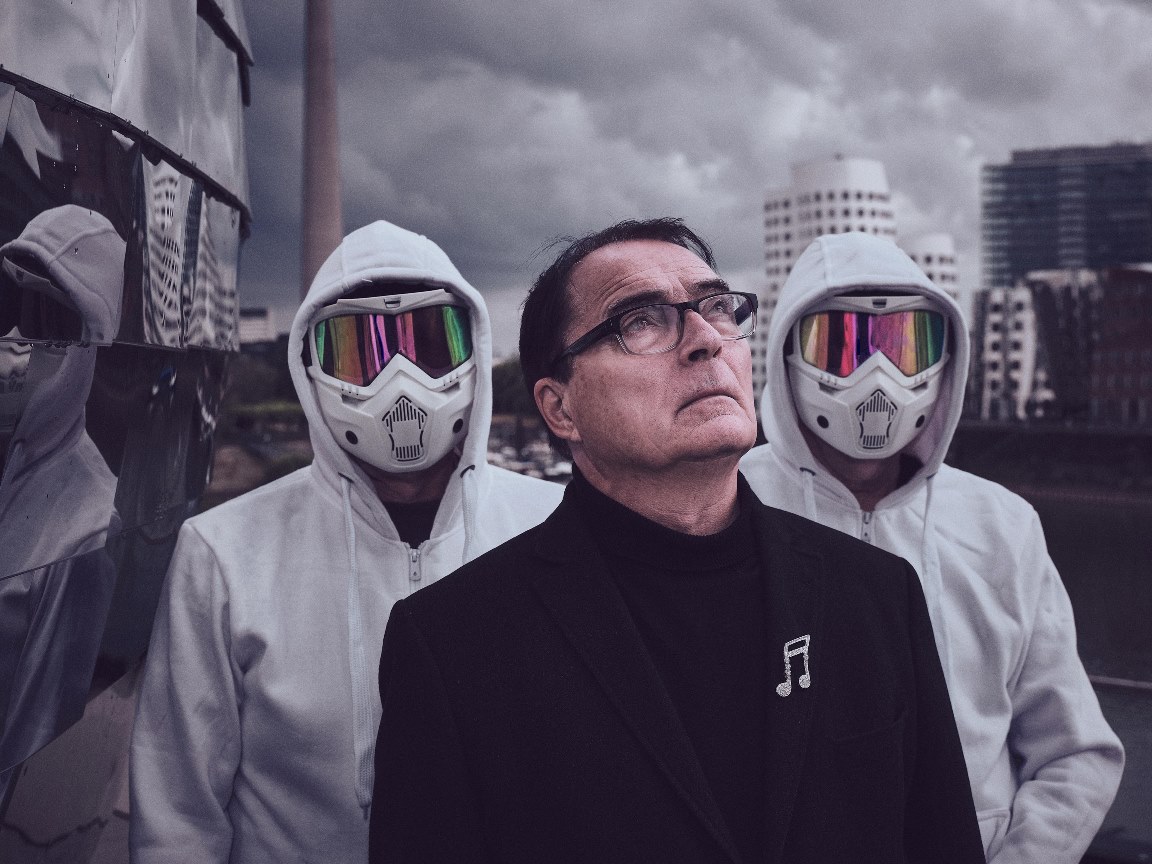
Released in 2021 by BAND ELECTRONICA, the new electronically focussed project of Midge Ure, ‘Das Beat’ was a glorious slice of robopop in collaboration with Flür with “Beats through wires, beats through walls”. Unfortunately in his own ‘Magazine 1’ version, things that were good about the song like the blisteringly catchy synth hook in the classic KRAFTWERK tradition have been watered down into a mush with a new melody that is nowhere near as appealing. Meanwhile the icy motorik bossa nova inexplicably has incongruous sections of electro beats thrown in.

With cutting Numan-esque synth riffs and the cast involved, the pulsating ‘Birmingham’ featuring Claudia Brücken on lead vocals duetting with Flür’s vocodered presence and Peter Hook on his low-slung bass should have been a highlight, but disappoints due to its lack of structure. Also using similar Numan keyboard stylings, ‘Night Drive’ features Anushka who adds a soulful tone of voice to the strident electro backdrop, recalling the dancefloors of New York like The Danceteria with an enjoyable club friendly excursion although halfway through, it adopts a darker cutting tone.

‘Electric Sheep’ with Carl Cox and U96 possesses a childlike quality that will polarise listeners but ‘Billionaire (Symphony Of Might)’ with Juan Atkins is the sort of generic techno that Flür often plays in his DJ sets which he misleadingly passes off as concerts. Closing the album with ‘Say No!’, the lengthy MAPS collaboration points to where ‘Magazine 1’ could easily have gone, utilising a Flür anti-war monologue with choral and vocoder interventions over an absorbing midtempo electronic soundscape that evolves into a wonderful Germanic crescendo.

A true mixed bag of an album, two of the best tracks have already come out while several of the collaborations do not live up to their potential. But for KRAFTWERK fans seeking new material from members of the classic line-up, ‘Magazine 1’ will be welcomed, providing flashing reminders of a pioneering era that will act as an escape from the disorientations and uncertainties of the present day.


‘Magazine 1’ is released by Cherry Red Records on 4th March 2022 in CD + vinyl LP formats
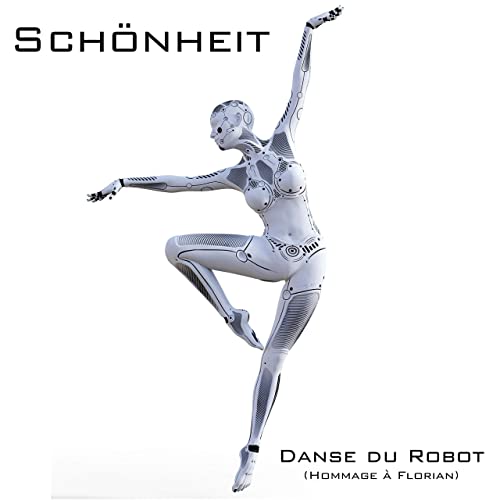
https://www.cherryred.co.uk/artist/wolfgang-flur/

https://www.facebook.com/musiksoldat

https://twitter.com/iwasarobot


Text by Chi Ming Lai
Photos by Markus Luigs
3rd March 2022
ELECTRICITYCLUB.CO.UK’s 30 SONGS OF 2021

Despite the general appetite for nostalgia with boxed sets and coloured vinyl of classic albums hogging the pressing plants, there was a lot of excellent new music released in 2021.

The quality of individual tracks released in 2021 was extremely high but at the end of the day, only 30 songs can be selected as a snapshot of the calendar year. As Monica Geller in ‘Friends’ once said, “Rules are good, rules help control the fun” – rules, routine and structure = creativity and fun ?

So the highly commended group who did not quite make ELECTRICITYCLUB.CO.UK’s 30 songs of 2021 includes Tobias Bernstrup, David Cicero, Alice Hubble, Michael Oakley, Jason Priest, Nina, Eric Random and Kat Von D’s duet with Peter Murphy, along with SIN COS TAN, FIAT LUX, LONELADY, GLITBITER, KNIGHT$, PEAKES, DESIRE, SOFTWAVE, XENO & OAKLANDER, BUNNY X, PISTON DAMP, FRAGRANCE. and HANTE.

So here are ELECTRICITYCLUB.CO.UK’s 30 songs of 2021, presented as usual alphabetically by act with a restriction of one song per artist moniker.


ACTORS Love U More

With the recruitment of new bassist Kendall Wooding, the male-to-female ratio of ACTORS has equalled up and altered their dynamic. The vocal duality between Jason Corbett and keyboardist Shannon Hemmett takes an increased role. With the brooding baritone counterpointed by girly soprano and male falsetto to provide an uneasy uplift to the gloomy domino dance, ‘Love U More’ was like a goth DURAN DURAN with metronomic rhythms and eerie synths.

Available on the album ‘Acts Of Worship’ via Artoffact Records

https://www.actorstheband.com/


BAND ELECTRONICA featuring MIDGE URE Das Beat

Midge Ure launched his BAND ELECTRONICA as a recording entity with ‘Das Beat’, a glorious slice of Teutonic robopop in collaboration with Wolfgang Flür. With “Beats through wires, beats through walls”, the icy motorik bossa nova was complimented by a blisteringly catchy synth hook in the classic Kling Klang tradition and harked back the Glaswegian’s days hearing KRAFTWERK at The Blitz Club and making music with VISAGE and ULTRAVOX. Dancing is a given to the synthesizer rhythm.

Available on the single ‘Das Beat’ via BMG Rights Management

http://www.midgeure.co.uk/


JORJA CHALMERS Rhapsody

Although a seasoned musician as the sax and keyboard player for Bryan Ferry, Australian Jorja Chalmers did not release her first album until 2019. The superb take on SIOUXSIE & THE BANSHEES ‘Rhapsody’, an orchestrated gothic epic off their ninth album ‘Peepshow’, featured an intriguing electronic warble within its stripped down arrangement. From its claustrophobic cocoon, Chalmers sounded trapped inside an unsettling icy soundscape of synthetic strings and choirs.

Available on the album ‘Midnight Train’ via Italians Do it Better

https://www.instagram.com/jorjachalmers/


CLASS ACTRESS Saint Patrick

CLASS ACTRESS is the nom de théâtre of one-time Giorgio Moroder protégée Elizabeth Harper. Releasing a new EP ‘Sense Memory’ which initially featured three cover including THE SMITHS’ ‘Ask’ but steadily expanded with new material, the percussive ‘Saint Patrick’ featured an array of infectious synth hooks while Harper’s richly passionate vocal over some strident keyboard work combined like Nerina Pallot fronting BOY HARSHER for a brilliant slice of modern electronic pop.

Available on the EP ‘Sense Memory’ via Terrible Records

https://classactress.com/


HATTIE COOKE I Get By

Perhaps more intentionally pop than Hattie Cooke has ever been before on her previous two long playing outings, an intimate gravitas comes with the expanded electronic texturing on her third album ‘Bliss Land’ and this is undoubtedly stamped on its opening song. The hypnotic ‘I Get By’ was superb with ringing hooks, sweeping soundscapes and airy understated vocals that wouldn’t have sounded out of place on an Italians Do It Better ‘After Dark’ compilation.

Available on the album ‘Bliss Land’ via Castles In Space

https://twitter.com/hattiecooke


DANZ CM Human Existence

‘The Absurdity of Human Existence’ is the debut album by DANZ CM, the artist formally known as COMPUTER MAGIC. New York based Danz Johnson is the synth girl behind both vehicles with a passion for the development of the electronic music. Reflecting the album’s title, the total melancholic brilliance of ‘Human Existence’ sees our heroine make a sombre declaration that “you can’t save me, I can’t save you” reminiscent of CHROMATICS meeting OMD.

Available on the album ‘The Absurdity Of Human Existence’ via Channel 9 Records

https://www.zdanz.com/


DAWN TO DAWN Care

Danceable dreampop trio DAWN TO DAWN feature in its line-up Tess Roby who released her debut album ‘Beacon’ on Italians Do It Better. Also featuring Adam Ohr and Patrick Lee with their Minimoog, Roland System 100, Roland Juno 60 and Korg 700s armoury, ’Care’ was written on a cold winter’s night and unsurprisingly captures that mood. Nocturnal yet rhythmic, Roby’s alluring folk-tinged vocal offsets the various synthetic overtures for a mysterious weightless quality.

Available on the single ‘Care’ via https://dawntodawn.bandcamp.com/track/care

https://www.facebook.com/dawntodawnmusic


DEVOIR Mercer

Leeds based duo DEVOIR are Imogen Holmes, best known as IMI and Jacob Marston. Although ‘Mercer’ is entirely electronic, it differs from IMI in its four-to-the-floor construction. So imagine GOLDFRAPP at an Alpine rave in the Hornlihutte basecamp next to The Matterhorn. As the cinematic techno builds, the magnificent voice that graced IMI soars and shines, expressing itself at the extremes of alluring spoken word and piercing high soprano.

Available on the single ‘Mercer’

https://www.facebook.com/wearedevoir


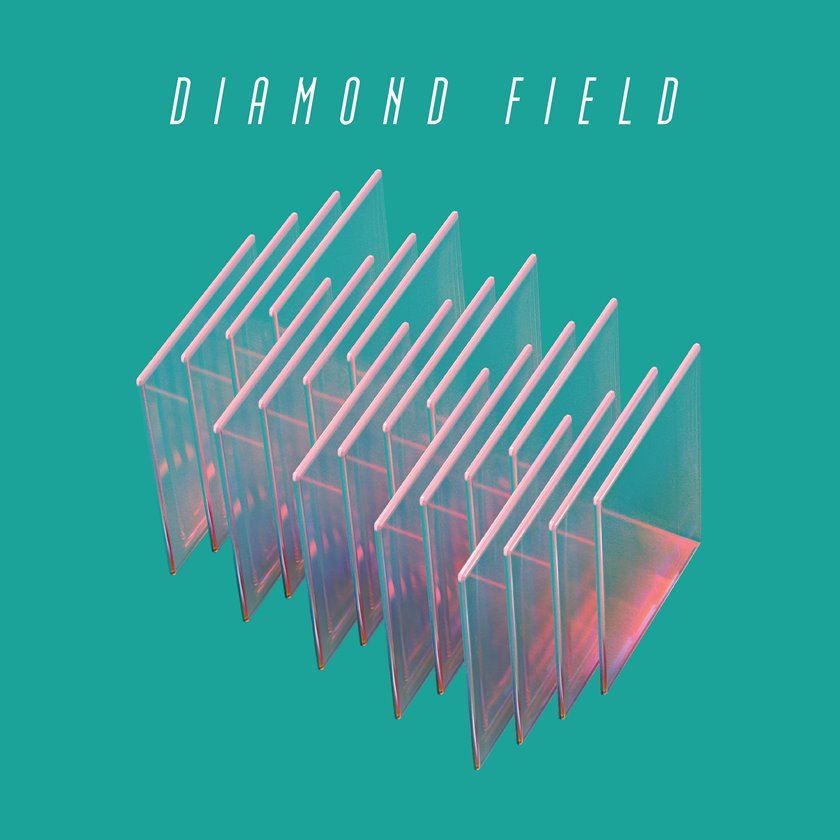
DIAMOND FIELD feat BELINDA BRADLEY A Kiss Apart

DIAMOND FIELD is the musical vehicle of Andy Diamond, the New York based Kiwi who, looks to studio icons such as Hugh Padgham, Rupert Hine and Peter Wolf as his heroes. With a backing track like NEW ORDER’s ‘Your Silent Face’ reworked by OMD, ‘A Kiss Apart’ is superb and sees a velvet performance by Belinda Bradley; akin to the other Belinda, Ms Carlisle crossed with Marcella Detroit there is a gorgeous chorus and some great synth interventions recalling lost Mute trio PEACH.

Available on the album ‘Diamond Field’ via Sofa King

https://diamondfieldmusic.com/


DLINA VOLNY Bipolar

Inspired by the spectre of the former Soviet Union, Minsk trio DLINA VOLNY explore post-punk with a dance beat not unlike NEW ORDER. Having already had two albums already under their belt and singing in English with an inherent Eastern Bloc gloom in Masha Zinevitch’s vocals throughout their Italians Do It Better period, their fifth single for the label ‘Bipolar’ was dark disco with plenty of synth and mystery that asked “But what is it like being on the border?”.

Available on the album ‘Dazed’ via Italians Do It Better

https://www.instagram.com/dlina_volny/


LAURA DRE All Day, All Night

With her mix of modern synthpop and synthwave coupled to her deep nonchalant vocals, Laura Dre captures the rainy dystopian air of ‘Blade Runner’, but with a sexy enigmatic allure and a mischievously wired groove that wouldn’t go amiss in a West Berlin nightclub. The glorious uptempo disco number ‘All Day, All Night’ offers great crossover potential; drenched in sparkle and a delicious percussive base, it was for fans of early PET SHOP BOYS.

Available on the album ‘Moving Spaces’ via Outland Recordings

https://lauradre.com/


DURAN DURAN Featuring CHAI More Joy!

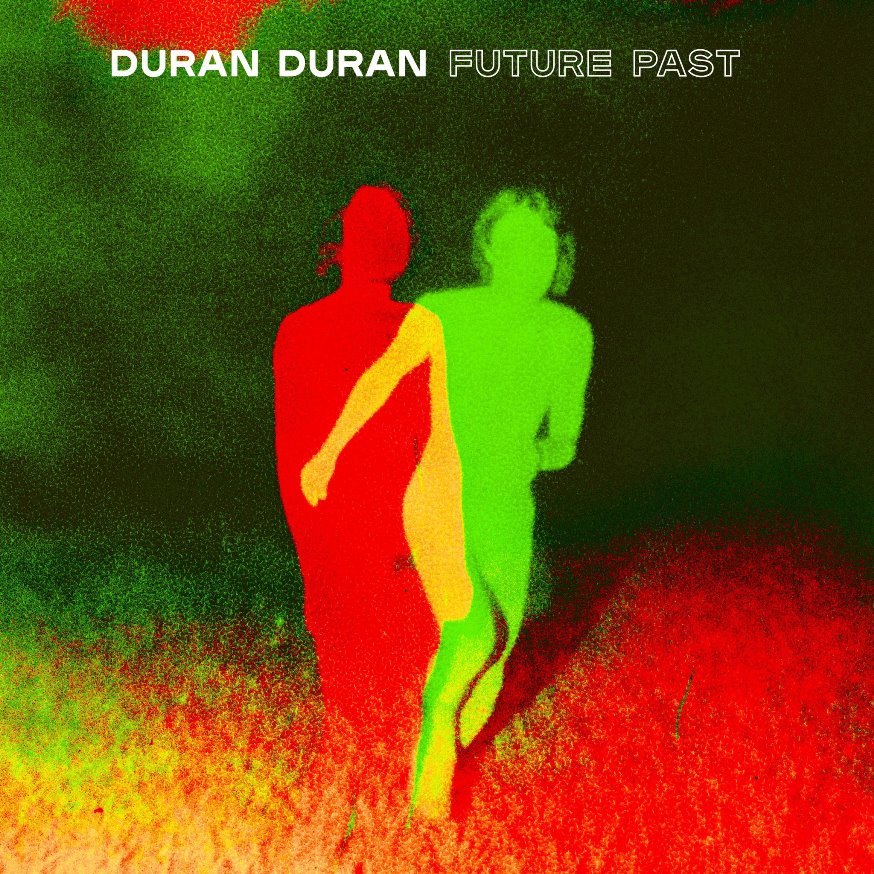
DURAN DURAN released their 15th studio album ‘Future Past’ in a “live for the moment” reference of how something today can become a cherished memory in times to come. The chiptune inspired ‘More Joy!’ was reminiscent of past glories, its syncopated disco poise capturing DURAN DURAN at what they do best and with hypnotic electronics offset by a wonderful bass guitar run and chants by Japanese rock band CHAI, its exuberant manner presented the right dose of escapism.

Available on the album ‘Future Past’ via Tape Modern / BMG

http://www.duranduran.com/


GLÜME Get Low

Like a tattooed Marilyn Monroe dropped into Twin Peaks, GLÜME is a shimmering new starlet. From her debut album ‘The Internet’, ‘Get Low’ was an intriguing slice of accessible avant pop about the high of falling for someone where brain chemistry and nervous systems are affected. Applying some rumbling electronic bass, stabbing vintage synths and simple but prominent digital drum beats, ‘Get Low’ sounded not unlike an experimental hybrid of OMD and LADYTRON!

Available on the album ‘The Internet’ via Italians Do It Better

https://www.facebook.com/babyglume


ROBIN HATCH Airplane

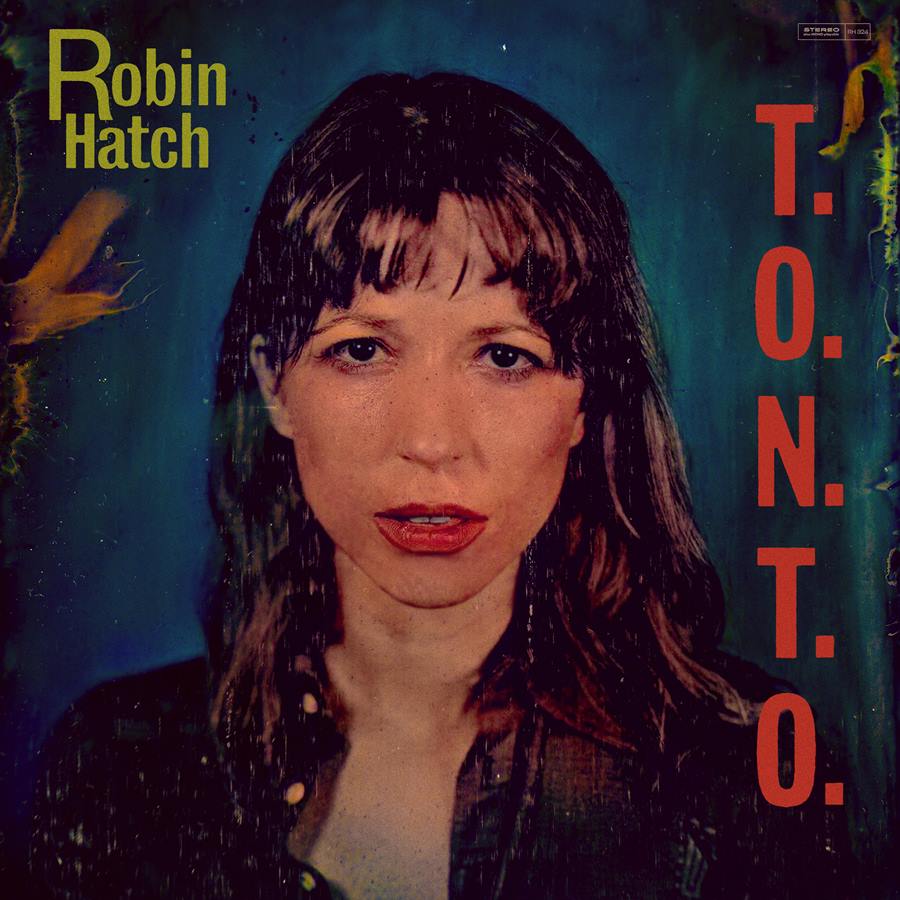
Made using the T.O.N.T.O. synth complex created Malcom Cecil and Robert Margouleff which was made famous by Stevie Wonder, the same titled album is the fifth solo body of work by the Toronto-based neoclassical composer Robin Hatch. The sinister ‘Airplane’ took shape around an avant garde soundscape. Utilising the talents of doom metal violinist Laura Bates of VOLUR alongside the synthetic strings and hypnotic generative blips, this encapsulated an unsettling gothic grandeur.

Available on the album ‘T.O.N.T.O.’ via Robin Records

https://twitter.com/robinhatch


ITALOCONNECTION featuring ETIENNE DAHO Virus X

For Italo veterans Fred Ventura and Paolo Gozzetti, the ethos of ITALOCONNECTION is “to sound vintage in a modern way”. The superb ‘Virus X’ featuring French veteran Etienne Daho sprung a surprise as a suave slice of Gallic synthwave. With its downbeat verse and an emotive chorus, this was as a fitting musical document of the past year and half’s tensions while using toxic personal relationships as a poignant lyrical analogy.

Available on the album ‘Midnight Confessions Vol1’ via Bordello A Parigi

https://www.facebook.com/italoconnection


JAKUZI Hiç Işık Yok

Hailing from Turkey, JAKUZI’s Italo flavoured song ‘Hiç Işık Yok’ saw the usual cowbells substituted by processed pots and pans, while the mix of classic brassy tones and chilling synth pads blended to create something rather unusual and extraordinary. Working with Maurizio Baggio who mixed the most recent albums by BOY HARSHER and THE SOFT MOON, the Italian producer turned what had been a gothic futureless mood piece with a sombre vocal intonation into a dark but catchy electronic disco number.

Available on the EP ‘Açık Bir Yara’ via City Slang

https://www.facebook.com/jakuz1/


JOON Good Times

2021 was a year craving for more ‘Good Times’ and JOON, the electronic solo project from Maltese producer Yasmin Kuymizakis did her best to remember them. Signing to Italians Do It Better, she reflected on “The way you sing your songs and make me dance, the way you take a chance on a little romance” before affirming “You remind me of the good times”. It all captured a charming innocence in a dreamy Mediterranean take on Japanese City Pop.

Available on the album ‘Dream Again’ via Italians Do It Better

https://www.templeofjoon.com/


КЛЕТ Eternity

КЛЕТ is a music project of Bohemian-born Michal Trávníček. Primarily celebrating the Soviet space programme with its impressive series of firsts, while the ‘Alconaut’ album’s pivotal track ‘Gagarin’s Start’ honoured the handsome hero who was the first man in space as he prepared for lift-off, the spacey Sovietwave mood over 13 tracks made for an enticing listen. The sparkling sparseness of ‘Eternity’ with its stuttering vintage drum machine provided another highlight.

Available on the album ‘Alconaut’ via https://claat.bandcamp.com/album/

https://www.instagram.com/kletwave/


LEATHERS Reckless

LEATHERS is the more synth focussed solo project from ACTORS keyboardist Shannon Hemmett. The undoubted highlight of her debut ‘Reckless’ EP was the title song. Resigned and accepting, she was still alluring in her voicing despite the heartbreak of her love being so cruel and dangerous. A rather lovely slice of synthpop in that classic melancholic vein with an infectious steadfast motorik beat, it again showed that Canada again was leading the way in the modern version of the form.

Available on the EP ‘Reckless’ via Artoffact Records

https://www.leatherstheband.com/


CATHERINE MOAN Drop It!

Following her charming cover of the Alan Wilder penned DEPECHE MODE B-side ‘Fools’, Philadelphian songstress Catherine Moan launched her debut album with the self-composed ‘Drop It!’, a song craving the joy of nightlife. Dreamily floating over a classic four chord progression with an eerily sombre apocalyptic understatement, ‘Drop It!’ channelled her innocent sound in the manner of ELECTRIC YOUTH meeting STRAWBERRY SWITCHBLADE and MARSHEAUX.

Available on the album ‘Chain Reaction’ via https://catherinemoan.bandcamp.com/album/chain-reaction-2
https://www.facebook.com/Catherine-Moan-105421111625150


KARIN MY Loop

While Karin My has been working with TWICE A MAN and MACHINISTA, it was only in 2019 that she stepped out to front her own traditionally derived electronic songs. A steadfast drum machine propels ‘Loop’ over its sweeping symphonic melodies resignation. The closing female computer speech declaring “identification – procedure – quote – hyphen – perform – display – go to – loop – full stop – execute” added to the  unsettlement.

Available on the album ‘Silence Amygdala’ via Ad Inexplorata

http://www.karinmy.net/


NATION OF LANGUAGE This Fractured Mind

Using a rigid motorik backbone and capturing a danceable ethereal shudder, ‘This Fractured Mind’ breathed new life via its sprightly synth tones referencing the past. The machines that had only been friends previously became family in the NATION OF LANGUAGE sound. Dealing with the spectre of unrealised dreams and jealousy towards more successful others, any inferiority complex was countered with hopeful acceptance.

Available on the album ‘A Way Forward’ via Play It Again Sam

https://www.nationoflanguage.com/


NORTHERN LITE Ich Fürchte Nein

The project of Andreas Kubat and Sebastian Bohn, the 2001 NORTHERN LITE single ‘Treat Me Better’ was a cult favourite on the electroclash scene. Translating as “I don‘t think so…”, Kubat reflected on enforced isolation and staying sane. In a chorus that could be roughly interpreted: “You can‘t be happy and by liked by everyone at the same time”, ‘Ich Fürchte Nein’ was a delightfully catchy synthpop tune with a bright and jolly melodic section contrasted by a vocal of a more anxious disposition.

Available on the album ‘Ja’ via UnaMusic

https://www.northernlite.de/


GARY NUMAN The Chosen

While ‘Savage’ depicted a deserted post-apocalyptic world, clad in darkness, the Ade Fenton produced ‘Intruder’ saw Planet Earth react to human kind’s misdemeanours by unleashing a virus! “It feels betrayed, hurt and ravaged. Disillusioned and heartbroken it is now fighting back” said Gary Numan poignantly.  ‘The Chosen’ was fast paced synth rock filled with pleading messages embroiled in frustration, asking “Do you need one more sign?” and “Can you see, or are you so blind?”

Available on the album ‘Intruder’ via BMG

https://garynuman.com/


MARK REEDER & FIFI RONG Figure Of 8

Mark Reeder first met Fifi Rong who at the Berlin Kraftwerk in 2016 when she was singing in concert with Swiss trailblazers YELLO. From his album ‘Subversiv-Dekadent’ , the opening track ‘Figure of 8’ was a magical new collaboration between the two with a cinematic backdrop of sparse piano and glistening sequences over which the exquisite Chinese songstress added her distinctive air of mystery to a more metronomic rhythm construction than on her own work.

Available on the album ‘Subversiv-Dekadent’ via MFS

https://fifirong.com/

https://mfsberlin.com/


R. MISSING Crimeless

New York City-based darklings R. MISSING are fronted by Sharon Shy, a vocalist with an elegant Jane Birkin-like presence while the studious Toppy Frost does the music. In their increasingly synthy sound, but the wonderful ‘Crimeless’ was R. MISSING’s most pop noir statement yet. It was like CHROMATICS carefully reconfigured for the dancefloor with Sharon Shy presenting a whispery singing style that could easily be mistaken for Ruth Radelet.

Available on the single ‘Crimeless’ via Sugarcane Recordings

https://rmissing.com/


SCHÖNHEIT Danse Du Robot

Subtitled ‘Hommage à Florian’, ‘Danse Du Robot’ was a magical tribute to the late KRAFTWERK co-founder with hints of ‘Trans Europe Express’ from Swedish producer Martin Lillberg, the man behind SCHÖNHEIT. Not exactly a prolific project with singles in 2014 and 2019, Lillberg however records under various monikers including as DEOLETUS and WML as well as holding down a day job as a classical percussionist.

Available on the single ‘Danse du Robot (Hommage à Florian)’

https://swedishelectroscene.bandcamp.com/track/danse-du-robot-hommage-florian


SEA FEVER De Facto

SEA FEVER are the new eclectic Manchester combo featuring second generation members of SECTION 25 and NEW ORDER, Beth Cassidy, Tom Chapman and Phil Cunningham. ‘De Facto’ was a delightful electro-disco feast with a rhythm rush that screamed strobelights and likely to fill indie club dancefloors while crossing over to lovers of synth. With echoes of NEW ORDER and THE CHEMICAL BROTHERS, it captured a vibrant energy worthy of Manchester and its musical heritage.

Available on the album ‘Folding Lines’ via Kartel Records

https://seafeverband.com/


UNIFY SEPARATE Embrace The Fear

As the prospect of interacting with others again set off anxieties after 18 months of social distancing, for Scottish Swedish duo UNIFY SEPARATE, it was time to ‘Embrace The Fear’. While the theme was relatable to lockdown, the lyrical gist touched on the more general existential crises that afflict many as they navigate a life crossroads. But despite the air of unease and the grittier disposition, as with most of UNIFY SEPARATE’s output, there was light at the end of the tunnel.

Available on the single ‘Embrace The Fear’ via https://unifyseparate.bandcamp.com/track/embrace-the-fear

https://www.facebook.com/usmusicspace


WAVESHAPER Lost In The Cloud

Gorgeously melodic within a claustrophobic drama, ‘Lost In The Cloud’ did as the title suggested like Vangelis meeting Giorgio Moroder at the Necropolis on a dreamy dance trip. A lovely uplifting synth instrumental, the man behind WAVESHAPER Tom Andersson suggested something darker, saying “Imagine Red Riding Hood trapped in the Digital Cloud, behind the Mainframe. How would she feel? What would she see? There is probably more to fear than a wolf in the forest…”

Available on the album ‘Mainframe’ via Waveshaper Music Production

https://www.facebook.com/Waveshaperofficial


A selection of ELECTRICITYCLUB.CO.UK’s favourite music in 2021 is on its ‘Missing U’ playlist


Text by Chi Ming Lai
11th December 2021

MARILLION Interview

MARILLION have seen ‘The Light At The End Of The Tunnel’! In these long dark days of recent times, the prog veterans hope to shed some light across the stages of Britain with a 10-date tour in November 2021 culminating in 2 nights in London.

Presently, MARILLION comprise of Steve Hogarth (lead vocals, keyboards + percussion), Steve Rothery (guitars), Pete Trewavas (bass + guitar), Mark Kelly (keyboards) and Ian Mosley (drums + percussion).

For many years now, MARILLION have enjoyed a unique relationship with their fanbase and together they pioneered the concept of crowdfunding in music via the sponsorship of an American tour in 1996.

Despite a difficult 2020 for all, MARILLION united with their family of faithful fans for the online Couch Convention weekend in September which raised £31,530 for their crew who have been hard hit financially by the pandemic.

Of the weekend, Mark Kelly said: “What a weekend it was! We were totally stunned and knocked out by everyone’s involvement in everything that went on, from Steve Rothery’s late night cocktails to Pete’s Bass Masterclass. Ian’s Drum Q&A and my early morning fun run and all the music, chat and fancy dress in between. It was fun for us to be in the audience, too, reading and reacting to all your comments as the shows were streamed. The crew tip-jar was overflowing with your generosity, you raised a substantial sum for our wonderful crew. The money will go a long way to helping them survive a difficult year. Thank you!”

Mark Kelly kindly took time out from recording the new MARILLION album to talk about the use of keyboard technology in the band, being crowdfunding trailblazers and the modern day streaming business model among many other topics.

Thanks for taking time out of what I am sure is still a busy schedule to chat with us today…

No problem, I was hoping to home by now but I’m stuck in traffic on my way back from the studio.

Is that working on ‘Marathon’ (Mark’s forthcoming solo project) or MARILLION material?

‘Marathon’ is finished, this is for the next MARILLION album… Number 20! Funnily enough on the tour next year we play the Cambridge Corn Exchange almost 40 years to the day of my first gig with the band, in the same town.

I’ve been a fan all that time and it doesn’t feel like 40 years…

You’re right, it doesn’t feel like 40 years at all. You hear older people say time flies by and now I know where they are coming from.

Folk coming to this interview may wonder why we are speaking with you, but there is crossover between what you do and our usual fare, Vince Clarke for example is a GENESIS fan…

Funny you should say that, I was reading an article on one of the sites like TechRadar and they listed the Top 30 synth players and Vince Clarke was number 5 or 6 which surprised me. But thinking about it, there is a lot of crossover with the electronic stuff like TANGERINE DREAM and KRAFTWERK which is very much in the prog genre… Krautrock… the early days of synthesiser music and progressive rock were both experimental

So how are you all surviving the lockdown?

We’ve had a pretty good year by luck more than anything as we had already decided we weren’t going to tour this year. All we had in the book was ‘Cruise To The Edge’ which got cancelled back in April. So we didn’t need to change our plans much at all and for me it gave me the chance to do a solo album as we were in lockdown for 3 or 4 months.

We had just started work on the MARILLION album and had to stop. We are back in the studio now having resumed work on the album at the end of the summer. We are at that stage now where we’ve done a lot of jamming, have quite a lot of ideas and just need to get them past the arranging stage really. We are quite slow these days, we will jam then take those and jam around them again, working on the ideas we like to see what comes out and eventually they start to take shape as songs and that’s where we are at now.

We have 20 or 30 pieces, some lyrics and I’ll be optimistic and say by early next year we will have an album ready to record.

That’s great news both that you are busy and all keeping well. Moving on can you give us a recap of Mark Kelly, the early years?

I never saw being in a rock band as a viable career opportunity, it was something I did for fun playing on the local pub circuit. The guys I played with didn’t take it that seriously. I’d been an art student then switched to electronics as I wasn’t really enjoying the art stuff.

MARILLION were the opening act for the band I was playing for, Mick Pointer (the then-drummer) and Fish came up to me and asked if I fancied joining MARILLION.

I didn’t really know who they were and only watched them because our guitarist said “you should watch this lot, you’ll like them” and that was my start at becoming a professional musician.

It’s interesting as the documentary on the ‘Script For A Jester’s Tear’, MARILLION’s 1983 debut album boxset shows you as having, as a band, quite a drive and determination to succeed?

That was one of the things that attracted me to MARILLION was how serious they were about it all. Everyone back then talked about making it and back then, that meant as far as we were concerned getting a record contract with a major label.

Everyone was laser focussed on it, it wasn’t a hobby. We turned professional and that meant giving up any job you had and signing on the dole. Making a living back then as a gigging musician was hard, God it’s much harder now, and we actually did manage to feed ourselves.

We would play 5 or 6 nights a week in pubs and you would get paid 100 quid which I suppose wasn’t bad, it was a slog though we were determined.

The ‘Script…’ album… I joined at the end of ‘81 and we had signed within a year and were recording the album by Christmas 82. At the time, it didn’t seem to happen that quickly but looking back it did.

The great thing about the early days of MARILLION was wherever we went, we picked up new fans. There was a real buzz about the band at grassroots level where there wasn’t much from the mainstream press. We had a session on the Friday Rock Show and Sounds wrote about us but we weren’t cool enough for Melody Maker and NME!

So looking back it did happen pretty quickly, we were selling out Hammersmith Odeon by the time the first album came out…

I remember back in the day looking at that very prog thing of listing all the keyboards that you used on the album credits…

That’s funny cos as a kid, I remember pouring over the sleeve of ‘The Six Wives of Henry VIII’ by Rick Wakeman and the bird’s eye view looking down at all the keyboards that were labelled. Of course there was no internet, so you had to look things up in the library or rely on keyboard magazines. I think I was just trying to emulate my heroes, they all listed what they played so we did the same…

The equipment you used was pretty much top of the want list for the period. I have often thought, did you hire it in or how did the band feel about you blowing the entire advance on a new keyboard rig?

I was thinking about this the other day and I was lucky. The A&R guy at EMI, Hugh Stanley-Clarke, was a real keyboard fan and he also represented Thomas Dolby and he said “you’ve got to get an Emulator and you have to get a PPG 2.2” and these were really expensive.

To give you an idea, the PPG was about £6000 and the Emulator about 5, so that’s £11,000 on 2 keyboards. Around the same time, I bought my first house and that was £23,000! And those weren’t the most expensive if you think about, something like the Fairlight which was £30,000 or… what was that thing Keith Emerson played, the Yamaha GS1 that was about the same price!

You had a Jupiter 8 as well?

I loved my Jupiter 8, that was what another £3000…

So most of the advance went up on A-frames next to you on stage?

You’re not far wrong actually. We bought a drum kit and some amps, but I spent about 15 grand on keyboards so I was lucky. At the time, we got the money and bought the gear.

Advances in that technology was going leaps and bounds at the time and you were probably one of the last people to record an album before MIDI came in. I think you had the DX7 the next album, ‘Fugazi’?

I think I got that just after that. Folk were buying things like the DX7 but you couldn’t really do anything with it. It wasn’t until I bought a Juno 106 and could link that and the DX7 together with a MIDI cable to stack the sounds, it was then you could say, my God listen to this. The opening bars of ‘Misplaced Childhood’ are the sound of the DX and the Juno together. At the time it was groundbreaking.

I had a Commodore 64 computer and a guy at Hansa Studios in Berlin where we recorded ‘Misplaced Childhood’ showed me a box you plugged into the back of it. It was a Steinberg 16 track sequencer, the box had MIDI In and Out and you could record stuff and play it back. It was really basic, but at the time it was amazing to be able to do that.

With the technology, did you feel you needed to keep up with things like sampling?

I loved it, it was a great time to be getting into keyboards, at that time there was a lot of great things happening with the technology. There was a shit period in keyboard development…

The early analog stuff of the 70s and those early polyphonic synths like the Prophet 5 and the Jupiter was great through to the late 80s with iconic keyboards like the Korg M1 and the Roland D50, then in the 90s there were a lot of sampling keyboards that weren’t that good.

Then you had all the VST instruments that weren’t all that good either, but now a lot of those are really nice and you can get lots of interesting sounds. It’s all a bit too easy now I suppose, a bit like recording…

Do you not find the amount of choice you have in the libraries for these instruments can be counter-productive when you can spend hours just flipping through string sounds?

You’re probably right. I don’t use the software where you can hit a button and it writes for you, gives you chord progressions and stuff. I’ve dabbled with it but the stuff that comes out is great sounding but uninspiring. You have to differentiate between something that sounds good and the actual music you are playing.

For me, I search for sounds that are inspiring and make me be creative in what I play and I feel I am much more prolific these days than I used to be and part of that is having this amazing palette of sounds at your fingertips.

So are you more software or predominantly hardware based these days?

I’m totally VST based these days… the only bit of hardware I have been playing about with recently is I have broken the old Minimoog out for the ‘Marathon’ album and I have been using that with a ribbon controller hooked up to the gate and voltage control and that’s a bit of fun and to be honest that’s it.

I still use the Korg Karma for a few sounds but everything else is in software… if I had to choose one software synthesiser to be stranded on a desert island with, it would be Omnisphere by Spectrasonics. There’s a Bob Moog commemorative sound library that a load of well-known folk like Trent Reznor contributed to for the Moog Foundation and the sounds are lovely, I always go back to them.

There’s a huge amount of fetishism around all that old gear and the majority of people don’t care…

And I don’t think the majority of keyboard players can tell the difference either.

Steve Rothery, MARILLION’s guitarist had bought a modular system and it’s fun to play around with but that’s it…

To make car alarm sounds…

Hahaha! Yeah, I think I am with you on that. Some of the software emulations like Minimoog or Hammond organ or electric piano are great now and even things like acoustic piano which was always hard to get right for example, but the Modartt Pianoteq 6 is spot on, really responsive and nice to play which was always an issue in the past.

So do you have any formal training?

No, it’s one of the things I regret. I didn’t start playing until I was 15 which is very late and it’s always been something I am aware of and a bit embarrassed about. You watch someone like Jordan Rudess playing… I’m not saying I love every note that he plays but his technique is phenomenal. He probably started when he was 3, went to Juilliard etc and I didn’t do any of that and it shows.

I’m not trying to compete with Keith Emerson or Rick Wakeman or Jordan, what I do isn’t that technical really but I try and play to my strengths.

After 40 years, you’ll probably be OK for at least the next album anyway!

Hahaha! I hope so yes!

One of the things I wanted to ask you about that is very related to ELECTRICITYCLUB.CO.UK is your involvement with The Midge Ure All Star Band at the Mandela 70th Birthday concert at Wembley Stadium in 1988. How did that come about?

Midge Ure just called me up, I don’t know where he got my number, and asked me and I was flattered to be asked to play with all these amazing people.

At the age of 26 or whatever I was, to be asked to play in a band with Paul Carrick, Phil Collins, Mark Brzezicki, Mick Karn and Midge with all these superstars was amazing. We had a great time. We only had about 3 days rehearsal and the only stressful time was with Joan Armatrading… Paul didn’t want to sing ‘How Long’ for the umpteenth time and said can I just play keyboards so we worked out what to play between us.

The Joan Armatrading song ‘Love & Affection’ had some strings on it… I turned up at the rehearsals shitting myself as I hadn’t learnt any of the songs and neither had anyone else! We were all having fun, apart from Joan… she turned up after Paul and I had worked out the parts and stopped everything and said “just one keyboard player please” and told Paul to stop playing! So then I had to play both parts and as I say I’m not technically that good and she’s standing over me watching me do it… no pressure! It was all really good fun though, everyone else was great… THE BEE GEES were really nice chaps…

Not sure about the horns on ‘Kayleigh’ though…

Well the David Sandborn Horns were onstage so we had to use them. Phil and Mark has fun on that, they worked out little drum fills into the chorus which were different… Midge winged the guitar solo a bit but as I say, it was great fun.

You are a great advocate and early adopter of the use of the internet and you are recognised as one of the founding fathers of the whole idea of crowdfunding. Are you surprised by how the concept has taken off and developed over the years?

It developed out of necessity really. In 1997, we had a group of fans that wanted us to tour America and I said it wasn’t going to happen. We didn’t have a record deal and we would always lose money when we went to the States. One of the fans said “why don’t we create a tour fund and folk can donate money and then you can come and tour?”

It was incredible really, this wasn’t crowdfunding as we know it, it was just people putting money in a bank account, like charity almost. And when we hit the magical figure of $60,000 which is what I said we would need, I plucked the figure out of the air, as we had lost upwards of 100K in the past, they raised the money as we did the tour.

That’s what gave me the idea… if fans are will to spend that money to bring us over on tour and then still have to buy tickets, it shows there was a lot of goodwill towards MARILLION out there.

So when we wanted to do another album, we didn’t have a deal and were free. I said all we need is the money to live and record the album, why don’t we ask the fans to buy it in advance. Maybe surprisingly or maybe not, at the time it was revolutionary. Even the other band members were saying “Are you sure? Won’t the fans expect to have a say in what gets recorded and put on the record” as no one had done it before and we didn’t know if fans would actually put their hands in their pockets and pay upfront.

It was looking back such an obvious idea because of the internet and email and the fact you can reach out to people so easily and update them so readily, so it’s time had come and for us with the fans being so supportive, it wouldn’t have been something every band could have pulled off at that stage in their career.

I think it became something that some folk looked as an easy way to make money…

Yes and it wasn’t just the bands, the platforms that were set up to do it too. We went through Pledge Music for the last MARILLION album and after we had finished, they went out of business a few months owing lots of people lots of money! I think you’re right a lot of bands looked at it as a way to make easy money, but you have to do it with the right intentions. You have to show your audience appreciation for what they are doing for you, it’s not free money. It’s a collaboration, they are involved.

You are very good at that as a band and having a relationship with your fans…

We were lucky as we had had many years of doing that, being available and chatting with the fans. We used to do that right back in the early days on the first big tours, we would stay behind after shows and meet with the fans. Of course, word got round we did this and eventually the audience would stay behind in the venue and it would take hours to sign stuff, get a picture or whatever but you’d end up having 500 or so folk staying back, so we had to knock it on the head!

We used to like it as you would get to see the girls in the audience close up!

There were girls in the early MARILLION audiences, I don’t remember that!!!

Well if you have 500 folk, you might get 50 girls! So if there was a good looking one, there was a signal word where the tour manager would go and invite them to the after show party. But he got the signal word mixed up, and it was Fish that then came up with this one ‘Dodo’…

He thought that meant time to go, clear the room… the signal for stop without saying stop. So this good looking girl is there, Fish says “Dodo” and the next thing he is say “right everybody out” and we are like, what’s happening?!?

He says “Fish gave the signal” and he was like “no I didn’t you f*cking Dodo!’”

You are also to your credit heavily involved in the field of artist rights via FAC (Featured Artists Coalition) and PPL. Is this more important now that ever?

Yes, I think it’s necessary really. I don’t really do as much for FAC these days as it’s hard to find the time to do everything, though I am still on the board of PPL. I’m up for re-election soon and I have been doing it for 11 years now so maybe I will get voted off!

I think these days, people are much more aware of how artists make a living or don’t make a living and the issues around streaming services like Spotify.

I have a love / hate relationship with Spotify. I love it as a punter being able to just dive in and check stuff out if someone mentions a band. I am also aware however that it pays so little money unless you are up in the stratosphere which very few artists are there is nothing in it really, it’s just a promotion tool

Do you think there will ever be a balance struck?

It simply comes down to, unsurprisingly, that the labels are keep as much of the money as possible. They pay artists royalties based on old deal structures when they, the labels, had all those overheads, manufacturing, shipping, warehousing and all the rest of it and now they should be paying, at the very least, the artist 50% of what they get, where most are on probably 15 to 20% if that.

The labels are making decent money and many of the artists are not and I hope that at some point in the future things will be more balanced. I don’t think you can blame Spotify, they have never made a profit. They pay the labels a billion dollars a month which sounds like a lot of money, but it’s spread across the entire music industry and most of it never finds its way into the pockets of the songwriters or artists.

How big a risk or otherwise has the decision to put on a tour for next year been?

I think it’s a bit of a risk as we don’t know how things will pan out, but I do think there is a good chance the tour will happen. It is in a year’s time so…

You have a solo album coming out, what does that outlet give you that working with MARILLION doesn’t?

There are quite a few musical ideas I had over the years that never get used and I couldn’t see them ever getting used. The album has a bit more of an early MARILLION feel to it as the band has moved on from that.

I started working with a lyricist who was the person that was pushing me. Then I worked on some musical ideas with my nephew Conal and then we found Ollie who does vocals on the album and he has a great voice. Then because of lockdown, I said to everyone “let’s do this and record our parts at home” that it started taking shape

Do you think had given the album a different feel as you have done things in isolation rather than together in a studio?

The guys that mixed it says it doesn’t sound like it’s been recorded that way, it all hangs together really well, I very pleased with how it’s turned out. When we did finally did meet, some of us for the first time, we had a couple of days in Real World Studios and it sounded like we had been together for months.


ELECTRICITYCLUB.CO.UK gives its warmest thanks to Mark Kelly

Special thanks to Sharon Chevin at The Publicity Connection

Mark Kelly’s ‘Marathon’ is released on 27th November 2020 and is available in CD, vinyl and a limited edition CD with a DVD of the album being performed live plus bonus behind the scenes footage direct from http://www.marillion.com/shop/

MARILLION’s ‘The Light At The End Of The Tunnel’ tour dates for November 2021 are as follows:

Hull City Hall (14th November), Edinburgh Usher Hall (15th November), Cardiff St David’s Hall (17th November), Manchester Bridgewater Hall (18th November), Cambridge Corn Exchange (20th November), Birmingham Symphony Hall (21st November), Liverpool Philharmonic Hall (23rd November), Bath Forum (24th November), London Hammersmith Apollo – seated (26th November), London Hammersmith Apollo – standing (27th November)

Tickets available from https://myticket.co.uk/artists/marillion

http://www.marillion.com/

https://www.facebook.com/MarillionOfficial

https://twitter.com/MarillionOnline

https://www.instagram.com/marillionofficial/

https://www.facebook.com/mkmarathon

https://marathonsounds.com/


Text and Interview by Ian Ferguson
30th November 2020

« Older posts Newer posts »