Tag: Pet Shop Boys (Page 1 of 14)

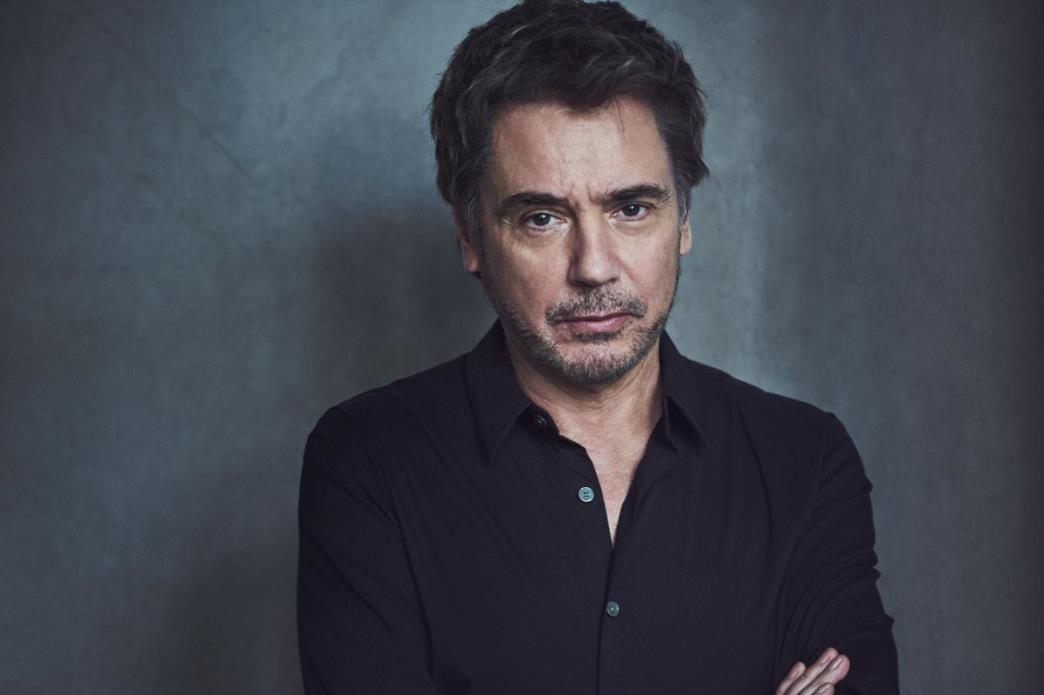
Globe Trotter: The Legacy Of JEAN-MICHEL JARRE

Photo by Peter Lindbergh

With his synthesized symphonies and live extravaganzas, Jean-Michel Jarre has helped popularise electronic music.

Widely acknowledged as one of the godfathers of electronic music, ‘Machines: A History of Electronic Music’ is a new book that sees him present a definitive illustrated history of electronic sound. It will feature detailed descriptions of more than 80 instruments to illustrate shifts in electronic sound over the years with contributions from the likes of Hans Zimmer, Gary Numan, Vince Clarke, Pete Townsend, Nick Rhodes, Gillian Gilbert, Johnny Marr, Nicolas Godin and Armin van Buuren among others.

“This book is a journey through these machines” he said, “those I acquired, those I tamed, those I imagined, and those that shaped my musical language – and which together tell one possible story of today’s music… and like a gold prospector, my obsession is to extract a few nuggets from them.”

Born 24th August 1948 in Lyon, Jean-Michel Jarre was the son of the Oscar-winning composer Maurice Jarre, whose iconic works included ‘Lawrence of Arabia’, ‘Doctor Zhivago’ and ‘Grand Prix’. Although his father left the family home when he was 5 years old, his maternal grandfather was to prove highly influential in his musical development. While he studied classical piano, his mother would take him to jazz clubs where he became aware of how music could be “descriptive, without lyrics”; like any inquisitive teenager, he began to experiment.

While having addition lessons with Jeannine Rueff of the Conservatoire de Paris during his studies, he began to use tape loops, radios and other electronic devices. He was introduced to the Moog Modular in 1969 while working with the Groupe De Recherches Musicales led by musique concrète trailblazer Pierre Schaeffer and his apprenticeship was completed at the studio of the influential German composer Karlheinz Stockhausen in Cologne. These experiences were to prove key to Jarre’s future musical direction. He made his first synth purchases, the EMS VCS 3 and EMS Synthi AKS, which the two most affordable instruments on the European market at that time.

His first solo single was ’La Cage’, an avant-garde mixture of harmony, tape effects, and synthesizers, while his first solo album ‘Deserted Palace, emerged in 1972. But it was while working as a jobbing musician on television soundtracks, adverts and ballet commissions that Jarre was to discover his forte and sound. Among those he worked with were French pop icon Christophe, Yé-yé girl Françoise Hardy and disco star Patrick Juvet.

The young musician recorded a cover version of Gershon Kingsley’s ‘Popcorn’ under the moniker of THE POPCORN ORCHESTRA in 1973. It was a fairly faithful rendition but was to prove inspiring, as when working on his first electronic album proper in 1976, Jarre adapted a melodic phrase from ‘Popcorn’. It was to become the main theme of what was to become the lead single to his breakthrough album ‘Oxygène’. With its brutal skull artwork by Michel Granger, ‘Oxygène’ was a glorious six part work themed around the environmental plight of planet earth with segues to link its surrealistic chapters.

The highlight of side one, ‘Oxygène Part II’ was a perfectly progressive terrestrial romp with pulsing sequences, Eminent strings, Mellotron choir and AKS waves, all set to a swung Keio Minipops backbeat; this elegant masterpiece found itself a regular home as the soundtrack to television documentaries on the universe. The dramatic ‘Oxygène Part III’ would later be borrowed by DAFT PUNK for the ‘Tron Legacy’ soundtrack while on side two, ‘Oxygène Part V’ channelled Terry Riley’s ‘A Rainbow In Curved Air’ before ‘Oxygène Part VI’ brought a hearty combination of pop melodies, windswept moods and snaky mechanical rhythms to conclude an accessible benchmark in electronic music.

But when Jarre took ‘Oxygène’ to the record labels, he was rejected. However Francis Dreyfus, head of Disques Motors, saw potential in Jarre. Although he ran what was primarily a jazz label, Dreyfus gave ‘Oxygène’ a low key limited release of 50,000 copies at the end of 1976. The album was a domestic success that led to it being licensed to the rest of the world. With ‘Oxygène Part IV’ becoming a huge international hit single, Jean-Michel Jarre became a household name with his film star looks certainly not a hindrance.

Following up a monster international hit record was never going to be easy, but 1978 brought ‘Equinoxe’. While the lead single ‘Equinoxe Part V’ was not a hit on the level of its predecessor, it was a fine trailer than led to those who loved ‘Oxygene’ to wait for the album; it successfully cemented the French Maestro’s position as one of the world’s leading electronic pioneers.

‘Equinoxe’ was conceived as representing a day in a person’s life. As well as expanded multitrack recording, the record benefitted from the use of the customised Matrisequencer 250 designed by sound engineer Michel Geiss. The album’s eight parts were rich in melody and rhythm. The absolute highlight came with ‘Equinoxe Part IV’. With layers of pulsing Matrisequences driven by the custom-made Geiss Rhythmicomputer, the track has often been remembered for what appeared to be synthetic alarm clocks bridging the chilling Eminent string machine and a fabulously brassy chorus melody as blocks of neo-gothic grandeur punctuated its closing phase.

Meanwhile, ‘Equinoxe Part VII’ provided a mesmeric symphony before the closedown with a band in the rain and the slowed-down ‘Equinoxe Part V’ variation ‘Equinoxe Part VIII’. Although ‘Equinoxe’ did not quite match the sales heights of ‘Oxygène’, it confirmed Jarre was not a one-hit wonder.

In 1979 to celebrate Bastille Day, Jean-Michel Jarre presented the first of his huge pyrotechnic-assisted extravaganzas at the Place De La Concorde. It raised the bar in outdoor live presentations as a million people attended this concert to merit inclusion in the Guinness Book of Records.

‘Oxygène’ and ‘Equinoxe’ had achieved global sales of around 6 million and when 1981’s ‘Les Chants Magnétiques’ aka ‘Magnetic Fields’ was released, Jarre rounded off his imperial trilogy. While not quite as consistent as its two predecessors, ‘Magnetic Fields’ had its brilliant moments to herald Jean-Michel Jarre’s entry into the digital age.

Incorporating the Fairlight CMI to create the “sound of mountain” and many other musique concrète ideas directly into his rhythmic structures, water splashing and hydraulic train doors were injected into the mix. Featuring the klanky Korg Rhythm KR55, as exemplified by the single ‘Magnetic Fields Part II’, this was a much more percussive album than either ‘Oxygène’ or ‘Equinoxe’ had been.

‘Magnetic Fields Part I’ was a three part suite that possessed a urgent energy while the pulsing ‘Magnetic Fields Part IV’ was a direct musical cousin of the more immediate moments from its predecessors. But at the end of ‘Magnetic Fields’, Jarre’s eccentricities were on display with ‘The Last Rumba’, a fun “home organ” instrumental that did exactly what it said on the tin although its lightness was incongruous with the metallic, avant-garde textures could be heard on the rest of the record.

As Jarre’s studio sound expanded, so too did his geographic footprint. Becoming the first Western rock musician invited to play live in Communist China, the five live performances in Beijing and Shanghai to an audience of around 120,000 people included the debut of the Laser Harp. Jarre also composed new material for the occasion with highlights including the dramatic ‘Arpegiator’ and catchy ‘Orient Express’.

But one particular track stood out, a traditional rearrangement with The Peking Conservatoire Symphony Orchestra, retitled ‘Fishing Junks At Sunset’. This beautifully paired centuries-old traditional instrumentation alongside the Fairlight CMI to provide a wondrous, ambient travelogue capturing a nation opening its heart to the world. The highlights of the historic sojourn became the 1982 live document ‘The Concerts In China’ with a new elegiac studio track ‘Souvenir Of China’ added while there was also a full-length documentary directed by Andrew Piddington.

With his profile at a high thanks to his China visit, a compilation ‘The Essential Jean-Michel Jarre’ was released and aimed at the more casual cautious listener. It however highlighted that his synthesizer symphonies were not suited to sub-three minute edits. While it sold well, Jarre grew increasingly cynical regarding the commercial forces dominating the music industry and staged his own unique protest against the “silly industrialisation of music” with ‘Music For Supermarkets’ in 1983.

Created as incidental music for the ‘Supermarché’ art exhibition, the album was pressed as a limited edition of exactly one copy before being auctioned off as an art piece in Paris for 70,000 Francs with the master tapes destroyed in the presence of a bailiff. Jarre allowed Radio Luxembourg to broadcast the album uninterrupted on a single occasion with him actively encouraging fans to “tape it”. However, the broadcast was on the AM band in mono so the resultant bootlegs were notoriously poor. But fragments of ‘Music For Supermarkets’ survived and a key movement morphed into the track ‘Blah Blah Café’ for his next artistic adventure.

1984’s ‘Zoolook’ utilised a vocal palette sampled from 25 spoken languages. While THE ART OF NOISE may have pioneered using the capabilities of the Fairlight CMI as an independent instrument, Jarre pushed the technology into deeper emotional territory.

The album’s crowning achievement was the stunning 11 minute opener ‘Ethnicolour’. The multilingual voices provided some dramatic Fourth World overtones before exploding into a blast of ethno-funk. Driven by the syncopation of bassist Marcus Miller and drummer Yogi Horton over an overdriven LinnDrum program while decorated with the surreal guitar textures of Adrian Belew, Jarre’s first real band-formatted experiment was an innovative triumph.

Meanwhile, fascinated by Jarre’s ideas of imaginary languages through sampling, Laurie Anderson provided glossolalia for the ethnically flavoured ‘Diva’, the second part of which had seen seeded on ‘Music For Supermarkets’ for the first of what would be three collaborations over the coming years.

1986’s ‘Rendez-Vous’ seemed explicitly designed for the skyline scale of outdoor mega-concerts that Jarre had first attempted in 1979. Less dependent on the Fairlight domination of ‘Zoolook’ with the Elka Syntex analog polyphonic and Seiko DS-250 digital additive synth among Jarre’s new toys, while there were highlights in the anthemic ‘Fourth Rendez-Vous’ and the Wendy Carlos-inspired gothic splendour of ‘Second Rendez-Vous’ where the old Eminent made an appearance, the most poignant composition in Jarre’s entire catalogue came with ‘Ron’s Piece’. Also known as ‘Last Rendez-Vous’, it had been written for astronaut and saxophonist Ron McNair to perform and record aboard the space shuttle Challenger as part of NASA’s 30th Anniversary celebrations.

Tragically, the Challenger disaster prevented this historic moment from occurring. The subsequent massive outdoor show in Houston went ahead under an emotional cloud, with Grammy-winning musician Kirk Whalum performing Ron McNair’s part on stage as a moving tribute. On the ‘Rendez-Vous’ LP itself, the haunting lines were played by French jazz veteran Pierre Gossez.

The ‘Rendez-Vous’ period also produced a fascinating curio in ‘Moon Machine’, a B-side to the ‘Fourth Rendez-Vous’ 12-inch single. Leaning into percussive industrial overtones rather than obvious melodic hooks, the track earned a dedicated cult following in underground club circles, championed by taste-making DJs like journalist John McCready.

However with bigger stadium extravaganzas came creative declines as the spectacle was beginning to swallow the music. Cracks in the artistic foundations began to show with 1988’s heavily Roland D50 driven ‘Revolutions. Perhaps one of the least satisfying of Jarre’s full-length studio adventures, the record’s solitary saving grace was ‘London Kid’ which featured the processed guitar twang of THE SHADOWS’ Hank Marvin.

The release of ‘Revolutions’ coincided with the chaotic and very wet Destination Docklands live shows in London; it would prove to be Jean-Michel Jarre’s biggest folly although his hands had been tied from the start. Larger than any music spectacle that had been seen in the UK previously, the show was intended to illustrate history of the area and would publicise its planned regeneration. Originally a one-off event in September 1988, it was to feature fireworks and searchlights while entire buildings for would be used for giant projections. There was also to be a floating stage which Jarre called his “battleship”.

However, Jarre was in a constant battle with Newham Council and the London Fire Brigade over logistical and safety concerns which led to the concert (due to have 200,000 paying attendees) being refused a licence just weeks before it was due to take place. In the end, a compromise was reached with the single event split into two smaller concerts in October to spread the crowds while the show was scaled back. With heavy rain across both nights, the crowds who watched from what is now the location of the ExCeL Exhibition Centre were soaked while Jarre’s “battleship” was not permitted to leave dock. Meanwhile, a further Health and Safety inspection decreed that all the instruments were turned off so both concerts ended up being mimed.

1990 saw the release of ‘Waiting For Cousteau’, a dedicated tribute to French oceanographer Jacques Cousteau. The album was something of a structural mixed bag, split between a 3 part Caribbean-flavoured romp named after Cousteau’s ship ‘Calypso’ and its nautical title track. Clocking in at 20 minutes on vinyl but stretching to a full 40 minutes on the CD version, the extended ambience baffled casual fans who cruelly dubbed it “Waiting For Music”. In reality, it was a masterful ambient excursion in the finest Brian Eno tradition. Stripped entirely of rhythmic elements, its long synth sweeps and echoing piano notes provided an incredibly satisfying, deep-listening experience that remains Jarre’s most underrated work.

With the mixed responses to both ‘Revolutions’ and ‘Waiting For Cousteau’, a new compilation ‘Images’ came in 1991 featuring the B-side ‘Moon Machine’, 4 re-recordings and 2 previously unreleased compositions ‘Eldorado’ and ‘Globe Trotter’. Written for the cancelled Teotihuacan solar eclipse concert scheduled for that July, ‘Globe Trotter’ was a rapid fire sequencer-led excursion that embodied the accelerated nature of Jarre’s worldwide fame through his live extravaganzas; even if the wider public didn’t know his music, they knew his name and what he did.

The advent of the new decade had seen electronic music move from the concert halls to the raves and Jarre felt compelled to respond. 1993’s ‘Chronologie’ was his overt flirtation with techno culture, with attempts to sit his ARP 2600 and Minimoog next to the digital workstations of the era such as the Roland JD-800 and Kurzweil K2000.

The results were mixed, frequently sounding in places like an awkward imitation of UK acts like 808 STATE, complete with turntable scratching. While the single ‘Chronologie Part 4’ caught a few glimpses of past glories, it was ‘Chronologie Part 6’ that truly worked. Recalling the rhythmic urgency of ‘Equinoxe Part 4’, it delivered an effective blend of pulsing hooks, layered string machines and unexpected Gallic accordion counterpoints.

Realising that his core audience were missing the warmth of his pioneering analog aesthetic, Jarre delivered ‘Oxygène 7-13’ in 1997 as a direct sequel to his landmark breakthrough. Bringing his vintage gear out of storage including the VCS 3 and Synthi AKS, Jarre thrived under the self-imposed limitations of the hardware but using modern digital recording. Sonically familiar yet different, the material possessed far more soul than the sterile patches of digitalisation than had featured in Jarre’s more recent work.

The brilliant opening track ‘Oxygène 7’ brilliantly married the subtle 6/8 Minipops rhythmic drive of the original ‘Oxygène Part IV’ with the melodic spectres of Vangelis’ iconic ‘Blade Runner’ closing theme. Meanwhile, ‘Oxygène 8’ cemented Jarre’s link with trance music as his spacey analog textures sat fully at home with modern dance rhythms.

The era also saw Jarre embracing the remix culture that he had helped spawn. For the 1998 World Cup held in France, ‘Fourth Rendez-Vous’ was completely overhauled by APOLLO 440. Re-titled ‘Rendez-Vous ‘98’, the track became the signature tune for ITV’s coverage in the UK, successfully blending Jarre’s classic fanfare with breakbeats that appealed to fans of THE CHEMICAL BROTHERS and UNDERWORLD.

The turn of the millennium saw Jarre redefine his approach and 2000’s ‘Metamorphoses’ was widely promoted as Jarre’s first true vocal record. Featuring guest spots from the likes of Natacha Atlas on the alluring Eastern flavoured ‘C’est La Vie’ and a duet with Laurie Anderson on the moody ‘Je Me Souviens’, the standout track was ‘Hey Gagarin’, a propulsive tribute to the first man in space.

Featuring Jarre’s whispering voice, it contrasted against heavily processed vocal treatments as the track lifted off and orbited beautifully over an electro-disco throb reminiscent of Giorgio Moroder. The ‘Metamorphoses’ album was perhaps a bit too long but as his most ambitious body of work to date with many artistic diversions, it highlighted that Jarre had a path mapped out for making music in the 21st Century.

But after the ‘Interior Music’ installation commission for Danish premium hi-fi manufacturer Bang & Olufsen, strange things happened as Jarre then embarked on a jazz odyssey! Released in 2002, ‘Sessions 2000’ contained six tracks named after the days they were composed with collaborator Francis Rimbert. It later transpired that this ploddy new direction turned out to be a way of Jarre fulfilling the remaining part his contract as quickly as possible with long time label boss Francis Dreyfus who he had a personal and legal falling out with in 2001

After the forgettable noodlings of ‘Sessions 2000’, ‘Geometry Of Love’ in 2003 was an improvement. Commissioned by club entrepreneur Jean-Roch as lounge music for the exclusive ‘VIP Room’ nightclub in Paris, it leaned into a downtempo chill-out aesthetic and initially came out in as a limited physical release in France. But something of an outlier, ‘Geometry Of Love Part 1’ was shaped by a stuttering, atmospheric beat and sounded like a PET SHOP BOYS instrumental.

2004 saw the release of yet another compilation ‘Aero’ which was designed primarily to showcase Jarre’s greatest hits remixed in 5.1 surround sound for DVD-Audio. There were several new tracks, most notably the floaty ‘Aerology’; embellished by a delicate cascading piano motif, the piece clearly showed the influence of classic Italian dream trance exponent Robert Miles, an artist who had himself borrowed heavily from Jarre’s blueprint.

Falling under the spell of the period’s popular dance acts like ATB, 2007’s ‘Téo & Téa’ polarised fans. While it successfully utilised modern hardware like the Minimoog Voyager and Access Virus Polar, its aggressive Euro-trance style completely baffled long-term purists. While it proved Jarre was determined not to stand still, but club-ready workouts of ‘Téo & Téa’ lacked the compositional distinctiveness of his finest works.

Those who were still holding out for a vintage analog return got what they wanted in 2007 when Jarre revisited ‘Oxygène’ again; with the assistance of Francis Rimbert, Claude Samard and Dominique Perrier, he performed the entire album live in a studio in Belgium, without tape or hard disk playback. Including three additional transition pieces, the event was issued as a DVD titled ‘Live in Your Living Room’ and supported by concerts at Paris’ Théâtre Marigny and London’s Royal Albert Hall.

Another retrospective pause arrived with 2011’s ‘Essentials & Rarities’ anthology, which finally brought Jarre’s rarer work prior to ‘Oxygène’ work like ‘La Cage’ and its B-side ‘Erosmachine’ into the digital era while also receiving makeovers. Best known for his aggressive club banger ‘Le Rock 01’, VITALIC’s high-octane reworking of ‘La Cage’ united two entirely different generations of French electronic music to affirm Jarre’s wider influence. A few years later, a budget compilation ‘Essential Recollection’ collected his most immediate moments with sympathetic fades that captured the essence of his electronic wizardry. It acted as a prelude to the release of Jarre’s first new work since ‘Téo & Téa’.

During the 8 year break from issuing new studio albums, Jarre had embarked on one of the most ambitious undertakings in electronic music history. The ‘Electronica’ project was driven by Jarre’s desire to examine the shared DNA of electronic sub-genres across generations. He spent 5 years travelling the globe to compose and record in the same room as his collaborators, totally rejecting the detached option of trading files over the internet that now characterised musical collaboration. It resulted in two substantial volumes, both of traditional double album length.

Released in 2015, the climactic opening salvo of ‘Electronica 1: The Time Machine’ was the title track in collaboration with BOYZ NOISE aka Berlin DJ Alexander Ridha. But a major highlight was ‘Automatic’, a double-headed collaboration with Vince Clarke who described the Frenchman as “the most famous person I have ever met”; the 2 part track beautifully balanced both their programmed melodic signatures. Meanwhile the tuneful trance of ‘Stardust’ with DJ Armin Van Buuren, Jarre provided a “glowstick” moment and beamed listeners into the infamous Gatecrasher club.

One of the final musical statements by Edgar Froese of TANGERINE DREAM, ‘Zero Gravity’ stood as a historic pairing while ‘A Question of Blood’ with “The Master Of Horror” John Carpenter had the drive of an unreleased sci-fi movie theme waiting to happen. But the closer ‘The Train & The River’ with classical pianist Lang Lang beautifully integrated elegant acoustic piano movements over Jarre’s trademark interlocking sequencer riffs.

As the collaborative experiment continued its journey into 2016, ‘Electronica 2: The Heart Of Noise’ proved to be even better. ‘Brick England’ with PET SHOP BOYS delivered classic mid-tempo European disco as Neil Tennant and Chris Lowe stayed firmly within their signature pop delivery, while Jarre’s pitch-bending lead synthesizers soared over the top with an anthemic intensity. Jarre then took a sharp turn into the deep moodiness of ‘These Creatures’, partnering with Julia Holter for a delicate blippy soundscape defined by her angelic vocal treatments.

Meanwhile, an unlikely friendship was forged between Jarre and Gary Numan on the superb ‘Here For You’. Entirely absent of the heavy, industrial guitar crunch that dominated Numan’s 21st-century output, the track stood as his most purely electronic work in decades. Jarre himself dryly described the stomping song as “Oscar Wilde Techno” yet it was easily the darkest, most menacing atmosphere he had ever committed to tape.

After decades of composing lengthy synth symphonies, there must have been times when Jarre must have just wanted to do a pop tune. This he managed in a quirky collaboration with Cyndi Lauper; ‘Swipe To The Right’ had big bass riffs galore for a great poptastic exploration reflecting on the use of dating apps in modern relationships.

However, things took a political detour on ‘Exit’, a frantic chase featuring a spoken-word monologue by NSA whistleblower Edward Snowden. Its tense stop-start nature with its underlying anxieties regarding personal liberty and data technology felt like a direct thematic successor to the ‘Revolutions’ title track of 1988.

Meanwhile, ‘Gisèle’ with Sebastien Tellier restored Gallic order, offering a gorgeous pop structure that sounded like Serge Gainsbourg reimagined for the electroclash generation. Despite THE ORB having had their remix of Oxygène Part 8’ that became ‘Toxygene’ rejected by Jarre in 1997, the parties reunited on ‘Switch On Leon’ with bubbly water floating under the bridge. And in the union with YELLO, ‘Why This, Why That &Why’ read the memo with Dieter Meier providing his characteristic delivery as Boris Blank and Jarre conjured up an airy blend of soothing backdrops.

Ultimately, the sheer scale of the ‘Electronica’ project meant that the results were bound to be slightly uneven on occasion. As Gary Numan fondly noted, Jarre was genuinely “one of the nicest people I’ve ever met in my entire life” and this endearing trait clearly meant he couldn’t bear to leave anyone on the cutting room floor. But at their best, a number of tracks on both volumes of ‘Electronica’ stood shoulder-to-shoulder with his finest works.

Following the massive undertakings of the collaborative years, Jarre turned his attention back towards his solo legacy, releasing sequels to his most iconic works in quick succession. To mark the exact 40th anniversary of his breakthrough, the end of 2016 brought ‘Oxygène 3’. To simulate the creative pressures of 1976, he set himself a tight 6 week recording window and limited his arrangement palette to just eight instrumental elements per track. Even though ‘Oxygène Part 17’ attempted an evolution, the results unfortunately felt underwhelming.

Stylistically related to the ‘Oxygène 8’, ‘Oxygène Part 16’ provided a brilliant high point before the looming doom of the album was illustrated at the end by the symbolic noise of a re-entry burn up. Ultimately ‘Oxygène 3’ felt like a rushed unfinished project and in comparison, was the weakest link of that trilogy.

After releasing a series of themes and incidental music for the news network France Info as ‘Radiophonie Vol. 9’ in 2017 and yet another complation ‘Planet Jarre: 50 Years of Music’ featuring previously unreleased tracks including ‘Coachella Opening’, ‘Herbalizer’ and ‘Aor Bleu’, Jarre then turned his mind to his next sequel ‘Equinoxe Infinity’. Centred conceptually around ‘The Watchers’, the mysterious binocular-clad figures present on Michel Granger’s original 1978 artwork, Jarre described the record as “Equinoxe on steroids”; the longer gestation period allowed for a far more realised body of work than ‘Oxygène 3’.

The glorious arpeggiator driven ‘Flying Totems (Movement 2)’ was rich in melody and recalled Vangelis while putting the Minipops and Eminent into action, ‘Robots Don’t Cry (Movement 3)’ was Jarre as most people love and remember him as the hypnotic 6/8 swing was offset by a wonderfully grainy Mellotron. With the first third of ‘Equinoxe Infinity’ being the most satisfying, could this material have contributed to making a better ‘Oxygène / Equinoxe’ hybrid sequel?

More recently, the understated ‘Amazônia’ which accompanied a 2021 photo exhibition by Sebastião Salgado of the same name was seen by some to be underwhelming in its audio only context. Meanwhile originally planned as a collaboration with his mentor Pierre Henry before his death in 2017, the eventual ‘Oxymore’ released in 2022 perhaps too avant-garde for some tastes in its mission to pay tribute to his hero, despite comparative highlights such as the spacey uptempo romp of ‘Sex In The Machine’ and the rumbling menace of ‘Epica’.

Since 2015, Jean-Michel Jarre has issued 6 long playing recordings of original material including a pair of double albums while KRAFTWERK have released zero. While the creative momentum might appear to have waned of late, Jean-Michel Jarre is still a big live draw with shows throughout Europe since 2025 and new material often being performed in defiance of becoming a nostalgic museum piece.

Not every single album has been an artistic triumph, but Jean Michel-Jarre has never stopped experimenting with new tools or expanding the boundaries of his electronic world. He is considered the Godfather of Trance and has been well-regarded within the dance music fraternity with figures such as Jeff Mills, Moby, 3D, Gesaffelstein and Siriusmo all agreeing to take part in his ‘Electronica’ project.  For his continuing passion alone as exemplified by his new book, the electronic music universe owes him a massive debt of gratitude.

Jean-Michel Jarre once said “Electronic music has a family, a legacy and a future…”; a form that was once seen as a novelty and a threat is now everywhere, thanks in part to the French maestro.


‘Machines: A History of Electronic Music’ by Jean-Michel Jarre is published by Thames & Hudson on 8th October 2026, further information at https://jeanmicheljarre.com/news/machines-a-history-of-electronic-music

http://jeanmicheljarre.com/

https://www.facebook.com/jeanmicheljarre

https://www.instagram.com/jeanmicheljarre/


Text by Chi Ming Lai
24th August 2026
A Beginner’s Guide To DAVE BALL

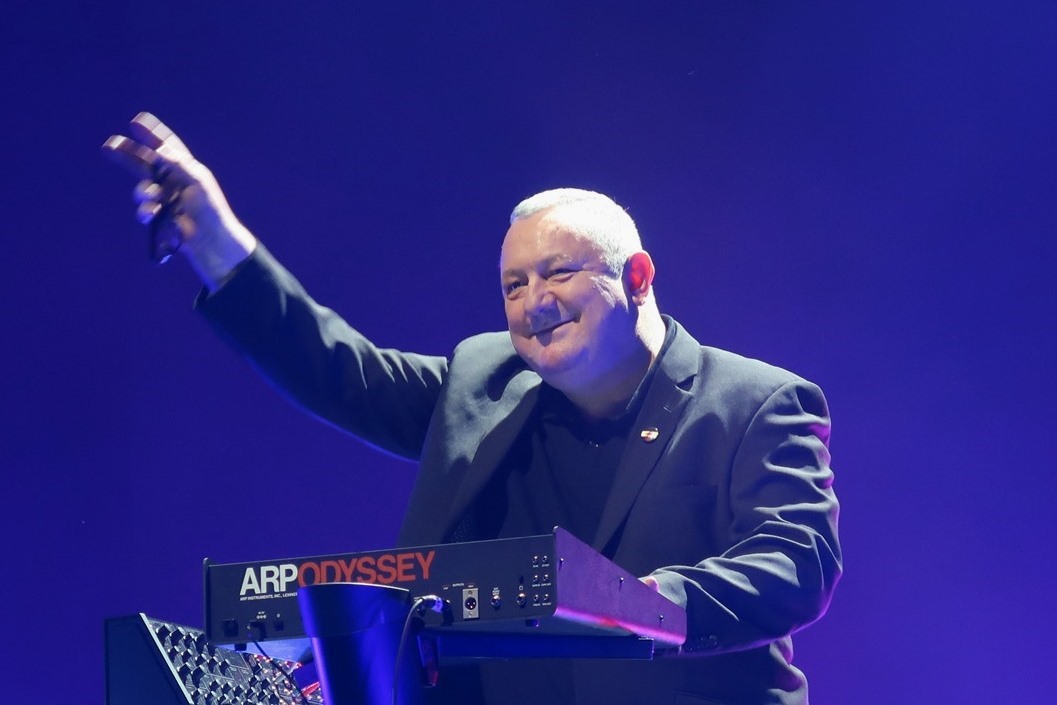
Photo by Roger Kamp

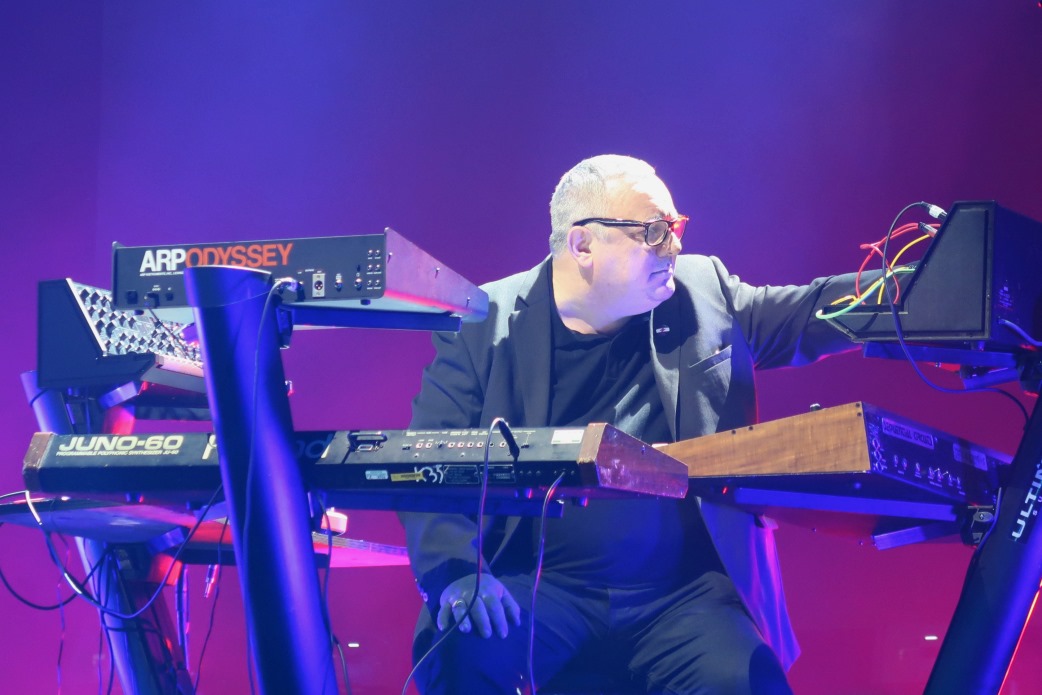
The late Dave Ball began his adventure in music with a Fender Telecaster guitar, twin stylus Stylophone and second hand Akai reel-to-reel tape recorder but when he purchased a MiniKorg 800DV duophonic synthesizer, he never looked back.

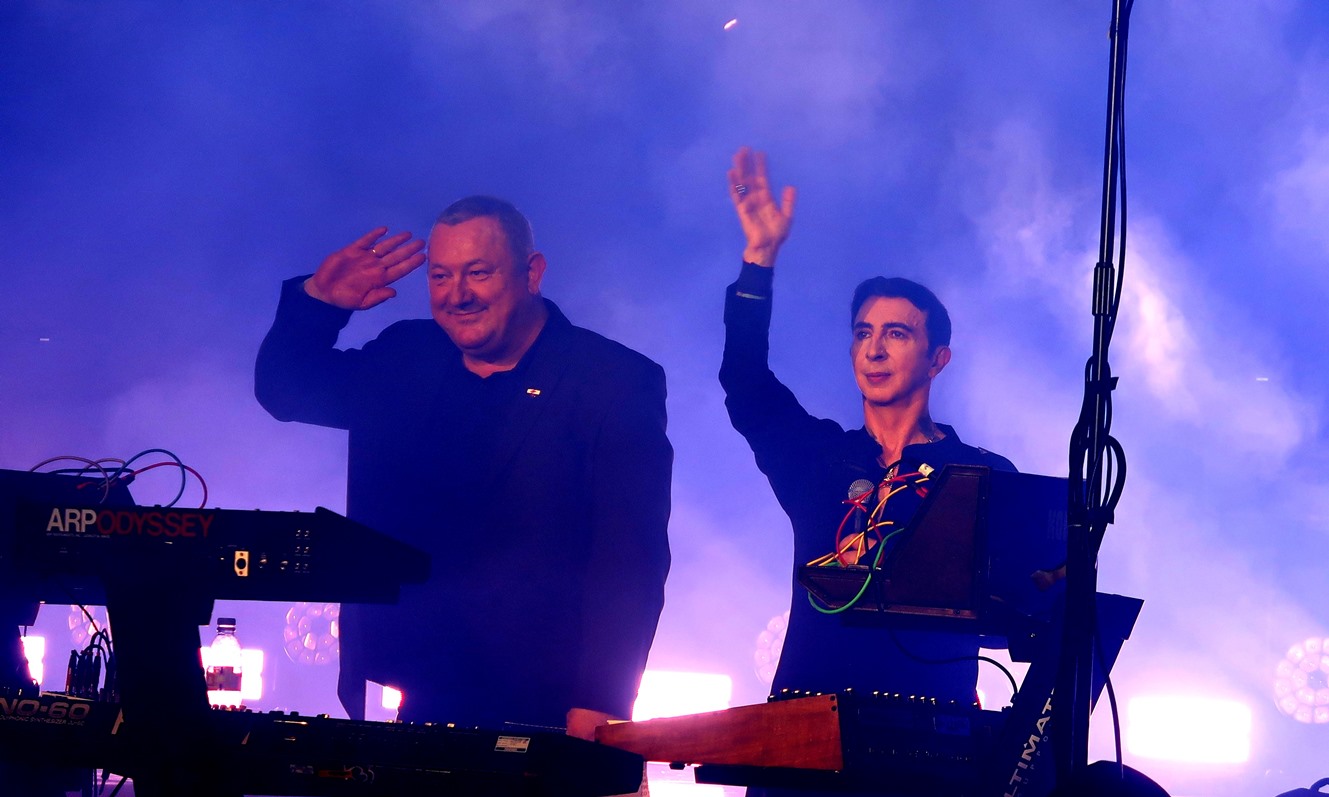
Enrolling on a Fine Art degree at Leeds Polytechnic, on his first day he asked for directions from a second year student wearing a leopard skin printed shirt and gold lame jeans; that student was Marc Almond and the pair were to make history as SOFT CELL…

Managed by Stevo Pearce who had included them on his ‘Some Bizzare Album’ released at the start of 1981, he secured a deal for SOFT CELL with Phonogram Records; one of the first recordings for the label was ‘Memorabilia’ which was produced by Daniel Miller and would go on to become a cult club favourite. The rise of SOFT CELL to have the second biggest UK selling single of 1981 with a cover of the Northern Soul favourite ‘Tainted Love’ is more than well documented and led to an imperial phase with ‘Bedsitter’, ‘Say Hello Wave Goodbye’, ‘Torch’ and ‘What’ all becoming UK Top4 singles in little more than 12 months.

The debut SOFT CELL album ‘Non-Stop Erotic Cabaret’ produced by Mike Thorne was a triumph, but while it was the state-of-the-art NED Synclavier that dominated the aural template with the Roland TR808 providing the rhythmic backbone, it was Ball’s much more basic Roland Synthe-Bass SB100 which provided the record with a very distinct sound.

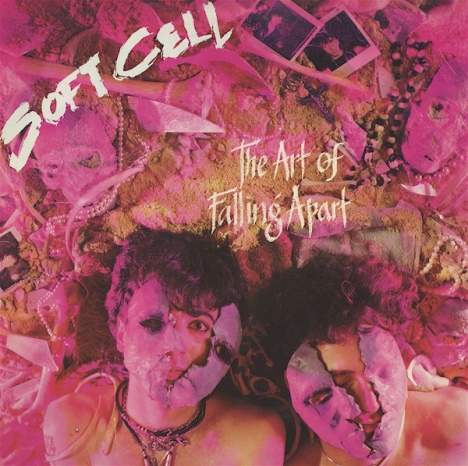
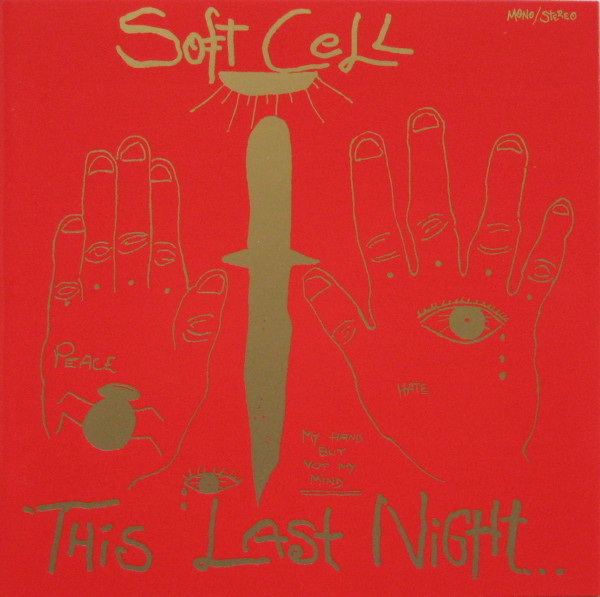
But Ball and Almond were art school boys and expressed their discomfort with being pop stars and tabloid fodder. Inevitably, the next two albums ‘The Art Of Falling Apart’ and ‘This Last Night In Sodom’ captured that implosion while Ball recorded a solo album ‘In Strict Tempo’ in between. Although SOFT CELL disbanded in 1984 with Almond going solo and Ball eventually finding solace in the burgeoning house scene, side projects had been part of SOFT CELL’s agenda from the start.

Photo by Roger Kamp

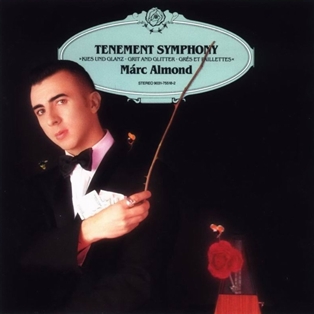
After various productions, guest appearances and aborted projects, Ball formed THE GRID with Richard Norris in 1988. While he also collaborated with Genesis P-Orridge for the ‘DECODER’ soundtrack, there was a reunion with Almond on his 1991 album ‘Tenement Symphony’ to co-write three of the album’s best songs ‘Meet Me In My Dream’, ‘I’ve Never Seen Your Face’ and ‘My Hand Over My Heart’, planting seeds for an eventual first reunion.

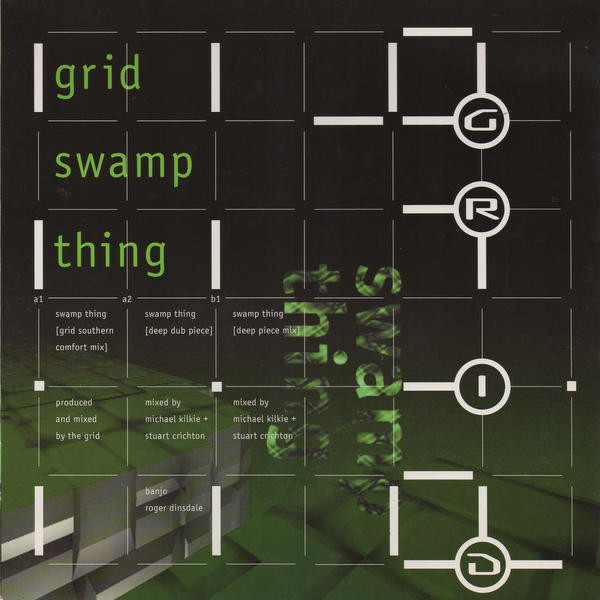
THE GRID became in-demand remixers and collaborators with remixes for PET SHOP BOYS, ERASURE and SPARKS as well as productions for Vic Reeves, Kylie Minogue and Billie Ray Martin. Further remixes would be commissioned for David Bowie, David Sylvian & Robert Fripp, Brian Eno, Neil Arthur, Boy George and Sophie B Hawkins while THE GRID themselves would have their day in the UK Top3 with ‘Swamp Thing’ in 1994.

Photo by Roger Kamp

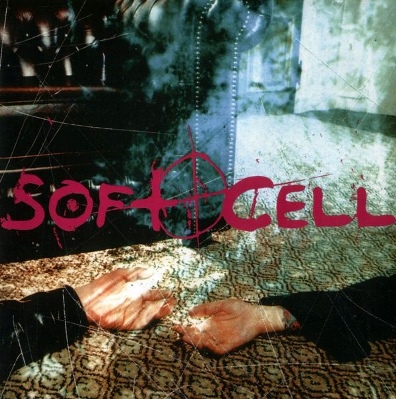
SOFT CELL officially got back together for 2002’s ‘Cruelty Without Beauty’ album but despite successfully playing festivals in Europe, an American tour did not go so well. There had been plans to do more shows and another record, but Almond had a motorcycle accident in 2004 which left him with very serious injuries.

The pair lost touch and didn’t speak for about 15 years… but the legacy of SOFT CELL kept looming and a reunion could not be resisted; a show at London’s O2 Arena took place in 2018 and if that announcement was not enough of a surprise, then a new single ‘Northern Lights’ with the B-side ‘Guilty (Cos I Say You Are’ was the cherry on top. The A-side saw Almond and Ball reminisce about their days at the Wigan Casino and recaptured the essence of their unique brand of electronic pop.

While the O2 show was billed as being “One Night, One Final Time”, the chemistry between Ball and Almond was rekindled, leading to further shows and an album ‘*Happiness Not Included’ as well as a bonus collection of outtakes and covers ‘*Happiness Now Completed’.

But Ball’s health began to take its toll and he was unable to perform at SOFT CELL shows from 2022 until he returned in Summer 2023 for a show at Hampton Court Palace, performing in a motorised wheelchair; he had joked to ELECTRICITYCLUB.CO.UK: “Once I’m on stage and I’m locked in, so long as I don’t start wheeling backwards, I’ll be fine!”

With the final SOFT CELL album ‘Danceteria’ recorded before his death in October 2025 and set to be released via Republic of Music on 25th September 2026, the legacy of Dave Ball continues with a reissue of ‘In Strict Tempo’ also on the cards.

ELECTRICITYCLUB.CO.UK looks back at 25 of his works with a restriction of one track per “album project”; there are some omissions but the aim of this Beginner’s Guide is to not make the article too SOFT CELL heavy and show the artistic breadth of the Electronic Boy that was Dave Ball.


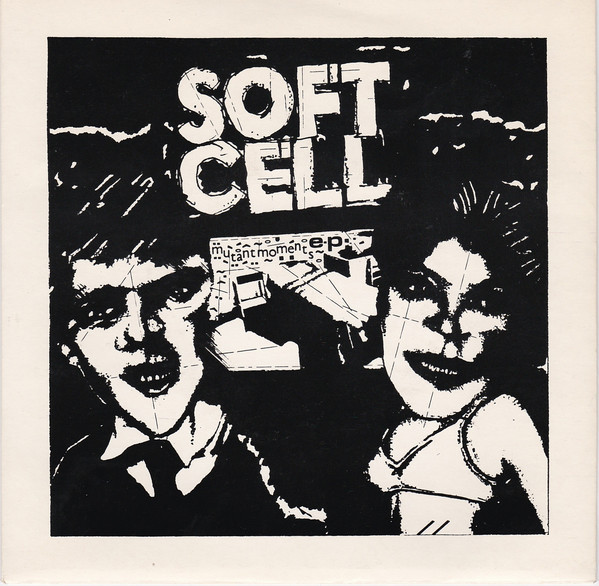
SOFT CELL Frustration (1980)

Dave Ball borrowed money from his mother to fund the first SOFT CELL EP ‘Mutant Moments’. Although it was to become a ‘Non Stop Erotic Cabaret’ highlight, the original version of ‘Frustration’ was recorded on 2 track and akin to the unsettling demeanour of THROBBING GRISTLE. The lyrics were mostly written by Ball about his own father and at the end, he took a creepy vocal turn to announce “I’M AN ORDINARY BLOKE”!

Available on the SOFT CELL boxed set ‘Keychains & Snowstorms’ via Universal Music

https://www.softcell.co.uk/


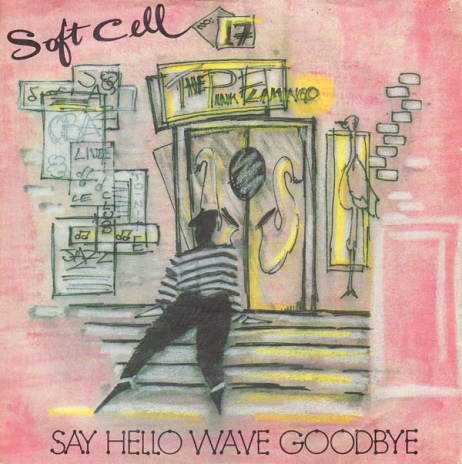
SOFT CELL Say Hello Wave Goodbye (1981)

SOFT CELL’s fine debut album was finished and mixed in the more liberal setting of New York. It captured the edginess of minimal synth arrangements while married to an actual tune, as opposed to the monotone dirges of their more unorthodox contemporaries. With a magnificent arrangement by Ball that allowed Almond to indulge in his Scott Walker aspirations, ‘Say Hello, Wave Goodbye’ is possibly SOFT CELL’s crowning achievement.

Available on the SOFT CELL album ‘Non-Stop Erotic Cabaret’ via Phonogram Records

https://www.facebook.com/softcell


VICIOUS PINK PHENOMENA My Private Tokyo (1982)

Josephine Warden and Brian Moss as VICIOUS PINK PHENOMENA were backing singers for SOFT CELL and featured prominently on ‘Non Stop Erotic Cabaret’. Ball produced their metronomic debut single ‘My Private Tokyo’ which played with many of the Far Eastern lyrical clichés of the time. The duo would shorten their name and go on to release their best single ‘Cccan’t You See’ produced by Tony Mansfield of NEW MUZIK in 1984.

Available on the VICIOUS PINK album ‘West View’ via Minimal Wave

https://www.instagram.com/vicious.pink.music/


SOFT CELL Baby Doll (1983)

A favourite SOFT CELL track of Dave Ball, ‘Baby Doll’ was a grim observation in the life of a stripper. With gothic choir samples and foreboding rhythms, the grittier art school aesthetic was coming into play after a period of pop stardom that did not suit Ball and particularly Almond. There was no option but for the duo to hit self-destruct as they fought with producer Mike Thorne who was now being viewed as a controller and spy for Phonogram.

Available on the SOFT CELL album ‘The Art Of Falling Apart’ via Mercury Records

https://www.instagram.com/softcellhq/


CABARET VOLTAIRE Crackdown (1983)

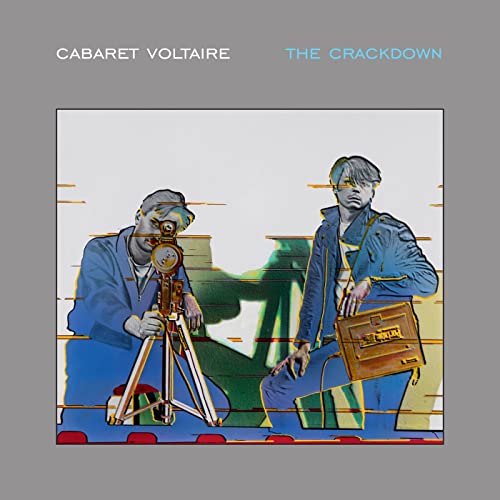
With keyboards and rhythm assistance by Dave Ball, this signature CABARET VOLTAIRE track came from ‘The Crackdown’, Stephen Mallinder and Richard H Kirk’s first full-length album since the departure of Chris Watson. Issued through Some Bizzare and Virgin, it was produced by the duo and Flood where the Cabs’ earlier experimental sound was applied to accessible electronic club templates, combining funk with menace.

Available on the CABARET VOLTAIRE album ‘The Crackdown’ via Mute Artists

https://www.facebook.com/CabaretVoltaireOfficial


DAVE BALL featuring GAVIN FRIDAY Strict Tempo (1983)

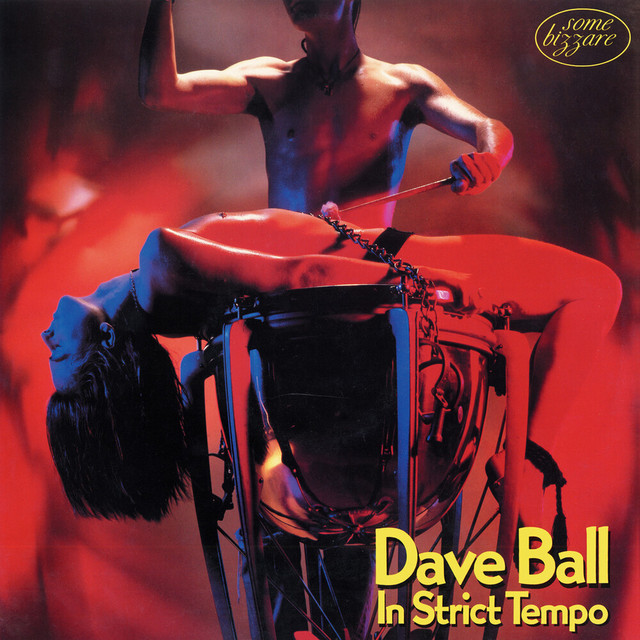
Described by the man himself as “ill-conceived”, Dave Ball’s only solo album ‘In Strict Tempo’ featured Genesis P Orridge of THROBBING GRISTLE as well as his own while Gary Barnacle played sax and Virginia Astley played flute. But the album’s snarling percussive standout was the “title song” featuring Gavin Friday from VIRGIN PRUNES. Ball would go on to produce the final VIRGIN PRUNES album ‘The Moon Looked Down & Laughed’.

Originally on the DAVE BALL album ‘In Strict Tempo’ via Some Bizzare, currently unavailable

https://www.facebook.com/daveballofficial


SOFT CELL Mr Self Destruct (1984)

If ‘The Art Of Falling Apart’ was SOFT CELL’s difficult second long player, ‘This Last Night In Sodom’ was an even more challenging proposition. Despite having bought a PPG Wave 2.2, Ball applied a lot more Hammond B3 organ to add a more raucous rock edge to the SOFT CELL sound, particularly on the Jack Hammer cover ‘Down In The Subway’ and the self-explanatory ‘Mr Self Destruct’ which highlighted Marc Almond’s state of mind at the time.

Available on the SOFT CELL album ‘This Last Night In Sodom’ via Phonogram Records

https://youtube.com/@softcell


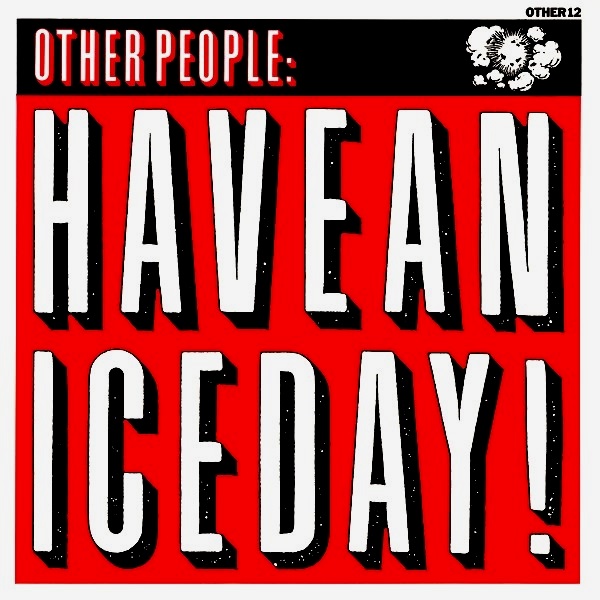
OTHER PEOPLE Have A Nice Day (1984)

‘Have A Nice Day’ was a curio in the industrial pop vein that saw Dave Ball work with his then-wife Gini on vocals repeating the title. The metallic electronic backdrop was offset by Andy Astle on guitar as the bassline chugged and claustrophobic voice samples lingered. Released on Arcadia Records who also issued the PSYCHIC TV cassette ‘Mouth Of The Night’ in 1985, this single was to be a one-off for OTHER PEOPLE.

Originally released as the single OTHER PEOPLE ‘Have A Nice Day’ via Arcadia Records, currently unavailable

https://www.discogs.com/artist/65297-Other-People


PSYCHIC TV Money For E… – DAVE BALL Remix (1990)

Subtitled the “Ravemaster Mixes”, ‘Beyond Thee Infinite Beat’ was a remix companion piece to the PSYCHIC TV album ‘Towards Thee Infinite Beat’ which saw Genesis P-Orridge explicitly explore the squelchy minimalism of acid house with “A Supply Of Two Tablets Of Acid” post-THROBBING GRISTLE. Dave Ball’s incessant remix made the bassline beefier while adding icier synth lines for full spacey effect.

Available on the PSYCHIC TV album ‘Origin Of The Species’ via Invisible Records

https://www.genesisporridge.com/


THE GRID Floatation (1990)

“I was pleased when it was recognised as an Ibiza chill out classic” said Dave Ball said to ELECTICITYCLUB.CO.UK of ‘Floatation’ in 2016. The idea was for a slower record to play on a beach in the open air like the closing theme of a film. Taking cues from John Barry, while the original album mix sounded KRAFTWERK, the more familiar Andrew Weatherall remix took out the rigidity and added vocals from Sasha for some simmering relaxation.

Available on THE GRID album ‘Electric Head’ via Cherry Red


https://www.facebook.com/thegriduk


MARC ALMOND Meet Me In My Dream (1991)

While Marc Almond’s ‘Tenement Symphony’ album is best remembered for Trevor Horn produced covers ‘Jacky’ and ‘The Days Of Pearly Spencer’, it also hosted his first creative reunion with Dave Ball. Both co-writing with Richard Norris, ‘Meet Me In My Dream’ was a classic SOFT CELL song in all but name, complete with soprano sax solo, it was a reminder of the undeniable magic that Ball and Almond together possessed.

Available on the MARC ALMOND album ‘Tenement Symphony’ via WEA Records

https://www.marcalmond.co.uk/


PET SHOP BOYS DJ Culturemix (1991)

‘DJ Culture’ was a MASSIVE ATTACK influenced single by PET SHOP BOYS in a statement as a statement on the first Gulf War reflecting on how US George HW Bush’s speeches utilised Winston Churchill’s wartime rhetoric in a manner similar to DJs sampling. . For a separately released remix by THE GRID, Ball and Norris added more Latin style percussion to the BROTHERS IN RHYTHM produced track while keeping the song itself intact.

Originally released on the PET SHOP BOYS single ‘DJ Culturemix’ via Parlophone, currently unavailable

http://www.petshopboys.co.uk/


VIC REEVES Abide With Me (1992)

Comedian Vic Reeves had a No1 single with a cover of ‘Dizzy’ with THE WONDER STUFF while the parent album ‘I Will Cure You’ also included a synthy version of DEEP PURPLE’s ‘Black Night’ produced by Philip Oakey. To close it, Dave Ball and Richard Norris were brought in produce a raved-up version of the FA Cup Final hymn and funeral standard ‘Abide With Me’. The joke was lost on the church who tried to get the BBC to ban it.

Available on the VIC REEVES album ‘I Will Cure You’ via Island Records

https://www.discogs.com/artist/164485-Vic-Reeves


ERASURE Am I Right? – THE GRID remix (1992)

The third single from the ERASURE album ‘Chorus’ saw a separate remix of ‘Am I Right?’ by THE GRID that highlighted Dave Ball and Richard Norris’ status as in-demand remixers. As with PET SHOP BOYS ‘DJ Culturemix’, the song remained intact while the Vince Clarke’s understated analogue backing was made much beatier and widescreen as more prominent bass sequences and synth pads were included.

Available on the deluxe ERASURE album ‘Always’ via Mute Records/BMG

https://www.erasureinfo.com/


THE GRID Swamp Thing (1994)

THE GRID’s biggest UK hit ‘Swamp Thing’ mixed banjo and old samples for a thumping slice of cowpunk techno. The five stringed instrument was played by Roger Dinsdale who Ball had spotted performing at an Irish pub in Marylebone. He laid down his own riffs over a bassline and drumbeat. Equal parts joyous and annoying, the novelty caught on in Europe with ‘Cotton Eye Joe’ by Swedish act REDNEX following not long after.

Available on THE GRID album ‘Evolver’ via Deconstruction

https://www.instagram.com/thegrid789/


BILLIE RAY MARTIN In Your Loving Arms (1994)

THE GRID’s first production to get in the UK Top 10 and into the US Billboard 100 in the US, the energetic ‘Your Loving Arms’ was written by German dance diva Billie Ray Martin with British DJ David Harrow after her band ELECTRIBE 101 split. The blissfully dramatic number was a slow burner and did not find major mainstream success until 1995; “I guess it was the song that made all the difference for me and does to this day” Billie Ray Martin said, “I am grateful.”

Available on the BILLIE RAY MARTIN album ‘Deadline For My Memories’ via Warner Music

https://www.billieraymartin.com/


SPARKS When Do I Get To Sing My Way – THE GRID Instrumental Radio Edit (1994)

Like a phoenix from the flames, SPARKS returned for yet another run of mainstream success with ‘When Do I Get To Sing My Way’ hitting the No7 spot in the German singles chart. The single came in a plethora of remixes including one by Vince Clarke. But the best was THE GRID’s instrumental radio edit which pushed the symphonic synth lines to the fore. A vocal version came out to head a 1995 UK reissue but that didn’t work as well.

Originally released on the SPARKS single ‘When Do I Get To Sing My Way’ via Logic Records, vocal version available on the expanded edition album ‘Gratuitous Sex & Senseless Violins’

https://allsparks.com/


KYLIE MINOGUE Breathe (1997)

THE GRID had gone into hiatus and Ball found a new studio partner in Ingo Vauk. While Kylie Minogue had been going through her “indie” phase working with Nick Cave and MANIC STREET PREACHERS, she found room to work with Ball and Vaux on three tracks for her ‘Impossible Princess’ album. The electronica-based ‘Breathe’ was the best known, coming in a slightly pacier radio edit over the more slow-mo album version.

Available on the KYLIE MINOGUE album ‘Step Back In Time’ via BMG

https://www.kylie.com/


SOFT CELL Le Grand Guignol (2002)

“Would you like to taste a little pain?” asked Marc Almond on ‘Le Grand Guignol’, one of the highlights from SOFT CELL’s comeback album ‘Cruelty Without Beauty’. Using a form of graphic sensationalist horror originating from a noted theatre in Paris as a cynical life metaphor, the bass throb and saxy timpanic drama that saw Ball growl alongside a cynical vocal from Almond and eerie voice samples en Français.

Available on the SOFT CELL album ‘Cruelty Without Beauty’ via Cooking Vinyl

https://www.discogs.com/artist/12196-Soft-Cell


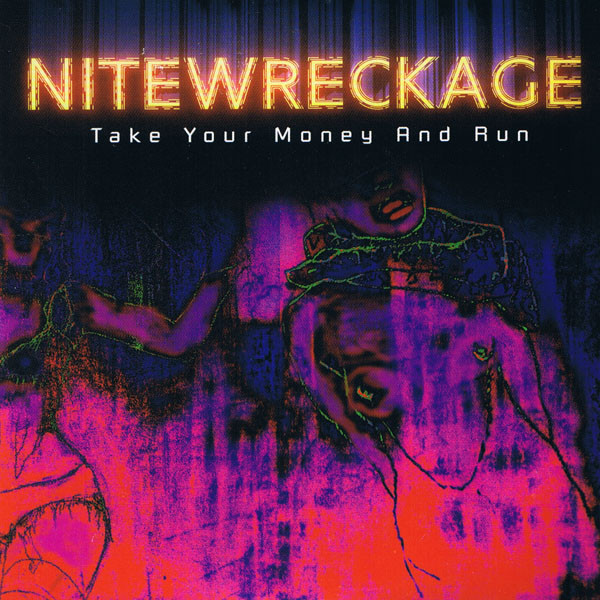
NITEWRECKAGE Solarcoaster (2011)

Comprising of Celine Hispiche on vocals, programmer Rick Mulhall, drummer Terry Neale and Ball, NITEWRECKAGE was one of the last projects that the late producer Martin Rushent worked on; “Martin was a lovely man and a total genius in the studio” said Ball in 2016. Capturing a blend of leftfield synth and gothic rock, ‘Solarcoaster’ was firmly rooted in SOFT CELL with Hispiche providing a detached Eurocentric twist.

Originally on the NITEWRECKAGE album ‘Take Your Money & Run’ via Alaska Sounds, available as the single ‘Solarcoaster’

https://www.discogs.com/artist/2445615-Nitewreckage


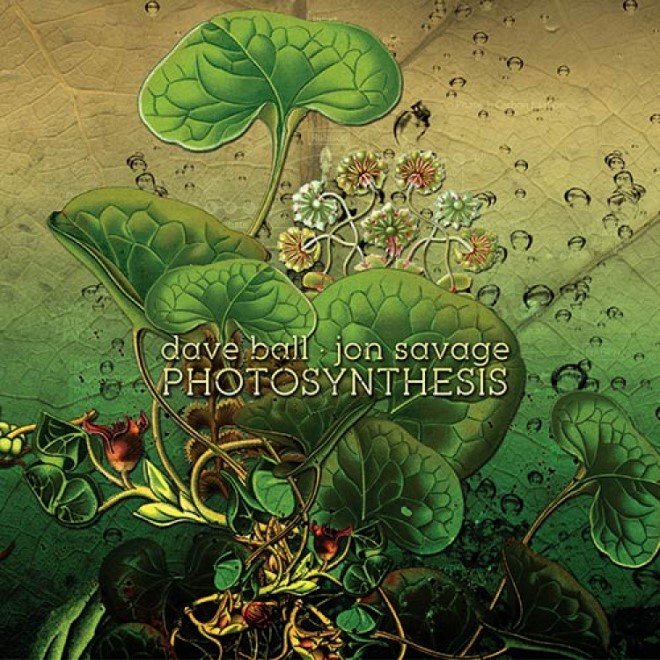
DAVE BALL & JON SAVAGE Dead Neon (2016)

Dave Ball and Jon Savage (not the journalist!) bonded over Minimoogs, Prophets 5s and a Roland Fantom X6 to compose dark ambient pieces for a one hour work inspired by organisms using sunlight to synthesise nutrients from CO2 and water, juxtaposed with the spectre of global warming and war. The haunting ‘Dead Neon’ embraced harp and oboe textures alongside deep drones to exude an avant classical tone.

Available on the DAVE BALL & JON SAVAGE album ‘Photosynthesis’ via Cold Spring

https://coldspring.co.uk/csr217cd


DAVE BALL Nighthawks (2020)

Originally a Dave Ball instrumental issued as a single that came with the boxed set of his autobiography ‘Electronic Boy’, the tense industrialised pulse of ‘Nighthawks’ recalled the sweaty alternative club overtures of one-time Some Bizzare stable mates CABARET VOLTAIRE. Listeners were treated to the deep growly voice of Mr Ball himself repeating the words “Electronic Boy” and “Nighthawks in a lonely city, Nighthawks in a lonely place”.

Originally released on the DAVE BALL album ‘1979 – 2019’ via Big Frock, SOFT CELL version available on the album ‘*Happiness Not Included’ via BMG

https://www.instagram.com/daveballelectro


THE GRID / FRIPP Leviathan (2021)

Noted for his guitar Frippertronics with Brian Eno, David Bowie and David Sylvian, Robert Fripp played on THE GRID’s 1992 album ‘456’. Norris and Ball rediscovered unreleased tapes from these sessions and were inspired to add new electronic backing and effects to create an album ‘Leviathan’ named after the mythological sea creature referenced in The Bible. The title track was a glorious nautical ambient work to savour.

Available on THE GRID / FRIPP album ‘Leviathan’ via Discipline Global Mobile / Panegyric

https://robertfripp.com/


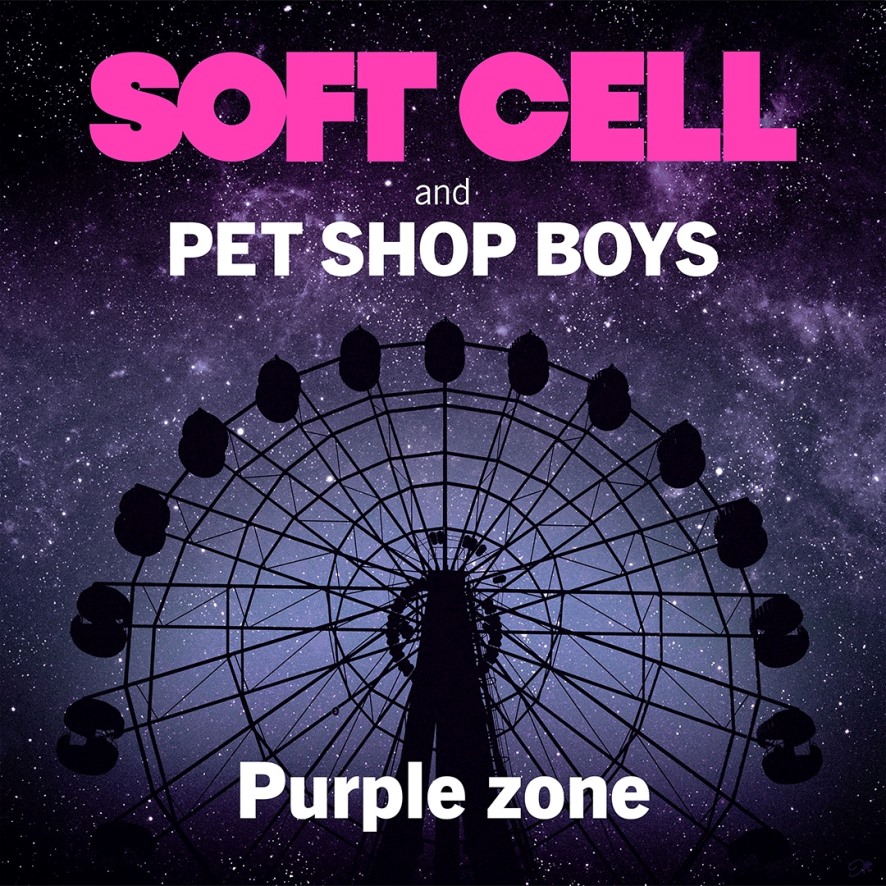
SOFT CELL & PET SHOP BOYS Purple Zone (2022)

In a union of “The Blackpool Electro Mafia” comprising Dave Ball and Chris Lowe who attended the same school while never meeting, as well as featuring the voices of both Almond and Tennant, ‘Purple Zone’ was turned into rousing uplifting Europop number with very anthemic reminiscences of PET SHOP BOYS. But without the groundwork laid by SOFT CELL, PET SHOP BOYS may not have had an open door to walk through.

Available on the SOFT CELL & PET SHOP BOYS single ‘Purple Zone’ via BMG

https://www.facebook.com/petshopboys


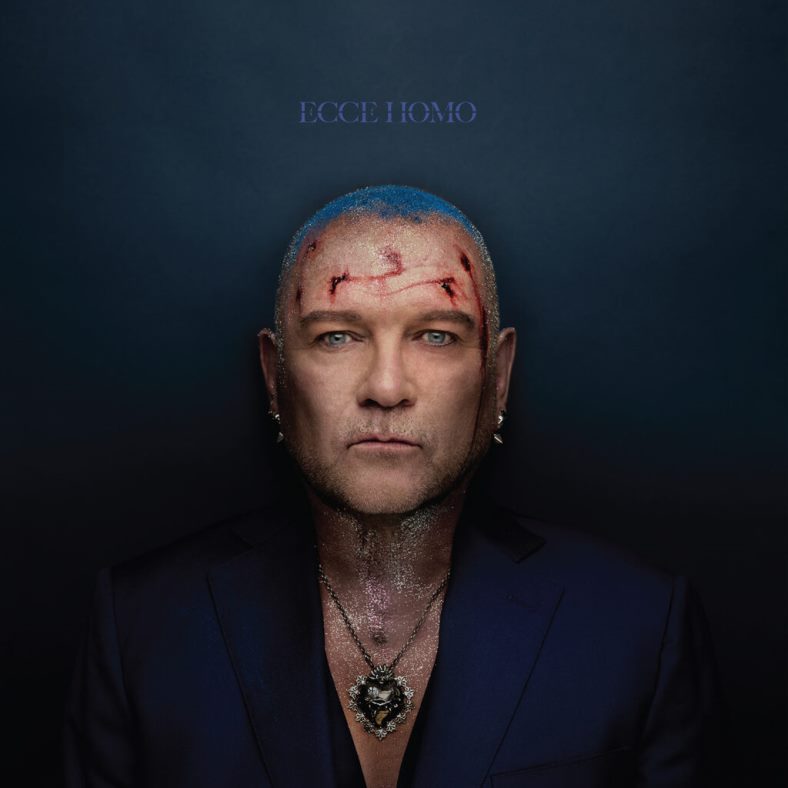
GAVIN FRIDAY Ecce Homo (2024)

With a long gestation period, the ‘Ecce Homo’ album began in earnest in 2016 after a collaboration between Gavin Friday and Ball on a version of SUICIDE’s ‘Ghost Rider’ which SOFT CELL had also covered. Combining elements of synth with post-punk, the title song itself was a wonderfully deathly slice of disco gothique that sounded like Ian McCulloch meeting SOFT CELL at Berghain given an extra chill by an opera soprano sample!

Available on the GAVIN FRIDAY album ‘Ecce Homo’ via BMG

https://www.gavinfriday.com/


In memory of Dave Ball 1959 – 2025

‘Electronic Boy: My Life In and Out of Soft Cell: The Autobiography of Dave Ball’ is published by Omnibus Press in hardback

ELECTRICITYCLUB.CO.UK has compiled a Spotify playlist ‘The Secret Life Of Dave Ball’ at https://open.spotify.com/playlist/3HO813W9cf5K8mjuLgLxrv


Text by Chi Ming Lai
9th June 2026

Obscure PET SHOP BOYS Live at Electric Ballroom

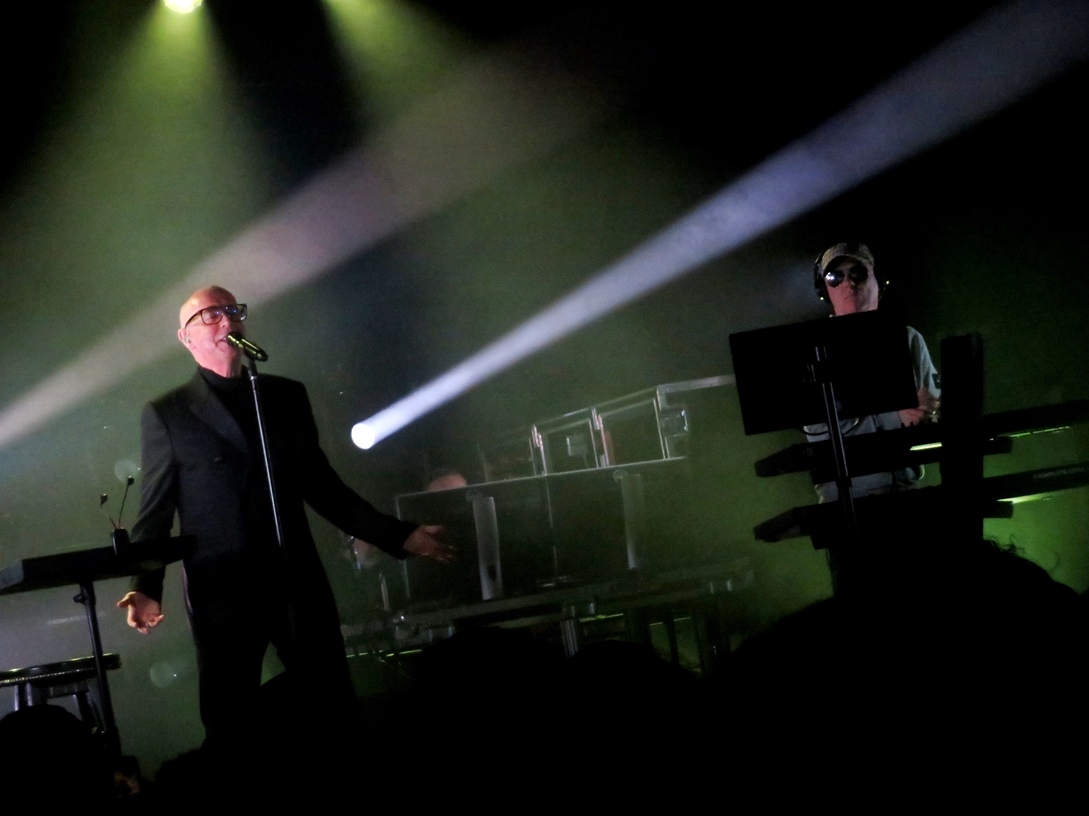
With the vocodered count of ‘Time On My Hands’ from ‘Disco 3’ acting as walk on music, the third night of the ‘Obscure’ PET SHOP BOYS’ residency at London’s Electric Ballroom began in aid of War Child.

The choice of venue in the heart of Camden was inspired by a BRONSKI BEAT miners benefit show that Neil Tennant and Chris Lowe attended in 1984; it was ‘The Year Pop Went Queer’ and a time of political polarisation, the effects of which have only worsened today.

The aim of the ‘Obscure’ shows was to provide opportunities for some of the less widely known non-single album tracks and B-sides to be aired on stage; with 35 of them programmed and rehearsed, this was manna that brought loyal fans closer to heaven from all over world, as well as fellow musicians like Blank & Jones, Jori Hulkkonen and Sarah Blackwood over the course of five nights.

Although beginning steadily with ‘Through You’, the B-side of 2024’s ‘Loneliness’, the ‘Hotspot’ was immediately hit with the album’s best number ‘Will‐o‐the‐wisp’. The mighty ‘Please’ opener ‘Two Divided by Zero’ continued the momentum before the filmic Satie-influenced ‘Jack The Lad’ with its lyrics about the Cold War double agent Kim Philby.

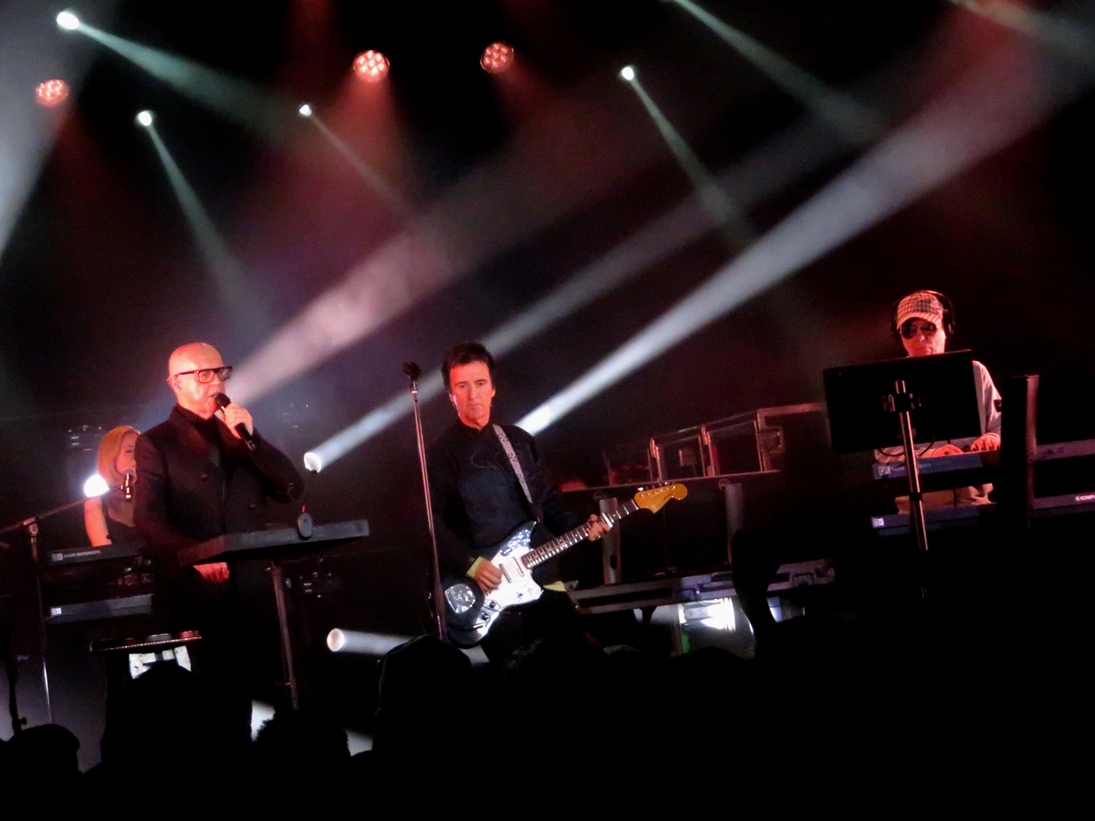
As Tennant was passed an acoustic six string by his roadie, he warned the audience there would be a second guitar! Cue Johnny Marr (whose name incidentally in French means “I am fed up”) and a rousing rendition of ‘The Truck Driver & His Mate’! Having been part of PET SHOP BOYS setlists in 1997 and 2002, the inclusion of this OASIS-influence rock out was not that surprising but the airing of THE MONKEES pastiche ‘I Didn’t Get Where I Am Today’ perhaps was. To conclude Marr’s guest spot, ‘Up Against It’ from 1996’s ‘Bilingual’ got its live debut. Even after Marr departed the stage, his spirit continued as the nouveau noir of ‘Hit & Miss’ made it four in a row with the guitars!

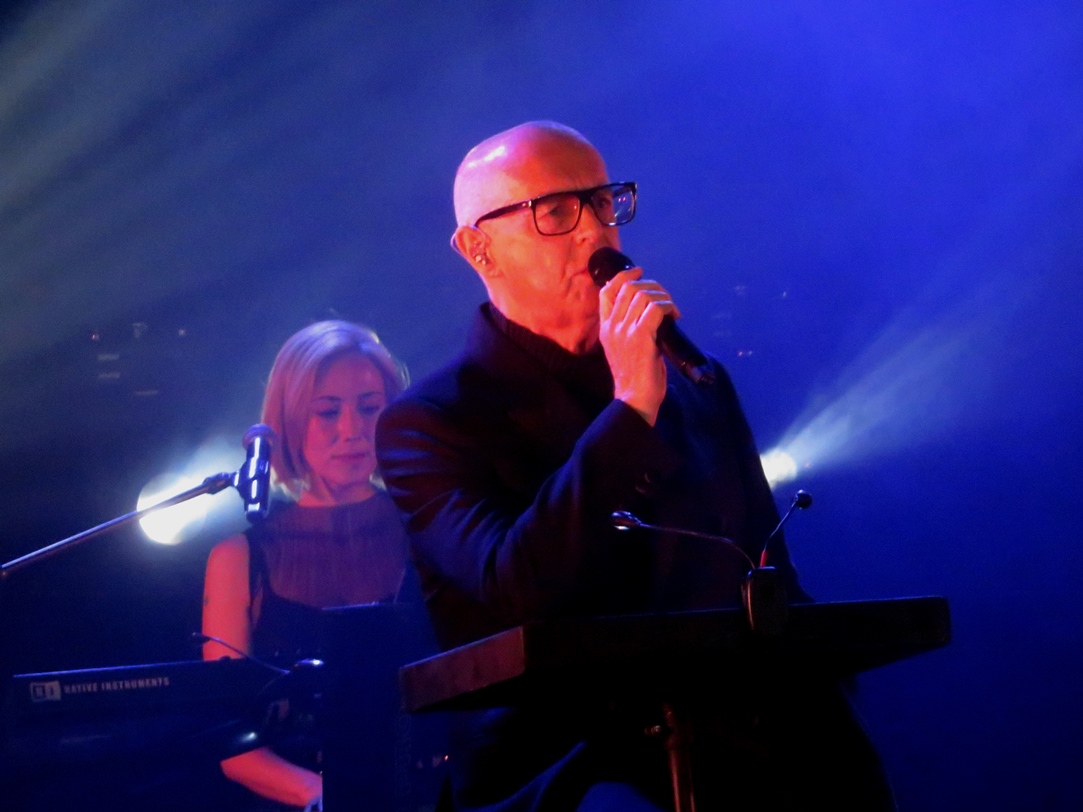
Looking at times like he was about to give a sermon while staring at a lectern with lyrical prompts and occasionally seated for the more balladic performances, the Reverend Neil Tennant joked about it being like WESTLIFE although his demeanour recalled George Michael’s ‘MTV Unplugged’ from 1996; indeed, slower songs such as ‘Always’ and ‘King of Rome’ were not that far apart from some of those on the former WHAM! frontman’s ‘Older’ album.

But there were bangers and ‘One in a Million’, a ‘Very’ song originally written for TAKE THAT got segued into CULTURE BEAT’s ‘Mr. Vain’ to party like it was 1993! The chugging rave / indie hybrid ‘Sexy Northerner’ proved again that “it’s not all football and fags” as the chugging ‘Young Offender’ was unexpectedly rescued from obscurity.

A magnificently elegiac moment came with possibly the greatest song in the PET SHOP BOYS cannon ‘It Couldn’t Happen Here’; adapted from the Ennio Morricone composition ‘Forecast’, it was written about a friend who had been diagnosed with AIDS. Tennant had previously remarked that “people said it wasn’t going to develop in England like it had in America” and in 2026, the solemn lyrics could be applied to the virus of the far right. But the message is clear: #FuckTrump #FuckFarage #FuckReformUK #FuckReformUKKK #FuckTommyRobinson #FuckFlagshaggers

Despite ‘King’s Cross’ using the tragic London railway station as a metaphor to the carnage of Thatcherism, it actually prompted an audience singalong while on the other side of the coin, ‘Why Don’t We Live Together?’ was more New York in its euphoric clubby euphoria. Written for Shirley Bassey and accompanied by a Stylophone sample, PET SHOP BOYS really went into their deeper cuts with ‘The Performance Of My Life’; in what could be considered their very own ‘My Way’, it was a fitting main set closer.

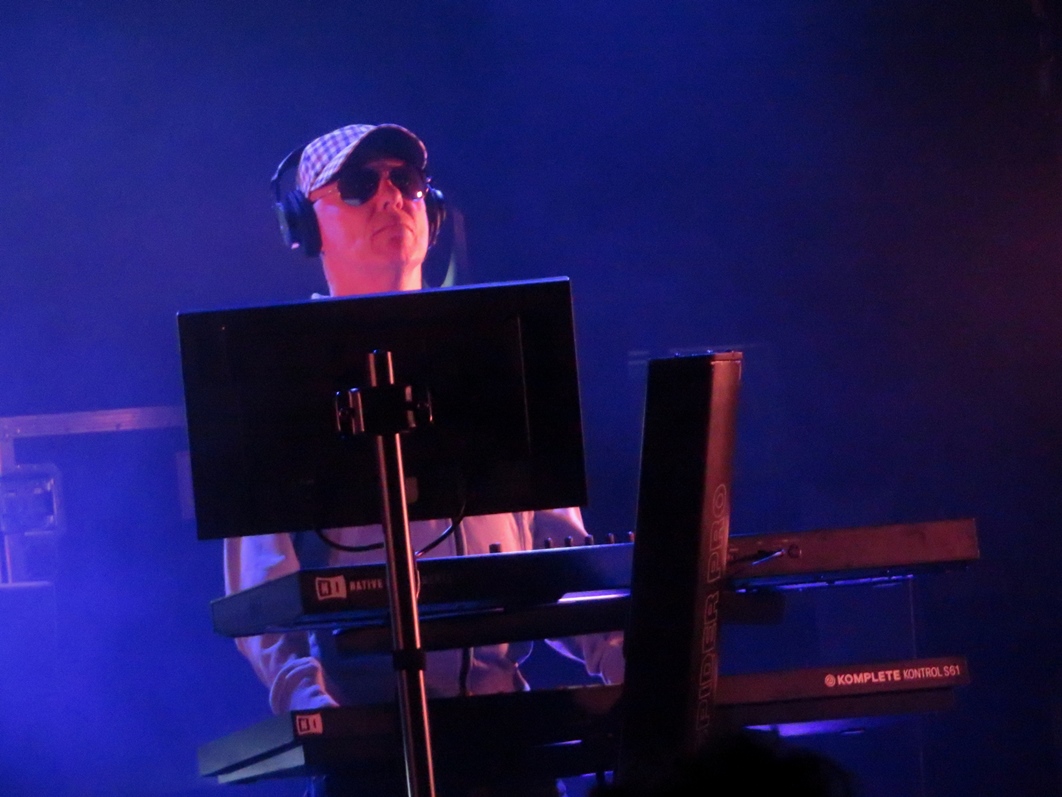
For the encore, there was a tear jerking moment as Tennant accompanied himself on keyboards for an emotional ‘Your Funny Uncle’ while livening things up, ‘The Way It Used to Be’ saw Lowe now fully relaxed and even bouncing up and down behind his workstation. Meanwhile, the wonderful ‘Later Tonight’ recalled the nervous live TV performance on ‘Old Grey Whistle Test’ in 1986; “we were not very good in 1986” joked Tennant. To finish, Tennant and Lowe performed a so far unreleased song from their new musical ‘Naked’; ‘I Dream Of A Better Tomorrow’ recalled the hopeful widescreen melancholy of ‘Please’ and ‘Actually’.

Over the five nights of ‘Obscure’ PET SHOP BOYS, the loyal Petheads were treated with surprises that included ‘To Face The Truth’, ‘The Theatre’, ‘Do I Have To?’, ‘Bet She’s Not Your Girlfriend’, ‘Requiem in Denim & Leopardskin’,  ‘A Certain Je Ne Sais Quoi’, ‘Positive Role Model’, ‘Happiness Is An Option’ and ‘Miserablism’. Unlike OMD who managed to ruin their 2016 ‘Dazzle Ships’ + ‘Architecture & Morality’ live presentation in Frankfurt by going off-piste with the inane pairing of ‘Sailing On The Seven Seas’ and ‘Locomotion’ in encore, PET SHOP BOYS stuck to their ‘Obscure’ guns. The end result was a brilliant evening that proved that live concepts geared for the cognoscenti can work. It’s not always about music for the masses…


ELECTRICITYCLUB.CO.UK gives its special thanks to Andy De Decker

The book ‘Volume’ is published by Thames & Hudson in hardback, available from the usual book sellers and online retail outlets

https://www.petshopboys.co.uk/

https://www.facebook.com/petshopboys

https://www.instagram.com/petshopboys/

https://www.threads.com/@petshopboys

https://bsky.app/profile/petshopboys.co.uk

ELECTRICITYCLUB.CO.UK has compiled an Obscure PET SHOP BOYS playlist on Spotify at https://open.spotify.com/playlist/3QfJbKvMDsTwgInxqbpskm


Text and Photos by Chi Ming Lai
11th April 2026

ELECTRICITYCLUB.CO.UK’s 30 SONGS OF 2009

ELECTRICITYCLUB.CO.UK didn’t exist until March 2010 but one of the reasons for it coming into being was that synths had returned to the pop mainstream in 2009 with a vengeance.

Not only were there new acts dabbling with old school electronics getting into the charts, but the classic innovators were finally being recognised with the BBC documentary ‘Synth Britannia’ for their wider contribution to popular culture while PET SHOP BOYS were given an Outstanding Contribution To Music award at the BRITS.

‘Synth Britannia’ focussed on that exciting period between 1977-82 and deservedly elevated the synthesizer into being a cultural entity its own right, rather than being tagged as some kind of embarrassment which was how synthpop had been mockingly portrayed by TV shows in the past.

On ‘Synth Britannia’, in response to misconceptions on how the music was made, Andy McCluskey of OMD recalled: “The number of people who thought that the equipment wrote the song for you; ‘well anybody could do it with the same equipment that you’ve got’… F**K OFF! Believe me, if there was a button on a synth or drum machine that said ‘hit single’, I would have pressed it as often as anyone else would have… but there isn’t!”

Synth in 2009 was consolidated by female acts that had made initial impressions in 2008 like LADY GAGA, LITTLE BOOTS and LA ROUX while CLIENT and MARSHEAUX came back with new albums. To join the dots between the different generations of synth, Gary Numan took part in a BBC 6Music special at the end of the year with LITTLE BOOTS.

But the wider public remained a little confused about the newer electro stuff with lazy labels like “80s” or “retro” when attempting to describe anyone who preferred using a Korg over a Rickenbacker! Sexism and misogyny was still rife and reaction to these artists from those claiming to be synth music enthusiasts was not entirely positive. In a time before social media had taken its hold on society, several internet music forums started to look like that horrific right-wing comic The Daily Mail!

Wasn’t one of the original motivations for using the synthesizer to break down barriers and challenge convention? Some obviously forgotten level of the bile and disdain that greeted THE HUMAN LEAGUE, SOFT CELL and DEPECHE MODE when they first found fame… despite this, the boys were coming out to play again as HURTS, MIRRORS, DELPHIC and VILLA NAH premiered their modern day synthetically-assisted wares.

At this time, aspiring acts were uploading videos to YouTube as a launch pad and this was how ‘Wonderful Life’ by Manchester duo HURTS came to wider attention. Formed from the ashes of the horrendously attired DAGGERS, Theo Hutchcraft and Adam Anderson brought suits and a smarter sophistication to their pop sound which recalled the productions of Trevor Horn and his work with PROPAGANDA in particular. The traction would lead to a deal with Sony Music via RCA’s Major Label imprint for their music to be formally released in 2010.

Even established indie rock bands were getting in on the act and New York trio YEAH YEAH YEAHS utilised throbbing electronics alongside their usual guitars on ‘Zero’ to exude a fuzzy new wave aggressiveness for the dancefloor while Karen O’s soaring vocal lifted proceedings to a glorious crescendo.

Elsewhere, with a whole generation now never actually paid for entertainment due to MySpace, YouTube and illegal filesharing platforms like Napster and Bearshare, music retailer Zavvi collapsed not long after Woolworths did at the end of 2008. HMV were able to consolidate as a result and demanded exclusive editions to be sold through their stores. iTunes was reigning supreme but Spotify opened public registration for the free service tier in the UK, although its impact was not instant as its initial portfolio was limited. Meanwhile, there was a continuing surge in interest for live gigs of established acts although ticket prices became vastly inflated to account for the loss in music sales.

2009 was a very busy year of album releases and gigs. PET SHOP BOYS and DEPECHE MODE delivered deluxe packages with bonus discs containing superior material to their slightly disappointing parent albums but remained in demand for their concerts. A-HA got back to synthetically driven melodies and recorded their best album since their heyday before deciding to split up for good (or so it seemed) while the classic line-up of ULTRAVOX returned with a well-received reunion tour. As an interim project before their comeback album ‘History Of Modern’ in 2010, OMD went the art installation route with ‘The Energy Suite’ and a reconfigured KRAFTWERK performed alongside the Team GB at The Velodrome during the Manchester Arts Festival.

But this was a period where NEW ORDER, BLANCMANGE and VISAGE had yet to return while OMD and ULTRAVOX were still to release new music following their live reunions. Also at this point, HEAVEN 17 and CHINA CRISIS had not fully evolved into becoming regulars on the domestic live circuit.

From officially available purchased or free downloads with a restriction of one track per artist moniker and presented in alphabetical order, ELECTRICITYCLUB.CO.UK retrospectively selects its 30 SONGS OF 2009, a year of undoubted quality and transition…


A-HA Nothing Is Keeping You Here – Steve Osbourne UK radio edit

“Stunning return to form” is a horrifically overused phrase often applied to bands like REM, but on what was originally billed their swansong album, A-HA actually achieved that with ‘The Foot Of The Mountain’. Going back to their synthesized roots, this toughened up electro ballad had all the usual Nordic hallmarks of the haunting sadness and emotive melodicism that made Morten, Paul and Mags such favourites in their commercial heyday.

Available on the A-HA single ‘Nothing Is Keeping You Here’ via WEA

https://www.a-ha.com/


ANNIE Songs Remind Me Of You

Norwegian songstress Annie had an ordeal with her ‘Don’t Stop’ album subject to a 12 month dispute with her former label Island Records. When it emerged, ‘Songs Remind Me Of You’ was a fantastic number on it filled with high octane electronic dance flavours. “How does it feel…to hear your songs on the radio?” she asked as an exquisite devenir a gris shift took its place amongst the spiky synthesized mix provided by Richard X.

Available on the ANNIE album ‘Don’t Stop’ via Totally / Smalltown Supersound

https://www.annieofficial.com/


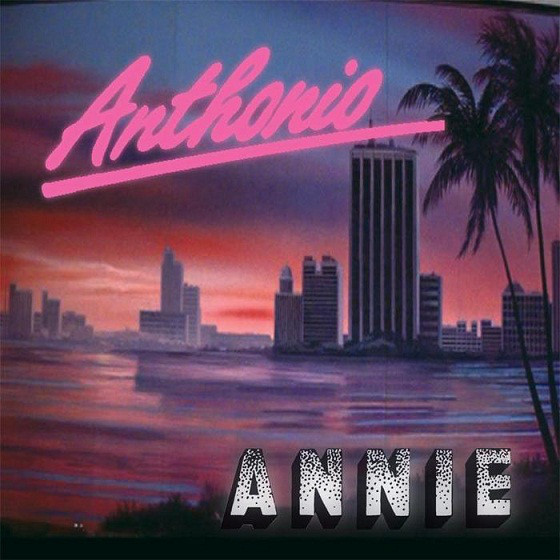
ANTHONIO Annie

Conceived as a jokey publicity stunt for the Italo disco flavoured Annie single ‘Anthonio’, Richard X and Hannah Robinson used its backing track to create a brilliant tongue-in-cheek response to her tale of broken holiday romance. Sebastian Muravchik, the charismatic vocalist of modern Italo exponents HEARTBREAK amiably played the role of the disimpassioned Latin lover; he continues to make music as SNS SENSATION.

Available on the ANTHONIO single ‘Annie’ via Pleasure Masters

https://www.facebook.com/wearesns


ARTHUR & MARTHA Autovia

ARTHUR & MARTHA were Adam Cresswell and Alice Hubley; their debut single ‘Autovia’ was the first release on Happy Robots Records in 2008. But when it came to recording the album ‘Navigation’, the incessant Dr Rhythm drum machine was given a more hypnotic Motorik makeover while there was an extended end section with some cosmic wig-outs like STEREOLAB meeting NEU!

Available on the ARTHUR & MARTHA album ‘Navigation’ via Happy Robots Records

https://www.facebook.com/arthurandmarthaband/


AU REVOIR SIMONE Another Likely Story

Brooklyn trio AU REVOIR SIMONE formed in a mission to “to celebrate the keyboard” and stated that their main influences were Casio, Roland, Korg, Alesis, Rhythm Ace, Univox, Yamaha, Nord and Suzuki. ‘Another Likely Story’ encapsulated wistful melancholy in abundance. This was without mentioning the gorgeous string machine sounds, ringing counter-melodies, chattering rhythm units and angelic vocal harmonies.

Available on the AU REVOIR SIMONE album ‘Still Night, Still Light’ via Moshi Moshi Records

http://www.aurevoirsimone.com/


BAT FOR LASHES Pearl’s Dream

The outsider musical vehicle of Natasha Khan, while the first single ‘Daniel’ from the second BAT FOR LASHES album ‘Two Suns’ may have marked her out as a kind of Gothic FLEETWOOD MAC, on the eerie ‘Pearl’s Dream’, she indulged in some Linn Drum programming accompanied by icy synth washes and an ULTRAVOX styled electronic bassline. BAT FOR LASHES would cover DEPECHE MODE’s ‘Strangelove’ in 2011.

Available on the BAT FOR LASHES album ‘Two Suns’ via Warner Music

https://www.batforlashes.com/


CHEW LIPS Salt Air

With their lo-fi “8-bit Casiotone drone-disco”, CHEW LIPS quickly attracted the attention of hip tastemakers like BBC 6Music’s Steve Lamacq. With a melancholic edge amongst all the blips and blops, the impressive debut single ‘Salt Air’ showcased an accessible promise with pulsing sequencers and drum machines chugging away augmented by some octave shifting bass and occasional guitar like a female-fronted NEW ORDER.

Available on the CHEW LIPS single ‘Salt Air’ via Kitsuné Music

https://www.facebook.com/CHEWLiPS


CLIENT Make Me Believe In You

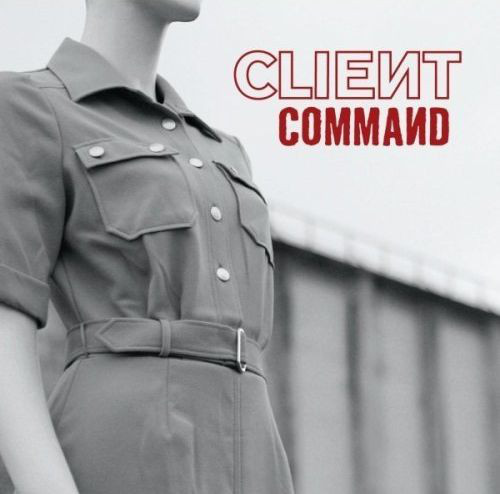
In an approach that more than suited their fourth album’s “brazenly bossy” title of ‘Command’, Client B and Client A covered Curtis Mayfield’s soultastic and groove laden ‘Make Me Believe In You’. Co-produced by Martin Glover aka Youth, the KILLING JOKE bassist added a more rhythmic energy. Proceedings were danced up while an icy edge coming from his frenetic guitar work took its place alongside the hypnotic pulse.

Available on the CLIENT album ‘Command’ via Out Of Line Music

https://www.facebook.com/ClientMusic/


DELPHIC Counterpoint

Manchester band DELPHIC had a multi-instrumental set-up featuring a mix of synths, sequencers guitars, bass and electronic percussion accompanied by a funky live drummer in a manner that was like A CERTAIN RATIO gone right! Co-produced by Ewan Pearson, ‘Counterpoint’ crossed ORBITAL and NEW ORDER with James Cook’s vocals possessing a vulnerable tonal quality amongst all the vibrant tension.

Available on the DELPHIC single ‘Counterpoint’ via R&S Records

https://www.facebook.com/delphicmusic


DEPECHE MODE Oh Well

‘Oh Well’ was the first Martin Gore / Dave Gahan song collaboration and although their parts were written separately, it showed that DEPECHE MODE benefitted from creative tension. Sounding like ‘Supernature’ with a DAF fetish, this was a rare thing, a DM dancefloor number. It captured an energy that was seriously lacking on the lamely disappointing ‘Songs Of The Universe’ main feature.

Available on the boxed set ‘Sounds Of The Universe’ via Mute Records

https://www.depechemode.com/


EDITORS Papillon

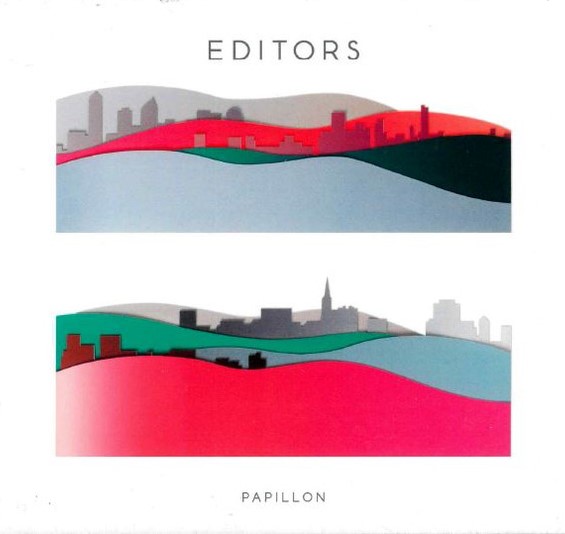
EDITORS first became known for sombre JOY DIVISION aping guitar-driven indie hits like ‘Munich’ and ‘All Sparks’. With Flood at the production controls and Brad Fieldel’s theme for ‘The Terminator’ as an influence for their third album ‘In This Light & On This Evening’, the Birmingham band ventured into synths with the rhythmic and ominous ‘Papillon’, sounding like a cross between BLANCMANGE and NEW ORDER.

Available on the EDITORS album ‘In This Light & On This Evening’ via Kitchenware

https://www.editors-official.com/


EMMON Secrets & Lies

Having impressed with her first proper solo synth-based album ‘The Art & The Evil’ as EMMON away from her indie pop girl band PARIS, Emma Nylén’s sophomore offering ‘Closet Wanderings’ was a natural progression with more darker songs and instrumentals utilsing danceable energetics. ‘Secrets & Lies’ was a thrusting opening number that showed that Sweden had electronic pop acts following on from THE KNIFE.

Available on the EMMON album ‘Closet Wanderings’ via Wonderland Records

https://www.facebook.com/emmonsweden/


IAMX Think Of England

Following his wider breakthrough with the appropriated named second IAMX album ‘The Alternative ‘, Chris Corner was hitting his stride post-SNEAKER PIMPS. Developing on his accessible electro-gothic grandeur, ‘Think Of England’ added some frantic rhythmic fervour tension with words of contradiction and confusion about his home country. Having relocated to Berlin, the ‘Kingdom of Welcome Addiction’ was his ode to the city.

Available on IAMX album ‘Kingdom Of Welcome Addiction’ via Unfall Productions

https://iamxmusic.com/


KITE Looking For Us

After their 2008 self-titled EP, the alternative rock-rooted KITE were finding their feet in the world of synths with their second EP. Coming over like ERASURE meeting Vangelis, ‘Looking For Us’ also had Nicklas Stenemo’s vocals giving a growly passionate edge to contrast to Christian Berg’s synthpop backing. The ‘II’ EP would get a Swedish national record chart high of No58 but the best was yet to come from the Swedish duo.

Available on the KITE EP ‘II’ via Dais Records

https://www.facebook.com/KiteHQ


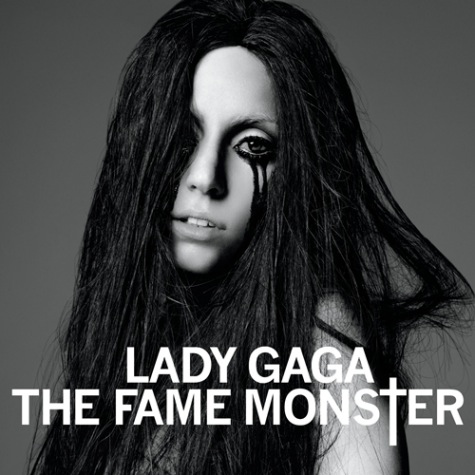
LADY GAGA Dance In The Dark

There had been rumours that LADY GAGA would cover DEPECHE MODE’s ‘People Are People’ but while that didn’t happen, ‘Dance In The Dark’ saw Stefani Joanne Angelina Germanotta borrowing sonic elements of DEPECHE MODE and NEW ORDER. Highlighting the dangers of cosmetic surgery, this captured a new wave electronic pop feel that featured strong hints of ‘Strangelove’ and ‘True Faith’.

Available on the LADY GAGA album ‘The Fame Monster’ via Interscope Records

https://www.ladygaga.com/us-en/


LA ROUX Tigerlily

Comprising of Elly Jackson and silent partner Ben Langmaid, although it featured the UK No1 single ‘Bulletrproof’, the standout from the debut album by LA ROUX was the fierce ‘Tigerlily’. The crisp electro bossa-nova with its thudding synth toms was sweetened with a steel drum flavour to sound like a pop version of THE KNIFE. The middle eight featured ‘Thriller’ inspired monologue by Jackson’s actor father Kit only added to the tension.

Available on the LA ROUX album ‘La Roux’ via Polydor Records

https://www.facebook.com/laroux


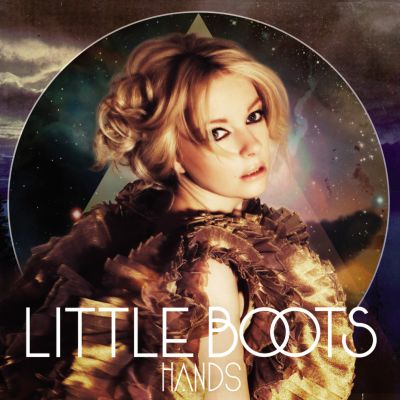
LITTLE BOOTS featuring PHILIP OAKEY Symmetry

LITTLE BOOTS had been named BBC Sound Of 2009 and her debut album ‘Hands’ was highly anticipated. At the time ‘Symmetry’ was unveiled as a duet with Phil Oakey, THE HUMAN LEAGUE had not released any new material since 2001. With a fabulous chorus and Victoria Hesketh doing her best Susanne Sulley impression, the end result was magic. “Tell me your dreams and I’ll tell you all my fears” he dryly asserted, but this is Phil talking…

Available on the LITTLE BOOTS album ‘Hands’ via 679 Recordings

http://www.littlebootsmusic.co.uk

http://www.thehumanleague.co.uk


MARSHEAUX Radial Emotion

Having shown great promise with their previous albums ‘The E-Bay Queen’ and ‘Peek-A-Boo’, Greek duo MARSHEAUX raised their game and delivered their best album in ‘Lumineux Noir’. With a battle of squelchy synths taking place amongst the game jingles and syndrums, ‘Radial Emotion’ was the collection’s most immediate track with its thumping syncopated electro rhythms, noisy oscillations and rousing vocals.

Available on the MARSHEAUX album ‘Lumineux Noir’ via Undo Records

https://www.facebook.com/marsheaux


MESH Only Better

Mark Hockings and Richard Silverthorn found themselves slimmed down to a duo after the departure of Neil Taylor which provoked an understandable existential crisis with MESH close to calling it a day. This led to some darker thematic undertones on the next album ‘A Perfect Solution’. The delicate balance between bitterness and sweetness was exemplified by ‘Only Better’, a gritty offering that possessed a veiled hint of optimism.

Available on the MESH album ‘A Perfect Solution’ via Dependent Records

https://www.mesh.co.uk/


MIRRORS Look At Me

“Bored of tradition”, James New met Ally Young and began formulating ideas “to do something that was considered from the ground up”. Joined by James Arguile who embraced the idea of making soulful electronic pop, the first fruit of labour was ‘Look At Me’; recorded on GarageBand with sonic distortion creeping in, it was released as a one sided red vinyl single on Pure Groove with the sleeve sticker outlining the MIRRORS manifesto.

Available on the MIRRORS EP ‘Broken By Silence’ via Skint Records

https://www.facebook.com/groups/404571368236796


MISS KITTIN & THE HACKER Ray Ban

Having trailblazed electroclash with tracks like ‘You & Us’, ‘Life On MTV’ and ‘Frank Sinatra’, Caroline Hervé and Michel Amato renewed their creative partnership on the imaginatively titled album ‘Two’ which included a cover of ‘Suspicious Minds’. But the highlight was the deep brooding ‘Ray Ban’ which captured an air of Gallic menace that more than suited Hervé’s persona as the nonchalant Miss Kittin.

Available on the MISS KITTIN & THE HACKER album ‘Two’ via Nobody’s Bizzness

https://www.instagram.com/misskittinofficial/

https://www.instagram.com/the_hacker_amato/


ROÍSÍN MURPHY Cry Baby

A superb collection of soulful 21st century electronic disco, ‘Overpowered’ was the second solo album from Roísín Murphy who found fame with MOLOKO and struck big with the international club smash ‘Sing It Back’. The Richard X helmed ‘Parallel Lives’ penetrated with some steady and deep sub-bass, providing a nice bonus to an album where Murphy had gloriously sounded not unlike Lisa Stansfield fronting PET SHOP BOYS.

Available on the ROÍSÍN MURPHY album ‘Overpowered’ via EMI Records

https://www.roisinmurphyofficial.com


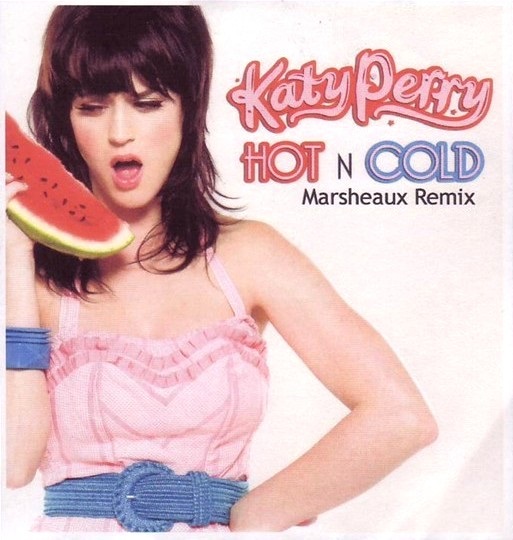
KATY PERRY Hot ‘N’ Cold – Marsheaux radio mix

Katy Perry kissed a girl and liked it, but behind all the shock tactics were some quality songs written by Cathy Dennis and in the case of ‘Hot ‘N’ Cold’, Swedish megapop producer Max Martin. Taking its cue from the PET SHOP BOYS remix of THE KILLERS’ ‘Read My Mind’, this superb reworking by MARSHEAUX was truly banging! When presented to Katy Perry’s management, they were none too pleased but the lady herself loved it and sanctioned its release.

Available on the KATY PERRY single ‘Hot ‘N’ Cold’ via EMI Minos

https://www.katyperry.com/


PET SHOP BOYS featuring PHILIP OAKEY This Used To Be The Future

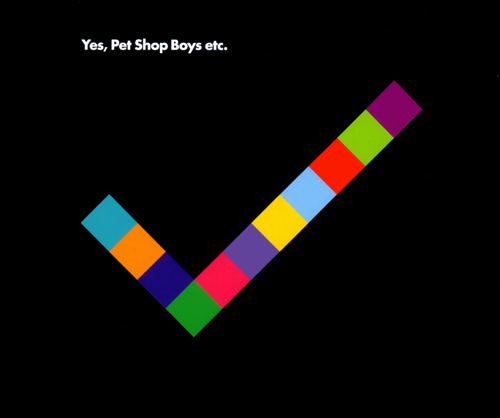
‘This Used To Be The Future’ was a dream trioet that featured both PET SHOP BOYS and Philip Oakey of THE HUMAN LEAGUE, recorded as a bonus song for ‘Yes etc’. With Lowe actually singing albeit autotuned, as opposed to just speaking, this celebration of yesterday’s tomorrow saw Oakey deadpan that his utopian dream didn’t quite turn out as predicted on ‘Tomorrow’s World’!

Available on the PET SHOP BOYS album ‘Yes / Further Listening 2008-2010’ via Parlophone Records

https://www.petshopboys.co.uk/


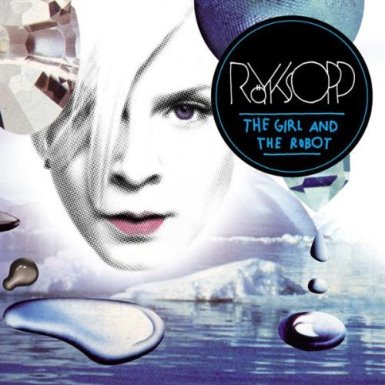
RÖYKSOPP featuring ROBYN The Girl & The Robot

The centrepiece of RÖYKSOPP’s third album ‘The Girl & The Robot’ was perhaps the culmination of Robyn’s steady rise as a truly independent female artist. Despite having gained success in 1997 with the R’n’B tinged ‘Show Me Love’, her superiors at BMG reacted negatively to her new electropop aspirations inspired by THE KNIFE. Frustrated, she bought herself out of her contract and set up her own Konichiwa Records, giving her the freedom to work with whoever she wanted.

Available on the RÖYKSOPP album ‘Junior’ via Wall Of Sound / PIAS

http://royksopp.com/

http://robyn.com/


SALLY SHAPIRO Looking At The Stars

The Swedish duo of Johan Agebjörn and the anonymous singer taking the pseudonym of SALLY SHAPIRO had an unexpected cult success with their debut album ‘Disco Romance’ in 2006. ‘Looking At The Stars’ was a delightful nocturnal highlight from the second long player with a shuffled arpeggiated bass and lyrics by Roger Gunnarsson about his late grandmother. FM ATTACK later provided a remix.

Available on the SALLY SHAPIRO album ‘My Guilty Pleasure’ via Paper Bag Records

https://www.facebook.com/shapirosally


POLLY SCATTERGOOD Other Too Endless – Vince Clarke Remix (2009)

Polly Scattergood was managed by former Mute plugger Neil Ferris and her self-titled debut came out on Mute in 2009. An intense organic collection of ethereal songs, Scattergood was a promising talent unafraid to express emotion and vulnerability. From it, ‘Other Too Endless’ was bolstered by a superb Vince Clarke remix and highlighted the compatibility of her sound within a synthesized pop environment.

Available on the POLLY SCATTERGOOD single ‘Other Too Endless’ via Mute Records

http://www.pollyscattergood.com/


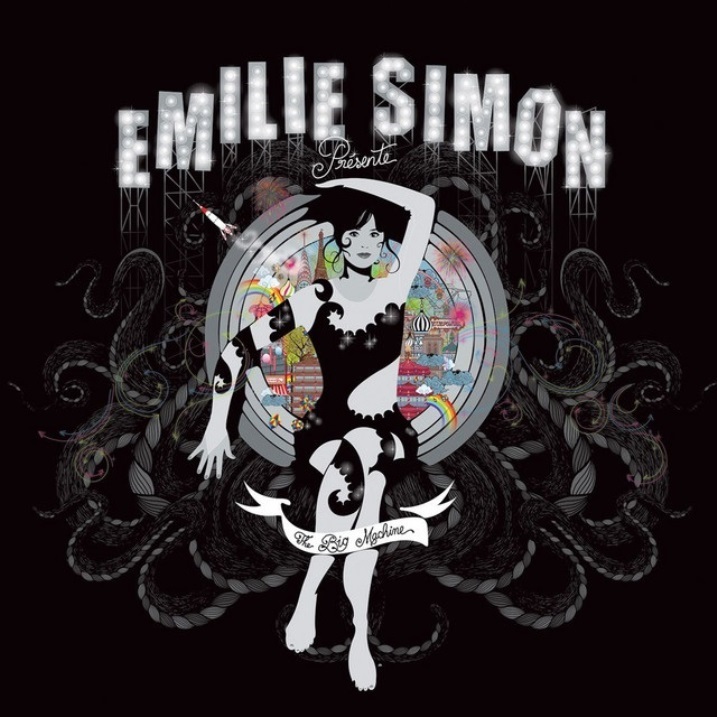
EMILIE SIMON Dreamland

Writing, producing and playing the majority of her material, France’s Emilie Simon had actually studied at the Sorbonne and a star in her own country. In her attempt to break the international market, her third album proper ‘The Big Machine’ was her first entirely sung in English. ‘Dreamland’ was a delightful slice of Gallic electro-chanson weirdness that managed to combine elements of Kate Bush, Alison Goldfrapp and Björk.

Available on the EMILIE SIMON album ‘The Big Machine’ via Barclay

https://www.facebook.com/emiliesimonofficial/


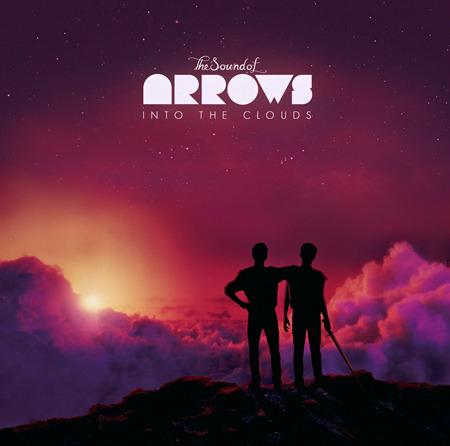
THE SOUND OF ARROWS Into The Clouds

Thanks to their self-made CGI assisted visual imagery, THE SOUND OF ARROWS were once described as resembling “Disney meets Brokeback Mountain”! Based in Stockholm, Oskar Gullstrand and Stefan Storm issued the dreamy widescreen synthpop of ‘Into The Clouds’. Swathed in that beautiful Nordic melancholy, the duo evoked a shimmering otherworld; it was the No1 in Popjustice’s 2009’s list of best pop singles.

Available on THE SOUND OF ARROWS single ‘Into The Clouds’ via Labrador Records

https://www.facebook.com/thesoundofarrows/


VILLA NAH Envelope

VILLA NAH launched themselves as a recording act with the ‘VN’ EP featuring 3 fantastic songs in ‘Ways To Be’, ‘Daylight’ and the crystalline ‘Envelope’. Juho Paalosmaa and Tomi Hyyppä took their name from the East Helsinki suburbs where they lived and teaming up with Jori Hulkkonen as co-producer, the songs were a taste of the debut album ‘Origin’ which impressed enough that the duo would open for OMD in 2010.

Available on the VILLA NAH album ‘Origin’ via Keys Of Life

https://www.facebook.com/villanah


Text by Chi Ming Lai
18th February 2026
25 Favourite Obscure PET SHOP BOYS Tracks

Celebrating 40 years of the release of their 1986 debut album ‘Please’, PET SHOP BOYS will paradoxically play 5 intimate live shows at London’s Electric Ballroom under the ‘Obscure’ banner.

At the opposite end of Neil Tennant and Chris Lowe’s highly successful ‘Dreamworld: The Greatest Hits Live’ tour, the ‘Obscure’ series of shows will feature only album tracks and B‑sides from across their long career, with many songs being performed live for the first time.

Ranging from songs to dance experiments with any number of stylistic diversions, PET SHOP BOYS have always prided themselves in producing quality B-sides and a good number are fan favourites. Their first double CD collection of B-sides, ‘Alternative’ came in 1995. Originally planned to be a single CD, Tennant and Lowe found the selection process a challenge so opted for a double CD, a move that was welcomed by fans of these more “obscure” recordings. In addition, PET SHOP BOYS have included bonus albums with limited special editions of ‘Very’, ‘Fundamental’ and ‘Yes’ featuring exclusive tracks and these can be also classified as “obscure”.

Always a prolific duo with numerous collaborations, remixes, soundtracks, theatre productions and a stage musical in their portfolio, PET SHOP BOYS released a second double CD collection of B-sides ‘Format’ in 2012 covering B-sides and bonus tracks released between 1996-2009. Perhaps it is time for a third B-sides collection from 2010 to cover their post-Parlophone self-released x2 era?

ELECTRICITYCLUB.CO.UK presents its 25 Favourite Obscure PET SHOP BOYS Tracks in chronological order, the list is restricted to B-sides, bonus tracks and exclusive material from the limited special edition versions of their albums…


IN THE NIGHT (1985)

‘In The Night’ was the B-side for the first single version of ‘Opportunities’ and saw PET SHOP BOYS reusing the same chord progression as its A-side. The lyrics referred to Les Zazous, an apolitical group in France during the Second World War who were disliked by the Nazis and the Resistance. With the machine gun ending, is Zazou shot? Although Phil Harding , the Arthur Baker remix was used as the theme music for the BBC’s ‘The Clothes Show’.

Originally released as the B-side of the single ‘Opportunities’, currently available on the album ‘Alternative’ via Parlophone Records


A MAN COULD GET ARRESTED – Bobby Orlando version (1985)

Originally recorded with Bobby Orlando in late 1983, ‘A Man Could Get Arrested’ was like ‘I Want A Lover’, an example of the boiling sexual frustration evident in early PET SHOP BOYS songs. Laid down in an basic office studio and remixed with Frank Roszak, this New York version captured a raw electro energy that was more impactful than the sophistipop re-recording produced by Stephen Spiro that ended up on the 7″ single of ‘West End Girls’.

Originally released as the 12” B-side of the single ‘West End Girls’, currently available on the album ‘Alternative’ via Parlophone Records


THAT’S MY IMPRESSION (1986)

Possibly the song which indicated that PET SHOP BOYS were going to be around for a while and not just a flash in the pan, ‘That’s My Impression’ was menacing as opposed to melancholic, combining SOFT CELL with Divine. Neil Tennant’s final angry refrain of “I went looking for someone I couldn’t find – staring at faces by the Serpentine…” was embittered in a manner that turned out to be quite rare in PET SHOP BOYS’ later work.

Originally released as the B-side of the single ‘Love Comes Quickly’, currently available on the album ‘Alternative’ via Parlophone Records


PANINARO (1986)

“Passion and love and sex and money – Violence, religion, injustice and death” went the opening phrases of Chris Lowe’s debut lead vocal for PET SHOP BOYS. Spoken rather than sung, the track was a celebration of an Italian fashion cult. The middle featured an ‘Entertainment Tonight’ interview with Lowe confirming: “I don’t like Country & Western. I don’t like rock music. I don’t like Rockabilly. I don’t like much, really, do I? But what I do like, I love passionately!”

Originally released as the B-side of ‘Suburbia’, currently available on the album ‘Alternative’ via Parlophone Records


JACK THE LAD (1986)

Written about the spy Kim Philby before then referencing Lawrence of Arabia and Oscar Wilde, ‘Jack The Lad’ was musically influenced by Erik Satie and Ennio Morricone. While the song title phrase is associated with masculinity, Tennant turned things over and used historical figures who “followed their own instincts and philosophies rather than simply obey rules or follow accepted practice” as clever metaphors to maverick individuality.

Originally released as the B-side of ‘Suburbia’, currently available on the album ‘Alternative’ via Parlophone Records


DO I HAVE TO? (1987)

A grand moody ballad in the vein of ‘It Couldn’t Happen Here’ with which there were a number of shared elements, the narrative looked at love triangles and asked the question of the title; this would be a recurring topic and form the story told in ‘So Hard’. With the working title of ‘Break His Heart, Not Mine’, Tennant said ‘Do I Have To?’ was his attempt at making a track like David Sylvian.

Originally released as the B-side of ‘Always on My Mind’, currently available on the album ‘Alternative’ via Parlophone Records


I GET EXCITED (1988)

First recorded with Bobby Orlando, ‘I Get Excited (You Get Excited Too)’ was another early sexually charged number that was a cousin to ‘A Man Could Get Arrested’. Re-recorded during the ‘Introspective’ album sessions, Tennant asked “I don’t know why”, a phrase he would repeat on the next PET SHOP BOYS single ‘Domino Dancing’. He later said the song was wholly innocent and about visiting New York for the first time.

Originally released as the B-side of ‘Heart’; currently available on the album ‘Alternative’ via Parlophone Records


YOUR FUNNY UNCLE (1989)

An elegiac chamber ballad using quotes in the coda inspired by The Book Of Revelations, the lyrics of ‘Your Funny Uncle’ were written by Tennant about the funeral of his friend Chris Dowell, the first he had attended of a close friend. It may be implied that in the title character’s sympathetic greetings to his late nephew’s friends, there is a knowing empathy from a member of an older repressed generation as “Another life begins today.”

Originally released as the B-side of ‘It’s Alright, currently available on the album ‘Alternative’ via Parlophone Records


WE ALL FEEL BETTER IN THE DARK (1991)

‘We All Feel Better In The Dark’ was about clubbing and its inherent euphoria; Lowe took the verse vocal while Tennant sang the chorus on this discordant sample-laden dance track. The lyrics were inspired by a tape that Lowe acquired at a health food store called ‘The Secrets of Sexual Attraction’. With the declaration that “I’m feeling really horny”, Lowe performed the track in his boxer shorts during the 1991 ‘Performance’ tour.

Originally released as the B-side of the single ‘Being Boring’, currently available on the album ‘Alternative’ via Parlophone Records


BET SHE’S NOT YOUR GIRLFRIEND (1991)

While the song was inspired by George Michael being photographed with a group of beautiful models, Tennant referred to his own teenage dating experience with Krysia Korczynski who later ran PET SHOP BOYS’ fan club and would become the partner of their late photographer Eric Watson. The vibey house track with glissando strings was considered for inclusion on ‘Behaviour’ but was ultimately relegated to B-side status.

Originally released as the 12” B-side of the single ‘Where the Streets Have No Name (I Can’t Take My Eyes Off You)’, currently available on the album ‘Alternative’ via Parlophone Records


MUSIC FOR BOYS (1991)

Taking elements form the “Happy Hardcore” of THE PROIDGY and rave nights at London’s now demolished venue The Astoria, the title ‘Music For Boys’ reflected how this aggressive form of dance music was aimed at “boys” rather than “girls”. Effectively a solo Chris Lowe track, this was one of the first PET SHOP BOYS tracks that appeared to have no recognisable trace of Neil Tennant as all the voices were samples or vocodered.

Originally released as the B-side of the single ‘DJ Culture’, currently available on the album ‘Alternative’ via Parlophone Records


SHAMELESS (1993)

An epic commentary on celebrity culture where “we will do anything to get out 15 minutes of fame” because “we have no integrity” and “we’re ready to crawl”, ‘Shameless’ was on the nose in its satirical observations. But it was dropped as a ‘Very ‘album track because the joke wore thin even on Tennant and Lowe themselves. ‘Shameless’ was later part of the PET SHOP BOYS 2001 stage musical ‘Closer To Heaven’ sung by “The Vile Celebrities”.

Originally released as the B-side of the single ‘Go West’, currently available on the album ‘Alternative’ via Parlophone Records


WE CAME FROM OUTER SPACE (1993)

Accompanying their ‘Very’ “up” pop statement was a primarily lyric-less “dance” album ‘Relentless’ helmed by Chris Lowe. The best track on the 6 track collection was ‘We Came From Outer Space’. With sampled statements like “You know the difference between the two genders? No!” and a repeated title phrase, the mysterious spacey hypnotism was affirmed by Lowe dryly announcing “Something’s not right, I can’t work it out…”

Originally released on the bonus disc of the special edition album ‘Very Relentless’, currently available on the album ‘Relentless’ via Parlophone Records


TOO MANY PEOPLE (1993)

With their shared love of Italo disco, PET SHOP BOYS had an affinity with NEW ORDER and this spilled out musically on ‘Too Many People’. A stabbing dance song about being overwhelmed, Tennant asked “What is my identity?” as he reflected on the conflict within his mind. Given their involvement with ELECTRONIC, one could have been half forgiven for thinking Bernard Sumner was about to join in on the main refrain…

Originally released as the B-side of the single ‘I Wouldn’t Normally Do This Kind of Thing”, currently available on the album ‘Alternative’ via Parlophone Records


DECADENCE (1994)

PET SHOP BOYS had been asked to write the theme for a film titled ‘Decadence’ based on a Steven Berkoff play which starred Joan Collins, but they withdrew from the project after seeing a rough cut. With a sonic sandwich of ‘I Say A Little Prayer’ and KRAFTWERK’s ‘The Model’, augmented by Johnny Marr on guitar and string arrangements by Richard Niles, this was the nearest PET SHOP BOYS came to writing something akin to a Bond Theme.

Originally released as the B-side of the single ‘Liberation’, currently available on the album ‘Alternative’ via Parlophone Records


EUROBOY (1994)

A fuzzy Euro-rave track with vocoders and very basic “lover” lyrics forming the topline, ‘Euroboy’ was outwardly quite throwaway but highly effective in its sinister resonance via an incessant Cossack chant sampled from an African voice. Originally only appearing on the cassingle of ‘Yesterday, When I Was Mad’ in the UK but on the CD variant in Europe, ‘Euroboy’ was like ‘Boyzone’, the name of a gay porn publication from the period…

Originally released as a bonus track of the single ‘Yesterday, When I Was Mad’, currently available on the album ‘Alternative’ via Parlophone Records


CONFIDENTIAL (1996)

The PET SHOP BOYS demo for the Tina Turner track on her 1996 album ‘Wildest Dreams’ is something of a gem only known to the duo’s aficionados, especially as the late diva’s version was disappointing despite being produced by Tennant and Lowe with Chris Porter. Originating from the ‘Very’ sessions, this midtempo minor key ballad had similar aesthetic properties to ‘Hey Headmaster’, one of the B-sides to ‘Can You Forgive Her?’

Originally released as a bonus track of the single ‘Single-Bilingual’, currently available on the album ‘Format’ via Parlophone Records


SEXY NORTHERNER (2002)

A song that has been rumoured to be about either Chris Lowe or Robbie Williams although neither has been confirmed, Tennant marvelled from a distance about the antics of a young man who “drinks a lot of beer” and is literally getting away with it, always “hanging round the clubs” and “gets in them for free”. A trancey house number that went all glam rock in the chorus, it should be noted that none of the lyrics actually rhyme!

Originally released as a bonus track of the single ‘Home & Dry’, currently available on the album ‘Format’ via Parlophone Records


WE’RE THE PET SHOP BOYS (2003)

“I feel you touch me and it’s 1984, I know what you will say before you start in my heart, we’re the PET SHOP BOYS…” articulated MY ROBOT FRIEND when imagining himself and his former lover as Tennant and Lowe. Gloriously covered by the duo themselves, with the closing shopping list of song titles fittingly deadpanned by Lowe, Tennant remarked “It sums us up”. Robbie Williams would cover the song in 2006 using a remix of the PSB version.

Originally released as a bonus track of the single ‘Miracles’, currently available on the album ‘Format’ via Parlophone Records


FUGITIVE – Richard X Extended Mix (2006)

While the ‘Fundamental’ album was produced by Trevor Horn, on the bonus album ‘Fundamentalism’, it was opened by the Richard X produced ‘Fugitive’ in powerfully extended form. PET SHOP BOYS’ own post-9/11 song, Neil Tennant said: “It’s about a terrorist, a terrorist whose ideology is that he believes that by killing the enemy he’s going to go to heaven”. A shorter version came with the German-only ‘Beautiful People’ single.

Originally released on the bonus disc of the special edition album ‘Fundamental / Fundamentalism’, currently available on the album ‘Fundamental / Further Listening 2005-2007’ via Parlophone Records


BLUE ON BLUE (2006)

‘Blue On Blue’ was blessed with an explicit Divine intervention and heavy on the influence of Bobby Orlando. While using a military term referring to “friendly fire”, a topic covered on a song during 1999’s ‘Nightlife’ era, this song was much more truly “friendly” in its provocative throb. It was a metaphor for how two unhappy “blue” people could together make each other happy by the sea in view of the blue of the sky and the blue of the water…

Originally released as a bonus track of the single ‘Minimal’, currently available on the album ‘Format’ via Parlophone Records


PARTY SONG (2006)

Interpolating KC & THE SUNSHINE BAND’s ‘That’s The Way (I Like It), ‘Party Song’ was a throbbing disco affair that outshone the horrendous Diane Warren-penned ballad ‘Numb’ which was the main act. Lyrically inspired by the classic Joan Collins and Leonard Rossiter fronted Campari adverts, it began life as a dance cover of NIRVANA’s ‘Smells Like Teen Spirit’ suggested by Elton John for inclusion on ‘PopArt’!!

Originally the B-side of ‘Numb’, currently available on the album ‘Format’ via Parlophone Records


THIS USED TO BE THE FUTURE (2009)

‘This Used To Be The Future’ was a dream trioet that featured both PET SHOP BOYS and Philip Oakey of THE HUMAN LEAGUE, recorded as a bonus song for ‘Yes etc’. With Lowe actually singing albeit autotuned, as opposed to just speaking, this celebration of yesterday’s tomorrow saw Oakey deadpan that his utopian dream didn’t quite turn out as predicted on ‘Tomorrow’s World’!

Originally released on the bonus disc of the special edition album ‘Yes etc.’, currently available on the album ‘Yes / Further Listening 2008-2010’ via Parlophone Records


ONE-HIT WONDER (2016)

Produced for the German internet TV music show ‘The One-Hit Parade’ in 2015, the theme was extended to make ‘One-Hit Wonder’. Upbeat and very jaunty for a PET SHOP BOYS track, Tennant’s “da-la-la-la-la” from the halfway point were delivered in a lightweight European style. The theme’s hook actually dated back a DEPECHE MODE-influenced instrumental the duo wrote in 1981 when Tennant was working for Smash Hits.

Originally released as a bonus track of the single ‘The Pop Kids’ via x2


THE WHITE DRESS (2016)

Unusual in that most of the track was instrumental, ‘The White Dress’ was said to be about Sam Taylor-Wood née Taylor-Johnson, director of the 2015 film ‘Fifty Shades of Grey’ who recorded a cover of ‘I’m In Love With A German Film Star’ with PET SHOP BOYS back in 2009. With moody electronic backing reminiscent of KRAFTWERK, the limited lyrics referred to the striking garment that she wore to the Berlin premiere.

Originally released as a bonus track of the single ‘Twenty-something’ via x2


Obscure PET SHOP BOYS takes place at London’s Electric Ballroom for 5 nights between 6th to 10th April 2026

‘Dreamworld: The Greatest Hits Live’ is available now as a Blu-ray+2Cd set

The book ‘Volume: The Complete Visual Record’ is published by Thames & Hudson in hardback on 7th April 2026

ELECTRICITYCLUB.CO.UK has compiled an Obscure PET SHOP BOYS playlist on Spotify at https://open.spotify.com/playlist/3QfJbKvMDsTwgInxqbpskm

https://www.petshopboys.co.uk/

https://www.facebook.com/petshopboys

https://www.instagram.com/petshopboys/

https://www.threads.com/@petshopboys

https://bsky.app/profile/petshopboys.co.uk


Text by Chi Ming Lai
22nd January 2026

« Older posts