‘Dirty Air’ is the first new material to be previewed from KID MOXIE’s upcoming EP ‘Perfect Shadow’.
The musical project of LA based Elena Charbila, the acclaimed accorded to her second album ’1888’ from magazines such as Mojo led her to be dubbed “the Greek GOLDFRAPP”.
With the gentle piano flourishes and Film Noir atmospherics on ‘Dirty Air’, the cryptic promo video sees Charbila doing her femme fatale thing within a suitably cinematic, but surreal environment. She said: “The whole video has to do with appearances being deceiving. With love being a guttural feeling. How we ‘vomit’ emotion. How falling for someone can feel like falling into an abyss. That black oil serves as a portable abyss.”
The sumptuous Hellectro vibe of ‘Dirty Air’ is deeply reminiscent of fellow Athenian songstresses SARAH P. and MARSHEAUX. It’s a sign of how musically creative the region has become over the years and with artists of similar heritage such as MARINA & THE DIAMONDS and FEATHERS also making waves around the world, Greece is the word…
Meanwhile, the new KID MOXIE EP scheduled for release in July is a natural progression following the artistic leap from 2009’s debut ‘Selector’ to ‘1888’. A MARSHEAUX remix of ‘Dirty Air’ will also be featuring. Prepare for a work swathed in darkness and light with a luscious nocturnal moodiness, layered in melancholy.
James Nice is a music publisher and writer whose acclaimed 2010 book ‘Shadowplayers: The Rise and Fall of Factory Records’ provided a detailed and objective account of the legendary label. He also worked for the prestigious Belgian label Les Disques du Crépuscule in Brussels between 1987-91.
More recently, James has resurrected Les Disques du Crépuscule along with its sister Factory Benelux offshoot as platforms to reissue a vast catalogue of experimental and artistically driven music, in addition to releasing newer material from acts such as MARSHEAUX, MARNIE and DEUX FILLES. Back in the day, Les Disques du Crépuscule and Factory Benelux operated as separate entities, although the two labels shared the same premises and staff.
Among Crépuscule’s roster were Blaine L Reininger and Winston Tong from TUXEDOMOON, ASSOCIATES instrumentalist Alan Rankine and former JOSEF K leader Paul Haig. The first music release on Crépuscule came in 1980; ‘From Brussels With Love’ was a carefully curated cassette compilation which included music from John Foxx, Bill Nelson, Harold Budd and Thomas Dolby as well as spoken recordings by Brian Eno and Richard Jobson.
Meanwhile Factory Benelux notably released the 12 inch extended remix of NEW ORDER’s ‘Everything’s Gone Green’ in 1981 and spare recordings from Factory affiliated artists such as A CERTAIN RATIO, SECTION 25, THE WAKE and THE DURUTTI COLUMN. The latter’s beautiful instrumental ‘For Belgian Friends’ was written in honour of the two labels’ founders Michel Duval and the late Annik Honoré. James Nice kindly chatted to ELECTRICITYCLUB.CO.UK about his various endeavours, past and present.
You wrote the book ‘Shadowplayers’ on the history of Factory Records. There have been several books about the label, what do you think your account gave that hadn’t been provided before?
Well, reliable facts properly researched! I did ‘Shadowplayers’ as a DVD first, in 2006, but I didn’t do the book until after Tony Wilson passed away the following year. One of the books which influenced the approach I took was an excellent Creation Records history by Dave Cavanagh, which Alan McGee slated as the accountant’s version of Creation when it first appeared (though he changed his mind later).
I feared Tony might say the same thing about a Factory history written by me. He was more into myths and legends than truth. I also wanted to include all the bands and artists, not just JOY DIVISION, NEW ORDER, HAPPY MONDAYS and The Hacienda; THE STOCKHOM MONSTERS have a tale to tell too. The French edition won a prize, actually. They sent me a leather jacket – which was a bit too small.
How do you see the public’s continued fascination with Factory Records?
I just glance at it in passing these days, because ‘Shadowplayers’ came out in 2010 and I’ve long since moved on. The entire story of Factory was hugely dramatic, genuine tragic in places, and populated by larger than life characters. You can’t really say the same of, for example, 4AD or Domino. I’m not sure you’ll see it repeated either, because music no longer produces the kind of revenue stream that would allow radical mavericks like Tony Wilson and Rob Gretton to build another Hacienda, and Peter Saville is a complete one-off.
Factory was a classic example of do the right thing, and the money will follow. Unfortunately, they then blew all the money on big recording projects and ill-judged property investments. Let’s leave it at that.
Factory Benelux and Les Disques du Crépuscule have common roots, but were quite different entities in their original ethos?
Both labels started in 1980. Factory Benelux was intended as an outlet for spare Factory recordings, hence a lot of the early releases like ‘Shack Up’ by ACR, ‘The Plateau Phase’ by CRISPY AMBULANCE and ‘Key of Dreams’ by SECTION 25 were exclusive to FBN. As time went on it became more like a normal licensee.
Crépuscule was something else entirely – a cosmopolitan boutique label, with an international roster and aspirations to kick start some kind of art movement in Brussels. In truth Factory were a little suspicious of Crepuscule early on, although later some Crépuscule albums appeared on Factory in the UK eg Anna Domino and Wim Mertens.
You worked for Les Disques du Crépuscule back in the day and lived in Brussels for five years. What are your particular memories of that time?
Way too many to mention. A couple of days after I quit Crépuscule (an argument about a 23 SKIDOO contract, not that anyone will be interested), I took a train to Amsterdam to meet William S. Burroughs.
He was holding court in a hotel with his manager, James Grauerholz. I took along some books to sign, as well as the Burroughs album I’d released on LTM, ‘The Doctor Is On the Market’. I don’t think WSB had even seen a copy before, but he scribbled “Good Work” on it. There was another guy there who was a Lufthansa pilot by day and wrote experimental cut-up novels in his spare time. I remember thinking at the time, I’d like to be that guy.
What are the aims of Factory Benelux and Les Disques du Crépuscule under your direction now?
Heritage curation, and new recordings where appropriate. Michel Duval is quite interested again, and we collaborated on the ‘Ni D’Eve, Ni D’Adam’ compilation at the end of 2015. I really enjoyed that process, as a matter of fact. The new tracks and artists he brought to the project really added to it, and the artwork by Clou was great too. I do a lot of boring back office stuff as well as making records, chiefly rights administration. You have to have all your ducks in a row when, for instance, Kanye West decides to sample a SECTION 25 track from 1981.
As well as reissues, Factory Benelux and Les Disques du Crépuscule have released new albums by SECTION 25, MARNIE, DEUX FILLES and others. What attracted you to back these recordings?
In the case of new albums by heritage groups like SECTION 25, THE NAMES and CRISPY AMBULANCE, as long as fresh studio projects are financially viable, and the music is good, then of course we want to be involved. Any label can simply recycle back catalogue, but I like to think we’re a little more committed.
The MARNIE album came to Crépuscule because I’m a LADYTRON fan and it was a perfect fit for the label. It worked for her too as she’d successfully funded ‘Crystal World’ via Pledge Music, but was less sure about how to actually deliver the CD version.
It’s important to back new music, and I’m delighted to be releasing ‘Cold Science’ by LES PANTIES later in 2016. They’re a young band from Brussels – terrible name, but great music!
Les Disques du Crépuscule also released ‘Odyssey’ in 2014, a career spanning compilation of MARSHEAUX. What do you find appealing about their music and which are your favourite songs?
I liked MARSHEAUX anyway, even before we began Crépuscule again back in 2013. Like MARNIE, they seemed like a good fit with the label’s heritage, much of which was modern electronic pop music. The focus was on original songs though rather than covers. The title is a riff on Homer’s ‘Odyssey’, and the idea of a chronological story, and of course the old ARP Odyssey analogue synth. I’m quite good at coming up with album titles, if I say so myself. ‘Retrofit’ by SECTION 25 is probably the best – it popped into my head while I was watching a documentary about the making of ‘Blade Runner’. Perfect for a remix / reboot album.
Yes, very clever of you. But what’s your favourite MARSHEAUX song?
Well, the ‘Ghost/Hammer’ mash-up is the one we keep putting on LDDC compilations.
You maintain a close relationship with Paul Haig. Is he one of the unsung heroes of post-punk in your opinion?
I wouldn’t say unsung because Paul’s always attracted a lot of press and remains well liked by music writers, but I suppose he’s ‘unsung’ in the sense that he never had a proper chart hit. Ironically, his most popular album – on reissue anyway – is ‘Rhythm of Life’, which was considered far too mainstream at the time. Paul just did things his way and wasn’t prepared to jump through all the hoops required of a mainstream pop star. For a start he was – and remains – far too shy.
Since you mention post-punk in the question, I’ll take this opportunity to plug a forthcoming Paul project for later in 2016, which is a 1982-based double archive CD including his early pop material (‘Justice’, ‘Running Away’), the Sinatra-styled ‘Swing In 82’ EP, the experimental electronica cassette ‘Drama’, and loads of odd singles and sessions.
He’d just left JOSEF K but had not yet signed to Island, and I’m not sure anyone else was quite that diverse and experimental at the time. It’ll be called ‘Metamorphosis’ – another Kafka reference. Told you I was clever with titles. Paul’s quite nervous about it, I have to say!
You’ve also worked closely with Alan Rankine in his post-ASSOCIATES career?
Well, not so much me personally. Back in the 1980s, Alan was married to Belinda Pearse, who was a Crépuscule director at the time, and so for a while he pretty much became the in-house producer at the label, working with Paul Haig, Anna Domino, Winston Tong, Ludus and his own solo material.
My time at LDDC in Brussels did overlap with his, but I didn’t work on any of those projects. He did three solo albums under the auspices of Crépuscule, and some of the music is the equal of anything he did with Billy Mackenzie. Unfortunately Alan isn’t quite as good a singer, though he is a brilliant writer, arranger, producer, guitarist and keys player. The instrumentals he did for Crépuscule work best, I think. We’ve spoken a couple of times this year. Once was to return some master tapes to him, and I also suggested him as a producer / collaborator for MARNIE.
Another unsung hero of the era is Mark Reeder and the release of his remix collection ‘Collaborator’ on Factory Benelux was a fitting acknowledgement of that. What was the process like to select the tracklisting?
Hmm. We tried to avoid replicating too many tracks that were on the earlier ‘Five Point One’ collection, and having Bernard Sumner singing on quite a few of the tracks should have made it seem more like an artist album than just a compilation. Not sure the concept really gelled though. Mark isn’t easy to label – a lot of people think he’s a DJ, which is the one thing he isn’t (but probably should be). ‘Collaborator’ is a great album and should have sold a lot more than it did. In fact Mark regularly reminds me of that!
As a label manager, how do you decide on the formats that releases will be issued in? When do you know one format will be more viable than another, eg some are CD only, others are vinyl only?
Vinyl tends to be reserved for prestige items, and / or where you can fashion an art object from it, like THE DURUTTI COLUMN album with the die-cut glasspaper sleeve, which I’ll talk about later. The recent JOSEF K singles collection ‘It’s Kinda Funny’ was vinyl only because there have been several JOSEF K CD compilations already, and because a 12” matt board sleeve was a great way of exhibiting the original artwork by Jean-François Octave.
I still prefer CDs because the sound is better, you can fit more material on them, plus they are easier to keep in print over a long period of time. In an era of declining physical sales, the increasing fragmentation of formats isn’t too helpful, at least as far as labels are concerned. Vinyl retains cultural clout though. Releasing albums used to be like publishing books, whereas once the market became saturated with releases, it’s kind of become degraded and often feels as if you’re just publishing magazine articles. But a vinyl album still has the heft of a book.
Factory Benelux and Les Disques du Crépuscule were both known for tasteful artwork and you have maintained this aesthetic. The vinyl reissue of ‘The Return Of The Durutti Column’ had an interesting genesis?
With the Benelux reissue in 2013, the original intention was to replicate Fact 14 from 1980, with coarse sandpaper front and back and a flexi-disc. Back then Tony Wilson was able to source 12-inch square sheets from a local company called Naylors Abrasives in Bredbury, near Stockport. They still exist, but they don’t manufacture sandpaper any more, and when I got in touch in 2012 to explain the project, they clearly thought I was a lunatic.
I’m not sure that glasspaper is even manufactured anywhere in Western Europe now. In the end we had to go to a company in China, whose minimum order was 10,000 sheets. What was a cheap and (relatively) easy package for Factory in 1980 turned out to be pretty much impossible to copy three decades later. It’s probably easier to source glasspaper in lurid colours rather than plain old beige, and the biggest rolls were only 11 inches wide. You can still source flexi-discs from one plant in the States, but they end up costing more per unit than a 12-inch vinyl album. Fortunately, however, not being able to do a straight copy served to liberate the project somewhat, so that we began to think in terms of a new edition which referenced the original, but offered something different.
The flexi became a hard vinyl 7”, which sounds far better, and we were now able to add an inner sleeve with period images and explanatory text. The 11-inch glasspaper squares took about eight months to arrive from China, and while we were twiddling our thumbs the designer, Carl Glover, came up with the idea of seating the glasspaper sheet on the front in a recessed deboss. A bit like a frame, thereby underlining the ‘art’ credentials.
Somewhat to my surprise the pressing plant in Germany agreed to assemble the finished package from start to finish, which was fortunate since I couldn’t imagine NEW ORDER agreeing to help out. I didn’t much fancy the idea of doing it myself. Like the building trade people we had to go through en route to China, the pressing plant just couldn’t understand why we’d want to release a record in a glasspaper sleeve. Someone suggested a photo of some sandpaper might be better…
Then, when the sheets finally arrived, some of the cutting was pretty rough, and the pressing plant insisted on a 3mm tolerance between each side of the sheet and the deboss. That would just look as though we’d fluffed the measurements, besides which even with a deboss, the glasspaper sheets simply stuck on the cover just didn’t have that ‘wow’ factor.
I spent a few days arguing with the plant about tolerances, and agonising generally, then decided that a die-cut would be just as impressive, with the glasspaper underneath, as if you were seeking it through a window. This scheme also overcame the issues about imperfect size and cutting of the glasspaper.
The only obvious, practical shape for the die-cut was Peter Saville’s original ‘bar chart’ logo, which appeared on the labels of most Factory releases between 1979 and 1980, Fact 14 included. It just looks right, and is also suggestive of a graphic equalizer, which I suppose is a bit Hannett. The pressing plant had already printed 2000 copies of the original inner bag though, so we had to throw those away. All the problems and changes also mean that the release date was late. Very Factory, I suppose.
The finished package looked even better than anyone dared to imagine, and housed in the polythene bag it has a fantastic 3D quality, plus the glasspaper catches the light beautifully. I was particularly delighted that Vini Reilly liked it. All the various headaches and reverses improved the design no end, and the addition of the die-cut means that you now have this unique Reid/Saville hybrid. Truly a happy accident.
Your CD reissues on Factory Benelux and Les Disques du Crépuscule are known for their comprehensive sleeve notes which are written by you. What is your philosophy and style regarding this?
I tend to focus on facts, and direct quotation from the people involved. Creative writing I leave to experts like Paul Morley, Simon Reynolds and Kevin Pierce. My notes tend to be honest rather than gushing or pseudo-academic, and that’s probably why I rarely get commissioned to write liner notes for other releases! I think the last time was an ELECTRONIC retrospective. Johnny Marr just wanted a hagiography in which everything and everyone was, like, amazing and brilliant, all the time. Buyers aren’t stupid and don’t really want that. Then again, I probably have been a bit too glass half empty at times.
What are your thoughts on modern music, particularly the synthpop and electronic variety, having worked with a number of the original pioneers?
I really like EDM, it’s probably my favourite genre for blasting out loud in the car, annoying my daughter etc; RIHANNA, MISS KITTIN, TODD TERJE, electroclash, Xenomania productions.
A lot of what Crépuscule released during the golden years – the 80s, basically – was either very poppy (Paul Haig, Anna Domino, Isabelle Antena, Kid Montana), or pretty abstract (Wim Mertens, Glenn Branca, Gavin Bryars). That’s probably why my taste in music remains similarly schizophrenic.
If you’re asking who my current / recent favourites are then its TEGAN & SARA, ROBYN, M83, some NINE INCH NAILS, and the last NEW ORDER album. That was a spectacular return to form. Hats off to them, and to Mute.
Which have been your favourite reissues or products on Les Disques du Crépuscule and Factory Benelux over the years?
I can answer that in a heartbeat. My all-time favourite LDDC album is ‘Night Air’ by Blaine L Reininger, which came out in 1984 and was his first proper solo album during the time he was absent from TUXEDOMOON.
It’s a magical album about exile in Brussels and was a key influence on my relocating to the city a couple of years later. Expertly recorded and engineered by Gareth Jones, I might add. I’d love him to tour the whole album – maybe there will be an opportunity after TUXEDOMOON are done touring ‘Half Mute’ during 2016.
My favourite FBN reissues would be the glasspaper Durutti, or the pochette 2xCD edition of ‘Always Now’ by SECTION 25. Both presented considerable challenges, and both came off.
Are there any upcoming releases on Factory Benelux or Les Disques du Crépuscule you can tell us about?
I’ve been talking to a group from Brussels called LES PANTIES for a couple of years. I love their music – poised, sophisticated cold wave, with a hint of shoegaze – they have a great aesthetic sense, and Sophie Frison is an excellent singer. We just couldn’t agree about the name though. It might work in a French speaking country, but elsewhere it sounds like a novelty band. Eventually I just gave in and collected all their singles on an album, ‘Cold Science’, which is coming out on Crépuscule in September. It’s a bit of a passion project for me, I suppose. But it’s also one in the eye for people who carp we do nothing but reissues.
ELECTRICITYCLUB.CO.UK gives its grateful thanks to James Nice
Mark Reeder has carved out an impressive reputation for his catalogue of fine remixes.
When Mark Reeder spoke to ELECTRICITYCLUB.CO.UK in 2011 about his remixing style, he said: “I’m old school. I like to still be able to hear the song, but give it my own signature and atmosphere, while at the same time use as many of the original elements as possible”.
He had moved to West-Berlin from Manchester in 1978, having become fascinated by the artistic diversity of the city and was Factory Records representative in Germany between 1978 to 1982. He is credited with introducing Bernard Sumner to the world of electronically propelled dance music, thus being instrumental in the development of NEW ORDER’s influential hybrid sound.
After the fall of the Berlin Wall, Reeder had great success with his electronic dance music record label Masterminded For Success (MFS). For the last few years, Reeder has been heavily involved in a documentary film about his adopted home city:
“’B-Movie (Lust & Sound in West-Berlin)’ is about the forgotten city of West-Berlin during the 80s. When the Berlin Wall fell in November 1989, not only did communist East Germany cease to exist, but the walled-in island of West-Berlin did too. Most people have forgotten, or have no idea how the city was back then. In ‘B-Movie’, I guide the viewer through this decade, but as the film is also about my life in this city too, I show you some of the things I saw and experienced during the 1980s, while participating in what has now become, the legendary subkultur of West Berlin.”
In a break from his hectic worldwide schedule promoting ‘B-Movie (Lust & Sound in West-Berlin)’, Mark Reeder kindly gave an insightful commentary into the tracks that shaped his own musical career.
DIE UNBEKANNTEN Radio War (1981)
Reeder formed DIE UNBEKANNTEN with Alistair Gray when he settled in West-Berlin.
We were actually given the name DIE UNBEKANNTEN by a journalist, who saw our feeble first gig at the SO36. That gig was supposed to have been just a one-off, but he was surprisingly impressed and thought we were very avant-garde and apparently enjoyed our miserable performance.
In his magazine review of the event, he just called us two unknown Englishmen and from then on, people just called us DIE UNBEKANNTEN (“The Unknown”). A few weeks later, we played at the Genial Dilletanten Festival and were inadvertently presented as ‘Necropolis’, which was actually the title of our intro track.
A while later, after Elisabeth Recker of Monogam Records witnessed what was probably our most chaotic performance – we were on acid – she believed we would fit perfectly with the abstract style of the rest of the artists on her record label.
Our Swiss friend Thomas Wydler became our drummer and we recorded a three track EP featuring ‘Radio War’, ‘Poseidon’ and ‘Casualties’. The record not only sounded nothing like any of Monogam’s previous releases, but it also caused a lot of controversy because of my design for its front cover image (a photo depicting three East German border guards) and the striking Germanic style of type face which I had chosen.
Our second, and final DIE UNBEKANNTEN record, was much more electronic. By this time, Thomas had left us and joined DIE HAUT and we had gone back to using a drum machine and had also acquired some more electronic instruments. Our friend, Adrian Wright from THE HUMAN LEAGUE gave us a brand new drum computer to test for him.
He had actually been asked to try out a very early prototype Roland TR606, but couldn’t be bothered and so he gave it to us to trial for him, so along with the Transcendent 2000 (the very same one which Bernard Sumner had played in JOY DIVISION with) and a Moog that Klaus Schulze had also given us, we immediately went into the studio and recorded ‘Don’t Tell Me Stories’ for our ‘Dangerous Moonlight’ EP. This became the first record to feature a Roland TR606.
One of the bands who grabbed Reeder’s attention in West-Berlin were the uncompromising all-female combo MALARIA!
I already knew Bettina Koester and Gudrun Gut from their first band MANIA-D. Musically, their approach was so different from anything I had ever heard before, as the conventional rules of male dominated rock and roll didn’t apply to the way these girls made music at all and that was what made them so exciting.
They were no virtuosos, but that didn’t matter one bit, because it was exactly that ingredient which made their music so interesting. After Beate Bartel left MANIA-D to form LIAISONS DANGEREUSES, Gudrun and Bettina formed MALARIA! a five piece all-girl band and quite an international one too, being a mixture of German, American and Dutch.
Their striking, on-stage image, all dressed in black with bright red lips, is considered a Goth image nowadays; but back in the 80s, MALARIA! did it first, and after their debut appearance in London with THE BIRTHDAY PARTY, this image was obviously hi-jacked from them for the Robert Palmer video ‘Addicted To Love’, even to the point of making the emphasis that the girls in his video also couldn’t play their instruments.
At some point very early on, I became their manager. At that time, I was the only man allowed into their sphere, and because I knew what the band wanted to sound like live, I also became their sound engineer too and naturally, as I also had my own band, DIE UNBEKANNTEN, we became their support band. The girls trusted me, they knew I understood their ideology and I liked their music and most importantly, I didn’t interfere.
Reeder’s own musical journey has to an extent, mirrored that of Bernard Sumner’s. DIE UNBEKANNTEN morphed into SHARK VEGAS to become a more electronic and disco friendly proposition.
After performing for nearly four years as DIE UNBEKANNTEN, we were asked by NEW ORDER if we would like to accompany them on their European tour after the success of ‘Blue Monday’.
We decided this would be a good moment to change our name and musical style, especially after adding two new members to our band. Besides, after our first disastrous London performance in the Barracuda Club, I thought DIE UNBEKANNTEN was much too difficult to pronounce outside of Germany, as people thought we were called DIE UNBEKANNTEN as in “Death Unbekannten” and so we urgently needed a new name and image.
Me and my partner-in-crime, Alistair Gray just threw a few ideas together one night and SHARK VEGAS became our name. I wanted something obscure sounding that didn’t actually mean anything apart from it being our band name.
Photo by Irmgard Schmitz
Al and I were huge fans of pulsating electronic dance music – most probably since ‘I Feel Love’ – and the small Berlin underground gay-disco scene, which ran parallel to the abstract avant-garde scene, was the place to go and always a great way to spend a late Friday and Saturday night, before finally crashing and burning in the Risiko club.
Besides, musically, DIE UNBEKANNTEN had already been moving away from being depressive and miserable and had become much more electronic high energy disco too, so this tour proposal presented itself as a welcome opportunity to literally, regroup.
During a short break in the NEW ORDER tour, we went into Conny Plank’s studio with Bernard Sumner and recorded our first single ‘You Hurt Me’, but the session was a bit of a disaster, as the studio engineer had a slipped disc and was in terrible pain. He had to lie on a camp bed in front of the mixing desk and shout instructions up to us, while Conny Plank spent all his time playing table tennis in the yard outside. That single became FAC111.
‘Love Habit’ was one of the tracks we initially recorded during the session for the FacUS ‘Young, Popular & Sexy’ compilation. We were asked to perform ‘Love Habit’ for a video, for a special Berlin edition of ‘Music Box’, Britain’s first cable TV music show and using my US Army AFN contacts, I managed to get permission to make our video on the divided Glienickebrücke (the so-called ‘Bridge of Spies’). In the video, we appear as beaten up and tortured spies in raincoats, as if we had just been let out of an East German prison.
Unfortunately, the US army forgot to inform the Soviet Army that we were making a video on the bridge and so, on the East side there was a right flap on. They sent out East German patrol boats to find out what we were doing on the bridge. I guess they thought we were trying to provoke World War III. ‘Love Habit’ was intended to be an album track, but it became one of the last songs we recorded as SHARK VEGAS and it was never released, at least not until we included it on the recent ‘B-Movie’ soundtrack.
Released on East German state label AMIGA, DIE VISION’s ‘Torture’ was the last album to be recorded in communist East Berlin in 1989 and featured Reeder as producer.
I was invited by the band to be the producer for their debut album. At first it seemed incredible that they had actually managed to get the AMIGA to agree, as no-one from the West had ever been allowed in their state-run recording studio.
It transpired that because the band were allowed officially to sing in English(ese), they agreed to let them have an English-speaking producer too. In reality, I later discovered, the STASI wanted to know what kind of subversive activity I was involved in, especially after helping to arrange two illegal and meanwhile legendary secret gigs with West German punk band DIE TOTEN HOSEN in East Berlin. So I guess this was their brilliant plan to keep a close watch on me.
DIE VISION’s singer Uwe, was studying English at the Humbolt University – to be able to do that, you had to speak fluent Russian too – and he was so very insistent that I come over and produce their album. So I did. What an opportunity. Now, forming a band in communist East Germany was very, very difficult. It was nothing like forming a band in the West.
You couldn’t just go into a shop and buy a guitar, bass and drums and bash away. Everything was controlled by the Communist state, especially music. Before you could play to the public, your ability was first considered, then your song lyrics scrutinised to see if there were any subversive hidden anti-state messages and even getting electric instruments was difficult, you needed permits to first buy and then one to play, an electric guitar in public.
Then as a band, you performed before a group of people, who would assess your proficiency. This determined if, when, or where you might be able to play, eg youth clubs and how much you would get paid. DIE VISION had quite a sudden rise in popularity in the East and rather than ban them, the Authorities decided to sign them, that way everything would be under control. That is, until I came along…
As we were making this album, the GDR was literally falling apart. It was very difficult making this album with a feeling of imminent doom hanging over the studio and with constant power fluctuations, people fleeing to the West and general grumbling unrest. I called the album ‘Torture’ because it was exactly that to make!
Available on the DIE VISION album ‘Torture’ via AMIGA / Zong & Vulture Records
PAUL VAN DYK Words – Original Version radio edit by Paul van Dyk, Wolfgang Ragwitz + Mark Reeder (1996)
In 1990, Reeder established MFS and discovered Trance DJ Paul van Dyk…
One of my first artists on MFS, COSMIC BABY made some great records, but DJs kept complaining that they couldn’t play them because he always had DJ-unfriendly intros. I suggested he find a DJ who could help him to construct DJ friendly intros to his tracks.
One night, Cosmic was performing live in the Turbine club. One of the warm up DJs was a young lad called Paul van Dyk. The two hit it off almost immediately and I suggested that Paul come to the office the following Monday to discuss working with Cosmic. Paul told me he was from Hamburg, but it later turned out he was originally from Eisenhuettenstadt in deepest East Germany, but had moved to East Berlin before applying to leave East Germany for Hamburg shortly before the wall came down.
I was actually very happy to hear he was from East Germany, because that was my initial intention with MFS to create a platform for young Eastie kids; he was my first.
One night, he came to me while I was working in my bar and begged me to help him to become a professional DJ.
He was working as an apprentice carpenter at that time and absolutely hated it. I told him, if he would promise me that he would work hard to be the best DJ in the world, then I would help him to achieve his goal. I told him there were no prizes for second best.
I put him in the studio with Cosmic and they recorded two amazing singles together as THE VISIONS OF SHIVA.
Then I let him remix HUMATES’s track ‘Love Stimulation’ and that remix attracted a lot of attention. I knew from the start that he could do it simply because he was ambitious enough. He didn’t know it at that time of course, because his talent had to be coaxed out of him. By giving him a platform and motivation and the help of Johnny Klimek’s studio, he was able to discover his own music making talent.
Of course, I believed absolutely in Paul and invested everything, love, creativity, all my time and effort and all I had in propelling him onto an international stage. I guided and advised him, compiled and mastered his records, designed his covers and basically created the legend of Paul Van Dyk.
I used my contacts and credibility to get him high profile remixes, such as ‘Spooky’ by NEW ORDER and even answered his interviews, anything which would enhance his credibility, profile and status. Sadly, once he had reached the brink of DJ superstardom, he decided he no longer needed me and ditched me without a word of thanks.
SAM TAYLOR-WOOD & PET SHOP BOYS I’m In Love With A German Filmstar – Stuck In The 80s remix (2008)
The ‘Fifty Shades Of Grey’ film director recorded a number of covers with her favourite pop duo like ‘J T’aime… Moi Non Plus’, ‘Love To Love You Baby’ and this new wave classic…
Neil Tennant and Chris Lowe asked me to do this remix after hearing the mix I had made of ‘Miracle Cure’ featuring Bernard Sumner for BLANK & JONES. It was quite thrilling being asked to do this song, as I’ve always loved the original.
The PET SHOP BOYS / Sam Taylor-Wood version was more minimalistic and techno sounding though, so I thought I would make mine more retro-modern-disco sounding. I thought, as its going to be released on Kompakt, they are probably going to have banging techno remixes done anyway.
I know they were completely surprized at the label to hear it, because they really expected me to make some sort of cheesy trance mix. It is such an iconic and mystical song though, and I was worried I would be able to do it justice as a dance track. I made three different versions, a long mix and two shorter mixes and all in 5.1 surround sound, which I put on ‘Five Point One’.
I was very pleased when Sam said she thought it was “wicked” and totally relieved that the Boys also liked it too. But when THE PASSIONS contacted me themselves, to tell me that they really loved it, well, that was like a stone being lifted from my heart.
Available on the MARK REEDER remix album ‘Five Point One’ via Kennan Limited
BLANK & JONES, MARK REEDER Manifesto – Save Yourself Mix (2009)
Reeder collaborated with popular German dance duo BLANK & JONES on a restyling project entitled ‘ReOrdered’ which featured Bernard Sumner, Robert Smith and Claudia Brücken. But one of the album’s highlights was ‘Manifesto’ featuring Vanessa Daou.
‘Manifesto’ was actually the third track of Vanessa’s that I reworked for ‘ReOrdered’. The first was ‘Consequences’.
I really liked her voice and her lyrics though and I asked BLANK & JONES if I could rework another track, that was ‘Heart Of Wax’. After that, the idea for ‘ReOrdered’ was born and I would go on to rework all BLANK & JONES’ vocal-dance tracks into songs, it was a bit like back engineering a remix. The first two tracks were quite soft, so I wanted ‘Manifesto’ to be a little tougher and sound more like a nu-beat track with trippy elements.
Available on the BLANK & JONES, MARK REEDER album ‘ReOrdered’ via Soundcolours
BAD LIEUTENANT Sink Or Swim – Rettungstring Radio remix (2010)
Prior to the recent return of NEW ORDER sans Hooky, Bernard Sumner had an interim, guitar led project BAD LIEUTENANT. However, many followers of NEW ORDER missed the sound Sumner had become synonymous for.
After Hooky decided to leave NEW ORDER, I think Bernard needed some distance and formed BAD LIEUTENANT, together with Jake Evans and the remaining members of NEW ORDER.
Jake is such a talented person and a brilliant guitarist – he’s definitely one to watch in the future. I really liked the parent album ‘Never Cry Another Tear’, it’s a wonderful summer album and I think it is very underrated. I was given the opportunity to do some remixes for them and decided to rework their guitar tracks into electronic dance versions.
‘Sink Or Swim’ was the first and I think I made about six different versions of this track, Bernard took the piss out of me for the amount of mixes we made. The song had been performed live and so the tempo varied within the song from the start to finish, which made it a bloody nightmare to mix into a 4/4 dance track.
To make it sound organic, we had to take all the instruments and slice them up and then carefully put them back together again by hand. It was a mammoth task and at the time, I thought “I never want to have to do that again”.
After ‘Sink Or Swim’, we mixed ‘Twist Of Fate’, which I also made about four or so mixes. The same time consuming slice and move ritual applied as with ‘Sink Or Swim’. As the remixes were only released digitally, I decided to include some of them on my ‘Five Point One’ album, and later, ‘Collaborator’.
Available on the MARK REEDER remix album ‘Collaborator’ via Factory Benelux
JOHN FOXX Underpass – Sinister Subway remix (2010)
Reeder’s reworking of John Foxx’s calling card was mighty and he relished the challenge.
John Foxx was putting together the ‘Metatronic’ compilation album and I was in contact with his manager about something different entirely. During our conversation, he told me about the compilation and I said jokingly that I could do a remix perhaps, as a bonus track.
Well, after they had listened to a few of my remixes, he called and asked me if I would like to remix ‘Underpass’. My studio partner Micha Adam and I couldn’t believe it. It was a dream come true. No-one had ever been allowed to remix this legendary song before and so it was such an honour. Then the reality set in. If I balls this up, the fans will lynch me.
Being a huge fan of the song myself, I decided I could only do it as I would want it to sound myself. Yet I didn’t want to drive too far away from the original though either and wanted to keep as many elements in there as possible.
I was sent the parts, eight tracks in all… but that iconic massive synth riff was missing. All I had been given was the riff, played by a small tinny sounding synth. Well, that was it. I realised, the huge reverb sound was added live, during the mix-down and so we had to reconstruct it.
I recalled what kind of instrumentation and effects they might have used back then and dug out my old Space Echo. Once we had reconstructed the original version, we made a 5.1 mix of it (it is a hidden Easter Egg on ‘Five Point One’). Then, I remixed it. I made three versions, a short radio mix in stereo and 5.1 plus a longer Sinister Subway mix for the ‘Metatronic’ compilation album.
Available on the JOHN FOXX album ‘Metatronic’ via Metamatic Records
Cult goth icon ANNE CLARK is an English poet, who sets her poems to music and is probably more well-known outside of the UK.
Anne is truly a great artist. I first met her when she played in Berlin after recording ‘Sleeper In Metropolis’ with David Harrow, who lived in Berlin at that time. This timeless track is one of my all-time favourite 80s songs and it became almost like an anthem to the divided city, especially so to the kids in the East.
She was (and still is) absolutely adored in the East, mainly because her dark and descriptive poetry set to music, clearly struck a chord with them and it was something they all could identify with. Side two of her first album was recorded with Vini Reilly of THE DURUTTI COLUMN. She kept with the electronic side and made her second album with JOHN FOXX. Over the years, she has cultivated her poetry with a wide variety of musical sounds from Synthetic to Rock to Classical.
After a chance meeting a few years ago, when she performed in the Russian embassy in Berlin, I reworked the track ‘The Hardest Heart’ she had made for BLANK & JONES for our ‘ReOrdered’ album and then I remixed two of her tracks ‘Full Moon’ and ‘If…’ in 5.1 surround sound for my ‘Five Point One’ album,
Available on the MARK REEDER remix album ‘Five Point One’ via Kennan Limited
DEPECHE MODE Sweetest Perfection – Sweetest Conception remix (2011)
Reeder was given the opportunity to rework a track from the ‘Violator’ album by Daniel Miller.
Like ‘Underpass’, this was almost reverential territory. Depeche were putting together the ‘Remixes 2 81-11’ compilation and Daniel asked me if I would like to do a remix for it. By the time I had received the list of possible tracks to remix, all the most popular songs had been taken and so I was left with songs no-one dared to touch.
‘Sweetest Perfection’ was always one of my favourite tracks though and I thought it would be a real challenge to remix. Not only in terms of actually attempting to remix it, but with the thought that as a fan, how would I want it to sound and if I f*cked up, I would probably have to leave the planet.
We already had a really short deadline to finish the remix on and only three days into the mix, I got a call from my mother telling me that my dad had been rushed to hospital with a broken hip after being pushed over. The situation looked very serious, he was a very old man and the doctors didn’t give him much chance of survival. I had to down tools and fly over and consequently, I missed the deadline for submitting my remix for the DM album.
Fortunately, I was in the process of putting ‘Five Point One’ together and decided to finish the remix anyway and asked Daniel if I could license it for my album. He spoke with the band and they said I could (I was told it was the first time a previously unreleased DM song had ever appeared on another album) and as we were looking for images to accompany the 5.1 mixes, Anton Corbijn kindly gave me one of his old, unseen photos of the band for me to use.
I wanted my remix to retain as many of the original elements as possible, but I added extra strings, more swirling synths and a real bass guitar, as well as my own little riff with a broken piano which I hoped would make it sound a bit more Eastern European.
Available on the MARK REEDER remix album ‘Five Point One’ via Kennan Limited
Reeder took a liking to stop / start Midlands duo ELECTROBELLE and delivered an edgier reimagining of ‘Falling’ before they belatedly released it themselves in 2012!
I heard ‘Mirrorball’ by ELECTROBELLE on the 2009 ‘Electronically Yours’ compilation released by Undo Records. I really liked Charlotte’s vocal style and so I asked them if they would like to contribute a track to my ‘Five Point One’ album.
They sent me the parts of a demo track they had made and this became ‘Falling’. The idea for the ‘Five Point One’ album was to include remixes I had made for famous artists, coupled with lesser known ones and mix them all in 5.1 Dolby surround sound.
Available on the MARK REEDER remix album ‘Five Point One’ via Kennan Limited
While busy remixing legends in synthesized pop, Reeder also kept an eye on newer acts that were emerging from Europe…
I had been a fan of Undo records, FOTONOVELA and MARSHEAUX for a while and after ELECTRICITYCLUB.CO.UK posted a link to one of their tracks, I asked Chi if he could hook us up, as I thought that ‘So Close’ would fit in well on my ‘Five Point One’ album and asked them if I could remix it.
‘So Close’ had a melancholic element, but I wanted to give the song a more filmic feeling and make it even more melancholic, with sweeping strings and added bass guitar. Filmmaker Paul Morgens heard the track and immediately loved it. He made a great video for it made up of old footage he had found in his aunties archive.
Available on the MARSHEAUX deluxe album ‘Inhale’ via Undo Records
Düsseldorf punk veterans DIE TOTEN HOSEN have maintained a long standing kinship with Mark Reeder.
I first met Campino in Bochum. MALARIA! were playing a gig there and he was allocated as my driver. He told me about his new band DIE TOTEN HOSEN and about their hideous, but hilarious high-waisted flared trousers, which they bought by the kilo.
A couple of months later, I became their live sound engineer, and together with my rebelliously minded Eastie friends, I managed to help organise a very secret gig with them in an East-Berlin Church. It was disguised as a religious church service, a so-called Blues Mass. Although heavily monitored, the East German clergy was seen as a passive resistance movement against the communist government and although not officially acknowledged, they were tolerated and thus had a certain amount of flexibility within the system. That way we could arrange our secret gig there using this loophole.
DIE UNBEKANNTEN went on tour with DIE TOTEN HOSEN and one of the highlights was performing in the Kogasz club, in the Karl-Marx-University in Budapest. It was supposed to have been a top secret gig in the Young Artists club to a few music lovers, organised by photographer Janos Veto, but so many people eventually wanted to see the gig, that it was moved to the University.
During this tour we had many problems with our car. DIE TOTEN HOSEN were so sceptical our car would even survive the trip, they bet us a crate of beer, that we wouldn’t make it to Budapest.
We did, but had such a horror trip just trying to get there, as our car kept breaking down. Upon our arrival in the University, Janos told us we couldn’t play! The authorities had decided the gig was illegal and it had officially been pulled, but we thought we have come all this way so f*ck them and we did the gig anyway.
After we had performed, someone stole our drum computer. We were paid in beer vouchers (Hungarian Forints) and had so much of it, we invited everyone in the YAC for drinks, as we couldn’t take the cash out of the country… I don’t remember much about that night after that.
‘Disco’ was a track off the DIE TOTEN HOSEN album ‘In Alle Stille’ and I thought it would be fun to make an Italo disco sounding mix of this track. The original is a fast paced, rock song and when we received the parts, we discovered there were about 40 guitar tracks. We had to apply the same procedure as with BAD LIEUTENANT in slicing and moving all the elements so that they would fit into the new tempo and yet still sound organic.
Available on the MARK REEDER remix album ‘Five Point One’ via Kennan Limited
KOISHII & HUSH featuring JOHN TAYLOR C’est Tout Est Noir – Black Night Remix (2013)
‘C’est Tout Est Noir’ was the DURAN DURAN bassist’s best lead vocal since his solo single ‘I Do What I Do’ in 1986.
KOISHII & HUSH had made a remix for BAD LIEUTENANT’s ‘Twist of Fate’ and after telling me how much they liked my version, they asked me if I would like to remix their track ‘C’est Tout Est Noir’ which they had made together with DURAN DURAN bassist John Taylor.
At first, I thought he would be playing bass guitar on the track, but then to my surprise he was the vocalist. He has a great voice and I really liked the track. The original is quite trancey, so I wanted to make it more cinematic and add some guitar and extra bass. John loved it and immediately used my rough demo as his soundtrack to a vlog he’d made flying from Austria to LA.
Available on the MARK REEDER remix album ‘Collaborator’ via Factory Benelux
A stomping electro disco number produced by Reeder, Elizabeth Morphew’s cooing Bush-like howls and breathy euphoria were a total delight to the ears while the mighty cavernous sound provided the heat!
I saw an ELECTRICITYCLUB.CO.UK piece posted about QUEEN OF HEARTS and I was immediately curious. I really liked Elizabeth’s voice from the moment I heard the first couple of tracks.
Chi thought we might make a nice collaboration and so I got in touch with her to compliment her and she asked me to remix ‘Neon’ which eventually ended up on ‘Collaborator’. We then made a cover version together of Chris Isaak’s ‘Wicked Game’. I then wrote two songs ‘Suicide’ and ‘United’ for her debut album ‘Cocoon’.
Available on the QUEEN OF HEARTS deluxe album ‘Cocoon’ via Night Moves
WESTBAM featuring BERNARD SUMNER She Wants – Old School remix (2013)
Techno legend WESTBAM made his return with the impressive ‘Götterstrasse’ which featured Iggy Pop, Hugh Cornwell, Brian Molko and Lil Wayne. Naturally, Reeder reworked an excellent track featuring the vocals of Bernard Sumner.
My relationship with WESTBAM goes back to the early days when he was trying to establish himself as a DJ in Berlin. He played in the Metropol disco and towards the end of the 80s in the UFO club.
His involvement in the evolution of the Berlin Techno scene is reluctantly accepted, but arguably without his engagement, many things probably wouldn’t have happened. He was a vital participant in parties and events and was the first Berlin DJ to play in the Soviet Union.
While we were putting ideas for songs for ‘B-Movie’ together, he gave us a demo of ‘You Need The Drugs’ featuring Richard Butler of THE PSYCHEDLIC FURS. It was a great track and we all immediately loved it.
He said he was making a songs album and would love to make a track with Bernard Sumner on vocals. He sent Bernard the demo and he really liked the track and agreed to do it. As thanks, I was given the opportunity to remix it which was perfect timing, as I was in the process of putting together my ‘Collaborator’ compilation for Factory Benelux and we could therefore give it a physical release on CD.
Available on the MARK REEDER remix album ‘Collaborator’ via Factory Benelux
MODERN FAMILY UNIT Mmh Mmh Aahh – Eyy & Aarrgghh remix (2015)
Reeder went back to Manchester to rework the local electro wave duo MFU and added some Berlin Burlesque groove.
Dave Haslam told me about MFU and that they would like a remix. They sent me ‘Mmh Mmh Aahh’ and I loved it. I don’t know why, but it reminded me somehow of early ROXY MUSIC. I wanted to make it a bit dancier, but retain its overall atmosphere and add a little bit of Berlin mystique with the zither.
Available on the single ‘Mmh Mmh Aahh’ via GaS Records
From the soundtrack to Our Man In Berlin’s film ‘B-Movie’, it enabled him to musically illustrate his memories of the divided city with a 21st century outlook.
During the ‘B-Movie’ editing process, we wanted to use the DAF track ‘Kebab Träume’ for the burning of the Berlin Wall birthday sequence, but after long and rather unproductive negotiations, they wouldn’t let us have it.
So I decided I would write a track myself, using only a couple of analogue sequencers and synths to accompany this great piece of footage by the incredible Knut Hoffmeister.
When NEW ORDER made their recorded return with ‘Music Complete’, Reeder was given the opportunity to rework some tracks and indirectly became part of their new live show after B-Movie’ was released.
I was asked if I would like to remix a track from the latest NEW ORDER album so I chose one of my favourite songs ‘Academic’, as it seemed like it was up for the challenge, being mainly a traditional style guitar track.
But while I was in Bucharest with ‘B-Movie’ and hanging out with CROWD CONTROL, I got an urgent call asking if I would be able to make a quick remix of ‘Singularity’. I raced back home and immediately started work on it.
It’s a great track and I really enjoyed remixing it. Which is fitting, Bernard was also so impressed with my ‘B-Movie’, that he asked me if NEW ORDER could use some footage for their backdrop video in their live shows.
This was so well received, that it then became the promo video clip for the ‘Singularity’ single. The even faster-cut images and theme of the song work really well together with the music. When NEW ORDER performed recently in Berlin, I was very pleased to have the honour of introducing the band.
Available on the single ‘Singularity’ via Mute Artists
The user manual for the Roland System 100 semi-modular synthesizer profoundly stated “there are no illegal connections…”
And in modern electronic music, that is still the case with the accomplished artists of today very much connected to the synth pioneers of yesteryear like KRAFTWERK, OMD, ULTRAVOX, JAPAN, DEPECHE MODE and THE HUMAN LEAGUE.
Belgian duo METROLAND would not exist without the tradition established at Klingklang, while EAST INDIA YOUTH’s interest in Brian Eno and Motorik beats curated a sound that has enabled parallels to be drawn with the artful template of the similarly influenced Paul Humphreys and Andy McCluskey. And although Susanne Sundfør was already an established singer / songwriter in her homeland of Norway, attention was not fully drawn on her new synth based direction until she performed a sympathetic cover of ‘Ice Machine’ with RÖYKSOPP in late 2012.
Even the exquisite lo-fi Welsh language electronica of Gwenno can be traced to Sheffield, thanks to the songstress’ previous pop excursions which involved working on an album with the late Martin Rushent. As Jean-Michel Jarre said: “Electronic music has a family, a legacy and a future…” so to deny the glorious heritage of electronic music when assessing new acts would be futile. Indeed, acknowledging history is very much part of ELECTRICITYCLUB.CO.UK’s style and it appears to have been appreciated, especially in regard to the feature ‘30 Favourite Albums 2010 – 2014’, one of a quintet of special articles to celebrate the site’s fifth birthday in March…
“Huge thanks to ELECTRICITYCLUB.CO.UK” said avid reader Hugh David, “A victory for well-written, artfully conveyed content curation once again… you knew exactly what to say to sell me on one artist or another. That rare ability of a reviewer to pinpoint the precise comparisons that enable me to decide to seek something out based on my own tastes is something lacking in so many other outlets; love that you’ve got that in spades”
Another reader David Sims added: “ELECTRICITYCLUB.CO.UK is a great way of discovering artists you might not otherwise be aware of. A bit like when a friend used to come round your house clutching an LP or C90 saying ‘I really love this, have a listen’, introducing you to new music that makes your neck hairs stand up in ovation”
Photo by Roger Kamp
2014 was a comparatively lean 12 months, but this year found many veterans returning to the fold. NEW ORDER released ‘Music Complete’, a much discussed comeback that was not only the Mancunians’ first album for Mute, but also without estranged bassist Peter Hook. Marc Almond released ‘The Velvet Trail’, his first pop album for many years while ANDY BELL embarked on further solo adventures in support of ‘Torsten The Bareback Saint’.
SPARKS joined forces with FRANZ FERDINAND as FFS while telling everyone to ‘P*ss Off’ and proved that collaborations do work. Electronic music legend Jean-Michel Jarre also went the collaborative root. His first album for several years ‘Electronica 1 – The Time Machine’ featured the likes of LITTLE BOOTS, TANGERINE DREAM, AIR, GESAFFELSTEIN and MASSIVE ATTACK along with ArminVan Buuren, John Carpenter and Vince Clarke.
Another legend Giorgio Moroder made his statement of intent with ‘74 Is The New 24’ and released ‘Déjà Vu’, a disco pop record featuring the likes of Sia, Britney Spears, Foxes and Kylie Minogue. Meanwhile, his artier counterpart Zeus B Held gave us some ‘Logic of Coincidence’ and Wolfgang Flur made his solo debut with ‘Eloquence’, his first length album project since 1997.
Liverpool duo CHINA CRISIS delivered ‘Autumn In The Neighbourhood’, their first original material since 1994’s ‘Warped By Success’ while Howard Jones showed he could still innovate at 60 years of age when he launched ‘Engage’, “a highly interactive live experience designed to immerse audiences in an audio / visual feast”. A-HA came back after disbanding in 2010 with ‘Cast In Steel’ and DURAN DURAN recruited an all-star cast that included Nile Rodgers, John Frusciante, Kiesza and Lindsay Lohan for the rather disappointing EDM blow-out ‘Paper Gods’.
BLANCMANGE’s ‘Semi Detached’ was Neil Arthur’s first without long-time partner Stephen Luscombe and he even found time to release a wonderful instrumental collection entitled ‘Nil By Mouth’. Indeed, there were quite a few instrumental opuses in 2015, with GHOST HARMONIC’s wonderful ‘Codex’ featuring John Foxx and the electronic pioneer’s own glorious ‘London Overgrown’.
DEPECHE MODE’s Martin Gore released the tutorial for his new Eurorack modular system as the simply titled ‘MG’. 2015 saw the 25th anniversary of DEPECHE MODE’s ‘Violator’ and to ignore its significance, as some DM fan related platforms did, would have been incredibly short sighted. However, there was none of that from premier DM tribute band SPEAK & SPELL who played their biggest UK gig yet with a splendid boutique showcase of that landmark album at London’s Islington Academy.
CAMOUFLAGE, a band who started off very much under the influence of the Basildon boys, issued the mature statement of ‘Greyscale’ while continuing the DEPECHE MODE album theme, Athens based synth maidens MARSHEAUX gave a worthy of re-assessment of ‘A Broken Frame’ and procured a number of interesting arrangements for some under rated songs. DIE KRUPPS got more metal than machine on their fifth opus ‘V – Metal Machine Music’.
Fellow Germans BEBORN BETON made up for a ten year absence with ‘A Worthy Compensation’ while SOLAR FAKE and SYNTHDECADE also got in on the action too.
CHVRCHES continued their quest for world domination with something that LITTLE BOOTS, LA ROUX, LADYHAWKE and HURTS never managed… a decent second album. But PURITY RING, the Canadian act whose template CHVRCHES borrowed, must have looked over with a touch of envy at the Glaswegian’s success so responded with ‘Another Eternity’.
Hannah Peel released an interim mini-album ‘Rebox 2’ which blended centuries of music technology while VILE ELECTRODES came up with the gorgeous ‘Captive In Symmetry’, possibly one of the songs of 2015. ANALOG ANGEL went on a well-received tour supporting Swedish veterans COVENANT with a message to listeners of ‘Don’t Forget To Love’. Elsewhere in the British Isles, CIRCUIT3, RODNEY CROMWELL and SUDDEN CREATION made their first excursions into the long player format just as KID KASIO and KOVAK each delivered album number two while Berlin based Brit EMIKA helpfully titled her third opus ‘Drei’.
“So, what’s so special about Sweden then?” someone once rather cluelessly asked. Well, it is the modern hub of inventive, electronic pop. KARIN PARK offered her profanity laden fifth album ‘Apocalypse Pop’. Meanwhile SAY LOU LOU finally gave the world their ‘Lucid Dreaming’. SISTA MANNEN PÅ JORDEN offered to ‘Translate’ while TRAIN TO SPAIN told the world ‘What It’s All About’. And this was without feisty youngsters like ME THE TIGER and comparatively experienced hands such as PRESENCE OF MIND, DESTIN FRAGILE, CLUB 8, 047 and HILTIPOP all entering the equation too.
Still in Sweden, DAYBEHAVIOR went all female PET SHOP BOYS with the Italo flavoured ‘Cambiare’ and MACHINISTA followed up their debut ‘Xenoglossy’ with ‘Garmonbozia’. while there was also the unexpected return of alternative synthpopsters ASHBURY HEIGHTS.
But best of all were the mighty KITE; their ‘VI’ EP was a masterclass in epic, majestic electronic pop. In the rest of Europe, there was an influx of darker female fronted acts such as Hungary’s BLACK NAIL CABARET, Italy’s ELECTROGENIC, Greece’s SARAH P. and Germany’s NINA; the latter’s ‘My Mistake’ even ended up on a Mercedes TV advert. The male contingent did their bit too with Slovenia’s TORUL unleashing their second offering ‘The Measure’ while the prolific Finnish duo SIN COS TAN took things a little bit easier in their fourth year with just an EP ‘Smile, Tomorrow Will Be Worse’, having already released three albums since 2012.
Oslo based studio legend John Fryer returned with two new projects, SILVER GHOST SHIMMER and MURICIDAE featuring vocalists Pinky Turzo and Louise Fraser respectively. Both reminded listeners of his work with COCTEAU TWINS and THIS MORTAL COIL, but with an Americanised twist. The Icelandic domiciled Denver singer / songwriter JOHN GRANT added some funkier vibes to his continuing electronic direction while IAMX moved from Berlin to Los Angeles, and did no harm to his art with the brooding ‘Metanoia’ album.
On the brighter side of North America, X PRIEST X’s self-titled debut long player became reality following their dreamy ‘Samurai’ EP, while HYPERBUBBLE made available their wacky award winning soundtrack to the short film ‘Dee Dee Rocks The Galaxy’ and joyous 2014 London show. And GRIMES caught the music biz on the hop when she released a new album ‘Art Angels’, having scrapped an album’s worth of material in 2014.
But despite North America itself being one of the territories flying the flag for the synth with acts like NIGHT CLUB, BATTLE TAPES, AESTHETIC PERFECTION and RARE FACTURE all figuring, the worst single of 2015 actually came from the USA! Literally decades of synth heritage were eminently obliterated in five soul destroying minutes… was this really what the Electronic Revolution was fought for? This is cultural history and it needs to be protected.
Although the year had flashes of brilliance, it was generally less impressive overall for fledgling electronic artists, with a number forgetting that all important factor of a good tune! Eddie Bengtsson of SISTA MANNEN PÅ JORDEN remarked last year that synthpop was becoming a dying art.
And in 2015, synthpop’s credibility was further tarnished with lazy use of the term by the mainstream press for acts like YEARS & YEARS; one could argue that Taylor Swift and her ‘1989’ opus is possibly more synthpop than YEARS & YEARS have ever been! In a market where EDM appears to be king and clubbers are happy to witness DJs miming their two hour sets, there is clearly something wrong. Things were not helped by certain media outlets insisting that dance music was the only way; it was as if electronic music had somehow managed to jump from KRAFTWERK to Detroit techno with nothing happening in between.
And then, there were those who had never particularly enjoyed music from that key Synth Britannia period, who were trying to dictate how modern electronic music was being presented and pretending it had popped out of thin air! Some bands were not doing themselves any favours either, showing little empathetic connection to the history of electronic music in their deluded optimism that they were crafting something completely new! As Jean-Michel Jarre amusingly quipped to Sound-On-Sound magazine: “Lots of people in America think that electronic music started with AVICII and it’s not exactly the truth…”
The lack of accuracy in a number of publications over the last 18 months was also shocking, particularly within magazines and online media that continued to employ writers with a history of not knowing their tape recorders from their drum machines. This simply proved the old adage that just because someone is employed as a professional writer, it doesn’t actually mean they are a good writer!
The domestic live scene had its challenges too with slow ticket sales and a number of events cancelled. But even when some true legends in electronic music were booked, ticket sales could not be guaranteed and efficient promotion was needed to maximise potential.
Some observers were bemoaning a lack of support for the scene, but if line-ups are not particularly appealing, then audiences cannot be expected to invest time and money to attend. A number of organisational infrastructures also lacked credibility; if a promoter doesn’t have at least some idea if they’re going to sell fifty tickets or five thousand, then they really shouldn’t be in the business!
The question that has to be asked then is, has anybody actually learnt from the Alt-Fest debacle of 2014? It really would appear not! While ‘A Secret Wish’ and SOS#2 were a couple of the year’s better UK events, Europe showed once again how things should be done. Electronic Summer in Gothenburg and the Electri_City_Conference in Düsseldorf were two of the most notable electronic music events of 2015.
The inherent knowledge and sense of understanding in both differed immensely to some British promoters. This perhaps could explain why electronic pop has generally flourished more in territories across the North Sea. Electronic pop needs to continue to develop, but quality control must be maintained to ensure the genre is not publically misrepresented. SOFT CELL once sang about ‘Monoculture’ while KID MOXIE declared how everyone was just content with ‘Medium Pleasure’.
If all that’s heard is the best of a bad bunch, then younger listeners (and therefore potential future synth oriented musicians) will not be inspired. That is why it is important that CHVRCHES and EAST INDIA YOUTH consolidate their positions as modern electronic pop’s representatives in the mainstream.
It is not good practice to support mediocre music just because it happens to be electronic. The finest examples need to be set so as to show what can be achieved; now if that means possibly referencing back to the golden age of synthpop, then so be it. Only then will the synth baton be able to taken up by a new generation who can then truly reinvigorate it.
ELECTRICITYCLUB.CO.UK Contributor Listings 2015
PAUL BODDY
Best Album: EAST INDIA YOUTH Culture Of Volume
Best Song: NEW ORDER Restless
Best Gig: EAST INDIA YOUTH + HANNAH PEEL at London Village Underground
Best Video: BATTLE TAPES Valkyrie
Most Promising New Act: BATTLE TAPES
IAN FERGUSON
Best Album: EAST INDIA YOUTH Culture Of Volume
Best Song: KITE Count The Days
Best Gig: ASSEMBLAGE 23 at SOS#2 Festival
Best Video: VILE ELECTRODES Captive In Symmetry
Most Promising New Act: RODNEY CROMWELL
MONIKA IZABELA GOSS
Best Album: SILVER GHOST SHIMMER Soft Landing
Best Song: IAMX Happiness
Best Gig: IAMX at London Koko
Best Video: TORUL The Balance
Most Promising New Act: SYNTHDECADE
SIMON HELM
Best Album: LAU NAU Hem Någonstans
Best Song: ME THE TIGER As We Really Are
Best Gig: SISTA MANNEN PÅ JORDEN at A Secret Wish
Best Video: JUNO Same To Me
Most Promising New Act: REIN
CHI MING LAI
Best Album: SUSANNE SUNDFØR Ten Love Songs
Best Song: KITE Up For Life
Best Gig: FFS at The Troxy
Best Video: VILE ELECTRODES Captive In Symmetry
Most Promising New Act: RODNEY CROMWELL
RICHARD PRICE
Best Album: EAST INDIA YOUTH Culture Of Volume
Best Song: NEW ORDER Plastic
Best Gig: EAST INDIA YOUTH + HANNAH PEEL at London Village Underground
Best Video: VILE ELECTRODES Captive In Symmetry
Most Promising New Act: KITE
In a far more productive year than 2014, many electronic music veterans returned to the fold in 2015 with their first new albums for many years. There were plenty of releases from independent acts too, with Nordic Europe being a particularly strong territory once again.
Nearly 40 quality songs made the shortlist and were eventually whittled down to 30. So mention must be made of ALICE IN VIDEOLAND, ANALOG ANGEL, BEBORN BETON, BECKY BECKY, CLUB 8, ELECTROGENIC, ME THE TIGER and SIN COS TAN who all released recordings in 2015 that would have easily made the listing in less competitive years such as 2012 and 2014.
So the decision has been made; with a restriction of one song per artist moniker, this alphabetical list comprises tracks released in physical formats, or digitally as purchasable or free downloads during the calendar year. Here are ELECTRICITYCLUB.CO.UK’s 30 SONGS OF 2015…
A-HA She’s Humming A Tune
Despite splittinhg in 2010, A-HA reunited in a relaxed manner that recalled their days as a fledgling band. On ‘She’s Humming A Tune’, there were hints of 1986’s ‘Scoundrel Days’ in a lower key with sweeping synths, bottle neck six string and live drums moulding the chilling soundscape with that exquisite Nordic allure. ‘Cast In Steel’ was the antithesis of the misguided EDM blow-out that DURAN DURAN attempted on ‘Paper Gods’.
Available on the album ‘Cast In Steel’ via Universal Music
Feeling gloomy? Then take heed to BLACK NAIL CABARET and “Don’t be sad! Don’t be whiney!” – this brooding slice of Gothtronica was the lead single from the Hungarian duo’s second album ‘Harry Me, Marry Me, Bury Me’. Laden with a delicious synth bassline like DEPECHE MODE reimagined for a Weimar Cabaret set piece and topped with eerie string machine, ‘Satisfaction’ was the duo’s best individual offering to date.
Available on the album ‘Harry Me, Marry Me, Bury Me’ via Basic Unit Productions
From Neil Arthur’s first BLANCMANGE album without long time bandmate Stephen Luscombe, ‘Useless’ was a brilliant hybrid of Eno circa ‘Here Come The Warm Jets’ with LCD SOUNDSYSTEM. “It’s about anyone who thinks they might be useless” said Arthur, “This song is about that whole idea that we’re all flawed and you’re ‘useless as you are’… there are just times when you think ‘f*cking hell, I couldn’t organise a p*ss up in a brewery’ or that whole thing about confidence”.
Available on the album ‘Semi Detached’ via Cherry Red Records
Although launch single ‘Shine’ indicated it was business as usual, as hinted at with the title, CAMOUFLAGE’s long awaited long player ‘Greyscale’ was their most mature artistic statement yet. The mellow and warm ‘Count On Me’ saw Marcus Meyn duet with Peter Heppner of WOLFSHEIM fame. The lush blend of vocals and atmospherics showcased two of Germany’s most highly regarded electronic acts at their best.
CHVRCHES delivered what LITTLE BOOTS, LA ROUX, LADYHAWKE and HURTS failed to do… a decent second album! The propulsive four-to-the-floor action of ‘Clearest Blue’ shows how far CHVRCHES developed. Not unlike an amalgam of ‘Gun’ and ‘Science / Visions’, ‘Clearest Blue’ is more accomplished, wonderfully held in a state of tension before WHACK, there’s a dynamic surprise that recalls the classic overtures of Vince Clarke.
Available on the album ‘Every Open Eye’ via Virgin Records
Rodney Cromwell is Adam Cresswell, formally of ARTHUR & MARTHA. ‘Black Dog’ recalled the pulsing post-punk miserablism of SECTION 25 and embellished by some Hooky styled bass. Cresswell said: “It’s all broadly linked to experiences in my life over the last ten years; themes of love, loss, depression, redemption”. As with NEW ORDER’s ‘Temptation’, despite the melancholy, there was light at the end of the tunnel that made ‘Black Dog’ a most joyous listening experience.
Available on the album ‘Age Of Anxiety’ via Happy Robots
Utilising her Italian heritage, DAYBEHAVIOR’s lead singer Paulinda Crescentini gave a suitably alluring performance on ‘Cambiare’, the B-side of the Swedish trio’s single ‘Change’. Remixed to poptastic effect, the joyous yet melancholic tune took the best elements of Italo disco that recalled imperial phase PET SHOP BOYS. With a catchy chorus and seductive topline, Linguaphone language lessons were never this much fun…
An offshoot of Swedish EBM veterans SPETSNAZ, DESTIN FRAGILE are a very different animal with hints of CAMOUFLAGE and DEPECHE MODE in their sound. ‘Run Away’ opened their ‘Halfway To Nowhere’ opus, an album which some observers have hailed as one of the best of 2015. Featuring a fine vocal from Pontus Stålberg resembling MESH’s Mark Hockings, this is what modern synthpop should be like; pop music with synths and melody as well as dynamic synth solos.
Available on the album ‘Halfway To Nowhere’ via Dark Dimensions
After the success of 2011’s ‘All You Need Is Now’ album, DURAN DURAN again stole defeat from the jaws of victory with the gloriously under par ‘Paper Gods’ with the excruciatingly painful dance anthem ‘Last Night In The City’ being a particular low point. However, at least they proved they still had it with ‘Face For Today’, a catchy synth laden number in the vein of the classic DURAN DURAN people knew and loved.
Available on the album’Paper Gods’ via Warner Bros Records
EAST INDIA YOUTH’s debut ‘Total Strife’ pointed towards William Doyle’s potential to pen sublime pop, and with the follow-up ‘Culture Of Volume’, this was more than realised. ‘Carousel’ reimagined OMD’s ‘Stanlow’ reworked during Brian Eno’s sessions for ‘Apollo: Soundtracks & Atmospheres’. With no percussive elements and over six minutes in length, Doyle gave a dramatic vocal performance resonating in beautifully crystalline melancholy.
Available on the album ‘Culture of Volume’ via XL Recordings
Berlin-based Emika is one of the dark horses of the UK electronic scene. A combination of her classical training, Czech heritage and use of modern technology has made for a provoking, brooding sound that has attained critical acclaim. From her third album, helpfully named ‘Drei’, ‘My Heart Bleeds Melody’ was its highlight, a concoction of intricate pulsing layers and solemn detachment that provided a captivating listening experience.
FFS proved collaborations do work. A total triumph, ‘P*ss Off’ was possibly the album’s most outstanding number. With the vibrancy of ‘Kimono My House’ and ‘Propaganda’ era SPARKS, there were plenty of jaunty ivories and camp vocal theatrics in the vein of classics like ‘Something For The Girl With Everything’ and ‘BC’. “It’s inexplicable” they all growled as the multi-track phrase of “HARMONISE” kicked in! A total joy, ‘P*ss Off’ was the ultimate two fingered art school pop anthem.
A highlight in Herr Flür’s DJ sets has been The Ninjaneer Mix of ‘Cover Girl’, a swirling track that the former KRAFTWERK percussionist described as ‘The Model MkII’. He said: “Her story goes on and unfortunately shows her going downhill. She had bad experiences with drugs, alcohol and other things so had to dance in night clubs for earning money at least. A true story, a bad life… that’s sometimes the way how super models are knitting their career”
Available on the album ‘Eloquence’ via Cherry Red Records
John Grant’s adventure into a solemn electronic template on ‘Pale Green Ghosts’ won him a BRIT Award nomination too. His collaboration with HERCULES & LOVE AFFAIR showed he understood disco. ‘Disappointing’ combined the two approaches and added funk for an enjoyable Bowie meets YAZOO styled workout. In a song full of surprises, not only was there slap bass, but there was the dulcet tones of Tracey Thorn too.
Available on the album ‘Grey Tickles, Black Pressure’ via Bella Union
Gwenno’s Welsh and Cornish heritage has allowed her to develop a unique brand of lo-fi electronica. Since her full-length Welsh language debut ‘Y Dydd Olaf’ was reissued in 2015, Gwenno has deservedly gained an increased profile for her music. With beautiful, traditionally derived melodies placed in a spacey yesterday’s tomorrow setting, the spacey ‘Calon Peiriant’ was one of the more immediate delights from a wonderful album.
Available on the album ‘Y Dydd Olaf’ via Heavenly Recordings
Depression despite apparent material success has been an ongoing lyrical theme for Chris Corner as IAMX. And with ‘Happiness’, his craving for a mind to be free of bad news, negative influences and jealousy was countered with his line of “Everywhere hypocrisy!” as pulsing arpeggios kicked in for the final third’s gentle but drama laden climax. Highly poignant in the current economic and political climate, Corner’s move from Berlin to Los Angeles certainly did his music no harm.
Available on the album ‘Metanoia’ via Caroline International
JEAN-MICHEL JARRE & VINCE CLARKE Automatic Parts 1 + 2
The French synth maestro’s first album for since 2007 was an opus entitled ‘Electronica 1 – The Time Machine’ featuring TANGERINE DREAM, AIR and MASSIVE ATTACK among many. But the two part ‘Automatic’ with Vince Clarke was the highlight, taking in the best of the tune based elements of both artists while not letting one party dominate. VCJMJ was more artistically realised than the polarising techno of VCMG!
Available on the album ‘Electronica 1: The Time Machine’ via Columbia Records
“Whether I release it in 2013 or 2016, it’s still going to sound like 1985!” said KID KASIO main man Nathan Cooper. Plainly honest about where his influences lie, his love of classic synthpop permeates throughout his work. Now imagine if DEPECHE MODE was fronted by Nik Kershaw instead of Dave Gahan? With ‘Full Moon Blue’, that musical fantasy became realised with a clever interpolation of ‘Two Minute Warning’, one of Alan Wilder’s compositions on ‘Construction Time Again’.
Despite having been around since 2008, Swedish synth duo KITE have tended to be overlooked internationally. But the duo’s wonderfully exuberant array of sounds and rugged, majestic vocals deserve a much larger audience. Issuing only EPs, KITE’s most recent release ‘VI’ opened with the magnificent progressive electronic epic ‘Up For Life’. The passionate and sublime first half mutated into a beautifully surreal journey of Vangelis-like proportions for the second.
The syncopated electro disco feel of ‘The Bombs’ from MACHINISTA’s second album came almost by accident. Instrumentalist Richard Flow remembered: “Actually the first version of ‘The Bombs’ had a completely different rhythm in the drums… I wasn’t happy at all about the music. Once I did change the bass drum to a simple 4/4, I was back on track again. So perhaps a simple 4/4 bass drum mixed with the sounds for this original rhythm created this ‘disco’ feel…”
Available on the album ‘Garmonbozia’ via Analogue Trash Records
A worthy of re-assessment of DEPECHE MODE ‘A Broken Frame’ has been long overdue and MARSHEAUX have certainly given a number of its songs some interesting arrangements. Their version of ‘Monument’ borrowed its bassline from latter day DM B-side ‘Painkiller’. Combined with some wispily resigned vocals, it provided a tense soundtrack that could be seen as metaphoric commentary on the economic situation in Greece.
Available on the album ‘A Broken Frame’ via Undo Records
METROLAND’s second album ‘Triadic Ballet’ was a triumphant celebration of the Bauhaus art movement led by Walter Gropius. He had theorized about uniting art and technology and on the B-side of the single ‘Zeppelin’, METROLAND worked towards the 21st Century interpretation of that goal. Now imagine if Gary Numan had actually joined KRAFTWERK in 1979? Then the brilliantly uptempo ‘(We Need) Machines Without Romance’ would have been the result.
After the last few guitar dominated NEW ORDER albums, Bernard Sumner promised a return to electronic music for the first album of new material without estranged founder member and bassist Peter Hook. That was certainly delivered on with ‘Plastic’, a full-on throbbing seven minute electro number mixed by Richard X with blippy echoes of ‘Mr Disco’. Dealing with the issue of superficiality, it declares “this love is poison, but it’s like gold”… yes, beware of anything plastic and artificial!
Available on the album ‘Music Complete’ via Mute Artists
In 2015, the Norge domiciled Swedish songstress’ Karin Park finally released her fifth album, the profanity laden fifth ‘Apocalypse Pop’. While less harsh in sound to some of the other tracks on the long player, ‘Stick To The Lie’ was no less angry. The most overtly synthpop track on the collection, this accessible yet emotive song was one of the highlights on a collection that affirmed her place in modern electronic pop.
Available on the album ‘Apocalypse Pop’ via State Of The Eye
With CHVRCHES taking PURITY RING’s template and pushing it into the mainstream, the Edmonton duo’s sophomore album ‘Another Eternity’ was going to be watched with interest. Certainly it was more focussed than its predecessor ‘Shrines’. Still utilising glitch techniques, booming bass drops and Corin Roddick’s rattling drum machine programming, the album’s best song ‘Begin Again’ made the most of Megan James’ sweet and dreamy voice.
Available on the album ‘Another Eternity’ via 4AD Records
Sweden’s SISTA MANNEN PÅ JORDEN are led by Eddie Bengtsson of S.P.O.C.K and PAGE fame. The themes of space travel and Sci-Fi are regular lyrical gists and while all of SMPJ’s songs are voiced i Svenska, Bengtsson opened up his Vince Clarke influenced synthpop to the English language in 2015 with the ‘Translate’ EP. Brilliantly produced, ‘All The City Lights’ (a version of ‘Stadens Alla Ljus’) was its highly enjoyable opening gambit.
Susanne Sundfør’s ‘Ten Love Songs’ album developed on the electronic focus of its predecessor ‘The Silicone Veil’. With an eerie, droning intro with echoes of THE WALKERS BROTHERS’ ‘The Electrician’, ‘Delirious’ thundered with fierce electronics bolstered by dynamic orchestrations like THE KNIFE meeting DEPECHE MODE. It captured love as a reluctant battle of the emotions as she declared “I’m not the one holding the gun”.
Available on the album ‘Ten Love Songs’ via Sonnet Sound
TRAIN TO SPAIN’s energetic pop utilises classic synthesizer sounds in the vein of Vince Clarke coupled to a metronomic rhythm structure akin to the 1985 ‘Philip Oakey & Giorgio Moroder’ album. Like Lana Del Rey fronting YAZOO, Wigeborg’s cooingly vocals on ‘Passion’ let rip over a suitably complimentary electronic backbone. The superb remix by MACHINISTA added some gothic disco goodness.
Available on the download single ‘Keep On Running’ via Sub Culture Records
Manchester based Ross Tregenza co-wrote ‘Diaries Of A Madman’ with Dave Formula and Steve Strange when he was a member of VISAGE II in 2007. He surprised electronic music audiences with a Spartan cover of ‘The Partisan’, a song made famous by Leonard Cohen. While many may despair at the mention of the droll Canadian, his work has strong parallels with many Gothic veined musical forms, especially with this harrowing tale of fighting for La Résistance.
Available on the album ‘Into The Void’ via Tregenza Music
On VILE ELECTRODES’ mesmerising ‘Captive in Symmetry’, “Filmic” is indeed a very apt description with the booming synth bass motif possessing echoes of the ‘Twin Peaks’ theme ‘Falling’. As beautiful sequences, eerie strings and Anais Neon’s hauntingly alluring vocals take hold, it all comes over like a dreamboat collaboration between Julee Cruise and OMD that could be used in the revamp of the surreal North American drama.
Available on the EP ‘Captive In Symmetry’ via Vile Electrodes
We use cookies to ensure that we give you the best experience on our website. If you continue to use this site we will assume that you are happy with it.


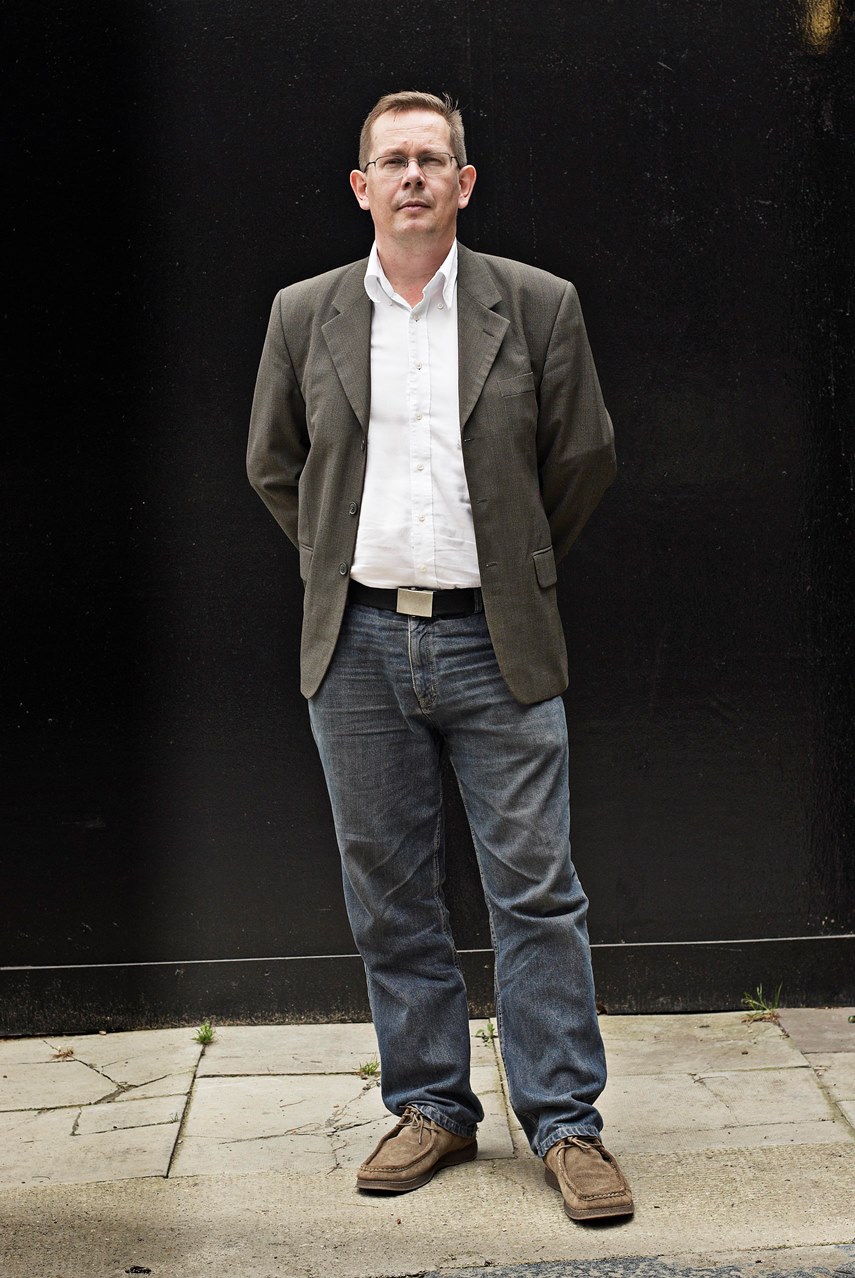
 was a carefully curated cassette compilation which included music from John Foxx, Bill Nelson, Harold Budd and Thomas Dolby as well as spoken recordings by Brian Eno and Richard Jobson.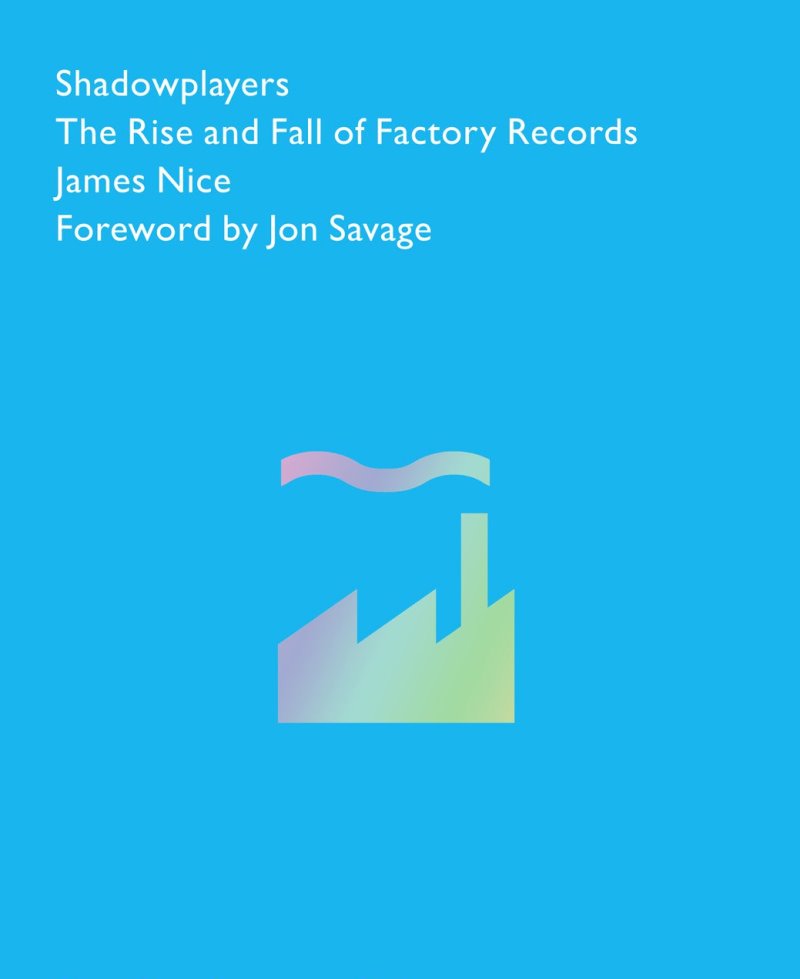
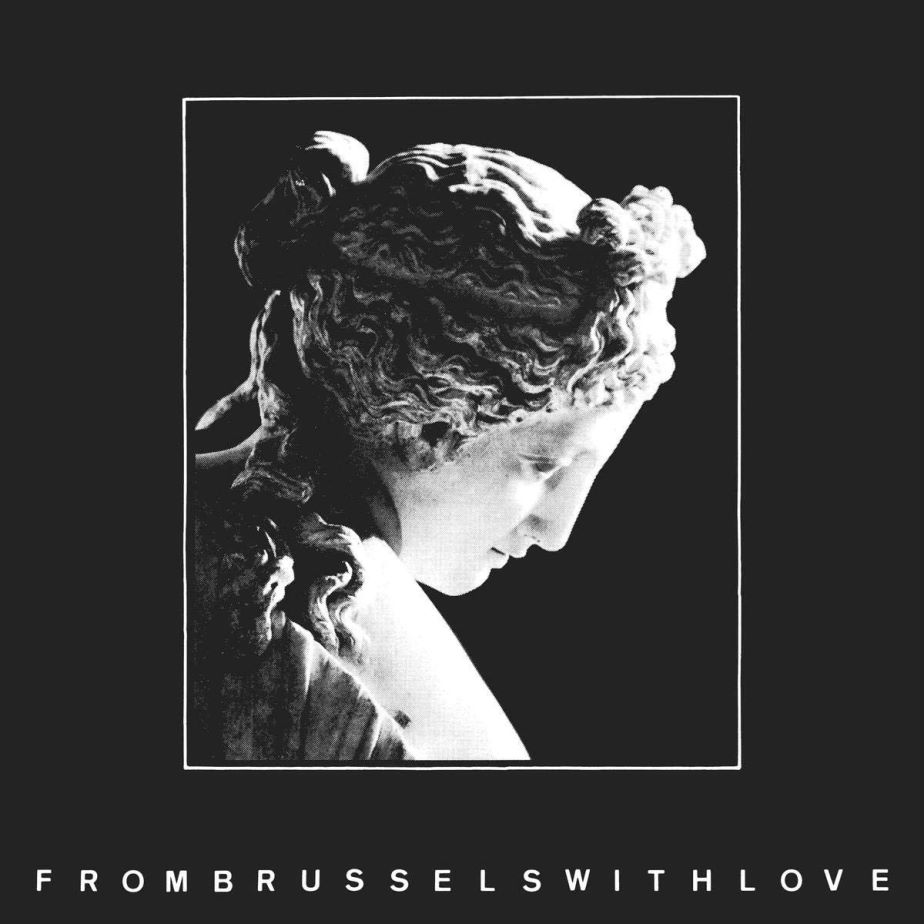
 compilation at the end of 2015. I really enjoyed that process, as a matter of fact. The new tracks and artists he brought to the project really added to it, and the artwork by Clou was great too. I do a lot of boring back office stuff as well as making records, chiefly rights administration. You have to have all your ducks in a row when, for instance, Kanye West decides to sample a SECTION 25 track from 1981.
 via Pledge Music, but was less sure about how to actually deliver the CD version.
 , and the idea of a chronological story, and of course the old ARP Odyssey analogue synth. I’m quite good at coming up with album titles, if I say so myself. ‘Retrofit’ by SECTION 25 is probably the best – it popped into my head while I was watching a documentary about the making of ‘Blade Runner’. Perfect for a remix / reboot album.
 is a great album and should have sold a lot more than it did. In fact Mark regularly reminds me of that!
 was vinyl only because there have been several JOSEF K CD compilations already, and because a 12” matt board sleeve was a great way of exhibiting the original artwork by Jean-François Octave.

 by
by 
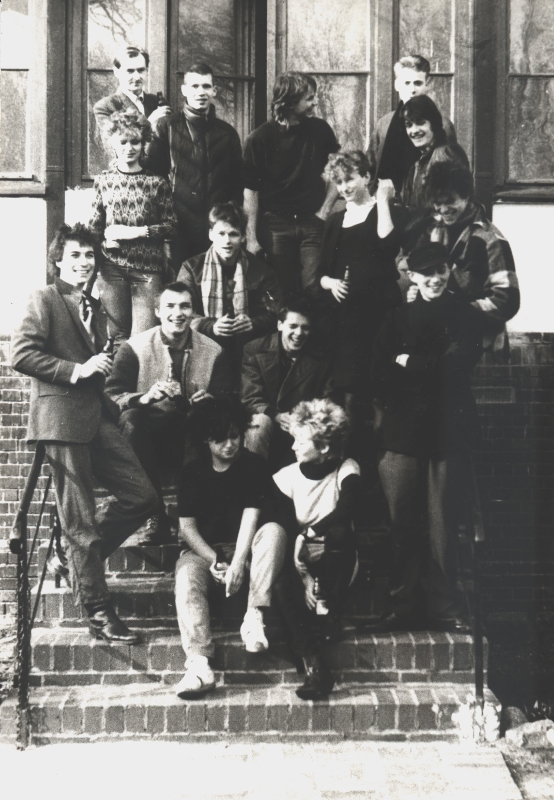
 , Mark Reeder kindly gave an insightful commentary into the tracks that shaped his own musical career.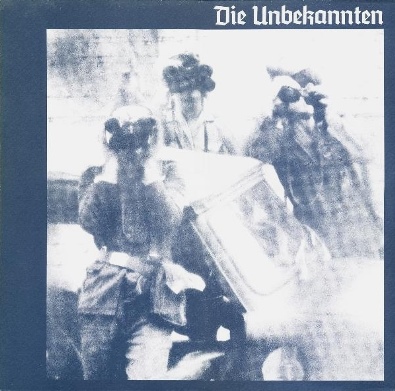
 (V/A) via DEF Media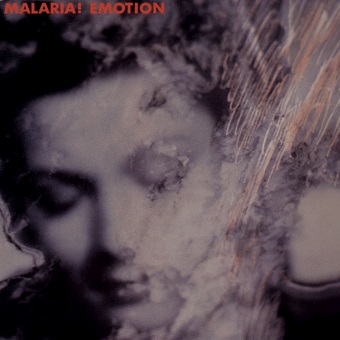
 (V/A) via DEF Media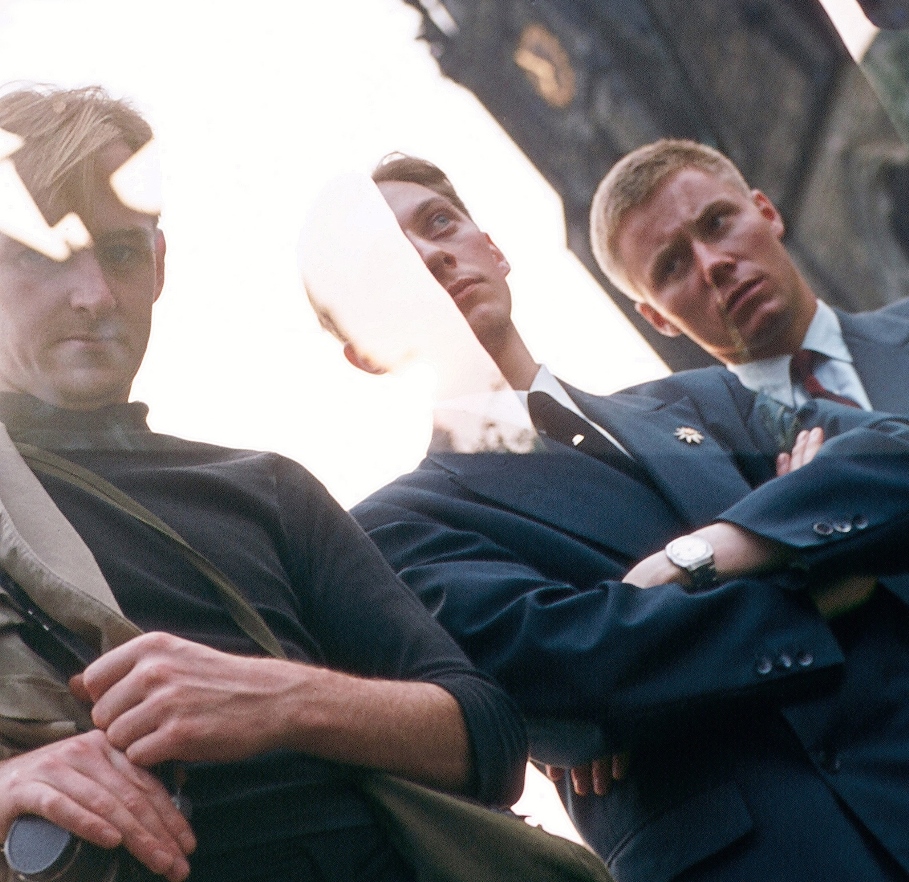
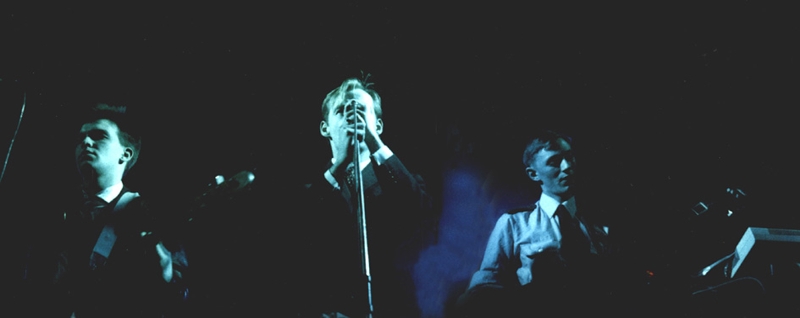
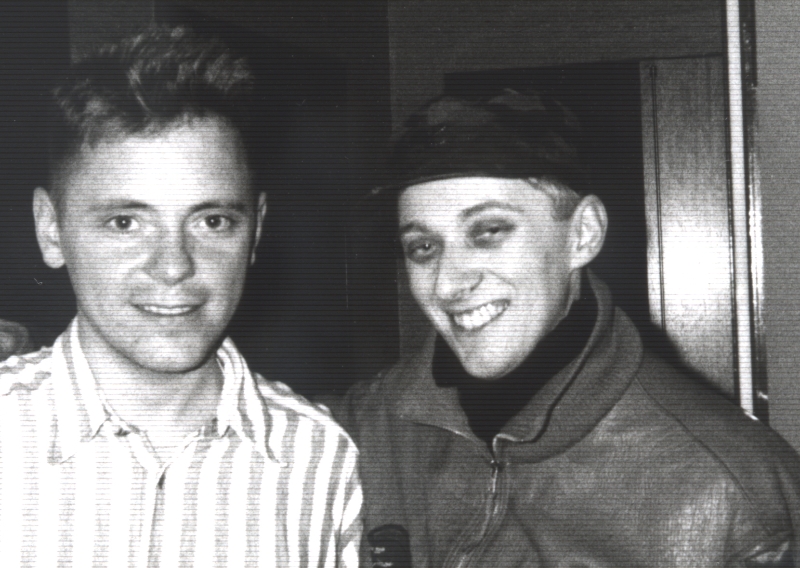

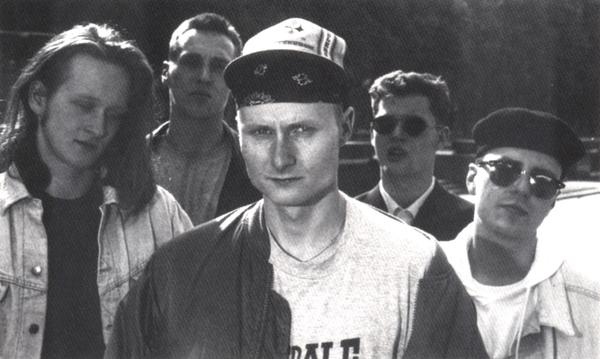
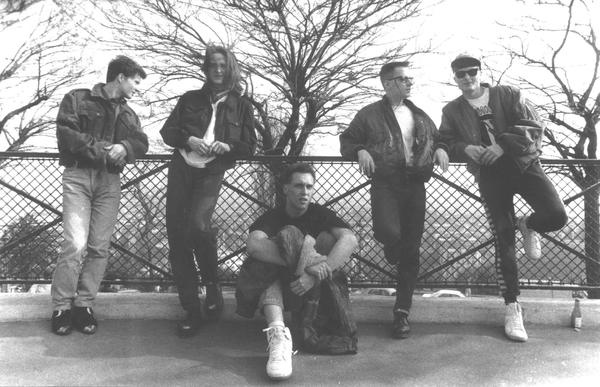
 via AMIGA / Zong & Vulture Records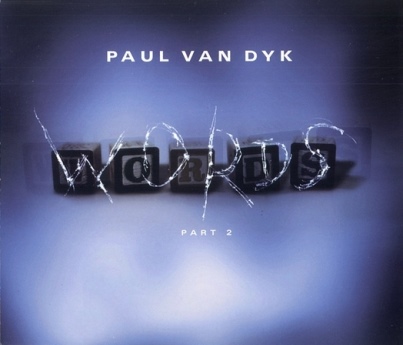

 via MFS
 featuring Bernard Sumner for BLANK & JONES. It was quite thrilling being asked to do this song, as I’ve always loved the original.
 via Kennan Limited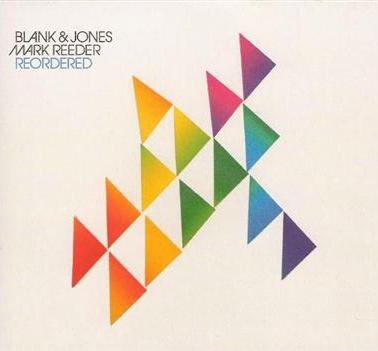
 via Soundcolours
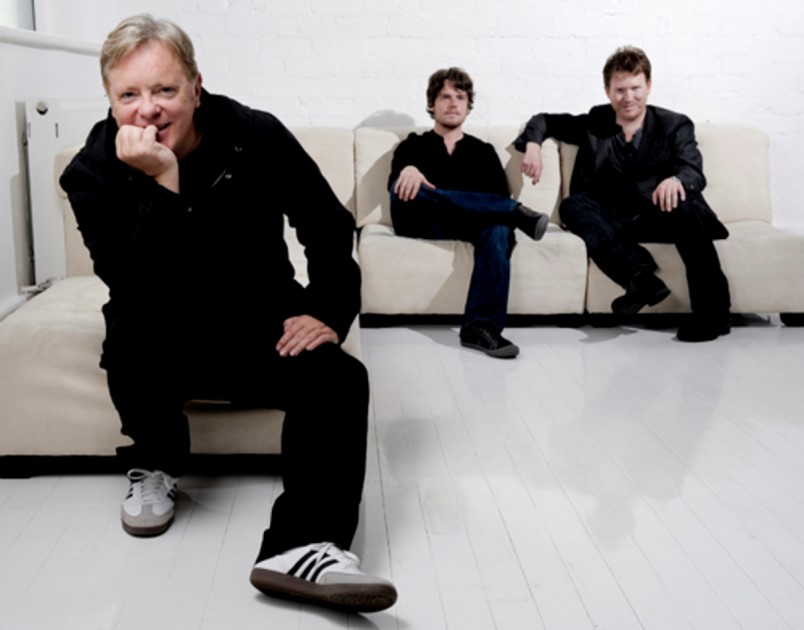
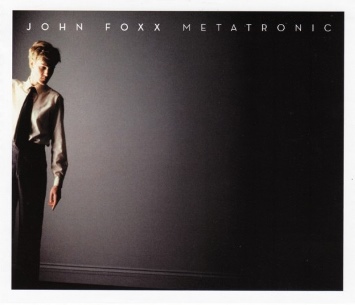
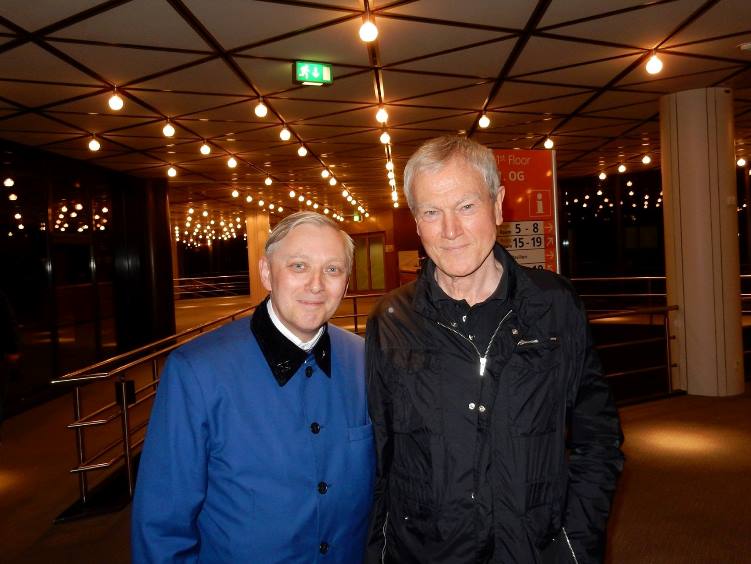
 via Metamatic Records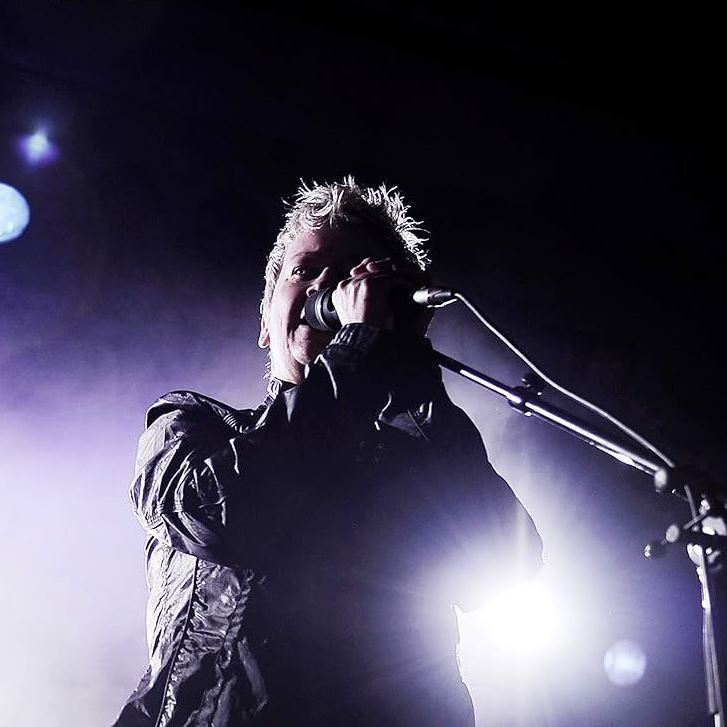

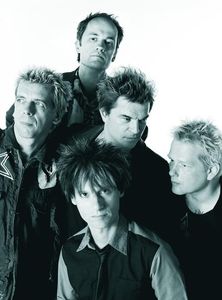
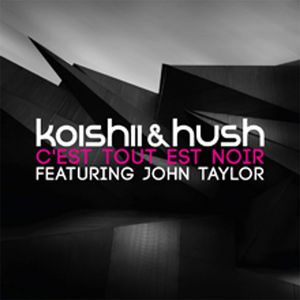


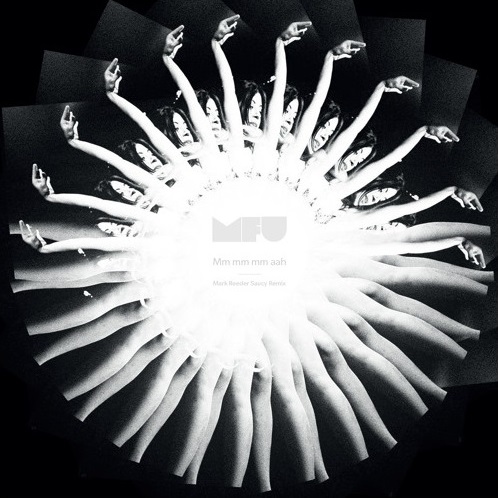
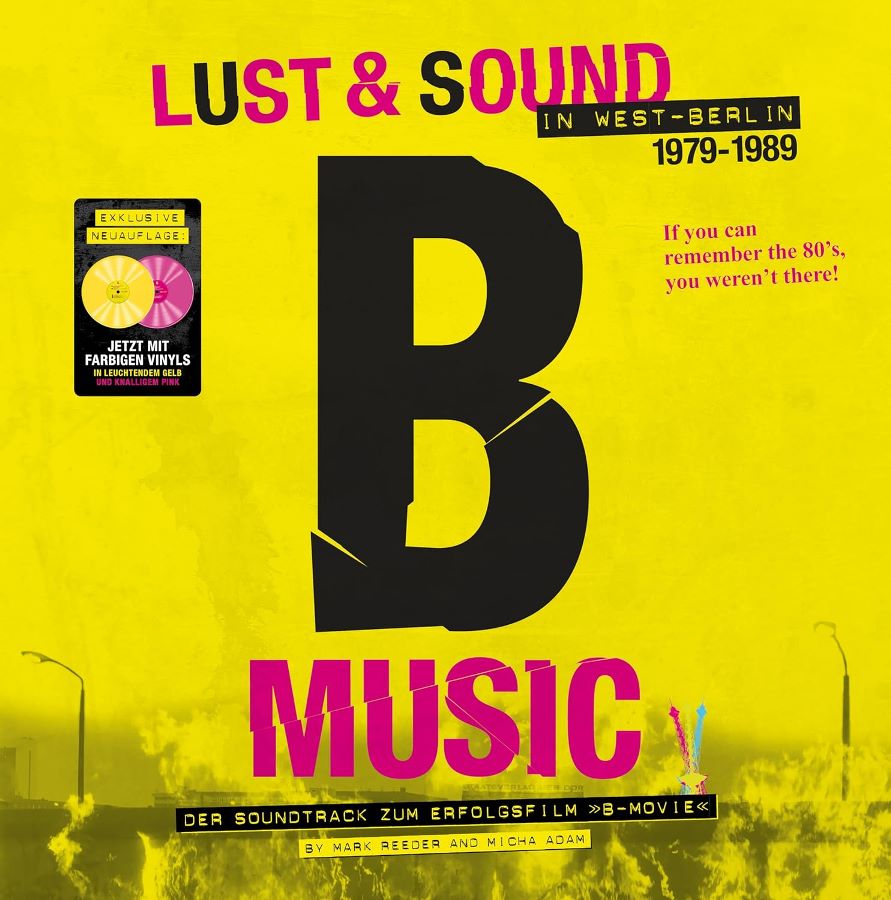

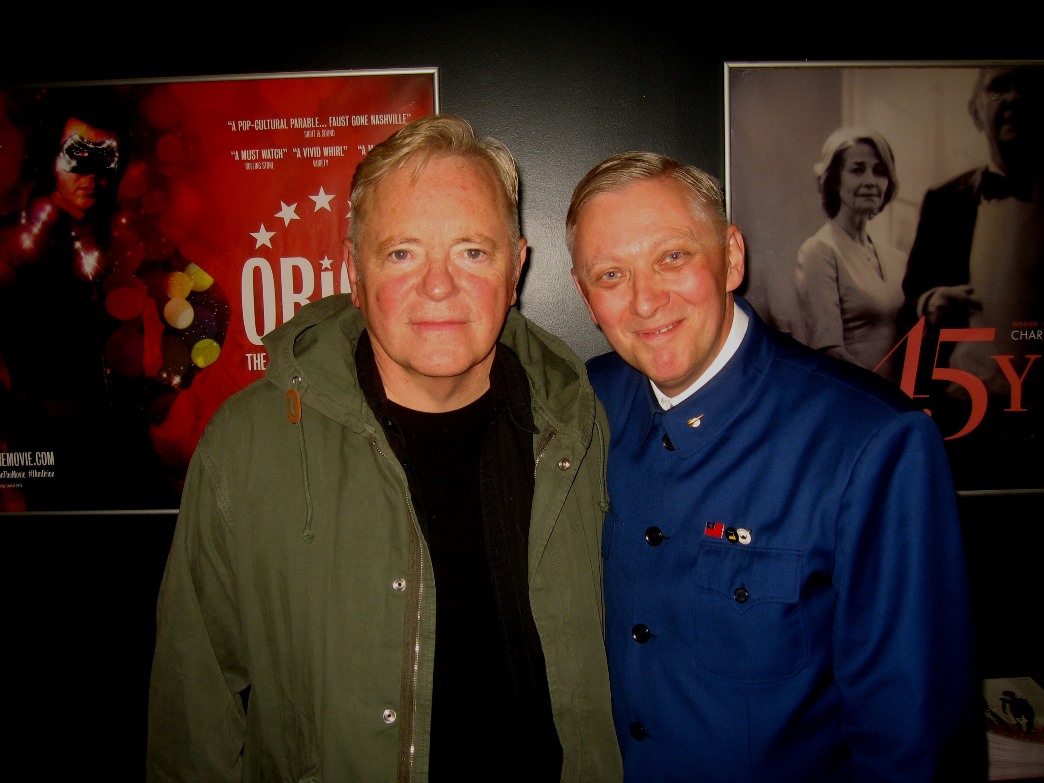
 via Mute Artists
 is available now on DVD, Bluray and download


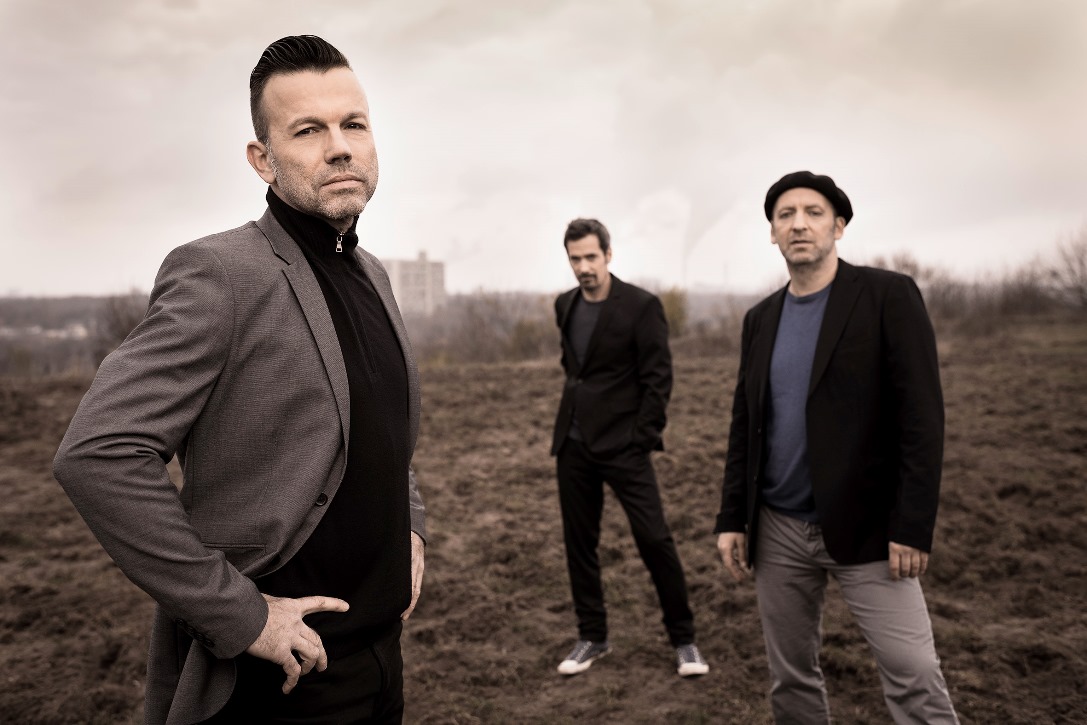


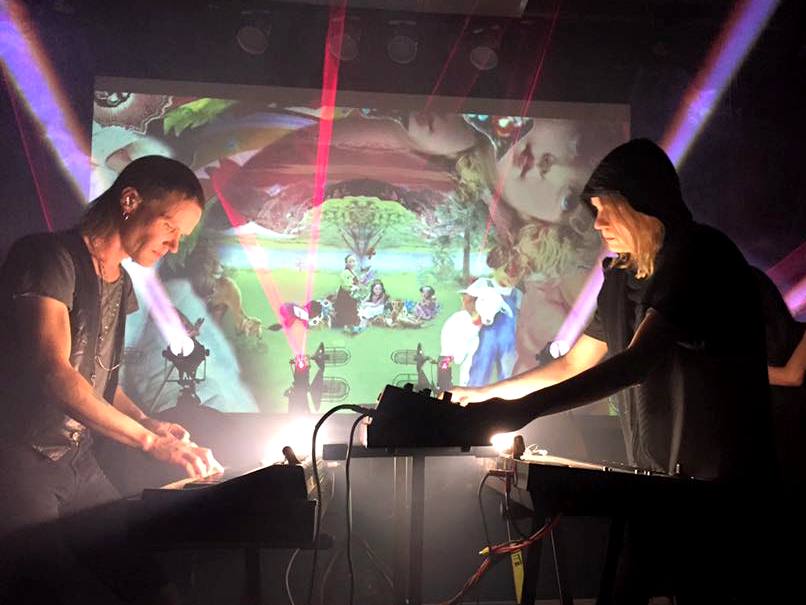



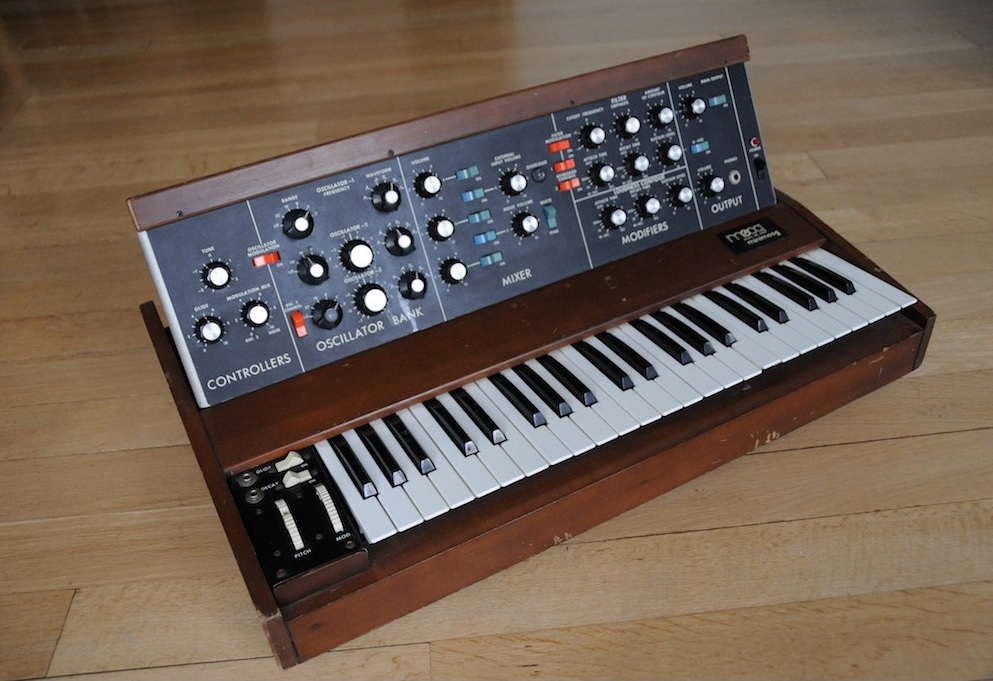
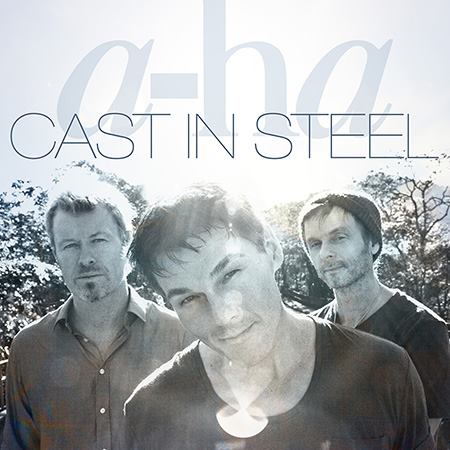

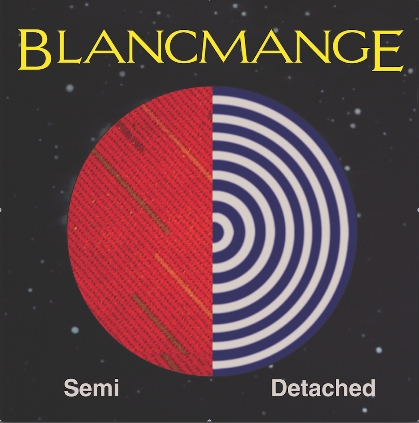
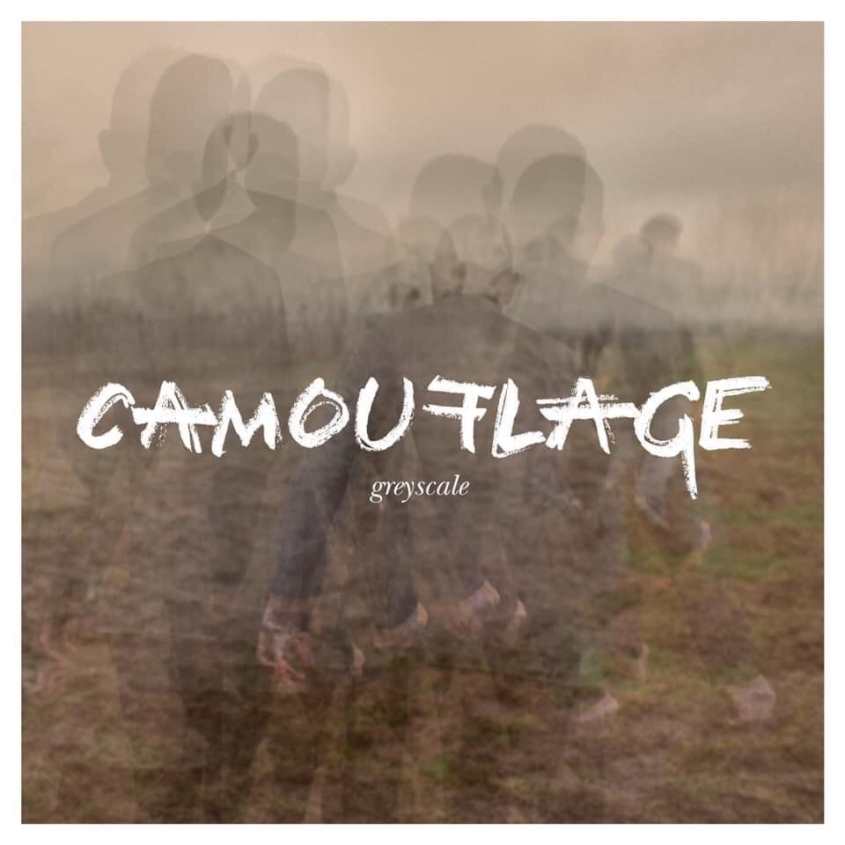
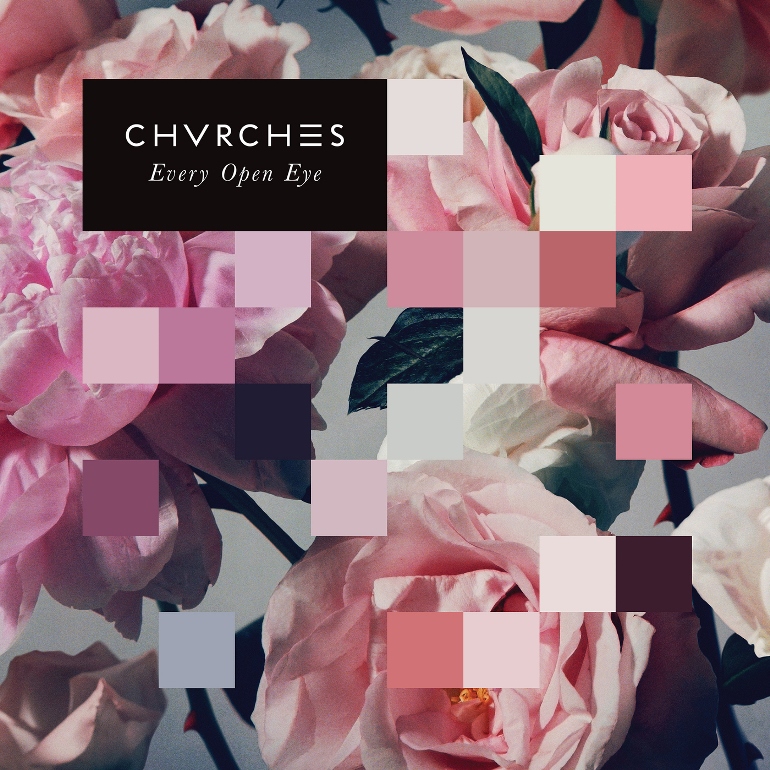

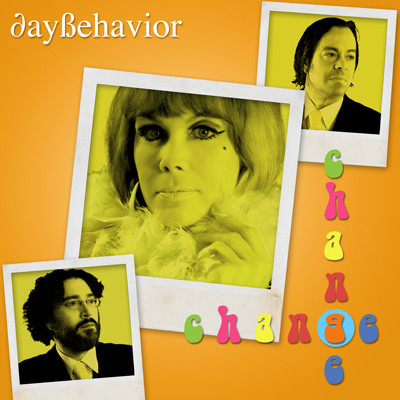
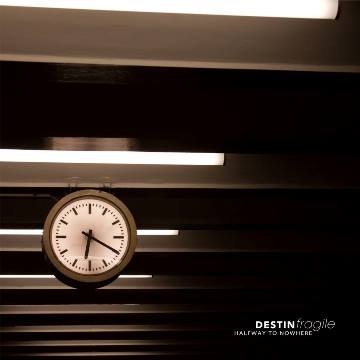


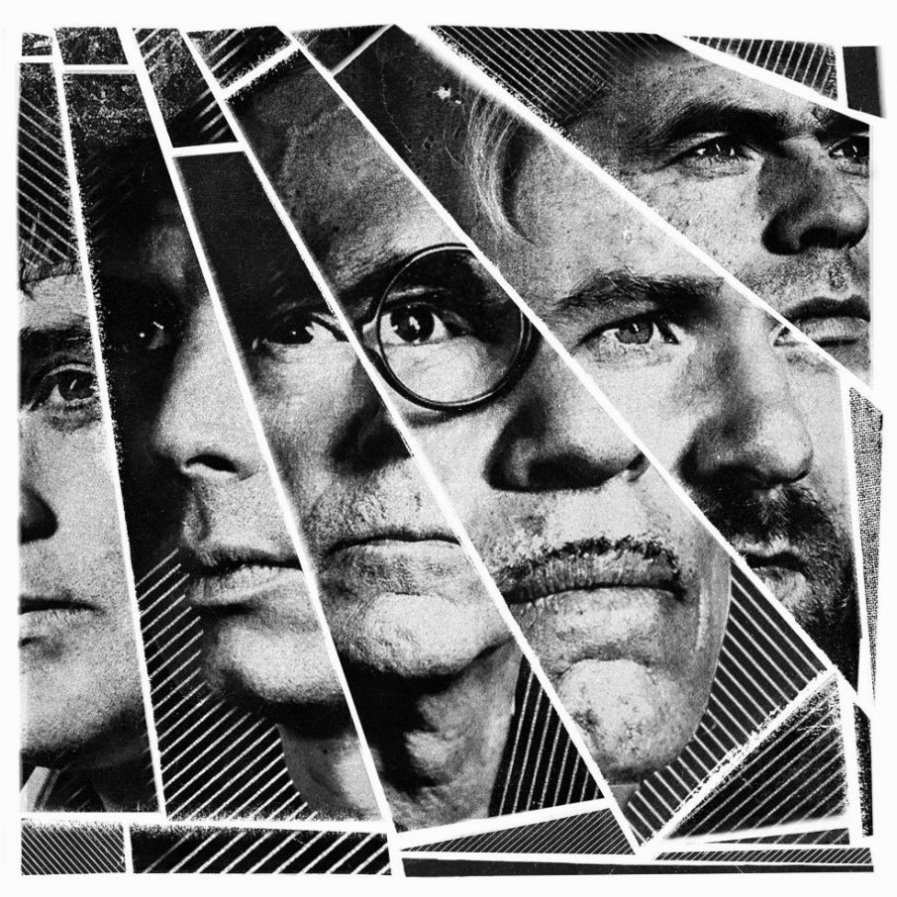
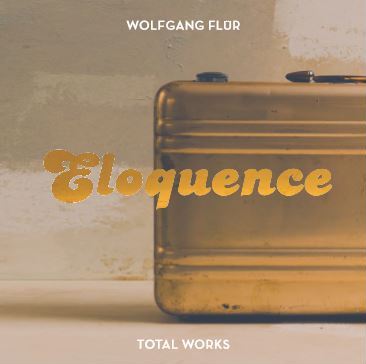
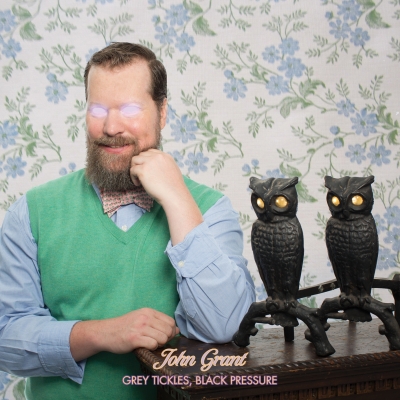
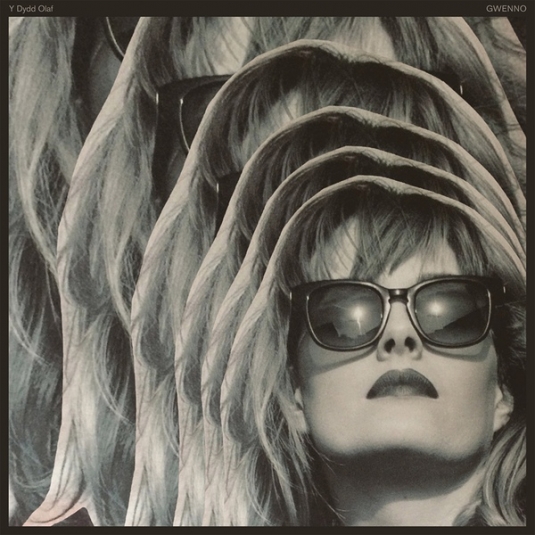
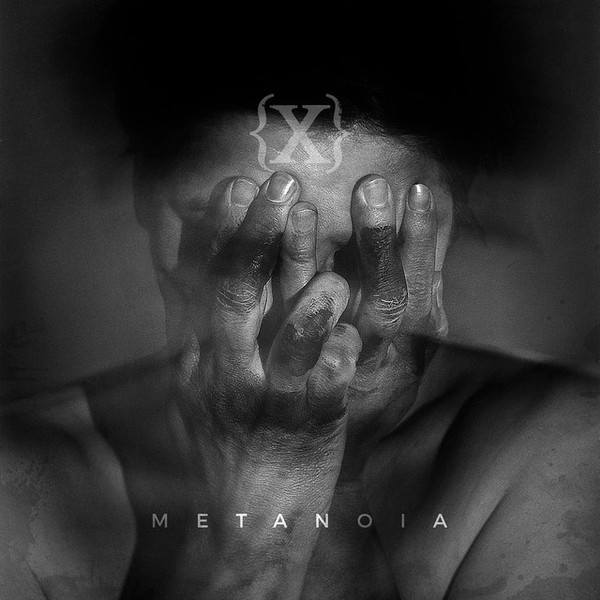
 , his craving for a mind to be free of bad news, negative influences and jealousy was countered with his line of “Everywhere hypocrisy!” as pulsing arpeggios kicked in for the final third’s gentle but drama laden climax. Highly poignant in the current economic and political climate, Corner’s move from Berlin to Los Angeles certainly did his music no harm.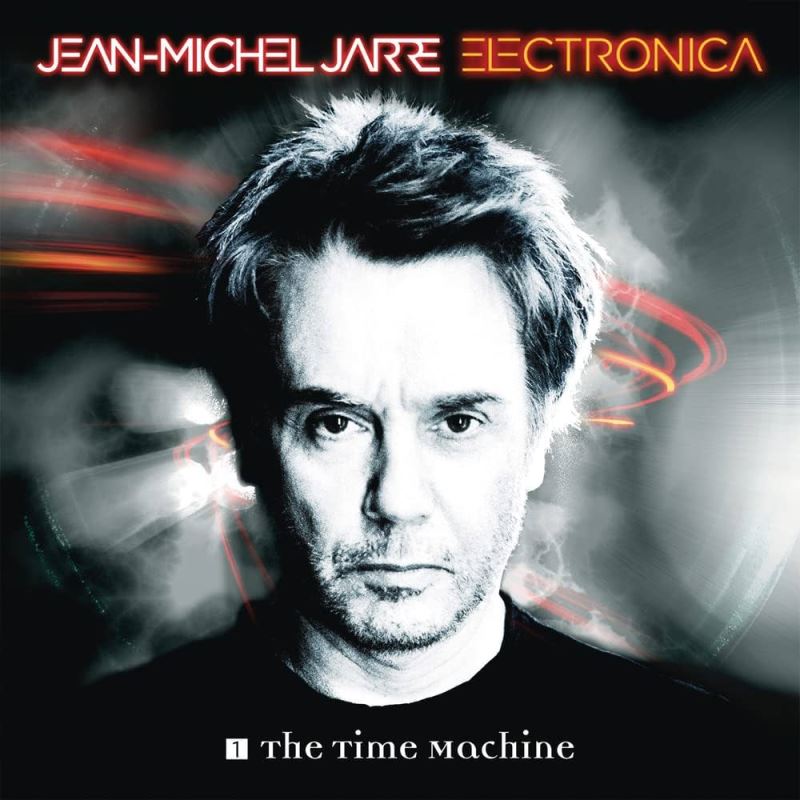
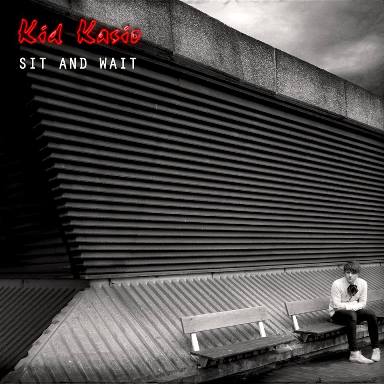




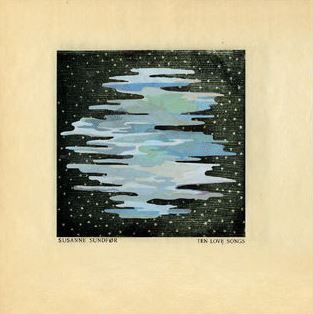
Follow Us!