‘Zeitgeber’ is the debut album by DREAM CONTROL, a cosmic journey through audio and time over ten compositions and improvisations of varying length and tempo.
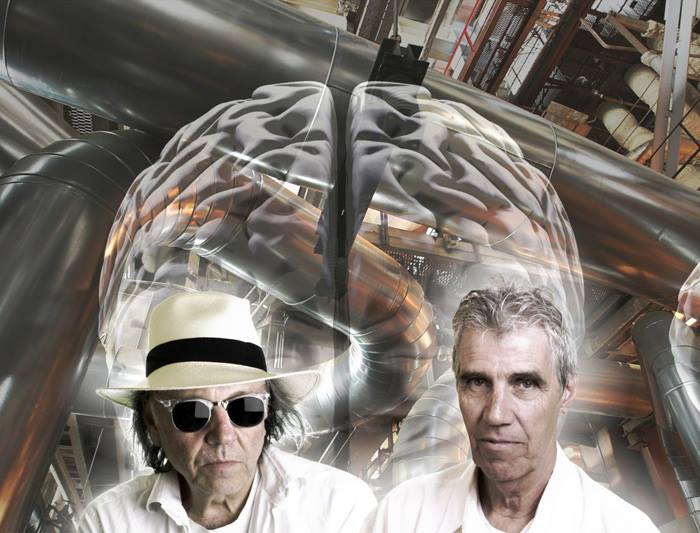
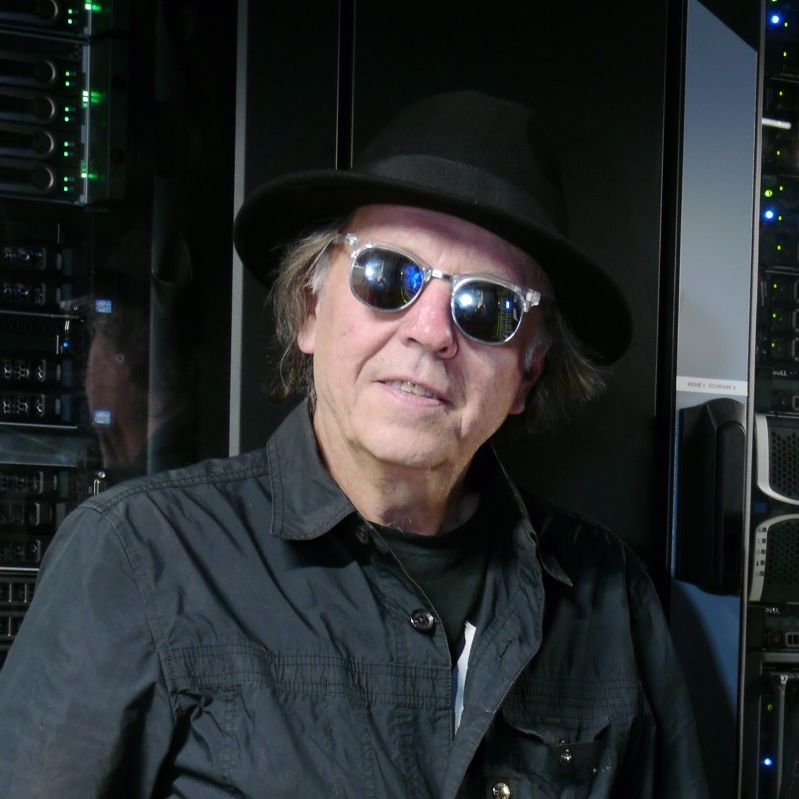
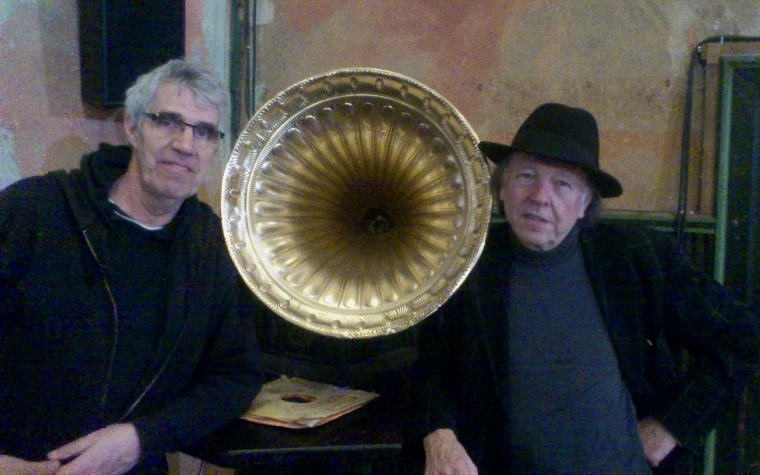
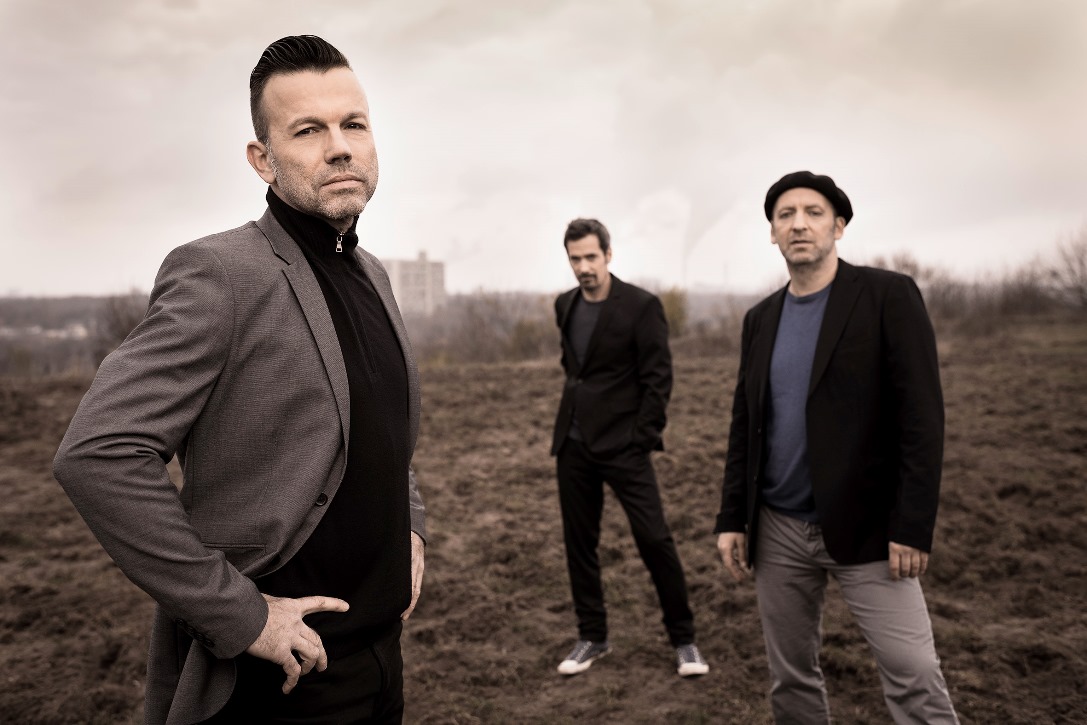
Comprising of Zeus B Held, legendary producer and keyboardist with BIRTH CONTROL and one-time TANGERINE DREAM member Steve Schroyder, the pair have united to construct their own musical adventure based on chosen planetary or molecular tunings which differ from the usual concert pitch.
The concept is known as Die Kosmische Oktave, or “Cosmic Octave”; discovered by Swiss mathematician and musicologist Hans Cousto, it states a link between different kinds of periodically occurring natural phenomena, such as the orbit of the planets, the weather, colours, rhythms and tones, thus affirming a harmony between life and the cycles of the cosmos, rhythms, sounds, colours and atoms.
Held said: “After I experienced the difference to the standard concert pitch, I was happy to do the entire ‘Zeitgeber’ album with this method. And yes, you can hear the difference”.
So each track on ‘Zeitgeber’ has been constructed and tuned to a particular planet’s unique parameters and characteristics. The end result is a largely uptempo electronic record that could potentially satisfy the ears of proggers and the feet of clubbers.
Opening track ‘Eyes & Ears’ begins with an organ-led run that will keep any lover of early German kosmische music happy before it kicks in at a pumping 127.6 BPM with abstract vocoder and enigmatic vocals from Anne Zeides. Things get even faster on ‘Time Out’ at 132.4 BPM, a bubbling thrust of robotic escapism before things take a breather on ‘Go Forward…’
Then things speed up again with ‘To Tomoro’, a frantic burst of progressive trance that clocks in at a mighty 138 BPM and could be mistaken for a collaboration between Jean-Michel Jarre and Ferry Corsten. Continuing with the transient dance vibe but at 127.6 BPM, ‘Frozen Boumme’ adds piano while a fabulous barrage of spacey sequences provide a hypnotic effect.
The superb ‘Kant Can Dance’ comes from Held’s ‘Logic Of Coincidence’ project and is almost pop music compared to what has already been appeared. Bolstered by the throat singing of Kolja Simon, vocal overtones of Felix Mönnich and the return of Anne Zeides, it comes over like an artier Giorgio Moroder in outer space. Utilising a similar palette of sounds, ‘Tomaga’ also throws in some ivory tinkling in a classical style for an unusual blend of aural cultures.
Throughout ‘Zeitgeber’, there is some superb keyboard playing by Held and Schroyder to provide a human counterpoint to all the tightly programmed sequences and beats, something that is particularly well showcased on a brilliant housey cover of ‘Gamma Ray’ featuring some soulful vocals from Tami Williams. It’s a touching tribute by Held to his former band BIRTH CONTROL and in particular, his late colleagues Bruno Frenzel and Bernd Noske.
Reaching the sub-15 minute barrier, both ‘Doors Of Perception’ and ‘Blick Aus Meinem Fenster’ will satisfy enthusiasts of TANGERINE DREAM with their almost spiritual drifts into sound sculpture. They could in fact make up an album on their own and this highlights what could be the one of criticism of ‘Zeitgeber’, that it is perhaps overlong and attempts to fit too much into one body of work? With an abridged six track vinyl edition planned, it will be interesting as to how that is realised.
Certainly ‘Zeitbeger’ could probably do with being shorter but as far as quality and concept go, the debut from DREAM CONTROL is up there in a year which has seen impressive albums by German artists such as QUAESCHNING & SCHNAUSS, RHEINGOLD, DJ HELL and 2RAUMWOHNUNG.
Zeus B Held is the veteran German producer and remixer who has been a key presence in the development of electronic pop music.
Making his name as a keyboard player in the progressive rock band BIRTH CONTROL, he later progressed as a session musician, solo artist and producer. His vocoder layered cover of THE BEATLES’ ‘Fool On The Hill’ became a favourite of Belgian sibling duo SOULWAX.
His production breakthrough came from working with GINA X PERFORMANCE in 1979 when the single ‘No GDM’ became an underground club favourite. As a result, he worked with the likes of FASHION, DEAD OR ALIVE, DIE KRUPPS and John Foxx while also remixing ALPHAVILLE, SIMPLE MINDS and Gary Numan. Other acts who benefited from his musicality and sound design were MEN WITHOUT HATS, SPEAR OF DESTINY, TRANSVISION VAMP and Nina Hagen.
Later, Held moved into more jazzy grooves and while resident in Australia, he led a World Music collective featuring Aboriginal musicians and released an album called ‘Digital Dreaming’. He returned to electronic music in 2015 with the release of ‘Logic of Coincidence’ via Les Disques du Crépuscule, a largely ambient imaginary film soundtrack.
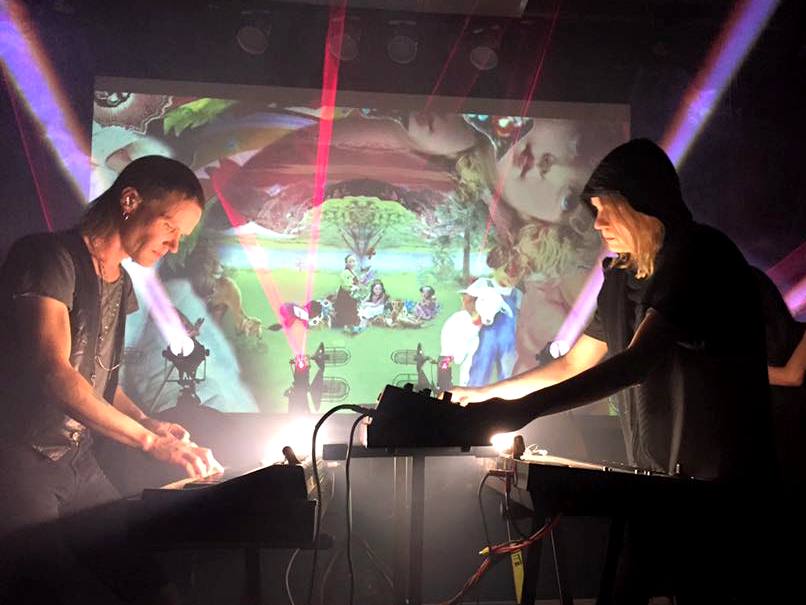
Almost simultaneously, he teamed up with former TANGERINE DREAM member Steve Schroyder to form the appropriately named DREAM CONTROL. The pair are releasing their first album ‘Zeitgeber’, a largely uptempo electronic record that could potentially satisfy the headspaces of proggers and the feet of clubbers.
While in the UK on a short promotional trip for ‘Zeitgeber’, Zeus B Held kindly stopped for coffee to chat to ELECTRICITYCLUB.CO.UK about DREAM CONTROL and his vast production portfolio.
You took a break into jazz and world music, what has brought you back into working in electronic pop again?
After I left England in 2003, I did a few different things like working around the ZKM Karlsruhe on more theoretical aspects of music and teaching. Call this lecturing “transfer of knowledge” which is ok and I still do it, but I am more interested in making music. In 2013, I had four weeks in Japan where I locked myself away with a couple of synthesizers; I really enjoyed that and rediscovered that it was the core of what I do best and what I want to do. This is what became ‘Logic Of Coincidence’.
Did the improvements in digital technology make your return much easier?
Not really, because the actual physical hands-on experience when you work with sequencers, moving sliders and twiddling knobs is a much more sensual action than if you programme it or do it with a mouse. I think there’s a big difference, like between virtual and real action-response.
I started the album with lots of virtual instruments, a master keyboard and a Moog Source. Then I replaced them slowly and as I was doing this, it confirmed my thoughts about the differences between the virtual and real thing.
I remember a time when I was a bit tired of those sounds, not realising that these sounds were the signature of what I’ve been doing! And it took a few years for me to realise those are my tools! And that’s what happened in the solitude of my Japanese hut…
What synths do you have?
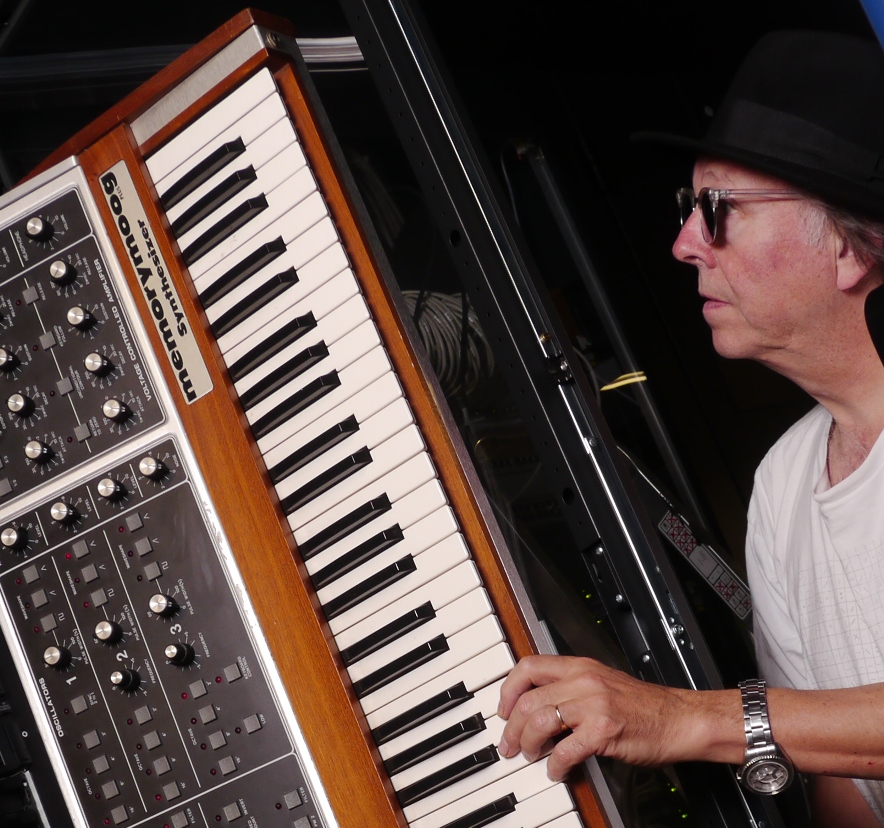
I still have a Minimoog, Moog Source, Prophet VS, Oberheim 4 Voice, PPG wave, Korg Prophecy and through Steve, I got access to the Memory Moog which is an amazing machine. I also have a collection of rack mounted synths including a Nordlead and an Oberheim DBX1. But there are some instruments which I sold – that I shouldn’t have, but there you go…
Which ones do you regret selling then?
Oh, the Polymoog and the ARP 2600 which I am looking to getting back, or something similar. I went to this year’s Superbooth in Berlin and I could see there is a new wave of old style analogue synths coming up from all over the world; it’s been a really good experience to meet so many other synthesizer freaks.
What is the direction you are taking in DREAM CONTROL, how different is it from ‘Logic Of Coincidence’?
It was amazing that Steve’s and my life were running parallel without us ever meeting each other and incredibly, he also lives in Freiburg, streets away where I am now. So it happened to be another ‘Logic Of Coincidence’ *laughs*
On our first studio session, we played around with some chords and rhythms – I played various synths and piano, added some sequences and experimented with vocoder lines. It all fitted and we both really enjoyed this new form of jamming and improvising on the spot, sometimes being amazed how our individual music and sound became one… you listen, you play and you answer, you throw a ball in, it’s just playing and responding. And that is something me and Steve can do on all kind of electronic instruments. When you create music, it should be playful.
How would you describe the sound of ‘Zeitgeber’, given Steve’s history with TANGERINE DREAM and your own background?
This album has a lot of energy in it, definitely not just a dreamy ambient album. Steve introduced me to the natural law of the “Cosmic Octave”, which is a different approach to frequency and rhythm definition.
After I experienced the difference to the standard concert pitch, I was happy to do the entire ‘Zeitgeber’ album with this method. And yes, you can hear the difference. Overall it is an instrumental album with a good deal of vocoder. There is also assorted overtone singing and some other vocal elements by two female singers.
Because of our name and history, we decided to rework one TANGERINE DREAM song and one BIRTH CONTROL song ‘Gamma Ray’, although later we dropped the TD track from this album.
Is ‘Kant Can Dance’ representative of the album?
I would say yes and no! It is the existing link to my ‘Logic of Coincidence’ album, but it’s in the spirit of us both. ‘Gamma Ray’ and ‘Kant Can Dance’ are the more accessible tracks of the album. The other tracks, like for example ‘Tomaga’ are deeper journeys into sound and unknown spaces.
Although you served your apprenticeship with BIRTH CONTROL, you went solo…
BIRTH CONTROL was a progressive rock band, doing lots of gigs all over Europe, but mainly in Germany. I was always doing my 15 to 20 minute keyboard solo which actually became my first solo album! *laughs*
Slowly I was moving more into electronics, away from the EMERSON, LAKE & PALMER and DEEP PURPLE thing. By pure coincidence, I became neighbours with Conny Plank’s studio and I realised that you can do different sound work in the studio and that’s how I did my solo stuff; I discovered the vocoder which made me develop my own singing approach – and guess, I was glad not to have to deal with a singer’s ego! *laughs*
With electronic pop producers of the era like yourself, Mike Howlett, Trevor Horn, Stephen J Lipson and Steve Hillage, there appears to be this connection with progressive rock?
I am sure there is a theoretical connection, the spirit of the time. But for me, it was my own development from thinking in chords, melodies and the traditional compositional building blocks to learn how to work with sequencers, machines and multi-tracks; I remember very well when I did this 2 minute track ‘M.P.C.’ on BIRTH CONTROL’s ‘Rebirth’ album, by discovering the Mellotron. I spontaneously put strings, flute sounds and choir together and played an impressionistic piano on top, all in an hour, while the other guys were having lunch. I got so inspired by sounds and multi-tracking, I learned to understand the studio as an instrument.
You became more widely known in the UK for producing GINA X PERFORMANCE and ‘No GDM’, what was the creative dynamic between you and her?
I wanted to make an album with vocoder, drums and only synthesizers and I wanted to make it really cold, no bluesy chords or melodies, no guitar and nothing rocky. I had in mind science fiction inspired tracks, also possible songs for the ROCKETS next album. Gina was an art student and was really into cutting edge art and music.
We became a creative unit and I invited her into the studio, maybe to put some spoken words on the recordings – she developed from this, her own way of singing. With ‘No GDM’, she wrote the lyrics in the café upstairs of the Cologne Studio Am Dom after she saw the ‘Naked Civil Servant’ film; so when she stepped in front of the microphone she transformed herself as well as the track. She put that particular life into my music, effortless and free of clichés.
What were peoples’ reactions to what you both did?
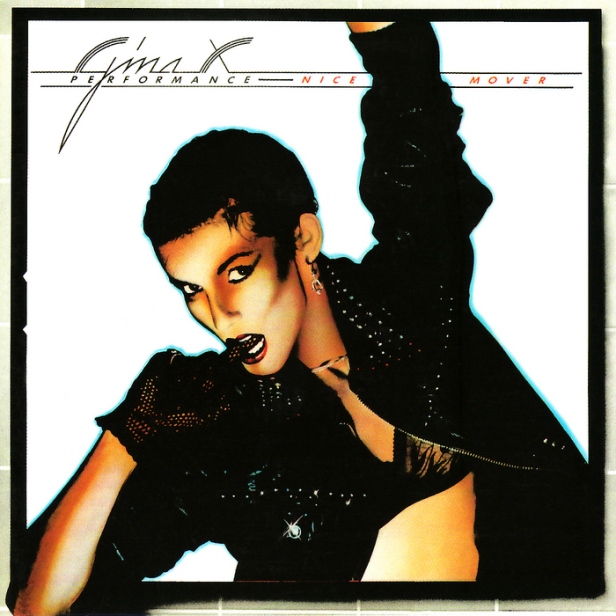
It was an amazing experience for both of us, but at first, nobody was interested because this was a non pigeon hole-able unheard music. I’ll never forget when this studio mastering engineer in Cologne put the ‘Nice Mover’ album on the spectrum analyser and said “Look here at the frequencies, this can’t work! Nobody wants to listen to that!”*laughs*
But we found a little label and suddenly people started to like it. It came from three places where we had the best feedback; there was Rusty Egan and The Blitz Club, Austrian main radio where it entered the charts and Canada… this all took about a year to happen.
So this led to you coming to the UK and working with Birmingham band FASHION?
What also led me to FASHION was my vocoder production for a French / Italian band called ROCKETS. I went to the Midem, the annual music event in Cannes, to sell my first solo album and I passed this stand where I saw a video with five silver painted guys playing a slightly futuristic rock song ‘Future Woman’ using a voice box.
I thought “this would be so much better with a vocoder” and I asked to speak to their manager – after he heard my stuff, I was in. A week later, I was in Paris recording a cover of CANNED HEAT’s ‘On The Road Again’ and it became the ROCKETS’ big European hit.
FASHION heard this and also liked GINA X PERFORMANCE – so eventually a guy from Arista Records asked me to listen to their demos and I liked it. I particularly liked it because Dee Harris, the main songwriter and front man, also played a wicked Roland guitar synth in a slightly jazz-funky way; in those days the only other guitar synth player I knew was Pat Metheny on his group’s ‘Offramp’ album. The ‘Fabrique’ album was recorded in Cologne, Paris and London, it was nicely developed over six months.
You also worked on the next FASHION album ‘Twilight Of Idols’ which closed with the brilliant instrumental title track…
Well… ‘Twilight Of Idols’ was FASHION Mark 2, it’s OK, but for me it was a compromise. The second version of FASHION with Alan Darby on guitar and vocals and songs like ‘Hurricane’, for me, it was stylistically too close to the overcrowded field of mainstream rock.
FASHION’s first album with Dee Harris was his subtle funk and jazzy chord structures, influenced by American songwriting and this particular mixture of electronics from me applying my Germanic sequencers. Lately, 35 years after its making, I have been asked to overhaul ‘Fabrique’ with Dee Harris, so I can assure that we’ll eventually be working on that.
At one point, FASHION were rated higher than DURAN DURAN on the Birmingham scene but of course, it was DURAN DURAN who broke big, what’s your take on it?
In Birmingham, FASHION and DURAN DURAN were rehearsing in the same building when I got involved. DURAN DURAN were already ahead in the game, having a few singles out with EMI while FASHION were just entering the major pop arena. As much as I like Mr Simon Le Bon, I think Dee Harris was a different calibre as a vocalist – but there you go, the DURAN DURAN guys just went a fair bit faster, were better managed and they administered one hit after another!
Unfortunately after ‘Fabrique’ was finished, some chemical reaction in certain brains caused the ‘Fabrique’ line-up to collapse and the album had to be buried by Arista. Their German and American labels hugely believed in the group and things could have been different, but FASHION didn’t really enter the league they should have been in.
How did working with John Foxx on ‘The Golden Section’ come about?
I was a big fan of John’s ‘Metamatic’ album. He had the same publisher as Gina X who also was his manager. John had been working with Mike Howlett, but it wasn’t working out for various reasons… and he had discovered THE BEATLES! I told John that it should be more about sound and noisy abstract tunes but he wanted melodies with second and third harmonies. *laughs*
We were working in his studio The Garden in Shoreditch and it was his solo album, so I was there to make his vision happen. I guess our collaboration was not a very successful one as he pulled too far away from his roots, something that he later realised “ooops”! I helped him but I was torn, I had to make the best out of it.
I wanted to bin songs and put more sequencers on others as it would have been more suitable and appreciated by his existing fan base, but he galloped into ‘The Golden Section’. John is a multi-talented, very intelligent artist and we met at an interesting moment in our lives, but we didn’t make the kind of mutual masterpiece which we could have done.
You then went on to producing DEAD OR ALIVE, your work with them had an amazing rhythmic element to it, how did you achieve that?
They loved Patrick Cowley and Sylvester, that uptempo HI-NRG gay disco. I often went to the Heaven club during those days and listened to that music, I really liked this irresistible drive and energy. They brought many of those elements to the table themselves. We started to work on ‘Sophisticated Boom Boom’ with Wayne Hussey on guitar, thus getting a slightly gothic element which I quite liked.
But Wayne and his guitar were sacked relatively early during the production, you can hear his guitar best on the first single ‘Misty Circles’. For me, producing DEAD OR ALIVE was a mixture of sound-styling as well as making sure Pete Burns’ mighty vocal performance had the right backing. We got on fine, but there were moments when we argued about what’s best for the arrangement and dynamics. Sometimes I offered ten ideas and they’d take one and a half… I guess that’s part of the producing process…
So in DEAD OR ALVE, had the sequence programming been done by Tim Lever and you were sweetening it for the final recording, or were you redoing it?
It was a bit of both, some tracks came with some basic sequences to start with, others we started from scratch. I brought along my Moog and ARP 2600 to fill up the space. For drums we used mainly the Oberheim DMX, a Linn Drum and sounds from the Akai S1000. We also had a Korg drum machine but they didn’t like the TR808; it’s funny, when I worked with KILLING JOKE, they hated the 808 as well.
After all these British artists, what was it like to work with a German act like DIE KRUPPS in 1985?
With John Foxx and DEAD OR ALIVE, we had more open ended concepts. DIE KRUPPS were more German, much more “korrekt” and “…it’s all been worked out!”*laughs*
They pretty much had worked out how their tracks should be structured but by playing around with the Fairlight, we found space for new ideas and sounds. In the end, a lot of the ‘Entering The Arena’ album was Fairlight based. Listening back to it now, I feel we were close to a real classic. And somehow we wanted to hold our own against PROPAGANDA, but this was tricky because PROPAGANDA’s production budget was in a different range. We had a limited budget and the LP was released by the Virgin sub-label Statik, whose claim to fame was MEN WITHOUT HATS who I later worked with.
How did you find the move into the world of the Fairlight and digital in general?
I wanted to master the Fairlight and luckily enough, Octave Hire, a London rental company based in the Docklands, left one with me at my basement flat in Earls Court when it wasn’t being used. I spent days and nights on end to dive into this new world of sampling and sequencing. I’ll never forget how I once got stuck and someone suggested to phone this guy Hans Zimmer who was also working with one and had a studio in Fulham called The Snake Ranch. He came to my house and showed me a few tricks. When he spoke in his Bavarian accent, I realised there was another “Deutsch Musik Mann” in my London hood! *laughs*
I used the Fairlight on the last Gina X album ‘Yinglish’ and it was here when I met JJ Jeczalik, a real expert on the CMI. We made a deal: I’ll get him a few studio gigs, teach some musical basics and give him sounds and samples which went into his library – some of them ended up on the first record by THE ART OF NOISE. But at one point, Pete Burns walked into Olympia Studios and shouted “ZEUS! YOU B*STARD, I HEARD MY VOICE ON THE ART OF NOISE, I KNOW IT’S ME!”… I replied “it’s impossible”, but thought to myself “oh sh*t, it could well be!” *laughs*
You had a bit of a remix period, one was ‘Big In Japan’ by ALPHAVILLE…
ALPHAVILLE used an edit of my 12 inch remix for the normal 7 inch… I mixed it at a studio in Queensway with the engineer Femi Jiya, who later worked with PRINCE. This music wasn’t exactly funky and so we worked with repeat echoes and dropped in a fretless bass sound from a Roland D50. Next door was ASWAD, the reggae band – you could smell it… so I asked them to come in and played the mix to them, they gave it the thumbs down! *laughs*
On your remix of ‘Ghostdancing’ for SIMPLE MINDS, you gave space to the rhythm section…
SIMPLE MINDS then had a drummer I did some studio work with before, Mel Gaynor… he also played on an unreleased track I produced with Ian Burden from THE HUMAN LEAGUE, called ‘She’s Always On The Dancefloor’. I studied the parts and played around with the drums because I really enjoyed what Mel Gaynor did. He was a timing and groove master who beat every drum machine.
How did you feel when you were asked to do the ‘E Reg remix’ of Gary Numan’s ‘Cars’ in 1987?
I was a big Gary Numan fan, I saw him in 1980 in Düsseldorf at the Philipshalle… guess who was the support act? SIMPLE MINDS and they played on about four square feet of stage because Gary Numan had such a huge stage set up!
Beggars Banquet asked me to remix ‘Cars’ and I was already booked and had to squeeze it in. So I worked 20 hours non-stop on it. This was when the Roland D50 came out and if you listen to my remix, it’s full of those sounds! I enjoyed doing it because it’s a great song, I love his voice, the dynamics of the sounds work brilliantly with Gary’s melodies. I saw my job was to get more excitement and shape into the track as well as doing an extended version. Armand Van Helden actually sampled parts of my remix for ‘Koochy’!
Four weeks later it was out, doing really well and I was invited to a Gary Numan concert, I sat next to his dad… I looked on stage and there were five D50s! *laughs*
Your work with TRANSVISION VAMP was fascinating in that you used technology to make an album sound punk…
I worked closely with their label and they wanted a record, like you could have a cup of tea to… well, they didn’t actually say that but it was how I translated it, “pop punk”. The first album ‘Pop Art’ took nearly two years and the band grew during its making; they had started to work on demos with Duncan Bridgeman who also did most of the pre-production; after a few tracks into the actual recording sessions, I was asked to revisit the production and arrangements.
I got a chance to enrich the sounds and take care of the mixing. A few tracks I did from scratch and started with an electronic song frame. Especially ‘Tell That Girl To Shut Up’, I’ll never forget when I was doing the arrangement, Wendy James walked in and screamed at me “THAT SOUNDS LIKE F*CKING HOWARD JONES, I HATE IT!” and she stormed out of the studio. I yelled “wait, we’re going to stick the guitars on and it will work!” which is exactly what happened. So yes, in the end most of the album sounded a good mixture between electronic versus rough and punk.
Of course, this was in the days before Melodyne and Autotune… when Wendy sang the soul out of her guts and it wasn’t quite right, we would have to record up to thirty tracks of vocals and do compilations of the takes – and in the end it sounded like one convincingly performed take, which would have to grab the listener. She sold that band!
Before that, there was the aborted Clare Grogan album that you did, what happened there?
With Clare, we were forced for too much in a little amount of time. I couldn’t really open her up musically, it was like being whacked in with the record company watching… before I could sit back and analyse, it was all finished. It was done in a rush, that was a pity. With her voice, we should have done something a bit more whacky, something more off the wall.
I had the same experience when I was paired with Annabella Lwin from BOW WOW WOW. It could have been brilliant but it was squeezed into three weeks trying to record ok songs. I couldn’t find her best musical language, you need time when you develop something new. With TRANSVISION VAMP, we had eighteen months and it grew. It all started when Nick met Wendy and said “do you want to be a rock star?”, she said “yes” and they worked on it.
This record company pressure would drive any normal person crazy?
Yes, there’s a danger, you’d better have strong nerves and a good sense of humour… and you have to avoid ending up doing paid crap!
Is that why there has been such a big gap in your production work after Nina Hagen in 1991 ?
It coincided with a breakdown of my private life. Whether it was too much time spent in the studio or a typical mid-life crisis, whatever! It happened! So I had a desire to be free, travel the world – I ended up in Australia, doing music there with Aborigines and playing concerts in the middle of nature. That’s when I recorded my “audio postcard of down under” called ‘Digital Dreaming’. All in all I took ten years off and then I didn’t come back easily. I did film and ad music and that didn’t really satisfy me.
So I had a rethink, did workshops and coaching, gave lectures – call it “knowledge transfer” – but again, this was not what I wanted to do. I realised I feel most comfortable doing music in the studio or on stage. And by now, as much as I’m an optimist, I have given up on the idea of immortality *laughs*
I would love to do more DREAM CONTROL concerts, events and festivals. I still want to play and entertain people – their ears, their eyes and their imagination. In the studio I would like to do more songwriting and remixes; in an ideal world I’d always work with new inspiring equipment and learn how to master it.
I always enjoy listening to music but I am a difficult consumer. For pleasure I’m often listening to more jazz based music, but occasionally, a mega exciting track by the likes of Justin Timberlake or Justin Bieber will knock me out and I applaud. Apart from a song’s composition, I always want to know how it is done the way it sounds – from the musical & frequency arrangement to the immaculate mastering.
Music doesn’t stop… music keeps me alive
ELECTRICITYCLUB.CO.UK give its grateful thanks to Zeus B Held
Zeus B Held may be not as well-known as Giorgio Moroder, Conny Plank, Martin Rushent, Mike Howlett and Colin Thurston, but the German producer has been a key presence in the development of electronic pop music.
Making his name as a keyboard player in the German rock band BIRTH CONTROL, the experience allowed Zeus B Held to progress as a session musician and producer. The NME later described Held as being able to combine “electronic Teutonic sounds with a soulful sensibility for melodic expression”. Often considered an artier counterpart to Giorgio Moroder, Held too embarked on a solo career before settling into using the studio as his main creative outlet.
His production breakthrough came from working with GINA X PERFORMANCE in 1979 when the single ‘No GDM’ became a club favourite within the New Romantic movement. This led to a move to London to further his career. At the height of the synth assisted pop boom in Europe, Held was producing the likes of FASHION, DEAD OR ALIVE, DIE KRUPPS and John Foxx while also remixing ALPHAVILLE, SIMPLE MINDS and Gary Numan.
In 1995, Held wrote and recorded the music for a worldwide advertising campaign for Swatch while in more recent times, he has tended to work in more jazz inclined fields involving big band orchestras and a World Music collective who released an album entitled ‘Digital Dreaming’.
But then in 2014, he teamed up with former TANGERINE DREAM member Steve Schroyder in a new electronic project appropriately named DREAM CONTROL.
Without doubt deserving greater recognition for his adventures in modern recording, here is a look back at 18 of his works in chronological order, with a restriction of one track per artist moniker…
ZEUS Fool On The Hill (1978)
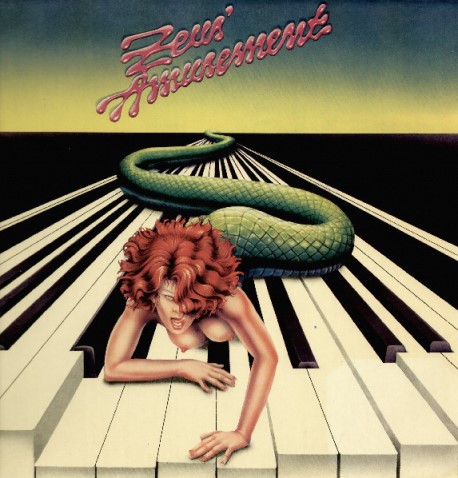
Having spent six years as a keyboard player BIRTH CONTROL, Zeus B Held ventured solo and delivered this spacey vocodered cover of THE BEATLES favourite for his debut solo album ‘Zeus’ Amusement’ on Brain Records, home to kosmische acts like CLUSTER, NEU! and KLAUS SCHULZE. Released as a single, ‘Fool On The Hill’ showcased his interest in new technologies while maintaining a traditional and widely recognisable musical aesthetic.
Available on the album ‘Voice Versa’ via LTM Recordings
Teaming up with the androgynous art history student Gina Kikoine, ‘No GDM’ was written in honour of the “great dark man” Quentin Crisp and featured an array of ARP and Moog synths to signal the birth of a new European Underground. Unsurprisingly, the song became a regular staple of Rusty Egan’s DJ sets at The Blitz Club. The nonchalant, detached vocal influence of GINA X PERFORMANCE went on to be heard in the music of LADYTRON, CLIENT and MISS KITTIN.
Available on the album ‘Nice Mover’ via LTM Recordings
When Lord Foxx of Chorley briefly went pop, he teamed up with Zeus B Held for one of the most accessible albums of his career in ‘The Golden Section’. With its emphasis on a band feel and Foxx playing more electric guitar, some critics accused him of starting to sound like ULTRAVOX again. ‘My Wild Love’ was the powerful, in-yer-face opening to the long player. Foxx himself later remarked the album was a mistake as he tried to “fit too many favourite things together”.
At the height of his fame, Pete Burns came over looking like a later period Gina Kikoine, so it was not entirely surprising that when DEAD OR ALIVE decided to pursue a more electronic dance direction, Zeus B Held would come on board as a willing conspirator. This cover version of KC & THE SUNSHINE BAND’s classic disco tune was the breakthrough, combining precise programming and a brass section with live bass and percussion, plus the vocal colossus that was Burns.
A beautiful long instrumental reminiscent of VANGELIS, there were some Spanish and progressive guitar inflections thrown into Held’s electronic mix. FASHION were at one time in their home city of Birmingham considered more likely to break than DURAN DURAN. But despite early promise with moody funk laden songs such as ‘Love Shadow’, the departure of ‘Frabrique’ era frontman Dee Harris and line-up changes ensured momentum would be lost trying to regain the dynamic chemistry of the group.
Available on the album ‘Twilight Of Idols’ via Cherry Red
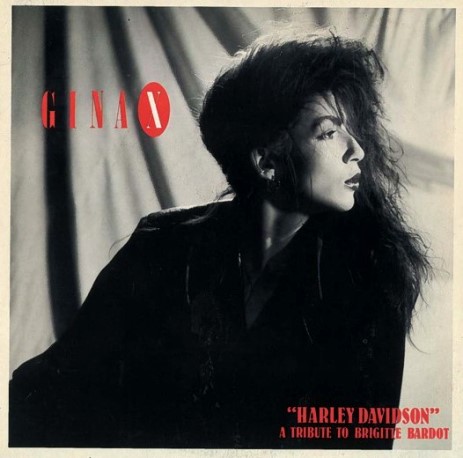
A HI-NRG disco take on the provocative tune penned by Serge Gainsbourg and made famous by Brigitte Bardot, Gina Kikoine returned in 1984 with a less ambiguous image for her solo album debut ‘Yinglish’, although Held was still holding the production reins. While Held and Kikoine wrote most of the album together, it was also noted for featuring another cover in THE BEATLES ‘Drive My Car’.
Available on the album ‘Yinglish’ via LTM Recordings
Named after a 1952 sci-fi novel by Raymond Jones, THIS ISLAND EARTH were led by songwriter John Hawkins and secured a deal with Magnet Records. They were teamed with Zeus B Held to record two singles, the first of which ‘See That Glow’ was catchy enough to secure BBC radio airplay. Alas the single stalled in the UK chart at No47 in late 1984 and after another Held produced song ‘Take Me To The Fire’ failed to chart, that was it from the band…
Originally released by Magnet Records, currently unavailable
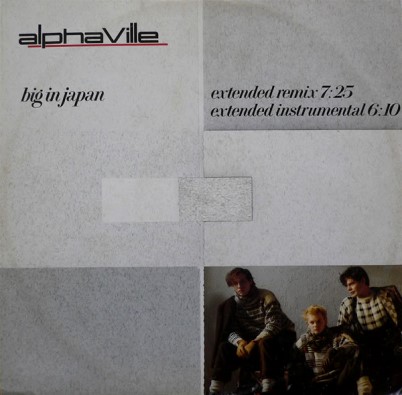
Zeus B Held was becoming a master of the extended remix and his treatment of ALPHAVILLE’s breakthrough tune put the mighty Linn Drum programming centre stage while working round the song’s catchy verse and chorus. Reversed tape elements, random blips and what was to become Held’s trademark breakdown were added to the seven minute extension, along with a fretless bass not heard on the original, no doubt in a cheeky reference to the band JAPAN. Although uncredited, he did the single mix as well.
Despite the dramatic intro, ‘Risk’ was a comparatively pop-oriented offering from the Düsseldorf industrialists with brassy synth tones and orchestral samples coming over like DAF fronting DEAD OR ALIVE. In a bizarre twist, it even featured Mel Gaynor from SIMPLE MINDS on drums! The parent album ‘Entering The Arena’, also produced by Held, offered much of the same with ‘Gladiators’ another of the album’s highlights.
Available on the album ‘Entering The Arena’ via Energy Rekords
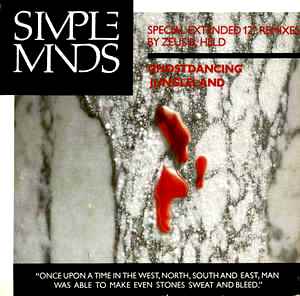
SIMPLE MINDS Ghostdancing – Special Extended 12″ Remix (1986)
As was usual with Zeus B Held’s remixes, he often cleaned up the sound and made the percussive elements sharper. On the extended version of ‘Ghostdancing’, the thumping song’s roots in the more Eurocentric ‘I Travel’ were highlighted as sequencers and reverb were added, along with a building middle eight breakdown. This release was in support of Amnesty International and also happened to be the first ever CD single ever issued on Virgin Records.
In his WAH! days, Wylie proved he could spring an anthemic chorus as on songs like ‘The Story Of The Blues’ and ‘Come Back’. His debut solo single ‘Sinful!’ was an epic widescreen cacophony of grand throbbing electronics, massed synthetic chorals and Wylie’s own urgent vocal delivery. While it was produced by Ian Ritchie, Zeus B Held gave the track a vital remix and ended up producing three further songs on the eventual ‘Sinful!’ album.
Available on the album ‘Sinful!’ via Siren Records
The synth propelled new wave of ‘Love Bomb’ was the former ALTERED IMAGES singer’s debut single. Unfortunately, as the title suggested, it indeed did bomb and the album ‘Trash Mad’ recorded with Held was never released. While Miss Grogan did not have the feisty aggression to pull off a tune that was aimed squarely at the American market, Zeus B Held’s production on ‘Love Bomb’ now sounds like a blueprint for TRANSVISION VAMP.
Originally released by London Records, currently unavailable
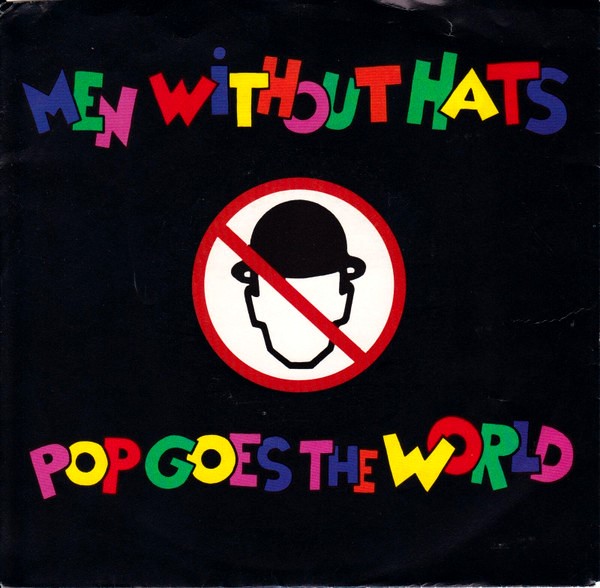
A commentary from the Doroschuk brothers on the ups and downs of fame, while more organic than ‘The Safety Dance’, ‘Pop Goes the World’ produced by Zeus B Held featured a fair smattering of synths and reached No1 in Austria. The parent album of the same name went platinum in the band’s homeland of Canada. The song itself achieved an enhancement to its longevity when it later appeared in a TV advert for Tide laundry detergent pods in 2012.
Available on the MEN WITHOUT HATS album ‘Pop Goes The World’ via Mercury Records
Coinciding with the new E registration car number plates of that year, Zeus B Held added some digital clangs, pitched swirls and guitars to Numan’s signature synth classic which undoubtedly boosted its longevity. Meanwhile the extended version maximised Ced Sharpley’s drums by isolating them at the start of an impressively arranged mid-song breakdown. Amazingly, the radio edit of Held’s remix has actually been a UK Top 20 hit single twice in its own right, although it was retitled ‘The Premier Mix’ in 1996.
Radio edit available on the GARY NUMAN album ‘Premier Hits’ via Beggars Banquet
Kirk Brandon was never the happiest fellow in the world and ‘Never Take Me Alive’ produced by Held was possibly SPEAR OF DESTINY’s angry zenith. A mix of acoustic guitar, fretless bass, programmed percussion, synthetic goth choir and modern production values gave SPEAR OF DESTINY their biggest hit in a period when THE CURE, SIOUXSIE & THE BANSHEES, THE SISTERS OF MERCY, THE CULT and THE MISSION ensured that sombre spectre of goth shone brightly in the UK singles chart for a time.
Available on the SPEAR OF DESTINY album ‘Outland’ via 10 Records
Just as Mutt Lange had been very clever in using state-of-the-art technology to make DEF LEPPARD’s ‘Hysteria’ sound heavy metal, Zeus B Held achieved the same in making his heavily synthesized productions for TRANSVISION VAMP sound punk. A catchy tune arranged by Duncan Bridgeman who had worked with JoHn Foxx on ‘The Garden’ and been a member of jazz funkers I-LEVEL, ‘I Want Your Love’ thrust singer Wendy James into the limelight for her 15 minutes of fame.
Available on the album ‘Pop Art’ via Universal Music
The East Berlin born singer and actress started her musical life in the band AUTOMOBIL, but released her first album with the NINA HAGEN BAND in 1978. Maintaining her cult popularity as a punk icon, ‘Hold Me’ was from her solo 1989 album debut proper, produced by Held. An outlandish cover of a traditional gospel song, the arrangement will no doubt have upset purists with its synthetic backing, rock guitars and Hagen’s own theatrical vocal histrionics.
Available on the NINA HAGEN album ‘Nina Hagen’ via Mercury Records
ZEUS B HELD Kant Can Dance – Dream Control Mix (2015)
‘Logic Of Coincidence’ was Held’s most recent solo record and largely a cinematic, almost ambient imaginary film soundtrack. While the album was perhaps not wholly representative of Held’s past pop exploits, his artier Moroder template notably appeared on ‘Kant Can’t Dance’. While seeming a bit out of place on the album, its electronic disco friendly template delighted fans of his remix work during his production heyday, especially in its bonus DREAM CONTROL incarnation.
The recent release of the ULTRAVOX! 4 CD box set ‘The Island Years’ was a timely reminder that their one-time leader John Foxx has had a music career that has spanned over four decades.
Born Dennis Leigh, his first recorded work was a ROXY MUSIC styled cover of ‘Ain’t Misbehavin’ for an arthouse adult film of the same name, as a member of TIGER LILY. The quintet comprising of Foxx, Warren Cann, Chris Cross, Billy Currie and Stevie Shears renamed themselves ULTRAVOX! and signed a deal with Island Records.
Reinforcing their art rock aspirations seeded by THE VELVET UNDERGROUND and Bowie, ULTRAVOX! secured the production input of synth pioneer and label mate Brian Eno for their self-titled debut in 1977. Two albums later, they began to make headway with a template inspired by the emergent electronic bands from Germany such as KRAFTWERK, CLUSTER and NEU!
However, Foxx became disillusioned with the restrictions of a band format and departed ULTRAVOX! in 1979 for a solo career; the end result was the ‘Metamatic’ album, released in 1980 on Virgin Records. Recorded at Pathway, an eight-track studio in Islington using an ARP Odyssey, Elka Rhapsody 610 and Roland CR78 Compurhythm, the seminal long player yielded two unexpected hit singles in ‘Underpass’ and ‘No-One Driving’.
Foxx said of that period: “You felt like some Film Noir scientist inventing a new life-form in the basement. I also think it was the beginning of Electro-Art-Punk or something like that. A strange wee animal. Seems to have bred copiously with everything available and still survived – right to this day”. In the years since, John Foxx has continued to innovate within electronic, experimental and ambient spheres. Despite this, he is still very much under rated, especially compared with artists who benefited from his influence.
Gary Numan has always acknowledged his debt to the synth rock overtures of ULTRAVOX! while DEPECHE MODE’s admiration of ‘Metamatic’ led to its incumbent engineer Gareth Jones working with the band on their own Berlin Trilogy of ‘Construction Time Again’, ‘Some Great Reward’ and ‘Black Celebration’.
So with a vast repertoire to his name, what tracks in his various guises would act as a Beginner’s Guide to the man referred to affectionately as Lord Foxx Of Chorley? This is not intended to be a best of chronology, more a reflection of highly divergent career. With a restriction of one recording per album project, ELECTRICITYCLUB.CO.UK lists its #Foxx20.
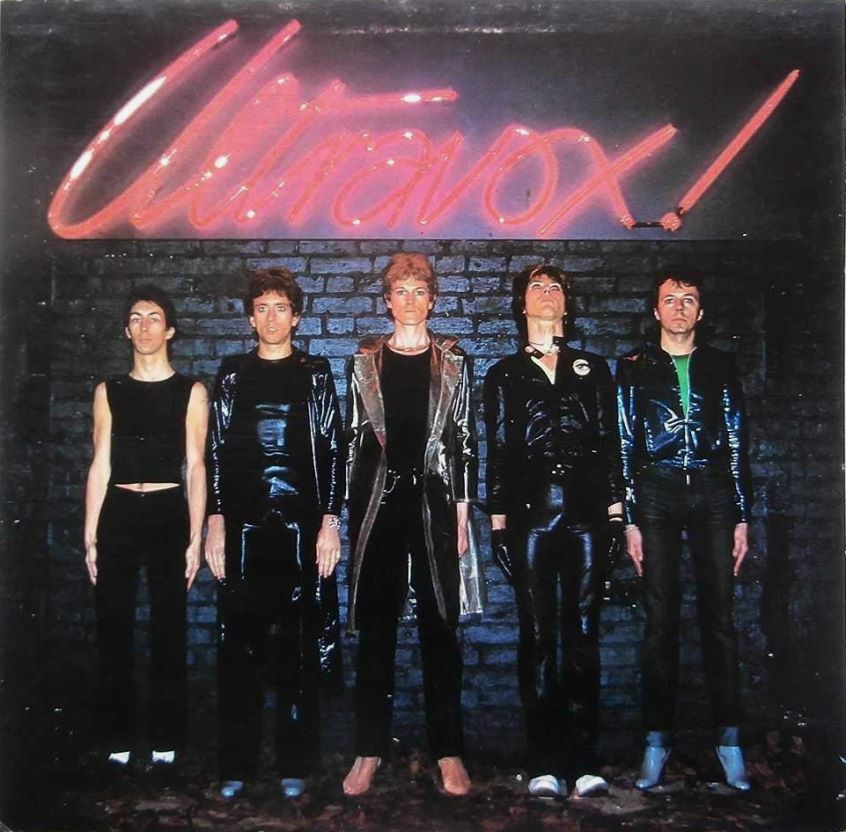
ULTRAVOX! My Sex (1977)
Using Brian Eno’s Minimoog with a knob marked with a sheep sticker to indicate it made woolly sounds, Billy Currie’s classical sensibilities combined with Foxx’s detached dissatisfaction for ‘My Sex’. Of Eno, Foxx said, “It was good to hear his stories and enact his strategies. He wasn’t greatly experienced in studio craft but he was a good co-conspirator, someone with a useful overview, who understood where we wanted to go. He was just what we wanted, really. A sort of art approach to recording”
Available on the ULTRAVOX! album ‘Ultravox!’ via Island Records
ULTRAVOX! Hiroshima Mon Amour (1977)
Utilising Warren Cann’s modified Roland TR77 rhythm machine, this was Foxx moving into the moody ambience of CLUSTER, away from the aggressive attack of interim 45 ‘Young Savage’. ‘Hiroshima Mon Amour’ had been premiered as a spiky uptempo number for the B-side of ‘ROckWrok’. The ‘CC’ credited on saxophone is not Chris Cross, but a member of GLORIA MUNDI fronted by Eddie & Sunshine who later appeared with Foxx on ‘Top Of The Pops’.
Available on the ULTRAVOX! album ‘Ha! Ha! Ha!’ via Island Records
ULTRAVOX! Quiet Men – 12 inch version (1978)
Relocating to Cologne to work with the legendary Conny Plank on ‘Systems Of Romance’, ULTRAVOX! became more texturally powerful thanks to Billy Currie’s ARP Odyssey, the EMS Synthi AKS of Chris Cross and new guitarist in Robin Simon. ‘Quiet Men’ was a perfect integration of all those elements attached to a rhythm machine backbone. Of the even punchier 12 inch rework, Foxx said “We remixed it so that Warren’s metal beats would shred speakers”
Available on the ULTRAVOX! box set ‘The Island Years’ via Caroline International
JOHN FOXX He’s A Liquid (1980)
“I want to be a machine” once sang Foxx and he went the full hog with the JG Ballard inspired ‘Metamatic’. His mission was to “Make a language for the synth and the drum machine”. The deviant ‘He’s A Liquid’ was pure unadulterated Sci-Fi: “I think it was a bit of punk electronica at the right time – just before everyone else raided the shed. Historically, perhaps it defines an impulse – something that wasn’t possible before – one man and some cheap machines making music independently”.
Available on the JOHN FOXX album ‘Metamatic’ via Edsel Records
JOHN FOXX Europe After The Rain (1981)
Foxx admitted he had been “reading too much JG Ballard” and had thawed considerably following ‘Metamatic’. Now exploring beautiful Italian gardens and taking on a more foppish appearance, his new mood was reflected in his music. Moving to a disused factory site in Shoreditch, Foxx set up ‘The Garden’ recording complex and the first song to emerge was the Linn Drum driven ‘Europe After The Rain’. Featuring acoustic guitar and piano, Foxx had now achieved his system of romance.
Available on the JOHN FOXX album ‘The Garden’ via Edsel Records
ANTENA The Boy From Ipanema (1982)
Before NOUVELLE VAGUE, French-Belgian combo ANTENA hit upon the idea of merging electronic forms with a samba cocktail style. Released on the prestigious Belgian label Les Disques Du Crépuscule who Foxx contributed ’A Jingle’ for the compilation ‘From Brussels With Love’, he produced their cover of ‘The Boy From Ipanema’, adding robotic textures via The Human Host. Much lighter that any of his own work, it was also quite sinister, making this a unqiue curio in the John Foxx portfolio.
Available on the ANTENA album ‘Camino Del Sol’ via Les Disques du Crépuscule
JOHN FOXX Ghosts On Water (1983)
Foxx had envisioned ‘The Golden Section’ as “a roots check: Beatles, Church music, Psychedelia, The Shadows, The Floyd, The Velvets, Roy Orbison, Kraftwerk, and cheap pre-electro Europop”. Working with Zeus B Held, the album had a psychedelic electronic rock flavour, liberally seasoned with vocoder effects and samplers. With folk laden overtones and some frantic percussion work from HAIRCUT 100’s Blair Cunningham, ‘Ghosts On Water’ was one of the album’s highlights.
By 1985, Foxx had lost his way and got embroiled in attempting a more conventional pop sound. With its sax sample lead line, ‘Shine On’ showed Foxx could deliver a fine pop tune but he wasn’t happy: “I simply didn’t like the mid to late eighties scene – all perfect pop and white soul. I suddenly felt isolated. I remember one day finding myself half-heartedly toying with some sort of sh*tty pop music while longing to be out of the studio and working on something visual. So I thought right that’s it – time for a change”.
Available on the JOHN FOXX album ‘In Mysterious Ways’ via Edsel Records
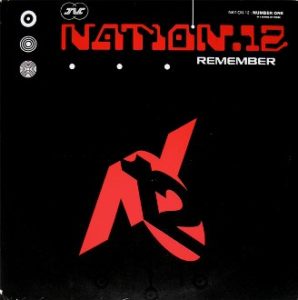
NATION 12 Remember (1990)
Foxx made an unexpected return to music with an acid house inspired number produced by Tim Simenon of BOMB THE BASS fame: “It was a great experience – a new underground evolving from post-industrial Detroit, using analogue instruments rescued from skips and pawn shops… Tim Simenon turned up wanting me to do some music… so Foxx was out the freezer and into the microwave…” – the other material that was recorded didn’t see the light of day until 2005.
Available on the NATION 12 album ‘Electrofear’ via Tape Modern
JOHN FOXX Sunset Rising (1995)
‘Cathedral Oceans’ saw Foxx developing his interest in ambient forms fused with Gregorian chants, as exemplified by ‘Sunset Rising’. But the project had an extremely long genesis with the first recordings made in 1983. Inspired by his brief period as a choir boy, when asked what this material gave him that songs couldn’t, he answered: “Well, they cover a different emotional and sonic spectrum – more concerned with tranquility and contemplation. Music with beats can’t address this at all”.
Weaned on ‘Metamatic’, Louis Gordon was a natural collaborator for Foxx’s song based comeback. Over four albums, it confirmed that Foxx still had that inventive spark within electronic music. Noisy and percussive, ‘Dust & Light’ recalled the unsettling Dystopian standpoint with which Foxx had made his pioneering impact. ‘Drive’ and ‘Automobile’ continued the theme, although Foxx sustained his interest in more psychedelic forms via songs like ‘An Ocean We Can Breathe’.
Available on the JOHN FOXX & LOUIS GORDON album ‘Crash & Burn’ via Metamatic Records
HAROLD BUDD & JOHN FOXX Subtext (2003)
With beautiful piano and processed electronics, the sparse ‘Subtext’ was very reminiscent of Harold Budd’s 1984 Eno collaboration ‘The Pearl’. From the ‘Translucence’ album which was twinned with the more discreet, sleepier textures of ‘Drift Music’, it was smothered in echoes and reverberations galore as slow atmospherics and glistening melodies esoterically blended into the ether.
JOHN FOXX & ROBIN GUTHRIE My Life As An Echo (2009)
The ‘Mirrorball’ album with COCTEAU TWINS’ Robin Guthrie took textural guitars and echoing piano into a dreamworld that he could now enter. ‘My Life As An Echo’ was a beautiful instrumental which stopped short of being fully ambient thanks to its live drum loop. Other tracks such as ‘Estrellita’ and ‘The Perfect Line’ saw Foxx adding Glossolalia to the soundscape, recalling not only ‘Cathedral Oceans’ but Guthrie’s work with former partner Elizabeth Fraser.
Available on the JOHN FOXX & ROBIN GUTHRIE album ‘Mirrorball’ via Metamatic Records
JOHN FOXX & THE MATHS featuring MIRA AROYO Watching A Building On Fire (2011)
Joining forces with Benge, Foxx found the perfect foil for his earlier analogue ambitions, only this time combined with a warmth that had not been apparent on ‘Metamatic’, or his work with Louis Gordon. The best track on their debut album ‘Interplay’ was a co-written duet with Mira Aroyo of LADYTRON entitled ‘Watching A Building On Fire’. With its chattering drum machine and Trans-European melodies, it was a successor to ‘Burning Car’.
Available on the JOHN FOXX & THE MATHS album ‘Interplay’ via Metamatic Records
GAZELLE TWIN Changelings – JOHN FOXX & THE MATHS remix (2012)
Foxx and Benge became extremely prolific and a number of remixes appeared, the best of which was for GAZELLE TWIN aka Elizabeth Bernholz. She said: “John and Benge’s remix of ‘Changelings’ was really delicate and elegant. It’s one of my favourites of all the remixes because it doesn’t alter the song much at all. I love the addition of John’s vocal in there too. It was perfectly suited. I am so flattered that they chose to put (it) on the new ‘Evidence’ album”.
Available on the JOHN FOXX & THE MATHS album ‘Evidence’ via Metamatic Records
JOHN FOXX & JORI HULKKONEN Evangeline (2013)
Foxx and Jori Hulkkonen had worked together on ‘Dislocated’ and ‘Never Been Here Before’ for the Finnish producer’s albums ‘Dualizm’ and ‘Errare Machinale Est’ respectively, but never before on a body of work. The ‘European Splendour’ EP took on a grainier downtempo template and the lead track ‘Evangeline’ possessed a glorious pastoral elegance and an otherworldly anthemic chorus.
Available on the JOHN FOXX & JORI HULKKONEN EP ‘European Splendour’ via Sugarcane Records
JOHN FOXX & STEVE D’AGOSTINO The Forbidden Experiment (2014)
With a Dystopian backdrop, Foxx returned to the more mechanical approach with Steve D’Agostino for the soundtrack of Karborn’s experimental short film. Described as “a unique investigation of the terrors and pleasures of temporal displacement”, it was “a sinister sonic architecture of drum-machine-music and analogue synthesizers”. The rumbling rush of ‘The Forbidden Experiment’ was a favourite of Foxx enthusiasts who preferred his instrumentals to have more rhythmic tension.
GHOST HARMONIC saw Foxx and Benge alongside Japanese violinist Diana Yukawa. Foxx said: “the underlying intention was we all wanted to see what might happen when a classically trained musician engaged with some of the possibilities a modern recording studio can offer…” – the result was a startling dynamic between Yukawa’s heavily treated violin and the looming electronics. The closing album title track was an opus of soothing bliss.
Available on the GHOST HARMONIC ‘Codex’ via Metamatic Records
JOHN FOXX The Beautiful Ghost (2015)
‘London Overgrown’ was Foxx’s first wholly solo ambient release since the ‘Cathedral Oceans’ trilogy. With the visual narrative of a derelict London where vines and shrubbery are allowed to grow unhindered, ‘The Beautiful Ghost’ was like Beethoven reimagined for the 23rd Century with beautiful string synths in a cavernous reverb. Recalling William Orbit’s ‘Pieces In A Modern Style’, this was an accessible chill-out record that encompassed emotion and subtle melody.
Available on the JOHN FOXX album ‘London Overgrown’ via Metamatic Records
JOHN FOXX & THE MATHS A Man & A Woman (2016)
‘A Man & A Woman’ was a surprise in that it was less rigid than previous JOHN FOXX & THE MATHS recordings. Featuring the enchanting voice of Hannah Peel, it was a departure that even featured some acoustic guitar flourishes. Despite this, vintage synths were still a key element to his mathematical theories: “Analogue is a bit more complex – still mysterious and rebellious. Digital is more controllable. Use where necessary. Avoid anything with a multi-function menu!”
The user manual for the Roland System 100 semi-modular synthesizer profoundly stated “there are no illegal connections…”
And in modern electronic music, that is still the case with the accomplished artists of today very much connected to the synth pioneers of yesteryear like KRAFTWERK, OMD, ULTRAVOX, JAPAN, DEPECHE MODE and THE HUMAN LEAGUE.
Belgian duo METROLAND would not exist without the tradition established at Klingklang, while EAST INDIA YOUTH’s interest in Brian Eno and Motorik beats curated a sound that has enabled parallels to be drawn with the artful template of the similarly influenced Paul Humphreys and Andy McCluskey. And although Susanne Sundfør was already an established singer / songwriter in her homeland of Norway, attention was not fully drawn on her new synth based direction until she performed a sympathetic cover of ‘Ice Machine’ with RÖYKSOPP in late 2012.
Even the exquisite lo-fi Welsh language electronica of Gwenno can be traced to Sheffield, thanks to the songstress’ previous pop excursions which involved working on an album with the late Martin Rushent. As Jean-Michel Jarre said: “Electronic music has a family, a legacy and a future…” so to deny the glorious heritage of electronic music when assessing new acts would be futile. Indeed, acknowledging history is very much part of ELECTRICITYCLUB.CO.UK’s style and it appears to have been appreciated, especially in regard to the feature ‘30 Favourite Albums 2010 – 2014’, one of a quintet of special articles to celebrate the site’s fifth birthday in March…
“Huge thanks to ELECTRICITYCLUB.CO.UK” said avid reader Hugh David, “A victory for well-written, artfully conveyed content curation once again… you knew exactly what to say to sell me on one artist or another. That rare ability of a reviewer to pinpoint the precise comparisons that enable me to decide to seek something out based on my own tastes is something lacking in so many other outlets; love that you’ve got that in spades”
Another reader David Sims added: “ELECTRICITYCLUB.CO.UK is a great way of discovering artists you might not otherwise be aware of. A bit like when a friend used to come round your house clutching an LP or C90 saying ‘I really love this, have a listen’, introducing you to new music that makes your neck hairs stand up in ovation”
2014 was a comparatively lean 12 months, but this year found many veterans returning to the fold. NEW ORDER released ‘Music Complete’, a much discussed comeback that was not only the Mancunians’ first album for Mute, but also without estranged bassist Peter Hook.
Marc Almond released ‘The Velvet Trail’, his first pop album for many years while ANDY BELL embarked on further solo adventures in support of ‘Torsten The Bareback Saint’.
SPARKS joined forces with FRANZ FERDINAND as FFS while telling everyone to ‘P*ss Off’ and proved that collaborations do work. Electronic music legend Jean-Michel Jarre also went the collaborative root. His first album for several years ‘Electronica 1 – The Time Machine’ featured the likes of LITTLE BOOTS, TANGERINE DREAM, AIR, GESAFFELSTEIN and MASSIVE ATTACK along with ArminVan Buuren, John Carpenter and Vince Clarke.
Another legend Giorgio Moroder made his statement of intent with ‘74 Is The New 24’ and released ‘Déjà Vu’, a disco pop record featuring the likes of Sia, Britney Spears, Foxes and Kylie Minogue. Meanwhile, his artier counterpart Zeus B Held gave us some ‘Logic of Coincidence’ and Wolfgang Flur made his solo debut with ‘Eloquence’, his first length album project since 1997.
Liverpool duo CHINA CRISIS delivered ‘Autumn In The Neighbourhood’, their first original material since 1994’s ‘Warped By Success’ while Howard Jones showed he could still innovate at 60 years of age when he launched ‘Engage’, “a highly interactive live experience designed to immerse audiences in an audio / visual feast”. A-HA came back after disbanding in 2010 with ‘Cast In Steel’ and DURAN DURAN recruited an all-star cast that included Nile Rodgers, John Frusciante, Kiesza and Lindsay Lohan for the rather disappointing EDM blow-out ‘Paper Gods’.
BLANCMANGE’s ‘Semi Detached’ was Neil Arthur’s first without long-time partner Stephen Luscombe and he even found time to release a wonderful instrumental collection entitled ‘Nil By Mouth’. Indeed, there were quite a few instrumental opuses in 2015, with GHOST HARMONIC’s wonderful ‘Codex’ featuring John Foxx and the electronic pioneer’s own glorious ‘London Overgrown’.
DEPECHE MODE’s Martin Gore released the tutorial for his new Eurorack modular system as the simply titled ‘MG’. 2015 saw the 25th anniversary of DEPECHE MODE’s ‘Violator’ and to ignore its significance, as some DM fan related platforms did, would have been incredibly short sighted. However, there was none of that from premier DM tribute band SPEAK & SPELL who played their biggest UK gig yet with a splendid boutique showcase of that landmark album at London’s Islington Academy.
CAMOUFLAGE, a band who started off very much under the influence of the Basildon boys, issued the mature statement of ‘Greyscale’ while continuing the DEPECHE MODE album theme, Athens based synth maidens MARSHEAUX gave a worthy of re-assessment of ‘A Broken Frame’ and procured a number of interesting arrangements for some under rated songs. DIE KRUPPS got more metal than machine on their fifth opus ‘V – Metal Machine Music’.
Fellow Germans BEBORN BETON made up for a ten year absence with ‘A Worthy Compensation’ while SOLAR FAKE and SYNTHDECADE also got in on the action too.
CHVRCHES continued their quest for world domination with something that LITTLE BOOTS, LA ROUX, LADYHAWKE and HURTS never managed… a decent second album. But PURITY RING, the Canadian act whose template CHVRCHES borrowed, must have looked over with a touch of envy at the Glaswegian’s success so responded with ‘Another Eternity’.
HANNAH PEEL released an interim mini-album ‘Rebox 2’ which blended centuries of music technology while VILE ELECTRODES came up with the gorgeous ‘Captive In Symmetry’, possibly one of the songs of 2015. EURASIANEYES heeded all the guidance available to them to produce their most accomplished song yet in ‘Call Your God’ and ANALOG ANGEL went on a well-received tour supporting Swedish veterans COVENANT with a message to listeners of ‘Don’t Forget To Love’.
Elsewhere in the British Isles, CIRCUIT3, RODNEY CROMWELL and SUDDEN CREATION made their first excursions into the long player format just as KID KASIO and KOVAK each delivered album number two while Berlin based Brit EMIKA helpfully titled her third opus ‘Drei’.
“So, what’s so special about Sweden then?” someone once rather cluelessly asked TEC. Well, it is the modern hub of inventive, electronic pop. KARIN PARK offered her profanity laden fifth album ‘Apocalypse Pop’.
Still in Sweden, DAYBEHAVIOR went all female PET SHOP BOYS with the Italo flavoured ‘Cambiare’ and MACHINISTA followed up their debut ‘Xenoglossy’ with ‘Garmonbozia’. while there was also the unexpected return of alternative synthpopsters ASHBURY HEIGHTS.
But best of all were the mighty KITE; their ‘VI’ EP was a masterclass in epic, majestic electronic pop. In the rest of Europe, there was an influx of darker female fronted acts such as Hungary’s BLACK NAIL CABARET, Italy’s ELECTROGENIC, Greece’s SARAH P. and Germany’s NINA; the latter’s ‘My Mistake’ even ended up on a Mercedes TV advert. The male contingent did their bit too with Slovenia’s TORUL unleashing their second offering ‘The Measure’ while the prolific Finnish duo SIN COS TAN took things a little bit easier in their fourth year with just an EP ‘Smile, Tomorrow Will Be Worse’, having already released three albums since 2012.
Oslo based studio legend John Fryer returned with two new projects, SILVER GHOST SHIMMER and MURICIDAE featuring vocalists Pinky Turzo and Louise Fraser respectively. Both reminded listeners of his work with COCTEAU TWINS and THIS MORTAL COIL, but with an Americanised twist. The Icelandic domiciled Denver singer / songwriter JOHN GRANT added some funkier vibes to his continuing electronic direction while IAMX moved from Berlin to Los Angeles, and did no harm to his art with the brooding ‘Metanoia’ album.
On the brighter side of North America, PRIEST’s self-titled debut long player became reality following their dreamy ‘Samurai’ EP, while HYPERBUBBLE made available their wacky award winning soundtrack to the short film ‘Dee Dee Rocks The Galaxy’ and joyous 2014 London show. And GRIMES caught the music biz on the hop when she released a new album ‘Art Angels’, having scrapped an album’s worth of material in 2014.
But despite North America itself being one of the territories flying the flag for the synth with acts like NIGHT CLUB, BATTLE TAPES, AESTHETIC PERFECTION and RARE FACTURE all figuring, the worst single of 2015 actually came from the USA! Literally decades of synth heritage were eminently obliterated in five soul destroying minutes… was this really what the Electronic Revolution was fought for? This is cultural history and it needs to be protected.
Although the year had flashes of brilliance, it was generally less impressive overall for fledgling electronic artists, with a number forgetting that all important factor of a good tune! Eddie Bengtsson of SISTA MANNEN PÅ JORDEN remarked last year that synthpop was becoming a dying art.
And in 2015, synthpop’s credibility was further tarnished with lazy use of the term by the mainstream press for acts like YEARS & YEARS; one could argue that Taylor Swift and her ‘1989’ opus is possibly more synthpop than YEARS & YEARS have ever been! In a market where EDM appears to be king and clubbers are happy to witness DJs miming their two hour sets, there is clearly something wrong. Things were not helped by certain media outlets insisting that dance music was the only way; it was as if electronic music had somehow managed to jump from KRAFTWERK to Detroit techno with nothing happening in between.
And then, there were those who had never particularly enjoyed music from that key Synth Britannia period, who were trying to dictate how modern electronic music was being presented and pretending it had popped out of thin air! Some bands were not doing themselves any favours either, showing little empathetic connection to the history of electronic music in their deluded optimism that they were crafting something completely new! As Jean-Michel Jarre amusingly quipped to Sound-On-Sound magazine: “Lots of people in America think that electronic music started with AVICII and it’s not exactly the truth…”
The lack of accuracy in a number of publications over the last 18 months was also shocking, particularly within magazines and online media that continued to employ writers with a history of not knowing their tape recorders from their drum machines. This simply proved the old adage that just because someone is employed as a professional writer, it doesn’t actually mean they are a good writer!
The domestic live scene had its challenges too with slow ticket sales and a number of events cancelled. But even when some true legends in electronic music were booked, ticket sales could not be guaranteed and efficient promotion was needed to maximise potential.
Some observers were bemoaning a lack of support for the scene, but if line-ups are not particularly appealing, then audiences cannot be expected to invest time and money to attend. A number of organisational infrastructures also lacked credibility; if a promoter doesn’t have at least some idea if they’re going to sell fifty tickets or five thousand, then they really shouldn’t be in the business!
The question that has to be asked then is, has anybody actually learnt from the Alt-Fest debacle of 2014? It really would appear not! While ‘A Secret Wish’ and SOS#2 were a couple of the year’s better UK events, Europe showed once again how things should be done. Electronic Summer in Gothenburg and the Electri_City_Conference in Düsseldorf were two of the most notable electronic music events of 2015.
The inherent knowledge and sense of understanding in both differed immensely to some British promoters. This perhaps could explain why electronic pop has generally flourished more in territories across the North Sea. Electronic pop needs to continue to develop, but quality control must be maintained to ensure the genre is not publically misrepresented. SOFT CELL once sang about ‘Monoculture’ while KID MOXIE declared how everyone was just content with ‘Medium Pleasure’.
If all that’s heard is the best of a bad bunch, then younger listeners (and therefore potential future synth oriented musicians) will not be inspired. That is why it is important that CHVRCHES and EAST INDIA YOUTH consolidate their positions as modern electronic pop’s representatives in the mainstream.
It is not good practice to support mediocre music just because it happens to be electronic. The finest examples need to be set so as to show what can be achieved; now if that means possibly referencing back to the golden age of synthpop, then so be it. Only then will the synth baton be able to taken up by a new generation who can then truly reinvigorate it.
ELECTRICITYCLUB.CO.UK Contributor Listings 2015
PAUL BODDY
Best Album: EAST INDIA YOUTH Culture Of Volume
Best Song: NEW ORDER Restless
Best Gig: EAST INDIA YOUTH + HANNAH PEEL at London Village Underground
Best Video: BATTLE TAPES Valkyrie
Most Promising New Act: BATTLE TAPES
IAN FERGUSON
Best Album: EAST INDIA YOUTH Culture Of Volume
Best Song: KITE Count The Days
Best Gig: ASSEMBLAGE 23 at SOS#2 Festival
Best Video: VILE ELECTRODES Captive In Symmetry
Most Promising New Act: RODNEY CROMWELL
MONIKA IZABELA GOSS
Best Album: SILVER GHOST SHIMMER Soft Landing
Best Song: IAMX Happiness
Best Gig: IAMX at London Koko
Best Video: TORUL The Balance
Most Promising New Act: SYNTHDECADE
SIMON HELM
Best Album: LAU NAU Hem Någonstans
Best Song: ME THE TIGER As We Really Are
Best Gig: SISTA MANNEN PÅ JORDEN at A Secret Wish
Best Video: JUNO Same To Me
Most Promising New Act: REIN
CHI MING LAI
Best Album: SUSANNE SUNDFØR Ten Love Songs
Best Song: KITE Up For Life
Best Gig: FFS at The Troxy
Best Video: VILE ELECTRODES Captive In Symmetry
Most Promising New Act: RODNEY CROMWELL
RICHARD PRICE
Best Album: EAST INDIA YOUTH Culture Of Volume
Best Song: NEW ORDER Plastic
Best Gig: EAST INDIA YOUTH + HANNAH PEEL at London Village Underground
Best Video: VILE ELECTRODES Captive In Symmetry
Most Promising New Act: KITE
We use cookies to ensure that we give you the best experience on our website. If you continue to use this site we will assume that you are happy with it.


 album on the spectrum analyser and said “Look here at the frequencies, this can’t work! Nobody wants to listen to that!” *laughs*
 was finished, some chemical reaction in certain brains caused the ‘Fabrique’ line-up to collapse and the album had to be buried by Arista. Their German and American labels hugely believed in the group and things could have been different, but FASHION didn’t really enter the league they should have been in.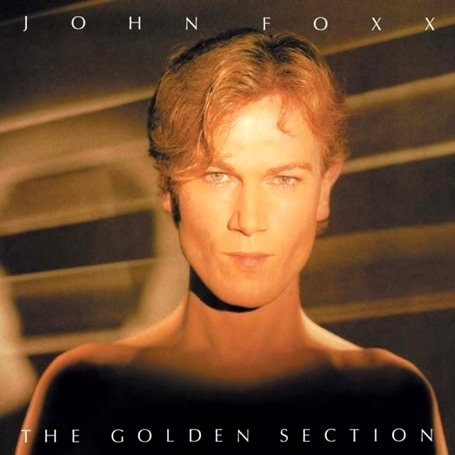
 . John is a multi-talented, very intelligent artist and we met at an interesting moment in our lives, but we didn’t make the kind of mutual masterpiece which we could have done.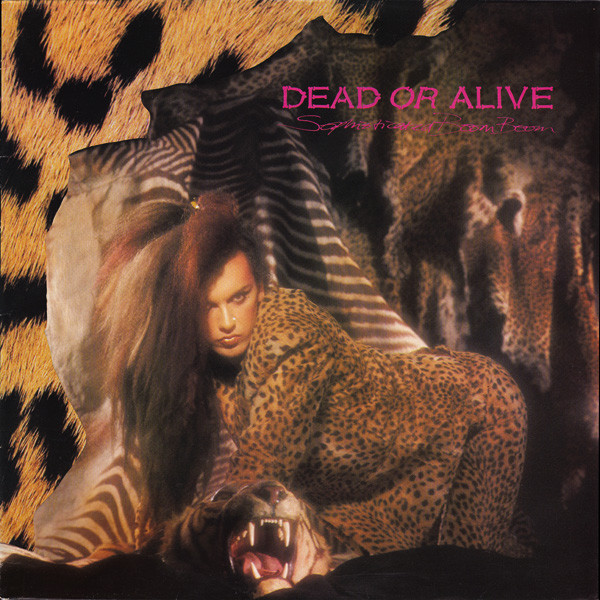
 with Wayne Hussey on guitar, thus getting a slightly gothic element which I quite liked.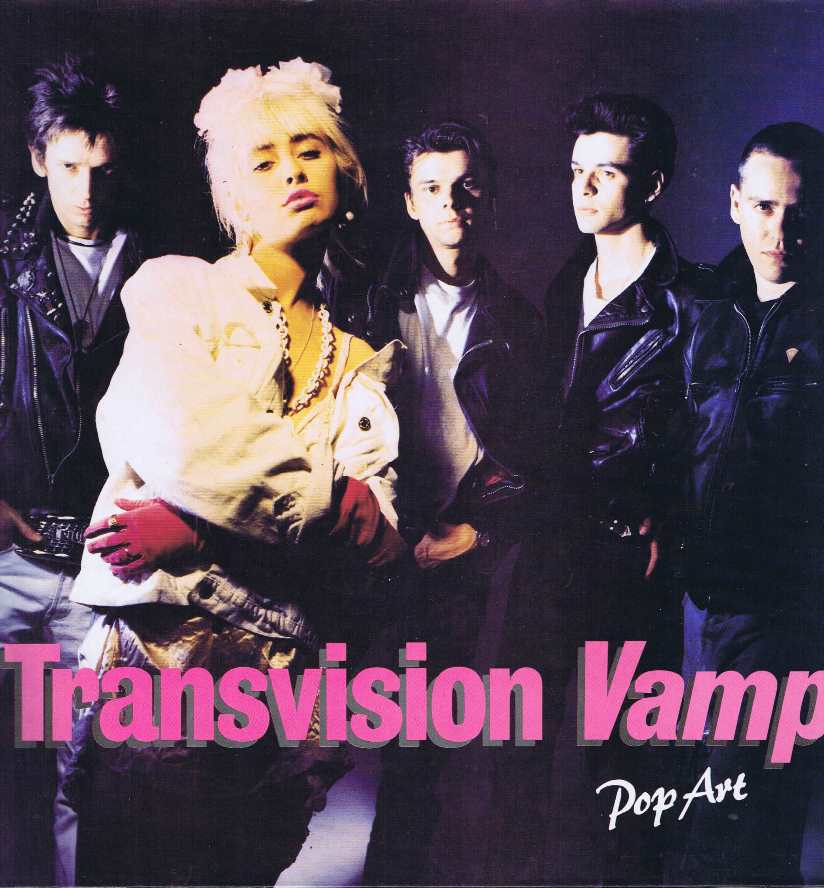
 took nearly two years and the band grew during its making; they had started to work on demos with Duncan Bridgeman who also did most of the pre-production; after a few tracks into the actual recording sessions, I was asked to revisit the production and arrangements.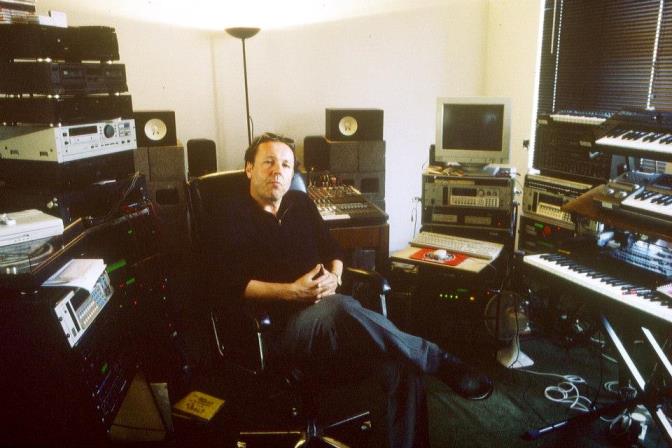
 via LTM Recordings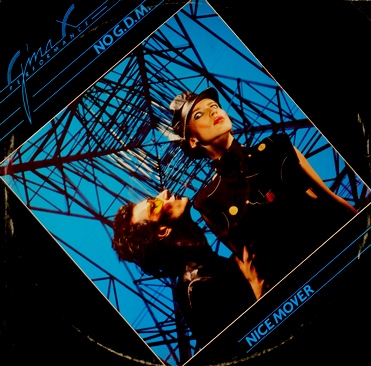
 via LTM Recordings
 via Edsel Records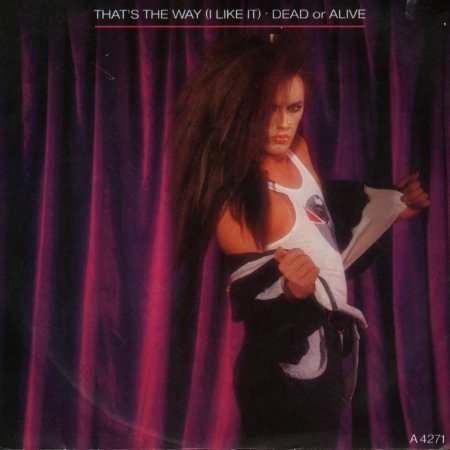
 via Cherry Pop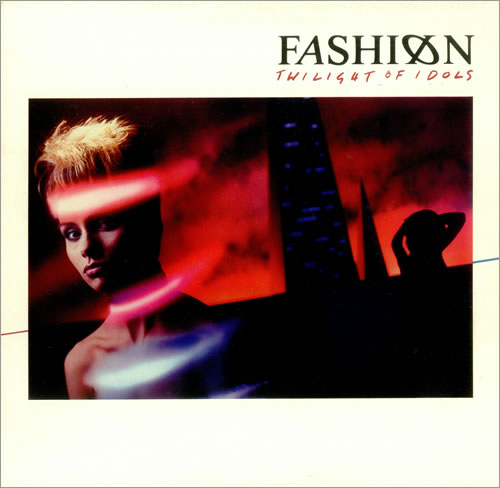
 via LTM Recordings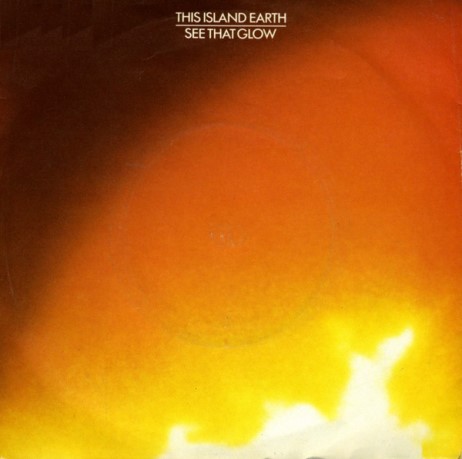
 via WEA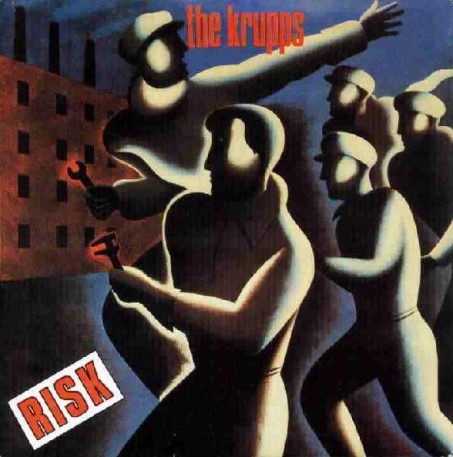
 via Universal Music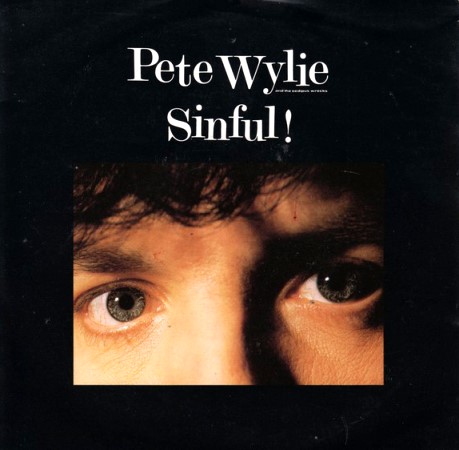
 via Siren Records
 via Mercury Records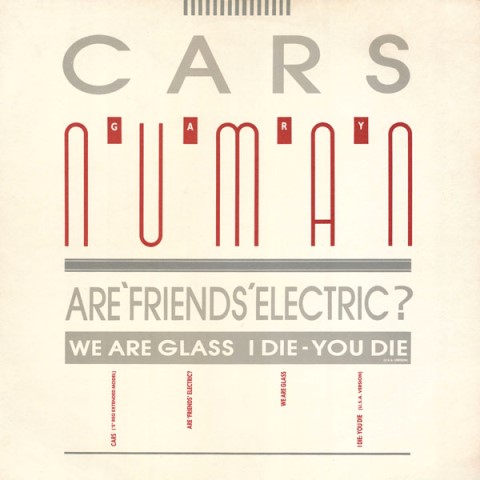
 via Beggars Banquet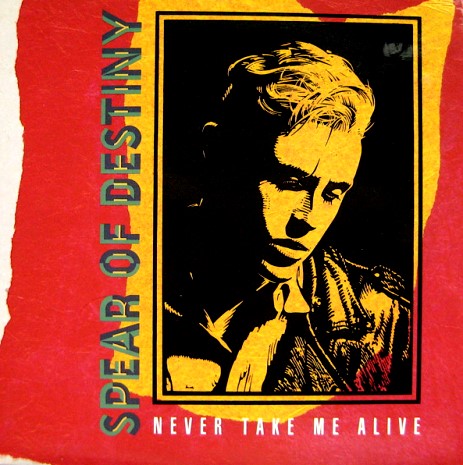
 via 10 Records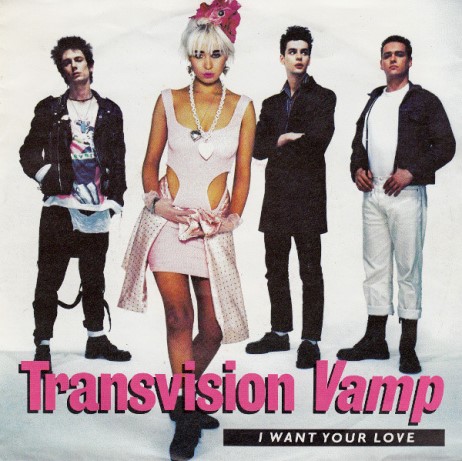
 via Universal Music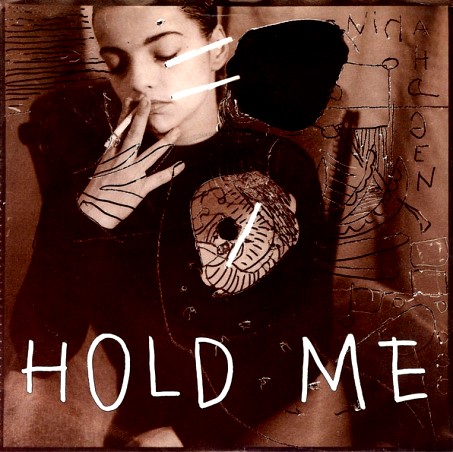
 via Mercury Records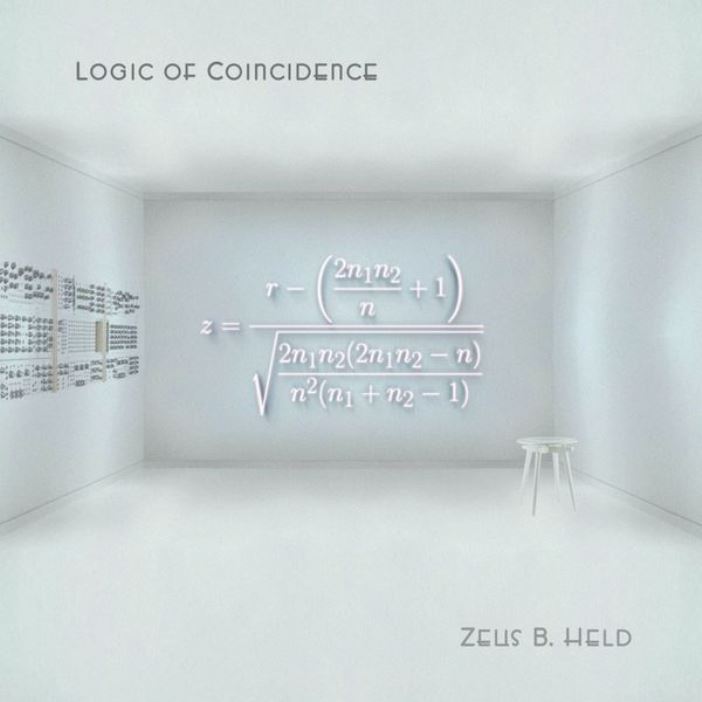
 via Les Disques du Crépuscule
 via Island Records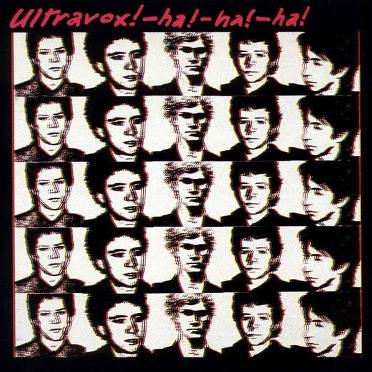
 via Island Records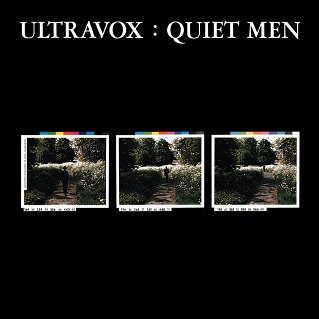
 , ULTRAVOX! became more texturally powerful thanks to Billy Currie’s ARP Odyssey, the EMS Synthi AKS of Chris Cross and new guitarist in Robin Simon. ‘Quiet Men’ was a perfect integration of all those elements attached to a rhythm machine backbone. Of the even punchier 12 inch rework, Foxx said “We remixed it so that Warren’s metal beats would shred speakers”
 via Caroline International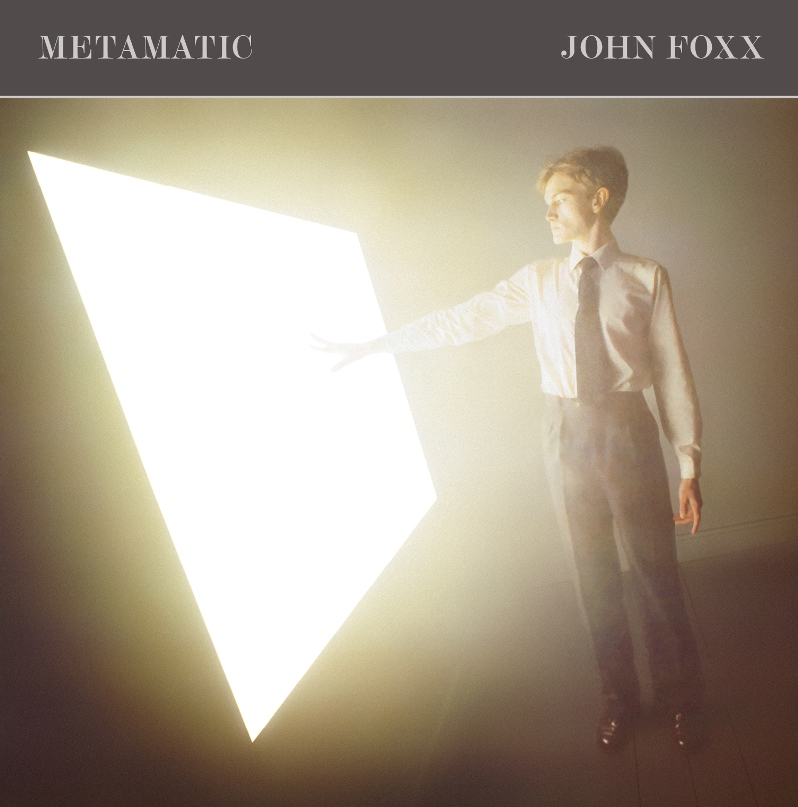
 via Edsel Records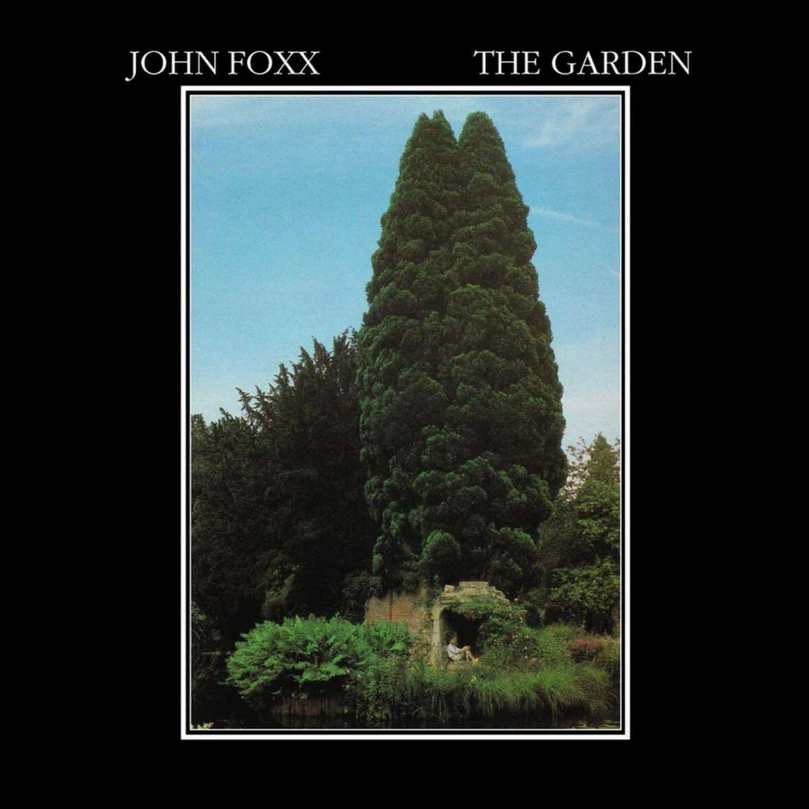
 via Edsel Records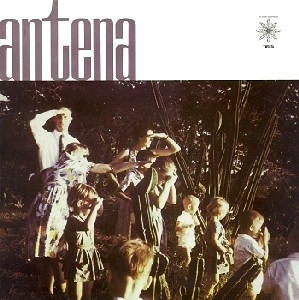
 , he produced their cover of ‘The Boy From Ipanema’, adding robotic textures via The Human Host. Much lighter that any of his own work, it was also quite sinister, making this a unqiue curio in the John Foxx portfolio.
 via Les Disques du Crépuscule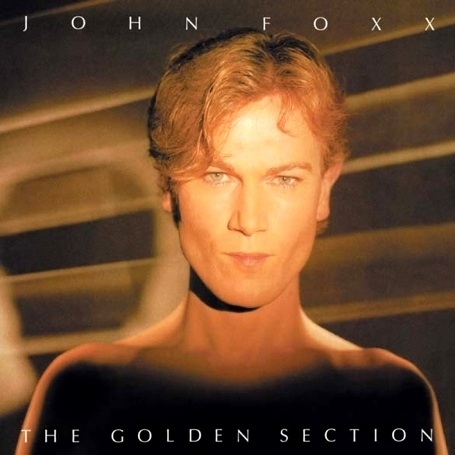
 via Edsel Records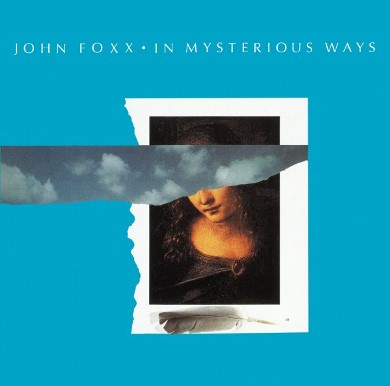
 Foxx made an unexpected return to music with an acid house inspired number produced by Tim Simenon of BOMB THE BASS fame: “It was a great experience – a new underground evolving from post-industrial Detroit, using analogue instruments rescued from skips and pawn shops… Tim Simenon turned up wanting me to do some music… so Foxx was out the freezer and into the microwave…” – the other material that was recorded didn’t see the light of day until 2005.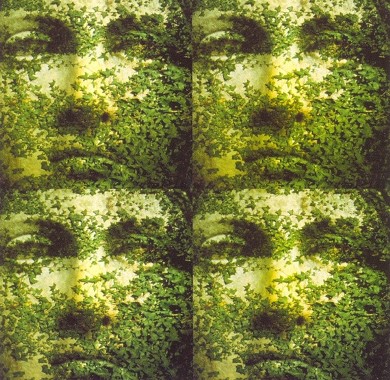
 via Demon Records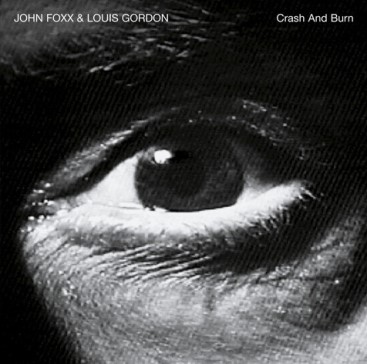
 via Metamatic Records
 via Metamatic Records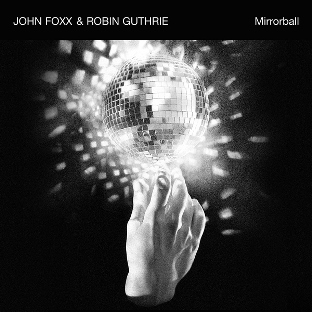
 via Metamatic Records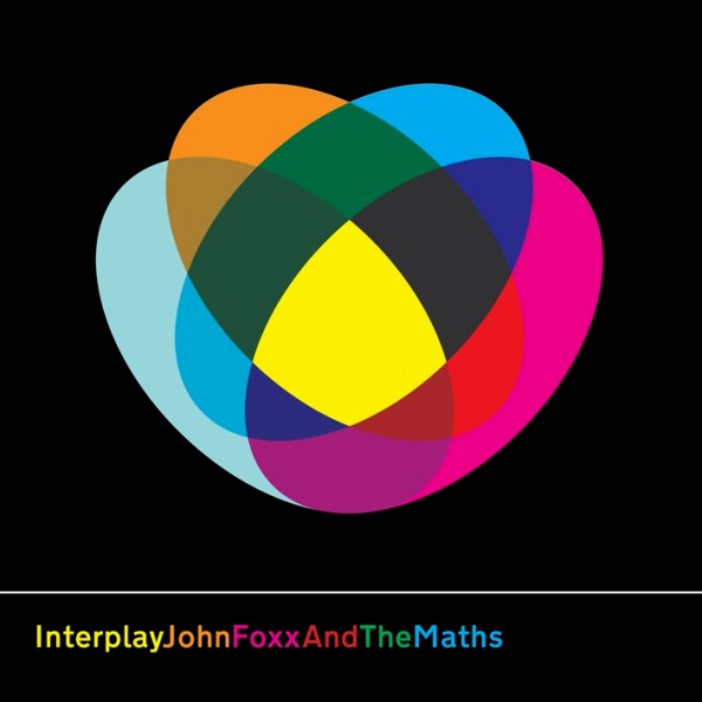
 via Metamatic Records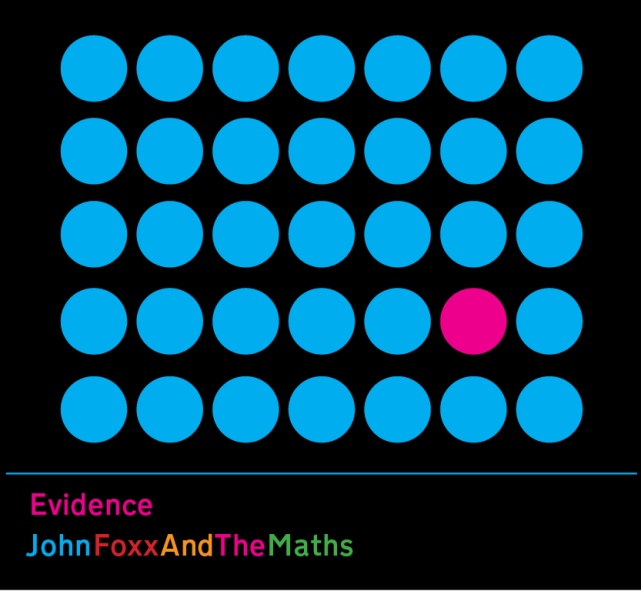
 via Metamatic Records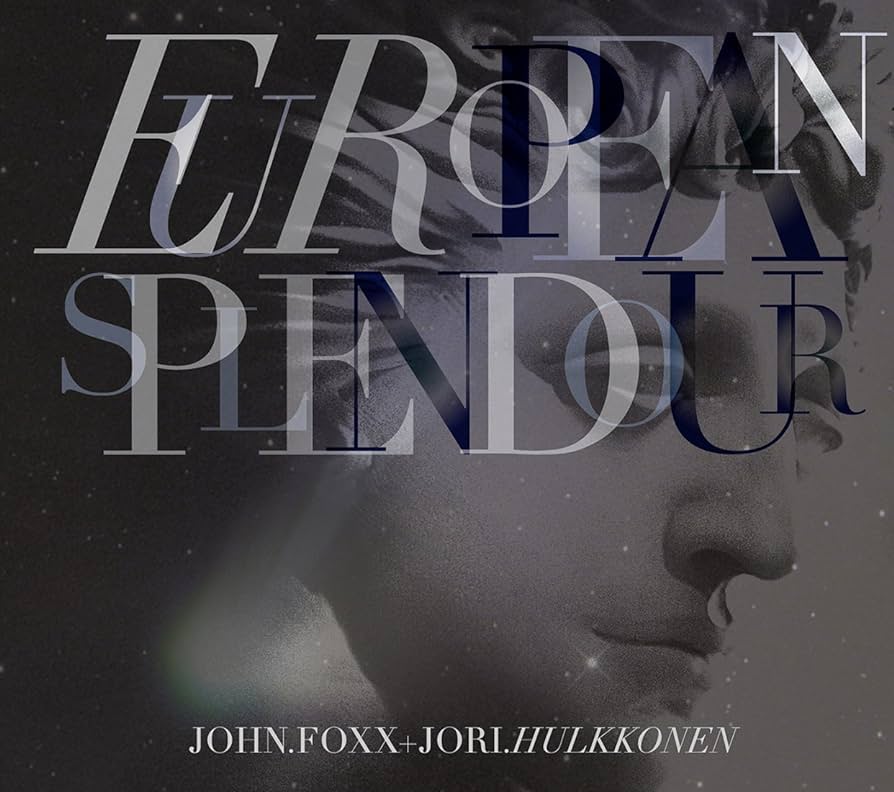
 via Sugarcane Records
 via Metamatic Records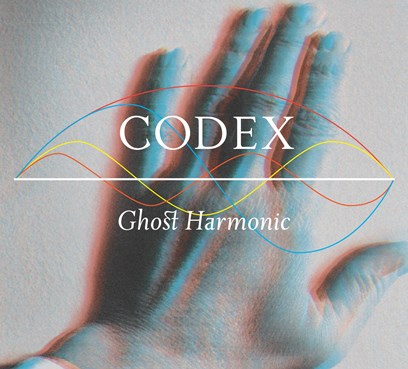
 via Metamatic Records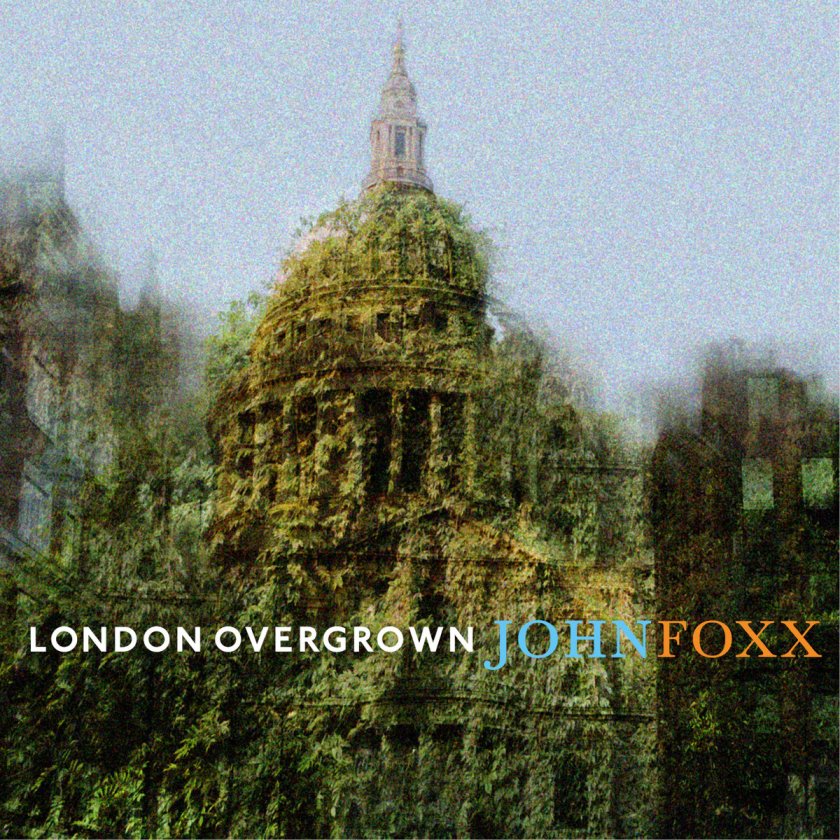
 via Metamatic Records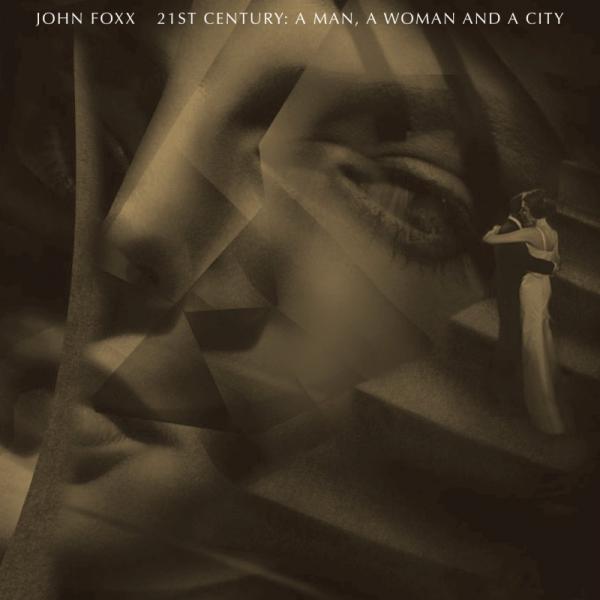
 via Metamatic Records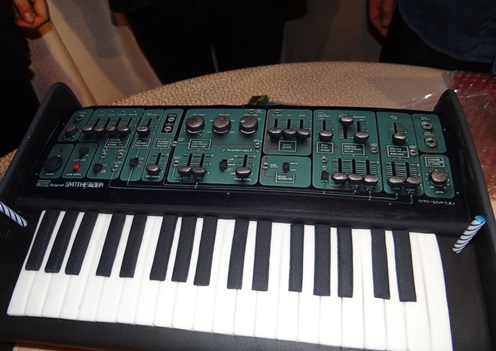



Follow Us!