
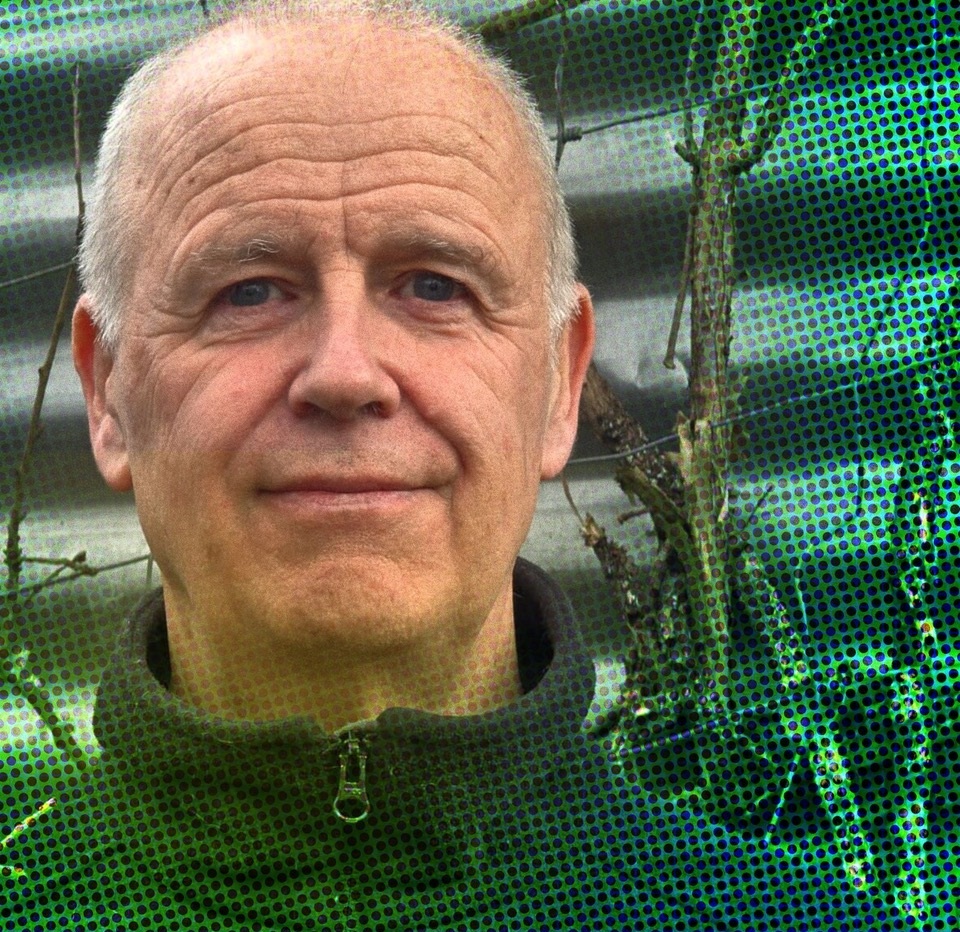
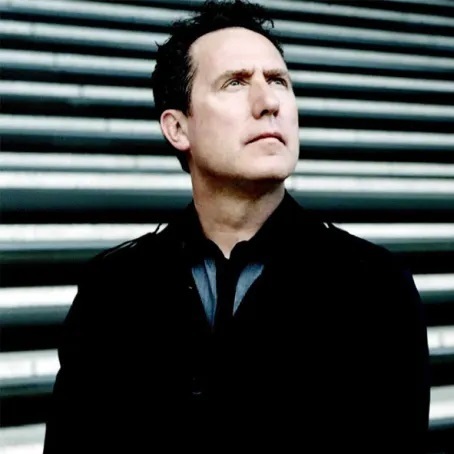
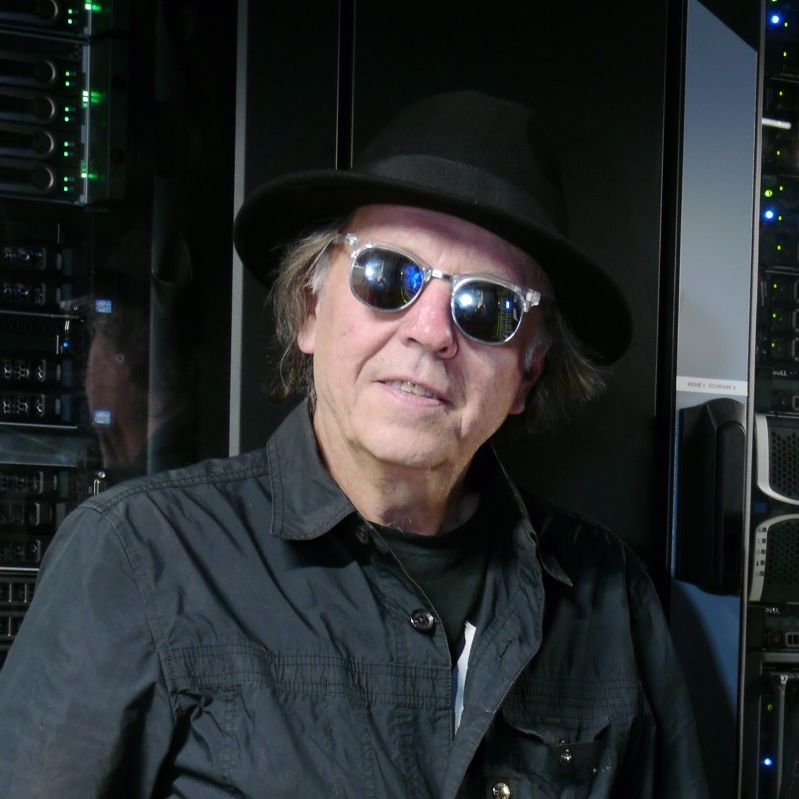
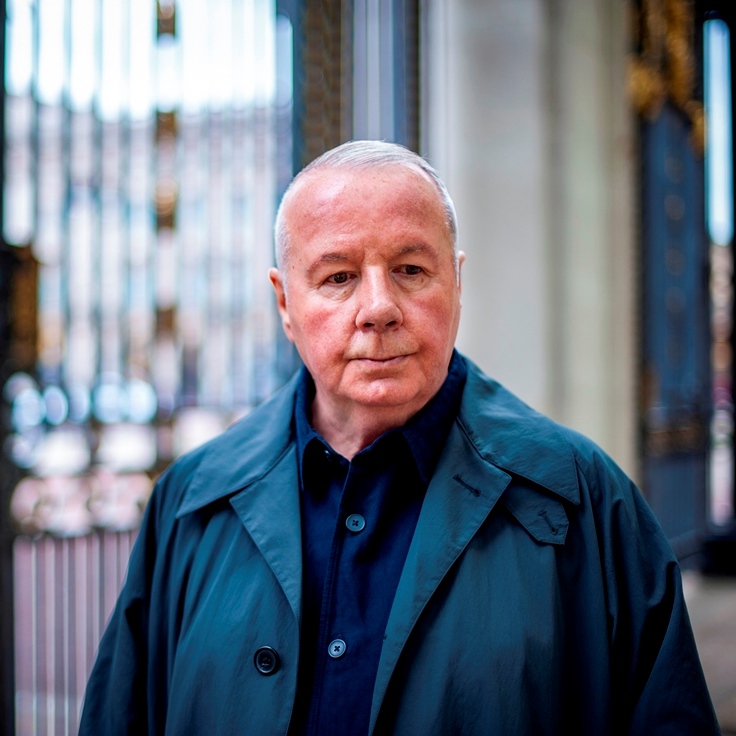
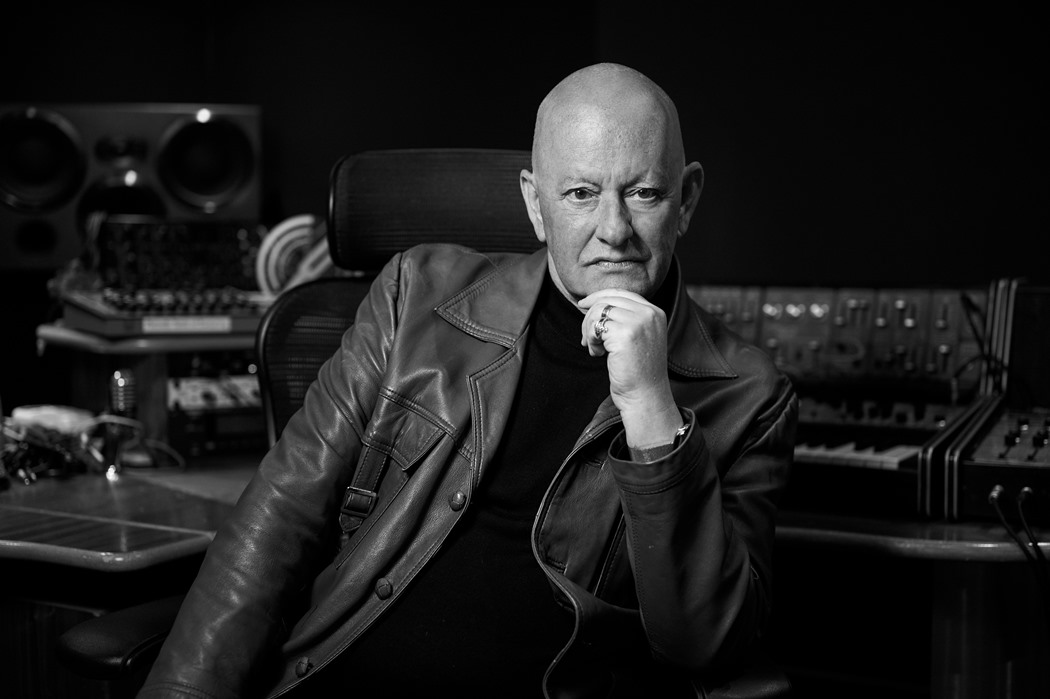
Peter Coyle is probably best known as the lead singer of THE LOTUS EATERS, a band which he formed with Jeremy Kelly who had previously been a member of the cult Liverpool trio THE WILD SWANS.
Ged Quinn, another former member of THE WILD SWANS also joined THE LOTUS EATERS while the rhythm section eventually settled with drummer Steve Crease and bassist Michael Dempsey who had been in THE CURE and ASSOCIATES. They were signed by Arista Records but in a coincidental twist, the label also signed CARE, the new project of THE WILD SWANS’ singer Paul Simpson with Ian Broudie who would later find mainstream success as THE LIGHTNING SEEDS.
Their debut single ‘The First Picture of You’ reached No15 in the UK charts and seemed to be a permanent fixture on daytime radio during the Summer of 1983. However a successful follow-up hit proved elusive for THE LOTUS EATERS and the album ‘No Sense of Sin’ released in 1984 stalled at No96.
After the single ‘It Hurts’, THE LOTUS EATERS were no more and Peter Coyle released the solo albums ‘A Slap In The Face for Public Taste’ (1986) and ‘I’d Sacrifice Eight Orgasms With Shirley MacLaine Just to Be There’ (1988). But Coyle found solace in the emergence of rave and club culture to found 8 Productions and the G-Love nightclub, working with a number emerging artists in Liverpool’s dance scene.
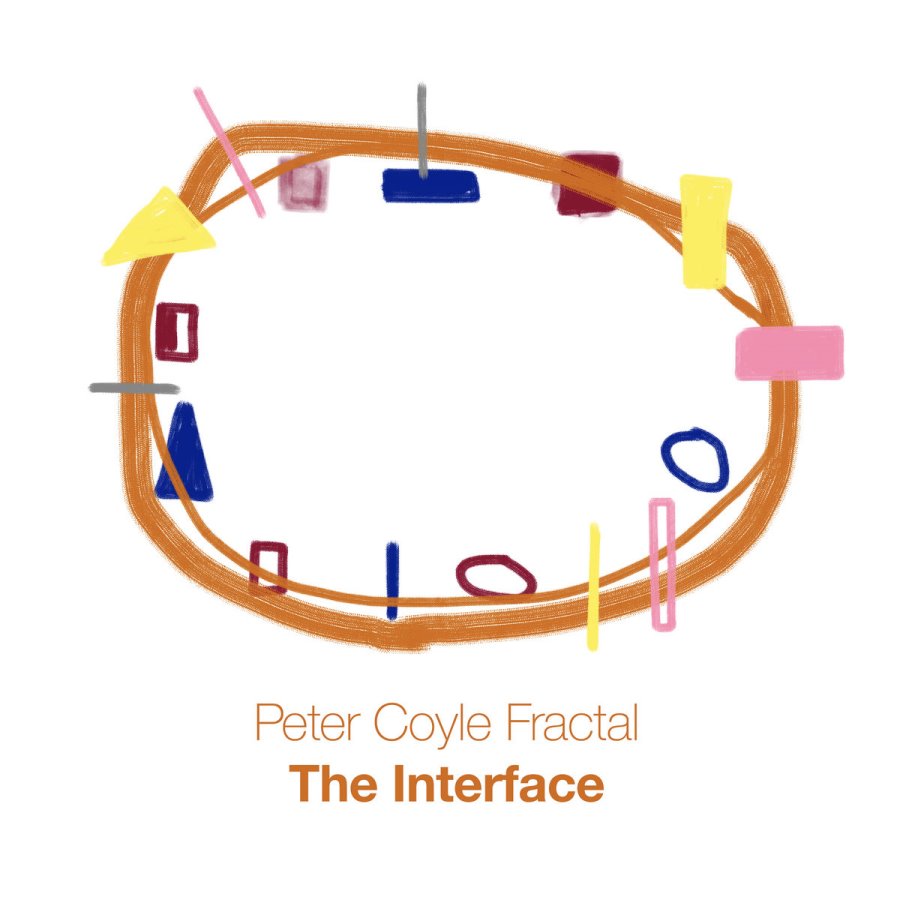
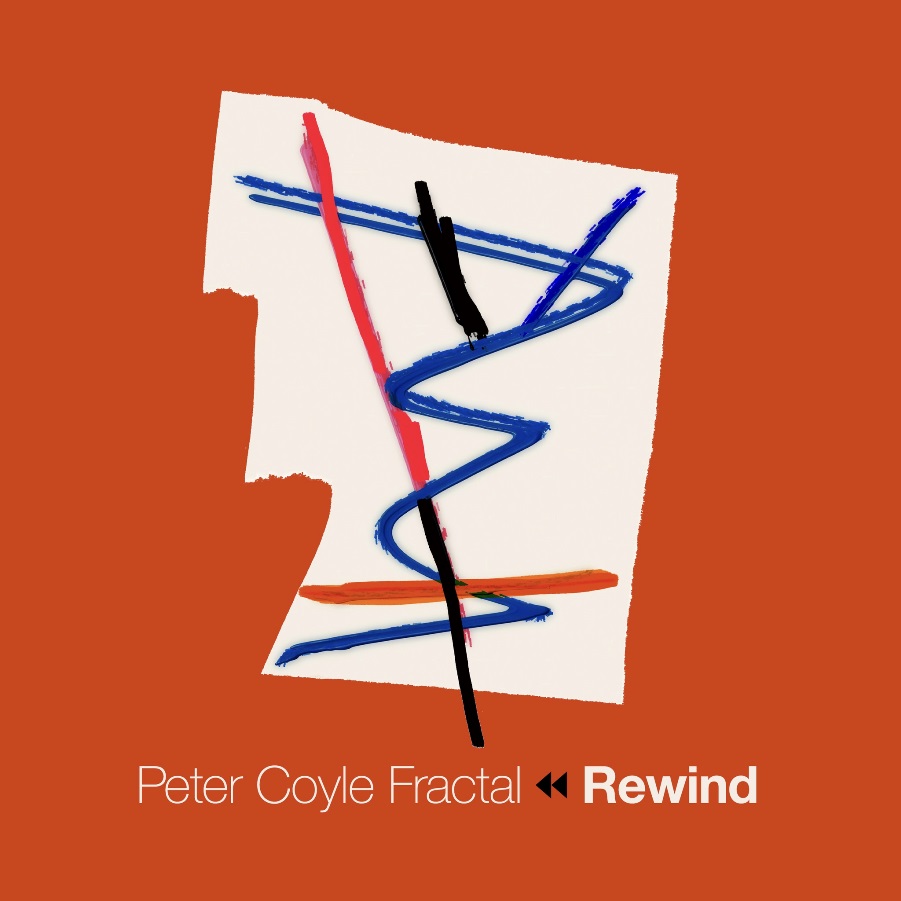
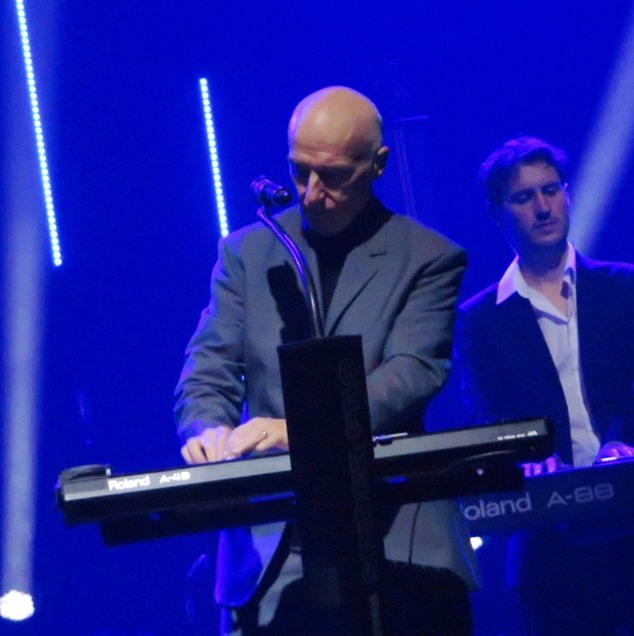
While there have been reunions of THE LOTUS EATERS over the years, Peter Coyle has since 2020 been focused on his “Fractal” umbrella. In March 2026, he released three new tracks ‘Rewind’, ‘My Shadow Self’ and ‘The Interface’, all recorded in his home studio in France. Drawing on his long-standing love of electronic music which perhaps hadn’t been apparent during THE LOTUS EATERS, Coyle’s keeps his songwriting fresh and unmistakably his own while embracing new technology.
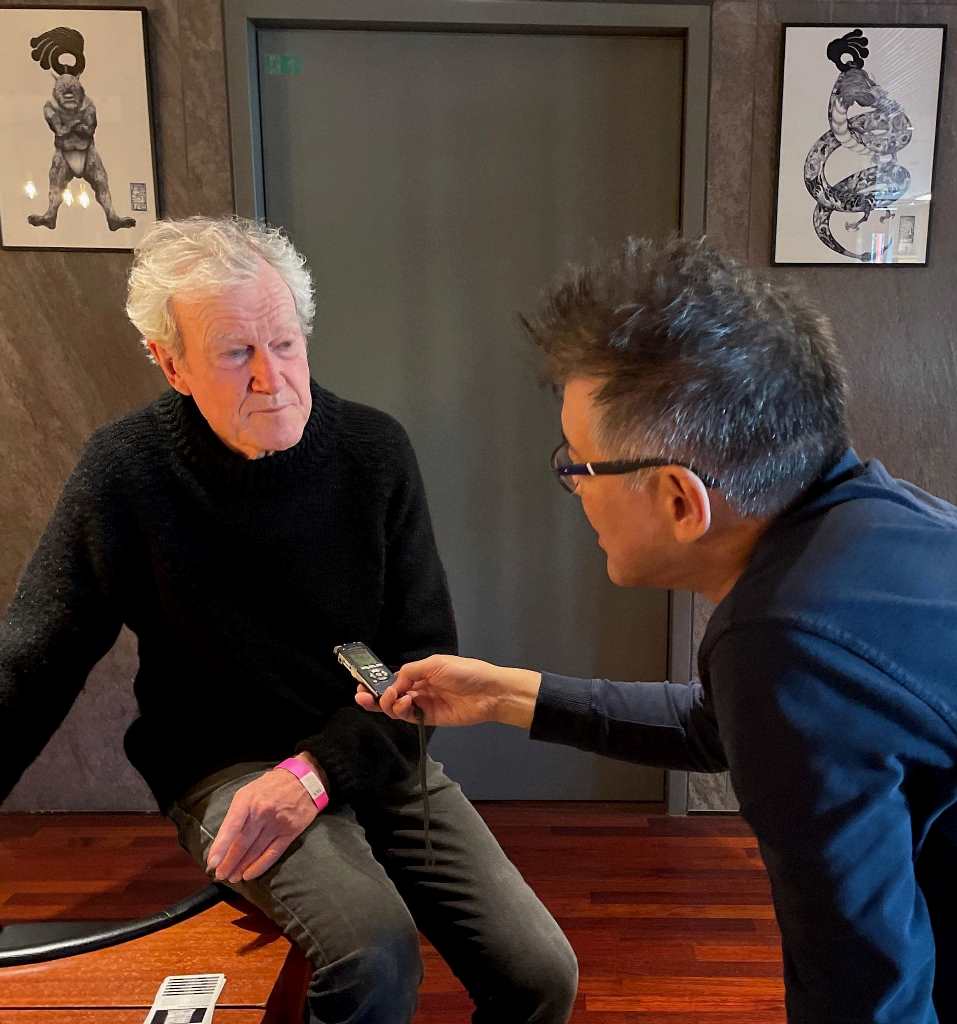
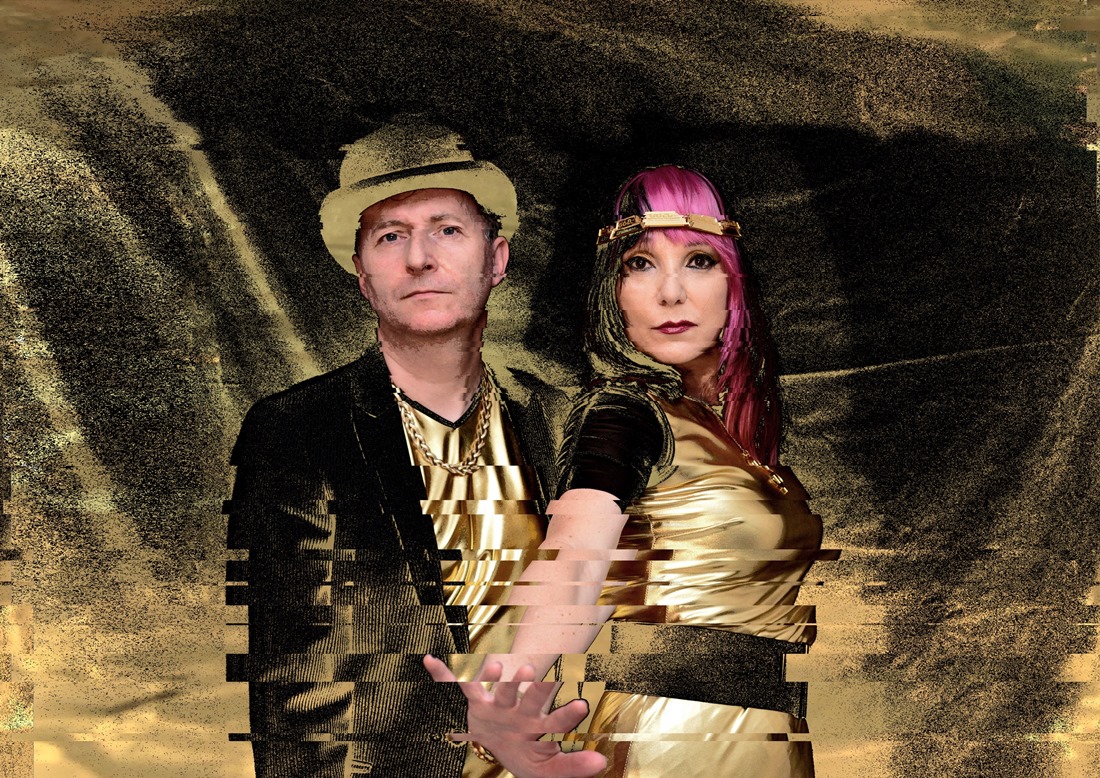
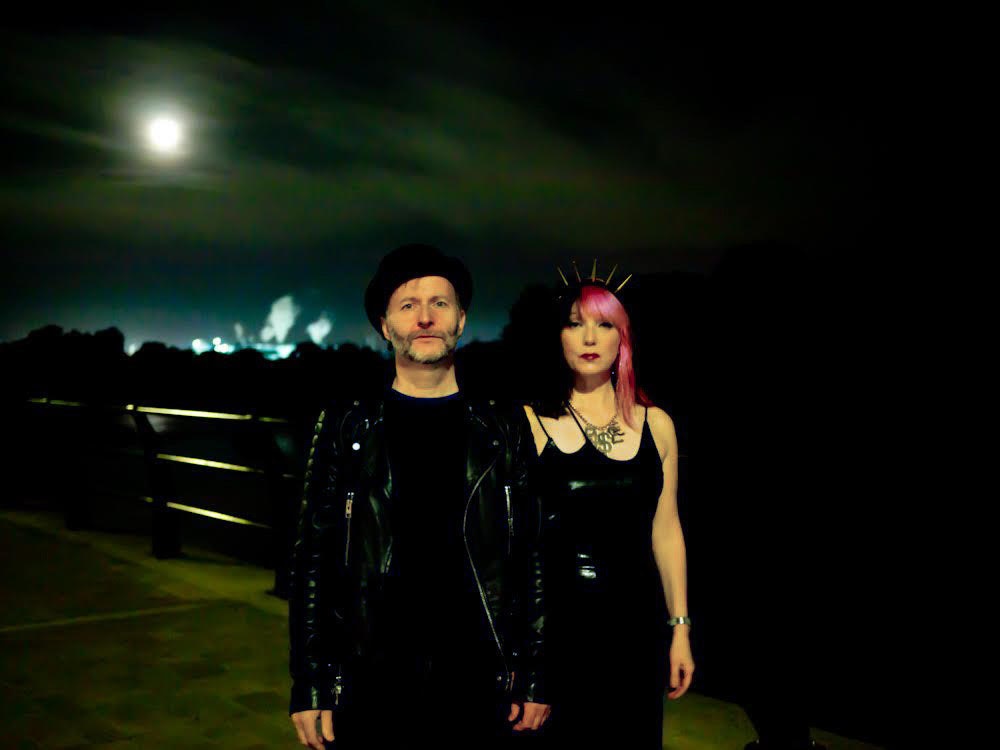
With an artful new song ‘The Choice & The Meaning’ just issued, Peter Coyle kindly talked in-depth to ELECTRICITYCLUB.CO.UK about his career to date and his continuing creative motivations despite being assumed to be a “one hit wonder”….
So how does Peter Coyle Fractal musically differ from just being “solo” Peter Coyle and how has it evolved?
There is no grand plan — and that’s precisely the point. I’ve had so many different names and projects over the years that even I was losing track of what was what. Fractal became a way of drawing a clear line in the sand.
Musically it’s more uncompromising, more instinctive. It’s not shaped by what might get airplay or approval — it’s shaped entirely by what feels honest and necessary to me in the moment. Other projects have carried certain expectations, certain sounds. Fractal carries none of those. It’s me going for the jugular.
The music that comes out of it has to mean something — to me first, and hopefully to others once it exists. But I’m genuinely not playing the game of being popular or likeable. That freedom changes everything about how the music sounds and feels.
What interested you in pursuing a more explicit electronic direction?
The synthesizer has always been in my soul — right back to Brian Eno and Bowie on ‘Heroes’ and Low, and then TUBEWAY ARMY’s first album. And ‘Being Boiled’ by THE HUMAN LEAGUE is honestly one of the greatest pieces of music ever made. So this isn’t a new direction for me, it’s more like a homecoming.
What people might not realise is that I was heavily involved in dance music back in 1988 — virtually everything we were making then was synth based. So the electronic world and I go back a long way.
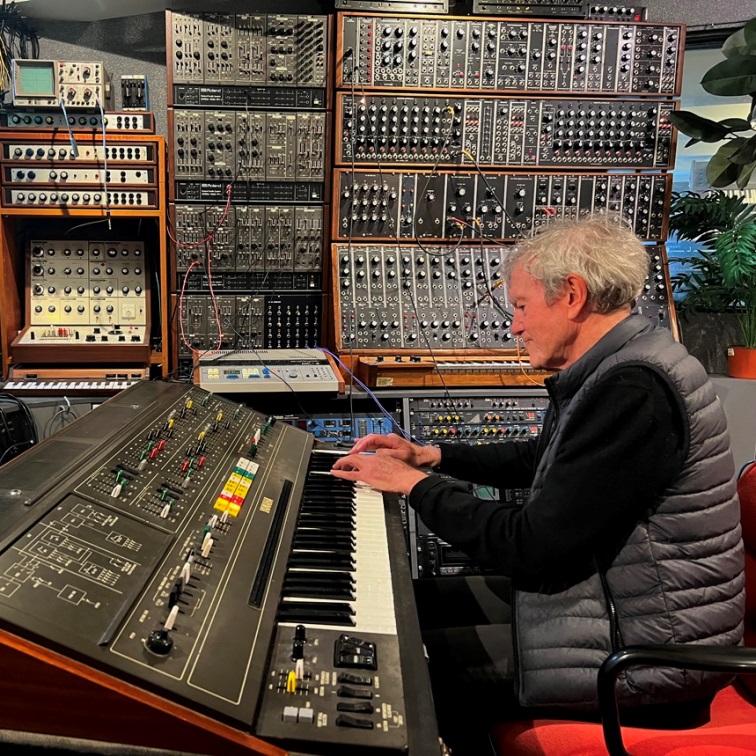
I started out in bands where guitar was the predominant force, which I think obscured that side of me for a while. I had a Prophet 5 back in the day — cost a fortune, wouldn’t stay in tune, and honestly it was a beast to operate. I’m not technical by nature. I have no real knowledge of music theory, chords, any of that — I work entirely on feel and instinct, never quite knowing what I’m doing in a conventional sense.
But that’s where technology has been genuinely liberating. Plug-ins have made the synthesizer so much more accessible, and when you’re working alone that matters enormously. And the sound palette available now is just beyond beautiful. I think that’s ultimately why the electronic direction has become so dominant — it suits both how I hear music and how I actually work.
Are you still writing songs “traditionally” or has modern tech helped you a lot? What are your preferred tools?
My songwriting has changed enormously — technology has genuinely freed everything up in ways I couldn’t have imagined.
But I want to be honest about what the life of a songwriter actually looks like, because it’s rarely what people imagine. Almost every hour of the day you’re asking yourself where the hell you’re going with this — whether it’s going to work out. The dead ends are scary and relentless. And then somehow, if you persevere, things come together. That bit never changes regardless of the tools you’re using.
What technology has changed is the space in which all that happens. I love everything about it — but I feel strongly that the agency has to come from the soul. The artist has to get out of their own way, lose the ego, lose the desperation to make something stunning. But equally you cannot let the machine do all the heavy lifting — because then it just becomes generic, and life is genuinely too short for that. I’d rather get a job in a bank. Not that they’d employ me — but you get the general picture.
My early days were built around improvising — just throwing myself in and seeing where things went. And now, working with technology, that’s exactly what I still do. I improvise with it, follow where it leads, stay open to accidents and surprises. The tools have changed but that instinct is the same.
In terms of what I actually use — Ableton Live and Pro Tools have been absolute game changers for me. They’ve transformed how I work and what’s possible. But equally important is a kind of awareness I’ve developed — recognising that something throwaway, something you created when you weren’t even trying, or a mistake you almost deleted — can turn out to be the most exciting thing on the session. I’ve learned to listen to those moments rather than dismiss them.
Technology is full of what I’d call tools of love — instruments and possibilities designed to help the musician find themselves and express the image that exists inside them. That’s a beautiful thing when you think about it.
You released a mini-album in 2023 called ‘Phasing’ which featured two collaborations with Martyn Ware on the title track and ‘Out Of His Depth’, how did that come about?
I’ve been a big fan of Martyn Ware since day one — since THE HUMAN LEAGUE, since everything that followed. And now I’m lucky enough to call him a friend, which still feels remarkable to me. The boy is a genius. His way of seeing the synthesizer, his understanding of space within sound — it’s a genuinely lovely thing to behold. He never stops, never settles, and he’s a wonderful human being on top of all that. An absolute joy to work with.
The way it came about was relatively simple — I sent him the ideas and e just loved them and shaped them in that beautiful way he has. Martyn was working on the tracks with Chaz Stooke, and together what they brought to the material was something I couldn’t have anticipated. They elevated everything in ways I couldn’t have done alone and I learned so much from the experience.
And that’s one of the key characteristics you notice about truly great musicians like Martyn — they are always on the go, always absorbing something new, always searching for that fresh momentum that seems to emerge out of nowhere. That energy is infectious. Being around it and being trusted with it meant a great deal to me.
The trancey hypnotism of one of your new releases ‘Rewind’ will surprise those who may be more used to the more “acoustically” spirited songs of THE LOTUS EATERS, how did this song come together?
I think people who have followed me for a while understand by now that I simply follow my own instincts and do my own thing — I don’t really look over my shoulder at what came before or what might be expected of me.
Rewind actually has a very specific origin — I’ve been asked to perform at the Rewind Festival at Henley on Thames in August 2026, which is incredibly exciting. But beyond the performance itself, the word started living in my head. ‘Rewind’. The way it suggests rewinding time, rewinding sound, rewinding memories. I loved the interplay between all those ideas and what they meant to me personally.
The lyric at the heart of it — “we dreamed we could have it all” — pretty much sums up that genuine joy and excitement we felt back in the day when we were young and invincible. That feeling of boundless possibility. I wanted to capture that honestly rather than sentimentalise it.
And that tension is where the interesting stuff lives for me creatively right now. Bringing the old head into the cutting edge — writing real melodies and meaningful lyrics within a very modern electronic and dance context. It’s not about nostalgia and it’s not about chasing trends — it’s about finding a place where melody and rhythm connect in a fresh and unexpected way rather than retreading old well-travelled terrain. Anyone can do that. I’d rather take the road that feels alive.
The trancey hypnotic quality in ‘Rewind’ wasn’t something I planned — it emerged organically. And those are always the most exciting moments in the studio — when something takes on a life and a feeling entirely of its own.
‘The Interface’ is full of IDM vibes but what is the song a metaphor for?
It’s a deep song that works on many levels simultaneously — which is exactly how I wanted it.
At its core I think the main theme is about reaching a point in life where you completely lose the urge to fit in and conform. Not that I ever really had that urge particularly — but it becomes even more pronounced as you get older. There’s a liberation in that. Getting on the weird bus, as the lyric says — and genuinely not caring anymore.
The interface itself is a metaphor for all the layers we hide behind in modern life — the masks, the performances, the carefully managed versions of ourselves we present to the world. The polygraph line cuts through all of that — because ultimately the truth always finds a way out. The interface is the flaw. The interface hides it all. But it can’t hide everything forever.
And underneath all of that it comes back to love — it always comes back to love. Without it you become a slave to the sequence, you’re just going through the motions, digging holes full of secrets. That feels very true to me.
What I find exciting about the song sonically is the clash of contexts — it sounds quite melancholic on the surface but the grooves and the sounds lift it and give it these positive, almost euphoric edges. That tension between the emotional content and the musical landscape is what makes songs genuinely interesting to me. The repeated “I I I I I” is so simple but feels incredibly heartfelt in context — sometimes the most naked moments hit the hardest.
Watching this one evolve in the studio was genuinely exciting. I’m learning something new every single day and songs like The Interface are proof of why that process never gets old.
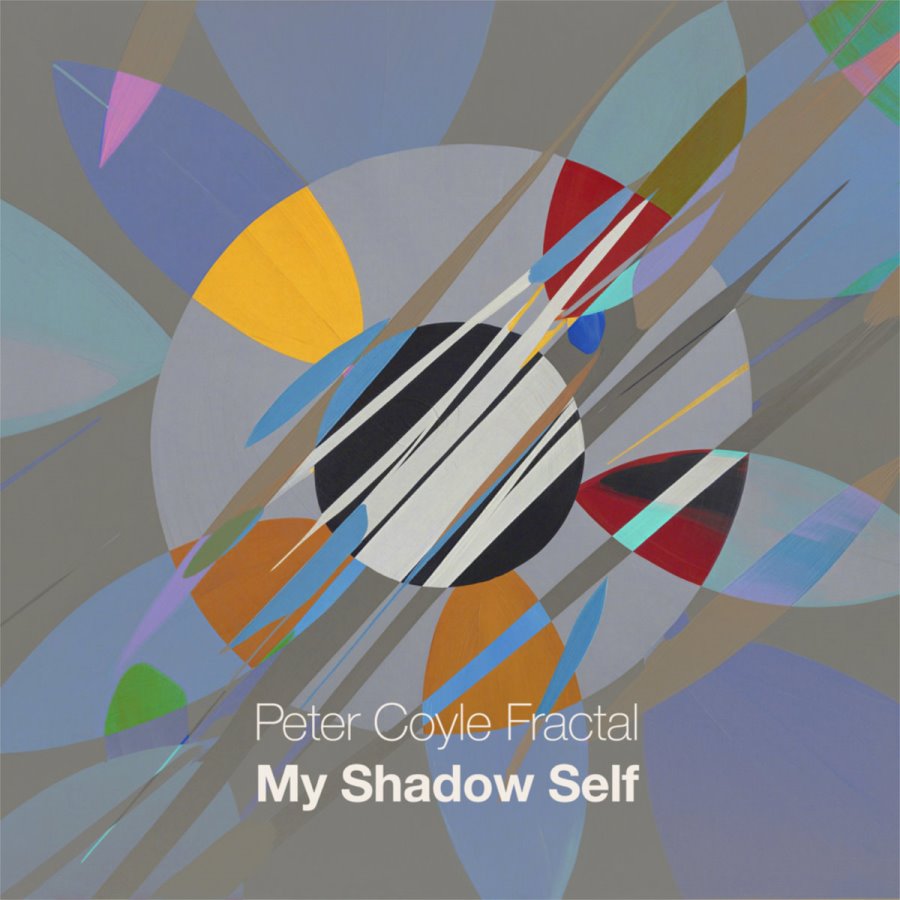
‘My Shadow Self’ takes a real about turn 3 minutes in after starting off all moody?
Even though I say so myself — ‘Shadow Self’ is really something special to me.
The lyrics live in a very sensual, almost dreamlike space — there’s desire and hunger and intimacy running through the whole thing. But it’s not straightforward — nothing I find interesting ever is. The shadow self is that hidden part of you, the part you don’t show the world, the part that perhaps only another person’s love or touch can reach and release. That’s what the song is really about — that moment of complete vulnerability where someone else cracks you open.
It starts off introvert and sexually charged — almost chained down, as you say. There’s a moodiness and a weight to it. And then without any explanation or warning the whole mood shifts and transforms — real freedom just explodes out of the love. That transition at around three minutes isn’t something I planned or engineered — it felt like the only honest place the song could go.
Life and love are messy and constantly changing — life is quantum and wild and free. The song mirrors that completely. There’s an exhilaration and a complete enigma to the whole feel of it that I find endlessly fascinating.
The line ‘I’m not asking for rescue’ feels crucial to me — because it’s not a song about weakness or dependency. It’s about that extraordinary thing that happens between two people when the walls finally come down. “Crack me open with your fingers under the sky of silver release” — that’s as honest and raw as I’ve ever been in a lyric.
And the way the music and textures play around with the words creates whole new fractal worlds — which is exactly what excites me so deeply about working this way. That word fractal keeps coming back for a reason. It’s in everything I do now.
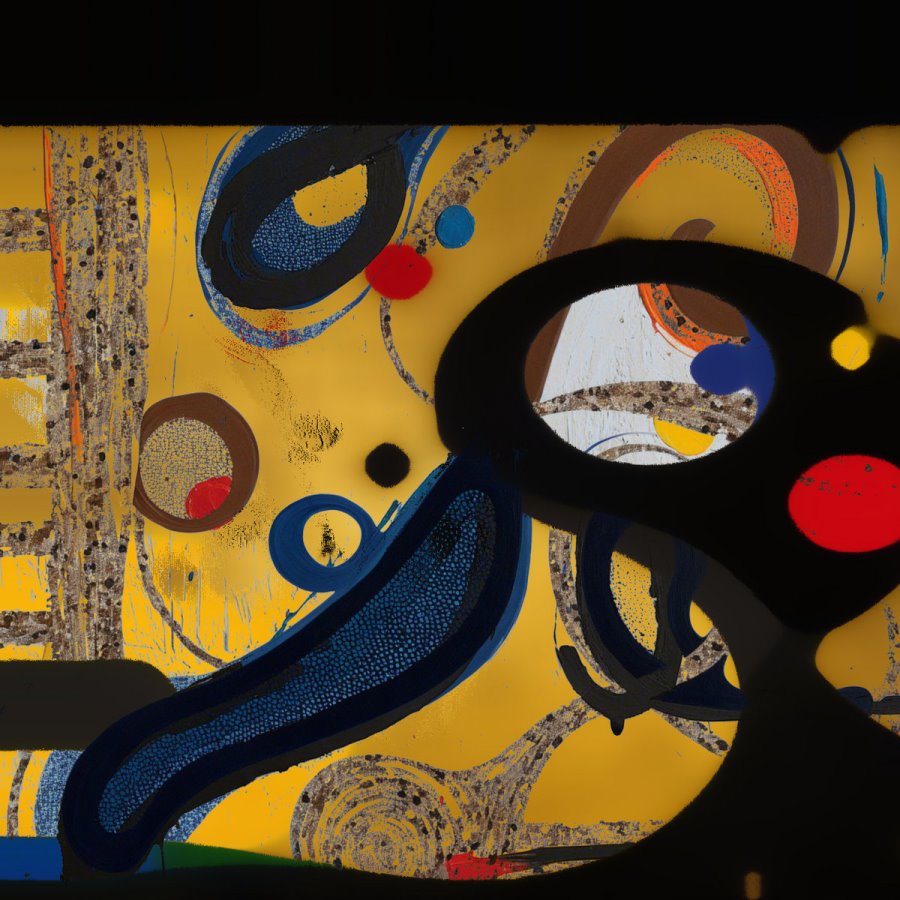
On the spiky ‘YOu ARE not the MeDiA’, who or what are you taking aim at?
The song is pretty direct — it’s taking aim at a very specific modern phenomenon that I find genuinely troubling.
In a word — Marxism. But not necessarily in the old traditional sense. What I’m really talking about is this new wave of people with absolute so-called moral clarity who have appointed themselves the arbiters of what can and cannot be said, thought or expressed. When I encounter that mindset it triggers something very visceral in me — it takes me straight back to being a young Catholic boy faced with the same kind of unquestionable dogma and authoritarianism. Different packaging, same controlling impulse.
Authoritarianism is very much back in fashion right now and it frightens me. The idea that private property is the root of all human suffering — that if we just dismantle enough structures and cancel enough voices everything will be fixed — I firmly and completely disagree with that outlook. Human suffering exists because we refuse to genuinely work together and bring out the best in one another. It’s not about ownership — it’s about connection and contribution.
The doublespeak in the lyrics is very deliberate — because that’s exactly how this mindset operates. It presents itself as liberation while practicing the most rigid form of control. It claims to speak for everyone while silencing anyone who disagrees.
And here’s the thing — I don’t care that there are musicians infinitely more talented than me. I cherish that fact. I’m genuinely and eternally grateful for it. It’s a beautiful thing. What matters to me is my contribution to the human story — not my control or manipulation of the narrative. That distinction feels more important than ever right now.
The song needed to be spiky and confrontational — because that’s exactly what the subject matter demands.
One of your other more recent tracks ‘Utopia’ does have one of those euphoric rave-styled backing vocals, courtesy of Kim Shepherd?
‘Utopia’ is in many ways a companion piece to ‘YOu ARE not the MeDiA’— but it approaches the same territory from a more universal and perhaps more sorrowful place. Where that song is confrontational and spiky, ‘Utopia’ is almost a lament.
The central idea is something that feels very real and very urgent to me — that the pursuit of utopia, any utopia, ultimately destroys everything it claims to want to build. Sacred cows everywhere. Ideology and blind loyalty blocking access to genuine human connection and love. Information that was supposed to liberate us has instead put us in chains. We’ve become cogs in a wheel with no humanity and no sanity. That feels like an honest description of where we are right now.
But what makes the song truly special to me is what Kim Shepherd did with it. When I wrote and recorded it I sang it in falsetto and it was deeply melancholic — almost defeated. And then Kim took that same melody and transformed it into something utterly euphoric. The same words, the same notes — and yet an entirely different emotional world. That’s a beautiful alchemy that I genuinely couldn’t have predicted or engineered. It just happened and it’s extraordinary.
The song also came together through a wonderful collaboration with Liam Saunders who created such a brilliant vibe with his bass and synths — and then the brilliant Connor Whyte on guitar added something truly mesmerising to the whole thing. That chemistry that evolves when you bring the right artists together is one of the most exciting things about making music. You create something that none of you could have made alone. It was a wonderful experience and a genuinely beautiful thing to be part of.
What did you find appealing about club music after THE LOTUS EATERS?
Escape. That’s the honest one word answer.
After THE LOTUS EATERS, I needed to keep moving — to stay still would have meant sitting with a personal pain I wasn’t ready to face. I needed salvation and I found it, as I always have, in the love of music itself.
Getting involved in dance music and club culture through our project Eight — where we were creating dance music and running club nights — healed me in ways I’m not sure anything else could have. There was something about that world, that energy, that community, that felt genuinely redemptive.
And the culture itself was just beautiful to be part of. I remember watching lads coming up to the DJ clutching a twelve inch record they were excited about — that image has never left me. That pure uncomplicated love of music with no pretension and no agenda. Just the music and the feeling it gave you.
But the single greatest feeling I have ever experienced in all my time in music — and I mean that — was being in a club when all of a sudden the crowd just erupts. Thousands of people in complete ecstasy. And it’s one of my tunes doing that to them. I will never forget that moment for as long as I live. It was humbling and overwhelming and I am eternally grateful for it. Genuinely one of the greatest highlights of everything I have ever done.
Music heals. It really does. And that period of my life proved it to me beyond any doubt.
Some might be surprised to learn you co-wrote and co-produced the Marina Van-Roy rave pop track ‘Sly One’ which came out on DeConstruction in 1990… can you remember how you ending up writing for someone else?
The story behind ‘Sly One’ is one of my favourites actually — because it perfectly illustrates how the bad moments can be the key to your best moments. You just have to ride the waves.
I had just submitted a song to Seal — I was completely in love with Adamski’s ‘Killer’, still am. One of the greatest pop tunes ever written and one of the best vocals ever recorded. Full stop. So I wrote something in that world — a song about living in a mad world and not really coping — and sent it off hoping he might cover it. They came back and said it wasn’t happening. I was gutted.
So I walked into the studio, picked up an acoustic guitar and wrote ‘Sly One’. Just like that. Out of that disappointment came something new. And here’s a lovely footnote to that story — Seal subsequently came out with ‘Crazy’, which I absolutely love. Same theme as what I’d sent him, but better expressed. Another brilliant tune. The universe works in mysterious ways.
At that point I had just come off the back of two enormously ambitious projects — the first was actually a triple album called ‘A Slap In The Face For Public Taste’, and the second was called ‘I’d Sacrifice Eight Orgasms With Shirley MacLaine Just To Be There’. As you can probably tell, I was not playing it safe. I had my voice all over both of them and I needed to keep moving, keep things fresh, try something completely different.
So I gave ‘Sly One’ to Marina. And what she did with it was extraordinary. She brought this beautiful vulnerability and atmosphere to the track that completely transformed it — landing it on DeConstruction. Though if I’m honest, Warp Records would have been the natural spiritual home for that record — but that’s another story entirely. Her vocal on that record is truly iconic in my opinion. A song written on an acoustic guitar becoming a rave pop record — that’s a journey I could never have planned and I love that about it.
How do you find the modern method of releasing music via these online singles and doing social media?
To be honest with you I have struggled with that side of things since day one — and I mean day one.
I never liked record companies. The boring offices, the suits, the gatekeepers — none of it ever felt like it had anything to do with music. And the old system could be soul destroying in its own particular ways. I remember releasing club records and DJs would come back saying it was the wrong tempo or not the right genre — and it would genuinely do my head in. You’ve poured your heart into something and someone’s telling you the BPM is slightly off.
The modern system has removed some of those gatekeepers which should feel liberating — and in some ways it does. The ability to just put music out into the world without needing anyone’s permission is genuinely extraordinary when you think about how different it was before.
But the business side of things — the social media, the marketing, the constant content, the algorithms — it’s a massive universe and I neglect it. I’ll be completely honest about that. It’s not ideal and I know it. But you only get one life and I have to make choices about where my energy goes.
My energy goes into the music. My real aspiration — the thing that drives me every single day — is to write a game changing song. That’s it. That’s what gets me up in the morning. Everything else is noise.
And I think that connects back to why I started Peter Coyle Fractal in the first place — this was never about being popular or likeable. It’s about going for the jugular and making music that genuinely matters.
Is the intention to rewind and do it the old fashioned way with a physical long player or has the album sadly had its day in your opinion?
Music is dead. That’s a strong statement but there’s a lot of truth in it — and paradoxically it makes things quite interesting.
The album was an emotional object. A complete emotional experience — like sitting with a poem from beginning to end. It had weight and intention and architecture. And poetry is about as relevant as music now in this TikTok and AI world — which is both a sad and a fascinating thing to contemplate. The modernist existence of making music as we understood it is genuinely over. That era has passed.
As for physical albums specifically — I love what they represented and what they meant. That ritual of holding something, reading the sleeve notes, experiencing the whole journey an artist intended — that was sacred in its own way. Whether that comes back in any meaningful cultural sense I honestly don’t know. What I do know is that I refuse to let that question paralyse me.
Because here’s the choice as I see it — we can be victims of these changes and say “woe is me”, the world has moved on and left us behind. Or we can say no problem. We will deal with it come what may. These are different times and they demand a different response.
And actually at the core of things musicians and music makers are problem solvers. Always have been. We take chaos and emotion and confusion and we turn it into something meaningful and communicable. That skill — that instinct — is needed now more than ever in this deeply problematic and fragmented world. The format may have changed beyond recognition but the human need for what music actually does has never been greater.
So music may be dead in one sense. But in another sense it’s never been more necessary.
When THE LOTUS EATERS formed, did you feel any of tension or rivalry with CARE from THE WILD SWANS ex-members, especially with both acts being signed to Arista?
I’ve spent a large part of my life doing sport — and the greatest thing about sportspeople is that they truly know what it feels like to both lose and win. They assimilate it into their whole way of being. That experience shaped how I see competition fundamentally.
The history here is complex and I won’t pretend otherwise. THE WILD SWANS were the forerunners to THE LOTUS EATERS — and the split that led to the formation of the band involving myself and Jeremy Kelly was bitter and painful for people involved. Paul Simpson has written honestly and extensively about how deeply unhappy he was about that whole period — feeling that his songs and his vision had been taken from him. That’s a real human hurt and I respect that he has expressed it.
But I want to say this clearly — Ian Broudie and Paul Simpson did brilliant things with CARE and I was a genuine fan. ‘Flaming Sword’ is a beautiful track. And life has a wonderful way of weaving things together in unexpected ways — I’ve worked with Ian Broudie on some tracks for THE LIGHTNING SEEDS since then. So it’s all far more complex and interweaved than any simple narrative of rivalry would suggest.
Liverpool was an incredibly intense place and the rivalries were fierce — and actually I think that’s a brilliant thing. That intensity pushes people to get better, to write better songs, to reach further than they might otherwise have done. The city has always had that quality and it has produced extraordinary music because of it.
The only downfall is when it spills over into the personal space. That’s where it becomes pointless and destructive. Because my competition has always been with myself. To try and do my best. To be better than I was yesterday. The Caligula whispering — that Machiavellian desperation to undermine and position and manoeuvre — it’s just not my cup of tea. It never has been. I don’t respond to it because life is genuinely too short and that energy belongs in a tacky soap opera, not in a recording studio.
And at moments like that I always think about James Joyce. He told a friend that he had spent the last eight hours writing a single sentence. Eight hours. One sentence. And his friend asked what was so difficult about it — and Joyce said he knew what order he wanted the words in, he just wasn’t sure about the comma. But what a sentence it was — “the heaventree of stars hung with humid, nightblue fruit.” That is where the focus should always lie. Not in rivalry or politics or positioning. In finding your own heaventree of stars. That’s all that matters.
&
‘The First Picture Of You’ was literally everywhere in the summer of 1983, did you figure you had something special when you wrote it?
No — not at all. And that’s probably exactly why I agreed for it to be released.
The honest truth is I wasn’t ready for success. I was a young man who knew that if I wanted to continue as a singer I needed to somehow find the skills to cope in the outside world — but I didn’t really have them. And here’s the thing — I’m not even ready now at 64. It’s genuinely not my vibe. I need my own space. It’s not good for me to be a famous person and I’ve made a kind of peace with that.
As far as celebrity culture goes — I would rather sit down with a glass of prosecco with Mark E Smith and Goya than engage in any of that world. That says everything about where my head is. THE FALL, Francisco Goya — that’s my kind of company. The radical, the visionary, the uncompromising.
But going back to the song itself — I knew I had written something romantic. Something that felt genuine and tender. What I absolutely had no idea about was the context it would land in. I wrote it in the coldest days of December — the middle of winter — so the idea that it would become this iconic summer song that was literally everywhere in 1983 was completely beyond my imagination at the time. There’s something rather beautiful about that — a winter song that became the sound of summer. Sometimes the best things happen when you have absolutely no idea what you’re doing.
The follow-up to ‘The First Picture Of You’ was the wonderful ‘You Don’t Need Someone New’ and is something of an outlier in hindsight, it’s more “synthy” than other tracks by THE LOTUS EATERS and wasn’t included on the album ‘No Sense Of Sin’, what were the reasons for that?
So glad you appreciated it — yes it was our second single and it remains a really interesting piece of work to me. What people might not know is that we actually wanted ‘German Girl’ to be the follow up single — but the record company flatly refused. Those battles between artistic vision and commercial reality were a constant feature of that whole period. ‘You Don’t Need Someone New’ was the compromise — and actually it turned out to be a fascinating record in its own right.
It was a genuine hit in the New York discos which I loved — there’s something wonderful about that. A record that didn’t set the UK charts alight finding its audience in an entirely different world and context. New York in that era was the centre of the musical universe in many ways and knowing that record was being played in those clubs means a great deal to me.
As for why it didn’t make ‘No Sense Of Sin’ — honestly the simplest explanation is the right one. We had too many songs and something had to give. That’s always a painful process. The track was produced by Alan Tarney who is a remarkable figure — he worked with some of the biggest artists of that era and his production instincts were extraordinary. And yes — he absolutely loves his synths. It was at his house that I first encountered the Fairlight CMI synthesizer and sampler in person. I’ll never forget that moment.
The Fairlight cost around seventy thousand pounds — in early 1980s money. Just let that sink in for a moment. It was an absolutely extraordinary and revolutionary piece of technology and seeing it for the first time was like looking at the future. That experience fed directly into my ever deepening love affair with the synthesizer and everything it represents. Alan was a fascinating character and I learned enormously from being around him
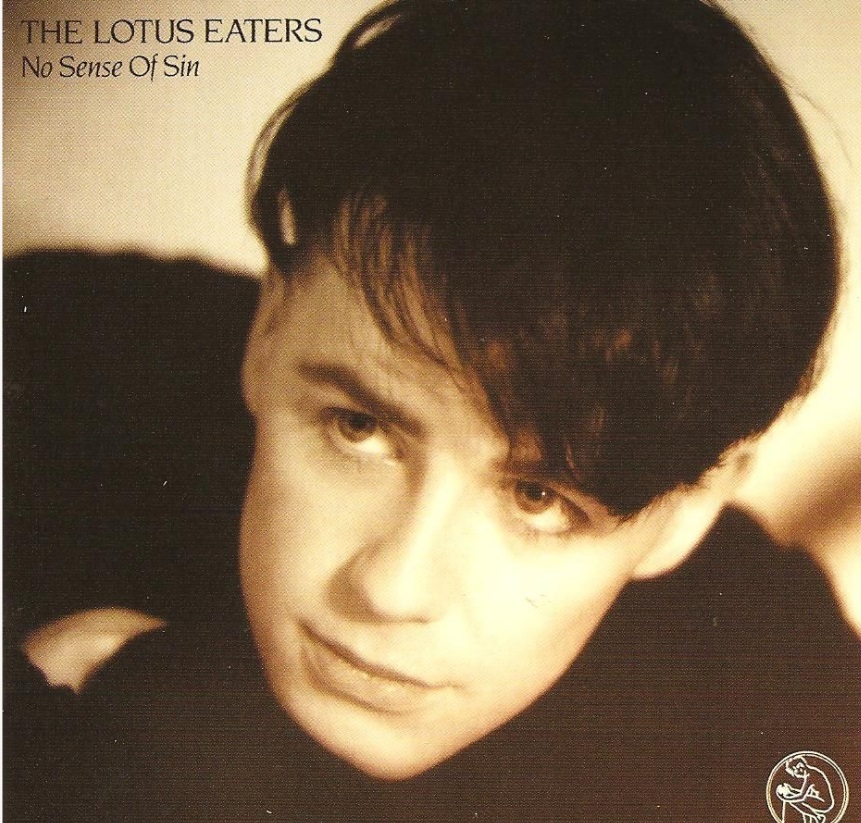
What was the story behind ‘German ‘Girl’, the opener on ‘No Sense Of Sin’, is it autobiographical?
Yes. Completely autobiographical.
Her name was Stephanie Arnold. She is no longer with us sadly — and I want to acknowledge that because she deserves to be remembered. She was a remarkable presence in my life and this song is my testament to that.
She was never actually German — but she had a Louise Brooks haircut. That iconic, severe, utterly beautiful look that Brooks made famous in the classic silent film ‘Pandora’s Box’. There was something about Stephanie that existed in that same world — cinematic, otherworldly, unforgettable.
The whole song was written under the influence of Bertolt Brecht — that sense of heightened reality, of theatre and dream existing simultaneously, of emotion so large it breaks through the conventions of ordinary expression. Brecht understood that sometimes the most honest thing you can do is be completely and unapologetically artificial — because that artifice gets closer to the truth of feeling than straightforward realism ever could.
The song is extremely self-indulgent and doesn’t acknowledge so called reality at all — and I make no apology for that. It exists in another world entirely. Another dream. It is at its heart an insane love song built entirely on daydreams and passion and the kind of feelings that a young man carries for someone who seems to belong to a different and more beautiful universe than the one everyone else inhabits.
The fact that the record company wouldn’t let it be our second single still baffles me. But perhaps some songs are too personal, too singular, too much their own thing to be commercial propositions. ‘German Girl’ is exactly that. And I treasure it.
On your Bandcamp, your self-deprecating bio says you “had a hit record in 1984 with a song called first picture of you…”, it did prove to be a hard act to follow, so what is your take on what happened with THE LOTUS EATERS and not being able to sustain momentum?
I love that bio — I think self-awareness is one of the most underrated qualities a musician can have. And yes — ‘The First Picture Of You’ was a genuinely hard act to follow.
It was tough. Genuinely tough. And there was a point where I nearly packed it all in — but not for the reasons people might assume. It wasn’t the lack of commercial success that almost broke me. It was a personal betrayal that cut very deeply. I won’t go into the details here — some things deserve to remain private — but it shook me to my core.
And yet. And yet.
It turned out to be the best thing that ever happened to me. I mean that completely and without any bitterness. Because the lack of commercial success, the not fitting in, the refusal to conform — all of that gave me something that no amount of chart positions could ever have provided. It gave me space. Space to breathe, to explore, to grow, to become the artist I actually wanted to be rather than the one the industry wanted me to be.
Every single conversation we’ve had in this interview traces back to that moment of apparent failure. The Peter Coyle Fractal project, the electronic direction, the uncompromising lyrics, the collaborations, the freedom to write songs that genuinely matter to me — none of that exists without that crossroads.
And so when I think about lying on my deathbed someday — and I think about it with complete equanimity — I can be at peace. Because I gave my music life everything I had. Not everything the industry wanted. Everything I had. That’s enough. That’s more than enough.
The Bandcamp bio will probably stay exactly as it is.
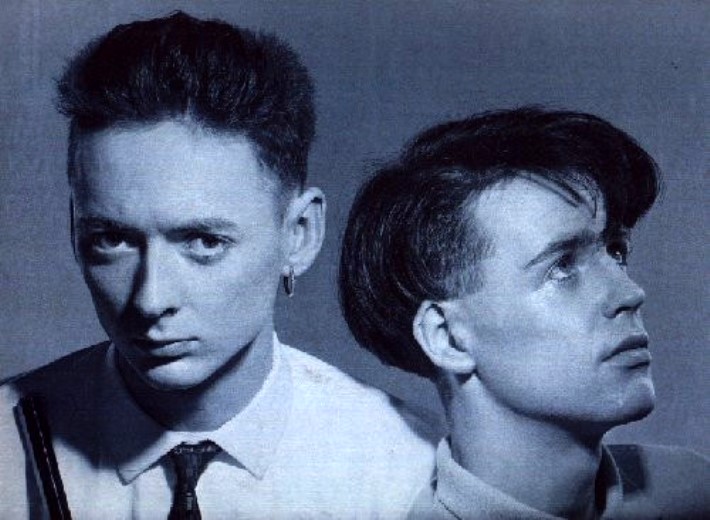
Although THE LOTUS EATERS were pictured as a duo, you were actually a five piece band, in hindsight were too many directions trying to be pulled at once?
Not at all — and actually the reality of THE LOTUS EATERS was quite different from the public image.
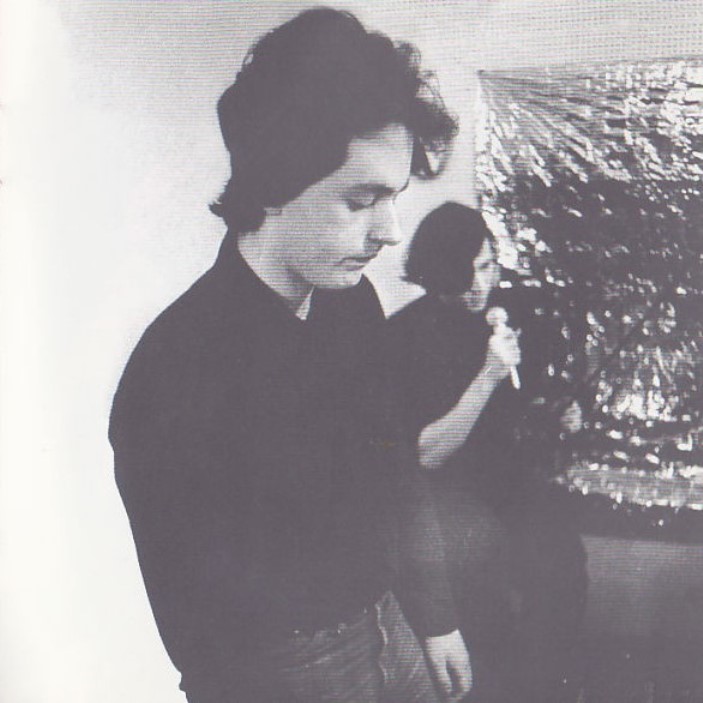
Ged — who was one of the original members — was first and foremost a visual artist. He went on to study at Oxford and eventually became a truly world famous artist. If Ged had stayed there would have been three of us in those pictures rather than two. He was extraordinary and his artistic vision was very much part of the early DNA of the band.
Michael and Stephen came later and added their own dimensions to what we were doing. THE LOTUS EATERS were never a simple or straightforward proposition — but I don’t think that was ever the problem.
The truth is we were serious outliers and genuinely ahead of our time — and that’s a difficult place to be in any era but particularly in the early 1980s when the industry wanted things neat and categorisable. We weren’t appreciated in the way we perhaps deserved to be at the time and that didn’t help. History has been kinder to us than the contemporary reception was.
In the end, Jeremy hooked back up with Paul Simpson and THE WILD SWANS — going back to pursue the success and the vision he had always craved. Given everything that had happened between those parties, that was quite a journey in itself.
And as I said before — it turned out to be the best thing that ever happened to me. That phrase keeps coming back because it keeps being true. Every apparent ending in my story has turned out to be a beginning in disguise.
By the time ‘It Hurts’ came out in 1985, did you already feel it was time to move on from THE LOTUS EATERS?
Yes — by that point Jeremy had already made his decision. The writing was very much on the wall.
‘It Hurts’ wasn’t a hit at the time which was another blow — although the story has a wonderful footnote. An Italian band later covered it and took it to number one in the Italian charts. So the song found its audience eventually, just not where or when we expected. That feels very on brand for THE LOTUS EATERS somehow.
But looking back now it was a blessing — because there was already a major rift running through everything we were doing. The video for ‘It Hurts’ is actually a perfect illustration of where we were as a partnership at that point.
It was my idea to use Louise Brooks footage — that connection to her world clearly running deep in me, as anyone who knows ‘German Girl’ will understand. The video director asked both Jeremy and I to come up with separate storyboards and said he would choose whichever one he preferred. He chose mine. And that decision enraged and infuriated Jeremy.
So Jeremy made his statement. He played the guitar blindfolded throughout the video. And here’s the thing — looking back now I think it was sheer genius. I am genuinely so glad he did it. Because it is so utterly iconic in its weirdness — one of the great oddities of 1980s pop culture as far as I’m concerned. A moment of creative defiance that accidentally became something completely unforgettable.
There’s a lesson in there somewhere about how the most interesting things often emerge from conflict and tension rather than harmony and agreement. The universe works in mysterious ways and sometimes anger produces beauty.
You continue to perform live at selected events to sing ‘The First Picture Of You’ and do some cover versions, how do you choose them? Is there a song you haven’t done which you would like to cover?
There’s an important distinction to make here — when I do my own concerts, I only perform my own songs, both old and new. That’s nonnegotiable for me. That’s where my heart is.
But when you’re talking about the 80s festivals — yes, I’ll do the occasional cover and I do that out of politeness more than anything else. The audiences at those events are there for a good time and knowing the tune matters to them. So I’ll pull out ‘Ashes To Ashes’ or ‘Solsbury Hill’ from time to time — both songs I genuinely love and respect rather than just obvious crowd pleasers. But if I’m completely honest I would much rather be doing my own material. That’s just the reality of that particular world.
As for a song I’ve never covered but would love to — two tracks keep coming back to me and they couldn’t be more different from each other. ‘Ghosts’ by JAPAN — that extraordinary, skeletal, emotionally devastating piece of music that David Sylvian created. And then on the complete other end of the spectrum — ‘Paranoid’ by BLACK SABBATH. I love that riff, that energy, that vocal, that complete and utter commitment to its own world. I love everything about it. The fact that those two choices seem completely contradictory probably says everything about me as an artist.
The live landscape itself is becoming increasingly difficult for someone in my position. I’m too disparate as an artist and don’t have a conventional fan base in the traditional sense — which makes the whole thing genuinely problematic to navigate. And the broader culture right now isn’t helping. Cost cutting is rampant, venues are struggling and people seem to be retreating into the comfort of the familiar — reverting to the past because the present feels too uncertain and frightening.
I understand that impulse completely. But it does make the space for genuinely new and challenging live music smaller and smaller. And that’s a loss for everyone.
What is next for you?
There’s a lot coming and I’m genuinely excited about all of it.
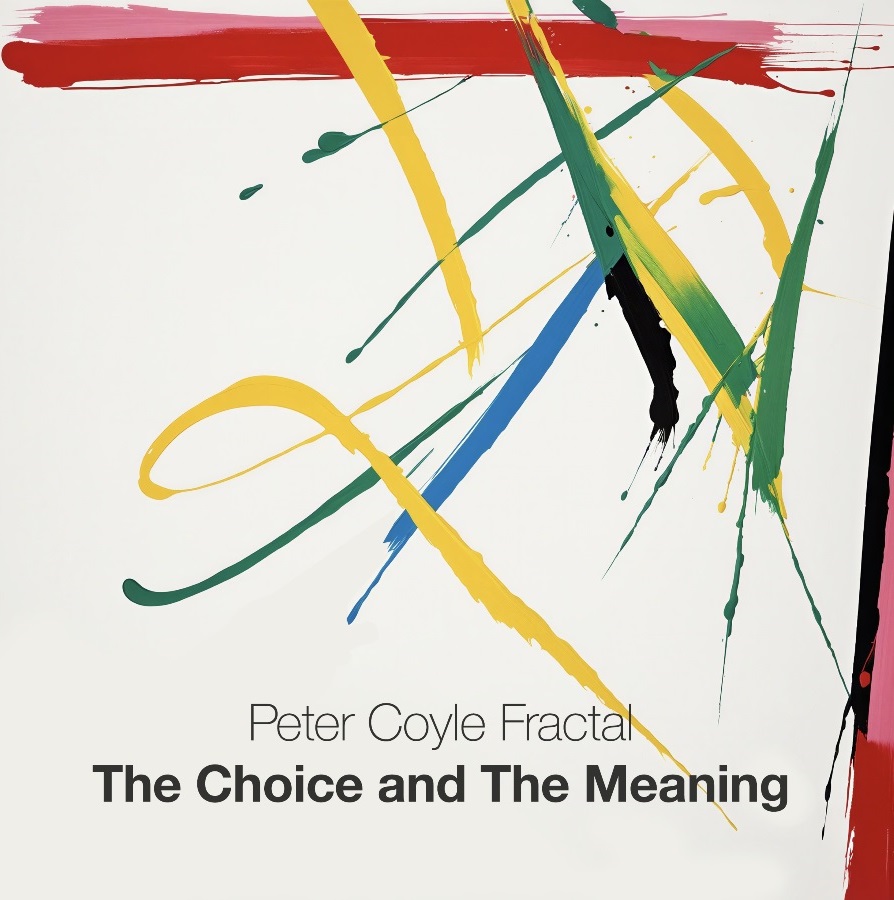
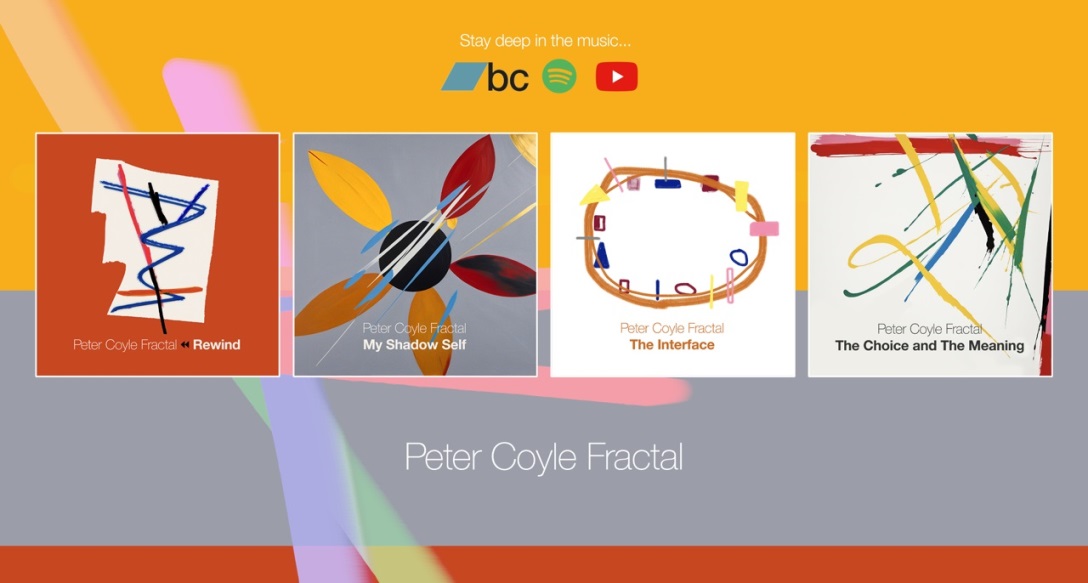
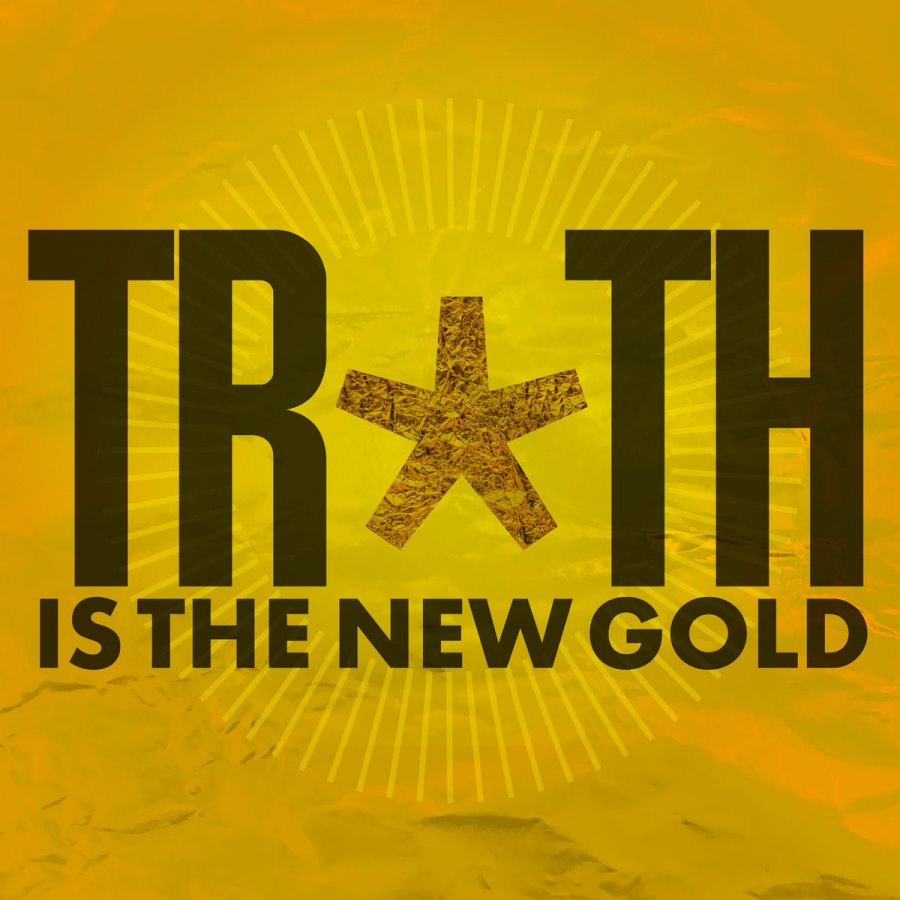
First up there’s a new song out called ‘The Choice & The Meaning’ — and even that title feels like it connects to everything I’ve been talking about in this interview. The artwork is mine but it’s Andrew at Soft Octopus who really makes it work with his cover design. Andrew has done the last four or five covers for me now and looking at them together they work almost as a series — which was never planned that way at all. It just evolved organically. Another beautiful happy accident. Andrew and I have also made music together previously — a track called ‘You & I’ which is out there on Spotify and everywhere else — and I’m hoping we’ll do more of that soon.
Then in early May, ‘Beachball’ comes out on the BOH Label which I’m really looking forward to people hearing. And in the summer there’s a new album coming with the ESP PROJECT — a genuinely exciting collaboration with Tony Lowe that has been a wonderful creative experience.
And of course there’s the Rewind Festival at Henley-on-Thames in August 2026 — which feels like it’s going to be a very special moment for all sorts of reasons that anyone who has heard the song ‘Rewind’ will understand.
But beyond all the specific releases and dates — the honest answer to what’s next is simply this. As long as I feel like I’m learning something new I will keep making music. That’s the only metric that matters to me. Not the charts, not the algorithms, not the streaming numbers — am I still learning? Am I still growing? Am I still surprising myself?
Right now the answer to all of those questions is yes. And long may that continue.
ELECTRICITYCLUB.CO.UK gives its warmest thanks to Peter Coyle
Special thanks to Andrew Dineley at Soft Octopus
The single ‘The Choice & The Meaning’ is released on 3rd April 2026 and available digitally on the usual platforms including Apple Music and Deezer
Other releases by Peter Coyle Fractal are available at https://petercoylefractal.bandcamp.com/music
Peter Coyle performs at Rewind Henley-on-Thames on Sunday 23rd August 2026
https://www.facebook.com/petercoylemusic
https://www.instagram.com/petercoylefractal/
https://open.spotify.com/artist/3X2jAVD2oHO4091VHUm34a
Text and Interview by Chi Ming Lai
3rd April 2026

Follow Us!