Tag: John Foxx (Page 1 of 19)

The Electronic Legacy of LIVE ALBUMS

Photo by Chi Ming Lai

The general purpose of a live album is to document a concert experience. But such is the average person’s equipment used for listening to music at home, in the car or on earphones, the capabilities of quality PA systems can never be replicated.

Something of a credible rock staple, live albums are often seen as profile builders and tour adverts, symbolic of an act hitting the big time while greatest hits collections can be perceived as an indicator of a career on the wane.

However, in the synth-laden electronic world, the live album is something of a polarising beast. With a significant number of acts reliant on tapes and latterly pre-programmed backing tracks, live albums can be rendered almost pointless with parts often sounding almost identical to the original record. In many cases, overdubs and new vocals are prevalent and essential.

But even some of the best known live rock albums such as THIN LIZZY ‘Live & Dangerous’ and KISS ‘Alive!’ were heavily tinkered with in the studio during post-production. Of the former, producer Tony Visconti reckoned the album was “75% recorded in the studio” with only the drums and audience noise remaining from the original live recordings. Meanwhile of the latter, Gene Simmons later said “Most people assume it was all live. It wasn’t” with only the drums remaining from the original shows recorded. On the opposite side of the coin, Joe Jackson recorded his ‘Big World’ live album in front of invited audiences who were instructed NOT to clap.

Photo by Chi Ming Lai

While the spirit of a performance is an essential ingredient on a live album, extra parts or arrangements not used in the actual shows can cause much head scratching, as can the inclusion of unrelated studio recordings. A concert is for a particular moment in time and for that reason, ELECTRICITYCLUB.CO.UK is not generally enthusiastic of live recordings but accepts they have their place and can have their moments.

Not a best of, here are 20 records listing the good, the bad and the pointless to represent The Electronic Legacy of LIVE ALBUMS. These are subject to the conditions that they are standalone physical releases in their own right, not initially part of a corresponding live DVD or Bluray package, not a bootleg or a bonus CD in a deluxe boxed set; for this latter reason, OMD’s spirited 1983 ‘Dazzle Ships’ live presentation at Hammersmith Odeon that came with the ‘Souvenir’ career anthology is not included.

The albums are presented in yearly order and then alphabetical within…


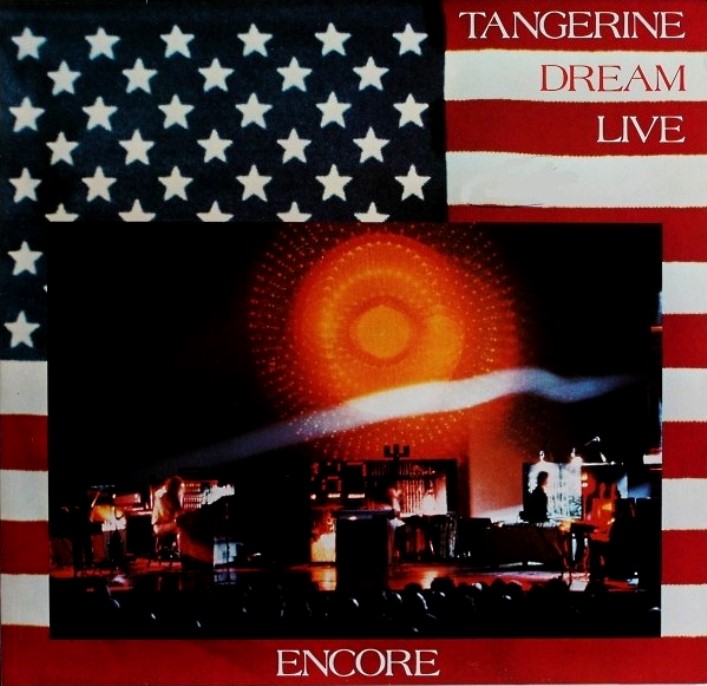
TANGERINE DREAM Encore (1977)

‘Encore’ is seen as the definitive TANGERINE DREAM live album by the classic line-up of Edgar Froese, Christophe Franke and Peter Baumann. But as with their previous live release ‘Ricochet’, there were questions as to what was live and what was Memorex… opener ‘Cherokee Lane’ was edited together from several performances while on the second side, suspicions were raised that ‘Coldwater Canyon’ was a studio creation.

‘Encore’ was originally released by Virgin Records

https://www.tangerinedreammusic.com/


KLAUS SCHULZE …Live… (1980)

A trailblazer for The Berlin School, Klaus Schulze saw synthesizers as a route to creative freedom and his imperial works like ‘Timewind’, ‘Moondawn’, ‘X’ and ‘Mirage’ were largely improvised live. Concerts were seen as an opportunity to spontaneously compose new works. On his first live album featuring concerts in Amsterdam, Berlin and Paris, ‘Sense’ was a half hour ball of hypnotic energy with live drums from Harald Grosskopf.

‘…Live…’ was released by Brain Records

https://www.klaus-schulze.com/


YELLOW MAGIC ORCHESTRA Public Pressure (1980)

Recorded as a six-piece, ‘Public Pressure’ captured YELLOW MAGIC ORCHESTRA walking a tightrope, utilising early synthesizer technology like syndrums, sequencers and a Moog modular out on the road. However, while fairly lively and with highlights like ‘Rydeen’ and ‘Tong Poo’, in the inevitable post-production, guitarist Kazumi Watanabe was mixed-out and replaced with more synths while most of Yukihiro Takahashi’s trademark on-off vocals were re-recorded.

‘Public Pressure’ was originally released by Alfa Records

http://www.ymo.org/


GARY NUMAN Living Ornaments 79 & 80 (1981)

A singular double LP boxed set, this live document captured highlights of Gary Numan during his imperial phase at Hammersmith Odeon during ‘The Touring Principle’ in 1979 and the 1980 ‘Teletour’. Engineered and co-mixed by Tim Summerhayes, this remains one of the best live releases of its type with ‘Living Ornaments 80’ just nudging ahead. The release coincided with Numan’s retirement from live work with three concerts at Wembley Arena… that retirement lasted just over a year!

‘Living Ornaments 79 & 80’ was originally released by Beggars Banquet

https://garynuman.com/


JEAN-MICHEL JARRE The Concerts In China (1982)

In 1981, Jean-Michel Jarre became the first Western rock musician to perform in China. The five live performances as a 4 piece ensemble included the debut of the Laser Harp. Jarre also composed new material for the occasion with highlights including the dramatic ‘Arpegiator’ and the elegiac studio closer ‘Souvenir Of China’. But one particular track stood out, a traditional rearrangement with The Peking Conservatoire Symphony Orchestra, retitled ‘Fishing Junks At Sunset’.

‘The Concerts In China’ was originally released by Polydor Records

https://www.jeanmicheljarre.com/


JAPAN Oil On Canvas (1983)

‘Oil On Canvas’ was a contractual obligation by the now-split up JAPAN. Only the drums came from the band’s run of Hammersmith Odeon shows during their final tour with other parts redone in the studio. The version of ‘Nightporter’ bore no relation to the actual arrangement performed while three unrelated ambient pieces were included instead of ‘Life In Tokyo’, ‘European Son’ and ‘Fall In Love With Me’ which were part of the live set!

‘Oil On Canvas’ was originally released by Virgin Records

https://sylvianvista.com/


ULTRAVOX Monument (1983)

Leaving listeners wanting more, ‘Monument’ originally only featured 6 tracks including the studio intro title track with the hits ‘Vienna’, ‘Reap The Wild Wind’ and ‘Hymn’. Superbly capturing ULTRAVOX on their 1982 ‘Quartet’ tour, the undoubted highlight was the elongated rendition of ‘The Voice’ with the energetic THIN LIZZY-inspired Simmons drum climax. ‘Monument’ has since been expanded into  8 track and later 9 track variants.

‘Monument’ was originally released by Chrysalis Records

https://www.ultravox.org.uk/


DURAN DURAN Arena (1984)

Released at the height of their worldwide fame, ‘Arena’ was sadly more ‘Oil On Canvas’ than either ‘Living Ornaments 79 & 80’, ‘Monument’ or ‘101’. Unlike the latter, it now symbolises the downfall of DURAN DURAN rather than the rise. The mix was muddy and not a patch on the subsequent soundtracks of the DVD releases of their Hammersmith Odeon 1982 and Wembley Arena 2004 shows. The incongruous inclusion of the single ‘The Wild Boys’ no doubt helped shift copies.

‘Arena’ was originally released by EMI Music

https://duranduran.com/


SIMPLE MINDS Live In The City Of Light (1987)

On the ‘Sparkle In The Rain’ and ‘Once Upon A Time’ tours, SIMPLE MINDS had been pompously bloating songs out for up to 10 minutes. The excesses were dialled down for this well-recorded if frustrating record. There was much post-production tinkering with ‘Someone Somewhere In Summertime’ featuring extra violin by Lisa Germano while uncredited, former bassist Derek Forbes was brought in replace John Giblin’s live take.

‘Live In The City Of Light’ was originally released by Virgin Records

https://www.simpleminds.com/


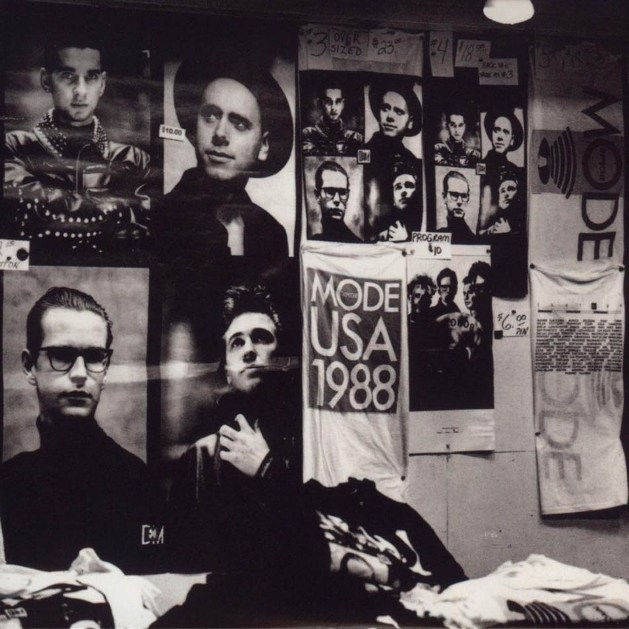
DEPECHE MODE 101 (1989)

“Who have thought DEPECHE MODE plink-plonking away would play in stadiums?” bemoaned Jim Kerr of SIMPLE MINDS in 2004; but ‘101’ recorded at the Pasadena Rose Bowl in 1988 affirmed their arrival into the stadium league. The audience was mixed so loud that the band were almost drowned out while Dave Gahan bellowing “YEAH!” was a frequent occurrence. In a drumhead free zone, this was an enjoyable set capturing more comparatively innocent times.

‘101’ was originally released by Mute Records

https://www.depechemode.com/


ASHRA @shra (1998)

Recorded on location in Tokyo and Osaka, this live collection saw Manuel Göttsching, Lutz Ulbrich and Harald Grosskopf reunite the 1979-80 band incarnation of ASHRA. Containing 3 lengthy tracks and the much shorter ‘Timbuktu’ in an energetic set with hypnotic blend of progressive guitar and electronics. The highlight was the magnificent sample-free take on 1990’s ‘Twelve Samples’. A second volume was issued in 2002.

‘@shra’ was originally released by Think Progressive

https://www.manuelgoettsching.com/


HEAVEN 17 How Live Is (1999)

In their heyday, HEAVEN 17 never toured. Recorded in Glasgow when the trio came out of hiatus and opened for ERASURE in 1998, the 50 minute set was very electronic, in line with their comeback album ‘Bigger Than America’. Packed full of their best known songs and a version of ‘Being Boiled’, some new arrangements fell under the spell of THE CHEMICAL BROTHERS but they impressed enough for repeat business and continue to play live regularly today.

‘How Live Is’ was originally released by Almafame

https://www.heaven17.com/


SOFT CELL Live (2003)

Reuniting as SOFT CELL first time round in 2001, this double live album caught Marc Almond and Dave Ball in support of their 2002 comeback album ‘Cruelty Without Beauty’. Almond was particularly animated and sounded like he was having fun while Ball’s solid electronics grooved. Almond’s motorbike accident in 2004 put a stop to performing but SOFT CELL reunited again in 2018 for ‘One Night Only’ at London’s O2 Arena.

‘Live’ was originally released by Cooking Vinyl

https://www.softcell.co.uk/


KRAFTWERK Minimum-Maximum (2005)

Featuring founder members Ralf Hütter and Florian Schneider, this first official KRAFTWERK live album provided another “is it live or is it Memorex?” conundrum. Suspicions were aroused with the credits in both English and German language versions indicating that many of the tracks were recorded at the same venues! Regardless, the crisp versions on ‘Minimum-Maximum’ provided a far superior listening experience than 1991’s ‘The Mix’.

‘Minimum-Maximum’ was originally released by EMI Music

https://kraftwerk.com/


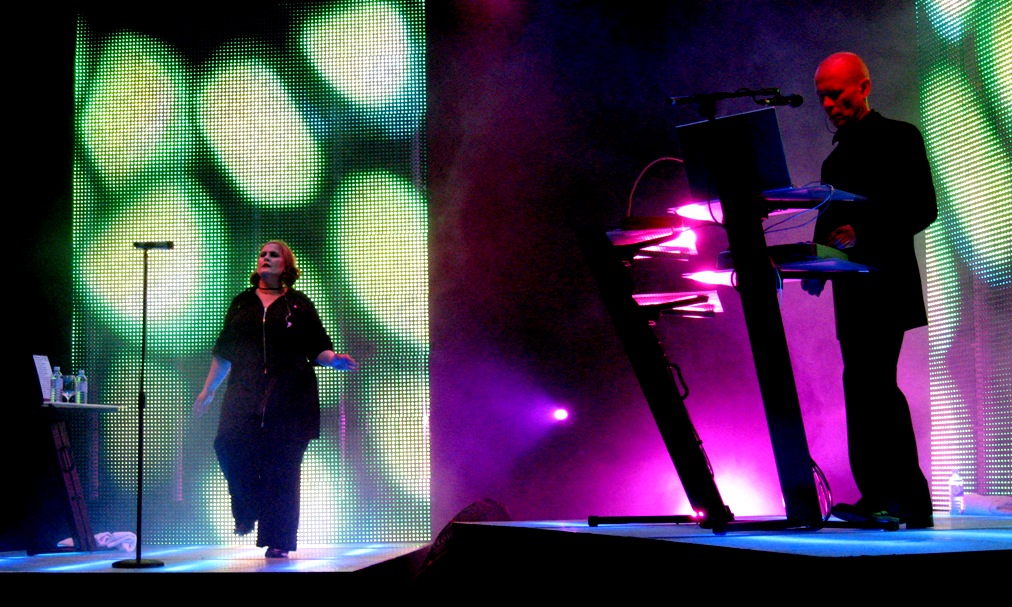
YAZOO Reconnected Live (2010)

YAZOO’s ‘Reconnected’ tour saw Alison Moyet and Vince Clarke completing unfinished business following their premature spilt in 1983. Clarke provided more analogue-tuned backing compared to the Fairlight-driven tracks of their 1982 tour while Moyet was in fine voice, to the point that you could be forgiven for thinking you were hearing the records if it wasn’t for her breaths. This was a wonderful souvenir for those who were there.

‘Reconnected Live’ was originally released by Mute Records

https://yazooinfo.com/


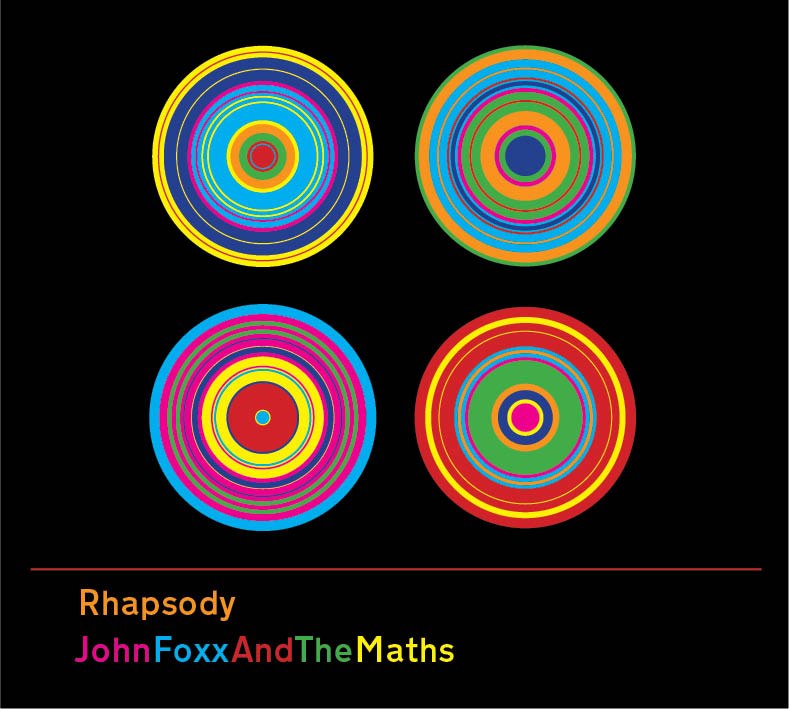
JOHN FOXX & THE MATHS Rhapsody (2013)

John Foxx’s 2002 live album ‘The Omnidelic Exotour’ with Louis Gordon had been recorded in rehearsals with no audience and ‘Rhapsody’ followed the same route. With a band featuring Benge with Serafina Steer and Hannah Peel, the quartet ran through highlights of the John Foxx portfolio alongside his ULTRAVOX! ballads ‘Hiroshima Mon Amour’ and ‘Just For A Moment’.

‘Rhapsody’ was originally released by Metamatic Records

http://www.metamatic.com/


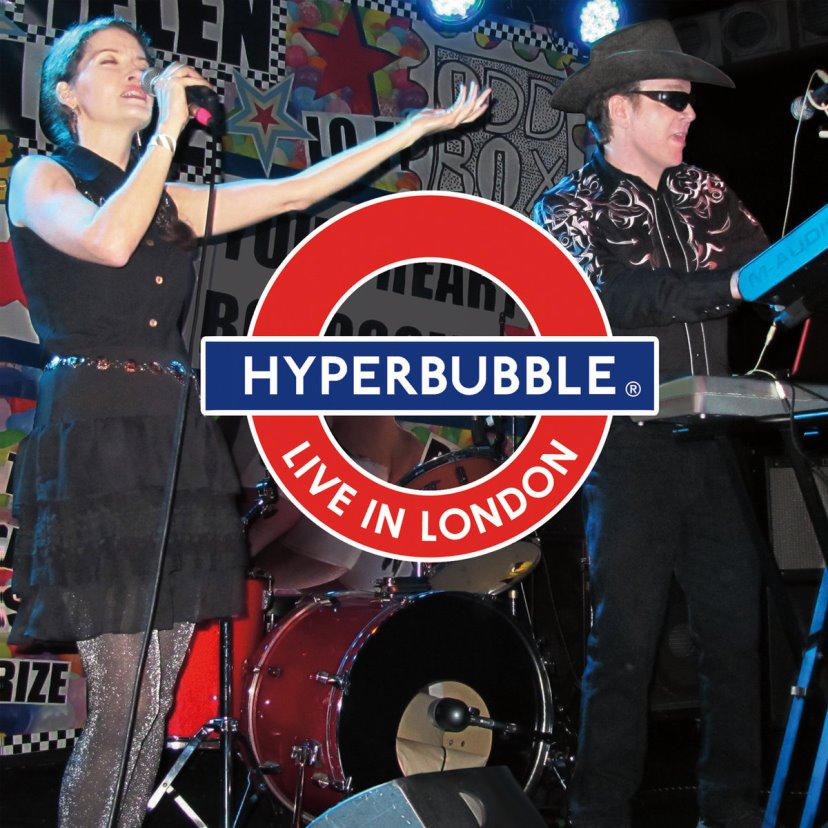
HYPERBUBBLE Live In London (2015)

Texans HYPERBUBBLE may look like a mutant Country & Western duo but are actually synthpop’s answer to Carter & Cash. ‘Live in London’ was a high quality recording from The Lexington that captured the heart of their “part-performance art, kitsch cabaret pop”. Like a greatest hits set, it featured 45 minutes of fun uptempo numbers including ‘Candy Apple Daydreams’ and ‘Non-Biodegradable Hazardous Waste Disposal’.

‘Live In London’ was originally released by Pure Pop For Now People

https://www.hyperbubble.net/


NEW ORDER featuring LIAM GILLICK ∑(No,12k,Lg,17Mif) (2019)

Back in the day, NEW ORDER were a rather shaky live act which meant their live bootlegs provided unintended entertainment. Since relaunching in 2011 without Peter Hook, they have released 5 live albums. The most interesting was ‘∑(No,12k,Lg,17Mif)’ when NEW ORDER played Manchester’s Old Granada Studios accompanied by a 12 piece synth orchestra. Aside from the dreadful ‘Who’s Joe’ and ‘Guilt Is A Useless Song’, it was a choice selection of firm fan favourites.

‘∑(No,12k,Lg,17Mif)’ was originally released by Mute Artists

https://www.neworder.com/


KITE At The Royal Opera (2020)

Swedish duo KITE performed two theatrical shows at the Royal Swedish Opera augmented by a 16 piece orchestra and choir. Filmed for broadcast on SVT2, the performances were issued as a live double album featuring a lengthy impassioned rendition of the epic ‘Up For Life’. Never doing things by halves, KITE have since performed at the cavernous former limestone quarry Dalhalla and more incredibly, on ice at Stockholm’s Avicii Arena.

‘Kite At The Royal Opera’ was originally released by Astronaut Recordings

https://www.facebook.com/KiteHQ


HOWARD JONES Live At The O2 (2024)

Perhaps too ambitious in trying to take on the O2 Arena, OMD called on Howard Jones as opening act to help get bums on seats. The original solo synth man delivered an enjoyable 50 minute set with a band comprising right hand man Ronnie Bronnimann, the sadly missed Dan Clarke and KAJAGOOGOO bassist Nick Beggs; a cover of ‘Too Shy’ thrown in for good measure alongside ‘New Song’ and a danced-up ‘Things Can Only Get Better’.

‘Live At The O2’ was originally released by Cherry Red Records

http://howardjones.com/


Text by Chi Ming Lai
2nd December 2025

RE-RECORD, NOT FADE AWAY: 25 REMAKES & REMODELS

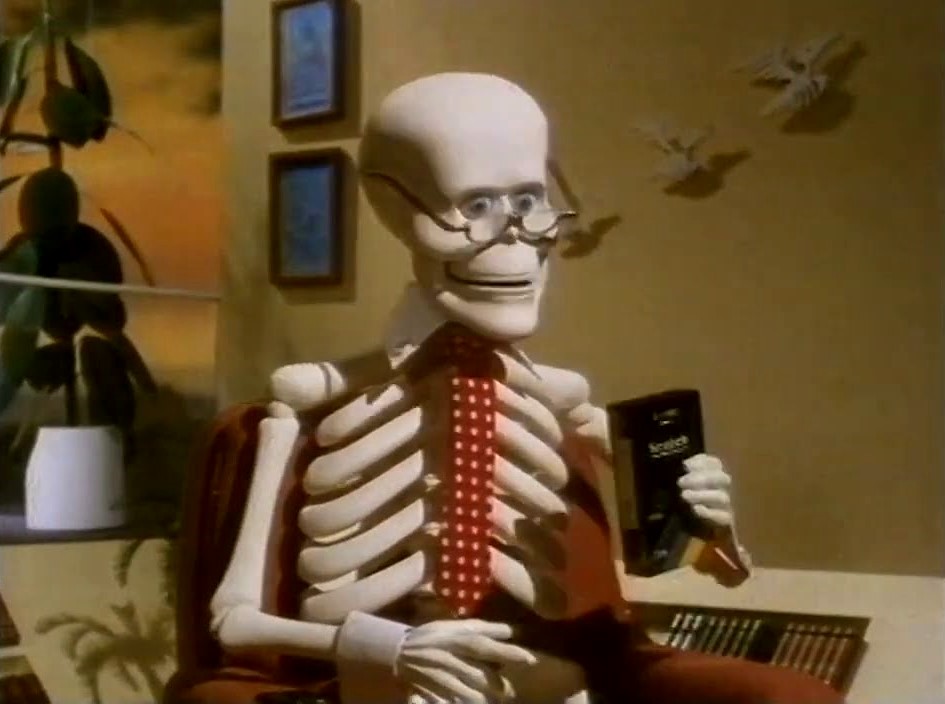
Set to the music of Buddy Holly, “Re-Record, Not Fade Away” was the iconic strapline voiced by veteran British actor Deryck Guyler as a jolly skeleton to advertise Scotch video cassettes in 1987. The premise was that these tapes were of such resilient high quality that they could be used for a lifetime and even outlive the purchaser.

But “Re-Record, Not Fade Away” could also be seen as a reference to the longevity of music through cover versions of classic songs. So what about when an artist effectively covers their own song by re-recording it?

Artists and producers are forever tinkering with their work. Sometimes it is to improve on a track or create a new vision. But also, it can be done simply to own a new copyright where the original is now in the hands of a less than co-operative custodian; the most recent high profile case of this has been Taylor Swift who has been re-recording all of her previous albums with each labelled as “Taylor’s Version”.

ELECTRICITYCLUB.CO.UK presents its own list of 25 remakes and remodels from over the years. Most are more familiar than the originals and have been widely accepted as the superior versions while others continue to divide fans.

Presented in yearly and then alphabetical order with a restriction of one track per artist moniker, this listing does not include remixes, live recordings or radio sessions. Meanwhile originals refer to the first released versions so demos do not count!


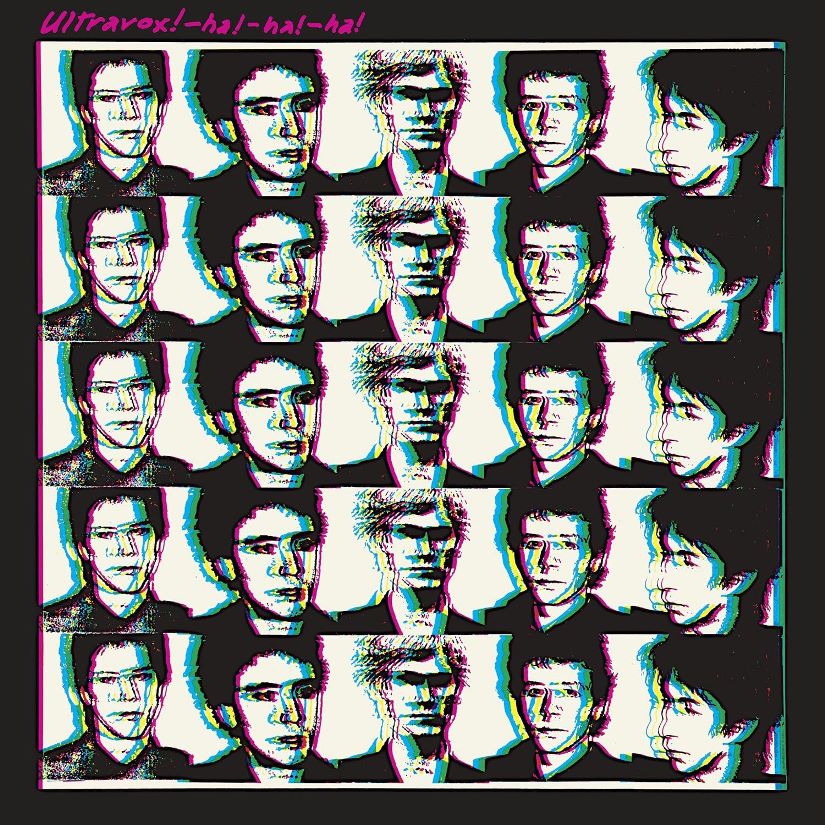
ULTRAVOX! Hiroshima Mon Amour (1977)

ULTRAVOX! first released ‘Hiroshima Mon Amour’ as a fierce and frenetic art rock piece for the B-side of ‘ROckwrok’, but it was slowed right down for the ‘Ha! Ha! Ha!’ album version. Moving into the moody ambience of CLUSTER with a modified Roland TR77 rhythm machine and Elka Rhapsody string machine chillingly taking centre stage, the colder aesthetics were counterpointed by guest saxophonist CC from GLORIA MUNDI.

Available on the ULTRAVOX! album ‘Ha! Ha! Ha!’ via Island Records

https://www.ultravox.org.uk/


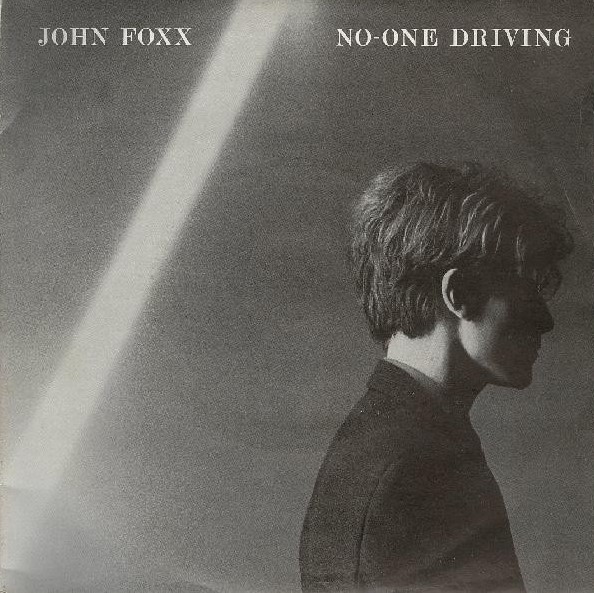
JOHN FOXX No-One Driving (1980)

After leaving ULTRAVOX, the full length solo debut ‘Metamatic’ from John Foxx featured a highlight in ‘No-One Driving’. Despite the album also including a song called ‘Blurred Girl’, the single re-recording had much sharper focus and slightly altered lyrics, reaching No32 in the UK charts. Released along with three new tracks ‘Glimmer’, ‘This City’ and ‘Mr No’, ‘No-One Driving’ remains one of the best double single packages ever.

Available on the JOHN FOXX album ’20th Century: The Noise’ via Metamatic Records

http://www.metamatic.com/


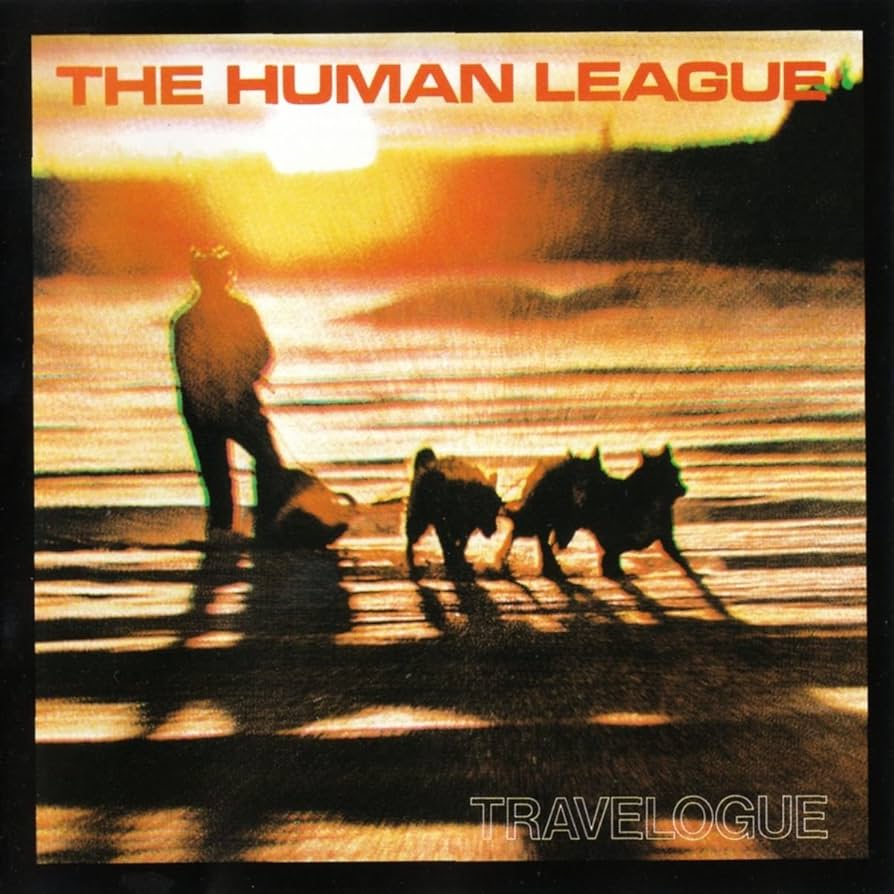
THE HUMAN LEAGUE Being Boiled (1980)

The original Fast Product single version of ‘Being Boiled’ from 1978 was recorded in mono and had its own charm. But THE HUMAN LEAGUE took the opportunity to update their calling card with producer John Leckie for the ‘Travelogue’ album to more fully realise its funky FUNKADELIC inspired overtones. Using a varispeeded synth brass section named THE BOYS OF BUDDHA, the end result was more dynamic and livelier.

Available on THE HUMAN LEAGUE album ‘Travelogue’ via Virgin Records

http://www.thehumanleague.co.uk/


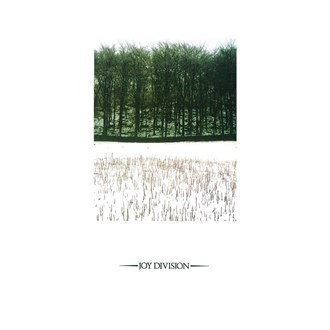
JOY DIVISION She’s Lost Control (1980)

With the 1979 ‘Unknown Pleasures’ version channelling THE STOOGES, the idea behind JOY DIVISION re-recording ‘She’s Lost Control’ was to make a really loud and dynamic 12 inch disco single. The result was a big cacophony of electronic and acoustic drums as well as an aerosol! Meanwhile, synths which had not been present before were now very much heard in the second half while Ian Curtis’ vocal delivery was even more foreboding.

Available on JOY DIVISION album ‘Substance’ via Rhino Records

https://www.joydivisionofficial.com/


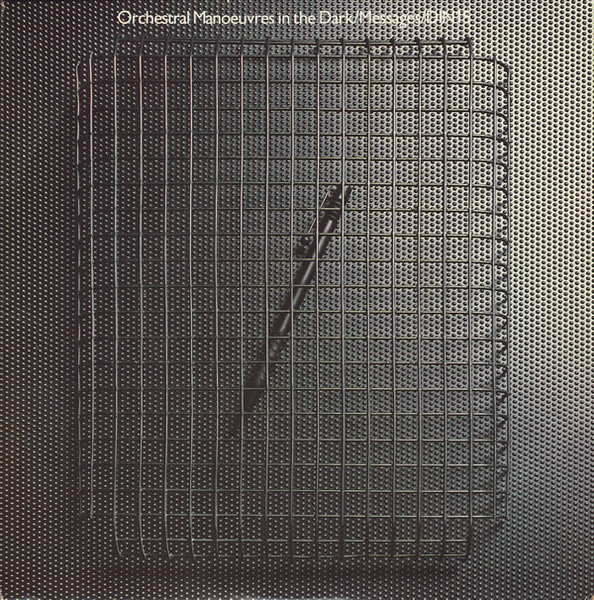
OMD Messages (1980)

On the debut self-titled OMD album, ‘Messages’ was a song that actually featured guitar with potential as a single. Utilising a pulsing repeat function on a Korg Micro-Preset shaped by hand twisting the octave knob, it was decided to re-record ‘Messages’ for its singular release. Produced by Mike Howlett, the new version included the addition of separately recorded drums for a cleaner snap to produce a breakthrough UK chart hit.

Available on the OMD album ‘Souvenir’ via Virgin Records

http://www.omd.uk.com/


DEPECHE MODE Photographic (1981)

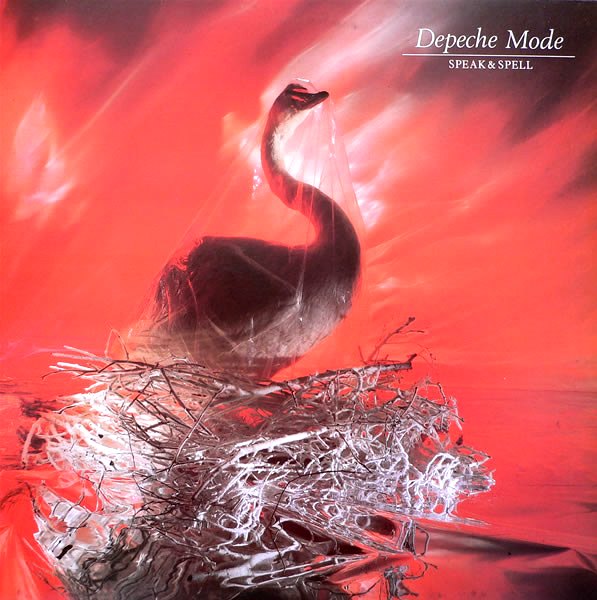
The much darker and aggressive first version of ‘Photographic’ for the ‘Some Bizzare Album’ was driven by Mute supremo Daniel Miller’s klanky Korg 55 Rhythm box. Featuring much more sophisticated sequencing and programmed percussion palettes, an understated approach was taken on the re-recorded ‘Speak & Spell’ version with snares sounds only making their presence felt a third of the way through.

Available on the DEPECHE MODE album ‘Speak & Spell’ via Universal Music

http://www.depechemode.com


SOFT CELL Frustration (1981)

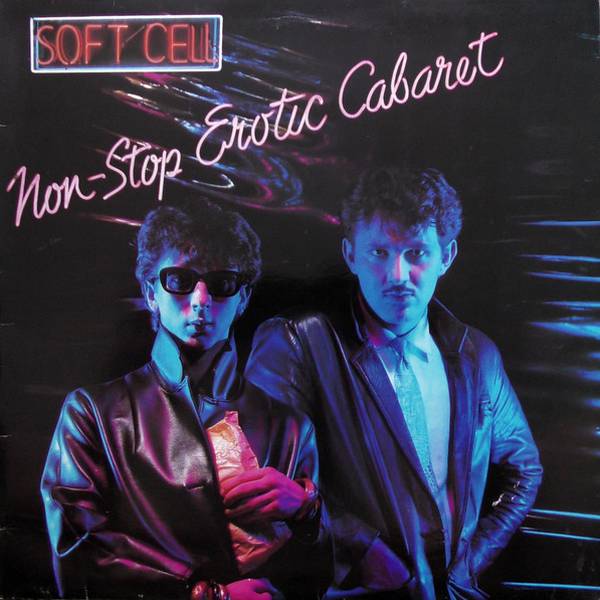
Compared with the original ‘Mutant Moments’ version of ‘Frustration’ which was akin to the unsettling demeanour of THROBBING GRISTLE, the ‘Non-Stop Erotic Cabaret’ take was like a completely different song. The lyrics were mostly written by Dave Ball about his own father while Marc Almond let his theatrical energetics go wild as sparkling Synclavier, a Roland Synthe-Bass and sleazy sax battled for audio supremacy.

Available on the SOFT CELL album ‘Non-Stop Erotic Cabaret’ via Sony Music

https://www.softcell.co.uk/


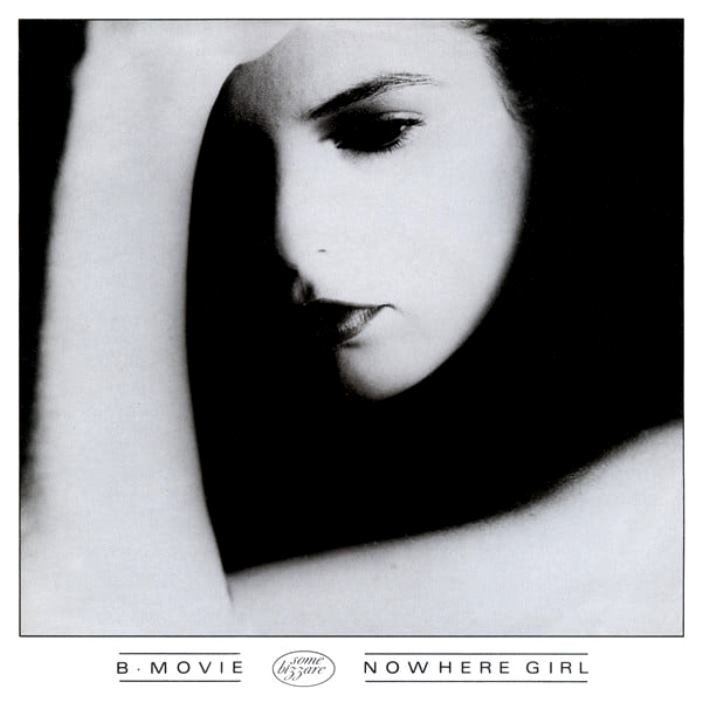
B-MOVIE Nowhere Girl (1982)

Originally recorded for a 1980 EP on Dead Good Records, ‘Nowhere Girl’ was undoubtedly the most immediate pop tune in the B-MOVIE portfolio. The quartet were under pressure to have a hit with Phonogram label mates SOFT CELL having scored a No1. Produced by Steve Brown, the new recording had tinkling ivories like ULTRAVOX in full flight alongside pulsing bass and harp-like synths. Alas, ‘Nowhere Girl’ stalled at No67!

Available on the B-MOVIE album ‘Hidden Treasures’ via Wanderlust

https://www.b-movie.org/


DAF Kebabträume (1982)

Originally recorded for a 1980 single on Mute Records in a band format featuring guitar and hand-played synths, ‘Kebabträume’ was subsequently reworked by DAF with sequencers under the production supervision of the legendary Conny Plank. Transforming into something much heavier, the memorable if controversial line “Deutschland, Deutschland, alles ist vorbei!” had more bite on this superior version.

Available on the DAF album ‘Für Immer’ via Grönland Records

https://www.groenland.com/en/artist/deutsch-amerikanische-freundschaft/


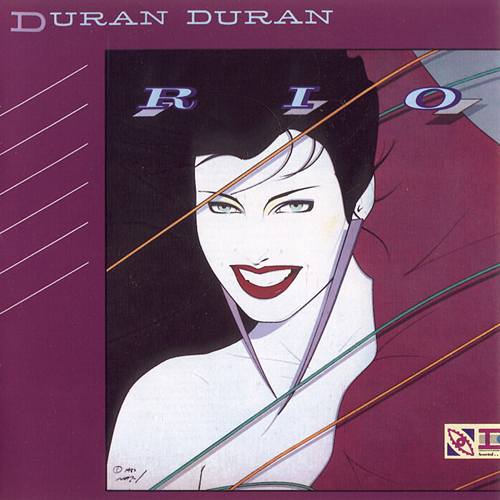
DURAN DURAN My Own Way (1982)

Seeing out 1981 after the success of their self-titled debut album with the release of ‘My Own Way’, the single was characterised by its fast tempo and a disco string section. However, DURAN DURAN would express dissatisfaction at the recording. So for their second album ‘Rio’, the song was re-recorded in a slightly slower electro-funk style with a harder rhythmic edge while Simon Le Bon ad-libbed about “7UP between Sixth and Broadway”

Available on the DURAN DURAN album ‘Rio’ via EMI Music

https://duranduran.com/


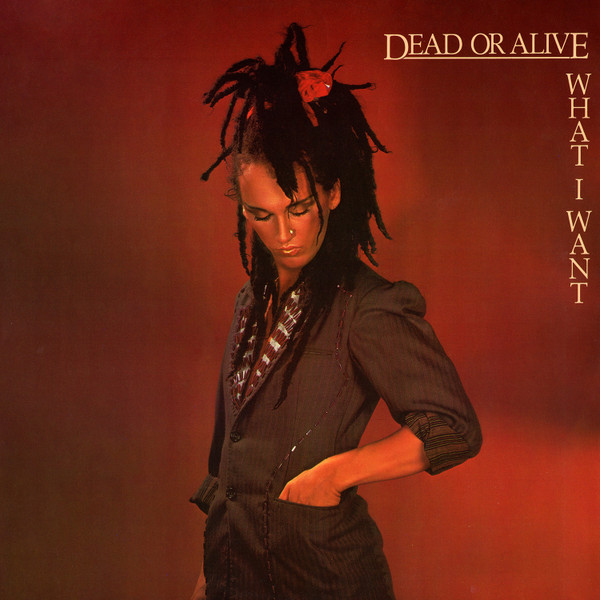
DEAD OR ALIVE The Stranger (1983)

Written when Wayne Hussey, later of THE SISTERS OF MERCY and THE MISSION, was in DEAD OR ALIVE, ‘The Stranger’ first surfaced as a single on Black Eyes Records. The tighter re-recording appeared as a B-side of the ‘What I Want’ single, dialling down the more gothic and acoustic elements while making the electronics and drum machine much more prominent. Despite this, it was a million miles from the HI-NRG sound that Pete Burns would find fame and fortune with.

Available on DEAD OR ALIVE album ‘Sophisticated Boom Boom’ via Cherry Pop

https://www.discogs.com/artist/46720-Dead-Or-Alive


HEAVEN 17 Let’s All Make A Bomb (1983)

HEAVEN 17 were misinterpreted by Thatcher’s yuppies who thought ‘Let’s All Make A Bomb’ was about making a financial killing, when it actually referred to a different type of killing altogether. The original ‘Penthouse & Pavement’ version was all analogue electronics including its rhythm track. For the B-side of ‘Come Live With Me’, this New Version was more digital with metallic samples for a type of industrial funk.

Available on the HEAVEN 17 album ‘Endless’ via Virgin Records

https://www.heaven17.com/


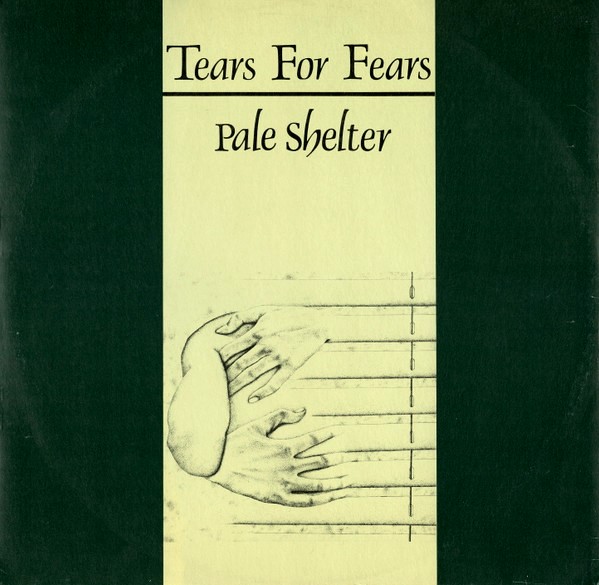
TEARS FOR FEARS Pale Shelter (1983)

The original 1982 single version of ‘Pale Shelter’ was produced by Mike Howlett and began with an unsettling, reverse spoken vocal from Roland Orzabal. It failed to chart but with TEARS FOR FEARS flush from the success of ‘Mad World’ and ‘Change’, the parent debut album ‘The Hurting’ featured a re-recording produced by Ross Cullum and Chris Hughes with a much looser feel. Re-released as a single, it gave the duo their third UK Top5 hit.

Available on the TEARS FOR FEARS album ‘Rule The World: The Greatest Hits’ via Mercury Records

http://tearsforfears.com/


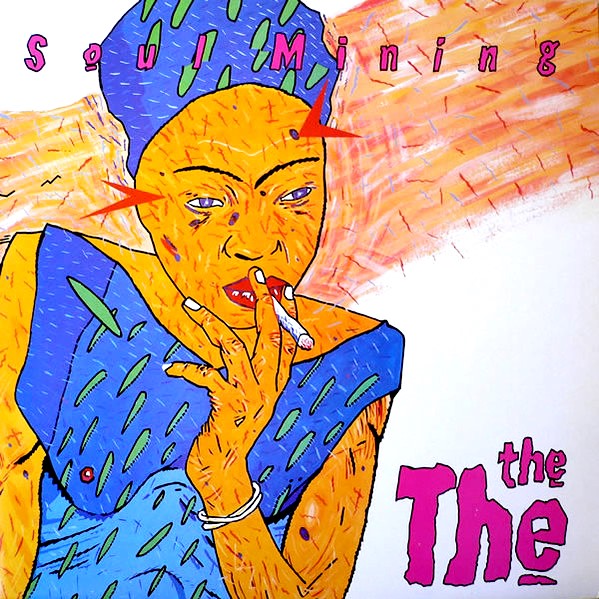
THE THE Uncertain Smile (1983)

When ‘Uncertain Smile’ was released as a Mike Thorne produced single in 1982, it featured a wonderfully rigid TR808 pattern, synths and a variety of woodwinds including flute and sax. Come the ‘Soul Mining’ album produced by Paul Hardiman, the song was newly recorded with live drums and an extended boogie-woogie piano section from Jools Holland at the end. Some love it, some don’t but THE THE main man Matt Johnson is in the former camp.

Available on the THE THE album ’Soul Mining’ via Epic Records

https://www.thethe.com/


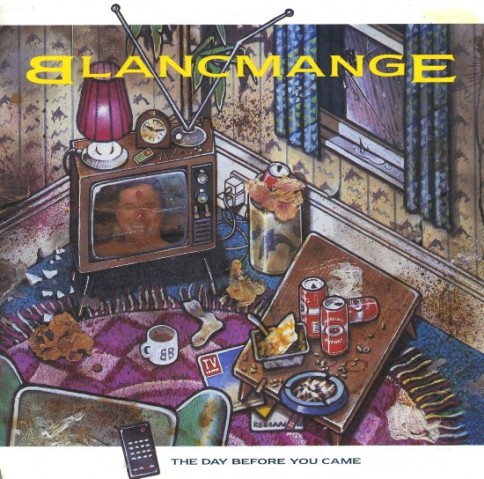
BLANCMANGE The Day Before You Came (1984)

Benny Andersson said that ABBA’s ‘The Day Before You Came’ was “a really good song, but not a good recording” and by coincidence, the first attempt by BLANCMANGE produced by John Luongo for the ‘Mange Tout’ album was underwhelming. But this was put right for single release in a rhythmically tighter re-recording helmed by Peter Collins which also made more of Neil Arthur’s melodramatics and Northern English quirkiness.

Available on the BLANCMANGE album ‘Everything Is Connected’ via London Records

http://www.blancmange.co.uk/


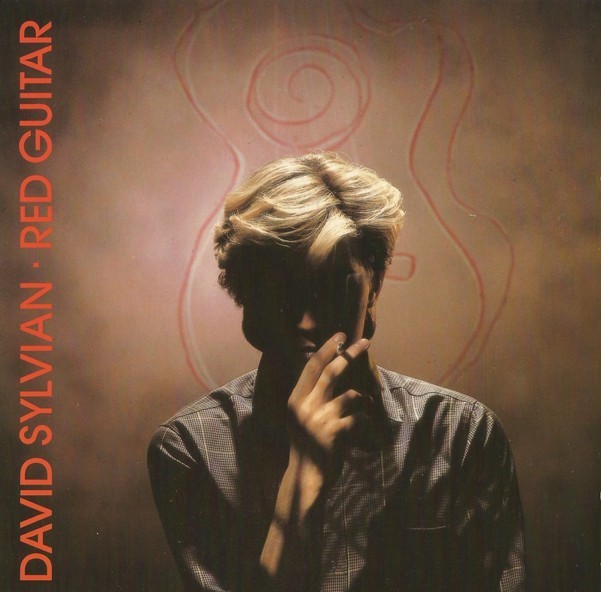
DAVID SYLVIAN Forbidden Colours (1984)

‘Forbidden Colours’ was the David Sylvian vocalled version of theme to the film ‘Merry Christmas Mr Lawrence’ which was composed by Ryuichi Sakamoto who also starred in it alongside David Bowie. But Sylvian wanted to do his own “not so grand” version for his debut album ‘Brilliant Trees’. Featuring Sakamoto on piano with Sylvian on synths and Steve Jansen on live drums , it was eventually dropped for ‘The Ink In The Well’ but ended up as the B-side to ‘Red Guitar’.

Available on the DAVID SYLVIAN album ‘A Victim Of Stars 1982 – 2012’ via Virgin Records

http://www.davidsylvian.com/


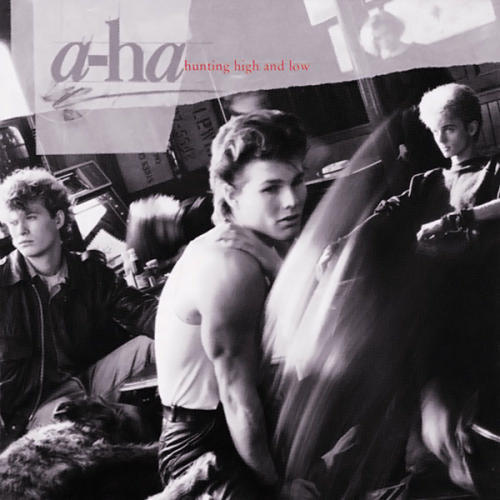
A-HA Take On Me (1985)

Tony Mansfield of NEW MUSIK did the original production on ‘Take On Me’ in 1984. However, A-HA were unhappy with the Fairlight-assisted results so it was remixed by their manager John Radcliff. The single failed to chart but with Warner music sensing a potential hit, a re-recording was commissioned with Alan Tarney as producer and showing off Morten Harket’s blistering vocal range. The single flopped again but on the third attempt, became the international hit they desired.

Available on the A-HA album ‘Hunting High & Low’ via Warner Music

https://a-ha.com/


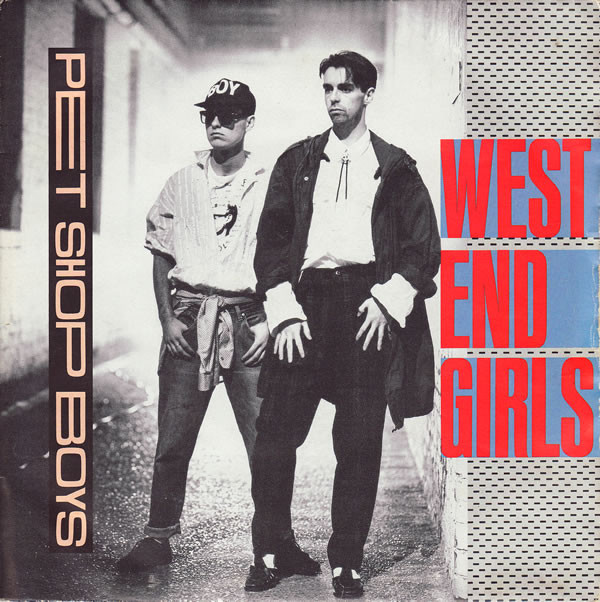
PET SHOP BOYS West End Girls (1985)

The original version of ‘West End Girls’ had been produced by New Yorker Bobby Orlando and released by Epic Records in 1984 , but while it has been a cult favourite, it was not a mainstream chart success. After signing to EMI, it was re-recorded with a lush cinematic aesthetic produced by Stephen Hague. It was stylistically at odds with pop duos like WHAM! but gave PET SHOP BOYS the first of their 4 UK No1s.

Available on the PET SHOP BOYS album ‘Smash’ via EMI Music

https://www.petshopboys.co.uk/


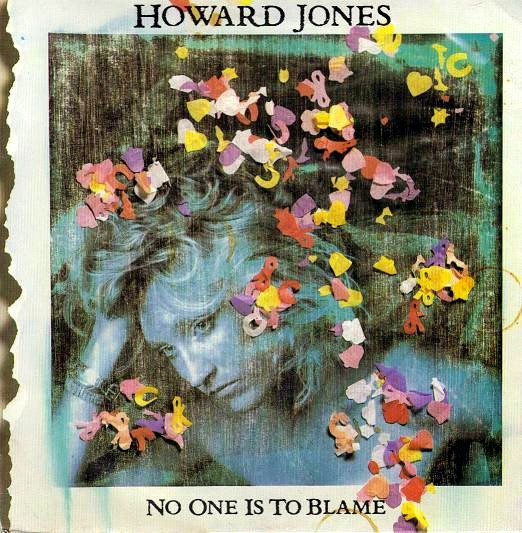
HOWARD JONES No-One Is To Blame (1986)

A plaintive song about the wandering eye, ‘No-One Is To Blame’ was one of the best Howard Jones ballads. A highlight in its first guise from his second album ‘Dream Into Action’, with Trans-Atlantic hit potential and Phil Collins riding high in that market, a re-recording was made with the GENESIS drummer producing alongside Hugh Padgham. Mission accomplished, the single became Jones’ biggest US hit.

Available on the HOWARD JONES album ‘Celebrate It Together’ via Cherry Red Records

http://www.howardjones.com/


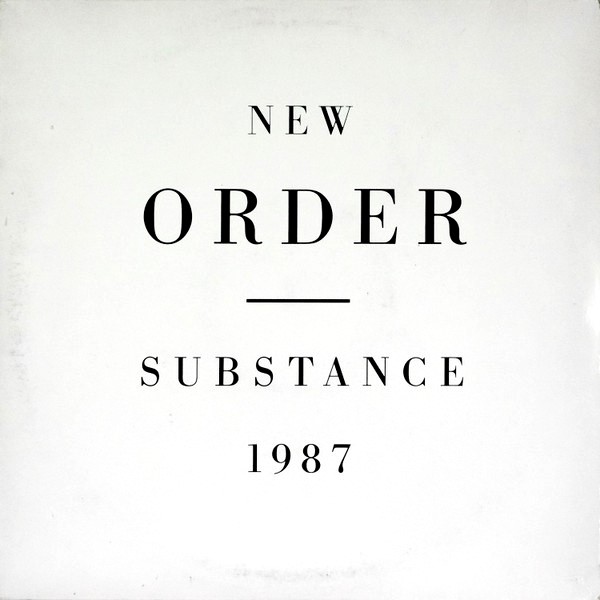
NEW ORDER Temptation (1987)

The original ‘Temptation’ was the first Top30 UK single for a rejuvenated NEW ORDER. For their ‘Substance’ compilation, the track was re-recorded in line with how the band were playing it live, with ARPs and Simmons drums now replaced by Yamahas and a harder digital snare while the vocal was perhaps more restrained. Thanks to the huge success of ‘Substance’, this is probably now the best known version of ‘Temptation’.

Available on the NEW ORDER album ‘Substance’ via Warner Music

https://www.neworder.com/


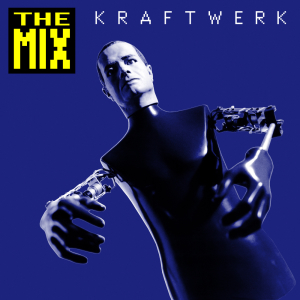
KRAFTWERK Radioactivity (1991)

The original stark 1975 recording had ambigious references to radio activity but accepting the criticism they were getting from environmentalists, KRAFTWERK gave a pointed anti-nuclear message on this powerful 1991 re-recording. The most significant makeover was its additional unsettling machine chant of “TSCHERNOBYL – HARRISBURGH – SELLAFIELD – HIROSHIMA” highlighting recent atomic catastrophes.

Available on the KRAFTWERK album ‘The Mix’ via EMI Music

https://kraftwerk.com/


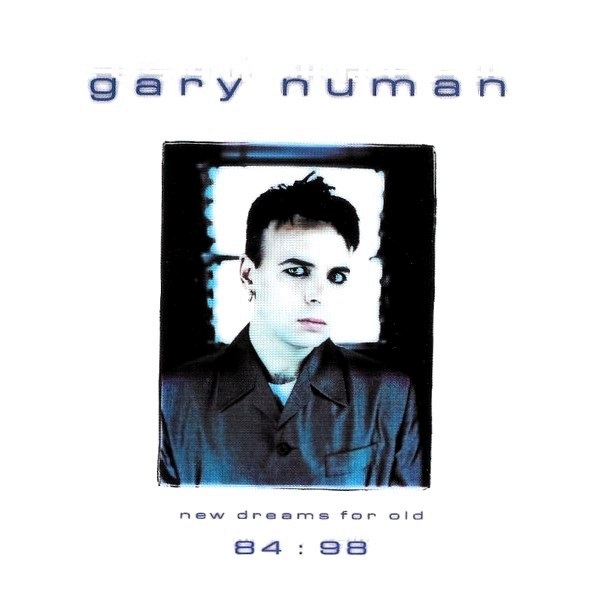
GARY NUMAN Metal (1998)

Despite not being a single, ‘Metal’ is a bonafide Gary Numan classic from 1979’s ‘The Pleasure Principle’. But in his stock on the rise again after several lean years and signing to Eagle Records, he revisited it to include as a bonus track for the single release of ‘Dominion Day’ from the ‘Exile’ album. A much more brooding grandiose reinterpretation, things were taken a step further by NINE INCH NAILS cover on ‘Things Falling Apart’ in 2000.

Available on the GARY NUMAN album ‘New Dreams For Old 84 – 98’ via Universal Music

https://garynuman.com/


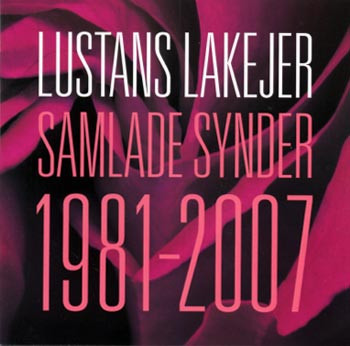
LUSTANS LAKEJER Begärets Dunkla Mål (2007)

LUSTANS LAKEJER were seen as Sweden’s answer to DURAN DURAN; ‘Begärets Dunkla Mål’ was originally a moody unga moderna disco song which opened their self-titled 1981 debut album. The song was given a full Düsseldorf electronic makeover for their greatest hits collection 26 years later. Produced by Peder Livijn of SYSTEM, with a bounce reminiscent of KRAFTWERK’s ‘Das Model’, it became the catchy synthpop tune it had the potential to be.
Available on the LUSTANS LAKEJER album ‘Samlade Synder 1981 – 2007’ via Universal Music

https://www.facebook.com/LustansLakejer/


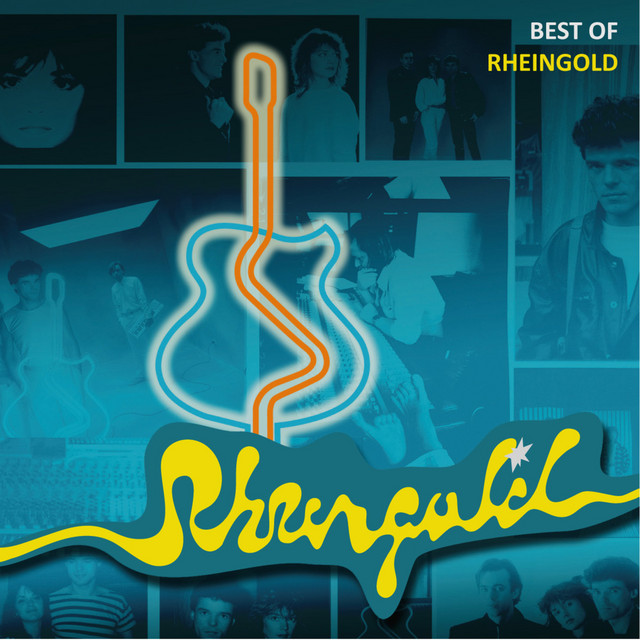
RHEINGOLD Computer Beat (2010)

The very KRAFTWERK influenced lead single from the third RHEINGOLD album ‘Distanz’, neither ‘Computer Beat’ or its parent long player have been reissued by CBS in the digital age. Re-recorded for a self-released ‘Best Of’ along with their German hits ‘Fluss’, ‘3Klangsdimensionen’ and ‘FanFanFanatisch’, unlike the majority of the tracks in this list, the aim was to make the rework sound as much like the original as possible.

Available on the RHEINGOLD album ‘Best Of’ via 3Klang Records

https://www.discogs.com/artist/81398-Rheingold


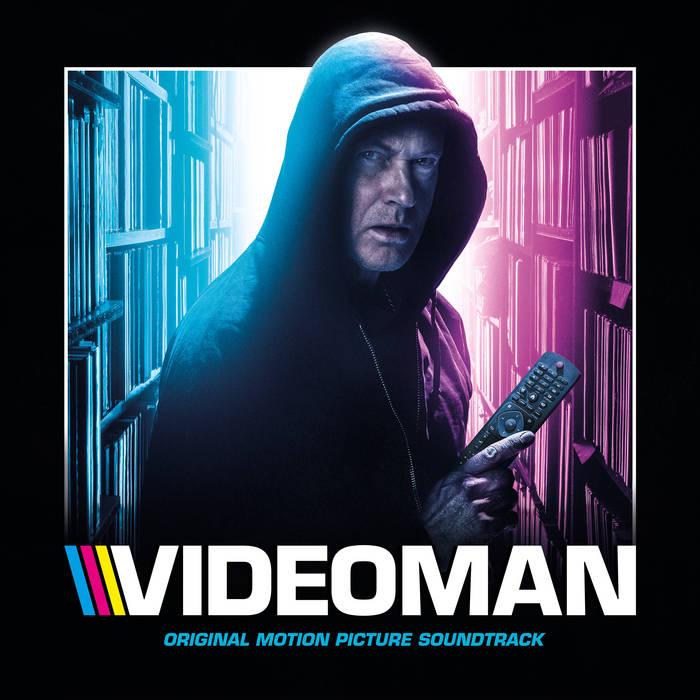
MOTO BOY Blue Motorbike (2018)

Originally recorded as a guitar-driven indie pop tune in 2008, ‘Blue Motorbike’ was the best known tune by Swedish singer-songwriter Oskar Humlebo under his MOTO BOY alias. 10 years later and reflecting his now-more laid back cinematic aesthetic, he revisited it as a pretty synthpop ballad for the Original Motion Picture Soundtrack of the Swedish thriller ‘Videoman’ which also featured notable synthwave exponents such as Robert Parker and WAVESHAPER.

Available on the Original Motion Picture Soundtrack album ‘Videoman’ (V/A) via Lakeshore Records

https://www.instagram.com/motoboymusic/


Text by Chi Ming Lai
14th May 2025

JOHN FOXX: The Piano Interview

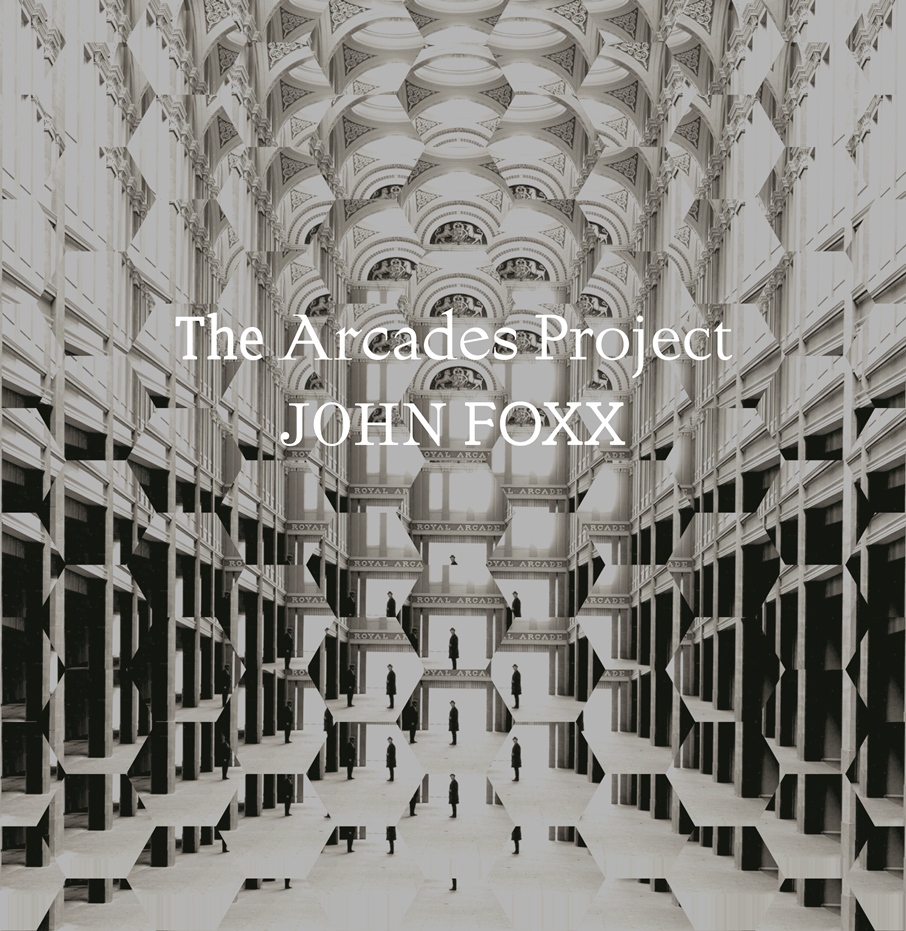
No5 in ELECTRICITYCLUB.CO.UK’s ALBUMS OF 2023, John Foxx’s ‘The Arcades Project’ was a beautiful instrumental suite based around the piano.

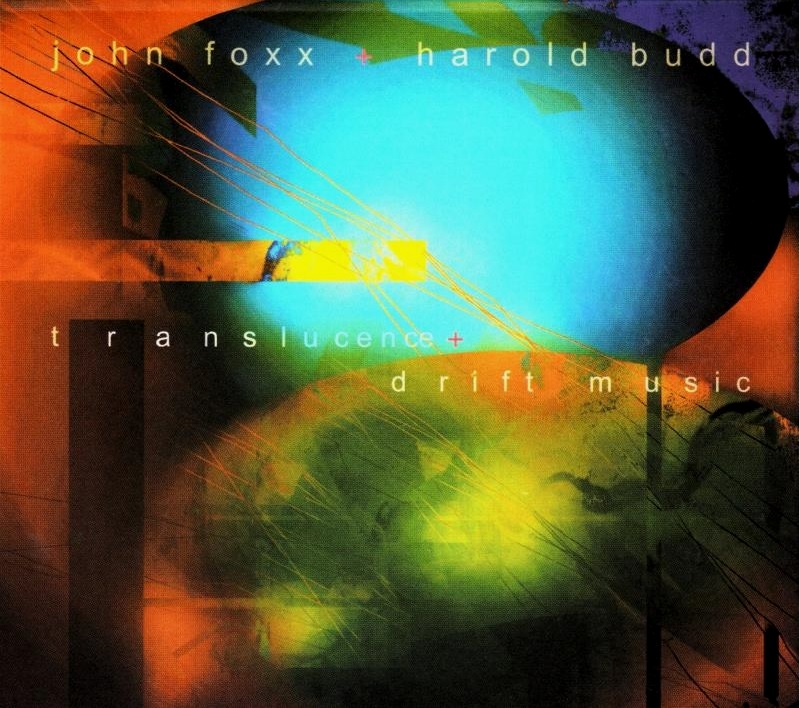
In the aural lineage of ‘Transluscence’, ‘Drift Music’ and ‘Nighthawks’, ‘The Arcades Project’ can be seen as a John Foxx’s tribute to his late collaborator Harold Budd. It was inspired by Walter Benjamin’s ‘The Arcades Project’ which gathered new ideas emerging from Paris in the 19th and early 20th century,

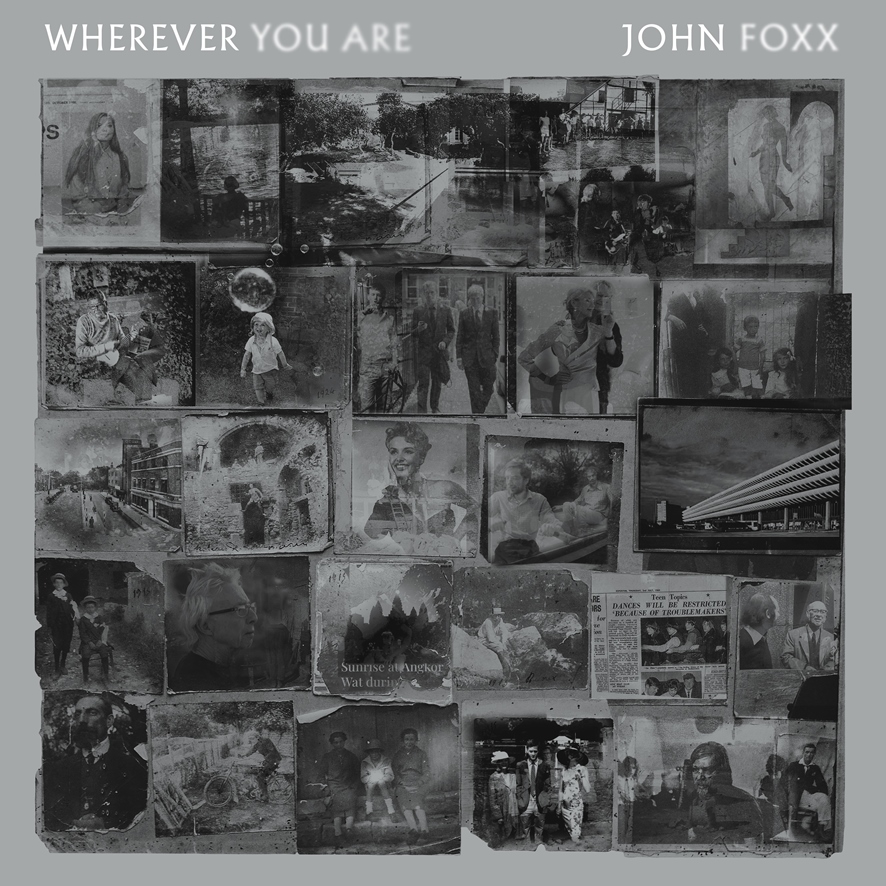
However, the new John Foxx solo piano album ‘Wherever You Are’ is a much more reflective personal work about the “mostly good, generous, bright people” he has met through his life. It was recorded at home in the weeks following a rare live performance in October 2023 as part of BBC’s Radio 3 ’Night Tracks’ event presented by Hannah Peel in London.

An album that says “simply, thanks. Wherever you are”, John Foxx spoke to ELECTRICITYCLUB.CO.UK about the inspirations behind his wonderful ivory adventures…

Moody tracks with piano have been part of your music since ULTRAVOX! as with ‘My Sex’ and ‘Just For A Moment’, so which works with a piano aesthetic first attracted your ears?

Well, hearing a friend play a piece by Satie on the old lecture theatre piano, at art school. That was the turning point. I immediately felt I’d encountered a true, pure beauty. This was in the mid 1960s and Satie wasn’t at all well-known or well regarded then. Before that, I’d been impressed by a late-night TV series in the early 1960’s – ‘Play Bach’, by the Jacques Loussier Trio. They had a regular spot on late night TV.

From that and a few other pieces, I felt there must be something further, and I needed to hear it – a purer, less complicated sort of solo piano. It was so tantalising. A few more hints of this came from unexpected places – on the popular music front, there was ‘Cast Your Fate to the Wind’ by Vince Guaraldi, for instance. But hearing Satie made everything else fall away. That was really it.

Around the same time, my aunt gave me her old upright piano, which happened to be a reasonably good one. I was around sixteen years old. That’s when I began trying to make pieces of my own. A year or so later, at Manchester art school, my girlfriend had a copy of Satie pieces by Aldo Ciccolini – the album with the Picasso drawing of Satie on the cover. So I was able to hear more of his work. I began to wonder what form something like that might take in a modern context. A few years later, Brian Eno originated the idea of ambient music, which created a suitable context then along came ‘The Pearl’ – such a unique combination of talents – Harold Budd, quiet piano visionary, Dan Lanois, the Capability Brown of sonic landscaping, and Brian Eno, avant conceptualist. That record was really revolutionary for me – it brought Satie into the next century.

Who are your favourite piano composers?

Erik Satie, Harold Budd, some sections of Keith Jarrett’s solo concerts. After that, a few individual pieces – some Chopin Nocturnes and Debussy pieces – ‘Clair de Lune’, etc, a few slower solo pieces such as Beethoven’s ‘Fur Elise’. I also some of Arvo Part’s compositions – ‘Spiegel Im Spiegel’, ‘Fur Alina’ etc.

After ‘Metamatic’, piano made a notable return on ‘The Garden’ with ‘Europe After The Rain’ and ‘Walk Away’ but then kind of disappeared?

I had a grand piano in The Garden studio, so that was very convenient. After that, electronics took over again – there was also a period when I didn’t have an acoustic piano at home. That’s really the key – you need to be able to play whenever the mood strikes.

You did three albums with the late Harold Budd, the first pair ‘Translucence / Drift Music’ in 2003, so why have your own solo piano works taken longer to be forthcoming?

I was so completely focussed on making the work with Harold as good as possible that it took me some time to realise I hadn’t actually done a piano record of my own.

When working with Harold Budd, how would you describe your role? Did you contribute piano parts or did you leave that aspect entirely to him?

Well, I was default producer, organised the studio in a friend’s house, brought the piano over and set up recording equipment. When Harold arrived, we discussed his music – where we might take it, etc. I also recorded everything. I played around half of the piano pieces on those albums – sometimes Harold and I would swap piano chords then I’d improvise, other times I’d invent a piano piece from scratch. Other tracks were entirely his composition and playing.

Harold had the first and last word. The basic approach originated from him, a philosophy of simplicity, directness, finding the most beautiful notes, giving them space to develop, making use of the reverb and harmonic fields. We’d record as soon as it felt right. It all went very quickly and easily. The entire album was a delight to work on. Harold never played anything more than twice and mostly just once. He was so unassuming – simply came in and played, then we’d listen back and get on with the next piece.

Afterwards, I compiled what I felt were the most representative tracks and sent them off to him. He was fine with it all, so we ended up with two records, ‘Translucence’ – the piano, and ‘Drift Music’ – the more radically treated pieces. The idea of ‘Drift Music’ was complete abstraction – take reverb, echo and all sonic treatments as far as we possibly could.

By the way – It’s interesting how this has been taken even further now, by some characters on YouTube slowing those tracks down radically. I like that, and I’m absolutely sure Harold would, too. But all that’s just the technical side. The more central thing is the reason we do all this in the first place.

For my part, (and I feel this may also have some relevance to the way Harold works), it’s an attempt to capture a few small but valuable things from our passing lives. A glimpse of someone, a fleeting thought when you’re sitting on a bus looking out of the window at the city passing by, a moment of stillness and wonder, that sensation of imagining we recognise someone who vanishes in a crowd, the brief, long light at the end of a day. Nothing grand, significant or dramatic – just the opposite – and not resolved in any way, yet so recognisable when evoked musically. These small things are easily lost or overlooked, but they form a sort of undercurrent in our lives. They’re part of its fabric.

As I grow older, I begin to realise the so-called important times can often leave us unmoved, while a few odd, unexpected things will get through the defences. Some moments last forever. Music is such a great trigger, it’s capable of evoking something of the way these small things can affect us. Also, recording itself is such a strange and mysterious activity. You take a moment that would otherwise be lost forever and enable it to live forever. Isn’t that downright weird? Not to say magical?

And this can give a recorded moment vast significance. Something like using a microscope to see all the complexity inside a drop of water, or realising that a face in Cinema close-up is twenty feet high and transmitting fleeting expressions as subtle as changing weather. These recorded moments can be closely examined and re-experienced an infinite number of times, and through being captured in this way, they’ve become something quite new.

‘The Arcades Project’ was billed as your first solo piano album, how would you describe your approach? How was it different from your instrumental ambient works like the ‘Cathedral Oceans’ trilogy or ‘London Overgrown’?

‘Arcades’ is a lot simpler and absolutely direct. One instrument. All improvised. Occasionally, a discreet synth part. ‘London Overgrown’ and ‘Cathedral Oceans’ involved improvising over long delays then building multiple tracks. ‘Cathedral Oceans’ was intended as a technological continuity of ancient chant, through singing into huge, notional electronic spaces and harmonising with returning, reflected voices. Both had an entirely different premise from ‘Arcades’.

You have said that “Around dawn is the best time to play piano”, were most of the pieces improvised or was there some degree of notation beforehand, even if it was just to sketch a basic structure?

Very little was ever written down – the only time I ever saw Harold use any sort of notation was on ‘Spoken Roses’ – he referred to some brief notes he’d made, then he did two takes, one after the other, both good, before choosing one as the master. It was a revelation to hear that piece unfolding live. Truly gorgeous. Everything else sprang from a basic chord or two, then a note or two over that, then you were off – take it any way you feel. A few very basic, but vital rules – maximum beauty, minimal notes. Brevity, simplicity, joy.

In what ways does your new piano album ‘Wherever You Are’ differ in concept from ‘The Arcades Project’, it appears more personal?

Yes, I think it is.

I see Harold Budd and Conny Plank among the many photos on the front cover artwork of ‘Wherever You Are’?

Well, they’re both significant. Satie’s there too, on the inside cover. It all goes back to him.

How important is the visual presentation of these piano works to the music it contains?

I guess the imagery acts as a sort of entry point. Indicates the kind of emotional tone you can expect to encounter.

What types of piano have you been using?

A Yamaha grand, 6ft 2inches. Great fun getting it through the front door a few years ago, when I swapped it for the previous one, which was a few inches shorter. Occasionally I get access to other pianos. A Steinway or a Kawaii, and I can sometimes use a combination of sustain from an acoustic piano and play over that using Pianoteq.

In terms of recording, piano is known not to be easy to lay down and there was a time particularly when there was a lot of Roland CP70 electric baby grand piano direct input and then treated afterwards, what set-up did you use to record your pieces at home?

Simple as possible. A couple of decent mics placed inside the lid, an old Alesis mixer and an antique reverb unit. I’d begun to use some newer software reverbs, but the overall sound of the antique thing is richer, more interesting. Occasionally I’ve just used one mic, and that can be more solid an image, letting the reverbs do the stereo. You always have to move the mics around very patiently until it all feels cohesive. That’s the most important bit, really. You simply have to listen.

Photo by Brian Griffin

Although ‘The Arcades Project’ and ‘Wherever You Are’ are piano-based works, there are a lot of effects and occasional synthesizer, had you considered producing more something much barer and more minimal?

By the way, there’s no synth on ‘Wherever You Are’. It’s all piano and reverbs. I think the way I record is already fairly simple and minimal – single takes of an improvised piano piece, made mostly by reacting to the piano’s open string harmonics. You see, my basic premise is – there’s an aspect of the piano that has been completely overlooked, yet it’s what makes the piano completely unique. This is the harmonic field produced by the sympathetic vibration of all its strings.

By simply holding down the sustain pedal, you allow all the strings to make this wonderful, moving, harmonic field. No other instrument can produce an effect like that – perhaps the nearest might be a sitar – but that doesn’t have anywhere near the number of strings. A piano has over two hundred, so they produces an incredibly rich and complex sound, and I think this is the unique signature of the modern piano.

Yet no-one seems to have noticed it. No music I know of has ever been composed or recorded with this in mind – it’s simply never been investigated properly – so that’s what I’ve been doing with these recordings. The reverbs I use are designed to extend those harmonics, that combination creates a changing bed of sound for me to improvise over.

The origins of this go way back to 1977, recording the first minute and a half or so of the intro to ‘A Distant Smile’, with ULTRAVOX! I got Billy to play a few piano chords, having had the idea of getting him to hold down the sustain pedal in order to allow all the piano strings to vibrate sympathetically, then recording these until they died away, some time later. Then I asked Steve Lillywhite to take off the initial impact of the notes being hit, by fading in just the sustained sound afterwards.

In this way, we quickly built up several layers that make a beautiful bed of moving, sympathetic harmonics from the two hundred or so strings. You can hear these under the track’s beginning. I was tremendously excited by the beauty and potential of the sound this produced. It was obvious there was so much more to explore here, but also frustrating, because I couldn’t do that – we were in the middle of making a rock album to a strict deadline. So I had to stow the idea away for later use.

Have you any favourite pieces from ‘Wherever You Are’?

The first track, ‘When She Walked In With The Dawn’, because that’s when I got the sound just right, which triggered me to write and record all the other tracks.

With the piano, have you found your forte, as it were, at this stage of your creativity or is there something else you would like to try, say with artificial intelligence for example?

I do feel I’ve got a unique territory I can explore now – and that’s always a great feeling – your own territory, another adventure opens up. I like the simplicity and the entirely hands-on nature of it.

You set up the sound, than simply sit down and record – and that’s it, no overdubs or other complications, an entirely human response to what a piano and an old reverb unit gives you. It acts as a great release from all the other stuff I’m involved in. It’s the opposite of AI – and even of synths or multitrack recording. Much as I love all that, it’s just wonderful to take a step sideways.


ELECTRICITYCLUB.CO.UK gives its warmest thanks to John Foxx

Additional thanks to Steve Malins at Random Management

‘Wherever You Are’ is released on 28th March 2025 by Metamatic Records as a vinyl LP and CD, available from https://johnfoxx.tmstor.es/

Digital download available from https://johnfoxx.bandcamp.com/

http://www.metamatic.com/

https://www.facebook.com/johnfoxxmetamatic


Text and Interview by Chi Ming Lai
26th March 2025

25 FAVOURITE INTERVIEWS ON ELECTRICITYCLUB.CO.UK

Established on 15th March 2010, ELECTRICITYCLUB.CO.UK celebrates 15 years online.

Aiming to feature the best in new and classic electronic pop music, during that time it has conducted over 550 interviews from fledgling independent acts and veteran cult artists to established international stars.

ELECTRICITYCLUB.CO.UK prides itself in asking interesting questions that are a bit different and seeded by knowledge of the subject. As a result, these interviews have been appreciated by those music enthusiasts who know their tape recorders from their drum machines.

As for the interviewees, the vast majority have been a joy to work with and luckily, boring or difficult interviews have been rare. However, the most disappointing situations arise when someone agrees to an interview and continues communications for several weeks but doesn’t come clean to say they are not actually interested in participating… it is the interviewing equivalent of being ghosted 😆

Photo by Rob Harris

While sending questions via email for an artist to answer in their own time is the modern way of conducting an interview and is convenient with artists who have day jobs, don’t speak English as a first language or are in a different time zone, it is not particularly interactive and lacks a conversational flow. A true interview is a two way live conversation conducted face-to-face, by phone or a conferencing platform where opinions, thoughts and recollections can be obtained through reactive questioning.

ELECTRICITYCLUB.CO.UK lists its 25 favourite interviews from over the years. Reading like a ‘Who’s Who?’ of electronic pop, all the interviews were conducted in-person or via a live call, except those with Alan Wilder, Karl Bartos and Rob Dean which were done by email.


PAUL HUMPHREYS (2010)

This Paul Humphreys interview put ELECTRICITYCLUB.CO.UK on the map. At his studio complex in London, he chatted about the past, present and future of OMD, hinting at the contents of the upcoming album ‘History Of Modern’. The interview proved popular and was later quoted by The Guardian in a feature about OMD. This was the first of five interviews, the most recent of which was for OMD’s 40th Anniversary in 2019.

https://www.electricityclub.co.uk/interview-paul-humphreys/


SARAH BLACKWOOD (2010)

ELECTRICITYCLUB.CO.UK bumped into Sarah Blackwood after a HEAVEN 17 concert in Cologne and so began a long lasting friendship. Conducted at a café in St Pancras, this interview captured an interesting interregnum with our heroine between the end of CLIENT and the start of the DUBSTAR reunion. This was to be the first of two Sarah solo chats while she would be interviewed with Chris Wilkie twice as DUBSTAR.

https://www.electricityclub.co.uk/sarah-blackwood-interview/


CLAUDIA BRÜCKEN (2010)

Conducted in London to coincide with the reissue of her debut solo album ‘Love: And A Million Other Things’, Claudia Brücken talked about her time in PROPAGANDA, ACT and ONETWO while she also talked about plans for a compilation called ‘ComBined’ collecting highlights from throughout her career. Her most recent ELECTRICITYCLUB.CO.UK interview was together with Susanne Freytag as xPROPAGANDA.

https://www.electricityclub.co.uk/claudia-brucken-interview/


ANDY McCLUSKEY (2011)

The majority of interviews are cordial affairs but this one with Andy McCluskey following the release of OMD’s comeback album ‘History Of Modern’ was a bit ‘Frost/Nixon’. ELECTRICITYCLUB.CO.UK echoed some of the fan disappointments about the record and to his credit, he was unrepentant and batted away criticisms with aplomb. A less confrontational interview followed in 2013 for ‘English Electric’.

https://www.electricityclub.co.uk/andy-mccluskey-interview/


STEPHEN MORRIS (2011)

ELECTRICITYCLUB.CO.UK were surprised when a request to interview Stephen Morris was accepted, especially as NEW ORDER had seemingly disbanded. The conversion had The Human Drum Machine at his best with stories about JOY DIVISION as well. But why was this interview taking place, why was he doing a fashion shoot for ‘Arena Homme+’? It was all subtle profile rebuilding as NEW ORDER was relaunched months later!

https://www.electricityclub.co.uk/stephen-morris-interview/


BLANCMANGE (2011)

With many discussion points covered, a thoroughly entertaining hour was spent chatting to Neil Arthur in his studio during a break from rehearsals for the first BLANCMANGE live shows since 1986 in support of a new album ‘Blanc Burn’. The artist who has been interviewed the most times by ELECTRICITYCLUB.CO.UK, he has since been featured a further nine times including with his side projects FADER and NEAR FUTURE.
https://www.electricityclub.co.uk/blancmange-interview/


MIRRORS (2011)

The intelligent aesthetics of MIRRORS made them ideal for ELECTRICITYCLUB.CO.UK’s first interview using the Vintage Synth Trumps format. Conducted in the dressing room of Cologne’s Gebaude9 prior to the first show of their headlining German tour, James New and Ally Young chatted about the synths used on their ’Lights & Offerings’ album. But tension was evident between the pair and it ultimately led to the sad end of the band.

https://www.electricityclub.co.uk/vintage-synth-trumps-with-mirrors/


ALAN WILDER (2011)

While often reluctant to talk about DEPECHE MODE, when Alan Wilder auctioned off a large collection of his studio equipment, vinyl and memorabilia, he was ready to talk about the band he left in 1995 again as well his own musical venture RECOIL. For the 25th Anniversary of the release of the ‘101’ live album and documentary film in 2014 , ELECTRICITYCLUB.CO.UK was the only platform he granted an interview to.

https://www.electricityclub.co.uk/the-alan-wilder-interview/


HOWARD JONES (2011)

One of the nicest guys in the music business, ELECTRICITYCLUB.CO.UK had the pleasure of chatting to Howard Jones about his then-upcoming tour performing his first two albums ‘Human’s Lib’ and ‘Dream Into Action’. Focussing on the period between 1983 to 85 when he became a household name and was many people’s entry point into the world of synthpop, the interview included lots of analogue and digital synth talk.

https://www.electricityclub.co.uk/howard-jones/


KARL BARTOS (2013)

A short conversation conducted remotely, Karl Bartos talked about his new album ‘Off The Record’ and recalled his collaborations with Andy McCluskey, Bernard Sumner and Johnny Marr. When he performed at Cologne’s Live Music Hall on the same night that KRAFTWERK received a Lifetime Achievement Grammyin January 2014, ELECTRICITYCLUB.CO.UK were granted an audience with the man himself.

https://www.electricityclub.co.uk/a-short-conversation-with-karl-bartos/


ALISON MOYET (2013)

The album ‘the minutes’ saw the return of Alison Moyet to electronica and this inevitably led to reminiscences about YAZOO in this delightful and sweary interview conducted face-to-face in Islington. She was frank and open about all aspects of her career, the misconception of her being a “jazz singer” and which two songs from the YAZOO portfolio she particularly hated! Can you guess without look at the transcript which ones they are?

https://www.electricityclub.co.uk/alison-moyet-interview-2/


VILE ELECTRODES (2013)

VILE ELECTRODES remain the act that ELECTRICITYCLUB.CO.UK has been proudest of featuring. Invited to support OMD on the German leg of their ‘English Electric’ tour following Andy McCluskey spotting the band while perusing ELECTRICITYCLUB.CO.UK, this informative interview was conducted in Anais Neon and Martin Swan’s synth-filled apartment and completed online to update it after the news was announced.

https://www.electricityclub.co.uk/vile-electrodes-re-emerge/


GARY NUMAN (2013)

ELECTRICITYCLUB.CO.UK were literally given a few days notice that it was to interview Gary Numan at his home in Los Angeles by phone. Coinciding with the release of the ‘Splinter (Songs From A Broken Mind)’ album which had taken 7 years to complete, he was in buoyant mood after an artistic rejuvenation. Refreshingly honest, he admitted his original plan to make all the songs on ‘Splinter’ one-dimensional was “a sh*t idea”!

https://www.electricityclub.co.uk/gary-numan-discusses-splinter/


RODNEY CROMWELL (2016)

One of the fun things about the Vintage Synth Trumps series of interviews is that there is a degree of jeopardy for both interviewer and artist. Taking time to gain acclaim and recognition, the first Rodney Cromwell album ‘Age Of Anxiety’ was perfect for mainman Adam Cresswell to talk about his love of synths and DIY recording as well as the influence of NEW ORDER and SECTION 25 on his music over a fish supper in London’s Soho.

https://www.electricityclub.co.uk/vintage-synth-trumps-with-rodney-cromwell/


RICHARD BARBIERI (2017)

It was known that Richard Barbieri is often not that keen on talking about JAPAN and ELECTRICITYCLUB.CO.UK assumed all the chat over the phone would be about his new album ‘Planets + Persona’. But unprompted, he chatted about his MicroMoog which was used on a number of JAPAN albums. But the crowning glory of the interview was how he did the metallic intro of ‘Ghosts’ using his Roland System 700 Lab Series.

https://www.electricityclub.co.uk/richard-barbieri-interview/


ZEUS B HELD (2017)

While not as well-known as Giorgio Moroder or Conny Plank, producer Zeus B Held contacted ELECTRICITYCLUB.CO.UK after it did a Beginner’s Guide feature on his career portfolio. A coffee meeting was arranged at Foyles bookshop in London and morphed into a full interview which saw the talkative German reflect back on working with GINA X PERFORMANCE, FASHION and DEAD OR ALIVE as well as John Foxx and Gary Numan.

https://www.electricityclub.co.uk/zeus-b-held-interview/


ROBERT GÖRL (2017)

When in Düsseldorf… despite the confrontational aspects of DAF, their drummer and sequencer programmer Robert Görl is something of a thoughtful and spiritual soul. This face-to-face interview was conducted before a performance of his ‘Glücksritter’ live only project and took in DAF, his wonderful solo debut long player ‘Night Full Of Tension’, working with Annie Lennox and the great standalone single ‘Mit Dir’.

https://www.electricityclub.co.uk/robert-gorl-interview/


SOFT CELL (2018)

Marc Almond and Dave Ball surprised all with a reunion for ‘One Night Only’ at London’s O2 Arena that has since become an ongoing world tour. But with it came a lavish boxed set, various books and new albums. In a London pub,  ELECTRICITYCLUB.CO.UK had an in-depth chat with Dave Ball focussed on the ups and downs of SOFT CELL. This was followed up with an entertaining game of Vintage Synth Trumps in 2023.

https://www.electricityclub.co.uk/soft-cell-interview/


MARTYN WARE (2019)

ELECTRICITYCLUB.CO.UK has enjoyed seven interviews with Martyn Ware encompassing HEAVEN 17 and BEF, but this chat was about his time as a co-founder member of THE HUMAN LEAGUE to coincide with a live celebration of their first two albums ‘Reproduction’ and ‘Travelogue’. This was a fascinating insight into how THE HUMAN LEAGUE’s “vocals and synthesizers only” sound became the future of pop music.

https://www.electricityclub.co.uk/martyn-ware-the-reproduction-travelogue-interview/


ROB DEAN (2021)

Although he left JAPAN in 1980, guitarist Rob Dean gave an eye witness account to ELECTRICITYCLUB.CO.UK into the making of their third album ‘Quiet Life’ to coincide with a remastered boxset. JAPAN were in a state of transition from the growly glam funk of their first records to the mannered artful combo people remember them for today, so with him now residing in Costa Rica, this email Q&A provided some insightful commentary.

https://www.electricityclub.co.uk/rob-dean-the-quiet-life-interview/


MARK REEDER (2021)

While most of ELECTRICITYCLUB.CO.UK’s interviews with Our Man In Berlin have been conducted remotely at his convenience, apart from an onstage interview at a 2016 event in Düsseldorf, this Vintage Synth Trumps chat was a rare live outing on Skype. Among the topics were his remixes for NEW ORDER and YELLO while there was also mention of the Transcendent 2000 which Bernard Sumner had built from a kit and given to him.

https://www.electricityclub.co.uk/vintage-synth-trumps-with-mark-reeder/


BILLY CURRIE (2022)

With his noted dry humour, Billy Currie was on top form for probably the best interview in the Vintage Synth Trumps series so far. With insight into the workings of ULTRAVOX and VISAGE as well solo work and his brief time in the Gary Numan live band. Of the latter, Currie went into detail about the ARP Odyssey solo on ‘On Broadway’ while also shedding light on how ‘Touch & Go’ co-written with former band mate John Foxx became ‘Mr X’.

https://www.electricityclub.co.uk/vintage-synth-trumps-with-billy-currie/


TELEX (2023)

Some say that the Belgians don’t have a sense of humour, but that was proved wrong when surviving TELEX members Michel Moers and Dan Lacksman gave a laugh a minute interview to ELECTRICITYCLUB.CO.UK in support of their self-titled boxed set released by Mute Records. The most hilarious moment was when the pair recalled their dismay when Portugal awarded them 10 points at the Eurovision Song Contest in 1980.

https://www.electricityclub.co.uk/telex-interview/


MIDGE URE (2023)

ELECTRICITYCLUB.CO.UK has had the honour of interviewing Midge Ure on a number of occasions, the first time at the world famous Abbey Road Studios. But the most recent occasion was the best where he discussed a life in music ahead of his 70th birthday and a special show at the Royal Albert Hall. This was an extensive chat which included music technology such as the PPG Wave and the Roland GR700 guitar synthesizer.

https://www.electricityclub.co.uk/midge-ure-a-life-in-music/


JOHN FOXX (2024)

With ‘Metamatic’ about to celebrate its 45th Anniversary, it was a perfect time for ELECTRICITYCLUB.CO.UK to chat to John Foxx about his close encounters with synthesizers over a game of Vintage Synth Trumps in Düsseldorf, the spiritual home of modern electronic pop. As well as talking about his seminal debut solo album, he recalled how ULTRAVOX came to utilise synths and drum machines in their music.

https://www.electricityclub.co.uk/vintage-synth-trumps-with-john-foxx/


ELECTRICITYCLUB.CO.UK’s interviews can be viewed at https://www.electricityclub.co.uk/interviews/

Interviews from the Vintage Synth Trumps series are collected at https://www.electricityclub.co.uk/v-s-t/


Text by Chi Ming Lai
15th March 2025

Vintage Synth Trumps with JOHN FOXX

Photo by Benge

While Gary Numan is often seen as the synthesizer’s first major pop star, his biggest influence was the first incarnation of ULTRAVOX! lead by John Foxx.

Following that self-titled 1977 debut with tracks co-produced by Brian Eno like ‘My Sex’, ULTRAVOX! gradually increased their use of synthesizers as part of a sound that stood out at the height of punk. The leadlines and soloing on ‘The Man Who Dies Every Day’ from their second album ‘Ha! Ha! Ha!’ demonstrated how powerful and fierce synths could be.

After the third album ‘Systems Of Romance’ in 1978 produced by Conny Plank which spawned standout moment such as ‘Slow Motion’, ‘Quiet Men’ and ‘Just For A Moment’, the technology had become so affordable and straightforward to use that Foxx saw he could realise his future musical vision without a band. Using just synths and drum machines with occasional bass guitar, the end result was the seminal 1980 debut solo album ‘Metamatic’ engineered by Gareth Jones. “It was minimal, primitive technopunk” said Foxx, “Car crash music tailored by Burtons”

For a short period with singles like ‘Underpass’, ‘No-One Driving’ and ‘Burning Car’, John Foxx became an unlikely pop star in his grey suit with Top40 hits, appearances on ‘Top Of The Pops’ with a band all equipped with Yamaha battleship keyboards and a previously unreleased track from the ‘Metamatic’ sessions ‘My Face’ given away free on a flexidisc attached to the front cover of ‘Smash Hits’ magazine.

Despite what appeared to be a long hiatus between 1986 to 1990 which can now be seen as nothing by today’s standards, John Foxx has been extremely prolific in his solo work and collaborations with the likes of Tim Simenon, Louis Gordon, Jori Hulkkonen, Jim Jupp, Robin Guthrie, Theo Travis, Steve D’Agostino, Steve Jansen, the late Harold Budd and his main partner-in-crime during the 21st Century Ben ‘Benge’ Edwards aka THE MATHS.

John Foxx is not just known for his music but he is also an esteemed visual artist. He recently published a 224 page book ‘Electricity & Ghosts’ collecting reproductions of the varied artistic media he has worked in, including drawing, photography, painting, graphic art, sculpture and collage. Created in collaboration with Grammy award winning graphic designer Jonathan Barnbrook, it includes a unique first-person narrative of his early college artworks and the creation of ULTRAVOX! which was initially conceived as an art project.

With ‘Metamatic’ soon to celebrate its 45th Anniversary, this was the perfect time for ELECTRICITYCLUB.CO.UK to chat to John Foxx about his close encounters with synthesizers through the years over a game of Vintage Synth Trumps in Düsseldorf, the spiritual home of modern electronic pop.

Photo by Chi Ming Lai

OK John, the first card is a Sequential Circuits Pro-One… had you ever used much equipment from them before?

Not personally no, but Duncan Bridgeman who played on ‘The Garden’ album did. There were some very fine sounds he came out with.

On ‘The Garden’, there was a lot more of a band sound like on ‘Dancing Like A Gun’ and ‘Walk Away’, so were they shaped by jamming together?

I’d bring the song in and play it, then Duncan and Jo Dworniak who is a great bass player,  together with Robin Simon from ULTRAVOX! So we’d get together and go through the song a couple of times and then record it.

Duncan Bridgeman and Jo Dworniak were from this Britfunk band I-LEVEL, so how did you come across them?

It was in the studio, I’d heard them recording and thought “these guys are good” so I had a chat with them and it turned out they knew about my music and particularly liked the song ‘Metal Beat’ because it wasn’t regular time, it wasn’t “funky” but it had a broken up rhythm and they enjoyed that. So we got together to try out a few songs and it worked really well.

Next card and it’s a Korg 770…

I liked Korg stuff, a lot of people used it. I had some Korg keyboards although I preferred Roland. THE HUMAN LEAGUE had quite a bit of Korg and profited greatly from it. I remember having a conversation with Martyn Ware about the early synths they got, his first one was a Korg I understand…

The affordability of Korg made things more accessible so could you see a wave of creativity coming with these cheaper synths?

Yes! Because much earlier, the first people I knew who got a synthesizer were GLORIA MUNDI from which Eddie and Sunshine came. Sunshine bought a synthesizer and she put that through an amplifier, it was a knockout sound, so I thought “I’ve got to get one of those!”. It was that which started my interest in actually buying one. This was before ULTRAVOX! had recorded anything.

Did the rest of ULTRAVOX! need much persuading at the time to get into synths and technology?

Not really, Chris Cross particularly was great at getting hold of synths, Billy Currie did it slightly later because we needed to spend more money and we didn’t have any. I remember suggesting to Warren Cann about getting involved is using a drum machine and when he got to grips with it, he really enjoyed it, this was when we were recording ‘Hiroshima Mon Amour’. I asked him to switch in rhythms live which he did really well as I played guitar and sang it. That was the beginning of it.

You mentioned Eddie and Sunshine earlier and they did your first ‘Top Of The Pops’ appearance with you… this was visually significant because they all had big Yamaha CS80s. Although they weren’t actually on ‘Underpass’, did you have to hire those in?

No, I couldn’t afford to! The BBC kindly did it for us, they didn’t actually ask us, they planted these things there because they looked good. I use one now because Benge has one, I don’t know how much he paid for it, something like £5 I think but it’s worth a fortune now because it’s one of the most complex synths ever made!

Next is a Roland SH101, did you ever own one?

I have used a 101 but triggered with a rhythm to make bass parts. It was very useful for that but I never used it for anything else… I sold it after I used it which was foolish! I did that quite often!

They’re worth quite a bit now!

I know! Everything I sold is worth quite a bit now! *laughs*

Obviously working with Benge, he has massive synth armoury but when you owned The Garden studio, did you have a stash of synths for artists who hired it used?

They usually brought their own stuff although I did have quite a collection by that time. I particularly loved the Jupiter 8 and I didn’t want anybody to touch it! But when Matt Johnson of THE THE came in, he surreptitiously took it out of the store room and started using it. He had a really great time with it apparently but I didn’t mind, it’s what happens in studios! *laughs*

Ah, the next card is a Korg Poly 6, I seem to recall when you started working with Benge that you quite liked the Korg Mono/Poly?

Yes, although it’s not that I favour one synth over another, some are appropriate for what you are doing. Benge is usually the one who says “let’s try this one” and I’ll try a few synths out and one will sound right. There’s no particular favouritism going on, far from it, you just want the right sound.

You have the 45th anniversary of ‘Metamatic’ coming out and there’s a new vinyl remaster??

Yes, we’re trying to digitise the old tapes but we might have re-digitise it because digitisation changes in quality over the years, so it’s better now than it has been.

A lot of the stuff that was in the ‘Metamatic’ vaults is out now but is there anymore left?

Well, there are lots of bits because Gareth Jones and I used to put things down at the end of tapes to see if we got a good sound, you could never get the same sound back again. So we put things down like drum machine and processing though flangers and phasers and all that, sounds on the ARP or whatever sounded interesting to remind ourselves what we were doing because quite often when you’re making sounds, you don’t get to the sound you want but halfway there, something interesting happens so you want to keep it, but you still need to go on get to the sound you want. So there are lots of moments like that which we recorded.

Another card and it’s the EMS VCS3… as a youngster, did that fascinate you seeing it being used on the telly?

Oh yeah, Brian Eno had one when we were in the studio with him and Chris Cross enjoyed playing with that, I think he used it on ‘My Sex’ for one of the parts. So he later bought the compact AKS suitcase version, that was the first synth we got so that’s the memory of that one. Eno used it extensively on all his records like ‘Another Green World’, it was a great record, I thought it was like a new kind of jazz, it was non-conventional jazz, it was kind of freeform music. There were pieces on that record like ‘Sky Saw’ which even now sounds tremendous. And ‘Becalmed’ is a lovely track so it was the beginning of Eno finding his feet properly in the studio, moving away from rock ‘n’ roll into something else.

Now ‘Another Green World’ was notable for being half vocal – half instrumental and paved the way for similarly structured albums like David Bowie’s ‘Low’, is that something you would ever consider in your future works?

No, I don’t like mixing the two. I think they should be separate because I don’t think albums should be like a variety show. I think they should set a mood or a world that you go into, and I don’t want any disturbance in that.

That’s an interesting answer…ok, final card and it’s an EDP Wasp…

Ah yeah, Wasps, great fun! I used to borrow one because lots of people had them. I knew where to borrow things from. You can get some beautiful sounds from them.

Photo by Chi Ming Lai

You have this book ‘Electricity & Ghosts’ out compiling your graphic designs, what was the idea behind this?

Like all these things, when I pop my clogs, it’ll all get shuffled into the dustbin if I don’t do anything with it! And it’s as simple as that really!

Your visual art uses a lot of collage like the artwork for the ULTRAVOX! singles ’Slow Motion’ and ‘Quiet Men’. Leading up to your third solo album ‘The Golden Section’, the preceding singles ‘Endlessy’ and ‘Your Dress’ had collage art but for the album cover, you opted for a striking portrait photo taken by the late Brian Griffin, what was your thinking behind that?

It was just me trying to look my best, I was trying to look good! *laughs*

Was the photo intended for the cover or was it you had the photo taken for some other purpose and you liked it?

No, I wanted it to be like that and I already had the name ‘The Golden Section’. I thought “what can I do visually for that?” and then I realised I could do it with Brian Griffin because he used tungsten lighting in his photography and I’d used a lot of it, so it gave you that very rich “golden” effect. I felt it would be right so I had a word with Brian and he said yes.

Photo by Chi Ming Lai

Finally, your favourite synth of all time and why?

Oh, the ARP Odyssey… it’s the best noise making little brute you can ever come across. I still haven’t exhausted it, I’ve been using it for 50 years now and it still surprises me.


ELECTRICITYCLUB.CO.UK gives its warmest thanks to John Foxx

Special thanks to Steve Malins at Random Management

‘Metamatic’ is released as a 45th anniversary a grey vinyl edition on 17 January 2025, pre-orders through the Official Store will include a limited edition signed print of the album artwork at https://johnfoxx.tmstor.es/product/152300

‘Electricity & Ghosts’ is published as a hardback book available from https://eu.rocket88books.com/products/electricity-and-ghosts-classic-edition

Vintage Synth Trumps is a card game by GForce that features 52 classic synthesizers, available from https://www.juno.co.uk/products/gforce-software-vintage-synth-trumps-2-playing/637937-01/

http://www.metamatic.com

https://www.facebook.com/johnfoxxmetamatic

https://twitter.com/foxxmetamedia

https://www.instagram.com/johnfoxxofficial/


Text and Interview by Chi Ming Lai
4th November 2024

« Older posts