“DURAN DURAN would have been as big as… well, as big as THE LILAC TIME. I can’t say it’s haunted me particularly” said Stephen Duffy when asked about jumping ship from what went on to be one of the biggest bands to come out of the New Romantic movement.
Before Simon Le Bon, Roger Taylor and Andy Taylor, the first incarnation of DURAN DURAN in 1978 was very art school and possessed of a bookish pretention. It comprised of Nick Rhodes as the Eno-inspired synth player and tape operator, John Taylor on guitar, Simon Colley on bass and clarinet with Stephen Duffy as the bass playing vocalist. This line-up performed live at places like Birmingham Polytechnic and local club Barbarellas for about a year before Duffy and Colley departed.
What happened to DURAN DURAN is more than well documented. Stephen Duffy had an up-and-down solo career as well as assorted ventures including electronic combo TIN TIN, dance side-project DR CALCULUS, folk rockers THE LILAC TIME, short-lived Britpop supergroup ME ME ME and a stint as a songwriting partner to Robbie Williams in 2004. But before collaborating with the former member of TAKE THAT, he bumped into Nick Rhodes at a Vivienne Westwood fashion show.
Having found an old cassette of a DURAN DURAN concert from 1979 at home, Duffy began reminiscing with Rhodes and suggested re-recording some of those original pre-Le Bon DURAN DURAN songs. Settling on the name THE DEVILS to avoid confusion and give the project its own identity, the duo set themselves some rules… they would use vintage analogue instruments where possible but adopt modern production techniques while the lyrics would remain unchanged. However, as the pair did not have enough material for a full-length album, they set about writing new songs, their first together in over 20 years.
Released in Summer 2002, the resultant album ‘Dark Circles’ was a delightful blend of past and future; while the period’s Roxy, Bowie, Iggy and Eno influences were evident, as was Rhodes’ first synth purchase, the EDP Wasp along with various primitive rhythm units and with some dramatic licence, the Omnichord, Rhodes’ new Alesis A6 Andromeda and sampled drum loops.
Propelled by the exhilarating Motorik tension of NEU! with the guitars, bass and synths all hardly in tune, the opening ‘Memory Palaces’ signalled the album’s intent. Leading into an old song that was also performed by Duffy’s post-DURAN DURAN band THE SUBTERRANEAN HAWKS, ‘Big Store’ was a brilliant anti-punk statement calling for the right to shop. Duffy’s deadpan vocal sounded like a camp Iggy Pop over a Giorgio Moroder backing track. Offset by jagged guitar lines and soaring diva backing from Sally Boyden, this was an infectious dancefloor anthem to savour; if it had been released back in the heady days of 1981, it would have had the potential to be a hit.
With cutting drum loops acting as the backbone, the Bowie-esque ‘Dark Circles’ title song saw both guitars and synths providing the “black magic” in the swirling palette while recalling the machine beat of ‘Nightclubbing’, screeching synths provided the backdrop to the solemn ‘Signals In Smoke’ where the vocals did not appear until the 2 minute mark.
Despite having drum machine as its core, ‘Come Alive’ was strangely reminiscent of THE MONKEES ‘I’m Not Your Steppin Stone’ with buzzing bass and an unexpected use of autotune combining for cosmic effect. In ‘Hawks Do Not Share’, Duffy and Rhodes’ produced their very own ‘In Every Dream Home A Heartache’ with the sparse Omnichord backing accentuating the song’s desolate gothic atmosphere.
A melodic folk ballad made all retro-futuristic, the shimmering ‘Newhaven-Dieppe’ was another original DURAN DURAN song but pointed to how Duffy would attain cult status in THE LILAC TIME and highlighted the eclectic leanings which that first line-up had. On ‘World Exclusive’, the playful art rock energy and breezy “sha-la-la-la” backing vocals provided a pop moment without the funk. But drawing on the Jack Kerouac poem ‘Mexico City Blues’, if Spaghetti Westerns had been filmed in Berlin, then the shadowy ‘Aztec Moon’ with its mechanical guiro would have been its soundtrack.
Written together by Duffy and Rhodes in 1978 when they were still teenagers and inspired by the short story by F Scott Fitzgerald, ‘Lost Decade’ also borrowed off ‘The Great Gatsby’ in its look back at the years that had slipped away between the pair. Not a song from back in the day, the marvellous ‘Barbarellas’ was a solemn lament to the now-defunct club with a descending synth melody reminiscent of John Barry’s theme to ‘Midnight Cowboy’; providing the nostalgic heart of ‘Dark Circles’, Duffy’s plaintive delivery sealed the deal in its touching reflection of the exuberance of youth.
The original DURAN DURAN’s walk off music, ‘The Tinsel Ritual’ affirmed THE DEVILS and DURAN DURAN’s then-art school credentials with a cacophonous instrumental that concluded with a collage of wedding bells played in reverse.
In what could have been DURAN DURAN’s long playing debut in a parallel universe, ‘Dark Circles’ was a joyful piece of revisionist history and showed how Stephen Duffy’s sharp literate songwriting was a fine foil to Nick Rhodes’ arty futurism. If they had stuck together and become a synthpop duo, could they have been a SOFT CELL or PET SHOP BOYS? Who knows? But with its best tracks, this enjoyable curio provided an idea of what might have been and with the benefit of hindsight, what could have been.
‘Dark Circles’ was released as a CD by Tape Modern and currently unavailable
Featuring the hit singles ‘6 Underground’ and ‘Spin Spin Sugar’, SNEAKER PIMPS’ 1996 album ‘Becoming X’ turned out to be quite prophetic for one of its members Chris Corner.
While he would take on lead vocals after Kelli Ali’s departure on the subsequent albums ‘Splinter’ and ‘Bloodsport’, Chris Corner would soon venture out on his own as IAMX.
After the 2004 debut IAMX long player ‘Kiss & Swallow’, Corner relocated from London to Berlin which proved to be the ideal backdrop for the recording of ‘The Alternative’, ‘Kingdom Of Welcome Addiction’ and ‘Volatile Times’; this trilogy captured an electro Gothic aesthetic that combined the theatrics of Weimar Cabaret with themes of sex, alienation and dependency with strongly melodic songs swathed in an accessible grandeur.
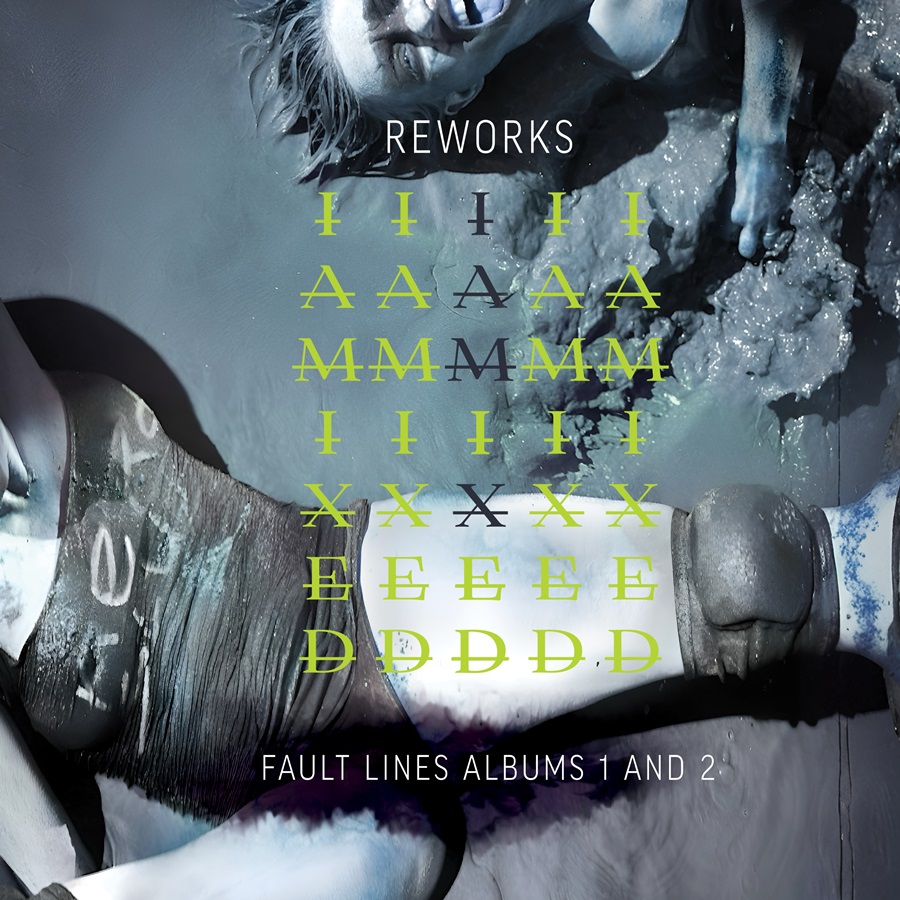
Also a visual artist who has directed for Gary Numan, after making videos in Los Angeles to accompany the singles ‘Come Home’ and ‘I Come With Knives’ from the album ‘The Unified Field’ which brought in Jim Abiss (who had engineered ‘Becoming X’) as co-producer, Corner relocated there in 2014. The West Coast of the USA has been his creative base since and led to very productive period with ‘Metanoia’, ‘Everything Is Burning’, the instrumental record ‘Unfall’, ‘Alive In New Light’, the ‘Echo Echo’ acoustic album, ‘Machinate’ and the two volume ‘Fault Lines’ series among the works released.
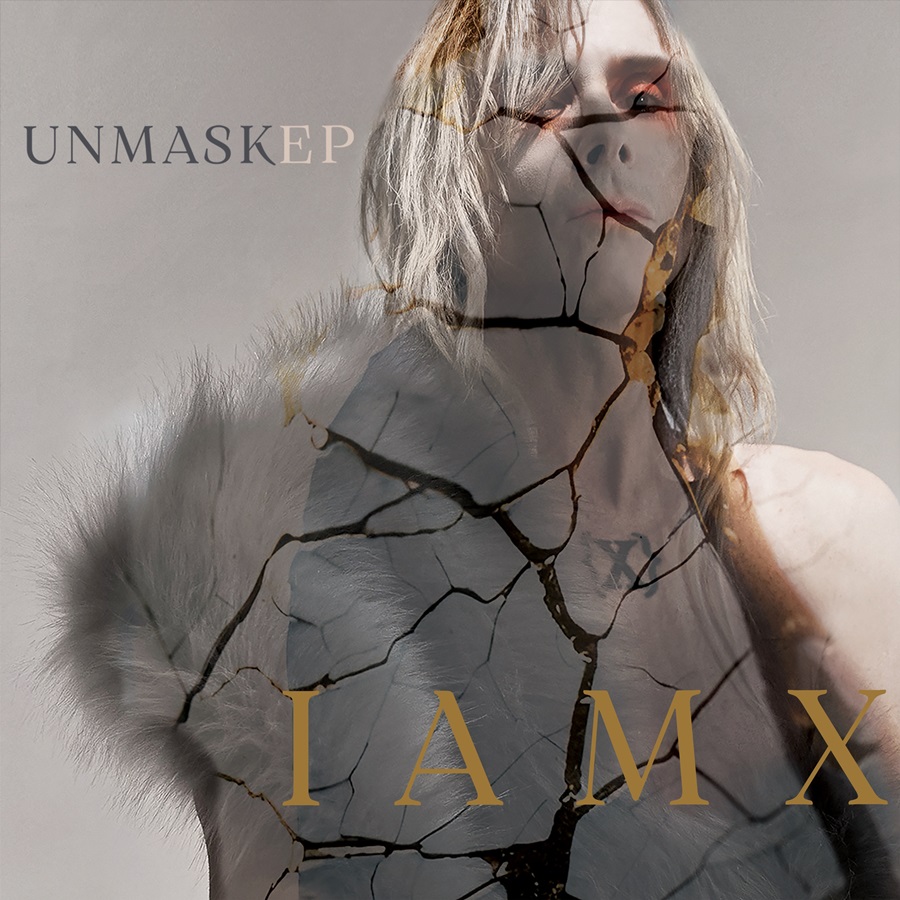
Continuing his unconventional creative public therapy, Corner embarks on another European tour as IAMX to coincide with the release to streaming platforms of the previously tour-exclusive 4 track EP ‘UNMASK’ and the remix collection ‘IAMIXED’.
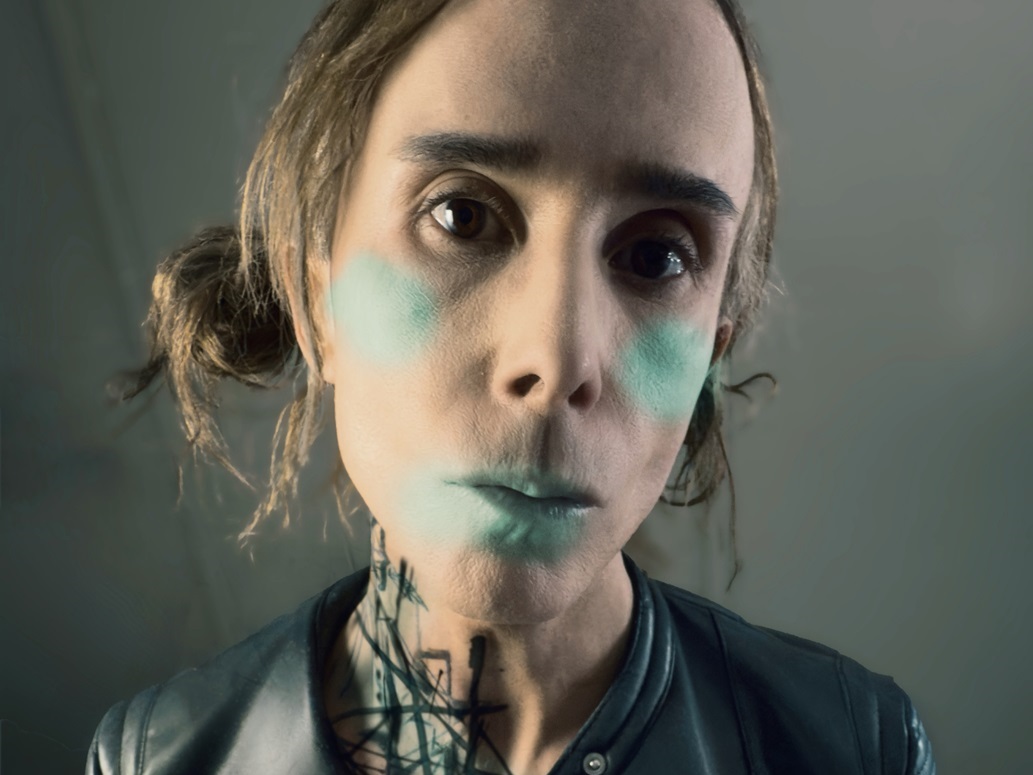
Chris Corner kindly spoke to ELECTRICITYCLUB.CO.UK about his career to date and his transition into darker alternative electronic sounds to herald his next creative chapter.
You moved to Berlin in 2006 and then Los Angeles, how important has location been to your creative mindset?
Super important. It’s been essential to my stability, mental health, creative flow, and finding my purpose and my place. Environment is very important to me.
I lived a lot of years in the city and I thought it was kind of sexy and exciting and cool, but in the end, it pretty much led to a breakdown and mental health crisis. It wasn’t just the city, it was like combined city stimuli and overwork and existential crises and all of those combined.
I’ve moved from London to Berlin, that was a great move. Again, it was like each one was sort of relieving mental pressure, I think. And arriving finally here, which is very much just pure nature, is just what I’ve always been looking for.
I moved from Berlin to LA, spent a few years there, and then ended up in the desert out near Joshua Tree. First, spent a few years there, kind of indulging that kind of alien space and just sort of stayed in the area.
I still have everything here. I still have my creative spaces and I still have parties and people come out and still do all of those human things. But I think that quick and easy access to the universal feeling is what I’ve always been looking for. That shows in my, not necessarily in the work or the quality of the work, but just the life feeling that I’m carrying now. And it’s been essential.
Although you have always used synths, what prompted the shift into darker electronic sounds and use of modular hardware?
As much as I love analog and digital synths, there’s this sort of workflow that always felt limiting and a little bit strict. You know, you always have oscillators, you always have frequency modulation, you always have this, you always have that, a filter. In fact there’s a certain structure that is a little bit limiting.
The beauty of modular and this modular mindset is this sort of limitless, experimental way of piecing things together. I’ve always been looking for that, whether it be inside the box with plugins and digital synths and things like that, or outside.
When modular came into my life, it was introduced to me by cEvin Key from SKINNY PUPPY. It just opened this doorway into another space of electronic music that I’d always been yearning for, a more organic, creative, immediate space while also being hands on. A little bit like when you sculpt things.
I still feel like humans need to sort of be in contact with what they’re doing. And that’s one of the frustrating things about always working in computers, that we miss this tactile thing. Modular gave that back to me in a weird way because obviously I grew up with electronic music, but also I’m a guitarist and I have a traditional instrument background. And I can play piano and write songs in those ways. So modular brought a bit of organic energy into that electronic realm. The spontaneity and unpredictability of it made it feel more human than anything else.
What are your favourite electronic tools at the moment for the creative and production process?
There’s a really superb modular piece of gear called Morphagene, which is basically a granular sampler. It’s very expansive in its scope and you can do incredible things with it, manipulate things that you put into it in very, very unpredictable and otherworldly ways.
That’s a great thing, and it’s also a hands-on thing. In the box, if I’m working on my laptop or on my desktop computer, in my digital audio workstation, I would be using plugins like Portal. It’s a very interesting plugin by Output, an effects unit, but it also reacts in very unpredictable ways. And then I’ve got traditional mods of traditional synthesizers, like the SEM by Arturia.
I’m always looking for something that is pretty much going to surprise me.
How did excellent songs on ‘UNMASK’ like ‘Artificial Innocence’ and ‘There Will Be Times When I Will Need To Hurt You’ come to be left off the ‘Fault Lines’ albums series?
They weren’t ready when those albums were being finished. They were always on the periphery, not quite lyrically part of that story. For instance, ‘There Will Be Times When I Need To Hurt You’ was an incomplete song from many, many years ago. I started that in my time in Berlin, so that’s how old that one is, ancient. But it never made it onto any of the albums. It just wasn’t complete.
Certain things get thrown to the back of the room and you just sort of forget about them actually. There are many moving parts, particularly if you’re producing your own music and you’re working by yourself all the time. There’s nobody else to sort of reflect what could be. You’re kind of responding to the moment quite often. And it’s only now and again you have this feeling of like, “Oh, I need to really be organised and figure out what the hell I have here.”
But most of the time I’m really just working within my own head. I’m very unorganised in that machine. It’s just the way that I’ve always done things. It’s always, if I can keep it all in my head, then it must be relevant for what it is now, rather than thinking I should crowbar something in. So that’s my theory, that I subconsciously know what needs to go on that album. Those songs were just floating around.
When we tried to do the more fractured approach of releasing things in between albums, not necessarily being so structured about it, ‘Artificial Innocence’ was also kind of bugging me. I knew there was something special in it that I wanted to explore, and it wasn’t quite finished. So they just came to the surface.
And really, if I’m honest, sometimes by accident I accidentally find something that I’d forgotten about. And ‘There Will Be Times…’ was one of those tracks where I just found it and then realised, “Oh, it’s not gonna take that much to bring this into my modern self”. So yeah, it’s a bit of accident, it’s a bit of knowing, it’s a bit of different timing with those two tracks.
How do you look back the making of your two ‘Fault Lines’ albums?
It’s a combination of dread and pride. It’s been a super chaotic time personally. So the fact that those albums were able to be made at all, I’m pretty proud of. Cause there’s a lot of life distractions, but in it there’s a lot of intimacy and privacy that I just can’t help but write about. That’s how I always am.
So I’m not looking too deep into that right now. I think in a few years I’ll look back and try and process this with a bit more clarity and distance. But generally, I’m proud of them.
Even though I can always pick apart my work and say, “Yes, I see that is flawed because of this” or “That’s great because of this” sometimes you just have to complete and move on. That’s generally a high priority for me. I don’t think too much about perfectionism in the bigger picture, even though there is a certain element of perfectionism within the technicality of doing my work.
For me, it’s more about prioritising movement and getting things out. Sometimes I’ll hit it really well with a whole record, and sometimes maybe not. I’m pretty proud of all my work, so I’m proud of those too.
‘The Truth (Mimetic Hexes Rework)’ is really good, so for ‘IAMIXED’, how did you choose which songs to have reworked and did you set a brief for the various remixers or did you give them total interpretive freedom?
How do we pick them? Probably a mixture of randomness and some kind of personal need to exorcise my ghosts. I think ‘The Truth’ was super precise in its meaning about what was happening at the time to me privately. So I felt like I needed that to go on. It was super relevant to me. And then other ones are more like, “Well, that’s just a banger, so let’s do that”.
I also left a couple of choices to the remixers where they could decide which track they wanted to do. Like the Holy Braille track, I think they decided they wanted to do ‘Disciple’. So it was a combination of those things.
‘The X ID’ (clubdrugs Rework) is really good and might be the best of the ‘IAMIXED’ set, but is there a favourite for you?
It depends on my mood, depends on what I’m doing in the day, depends where my head is. If I’m driving along the road and suddenly I remember, “Oh, that’s that song,” and I like that. I think they’re all amazing. And I’m not just being kind of an ass-kissing, people pleaser. I truly believe that.
What is the lot of the independent artist now? You have proved it can work but what have been the pitfalls?
Yeah, surviving as an indie artist is exceptionally challenging. I think the hardest thing is the financial insecurity. You’re basically selling a product that is unpredictable, and you’re selling a product that’s based on culture and art. It’s a vague product if you do it in a way that is not a commercial cash grab. If you do it with your heart, culture changes, technology changes, everything’s changing all the time, and the pace of things is accelerated.
The biggest challenge is adapting, and the constant anxiety about having to adapt just to be able to sell a product, and being aware of that fact. I could say, “Well, maybe I should just always think about writing hits…” but I’m not in it for that.
You have to really balance this feeling of survival with love. That’s the sticky thing about being in the art business of any kind. Everybody’s looking for authenticity, unless it’s pop sh*t of course, but to have authenticity, you can’t constantly compromise for financial security. So what if my own authenticity isn’t sellable? Then what does that mean? Does that mean I have to change myself, change my product?
The anxiety is a bit of an engine, and it does drive you to improve your methods. I don’t think it necessarily improves your art, because it can add a level of doubt all the time if you’re not financially successful. I don’t like that about the music business, because I’ve met many incredible people over the years, and they’ve made incredible art and sold nothing. But I guess that’s just life. It’s an unpredictable, wishy-washy, intangible business. We’re constantly grabbing for what we can know about it and understand to make the best move.
There’s no structure apart from the structure that you make yourself. So you’re constantly creating your own industry in a way. Nobody ever comes to you and says, “You’re doing this”. You just have to create it on every level — not just the music these days. You have to create everything: content, tours, so much. That’s the lot of the indie artist.
How are you handling today’s social media world in terms of the IAMX brand, have you accepted and altered your approach over the years?
No, I haven’t accepted it. I wish I did. And I’m trying. We’re trying to dig a bit deeper now, experiment with a bit more of a creative approach to respond in different ways. I’m trying to get my head into it more.
It’s always been lacking because I hate it. I can say that with certainty. I’ve questioned whether I hate it or I’m just avoiding it and being lazy, but I think I just hate it. It’s just not attractive to me, the whole thing. I’m trying to find a way in, to be able to provide what I do best—which is the content to a certain degree—and to be mildly connected to it. I think a social media person needs to be good at doing that, but also have this deeper connection to the creativity of the project that’s happening. It needs to be very responsive.
It’s a difficult thing to find, because I don’t know if anybody likes social media anymore. Does anybody like it or is it just a grinding poison? I don’t know. It’s a very strange area, that whole thing. It offers a lot — well, it promises a lot all the time. It’s constantly promising you this thing, and that’s the addiction. You think that you can promote yourself massively, and you can grow, and you can do these things, and there’s always possibility, but it doesn’t quite do it unless you’re doing fucking rage bait or something like that. So I question the whole thing.
I will continue to try to lean in. In the past I’ve just sort of cut myself off and didn’t do anything. Neither did it create some kind of mythical character of “Oh, he’s so mysterious and great, I’m gonna follow him”. That didn’t work either. So it’s like, okay, you’re either there or you’re not.
There used to be a time when artists and musicians could just not do interviews, not do anything publicly, and that would make it more interesting or attractive. Unfortunately, I don’t think those days exist anymore. I think those days are dead. So yeah, I’m trying.
Do songs such as ‘President’ and ‘Think Of England’ (which you haven’t performed for a while) still resonate with you, especially with the various tensions and flashpoints around the world?
Yeah, they do. I’m pretty proud of quite a few of those old songs in terms of how they’ve held up lyrically. I think there is a certain timelessness to what they’re talking about. Some things have changed, but generally it’s always talking a little bit about the human condition in general.
So until AI takes over everything, I think we’re still gonna be connected to those things that those songs are always talking about. The yearning for change, critique of people in power, all those things. Gender interest too. When I was talking about my own androgyny and all that kind of stuff, I did not think culture would go there. So gender interest, that’s definitely a nice surprise. There’s definitely topics in there that I’m glad have held up.
In 2011, you talked of ‘Volatile Times’ so is it timely to bring songs like ‘Ghosts Of Utopia’ and ‘Music People’ back or are you wholly focussed on moving forward?
Sometimes I catch a glimpse or a memory and ‘Ghosts of Utopia’ might come into my head, and I’m like, “Oh sh*t, that’s pretty cool”. Talking about the divided hearts of America, and that was before Trump. Politics is just a reflection of our worst intentions, right? So it’s not rocket science in a way.
I remember working on ‘Volatile Times’ and the records — I don’t know if it’s the same for other artists — because I produce everything, they deeply consume me for years. So I do like to go back to certain things. But as a whole, I feel like I exhaust most possibilities with them, spiritually at least, and then I move on.
Maybe with a lot of time. Like with a track like ‘Bernadette’, I feel like I want to go and tweak that now. But I definitely grind them into the ground when I’m working on them. They consume my whole life and my being.
I often don’t feel like I need to go back to them, possibly for live, but live is more of a response to mood as well. It’s usually building upon what’s happened on the previous tours, adding bits and bobs. It’s rarely a whole revamp of everything.
So was ‘Bernadette’ from ‘Volatile Times’ someone you knew?
Yes.
One song that still remains in your setlist is ‘Spit It Out’, why do you think that one endures?
Maybe it’s because I feel like I never finished it and it bugs me to hell that I keep wanting to try and it’s never done. People like it. I don’t know if they necessarily like it in the way that I think they do. It’s difficult to know. I don’t always have a clear perspective on what it’s all about.
People like to sing along in the chorus. It’s one of those things that you see elevates people during the show, but other tracks do too. It could just be that it’s a kind of toxic worm in my brain that won’t get out and I need to keep chipping away at it. Or maybe it’s just a good song. I don’t know.
You once did a cover of DURAN DURAN’s ‘The Chauffeur’ and even performed it at an event in Japan with Simon Le Bon back in 2003, why that song and how did that duet come about?
When I was a little kid, my sister was obsessed with DURAN DURAN and she would play the albums. I liked it a lot, but that track particularly — it was a B-side — had this heaviness and slightly more serious, dark feeling that surprised me. Because as a kid you had this cool sexy boy band, right? So when that popped up, it was a doorway into sexuality and stuff that got my imagination going.
When it came about, I was in Tokyo working on stuff for a company that Simon co-owned. They were doing this compilation and they liked IAMX and wanted covers of things. I chose that, not for the benefit of Simon, but because I loved the song and it had this childhood yearning that I felt like I could do something with, because I was that kind of artist myself and interested in that.
He really loved the version. I think he felt flattered too, and the whole thing was a sort of mini-bromance for a bit. Then he decided to come on stage while I was performing it at that little festival we did. Interesting time.
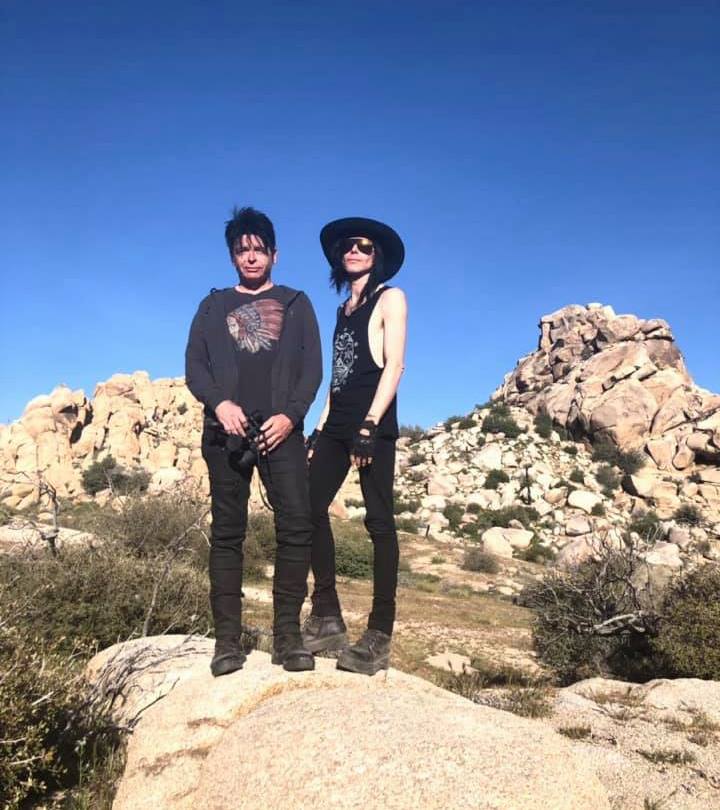
You’re friends with Gary Numan who did remixes of ‘Spit It Out’ and ‘Happiness’ while you have directed his videos ‘I Am Dust’, ‘My Name Is Ruin’, ‘Intruder’ and ‘Saints & Liars’, have you tried making music together?
No. It was always avoided. It’s interesting. I think from both of our perspectives we kind of knew that was not the thing to be doing together. We’re both very clear and purposeful about our own projects. I think we can support each other in slightly different ways, but this idea of two titans clashing on the same page never felt right.
We got the chance to work together around the video thing, and that was great. He really loved my video work, so that just felt like the way to go.
I don’t feel like I need to do that with him. I still consider him a close friend. I think that kind of collaboration can actually damage things weirdly enough. I’ve had that in the past where collaborations are just unusual. It’s a unique way to relate to someone creatively. It can actually be super uncomfortable and intimate. It can be super light and cool too, but I think with our personalities, it probably would have been uncomfortable.
You are playing Infest in Manchester and also the two UNITY festivals in Germany, what are your plans in terms of presentation and content? Do you approach festivals differently from your own shows?
You are forced to approach festivals differently anyway. I try not to, but you have to loosen your grip. It’s so technical dealing with it, and festivals are generally chaotic, so there’s a certain amount of letting go involved. That’s quite difficult with IAMX shows because I’m pretty exacting. It just feels good for me to be exacting. So there is that. I don’t particularly like festivals, but having said that, I’m going to do my best to make these extraordinarily exciting — adding a quite special setlist, maybe some old tracks that haven’t been played for a long time or never been played at all.
So it’s going to be a pretty unique set, that’s for sure. It’s going to be super bombastic and highly energetic, but also incredibly emotionally intense for everybody. I want tears and sweat. Grinding thighs.
What is next for you? Where is your creative mindset now taking you?
I’m slowly injecting a bit of writing into my weeks. I am writing, and there are a couple of exciting things happening. On a private level I’m trying to get myself into a new creative compound space. I’m moving to another location, so I’m building that up. It’s a lot of work, but exciting.
I’ve got a new person in the project, which is very cool. I’ll be writing the new record fully and properly in the fall. I’ll be doing shows until then, but also writing a little bit, preparing, mentally gathering my thoughts and material. Then the next step is to release a new record in the spring. And that’s pretty exciting to me, even though I don’t really know what it is yet. I’m kind of looking forward to it myself.
The beauty of this life is that it does always feel exciting, even if you’re not quite sure what the fuck is happening. There’s just this feeling of possibility. I love that about art and this lifestyle. Regardless of the financial challenges, it always provides a sense of excitement and purpose.
ELECTRICITYCLUB.CO.UK gives its sincerest thanks to Chris Corner
IAMX live dates in 2026 include:
Thale Unter dem Himmel (31st July–1 August), Hildesheim M’era Luna (9th August), Leiria Extramuralhaus (21st August), Manchester Infest (21st-23rd August), Oberhausen UNITY (18th–19th September with VNV NATION), Berlin UNITY (2nd–3rd October with VNV NATION)
The general purpose of a live album is to document a concert experience. But such is the average person’s equipment used for listening to music at home, in the car or on earphones, the capabilities of quality PA systems can never be replicated.
Something of a credible rock staple, live albums are often seen as profile builders and tour adverts, symbolic of an act hitting the big time while greatest hits collections can be perceived as an indicator of a career on the wane.
However, in the synth-laden electronic world, the live album is something of a polarising beast. With a significant number of acts reliant on tapes and latterly pre-programmed backing tracks, live albums can be rendered almost pointless with parts often sounding almost identical to the original record. In many cases, overdubs and new vocals are prevalent and essential.
But even some of the best known live rock albums such as THIN LIZZY ‘Live & Dangerous’ and KISS ‘Alive!’ were heavily tinkered with in the studio during post-production. Of the former, producer Tony Visconti reckoned the album was “75% recorded in the studio” with only the drums and audience noise remaining from the original live recordings. Meanwhile of the latter, Gene Simmons later said “Most people assume it was all live. It wasn’t” with only the drums remaining from the original shows recorded. On the opposite side of the coin, Joe Jackson recorded his ‘Big World’ live album in front of invited audiences who were instructed NOT to clap.
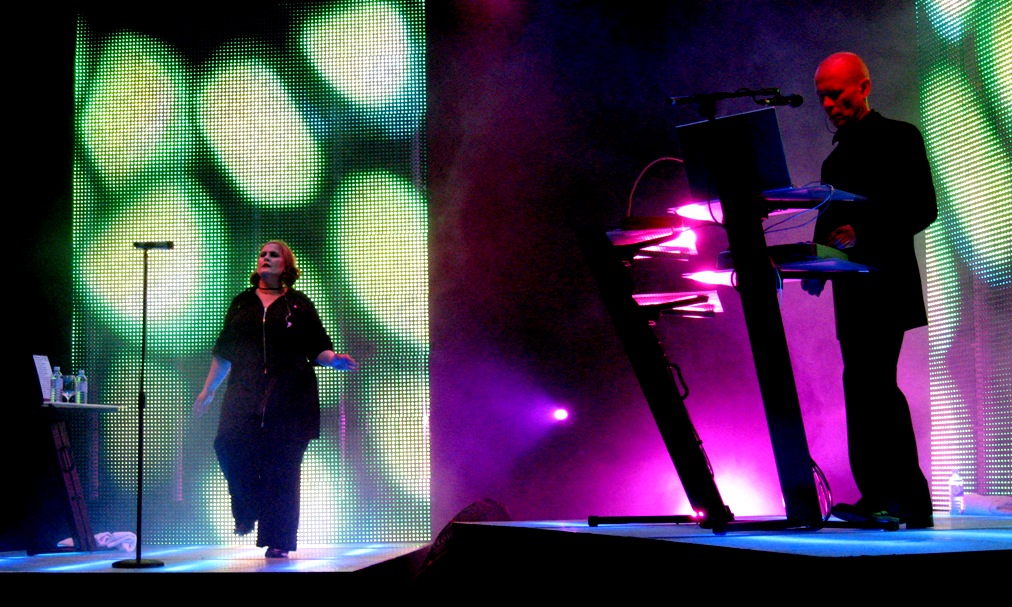
Photo by Chi Ming Lai
While the spirit of a performance is an essential ingredient on a live album, extra parts or arrangements not used in the actual shows can cause much head scratching, as can the inclusion of unrelated studio recordings. A concert is for a particular moment in time and for that reason, ELECTRICITYCLUB.CO.UK is not generally enthusiastic of live recordings but accepts they have their place and can have their moments.
Not a best of, here are 20 records listing the good, the bad and the pointless to represent The Electronic Legacy of LIVE ALBUMS. These are subject to the conditions that they are standalone physical releases in their own right, not initially part of a corresponding live DVD or Bluray package, not a bootleg or a bonus CD in a deluxe boxed set; for this latter reason, OMD’s spirited 1983 ‘Dazzle Ships’ live presentation at Hammersmith Odeon that came with the ‘Souvenir’ career anthology is not included.
The albums are presented in yearly order and then alphabetical within…
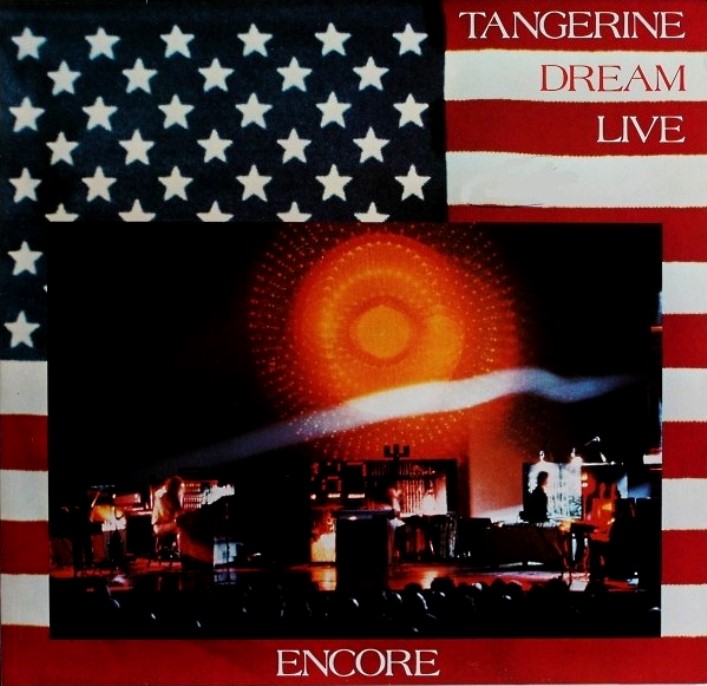
TANGERINE DREAM Encore (1977)
‘Encore’ is seen as the definitive TANGERINE DREAM live album by the classic line-up of Edgar Froese, Christophe Franke and Peter Baumann. But as with their previous live release ‘Ricochet’, there were questions as to what was live and what was Memorex… opener ‘Cherokee Lane’ was edited together from several performances while on the second side, suspicions were raised that ‘Coldwater Canyon’ was a studio creation.
‘Encore’ was originally released by Virgin Records
A trailblazer for The Berlin School, Klaus Schulze saw synthesizers as a route to creative freedom and his imperial works like ‘Timewind’, ‘Moondawn’, ‘X’ and ‘Mirage’ were largely improvised live. Concerts were seen as an opportunity to spontaneously compose new works. On his first live album featuring concerts in Amsterdam, Berlin and Paris, ‘Sense’ was a half hour ball of hypnotic energy with live drums from Harald Grosskopf.
Recorded as a six-piece, ‘Public Pressure’ captured YELLOW MAGIC ORCHESTRA walking a tightrope, utilising early synthesizer technology like syndrums, sequencers and a Moog modular out on the road. However, while fairly lively and with highlights like ‘Rydeen’ and ‘Tong Poo’, in the inevitable post-production, guitarist Kazumi Watanabe was mixed-out and replaced with more synths while most of Yukihiro Takahashi’s trademark on-off vocals were re-recorded.
A singular double LP boxed set, this live document captured highlights of Gary Numan during his imperial phase at Hammersmith Odeon during ‘The Touring Principle’ in 1979 and the 1980 ‘Teletour’. Engineered and co-mixed by Tim Summerhayes, this remains one of the best live releases of its type with ‘Living Ornaments 80’ just nudging ahead. The release coincided with Numan’s retirement from live work with three concerts at Wembley Arena… that retirement lasted just over a year!
In 1981, Jean-Michel Jarre became the first Western rock musician to perform in China. The five live performances as a 4 piece ensemble included the debut of the Laser Harp. Jarre also composed new material for the occasion with highlights including the dramatic ‘Arpegiator’ and the elegiac studio closer ‘Souvenir Of China’. But one particular track stood out, a traditional rearrangement with The Peking Conservatoire Symphony Orchestra, retitled ‘Fishing Junks At Sunset’.
‘Oil On Canvas’ was a contractual obligation by the now-split up JAPAN. Only the drums came from the band’s run of Hammersmith Odeon shows during their final tour with other parts redone in the studio. The version of ‘Nightporter’ bore no relation to the actual arrangement performed while three unrelated ambient pieces were included instead of ‘Life In Tokyo’, ‘European Son’ and ‘Fall In Love With Me’ which were part of the live set!
Leaving listeners wanting more, ‘Monument’ originally only featured 6 tracks including the studio intro title track with the hits ‘Vienna’, ‘Reap The Wild Wind’ and ‘Hymn’. Superbly capturing ULTRAVOX on their 1982 ‘Quartet’ tour, the undoubted highlight was the elongated rendition of ‘The Voice’ with the energetic THIN LIZZY-inspired Simmons drum climax. ‘Monument’ has since been expanded into 8 track and later 9 track variants.
‘Monument’ was originally released by Chrysalis Records
Released at the height of their worldwide fame, ‘Arena’ was sadly more ‘Oil On Canvas’ than either ‘Living Ornaments 79 & 80’, ‘Monument’ or ‘101’. Unlike the latter, it now symbolises the downfall of DURAN DURAN rather than the rise. The mix was muddy and not a patch on the subsequent soundtracks of the DVD releases of their Hammersmith Odeon 1982 and Wembley Arena 2004 shows. The incongruous inclusion of the single ‘The Wild Boys’ no doubt helped shift copies.
On the ‘Sparkle In The Rain’ and ‘Once Upon A Time’ tours, SIMPLE MINDS had been pompously bloating songs out for up to 10 minutes. The excesses were dialled down for this well-recorded if frustrating record. There was much post-production tinkering with ‘Someone Somewhere In Summertime’ featuring extra violin by Lisa Germano while uncredited, former bassist Derek Forbes was brought in replace John Giblin’s live take.
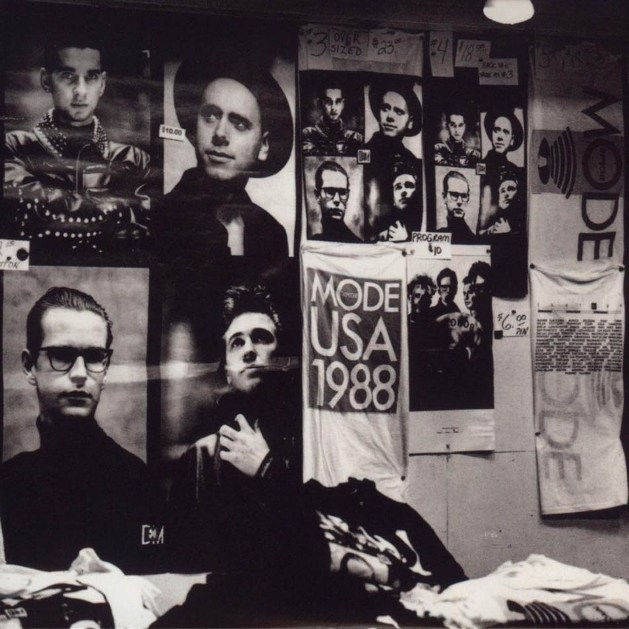
“Who have thought DEPECHE MODE plink-plonking away would play in stadiums?” bemoaned Jim Kerr of SIMPLE MINDS in 2004; but ‘101’ recorded at the Pasadena Rose Bowl in 1988 affirmed their arrival into the stadium league. The audience was mixed so loud that the band were almost drowned out while Dave Gahan bellowing “YEAH!” was a frequent occurrence. In a drumhead free zone, this was an enjoyable set capturing more comparatively innocent times.
Recorded on location in Tokyo and Osaka, this live collection saw Manuel Göttsching, Lutz Ulbrich and Harald Grosskopf reunite the 1979-80 band incarnation of ASHRA. Containing 3 lengthy tracks and the much shorter ‘Timbuktu’ in an energetic set with hypnotic blend of progressive guitar and electronics. The highlight was the magnificent sample-free take on 1990’s ‘Twelve Samples’. A second volume was issued in 2002.
‘@shra’ was originally released by Think Progressive
In their heyday, HEAVEN 17 never toured. Recorded in Glasgow when the trio came out of hiatus and opened for ERASURE in 1998, the 50 minute set was very electronic, in line with their comeback album ‘Bigger Than America’. Packed full of their best known songs and a version of ‘Being Boiled’, some new arrangements fell under the spell of THE CHEMICAL BROTHERS but they impressed enough for repeat business and continue to play live regularly today.
Reuniting as SOFT CELL first time round in 2001, this double live album caught Marc Almond and Dave Ball in support of their 2002 comeback album ‘Cruelty Without Beauty’. Almond was particularly animated and sounded like he was having fun while Ball’s solid electronics grooved. Almond’s motorbike accident in 2004 put a stop to performing but SOFT CELL reunited again in 2018 for ‘One Night Only’ at London’s O2 Arena.
Featuring founder members Ralf Hütter and Florian Schneider, this first official KRAFTWERK live album provided another “is it live or is it Memorex?” conundrum. Suspicions were aroused with the credits in both English and German language versions indicating that many of the tracks were recorded at the same venues! Regardless, the crisp versions on ‘Minimum-Maximum’ provided a far superior listening experience than 1991’s ‘The Mix’.
YAZOO’s ‘Reconnected’ tour saw Alison Moyet and Vince Clarke completing unfinished business following their premature spilt in 1983. Clarke provided more analogue-tuned backing compared to the Fairlight-driven tracks of their 1982 tour while Moyet was in fine voice, to the point that you could be forgiven for thinking you were hearing the records if it wasn’t for her breaths. This was a wonderful souvenir for those who were there.
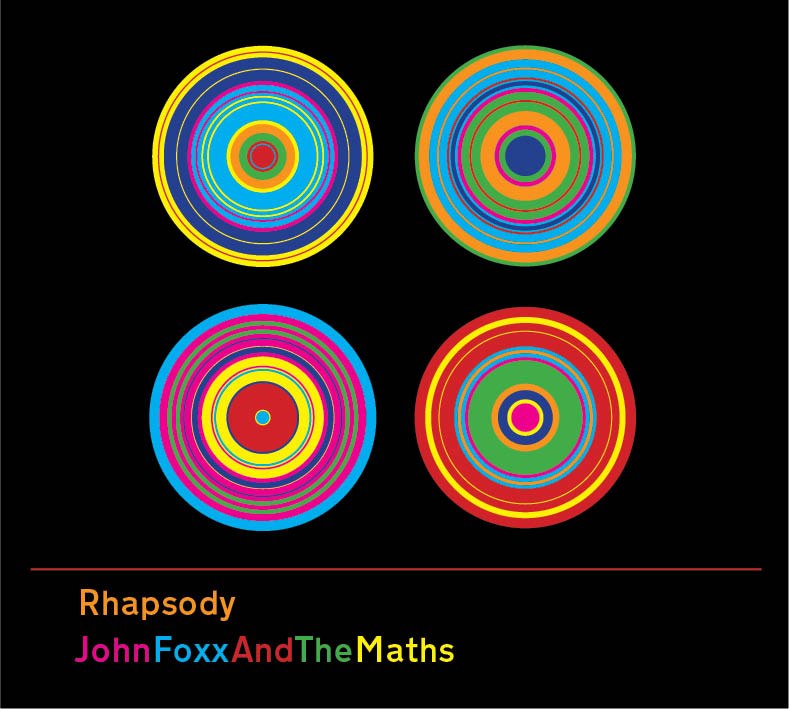
John Foxx’s 2002 live album ‘The Omnidelic Exotour’ with Louis Gordon had been recorded in rehearsals with no audience and ‘Rhapsody’ followed the same route. With a band featuring Benge with Serafina Steer and Hannah Peel, the quartet ran through highlights of the John Foxx portfolio alongside his ULTRAVOX! ballads ‘Hiroshima Mon Amour’ and ‘Just For A Moment’.
‘Rhapsody’ was originally released by Metamatic Records
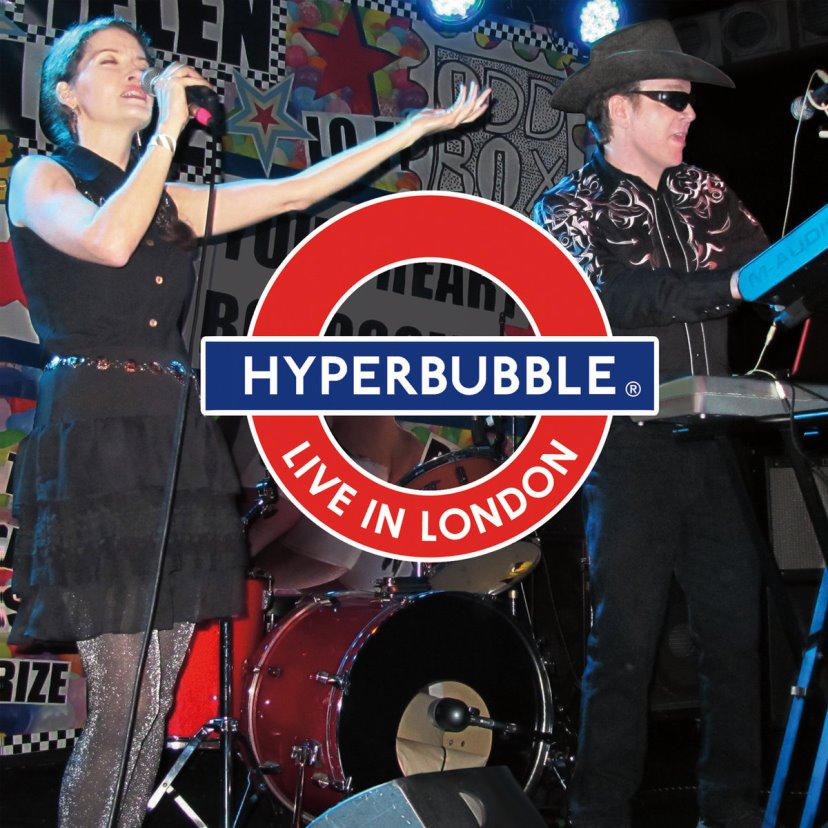
Texans HYPERBUBBLE may look like a mutant Country & Western duo but are actually synthpop’s answer to Carter & Cash. ‘Live in London’ was a high quality recording from The Lexington that captured the heart of their “part-performance art, kitsch cabaret pop”. Like a greatest hits set, it featured 45 minutes of fun uptempo numbers including ‘Candy Apple Daydreams’ and ‘Non-Biodegradable Hazardous Waste Disposal’.
‘Live In London’ was originally released by Pure Pop For Now People
NEW ORDER featuring LIAM GILLICK ∑(No,12k,Lg,17Mif) (2019)
Back in the day, NEW ORDER were a rather shaky live act which meant their live bootlegs provided unintended entertainment. Since relaunching in 2011 without Peter Hook, they have released 5 live albums. The most interesting was ‘∑(No,12k,Lg,17Mif)’ when NEW ORDER played Manchester’s Old Granada Studios accompanied by a 12 piece synth orchestra. Aside from the dreadful ‘Who’s Joe’ and ‘Guilt Is A Useless Song’, it was a choice selection of firm fan favourites.
Swedish duo KITE performed two theatrical shows at the Royal Swedish Opera augmented by a 16 piece orchestra and choir. Filmed for broadcast on SVT2, the performances were issued as a live double album featuring a lengthy impassioned rendition of the epic ‘Up For Life’. Never doing things by halves, KITE have since performed at the cavernous former limestone quarry Dalhalla and more incredibly, on ice at Stockholm’s Avicii Arena.
Perhaps too ambitious in trying to take on the O2 Arena, OMD called on Howard Jones as opening act to help get bums on seats. The original solo synth man delivered an enjoyable 50 minute set with a band comprising right hand man Ronnie Bronnimann, the sadly missed Dan Clarke and KAJAGOOGOO bassist Nick Beggs; a cover of ‘Too Shy’ thrown in for good measure alongside ‘New Song’ and a danced-up ‘Things Can Only Get Better’.
Hosted by PopRambler Iain McDermott, ‘Back To NOW’ is a podcast that celebrates all things related to the variously compiled world of pop and how our favourite compilation albums shaped our lives and now fondly stand as time capsules for our own musical journeys.
Chi Ming Lai of ELECTRICITYCLUB.CO.UK was honoured to be invited back to Back To NOW after his debut appearance in 2024 about the ‘NOW ’81 Yearbook’. On this new episode, he joins Ian Wade, author of ‘1984: The Year Pop Went Queer’, to discuss the ‘NOW ’82 Yearbook’ 4CD set and its companion 3CD set of “Extras”.
The start of 1982 saw a continuation of the amazing Autumn of 1981 with the third singles from albums by SOFT CELL,OMD and JAPAN all hitting the Top5 while the synthesizer pioneers who were ahead of their time like KRAFTWERK and THE HUMAN LEAGUE saw tracks first released in 1978 become Top10 Hits with ‘The Model’ notably dropping down the charts before getting to No1. There were chart breakthroughs for SIMPLE MINDS and ASSOCIATES while YAZOO,CHINA CRISIS,BLANCMANGE,A FLOCK OF SEAGULLS and TALK TALK impressed with their debut long players.
However later in the year, there was a backlash against the synthesizer as exemplified by the Musicians Union tabling a motion to ban synthesizers from recording and live performance. Meanwhile musically, the fiddle and banjo romp of ‘Come On Eileen’ by the Celtic soul incarnation of DEXY’S MIDNIGHT RUNNERS becoming the biggest selling single of 1982 in the UK gave indicators that public may have had enough of all things electronic.
But you cannot halt progress and advances in music technology like the Linn Drum Computer and the Fairlight CMI were to become the perfect tools for producers like Trevor Horn and Tony Mansfield to continue adventures in modern recording with DOLLAR, ABC and SPANDAU BALLET as well as Captain Sensible and Mari Wilson among the beneficiaries. Meanwhile DURAN DURAN truly became the teenyboppers band of choice with their ‘Rio’ album eventually going platinum but if the year before had been 1981 B.C.C. – before CULTURE CLUB, then the end of 1982 saw the emergence of the two Georges, O’Dowd and Michael.
Of the year, the Now Music official website said: “1982 saw the first huge hits from a wealth of new artists including CULTURE CLUB, WHAM! and TEARS FOR FEARS, as well as an incredible line-up from artists who had established their chart presence in the prior 18 months and would produce some of the greatest tracks of the decade; DURAN DURAN, SPANDAU BALLET, ABC, HAIRCUT 100, SOFT CELL, THE HUMAN LEAGUE, and a newly solo Adam Ant.”
In a lively conversation, Iain McDermott, Ian Wade and Chi Ming Lai cover topics as diverse as the importance of Smash Hits in their coverage of pop, predict the possible inclusions for the upcoming NOW ‘Vault ’82’ collection and the unlikely trio of chart toppers from West Germany, thus proving that despite it being the country that seeded innovative electronic music, its cheesy home-grown Schlagermusik could also unexpectedly crossover as grandparents bought their one single of the year!
As Smash Hits Editor David Hepworth said in their end of year review, there were “no patterns” to pop in 1982.
ELECTRICITYCLUB.CO.UK gives its warmest thanks to Iain McDermott
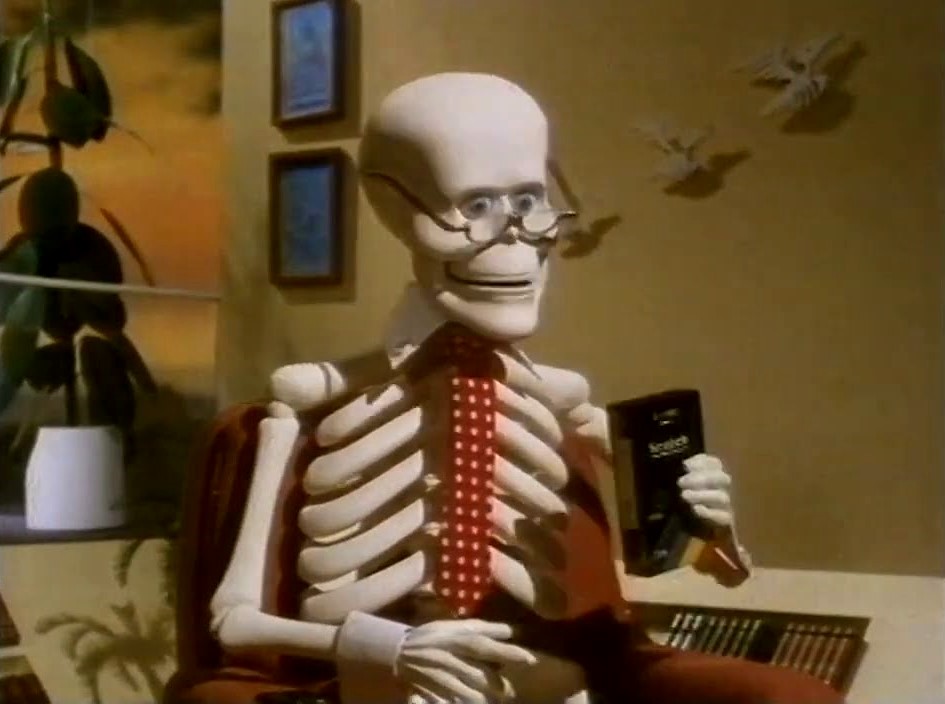
Set to the music of Buddy Holly, “Re-Record, Not Fade Away” was the iconic strapline voiced by veteran British actor Deryck Guyler as a jolly skeleton to advertise Scotch video cassettes in 1987. The premise was that these tapes were of such resilient high quality that they could be used for a lifetime and even outlive the purchaser.
But “Re-Record, Not Fade Away” could also be seen as a reference to the longevity of music through cover versions of classic songs. So what about when an artist effectively covers their own song by re-recording it?
Artists and producers are forever tinkering with their work. Sometimes it is to improve on a track or create a new vision. But also, it can be done simply to own a new copyright where the original is now in the hands of a less than co-operative custodian; the most recent high profile case of this has been Taylor Swift who has been re-recording all of her previous albums with each labelled as “Taylor’s Version”.
ELECTRICITYCLUB.CO.UK presents its own list of 25 remakes and remodels from over the years. Most are more familiar than the originals and have been widely accepted as the superior versions while others continue to divide fans.
Presented in yearly and then alphabetical order with a restriction of one track per artist moniker, this listing does not include remixes, live recordings or radio sessions. Meanwhile originals refer to the first released versions so demos do not count!
ULTRAVOX! Hiroshima Mon Amour (1977)
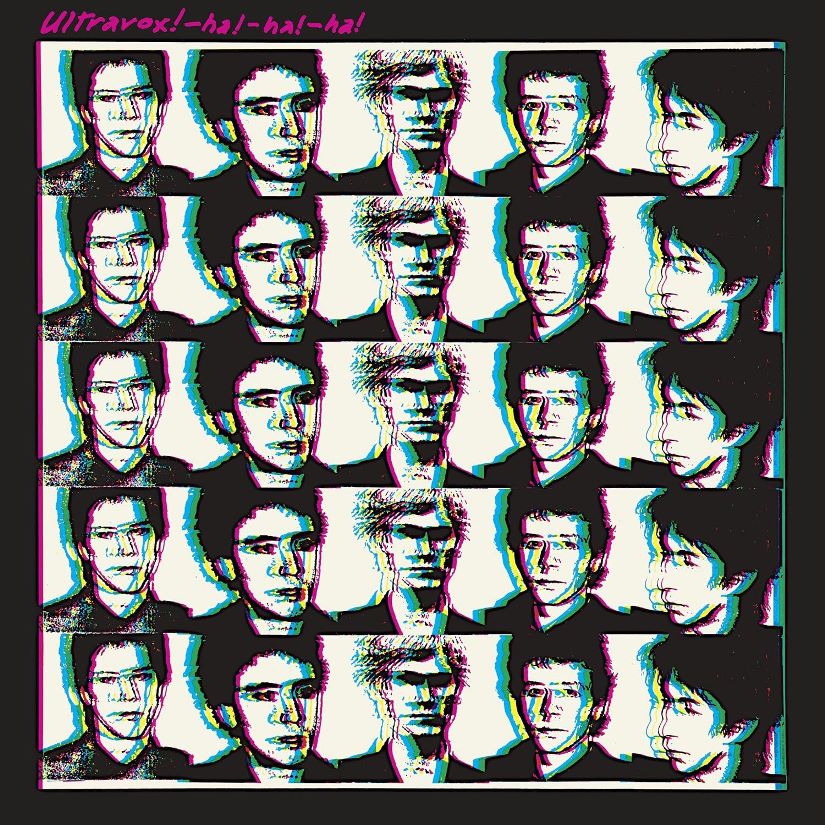
ULTRAVOX! first released ‘Hiroshima Mon Amour’ as a fierce and frenetic art rock piece for the B-side of ‘ROckwrok’, but it was slowed right down for the ‘Ha! Ha! Ha!’ album version. Moving into the moody ambience of CLUSTER with a modified Roland TR77 rhythm machine and Elka Rhapsody string machine chillingly taking centre stage, the colder aesthetics were counterpointed by guest saxophonist CC from GLORIA MUNDI.
Available on the ULTRAVOX! album ‘Ha! Ha! Ha!’ via Island Records
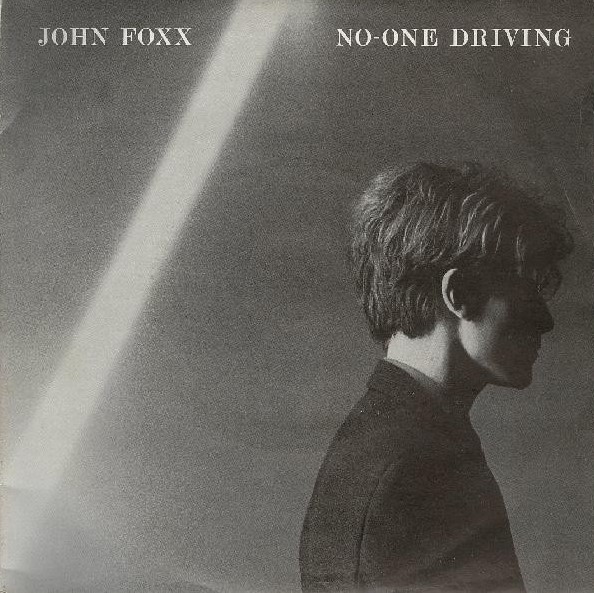
After leaving ULTRAVOX, the full length solo debut ‘Metamatic’ from John Foxx featured a highlight in ‘No-One Driving’. Despite the album also including a song called ‘Blurred Girl’, the single re-recording had much sharper focus and slightly altered lyrics, reaching No32 in the UK charts. Released along with three new tracks ‘Glimmer’, ‘This City’ and ‘Mr No’, ‘No-One Driving’ remains one of the best double single packages ever.
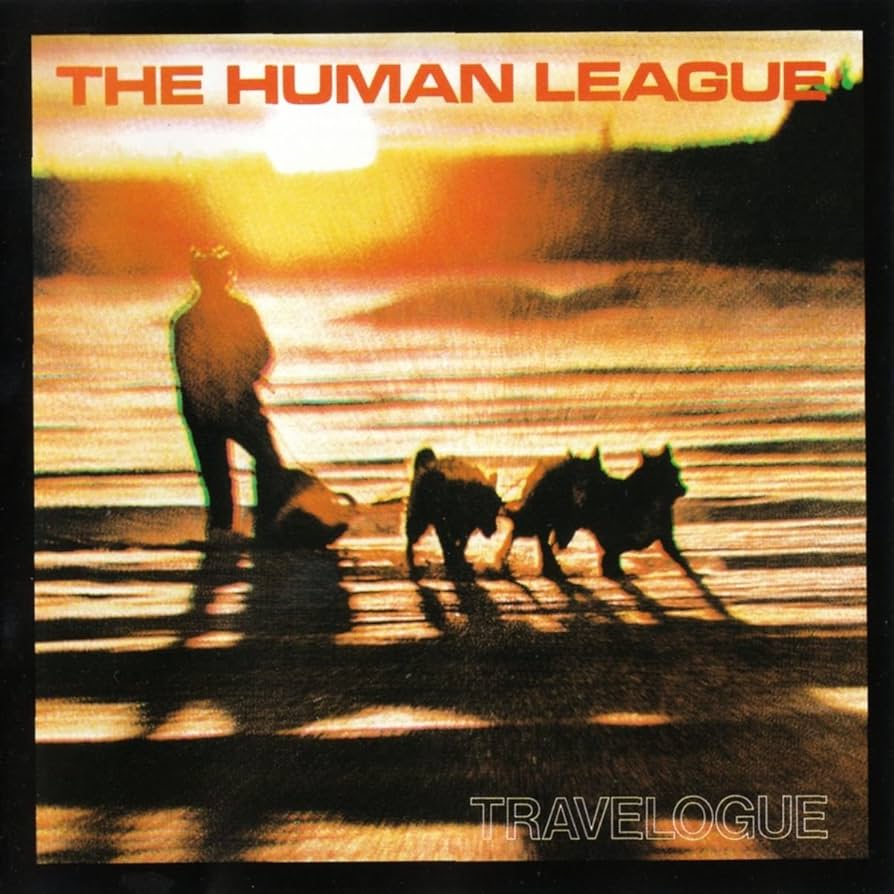
The original Fast Product single version of ‘Being Boiled’ from 1978 was recorded in mono and had its own charm. But THE HUMAN LEAGUE took the opportunity to update their calling card with producer John Leckie for the ‘Travelogue’ album to more fully realise its funky FUNKADELIC inspired overtones. Using a varispeeded synth brass section named THE BOYS OF BUDDHA, the end result was more dynamic and livelier.
Available on THE HUMAN LEAGUE album ‘Travelogue’ via Virgin Records
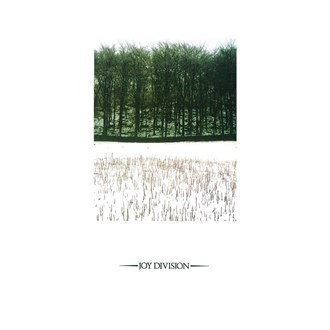
With the 1979 ‘Unknown Pleasures’ version channelling THE STOOGES, the idea behind JOY DIVISION re-recording ‘She’s Lost Control’ was to make a really loud and dynamic 12 inch disco single. The result was a big cacophony of electronic and acoustic drums as well as an aerosol! Meanwhile, synths which had not been present before were now very much heard in the second half while Ian Curtis’ vocal delivery was even more foreboding.
Available on JOY DIVISION album ‘Substance’ via Rhino Records
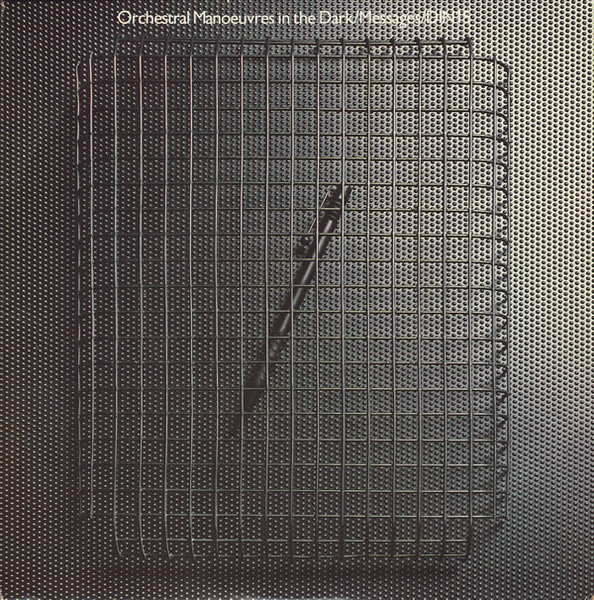
On the debut self-titled OMD album, ‘Messages’ was a song that actually featured guitar with potential as a single. Utilising a pulsing repeat function on a Korg Micro-Preset shaped by hand twisting the octave knob, it was decided to re-record ‘Messages’ for its singular release. Produced by Mike Howlett, the new version included the addition of separately recorded drums for a cleaner snap to produce a breakthrough UK chart hit.
Available on the OMD album ‘Souvenir’ via Virgin Records
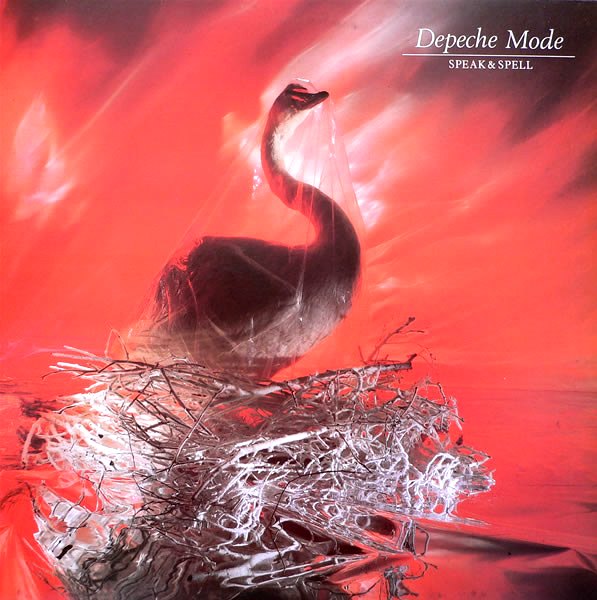
The much darker and aggressive first version of ‘Photographic’ for the ‘Some Bizzare Album’ was driven by Mute supremo Daniel Miller’s klanky Korg 55 Rhythm box. Featuring much more sophisticated sequencing and programmed percussion palettes, an understated approach was taken on the re-recorded ‘Speak & Spell’ version with snares sounds only making their presence felt a third of the way through.
Available on the DEPECHE MODE album ‘Speak & Spell’ via Universal Music
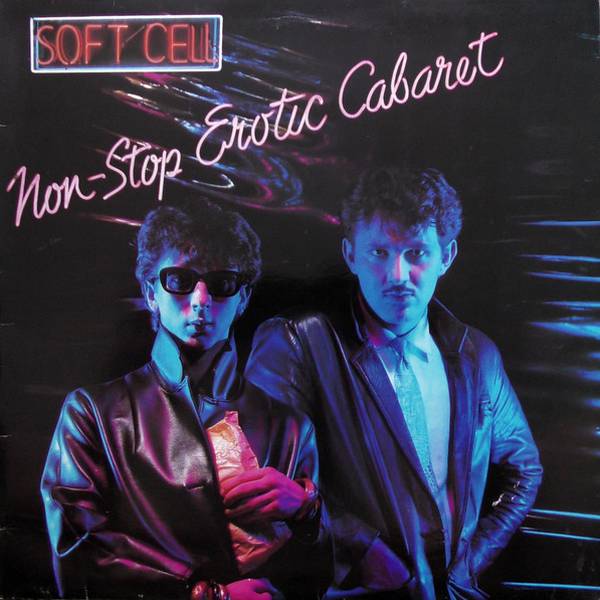
Compared with the original ‘Mutant Moments’ version of ‘Frustration’ which was akin to the unsettling demeanour of THROBBING GRISTLE, the ‘Non-Stop Erotic Cabaret’ take was like a completely different song. The lyrics were mostly written by Dave Ball about his own father while Marc Almond let his theatrical energetics go wild as sparkling Synclavier, a Roland Synthe-Bass and sleazy sax battled for audio supremacy.
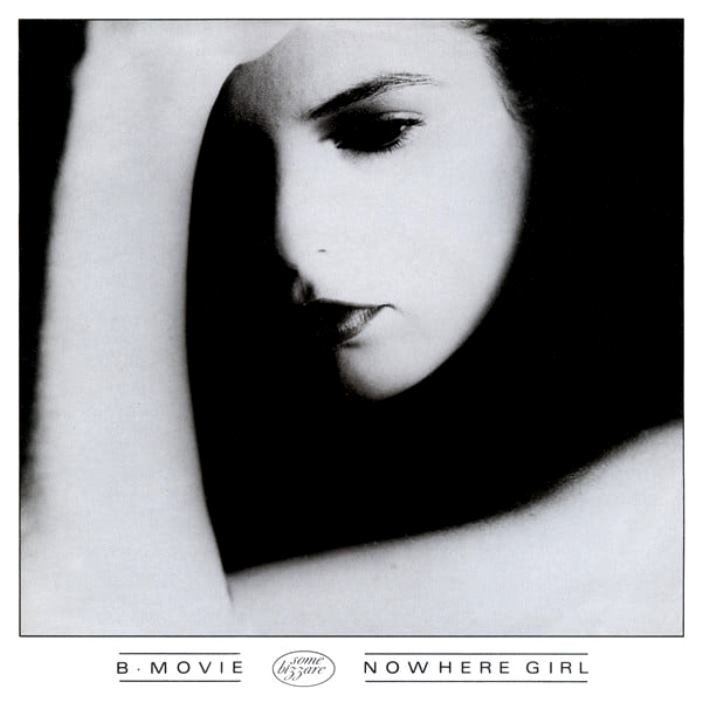
Originally recorded for a 1980 EP on Dead Good Records, ‘Nowhere Girl’ was undoubtedly the most immediate pop tune in the B-MOVIE portfolio. The quartet were under pressure to have a hit with Phonogram label mates SOFT CELL having scored a No1. Produced by Steve Brown, the new recording had tinkling ivories like ULTRAVOX in full flight alongside pulsing bass and harp-like synths. Alas, ‘Nowhere Girl’ stalled at No67!
Originally recorded for a 1980 single on Mute Records in a band format featuring guitar and hand-played synths, ‘Kebabträume’ was subsequently reworked by DAF with sequencers under the production supervision of the legendary Conny Plank. Transforming into something much heavier, the memorable if controversial line “Deutschland, Deutschland, alles ist vorbei!” had more bite on this superior version.
Available on the DAF album ‘Für Immer’ via Grönland Records
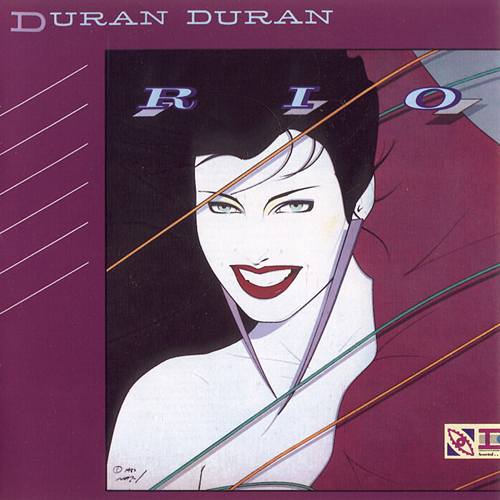
Seeing out 1981 after the success of their self-titled debut album with the release of ‘My Own Way’, the single was characterised by its fast tempo and a disco string section. However, DURAN DURAN would express dissatisfaction at the recording. So for their second album ‘Rio’, the song was re-recorded in a slightly slower electro-funk style with a harder rhythmic edge while Simon Le Bon ad-libbed about “7UP between Sixth and Broadway”
Available on the DURAN DURAN album ‘Rio’ via EMI Music
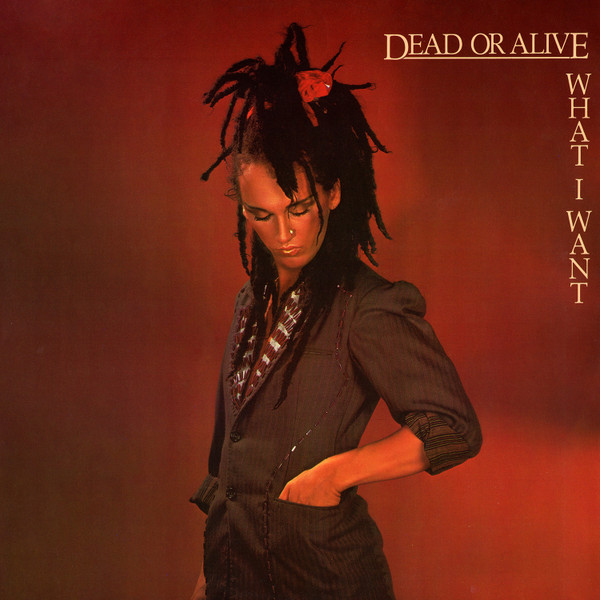
Written when Wayne Hussey, later of THE SISTERS OF MERCY and THE MISSION, was in DEAD OR ALIVE, ‘The Stranger’ first surfaced as a single on Black Eyes Records. The tighter re-recording appeared as a B-side of the ‘What I Want’ single, dialling down the more gothic and acoustic elements while making the electronics and drum machine much more prominent. Despite this, it was a million miles from the HI-NRG sound that Pete Burns would find fame and fortune with.
HEAVEN 17 were misinterpreted by Thatcher’s yuppies who thought ‘Let’s All Make A Bomb’ was about making a financial killing, when it actually referred to a different type of killing altogether. The original ‘Penthouse & Pavement’ version was all analogue electronics including its rhythm track. For the B-side of ‘Come Live With Me’, this New Version was more digital with metallic samples for a type of industrial funk.
Available on the HEAVEN 17 album ‘Endless’ via Virgin Records
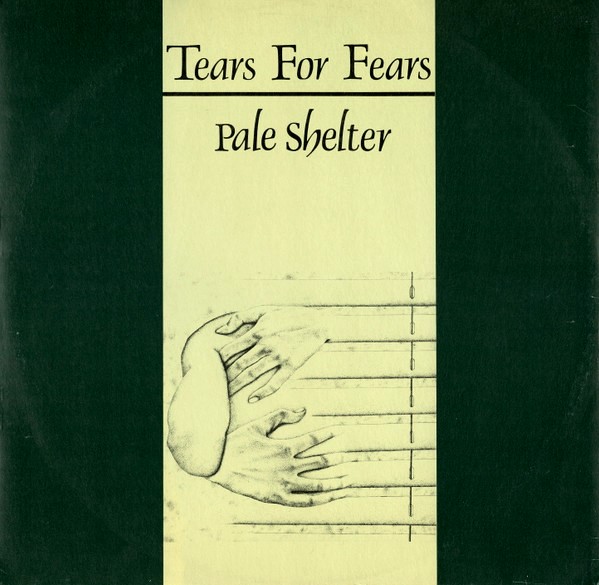
The original 1982 single version of ‘Pale Shelter’ was produced by Mike Howlett and began with an unsettling, reverse spoken vocal from Roland Orzabal. It failed to chart but with TEARS FOR FEARS flush from the success of ‘Mad World’ and ‘Change’, the parent debut album ‘The Hurting’ featured a re-recording produced by Ross Cullum and Chris Hughes with a much looser feel. Re-released as a single, it gave the duo their third UK Top5 hit.
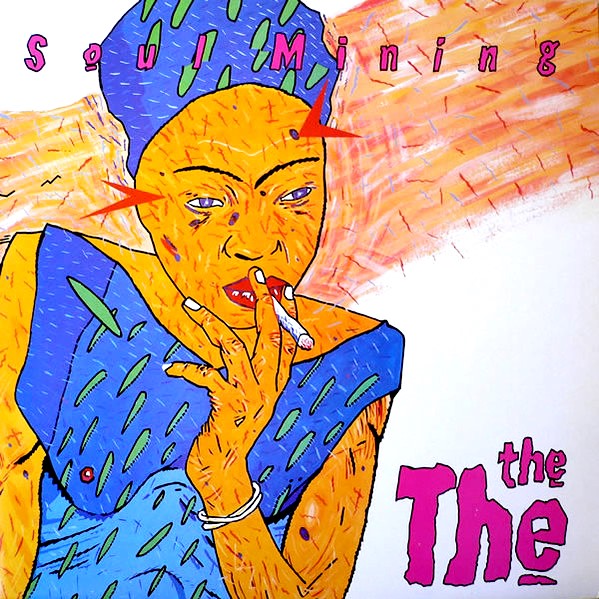
When ‘Uncertain Smile’ was released as a Mike Thorne produced single in 1982, it featured a wonderfully rigid TR808 pattern, synths and a variety of woodwinds including flute and sax. Come the ‘Soul Mining’ album produced by Paul Hardiman, the song was newly recorded with live drums and an extended boogie-woogie piano section from Jools Holland at the end. Some love it, some don’t but THE THE main man Matt Johnson is in the former camp.
Available on the THE THE album ’Soul Mining’ via Epic Records
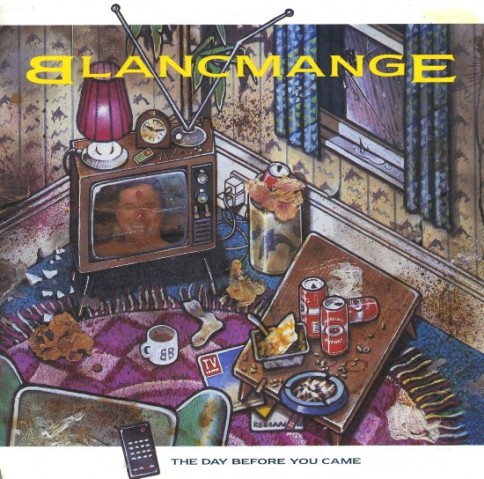
Benny Andersson said that ABBA’s ‘The Day Before You Came’ was “a really good song, but not a good recording” and by coincidence, the first attempt by BLANCMANGE produced by John Luongo for the ‘Mange Tout’ album was underwhelming. But this was put right for single release in a rhythmically tighter re-recording helmed by Peter Collins which also made more of Neil Arthur’s melodramatics and Northern English quirkiness.
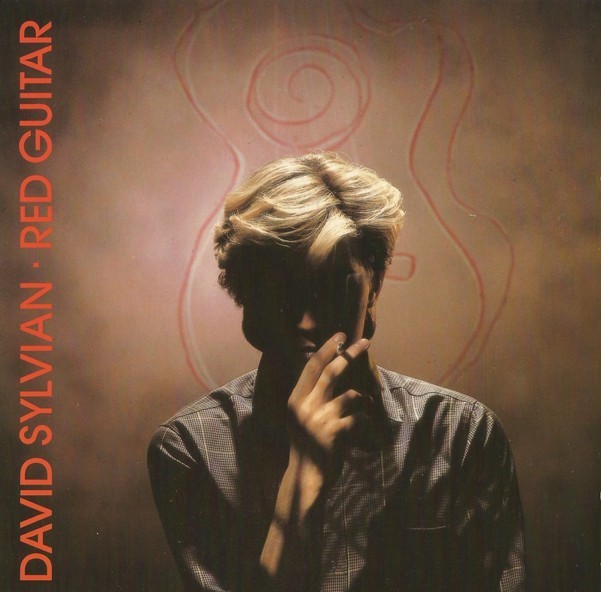
‘Forbidden Colours’ was the David Sylvian vocalled version of theme to the film ‘Merry Christmas Mr Lawrence’ which was composed by Ryuichi Sakamoto who also starred in it alongside David Bowie. But Sylvian wanted to do his own “not so grand” version for his debut album ‘Brilliant Trees’. Featuring Sakamoto on piano with Sylvian on synths and Steve Jansen on live drums , it was eventually dropped for ‘The Ink In The Well’ but ended up as the B-side to ‘Red Guitar’.
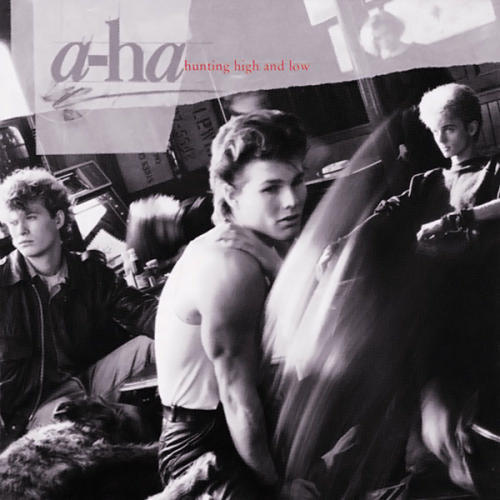
Tony Mansfield of NEW MUSIK did the original production on ‘Take On Me’ in 1984. However, A-HA were unhappy with the Fairlight-assisted results so it was remixed by their manager John Radcliff. The single failed to chart but with Warner music sensing a potential hit, a re-recording was commissioned with Alan Tarney as producer and showing off Morten Harket’s blistering vocal range. The single flopped again but on the third attempt, became the international hit they desired.
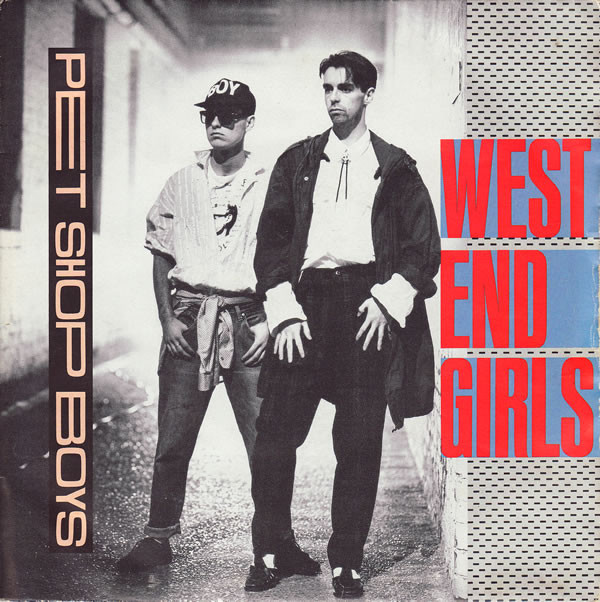
The original version of ‘West End Girls’ had been produced by New Yorker Bobby Orlando and released by Epic Records in 1984 , but while it has been a cult favourite, it was not a mainstream chart success. After signing to EMI, it was re-recorded with a lush cinematic aesthetic produced by Stephen Hague. It was stylistically at odds with pop duos like WHAM! but gave PET SHOP BOYS the first of their 4 UK No1s.
Available on the PET SHOP BOYS album ‘Smash’ via EMI Music
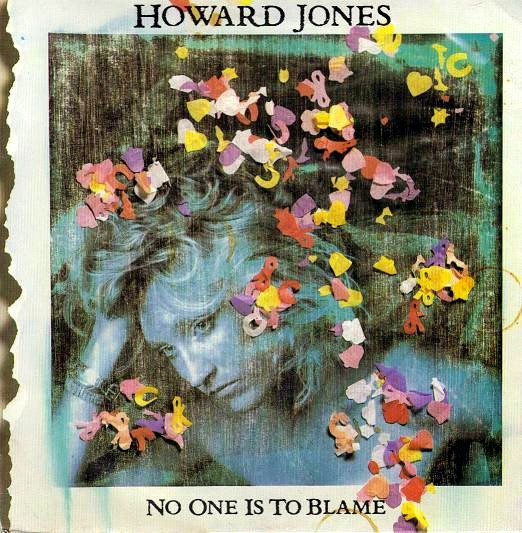
A plaintive song about the wandering eye, ‘No-One Is To Blame’ was one of the best Howard Jones ballads. A highlight in its first guise from his second album ‘Dream Into Action’, with Trans-Atlantic hit potential and Phil Collins riding high in that market, a re-recording was made with the GENESIS drummer producing alongside Hugh Padgham. Mission accomplished, the single became Jones’ biggest US hit.
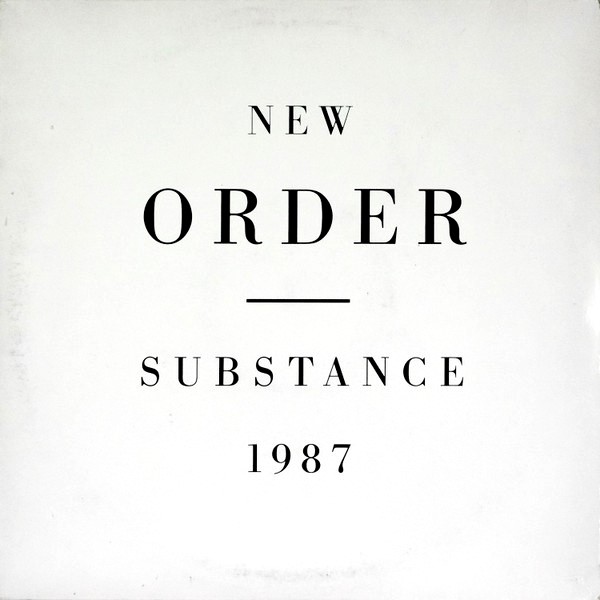
The original ‘Temptation’ was the first Top30 UK single for a rejuvenated NEW ORDER. For their ‘Substance’ compilation, the track was re-recorded in line with how the band were playing it live, with ARPs and Simmons drums now replaced by Yamahas and a harder digital snare while the vocal was perhaps more restrained. Thanks to the huge success of ‘Substance’, this is probably now the best known version of ‘Temptation’.
Available on the NEW ORDER album ‘Substance’ via Warner Music
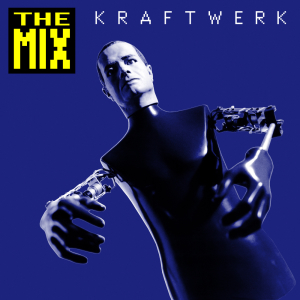
The original stark 1975 recording had ambigious references to radio activity but accepting the criticism they were getting from environmentalists, KRAFTWERK gave a pointed anti-nuclear message on this powerful 1991 re-recording. The most significant makeover was its additional unsettling machine chant of “TSCHERNOBYL – HARRISBURGH – SELLAFIELD – HIROSHIMA” highlighting recent atomic catastrophes.
Available on the KRAFTWERK album ‘The Mix’ via EMI Music
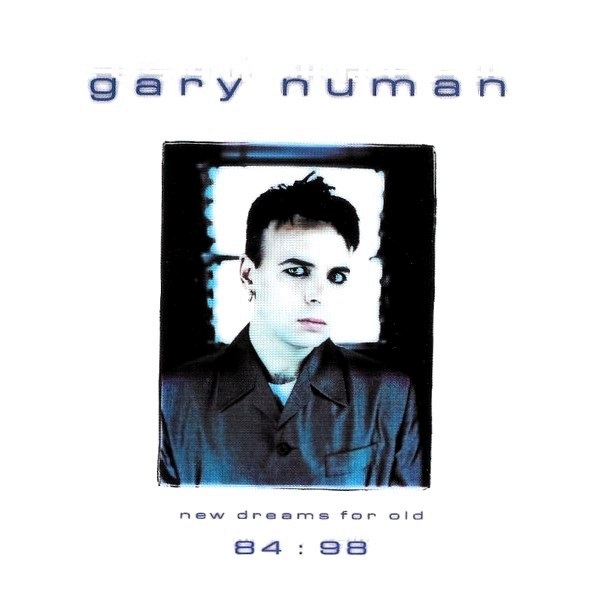
Despite not being a single, ‘Metal’ is a bonafide Gary Numan classic from 1979’s ‘The Pleasure Principle’. But in his stock on the rise again after several lean years and signing to Eagle Records, he revisited it to include as a bonus track for the single release of ‘Dominion Day’ from the ‘Exile’ album. A much more brooding grandiose reinterpretation, things were taken a step further by NINE INCH NAILS cover on ‘Things Falling Apart’ in 2000.
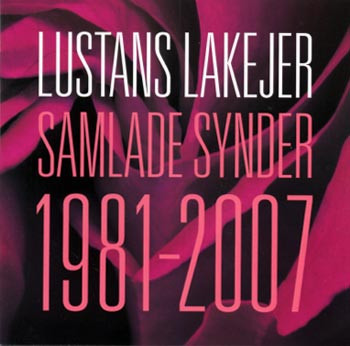
LUSTANS LAKEJER were seen as Sweden’s answer to DURAN DURAN; ‘Begärets Dunkla Mål’ was originally a moody unga moderna disco song which opened their self-titled 1981 debut album. The song was given a full Düsseldorf electronic makeover for their greatest hits collection 26 years later. Produced by Peder Livijn of SYSTEM, with a bounce reminiscent of KRAFTWERK’s ‘Das Model’, it became the catchy synthpop tune it had the potential to be.
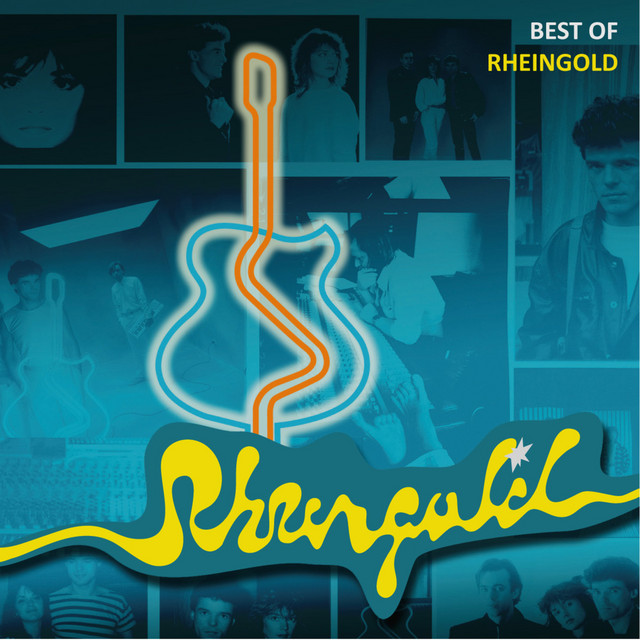
The very KRAFTWERK influenced lead single from the third RHEINGOLD album ‘Distanz’, neither ‘Computer Beat’ or its parent long player have been reissued by CBS in the digital age. Re-recorded for a self-released ‘Best Of’ along with their German hits ‘Fluss’, ‘3Klangsdimensionen’ and ‘FanFanFanatisch’, unlike the majority of the tracks in this list, the aim was to make the rework sound as much like the original as possible.
Available on the RHEINGOLD album ‘Best Of’ via 3Klang Records
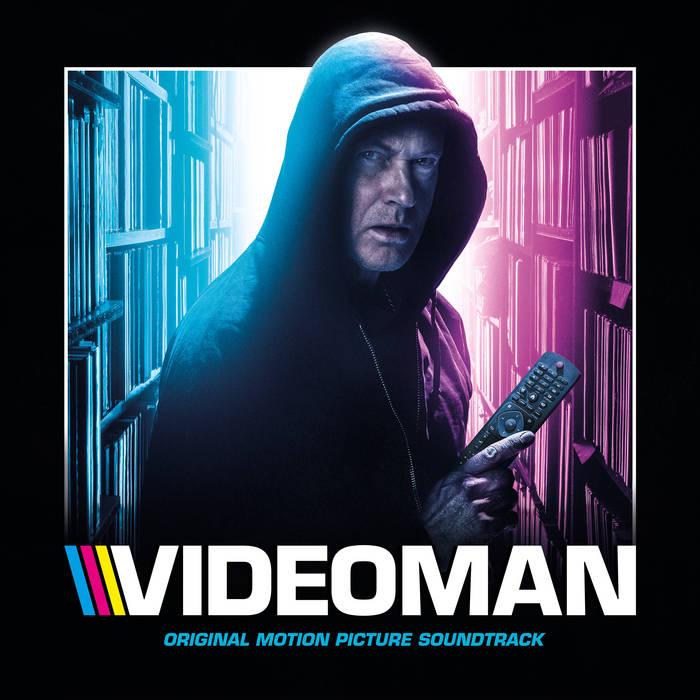
Originally recorded as a guitar-driven indie pop tune in 2008, ‘Blue Motorbike’ was the best known tune by Swedish singer-songwriter Oskar Humlebo under his MOTO BOY alias. 10 years later and reflecting his now-more laid back cinematic aesthetic, he revisited it as a pretty synthpop ballad for the Original Motion Picture Soundtrack of the Swedish thriller ‘Videoman’ which also featured notable synthwave exponents such as Robert Parker and WAVESHAPER.
Available on the Original Motion Picture Soundtrack album ‘Videoman’ (V/A) via Lakeshore Records
We use cookies to ensure that we give you the best experience on our website. If you continue to use this site we will assume that you are happy with it.













Follow Us!