Tag: Mute Records (Page 4 of 10)

HALO The Violator Book Interview

Photo by AJ Barratt

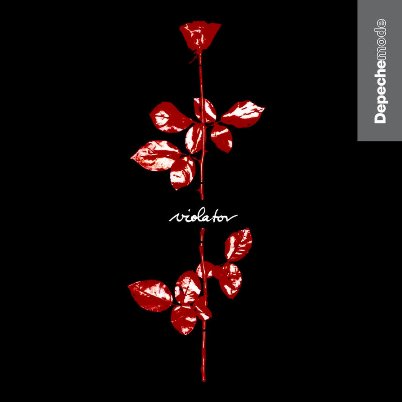
Produced by Flood and mixed in the main by François Kevorkian, DEPECHE MODE’s seventh album ‘Violator’ was the classic line-up of Dave Gahan, Martin Gore, Andy Fletcher and Alan Wilder firing on all cylinders.

The end result was four hit singles and five other songs that were more or less their equal. Although best known for ‘Enjoy The Silence’, ‘Personal Jesus’, ‘Policy Of Truth’ and ‘World In My Eyes’, the album featured some of DEPECHE MODE’s best work.

The beautiful haunting ambience of ‘Waiting For The Night’ using the ARP 2600 synth / ARP 1601 sequencer combination and the climactic electro blues of ‘Clean’ were key highlights that ended each side of the original vinyl.

Of ‘Waiting For The Night’, Alan Wilder told ELECTRICITYCLUB.CO.UK in a 2011 interview: “the main sequencer part here was produced using the ARP 2600 synth and sequencer, because it has many flaws when setting up your 16 note sequence (for example tuning and gate length) – this makes for happy accidents and almost random events. We would have fiddled around with that sequence for a while, tweaking the filters and envelopes within the ARP until we arrived at that particularly hypnotic end result. The resulting sequence shape would follow any held note on a keyboard to transpose between the song’s basic chord changes as it ran, which we would then record, and that is essentially the spine of the whole thing. All the other sounds in that song act as mere embellishment.”

The seamless second side with its instrumental interludes added tension and experimentation to proceedings while Martin Gore’s lyrics possessed an honesty that while dark and deviant, still retained a naïve innocence that many loners could relate to. The emotive if strange ‘Blue Dress’ is possibly the most under rated song in the DEPECHE MODE catalogue; the simple guilty pleasure of watching your girlfriend get ready for an evening out was a touching moment.

But the undoubted stand-out on ‘Violator’ was ‘Halo’; using drums sampled from LED ZEPPELIN’s ‘When The Levee Breaks’ but secondhand via a rap record, the distinctive bass squelch and screeching Elgar derived string samples hit home as the song built to its terrific, euphoric climax.

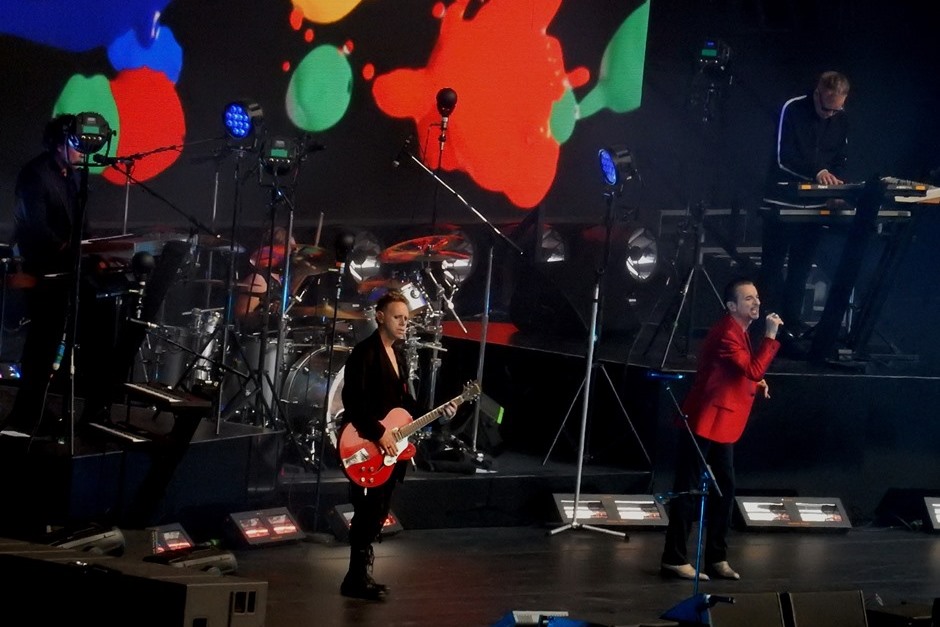
The ‘World Violation’ tour in 1990 was also DEPECHE MODE’s best ever. The status of those shows fell into legend as a result of no officially sanctioned concert footage ever being released. The memories of those present still recall in awe, Anton Corbijn’s stark but humourous projections and Dave Gahan’s increasingly confident and exaggerated swagger to suit the increasing bigger venues.

But why is ‘Violator’ so important and highly celebrated? It is still DEPECHE MODE’s most complete and accomplished body of work; people still talk about it because it is a good record. A good record is a good record, no matter what forlorn nostalgia may be lingering within the listener.

‘Violator’ is a complete body of work, unlike the patchier follow-up ‘Songs Of Faith & Devotion’ when on the subsequent ‘Devotional’ tour, Dave Gahan launched into the rock tool mode that to be frank, he has never really managed to escape from…

With DEPECHE MODE effectively no longer being an electronic band, an upcoming book ‘Halo’ documents that era while projecting a retrospective slant on its influence. Kevin May, the man behind ‘Halo’ kindly chatted about its genesis…
There have been a lot of books about DEPECHE MODE, why did you choose to do one on ‘Violator’?

The primary reason is that most of the DEPECHE MODE biographies that have been published up to now have been on their history as a whole. What I wanted to do was focus on a particular era… and I say era rather than an album. The period around ‘Violator’ which is 1989-90 is arguably the most important in their career.

The book doesn’t have contributions from the band members, so how did you think out of the box to tell the ‘Violator’ story?

I have been told that DEPECHE MODE do not interviews for biographies, so I needed to talk to people on the periphery of that era, like producers, engineers and tour personnel. So you get everything, BUT from the horse’s mouth. If I didn’t get those people who were intrinsically involved to talk to me, then it would have been just me analysing and reviewing ‘Violator’. There have been many examples of this and I wouldn’t have been able to add anything to the narrative on the album.

Some of the people I spoke to were François Kervorkian who mixed the album, Andy Franks who was involved in the tour, Neil Ferris who was the chief plugger and engineers from every studio they worked in during that period, including two from the Milan sessions; the latter were very funny and informative on some of the things that went on. There were quite a few people who wanted to talk, but not on record, out of loyalty to the band.

‘Personal Jesus’ at the time was quite a startling calling card, from the phoneline ad to the bluesier sound which had started with ‘Pleasure Little Treasure’?

Well you look at that, a lot of people say it’s an obvious track to release. But if you look at what they had done up to that point and since then, they always tried to come out with a record that challenges the pre-conceived ideas of they are. So subsequent to that, you’ve got ‘I Feel You’, prior to that you’ve got records like ‘Stripped’, ‘Blasphemous Rumours’, ‘Master & Servant’…these were tracks that made people go “OH! THIS ISN’T THE DEPECHE I KNEW!”

From a timeline perspective, it was one of the first songs they recorded in Milan. It was certainly the first track François Kervorkian remixed and he did that in Milan, whereas everything else he did for ‘Violator’ happened back in London or New York six months later. They knew that when ‘Personal Jesus’ was recorded and given to François, they knew it was going to be the single because it was so fundamentally different to anything else they’d ever done. It had that rocky influence but also the electronic sensibility that François added to it.

At the end of the day, it’s a good pop song… yes, there are probably songs like ‘Enjoy The Silence’ that were bigger hits, but for a song that was done and dusted very early on in that process, it made perfect sense to release that first.

There’s a lot of discussion about why ‘Personal Jesus’ was controversial, but they realised they had on their hands, a song that was not only really good, but it was going to cause a certain degree of controversy, not least in the US where all of a sudden, they’d been blown into the mainstream.

From what I know, they knew they were playing with fire, so they played with it.

They were on the brink of making something beyond their wildest dreams, so why not capitalise on it? At that point, they were a commercial band and ‘Personal Jesus’ was a very commercial song. The idea to do the “pick up the receiver and I’ll make you a believer” phoneline while you dial this number and it plays the song… in another world, it’s just marketing.

The music press at the time, particularly Q Magazine, seemed to focus a bit too much on the guitar elements of ‘Violator’ when as Alan Wilder quite rightly states, it is still a very electronic album; it was like the press were legitimising DEPECHE MODE because they now used more prominent guitar…

There are several points here; it was a crossroads in popular music then. They had created their own sound as a European electronic band with British sensibilities, and the up until that point, their music had been very electronic… yes there had been guitars before, but they were at a point where they were influenced by electronic dance music like house and techno so they were conscious of that. But equally, they wanted to challenge the idea of what an electronic band should be.

Should an electronic band just be three geezers stood behind keyboards with an incredibly charismatic front man doing their thing? Or should they be band that challenges that idea of what music should be. And I think Flood and Alan Wilder in particular wanted to push that idea forward, so they introduced real instruments. There was sampled guitar before but not until that point, had they made the guitar the lead riff or melody. So that was them putting a stake in the crowd and having the confidence to do it.

The production moved away from drum machines to sampled drum loops like on ‘Halo’ but synthwise, to older contraptions like the Roland System 700?

By that point, the technology and the process had become very much secondary to what they were trying to do. Yes, they were an electronic band; yes, they decided to introduce some guitars; and yes, Flood was pushing them in certain ways. But they just wanted to create music that they thought sounded good and would resonate with their own fans.

They had gone beyond agonising over the technology they were using to make the final outcome. They had a songwriter who could play a guitar lick, so why not use him and produce something that sounds good?

The way ‘Enjoy The Silence’ developed from a sparse ballad into a disco number is well documented, but François Kervorkian’s mix was rejected by Daniel Miller. Have you had a chance to hear it and informatively assess why?

From François’ point of view, he spent a lot of time mixing ‘Personal Jesus’ including the remixes and doing the album, there was his own dissatisfaction with how ‘Enjoy The Silence’ was turning out. It’s worth saying that at that point, it already was a disco track; it was the final mix that there was a disagreement.

It was deemed that François didn’t have enough time to work his magic on it, so it was given back to Daniel to do his thing with his own team of engineers like Phil Legg, resulting in the version we now all know.

The trick to any new book or review about an acclaimed body of work from the past is to uncover previously untold stories. What were the biggest revelations for you?

I don’t think there’s a huge revelation in the book. I think what I found most interesting from collecting all the stories was that the band didn’t really quite understand what was about to hit them. So their behaviour was exactly the same as it had been in the previous 8-9 years. But on the other hand, there were a lot of things in place within the machine to capitalise on it. Some elements of this machine realised this was going to fly!

A lot of people say to me that the ‘Violator’ period was a time when the band were having fun. Martin Gore has said in more recent interviews that ‘Violator’ was the last time they had fun making an album. I think that’s really reflected in the output by the vibe among the members at the time.

There was a lot of experimentation, ‘Violator’ was part of an evolution; dance music was starting to happen with the rave scene; rock, grunge and indie guitar was taking a new step forward. DEPECHE MODE were right at the centre of it, not steering it, but they were a band that wanted to try and embrace as many things as they could. And they were all still young guys! They were enjoying themselves. Of course, it didn’t continue like that after ‘Violator’.

What was the most difficult part of the book to write?

It was difficult having the patience to accept the music industry operates at much slower level than other industries I’m used to writing about!

People have very sketchy memories and that is not because they are being loyal or they’re nervous about revealing something, it’s because at the end of that day, it is something that happened 25 years ago… a quarter of a century! So when you’re asking people to recollect something that happened in a studio in Milan in 1989, you shouldn’t be surprised when they don’t remember! *laughs*

Yes, I have some wonderful soundbites from the guys in Milan about how they would all jump into a car at the end of sessions and go off to a club in the city to give the DJ a copy of the work to test out. But with something specific like how the footsteps on ‘Personal Jesus’ were recorded, if I asked what kind of flight cases they used, they’re not going to remember!

Those were great footsteps by Fletch though!

It wasn’t just Fletch, it was all of them! *laughs*
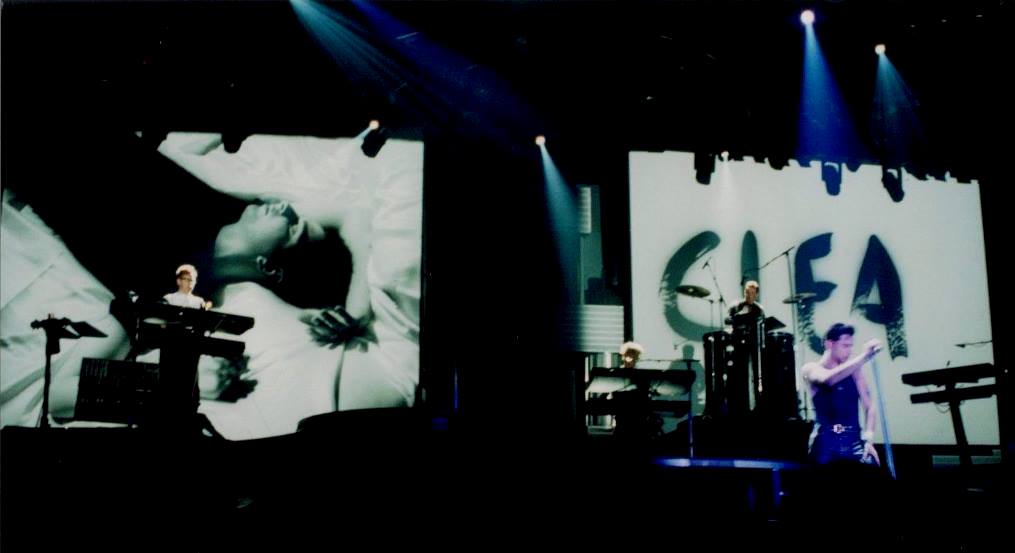
Photo by Michael Rose

Why do you think ‘Violator’ still holds a special resonance? How does it stand up against other electronic or even rock albums?

This is the crux of the book; it’s important that it’s about the recorded output, but of equal importance is the marketing, the visuals, the videos and the way the tour was produced. When you put all that together in an era, that’s when it becomes important.

It’s as important as ‘Black Celebration’, but it’s not on the same scale… and I say that because ‘Black Celebration’ was the first album which they really experimented and found their depth, which arguably Alan Wilder had found his feet in what he was able to do musically. It was also the point when they also realised how popular they were as a live act in the US.

But once they got to ‘Violator’, they were able to amplify that to the power of 10! So it’s a combination of the songs, the production, what they did on tour, the way it was packaged, the videos and the impact of the crossover songs like ‘Enjoy The Silence’.

‘Enjoy The Silence’ won ‘Best British Single’ in the 1991 Brit Awards, although by slightly manipulative phone poll means… but the point is, ‘Violator’ was their crossover album. And if crossovers are important, which arguably they are, it exposed DEPECHE MODE to a whole new audience. Everything changed for them after this album.

So, the way that the current incarnation of DEPECHE MODE play tracks from ‘Violator’ live with The Drumhead and The Noodler… discuss!

The ‘World Violation’ tour was the last time they performed as a synth band, I don’t hold up that tour in the annals of history as maybe other Devotees do. I think the ‘World Violation’ has gained its legendary status simply because people don’t have a decent visual recording of it. I think it was a terrific tour, it was the first time I ever saw them and I was blown away. But I don’t think anything will beat the ‘Devotional’ tour.

The ‘World Violation’ tour was DEPECHE MODE knowing and having the confidence to produce a record in a live setting. The ‘Devotional’ tour was them taking that confidence, with whatever means and substances they were using at the time, to the Nth degree. They realised how far they could go and I think it worked.

The interesting thing about ‘Violator’ is that as Alan has said many times before, it is still incredibly programmed. On the one hand, it’s what makes the album so good, not least because François Kervorkian made it the very precise album that it was. Now, when you take that precision out of some of the ‘Violator’ songs, as we have later seen with the live performances of ‘World In My Eyes’ and ‘Policy Of Truth’… they were really precise and what made them brilliant songs in the first place.

‘Personal Jesus’ is like the elephant in the room, as it’s basically a rock song.

So those ‘Violator’ songs were all about the precision and to suddenly change those to be live drum songs, it’s maybe going against the strengths of ‘Violator’… songs that were created electronically should perhaps be performed electronically, because that is how the fondness for these songs was obtained.


ELECTRICITYCLUB.CO.UK gives its warmest thanks to Kevin May

Special thanks to Michael Rose for the ‘Personal Jesus’ advert and ‘World Violation’ live photo

‘Halo: The Story Behind DEPECHE MODE’s Classic Album Violator’ is published on 29th September 2022 by Grosvenor House Publishing Limited

http://halotheviolatorbook.com/

https://www.facebook.com/halotheviolatorbook

https://twitter.com/HALOBook


Text and Interview by Chi Ming Lai
19th March 2019
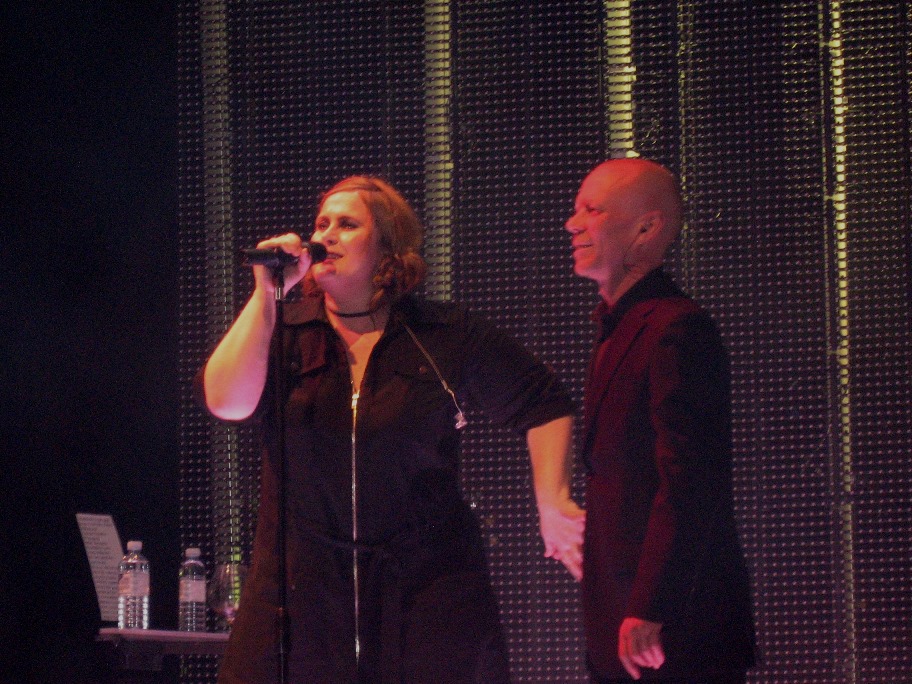
Good Times: The Legacy of YAZOO

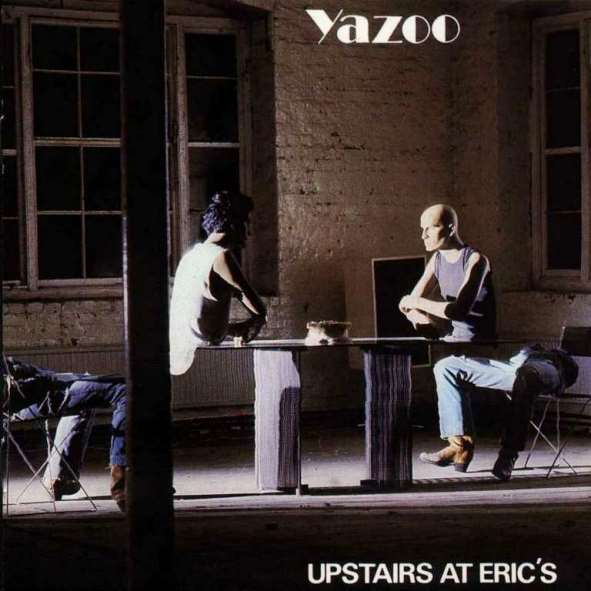
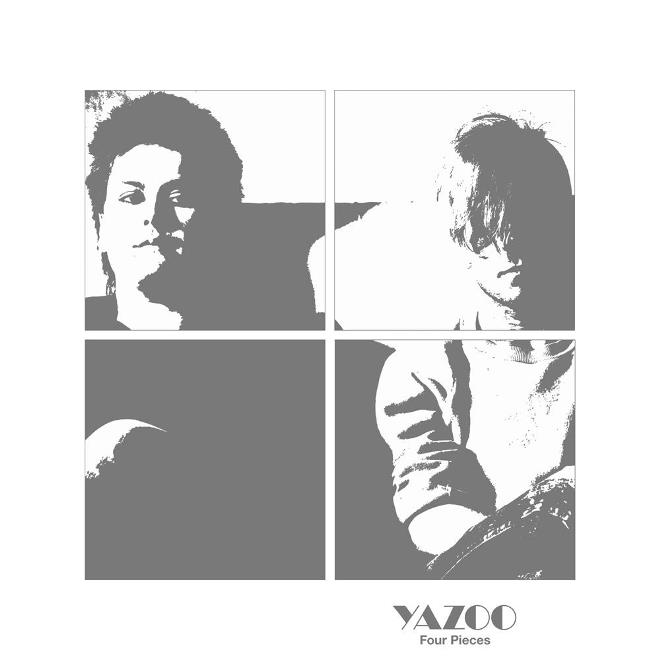
This November sees the release of a box set of ‘Upstairs at Eric’s’, ‘You & Me Both’, an 8 song remix set and some previously unreleased John Peel / David Jensen BBC session tracks.

YAZOO were a candle that burned stunningly bright, only creating two albums before Vince Clarke and Alison Moyet split and went their separate ways.

YAZOO’s gestation started whilst Clarke was still in DEPECHE MODE; the debut single ‘Only You’ was written and offered to Andy Fletcher and Martin Gore but they declined it for the band. Clarke first became aware of Moyet after seeing her sing in THE VANDALS, a band featuring his mate Robert Marlow and a connection was made when he was the only person to answer her Melody Maker ad seeking a “rootsy blues band”. A demo of ‘Only You’ was recorded with Moyet and despite initial reservations from Mute Records boss Daniel Miller, the duo were asked to record a new version for potential single release.

Released on 15th March 1982 with the future US club hit ‘Situation’ on the B-side; the track was a slow burner but eventually climbed to No2 in the UK charts, giving Clarke single success that easily eclipsed his former bandmates in DEPECHE MODE. The performance of the single gave Mute the confidence to allow the duo to record a full-length album which resulted in ‘Upstairs at Eric’s’.

‘Upstairs at Eric’s’, named after a place where Blackwing Studio engineer Eric Radcliffe lived and not as is usually thought the space above the studio, was a stellar jump for Clarke following DEPECHE MODE’s ‘Speak & Spell’ album.

Although there were similarities in sound with Daniel Miller’s recognisable ARP2600 drum sounds were still present and correct, gone were the lightweight/throwaway lyrics and in was a mixture of emotionally charged electronic pop like ‘Don’t Go’ and ’Only You’ with leftfield experimentation such as ‘I Before E Except After C’ and ’In Your Room’. Having recorded ‘Speak & Spell’ at Blackwing, it was the logical choice for Clarke to reconvene there for ‘Upstairs At Eric’s’. But there was an initial hitch; fellow Mute artist FAD GADGET was booked into the main room with Miller, meaning that YAZOO had to work unsociable early morning shifts to accommodate labelmate Frank Tovey.

In an interview with The Quietus, Clarke is quoted as saying that neither he or Moyet really knew what they were doing in the studio and that songs were completed quickly without any unnecessary overdubs or re-works. Listening back to the album now, it is still astonishing how sparse and how few musical elements are present on the tracks.

The fact that ‘Upstairs at Eric’s’ just WORKS is down to the combination of beautifully direct songwriting, carefully programmed interlocking monosynth parts (at this point Clarke was still of the opinion that using chords was a “cop out”!) and Moyet’s incredible voice. In a KRAFTWERK aesthetic, there are no superfluous production elements and the tracks are allowed to breathe and give space to Moyet’s still stunning vocals and Clarke’s synthetic mastery.

A lot of credit for this must also be given to Eric Radcliffe; in interviews Clarke praises the producer’s openness with his studio techniques and commented “if I wanted to run a tape loop around the studio I could!”. From the single opener ‘Don’t Go’ through to proto-house track ‘Bring Your Love Down (Didn’t I)’, the album showed that soulful vocals and cold electronics could be fitting bedfellows and still remains the measure against which any vocal / synth album should be judged.

Created using relatively minimal equipment like the ARP2600, Sequential Circuits Pro-One, Roland Juno 60, Roland TR808, Roland MC4 / ARP sequencers and a very recognisable Linn LM-1 on ‘Bring Your Love Down’, the album was (at the time) an ambitious piece of work that 36 years later, remains a career peak for both Clarke and Moyet. Tracks such as ‘Midnight’ and ‘Don’t Go ‘ B-side ‘Winter Kills’ still pack a huge emotional punch and the beautifully understated latter would come as a huge shock for those used to the synthetic cheesiness of some of Clarke’s earlier work (see: ‘What’s Your Name?’).

The spoken word-based ‘I Before E Except After C’ was yet another curveball, featuring Eric Radcliffe’s mum and cut-up vocals by both Clarke and Moyet, it still remains a wonderfully eerie and hypnotising track, despite being very much at odds with the other pieces on the album. Tellingly, the track was maybe deemed a bit too experimental by Mute and was dropped for the first CD release of the album in favour of versions of the more commercial ‘The Other Side of Love’ and ‘Situation’. Highpoints of the album include the era-baiting ‘Goodbye 70s’ and mainly instrumental ‘Too Pieces’; only the telephone-themed love song ‘Bad Connection’ comes across as slightly throwaway, but does at least counterpoint some of the darker-themed songs.

Upon release, the album proved itself to be a huge success on both sides of the Atlantic, hitting No2 in the UK and eventually going on to hit platinum status in the USA. Tracks from ‘Upstairs At Eric’s also latterly got syncs in the spy series ‘The Americans’ with both ‘Don’t Go’ and ‘Only You’ being featured in season 3 when Paige Jennings’ dad buys her the album as a far cooler alternative to a DURAN DURAN one.
As a stop-gap, Mute released the lightweight ‘The Other Side of Love’ as a single before the duo reconvened. Retrospectively, Moyet was less than charitable as to why the song wasn’t performed on the ‘Reconnected’ reunion tour: “We left out stuff that translated less well to live work. Personally I always thought ‘The Other Side of Love’ was a bit w*nk! It is my least favourite track. I didn’t like singing it and Vince was not bothered by it, so we left it out!” – it’s excluded from this retrospective as well.

With Clarke only envisaging the act as a one-album project, it took pressure from his publisher to persuade the duo deliver a follow-up which meant that ‘You & Me Both’ became the second and final YAZOO work. In comparison with its predecessor, there were two major differences in the overall concept of ‘You & Me Both’.

Firstly Clarke’s newly purchased Fairlight CMI (one of two bought for their earlier tour) is all over the album, giving a far more organic sound with marimbas, vibes and brass textures often taking precedence over the trademark synthetic ones. Clarke confessed that the Fairlight was his “favourite synth”, primarily because “I don’t have to tune it!”.

Secondly, with a couple of exceptions, most of the lyrical content on ‘You & Me Both’ is an icy cold soundtrack to a break-up; the one and only single ‘Nobody’s Diary’ is a gut-wrenching tale; Moyet’s vocal line “…for the times we’ve had I don’t want to be, a page in your diary babe” could easily be directed at Clarke and his now notorious refusal to stick at his musical projects.

The working pattern on the album was more of a 9 to 5 affair, but involved Clarke creating his musical parts in isolation and then Moyet turning up at Blackwing to lay down her vocals without him around. ‘You & Me Both’ remains the only album to have a song fully vocalled by Clarke in ‘Happy People’ which MOYET refused to sing and also contains an early un-recorded Depeche live track ‘Secrets’ which became ‘Unmarked’.

The band announced their split shortly after the release of ‘Nobody’s Diary’ and this resulted in Clarke refusing to be involved with promotion of the album, leaving Moyet to talk to the press alone.

Although the new long player secured the duo a critically acclaimed and deserved No1 album, the lack of tour and promo meant that sales tailed off; ‘You & Me Both’ sold approximately half the units of ‘Upstairs At Eric’s’.

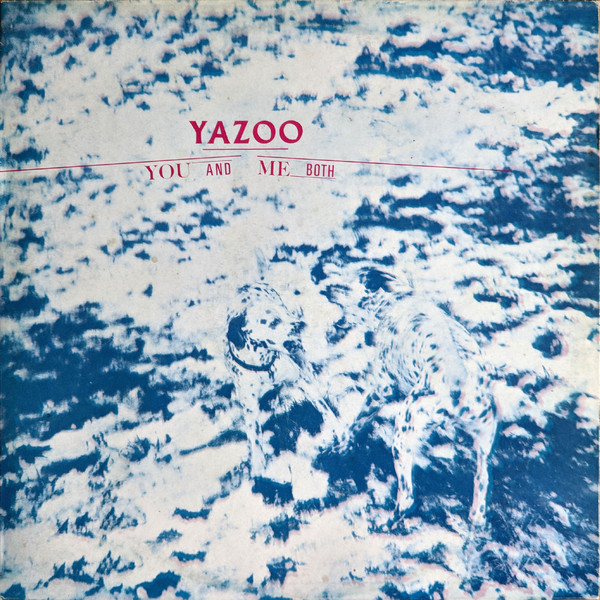
Even the 23 Envelope-designed album cover of two barely visible dalmatians fighting appeared to be a talisman for the sadly doomed musical relationship. Despite the acrimonious dissolution of YAZOO, the sense of their being unfinished business meant that Clarke and Moyet did reconnect for some live performances in 2008 which gave audiences a chance to experience the ‘You & Me Both’ tracks live for the first time.

Finally, a one-off get together at the Mute Short Circuit Festival in 2011 was the last time the duo would appear on the same stage. When asked as to whether this performance would be the band’s ‘last hurrah’, Moyet told ELECTRICITYCLUB.CO.UK: “Never say never, but I would say I doubt it would happen again.That’s more to do with the fact that Vince was married to DEPECHE MODE, he’s married to ERASURE and I’m like that transitional relationship. So it’s almost like when he comes back to perform with me, it’s almost like when he comes back to perform with me, it’s a bit like kinda having a shag for old times’ sake and that doesn’t really work when you’re married!”

So what of the legacy of YAZOO? A musical partnership which appeared an unholy alliance on paper worked out so well that it indelibly changed the face of modern pop music. Before even discussing credible artists which were influenced by Vince and Alison, ‘Only You’ cemented itself as a huge popular favourite with the acapella cover by THE FLYING PICKETS and a hybrid orchestral version (also featured in this package) was used as the soundtrack for the 2017 Boots Christmas advert. It’s almost impossible to imagine artists such as LA ROUX, LADY GAGA, ROBYN or GOLDFRAPP existing without the template that Clarke and Moyet forged and ‘Four Pieces’ provides a welcome opportunity to reassess their impact.

The BBC sessions will be the reason most will invest in this new collection, the versions of songs recorded for John Peel and David Jensen showcase a rawer sound with many alternative synth and drum sounds. The Peel version of ‘Don’t Go’ showcases a completely different lead sound which is a lot less sawtoothy, whilst ‘Midnight’ features an alternative synth arrangement to the one on ‘Upstairs at Eric’s’. The mix of ‘Bring Your Love Down (Didn’t I)’ recorded for Jenson features a contrasting lead melody synth, while ‘Too Pieces’ brings Clarke’s Fairlight to the fore and arguably ‘In Your Room’ excels over the one featured on the original album. Meanwhile, fans of Moyet’s vocals will also enjoy the subtle phrasing differences to those which appeared on the final mixes of the two albums.

Omissions? YAZOO completists would have appreciated the appearance of the duo’s TV work including ‘Get Set’, ‘The Other Side Of The Tracks’, ‘Trak Trix’ and ‘Data Run’ as well as the debut tour interval instrumental ‘Chinese Detectives’ and ‘Nobody’s Diary’ B-side ‘State Farm’, but this would be a minor quibble.

These are classic albums that will never get old, never really date and if you don’t have them in your collection now you have no excuse not to invest in a copy. Absolutely essential.


‘Four Pieces’ is released as a vinyl boxed set by Mute Records, a CD variant entitled ‘Three Pieces’ is also available from on 2nd November 2018
http://yazooinfo.com/

https://twitter.com/yazooinfo

http://mute.com/artists/yazoo


Text by Paul Boddy
25th October 2018

CHRIS LIEBING featuring POLLY SCATTERGOOD And All Went Dark

Noted techno exponent Chris Liebing has unveiled a stark new track featuring Mute label mate Polly Scattergood entitled ‘And All Went Dark’.

The brooding minimalist electronic piece basically does what it says on the tin, with an eerily poetic spoken contribution from Miss Scattergood where the Essex songstress is haunted by a “dark shadow on my shoulder” and how “a sickness took hold early on”!

‘And All Went Dark’ is from Liebing’s new album ‘Burn Slow’ to be released by Mute Artists. Daniel Miller has long been an admirer of the Frankfurt-based DJ and the pair shared a stage for a talk at the 2016 ELECTRI_CITY_CONFERENCE in Dusseldörf; the Mute Records supremo had even joked that they would probably want to play exactly the same tracks during their DJ sets at the Time Warp club aftershow.

A striking mood piece ‘Polished Chrome (The Friend Part 1)’ featuring Gary Numan has already acted as early trailer for the album and the ten track opus will also feature vocals from COLD CAVE, ALEEN and Miles Cooper Seaton of folk-influenced experimentalists AKRON / FAMILY,

Liebing has long had a spiritual connection with Mute as a young fan of DEPECHE MODE, YAZOO, DAF, LAIBACH and NITZER EBB, with his recent remixes for DEPECHE MODE’s ‘Going Backwards’ and GOLDFRAPP’s ‘Everything Is Never Enough’ beginning the journey towards ‘Burn Slow’.


‘And All Went Dark’ is from the album ‘Burn Slow’ released by Mute Artists on 7th September 2018

CHRIS LIEBING does an eight-hour all night DJ set at Closer in London’s E1 on 26th August 2018

http://www.chrisliebing.com/

https://www.facebook.com/chrisliebingofficial/

http://mute.com/artists/chris-liebing

http://www.pollyscattergood.com/


Text by Chi Ming Lai
2nd August 2018

DOCUMENTARY EVIDENCE Interview

Photo by Mat Smith

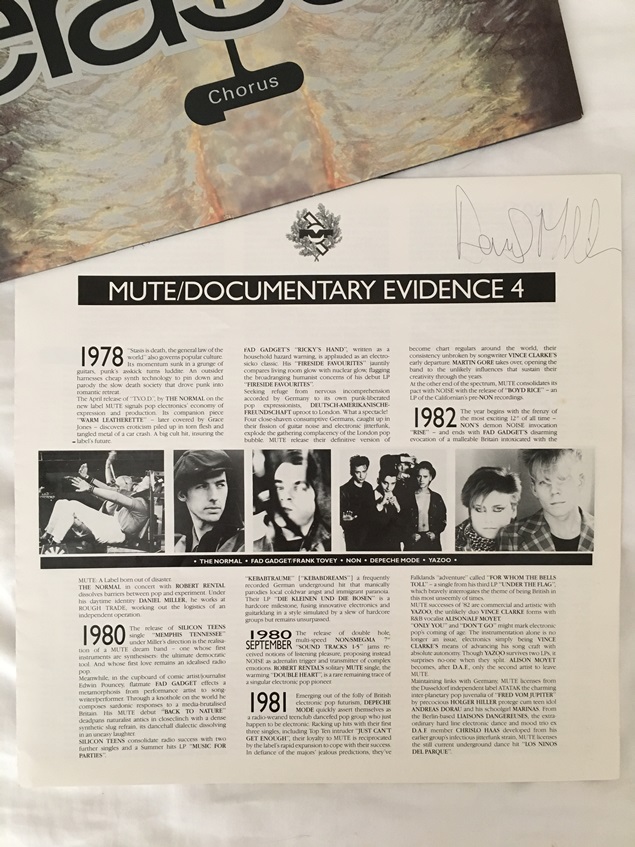
Documentary Evidence is an unofficial Mute Records website run by freelance music journalist and electronic music fan Mat Smith named after the Mute Records catalogue booklet inserts that came with their releases from 1987. It is described as featuring “Reviews of artists appearing on Mute Records and its various sub-labels”.

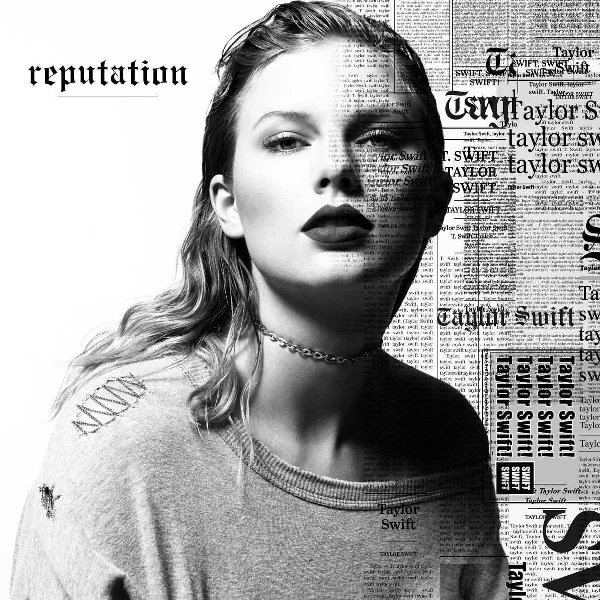
But also includes other music writing by Smith. Like many music bloggers, he compiles an end of year Top 10 albums listing and in 2017, he controversially included Taylor Swift’s ‘Reputation’ at No4 above the No6 placed ‘Spirit’ from DEPECHE MODE.

The decision provoked surprise, discussion, amusement and condemnation; how could a respected authority on the legend of Mute Records appear to betray the musical foundations they were built on? However, other commentators were not so surprised and saw it as a sign.

Mat Smith chatted to ELECTRICITYCLUB.CO.UK about why last year, he preferred Taytay over Essex Dave and presented his Documentary Evidence…

What was the motivation and ethos behind establishing the Documentary Evidence website?

I started writing a blog at university in about 1996, even though it wasn’t called a blog back then. That blog focussed on reviews of concerts I’d been to and records I’d bought that week.

I called it Red Elvis Central for reasons that at the time felt important but which now seem silly. I wrote Red Elvis Central until I left uni, at which point anything I’d written up to that point was suddenly lost forever, and I got sucked into a graduate training programme in a non-musical, very sensible career.

I started the Documentary Evidence website in 2003. I distinctly remember it was a Saturday afternoon, I’d had to go into London for work in the morning and my wife was out at her grandmother’s house when I got home. With nothing better to do, I sat myself down in front of my PC, wrote a review of ‘Text Message’ by VIC TWENTY and by the time she came back home that evening, I’d set up a rudimentary HTML website, which I decided would be a place for me to write about Mute releases for nobody’s enjoyment but my own.

When I was scratching around trying to name the site, I raked through my record collection and found my copy of ERASURE’s ‘Chorus’ 12”, which was the first 12” I’d ever bought. In the sleeve was Mute’s Documentary Evidence catalogue pamphlet, which was what got me hooked on collecting Mute releases in the first place, so it seemed like an obvious thing to name the site with.

When I first picked that catalogue up in 1991, I barely recognised any of the groups and artists listed and I barely even knew what a record label was aside from being a logo.

Documentary Evidence switched me on to this notion that there were all these things going on outside of the charts. I also naively assumed that everything released on Mute would sound like ERASURE in some way, which I still laugh at today.

I think I envisaged that writing enthusiastically for my Documentary Evidence website would allow me to perpetually remind myself of how exciting it was setting off on that voyage of musical discovery in the early 90s. The Documentary Evidence website was never intended to attract any attention from anyone else.

For most of my life I’ve wanted to record my thoughts and memories in some capacity, just for my own benefit. It felt like a logical thing to extend that into writing about the music that meant something to me and which I’d spent most of my teenage years and twenties collecting in earnest.

Back in 2003 I don’t think I really appreciated that Mute had a sort of ‘cult’ reputation and that there were other people who’d also become avid collectors of their releases. To this day I find it strange that anyone would have even found my website, let alone actually bothered to read it.

About ten years later I started writing occasional live reviews and features for Clash, and that led to working professionally.

Who are your own personal favourites from the Mute roster, both past and present?

ERASURE are the reason that the Documentary Evidence website exists, and they were the first group I really fell for, so they’ll always be my personal favourite.

My dad brought home a copy of ‘The Innocents’ that a friend from work had recorded for him, sometime in 1988. He walked in and said “Matthew, have you heard of this band, ERASURE?” I’d seen them on Saturday morning TV, had heard them in chart and really liked them, but I didn’t have enough pocket money at that time to buy any music.

I grabbed the cassette off him, rushed upstairs to my bedroom and more or less listened to it non-stop on my Walkman for months after that. I still get a huge surge of emotion every time I hear something new by ERASURE, and I can chart the most important points in my personal life by their music. They’ll always be really special to me.

Right now, I’m really excited about the SHADOWPARTY album that comes out on Mute later this month. SHADOWPARTY includes members of the current NEW ORDER and DEVO line-ups, and their debut album is brilliant, like a time machine into a classic Manchester feel-good sound.

The other artist on the label I’ve been listening to a lot lately is DANIEL BLUMBERG, whose debut solo album ‘Minus’ was released by Mute earlier this year. ‘Minus’ came up out of Dalston’s Café Oto improvisation scene, but that sense of freedom is combined with some truly moving, genuinely profound lyrics. I was fortunate enough to spend some time with Daniel recently and he’s clearly a prodigious talent and probably unmatched in terms of his artistic vision. Being able to get inside the head of a musician and into the story behind an album or piece of music is the greatest privilege of being a music journalist, and spending time with Daniel was undoubtedly one of the highlights of my career.

You’ve established and maintained a good working relationship with Vince Clarke?

I interviewed Vince and ORBITAL’s Paul Hartnoll for Electronic Sound when Vince started his own label, VeryRecords, and launched it with the album ‘2Square’ that he and Paul did together in 2016. VeryRecords is totally his own thing and he tries to do absolutely everything himself, as he’s so personally invested in the label. I really respect that. Richard Evans provides support for the technical side of running the label, but apart from that it’s a fully solo endeavour.

He could get anyone to help with any part of running a small label and just put his name to it, but he doesn’t. It’s his thing, and he’s really enjoying it. I can’t quite remember now whether I volunteered to help put the press releases together for future VeryRecords releases or if he asked me if I’d like to help – we were in bar, and beer was involved – but somehow I ended up working on the materials to support the first REED & CAROLINE album ‘Buchla & Singing’, and the two releases he’s put out since – ALKA’s ‘The Colour Of Terrible Crystal’ and ‘Hello Science’ by REED & CAROLINE.

As a lifelong ERASURE fan, to be able to call Vince my boss is probably the strangest thing that’s ever happened to me. I’m so grateful for this opportunity and for the trust he’s placed in my skills as a writer. I wish I could say the same of everyone I’ve worked for.

What level of DEPECHE MODE fan would you describe yourself as? One of The Black Swarm, plain clothes Devotee or an armchair enthusiast?

I’m definitely not in The Black Swarm, and in fact I didn’t even know what the Swarm was until my photographer friend Andy Sturmey explained it to me a few years ago. I guess I’m probably somewhere in between Devotee and armchair enthusiast if I reluctantly had to pigeonhole myself.

DEPECHE MODE are really important to me, no doubt about it, but I actively detested them when I first became aware of them, which would have been just after ‘Violator’ was released.

In my high school English classes I used to sit next to a girl called Sarah Vann whose folder was covered in photos of Depeche from that time. I just figured they were an Athena poster-friendly boyband because of that.

I also couldn’t get my head around songs like ‘Personal Jesus’ at all, mostly because I was slightly intimidated by guitar music at the time. Later, when I read the Documentary Evidence booklet that made me a Mute collector, and I read about Vince having been in DM at the beginning, I felt really conflicted – I suddenly felt duty-bound to collect their material but didn’t think I’d like their music.

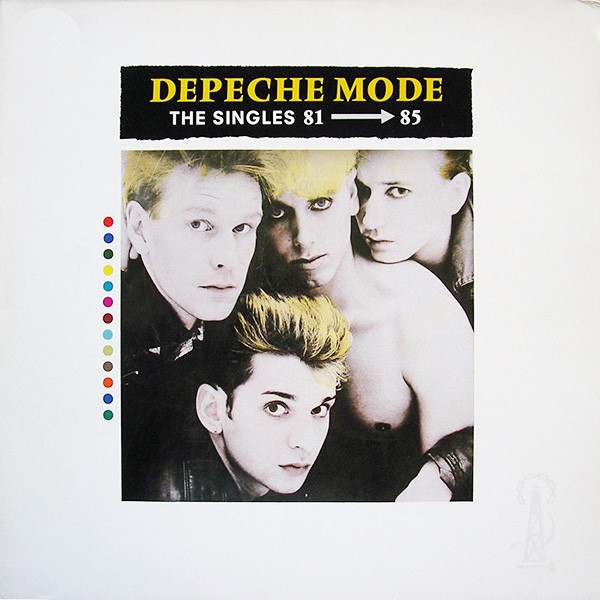
I started with a beaten-up copy of ‘The Singles 81 – 85’ borrowed from Stratford-upon-Avon’s library and tentatively went from there. I guess it was appropriate that the CD came from a library – it proves the old adage that you shouldn’t judge a book by its (Depeche-decorated) cover.

Photo by Mat Smith

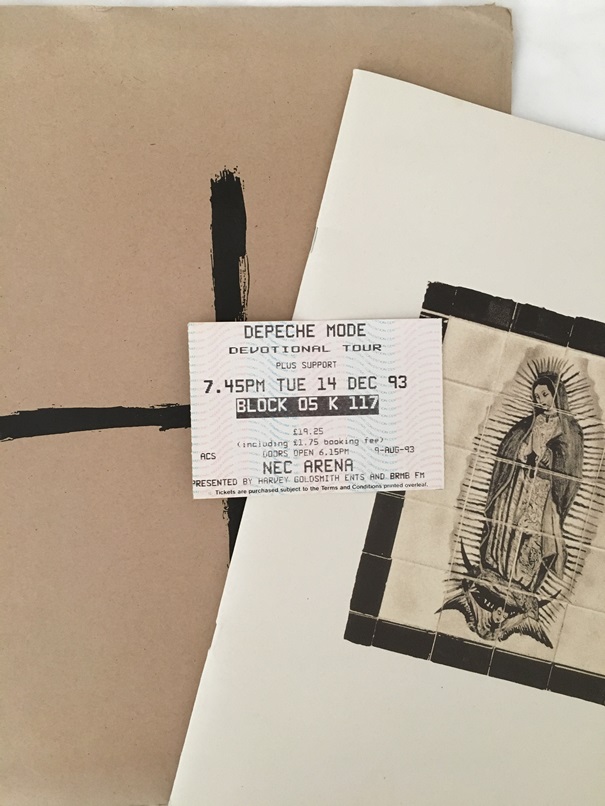
Between the ages of 15 and 16, I consumed all of their albums and was a paid-up fan by the time ‘Songs Of Faith & Devotion’ was released. The first concert I ever went to was Depeche at the NEC on 14 December 1993, and I wore a black long-sleeved ‘I Feel You’ t-shirt. I have really fond memories of that show. I still have the programme and the ticket, but I no longer have the t-shirt.

I once spent a whole afternoon sat on my parents’ sofa listening to ‘The Things You Said’ on repeat because my girlfriend had unceremoniously dumped me. Like ERASURE, their music is inextricably bound in with a lot of very vivid memories.

Much, much later I got the chance to interview Dave and Martin for Clash, Dave when he did the last SOULSAVERS LP and Martin for his instrumental album ‘MG’. Perhaps it’s the point they’re both at in their careers, but neither had massive egos, and both came across as appreciative and humble. I like it when people surprise you.


Had it been your intention to feature artists from outside of the Mute family on Documentary Evidence?

I was really pretty purist at the beginning – this was a Mute site, and it was only ever going to be about Mute.

But then again, I started out with a review of the solitary VIC TWENTY single that came out on Credible Sexy Units, a label Daniel Miller formed outside the EMI ownership of Mute for the sole purpose of releasing that one single in 2003, so I was always bending my own rules from the off.

After a while I found myself writing more about musicians that had been on the label and who had then gone off to do different things, or people who were clearly influenced by Mute, or producers who had worked with Mute, or releases by Mute artists but that were released on other labels – tangents, basically, especially with Blast First artists.

Then people started sending me their music, saying they liked my site and asking me if I’d review them. When you’re starting out, the generous act of people wanting to send you the music they’ve laboured over is a really persuasive thing, and to the best of my knowledge I never turned anyone down.

I guess it just all got very restrictive after a while, the idea of only writing about Mute when there’s so much more music out there, but to this day I honestly think of Mute as being a lot like my musical spine – it’s at the centre of everything, and I can always form a connection back to that central core, no matter what it is I’m listening to.

Photo by Mat Smith

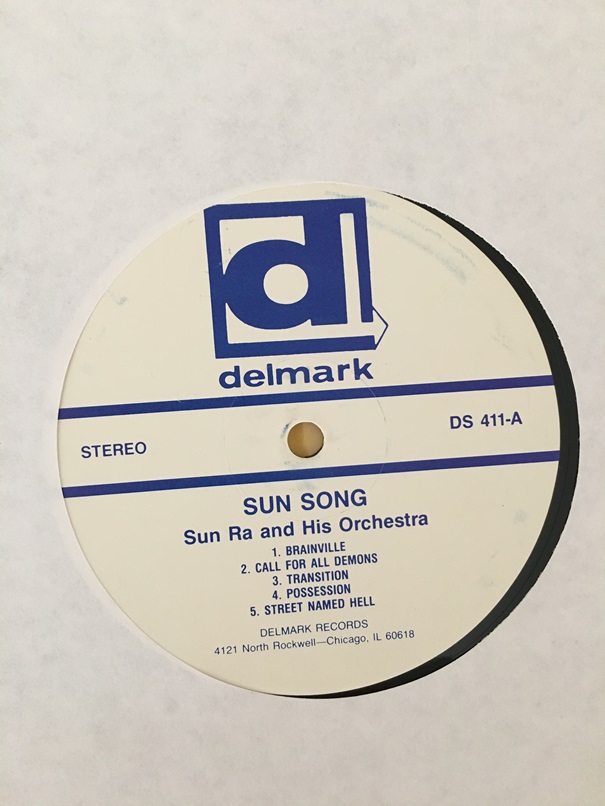
Pretty much every music I’ve gotten into can be traced back, in some way, to Mute and that original Documentary Evidence booklet. Even something like jazz, which I really love now, can be traced back to seeing the name SUN RA as a Blast First artist. It made sense to me that my entry point into jazz would come through SUN RA rather than a more conventional, obvious route.

I guess at some point I decided to start writing about some of those non-Mute things with as much passion and enthusiasm as the Mute stuff, but I wouldn’t be doing any of that if it wasn’t for Mute.

When I became a ‘proper’ music journalist, whatever that is, it would have been really restrictive just writing about Mute. I’m still normally the first in line enthusiastically pitching a Mute release when a new review section gets commissioned, but I get to cover all sorts of weird and wonderful things, most of which aren’t anything to do with Mute, and I absolutely love that.

Controversially in the Documentary Evidence Top 10 Albums of 2017, you placed DEPECHE MODE’s ‘Spirit’ at No6 but ahead of it was ‘Reputation’ by Taylor Swift at No4? Please explain… 😉

I do find it amusing that this would be regarded as remotely controversial. It’s only the second year that I’ve done an end of year countdown, and I’m not sure I’d do it again! When I was putting it all together, there were certain albums I knew had to be in there – ‘Reputation’ was always going to be high up in the rankings – but after getting five or six together, I really struggled. It was only when I looked back at what I’d written about that year that I even realised that ‘Spirit’ had been released in 2017, because it felt like it had come out ages before.

Photo by Chi Ming Lai

It wasn’t that ‘Spirit’ was in any way a forgettable album, as my review for Clash was incredibly positive. I even found myself indulging in a bit of journalistic hyperbole when I compared parts of it to Marvin Gaye’s ‘What’s Going On’, which rubbed a lot of people up the wrong way.

I maintain that it’s a good album – great even. It showed a new side to DEPECHE MODE, one that initially jarred with me, but it was one that I ultimately respected.

I haven’t listened to it once since I assembled that year-end countdown, but I rarely get a chance to listen to albums over and over after I’ve reviewed them these days anyway. You’re more or less always moving onto something else as soon as you’ve filed the review copy.

You shouldn’t view me placing ‘Reputation’ higher than ‘Spirit’ as indicating that I think Taylor Swift is better than DEPECHE MODE; it just means that ‘Reputation’ means more to me. Documentary Evidence was always intended as a personal website, where everything I wrote was essentially my own subjective view. People are free to disagree with what I write, and frequently do, especially it would seem if I’m writing about DEPECHE MODE. I was roundly slated for giving Jeremy Deller and Nick Abrahams’ ‘The Posters Came From The Walls’ the positive review that I felt it deserved, and I’ve developed a thick skin about people’s views.

Photo by Chi Ming Lai

The point with Taylor Swift is that her music means a lot to our family. We have two daughters, ages 12 and 10, and as parents we’re acutely aware of the need for girls to grow up with positive, empowering female role models. Taylor Swift is the epitome of that.

She’ll go down in history as a great pop musician and songwriter but also as the one who – by suing that radio DJ for a buck – did more to highlight the gross inequalities and power abuses in the entertainment industry than anyone else.

But she also makes great music. We listen to Taylor Swift on roadtrips all the time and her music brings us closer together as a family. It’s that simple. Debating whether ‘I Knew You Were Trouble’ is better than ‘We Are Never Ever Getting Back Together’ is a nice way to spend a drive around Cornwall, for example. It sure beats arguing.

The four of us going to see her at Wembley last month was among the best evenings out we’ve had as a family. We all wore Taylor Swift shirts, all sang every song at the top of our lungs and I’d rank it as one of best concerts I’ve ever been to, unashamedly. For me, and plenty of other people, ‘Reputation’ is a bold, multi-hued album that works as both social criticism and fucking great pop music.

What also amused me about people decrying this so-called music journalist snob putting Taylor Swift in his top ten is that not one DEPECHE MODE fan moaned about me ranking ERASURE higher than ‘Spirit’, or sticking a Ryan Adams record above it, or choosing an electronic jazz fusion LP by James Holden as the best thing I heard in 2017! And ‘Spirit’ getting into the top ten, when I conservatively wrote between 80 and 100 reviews last year, is still a pretty big deal.

But Taylor Swift surely doesn’t have any links to Mute… or does she? 😉

It’s slightly tenuous, but there is a link. Jack Antonoff from BLEACHERS, co-wrote and produced two songs on ‘1989’ and six on ‘Reputation’. Vince Clarke worked with Jack on the first BLEACHERS album, and I think the big, anthemic pop that BLEACHERS make has definitely rubbed off on some of the recent mixes that Vince has done. You can hear some of it in the last ERASURE record, ‘World Be Gone’, too.

Jack’s style is extremely distinctive, but very natural. Some people have to work hard at creating these huge, stadium-friendly, euphoric songs, but it’s like it runs in his veins or something. I knew which songs were his on ‘Reputation’ before I even looked at the credits.

So, yeah, if you squint a little and are happy that it’s an indirect connection, there is one. But I didn’t need one to justify enjoying Taylor Swift’s music – just the look on my girls’ faces when they were dancing round our lounge to ‘1989’ when they got it for Christmas 2014 was justification enough.

Photo by Mat Smith

ELECTRICITYCLUB.CO.UK saw this positioning of Taylor Swift above DEPECHE MODE by a respected Mute Records commentator as oblique symbolism for DM’s current artistic decline…

It certainly wasn’t intended that way. As I said before, I really liked ‘Spirit’, and I really liked its predecessor ‘Delta Machine’, which I awarded eight out of ten in a review I wrote for Clash. I wonder whether people have unrealistic expectations of what DEPECHE MODE should be doing today.

They’ve been going for nearly forty years and sit on top of a back catalogue containing some incredible moments, and those moments are going to be part of a personal soundtrack to significant events, whereas as we get older we don’t accumulate as many of those things.

Most artists that have been going this long are valued not for what they’re doing today but what they’ve done before, and any new material is just a catalyst for getting back out on the road and playing the hits.

The best example of this is THE ROLLING STONES – they’ve consistently released new material, but it’s generally regarded as second-rate compared to the album’s they released in their first two decades.

Anyone going to a Stones show doesn’t want a set filled with the new stuff – they pay for the hits. I know that fans have moaned about the recent Depeche festival shows not containing enough of their big songs, and I would say that’s probably fair. I don’t think they can hide behind being inexperienced with festivals, as a glance at any other band’s setlist would have provided ample evidence of the rules.

But I do think the fact that Depeche are still trying to do different things – the overt political reference points of ‘Spirit’ or the pronounced bluesiness of ‘Delta Machine’, as examples – shows that they still have a creative spark beyond just rehashing ‘World In My Eyes’ all over again. And if they did that, then people would moan at them for not making any effort. I’m not sure they can win, but it’s not like people aren’t buying their albums or eschewing their shows.

Photo by Simon Helm

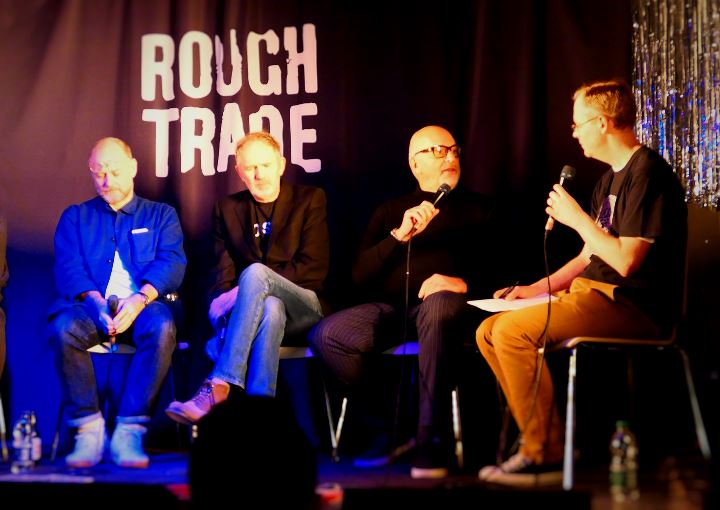
At the ‘Mute: A Visual Document’ book launch where there was a live Q&A which included Daniel Miller, it was reported that Anton Corbijn was making made his feelings known publicly about the current direction of DEPECHE MODE? What was your interpretation of what was said?

Honestly, I can’t remember. As the host of that panel discussion, I was too busy making sure I didn’t drop my microphone.

My recollection was that Daniel and Anton were both incredibly positive on Depeche and where they are right now, creatively. These guys are like the fourth and fifth members of that band, as their input into what makes them a band is really important to who they are, what they do, and how it’s presented, and I don’t think that will ever change. If anything, Anton was super positive about how much trust that Dave, Martin and Andy placed in his judgement, and how rare it is to find that these days. I didn’t get the impression that DEPECHE MODE are ignoring his counsel and doing their own thing at all.

That night, I do remember that Daniel said that they’re still a Mute band, even though they’ve left the label. I think that says a lot about how he approaches artists on the label, as well as how much he cares about them; I guess it’s like waving your kids off when they leave home – they’ll always be family. In the same way, Daniel will always be their A&R guy and creative mentor.

Daniel Miller = DM = DEPECHE MODE. That’s a complete coincidence, but it also isn’t.

ELECTRICITYCLUB.CO.UK often likes to highlight a musical connection it has noted between CHVRCHES and Taylor Swift, do you hear it as well in her songs like ‘Out Of The Woods’, ‘Gorgeous’ and even ‘Blank Space’?

It’s not something I’ve noticed especially, but it says a lot about the way we music critics approach very overtly successful music that we can only give a pop artist credibility by comparing it to something a little more underground, or something less popular.

Electronic music has been mainstream for the last forty years and it’s only natural that stuff coming out of the underground would feed into popular music. That’s just how it has always worked, all the way through musical history.

Things start outside of the public eye, in almost cultish micro-scenes, they blossom, become popular, popular acts co-opt them, a new thing comes along and it starts again. If it didn’t, this would all be pretty boring and we’d all still be listening to easy listening music. Is Taylor Swift consciously riffing off CHVRCHES’ ideas? Probably not. Does she have the budget and bankability to attract any producer she wants to work on her record? Absolutely.

Do those producers and her A&R team have their fingers on what’s cool and what’s not? For sure. To me it’s not that surprising.

As far as electronic based artists are concerned, who are the up-and-coming acts that you would rate at the moment?

Electronic music – in its broadest sense – is having one of its most fertile creative periods, from the mainstream to the most avant garde of locales. For example, there’s a German producer called VONICA whose music I’m enjoying right now. He makes this fantastically skewed, very densely-layered music that is umbilically linked to dance music, with all its attendant euphoria and drama, but this slightly off-centre quality. He’s one to watch, for sure.

Elsewhere, I find myself listening to lots and lots of fusion music. Back in the 70s, stuff that fused jazz, electronics and rock together was seen as hugely innovative but over time it became a shorthand for naffness, something that my older self thinks is massively short-sighted as I’ve begun to appreciate things like CHICK COREA’s underrated ‘Return To Forever’. The new groups tackling fusion music are just incredible. James Holden I’ve already mentioned, but there are others like Kamaal Williams and RATGRAVE that manage to create these amazingly fresh pieces of music out of seemingly incompatible reference points.

How do you think Mute had managed to maintain its position as a credible brand in the music industry after so many years?

I think it all comes down to being artist-led. When you’re artist-led you’re prepared to take more risks to allow them the space to realise their creative vision. When Daniel Miller started Mute again as an independent enterprise, I think that’s why he named it Mute Artists.

That’s a very egalitarian, equitable way of approaching running a label – it emphasises that without those artists the label wouldn’t, and couldn’t, exist. That’s not to say that Mute have always just let artists get up to what they want, because I’ve heard that Daniel is a very hands-on guy, even if he’s not in the studio with every artist on the label. However, if you start with the primacy of the artist and are focussed on allowing them to realise their vision in a supported way, you’re probably going to get the best results.

Going back to what I said about his relationship with Depeche above, he evidently cares for his artists, and I personally think that’s ultimately why he sold Mute Records to EMI – faced with seismic changes in the record industry, he deemed that was the best thing for his artists to allow them to stay creative. It wasn’t for commercial gain, but to give his artists some sort of financial stability. I think it came from a fundamentally good, well-meaning place. It wasn’t like he’d decided to disown his kids and start a new family with someone else. You might think of everything released on Mute as songs representing Daniel’s enduring faith and devotion in the artists whose music he elects to release. I can’t see that ever changing.


ELECTRICITYCLUB.CO.UK gives its sincerest thanks to Mat Smith

https://429harrowroad.wordpress.com

https://www.facebook.com/DocumentaryEvidence/

https://twitter.com/DocEvidence

https://www.instagram.com/documentaryevidence/


Text and Interview by Chi Ming Lai
17th July 2018

CHRIS CARTER Chemistry Lessons Volume One

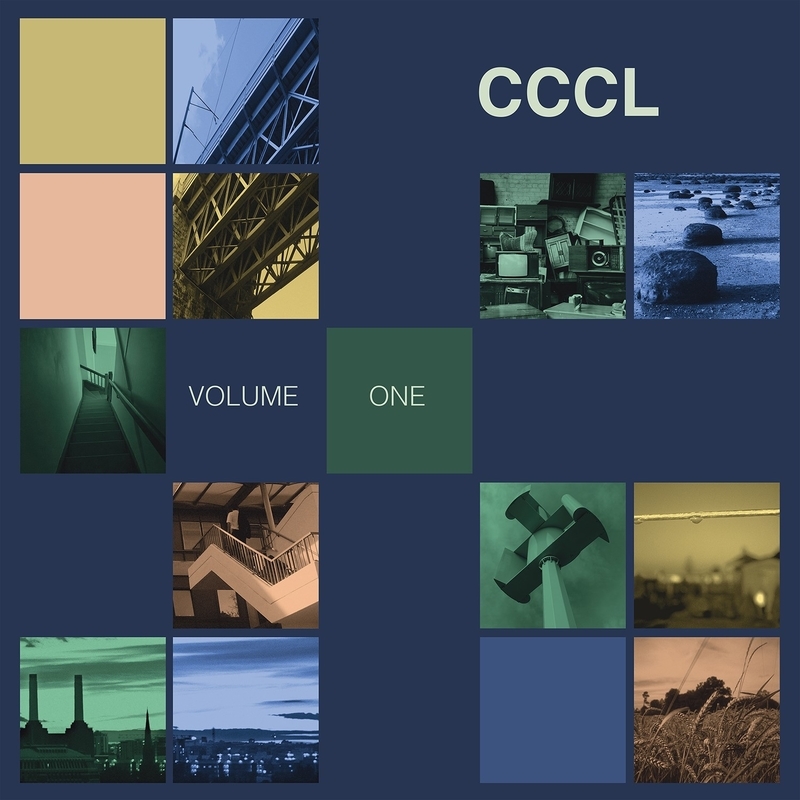
Best known as a founding member of THROBBING GRISTLE, electronic pioneer Chris Carter releases his first solo album in 17 years.

Together with Cosey Fanni Tutti, Peter Christopherson and Genesis P-Orridge, THROBBING GRISTLE enthralled and irritated audiences with their confrontational performance art. Their tracks such as ‘Hot On Heels Of Love’ were played by Rusty Egan at The Blitz Club, while ‘Discipline’ was later reinterpreted by Marc Almond and an important inspiration for PROPAGANDA.

Despite the quartet’s no compromise experimentation, Carter occasionally unleashed a more accessible side, as the obviously influenced ‘AB/7A’ from ‘DOA: The Third & Final Report of…’ from 1978 proved. So when he and Cosey Fanni Tutti broke away from THROBBING GRISTLE, in 1983 they released ‘October (Love Song)’, a playful synthpop ditty which was subsequently covered in Greek by MARSHEAUX.

Over a generous helping of 25 tracks, ‘Chemistry Lessons Volume One’ captures Carter’s enthusiasm for the limitless possibilities of science, with more than a nod towards the work of THE RADIOPHONIC WORKSHOP. But this is also an accessible record with perhaps the unexpected influence of English folk music. As Carter put it himself: “some of tracks on the album hark back to an almost ingrained DNA we have for those kinds of melodies. They’re not dissimilar to nursery rhymes in some ways.”
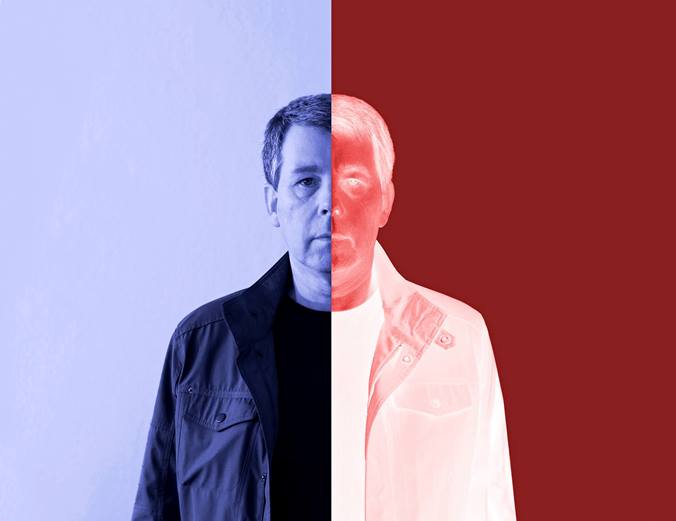
It all begins with the glorious statement of ‘Blissters’, a potential theme tune with hypnotic sequences and sweeping synths, wonderful offset by some detuned counterpoints and haunting skewed vocals chopped up in Carter’s sonic laboratory.

‘Tangerines’ continues proceedings but in an almost disco euphoria fashion although it ends far too soon, while ‘Nineteen 7’ plays with pentatonic melodies over a sharp electro beat. ‘Cernubicua’ plays with the skew vocals again before on ‘Pillars of Wah’, the beautiful chorals are accompanied by dub rhythms and a wah-wahed sub-bass. The pulsating tension of ‘Modularity’ is self-explanatory while the short uptempo blend of deep squelch and modular bleep of ‘Durlin’ is cut from a similar cloth.

But it’s the beautiful spacey ambience of the suitably titled ‘Moon Two’ that provides yet another accessible asset to ‘Chemistry Lessons Volume One’, an approach that is reprised on the equally beautiful if darker ‘Tones Map’ and the rich interlude of ‘Dust & Spiders’

For those who might find some of the more accessible material in the album’s first half a bit too nice, the second half is undoubtedly darker with the unsettling dissonance of ‘Shidreke’ and the galloping rumble of ‘Uysring’ more than suitable for soundtracking moods of anxiety and discomfort; meanwhile ‘Lab Test’, ‘Noise Floor’ and ‘Post Industrial’ do what they say on the tin.

But ‘Rehndim’ springs a blissful surprise with a manipulated female voice that wouldn’t have been out of place on a single by THE BELOVED while things head back into the shade with the sci-fi gloom of ‘Roane’.

‘Time Curious Glows’ recalls early Virgin-era TANGERINE DREAM with a spy drama twist, while the more motorik ‘Ars Vetus’ will please those who enjoy the darker side of ORBITAL.

A diverse and intriguing collection of electronic soundscapes, this record is definitely worth investigating even if Chris Carter’s previous work has never been your thing; there really is something for synth enthusiasts of all persuasions and for that reason alone, ‘Chemistry Lessons Volume One’ is for ELECTRICITYCLUB.CO.UK, the surprise album of 2018 so far.


‘Chemistry Lessons Volume One’ is released by Mute Artists as a double vinyl LP, CD and download

http://www.chriscarter.co.uk/

https://www.facebook.com/chriscarterCCCLV1/

https://twitter.com/chris_carter_


Text by Chi Ming Lai with thanks to Simon Helm
1st April 2018

« Older posts Newer posts »