Tag: Kraftwerk (Page 5 of 14)

KRAFTWERK Future Music From Germany


Uwe Schütte is a noted KRAFTWERK scholar who curated the first ever conference on the iconic German pioneers in 2015.

A Reader in German at Aston University in Birmingham where he teaches and researches contemporary Austrian and German literature, the writer W.G. Sebald and German popular music, in 2017 he compiled ‘German Pop Music: A Companion’, a 270 page book discussing the post-war musical landscape of the country and its influence internationally.

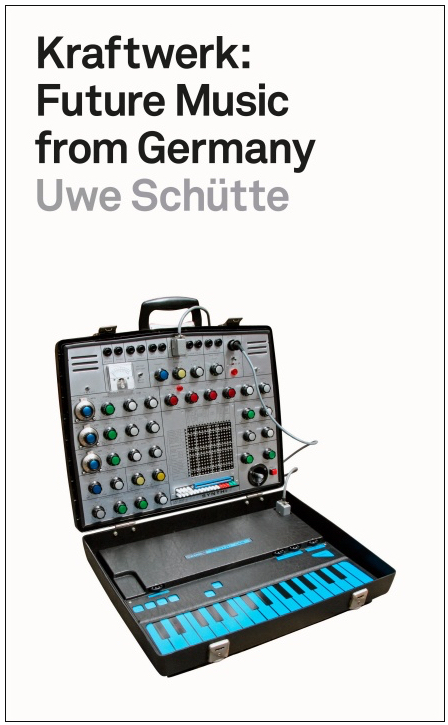
Published as part of the Penguin on Design series, his new book ‘KRAFTWERK Future Music from Germany’ offers a German perspective of die Kling Klang Quartett in English.

This is the story of Die Mensch-Maschinen as a cultural phenomenon told crucially from a local point of view. Of particular significance in Schütte’s premise is the context of how after the Second World War, Germany was divided in two with the atrocities it committed very much in the minds of its population. Frankfurt and Nuremberg were occupied by the US Army while in Der Rheinland, Düsseldorf itself had the presence of the British Army; it was within this context that KRAFTWERK emerged.

Schütte discusses how since the Second World War, young Germans are educated about the Nazi atrocities and The Holocaust with the emphasis on peace and prevention of further conflict. Compare that to the British attitude to recent history where heroism and bravado are celebrated with war monuments, where Oswald Mosley, the leader of the British Union of Fascists is considered a flawed man of the people (see the ‘Not The Nine O’Clock News’ song sketch from 1980), Edward VIII is seen as the king who gave up his throne for love rather than as the spying Nazi sympathiser he actually was and British Empire inventions such as the concentration camp are conveniently glossed over.

With a desire for a new Germanic cultural identity ignoring Trans-Atlantic rock traditions, KRAFTWERK fused sound and technology, graphic design and performance, modernist Bauhaus aesthetics and Rhineland industrialisation to conceive a Gesamtkunstwerk or “synthesis of the arts” that was to change the course of modern music.

Düsseldorf is just half an hour to Belgium and The Netherlands, and an hour to Paris so an accessible spirit of cultural adventure was to manifest itself in the creative minds of Ralf Hütter and Florian Schneider, thanks to their location and education. ‘Autobahn’ and ‘Trans Europe Express’ were deep inside their psyche, while ‘Europe Endless’ was forward thinking despite its nostalgic romanticism and dreamt of a continent without borders that supported a vision of peace and unity.

KRAFTWERK’s role as cross-cultural ambassadors was not just restricted to Europe, as urban America in particular embraced their vision and adapted it to their own forms as they became the bridge between electronic pop and dance music, having already straddled a line between improvisation and pop.

But while KRAFTWERK had been assertive in confronting and reclaiming aspects of Germany’s past, they could be vague when looking at their country’s more immediate future. One interesting aspect is Schütte’s account of how KRAFTWERK upset the powerful anti-nuclear lobby in Germany with their ambiguous lyricism on the song ‘Radio-Activity’ when originally released in 1975. The band did not help their situation by having promotional images photographed in atomic power installations.

But in 1991, KRAFTWERK reworked the track for ‘The Mix’ to contain an explicit anti-nuclear message to “STOP RADIOACTIVITY” while also highlighting the tragedies and disasters in Chernobyl, Harrisburg, Sellafield and Hiroshima; it was then updated in 2012 to mention Fukushima as part of the ‘No Nukes’ event in Japan put together by Ryuichi Sakamoto.

The artistic tensions that have led to Ralf Hütter remaining as the sole member from the classic RFWK line-up and KRAFTWERK effectively stalling as a creative force musically are given a positive slant by Schütte, despite only one album of new material appearing since 1986’s ‘Electric Café’ / ‘Techno Pop’ adventure.

A music paper once wrote about KRAFTWERK’s music “it’s good but is it rock and roll?” – well, of course it isn’t, THAT’S THE POINT! While KRAFTWERK have been less than productive on the new material front, they have continued their pursuit of modernism in the spirit of the Bauhaus movement, unifying art and technology, pushing forward innovations in 3D visuals and surround sound.

KRAFTWERK have certainly not done anything like going backwards to allow the turgid interference of drums and guitars to dominate their live sound in the way DEPECHE MODE have in their desperate attempts at validation from the predictable narrow-minded standpoint of the rock community. When Ralf Hütter was once asked by a British journalist whether KRAFTWERK songs could be played on an acoustic guitar, he gave the question the disdain it deserved and wryly replied “I play keyboards!”?

KRAFTWERK are the ultimate anti-rock icons. To that end, if they were to be inducted into The Rock & Roll Hall Of Fame, it would destroy everything their cultural legacy as pioneers of electronic music has established and make them just another boring rock band.

Uwe Schütte talked about what makes ‘KRAFTWERK Future Music from Germany’ unique, as well as how he believes the band’s legacy and future will play out.

There are already books on the history of KRAFTWERK, by Pascal Bussy, Tim Barr and David Buckley, among others, why does the world need another?

Yes, the three KRAFTWERK B-boys, as I call them in my book… Well, the books might share the same topic, but are all very different. Barr’s book is outdated, Bussy’s too. Buckley’s book does not use the many available sources in German, for example. And he focuses less on the performance history aspect. It is a very good book, but written by a British person for a British reading audience. My book translates the German cultural phenomena that is KRAFTWERK for an Anglophone readership.
Your book has a focus on design and image?

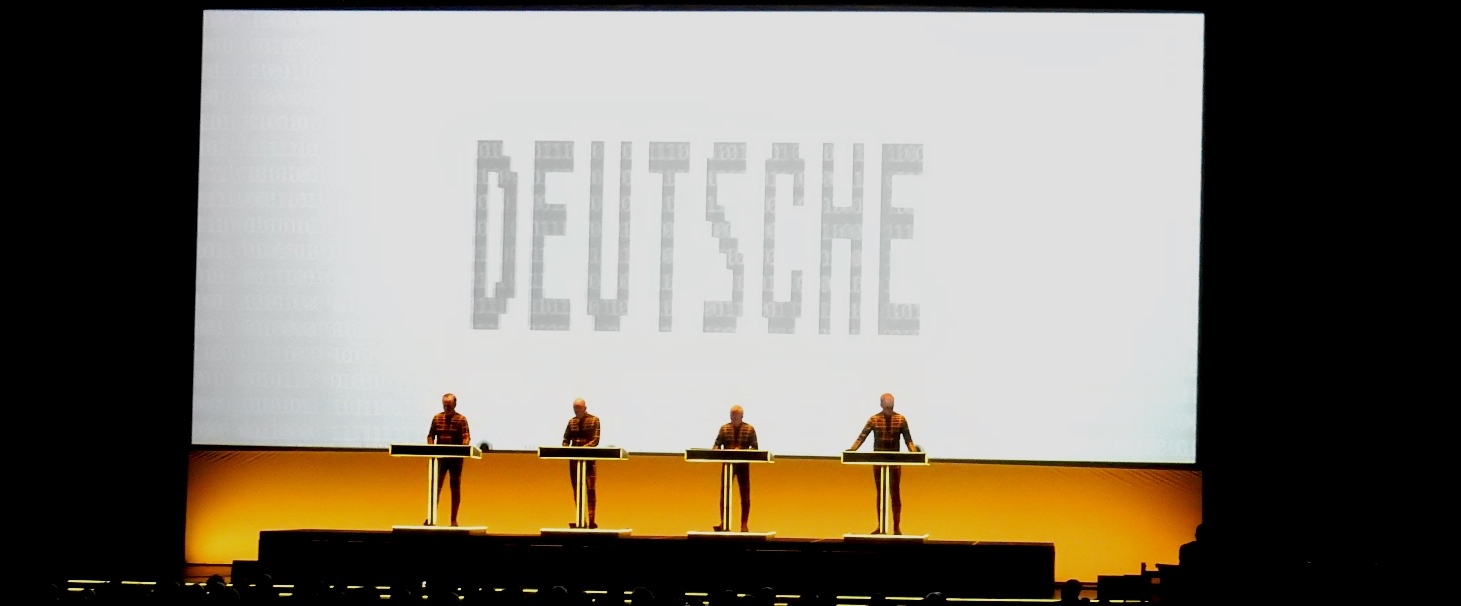
That is another distinguishing feature of ‘Future Music from Germany’. I treat KRAFTWERK as a Gesamtkunstwerk, a total work of art that exceeds music and performance and also incorporates the visual dimension: from the cover designs to today’s complete audio-visual package at the 3D concerts.

As borne out by the back photo on the original German Philips release of ‘Autobahn’, KRAFTWERK had long hair but had it cut short for the concert tour. How and why did this come about?

Ralf Hütter wanted to give KRAFTWERK a more sober, cleaner image, to distance the band from received notions of how a rock band should look and sound.

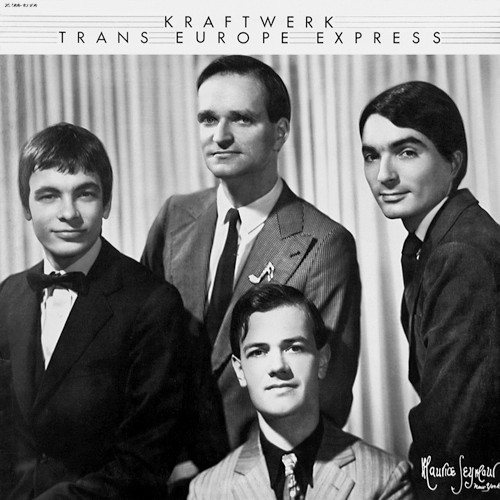
ELECTRICITYCLUB.CO.UK rather likes the vintage suit look of ‘Trans Europe Express’. Which image was your favourite?

I love it, too, and discuss how I first saw the poster of the band members sitting at an outdoor café in their conservative attire in the book. I found it truly odd.

How important was Emil Schult’s graphical and musical contributions to the band?

Very, very important. And much underrated. I try to put the record straight.

You make an interesting observation as to how the original German lyrics to the ‘Computerwelt’ title track are more complex and sinister in their now timely observation of how data is being used and manipulated, compared with the simplified almost nursery rhyme take in English?

Yes, it is important to me to alert English-language readers to the differences between the two languages. I listened to KRAFTWERK singing in German for almost 40 years. They were essentially the only band using my native language – as a German, I equated pop music with English lyrics.

The reissues that made up ‘Der Katalog’ boxed set were quite revisionist on many levels. Was this necessary or an enhancement of the legend in your eyes?

Very necessary, albeit not perfectly done. I discuss KRAFTWERK as an ongoing, evolving art project, and the design changes were an important update of the Gesamtkunstwerk.

There were all the stories of Wolfgang Flür being written out of ‘Der Katalog’, but of course the irony is that Wolfgang’s face was cropped onto the face of Emil Schult for the back photo on the original German Philips release of ‘Autobahn’…

Yes, nothing new there. Karl Bartos was essentially eliminated from the oeuvre, too. But, although this is a dubious move on a moral level, it is a great improvement on an artistic level: the KRAFTWERK concept is all about eliminating personal, individual factors and foregrounding man-machine qualities.

If you read between the lines though, it would appear that Wolfgang Flür hasn’t actually contributed to a KRAFTWERK recording since 1978?

True, but he was important, as was Emil Schult, in various aspects that contributed to the success of the band project. My book, however, is little concerned with gossip or the human frailties or personalities issues at stake. The other books take care if that. As an academic, my interest lies in the conceptual ideas that dominate KRAFTWERK: the notion of the man-machine, the idea of the robot as its avatar, the Gesamtkunstwerk concept and such like.

What was your take on how Karl Bartos and Wolfgang Flür approached their autobiographies?

Well, I took next to no info from Flür’s book and quoted Bartos’ a few times concerning technical and musical info, on which he is very good indeed. I definitely preferred Bartos’ book.

As far as maintaining their own parts of the KRAFTWERK legacy, Karl Bartos at least performs his KRAFTWERK co-writes alongside his new compositions live, but Wolfgang Flür peddles that rather tedious ‘Musik Soldat’ DJ set accompanied by a Powerpoint presentation. Do you agree?

To be honest, I haven’t seen either show so far. I prefer to go to KRAFTWERK concerts, to be honest. I liked the ‘Off The Record’ album, though.

Karl Bartos was KRAFTWERK’s Alan Wilder, discuss…

True. Next question.

Do you think KRAFTWERK’s refusal to collaborate with other musicians (eg Michael Jackson) has been a hindrance or help to the band?

Provided the rumour re Michael Jackson is true at all… Bowie certainly looked for cooperation, and I am pretty curious about how the music they would have made would have sounded… but ultimately it was of course the right decision to turn down all offers and stay strictly true to the concept.

How much longer do you think KRAFTWERK can continue with their 3D / graphics based show? The template for this has been in place for over 15 years now…

Hopefully still for many, many years. As soon as Hütter won’t be able to perform for health reasons, the game will be over anyway. What I am truly curious about is which, if any, precautions he has taken to ensure the KRAFTWERK project continues beyond that point. Maybe a permanent exhibition of the “musical paintings” at a museum?

What still drives Ralf? Surely he could rest on his laurels and appreciate the band’s legacy?

Florian Schneider’s departure in 2008 was the best thing that could have happened to KRAFTWERK. It gave Ralf Hütter the opportunity to start touring extensively and to take their amazing show to as many people as possible. The man-machine concept only comes alive if KRAFTWERK perform their shows on stage. Admittedly, I begin to tire of it a little, having now seen it some 15 times or more, but everyone who sees it for the first time is blown away, and rightly so!

We now live in a technological era of the virtual pop star eg HATSUNE MIKU + GORILLAZ… can you see a time when Ralf and co “retire” and send robots out on tour instead of them?

No, not really. Though I would go and see it, for “professional reasons”, as it were, it would not really interest me.

KRAFTWERK were left behind musically and technologically a long time ago. Is there anything you can see the band doing to help reclaim their crown in this era or has that time come and gone now?

This question excludes the crucial and decisive visual aspect. KRAFTWERK are still at the forefront of music: There is hardly a better electronic music concert experience around than their 3D audio-visual package with the full wave-field synthesis sound system. I went to see MODEL 500 recently in Berlin. They are proof that Detroit techno is well past its prime. And a cheap KRAFTWERK performance imitation.

If KRAFTWERK did release an album, what concepts could they possibly use in it? There was a rumour a few years ago about a bio-fuels theme…

Ah, interesting, I hadn’t heard that rumour. I speculate about themes such as AI, genetic manipulation and other post-humanist ideas that would fit with the robot and man-machine concept. But all of this is idle speculation. What I hope for, though, is another EP in the vein of ‘Expo 2000’… Or some officially approved remixes, like the ones by HOT CHIP.

You have this theory in the book that there will never be a new KRAFTWERK album because of the magic number 8?

And it is very convincing, don’t you agree? And what is even more convincing is the fact that Hütter, even if aided by Fritz Hilpert, would not be able to pull off the feat of making an album full of exciting new tracks that would exceed, or even match the existing ones.

Why do you think Ralf appears to distance himself from the first three KRAFTWERK albums so much, to the point where he sees ‘Autobahn’ as a “year zero” for the band?

Yes, of course, it is part of the myth, though Florian Schneider was no different.
What are your opinions on RAMMSTEIN’s version of ‘The Model’?

Don’t get me started. I hate it, and I hate RAMMSTEIN, not because of their sh*tty music, which I am not bothered about, but because their records and videos promote nationalist political thinking in Germany. The band purposely encourages right-wing agendas.

I am not fussed about people abroad liking the music, or even thinking that the Teutonic clichés these millionaire musicians peddle have anything to do with Germany or German culture.

KRAFTWERK have once again been overlooked at not inducted into The Rock & Roll Hall Of Fame. Do you have an opinion on this?

Yes, I do: It is a disgrace.


ELECTRICITYCLUB.CO.UK gives its warmest thanks to Uwe Schütte

Special thanks to Matt Hutchinson at Penguin Music

‘KRAFTWERK Future Music from Germany’ by Uwe Schütte is published by Penguin Press, available from all good book retailers

http://www.kraftwerk.com/

http://www.aston.ac.uk/lss/staff-directory/schutteu/

https://www.penguin.co.uk/


Text and Interview by Chi Ming Lai
Additional Questions by Paul Boddy
27th February 2020

A Short Conversation with KOMPUTER


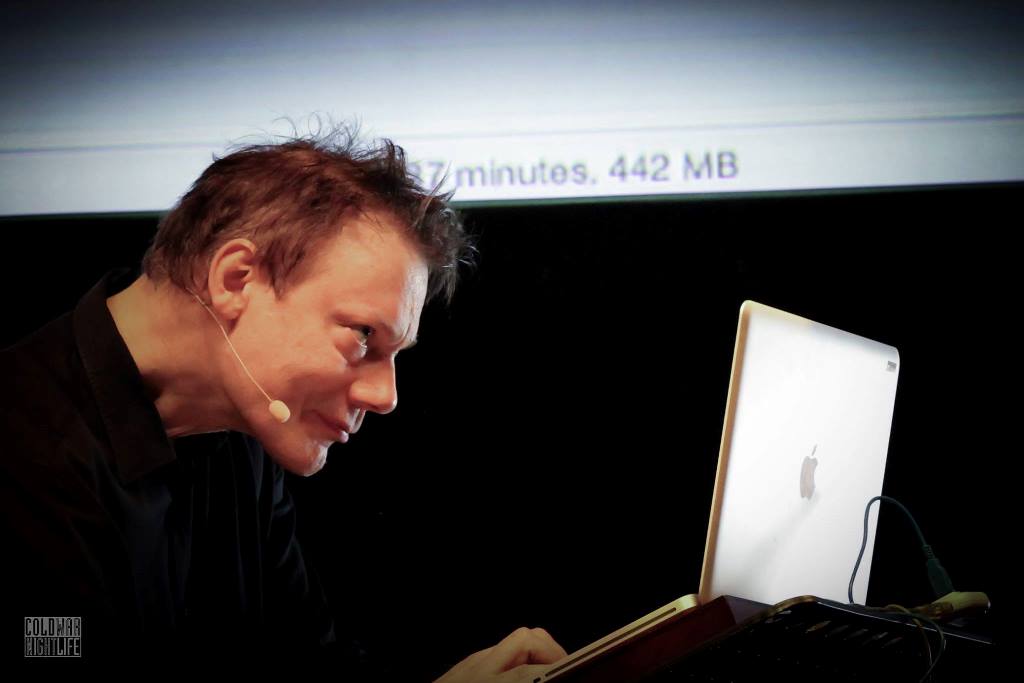
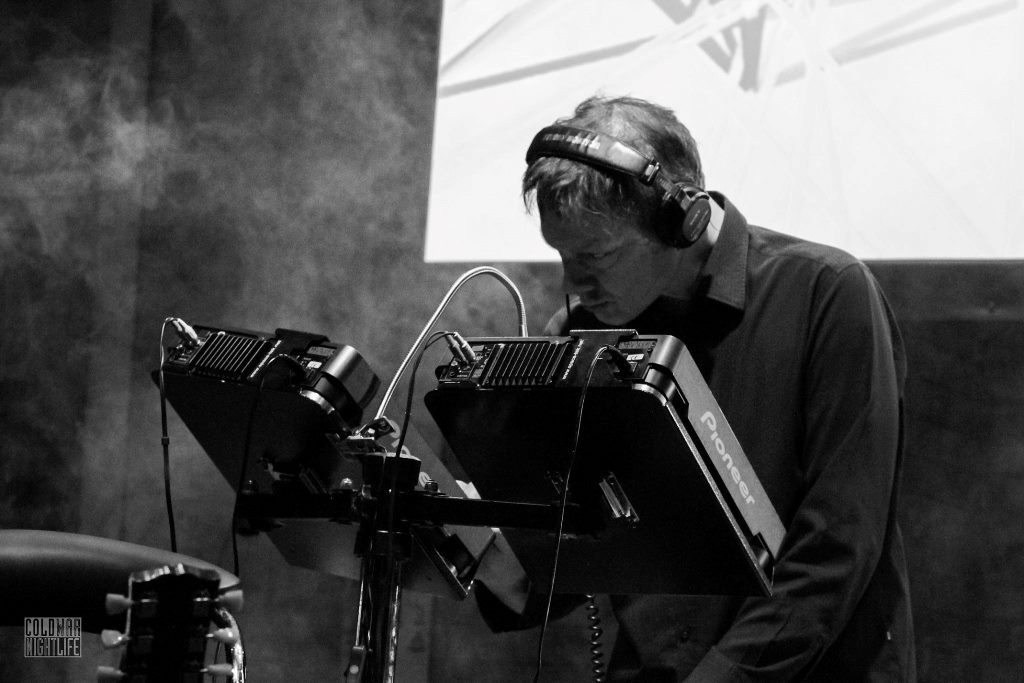
In association with Cold War Night Life, SATURDAY 30TH NOVEMBER 2019 at Electrowerkz in London will feature the live return of KOMPUTER.

Veterans of three albums released on Mute Records, KOMPUTER were a reaction to the hangover that was Britpop. But taking a leaf out of the low monobrow antics of OASIS, the duo of Simon Leonard and David Baker decided “instead of ripping off THE BEATLES we’d rip off KRAFTWERK”.

Their first release ‘EP’ in 1996 set out to create some heavily KRAFTWERK influenced numbers and more than made up for the lack of new material from Kling Klang. ‘We Are Komputer’ was their very own take on ‘The Robots’, while there was also the marvellous tribute to the first female Cosmonaut ‘Valentina Tereshkova’ which mined ‘The Model’. Best of all though was the blippy ‘Komputer Krash’ while ‘Oh Synthesizer’ was an electronic hymn in the vein of ‘Neon Lights’, right down to the near identical schlagzeug stance and leadline melody.

A debut album ‘The World Of Tomorrow’ in 1998 followed featuring the marvellous train ride that was ‘Terminus Interminus’ and a tribute to their home city ‘Looking Down On London’, the ‘Metroland’ mix of which was sampled by OMD for their 2010 tune ’The Right Side?’.

Indeed, sampling was the next path KOMPUTER would take and with the discarded vinyl they sourced on visits to Spitalfields Market, 2002’s ‘Market Led’ was produced. But an exclusive track more in keeping with their more traditional electronic sound ‘My Private Train’ appeared on the 2003 Lucky Pierre compilation ‘Robopop Volume 1’ which also included CLIENT, SPRAY, MY ROBOT FRIEND, WHITE TOWN, EMPIRE STATE HUMAN, VIC TWENTY and MACONDO.

With advances in technology, the third album ‘Synthetik’ in 2007 explored virtual synths using traditional song structures and more experimental ideas. From it, ‘Headphones & Ringtones’ was a witty observation on how music consumption had changed in the 21st Century, while ‘International Space Station’ captured a glorious spirit of unity.

Leonard and Baker had actually been collaborating since 1982 as the synthpop combo I START COUNTING who had a pair of albums released by Mute Records and opened for ERASURE.

Then the pair mutated into the more dance driven FORTRAN 5 who also had three albums on Mute and recorded a hilarious ‘Derek Sings Derek’ cover of ‘Layla’ featuring a camp theatrical monologue by the late comic actor Derek Nimmo.

Highlights of their eight album catalogue were compiled for the excellent ‘Konnecting…’ retrospective in 2011 and with this special live reunion, Leonard and Baker have promised material from their I START COUNTING and FORTRAN 5 periods as well as KOMPUTER. In a break from making preparations for the show, David Baker had a quick chat about Russian history, OMD, Daniel Miller and more…
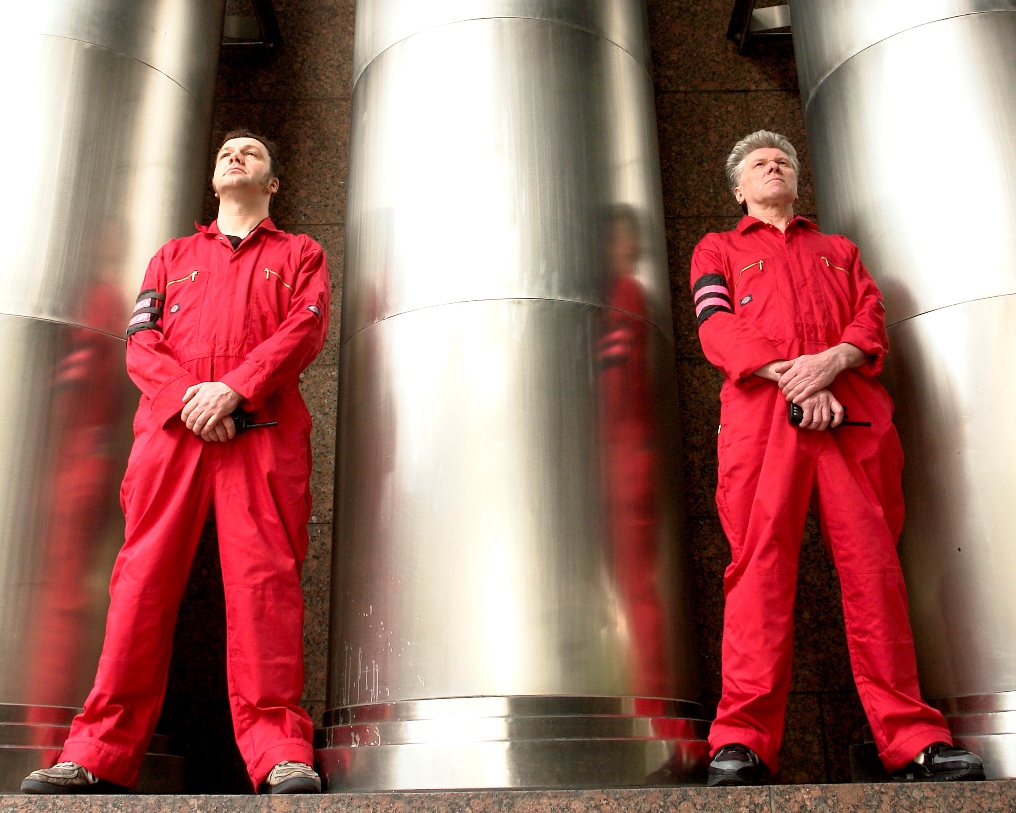

‘Valentina’ celebrated the first woman in space, what fascinated KOMPUTER about that mission and the Soviet space programme in general?

It was actually more inspired by BONEY M! We had always loved ‘Rasputin’, we even did a cover version. We wanted to do a song with a narrative that documented someone’s life. Simon had a book on the history of space exploration, which is where we discovered the mostly neglected story of Valentina Tereshkova.

‘Oh Synthesizer’ must have lit the touch paper of those obsessed with the “K” word, can you remember what the response was like to the debut self-titled EP?

It was like a similar to someone’s recent recollection of one of our earliest gigs: “My memory of that Garage gig is a very animated and upset young man in an ill-fitting jumper, spilling Tuborg about the place, screaming at the top of his voice, ‘WHAT IS THE FACKING POINT?!’”

How did you feel about OMD sampling ‘Looking Down On London’ for ‘The Right Side?’

Very pleased. Sting asked if he could do a version of ‘Looking Down On London’ as ‘Looking Down On Sunderland’ for some charity thing. We said no because it’s a silly idea and he’s a twat. But we love OMD, ‘Tesla Girls’ in particular and it does a great mash-up with ‘Hersham Boys’ by SHAM 69.

‘Terminus’ is one of your most popular tracks, what was its genesis and do you have a favourite mix?

A seemingly infinite airport / station, JG Ballard, ‘The Bridge’ by Iain Banks. We actually did a track a few years ago called ‘The Bridge’, but that was about Suicide Bridge. It was very good.

Daniel Miller’s Mix, the Memory Man mix was our favourite. The COSMIC BABY mix was chosen to be the lead track but we always preferred Miller’s. COSMIC BABY’s mix was a swap, we did a remix of his track ‘Lucifer’, which was very good.


ELECTRICITY.CO.UK gives its sincerest thanks to David Baker

https://komp46.wixsite.com/komputer

https://www.facebook.com/KomputerOfficial/

https://twitter.com/komputerdave

https://www.instagram.com/komputerdave/

https://open.spotify.com/artist/1gEqsqT3mT13pTcUhEyzzs


Text and Interview by Chi Ming Lai with thanks to Simon Helm
Photos courtesy of David Baker
2nd November 2019

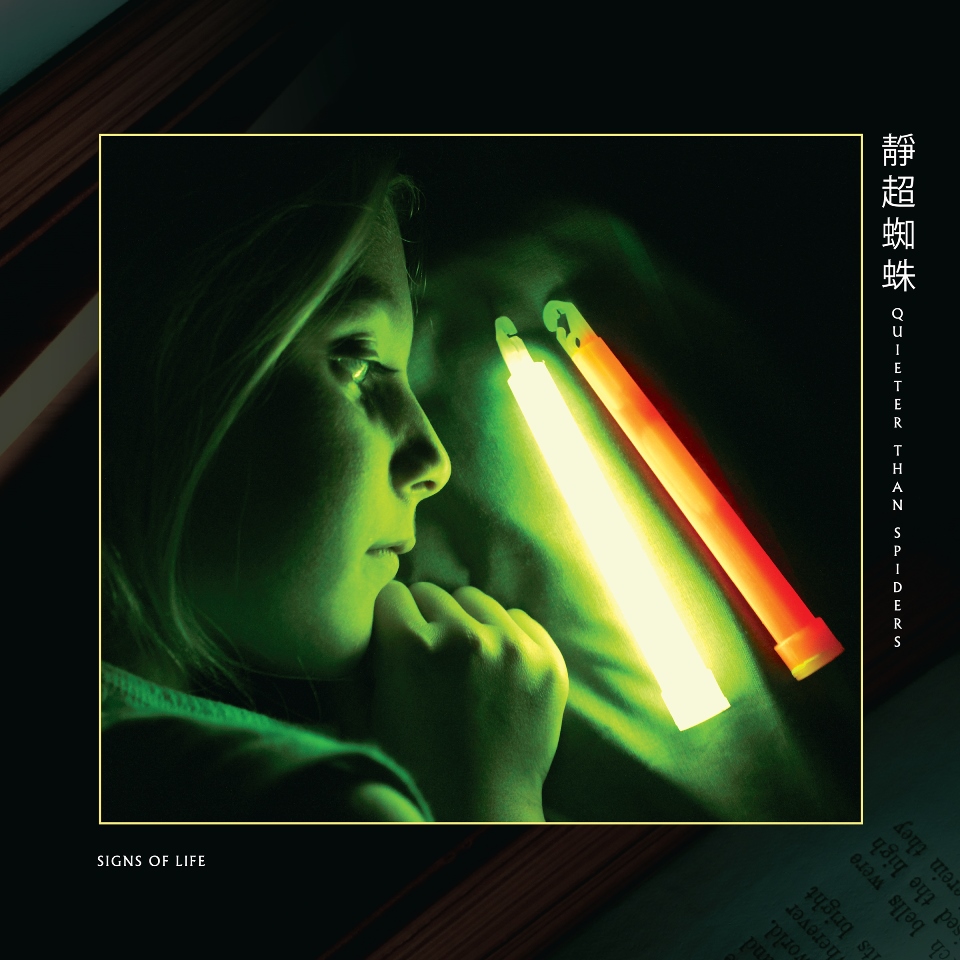
QUIETER THAN SPIDERS Signs Of Life

After first breaking cover in 2013, Shanghai synthpop trio QUIETER THAN SPIDERS mysteriously disappeared despite having previewed numerous tracks on YouTube and Soundcloud.

But in 2018 there were ‘Signs Of Life’ as QUIETER THAN SPIDERS officially released their first track ‘Shanghai Metro’ on a compilation via Amour Records. And now, the anonymous family group of Leon, Yi Fan and Yao finally release their long awaited debut album on Anna Logue Records, promising “Electric sound-waves that pulse through our sleep… and our dreams”,

It is a body of work that has a timeless quality which manages to be simultaneously futuristic and classic, just like the electronic pop of yore. ‘Signs Of Life’ begins with the bubbling chiptune inspired ‘Arcade Eighty – Five’; both rigidly rhythmic and richly melodic, it is exactly what KRAFTWERK would be sounding like today if they could be bothered to make new records. With a harsher robotic tone, ‘No Illusion’ keeps up the standard with its sharp hooks and recalls the endearing homemade indie electro of WHITETOWN.

As well as ten actual compositions, ‘Signs of Life’ also features eight conceptual interludes, the first of which being the self-explanatory ‘Disorientation’ which in 2019 falls into that ‘Stranger Things’ territory. Also accidently falling into current music trends, ‘Night Drive’ would probably be considered Synthwave although the chipmunk voice samples and sectional structure keep it firmly within the classic synthpop template.

The very short ‘2139’ looks ahead courtesy of Jean-Michel Jarre derived arpeggios and string machines to act as a intro to the simply wonderful ‘The Land Of The Lost Content’. Inspired by an AE Housman poem, it glides with a glacial beauty that not only is appealing to the ear, but can be danced to as well.

The soothing piano on ‘Distant’ provides respite from all the beats before ‘Shanghai Metro’, a whirring tune that would be exactly what OMD would sound like if they formed in the 21st Century. But while the strong melodic elements recall Paul Humphreys and Andy McCluskey’s more recent work, particularly 2013’s ‘English Electric’, there is a fresh dynamic slant with the train station announcements and robot voices acting as catchy hooks.

The music box sequence of ‘Chang’e’ has a European arthouse air about it, which is appropriate as the following ‘Fessenden Grove’ is a solemn piano piece that incorporates ‘Scenes From Childhood’ by German composer Robert Schumann. But its eerie voice samples stating “this young man’s dead” prepare the listener for the loss and despair expressed in ‘Hibakusha’.

A beautifully haunting song about the aftermath of Hiroshima, it is a thoughtful merging of SOLVENT and Michael Rother which as far as subject matter and melody goes, is up there with ‘Enola Gay’. Fittingly in that unsettling ‘Stranger Things’ vein, the horror of ‘Silent Centre’ comes afterwards.

That fatalistic air continues with ‘Komarov’, an instrumental eulogy to the cosmonaut of Soyuz 1 who was the first man to die on a space mission; capturing the tragedy in music, it is a hairs on the back of the neck moment, swathed in chilling but melodic sadness; OMD would be rather proud if this was one of their own…

And as the album becomes much more downbeat, ‘Brave New World’ does as title suggests, dressed in dense Vangelis sweeps. More personal and introverted, ‘The Signs Of Life’ stares mortality in the face and reflects on the difficult emotions that come when the end is nearer than the beginning, “when the light begins to fade”.

The longest track on the record, the slow expansive drama of ‘The Statues’ could not be more different from ‘Shanghai Metro’, the mournful choir boy melancholy standing alone in the cinematic synthesized atmosphere. The funereal instrumental ‘Zara In The Stars’ closes ‘Signs Of Life’ with a glorious heavenly ambience perhaps not heard since Moby closed ‘Hotel’ with ‘Homeward Angel’.

In common with records such as ‘Low’, ‘Closer’ or ‘Play’, ‘Signs Of Life’ begins in an upbeat fashion but then gets increasingly slower, stranger and sadder. And with its conceptual interludes and emotive avant pop in various tempos, it is a direct descendent musically of OMD’s ‘Dazzle Ships’ and ‘English Electric’.

A document of melancholy and uncertainty through its difficult gestation over the last six years, ‘Signs Of Life’ is one of the best electronic pop albums of 2019. Its understated artistic perseverance has been well worth the wait.


‘Signs Of Life’ is released by Anna Logue Records on 4th October 2019 in double CD, double vinyl LP and download formats featuring a bonus album of 10 remixes by artists including Kevin Komoda from RATIONAL YOUTH, VILE ELECTRODES and THE SILICON SCIENTIST – available from https://annaloguerecords.bandcamp.com/album/signs-of-life-2cd-version-master

https://www.facebook.com/QTSpiders/

https://www.facebook.com/annaloguerecords/


Text by Chi Ming Lai
12th August 2019

A Beginner’s Guide To EUROPE


Europe is the spiritual home of electronic music, inspiring it not just artistically but forming an important bond with the continent’s classical tradition through the romance of its historical imagery.

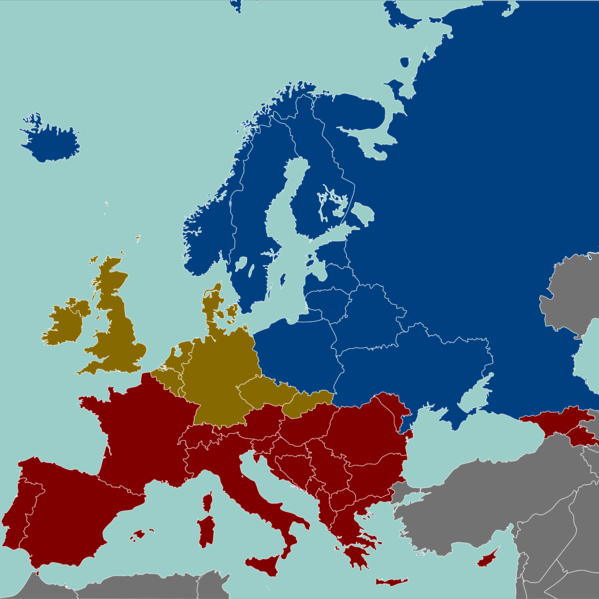
Continental Europe is defined as being bordered by the Arctic Ocean, the Atlantic Ocean and the Mediterranean Sea. Often considered to be separated from Asia by the watershed divides of the Ural and Caucasus Mountains, the Ural River, the Caspian and Black Seas and the waterways of the Turkish Straits, it includes the part of Russia where Moscow and St Petersburg are located.

Mark Reeder was one of the first British music personalities to fully adopt Europe, making West Berlin his home in 1978 and subsequently releasing a number of themed compilation albums such as ‘European’ in 1995 and ‘Assorted (E For Europe)’ in 1999 on his MFS label. His fellow Mancunian and friend Bernard Sumner of NEW ORDER said to The European in 2016: “I feel European, I regard myself as a European… as a musician I’ve always been massively influenced by Europe and its people”.

From Paris to Vienna back to Düsseldorf City, Europe fascinated British musicians who having been open-minded enough to use synthesizers, now embraced many different mindsets, languages, cultures and cuisines, all within a comparatively accessible geographical land mass. Meanwhile, European instrument manufacturers such as PPG, Elka, Crumar, RSF, Jen and Siel found their products in the thick of the action too.

ELECTRICITYCLUB.CO.UK stands proud of its Eurocentric focus. Esteemed names like Hütter, Schneider, Flür, Bartos, Moroder, Jarre, Vangelis, Plank, Rother, Dinger and Froese have more than highlighted the important debt that is owed by electronic music to Europe.

While the UK may have scored an equalizer with Synth Britannia, it was the Europeans who took that crucial half time lead. So to disengage with the European tradition would be betraying everything that ELECTRICITYCLUB.CO.UK is all about.

Presented in yearly and then alphabetical order with a restriction of one track per artist moniker, here are our favourite 20 electronic tunes that were inspired, either directly or obliquely, by the legacy of Europe…


DAVID BOWIE Warszawa (1977)

‘Warszawa’ was named after the Polish capital city but accurately captured the Cold War tensions in Europe without the need for lyricism. At Hansa Studios where the sessions were being mixed, the watch towers in East Berlin could look into the windows of the building! Tony Visconti’s production only enhanced the collaborative drama between David Bowie’s enigmatic wailing over Brian Eno’s Minimoog and Chamberlain keys.

Available on the DAVID BOWIE album ‘Low’ via EMI Records

http://www.davidbowie.com


KRAFTWERK Europe Endless (1977)

With KRAFTWERK utilising a customized 32-step Synthanorma Sequenzer and a Vako Orchestron with pre-recorded symphonic string and choir sounds sourced from optical discs, if there was such a thing as a musical European travelogue, then the romantically optimistic beauty of ‘Europe Endless’ was it. It influenced the likes of NEW ORDER, OMD and BLANCMANGE who all borrowed different aspects of its aesthetics for ‘Your Silent Face’, ‘Metroland’ and ‘Feel Me’ respectively.

Available on the KRAFTWERK album ‘Trans Europe Express’ via EMI Records

http://www.kraftwerk.com/


THE DURUTTI COLUMN For Belgian Friends (1980)

‘For Belgian Friends’ was written in honour of Factory Benelux founders Michel Duval and the late Annik Honoré. Martin Hannett’s technologically processed production techniques made Vini Reilly’s dominant piano sound like textured synthetic strings, complimenting his sparing melodic guitar and the crisp percussion of Donald Johnson. This beautiful instrumental was one of Reilly’s best recordings, originally on the compilation ‘A Factory Quartet’.

Available on THE DURUTTI COLUMN album ‘LC’ via Factory Benelux Records

http://www.thedurutticolumn.com/


FATAL CHARM Paris (1980)

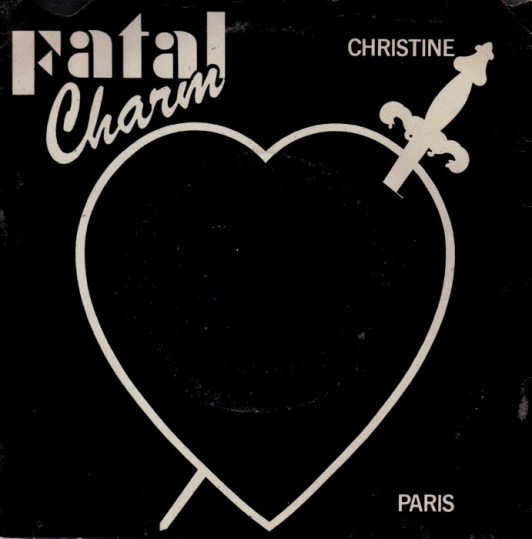
Nottingham combo FATAL CHARM supported ULTRAVOX and OMD in 1980. Their excellent first single ‘Paris’ was produced by Midge Ure and could be seen reflecting the electronically flavoured new wave template of the period. Singer Sarah Simmonds’ feisty passion gave a freshly charged sexual ambiguity to the European love story written in the days before the Channel Tunnel. Instrumentalist Paul Arnall said: “we were able to use Midge’s Yamaha synth which gave it his sound”.

Available on the FATAL CHARM album ‘Plastic’ via Fatal Charm

http://fatalcharm.co.uk/


IPPU DO German Road (1981)

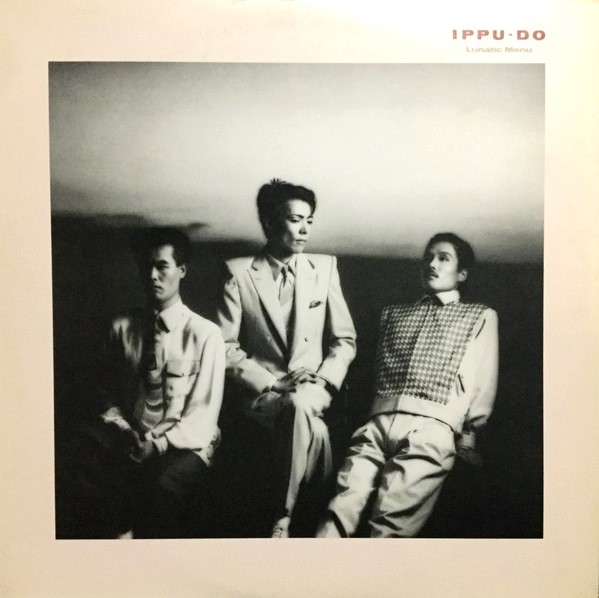
Did you hear the one about the Japanese band impersonating a German band and doing it rather well? Influenced by the motorik backbeat of NEU! and also heavily borrowing form its guitarist Michael Rother’s solo track ‘Karussell’, IPPU DO’s leader Masami Tsuchiya was something of a multi-cultural sponge, later joining JAPAN for their final tour in 1982. The band are best known in the UK for their startlingly original cover version of THE ZOMBIES ‘Time Of The Season’.

Remixed version available on the IPPU DO album ‘Essence: The Best Of’ via Sony Music

http://www.ne.jp/asahi/masami/london/


LANDSCAPE European Man (1980)

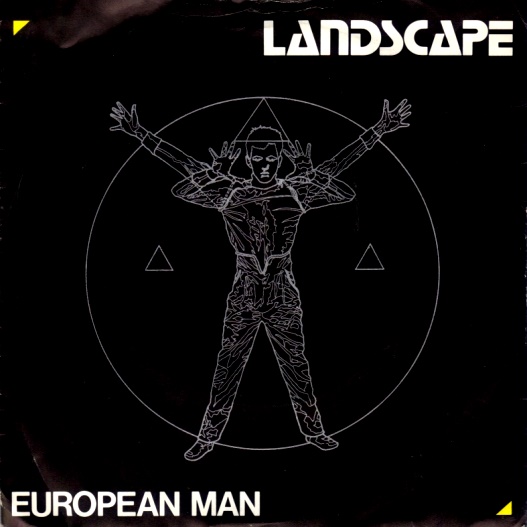
Electronic pioneer Richard James Burgess said: “I think we all embraced this new direction because of our raw excitement over the new technology… We discussed it in the band and everyone was on board so I started working on the lyrics that became ‘European Man’”. Colin Thurston was the producer assisting in realising this new direction and interestingly, the rear artwork of the first issue of the single featured a very early use of the term “electronic dance music”.

Available on LANDSCAPE album ‘From The Tea-Rooms Of Mars…’ via Cherry Red Records

https://twitter.com/Landscape_band


SIMPLE MINDS I Travel (1980)

“Europe has a language problem” sang Jim Kerr on ‘I Travel’, adding “in central Europe men are marching”. Aware of the domestic terrorist threats that were apparent in every city they were visiting on tour, SIMPLE MINDS captured a claustrophobic tension within its futuristic frenzy like a doomy disco take on Moroder. It was a favourite of DJ Rusty Egan at The Blitz Club where its shadier spectre was highly welcomed by its clientele, reflecting their own discontent closer to home.

Available on the SIMPLE MINDS album ‘Empires & Dance’ via Virgin Records

http://www.simpleminds.com


TELEX Eurovision (1980)

Having previously visited a ‘Moscow Disko’ and with tongues firmly in cheeks, TELEX entered the 1980 Eurovision Song Contest with a bouncy electropop song that had deliberately banal lyrics about the whole charade itself. Performing to a bemused audience in The Hague with the sole intention of coming last, unfortunately Finland decided otherwise! Who said the Belgians didn’t have a sense of humour?!

Available on the TELEX album ‘Ultimate Best Of’ via EMI Music Belgium

http://www.telex-music.com/


ULTRAVOX New Europeans (1980)

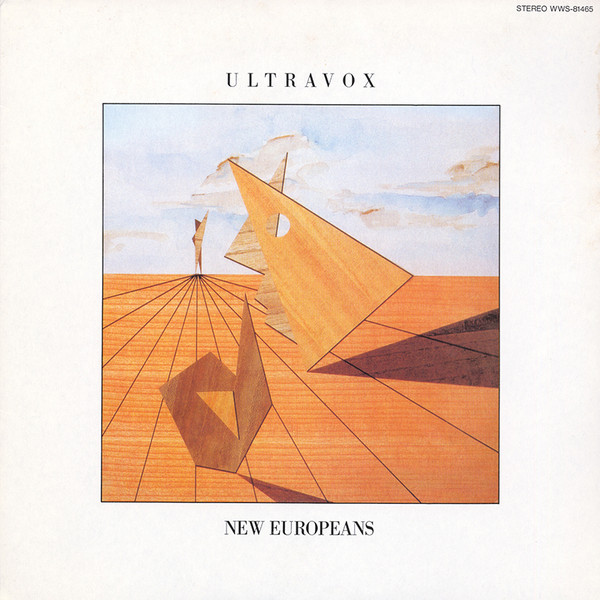
If there was a song that truly represents ELECTRICITYCLUB.CO.UK’s ethos, then the synth rock fusion of ‘New Europeans’ by ULTRAVOX is it! Noting that “his modern world revolves around the synthesizer’s song” in lyrics largely written by drummer Warren Cann, it all pointed to an optimistic way forward “full of future thoughts and thrills” with freedom of movement to and from the continent for “a European legacy and “a culture for today”.

Available on the ULTRAVOX album ‘Vienna’ via EMI Records

http://www.ultravox.org.uk/


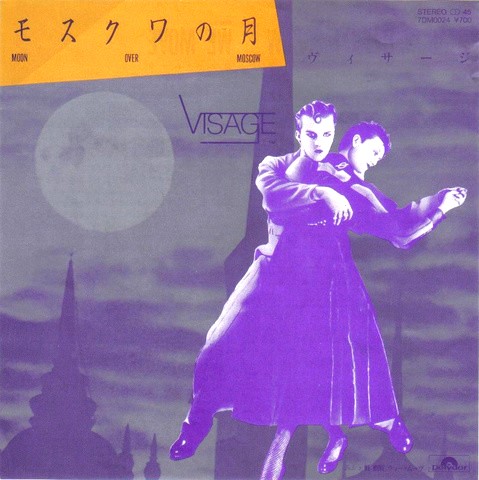
VISAGE Moon Over Moscow (1980)

While in his dual role as DJ at The Blitz Club and VISAGE’s drummer, Rusty Egan had become inspired by the melodic interplay of Japanese trio YELLOW MAGIC ORCHESTRA which had been European influenced: “I liked the album and played it along with TELEX and SPARKS. The sound was an influence on VISAGE. By the time we recorded ‘Moon Over Moscow’, that was to include Russia, Japan, Germany and France in our sound… the drummer was also using the same drum pads as me!”

Available on the VISAGE album ‘Visage’ via Alliance Import

http://rustyegan.net/


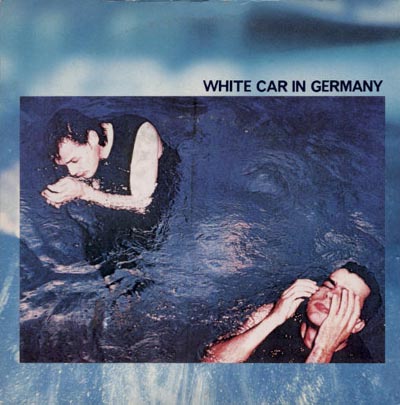
ASSOCIATES White Car In Germany (1981)

ASSOCIATES first musical signs of a fascination towards European influenced electronic music came with the funereal pulse of ‘White Car In Germany’. The swirling electronics, cold atmosphere and treated percussion were intended to sound as un-American as possible. Billy MacKenzie’s observational lyric “Aberdeen’s an old place – Düsseldorf’s a cold place – Cold as spies can be” accurately captured post-war tensions under the spectre of the bomb.

Available on the ASSOCIATES album ‘The Very Best Of’ via BMG

https://www.facebook.com/theassociatesofficial/


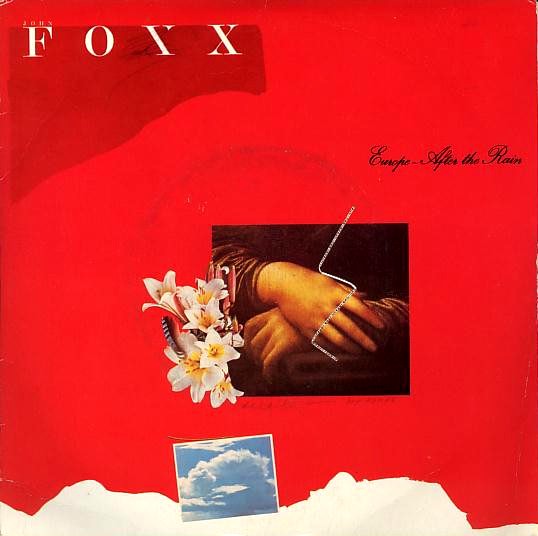
JOHN FOXX Europe After The Rain (1981)

Foxx admitted he had been “reading too much JG Ballard” and had thawed considerably following ‘Metamatic’. Now spending his spare time exploring beautiful Italian gardens and taking on a more foppish appearance, his new mood was reflected in his music. Moving to a disused factory site in Shoreditch, Foxx set up a recording complex which he named ‘The Garden’ and the first song to emerge was the Linn Drum driven ‘Europe After The Rain’. Foxx had now achieved his system of romance.

Available on the JOHN FOXX album ‘Modern Art: The Best Of’ via Music Club

http://www.metamatic.com/


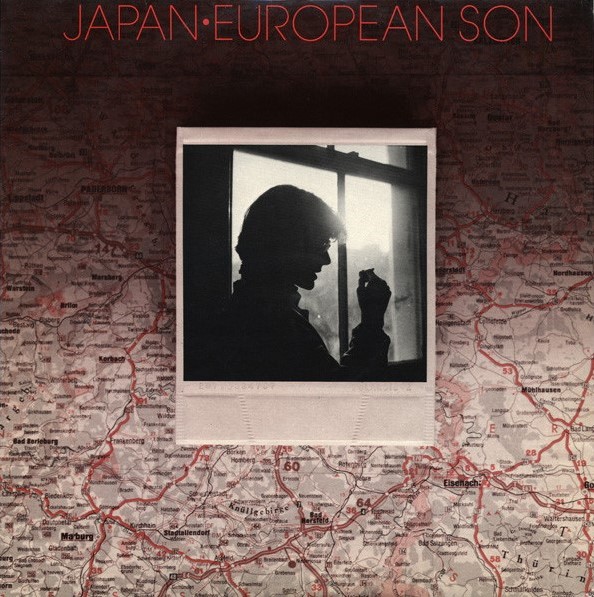
JAPAN European Son (1981)

Recorded as a JAPAN demo for the 1979 Giorgio Moroder sessions that produced ‘Life In Tokyo’, this sequencer heavy number was rejected by the Italian disco maestro. The song was finished off under the supervision of John Punter and later given a single remix by Steve Nye with redone parts by Mick Karn. ‘European Son’ showed David Sylvian’s vocals in transition from the catty aggression of earlier albums to the Ferry-ish croon most now associated with the band.

John Punter version available on JAPAN album ‘The Very Best Of’ via BMG

http://www.nightporter.co.uk/


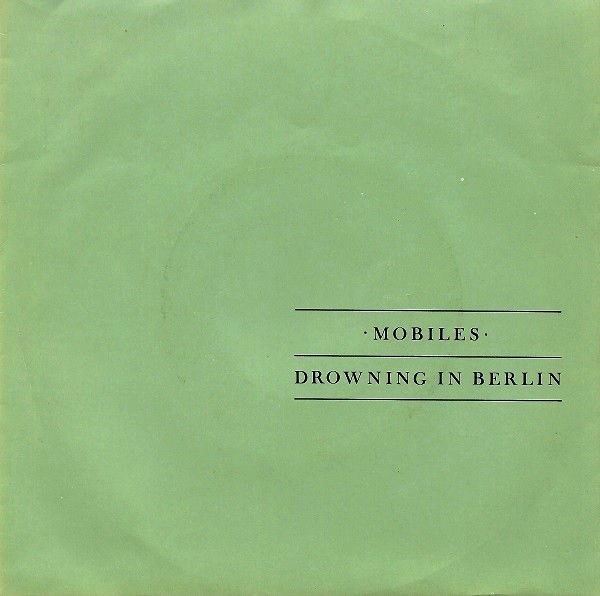
THE MOBILES Drowning In Berlin (1981)

THE MOBILES’ were from the sleepy shores of Eastbourne; while ‘Drowning In Berlin’ may have come across as a ‘Not The Nine O’Clock News’ New Romantic parody on first listen, its decaying Mittel Europa grandeur was infectious like Hazel O’Connor reinterpreting ‘Vienna’ with The Master of Ceremonies at the Kit Kat Klub. And like ‘Vienna’, ‘Drowning In Berlin’ was inspired by a holiday romance, in this case one that singer Anna Maria had while visiting the divided city.

Available on THE MOBILES album ‘Drowning In Berlin: The Best Of’ via Cherry Red Records

https://www.discogs.com/artist/98916-Mobiles


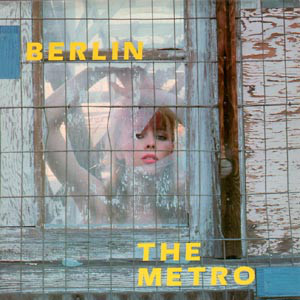
BERLIN The Metro (1982)

Inspired by ULTRAVOX and KRAFTWERK, Californian band BERLIN with their approach to synths were a far cry how they were being used Stateside in rock. In ‘The Metro’ with its frantic motorik drum machine and Teutonic pulses, songwriter John Crawford aimed to capture the tense filmic romance of Paris despite never having visited the city, a vibrant but detached feeling ably projected by Terri Nunn in a similar fashion to FATAL CHARM.

Available on the BERLIN album ‘Best Of’ via Geffen Records

http://www.berlinpage.com/


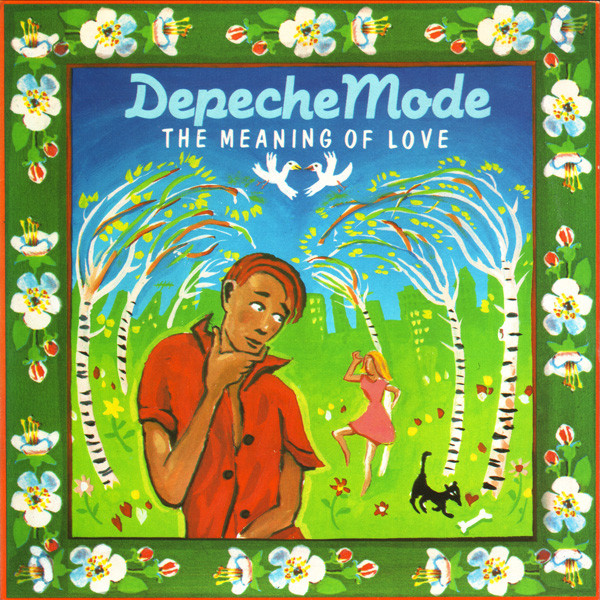
DEPECHE MODE Oberkorn (1982)

Radio Luxembourg broadcasted pop music to the UK using the most powerful privately owned transmitter in the world. But when DEPECHE MODE played the country in early 1982, they were booked to perform in a small town called Oberkorn. With a glorious ambient instrumental on the B-side of the then soon-to-be-released single ‘The Meaning Of Love’ requiring a title, Martin Gore needed no further inspiration, unconsciously capturing the air of the Grand Duchy’s countryside.

Available on the DEPECHE MODE boxed set ‘DMBX1’ via Columbia Records

http://www.depechemode.com/


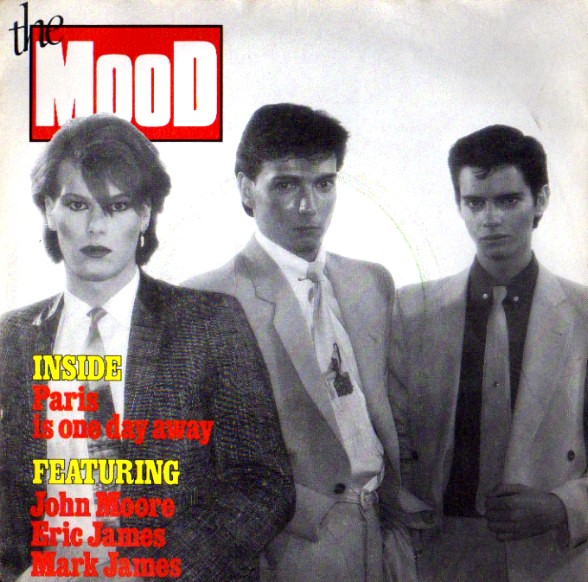
THE MOOD Paris Is One Day Away (1982)

Before the days of the Channel Tunnel, young York based New Romantic trio THE MOOD noted the how long it took by boat and train to get to the French capital. ‘Paris Is One Day Away’ was the hit that got away; reaching No. 42, it secured a slot on ‘Top Of The Pops’. However, it was the 1982 World Cup and a match heading into extra time meant that a hasty edit was made. And it was THE MOOD’s performance as the new and unknown act that ended up on the cutting room floor!

Available on THE MOOD album ‘The Singles Collection’ via Cherry Red Records

http://www.themood.info/


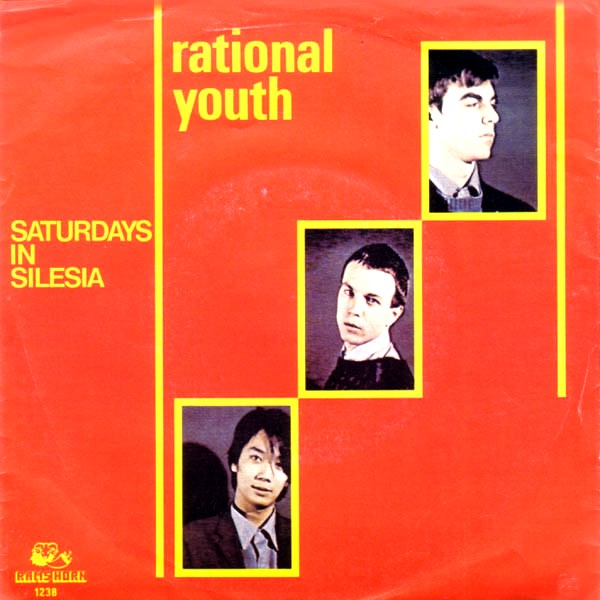
RATIONAL YOUTH Saturdays in Silesia (1982)

After ‘Dancing On The Berlin Wall’, RATIONAL YOUTH mainman Tracy Howe turned his attention towards Poland. “What was it like to be young person behind the Iron Curtain? What did they do on a Saturday night anyway?” he told ELECTRICITYCLUB.CO.UK, “Did they have clubs to go to? Probably underground ones. They’d probably break down the door. Apart from the fact that there are no ‘navy docks’ in Silesia, this record makes a jolly racket and may well be the first recorded instance of a Roland TR-808.”

Available on the RATIONAL YOUTH album ‘Cold War Night Life’ via EMI Records

https://www.facebook.com/RationalYouth/


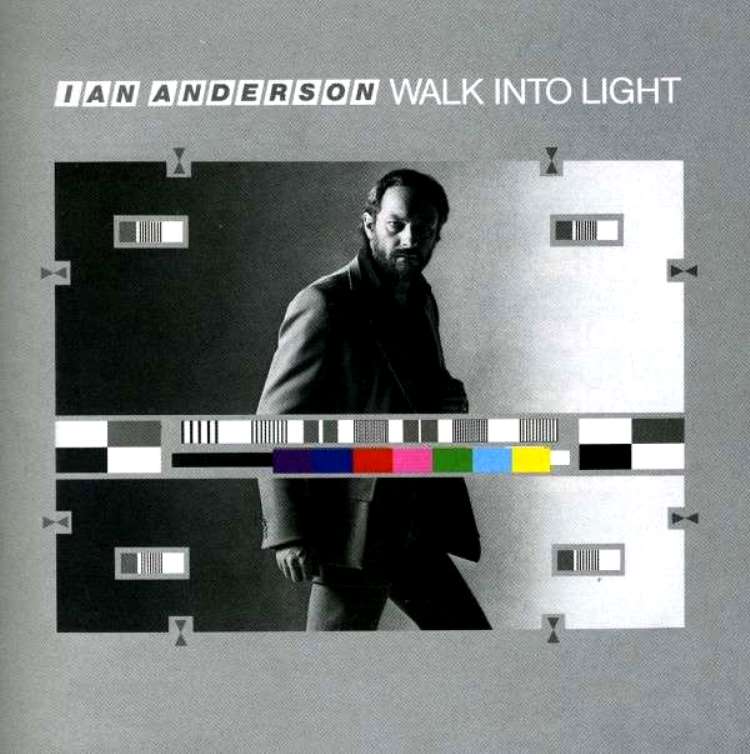
IAN ANDERSON Different Germany (1983)

Fascinated by the likes of Thomas Dolby and Gary Numan, JETHRO TULL frontman Ian Anderson went synth in 1983. Assisted by Peter John Vitesse, ‘Different Germany’ embraced both the electronic and progressive sides of Anderson’s career perfectly with a marvellous middle section featuring a bristling keyboard solo. The end result sounded not unsurprisingly like Tull fronting ULTRAVOX; of course, the circle was completed when Midge Ure covered ‘Living In The Past’ in 1985.

Available on the IAN ANDERSON album ‘Walk Into Light’ via EMI Records

http://jethrotull.com/ian-anderson-bio/


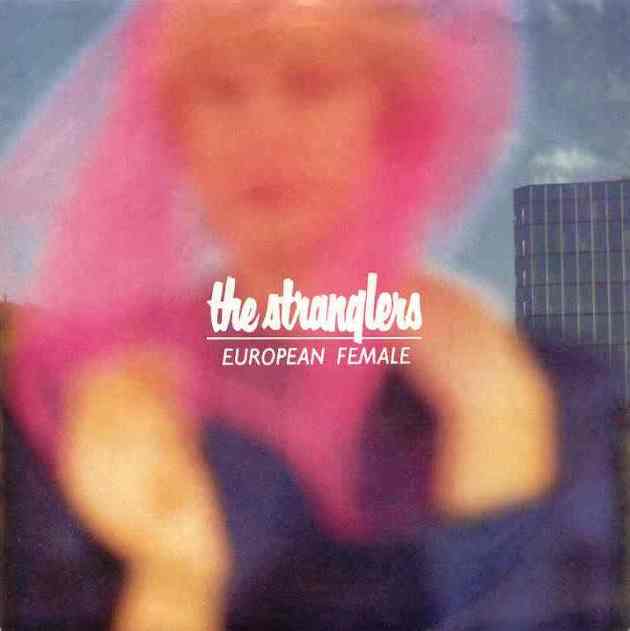
THE STRANGLERS European Female (1983)

Born to French parents, THE STRANGLERS’ bassist Jean-Jacques Burnel was a loyal European, even releasing a 1979 solo album ‘Euroman Cometh’ where “a Europe strong, united and independent is a child of the future”. Taking lead vocals for the beautiful ‘European Female’, it possessed an understated quality with subtle Spanish guitar from Hugh Cornwell alongside Dave Greenfield’s sparkling synths and Jet Black’s electronic percussion to celebrate the allure of continental mystery.

Available on THE STRANGLERS album ‘The Very Best Of’ via EMI Records

http://www.thestranglers.co.uk/


Text by Chi Ming Lai
18th April 2019

A Beginner’s Guide To WILLIAM ORBIT

William Mark Wainwright got his affectionate nickname Orbit from his friends who considered him to be something of a “space cadet”.

As William Orbit, the Hackney born musician and composer became one of the most revered producers, winning Grammys, Ivor Novellos and several other music industry awards, with 200 million recordings involving him sold worldwide.

Despite being a competent guitarist, Orbit considered himself unable to play keyboards well and admitted that it was the advent computers in music that allowed him to fully realise his creative potential. His portfolio has ranged from electronic acts like KRAFTWERK, OMD, CAMOUFLAGE, ERASURE, THE HUMAN LEAGUE, NITZER EBB and DEPECHE MODE to rock bands like QUEEN, U2 and BLUR.

However, it was within dance-oriented pop that Orbit made his fortune through productions characterised by his trancey soundscapes, sparing fretwork and understated rhythmic construction. He even had a Top5 hit bearing his own name, albeit with a radically different trance remix by Ferry Corsten of ‘Adagio For Strings’ in 2000.

Brought up in a classical music loving family, Orbit shocked his teacher parents by dropping out of school to pursue his more creative inclinations, having tried a synth for the first time at the age of 16. Things came to came to fruition when a friend wanted to start a recording studio. That venture eventually became Guerilla Studios which has now been based in various locations over the past three and a half decades.

These days, Orbit is a very content man, hosting a classical music show on Scala Radio as well as curating occasional lecture and multimedia art events. Showing little concern for the financial aspects of the music industry, his two most recent albums ‘Orbit Symphonic’ and ‘Strange Cargo 5’ were given away as free downloads on Soundcloud in 2014.

With such a vast and varied career, it would be quite tricky to compile eighteen tracks involving Orbit’s magic touch, but ELECTRICITYCLUB.CO.UK will attempt to do that with the restriction of one track per album project. So presented in chronological order, here is a Beginner’s Guide to William Orbit.


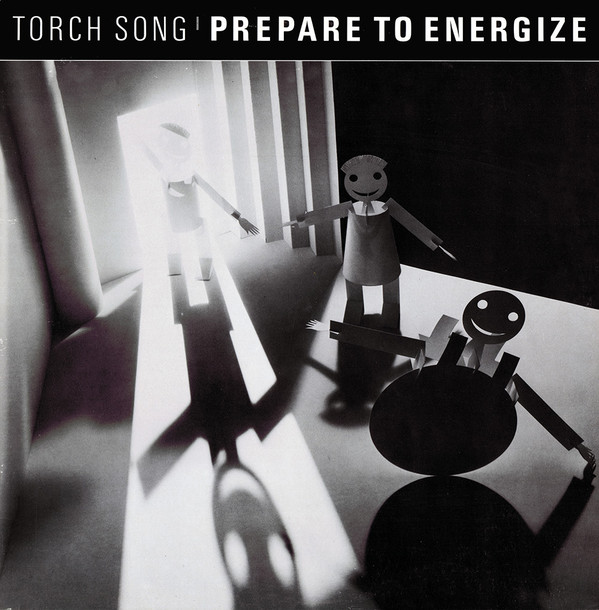
TORCH SONG Prepare To Energise (1983)

Comprising Orbit, Laurie Mayer, Grant Gilbert and latterly Rico Conning who subsequently worked with Martin Gore on the ‘Counterfeit’ collection, TORCH SONG were signed by music entrepreneur by Miles Copeland; the advance allowed for Orbit to build up his Guerilla Studios. ‘Prepare To Energise’ is probably their best known tune, a pulsating cosmic club favourite with robotic voices and synthesized textures ahead of its time.

Originally available on the TORCH SONG ‘Wish Thing’ via IRS Records, currently unavailable

https://www.discogs.com/artist/10950-Torch-Song


THE PARTNERSHIP Sampling The Blast Furnace (1984)

THE PARTNERSHIP was an unrealised side project comprising of ex-SPOONS member Brett Wickens with Roger Humphreys who together recorded as CERAMIC HELLO. Produced by Orbit and heavily influenced by KRAFTWERK, the uptempo ‘Sampling The Blast Furnace’ featured lead vocals by Andy McCluskey of OMD alongside vocodered voices and chants by Martha Ladly. The slower McCluskey-less demo was a bonus on the reissue of CERAMIC HELLO’s only album.

Not officially released, alternate demo version available on the CERAMIC HELLO album ‘The Absence Of A Canary V1.1’ via Vinyl On Demand

http://www.omd.uk.com/


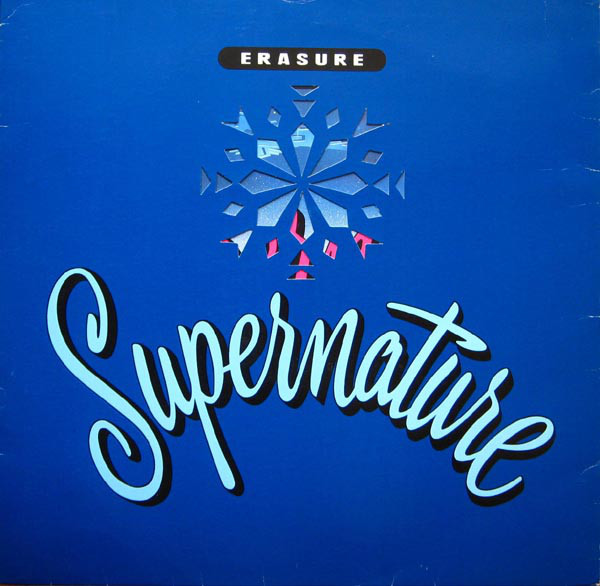
ERASURE Supernature – William Orbit mix (1989)

Having artists from Mute Records and their dance subsidiary Rhythm King who included S-EXPRESS being remixed at Guerilla Studios gave Daniel Miller first-hand exposure to William Orbit’s capabilities. So who better to ask to house-up ERASURE’s cover version of Cerrone’s electronic disco landmark? The end result was suitably vibrant while still importantly retaining the core of the tune amongst all the fascinating dance rhythms and interplanetary effects.

Available on the ERASURE boxed set ‘Singles – EBX3’ via Mute Records

http://www.erasureinfo.com/


THE HUMAN LEAGUE The Stars Are Going Out (1990)

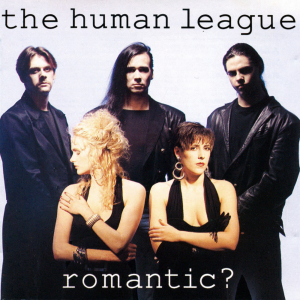
From THE HUMAN LEAGUE’s final Virgin album, ‘The Stars Are Going Out’ was a good tune from Oakey and Co that was one of four mixed by William Orbit in a bitty collection that also contained two songs produced by Martin Rushent and one by ex-ZTT cohort Bob Kraushaar. Strangely though, there appeared to be little of Orbit’s distinctive magic audible in the end result. It had been an unhappy time, as Orbit preferred to work without any of the band present.

Available on THE HUMAN LEAGUE album ‘Romantic?’ via Virgin Records

http://www.thehumanleague.co.uk/


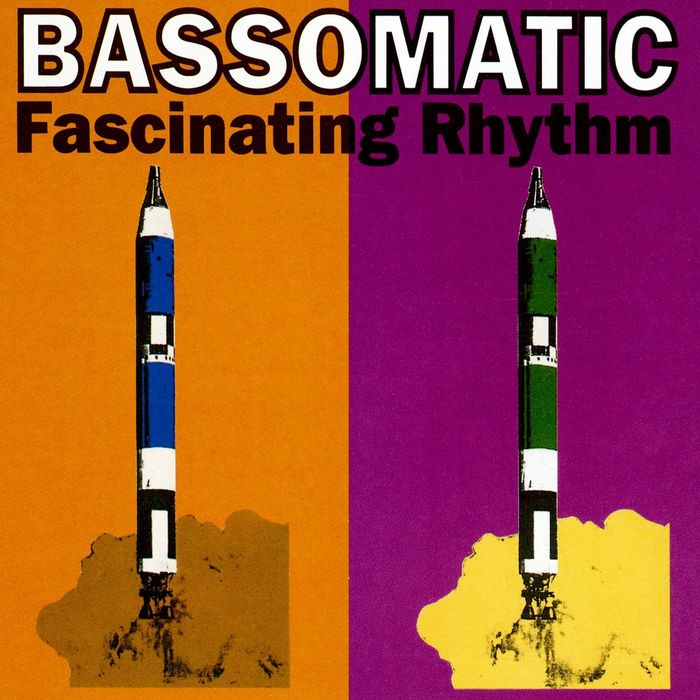
BASSOMATIC Fascinating Rhythm (1990)

Combining modern developments in house music and dub with the feel of SOUL II SOUL, Orbit slotted right into the zeitgeist with ‘Fascinating Rhythm’ featuring vocalist Sharon Musgrave and rapper MC Inna One Step with an uplifting club friendly number that had “pulsating action” and was “breaking into heaven”. BASSOMATIC lasted for just two albums but it cemented Orbit’s position as a studio wizard who understood sound as well as the dancefloor.

Available on the BASSOMATIC album ‘Set The Controls For The Heart Of The Bass’ via Virgin Records

https://www.williamorbit.com/


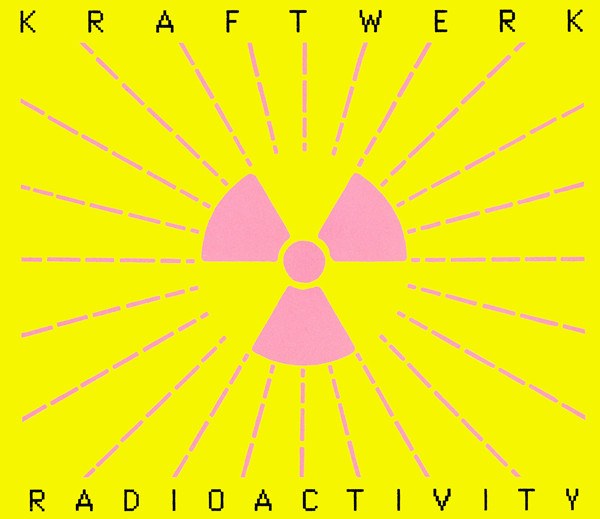
KRAFTWERK Radioactivity – William Orbit 12″ Remix (1991)

The most significant makeover on KRAFTWERK’s  ‘The Mix’ was ‘Radioactivity’ with its additional unsettling machine chant of “TSCHERNOBYL – HARRISBURGH – SELLAFIELD – HIROSHIMA” for an anti-nuclear message highlighting recent atomic catastrophes. For the single release, remixes were farmed out externally and Orbit’s version offered a more preferable electro enhancement than François Kevorkian’s house laden rework.

Originally available on the KRAFTWERK ‎single ‘Radioactivity’ via EMI Records, currently unavailable

http://www.kraftwerk.com/


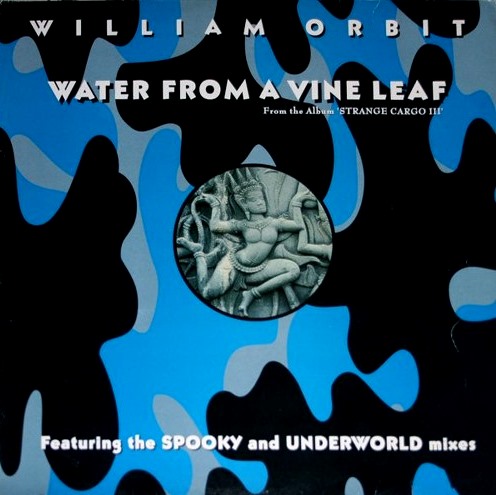
WILLIAM ORBIT featuring BETH ORTON Water From A Vine Leaf (1993)

If there was a track that could be considered the root of the recognised Orbit signature sound, it probably has to be ‘Water From A Vine Leaf’, his first collaboration with kooky folktronica maiden Beth Orton. Having met at a party and beginning a relationship shortly after, he asked her to contribute spoken word phrases and singing for the third in his ‘Strange Cargo’ series over some looping rhythms, hypnotic bass and chill-out vibes. Orton went on to have a acclaimed solo career.

Available on the WILLIAM ORBIT album ‘Strange Cargo III’ via Virgin Records

https://www.bethortonofficial.com/


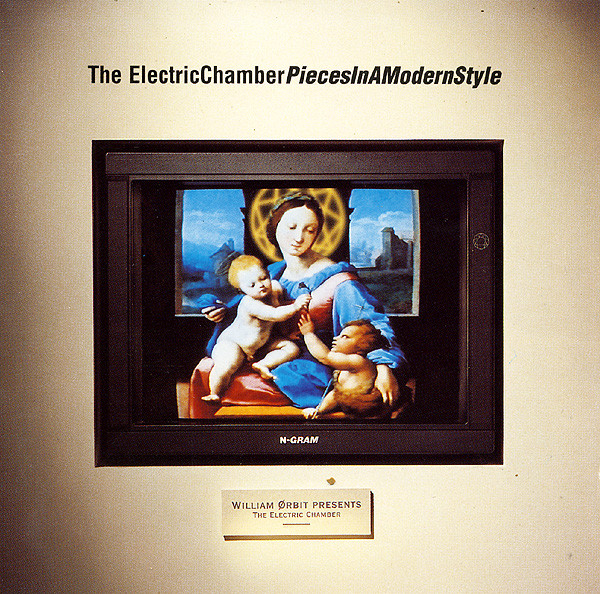
THE ELECTRIC CHAMBER Fratres (1995)

Orbit’s concept of adapting classical works came about because he wanted to make a chill-out album that had some good tunes. In his first attempt using a pseudonym, one key track was ‘Fratres’ by 20th Century Estonian composer Arvo Pärt. Comprising of a six-bar theme, Orbit gave his electronic arrangement a sublime haunting stillness that explored the piece’s rich harmonic space via a slow meditative tempo. However, Pärt objected and the album was quickly withdrawn.

Originally on THE ELECTRIC CHAMBER album ‘Pieces In A Modern Style’ via N-Gram Recordings, currently unavailable

https://www.arvopart.ee/en/


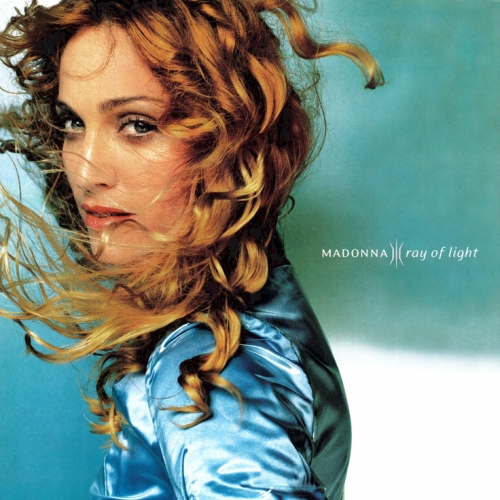
MADONNA Ray Of Light (1998)

With Orbit having remixed ‘Erotica’ in 1992, Ms Ciccone was keen to work with the Englishmen, spending four and a half months at Larrabee Studios in Hollywood. ‘Ray Of Light’ was an interpolation of a little known 1971 song ‘Sepheryn’ by the British folk duo of Dave Curtiss and Clive Maldoon. Despite its frantic pace, Orbit ensured that the rhythmic elements were subtle in their make up to procure an earthy rave quality that was the antithesis of most dance music of the era.

Available on the MADONNA album ‘Ray Of Light’ via Maverick/WEA

https://www.madonna.com/


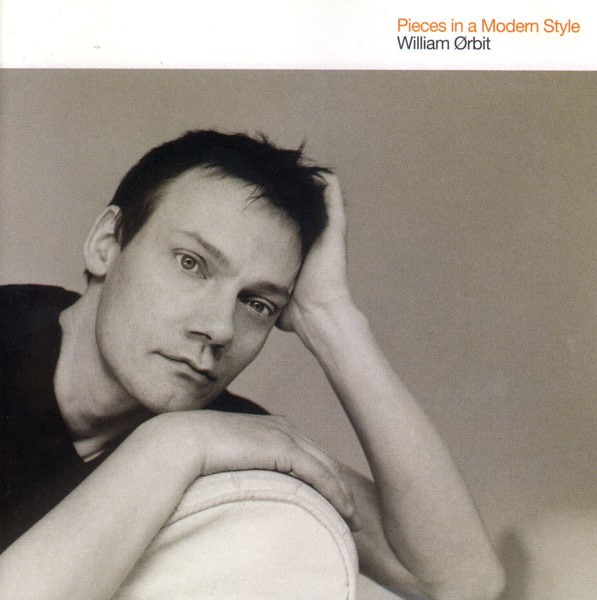
WILLIAM ORBIT Triple Concerto (2000)

With his new found fame via Madonna, Orbit was given the opportunity to reissue ‘Pieces In A Modern Style’ and included several new recordings, one being Beethoven’s lesser known ‘Triple Concerto’. With synthetic bells and glistening pentatonics reminiscent of Ryuichi Sakamoto added for a soothing lullaby effect, use was made of the metallic percussive loop that had been part of his version of Arvo Pärt’s ‘Cantus’ from the original withdrawn album… waste not, want not!

Available on the WILLIAM ORBIT album ‘Pieces In A Modern Style’ via WEA

https://www.facebook.com/WilliamOrbit/


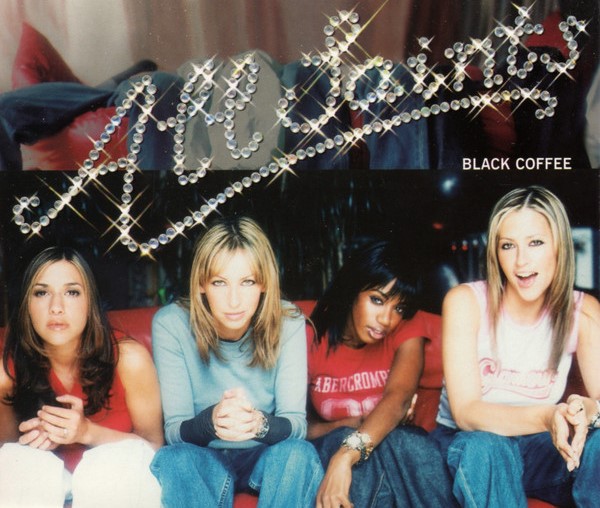
ALL SAINTS Black Coffee (2000)

Following Madonna’s success, next in line for the Orbit treatment were London girl group ALL SAINTS. Having scored a No1 with the sublime ‘Pure Shores’ from ‘The Beach’ soundtrack, the combination did it again with ‘Black Coffee’. Orbit’s dreamy electronic aesthetics, spacey effects and minimal textural guitar worked perfectly for the soulful quartet to produce something that was commercial and accessible yet otherworldly.

Available on the ALL SAINTS album ‘Saints & Sinners’ via London Records

http://www.allsaintsofficial.co.uk/


U2 Electrical Storm (2002)

With his high-public profile thanks to Madonna and ALL SAINTS, it was no big surprise when U2 came calling. With a suitably airy beginning and heavy on acoustic guitar for the more esoteric sound that the Dubliners had been peddling since working with Brian Eno and Daniel Lanois, in the end ‘Electrical Storm’ built up to sound just like U2, albeit with occasionally prominent windy electronic textures.

Available on the U2 album ‘The Best Of 1990-2000’ via Island Records

https://www.u2.com/


WILLIAM ORBIT featuring SUGABABES & KENNA Spiral (2006)

Orbit teamed up with the UK pop’s answer to Charlie’s Angels SUGABABES and US/Ethopian artist Kenna on this slice of ambient electro R’n’B. Continuing to collaborate with TORCH SONG bandmates Laurie Mayer and Rico Conning, while the ‘Hello Waveforms’ album continued in the chill-out vein of ‘Pieces In A Modern Style’ and even included ‘The Humming Chorus’ by Puccini, prominent vocals were in the mix as well as real strings and brass.

Available on the WILLIAM ORBIT album ‘Hello Waveforms’ via Sanctuary Records

https://en.wikipedia.org/wiki/Sugababes


ROBBIE WILLIAMS Louise (2006)

By the mid-noughties, Robbie Williams was the biggest popstar in the world but strange things were happening in the wake of his split with hit collaborator Guy Chambers. Finding a new collaborator in Stephen ‘Tin Tin’ Duffy, he belatedly went electroclash with their first fruit of labour ‘Radio’. He then went all Synth Britannia on ‘Rudebox’, working with PET SHOP BOYS but also covering his new writing partner’s ‘Kiss Me’ and THE HUMAN LEAGUE’s ‘Louise’ which Orbit produced…

Available on the ROBBIE WILLIAMS album ‘Rudebox’ via EMI Records

https://www.robbiewilliams.com/


WILLIAM ORBIT featuring SARAH BLACKWOOD White Night (2010)

During the CLIENT hiatus, Sarah Blackwood took time out to work on ‘White Night’, a Rico Conning penned track for Orbit’s ‘My Oracle Lives Uptown’ album which dated back to their TORCH SONG days. Although her version did not appear on the final tracklisting, her take was offered as a free download. More accessible than some of CLIENT’s offerings but more purely electronic than DUBSTAR, this was a priceless pop gem which lyrically expressed her pain during that period.

Originally available as a free download, currently unavailable

http://dubstarofficial.com/


WILLIAM ORBIT Carmen (2010)

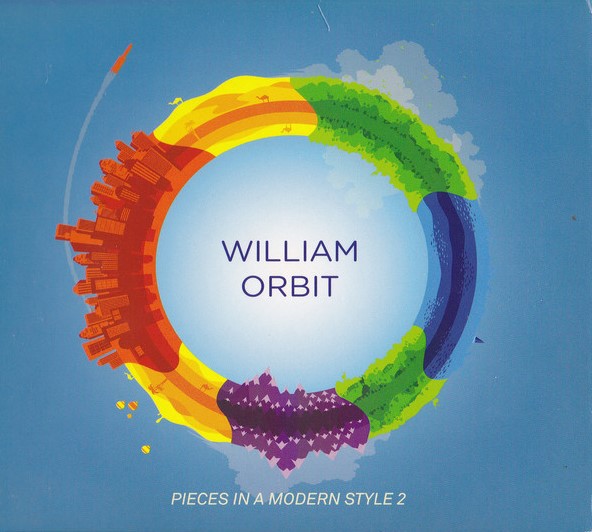
‘Pieces In A Modern Style 2’ continued where its predecessor left off, offering another predominantly chill-out album that had some good tunes. But one of the bonuses was an unexpected novelty in a sparkling technopop version of Georges Bizet’s opera standard ‘Carmen’, complete with stabbing synths and dramatic percussive passages to portray the seductive title character as a kind of Barbarella.

Available on the WILLIAM ORBIT deluxe album ‘Pieces In A Modern Style 2’ via Decca Records

https://www.instagram.com/therealwilliamorbit/


BRITNEY SPEARS Alien (2013)

A co-write with the one-time princess of pop, ‘Alien’ highlighted Britney’s feelings of loneliness. However, a vocal warm-up recording without her characteristic electronic treatment was leaked onto the internet, prompting Orbit to say in defence of the starlet: “Whomever put this on the internet must have done so in a spirit of unkindness, but it can in no way detract from the fact that Britney is and always will be beyond stellar! She is magnificent! And that’s that.”

Available on the BRITNEY SPEARS album ‘Britney Jean’ via RCA Records

https://www.britneyspears.com/


TRIANA TERRY Did It For Love (2013)

Becoming a superstar producer had made Orbit unhappy and he said he was pleased to have blown his fortune as all he did was spend it on first class travel and equipment he never used. So when he recorded ‘Did It For Love’ with actress, artist and performer Triana Terry, the sentiment couldn’t have been more poignant in a feisty oddball mixture of electronic, pop and rock dynamics. Together, Orbit and Terry have presented exhibitions combining paintings and music.

Not officially released, only available on YouTube

http://trianaterry.com/


Text by Chi Ming Lai with thanks to Simon Helm
Photos by Simon Helm
13th April 2019

« Older posts Newer posts »