Tag: Brian Eno (Page 3 of 10)

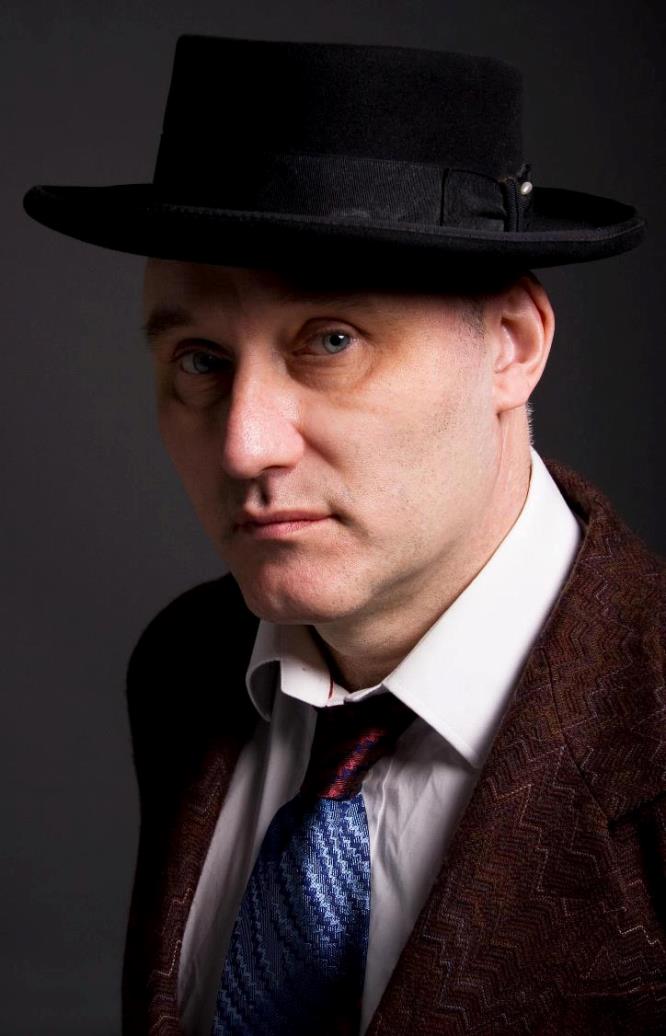
JAH WOBBLE Interview

Jah Wobble was just 18 years old when he co-founded PUBLIC IMAGE LIMITED with John Lydon, Keith Levene and Jim Walker. Real name John Wardle, he was given his nickname and first bass guitar by a drunken Sid Vicious. After two albums ‘First Issue’ and ‘Metal Box’, he left the band in 1980.

Despite this, his creative mind and distinctive hypnotic bass style was now freed to work with a diverse range of artists and producers over the next four decades.

These included François Kevorkian, The Edge, Brian Eno, Winston Tong, Alan Rankine, Brett Wickens, Bill Sharpe, Baaba Maal, Chaka Demus, Dolores O’Riordan, Sinead O’Connor, Andrew Weatherall and Bill Laswell, as well as groups like ONE DOVE and THE ORB.

Forming THE HUMAN CONDITION who released two live cassettes before disbanding, he headed to Cologne to collaborate with CAN members Holger Czukay and Jaki Liebezeit, the material eventually coming out as the ‘Full Circle’ album in late 1982 which included the minor European hit ‘How Much Are They?’. ‘The ‘Snake Charmer’ EP also featuring the trio followed in 1983.

Using his German experience, he showcased his eclectic tastes on the single ‘Invaders Of The Heart’, with Wardle reworking his bassline for PUBLIC IMAGE LIMITED’s ‘Death Disco’ into a mutant post-punk dub excursion also featuring electronics and ethnic tape samples.

His album ‘Rising Above Bedlam’ was nominated for the 1992 Mercury Music Prize and although he didn’t win, he had played on one track from the eventual winner ‘Screamadelica’ by PRIMAL SCREAM. Outside of music, he obtained a BA in Music and Philosophy, while also acting as a book reviewer for the Independent on Sunday and The Times.

A strong advocate of World Music, he has a brand new album entitled ‘Ocean Blue Waves’ out this Spring with THE INVADERS OF THE HEART. Big John chatted about his ethos and his career as one of the UK’s most influential and distinctive bass players.

Your new album ‘Ocean Blue Waves’ has a very cosmic vibe about it, what inspired its concept?

There wasn’t really a concept… sometimes with some records, there’s a bit of a backstory but in this case, it was “let’s go in the studio” and play naturally. The only number that had been pre-written was ‘Take My Hand’ which is a bit of a rock anthem.
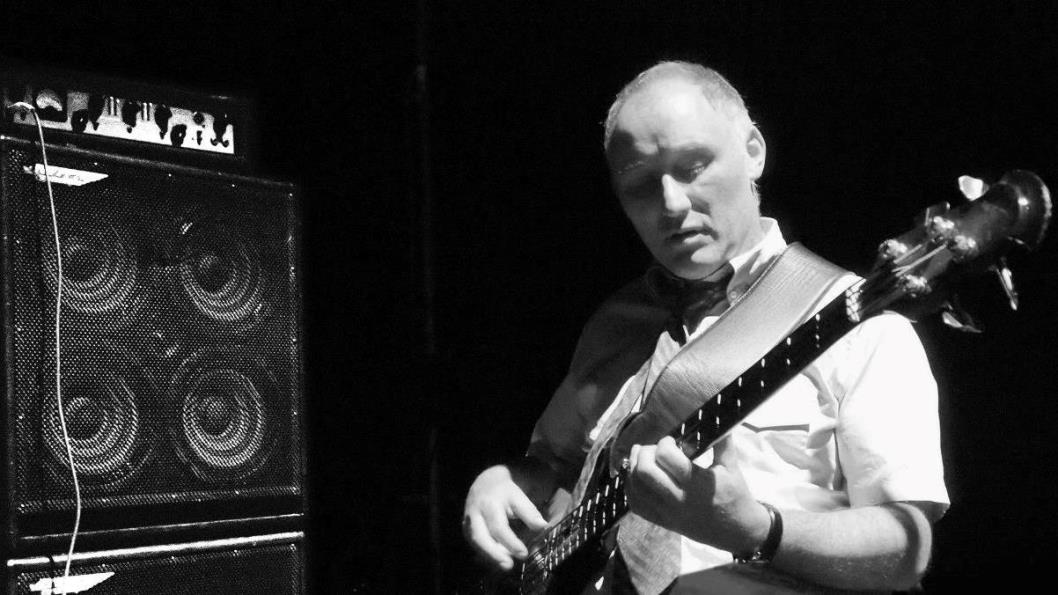
Do you compose by manner of band jamming?

It’s our natural style, I would give them say a descending change and suggest a few things, but it would be the band doing their thing. My drummer Marc Layton-Bennet came a decade ago via my old percussionist Neville Murray who’s retired now, he was the guy who would always suggest musicians for me.

I met George King, my keyboard player through an engineer I worked with and my guitarist Martin Chung was a good mate of Marc’s, although I actually saw him on a video for a singer who he was playing with about six years ago. I tend to stick with the same musicians, like Neville was on the firm with me for like 30 years!

On ‘Ocean Blue Waves’, there’s a mix of instrumentals and songs like ‘Take My Hand’, ‘A fly Away’ and ‘Minds Float Free’, how do you decide when a track needs vocals?

You think “what does this track need?” and sometimes it sounds like a backing track and you can hear a saxophone on it or a topline of a vocal. I remember I had these dubby psychedelic tracks that weren’t really songs or an instrumentals, I was like “what is it?” but I then got thinking about William Blake, so it became this spoken word album.

Do lyrics come naturally to you?

Yeah, I’ve written a lot over the years, maybe a quarter of the live set has me singing and now I have to be careful and look after my voice properly which at 61 is a new one on me! I rented a room at an art studio in Manchester just to write some poetry ‘Odds & Sods Of Epilogues’ and an autobiography ‘Memoirs Of A Geezer’.
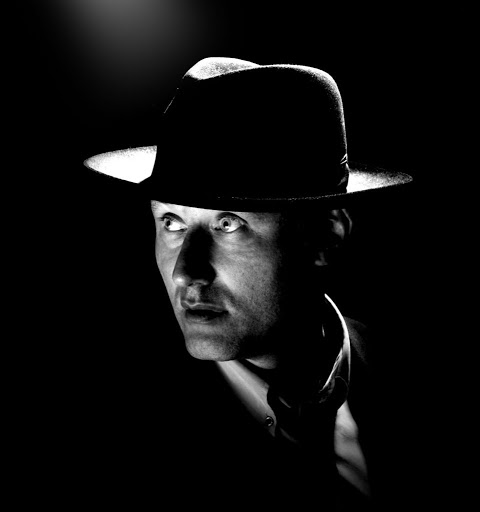
One highlight is the title ‘Ocean Blue Waves’ track which has a most amazing synth solo…

I came up with this b-line in Tokyo and it was driving me mad, we played it at a gig there and it was quite modal, not really much like the track as you hear it now.

I really wanted to use that b-line for something and the boys come up with something very different. It’s better live now and it’s very dreamy, we generally start the set with it.

But it’s so nice, you don’t really want to go into the first change or end the number, because it’s so nice and hypnotic!

We’re always pushed for time at the end of the night as we do quite a long set, so you have to do the change, you want that synth solo to go on and on and on! It’s got a lovely sound, it’s a bit softer and less minor key.

It all seems a far cry from PUBLIC IMAGE LIMITED, how do you look back on that time?

I loved it because I was just starting out, that youthful enthusiasm of an amateur, I’d like to think it’s something I’ve still got. I always like to quote a Suzuki line: “In the beginner’s mind, there’s many possibilities, in the experts there’s few…”, so I try to keep a naïve approach and play without thinking.

There’s certain basslines like PiL’s ‘Poptones’ that are so perfect and circular somehow… actually I went back to playing Fender Precision bass after using Magnum for years after we played in America and did an album with Bill Laswell. Fender Precision makes me play a little bit more chromatically, these chromatic runs somehow sound cleaner. It works well with the old stuff even though it’s evolving and the new stuff as well.

What influenced your playing style?

Dub reggae as a big thing, I loved soul, funk and disco. I liked the idea of patterns so very early on. I got my own modal sound going, because I would make patterns based around the dots of the fret. I couldn’t count, I took a little while to learn the notes so I went by the dots on the fretboard…. I made shapes and patterns so that naturally led to a certain kind of block unit. A lot of the stuff I do is A minor, B minor, they’re quite modal and fixed. When I play with a Fender, you get a flowing quality, it’s quite musical in its own way I think.
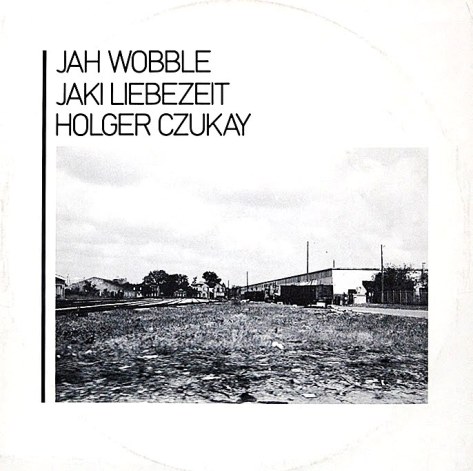
Did you eventually venture down the path of learning more formal musical theory?

No, not at all and it was probably just as well. I didn’t get conditioned and you become educated because I worked with some really great musicians over the years like Jaki Liebezeit and Holger Czukay, and I hung on their every word.

I thought very hard about music and how the bass should work and sound like in conjunction with the drums or keyboards. I think I ended up thinking in quite an abstract way. I didn’t have any knowledge of Bach or tonality so you had your own kind of approach.

The sonic thing was a big part of it because my generation were in the studio playing electric instruments, so the actual sound was as important as the phrasing or the playing.

After PUBLIC IMAGE LIMITED, you were suddenly off to Germany to record the ‘How Much Are They?’ EP with Holger Czukay and Jaki Liebezeit, how did that come about?

This was through a mate of mine, Angus MacKinnon who interviewed me in regard to ‘Metal Box’. We became friends and he knew I wasn’t happy in PiL, so he suggested I play with CAN. Holger happened to be in London with his manager Hildegard and we got introduced. I got on with him and we went to a studio to have a little try out. I wrote the basic parts for ‘How Much Are They?’, the b-line, the drum beat, the simple string parts and the triad chords over the bass so I was developing this style that was quite catchy.

What happened next?

Holger took it back to Cologne to edit it quite radically and it was mixed by Mark Lusardi, a very good engineer. It became the first track of an EP we did called ‘How Much Are They?’; it went so well that they flew me over to Germany and we recorded stuff like ‘Trench Warfare’ and other stuff. That’s when I met Jaki for the first time, he’s probably the most special person I’ve ever met… as a musician he’s a master player.

Had you been a CAN fan?

Yeah, a bit! I liked the groove stuff, I wasn’t mad on everything but it was stuff the stuff where Jaki got his thing going on those earlier albums that I liked.

How did you find playing along to drum machines?

I like drum machines, they’re in time and it meant you could play over and over and over. I’d been in squats and when PiL started, it was terrible the way the money was sorted out, but I was able to get a Wasp synthesizer, a little analogue Roland rhythm box, a Godwin String Concert keyboard, a WEM Copicat and then later a TASCAM multi-track cassette portastudio. So I was very idiosyncratic and quite obsessive. so I would sit there for hours with a drum machine going. It was fantastic because that really helps your timing, you become machine-like yourself really.

Holger Czukay was quite unique in that he was a bass player who was not really interested in playing bass anymore, but was becoming more of a sound painter, is that how you saw it?

Yes, I did. He was a producer… there had been clashes in CAN over the direction of the band but Holger was the guy who would be the architect and would get busy with the razor blade, editing after they’d recorded. So that’s how it was, he really liked my playing and thought it was fantastic, saying “I couldn’t do what you do!” and I was like “REALLY?”

Jaki really liked it too and I was really surprised but delighted. Holger said “It’s like Miles Davis, you play one note and everyone knows it’s you”. It strange, I still don’t know why or how or what, but I do have my own sound, I know I have my own sound. Jaki had his own unique sound too…
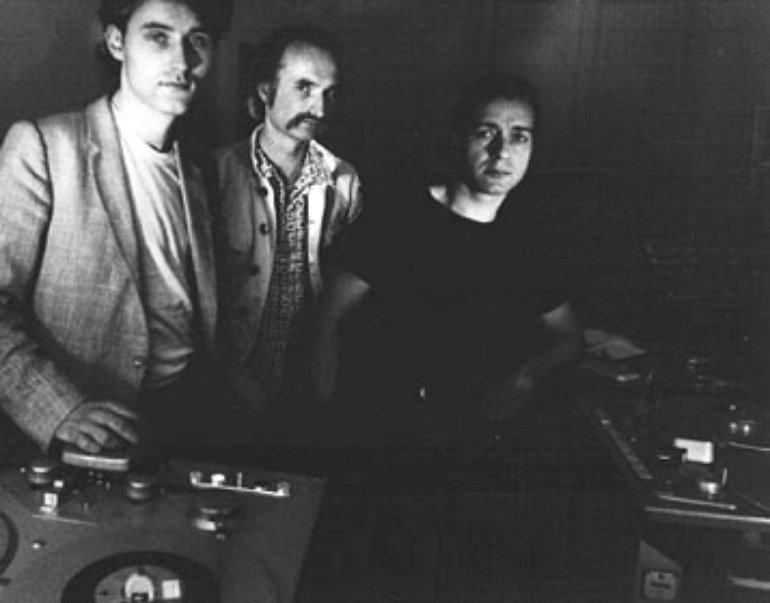
Jaki was quite fascinating in that he could play fast, but it would be quite ambient…

He was so simpatico over the space he was playing in, and he could play fast but there was a totality to the sound. Some of that was down to the fact that they only used a pair of overhead mics, it sounded so good in the studio. They didn’t have a dividing wall between the control room and the recording room at Inner Space Studio in Cologne.

It was one space, an old cinema so everything sounded great there. I learnt a lot and developed that over the years, not trying too hard with mics so that you get a total sound with a certain spacious quality within the music, even when it’s uptempo.

The ‘How Much Are They?’ EP was dedicated to Ian Curtis?

That’s right, his death was a shocker, he was a special person and it seemed like a nice thing to do, it was such a shame for him to die so young…
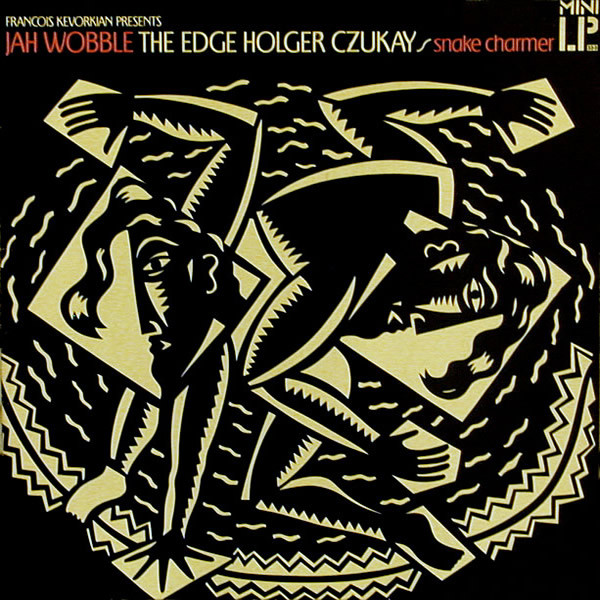
On the ‘Snake Charmer’ EP, you worked with the-then emerging François Kervorkian who brought a Linn Drum Computer to the studio, that must have been a revelation?

Yeah, but I wasn’t mad on the Linn Drum sound with its big toms and rock kick thing. I always preferred those Roland drum machines, but the Linn was still really good, it was a revelation.

François was good to work with because he was from a dance background so he was really into making records dancey and tuned into the dancefloor.

François brought it in and there’s the famous story where Jaki became very cross with the Linn Drum and accused it of being slightly out of time! We thought that was impossible as it was a machine, but Jaki insisted it was out of time. So when we timed it back, it was! It was so incredible, like 4 BPM out, losing 3 BPM over the course of a minute but he was correct! He got really angry and played this cross-rhythm, then suddenly, there was this puff of smoke come out the back and the Linn fused! We couldn’t get it working again! So Jaki had out-synched this Linn Drum, that was the power of his mind!

‘Snake Charmer’ also featured The Edge from U2, how was it to work with him?

It was very easy, he was a very nice guy… when he arrived in the studio, I was having this massive row with François, I saw him and quickly said “Hallo, I know who you are, I can’t wait to talk to you but I’ve got to finish this f*cking argument! Nice to meet you!” *laughs*

The Edge was a nice bloke, François knew him because he’d remixed a couple of U2 tracks. He made a lovely sound on ‘Hold On To Your Dreams’, just beautiful.
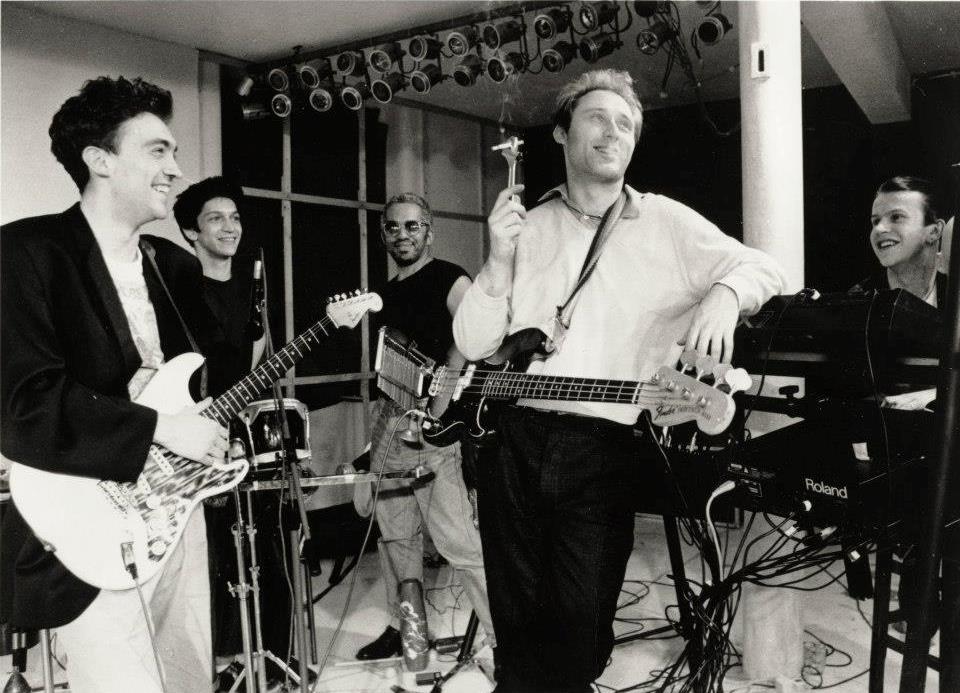
You took a break from music but came back?

Sometimes I got lazy but I stopped drinking in 1986 and I was halfway through an album called ‘Psalms’, so the final half was done very newly sober. Then I started working as a courier and applied to work for the Post Office and London Underground. By 1987, I started working for the Underground, I chose them over the Post Office. I still miss for the Underground, I loved it.

I was listening to a lot of music, then Neville Murray knocked on my door and asked when we were going back on the road? So we put THE INVADERS OF THE HEART Mk2 together and we started again. We were working with a guy called David Harrow and I started being active in music again. If there was a break, it was only for about two months!

You worked with the late Andrew Weatherall on several occasions including on ‘There Goes The Cure’ from ‘Morning Dove White’ by ONE DOVE, what was it like to work with him?

I was living in South London and that rave scene was going when I walked to Embankment. I would see all these clubbers in Villiers Street, queuing to get into this after-hours club and thought “this is interesting”, this would have been around the beginnings of acid jazz. I started getting some work in that scene with those kind of DJs, Andy gave me a kick start coming back into the business.
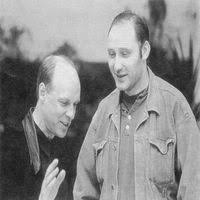
You were working with Brian Eno for 1995’s ‘Spinner’, can you remember what the creative dynamic was like between you?

Brian Eno was a bit half and half… for one track, he said something like “Oh, I want you to treat it like a moreish maiden” and I was like “Stop being funny, stop playing games! DO YOU LIKE IT?” *laughs*

I do like Brian, you might get the impression I don’t, but I do! It was a good thing for me to do and he’s a kind man.

I’m touring with his brother Roger as part of THE ORB live band. He’s into all those minimalist Harold Budd and Debussy piano pieces and I think he’s been an influence on Brian. It all came about via Derek Jarman, he approached me and because he’d done ‘Jubilee’, he knew Brian.

I’d done these little piano pieces like Shostakovich, clusters of notes which we turned into tracks. There wasn’t a lot of money so we couldn’t use lots of players or have a big studio, we did it in my little home studio in Bethnal Green using our imagination. Some records don’t last as well as others but I think ‘Spinner’ has lasted really well, it’s really got something special about it and stood the test of time.

If you listen to ‘Spinner’ now, it’s like the precursor to some of the dance music productions over the next two years with the effects on the drums and stuff, because up until then, having effects on drums was seen as quite bad taste, it didn’t work.

You’d put phasing on guitar but you’d have to be careful about drums. But somehow, it kind of worked with that phasing.

I used to do a lot of walking along the Lea Valley in London, and you’d be walking past old soap factories up the River Lea and see semi-rural marshlands, so it would get very trippy.

So that would influence the music, doing things in 7/4 time with a real haunting vibe. It was like walking music because each time we’d finish a track, we’d use it to walk to. There was something about the whole do-it-yourself concept, the way it was recorded on computer and how we used our expertise to record loops of Jaki and stuff.

What would you say have been your career highlights?

There’s magical moments in my life and not just with music. One of my highlights was walking across the grounds of Birkbeck College, London University on the first day of term when I went there, that was wow! And there was driving the tube train, westbound from Stratford to Mile End for the first time on this really fast section of line… I was just thinking “I AM DRIVING A F*CKING TUBE TRAIN, HOW D’YA LIKE THAT!” *laughs*

It’s that sense that you have sometimes of observing yourself, it’s quite detached… like a big mind thing looking at you, you get that in life and you get it on stage often. It’s like when people talk about an out-of-body experience, but you’re in control, you’re the observed and the observer at the same time.

I’ve had so many moments like that, like the first gig in sobriety with Neville in Switzerland, I woke up in a pension hotel overlooking the square with the smell of croissants and coffee wafting up in the morning in spring… I was like “I’m sober and I’m back on the road”, it was magical!


ELECTRICITYCLUB.CO.UK gives its warmest thanks to Jah Wobble

Special thanks to Sulley Archer at Hush PR
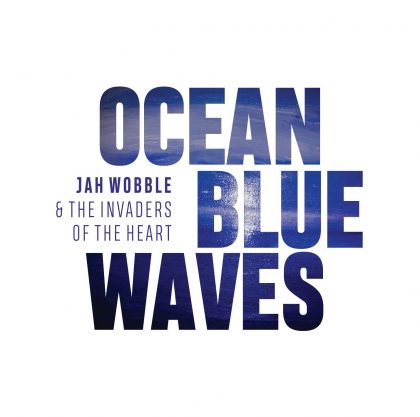
‘Ocean Blue Waves’ is released on 27th March 2020, available as a CD or download now direct from https://jahwobble.bandcamp.com/

https://jahwobble.com/

https://twitter.com/realjahwobble

https://www.facebook.com/Jah.Wobble.Music/

https://www.instagram.com/real_jah_wobble/

https://open.spotify.com/artist/5jhqwsWfRaETrWPWI0Rc7u


Text and Interview by Chi Ming Lai
3rd March 2020
CHINA CRISIS Interview

While CHINA CRISIS scored four Top 20 hits during their Virgin Records imperial phase, the instrumentally strong Kirkby duo possessed a subtle atmospheric side.

On their B-sides, and usually the ones from singles that weren’t hits, there were some exquisite instrumentals like ‘Dockland’, ‘Watching Over Burning Fields’, ’96.8’ and ‘Little Italy’. These demonstrated Gary Daly and Eddie Lundon’s love of Brian Eno and his esoteric ambient work in particular, both solo and in collaboration with the likes of David Bowie and Harold Budd.

Meanwhile the more guitar-based ‘Performing Seals’ and ‘Forever I & I’ pointed towards Vini Reilly, best known as the man behind Factory Records act THE DURUTTI COLUMN. But as CHINA CRISIS developed and adopted more conventional colours, expanding to include Kevin Wilkinson (drums), Gazza Johnson (bass) and Brian McNeil (keyboards) in the line-up from ‘Flaunt The Imperfection’ onwards, their artier approach with regards instrumentals took a back seat.

The 2017 reissues of their first two albums ‘Difficult Shapes & Passive Rhythms, Some People Think It’s Fun To Entertain’ and ‘Working With Fire & Steel Steel – Possible Pop Songs Volume 2’ included previously unreleased instrumentals material like ‘Lowlands’, ‘Paula & Patricia’ and the self-explanatory ‘Jon & Van’, indicating that there was possibly even more stashed away in the vaults.
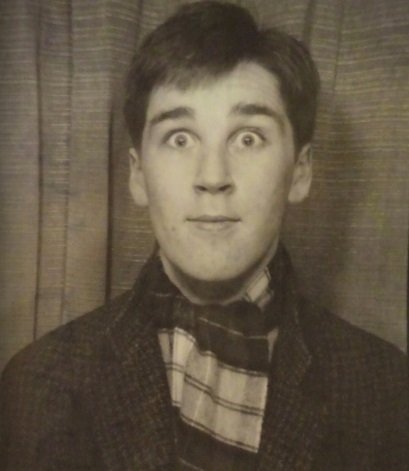
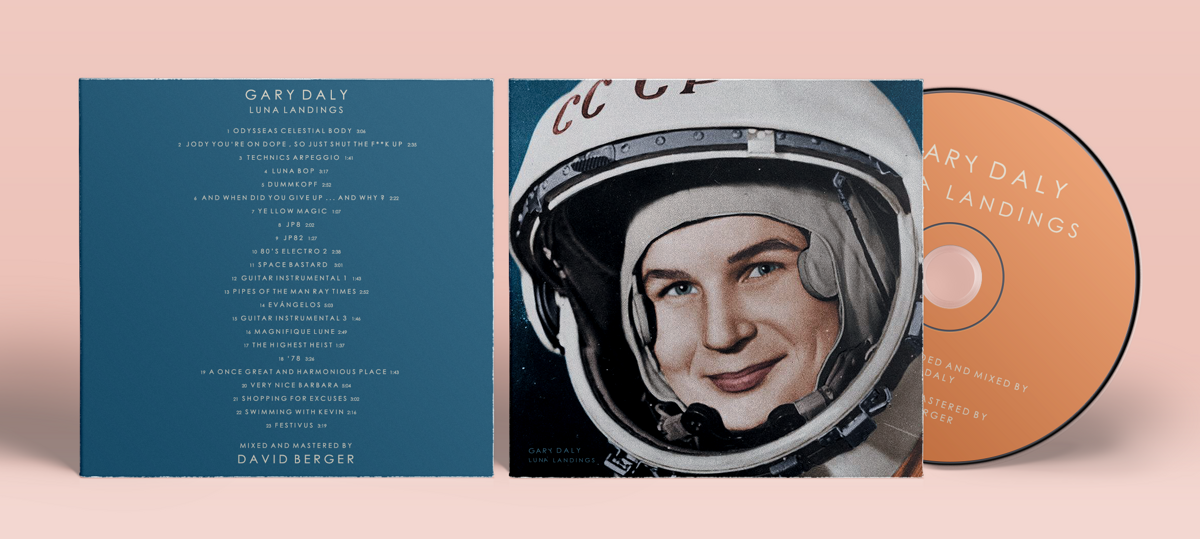
Most of these notable instrumentals were the work of Gary Daly, the CHINA CRISIS synth man and lead vocalist. And now, he has released a solo collection of 23 such tracks entitled ‘Luna Landings’ in a nod to Eno’s own ‘Apollo: Atmospheres & Soundtracks’. Comprising of archive recordings made between 1981 to 1987, it is a beautiful work that is a worthy addition to the tradition. These tracks had all been composed with CHINA CRISIS in mind, so are very much part of the band’s history, albeit only revealed decades later.

So in a new interview with Gary Daly, it made sense to discuss the creative dynamic within CHINA CRISIS, as well as their earlier synthfluences like JAPAN, YELLOW MAGIC ORCHESTRA, OMD and THE HUMAN LEAGUE…

You started off as being more of a bass player in CHINA CRISIS, so how did the drift into keyboards begin?

Believe it or not, Eddie’s mum, Katie, had a catalogue at the time circa 1980 / 81 which could be found in most working class homes. So basically you could order and pay on a weekly basis, all manner of goods, everything from clothing to children’s toys, gardening to electrical goods and wow! There it was… a Yamaha CS10 monophonic keyboard and Katie very kindly ordered it for us.

So yeah, Eddie and myself would have delighted soooo much in being able to experiment with a synth… it did help that the CS10 was monophonic, one key / note at a time… hahaaa! We had been listening to so much Eno / Bowie / early HUMAN LEAGUE that we knew and understood you could actually make and play bass notes / sounds on a synth. So it was never a matter of “being a bass player” and drifting into keys, Eddie and myself would have been fearless in exploring any and all instruments / machines. We’d read enough Eno song credits to realise experimentation was “the key”.


Can you remember the first electronic instrumental you liked or that made an impression?

TANGERINE DREAM and their 1975 album ‘Rubycon’, it was ‘Rubycon Part One’. A friend had this album back in the day, 1975 / 76. Everybody would loan each other’s albums, I very clearly remember Eddie lending me his copy of Bowie’s ‘Low’ album… nobody owned more than a few albums, never more then 15 / 20.

So sharing each other’s records was essential really. None of us had headphones and would improvise… most record players were sporting separate speakers so it was easy to set up a stereo headspace, on the floor, a speaker either side of your noggin. And boom! The stereo picture was complete!

Was there a particular moment when got you into more “ambient musics”?

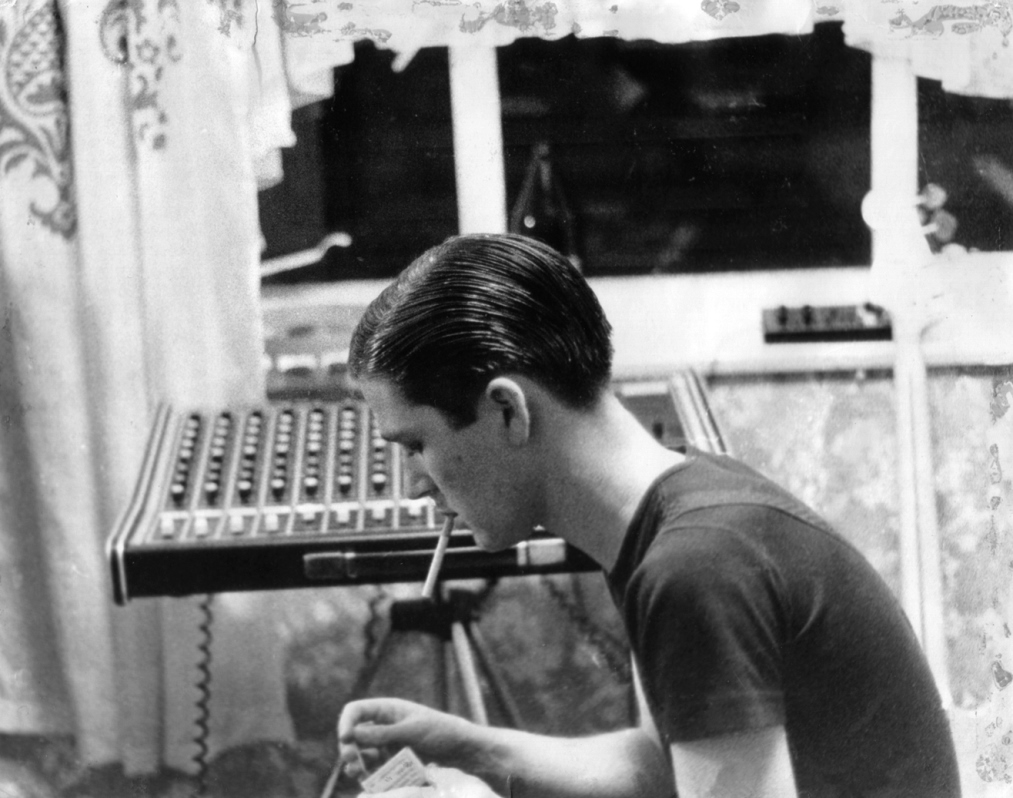
Yes, that would be side two of Bowie’s ‘Low’ album, the mostly Instrumental side. That in turn led to me buying Eno’s ‘Before & After Science’ album, which led to me hearing Eno’s ‘Discreet Music’ album and that was a complete and utter revelation! I never knew music could be so “slow moving” and yet so completely engaging… the fact it had a diagram of how to set up a “tape loop” recording session was brilliant, it was exactly the kind of recording info I was wanting to see, read and learn from…
When you and Eddie decided to start making music together, did you start by creating instrumentals or were you songwriting from the off?

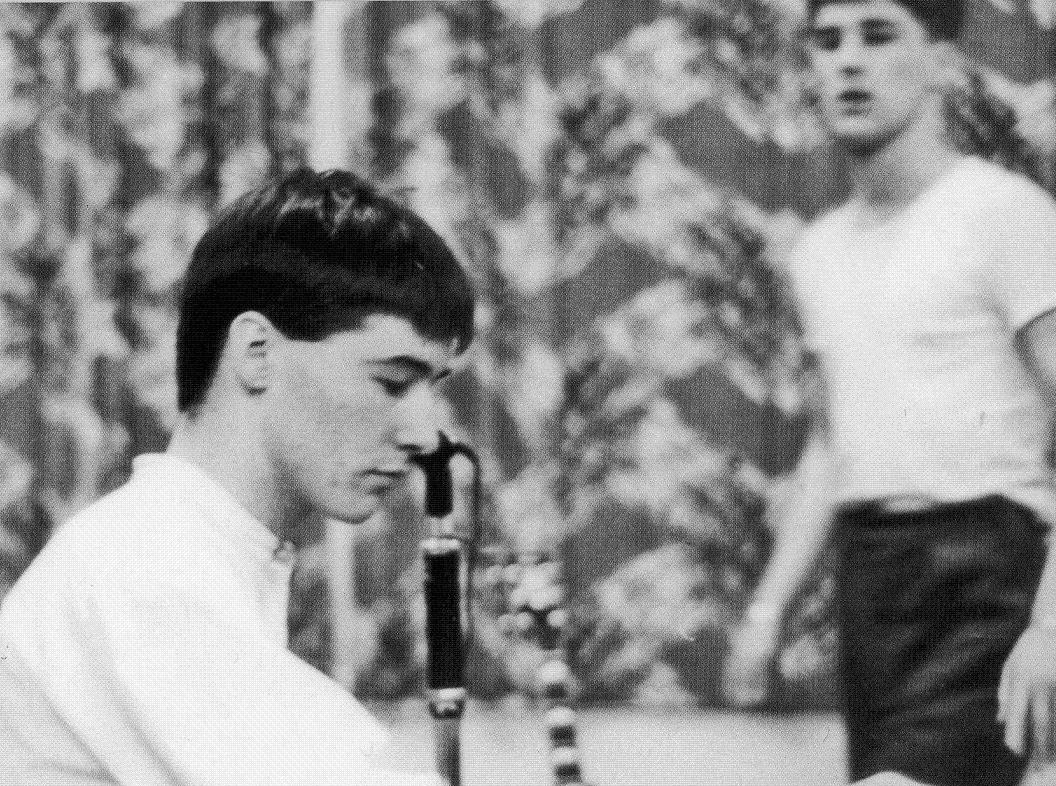
Always instrumentals, we only began writing words and singing over these little tunes because nobody else was going to do it for us… like we didn’t have a singer and we certainly didn’t consider ourselves as “singers”, but as much as we loved all our instrumental endeavours, it did feel the most natural thing in the world to start singing along… and when you are in your late teens, getting creative , there’s soooo much to sing about!

On ‘Difficult Shapes & Passive Rhythms’, you got quite into bass synth sequencing like on ‘Some People I Know To Lead Fantastic Lives’, what were you using to achieve this effect?

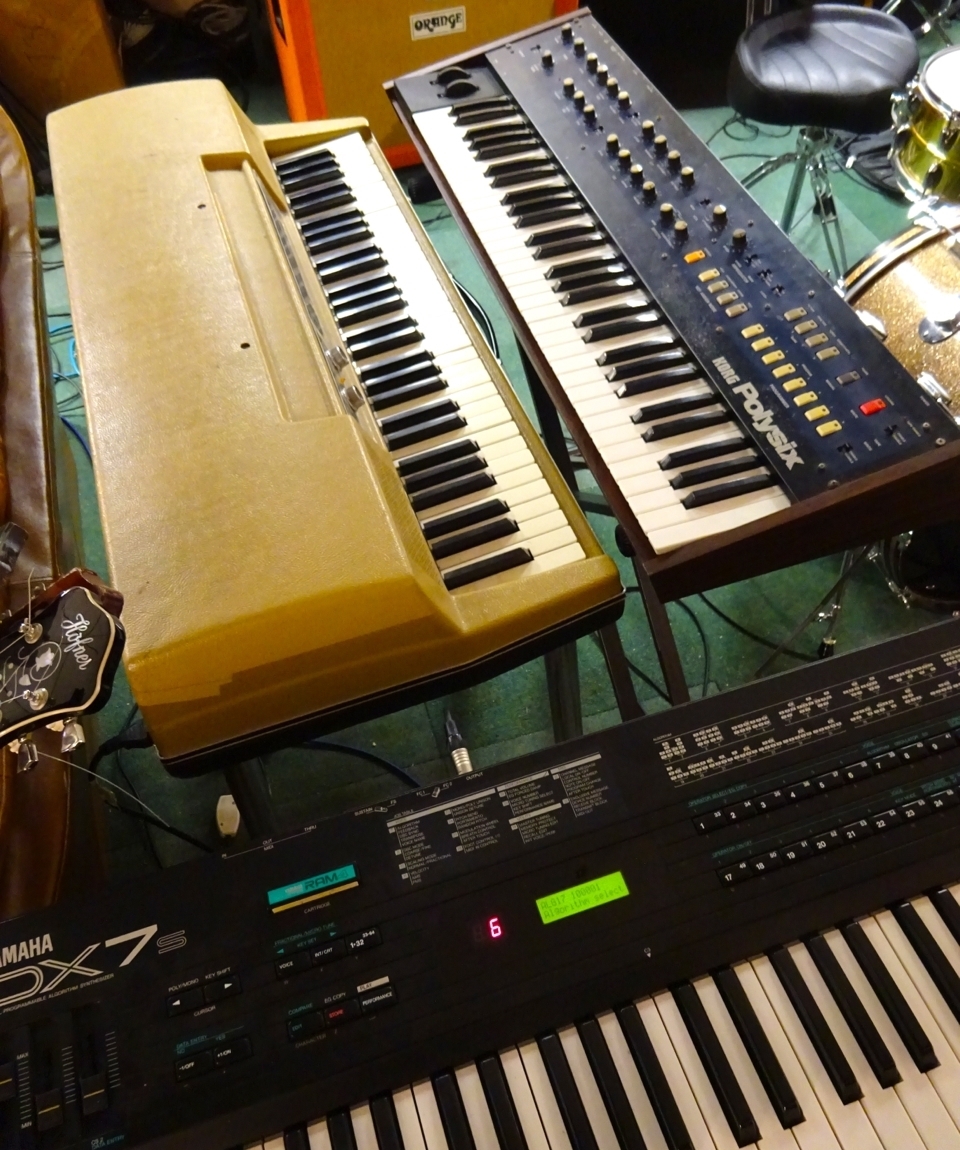
We mostly triggered from the Roland TR808 drum machine. We didn’t actually have a Sequencer, so we would trigger the arpeggiator on the Korg Poly 6. For bass synth sounds on ‘Difficult Shapes…’, we mostly used the Roland SH09 or the Yamaha CS10.

In hindsight, the first two singles ‘African & White’ and ‘Scream Down At Me’ are not really indicative of what CHINA CRISIS were to end up sounding like. Can you remember what your mindset may have been at the time as both tracks are very rhythmic?

TALKING HEADS… Eno’s work on their ‘Fear Of Music’ and then ‘Remain In Light’. Also people like A CERTAIN RATIO with their single ‘Shack Up’, ABC with ‘Tears Are Not Enough’ and JAPAN with ‘Quiet Life’, especially JAPAN’s ‘Quiet Life’… hearing the two songs now, ‘Scream Down At Me’ and ‘Quiet Life’, you could easily make a great “Mash Up” with those two…

While you were getting into producing possible pop songs, these gentle instrumentals like ‘Jean Walks In Fresh Fields’ and ‘Watching Over Burning Fields’ started appearing, what had been the thinking behind these?

I had always been a fan of instrumental music, everyone from Mike Oldfield to ELP. Once I’d heard Bowie’s ‘Low’ and then Eno’s albums ‘Before & After Science’, ‘Another Green World’ and then his ‘Music For Films’. That was it! I just fell in love with making “soundscapes”, I think it helped shape and define our sound, our musical horizons became a whole lot broader and we could apply atmosphere and effects to all our musical endeavours…

Your first hit ‘Christian’ is effectively a type of ambient pop and combined your two interests, what was the song inspired by?

Eddie has reminded me, ‘Christian’ was originally called ‘WW1’; I’d seen images from the First World War, the devastation of trench warfare. I would have written some words relating to what I’d seen and once we had the music written and recorded, I would have spent some time listening repeatedly, over and over and sung along any and all of the words I’d been busy writing…

The actual ‘Christian’ of the title was the name of a little boy, who was friends with a nephew of mine… I’d never heard of anyone having that name. And when recording the track in Strawberry South, Dorking with Pete Walsh producing, we had nothing happening in the middle eight. Pete asked if we had any ideas and I would have just sang “Christian” at the point where the music changes and it worked beautifully.

Was it the Korg Poly6 that gave you the keys to exploring ambient textures more effectively?

I completely love the Korg Poly 6 and in fact, got to work with one again on my ‘Gone From Here’ album. It’s such a lovely , warm , easy to use keyboard… ADSR… ATTACK, DECAY, SUSTAIN, RELEASE … cut off frequency, portamento. It’s everything you could want for making great synth sounds and always with an echo / effects unit… always!

Was there ever an example of one of these ambient experiments morphing into a CHINA CRISIS song?

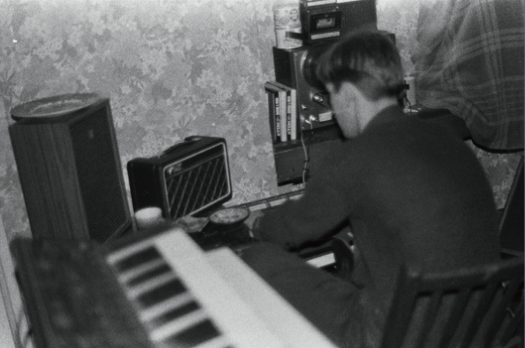
All the time, Eddie and myself worked separately and together. This always led to us being impressed and inspired by what the other was doing. If Eddie was busy playing guitar, then that meant I could get involved with his sound, messing with our effect units, especially our Roland Chorus Echo unit and sorting the actual recording, using the TEAC 144 and later the TASCAM 244.

Eddie would do likewise when I was busy on the synths, this helped with our recording experiences once in the studio. It was like we was in training for when there would be a lot of people involved in our records being made, like we was learning to “produce”.

‘Dockland’ is one of the tracks that many fans cite as being one of the best CHINA CRISIS instrumentals, it has this fabulous widescreen feel…

It’s completely Eno, deffo his ‘Music For Films’. It’s almost like you could include it on that album and I doubt very much anyone would bat an eye lid! *laughs*

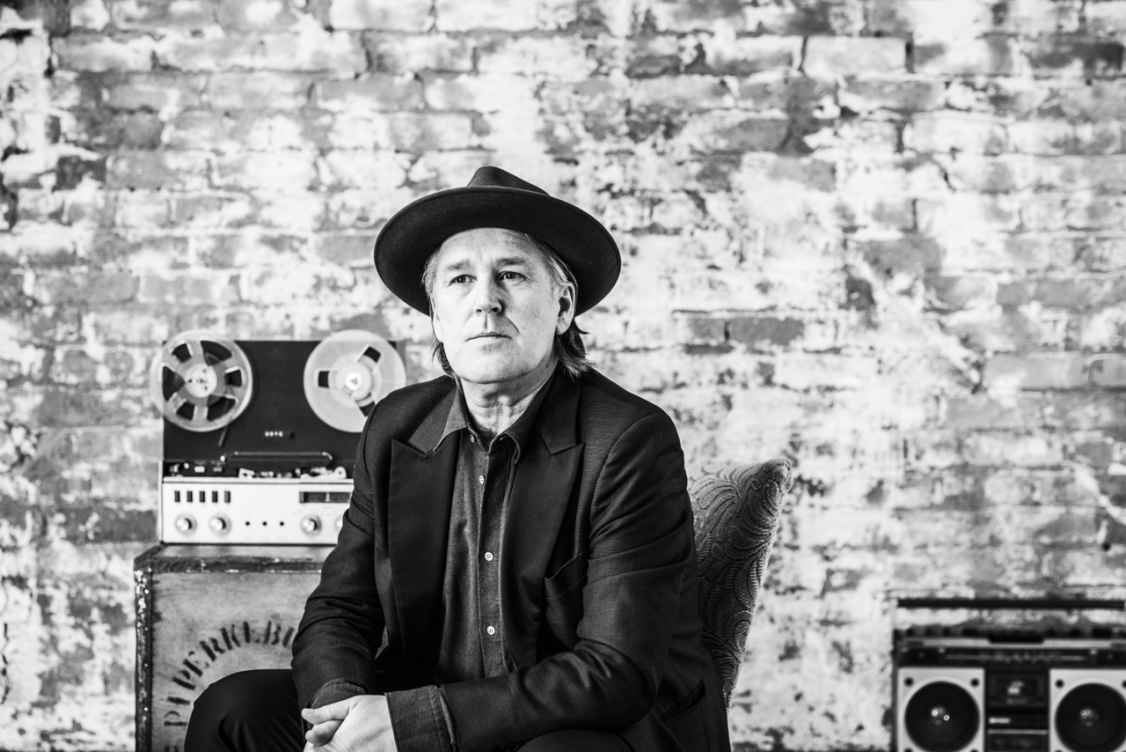
Even when CHINA CRISIS had changed direction into a more band oriented sound on ‘Flaunt The Imperfection’, there were still tracks like ’96.8’ being released as B-sides, but around the time of ‘What Price Paradise?’, you’d stopped playing keyboards in the studio to concentrate on singing and the instrumentals appeared to take a back seat?

Yeah, I am deeply sad about my absence on the keys. I was still very much writing on the keyboards and would have added my parts. But the band had been evolving, as all artists do if they are lucky enough to be given the time to. CHINA CRISIS had changed, Eddie and myself involving Brian, Gaz and Kevin in the writing which was, in it’s own way, a great thing. But it did mean I suddenly got more involved in melodies and lyrics for song ideas that were no longer just Gary and Eddie musical ideas. Some great songs, absolutely, but the “instrumentals” took a back seat, unfortunately.

So what was the spark that had you going back to this archive of instrumental work for ‘Luna Landings’?

Oh, it was always my intention to compile and release these tracks, ever since way back in the day. I would have always thought they would make a great record… maybe not for everyone, but yeah, I love these tracks as much as anything I’ve done and I would have made them thinking people would get to hear them.

There are two pieces named after your trusty Jupiter 8, could these have turned into songs?

Yes, that’s deffo how it worked, some ideas developed into songs and some didn’t, some I would show and finish with Eddie and others I didn’t. I learnt very early on to do multiple versions of the same idea, this again was Eno inspired. His ‘Music For Films’ featured a track called ‘Sparrowfall 1 / 2 / 3’ which was three mixes of the same track, this I felt was a great way of developing a musical idea… keep changing… finding new approaches. It worked great and is still something I do to this day…

Are ‘Evángelos’ and ‘Yellow Magic’ tributes respectively to VANGELIS and YELLOW MAGIC ORCHESTRA?

Yes they are… YMO, when we first heard and saw these guys, they was off-the-scale cool and VANGELIS, his work on the ‘Blade Runner’ soundtrack is just so utterly beautiful, especially the version with some of the original dialogue… immense!

Was the ‘Luna Landings’ track ‘80’s Electro 2’ indicative of CHINA CRISIS’ uncertainty about whether to join in the Virgin finishing school of synth that was very much doing the business at the time with THE HUMAN LEAGUE, JAPAN, OMD and SMPLE MINDS?

Hahaaa oh, I don’t believe Eddie and myself ever thought we belonged to any “school” of music. We obviously were very very inspired by everyone’s work, especially early HUMAN LEAGUE / OMD… but always, we was very very singular minded and not really part of any “scene”, we just didn’t have the time or inclination… or dare I say it , the “right” look! *laughs*

There’s one called ‘Pipes Of Man Ray Times’, had this been originally part of a song suite like OMD had with ‘Joan Of Arc’?

This track was written and recorded the same week I did the ‘Black Man Ray’ demo, hence the title. This is a good example of ideas I would and wouldn’t have played to Eddie, ‘Black Man Ray’ / yes… ‘Pipes of the Man Ray Times ‘ / no… and for no other reason than I would have thought ‘Black Man Ray’, I was more pleased with the recording and could envision it becoming a CHINA CRISIS “song” which it wouldn’t have been at the time of recording the demo; ‘Black Man Ray’ would have been just another instrumental track…

CHINA CRISIS could come up with some witty if long titles like ‘King In A Catholic Style’ or ‘A Golden Handshake For Every Daughter’, did these often come after a track was composed or were they actually the inspiration?

Never the “inspiration”, the music and lyrics always came separately. All our early China songs came from little instrumentals, over which we would then sing lyric ideas, words we had collected, written in a pad, anything and everything…

There are some guitar based instrumentals which sound like cousins of ‘Forever I & I’ and recall THE DURUTTI COLUMN, how would you judge your own six string prowess?

Mostly awful… hahaaa! It’s a bit better now… but yeah, recording Eddie’s guitars gave me a bit of insight into how Vini Reilly was getting his sound. So when I had the chance to play and record some of my own guitar ideas, I was deffo inspired by Eddie’s guitar playing and Vini’s, especially his album ‘The Return of The Durutti Column’ which I played non-stop and still do.

‘Magnifique Lune’ does sound like it could have come off Brian Eno’s ‘Apollo: Atmospheres & Soundtracks’?

It’s very much another Eno inspired track… a simple refrain, repeated, added to and then returning to the original refrain. I think this was something I would have first noticed on Eno’s ‘Discreet Music’ album, a simple pattern on repeat and the challenge is to add something without taking away from the simplicity. It was all done on the wonderful Roland Jupiter 8…

‘Shopping For Excuses’ appears to be the beginning of a more Trans-Atlantic approach that is more indicative of where you headed on ‘Flaunt The Imperfection’, had this development evolved naturally?

The funny thing is, I was deffo in a ‘Betty Blue’ soundtrack frame of mind, when writing and recording this, I can’t listen to it without thinking of that film’s soundtrack which I actually loved and played so much, I thought I must have written it… hahaaa! It most certainly has a different feel about it, which I think mainly comes from the fact it’s one of the later recorded tracks, circa ’87.

You pay tribute to the late CHINA CRISIS drummer Kevin Wilkinson on ‘Swimming With Kevin’, what was he like to work with and have as a friend?

Well, he certainly was a great friend and anyone who found themselves lucky enough to be in his company, working or otherwise, I’m sure he would say the same… I always found Kevin to be so easy to work with, I never once thought I couldn’t show him any of my ideas. I always felt he was so much more than a drummer and this is not something I’ve overthought, it’s just something you feel… I suppose “chemistry” is the word and that’s the magical part. I always knew he could only improve whatever it was I was trying to do with a track.

The title comes from a day off we had on the CHINA CRISIS ‘Tragedy & Mystery’ tour in 1983; we had a hotel with a pool and decided to go swimming. I would have written and recorded this as part of the China’s ‘Fire & Steel’ sessions, around about the time of writing and recording ‘The Gates Of Door To Door’…

The fact that this material is recorded on Portastudios gives ‘Luna Landings’ a really earthy airy quality don’t you think, despite the vintage of the recordings?

The quality of the recordings is testament to the people what made those little tape recorders and the people behind “chrome cassettes”… I did make it my business to always record to the very highest standards. I did it all the best I could. It was completely thrilling, mostly all of the time I spent recording ideas. It was a really amazing time, learning and discovering and having fun…

There are a lot of tracks on ‘Luna Landings’, but do you have a favourite?

I do absolutely love some of them… ‘Luna Bop’ is so happy sounding and delightfully light and positive while ’80’s Electro 2’ never fails to make me smile.

‘Dummkopf’ is me thinking I’m Mick McNeill from SIMPLE MINDS circa ‘New Gold Dream’. The China’s supported SIMPLE MINDS on their ‘New Gold Dream’ tour and I was blown away by the band and the sound they made which I thought came a lot from Mick’s keys. The fact he was using the JP8 just inspired me loads, I would have come home off the tour and started to record and try and find out how Mick was creating such “atmospheric” sounds. I think anyone seeing them around this time and then hearing my ‘Dummkopf’ will know exactly what I was trying to do…

Do you think you will do another ambient instrumental album in the future?

Yes, but I’m very much of a mind to do a “piano pieces” album, I mostly compose on the piano now and have been for quite a number of years. Two of my fave ambient albums are Eno’s ‘Music for Airports’ and his collaboration with Harold Budd on the album ‘The Plateaux Of Mirror’


ELECTRICITYCLUB.CO.UK gives its grateful thanks to Gary Daly

His solo instrumental album ‘Luna Landings’ is released as a CD, available now from https://www.musicglue.com/gary-daly/products/luna-landings-cd

CHINA CRISIS 2020 UK + Ireland live dates include:

Leeds Brudenell Social Club (6th March), Dublin Opium (12th March), Listowel Mike the Pies (13th March), Castlebar Royal Theatre (14th March), Worthing The Factory Live (20th March)

https://www.facebook.com/chinacrisisofficial/

https://www.facebook.com/gary.daly.5

https://www.instagram.com/garydalymusic/


Text and Interview by Chi Ming Lai
22nd February 2020

GARY DALY Luna Landings

In 2019, CHINA CRISIS front man Gary Daly released his debut full length solo album ‘Gone From Here’ which harked backed to the Northern English atmospheres of their first two albums ‘Difficult Shapes & Passive Rhythms, Some People Think It’s Fun To Entertain’ and ‘Working With Fire & Steel – Possible Pop Songs Volume 2’.

Just from those titles alone, it was obvious that CHINA CRISIS had an Eno-inspired approach to their work. Daly told ELECTRICITYCLUB.CO.UK: “I’m more about the art of just keeping on, keeping on… and to continue enjoying it.” Although well-known for his distinctive afflicted voice, Gary Daly was also the China’s synth player.

Now while it was the songs of he and Eddie Lundon that were the key, their understated soundscapes and yes, passive rhythms were also part of the appeal. This was apparent in ‘Jean Walks In Fresh Fields’, the closing track on CHINA CRISIS’ debut album and B-sides from the period like ‘Watching Over Burning Fields’, ‘Dockland’, ‘Forever I & I’ and ‘Performing Seals’; these were all evocative instrumentals which demonstrated a love of Brian Eno’s ambient works. Although ‘Performing Seals’ was largely the work of Eddie Lundon, the driving force behind these other pieces was Gary Daly.

Mid-period instrumentals such as ’96.8’, ‘Orange Mutt-Mutt Dance’ and ‘Little Italy’ showed that the esoteric inspiration was still there. But following the success of ‘Flaunt The Imperfection’ with its singles ‘Black Man Ray’ and ‘King In A Catholic Style’, CHINA CRISIS became a band with a more conventional Trans-Atlantic vibe.

As a result, Daly concentrated on vocals in the studio and took a back seat on keyboard duties, deferring to the more technically proficient Brian McNeil.

There were to be no more CHINA CRISIS instrumentals after 1987, but some fans missed them and wondered what an instrumental CHINA CRISIS album might have sounded like. Fast forward to today and ‘Luna Landings’ is the next best thing. It comprises of various instrumentals, demos and sketches that Gary Daly recorded on his TEAC and Tascam Portastudios between 1981 to 1987.

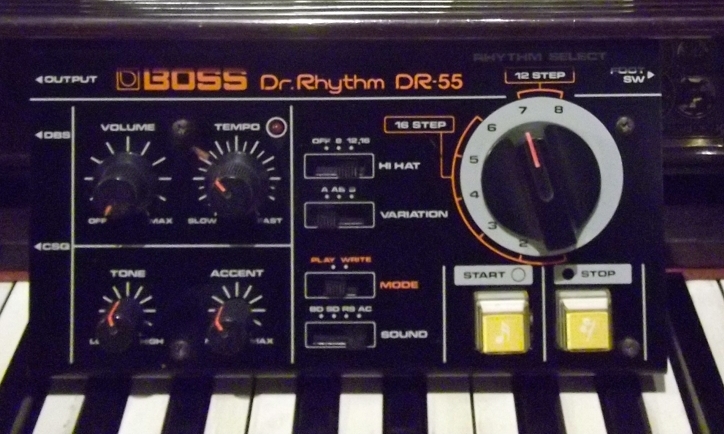
‘Luna Landings’ features iconic equipment such as the Roland Jupiter 8, Korg Poly6, Yamaha CS10, Roland SH9, Roland TR808 and Boss Doctor Rhythm DR55. Daly said it was “a little nod there to Brian Eno’s ‘Apollo: Atmospheres & Soundtracks’”, adding “it’s soooo lovely, all my little recordings from the 80s. I love it sooo much and can’t wait for people to hear it .”

Sweetened by effects such as a WEM Copicat and a Yamaha SPX 90 digital processor, ‘Luna Landings’ is a beautiful work that over 23 tracks is a worthy addition to the tradition. The opener ‘Odysseas Celestial Body’ provides a suitably cosmic lift-off but constructing a sparse spacious aesthetic, ‘Technics Arpeggio’ makes use of the mighty PX1 digital piano, an instrument that found its way into the keyboard armoury of PET SHOP BOYS and ULTRAVOX.

With a bouncy octave shifting bass sequence, the comparatively uptempo ‘Luna Bop’ is very pretty and bursting with melody while ‘Dummkopf’ has a dominant percussive snap within the windswept lo-fi ambience. The lilting sweep of ‘And When Did You Give Up… And Why ?’ is given further life by a hypnotic sequencer pattern and a claustrophobic series of voices.

The short inscrutable soundscape of ‘Yellow Magic’ doesn’t hide its inspiration and then there’s the Jupiter suite of ‘JP8’ and ‘JP82’; both feature the sort of ringing bell-like textures that were so characteristic of CHINA CRISIS. Expressing potential as beds for possible pop songs, the second of the pieces makes the most of the pipe and string capabilities of the big Roland. The delightful ‘80’s Electro 2’ does exactly what it says on the tin whereas despite its provocative title, ‘Space Bastard’ is very demure and atmospheric.

The synths take a small breather as Daly borrows Eddie Lundon’s Yamaha SG1000 guitar for the appropriately titled ‘Guitar Instrumental 1’ and ‘Guitar Instrumental 3’, both close relatives to ‘Forever I & I’ and reminiscent of THE DURUTTI COLUMN.

Meanwhile, the sprightly ‘Pipes Of Man Ray Times’ probably had the development potential to become a snappy pop song like its near namesake ‘Black Man Ray’. The elegiac ‘Evángelos’ is glorious and every bit as good as anything on ‘Apollo: Atmospheres & Soundtracks’ with its weightless, drifting thought-provoking feel. ‘Magnifique Lune’ is minimal and vibey, following on a similar “Apollo Luna” theme.

‘The Highest Heist’ is a play on the title of the opening track from ‘Flaunt The Imperfection’ and presents a variation on its melodic presence while the ivory laced sunny side up nostalgia of ’78’ is as good as any CHINA CRISIS B-side.

But as CHINA CRISIS evolved, so were Daly’s instrumental ideas and the way he was constructing them. ‘Very Nice Barbara’ has an almost jazz feel with a synth taking the pace of a sax while ‘Shopping For Excuses’ sees the start of a more Trans-Atlantic approach away from Brian Eno and towards STEELY DAN with a subtle groove.

And as ‘Luna Landings’ heads for re-entry and splashdown, the appropriately titled ‘Swimming With Kevin’ provides a rhythmic tribute to the late and much missed CHINA CRISIS drummer Kevin Wilkinson, before a subtle drum machine pulse heralds the conclusion of the mission with the cascading wintery runs of ‘Festivus’.

At 23 tracks, this is a hefty collection and only one track doesn’t work in context; ‘Jody You’re On Dope, So Just Shut The F**K Up’ features an expletive filled dialogue between an aggressively arguing couple which acts as an overlong distraction from the eventual melodies which are actually quite pleasant.

But in all, ‘Luna Landings’ is a highly enjoyable record that channels a laid back demeanour to aid relaxation and escape. Despite the age of the recordings, the air and hiss from the incumbent machinery adds an endearingly earthy evocative quality to proceedings.

With its striking Valentina Tereshkova adorned artwork, ‘Luna Landings’ gathers an affectionate memory of yesterday’s tomorrow and is a must for synth instrumental enthusiasts.


‘Luna Landings’ is released on 20th February 2020 as a CD, pre-order direct from https://www.musicglue.com/gary-daly/products/luna-landings-cd

https://www.facebook.com/chinacrisisofficial/

https://www.instagram.com/garydalymusic/


Text by Chi Ming Lai
2nd January 2020

2019 END OF YEAR REVIEW

2019 was a year of 40th Anniversaries, celebrating the synth becoming the sound of pop when ‘Are Friends Electric?’ reached No1 in the UK chart in 1979.

While Gary Numan opted for ‘(R)evolution’ and two of his former sidemen RRussell Bell and Chris Payne ventured solo for the first time, OMD offered a 7 disc ‘Souvenir’ featuring a whole album of quality unreleased material to accompany a concert tour to celebrate four decades in the business. That was contrary to DEPECHE MODE who merely plonked 14 albums into a boxed set in a move where the ‘Everything Counts’ lyric “the grabbing hands grab all they can” became more and more ironic… Midge Ure partied like it was 1980 with the music of VISAGE and ULTRAVOX, while SIMPLE MINDS announced an arena tour for 2020 so that their audience could show Jim Kerr their hands again.

HEAVEN 17 announced some special showcases of the early material of THE HUMAN LEAGUE and got a particularly warm reception opening on tour for SQUEEZE as a trailer ahead of their own ‘Greatest Hits’ jaunt next year. Celebrating 20 years in music, there was the welcome return of LADYTRON with a self-titled comeback album, while Swedish evergreens LUSTANS LAKEJER performed the ‘Åkersberga’ album for its 20th Anniversary and similarly GOLDFRAPP announced a series of shows in honour of their magnificent cinematic debut ‘Felt Mountain’.

Cult favourites FIAT LUX made their intimate live comeback in a church in Bradford and released their debut album ‘Saved Symmetry’ 37 years after their first single ‘Feels Like Winter Again’. As a result, their fans were also treated to ‘Ark Of Embers’, the long player that Polydor Records shelved in 1985 when the band were on the cusp of a breakthrough but ended with a commercial breakdown.

Modern prog exponents Tim Bowness and Steven Wilson got back together as NO-MAN for their dual suite electronic concept record ‘Love You To Bits’, but an even more ambitious undertaking came from UNDERWORLD with their boxed set ‘Drift Series 1’. Also making live returns were one-time PET SHOP BOYS protégé CICERO with a charity gig in his hometown of Livingston, WHITE DOOR with JOHAN BAECKSTRÖM at Synth Wave Live 3, ARTHUR & MARTHA and Mute Records veterans KOMPUTER. After a short hiatus, the mighty KITE sold-out three gigs at Stockholm Slaktkyrkan and ended the year performing at an opera house, while GIORGIO MORODER embarked on his first ever concert tour where his songs were the stars.

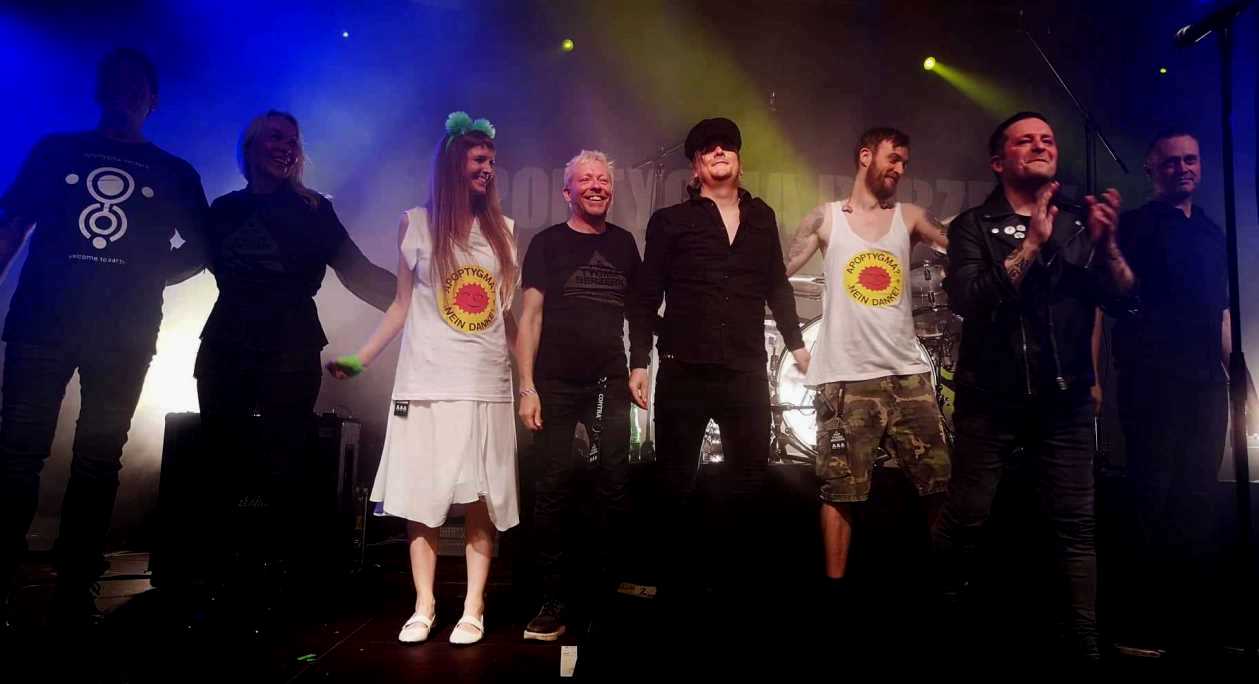
Although their long-awaited-as-yet-untitled third album was still to materialise, VILE ELECTRODES went back on the road in Europe with APOPTYGMA BERZERK and THE INVINCIBLE SPIRIT. Meanwhile, Chinese techno-rock sextet STOLEN opened for NEW ORDER on their Autumn European tour and EMIKA performed in a series of Planetariums.

Despite the fall of The Berlin Wall 30 years ago, there were more evident swipes to the right than there had been for a long time, with the concept of Brexit Electro becoming a rather unpleasant reality. So in these more sinister times, the need for classic uplifting electronic pop was higher than ever.

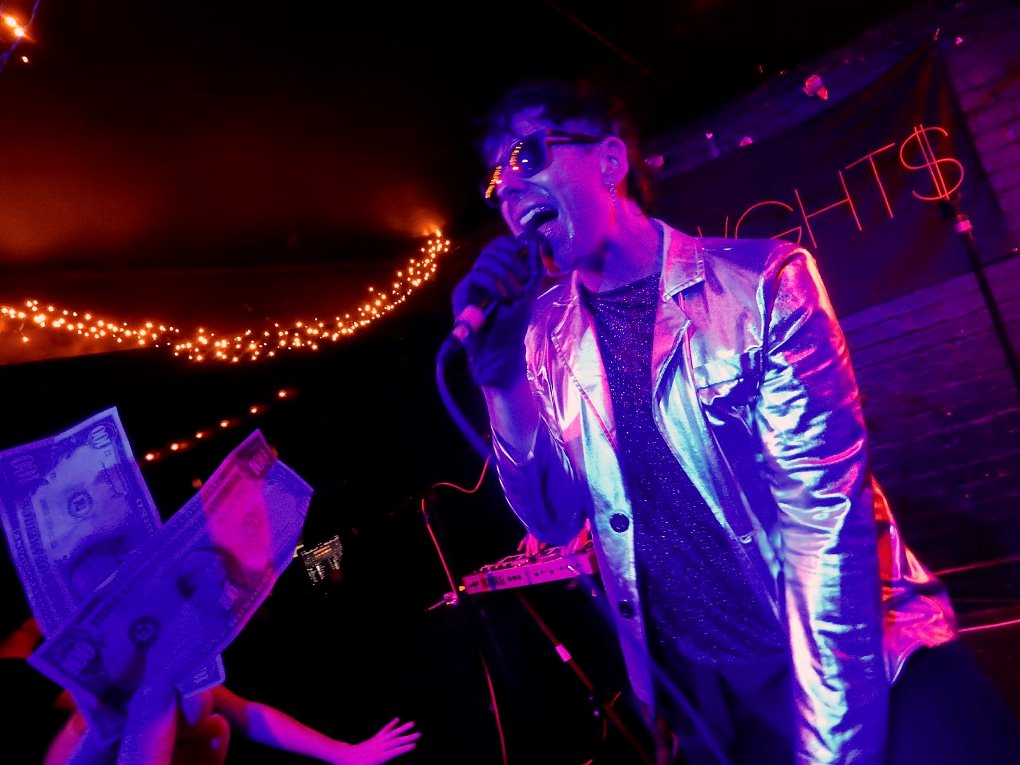
To that end, three superb debut albums fitted the bill. While KNIGHT$ offered quality Britalo on ‘Dollars & Cents’, the suave presence of Ollie Wride took a more MTV friendly direction with ‘Thanks In Advance’. But for those wanting something more home produced, the eccentric Northern electronic pop of the brilliantly named INTERNATIONAL TEACHERS OF POP continued the artistic lineage of THE HUMAN LEAGUE. QUIETER THAN SPIDERS finally released their wonderful debut album ‘Signs Of Life’ which was naturally more understated and Denmark had some worthy synthpop representation with SOFTWAVE producing an enjoyably catchy debut long player in ‘Game On’.

On the shadier side of electronic pop, BOY HARSHER achieved a wider breakthrough with their impressive ‘Careful’ long player but as a result, the duo acquired a contemporary hipster element to their fanbase who seemed to lack manners and self-awareness as they romped around gigs without a care for anyone around them. But with tongues-in-cheeks, SPRAY continued to amuse with their witty prankelectro on ‘Failure Is Inevitable’.

Photo by Johnny Jewel

Italians Do It Better kept things in house as CHROMATICS unexpectedly unleashed their first album for six years in ‘Closer To Grey’ and embarked on a world tour. Main support was DESIRE and accompanied on keyboards by HEAVEN singer Aja, the pair took things literally during their cover version of ‘Bizarre Love Triangle’ with a girl-on-girl kiss in front of head honcho Johnny Jewel. Other ITIB acts on the tour dependent on territory included DOUBLE MIXTE, IN MIRRORS and KRAKÓW LOVES ADANA. But the best work to appear from the stable came from Jorja Chalmers who became ‘Human Again’.

There were a variety of inventive eclectic works from FAKE TEAK, MAPS, FINLAY SHAKESPEARE, ULTRAMARINE, TYCHO, THE GOLDEN FILTER, FRAGRANCE. and FADER. Meanwhile VON KONOW, SOMEONE WHO ISN’T ME and JAKUZI all explored themes of equality while BOYTRONIC preferred ‘The Robot Treatment’. But expressing themselves on the smoother side of proceedings, SHOOK who looked east towards the legend of YELLOW MAGIC ORCHESTRA.

Dark minimalism reigned in the work of FRAGILE SELF and WE ARE REPLICA while no less dark but not so aggressive, WITCH OF THE VALE cemented their position with a well-received opening slot at Infest. Dubliner CIRCUIT3 got political and discussed ‘The Price Of Nothing & The Value Of Everything’.

2019 was a year of electronic instrumental offerings galore from NEULAND, Ricardo Autobahn, EKKOES, M83, RELIEF, FEMMEPOP and OBLONG, although Eric Random’s dystopian offering ‘Wire Me Up’ added vocoder while Brian Eno celebrated the 50th anniversary of the first moon landing ‘For All Mankind’.

The King of Glum Rock Lloyd Cole surprised all with an electronic pop album called ‘Guesswork’ just as PET SHOP BOYS set an ‘Agenda’. HOWARD JONES released his most synthy work for years in ‘Transform’ and while CHINA CRISIS acted as his well-received support on the UK leg of his 35th Anniversary tour, their front man Gary Daly ventured solo with ‘Gone From Here’.

Among the year’s best new talents were IMI, Karin MyGretaGeiste and Alice Hubble with their beautifully crafted avant pop. And with the media traction of artists such as GEORGIA, REIN, JENNIFER TOUCH, SUI ZHEN, THE HEARING, IONNALEE, PLASMIC, ZAMILSKA, IOANNA GIKA, SPELLLING, KANGA, FIFI RONG and I AM SNOW ANGEL, the profile of women in electronic music was stronger than ever in 2019.

Sweden continued to produce quality electronic pop with enjoyable releases from the likes of MACHINISTA, PAGE, COVENANT, OBSESSION OF TIME and LIZETTE LIZETTE. One of the most interesting acts to emerge from the region was US featuring the now Stockholm-domiciled Andrew Montgomery from GENEVA and Leo Josefsson of LOWE, with the catalyst of this unlikely union coming from a shared love of the late country legend Glen Campbell. Meanwhile, veteran trio DAYBEHAVIOR made the best album of their career ‘Based On A True Story’.

However, Canada again gave the Swedes a good run for their money as ELECTRIC YOUTH and FM ATTACK released new material while with more of a post-punk slant, ACTORS impressed audiences who preferred a post-post-punk edge alongside their synths.Dana Jean Phoenix though showed herself to be one of the best solo synth performers on the live circuit, but artistically the best of the lot was MECHA MAIKO who had two major releases ‘Okiya’ and ‘Let’s!’.

Despite making some good music in 2019 with their ‘Destroyer’ two-parter, the “too cool for school” demeanour of TR/ST might have impressed hipsters, but left a lot to be desired. A diva-ish attitude of entitlement was also noticed by ELECTRICITYCLUB.CO.UK to be disappointingly prevalent in several fledgling acts.

Synthwave increased its profile further with the film ‘The Rise Of The Synths’ narrated by none other than John Carpenter. MICHAEL OAKLEY released his debut album ‘Introspect’, BETAMAXX was ‘Lost In A Dreamworld’, COM TRUISE came up with a ‘Persuasion System’ and NEW ARCADES were ‘Returning Home’.

Scene veteran FUTURECOP! collaborated with PARALLELS, COMPUTER MAGIC and NINA prior to a hiatus for the foreseeable future, while there were promising new talents emerging in the shape of POLYCHROME, PRIZM, BUNNY X and RIDER. However, several of the sub-genre’s artists needed to rethink their live presentations which notably underwhelmed with their static motions and lack of engagement.

While promoters such as Outland developed on their solid foundations, others attempted to get too big too soon like the musical equivalent of a penis extension, leaving fans disappointed and artists unpaid. Attempting to turnover more than 10 acts during in a day with a quarter of an hour changeover has always been an odious task at best, but to try 15?!? One hopes the headliners were well paid despite having to go on at midnight when most of their supporters went home so as not to miss the last train…

Now at times, it was as if a major collective midlife crisis had hit independent electronic music in the UK during 2019. It was not unlike how “born again bikers” have become a major road safety risk, thanks to 40somethings who only managed Cycling Proficiency in Junior School suddenly jumping onto 500cc Honda CMX500 Rebel motorcycles, thinking they were Valentino Rossi.

Something similar was occurring in music as a variety of posturing delusional synth owners indulged in a remix frenzy and visions of grandeur, forgetting that ability and talent were paramount. This attitude led to a number of poorly attended events where attendees were able to be counted on one hand, thanks to clueless fans of said combos unwisely panning their video footage around the venue.

Playing at 3:15pm in an empty venue is NOT performing at a ‘major’ electronic festival… “I’ll be more selective with the gigs I agree to in the UK” one of these acts haplessly bemoaned, “I’ve played to too many empty rooms!” – well, could that have been because they are not very good?

Bands who had blown their chance by not showing willingness to open for name acts during holiday periods, while making unwise comments on their national TV debut about their lack of interest in registering for PRS, said they were going to split a year in advance, but not before releasing an EP and playing a farewell show in an attempt to finally get validation for their art. Was this a shining example of Schrodinger’s Band?

Of course, the worst culprits were those who had an internet radio show or put on gigs themselves so that they could actually perform, because otherwise external promotors were only interested in them opening at 6.15pm after a ticket deal buy on for a five band bill. Humility wouldn’t have gone amiss in all these cases.

It’s a funny old world, but as ELECTRICITYCLUB.CO.UK comes up to concluding its tenth year as an influential platform that has written extensively about not one or two or three or four BUT five acts prior to them being selected to open on tour for OMD, luckily the gulf between good and bad music is more distinct than ever. It will be interesting to see if the high standard of electronic pop will be maintained or whether the influx of poor quality artists will contaminate the bloodline.

So ELECTRICITYCLUB.CO.UK ends the decade with a complimentary comment by a punter after attending two of its live events: “You don’t put on sh*t do you…”

May the supreme talent rise and shine… you know who you are 😉


ELECTRICITYCLUB.CO.UK Contributor Listings of 2019

PAUL BODDY

Best Album: UNDERWORLD Drift Series 1
Best Song: MOLINA Venus
Best Gig: RAMMSTEIN at Milton Keynes MK Bowl
Best Video: SCALPING Chamber
Most Promising New Act: SCALPING


IAN FERGUSON

Best Album: NO-MAN Love You To Bits
Best Song: NO-MAN Love You To Shreds
Best Gig: RAMMSTEIN at Stadion Slaski Chorzow
Best Video: RAMMSTEIN Deutschland
Most Promising New Act: IMI


SIMON HELM

Best Album: PAGE Fakta För Alla
Best Song: PAGE Fakta För Alla
Best Gig: LAU NAU at London Cafe OTO
Best Video: LAU NAU Amphipoda on Buchla 200 at EMS Stockholm
Most Promising New Act: THE HIDDEN MAN


CHI MING LAI

Best Album: KNIGHT$ Dollar & Cents
Best Song: OMD Don’t Go
Best Gig: KITE at Stockholm Slaktkyrkan
Best Video: NIGHT CLUB Your Addiction
Most Promising New Act: IMI


RICHARD PRICE

Best Album: KNIGHT$ Dollar & Cents
Best Song: OMD Don’t Go
Best Gig: MIDGE URE at The London Palladium
Best Video: IMI Margins
Most Promising New Act: PLASMIC


MONIKA IZABELA TRIGWELL

Best Album: MECHA MAIKO Let’s
Best Song: KANGA Burn
Best Gig: DANA JEAN PHOENIX, KALAX + LEBROCK at London Zigfrid von Underbelly
Best Video: IONNALEE Open Sea
Most Promising New Act: PRIZM


Text by Chi Ming Lai with thanks to Ian Ferguson
16th December 2019, updated 29th Janaury 2021

BRIAN ENO For All Mankind

Released in 1983, ‘Apollo: Atmospheres & Soundtracks’ was recorded as a soundtrack to Al Reinert’s documentary film about the Apollo Missions.

A triumph in understatement to accompany one of the greatest achievements of mankind, ‘Apollo: Atmospheres & Soundtracks’ was possibly the most accessible of all of Brian Eno’s ambient works.

This was partly thanks thanks to its comparatively short tracks and use of conventional instruments like guitar and fretless bass alongside a newly acquired Yamaha DX7.

Working Daniel Lanois and his brother Roger (on what was to be his first recording project), Brian Eno wanted to convey the feelings of space travel by reacting against the uptempo, newsy manner of space travel presented by most TV programmes of the day with its fast cuts and speeded up images.

‘Apollo: Atmospheres & Soundtracks’ is perhaps best known for the hovering aural sedative of ‘Deep Blue Day’ which was used in the infamous toilet scene from ‘Trainspotting’. Other notable tracks included the cosmic Americana of ‘Weightless’ and ‘An Ending (Ascent)’ featuring a drifting but dramatic church organ-like passage that acted as the blueprint to the intro of U2’s ‘Where The Streets Have No Name’. Meanwhile the tingling floatation of ‘Under Stars’ became a ubiquitous staple on a plethora of chill-out compilations.
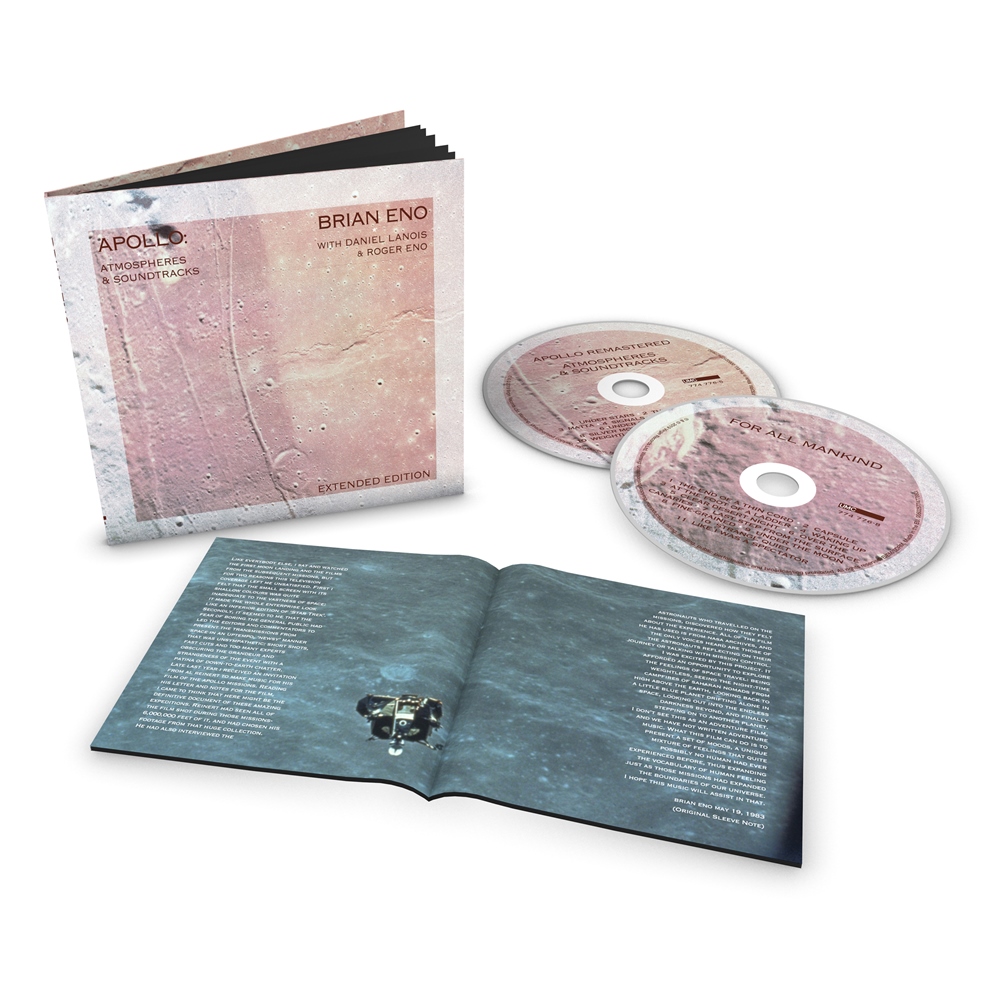
Originally called ‘Apollo’, the film itself featured a collage of 35mm footage from all the Apollo missions to depict a single moon landing with real-time commentary but no narration. However audiences gave it a lukewarm response, so the film was revamped to include interviews conducted by Reinert with thirteen of the Apollo astronauts.

Sharing their recollections of the missions, there was additionally narration from Apollo 11 command module pilot Michael Collins and Jim Lovell, commander of the ill-fated Apollo 13. For its 1989 release, the reworked film was titled ‘For All Mankind’.

To celebrate the 50th Anniversary of Apollo 11 landing on the moon, ‘Apollo: Atmospheres & Soundtracks’ is released as an extended edition with a bonus album containing appropriately 11 new instrumental compositions that reimagine the soundtrack to ‘For All Mankind’.

These new recordings see the two Enos and Lanois working collectively as a trio for the first time since 1983. Beginning with ‘The End Of A Thin Cord‘, it captures the movement of the moon around the earth in a gloriously spacey sound sculpture.

As can be expected, the Lanois directed ‘Capsule’ chimes with guitar alongside organic keys but at the other end of the cosmos, Roger Eno’s ‘Waking Up’ and ‘Under The Moon’ capture a beautiful simplicity in their gently treated reverberant rings.

While ‘At The Foot Of A Ladder’ drifts with mechanical percussion looming gently in the background, ‘Clear Desert Night’ is deeply rooted in ‘Under Stars’ as synthetic wafts merge with gentle three note signals. Then there’s the starkly minimal ‘Over The Canaries’ which recalls the sleepy hush of ‘Neroli’.

With the return of Lanois’ six string, ‘Last Step From The Surface’ captures the preparations for the journey back to earth in a melancholic yet joyous mood while ‘Fine-grained’ presents a surreal take on Country and Western.

The gorgeous ‘Strange Quiet’ does as the title suggests before the closing ‘Like I Was A Spectator’ appropriately reflects the feelings of being a lunar astronaut with modern classical overtones as heard in the John Foxx side-project GHOST HARMONIC.

‘For All Mankind’ offers a soothing disconnection into the unknown even without any visuals. Following the accessible but otherworldly ethos of its classic parent album, its dreamy soundscapes and aural clusters stand up on their own, providing an escape to help both relax and remember.


‘For All Mankind’ features on the extended edition of ‘Apollo: Atmospheres & Soundtracks’ released on 19th July 2019 in double vinyl LP and 2CD formats

http://www.brian-eno.net/

https://www.facebook.com/brianenomusic/

https://twitter.com/BrianEnoMusic

https://www.instagram.com/brianeno/


Text by Chi Ming Lai
Photo by Shamil Tanna
16th July 2019

« Older posts Newer posts »