With an aim to “destroy authenticity in pop” and “embrace the superficial”, when FISCHERSPOONER were launched at a lavish art space event in London, Casey Spooner turned to his musical partner Warren Fischer and said “Warren, press play…”
Some would call it performance art while others thought the mimed escapade was an affront to real music and reacted angrily… despite much press hype, the single ‘Emerge’ stalled at No25 in 2002 and Ministry Of Sound who had signed FISCHERSPOONER internationally were left with egg on their faces. Q magazine would later place the parent album ‘#1’ in their 2006 list of “The 50 Worst Albums Ever!”
What came to be called electroclash was not considered cool by a wider public that was still drunk after the hangover that was Britpop! Like New Romantic before it, electroclash seen as self-indulgence by elitist poseurs but despite being ridiculed, longevity is nothing to be scared of. Today, the music of 1977-1983 has proved its worth as KRAFTWERK, THE HUMAN LEAGUE, NEW ORDER, DURAN DURAN and their like continue to fill arenas and festival fields around the world.
So now is the time for a re-evaluation of ‘When The 2000s Clashed’ and presented ”Machine Music For A New Millennium”; comprising of 5 themed CDs, the set has been compiled by Jonny Slut, founder of London club nite Nag Nag Nag and Mark Wood of READERS WIFES who DJed at the SOFT CELL reunion shows with superb sets that focussed on the songs, doing away with the self-important mixing and beat matching that afflicts many egocentric deckmeisters…
Just as New Romantic had a range of names which didn’t stick like Blitz Kids, peacock punks, futurists and the dreaded Cult With No Name, designations like synthcore, tech-pop and Romo were banded about before electroclash stuck. It became the all-encompassing term for this glittery yet gritty variant of electronic dance pop where klanky drum machines did battle with analog arpeggios, throbbing basslines on the oompah radar and often, snarly or spoken rather than sung vocals!
CD1 comprises of “Fundamentals” and here, superb trailblazing tracks such as ADD N TO (X)’s ‘Plug Me In’, JEANS TEAM’s ‘Keine Melodien…1, 2, 3, 4’, ZOMBIE NATION’s ‘Kernkraft 400’, ‘Hand To Phone’ by ADULT. and ‘Rippin’ Kittin’ featuring Miss Kittin take their place alongside PET SHOP BOYS’ Orange Alert Mix of ATOMIZER’s ‘Hooked On Radiation’ and LEGOWELT’s sinister ‘Disco Rout’. But it’s Peaches who steals the show with the feisty buzzy lo-fi romp of ‘F*ck The Pain Away’!
FISCHERSPOONER lead CD2’s “Essentials” summary with ‘Emerge’ and offering fine support are THE KNIFE with ‘We Share Our Mother’s Health’ and Richard Norris’ THE DROYDS with the reworded DURAN DURAN cover ‘Girls On Pills’. Although ‘Seventeen’ from LADYTRON is the undoubted classic of this set, other highlights include ‘What Was Her Name?’ from Dave Clarke featuring CHICKS ON SPEED and ‘Take A Walk’ by Andreas Bolz while DETROIT GRAND PUBAS offer the enjoyably bizarre ‘Sandwiches’!
CD3’s “Developments” documents the crossover of what many perceived as the electroclash sound into the mainstream charts with HOT CHIP, GOLDFRAPP, MGMT, LCD SOUNDSYSTEM and YEAH YEAH YEAHS as well as Annie and Róisín Murphy all present if not necessarily correct with THE CHEMICAL BROTHERS remix of ‘Slow’ chosen rather than ‘Come Into My World’, Kylie Minogue’s collaboration with FISCHERSPOONER.
Meanwhile it’s the Princess Superstar voiced take on ‘Exceeder’ as ‘Perfect’ rather than Mason’s superior original instrumental that is included. That aside, Khia’s ‘My Neck My Back’ can now be seen as a forerunner of Marie Davidson.
The “Evolutions” themed CD4 opens with the still outstanding ‘We Are Your Friends’ from JUSTICE VS SIMIAN but while also including DIGITALISM, SOULWAX, CSS and NEW YOUNG PONY CLUB, this particular part of the collection proves to be the most hit and miss of the entire box, but it’s all just a matter of taste…
CD5 looks back at the “Origins” of electroclash with the usual suspects like KRAFTWERK, SPARKS, THE NORMAL, CABARET VOLTAIRE, THE HUMAN LEAGUE, GINA X PERFORMANCE, NEW ORDER, HEAVEN 17, FAD GADGET, VISAGE and SOFT CELL all included. But while is it wonderful that a track other than ‘Homosapien’ in the brilliant ‘Telephone Operator’ is included from the Pete Shelley back catalogue alongside the Germanic quirkiness of ‘Fred Vom Jupiter’ by DIE DORAUS UND DIE MARINAS and ‘Zauberstab’ by ZaZa, this could almost be any other alternative collection of influential electro works.
Instead, this fifth disc could have gathered tracks from the period by THE HACKER, THE FAINT, FC KAHUNA, GREEN VELVET, NORTHERN LITE, SYNTAX or TECHNOVA next to DJ Hell, Felix Da Housecat, Anthony Rother, Tiga or Ferry Corsten, with the latter’s ‘Whatever!’ nonchalantly voiced by Esmee Bor Stotijn from 2006 being a slice of prime cut electroclash.
The way it was in the past 25 years ago, this boxed set shows that the back-to-basics approach of many of these tracks provided an excitement that led to an albeit short-lived reinvigoration of electronic pop by acts whose names began with an “L” like Little Boots, La Roux, Lady Gaga and Ladyhawke.
Gathering a diverse selection of artists, producers and remixers ranging from the biggest starlets and synthpop duos to cult bands and underground DJs, ‘When The 2000s Clashed: Machine Music For A New Millennium’ highlights that the passing of time has finally been kind to electroclash and in selecting from the best of its kind, what is left is great electronic pop music. So when synthwave is reassessed in 10 years time and gets the boxed set treatment, will it too have evergreens that have stood the test of time? It will but it probably won’t have as many as ‘When The 2000s Clashed: Machine Music For A New Millennium’.
While 1979 saw a post-punk revolution with new wave and ska emerge as energetic expressions of youth with the likes of JOY DIVISION, XTC, THE SPECIALS and MADNESS, maturer acts with power pop sensibilities such as BLONDIE and THE POLICE dominated the UK charts.
But the synthesizer had become a new tool of creativity for those who weren’t interested in learning chords on a guitar and preferred to use one finger, thanks to its new found affordability with refined technology from Japan. While electronics had been present in disco, progressive rock and esoteric avant garde forms, following seminal records in 1978 such as ‘Warm Leatherette’ b/w ‘TVOD’ by THE NORMAL and ‘Being Boiled’ by THE HUMAN LEAGUE, a new DIY artpop form was developing that would eventually take on KRAFTWERK at their own game.
Among those fledgling electronic acts who released their debut singles in 1979 on independent labels were OMD with ‘Electricity’ on Factory Records and FAD GADGET with ‘Back To Nature’ on Mute Records. Meanwhile on another independent Rough Trade, CABARET VOLTAIRE achieved a wider breakthrough with ‘Nag Nag Nag’, the standalone single accompanying their first album ‘Mix-Up’.
Having experimented with synths on ‘Low’ released in 1977, David Bowie had gone to see THE HUMAN LEAGUE at The Nashville in late 1978 and hailed them as “the future of rock ‘n’ roll”. Alas it was TUBEWAY ARMY fronted by Gary Numan who beat THE HUMAN LEAGUE to the top of the UK singles charts in Summer 1979 with Are Friends Electric?’. However, just a few weeks earlier, SPARKS had taken the Giorgio Moroder produced ‘No1 Song In Heaven’ into the UK Top20. But however history is perceived, a revolution had begun that would lead to the dawn of “synthpop” in 1980.
Here are 20 albums which ELECTRICITYCLUB.CO.UK sees as contributing to the electronic legacy of 1979. They are listed in alphabetical order with a restriction of one album per artist moniker, meaning Gary Numan and Edgar Froese appear twice…
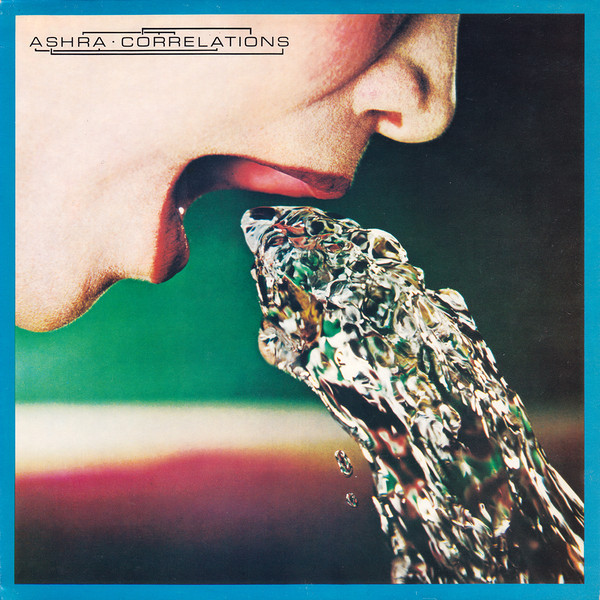
ASHRA Correlations
As ASHRA, Manuel Göttsching released what many consider to be his first ambient masterpiece ‘New Age Of Earth’. On 1978’s ‘Blackouts’, he expanded the line-up to include drumming synthesist Harald Grosskopf and guitarist Lutz Ulbrich which continued on ‘Correlations’. Despite being more rock-oriented, it featured sequenced electronics with ‘Club Cannibal’ almost entering Jean-Michel Jarre territory.
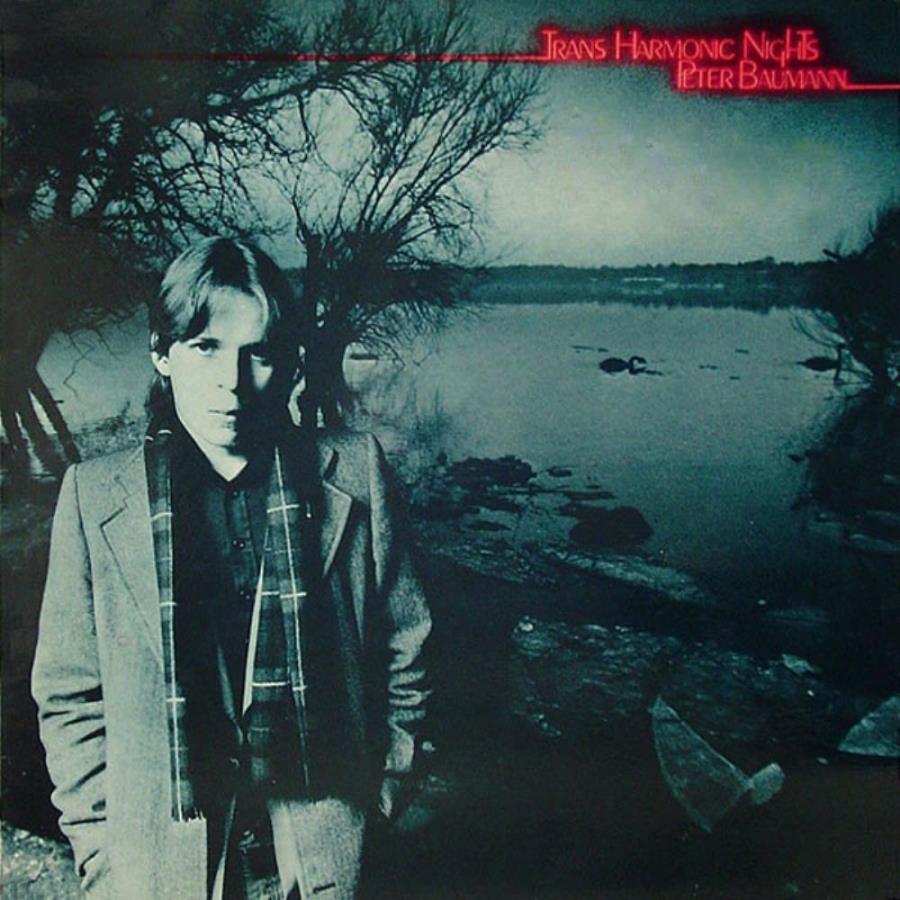
Although he had released ‘Romance ‘76’ while still a member of TANGERINE DREAM, Peter Baumann’s first solo album after departing the band was something of an interim record before venturing into electronic pop with ‘Repeat Repeat’. Mostly shorter instrumental compositions using mysterious melodies and occasional vocoder textures, ‘Trans Harmonic Nights’ remains something of an underrated electronic gem.
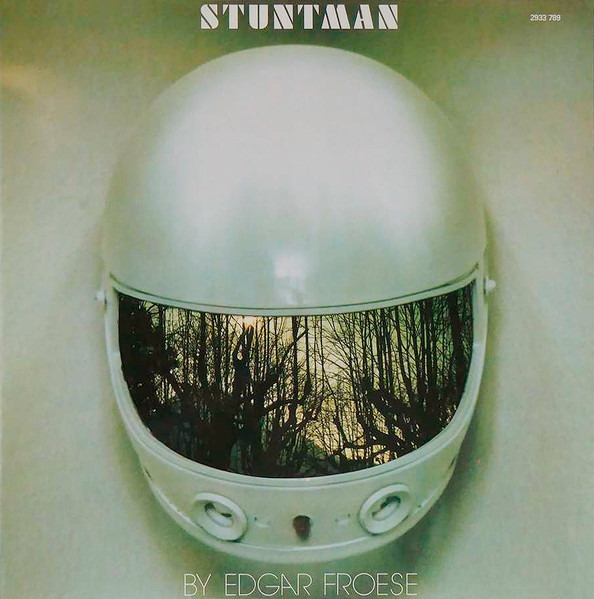
With TANGERINE DREAM taking a misstep with ‘Cyclone’ and perhaps prompted by the success of Jean-Michel Jarre’s electronic symphonies, on his fifth solo album ‘Stuntman’, Edgar Froese was at his most accessible with strong synth melodies, particularly on the title track. Elsewhere, new ages resonances were starting to develop while on ‘Drunk Mozart In The Desert’, there were atmospherics coupled with a rhythmic bounce.
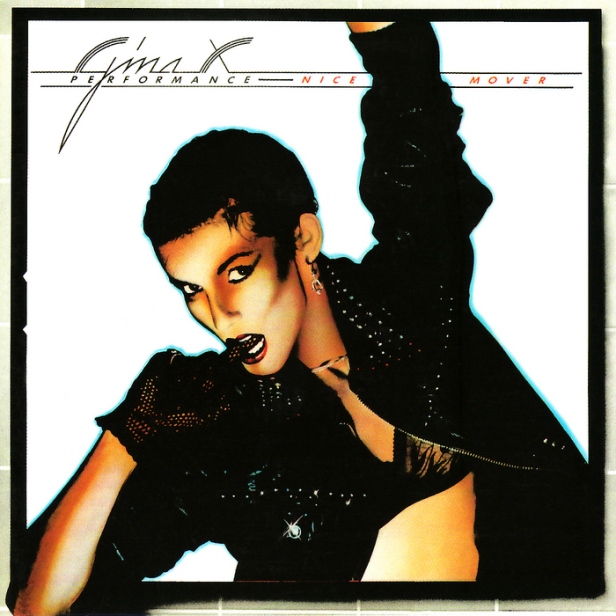
Produced and co-written by Zeus B Held, the debut album by androgynous art history student Gina Kikoine featured an array of ARP and Moog synths to signal the birth of a new European Underground. Cult club favourite ‘No GDM’ was written in honour of the “great dark man” Quentin Crisp while other highlights included the detached vocoder assisted robotic soul of the title song and the feisty gender statement ‘Be A Boy’.
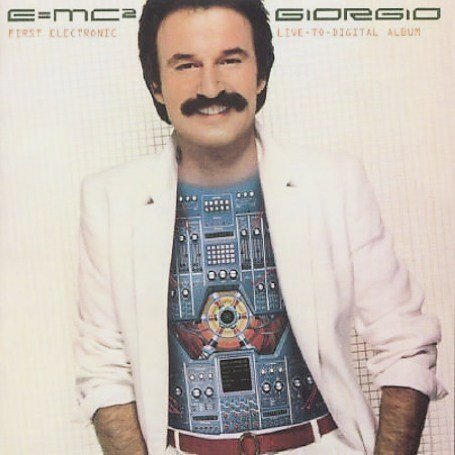
With Giorgio Moroder acquiring Roland’s new System 700 and an MC8 Micro-composer to control it, ‘E=MC2’ was touted as the first “electronic live-to-digital” album. This allowed for an uptempo funkiness previously unheard on sequencer based music to come into play. With the electronically treated vocals and euphoric energy of the marvellous ‘What A Night’, the sound of DAFT PUNK was inadvertently being invented!
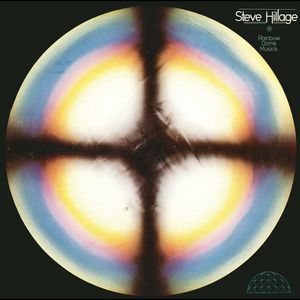
As a member of GONG and solo artist, Steve Hillage had a love of German experimental music and ventured into ambient with long standing partner Miquette Giraudy. Recorded for the Rainbow Dome at the ‘Festival For Mind-Body-Spirit’ at London’s Olympia, these two lengthy Moog and ARP assisted tracks each had a beautifully spacey vibe to induce total relaxation with a colourful sound spectrum.
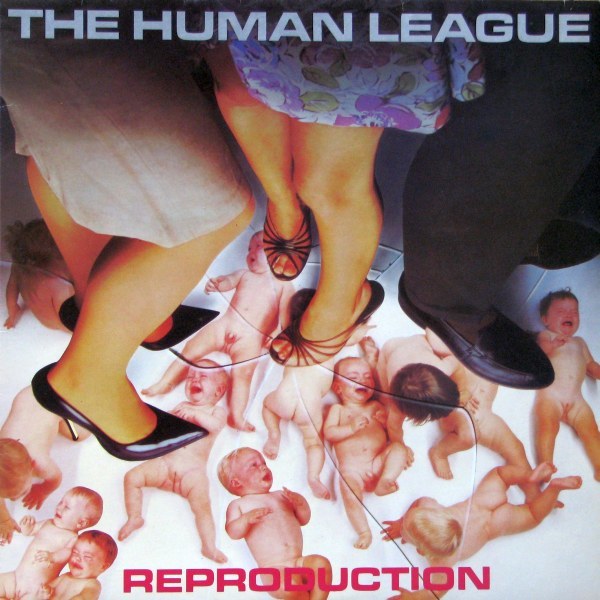
With a manifesto of “synthesizers and vocals only”, the debut album by THE HUMAN LEAGUE included ‘Empire State Human’, ‘Circus Of Death’, ‘Almost Medieval’, ‘Blind Youth’ and a stark cover of ‘You’ve Lost That Loving Feeling’. Produced by Colin Thurston, while ‘Reproduction’ was not a commercial success, Philip Oakey, Ian Craig Marsh and Martyn Ware gained valuable experience that would progress their careers.
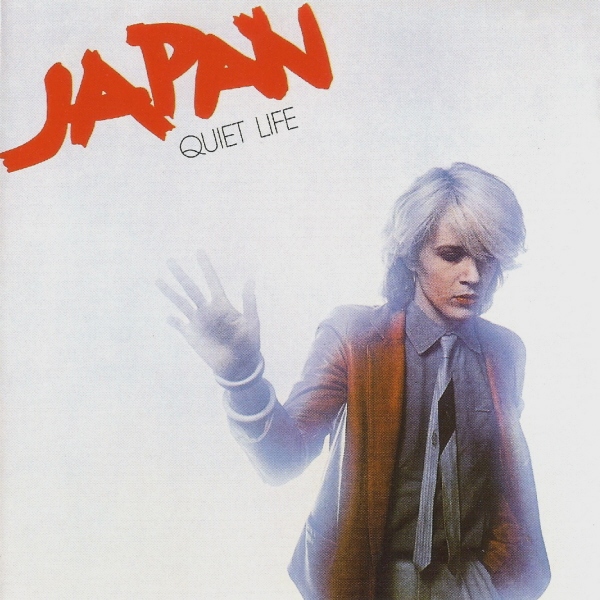
Although considered a 1980 album, the third JAPAN long player was actually released late 1979 in Japan, Canada, Holland and Germany. Featuring the sequencer-driven title song as well as the rockier ‘Halloween’ and a cover of THE VELVET UNDERGROUND’s ‘All Tomorrow’s Parties’, despite Roxy rip-off accusations, it was a major artistic step forward as a quality timeless work embracing synths, muzak and orchestrations.
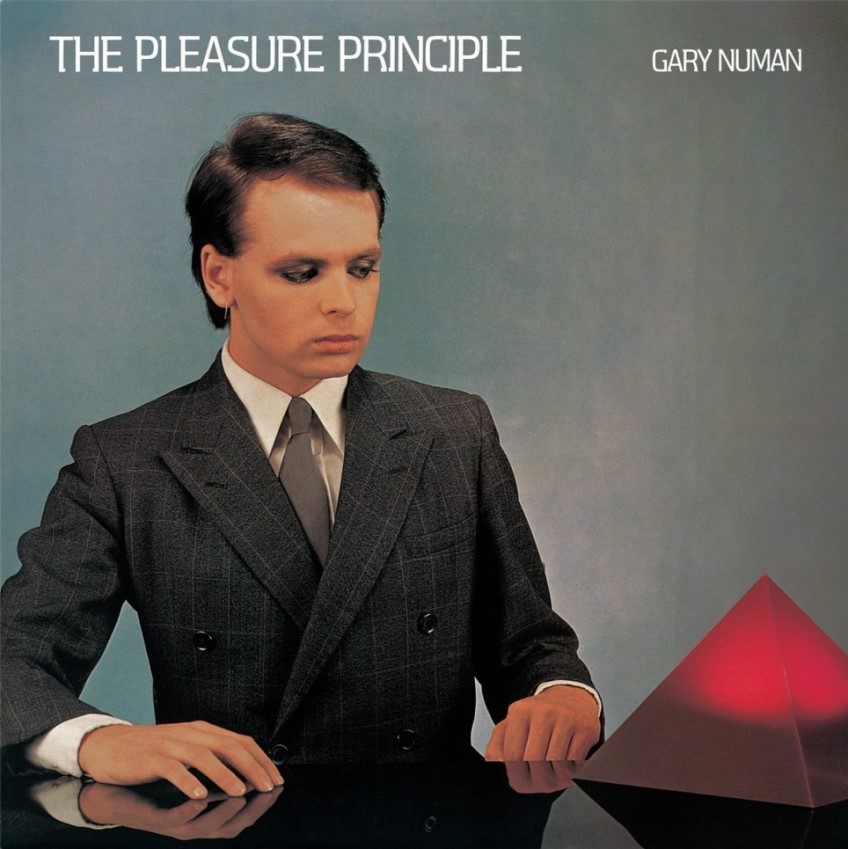
Devoid of guitar but using a flesh-and-blood rhythm section, Gary Numan realised his dream of producing a new form, machine rock. Synths were fed through guitar effects pedals to add a more sinister metallic tone and while there was sombre isolation communicated on all the songs, there was a catchy melodic sensibility to songs such as ‘Cars’, ‘Metal’, ‘Films’, ‘Engineers’ and ‘M.E.’ which turned Numan into the first synthesizer pop star.
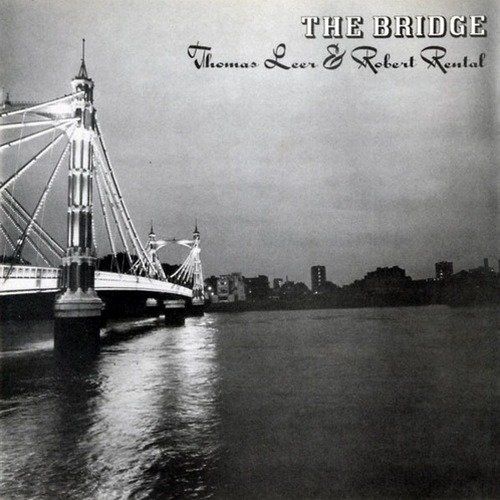
Originally released on THROBBING GRISTLE’s Industrial Records, ‘The Bridge’ album saw Scottish duo Thomas Leer and Robert Rental trading vocal and instrumental duties using early affordable synths such as the EDP Wasp. Comprising of a side of five songs and a side with four ambient instrumentals, ‘Day Breaks, Night Heals’ and ‘Monochrome Days’ both showcased an avant pop sensibility. Robert Rental sadly passed away in 2000.
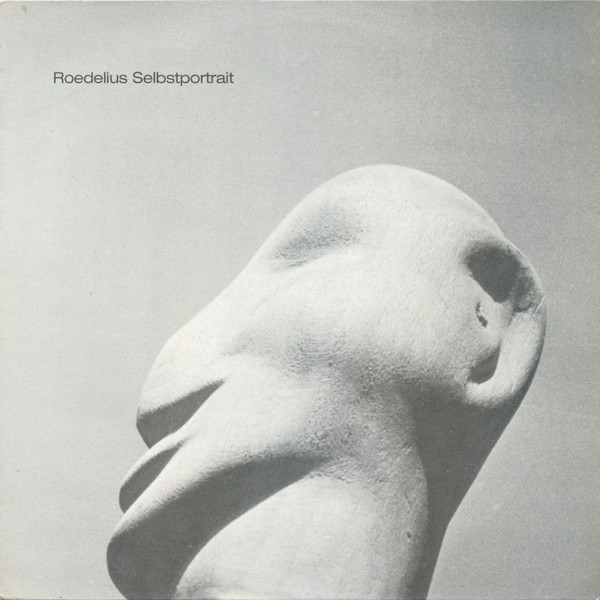
Best known as a member of CLUSTER with the late Dieter Moebius and working with Brian Eno on two albums, ‘Selbstportrait’ was Hans-Joachim Roedelius’ third solo long player. This was a “self-portrait” reflecting the gentle introspective ambience of the record. Something of a sister record to the 1977’s marvellous ‘Sowiesoso’, it was more accessible than CLUSTER’s own structurally minimal ‘Grosses Wasser’ also issued in 1979.
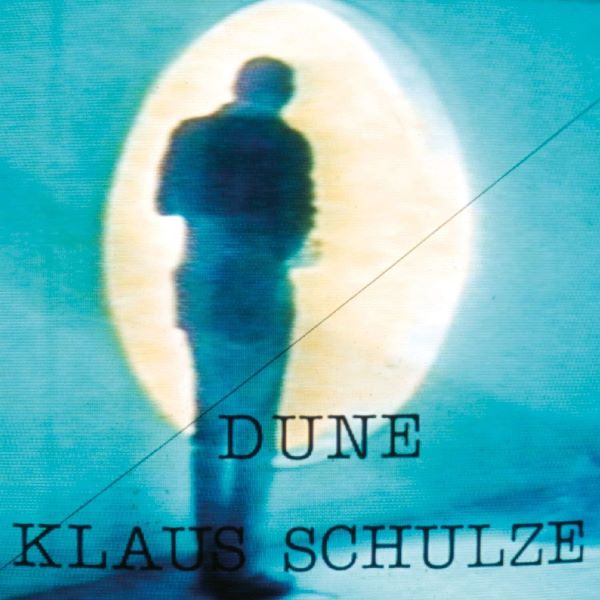
After the ambitious double opus ‘X’ which also incorporated strings in a record comprising of “Six Musical Biographies” in honour of figures including philosopher Friedrich Nietzsche and ‘Dune’ author Frank Herbert, Klaus Schulze conceived an actual album called ‘Dune’. Something of a diversion, ‘Shadows of Ignorance’ featured the eccentric poetry of Arthur Brown while the experimental ambient title track made use of cello.
Stronger than their debut LP ‘Life In A Day’, SIMPLE MINDS started experimenting with more electronics and a very European austere on its swift follow-up ‘Real To Real Cacophony’ with the title song presenting their take on KRAFTWERK’s ‘Radio-Activity’. Underground and pulsating through on ‘Changeling’, that breakthrough single and ‘Premonition’ really were a sign of things to come in their dark avant disco templates.
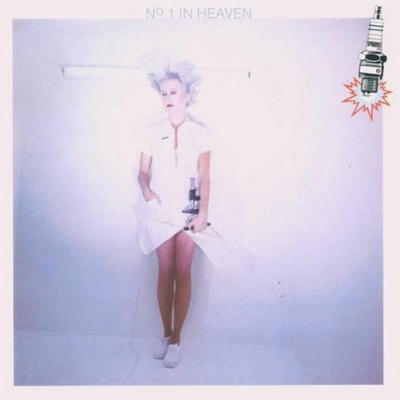
Following the inspirational success of ‘I Feel Love’, SPARKS were put in contact with its producer Giorgio Moroder who had aspirations to work with a band. The resultant album saw Russell Mael’s flamboyant falsetto fitting well with the pulsing electronic disco template. ‘The No1 Song In Heaven’ hit the UK Top 20 a few months before ‘Are Friends Electric?’ while the follow-up ‘Beat The Clock’ got into the Top 10.
‘No1 In Heaven’ is still available via Lil Beethoven Records
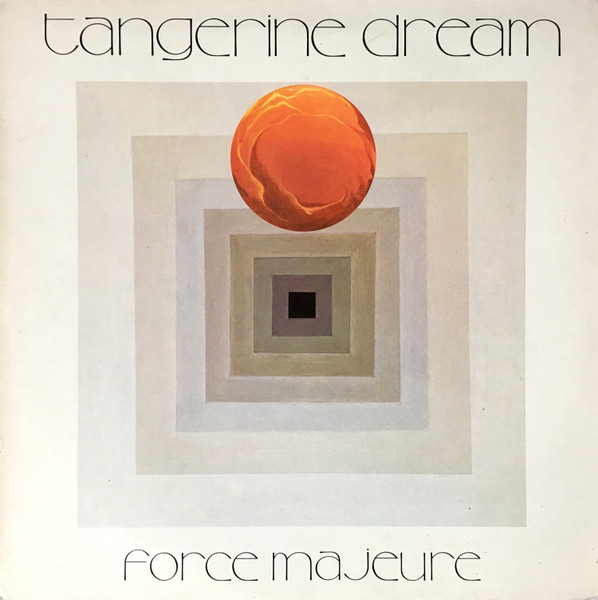
Still feeling the void left by the departure of Pete Baumann, following the vocal experiment of ‘Cyclone’, Edgar Froese and Christopher Franke opted to retain drummer in Klaus Krüger. While there was also increased guitar and piano usage, the title song and ‘Thru Metamorphic Rocks’ utilised pulsing sequencer passages to signal the future Hollywood direction that TANGERINE DREAM would head in.
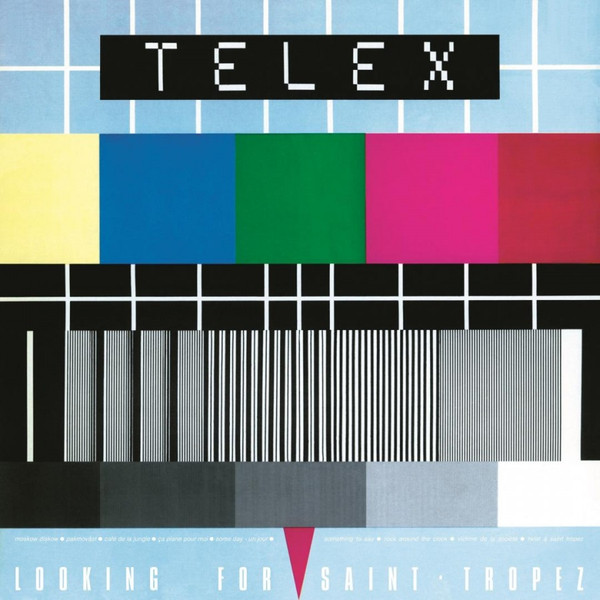
The ethos of Belgian trio TELEX was “making something really European, different from rock, without guitar”. ‘Looking For Saint Tropez’ contained ‘Moscow Diskow’ which took the Trans-Siberian Express to Moscow by adding a funkier groove. Also included were funereal robotic covers of ‘Rock Around The Clock’ which was a UK Top40 hit and Plastic Bertrand’s ‘Ça Plane Pour Moi’ as well as their deadpan debut single ‘Twist A Saint Tropez’.
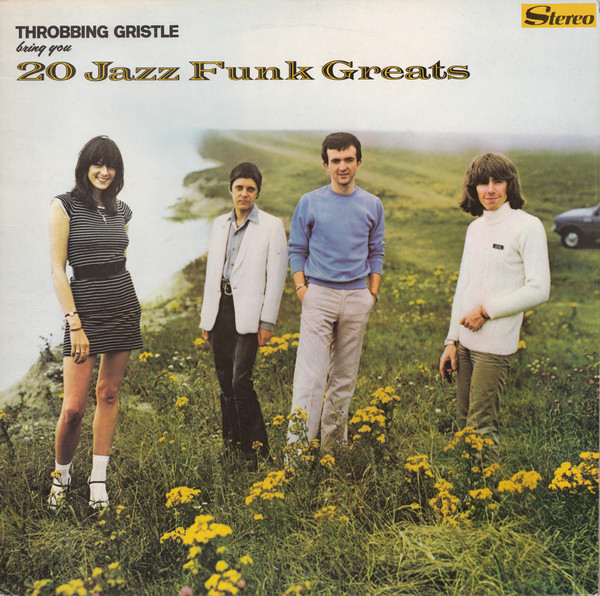
The title and the group photo on Beachy Head were tongue-in-cheek statements but THROBBING GRISTLE were still deathly uncompromising as shown by ‘Persuasion’. However, there were glints of light with the glorious cascading instrumental ‘Walkabout’ and mutant disco lento of ‘Hot On The Heels Of Love’ as Cosey Fanni Tutti’s whispered vocals competed with synthetic whip-crack and drill noises!
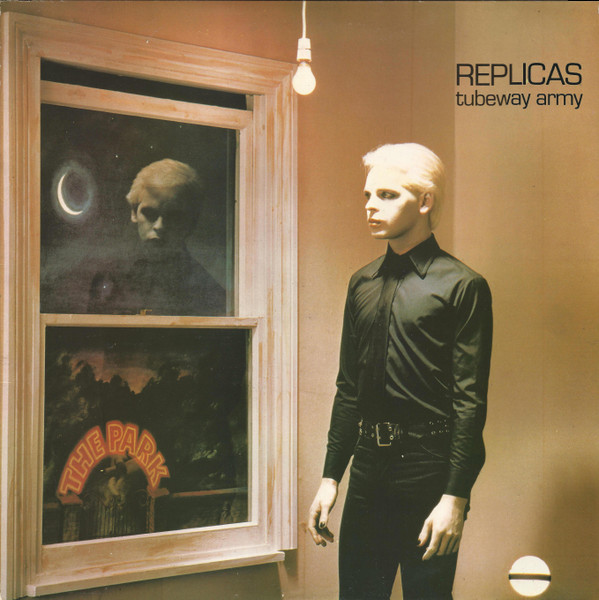
Whereas the TUBEWAY ARMY debut featured punk tunes with added synth, ‘Replicas’ would see the Philip K Dick inspired dystopian vision of Gary Numan paired with appropriate electronic sounds as the main melodic component on the now classic UK No1 ‘Are Friends Electric?’. But the earlier singles ‘Down In The Park’ and the lengthy instrumental ‘I Nearly Married A Human’ pointed to a future guitar-free follow-up.
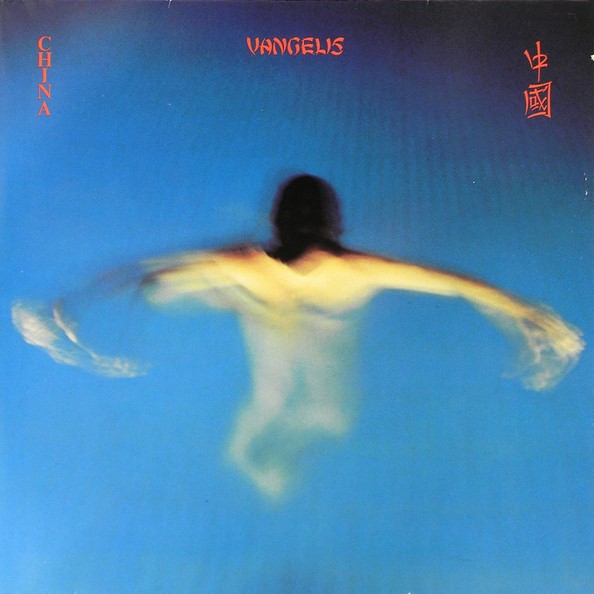
Although VANGELIS had never been to China at the time the album was recorded, he had developed a passionate fascination for its people, culture and vast landscape, noting a connection between ethnic Greek and Chinese music. Using traditional elements alongside his synthesizers, the centrepieces were the majestic ‘Chung Kuo’ and the meditative pentatonic piece ‘The Tao Of Love’. ‘China’ remains an underrated record in his canon.
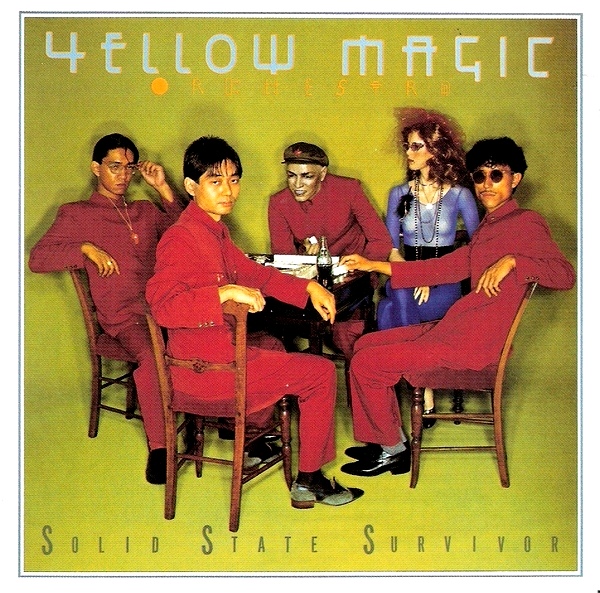
The second and best YELLOW MAGIC ORCHESTRA album featured an embarrassment of riches. It included the glorious Technopop of ‘Rydeen’, the mighty citypop of ‘Technopolis’, the moodier ‘Castalia’ and the Cossack romp of ‘Absolute Ego Dance’. But it was the iconic ‘Behind The Mask’ originally composed for Seiko which was later covered by Greg Phillinganes, Eric Clapton and Michael Jackson.
The phenomenon of the New Romantics can be said to have begun in Autumn 1978 with the foundation of a “Bowie Night” by Steve Strange and Rusty Egan at Billy’s nightclub in London’s Soho.
The youth movement that emerged aimed to find something new and colourful to escape the oncoming drabness in The Winter Of Discontent. Like Edwardian dandies meeting the Weimar Cabaret with extras from ‘Barbarella’ in between, they did a strange swaying arms dance, so as to not mess up their theatrical bouffanted hair. But after a disagreement with the owners of Billy’s, the pair moved their venture to The Blitz Club in Holborn.
Despite names such as Futurists, The Blitz Kids and The Movement With No Name, it was the term “New Romantics” coined by producer Richard James Burgess that became the widely used press description for this flamboyant group of outsiders. It was to eventually stick on anything from synthpop, art rock and peacock punk to Latin grooves, jazz funk and cod reggae provided the artist wore make-up, zoot suits, frilly blouses, smocks, headbands or kilts. Parallel club scenes developed at The Rum Runner in Birmingham, Crocs in Rayleigh near Southend and The Warehouse in Leeds from which DURAN DURAN, DEPECHE MODE and SOFT CELL respectively emerged.
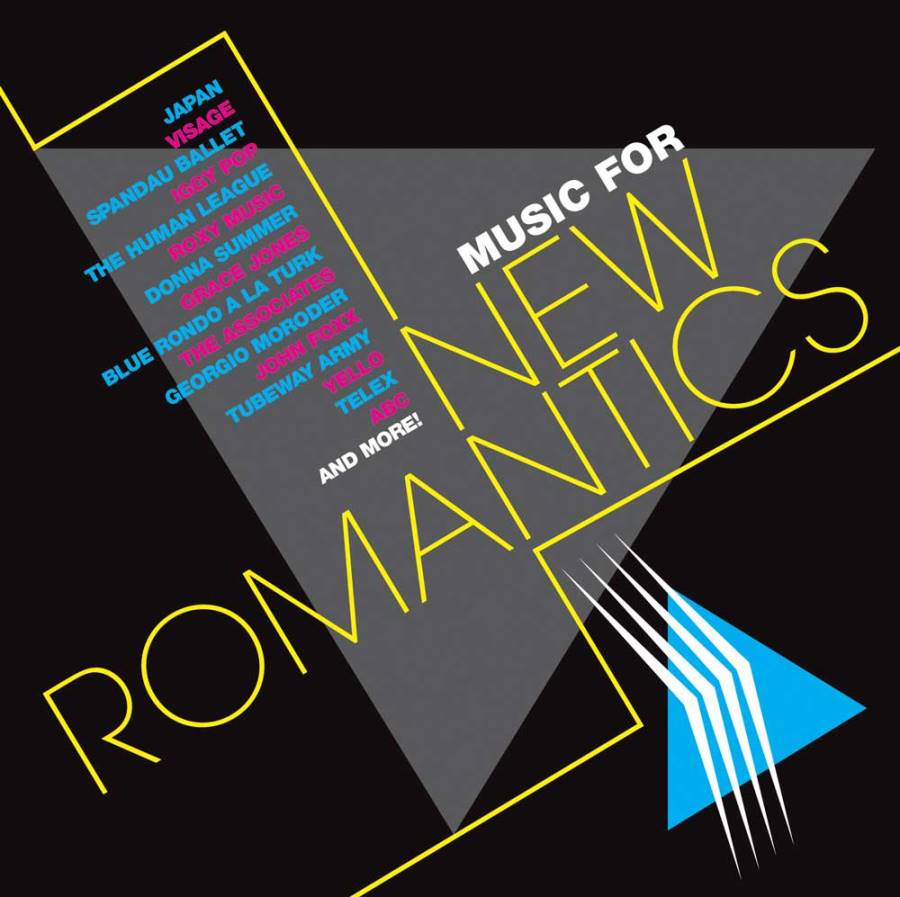
To celebrate this era in popular culture, Cherry Red Records release an eclectic boxed set entitled ‘Music For New Romantics’. But while it contains some fantastic music, the tracklisting is a confused affair, having been originally conceived around comings and goings of The Blitz Club. It was here that Steve Strange acted as doorman and fashion policeman, while Rusty Egan was its resident DJ providing the soundtrack for a scene which became the catalyst for several bands including SPANDAU BALLET, CULTURE CLUB and VISAGE as well as assorted fashion designers, visual artists and writers.
Everything was centred around fashion-obsessed and some would say self-obsessed individuals; while the story about turning away Mick Jagger is well documented, one of the ironies of Steve Strange’s gatekeeping antics was that he refused entry to Chris Payne, then a member of Gary Numan’s band in 1979; Strange was to have his biggest hit with a song that Payne co-wrote entitled ‘Fade To Grey’ while another refused entry that evening was Ced Sharpley who played the drums on it!
Contrary to legend, the playlists of the various New Romantic establishments did not comprise exclusively of electronic music as those types of tracks were comparatively scarce at the time. So international synthworks from the likes of KRAFTWERK, YELLOW MAGIC ORCHESTRA, SPARKS, SPACE and TELEX sat alongside soundtracks, punk, disco and relatable glam rock tunes by David Bowie, Brian Eno and Bryan Ferry.
Rusty Egan declined to be involved in the collection after initial discussions led to conceptual differences. In the absence of The Blitz Club’s resident DJ who is now planning his own curated collection, one of the regulars Chris Sullivan, who himself ran a similar but less electronically focussed night at Le Kilt in Soho, steps in to provide commentary while the set was put together by the team behind Cherry Red’s ‘Musik Music Musique’ synthpop series and ‘Electrical Language’ boxed set.
‘Music For New Romantics’ comes with three loosely themed discs with CD1 focussing on glam, art rock and early electronic disco while CD2 covers Synth Britannia and new wave. CD3 though is a hotch-potch of soul, funk and electro with SISTER SLEDGE and LIPPS INC being rather incongruous inclusions; with their hit songs being readily available on any ‘Night Fever’ type compilation, there were many more suitable alternatives that could have been considered.
But it is CD2 that most will revel in and the tracklist has no fault as a listening experience. Standards such as the eponymous song by VISAGE, SIMPLE MINDS ‘Changeling’, OMD’s ‘Electricity’, ‘Moskow Diskow’ from TELEX, THE NORMAL’s ‘Warm Leatherette’, JAPAN’s Giorgio Moroder produced ‘Life In Tokyo’, ‘Bostich’ by YELLO, ‘Being Boiled’ from THE HUMAN LEAGUE and THROBBING GRISTLE’s ‘Hot On The Heels Of Love’ are present and correct. But it was SPANDAU BALLET’s ‘To Cut A Long Story Short’ and LANDSCAPE’s ‘Einstein A-Go-Go’ that were to confirm that the New Romantics were able to hit the charts in their own right after Steve Strange’s cameo in Bowie’s ‘Ashes To Ashes’ video.
CD1 features scene heroes such as Iggy Pop, Lou Reed and Mick Ronson, but heroines come in the avant cabaret glamour of Nina Hagen with ‘TV-Glotzer’ and Grace Jones’ reinterpretation of Édith Piaf’s ‘La Vie En Rose’. The most welcome track on this disc though is RAH BAND’s ‘The Crunch’ which all but invented the sexy electro-Schaffel of GOLDFRAPP, while one obscure jewel is ‘The Ultimate Warlord’ by THE WARLORD. And when today’s synthwave fanboys go on and on ad nauseam about how influential the ‘Drive’ soundtrack is, then just throw ‘Chase’ by Giorgio Moroder from ‘Midnight Express’ at them!
Despite being a mess of styles, the highlights of CD3 are Marianne Faithfull’s terrorism commentary ‘Broken English’ and Gina X with the Quentin Crisp tribute ‘No GDM’ which both fit into the avant cabaret category. Although ‘M Factor’, the B-side of M’s ‘Pop Muzik’ was regularly played at The Blitz Club, ‘Everything’s Gone Green’ by NEW ORDER sticks out like a sore thumb… Peter Hook would likely scoff at being considered a New Romantic!
The move towards funk in the New Pop of late 1981 is reflected in ABC with ‘Tears Are Not Enough’ (full marks for using the CORRECT Steve Brown produced single version), HEAVEN 17’s ‘We Don’t Need This Fascist Groove Thang’ (in a rare radio version with the lyric “fascist god” changed to “cowboy god”) and TOM TOM CLUB’s ‘Genius Of Love’. But those who consider New Romantics to be discerning studious types into synth and new wave will find the likes of Coati Mundi and Don Armando extremely alienating; after all, it was THE HUMAN LEAGUE’s Phil Oakey who said to Smash Hits around this time “I hate all trends like all this Ze Stuff”!
When the New Romantic magazine ‘New Sounds, New Styles’ launched as a monthly publication in Summer 1981 after a promising launch edition, its content was confused with one angry punter later exclaiming via letter: “You’re meant to be a Futurist mag so leave all this Latin and jazz funk sh*t out of it!” – with the embarrassing novelty party act MODERN ROMANCE also being lumped in with the New Romantics, it was obvious the rot had now set in. Tellingly within a year, ‘New Sounds, New Styles’ folded…
From 1982, ‘Club Country’ by ASSOCIATES which notably highlighted the observations of Billy MacKenzie on what he saw as the posey vapid nature of The Blitz Club is a fitting inclusion. Meanwhile as the ‘Music For New Romantics’ essay writer, Chris Sullivan gets to include his own style over substance combo BLUE RONDO À LA TURK with ‘Klactoveesedstein’, a single that came in with a blank at No50 that same year!
Of course, Sullivan went on to establish Le Beat Route and The Wag Club because he loved salsa and was less than enthused about synthpop, highlighting that despite the New Romantics seeming to be a united voice of expression, like any movement, it had its factions. Not featuring in the set, it was another scene regular Marilyn who said on the recent ‘Blitzed’ Sky Arts documentary that “I hated the music, all that electronic crap” while Steve Strange imposed a ban on Gary Numan being played at The Blitz Club, thus prompting Mr Webb’s lines “These New Romantics are oh so boring” in the 1981’s ‘Moral’ and “I like romantics but I don’t like Steven” in 1982’s ‘War Songs’.
A range of key New Romantic godfathers are missing from Bowie to Eno although MOTT THE HOOPLE’s hit take on ‘All The Young Dudes’ makes up for the former while ROXY MUSIC’s ‘Do The Stand’ effectively covers off the latter. KRAFTWERK, YELLOW MAGIC ORCHESTRA and SPARKS are also absent and of the lesser known cult figures, Wolfgang Riechmann undoubtedly deserved inclusion, while New Romantic staples such as ‘Hiroshima Mon Amour’, ‘RERB’ and ‘Magic Fly’ are more preferable to the likes of ‘Funky Town’ or ‘Ai No Corrida’.
Although only a single disc, 2006’s ‘Only After Dark’ compiled by Nick Rhodes and John Taylor of DURAN DURAN based around the music played at The Rum Runner, managed to feature Bowie and Eno as well as YELLOW MAGIC ORCHESTRA and KRAFTWERK so did more with less. While ‘Music For New Romantics’ is flawed and will cause some head scratching, this set is a reminder of those more innocent aspirational times and a scene that DID actually play its part in changing the world.
The Blitz Club’s tenure was short and after vacating it, Steve Strange and Rusty Egan started Club For Heroes and then in 1982 came The Camden Palace; it was the UK’s first modern superclub; music and clubbing were never the same again, and it was not for the better. However, the New Romantics had made their mark.
An elitist movement that was exclusive at its core despite the protestations of some, one amusing modern day legacy of the New Romantics and the Blitz generation in particular is how some try to ride on the scene’s trenchcoat tails, despite the fact that even if they had been old enough to visit licenced premises back in 1980, they almost certainly would have not been allowed in, thanks to the door policy of the man born Stephen John Harrington.
Taylor Swift did a song in 2014 called ‘New Romantics’ and when you google “New Romantics” these days, it’s what often springs up at the top of the searches… but that’s another story 😉
‘Music For New Romantics’ is released by Cherry Red as a 3CD Clamshell Box Set on 25th November 2022
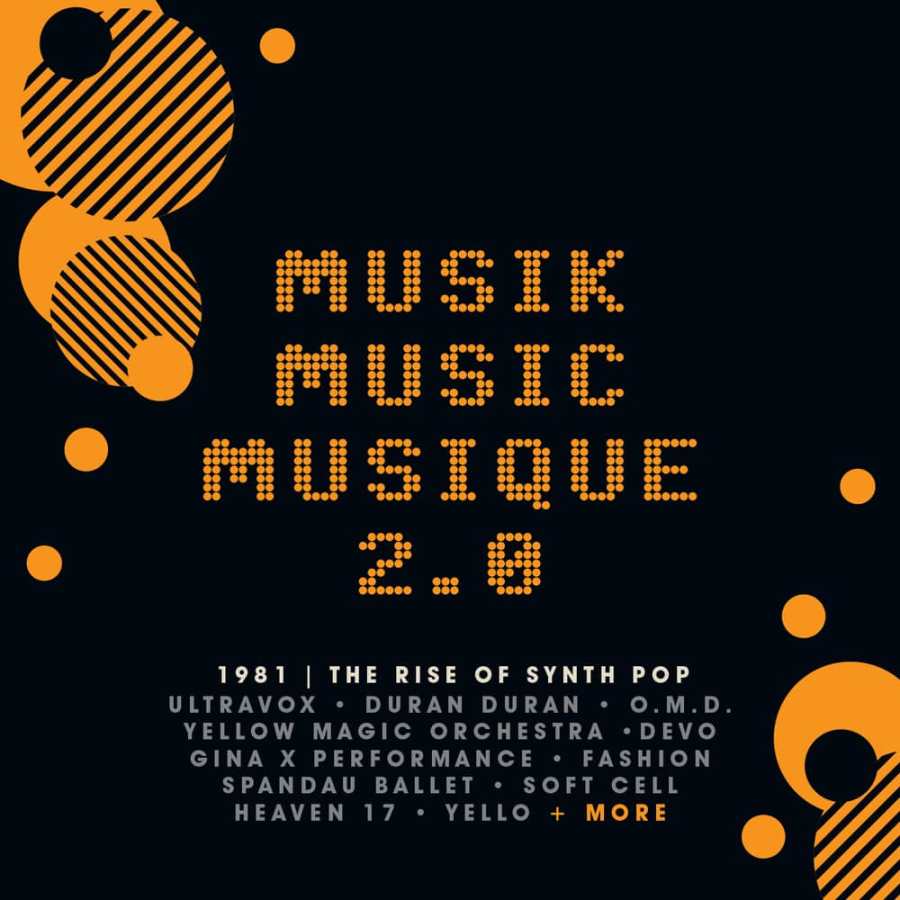
1981 is the year covered by the second instalment of Cherry Red’s ‘Musik Music Musique’ series.
1980 was something of a transition year for the synth as it knocked on the door of the mainstream charts but by 1981, it was more or less let in with welcome arms. From the same team behind the ‘Close To The Noise Floor’ compendiums and the most excellent ‘Electrical Language’ boxed set, ‘Musik Music Musique 2.0 1981 – The Rise Of Synth Pop’ presents rarities alongside hits and key album tracks from what many consider the best year in music and one that contributes the most to the legacy of electronic music in its wider acceptance and impact.
Featuring HEAVEN 17 with ‘(We Don’t Need This) Fascist Groove Thang’, OMD with ‘Souvenir’ and the eponymous single by VISAGE, these songs are iconic 1981 canon that need no further discussion. Meanwhile the longevity of magnificent album tracks such as ‘Frustration’ by SOFT CELL and ‘I Remember (Death In The Afternoon)’ by ULTRAVOX can be summed by the fact that they have featured in 21st Century live sets alongside their parent acts’ hits.
Although not quite as celebrated, ‘You Were There’ from pastoral second John Foxx long player ‘The Garden’ captures the move from stark JG Ballard imagery to something almost romantic. DEVO are represented by the LinnDrum driven ‘Through Being Cool’, the opener of the ‘New Traditionalists’ album which comes as a statement that the mainstream was their next target; the Akron quintet were one of the many acts signed by Virgin Records as the label focussed on a synth focussed takeover that ultimately shaped the sonic landscape of 1981.
Then there’s TEARS FOR FEARS’ promising debut ‘Suffer The Children’ in its original synthier single recording and The Blitz Club favourite ‘Bostich’ from quirky Swiss pioneers YELLO. Another Blitz staple ‘No GDM’ from GINA X PERFORMANCE gets included despite being of 1978 vintage due to its first UK single release in 1981. The use of synth came in all sorts of shapes and FASHIØN presented a funkier take with ‘Move Øn’ while the track’s producer Zeus B Held took a more typically offbeat kosmische approach on his own ‘Cowboy On The Beach’.
Pivotal releases by JAPAN with the ‘The Art Of Parties’ (here in the more metallic ‘Tin Drum’ album version) and A FLOCK OF SEAGULLS ‘(It’s Not Me) Talking’ highlight those bands’ then-potential for mainstream success. But in the battle of the New Romantic boy bands, the sitar tinged DURAN DURAN B-side ‘Khanada’ easily blows away the SPANDAU BALLET album track ‘Reformation’ in an ominous sign as to who would crack it biggest worldwide.
The great lost band of this era, B-MOVIE issued the first of several versions of ‘Nowhere Girl’ in December 1980 on Dead Good Records and its inclusion showcases the song’s promise which was then more fully realised on the 1982 Some Bizzare single produced by the late Steve Brown although sadly, this was still not a hit.
The best and most synth flavoured pop hits from the period’s feisty females like Kim Wilde and Toyah are appropriate inclusions, as is Hazel O’Connor’s largely forgotten SPARKS homage ‘(Cover Plus) We’re All Grown Up’. But the less said about racist novelty records such as ‘Japanese Boy’ by Aneka, the better… the actual nation of Japan though is correctly represented by their most notable electronic exponents YELLOW MAGIC ORCHESTRA with ‘Cue’ from ‘BGM’, the first release to feature the Roland TR808 Rhythm Composer.
With these type of boxed sets, it’s the less familiar tracks that are always the most interesting. As the best looking member of TANGERINE DREAM, Peter Baumann had a crack at the single charts with the catchy Robert Palmer produced ‘Repeat, Repeat’ while former Gary Numan backing band DRAMATIS are represented by ‘Lady DJ’ although its epic A side ‘Ex Luna Scientia’ would have equally merited inclusion. But BEASTS IN CAGES who later became HARD CORPS stand out with the stark dystopia of ‘Sandcastles’.
The one that “should-have-been-a-pop-hit” is the ABBA-esque ‘I Can’t Hold On’ by Natasha England and it’s a shame that her career is remembered for a lame opportunistic cover of ‘Iko Iko’ rather than this, but the delightful ‘Twelfth House’ demonstrates again how under-rated Tony Mansfield’s NEW MUSIK were, and this with a B-side!
The rather fraught ‘Wonderlust’ by THE FALLOUT CLUB captures the late Trevor Herion in fine form on a Thomas Dolby produced number with a dramatic Spaghetti Western flavour that is lushly sculpted with electronics. Over a more sedate rhythm box mantra, ‘Love Moves In Strange Ways’ from BLUE ZOO swirls with a not entirely dissimilar mood.
Mute Records founder Daniel Miller was breaking through with his productions for DEPECHE MODE in 1981, but representation on ‘Musik Music Musique 2.0’ comes via the colder austere of ‘Science Fiction’ by Alan Burnham. ‘West End’ by Thomas Leer adds some jazzy freeform synth soloing to the vocal free backdrop, while ‘Surface Tension’ from ANALYSIS is an appealing instrumental.
The strangely accessible weirdness of Chris & Cosey’s ‘This Is Me’, MYSTERY PLANE’s ‘Something To Prove’ and the gritty ‘Brix’ from PORTION CONTROL will delight those more into the leftfield, while AK-47’s ‘Stop! Dance!’, the work of Simon Leonard (later of I START COUNTING and KOMPUTER fame) is another DIY experiment in that aesthetic vein.
Some tracks are interesting but not essential like Richard Bone’s ‘Alien Girl’ which comes over like an amusing pub singer SILICON TEENS, Johnny Warman’s appealing robopop on ‘Will You Dance With Me?’ and the synth dressed New Wave of ‘Close-Up’ by THOSE FRENCH GIRLS. For something more typically artschool, there’s the timpani laden ‘Taboos’ by THE PASSAGE and SECOND LAYER’s screechy ‘In Bits’.
More surprising is Swedish songstress Virna Lindt with her ‘Young & Hip’ which oddly combines showtune theatrics with blippy synth and ska! The set ends rather fittingly with Cherry Red’s very own EYELESS IN GAZA with the abstract atmospherics of ‘The Eyes Of Beautiful Losers’ although they too would eventually produce their own rousing synthpop statement ‘Sunbursts In’ in 1984.
Outside of the music, the booklet is a bit disappointing with the photos of OMD, TEARS FOR FEARS, HEAVEN 17, B-MOVIE and a glam-bouffanted Kim Wilde all coming from the wrong eras. And while the liner notes provide helpful information on the lesser known acts, clangers such as stating Toyah’s ‘Thunder In The Mountains’ was from the album ‘The Changeling’ when it was a standalone 45, “GONG’s Mike Hewlett” and “memorable sleeve designs by Malcolm Garrett’s Altered IMaGes” do not help those who wish to discover the origins of those accumulated gems.
But these quibbles aside, overall ‘Musik Music Musique 2.0’ is a good collection, although with fewer rare jewels compared with the first 1980 volume which perhaps points to the fact that those who had the shine to breakthrough actually did… 40 years on though, many of those hit making acts (or variations of) are still performing live in some form.
Was 1981 the most important year in synth as far becoming ubiquitous in the mainstream and hitting the top of the charts internationally? With VISAGE’s ‘Fade To Grey’ becoming a West German No1 in Spring 1981 through to SOFT CELL taking the summer topspot in the UK and culminating in THE HUMAN LEAGUE eventually taking ‘Don’t You Want Me?’ to No1 in the US, the sound of synth had done its job. Setting the scene for 1982 and 1983, further editions of ‘Musik Music Musique’ are planned.
A product of Berlin’s 2020 lockdown, DAS BEAT comprise of German theatre actress Eddie Rabenberger and Agor Kerby from the Canadian electronic act BLUE HAWAII.
Rabenberger’s résumé includes opera, acrobatics, ballet, fencing skills and stage combat among her skills and talents. Meanwhile Kerby moved from Montreal to Berlin in 2018, but despite this, BLUE HAWAII released their third album ‘Open Reduction Internal Fixation’ in 2019.
With songs sung in German and English, DAS BEAT are quirkily rhythmic with an eye on the unorthodox nature of performance art, propping up a mix of Neue Deutsche Welle, Italo disco and dreamy atmospherics as they seek “to blast both boredom and boundary”.
With Amanda Lear and Gina Kikoine as influences, the hypnotic electro-cabaret of ‘Bubble’ is incessant detached disco for the outsider, as Rabenberger expresses the emotions of dancing alone. Despite the intensity, like its two muses, the bilingual alto vocal and vocoder delivery is also strangely playful. Meanwhile the ‘Identität’ title song utilises a Moroder-esque throb with some unexpected flute flourishes and shouty Mädchen expression like MALARIA! doing ‘I Feel Love’!
Much more laid back and inspired by the Cretan princess in Greek mythology, ‘Ariadne’ uses a charming vintage drum box and minimal harmonic six string to apply a muzak vibe that allows Rabenberger’s strident vocals to shine with the message that following break-up can come strength.
The closing number ‘Jackie’ is the EP’s most conventional sounding offering, being more guitar focussed with a lively use of drums despite the overall tone of resignation that is reminiscent of Nico, although not so quite so Götterdämmerung. Despite the Austere Gothic, there is light creeping through from the synth and the flute.
Released on Arbutus Records, the Canadian independent that was the home to GRIMES before she hooked up with Elon Musk, ‘Identität’ is a fine debut EP from DAS BEAT. Based on this diverse showcase and when the world is allowed out to play again, if more music is forthcoming from Eddie Rabenberger and Agor Kerby, that would be most welcome.
We use cookies to ensure that we give you the best experience on our website. If you continue to use this site we will assume that you are happy with it.
Follow Us!